
MOTOR doesn’t test many diesels, but then the new 2019 BMW X5 M50d isn’t just any old diesel.
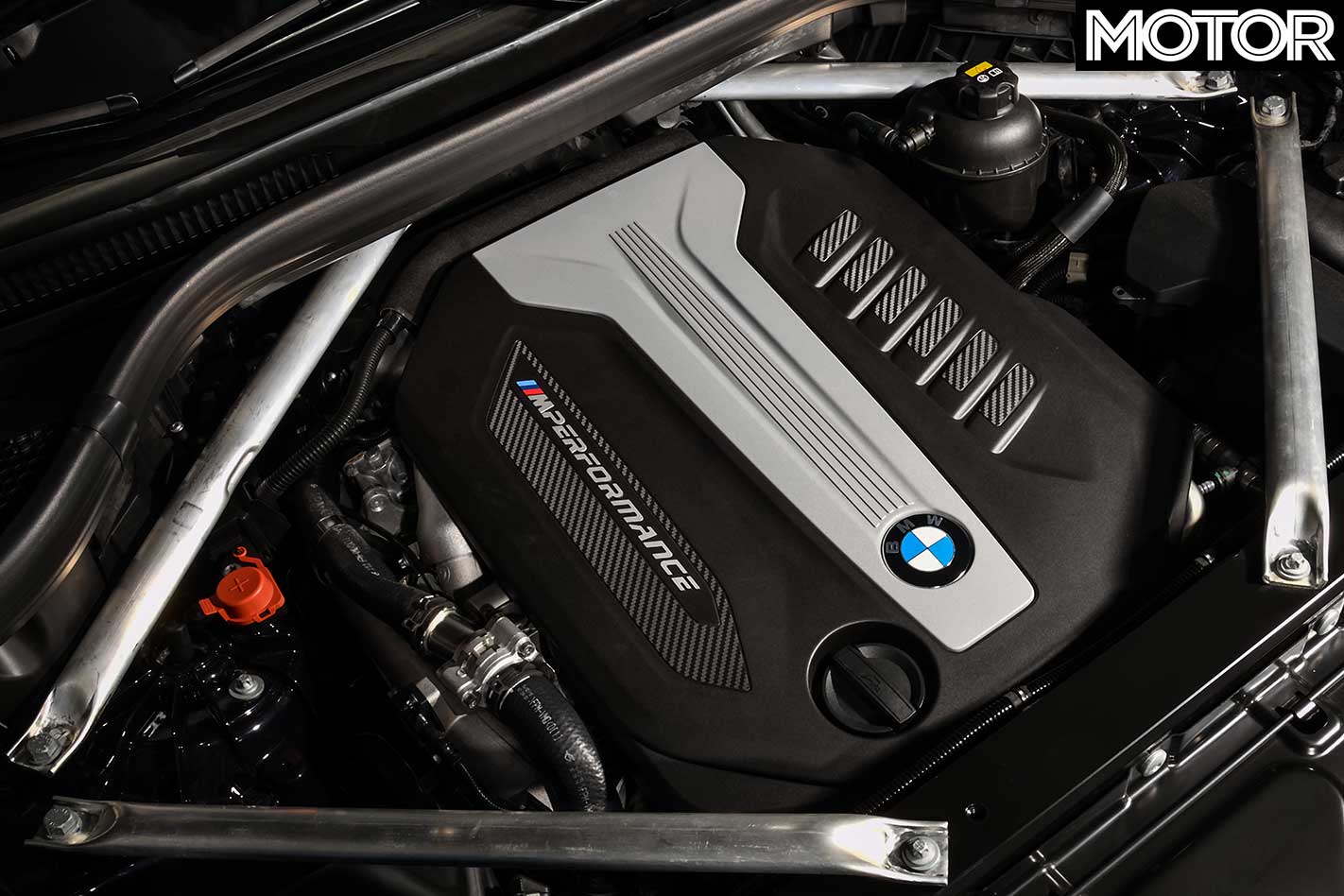
With three litres, six cylinders and FOUR turbos, it’s the wildest oil burner since the crazy Audi Q7 V12 TDi. Having trialled three turbos on the previous-gen X5 M50d, BMW has decided more is, indeed, more and added a fourth, the net result being an impressive 294kW and 760Nm.
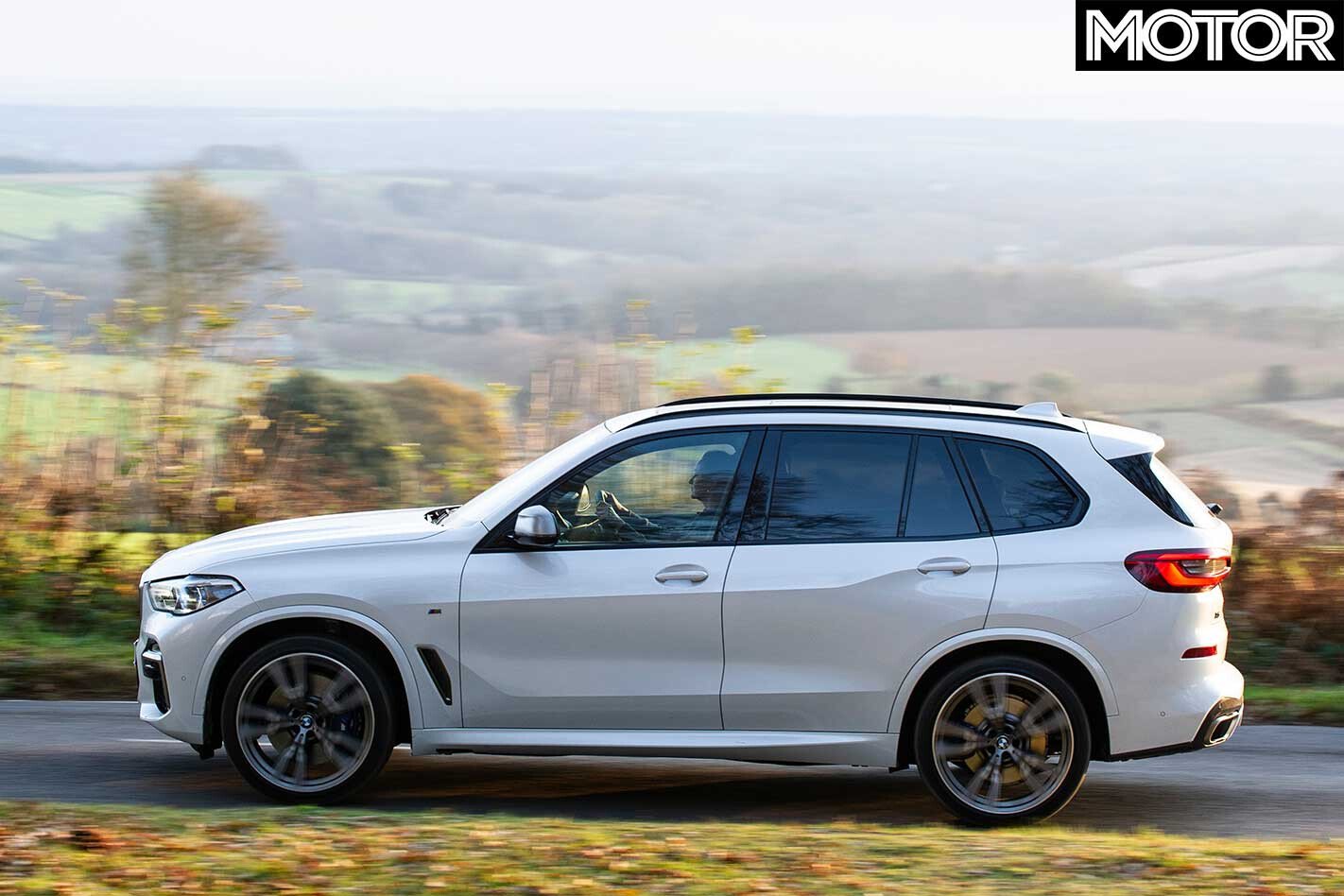
The quartet of snails is split evenly between low- and high-pressure units, the former and one of the latter working constantly, the fourth waking above 2500rpm. Conversely, full-throttle starts from standstill bypass the low-pressure turbos to provide maximum power, hauling the X5’s 2275kg to 100km/h in a claimed 5.2sec.
To be honest, the monster torque – at 1000rpm it’s already making 450Nm! – makes it feel quicker and its smooth roar certainly doesn’t sound like your neighbour’s Prado.
Nonetheless, the performance diesel is a curious creature. Even in this age of the ubiquitous turbocharger the diesel show is over just as a traditional petrol performance engine is waking up.
Imagine driving a Golf R, C63 or even an X5 M with the rev limiter set to 4500rpm and you might get some idea of the unconventional nature of the experience. Frequent use of the eight-speed auto is required to keep the revs in the 2000-4000rpm sweet spot, which comes and goes fairly quickly.
It’s not particularly satisfying, but recompense is offered in the range the diesel engine offers. Despite its performance, the M50d is incredibly fuel efficient, even when driven hard, and the official fuel consumption figure of 6.8-7.2L/100km promises a distance of well over 1000km between service station stops. Equally satisfying, but more surprising, is the way the new X5 performs when the road deviates from a straight line.
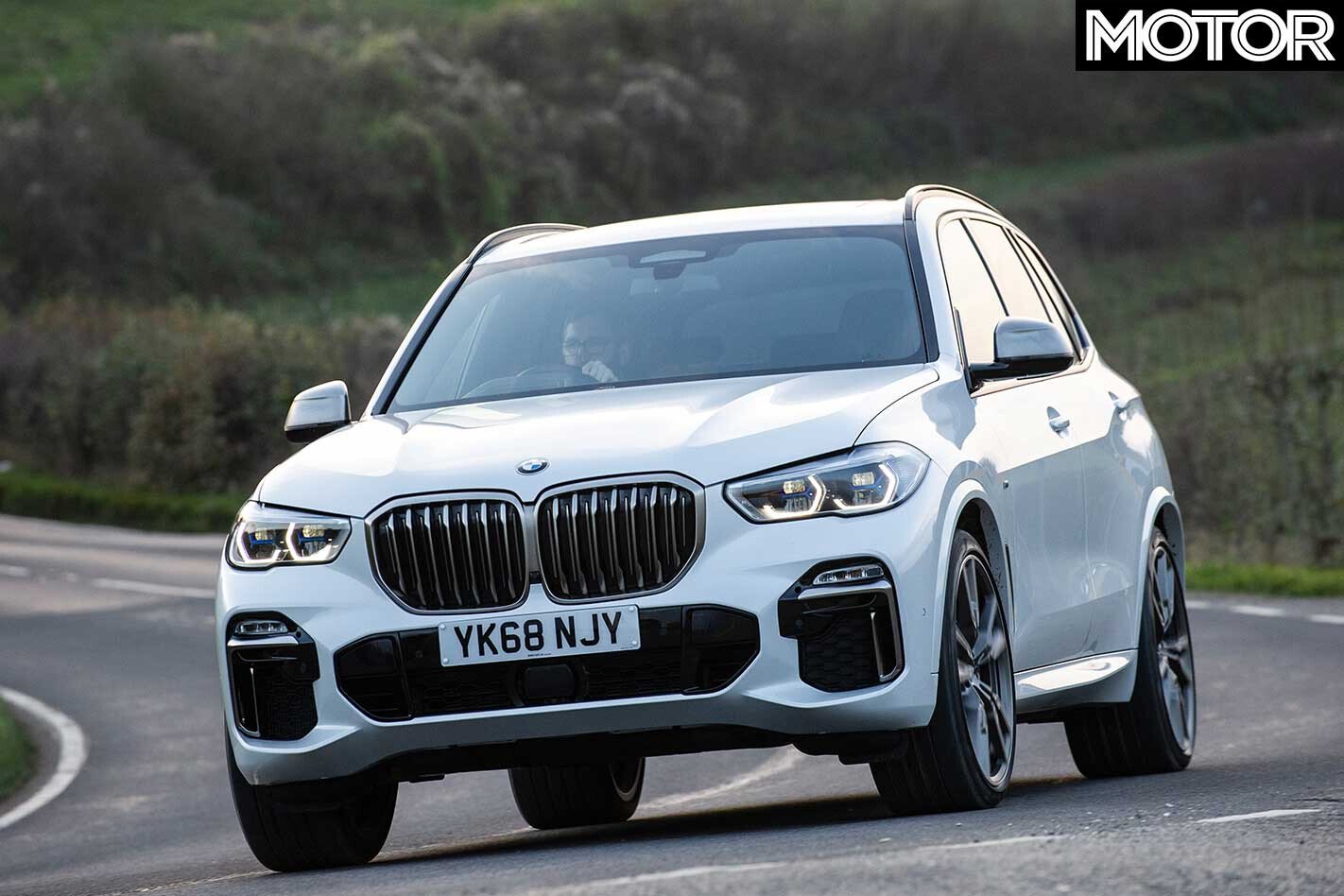
Its size, weight and centre of gravity prevents it being a true thrill-machine, but there is a lot more fun to be had behind the wheel of this leviathan that you’d ever believe. Grip is plentiful courtesy of enormous Pirelli tyres – 275/35 front; 315/30 rear on 22-inch rims – and while the steering isn’t particularly talkative, unlike the previous X5 it now at least feels like it’s actually connected to the front wheels.
The secret to the X5’s smile-factor, though, is its rear-biased xDrive setup. It transforms the M50d from just another fast-but-stable family hauler to something that offers real incentive for the enthusiastic driver.
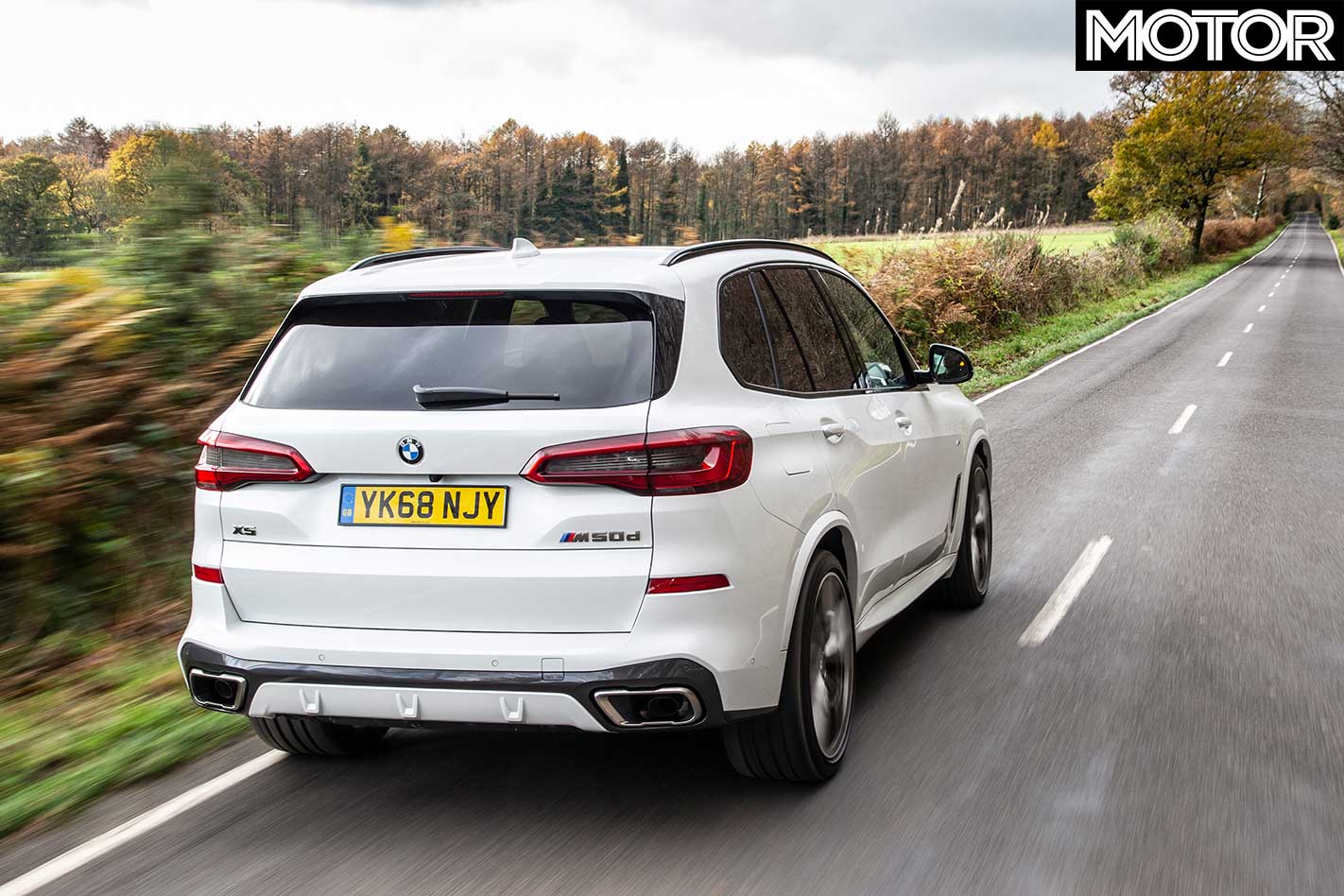
Pin the nose and loosen the rear with the brakes, pick up the throttle progressively and the X5 will transition progressively from neutrality to a beautiful oversteer slide. It doesn’t feel completely natural, but it does bode well for the forthcoming X5 M.
Speaking of, rating the M50d is difficult as it’s one of those ‘halfway-house’ cars. The head says buy the 195kW/620Nm 30d, which offers all the practicality and handling acuity of its bigger brother for $40K less, while the heart says wait for the ballistic M version, which is almost guaranteed to share the M5’s 441kW/750Nm 4.4-litre twin-turbo V8. On the other hand, if you do plenty of km and don’t fancy 20L/100km, the M50d offers arguably the best of both worlds.
2019 BMW X5 M50d SPECS Engine: 2993cc inline-6cyl diesel, DOHC, 24v, quad-turbo Power: 294kW @ 4400rpm Torque: 760Nm @ 2000-3000rpm Weight: 2275kg 0-100km/h: 5.2sec (claimed) Price: $152,000
HAVE you ever hopped into a car for the first time and immediately thought, u201cthis feels rightu201d?First impressions count, but relatively few cars in my experience have nailed that initial metaphorical handshake. However, the ones that do get off on the right foot all have one thing in common – they tend to do pretty damn well when time comes to put them through the Wheels COTY wringer.
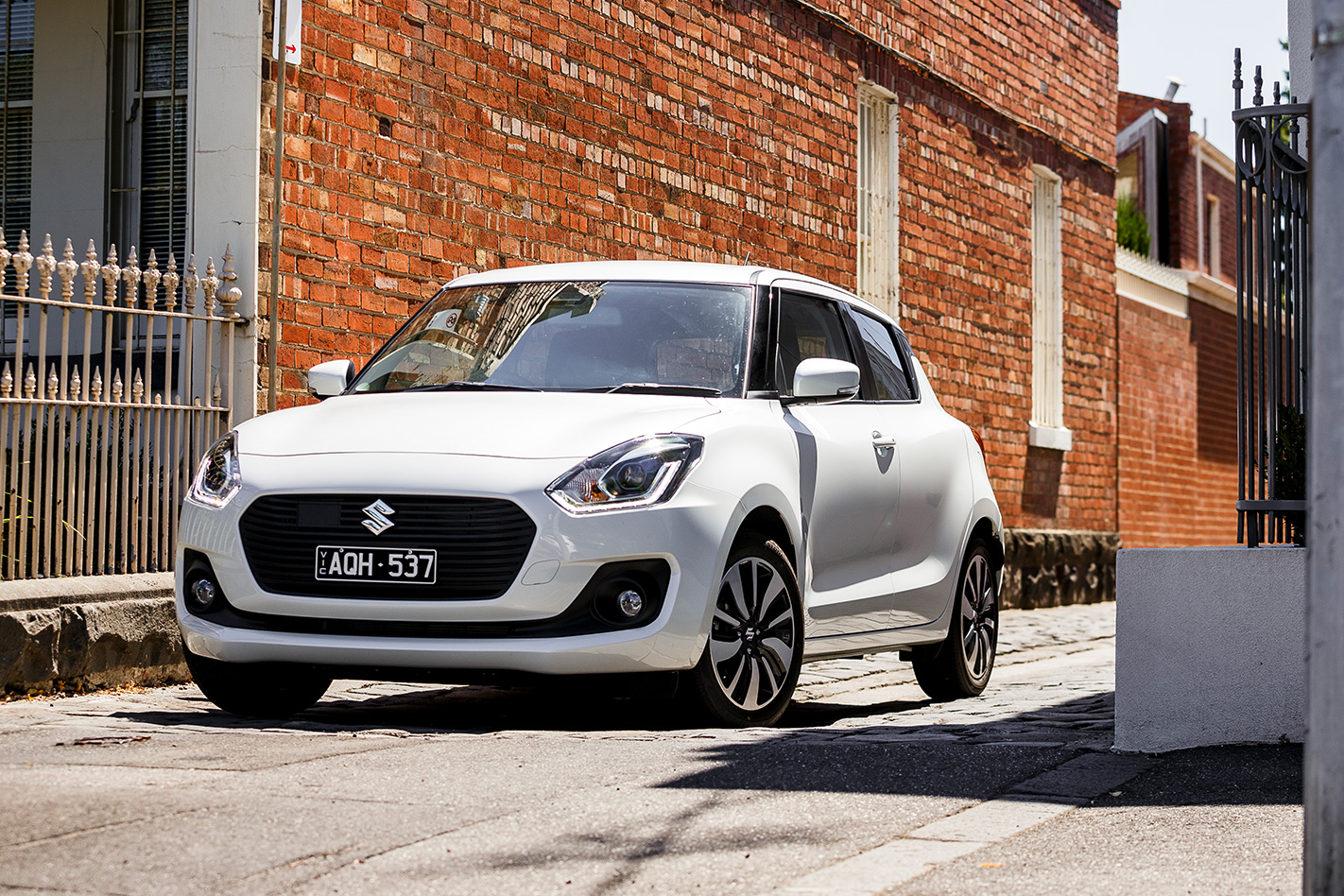
Last year, Volvo’s outstanding XC60 – winner of COTY 2018 – was one of the cars that instantly gelled, as did the runner-up Alfa Romeo Giulia. Surprise, surprise, previous COTY alumni like the ND MX-5, BMW i3, Toyota 86 and Peugeot 308 also impressed me right from the get-go, whether at their respective media launches or when picking them up for my first seven-day loan.
And so it was with the fifth-generation Suzuki Swift. When I first hopped in one, right after its mid-2017 launch, the good vibes were instant. The relationship between seat, pedals, shifter and wheel were spot-on, the seat itself seemed tailored to my dimensions and everything looked and felt like it had been designed, engineered and assembled with care – even if the plastics were rock-hard.
Little surprise that it then went on to become a finalist at COTY 2018, let down mainly by a range structure that penalised those who wanted a manual by cruelly making AEB, a reversing camera and a touchscreen infotainment suite available only on specced-up automatic models. Word on the street is that this particular shortfall might be rectified later this year.
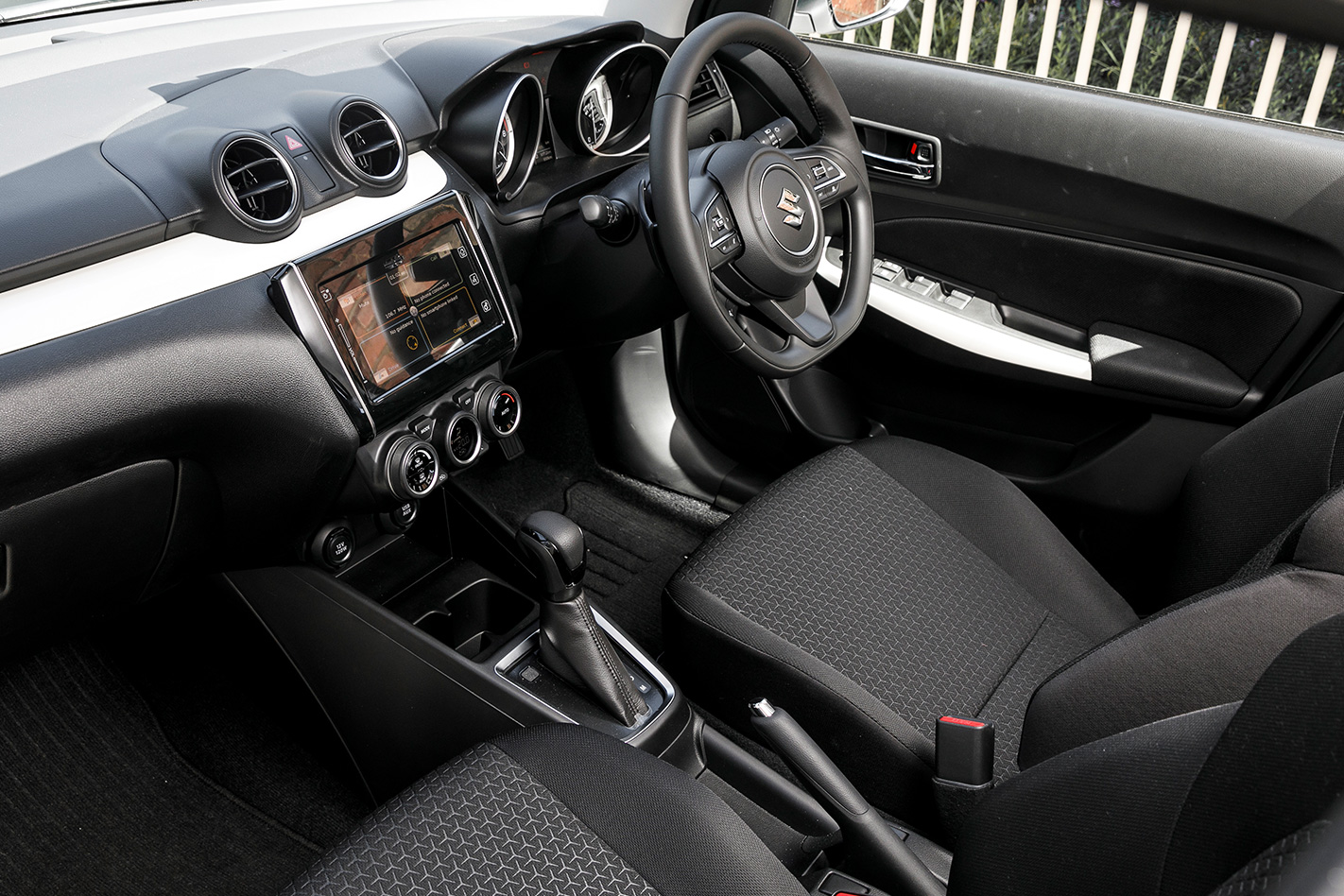
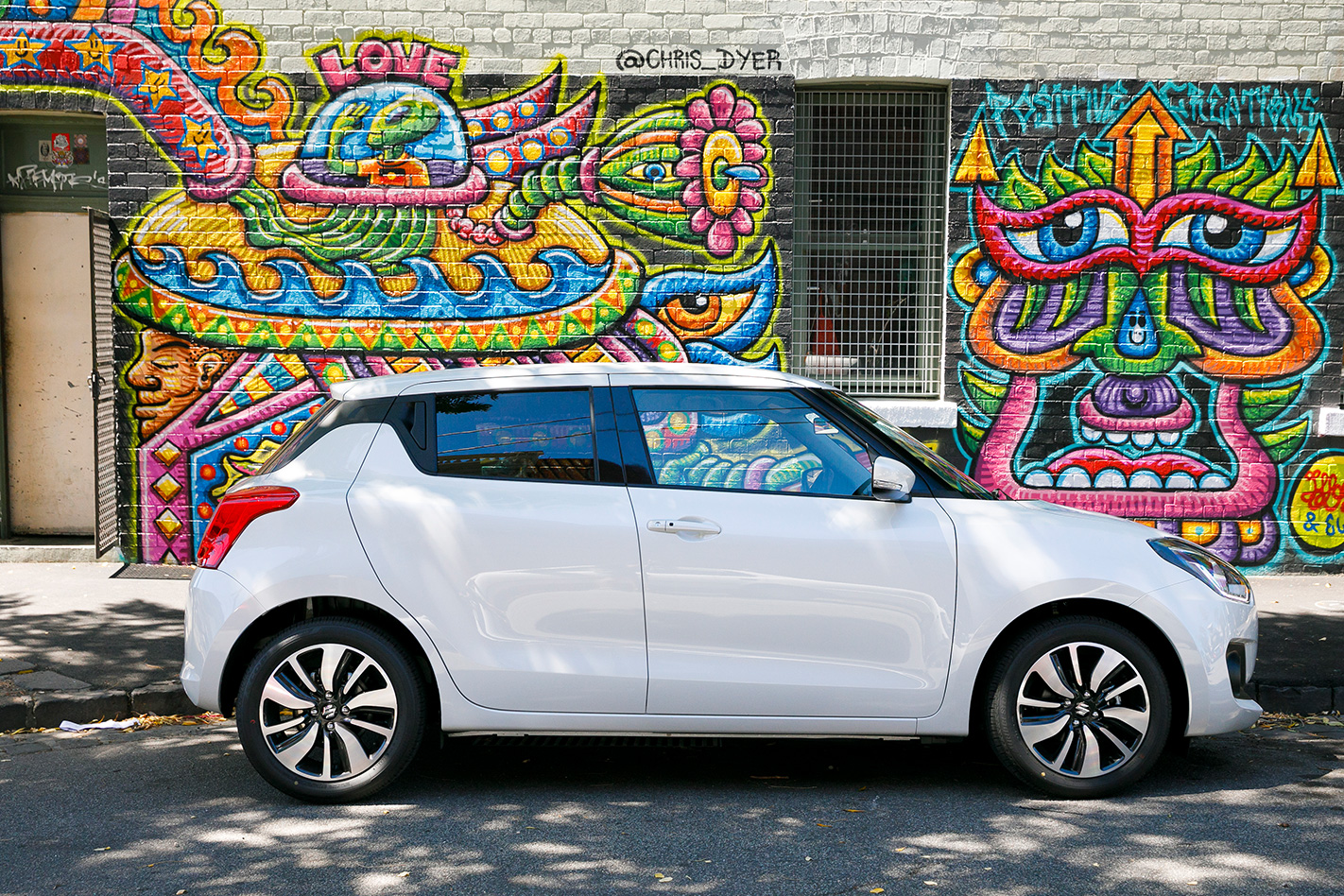
So it’s good to be getting some more seat time in the Swift, though my stint in this Pure White GLX Turbo is going to be brief – it’ll be in the Wheels garage for just two months before it’s replaced by a manual Swift Sport. However it’s not just a primer for the hotter, sexier, and more exciting Sport, but also an opportunity to get reacquainted with the regular Swift and see if more time behind the wheel shows up any additional faults or niggles that might raise their head in day-to-day driving.
Fresh off the boat with just 23km showing on the odo when I collected it from Suzuki’s head office, AQH537 has so far served well. Its lovely 1.0-litre Boosterjet turbo triple makes 82kW and 160Nm which is more than enough to pull its featherweight 945kg mass along, though the six-speed auto’s preference for high gears can see the rpm hovering at a number that feels too low for a light car, resulting in noticeable low-frequency exhaust noise and vibration.
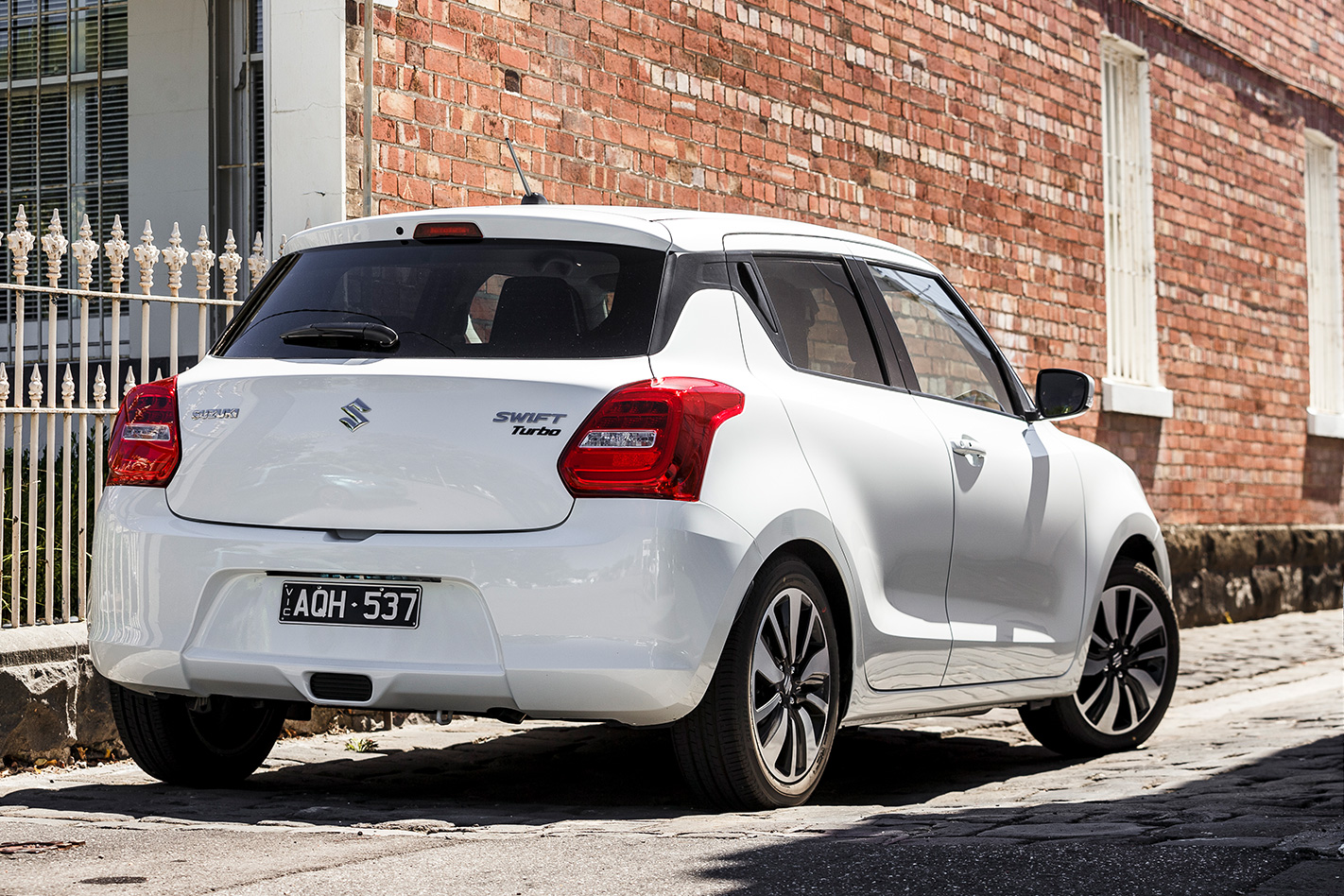
It’s not actually an issue – this engine delivers its full torque output from just 1500rpm right up to 4000rpm – but it can feel like it’s labouring. After a lifetime of exposure to plenty of wheezy light hatches that need stacks of revs to get anywhere, the Swift GLX Turbo’s low-end grunt requires a slight recalibration of expectations.
There is, however a weird step on the way up through first gear during hard acceleration that feels like the transmission momentarily slips. It doesn’t seem like a fault and I’ve witnessed the exact same thing in a different car, but considering the Boosterjet mechanicals are otherwise so very impressive, something like that stands out.
Deputy Editor Enright also complained about a sketchy connection between his phone and the Swift’s built-in Android Auto smartphone mirroring, but I’ve yet to discover those same gremlins. Reality is, with the integrated sat-nav screen already being quite user-friendly I haven’t felt a great need to plug my phone in so far.
Out of the box, then, there aren’t many things that require improvement, though let’s see what happens once we’re out of the honeymoon period.
Update #1
By Tony O’Kane
THIS GLX Turbo was only meant to be a stop-gap until I step into a Swift Sport, but in the two months it’s spent in my hands a trend became quite apparent – virtually everyone who came into contact with the little Suzi loved it.
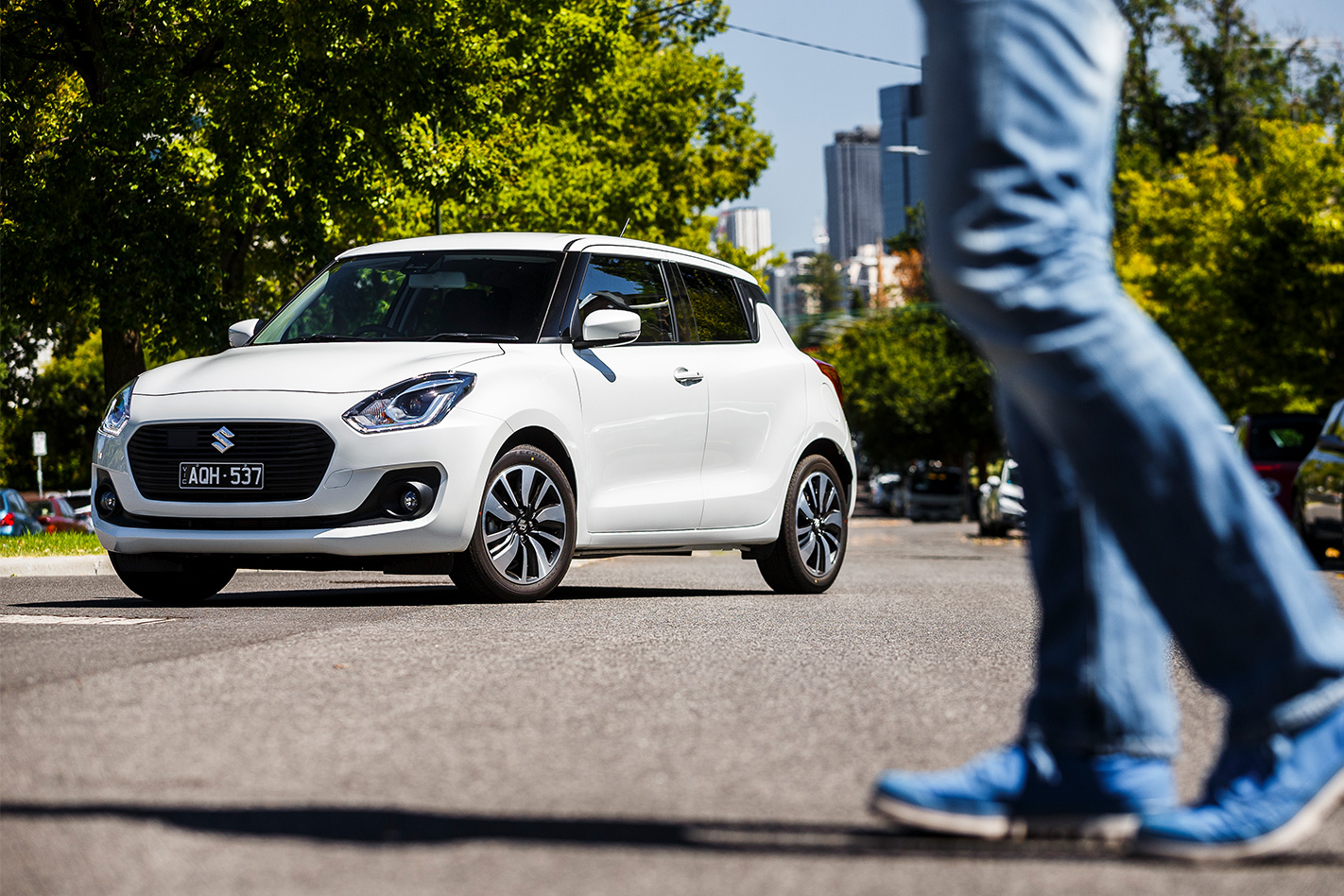
And it wasn’t the kind of affection that only revealed itself after the inevitable “so whaddya think?”. No. These feelings were almost always voiced without prompting, and often before the driver’s seatbelt was unlatched. Remember how I said last month that the Swift makes a profoundly positive first impression? Turns out I’m not the only one who feels that way.
So what endears it to people? Interestingly, no single attribute seems to stand out. Rather it’s how complete and well-rounded the whole package feels. “It just works”, was one morsel of feedback, which sounds like the response most non-tech-savvy people give when asked why they like iPhones.
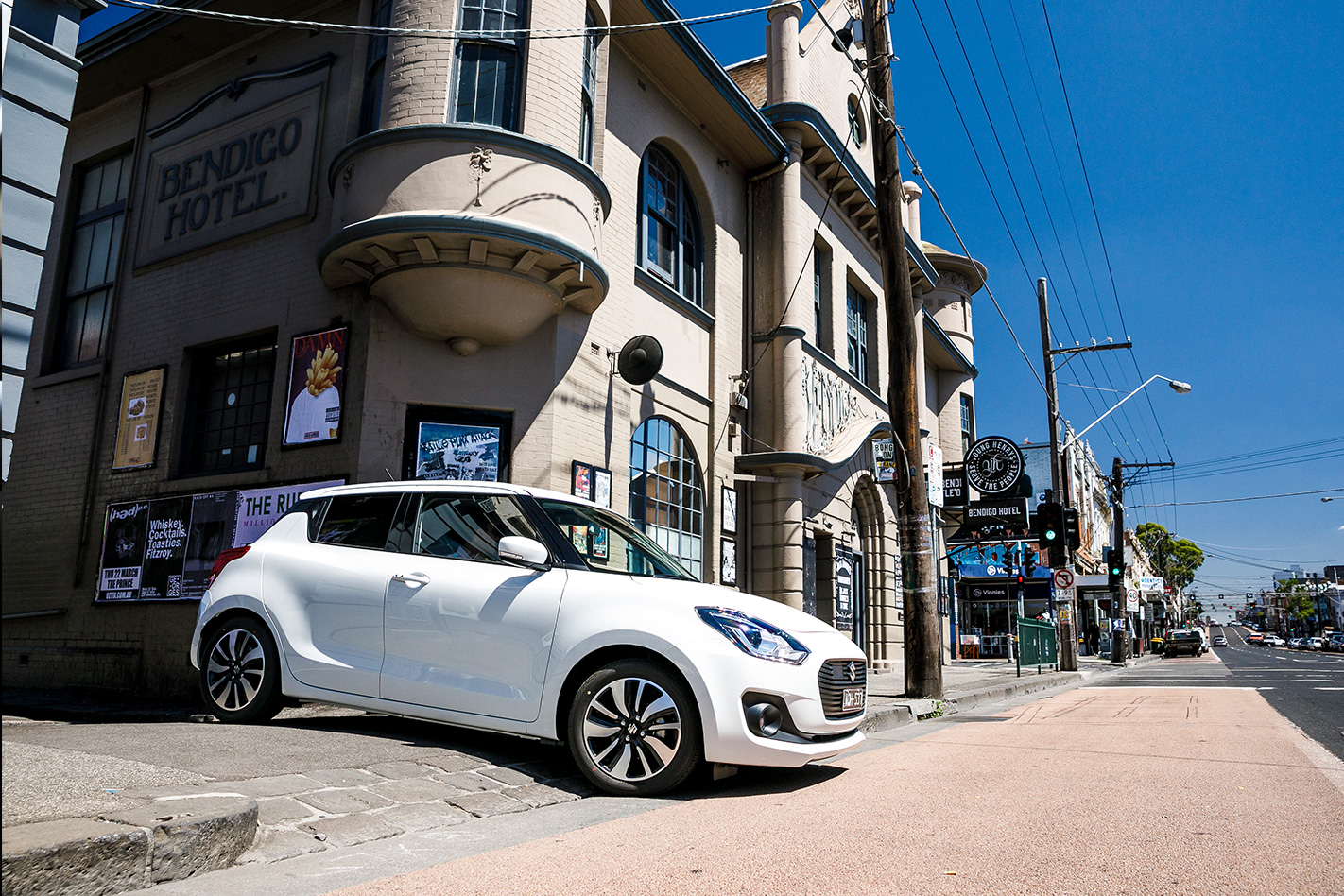
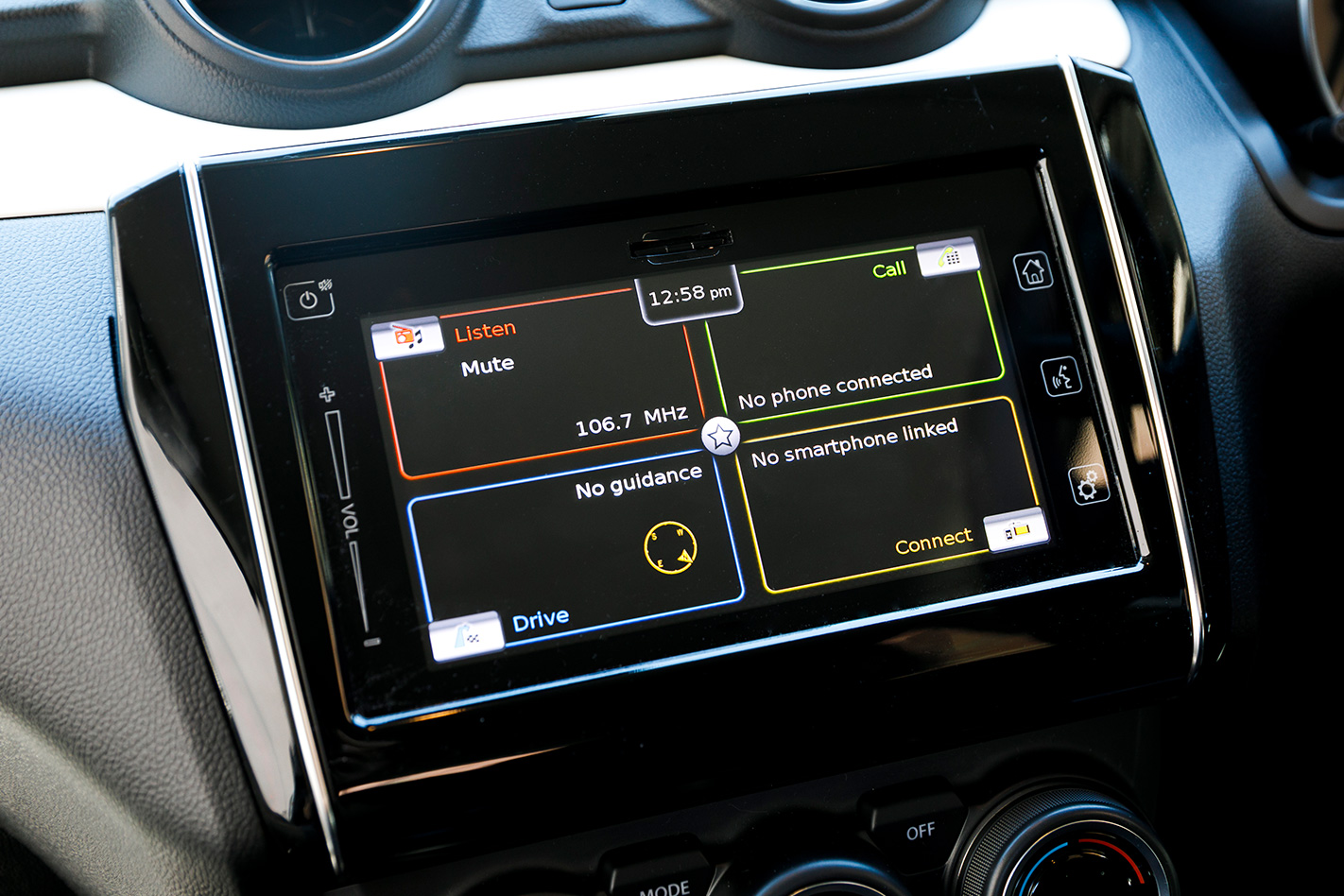
It’s also made me a convert to smartphone mirroring. Suzuki’s multi-fit touchscreen infotainment package is a good example of how entry-level infotainment should be done, with plenty of features, clear graphics and an intuitive user interface, although some in the office have had issues with wired smartphone connection. Once cranked up, Android Auto has added functionality on top of to the Suzi’s system like being able to preselect a drive route on Google Maps via my work computer before I get in the car. Once I’ve sent the route to my phone and plugged it into the Swift, I’m ready to go as soon as I start the ignition.
Touches like that just make life a little bit easier.
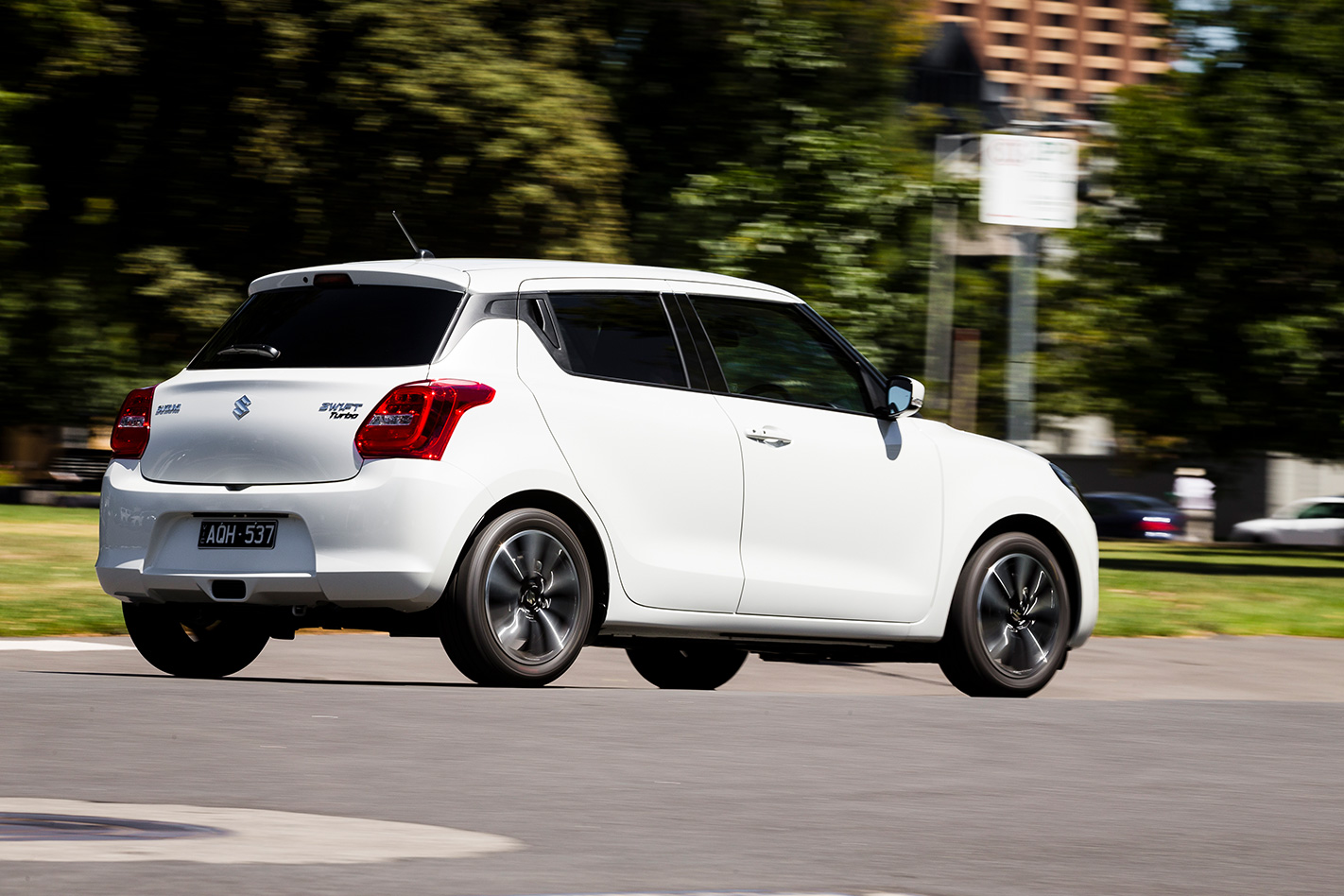
The Swift isn’t perfect, mind you. Trips on coarse-chip highways saw me cranking up the audio volume to antisocial levels to drown out the tyre roar, and it’d be nice to have some kind of rubbery or flocked lining in the centre console to stop phones and keys from sliding on the rock-hard plastics.
The three-pot is also a little vibey at idle, but hey, triple-cylinder engines have always had tricky harmonics, and the laws of physics are hard to cheat.
There’s also the issue of price – $22K buys you a lot of kit and capability in the GLX Turbo but a cloud has recently appeared on its horizon in the shape of the just-landed sixth-gen Volkswagen Polo, which has a top-spec model at an identical price point. Sure, the Polo 85TSI misses out on climate control, standard sat-nav and a few other luxuries, but it feels properly premium.
Had I not driven it right after handing back the Swift GLX Turbo, I would have said Suzuki had a solid position of leadership in the light car segment.
This could take some explaining. We’re parked on snow at the top of Mount McKay, the highest navigable road in the nation, and our Porsche 911 GT2 RS is about to fall off a cliff. For every metre the car creeps forward, its tail slides 10 centimetres sideways down the icy camber of the track towards the precipice. Unless something changes, 15 metres from now I’m going to be forever known as the guy who oversteered a million-dollar car to destruction. At 3km/h.
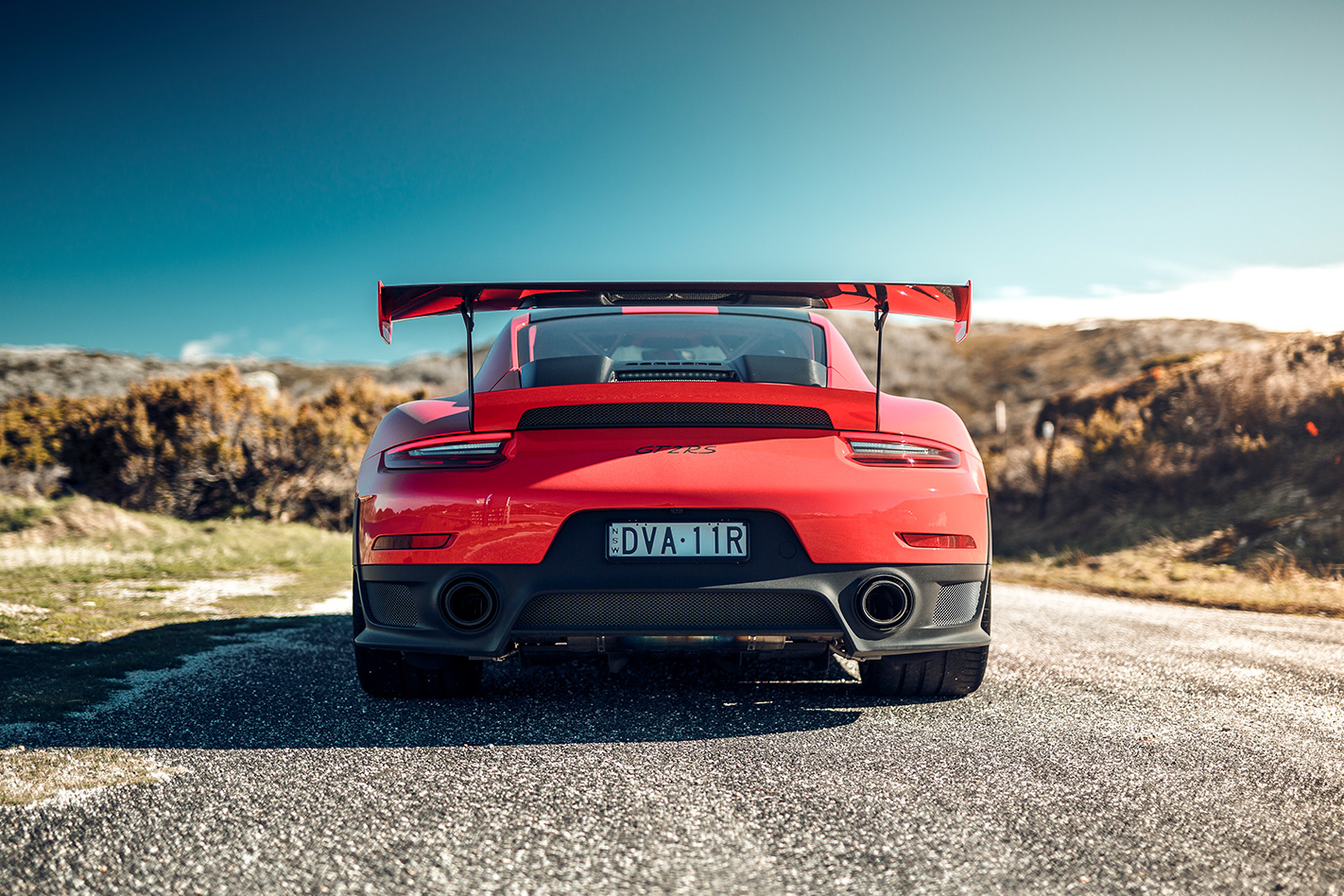
The original plan was to drive from Bright up and over Tawonga Gap, sidle through Mount Beauty as unobtrusively as possible in a car that looks and sounds as if it has just driven off the grid at the Bathurst 12 Hour, blast up the road to Falls Creek and, ultimately, reach the summit of Mt McKay. Take some snaps looking heroic, that sort of thing. It’s 70km of road that just doesn’t let up, and we’ve got 515kW to throw at it.
First we stop for a bite in Bright. A 911 GT2 RS in Guards Red is a magnificently obnoxious contrivance at the best of times, but when photographer Brook casually prods the sports exhaust button as I’m trying to nudge it into a spot outside a street cafe, it’s enough to have a coterie of little Mungos choking on their babyccinos. Synchronised stink eye from the mums, too. It’s safe to say this blaring carbuncle, festooned with spoilers, vents and decals, is not subtle, nor pretty.
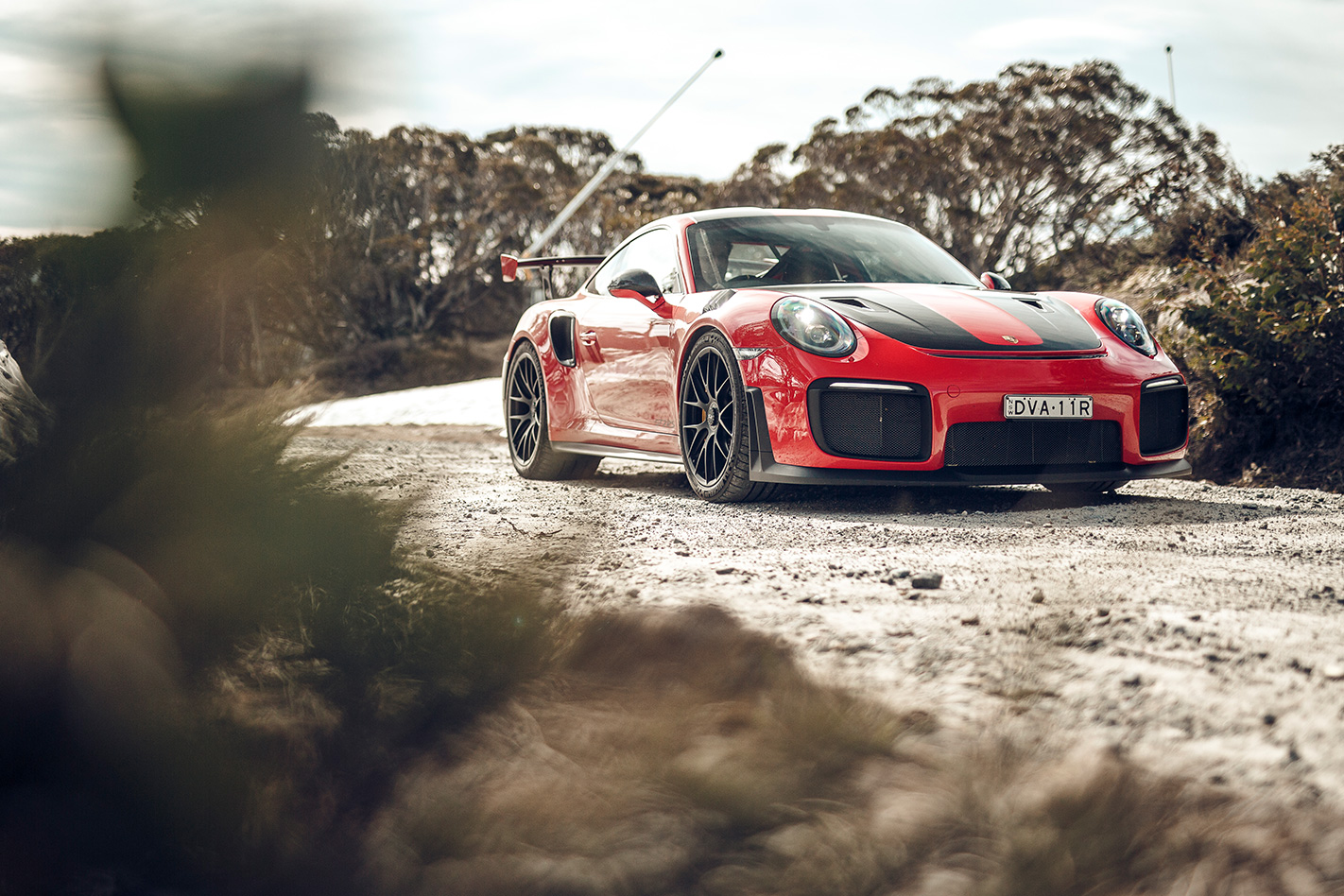
Fuelled up and burbling out of Bright beneath interlinked fingers of oaks and cedars, it doesn’t take long before the Ovens River valley opens into rolling hills that mark the left turn at the intriguingly named Germantown.
The Tawonga Gap road enables the Porsche to gently warm its musculature. The road’s fairly flat at first, meandering past ordered leylandii hedges, signposts indicating that the old 100km/h limit has been pared back to 80. That’s no great issue as you feel your way into the car, the front Michelin Pilot Sport Cup 2s warming as you lean on the front end through 45km/h recommended corners, the steering gently weighting and unweighting as you scythe across the crown of the road.
At kilometre 17, a couple of hundred metres from the saddle at the top, comes a corner that would have tied an old GT2 in all kinds of knots. It’s a left-hander that lulls you in, but which simultaneously tightens and then ramps sharply uphill. That increase in gradient instantly knocks 5km/h or so off your forward velocity, pitching the car’s weight balance forwards, centripetal force then attempting to pry loose the rear treadblocks’ grip on the coarse-chip. In an old GT2, say a 996-gen, you’d have needed to be very quick with the steering to prevent the car spearing engine-first into the undergrowth.
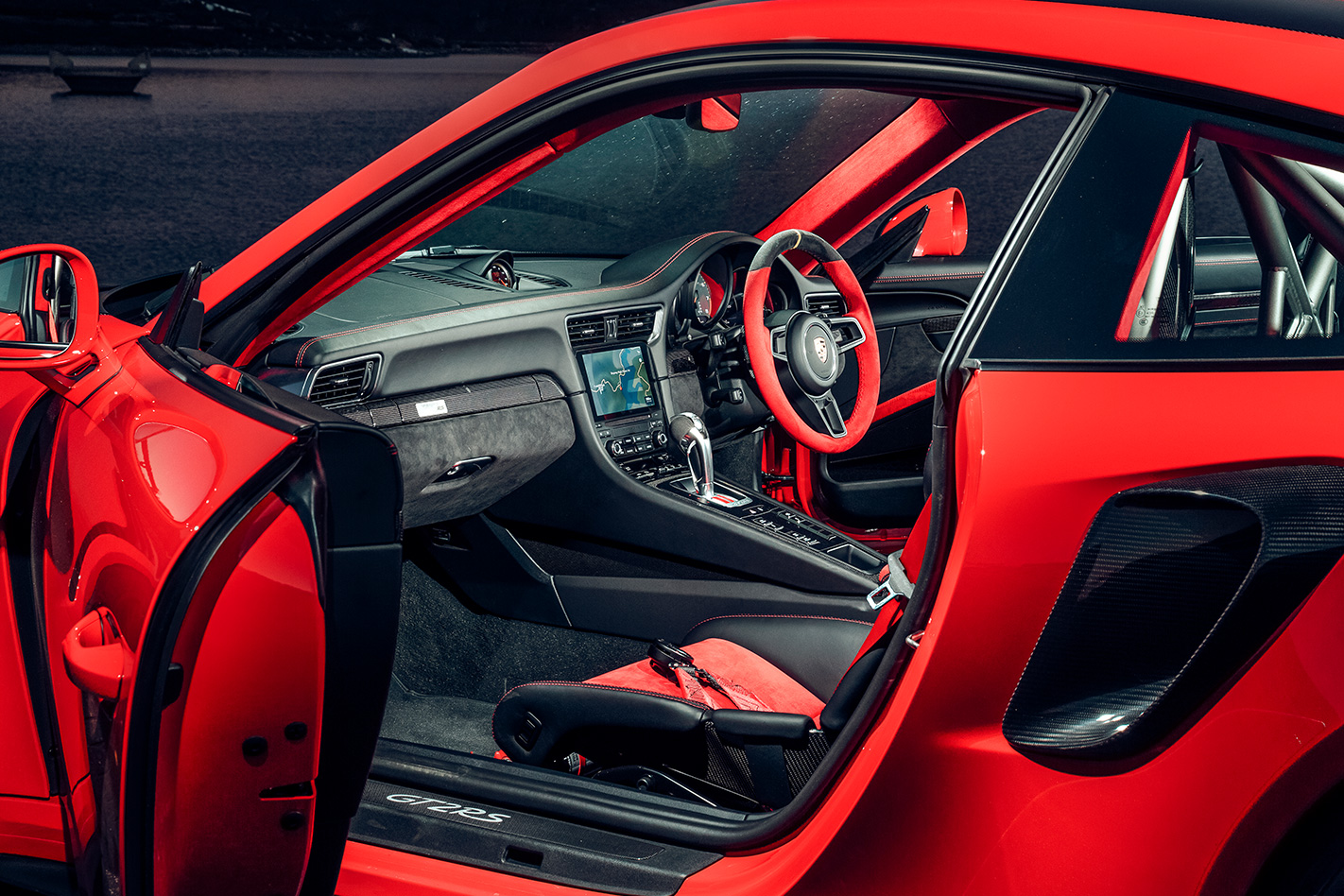
This 991 version simply shimmies ever so slightly, the steering loses some heft and then it just shrugs and gets on with it. It bodes well for the challenges ahead.
The only significant downhill stretch of this route allows us to dive deep into hairpins on the carbon stoppers, again trying to provoke the RS into a betrayal of Porsche’s ‘engineering over basic physics’ philosophy. The reduced sound deadening in the back means that you hear the rear pads’ abrasive shushing as they grab at the discs. A rear-engined car shouldn’t be able to scribe such a clean line while being trail-braked into a corner and it’s only when sharp surface changes are encountered in the braking zone that there’s the merest flicker of activity from the stability-control indicator.
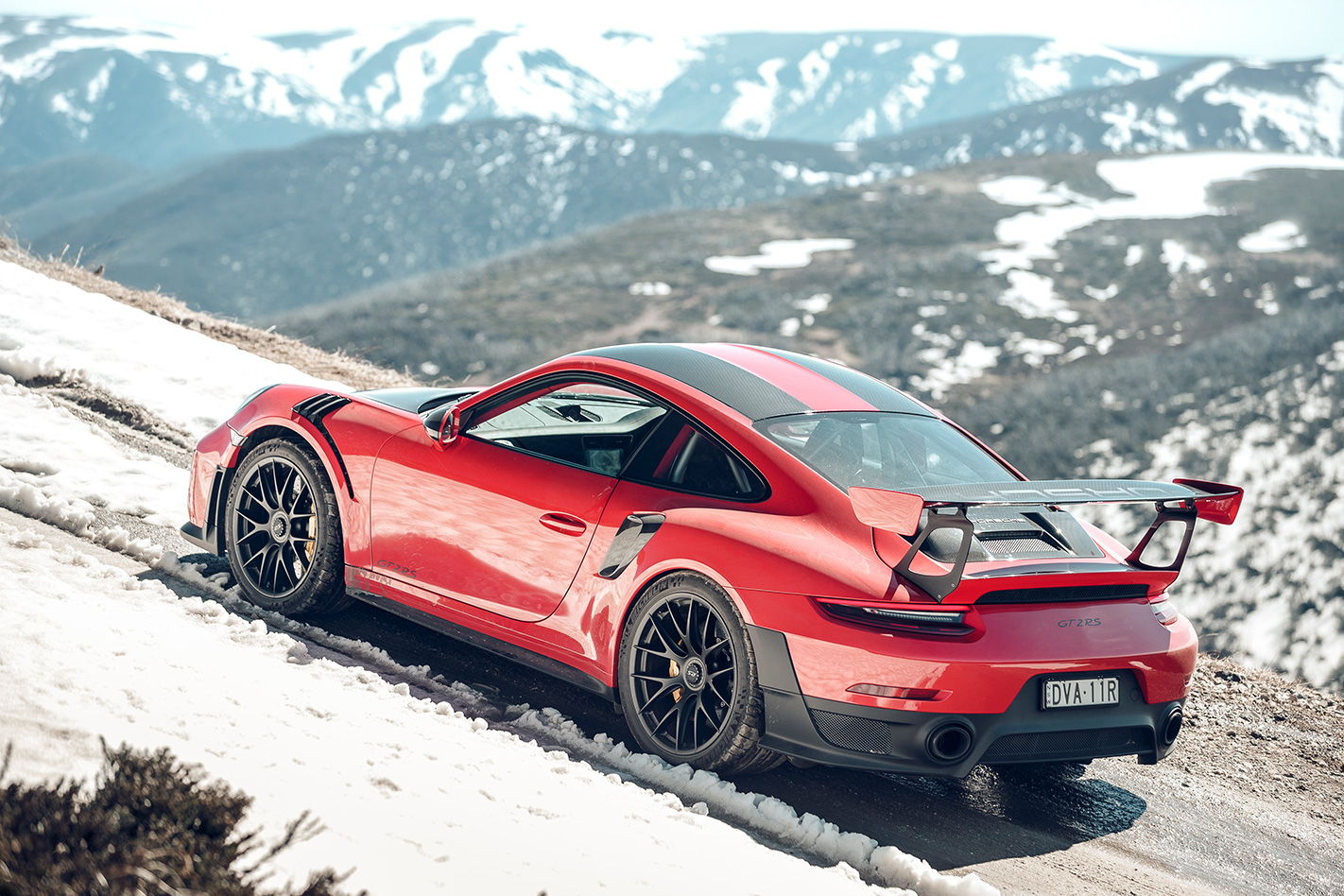
Switch it all off and it still only requires the merest finger or two of corrective lock. The widowmaker tag that GT2 models have long been saddled with can finally be retired.
Driving one is still an event, though. How could it not be when it looks like this? It’s the only production car I’ve experienced where the cabin becomes quieter when rolling the windows down at 100km/h, there’s a bassy resonance at 2000rpm that feels as if it’s about to liquefy your diaphragm, the rose-jointed rear end squeaks and grumbles and no matter how carefully you pack the car, there’s always something getting loose astern and setting up a percussion accompaniment with the titanium roll cage.
The view in the door mirrors is pure theatre, with voluptuous haunches topped off by the angry rear wing end fences. Stop on the verge and road chippings stick to the tacky rubber, turning them into toroidal Golden Gaytimes. The tyres like to divest themselves of these stones at 15km/h, some of them pinging off the car’s undercarriage, but a good proportion from the front hoops, firing through the vents on the front wings like gritty Roman candles. At least they fly out at an angle and not at the windscreen like an old TVR.
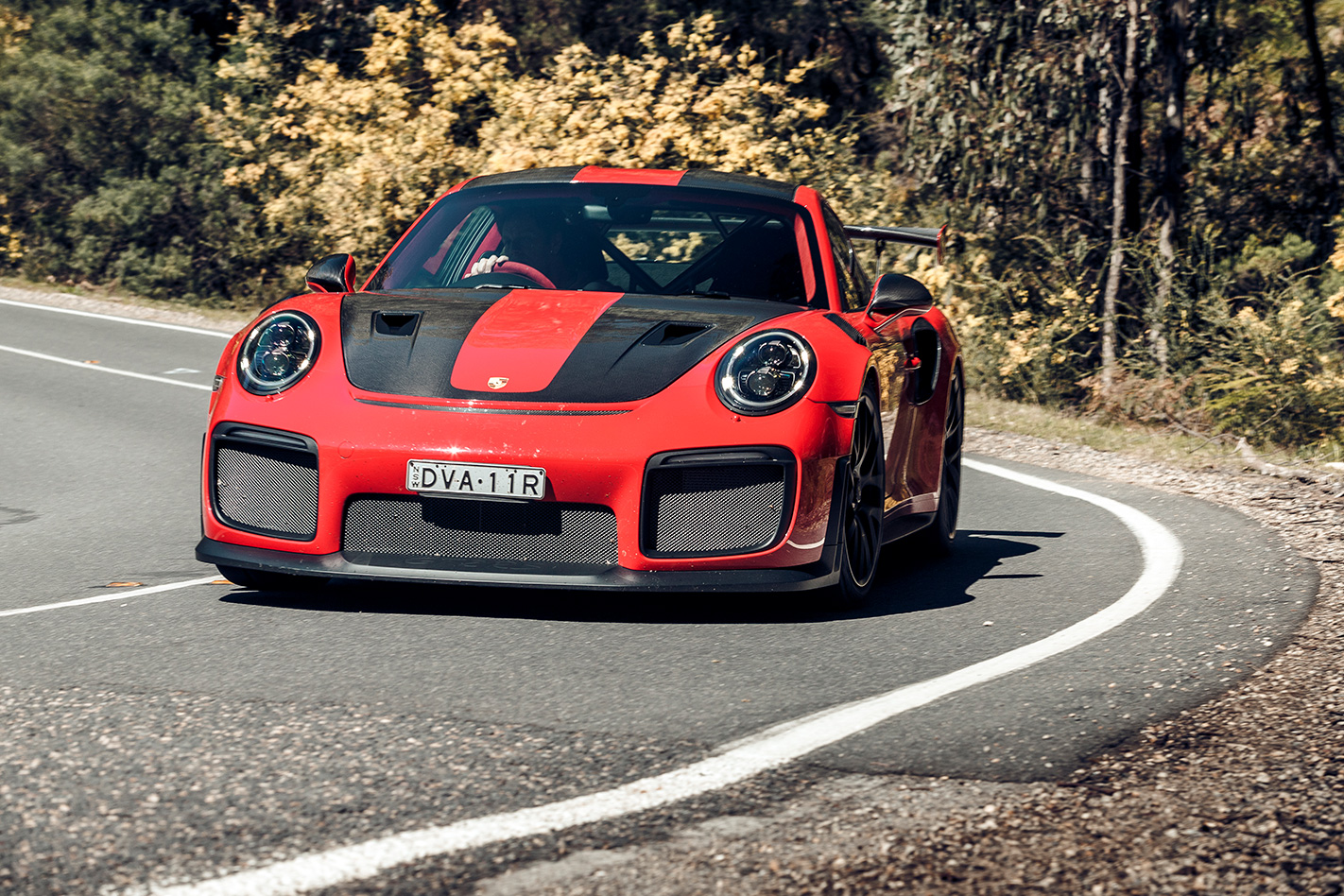
If Tawonga Gap is the amuse-bouche, the road up to Falls Creek is a bottomless buffet of brilliance. It has almost everything condensed into 30km. Climbing 1187m, it meanders uphill consistently for the first 4.2km before the terrain varies, undulating from there to the 16.7km mark, after which it ramps up again after the East Kiewa River crossing, averaging a six percent gradient up to the ski resort at just over 1500m above sea level.
From the resort centre it’s only a few corners before the front lifter kit is engaged for the loamy track up to Mt McKay at 1849m, a crucial few metres higher than The Cross at Mt Hotham, at 1845m, the highest metalled road in Australia. With snow still on the Bogong High Plains Road, there’s a gate closing access to the high dam above Falls, rendering the resort a dead end and reducing traffic on the road up to the odd masochistic cyclist and resort utes. Clear road, game on.
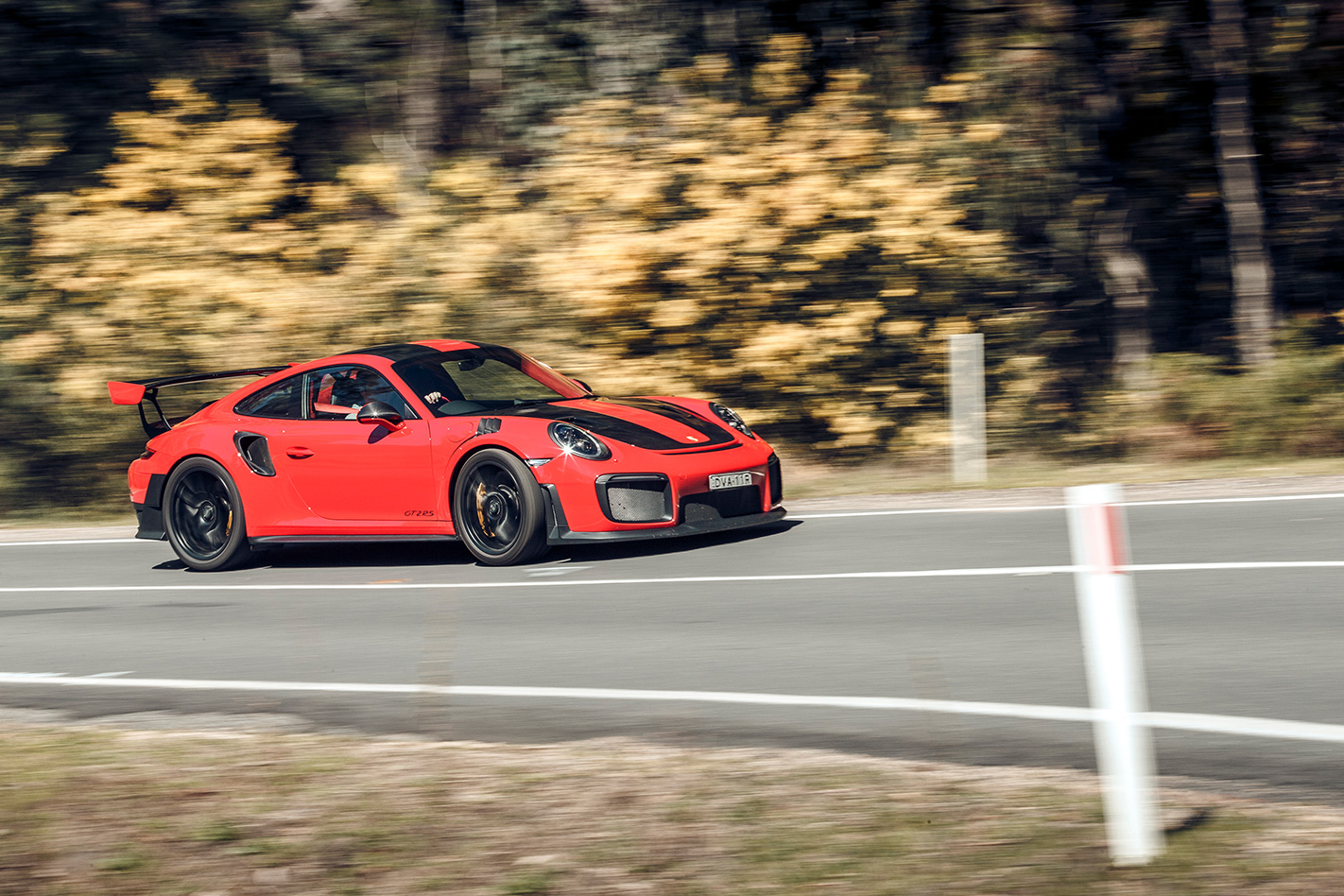
We start by hooking a front tyre into the gutter and giving the Porsche a huge bung at its peak torque of 2500rpm. It responds as if it’s velcroed to the bitumen, without a sniff of under or oversteer.
Reviewing Brook’s cornering shots reveals the car to be so flat mid-corner that it almost looks parked. The tyres are at optimum temperature and as the speeds increase, there comes a point where sanity prevails and we realise that even on some of the tighter corners, we’re going to have to attack them at eye-widening speeds in order for the GT2 RS to get up on its toes.
Jumping on the throttle earlier and earlier also does little to unstick its composure, the flat vowels of its soundtrack lacking the musicality and magic of the naturally aspirated GT3 RS, yet you can’t argue with its sheer effectiveness. The nauseating sensation of relentless acceleration feels like you’ve got a stack of batteries under the floor, or a massive-capacity V8 driving the rears, rather than a turbocharged 3.8-litre six. A five-litre water tank in the frunk sprays the intercooler, cooling intake temperatures by as much as 15 degrees to further swell power and torque.
It’s almost disappointing how imperiously the Porsche swats aside the challenge of one of our favourite roads. There’s too much traction at the back to unstick it at sensible speeds on anything but the tightest hairpins and the front only wilts into the briefest skerrick of push-on understeer when the tyres are cold. Climbing up past Bogong Village, the forest thickens and the sightlines become ever more difficult; thick stands of stringybarks cloaking the folds and contours of the hills.
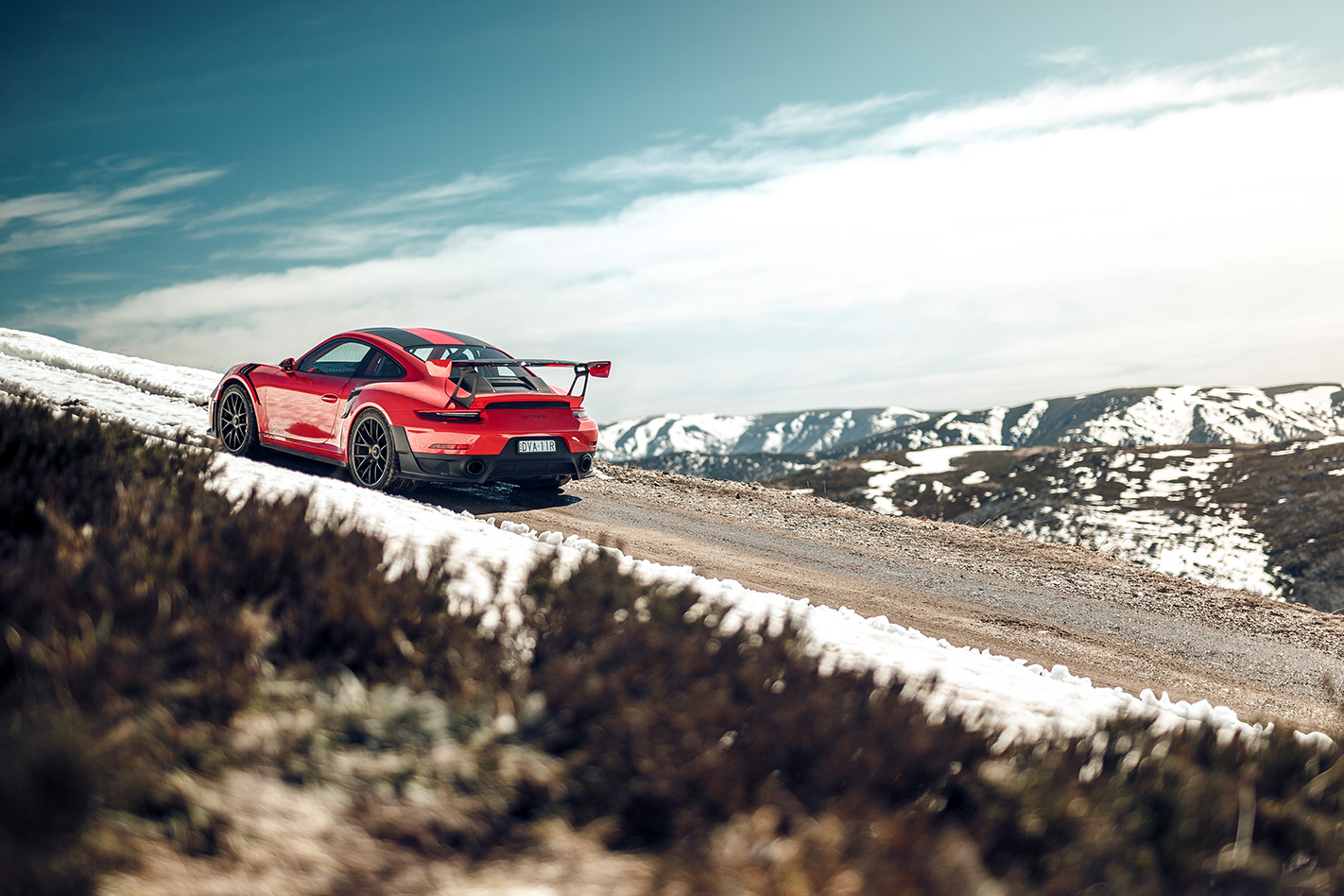
The road surface deteriorates, ravaged by winter’s freeze/thaw cycles and it’s this constant nibbling at the suspension that suddenly makes the car feel more alive, doing just enough to dent its composure, sending little flares of oversteer, ABS interventions and, once or twice, the impression that the rear was close to its bumpstops. It’s better to soften the suspension a little here, and there’s a natural cadence to it, but it’s one we never get fully accustomed to.
With the scenery exploding through the windscreen and the rear end dancing towards dizzying drops, the Porsche comes good, but it’s a singularly focusing experience, leaving you dry-mouthed and gritty-eyed, the Alcantara-rimmed wheel clammy with perspiration. One misjudgement and you suspect you’d only be found the next time one of Google’s mapping satellites performed a pass.
The GT2 RS never feels quite as demented as a McLaren 720S at full boost, but it’d probably be the quicker point-to-point car. I’m struggling to think of anything that can demolish a road quite as brutally as Porsche’s ultimate 911.
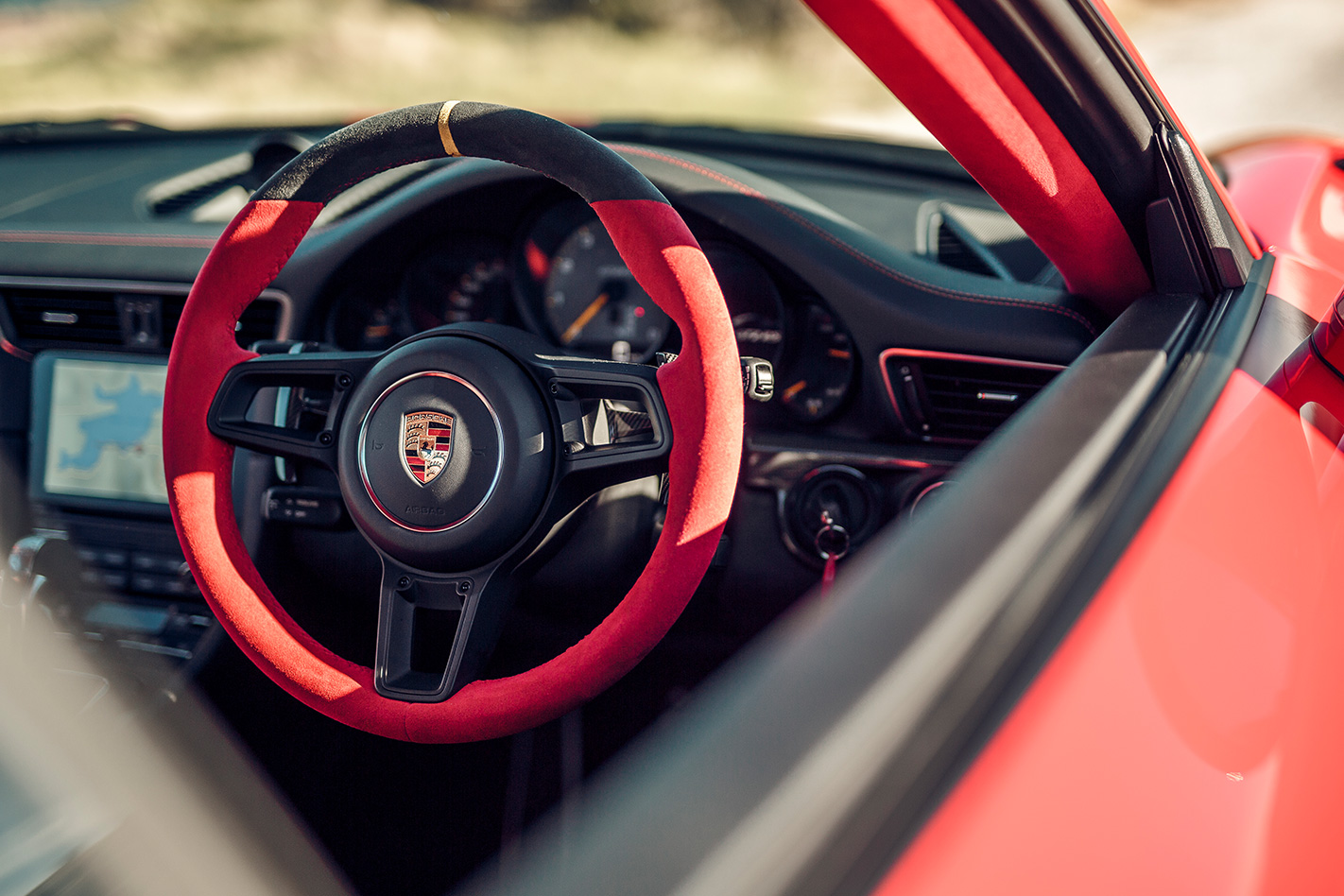
It has an even more faithful front end than a GT3 RS on corner entry, which more than makes up for its firmer damping.
As we drive through the moribund ski resort, past the steel waters of the Rocky Valley lake and up the clinker-chip road to Mt McKay, the odd backcountry skier hiking to north-facing couloirs, it’s time to let the adrenaline leach from the bloodstream and make some sense of the way this car executes its objectives. It’s not a supercar for the aesthete or the connoisseur of accessible adjustability, but it’s no blunt implement, either. There’s genius in its balls-out balance, in the way it dissects a testing corner, but the reward in this car is often about the numbers: big, scary, your-mug-appearing-over-Tracy-Grimshaw’s-shoulder numbers.
It lulls you into believing that because it makes its power at a more accessible point in the rev range it’s a more usable thing than the screaming GT3, which can feel wasted if you’re not north of 7000rpm.
The power delivery of the GT2 RS is so crushingly potent that any purposeful application of throttle instantly becomes wholly antisocial. Go flat to the redline and the GT2 RS will take just 5.4 seconds to be in fourth gear and doing 157km/h. Most of the time the upshifts come even faster than that because you’ll tend to short shift, such is the torque on tap. A manual transmission would be ridiculous.
Alex Inwood reckoned the GT2 RS was brilliant on a circuit when he had the chance to pedal one at Portimao, but there’s just too much to love about this magical car to pigeonhole it solely as a flat-track bully.
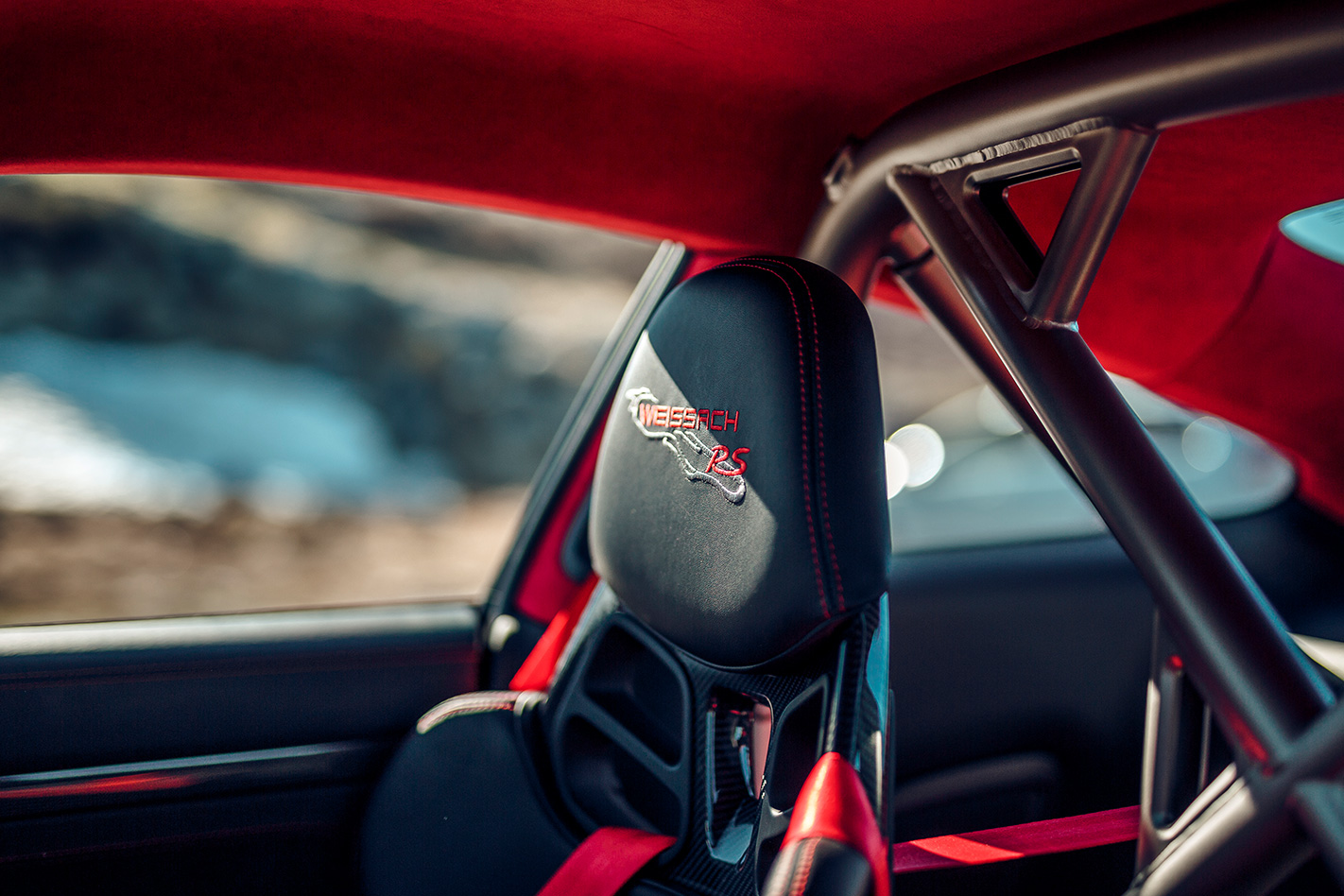
The list price of this GT2 RS with representative options is north of $700K, but delivery-mileage examples continue to change hands for seven figures. That’s a lot of money to fall off Mt McKay. Fortunately, the snow thins just as the rear tyres are flirting with the precipice and we find some semblance of scrabbling traction on the wet rock beneath. The greatest 911 to date might have grown out of its widowmaker tag, but it still possesses many ways to scare you to death. Sometimes it’s reassuring to be able to rely on a few durable touchstones.
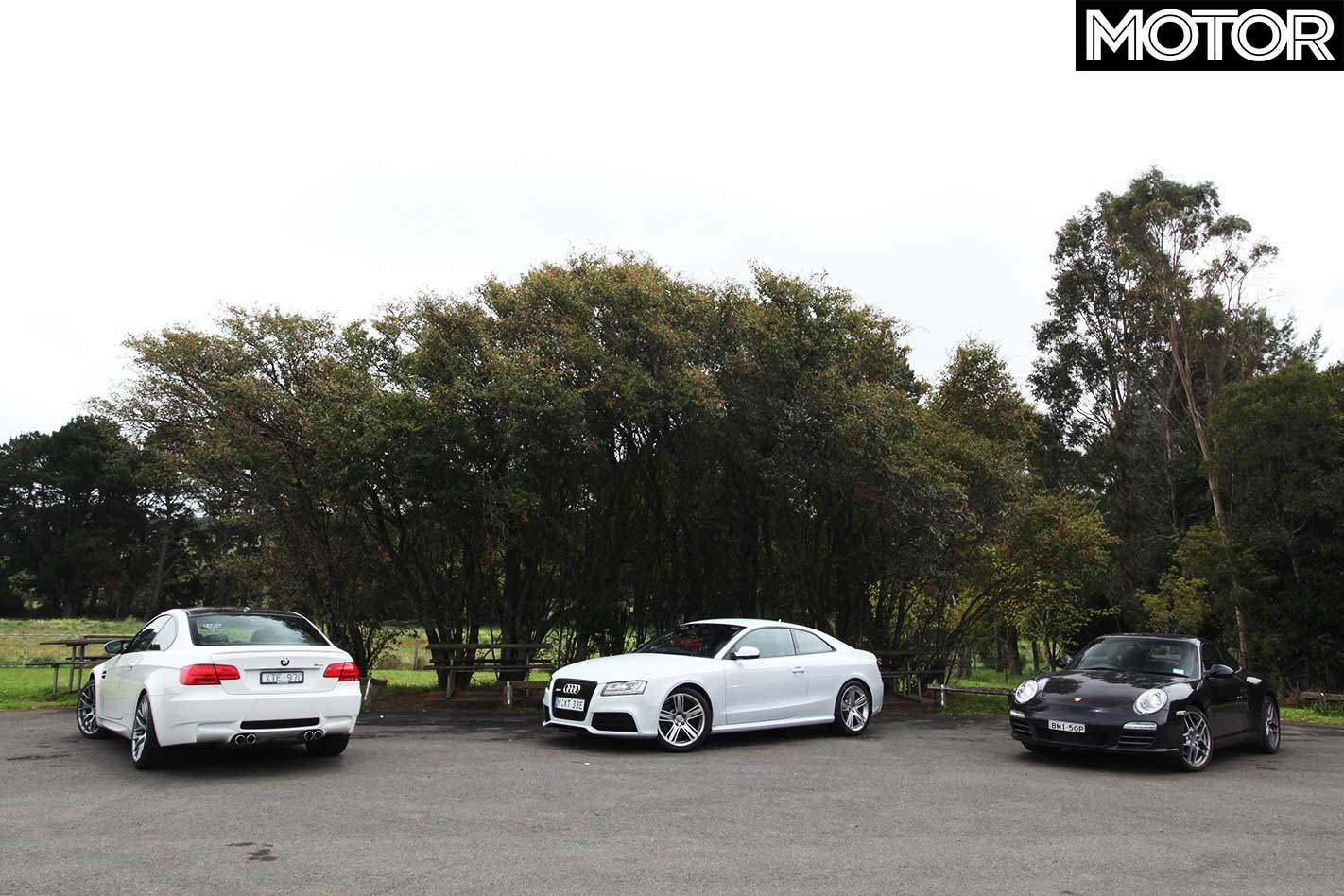
The chat over the last handful of years is that Audi must surely be giving BMW’s boardroom a few headaches. And if there aren’t any furrowed brows up Munich way, then BMW is simply not paying attention to what’s been happening in the world.
This feature was originally published in MOTOR’s January 2011 issue
Of course, it’s one thing for upstart Audi to be chipping away at BMW’s perceived mastery of the German-sales-rep-car scene. But it’s a whole new game when one of BMW’s halo models turns up in Audi’s cross hairs.
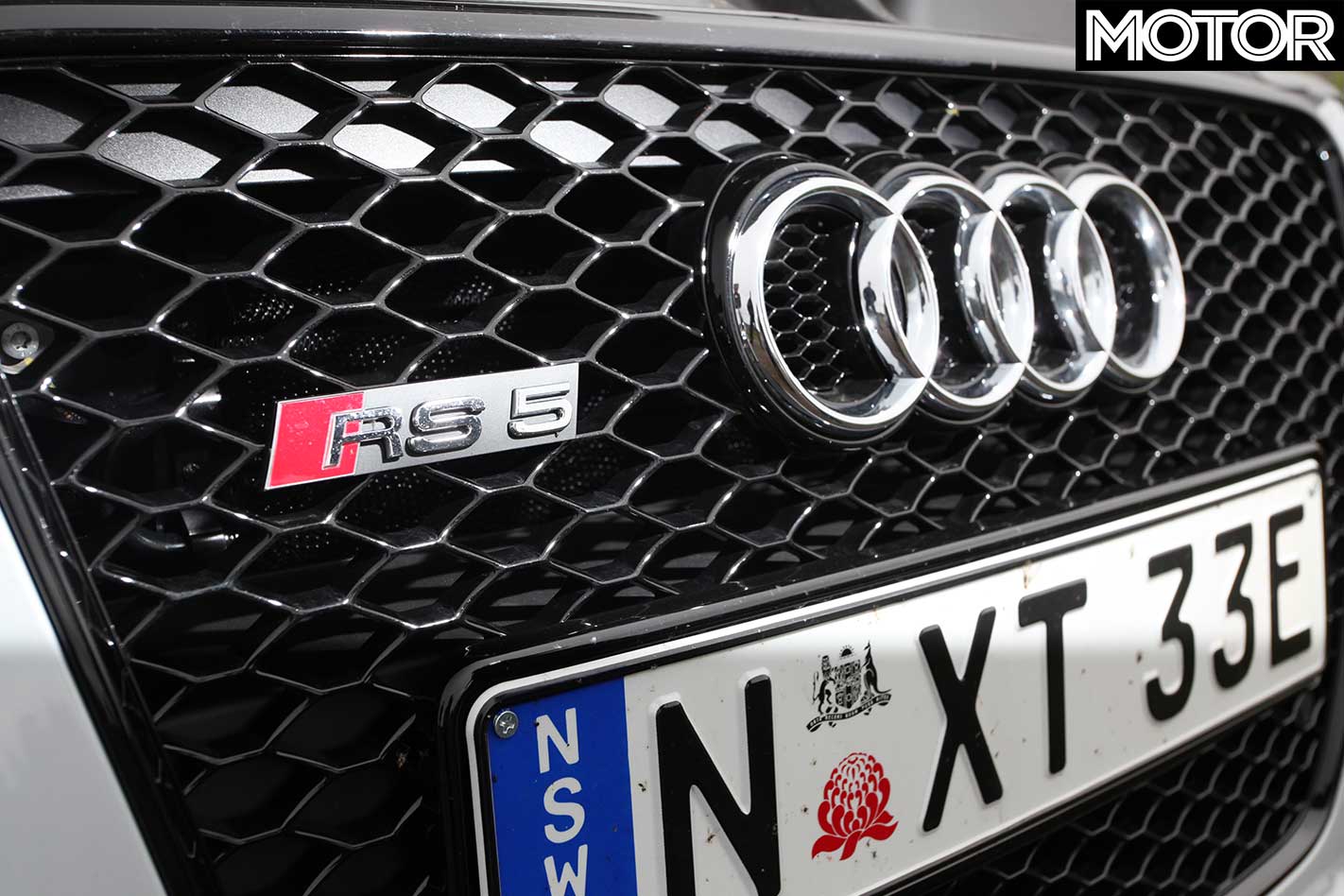
These days, it’s simply not enough to have a single variant of even a respected halo model. Oh no, you’ve got to diversify in line with a global car-market for which the word ‘niche’ is becoming paradoxically mainstream.
From that situation came the four-door version of the M3. But rival Audi’s RS-ministrations have moved from the now discontinued RS4 sedan to a coupe that goes by the name of RS5.
So, if there’s ever been a more obvious comparison to make, we can’t think of it; can the RS5 match the M3 on the road and track? It’s a 24-carat no-brainer.
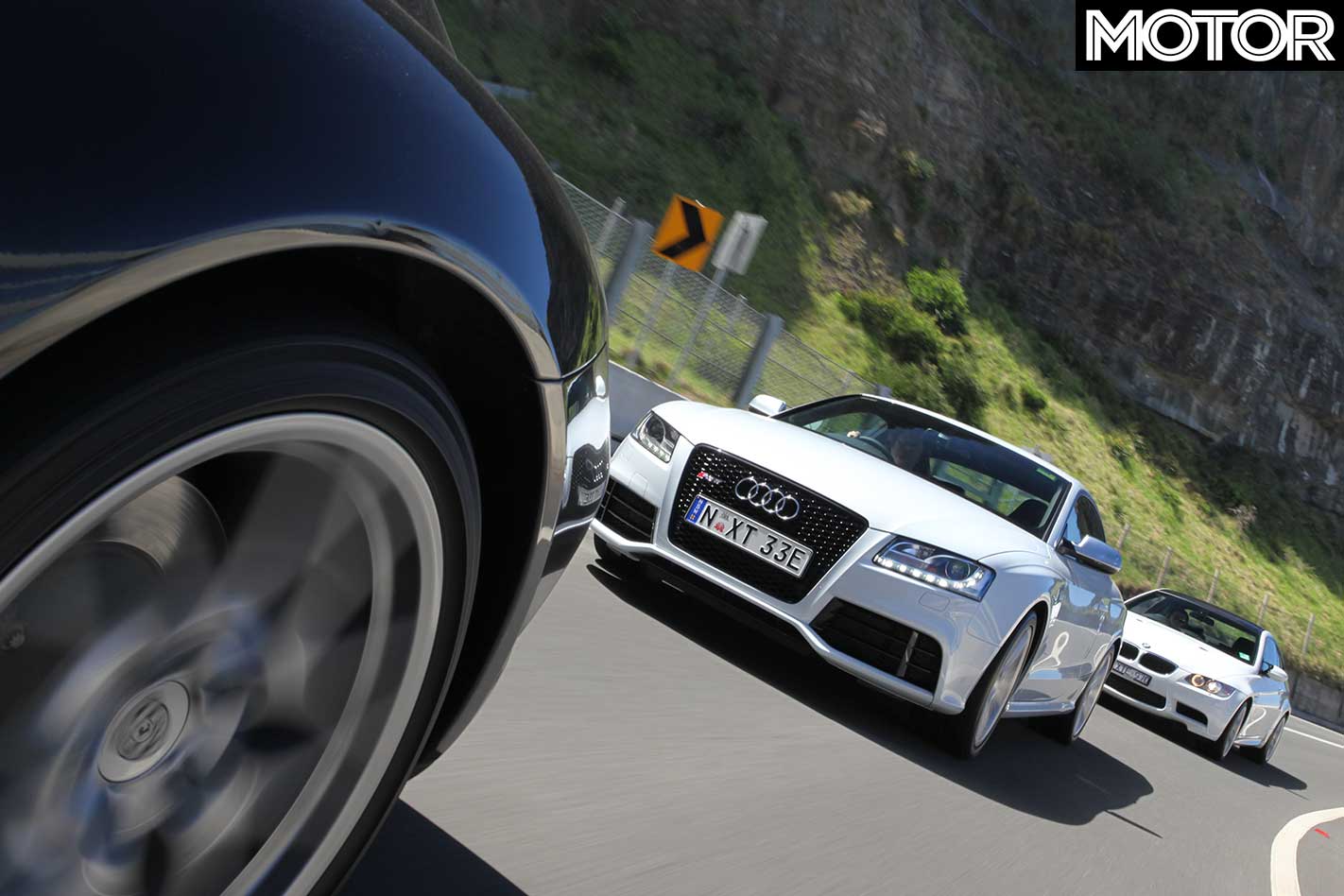
But hang on, if both of these cars are claiming to be hi-po coupes, then doesn’t another old favourite come into the reckoning? Surely, should BMW and Audi be happy just inflicting a little pain on each other? Wouldn’t the smart operator go for the market segment’s top dog and, in the process, thump its opposite number by default?
Maybe. At least that was our thinking when we decided to also throw the undisputed champ, the Porsche 911, into the mix.
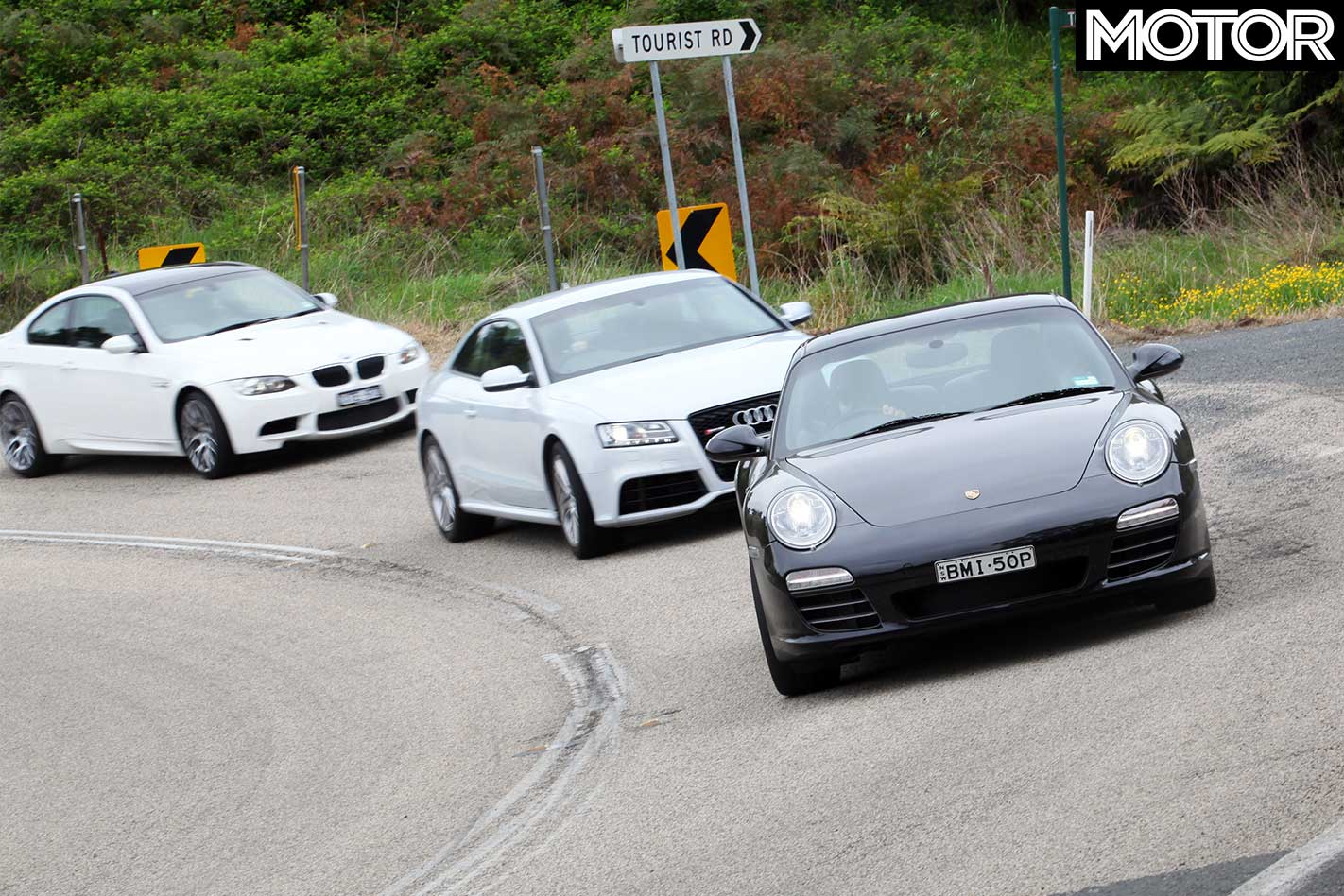
Now, there are obvious price differences here, and with a sticker of $165,600 with the M-DCT tranny, the M3 is the bargain buy. The Audi is next to step up with a $175,300 sticker (which includes the dual-clutch trans) and the Porsche is in another solar system, with $241,200 being asked for the Carrera 4. That balloons to $248,000 if you want the PDK gearbox. Yow.
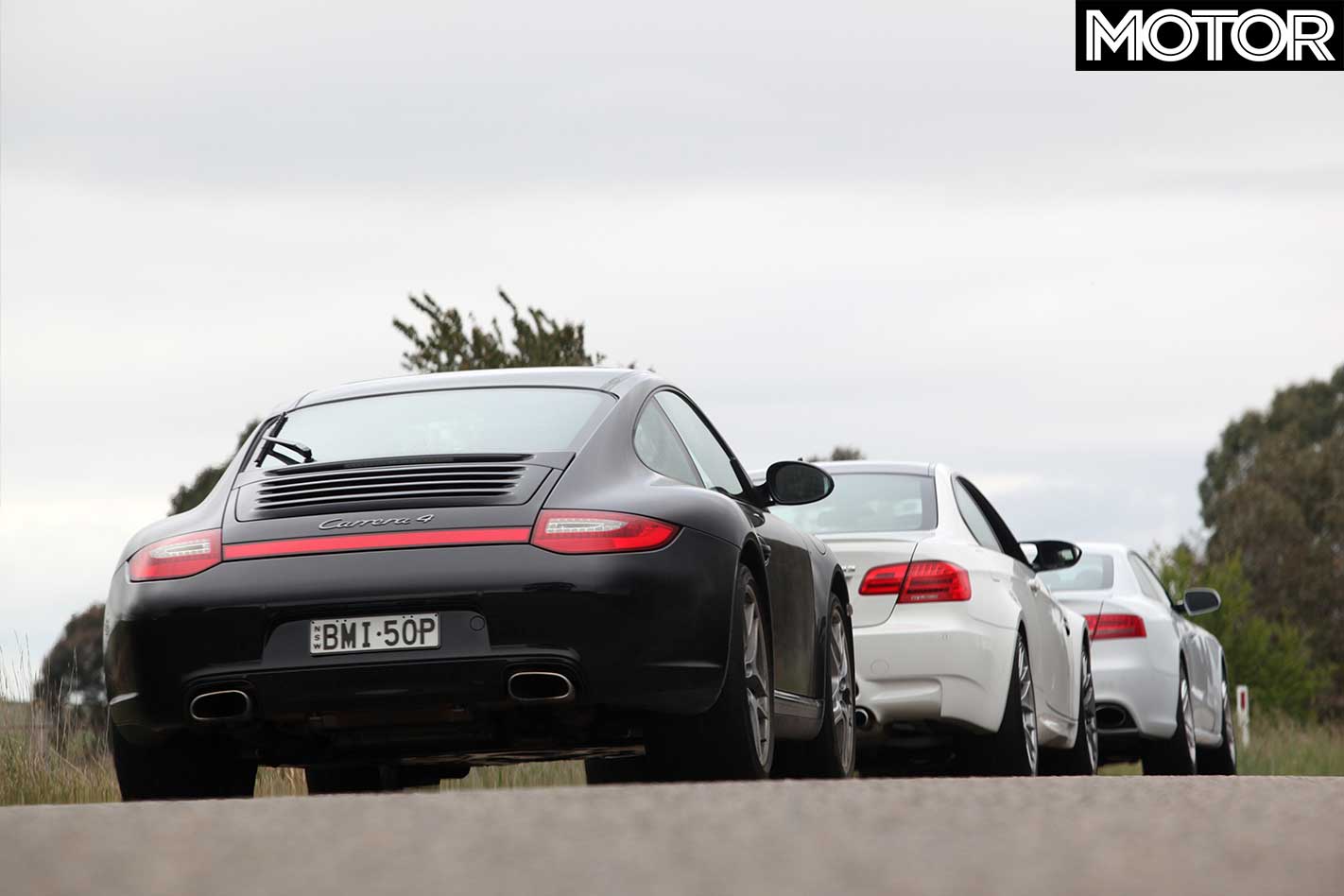
Philosophically there are gaps as well as large tracts of agreement. The BMW remains resolutely rear-wheel drive while the RS5 uses Audi’s vaunted quattro all-paw system, in this case in its purest form (no Haldex clutches or on-demand stuff here).
The 911s transformation from charismatic widow-maker of the 1960s and ’70s to well-rounded pillar of society in the last half of its life has seen it become available in both rear- and all-wheel-drive forms.
The one on these pages is of the all-wheel-drive persuasion, because … well, because that’s what we could get our hands on. If, like us, you prefer rear-drive 911s, the price comes back to the field a little by a factor of just over $20K to $220,800.
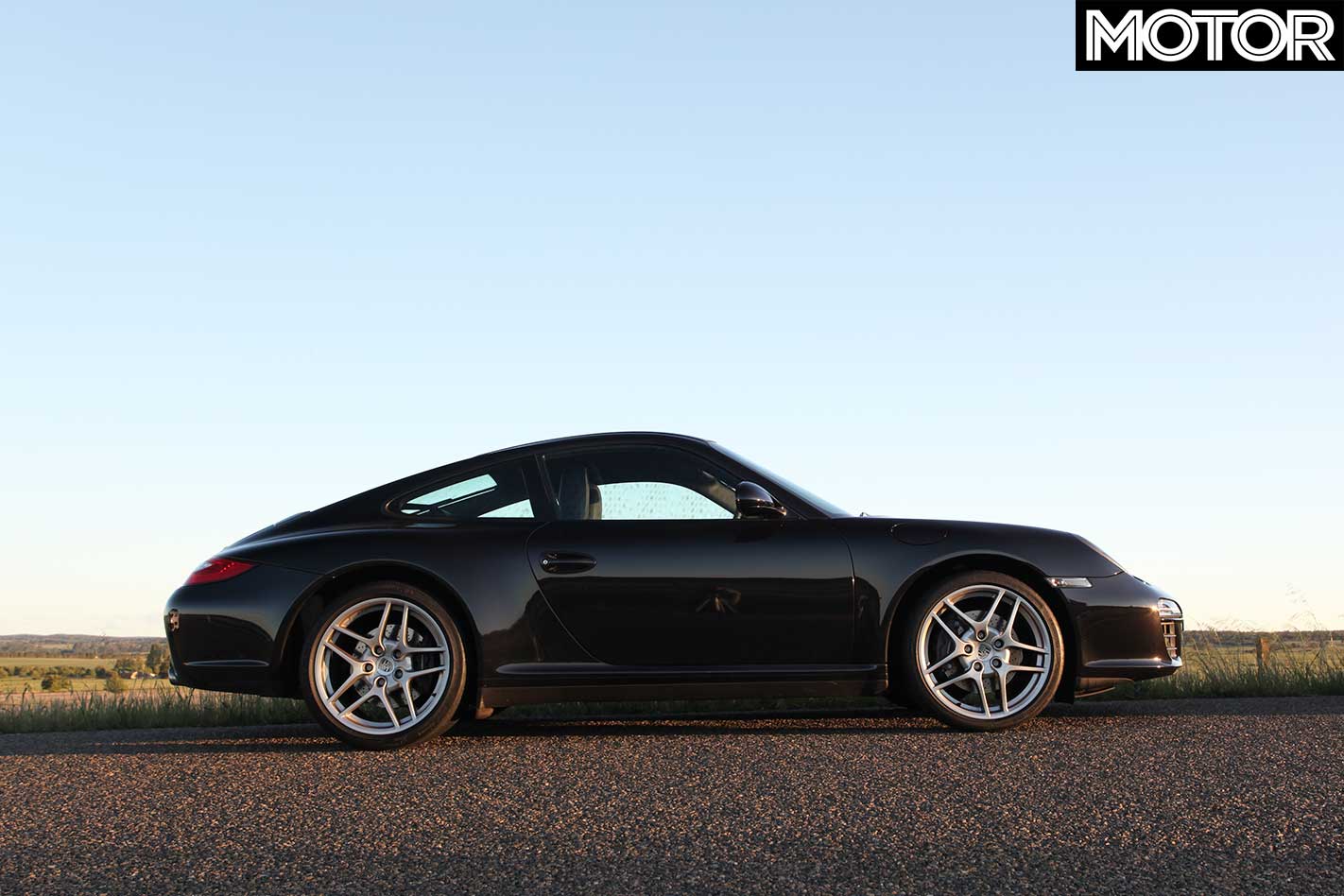
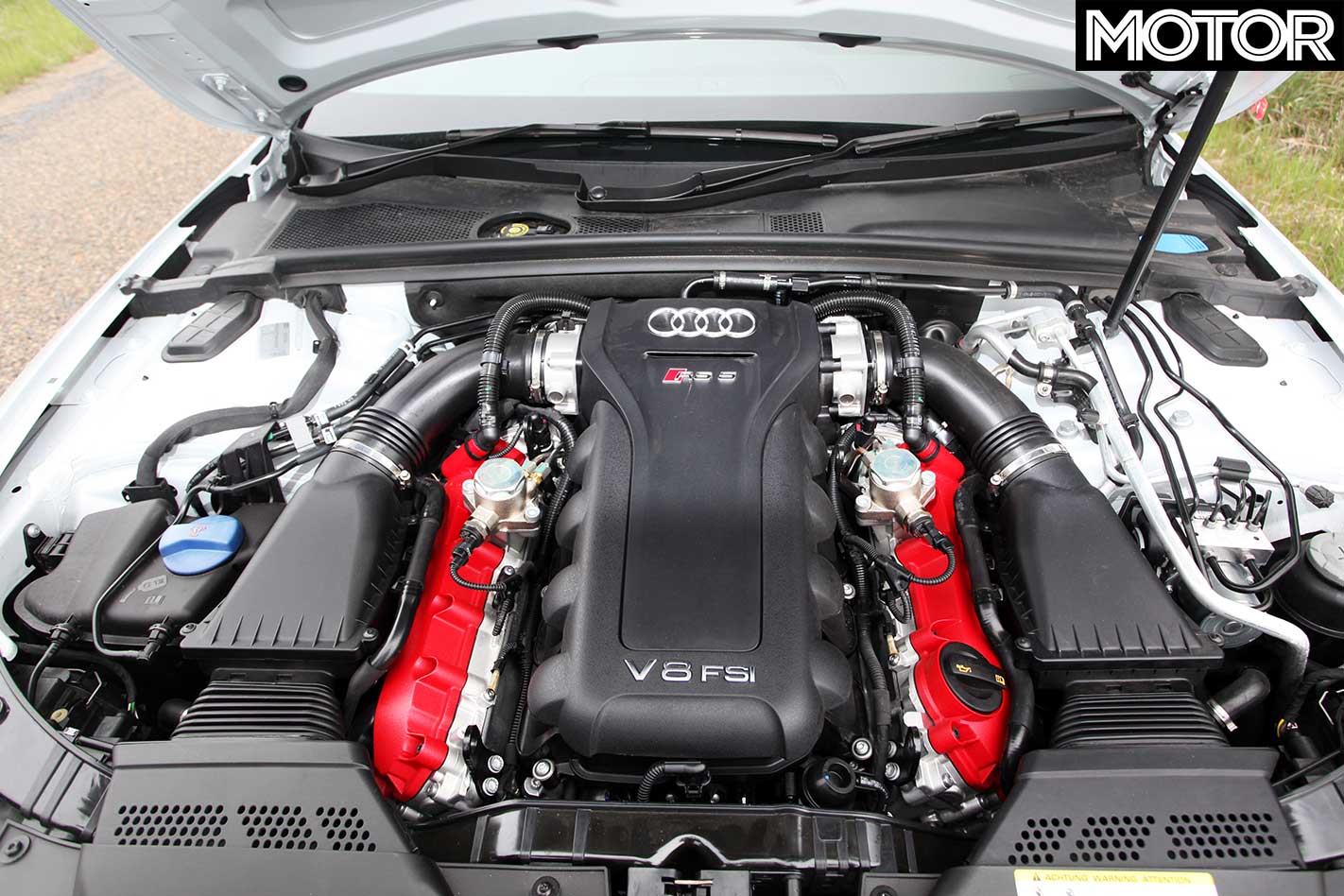
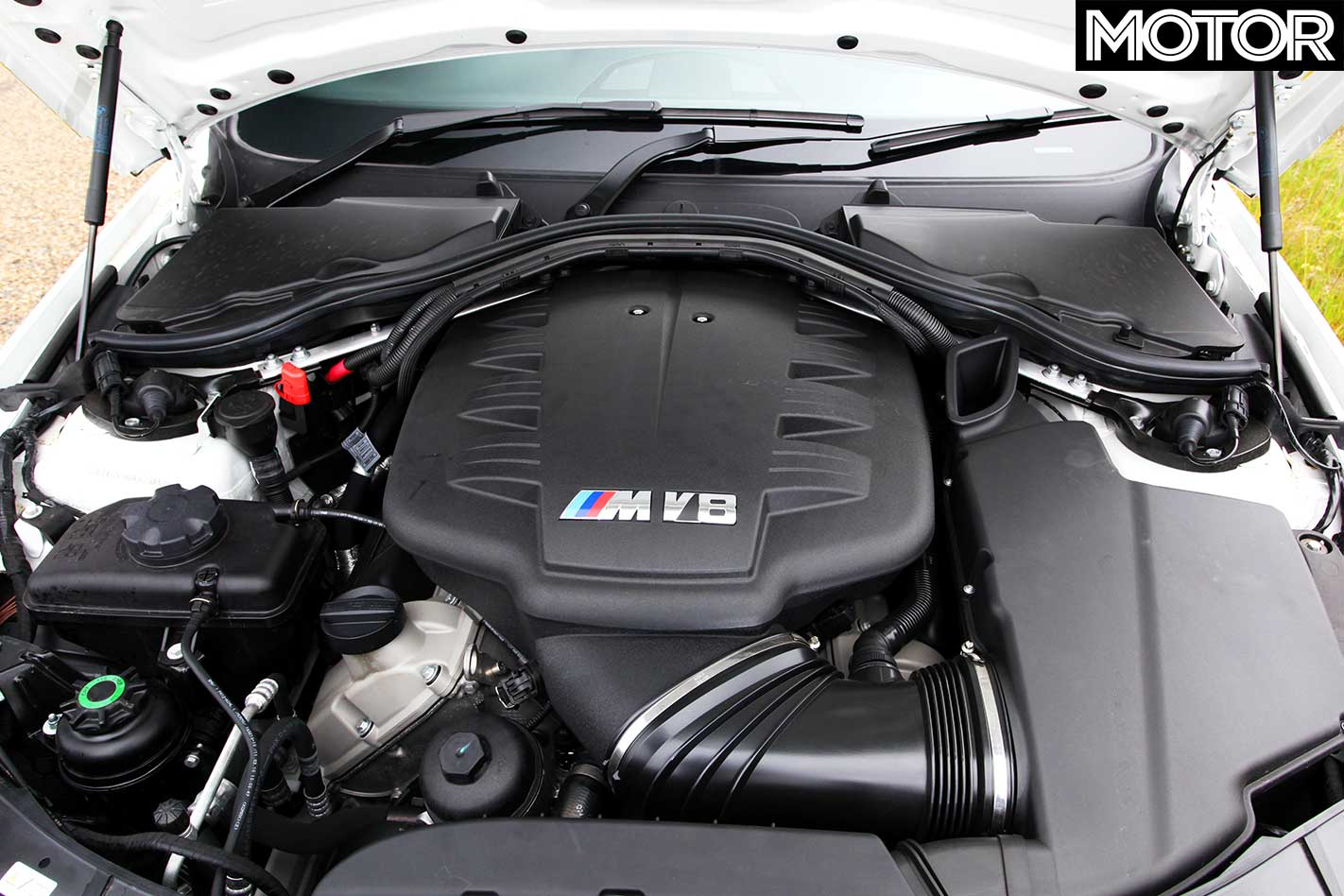
Engine-wise, it seems atmo mills in a forced-induction world can still be cool. The Audi’s 4.2-litre V8 sure ain’t new – we first saw it in the RS4 way back in 2006 – and these days it still feels and sounds the same even though it’s now cranking out 331kW. The BMW’s 4.0-litre V8 isn’t still in its wrapper, either. It first appeared here in late 2007 and its 309kW have been static from that day forward.
While we’re on the subject of mature powerplants … Lord, the Zuffenhausen flat-six powered the bilge pumps on The Ark. But the story of Porsche’s boxer-six is one of constant refinement and with modern touches like direct injection and a variable displacement oil-pump, the old girl was more or less a brand new design circa 2008.
It has managed to remain more than simply relevant, as in, how does 254kW from 3.6 litres sound? (And there’s always the S version with 3.8 litres at 283kW if you need more).
In transmission terms, there’s a degree of agreement as well as some dissent. Both Porsche and BMW believe the will to change one’s own gears is still a valid concept. As such, the 911 and M3 can be had with a conventional six-speed manual and three pedals.
Not so over at Audi, where they reckon the two-pedal layout of the RS5 is so good, there’s no need to offer an alternative. But when it comes to the slusher versions of each car, there’s wider acknowledgement of the benefits of a double-clutch self-shifter.
Porsche’s is called PDK, BMW’s goes by the name of M-DCT and Audi prefers the name S tronic. OMG. They all have seven ratios and offer paddle-shifting and a range of settings that vary shift speeds from ‘urgent’ to ‘Rodney King’.
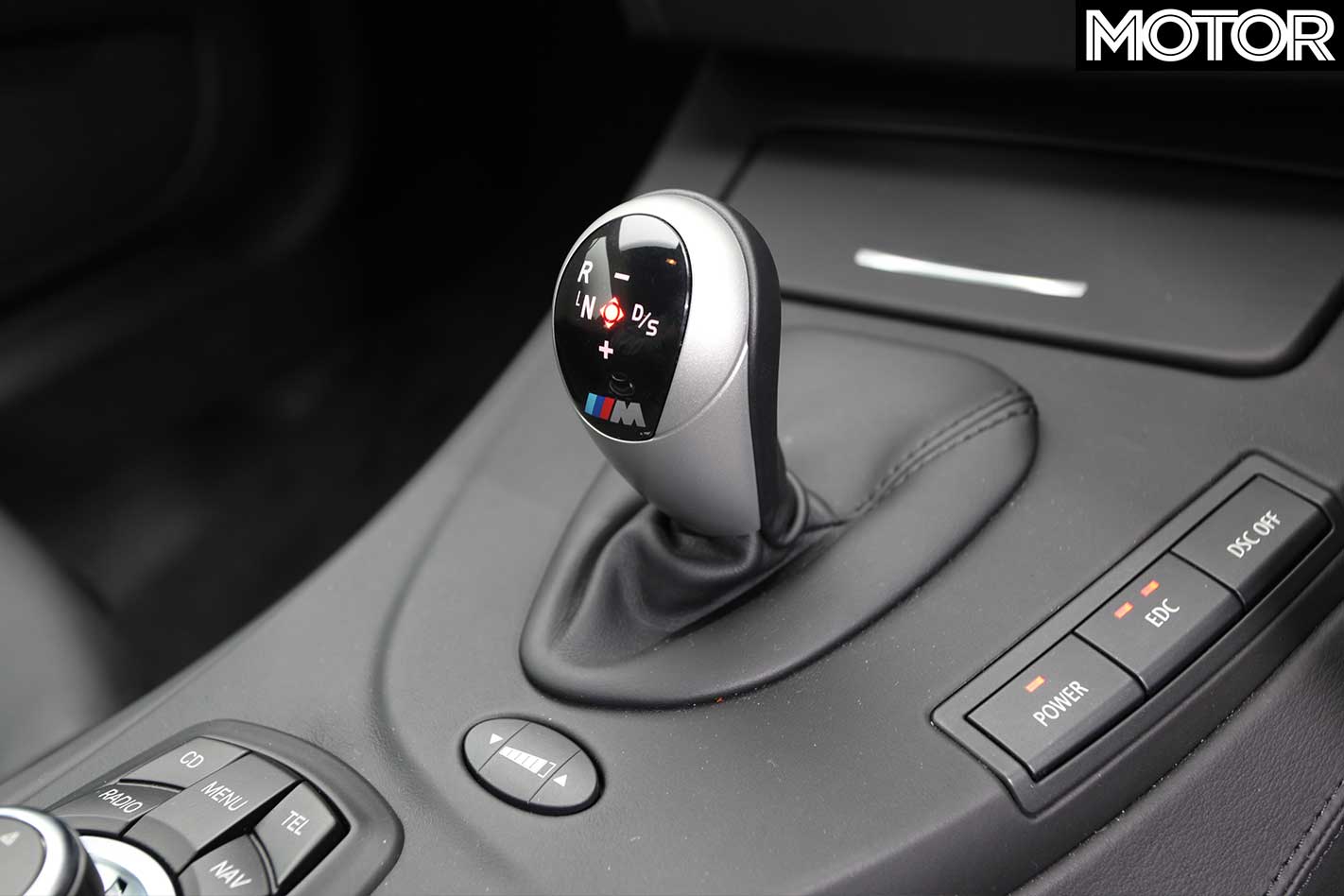
They are also all highly talented at what they do, incorporate launch control and are quicker from rest than the same vehicle equipped with a clutch pedal. Should that matter to you, of course.
To be honest, I’m chuffed to find that our 911 does posses a clutch pedal, partly because Porsche gearshifts are among the best in the biz, but mainly because these cars are for driving, not commuting.
That said, it’s hard to find fault with the other clutchless pair, other than to say that the Audi’s shift speed sometimes feels a little slower than you’d really like (usually when you’re having a slight go), and both RS5 and M3 show up a tiny amount of snatch in traffic and car-park shuffling. It’s not bad, but in 2010, it comes as a bit of a surprise.
Even clearing the city shows up a few differences in the way these three work. The Audi feels big; wide and relatively heavy, and even though it rides bigger bumps well, smaller ripples can be felt through the seats. The 19-inch Pirelli P Zeros can also be a bit noisy on some surfaces, but that’s more of a tyre thing in our experience than a model-specific complaint.
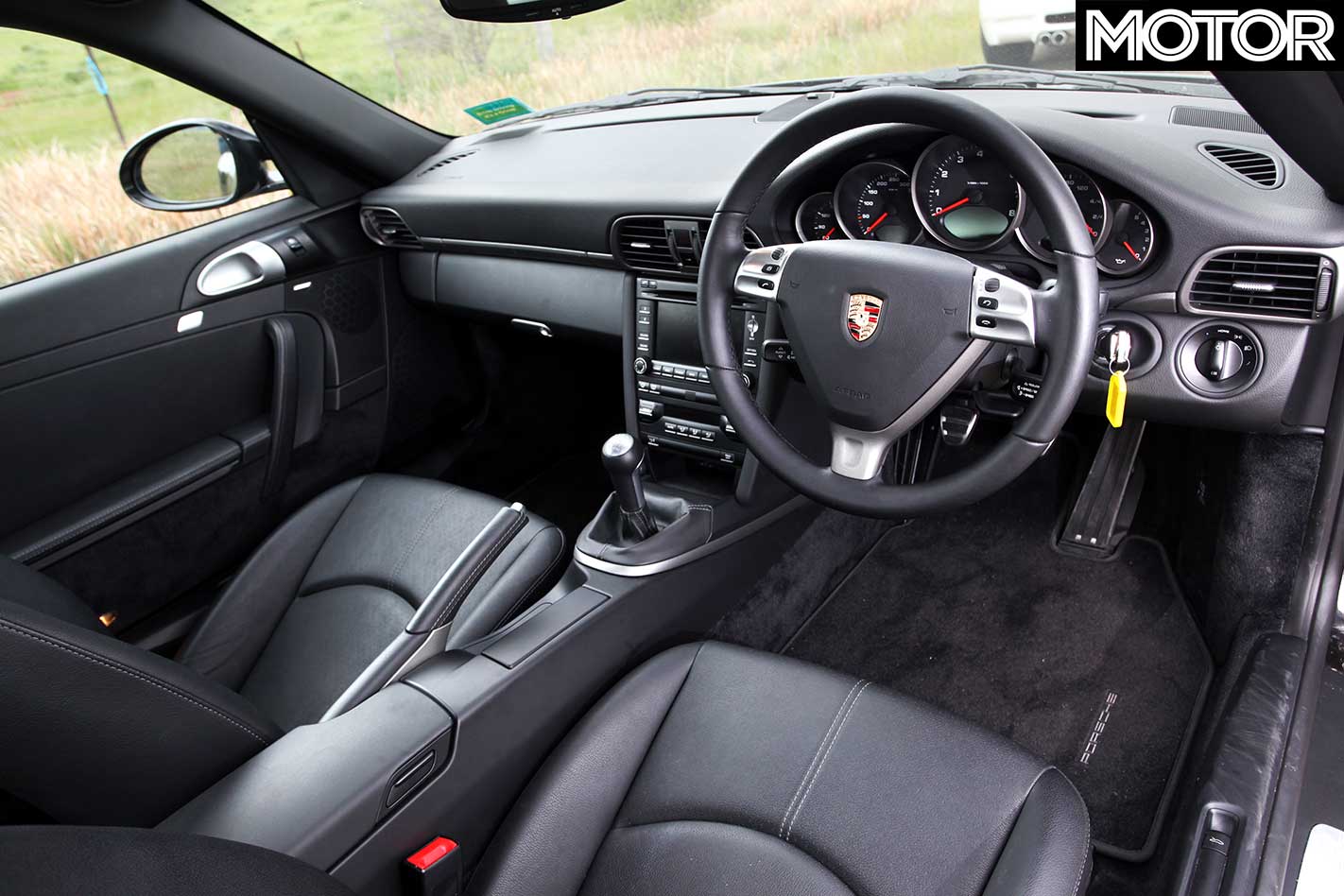
The RS5 also stays true to the Audi RS tradition by having the best front chairs of this bunch. In fact, they’re among the best you’ll find in any current model, even if the rest of the Audi interior is not – and this could simply be down to familiarity – as sporty as those pews.
In fact, the perception of sportiness is one area where the Audi does stumble a bit. While there’s no mistaking the 911’s role in life and the M3 looks chiselled and tough, the RS5 looks a bit, well, soft. In fact, until you clock the badges on its nose and bootlid, you’re left wondering whether it’s an RS5 or an S5.
And while the M3 appears an altogether tougher customer from the outside, it continues inside with the usual BMW Teutonic attention to detail and the view forward over that pert little power bulge.
The Porsche, meanwhile, has great seats also and another of the best forward views in motoring as you guide the car down the road, aiming between those slightly bobbing wheel-arches.
But if the Audi can be a bit vocal, the Porsche has them all – and us – holding their ears in terms of transmitted noise. Okay, the current range of 911s from the Turbo down are all a bit rowdy on the right (wrong) surface, but even on the Carrera 4’s 19-inch Pilot Sport SPs, the racket is, depending on the bitumen being crossed, everything from slightly droney to full-on shout-to-hear-each-other deafening.
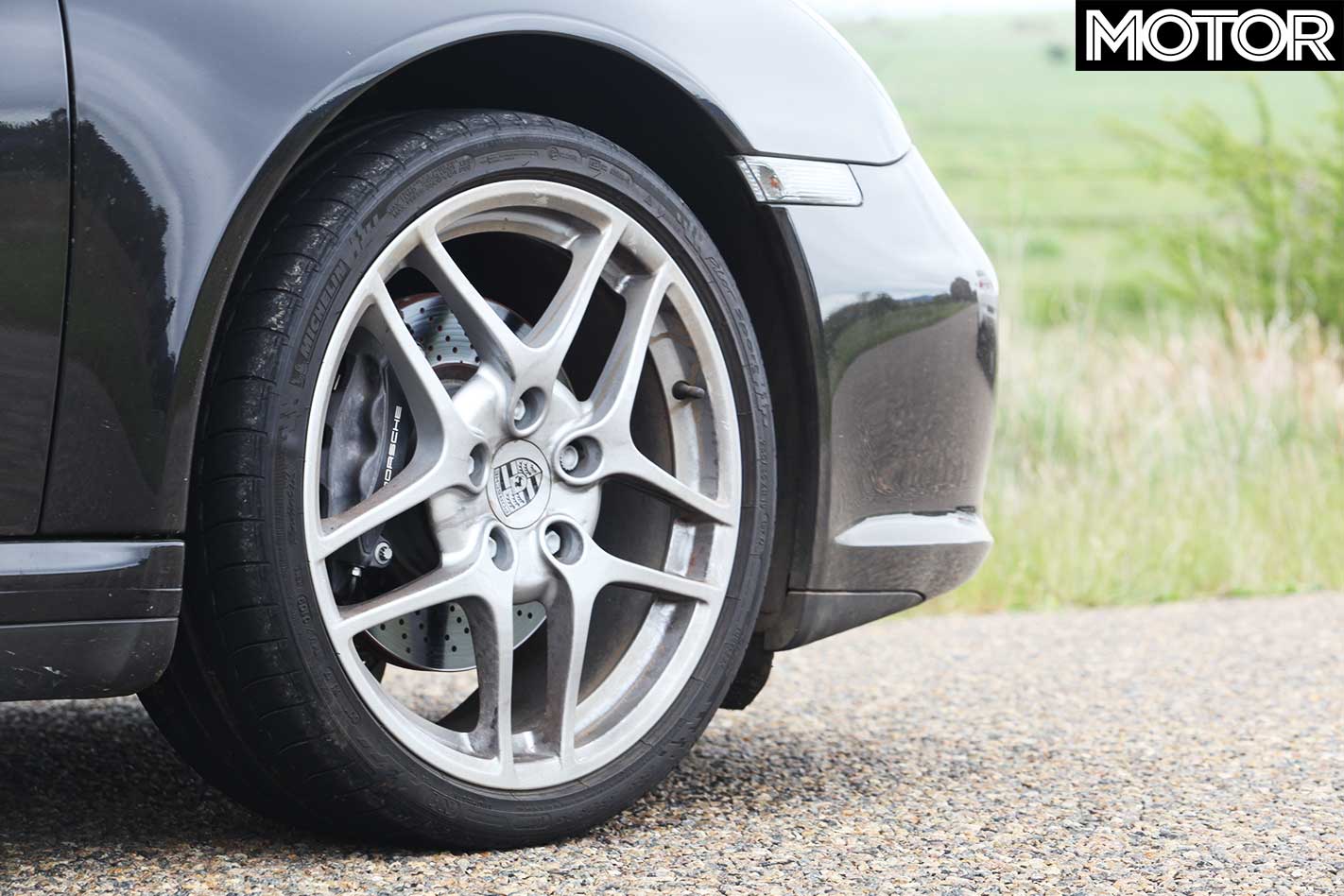
Which makes the BMW, on the similar Pilot Sport hoops as the Porsche, the most soothing long-distance car, noise-wise. It’s also probably the most compliant, although the bump-absorption inherent in the 911’s front-end set-up is probably better, but simply not as well matched (in ride terms, remember) by it’s slightly firmer rear end.
Either way, the Porsche and the BMW are very hard to split in terms of steering feel and accuracy, and the fact that the 911 can pull this off while also driving its front axle is both remarkable and rather typical of the breed.
Meanwhile, that disparity between the set-up of the front and rear suspension might account for a small amount of lateral movement, which becomes more obvious as speeds rise.
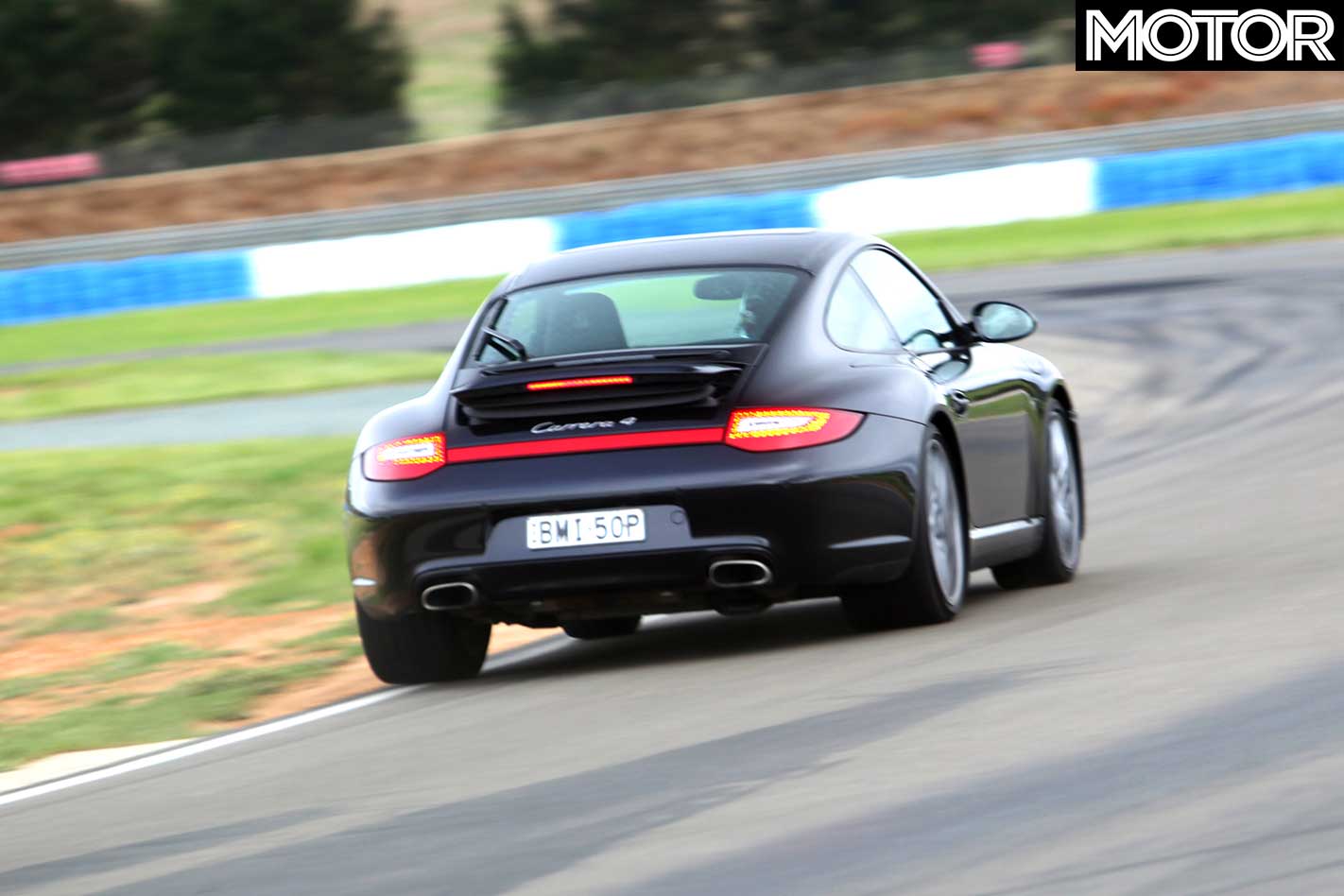
It’s certainly not the old rock-on-a-string thing that early 911s are (in)famous for, but you can feel that there’s more weight out back than in front and that in the way it’s all arranged allows for some hip-swaying when you get cheeky.
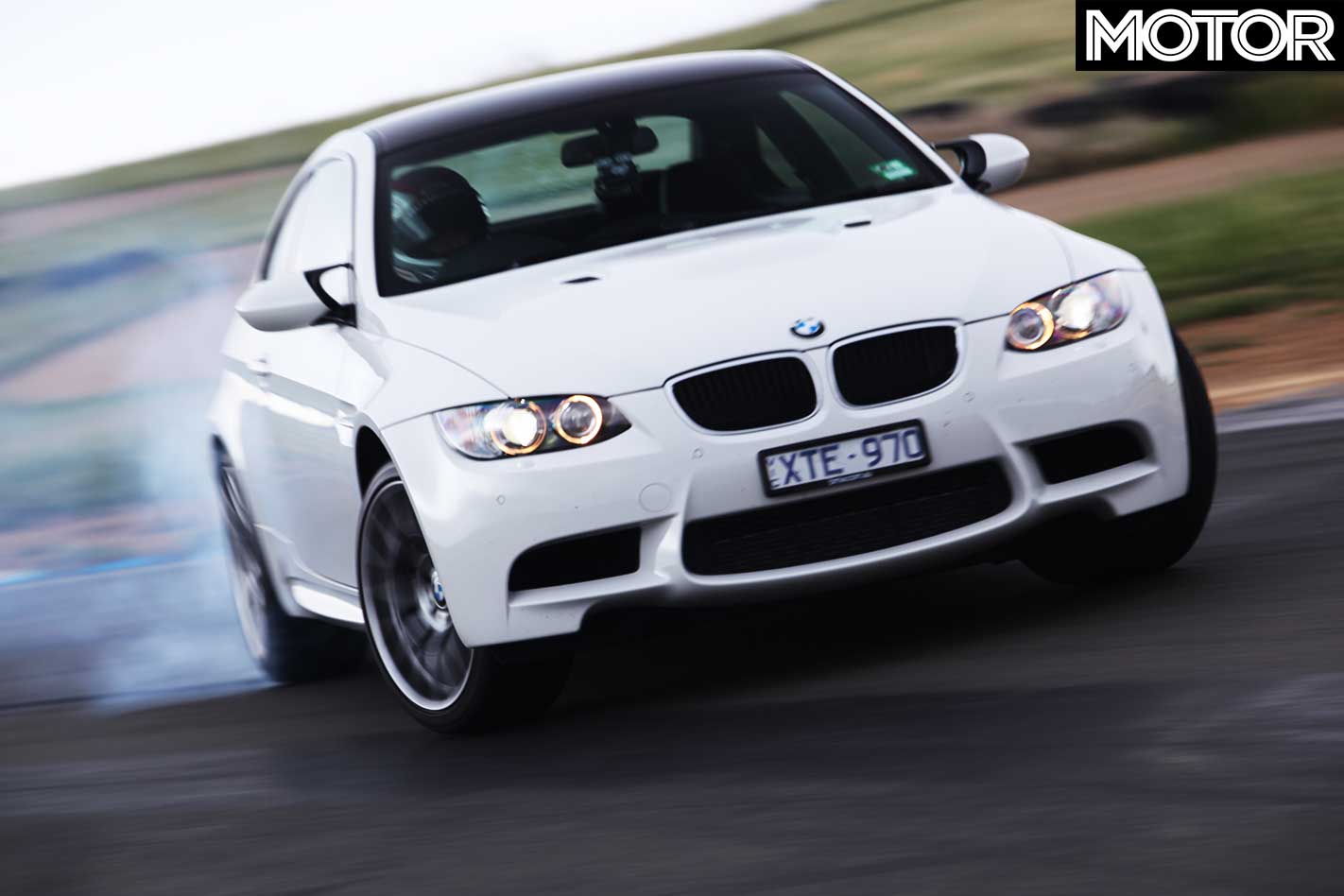
No such problems with the M3, which sniffs out corners like a bloodhound and zeroes in on the apex. And the tactility of that M3 tiller! Maybe BMW has made some running changes to this car [erm, stop-start tech – Ed], but it remains the most entertaining steerer of any V8 M3 I’ve ever stepped aboard. Which is bad news for the RS5, a car that also clings to the road like a limpet but simply doesn’t move me the same way.
In fact, there’s a small dead spot in the steering right at the straight-ahead. It almost feels like you’ve got to knock the rack out of its slumber before it starts to turn, at which point it suddenly loads up with both feel and weight. It all works, but it just doesn’t seem as linear as it should.
But man does the thing go! That atmo V8 is surely at its peak in this rocketship application and there’s even decent low-down thrust this time around too boot. It’s an absolute howler.
The numbers don’t lie, either, and the Audi blazed its way to 100km/h in 4.4 seconds, a good 0.4secs ahead of the M3. They both thump the Porsche (by a bit, not a lot) but the relatively humble 911 feels almost as frisky at the top end and a good chunk torquier at the bottom.
Fact is, the flat six even feels punchier than the M3 down low, but that’s only on the road. Get them on a track where they’re all bashing the limiter, and the 911 starts to fall away.
Soundtrack of the year goes to the RS5, though, which has that V8 warble that only the Europeans have managed thus far as well as a good selection of blurts, burps and raspberry-toots whenever that computer cuts the spark and shifts you up a cog. You even start to short-shift the thing to induce the bottom-burps that I doubt you’d ever get sick of hearing.
Ultimately, of course, cars like these will be judged to the Nth degree on a racetrack. It’s the only way to find out what really happens when you beat them with a big stick and the only way to remove as many variables as possible for a direct comparison. It’s also why you keep hearing car-makers banging on about their Nürburgring time. It matters, okay?
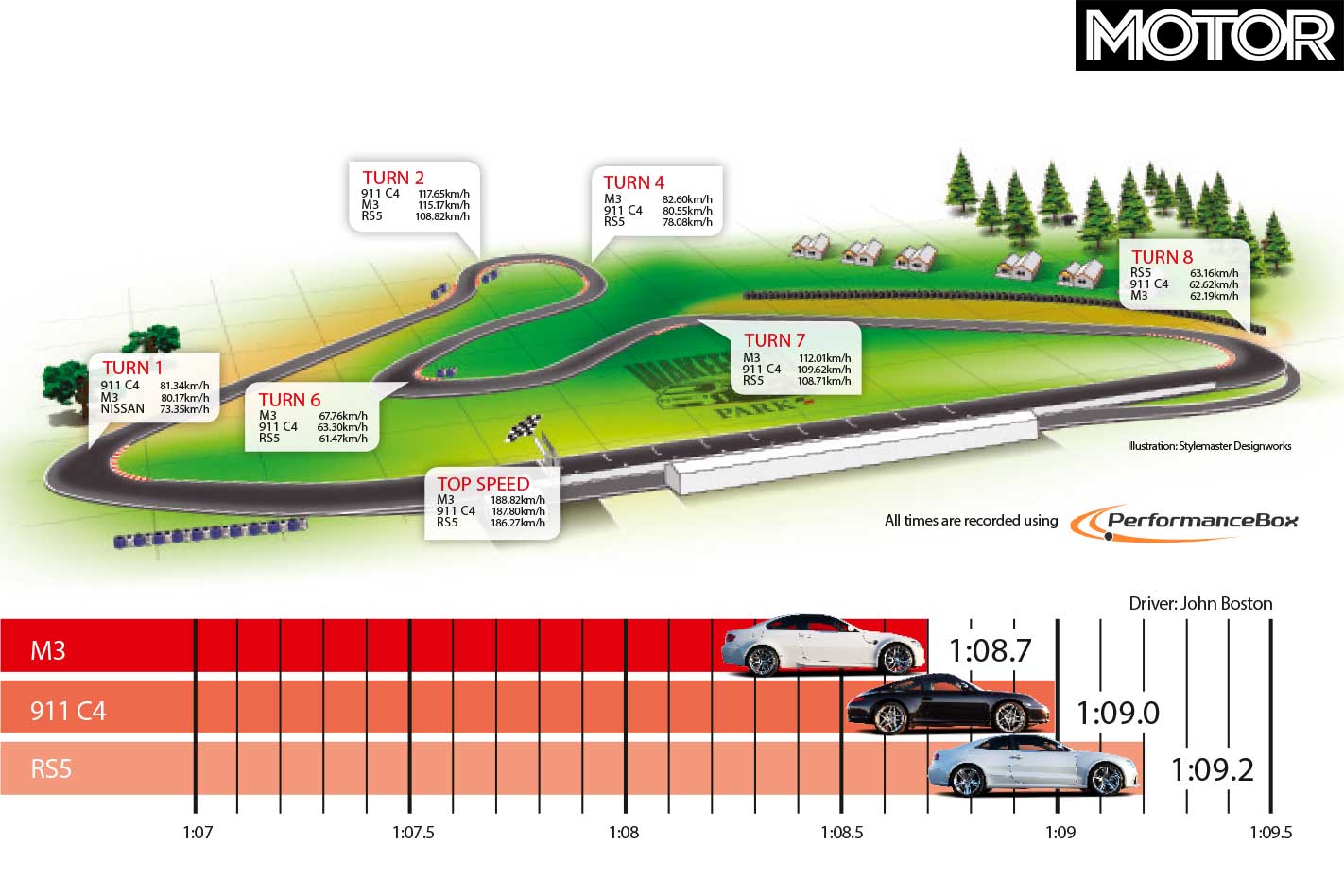
That being the case, it’s time to wheel out John ‘Bozzo’ Boston, a bloke who has the ability to crank out super consistent (and quick) lap times, to help us get to the bottom of this lot.
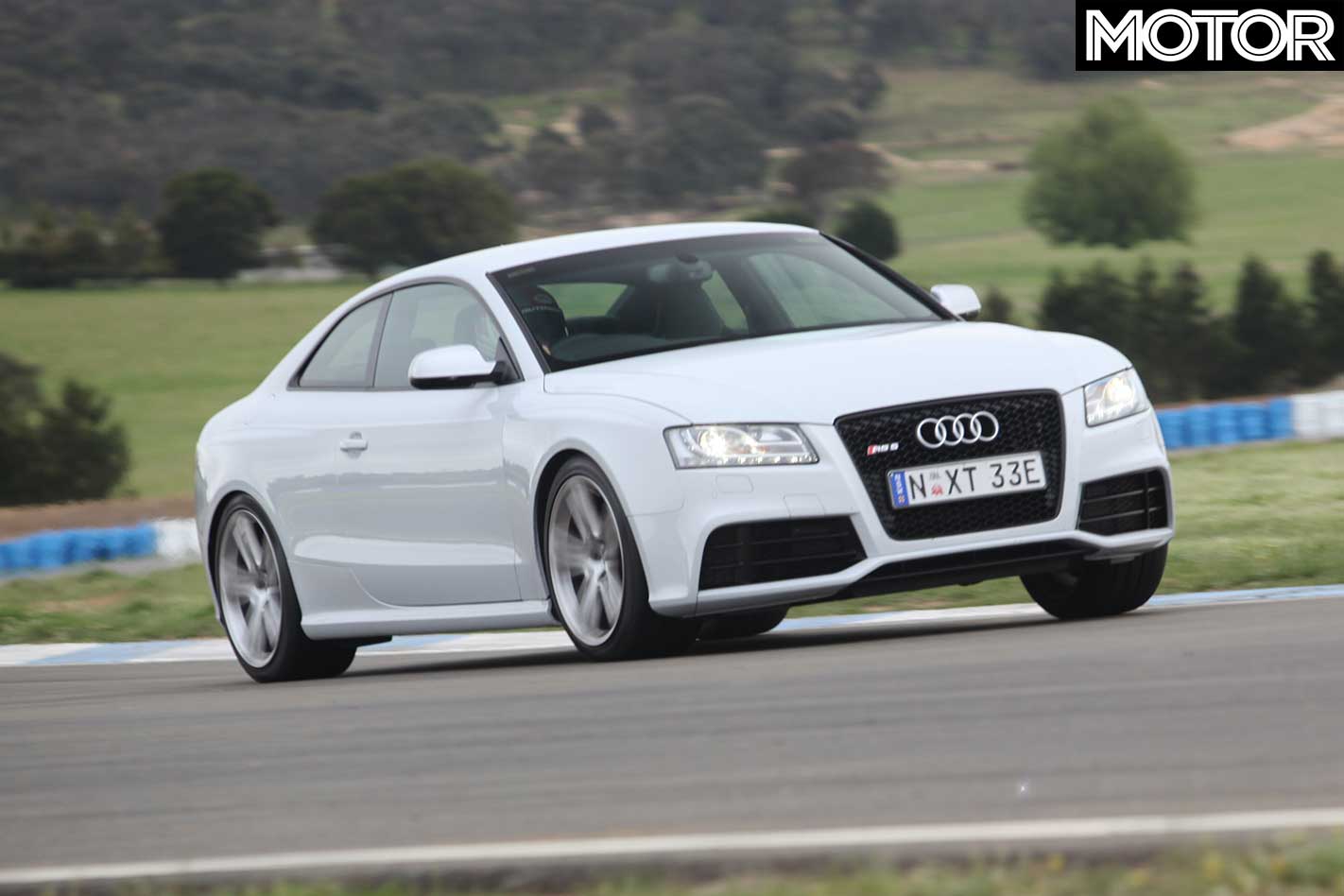
So here’s what Bozzo thought of each after some flying laps of Wakefield Park: “The Audi has the best brakes. By far. I’m amazed at the amount of mid-corner grip it had, too. It’s very good.” “What it doesn’t like so much is the change of direction. That could be down to tyres, but I reckon it’s the weight of the thing that makes it want to stick to a line once you’ve committed to it.” “It’s affected by ripples on the track, too – it’s a delayed reaction that sort of makes it go into hesitation mode before deciding what it’s ultimately going to do.” “Bottom line is that you need to be decisive with it but also to make sure your laps are clean if they’re going to be quick.” “By comparison, the BMW feels much faster, but I suspect that’s mainly because it moves around a bit at the back, and it’s happier to change direction.” “The M3’s gearbox shifts faster and, overall, it’s a lot more fun.” “The brakes aren’t as good as the Audi’s, yet I felt like I could stay in it for 50 laps. At the end of the day, though, it’s still a pretty heavy thing to chuck about and, like the RS5, you need to be patient with your entry speed and put in clean laps.”
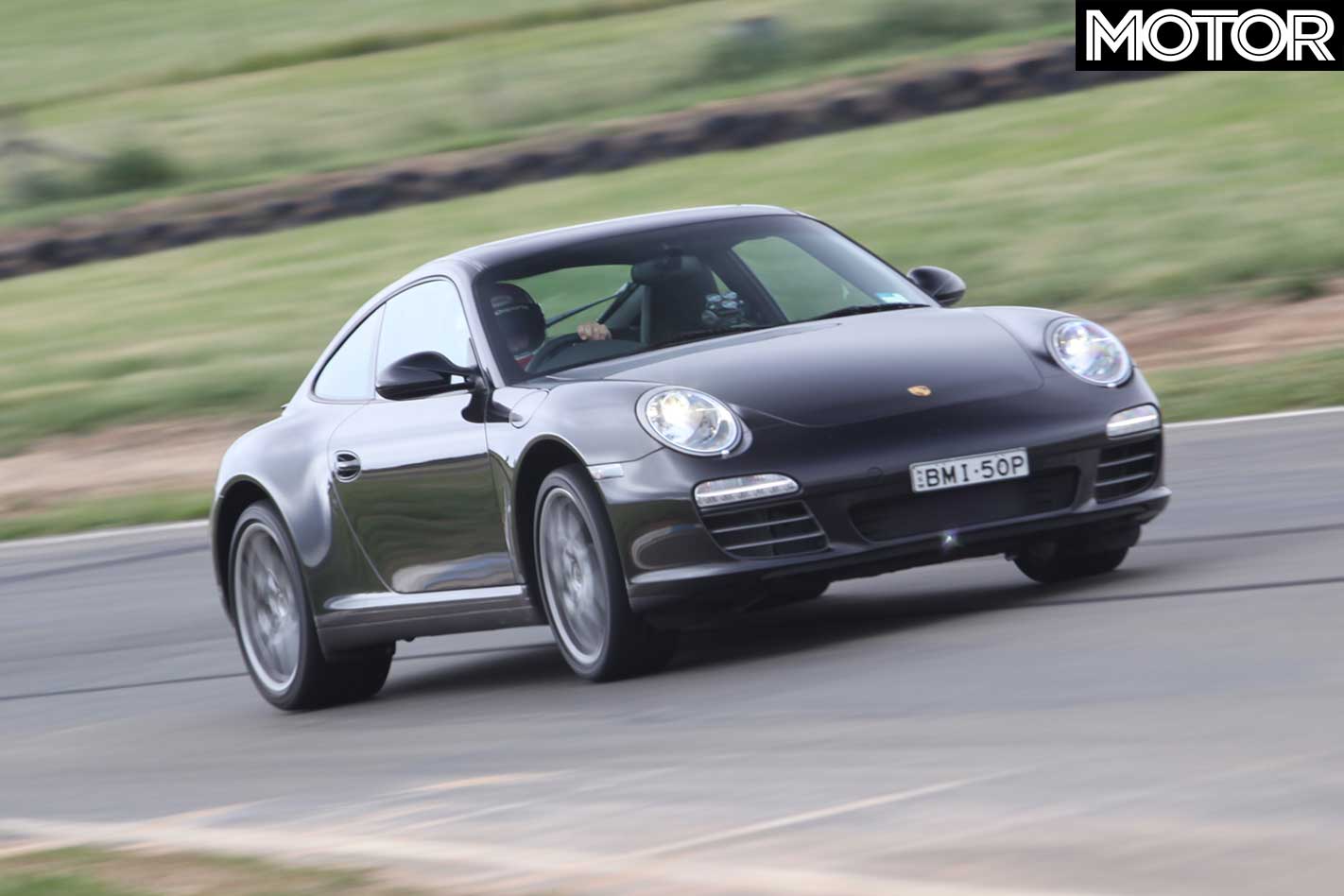
Which leaves the Carrera 4 – the car that we all thought, based on our experience with 911s, would kick serious butt at the racetrack. “I think I’m a little disappointed in it,” Boz painfully admits. “The brakes started to get spongy after two laps. And, because of that, when you were braking from high speed, the back end would start walking around more. And that’s not just the rear weight bias, because it was getting worse as the laps went by.” “To drive the 911 at ten-tenths requires a heap of discipline. You soon learn not to trail brake in it, but even then, it can still understeer.” “It doesn’t feel as fast on the track as it does as a road car.” “The gearing is not as well suited to Wakefield as the other two. In fact, it was faster in second than third in places where – even in every other 911 I’ve ever driven – I’ve always used third.”
Geez, talk about turfing things into a cocked hat. But I’ve gotta agree with Bozzo, the 911 was a bit – ‘disappointing’ is such a strong word for a car like this – somehow unfulfilling.
Then again, you need to keep in mind that this, the least-powerful all-wheel-drive variant, is probably the last contemporary 911 with which you’d tackle a racetrack. Which means it stands as a great road car first and foremost.
But so are the others. And when you throw price into the equation (which, let’s face it, everybody does), the Carrera 4 loses just a bit more ground to the others. But not enough to let the RS5 past. Its huge stomp notwithstanding, the Audi simply lacks the killer instinct and tough-guy image of either the 911 or M3.
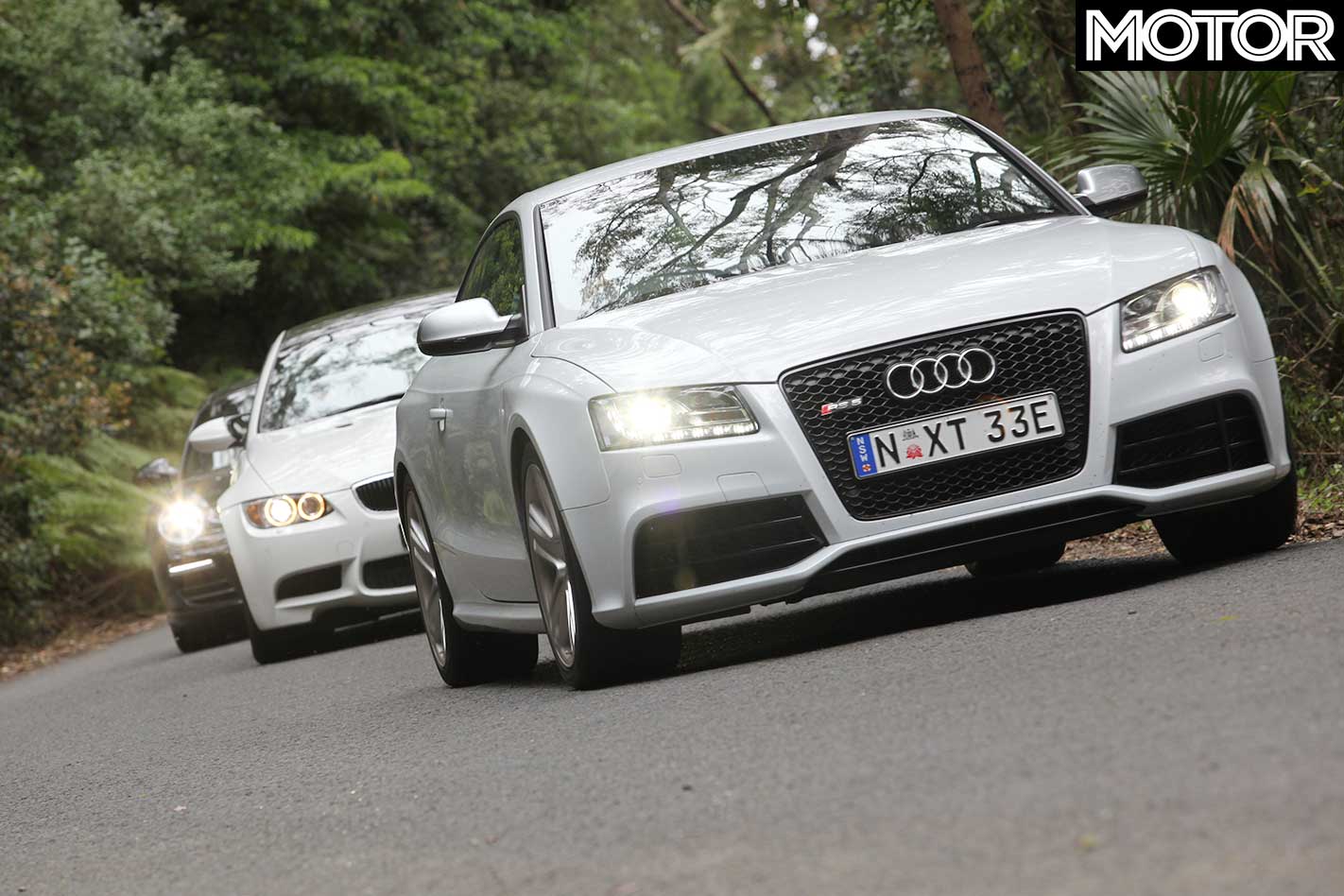
And with the latter cleaning up on the track as well as giving back lots of change from the Porker’s asking price, the BMW has to be declared the winner.
Maybe the Bavarians don’t need to be so worried after all.
Fast Facts
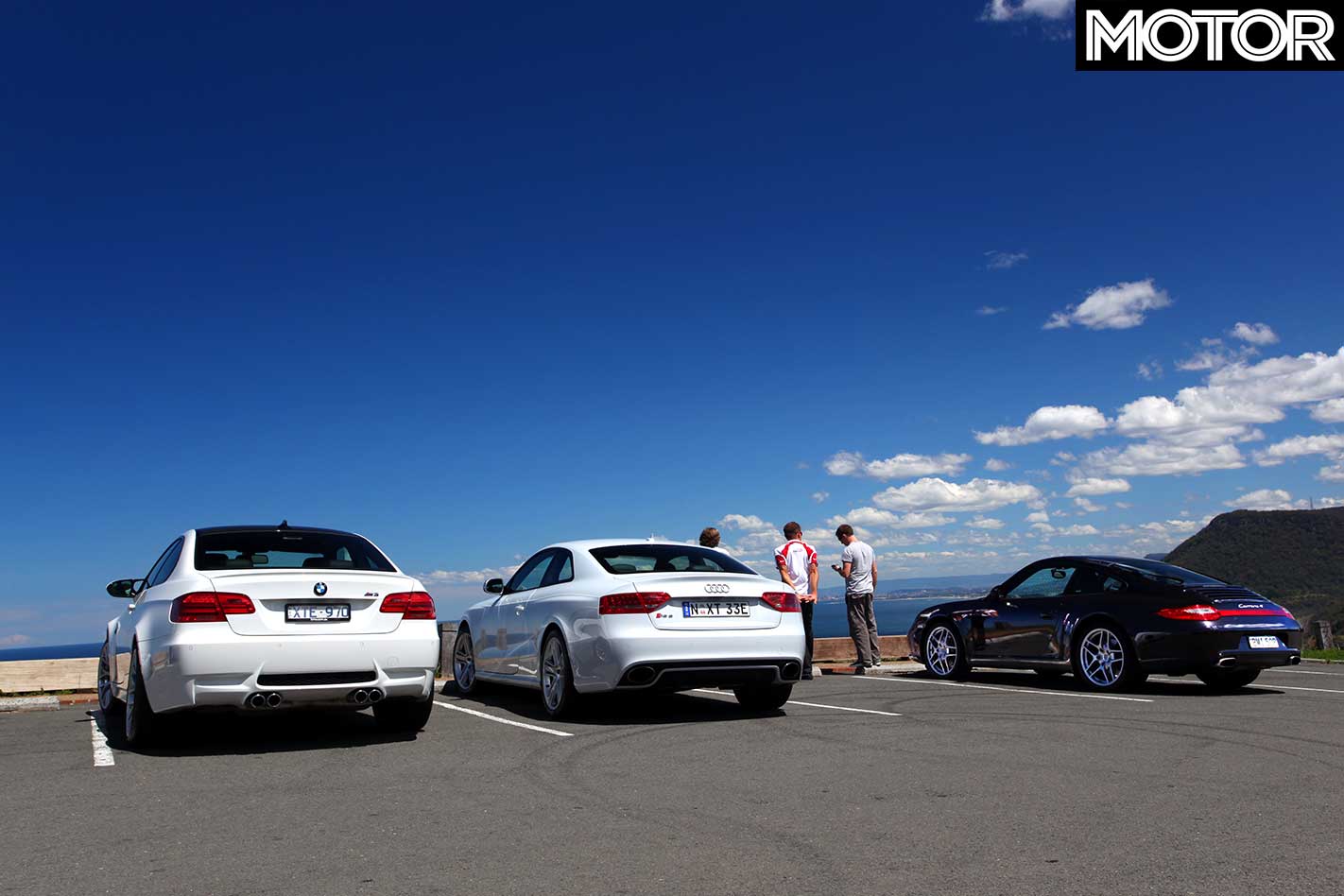
| u00a0 | BMW M3 | Audi RS5 | Porsche 911 Carrera 4S |
| Body | 2-door, 5-seat coupe | 2-door, 4-seat coupe | |
| Drive | rear-wheel | all-wheel | |
| Engine | 3999cc V8, DOHC, 32v | 4163cc V8, DOHC, 32v | 3614cc flat 6, DOHC, 24v |
| Bore x Stroke | 92.0 x 75.2mm | 84.5 x 92.8mm | 97.0 x 81.5mm |
| Compression | 12.0:1 | 12.3:1 | 12.5:1 |
| Power | 309kW @ 8300rpm | 331kW @ 8250rpm | 254kW @ 6500rpm |
| Torque | 400Nm @ 3900rpm | 430Nm @ 4000rpm | 390Nm @ 4400rpm |
| Weight (dry) | 1580kg | 1725kg | 1470kg |
| Power/Weight | 196kW/tonne | 192kW/tonne | 173kW/tonne |
| Transmission | 7-speed dual-clutch | 6-speed manual | |
| Suspension (f) | struts, A-arms, adaptive dampers, anti-roll bar | struts, locating links, anti-roll bar | |
| Suspension (r) | multi-links, coil-springs, adaptive dampers, anti-roll bar | multi-links, coil springs, anti-roll bar | |
| L/W/h | 4615/1804/1424mm | 4649/1860/1366mm | 4435/1852/1310mm |
| Wheelbase | 2761mm | 2751mm | 2350mm |
| Tracks | 1538/1539mm (f/r) | 1586/1582mm (f/r) | 1488/1548mm (f/r) |
| Steering | power rack and pinion | ||
| Brakes (f) | 360mm ventilated/drilled discs, single-piston calipers | 365mm ventilated/drilled discs, eight-piston calipers | 330mm drilled/ventilated discs, four-piston calipers |
| Brakes (r) | 350mm ventilated/drilled discs, single-piston calipers | 324mm ventilated/drilled discs, single-piston calipers | 330mm drilled/ventilated discs, four-piston calipers |
| Wheels | 19 x 9.0-inch (f), 19 x 10.0-inch (r) | 19 x 9.0-inch (f/r) | 19 x 8.0-inch (f), 19 x 11.0-inch (r) |
| Tyres | Michelin Pilot Sport; 245/40ZR18 93W (f), 265/40ZR18 97W (r) | Pirelli P Zero; 265/35ZR19 (f/r) | Michelin Pilot Sport SP; 235/40 ZR19 91Y (f), 305/30 ZR19 91Y (r) |
| Price | $165,600 ($175,720 as tested) | $175,300 ($183,924 as tested) | $241,200 ($246,160 as tested) |
| Pros | Steering accuracy, overall athleticism, sound, gearbox | Outright grunt; one of the best-sounding V8s, sports seats | Flat-six cackle, handling, balance, flexibility, quality |
| Cons | Pipped by RS5’s pace, takes time to learn how to steer it | Feels heavy, not as involving as rivals, bit too pricey too | Gearing, spongy brakes, priced way above this pair |
| Rating | 8.5 out of 10 stars | 7.5 out of 10 stars | 8 out of 10 stars |
Track data
The Strip
| u00a0 | BMW M3 | Audi RS5 |
| 0-10km/h | 0.63sec | 0.32sec |
| 0-20km/h | 1.00sec | 0.58sec |
| 0-30km/h | 1.37sec | 0.88sec |
| 0-40km/h | 1.74sec | 1.29sec |
| 0-50km/h | 2.13sec | 1.71sec |
| 0-60km/h | 2.57sec | 2.15sec |
| 0-70km/h | 3.07sec | 2.65sec |
| 0-80km/h | 3.59sec | 3.20sec |
| 0-90km/h | 4.18sec | 3.77sec |
| 0-100km/h | 4.79sec | 4.38sec |
| 0-110km/h | 5.51sec | 5.07sec |
| 0-120km/h | 6.34sec | 5.82sec |
| 0-130km/h | 7.18sec | 6.66sec |
| 0-140km/h | 8.08sec | 7.51sec |
| 0-150km/h | 9.05sec | 8.53sec |
| 0-160km/h | 10.22sec | 9.59sec |
| 0-170km/h | 11.43sec | 10.82sec |
| 0-180km/h | 12.71sec | 12.14sec |
| 0-190km/h | 14.12sec | 13.59sec |
| 0-200km/h | 15.84sec | 15.26sec |
| 0-400m | 12.95sec @ 181.75km/h | 12.49sec @u00a0 182.60km/h |
| 80-120km/h (Drive) | 2.74sec | 2.79sec |
| 100-0km/h | 35.16m | 34.45m |
*Editor’s note: A last-minute clutch issue with the Porsche stopped us from running acceleration times.
LAST time Mini turned its three-door hatch fully electric, the rear seats vanished, boot space shrank and weight increased 300kg. That was back in 2008, just 600 were leased, but the Mini E did inform development of the BMW i3. Now the i3’s repaying the favour by donating its EV technology to a proper series-production electric Mini, the packaging compromises all but eliminated. Promisingly, ‘Cooper S’ has been inserted between ‘Mini’ and ‘E’.
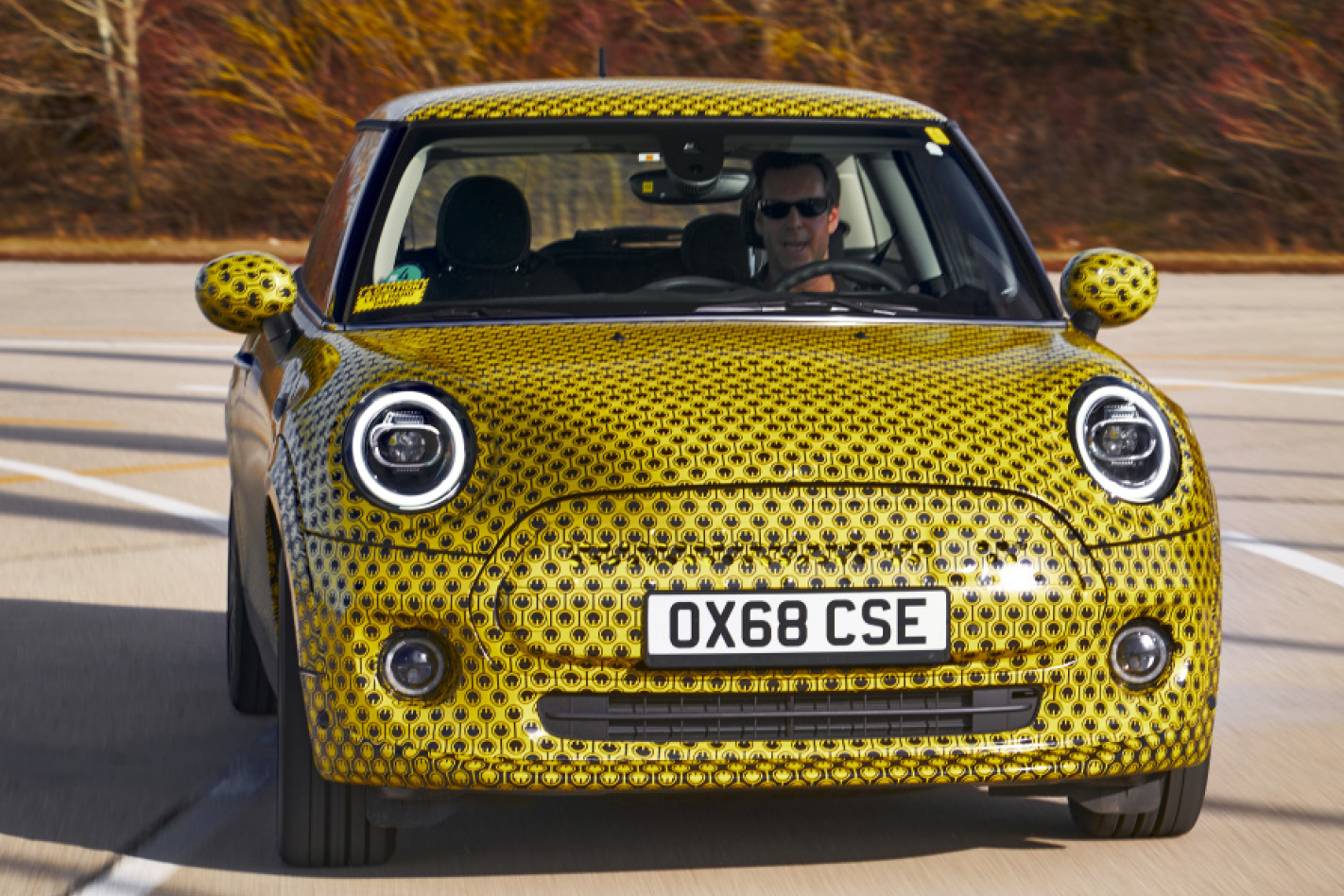
We’re driving a prototype of the Mini Cooper SE on a coned airfield course. It doesn’t take long for a grin to spread across your mug – eager acceleration, pacey steering and nimble footwork ensure the Cooper S character is intact.
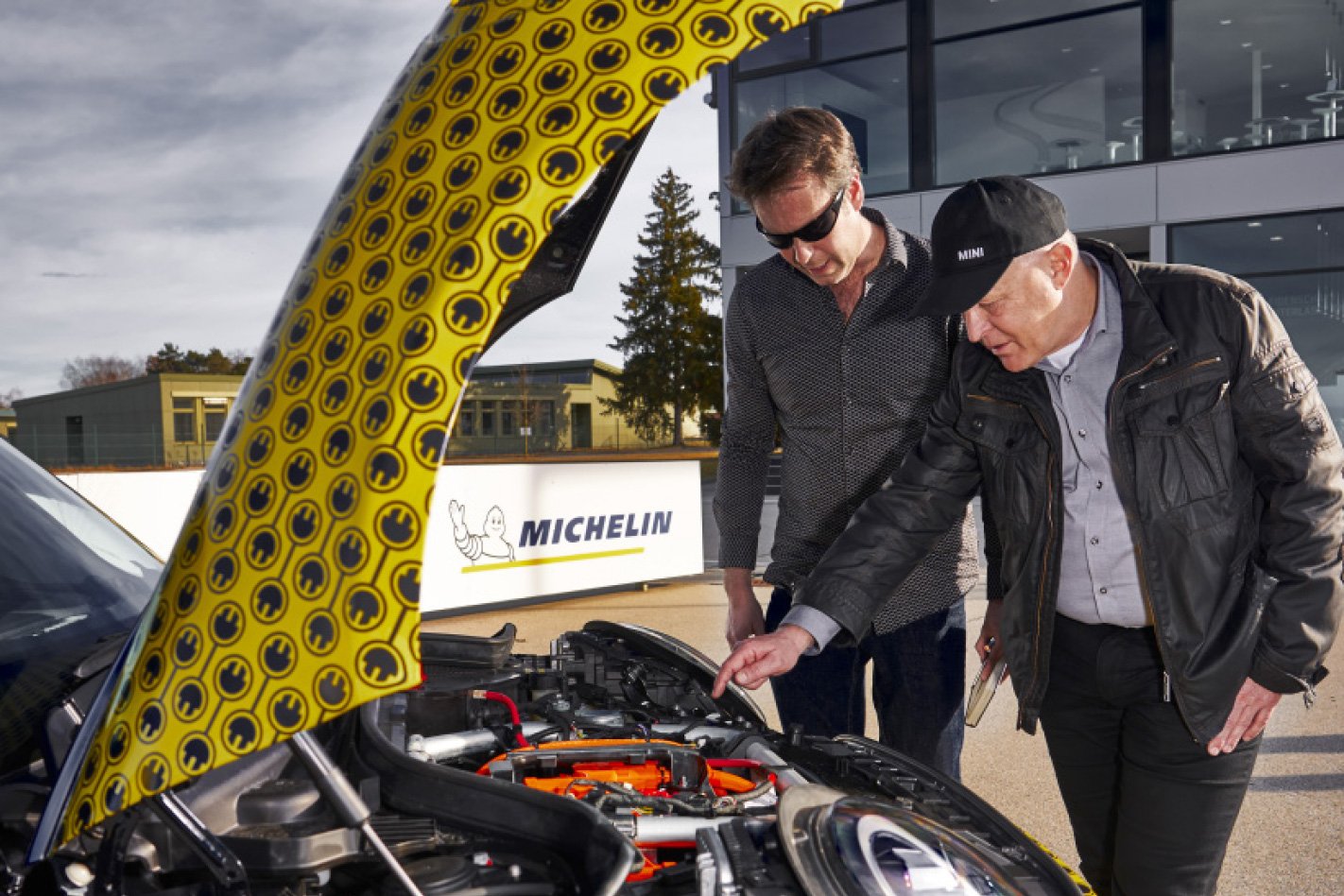
Improved packaging is key. Power electronics and the 135kW electric motor normally found at the rear of an i3s are located under the bonnet. The battery is most comparable to the MY17 i3, but rather than being square and rated at 94Ah, it’s 92Ah and arranged in a ‘T’ across the rear axle and down the spine of the floorpan.
There’s just as much interior and luggage space as a Cooper S – with a little foam removed from the rear bench so passengers sit equally low – and changes to the body-in-white are minimal. It’ll even roll down the same Plant Oxford production line as other Minis when builds start, later this year.
Like an i3, the performance figures don’t spike your pulse – 0-100km/h in 7-8sec and a circa 145km/h top end are pretty middling – but there’s good, useable performance here. Standing-start acceleration is energetic enough, but it’s in the mid-range where the Cooper SE feels engagingly wired and alive. Fierce re-gen braking requires acclimatisation, but a second mode offers more natural coasting, off-power.
Encouragingly, though, it’s the handling that makes this the hot hatch of EVs. At 1350kg, the Cooper SE carries 120kg of ballast over a petrol auto Cooper S, and the suspension is raised ‘1-2cm’ to give the low-slung battery more clearance.
ANALYSIS: what makes more financial sense, EV or combustion?
But the centre of gravity is actually better, because more mass is mounted lower down, and despite weight over the nose remaining comparable, distribution shifts significantly rearwards due to the bulky battery – from a Cooper S’s 60/40 front-to-rear to the Cooper SE’s 54/46. The suspension is re-tuned to suit, with the goal of retaining a Cooper S feel.

Accelerate hard through tight corners and traction borders on astonishing, especially given the instant slug of torque – it’s like a combination of aggressive limited-slip diff and traction control that’s so subtle you can’t detect it. It’s a shame the steering suffers, however, lumpily tugging about as torque surges through the front axle.
Through slaloms, the Cooper SE feels low, wide, short and reassuringly hunkered. It turns eagerly, pivots around its front axle, and dances through cones like an expert skier when you lift the throttle and slide the rear end. It’s an engagingly reactive and positive little thing.
So it’s quick enough, extremely nimble and a lot of fun. The biggest question is how easy the SE will prove to own. Mini says an 80 percent charge takes 40 minutes on relatively uncommon 50kW DC chargers, or three hours on 11.2kW AC chargers.
The range isn’t yet homologated, but the BMW i3 was good for around 250km, and was 105kg lighter. The Mini should fall short of that – especially when it’s this enjoyable to drive enthusiastically. Let’s hope it doesn’t dent the chances of this charismatic electric hot hatch too much.
This week, parts of Australia endured one of the coldest May days in almost 20 years. And, to make things worse, meteorologists reckon this winter is going to one of the coldest on record.
So, with winter officially kicking off this weekend, here are some of the most important safety checks you should be taking care of immediately.
Check your tyres
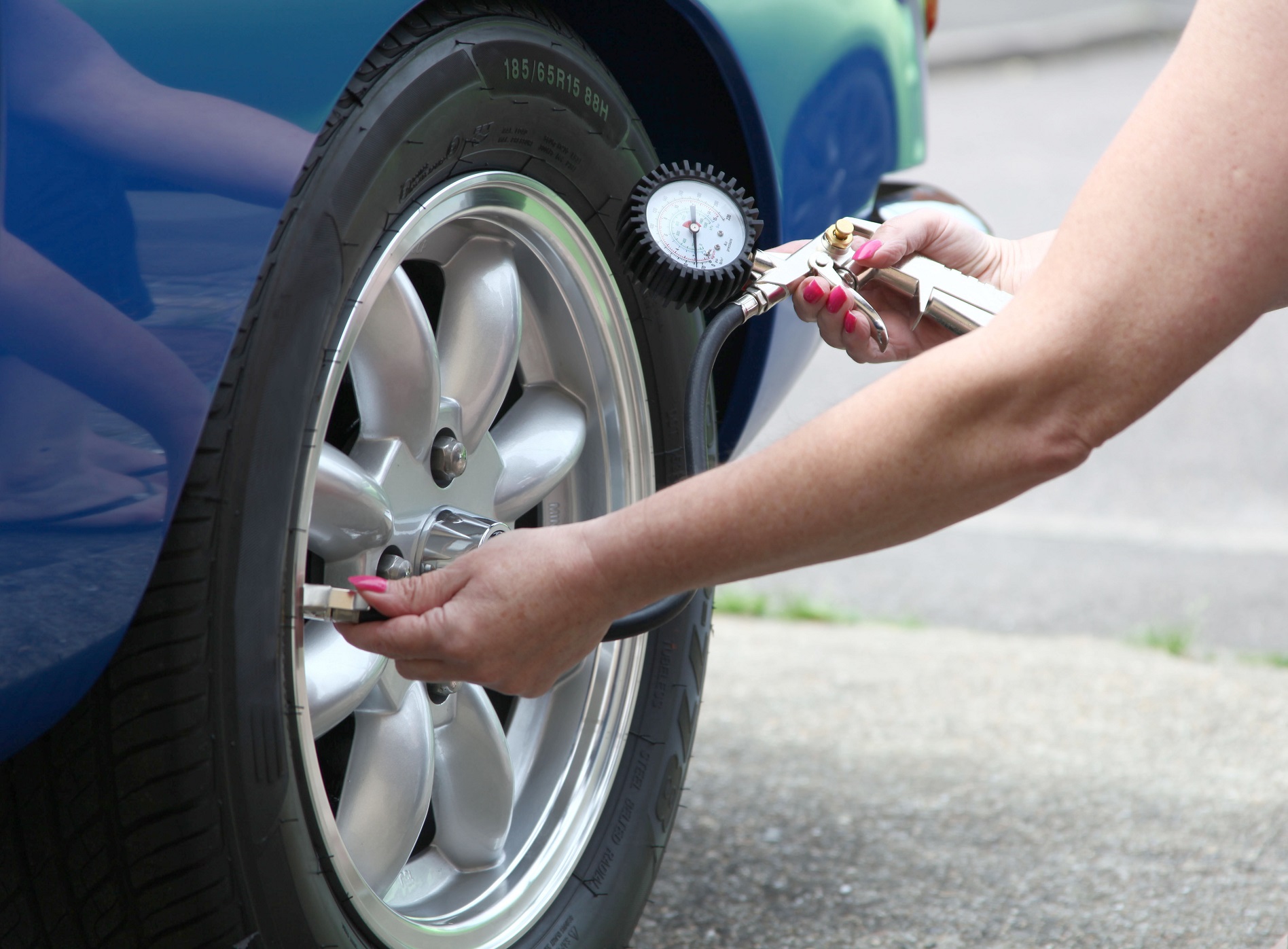
Not only should you be checking wear and tread levels, but tyre pressures are also vital. Be sure your tyres are filled to the correct pressure, according to the vehicle placard (usually located inside the driver’s door).
If you’re not sure how to check for signs of wear and whether your tyres have enough tread, you can check out our step-by-step guide here.
Make sure to replace your tyres as soon as possible if necessary.
Wiper blades
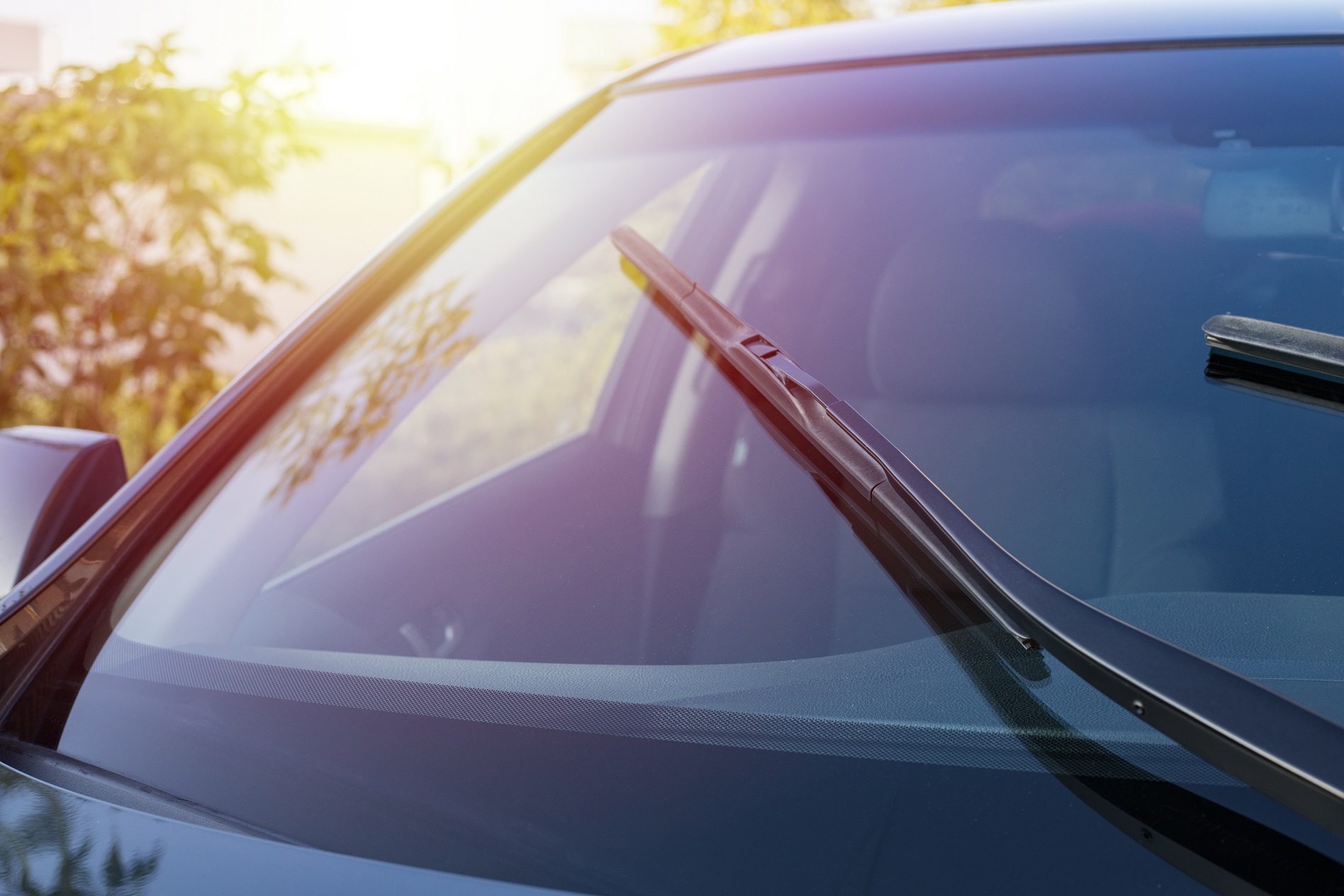
An icy windscreen is not only frustrating – but can be dangerous. Combine that with a fogged-up glass? Chaos. Thankfully, there are products out there to help.
Making sure you’ve got fresh rubber to wipe away worries, I mean, rain droplets is a good start. Windscreen treatments like RainX help water bead off the glass when it rains and give the wipers a barrier of lubrication, helping them last longer. Avoid using your wipers on an icy windscreen as it can damage the rubber; instead, invest in a window scraper.
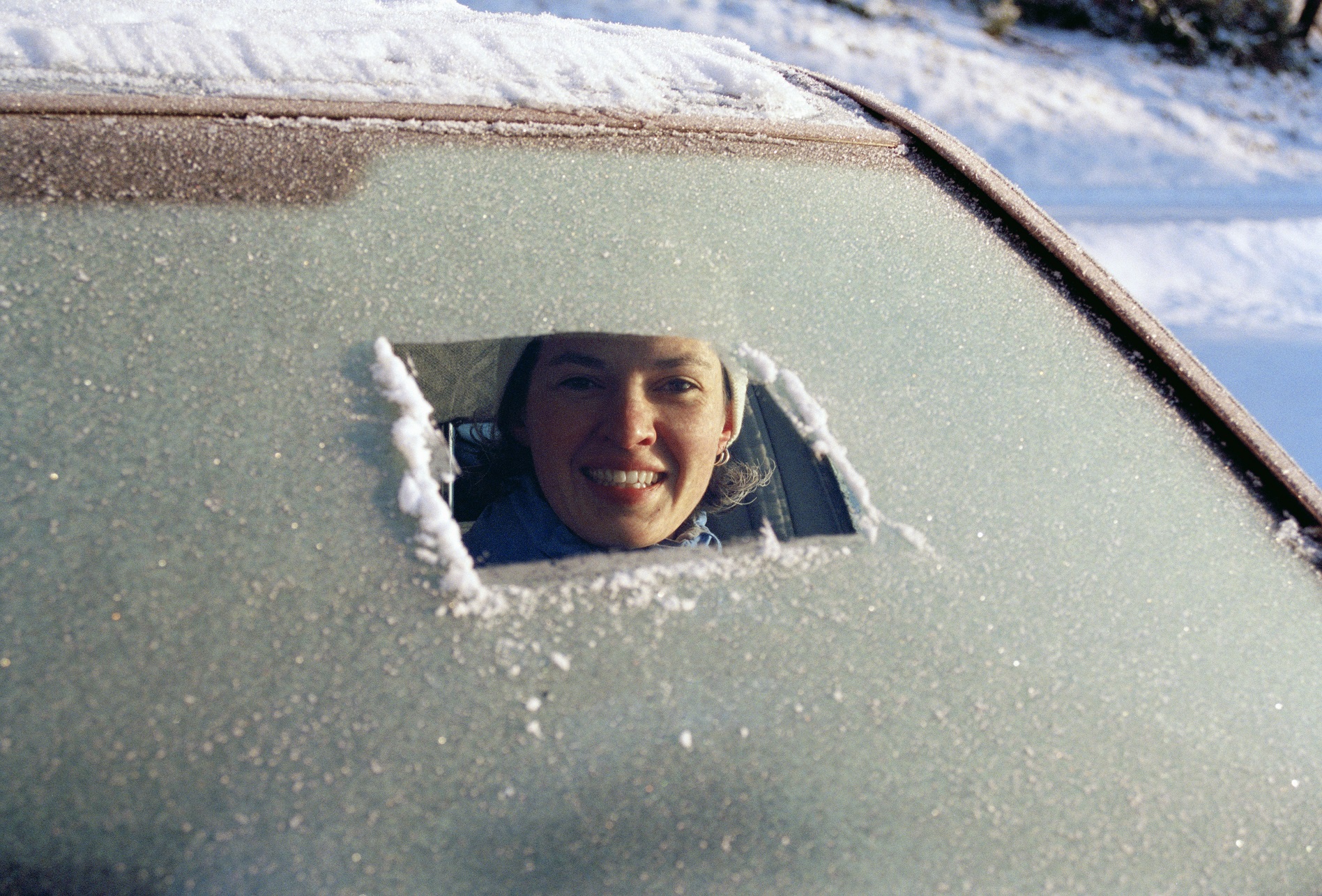
Anti-fog treatments for the interior are another great winter investment (also fantastic for using on bathroom mirrors prone to fogging up) and there are some car care brands with spray-on ice treatments now, too – to save you from reeling out the hose each morning to de-frost your windows.
Invest in your vision
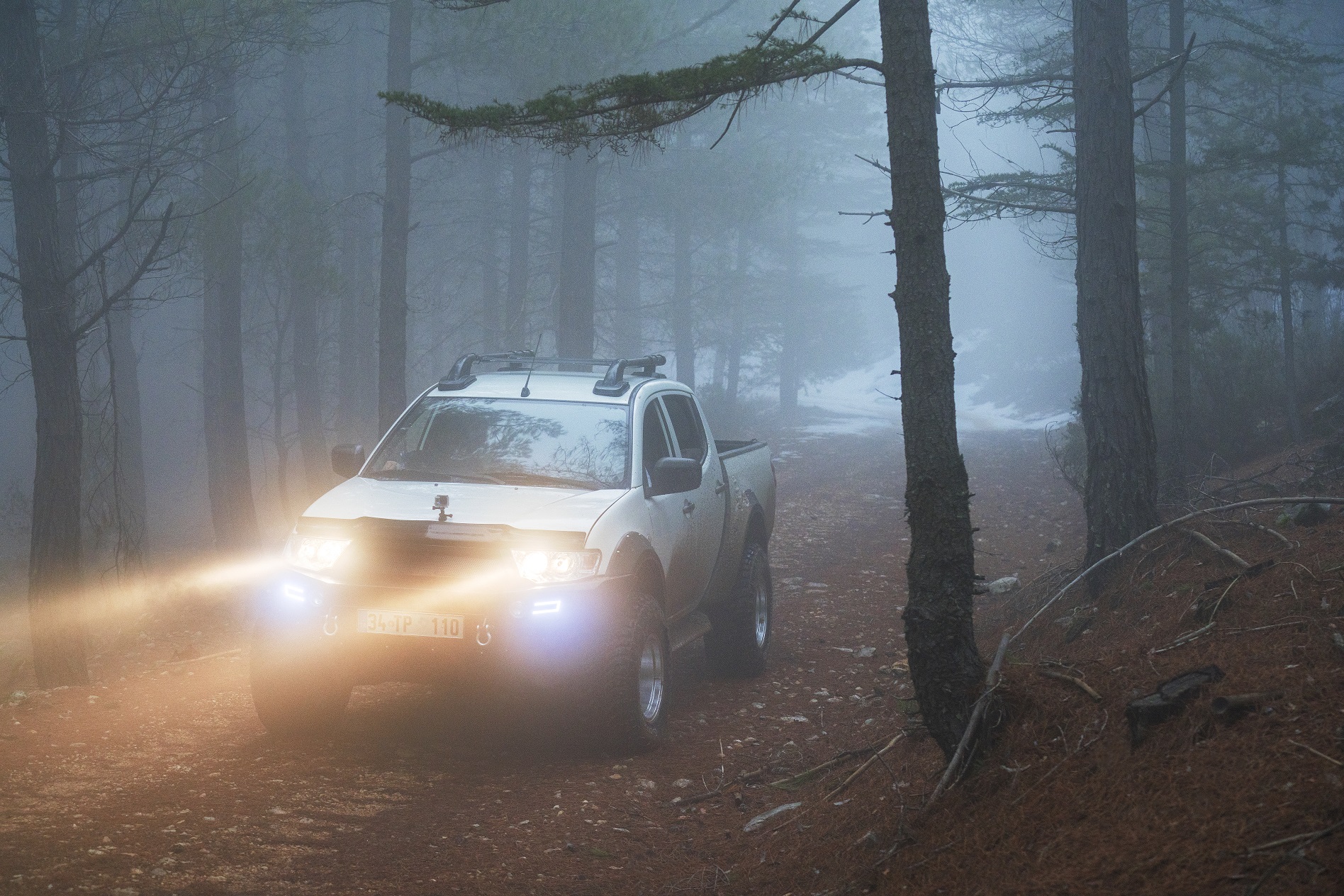
Yes, of course you need good vision. But we’re not talking about spectacles here – we’re talking about your headlights. A general rule of thumb is that if one side fails, the other side’s probably on the way out. This happens because the lifespan of halogen globes is measured in hours, and most people replace both at the same time – at least, it’s a good idea to.
If you’re one of the lucky ones with factory-fitted Xenon or LED headlights, you have our permission to skip to the next section. If not, listen up please!
A good set of LED headlights will cut through dark, gloomy conditions like you wouldn’t believe. They’re an investment up front (around $200/pair), but they last around 37 times longer than halogens and will help you see 50 times better.
While you’re at it, make sure all your other lights are working as well.
Battery care
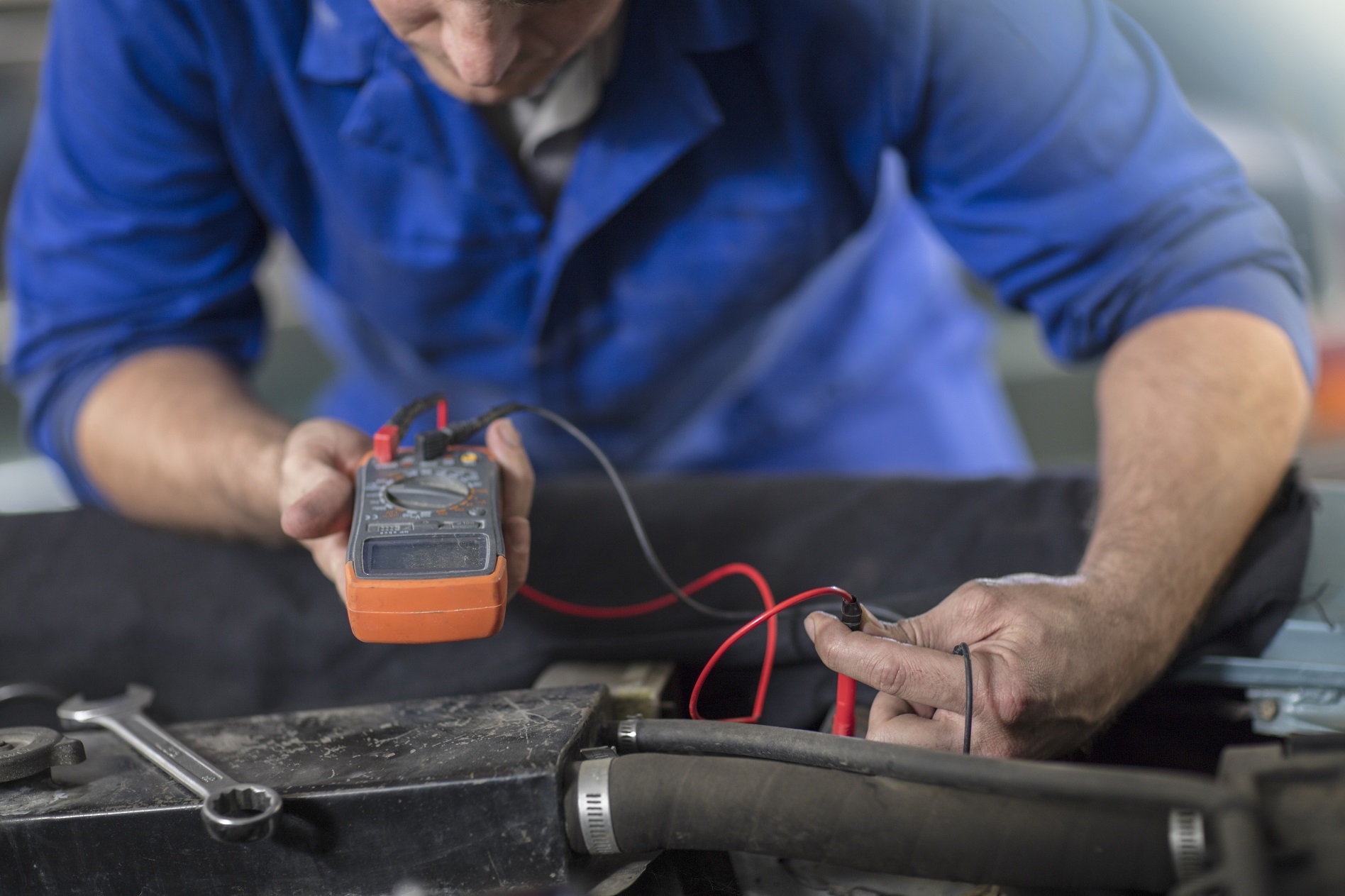
Do you remember the last time your car battery died?It was probably winter, right? Well, just like our bodies tend to cramp up in the cold weather, so can the plates inside a car battery.
Most automotive and mechanical stores offer free battery checks, which you should take advantage off, especially if your car has been struggling to start recently. After all, the last thing you want to do is be stuck somewhere when it’s freezing cold out.
Service your car
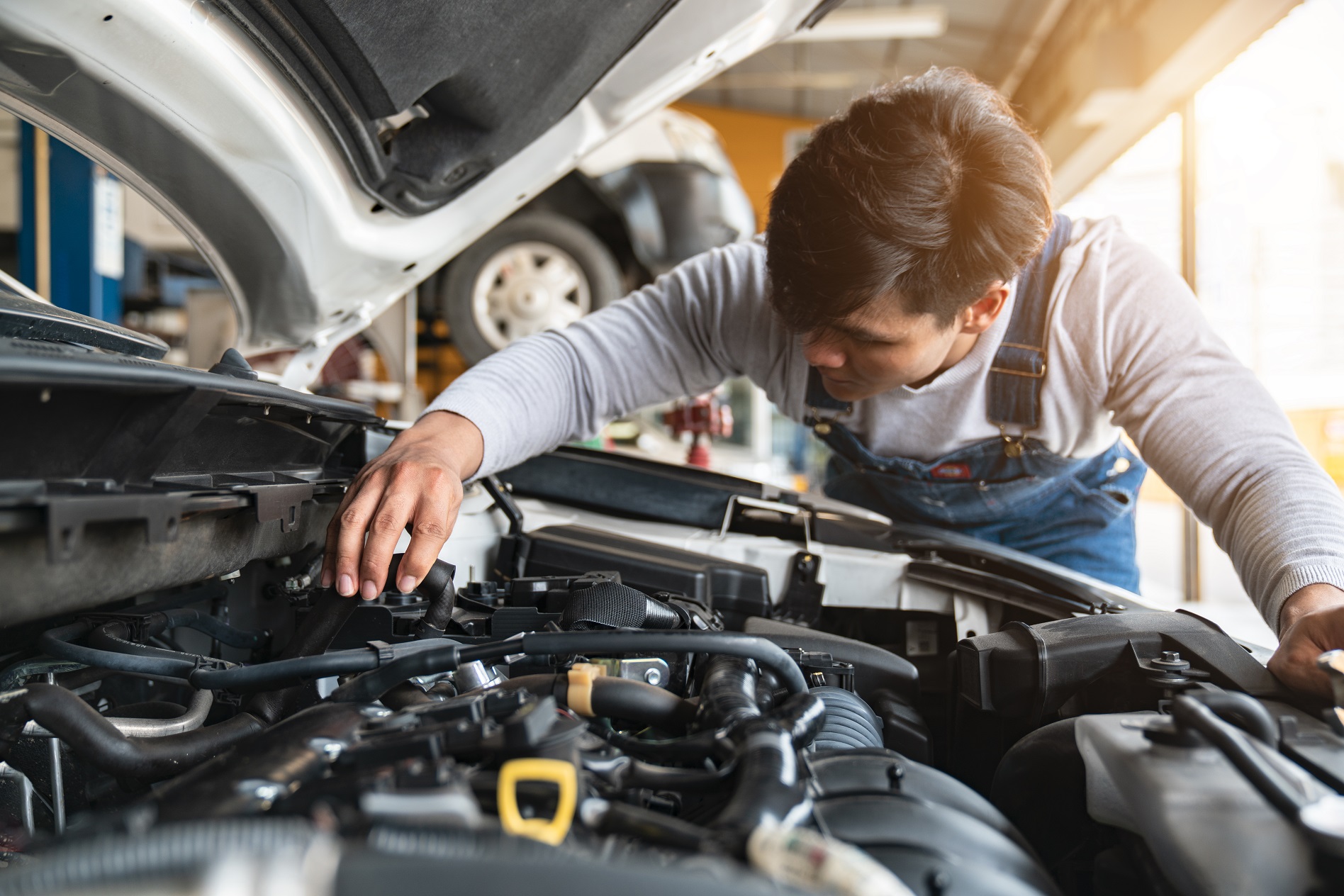
Every car owner knows they should have their car regularly serviced, but this is especially true if you plan on taking a winter road trip this frosty season.
If a service isn’t on your agenda right now, at least check the following before taking off on a trip: engine oil, coolant level, windscreen washer fluid, brake fluid etc.
Check out our easy to follow maintenance tips here.
The marketing gurus for Mars bars make a pretty bold promise that the world’s favourite chocolate helps you work, rest and play.
This feature was originally published in MOTOR’s January 2011 issue
Sure, its sugar content will give you a big enough glucose-induced shot of energy to stay awake through a boardroom meeting (that’s the work bit) or kick a footy around the park for five minutes (play), and its calorie-loaded fat content will have you beached on the couch (resting) after you come down.
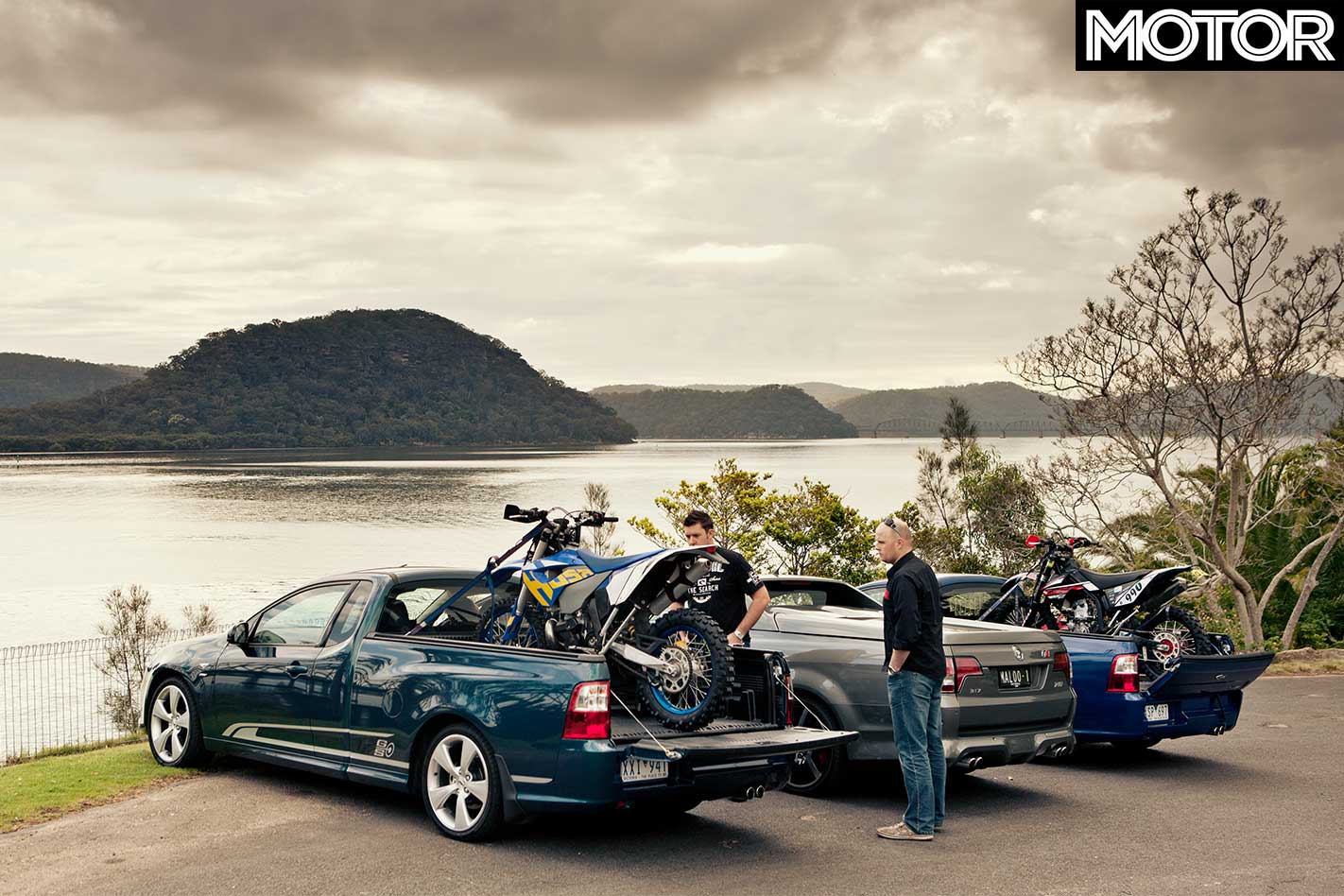
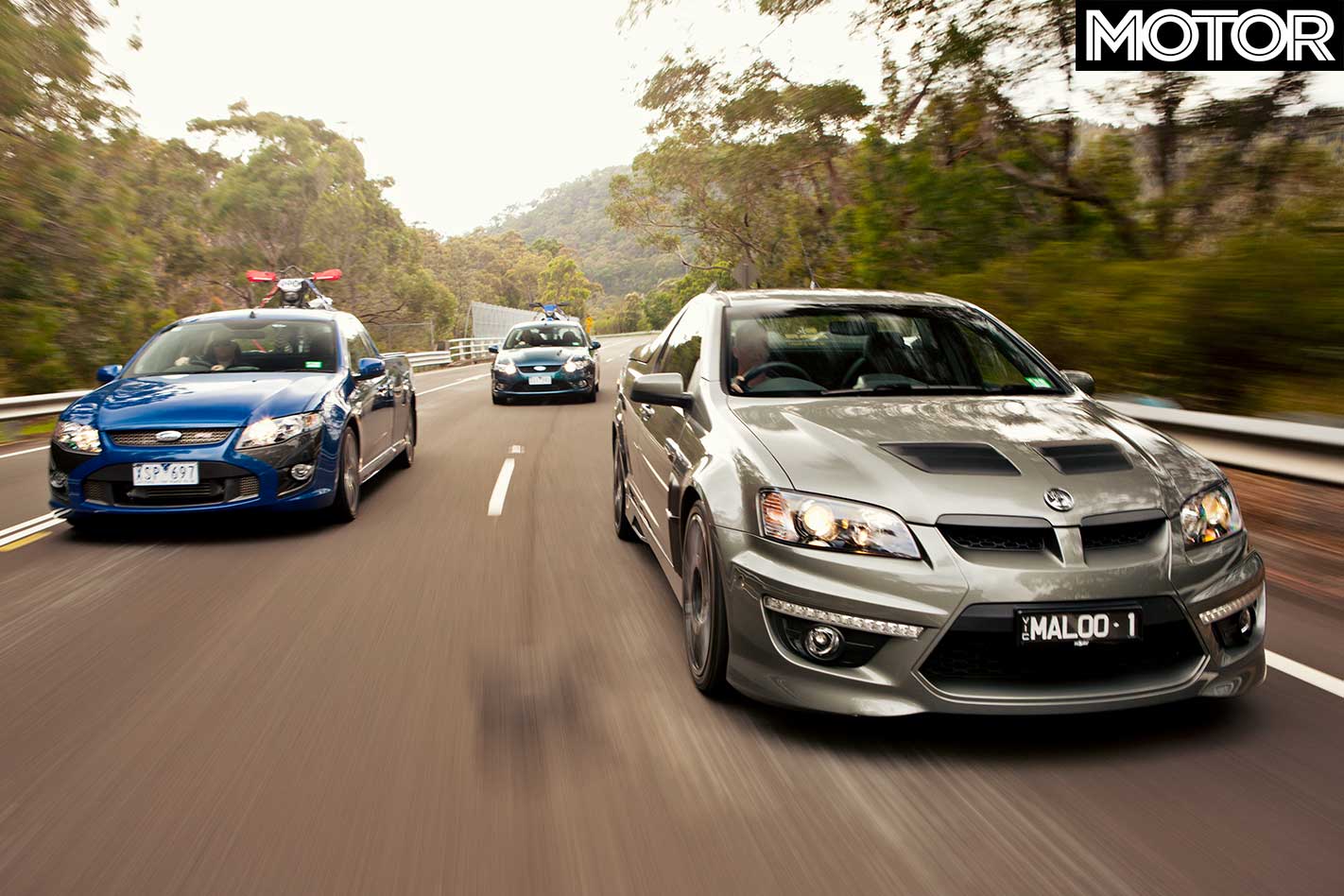
Yep, they’ve had the work bit covered ever since Lou Bandt slapped a tray on the back of a Ford coupe back in the mid 1930s as the four-wheeled tool of choice for farmers and tradies alike. If you’ve ever been involved in the aftermath of a B&S ball, you’ll know there are worse places to rest than tucked up in a swag in the back of a ute. And with all three homegrown performance utes sending at least 310kW to the treads, you’re never far from playtime. But right now, HSV and FPV have plenty to play for.
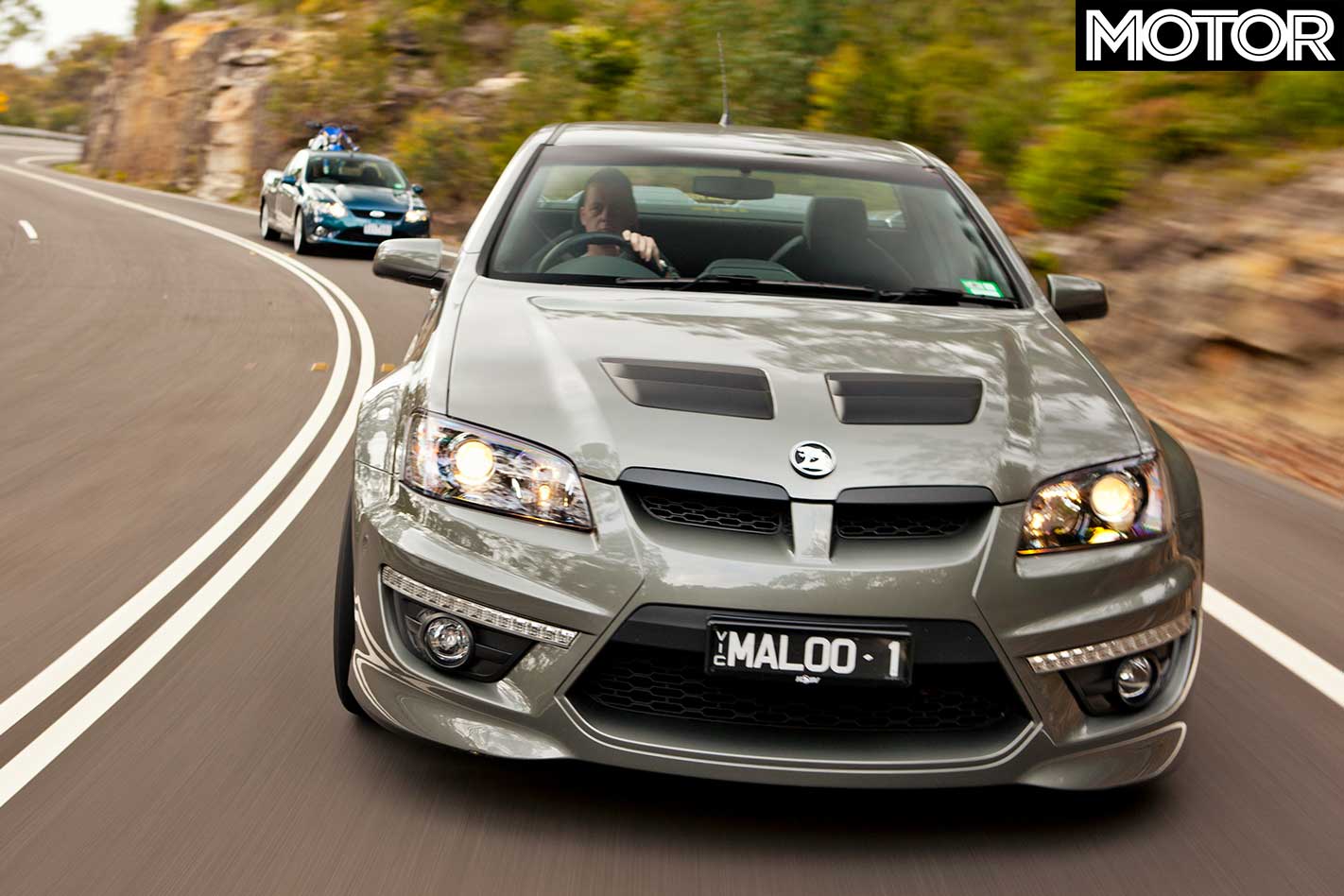
Clayton’s cargo-hauling Maloo R8 has ruled the roost since it was introduced 20 years ago, morphing from its humble beginnings as a tarted-up hay hauler to become a quasi two-door sports car – and one of HSV’s top-selling models.
As part of its never-ending 20th birthday celebrations, HSV has slapped together a limited-edition anniversary special that adds the GTS’s 20-inch alloys and leather along with unique Batman-style hood scoops and matching side vents to make it special, and dropped the must-have bi-modal exhaust and Side Blind Zone Alert system into the bundle. At $67,900 – a $3000 more ask than the standard Maloo R8 – the 20 Years of Maloo ain’t cheap for a ute, but according to HSV, it represents around $9K worth of extra goodies.
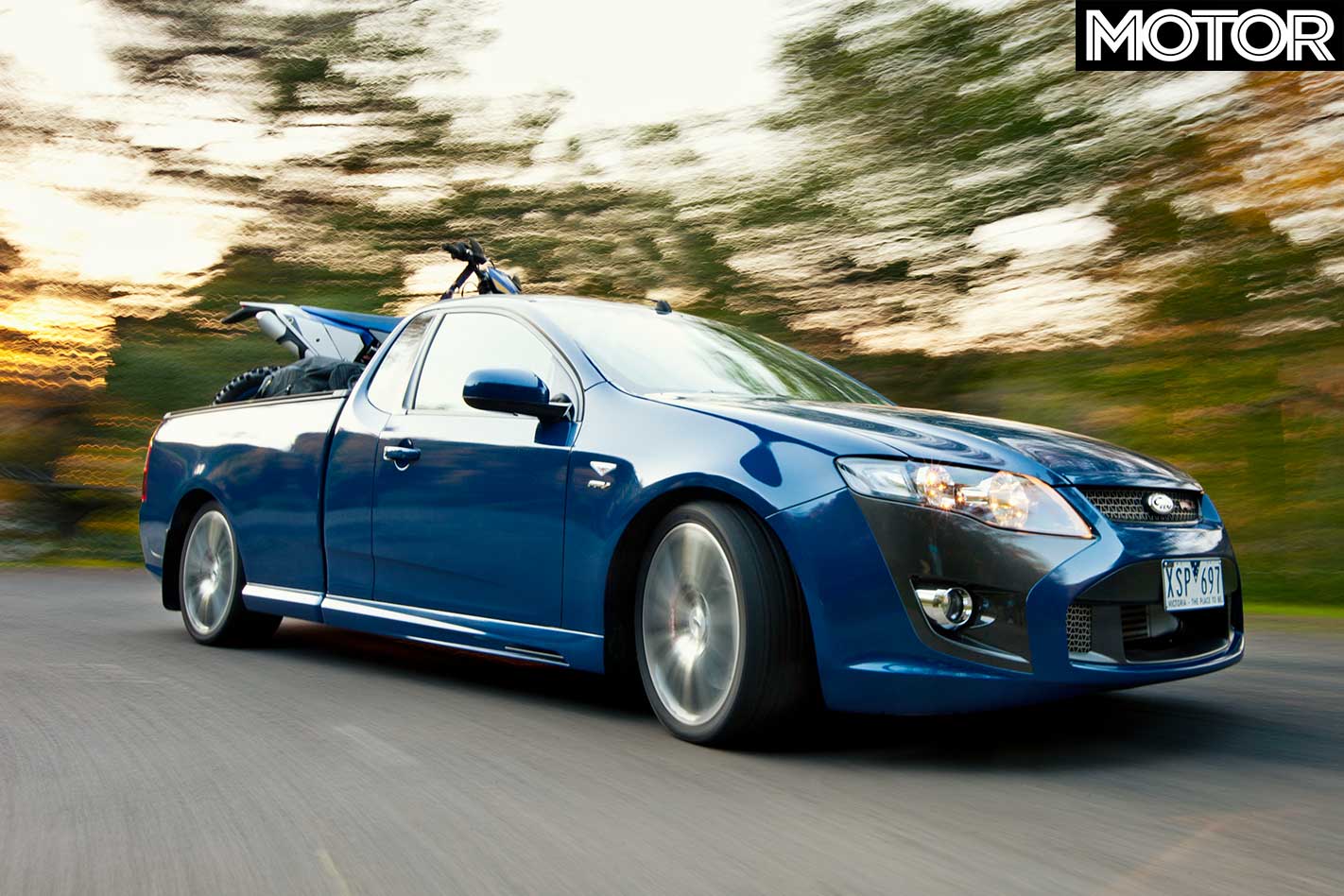
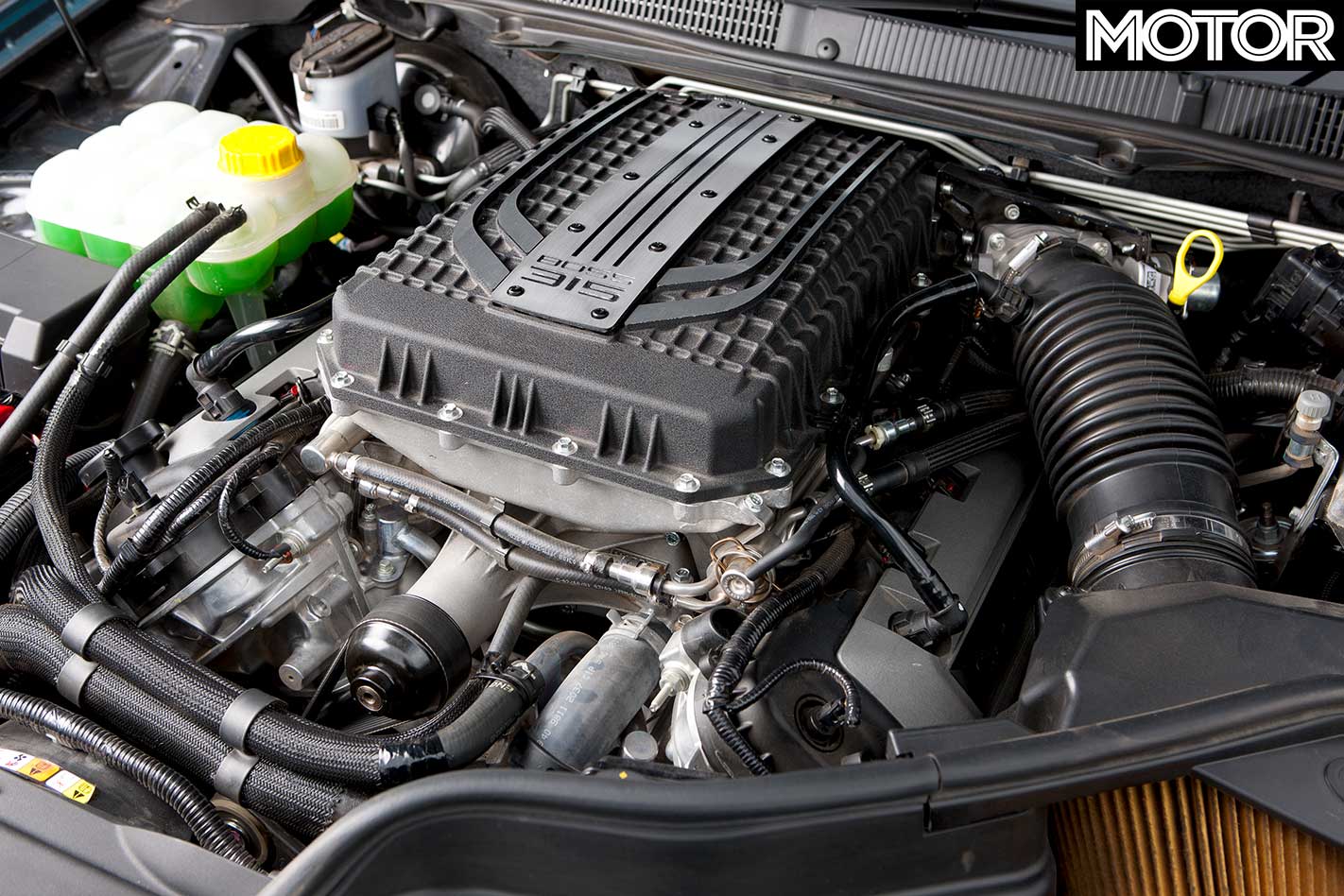
On the other side of the fence, FPV has overhauled its V8-powered ute philosophy in line with the updated FG sedan range. Gone are the GT-based Pursuit and GT-P Super Pursuit, replaced with a single entry-level GS powered by the low-blow, 315kW version of the all-new Miami 5.0-litre supercharged V8. At just $51,990, it kickstarts FPV’s family with some serious bang for your buck.
But, while this could’ve been a simple two-car V8 shootout, FPV has a joker in the pack with its turbocharged 4.0-litre F6 ute, so it’s here too – even though its been largely untouched since the FG was launched in mid 2008.
Although it packs the least grunt of the three at 310kW, its $58,990 base price tag places it slap-bang between the GS and the Maloo and, with the full FPV visual treatment rather than the GS’s stickered-up XR body kit, totally warrants its position as a more-than-competent alternative to the traditional bent-eight rivals.
Actually, when you look at the numbers there’s bugger-all between the three even though they go about it in completely different ways. The Maloo’s all-alloy 6.2-litre LS3 V8 has been nestled neatly in the front of every hot Holden since April 2008 and, surprisingly for HSV which hasn’t missed an opportunity to slap a bigger badge on the boot for over 15 years, it has been left virtually untouched since. But that ain’t such a bad thing, as the Maloo maintains its place at the top of the dick-swinging ranks with 317kW peddled out at 6000rpm and 550Nm of twist coming in at a relatively high 4800rpm.
On paper, the GS’s 315kW and 545Nm are within a bee’s naughty bits of the Maloo’s power and torque claims, but there’s a big difference in where the two produce thier grunt within the rev range.
Where the LS3 relies on its big cubes and ability to rev out to 6600rpm, the valley-mounted Eaton/Harrop supercharger forces gobfuls of air down the 5.0-litre’s gullet to deliver maximum torque in a flat line from just 2000 up to 5500rpm, while peak power is produced at 5750rpm, just 500 revs short of its electronically-controlled cut-out.
It’s a similar state of affairs for the F6 too. Even though it only generates 310kW at 5500rpm from its intercooled/turbocharged in-line six, it outmusters both the V8s in terms of torque with 565 of Newton’s best on tap from 1950-5200rpm.
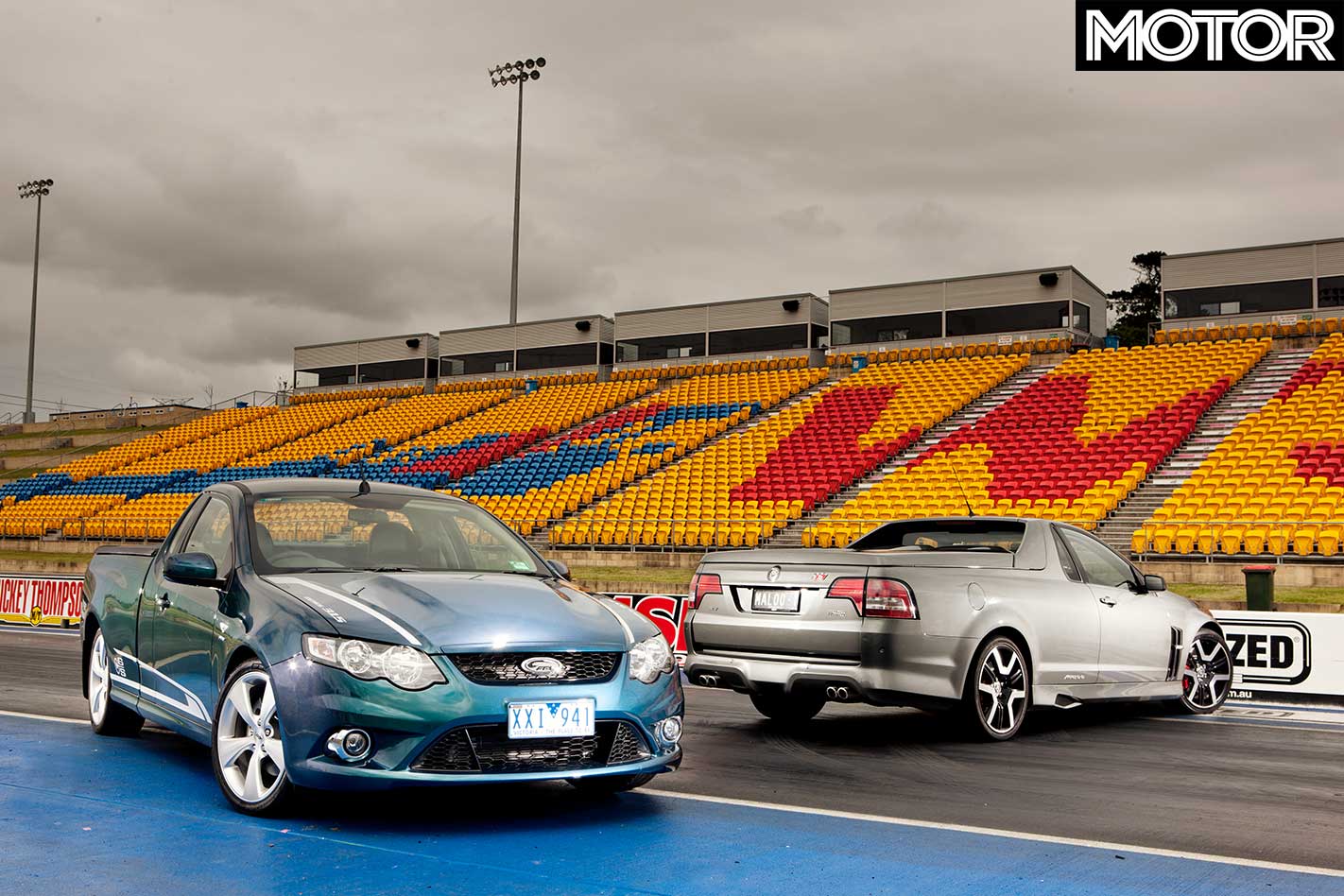
And, when push comes to shove down the strip, that makes a difference. With masses of grip on offer after a Top Fuel meeting on the weekend, Sydney Dragway is at it best and a perfectly crisp and cool spring morning has the F6 chomping for V8 blood.
With the sweet-as-honey ZF six-speed auto shifted into performance mode and the turbo six stalled up to just 1200rpm, the F6 takes its time to initially overcome its 1814kg mass, launching slower to 30km/h than both the Maloo and GS.
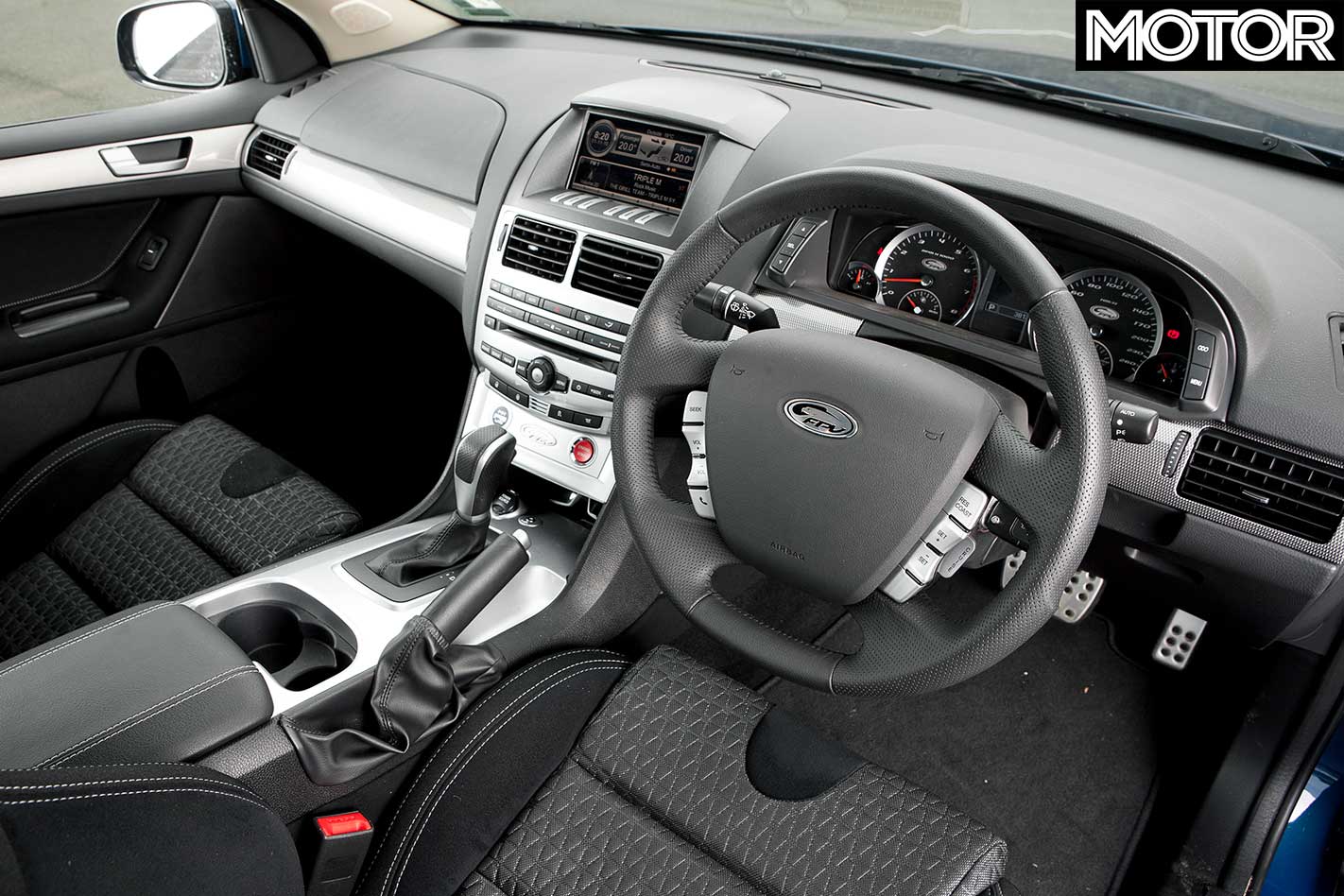
But when the Garrett GT3540 snail is full of boost, its mega top-end grunt just never feels like quitting and it bolts to triple figures in a cracking 4.92sec to trip the 400m marker in 13.09sec at 178.06km/h. Yep, you read it right; a sub five-second ute – and, apart from HSV’s limited-build 7.0-litre W427, it’s our fastest-ever run in an Aussie production car!
While the numbers suggest the F6 should be more of a handful than the GS (with greater torque available on tap earlier), it’s not actually the case. Sure, the F6 comes on boost hard and fast and, with traction control turned off, can easily wheelspin its way through third gear, but the GS’s power delivery is actually harder to tame.
Even though its only blowing 0.34bar into the 90-degree V8, it comes on so strong and fat that it needs to be gently walked off the line otherwise it sits there axle tramping in a cloud of smoke. Still, it pulls a string of consistent low fives with a best of 5.01sec to 100km/h and 13.19sec at 175.63km/h.
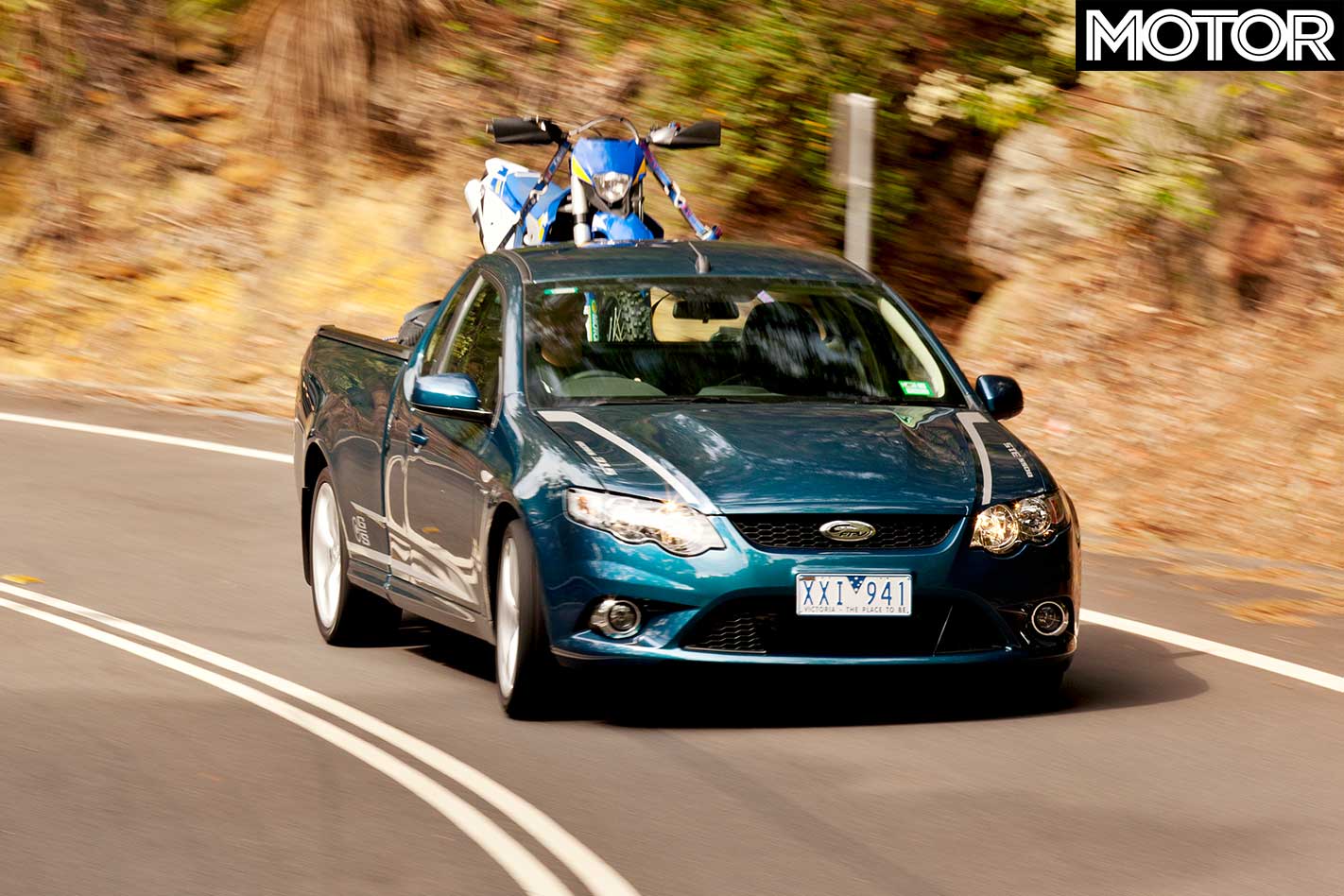
While the FPVs have an indicated 6250 redline, the auto software pulls them up short and spoils the party by shifting at 6000rpm. Unlike most modern turbo engines that seem instantly breathless once they’ve passed peak power, the F6 feels as though it could easily handle another 500rpm, whereas the GS feels just right.
Surprisingly, it doesn’t feel as strong as the F6 in the top end, which is clearly evident when you look at the big numbers (the GS is 0.5sec down at 160km/h and 0.8sec off at 190km/h).
The Maloo, on the other hand, loves big revs. While both the FPVs run the same ZF automatic gearbox, our test Maloo is fitted with the Tremec TR6060 six-speed manual; not only because it’s the better gearbox and utilises all of the LS3’s top end, but because it features launch control within the three-stage ESP system.
However, Sydney Dragway’s sticky startline is sending the computer into a meltdown as it tries to unleash the Maloo from a clutch-dump at maximum torque. Instead, it grapples with the traction control system and results in an axle-tramping getaway that is aborted when it can only muster a flat six to triple figures.
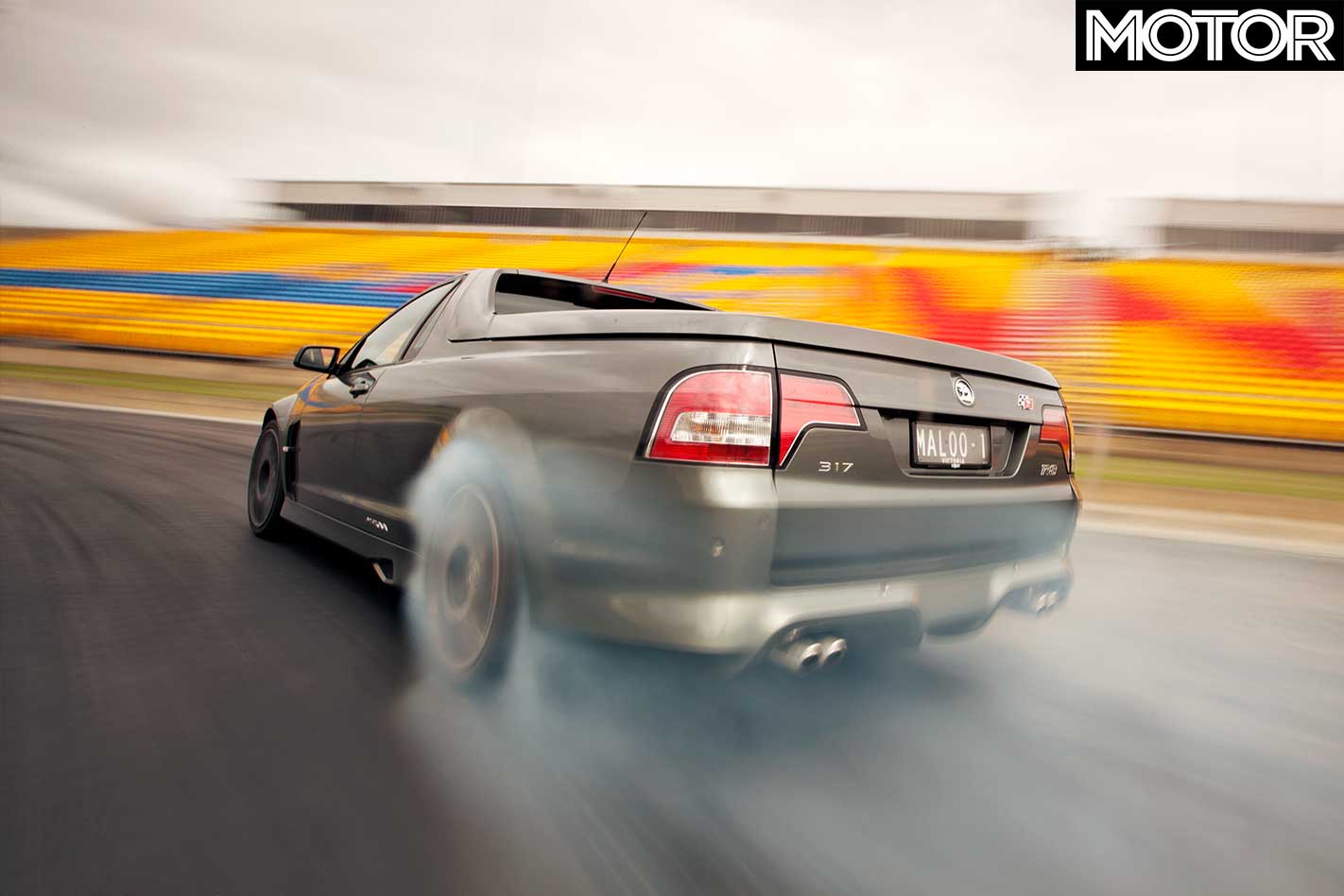
Ditch the electronics for a full human-activated launch (at a far less stressful 2200rpm) and the HSV gets out of the hole quicker than the FPVs – beating them both to 30km/h – but, even though it produces more power and maxes out at 6600rpm, it can’t topple them to triple figures (5.43sec) nor across the 400m (13.62sec/172.26km/h).
Now that’s a big turnaround in fortunes for the Ford-versus-Holden stoush as HSV has been belting FPV to a pulp for the last decade, and if you’re a Ford fan then you might be satisfied enough to finish here and chalk up a double win. But it’s not that simple.
Show both the F6 and GS a twisty bit of road and the score swings the other way. The Falcon’s antiquated leaf-spring rear and cab-chassis construction are no match for the Maloo’s more sophisticated multi-link rear and monocoque body.
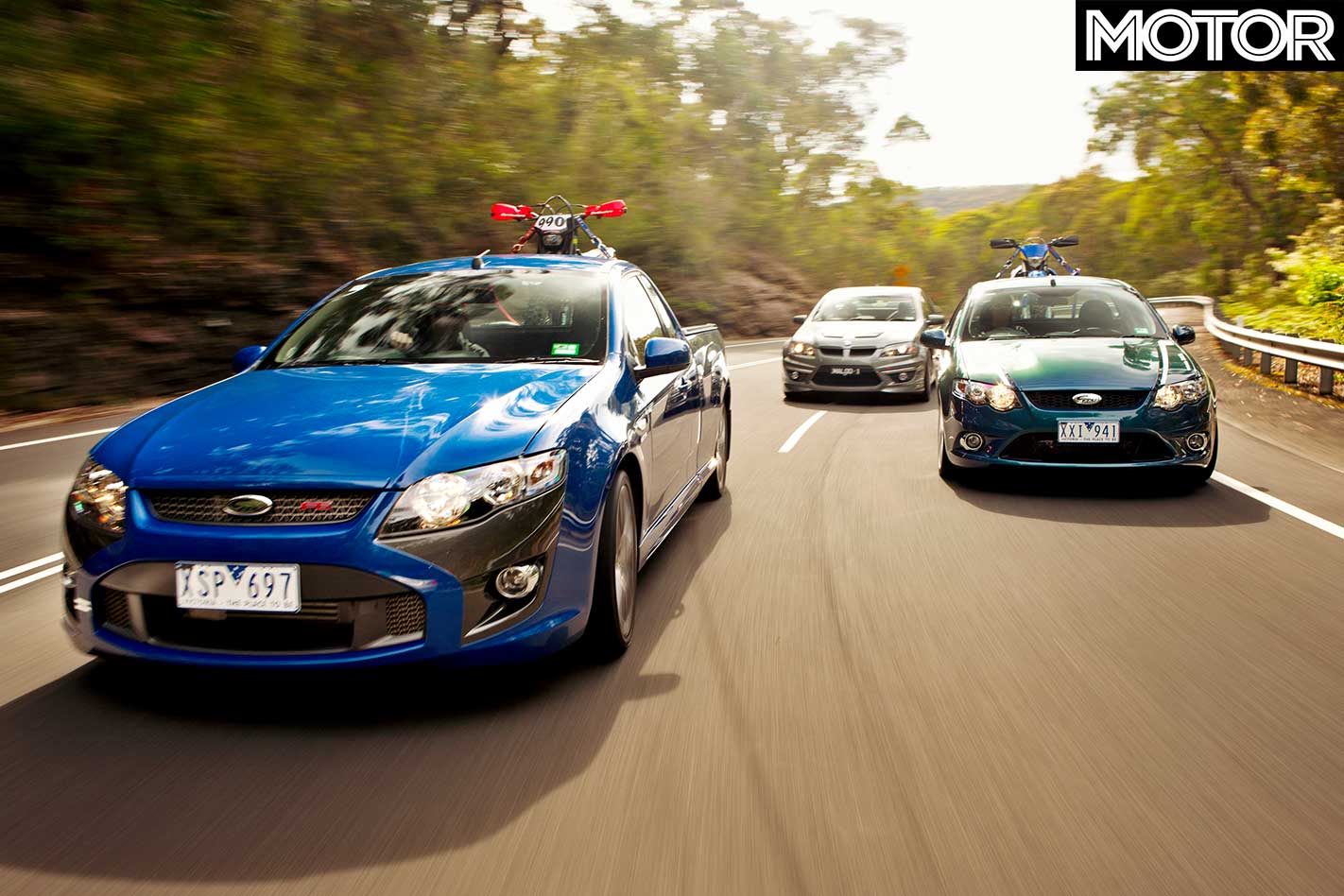
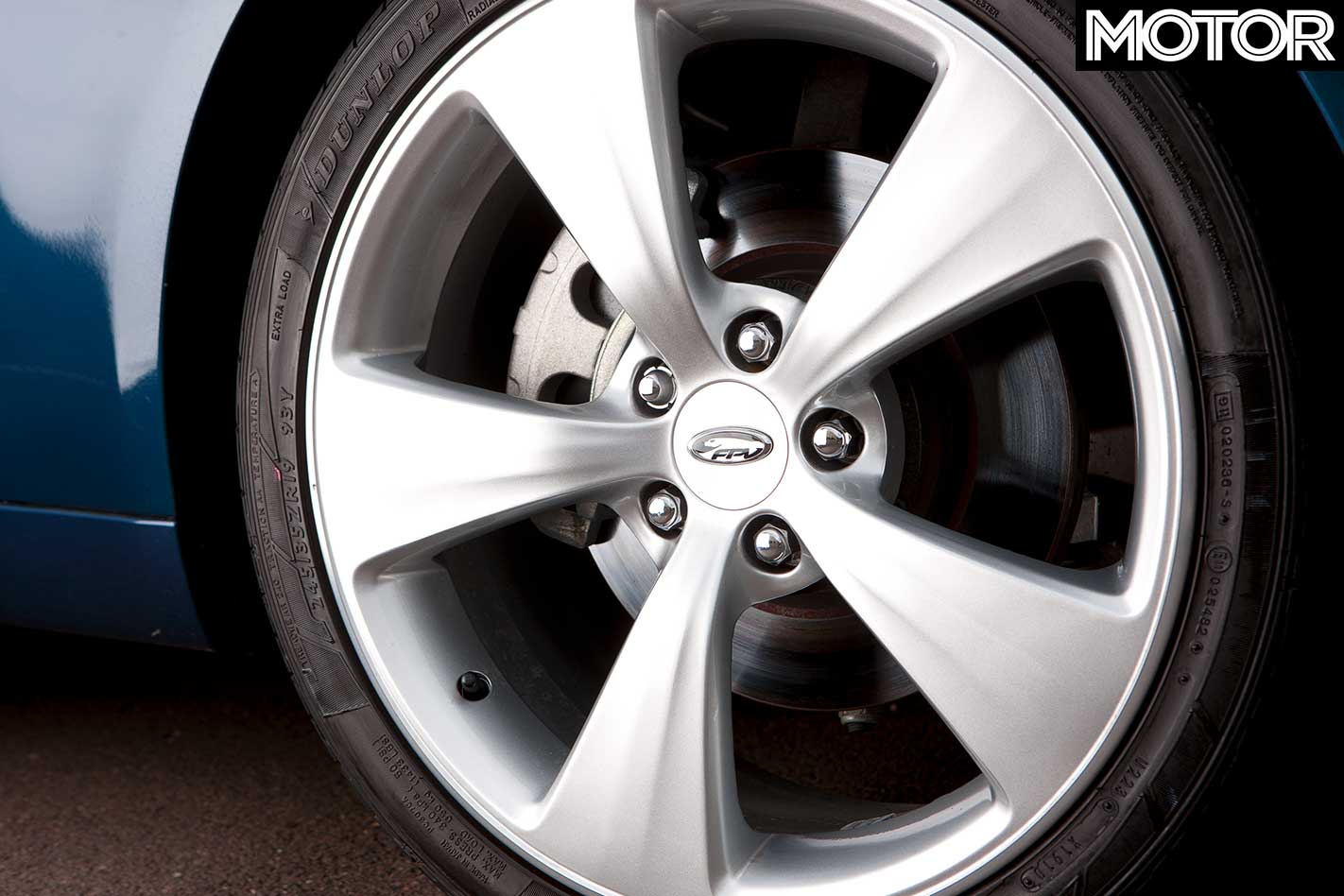
Both the F6 and GS ride on identical suspension settings and are fitted with the same Dunlop SP Sport Max 245/35 ZR19 boots, which makes them handle and react in a similar manner. The GS’s slightly heavier and wider engine makes it marginally slower on initial turn-in than the F6, the blown V8 tending to lean its front-end into a gentle understeer a little earlier when you push the thing hard.
But it’s the back-end that constantly jiggles over little bumps – and feels like it leaps a metre sideways over big ones – that makes both cars feel nervous across country roads.
Luckily, both are fitted with LSDs and the ute’s longer wheelbase makes them a little more progressive than their sedan siblings. However, you can’t help but think these two have just a little too much power for their chassis, and that FPV should have budgeted some coin on stiffer front springs and wider rear rubber, particularly in the GS, just to balance things out a bit.
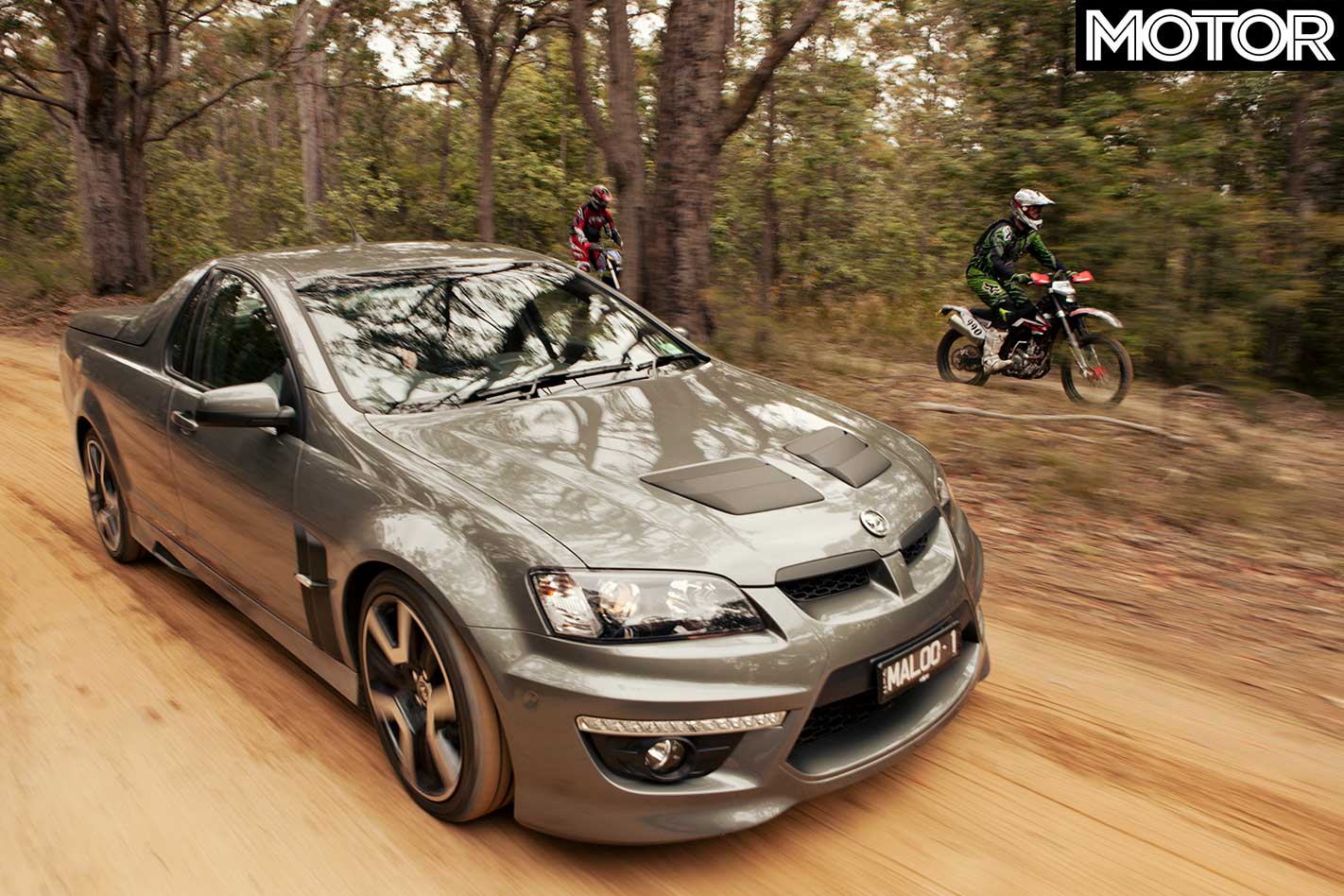
And that’s where the Maloo king-hits them both in the gonads. Even though it sits on bigger (but only R-rated) 20-inch rubber, it rides much sweeter than either of the FPVs. Yeah, it’s stiff enough to transfer big bumps through the body, but never to the point where the Maloo feels unsettled.
In fact, the wider front rubber (up 0.5-inch) makes the steering slightly sharper and even more balanced in the rear than a standard Maloo, to the point where, if you don’t look over your shoulder, it doesn’t feel like a ute at all.
It’s only then that the Maloo’s biggest issue becomes obvious; vision. Or more precisely, the bloody lack of it. Yep, it looks cool with the El Camino-like sail plane that extends the roofline into the hard tonneau cover, but it creates a whopping big blind spot. And you can almost forget about seeing anything through the rear vision mirror, too.
The tonneau already sits higher than the base line of the rear screen, but then its two ‘speed humps’ make it even worse. And the HSV braniac who thought of slapping a whopping great 20 Years of Maloo sticker bang in the middle (so you can’t see anything at all) should be taken out the back for a good talking to!
Which makes the HSV’s new-for-E3 Side Blind Zone Alert system, which features a pyramid clustered at the base of both A-pillars filled with LEDs that change from blue to red when it detects an object beside the Maloo, all the more useful – and damn critical, too.
It’s just one part of a significant cabin upgrade for the Maloo that includes an HSV-exclusive instrument pod, classier dash trim and a revised centre console featuring Holden’s touchscreen audio system with HSV’s additional Enhanced Driver Interface – a race-style multi-function data logger developed in conjunction with Motec.
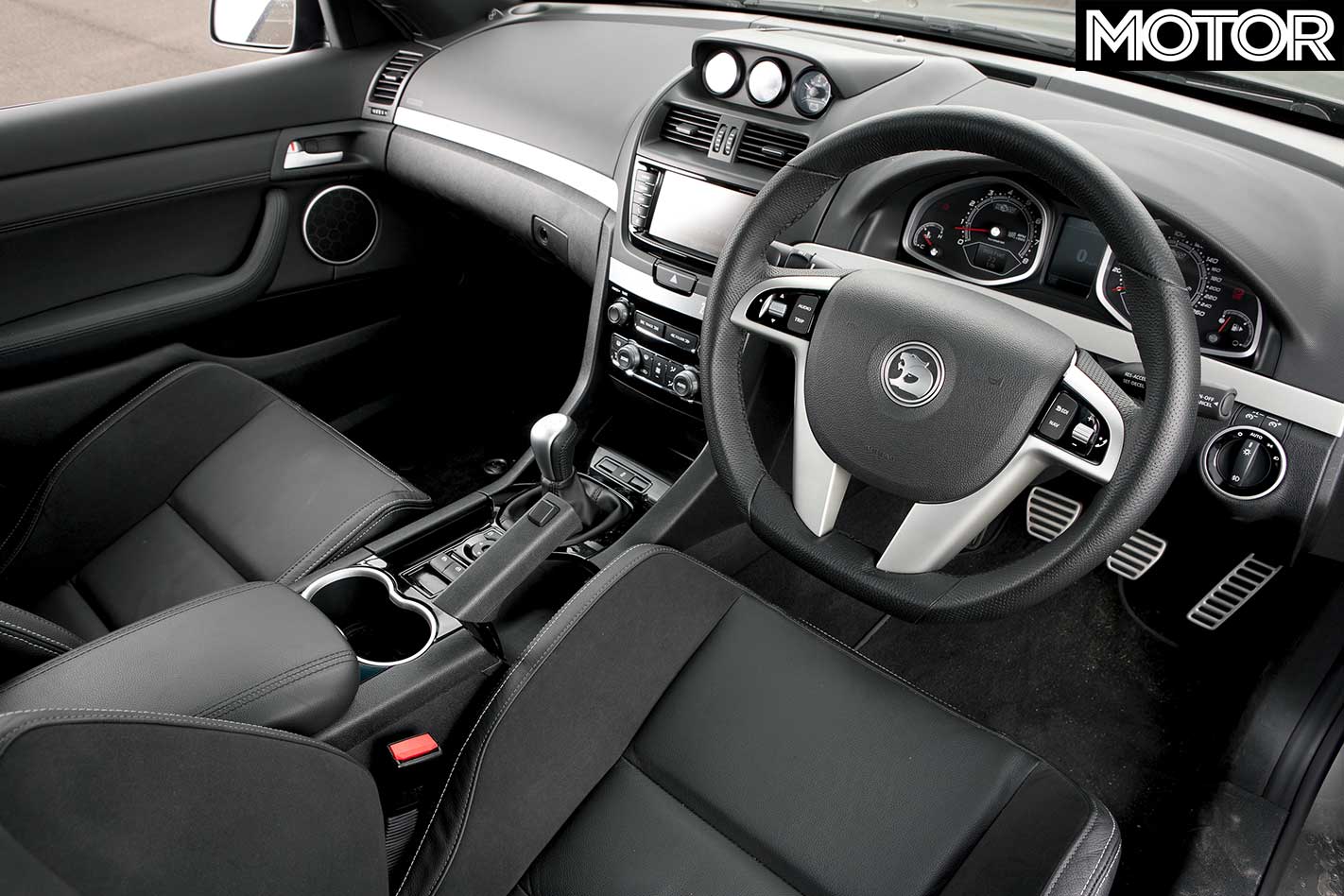
The result is a cabin that looks and feels richer, classier and sportier than before, and tops both the FPVs. All three feature the latest in connectivity, including in-built Bluetooth and iPod, but the Maloo comes standard with sat-nav (which is much easier to use than Ford’s cumbersome remote-control unit, and also has pre-loaded speed camera warnings), as well as a reversing camera, which is a godsend.
It’s leather-clad, well-bolstered seats are better too, and it has a much more comfortable and natural driving position than the FPVs. Like all Falcons, you can’t drop the seats low enough nor raise the steering column high enough to prevent feeling like you’re all out of proportion. But at least you can see out the back!
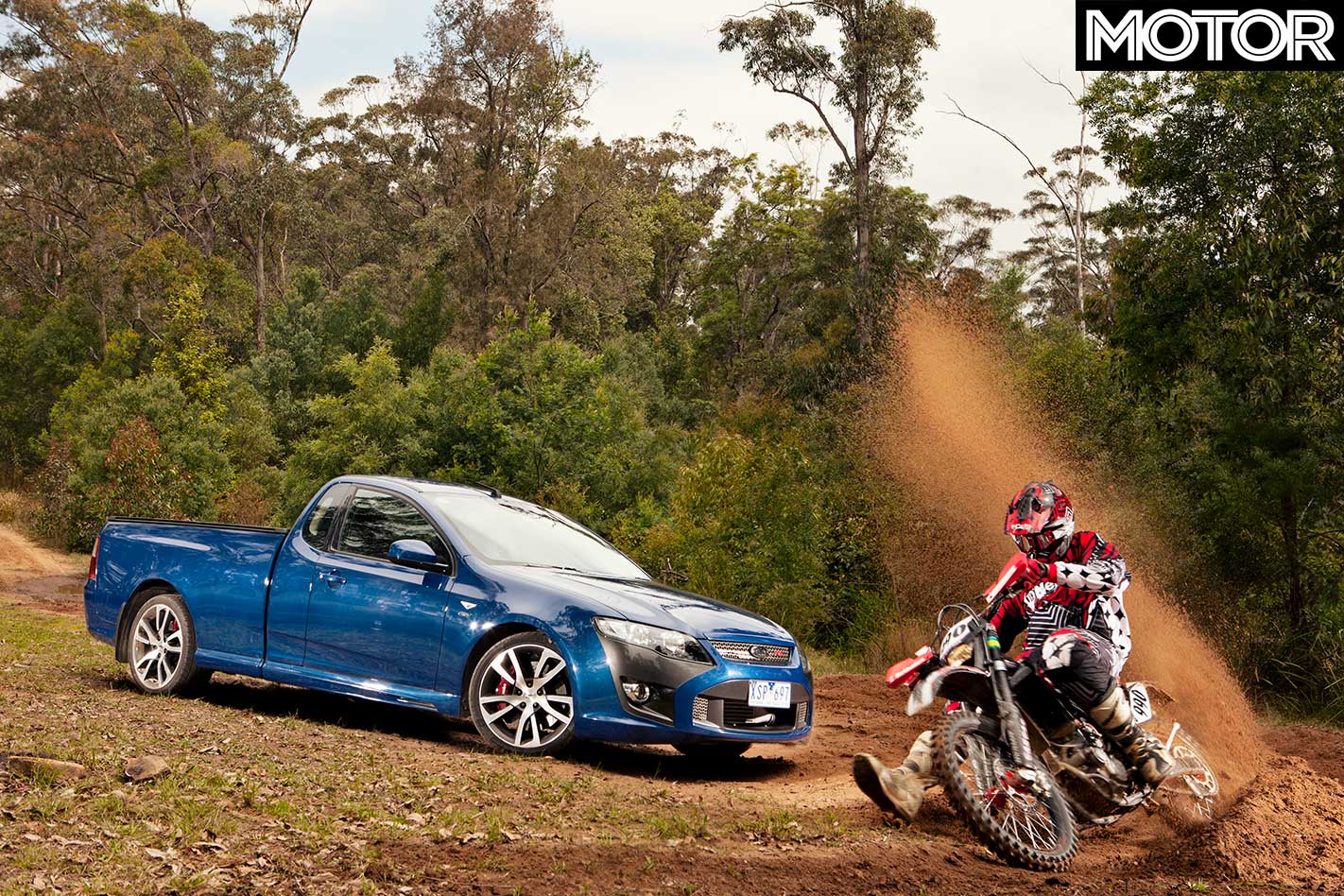
And in terms of practicality, the FPVs traditional soft-tonneau-covered trays at least allow you to cart around big boy’s toys such as trailbikes. But, in the end, it’s their ute-ness that compromises them. If all you want is grunt, then the GS is probably the bargain of the century.
It’s a hell of a lot of engine, but honestly not much more than that, because if you strip away its stickers it looks like a plain Jane XR8, right down to its alloys and weeny brakes. On the plus side though it’s bloody cheap and bloody fast, and that will be bloody appealing.
While the F6 isn’t any better in terms of ride and handling, at least it looks like an FPV with its racoon-eyed bumper, unique wheels and Brembo brakes. And that turbo six is an absolute corker!
But the Maloo does the whole sports ute thing in much more convincing fashion. It looks sportier on the outside, feels richer and more special from the inside, and is much better balanced and refined on the road. It just isn’t as quick. Shhhh!!!
Fast Facts
| u00a0 | FPV F6 ute | FPV GS ute | HSV Maloo R8 |
| Body | 2-door, 2-seat ute | ||
| Drive | rear-wheel | ||
| Engine | 3986cc in-line 6, DOHC, 24v, turbocharged | 4951cc V8, DOHC, 32v, supercharged | 6162cc V8, OHC, 16v |
| Bore x Stroke | 92.3 x 99.3mm | 92.2 x 92.7mm | 103.25 x 92.0mm |
| Compression | 8.4:1 | 9.25:1 | 10.7:1 |
| Power | 310kW @ 5500rpm | 315kW @ 5750rpm | 317kW @ 6000rpm |
| Torque | 565Nm @ 1950-5200rpm | 545Nm @ 2000-5500rpm | 550Nm @ 4600rpm |
| Weight (dry) | 1814kg | 1861kg | 1823kg |
| Power/Weight | 171kW/tonne | 169kW/tonne | 174kW/tonne |
| Transmission | 6-speed automatic | 6-speed manual | |
| Suspension (f) | double A-arms, coil springs, anti-roll bar | struts, A-arms, anti-roll bar | |
| Suspension (r) | live axle, leaf springs, anti-roll bar | multi-links, coil-springs, anti-roll bar | |
| L/W/h | 5096/1934/1453mm | 5121/1899/1465mm | |
| Wheelbase | 3014mm | 3009mm | |
| Tracks | 1583/1583mm (f/r) | 1592/1590mm (f/r) | |
| Steering | power rack and pinion | ||
| Brakes (f) | 355mm ventilated/drilled discs, six-piston calipers | 322mm ventilated discs, twin-piston calipers | 365mm ventilated discs, four-piston calipers |
| Brakes (r) | 328mm ventilated/drilled discs, single-piston calipers | 303mm ventilated discs, single-piston calipers | 350mm ventilated discs, four-piston calipers |
| Wheels | 19 x 8.0-inch (f/r) | 20 x 8.5-inch (f), 20 x 9.5-inch (r) | |
| Tyres | Dunlop SP Sport Maxx; 245/35 ZR19 93Y (f/r) | Bridgestone Potenza RE050A; 245/35 R20 96Y (f), 275/30 R 20 97Y (r) | |
| Price | $58,990 ($65,600 as tested) | $51,990 ($57,146 as tested) | $67,900 ($67,900 as tested) |
| Pros | Brilliant powertrain combo that’s holy-shit quick | Fully-fat power delivery is addictive; an absolute bargain | Drives like a sedan, yet looks like a real sports ute; cabin |
| Cons | Jiggly rear-end lacks body control; poor ergonomics | Looks like a tarted-up XR8, needs wider rear rubber, now! | LS3 V8 has been outgunned in the straight-line department |
| Rating | 3.5 out of 5 stars | 3.5 out of 5 stars | 4 out of 5 stars |
The Strip
| u00a0 | FPV F6 ute | FPV GS ute | HSV Maloo R8 |
| 0-10km/h | 0.45sec | 0.46sec | 0.30sec |
| 0-20km/h | 0.92sec | 0.78sec | 0.68sec |
| 0-30km/h | 1.38sec | 1.20sec | 1.30sec |
| 0-40km/h | 1.81sec | 1.64sec | 1.83sec |
| 0-50km/h | 2.17sec | 2.10sec | 2.30sec |
| 0-60km/h | 2.57sec | 2.56sec | 2.77sec |
| 0-70km/h | 3.11sec | 3.08sec | 3.31sec |
| 0-80km/h | 3.72sec | 3.69sec | 4.15sec |
| 0-90km/h | 4.32sec | 4.35sec | 4.74sec |
| 0-100km/h | 4.92sec | 5.01sec | 5.43sec |
| 0-110km/h | 5.58sec | 5.68sec | 6.59sec |
| 0-120km/h | 6.53sec | 6.61sec | 7.46sec |
| 0-130km/h | 7.47sec | 7.65sec | 8.38sec |
| 0-140km/h | 8.44sec | 8.73sec | 9.35sec |
| 0-150km/h | 9.45sec | 9.84sec | 10.46sec |
| 0-160km/h | 10.47sec | 10.95sec | 11.88sec |
| 0-170km/h | 11.69sec | 12.18sec | 13.30sec |
| 0-180km/h | 13.51sec | 13.99sec | 14.78sec |
| 0-190km/h | 15.42sec | 16.16sec | 16.39sec |
| 0-400m | 13.09sec @ 178.06km/h | 13.19sec @ 175.63km/h | 13.62sec @ 172.26km/h |
| 80-120km/h (Drive) | 2.9sec | 3.0sec | 3.4sec |
| 100-0km/h | 39.13m | 38.83m | 36.64m |
THERE appears to be no place for reasoned argument in the development of the Alfa Romeo SZ. How could there be? It was a vanity project which, like most such ventures, rapidly imploded into a morass of debt and recrimination.
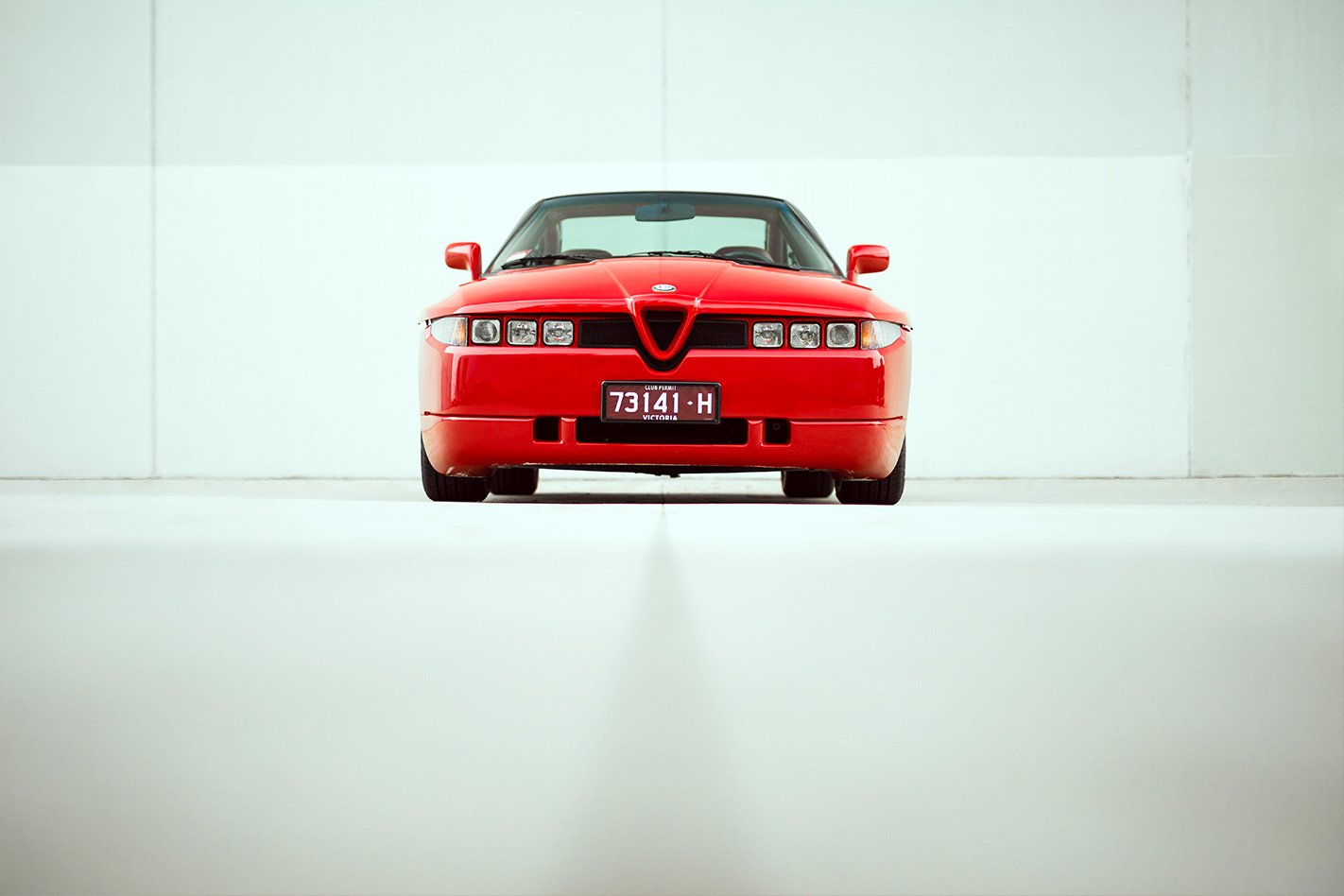
The back story, however, began with gimlet-eyed opportunism. In the late-1980s, a boom in the prices of supercars saw many delivery-mileage Ferraris, Lamborghinis and Porsches being flipped on dealer forecourts for double the list price. This was clearly an unsustainable bubble, but Alfa saw it as a window in which to revive its fortunes, develop a headline-grabbing halo model and, at the same time, revive links with the Zagato styling house.
While the styling is the aspect of the SZ that most identify with – for better or worse – the car’s role as a mobile laboratory saw it pioneer a number of technological firsts for Alfa.
Two rival styling teams were commissioned to work on the coupe in February 1987, overseen by Zagato, who would build the car. Walter De Silva and Alberto Bertelli’s team from Alfa Centro Stile, went head to head with a design team led by Fiat Centro Stile’s Mario Maioli, overseen by Robert Opron; the two concepts dubbed Project A and B respectively. Project A emerged as a more conventional, cab-back coupe with a low nose and a sharply chopped rear, reminiscent of the 1969 Zagato Junior GT. It was pretty but otherwise conventional, reminiscent of the 1983 Matra Murena in its key proportioning.
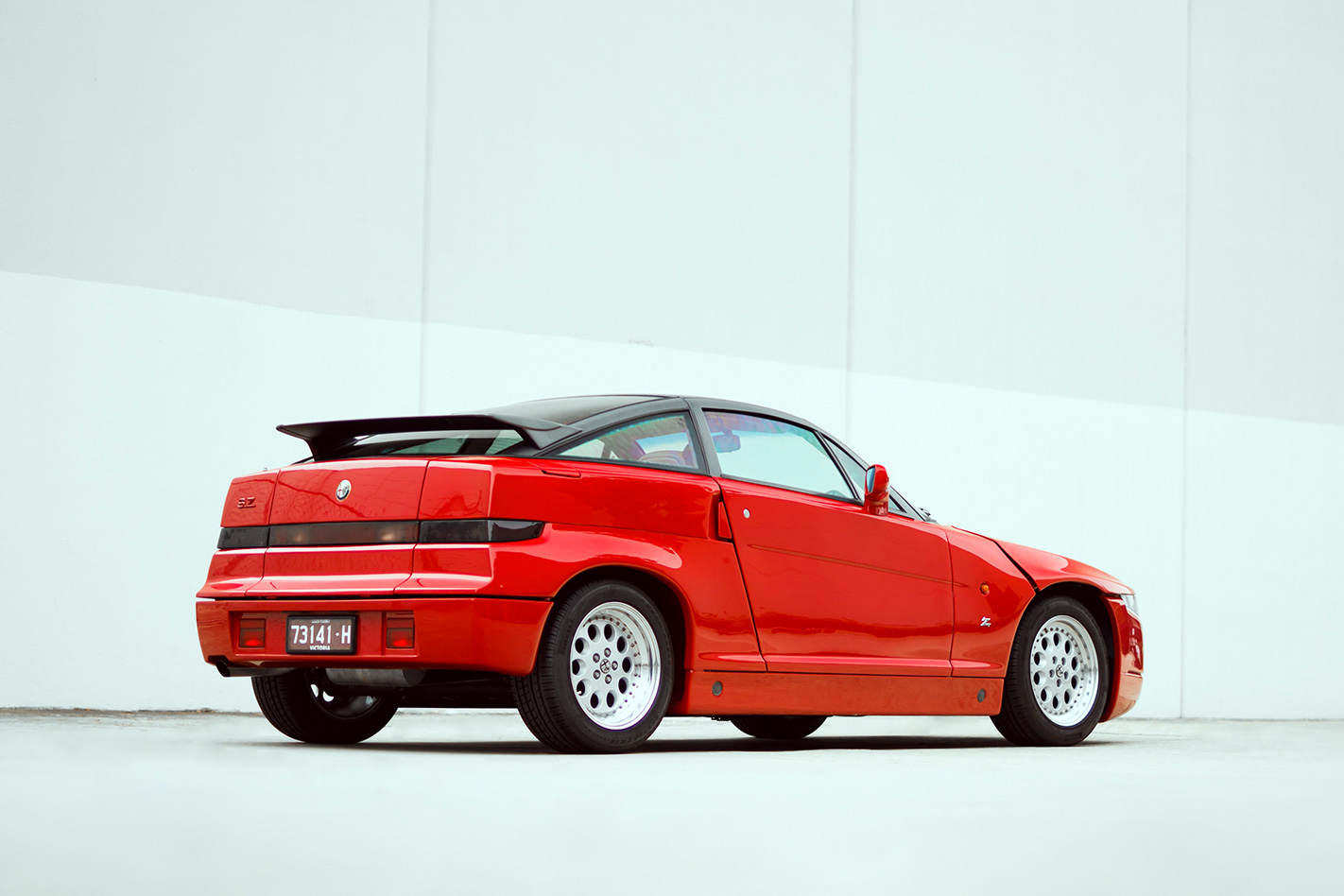
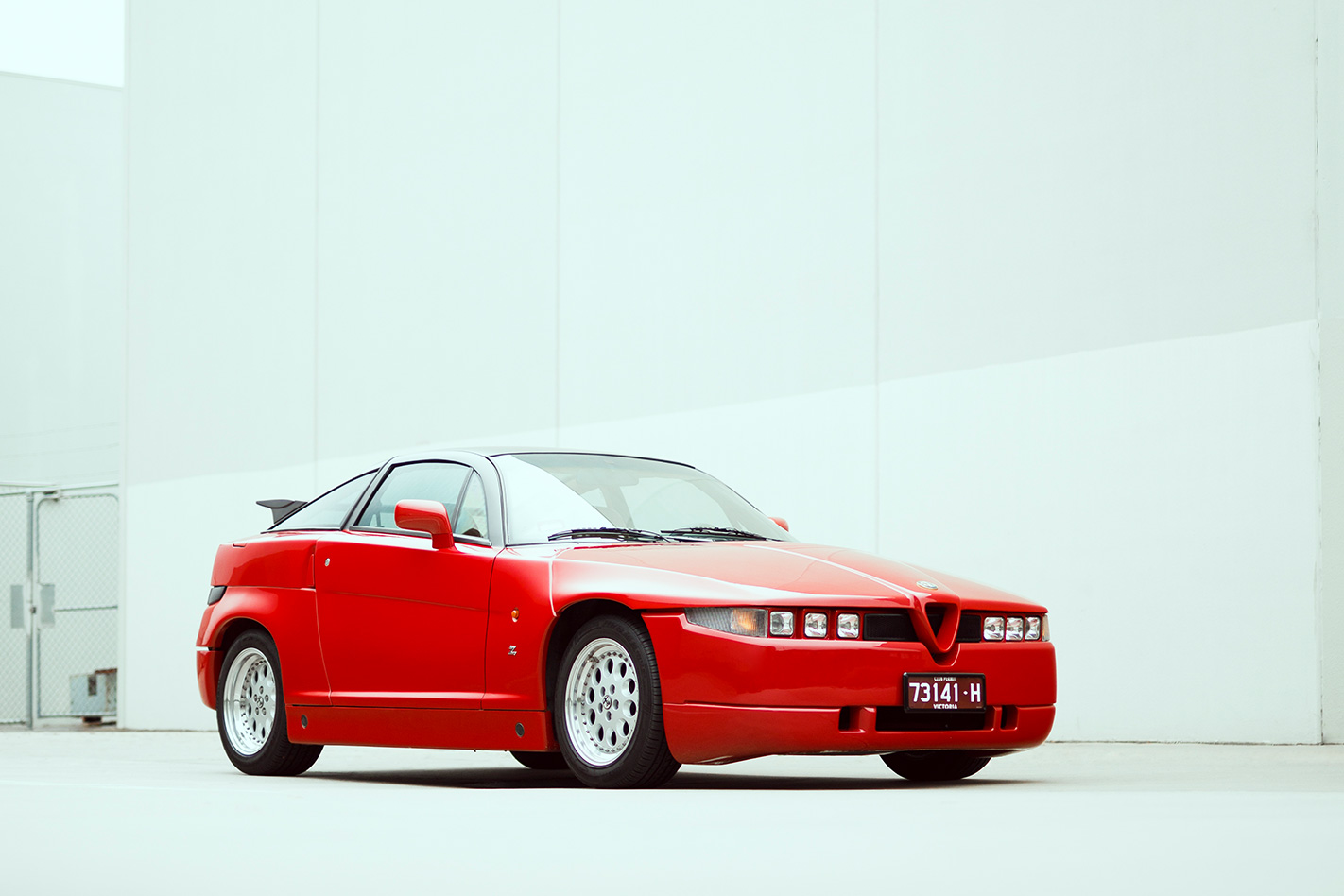
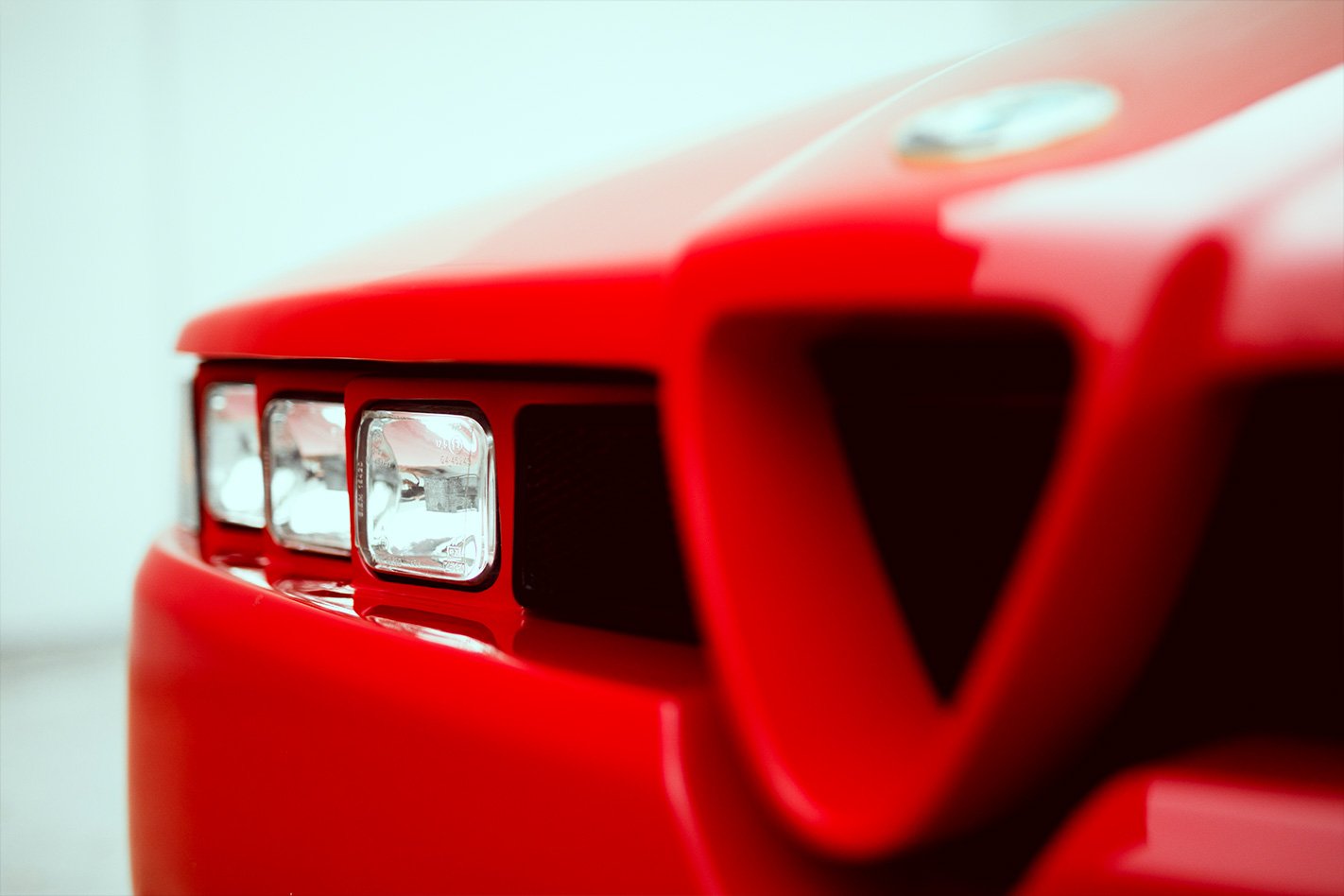
The same couldn’t be said of Project B’s work. It looked like nothing ever built, brutalist and heavyset, with a floating turret of glasshouse perched atop a cleaved red wedge. On 31 July, 1987, Project B got the nod and just 19 months later, the ES30 show car’s six Carello lamps were eyeballing a befuddled press corps at the 1989 Geneva Show.
While much was made of the fact that it sat on the same chassis with an identical wheelbase to the Alfa 75, the SZ’s build was nevertheless radical. Planning times were reduced by the use of CAD/CAM – a first for Alfa – with the CAD model indicating that roof height needed to be increased by 35mm. The CAD data flowed into computational aerodynamics, developing basic panel forms that cleaved the air cleanly.
Every panel was supplied with data on spot pressures and boundary layers between laminar and turbulent flows at a variety of speeds before the car ever entered the wind tunnel at Orbassano. The only changes revealed in tunnel testing were tweaking the upper edge of the bonnet and smoothing areas around the headlamps. The steel chassis was clothed in Modar (a thermoset metacrylic resin), with carbonfibre used for parts like the rear wing and aluminium for the roof panel.
The production car was readied by the end of the year and hustled onto dealer floors carrying a price tag – in Europe – around that of a Porsche 911. Unfortunately it arrived just as the exotic-car feeding frenzy turned into a famine. Although Alfa reckoned the technique of bonding the Modar resin onto the steel frame using the adhesives as a structural component could support a build rate of 10,000 cars per year, little over 1000 SZs ever left Zagato’s premises in Terrazzano di Rho. Its drop-top sibling, the 1992 RZ, is an even rarer sight, with only 278 cars of a predicted 350-unit production run being built.
On a purely commercial basis, the RZ/SZ project was an abject failure. What’s more, it failed to kick-start Zagato’s fortunes, while a gun-shy Alfa Romeo would take another 14 years before revisiting the idea of the halo sports model in the voluptuous shape of the 8C Competizione. This failure to hit too many of its pre-development targets, coupled with the fact that the styling – for a while at least – dated very badly, meant the SZ appeared surgically excised from Alfa’s history for a while.
The shape is something that never rests easily on the eye, 30 years having done little to mellow its impact. The arachnoid eyes, crazy planes, vertiginous haunches and stunted glasshouse have never become a design lingua franca and the panel gaps are so wide that you could probably check the oil without popping the bonnet.
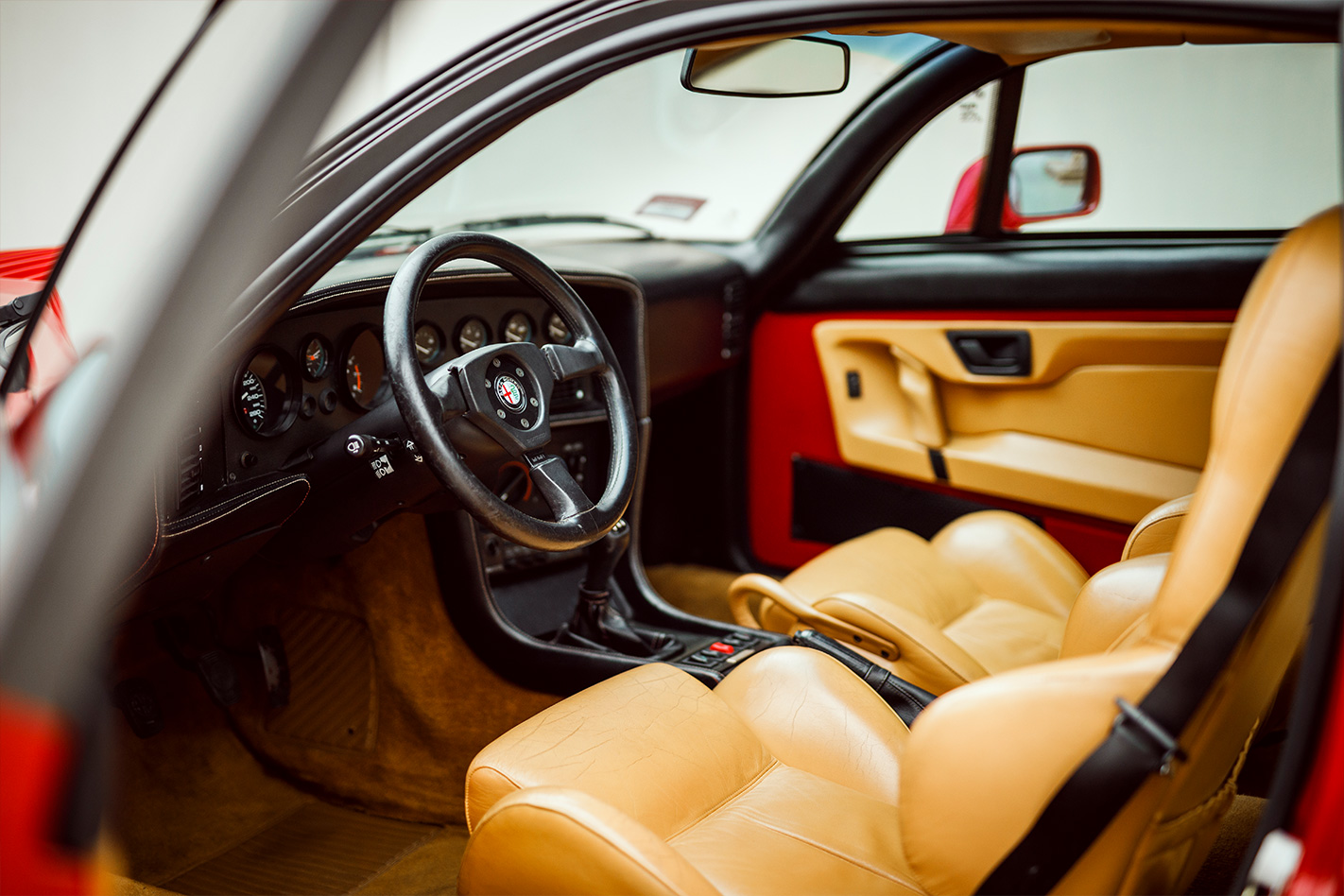
Drop inside and our example is all buttery tan leather, with a dashboard angled towards the driver and fantastic visibility, courtesy of that show-car glasshouse and filament-thin arching pillars. Headroom is a little pinched for taller drivers and the driving position takes a bit of lateral thinking to get comfortable with.
Key the ignition and the car fires on the first attempt, settling back into a tappety thrum. The gear-change action isn’t at all bad for a car with its long-throw ‘box such a long way rear of the stick, although you can’t rush the synchro: one-pause-two between gears. The Busso 3.0-litre V6 makes 152kW, differing from the 75’s installation with uprated intake and exhaust manifolds, tweaks to the cooling system and Bosch Motronic ML4.1 electronics. Despite Alfa having a 24-valve version of this engine in advanced stages of development, time was against the SZ and it got the existing 12-valve architecture instead.
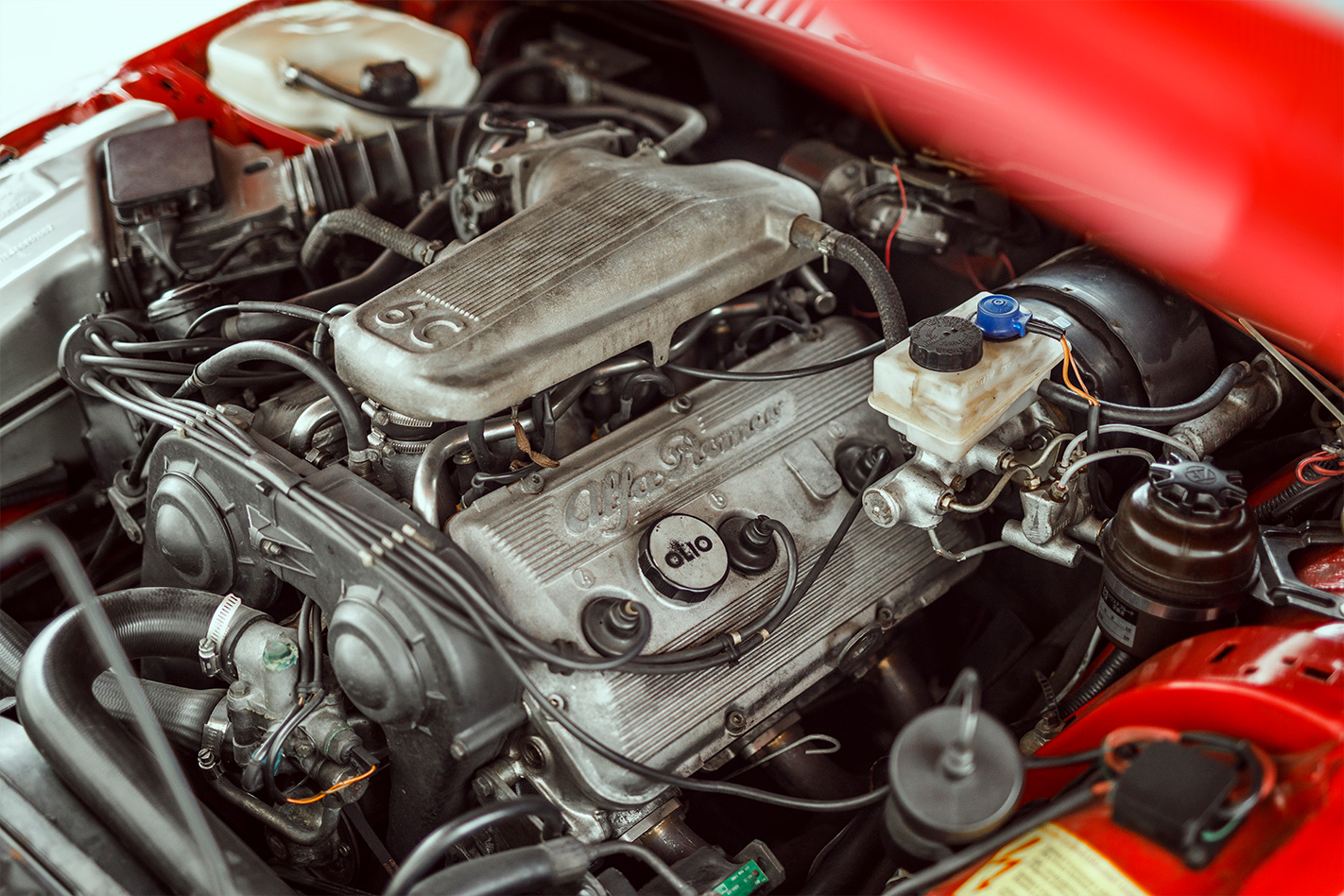
It’s still one of the great charismatic engines, pulling sharply from as little as 2000rpm right up to its power peak at 6200rpm, the exhaust note hardening as it comes on cam from 4000rpm.
By today’s standards, the SZ wouldn’t even rate as brisk, registering a 0-100km/h time of seven seconds and a top end of 245km/h, but the design ethos for the car was to create a vehicle that was modern in execution but classic in feel, and Alfa nailed that particular assignment.
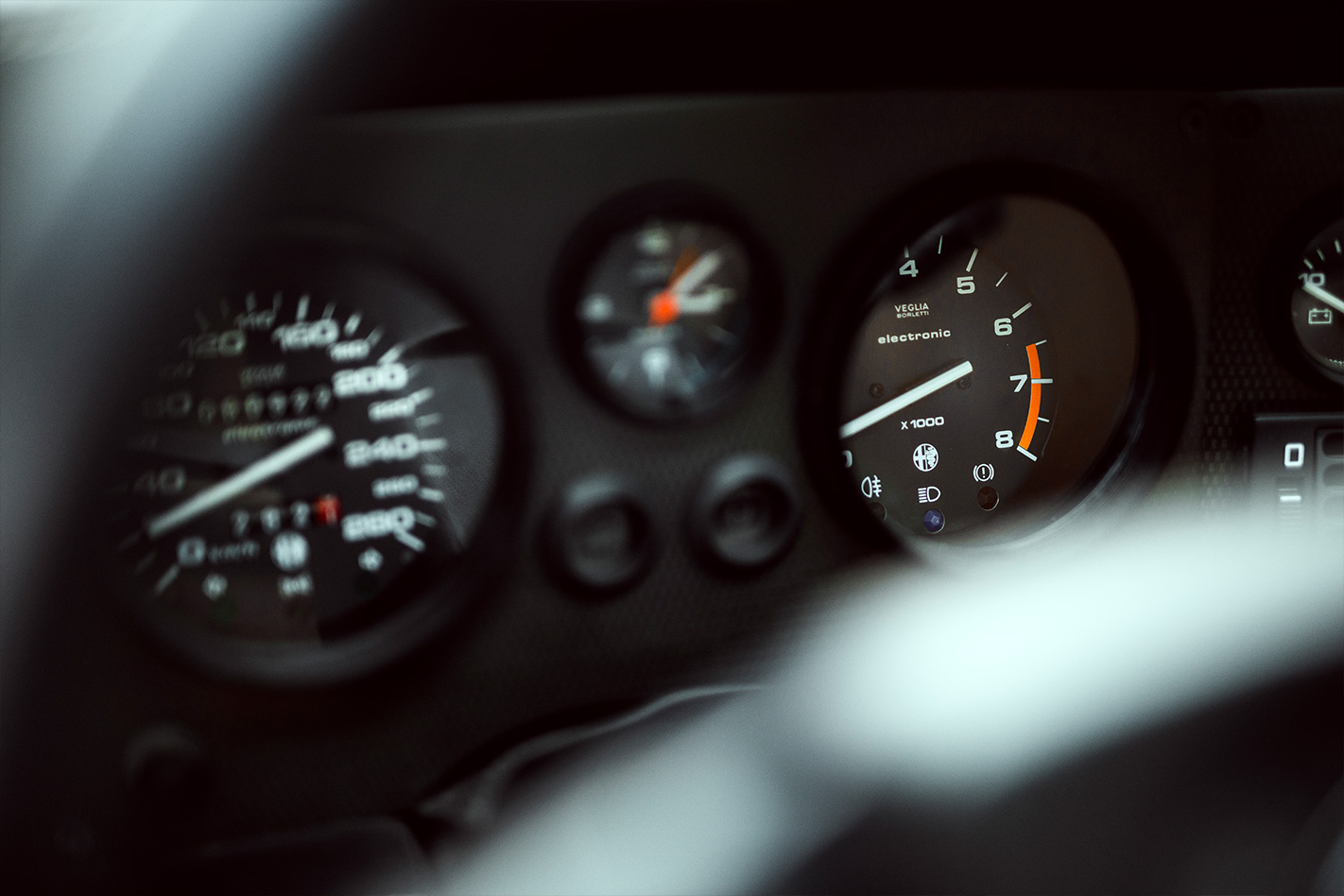
Chassis development was the responsibility of Giorgio Pianta, the former rally driver who had fettled Lancia’s competition cars for the likes of Markku Alen, Henri Toivonen and Walter Rohrl, and his imprimatur is all over the SZ. He junked the torsion beam of the 75 in favour of Koni coaxial springs and dampers, the de Dion rear axle handling camber changes.
The chassis is stiffened, shock absorber mounting points beefed up and the suspension tuned to the sidewall stiffness of the then-revolutionary Pirelli P Zero tyre. The car has a long-legged suppleness to its suspension that matches the low-end torque response of the engine.
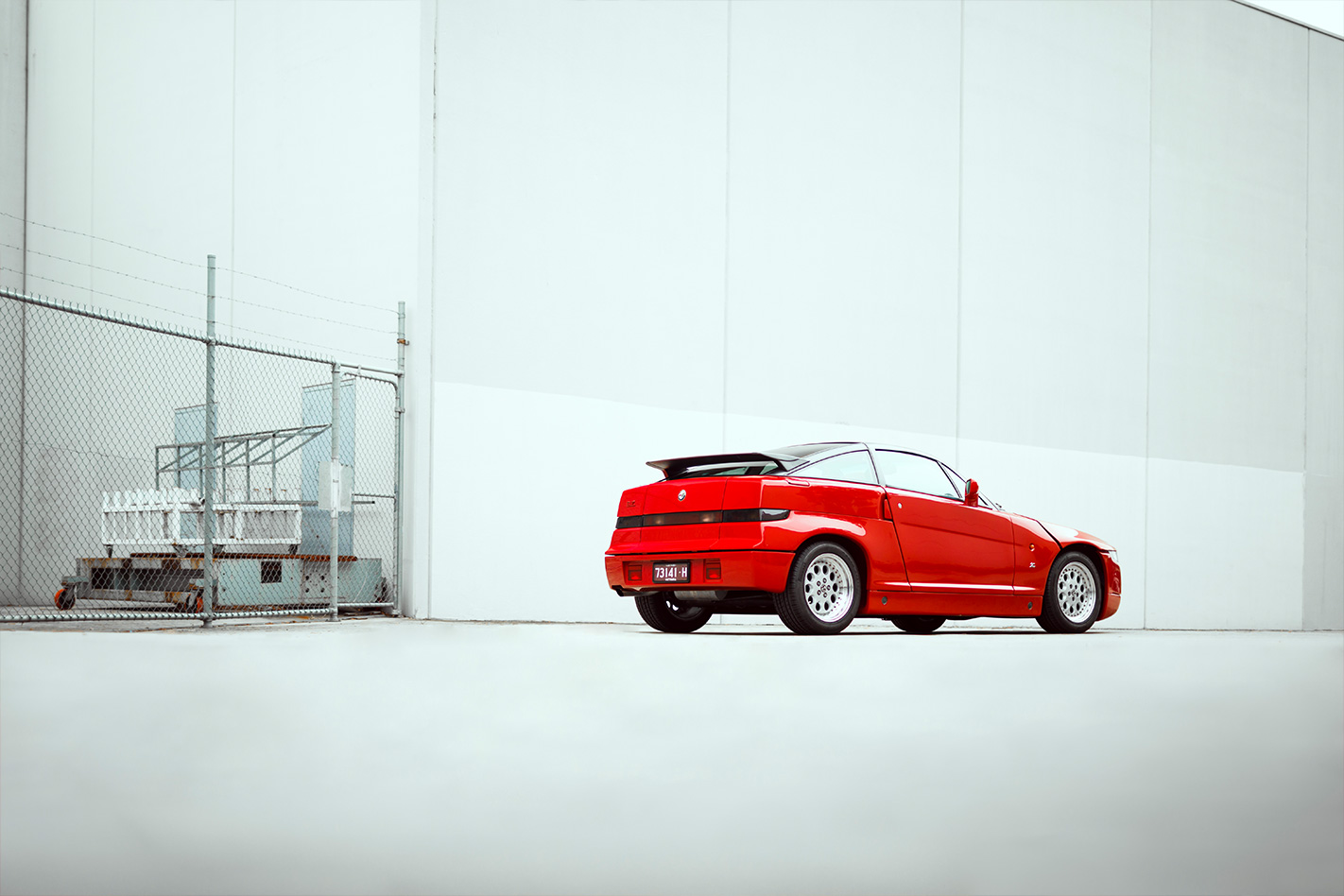
Drive it gently and it doesn’t feel like a sports car at all, but scruff the car a little and it responds in kind with great body control into corners and tenacious turn-in, courtesy of a trademark Pianta front end: aggressive negative camber and zero aerodynamic lift.
This isn’t a high-tech car. In fact, it’s quite the opposite. Alfa deliberately rejected all-wheel drive, four-wheel steering, traction control and even anti-lock brakes in the SZ’s development, delivering a contrarily analogue driving experience. The only overtly modernist feature is the electrical ride-height control. In order to quell lift, the SZ sports a ride height more usually associated with snowploughs, which would doubtless prove interesting on a typically lumpen Aussie country road, but press a button in the cabin and the car elevates by 50mm.
It’s hard to fault the hydraulically assisted steering but the brakes are truly abysmal, with a heart-in-mouth dead feel for a huge arc of pedal travel. Attempt a heel-and-toe downchange and it turns into a kind of desperate heel-and-shin contortion before you give up. All SZs suffer the same delinquent brake feel. Punch them to the threshold of locking and they work well enough, slowing from 100km/h in a respectable 38 metres, but it feels like a clumsy, brutish interaction that jars with the measured tactility of the rest of the car’s controls. Pianta claimed the SZ was 10 seconds quicker around Balocco than a 3.0-litre 75, with only 1.5 of those seconds made on straights, the rest a combination of better suspension, some modest ground effect and the benefits of the P-Zero tyre.
Before driving the car, I wondered if the SZ was a bit of a cynical charade; a 75 in a fright wig that only appealed to some due to its divisive styling. Spend a little time with one and it becomes apparent that you’ll love it for the very specific way it drives, and that the aesthetics will become a secondary concern.
While there is some truth in its description by motoring scribe Russell Bulgin as ‘a fairly creative stroll through the Alfa parts warehouse’, the SZ has no issue with its own identity. Although you can detect some Alfa 75 flavour in the way the SZ comports itself, it’s only a faint tang. Stiffer, lower and more potent, the coupe stands alone as a great Alfa driver’s car in a period where such vehicles were notable by their absence.
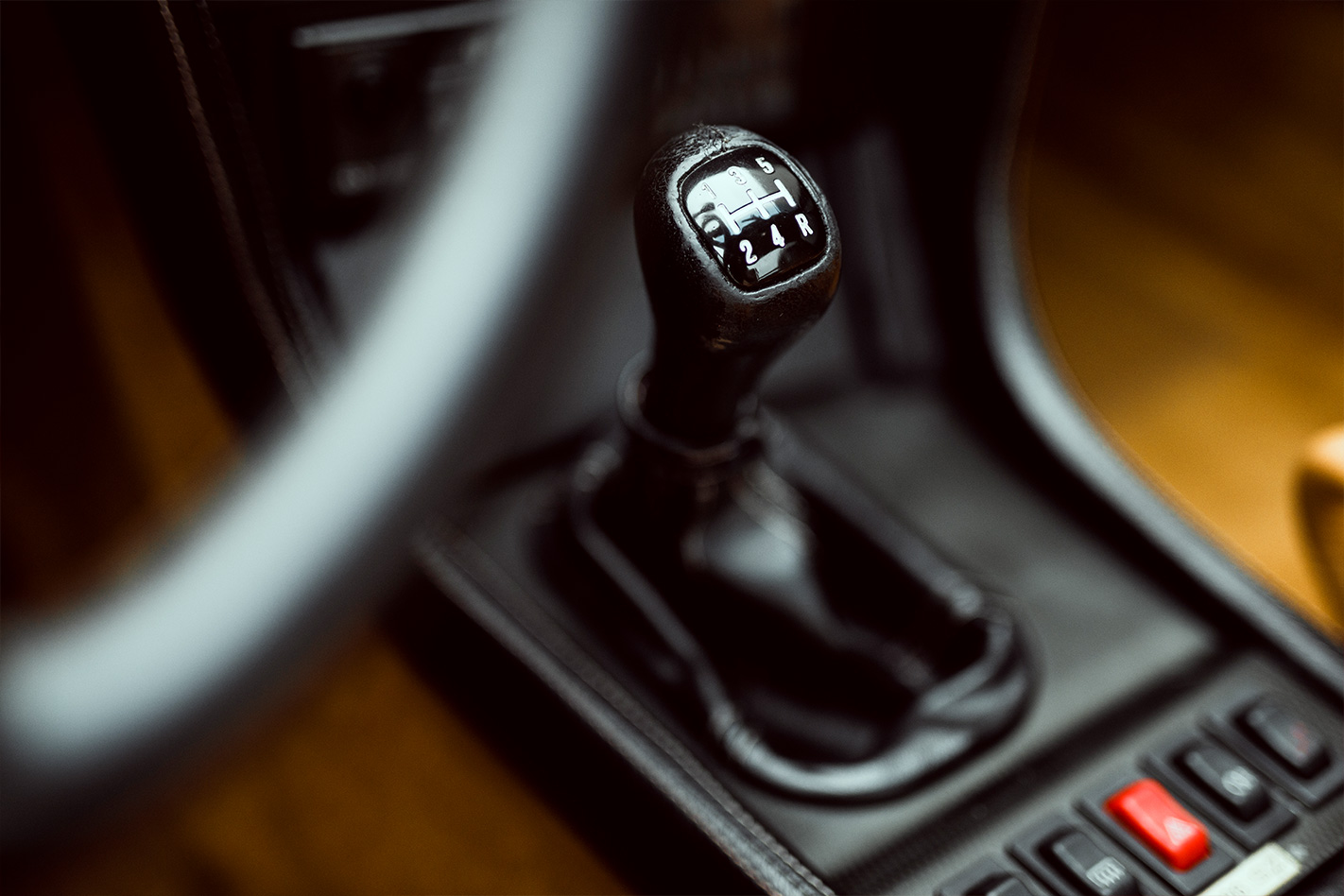
There’s a sensuality to the SZ that its brutalist architecture does a great deal to mask. If nothing else, time spent with the SZ demonstrates a simple truth. When you catch a glimpse of greatness, be ready to pause and take it in. After all, you never quite know when you might find beauty in unexpected places.
Dunno about you, but the whole retro thing has not, for the most part, applied to the sorts of cars that float a chap’s boat. Yeah, the born again Mini Cooper S is a proper performance car, but somehow the fashion statement gets in the way of the mission statement.
This feature was originally published in MOTOR’s January 2011 issue
The Fiat 500 is cute and that’s about it, and the less said about the latter-day Volkswagen Beetle, the better. Even the Audi TT kind of feels like a victim of its own style sense and, for less money, its stablemate S3 seems like the grown-up alternative.
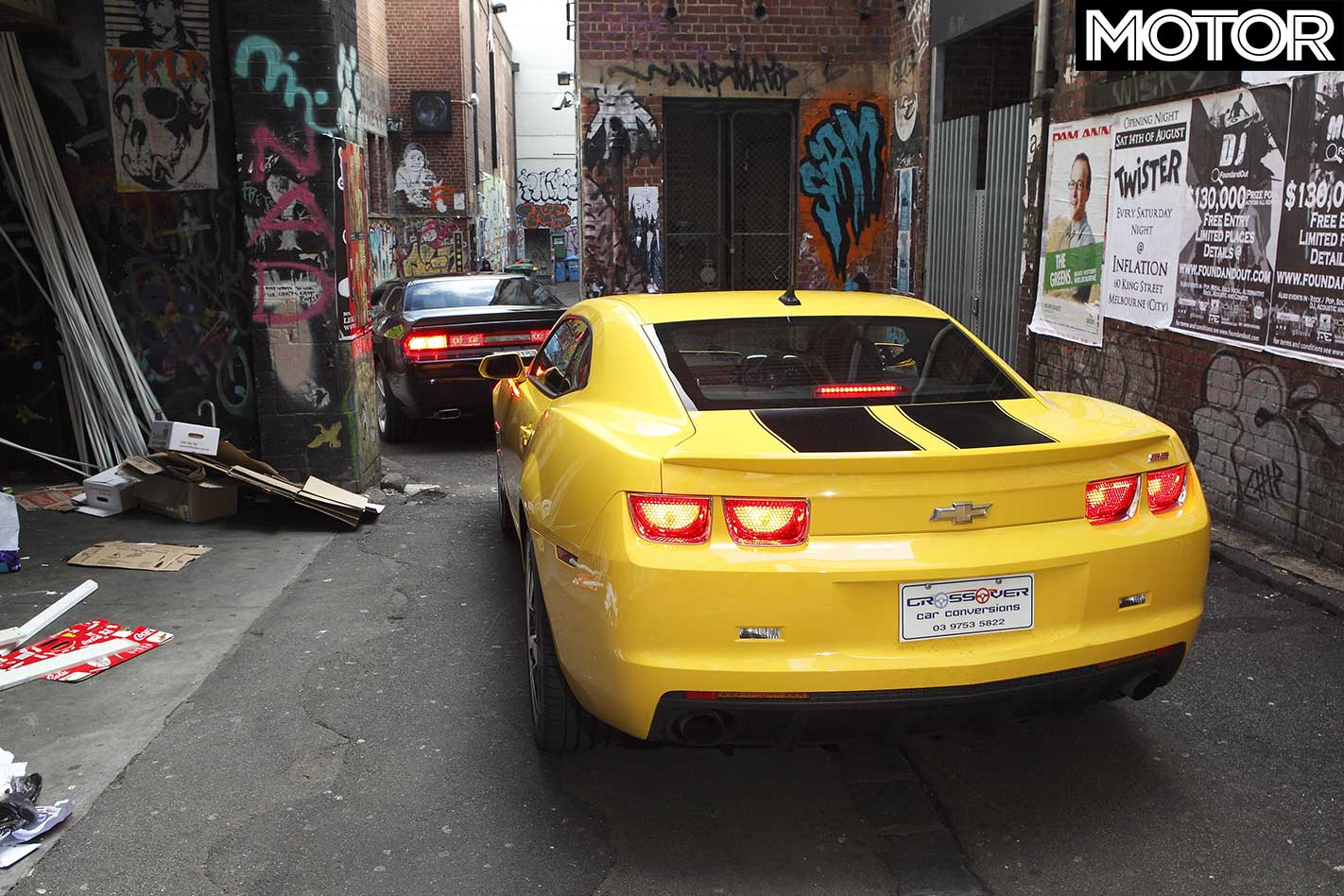
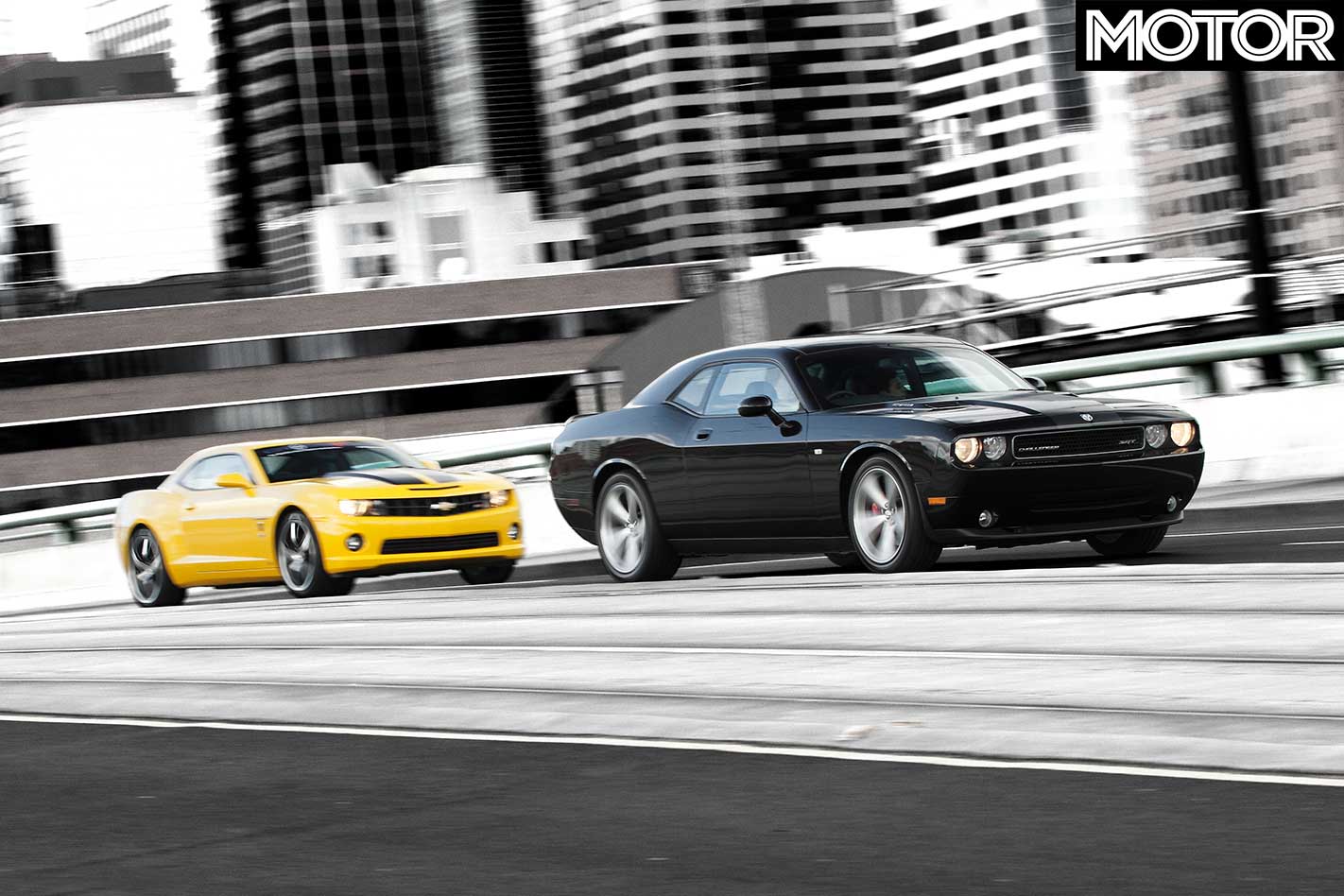
Mind you, the latest retro headliners in the Chevrolet Camaro and Dodge Challenger could easily fall into the same trap, especially since they need to be locally converted to right-hook to be road-legal here.
But the lower purchase price in the first place has meant that a handful of local operations are, in fact, importing examples of each, so you may soon see the odd one on Aussie highways. Figure on somewhere between $140,000 and $150,000 for either of the cars on these pages, depending on spec.
And do I also need to point out that a born-again Camaro and Challenger suddenly press all those chap’s car buttons the retro establishment hasn’t hit? Didn’t think so.
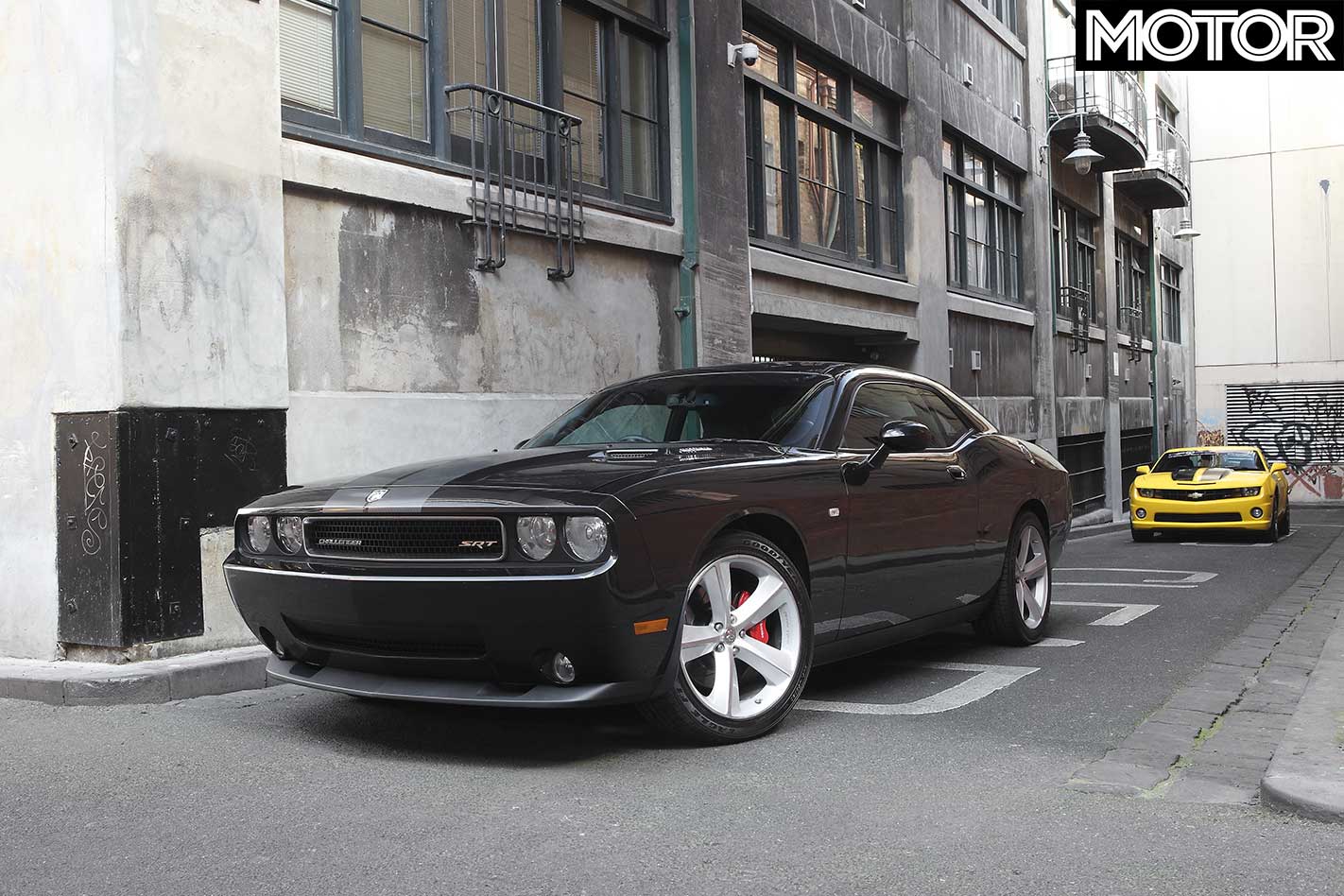
Anyway, here’s the first caveat: unless you’ve outgrown picking your nose at the lights and truly like being looked at, don’t buy either of these cars. A lap around the block in any city will have footpath dwellers rubber-necking like they’ve just seen the Second Coming.
Blokes on construction sites stopped scratching their bums to come over for a gander and shout a few questions through the window, and even little girly uni students (who almost certainly had no idea what they were looking at) were ripping out the phone-camera and snapping off a few frames.
And should you happen across a bunch of first-year apprentices (of any trade at all, it doesn’t matter), prepare to be boarded.
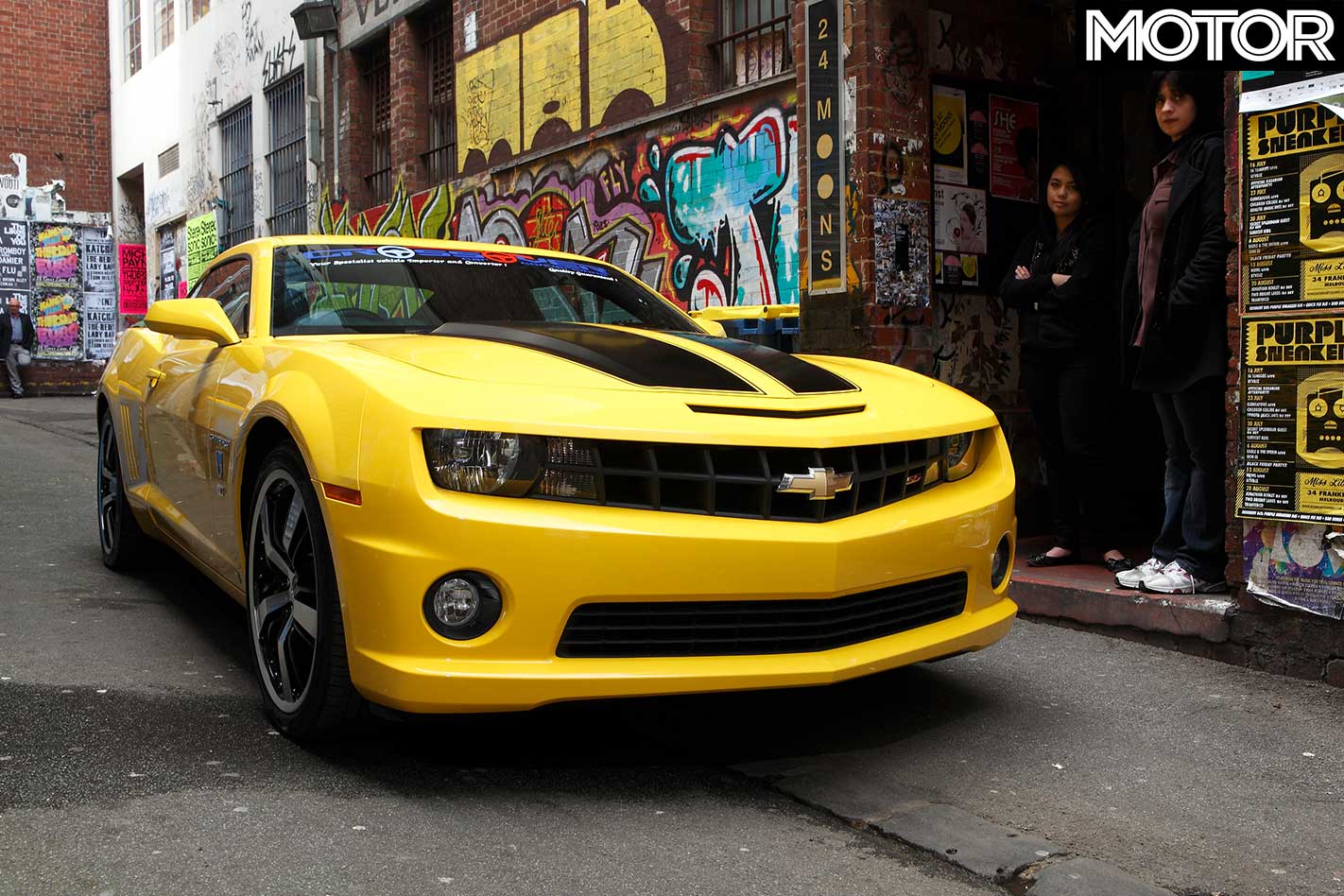
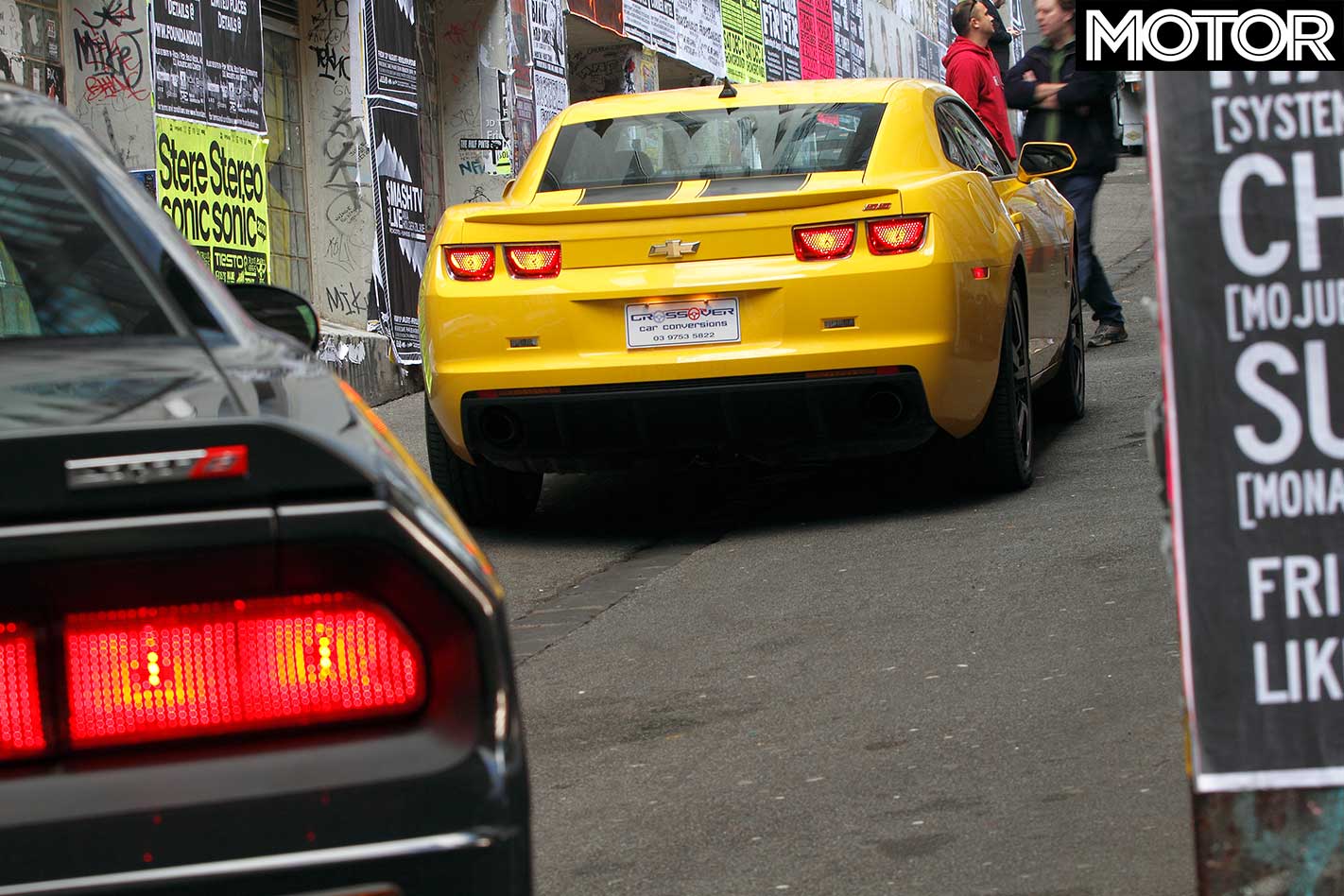
Of course, having everybody looking at you is a rather good thing in the Chev. And that’s because, frankly, you’re going to have trouble seeing them. The rising waistline and reduced glasshouse means the rear three-quarter view is pitiful. You can sort of forgive this stuff in a door-wedge Lamborghini, but in a car that is otherwise car-shaped, it just seems careless.
Now, I also happen to know that all modern cars are bigger than they’ve ever been. A generic mid-sized hatchback has the same wheelbase as the first Range Rover, a Golf has more interior space than an EH Holden, and an Evo X weighs almost exactly the same as an XY GT HO. But I’m not sure that simply transferring the rationale of the supersize-me generation to a vehicle concept necessarily fits with the lexicon of retro.
Let’s say you took Uma Thurman and made her 30 percent bigger in every direction. Technically – and proportionally – she’d still be beautiful because she still looked like Uma Thurman; just like the 2010 Camaro still looks like a 1967-68 Camaro.
Except Umastein is now seven foot tall and weighs 110kg. And suddenly, I don’t want to hold her hand any more (mainly because she now has paws like a shaved Grizzly).
See what I’m getting at? The Camaro is just too big a thing to be considered unequivocally sexy. Whereas Chevrolet’s original Camaro was certainly an aggressive looking unit, it was also – for want of a better description – elegant. And the new car just plain isn’t.
For blokes like me who remember the old stuff and reckon that even painting a ’60s car in modern two-pack is a no-no (it fattens the panel edges and loses that fleshly-ironed look), it doesn’t compute.
There’s also the slightly cartoon-ish look of the Camaro. If you commissioned a Japanese Manga artist to draw you a Camaro, I’m tipping it’d wind up looking a lot like this yellow gadget.
The Challenger pulls off the retro theme a bit better (if you ask me, anyway). And that’s at least partly because it still looks like a Challenger from most angles. Viewed side on, the Camaro could be anything. But from the same angle, the Challenger is identifiably if not entirely Mopar thanks to a design loyal to the Coke-bottle hip, and way the C-pillar angles down towards that hip.
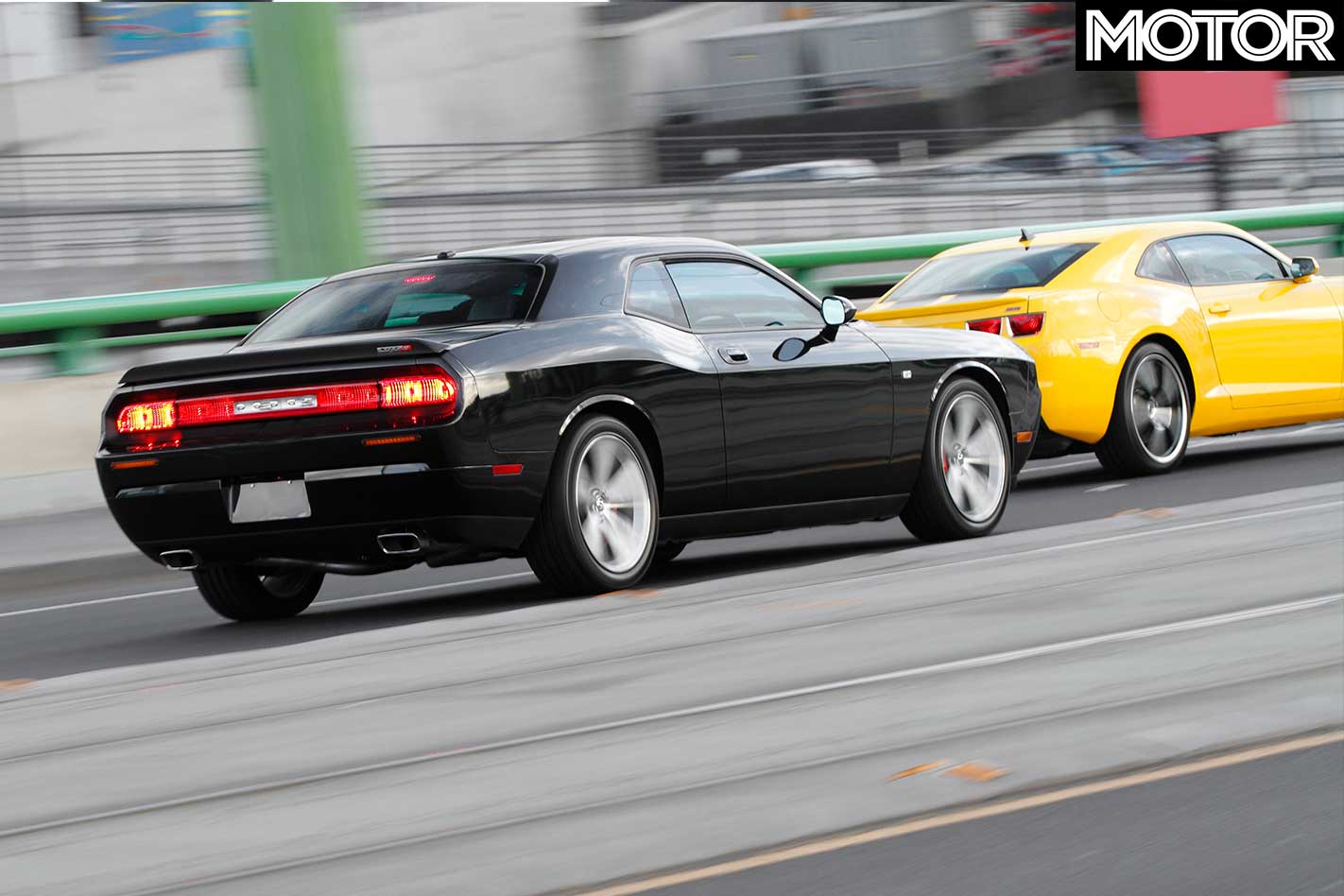
The detail stuff on the Dodge is much cleverer, too. The wide strip of red lights that fill in the space between the bootlid spoiler and the rear apron is sexy beyond words.
But even more hornorific is the view from head-on. Dead set, you see that face loom up in your mirrors and your instant response is to get the hell out of its way before something bad happens to your family. Which is, after all, precisely what every muscle car ever made has wanted you to think.
The dark paint job probably helps, and it’d be interesting to see the Chevy in black next to it. But as it stands, the Challenger looks tough, and the Camaro doesn’t. The only real Dodge dodginess is the el-fake-o carbonfibre patch on the bonnet and fuel flap, which looks the business until you touch its plastic horribleness. And recoil in horror, muttering “Damn Americanos”.
Inside, things haven’t turned out a whole lot better.
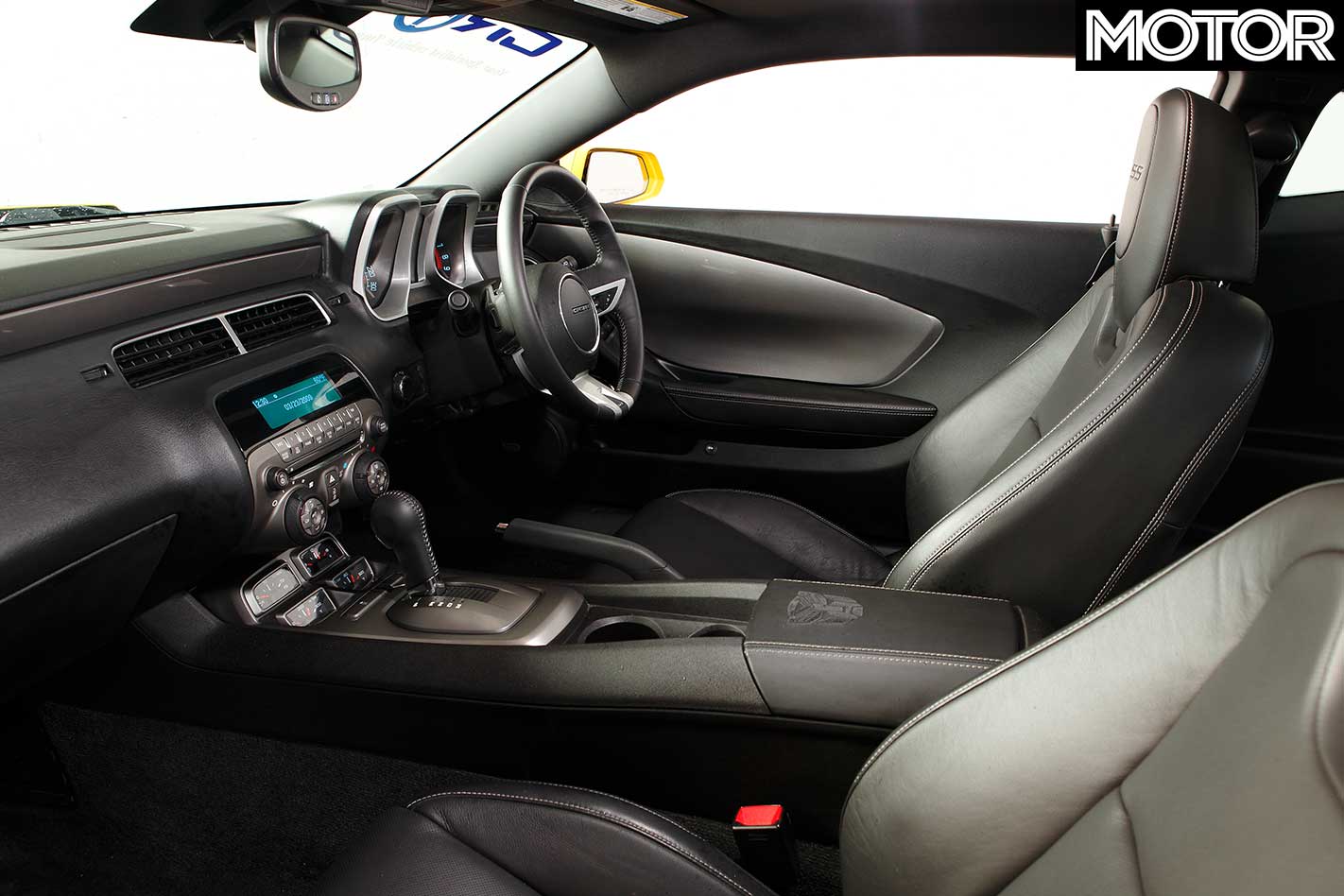
The entire layout of the Camaro is based on how a bunch of Gen X/Y designers interpreted the original Camaro’s set-up. So, you get the distinctive hooded dials up high and the cluster of trapezoid-shaped gauges stuck way down low in the centre console, as well as great swathes of shiny plastic across each door that I certainly don’t remember from the original. Well, not in the same, deliberate context.
Meanwhile, the newer stuff like the digital readout for the climate and stereo stuff is – again, in typical US fashion – cheesy and cheap (although the controls themselves are pretty intuitive), and the actual numbers and needles on the main dials are less legible than they ought to be. Who’d think you’d need to read ’em?
And that’s before we even get to the bit about just how the North Americans can do the reverse Tardis thing so effectively, creating a huge car with a cramped interior. Headroom with the optional sunroof is a real premium, and a seating position that suits all shapes and sizes seems a bit elusive, too. Odd, when considering the size and girth of the average Yankee citizen.
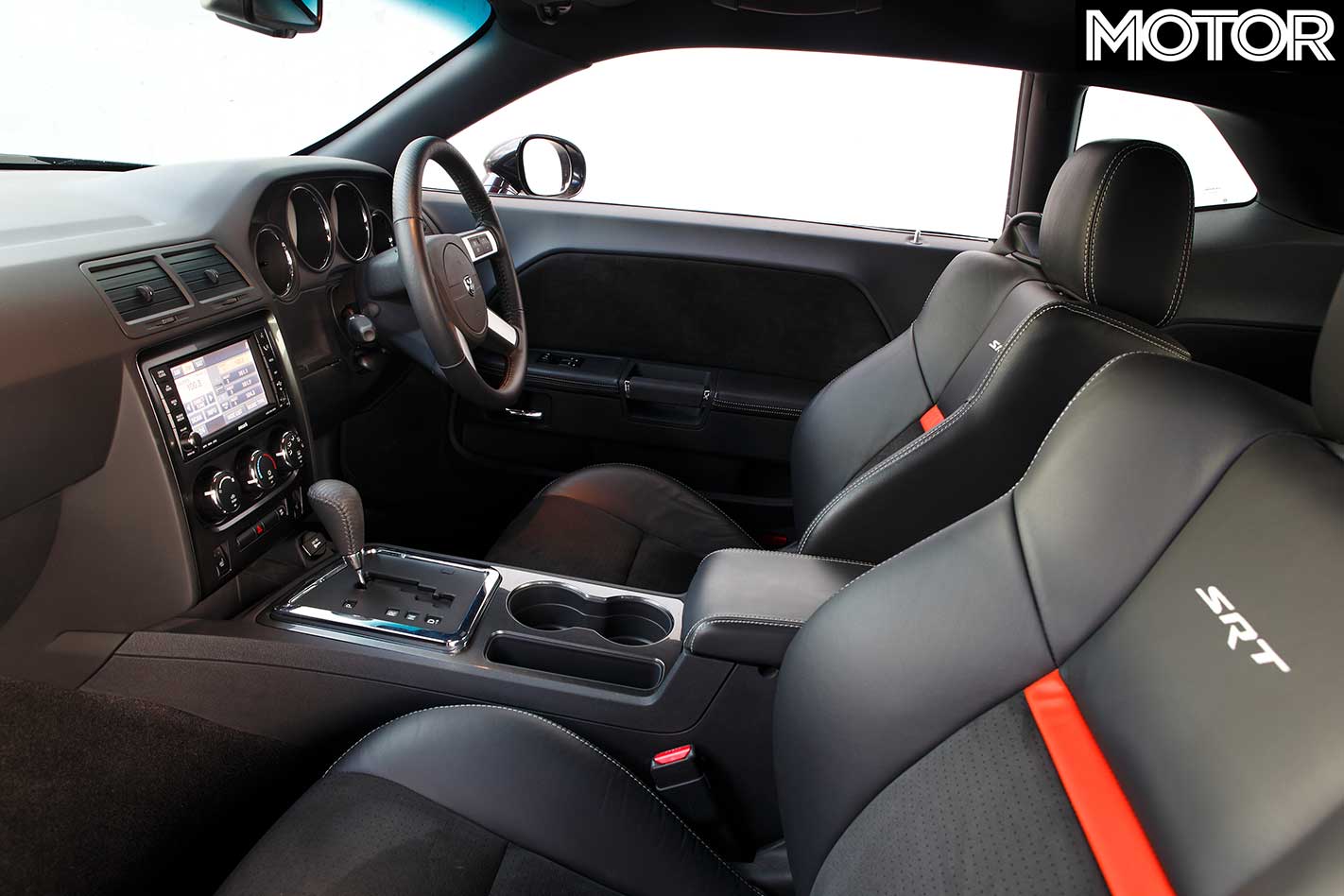
Get low enough in the chair to see under the header rail and you’ve suddenly got no view of the readout for the gear indicator and odometer. And the heavily styled steering wheel forces your hands into a ten-to-two position when most folks prefer a less taxing quarter-to-three situation. Then again, your average US Camaro jockey is likely to have one hand doing the gutter grip while the other’s somewhere in Sharonda’s lap…
Meanwhile, there’s no dead pedal (the original left-hook footrest remains in the passenger’s footwell as a conversation piece), and the paddle-shifters only work with the tranny shoved into Sport, rather than function when the thing’s in Drive as well.
The Dodge feels more logical to sit in and to use, but while it lacks the dud elements of the Camaro’s presentation, it also lacks any real sparkle of its own. Some obvious penny-pinching allowed Dodge to fit a tiller lifted straight from the Chrysler 300C, and the Challenger also gets that car’s foot-operated park-brake, which is about as unsexy as you can possibly get in a car that’s all about sex and glamour.
When it comes to the actual drive, it’s obvious that there’s plenty of VE Commodore under those bright yellow Camaro haunches. The engine sounds and feels utterly familiar, and only the clunkiness of the tranny when coming out of Park is grating.
That said, for all the extra hype of the Yank, the local hero VE is actually a better drive with what seems like better chosen (and matched) spring and damper rates, and more feel through the helm.
The Chevy has lost some of that rear-end squat that allows the Commodore to hook up so well even out of slow corners, although it’s never what you’d call clumsy. But neither is it ever truly sporty to drive. Oh sure, it gets pretty lively, but a taut, precise chassis it is not.
And neither is the Dodge. Based as it is on 300C underpinnings, it really does feel like a two-door pimp-mobile. This is fine really, because like the Chevy, the Challenger isn’t about Nurburgring lap times, it’s more about showing later generations what they missed.
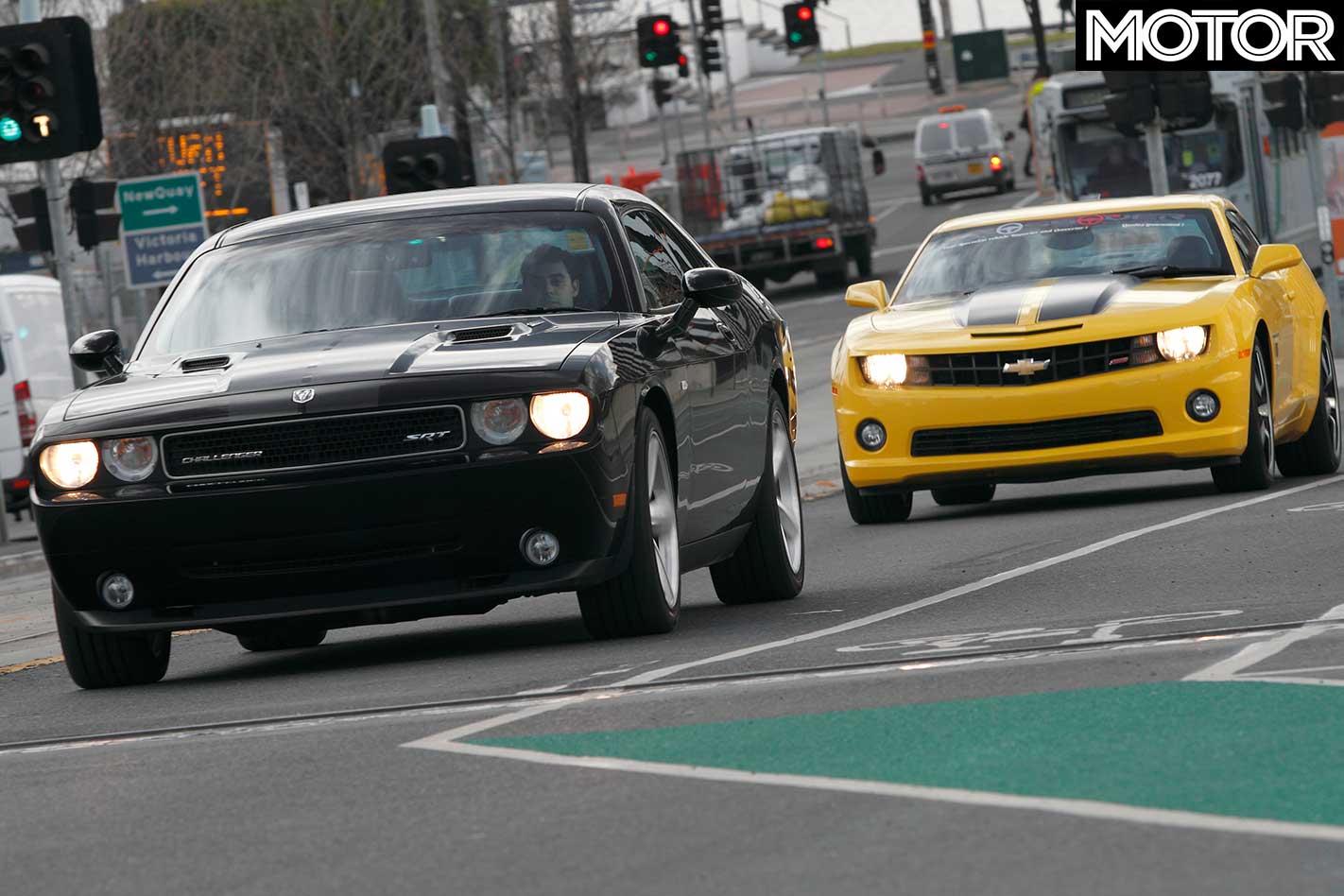
If we’re splitting hairs, the Dodge feels a fraction better damped over lumps, but gives a bit away to the Camaro in terms of steering feel and accuracy. The Chev feels a fraction more sprightly in getting away from rest, and the Dodge has a much softer torque converter than the loose, nasty monster fitted to the 300C SRT8.
But the real clincher for us is the exhaust soundtrack spat out by either one of these cubic-inch monsters.
The Chev sounds okay in that weird-firing-order LS kind of way, but it’s no match for the bass warble that the Dodge conjures up when you stand firmly on its giblets. In other circumstances, the relative quality of noise mightn’t matter, but when you’re talking retro muscle cars it is – let’s face it – more or less everything.
Who said baby-boomers were shallow?
Fast Facts
| u00a0 | Chevrolet Camaro | Dodge Challenger |
| Body | 2-door, 5-seat coupe | |
| Drive | rear-wheel | |
| Engine | 6162cc 90-degree V8, OHC, 16v | 6059cc 90-degree V8, OHC, 16v |
| Bore x Stroke | 103.25 x 92.0mm | 103.0 x 90.9mm |
| Compression | 10.7:1 | 10.3:1 |
| Power | 318kW @ 5900rpm | 317kW @ 6200rpm |
| Torque | 569Nm @ 4600rpm | 569Nm @ 4800rpm |
| Power/Weight | 181kW/tonne | 172kW/tonne |
| Transmission | 6-speed manual | 5-speed manual |
| Weight (dry) | 1755kg | 1874kg |
| Suspension (f) | struts, A-arms, anti-roll bar | struts, A-arms, coil-springs, anti-roll bar |
| Suspension (r) | multi-links, coil-springs, anti-roll bar | |
| L/W/h | 4836/1918/1376mm | 5022/1923/1466mm |
| Wheelbase | 2852mm | 2946mm |
| Tracks | 1618/1618mm (f/r) | 1600/1603mm (f/r) |
| Brakes (f) | 355mm ventilated discs, four-piston calipers | 360mm ventilated discs, four-piston calipers |
| Brakes (r) | 365mm ventilated discs, four-piston calipers | 350mm ventilated discs, four-piston calipers |
| Wheels | 20 x 8.0-inch (f), 20 x 9.0-inch (r) | 20 x 9.0-inch (f/r) |
| Tyre Sizes | Pirelli P Zero; 245/45 ZR20 100Y (f), 275/40 ZR20 103Y (r) | Goodyear Eagle F1 Supercar; 255/45R20 99Y (f); 255/45R20 101Y (r) |
| Price | $148,000 | $135,000 |
| Pros | Stonking grunt with throaty vocals, guaranteed gawking | Muscle soundtrack matches looks, pulls off retro image |
| Cons | Cornering no match for HSVs, poor driving position, plastics | Penny-pinching interior, softer than 300C SRT8 |
| Rating | 3 out of 5 stars | 3.5 out of 5 stars |
Among eucalypts, a koala has little to worry about. What it needs to survive is all around and easily found. Which makes drivers of conventional cars rather like the sleepy, tree-dwelling marsupial. Places to replenish the energy needed to keep our oil-consumers running are never far away.
Driving a plug-in is different, as using a Mini Cooper S E Countryman All4 in the UK for a fortnight made abundantly clear.
There’s way better EV infrastructure in the UK than Australia. Plug-ins have around a 2.5 percent, and growing, share of the new-car market there. Almost 60,000 were sold in 2018; one quarter of them pure EVs like the Nissan Leaf, the remainder plug-in hybrids like the E Countryman. Like eucalypts, public charging points aren’t exactly common in the UK, but neither are they impossible to find.
It wouldn’t be too hard, I reasoned, to drive mostly electric. The Mini’s 7.6kWh lithium-ion battery could be charged each night from a normal British power socket. Once the electricity was used (after 20 to 30km in British winter conditions, I found), the E Countryman would switch to hybrid mode and fire up its 1.5-litre turbo triple, and I’d head to the most convenient public charger for a quick top-up. Fine. In theory…
At my request, Mini UK had thrown an extra cable into the E Countryman. With Type 2 (or Mennekes) plugs at each end, it would let me connect to public AC chargers. Physically hooking it up to a big service complex on the M40 motorway near Oxford was easy, but getting electrons to flow wasn’t.
Having downloaded the charge provider’s app and punched in my credit card details, I was authorised to begin charging.
But the E Countryman wouldn’t initialise the charging session. Maybe the device was simply too powerful for the Mini’s on-board battery charger. Disappointed, I drove off to the warble of the front-mounted three-cylinder engine, not the whine of the rear-mounted electric motor.
The next time I needed an on-the-move recharge I decided to rely on the Mini’s sat-nav. I could surely count on a charger it led me to being compatible with the car, I reasoned. The closest one at the time was less than 2km away, in the carpark of the big Bicester Village outlet shopping complex.
Sadly, the alleged location had been built over, and there were no signs pointing to a new charging station. So I headed to a nearby Little Chef, where the sat-nav promised another charger. What I found was a Burger King. It was another fail at the next place I tried, a BP on the A34. I did a careful search of both the servo and the carpark of the nearby Starbucks and failed to find the promised charger.
By now cursing the obviously outdated digital mapping installed in the Mini, I fired up Zap-Map on my iPhone. This popular app provides detailed charger info, supplemented by frequent user updates. In short, it’s trustworthy.
Zap-Map guided me to a country restaurant just off my planned route. Two 7kW chargers were there, as advised. But in the adjacent spaces were a Kia Picanto and a Toyota Yaris, neither of them in need of charging, despite prominent ‘EV Only’ signage.
So there’s a big question car makers and EV support organisations should be asking before attempting to take plug-ins mainstream in Australia. It’s a simple one. How much aggravation will a koala bear?
