
The warbly TT RS has received a makeover for 2019, adding muscular body changes for both convertible and coupe styles.
Power remains unchanged at 294kW/480Nm from its boosted 2.5-litre five-pot. Top speed is regulated to 250km/h, but can be unrestricted as an option to a staggering 280km/h. 0-100km/h remains unchanged at 3.7 seconds.
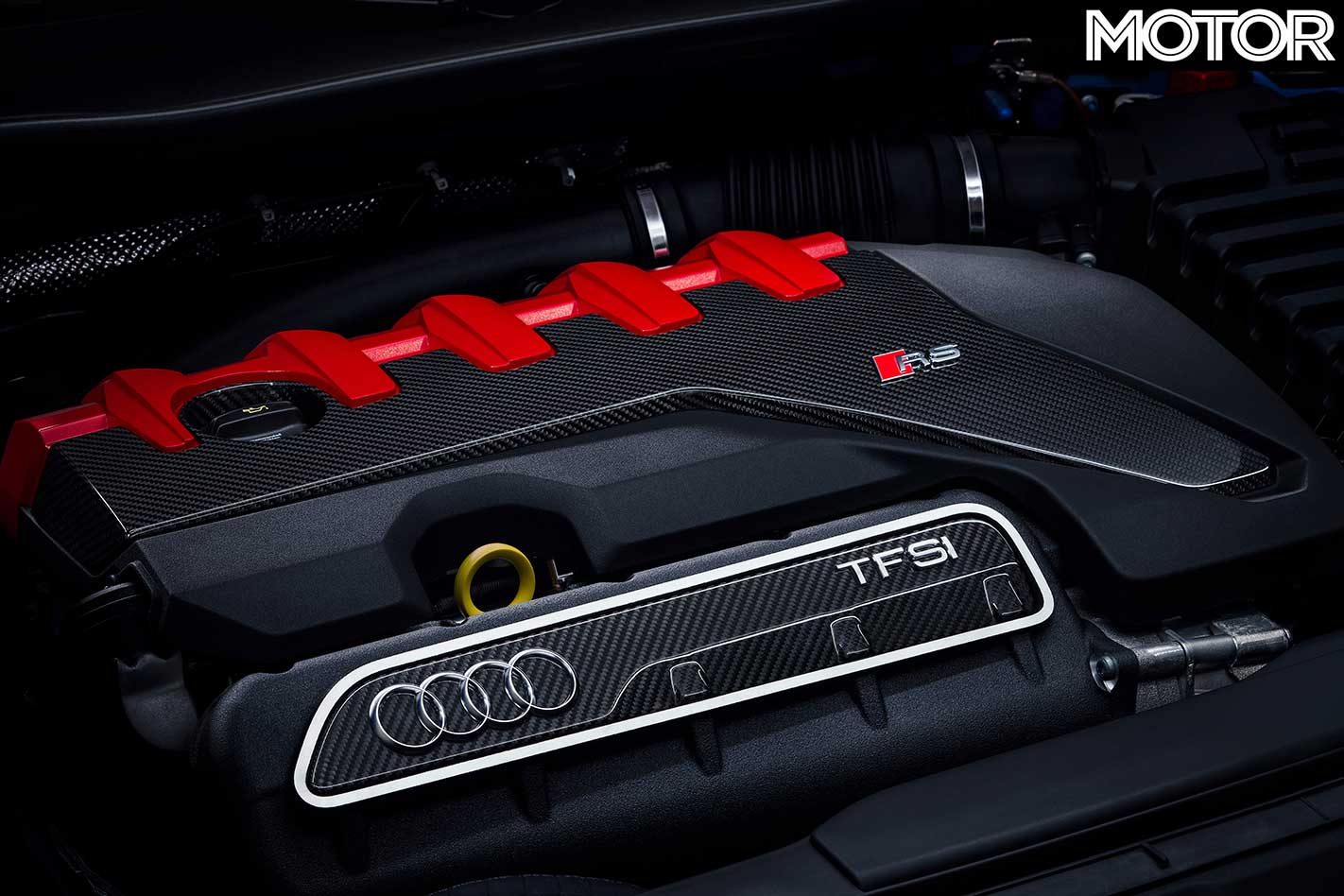
The main differences for the 2019 TT RS are alterations to the exterior design. The front-end now sports more aggressive air ducts with a neat black splitter spread beneath.
The rear-end also gets a re-work, with Audi adding a newly designed fixed rear wing. There are also now dual rear air diffusers similar to a Mercedes-AMG A45.
These subtle changes give the TT RS a much more dynamic and bold road presence, especially when compared to early generations of the same model. This is by far the most masculine TT design yet.

The massive twin oval exhaust pipes remain with the facelift in typical Audi RS fashion. Owners will, of course, be greeted with the sweet symphony of five cylinders at every mash of the loud pedal. For those five-pot engine lovers, the RS sports exhaust remains standard on all Australian TT RSs.
The TT RS’s cabin has remained largely untouched but the 2019 facelift will add additional colour accents and an upgraded communication system.
There are rumours that this may be the final iteration of the TT RS, or in fact, the TT in general.

UK magazine Autocar has reported that the TT may be transformed into a liftback-styled body to compete with the BMW 2 Series and Mercedes CLA platforms. This is rumoured to look similar to the current A3 platform but in a two-door coupe design.
Audi has confirmed this liftback shape but further news is not likely to surface for some time.
The facelifted TT RS will launch in Europe in spring 2019, while it’s expected to land Down Under before the end of the year.
Aussie pricing and specification will be available at the car’s local launch.
Mazda has announced a national recall of its popular MX-5 two-door sports car to rectify a problem with its automatic transmission.
All models equipped with an auto gearbox built between May 2015 and October 2018 are subject to the recall, according to Mazda.
This equates to just over 2000 cars.
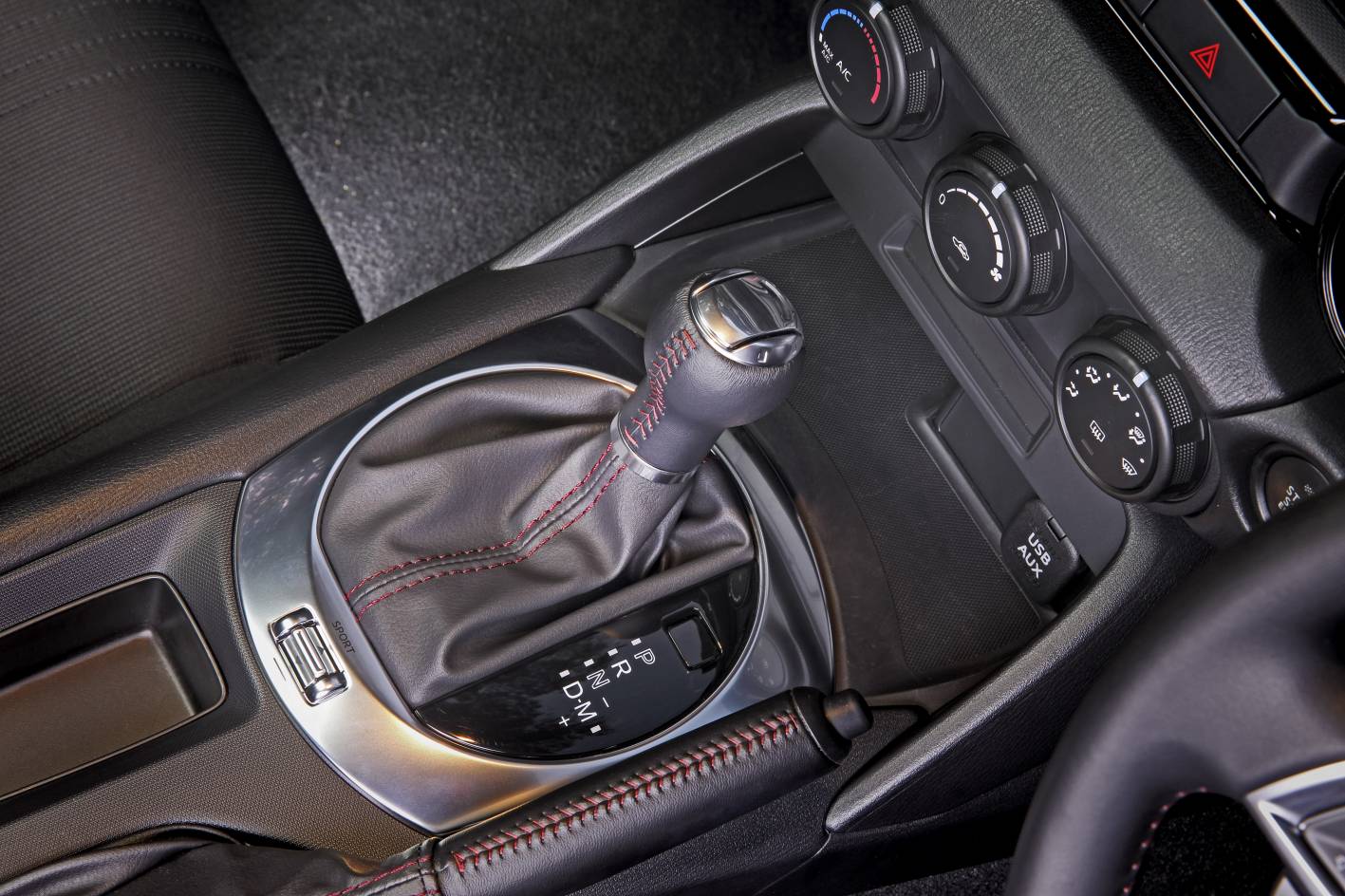
Auto-equipped Mazda MX-5
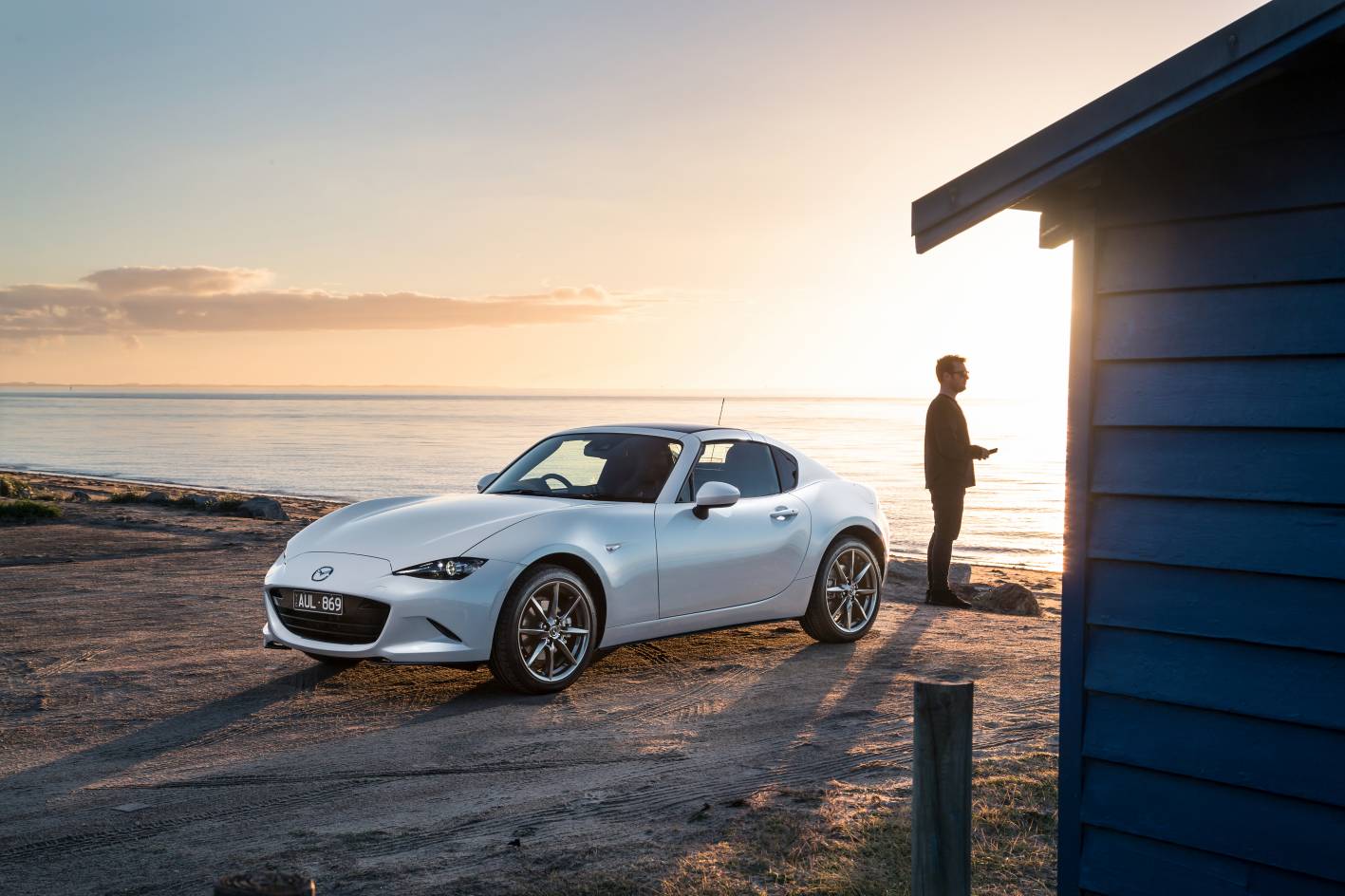
The fourth-generation MX-5 – known as the ND – was launched in Australia halfway through 2015. Its rivals include the twin-under-the-skin Abarth 124, as well as Ford’s Mustang convertible. It’s also available in a folding hardtop version, known as the MX-5 RF.
According to the recall notice, the ND MX-5’s auto transmission control module might “incorrectly interpret” the signal sent from the gear selector paddle behind the steering wheel.
This, in turn, could cause the gearbox to drop down more gears than expected and causing the rear wheels to slow overly quickly – also known as compression lock.
“If this occurs, this may affect the stability of the vehicle, increasing the risk of loss of vehicle control and potentially causing an accident,” reads a release from Mazda.
The company says it’s currently reaching out to all of the owners affected by the recall, asking them to head down to their nearest dealer to have the offending module reflashed with new software.
“No accidents or injuries related to this occurrence have been reported to date in Australia,” confirmed Mazda Australia’s Amy O’Brien.
First recall for MX-5
It’s the first product safety recall for the MX-5 since it launched in 2015. The company’s BT-50 ute is by far the brand’s most troublesome model, with eight recalls since September 2016. Based on a Ford Ranger, the next BT-50 will be built in conjunction with Isuzu.
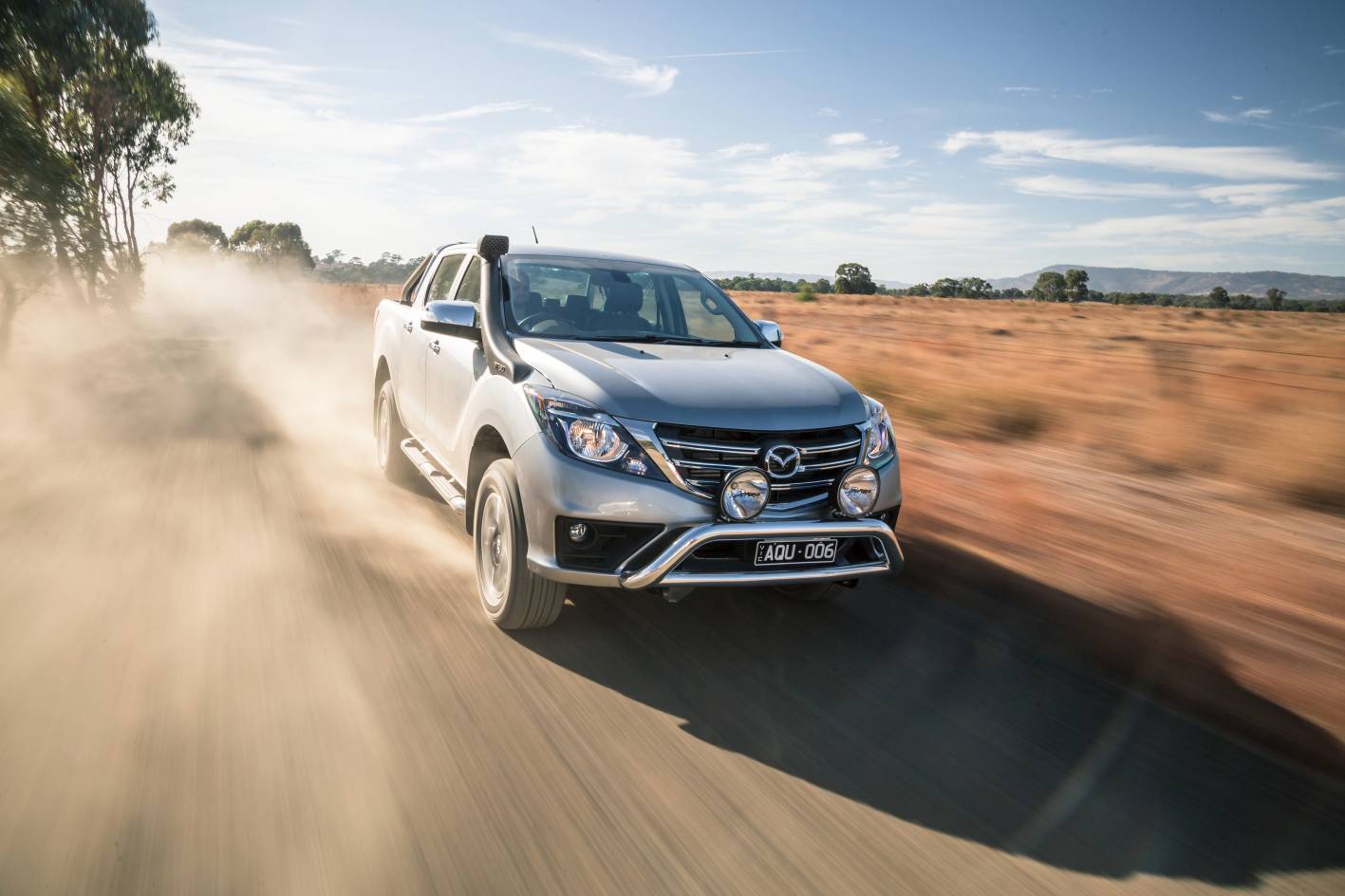
Mazda BT-50
BMW has revealed that it will build 400 units of the M850i First Edition xDrive worldwide.
A BMW Australia spokesperson says just eight cars will come ashore with all expected to sell out within days of its first availability.
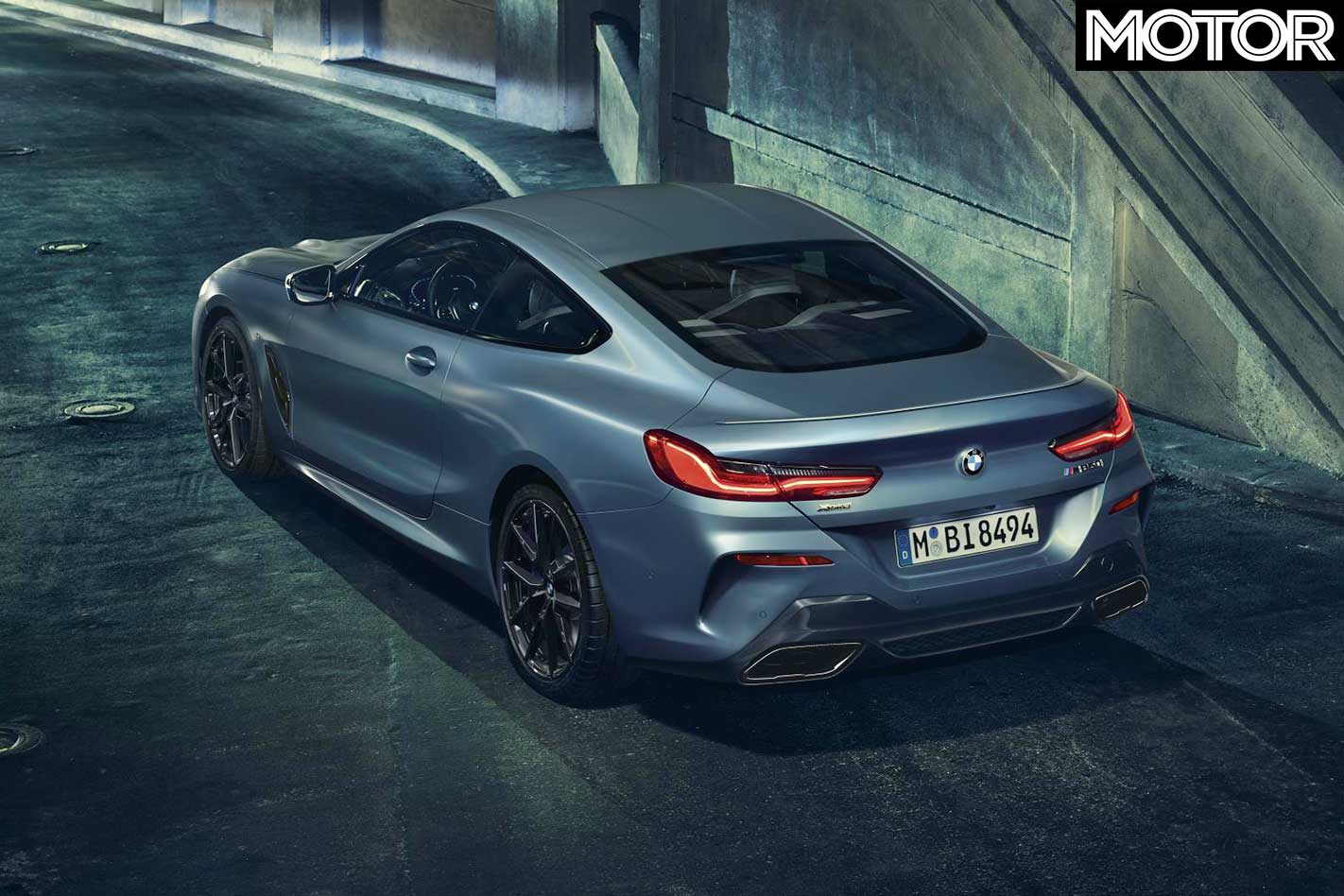
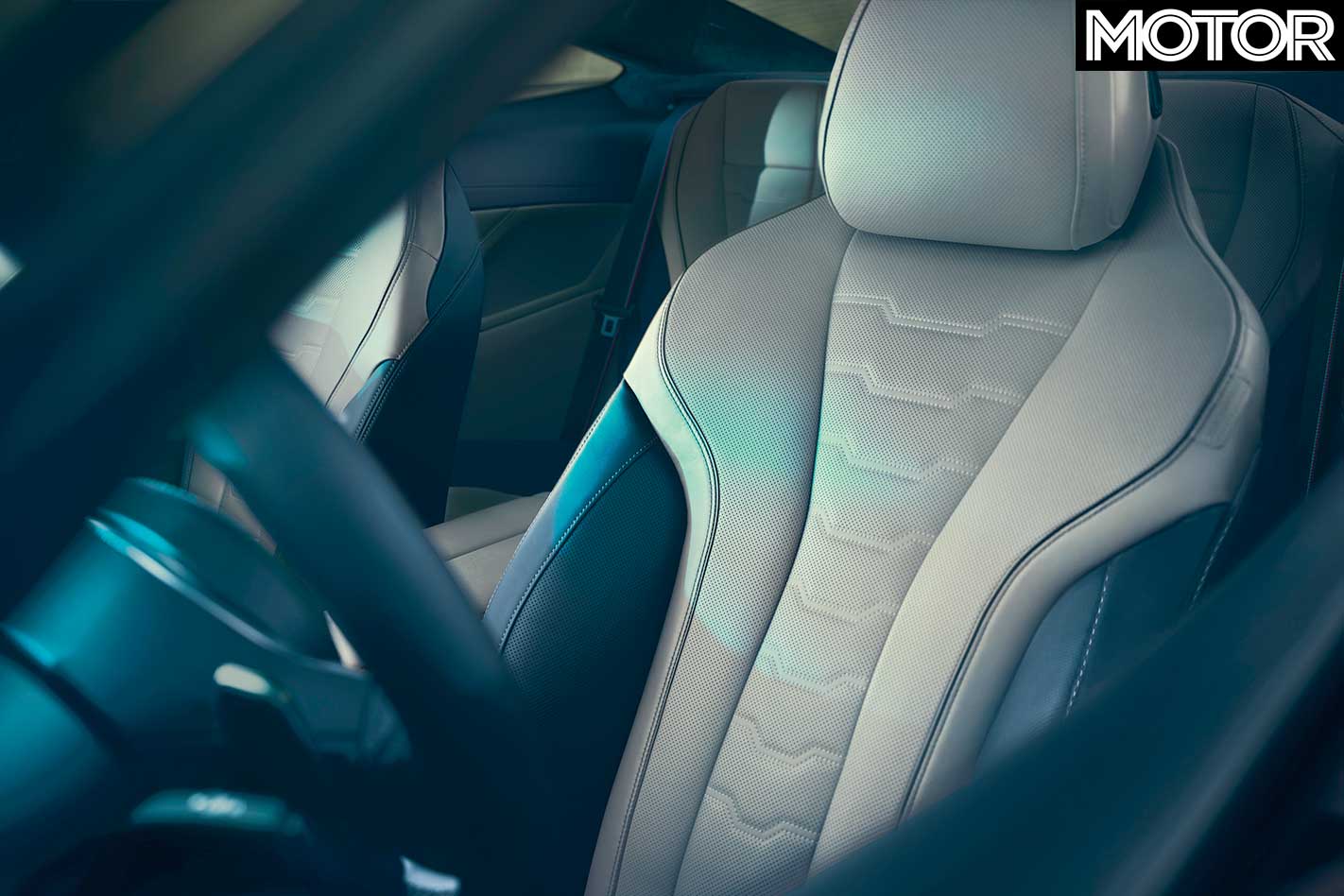
The M850i First Edition will be launched in an exclusive Frozen Barcelona Blue metallic paint with a Merino leather interior with ‘Ivory White/ Night Blue’ highlights and an Alcantara roof liner.
Externally, the M850i features quad exhaust outlets which are finished in black and 20-inch M alloy wheels in a Y-design which are also black.
The M850i xDrive will be powered by a 390kW/750Nm 4.4-litre V8 with a pair of Twin-Power turbochargers. It will also feature an 8-speed Steptronic automatic transmission and BMW’s signature xDrive four-wheel drive system. Unlike the F90 BMW M5’s transmission, the M850i will not include a 2WD (rear-wheel drive only) drift mode.
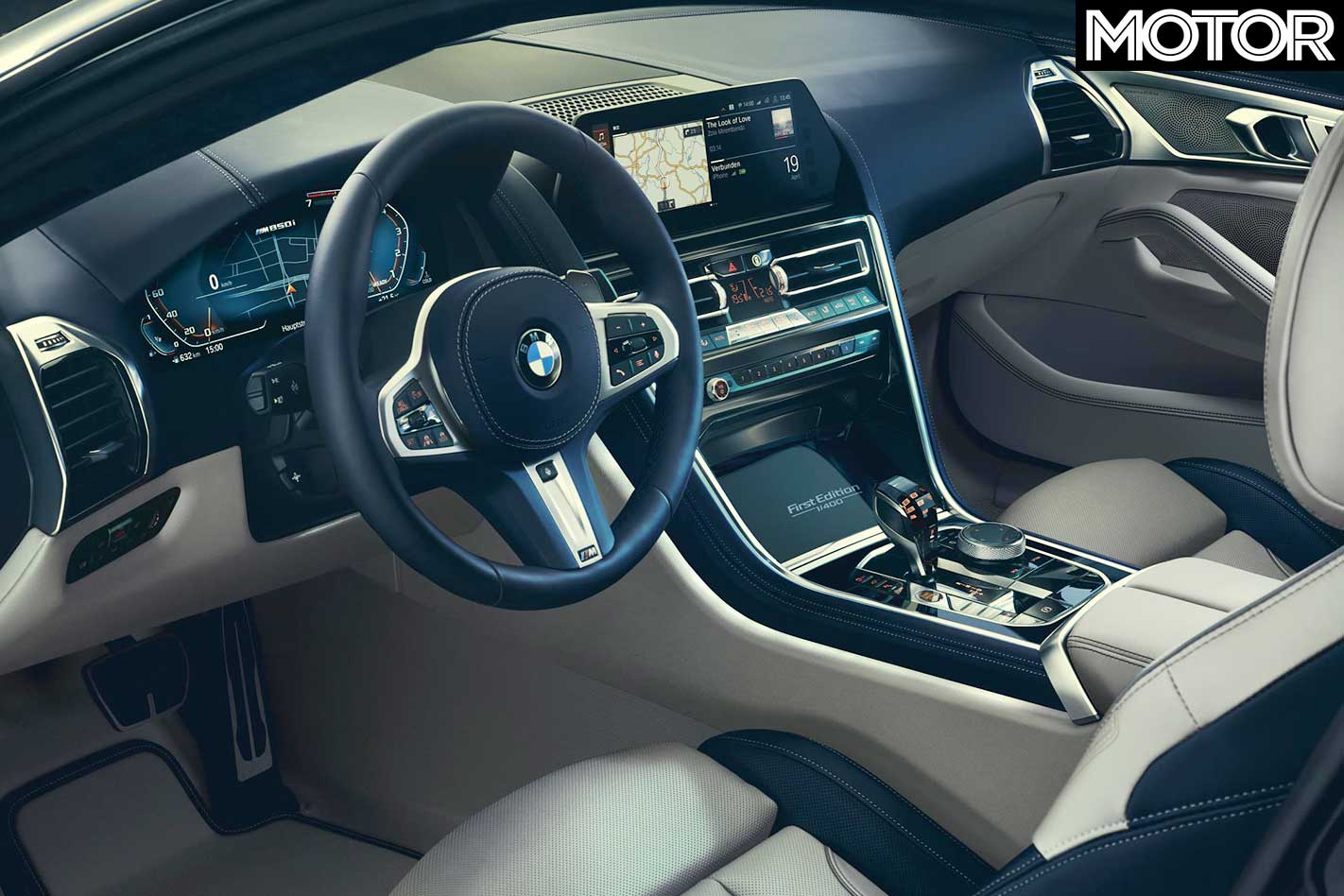
While the First Edition cars will have only one colour option, the standard M850i xDrive will feature an 8-Series exclusive colour range for exterior paint while bespoke interior options will also be offered.
While the M850i is the highest non-M 8 Series in the range, the full-fat M8 was announced in 2017. BMW has confirmed production but further specifications have not yet been released.
BMW Australia has not confirmed pricing for the M850i First Edition but details will be announced at the media launch.
The new generation 8 Series harks back to the original E31 model which was powered by either a V8 or V12 engine. Around 30,000 E31 8 Series models were built.
The M850i xDrive will be on sale from April 2019.
With the release of a teaser video, Volkswagen has confirmed the existence of an R version of its small SUV, the T-Roc.
The Volkswagen T-Roc R will likely end up becoming a production vehicle, with development underway at the Nürburgring by test drivers for the R performance arm.
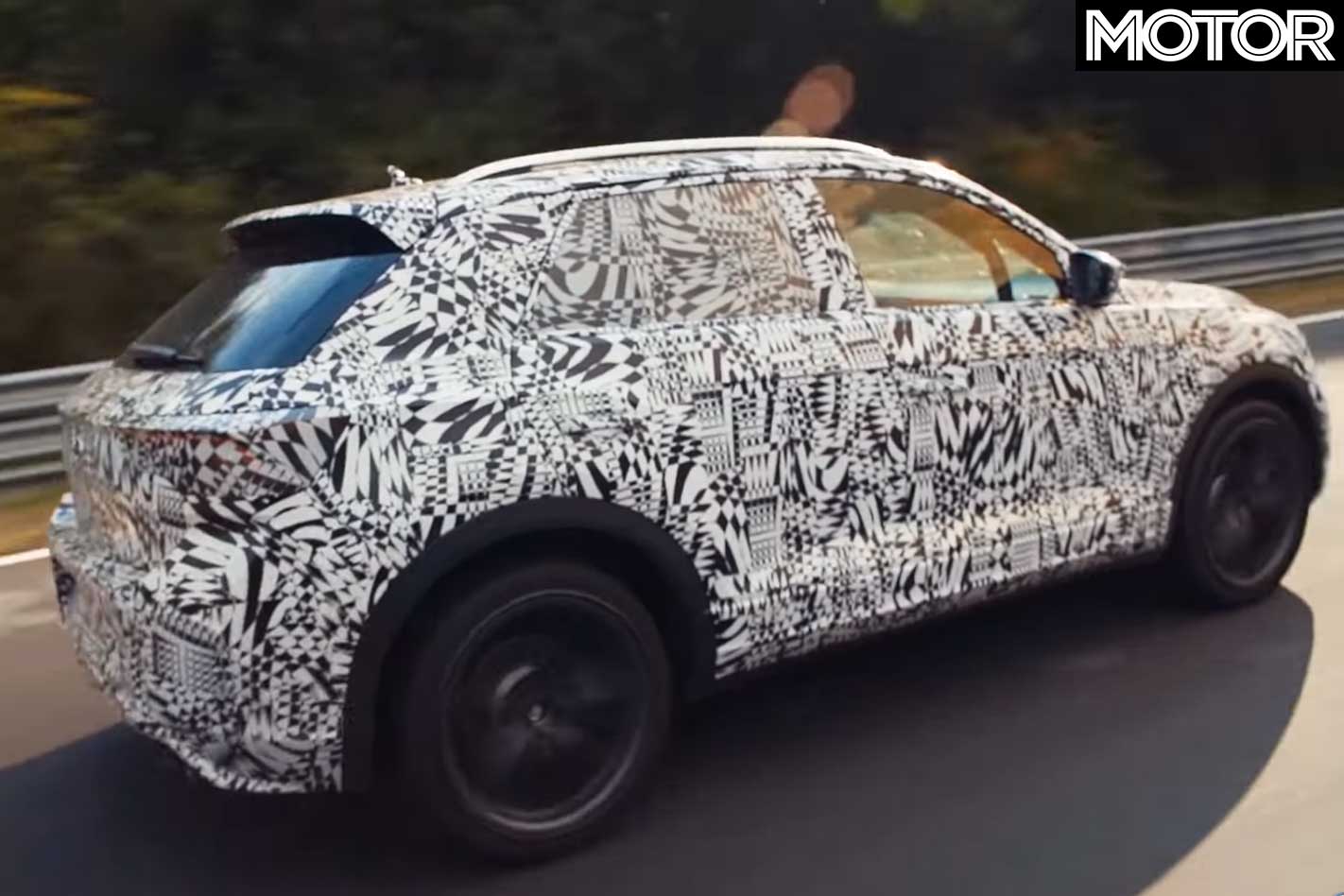
The T-Roc R had been hypothesised and reported upon by UK outlet Autocar, which said it expects the T-Roc R to share the same engine and outputs as the VW Golf R hot hatch. Here, that would mean 213kW and 380Nm, and Volkswagen’s 4Motion all-wheel drive system.
The video released by Volkswagen shows a camouflaged T-Roc cutting laps on the Nürburgring, with two of its development drivers providing the voiceover and an insight into the sort of vehicle VW has built.
Volkswagen R development driver Benjamin Leuchter says the Nürburgring is the best place for VW’s R department to test a car with its badge on the grille.
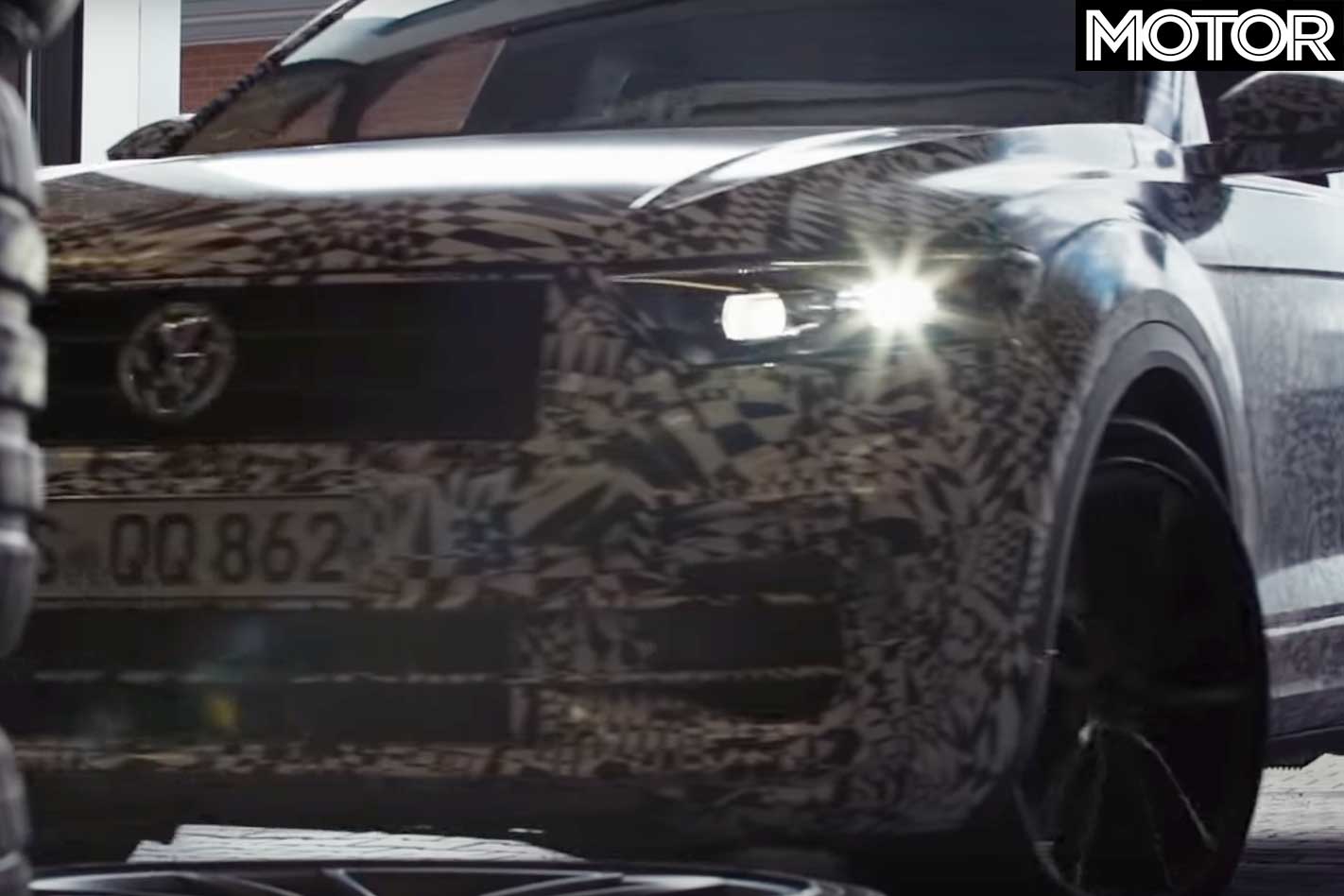
“The Nordschelife is the most beautiful piece of asphalt in the world,” Leuchter says.
“The toughest car tests take place here under some of the most extreme conditions for both the driver and vehicle.
“Every driving mistake is punished immediately.”
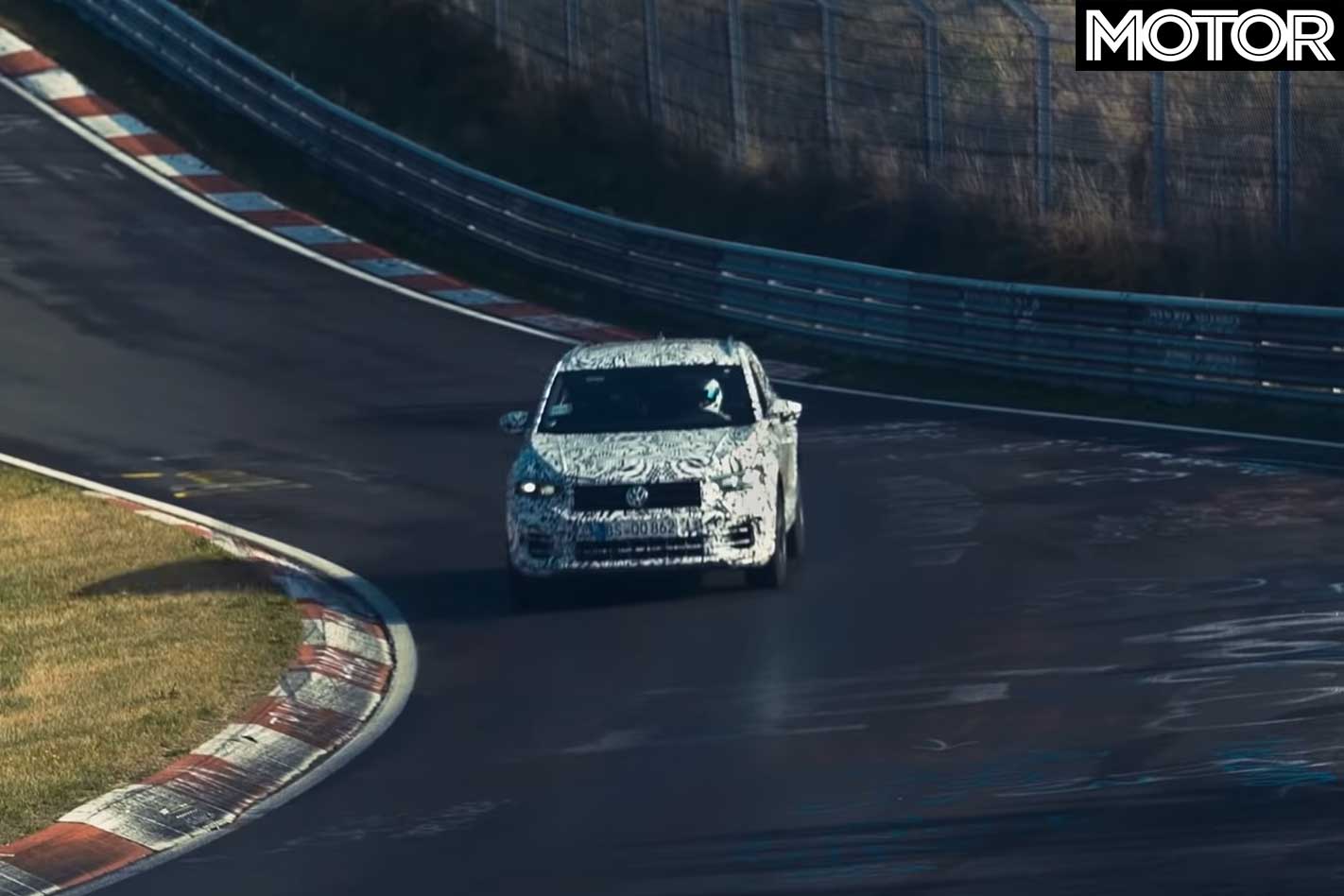
Petter Solberg, Rally driver, two-time World Rallycross champion, and another Volkswagen R development driver, says in his voiceover for the clip that “the T-Roc R gives you the edge of performance.”
“The power, the driveability… I’m very fascinated by the feeling. The feeling that you are in control, you enjoy all these things together and it makes you smile when you’re driving.”
Volkswagen hasn’t confirmed any details about the T-Roc R, but it’s expected more news will follow. Stay tuned.
LURKING AT the far end of Ford’s You Yangs proving ground is an unprepossessing-looking shed. Blink and you’d miss it, but located amongst the hoists and workshop equipment within is a weighbridge and seeing as it was located en route to many of our COTY test tracks, we figured we’d put every single vehicle onto the scales. All 47 cars at COTY this year had to strip off, suck the gut in and hope for the best. We normalised the figures to take into account tank sizes, fuel weights, and discrepancies between tare and kerb weights. We also inspected the as-tested sheets to see if there were any particular options that were responsible for an inordinate weight gain.
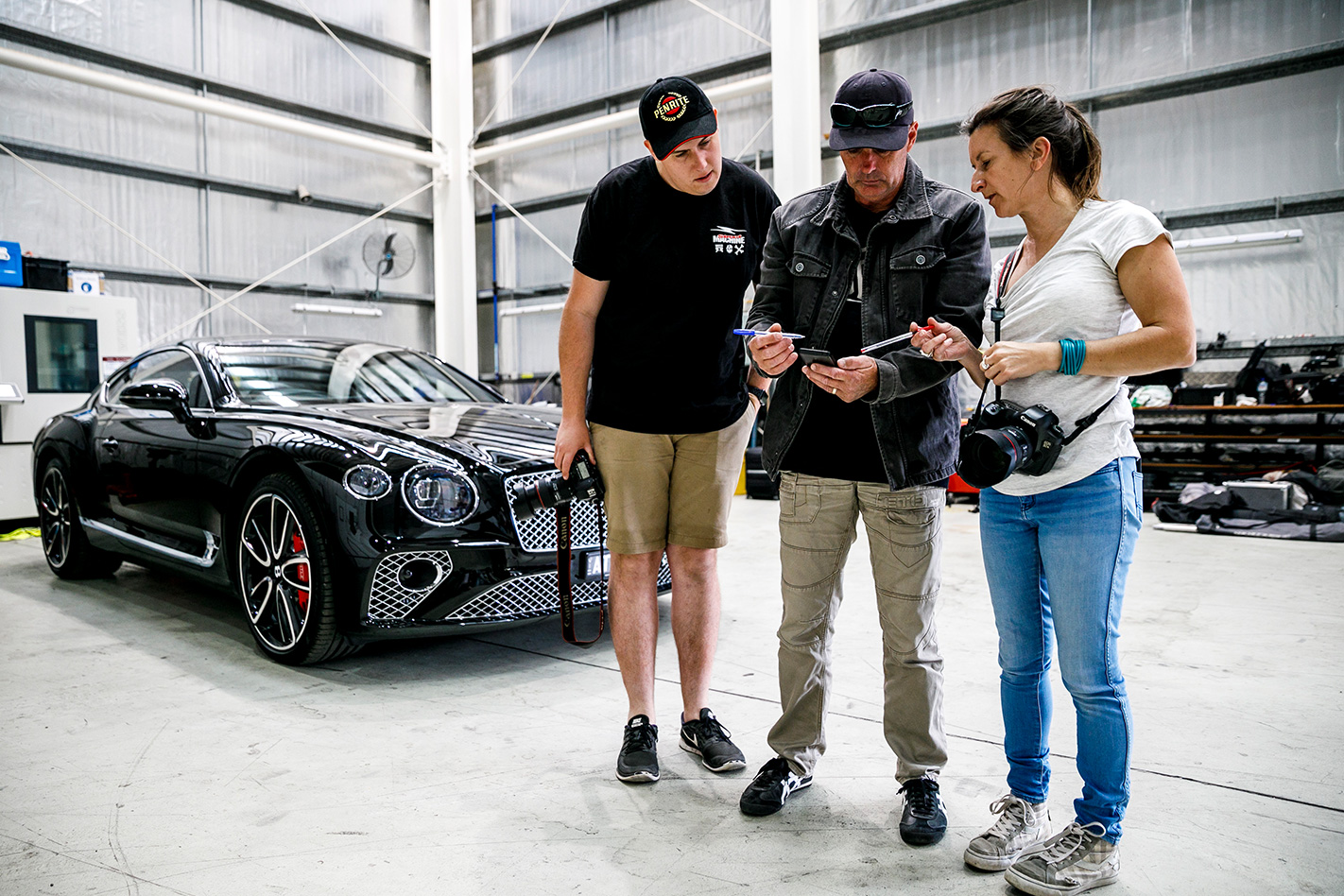
Some results were fairly predictable. The Alpine A110 was lightest at 1094kg, just pipping Volkswagen’s base model Polo 70 TSI at 1111kg. Few though would have picked Porsche to front up with the fatty, its Cayenne E-Hybrid creaking onto the weighing gear at a whopping 2364kg.
More interesting than absolute numbers, however, was what the scales proved against manufacturer claims. Hats off to Ford for accuracy here. The press pack told us the Focus Trend 1.5 should weigh 1336kg and it was bang on the money. To make things absolutely fair we measured the amount of fuel in the cars and calculated representative tare and kerb weights from that.
The wooden spoon probably ought to go to Alfa Romeo. Its Stelvio Ti should have weighed 1619kg, but it tipped the scales some 187kg heavier. That’s around 11.5 percent heftier than buyers would expect. The base Stelvio and the diesel were also a good deal heavier than the manufacturer claim, up by 138 and 167kg respectively. The five-seat diesel Stelvio also weighed 13kg more than the seven-seat diesel Mazda CX-8, which nobody saw coming.

Audi was no angel here either, its A8 50 TDI adding 184kg to the 1975kg claimed kerb weight. And no, myself and Toby Hagon weren’t hiding in the boot. The Skoda Karoq also weighed in 11.35 percent heavier than its billed weight, with Citroen’s C3 adding 10.3 percent to its factory claim.
Holden and Toyota get credit for generally overquoted weights, and the Hyundai Santa Fe Highlander diesel also surprised us, weighing 1.85 percent under its claimed kerb weight, tipping the scales at 1958kg against a claimed 1995kg figure. Volvo’s XC40 T4 Momentum was second behind the Hyundai in the greatest percentage under claim, its 29kg representing 1.78 percent less than the factory claim.
There was also a fascinating discrepancy between the two Jaguar I-Pace electric vehicles we had on review, the car with passive springs being 20kg lighter than the one on air springs. Every little bit helps when you’re trying to eke a bit more range out of the Jag.

Finally, if somebody’s trying to tell you that seven-seat SUVs are uniformly fat and wasteful, it’s worth noting that apart from the Mazda CX-8 being more limber than the ‘sporty’ Stelvio, Peugeot’s 5008 three-row hauler tipped the scales some 215kg lighter than Holden’s Calais V Tourer. And Hyundai’s Santa Fe Active was also some 20kg lighter than the hefty Holden.
The take-out from this? Given that some cars are optioned differently from base spec, we’d understand if weights were a couple of percent either way of the datum. But more than ten percent for the worst offenders? The weight of your car is directly proportional to its fuel consumption and emissions. And, once again, it looks as if manufacturers are attempting to hoodwink us.
Former Formula One champion turned YouTube personality Nico Rosberg has released an exciting new video online pushing the mighty McLaren Senna on track in France.
Rosberg was lucky enough to strap himself into the most powerful production McLaren to date and haul it to the limit.
Although packing an incredible 588kW/800Nm from its twin-turbo V8, the Senna seemed unable to faze the calm Rosberg at the limit. The car is capable of 0-100km/h in 2.8 seconds, will do 300km/h in 17.5sec and weighs just 1198kg dry.
The car creates a staggering amount of downforce at high speeds – 800kg to be exact. This is 200kg more downforce than the McLaren P1.
To keep overall weight down, the Senna is built from lightweight carbon fibre. In total, the combined mass of all interior components weight less than 60kg, according to McLaren, with the seats just 3.35kg each. The same sub-60kg total goes for the carbon body panels.
The Senna looks to be an intimidating beast but Rosberg conquered it within 2 laps when the on-board computer system displayed a warning message: ‘clutch temperature high’.
Rosberg: 1, Senna: 0.
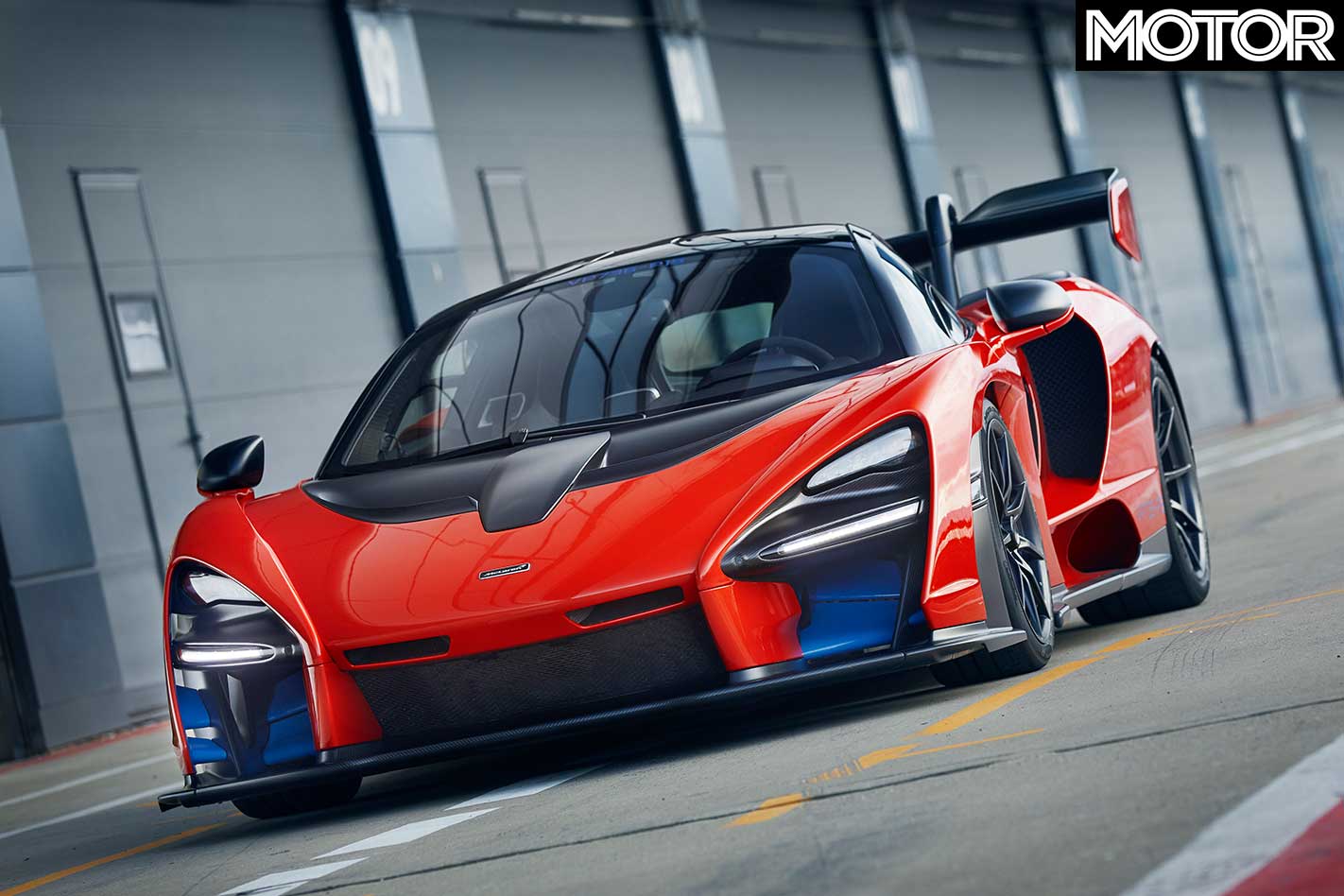
After allowing the car to cool for a few seconds, Rosberg got back on the power and achieved what looked to be a very fast lap of a shortened Paul Riccard circuit.
The car is, of course, named after one of Formula 1’s greatest drivers, Ayrton Senna, who drove for the brand back in the ‘80s. He was a defining racer who put McLaren on the map as one of the most competitive and successful racing teams in F1 history.
Only 500 Sennas will be built by McLaren – all of which have been already sold.
If you have the coin to buy one, you’ll have wait for the second hand market. Just don’t expect a bargain.
Rummage through the sock drawer of any discerning supercar owner and, among the range of colour-blocking hosiery and plethora of cufflinks, we guarantee you will find a collection of high-end watches.
That’s because, whether it has a pulsing turbocharged V8 heart or a Swiss-made automatic movement, high-end aspirational products are inextricably connected. If you’re a car guy, the chances are that you’re also a fine electronics guy, a handmade pushbike guy, a Japanese chef’s knife guy and probably a watch guy too.
The internet will tell you which timepiece brands are endorsed by which car marques and in some cases the collaborative models that have even been branded with a badge you’re probably more familiar with on a bonnet or brake calliper. But there’s a car-to-watch vein that runs deeper than just monikers and marketing.
Here are our top five cars that will spin the bezel of any horophile.
Bentley Continental GT – The Jaeger LeCoultre
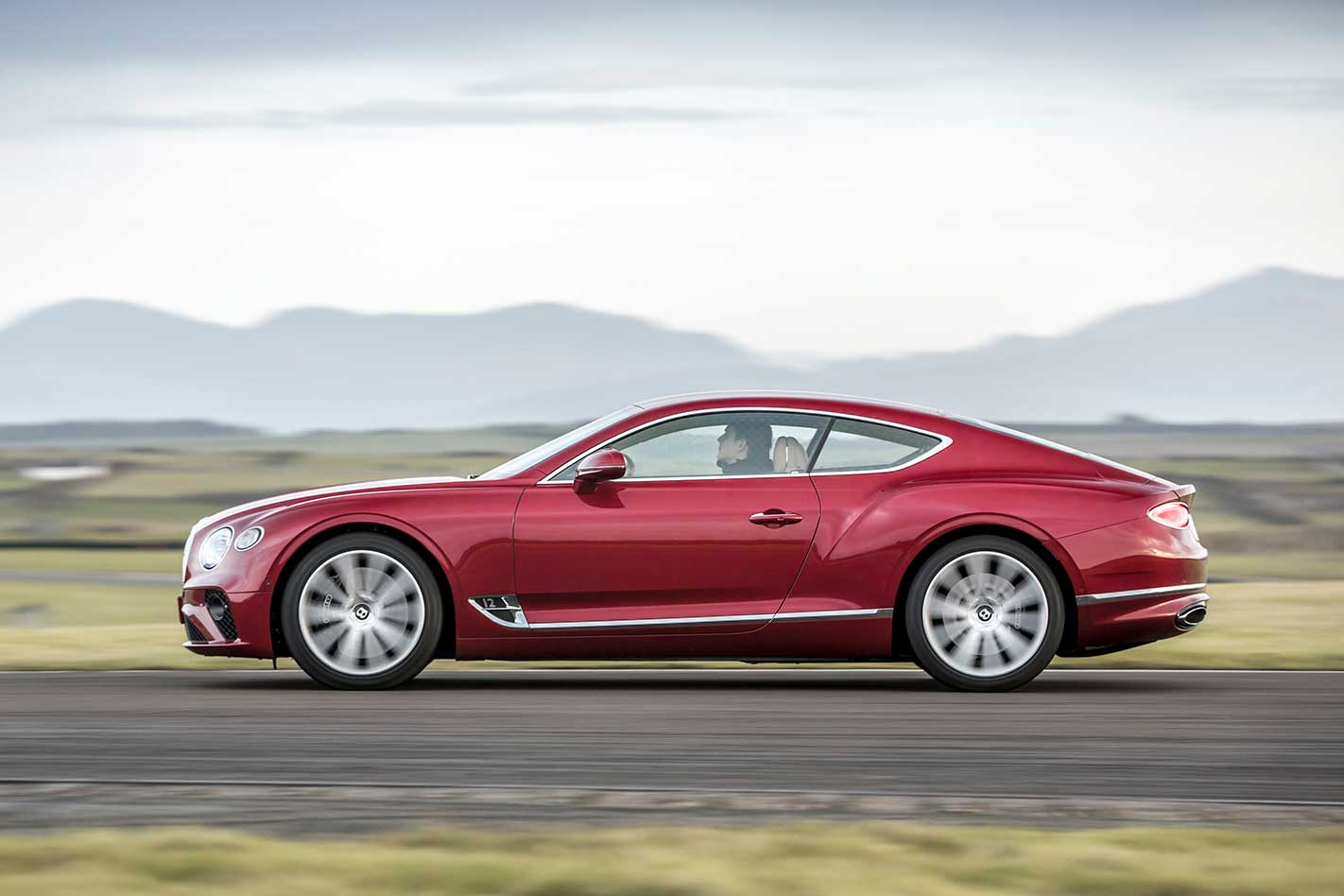
Ignore, for a moment, the timepiece brand that Bentley wants you to associate with its ridiculously opulent cars and think of the British car maker’s actual spirit watch. A Bentley owner is difficult to pigeonhole. For every Continental that rolls out in Spectre Black with Beluga Black leather and Blackline wheels, there’s another that is ordered in Apple Green with a purple interior that matches the customer’s favourite nail varnish.
Always commanding a price as handsome as its imposing grille and menacing stance on the road, the Continental GT is a highly exclusive set of wheels for a privileged few. Search all you like, you won’t find a single piece of cheap plastic, poorly finished trim or loose French stitching anywhere because Bentley prides itself on using the best materials, brought together by some of the most skilled craftspeople in the industry.
Get stuck into the Mulliner range of customisations and your own imagination really is the limit. Previous customers have included a cattle farmer who wanted the interior upholstered in the hide of one of his finest animals, while another had so many components gilded that the cost of the gold alone equalled the base cost of the car. Stingray leather, vapour deposition coated bonnet badges and handcrafted parquetry dashboards; you can have it all in a Bentley Continental GT.
Jaguar I-Pace – the wearable
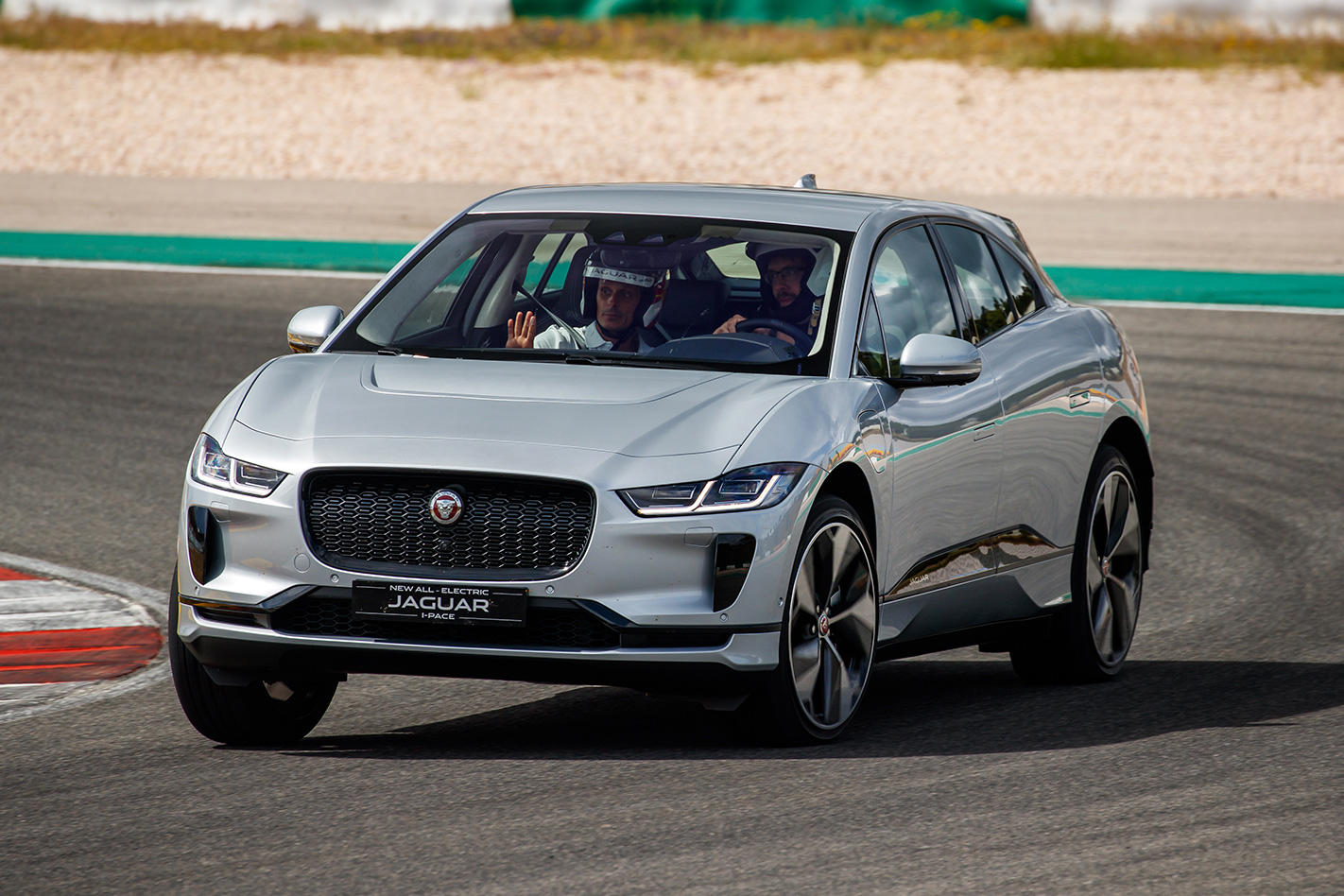
If the Bentley is a precision self-winding dress watch with mother of pearl dial, Jaguar’s I-Pace would be the state of the art Bluetooth-connected wearable that can measure your heart rate while ordering your lunch.
The I-Pace will also appeal to a watch lover’s appreciation of quality construction and fine details, but it adds to the allure with cutting edge technology. Not only is it the first fully electric vehicle from the British car maker, it also showcases a host of other technological curios.
Like a 1980s Casio you won’t find a single analogue dial in the Jaguar’s cabin, with every display from the central console to the HVAC panel to the instrument cluster all fully digital and high-res.
Performance is monstrous with zero to 100km/h acceleration clocked at 4.8 seconds, a range of about 450km and clever four wheel drive. It’ll also go off-road and wade through up to 600mm of water.
If the Jag is a tough but stylish wearable device then the Tesla Model X, which is also an all-electric SUV and starts at exactly the same $119,000 price is, well… dare we say it – a knock off. Ironic since the Model X came first.
Wrangler – the G-Shock
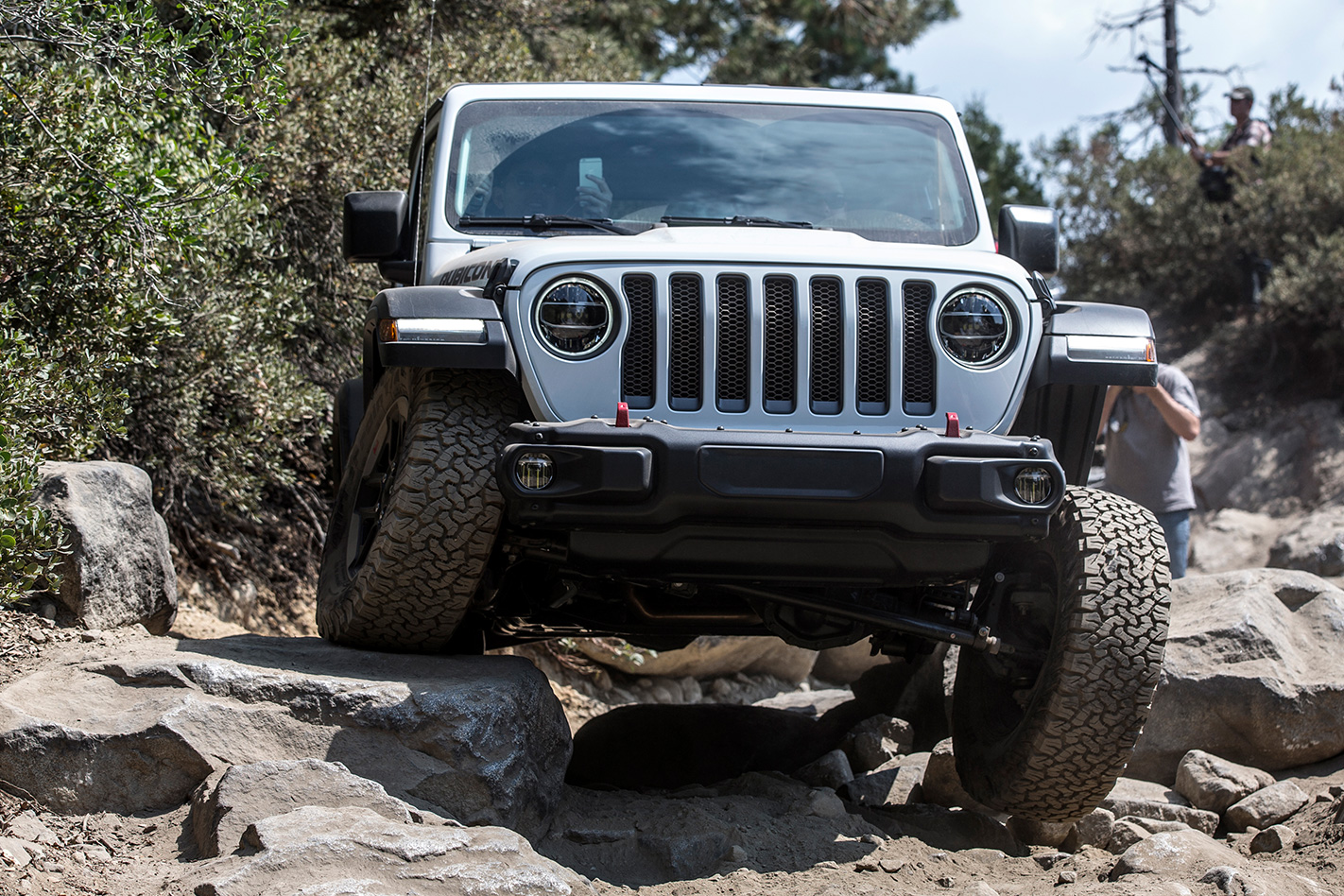
Sometimes you don’t want to slip on your TAG for a bike ride or early morning dip and need something a little less valuable with boosted durability. And the same goes for the Jeep Wrangler. No it isn’t as refined as a Volkswagen Golf and has zero ride comfort on the road but there is little else that will offer as much unpretentious rugged styling with the off-road ability to match.
Infinite customisation options and special editions will make you feel special and unique every time you jump on board, and you’ll love its hose-out cabin when you have been getting really enthusiastic – whatever that may entail. Then there’s the fold-down windscreen, lift-out roof panels and removable doors for balmy days cruising the beach.
It has the heritage angle covered too with a family lineage that goes back to the 1940s Willys Jeep. It might not brag the quality or finesse of some other vehicles, but the Wrangler is a no nonsense all-terrain car that honours the form-follows-function mantra better than just about anything else on and off the road – just like Casio’s rugged military-grade timepiece.
Citroen C4 Cactus – the Swatch
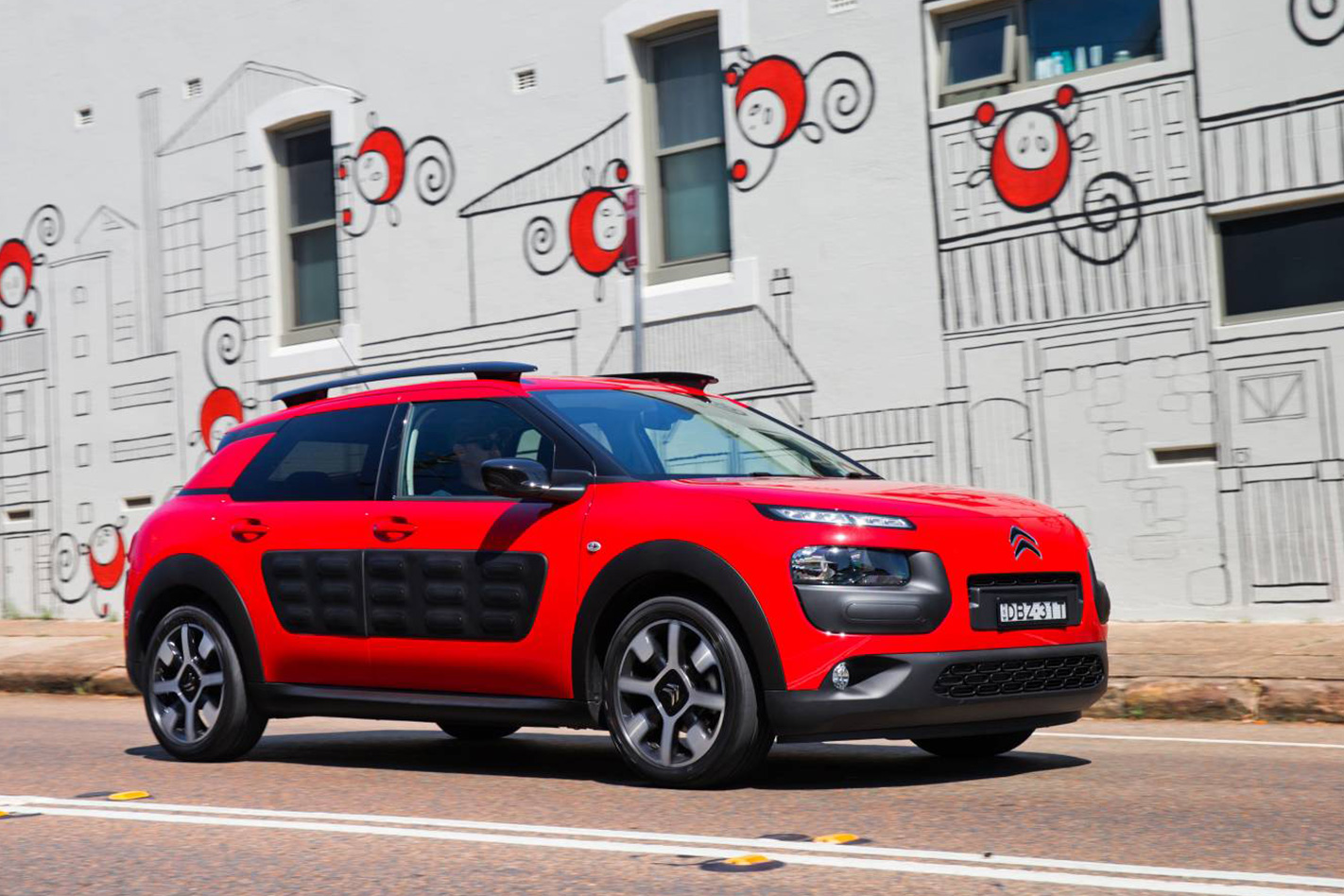
Just because a car is affordable and accessible doesn’t mean it has to be dull or pedestrian. Case in point: the Citroen C4 Cactus.
It has air-filled “bumps” on its flanks to prevent carpark damage, its interior is a beautiful demonstration of comfort and unorthodox design, and you can customise vibrant colours and textures to your heart’s desire. A perfect daily driver for the image-conscious.
All that – plus a generous serving of European panache and Parisian fashionability – for a starting price of less than $27,000 makes the likeable C3 the Swatch watch of the car world.
Porsche 911 – the Rolex
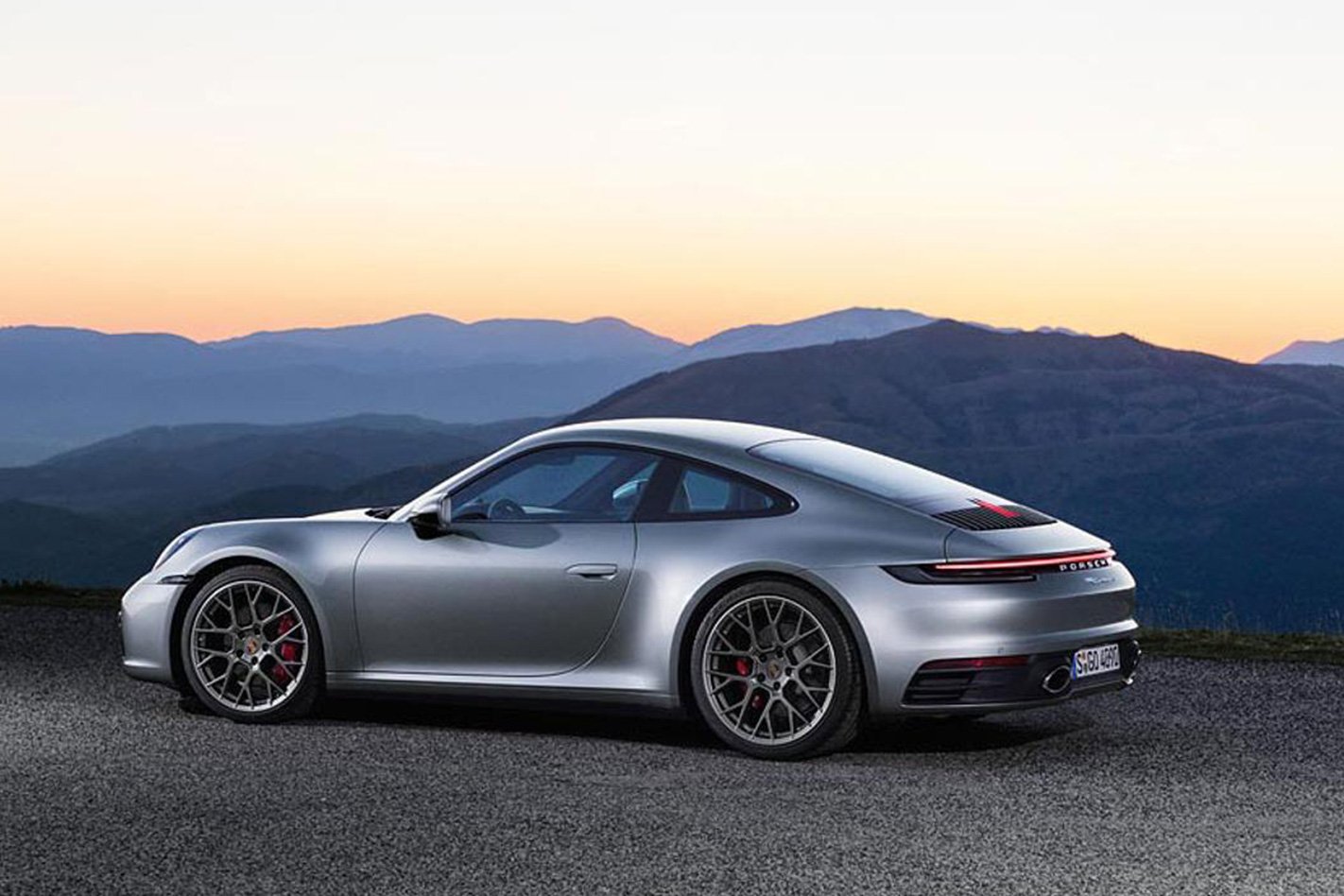
But rounding out our five is perhaps the most applicable car for watch enthusiasts. Not only does the 911 offer all of the details and touches that will tickle the tastes of any self-respecting horophile, it is also the high-performance car that has the build quality of a Swiss watch too.
Tech secrets of the 992 911 revealed
Hit the track in a 911 and at the end of the day the Porsche will be the car that still has a rock solid brake pedal, the temperature gauge will read normal and it will drive home like it hasn’t broken a sweat.
As a side note, the 2017 911 Turbo S was produced in very limited numbers as the Exclusive Series with its own dedicated flyback chronograph . For $590,700 customers got a special version of the iconic car with 446kW and a conspicuous gold and black colour scheme, but if you wanted the watch to go with it there was a catch: you’d need an extra $15,000 to take home the matching timepiece as well.
There are plenty of top quality watches that will grace your wrist will all the style of a Rolex, but the Rolex is the one that’s tough enough that you won’t mind your three-year-old playing with it. In the same vein, the 911 is the car that you can blast along a mountain road all weekend yet tackle the weekday commute in. A true all-rounder.
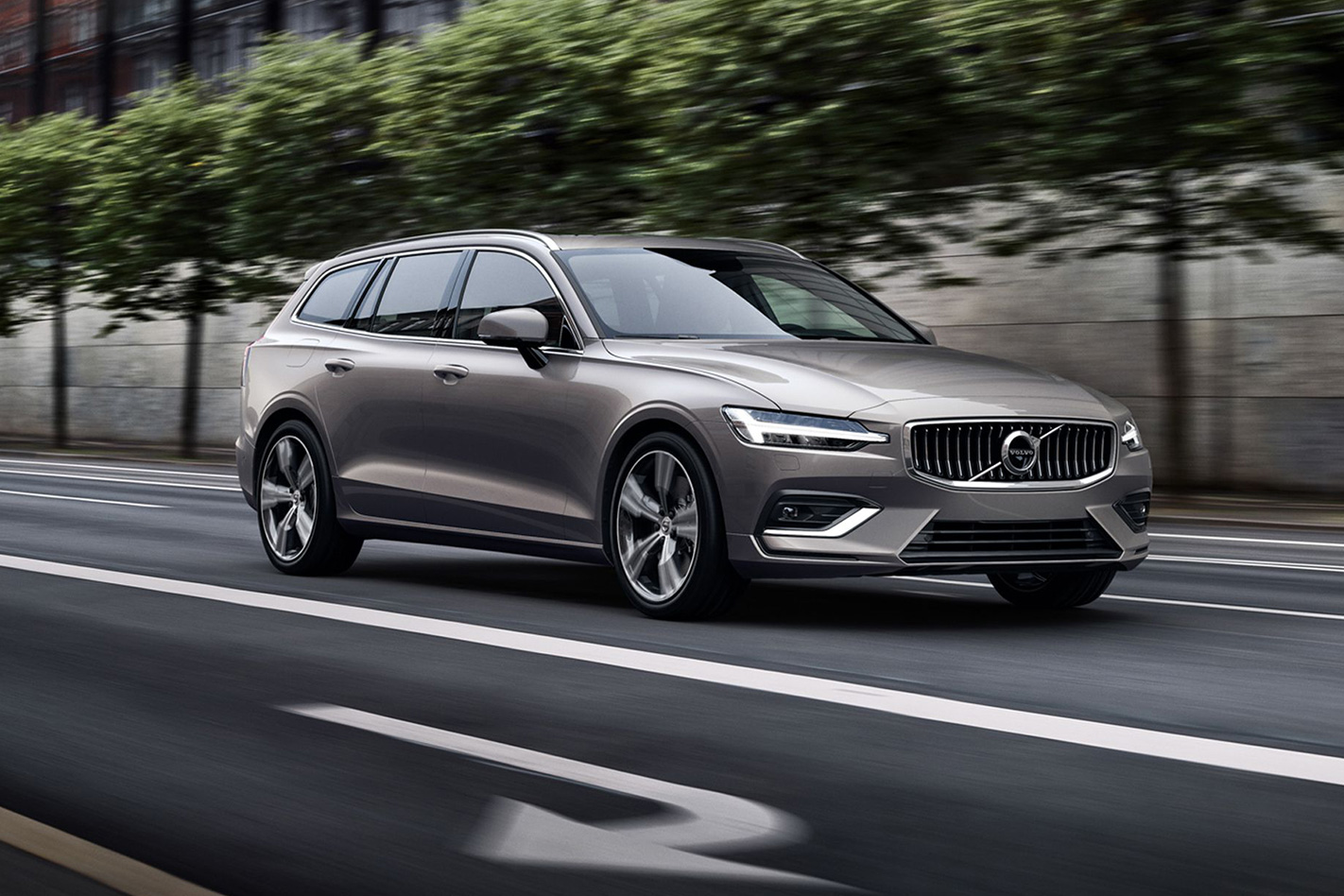
FRESH from victory in Australia’s most prestigious motoring award, Wheels Car of the Year, the Volvo XC40 has been nominated as a finalist for the World Car of the Year.
Volvo’s small SUV is competing against nine other finalists for the 2019 award, and will be hoping to emulate its larger sibling, the XC60, which won in 2018.
Fellow Wheels Car of the Year finalist the Jaguar I-Pace is also listed as a World Car of the Year finalist, while Volvo is the only manufacturer to secure double entries with the S60/V60 twins recognised as a worthy finalist by the panel of judges.
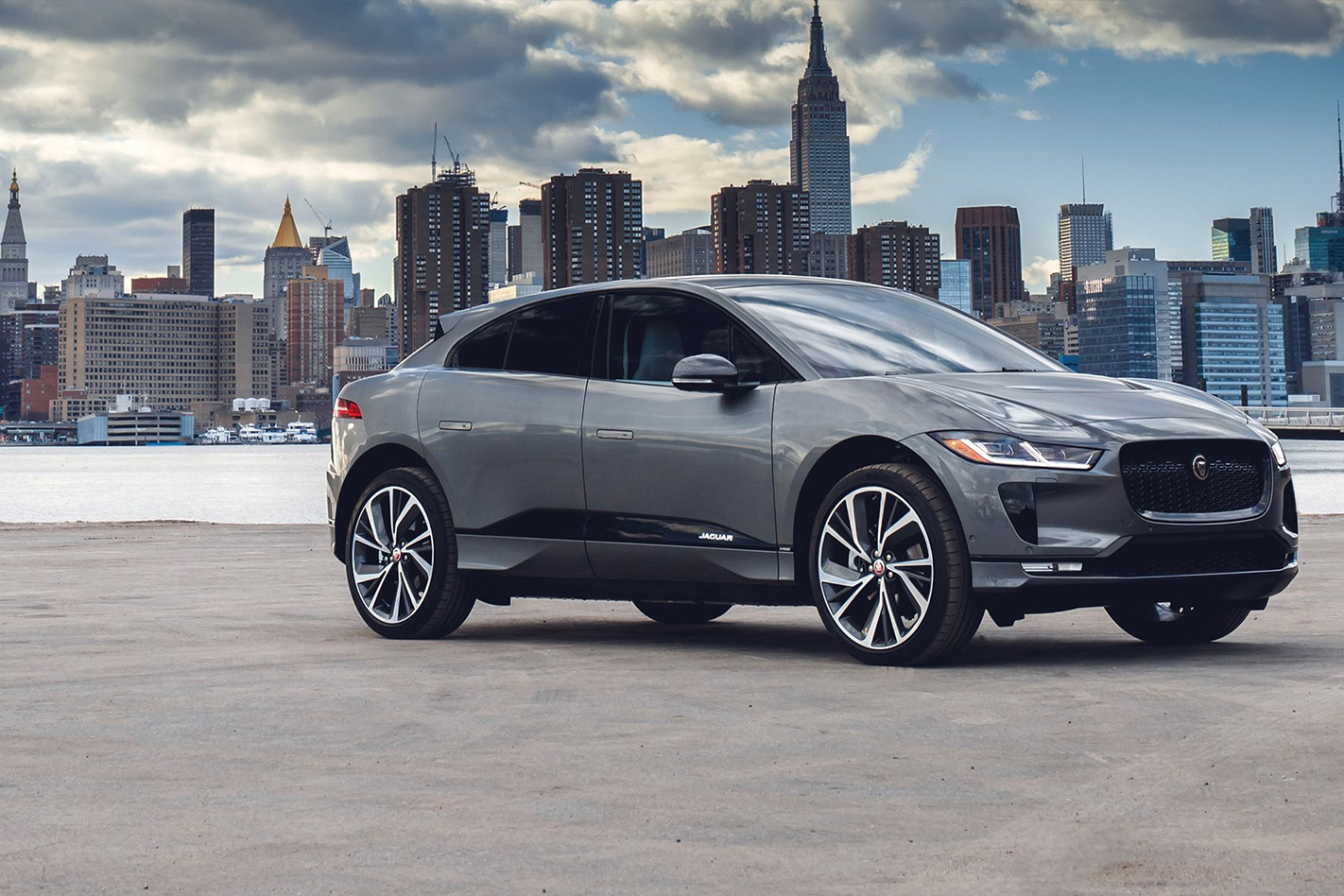
The World Car of the Year is selected by a jury of 82 journalists from 24 countries around the globe. To be eligible, a car must be sold in at least five countries on at least two continents.
Audi’s fully-electric e-tron is selected as a finalist, along with Hyundai’s hydrogen fuel cell-powered Nexo.
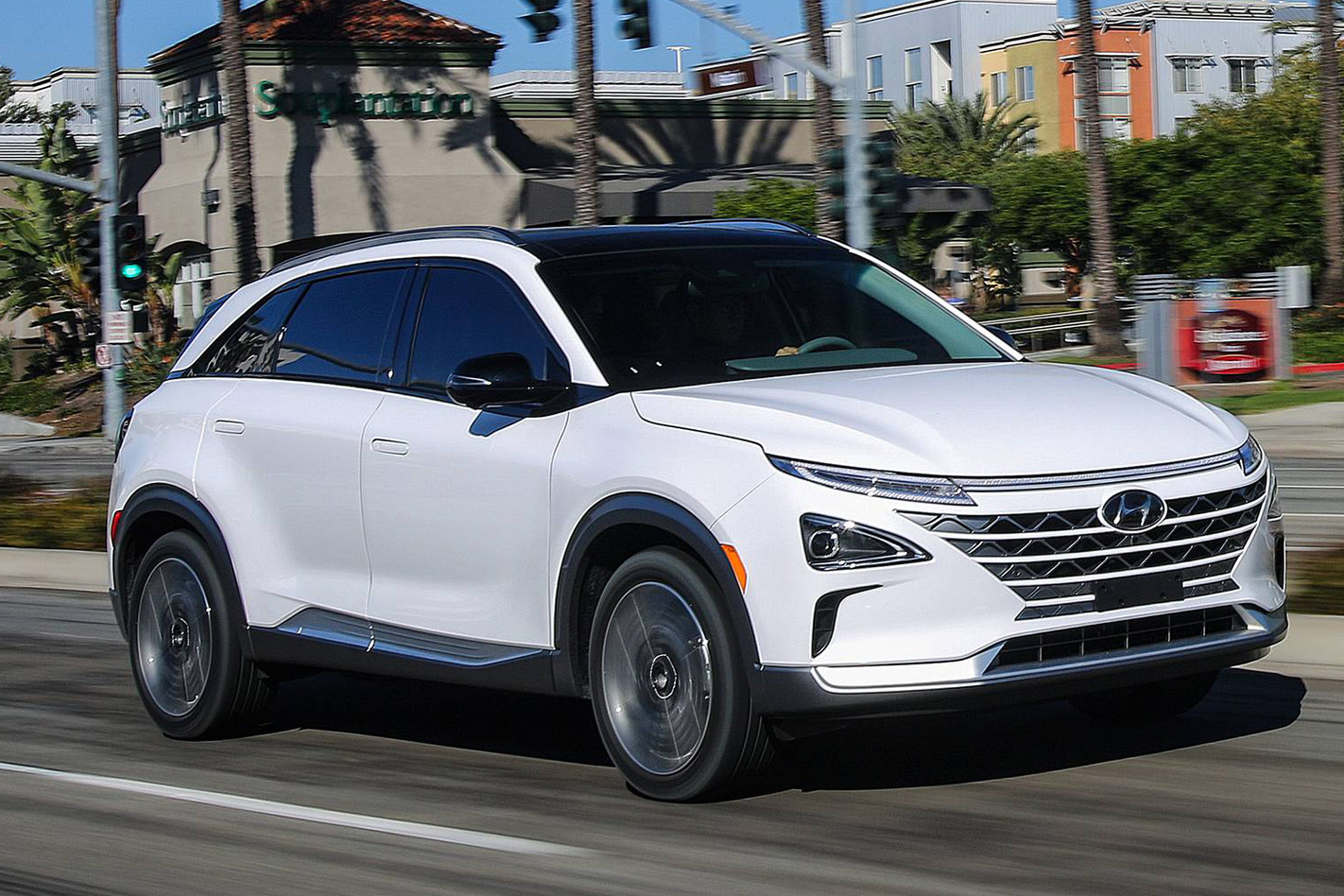
It’s not all sleek and cutting edge however, with the new Suzuki Jimny representing the decidedly old school among the finalists.
A full list of finalists, as well as the short lists for the urban, luxury, performance, green, and design awards is listed below.
Which car do you think should win World Car of the Year?
World Car of the Year finalists:
- Audi e-tron
- BMW 3 Series
- Ford Focus
- Genesis G70
- Hyundai Nexo
- Jaguar I-Pace
- Mercedes-Benz A-Class
- Suzuki Jimny
- Volvo S60/V60
- Volvo XC40
- Audi A1
- Hyundai AH2/Santro
- Kia Soul
- SEAT Arona
- Suzuki Jimny
- Audi A7
- Audi Q8
- Mercedes-Benz CLS
- Mercedes-Benz GLE
- Volkswagen Touareg
- Aston Martin Vantage
- BMW M2 Competition
- Hyundai Veloster N
- McLaren 720S
- Mercedes-Benz AMG GT 4-door Coupe
- Audi e-tron
- Honda Clarity Plug-In Hybrid
- Hyundai Nexo
- Jaguar I-Pace
- Kia e-Niro
- Citroen C5 Aircross
- Jaguar E-Pace
- Jaguar I-Pace
- Suzuki Jimny
- Volvo XC40
Though still a few months away from its official launch, Toyota Australia has announced that its all-new RAV4 mid-size SUV will arrive with an 11-strong lineup and plenty of electronic safety features as standard.
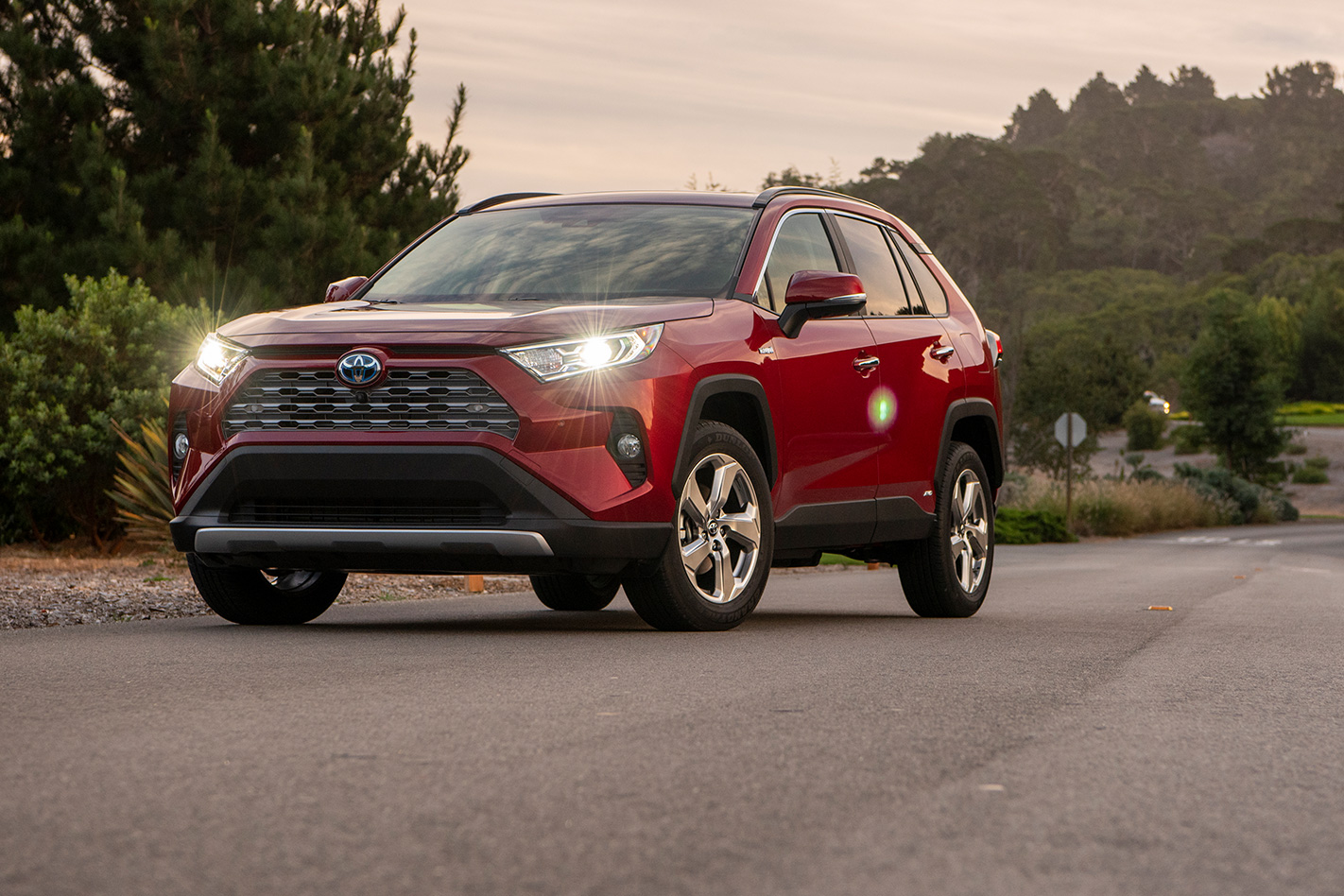
Due to go on sale in the second quarter of this year, the 2019 Toyota RAV4 range will be spread across four grades – entry-level GX, mid-spec GXL, range-topping Cruiser and a new addition, the ‘outdoorsy’ RAV4 Edge.
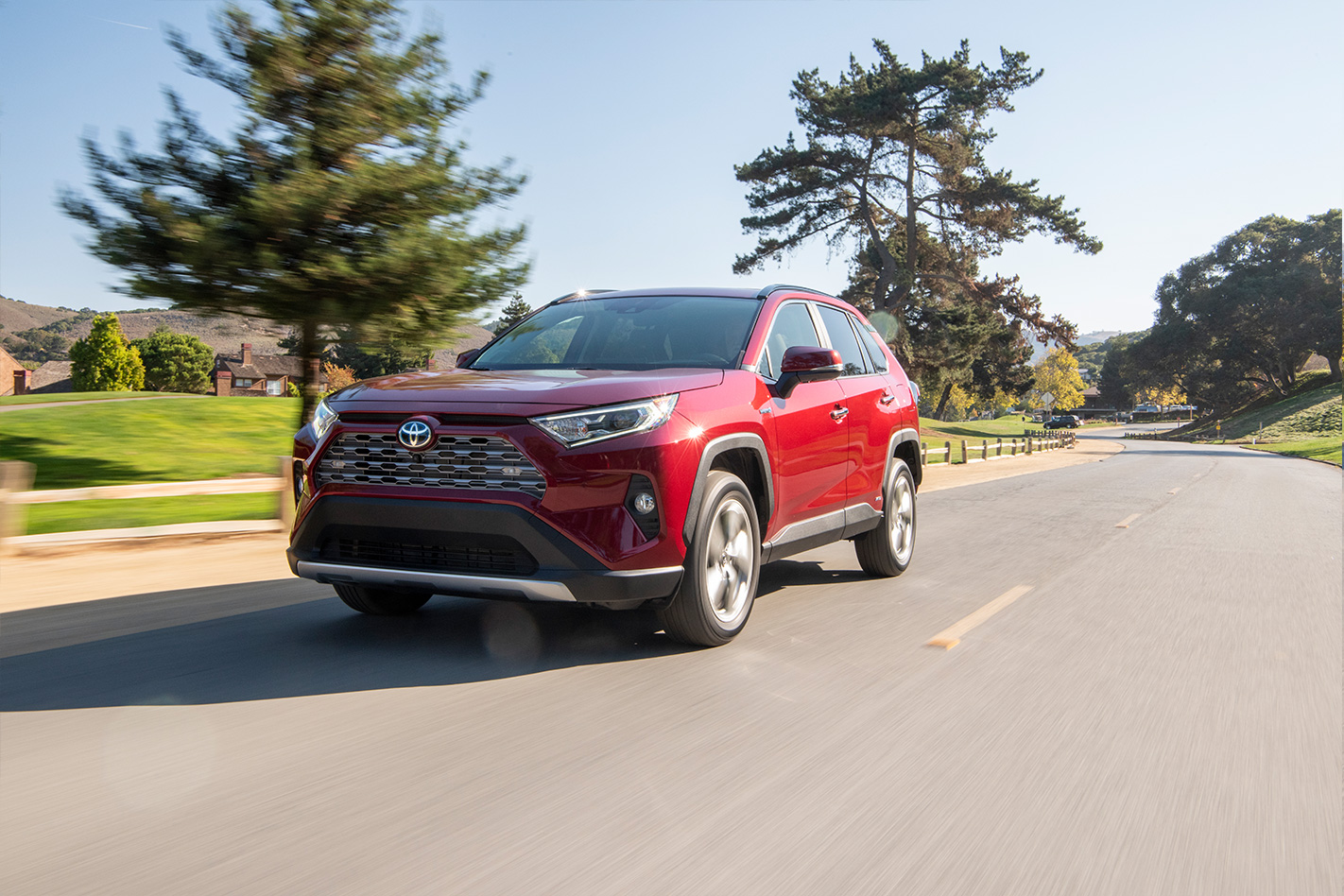
As we reported late last year, the diesel option disappears from the RAV4 family for good, instead replaced by a 155kW/221Nm 2.5-litre petrol-electric hybrid powertrain that will be available in every grade bar the RAV4 Edge.
The hybrid option will be available in either front-wheel drive or electric all-wheel drive configuration.
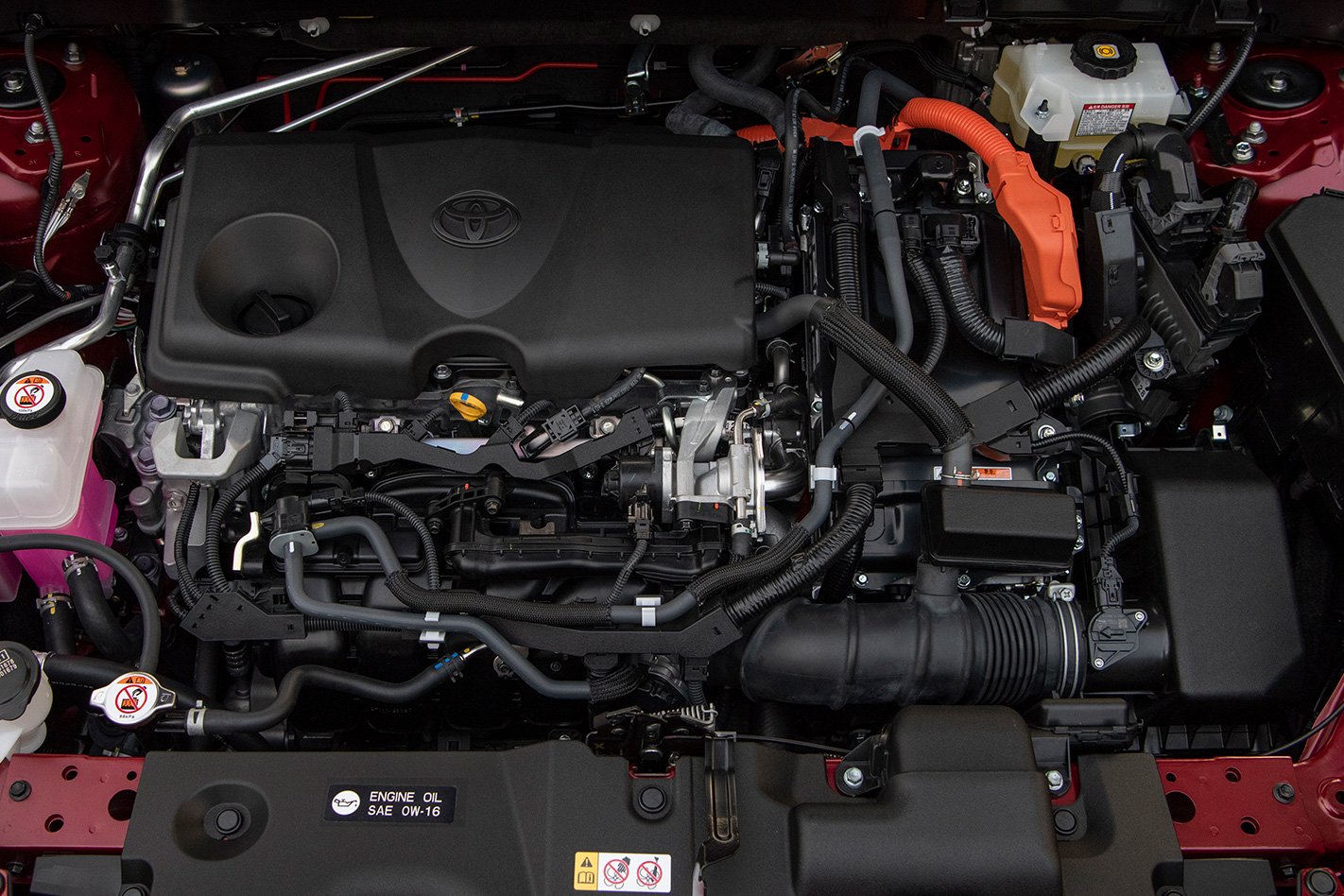
A conventional 2.0-litre petrol powerplant with 127kW/207Nm is also available for the GX, GXL and Cruiser grades, with the base GX offering the option of a six-speed manual as well as the CVT automatic that’s standard in all other variants.
Meanwhile the RAV4 Edge is powered exclusively by a 152kW/243Nm 2.5-litre and takes power to all four wheels via mechanical all-wheel drive as standard – and boasts some offroad-friendly body cladding and other styling changes to project a more rugged image.
Here’s a more clear-cut breakdown of the RAV4 range structure in case all that didn’t make sense:
- RAV4 GX 2.0-litre manual FWD
- RAV4 GX 2.0-litre automatic FWD
- RAV4 GX 2.5-litre hybrid automatic FWD
- RAV4 GX 2.5-litre hybrid automatic AWD
- RAV4 GXL 2.0-litre automatic FWD
- RAV4 GXL 2.5-litre hybrid automatic FWD
- RAV4 GXL 2.5-litre hybrid automatic AWD
- RAV4 Cruiser 2.0-litre automatic FWD
- RAV4 Cruiser 2.5-litre hybrid automatic FWD
- RAV4 Cruiser 2.5-litre hybrid automatic AWD
- RAV4 Edge 2.5-litre automatic AWD
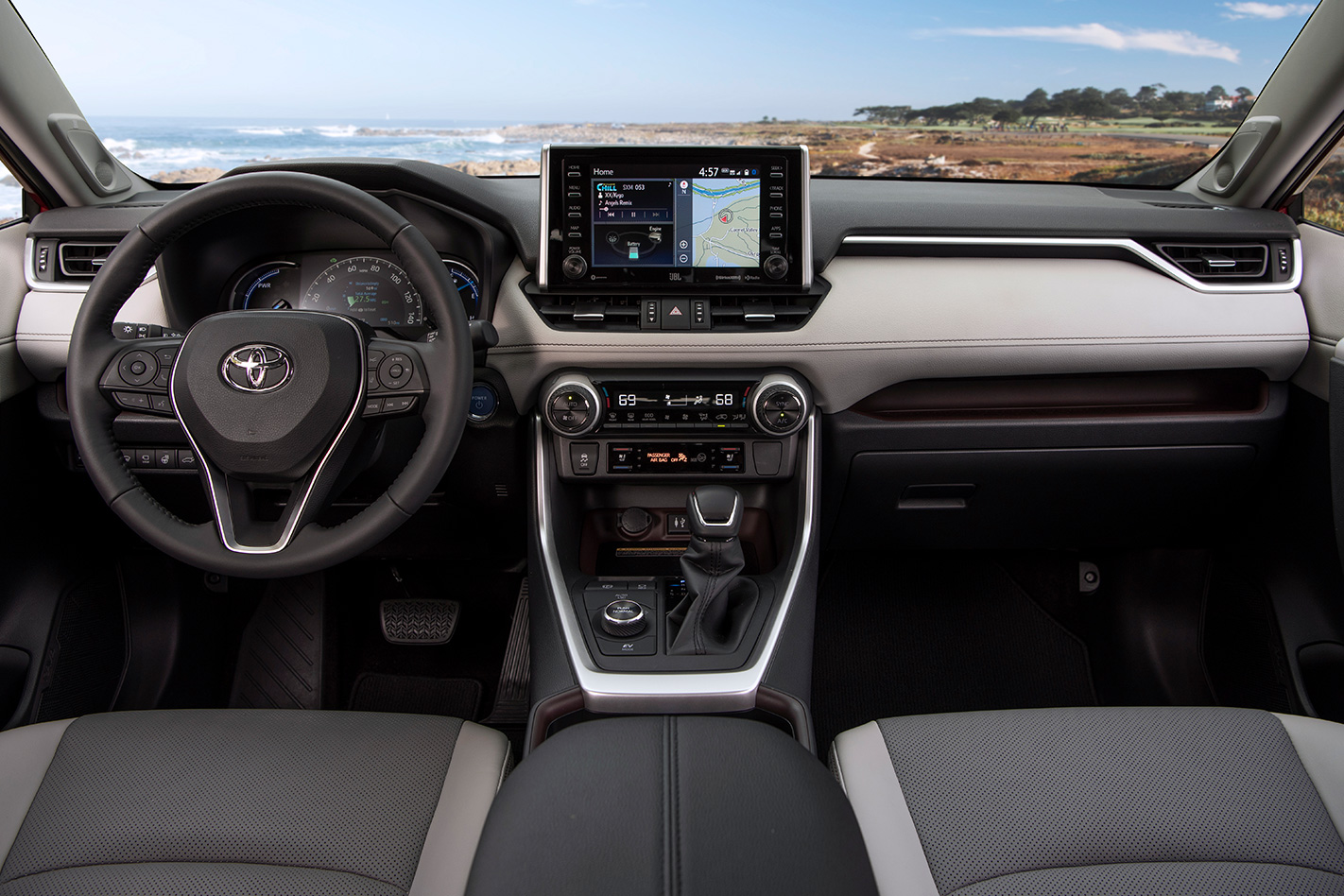
However, no matter which variant you select you’ll at least get to enjoy a healthy level of standard safety equipment, with autonomous emergency braking (which can also detect pedestrians and cyclists), lane departure warning, automatic high beam, blind spot monitoring, rear cross traffic alert, front and rear parking sensors and a reversing camera all built into every RAV4.
Plus, all variants equipped with an automatic transmission (which is all of them except the cheapest GX grade) also score lane keep assist and active cruise control, bringing a smidge of self-driving smarts to the 2019 RAV4.
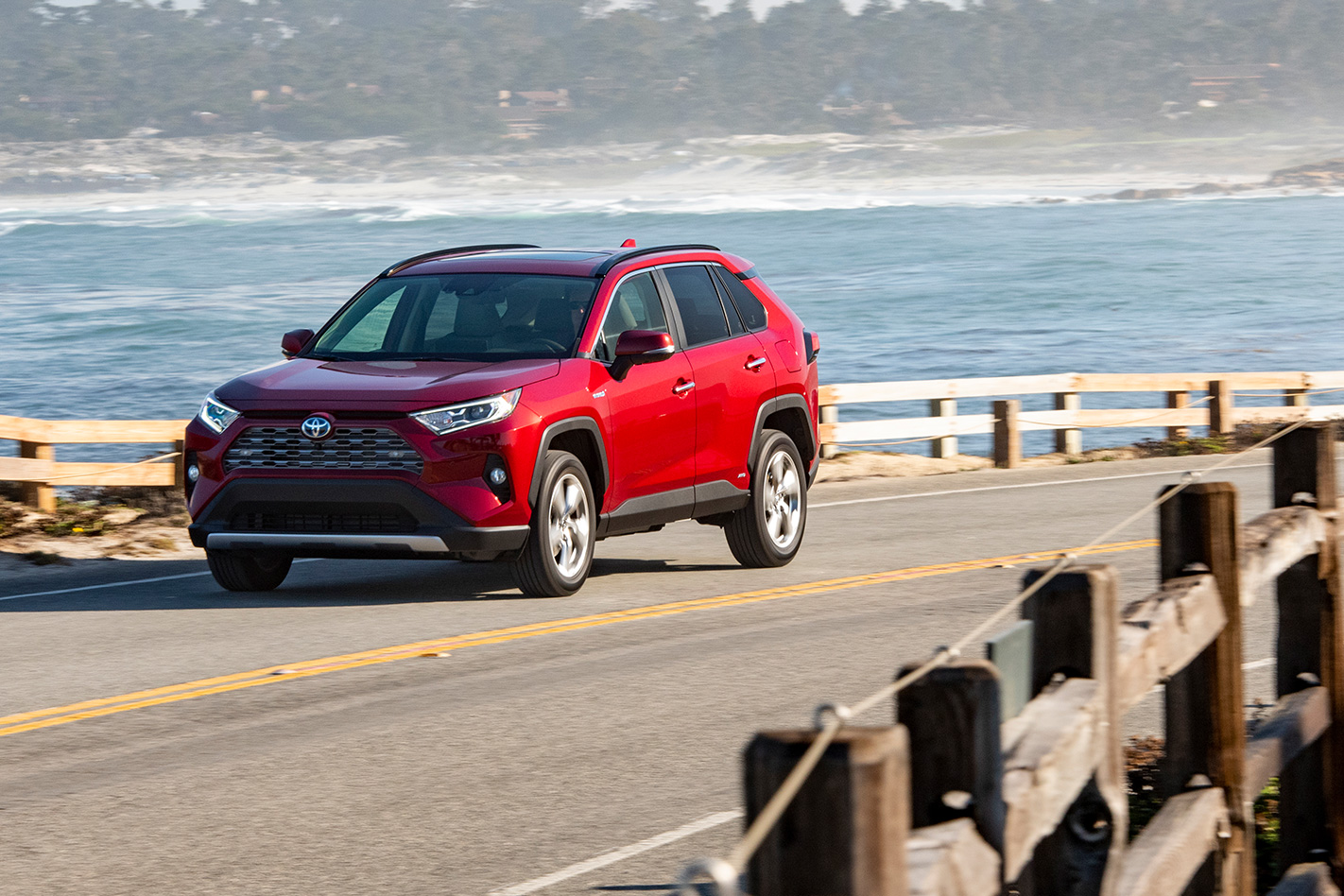
Full details have yet to be announced, along with pricing. Expect to hear more as we draw nearer to the 2019 Toyota RAV4’s local launch in the second quarter of this year.
Mazda is adding a whole new model to its SUV line-up that’s expected to fill the gap between the Mazda CX-3 and Mazda CX-5.
The Japanese carmaker has released a teaser shot of the new model, ahead of its Geneva Motor Show reveal next month, which features a low rear roofline that suggests it could be a coupe-styled mid-sized SUV similar to the BMW X4.
Its place in the line-up suggests it could be wear the CX-4 badge, or possibly the CX-6. As it happens Mazda already has a fastback medium SUV dubbed the CX-4, which is a China-exclusive model based on the CX-5 and not for global consumption. The Geneva-bound SUV, however, will be a properly global model.
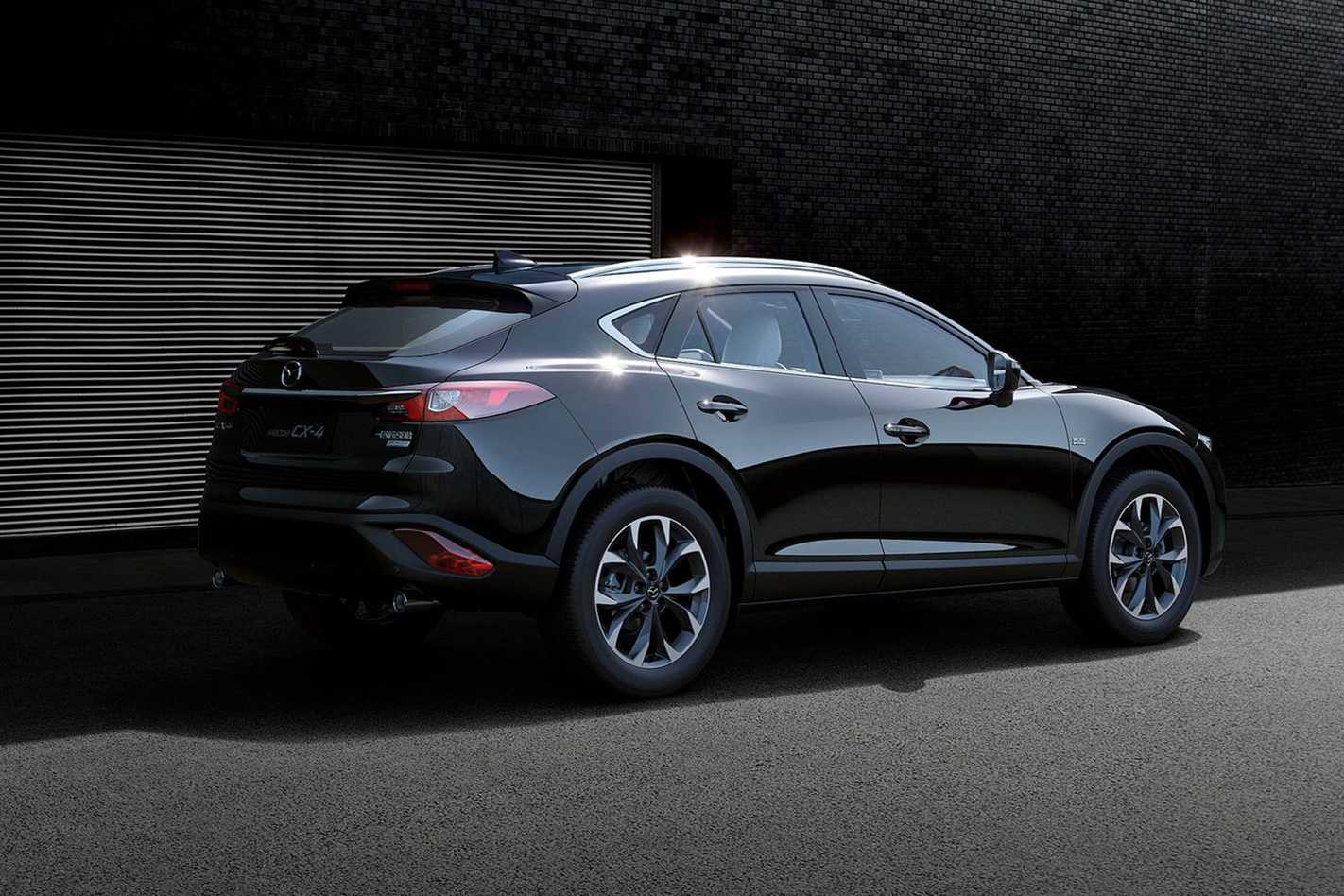
It will also be an all-new generation vehicle, built on Mazda’s new-generation Skyactiv architecture that underpins the recently revealed fourth-generation Mazda 3.
The second of Mazda’s new-generation models, the new addition to Mazda’s SUV family will share the 3’s striking Kodo design language, as evident by the circular LED tail-light signature as shown on the otherwise vague teaser pic.
It will also have the latest Skyactiv powertrains including the highly efficient supercharged Skyactiv-X engine, which adopts a unique combustion method to combine the free-revving power of a petrol engine with diesel-like torque and economy.
Mazda Australia is still tight lipped over if or when the new SUV will arrive in Australia, but even the most conservative punter would place a few quid on it joining its broad SUV line-up alongside the Mazda 2 based CX-3 crossover, the mid-sized CX-5, and the CX-8 and CX-9 seven seaters.
