
On-air: Channel Ten, Feb 10 (AU) / Feb 17 (NZ)
Catch-up: Watch at tenplay.com.au (AU) or primetv.co.nz (NZ)
Following on from Wheels Car of the Year, it’s Motor Magazine’s turn in the limelight as we go behind the scenes at Performance Car of the Year.
The team takes us through the gruelling process on road and at the track to find Australia’s best driver’s car. Meet the judges, the 2019 line-up and find out just what it takes to choose a winner. Whoever is the victor, you can be certain of lots of hot air, burnt rubber and serious fun.
While Motor is thrashing it out on Australian asphalt, Noelle takes to the desert sands of North Africa to meet the new Volkswagen Touareg … and a camel. Join Noelle as she pushes the big SUV through some terrain it’s unlikely to ever meet on the school run, but it’s nice to know you can, right?
To some, it’s a boxy old 3 Series BMW that looks a bit odd with its 15-inch wheels and sky-high ride height. But, for those who remember Group A touring cars, or know high-performance 1980s road cars, then this little square German two-door sedan is seriously desirable.
This feature was originally published in MOTOR’s April 2013 issue
Launched in 1982, the second-generation 3 Series was a hit from the outset. With the wide range of drivetrains, body styles and trim levels, it won more hearts with great dynamics and — in the case of the 323i — a fair bit of grunt, too.
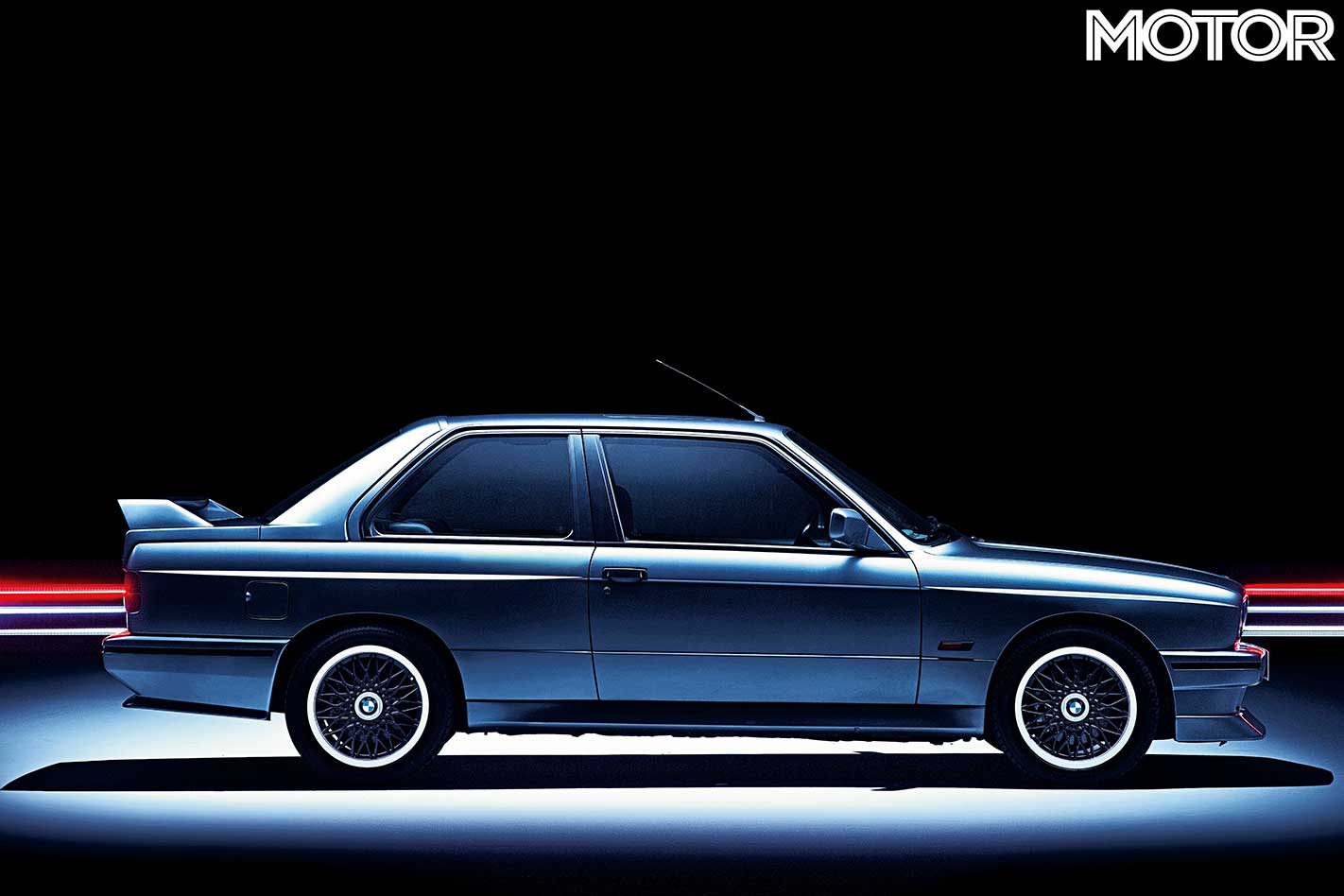
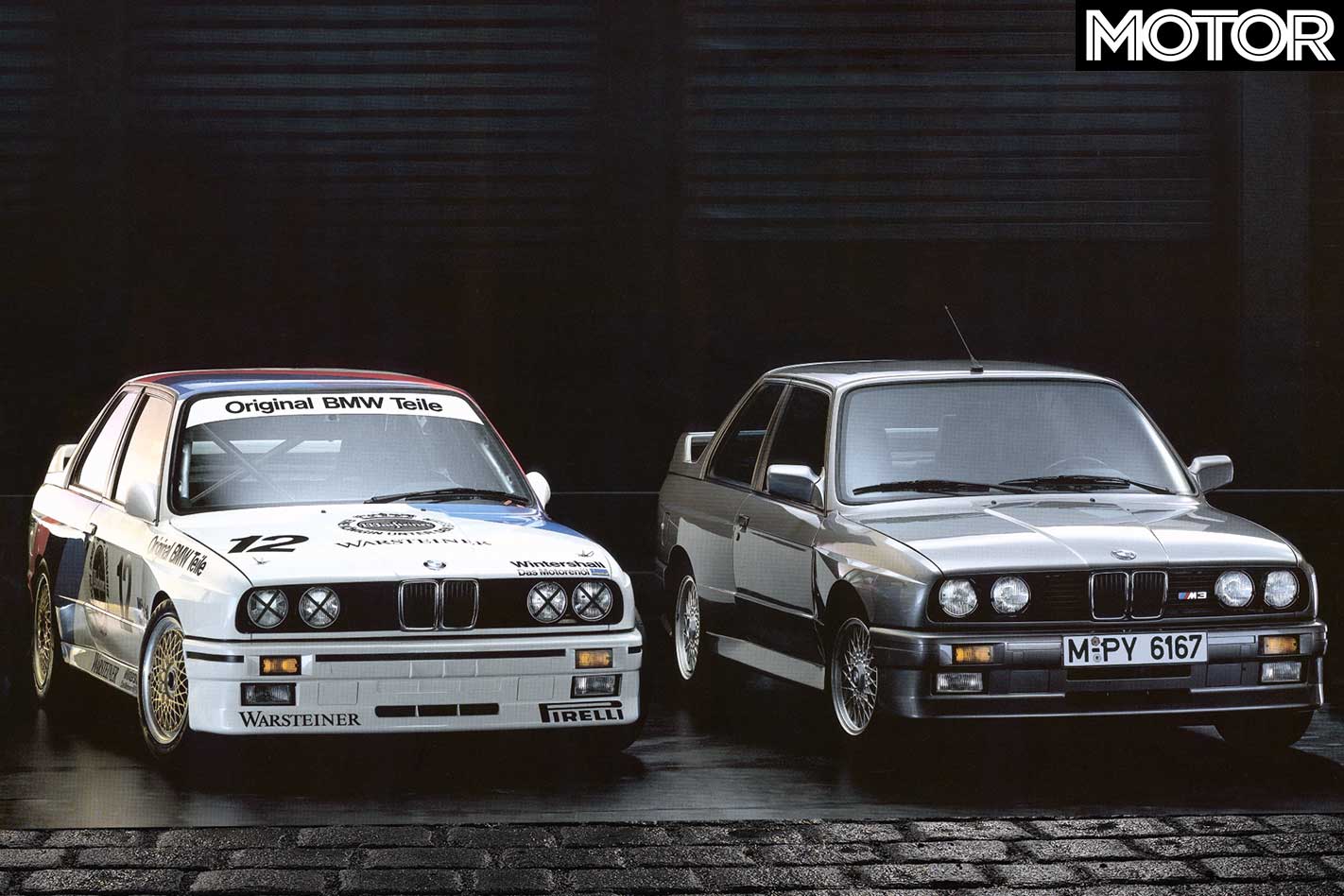
They didn’t muck around. The bonnet and roof are the only body panels an E30 M3 shares with a regular two-door E30 BMW. There were 12 unique body alterations made to the E30’s shell. For example, the boot-lid and rear windscreen profile were changed for aerodynamics, the front bar widened and deepended, while all four guards were boxed and flared to house much fatter race rubber and the wider track.
It wasn’t just cosmetic, as the E30 M3 runs unique five-stud suspension, over the regular E30’s four-stud set-up. The M-car retained the trailing arm set-up in the rear, but scored a beefier front-end. There were E28 5 Series wheel bearings and caliper mounts, and the strut bodies were enlarged for beefier dampers. The swaybar end link was also moved from the control arms to the strut body.
The control arms were also changed to lightweight aluminium units, fitted with an offset solid rubber bush to give more caster angle.
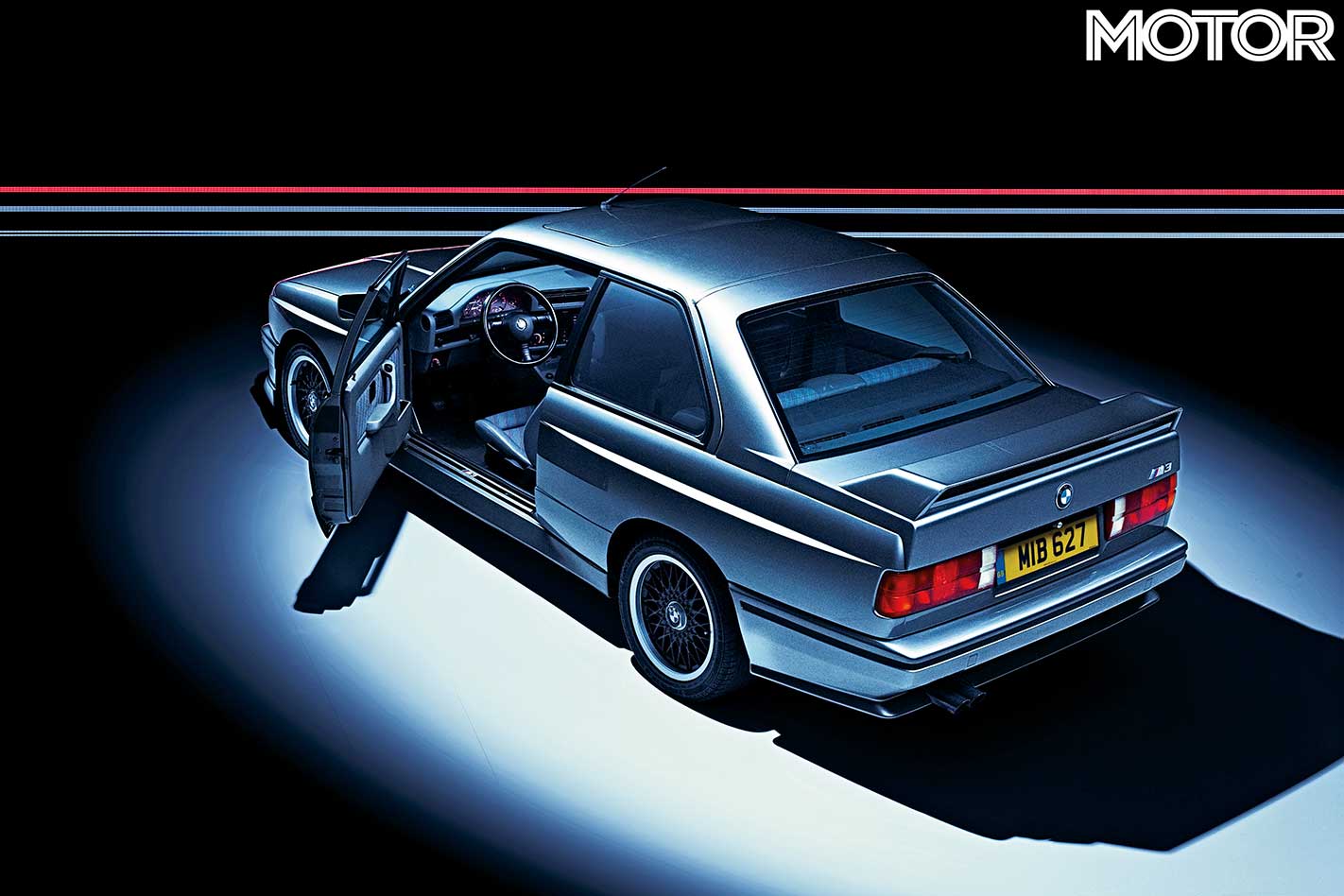
While the body featured plastic bumpers (like the Series II E30), the M3 retained the slimmer taillights of the earlier chrome-bumpered model. Despite the Frankenstein mixing and matching of body parts, the fat box guards, sleeker roofline and squat proportions mean it is one of the best looking homologation specials from the mid-’80s.
Under the bonnet, M Sport took the radical approach of ditching the M20 straight-six for a four-cylinder to improve steering feel and accuracy. However, it wasn’t the SOHC, low-revving 1.8-litre the 318i had to deal with.
M Sport took a bare M10 four-cylinder block, bored it out and reinforced it in similar fashion to their existing M88 straight-six (found in the M1, M5 and M635CSi). They also shortened the four-valve, DOHC cylinder head from the M88 by two pots and fitted that to the new four-cylinder, before slapping a name on it: S14B23.
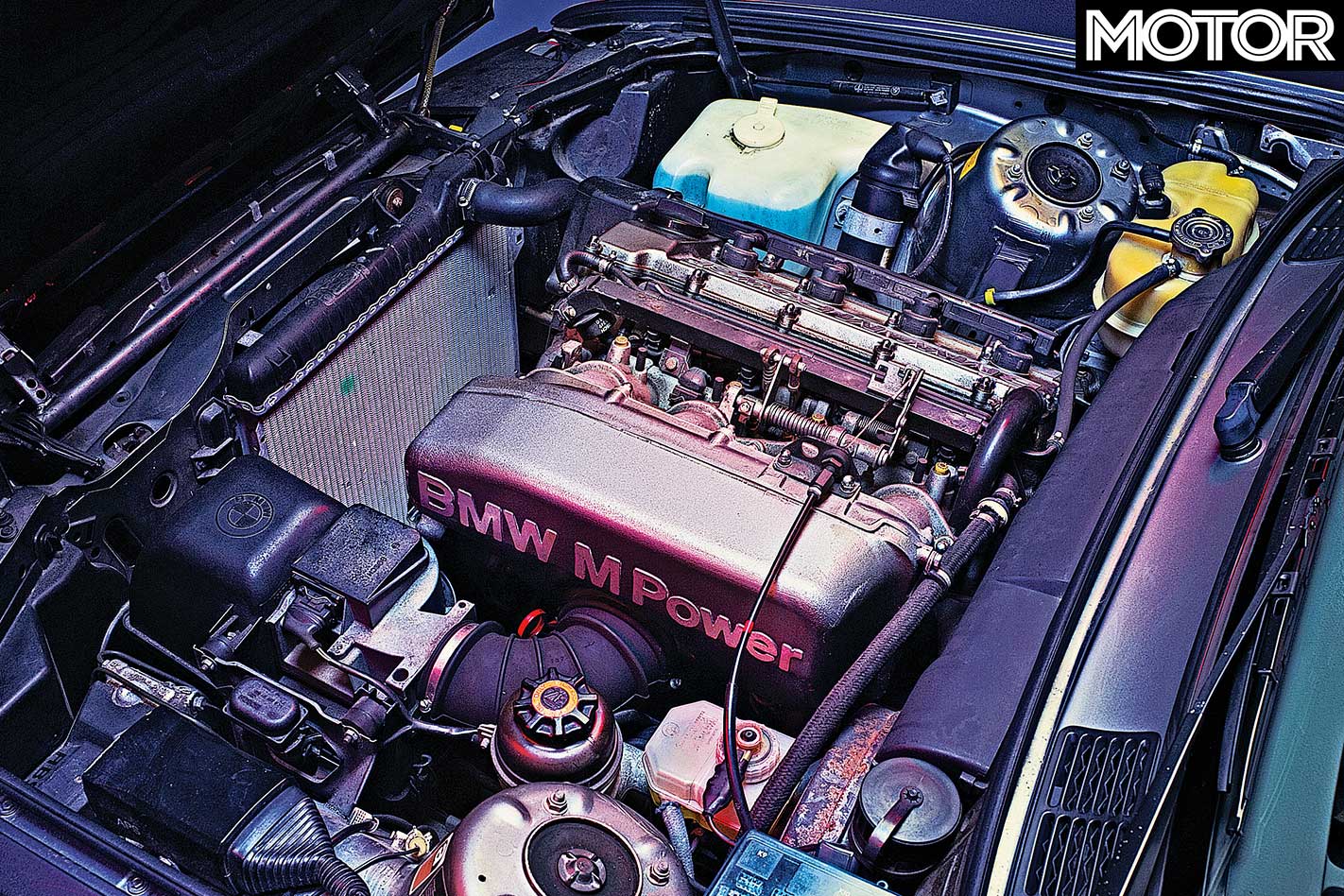
The 2.3-litre S14 also scored individual throttle bodies and a timing chain, rather than the timing belt regular E30s dealt with. Early motors made around 143kW (147kW for the non-catalytic converter-equipped models.).
While that doesn’t sound like a whole heap of power, the heaviest variants of the regular M3 (not including the rare convertible) tipped the scales at 1300kg. Nearly 150kW in a lightweight package with taught handling, sharp steering and rear-drive balance made for a car that just begged to be belted.
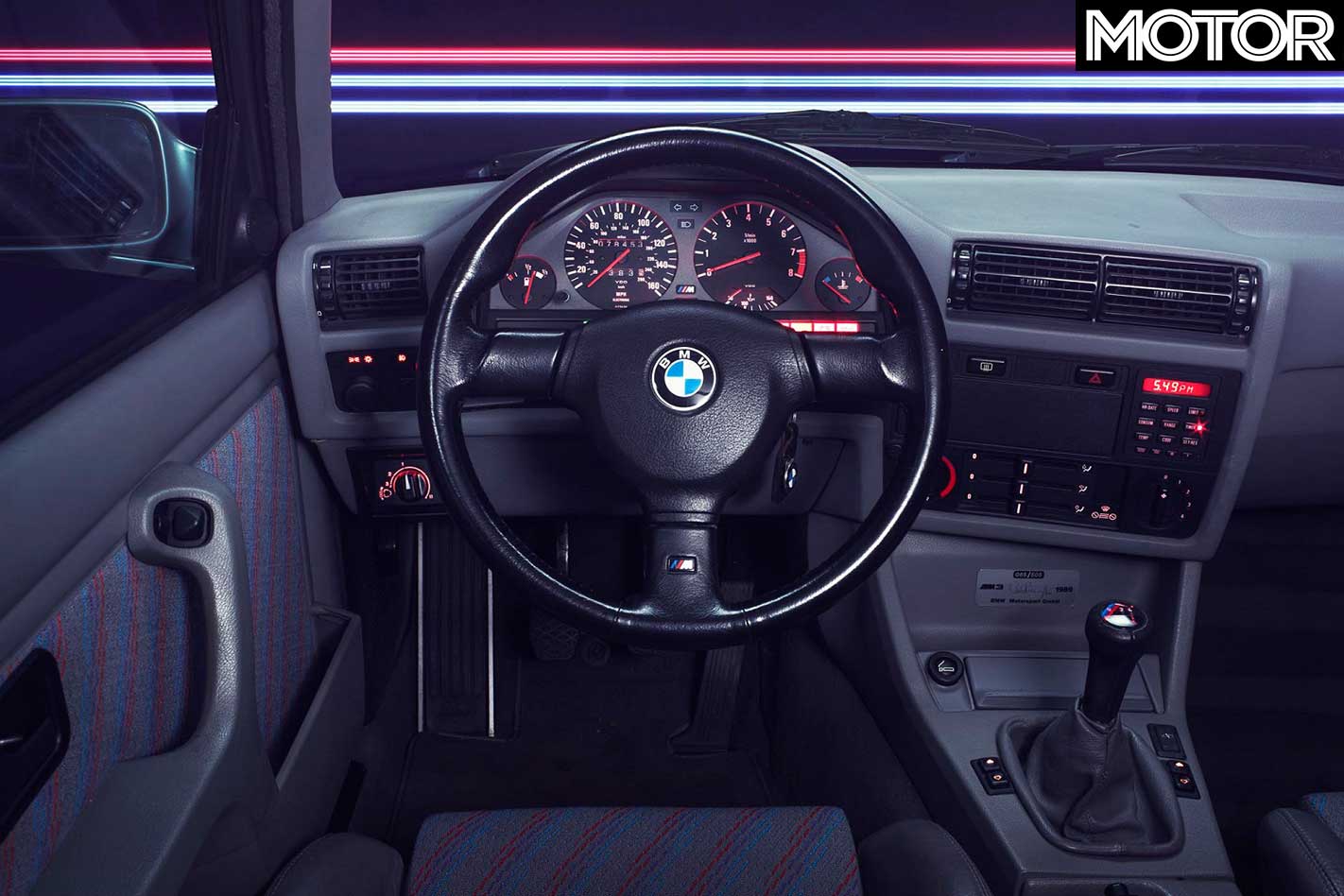
At the time, a road-going M3 was almost a sleeper… for those countries fortunate enough to drive on the wrong side of the road. Unfortunately for Australia, BMW never saw fit to make a right-hook E30 M3, meaning that the far tamer 325iS was the hottest E30 we could get our hands on.
Overseas, America scored lower-spec M3s fitted wtih catalytic converters and an overdrive transmission, while Europe scored the infamous dog-leg gearbox (with first gear where 2nd normally resides).
With companies like Prodrive and AC Schnitzer running the cars in both rallying and touring car racing, the E30 M3 soon made a name for itself against the Mercedes-Cosworth 190E 2.3-16v, Ford Sierras and Alfa Romeos, seeing action in Aussie, German, British, Belgian, French, and Italian touring car racing in the hands of some of the best tin-top drivers of the day.
Championship wins included our ATCC (by Jim Richards in the JPS car), as well as Germany’s DTM, the British Touring Car Championship, European Touring Car Championship and the one-off World Touring Car Championship in 1987, plus multiple consecutive Nürburgring and Spa 24 hour races.
But, as the Group A class attracted new manufacturers and more powerful turbocharged machinery, BMW had to stay on their toes. To keep up, Evolution models were released. Initially they fattened the intake cam profile, increased the exhaust cam duration, bumped up the compression ratio and worked out a more efficient cylinder head intake port layout.
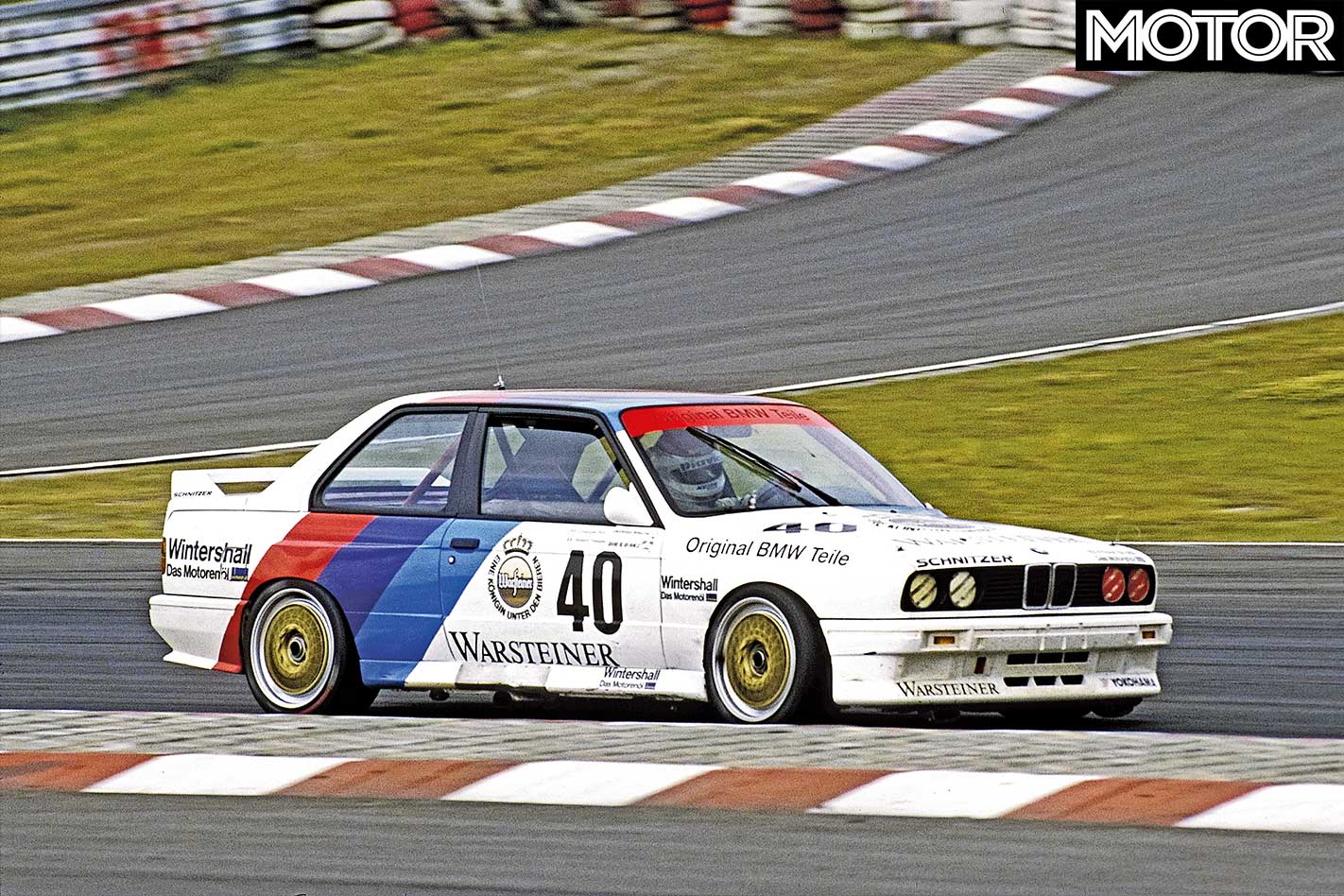
With freer-flowing headers, the little atmo four-pot made an impressive 160kW. The Evo 1 and II grew wheel size from 15×6-inches up to 16×7.5, scored lighter rear and side glass, a lighter bootlid, and a deeper front spoiler.
On the tail of the M3’s race track success, BMW released several special editions — Europa, Ravaglia (named for touring car driver Roberto Ravaglia), Cecotto (after touring car driver Johnny Cecotto) and Europameister — based off Evo I and Evo II models. They featured different trim and body colour combinations, but were mechanically standard Evos.
The last upgrade, and arguably the best, was the Sport Evo (aka Evolution III). To match the race car’s new 2.5-litre motor, the road car also copped a bump in capacity. Super-rare with less than 600 made, the Sport Evo also scored higher lift cams, fatter front bumper, adjustable splitter and rear wing, brake cooling ducts and much more. It was able to stomp out a not-inconsequential 177kW — or 50kW more than a 5.0-litre VL Commodore of the same era.
While that may be impressive, power for the last Group A E30 M3s was thought to be around 200kW, though by the end of the E30’s run in 1992 that was less than half of what the turbocharged GT-Rs and Sierras were producing.
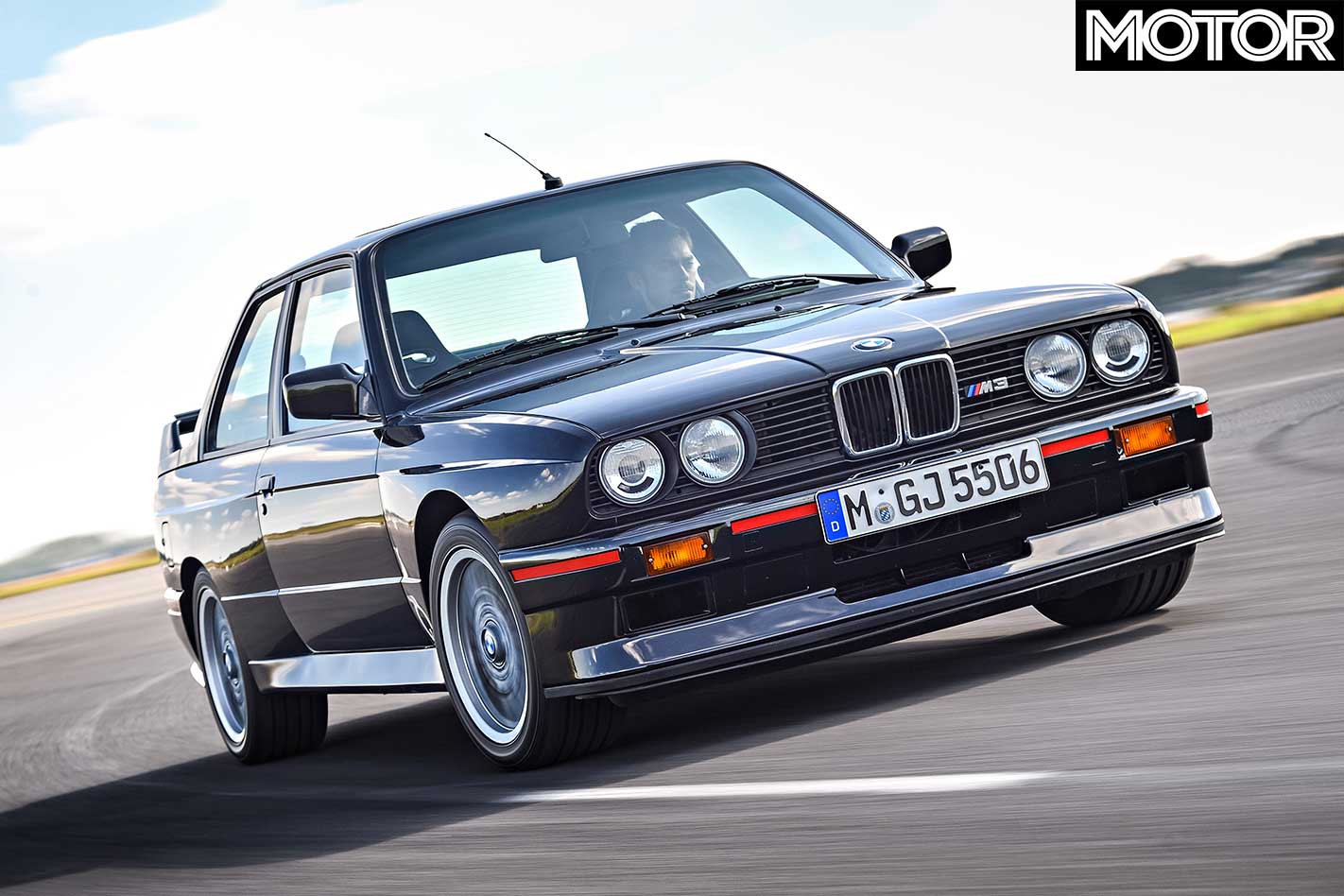
There were also 786 convertibles produced (including one Sport Evo convertible), but they were heavier and slower than the coupes, and never won anything except a free perm from your local Vidal Sassoon.
While we missed out on the original run, the rise in private imports in the early-2000s opened the door for many Aussie fans to get their hands on an E30 M3. Though the right-hook conversion wasn’t as straight-forward as you’d initially think (being that plenty of right-hand drive E30s were sold in Oz), the reward is that it’s rare to see a butchered conversion these days.
As cars have been raced, crashed or thrashed over the years, rarity is starting to cause values for some models and specs to rise. And who doesn’t want to pretend they’re Jimmy Richards in that JPS race car, blasting over Skyline at 9000rpm?
The Good
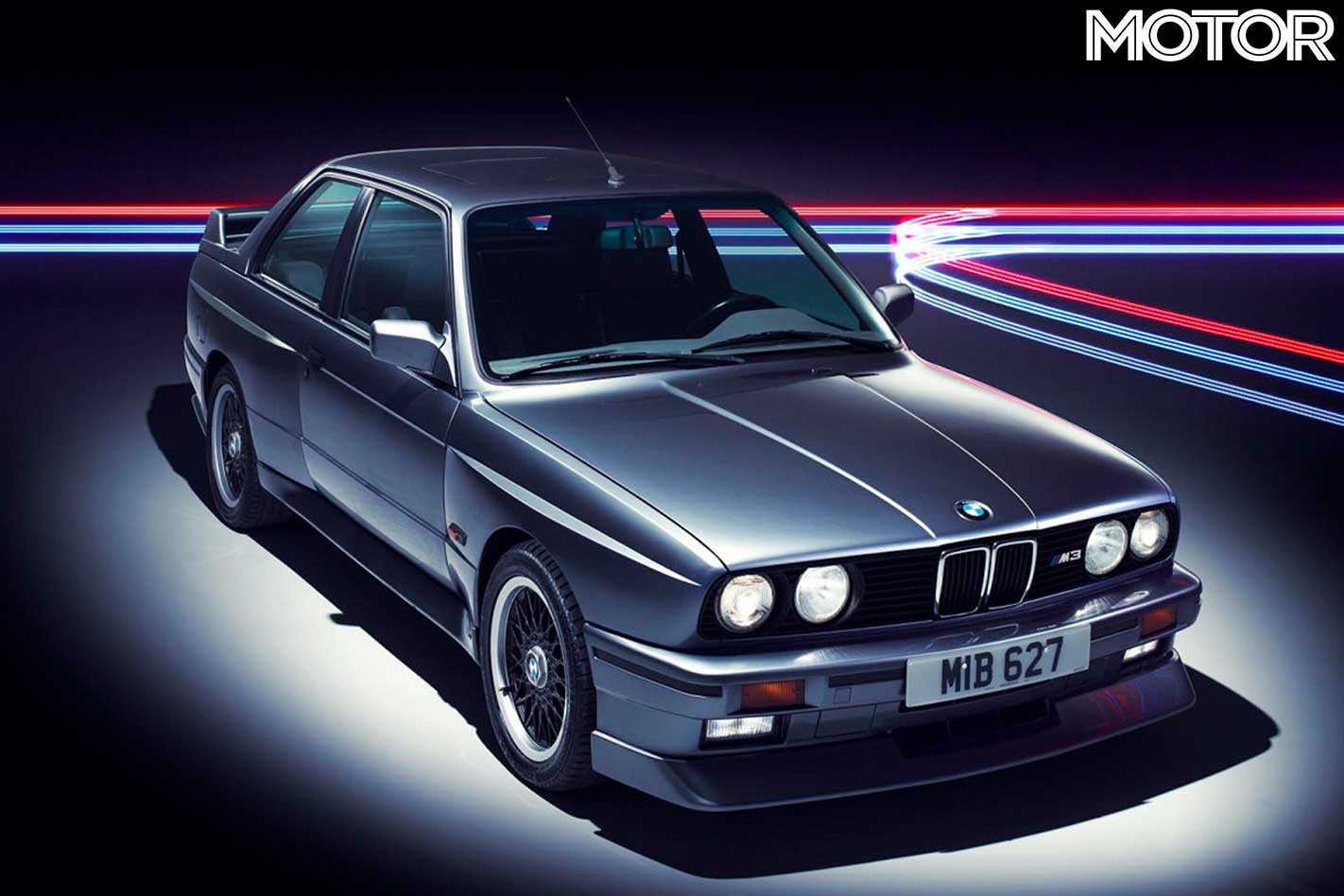
1 – The 2.3 is good, but the 2.5 Sport Evo’s motor is epic – a screaming, wailing example of engineering excellence 2 – The M3’s guards and roof give it an awesome stance, especially in slammed race-spec on fat wheels 3 – It is the four-wheeled definition of ‘visceral’. Engaging and entertaining, it is pure driving joy
The Bad
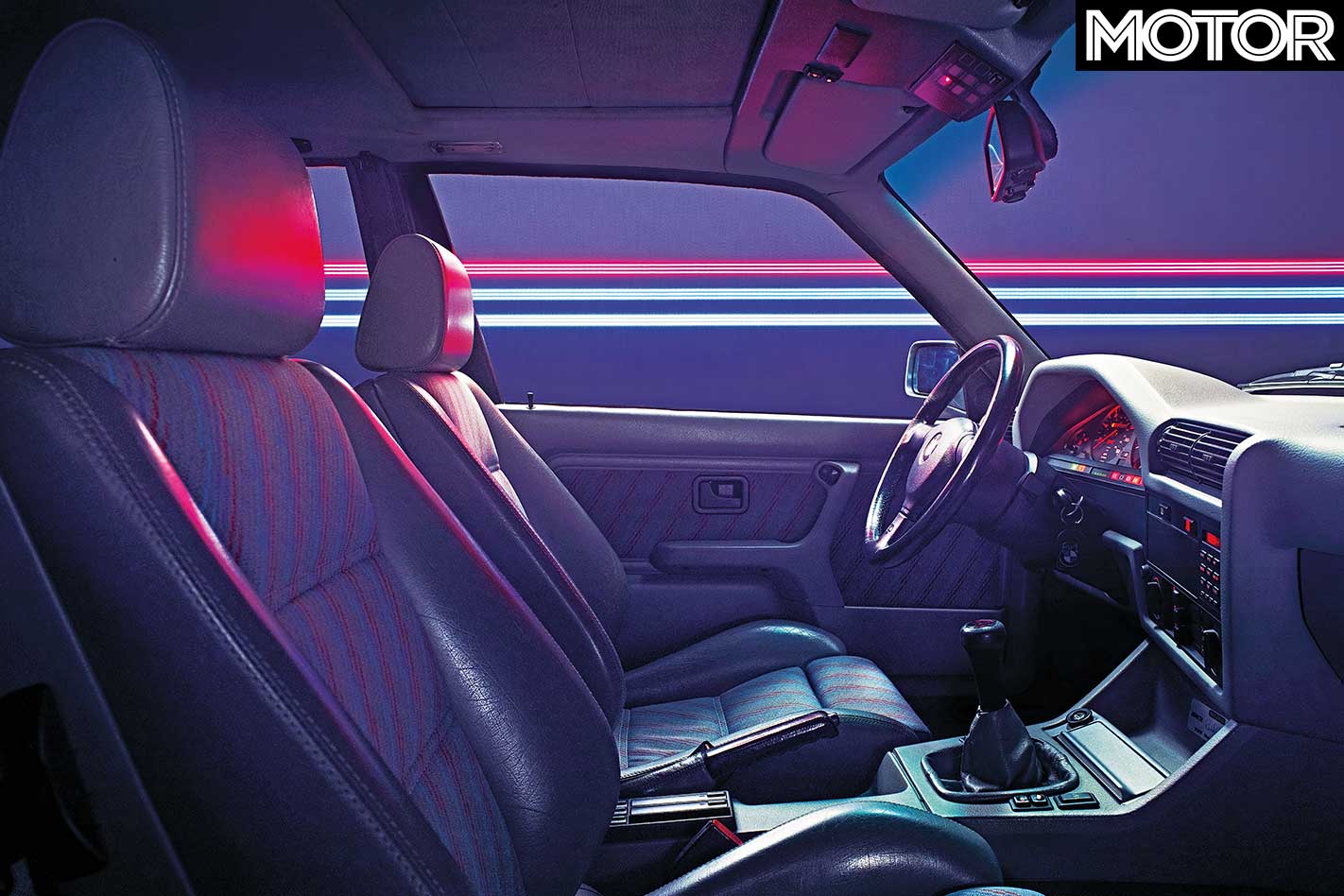
1 – It isn’t until you get into an E30 M3 that you realise just how old they are, and how old they feel 2 – You can’t get away from the fact that E30 M3s just aren’t what you’d consider a fast car these day 3 – Buy a shabby E30 M3 and you’ll hate life. Rust, wiring problems, engine rebuilds that’d bankrupt a Packer…not fun.
Chop n’ Shop
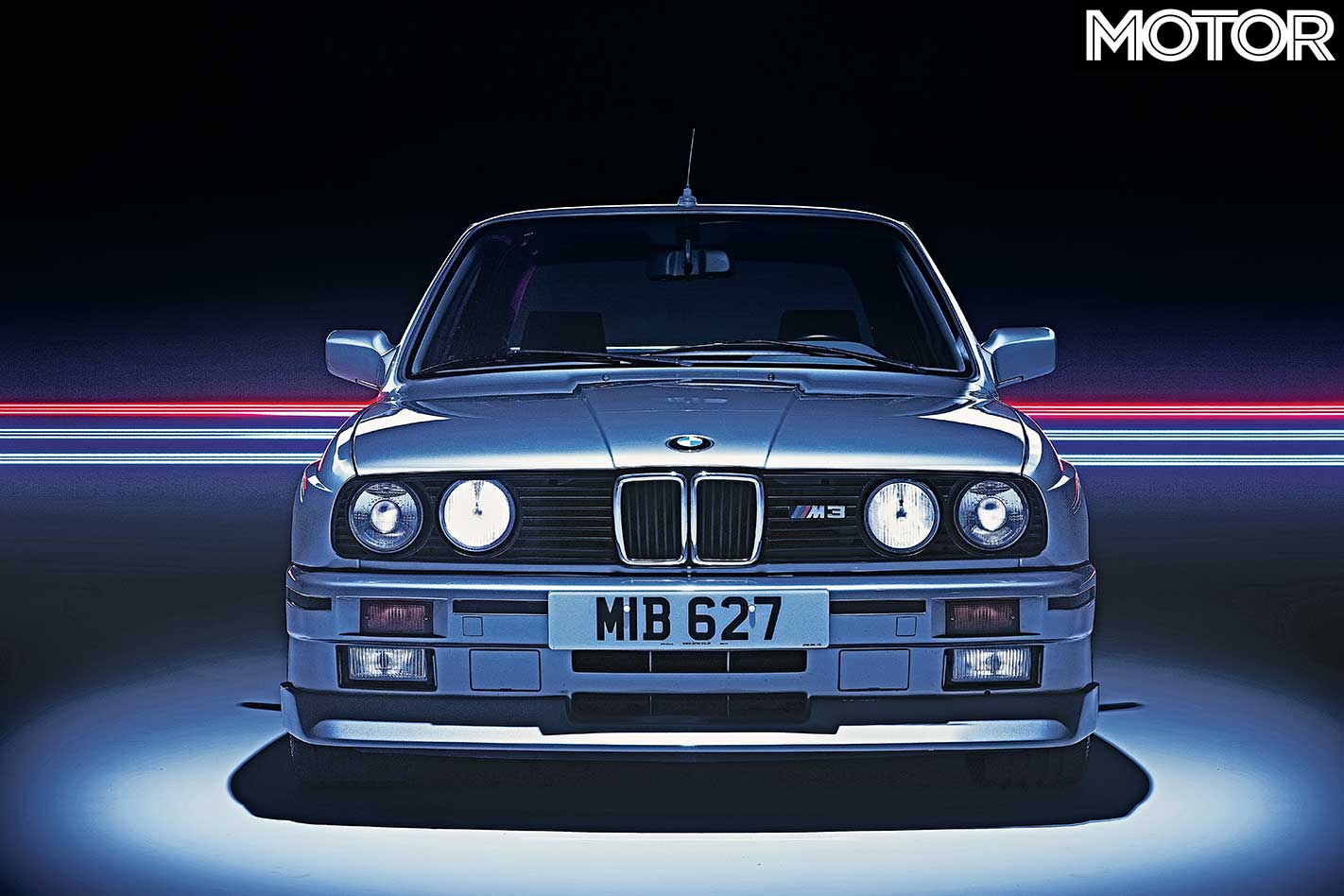
Many would consider modifying an E30 M3 to be tantamount to sacrilege. However, as a homologation car, they were actually designed to be fettled for improved performance (just like WRXs, R32 GT-Rs, Evos and the like).
Aftermarket suspension, big brake kits, engine components and wheels and tyres are all easily sourced to turn a stock M3 from a fun weekender into a serious track (or street) weapon. On top of this, there is a huge number of aesthetic upgrades for the little BMW, from carbonfibre body panels to seat upgrades, different steering wheels, carbon door trims and much, much more.
The hardcore Europeans and Americans even go so far as to swap different drivetrains into the M3, in the hunt for straight-line speed. Turbocharged and supercharged E36-generation straight-six motors (known as S50B30 and S50B32) are an easy addition, while the E46’s S54B32 3.2-litre in-line six is much harder to fit, but is possibly the best BMW six to pick.
The crazy tuners don’t stop there, though. There are quite a few Chevrolet LS1-powered E30 M3s (due to the engine’s compact size and light weight), along with 300kW 5.0-litre V8 versions from the E39 M5 (known as the S62B50) and even 5.0-litre, 375kW, 8250rpm V10 (S85B50) engine swaps.
Pushy salespeople and insufficient test-drive opportunities are among the main complaints expressed by Aussie new-car buyers, according to a customer satisfaction survey.
The J.D. Power 2018 Australia Sales Satisfaction Index (SSI) Study rated Australia’s most popular vehicle brands for showroom customer satisfaction, based on dealer sales consultants, delivery process, dealership facilities, working out the deal, paperwork completion, and dealership website.
Holden and Mazda stood out above their main rivals with 822 points out of a possible 1000, with Kia (791), Subaru (791), Mitsubishi (787) and Hyundai (784) falling below average.
One of the main reasons for points being deducted across all brands was due to almost half the surveyed buyers feeling the new-car experience was soured by a lack of any special ceremony taking place during handover.
According to JD Power – which is a global consumer insights and analysis firm – providing acknowledgement of the buyer via a special ceremony enhances customer satisfaction and makes it more likely that they’ll ‘definitely’ recommend the dealership to friends and family.
And with cars gaining more and more active safety and infotainment technology during the past three years, it’s imperative that customers drive away knowing what features their car has and how to use them.
Meanwhile, nearly one in five new-car buyers (17 percent) claimed their sales consultant only partially understood their needs, and didn’t even seek to find out their vehicle preferences pushing a particular model.
“Given the slowdown in sales, it is essential that sales consultants spend the required time with each shopper to identify the best model and variant for their requirements,” said JD Power Australia director and country manager, Bruce Chellingworth.
“Simply ‘pushing metal’ won’t help the dealership gain positive referral, ensure customer loyalty or promote the brand. In an increasingly competitive market, it is imperative that dealers understand and build trust with their customers.”
The 2018 SSI study also found that while more than 80 percent of customers chose to take a test drive, about half of them spent just 20 minutes or less in the vehicle, with 19 percent experiencing only 10 minutes or less on the road.
And 35 percent of buyers aged under 40, and 24 percent of first-time new-car buyers, said they experienced higher levels of pressure from the dealer to purchase a new vehicle.
The 2018 SSI study measures satisfaction with the sales experience among 3075 people who purchased vehicles between March 2018 and January 2019.
Click here to see the full top-10 list of popular vehicle brands based on customer satisfaction.
Have you had a good or bad experience when buying a new car? Tell us in the comment section below.
The Lego Ideas website is an excellent place to see the breadth of creativity in the world. It also happens to have an apparently large overlap with the world of car enthusiasts.
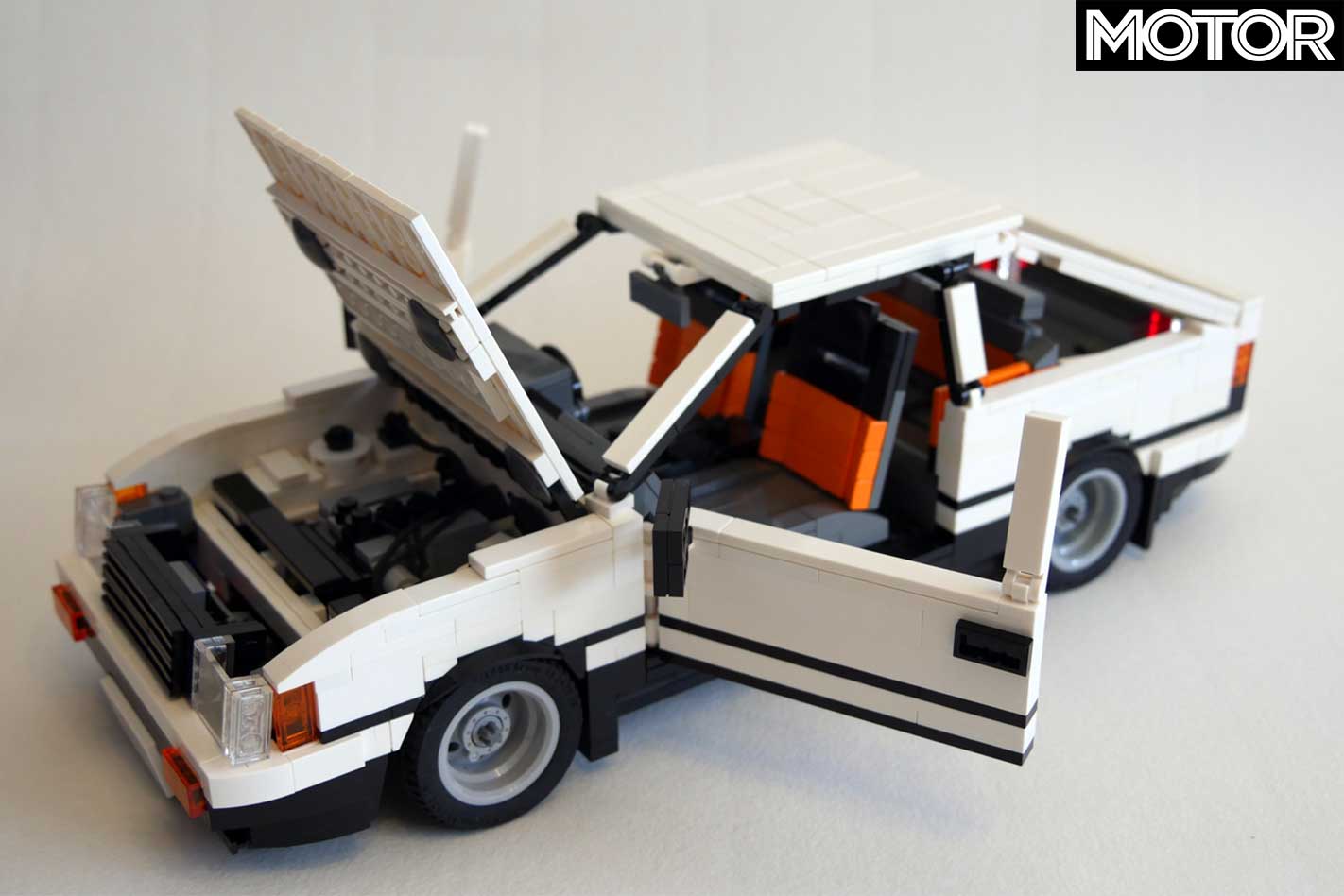
This is a perfect example – one user has submitted his designs for a Toyota AE86 and an AE85 for consideration by Lego to become an official set.
The builder also created an AE86 in the image of the Fujiwara Tofu Delivery car from the manga and anime Initial D, which becomes a street drifting car after dark.
Its builder says it’s approximately a 1:13 scale, with working pop-up headlights, a proper interior and engine under the bonnet, and even a paper cup as a reference to Initial D’s main character Takumi’s driver training techniques.
As well as the AE86 designs, the AE85 designs have been uploaded to display the differences, in these models that’s mainly the fixed headlights as opposed to the AE86’s pop-ups.
As the Lego Ideas website is based around public support to determine whether a model deserves to become an official set, it’s rare for a submission to be picked up.
However, more than 1000 people have supported the AE86 which prompted Lego to announce that it has extended the deadline for support submissions.
“Your project is so well made that 1,000 of your new best friends have supported you within your first year. As a reward, you’ve earned an extra 6 months (182 days) to reach your next milestone of 5,000 supporters. Best of luck as you continue to rally support for your project.”
You can check out the project here, and support it if you have an account with Lego Ideas.
Every fiftieth birthday needs a slideshow, but unlike the one whipped up by your well-meaning aunt Beryl, our little graphical presentation here should hold your attention a little longer. To celebrate 50 years of Honda officially selling cars locally, we’ve put together a top ten of the most significant Hondas to be offered to the Australian public.
From sub-compact hatches to mid-engined supercars, Honda’s product portfolio has offered plenty for the enthusiast and average Joe alike. What kind of cars will the next 50 years bring?
1 – Honda Scamp
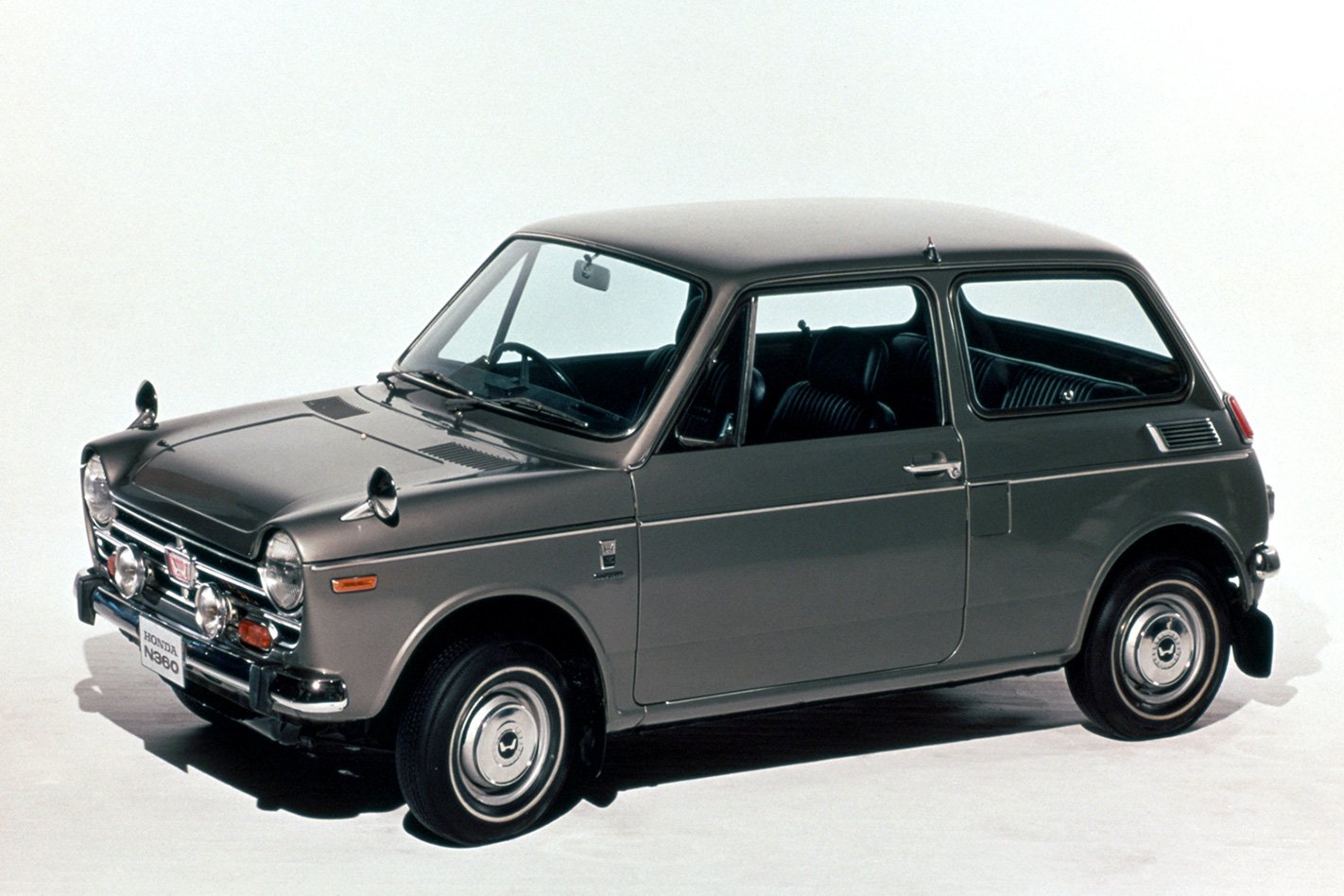
Smaller than a shoebox and with similar levels of structural integrity, the Scamp was offered with 360cc or 600cc engine options. Slow, but its combination of frugality, Japanese reliability and city-friendly dimensions endeared it to more than a few Aussies
2 – Honda Civic
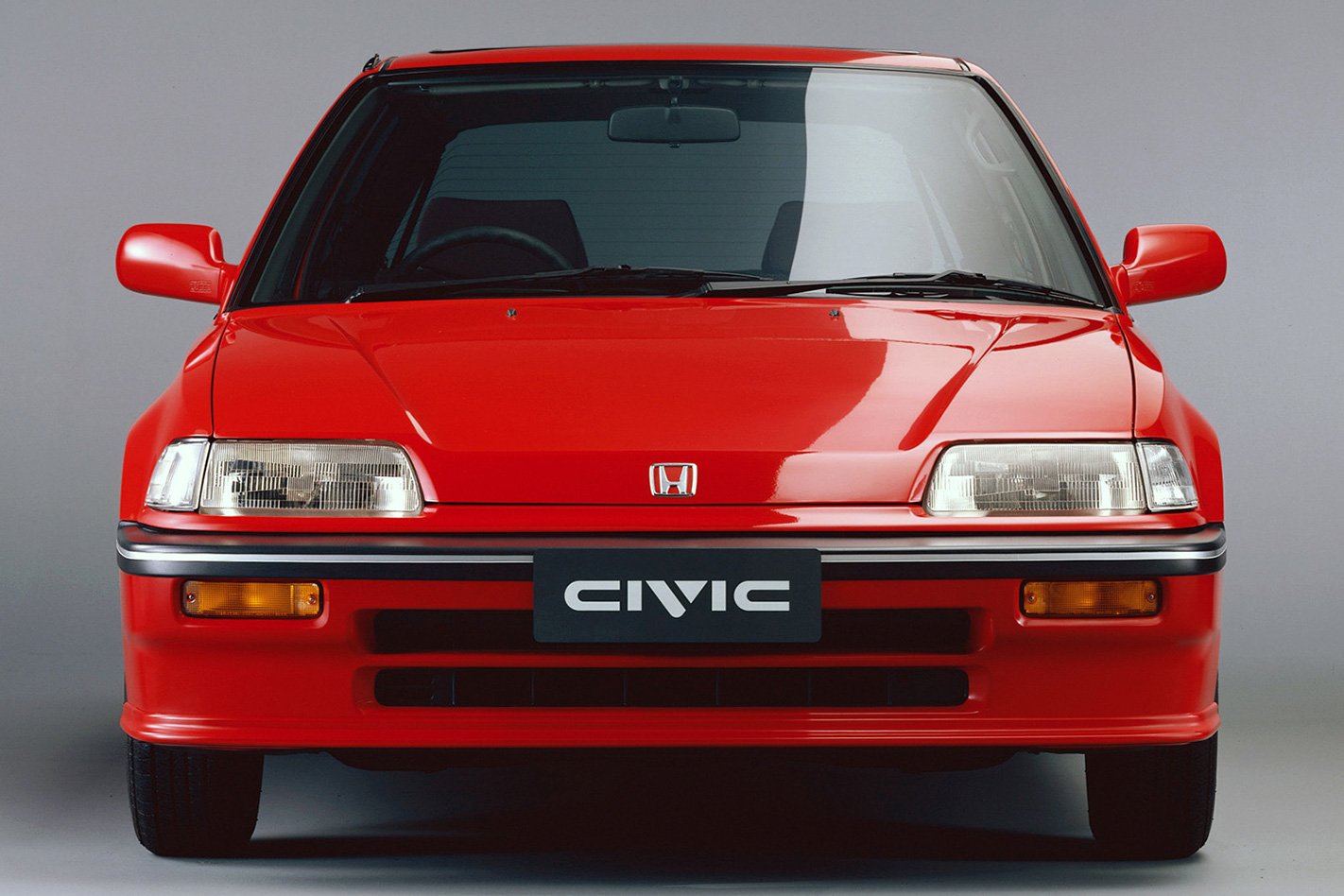
Of course the Civic is on this list. One of the longest-lived automotive nameplates, the Civic has proved to have enduring appeal in this country with a reputation for solid engineering, efficiency and enjoyable dynamics
3 – Honda NSX
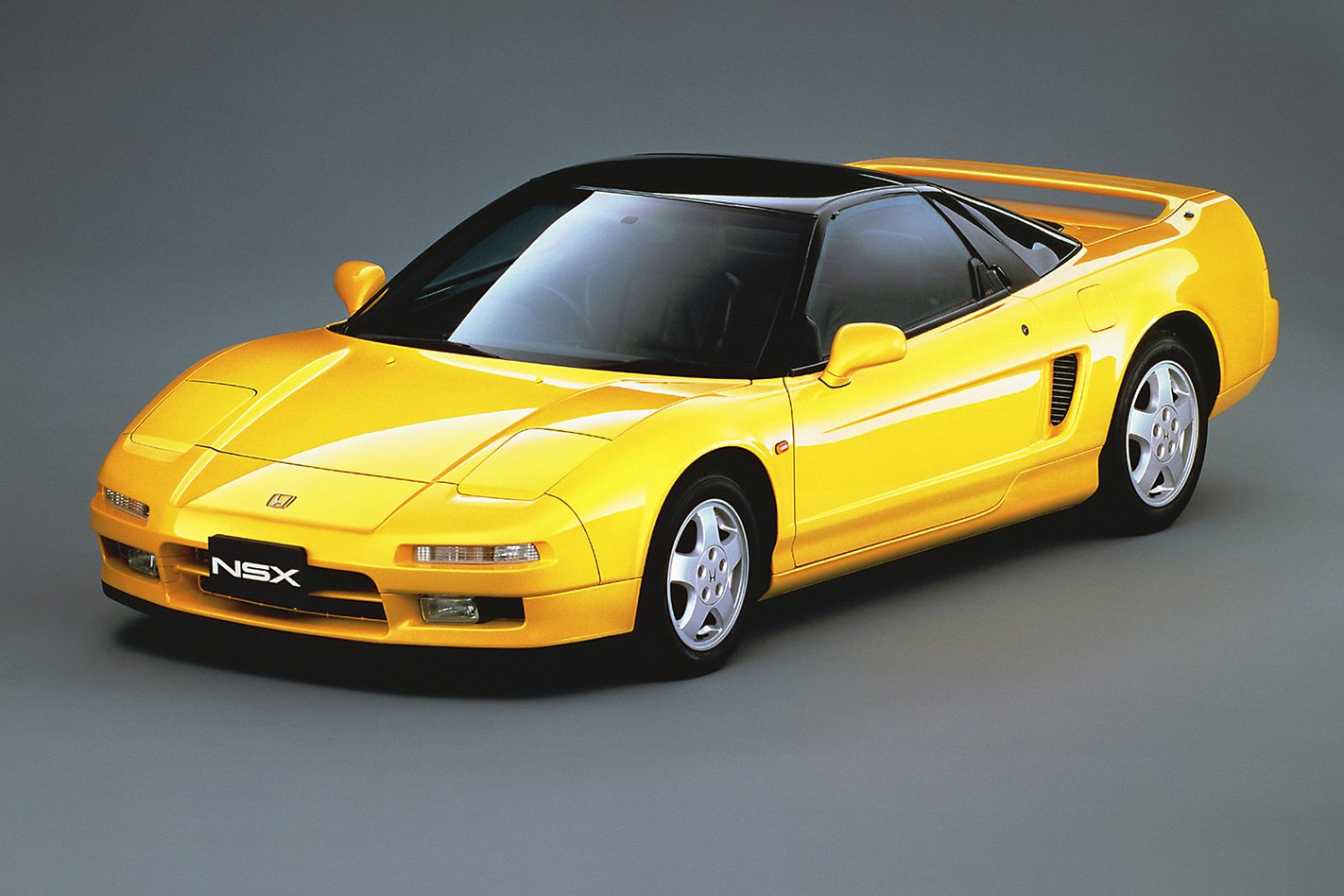
Honda schooled the supercar establishment with its ambitious all-alloy NSX, showing them that driveability, reliability and quality could indeed exist in the world of mid-engined sports cars. Sold in miniscule numbers here, but surely drew thousands into Honda showrooms nevertheless
4 – Honda S2000
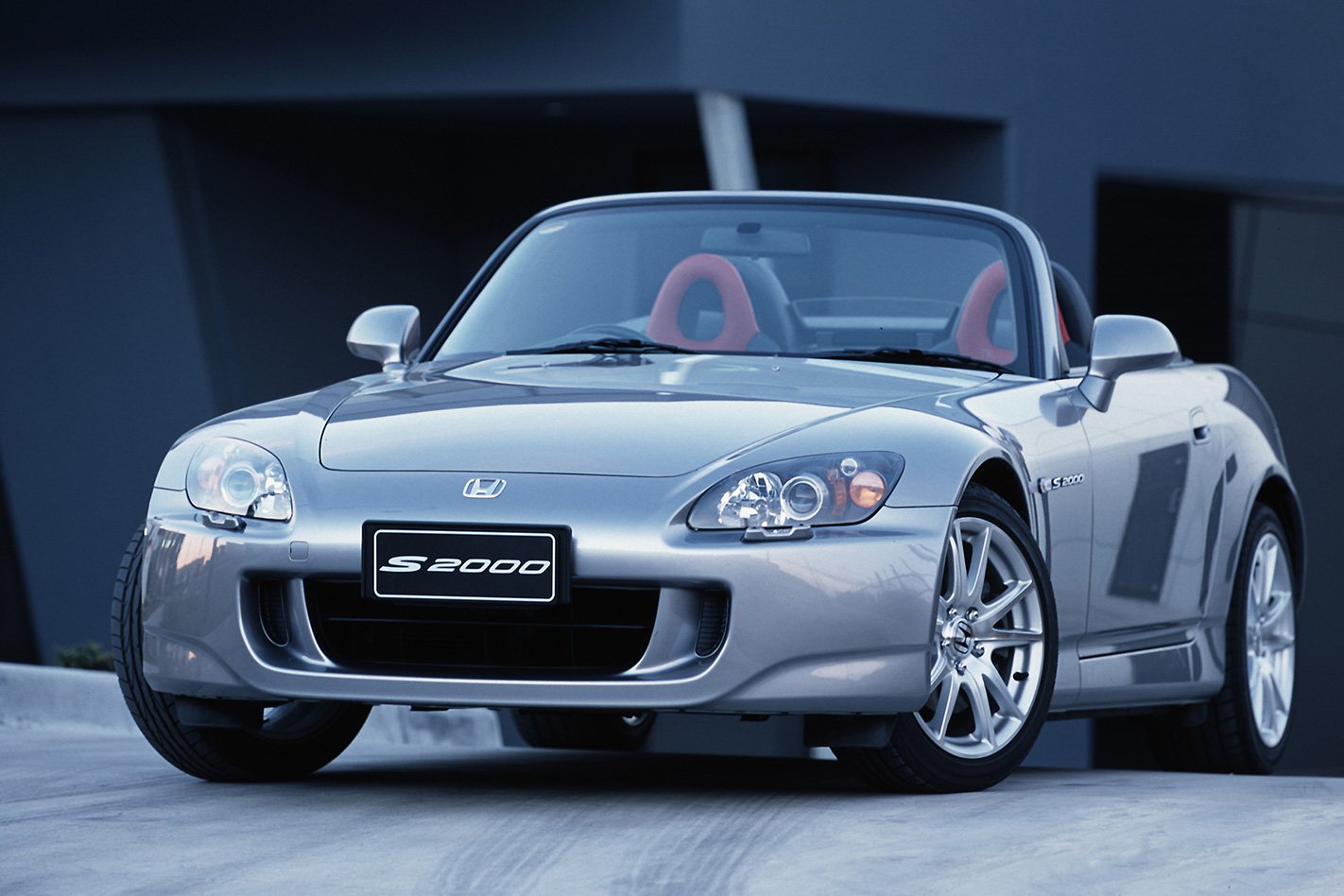
Mazda wasn’t the only Japanese manufacturer to have a rip-snorting rear-drive roadster, and the screaming 9000rpm redline of the S2000 2.0-litre four-cylinder made it a firm fan favourite. Sadly, there’s been no successor.
5 – Honda CR-V
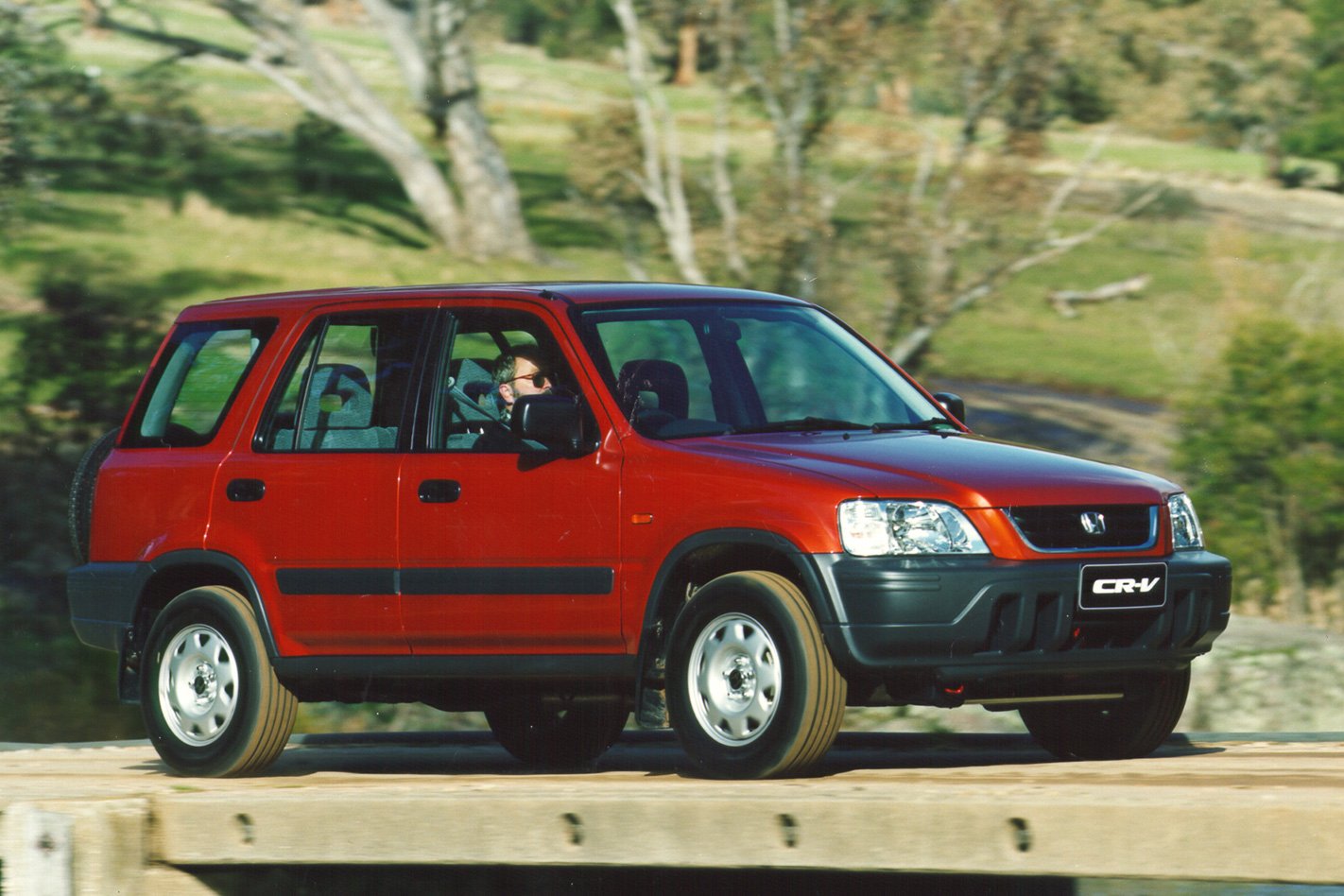
Honda got in early on the SUV craze, releasing its first-gen CR-V softroader in the mid-1990s and launching one of its biggest commercial success stories to date. The original came with a fold-up picnic table integrated with its boot floor, and we wish that feature never went away
6 – Honda Odyssey
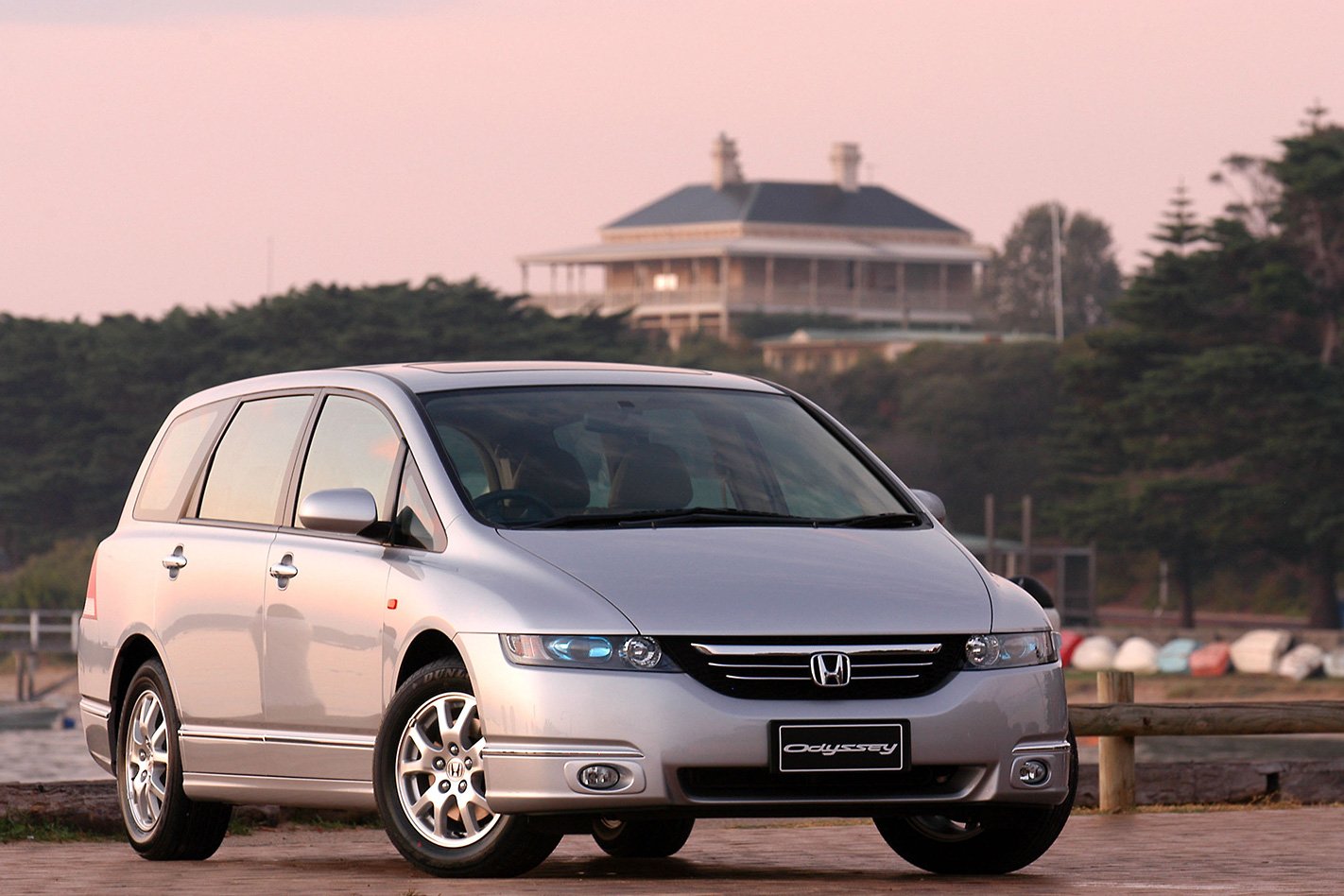
Okay, so the current model is a bit of a bloated bus, but at the turn of the century Honda revealed the third-generation Odyssey and proved that minivans could look low-slung, sleek, and somewhat sexy.
7 – Honda Accord Euro
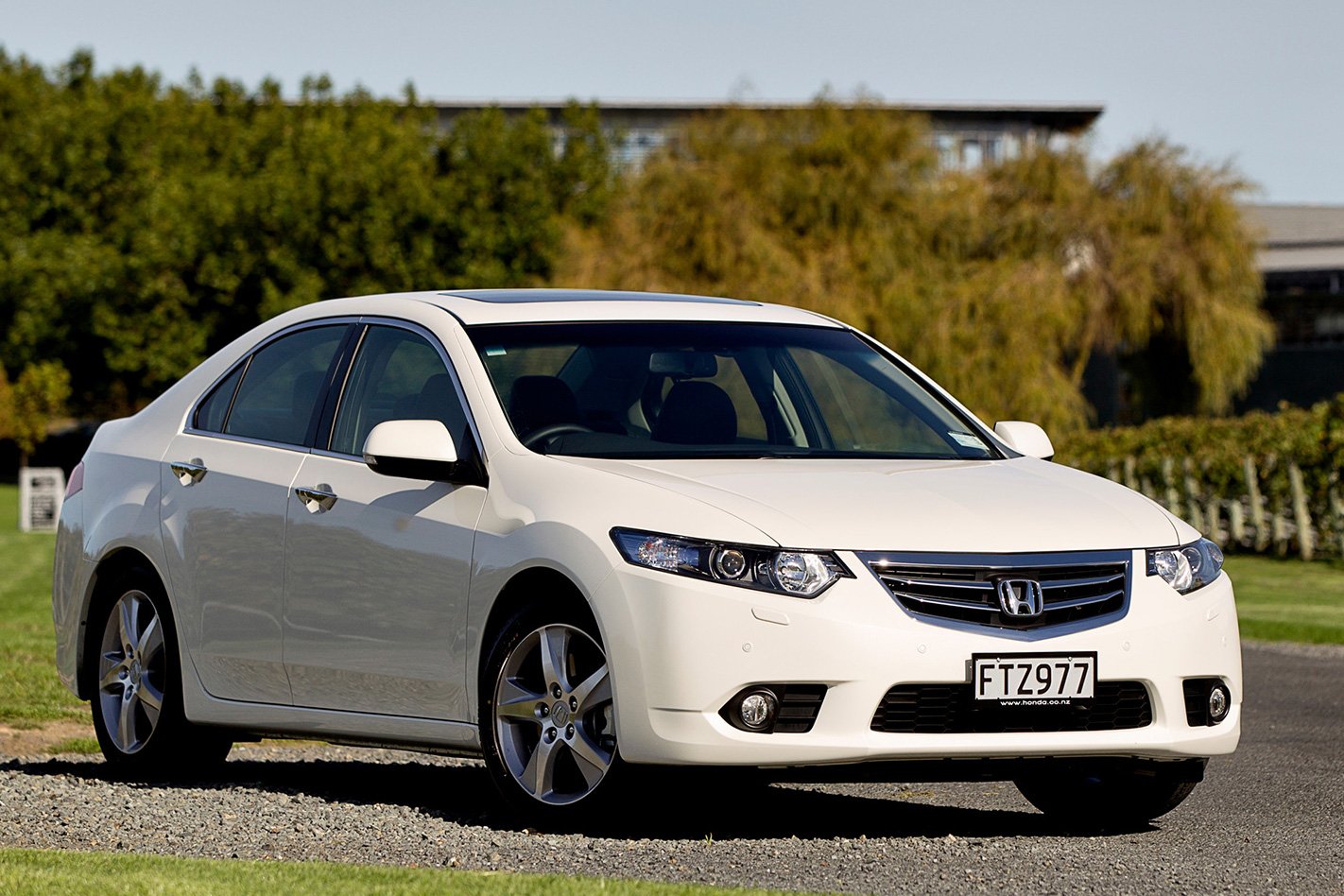
Honda performed the same trick with the Accord Euro, applying its handling know-how and attractive styling to a mid-sized front-drive sedan to make a thoroughly engaging four-door with more than a modicum of sex appeal. Especially fun when you opted for the six-speed manual.
8 – Honda Jazz
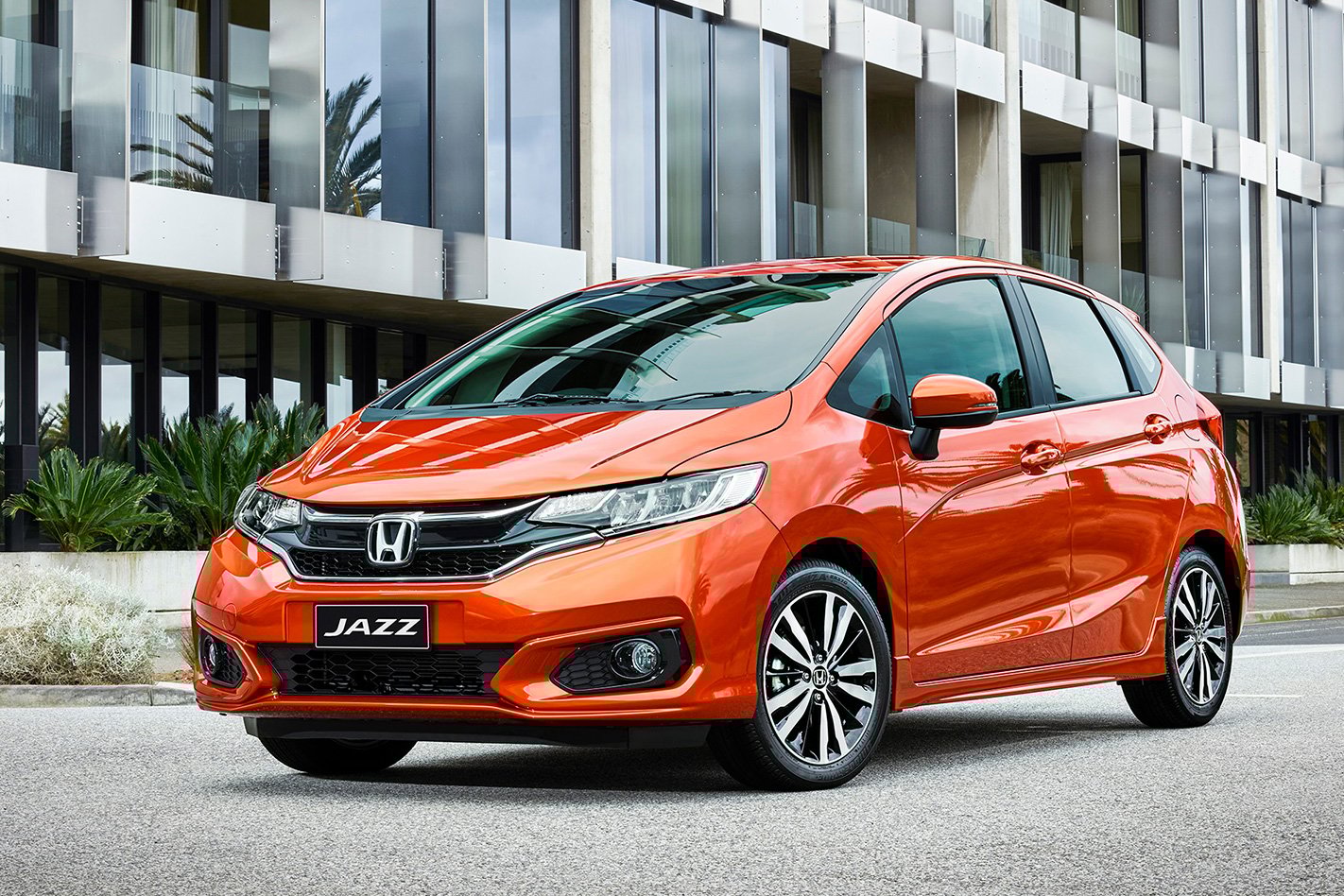
The humble Jazz’s one-box bodyshell conceals one of the most pragmatic interiors in the automotive world, with a forward-mounted fuel tank and Honda’s patented Magic Seat mechanism allowing the tiny hatch to turn into a capacious micro-van.
9 – Honda CRX
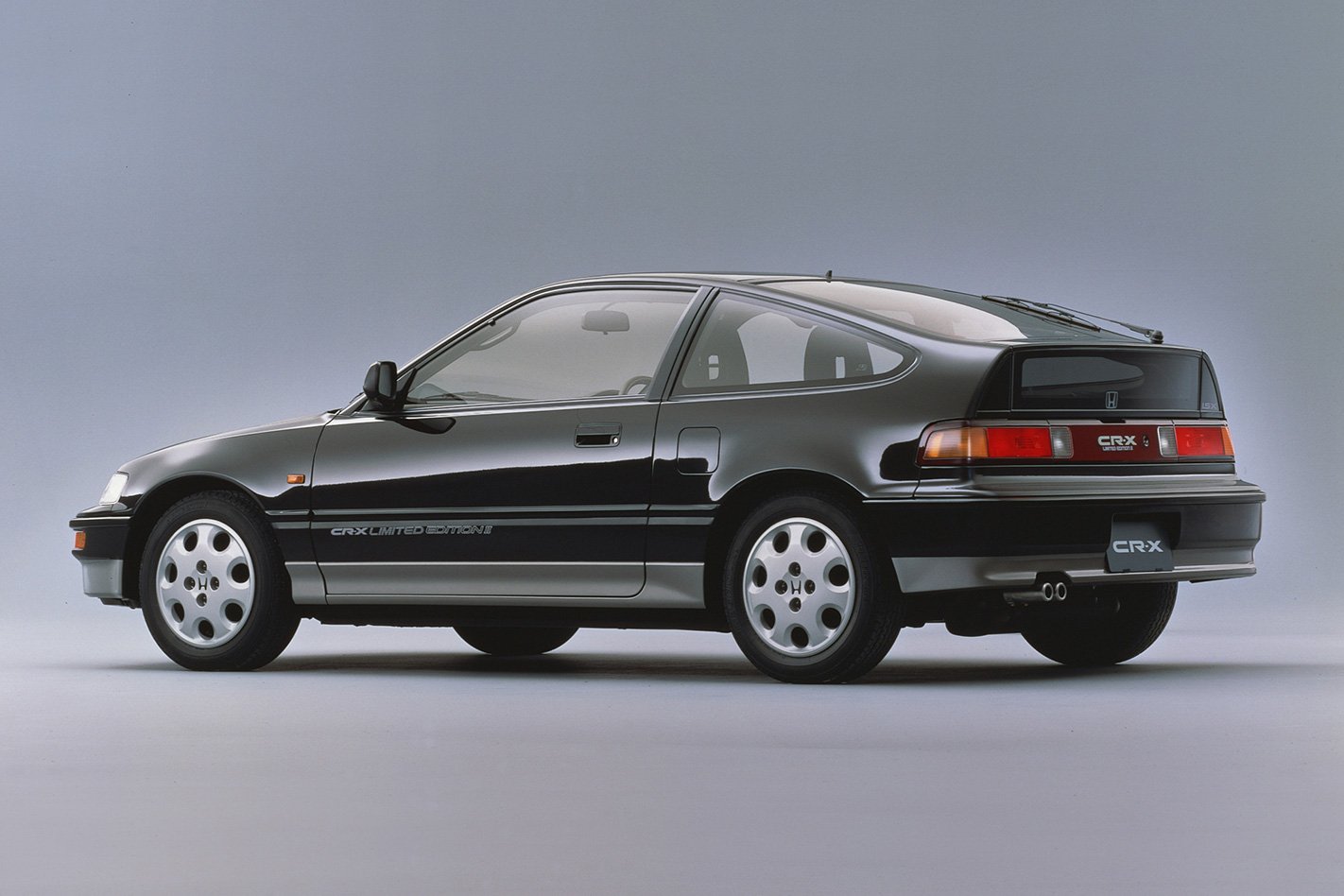
Light weight, compact proportions and a zingy engine endowed the pint-sized CRX with huge driver satisfaction levels, with the second-generation model arguably the pinnacle of the nameplate.
10 – Honda Legend
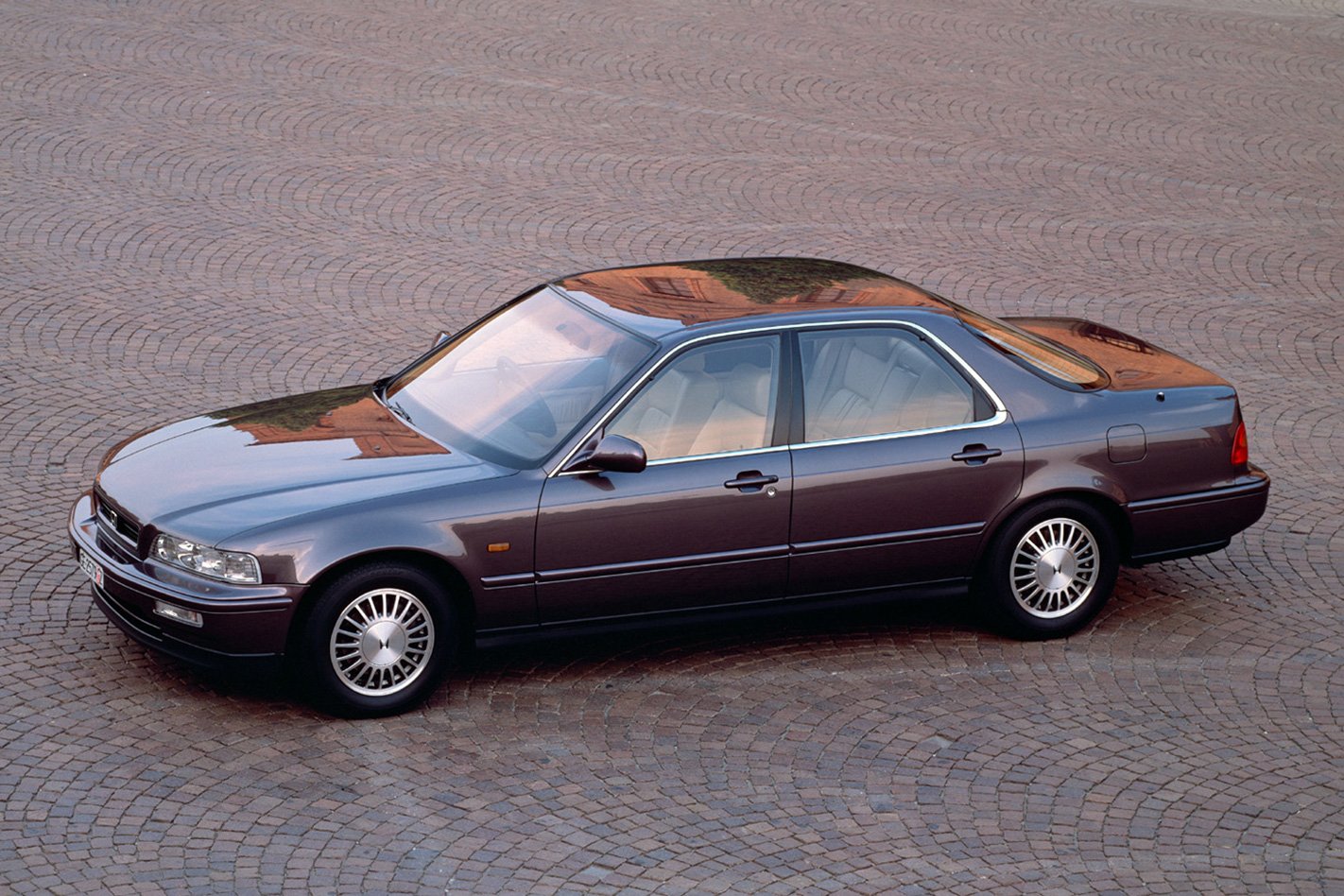
Honda’s luxury offshoot Acura never officially made it to our shores, but the near-luxury Legend large sedan and coupe took the Japanese brand into premium territory with opulent interiors and big, torque-rich V6 powerplants. An underappreciated badge indeed.
We’ve trawled the interwebs long and hard to find the best classic car adverts for the week. Sit back and admire these five beauties.
2001 Ford Falcon AU Tickford XR8
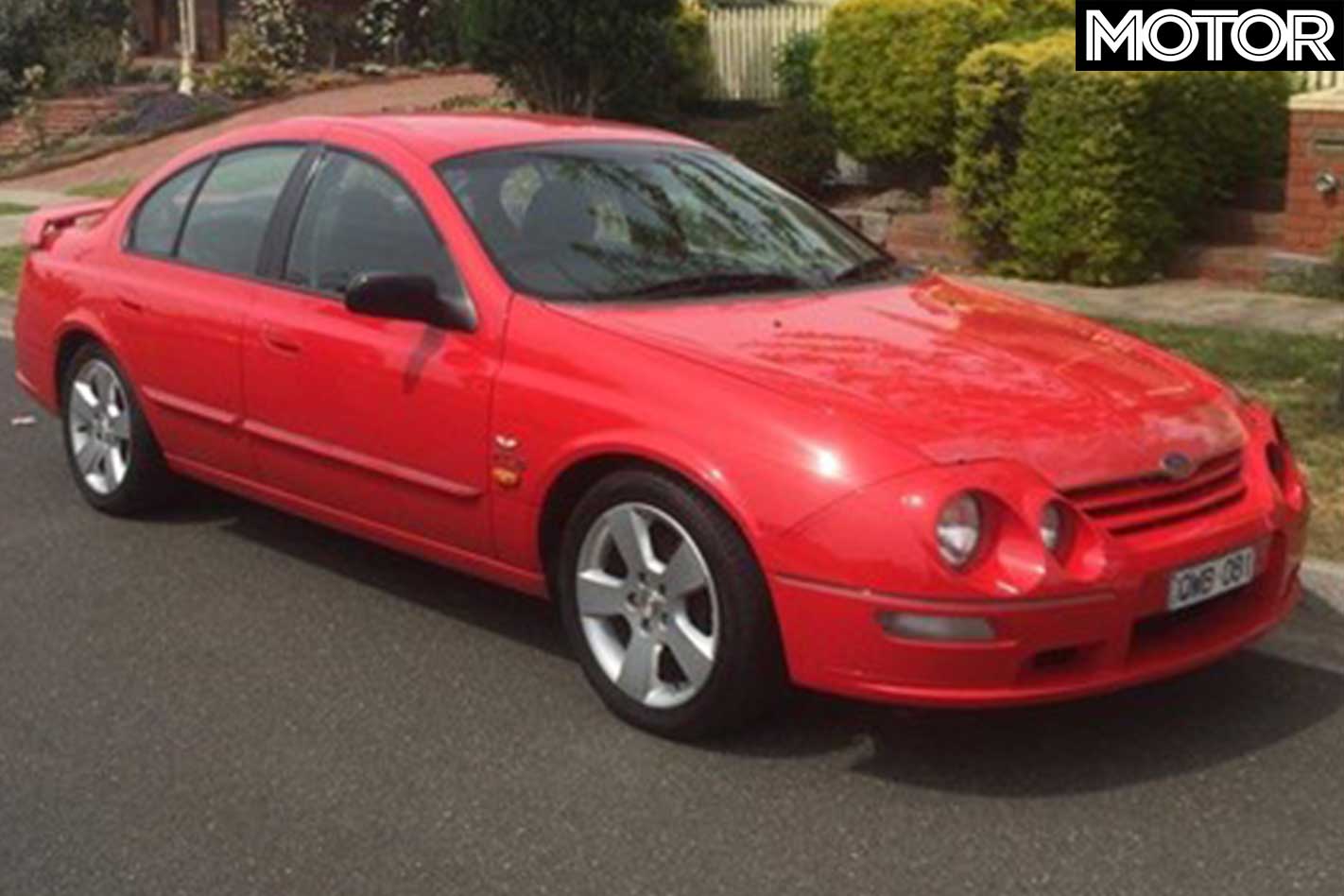
There is nothing more Australian than an AU Falcon, and to make it better, this one is a Herrod-tinkered Tickford V8.
This one looks in great condition and features a mint-condition leather interior.
1974 De Tomaso Pantera
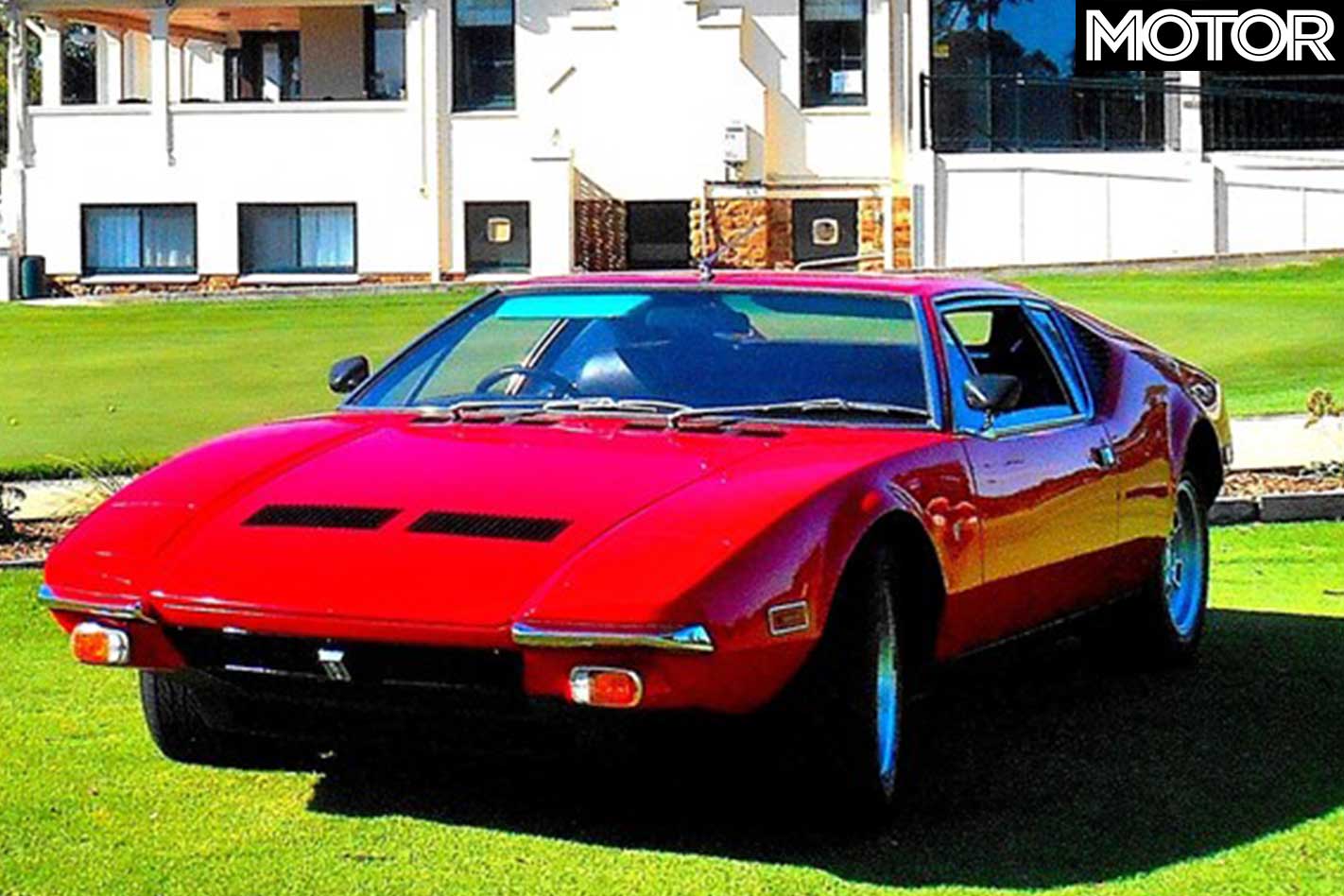
A very unique and highly sought-after Italian supercar, this example has been meticulously cared for, and features a Ford 351 Cleveland V8.
It is pricey, though. For this kind of money you could almost get a full-blown Ford GT.
2015 Tesla Model S 85d
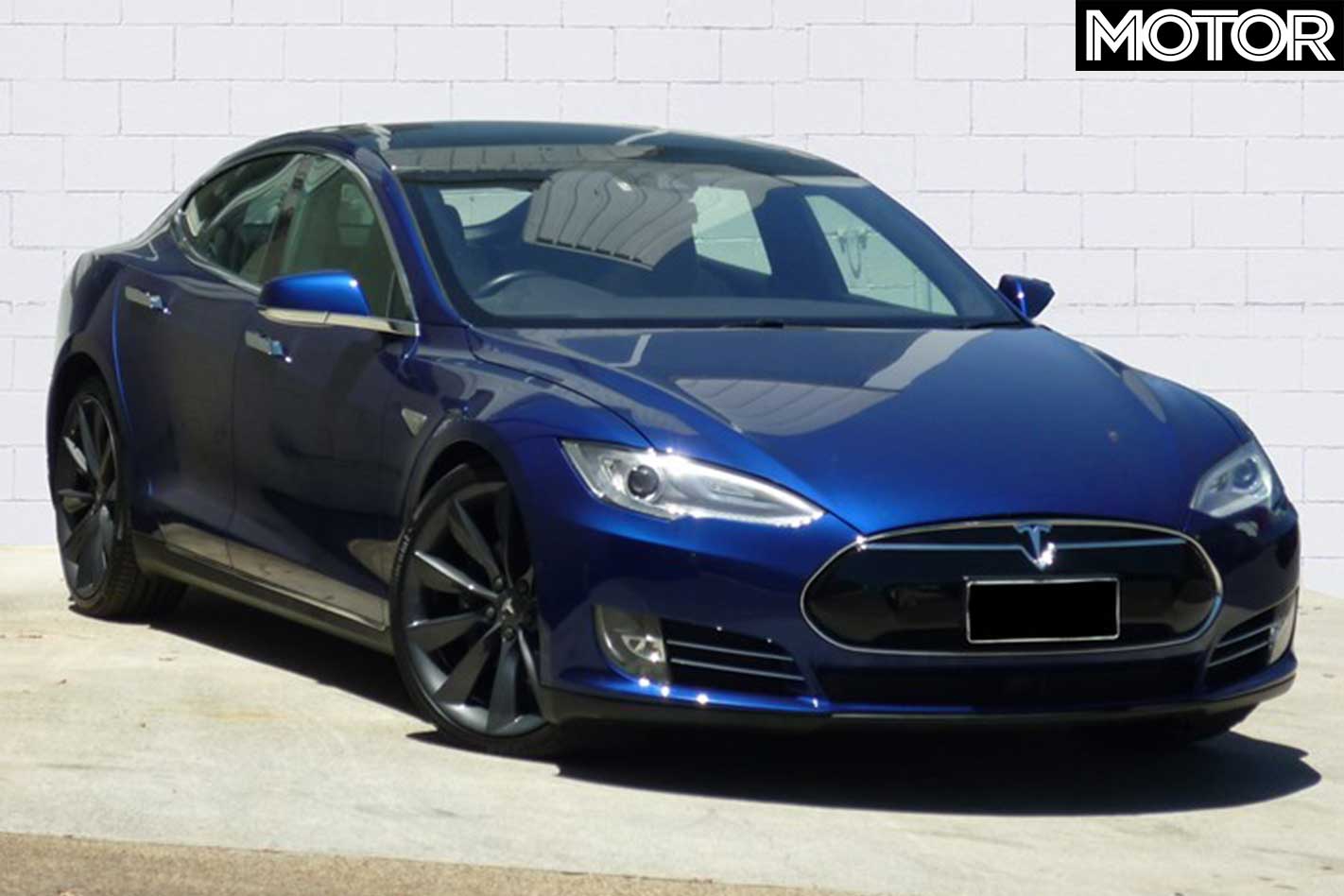
This one is a bit different, well, because it doesn’t have a V8 or an internal combustion engine of any type.
If silent and effortless acceleration is your thing, this Model S 85d will do the job just nicely. Just don’t expect any nice exhaust noises.
1963 Porsche 356C
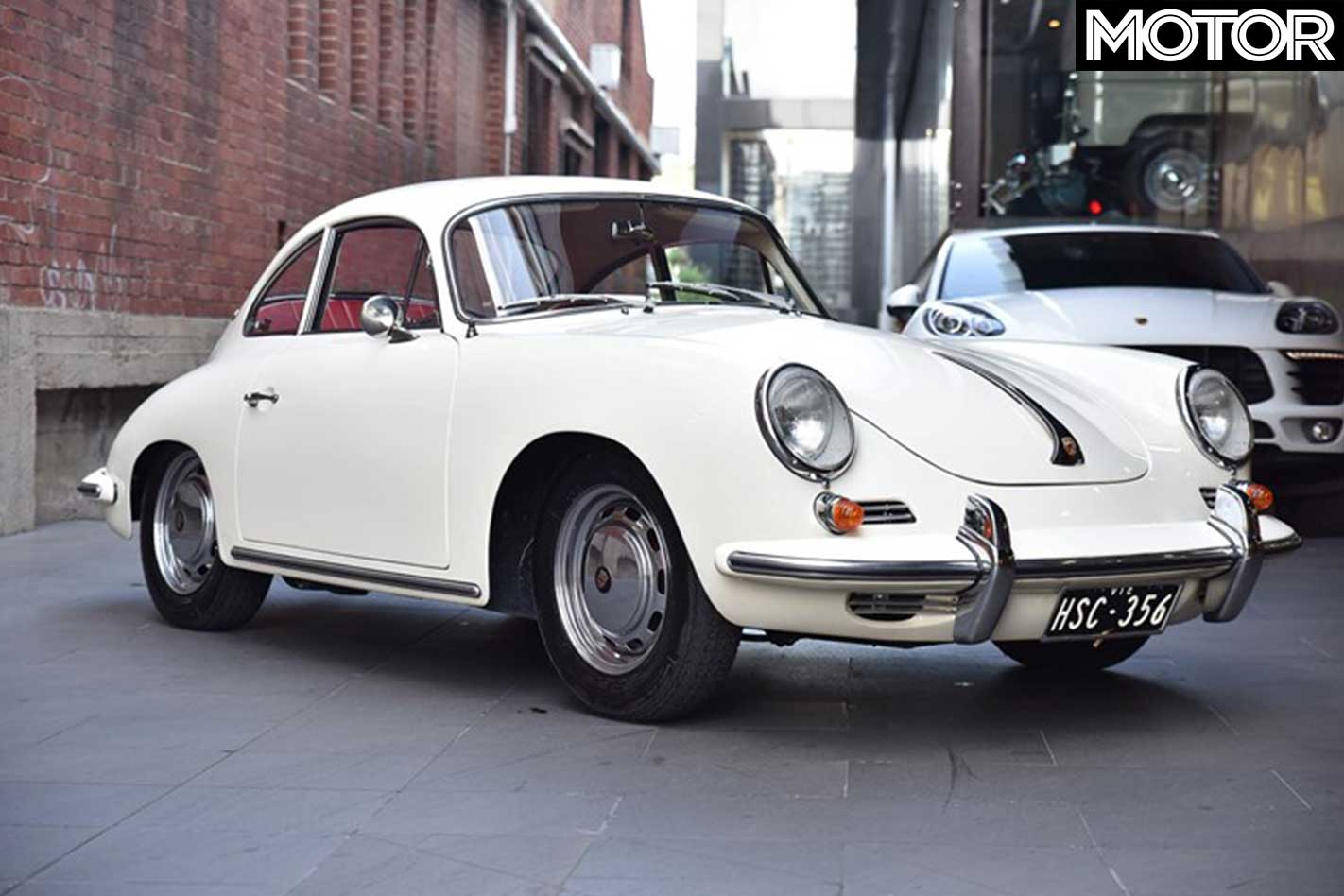
The Porsche 356 is probably one of the classiest Porsches ever made. Although it might not have the same street cred as the 911, the 356 is an absolute classic that any wealthy Porsche enthusiast should love.
1992 Honda NSX
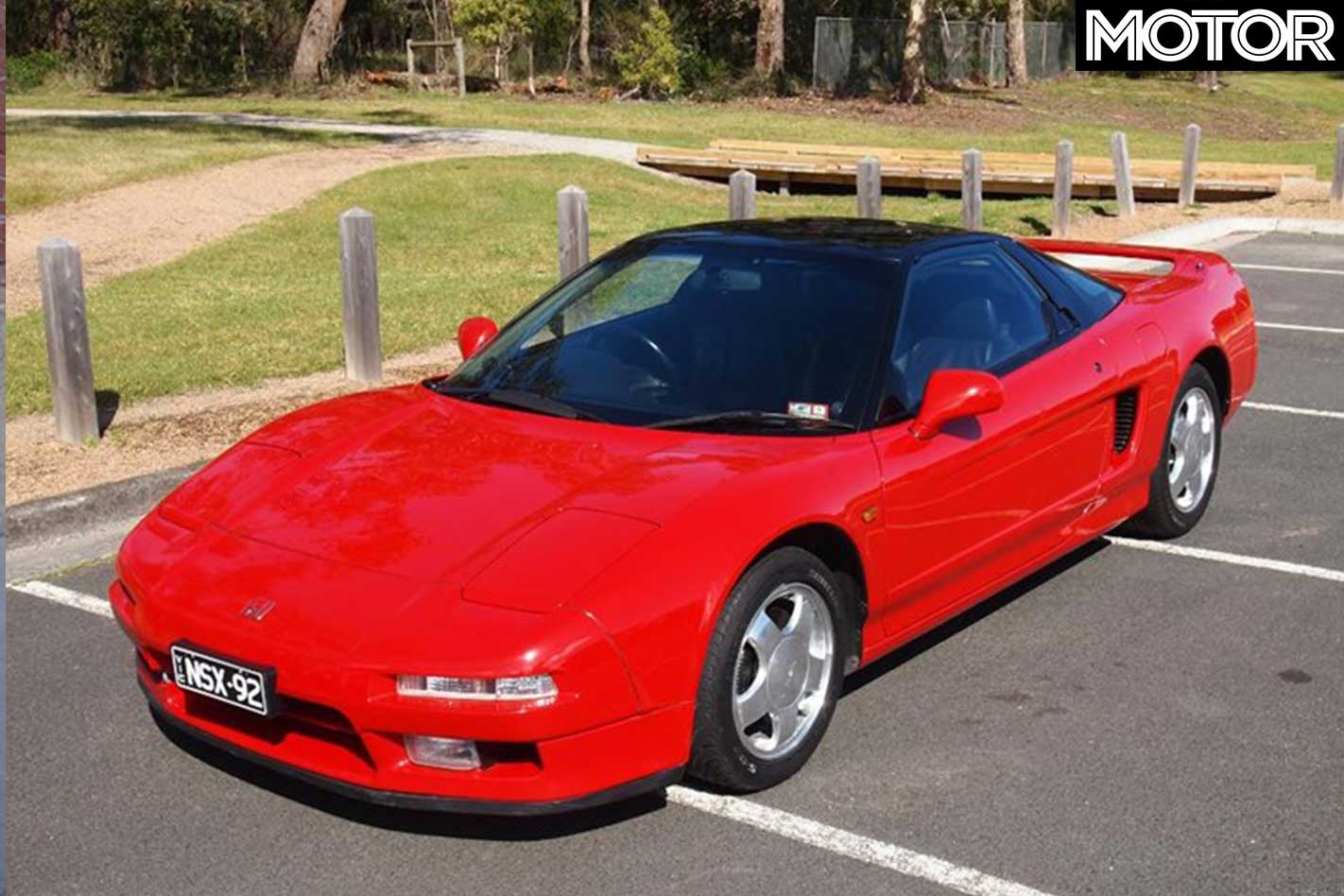
Another rare beauty to admire. The NSX was Honda’s answer to the Ferrari and did well to compete against Maranello.
The car was partially developed by the great Ayrton Senna (who test drove it in loafers) and brought the classic soundtrack of the V6 VTEC engine to the world’s attention. It’s still a pricey car, but a Japanese classic nonetheless.
Back in 2013, German magazine Auto Bild posted this video of former rally champion and Porsche test driver Walter Röhrl pushing an Audi S3 to its limits with a terrified passenger.
That passenger, German actress, singer, and TV presenter Barbara Schöneberger, is undeniably out of her comfort zone, clinging for life in the passenger seat.
For the entirety of the three-minute clip, Röhrl pilots the 206kw/ 380Nm Audi S3 on a test drive at what appears to the Porsche Weissach test track in complete calmness while a terrified Schöneberger provides some hyperbolic facial expressions.
The video, which has now garnered over 2.7 million views on YouTube, has been well received by car enthusiasts, with the general consensus being that ‘Röhrl looks as if he is going shopping for the weekend’ whilst Schöneberger is ‘dying a thousand deaths.’
Röhrl has built an incredible motorsport career having driven for Audi during the controversial yet groundbreaking Group B rally era, piloting the legendary Audi S1 Quattro which made as much as 440kW in its final rally guise.
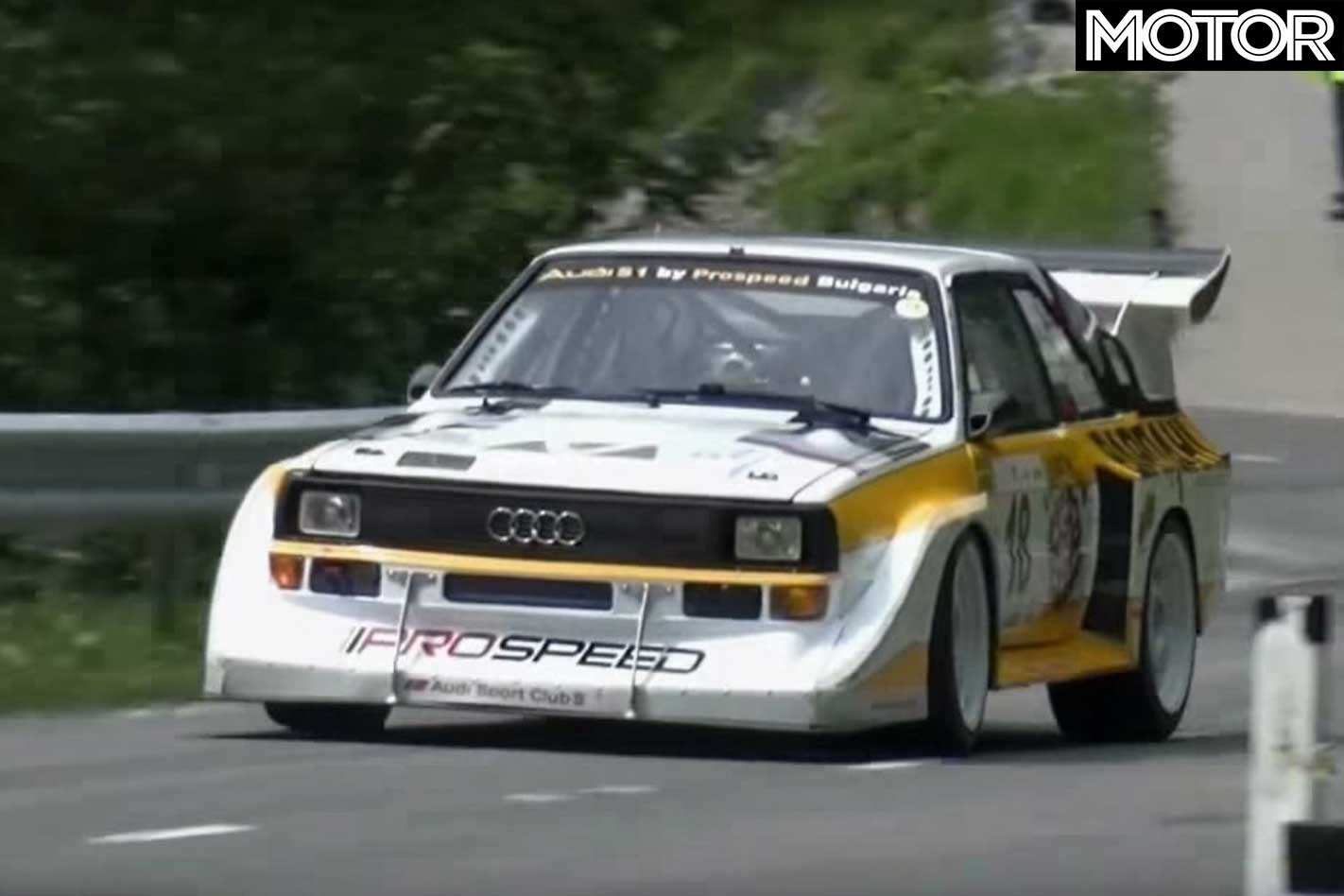
Röhrl battled against other rally greats including Stig Blomqvist, Ari Vatanen and Henri Toivonen.
Röhrl also drove the S1 in the World Record Pikes Peak Hillclimb event in 1987 with a 10:47 time. Röhrl now spends his time as an ambassador for Porsche. He has also been named the ‘Genius on Wheels’ by legendary Formula 1 driver Niki Lauda.
Below is Röhrl’s famous Pikes Peak run in 1987 in all its ‘80s glory.
What is it?
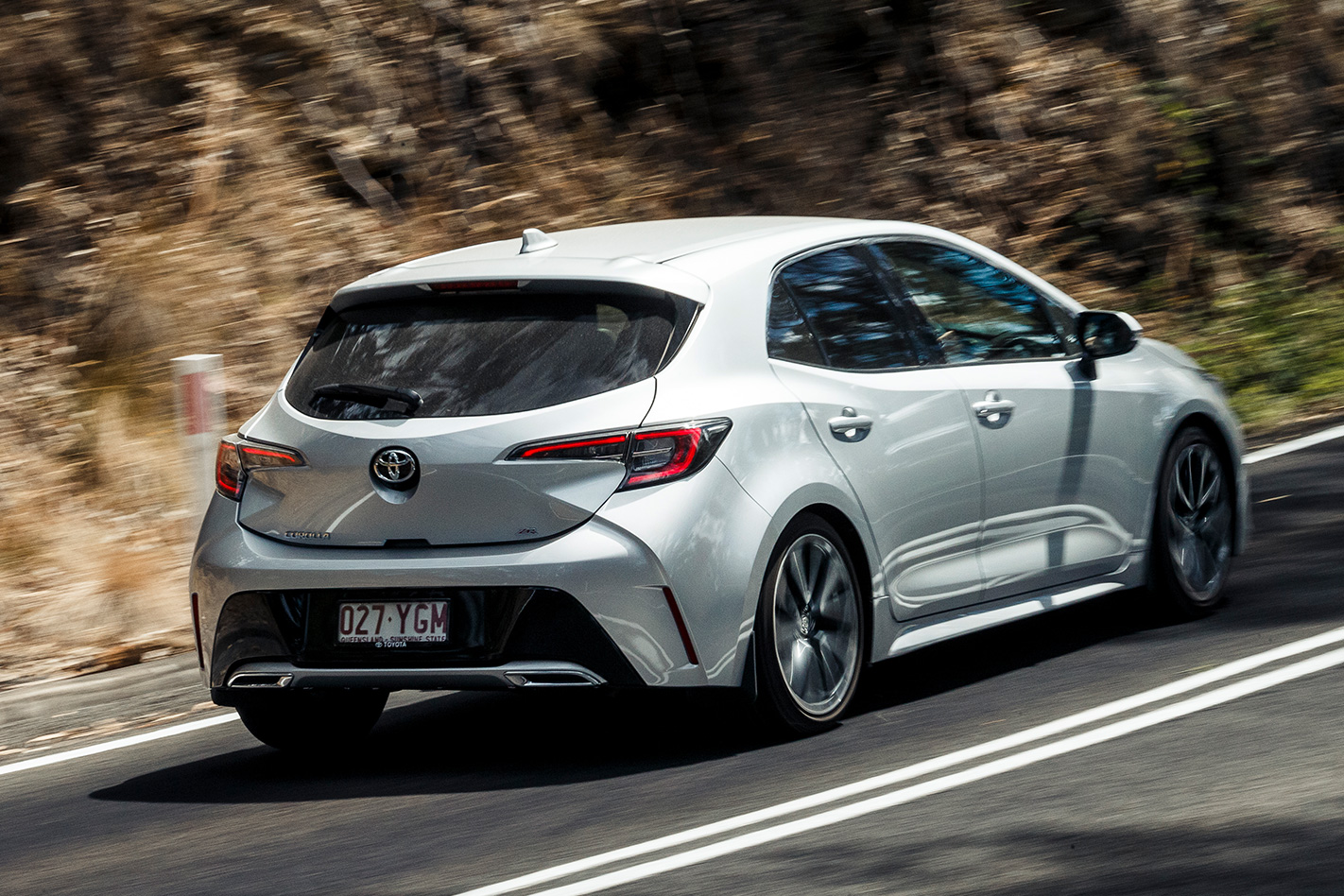
It feels like the Toyota Corolla needs no introduction. After all, as Australia’s most popular small car, the Corolla nameplate is one that enjoys virtually universal recognition. However, this particular model may seem a little different to some, given it’s a new-generation Corolla that – dare we say – actually boasts some visual appeal.
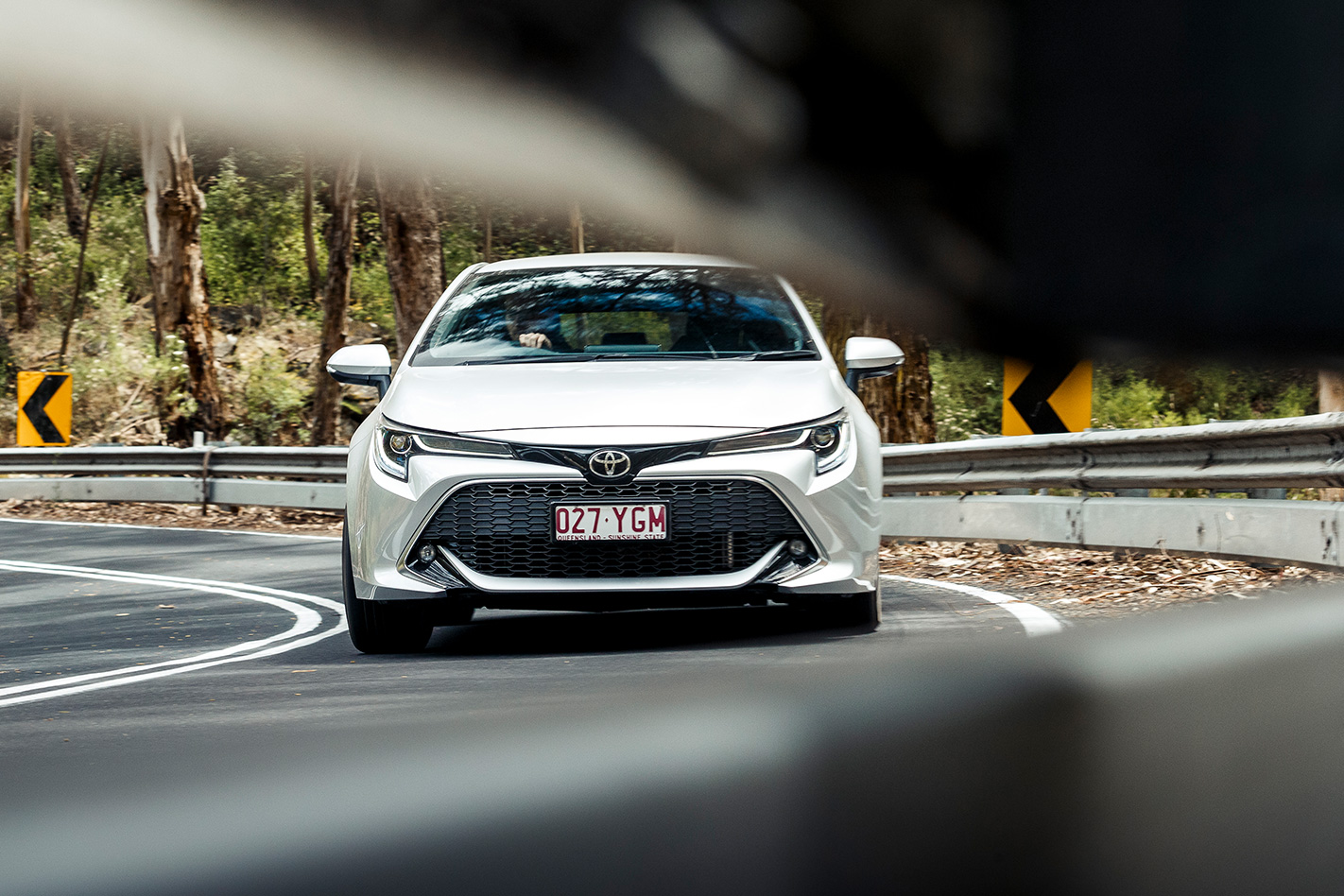
The ZR grade sits at the top of the Corolla tree as the most generously-equipped member of the range, available both in regular petrol-engined form, or as a petrol-electric hybrid. We’re testing the petrol model here.
How much is the Toyota Corolla ZR?
At $30,370 for the Corolla ZR petrol, this car exists in the upper reaches of its segment in terms of cost. However, with high-end features such as a wireless phone charging pad, active cruise control, a head-up display, keyless entry and body-hugging sports seats on the standard equipment list, the value equation is actually quite strong
Who is it for?
Small cars in Australia enjoy quite broad appeal with everyone from first time drivers and pensioner-age downsizers to those just looking for a city-friendly runabout. The Corolla ZR grade, targets those buyers looking for something with a higher-end presentation and fit-out than the segment norm, and have a slightly fatter budget to accommodate that.
Is the Toyota Corolla ZR easy to live with?
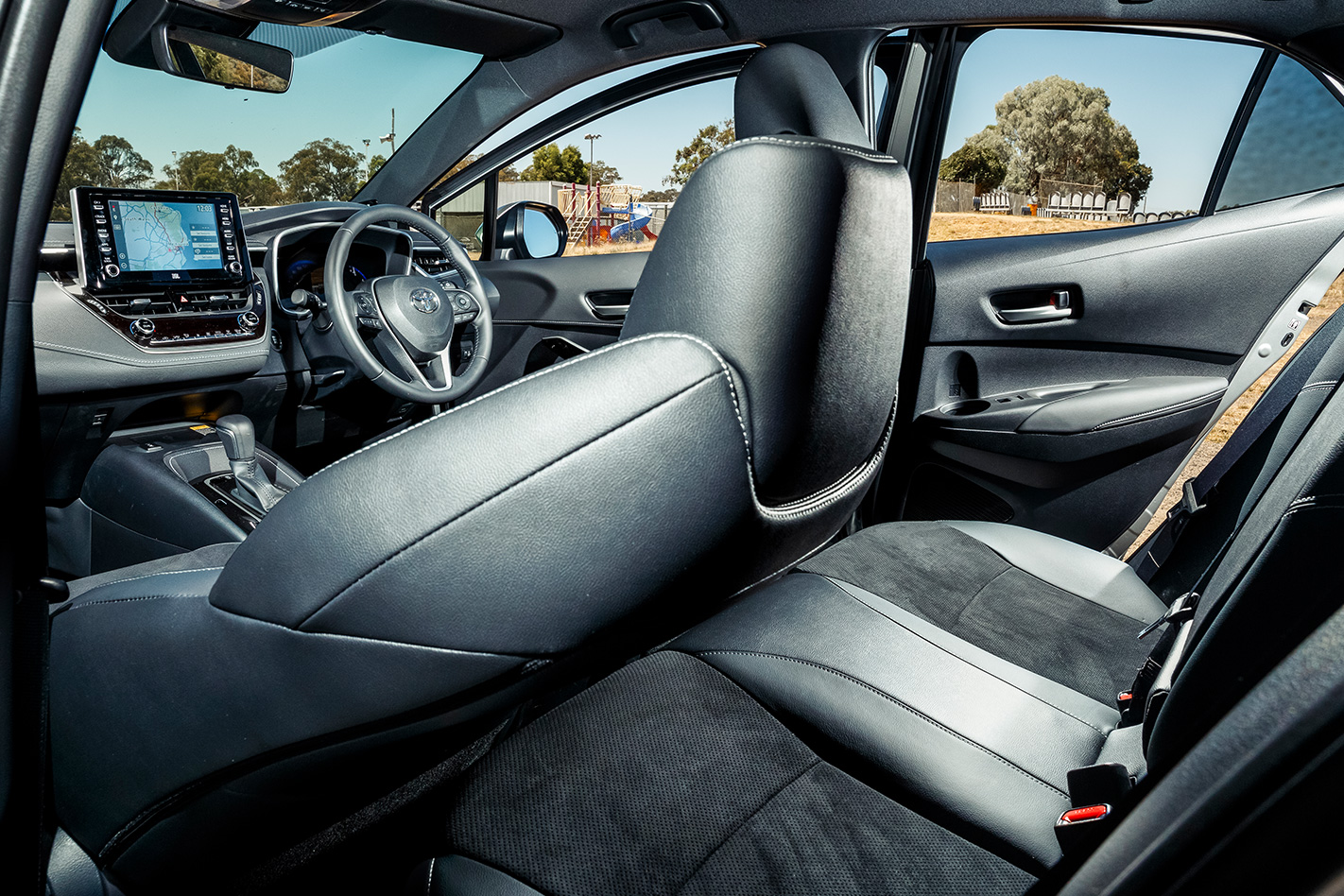
The Corolla ZR’s front seats are very accommodating. Though manually-adjusted, they embrace a wide range of body types and put the driver in a sporty, legs-up seating position. They’re also unique to the ZR grade, with extra side bolstering, grippy microsuede upholstery and a body-hugging design to make you feel like you’re piloting something a lot more athletic than an average hatchback.
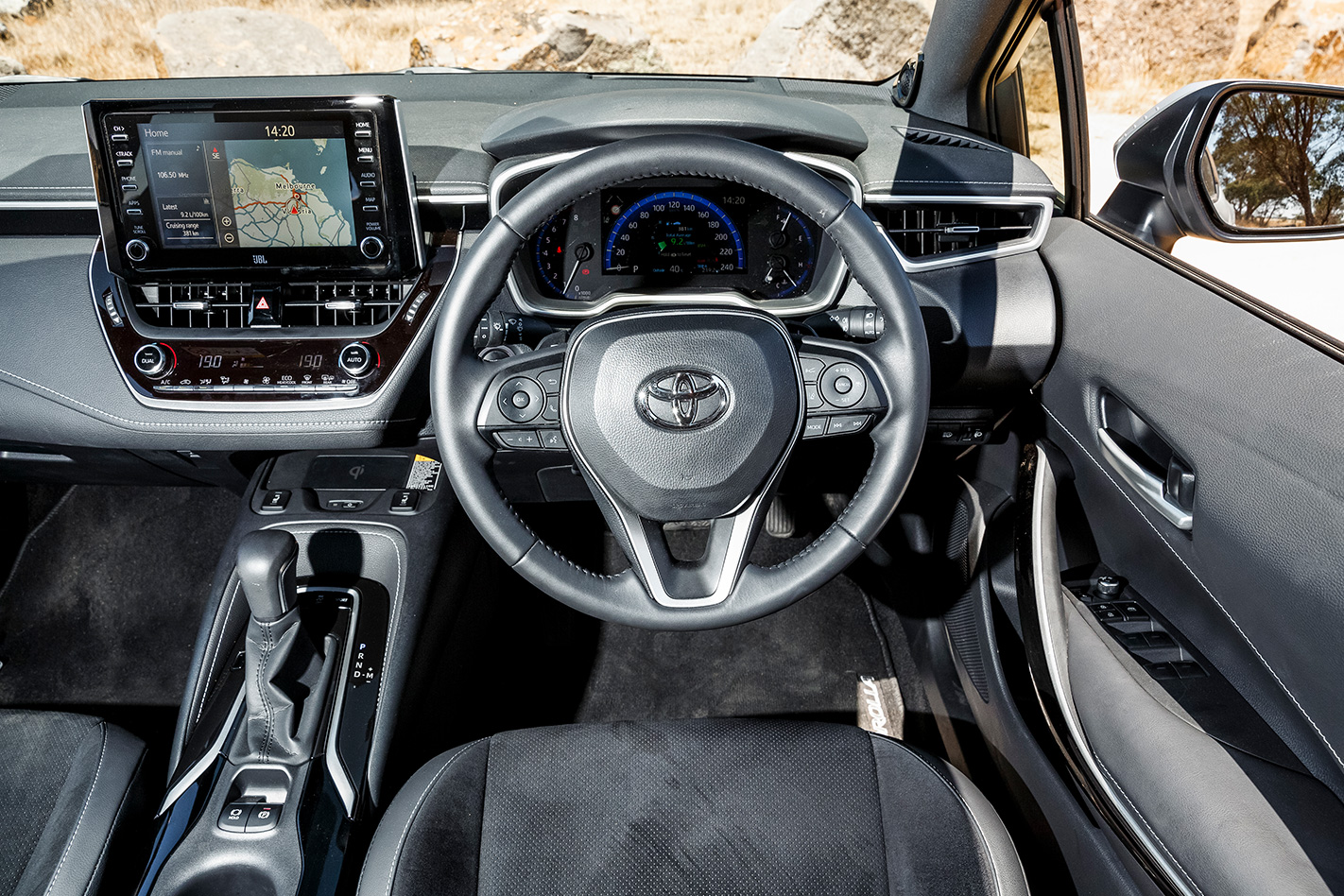
The level of convenience features also make life up front a lot easier, with high-end features like a colour head-up display, active cruise control and a wireless phone charging pad giving the Corolla ZR a technological edge over many of its rivals.
Satellite navigation and digital radio are standard on the ZR, but there’s no smartphone mirroring offered at all – perhaps the only aspect where it gives a free kick to its competitors, technologically-speaking.
But there are bigger shortcomings in the cabin, however. There are rear seat air vents to help keep your backseaters cool, but with very limited leg and headroom there’s no getting around how claustrophobic the Corolla’s back seats can feel.
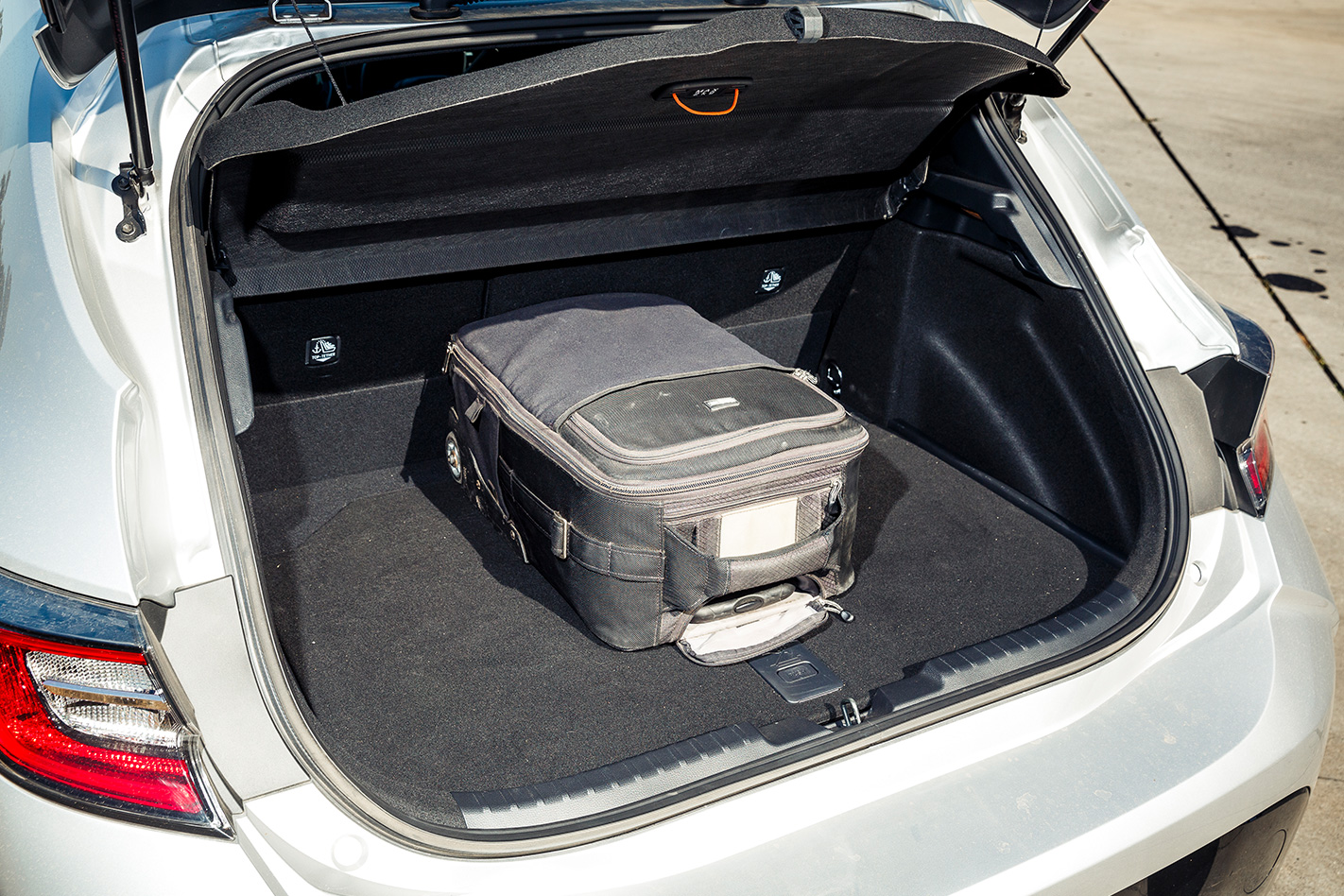
It’s even worse in the boot, where you’ll find just 217 litres of cargo capacity. That puts it well behind the rest of its competitors when it comes time to load in luggage. And while there’s plenty of room underneath the boot floor for a full-size spare wheel, Toyota only equips the ZR petrol with a space-saver. We’d have preferred either a full-size spare or a lower boot floor, but Toyota Australia has inexplicably decided to give us the worst of both worlds.
How well does the Toyota Corolla ZR drive?
The Corolla has always been easy to drive – a key reason behind its everyman appeal – and it’s no different for this fresh new-generation Corolla. The difference now is that it’s actually fun from behind the wheel, as well as approachable.
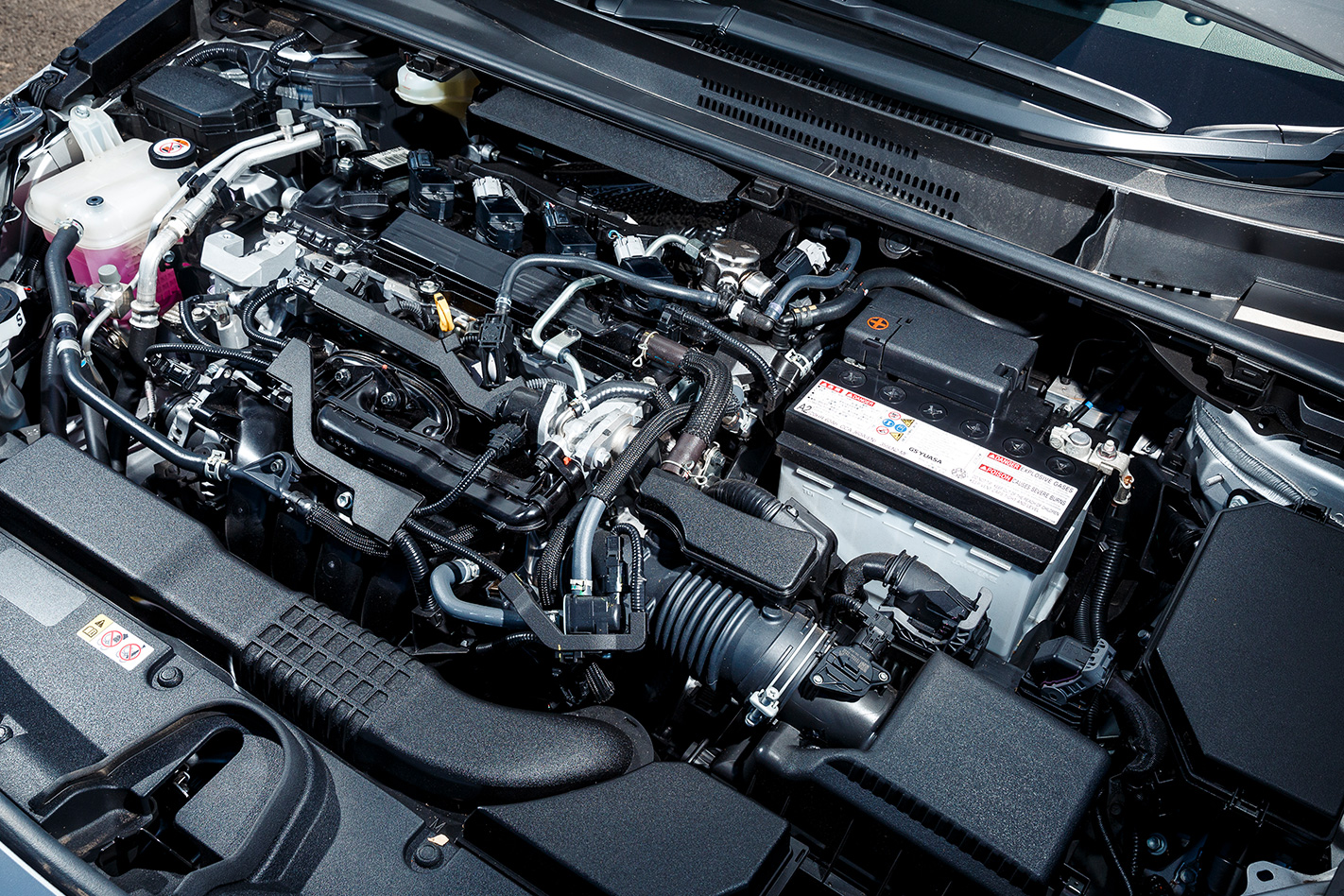
With 125kW and 200Nm from its naturally-aspirated petrol engine the Corolla ZR petrol only provides ordinary acceleration, so don’t be fooled by its sporty exterior – this isn’t a performance car. That said, it still feels more than adequate for city and highway, and the CVT automatic delivers good response from a standing start, intelligent ratio selection when left in ‘D’ and surprisingly rapid gear changes when you use the shift paddles behind the wheel.
And that competent straight-line performance meshes well with the suspension, with straddles the line between ‘comfort’ and ‘handling’ adeptly. It feels slightly firmer than other Corolla models thanks to its big 18-inch alloys and low-profile tyres, however ride comfort remains excellent even on lumpy roads.
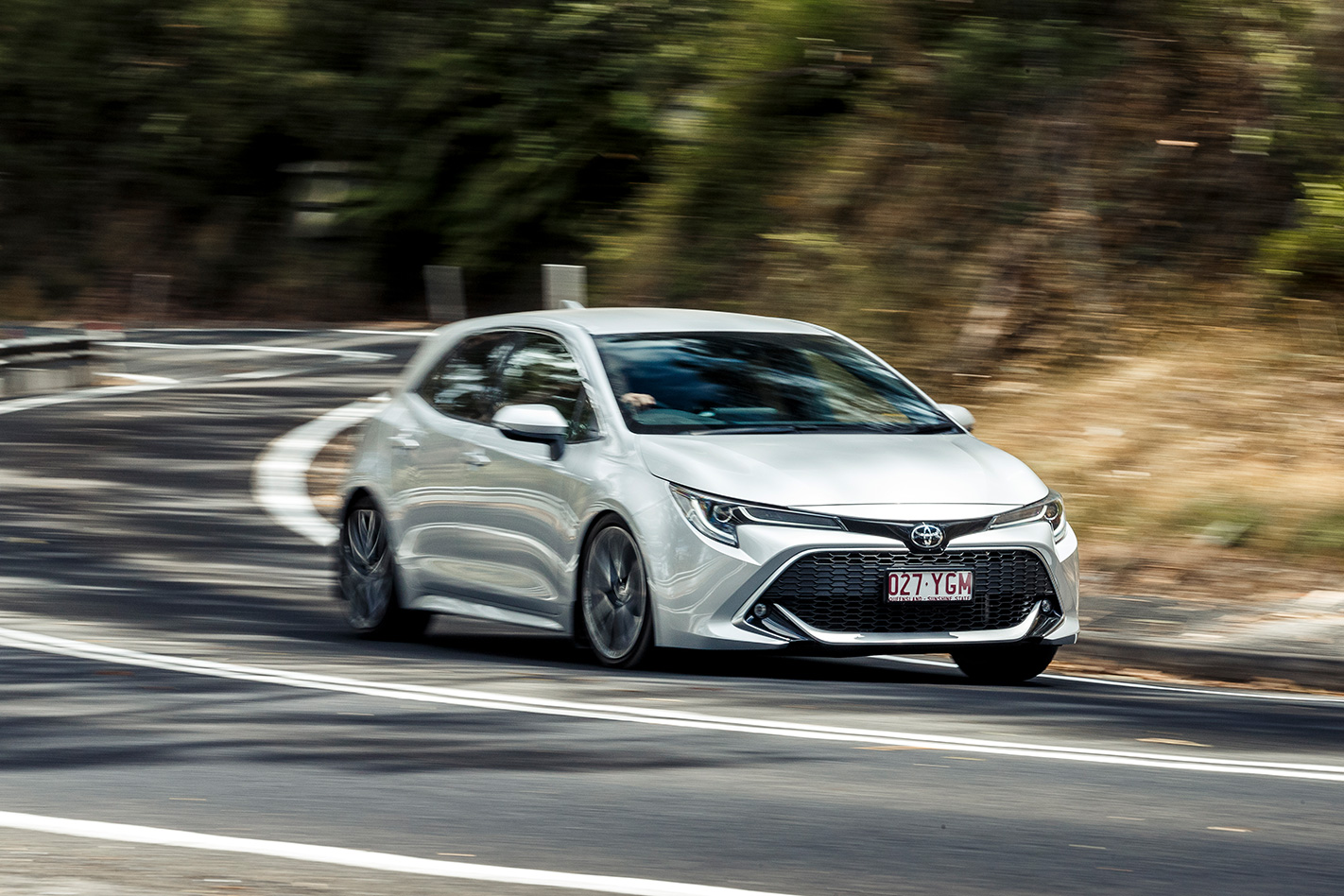
The steering feels direct and responsive too without being heavy or difficult to use in tight parking situations. If there was one word that summarises the Corolla ZR driving experience, it would be ‘balanced’.
Verdict
There’s a pleasing cohesiveness to the Corolla ZR petrol’s driving experience that makes the driver feel relaxed and unstressed behind the wheel. There’s no aspect of it that’s particularly grating, no unruly behaviour that you have to fight, and for a commuter hatchback that’s ideal.
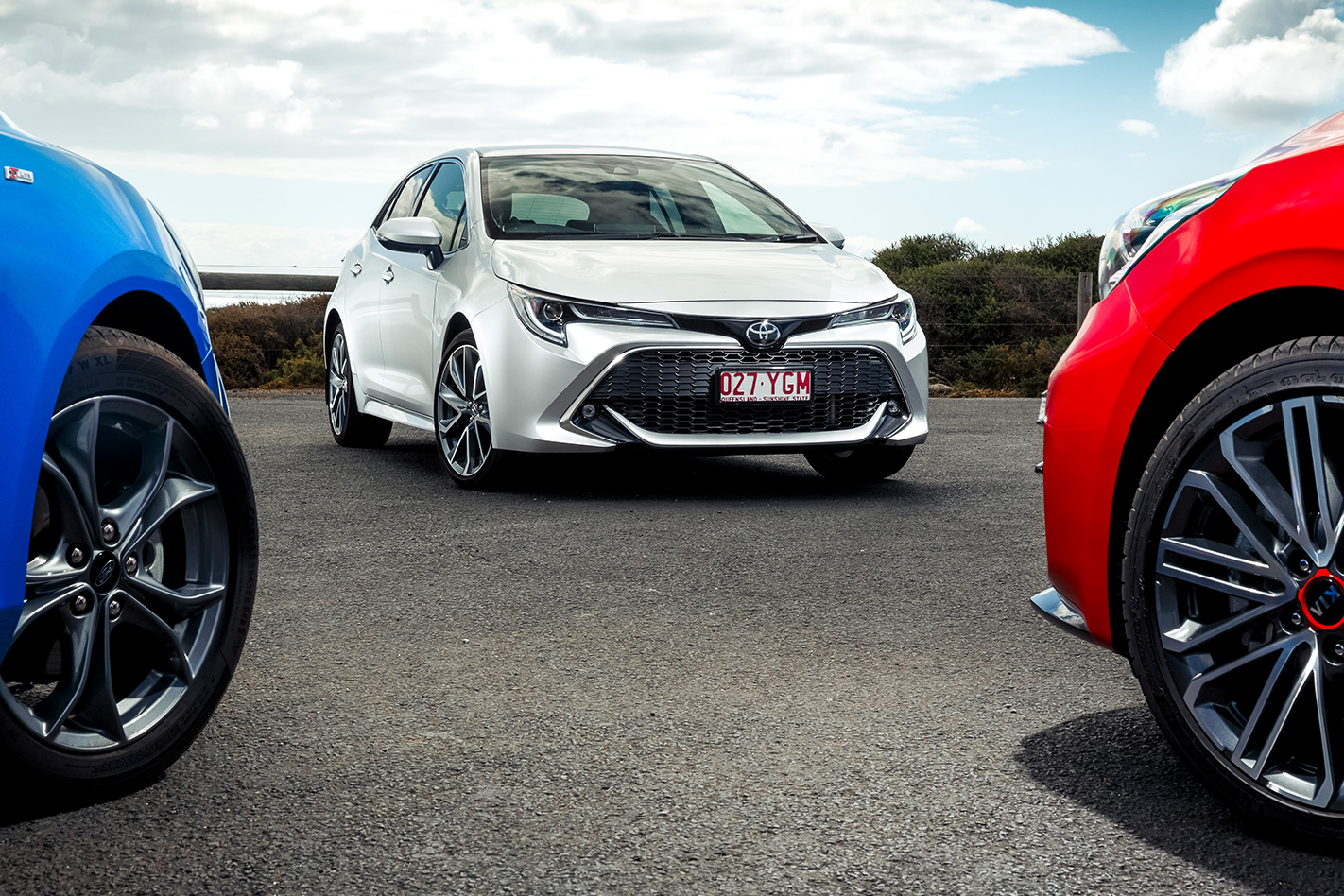
So to drive, it’s excellent. Efficient and easy-going. However, the report card is marred somewhat by a poor cabin versatility score – that cramped rear seat and poorly packaged boot area really let the Corolla down. That said, we wouldn’t view that as a deal breaker unless you regularly cart around more than one passenger or plenty of cargo.
Does the Corolla ZR justify its $30K-plus price? Absolutely, but that comes down more to the technology that’s in it and the quality of its furnishings and drive experience – and not because it delivers plenty of ‘metal for your money’.
MORE: Toyota Corolla Specs, Range & Price
Honda Australia has turned 50 and what better way of celebrating the Japanese car maker’s golden anniversary than the introduction of one new model to Australian showrooms for every decade since its arrival?
Don’t get too excited, though. While the company has marked the occasion with an incredible range of gilded cars, motorbikes and even a generator, the local line-up of six passenger model, a brace of SUVs and a super coupe remains unchanged for now.
Even so, we’ve put our heads together and created a fantasy league of new models that we would love to see rolling into local Honda dealerships. Check out our wish list gallery above and join us in saying happy birthday Honda!
Honda Australia has given some key vehicles in its range the Midas touch to celebrate half a century of presence in Australia.
The Honda Civic Type R, the NSX, as well as CBR1000RR Fireblade, CRF450L, and CRF50F motorcycles have been gold-wrapped to celebrate what is commonly known as the golden anniversary.
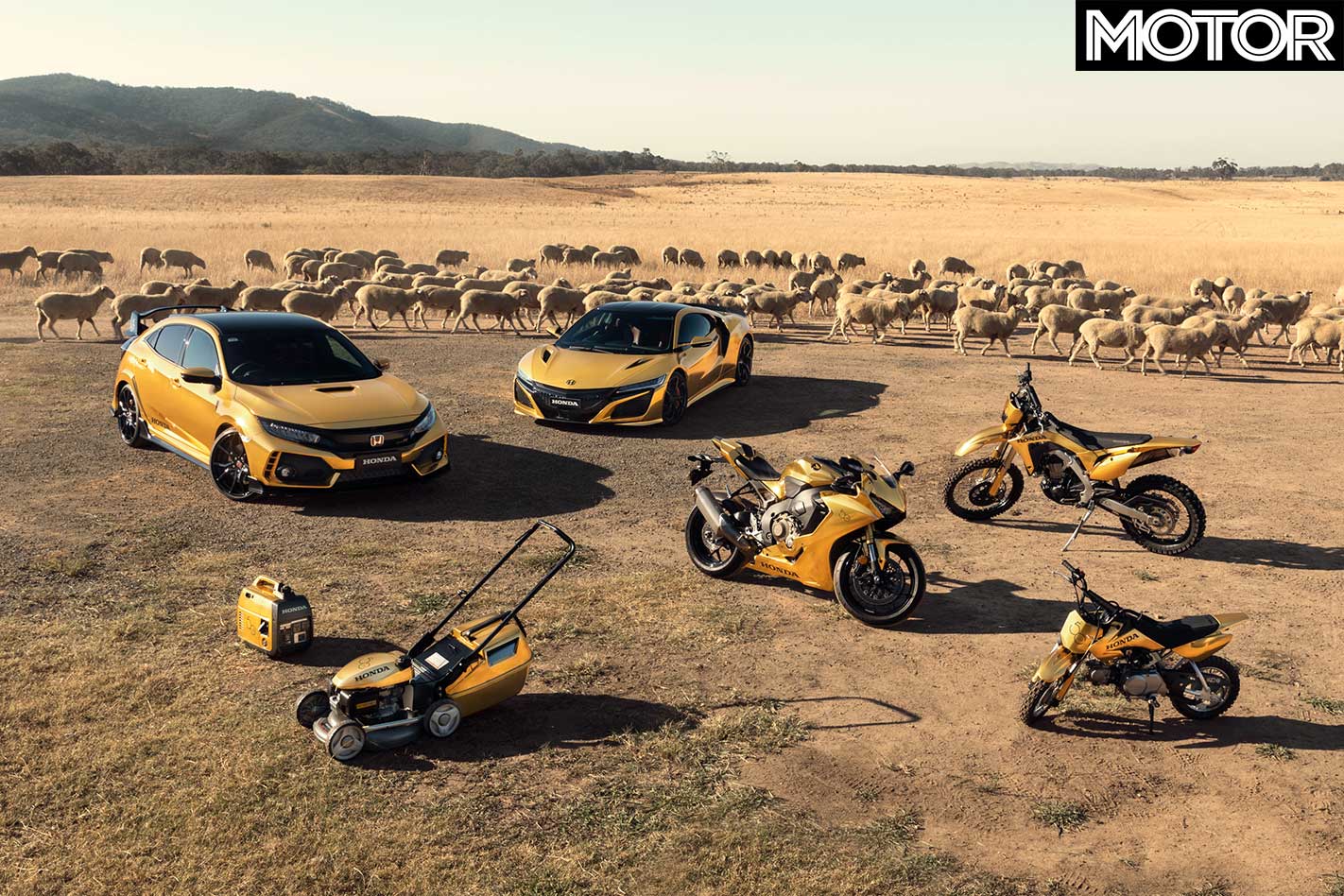
With the cars and bikes are two of Honda’s other well-known products, a lawn mower and power generator, which were both also wrapped with gold chrome film with clear satin laminate.
Honda Australia’s managing director and CEO, Hiroyuki Shimizu, says the local brand has gone from merely a subsidiary “to sell cars,” to a large part of Honda’s global brand which helps “make people’s lives more enjoyable.”
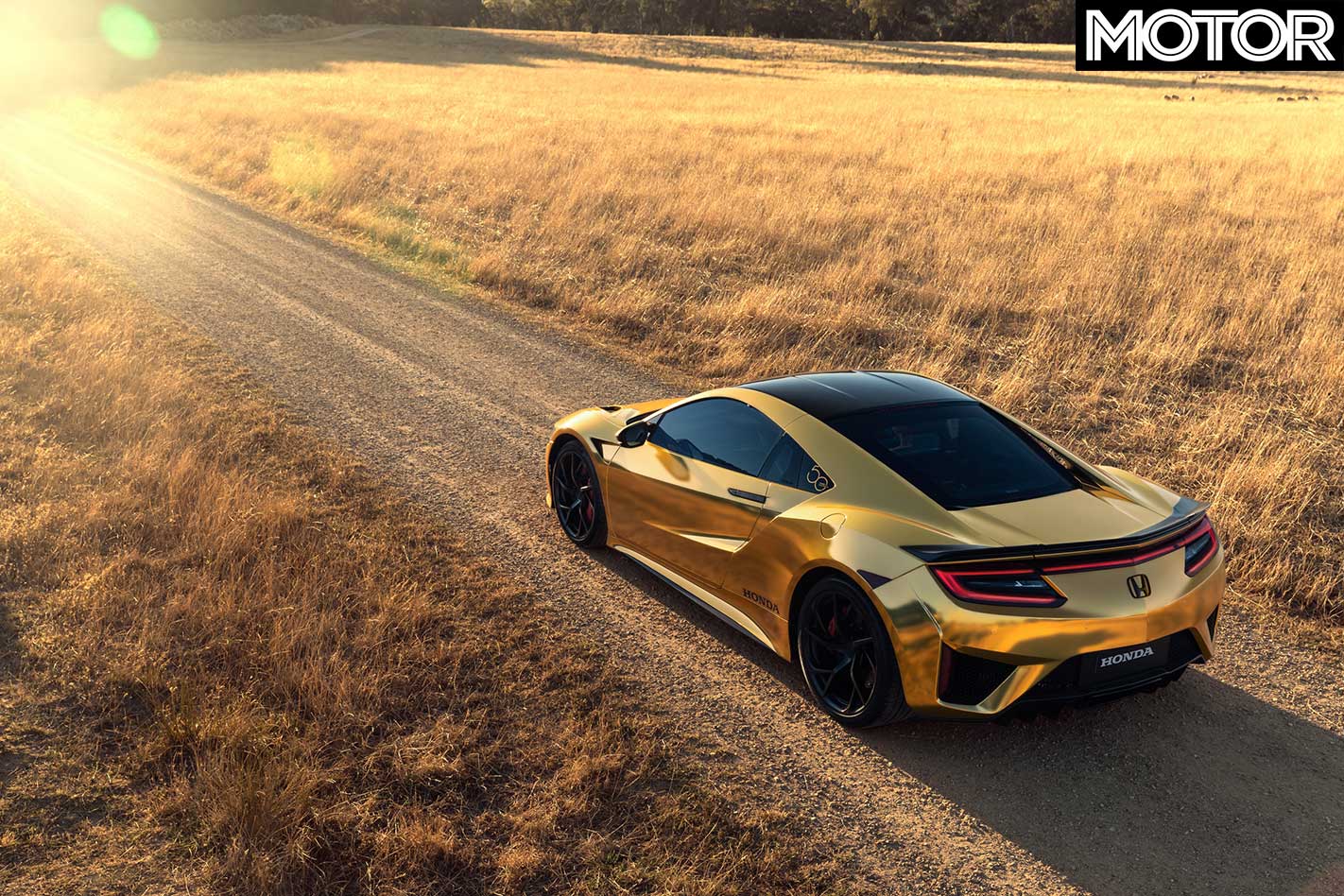
“We thought about how we could celebrate our birthday and our unique diversity in a bold and fun way. I mean, who has ever seen a golden mower or generator before?” Shimizu says.
“To Honda, performance means more than speed – each product is designed to perform at a level that exceeds the expectations of the customer.”
Shimizu says Honda Australia will ‘tour’ the gold cars around the country in 2019 to celebrate the anniversary, and that more announcements are to be made about anniversary celebrations or displays.
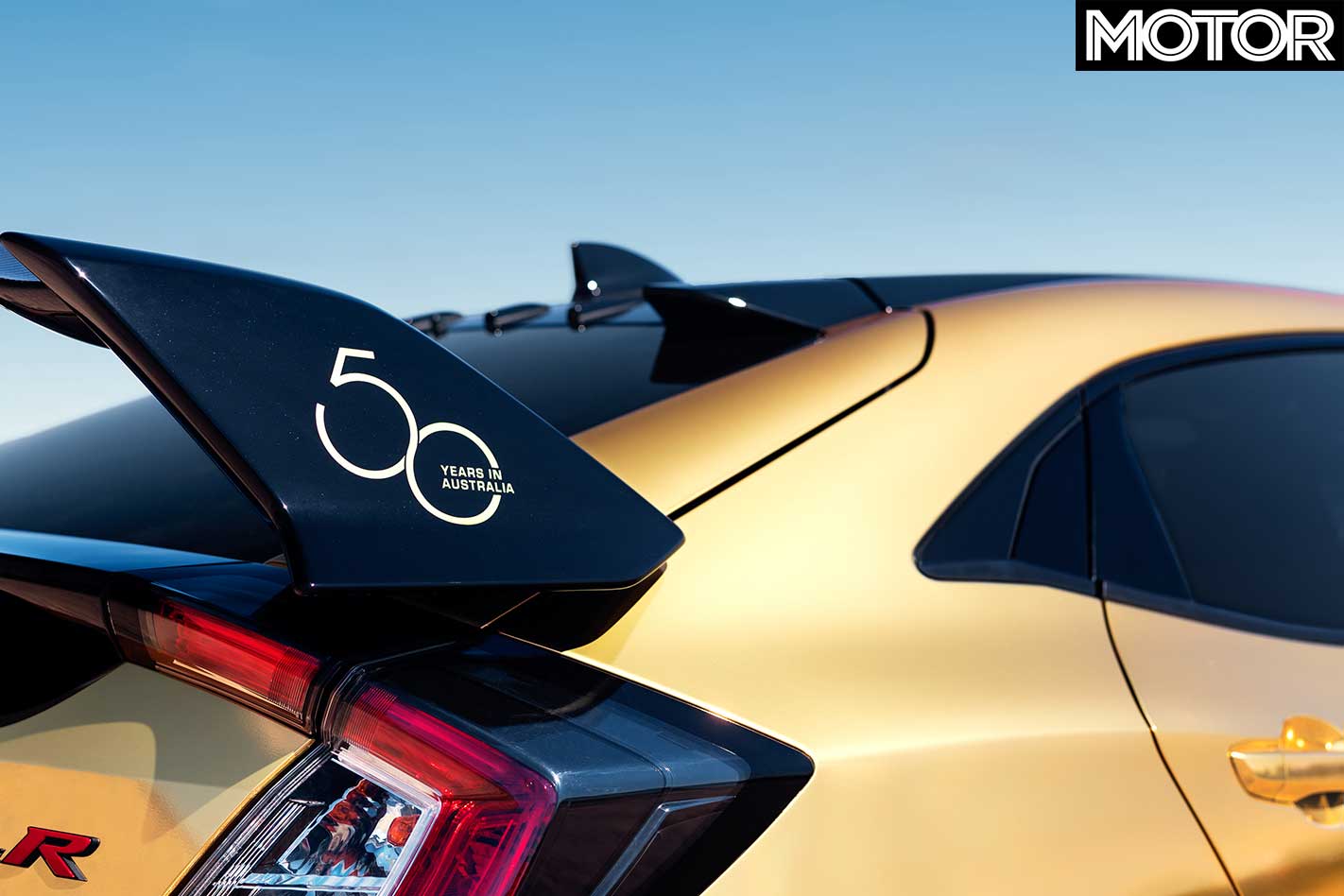
“Achieving 50 years of longevity and continuity in business is a significant milestone, but none of this would be possible without our people. Our team at Honda Australia and our dealer network across the country are exceptional at what they do and I thank them for their contribution”, says Shimizu
“Most importantly though are our customers. Honda would be nothing without our customers – both long-term customers and new customers all contribute to making this brand what it is today.”
