
Click through the Mercedes-Benz CLA gallery above!
Mercedes-Benz has used the world’s biggest consumer electronics show as the backdrop to reveal the next derivative of its new A-Class line, the four-door CLA sedan-slash-coupe.
The CLA – whose only real competitor in the small prestige sedan space is the Audi A3 – was unveiled at the Consumer Electronics Show in Las Vegas, and is regarded by the company as a key tool to entice a new generation of younger Mercedes-Benz customers. More than 750,000 CLAs have been sold worldwide since its introduction in 2013.
The CLA is following in the path of the recently launched A-Class, offering levels of technology not before seen in Merc’s smallest coupe – or, in fact, aboard many of its bigger, more expensive cars.
The CLA’s dash array is based around the same twin 10.3-inch digital screens seen in the A-Class, C-Class and E-Class, while the Mercedes-Benz User Experience (MBUX) system which debuted in the A-Class has been enhanced.
Around 40 new functions have been added to the voice-based system, according to Mercedes-Benz, including the ability to answer more complex queries, differentiate between overlapping conversations and to control a new system known as Interior Assist.
This system uses gestures to control various in-car functions. For example, the system can be programmed to a particular gesture, allowing the user to create a gesture shortcut to navigate home. It will also be able to determine whether it’s the driver or passenger who is gesturing towards the large central screen.
“MBUX can understand complex questions and quickly reply,” says a statement from Mercedes. “These include sport (‘Hey Mercedes, how did the San Francisco 49ers play?’), the stock exchange (‘Compare the share price of Apple Incorporated to Microsoft’), calculations (‘What is the square root of 3?’) or general knowledge (‘How big is Texas?’, ‘What is the fat content of avocados?’)”.
Much of this functionality will, of course, depend upon internet connectivity. A Merc spokesperson indicated that while some of the MBUX’s deeper functionality may not be ready for when the car launches before the middle of this year, it will be able to be turned on as connectivity improves.
Design-wise, the CLA shares very little with the A-Class in the metal. It’s 151mm longer than the A-Class but keeps the same 2729mm wheelbase. It’s around 34mm wider, with slightly wider front and rear wheeltrack widths, as well. It does lose ten litres of luggage capacity – down to 460 litres VDA – thanks to a new multilink rear suspension set-up
There are bulges in the bonnet, a set-back cabin and a wider, lower stance than that of the outgoing car.
There’s been a strong focus on tuning the aerodynamics of the car as well, with items like radiator shutters and wheel arch extension vanes included to reduce the CLA’s drag coeffcient.
The aforementioned multilink rear suspension combines with traditional MacPherson front struts, and the chassis will offer a wide array of standard driver aids like AEB, active lane control, cruise control and more.
In fact, enhanced radar tech allows the CLA to read terrain up to 500m in front of the car, while advanced AEB can also help to reduce crash impacts to the rear of the car.
The CLA, like the A-Class, is built on top of a modified version of the previous-generation A-Class platform, and it will eventually adopt the same range of powertrains unveiled with the 2017 A-Class.
Only the CLA250 was confirmed at the CES event, which is powered by a 2.0-litre turbocharged four-cylinder petrol engine producing 165kW and 350Nm. Drive is sent to the front wheels via a seven-speed dual-clutch gearbox.
Currently, Mercedes-Benz Australia offers a full range of engines in the outgoing CLA, while the new-gen A-Class now features an entry-level 1.4-litre four-cylinder engine along with the 2.0-litre in two states of tune.
Locally, we’ll know more about the car’s specs and drivetrains come April, according to Mercedes-Benz Australia officials.
Mercedes-AMG gave us a little Christmas present in the form of a video – albeit just after most of the world (and we here at MOTOR) had gone on holidays.
But since a fair few people likely missed it the first time around, here it is.
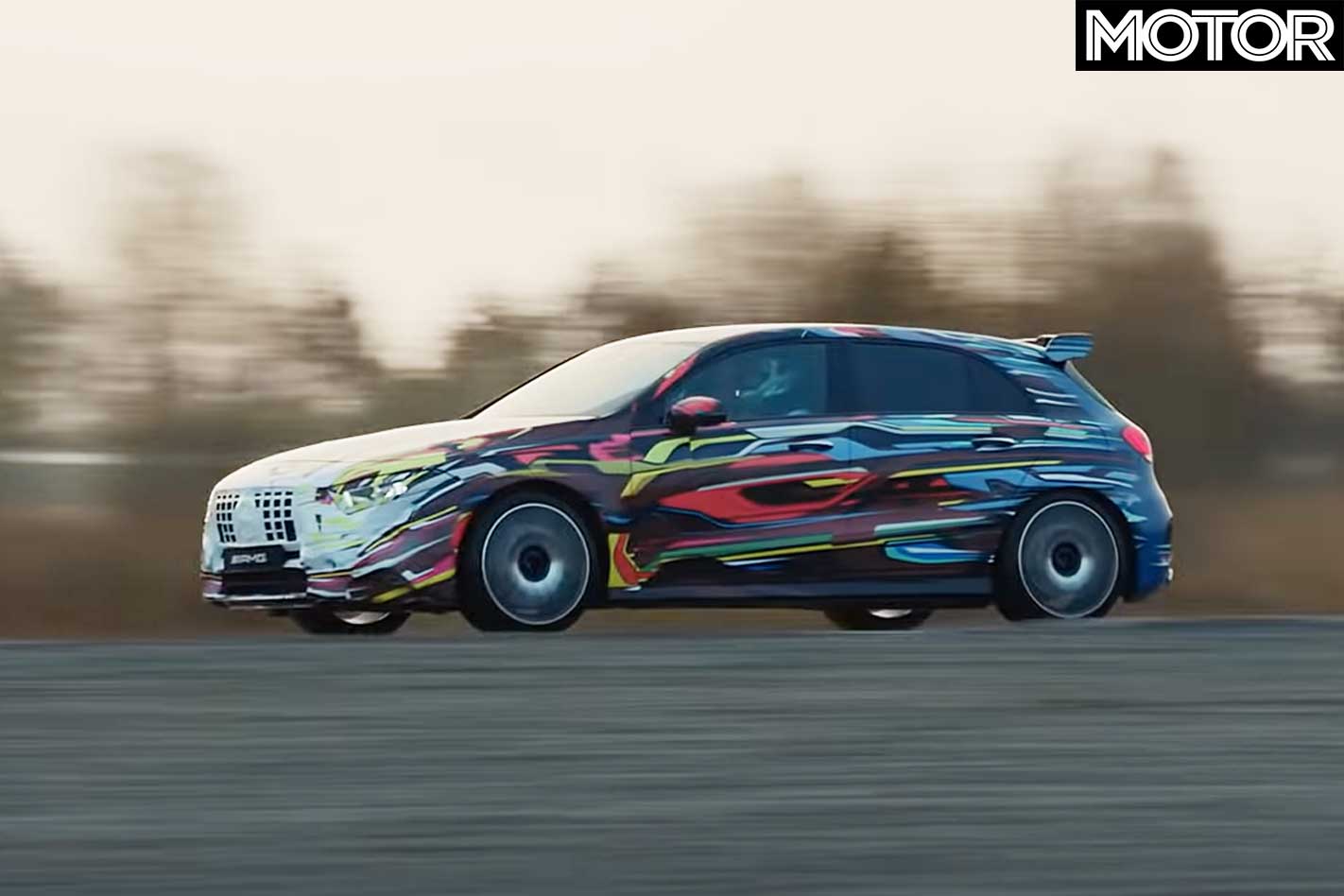
Since the video’s release, MOTOR has also published an exclusive feature detailing the next A45 and what to expect from it.
In it, we quote Mercedes-AMG’s boss Tobias Moers who told us at the time “It will go sideways.” This video sure proves that.
You can read the full article at the link below, but if you’re pressed for time read on for six important A45 details you need to know.
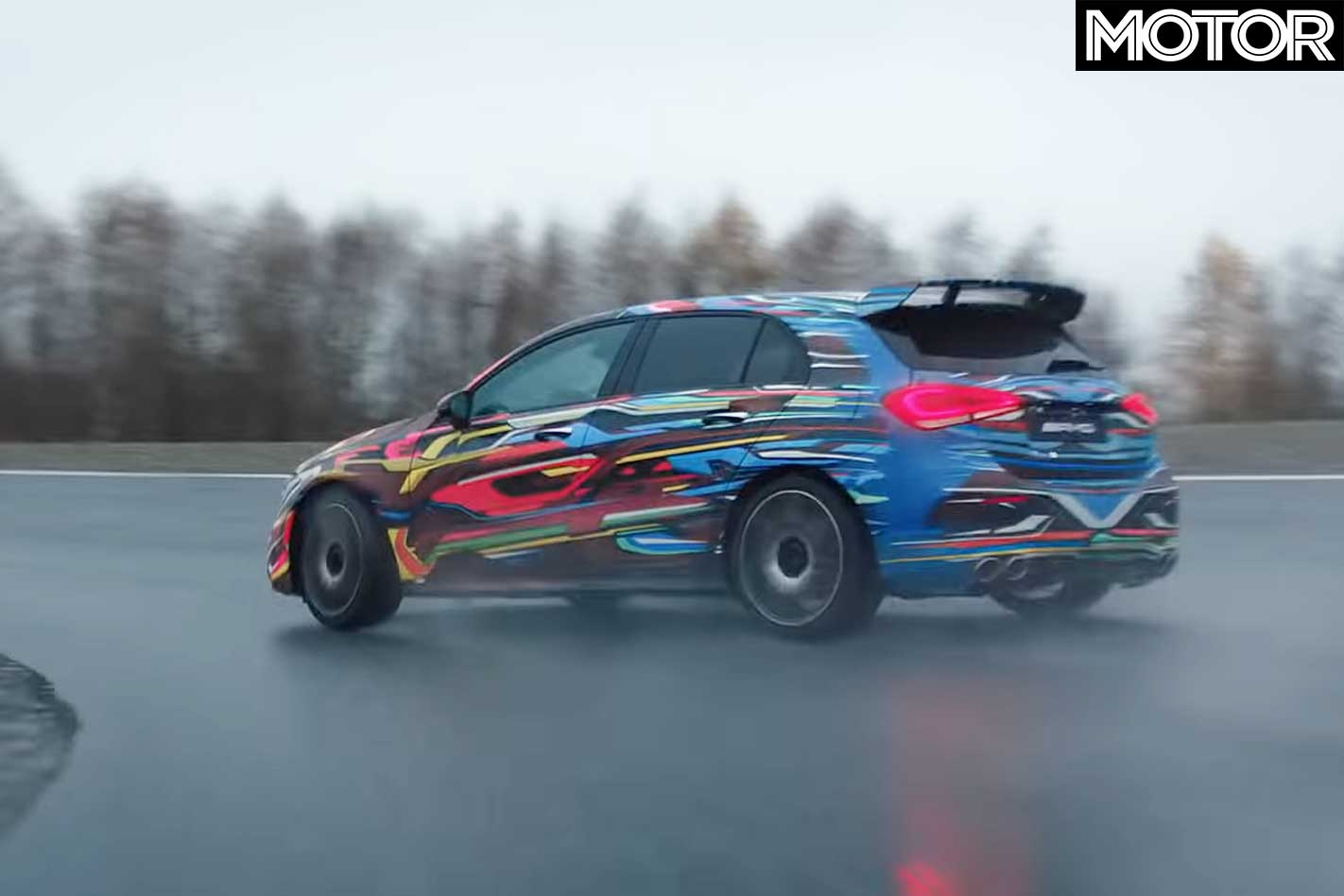
01 – Boasting mega power figures, the next-gen A45 is rumoured to nail 0-100km/h in less than 4.0sec. This would make it the hottest of hot hatches, besting the Audi RS3’s 4.1sec.
02 – Out with the old M133 and in with the new M260 – rumoured to have in excess of 294kW. Alloy block a new design, but displacement remains 1991cc.
03 – The M260 unit will have a 48-volt mild-hybrid system powering an auxiliary compressor and offer a ‘boost’ function for extra grunt.
04 – Majority of drive can be sent to the rear wheels, as opposed to only 50 per cent with previous A45. Will gain unique track widths, too.
05 – New MFA2 platform will underpin not only the A-Class, but will be shared with the CLA and B-Class.
06 – Merc’s new MBUX infotainment and massive digital instrument cluster will find its way into A45.
Last year saw 1144 deaths on Australia’s roads, 82 fewer than in 2017, with Victoria and Western Australia registering their lowest road toll since records began.
In Victoria, 214 people lost their lives on the road in 2018, compared to 259 in 2017. Officials credit a range of factors with this significant reduction in deaths, including a drop in high-speed accidents on rural roads from 156 in 2017 to 108.
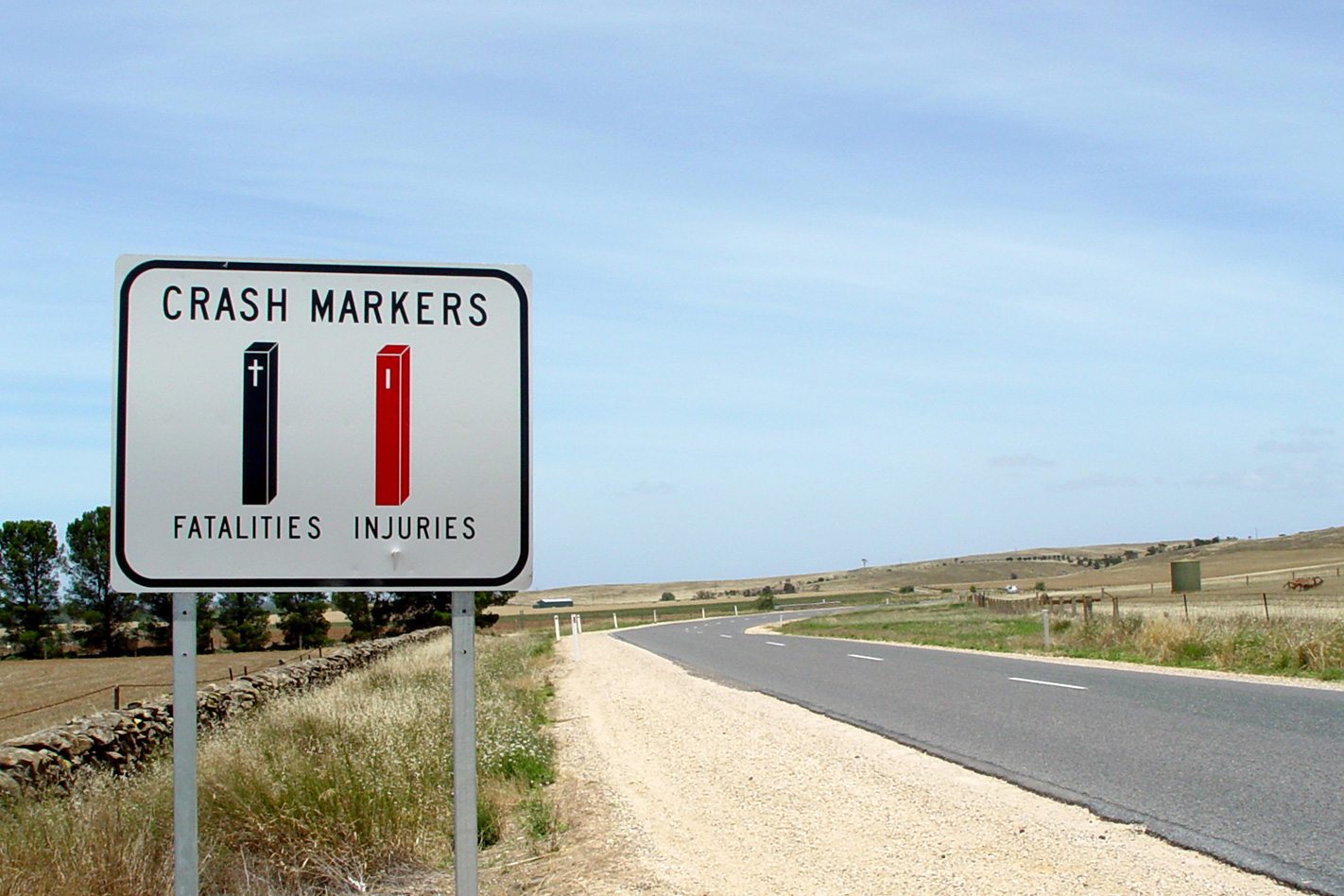
The number of single-vehicle and head-on crashes have also dropped across the state, but they remain the leading causes of fatal crashes in regional Victoria.
Credit for the reduction is spread between road safety campaigns, punitive measures and investment in roads infrastructure, including 1500km of flexible safety barriers.
“These stats show that our unprecedented investment into road safety infrastructure is heading in the right direction,” said Transport Accident Commission chief executive Joe Calafiore. “But there is still a long way for us to go in reaching zero lives lost and serious injuries on our roads.”
Across the border, New South Wales’ annual toll fell to 354 from a 2017 figure of 376. While that number is still unacceptably high, the state’s assistant police commissioner, Luke Grant, said he was encouraged by the fact that road safety message seemed to be getting through.
Speed-related crashes and fatalities from heavy truck crashes were down. However there were too many largely preventable accidents caused by poor driver behaviour, drug and alcohol impairment and people not wearing seatbelts.
Incredibly, failure to wear a seatbelt accounted for 27 percent of Queensland’s 246 road deaths, up from 26 percent in 2017 despite the Queensland Government’s vow to re-educate drivers about belting up.
“It almost beggars belief that, decades after the seatbelt safety message was first promoted far and wide around Australia, people still fail or forget to make the simple, life-saving choice to buckle up,” Transport Minister Mark Bailey said last year.
“While the problem is Queensland wide, it is more prevalent in regional Queensland, especially in Mt Isa, South West, Far North, Townsville, Capricornia and Mackay Police Districts.”
Queensland’s 246 fatalities were just one fewer than 2017, making it the third lowest annual road toll since its records began.

South Australia saw a 20 percent reduction in roads deaths, the biggest drop in the country, with 80 people losing their lives compared to 100 in 2017.
Assistant Commissioner Paul Dickson told Nine News the fall could be attributed to a range of strategies put in place by police and other agencies that all impacted on road safety.
“There’s no silver bullet here,” he said. “But enforcement is obviously from our position a strong factor.”
Australia’s two territories were the only jurisdictions to record higher death tolls this year compared to 2017.
The Northern Territory saw a 61 percent spike with 50 fatalities recorded, up by 19, leaving authorities to ponder how to better get the road safety message across.
St John Ambulance NT operations manager Craig Garraway told the ABC the jump was “tragic”.
“Police are doing everything they can to try and stop this stuff. But I don’t know what more we can do,” he said.
The ACT’s relatively low road toll jumped from just five in 2017 to nine last year, but was down on the previous three years.
Road toll 2018 2017
- National 1144 1226
- ACT 9 5
- Northern Territory 50 31
- New South Wales 354 389
- Queensland 246 247
- South Australia 80 100
- Victoria 214 259
- Western Australia 158 161
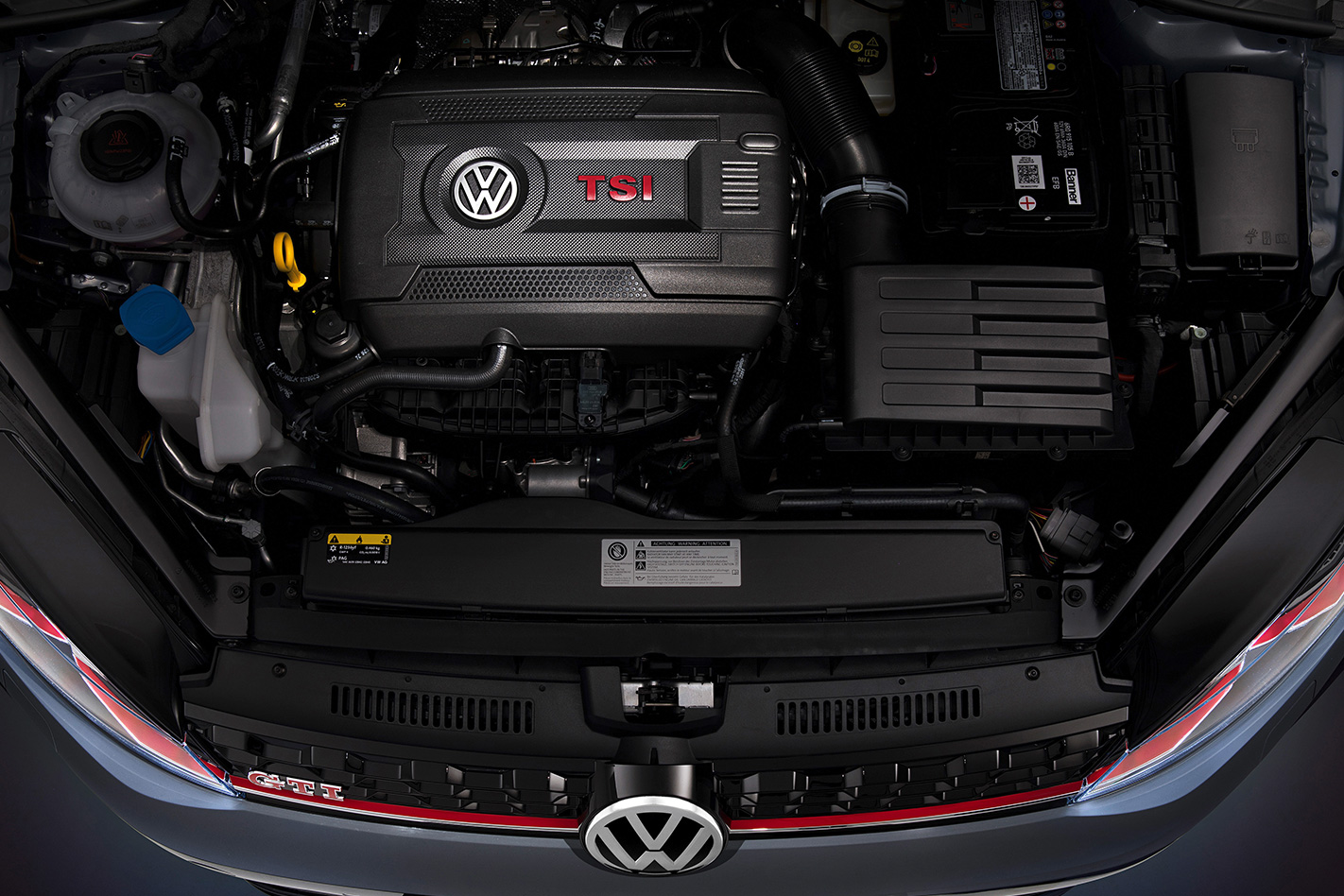
THE NEXT generation of the original hot hatch – the Golf GTI – could have enough power to surpass the current Golf R
The eighth-generation Golf is expected to be revealed later this year, with German publication Auto Bild reporting that the next-gen front-drive performance Golf could have upwards of 224kW in certain trims.
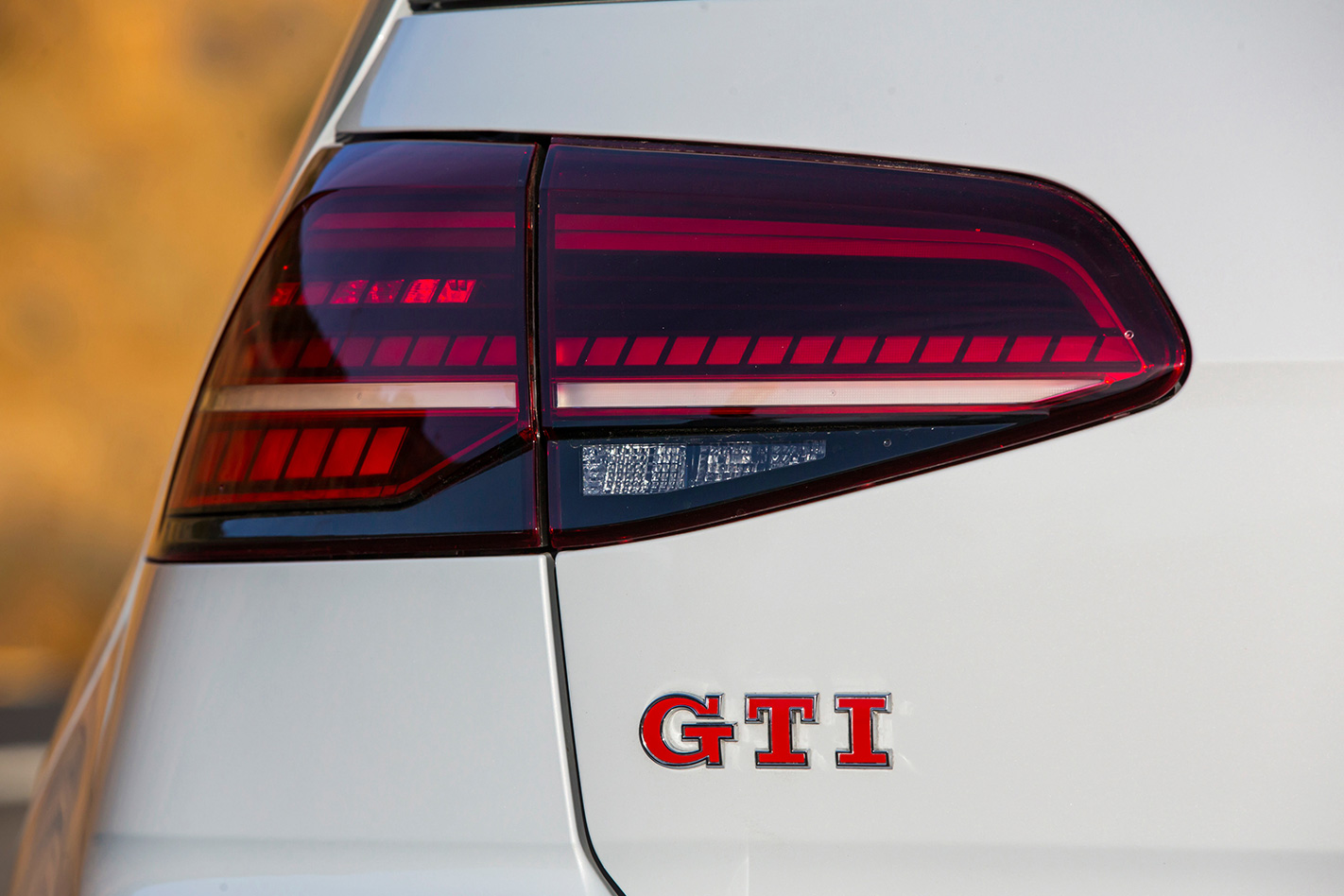
That’s a significant step up from the current GTI’s 180kW, and more than the existing all-paw Golf R’s 213kW. The increase in power will be one of the most significant step changes in the GTI’s history, and channeling all that grunt exclusively through the front wheels will prove a challenge for VW engineers.
The report doesn’t mention torque figures, though it is safe to assume this will take a similar leap forward over the MY19 GTI’s 370Nm, with the final figure possibly over 400Nm.
Auto Bild suggested the 224kW tune would not be the outputs of the standard GTI, with that figure being produced as part of an optional performance pack. However, they report the base model will still produce a healthy 182kW.
Speaking to Wheels, Volkswagen Australia general manager for communications Paul Pottinger said Australians can expect the eighth-gen GTI to arrive Down Under in the second half of 2020.
In the meantime a bevy of more powerful seventh-gen GTI’s are on their way to our shores “before the end of the year”.
The Golf GTI TCR sends 213kW and 370Nm to its front treads, with around 400 examples being made available to Aussie buyers.
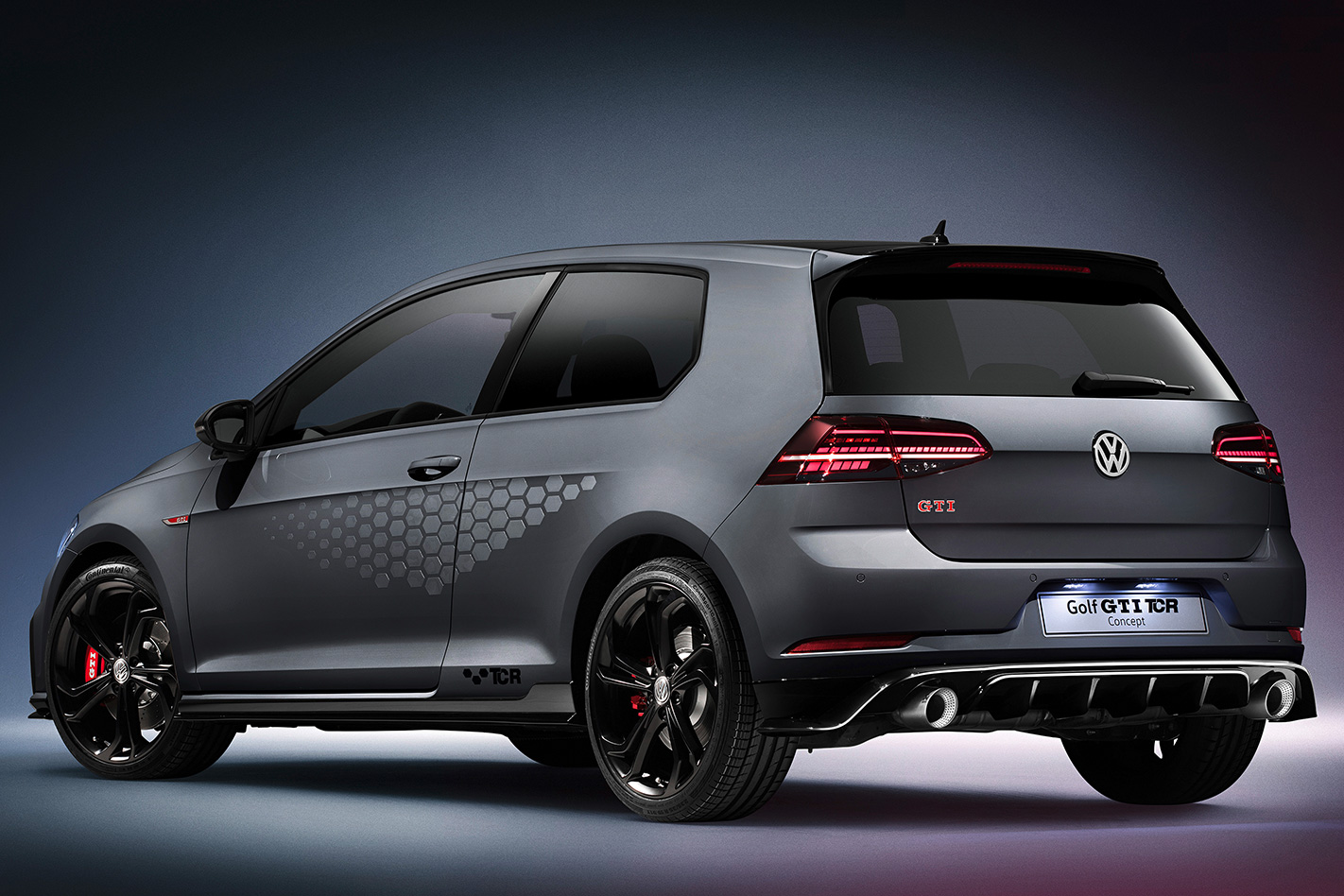
“It is the most powerful mass produced GTI yet,” Pottinger told Wheels.
With a focus on driving enthusiasts, the Golf GTI TCR special edition has a locking differential on the front axle, and is capable of a 264km/h top speed when fitted with an optional sports pack, which adds a sports chassis and adaptive suspension. The limited-run model is only available with a seven-speed dual-clutch automatic.
If the rumoured 224kW output for the eight-generation GTI comes to fruition, Pottinger is confident it’s something local buyers will be eager to add to their driveways.
“The great majority of Golf sales in Australia are for cars over $30,000, with many of those being our GTI and R performance variants.”
After a day of previews exclusively for Lamborghini customers via an invite-only app, the new Lamborghini Huracán Evo has been revealed in full to the public, marking the beginning of the next-gen Huracán.
The 470kW/600Nm N/A 5.2-litre V10 engine from the Huracán Performante features as the engine for the now-base model, which weighs 1422kg dry and can hit 0-100km/h in just 2.9sec just like the Performante.
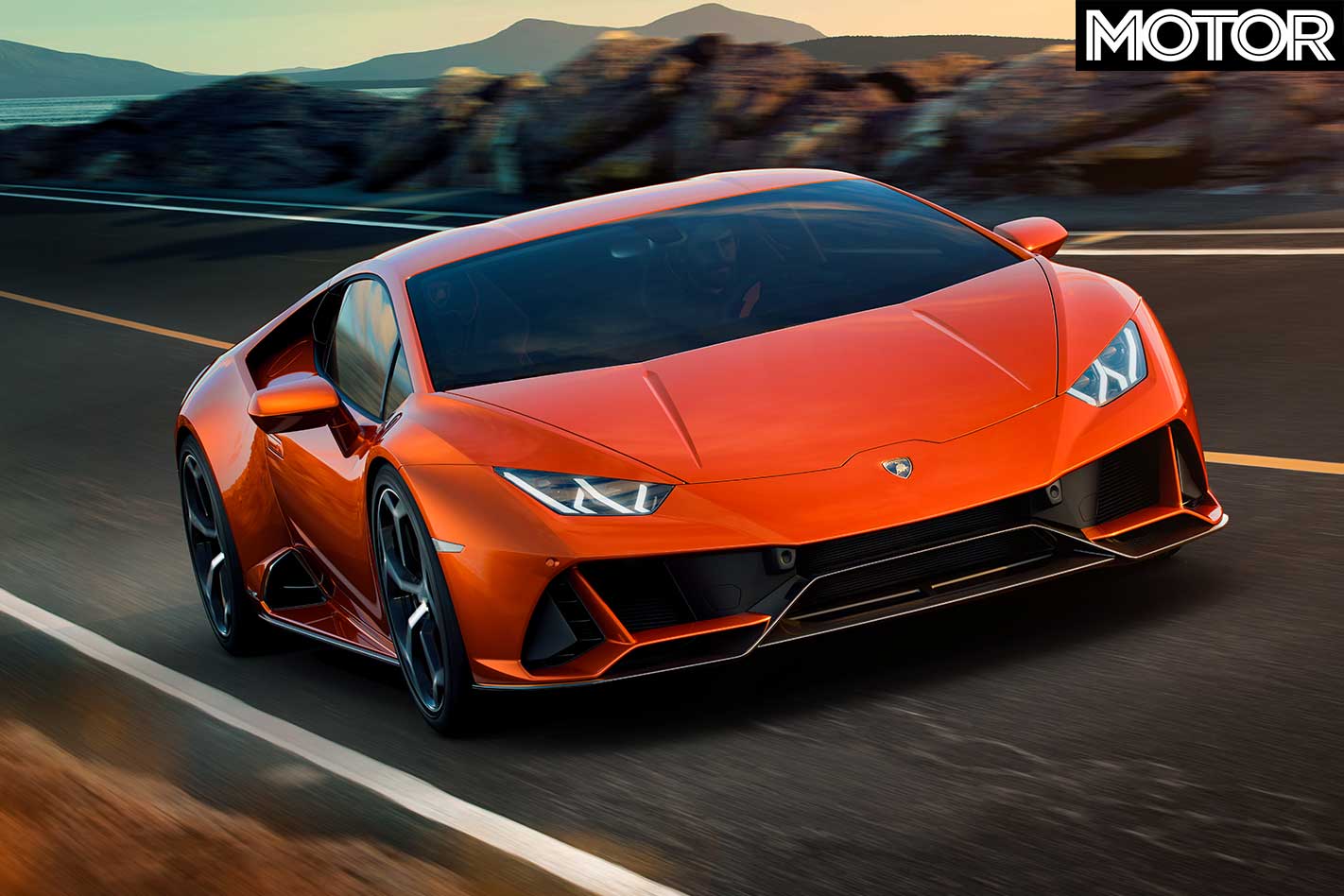
Unlike the Performante, however, the Huracán Evo features subtler styling as a ‘next step’ for the base model’s look.
The all-wheel drive Huracán Evo also features new all-wheel steering and Lamborghini’s ‘Dinamica Veicolo Integrata’ (or LDVI – a control program for driver assistance). Lamborghini says LDVI “anticipates the next move and needs of the driver” and turns that into “perfect driving dynamics.”
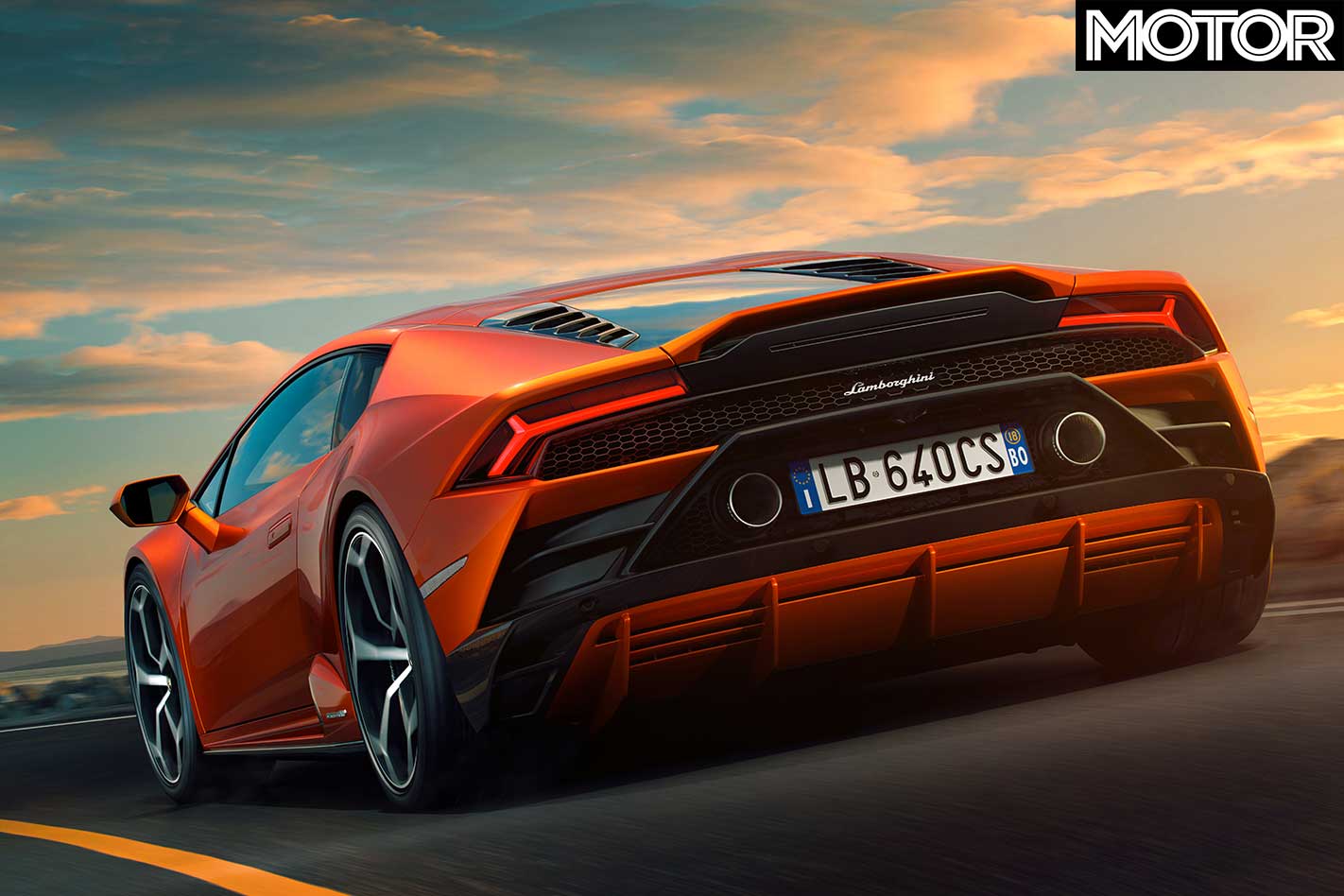
As we saw when images were leaked from Lamborghini’s exclusive Unica app for customers, the most noticeable design changes to the Evo appear at the rear, with the exhaust relocated to more closely match the Performante.
“Lamborghini is intent on leading the advance to the highest level of super sports car technologies and driving emotion,” says Domenicali.
“This is the essence of the new Huracán EVO. It takes the extraordinary abilities of the Huracán Performante and combines state-of-the-art vehicle dynamic control to amplify the everyday Huracán driving experience.
“The Huracán EVO is the very definition of evolution: it is a step ahead, redefining the segment parameters. It is remarkably easy to drive, while delivering the most responsive, sensory and agile driving experience, in every environment.”
Lamborghini says deliveries of the Huracán Evo will start in mid-2019. Australian pricing is not yet confirmed, but should sit near the AUD$450K mark.
View the entire Lamborghini Range
The Australian launch date of the Ford Fiesta ST is yet to be confirmed as the Blue Oval’s local arm continues to negotiate the appropriate specification for the Aussie market.
Ford’s new pocket rocket has been on-sale in Europe since Q2 2018 and has garnered impressive plaudits, but local enthusiasts will have to remain patient as the pint-sized hot hatch still appears to be months away.
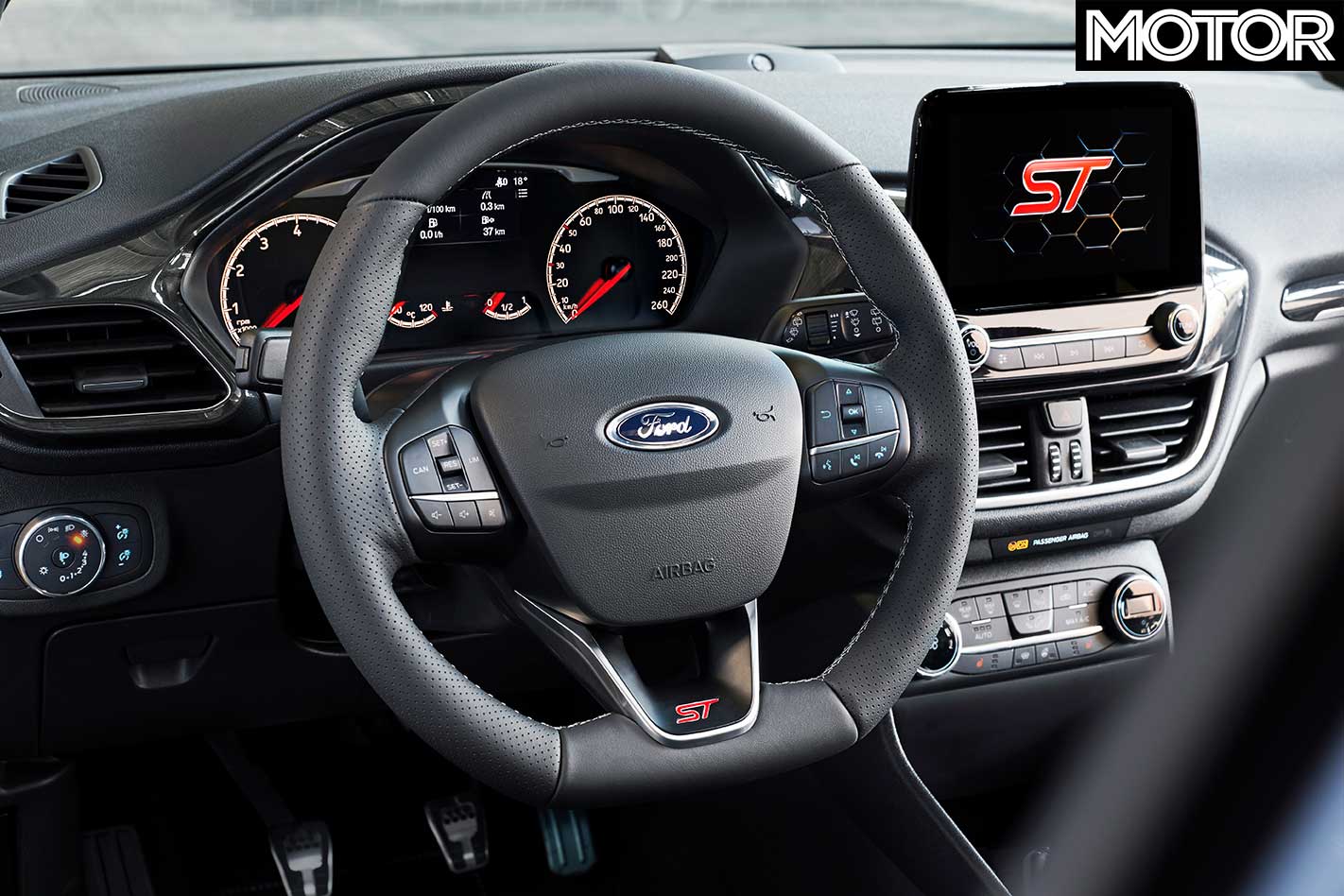
MOTOR understands the delay is due to Ford Australia’s desire to offer a single high-specification variant, though the decision to drop the standard Fiesta range and focus only on the high-performance ST is unlikely to have helped Australia’s place in the production pecking order.
In response to MOTOR’s query Ford responded with: “2019 will be a great year for Ford Performance in Australia, with models such as the Fiesta ST on the horizon. The Fiesta ST has received many media accolades from media, and we have assured our place in the queue for production from Germany which has given us the opportunity to fine-tune the spec and pricing of this hotly-anticipated hatch. We look forward to sharing these details ahead of the Fiesta ST’s arrival sometime later in the year.”
The good news is that we’re guaranteed to score the 147kW/290Nm 1.5-litre turbo three-cylinder engine mated to a six-speed manual gearbox. Even better, it’s likely optional-in-Europe mechanical items like a Quaife limited-slip differential, an active exhaust and 18-inch wheels will appear as standard.
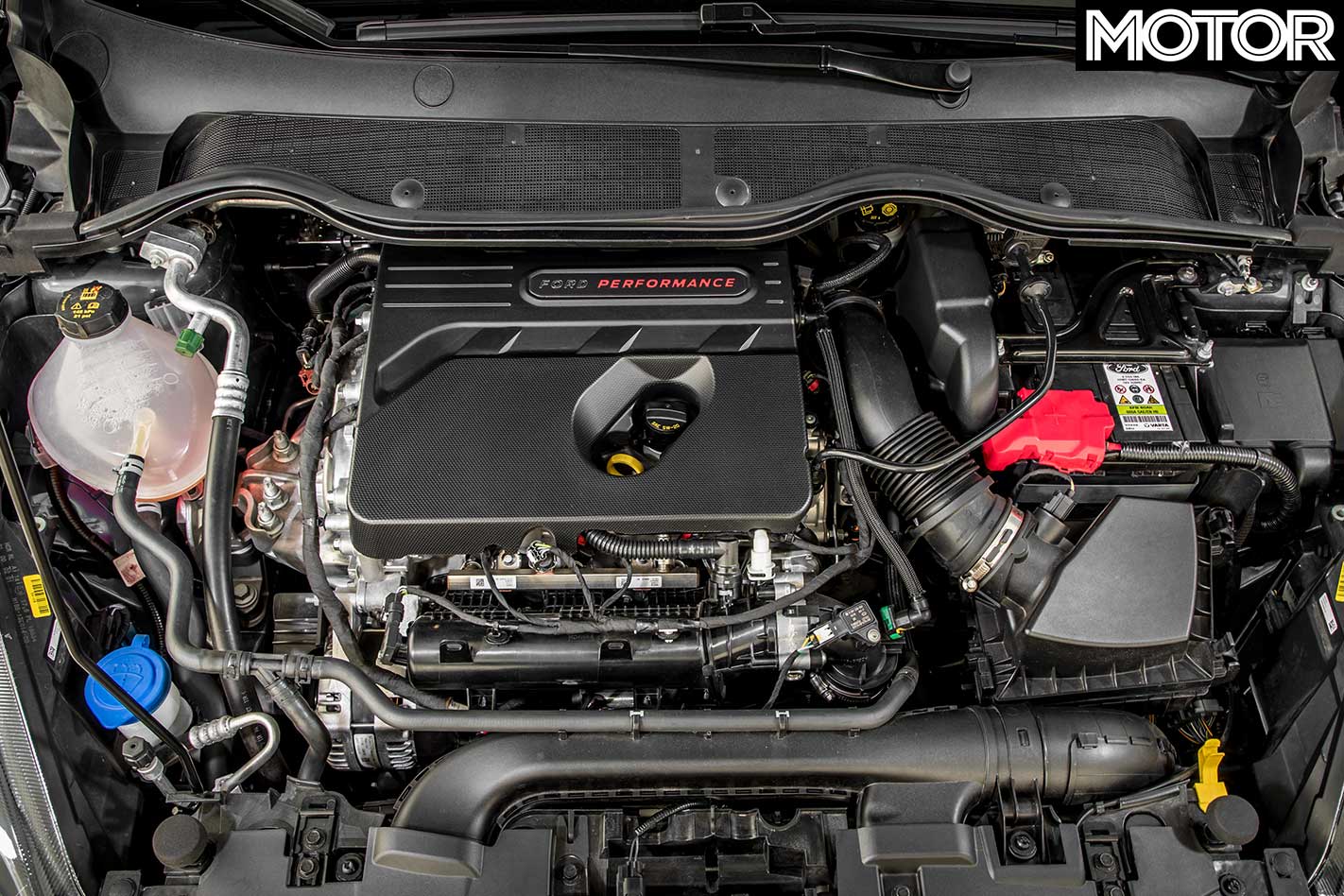
In Ford’s other major right-hand drive market, the UK, the Fiesta ST is offered in three trim levels: ST-1, ST-2 and ST3. We’d expect local STs to most closely mirror the loaded ST-3 specification, if only for the fact that it’s the only variant to include as standard items like a rear-view camera and keyless entry and go, not to mention the increasingly prevalent active safety aid Pre-Collision Assist.
The key question will be whether Ford can deliver all this equipment and keep the price below $30,000 to successfully undercut the $30,990 VW Polo GT; that and whether it will continue to offer only the three-door body style, switch to five-door or allow customers a choice.
As one of the most hotly anticipated cars of 2019, we’re hoping Ford Australia’s production slot arrives sooner rather than later.
Brabham Automotive has announced it will offer a road compliance pack for its Brabham BT62 supercar, making the Aussie-built track attacker legal to drive on the streets.
While Brabham didn’t seem to originally plan for this, it seems customer pressure has guided the company to accept that buyers would rather drive to the track than trailer the car there.
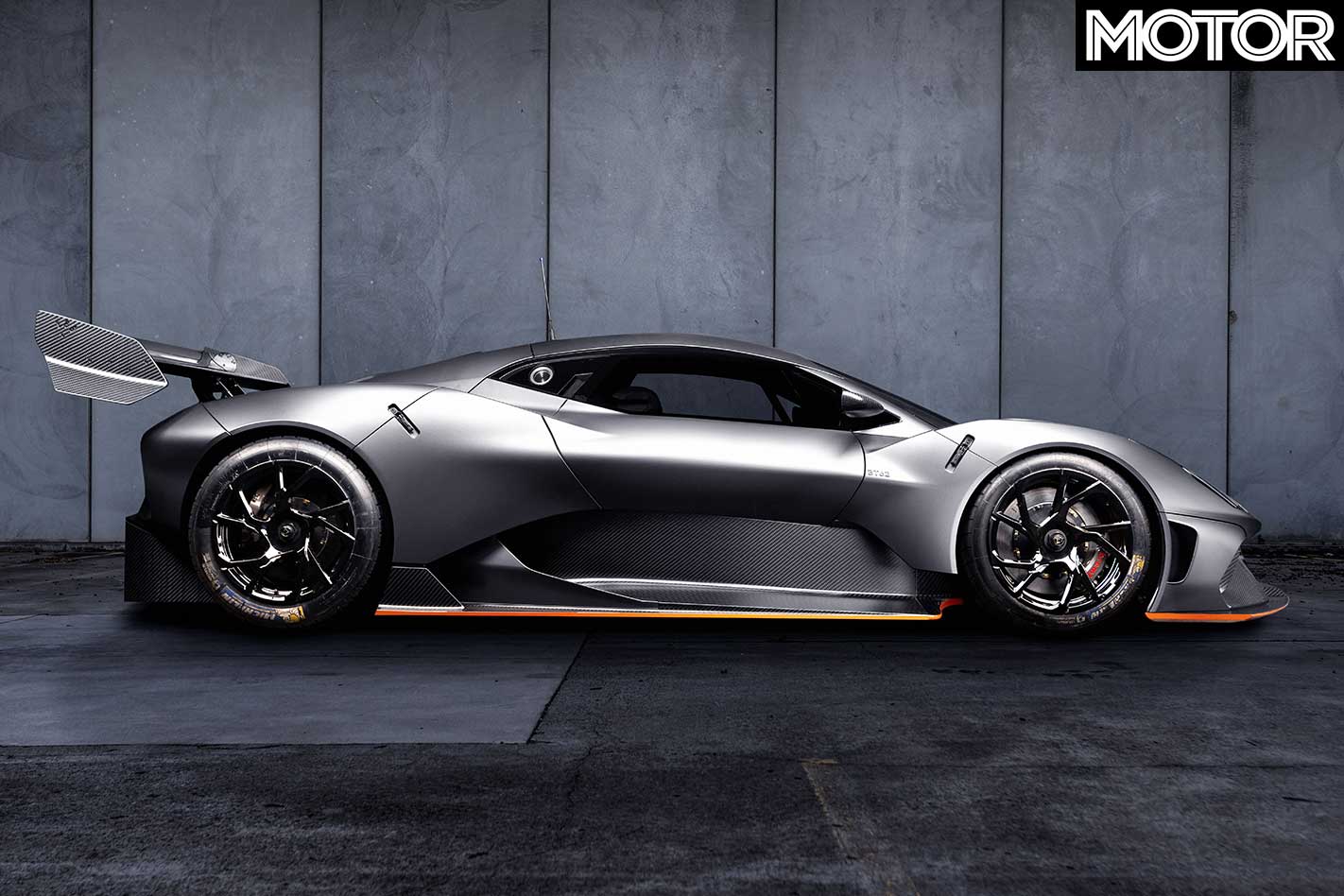
The atmo 5.4-litre V8-powered supercar weighs in at under a tonne, though in the process of conversion Brabham says the car will have to pack on a few pounds. It will retain its 522kW output.
The conversion isn’t going to be a cheap option for the BT62 either, with Brabham quoting “£150,000 in addition to the list price of the car.”
Given it already costs £1.2 million, which all up converts to about AUD$1.9 million, there will be plenty who’ll take up the option.
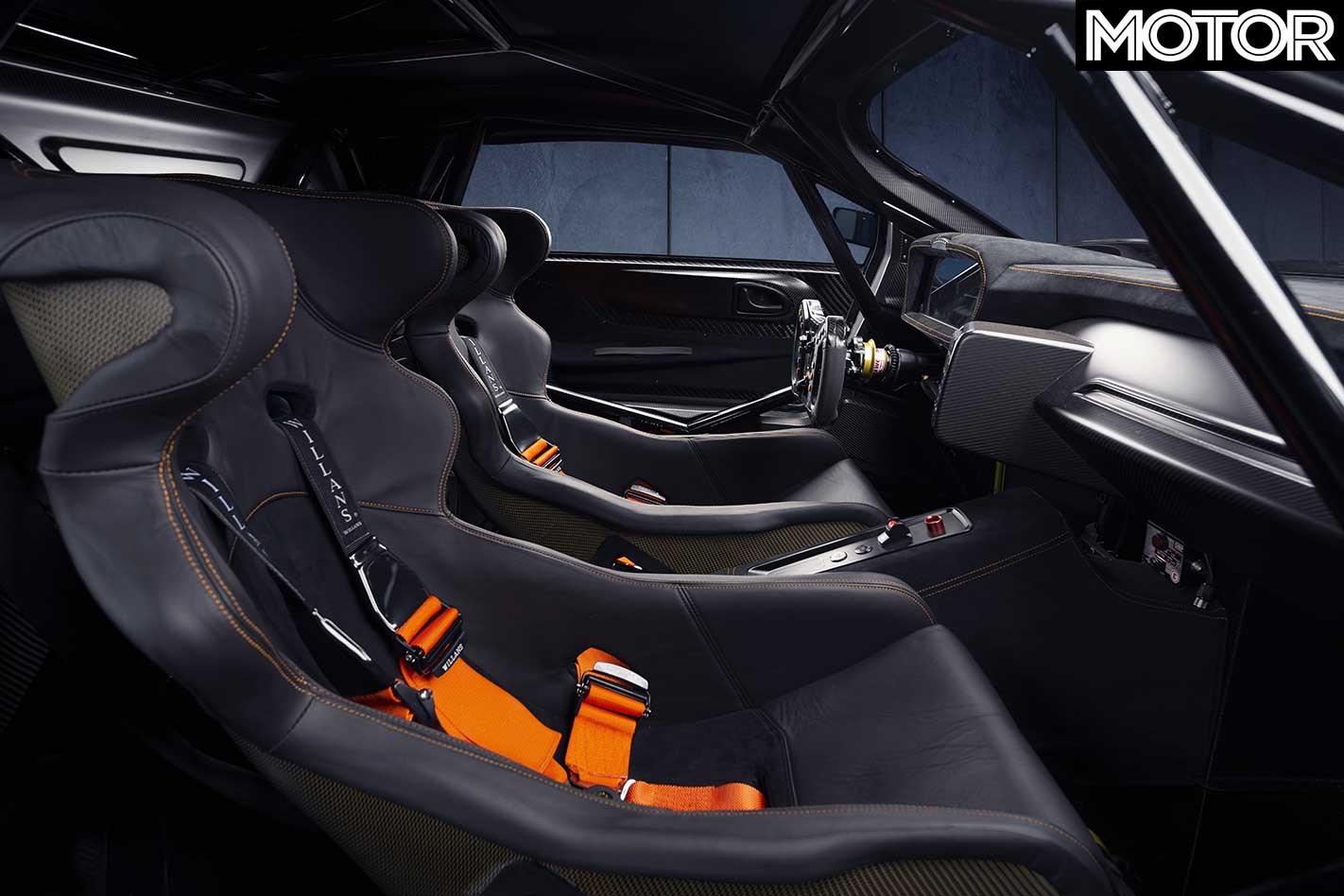
David Brabham, head of the company and son of Sir Jack Brabham, seems to suggest that this option shouldn’t really be ticked by those who want to get the most out of their BT62 on track.
“We designed the BT62 to be an unrestricted, thoroughbred track car and our extensive test programme has revealed it to be all of those things.
“This isn’t a car designed for the road. With that said, it’s clear some customers are keen to have a road compliant option with their BT62, particularly to drive to and from the track.
“My father Jack was always customer focused and we will continue with that ethos.”
Buying a Honda CR-V with three rows just got more affordable, with a new lower-spec model added to the range that’s $4500 cheaper than premium-equipped VTi-L, which until now was the only seven-seat option.
Priced at $34,490, the CR-V VTi-E is one of the most affordable seven-seat SUV on the market after the Mitsubishi Outlander and Nissan X-Trail, whose three-row versions are priced from $30,990 and $32,990 respectively.
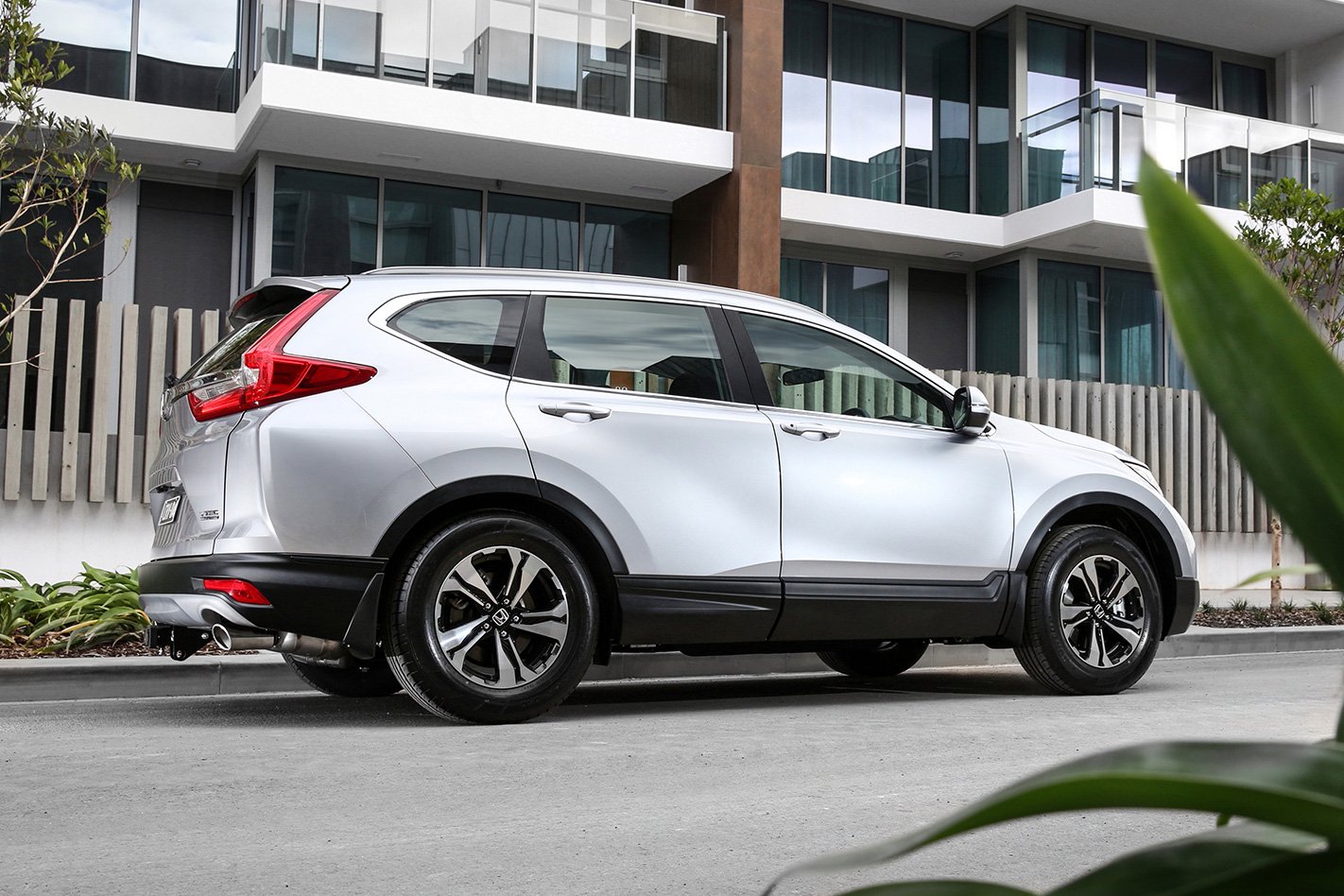
The Honda CR-V is also one of the few medium SUVs to offer an extra row, along with the Mitsubishi Outlander and Nissan X-Trail.
The front-wheel-drive Honda CR-V VTi-E shares most of the features of the five-seat VTi, but adds leather-appointed seats, and third-row ceiling air-conditioning vents to decent features list that also includes:
- Two x rear USB Ports
- Dual zone climate control
- 7-inch infotainment screen
- Apple Carplay/Android Auto
- 18-inch alloy wheels
- Three-mode reversing camera
- 8-way powered driver’s seat
- Driver attention monitor system
- Smart keyless entry
- Push-button start
- Full size spare alloy wheel
- Front fog lights
- Tyre pressure monitoring system
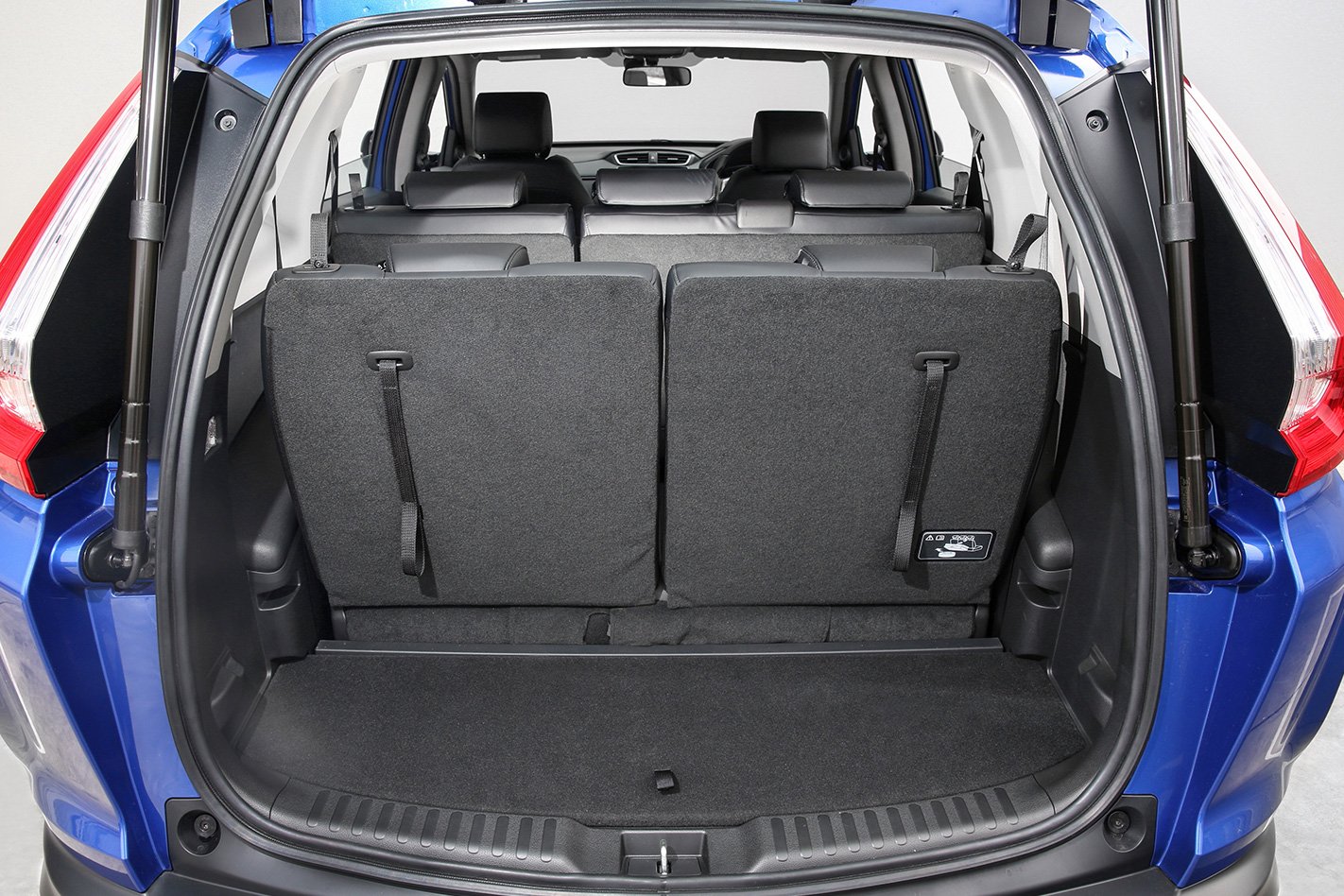
The VTi-E brings the 2019 Honda CR-V range to seven, which all share the same 1.5-litre turbocharged four-cylinder engine with CVT automatic.
2019 Honda CR-V pricing
- CR-V Vi, 5-seat, 2WD – $28,290
- CR-V VTi 5-seat, 2WD – $30,690
- CR-V VTi-E, 7-seat, 2WD – $34,490
- CR-V VTi-S, 5-seat, 2WD – $33,290
- CR-V VTi-S, 5-seat, AWD – $35,490
- CR-V VTi-L, 7-seat, 2WD – $38,990
- CR-V VTi-LX, 5-seat, AWD -$44,290
This is Alex Saint, and he’s got a pretty unique Honda N600.
This N600 is already different for being a ute in the first place – that’s not how it was originally designed.
It’s also packing a little more power than it did when it rolled out of the factory back in 1971 – Alex has swapped a GSX-R 100 motorcycle engine into it. The whole thing weighs just less than 500kg, and the engine makes around 142kW.
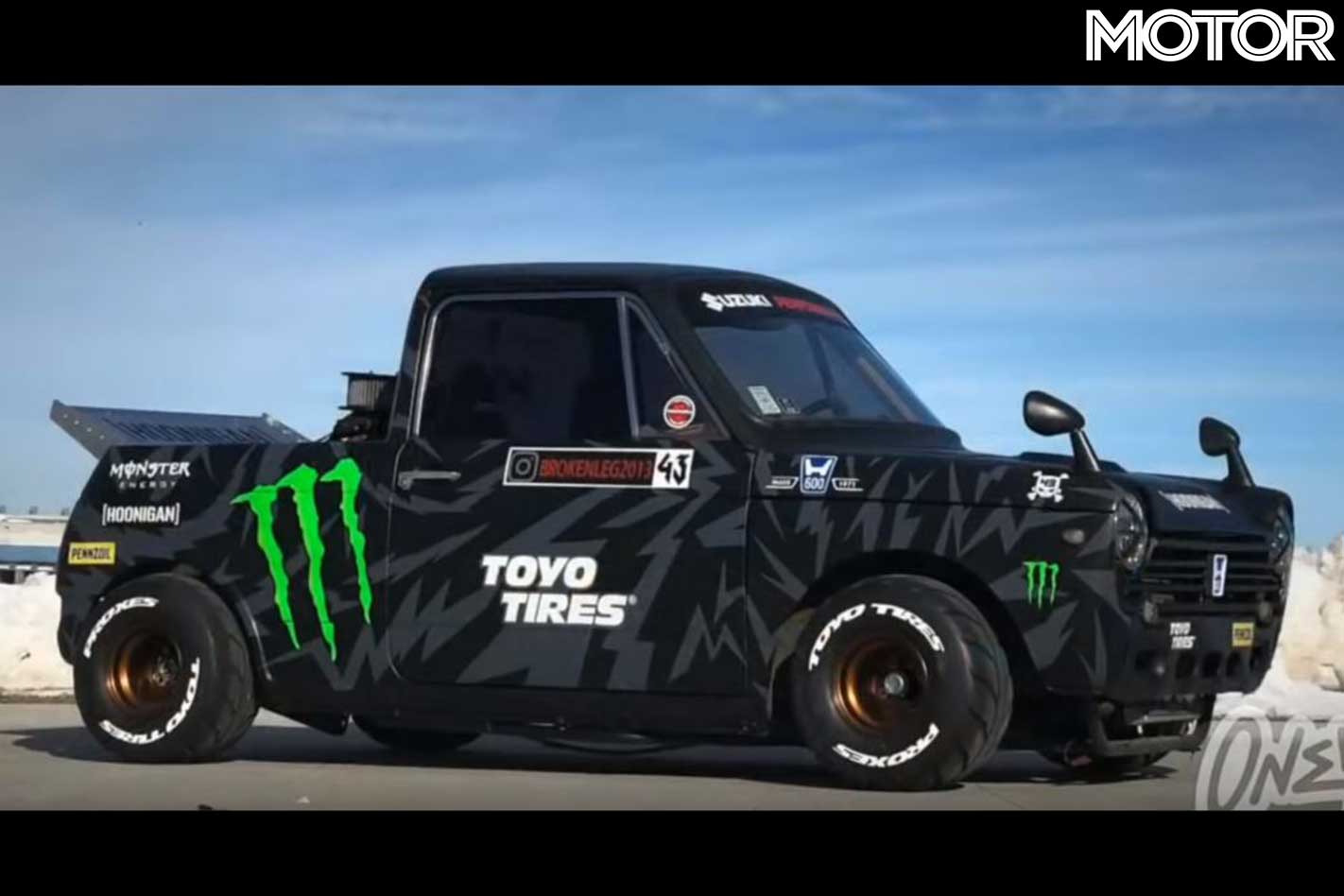
In case you hadn’t noticed, it’s also sporting a familiar look. Ken Block’s Hoonitruck, a Ford F150, served as the inspiration for the N600’s new style.
Previously Alex has it looking like a patina rat rod, but Gymkhana Ten rolled around and Alex was sold.
Oh, and he’s taken it to the strip. Yes, it drags. Alex says he’s run the quarter mile gauntlet in 12.4 seconds at 167km/h. That’s only two tenths slower than the best run we extracted from a HSV GTS-R W1.
About five minutes into the video, we get to see the Honda Hoonitruck in action, or skip to 11 minutes into the video below to see it run at the strip.
Porsche has revealed the new Cayman GT4 Clubsport, the first to wear the ‘718’ badge.
It’s the second Cayman GT4 Clubsport, this time reborn for the ‘718’ Cayman and expected to continue the popularity of the variant.
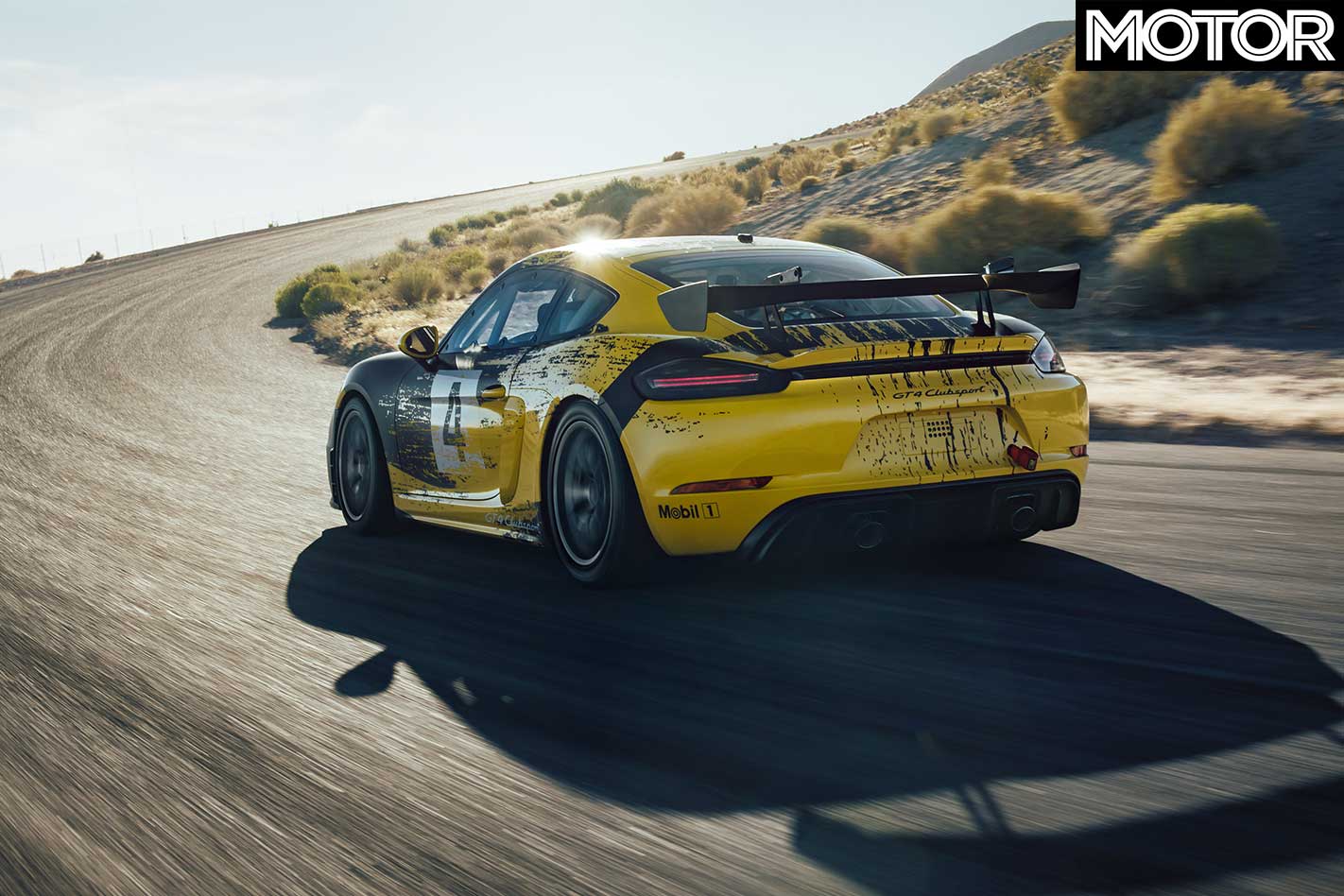
The Trackday version is built “for ambitious amateur racing drivers,” while a Competition version is aimed at those set to compete in national and international motorsport events.
Both are 3.8-litre flat-six-powered, with 313kW on tap, but each feature different chassis and driver assistance setups that cater to amateur and professional levels of driving in the Trackday and Competition versions respectively.
A Trackday Clubsport features fixed shocks, “forgiving” ABS, TC, and ESC programming, which is killable, as well as A/C, an escape hatch in the roof, a handheld fire extinguisher, and an 80-litre fuel tank.
The Competition has three-way adjustable dampers, adjustable brake bias, an extra 35-litres of fuel tank, and has instead been built with an automatic extinguisher system.
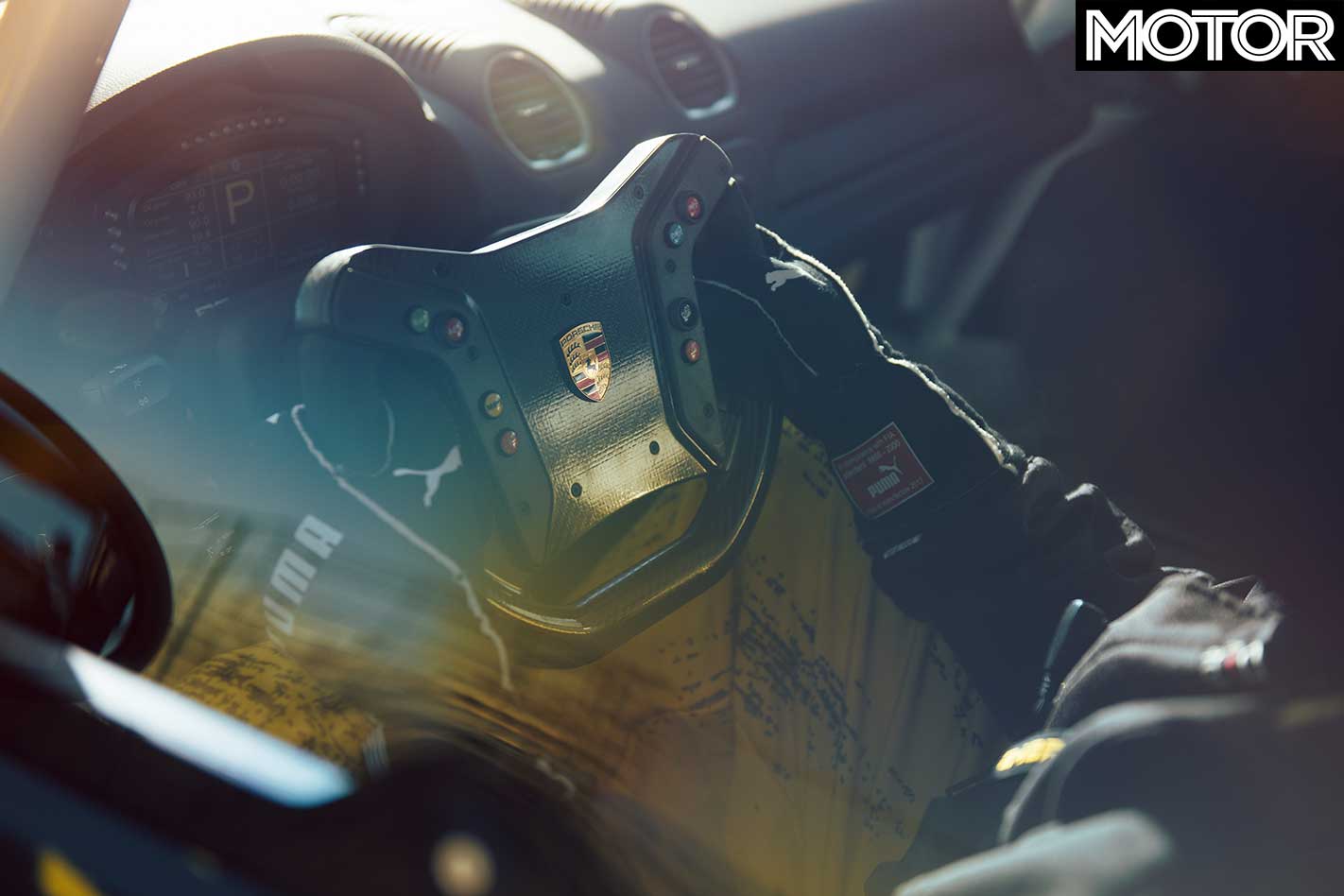
The Trackday costs roughly AUD$215,000 as an estimate based on its European pricing, while the Competition should set buyers back more than $250,000.
Porsche’s head of motorsport Fritz Enzinger says the previous generation sold rather well for a track-only racer, and expects the newer version to do the same.
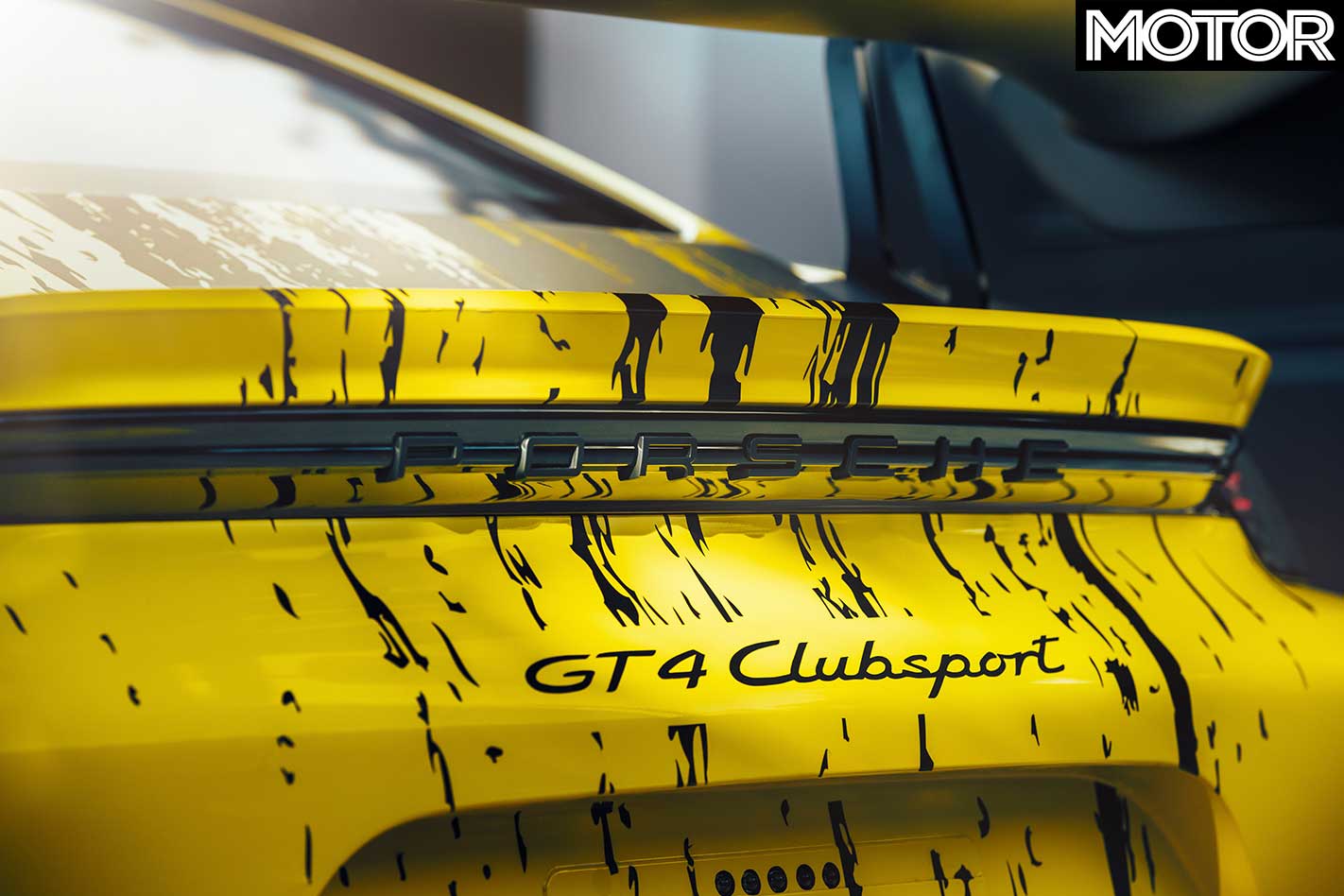
“The new Porsche 718 Cayman GT4 Clubsport possesses significantly more racing genes than its successful predecessor,” Enzinger says.
“The power of the engine has increased considerably. At the same time, we were able to increase the downforce and the cockpit is now even better suited to drivers’ needs.
“I’m confident that we can build on the excellent sales figures of the predecessor, of which we have delivered 421 cars.”
Deliveries should begin globally in February, though Porsche Cars Australia will be able to tell buyers when to expect their own 718 Cayman GT4 Clubsport to arrive.
