
Chevrolet has revealed it has brought three custom show cars to SEMA 2018 (the Specialty Equipment Market Association show), and each will be powered by one of its new V8 crate engines.
The first of which, a 1973 Chevelle Laguna, is powered by its new LT5 supercharged 6.2-litre V8, the same engine that appears in the 2018 Chevrolet Corvette ZR1.
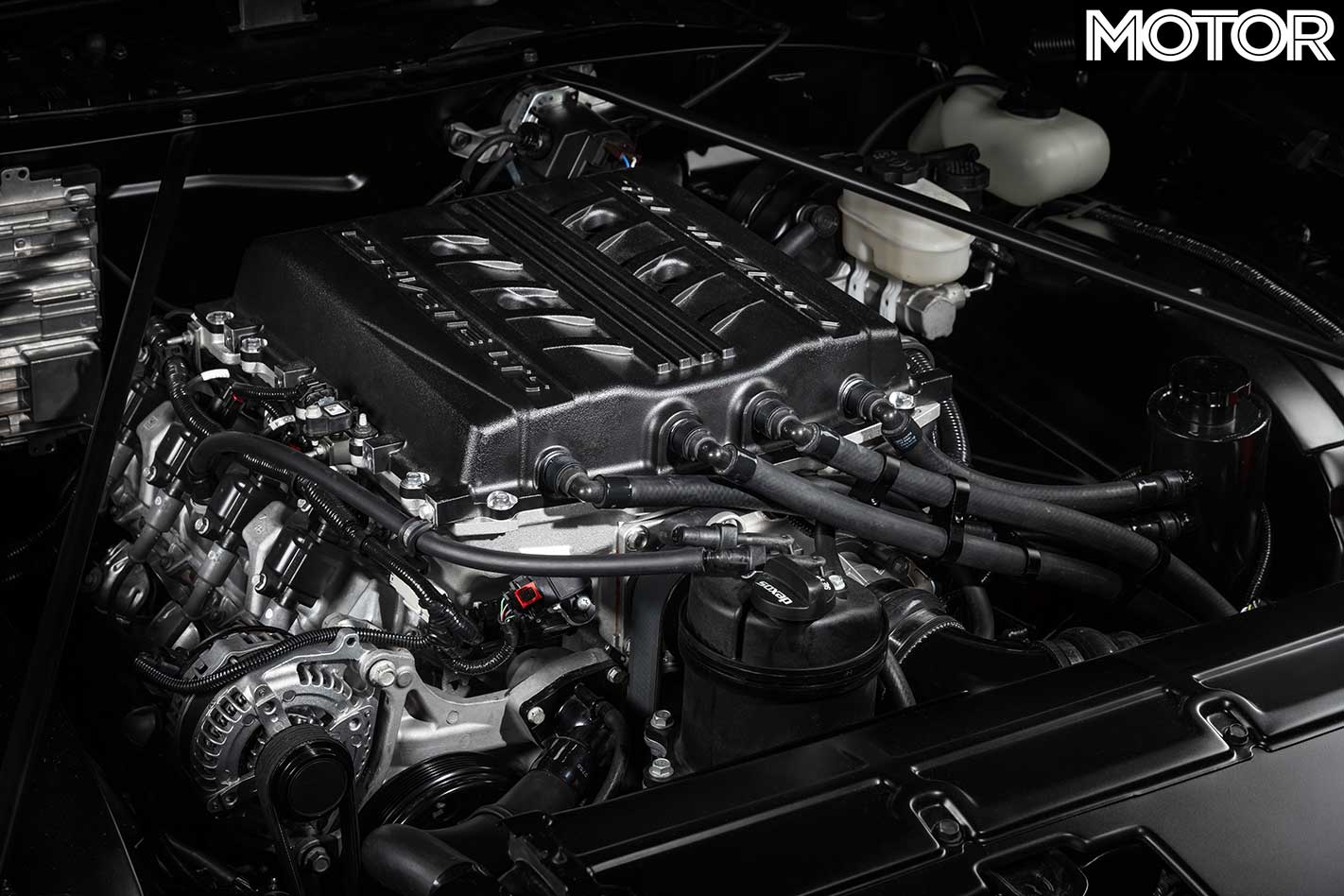
Chevrolet says the racing heritage of the Chevelle has inspired this specific build for SEMA.
“The Chevelle Laguna introduced sporty, more contemporary styling to the Chevrolet lineup in 1973, with distinctive, body-colour urethane front and rear fasciae.
“It also made its mark in NASCAR, powering drivers such as Cale Yarborough to the winner’s circle.”
The other two vehicles Chevrolet has brought to SEMA are utes, or trucks, a 1967 Chevrolet C/10 and a 1978 Chevy Silverado, powered by a 5.7-litre ZZ6 with electronic fuel injection and a 6.0-litre L96 V8 respectively.
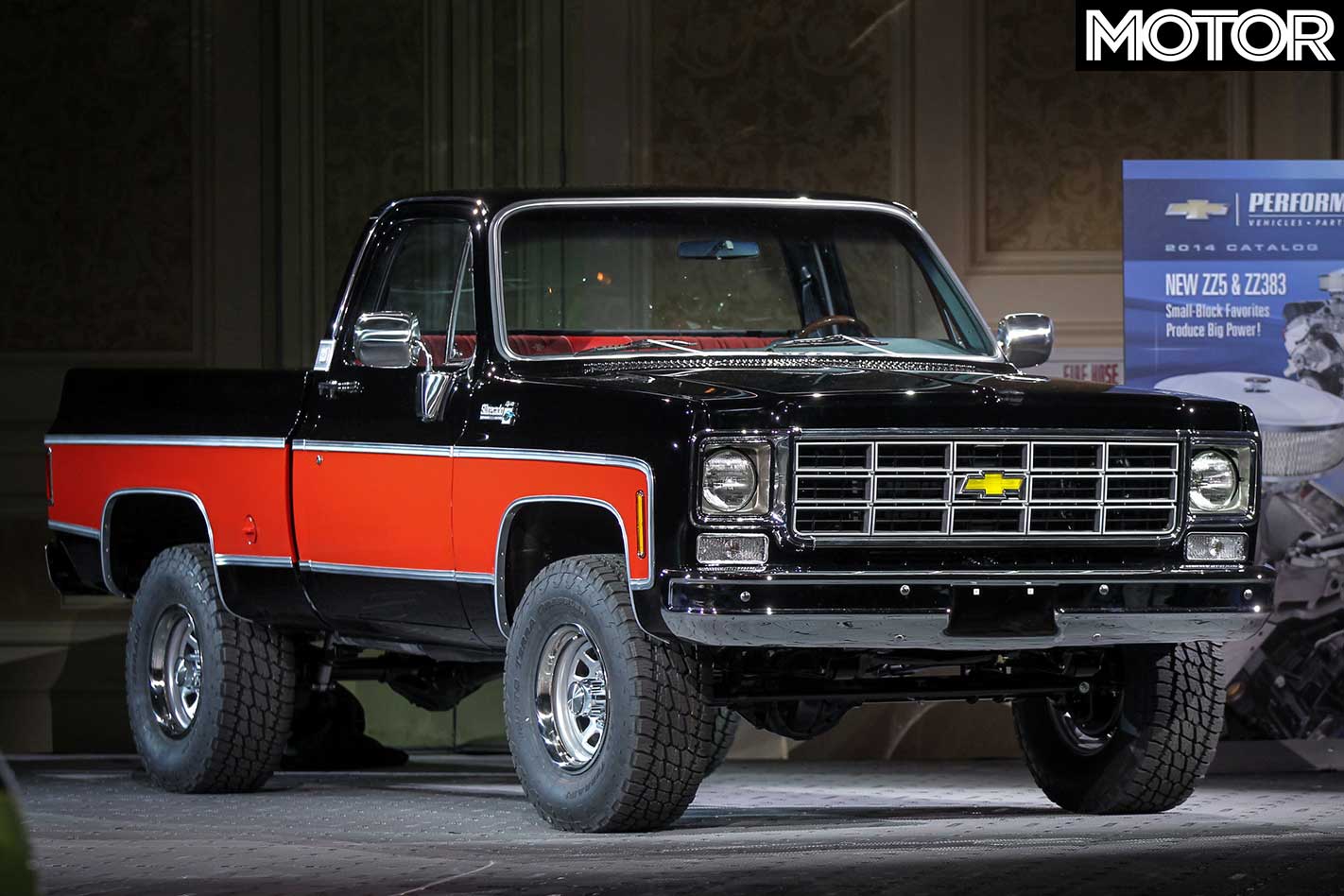
“The classic C/10 pickup that helped Chevrolet mark 100 years of building trucks is back, showcasing the new ZZ6 EFI crate engine,” Chevrolet says.
The truck runs a fuel-injected version of the ZZ6, which until now had been available with a four-barrel carburettor only. In this form the atmo V8 produces 313kW – a smidge more than its carburetted cousin.
The larger 1978 ‘K10’ Silverado, running the N/A 6.0-litre L96, puts out 268kW and 515Nm, overshadowed by the other two show cars.
POTENTIAL. The Nissan 370Z has potential in spades and while the standard car has a playful rear-drive chassis, imagine what it could do with a modern turbocharged lump.
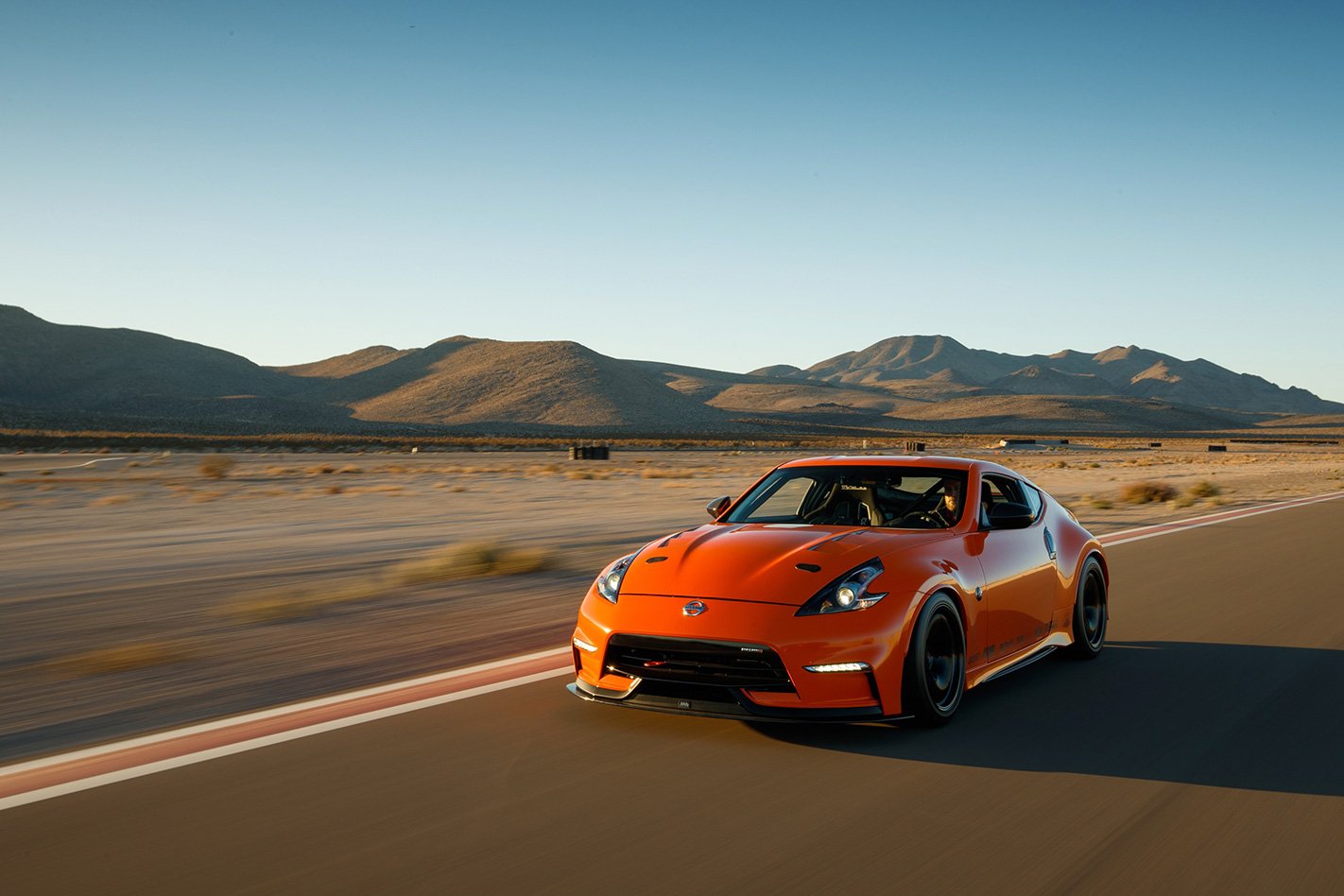
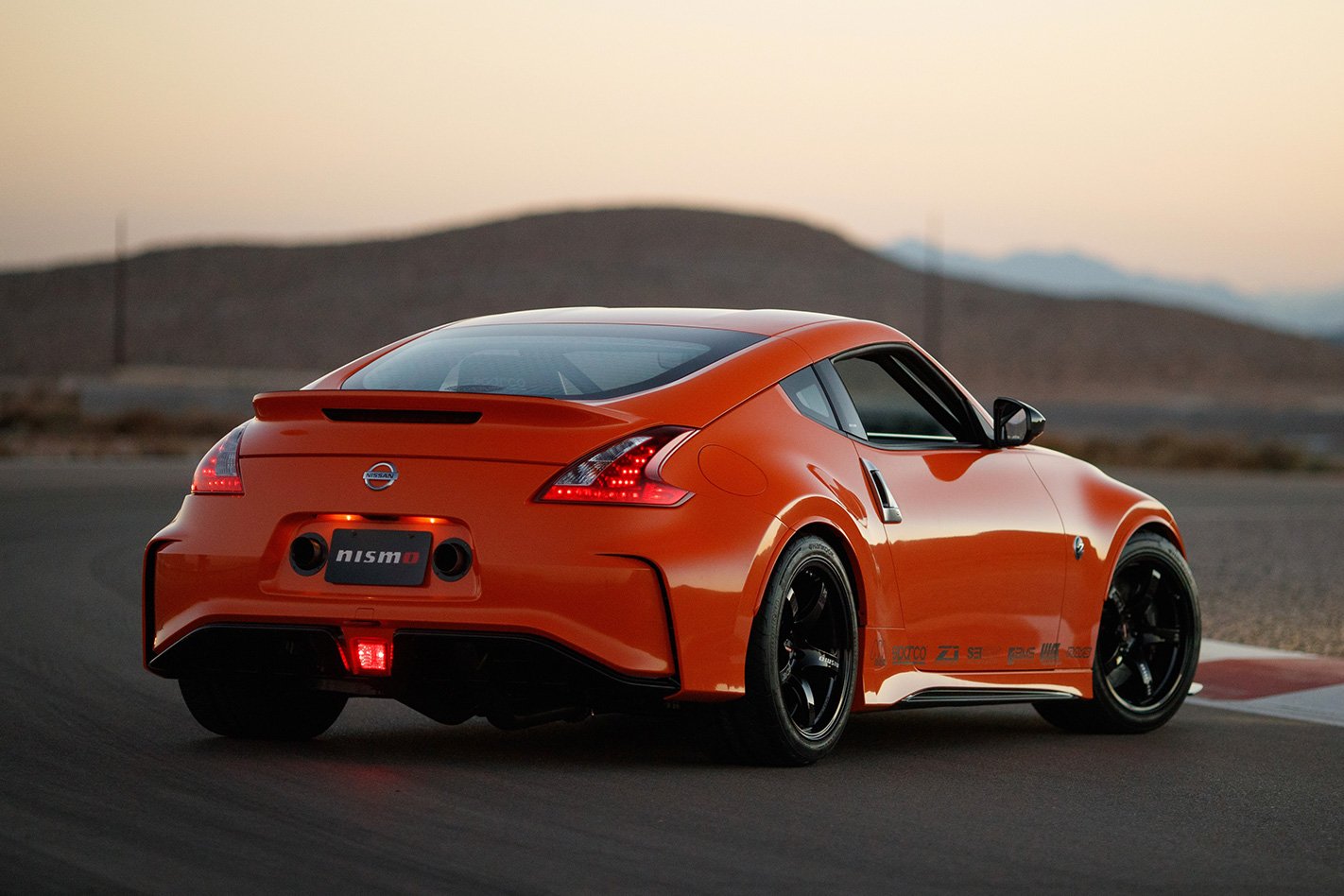
Nissan clearly agreed and as a one-off for the SEMA Show in Las Vegas, it has built the Project Clubsport 23, which it bills as “a vehicle that owners could duplicate themselves using Nissan Motorsports or aftermarket parts.”
Originally a 253kW 370Z Nismo, the show car is wrapped in pumpkin orange, and gets a carbonfibre front splitter, a deeper front air dam, and a carbonfibre bonnet with flush racing latches. There’s more carbon for the mirror shells and a modified rear bumper and foglights. Throw in a set of RAYS cast aluminium 18-inch wheels and it’s enough to bring the still-handsome shape up to date.
It’s under the bonnet where the big development is though. Nissan has plumbed in the 3.0-litre twin-turbo VR30DDT V6 from the Infiniti Q50 Red Sport, giving us a tantalising glimpse of what the showroom 370Z could have become had Nissan not shut the taps on its development budget. This means power climbs to 295kW in stock tune, with plenty of potential for more.
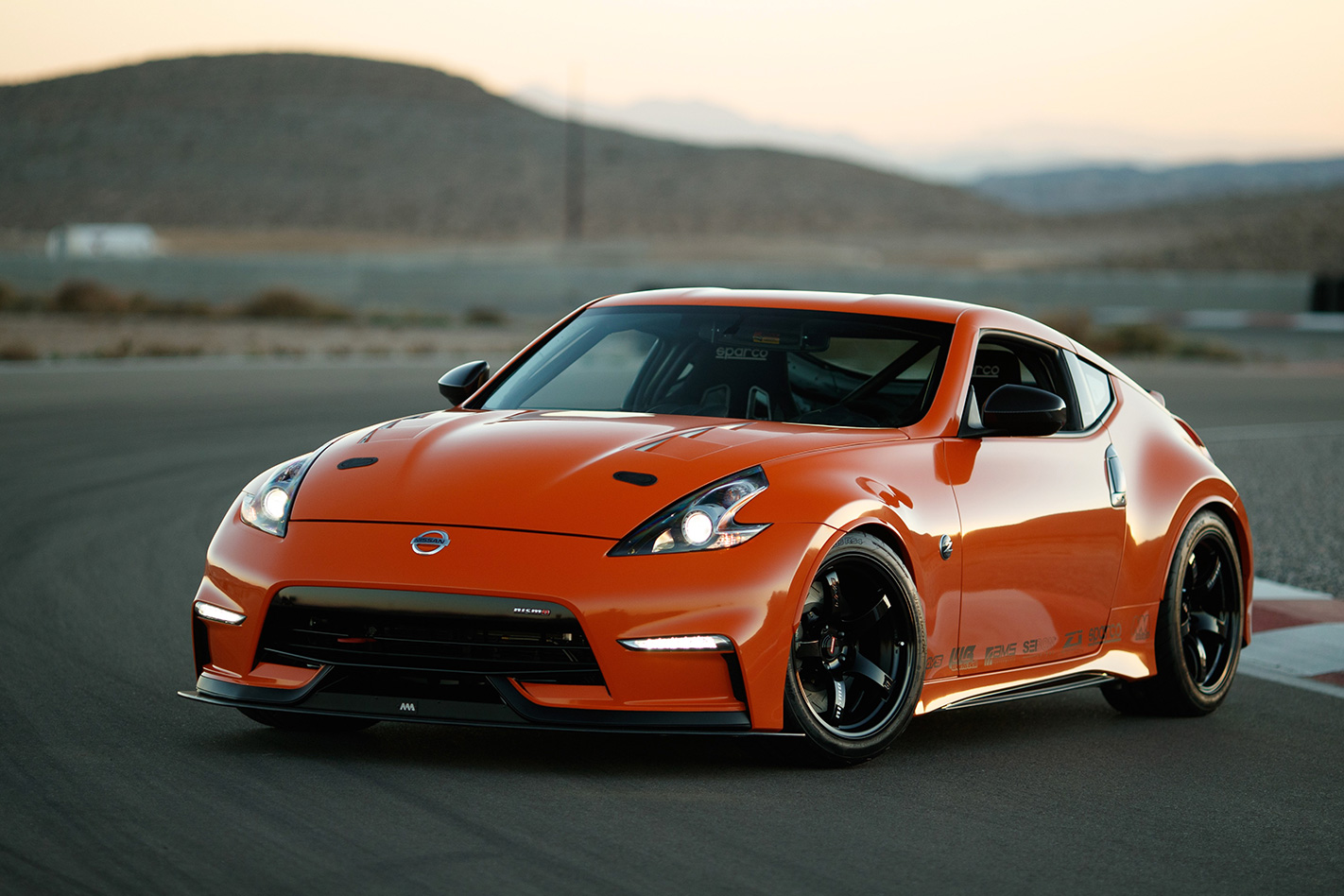
The intriguing technical aspect of this vehicle is that the 3.0-litre hasn’t ever been paired with a manual ‘box before. In conjunction with MA Motorsports, Nissan has developed a custom clutch disc, pressure plate, and flywheel assembly, making it all mate to a Nismo GT Pro-Carbon two-way limited-slip differential and MA Motorsports differential cooler. Clever stuff, and it’s fair to say that this is something I don’t think I could duplicate myself.
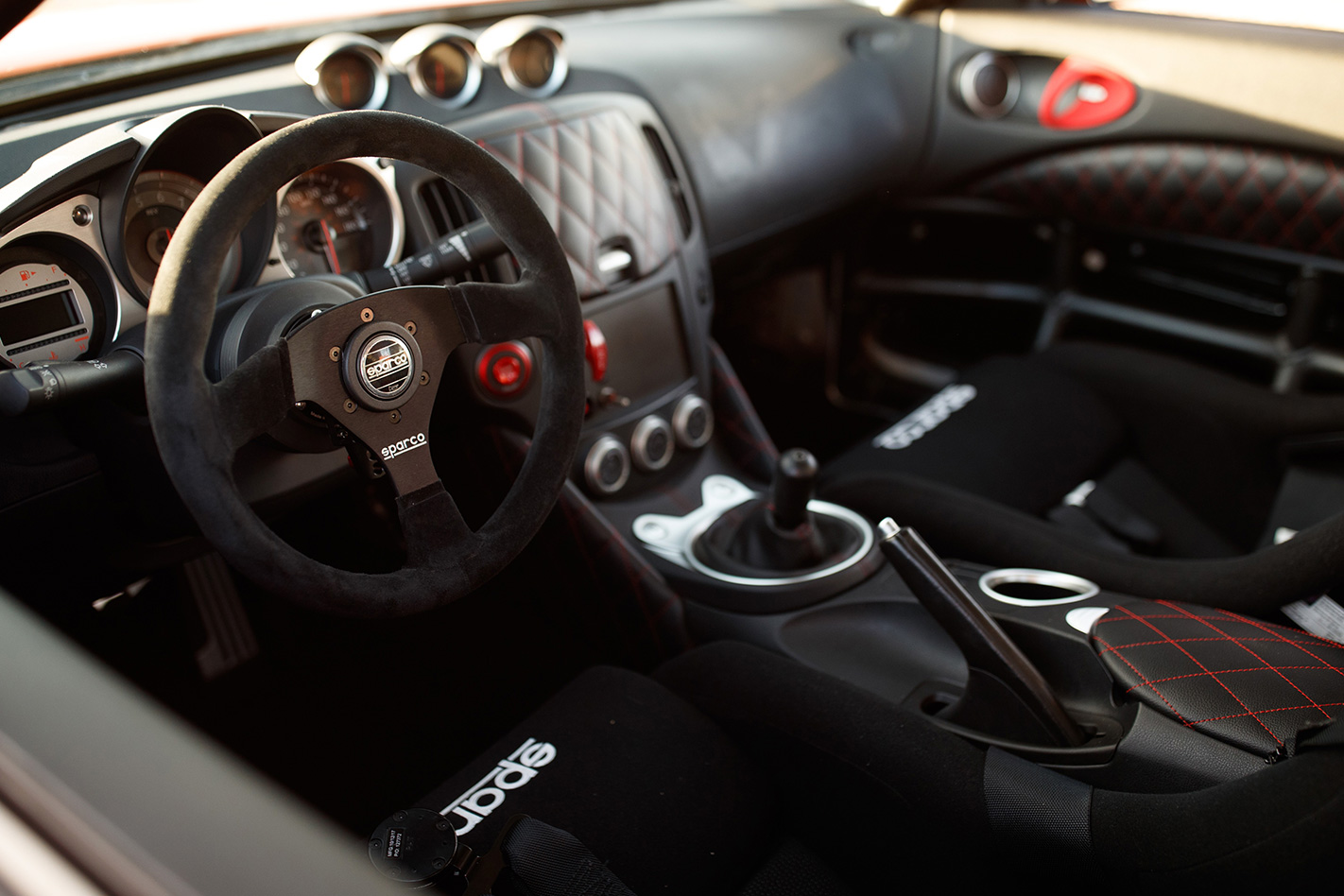
Suspension, cooling, steering and braking have also come in for some attention, while the interior gets a roll-cage and 240Z-homage diamond quilted vinyl.
In order to assist those that are a little more ham-fisted in the garage, Nissan is assessing customer interest at SEMA with a view to developing a kit form of the upgrades. Thus far, it’s fair to say this one has really lit a fire under Nissan fans.
What’s more, the 3.0-litre turbo engine seems a logical next step for any putative 370Z upgrade ahead of its eventual replacement, lowering emissions and giving the 370Z additional buyer appeal in its twilight years.
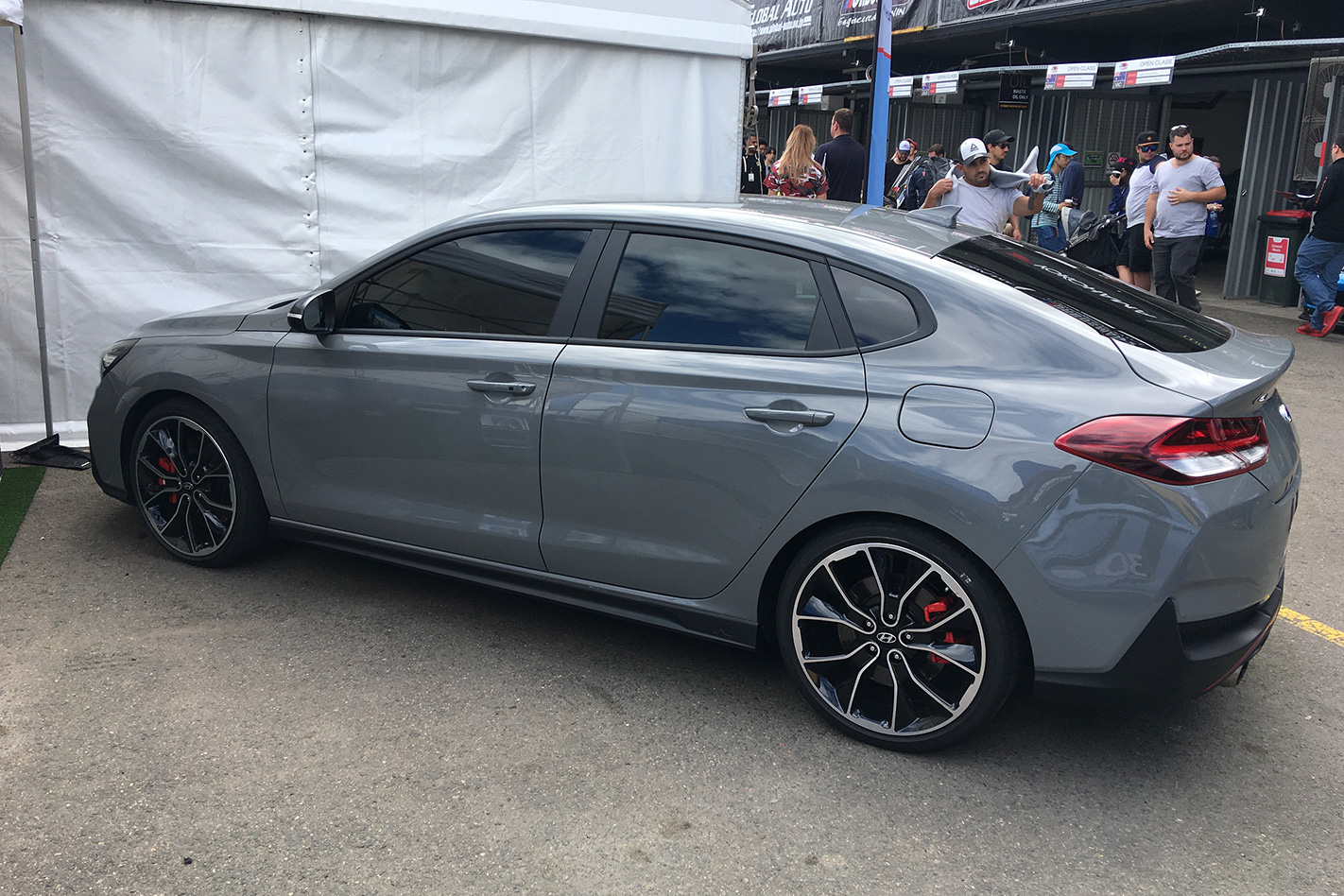
Hyundai Australia is lining up to launch its second i30 N early in 2019, with the addition of the fastback four-door i30 N.
Spied at the World Time Attack event earlier this month, Hyundai is saying little about the car, with spokesperson Bill Thomas telling WhichCar.com that “nothing is signed off or confirmed yet.”
The i30 N burst onto the hot hatch scene earlier this year, putting the wind up perennial favourites like the Volkswagen Golf GTI, Peugeot 308GTI and Honda’s Civic Type-R.
The car displayed at the World Time Attack event is understood to be very close to the spec that should be unveiled later this year.
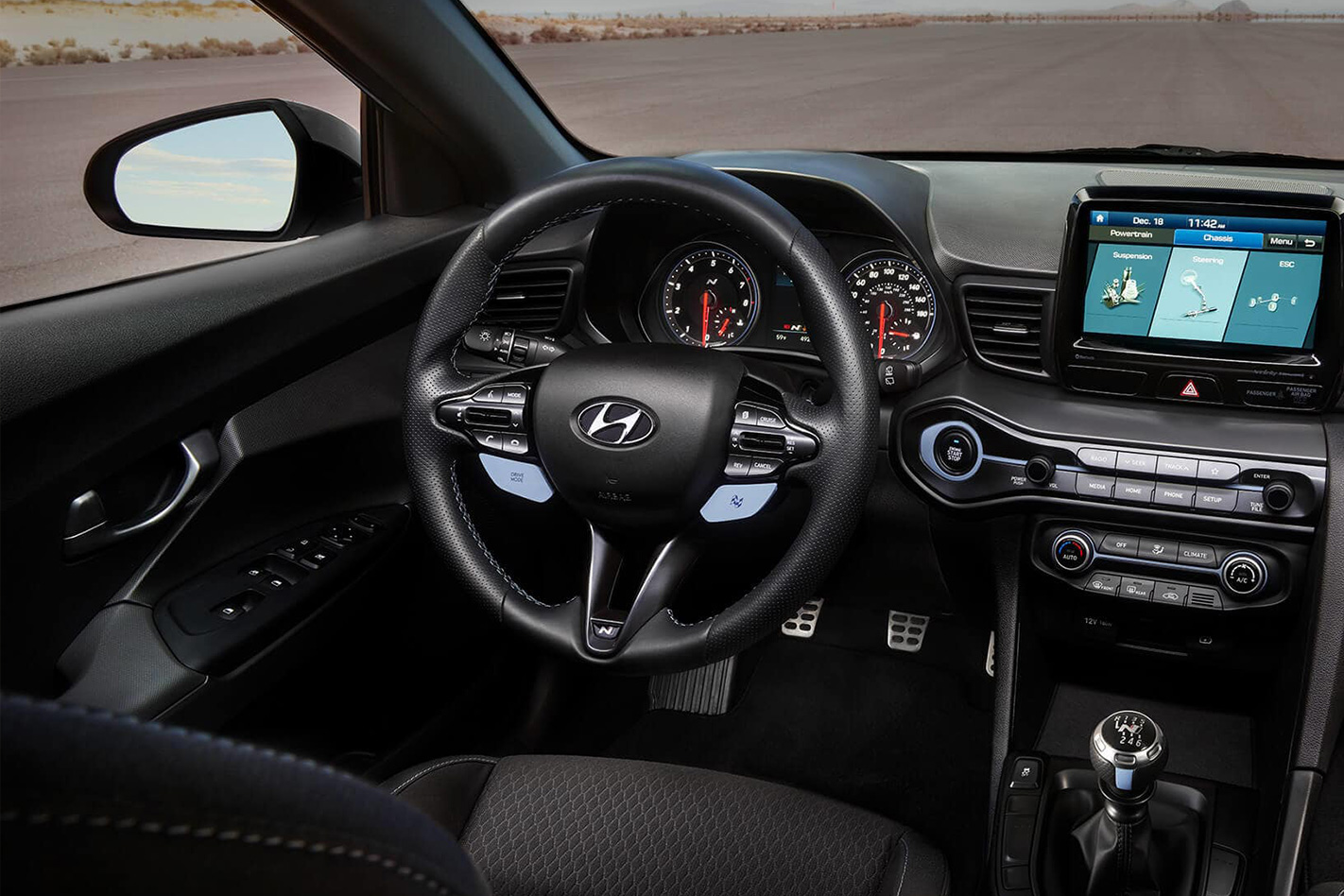
This means a 2.0-litre turbocharged petrol engine making 202kW and 353Nm, a limited slip diff, big brakes and a six-speed manual gearbox, along with an upgraded interior, multimedia system with Apple CarPlay, Android Auto, sat nav and bespoke performance changes that allow you to tweak everything from shock tune to exhaust volume.
The i30 N fastback won’t be diluted, either, with Thomas confirming that the sub-brand will prioritise performance before anything else.
Expect the fastback to cost about the same as the $39,990 hatch, as well.
“The more N cars we can get, the better,” confirmed Thomas, who added that the fastback would combine well with the incoming eight-speed dual-clutch transmission that’s slated for release late next year.
Such is the popularity of the i30 N here and overseas, there’s currently a wait of up to six months for delivery, a situation that Thomas admits is “far from ideal”.
“We’ve done better than we predicted, and the factory is doing what it can to catch up. We didn’t think it would be anything like the numbers it’s done both here and overseas,” he said.
Meanwhile, the N ranks may be further bolstered by a car that’s not even confirmed for right-hand-drive production, let alone for Australia.
The Veloster N – which launches in the United States this month – is shorter, lower and lighter than the i30 N, but is currently only slated for left-hand-drive production.
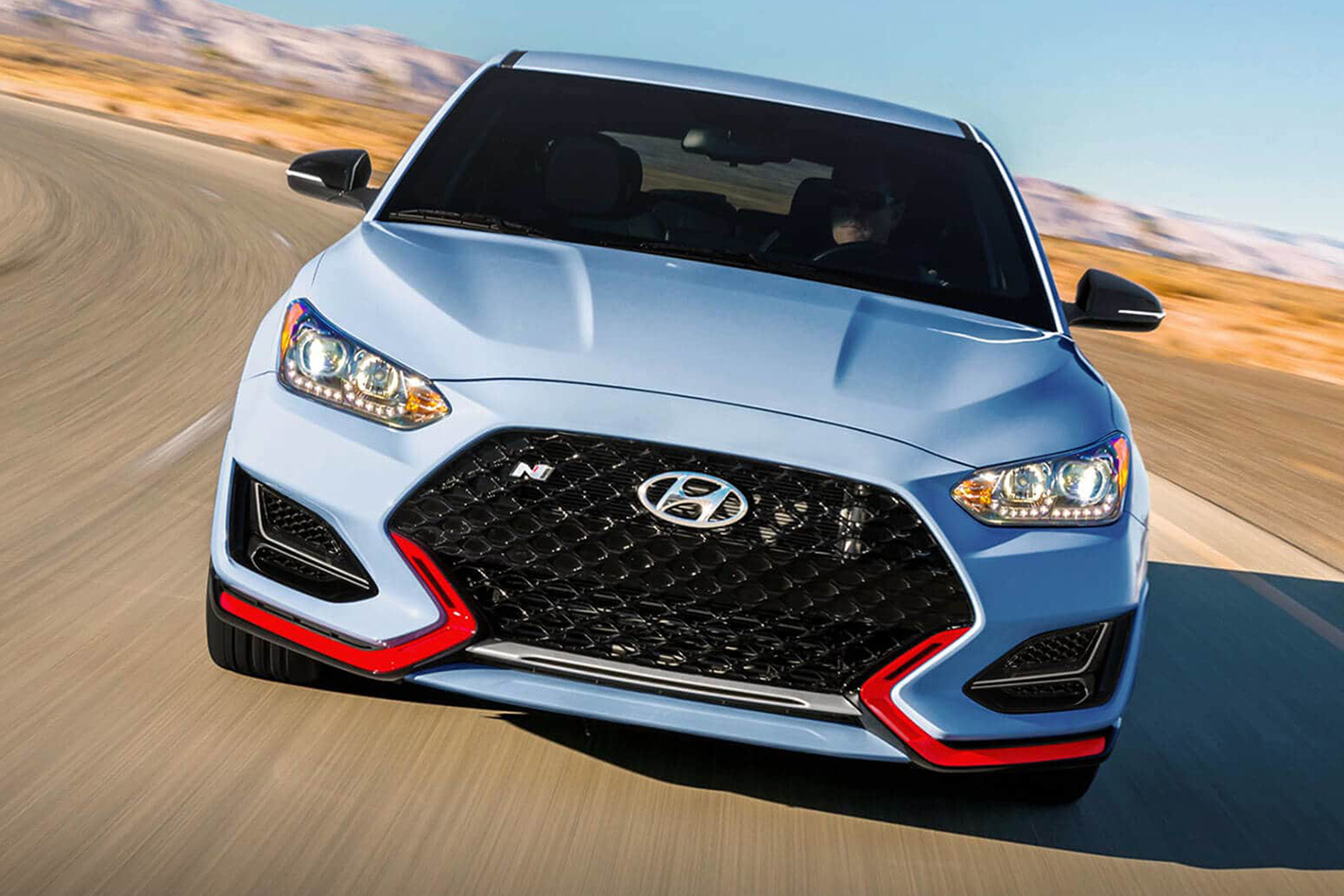
“We’d like to push for it anyway,” confirmed Mr Thomas. “The Veloster buyer is a different proposition to a hatch buyer, and the N would be a great fit.”
There are ups and downs to the plan; while large RHD markets like the UK don’t take the entire Veloster range, the Veloster Turbo is already built in right-hook configuration with a multi-link suspension rear end.
This means that the required crash testing and validation to bump it up to N status won’t be as expensive or as time-consuming as it would be to create a model from a lesser-specced donor car.
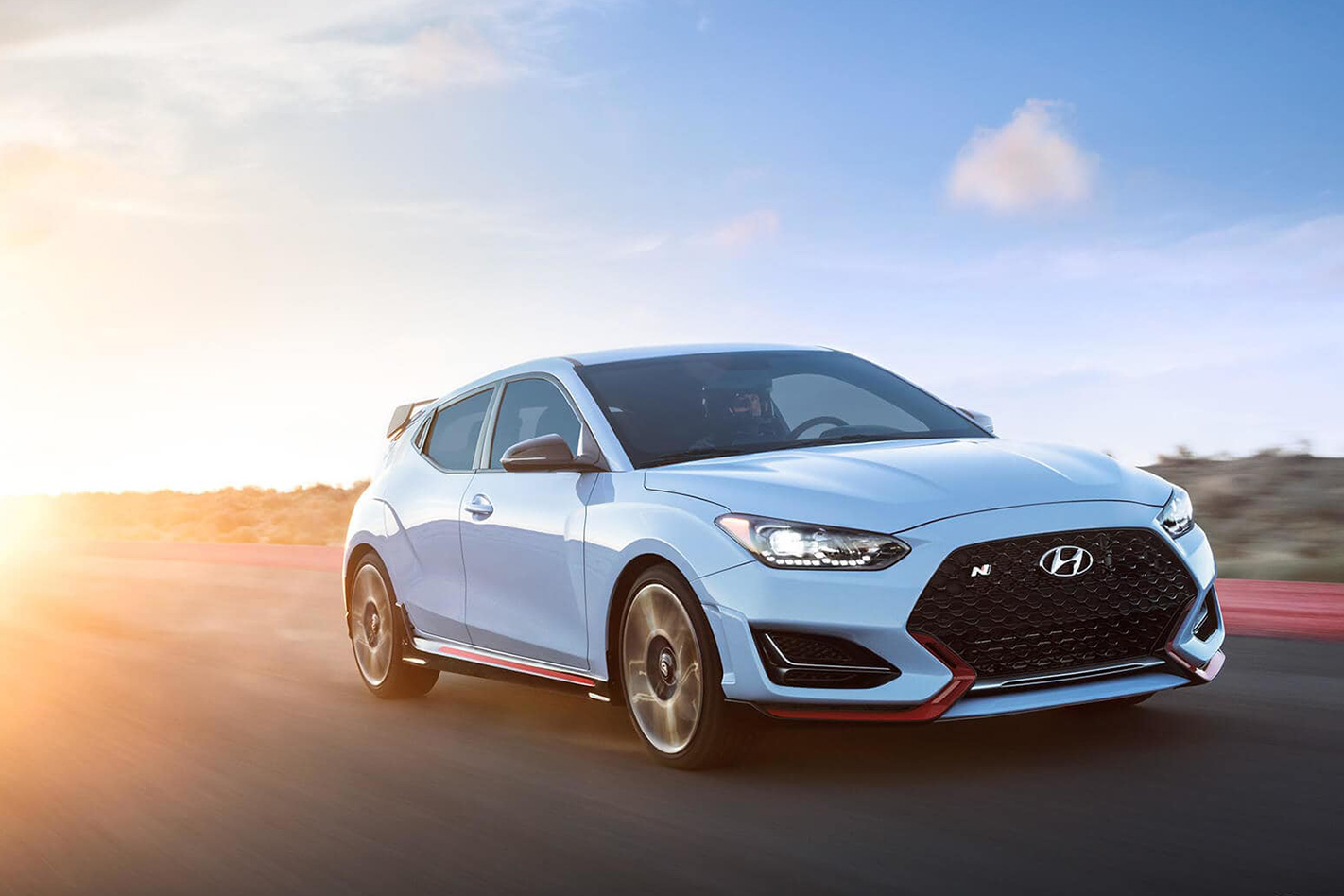
If the plan gets the green light, though, the Veloster could arrive as quickly as 2020, and would therefore be available out of the box in either automatic or manual form.
The Veloster N launches in the US this month in both 186kW and full-house 202kW Performance version, a six-speed manual gearbox, bi-modal exhaust, adaptive suspension and large brakes.
ANOTHER box-fresh touring car has landed on Aussie shores, ready to take part in a new championship set to make its debut in 2019.
Melbourne Performance Centre (MPC) has brought a Volkswagen Golf GTI TCR to the country for the inaugural TCR series next year.
The Golf GTI joins the Audi RS3 LMS that is already in MPC’s stables, while Wall Racing in Sydney is currently housing a Honda Civic TCR.
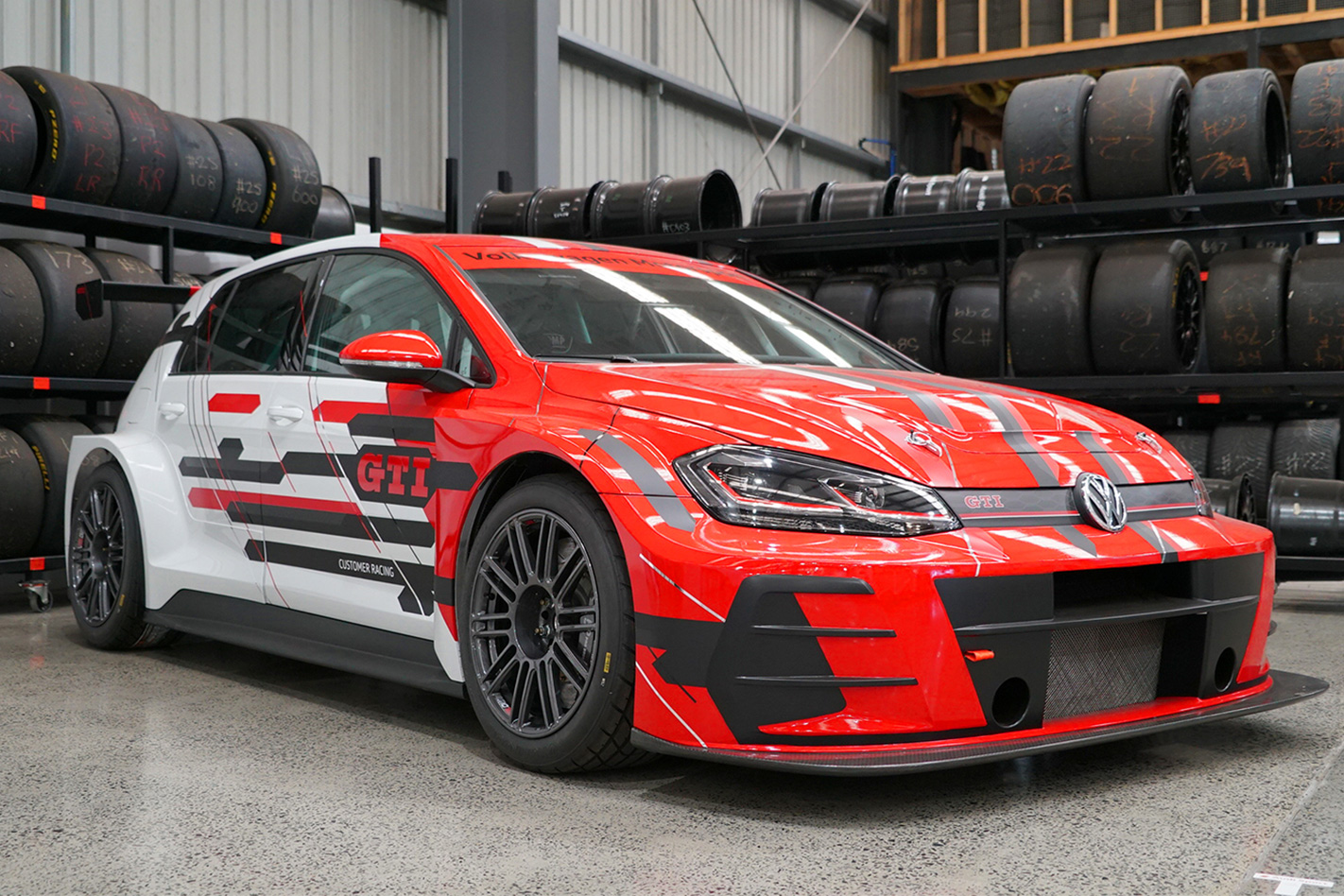
TCR cars send power exclusively to the front wheels, with 2.0-litre turbo petrol or diesel engines producing up to 257kW and 420Nm.
MPC is the official agent for the Volkswagen Group Motorsport TCR cars, including the VW GTI, Audi RS3 LMS, and Seat Cupra TCR racers.
Lee Burley, MPC managing director, says the difference between the Audi and VW race cars is largely cosmetic.
“We know what the cars are about, having had the Audi RS3 TCR here for a while, and we know that car well, and this is a sister car from the Volkswagen Group,” he explained.
“It’s the same platform, it’s really just body panels and the badge on the front.
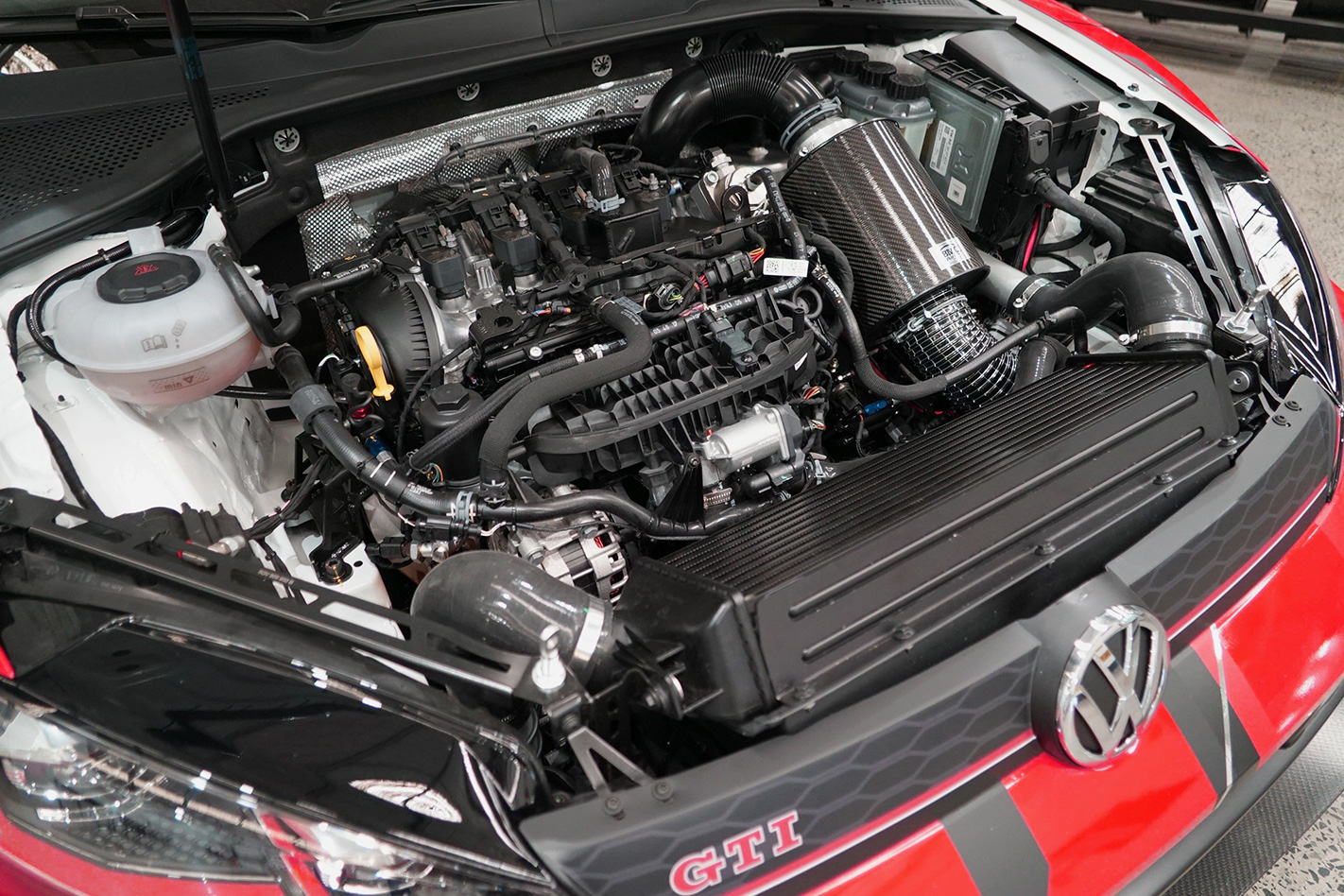
MPC will prepare the car, and make it available for prospective customers who wish to take part in the championship to explore.
TCR Australia is managed by the newly formed Australian Racing Group (ARG), which is also in charge of the rebranded S5000 formula for V8-powered open wheel racers.
“It’s great to see another car arrive in Australia. You can feel the momentum starting to build and it’s very exciting,” said ARG director Matt Braid.
“Volkswagen Group Motorsport is very committed to TCR global, and VW brand is going to be really good for the series.
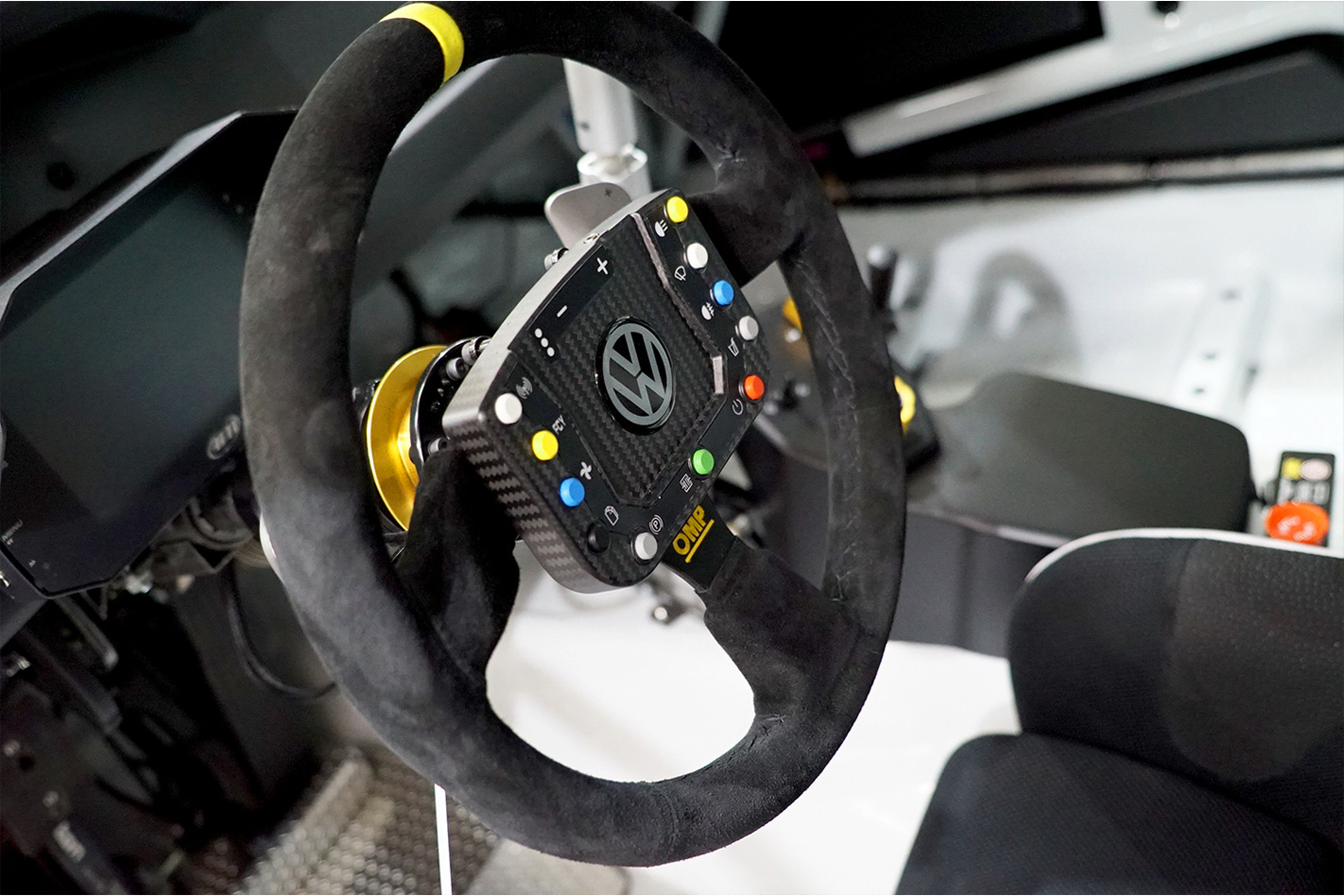
“VW doesn’t have a huge racing pedigree in Australia, however, it is such a famous brand with so much history, both on the road and race track. The Golf will certainly attract its own set of followers, so we’re really looking forward to seeing it on track.”
ARG is working on finalising the debut calendar for TCR Australia, which is expected to start mid-2019.
For motorsport fans in Brisbane, Lakeside is one of the most convenient places to get octane-fuelled (or 98RON on a track day) kicks.
But events at Lakeside have been limited to primarily non-competitive meets.
Queensland Raceways CEO John Tetley explained what’s going on in a post on Facebook.
As a ‘Sports Ground’ Lakeside would be permitted a sound level of Leq15 [a 15 minute measurement of noise] of 75dB(A) but as an ‘Outdoor Entertainment Venue’ Lakeside is only permitted an Leq15 of 70dB(A).
“I have been informed that Lakeside has breached the 70dB(A) on six occasions so far this year and might have breached the 75dB(A) on four occasions in the last 10 years.
Tetley quotes Hemmingway’s excellent “There are only three sports,” statement, which continues, “bullfighting, motor racing, and mountaineering… all the rest are merely games.”
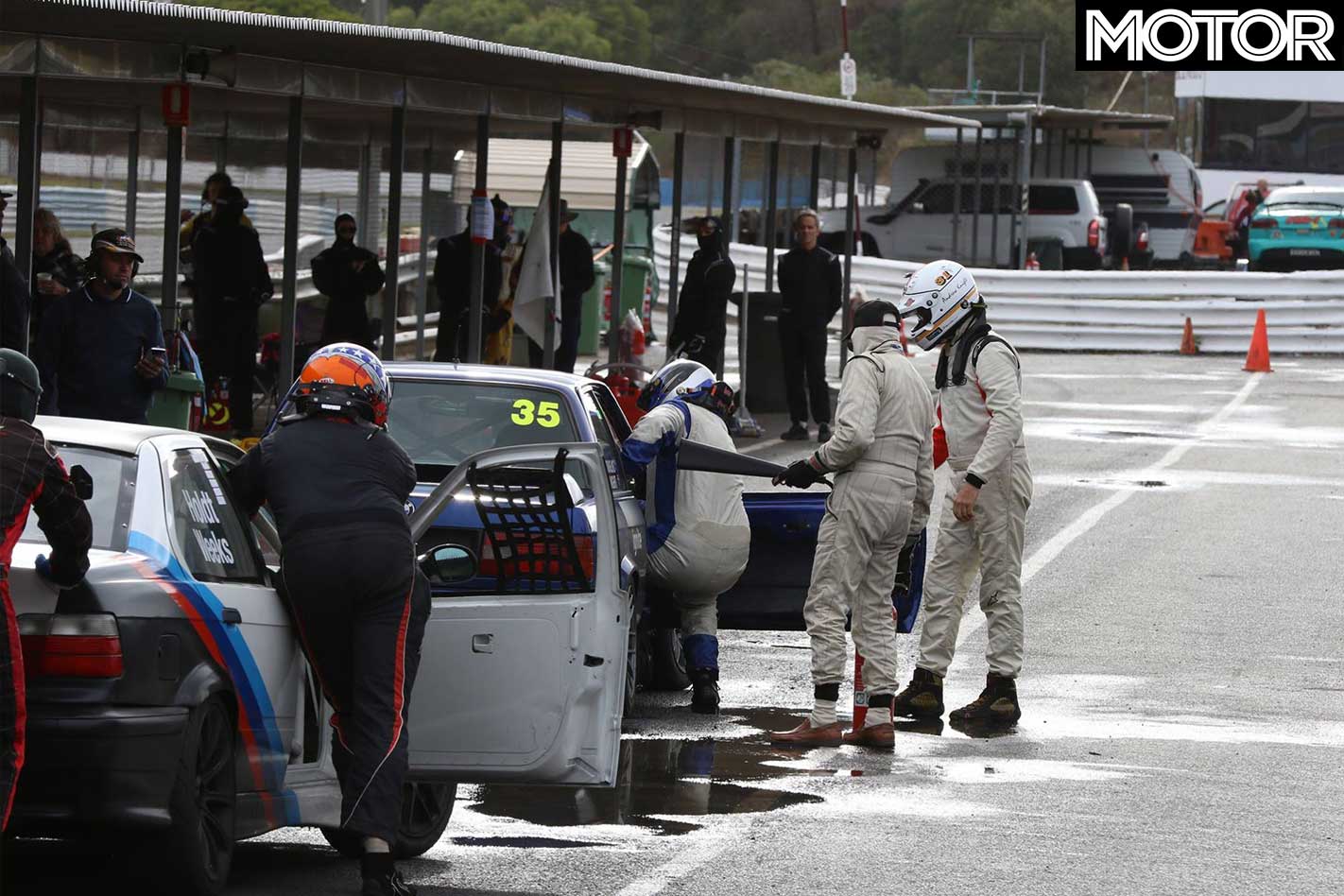
“Why can’t Lakeside be recognised as a sporting ground?” Tetley asks.
Tetley says though the previous Newman-led state government didn’t follow up on an 18,000-signature petition put forward, the current government hasn’t brought the issue onto its agenda.
While the fines are something Queensland Raceways must deal with as a company on a legal basis, Tetley urges fans of motorsport to raise concerns with local politicians.
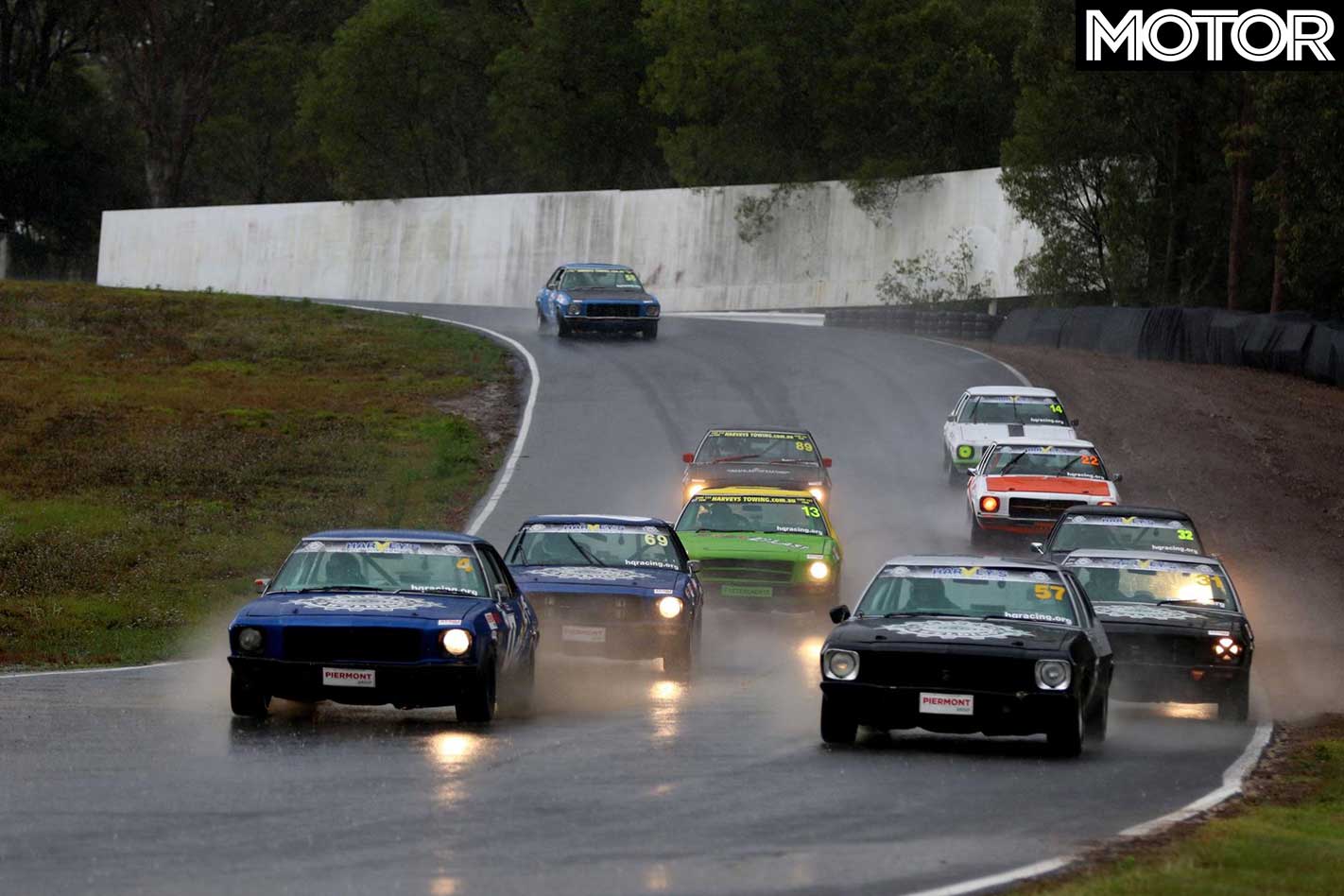
“QR has received fines totalling $29,100 (three fines of $9700 each) since August and that is the game changer,” Tetley says.
“We have declared our intention to fight these fines in court and have engaged lawyers and acoustic engineers to assemble the case against the current breaches and mount the case; that if we were to be judged under the correct zoning these infringement notices would not have been issued.
“This has to end somewhere and it is up to the relevant authorities to recognise your rights; and the fact that you are willing to stand up for them too.”
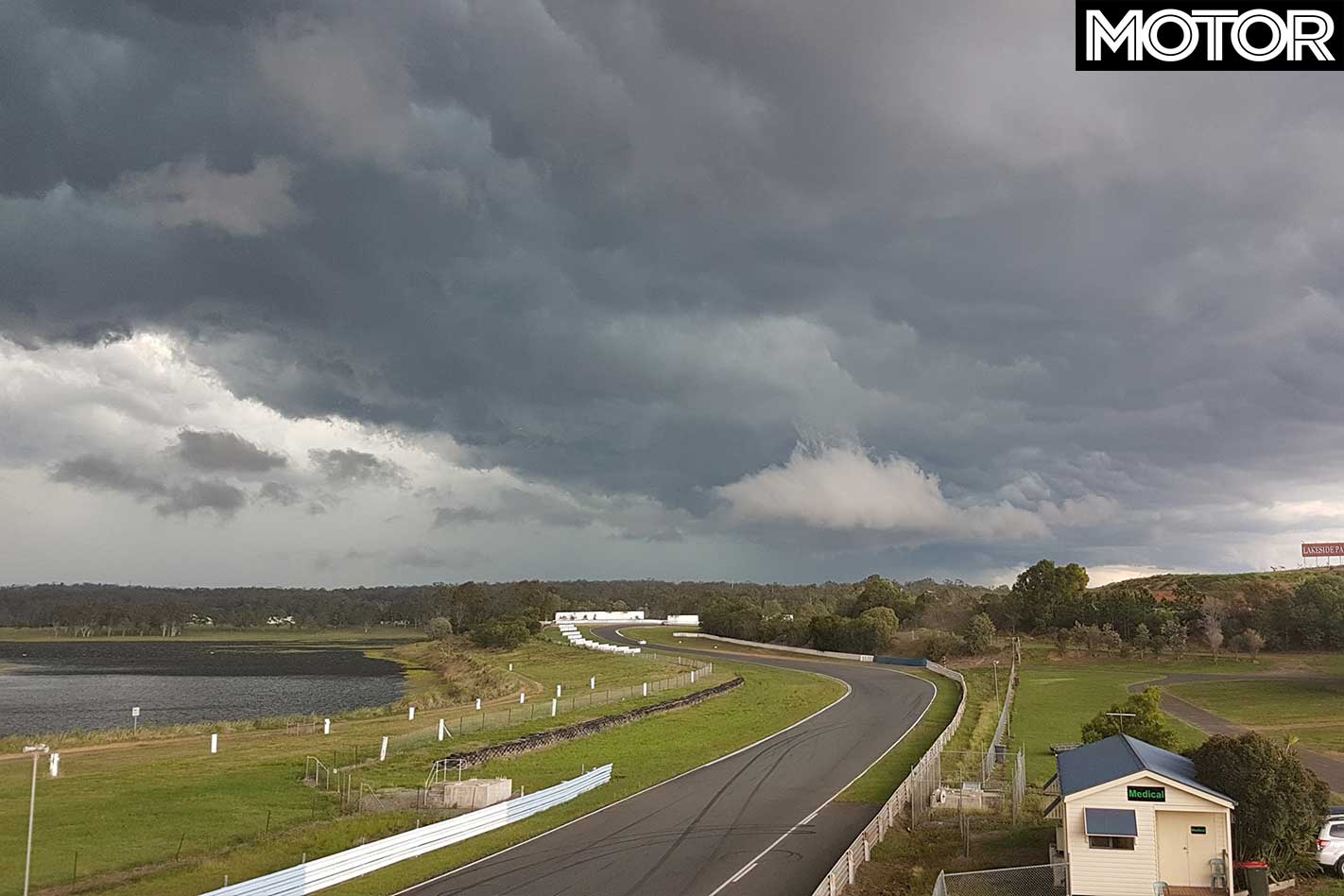
He suggests the following as a list of local councillors and MPs to contact with emails written “politely but firmly” outlining the benefits of Lakeside as a motorsport venue.
- Mayor Allan Sutherland
- Deputy Mayor Mike Charlton
- Chair of Planning and Development Mick Gillam
- Division 7 Councillor Denise Sims
- Member for Kurwongbah Shane King
- Minister for Police Mark Ryan
- Minister for Health Stephen Miles
Car dealers will no longer be able to “have a lend” and charge whatever interest rate they like under new legislation that comes into effect this week, and it has the potential to save buyers thousands of dollars in car loan repayments.
Flex commissions paid by lenders to car finance brokers, most of whom are car dealers, will be banned from November 1.
Until now, flex commissions have allowed and encouraged car dealers to set higher interest rates in order to receive a higher kick back from the lender. The commissions paid on each loan are determined by the ‘flex amount’ – which is the difference between the base rate and the interest rate of the loan sold to the consumer.
But the Australian Securities and Investments Commission (ASIC) has now banned the practice after public consultation revealed many consumers were paying excessive interest rates on their car loans.
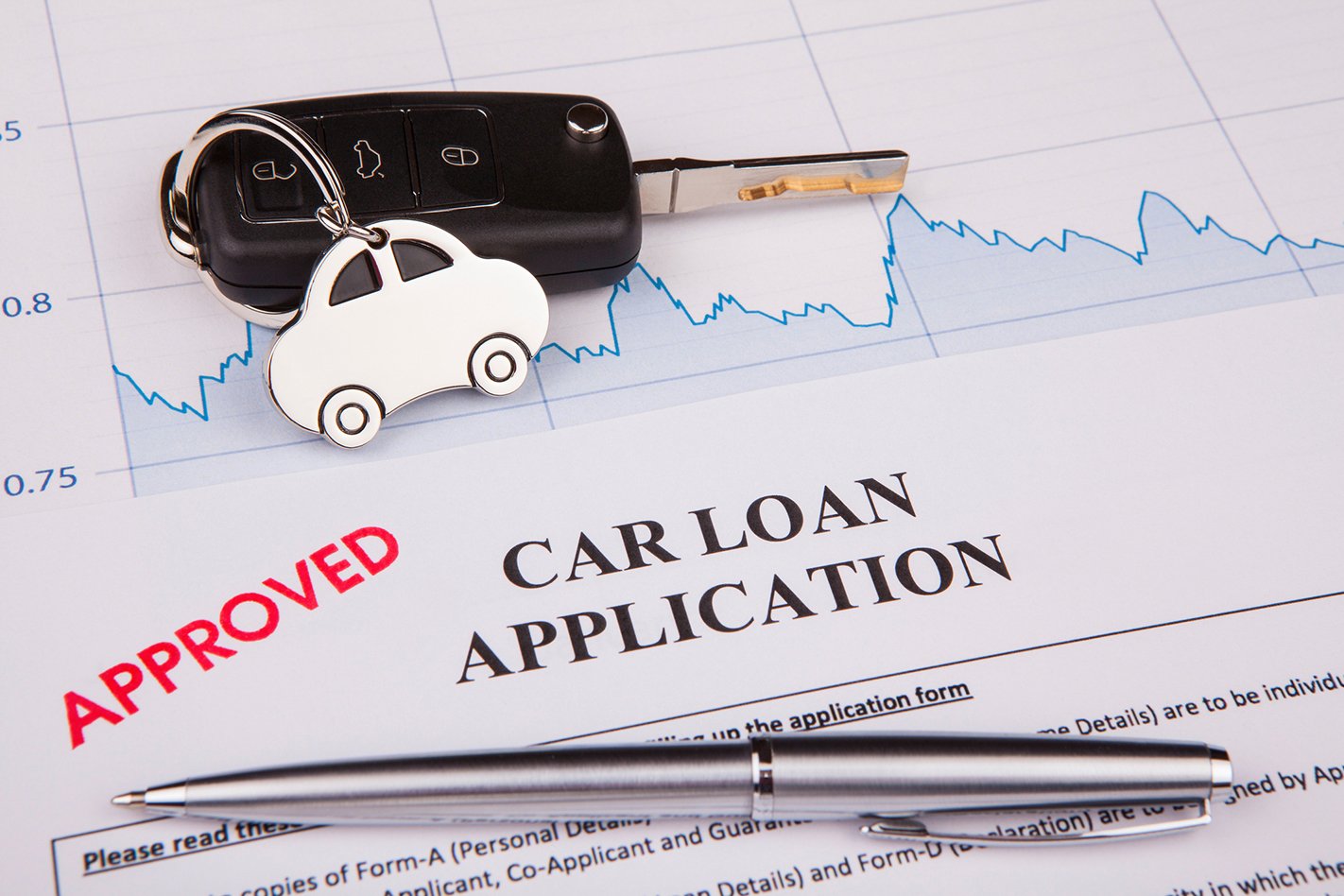
“We were particularly concerned about the impact on less financially experienced consumers,” said ASIC Deputy Chair Peter Kell on announcing the ban in September 2017.
“Most consumers would be surprised to learn that when you are buying a car on finance, the car dealer can, for example, decide whether you will be charged an interest rate of 7.0 percent or one of 14.0 percent – regardless of your credit history.
“Flex commissions do not operate in a fair and transparent way, and ASIC’s action will ensure that consumers are not charged excessive interest rates,” said Kell.
The ban means the lender, not the car dealer, has responsibility for determining the interest rate that applies to a particular loan.
Car dealers will be forbidden from suggesting a rate that would earn them a higher commission, however they will have a limited capacity to discount the interest rate as a buyer incentive, and receive lower than standard commissions, leading to lower costs for credit.
Car loans from third-party lenders via a car dealer shouldn’t be confused with factory finance, which is underwritten by the car manufacturers, who can set interest rates for individual customers based on their credit score.
John Chandler, the president and CEO of Toyota Financial Services says scrapping flex commissions will give automotive finance lenders a greater ability to offer accurate and customised rates thus improving the customer experience.
“The introduction of this new ASIC legislation is very welcomed and helps the entire industry,” Chandler said.
“[It] represents the next step in the evolution of purchasing a vehicle, which we regard as a welcome change,” he said.
Of course, you’re not obliged to finance your car through whoever you buy it from so it’s often worth shopping around to find the best possible rate.
Additionally, sometimes car dealers will offer a lower price for the car if you borrow through them. If that’s the case, do the maths to see if any extra interest you pay with loan they offer will end up costing you more than any additional purchase price.
Click on the link for information on HOW TO FINANCE YOUR CAR.
Adelaide-based tech authority Cohda Wireless has demonstrated what happens if a vehicle runs a red light into the path of a car equipped with its latest autonomous systems – and not a single panel was dented.
The test was arranged in the heart of the South Australian capital’s CBD using Cohda’s ‘vehicle-to-everything’ or V2X technology, and involved a human-piloted car ignoring a red light at an intersection and droving into the path of a self-driving vehicle.
Significantly though, the site was deliberately picked for its ‘urban canyon’ characteristics, where tall sided buildings close to the junction severely limit a human’s vision and ability to react to the hazard in time. Satellite vehicle monitoring technology also suffers in such dense environment.
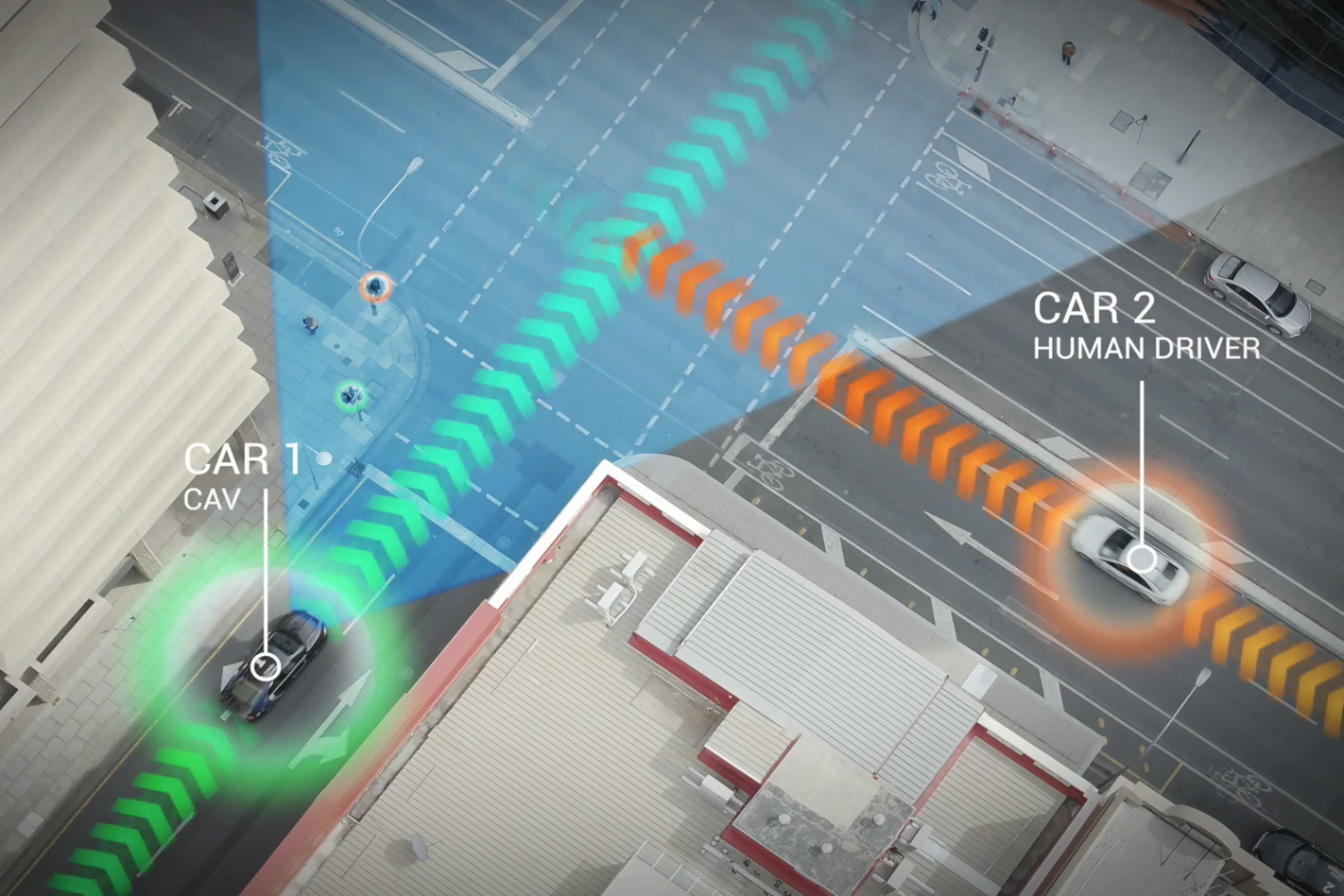
If the scenario involved human drivers in both vehicles, it is possible a crash would occur, says Cohda, but because the cars were equipped with communications technology, a trip to the panel shop or worse was avoided.
As the cars approached the junction, the autonomous vehicle recognised that the other was closing at a speed which would suggest it was not intending to stop thanks to its V2X connection. Instead of proceeding (as a human viewing a green signal would likely decide to) the autonomous car simply waits for the offending vehicle to pass through the red signal.
The technology demonstrates that constant connection to other vehicles significantly reduces the chances of a collision as a result of human error, but the communication technology also allows the cars to receive information from infrastructure such as the traffic signal itself. That means, like the offending vehicle, the V2X car can start responding to unexpected events long before line-of-sight contact.
While satellite-based systems struggle to pinpoint the position of vehicles accurately, Cohda’s solution supplements satellite coverage with its V2X-Locate network, which uses sensors incorporated into street infrastructure to position vehicles more accurately. This information is then shared between other vehicles for a virtual view of what is happening on the roads.
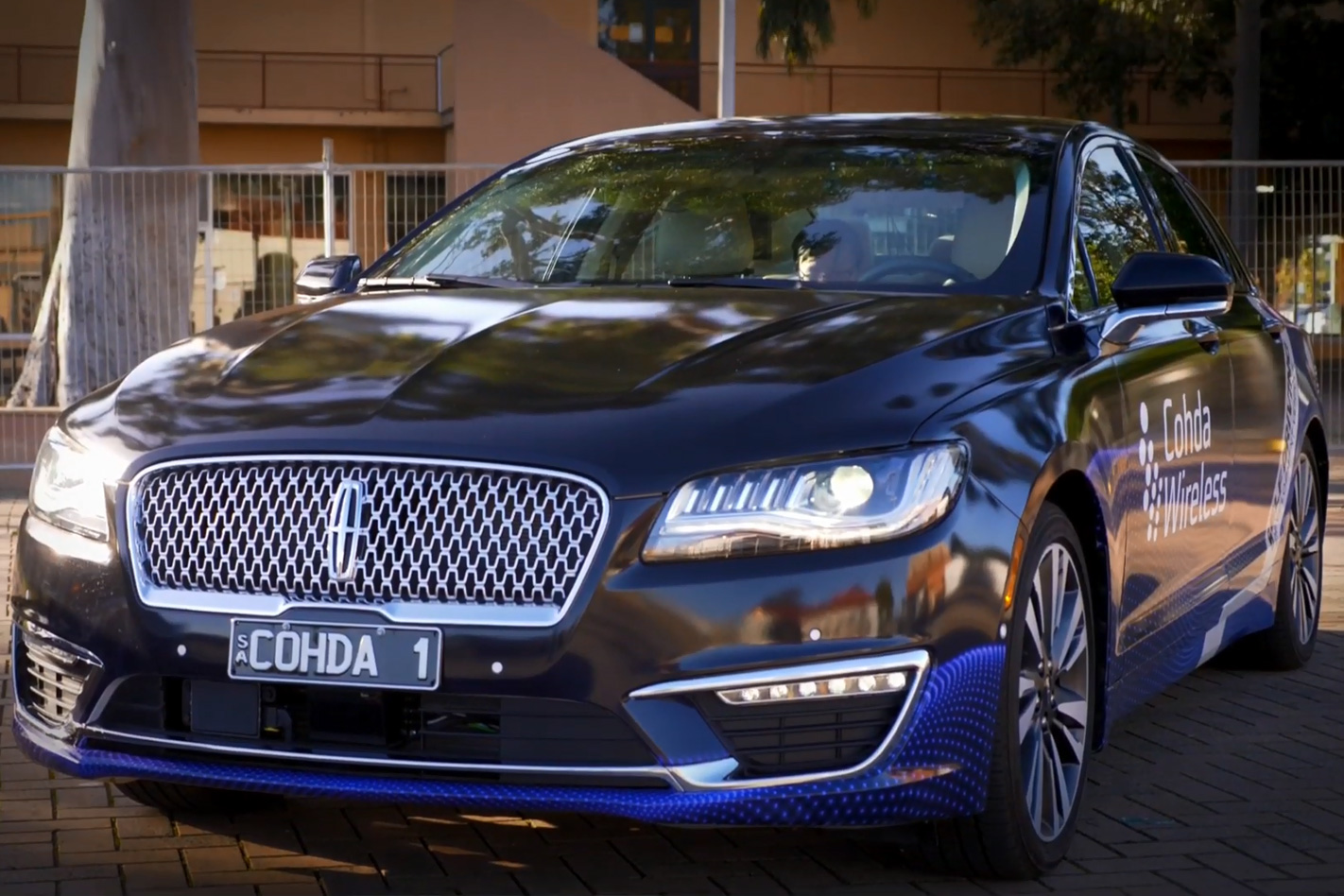
Heavy traffic, significant weather events and recent traffic accidents can be relayed to the car’s systems allowing the vehicle to avoid delaying its progress or contributing to the problem before the occupants are even aware of them.
The demonstration was partly enabled by funding from the State Department of Planning, Transport and Infrastructure, and further cements South Australia as the nation’s leader in autonomous vehicle exploration. Not only is the state home to Cohda, it was also the first to authorise self-driving car tests on public roads and has previously hosted a demonstration on a closed freeway in which a fleet of ‘platooning’ vehicles drove in convoy without human driver input.
BMW has undergone initial testing of its newly Class 1-compliant BMW M4 DTM racer, with the DTM series set to replace its current V8 engine regulations with new rules requiring 2.0-litre turbocharged four-cylinder engines.
DTM says this is in part to reduce the cost of racing in the series and make it more accessible.
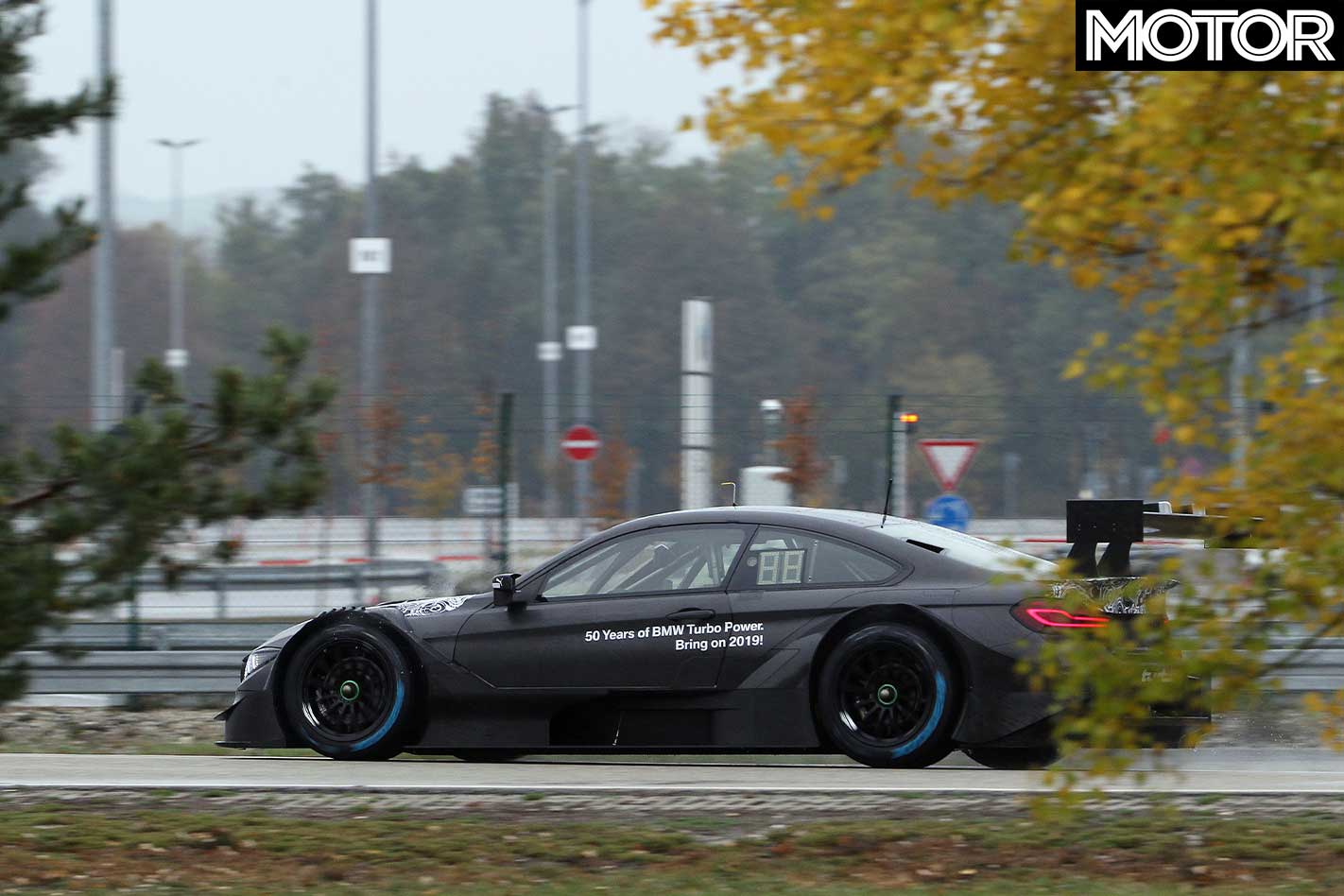
A statement released when this change was initially revealed says the engines will produce more than 455kW (around 75kW more than the current V8s) and allow top speeds in excess of 300km/h.
“The most important factor of the new regulations will be the common part concept,” the statement reads, “It results in clear cost reductions while also adding to the safety and equal-opportunity areas.
“Components of nearly all the areas of the car will be standardised and will be produced and distributed both in Europe and Japan.
“For all these components, the manufacturers needn’t invest in expensive design and development efforts. The core of the car is the carbon-fibre monocoque with integrated safety cell that already has been used in DTM for years.”
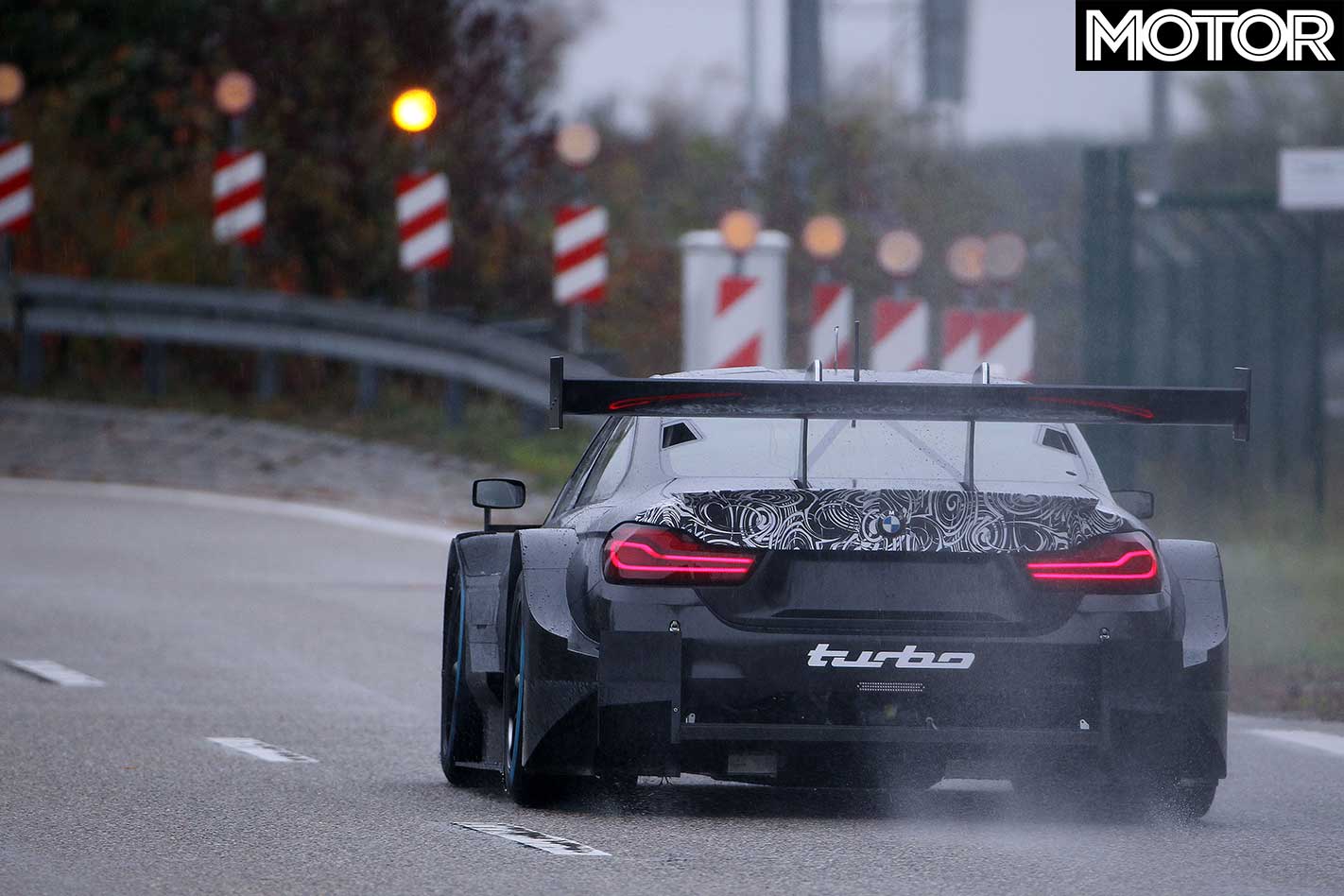
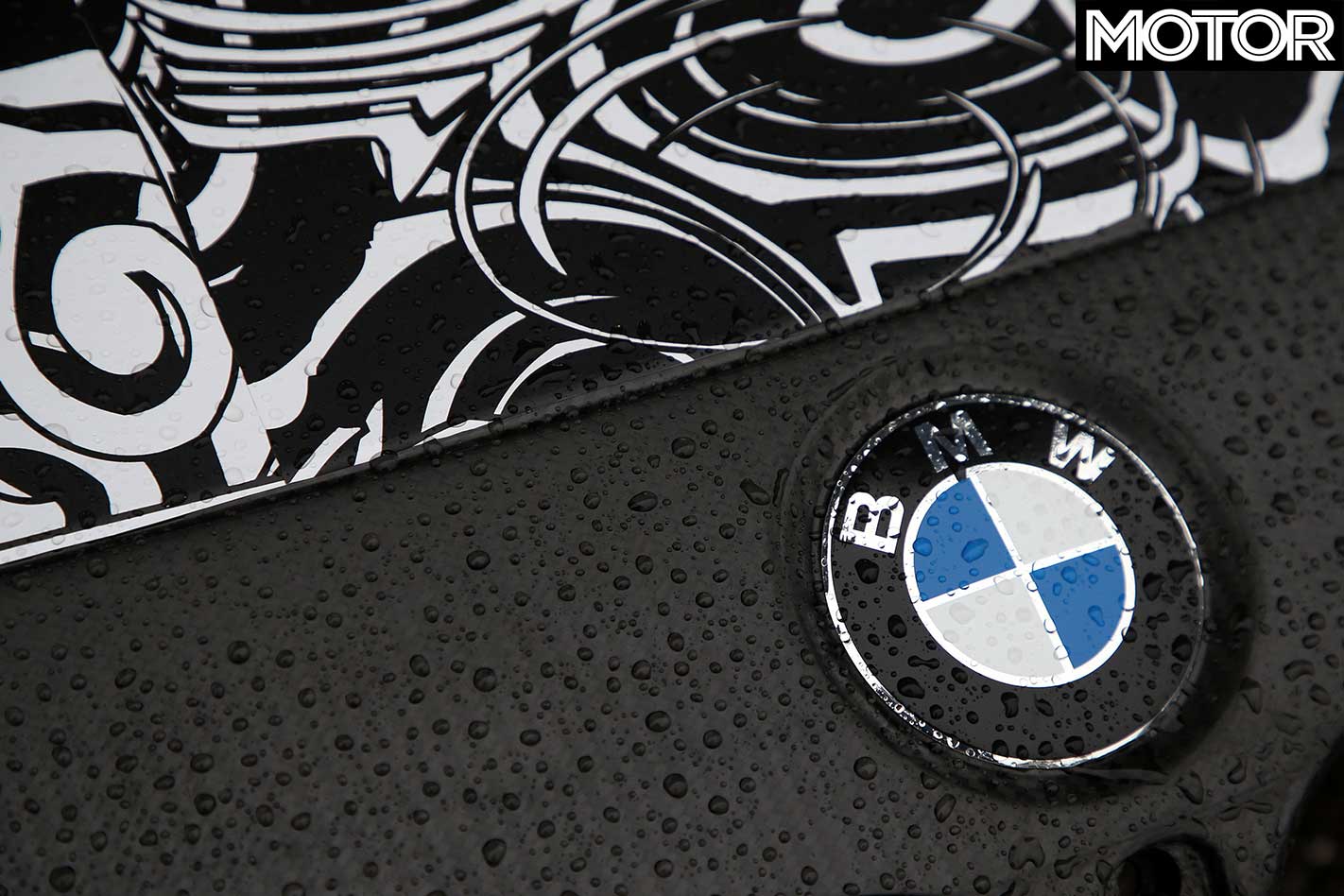
BWM has chosen to remind fan of its history of turbocharged racers to soften the potential impact of the loss of V8 engines in DTM.
“BMW Turbo Power has enjoyed success in motor racing for almost 50 years,” says BMW Motorsport director Jens Marquardt.
He recalls an early BMW 2002 TI victory in the late 1960s in the European Touring Car Series with Dieter Quester at the wheel, claiming the championship win in Division 3.
Now, French-born Canadian driver Bruno Spengler will hop to emulate that success. After testing, he said he was proud to be among the first to test the new engine.
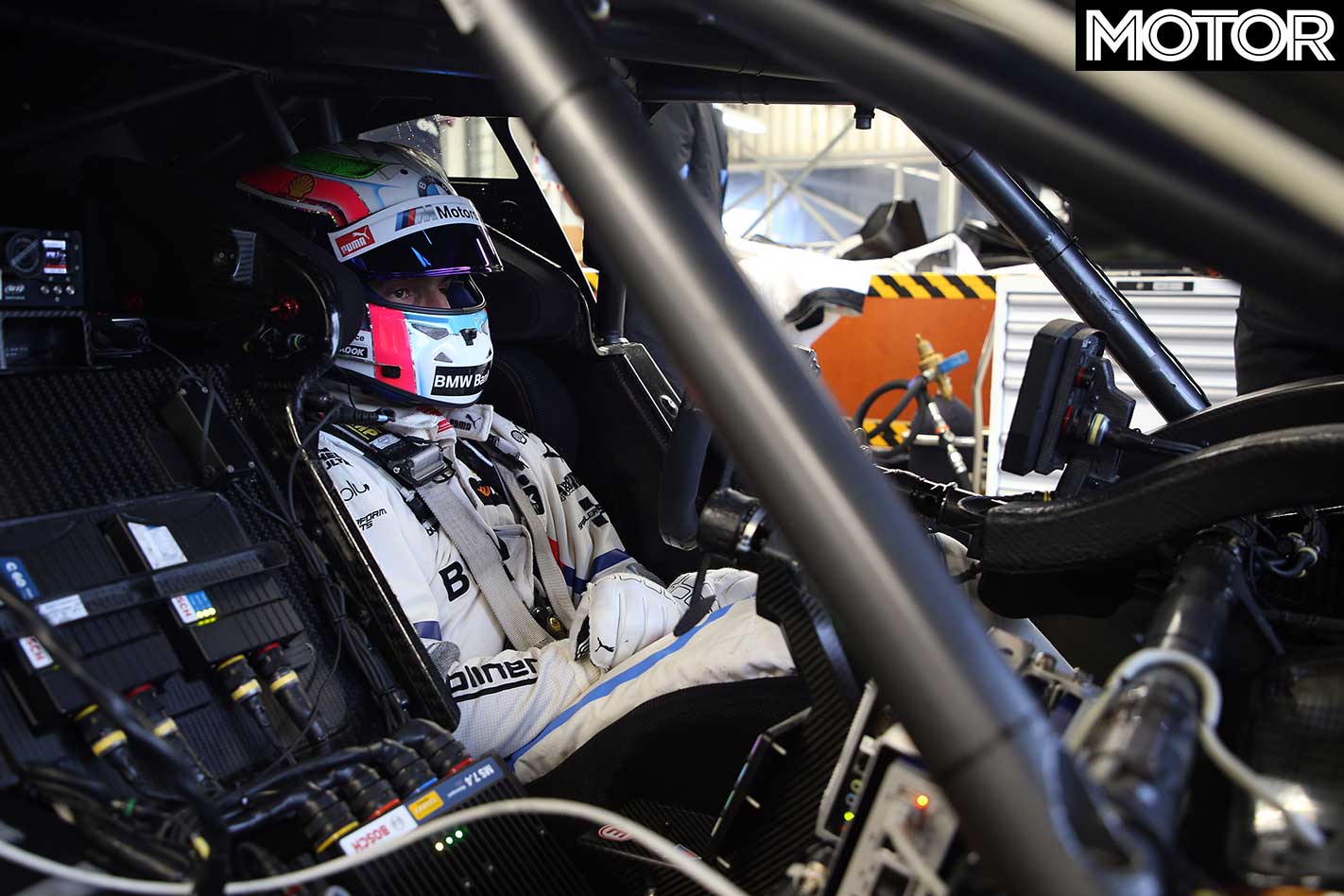
“After my first kilometres with the new DTM engine, I can hardly wait for next season,” says Spengler.
“I can just imagine how much fun it will be to take to the track with so much BMW Turbo Power. You can feel the extra horsepower.
“We will put on even more of a show for the fans in 2019. The amount of time at full-throttle is reduced – but the top speed is higher than before. We will have to work even harder at the wheel.”
Interestingly, DTM also hopes to join with Japan’s Super GT series for two meets in 2020, as Super GT moves to the Class 1 regulations in that year of competition.
Cadillac is back on the radar for Australia. Weeks into the daunting role of reviving Holden, recently appointed chief Dave Buttner is evaluating the strength and breadth of the iconic American brand with the view to introducing it Down Under as early as 2021.
General Motors product development boss Mark Reuss has prised the door open to establish Cadillac locally during a recent trip to Australia, instructing Buttner to undergo an appraisal.
“It’s up to Dave but we’re certainly capable of doing that,” said Reuss when asked about the prospects for the American luxury brand, hinting crucial right-hand-drive engineering work is under way, adding, “it could be an opportunity for us.”
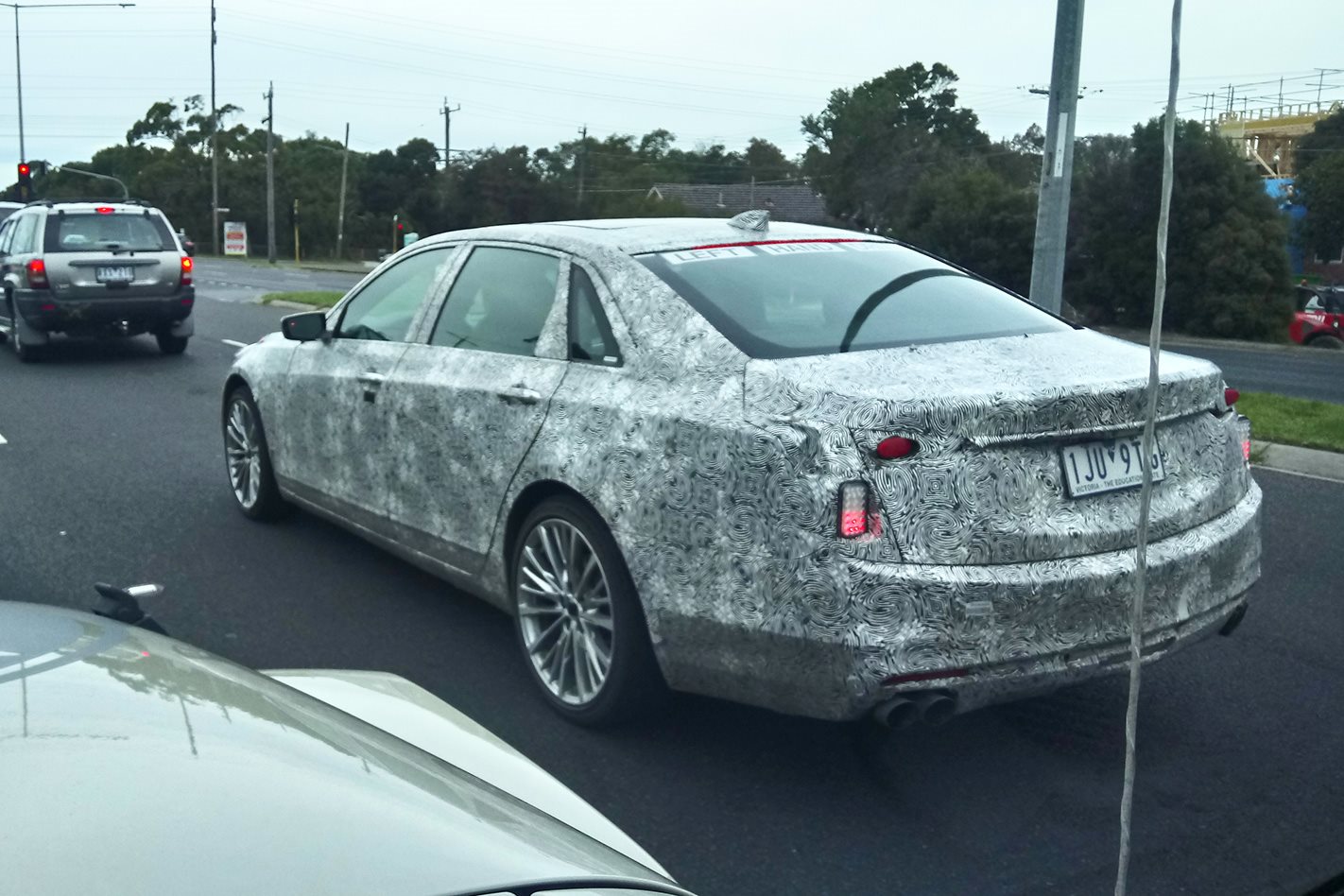
Committing to driving some of the dozens of development Cadillacs at Holden’s Lang Lang proving ground, Buttner told Wheels he will take the fight directly to Detroit.
“When I go to Detroit in mid-September I’m going spend time with Mike [Simcoe] at the design centre so I can get my head around the plethora of products,” he said. “We need to understand what resonates with Australian consumers, what’s relevant in terms of the relationship with what we want to be as a Holden brand, and ensure that we have those correct products in place.”
Key to any discussion will be securing a competitive range of vehicles, currently hampered by a lack of right-hand-drive options.
While Cadillac’s focus is America and China, it also has Europe on its growth radar, something that would require right-hook cars for the UK – opening opportunities for an Australian reintroduction.
Rather than the failed 2009 attempt to launch the CTS locally, the new Holden won’t launch with a single Cadillac model, instead securing a decent spread to tempt buyers of the premium German brands to consider American.
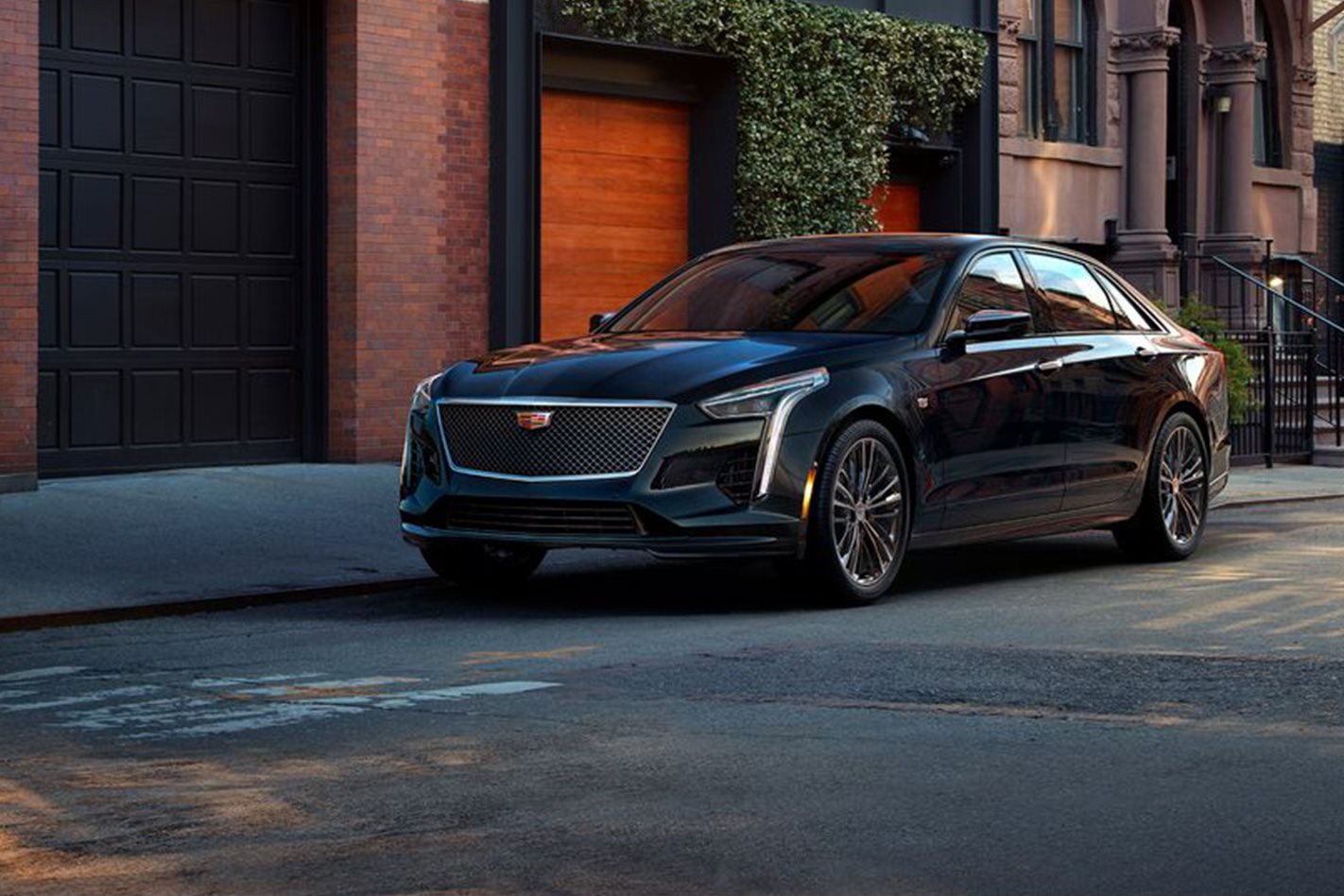
As part of a 10-year reinvention plan implemented by recently ousted Cadillac boss Johan de Nysschen, Cadillac is set to wind back its traditional sedan offerings and condense the ATS and CTS to a single model. It will instead bolster its lacklustre SUV line-up and develop an electrified hero model that draws inspiration from the stunning Escala concept, developed under the guidance of Aussie design head Andrew Smith.
Currently Cadillac SUVs amount to the Escalade, XT4 and XT5, but there’s more to come, including larger SUVs.
Cadillac ATS-V caught testing in Australia
Buttner is aware of the challenges; he was at Toyota when the Japanese giant poured billions into establishing the Lexus brand. Decades later, it’s still fifth in the luxury sales race.
Ultimately, product is crucial to any local Cadillac ambitions.
YOU are sitting in a self-driving car travelling down a road when suddenly a pregnant woman steps out in your path.
While the autonomous system is working, the brakes have failed. A crash is now unavoidable.
Should the vehicle take out the woman, or swerve into a barrier, putting the occupants at risk?
That was the core issue of a study conducted by researchers from the Massachusetts Institute of Technology (MIT), called The Moral Machine.
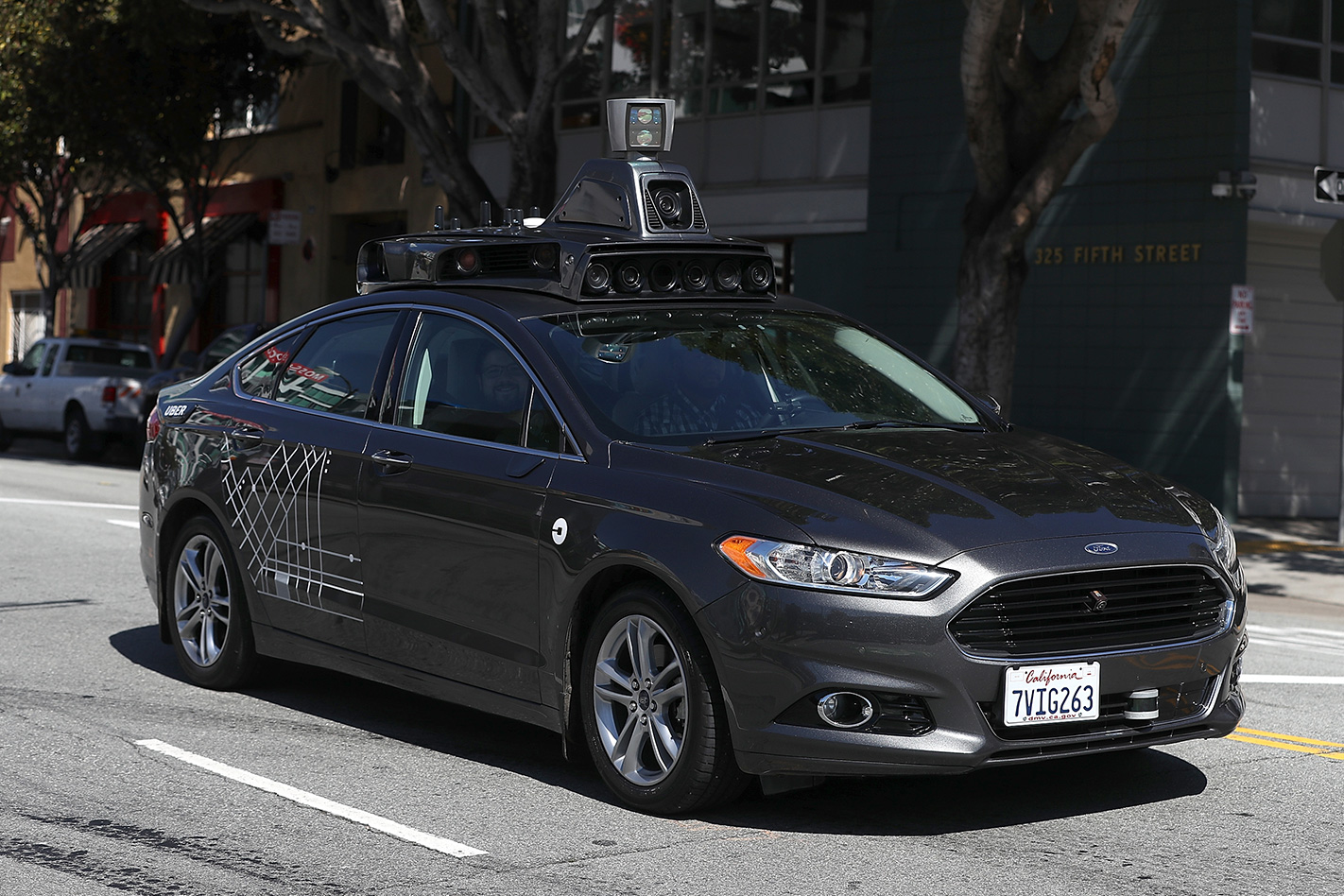
As part of the research, members of the public were asked to take part in a survey in which they decided what the outcome was for an unavoidable accident. Should an autonomous vehicle prioritise saving a woman over a man? What about a rich person over a poor person? A criminal or a dog? A group of children or a group of doctors?
Putting a modern spin on the classic philosophical trolley problem, MIT’s research took in over 40 million decisions, made by millions of individuals, from 233 countries. The results of the study have been reported in the journal Nature, and make for an interesting insight into what ethics the world wants self-driving cars to have.
Dedmond Awad led the team of researchers, and stated there were some common themes amongst the millions of decisions.
“The strongest preferences are observed for sparing humans over animals, sparing more lives, and sparing young lives,” Awad and colleagues report.
“Accordingly, these three preferences may be considered essential building blocks for machine ethics, or at least essential topics to be considered by policymakers.”
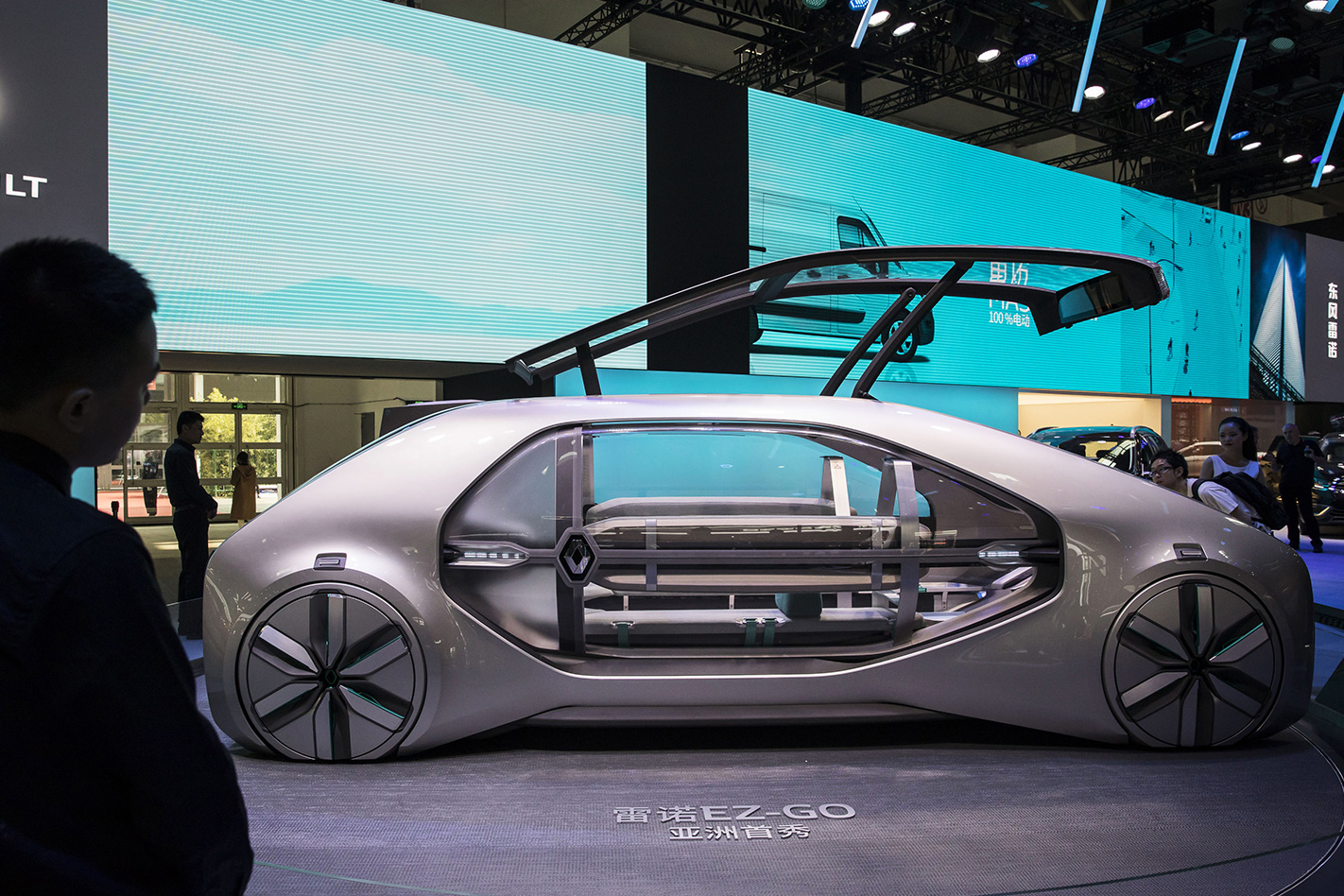
According to Awad, the four most spared characters in the game were the baby, the little girl, the little boy, and the pregnant woman.
Other than those universal choices, Awad and his team determined choices were influenced by social, cultural and perhaps even economic factors, noting a split between “individualistic cultures and collectivistic cultures” – with North America and Europe falling into the former, and Asian cultures the latter.
According to researchers, individualistic cultures “emphasise the distinctive value of each individual”, and placed an emphasis on saving the highest number of characters, whereas collectivistic cultures “emphasise the respect that is due to older members of the community” and placed less of an emphasis on saving the young.
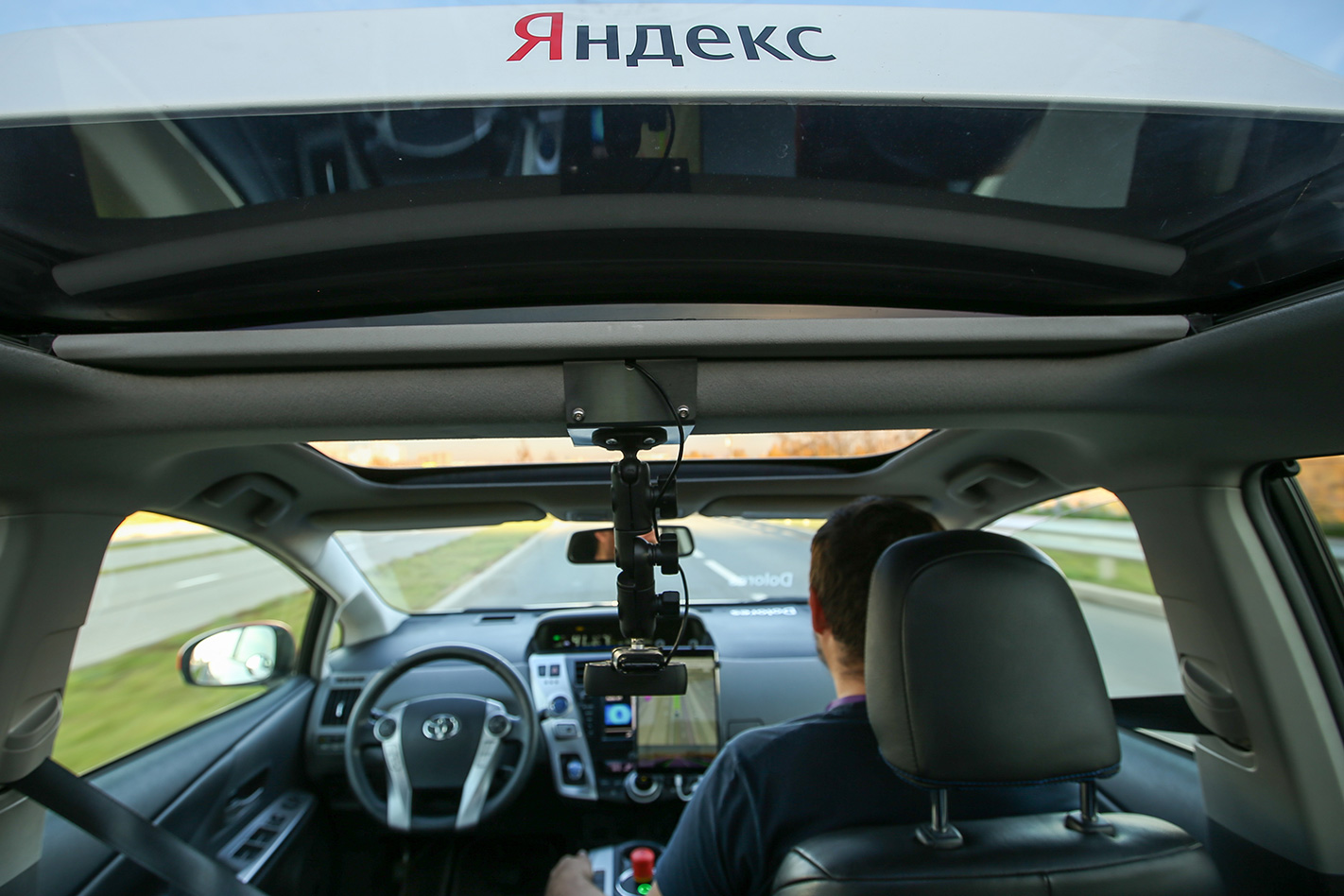
The same split also applies to wealthy characters, with North America and Europe preferring to save them over poorer characters.
One of the more interesting results of the study, was the fact people would prefer their autonomous vehicles hit a criminal than a dog. Cats didn’t fare too well either, sitting near the bottom of the priority list.
Awad and colleagues ended their report on an ominous note. While debate surrounds when exactly a fully autonomous car will finally exist and take to our roads, it is seeming like an inevitability, and the team’s research raises some difficult ethical questions about how these vehicles will be programmed.
“Never in the history of humanity have we allowed a machine to autonomously decide who should live and who should die, in a fraction of a second, without real-time supervision,” they conclude.
“We are going to cross that bridge any time now, and it will not happen in a distant theatre of military operations; it will happen in that most mundane aspect of our lives, everyday transportation. Before we allow our cars to make ethical decisions, we need to have a global conversation to express our preferences to the companies that will design moral algorithms, and to the policymakers that will regulate them.”
