
SKODA has ripped the silk off its first performance SUV, the Kodiaq vRS, ahead of its first public appearance at the Paris Motor Show.
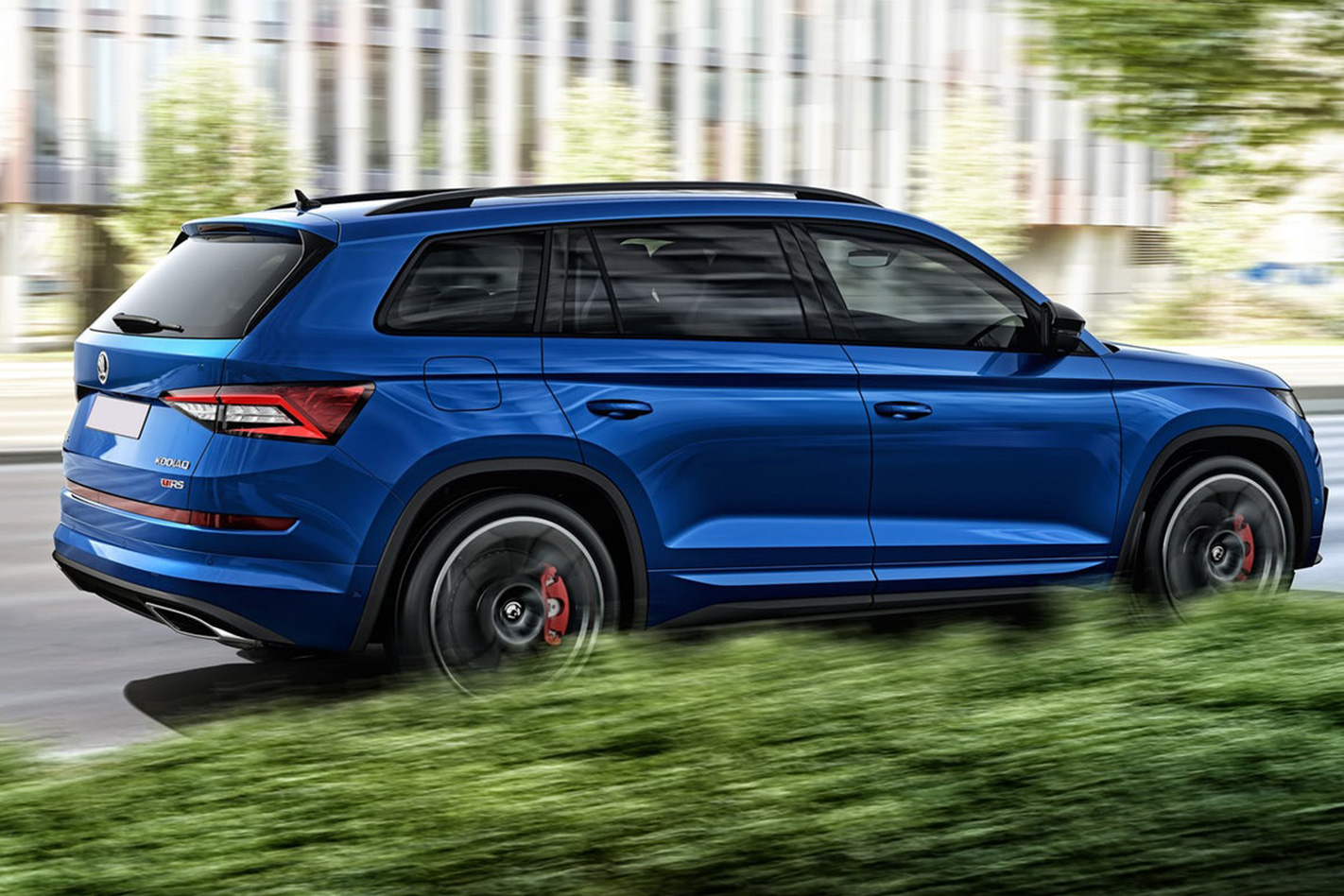
The hotted-up variant of the Kodiaq three-row SUV is fitted with a 176kW twin-turbo diesel engine, which is the most powerful oil-burner Skoda has produced. The 2.0-litre four-pot also sends 500Nm to all four wheels via a seven-speed dual-clutch transmission for a claimed 0-100km/h sprint of 7.0 seconds, and a top speed of 220km/h.
Prior to the arrival of the vRS, the most powerful Kodiaq was the 140TDI which produced 140kW and 400Nm, and a thoroughly lukewarm 0-100km/h time of 8.5 seconds.
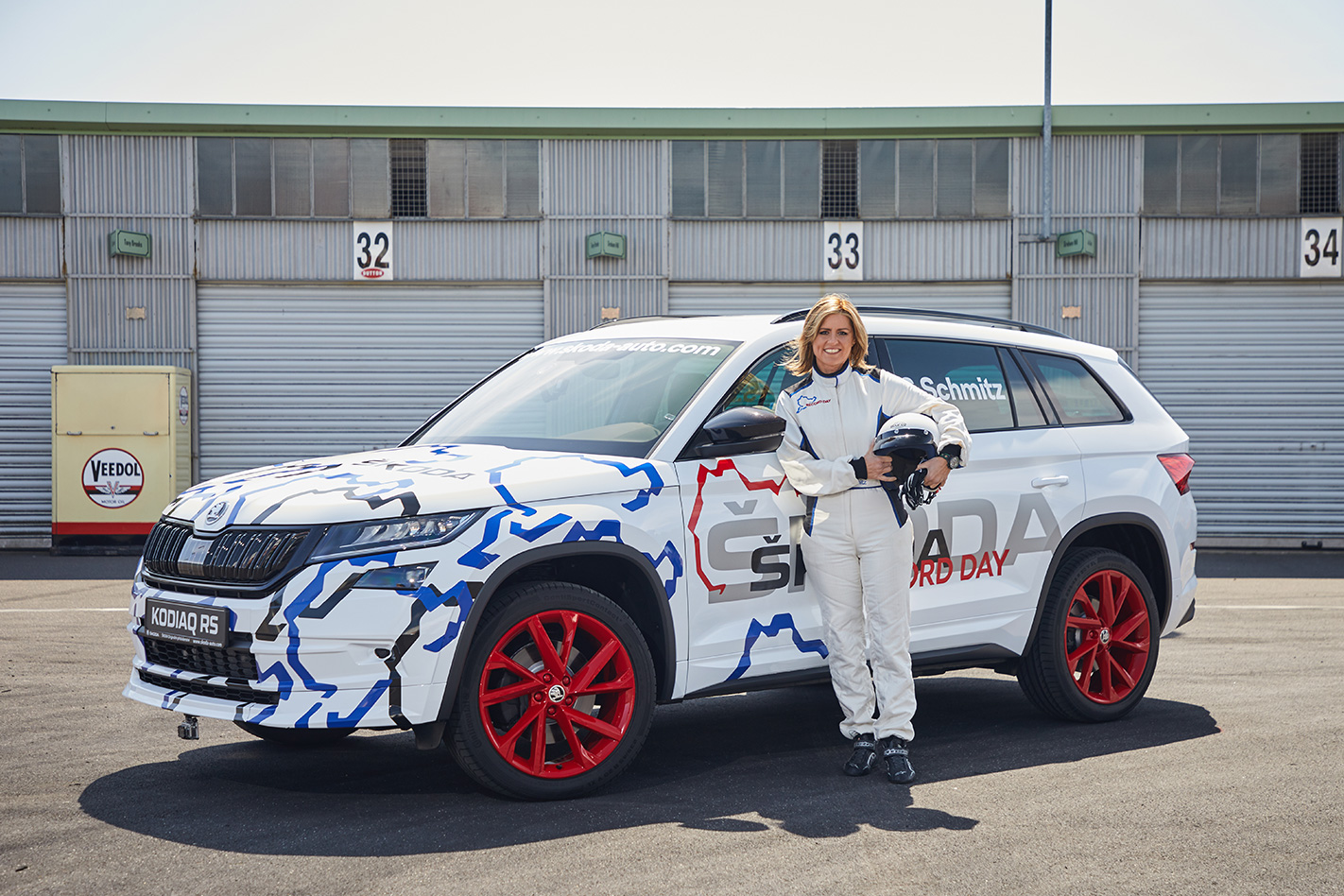
Another key metric? A Nurburgring Nordschleife lap time of 9:29.84, set with ‘ring veteran Sabine Schmitz at the wheel – rapid enough for the Kodiaq vRS to claim the title of ‘fastest seven-seater’ around the German circuit. It’s far from the fastest SUV at the Nordschleife though: that title belongs to the Alfa Romeo Stelvio Q, which can orbit the ‘ring more than 90-seconds faster than the Skoda.
Adding to the vRS’s performance credentials is adaptive chassis control, which includes six drive modes, electronically adjusted shock absorbers, and a progressive steering rack.
Visual enhancements have also been made, with the faster Kodiaq featuring unique front and rear bumpers, vRS logos, gloss black bodywork elements and a new 20-inch wheel design.
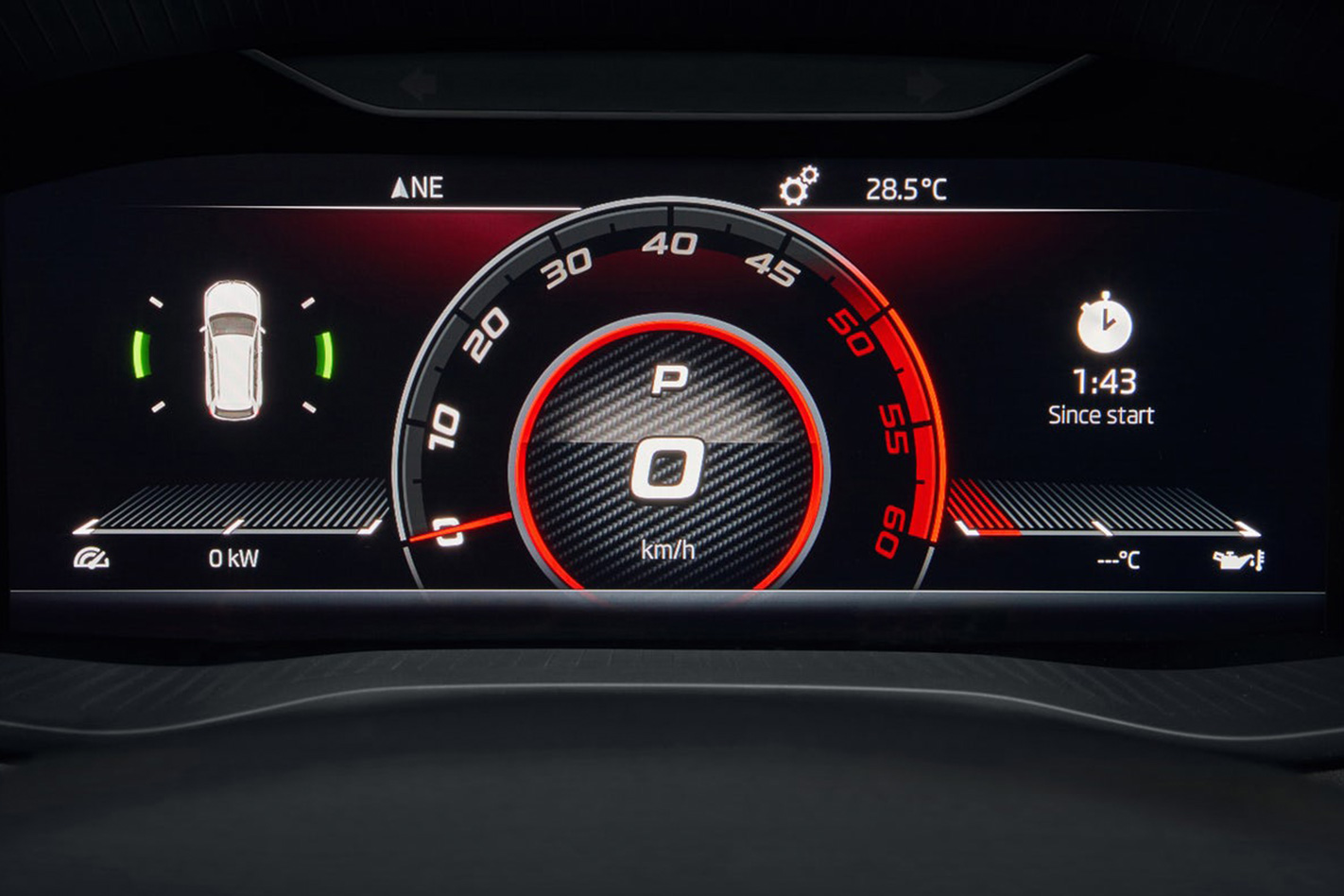
Inside, alcantara-covered seats and door trims are standard, along with an all-electronic instrument panel, a carbonfibre-effect instrument cluster, a sports steering wheel ambient LED lighting, tinted windows, black roof lining, and stainless steel pedals.
Skoda says the Kodiaq vRS will be available in either five- or seven-seat configurations, offering 600- and 231-litres of load-lugging space respectively.
Unfortunately for Australians it looks unlikely the Kodiaq vRS will be arriving Down Under, despite our performance hungry market.
“This model is not currently scheduled for our market due to its hot climate classification,” Skoda Australia’s corporate communications general manager Paul Pottinger told Wheels.
“As a company, however, we are seeking to have this designation reconsidered so that this model and possibly others besides would become available.”
The APS Phase III XR6 Turbo is at Avalon Airport, near Melbourne, to crack 300 kilometres an hour. And it isn’t about to disappoint.
This feature was originally published in MOTOR’s Hot Tuner 2004 issue
All eyes are on the silver BA Falcon as it streaks across three kilometres of runway, vapour streaming from the bodywork, a shrill turbo whistle piercing the air. The XR6T is visibly faster than any of the mega-dollar exotics competing that day in MOTOR’s PCOTY testing, including the Lamborghini Gallardo.
That’s an achievement for any specialist exotic, but for a four-door Aussie sedan, it’s incredible — clearly the fastest in the nation.
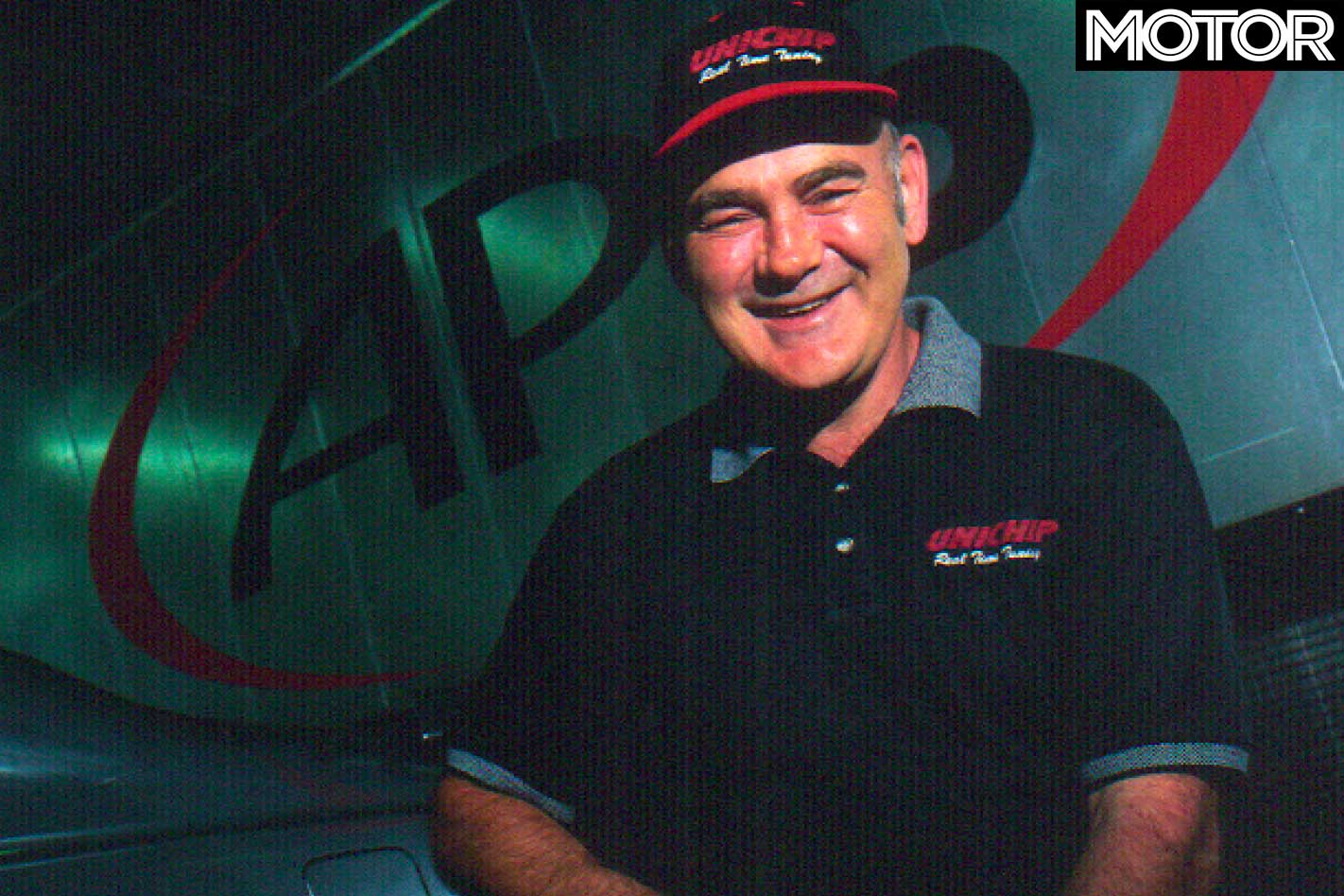
While others pick their jaws up off the ground, Peter Luxon and his crew from APS look calm. No doubt they are ecstatic, but they had made the engineering calculations and it’s only what they expected.
“We did the sums,” says Luxon, “and worked out that with only a minor final drive ratio adjustment and some 18-inch wheels, our production Phase III kit had the power to pull the 5900rpm rev limiter in top gear and push the Falcon body past 300 kays.”
It could have gone faster, he says. The APS Phase III made only the one clean 300km/h-plus run down the strip, due to a top-speed limiter that had been altered but still interfered. “We have never needed to exceed the stock 230km/h XR turbo speed limiter before, so we haven’t put a lot of energy into defeating it,” says Luxon. “Give us another day of development and there won’t be an issue.”
Now to get really spooky. This test car has no factory-special parts. Other than the speed-limiter alteration, the 3.23:1 (XR8) diff ratio, the rear tyres and AP brakes (to keep the tester’s undies clean), it’s the same highly developed performance package anyone can have fitted to a turbo Falcon, and still walk away with change from 10 grand.
Power point
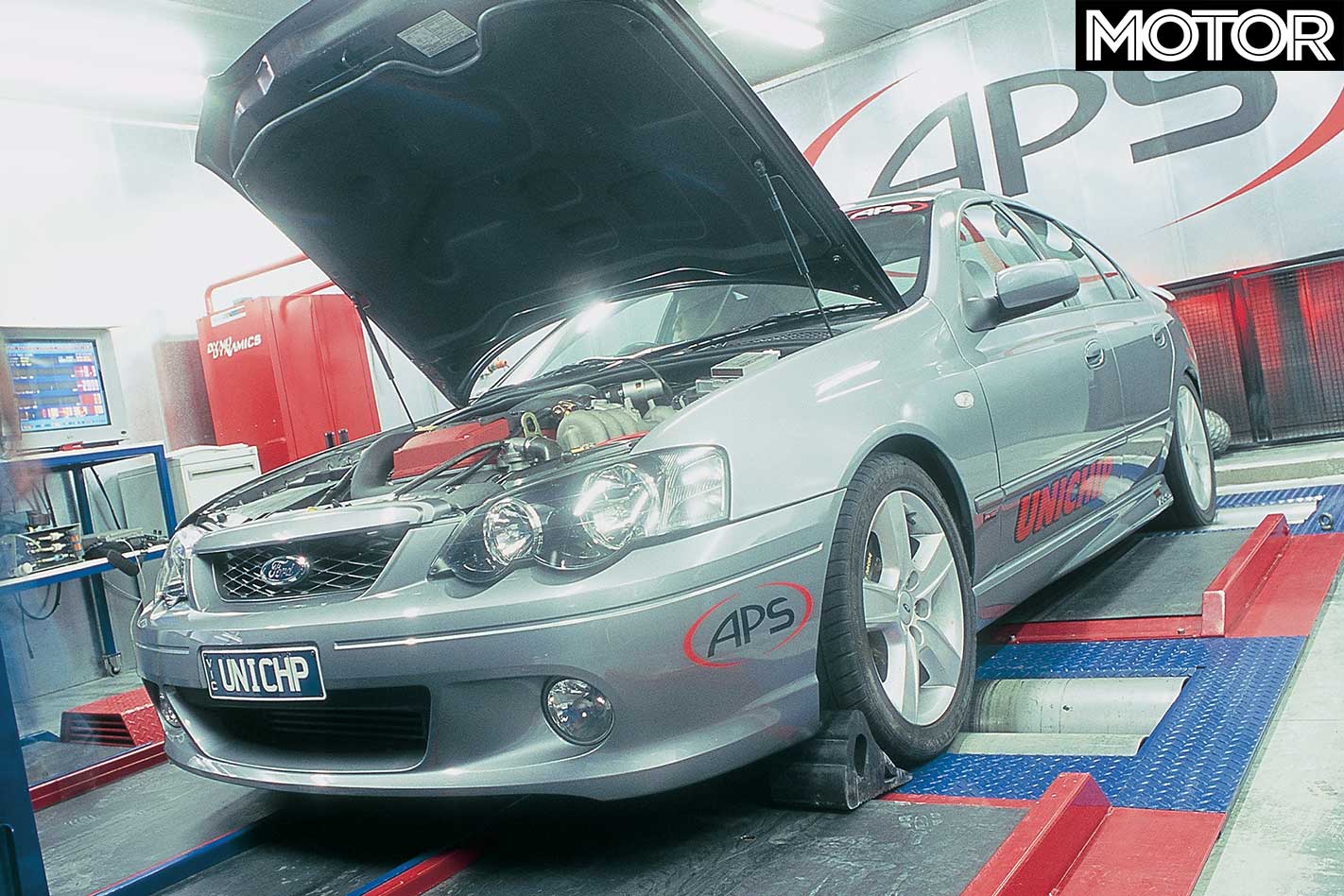
So how much power is in there? Luxon claims no more than 400kW at the crankshaft, a figure he backs up with a 340kW rear wheel dyno sheet. Factor in the 17 percent drive train loss (apparently ideal for the T5 manual behind the XR6T engine) and that’s about spot-on.
But to prove a point, Luxon offers to dyno the car and three full-power runs range between 345 and 355kW at the treads. A little high, and Luxon comments, “Looks like a decent top-speed run blew the cobwebs out and did it some good.”
Forget about stripping the engine down, changing turbochargers or upgrading manifolds. The APS Phase III kit requires none of this. The focus is on extracting the best possible performance from the factory parts.
“These Fords have an extremely strong engine with good-looking, specially designed turbo pistons and a high-flowing cylinder head. We haven’t broken one of these engines in testing and we have genuinely tried to find the limit.”
APS’s power secret is improved engine airflow. “There are some fairly substantial changes over the Phase II kit, which makes about 270 to 280kW at the wheels,” says Luxon. “We change the factory intercooler [at its limit in Phase II applications] to a larger air-to-air front mount, and change the plumbing across the top of the engine.
“The fuel injectors and fuel pump are larger, but the key to it all is in the tuning. Our programmable Unichip controls the 1.2 bar of boost pressure [17psi in the old money] and gives the engine precise fuel quantity and ignition timing.”
Dangerous goods
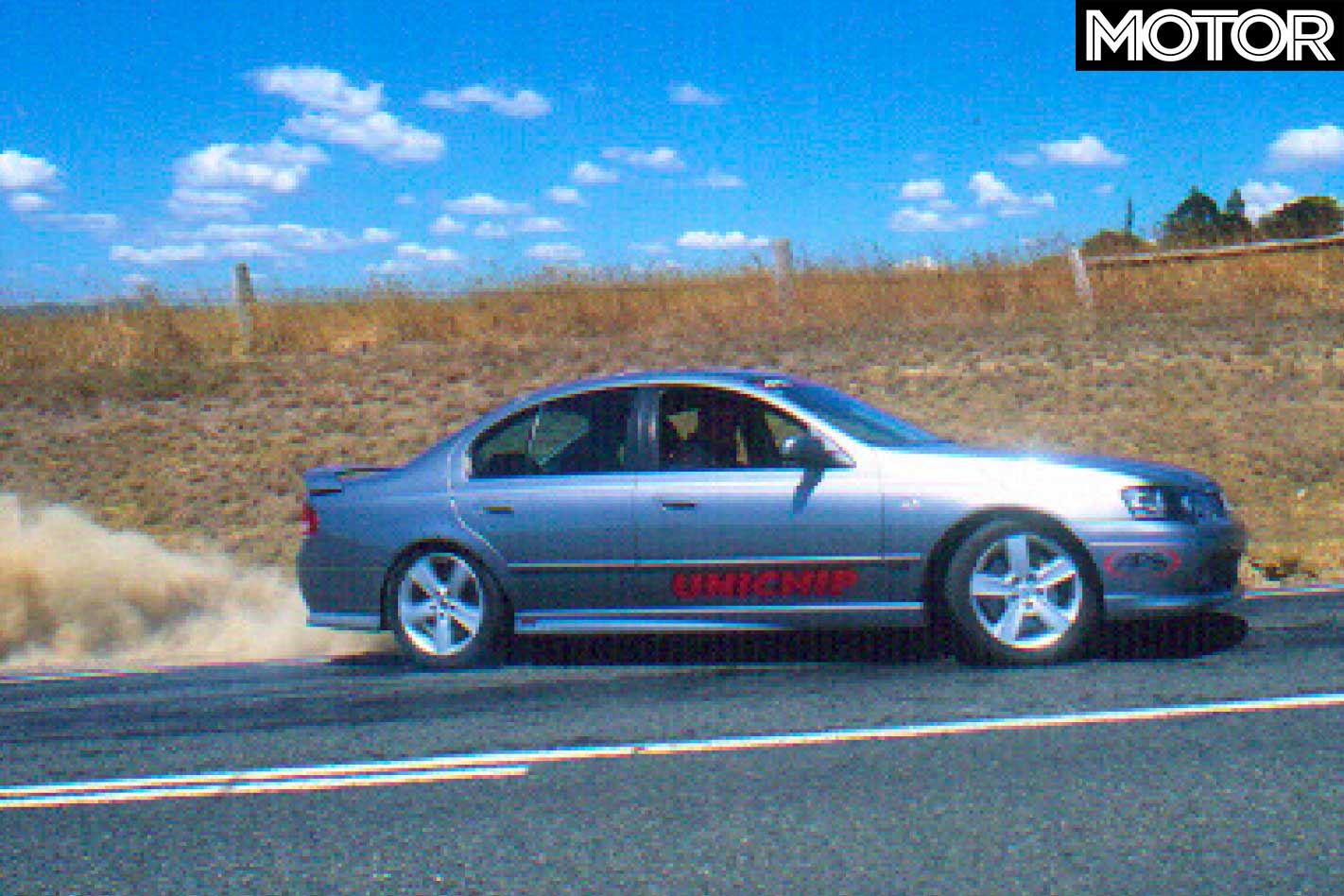
Enough of the tech specs. Chuck us the keys. Luxon is happy to oblige, but like any dangerous goods should, these come with a warning.
“Just be a little careful on the throttle,” he says, leaning in the window. “It tends to want to break traction fairly easily.”
Those expecting the whoofle and sneeze of a blow-off valve or a lumping part-throttle soundtrack are going to be disappointed. Your nanna could drive this car. It has the typical creamy XR turbo response down low and a remarkably smooth, cough-free idle. By the time you read this, APS will very likely have the Phase III through ADR emission and noise testing and ready to fit as a road-legal accessory.
Big-power turbo cars are all about wide throttle openings and with a broad, vacant track at our disposal, nothing more need be said.
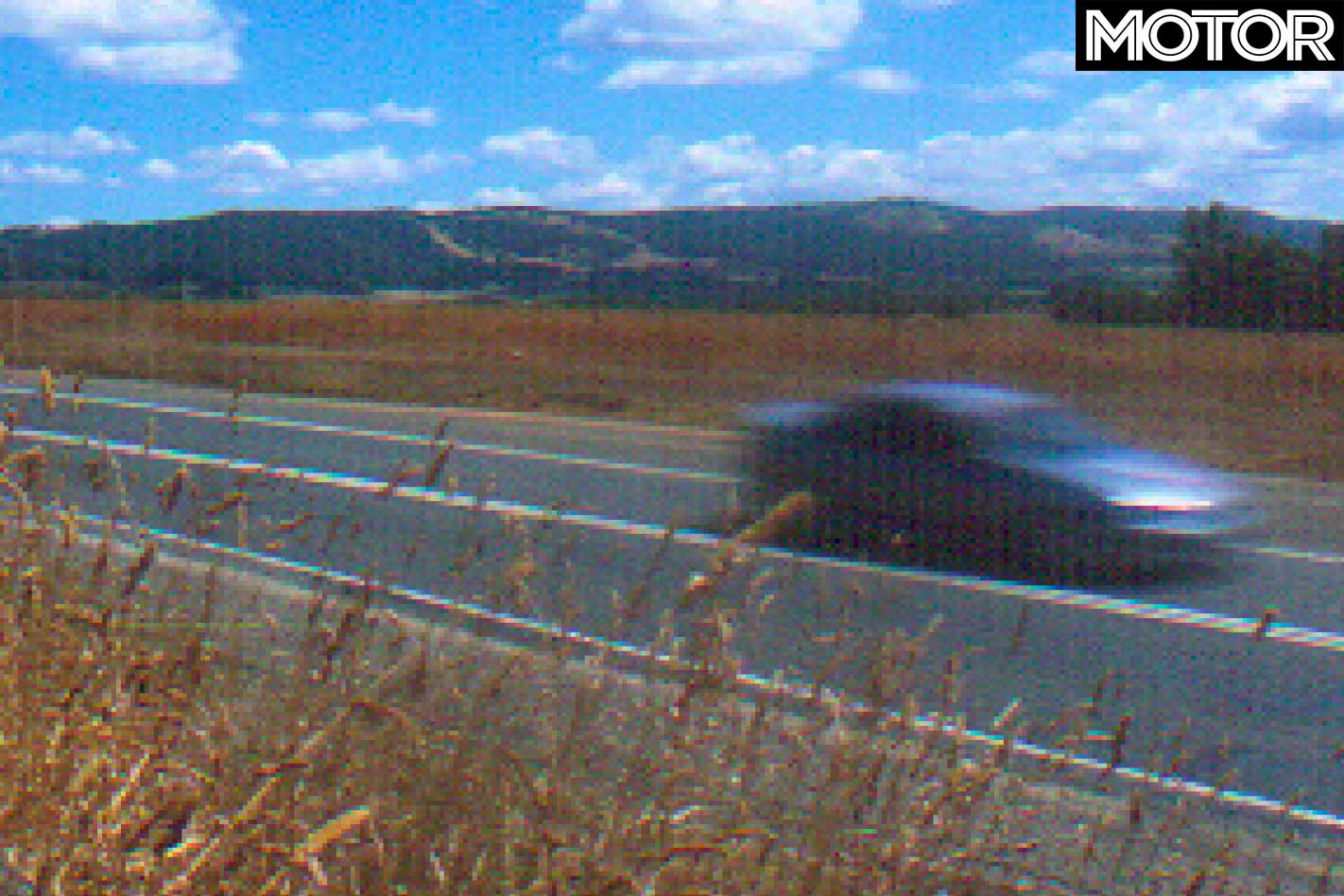
Off the basement, the Phase III feels like any other lightly tuned XR turbo, pulling progressively up to 3000rpm, with only a hint of audible menace through the cold air induction system. At about this rev point, substantial gobs of boost build and you need to tighten the hands around the tiller.
Nothing hits as hard as the APS Phase III. The integrated boost control system unleashes torque that belts the rear tyres, twists up the driveline and gives you a reverse bungee effect into the scenery.
The tacho rips so fast it’s as if the clutch is slipping, but you know instinctively that it’s the physics of tyre versus ground being overcome.
But it’s the searing top-end delivery that impresses the most. Rather than having a typical production turbo mid-range torque hump that falls away, slowing progress at high revs, the Phase III just keeps building grunt, seeming to accelerate harder with each gear change. There is no weak point, flat spot or chance to catch your breath. Even with the taller gearing (3.23:1 versus 3.45:1) of an XR8 on board, the acceleration is mind-numbing.
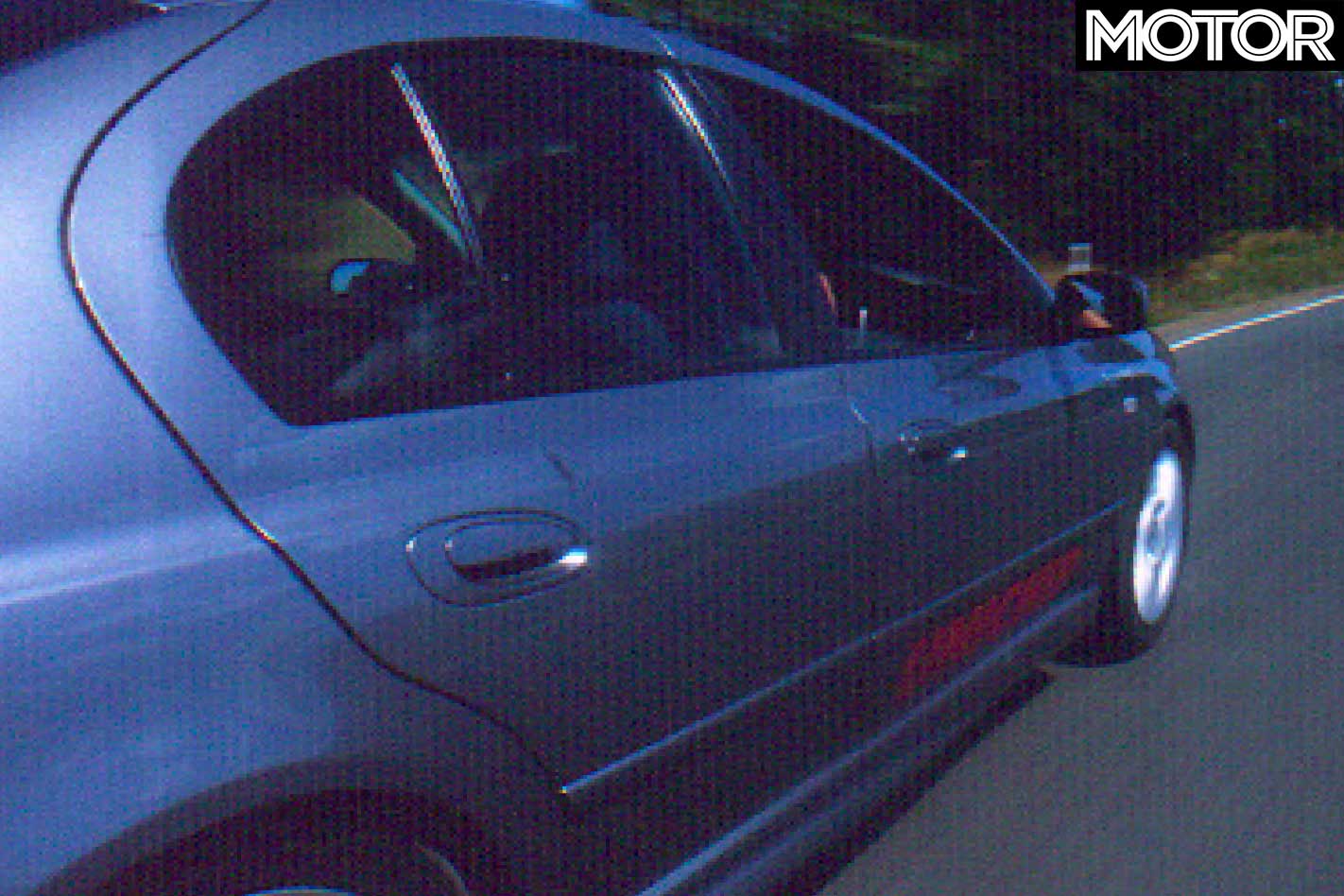
Official figures for the Phase III from Calder Park, on radial tyres, stand at 11.68 seconds and 195km/h for the quarter-mile sprint, which puts it up there with the fastest-accelerating Supercars. And that’s with a big Aussie framework and a bulging waistline.
“We haven’t found the top-speed limit of the XR6 Turbo package yet,” says Luxon the next day.
“There’s plenty more power to be had and lots of work to do on the car’s aerodynamics and gearing. We did some basic sums overnight and reckon that, with some more development, we should be able to top 350km/h without too much trouble.”
Not for the car, perhaps, but more than maths will be involved in driving it.
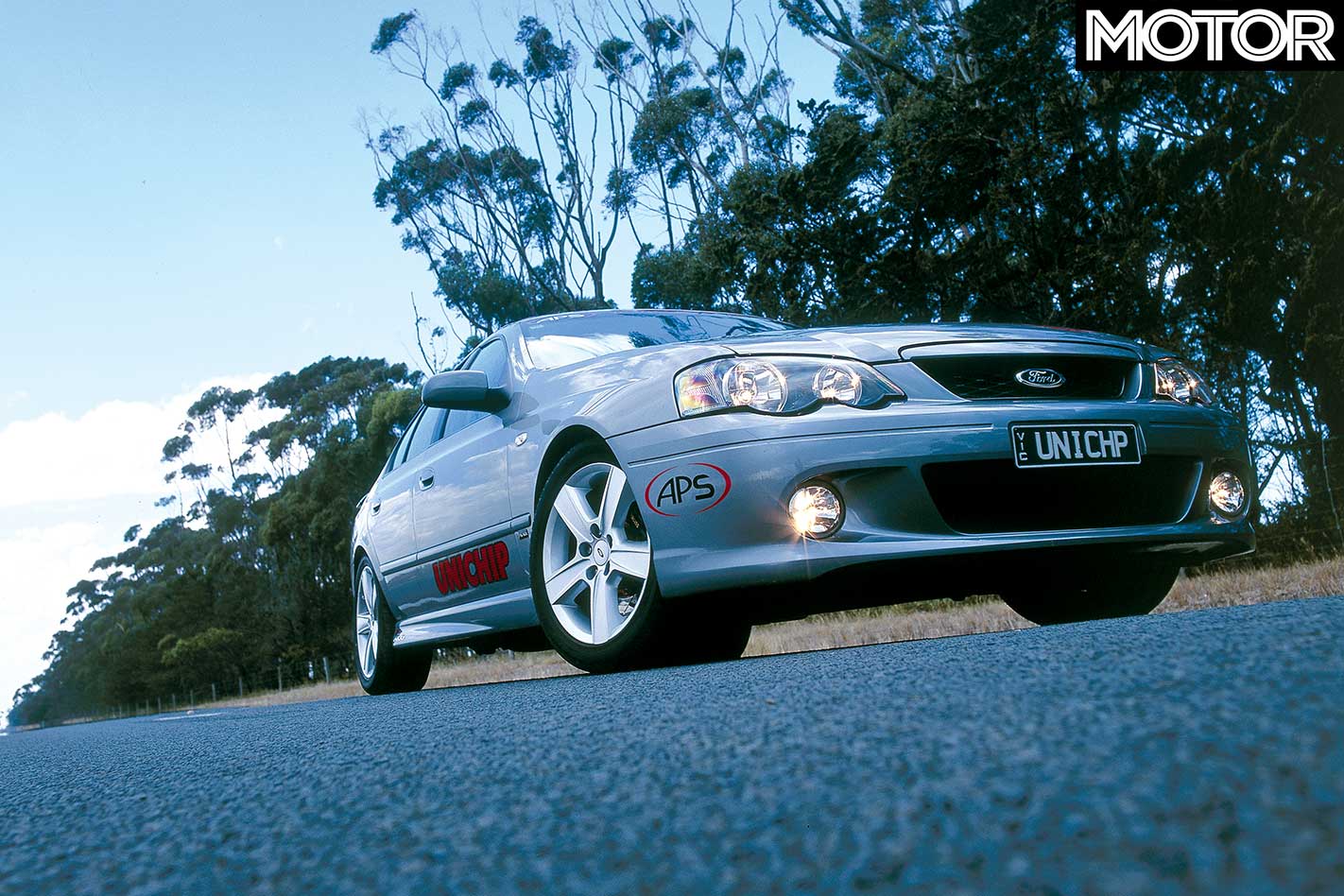
FAST FACTS 2004 APS Falcon Phase III XR6T
BODY: 4-door sedan DRIVE: rear wheels ENGINE: front-mounted 4.0-litre DOHC 24-valve turbo six POWER: 400kW @ 5700rpm (est.) TORQUE: 700Nm @ 3000-4000rpm (est.) COMPRESSION: 8.7:1 BORE x STROKE: 92.3mm x 99.3mm WEIGHT: 1685kg POWER-TO-WEIGHT: 237kW/tonne TRANSMISSION: 5-speed manual SUSPENSION: double wishbone, coil springs, anti-roll bar (f); Control Blade IRS, coil springs, anti-roll bar (r) L/W/H: 4944/1864/1444mm WHEELBASE: 2829mm TRACKS: 1553mm (f), 1571mm (r) BRAKES: 330mm disc, four-piston fixed AP caliper (f); 303mm solid grooved discs, single-piston calipers (r) WHEELS: 18 x 8.0-inch alloy (f & r) TYRES: 245/45 VR18 (f & r) PRICE: $54,535 (including kit)
0-400m: 11.68sec at 195km/h Top speed: 307km/h
Over 300km/h and it’s really moving – sideways
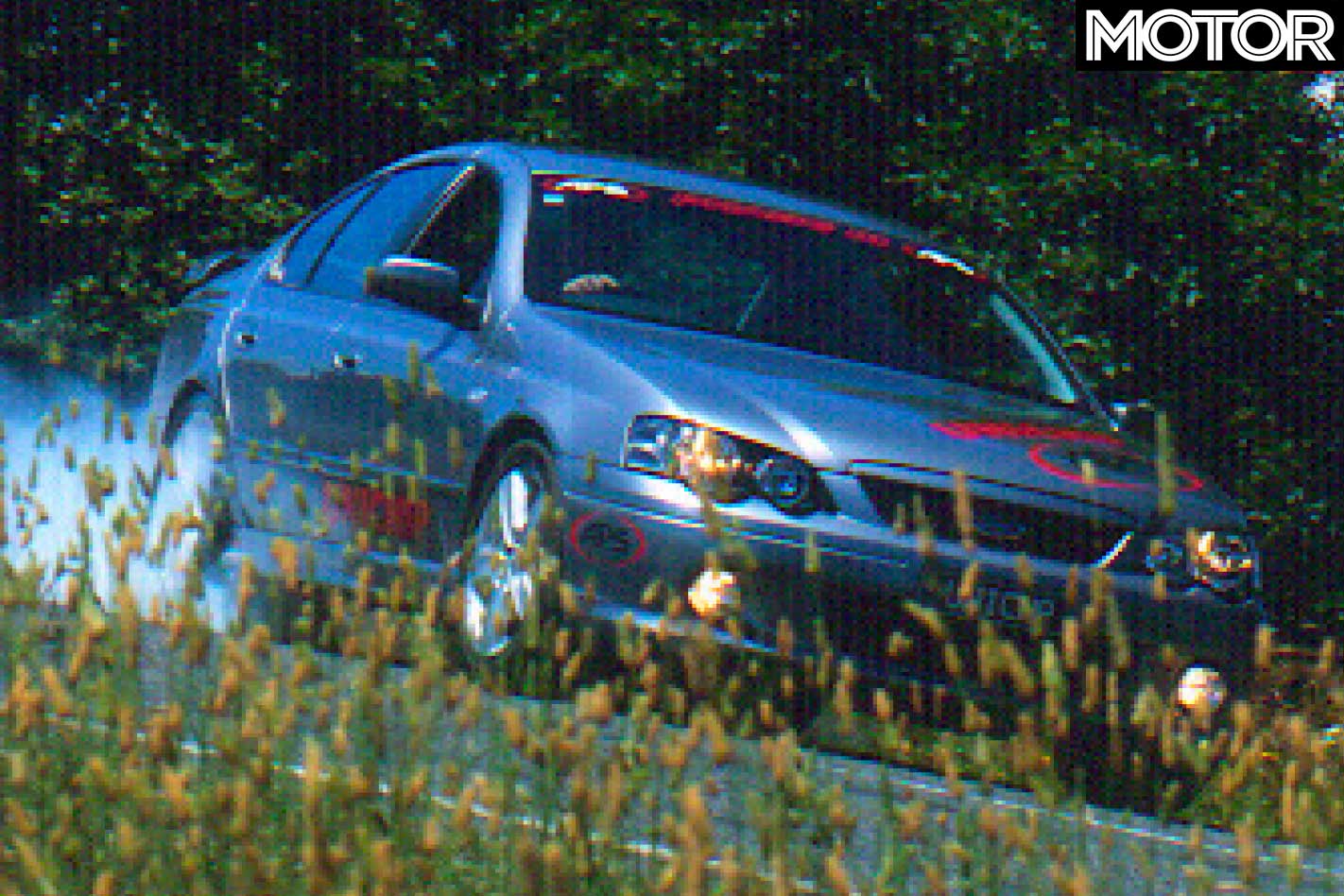
Peter’s troops aren’t naive about what can happen at very high speed, but they can’t be expected to know everything. The stuff they have thought of is the stuff I needed them to think of. There’s no way, for example, you’d try this on stock Falcon brakes, so four-piston APs are reassuring.
So it’s one last fiddle to temporarily disable the standard 230km/h limiter and blaze, quickly, before the computer figures out it’s been diddled.
As engines go, this is strong. Bloody strong. So strong that the sweeper onto the runway is best taken, delicately in third. Into fourth and the thing’s huffing and howling.
Falcons normally stall in fifth. Not this one. It just keeps surging. But then the air starts to play around the nose at, maybe, 260. Hard to know, with the speedo non-functional.
A bit faster and it starts to move all over the track. It’s getting to be seriously hard work with the tacho needle j-u-s-t off the limiter, maybe 30 revs shy. The engine’s not the problem, it’s the aero. Avalon’s airstrip is wide enough to land jumbos, but I doubt any of them ever uses this much width. It’s just walking the nose across the road and back again, sometimes sharply.
And then it’s over and through the trap. The aero is, if anything, worse under brakes. While moving off the throttle and onto the brake pedal, the thing steps a good three car widths sideways, then another three as the nose pitches. From there, it’s jinking left, then right, then back again until, around 230 or so, it all becomes fairly benign.
It took a lot of road to stop, probably because I hadn’t appreciated exactly how fast it was travelling. And it was travelling bloody fast, 307km/h didn’t seem right when it came over the radio, but, in hindsight, with the way it moved around, it kinda made sense. And I’m not real sure I want to do it again. –Michael Taylor
The Next Phase
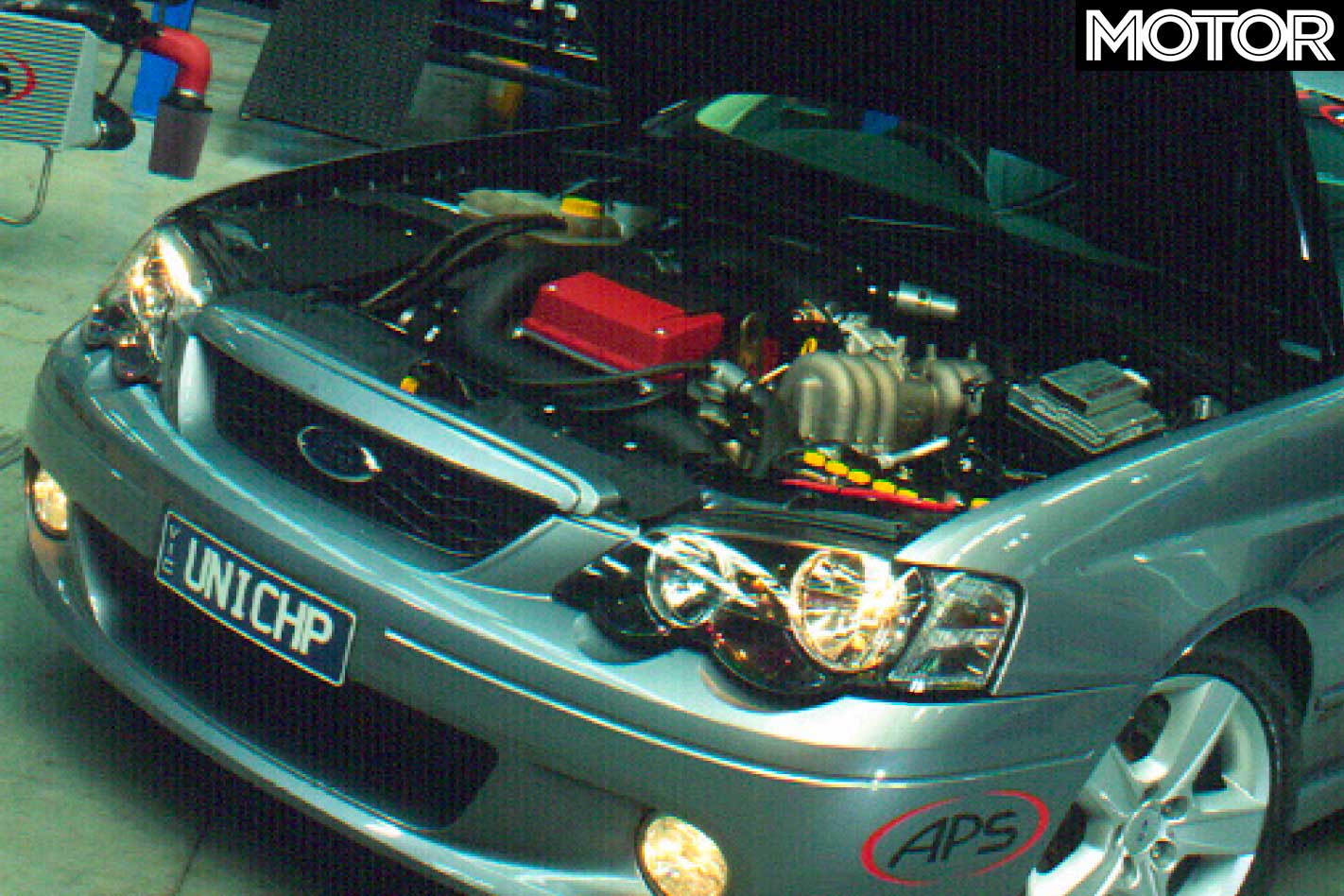
Psssst. Wanna hear about Phase IV, and even Phase V?
Among the Phase IV’s numerous tweaks, the top half of the inlet manifold has been replaced with a custom-designed plenum to house an additional six injectors that supply fuel for more than 500kW of crankshaft power.
APS’s Peter Luxon also reveals that, in testing, the Phase IV system has produced over 400kW of rear-wheel power, and there’s plenty left.
Phase V is on the drawing board, says Luxon, but the engine’s innards will need serious beefing-up. Pistons and conrods will be replaced with heavy duty items, with the turbocharger upgraded to a much larger 700kW-capable compressor.
With the right set-up and tuning, says Luxon, “One thousand horsepower, in the old money, shouldn’t be out of the question.” Gulp.
Torture Testing
The Phase III XR6T test mule has completed more than 140 dyno runs and numerous quarter-miles, and had a thrashing with the press behind the wheel.
With its 400kW (plus) of crankshaft power, the stock T5 XR6 Turbo transmission has stood up admirably. It has not been modified, apart from getting a fresh sump of high-quality gearbox oil. It’s amazingly quiet, the synchros still work like new and the shift is positive and precise. The same praise can be heaped on the differential and axles, which have stood up to the torture without failure.
The only part of the driveline that has required attention is the clutch. It was factory-designed to be a weak link that slips as power increases. APS’s solution is an up-rated Phase III-capable clutch and pressure plate assembly.
The Infiniti Q60 Project Black S has been reborn for the 2018 Paris Motor Show in the form of a 420kW hybrid beast.
The Project Black concept car, which was initially revealed in an earlier iteration last year, is powered by a 298kW twin-turbo 3.0-litre V6 like the production Q60S Red Sport, though Project Black also has approximately 120kW of hybrid power at its disposal for a claimed 420kW total output headed only towards the rear wheels.
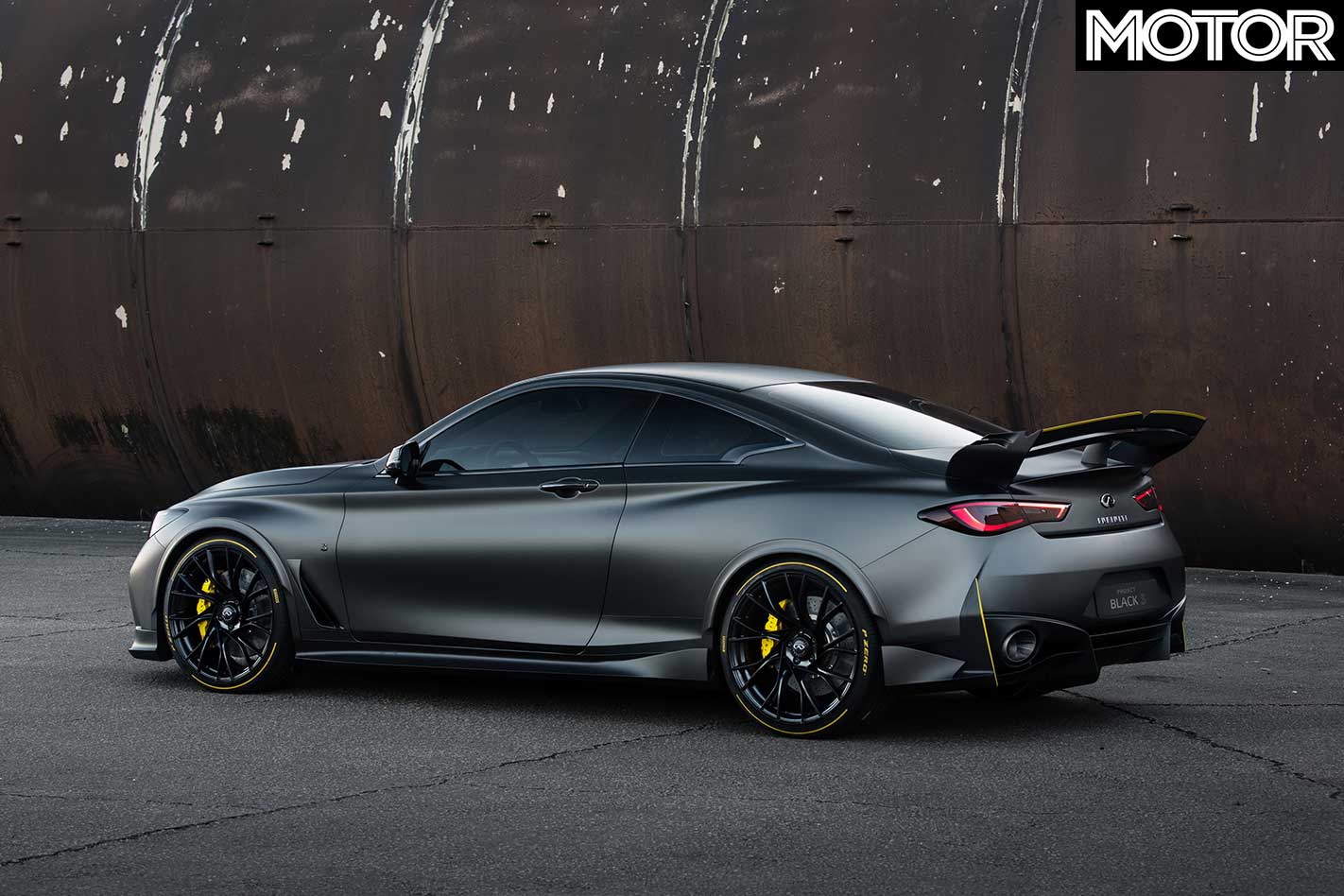
Infiniti claims a power-to-weight of 236kW per tonne, with a 0-100km/h sprint achieved in less than 4 seconds.
Additionally, the F1-derived KERS system seen in Project Black is able to recover energy under braking and acceleration.
The car does, however, still use Infiniti’s steer-by-wire system which MOTOR was somewhat critical of during our time with a Q50 Red Sport long term test car.
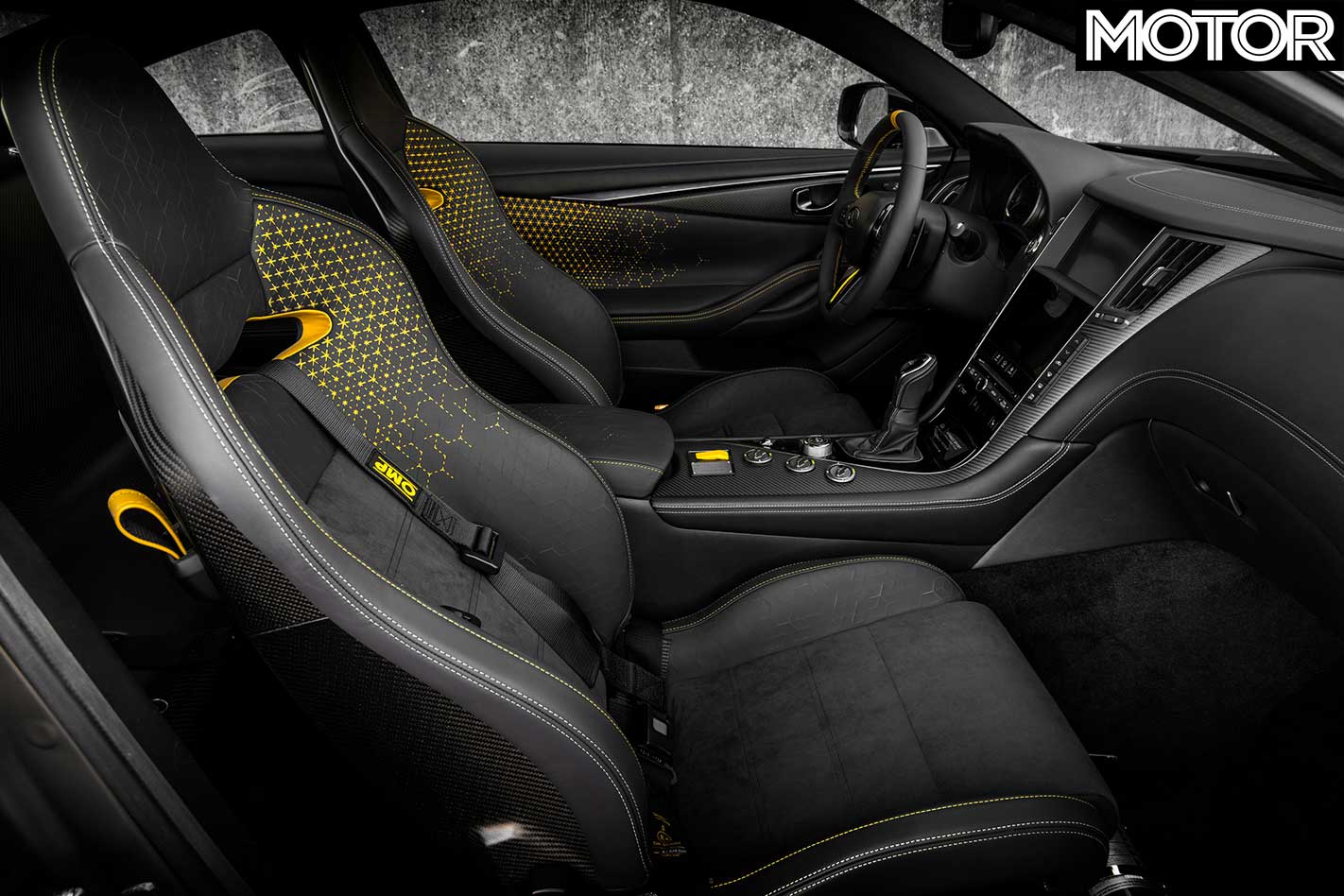
Infiniti worked closely with Renault Sport Formula One Team for the development of Project Black, with a claim as the first to develop F1-style dual-hybrid technology specifically for the road.
This is where the technology for the hybrid system in the concept car was born, says Renault Sport Formula One Team managing director Cyril Abiteboul.
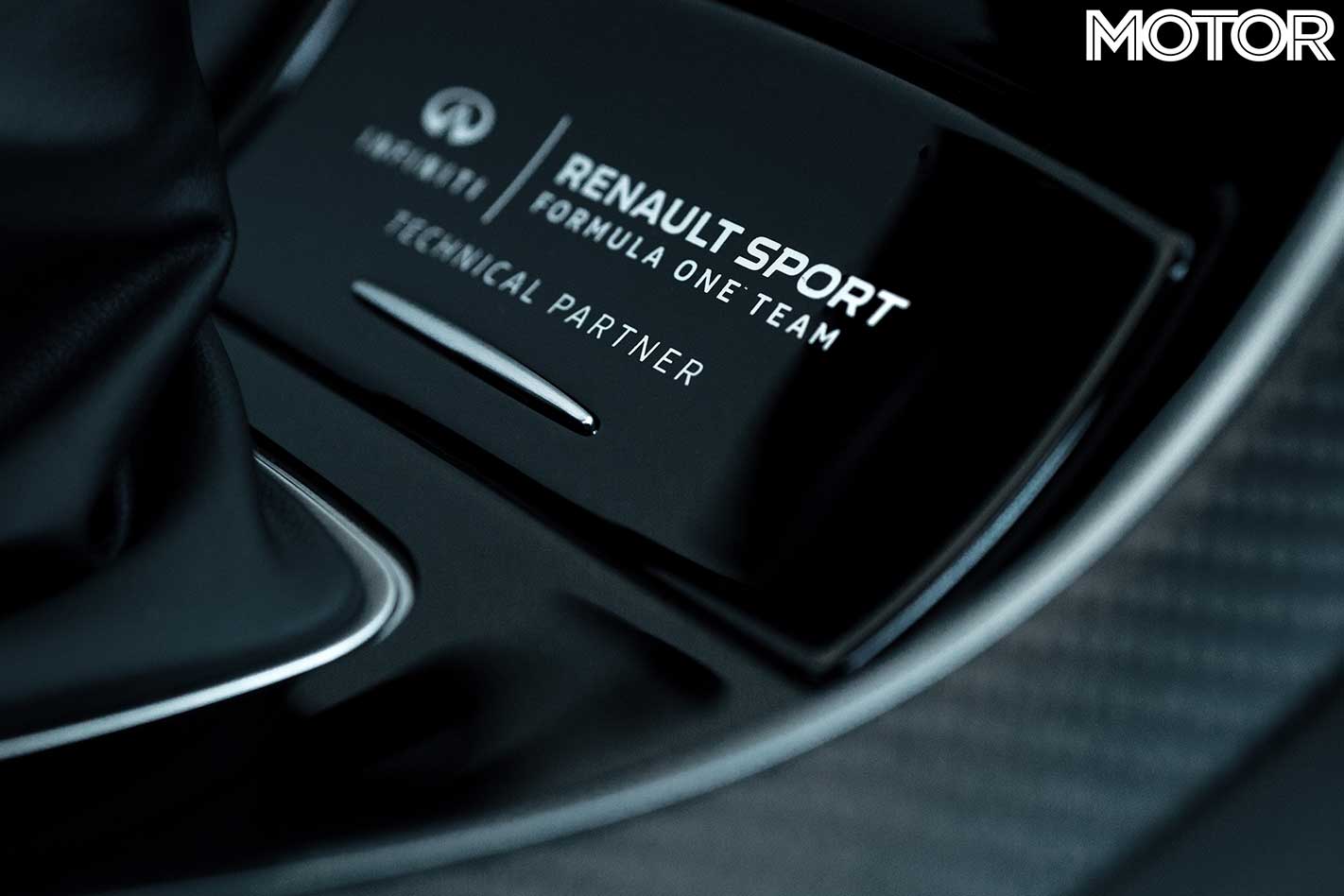
“A technical partner to the Renault Sport Formula One Team, Infiniti’s experience of working with homologated hybrid powertrain technology was instrumental in the co-development of our dual-hybrid system. Making the leap from circuit to road is something we are incredibly excited to be involved in.”
Aside from the extra power and altered styling from the previous version of Project Black, this iteration is also lighter, with 1775kg now being the magic number.
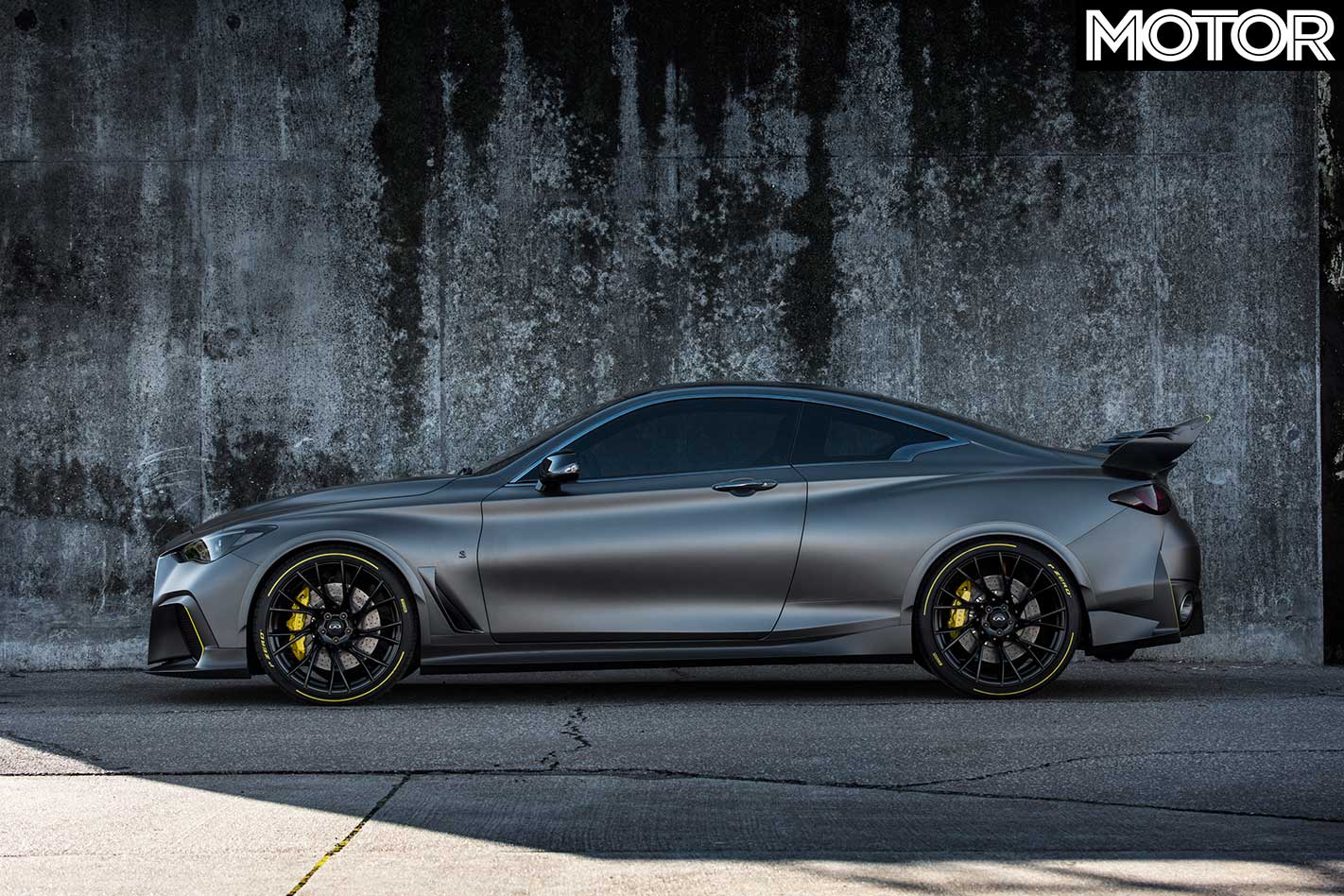
Infiniti says the specific donor car used weighed 1752kg, and the Project Black powertrain originally added about 200kg. Intense weight reduction means that weight is now only 24kg heavier than it originally was.
We won’t see this particular car hit the streets, but a road car based on it may make production. Infiniti is keen to use tech like this for its future lineup which it wants to make entirely electrified by 2021.
Volkswagen’s up to something. It involves a Golf R, the Nürburgring, and the 5-cylinder engine from the Audi RS3.
Spotted at recent Nürburgring test days, the distinctive-sounding Golf R has caused a little bit of a fuss, with some even calling it the ‘R420’, meant to reference the stillborn Golf R400.
The R420 has been rumoured for a long time, with an old clip naming the mythical Golf published by German outlet Auto Motor and Sport dating back to mid-2015, though it’s rather short.
As previously mentioned, the car testing appears to be fitted with Audi’s 2.5-litre inline 5 pot, as found in the RS3 and TT RS, though the ‘why’ part is what we’ve had no luck with. Chances are, it won’t come to fruition. The whispers of this mysterious 5-pot Golf have been stirring for a long time, but for Volkswagen to risk cutting into the RS3’s slice of the pie doesn’t make sense.
While the R400 was acknowledged by Volkswagen officially as a 400PS (294kW) hot hatch capable of a 0-100km/h sprint in 3.9 seconds, the ‘R420’ five-pot Golf has had no such treatment.
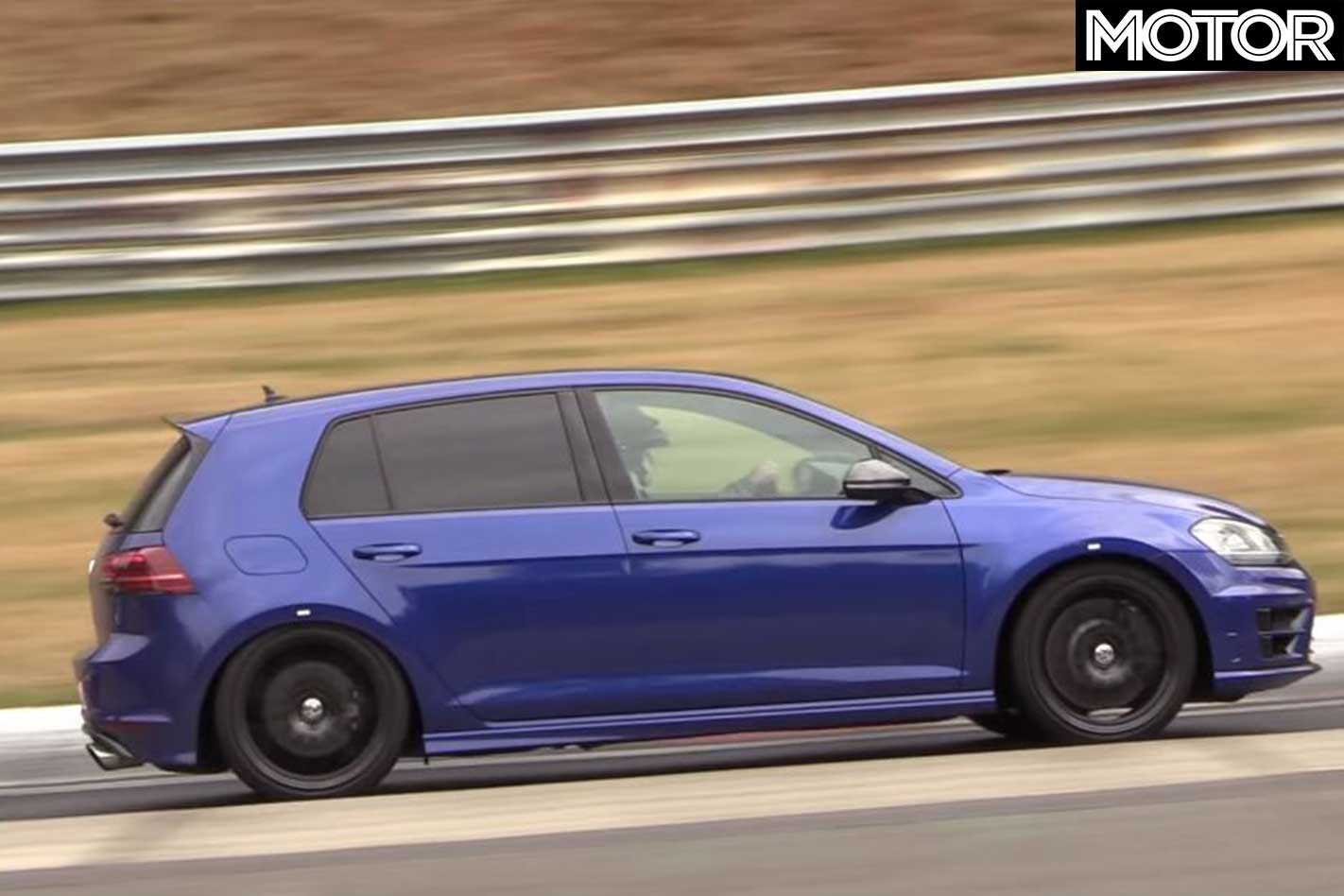
But the ‘how’ part of this rumour seems to be fairly easily explained, as it’s not the only 5-cylinder Golf R getting around.
A 450kW Golf R in the US has the Audi donk under its bonnet, and runs fairly impressive times at half-mile sprints and the like.
Volkswagen Australia hasn’t responded to MOTOR’s inquiries regarding the mystery Golf.
What do you think of VW’s test car? Is it a pipe-dream, or are your hopes high?
A California-based company called Vonnen showcased some rather interesting technology at the Porsche Rennsport Reunion this weekend, a hybrid system for the Porsche 911 which replaces the flywheel with an electric motor.
First brought to public attention by car culture website Jalopnik, the system sits in place of the original flywheel, with a battery in the front storage compartment of the car with a control unit, as well as an energy inverter mounted at the rear ‘parcel shelf’.
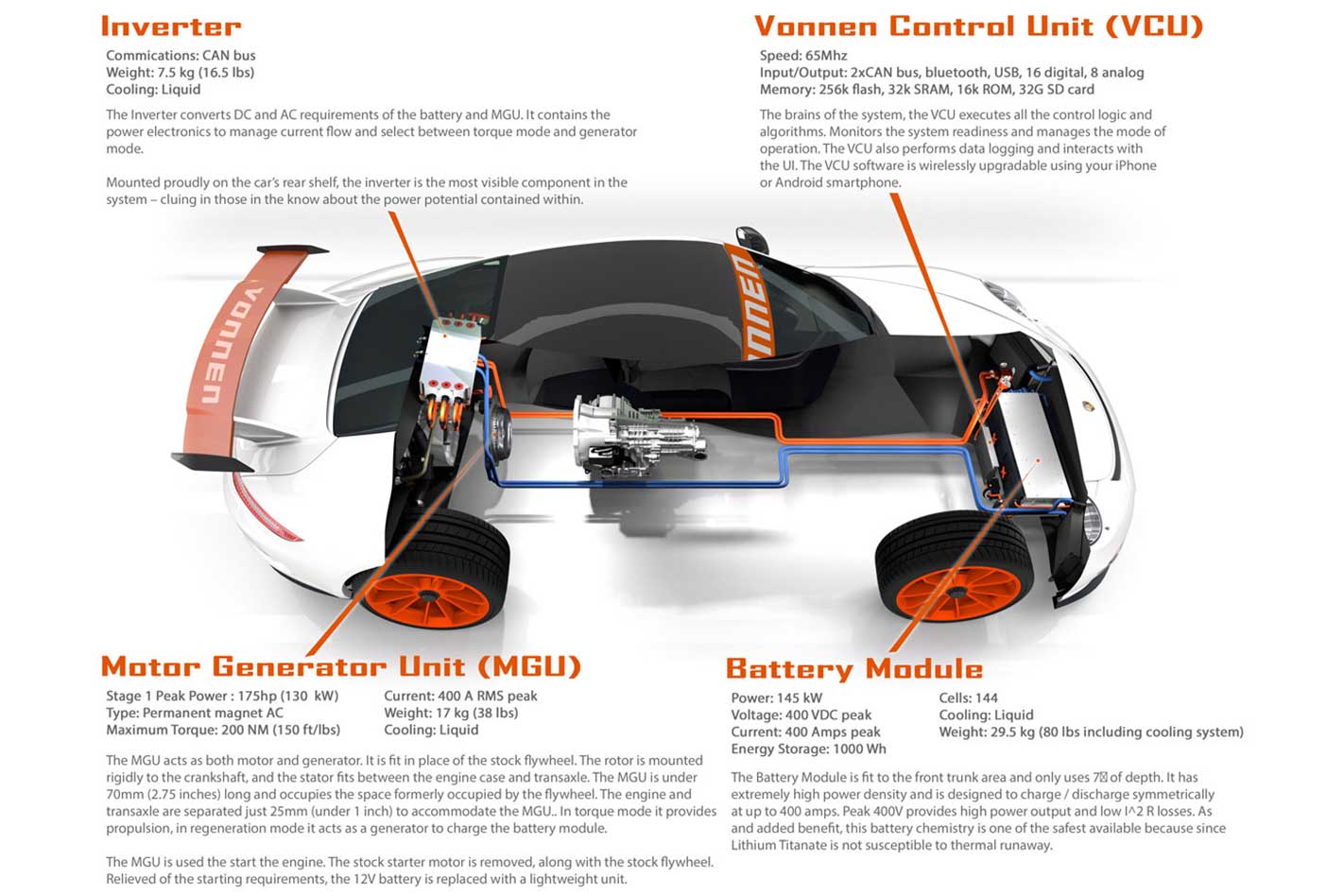
Essentially, the ‘flywheel’ motor allows an extra boost of power through the drivetrain without interrupting the power provided by the engine.
“This is the best of your Porsche, made better,” Vonnen says of its upgrade.
“You keep the sound, the experience, the feel, smells and sensations of your high performance gasoline engine and you get a tremendous power increase with amazing throttle response and torque from idle.”
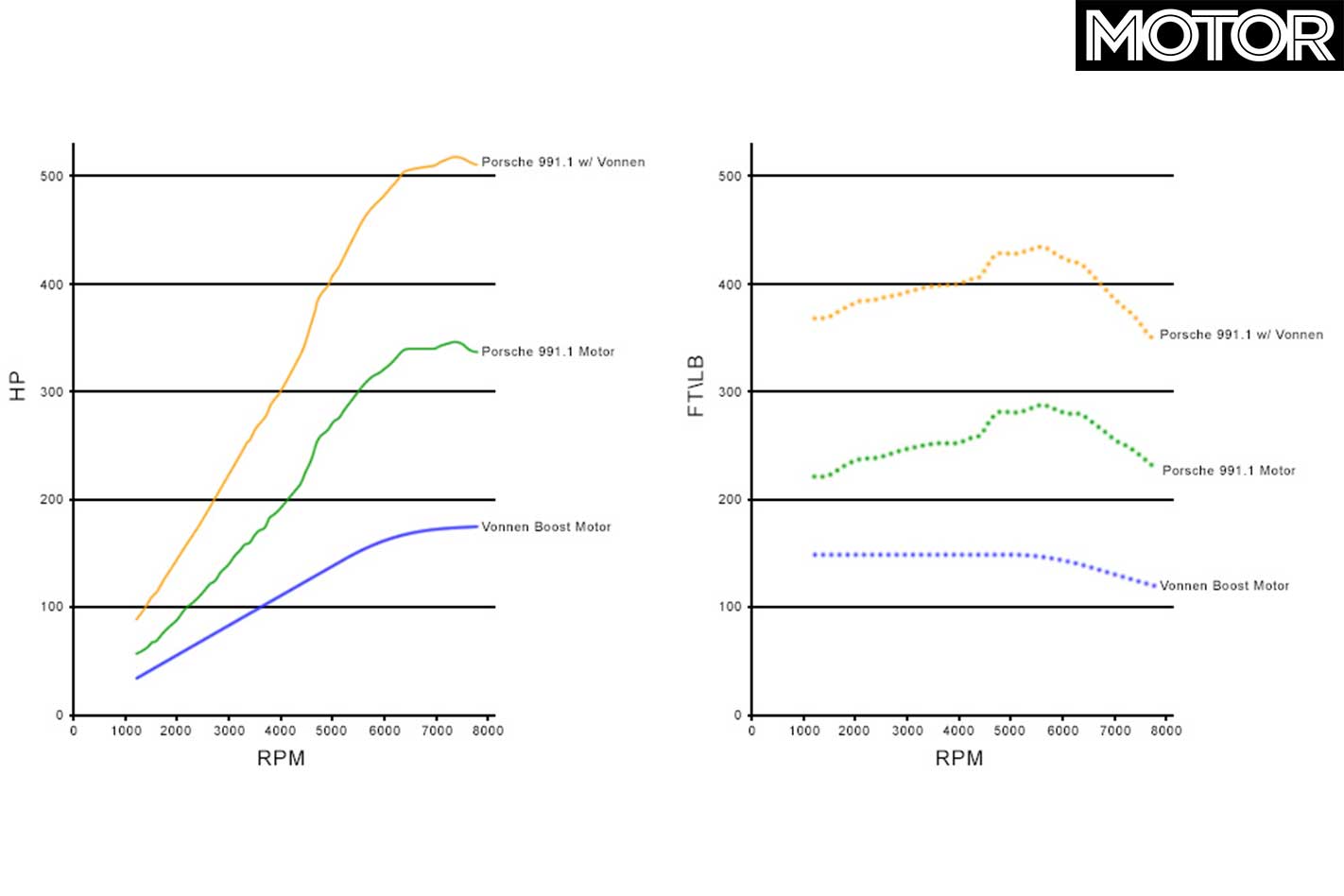
Vonnen says the motor adds an additional 130kW to the performance of a standard 911, or 261kW in ‘stage 2’ form. It’s important to note that this power is a temporary boost, which then takes some time to recharge and cool.
The claimed performance increase means the 0-60mph (0-97km/h) sprint is dropped dramatically to 3.0 seconds (stage 1) or 2.6 seconds (stage 2) for a 2012 991 911 Carrera.
In addition, a RennList Porsche forum member says they spoke to a Vonnen representative, and was told the modification works for both manual and PDK models.
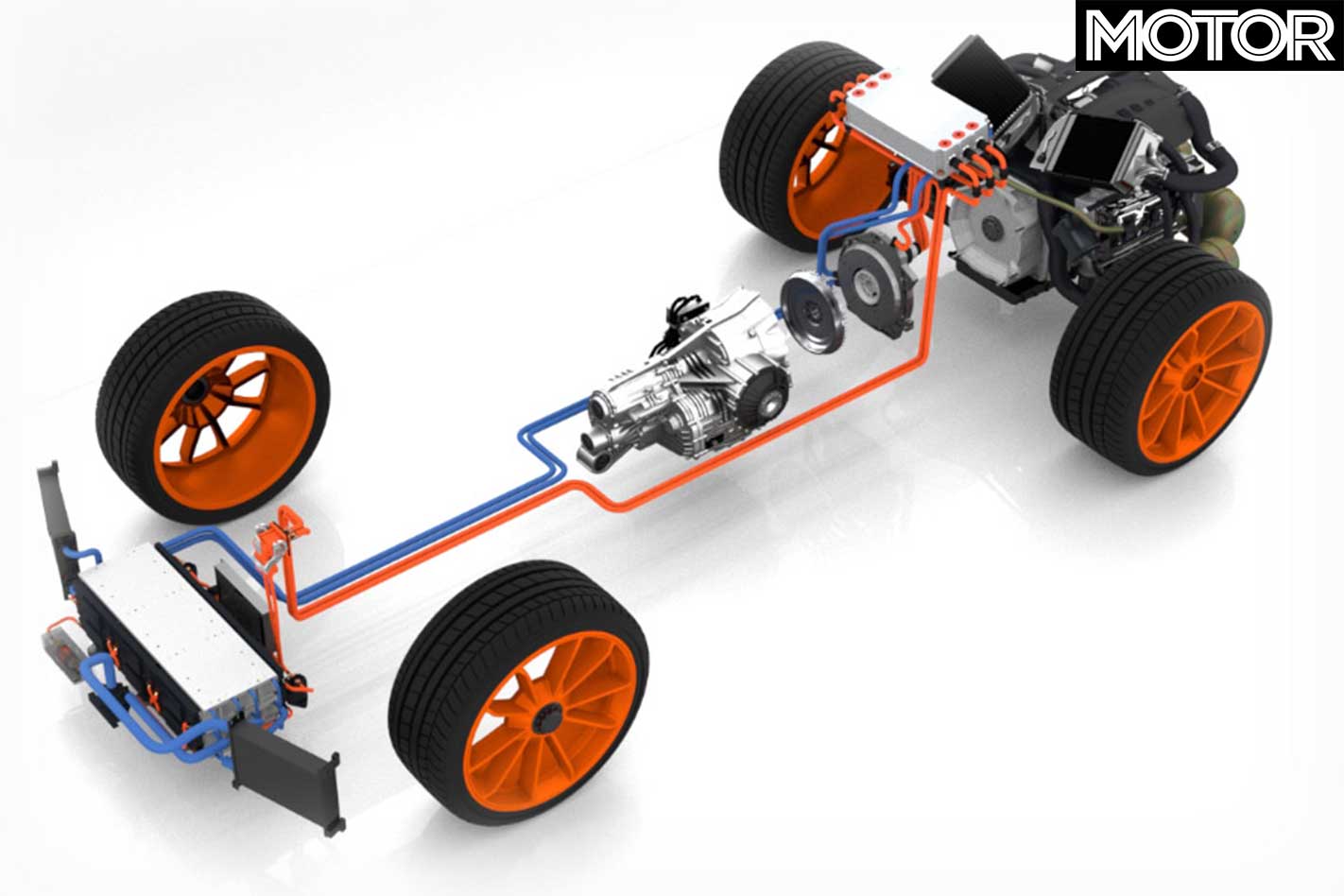
Vonnen says the ‘motor generator unit’ (MGU) doesn’t interact with any aspects of the vehicle outside of the drivetrain, meaning brakes, suspension, and other aspects of the 911 remain stock.
In addition, the MGU adds only 55kg (stage 1) to 86kg (stage 2), no more than a passenger.
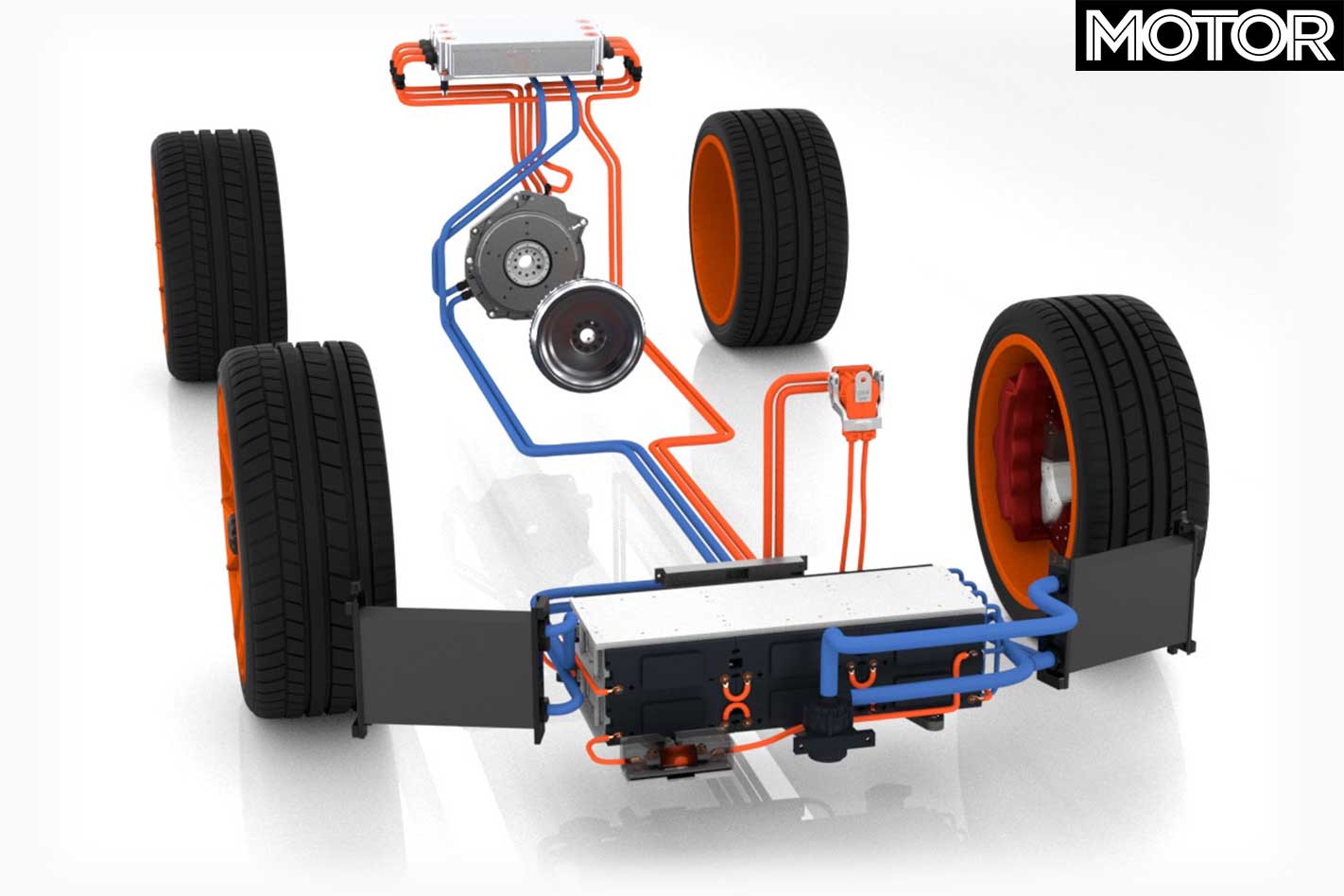
“The existing mechanical brakes and ABS system remain untouched and operate normally. Pad and rotor life are extended due to less demand being placed upon them.”
The Vonnen MGU also becomes a starter motor for the car, which means the original one is removed.
The system starts from USD$75,000 (AUD$104,000), which becomes an expensive exercise on an already expensive car.
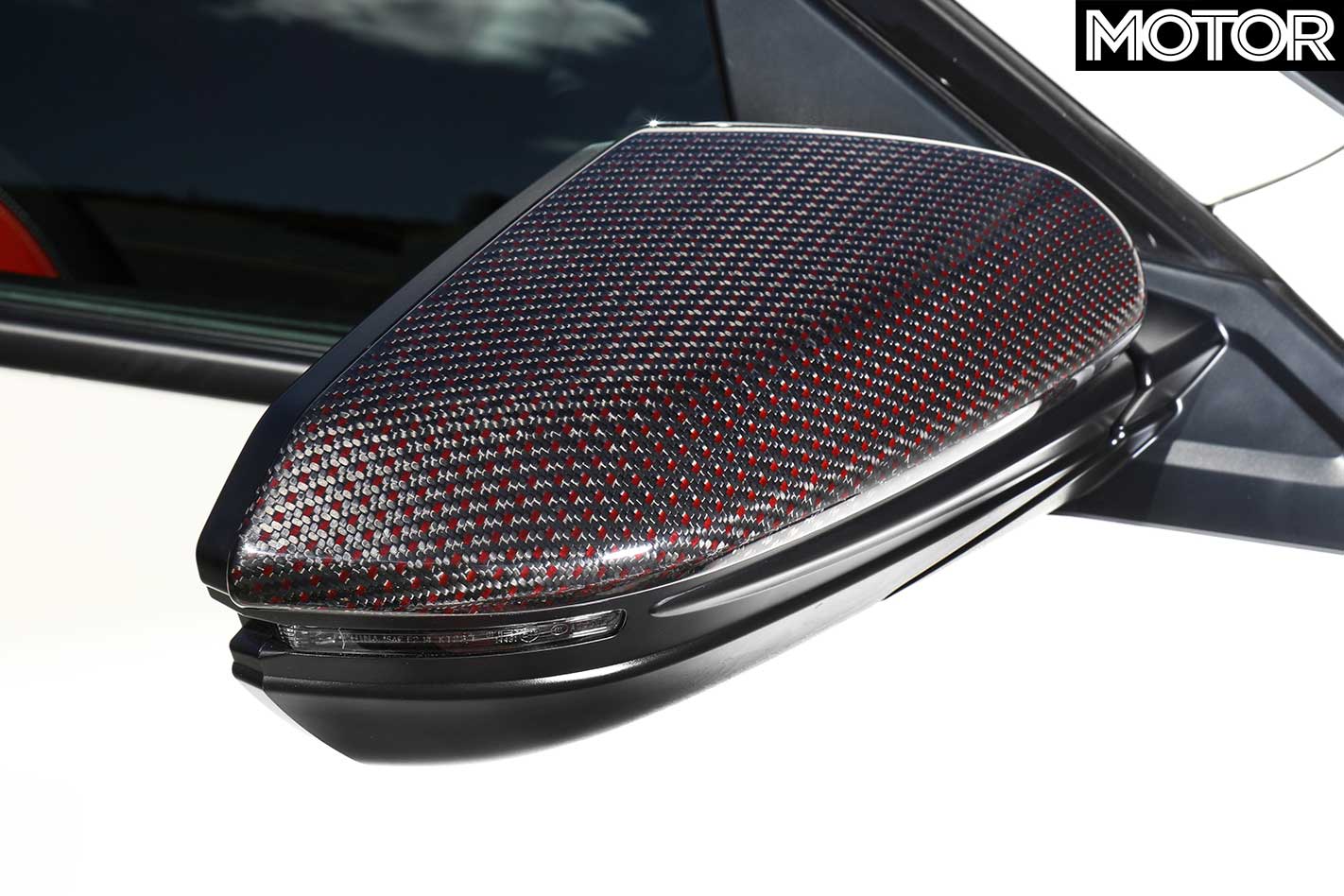
The Honda Civic Type R has been treated to a longer options list by Honda Australia, with a new set of carbon fibre body accents and a set of wheels inspired by the DC2 Integra Type R.
Honda says the parts are intended to follow the Type R philosophy of ‘minimising weight and maximising performance potential’, thus the carbon fibre and lighter wheels which are 2.1kg lighter per wheel than the standard Civic Type R wheels.
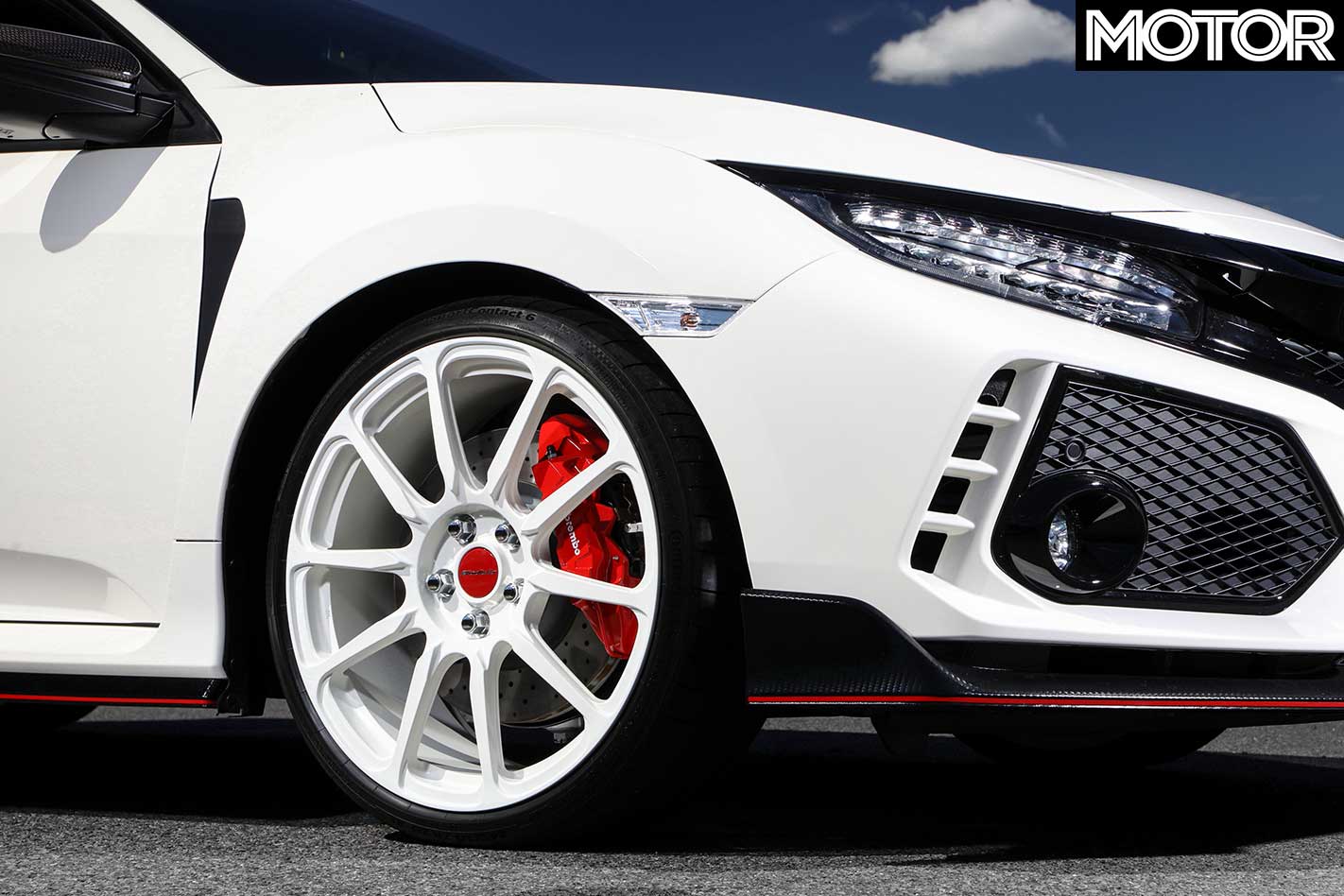
Honda has priced the wheels at $13,999 for a set of four forged alloys, a fair chunk of coin for an 8.4kg weight saving.
Though each part is able to be optioned separately, the parts are all designed to work in conjunction with each other. Also on the list of carbon options is a rear diffuser garnish for $1999, interior trim for $1699, and door sills for $1599.
Honda Australia boss Stephen Collins says this generation of Civic Type R is getting this treatment as “no other Honda vehicle in the last decade that has been as passionately received in Australia.”
“It is a truly exceptional vehicle and while the many accolades it has received tell us that story, the direct feedback we get from our customers tells us even more, which has reinforced our decision to bring these parts direct to Australia.
“We believe there is a niche market for bespoke, low volume items that will appeal to motoring enthusiasts and it is very important for us to support these customers with the very best that Honda globally has to offer.”
The price of a Honda Civic Type R shoots up from $51,990 to a much harsher $75,484 when each of the options (totalling $23,494) is added to its RRP.
Nissan’s funky Juke crossover has come in for a light rejuvenation, with the compact high-riding hatchback receiving a number of minor cosmetic tweaks to keep it looking fresh as it enters its seventh year on sale.’
The range, now pared back to just three versions (base ST manual and high-grade Ti-S in both manual and AWD automatic) will be bolstered by the arrival of the performance-oriented Juke Nismo next week, and while there are no changes to mechanical fit-out or equipment levels for ST and Ti-S this time around, the visual update should smooth out some of the Juke’s wrinkles.
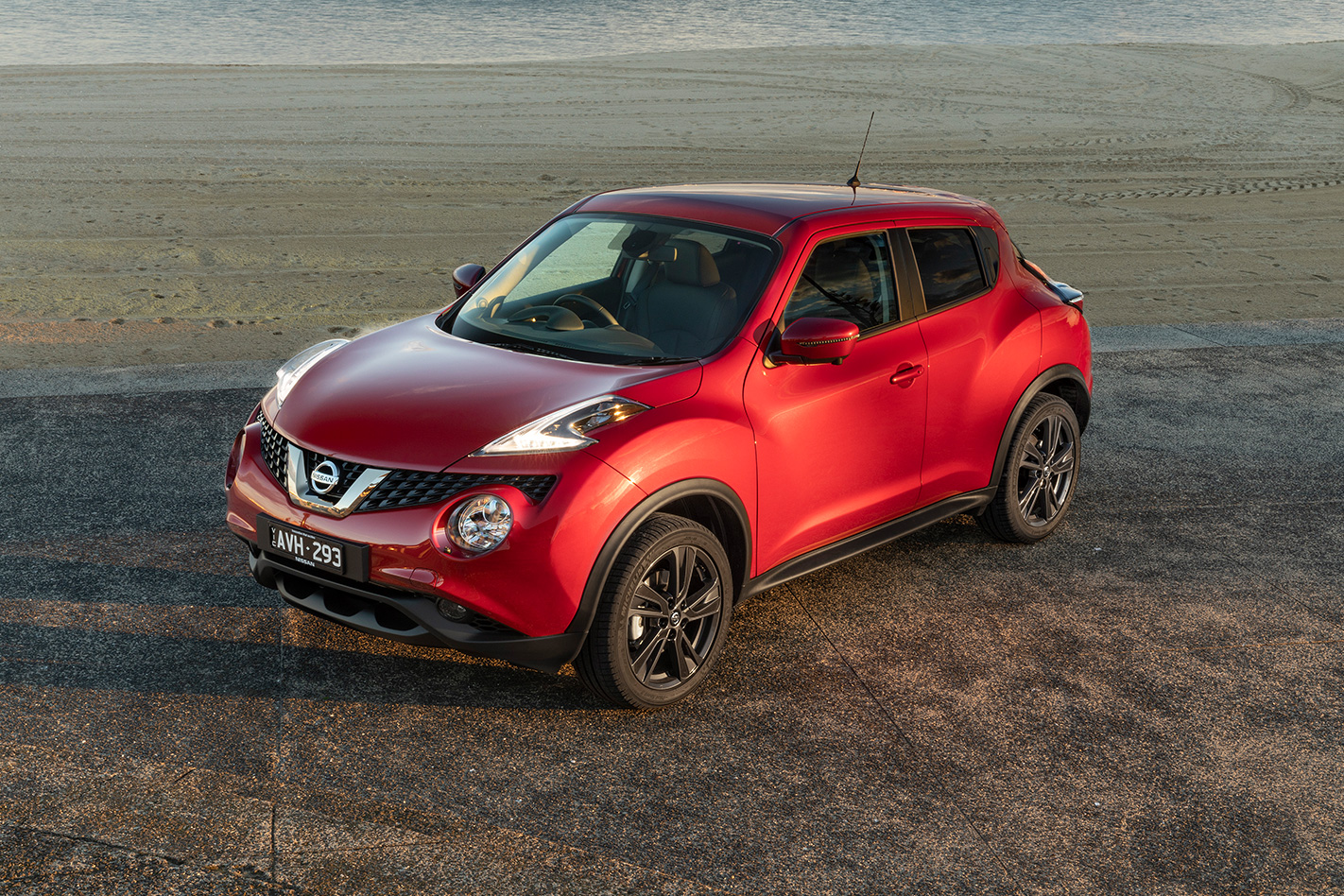
The Juke N-Sport announced back in July has been discontinued.
All 2018 Nissan Jukes receive a dark chrome front grille and smoked lenses for the headlamps, tail lamps and indicator housings. LED foglamps also equip all models now, while the instrument cluster gets more modern-looking white backlighting rather than orange.
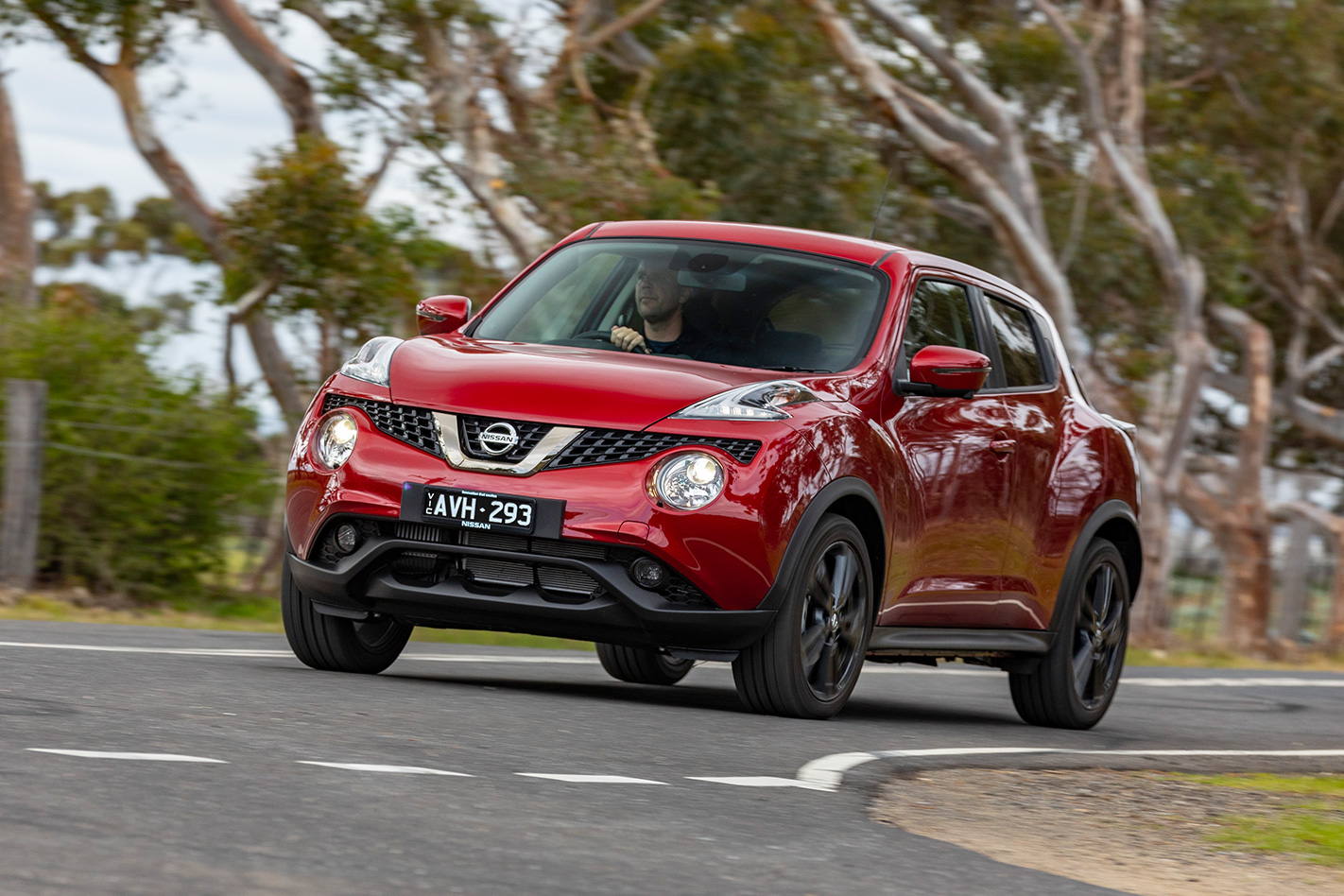
Two new colours join the exterior palette, with Arctic White and Vivid Blue boosting the number of hues available to seven. On the inside, the most noticeable change – besides the ditching of old-school orange illumination for the instruments – is the adoption of new cloth upholstery for the base ST grade.
For the range-topping Juke Ti-S, three personalisation packs are now offered that bring blue, orange or gloss black trim highlights to the exterior (bumpers, wheel inserts, mirror caps) and interior (centre console, vent surrounds, door card accents).
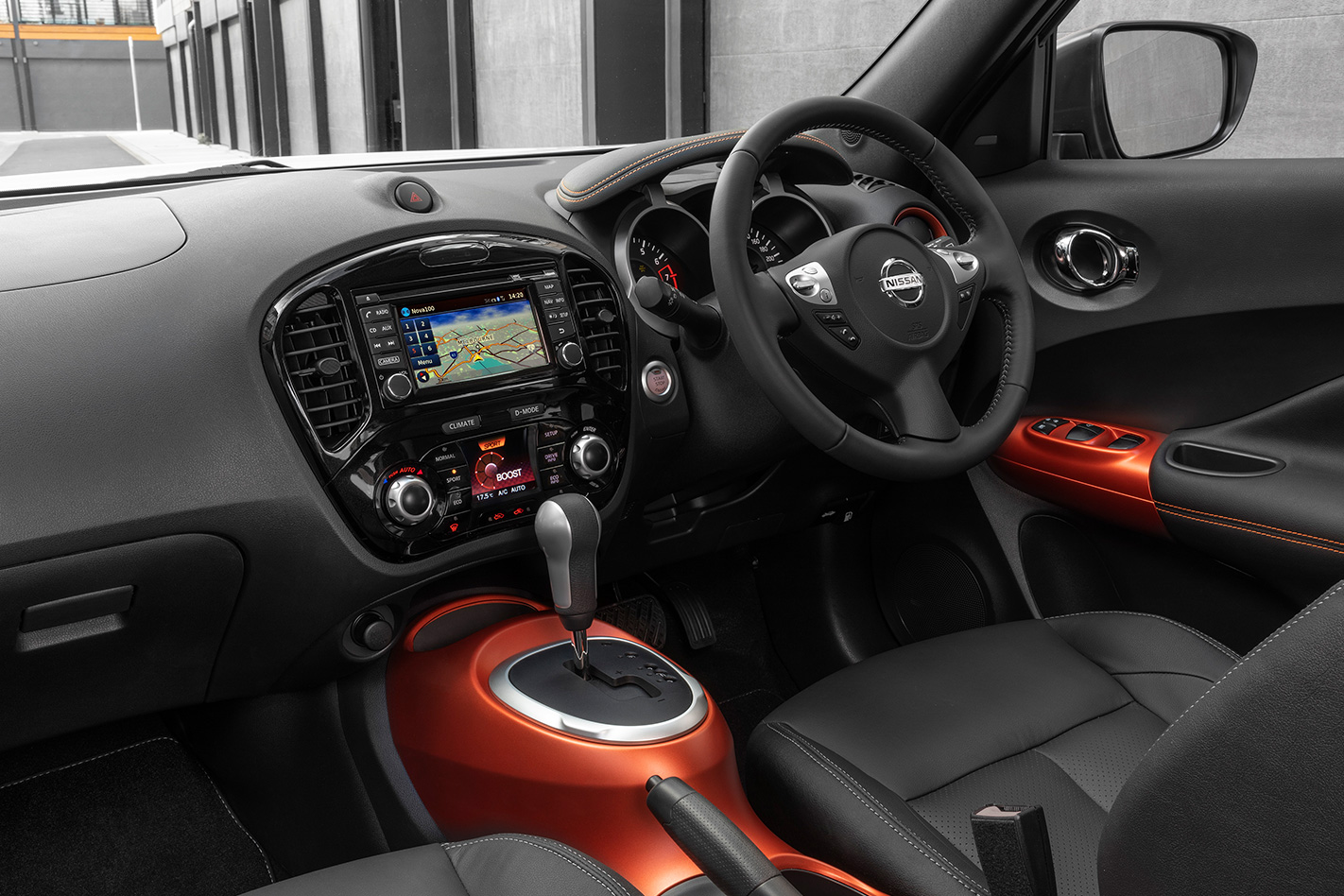
The changes are strictly cosmetic, with the base ST continuing to be powered by an 85kW/190Nm 1.2-litre turbo petrol with drive going to the front wheels via a six-speed manual (no automatic is offered in the ST grade). The Ti-S produces a more potent 140kW and 240Nm from a direct-injected turbocharged 1.6-litre inline four, with the manual option being front wheel drive and the CVT automatic taking power to all four wheels through an on-demand AWD system.
Key equipment doesn’t change either. In base ST form there’s Bluetooth phone and media streaming, cloth upholstery, leather-wrapped steering wheel, LED daytime running lamps, cruise control and single-zone climate control.
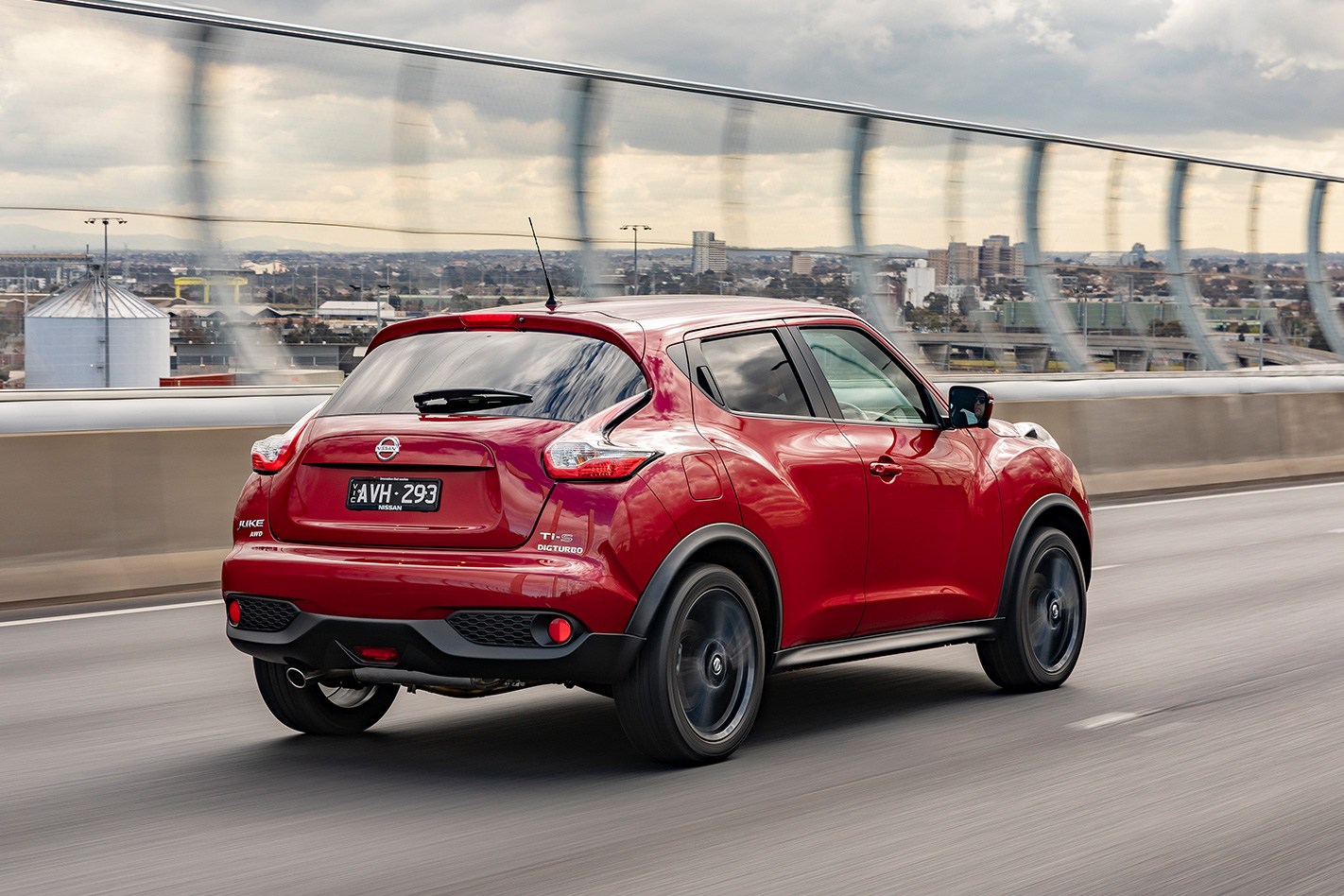
Stepping up to the Ti-S adds 18-inch alloys, leather-accented upholstery, heated front seats, keyless entry and ignition, lane departure warning, blind spot monitoring and a 360-degree parking camera. A 5.8-inch colour touch screen display brings satellite navigation and digital radio, albeit with a screen that’s at the small end of the scale these days.
2018 Nissan Juke pricing
- Nissan Juke ST manual – $23,490
- Nissan Juke Ti-S manual – $30,140
- Nissan Juke Ti-S automatic – $33,840
- Premium paint – $550
- Personalisation pack (Ti-S only) – $800
Porsche surprised us all during its Rennsport Reunion at Laguna Seca Raceway with the reveal of a tribute to one of its most famous race cars, the Porsche 935/78.
The 2019 Porsche 935 is a modernised version of the car most famously known as Moby Dick, wearing a Martini livery inspired by the original and featuring bespoke body panels to replicate the original car’s ‘whale tail’.
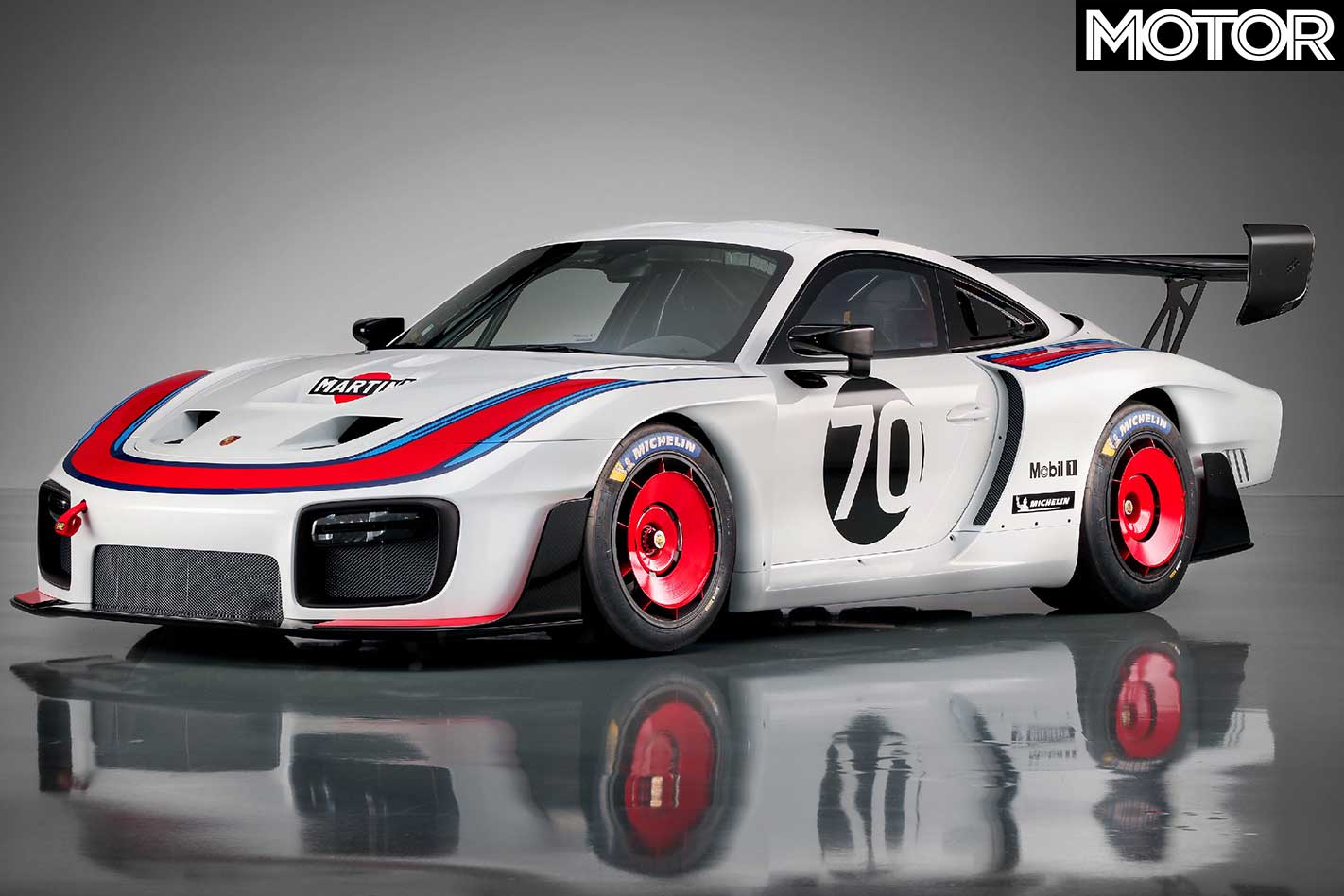
Porsche VP of motorsport and GT cars Frank-Steffen Walliser was present to comment on the car at its reveal.
“This spectacular car is a birthday present from Porsche Motorsport to fans all over the world,” says Walliser, though only 77 of those fans will actually receive that present, and they’ll be paying around 701,948 Euros (AUD$1,127,100) for it as a base price.
“Because the car isn’t homologated, engineers and designers didn’t have to follow the usual rules and thus had freedom in the development.”
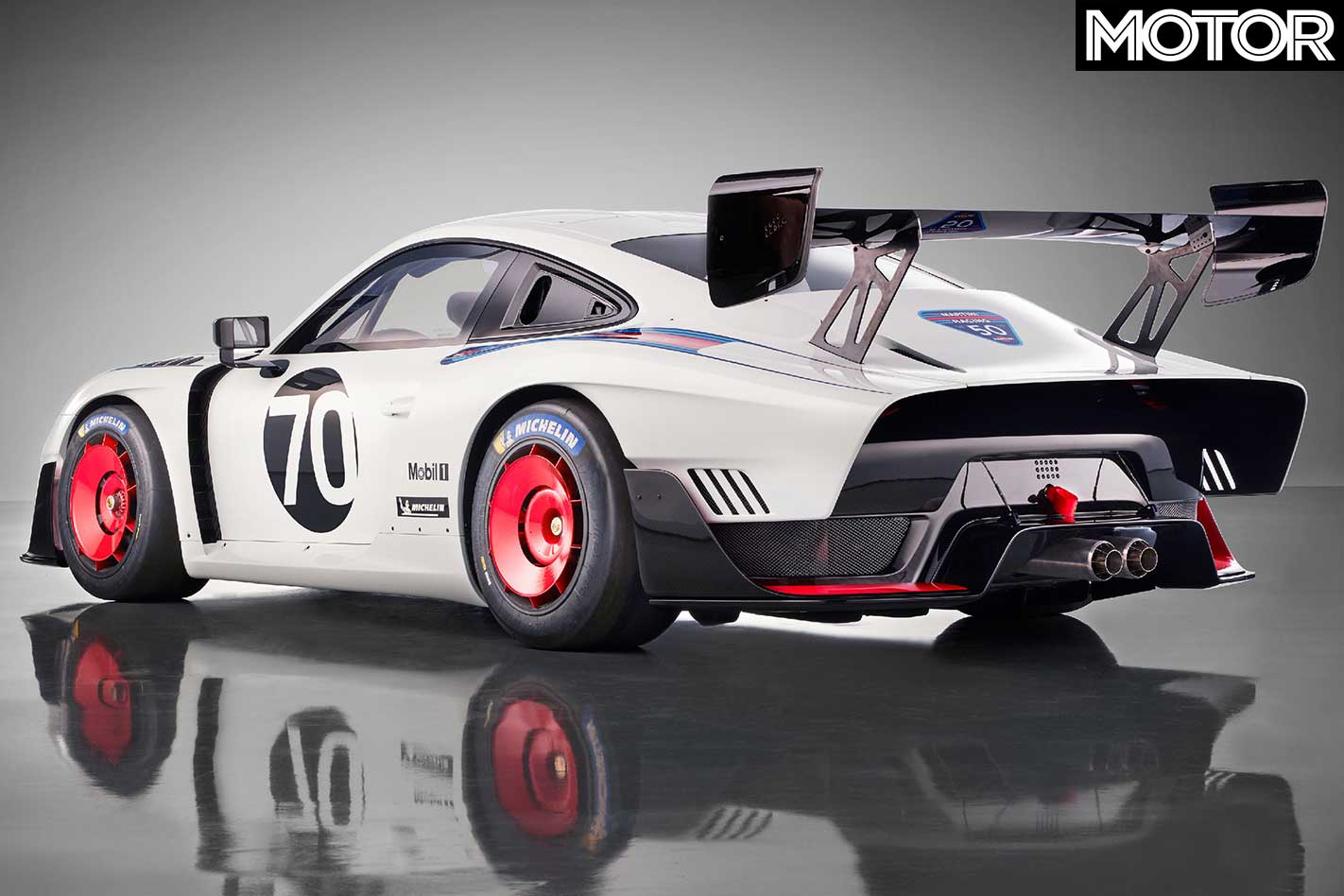
As Walliser alluded to, the car is track-only, though it’s build on the road-legal Porsche 911 GT2 RS, using the same 3.8-litre twin-turbo flat six for an identical 515kW/750Nm output.
The modern Moby Dick is, however, slightly lighter than the GT2 RS at 1380kg thanks to the use of carbon fibre-reinforced plastic for its replacement body panels. A seven-speed PDK gearbox transmits power to the rear wheels.
Not long after the car’s reveal, a blacked-out version of the track attacker was spotted doing just that in Italy, with a YouTuber uploading a video of the 2019 Porsche 935 on track at Monza (at the top of this article).
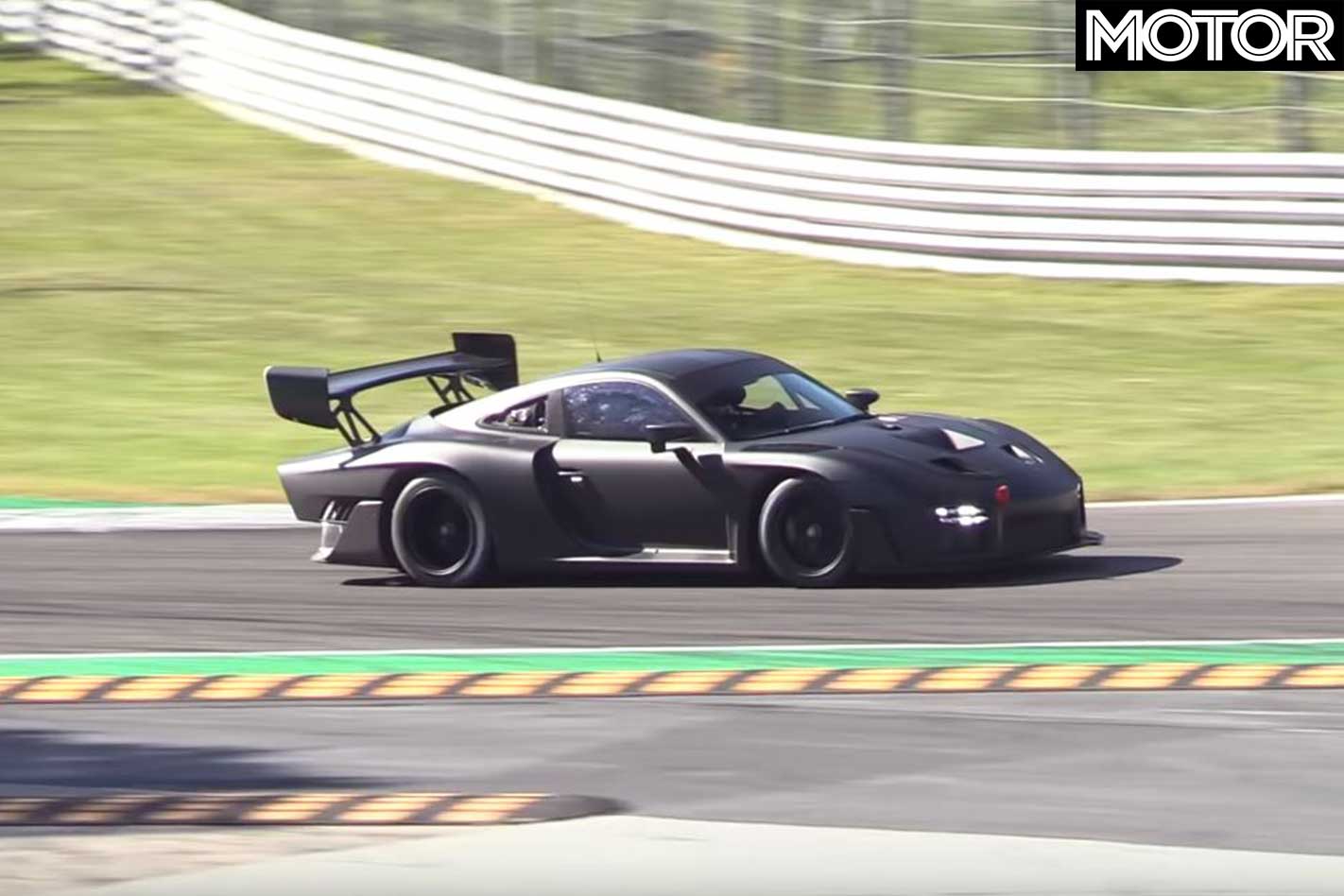
Without the need to adhere to road car regulations, the 935 sounds utterly aggro, with crackles and deep roars amplified compared to the GT2 RS.
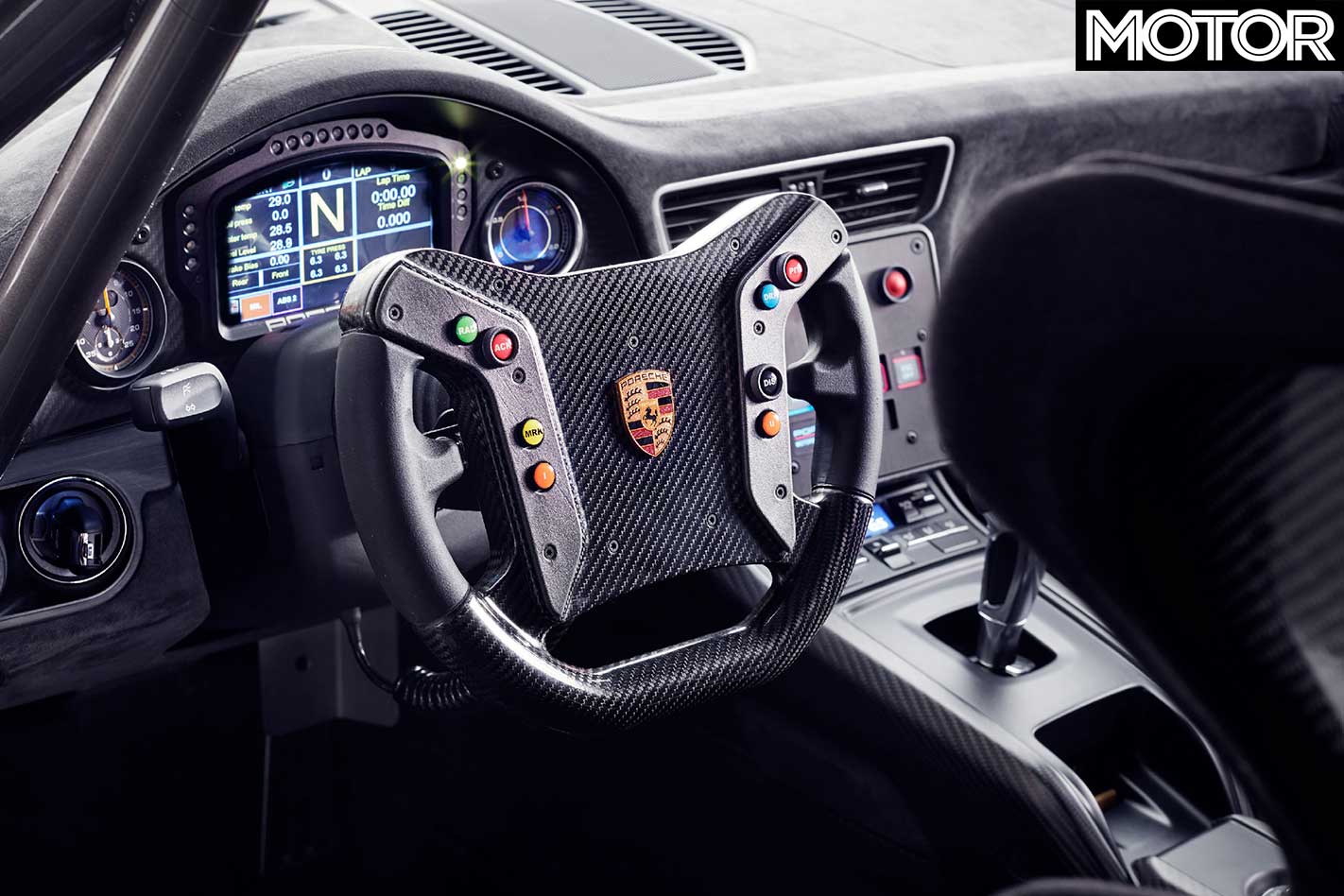
Despite not being homologated for racing in any particular class, the Porsche 935 incorporates elements which comply to certain FIA standards for safety, such as a rollcage and roof-located removable escape hatch.
AUDI has lifted the lid on its go-fast version of the Q2 compact SUV ahead of its first public showing at the Paris motor show this week, revealing performance stats that elevate the entry-level crossover hatch deep into sports car territory.
Thanks to a 2.0-litre four-cylinder turbo petrol engine pinched from the Golf R the SQ2 sends 220kW and 400Nm to all four wheels via a seven-speed dual-clutch automatic transmission, with Audi claiming that up to 100 percent of that power can be sent to the rear axle if traction disappears at the front.
While we’ll have to wait to get our hands on the car to judge its corner-carving ability, Audi claims the SQ2 will have stout straight-line credentials. Allegedly able to crack 100km/h from a standstill in 4.8 seconds, that puts the SQ2 a tenth of a second faster than a dual-clutch-equipped Porsche 718 Cayman.
The current hot-hatch king as judged by Wheels, the Hyundai i30 N, will do the sprint in 6.2 seconds with a manual ‘box, while the Golf R which the SQ2 borrows its engine from takes 5.0 seconds flat with a self-shifting unit. The Mercedes-AMG GLA45, arguably the SQ2’s closest rival currently on sale, is line-ball to 100km/h with an identical 4.8-second sprint time.
Top speed of the SQ2 is electronically limited to 250km/h.
The Q2’s performance flagship will be identifiable on the road by the SQ2 badging, swollen bumpers, a unique grille with vertical slats, a rear spoiler, 20mm lower ride height and a quartet of exhaust tips. Rolling stock will measure either 18- or 19-inches.
Cruelly, Audi has only released a single official image of the SQ2 – the rest should arrive once it makes its global debut at the Paris motor show tomorrow evening.
Changes inside the cabin include Audi Sport staples such as a black headliner, leather/Alcantara seats, and a thick-rimmed, D-shaped steering wheel. European cars will have Audi’s virtual cockpit available as an option when the SQ2 goes on sale in that market sometime in early 2019.
An even hotter RS Q2 is rumoured to join the SQ2 later in the vehicle’s lifespan, likely borrowing the rip-snorting 294kW five-cylinder engine from the RS3 for some extra mechanical potency.
If and when the SQ2 arrives in Australia, it will have to face-off against BMW’s X2 M35i, which also uses a 2.0-litre turbo four-pot to send 225kW and 450Nm to all four wheels. Despite the power advantage, BMW’s claimed 0-100km/h time for its hotted up small SUV is a tenth of a second slower to 100km/h than Audi’s challenger.
Last week we tackled the cheapest way to buy power. That’s nothing to do with electricity prices, mind, but the highest number of kiloWatts a used vehicle can offer you for the moolah. Now we turn to the statelier torque outputs – in Newton-metres-per-dollar.
Generally the domain of big-capacity turbo-diesels or multi-cylinder petrol engines from the ‘luxury’ side of the performance car equation – in other words, vehicles with more weight to haul than a proper sportscar – a value list for torque output can rather differ from power.
Enter 2009’s Audi Q7 complete with a 6.0-litre twin-turbo-diesel V12 engine producing 1000Nm between 1750rpm and 3250rpm. The 2665kg, 5.5-second 0-100km/h large SUV has one problem, though – there are none for sale at the time of writing. Guides suggest about $30,000 for the Ingolstadt hauler that once cost $250K, but accurate information is lacking.
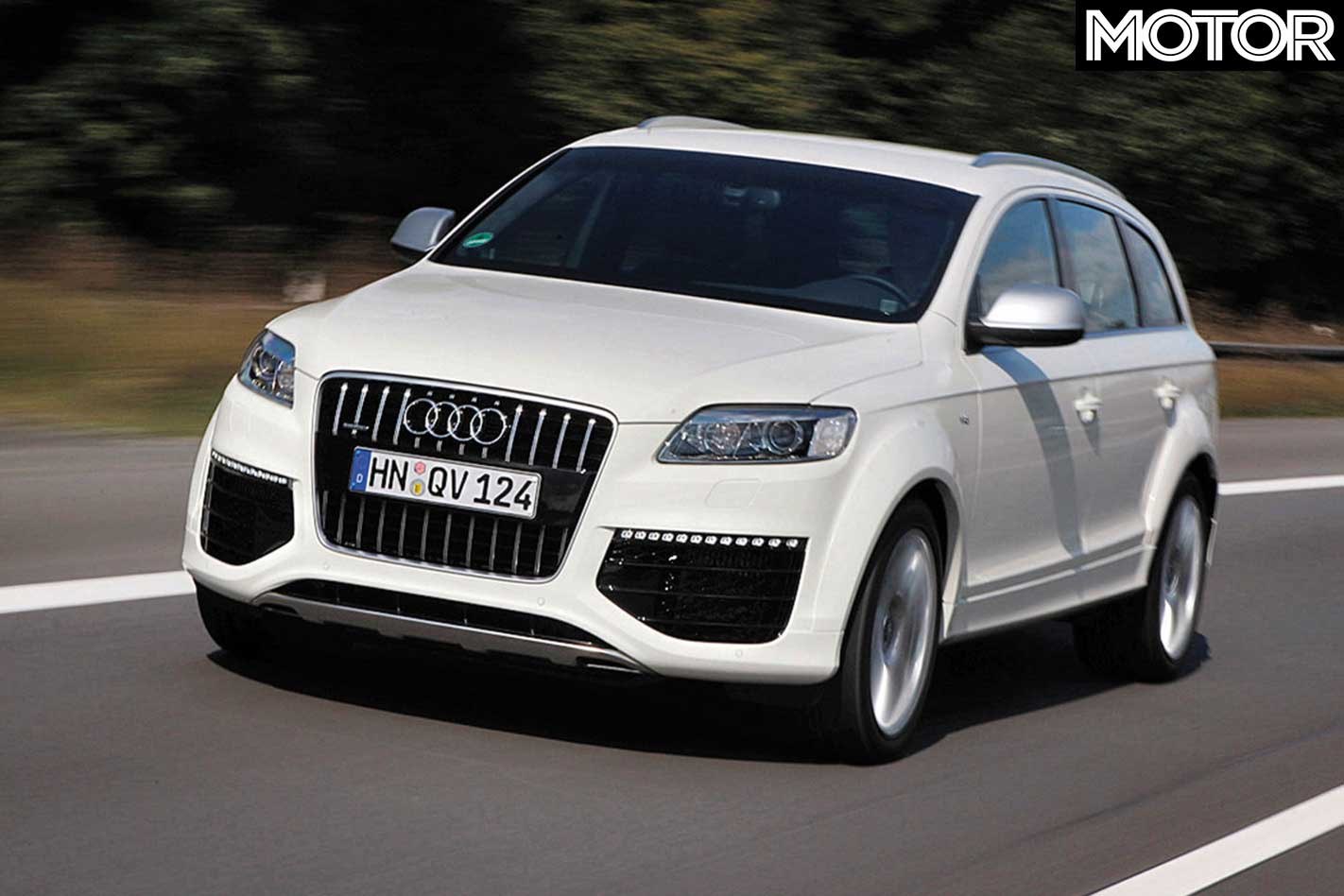
As ever, you want petrol if you want proper performance.
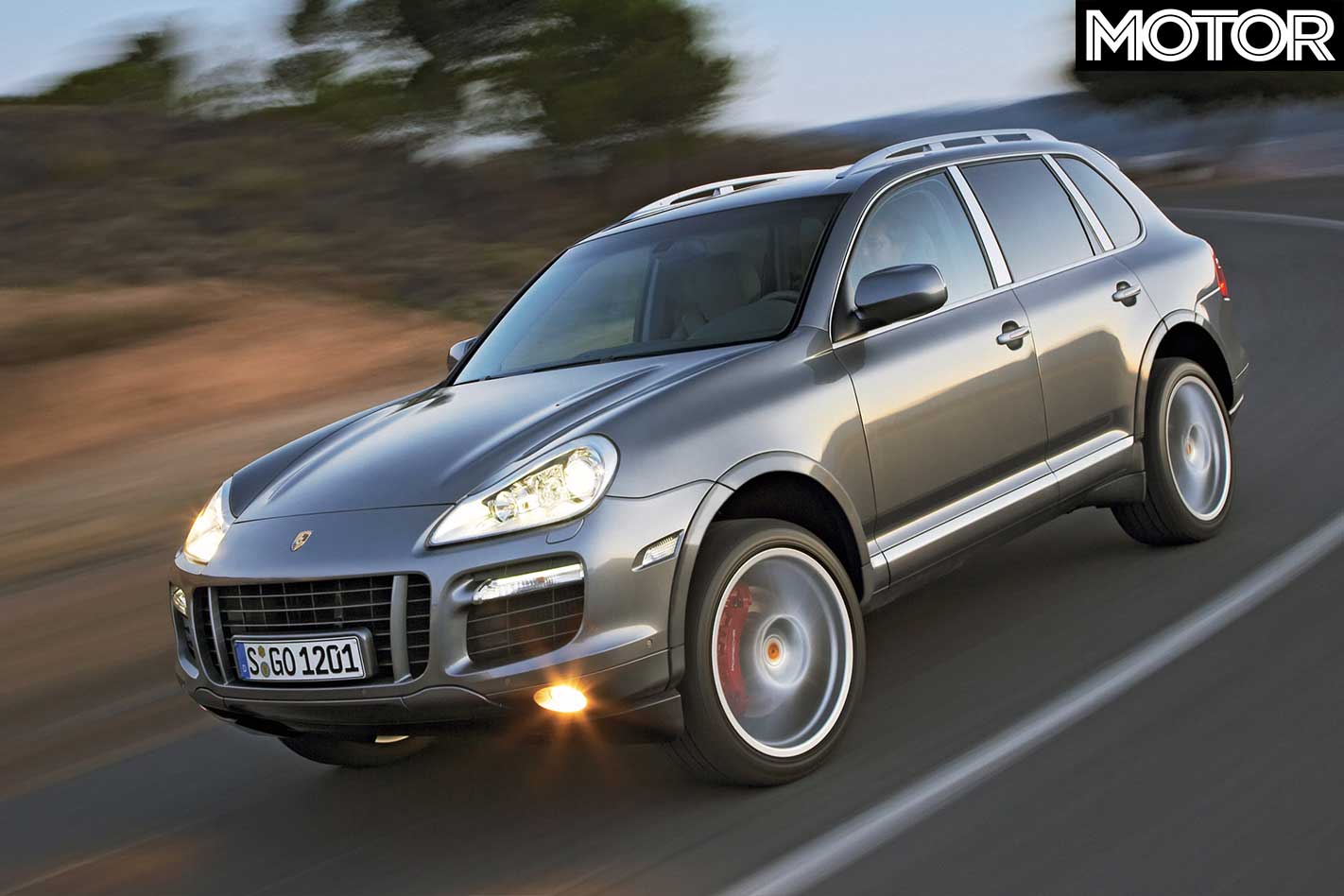
The decade-old Porsche Cayenne Turbo featured in our kW-for-the-dollar feature, with 368kW for $25,000-plus, and its 4.8-litre twin-turbo petrol V8 also makes an appearance in this Nm-for-the-dollar list, offering 700Nm for that Corolla coin, plus a 5.1sec 0-100km/h.
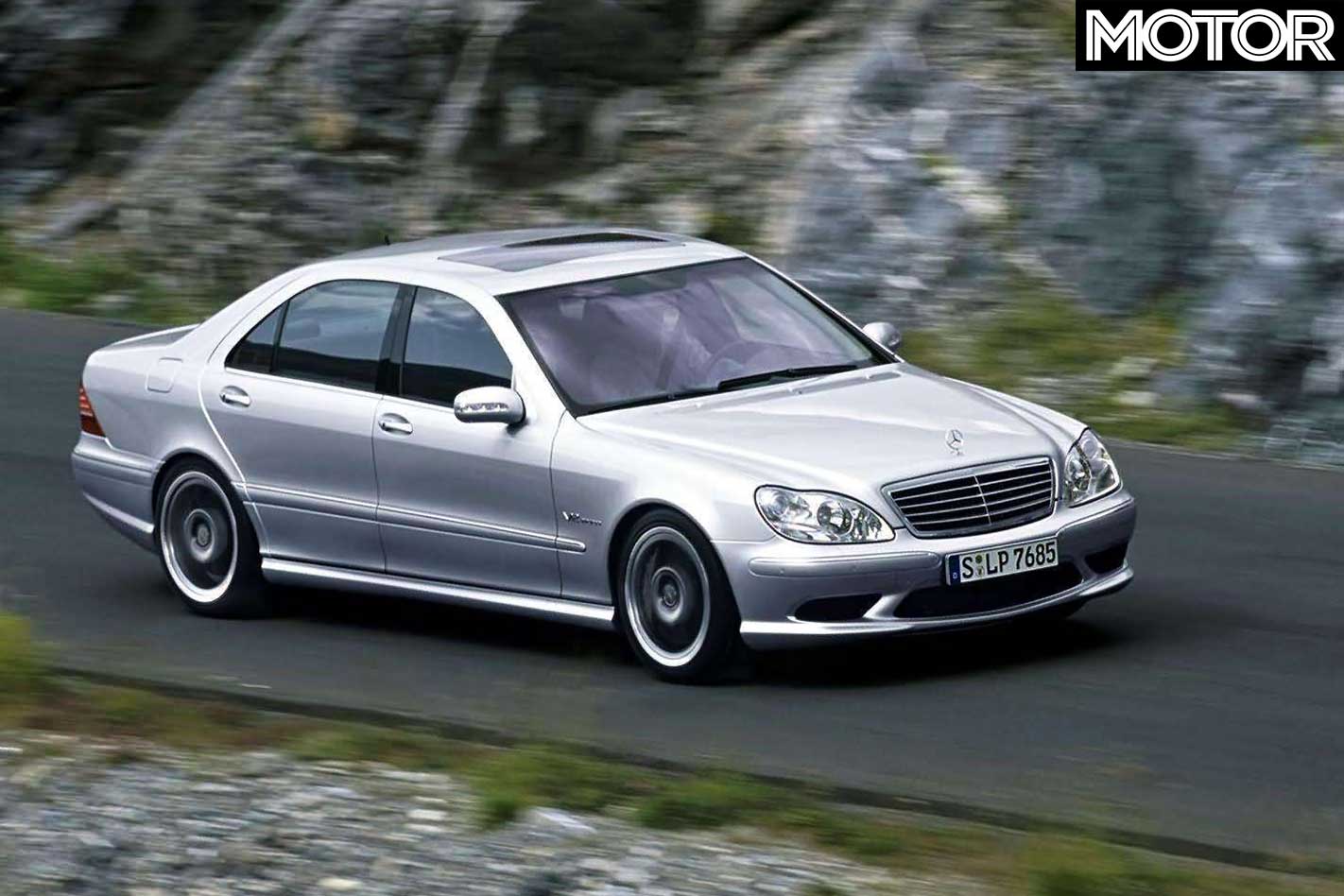
Then there’s a 2004 Mercedes-Benz S600L and back to 12 cylinders – this time with petrol.
With a 5.5-litre twin-turbo petrol V12, this upper-large sedan drives ‘only’ 800Nm through a five-speed auto to the rear wheels. But with a 4.8sec 0-100km/h, it’s much faster than the above Cayenne. It also costs $35,000-plus with 140,000km showing, which is epic for a V12.
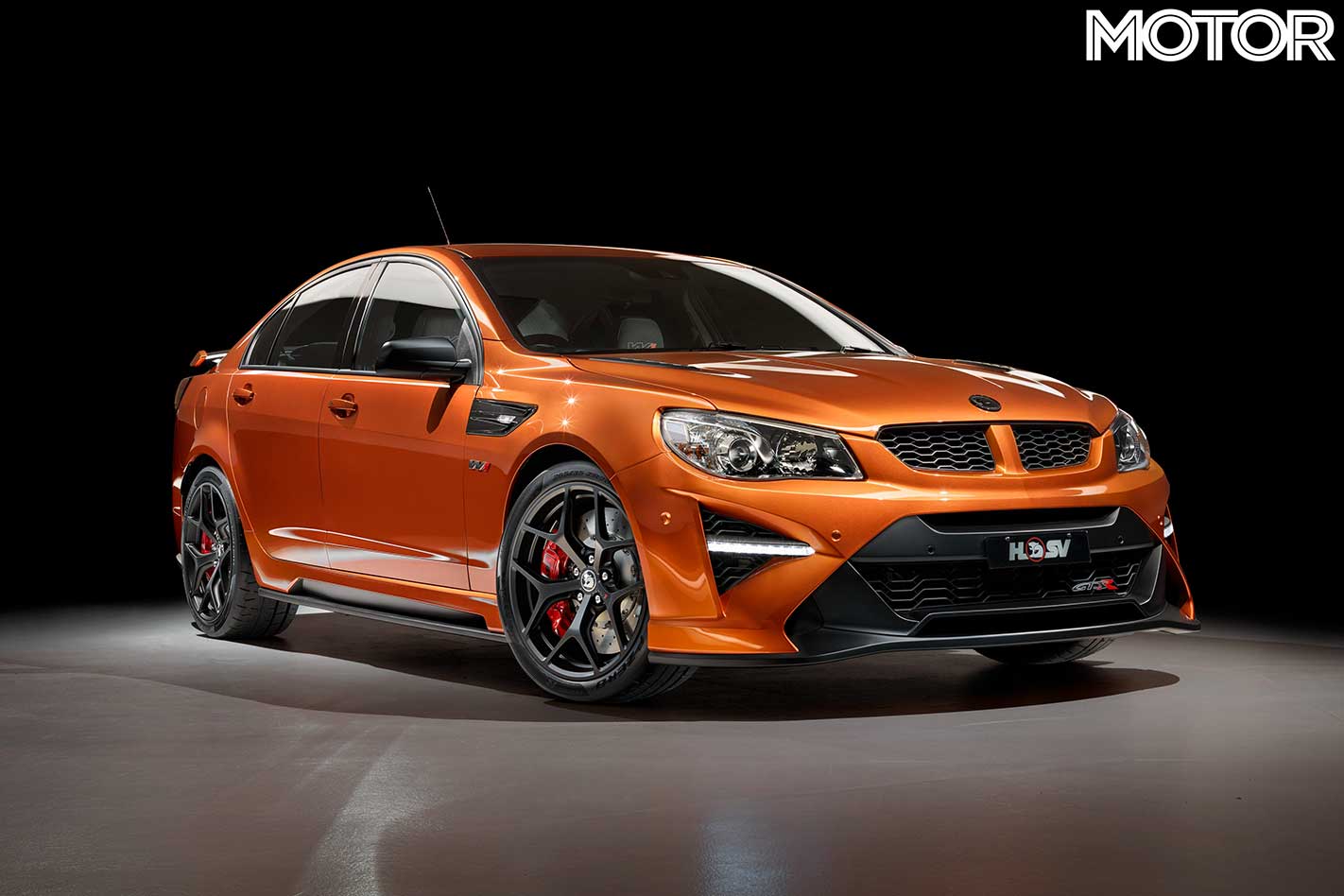
Incidentally, and in terms of what is available currently in the classifieds, Benz buyers will need to spend almost double what the S600L asks to leap into 2008’s CL600 coupe, with the slinky B-pillar-less coupe using a version of that engine, now with 830Nm for $65,000-plus.
Other buyers would have to spend double again, on Jeep’s new Grand Cherokee Trackhawk, to get its 6.2-litre supercharged V8 engine making 868Nm, for a 3.7sec 0-100km/h. It even edges out HSV’s local production finale, the GTS R W1, which makes 815Nm from the same-sized engine with the same cylinder count and forced induction, but now asks $200K-plus.
Almost finally, it’s back to Benz with 2015’s S63 AMG Coupe that gets a 5.5-litre twin-turbo petrol V8 complete with 900Nm for a 4.2sec 0-100km/h. Once asking $409,000 plus on-road costs new, now with just 20,000km on the clock it requires a neatly half-price $200K outlay.
To go even higher from there, 2015’s S65 AMG Coupe and its 6.0-litre twin-turbo petrol V12 is required for a 1000Nm and a 4.1sec 0-100km/h – some $500K new but ‘just’ $300K now.
And to beat the plucky V12-powered diesel Audi SUV, a 2011 Bentley Mulsanne and its monstrous 6.75-litre twin-turbo V8 can do that, now for less than half its $662K sticker new, being the same price as the S65 AMG – $300K. It also packs an astonishing 1020Nm for the price of a 550Nm 911 Carrera GTS. That said, it weighs 2635kg, with a 5.3sec 0-100km/h.
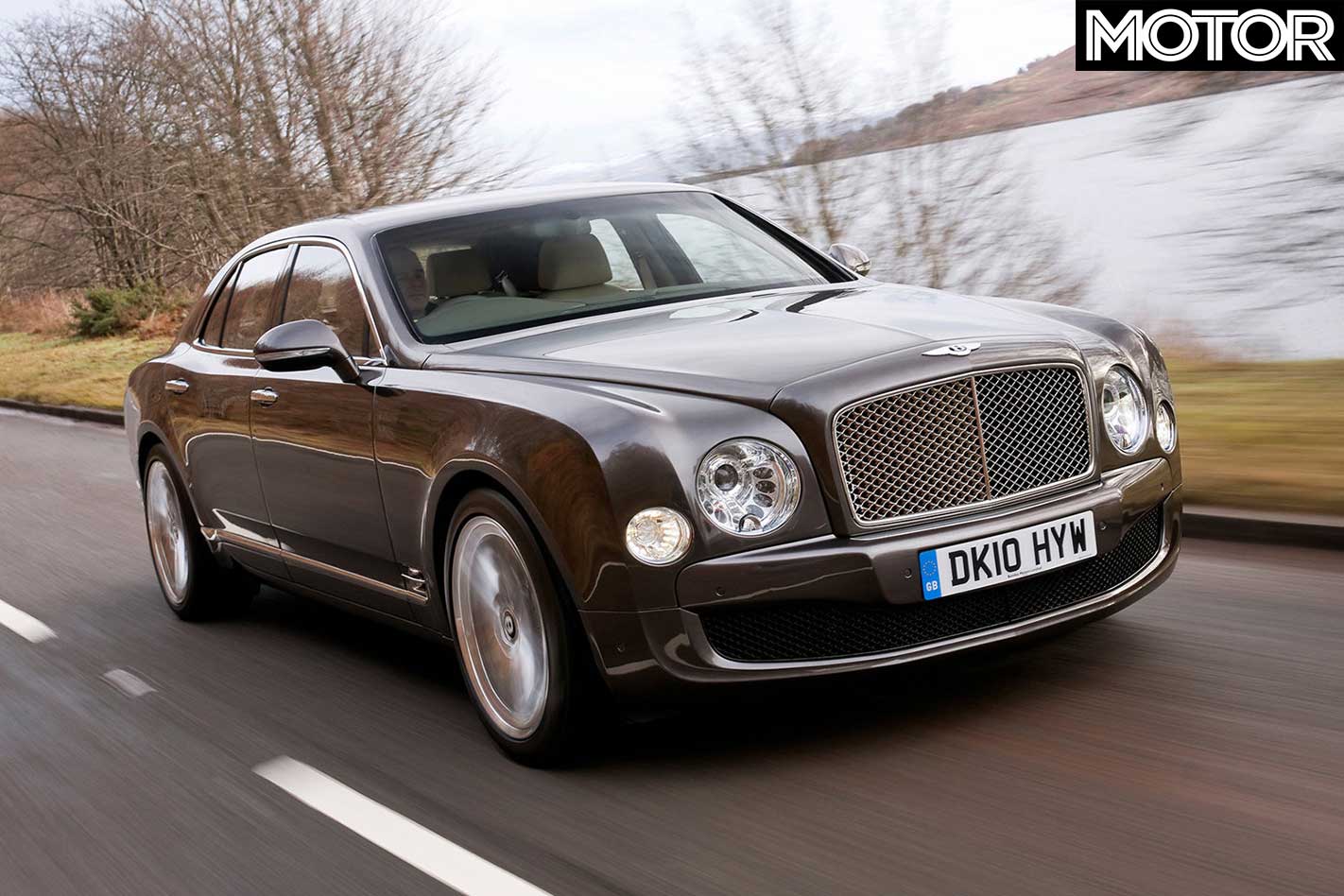
What a way to get to triple-digit speed, though. Mega is the word.
