
THE trickle-down effect is becoming more like a fast-moving stream, with Mercedes-Benz set to roll out not just one, but two plug-in hybrid variants of its fourth-generation A-Class.
They’ll be the first production plug-ins in the A-Class’ history, and likely the most affordable electron-burners in Mercedes’ showroom. The German automaker has yet to officially confirm the existence of the plug-in pair, however UK mag Autocar says it has seen internal documents that reveal them.
The petrol-electric powertrain will also be offered across other platform partners of the A-Class, such as the next-generation GLA and GLB crossovers, as well as the next B-Class, and will be built around a 121kW 1.3-litre turbo petrol four-pot driving the front wheels and a 67kW electric motor driving the rear wheels. That’s right – Benz’s smallest eco-warrior will be an all-wheel drive proposition.
Expected to be dubbed the A250e 4Matic, the petrol-electric A-Class will be partnered with a lower-output A220e 4Matic stablemate, according to Autocar’s sources within Mercedes’ engineering department. However while power output figures have been let slip, the all-important details of the battery – such as its single-charge range and charging times – are still secret for now.
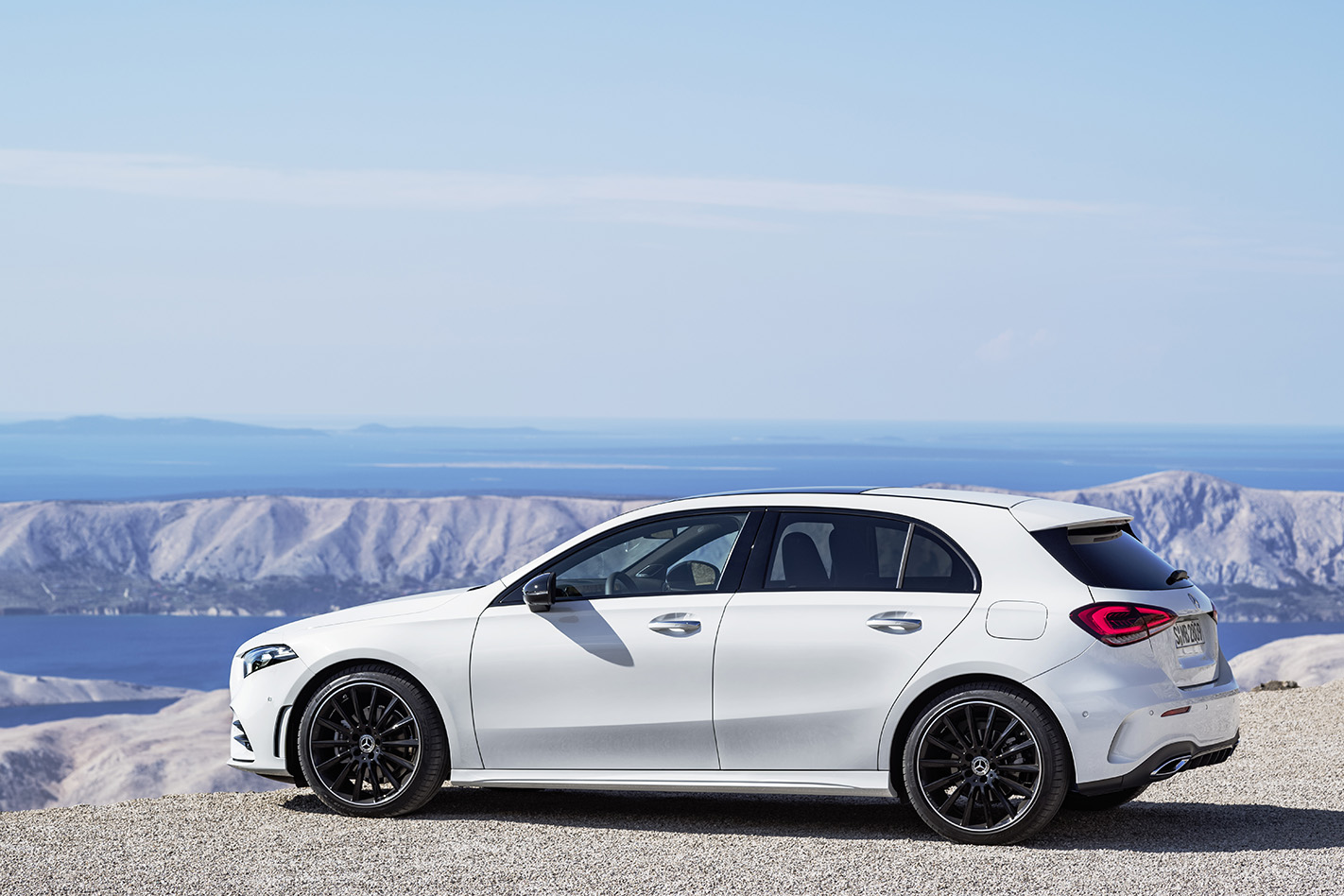
The existence of an electrified A-Class is no great surprise, given Mercedes has previously stated that it aims to have electric versions of all its models (either plug-in hybrid, hybrid or fully electric) in its product portfolio by 2022. However, what you won’t find is an all-electric A-Class. That niche will be serviced by the EQ A compact EV, which will launch after the EQ C crossover that’s due next year.
Wheels understands that an A-Class hybrid is expected to touch down in Australia by the end of 2019, while the EQ A will likely join it sometime in 2020.
Swapping the engine of a Porsche is always going to cause distress amongst Porsche purists, and this example is no different.
Classic car valuation and insurance company produced this video with the owner of a 1975 Porsche 911S, who takes his V8-swapped 911 around a track in California.
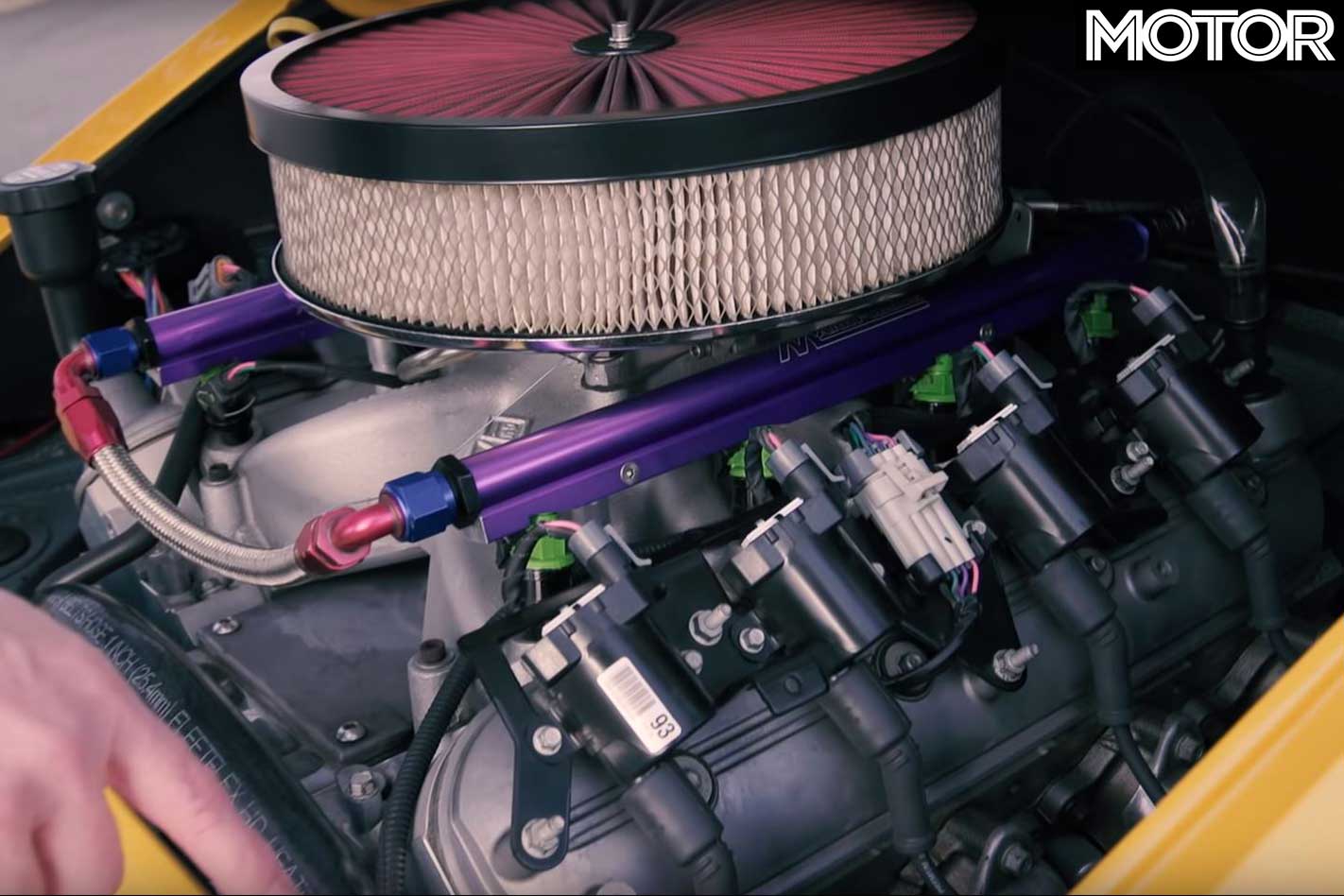
According to Hagerty, Bob Radke found (and bought, we assume) this 911S with no engine, so decided not to pop a 2.7-litre flat-six back in the rear end.
Instead, he looked to the ever-popular LS engine – in this case the Corvette’s mighty LS6. This modified engine now sites neatly in the back of Radke’s 911S, and actually sounds quite good if you can bring yourself to forget it’s coming from a classic Porsche.
The modifications which Radke, a tuner by trade, outlines in the video above make the engine a little more powerful – it now puts out 450kW and around 736Nm of torque.
Radke came about this car with help from an outfit called Renegade Hybrids, a company in Nevada which specialises in turning Porsches into machines powered by American V8s.
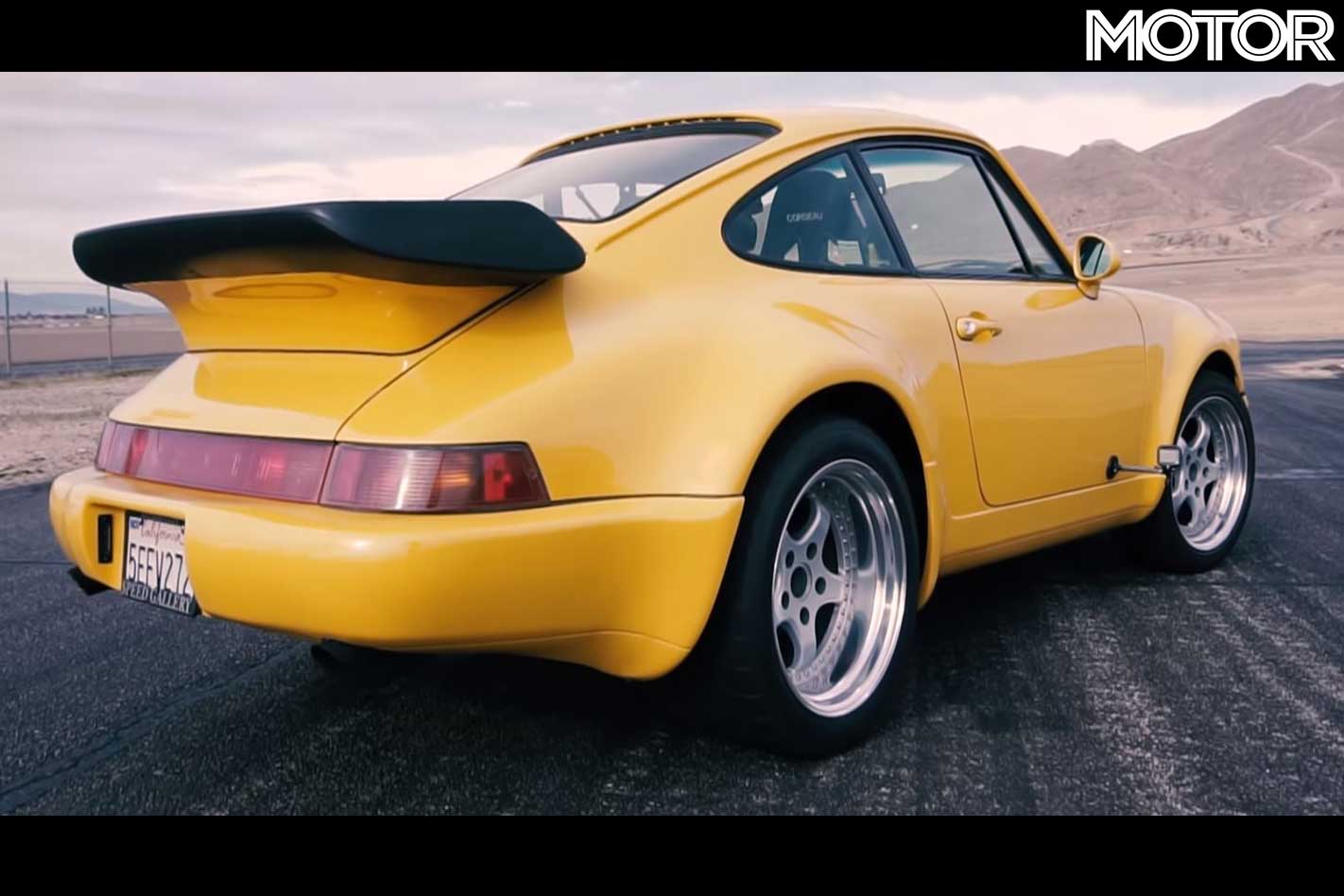
“Reduced weight of the LS Series is also a HUGE advantage over the “big” 911 motors,” the Renegade site says.
“Weighing less than a completely dressed 3.0-litre N/A motor, the LS Series has turbo performance with much less than turbo-six weight.
For about $2,600 American dollars, Renegade sells a conversion kit to make your 911 the subject of snide remarks at a Porsche club meet.
That doesn’t seem to bother Bob Radke though – we’d guess he’s perfectly happy with his 911S, even if you’re not.
HYUNDAI has rushed to squash another round of rumours that it is in the running to take over the troubled Fiat Chrysler Automobiles group.
Reports flooded the internet late last week suggesting talks of a takeover – first believed to have taken place in 2017 – had reignited, although Hyundai was quick to talk down speculation that it was making a bid for the London-based Italian and US car-making giant.
Instead, the Korean car-making giant is believed to be sitting tight, waiting for FCA’s share price to fall before launching an aggressive takeover bid sometime before FCA’s next shareholders’ meeting, scheduled for May next year.
The renewed push for Hyundai’s takeover ambitions is believed to have links to Elliott Management, an activist shareholder group that took a large stake in the Korean car maker earlier this year. Elliott’s $US1 billion investment allowed principal Paul Singer to call on the Hyundai board to improve returns, restructure and bounce back from a dismal earnings record. He also made the call for fresh blood to be introduced to Hyundai’s boardroom.
Fiat Chrysler Automobiles is currently struggling with how it will deal with a proposed tariff increase for vehicles made outside the US, which account for about half the brand’s sales in North America. US President Donald Trump has threatened to hit car makers with a 25 percent import tariff in a bid to protect US jobs – a move that has many car makers worried that it will only add to the cost of the products they make, cut jobs, and reduce sales.
Hyundai’s plan to wait out any takeover bid appears to follow in the footsteps of the strategy that the Nissan Renault Alliance used in its takeover of Japanese car-making rival Mitsubishi. Alliance chief executive Carlos Ghosn swooped on Mitsubishi after the brand’s shares plummeted in the wake of a Japanese-market fuel efficiency scandal, taking a controlling stake at a fraction of the cost it would have weeks earlier. The company that exposed the scandal? Nissan.
FCA chief executive Sergio Marchionne is looking to sell off the group ahead of his departure, which is slated for some time in 2019. He is rumoured to have held top-level talks with US car-making giant General Motors and Chinese group Geely, which already owns brands including Volvo and Lotus. In both these instances, talks have stalled at an early stage.
Early last month, FCA laid out its five-year plan for the future of the company which includes, among other things, ambitions to enter the one-tonne ute market with a competitor to the Ford Ranger and Toyota Hilux – two of the best-selling vehicles in Australia.
The car maker will focus its efforts on four brands: Alfa Romeo, Jeep, Maserati and Ram. It will also phase out diesel engines in Europe by 2021, while the smaller 500 range will lead the car maker’s push for electrification.
It will also work with Waymo, Google’s autonomous car division, to roll out highly autonomous vehicles by 2021.
OUR love affair with V8-engined cars has stalled our efforts to reduce the amount of pollution produced by the vehicles we bought in 2017, emissions data for the year shows.
Figures released by the National Transport Commission looking at the average emissions across the nation’s entire new-car showroom in 2017 – and weighted according to our buying preferences – show Australia’s carbon dioxide emissions average fell by just 0.1g/km compared with 2016, to 181.7g/km. This is the smallest annual decrease in emissions since records started.
According to the NTC, Australia’s abysmal emissions record is down to a number of reasons, however, it singled out our growing taste for “heavier vehicles with larger and more powerful engines” as a contributing factor. That, and a lack of government incentives for low-emission vehicles.
The figures get even worse when comparing our numbers with those of Europe, where high fuel prices and more strict emissions targets averaged out the region’s emissions to 118.5g/km, a 0.4g/km rise compared with 2016. Europe’s backwards result was attributed to a backlash against diesel-engined cars in the wake of the Volkswagen emissions scandal – or Dieselgate. Europe’s worst performer, Estonia, recorded 134g/km.
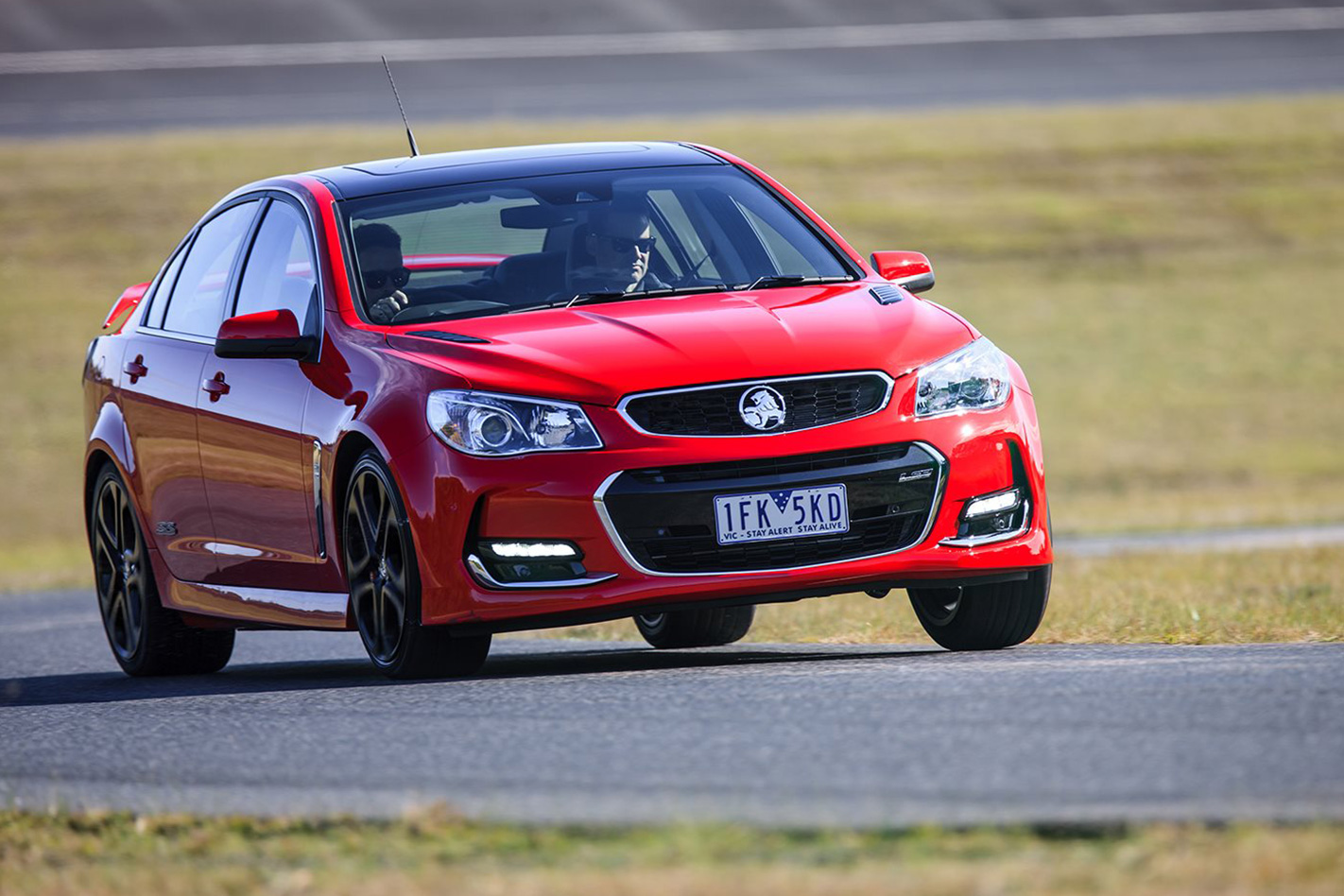
But back to Australia. Holden was also the least environmentally friendly brand in Australia, with an average of 219g/km across its entire showroom, even if it was a 3g/km improvement over 2016’s result. What didn’t help it was Australia’s appetite for big-engined versions of the Holden Commodore.
“Holden’s overall average emissions decreased from 2016 to 2017,” Holden brand communications senior manager Megan Lloyd told Wheels. “Where we saw an increase was in emissions from Australian-manufactured Holden vehicles, and this occurred for two reasons: our locally made Cruze ceased production in October 2016, so our results became based purely on the locally made VFII Commodore; and VFII Commodore SSV Redline and other V8 variants with the LS3 6.2-litre engine were extremely popular in the late 2016 and throughout 2017,” she said. “Both these factors skewed the result.”
Lloyd said Holden’s line-up was becoming more fuel-efficient. “In terms of CO2, our product portfolio has undergone considerable change with more fuel efficient powertrains and the absence of V8 variants,” she said. “For the first time we have a diesel Commodore. We are also continuing to adopt small-displacement turbo engines and all of our vehicles comply with or exceed the emission standard ADR 79/04.”
That last reference relates to Australian Design Rule 79/04, which sets the emissions standards for light vehicles.
Ford, whose Mustang sports coupe became its second best-selling model in 2017, ranked second behind Holden with a 215g/km average, a 2.0g/km rise over the previous year.
Toyota, Australia’s best-selling brand that accounts for one in every five new cars sold here, placed third with 196g/km, a 2.0g/km reduction.
Ford’s Mustang contributed to the sports car category becoming the worst-performing segment of the new-car industry. According to the figures, the average emissions in the segment jumped from 197g/km in 2016 to 212g/km in 2017. The US muscle car, which sells with either a 2.3-litre turbo four-cylinder and a much more popular 5.0-litre V8 drivetrain, officially arrived in late 2016 and has dominated the segment since, claiming half of all the sale in the sub-$80,000 sales category in 2017 alone.
Sales of heavier, less fuel-efficient SUVs rose to new heights in May, with three of the four SUV-based segments recording gains for the month compared with the same month last year. More than 10,000 SUVs were sold in the month compared with traditional passenger vehicles.
Light commercial vehicles – the playground of workhorse trade utes – are also on the rise, with the heavier, less fuel-efficient vehicles accounting for one in every five new-car sales in Australia in May.
Lighter, more fuel-efficient passenger cars, meanwhile, hit their lowest market share on record in January, posting just 31,860 sales for the month, falling below even the numbers that the market slumped to in the wake of the 2008 global financial crisis.
Brands to improve their numbers include Suzuki (down to 133g/km), Porsche (down to 187g/km after introducing turbocharged four-cylinder engines), Peugeot (down to 132g/km after it made a major change of distributors, hitting sales), and Fiat (down to 135g/km after crunching the number of cars in its showroom).
Brands that went backwards, aside from Ford and Holden, include Renault (159g/km), Jaguar (161g/km), Alfa Romeo (153g/km), and Chrysler (281g/km).
According to the report, if we all went out today and bought the most fuel-efficient version of the car we wanted, the average emissions would have more than cut in half, falling to just 76g/km, 0.1g/km higher than in 2016, the NTC report shows.
REMEMBER the Compass? No, not the mini-Grand Cherokee that’s in Jeep showrooms today, but the thoroughly miserable wagon it replaced. We don’t blame you if you’ve forgotten about it as it was an eminently forgettable car, but recalling the old Compass and its many foibles is necessary to put the new Compass into perspective. Once you do, it becomes obvious that the 2018 model represents several big leaps forward for the Compass nameplate.
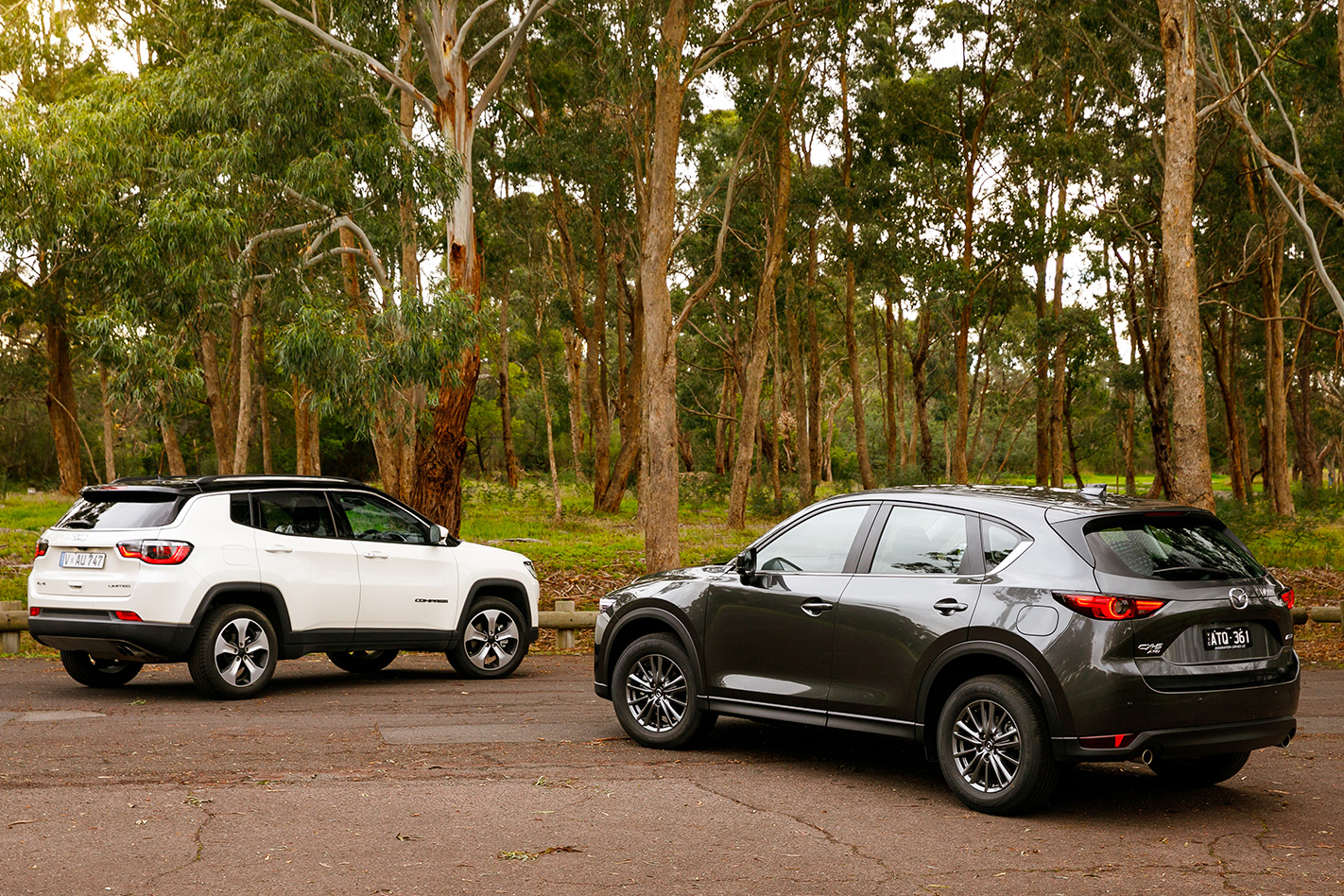
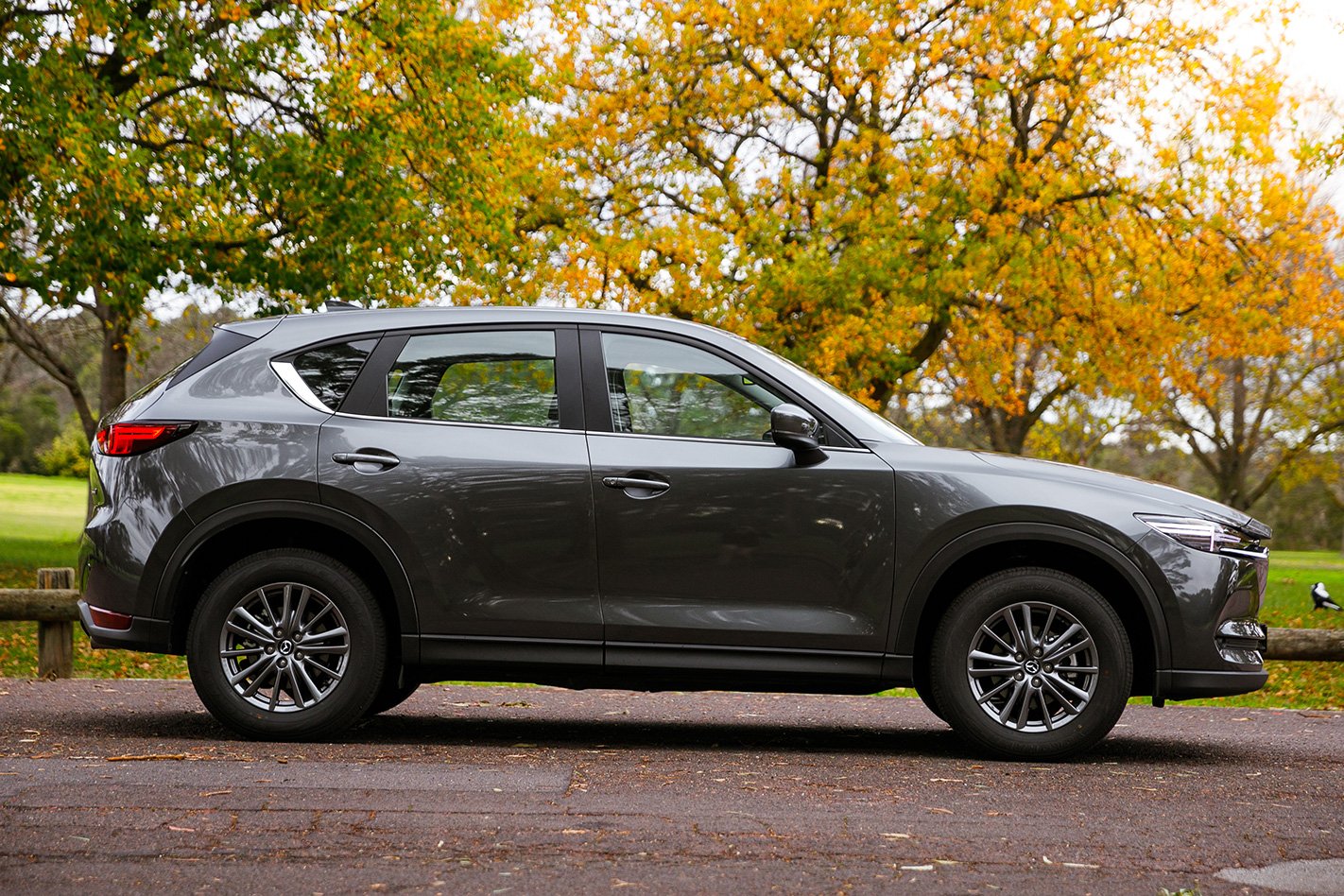
It is the steady march of progress in effect, right? Certainly when judged in isolation, but with its predecessor having being such a backmarker in its segment, has the new Compass been able to catch up to the rest of the SUV gang? To test, we lined up the Compass Limited 2.4-litre petrol – one of the models Jeep expects to provide the bulk of sales volume for the Compass – against one of the SUV segment’s stalwarts, the Mazda CX-5 in Touring petrol trim.
With the Compass being a ‘tweener model that straddles the gap between Renegade and Cherokee (and technically sits in the small SUV segment), it measures slightly smaller than the mid-sized CX-5. However, put up the Compass Limited and CX-5 Touring – both in petrol AWD config – against each other, and their cabins, powertrains, prices and feature-sets align a lot more closely than you’d think.
PRICE AND EQUIPMENT
The $41,250 Compass Limited petrol costs $2260 more than the CX-5, but flaunts a fatter standard equipment list that gives it an edge in showroom wow factor. Simply put, there’s no shortage of gadgets that’ll impress a prospective buyer, which gives the Jeep something of a head start.
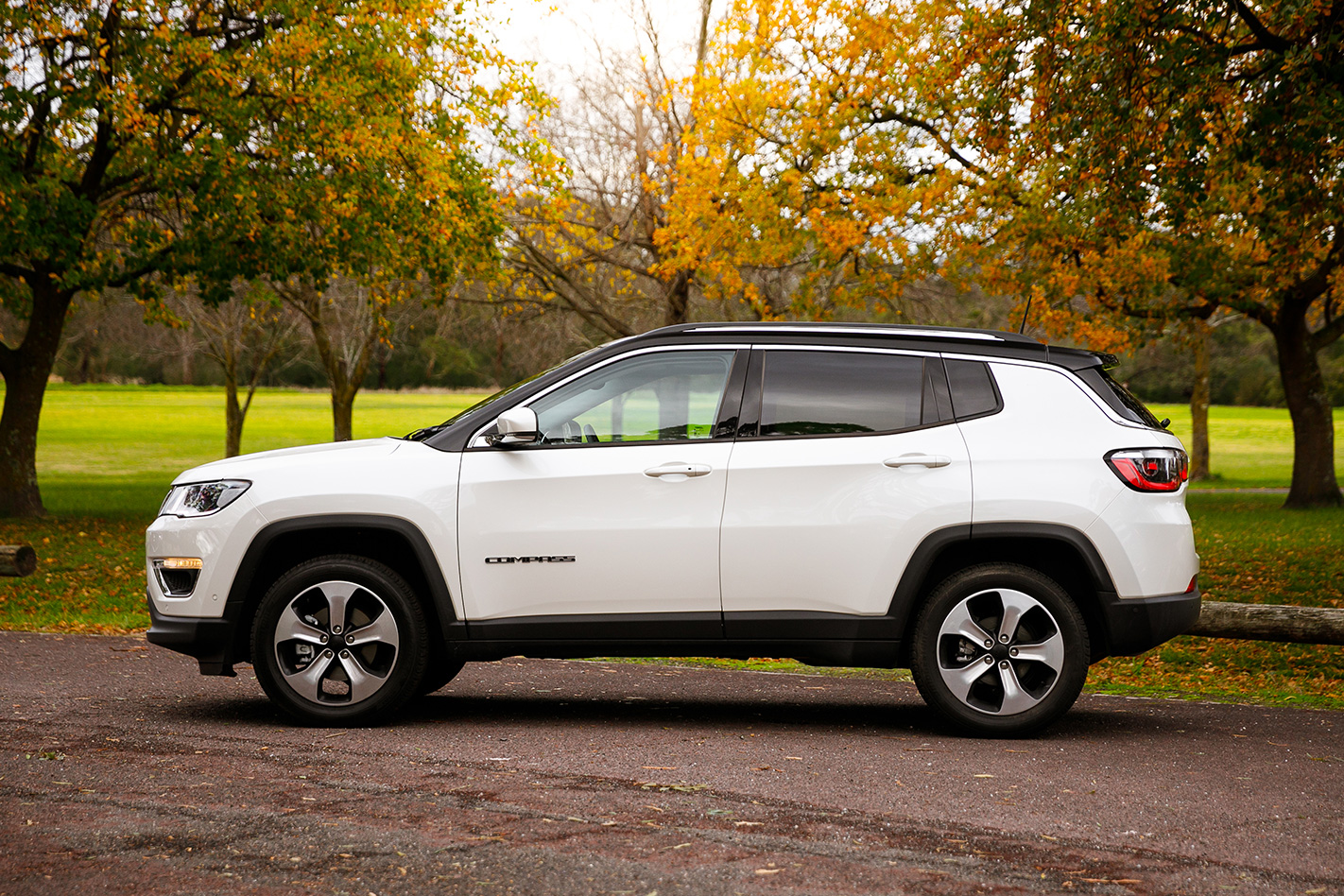
Among its niceties are heated and power-adjustable front seats, leather upholstery, xenon headlamps, a nine-speaker audio with subwoofer, 18-inch alloys, power front seats, front and rear parking sensors, parking assist, dual zone climate control, an 8.4-inch infotainment touchscreen, a push button starter, rain-sensing wipers, dusk-sensing headlamps and a reversing camera.
However, the safety-minded among you will notice that autonomous emergency braking isn’t standard on the Compass Limited – or any Compass for that matter. That feature only comes as part of a $2450 “Advanced Technology Group” package that bundles forward collision alert, lane departure warning, blind spot monitoring, rear cross traffic alert, active cruise control and a power-operated tailgate.
Meanwhile the $38,590 CX-5 Touring not only has AEB in its standard feature list, but it also comes with rear cross traffic alert and blind spot monitoring. It’s less impressive in terms of in-cabin mod-cons though, with a head-up display the only example where the CX-5 trumps the more expensive Compass. The seats are manually adjusted and unheated, the upholstery is faux leather and suede, and there’s only 7.0 inches of touchscreen.
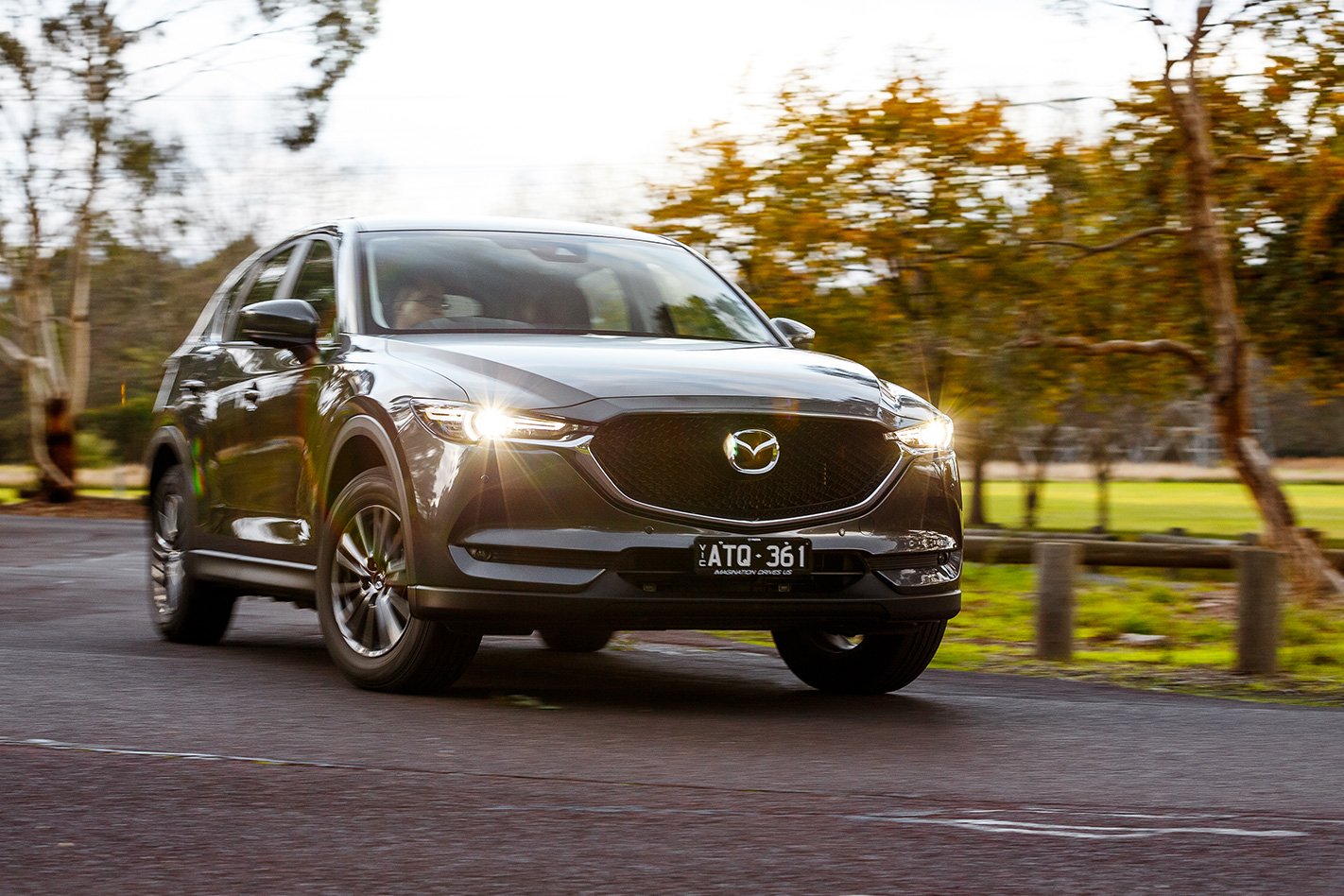
It’s a game of give-and-take in this round, with the Compass boasting more equipment outright, but being hobbled by a lower level of standard safety features and a higher retail price relative to the slightly larger Mazda. For that reason, it’s a draw.
Winner: Draw
INTERIOR AND CONNECTIVITY
Quality is not the Compass’ strong suit, and nor is sensible interior design. There’s a peculiar collection of switch block modules at the base of the centre stack that leaves only a thin L-shaped pocket for keys or (thin) wallets, the centre stack is skewed away from the driver and there was a mysterious creaking from the rear cabin plastics that never went away.
Hard door card uppers in the back are another lowlight, and though the upholstery is leather, it lacks an appropriately premium feel. The Mazda’s synthetic hide simply feels better.
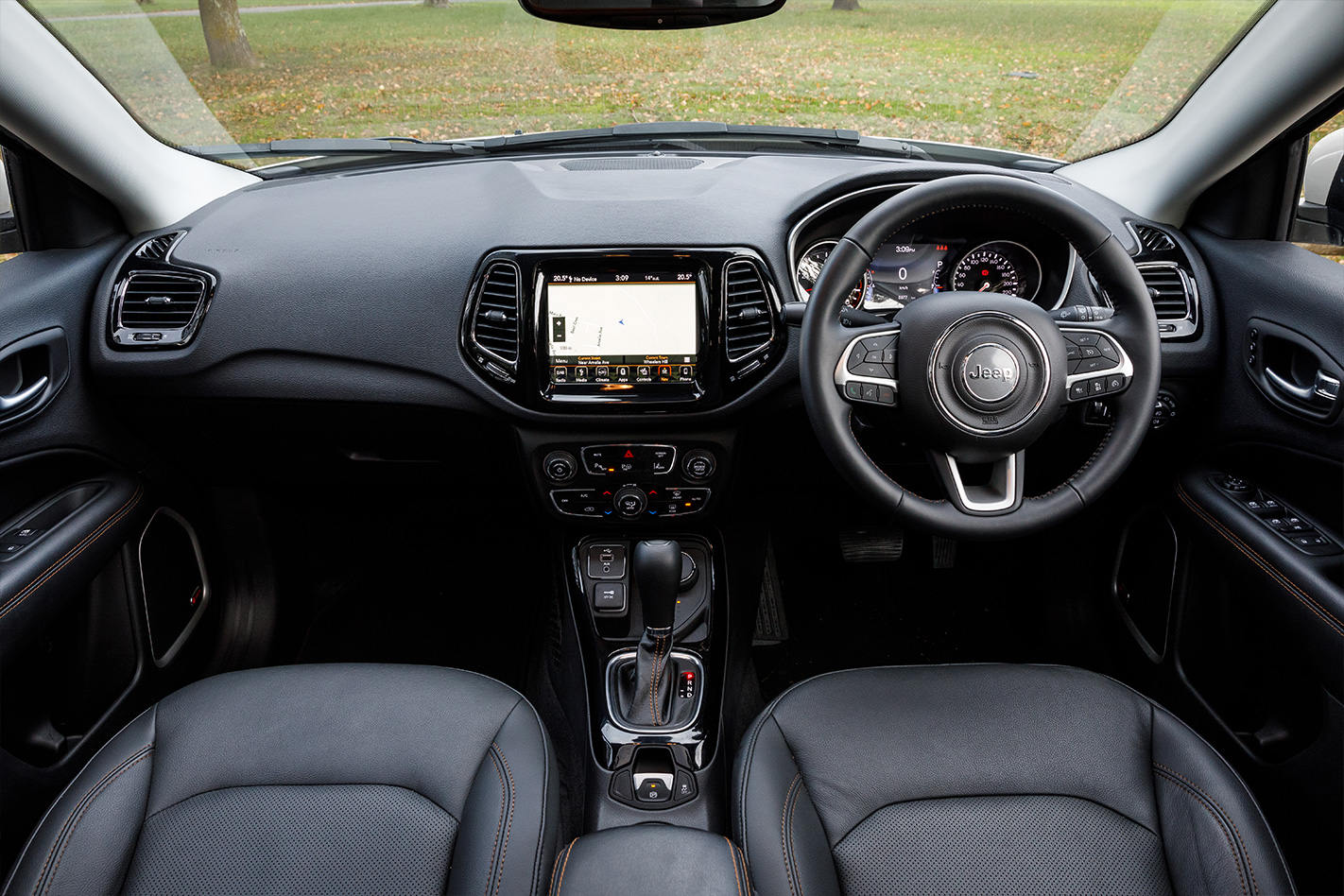
The front seats are spacious (though a bit flat), while a high door sill makes it a little harder to step into the back of the Compass. Once inside, the rear seats can feel a touch claustrophobic around the head due to intrusion from the panoramic sunroof and the high position of the rear bench. On the flipside, there’s a thoughtful storage bin under the front passenger seat cushion and a 230-volt household power outlet in the back, while the floor is flatter than the Mazda’s and the middle seat is more accommodating of adults as a result. Jeep’s Uconnect infotainment suite is also intuitive and easy to use, and includes a digital radio tuner, navigation and smartphone mirroring as standard.
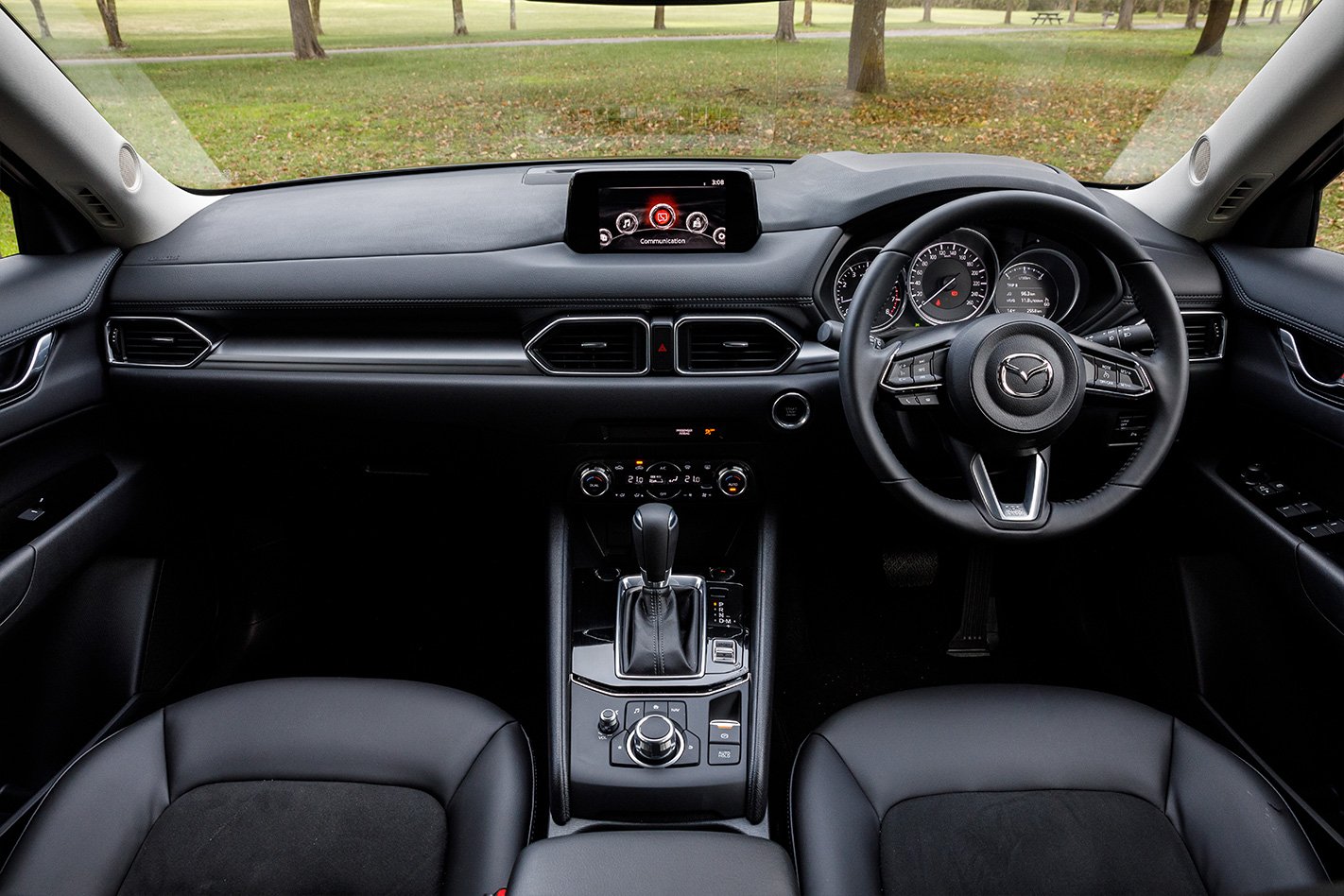
Meanwhile, the Mazda couldn’t be more different in terms of its presentation. Clean lines, clear instruments and a much wider centre console separate the front seats (and offer better storage options), and the CX-5’s cabin feels far more high-end despite it being cheaper than the Jeep. The Mazda’s infotainment screen is smaller and less feature-rich than the Compass’ (there’s no smartphone mirroring, for example), but it’s controlled from an intuitive rotary dial down low on the centre console, rather than solely through touchscreen inputs.
The Mazda’s front seats are excellent, with a car-like driving position, superbly supportive cushions and a wide range of adjustment. There are no power controls or heating though, unlike the Compass Limited. Rear-seat comfort is similarly excellent for those in the outboard positions, while the centre seat is compromised by a prominent transmission tunnel hump that makes it only good for kids.
Both have rear air vents, rear USB charging ports and map lights, but it’s the Mazda’s boot space that gives it the lead over the Compass as an SUV.
The raw numbers don’t suggest much of an advantage. After all, with the CX-5 sporting 442 litres of seats-up capacity against the Compass’ 438L, there’s just 4.0 litres separating them. However, the CX-5’s boot floor is significantly lower than the Jeep’s, making it easier to load and to reach into. There’s also a proper retractable cargo blind rather than the Compass’ hatchback-like solid cover, as well as boot-mounted release handles for the Mazda’s 40/20/40 split rear seats. That extra layer of convenience, coupled with generally higher levels of comfort and quality, give the Mazda the win for this section.
Winner: Mazda CX-5 Touring
RIDE AND HANDLING
Mazda’s CX-5 has been a consistent high achiever in its segment when it comes to delivering driving joy, which means Jeep’s newcomer will have a tough job matching it. But after driving the pair back to back, it’s surprising just how quickly you realise the Mazda is the more capable steerer of the two.
There’s a ponderous, wooden manner to the Compass’ over-assisted steering that robs you of any information regarding what’s going on at the front wheels, and while it’ll actually hang onto the road reasonably well, pushing it hard relies on you guessing about how much grip you have to work with, rather than using any kind of feedback. Being a Jeep, some of that dynamic glugginess may come down to it being engineered to handle gnarlier roads than what the average SUV owner will ever encounter, but it results in steering and handling that’s far from confidence-inspiring.
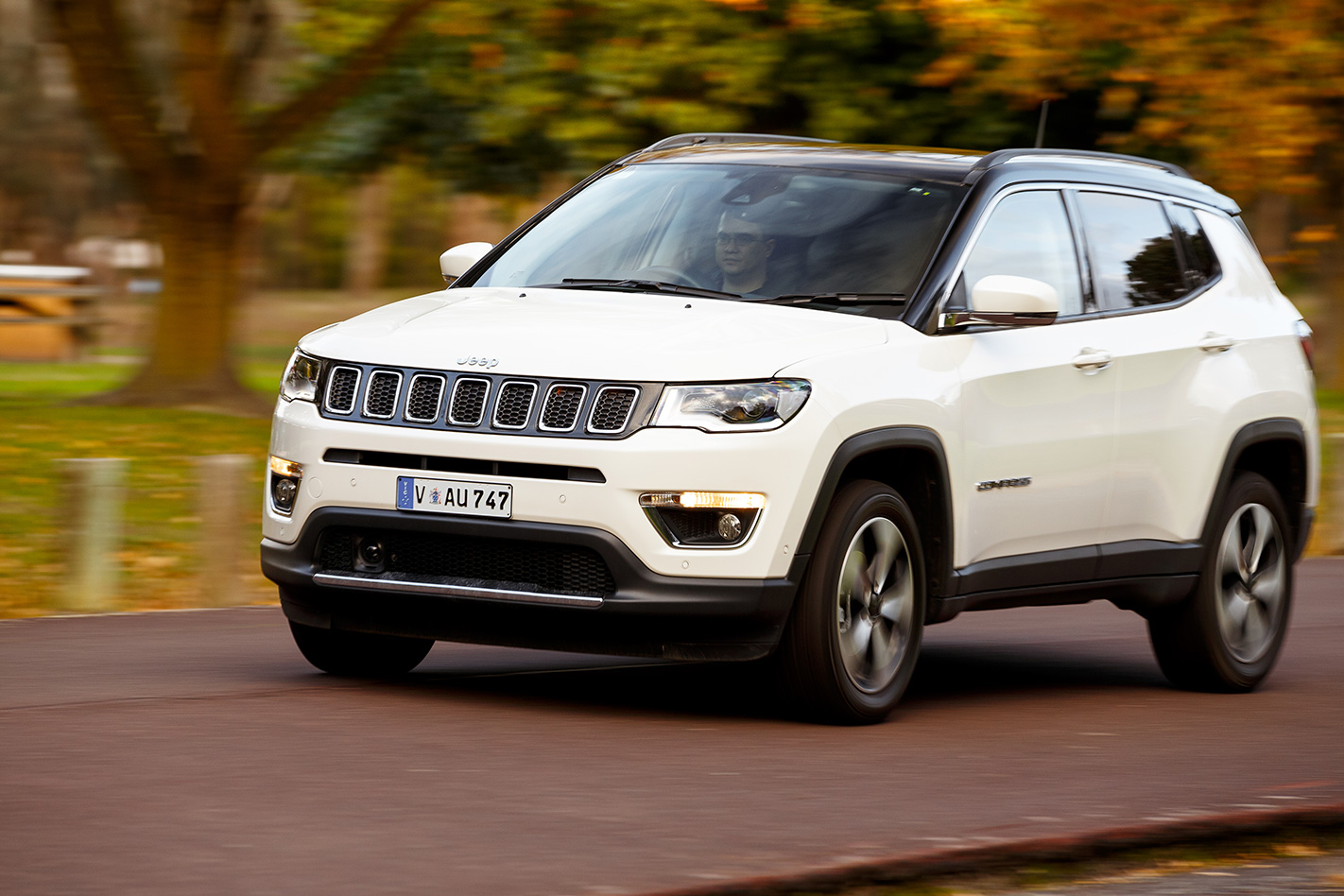
The CX-5 feels far sharper, with direct and nicely weighted steering married to a front axle that boasts a far more authoritative grip of the road. It’s firmer than the softly sprung (and admittedly quite comfortable) Compass, but the Mazda’s damping delivers better recovery from bigger bumps that can have the Compass bouncing a few times after initial impact.
Most will find the CX-5 to be more pleasant on the road, but those that routinely venture far from the big smoke and aren’t shy about hitting off-road trails may find more to like about the Compass’ AWD hardware. With multiple terrain modes to enhance traction on slippery surfaces and plenty of wheel articulation to work with, the Jeep’s off-road talent may be a deal-maker for those with outdoorsy preferences.
Winner: Mazda CX-5 Touring
PERFORMANCE AND ECONOMY
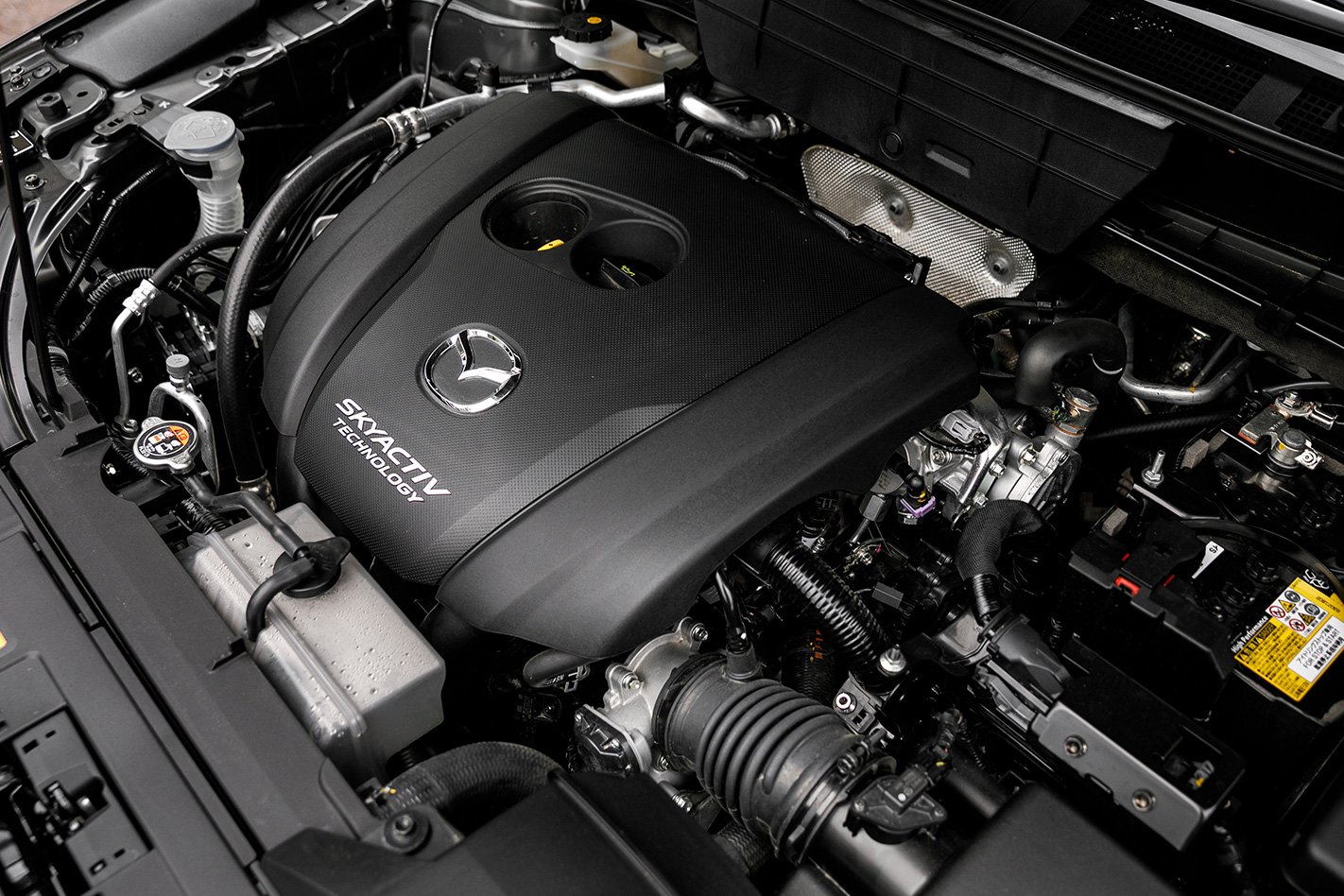
This round is even more black and white, and as always, comparing spec sheets only tells part of the story. The CX-5 and Compass initially appear close in terms of power and torque, with the CX-5’s 2.5-litre petrol producing 140kW/251Nm, and the Compass running not too far behind with outputs of 129kW/229Nm from a 2.4-litre. Yes, the Compass has 11kW less power and 22Nm less torque, but with a nine-speed automatic taking power to all four wheels one would expect that it makes better use of the engine’s numbers than the Mazda’s six-speed auto.
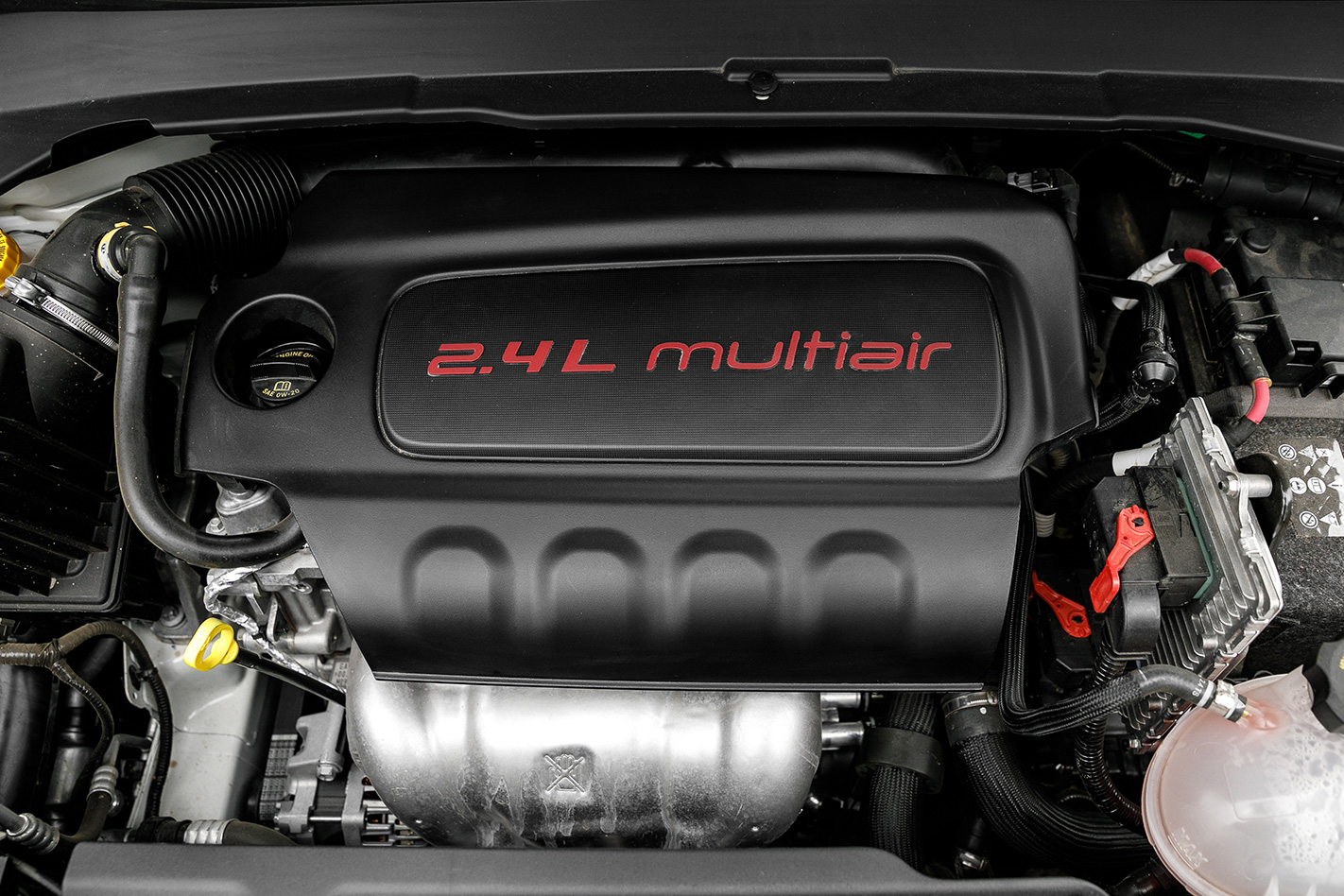
However, driving both back-to-back reveals the Mazda has significantly more punch than the Compass Limited. The Mazda also burns less fuel than the Compass, with a factory figure of 7.5L/100km on the combined cycle versus the Jeep’s thirsty 9.7L/100km claim, and no doubt helped by the Mazda’s standard engine stop-start feature.
There are other more general driveability qualms with the Compass beyond its wheezy 2.4-litre. It feels sluggish off the line, and the gearing of its nine-speed transmission doesn’t mesh well (pun intended) with the engine’s output. It’s a somewhat unexpected result: the Jeep actually weighs a full 130kg less than the Mazda, yet despite a mass advantage and a nine-speed automatic it still feels well behind its Japanese rival in both performance and economy.
Winner: Mazda CX-5 Touring
WARRANTY AND SERVICING
The Jeep gets off to a good start by offering a five-year warranty and 12,000km servicing intervals – two years and 2000km more than what Mazda offers, respectively – though its 100,000km warranty period is well behind Mazda’s unlimited kilometre term. Still, if you don’t tend to put on massive mileages each year then Jeep’s warranty should last longer.
However, when it comes time to visit the service department the Compass will hit your hip pocket hard. Mazda’s 10,000km/12 month servicing intervals are slightly more frequent than the Compass’ 12,000km/12 month intervals, but the cost per visit is very much in Mazda’s favour.
Scheduled services for the Mazda alternate between $308 and $336, with a $65 brake fluid change and $69 cabin filter change due at the 40,000km mark. That amounts to a total service expense of $1730 over five years – an average of $346 a year.
According to Jeep’s scheduled servicing program, services start at $425 for the petrol-powered Compass and can stretch as high as $695. All up, expect to pay $2594 to keep it running for five years.
Winner: Mazda CX-5 Touring
VERDICT
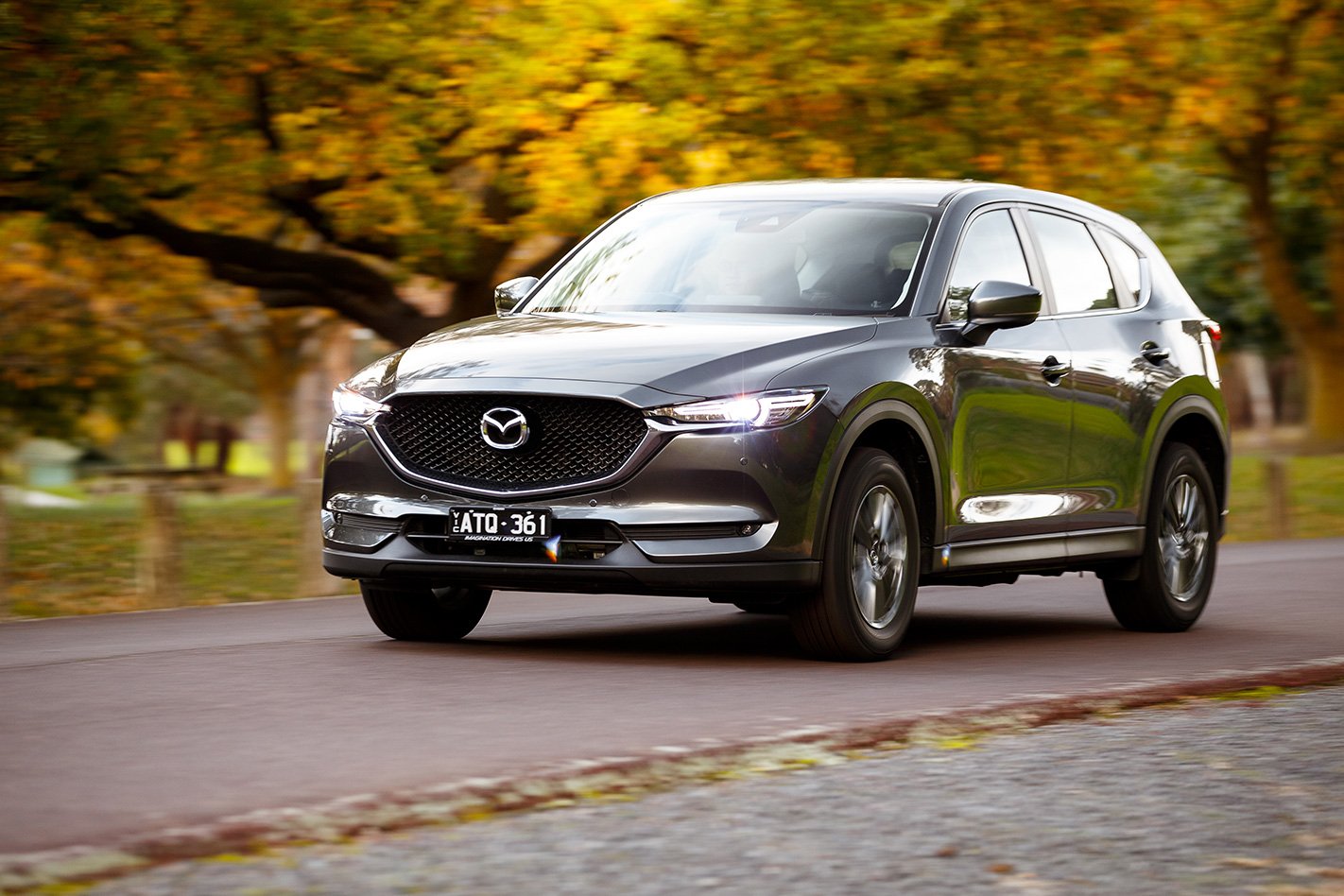
The Compass definitely deserves recognition for making vast steps forward relative to its predecessor, but unfortunately it’s still not on the same level as the CX-5. It’s a compelling enough buy when you scan the equipment list, but on the road it’s the Mazda that feels more substantial, practical, and powerful.
Cabin quality, fuel efficiency and driveline calibration are the Compass’ biggest opportunities for improvement, and the areas where it most lags behind its Japanese rival. Shortcomings in these areas take shine off what is otherwise a comfortable and feature-rich wagon that’s perfect for small families. Until it rectifies its issues, however, it’s the CX-5 Touring that walks away with the win.
The mercury is plummeting in some parts of Australia. In the more temperate climates, motorists waking up to icy cars, or planning trips to the snow where the temperature can drop way below zero.
But car technology and comfort features have come a long way, and there are some very welcome winter warmer features finding their way into new models.
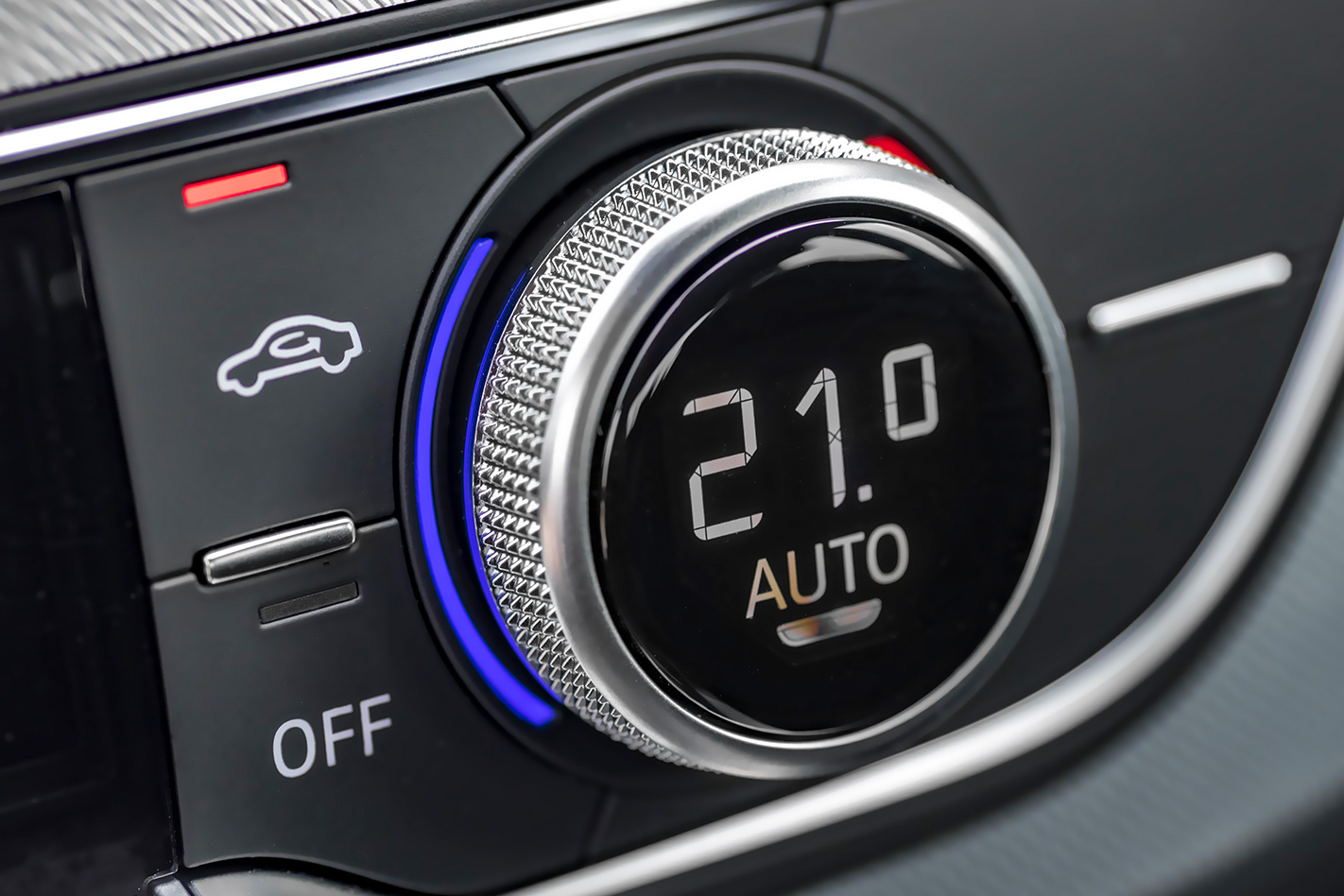
Here are some of the best features that will bring a little more warmth to your cabin while the southern states shiver.
1. Heated seats
A heated seat, no longer the preserve of high-end expensive models, is a truly welcome luxury, especially when combined with leather upholstery that feels colder than cloth in chilly conditions. The best examples get to work in seconds and heat both the squab and back support. Some will back off the heat after a few minutes of full power before you are cooked through, but can be pumped back up to full strength with the tap of a button. Increasingly, manufacturers are also offering the feature for rear seats and are often including them as part of an extended comfort package to keep the kids warm and happy.
2. Rear air vents
If you want to keep your rear passengers even happier, looking for a car that offers ventilation that extends to the second or even third row of seating is a great option. In the most luxurious cases, rear occupants are even offered their own climate control panel to set the temperature independently of the front row.
3. Heated steering wheel
Another feature that used to found in only the most opulent vehicles, self-warming steering wheels are finding their way onto the options list of more accessible cars, including Kia’s Carnival and the Ford Escape. Some versions only heat the sections of the wheel where your hands spend the most time, while more luxurious wheels heat the full circumference.
4. Demisting door mirrors
The venerable heated rear window has been offered as standard fare in cars for decades, but heated wing mirror glass is a less common inclusion. If you have to manoeuvre or park in tight spaces, foggy door mirrors can be a real pain, but self-clearing heating elements will dry off the mist within minutes. Often, the heaters will operate automatically, while others must be switched on when required.
5. Demisting windscreen
Blasting a foggy windscreen with air is a good way to clear the condensation on a frosty morning. However, some screens incorporate a trick similar to the rear window demister and have an array of very fine wire set into the glass. The tiny element is too fine to be seen when looking through the glass, but when the demister switch is flicked, electricity warms the wires and the screen is cleared almost instantly allowing you to see safely in seconds.
6. Heated arm rests
With the seat and steering wheel heaters cranking, you’ll be toasty shortly after starting the car, but what about the chilly arm rests? Well, BMW for one has thought about even this and has incorporated heating elements into even the leather on the door and central arm rest of its 7 Series so that no exposed skin can come into contact with cold hide. Okay, so its luxury flagship is a little out of many budgets, but you can expect to see the feature cascading down to more affordable models.
7. Washer jet heaters
If it’s cold enough to find ice on your windscreen, its cold enough to freeze the screen’s washer jets – not a good situation if you are trying to clear road grime from the glass during a winter drive. Some manufacturers have built tiny heating elements into the jets to thaw out any blockages before your vision is too impaired.
8. Neck warmers
Some manufacturers including Mercedes and Audi have developed a system more focused on top-down convertible motoring, which gently directs heated air at the driver and front passenger’s neck. The idea is foremost intended for open air driving on autumnal evenings as the setting sun allows a little chill to sneak into the cabin, but you’ll surely welcome the feature first thing in the morning on the coldest winter days.
9. Remote engine start
Of course, the ultimate solution is that your car is already up to temperature and ready to embrace you with a warm cabin as soon as you board. That’s exactly why some brands including Jeep have a special function on the key that allows you to start the car before you even get in. Hit the special remote sequence a few minutes before you leave the house and the engine’s heat will have brought the interior up to the perfect temperature, cleared all the glass of condensation and you’ll be ready to go.
An evolution of the idea is starting to emerge in electric and hybrid cars, which can use their powerful electric power sources to heat the car before you leave home. The latest technology allows you to connect to the vehicle via a smartphone application and even set a time for the heaters to fire up. If the car is plugged into its charging station, it will use that power source for heating, saving the battery power for maximum range.
The right level of vehicle specification can make life a lot more pleasant if you are living in a cooler climate, but remember the most important part of winter motoring. Always drive according to conditions, get the right equipment together if you are planning a road trip to the snow and make sure your car’s maintenance is up to date and your tyre pressures, fluid levels and lights are all checked.
TIMO BERNHARD and Porsche have forced a major recalibration across the automotive and motorsport community after obliterating a 35-year-old record once thought unbreakable.
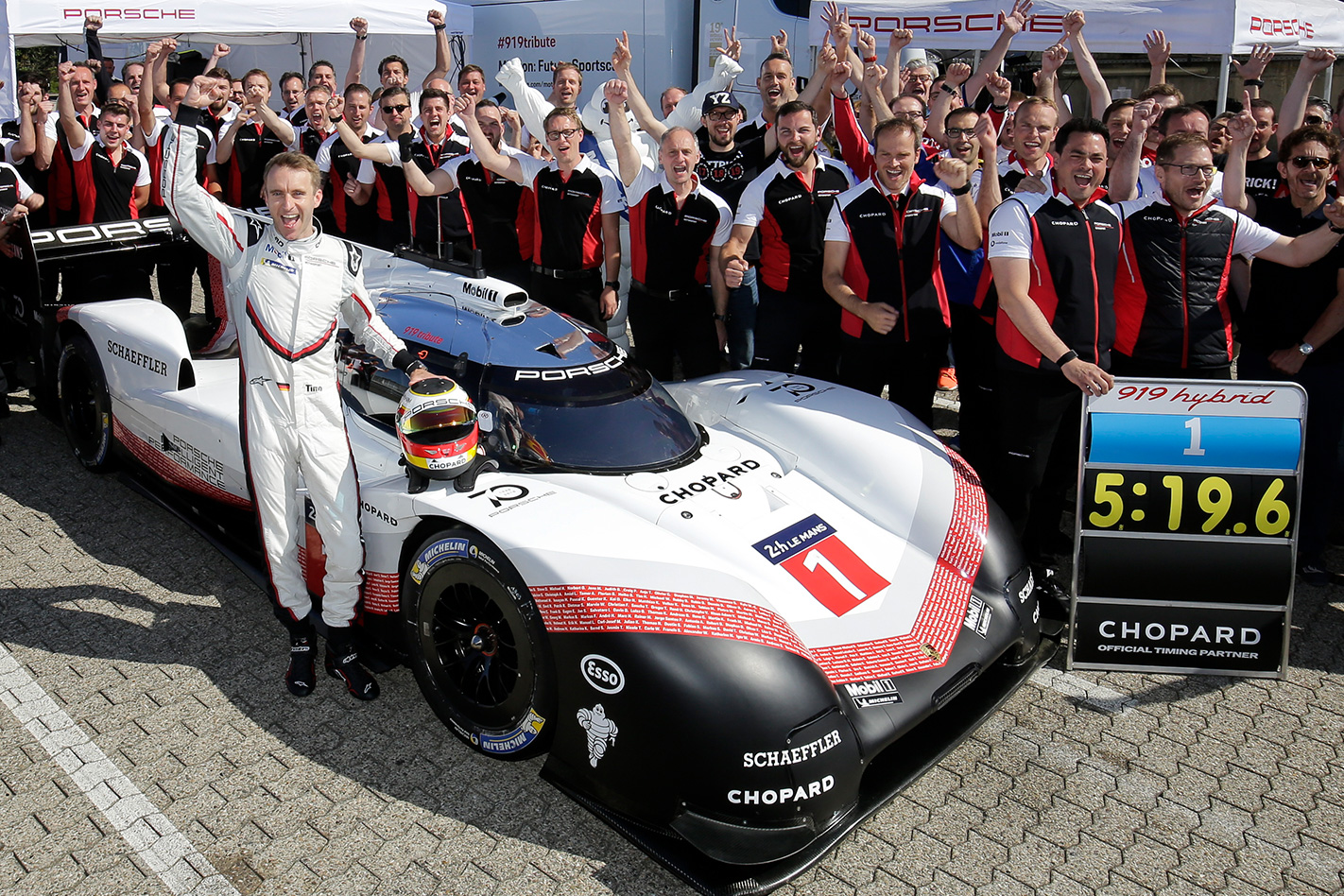
The previously understood notions of what constitutes “fast” around the intimidating Nordschleife circuit in Germany have been thrown out the window, along with Stefan Bellof’s 6:11.13 Nurburgring Nordschleife lap record which was set in 1983 in a Porsche 956C. For three and a half decades, Bellof’s time was thought to be completely unassailable.
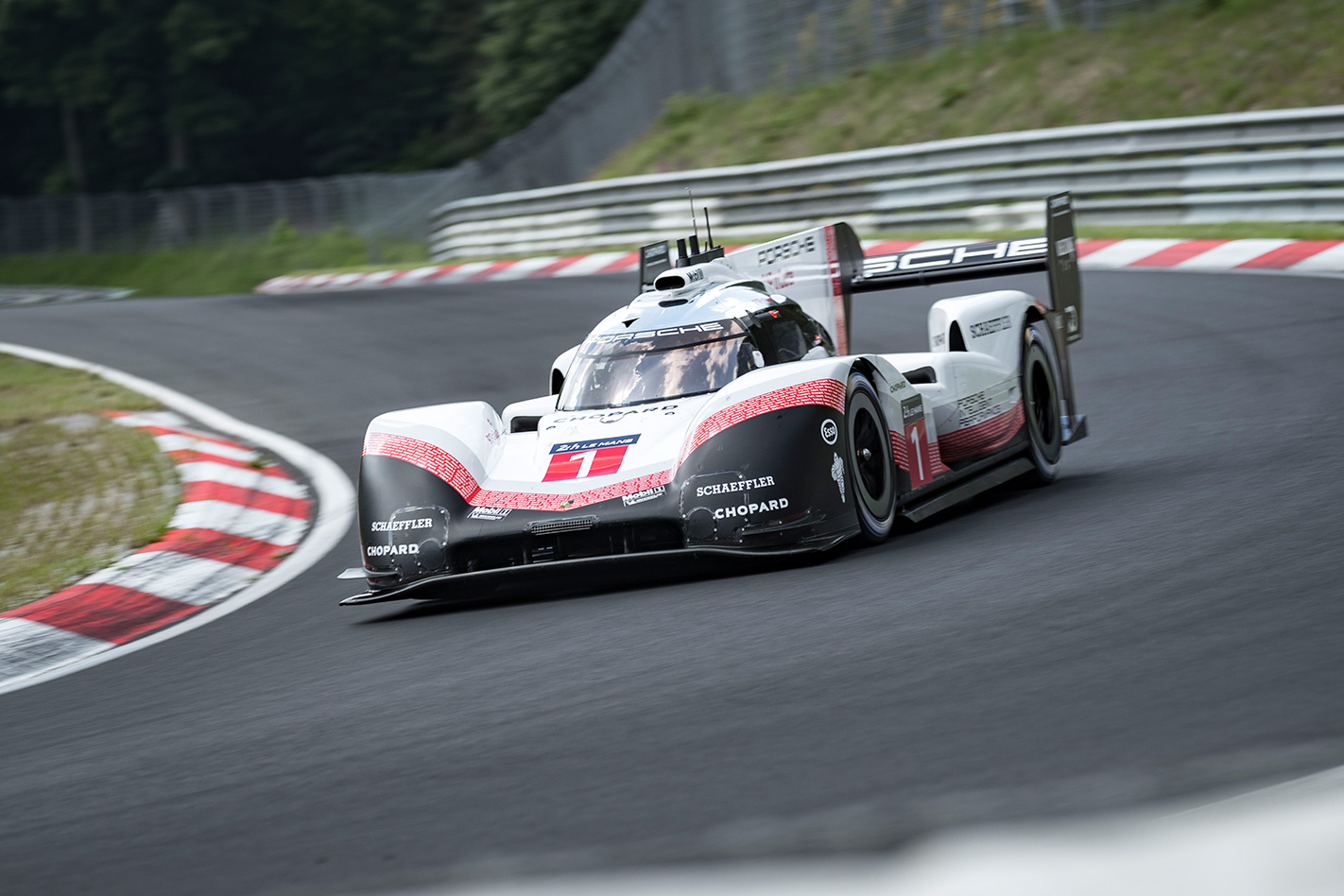
Yet Bernhard managed to pilot his 919 Evo to a stopwatch-scorching time of 5:19.545 around the Green Hell. Clearly, the 51-second gap is significant, but when you compare the laps on other metrics the scale of Bernhard’s achievement becomes even more remarkable.
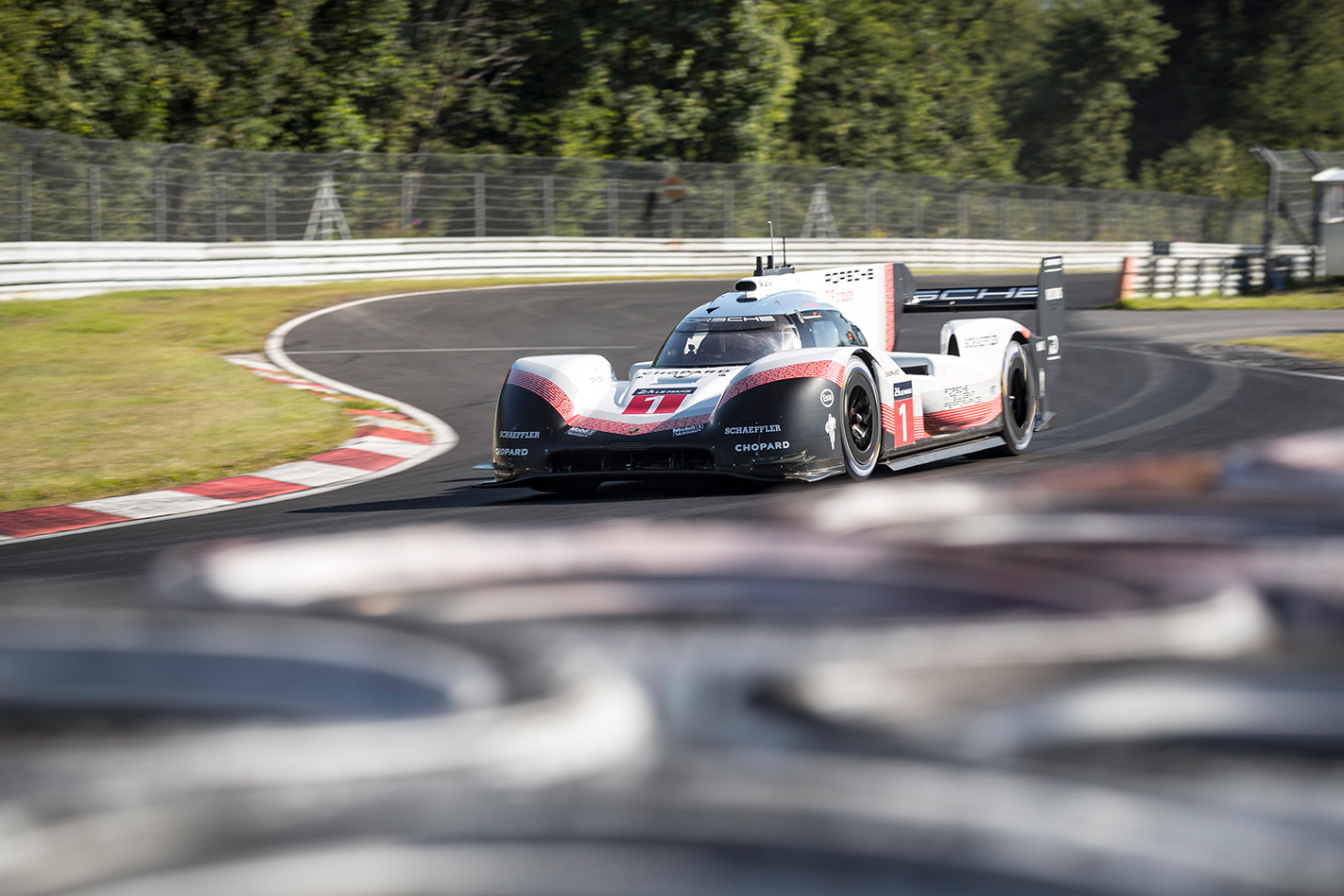
Bellof, who achieved an average speed of 201km/h on his lap during qualifying for the ’83 Nurburgring 1000km race, would need a head start of 3.02-kilometres to beat Bernhard on a flying lap. That’s roughly one-seventh of the distance around the entire circuit, and would have Bellof passing through the Hocheichen section of track as Bernhard begins his lap.
Bernhard and the 919 Evo averaged 234km/h over the 20.832-kilometre lap of the Nordschleife circuit – the same distance driven by Bellof.
Currently Porsche also holds the production car lap record at the Nordschleife, with Lars Kern achieving a 6:47.24 lap (with an average speed of 183km/h) in the GT2 RS in late 2017. In order to be neck-and-neck with Bernhard by the finish line, Kerns would need to already be 4.62-kilometres down the road, heading through Flugplatz, when Bernhard began his record run.
Since the 20.832-kilometre layout of the Nordschleife was only used for a single season of competitive racing, it is difficult to compare Bellof and Bernhard’s times to other racing cars. These days, most races (such as the Nurburgring 24-hour) also incorporate most of the Nurburgring GP track.
However, there was a Group A Touring Car race also held in 1983, with Tom Walkinshaw piloting a Jaguar XJS racer to a 8:02.44 lap on the same layout during race conditions.
Walkinshaw and his Jag would need to be passing through the Adenauer Forst portion of track – 7.1-kilometres into the lap – to have a chance of beating Bernhard to the line in a showdown.
Check out our list below to see the kind of head start various cars and drivers would need to beat Bernhard in a flying lap battle:
- 2018 Porsche 919 Evo – Timo Bernhard – 5:19.545 (234km/h)
- 1983 Porsche 956C – Stefan Bellof – 6:11.13 (201km/h) – 3.02km head start needed
- 2017 McLaren P1 LM – Kenny Brack – 6:43.22 (185km/h) – 4.44km head start needed
- 2018 Porsche 911 GT2 RS (991.2) – Lars Kern – 6:47.25 (183 km/h) – 4.62km head start needed
- 2017 Lamborghini Huracan LP 640-4 Performante – Marco Mapelli – 6:52.01 (181 km/h) – 4.8km head start needed
- 2015 Nissan GT-R NISMO – Michael Krumm – 7:08.679 (175km/h) – 5.33km head start needed
- 2017 Honda Civic Type R – 7:43.8 (161km/h) – 6.53km head start needed
- 2017 Alfa Romeo Stelvio Quadrifoglio – Fabio Francia – 7:51.7 (159km/h) – 6.75km head start needed
- 1996 Nissan Skyline GT-R R33 V-Spec – Dirk Schoysman – 7:59 (156km/h) – 7.01km head start needed
- 1983 Jaguar XJS Group A – Tom Walkinshaw – 8:02.44 (155km/h) – 7.1km head start needed
BUYERS favouring less fuel-efficient luxury cars gain a small win from this week, with a rise in the Luxury Car Tax threshold delivering a $1237 saving for the new financial year.
However, the news is not so good for buyers who shop for a more fuel-efficient luxury car in the 2018-19 financial year, with the threshold stalling at the same benchmark for the third year in a row, the latest Australian Tax Office data shows.
A rise in Australia’s consumer price index last year means this year’s threshold for cars that use more than 7.0L/100km rises to $66,331 – any dollar spent over this amount is taxed at the rate of 33 percent, helping to earn the Federal Government an estimated $710 million in revenue in the 2017-18 financial year.
The threshold, which saves buyers money every time it goes up, has risen consistently for the last decade as part of the indexation of the tax to keep pace with moves in the cost of living.
However, because the threshold for more fuel-efficient vehicles sticks to $75,526 – we’ve asked why it does not change when the gas-guzzling one does – and the government admits it was delivered a $50 million windfall last financial year because the showroom price of luxury cars keeps going up, buyers who choose fuel efficiency over performance will be penalised.
So far, only Japanese luxury brand Lexus has stepped up and announced it will do as it has done in previous years, and absorb the LCT price increase rather than pass it on to buyers.
The government’s earnings from LCT were forecast to grow by seven percent last financial year, “consistent with strong growth in prices of vehicles subject to LCT”, the federal government’s budget papers say.
“Since the 2017-18 [Mid-Year Economic Forecast Outlook] forecast LCT receipts are $50 million higher over the four years to 2021-22.”
However, the government’s potential to earn up to $830 million a year up to 2021 is under threat from a free trade agreement that is currently being thrashed out between the Turnbull Government and the European Union.
Repealing the LCT, which is effectively a false trade barrier impacting the big three German luxury car makers, is believed to be one of the key negotiating points of the proposed trade pact.
“Australia seeks to commence FTA negotiations with the European Union as soon as possible,” a spokesman for the Department of Foreign Affairs and Trade told Wheels earlier this year when asked if the LCT would be one of the bargaining chips brought to the trade negotiations table.
“We envisage the FTA will include reciprocal elimination of barriers to trade and goods; reciprocal reduction in impediments to trade in services; and rules aimed at improving the conditions for trade and investment.”
Car makers including Audi, BMW and Mercedes-Benz have been quite outspoken about the controversial tax in recent years.
“Under World Trade Organisation rules [the LCT is] a false tariff,” Mercedes-Benz Australia spokesman David McCarthy told Wheels.
“In the free trade agreement with the EU, it [LCT] will be part of the negotiations, and it will disappear, and ultimately it will have to disappear because you won’t be able to keep it in place with NAFTA [North American Free Trade Agreement] and the Thai free trade agreement, so it will disappear.
“And that will happen within the next two to three years,” he said.
Only six Porsche 959 Paris-Dakar rally cars were ever built, and one is up for auction.
RM Sotheby’s, renowned prestige auction house, is holding a ‘Porsche 70th Anniversary’ sale in Atlanta, Georgia in October at which the rare rally car will cross the block.
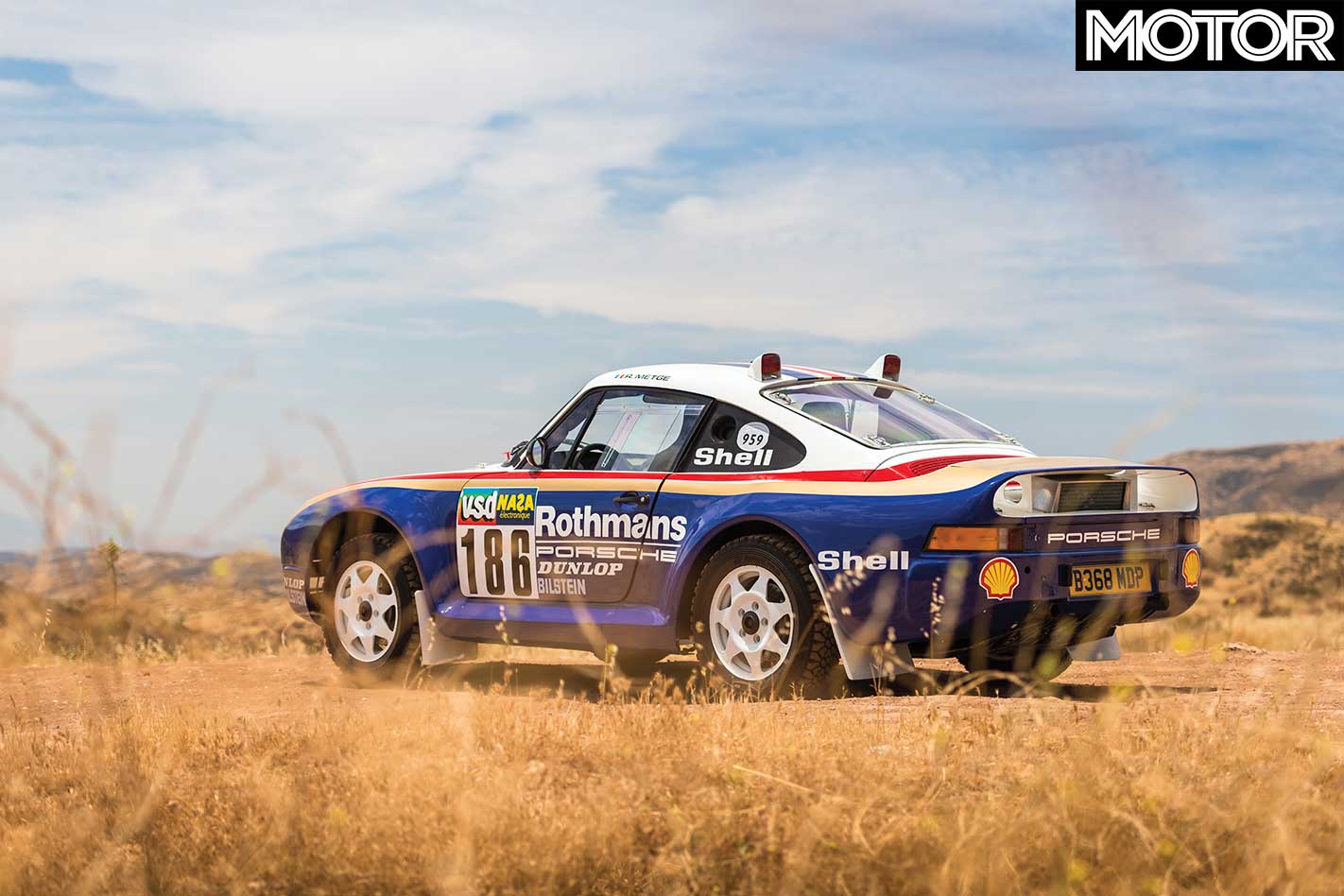
A naturally aspirated 3.2-litre engine (from a Carrera) lives in this particular 959 (which is built onto a 911 chassis as a 959 ‘prototype’), as well as the AWD system developed for the road car, and specialised suspension for the rally.
This chassis, 010015, was driven by René Metge –who won the 1981, ’84, and ’86 Paris-Dakars – in the 1985 race. He would go on to win a year later in one of the first ‘proper’ 959 rally cars.
Metge didn’t finish in 1985, but the oil leak he suffered proved more fortuitous than the crashes which the other two 959 entries were involved in.
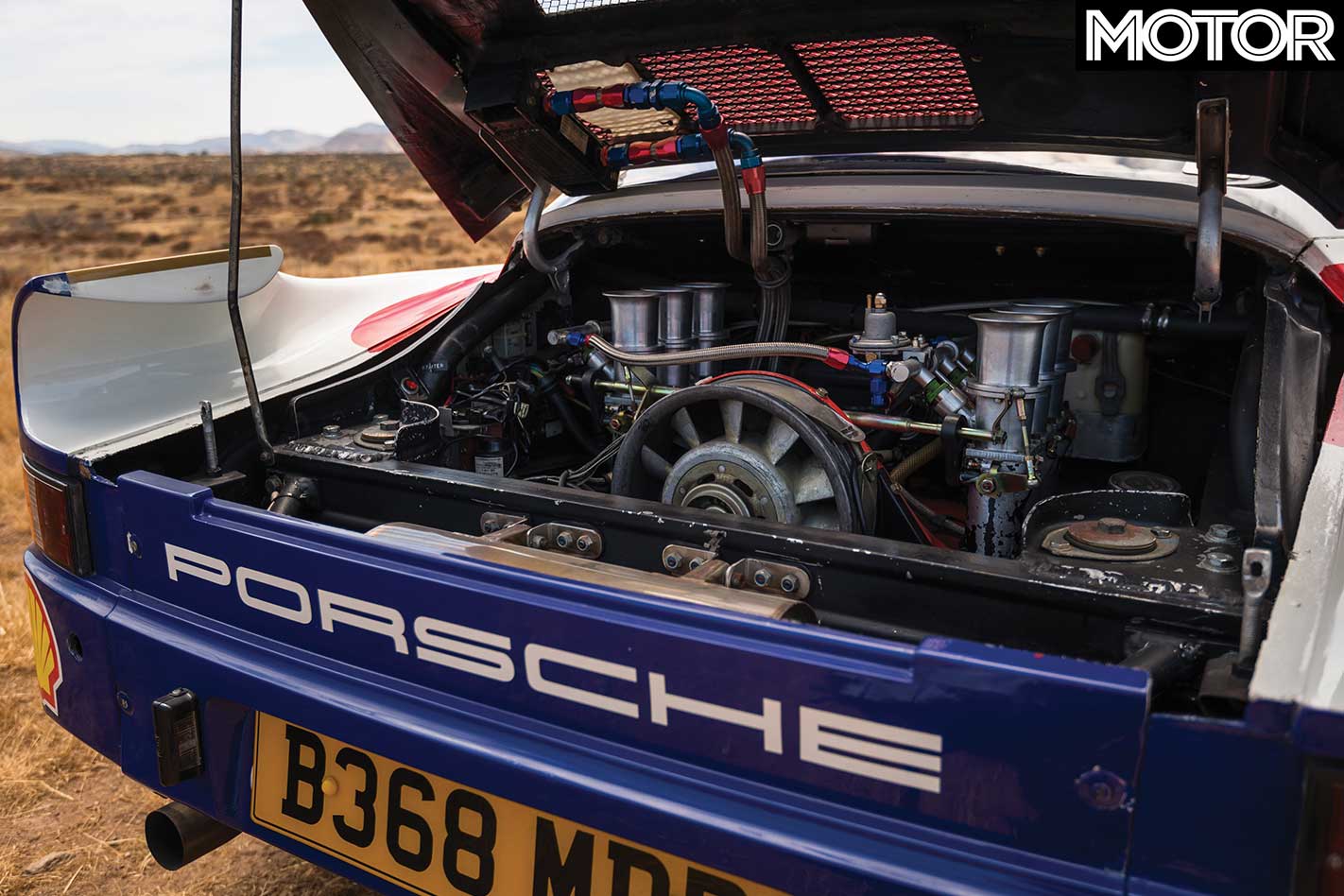
RM Sotheby’s says the car is in “as-raced, highly original condition,” which leads us to wonder whether the dirt on its underside is from its mid-‘80s Dakar outing.
Car specialist for RM Sotheby’s Alexander Weaver says it’s the first time a Paris-Dakar 959 has come up for public sale.
“Just six of these impressive machines were ever built, with five examples surviving and perhaps a mere two or three, including this car, in private hands,” says Weaver.
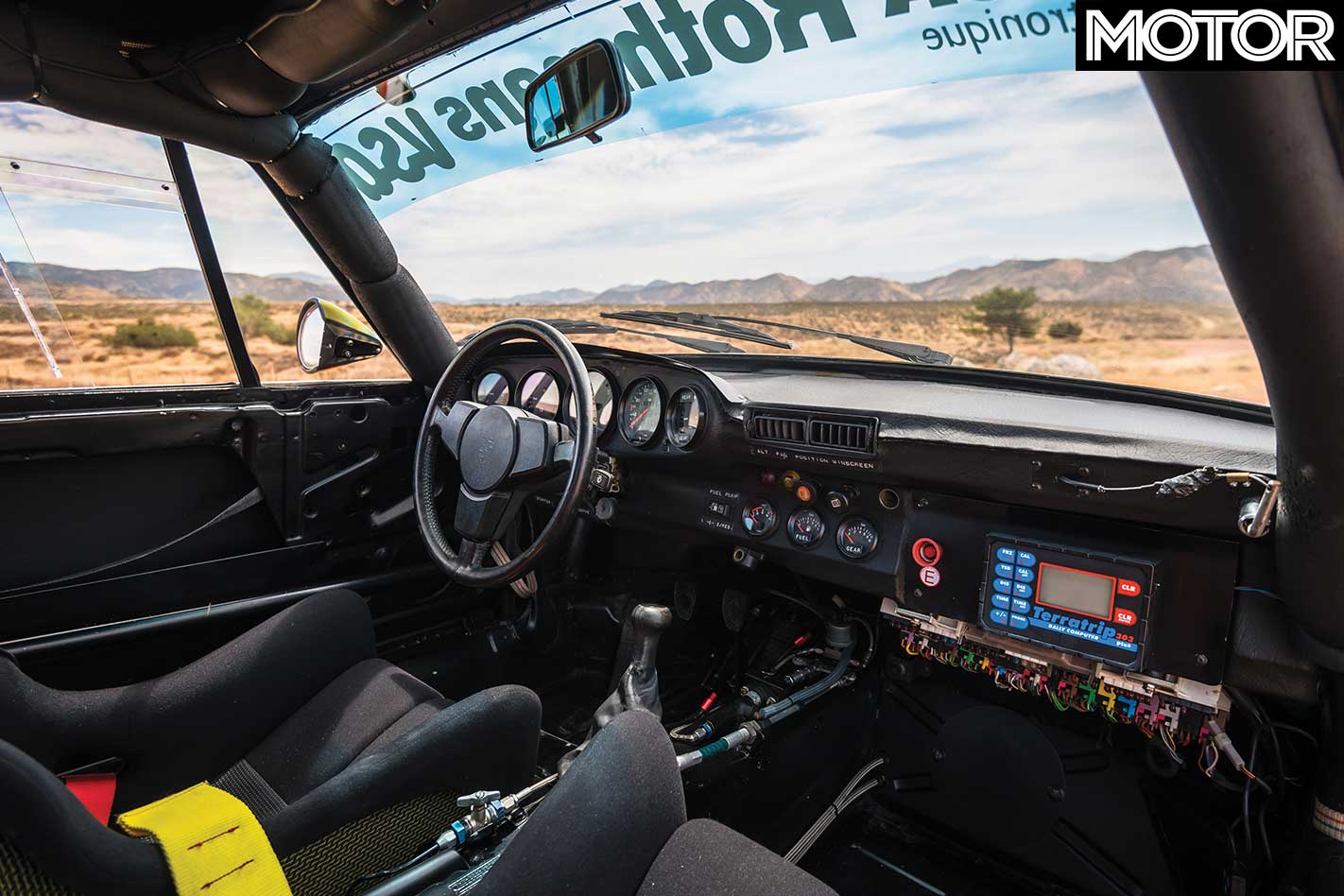
“The Paris-Dakar presents in as-raced, highly original condition, and is being commissioned to complete running order prior to the sale in October.
“There has been a considerable surge in the popularity of safari-style, rally-spec 911 builds, and the 959 Paris-Dakar is essentially what sparked all of these on/off-road Porsche models.
“For any die-hard Porsche collector and off-roader, this is an unheard-of opportunity.”
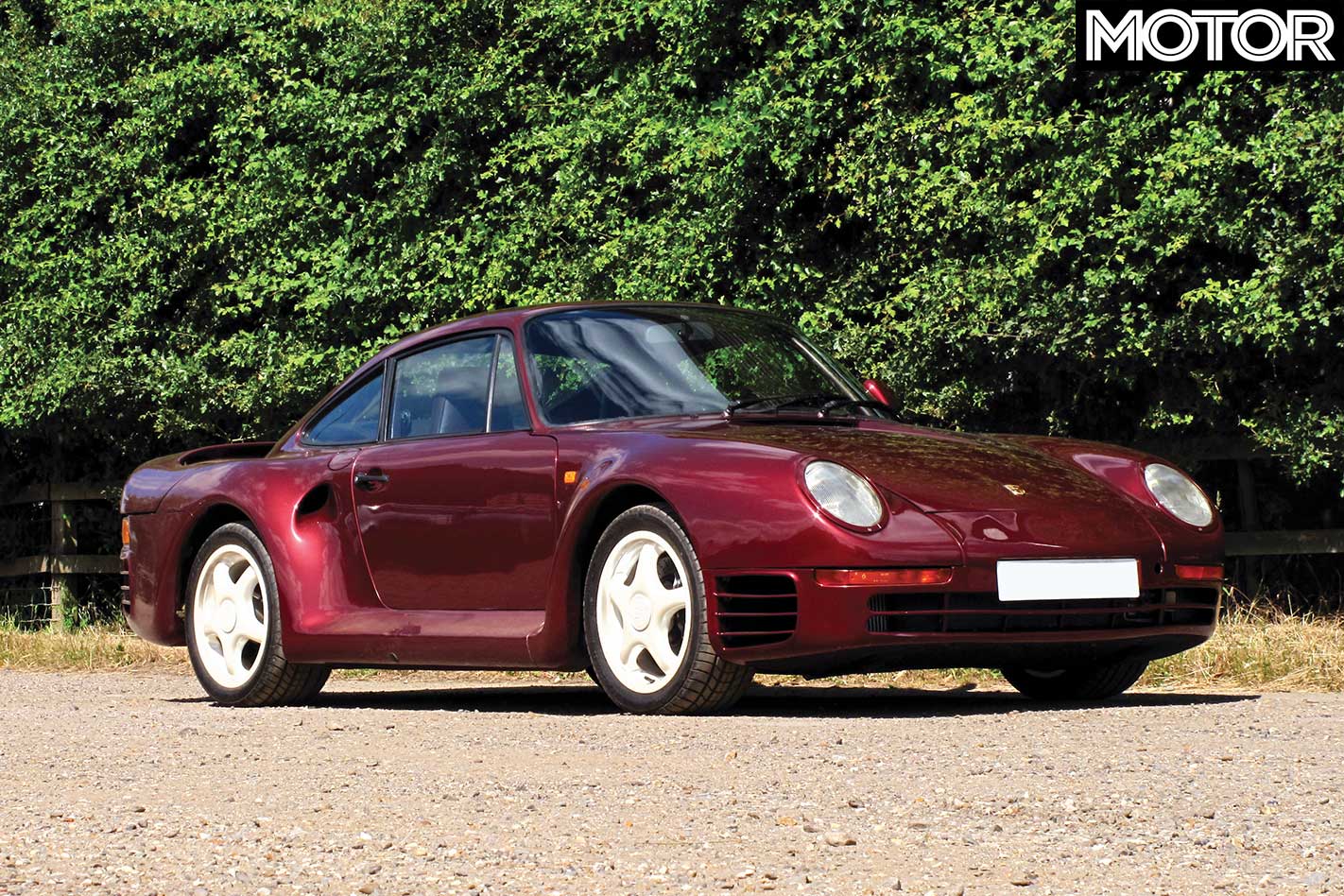
A road-going 1985 Porsche 959 prototype will also come up for sale at the auction, another car that pre-dates the official beginning of 959 production.
Holden has formally extended the warranty for all its models from three years and 100,000 kilometres to five years and, depending on who hands over the cash, all the kays you can eat.
The new warranty, introduced yesterday, comes with unlimited kilometres for private and ABN buyers, with fleet, government and rental vehicles capped at 200,000km.

Holden has previously offered longer warranties of up to seven years, but these were temporary offers for selected models such as the now-imported Commodore and the Equinox SUV.
Holden’s decision to offer a permanent five-year warranty comes less than two months after Ford did the same, and also brings it in line with the likes of Hyundai, Jeep, Honda and Mitsubishi.
The suits at Fishermans Bend will be hoping the initiative will help generate goodwill lost when local Commodore production ended in October last year, and which caused Holden to slip to eighth place in the top 10 best-selling brands in May behind Volkswagen and Kia.
The official line is the new five-year warranty represents the company’s confidence in its refreshed line-up.
“Holden’s product portfolio is the best line-up and quality we’ve ever had, especially in the key growth segments of SUVs and utes,” Holden managing director Mark Bernhard said. “We’ve always had confidence in our cars and this is putting money where our mouth is.”
The five-year warranty is part of Holden’s Complete Care package for customers, which includes five years of roadside assistance, an opportunity to test a vehicle for 24 hours, capped-price servicing, and the Holden Rental Service, which gives buyers access to new models for different needs over flexible periods.
“Buying a new car is a huge financial and emotional commitment and this five-year warranty is rounding out our market-leading portfolio of care for our customers,” Bernhard said.
The move leaves Chrysler, Fiat, Land Rover, Chinese brand LDV, Mahindra, Nissan, Suzuki and market giant Toyota as the mainstream brands offering the shortest warranty cover of three years and 100,000km.
