
We’ve pulled out a variety of the best used performance cars, recently advertised on out sister site TradeUniqueCars.com.au.
So, here’s what we think looks good this week:
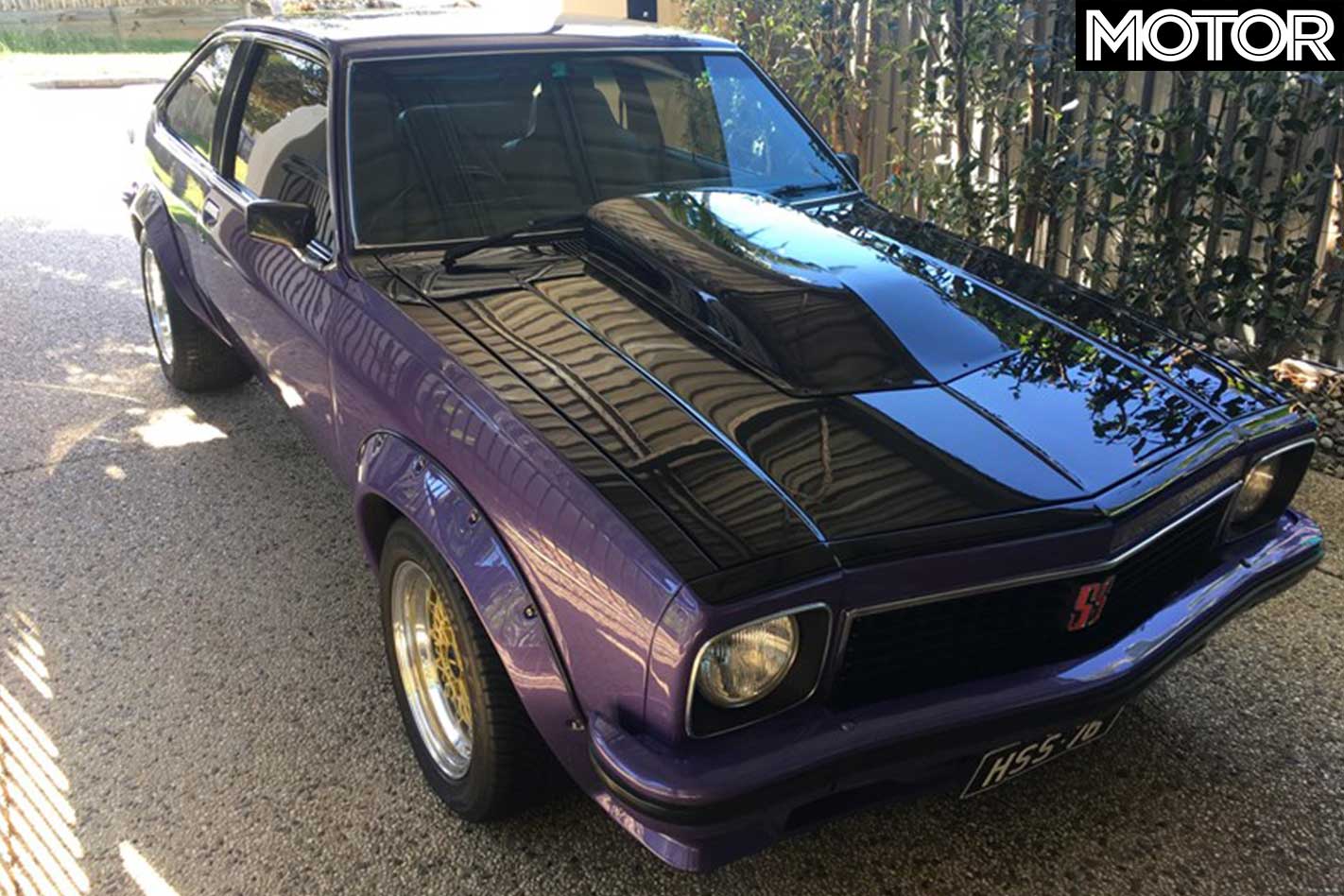
It’s not entirely in original condition, sure, but the thing looks tough, and you could always revert it back to its standard aesthetic if you were keen enough.
However, it’s incredibly tidy, and the period Royal Plum purple looks excellent after its reported 2010 bare-metal restoration.
The $125,000 price might seem steep, but if you do check it out in person, there’s almost always room to bargain.
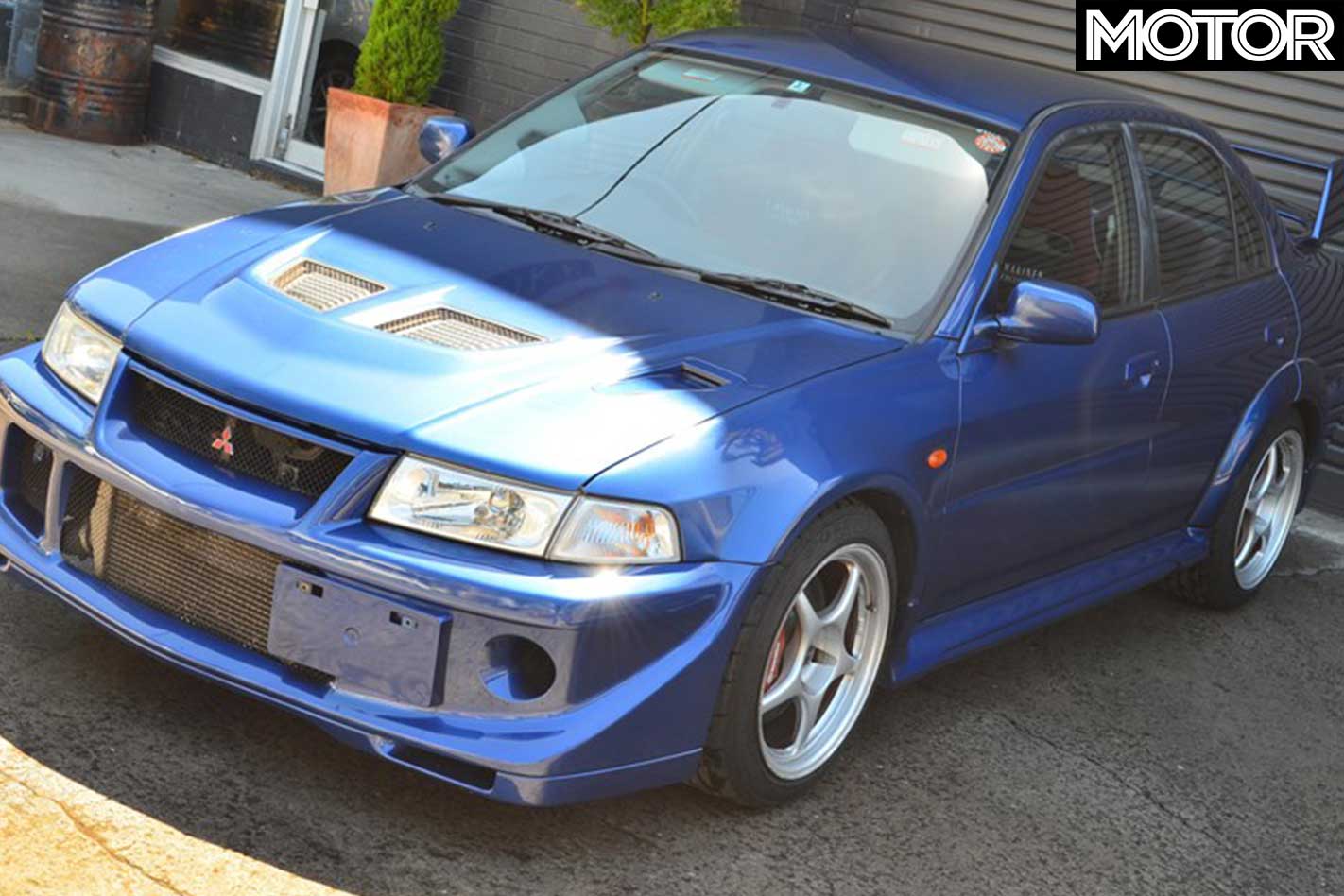
2000 MITSUBISHI EVO VI TOMMI MAKINEN EDITION
A legendary car with a legendary name attached.
Makinen might oversee Toyota’s rally team now, but fans will always associate him with his successful bout as a Mitsubishi driver in the ‘90s.
With only 48,485km on the odo and a set of photos that show it to be very well cared for, we wouldn’t mind getting our hands on this iconic beast.
It’s up to you whether you think it’s worth the $48,980 asking price, though.
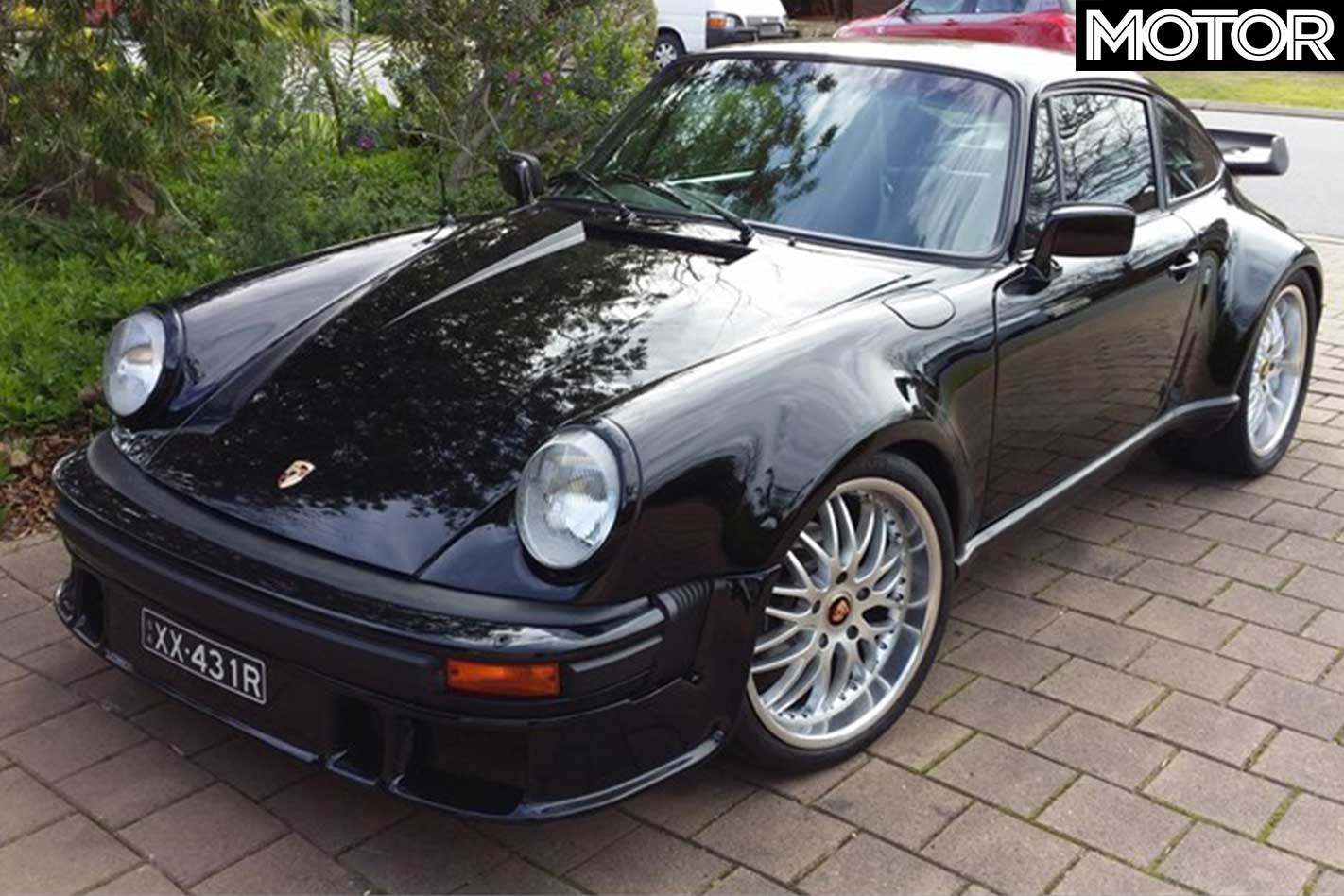
Sure, it’s wearing the clothes of a younger model, but so what? The listing also says it’s packing a 2.7-litre engine, so that’s not original either.
At $85,000 we’re sure there’s a MOTOR reader out there with the time and dough to pick it up and tweak this ‘T’ to perfection, or just make it faster.
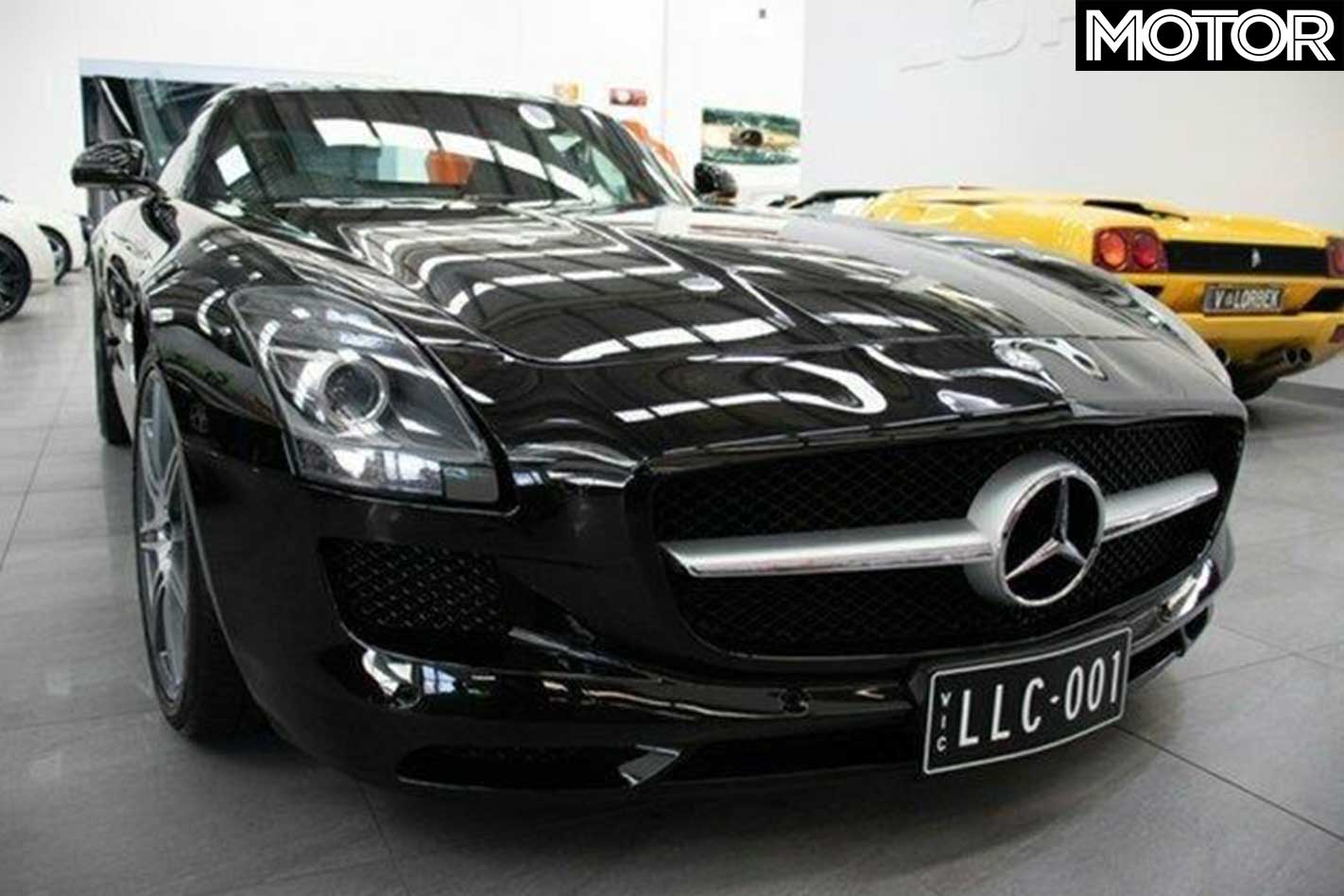
Got $400,000 lying around? Nah, us neither. But if we did, this SLS might be a tempting investment. It’s rare, and you likely won’t see one for sale often in Australia, plus who can go past a 6.3-litre AMG V8?
As a nod to the original ‘Gullwing’ its doors also open upwards… like wings. 0-100km/h in 3.9 seconds is also a nice thing to have available, we’d say. Its price might head up just as quickly, some day.
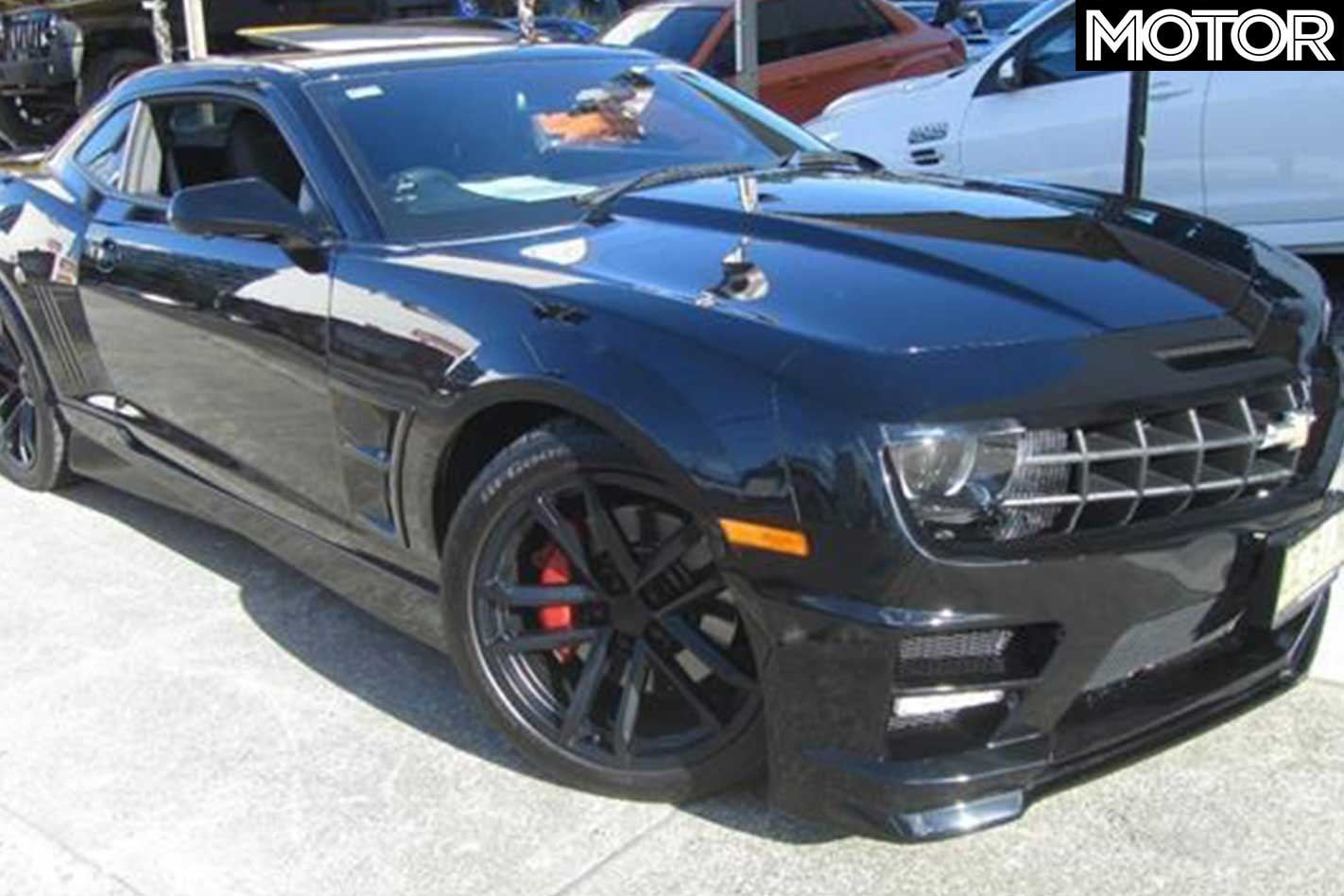
The advertisement calls this car an RS, but the photos say otherwise… SS badges on the car and headrest mean this is a proper ‘Merican muscle car.
Sure, it’s not the fastest thing on this list, and would probably struggle to keep up with more modern muscle, but a 6.2-litre LS engine always goes down well in the MOTOR office, and the raw brutality of a V8 means we don’t really care if it’s not as fast as its rivals.
$89,990 will land you this right-hook example, with 36,904km on the clock.
Lotus has announced it’s bringing a 306kW tune to the Exige range in the form of the Lotus Exige Sport 410.
Named for its power output in horsepower, the 410 features a 3.5-litre supercharged V6 in a lightweight track-focused Exige weighing just 1054kg dry. Lotus says this makes it the lightest Exige to ever be powered by a V6.
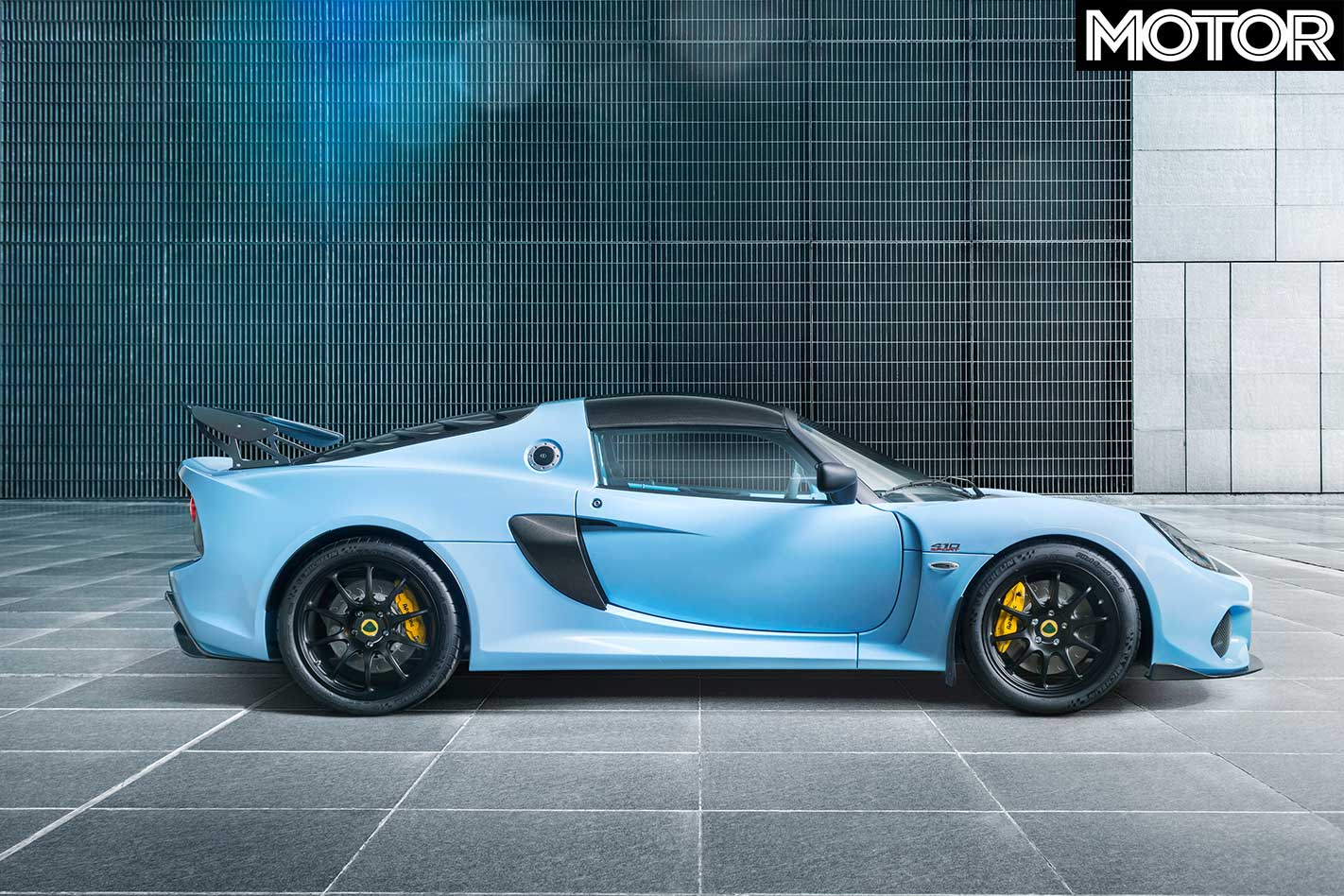
As such, its performance figures approximately match those of the more powerful Lotus Exige Cup 430: 3.3 seconds to 97km/h (60mph), and a top speed of 290km/h in coupe form – a roadster is also available.
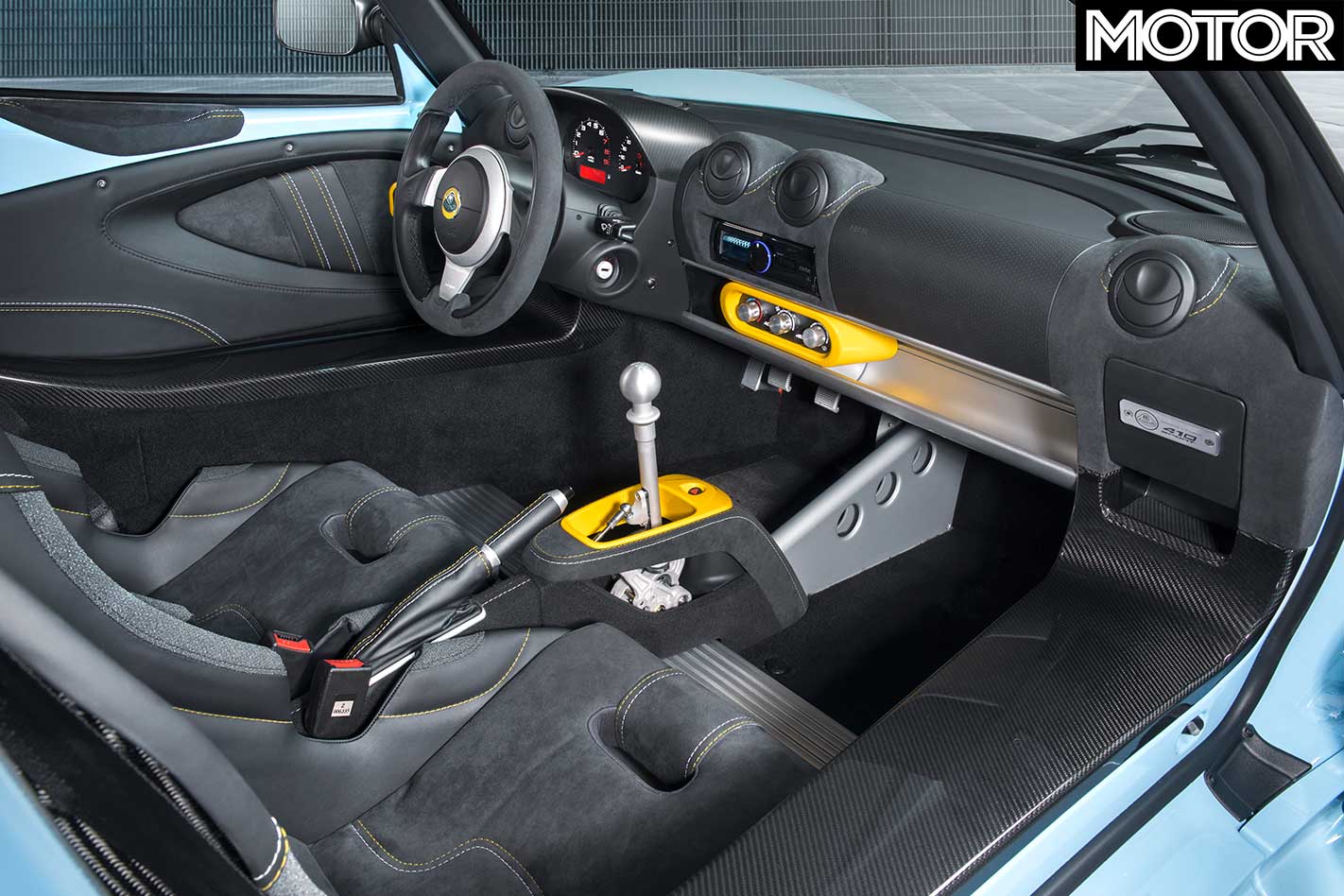
It features a new clamshell bonnet, too, which is also now found on the less powerful Exige Sport 350.
At a glance it might seem like the Sport 410 is just a 350 with more power, but Lotus CEO Jean-Marc Gales says that’s not the case.
“With every new Lotus we look to move the bar higher and apply technology and development ideas drawn from top-of-the-range models.
“Our agility as a company means that the lessons learnt today can quickly be incorporated into the cars of tomorrow and the Exige Sport 410 is a perfect example of this.
“We have taken the Exige Cup 430, the ultimate track-centric Exige, and developed it into the perfect road orientated sports car, ensuring that we stay ahead of rivals when it comes to cars that deliver a truly engaging analogue driving experience.”
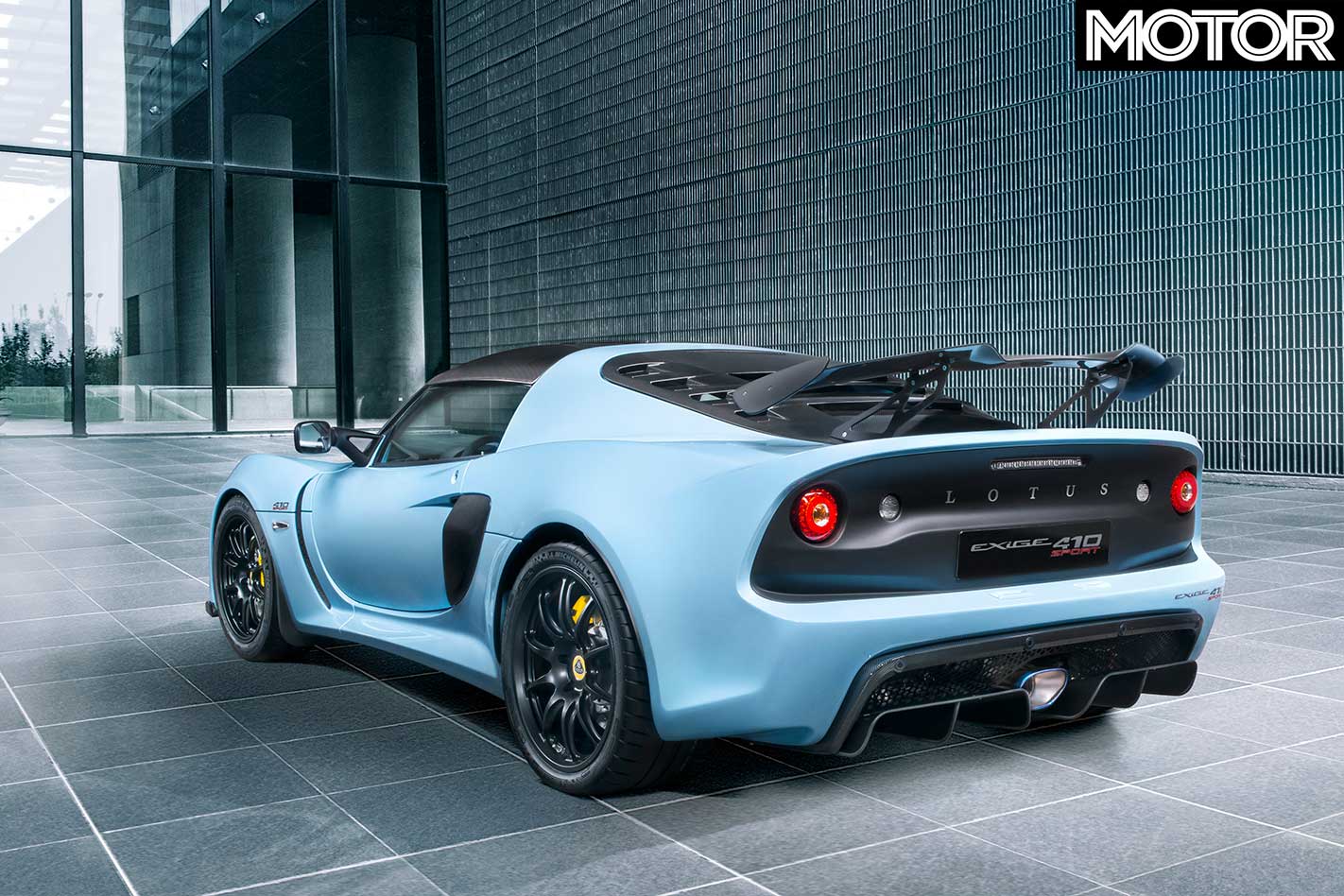
In short, the Sport 410 is the less hardcore, and more daily-worthy, version of Lotus’ Cup 430 track weapon.
Australian availability is likely, but yet to be confirmed.
Range Rover’s sleek Velar has come in for its first major update, with the bold British SUV receiving a range of improvements under the bonnet and to its electronics suite.
Meanwhile, other tweaks focus on suspension, with air springs and electronically-adjustable adaptive dampers now more widely available across the bewilderingly huge Velar range.
In Europe, premium cloth trim also becomes available on a broader selection of models, and even the fuel tank on four-cylinder petrol variants has been increased in size to 82 litres, up from 63 litres, providing a significant boost to range.
But the most noteworthy change is the addition of the 3.0-litre turbo diesel V6 D275 powertrain to the Velar’s existing list of engines. Sitting between the current D240 and D300, the D275 generates 202kW and 625Nm and, if it were confirmed for the Australian market, would bring the total number of engines available locally to six. It would also tip the petrol/diesel balance firmly in favour of oil burners, as the fourth diesel-drinking variant.
Adaptive cruise control is already a feature of the Velar, but for the 2019 model year gains the ability to operate between 0-180km/h and handle the stop-and-go of heavy traffic. In Europe, a rear camera, front and rear parking sensors, fatigue monitor, lane keep assist and AEB become standard-issue – though the bulk of these features are already standard in Australia.
The Velar’s four-cylinder petrol engines – of which only the P250 is offered on our shores – gain a particulate exhaust filter to scrub emissions, though it’s unclear whether Australia-bound cars will be fitted with that technology.
Already on sale in Europe, Land Rover’s Australian operation has yet to confirm price, specifications and launch timing for the updated Range Rover Velar.
TELL ME ABOUT THIS CAR
The Trailhawk tops the second-generation Jeep Compass range, which is vastly improved over the previous Compass. Trailhawk is the only variant with genuine off-road capability and, while it lives up to Jeep’s go-anywhere spirit, it also shows pretty good road manners.
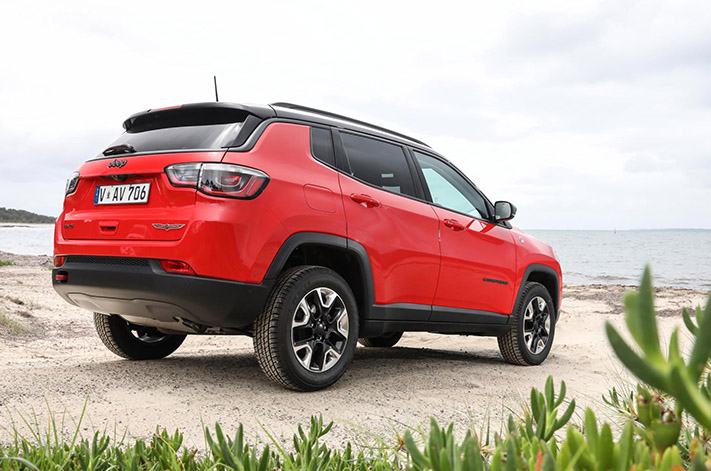
The standard Trailhawk retails for $44,750, though the vehicle we tested cost $48,195 with the addition of premium paint ($595) and of the Comfort and Convenience pack ($2850), which brings creature comforts such as a powered tailgate, leather upholstery, heated front seats and keyless entry/start.
STRENGTHS
- The Trailhawk is one of the few small-SUVs with genuine off-road capability.
- It has similar off-road credentials as the Jeep Wrangler and Jeep Cherokee Trailhawk, helped by the gutsy 125kW/350Nm 2.0-litre turbo diesel engine that drives all-four wheels with high and low range gears. Several terrain modes are available, as is hill-descent control. Four underbody skid plates offer protection, while approach and departure angles of 30.3- and 33.6-degrees respectively are good for tackling the rough stuff.
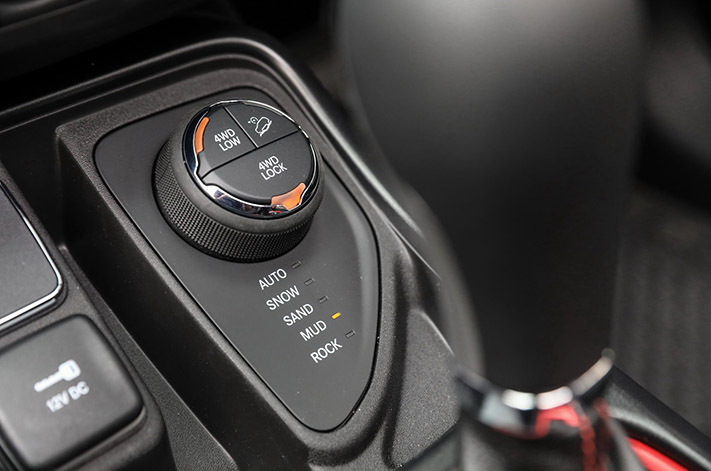
- Trailhawk drives well on-road, too. Ride and handling isn’t compromised too much by its off-road capable underpinnings, and once going the 2.0-litre turbo diesel pulls along well, with the nine-speed auto providing smooth shifts.
- The U-Connect infotainment system is easy to use and operated via an 8.4-inch touchscreen with Apple and Android smartphone pairing, digital radio, satellite navigation, reversing camera and nine-speaker sound system.
- Steering wheel-mounted buttons are well positioned and intuitive to use.
- Other standard features include auto LED headlights, daytime running lights, rain-sensing windscreen wipers, auto headlights, active cruise control and trailer stability control.
- Combined fuel economy is rated at a frugal 5.7L/100km, though we averaged a still respectable 6.3L/100km with a mix of urban, freeway and country driving.
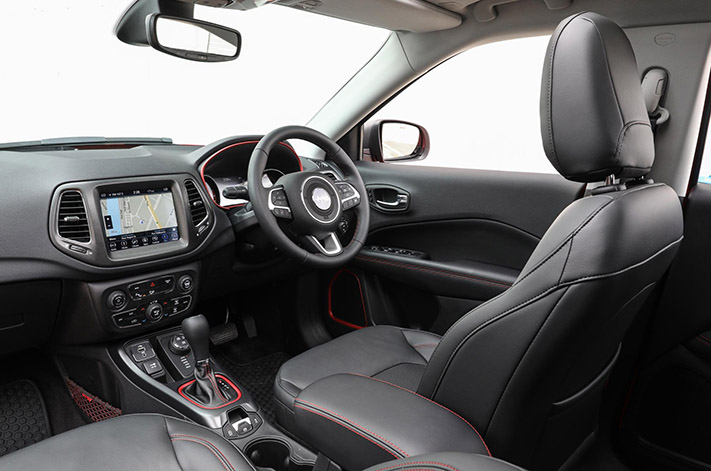
- The front and back seats are comfortable and roomy with plenty of leg- and head-room in both rows. Rear-seat passengers get their own air vents, a USB port and 12v socket.
- The cargo area holds a generous 438 litres up to the window line, meaning you can pile quite a bit of gear in the back for camping trips.
- It looks like a Jeep should.
WEAKNESSES
- Even though this is the range-topping Compass model, you still have to pay almost $2500 for active safety features that are standard kit in cheaper SUVs, such as automatic emergency braking and lane departure warning.
- The front and rear parking sensors are a little over zealous and start beeping even when driving alongside other vehicles on the freeway. Fortunately, there’s a switch to turn it off, but you then have to remember to turn it back on for when you really need it.
- Turbo lag is a fairly pronounced when taking off from a standstill, which doesn’t exactly inspire confidence at busy roundabouts. It’s much less of an issue once you get going.
ARE THERE ANY RIVALS I SHOULD CONSIDER?
Other off-road capable SUVs of a similar size include the Suzuki Jimny and Grand Vitara as well as Jeep’s own Wrangler. If you’re not too fussed about off-road capability check out the Jeep Compass Limited ($41,250), which is more city-focused and luxuriously appointed.
INTO the world of ridiculously high horsepower muscle cars, including Dodge’s Challenger Demon and Hennessey’s Camaro Exorcist, American tuning house Roush has entered its new-for-2018 Mustang-based fighter called the JackHammer.
Instead of waiting for the much-anticipated Mustang Shelby GT500 due next year, Roush has taken matters into its own hands and developed a new, supercharged upgrade pack that takes Mustang GT 5.0-litre V8 outputs up to 529kW and 827Nm using a blower of its own specification.
Inspired by Roush’s founder and US motorsport legend Jack Roush, the JackHammer package includes engine bay prep work and machining of the front engine cover in order to make space for Roush’s new TVS 2650 supercharger.

Roush will build 200 JackHammer packages, all of which will be fitted to 2018 Mustang fastback models. Vehicles with either the 6-speed manual or 10-speed automatic gearboxes are suitable.
Muscle-car lovers will be able to spot a JackHammer by its hockey stick-style stripe along the side profile as well as an optional matte black Top Performance stripe over the bonnet, roof and rear deck, as well as a polished black rear spoiler. Other optional accessories include Roush-badged leather upholstery, Roush instrument panel, coil-over suspension, an active exhaust and even American flag decals on the rear quarter panels.
Mustang Motorsport, the official importer of Roush products in Australia, has confirmed the local availability of the JackHammer package. The first cars are to be built in the third quarter of this year. The suite of Roush enhancements will cost a mighty $42,500 on top of the purchase price of the base car.
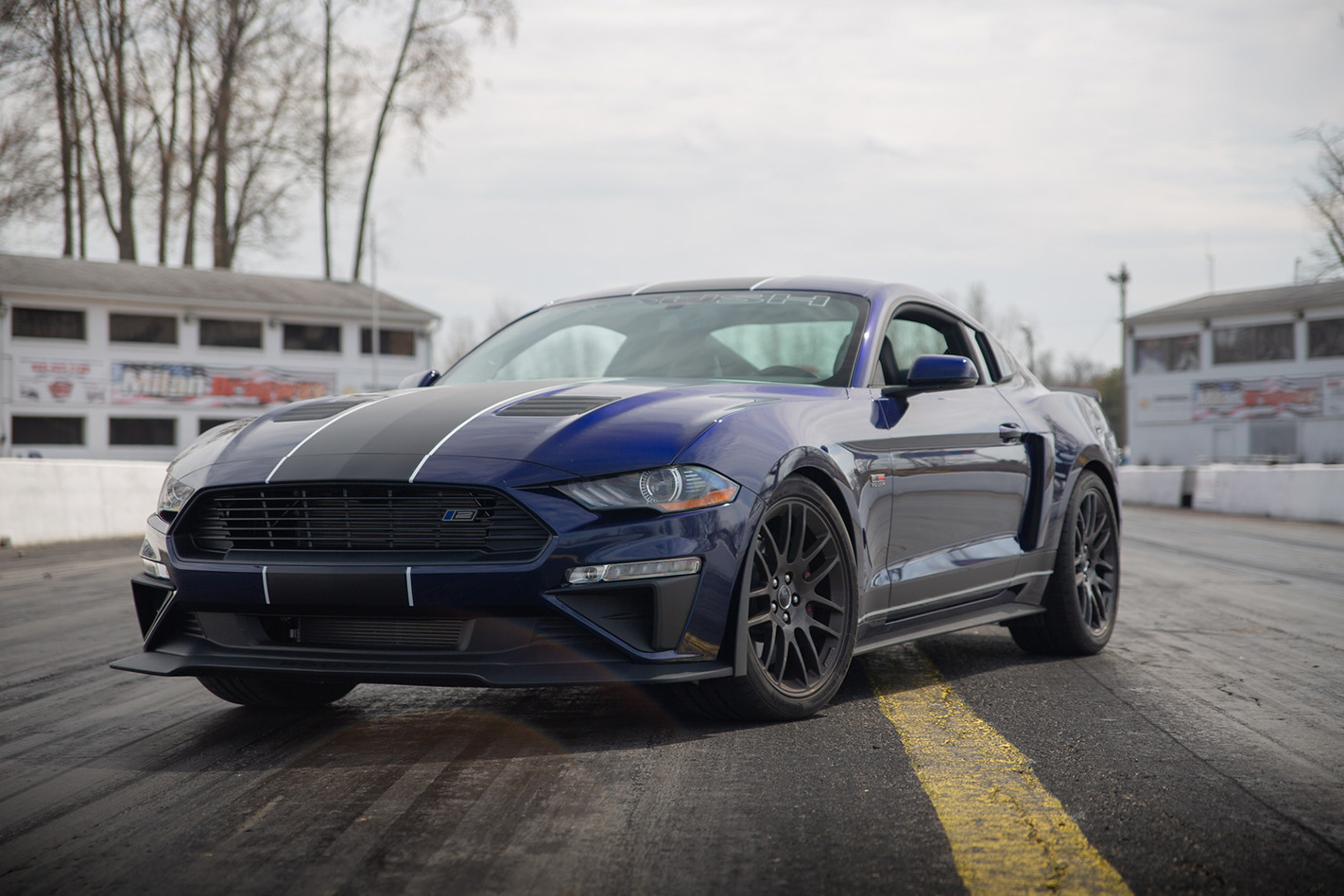
Certain components are available separately, including Roush aero additions that have been designed to fit the facelifted 2018 Mustang.
“We think the new front end parts for the Roush really transform the 2018 Mustang and bring back the aggression the standard car has lost with the new facelift,” said James Johnson, operations manager for Mustang Motorsport.
Jaguar’s biggest-selling model, the F-Pace performance SUV, is receiving an update for the 2019 model year, bringing fresh tech and interior options – and a SVR-badged supercharged V8.
Unveiled at the recent New York motor show, the F-Pace SVR features a 404kW/680Nm 5.0-litre V8 supercharged petrol engine under its bonnet, and is capable of 0-100km/h in 4.3 seconds on the way to a top speed of 283km/h.
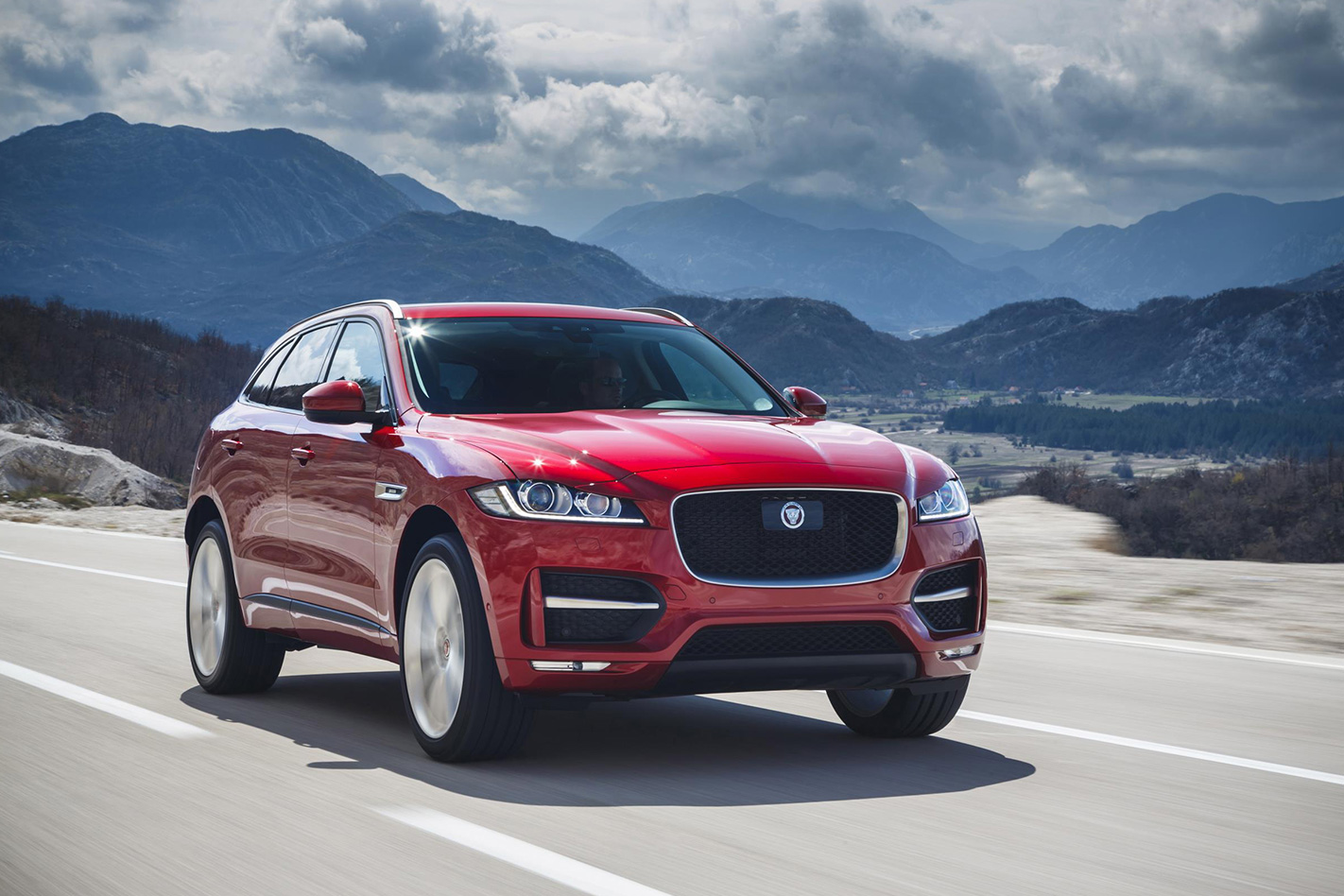
The SVR will roll out of Jag’s Special Vehicle Operations (SVO) workshop with bespoke suspension, aerodynamic enhancements and lightweight 21- and 22-inch alloy wheels to accommodate larger brakes.
The big cat will also sound as good as it looks and drives, with an active exhaust system that helps turn the supercharged V8 engine’s din into a symphony for rev-heads.
Inside, the F-Pace SVR adds sports seats featuring the SVR logo, while the gear-select dial that rises from the console when you start the engine in lesser models swaps over for a more traditional lever.
Meanwhile, the rest of the F-Pace range gains smart adaptive cruise control with a stop and go function, and lane-keeping assist, which are standard equipment in many mainstream SUVs.
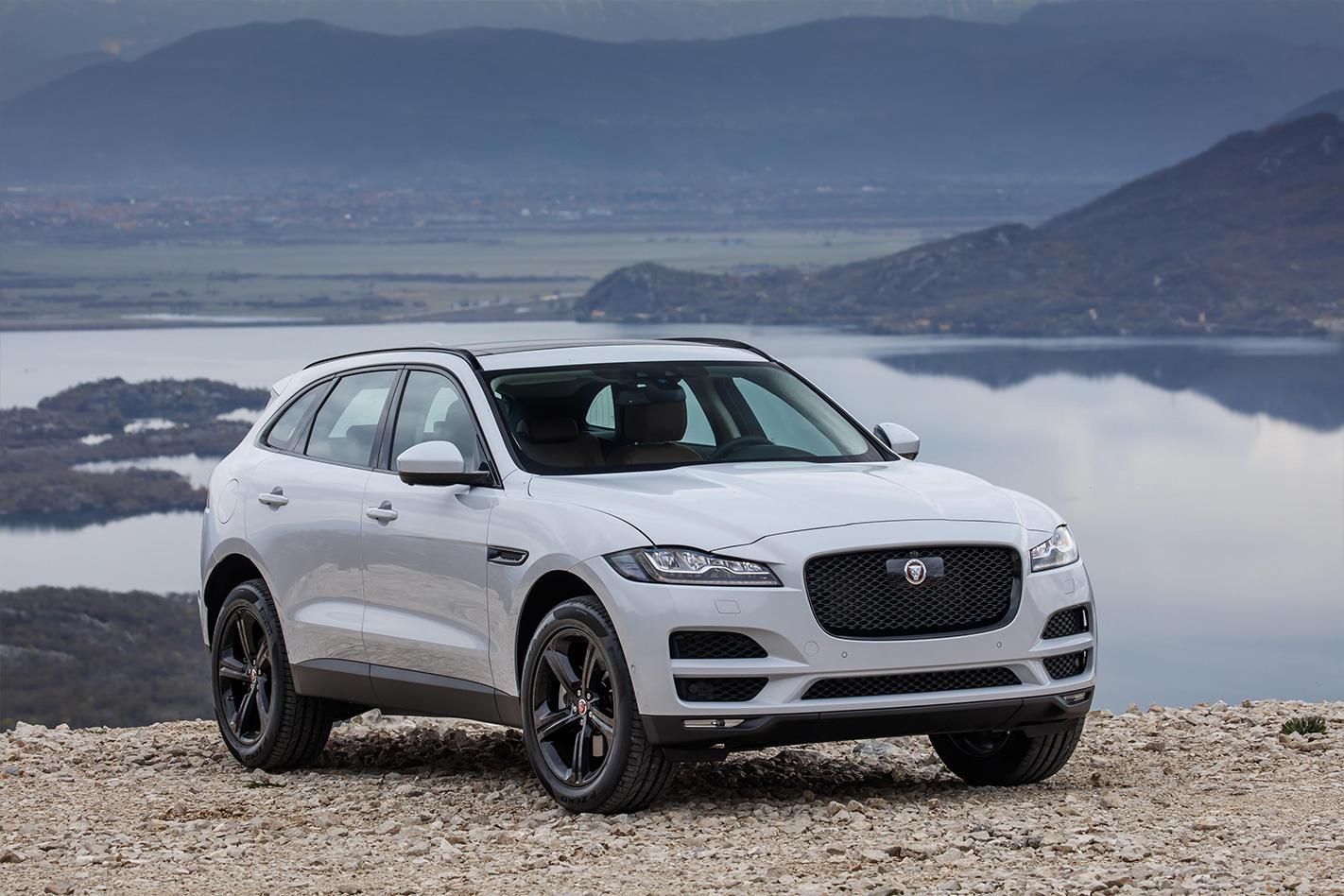
All F-Pace variants will also come standard with a 10-inch touchscreen to view and control the infotainment system.
Owners seeking more comfort can choose optional slimline sports seats featuring 14-way adjustment including adjustable bolsters.
A frameless rear-vision mirror, illuminated metal tread plates, bright metal pedals, premium carpet mats, suede cloth headlining, chrome seat switches and carbonfibre door finishes will also be available.
Petrol versions will also come with a larger 82-litre fuel tank (up from 63 litres) for extra range and convenience.
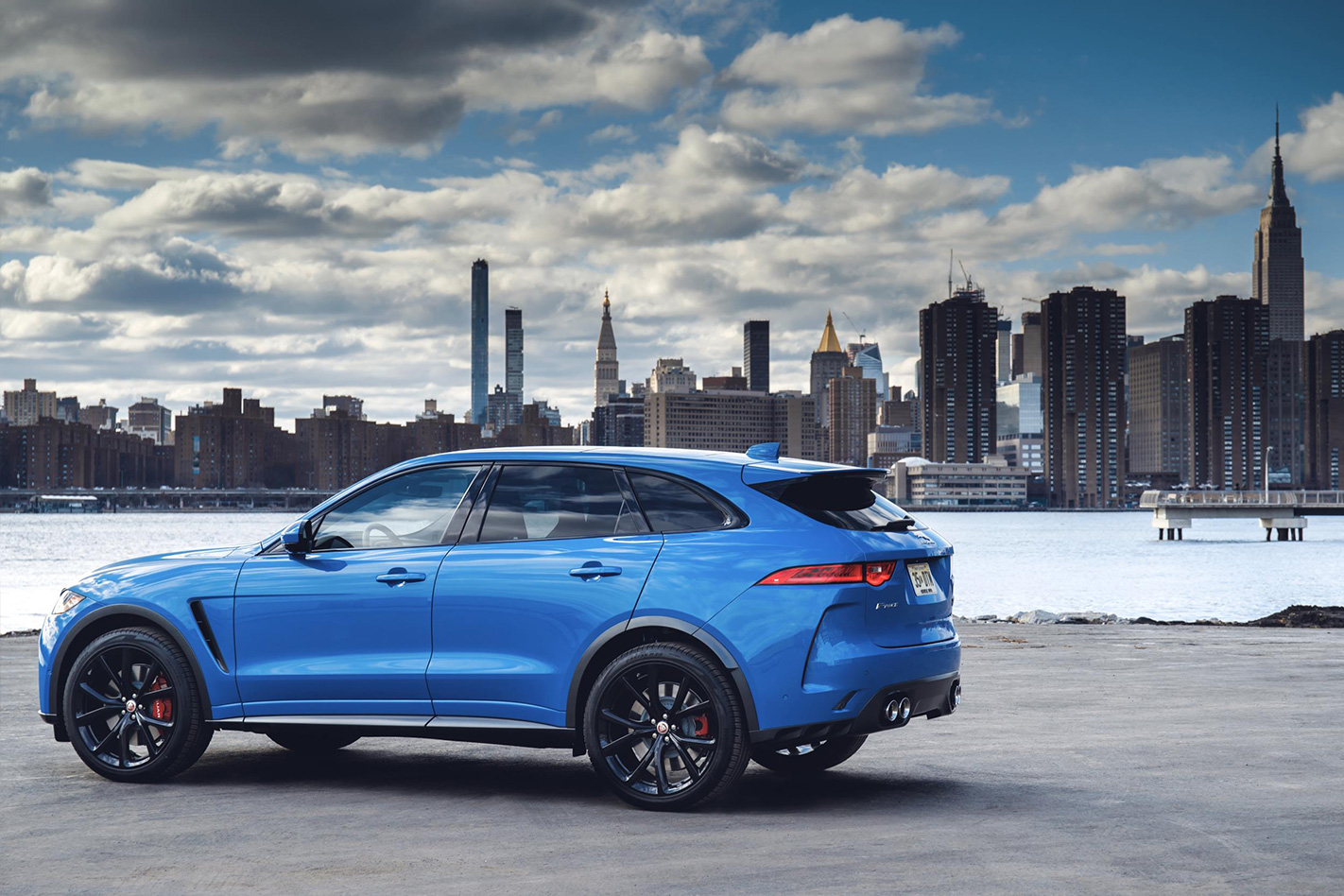
The 2019 Jaguar F-Pace range, including the SVR, is expected to arrive in Australia later this year. Jaguar Australia recently revealed that SVR pricing will start from $140,020, almost $40,000 more than the F-Pace S that currently tops the range.
AFTER the 1978 Belgian GP, the sixth round of the F1 World Championship won by Mario Andretti in Lotus’s pioneering ‘ground effect’ car, all the other teams knew their cars were obsolete.
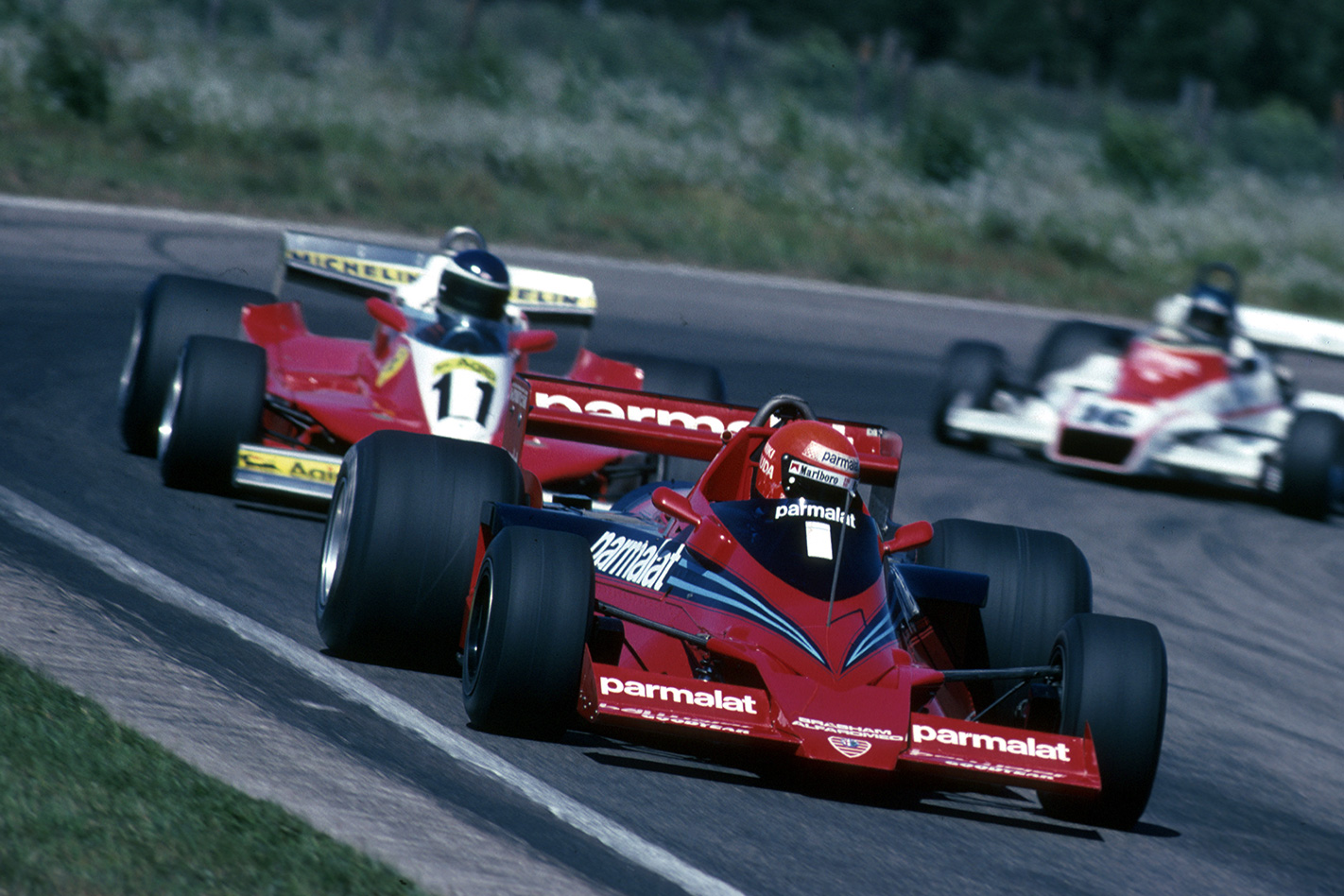
By the eighth round in Sweden, Brabham produced its Lotus-beating BT46B. Using a boldly simple solution, designer Gordon Murray generated low under-car pressure with a large engine-driven extractor fan.
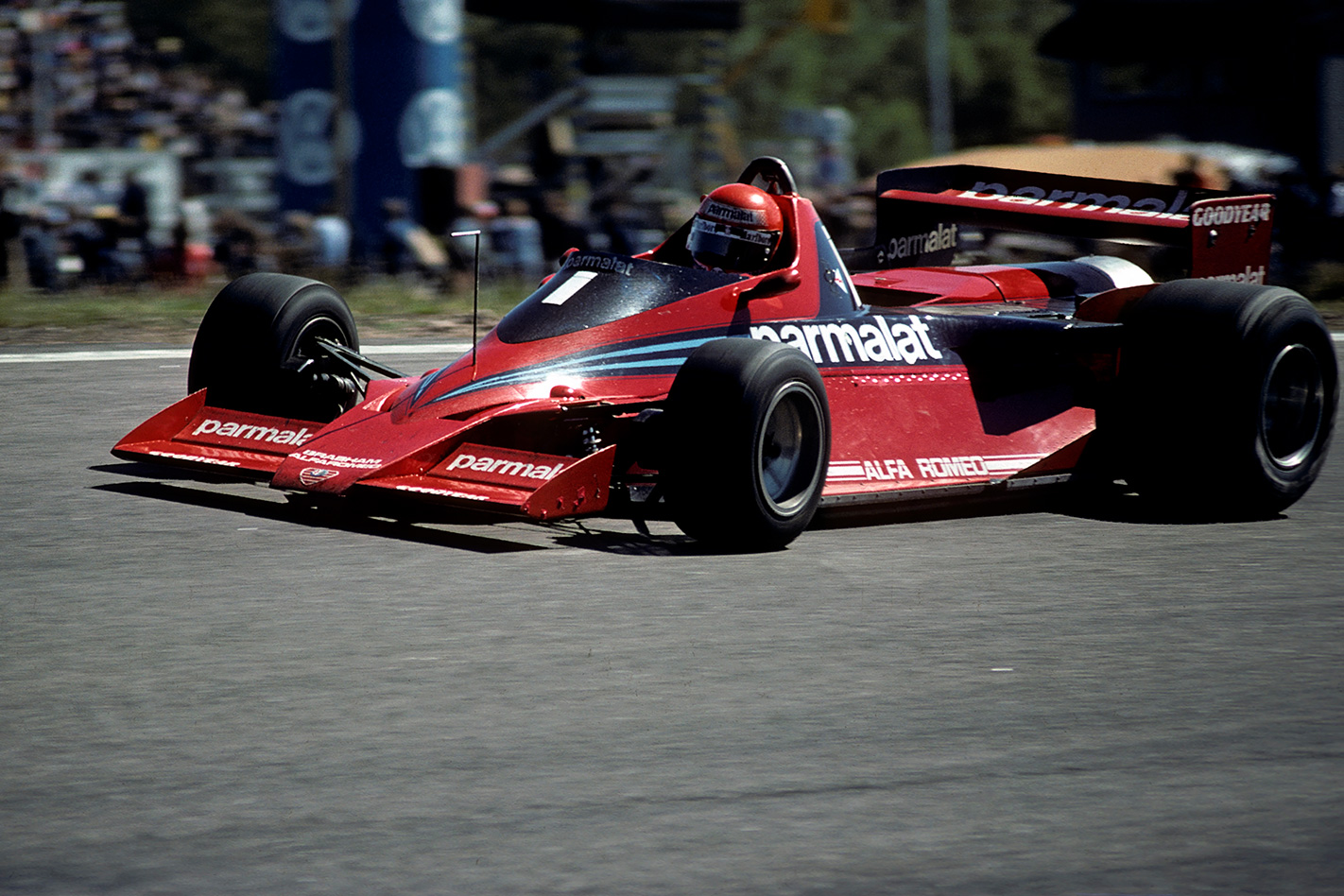
Sucked in was originally published in the November 1994 edition of Wheels
The BT46B won the Swedish GP – to be promptly banned from racing …
After a difficult 1977 season, Brabham thought it had a winner with its 385kW 3.0-litre Alfa Romeo boxer 12 engines, which had about 30kW more than the best rival Cosworth V8s.
Murray had drawn the aerodynamically and visually stunning Brabham BT46. To cap it off, the team’s number one driver from 1977, John Watson, was to be joined by ’75 and ’77 world champion Niki Lauda.
But it all went wrong. First problem – even before the cars raced – was the failure of the ‘surface cooling’ system, designed to minimise drag. So while the team fell back on updated BT45s for the first 1978 GPs, the new BT46s had conventional radiators built into their front wings.
The BT46 was not race-ready until round three in South Africa, after which Lauda was joint third on points behind Lotus twins Andretti and Peterson, who were still driving the previous year’s cars.
Brabham’s next problem emerged when Andretti had his first win with the new ’78 season Lotus, which created downforce by lowering under-car air pressure.
Air passed through long tunnels – venturis – formed between the road and the underside of the car’s bodywork. These venturis needed the minimum of intrusion by rear-mounted mechanical items like suspension, gearbox and engine.
For Brabham (and rival Ferrari), the boxer 12 engines were a ground effect disaster. Brabham’s engine was not merely 75 mm wider than Lotus’s Cosworth V8, it was wider where it hurt, down low in the venturi area – and it was also 280 mm longer. The very engine around which the BT46 had been designed now blocked it from harnessing the ‘suction’ it needed to stay competitive.
Going into the Swedish round, Andretti led with 36 points, Lauda was a distant fifth on 16. The Andretti and Peterson Lotuses had finished 1-2 in the previous two races. Out came the BT46B …
Brabham argued it was legal. The rules outlawed “moveable aerodynamic devices” – including fans – only if the primary purpose was aerodynamic.
Primary purpose of the Brabham’s fan was to draw air through the new rear-mounted radiator. But its primary effect was to draw the car limpet-like to the track. Lauda’s Brabham ‘fan car’ won. Andretti’s Lotus could not catch him.
Noisiest objectors were Brabham’s fellow members of the Formula One Constructors’ Association, which was Ecclestone’s power base in F1 business and politics. A split was avoided. FOCA allowed the car two more races before exile, but FISA banned it immediately anyway, for ‘safety’ reasons – it sprayed track debris at following cars.
Andretti and Lotus won the ’78 title. Brabhams designed by Murray won the title for Nelson Piquet in ’81 and 83. By then, Bernie Ecclestone was indisputably in control of grand prix racing.
Australia’s biggest-selling people mover, the Kia Carnival, has received a mid-life facelift that brings enhanced infotainment, a new eight-speed automatic transmission, and automatic emergency braking to the range.
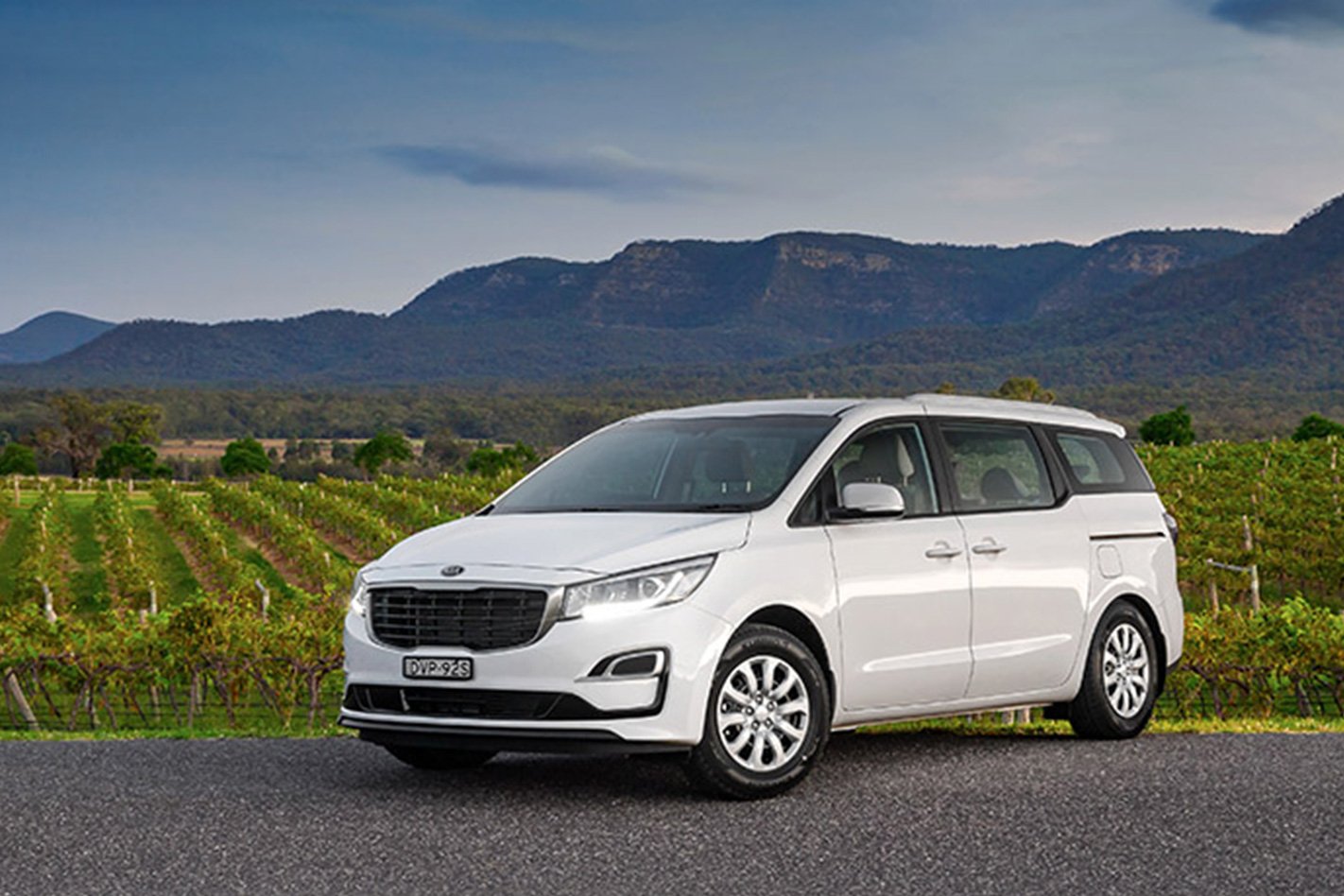
The updated Carnival is distinguishable externally with its reconfigured nose and bumper design, and a sleeker headlight configuration, giving it a closer family resemblance to the Kia Sorento SUV. The range-topping Carnival Platinum gains LED headlamps and ‘ice cube’ fog-lights to set it further apart.
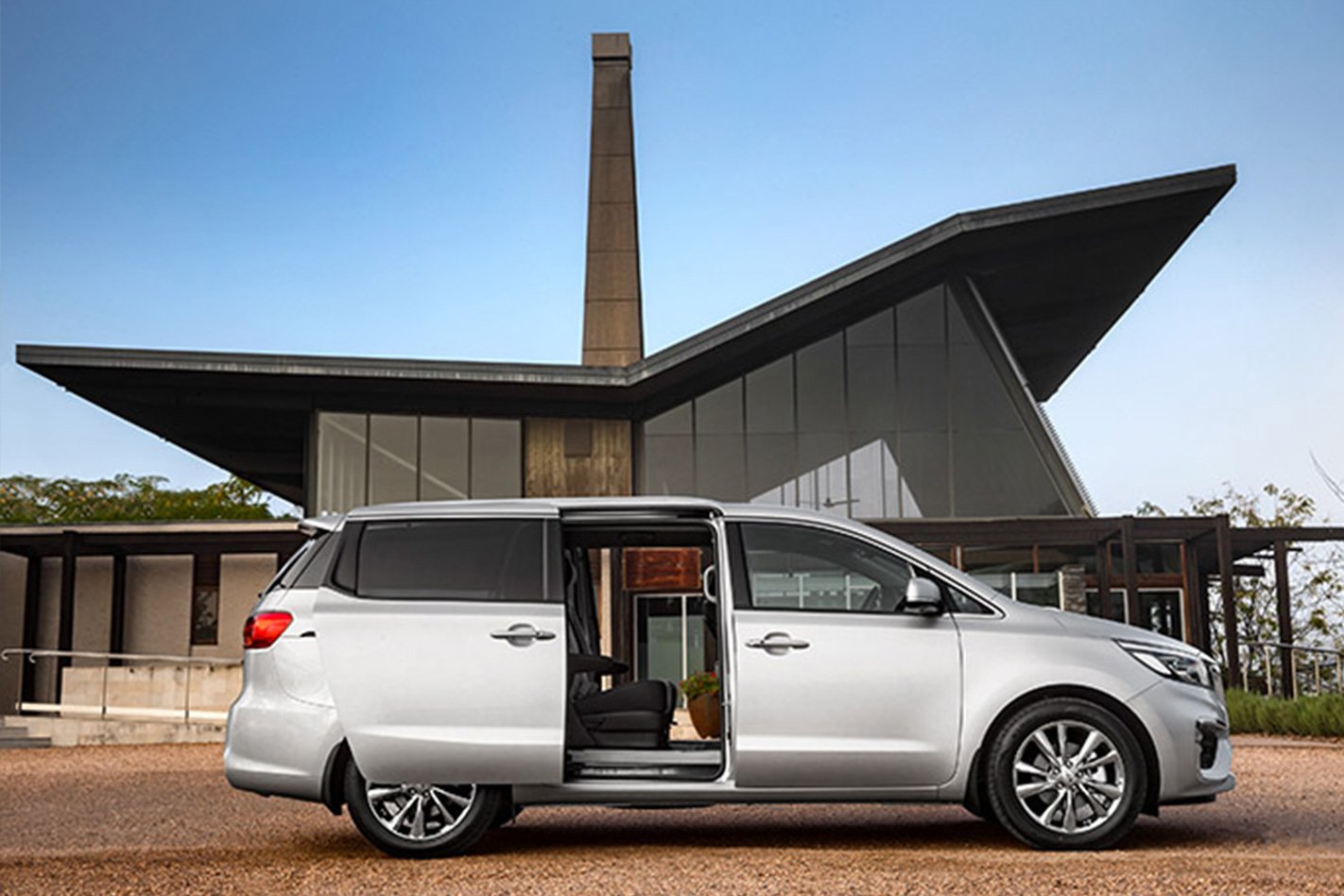
The Carnival’s silhouette has changed too, with reduced front and rear overhangs giving the people-mover a bolder stance that’s enhanced by newly designed alloy wheels for all but the entry-level S variant, which rolls on steel wheels.
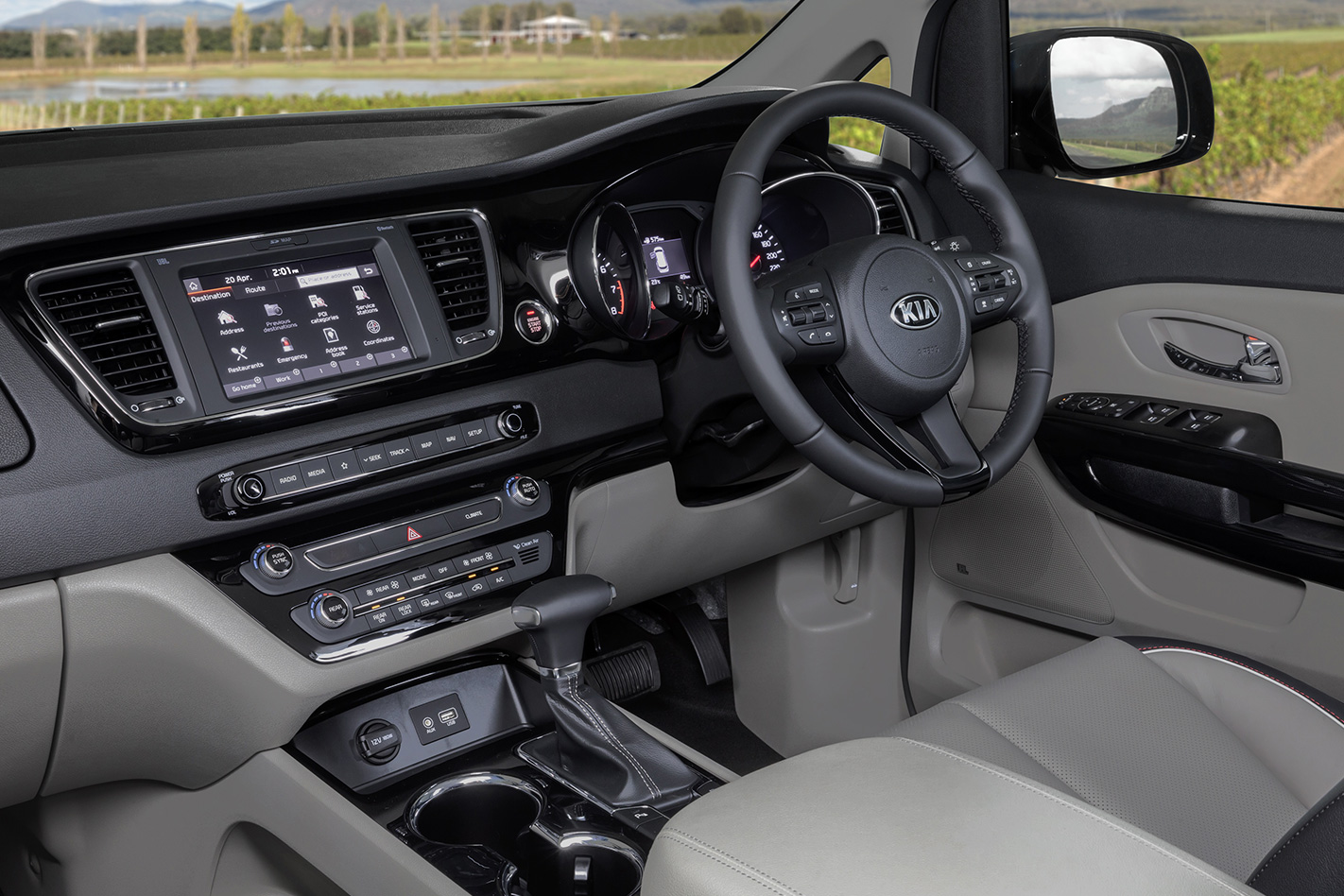
The spacious three-row interior has also been refreshed with updated instrument graphics and a less cluttered centre console now featuring a handy storage bin for sunglasses. An electric parking brake is now standard in all variants, further freeing up cabin space.
The Carnival also shares Kia’s latest infotainment system with Sorento, which includes Apple CarPlay and Android Auto smartphone mirroring, and satellite navigation as standard in everything above base Carnival S.
Engine options remain unchanged, with a choice between 3.3-litre V6 petrol power or a 2.2-litre four-cylinder turbo diesel, however each powertrain has been enhanced with an eight-speed automatic gearbox that debuted in the Stinger sports sedan. It replaces the old six-speed auto and delivers smoother shifting and slightly more economical fuel consumption figures.
The diesel’s NVH levels have also been reduced, meaning it doesn’t sound as truck-like, thanks to more effective acoustic covers for the engine block, particulate filter and drive chain case. Both diesel and petrol versions gain thicker soundproofing material in the wheel arches and around the engine bay, while new under-floor panels and new carpet materials better isolate the cabin from road and wind noise. Wind noise has also been reduced by repositioning the windscreen wipers.
This update has also brought improvements to the Carnival’s ride and handling. The suspension has received a round of tweaks specifically for Australian conditions, including tightening of the damping and spring rates.
Advanced driver assistance features such as autonomous emergency braking, active cruise control and lane departure warning that were previously reserved for upper-spec models are now standard in the entry-level S and Si variants as well.
The range-topping Platinum’s suite of active safety features expands even further with blind-spot detection, lane change assist, high beam assist and rear cross-traffic alert.
Carnival is available in six colours: Clear White is the only non-cost choice, with premium colours (at an additional $695) including Deep Chroma Blue, Panthera Metal, Silky Silver while Aurora Black and Snow White Pearl are exclusive to SLi and Platinum variants.
The changes see Carnival S and Si prices rise by $1000, with the leather-trimmed SLi and Platinum variants, which account for most private sales, jumping by $3000 and $2000 respectively.
The 2018 Kia Carnival arrives in showrooms this month.
2018 Kia Carnival pricing
- Carnival S, 3.3-litre V6 petrol – $42,490
- Carnival S, 2.2-litre diesel – $44,990
- Carnival Si, 3.3-litre V6 petrol – $47,990
- Carnival Si, 2.2-litre diesel – $50,490
- Carnival SLi, 3.3-litre V6 petrol – $52,490
- Carnival SLi, 2.2-litre diesel – 54,990
- Carnival Platinum, 3.3-litre V6 petrol -$60,290
- Carnival Platinum, 2.2-litre diesel – $62,790
The Ford Sierra Cosworth RS is a legendary car for fast Ford fans, but the RS500 is on another level of rarity entirely.
Only 500 were ever built, with conversions of ‘regular’ Sierra Cossies having been undertaken by, what was at the time, Aston Martin Tickford.
But one of those 500 units wasn’t built by Tickford. It was the first, a prototype, and it was built by Ford. This is that car.
The one-of-one Ford-built RS500 is expected to fetch somewhere between £90,000 and £120,000 (up to AUD$216,000) when it heads to auction on May 19 in the UK.
Its odometer appears to show 42,379 miles in the auction images, which translates to 68,188km.
The RS500’s Garrett-turbocharged 2.0-litre four was good for 167kW/277Nm in its prime, hitting 97km/h (60mph) in 6.1 seconds. Impressive numbers for a rear-drive four-pot in the 1980s.
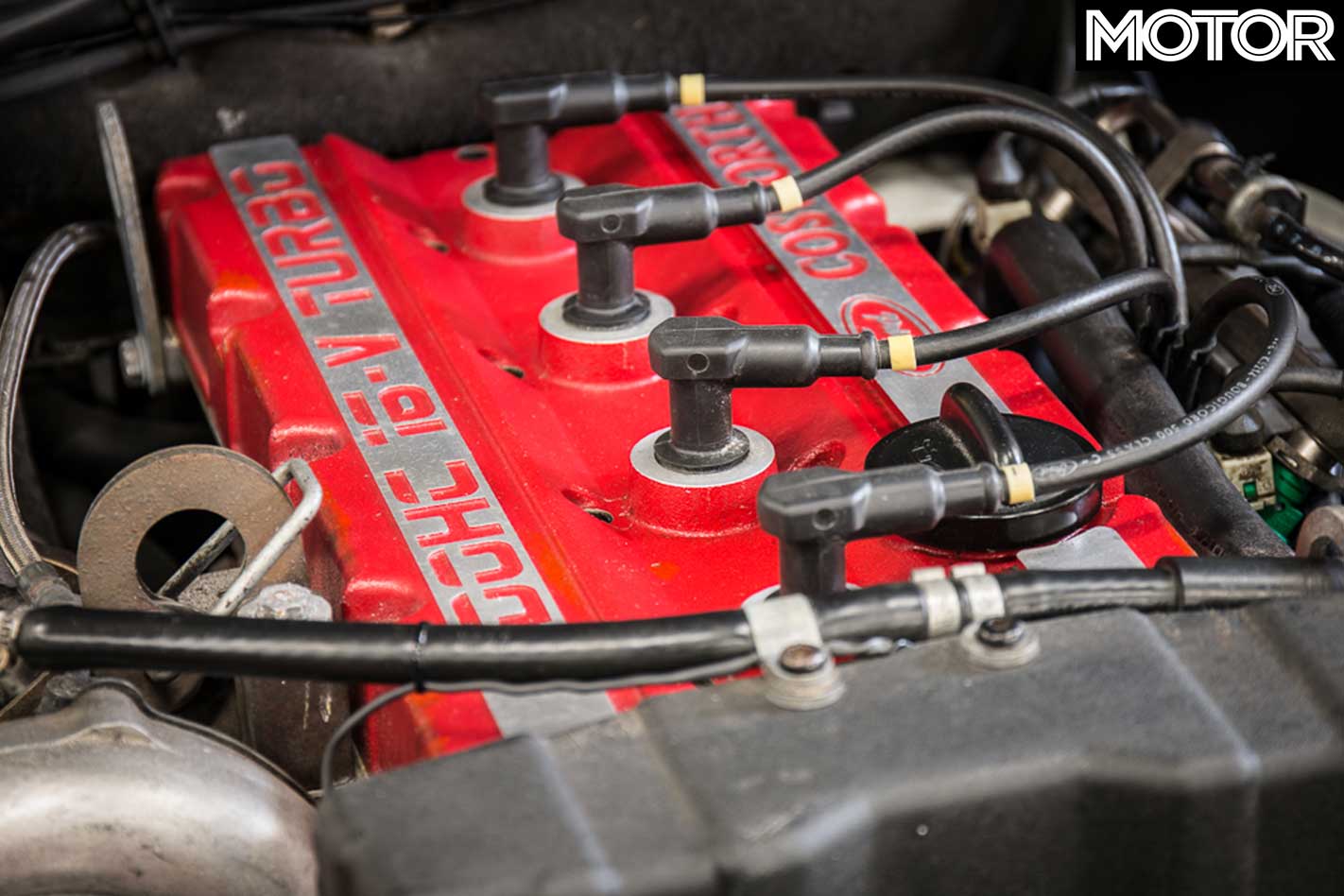
Differences between this model and the standard RS Cossie – aside from the engine – also include extra aero in the form of a splitter and boot lid lip, as well as larger cooling ducts for the brakes and intercooler.
Overseeing the sale is auction house Silverstone, which is based about 45km from the race circuit of the same name.
Managing director of Silverstone Auctions Nick Whale says the first RS500 heading to auction is likely a once-in-a-lifetime event.
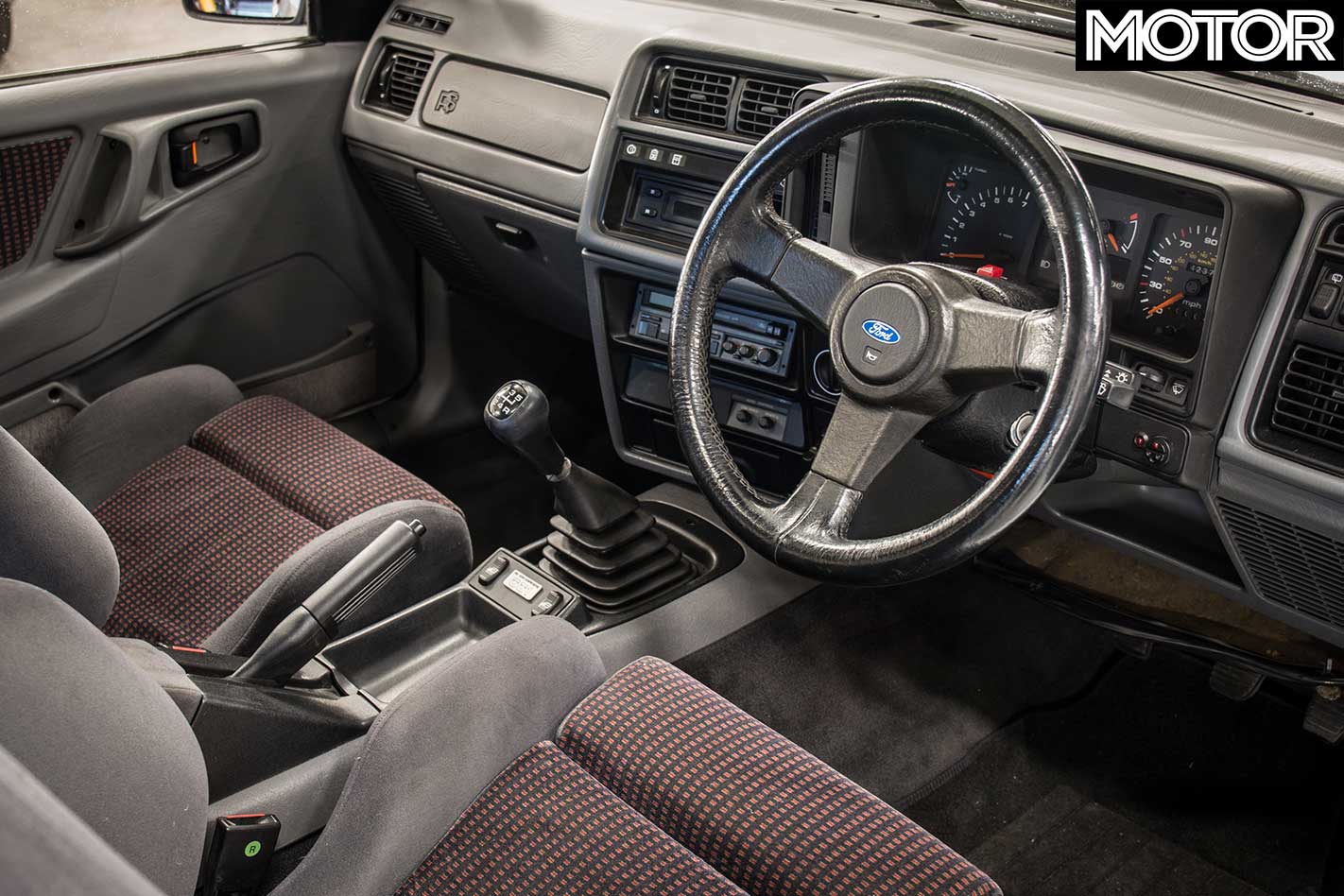
“It’s chassis number one, the first Sierra Cosworth RS500 ever built,” he says.
“This car is truly a one-off, and for any serious Ford collector, this must be the car to have – the one that started it all.”
“Recently we have seen a growing interest in fast Fords, and the prices have risen to record-busting levels.
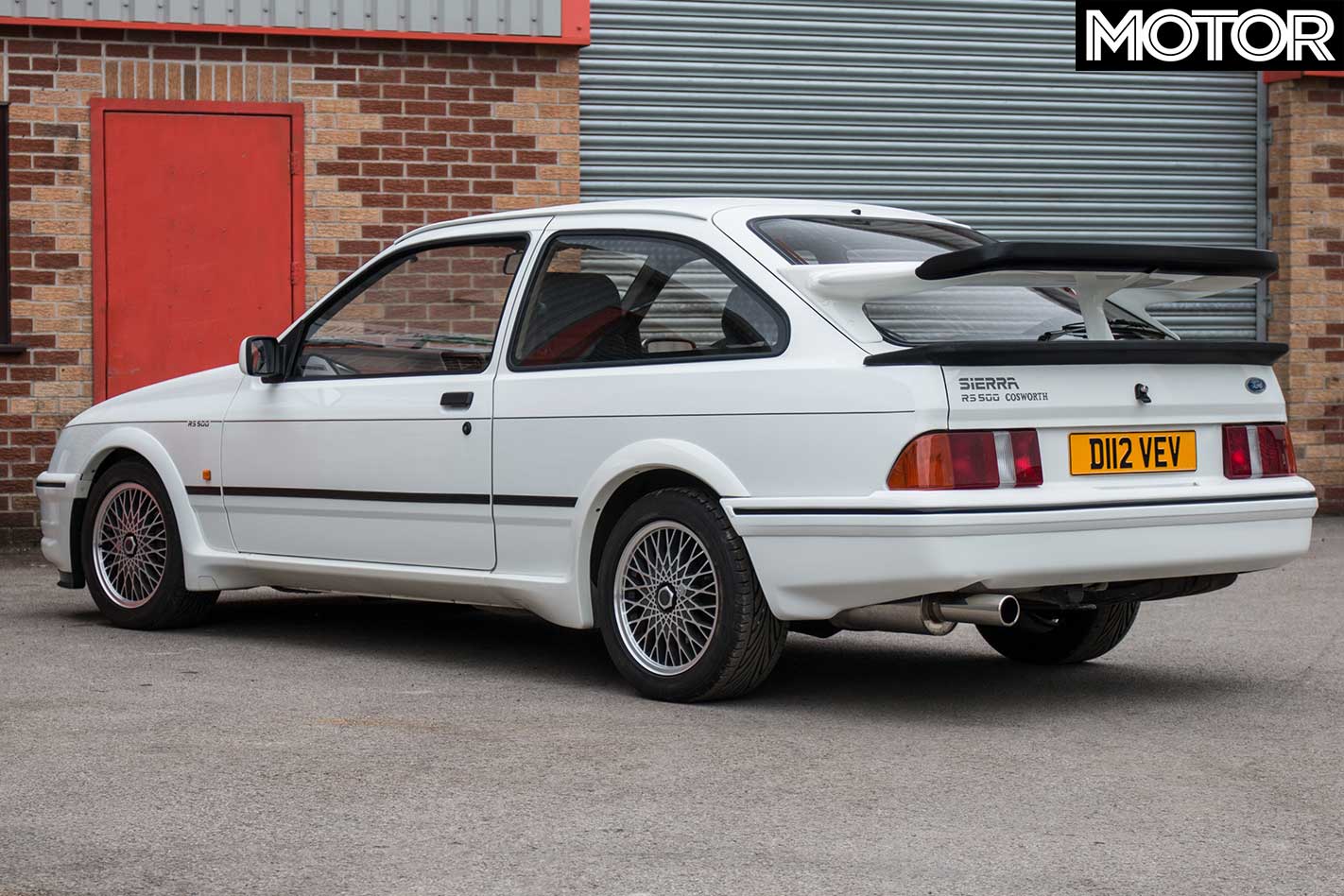
“I can’t recall there ever being a Ford prototype coming to auction, and I can’t see this happening again.
“This is a very special and rare RS500 that presents very well and is a car that can be driven, enjoyed and is a great addition to any collection.”
If you’re looking for a (likely more affordable) Ford Sierra, our friends at Unique Cars sometimes have one or two in their online classifieds.
MAZDA has called for a more holistic approach to car emissions, taking into account manufacturing in evaluating a vehicle’s green credentials.
The Japanese manufacturer has said it will work on improving its well-to-wheel emissions, which takes into account CO2 created from the manufacture of materials and the vehicle assembly process itself.
Wheels spoke to Hideki Matsuoka, Mazda’s product division program manager, at the launch of the updated 2018 CX-5 in Australia.
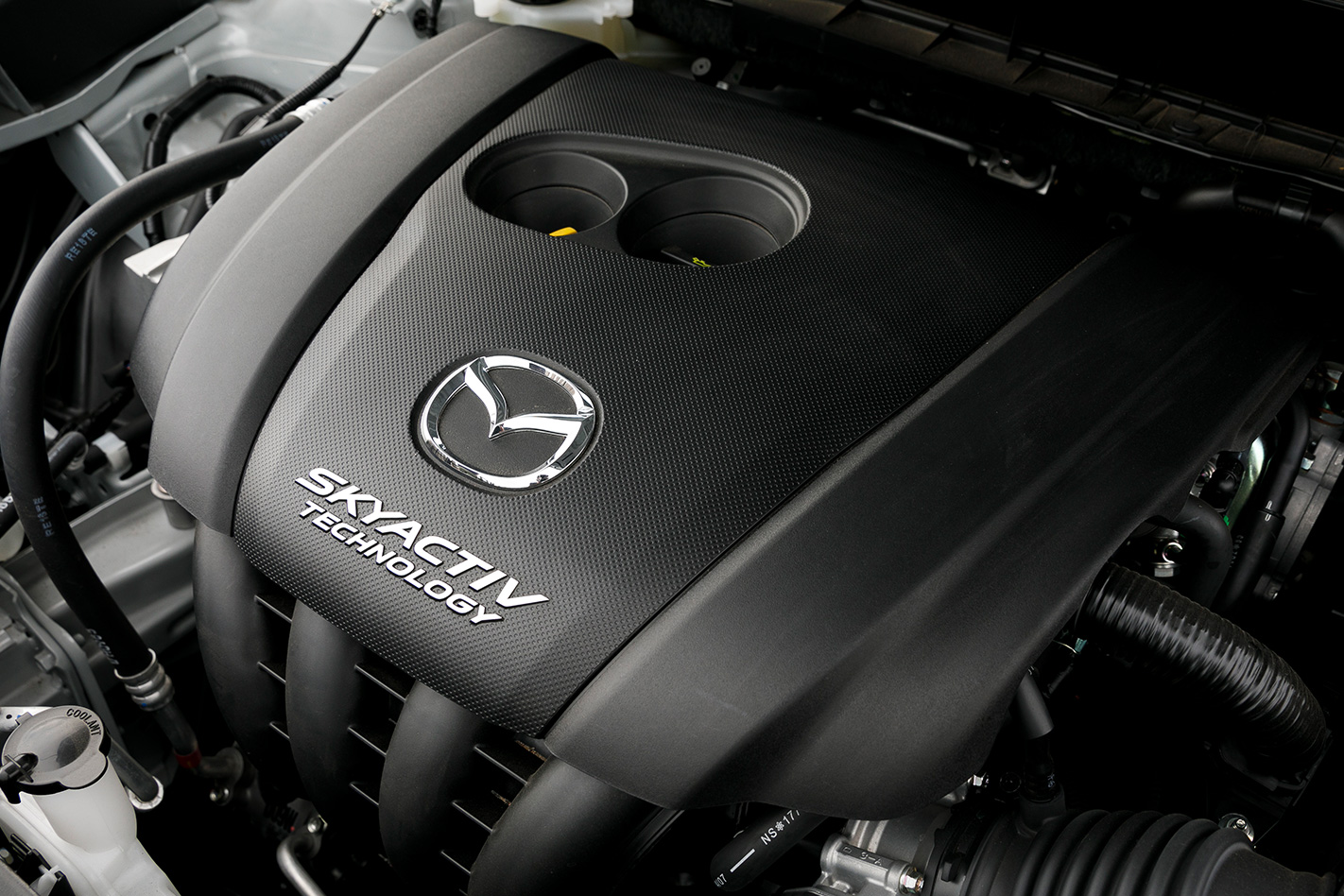
Matsuoka says despite the incessant focus on electric vehicles, internal combustion engines will continue to make up a significant majority of the global new car market.
“There are international energy agencies projecting that even toward 2050 of course there will be a lot of different power sources, but internal combustion engines, including hybrid, will still take up 80 percent or so of the entire market,” he said, speaking through an interpreter.
Matsuoka-san also called into question the ‘emission free’ mantra surrounding purely-electric vehicles.
“Even if you look at EVs, in order to drive EVs you need to have batteries, and in producing batteries they emit CO2 in the process,” he added.
“Given that, we believe internal combustion engines, including hybrids, will still have a place or role to play in terms of preserving our environment.”
Mazda and Matsuoka-san say that well-to-wheel is also used to when assessing the environmental friendliness of infrastructure, for both traditional internal combustion engines and electric vehicles. An unnamed country was used as an example, but Matsuoka-san refrained from specifics.
“I think we have to look at the entire process of well-to-wheel,” he added.
“There is this country where they try to promote EVs, but if you look at the short-term CO2 figure of using all those EVs, they realise that in terms of CO2 reduction, the EVs weren’t really helping.
“I think that we need to take a total approach, including infrastructure and also vehicles that fit in our infrastructure.”
The Japanese manufacturer releases an annual ‘lifecycle assessment report’, within which it tracks and announces its CO2 emissions for the year.
Part of Mazda’s “Sustainable Zoom-Zoom 2030” long-term vision includes development of new technologies to ensure the survival of the internal combustion engine, and process which make the car manufacturing process more environmentally-friendly.
