
Chevrolet has revealed its updated 2019 Chevrolet Camaro, with a new look and a new model added to the range.
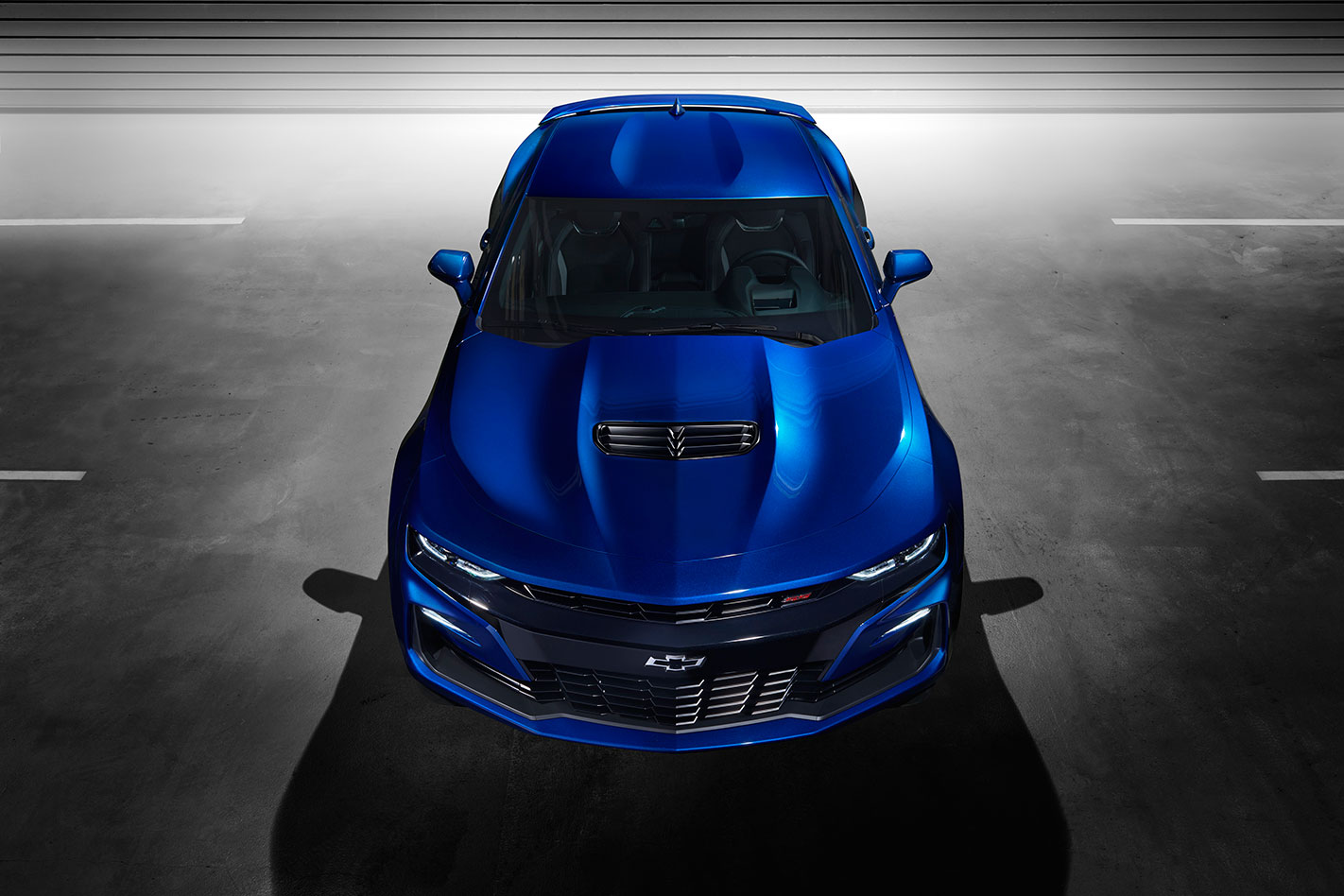
Most notably different are the changes to the front grille across the line-up, particularly the V8 SS.
The 6.2-litre V8-powered Camaro SS has had its bowtie badge moved and gutted, allowing for better air flow for cooling and the GM marketing department to come up with the name ‘flowtie’.
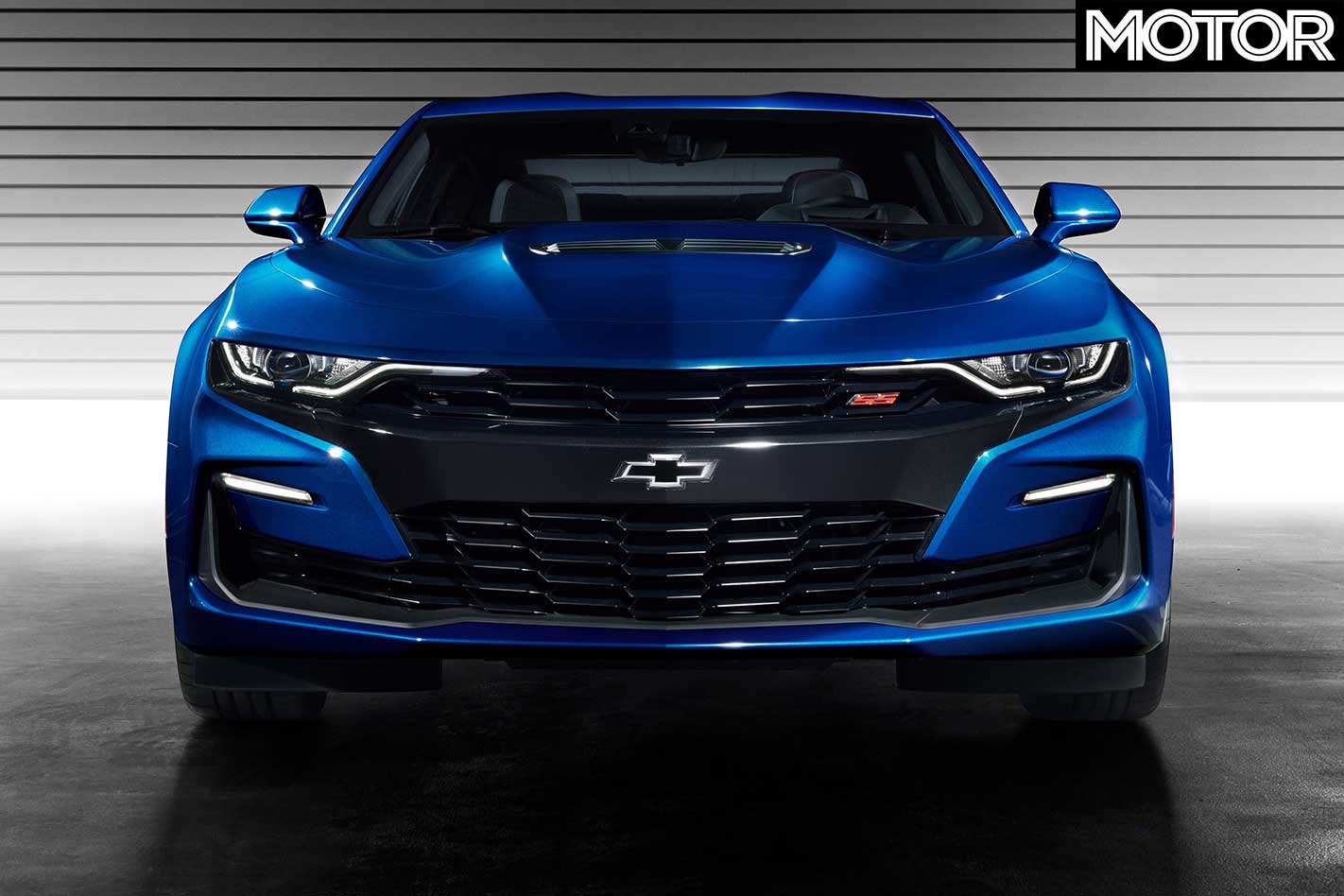
The 339kW/614Nm atmo monster receives no extra power, but does gain a new 10-speed paddle-shift automatic transmission, which comes with launch control and line lock functions.
An SS coupe in 6-speed manual will now weigh 1671kg, or 1697kg with the 10-speed auto.
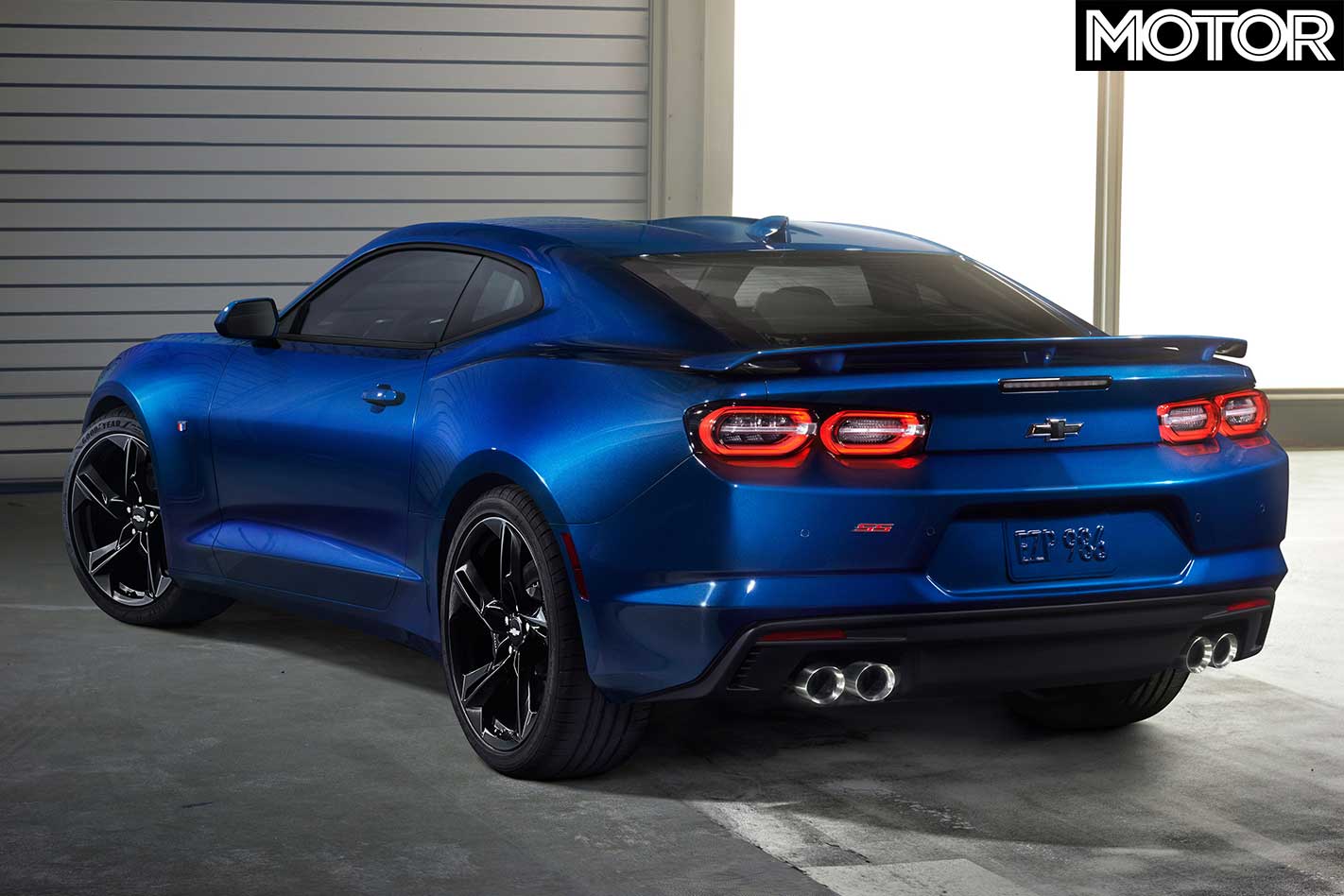
But a notable addition to the new Camaro is the 1LE with a 2.0-litre turbocharged engine.
The Camaro Turbo 1LE now sits alongside the V8 and V6 models, with a 205kW/400Nm coming in at 28kW/32Nm lower than the rivalling Mustang EcoBoost.
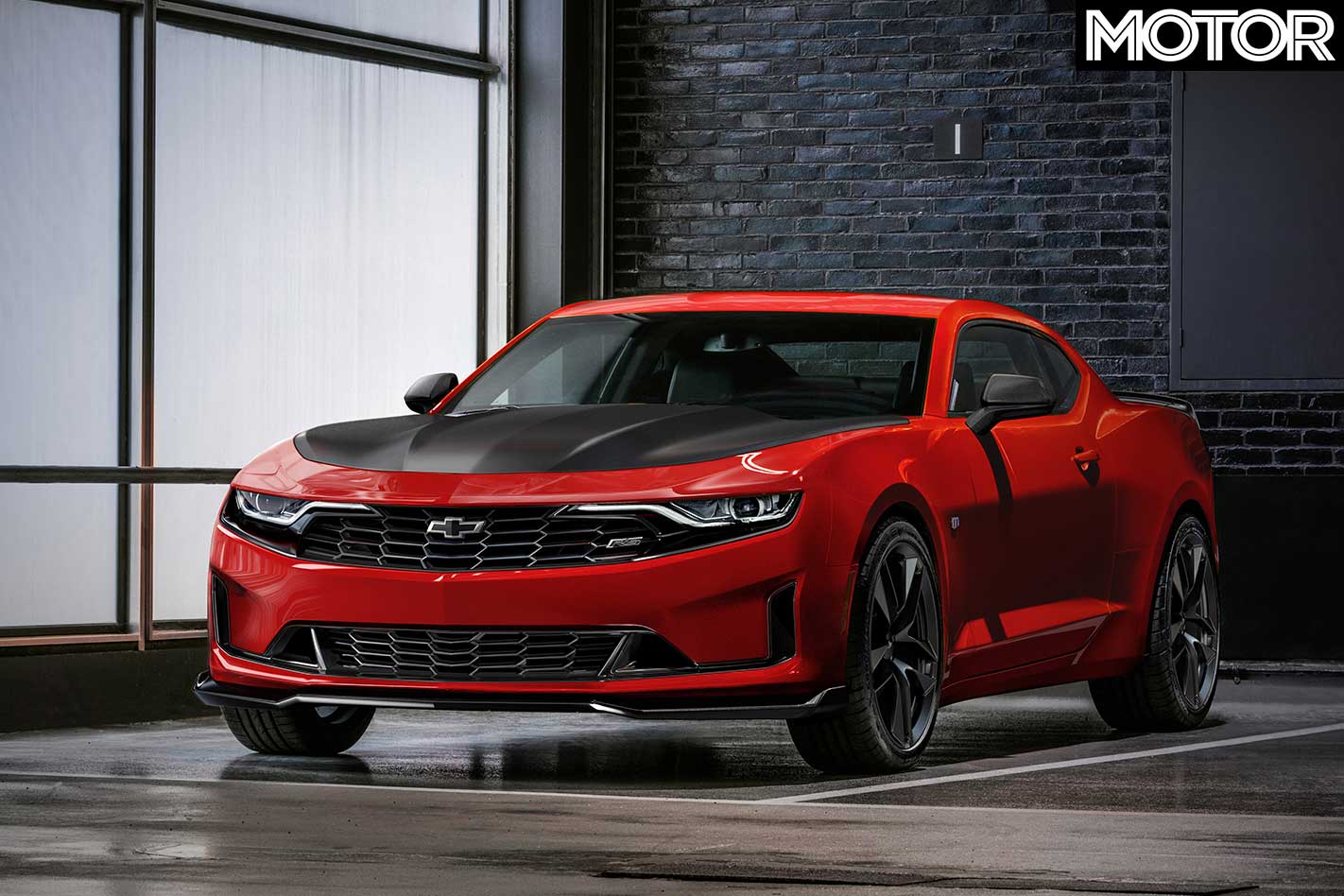
Chevrolet boasts a near 50/50 weight distribution for the Turbo 1LE, and says its chassis tune comes from the “track-capable” V6 1LE.
It’s unclear whether the Turbo 1LE will ever make it to Australia, though with the Camaro 2SS-spec model due this year, it’s unlikely we’re going to see a 2.0-litre turbo showing up with it.
Local specs and pricing for the Camaro are yet to be announced, and MOTOR is awaiting further information from HSV regarding the updated Camaro’s local arrival.
Porsche works driver Neel Jani has set a new lap record at Spa-Francorchamps in the Le Mans-winning Porsche 919 Hybrid LMP1 racer.
With a top speed of 359km/h and an average speed of 245.61km/h Jani set a lap of 1:41.770 around the 7.004km track, besting the 1:42.553 lap set by Lewis Hamilton in his Mercedes F1 W07 Hybrid.
The 919 driven by Jani was actually de-restricted from its LMP1 regulations, bringing power up and weight down.
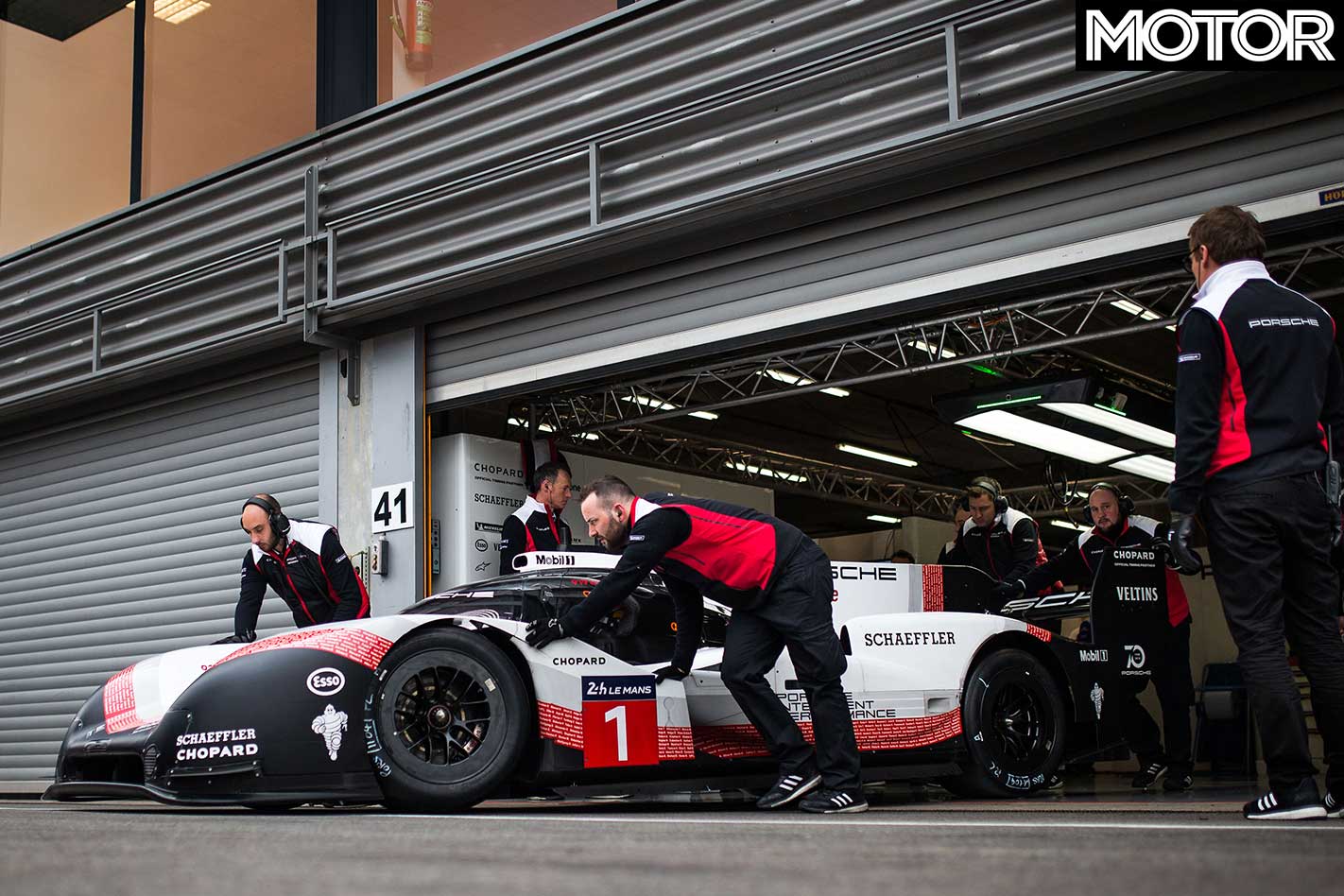
Its electrical system normally produces just below 300kW to assist, though was putting out approximately 325kW during the record run. It also shed 39kg to bring weight to just 849kg.
“The 919 Evo is brutally impressive. It is definitely the fastest car I ever drove,” says Jani.
“The grip level is at a fully new dimension for me, I couldn’t imagine this amount beforehand.
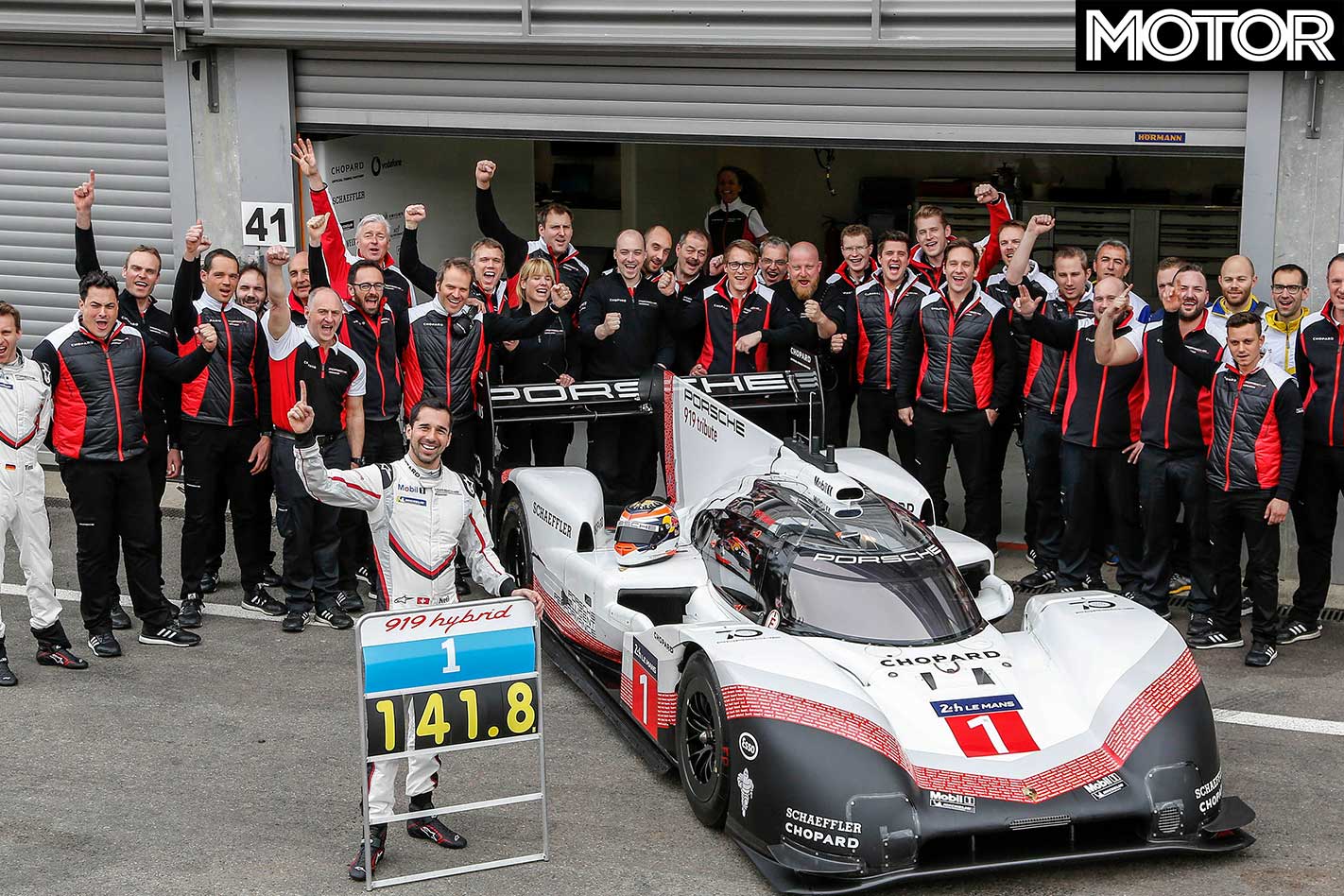
“We are not only faster than the F1 pole from 2017, today’s lap was twelve seconds faster compared to our WEC pole position from last year.”
Vice-president of Porsche’s LMP1 program Fritz Enzinger says the goal of the outing was to prove the 919’s ability.
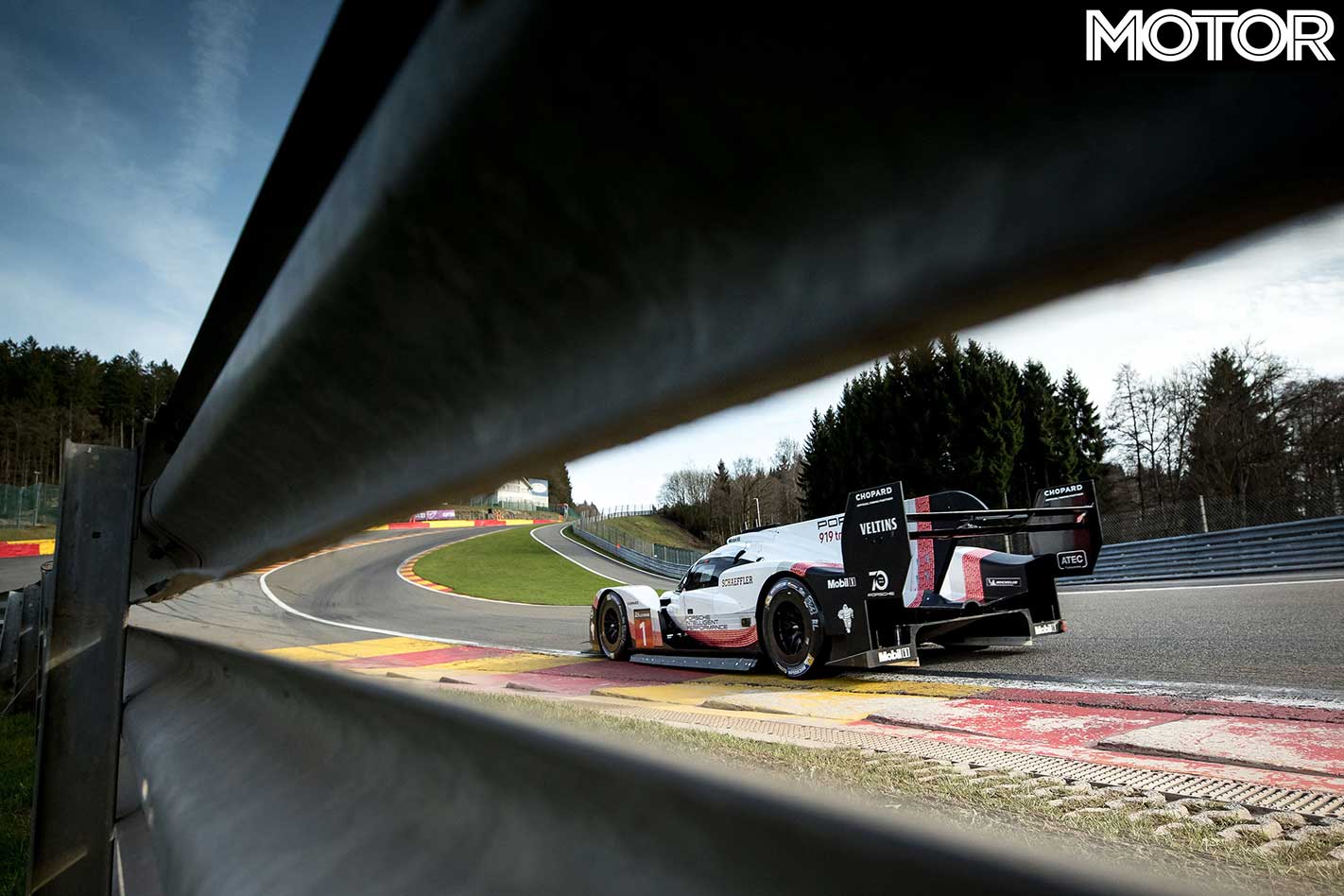
“Today’s track record impressively proves the ultimate performance of the most innovative race car of its time.
“Our target was to show what the Porsche 919 Hybrid is able to do when we loosen the restrictions that normally come from the regulations.”
HSV says it will be able to soon reveal Australian specifications for the Chevrolet Camaro that will go on sale in Australia in late July as the US version of the muscle car adds fresh looks and drag strip and burnout modes.
Chevrolet overnight unveiled an evolutionary update for the Camaro featuring a more aggressive, aerodynamically enhanced styling that differs slightly for each of the models that will fill US showrooms.
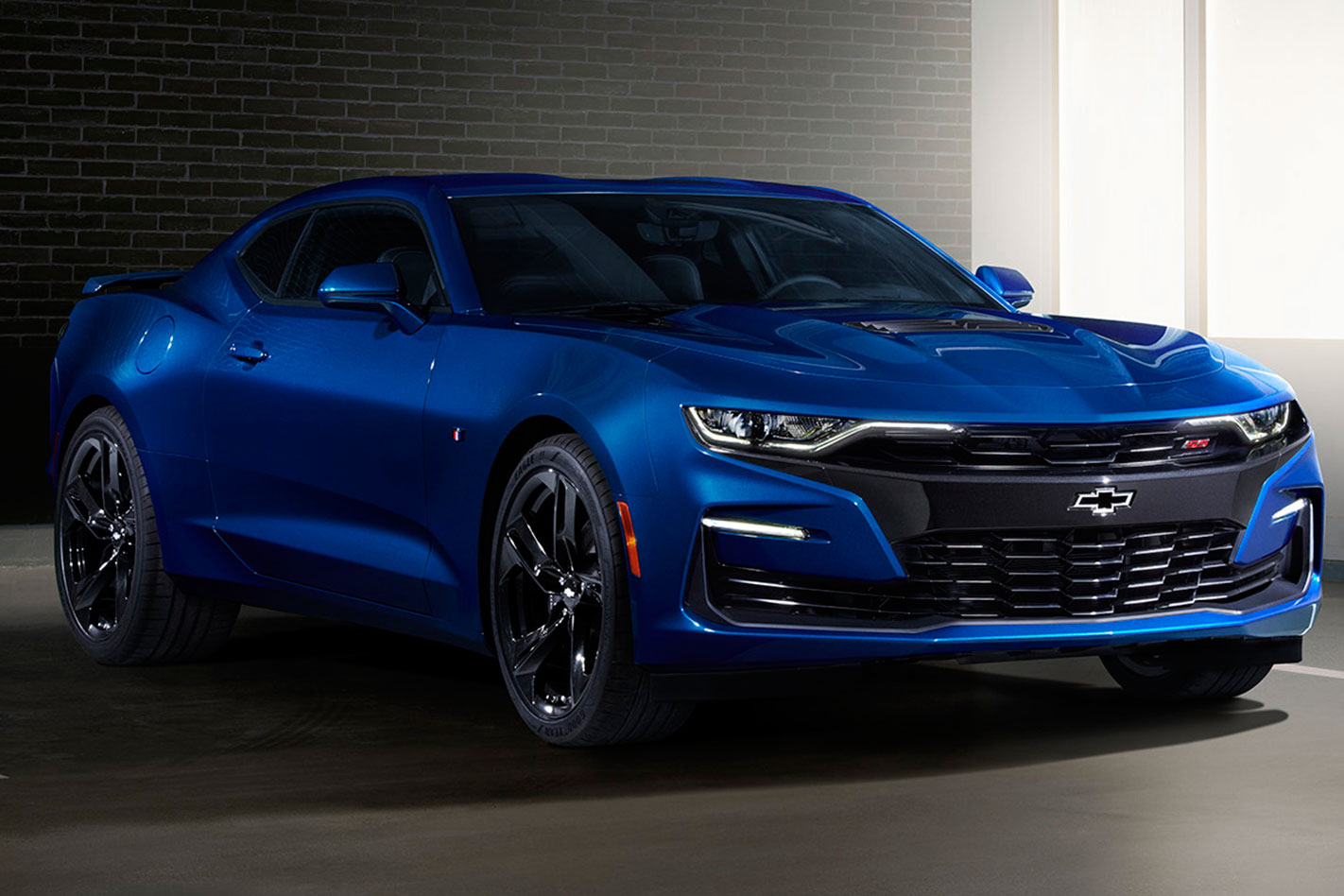
The US update includes the expansion of the Camaro range to include a turbocharged 1LE 2.0-litre four-cylinder engine for the first time. It will use an electronic limited-slip differential, Chevrolet has said.
The updated Camaro’s reveal coincides with HSV’s plans to start selling the traditional Ford Mustang rival from July after converting them to right-hand drive – the cars coming here will arrive from the factory in left-hook format and be converted at HSV’s Clayton facility.
The Aussie model will be a single 6.2-litre LT1 V8-engined version that, in US trim, produces 332kW and 617Nm. The US update also adds a different front-end styling, including the fascia, grille, dual-element headlamps, LED signature lighting and extractor-style bonnet. It makes the jump to the so-called “flowtie” open bowtie grille emblem, and includes a black grille and aero-enhancing air curtains.
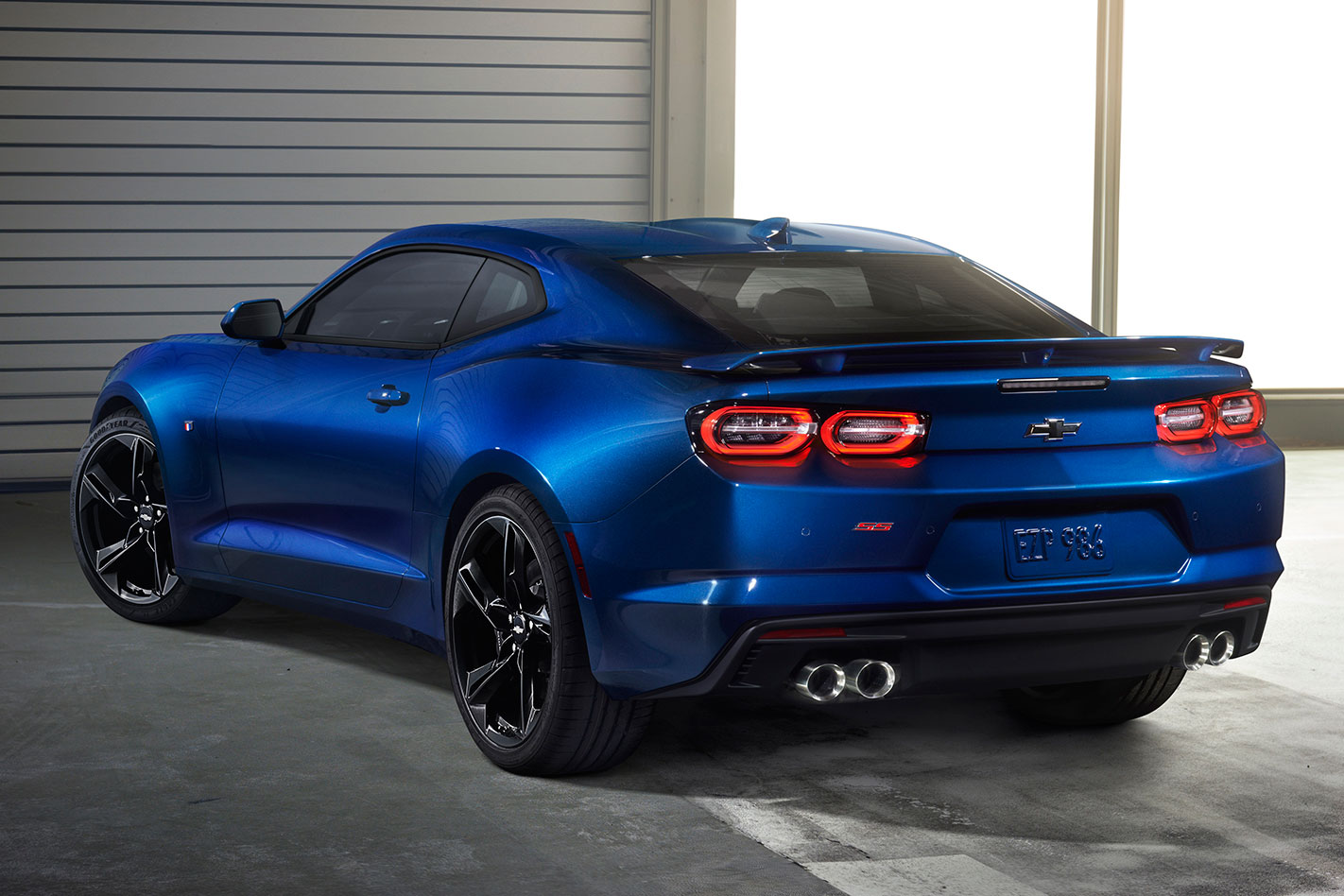
HSV has confirmed it may need to make some “minor” styling tweaks to comply with Australian Design Rules to the local version of the Camaro SS once the Clayton-based tuning house takes its first delivery of pre-converted left-hand-drive models arrive in late June.
But the fate of the US-market Camaro’s launch control function and line-lock mode – both available on the US-market Camaro SS – are yet to be confirmed for Australia. HSV marketing general manager Damon Paull said HSV would announce the final specifications for the Camaro “within the next month”. Ford has confirmed the Australian version of the facelifted Mustang will gain the launch control function, which it calls a drag mode, but will miss out on the line-locker mode that will help owners perform a controlled burnout.
Other bits of trim the pack brings includes body-colour mirrors, interior spectrum lighting, illuminated sill plates and aluminum accents on the door trim and shifter cap.
Importantly, the 2019 Chevrolet Camaro will gain a suite of safety tech including a forward collision alert system, rear parking assist and cross-traffic alert, and a blind spot monitor. The 2SS pack also adds a rear-camera mirror.
Paull said HSV was “very happy” with the response from potential buyers after the brand announced late last year that it would bring in and convert Camaros, helping to whet Australia’s appetite for V8 performance muscle. However, he declined to say how many potential customers had already placed an order for the coupe.
EACH time a high-profile auction comes around we consider sub-dividing the backyard again and chopping in another kidney, but all the vital organs and gold teeth in the world are unlikely to raise enough capital for this track star.
Just 500 regular Lexus LFAs were produced, ranking the 4.8-litre V10-powered Japanese supercar up there with the most desirable and rare series production vehicles in the world. But for the privileged few Lexus also whipped up just 50 of an even more hardcore and track-focused version, dubbed the Nurburgring Package.
If you can get to the Barrett-Jackson Palm Beach auction in California held from April 12 and have an obliging bank manager, you have a chance of putting this ultra-exclusive part of Japanese automotive history in your garage.
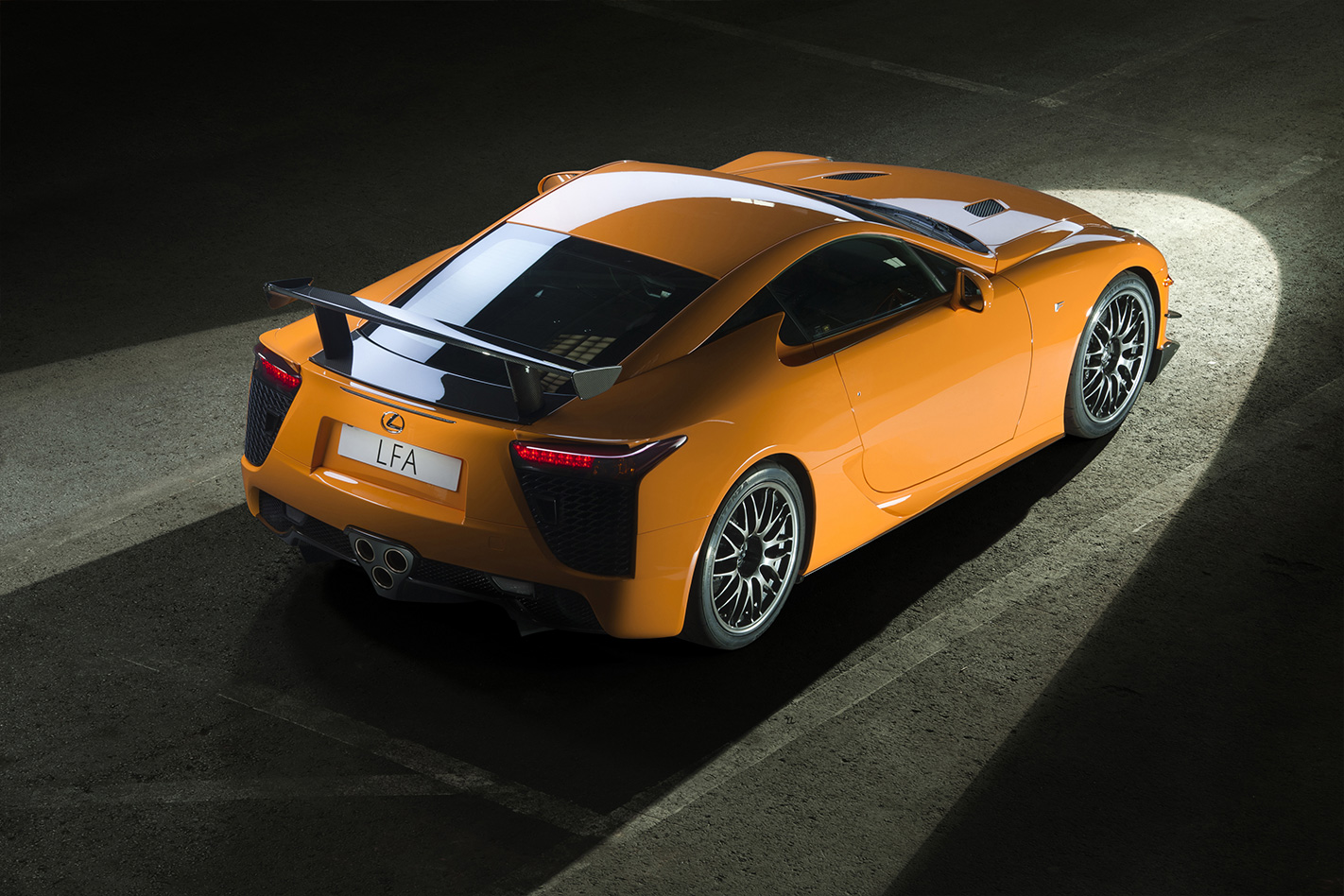
Its six-speed automatic transmission was enhanced to reduce shift times, a front splitter was fitted and complemented by canards and massive fixed rear wing for increased downforce, while stickier rubber on lighter wheels and adjustable suspension completed the transformation.
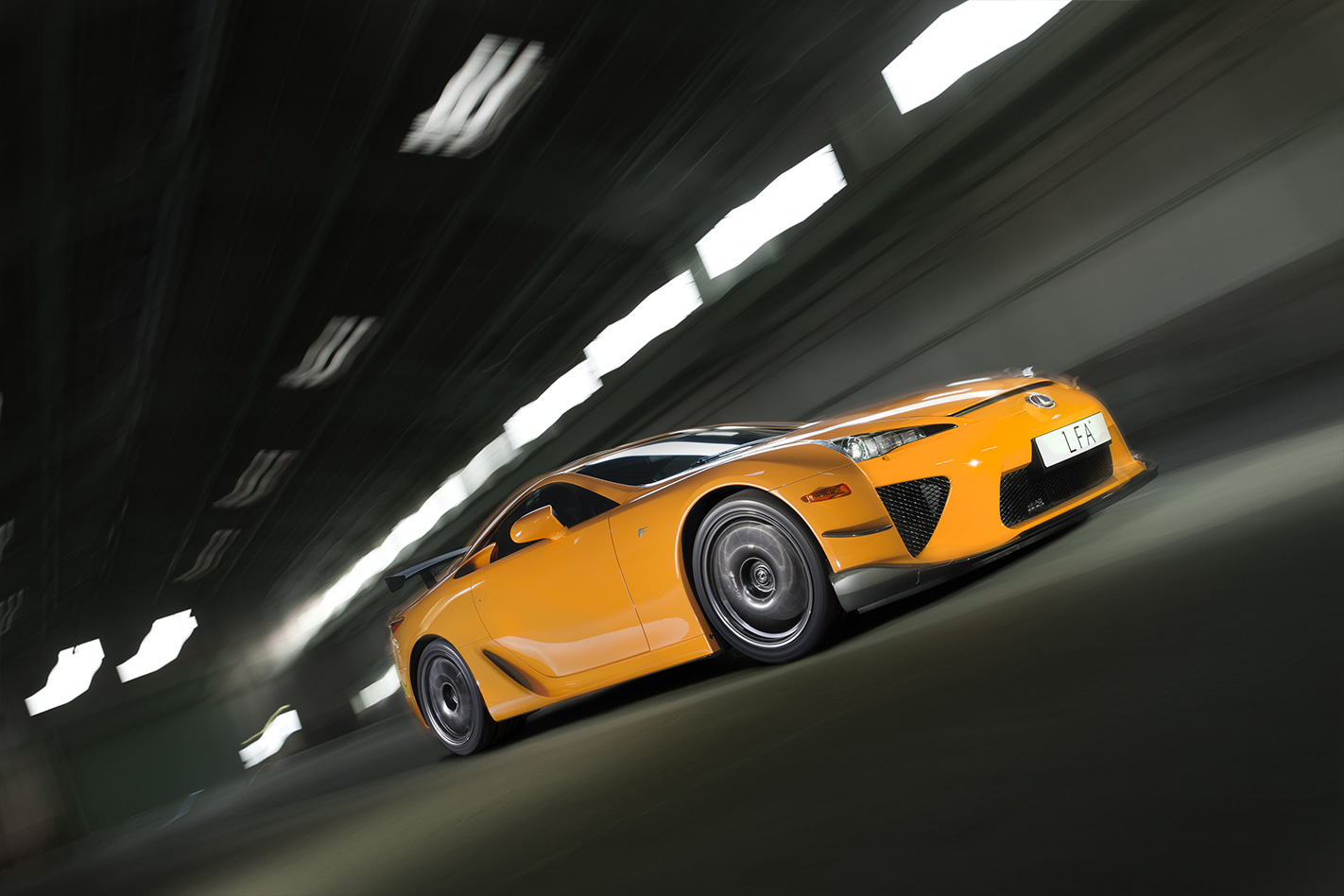
When the car made an attempt at the esteemed Nurburgring record in 2011, it put in a scarcely believable lap of 7:14.64, but video evidence confirmed the claims and quashed any doubt, and for a while the LFA Nurburgring Package held the production car lap record at the Green Hell.
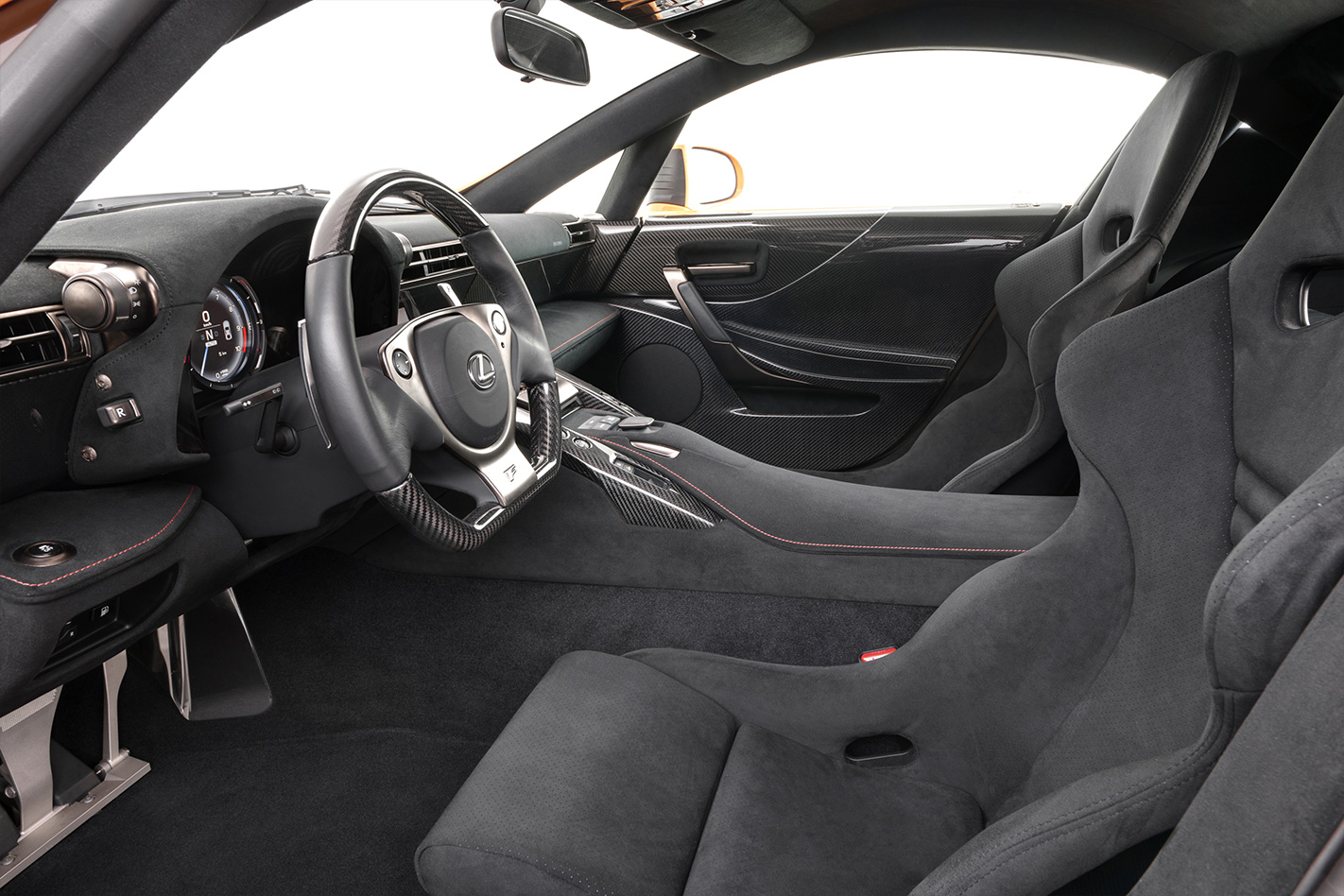
In 2017, Sotheby’s in London brought the hammer down on a standard 2012 LFA with 2600km on the clock for a respectable £308,750 ($A566,340), but in Australia (where no more than 10 examples were delivered) the normal LFA is snowballing in value. They days of buying one for less than the $700,000 they cost when new are long gone.
Last year a white LFA with 26,426km on it went up for sale by a private owner in Queensland (at least one of the 10 is known to have been retained by a dealership) for the dizzying price of $1,075,000.
Put the dog on eBay and book a flight to California. These opportunities don’t come around very often.
HOLDEN’S marketing chief has announced he is moving on after just over a year in the job – a week after the car maker’s worst monthly sales result on record.
A statement today said marketing executive director Mark Harland “has decided to leave Holden and General Motors, after a career spanning more than 20 years”. Canadian-born Harland was appointed to the role in November 2016, replacing car industry newcomer Geraldine Davys. According to Holden, he was appointed to “lead Holden’s talented Australian marketing team to continue to redefine the brand and better engage with today’s Australia”.
“Since joining Holden in 2016, Mark has shown incredible passion for the brand. Under his leadership, Holden has established key relationships with Surf Life Saving Australia and Mardi Gras and reaffirmed Holden’s commitment to Holden Motorsport, Collingwood Football Club and the NRL, most notably as naming rights’ sponsor of NRL Holden State of Origin and the inaugural NRL Holden Women’s Premiership League,” it said.
From the outset, Harland faced an uphill challenge. When he joined, Holden was selling almost 8000 cars a month, including the locally made Commodore large car, and bouncing around in the list of the top five brands. Last month, Holden slumped to number 10 on the best brands chart after selling just 5166 vehicles – itself an improvement on the 4689 it had sold the month before. Even March’s 990 Commodore sales – the best result for the nameplate after two solid months of decline – were bittersweet, with around 440 of them the old VF model and 550 of its replacement, the shiny new, fully imported ZB.
“Mark has brought a fresh perspective to Holden during a difficult period of transition. We thank him for his passion and wish him well on his future endeavours,” Holden managing director Mark Bernhard said.
The company didn’t take long to announce his replacement – Holden New Zealand managing director Kristian Aquilina. Aquilina has previous form with Holden after he helped it launch the VT Commodore – the best-selling locally made model in the Commodore’s 39-year history.
Holden has struggled with the transition from Australian manufacturing after the last Zeta-based Commodore was built in October last year. The more premium Astra small hatch, brought in to replace the Australian-built Cruze, has failed to find appeal with buyers in the numbers that the car maker expected, and the Equinox midsize SUV, brought in as a replacement for the cheap Korean-sourced Captiva, has likewise yet to reap showroom dividends. The brand’s record low sales numbers in January were believed to have been artificially inflated by a large proportion of dealer registrations, rumoured to be higher than 40 percent compared with an industry average of around 12 to 14 percent. Holden declined to comment on questions put to it by Wheels.
Aquilina is the fifth marketing director to oversee Holden’s marketing since the departure of longstanding sales boss John Elsworth, who resigned in 2012 to take up a role at Holden shortly before the announcement that the car maker would quit Australian manufacturing. His replacement, Phil Brooks, only lasted two years in the role.
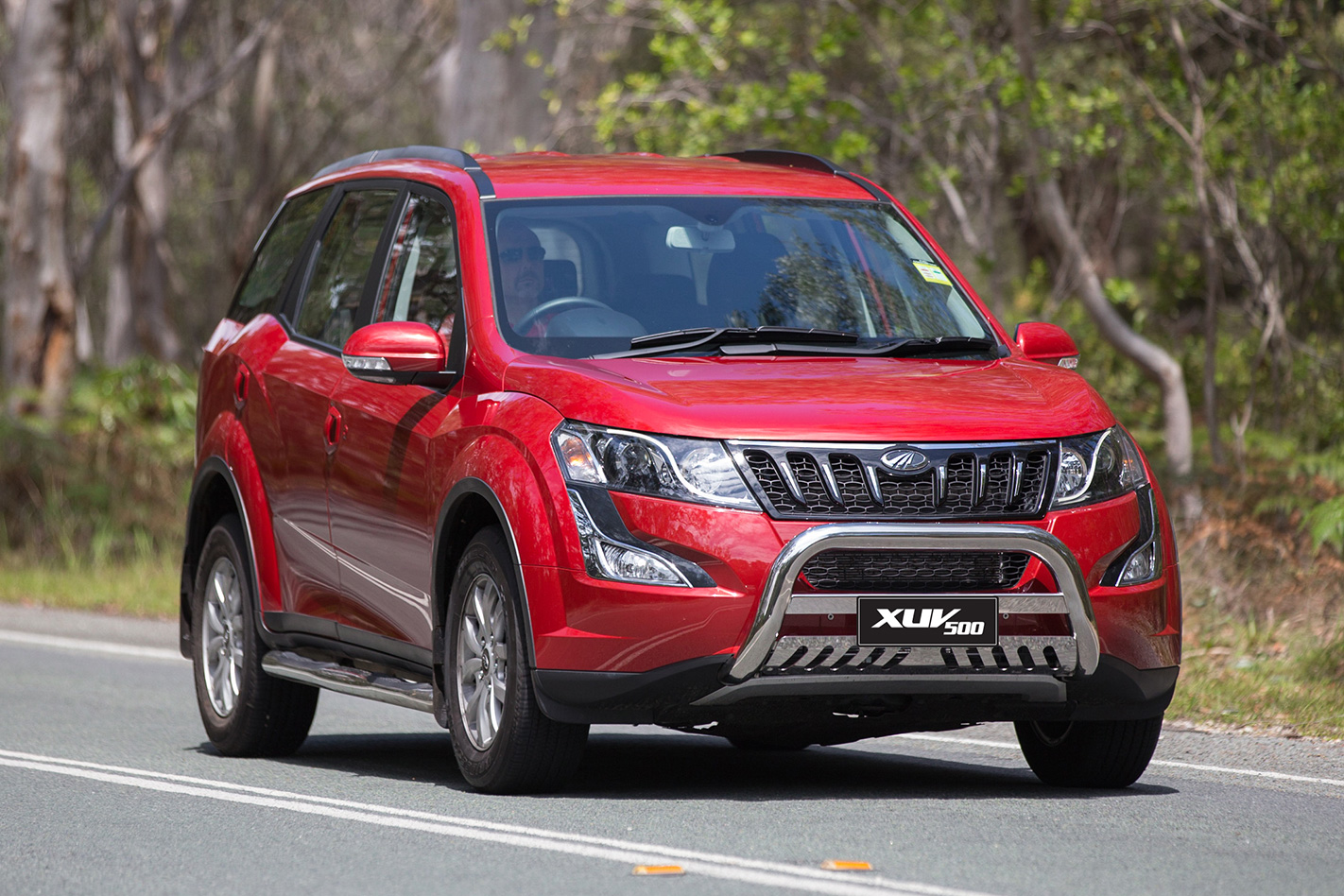
Indian car maker Mahindra has introduced petrol versions of its XUV 500 to the range as it transitions the midsize SUV to cleaner engines.
The move has also allowed Mahindra to slice another $4000 out of the price of its rival for the Ford Escape, Holden Equinox, Mazda CX-5 and Toyota RAV4 as it establishes a new trim grade called W6 that makes the XUV 500 look like pretty sharp value.
The front-drive Mahindra XUV 500 W6 is priced from $24,990 drive-away, making it the cheapest seven-seat SUV on sale in Australia. It comes equipped with reversing sensors (but no reversing camera, an important consideration when small children are involved), dual-zone air conditioning with rear air vents, a cooled centre console bin, lumbar support on the driver’s seat, self-levelling headlights with cornering lamps, LED daytime running lights and a follow-me home lighting function, front and rear fog lamps, and rain-sensing wipers. There’s also a secondary, convex rear-vision mirror that allows the driver to keep an eye on all seven seats.
Stepping up to the W8 adds electric folding wing mirrors, a 7.0-inch colour screen replacing the standard 6.0-inch monochromatic version used in the W6, a reversing camera, satellite navigation, leather trim and a camping light built into the tailgate.
The Mahindra XUV 500’s petrol engine is a turbocharged 2.2-litre four-cylinder unit producing 103kW and 320Nm. By comparison, the normally aspirated Toyota RAV4 produces 107kW and a pale 187Nm from its 2.0-litre engine. All petrol versions are paired with a six-speed automatic gearbox.
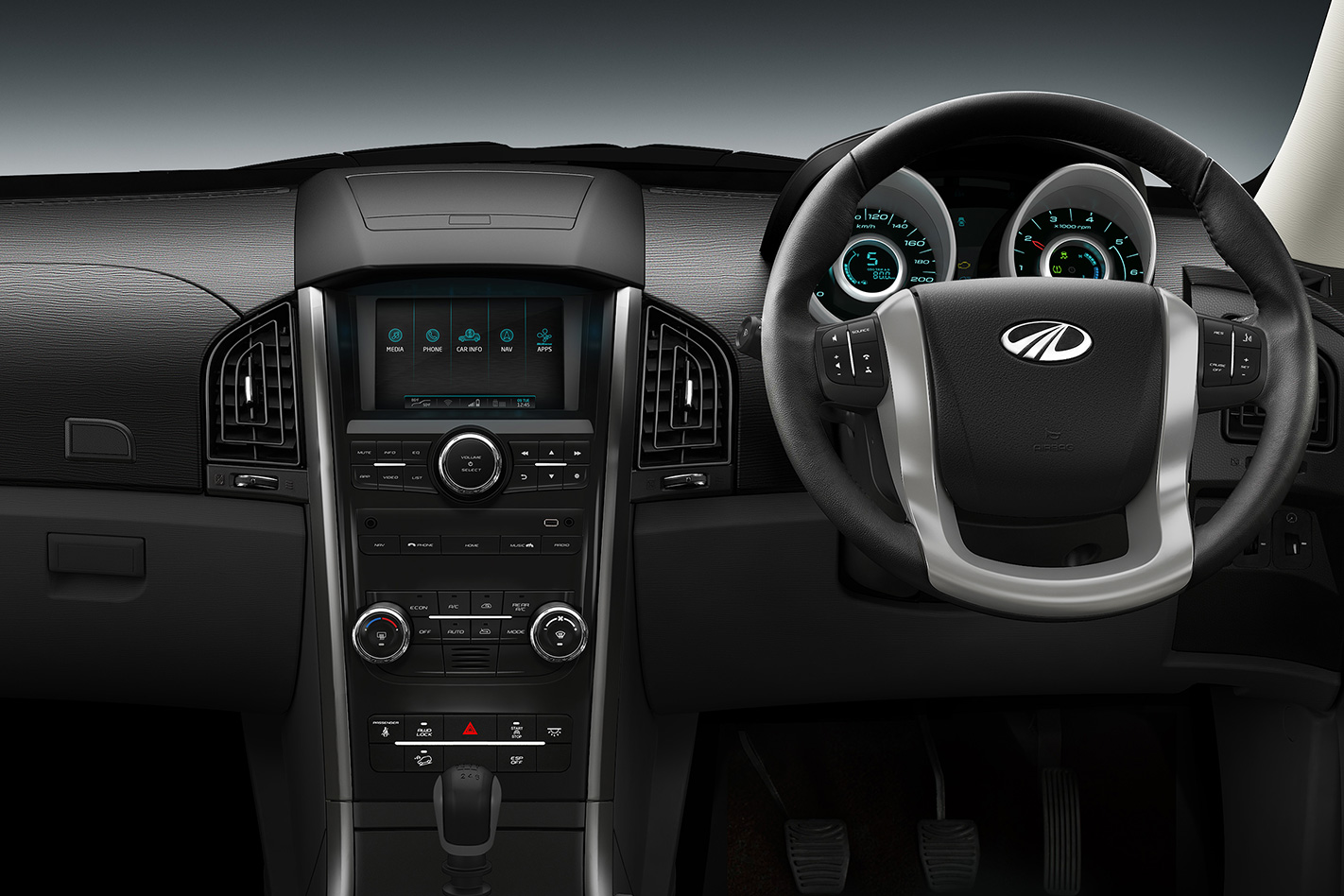
The petrol-engined W8 will sell from $29,990 for the front-wheel-drive version, while equipping it with on-demand all-wheel-drive will add $3000.
An optional tow pack will allow the XUV 500 to tow up to 2.5 tonnes, the same as the diesel-only, tray-backed workhorse version of the Mahindra called the Pik-Up. The XUV 500 also includes a five-year, 100,000 kilometre warranty that pitches in five years of roadside assistance and three years of capped-price servicing.
Mahindra is still selling limited supplies of a 103kW/330Nm 2.2-litre diesel-engined version of the XUV 500, but only in front-wheel-drive W8 specification. The engine it uses is only rated at the older Euro 4 emissions standards – a newer engine that meets more strict Euro 6 standards is under consideration.
At the Long Beach Formula Drift, Italian drifter Federico Sceriffo ran into a bit of trouble… when his Ferrari 599 burst into flames.
The 670kW+ twin-supercharged V12 drifter had a good run during qualifying, and seemed like it was going to be fine, until a collision with another car caused damage to the 599’s fuel line.
His Ferrari, named ‘Fiorella’, has seen better days, as its now resembles something you’d find the morning after a bonfire.
At least from the front, anyway.
Sceriffo was quick to get out of his car once he realised what was happening, as you’d imagine, but he wasn’t able to save the car in time.
Not only is this particularly heart-wrenching due to the high-end nature of the blaze, but also that this was the car’s first competitive appearance.
Long Beach is the first round of the Formula Drift season, and it’s uncertain whether the car will compete in Florida on April 27-28.
As it feels a little wrong to tell you about this car then not show you what it can really do, aside from catch fire, so we hunted down this very easy to find clip of Fiorella having a crack earlier in the year.
There’s no fire, but there is smoke.
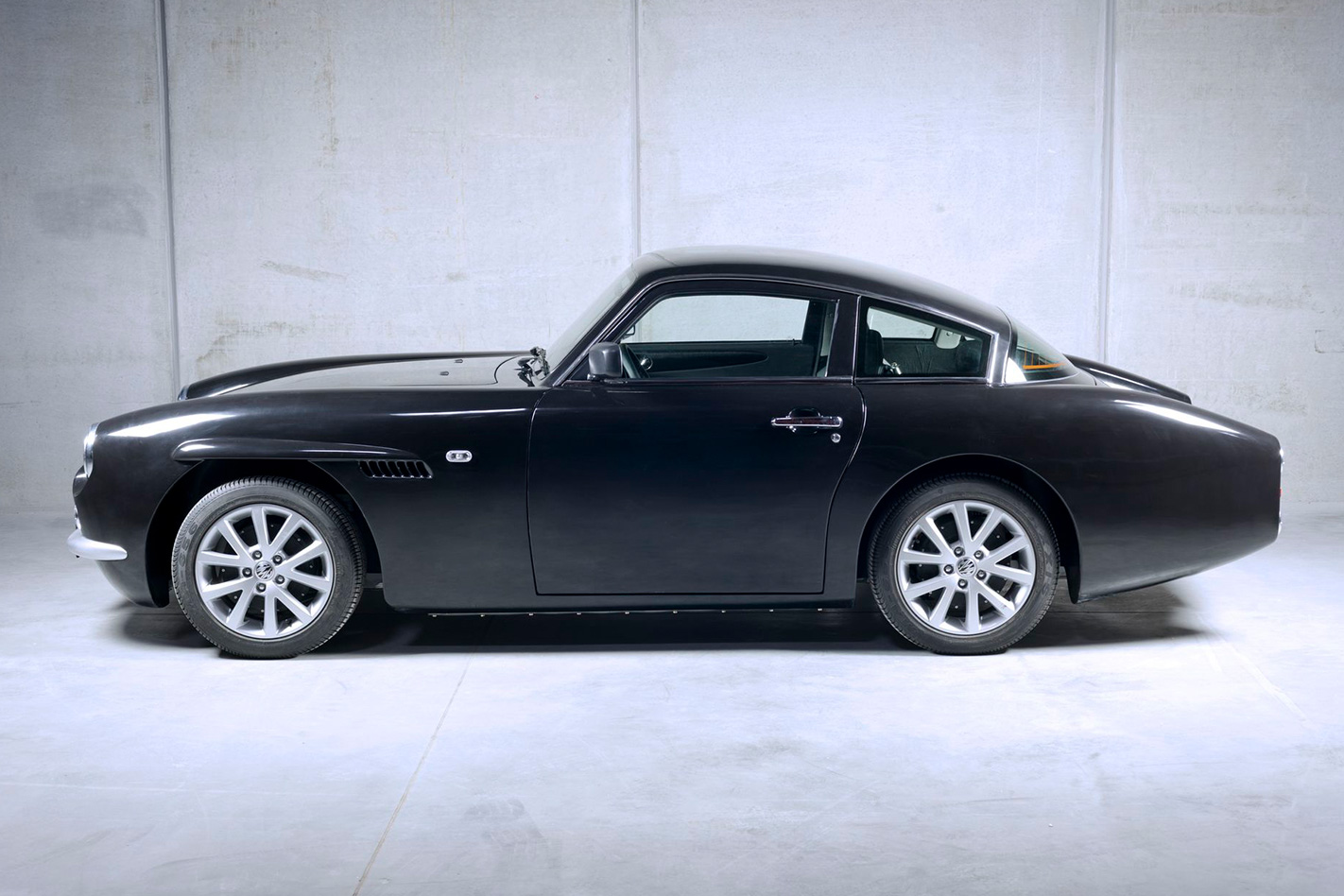
A BOUTIQUE car maker nestled in the pretty western Czech Republic countryside has become the first manufacturer to offer a ‘production’ electric vehicle powered exclusively by in-wheel motors.
The Luka is the product of a research project by MW Motors that initially set out to explore potential automotive technology, but was so successful that its prototype vehicle skipped the usual intermediate concept stage and cut straight to the production version.
Unlike all production EVs before it, the Luka dispenses with a central drive motor and transmission or individual motors for each axle, in favour of a hub motor at each corner. The hub motors are a more compact and lightweight solution, with the added bonus of offering fully independent all-wheel drive.
With so little heft to haul about, the Luka makes do with a relatively small 21.9kWh battery but still manages a range of up to 300km.
As well as the unorthodox motors, more weight was saved with an all-aluminium chassis rolling under a composite body.
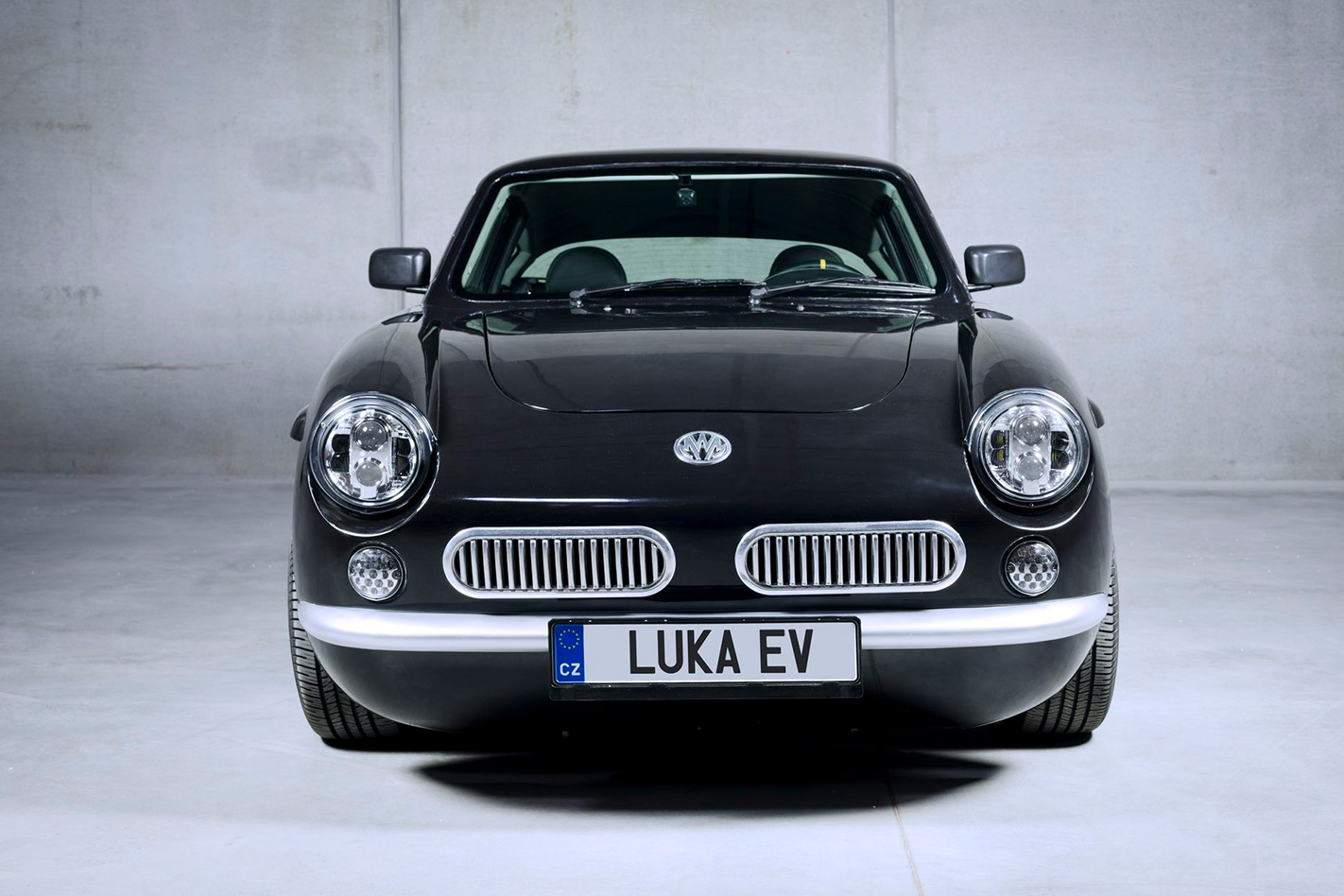
But while the Luka is technologically unlike anything else on the road, its styling couldn’t be more different, borrowing design features from countless classic vehicles.
Inside, the Luka is less retro and more vanilla with simple armchair seats and straightforward design, albeit punctuated with more technology in the form of large central screen, fully digital instruments and a decent amount of carbonfibre.
All-wheel drive with torque vectoring are standard, but with a lack of commonplace safety kit such as airbags, the Luka is unlikely to ever find its way to Australia. It has been approved for use on European roads, though.
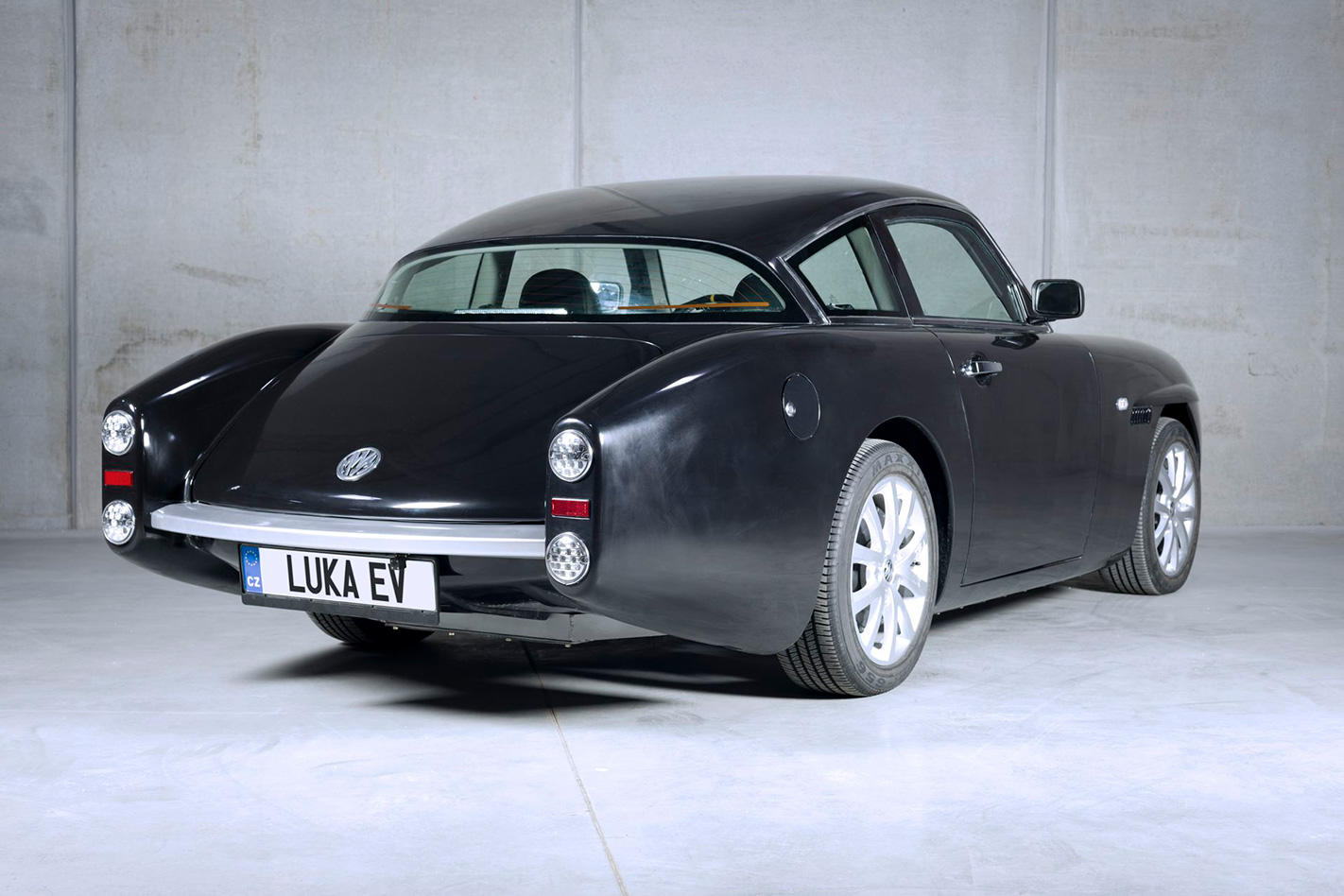
MW is yet to confirm just how many Lukas it is capable of building, but we’re guessing it won’t be many. That might challenge the company’s use of the term “production car”, but let’s not be mean to the ambitious newcomer.
Ford Australia has revealed local pricing for the twin-turbo diesel Ford Ranger Raptor.
From $74,990 before on-roads, the Ranger Raptor will become one of the most expensive utes on sale, topping even the top-spec HSV Colorado SportsCat by almost $10,000.
The Ford Ranger Raptor is fitted with some serious kit, even if the engine isn’t the one V8 (or even turbo V6) fans were hoping for.
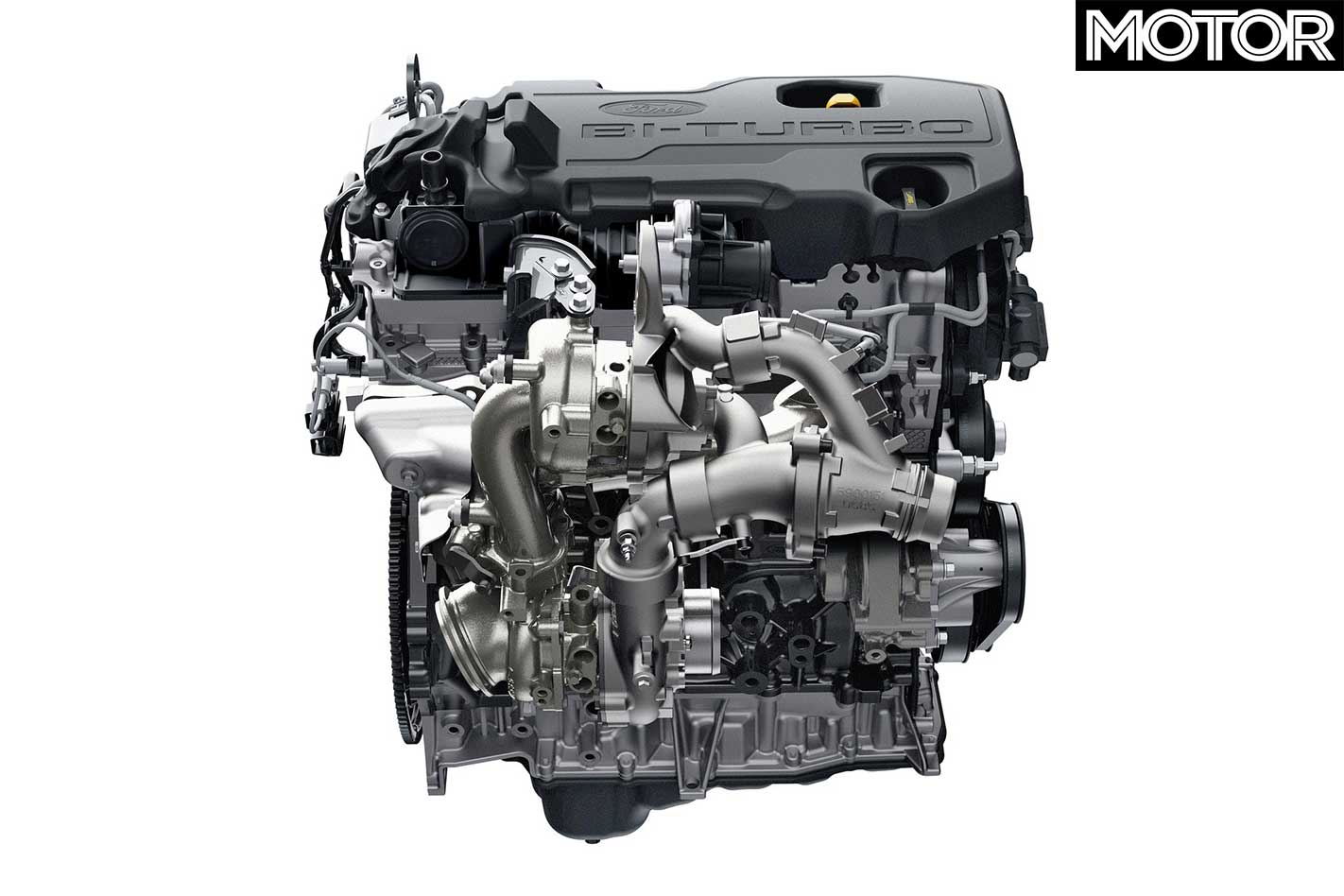
Long-travel Fox Shox suspension, a chassis specially designed, wider front and rear tracks, and heavy duty skid-plates and underbody protection should make it a tough rig when dealing with tricky terrain.
The Raptor is also built to withstand high-speeds off-road, meaning its potential for off-road racing is tempting.
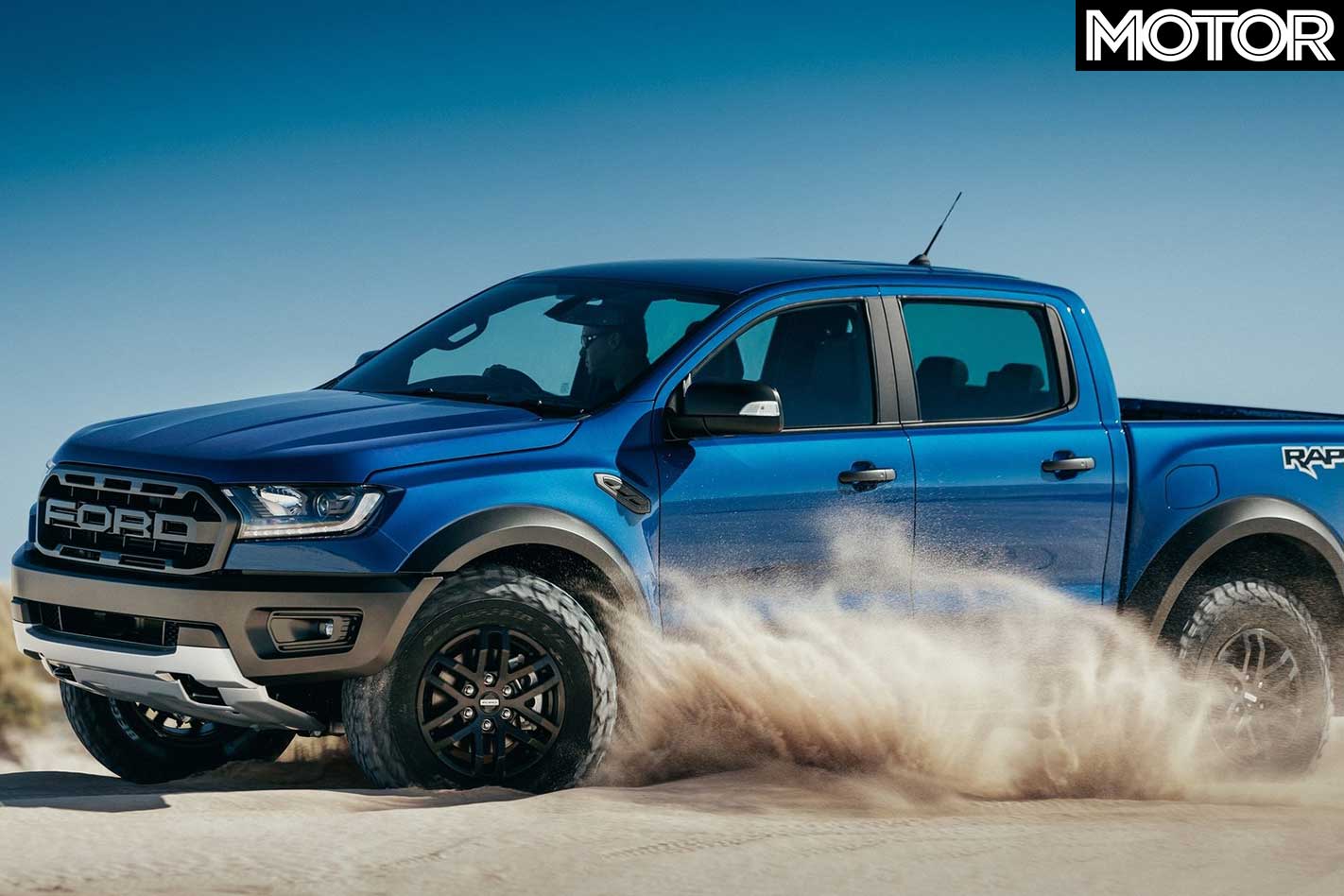
“Aussies have a passion for performance cars and an appetite for pick-ups, and the Ranger is a direct response to that,” says Whickman.
“Our local design and engineering team has worked incredibly hard with Ford Performance on this truly unique program to deliver a product that brings Raptor DNA and meets the needs of Australians who’ve called for such a vehicle.”
Whether the Raptor will prove a successful blend of the two is yet to be seen, but its arrival later this year will give us a chance to find out.
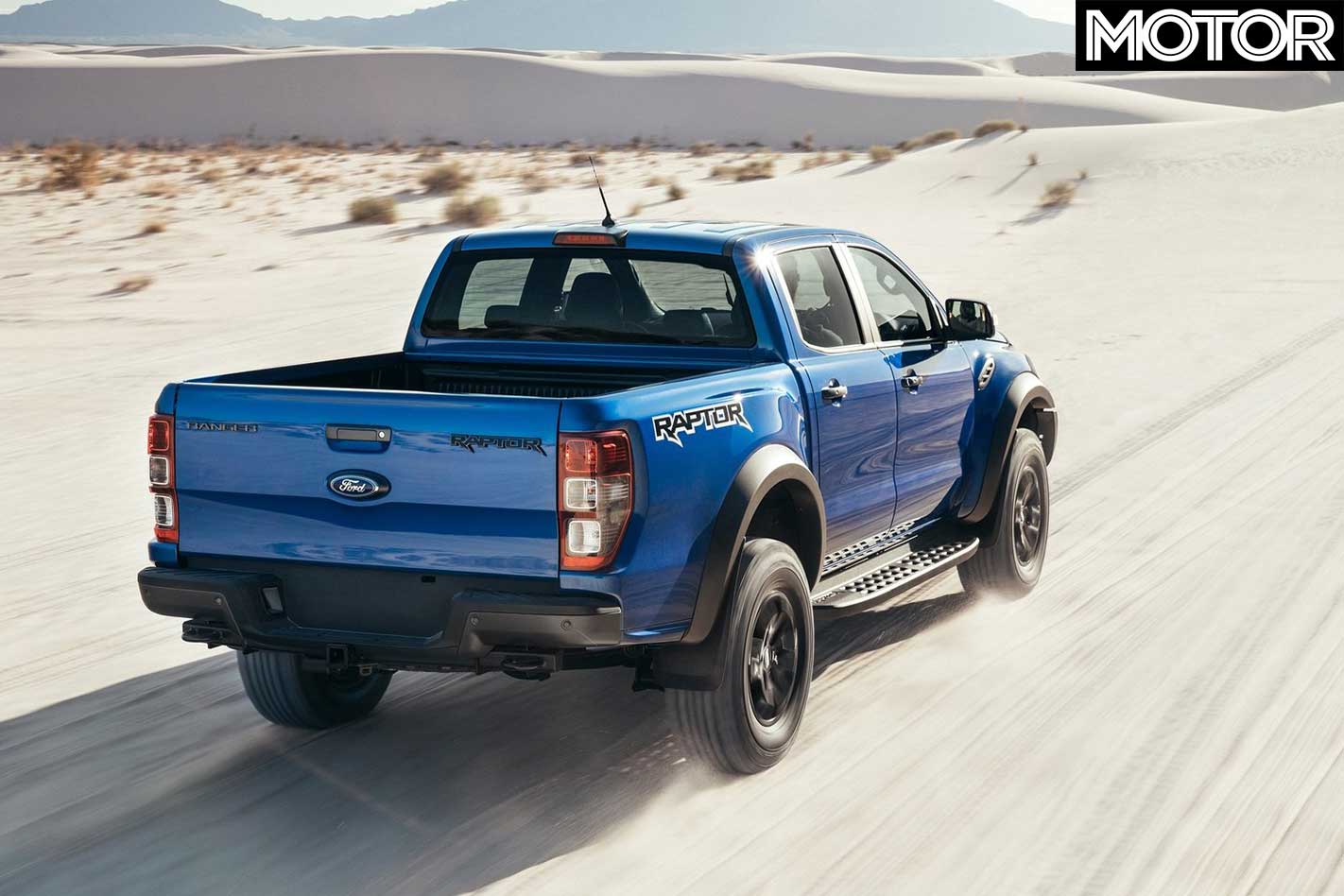
THE first Ford Ranger Raptor will turn its wheels in anger in Australia in about September, and for a price that will make it significantly more expensive than the $65,000 entry-level HSV Sportscat and even the headline $72,000 Sportscat+.
Ford Australia today announced the 157kW/500Nm twin-turbo 2.0-litre diesel-engined Raptor will cost from $74,990, making it the most expensive one-tonne dual-cab ute ahead of the $68,490 165kW/550Nm 3.0-litre V6-engined Volkswagen Amarok TDI550 Ultimate that’ll late this year gain a performance bump to 190kW/580Nm.
But that price is still lower than many had anticipated and makes it $4000 cheaper than what you’d hand over for a HSV-badged Maloo – if you can find one.
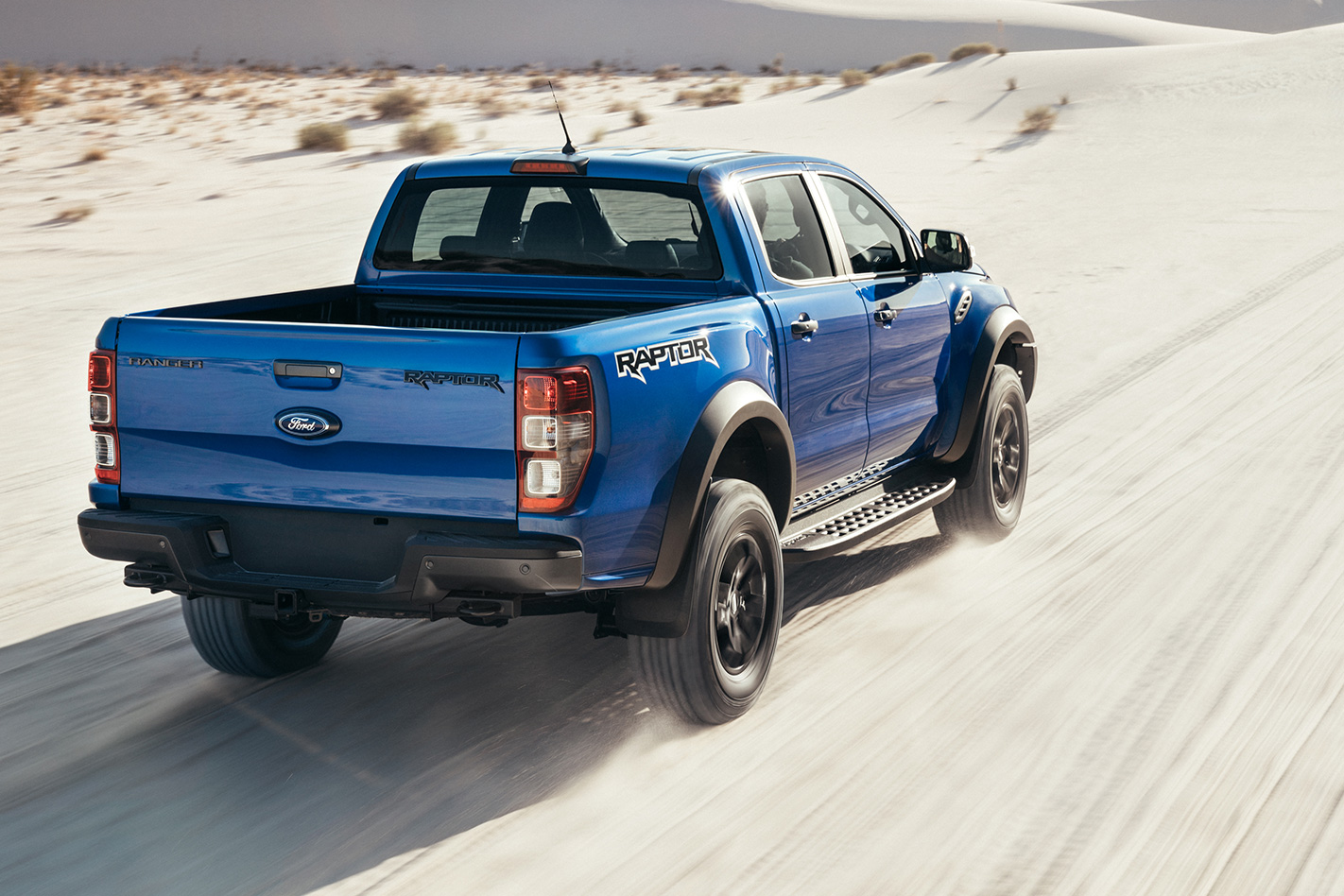
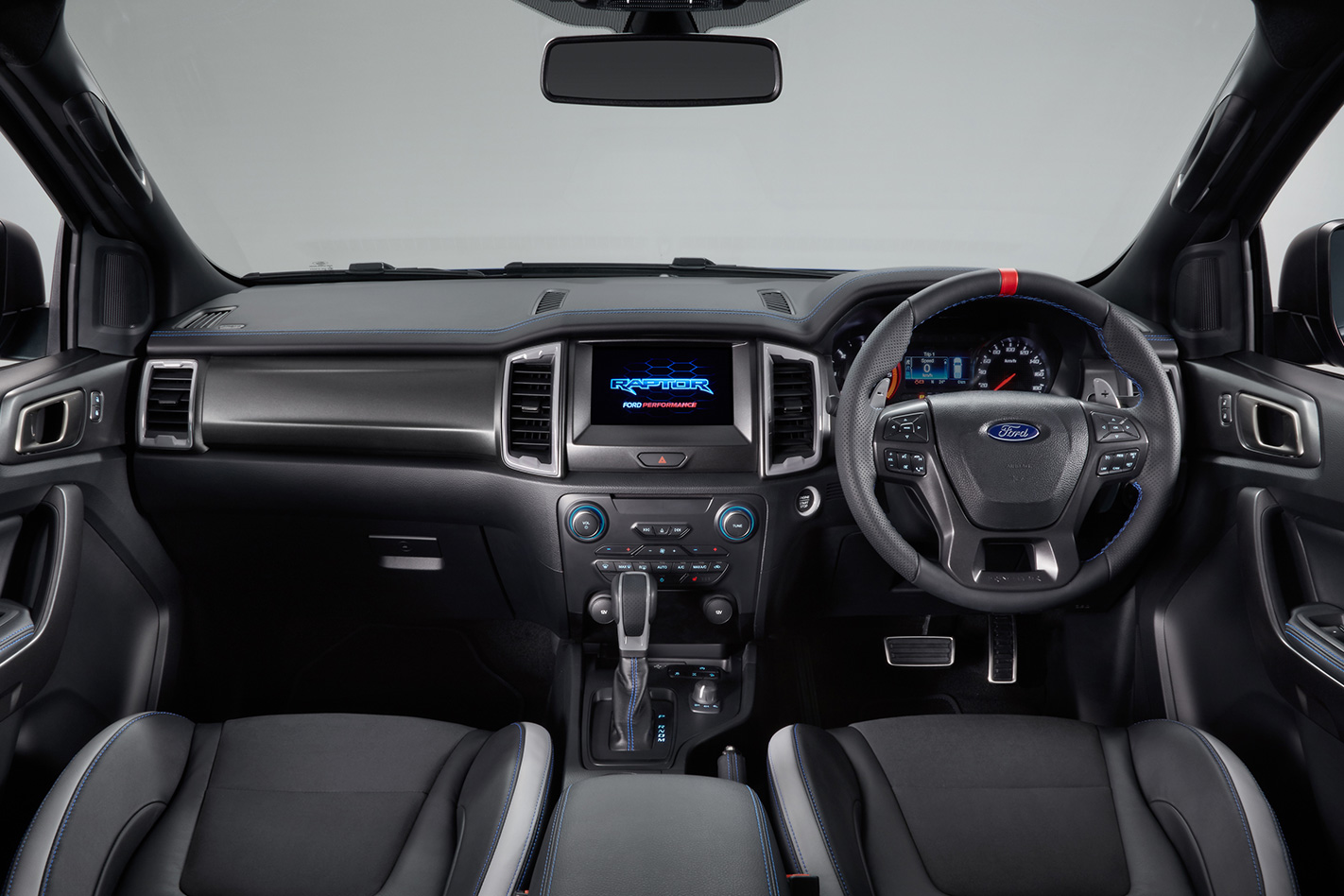
They’ll get a pretty well-specced ute for their money. The Raptor will be the most technologically advanced version of the trade ute when it goes on sale, including keyless entry and push-button start, and an electronic tailgate lock. Inside, the carryover 8.0-inch touchscreen will include Ford’s latest SYNC 3 software with standard satellite navigation.
You’ll sit on leather-accented bucket seats, and the Raptor-specific instrument cluster will let you know you’re in something special via bespoke graphics. The steering wheel will include an embossed Raptor logo, and include a, rally-spec 12 o-clock band to indicate the straight ahead position.
Front and rear tracks have also been widened, the ride height raised, and wading depth increased to 850mm. The 10-speed automatic transmission will receive its prompts from the driver via magnesium paddle shifters when in manual mode.
The Raptor’s on- and off-road settings will include a Baja setting optimised for dirt work, while a low-range transfer box and locking rear diff will help to focus the driveline’s torque.
“It’s clear that there’s an appetite for a performance pick-up, and we’ve worked hard to deliver something that fits the bill as a genuine performance product,” Ford Australia chief executive Graeme Whickman said. “The Ranger Raptor is the real deal: its unique engineering and performance aspects make it unlike any other Ranger – or any other truck on sale, for that matter.”
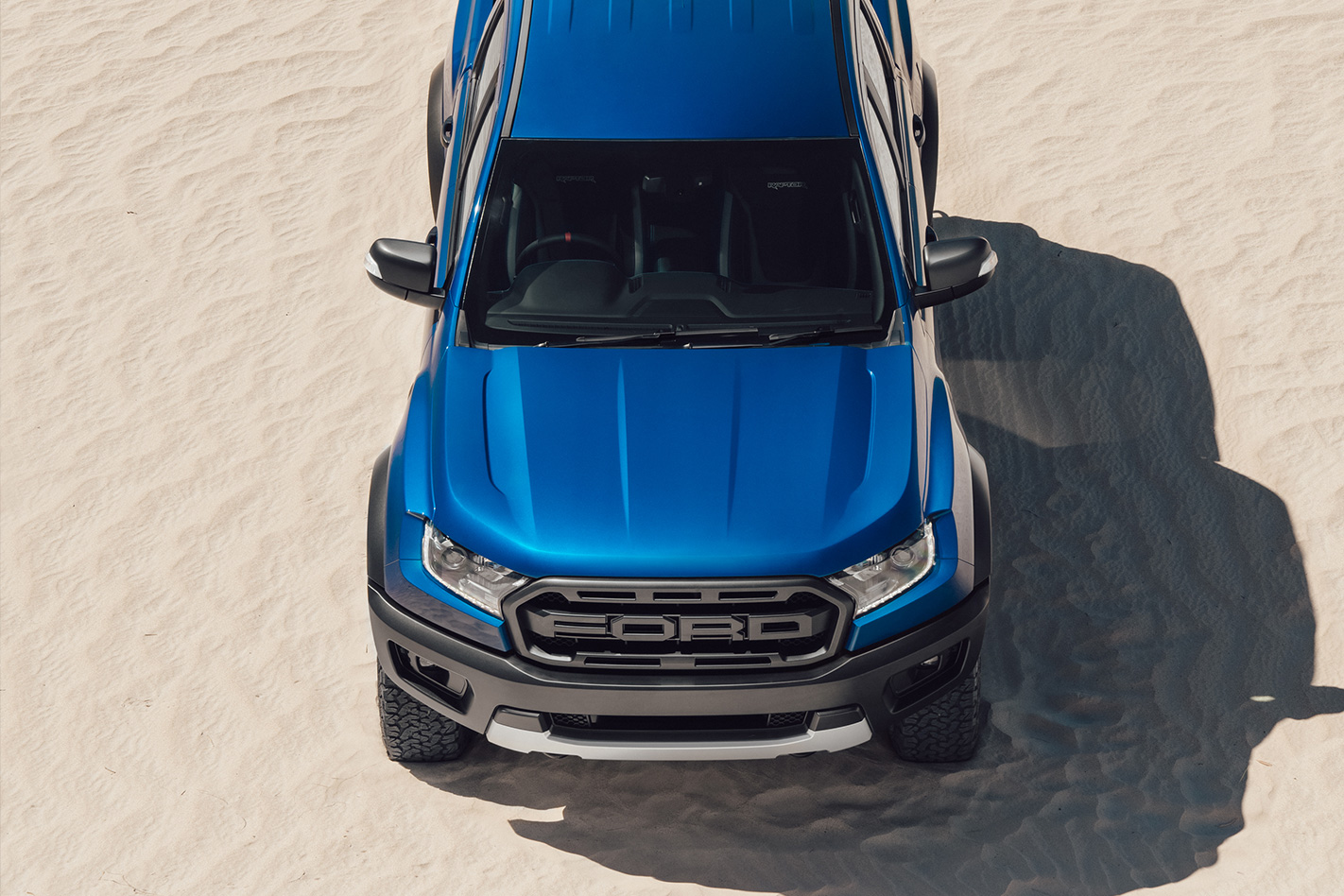
Ford’s Ranger is currently Australia’s best-selling 4×4 ute, outperforming the Toyota Hilux which will soon add more visual appeal via limited-run models that will turn up the visual appeal, but keep the same wick.
Of note too, Mercedes-Benz will later this year introduce a 3.0-litre V6-engined version of its X-Class trade ute as the luxury car maker aims straight at the hearts, and wallets, of worksites. The high-end version of the V6-engined X-Class is expected to trump the Raptor on both performance and price.
