What stands out?
The Volkswagen Touareg offers sophisticated engineering and technology in an all-wheel drive family wagon at a price considerably lower than a similar BMW X5 or Mercedes-Benz GLE. It is excellent to drive on sealed roads, and is one of the better road-oriented SUVs if the going gets rough.
What might bug me?
Even though it is surprisingly able off-road for a car of its type, the Touareg comes with a space-saver spare wheel rather than full-size spare. That won’t be very helpful if you get a flat tyre miles from anywhere, because of its low recommended speed and range, and poor flotation and grip on loose surfaces.
What body styles are there?
A five-door, five-seat 4WD wagon is the only Touareg body style.All models drive all four wheels all the time. The Touareg is classified as large SUV, higher priced.
What features do all Touaregs have?
Bluetooth phone connectivity with voice, touchscreen and steering-wheel-button controls.Cruise control operated by steering-wheel buttons.A DVD audio system with USB and Aux inputs and two SD card slots.Dual-zone climate control, which lets the driver and front passenger each set their desired cabin temperatures.Heated front seats with power adjustment, including lumbar and side-bolster adjustment. Leather trim for all seats.Satellite navigation, operated from an 8.0-inch centre touchscreen (from which you also operate the audio system and climate control).Windscreen wipers that automatically respond to rain. Headlights that self-clean, self-level, switch on automatically when it gets dark, and follow curves in the road.LED daytime running lamps that make the car more visible in low-light situations, and fog lights front and back.Parking sensors at the front and rear of the car, which help you judge the distance to obstacles. A reversing camera.Nine airbags: front airbags for the driver and passenger; four side airbags to protect the upper bodies of outer occupants; two full-length curtain airbags to protect the heads of all outer occupants; and an airbag to protect the driver’s knee and legs.Electronic Traction Control, which limits wheelspin on slippery roads and helps you go further off-road.Electronic Stability Control, which helps the driver control the vehicle in a skid. All new cars must have this feature.An off-road switch, which optimises the traction and stability controls for off-road situations. This allows the car to go further in difficult and slippery terrain. The off-road switch also turns on the Hill Descent Control, which automatically stops the vehicle from running away down steep slopes when off road.A three-year, unlimited kilometre warranty, including roadside assist, is standard with all Touareg models.
Which engine uses least fuel, and why wouldn’t I choose it?
The engine in the least expensive Touareg, the 150TDI, uses just 7.2 litres/100km in the official test (city and country combined). The more powerful Touareg V6 TDI uses marginally more.In the real world, both these cars use about 9.5 litres/100km. (Their engines are near identical 3.0-litre V6 turbo diesels with different tuning.)The most expensive Touareg, the V8 TDI R-Line, has significantly more power than either V6 model but it uses more fuel. It is driven by a twin-turbo, 4.2-litre diesel V8.All three engines come with an eight-speed automatic gearbox, the only gearbox option.(Power outputs and all other Volkswagen Touareg specifications are available from the Cars Covered menu, under the main image on this page.)
What key features do I get if I spend more?
The 150TDI, which is the least costly Touareg, has 18-inch alloy wheels and conventional coil-sprung suspension.The 150TDI Element has around $2000 worth of extra features including electric tailgate, heated steering wheel with paddle shifters, extra dark tinted privacy windows and cargo cover. A smart key lets you unlock and start the car with the key still in your pocket or bag.In November 2017 Volkswagen introduced another 150TDI model, called the Monochrome, with additional extras over the Element including 19-inch alloy wheels and ventilated seats. It also introduced active safety, such as automatic cruise control will match the speed of a slower vehicle in front; automatic emergency braking, which works at city and highway speeds, and proactive occupant protection, which detects a pending collision and tightens the front seatbelts and closes windows.Spending more for the Touareg V6 TDI gets you fancier looking 20-inch alloy wheels, and suspension with height-adjustable air springs (these let you raise the car when driving off road, for more ground clearance). The front seats, mirrors and steering wheel remember your adjustments, so that you can return to them quickly after a companion has driven the car. You also get a better class of leather trim, and a power-opening tailgate. And the fuel tank is bigger.A slightly cheaper version of the V6 TDI, the V6 TDI Adventure retains most of the features, with the price shaved by using lower-grade leather upholstery, and replacing the 20-inch alloy wheels with 19s that are more suitable for country driving. The Adventure is also styled with the bush in mind, and comes with roof racks and a large 100-litre fuel tank.The most expensive Touareg, the V8 TDI R-Line, has even fancier 21-inch wheels, two-tone leather, heated rear seats, and separately adjustable climate-control for the rear-seat passengers. The sound system is better. It also has additional safety systems that warn you if a vehicle is in your blind spot when changing lanes, and if you drift out of your lane.An option pack for the V6 TDI adds the automatic cruise control and emergency braking, plus the V8’s blind-spot monitoring and lane-departure warning.
Does any upgrade have a down side?
The 20-inch and – especially – 21-inch tyres on the more expensive Touaregs don’t work as well off road and are more susceptible to punctures. These cars also ride more harshly on rough roads than the Touareg 150 TDI versions and V6 TDI Adventure.Only white paint is standard. Other colours cost more.
How comfortable is the Touareg?
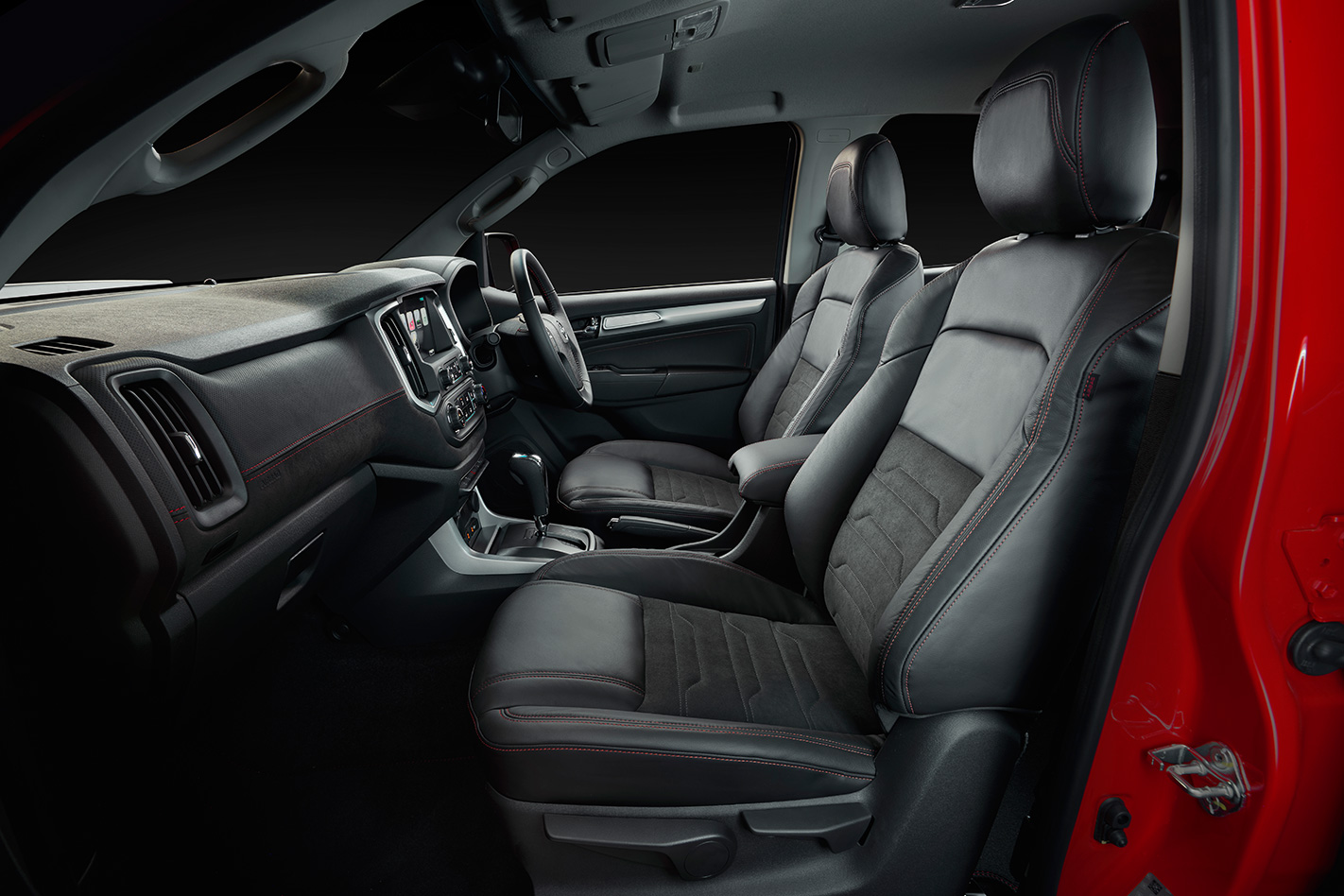
The Touareg has a beautifully finished, cleverly detailed and spacious cabin that feels efficient and high-tech, yet understated.The multi-adjustable seats are particularly comfortable and will suit a wide range of drivers, abetted by a steering wheel adjustable for height and reach. All the minor controls fall readily to hand. As is common on European cars, the turn indicator stalk is on the left.All engines are smooth and barely recognisable as diesels, and offer effortless performance. All work well with the automatic gearbox, which always seems to pick the right gear and is near seamless in doing so.The Touareg has light steering with good feel and feedback, and a generally comfortable and quiet ride even on rough roads. Only light brake pressure is needed to stop the Touareg, even though it is a relatively heavy car.
What about safety in a Touareg?
With a comprehensive suite of safety features, all Touaregs all rate as Excellent for safety.Automatic emergency braking is optional on the V6 TDI and standard on the V8. At highway speeds, the Touareg’s auto braking can initiate a full emergency stop if the car detects a crash is imminent. At city speeds the automatic brakes will be applied very hard, but will deactivate if the driver attempts to avoid the crash by turning the steering wheel or accelerating.The current Touareg has not undergone Australian New Car Assessment Program (ANCAP) safety testing.
I like driving – will I enjoy this car?
Yes. The Touareg has responsive steering and handling, and thanks to all-wheel-drive grip it is stable on slippery roads.Models with air suspension have driver-selectable damping control. Selecting Sport also lowers the car for less body roll when cornering, which improves handling.The basic 150TDI engine performs strongly but keen drivers will appreciate the 20 per cent extra power of the V6 TDI. It’s a second faster to 100km/h than the 150TDI and feels more responsive everywhere.Those after high performance have the option of the V8 TDI, which is much more powerful than either V6. The extra power, especially at lower engine speeds, makes the V8 ideal for towing very heavy loads and safer for overtaking.Touaregs do not have dual-range gearing but they will go further on difficult off road tracks than most single-range SUVs. An effective all-wheel drive system (with a centre differential that locks automatically) helps here, as does the the low first gear on the 8-speed gearbox. On the more expensive models, the extra ground clearance from the height-adjustable suspension is also beneficial, and an advantage over most similar vehicles. However, there is only the space saver spare if you flatten a tyre, and that won’t give you much grip.
How is life in the rear seats?
The Touareg’s rear seat is spacious and comfortable but still a squeeze for three large adults. It’s fine for two large adults and a child, or three small adults.The V8 TDI, with its heated rear seats and four-zone climate control, brings a touch of limousine luxury to the rear-seat passengers.There are three child-seat anchor points but only outer two are ISOFIX. The seat is a good height for loading small children in and out.
How is it for carrying stuff?
The Touareg has a good-sized luggage space, thanks in part to the space-saver spare wheel. There is a vertical cargo safety net, which can attach to the rear seat or (if that is folded) the front seats. There’s also a luggage tie-down net to stop things moving around.The rear-seat’s 60/40 split backrests can be folded remotely from switches in the rear of the cargo space, which helps when loading long items.Touaregs with air suspension have a switch in the luggage space that lets you lower the rear of the car, to make it easier to load heavy items.All Touaregs come with a 3500kg tow rating. That’s as good as it gets for big family 4WDs, including dual-cab utes such as the Ford Ranger. It is sufficient for a very big caravan or boat, and well over what you need for a two-horse float.
Where does Volkswagen make the Touareg?
All Australian-delivered Touaregs are made in Slovakia.
What might I miss that similar cars have?
No Touareg comes with a petrol engine.No Touareg has a third row of seats, which would allow you to seat six or more people.The Touareg also does not have dual-range gearing, which makes cars such as the Jeep Grand Cherokee or Land Rover Discovery are more suitable for off-road use. (The option of dual-range gearing was discontinued with the 2015 Touaregs.)You might also consider an Audi Q5 or Q7, Volvo XC90, Lexus RX, BMW X5 or Mercedes-Benz GLE. The higher spec Mazda CX-9 or Toyota Kluger may also appeal.
I like this car, but I can’t choose which version. Can you help?
The V6 TDI is the pick of the range. It has the useful height-adjustable suspension and plenty of power.
Are there plans to update the Touareg soon?
This second-generation Touareg, which arrived in 2011, received a mid-life facelift for the 2015 model year. The V6 TDI gained smart-key entry, a memory for front-seat adjustments, and the bigger, 100-litre, fuel tank from about September 2016, for the 2017 model year.Volkswagen introduced a couple of additional models during 2017 in an effort to keep the current generation range fresh in its final year. These included the limited edition V6 TDI Adventure in March, and the 150 TDI Monochrome in November.The third-generation Touareg has been seen in prototype form undergoing road testing. It is expected in 2018.
TELL ME ABOUT THIS CAR
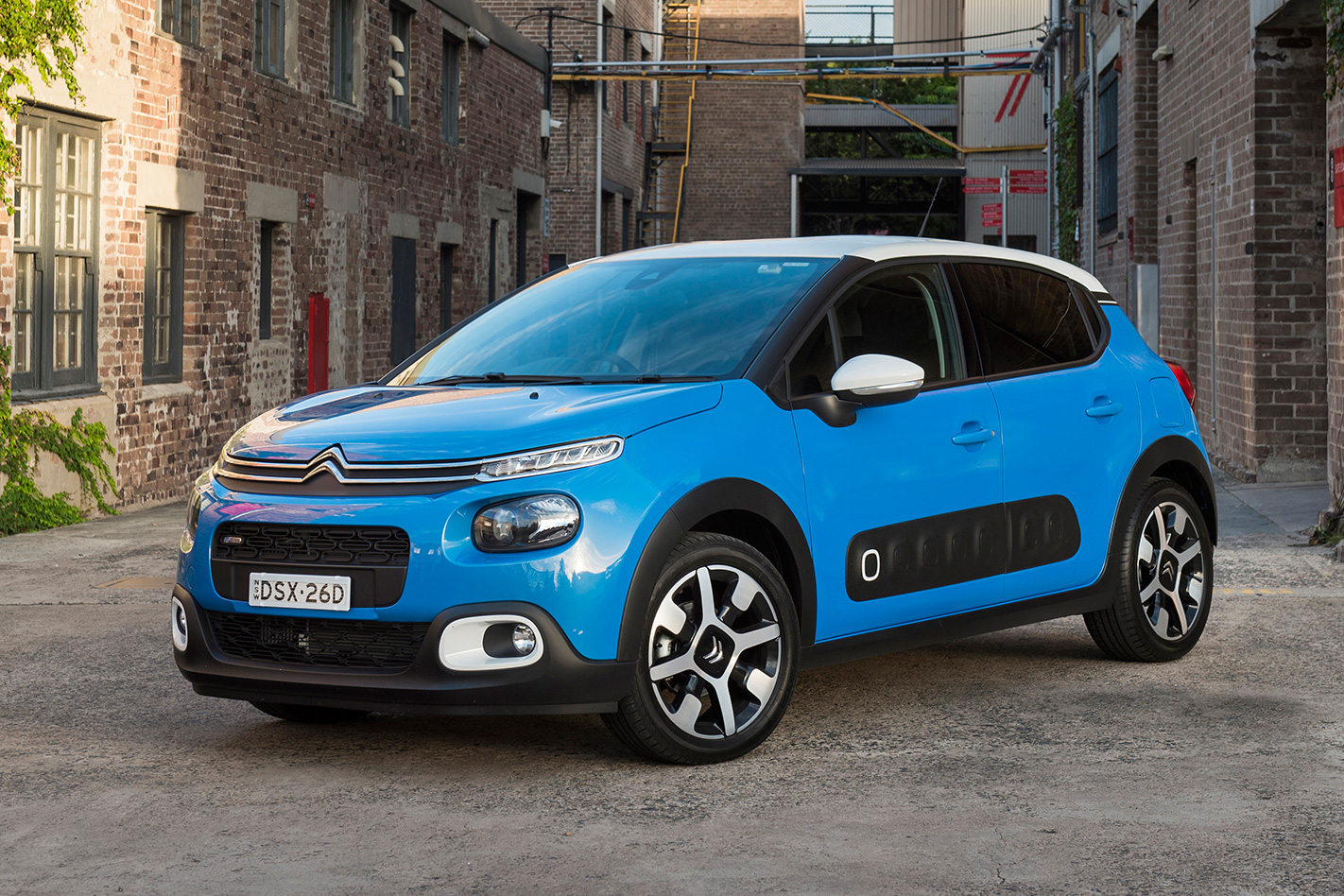
The Citroen C3 is a French-designed five-door light hatch, offered in one specification only, and aimed at buyers prepared to pay a premium for generous equipment, ample design flair and customisable paint and trim. It’s powered by a very frugal 1.2-litre three-cylinder engine mated to a six-speed automatic transmission, and drives the front wheels. No manual gearbox is available.

STRENGTHS
- It has bold, eye-catching exterior design. The Citroen C3 brings a generous splash of design-driven pizazz and customisable style to what is a mostly sensible, pragmatic segment. If you think a Toyota Yaris is a bit boring, or a Mazda 2 is a bit common, this may be the car for you.
- You really can make it your own. There’s ample potential to spec one that’s unlike anyone else’s via nine body colours ($290 for solid colours, or $590 for metallics), three roof colours, the no-cost option of black 17-inch diamond-cut alloy wheels, and three choices of interior trim combinations ($150 or $400). Apart from that, the options list is limited to a $600 sunroof or a $600 feature called Citroen ConnectedCam, which is a wide-angle HD dash camera positioned behind the rear-view mirror to record traffic incidents or allow you to share pics or video on social media.
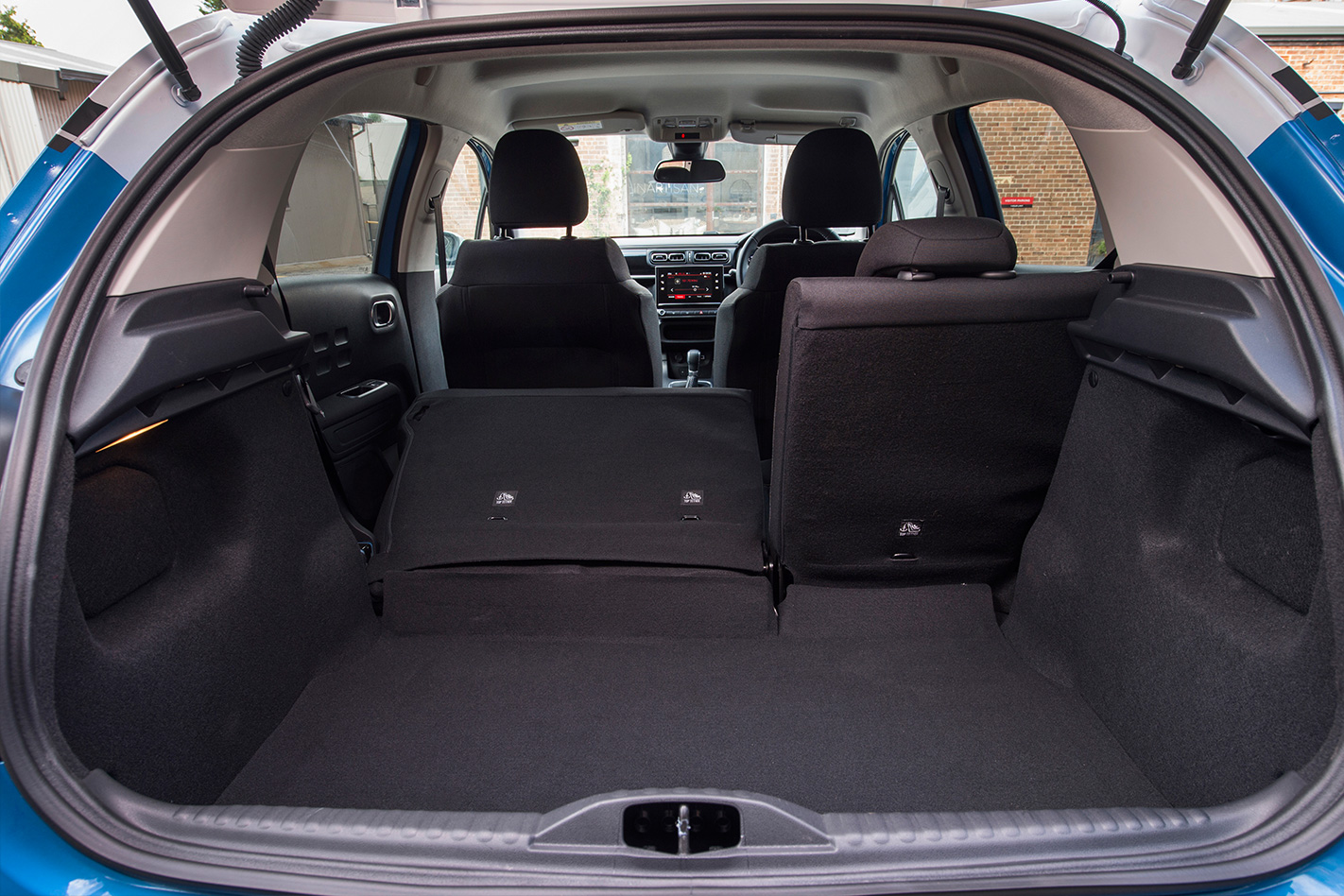
- For a small car, it’s not too cramped. Smart packaging means there’s enough leg, foot and shoulder room in the back for two average-sized adults if the front occupants don’t require full rearward travel of their seats, or it will easily take three small kids. Seat-up cargo capacity is 300 litres, ample for this class, and expands to 922 litres with seats folded.
- It’s a fun, engaging small car to drive. The steering is light and direct, and once on the move, the engine has plenty of pulling power to deliver ample zip out of corners or when overtaking. The C3 also handles bumps nicely, with a ride that’s composed and comfortable.
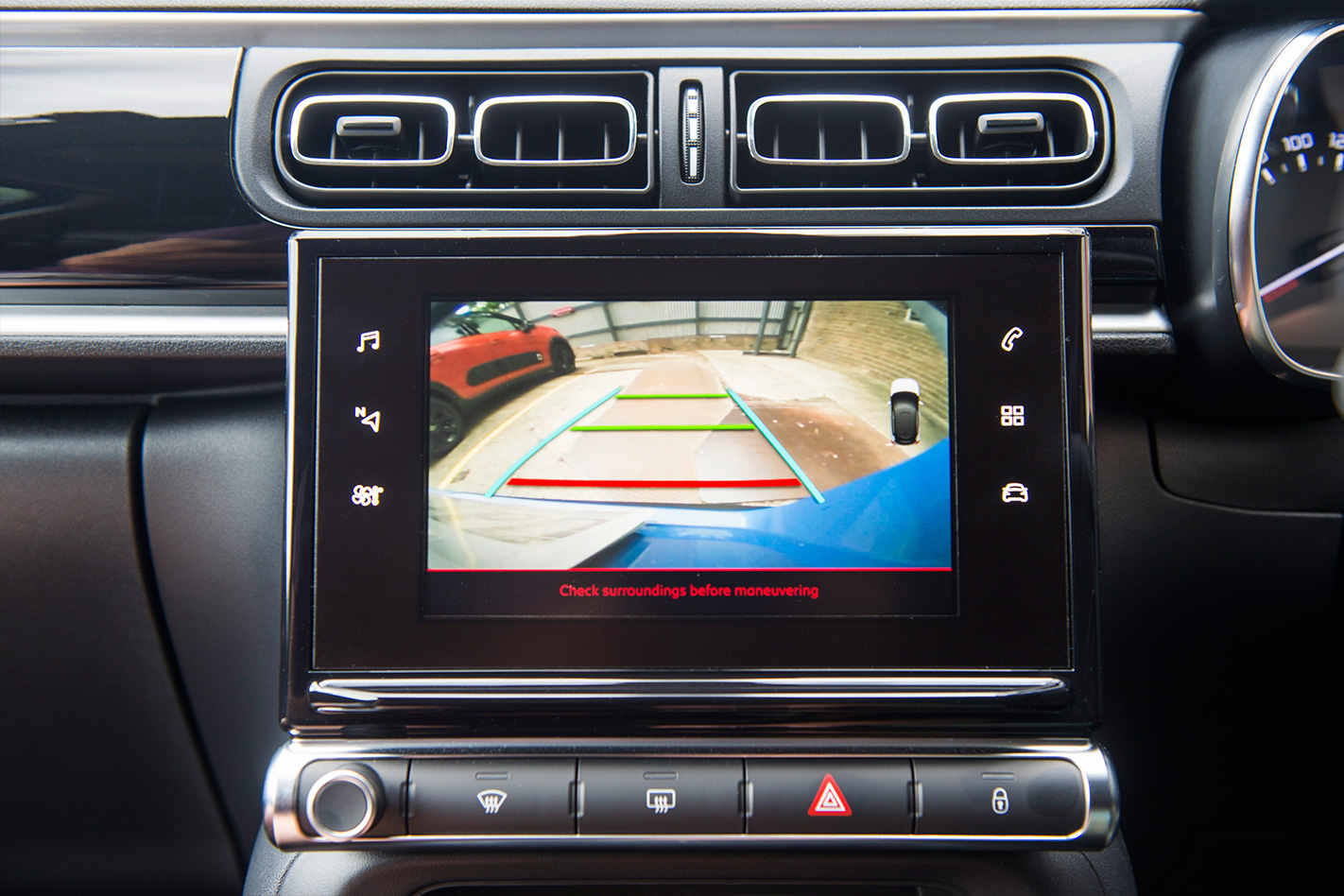
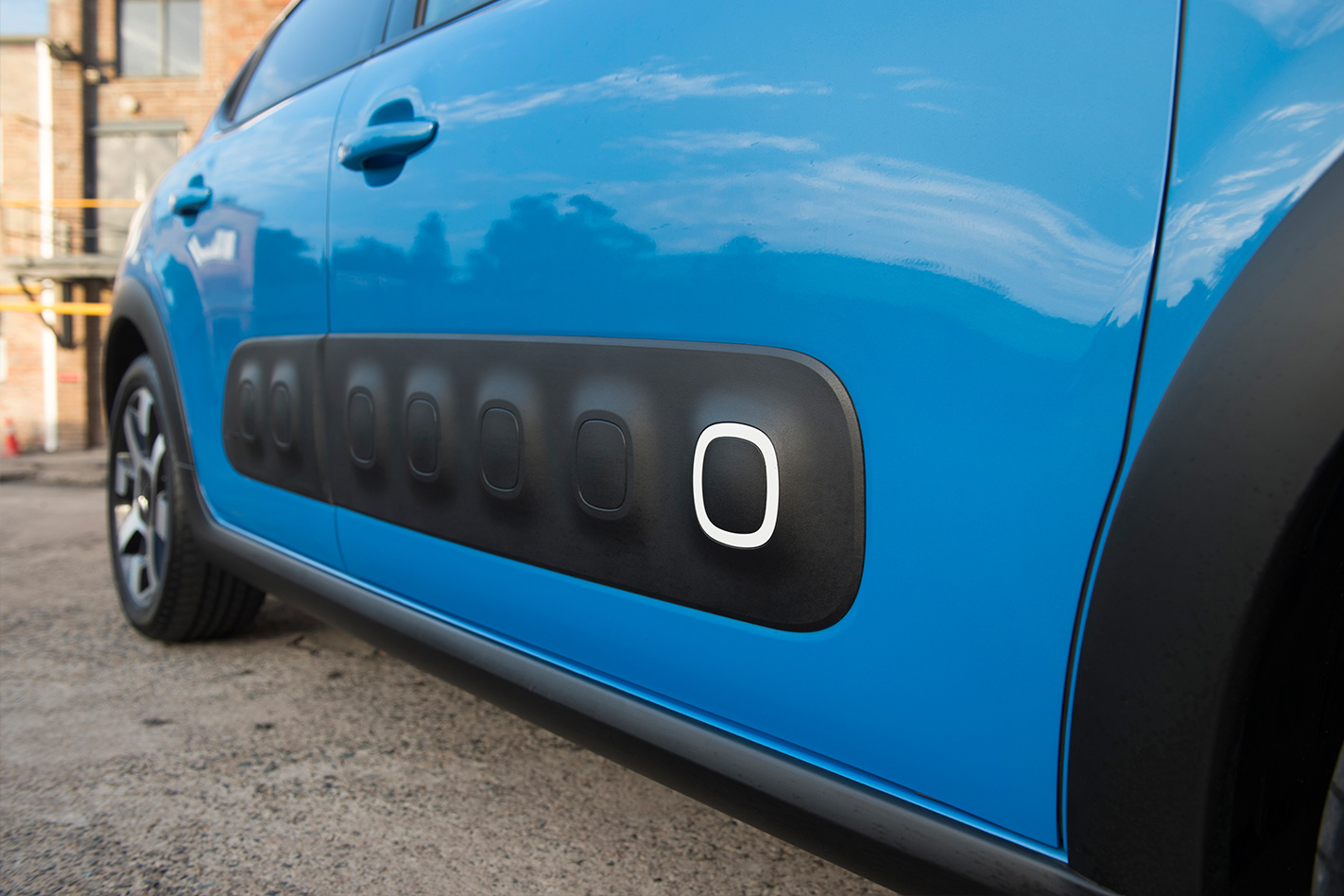
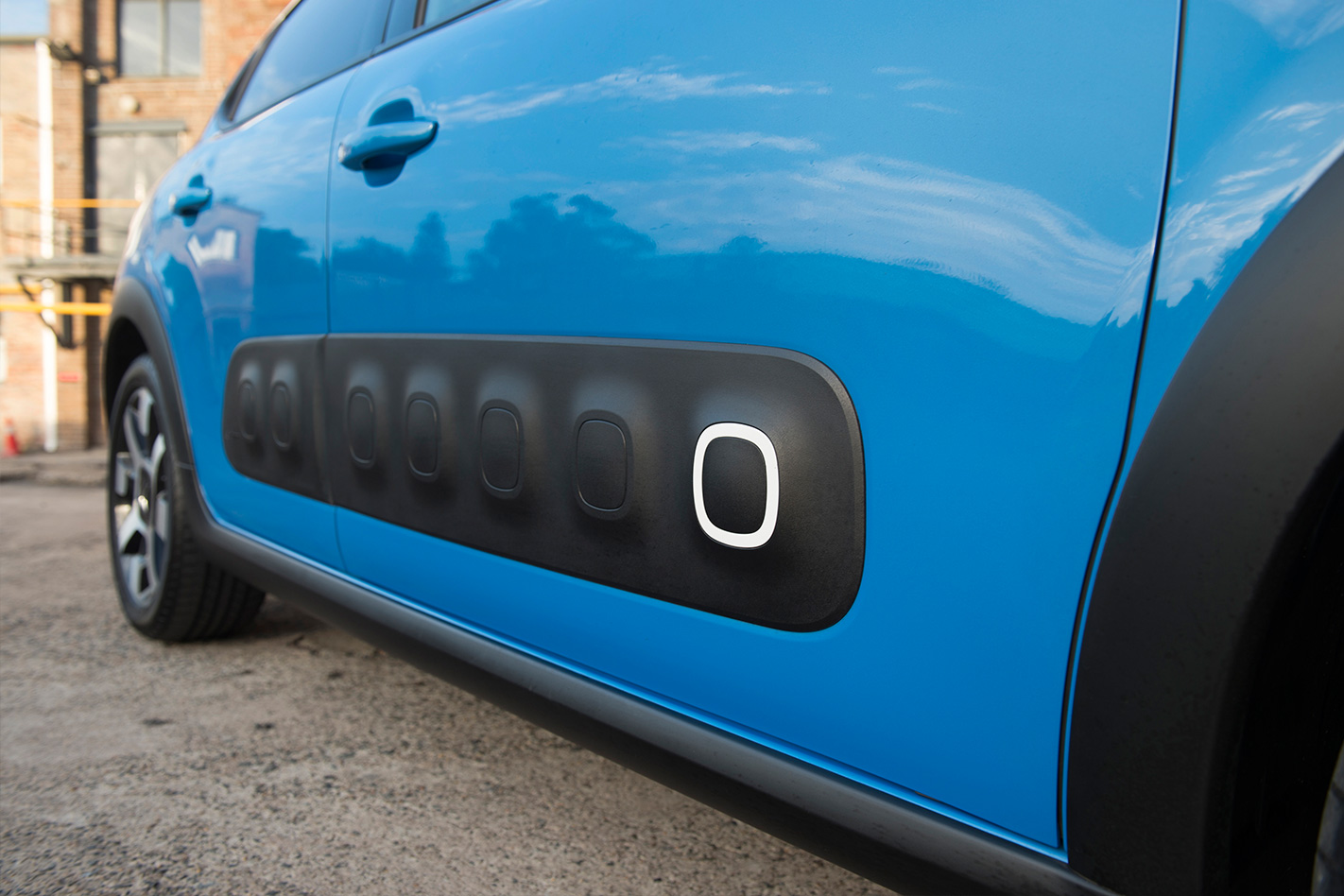
- It’s well equipped. Safety gear includes front, side and curtain airbags, lane departure warning and speed limit recognition, driver attention alert, a reversing camera and rear parking sensors. Convenience equipment includes dusk-sensing headlights, rain-sensing windscreen wipers, smartphone integration for Apple and Android devices, 7.0-inch touchscreen, Bluetooth and USB connectivity. And you will have noticed the Airbump protectors on the front doors, designed to prevent dings and scratches on these most vulnerable panels.
- It comes with a five-year warranty and five years of roadside assistance. Not the absolute best in the business, but still very good.
WEAKNESSES
- It doesn’t have a full suite of safety features. The crucial omissions are Autonomous Emergency Braking (AEB) and blind-spot monitoring, which explains why the C3 only achieves an ANCAP rating of four stars. AEB is only now making it onto European cars; the Australian Citroen importer won’t say when the safety system will make it onto Australian C3s; only that it will.
- The engine exhibits a mild band of vibration at low revs that is noticeable when moving away from standstill and at crawling speed. Then there’s the transmission calibration, which errs toward early upshifts to reduce fuel consumption. This is not an issue in daily driving, and there is a Sport button for a more aggressive calibration to cater for those with a more ‘enthusiastic’ driving style.
- It’s not cheap. The price is clearly aimed at customers amenable to paying a premium for fashion: the C3 retails for $23,490, with an initial driveaway deal of $26,990. But if the Japanese or German alternatives in this segment leave you uninspired, perhaps the price of French chic won’t be insurmountable.
ANY RIVALS I SHOULD CONSIDER?
Mazda 2 GT, VW Polo Launch Edition, Skoda Fabia Monte Carlo, Suzuki Swift GLX Turbo
Perky, stylish French flair, downsized … for a price.
WHAT IS IT?
A French-designed five-door light hatch, offered in one specification only, and aimed at buyers prepared to pay a premium for generous equipment, ample design flair and customisable aesthetics.
WHY ARE WE DRIVING IT?
The new Citroen C3 went on sale in Australia at the beginning of the year, but a change of local importer meant a delayed media launch, so this was our first chance for an extensive drive on Aussie roads.
Mazda 2 GT, VW Polo Launch Edition, Skoda Fabia Monte Carlo, Suzuki Swift GLX Turbo
THE WHEELS VERDICT
Key demerits are the lack of AEB and the engine vibes at low revs. If you can get past this, it’s difficult not to fall for the perky, stylish charm of the Citroen C3. Hard-nosed pragmatists may notice they can buy a class-above Holden Astra R for this sort of money, but that’s not the type of buyer Citroen clearly has in its sights.
THE WHEELS REVIEW
IN AN automotive world increasingly full of over-choice and over-complication, there’s something refreshingly straightforward about the arrival of Citroen’s C3 light hatch into Australia. It’s offered in just one (lush) spec level, with one sensible powertrain. Oh, and one pretty rich price tag, but more on that in a moment.
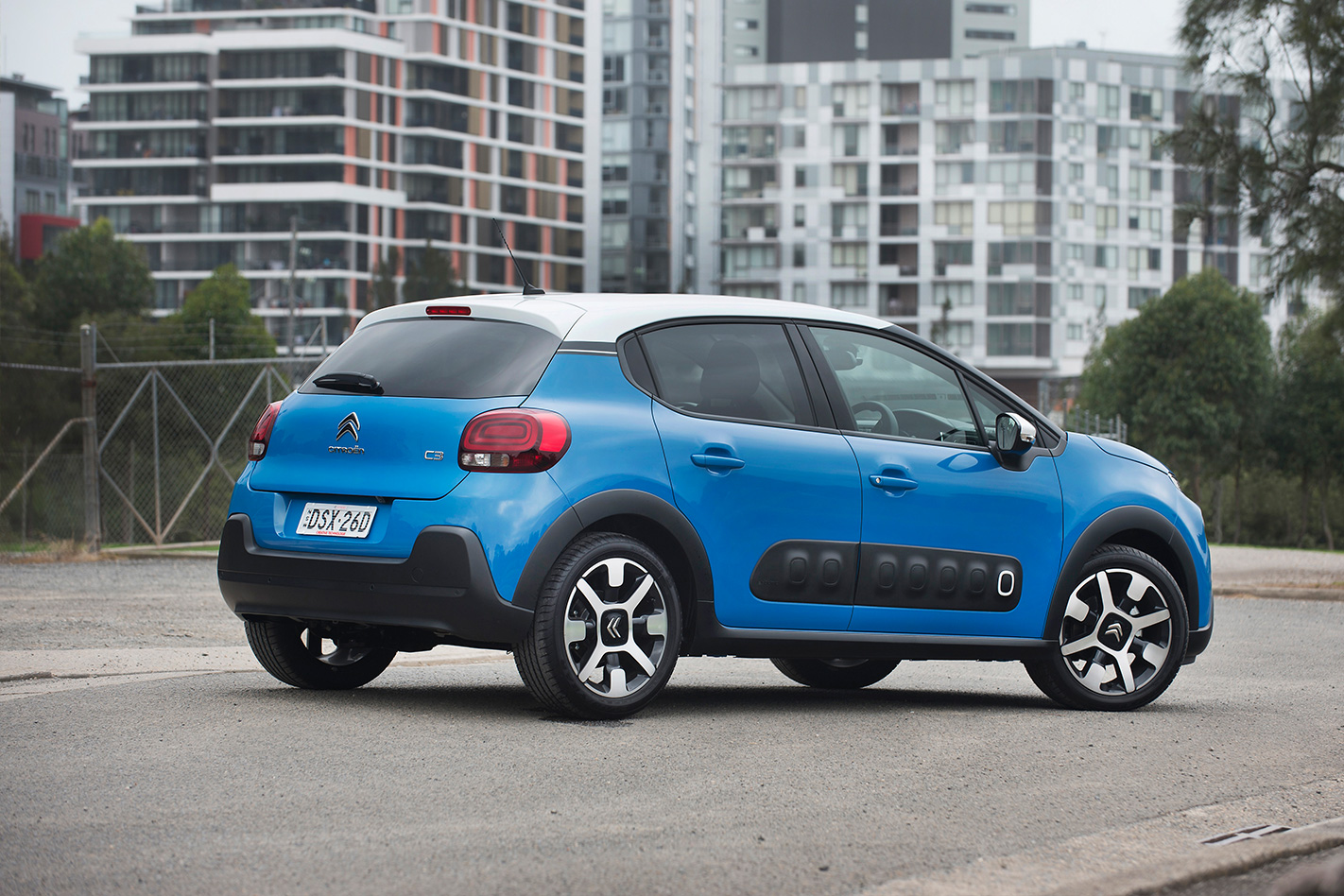
What the C3 also brings is a generous splash of design-driven pizazz and customisable style to what is a mostly sensible, pragmatic segment. Think of it as a stiletto to the eye of a Yaris. The surfacing is curvaceous, the proportions pert, and there’s ample potential to spec one that’s unlike anyone else’s via nine body colours ($290 or $590), three roof colours, the no-cost option of black 17-inch alloys, and three choices of interior trim combinations ($150 or $400).
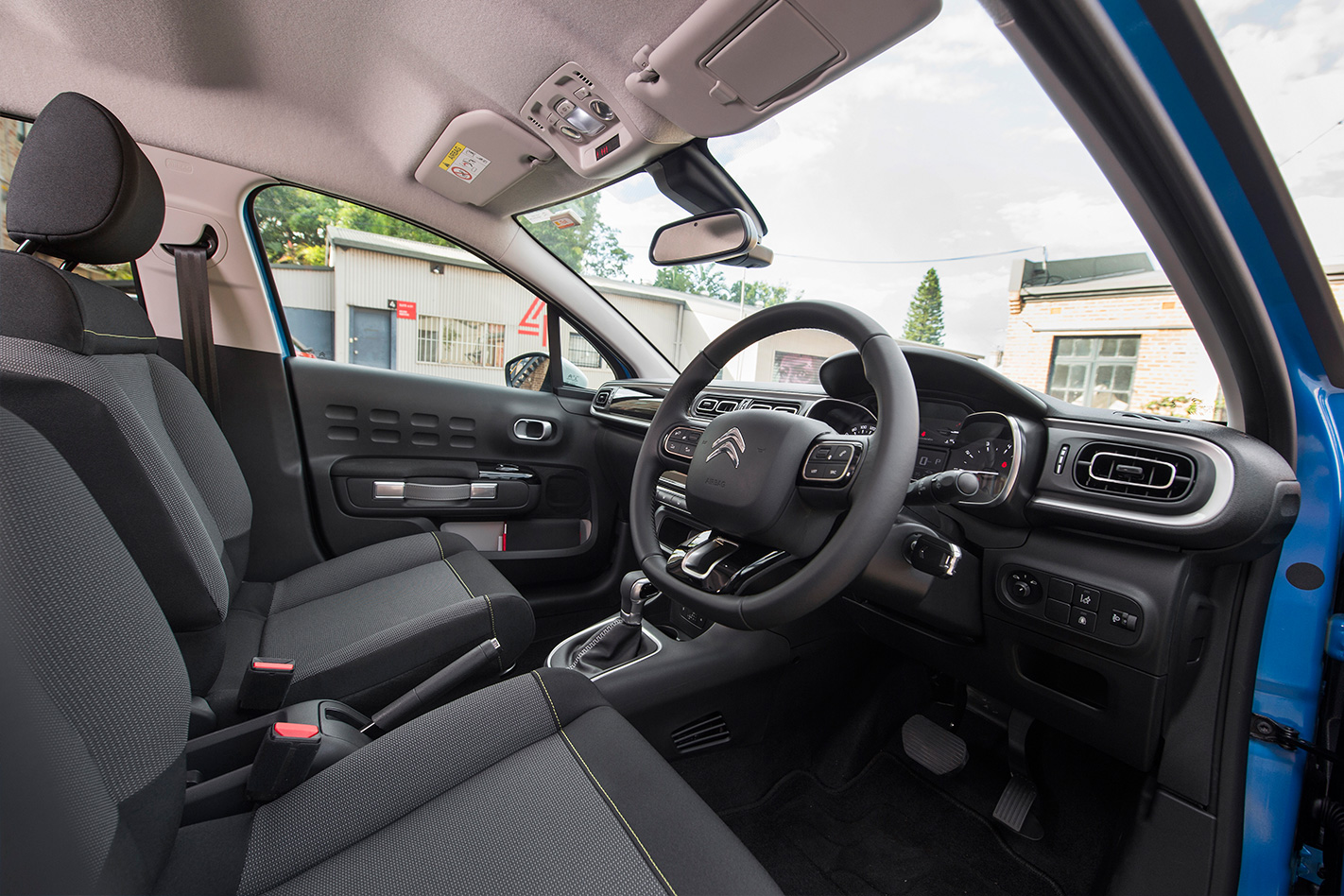
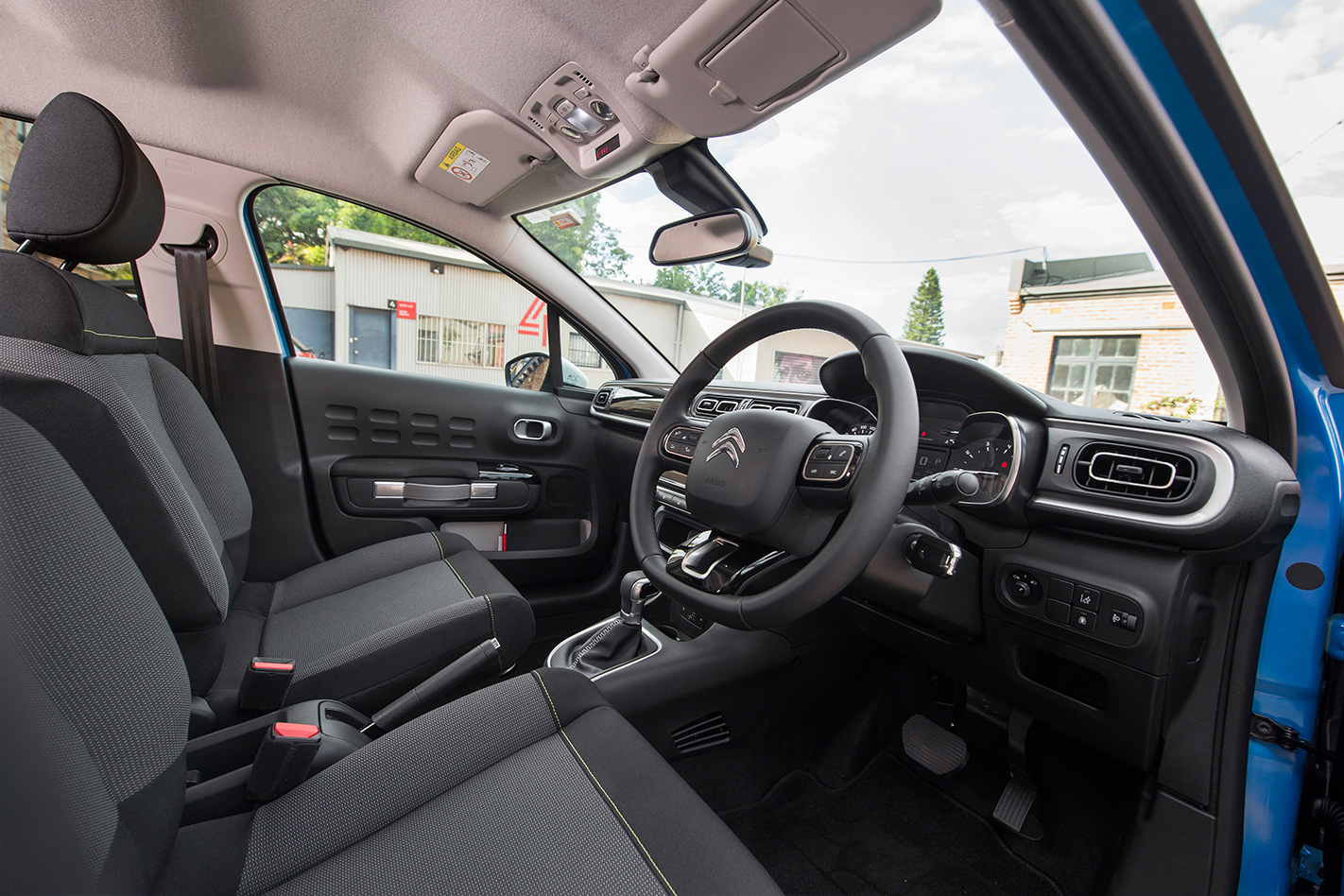
More attention grabbing is an interior that stands apart from the competition for design flair and clever flashes of upmarket-feeling materials to distract you from the fact that the bigger, more costly bits, like the dash and door trims, are really not that costly at all. A slender satin-silver frame wraps a compact dash face, matched to a fabric accent. Retro-looking door-strap handles are intended to evoke thoughts of designer luggage. The seats lack side support, but are generously sized, properly comfortable, and come trimmed to look like something more upmarket. A 7.0-inch touchscreen sits in the centre of the dash and, along with the now-obligatory Apple CarPlay and Android Auto with MirrorLink, handles pretty much everything, including ventilation, which won’t please everyone.
Steering that is feather light at parking speeds does gain a little more weight on the move, if not feel. But there’s delicacy and immediacy to the wheel’s motions, so no major complaint. Likewise the ride and body control, which, thanks to fairly relaxed damping, strikes an acceptable blend of easy-riding compliance with contained roll when you lean on the C3’s front end. It’s a much sweeter riding car than the related C3 Aircross small SUV, although sharp dips taken at speed do reveal a lack a rebound control.
So overall, C3 is near-impossible to dislike – or ignore. Sure, the price is clearly aimed at customers amenable to paying a premium for fashion: a retail of $23,490, with an initial driveaway deal of $26,990. If the Japanese or German alternatives in this segment leave you uninspired, perhaps the price of French chic won’t be insurmountable.
SPECS
Model: Citroen C3 Shine Engine: 1190cc 3cyl, dohc, 12v turbo Max power: 81kW @ 5500rpm Max torque: 205Nm @ 1500rpm Transmission: 6-speed automatic Weight: 1090kg 0-100km/h: 9.8sec (claimed) Economy: 4.9L/100km Price: $22,990 On sale: Q1, 2018
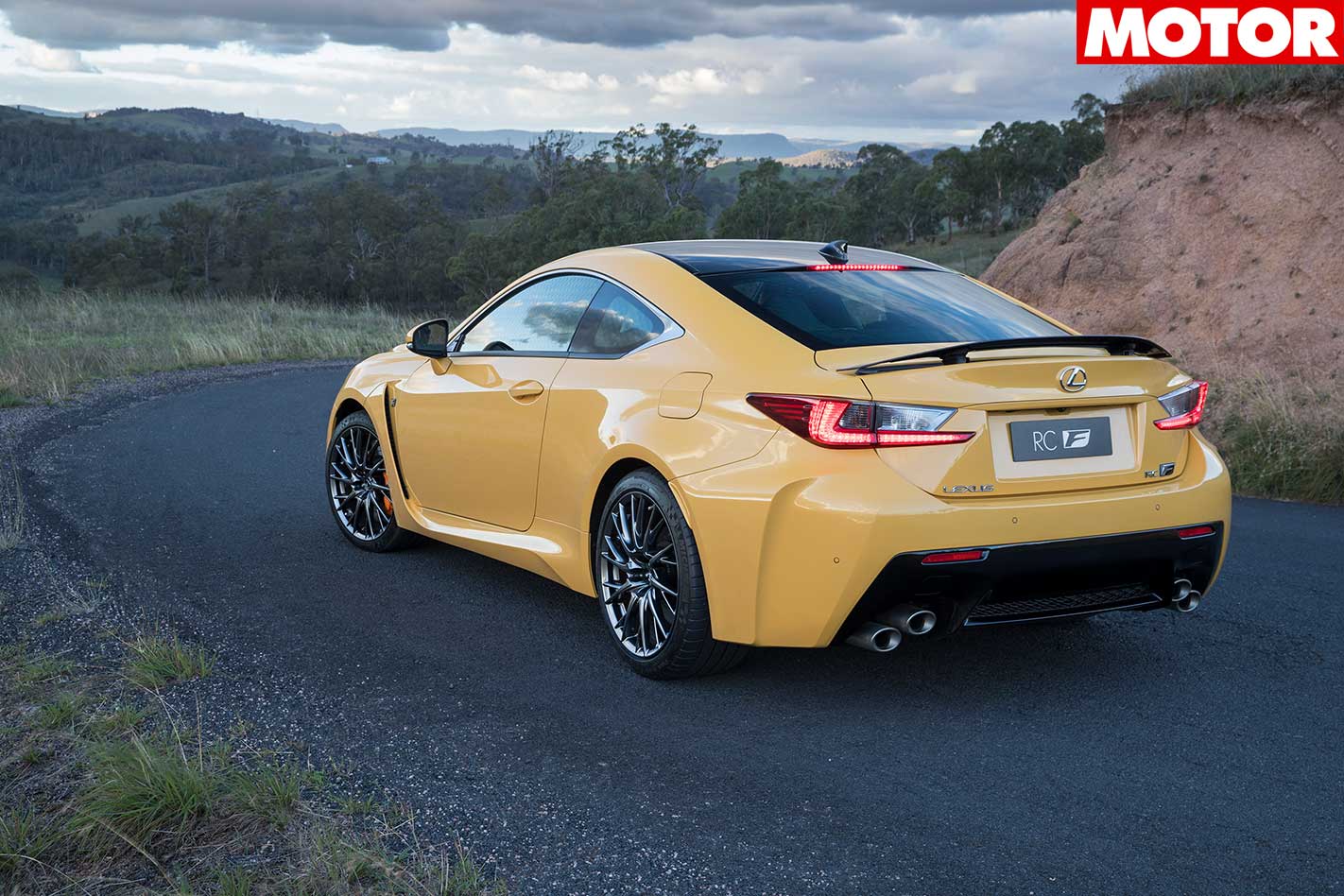
The Lexus RC F is being updated, with performance management systems and interior features gaining the most from the changes.
The RC F will now come with ‘Drive Start Control’, which produces “smooth starts and optimal rapid acceleration” while the shift lever is in use.
The system manages power and torque unless the RC F’s traction control is off, then you’re on your own.
Another significant change is the ability for drivers to independently change powertrain, chassis/suspension damping, and air conditioning settings.
This means you can cruise along the highway with the drivetrain in Sport+ and dampers in comfort, then stiffen them up once you hit the twisties.
Our Lexus RC F long-termer hits the track
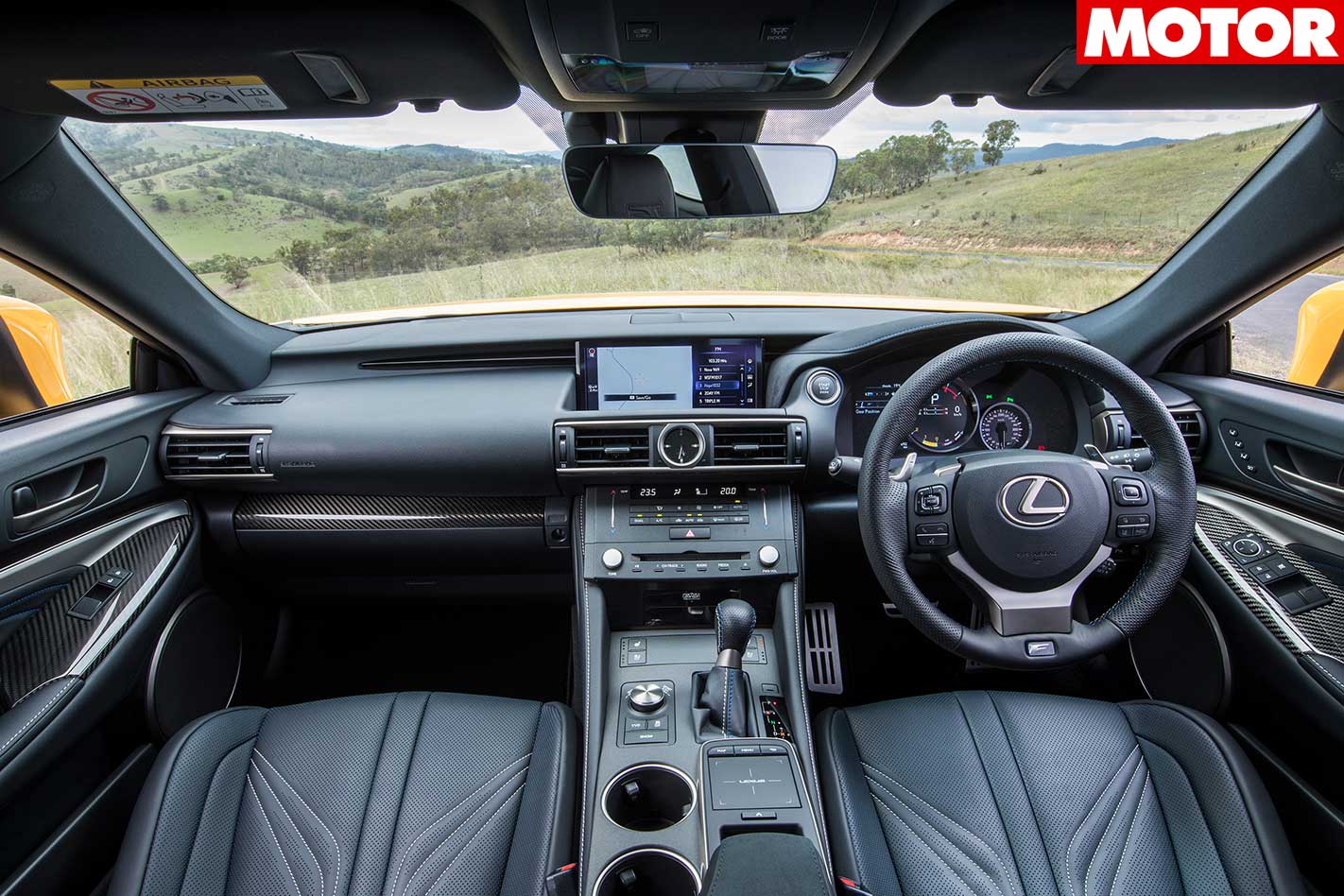
Inside, the infotainment screen is now 10.3-inches, up from 7, and the trackpad is larger too.
The engine remains unchanged in terms of output though, still producing 351kW at 7100rpm, and 530Nm between 4800 and 5600rpm.
Some more safety features such as pre-collision detection, active cruise control, lane departure warning, and automatic high beam.
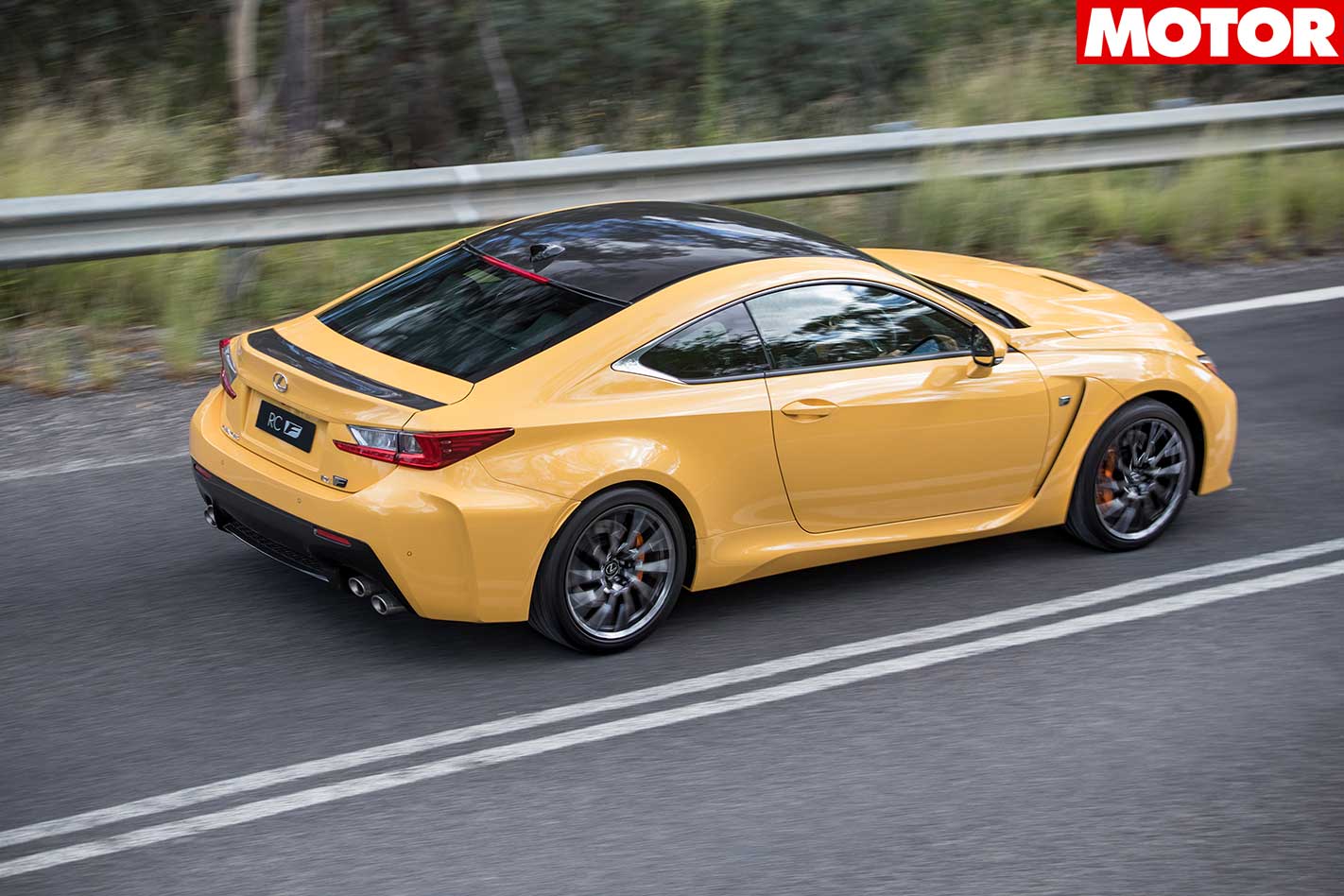
Also new is the option for Zinnia Yellow (pictured) as a paint colour, nicked from the Lexus LC500, while the available shade of silver changes from Titanium to Sonic.
A ‘Carbon’ variant of the RC F replaces the carbon fibre option pack, with the bonnet now being aluminium leaving the roof, active wing, and interior to cop the fibre.
Pricing has changed somewhat, with the base price for the RC F only increasing by $149 to $138,100, while the RC F Carbon drops $6248 to become $152,300 instead of $158,548.
Also updated are the RC 300 and RC 350, with the ‘350 gaining 2Nm but losing 1kW (now 232kW/380Nm) in an effort to make the turbocharged six more flexible and economical.
Both are given Lexus’ VVT-iW (intelligent variable valve timing – wide) system on inlet camshafts, and now have integrated catalytic converters.
The RC 350 costs between $68,400 and $87,900, depending on trim, while an RC 300 can be had from $65,400 up to $84,900 in Sport Luxury specification.
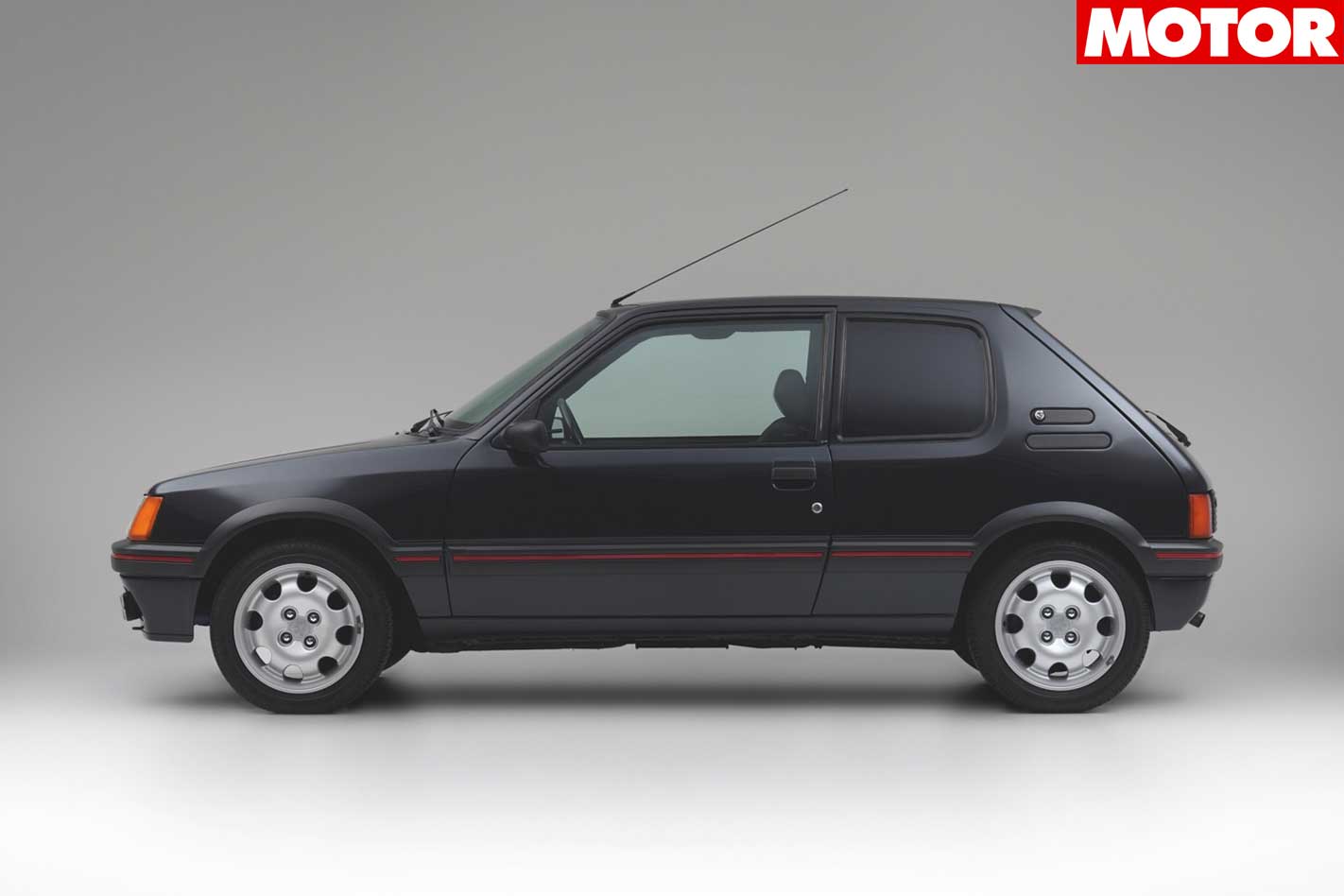
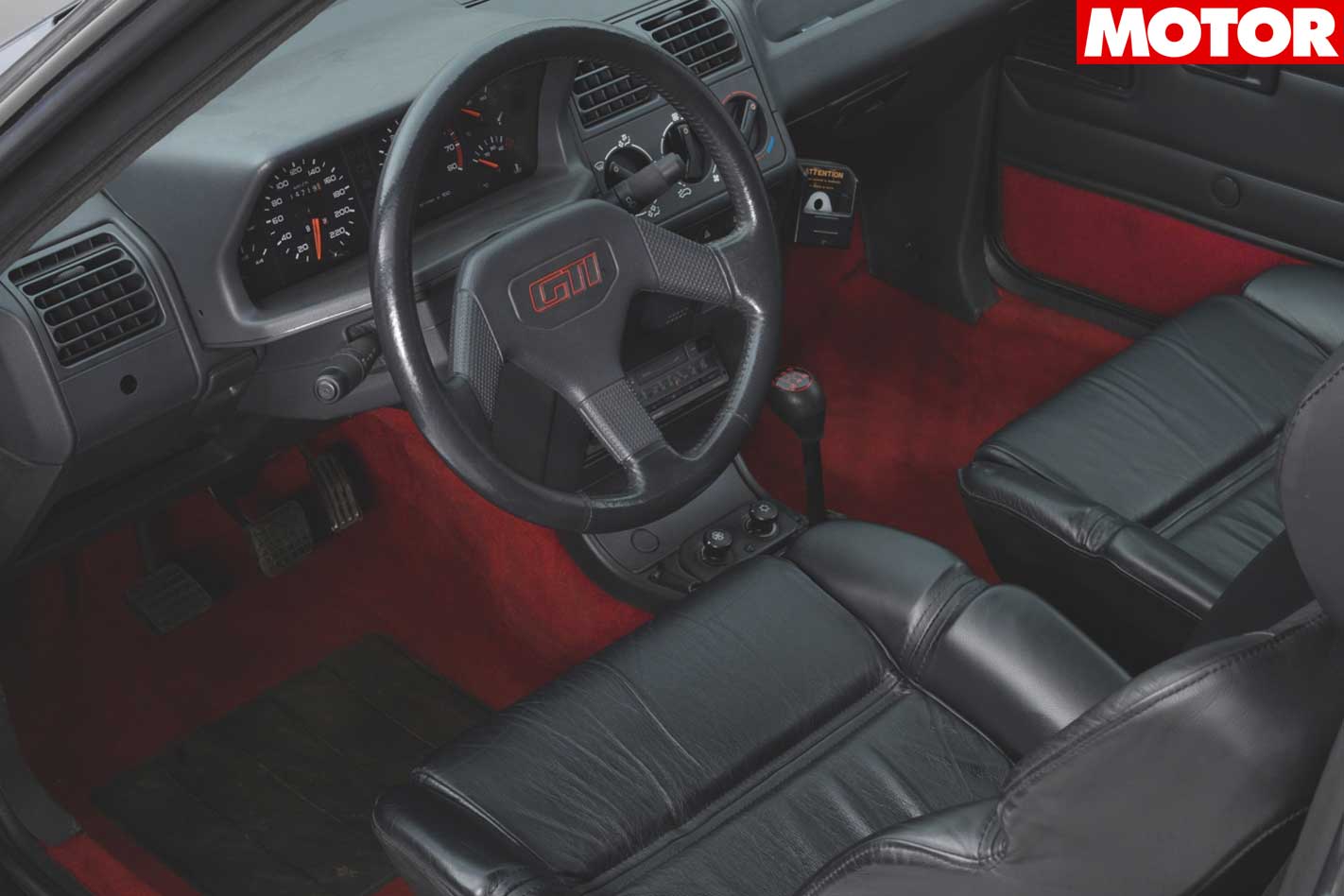
Sometime we say cars are ‘bulletproof’ if they’re particularly hardy, but this Pug 205 GTi is actually bulletproof.
And it’s for sale on Art & Revs for €37,500, or $58,976.
LVMH is the umbrella under which 70 of the world’s most recognisable luxury brands are found, including Tag Heuer, Dior, Dom Pérignon, Bulgari, as well as the eponymous brands which make up the LVMH acronym.
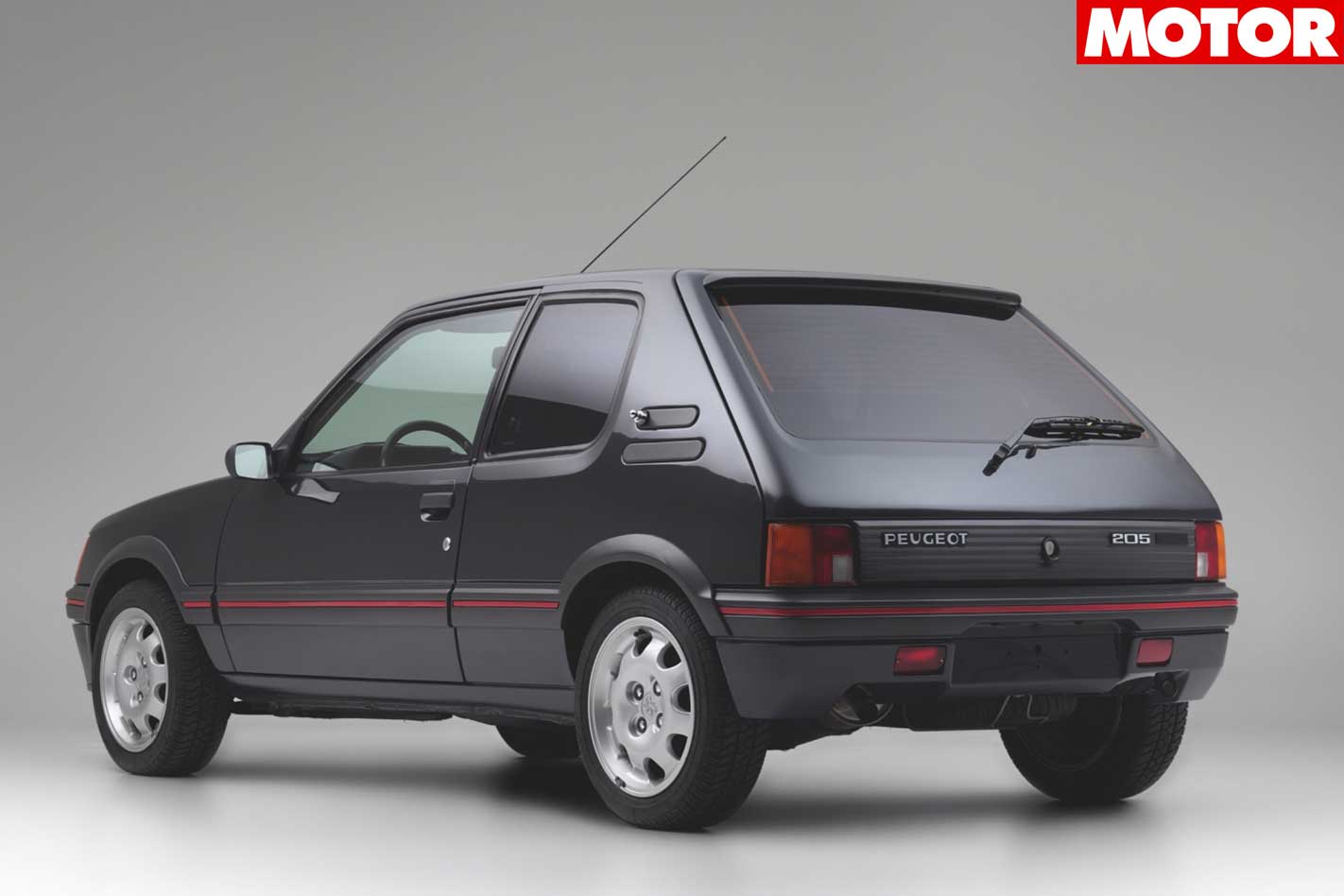
You can see why he wanted a little bit of extra protection.
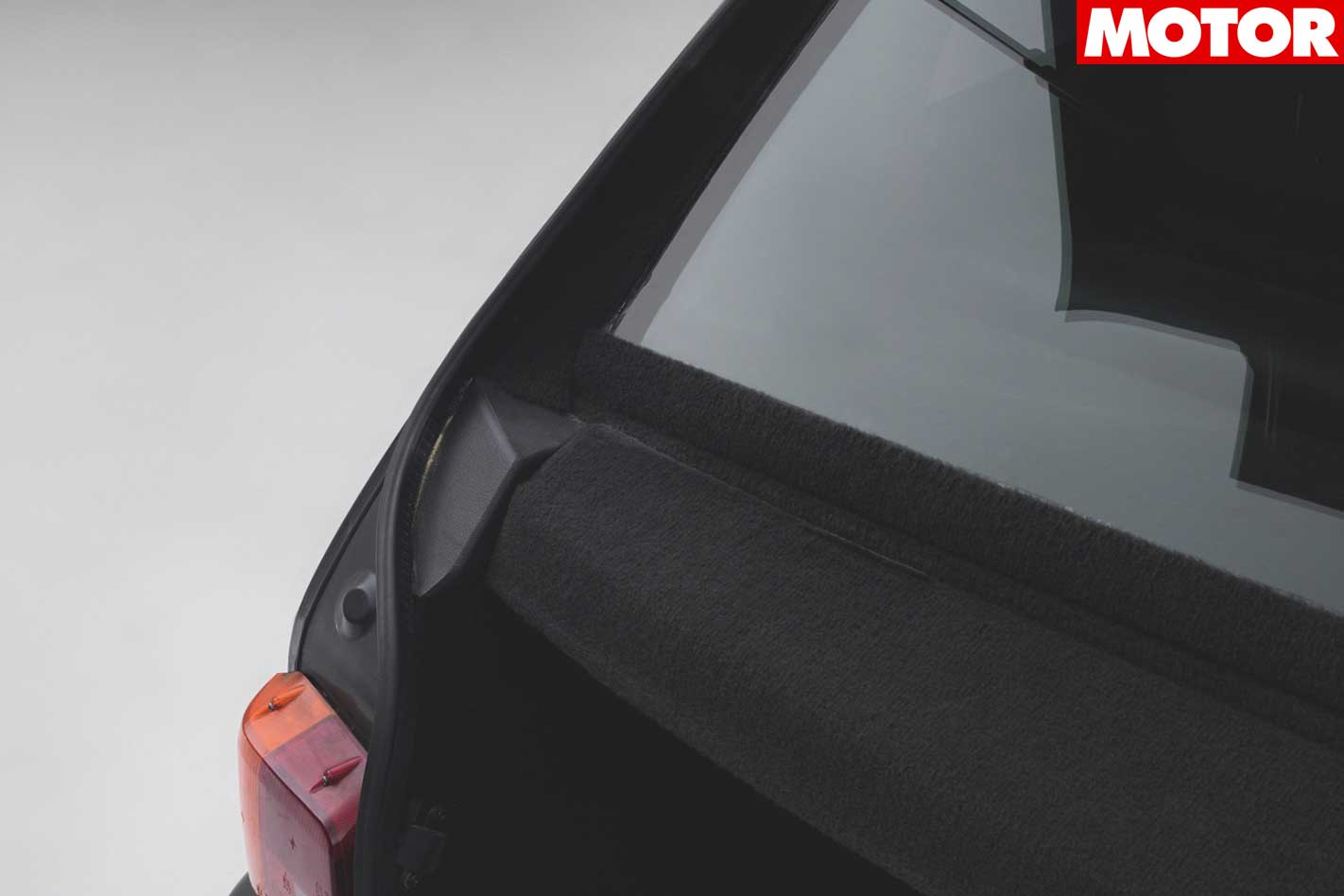
The listing on Art & Revs says, “the car’s structure received thick sheet metal panels and windows, the suspension and brakes were also reinforced.
Now, after having been sold to a collector in 2009 (though it remains registered to Arnault), it wears only 14,700km, and still looks immaculate.
It does however weigh about 1400kg, which somewhat detracts from the car’s originally (875kg) lightweight nature.
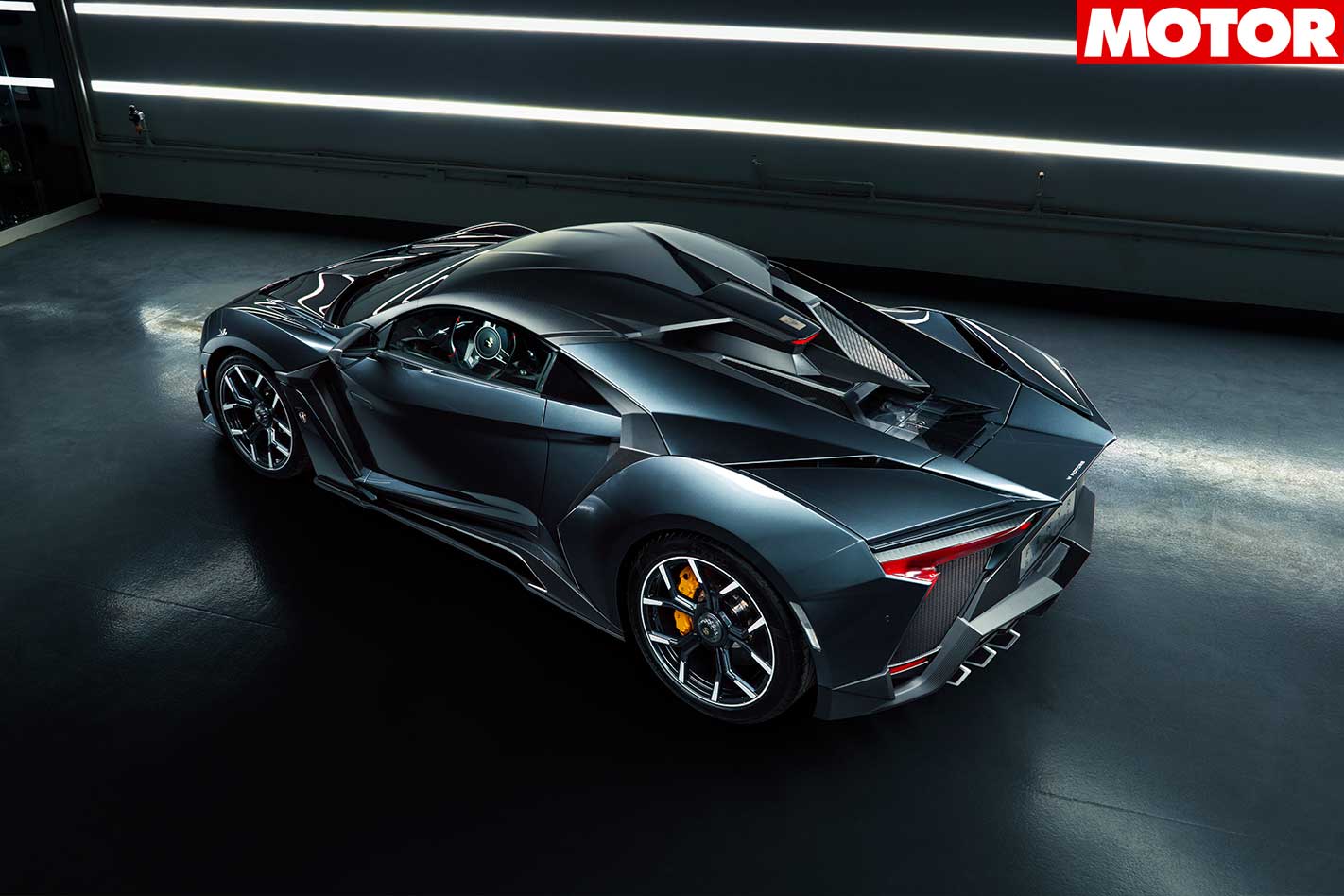
If you ever thought the cars modified in the Middle East were extravagant, wait until you see what happens when they build their own.
This is the W Motors Fenyr SuperSport, a 596kW/980Nm rear-drive coupe that weighs about 1350kg.
That’s about as much as a Golf GTI. The weight, that is.
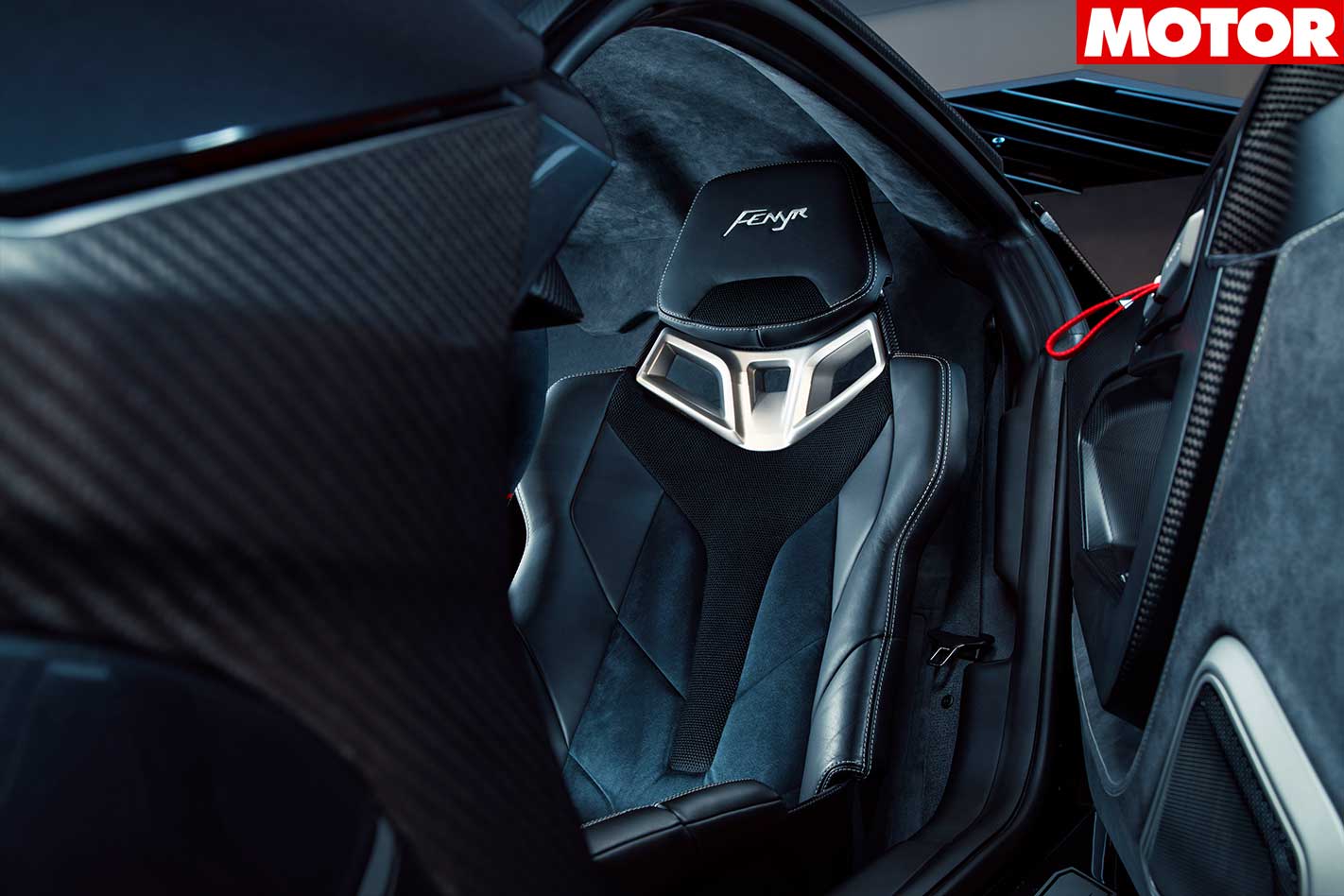
Inside, the story is much the same.
W Motors employed the experts at RUF when it came to the powertrain, so it’s not all just for show.
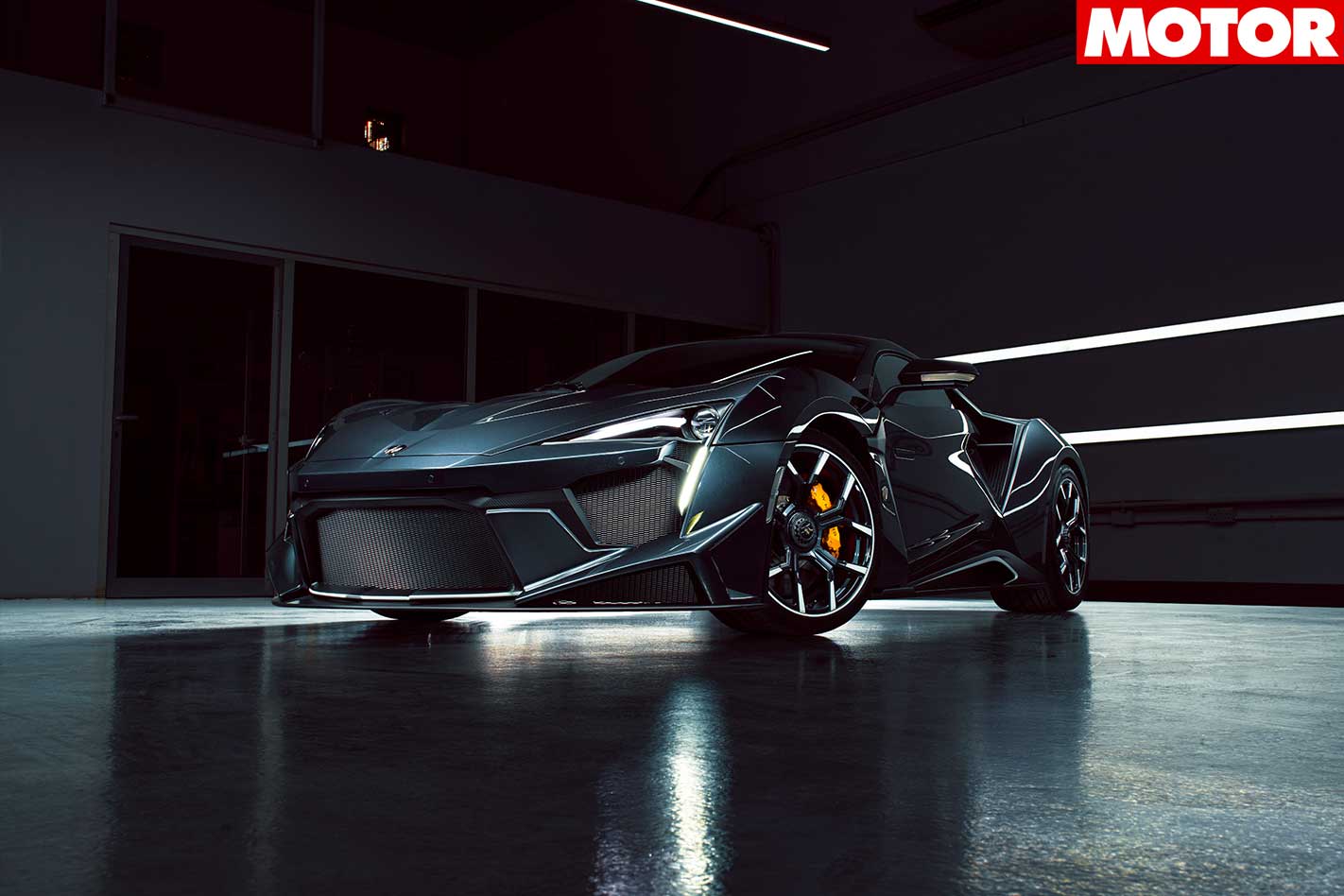
The claimed sprint to 100km/h is just 2.7 seconds, a tenth quicker than a Porsche 911 GT2 RS, and its top speed is said to be 395km/h.
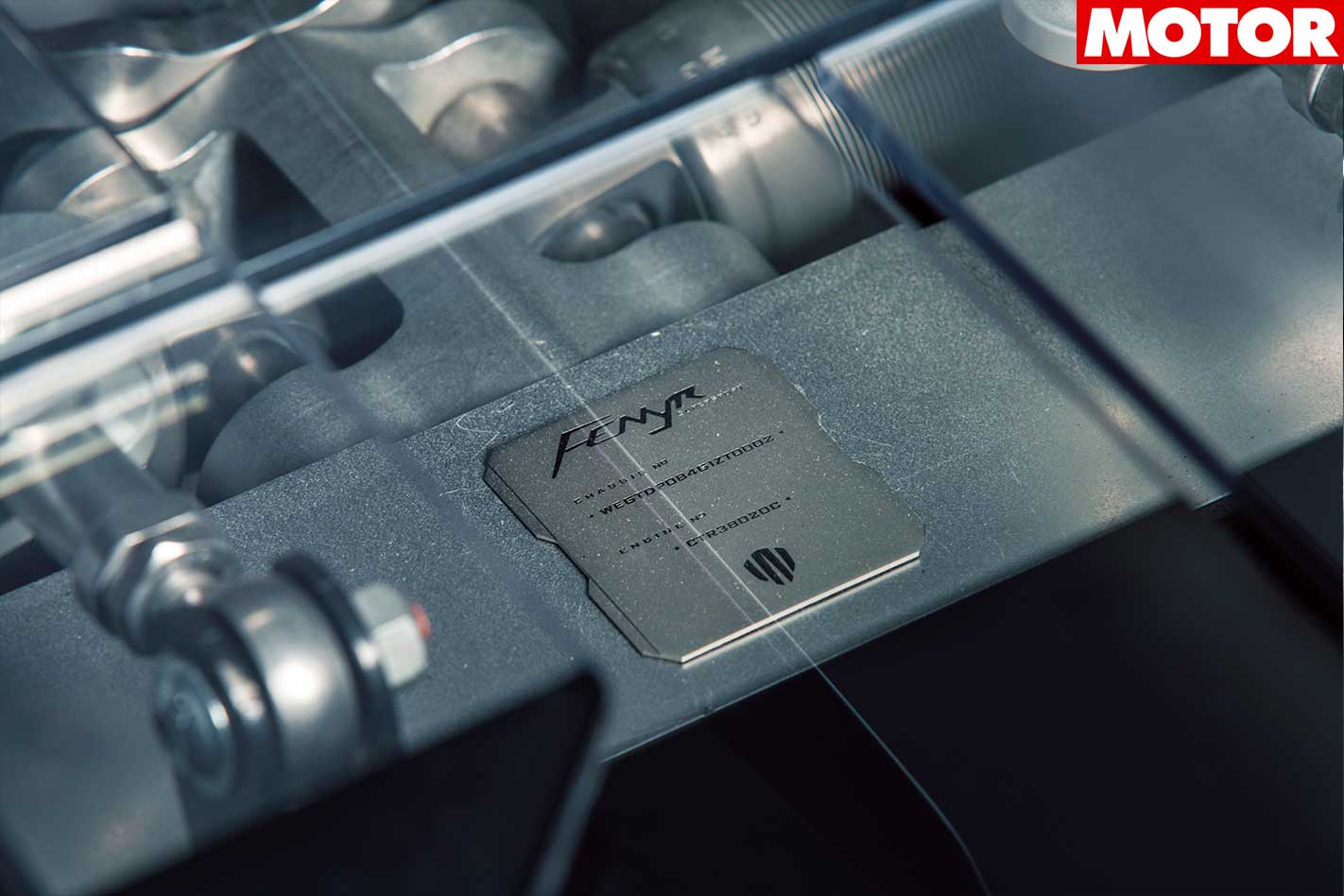
And the exclusivity doesn’t end there. W Motors says it caters each car to its buyer.
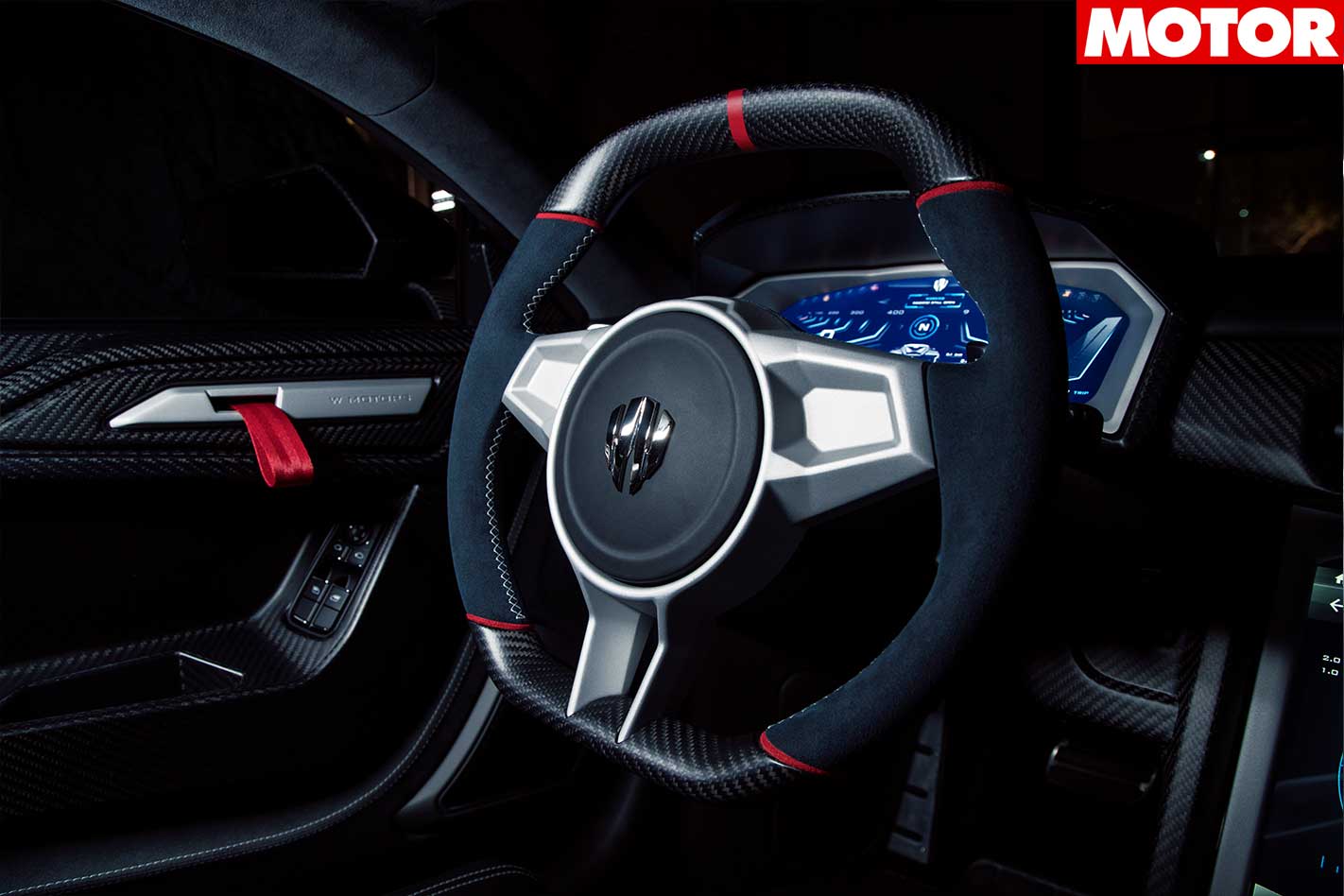
“This experience will help with the creation of custom colour schemes, embroidery patterns, crest/flag positioning, usage of exotic leathers or even more if decided to commission a limited edition version.”
W Motors quotes adapted text from the 1200s as part of its inspiration for the name.
However, the W Motors Fenyr will certainly not be free. In fact, its price if one was to make it to Australia would certainly be north of $2 million. Likely even $3 million.
SUBARU’S best-selling model in Australia is due for a dramatic update in a few weeks’ time as the Mazda CX-5 rival heads into a generational change.
The fourth generation Subaru Forester, due to be unveiled at this month’s New York Motor Show, will jump to the new Subaru Global Platform, an architecture that paves the way for the Japanese car maker’s plans to add hybrid, plug-in hybrid and even electric drivetrains to its showroom.
We’ve only seen a single teaser image of a tail-light, which is not much to go on, but it is believed the 2019 Subaru Forester will follow closely in the footsteps of the other two models to have made the SGP changeover, the Impreza sedan and hatch, and the XV small SUV.
Subaru is yet to introduce a hybrid SGP-based model to Australia, although it does sell a version of the XV in the US, known as the Crosstrak, with a petrol-electric drivetrain.
The next-gen Forester is also expected to get the latest version of Subaru’s Eyesight system, which among other things uses stereo cameras to map out the road ahead and automatically pull the car up if it senses a crash is about to happen. We’re currently up to the third generation of Eyesight technology, so we’re keen to watch if the new Forester introduces an advance on it.
You’re also likely to see a big leap forward in terms of the Forester’s infotainment system. The two new models on the SGP architecture have both shifted the infotainment screen higher up the dash so that the driver doesn’t have to take their eye to far off the road ahead. Behind it, there’s smartphone support for Android Auto and Apple CarPlay – features the Forester should also pick up.
We can expect a similar mix of engines under the Forester’s bonnet, too, including a 2.0-litre four-cylinder boxer engine – Subaru sticks with the horizontally opposed cylinder layout because it significantly helps lower the centre of gravity of its cars – and a more powerful 2.5-litre four-cylinder version that ups performance by about 10 percent.
The base Forester is still available with a six-speed manual transmission, while further up the range uses a continuously variable gearbox
How will it look? The single picture of the tail-light suggests a radical overhaul for the way the Forester looks. We expect it to follow in the same path as the Impreza and its closely related high-riding XV version; sort of a high-riding Subaru Impreza wagon.
The New York Motor Show kicks off from March 28, so we won’t have long to find out.
MORE: Subaru Forester Range Review MORE: Subaru Forester Specs, Range & Price
IT’S 2012, in Spain, at the international launch of the Toyota 86 when chief engineer Tetsuya Tada is ordered by Toyota head office to excuse himself, and catch a flight to Munich immediately.
His instructions: investigate the forging of a partnership between Toyota and BMW, specifically the development of an all-new sports car.
Six years on we’ve finally seen the first fruit of that partnership, the Toyota GR Supra Racing Concept, revealed at the Geneva Motor Show, and it’s no secret that under the new Supra’s skin lurks a hell of a lot of BMW engineering.
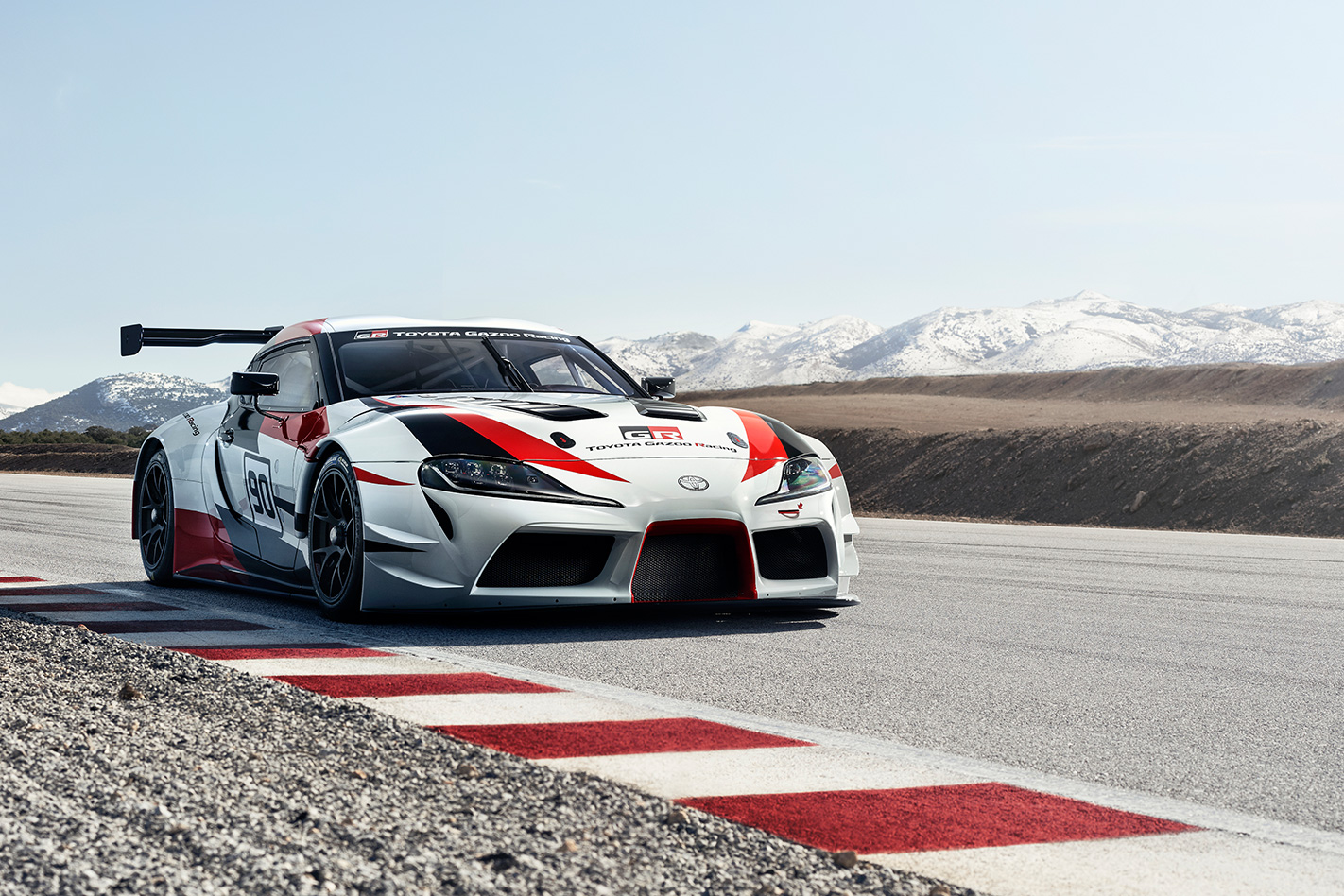
“No genuine Toyota fan would be happy to get a bloody BMW motor in their Supra”, said one Facebook commenter. “It’s wrong calling it a Supra”, said another. The thing is, the preferences of Toyota fans are among the main reasons the new Supra incorporates BMW mechanicals.
Speaking to the media at the Geneva Motor Show, Tetsuya Tada, now the chief engineer of the Supra project, said the desire to stay true to established Supra fundamentals necessitated a joint venture.
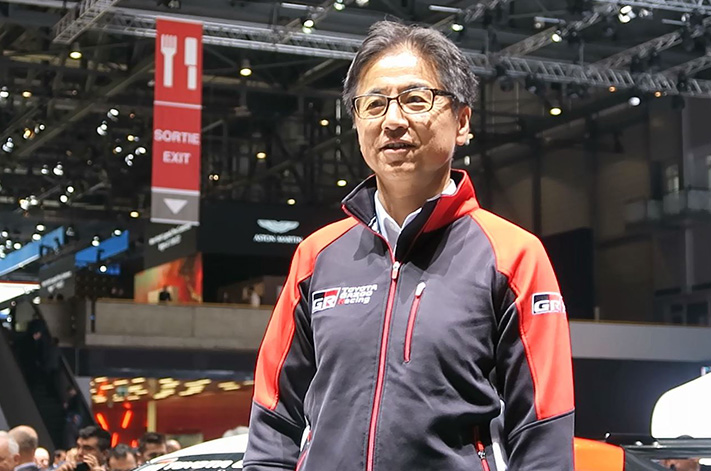
“Hearing these different requests, I understood that there were two elements that are essential that we needed to keep in the new Supra. Throughout Supra’s life there’s been one consistency – a straight-six engine. This is a very important element for the Supra. Another important element is a front-engined, rear-drive configuration.”
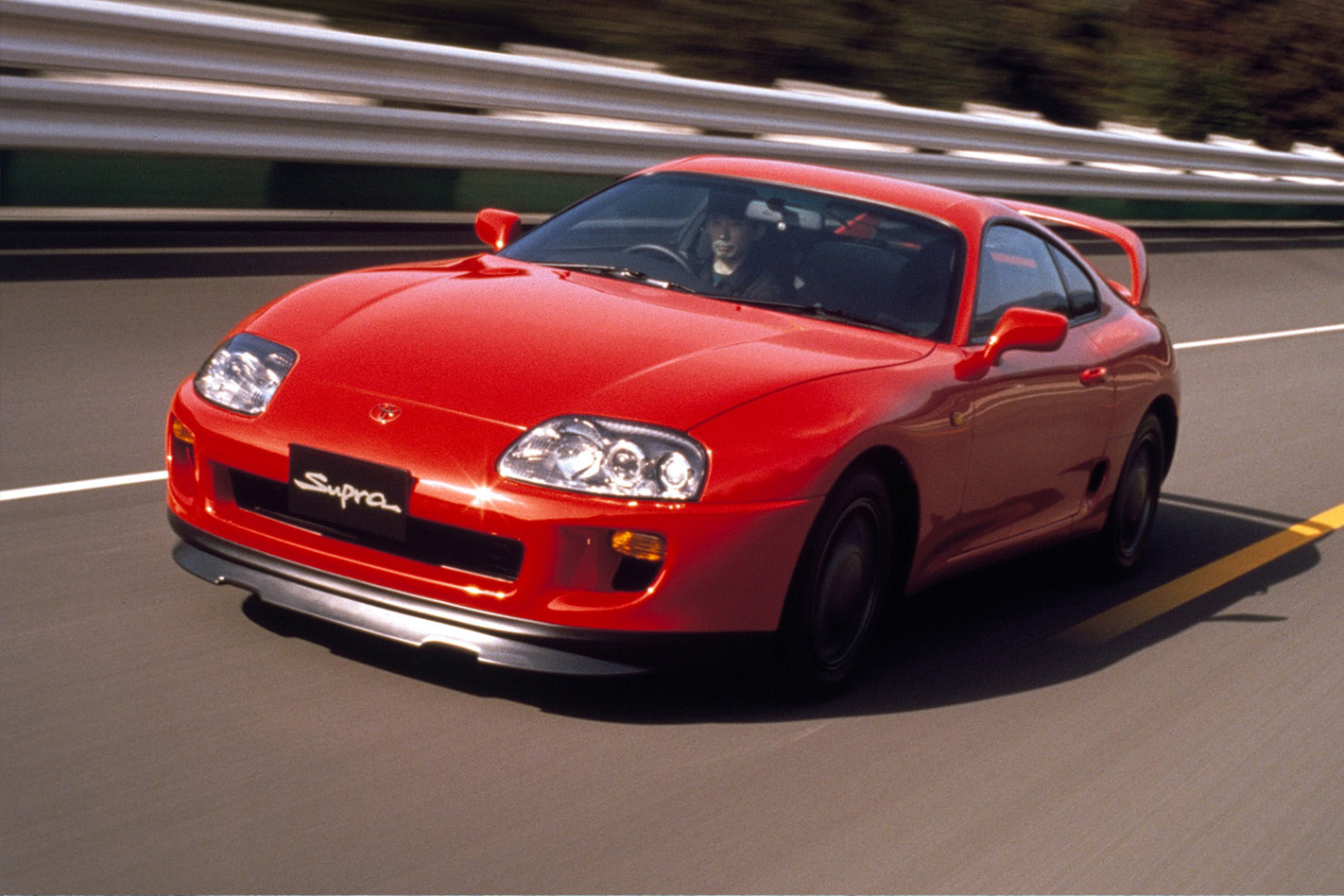
To say it’s much-missed is a gross understatement. However, Toyota hasn’t had a heavy-hitting turbo inline six in its arsenal since Supra production ended in 2002.
“Now there are only a few companies that still adopt a straight-six engine. They’re too long and difficult to package,” Tada continued. Luckily, BMW’s B58 3.0-litre inline six (below) fits the bill.
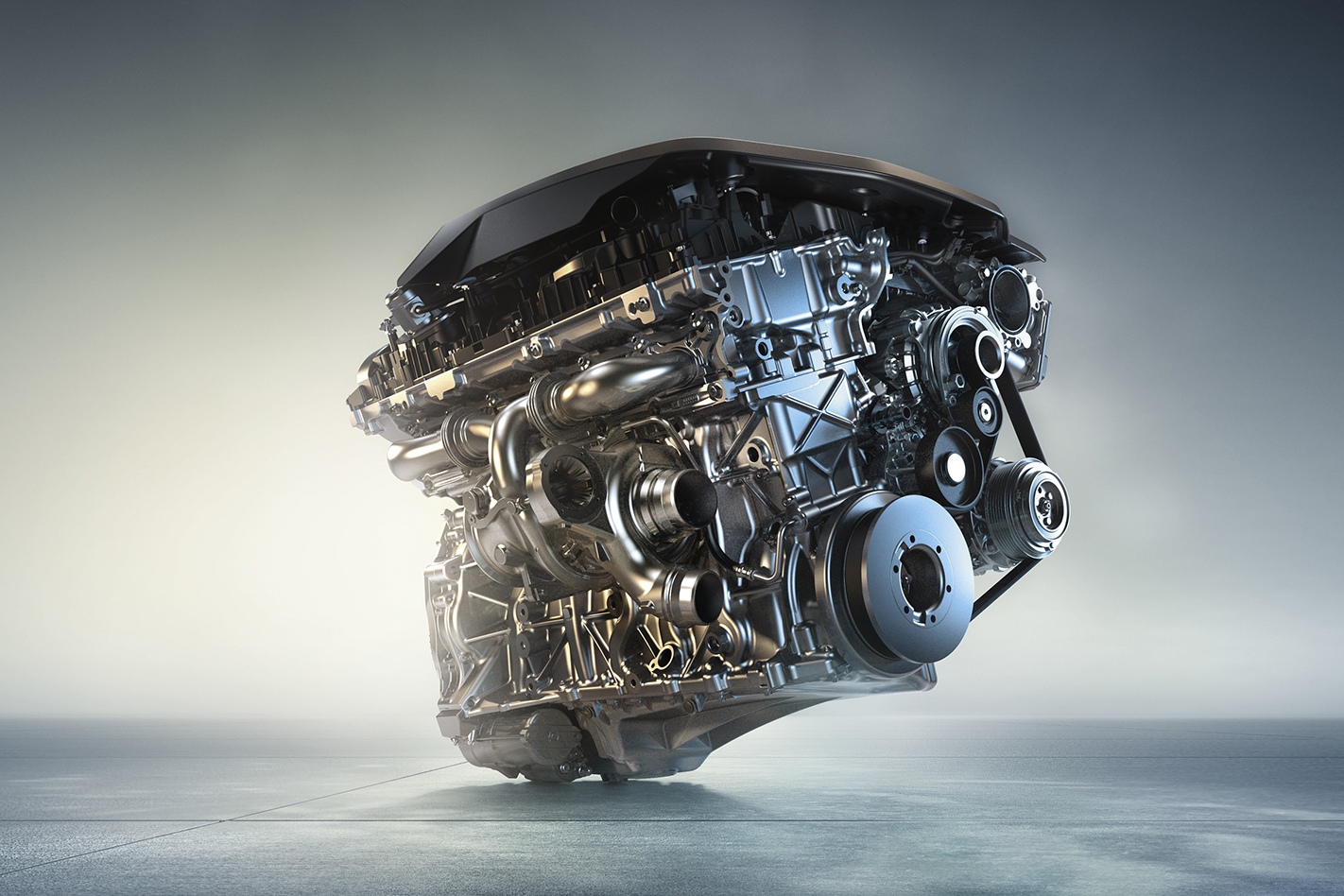
Toyota may have a box-fresh rear-drive platform in the form of the GA-L chassis that sits beneath the Lexus LS and LC, but one thing it doesn’t have in its engineering inventory is a straight six.
There is, of course, the new 3.5 litre twin-turbocharged V6 that powers the new Lexus LS 500. Its peak numbers of 310kW and 600Nm are certainly in the right realm for a sports car, but apparently its bent-block configuration doesn’t stoke the same emotional fires as an inline six does.
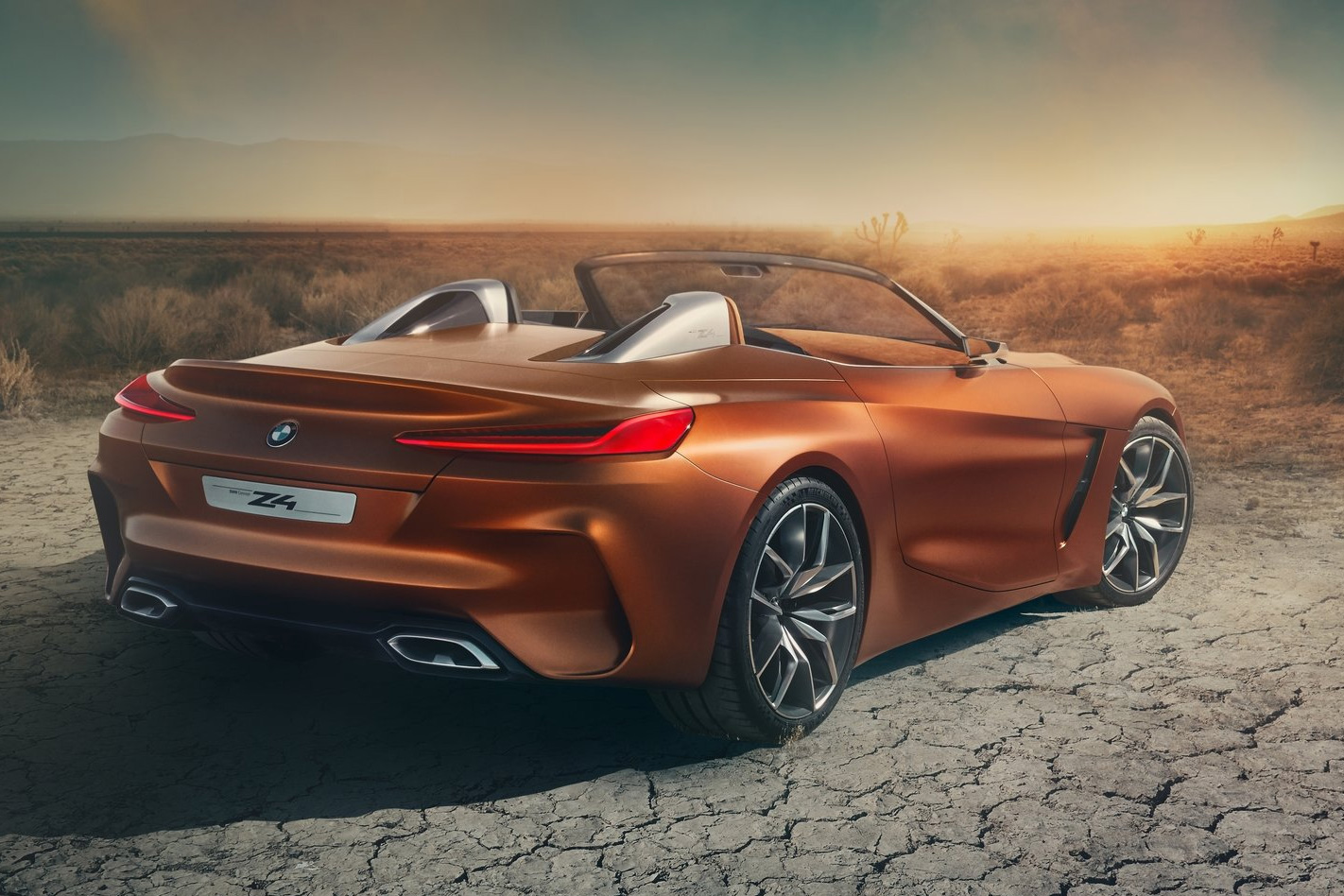
BMW will spin off a successor to the Z4 (above) off the shared Supra platform, but Toyota will also share its expertise in fuel cells and electrified powertrains with the German manufacturer in exchange for using BMW’s sports car hardware .
Are you one of the many fans worried by this inter-brand fraternisation? Don’t be. Tetsuya Tada is no stranger to cross-company collaboration. His last project, the 86, was built on Subaru underpinnings and used a Subaru engine, yet was fettled by Tada and his team to replicate the neutral nature and controllable oversteer of the 80s-era AE86 Corolla/Sprinter. It worked so well, we crowned it Car Of The Year in 2012.
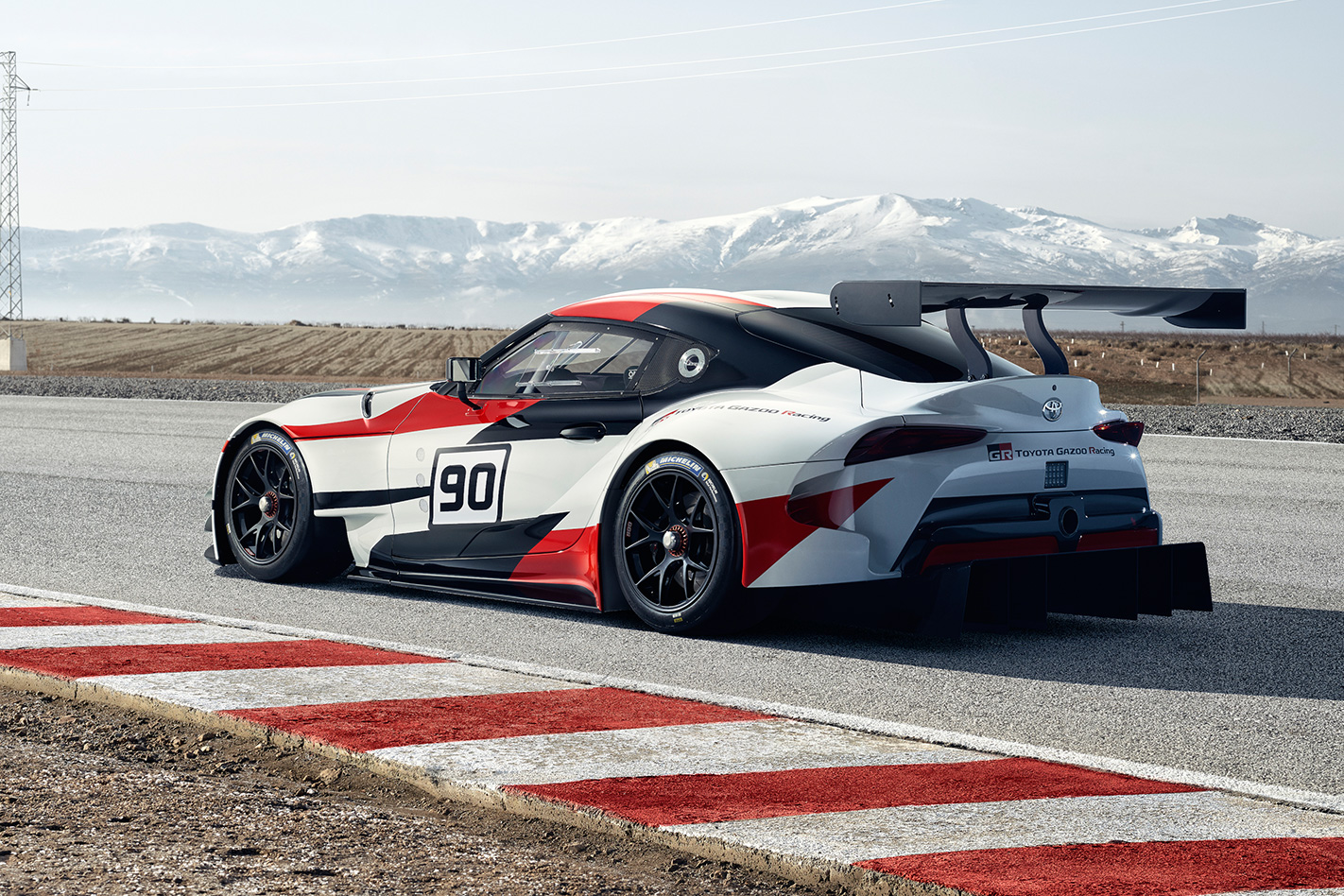
“In terms of hardware, even if the hardware seems similar, the calibration is quite different between the two companies,” he said.
“The engineers of each company would calibrate different hardware according to their tastes. For Supra, Toyota is in charge of the basic concept as well as interior and exterior design, and BMW is in charge of developing and production based on the design that we come up with.”
Digital dashboards are the latest in premium technology to trickle down into a mainstream model, if spy shots of digital dashboard in a Mazda 3 are to be believed.
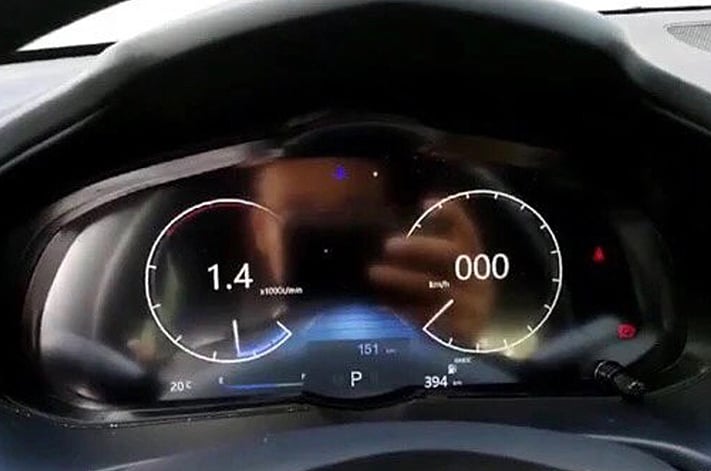
Republished on Autoblog.com, the pictures, taken in China, show a three-colour, all-digital display, with a choice of configurations including the central dial with digital tacho dial around a triple-digit speedo.
The dashboard is mounted in a current-model Mazda3, though it’s believed this is just for testing purposes for the next generation, which we’re not likely to see here until 2019.
Digital gauge clusters have been around for decades, mostly in supercars cars such as 2010 Lexus LFA, which wowed the Tokyo Motor Show with a coloured liquid-crystal speedo and tachometer that, according to Lexus, was necessary because analogue gauges couldn’t keep up with its V10 engine’s ability to hit 0-9000rpm in 0.6 seconds.
Since then, they have worked their way into luxury vehicles, doubling as information screens and even maps as with Audi’s wonderful Virtual Cockpit.
While this technology is now available in upper-spec Volkswagen Golf and Tiguan variants, the Mazda 3 would be the first true mainstream model to ditch a plastic needle.
Going by the hastily snapped images, the Mazda version is unlikely to mimic Virtual Cockpit’s map displays and the like. If anything it looks a like the LFA’s, with a blue-ringed tacho and outer redline with numeral speed figures in the middle.
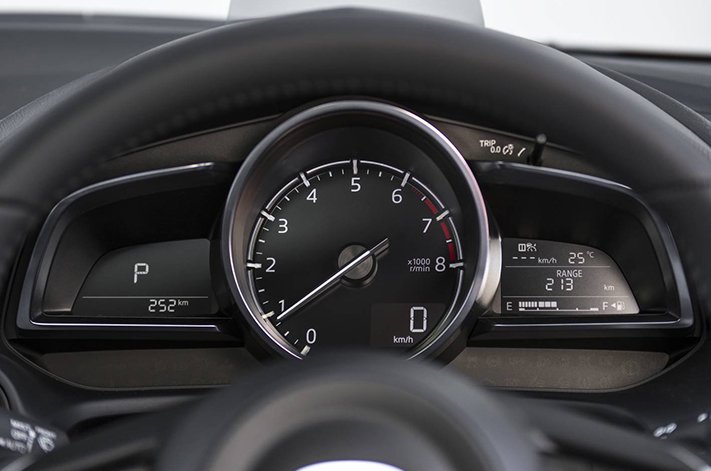
But it’s also faithful to the current Mazda instrument cluster, with the central analogue tacho and digital speedo flanked by a water temp display and fuel range calculator. You can also go for a more traditional layout with separate tacho and speed gauges, either side of what looks like an active cruise control display, though this still looks like a work in progress.
It remains to be seen if the 2019 Mazda 3 will be the first car from Hiroshima to feature a digital display, or if it will be standard kit or an upper-spec option. Interestingly, the Mazda Kai Concept, which was revealed at last year’s Tokyo Motor Show as a preview to the next-gen 3’s design language appeared to have an analogue display, though its sporty central tachometer would look good in virtual form.
THE war for the hearts, minds and wallets of cashed-up tradies Australia-wide has started. The first TV ad for the HSV SportsCat – the first of a number of enhanced dual-cab trade ute-based ‘brodozers’ to launch this year – has aired on television.
The HSV SportsCat, priced from $60,790 for the regular SportsCat and $66,790 for the SportsCat+, represents HSV’s most radical change in the performance brand’s 30-year history. After years of fettling high-performance versions of the Holden Commodore – let history condemn versions of the Isuzu-sourced Jackeroo, Nissan Pulsar-based Astra and badge-engineered Opel Astra VXR that also wore the badge – it’s the first model that shows just how much the landscape has changed for the company.
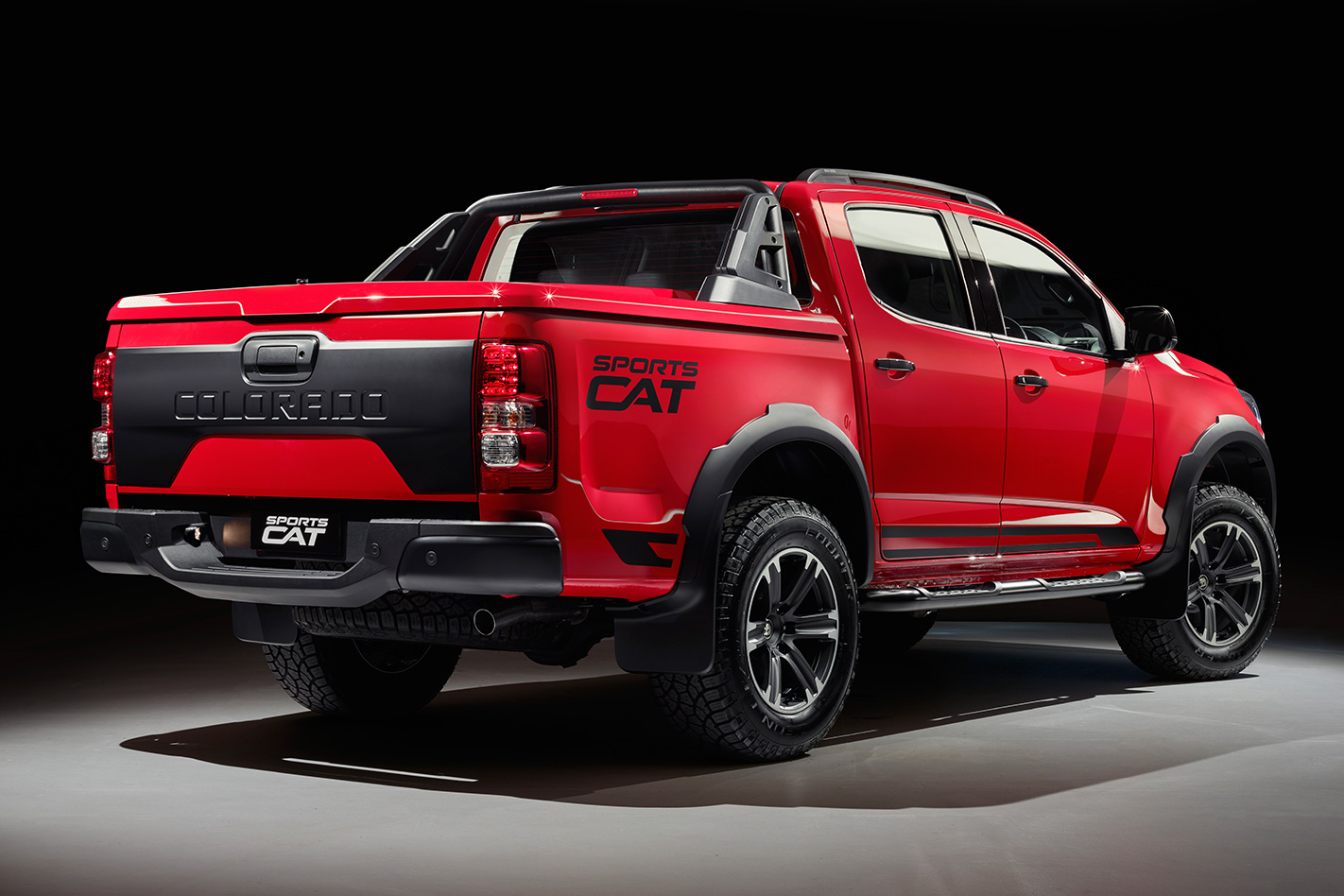
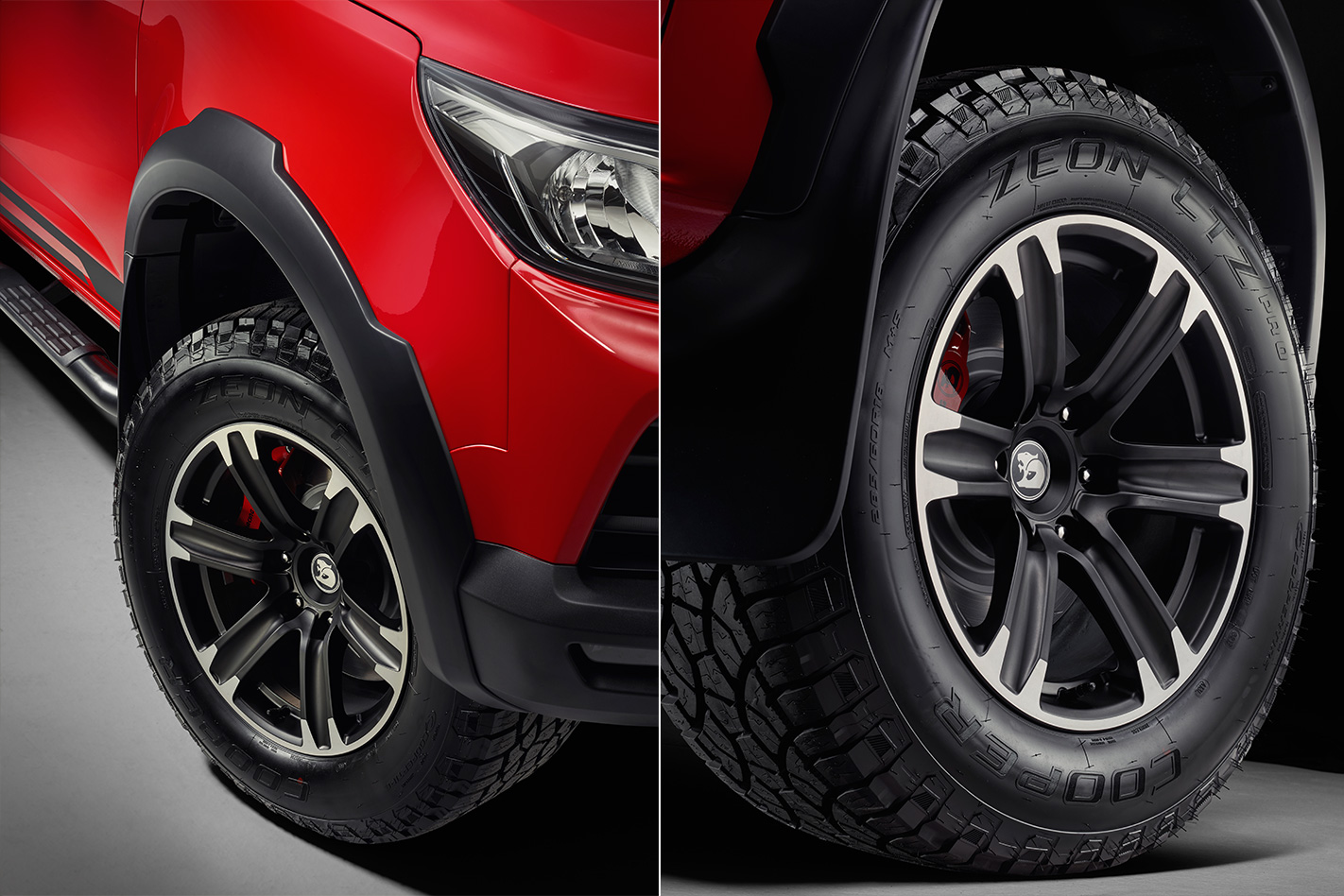
The HSV SportsCat – it differs from the four-cylinder turbo-diesel Holden Colorado on which it is based via a number of off-road tuning enhancements, but gains no extra under-bonnet poke – will soon have a bit of keen competition on its hands.
But the big one will be the arrival of the Ford Ranger Raptor, a twin-turbo four-cylinder diesel version of the Australian designed and engineered workhorse that’s also due here by the end of the year. It cedes some of the workmanlike ability of the Ranger ute, but like the HSV SportsCat promises enhanced off-road ability.