
You think the last track day you went to was intense? Did you overtake a Ford F-150? Did a Le Mans racer overtake you?
Ford has opened up the Ford Performance garage to offer a group of Chip Ganassi Racing Team drivers one of the strangest track days you’ll see for a while.
Just about the only thing all of these cars have in common is their badge.
In the video released by Ford, each vehicle gets to take on the track for one lap, but with a staggered start.
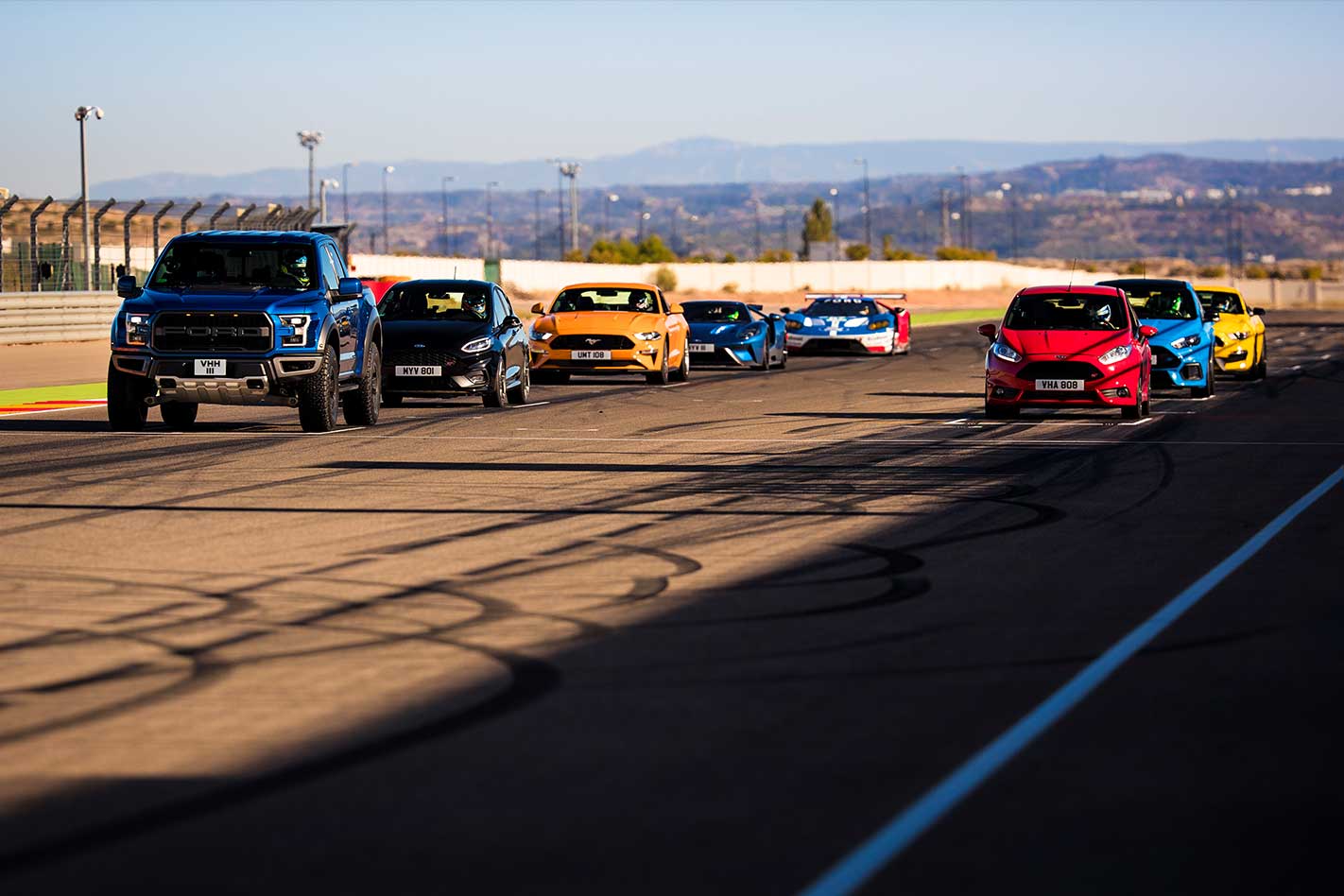
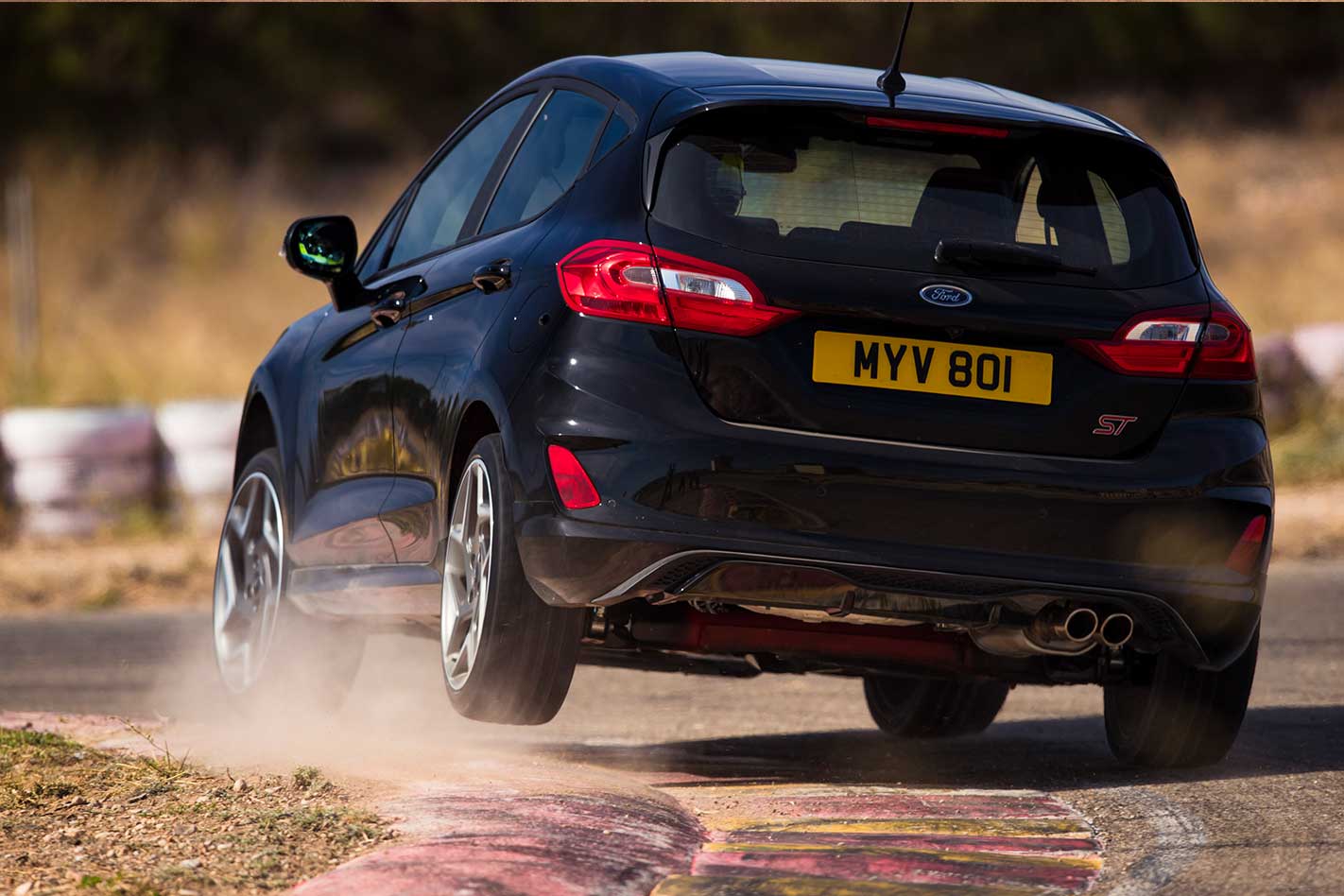
Two Fiesta STs, a 2017 and a new 2018 car, leave the line 11 and 13 seconds after the Raptor. The two seconds accounts for the fact the new ST is slightly more powerful with 147kW – 13 more than the old one.
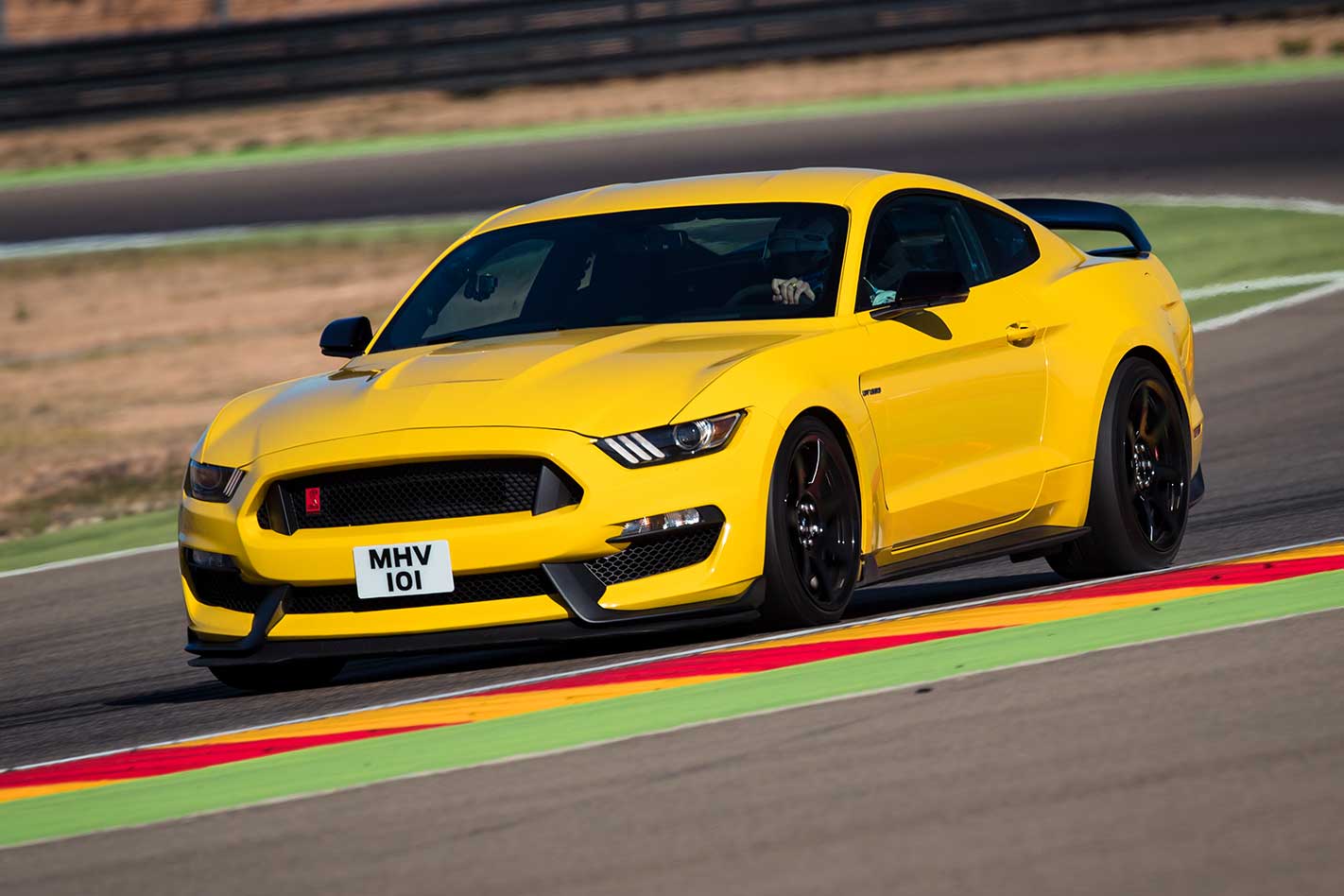
A Mustang GT350R followed ten seconds later, but then the big guns set off.
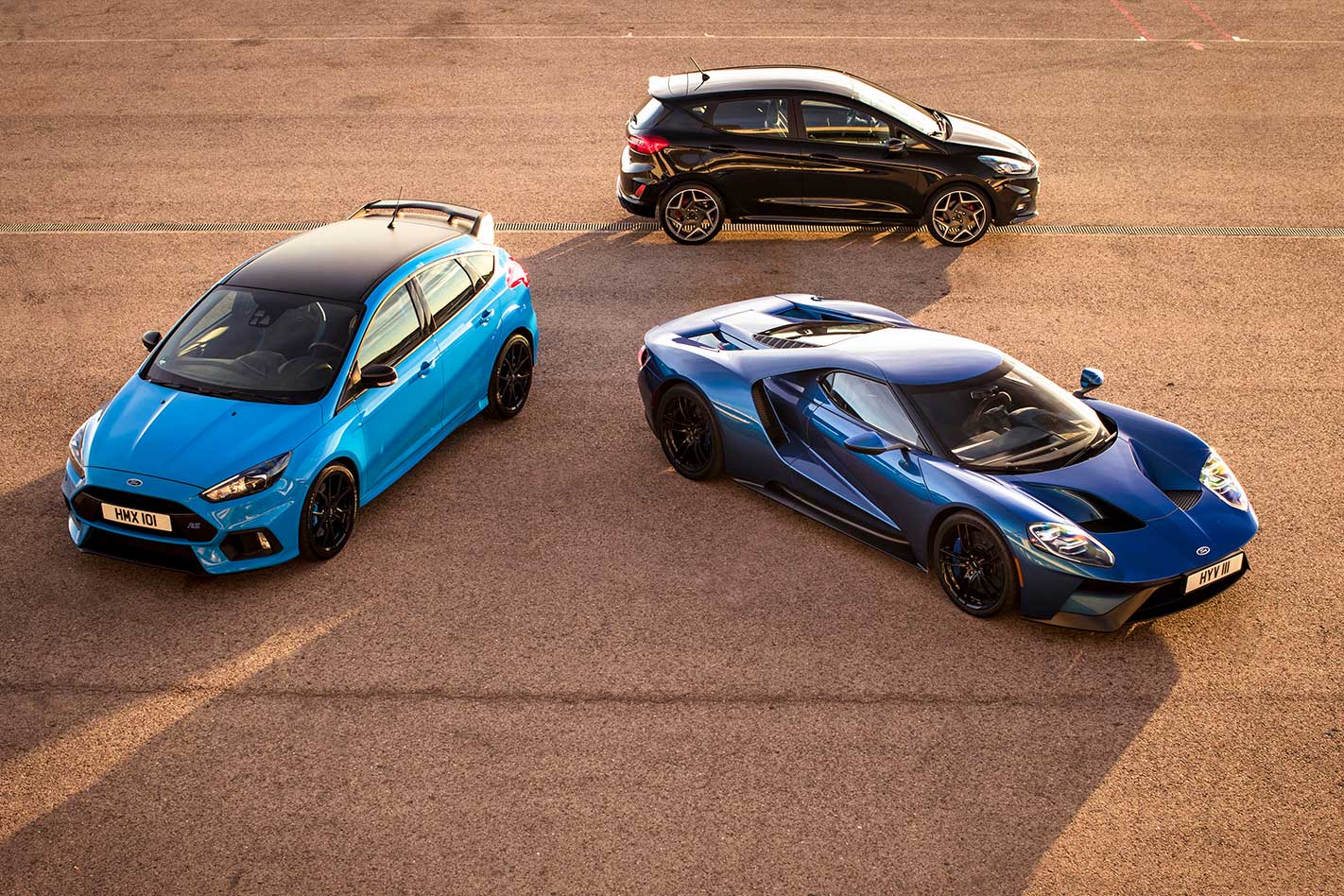
Driving the GT road car, Olivier Pla likely felt quite at home, considering he’s regularly competing in the race version at Le Mans.
By now, you’ve probably got some idea of roughly how the finishing grid looks, but give the video a watch and see for yourself. It’s an awesome video regardless.
THE scandal surrounding diesel emissions in the automotive industry refuses to go away, with a new report suggesting a company founded by BMW, Daimler and Volkswagen conducted tests in which humans and animals inhaled exhaust gases.
According to a New York Times report, a company referred to by its German initials EUGT was formed by the car-maker trio in 2007 and commissioned tests on live mammals to prove the cleanliness of diesel engines.
It appears 10 monkeys were the first live subjects to be exposed to the exhaust of a Volkswagen Beetle in 2014, but the research was later broadened to include human subjects, who inhaled low levels of nitrogen dioxide – a component of diesel exhaust known to irritate respiratory surfaces.
The car-maker-supported research is likely to have been in response to the WHO report and an attempt to challenge evidence it had compiled, but the decision to conduct test on animals and even humans seems extreme and raises potentially damaging moral and ethical dilemmas.
In response to the revelations, German media is reporting that Volkswagen apologised for the studies and said a number of its employees were aware of the tests, while Daimler has distanced itself, saying it was unaware of the nature of the trials. BMW is yet to respond.
Volkswagen’s advisory board has called for an investigation into the activities of the now defunct organisation and the sub-contracted research companies it hired, including the Lovelace Respiratory Research Institute, New Mexico.
No findings of the research were published and separate reports suggest the study was not concluded due to the possibility that the defeat device had compromised the legitimacy of the research.
Global diesel sales continue to slide partly due to the VW scandal of 2015 and if this latest chapter in the ongoing controversy garners similar public attention, it is likely to deliver another disastrous blow to the market.
“70 years of the Porsche sports car,” is the theme of 2018 for the Stuttgart marque, with this year marking the seventh decade since its beginning.
On June 8 1948, the first car to wear Ferry Porsche’s surname was registered – The Porsche 356 “No.1” Roadster.

Chair of the Porsche Executive Board Oliver Blume says Ferry Porsche’s vision and values “still define the brand to this day.”
“Tradition is a commitment. Without our tradition and without our core values, we would not be where we are today”, says Blume.

“And we have the solid technological expertise, creative employees and unique team spirit to be involved. We have what it takes to ensure that the Porsche brand continues to fascinate – even in another 70 years.”
To celebrate the milestone, Porsche is holding and taking part in several already-planned events, with more likely to take place through 2018.

One of the biggest events on the motoring calendar – the Goodwood Festival of Speed – will also have special Porsche celebrations.
The ‘Rennsport Reunion’, which will celebrate the RS badge, will be held in California for a few days from September 27, while Porsche will round out the year with ‘Sound Night’, held in the Porsche Arena in Stuttgart on October 13.
If you’ve got some idea of what Porsche’s Sound Night will be… you’re probably not far off.
MOTOR will look back at the history of Porsche on its exact ‘birthday’, June 8.
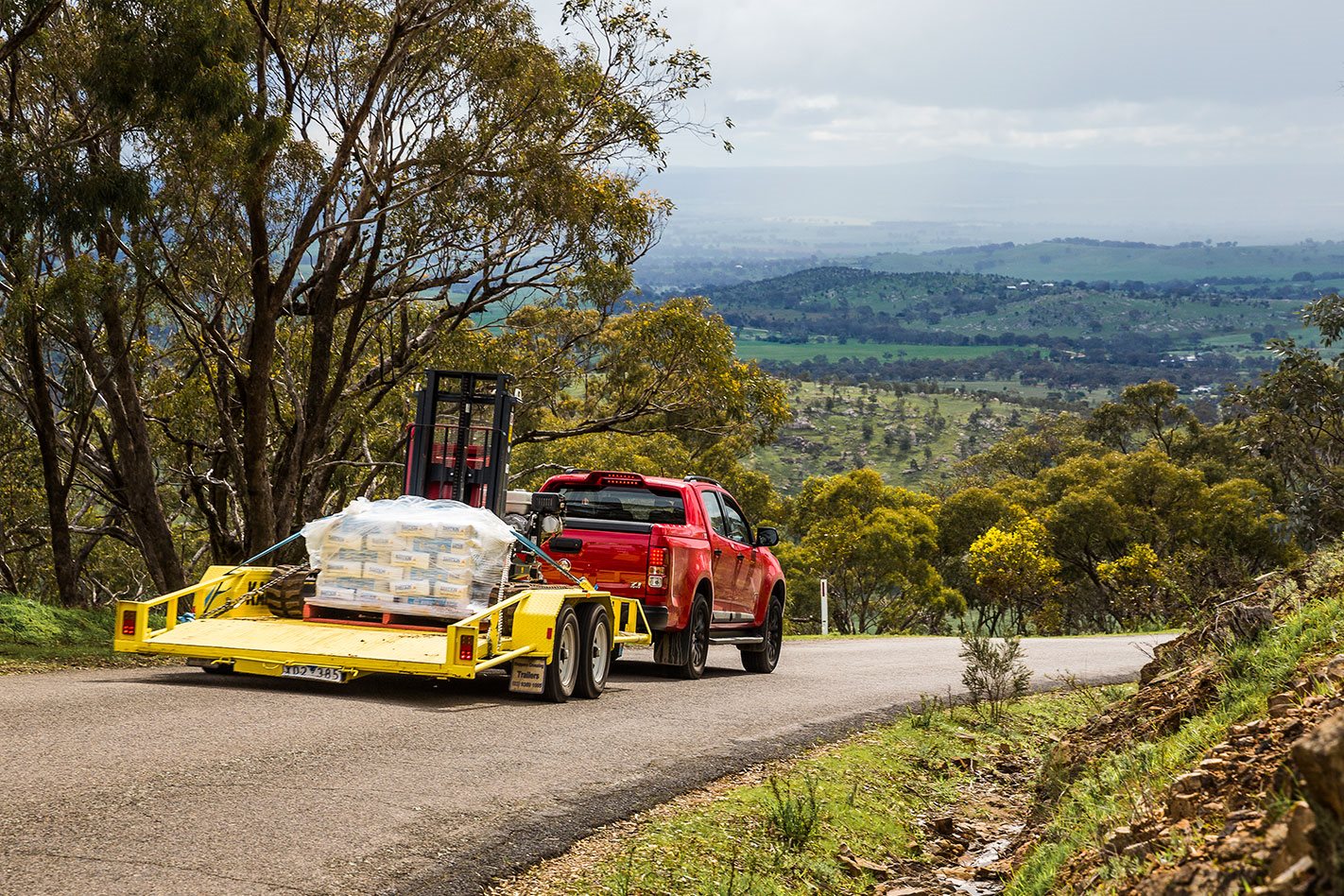
THE RISE and rise of dual-cab utes up Australia’s new car sales charts could continue to balloon if the Australian Tax Office moves forward with a regulation shakeup currently under consideration.
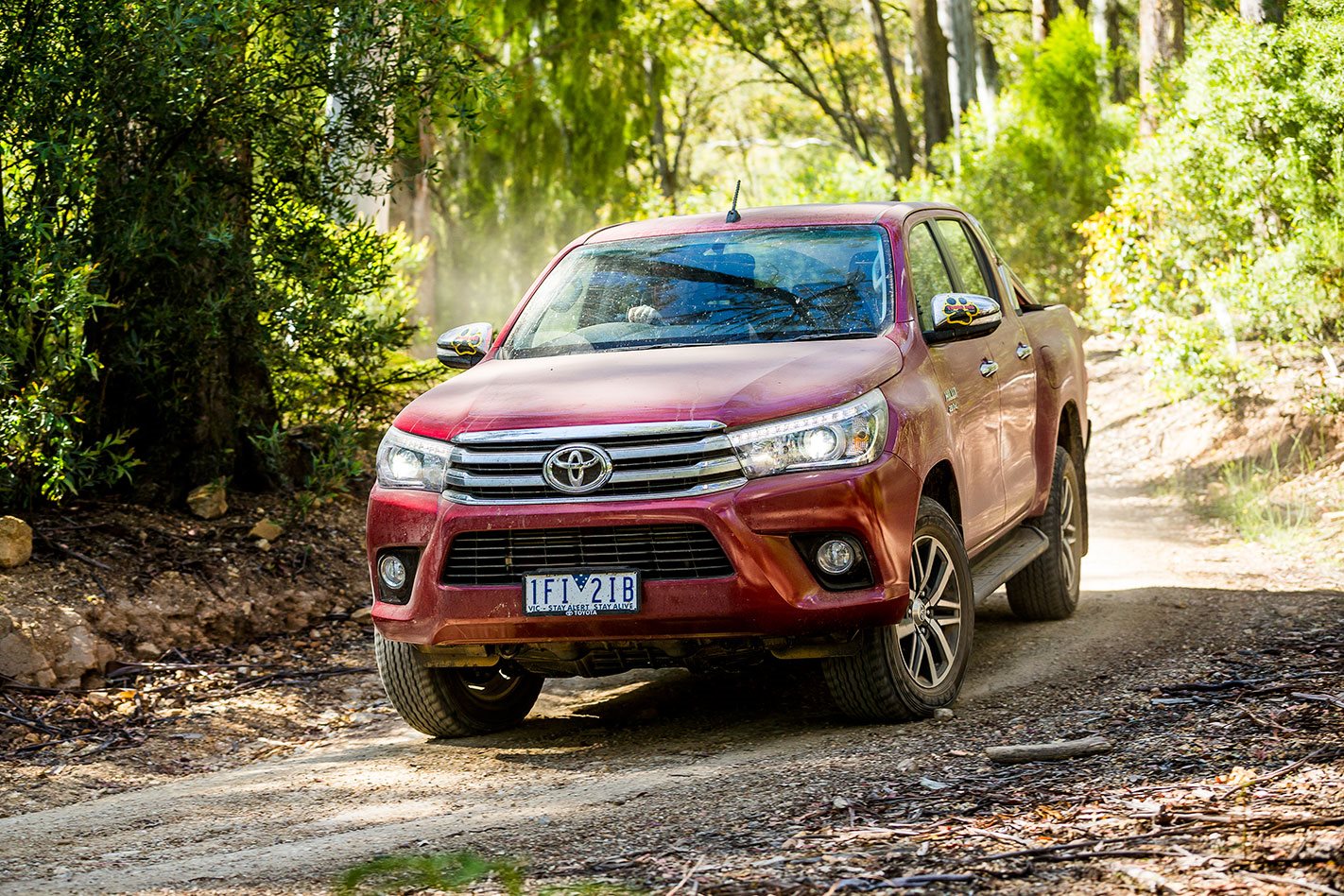
Last year, the Toyota Hilux was Australia’s best-selling vehicle, closely followed by the Ford Ranger. As a pair, the duo sold nearly 85,000 units in 12 months and the large majority of those registrations were to businesses rather than declared private use.
Dual-cab ute sales have risen in part because of their usefulness as both work vehicles and family haulers, but also due to the tax breaks on offer to businesses, which the ATO is now worried has people acting outside of the spirit of the law.
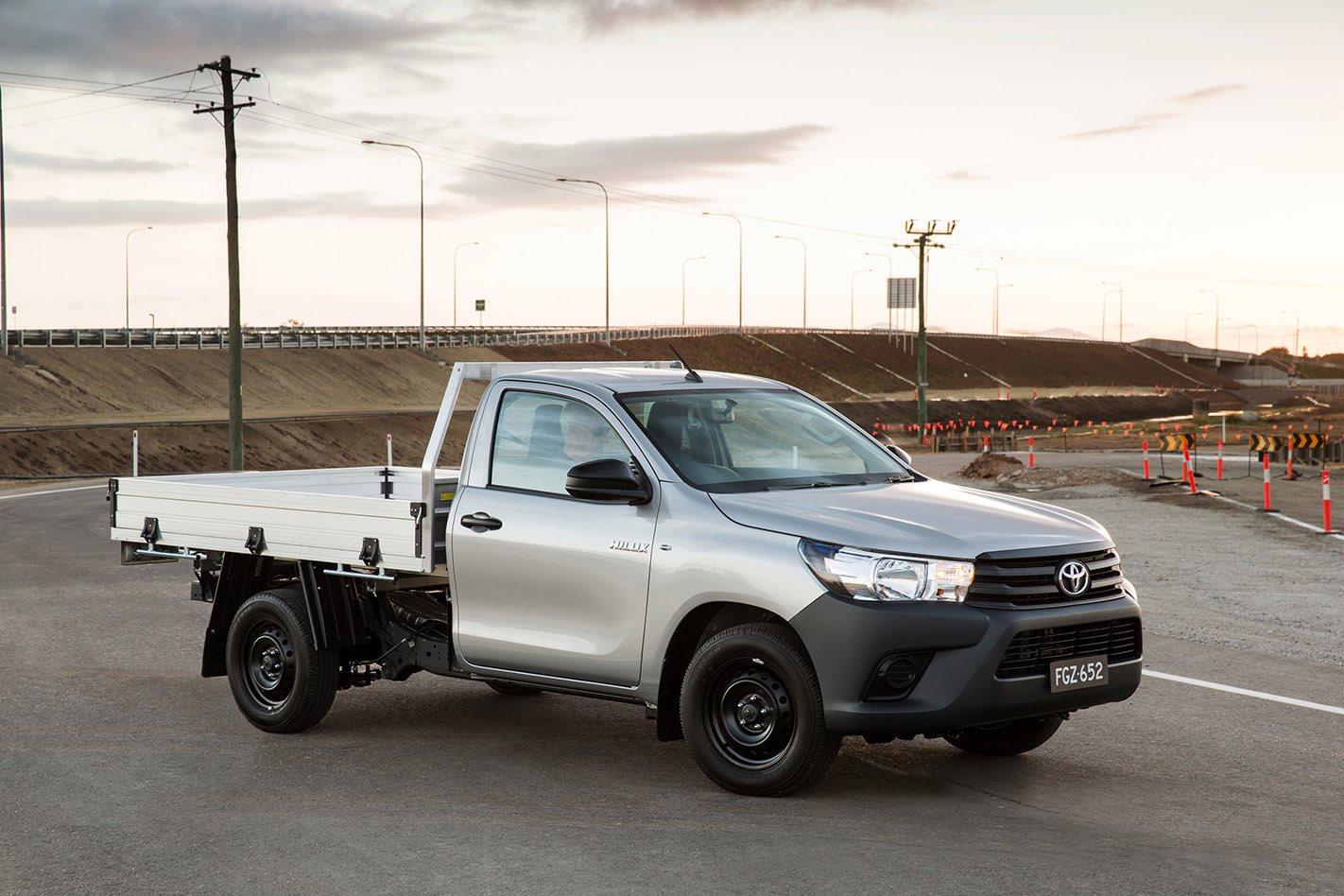
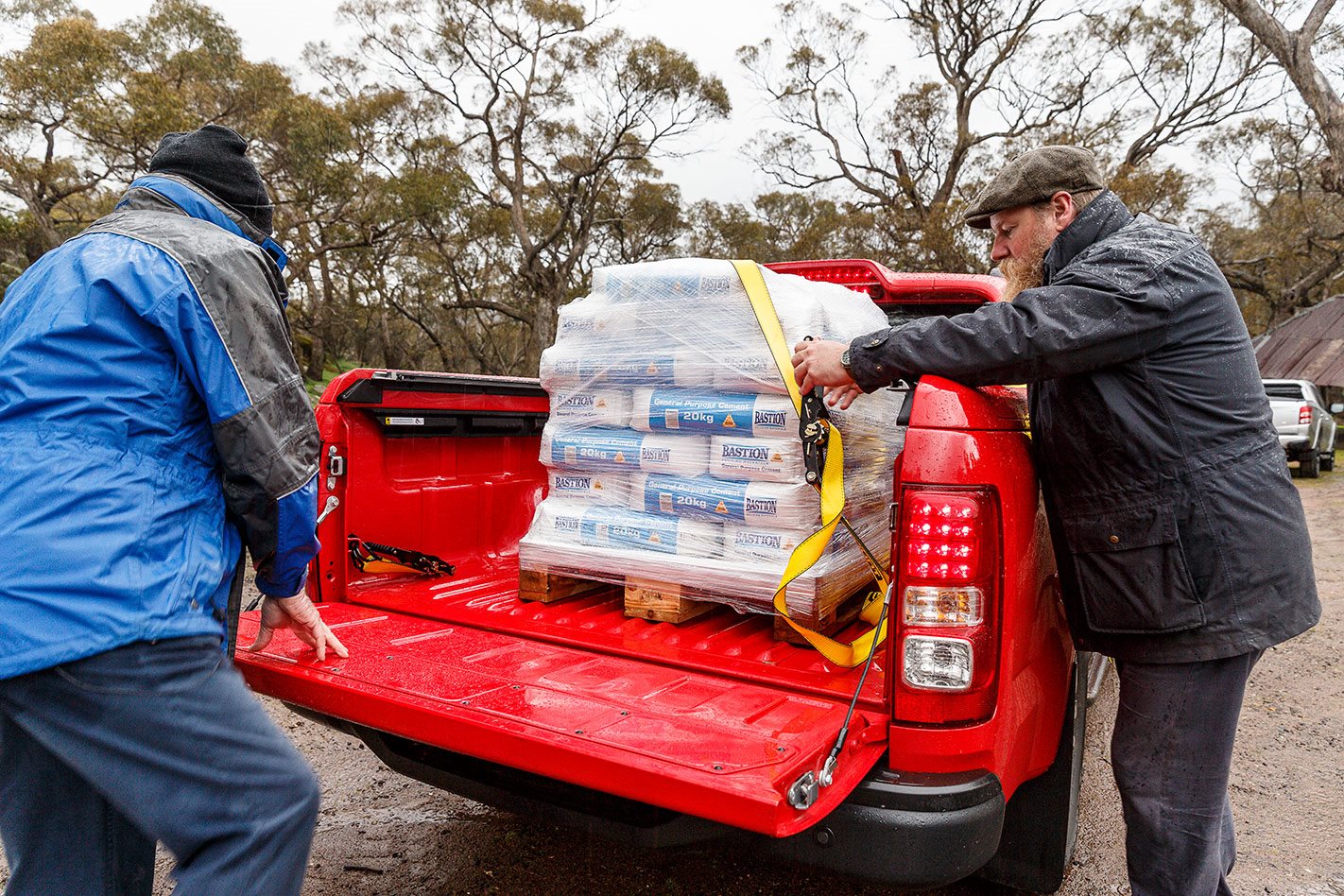
The ATO’s guidelines state company vehicles are only permitted for “minor, infrequent and irregular” private use.
This means company vehicles can be driven to and from work, while errands outside of those times are considered ‘private use’, and if a company vehicle is found to have breached the rules the business could face heavy fines.
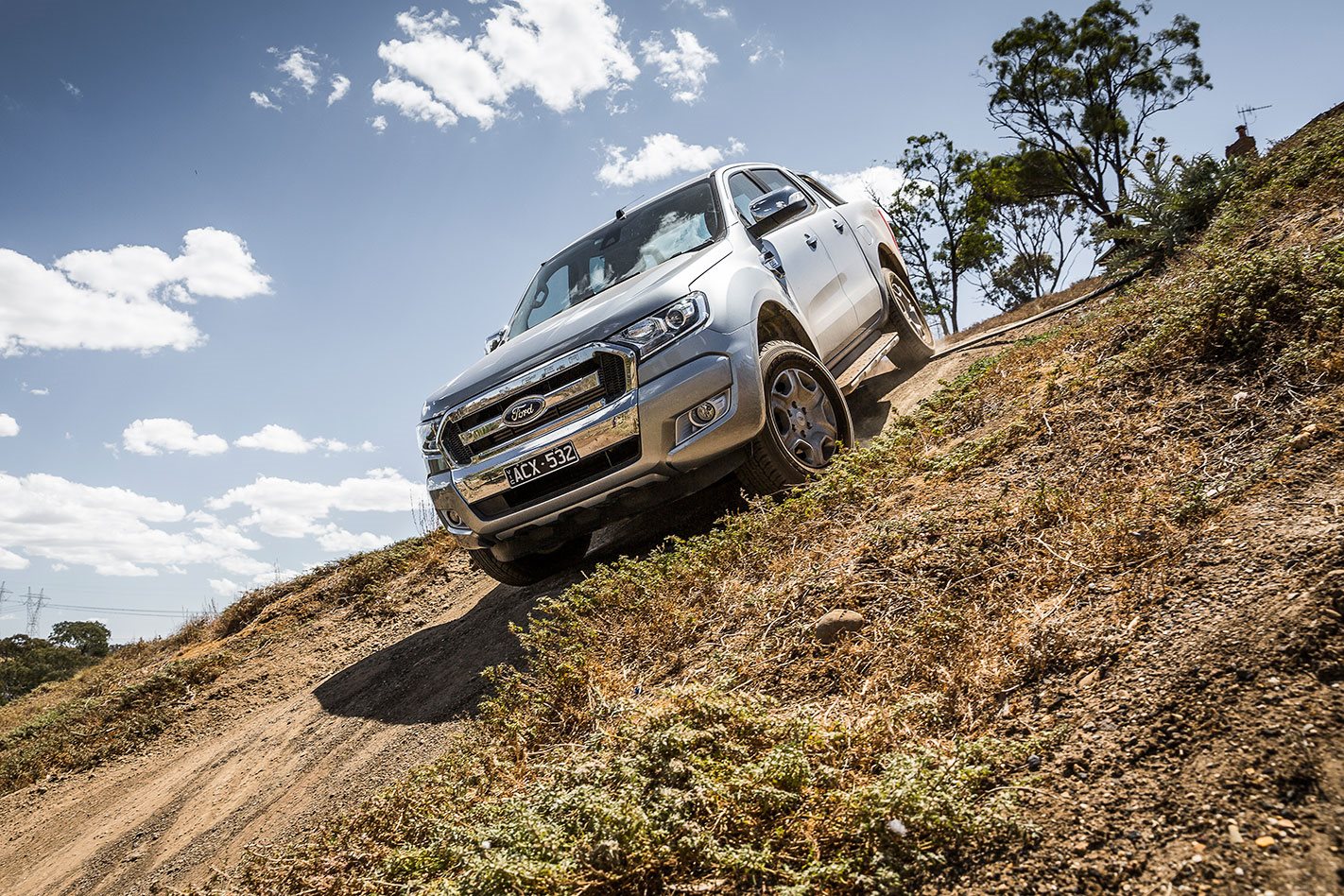
Proposed changes would see private use of a company vehicle limited to 750km per year, with no single return journey to exceed 200km, and with small diversions between work and home permitted as long as it adds less than 2km to the trip’s total length.
Mark Chapman is the Director of Tax Communications at H&R Block, and says the proposed changes will, overall, be positive for businesses and employees.
“If employers find it easier to comply with their FBT obligations, it will make it easier to provide one of these work-related vehicles to their employees, and the employees a bit more flexibility for how they use them on private journeys,” he tells Wheels.
Businesses operating within the current regulations should benefit from any increased freedoms, which could lead to a further uptick of dual cab ute sales. However, though the existing laws around private use of company vehicles are very restrictive, they are poorly enforced, effectively leaving the door open for businesses and employees to do as they please in the current environment.
If the changes are implemented, these greater liberties in the regulations will be accompanied by far stricter enforcement and monitoring, which may in fact limit the way businesses currently operating outside the regulations continue to use their work vehicles. It is not yet clear how the ATO intends to enforce any regulation changes, but it is likely they will lean on business owners to keep employees – and themselves – in check.
“Giving employees a slightly more generous ability to use the vehicle privately, whilst at the same time setting out to employers that they have to have mechanisms in place to monitor these movements is a bit of a two-handed solution,” he says.
“It gives employees more flexibility to use the vehicles, but on the other hand it also says to the employers the ATO is going to enforce this a bit more strongly than they have in the past.”
A Federal Chamber of Automotive Industries spokesperson declined to comment, stating it was too early to judge either way if changes would be a positive or negative for the industry.
Ford Australia, and Toyota were approached for comment but had not responded by time of publication.
Now, before I get lynched, let me qualify. The Great Race is still the most spectacular race in Australia, and worthy of its immense crowd sizes and coverage.
I adore the event, and will gladly set aside an entire weekend (plus Thursday and Friday) to watch the Bathurst 1000 in person or on my lounge every October. But for many, it is too expensive, too crowded, too rowdy, and too much of a hassle to attend.
But the allure of the Bathurst 12 Hour as an event cannot be ignored. Where the Great Race is the jewel in the crown, the 12 Hour is the diamond in the rough, ready to be refined and perfected. It’s time to get in on the ground level of one of the best motorsport events in Oz.
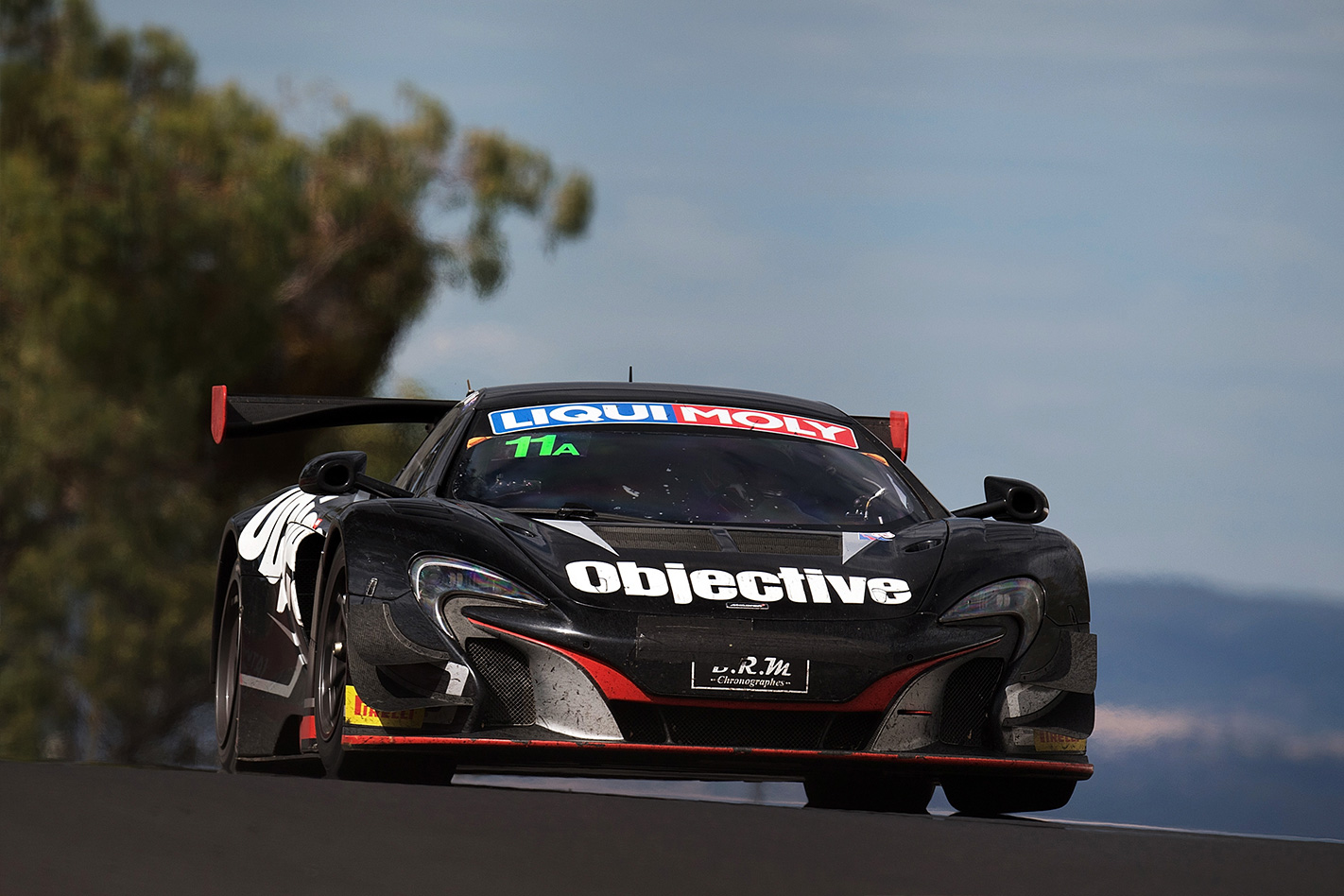
In a past job as a motorsport journalist, I wrote an op-ed claiming Supercars would never be overtaken by GT racing in Australia. From the online reaction, you would think I had thrown The Rock onto the track in 1980 myself. I still stand by this fact. Supercars is and will always be the pinnacle of Australian motorsport.
However, that’s over the course of a year-long season. When it comes to single events, the Great Race faces a serious challenger.
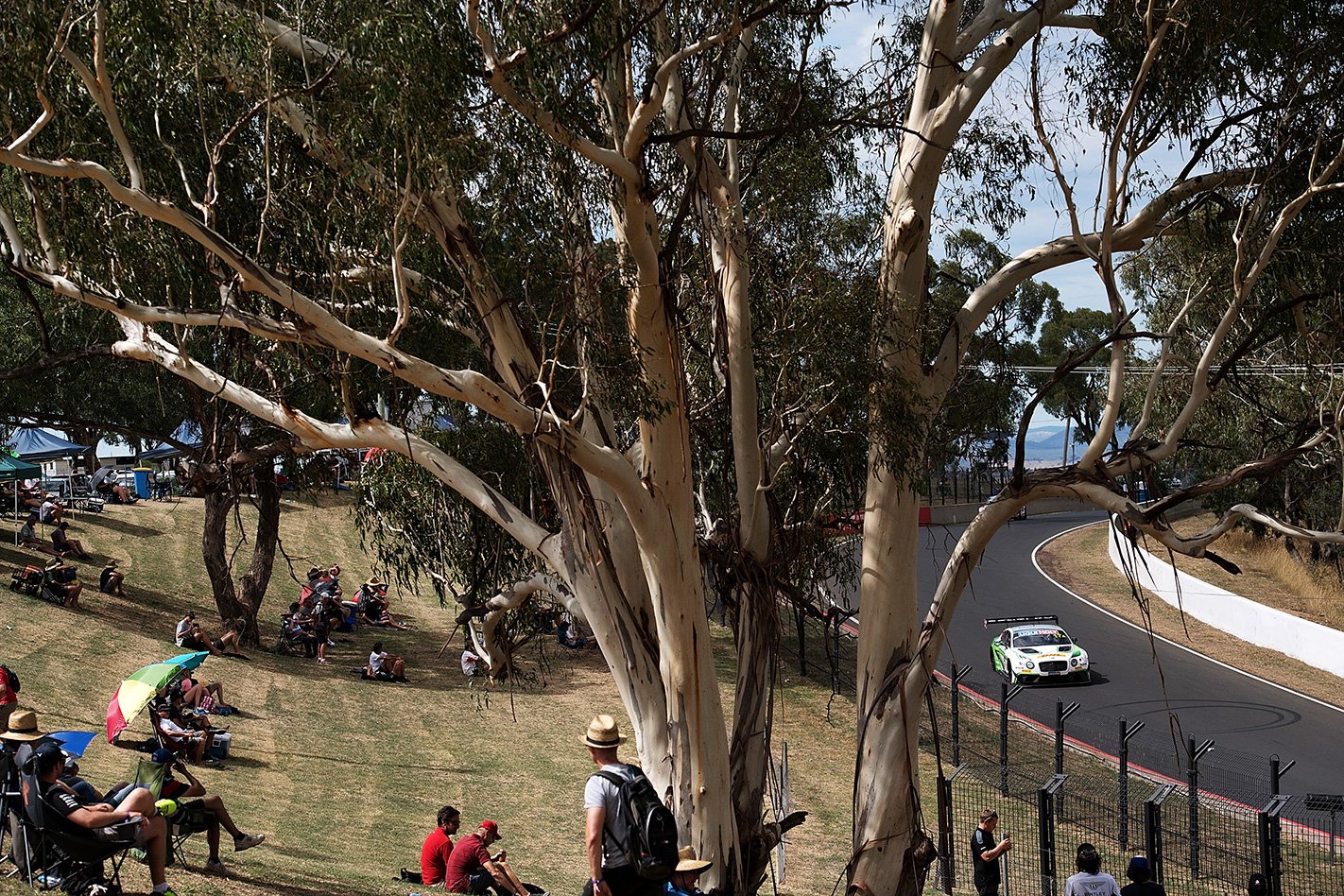
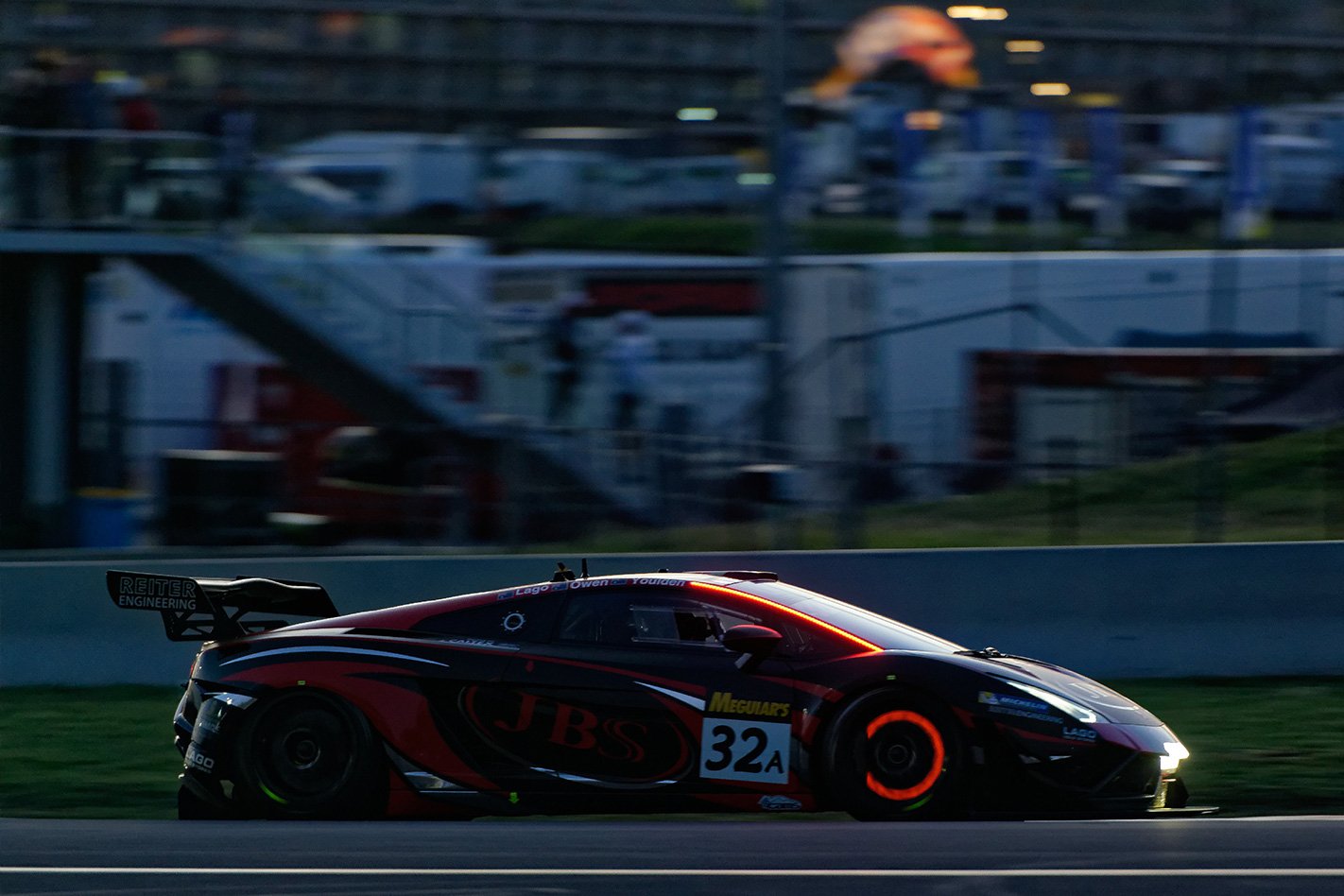
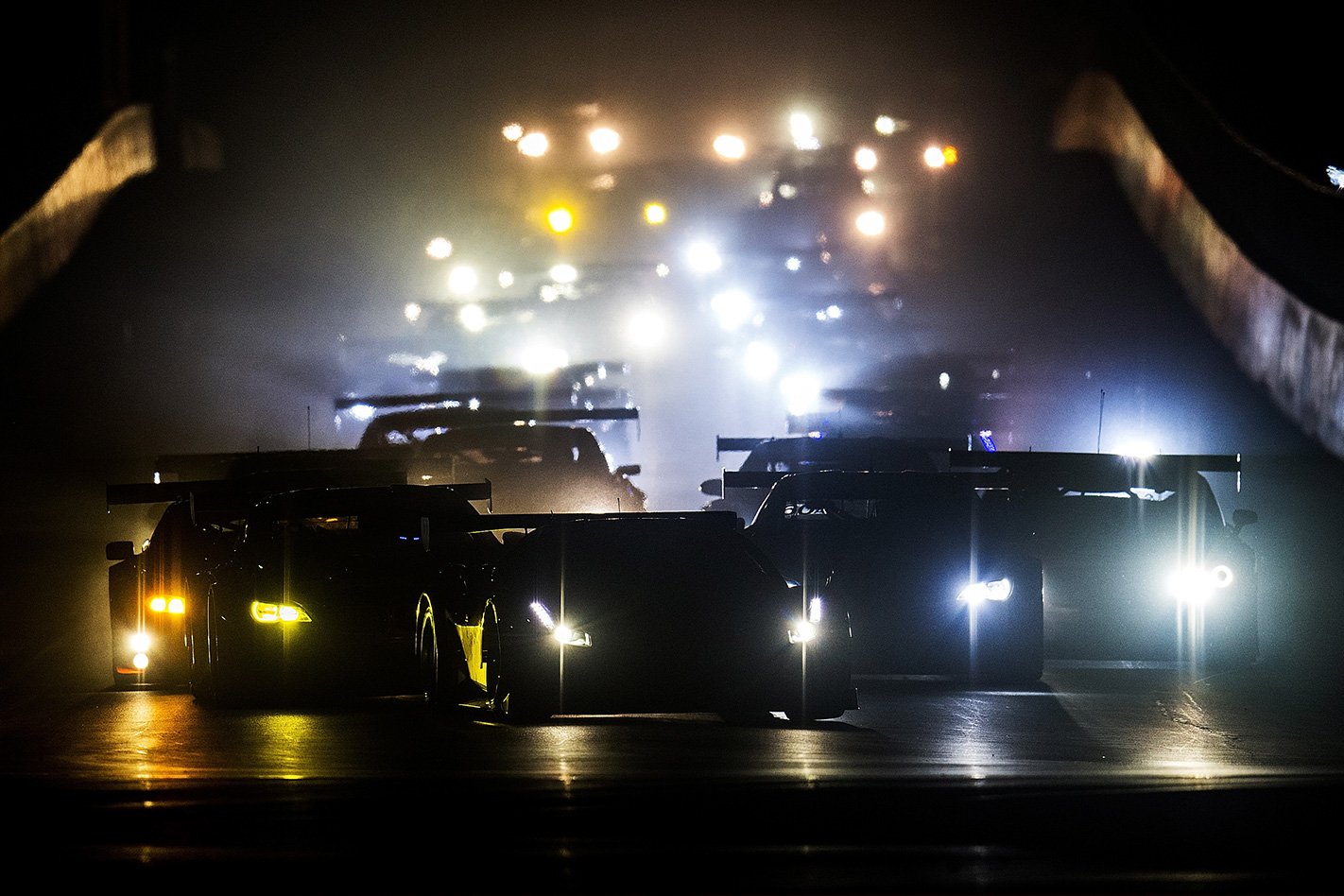
Then, the sunrise shatters the black curtain and some of the most beautiful racecars in the world are painted against a spectacular backdrop. The 12 Hour dwarfs the 1000 for on-track action, with almost double the amount of racing and some of the greatest drivers in the world coming Down Under for glory. International drivers are a rare thing at the Bathurst 1000, as many struggle to adapt to the unique characteristics of our hard-to-tame Supercars. But at the 12 Hour, international teams and drivers arrive in their droves, most with a serious chance of victory. Add to the mix local V8 Supercars heroes looking to demonstrate their skills in front of the international squads, and it makes for fascinating story lines.
Meanwhile, the 2018 Supercars grid will be made up of FG X Falcons and Nissan Altimas you can’t buy anymore, and a ZB Commodore shell with a 5.0-litre V8 heart that only appears in the Holden dealerships of our dreams.
So if you only have time for one Bathurst trek this year, make it for the event in February. Trust us.
AUSTRALIA’S fastest and most expensive car is built like most skunkworks exotica… in a shed. A really big one.
How do we know? We are putting one together. Okay, that’s a lie. But we will fit it with a badge. Briefly, for a photo.
And it’s not really a shed. It only feels like one. It’s hard to grasp the HSV GTSR W1 without its symbolic importance. Which may be why Alastair, after quizzed about how he would photograph this feature’s opener, revealed he was expecting the W1’s birthplace to be… different.
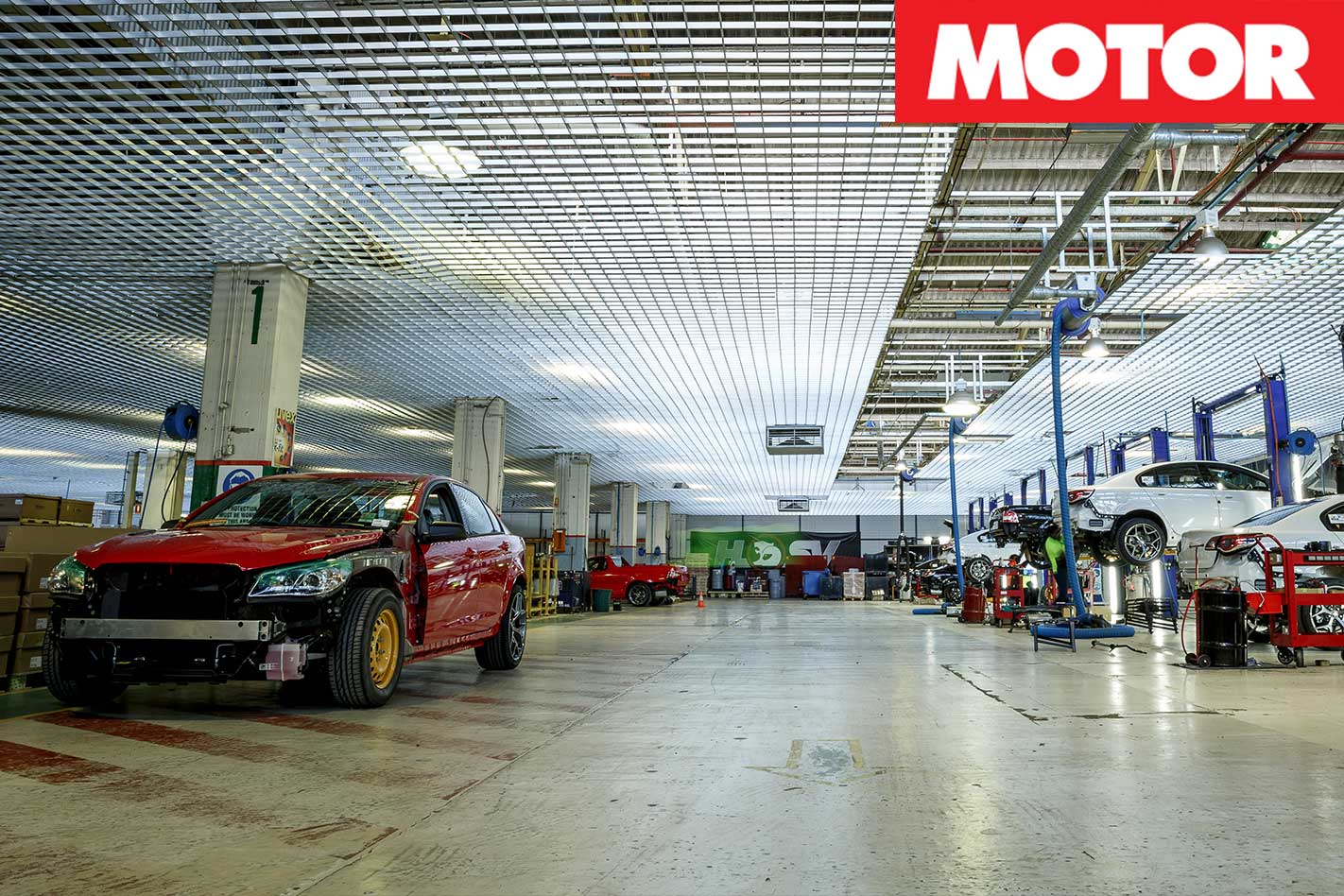
Maybe it’s because he’s an Aussie-born pommy. Or maybe it’s because this is a world-class super sedan with a warranty-backed 474kW. But I honestly thought the same. I pictured R8s that float down production lines like toys pinched by a claw crane.
We thought we could get close as they waft by, tighten a screw here, buff a badge there, smile for the camera, and call ourselves line workers for a day. And tell you that, yep, we’ve built one.
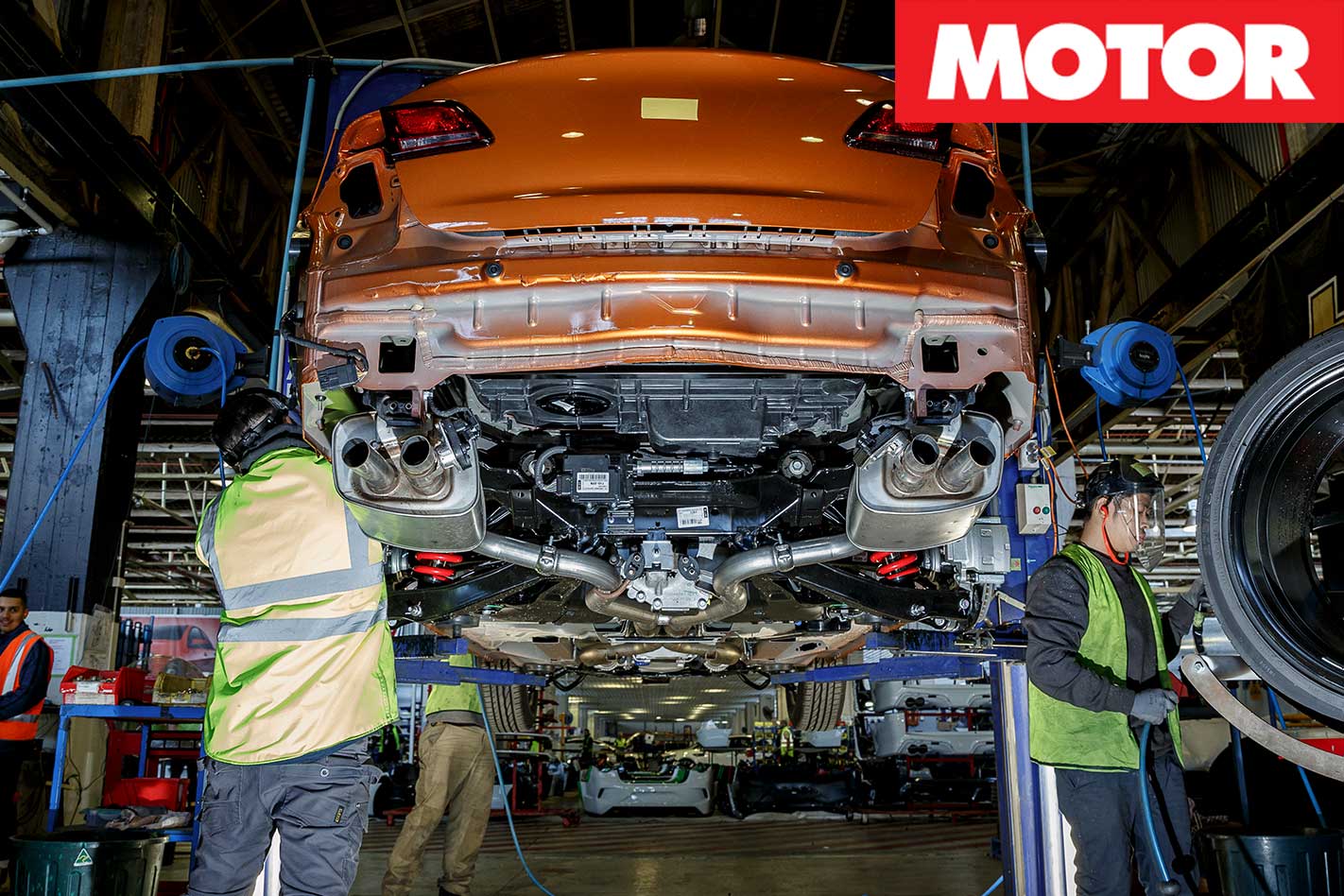
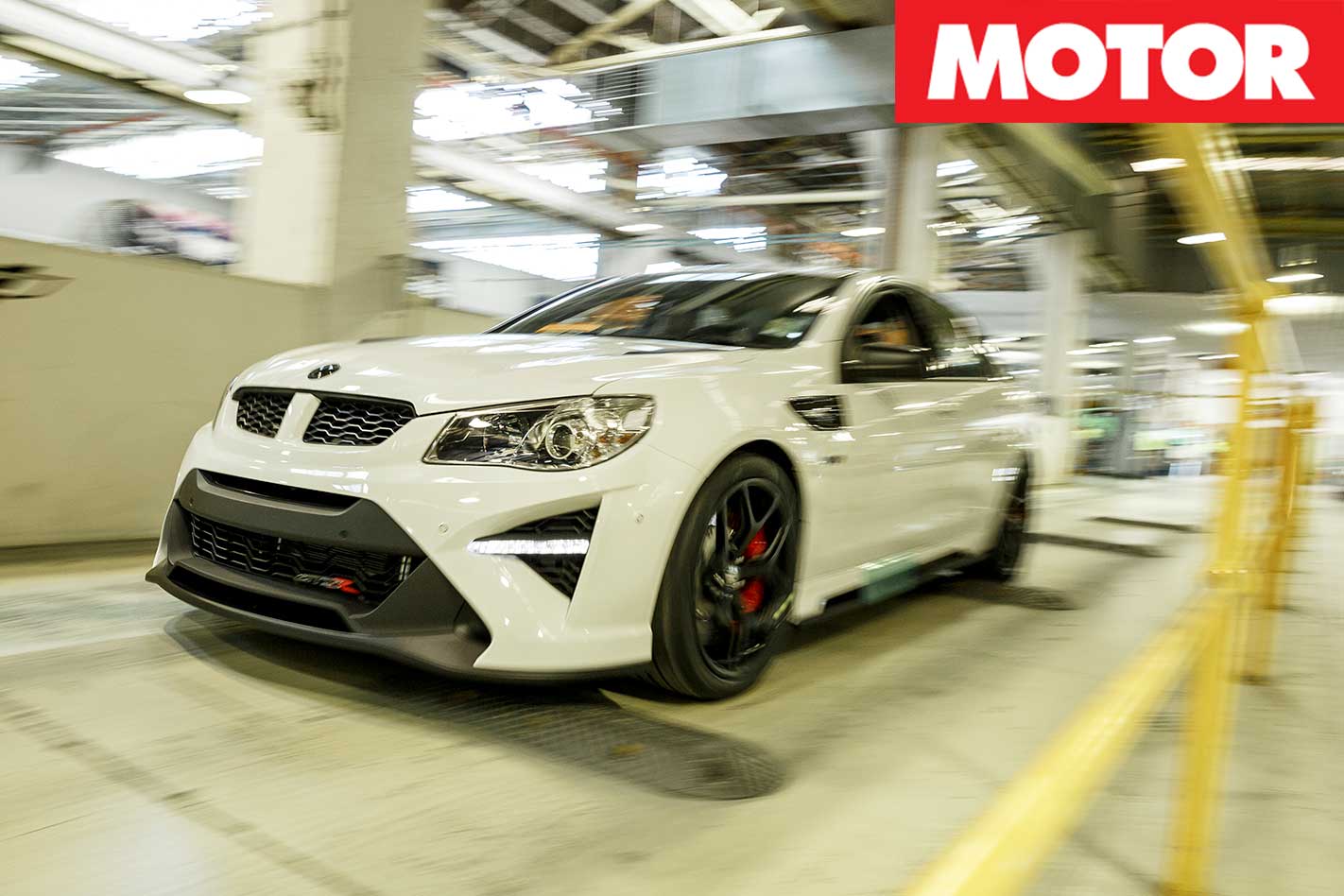
Things like the interior, main body panels, and windscreen are already done. But a regular GTSR still has 40 per cent to go. W1s even more. So the first thing waiting at the Clayton plant’s doors is nothing like an HSV. It’s a VF II Commodore, yes, but it’s on yellow steelies, plugged with plastic bumpers, while grilles and vents are missing like it’s been plucked at by wreckers.
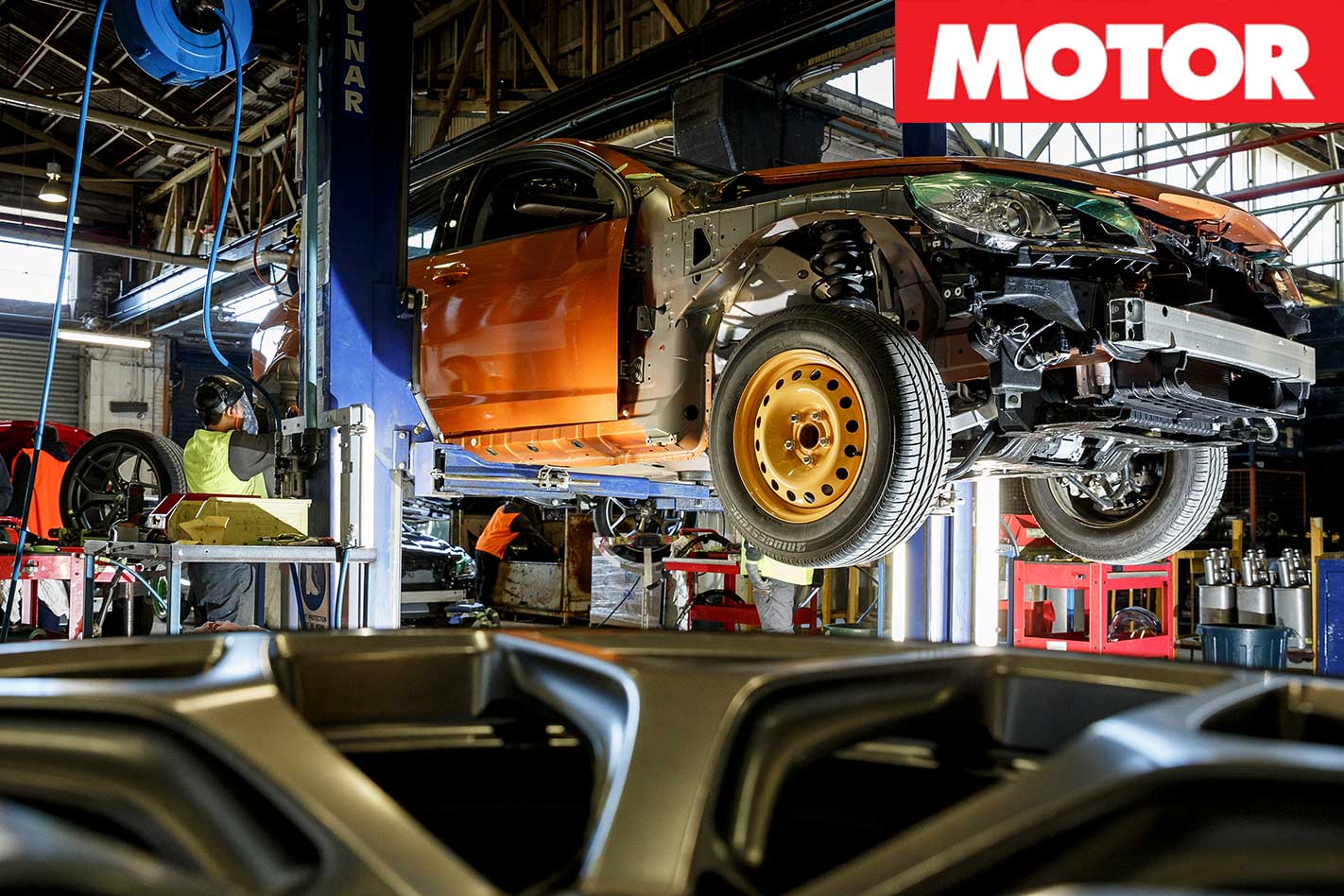
The W1’s LSA is swapped here for a rabid LS9 as Holden didn’t see the point in developing the tools, and process, to install them in Elizabeth. And the defunct LSA? We’re told they go back to Holden. Just like other parts of these ‘core vehicles’, like ‘slave’ brakes and wheels, destined for suppliers or the tip.
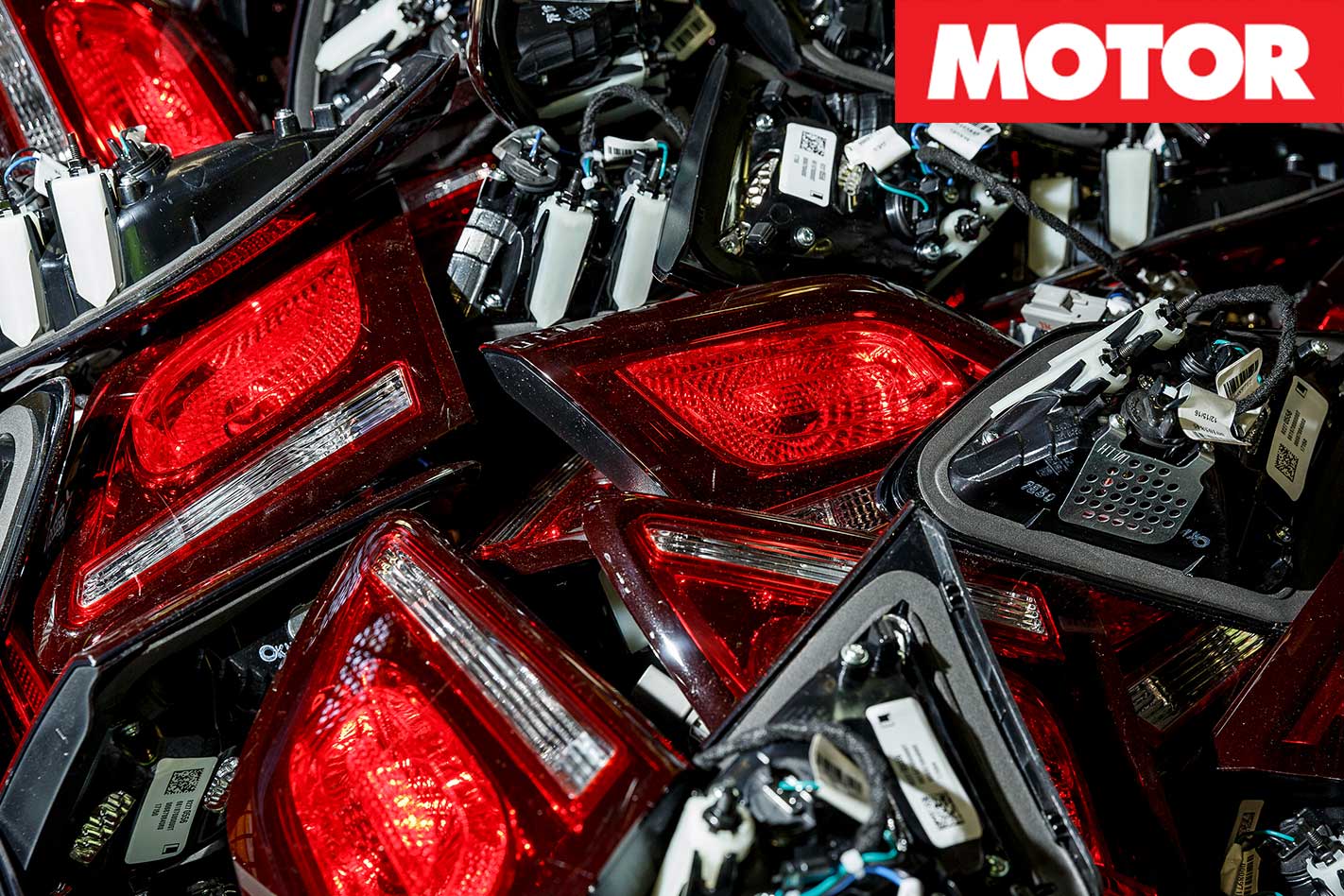
But they don’t just start waving an axle grinder. A 3D-printed jig is mounted on the bodywork before it’s trimmed, sanded, galvanised into a smooth new lip, then drilled with holes for the splash guards. This unlocks 3-4mm clearance for the new bags.
It’s a challenge. There are sometimes 130 people busy on these beasts, almost double the number in late 2016. Plenty have never modified a Commodore’s guards like this before.
The cafeteria line isn’t the only one trying to cope, cars sitting idle leapfrog to less time-intensive stations. Some arrive at the first with steelies on the front and 20-inch wheels on the rear, as if they’ve come from Sydney Dragway. And as we frantically pinball between stations, the colours of the W1s we document change from Light My Fire orange to Heron white.
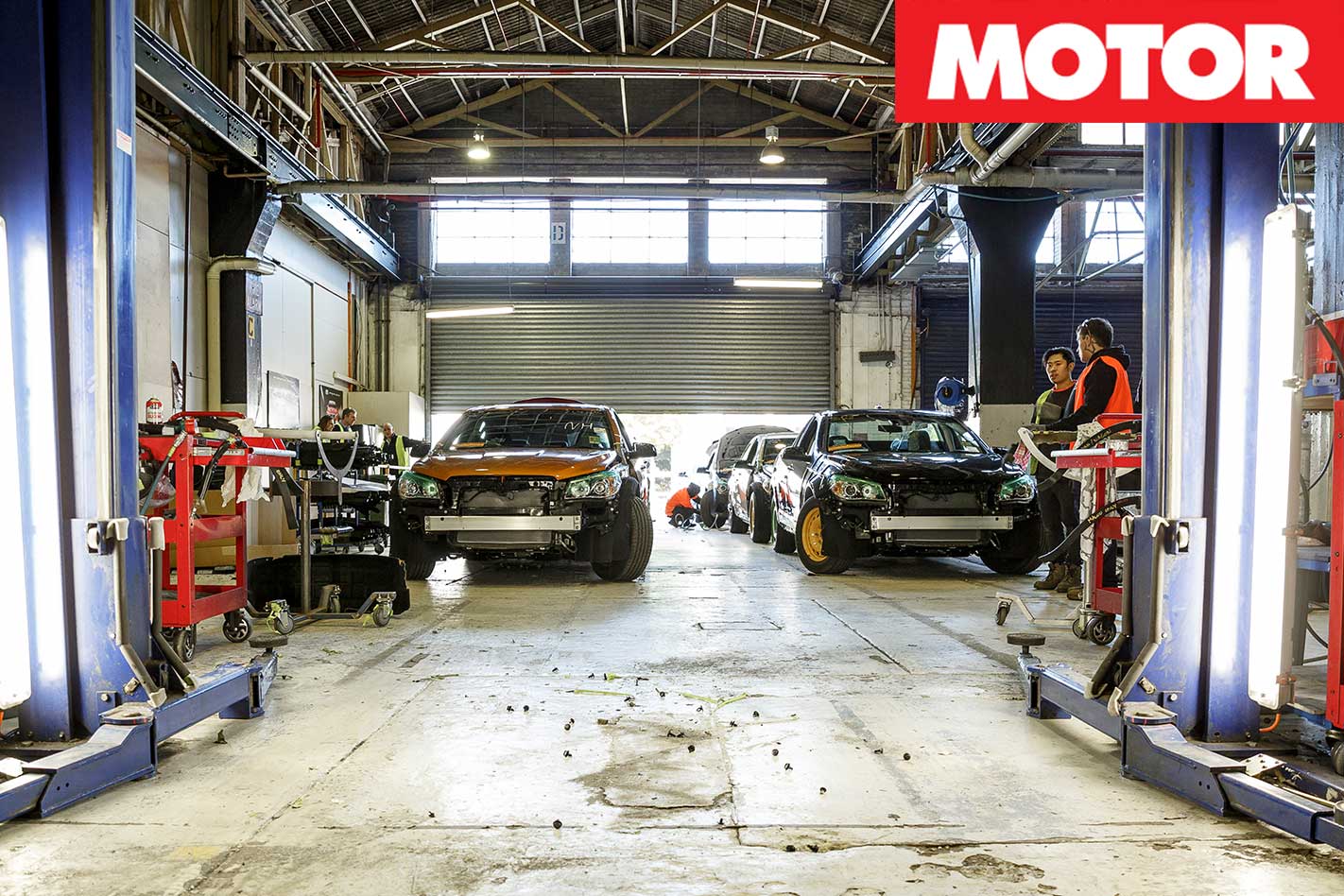
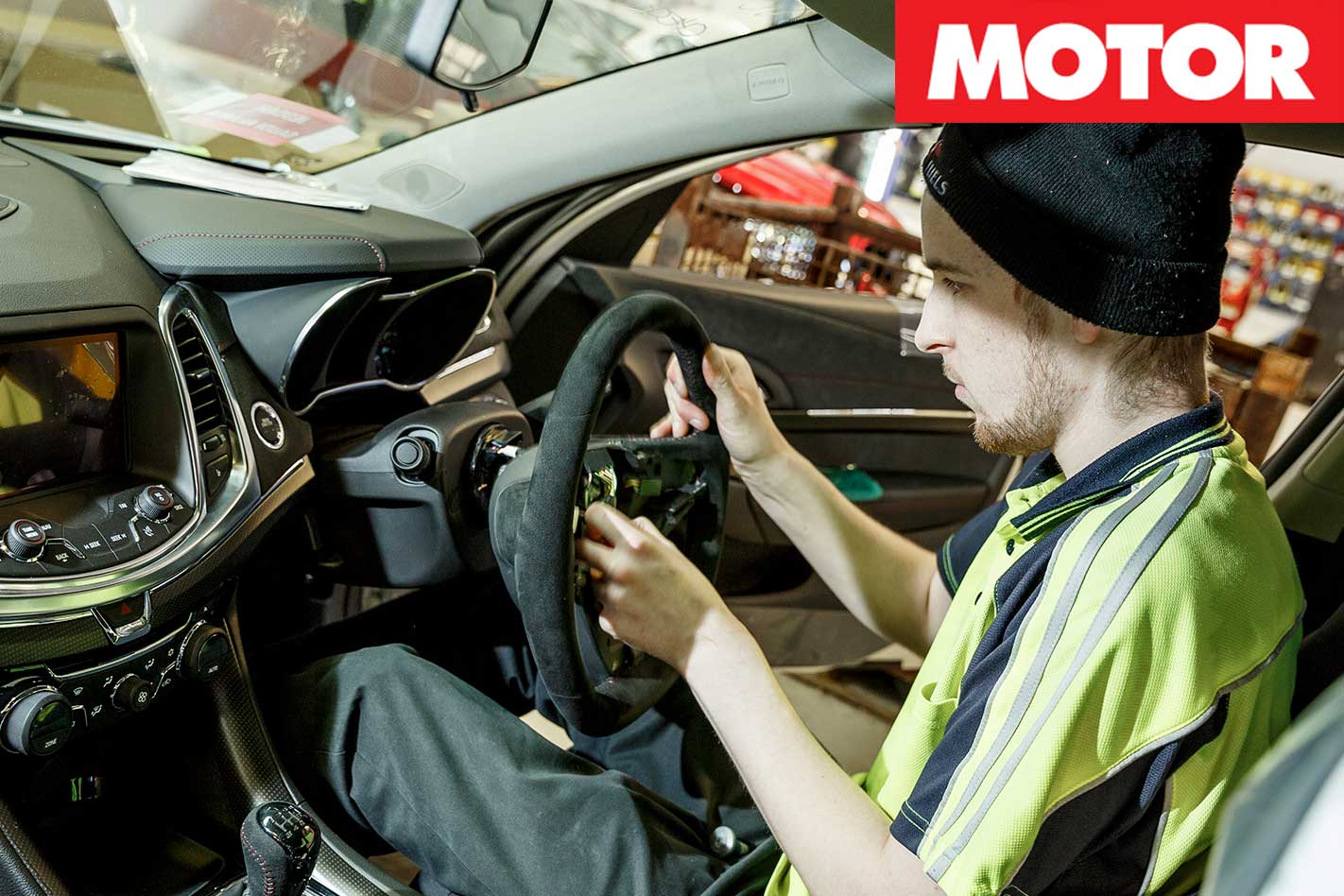
Because the W1 doesn’t have adjustable suspension or an automatic transmission, the process is quicker than usual, freeing Nichols to select only the finest Alcantara. “I’ll go through five, 10 [steering] wheels if I have to,” Nichols tells me, “[it’s the] same sort of deal for the gear knob.” GTSRs get the scraps.
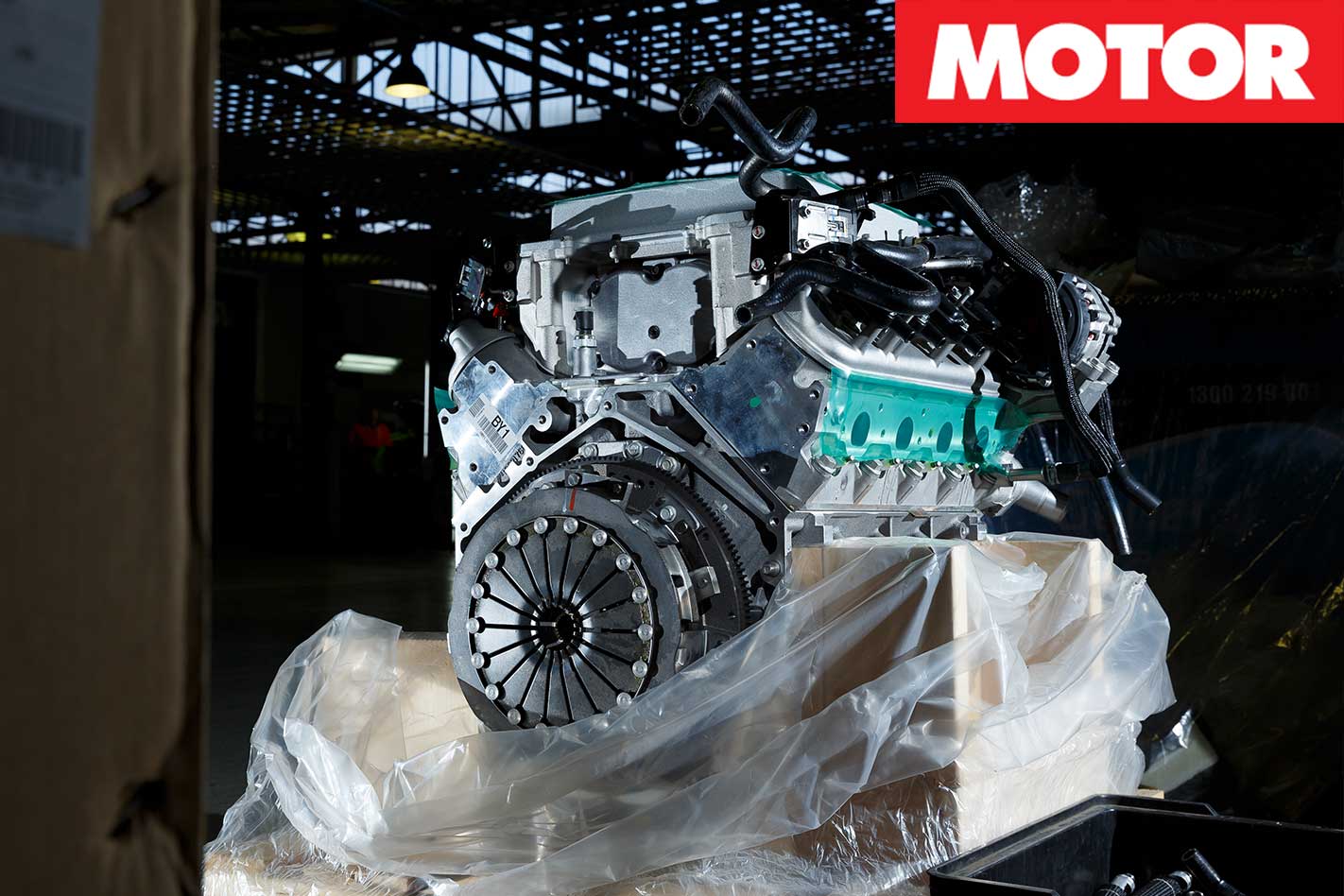
“There are three of four guys that do all of them”, Dave Reid tells us, after we undress an LS9 from its plastic cover. He oversees this section dedicated solely to the W1’s engine swap, which hasn’t existed since HSV last installed the W427’s powertrain itself in 2008.
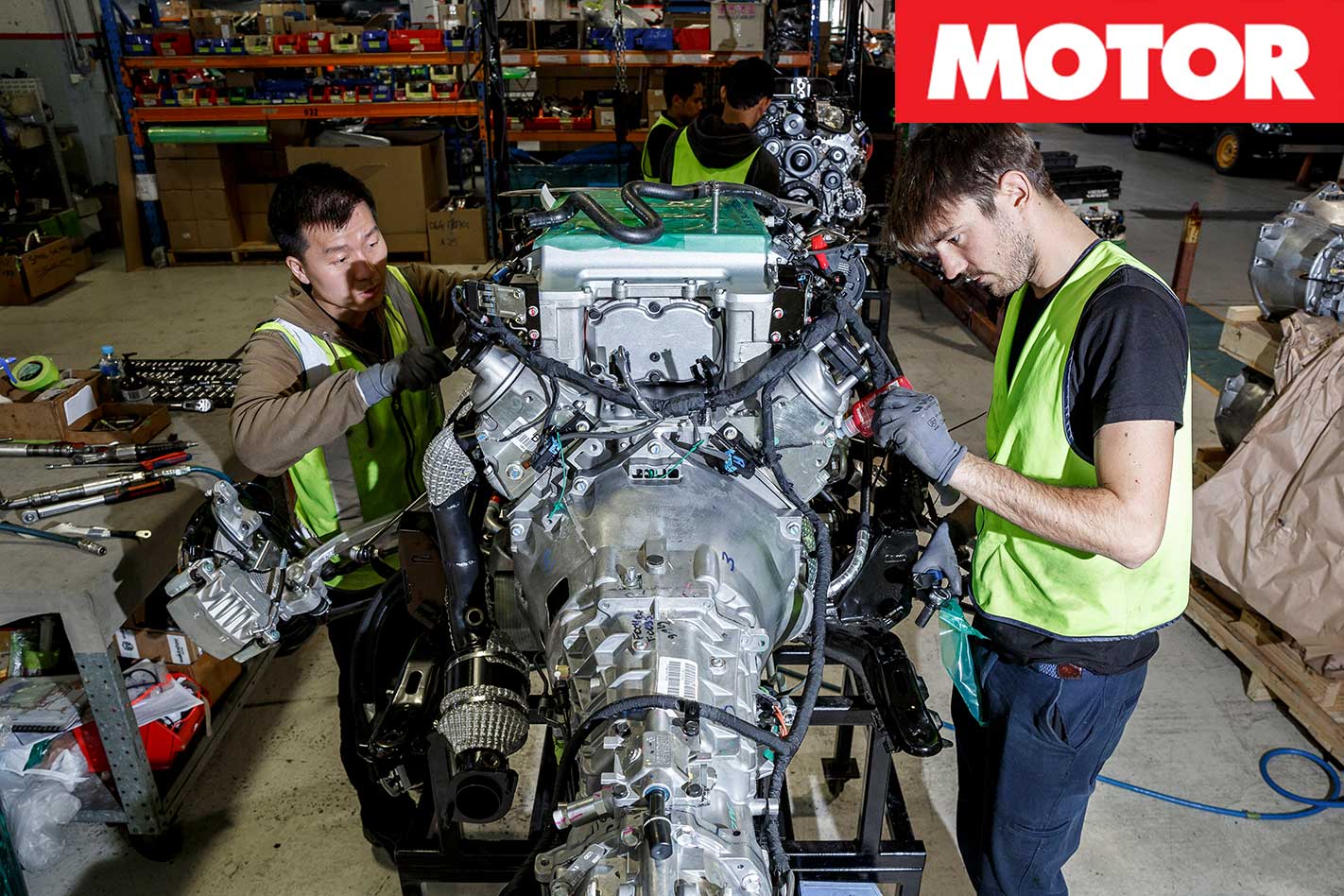
A removed sub-frame and TR6060 six-speed manual await the LS9. The ’box arrives custom-built from Tremec in America with special gears strong enough for 815Nm. They’re married by four people, including Alex, a tall, softly spoken Spaniard who joined the W1 program after acing an aptitude test building a wheel, brake and suspension assembly. He tells me he left motoring journalism at home in search of more dough Down Under.
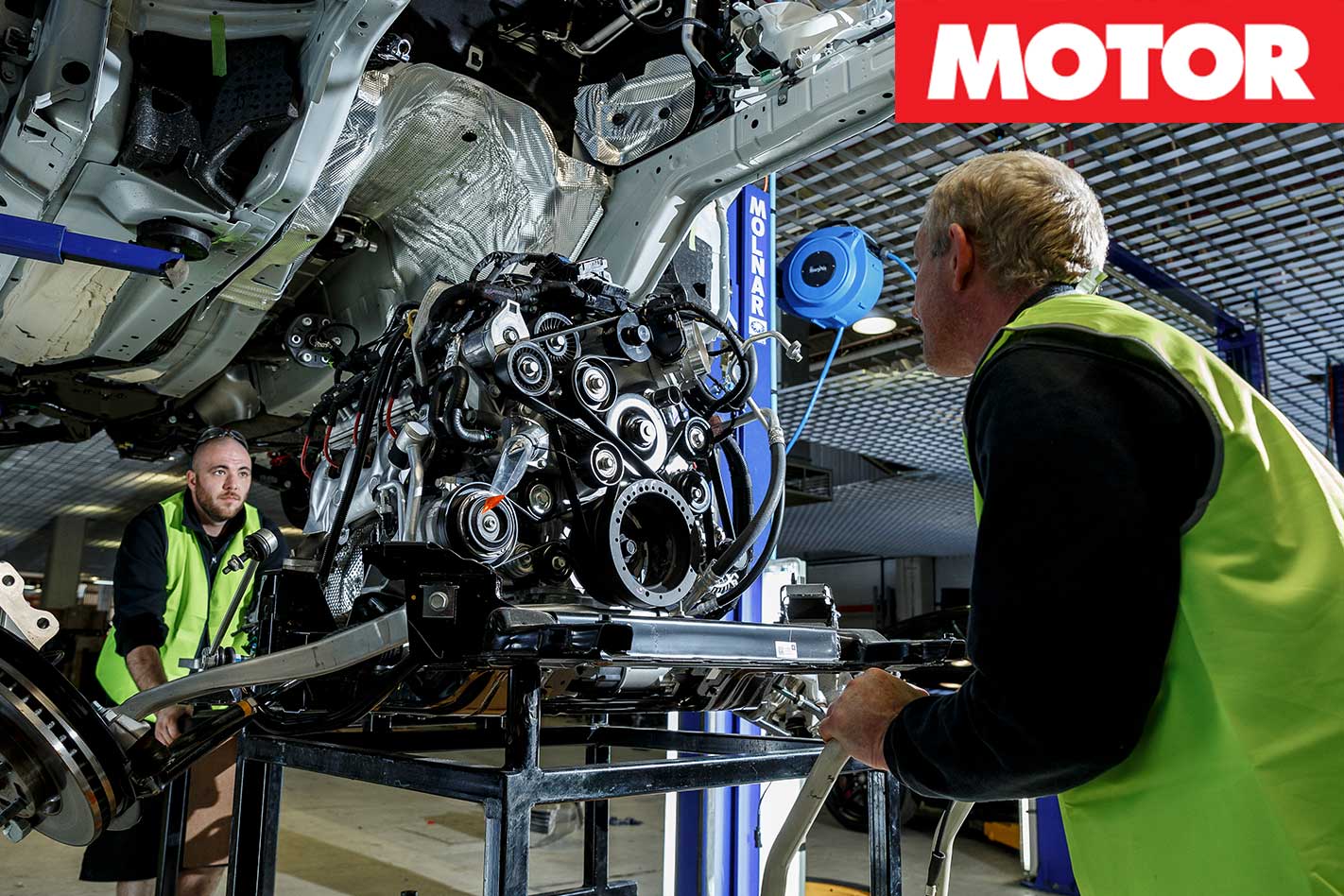
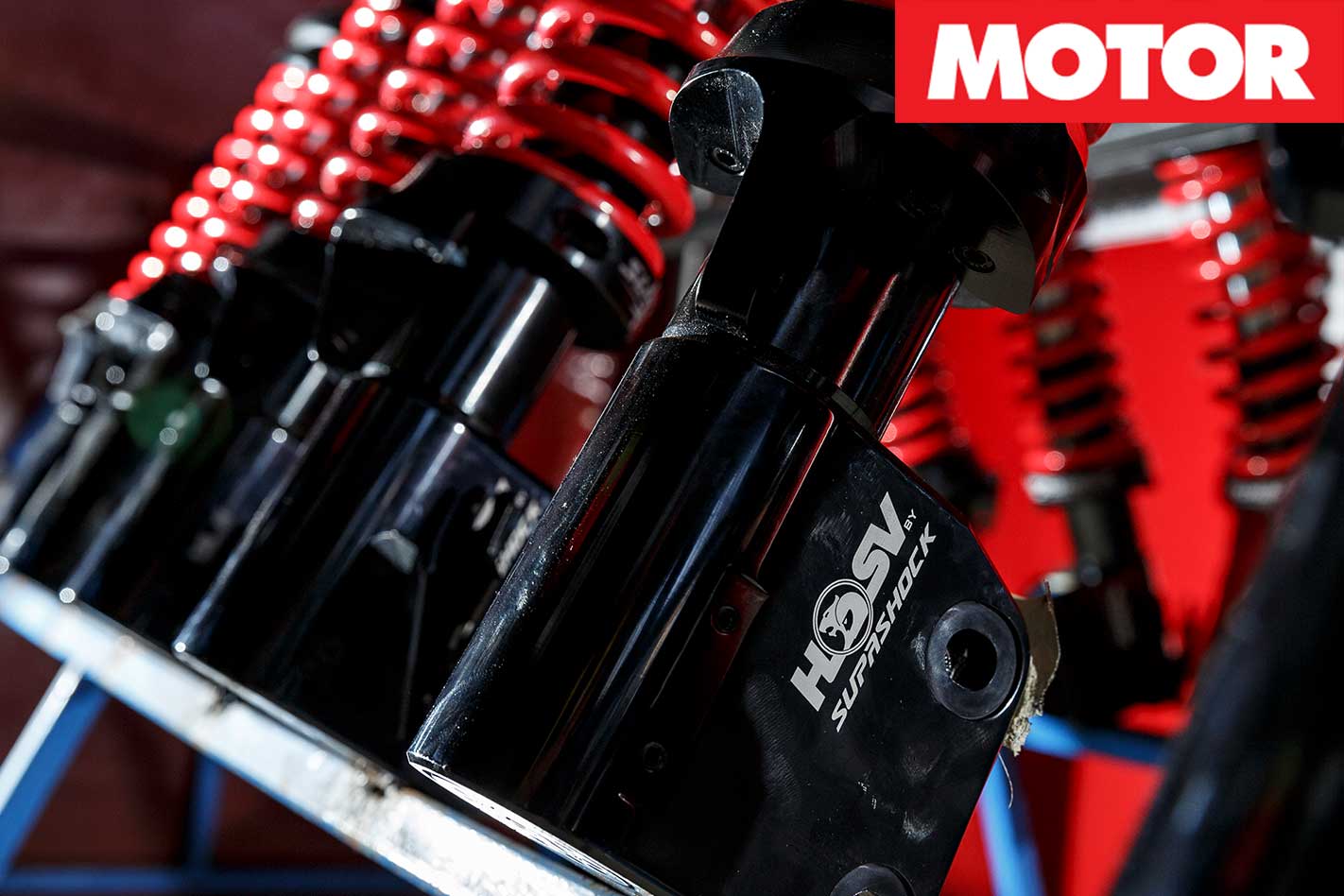
Next, the suspension’s standard ZF units are swapped for Supashock engineered coilovers, which are built on site. Body bits, including those pumped front wings made from ketchup-lid plastic, are painted separately before being fitted, with the W1’s matte skirts done last.
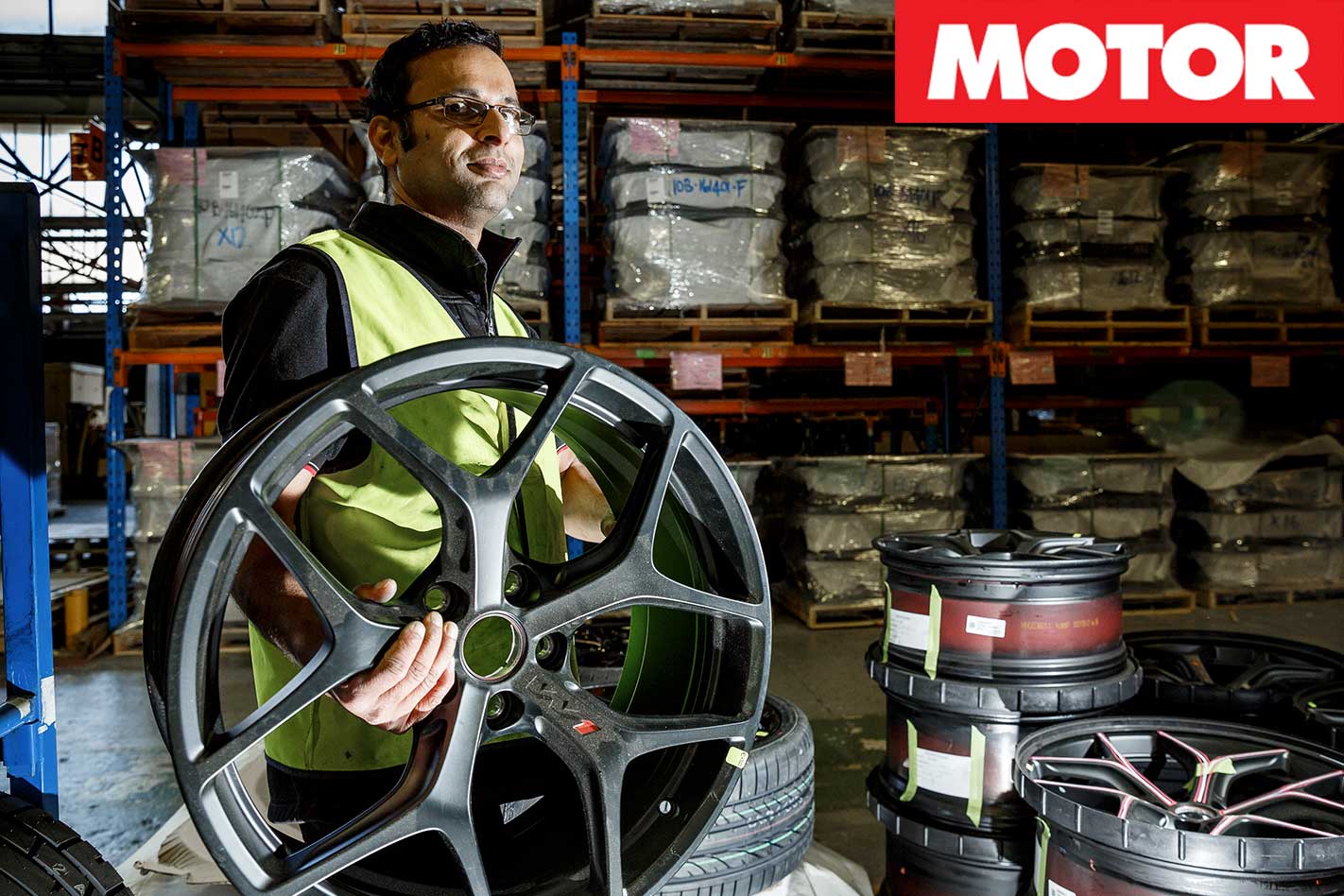
That’s soon corrected at station five, to the chagrin of long-timer Rodney Patterson. While Pirelli Trofeo Rs make those Superalloy wheels look like they could stick to the roof, he says the rear semi-slicks don’t wrap around the 20-inch wheels as easy as the standard Continentals. I offer a stiffer sidewall as the culprit. “They’re actually softer in the sidewall, it’s stiffer in the tread,” he corrects. His team saves them until the afternoon once they’ve warmed in a fan-forced chute to make it easier. Luckily, only three to four sets of Pirellis come a day, compared to 20 to 30 sets in total.
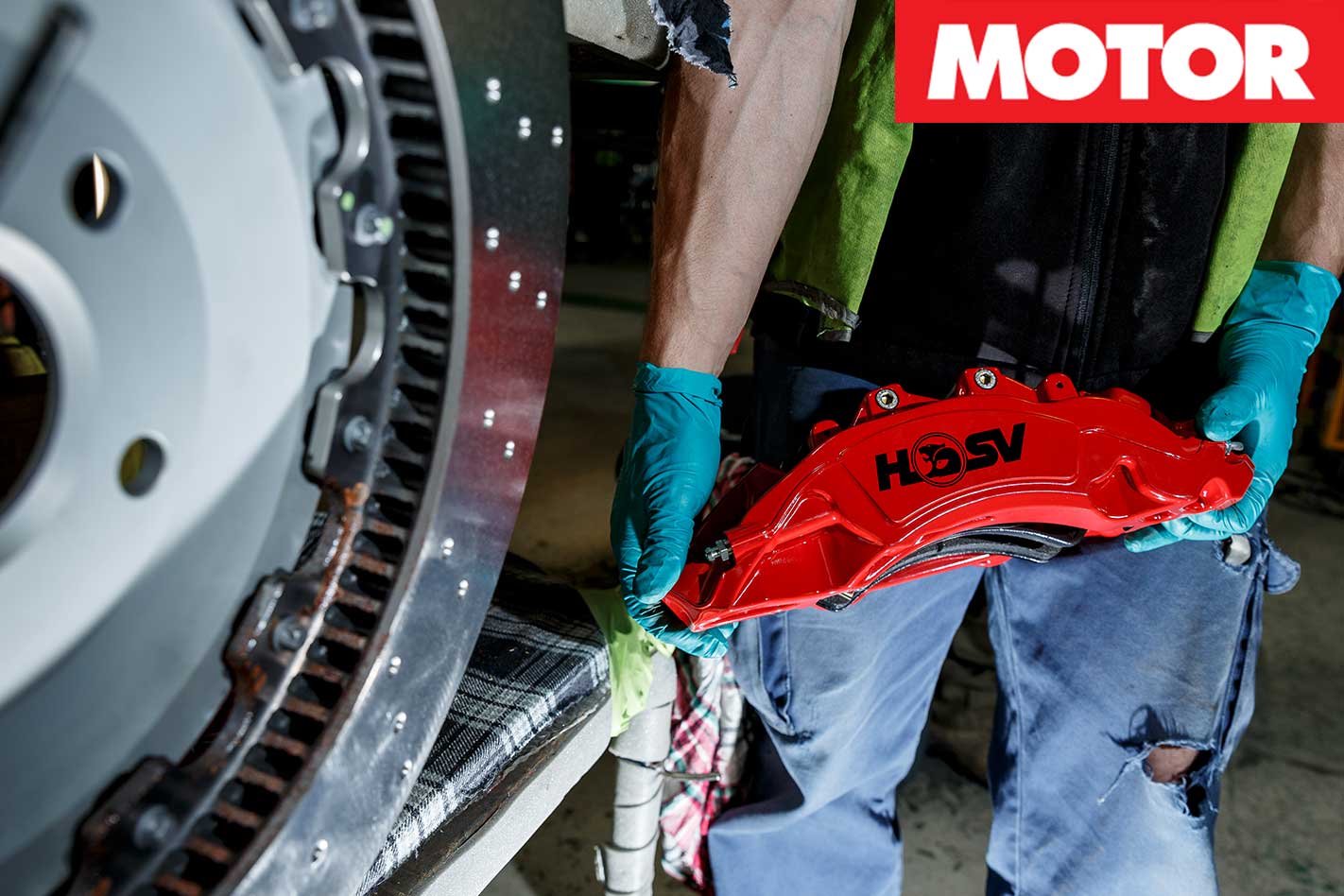
Gleaming four- and six-piston calipers await next. While our road testers think the GTSR’s AP Racing brakes, which clamp discs an inch bigger than the wheels on my 1.8-litre Integra Type R, were complete overkill, they make more sense up against 636 horsepower. The setup is so big, line workers can’t tend to the brakes unless the steering’s turned.
The W1 is hooked to a computer at the second-last station and downloads new modules so it can talk to its harder-working heart, feet, and legs before it’s looked over by the two most experienced blokes in the building. They run the final, and most thorough, inspection, checking everything against a documented process. Not that they need instructions. I’m told they can sub-in anywhere along the line.
The compliance plate, build plate, and DataDot markings come last, but everything pales to what I’m about to hear. People are waiting for me back at body line where I can plant a badge on the nose of a Heron White W1. As it turns out, though, no one’s waiting for me. The badges sleep in their heated draws, hiding as if they know my clumsy fingers could wipe tens of thousands dollars off the W1’s price.
The 11 Stages of the W1
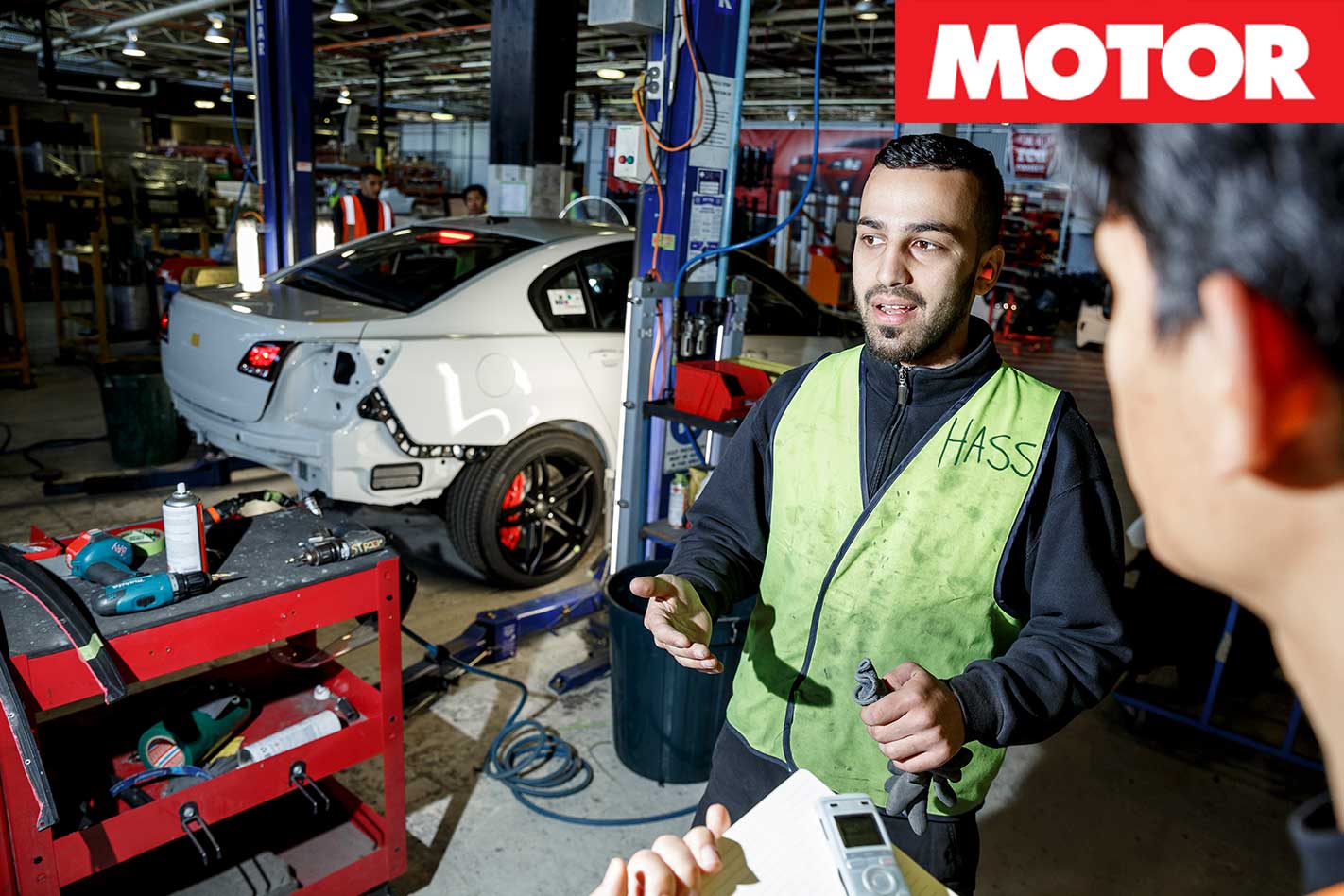
Stage 1-2: “We know it’s somebody’s pride and joy, a collector’s item, so everyone handles these cars with absolute care and as if they’re our own cars. That’s where management gives us a bit of trust,” says Hassam Kakar at vehicle strip about cutting into the GTSR and W1 bodies. It’s a new process for his team.
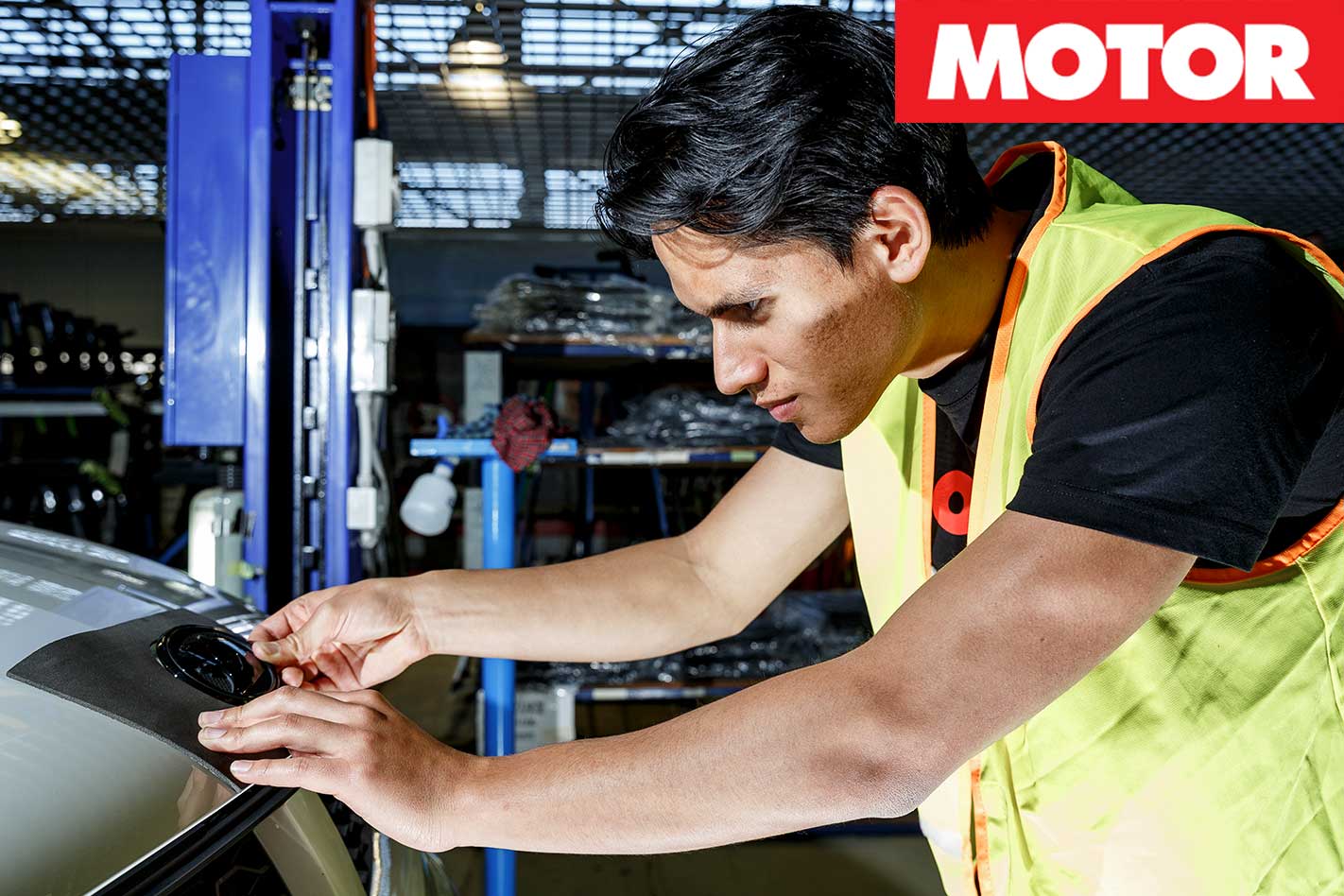
Stage 4-6: Badges go on during station four, but Melbourne’s climate makes adhesion tricky. They’re kept in a cabinet at around 32 degrees, and can’t be applied to bodywork less than 16 degrees. Heat pads help make up any deficit in temp.
Stage 7-8: End Of the Line programming happens at station eight, where the W1’s electronics are updated with the right modules. The process is automated and takes about 22 minutes to reflash stuff like the TPMS and ABS software.
Toe to Toe: Lining up the W1’s big boots
HSV’s literally re-engineered the GTSR from the ground up to create the W1.
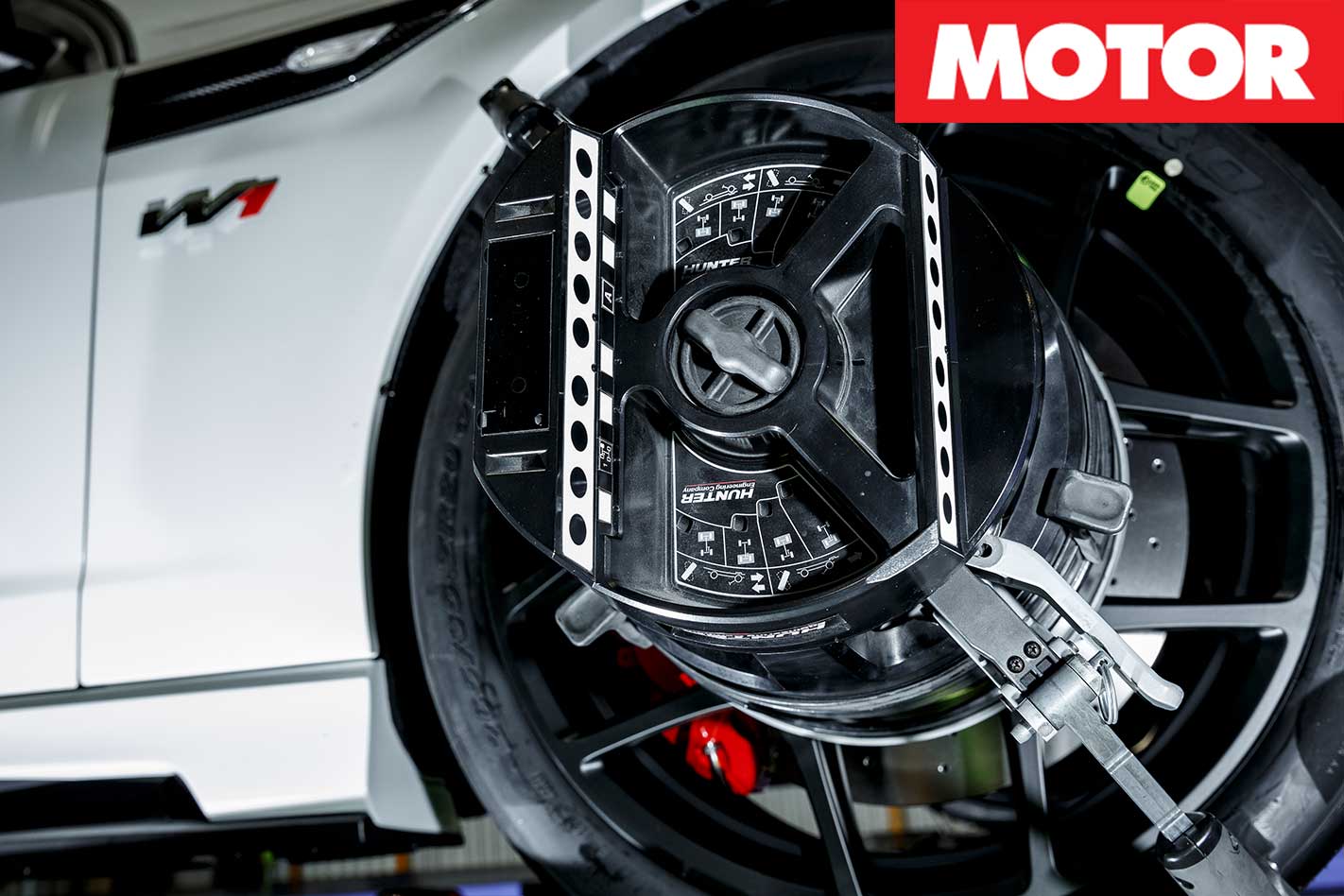
As we learnt during our time on the floor, the car’s wider footprint sports unique camber and toe settings with a much stricter tolerance on how much they vary. With those Pirellis generating so much more drag on surfaces, the W1 is given more positive toe.
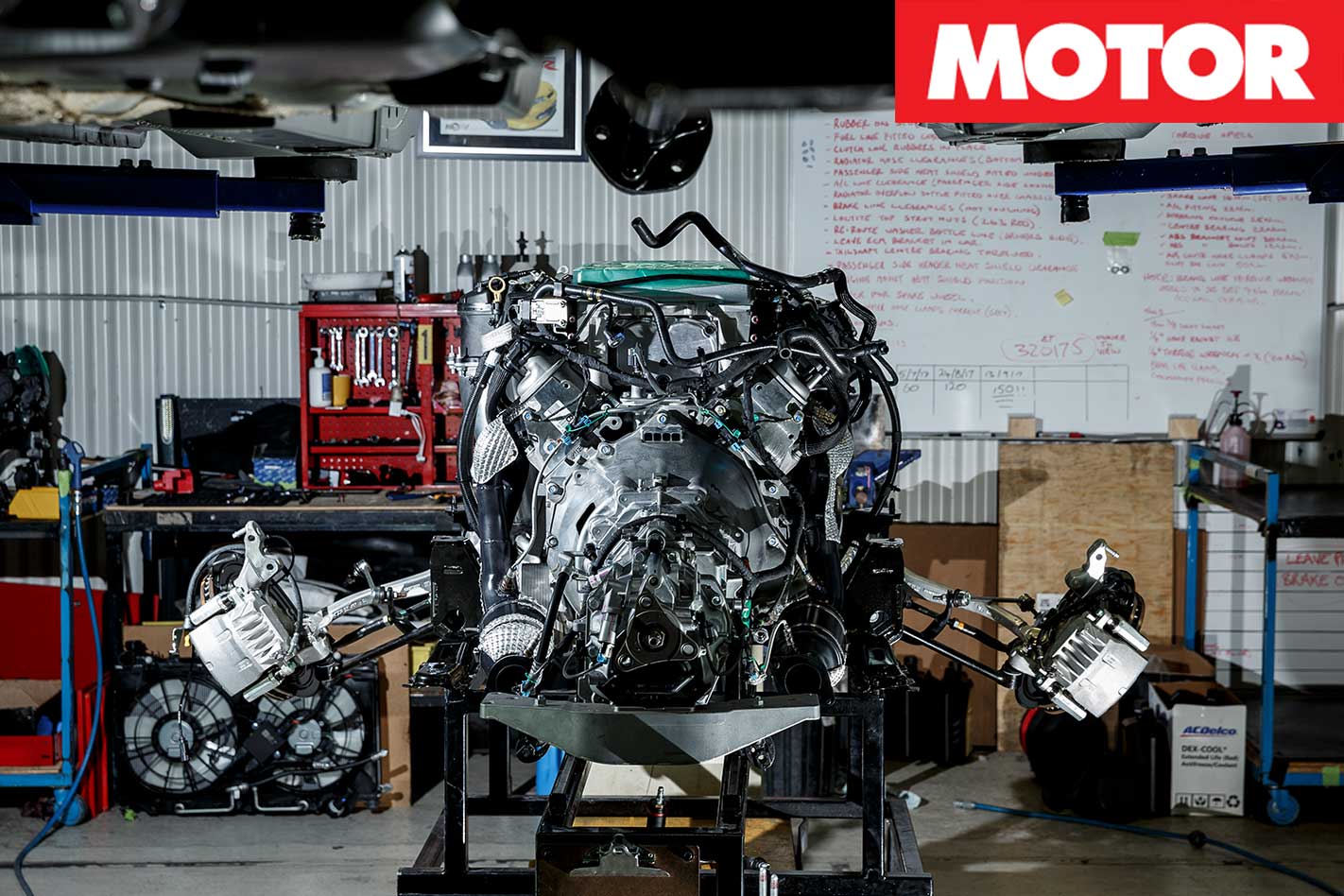
Every car is aligned on laser-based wheel alignment technology that takes two people 20 minutes. The only challenge for the W1 is finding somewhere for the clamps to dig into the Pirellis. End-of-line inspectors will try to feel any error during their sign off drive.
Once done, the W1’s dampers are blocked so it doesn’t bottom out during shipping.
AN ALL-NEW Mercedes-Benz A-Class is almost upon us, with the German manufacturer poised to take the covers off the fourth-gen model late this week.
Ahead of the official unveiling, Mercedes-Benz took to Twitter with a darkened teaser image of the hatchback, revealing headlights that bear a striking resemblance to those on the new CLS.
Much of the 2018 A-Class’s interior was revealed at the Consumer Electronics Show in Las Vegas earlier this year. The centrepiece is a widescreen display made up of two 10.3-inch screens that stretch across to the top of the centre console from in front of the driver. It debuts the Mercedes-Benz User Experience (MBUX) infotainment system, which the brand claims is even more advanced than the systems found in pricier E-Class and S-Class models.

The A-Class’s MBUX system puts focus on advanced connectivity. Wheels senior journalist Daniel Gardner was able to try it at CES and wrote, “with a new level of natural language control, we were able to speak to the operating system without needing to use specific keywords. When the BMUX was told ‘I am cold’ it increased the cabin temperature a couple of degrees.”
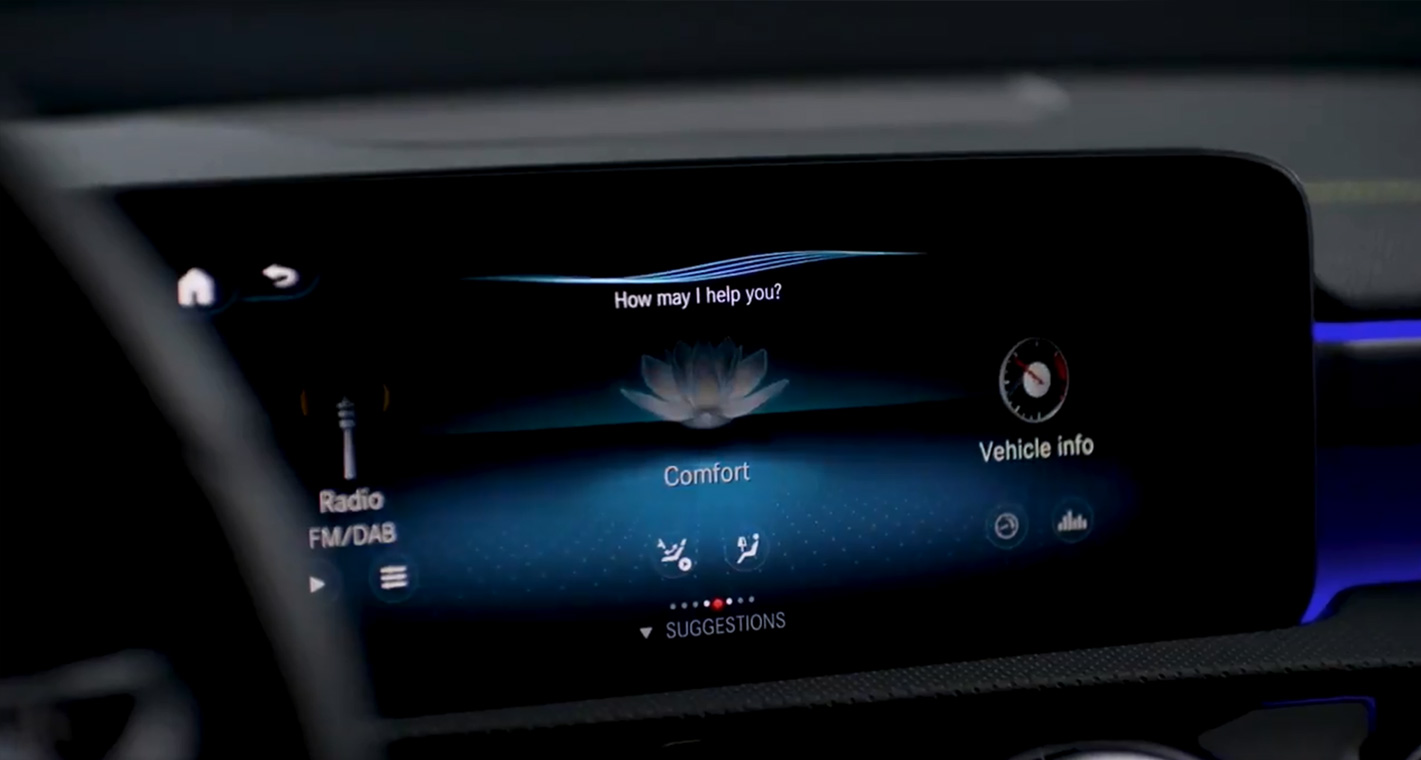
Exterior dimensions will grow, compared to the current model, with passengers seeing most of the benefits through a more expansive cabin.
The available transmissions are unlikely to change from the seven-speed dual-clutch gearbox of the current A-Class, in both all-wheel drive and front-wheel drive configurations.
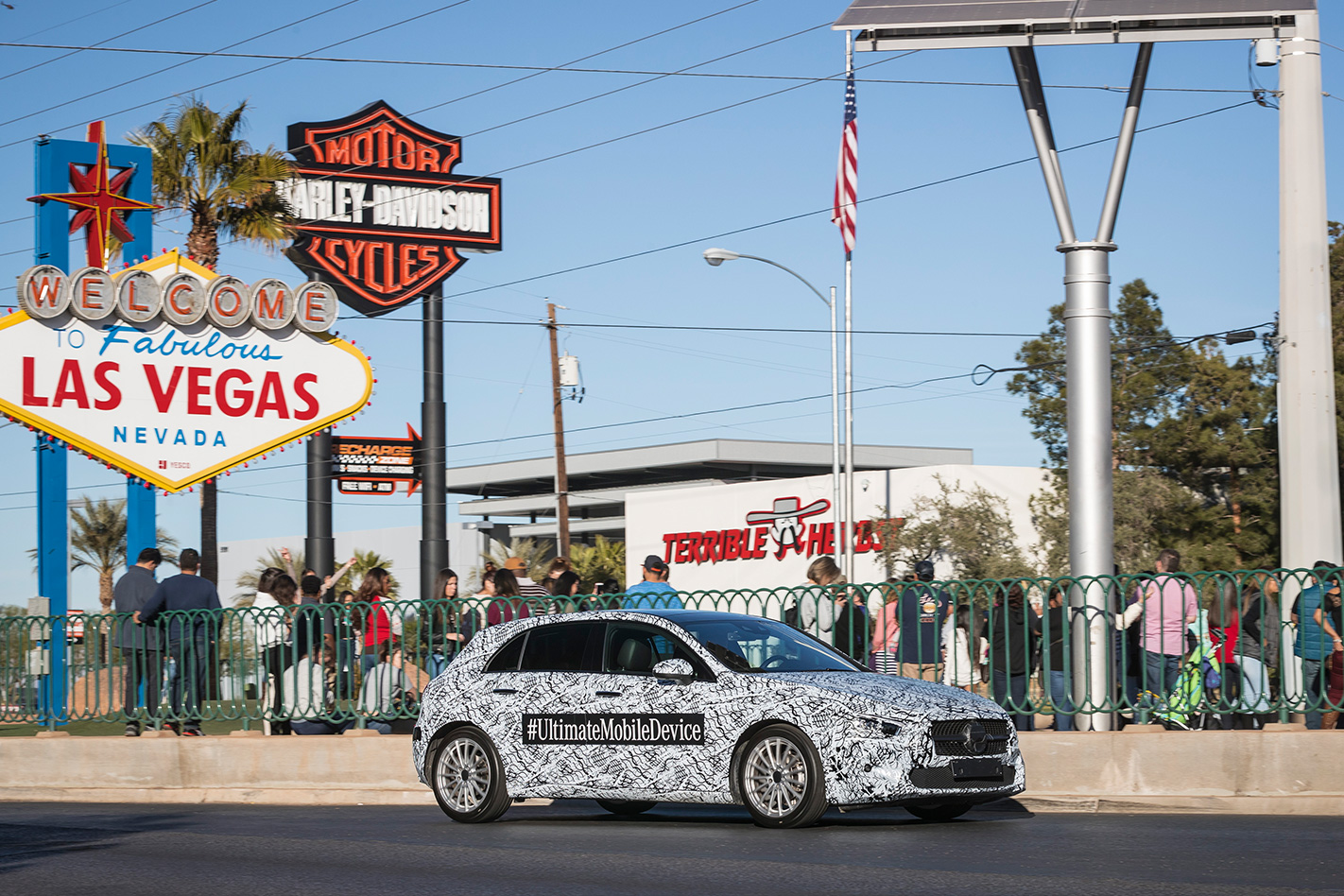
It is expected the A200 will be the only A-Class variant available at launch, with the other models arriving later in the year, and AMG-badged hot hatches in 2019.
The Australian Motoring Awards (AMAs) are one of the few occasions each year where Australia’s motoring industry bosses and key staff gather in the same room.
Last week, more than 200 gathered at Melbourne’s Forum Theatre for the 2018 AMAs, which showcases Bauer Trader’s range of automotive titles and presents some of Australia’s most prestigious motoring gongs including the WhichCar Style Award, 4X4 Australia 4×4 of the Year and Motor Performance Car of the Year.
The highlight of the big night is the presentation of the Wheels Car of the Year award, one of the oldest and most respected awards of its kind in the world. This year was the 55th running of COTY and it went to a first time winner – Volvo – for the outstanding XC60.
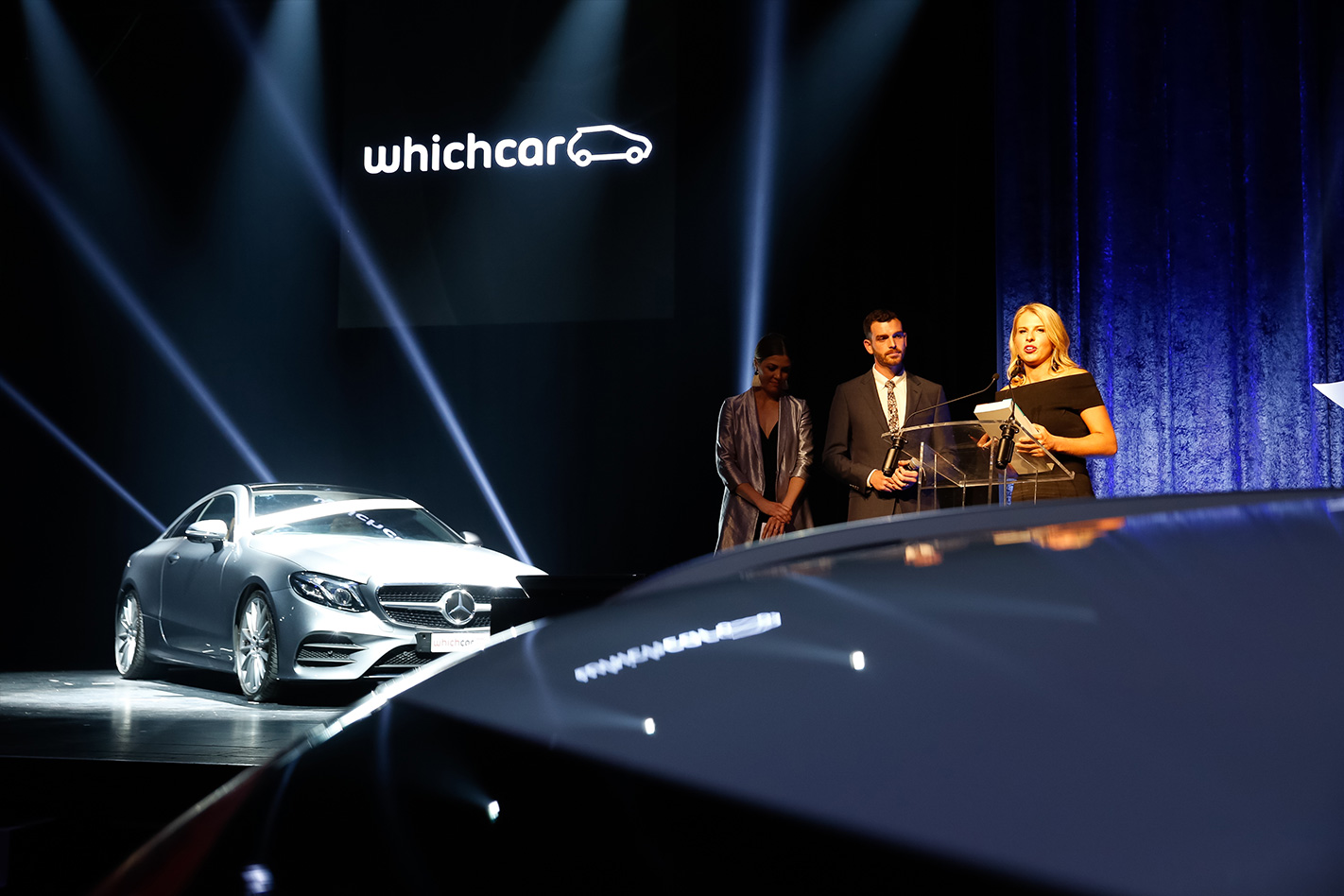
Australian actor and self-confessed rev-head Shane Jacobson hosted proceedings, which also included a Q&A session between highly respected former Wheels editor Peter Robinson and automotive designer Paul Beranger, former head of Toyota Style Australia.
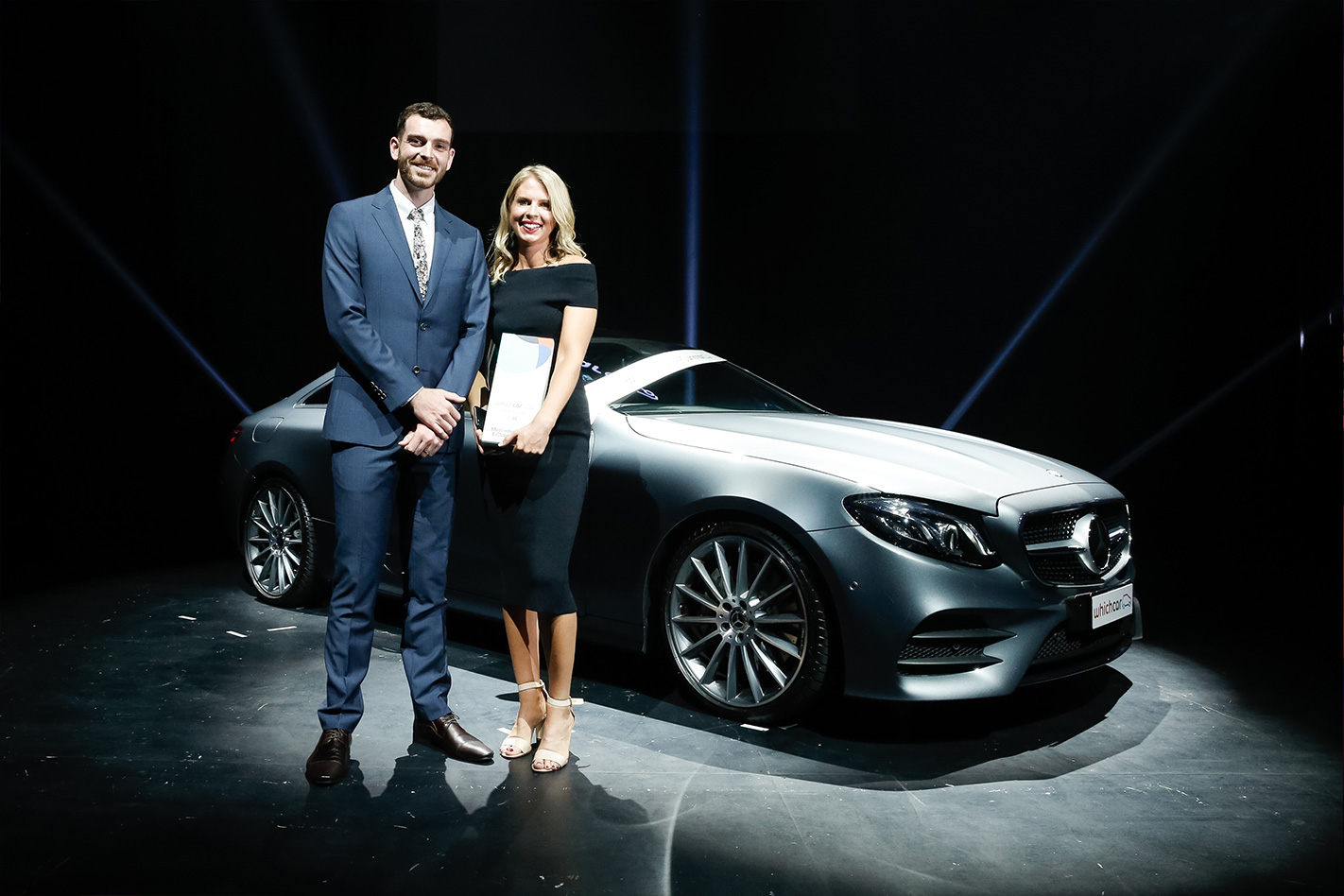
Beranger was also part of the WhichCar Style Award judging panel, which crowned the Mercedes-Benz E-Class Coupe the most aesthetically desirable car on sale for its elegant proportions and sought-after blend of luxury appeal and on-road athleticism.
Check out the above video for a peek inside the industry’s night of nights and browse our website for details of all the winners.
Another week, another round of ads we found on TradeUniqueCars.
You know the drill by now, so let’s hook in.
1987 Ferrari Testarossa – $349,990
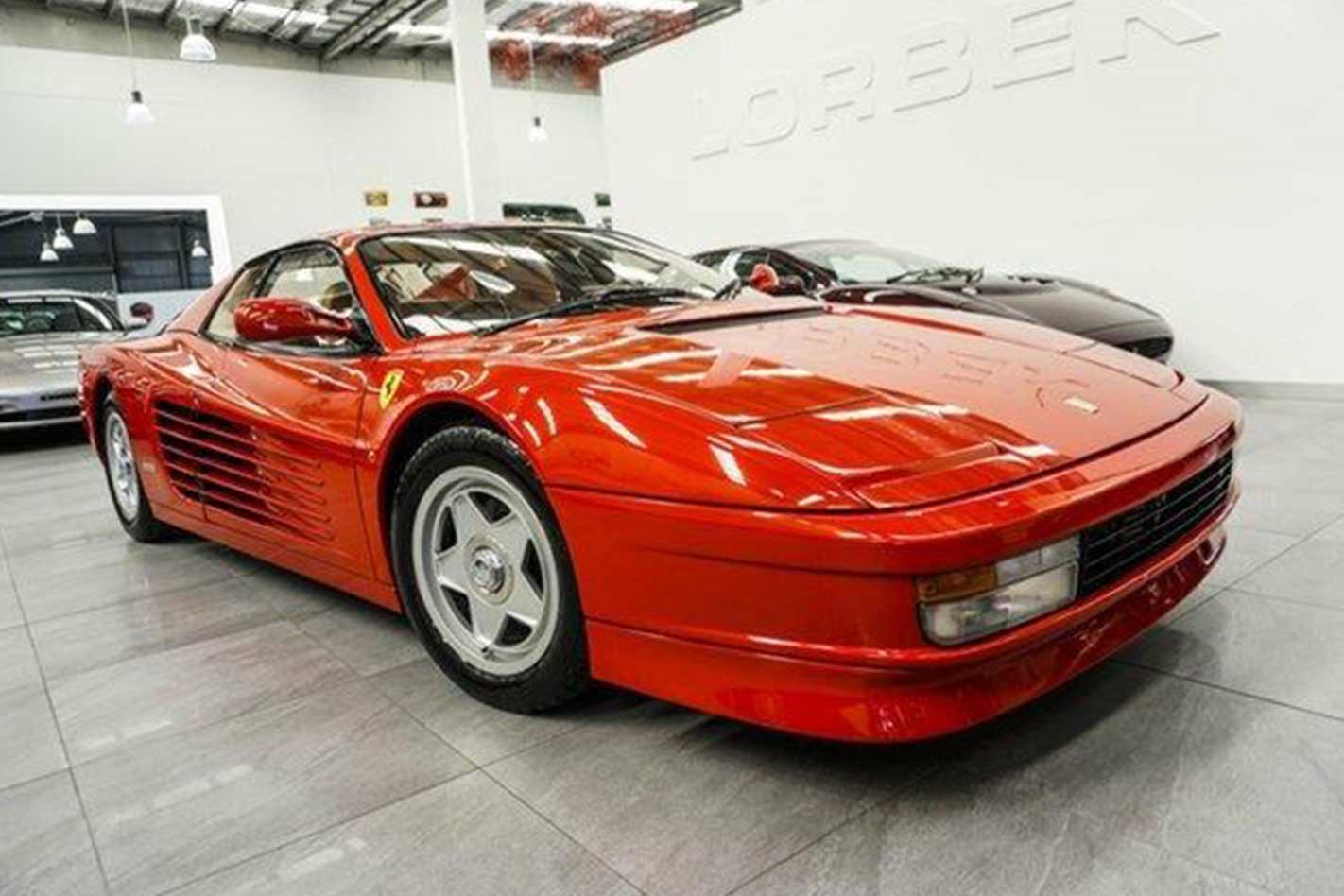
If you’re one of those kids and have done well for yourself, you can now live the Italian flat-12 dream. Please note that this car doesn’t come with a brunette, just a RWC and service history books.
1999 Mitsubishi Evo VI – $21,000
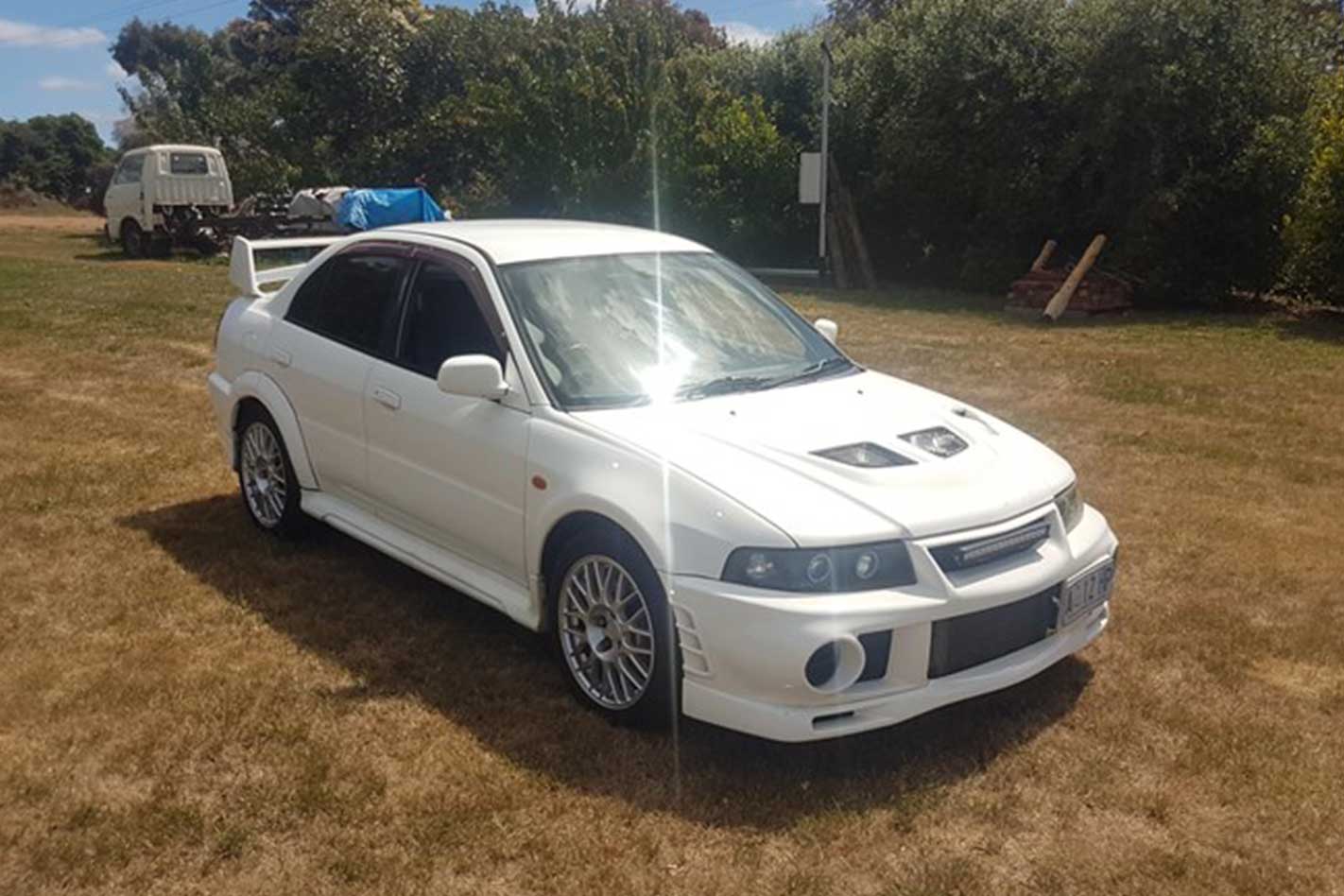
This one’s only got 162,000 on the clock, not bad for an almost-two-decade-old car, plus it’s stock as a rock. That’s one of the most desirable things a car can be if you’re buying old.
2007 Lotus Europa 121 – $69,000
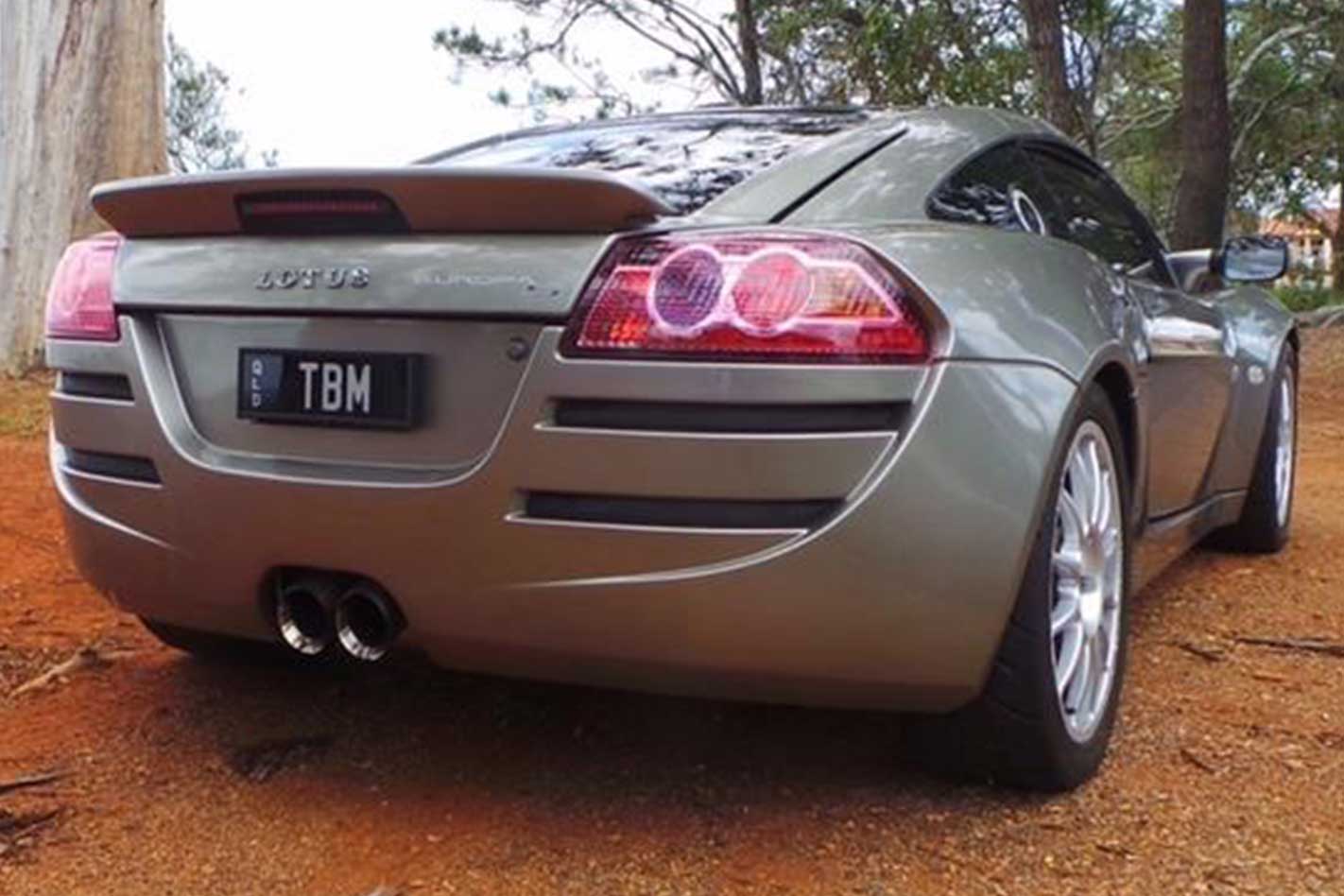
Not quite as focused as an Elise or Exige, the Europa is meant to be a GT-style car, while still retaining its British sports car feel.
With 22,000 on the clock and a one-owner history, we reckon its next owner will be a happy chap-or-chapette.
2007 FPV GT 40th Anniversary – $65,990
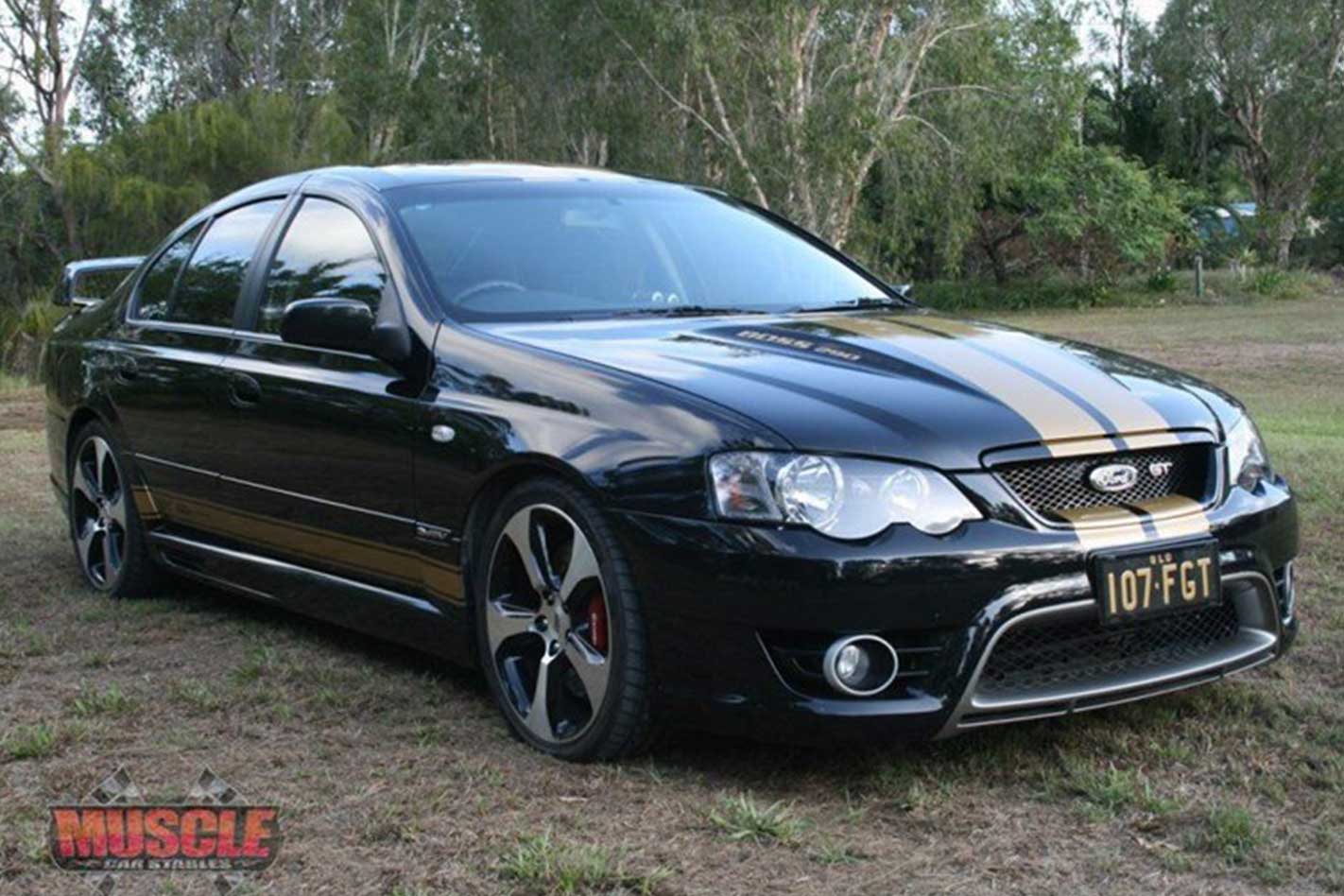
In manual, and with only 12,926 on the odometer, we reckon this one’s a safe long-term investment. Or a fun weekend cruiser, if you’re game.
1982 Alfa Romeo GTV6 2500 Autodelta – $101,950
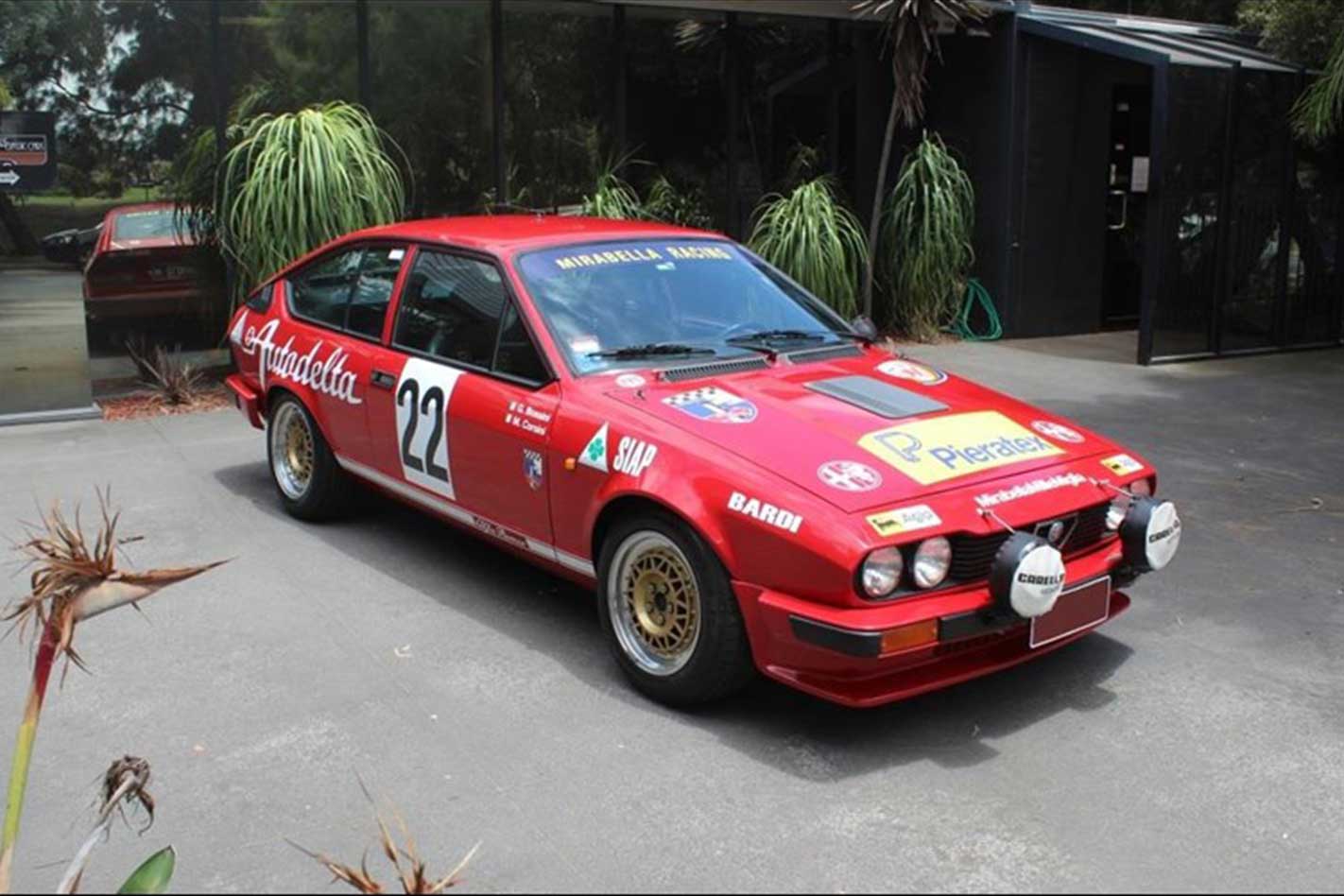
It comes with a full history report and log book, but we recommend getting as much information about the car as possible before saying ‘yes’ to any buying commitments.
Haval’s H9 three-row SUV copped its fair share of bad press when it first launched here, so the Chinese carmaker went back to the drawing board resulting in a series of improvements, new active safety kit and a significant price cut.
It’s hoped the changes, and a $5500 drop in entry-level pricing, will be enough to make more people seriously consider the Chinese alternative to the Japanese and Korean seven-seaters.
The key changes include a powertrain boost; with the 2.0-litre turbocharged petrol four now producing 180kW/350Nm, up from 160kW/324, coupled to a new eight-speed automatic transmission, which replaces the old six-speed shifter.
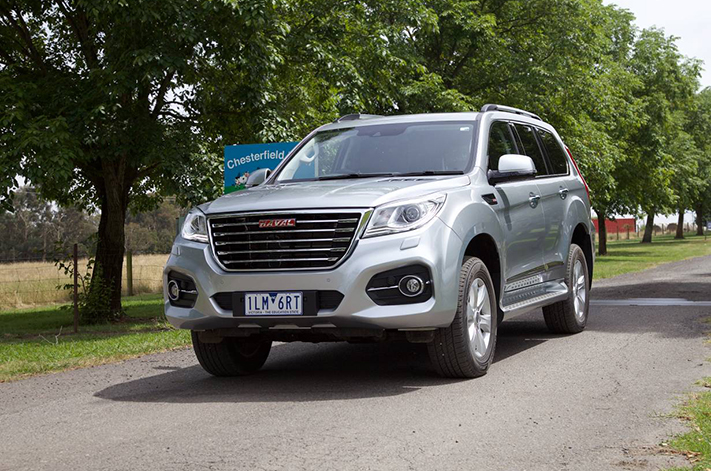
Despite the extra performance it’s 10 percent more economical, with fuel consumption now 10.9L/100km, which is still a little in the greedy side, but a considerable improvement over the original H9’s 12.1L/100km.
Advanced driver assist functions such as blind-spot monitoring, rear cross traffic alert and lane departure warning have also been added, though it still lacks automatic emergency braking.
The Haval H9 has also received styling changes including a new centre console and instrument panel which now includes a digital speedo.
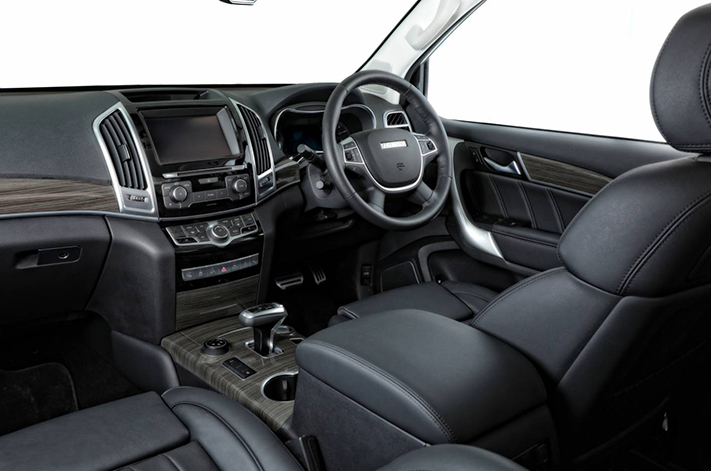
The H9 comes with two newly-named variants, with the Premium and Luxury making way for the Lux and Ultra. The entry-level Lux starts at $40,990, down $5500 from 2017 model despite upgrades including a sunroof, centre armrest with power-outlet, 18-inch wheels and auto-dimming rear-view mirror.
Standard equipment across the H9 range includes 8.0-inch touchscreen, satellite navigation, paddle shifters, front and rear parking sensors, front and rear fog lamps, hill-start assist, hill-descent control, cruise control, tri-zone climate control and third row air vents.
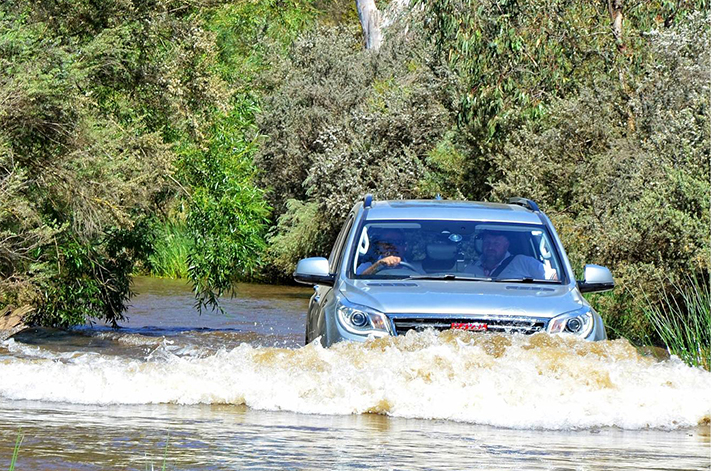
It’s surprisingly good off-road credentials have also been enhanced with an electric differential lock and an All-Terrain Control System which allows the driver to select different modes to suit different road and track conditions including Sand, Snow, Mud and Sport plus 4L (low-range four-wheel-drive for rough off-roading) and an Auto mode which adapts to any on- or off-road situation.
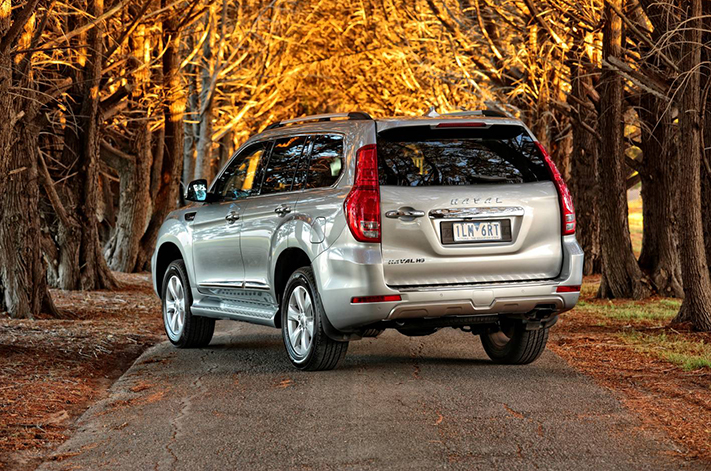
The range-topping H9 Ultra replaces the Luxury and is $5000 cheaper. Priced at $44,900, the Ultra gains some decent kit for the sub-$45k price including panoramic sunroof, heated steering wheel, Comfort-Tek eco-leather seats with first and second-row heating, massage and ventilation function and premium sound system.
As a further incentive, driveway pricing for the H9 Lux and Ultra will be just $1000 more than retail, coming in at $41,990 and $45,990 respectively.
Haval sold just 59 H9’s in Australia last year, but its Australian chief marketing officer Tim Smith believes the changes will attract more buyers seeking an affordable but well-equipped family SUV.
“We’re very confident we have made a compelling argument for Australian families to test drive the new HAVAL H9,” Smith said.
“We’ve worked very hard to deliver a seven-seat SUV that delivers for Australian families at the best possible price.”
