
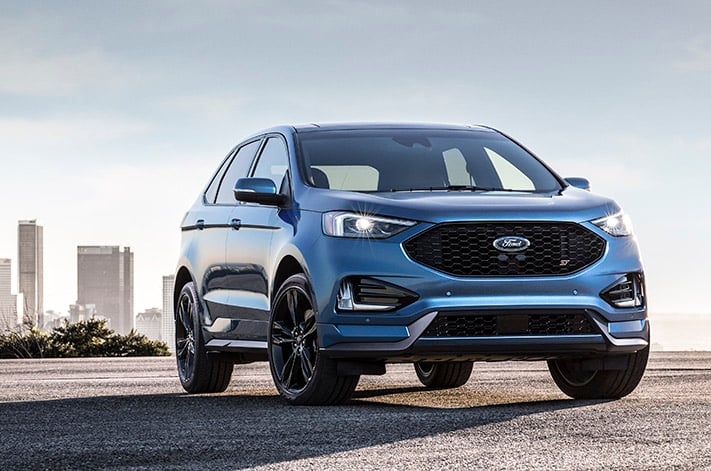
FORD has unveiled a neck-snapping 250kW twin-turbo V6 version of the mid-size SUV that will soon come to Australia to replace the five-seat version of the Ford Territory.
The only problem is that the Ford Edge ST, as the Ford Performance-tuned version of the vehicle that will soon sell here as the Endura is known, isn’t yet on Australia’s radar.
We knew this hi-po SUV was coming – a teaser video posted to Ford Performance’s Facebook page yesterday showed what was clearly a Ford Edge tailgate featuring an ST badge – but Australia’s diesel-only diet for the Endura means its either yet to be confirmed for here, or on the too hard list. Asked if we’ll get the Endura ST in Australia, a Ford Australia spokesman simply replied: “No.”
“We have confirmed that the Endura will offer a dedicated diesel line-up with five-seat configuration,” he said. “Further Australian specification and details will be announced closer to launch.”
What are we missing out on, then? The 250kW/515Nm EcoBoost twin-turbo 3.7-litre bent six is already used in the US (in slightly lower 242kW tune, but producing the same torque) to haul around the 2.2-tonne F150, features under the bonnet of the Fusion Sport (the US version of the Mondeo), and is rumoured to be in store for North American versions of the Ford Ranger Raptor. On paper, its numbers shadow those of the 270kW/520Nm Mercedes-AMG GLC 43, hinting at AMG-lite performance for what will be beer budget dollars.
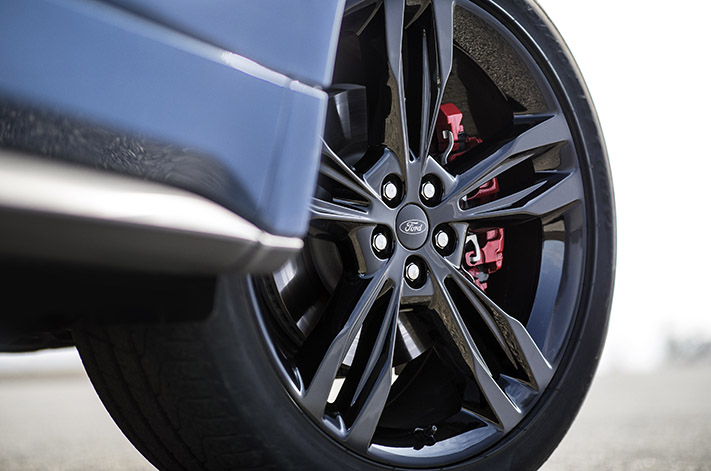
The Edge ST’s V6 engine will be coupled to a quick-shifting eight-speed automatic transmission. Power will be sent to all four corners with selectable traction modes. Tuned sports suspension is standard, while a performance braking package for more stopping power will be optional.
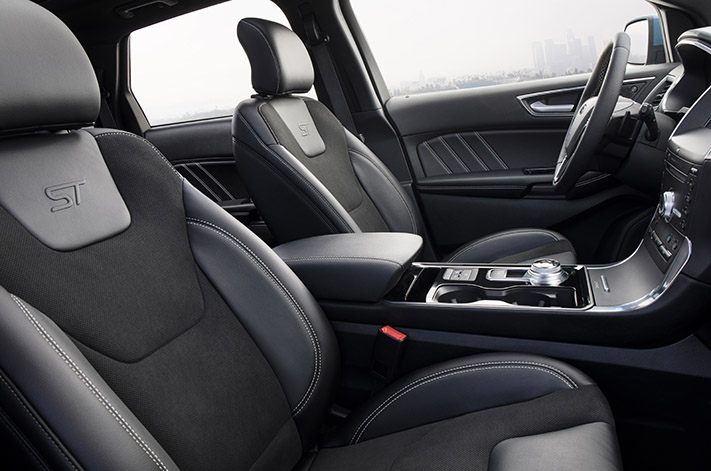
Special seats in the Edge ST with additional bolstering will help keep you in place through turns, while its redesigned centre console features an all-new rotary gearshift dial that frees up space to allow for extra kit such a wireless charging pad.
Ford Australia has confirmed that non-ST versions of the SUV will be making their way to Australia, as a long awaited Territory replacement, though the model will be called ‘Endura’ for our market, as Toyota owns local rights to the Edge name.
This version of the Edge also introduces the fresh look that Ford Australia will have been waiting almost 18 months for after Territory production ended in October 2016. It includes a front end that more closely aligns the looks of the Edge/Endura with the rest of Ford’s global SUV line-up – which in Australia includes the EcoSport, the Escape and the Everest.
Wheels will be on the floor of the 2018 Detroit Motor Show from January 15, where the Edge ST is expected to make an appearance. Catch up with all the show news, and more, at WheelsMag.com.au or via the Facebook channel.
Early-build right-hand drive Ford S550 Mustangs could be at risk of engine damage due to faulty oil coolers.
Ford was forced to relocate the oil cooler for right-hook cars due to the size and position of the steering system. Quality issues with the new oil cooler have led to failures, though according to Ford Australia the issue affects “a small number of RHD V8 Mustangs.”
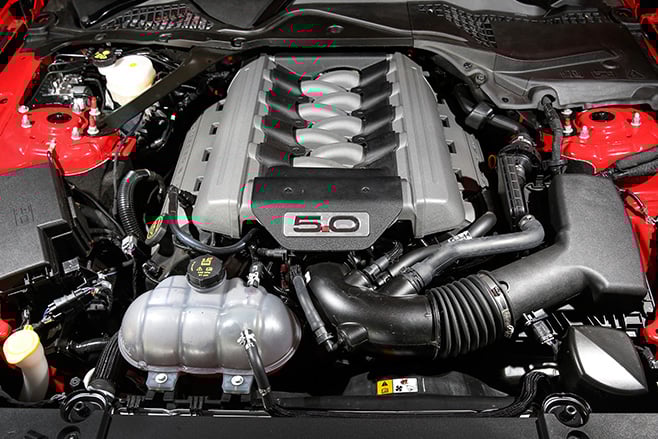
MOTOR understands the oil coolers can fail externally, leading to oil leakage, and internally, which results in the water and oil mixing and the potential for severe engine damage.
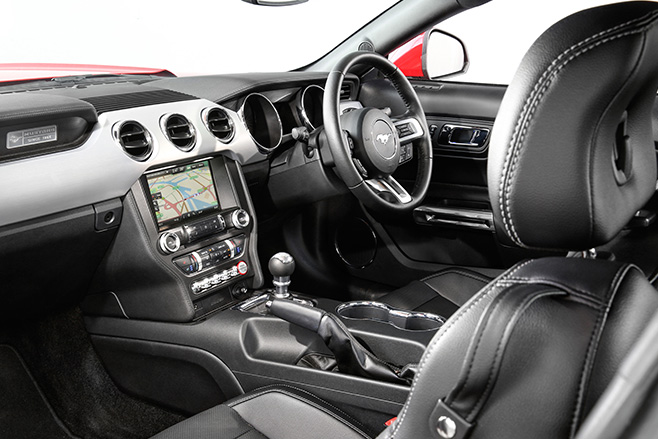
The bulletin states that cars built on or before July 26, 2016 are most likely to be affected.
According to VFacts, Ford Australia has sold 15,494 Mustangs in total as of the end of December 2017, making it by far Australia’s best-selling sports car.
Utes are big business in Australia. One look at the sales data says everybody wants one. But of all the options in the market right now, which ones are the most popular with the tradespeople who rely on them?
To find out, a trade services guide called ServiceSeeking.com.au surveyed more than 800 businesses and private customers to see what the top 10 new and used commercial utes are, as voted by tradies. While first and second come as no great surprise, the rest of the field doesn’t necessarily mesh with the top 10 utes by sales over the last twelve months. Here’s how the tradies stacked them up.
1. Toyota Hilux
The Toyota Hilux is a predictable tradie favourite, with 39 percent giving the thumbs up to what has been Australia’s best-selling ute for the past 17 years, and was Australia’s biggest selling vehicle overall for 2017. Hilux holds its own off-road and tows very well, and Toyota’s remote-area service is second-to-none.
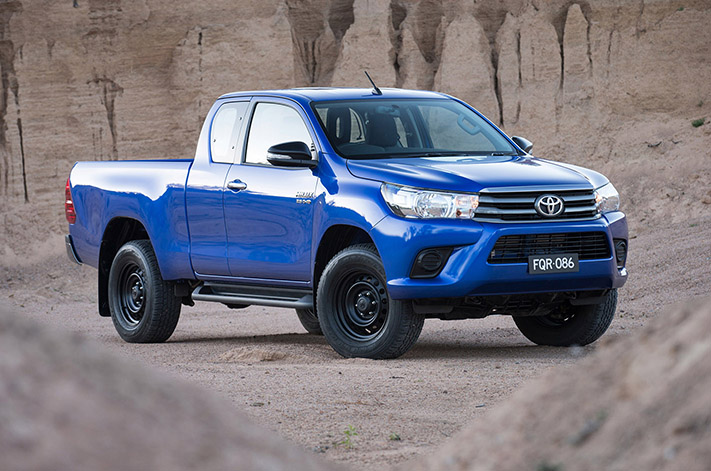
2. Ford Ranger
As it did on the leaderboard for total vehicles sales in 2017, the Ford Ranger came in at second place with 12 percent of tradies voting it as their favourite ute. Top-end Rangers have nicely trimmed double cab interiors and can comfortably take a family touring. All 4WD Rangers have lockable rear differentials and go well off road.
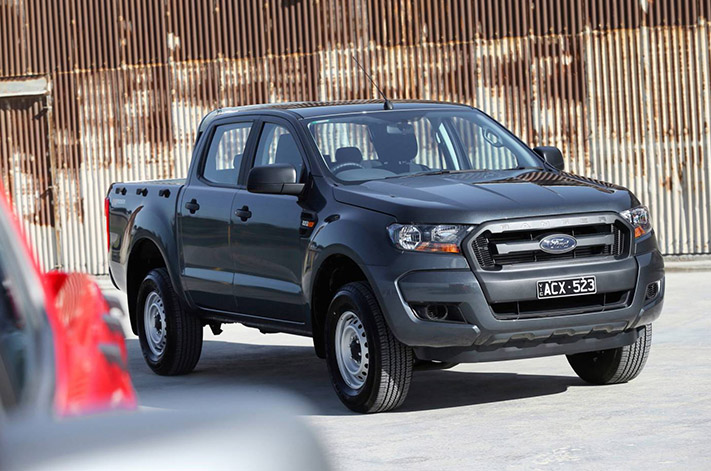
3. Toyota LandCruiser 70 Series
The venerable Toyota LandCruiser Ute ranked down the list of total vehicle sales for 2017, but it punched its way to third most popular in the survey having garnered a 10 percent approval rating. The 70 Series is built as tough as they come. Toyota recently improved the driveability, comfort and safety of its decades old ute, which turned out to be enough for the dual-cab version to win 4×4 Australia’s 2017 4×4 of the Year award.
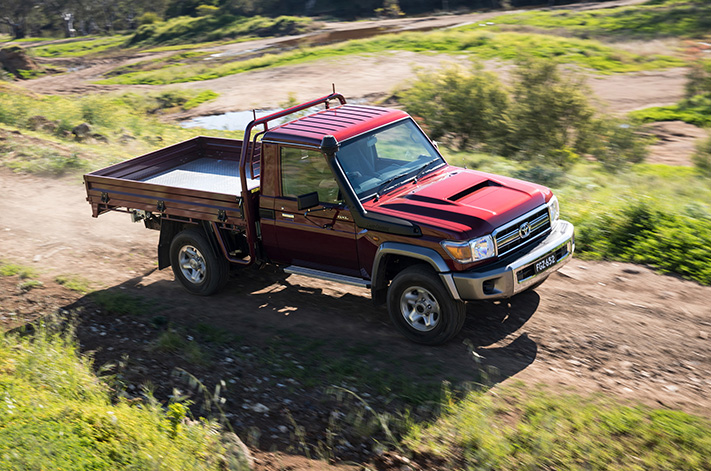
4. Volkswagen Amarok
The internationally popular Volkswagen Amarok is yet to crack big-time sales in the Australian market in the same way Hilux and Ranger have managed, yet its popularity is steadily growing with 7.5 percent of tradies voting it as their favourite, if not most desired, commercial ute. The comfortable and sophisticated Amarok handles and steers better than most SUVs with the V6 versions providing unmatched highway performance.
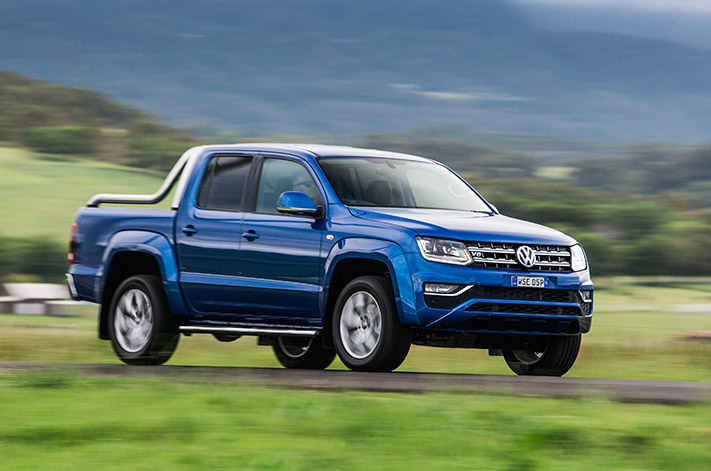
5. Mitsubishi Triton
The Mitsubishi Triton earned 7.0 percent of the popular vote on the strength of its cheaper price and lighter, city-friendly dimensions that make it suitable for the tradie tackling smaller jobs. It has more car-like levels of refinement, and feels easier to manage in town. It’s also relatively light on fuel and strong on safety.
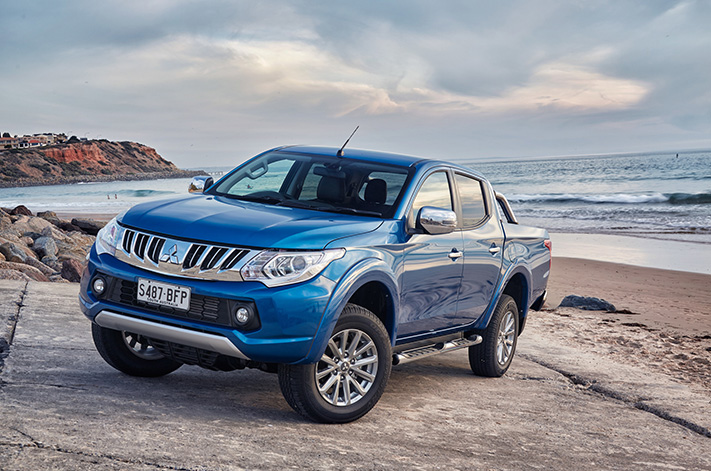
6. Nissan Navara
Nissan’s smooth-riding Navaracame in at sixth-spot with 6.0 percent of the vote. The most striking feature of the Navara ute is how well the better equipped versions combine high power output with low fuel use. The Navara also offers a very comfortable cabin, and, like the Triton, is smaller, and easier to park, than most other utes.
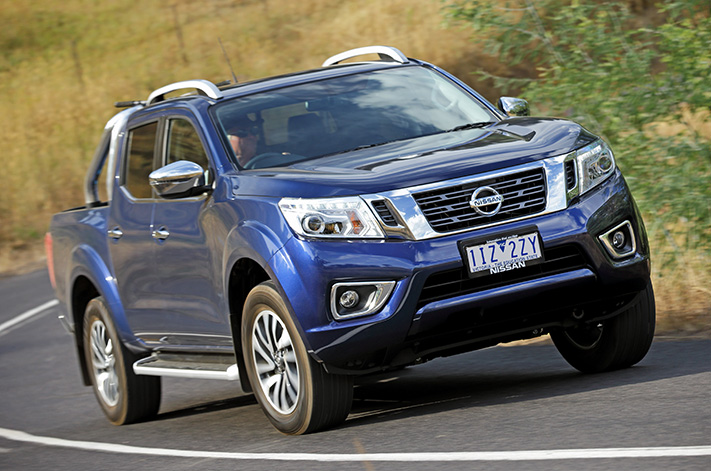
7. Holden Colorado
The much improved Holden Colorado claimed 4.0 percent of votes. It’s a well-equipped tool with an excellent diesel engine and the option of dual-range four-wheel drive. Inside, all Colorados have excellent smartphone integration via Apple CarPlay and Android Auto.
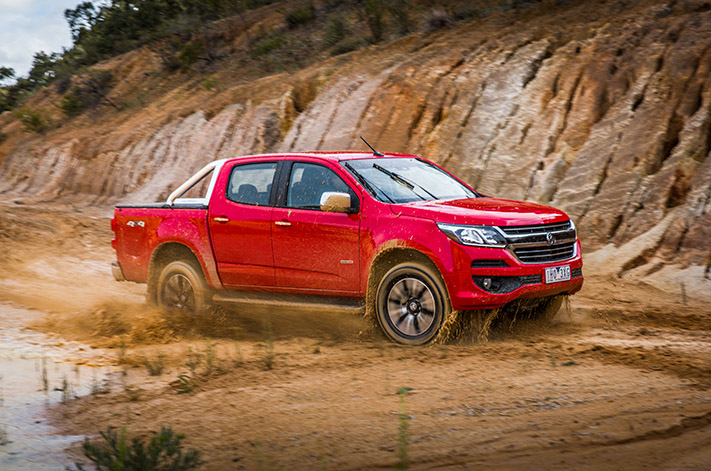
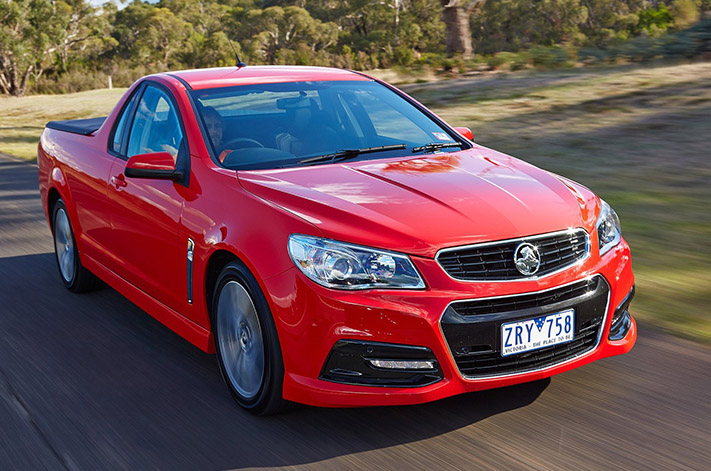
8. Holden Commodore Ute
Perhaps the most surprising result in the survey was the Commodore Ute’s eighth place – relatively far down the list – with just 4.0 percent of the vote. The Commodore Ute is comfortable with great roadholding and the option of a big V8 engine. All models have a reversing camera and the more expensive end of the range brings sports versions – but stocks are dwindling now that production is over.
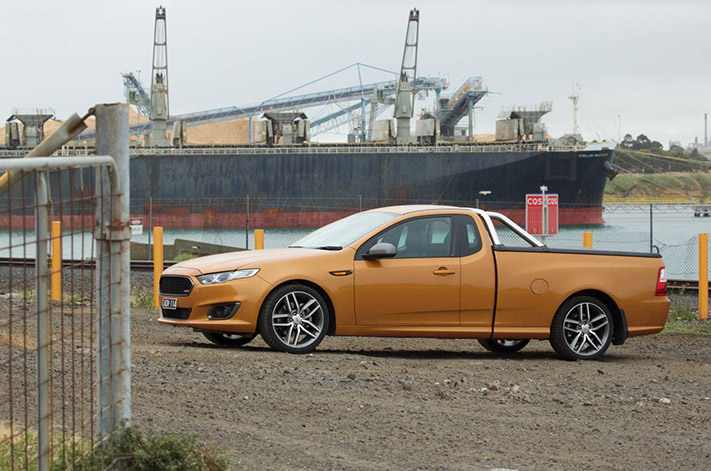
9. Ford Falcon ute
The Ford Falcon ute also scored 4.0 percent of the vote despite sales drying up last year after production ceased in 2016. Like the Commodore ute, it’s a more car-like alternative to big pick-ups and had excellent engine options available, when it was on sale. Falcon utes will continue to be popular second-hand buys for some time yet.
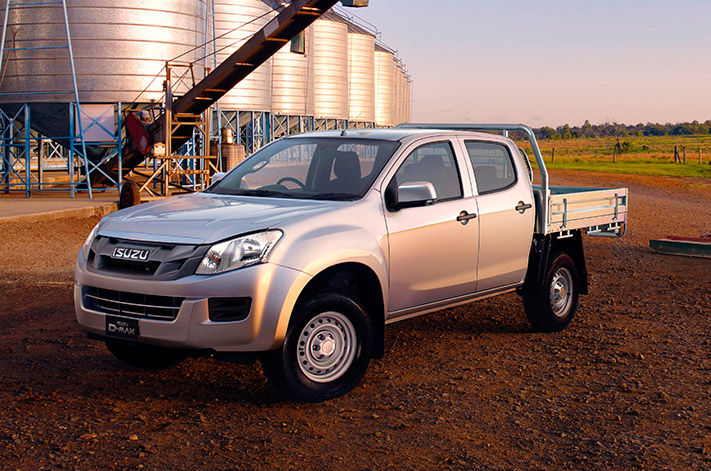
10. Isuzu D-Max
The Isuzu D-Max is popular with private buyers but unfairly lacking the tradie street cred of its rivals, despite being a down-to-earth ute that carries and tows well. The D-Max’s newly revised diesel engine and six-speed gearboxes deliver good fuel economy.
TELL ME ABOUT THIS CAR
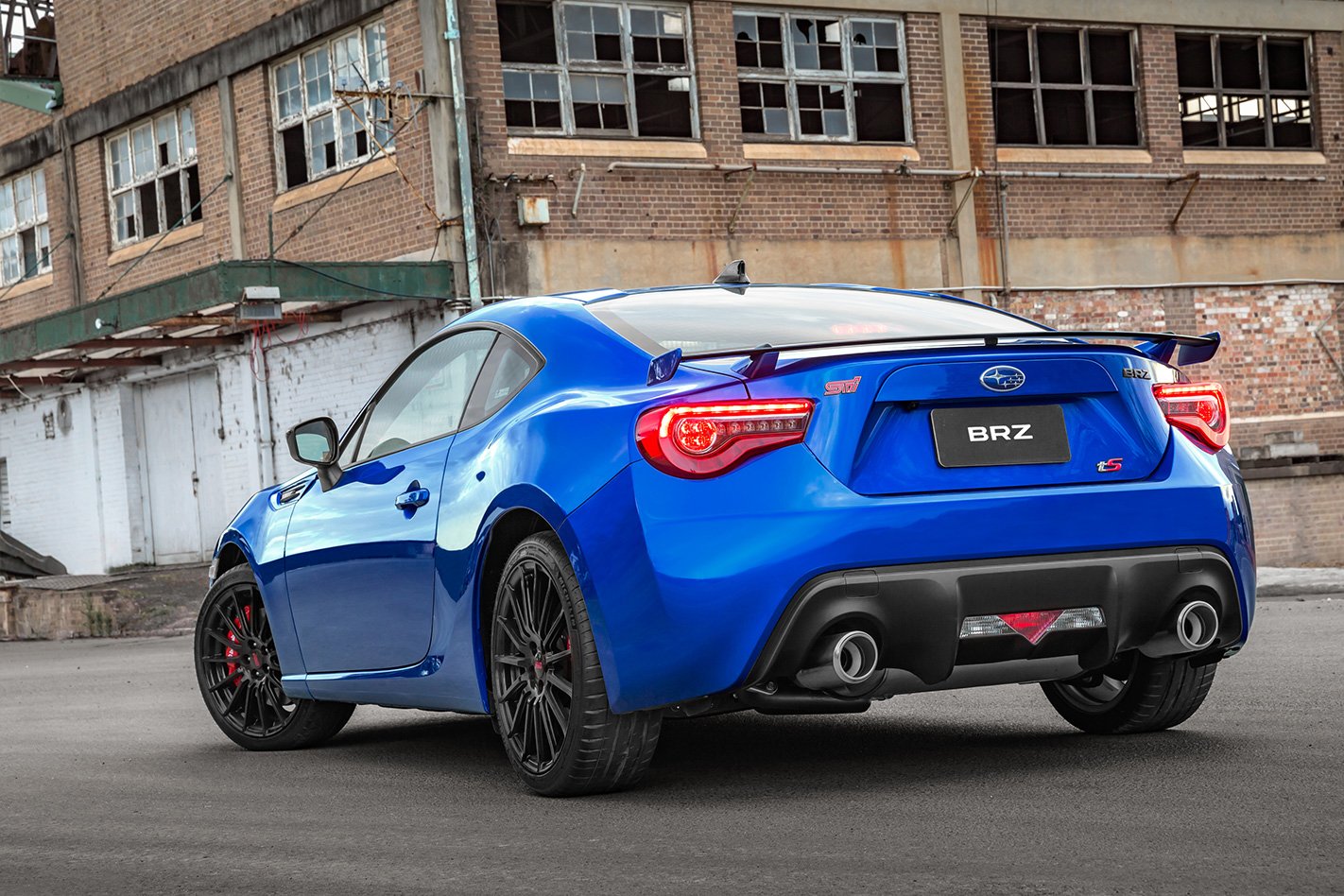
The Subaru BRZ has been on sale since 2012 which would appear to make it a fairly old car. Thing is, the simple and relatively timeless recipe of a modestly-powered coupe with rear-wheel drive is a concept that has real legs, delivering big fun at reasonable expense, so it still feels fresh. The BRZ range underwent a wash and brush up in 2017, with this tS model subsequently introduced as the flagship variant.
Subaru has long resisted radically increasing the BRZ’s power output and, true to form, the tS features a sharpened dynamics package but nothing extra in terms of kilowatts, the 2.0-litre flat-four engine still cranking out 152kW and 212Nm.
The BRZ tS borrows a lot of its tech from the Japan-only BRZ STI Sport. The dampers have been upgraded and are twinned with STI coil springs, while there’s also a flexible V-shaped brace and draw stiffener to improve the BRZ’s rigidity and steering acuity.
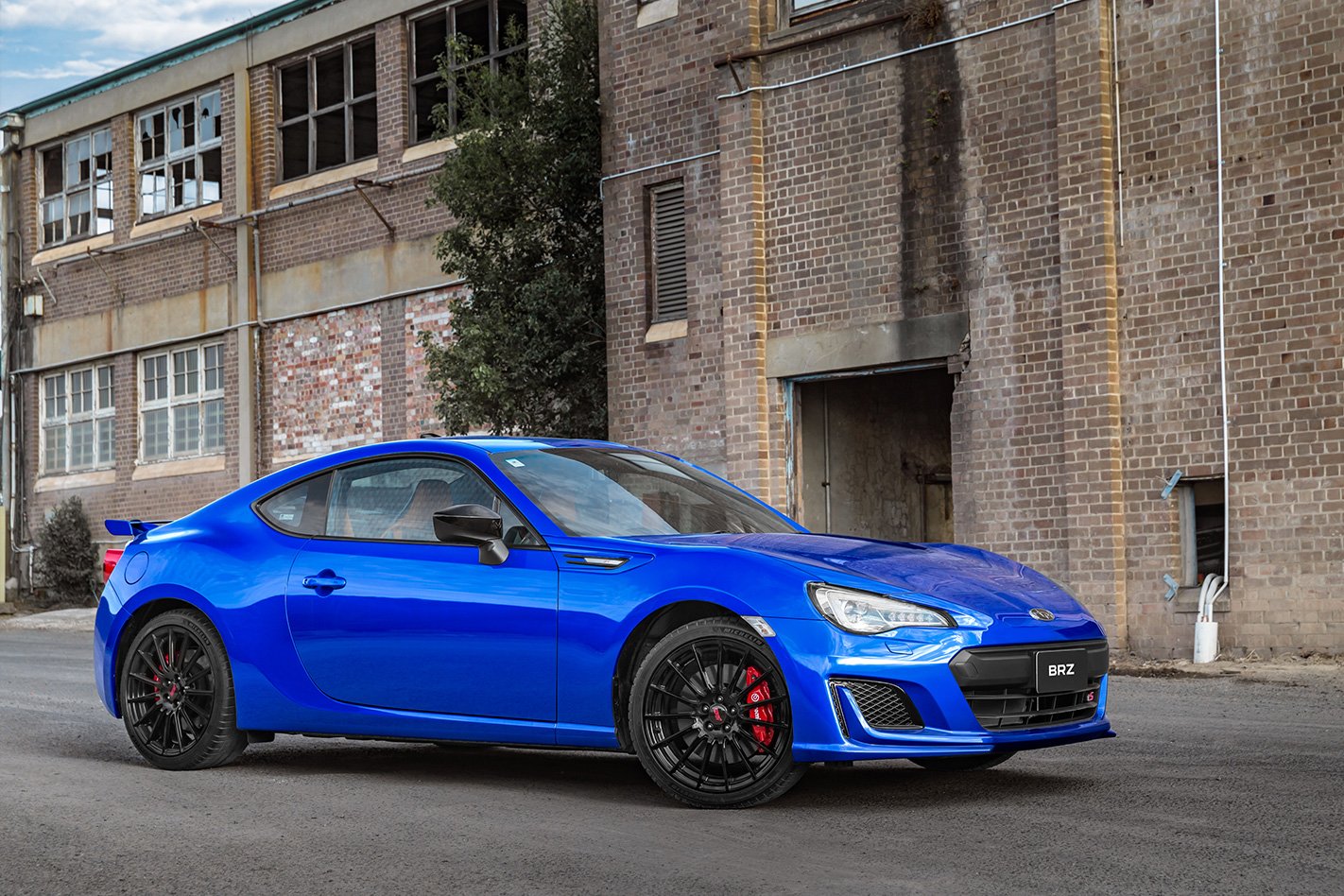
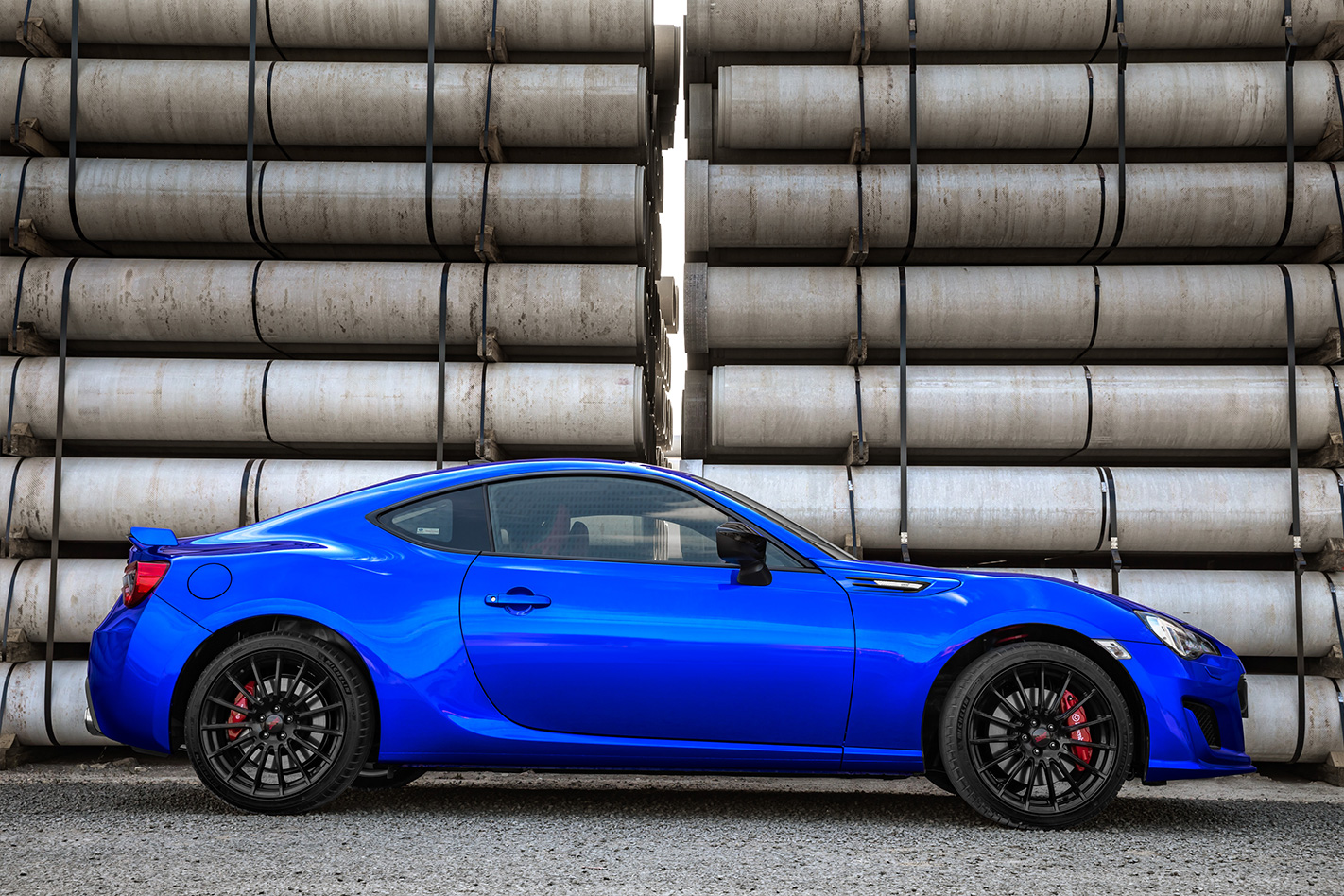
The brakes have been upgraded with Brembo calipers while Michelin Pilot Sport 4 tyres deliver a lot more grip than the old Michelin Primacy HP rubber that the BRZ was first supplied with. As a result, the car grips a lot more than it slips, which will probably attract some who want precision, but disappoint those who prefer lairy slides at the drop of the right-hand pedal.
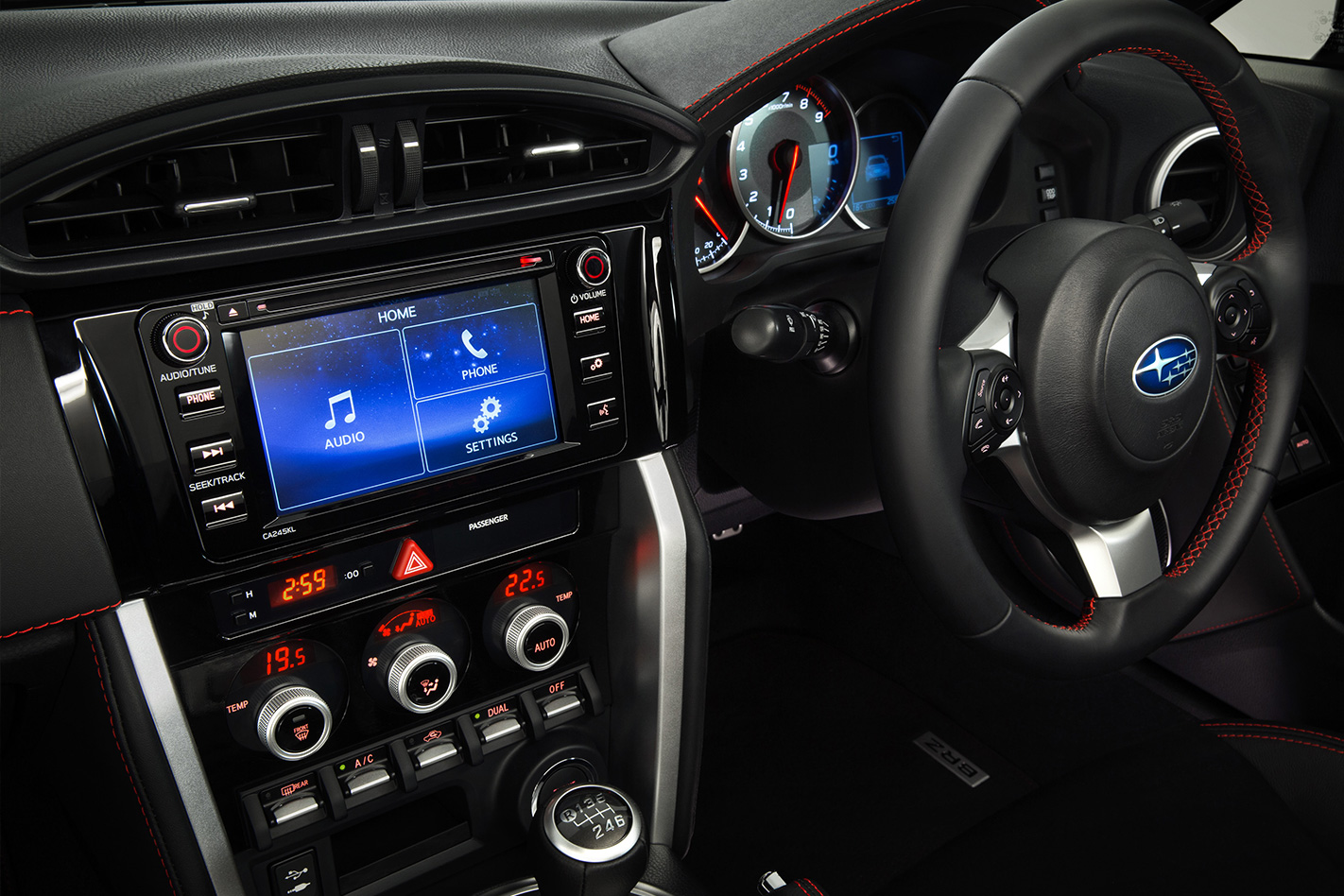
There are some cosmetic changes as well, with a revised front bumper bar, tS badging, black 18-inch alloys and a black rear spoiler. Inside there are splashes of STI trim, with logos on the steering wheel and starter button. Red seat belts and seat accents help lift the cabin.
STRENGTHS
- The BRZ feels delightfully ‘analogue’, with great steering and suspension that really connects you with what’s going on at the tyre contact patch.
- The seats are supportive and the steering wheel feels great. The pedal spacing and manual gearbox action also offer plenty for the enthusiast to enjoy.
- The styling changes are well-judged, with the tS’s upgrades looking nicely integrated rather than making an old shape look as if it’s trying too hard.
- Pricing remains reasonable, with the manual car wearing a list price of $39,894 while the auto is a bit pricier at $41,894.
- The engine, while never particular tuneful, sounds purposeful as you run it towards the redline, adding to the drama involved in driving the tS quickly.
- The Brembo brakes – four-piston up front and two-piston calipers at the back – really bring the relatively lightweight BRZ to a halt quickly, helped by the added grip of the Michelin Pilot tyres.
- Like the rest of the BRZ range the tS benefits from the latest range of updates, including a 7-inch touchscreen with Apple CarPlay and Android Auto functionality.
- Safety equipment includes seven airbags, a rear camera and an improved two-stage stability control system. The BRZ was rated an ANCAP five-star car back in July 2012.
WEAKNESSES
- The ride quality is firmish without lapsing into harshness.
- The tyres make the car feel less playful than the original BRZ. This distances it in feel from its Toyota 86 sibling, but some will feel the car has lost something of its mojo as a result.
- The BRZ’s engine has always been a bit of a weak link in the package and the latest digital dash displays only serve to remind you that there’s a sizeable hole in the car’s torque curve.
- The lack of reach adjustment on the steering wheel can compromise you driving position.
- Taller drivers will feel a little pinched by the lack of headroom.
- Subaru has done a great job in removing weight from the car but some customers will be dismayed by the tinny-sounding door and bootlid slam sounds.
- There’s no autonomous emergency braking (AEB) package available at any price.
ANY RIVALS I SHOULD CONSIDER?
The Subaru BRZ tS offers a fairly rare blend of qualities. It’s a focused, rear-drive coupe that you can pick up for less than forty grand. Other competing attractions for your money include the Mazda MX-5 RF GT, which is the closest philosophical rival at around $4k extra, model for model, with its cousin the Abarth 124 Spider also worth a look.
Otherwise you’re into front-drive hot hatches for your jollies, with the Renault Clio RS220 Trophy and the Hyundai i30N looking prime contenders. Alternatively, you could meander across the floor of the Subaru dealer and test the capabilities of the all-wheel drive WRX for much the same price.
A FRESH-LOOK version of BMW’s 2 Series Active Tourer is expected to arrive in Australia before the end of the year, featuring more powerful engines and a sportier gearbox option.
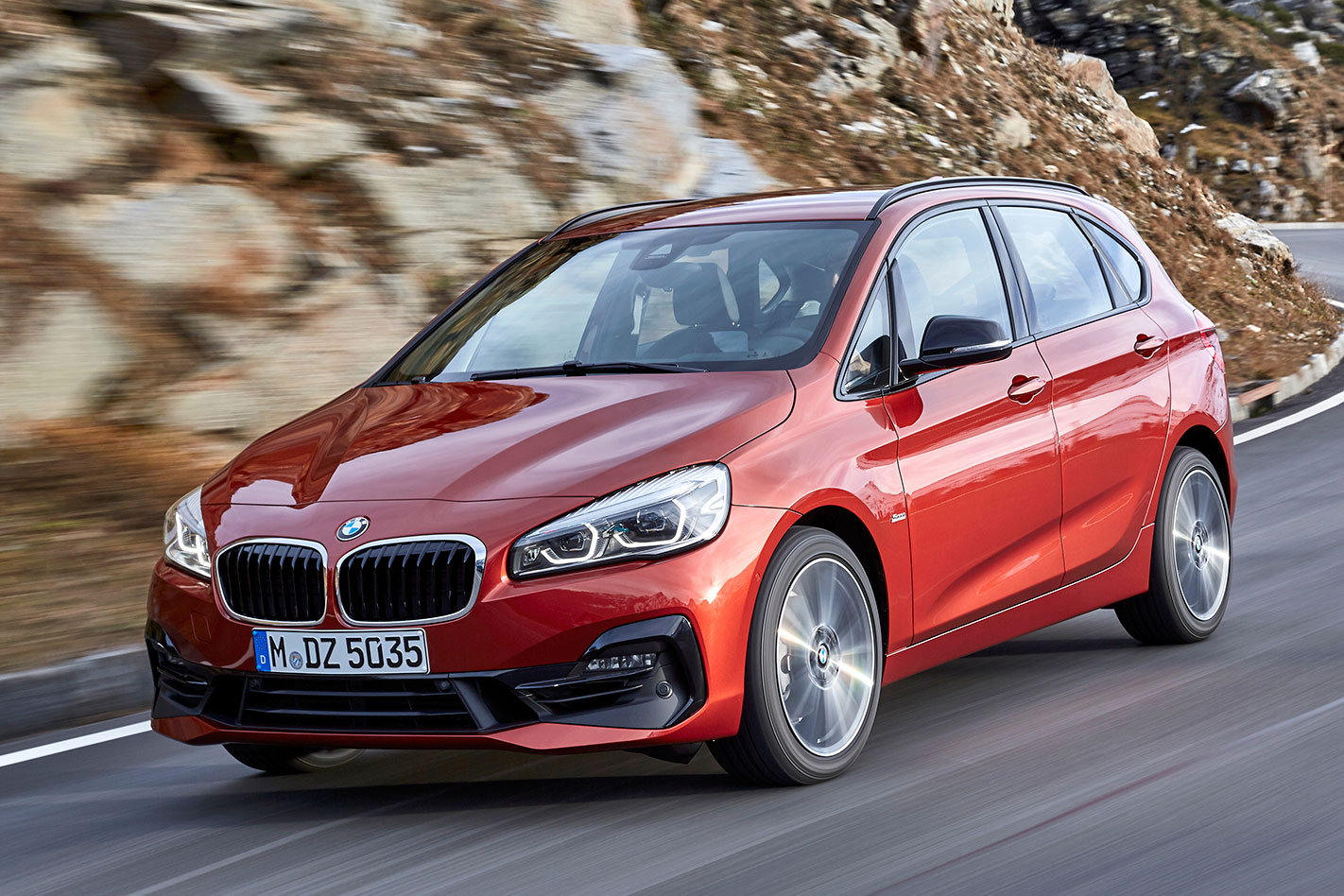
BMW’s rival to vehicles including the Mercedes-Benz B-Class, Mercedes-Benz GLA-Class and potentially even its own X1 compact SUV in some buyers’ minds gains a restyled front end that breaks away from the somewhat conservative look of the model it will replace.
That includes larger kidney grilles, and a revised lower air dam that gives a sense of width rather than height, and optional LED fog lights. Down the rear, the tailpipes – the three-cylinder petrol engine has only one, but all four-cylinder versions of the 2 Series Active Tourer will sport a pair of them – grow slightly in size, and are better integrated into the rear diffuser.
The changes continue inside, where the wider front seats gain more bolstering to improve comfort. BMW says it will boast up to 24 combinations for the seat covers, including variants in cloth, cloth/Sensatec, Alcantara and Dakota leather. “New to the selection are the cloth/Sensatec upholstery combinations with grey or orange accents (Sport Line), as well as the Dakota leather seats in Mocha,” it says.
Interior trim strips are available in aluminium, “Fineline” or trim finishers in high-gloss black with accent strips in chrome offer a variety of other individualisation options. Like other BMW models, buyers can also choose from Luxury Line, Sport Line and M Sport package variants. The multimedia system steps up to the latest version of iDrive introduced to other models in BMW’s line-up last year, and includes a cable-free Apple CarPlay connection.
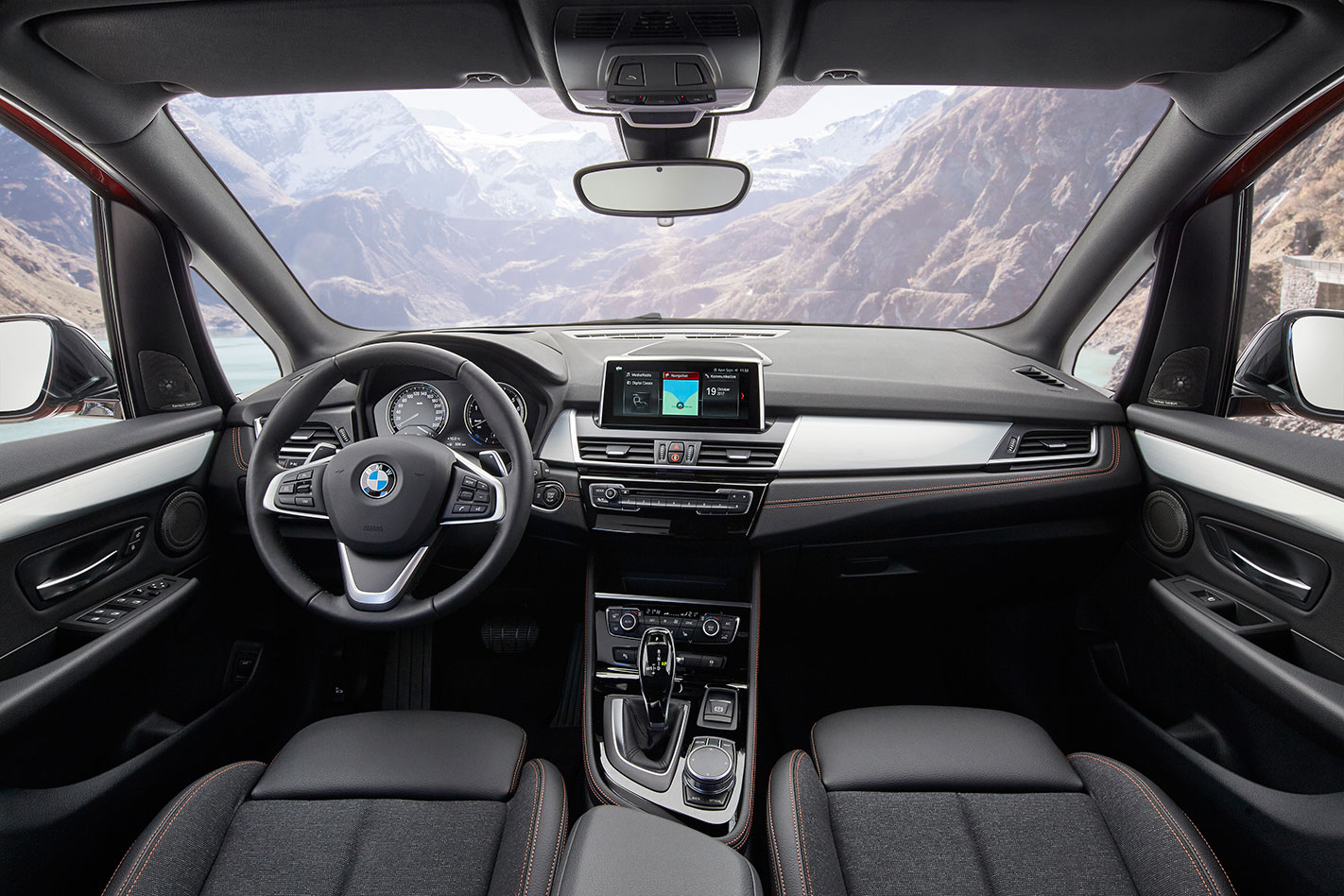
A newly styled gear shifter also highlights the fact buyers will soon have a choice between either an eight-speed automatic transmission, and a new dual-clutch seven-speeder that is likely to become the keener driver’s choice.
Two new paint colours destined for European markets – Australian specifications are yet to be shaped for our market – will arrive with the facelifted models growing the choices to 13, including an all-new Sunset Orange and Jucaro Beige. BMW says the Estoril Blue paint finish – a hero colour in the range – will be reserved for models fitted with an optional M Sport package that gives the 2 Series Active Tourer a more sporty look. Adding to that are six different rim designs added to the range of alloy wheels that will soon vary in size from 16 to 19 inches.
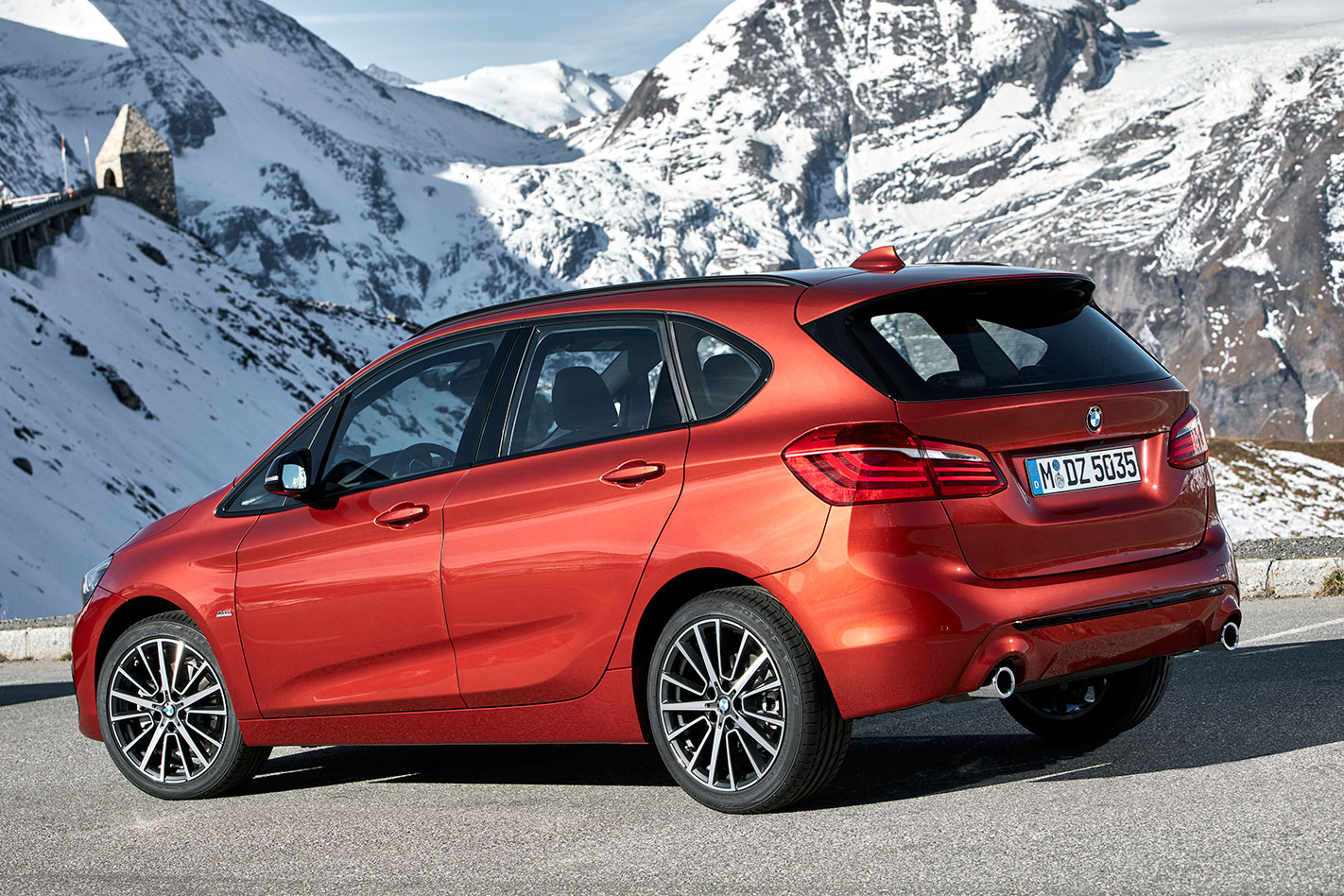
BMW will stick with its three and four-cylinder engines for the BMW 2 Series Active Tourer, but the makeover also pitches in a plug-in hybrid option – few details are available on this version. The 2 Series Active Tourer offered overseas will also sell with BMW’s xDrive all-wheel-drive system, a feature not offered here.
BMW said its engine range would “pave the way for reductions in fuel consumption and emissions of up to five per cent, while at the same time boosting output by as much as 5kW and peak torque by up to 10 Newton metres”.
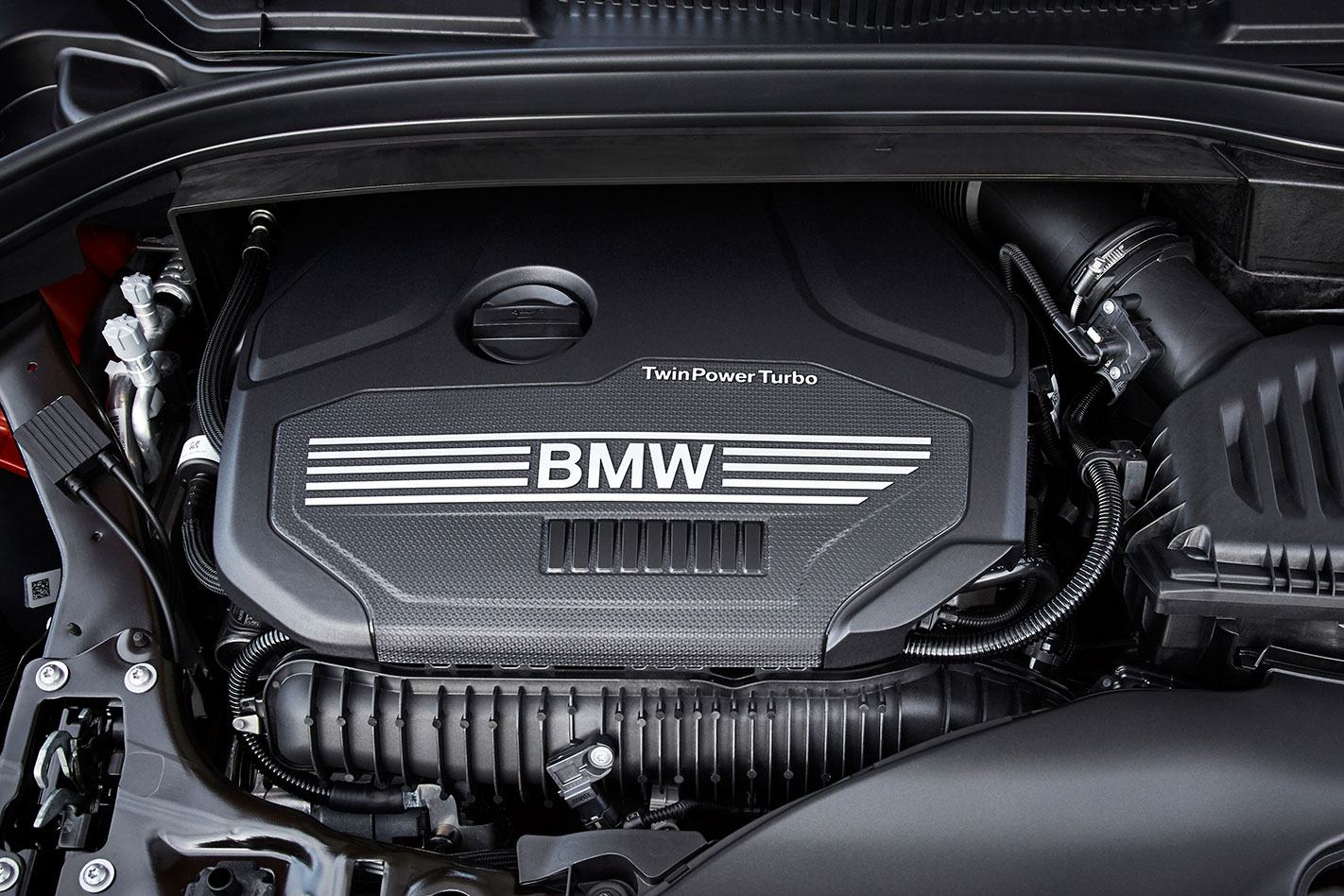
An interesting note is that the diesel-engined version of the 2 Series Active Tourer slated for Europe introduces Adblue to its exhaust system. Adblue is a urea-based liquid that helps to reduce harmful nitrogen oxides in vehicle emissions.
BMW Australia is yet to confirm the timing for the BMW 2 Series Active Tourer’s arrival here.
IS FORD about to pull the wraps off a hi-po version of the Territory-replacing SUV that will sell here as the 2018 Ford Endura?
Ford Performance, the US-based global car maker’s performance tuning arm, has teased a video on its Facebook page featuring former Top Gear test driver Ben Collins. The video alludes to a new ST-badged model joining the likes of other Ford performance-fettled cars including the GT coupe, the F150 Raptor, and the Mustang.
However, the closing shot of the video dwells on an ST badge on the tailgate of an unidentified vehicle that forms the words “STay tuned”, while a Twitter tag hints it is slated for a reveal at next week’s Detroit Motor Show. It takes the sharp minds at Wheels little deduction to work out it’s not the Fiesta or Focus that are featured, but what looks like an SUV – the Ford Edge, to be exact.
But there’s a problem. If it is a hi-po version of the Edge, which is slated to come here late this year badged as the Endura (market rival Toyota already owns the rights to the Edge name here), we are unlikely to get it. And here’s why.
Ford Australia has already confirmed the Endura will arrive here as a five-seater and, of more significance to us, with only diesel engines under its bonnet. The US has fallen out of love with diesel, so the ST-badged version of the Endura is likely to use the same turbocharged 184kW/345Nm 2.0-litre four-cylinder petrol engine as the Focus ST.
See what’s wrong here? A Ford Australia spokesman declined to comment.
Ford is believed to be unveiling a heavily facelifted version of the Edge at a special off-site location ahead of the Detroit Motor Show, a vehicle that will plug an important gap in its showroom left open by the locally made Territory five- and seven-seat SUV – a vehicle that still snared four sales in December despite the last one rolling out of Broadmeadows in October 2016.
Buyers seeking Territory-like tow capacities are now being directed to the Everest, which added a rear-drive version last year to cater for those buyers who wanted to move something heavy, but didn’t need all-wheel-drive capability. Unlike Endura, it will also have a seven-seat option.
If Ford was to bring an ST-badged version of the Endura to Australia it would be a direct rival for something like the Volkswagen Tiguan 162TSI Highline, the 162kW/350Nm Golf GTI-engined version of the German-built mid-size SUV. The only other mainstream SUVs on sale here with performance car pretensions include the 188kW/353Nm Holden Equinox LT and the 162kW/350Nm Chinese-made MG GS Essence.
Instead, Australia is expected to be in line for the ST-Line, mimicking a British-market version of the diesel-engined Edge that includes sports front seats, a separate sports suspension tune and 20-inch alloy wheels.
The Focus-badged version of the ST includes a six-speed manual transmission and enhanced brakes to cope with the extra straight-line poke that the Ecoboost engine endows it with. It’s also kitted out with lairy Recaro performance seats to match its more aggressive aero – other features the Edge-badged ST is likely to mimic.
Wheels is on the floor of the 2018 Detroit Motor Show from January 15. Catch up with all the show news, and more, at WheelsMag.com.au.
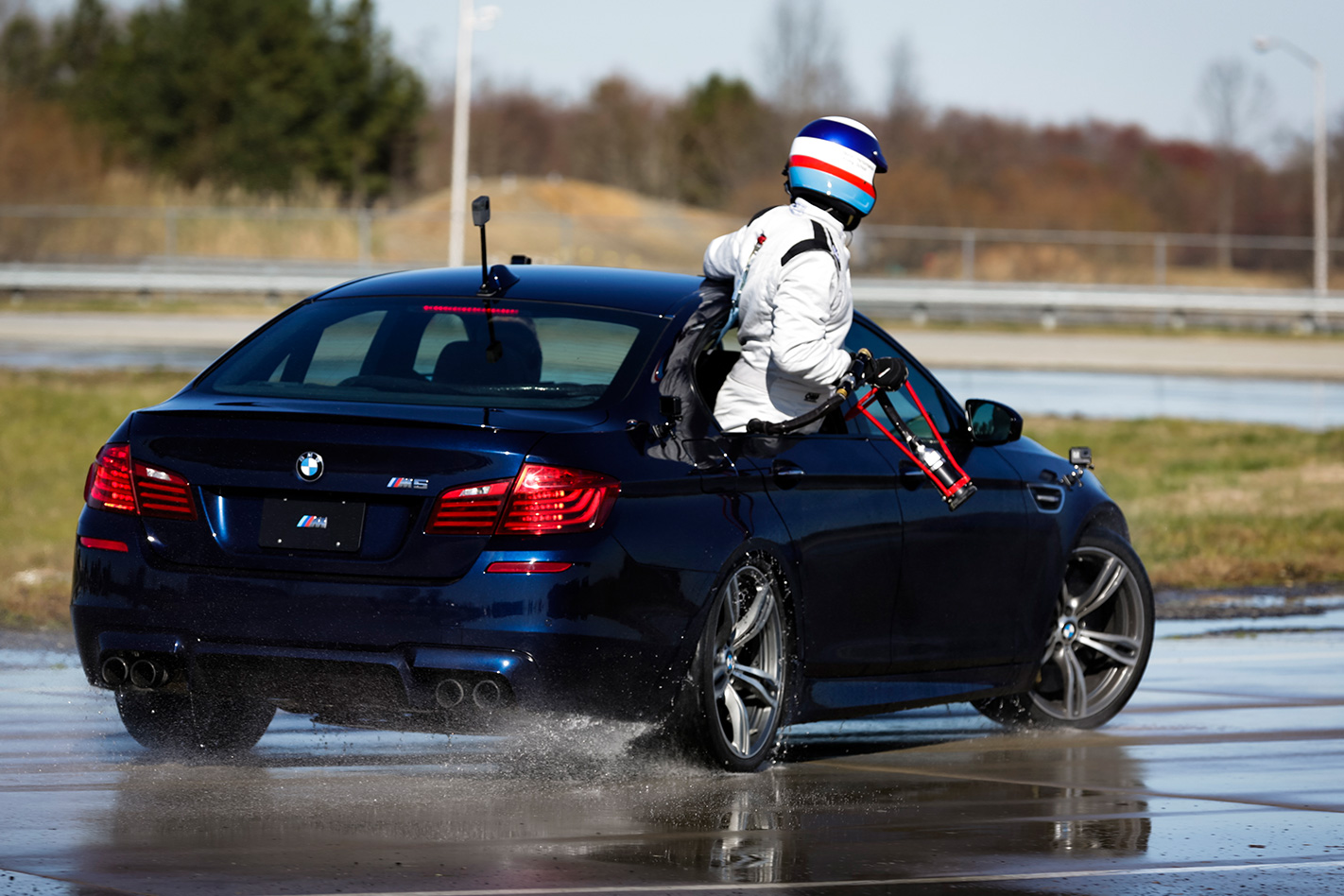
With a slightly modified 2018 BMW F90 M5 and a 2017 F10 M5, BMW has claimed two world records for drifting.
The first is the record for longest vehicle drift in 8 hours, which covered 374.2km of sliding on a wet circular track at the BMW Performance Centre in South Carolina.
The second M5 allowed BMW to also claim another record for the longest twin vehicle water-assisted drift, which consisted of both vehicles drifting side-by-side for 79.3 kilometres.
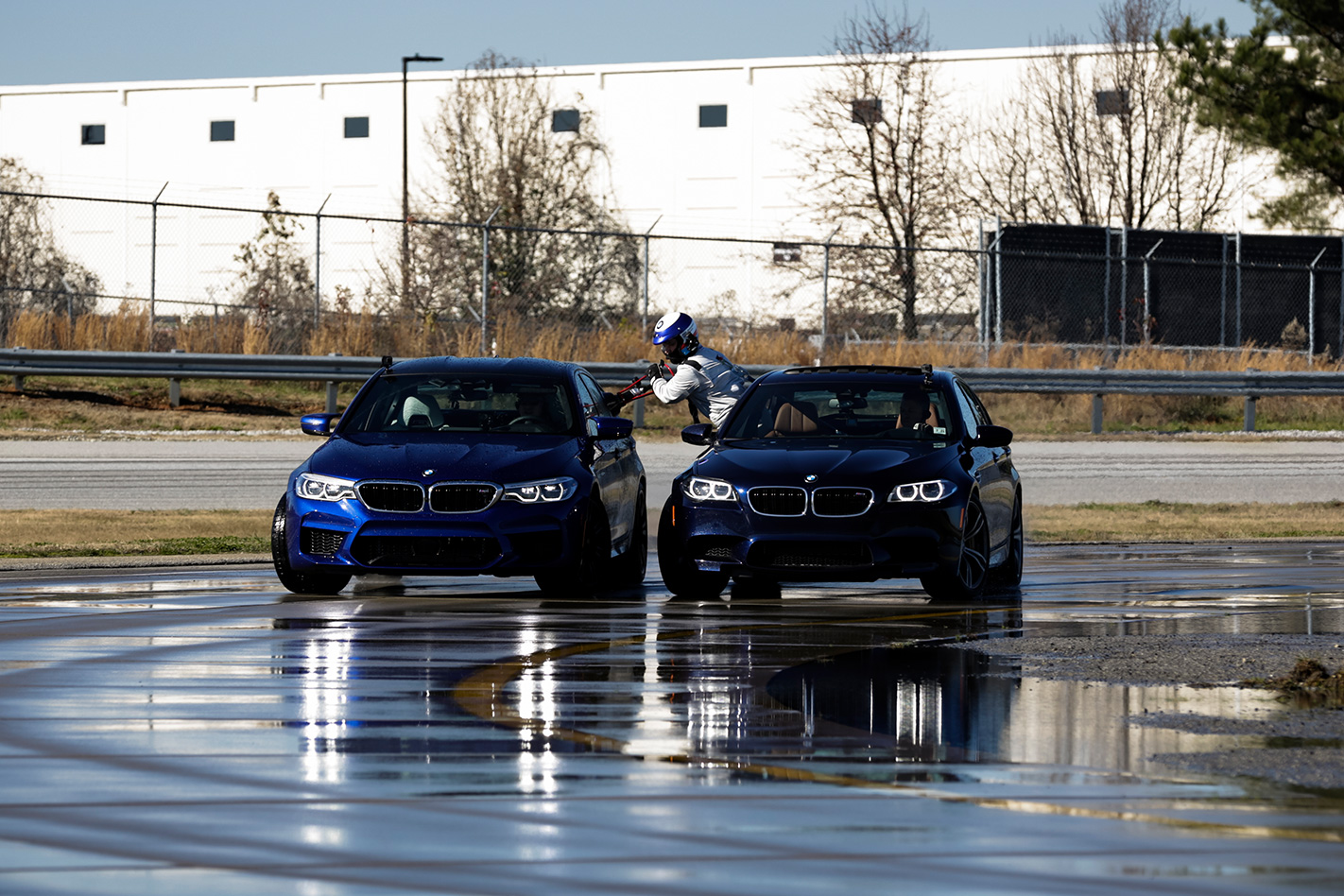
The main car was modified by Detroit Speed to carry an extra fuel tank, with a fuel input fitted to the outside of the rear window.
The second car would then drift close enough for someone to lean across and connect a fuel hose, allowing the main M5 to drift uninterrupted for the full eight hours.
“When I saw that my old record got beaten that was cool. I thought it was excellent because that just gave me another opportunity to go out and do it again.”
It also meant he had an excuse to spend eight hours (and plenty more in practice) drifting a new F90 BMW M5.
Possibly having slightly less fun than Schwartz was Matt Butts of Detroit Speed, the man tasked with hanging out the rear passenger window of the F10 M5 driven by Performance Centre chief driving instructor Matt Mullins.
Butts’ job was to refuel Schwartz’s M5, which he successfully did a total of five times.
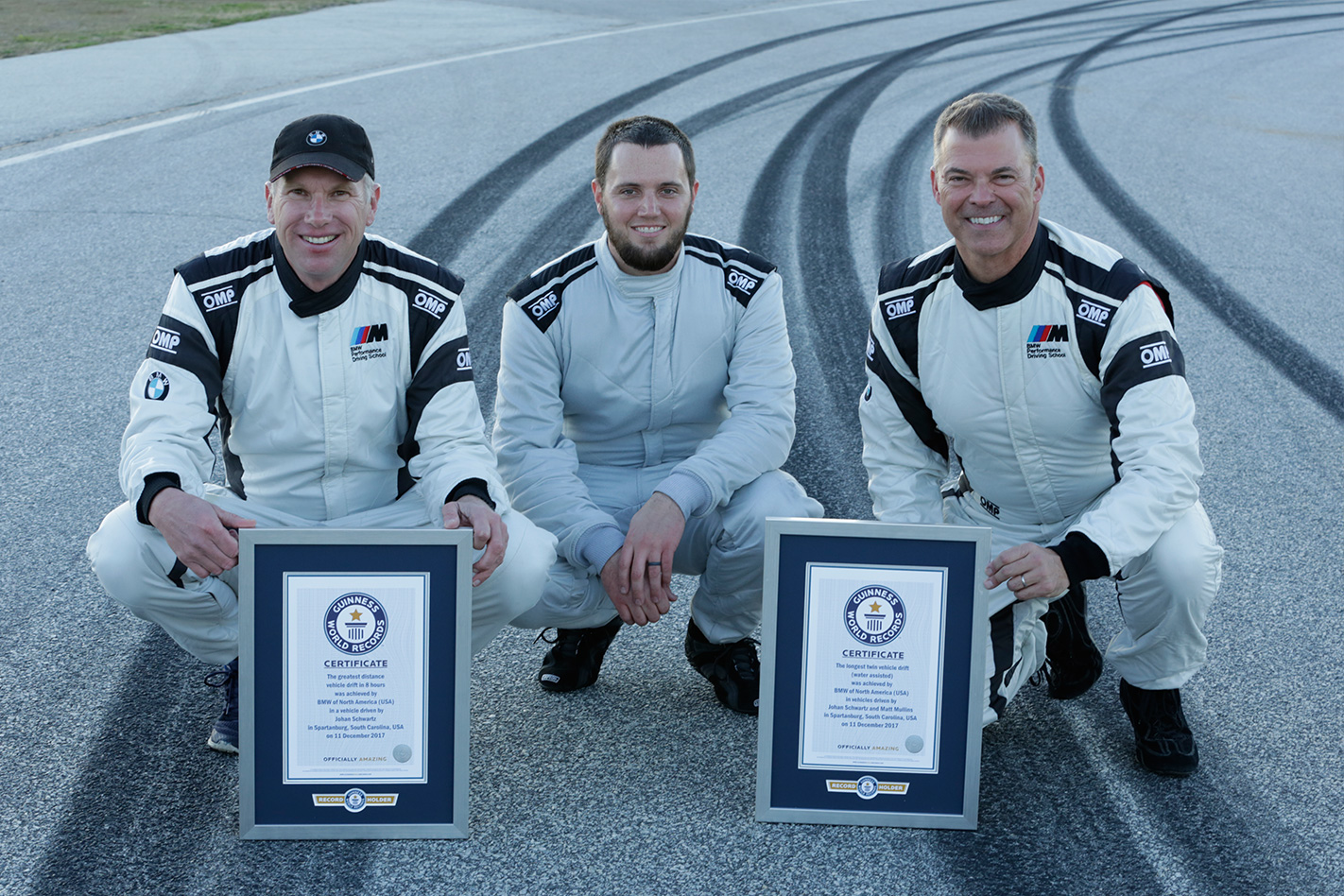
“We’re very excited to have played a part in Johan and BMW recapturing this record.”
THE car that BMW once said it would never build, the front-driving BMW 2 Series Active Tourer, has had a major makeover in its bid to keep wooing new buyers to the badge.
“The BMW 2 Series Active Tourer offers ample space, impressive versatility, excellent comfort and the dynamic driving qualities for which the brand is renowned,” the brand announced, before talking up everything but the bum-dragging driving dynamic qualities of the “sports activity tourer”.

“Produced in Leipzig, the biggest market [for the 2 Series Active Tourer] is Germany, followed by China and other EU countries,” BMW said. “Over 70 per cent of customers are new to the brand, and this very high conquest rate has also helped to establish the two models among the brand’s highest sellers.” Here, the higher-riding 2 Series is BMW’s 11th best-selling model, or its ninth worst depending on how you look at the numbers.
Unfortunately, BMW has only supplied images of the sportier-looking 2 Series Active Tourer fitted with an optional M-Sport package, which among other things adds contrasting black surrounds to the lower air dam where it wraps around the LED daytime running lights.
Just like Mini’s announcement about its version of the 2 Series Active Tourer – the BMW shares much of its DNA with the Brit’s Cooper-badged five-door – the facelifted BMW will come with the choice of either an eight-speed automatic gearbox by default, or a seven-speed dual-clutch gearbox. BMW Australia doesn’t offer the hatch here with the six-speed manual gearbox that’s an option in other markets.
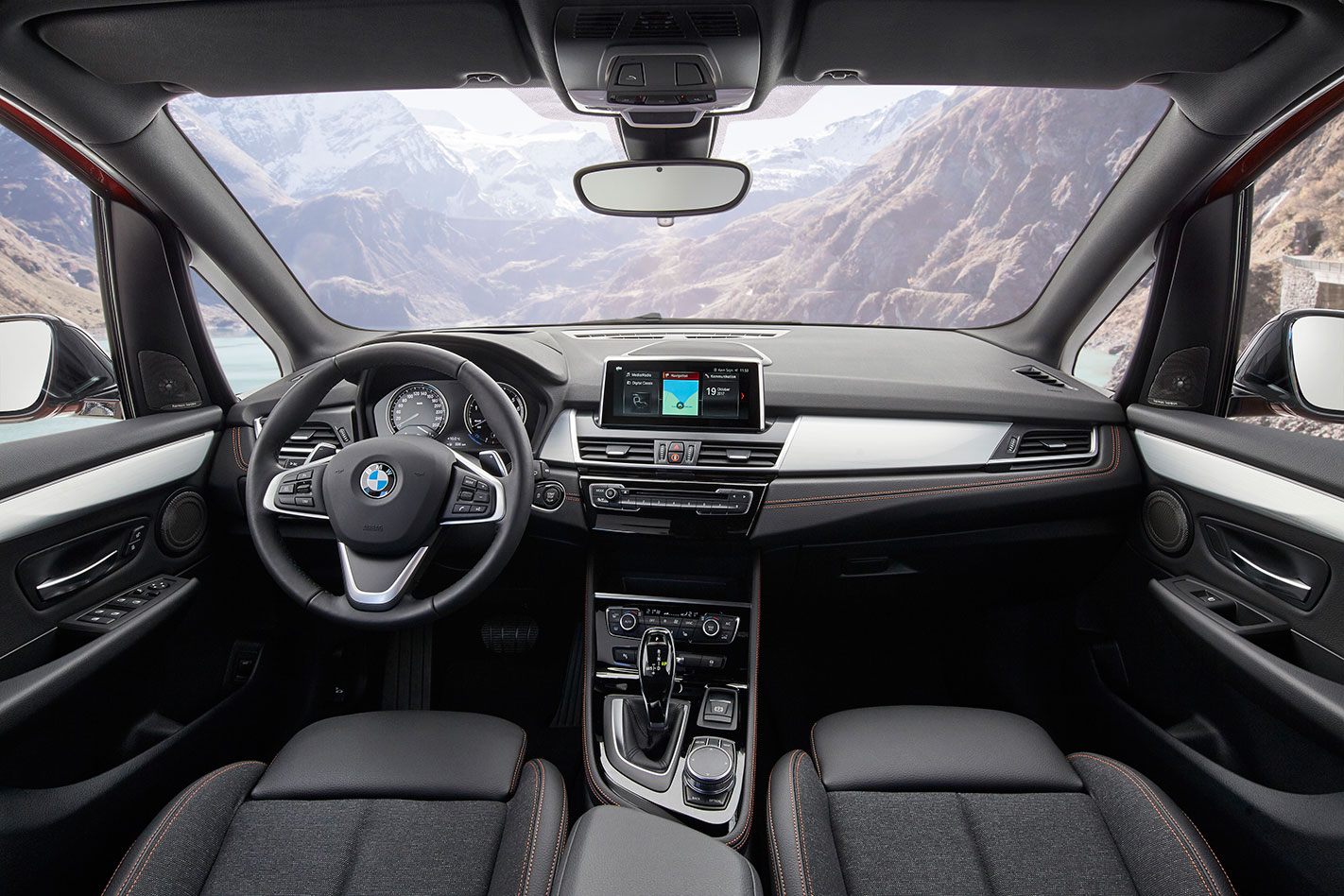
One of the clues as to why BMW needed the 2 Series Active Tourer in its line-up is hinted at here: “Despite its compact exterior (4.35m in length), the new BMW 2 Series Active Tourer continues to offer plenty of room for five people, an elevated seating position and a good all-round view. Thanks to its wheelbase of 2.67 metres, passengers enjoy ample legroom and are able to get in and out with ease.”
Yep, older buyers like it because it’s roomy and not so bad on dodgy hips and knees.
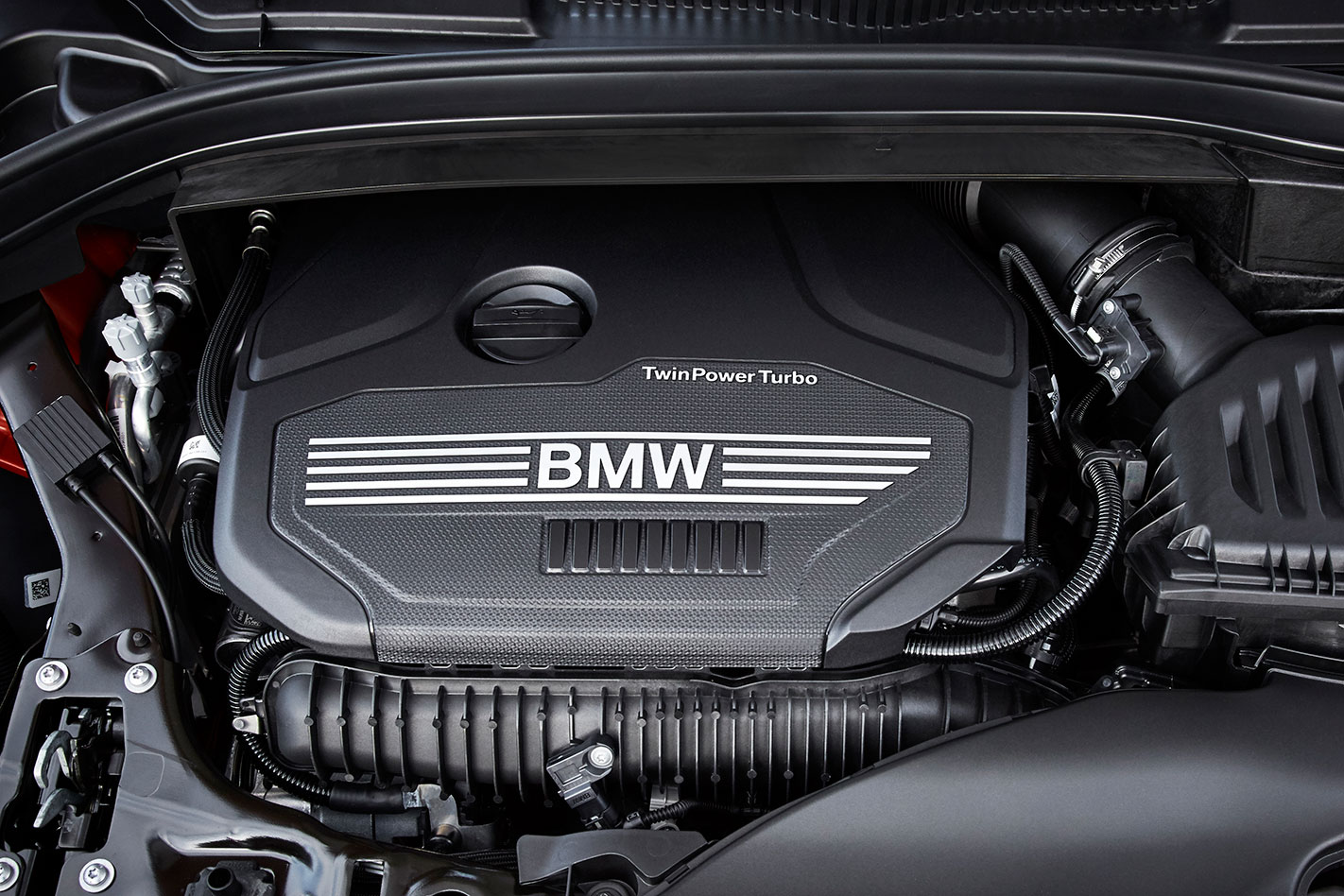
“Higher fuel pressure during injection, optimisation of the thermal management (split cooling technology), timing chain drive and belt drive, plus new balancer shafts for the three- cylinder engines and one kilogram-lighter crankshafts for the three- and four- cylinder units likewise help to enhance efficiency,” it says.
The diesel engine, meanwhile, adopts Adblue, the urea-based exhaust treatment that reduces nitrogen oxide emissions.
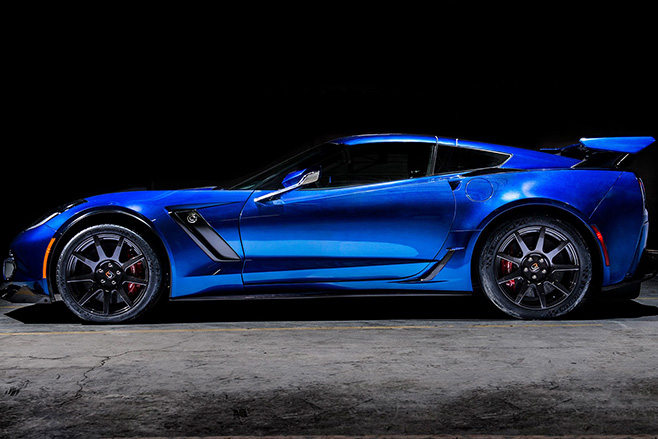
What is about as fast as a Chevrolet Corvette ZR1, looks similar to a Corvette ZR1, but sounds absolutely nothing like a Corvette ZR1?
That’ll be the Genovation GXE.
It’s a current Corvette-based road-legal supercar with a difference – it’s electric.
It has two motors driving the rear wheels, which gives it power equal to 597kW and 949Nm of torque.
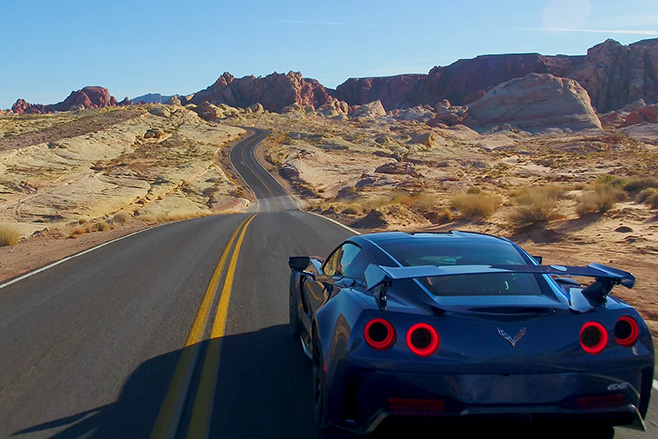
In addition, Genovation says the GXE should be able to top out at 220mph (354km/h).
Oh, and it has a manual gearbox.
The GXE comes with either an eight-speed paddle shift, or a seven-speed manual ‘box, which Genovation says helps it hit that high top speed.
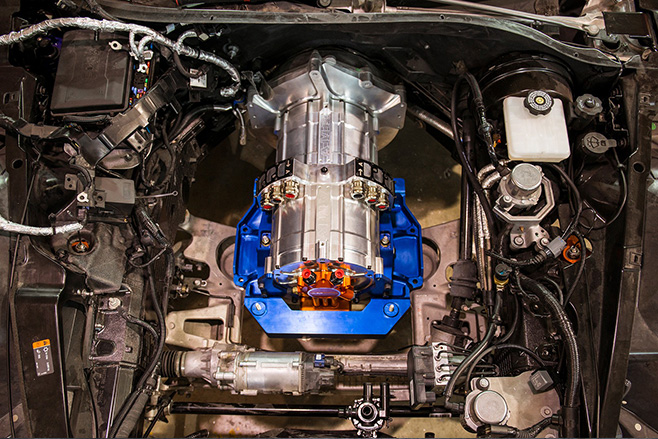
The GXE’s drivetrain, however, is probably best explained by Genovation:
“The process began with an acknowledgement that no single motor could provide the torque, power and RPM we needed.
“Several twin motor approaches were analysed with the best choice being two motors on a single shaft; a dual-stack.
“Finally, we designed a battery pack capable of providing voltage and current to meet the 250kW of power to each inverter simultaneously.”
Genovation has announced it will take reservations for its first limited run of the GXE.
“Genovation is currently taking pre-orders for the initial production run of GXEs. In order to maintain exclusivity, we are limiting production to just 75 GXEs.”
CAMS will award Australian racing legend John Bowe a place in the Motor Sport Hall of Fame this year, alongside the likes of Mark Webber, and more than a dozen other prominent motorsport personalities.
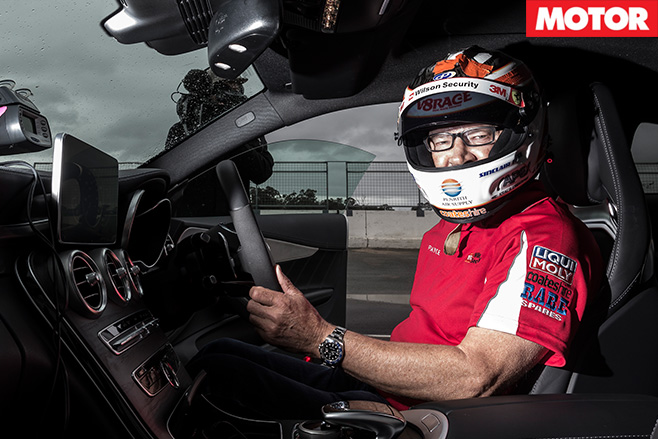
Bowe, who will be the 53rd inductee, currently races in the Touring Car Masters series, but became a household name during his time behind the wheel of a variety of Fords (and a Volvo!) in the Australian Touring Car Championship and the V8 Supercars series.
The two-time Bathurst 1000 winner and 1995 ATCC champion recently joined MOTOR on the Performance Car Podcast, on which he discussed his career and how he made it to where he is today.
He has also been a part of MOTOR’s most prestigious annual event, Performance Car of the Year, joining us as a judge for PCOTY 2017.
Of his induction into the CAMS MSHoF, Bowe says it’s ‘humbling’ to be recognised as a hero of the motorsport world.
“To be honest, I am slightly overwhelmed,” Bowe says.
“When you are 35 (years old) awards mean nothing, but to be recognised by the industry and your peers at this stage of my career is really very humbling.
“I was proud to be included in the Supercars Hall of Fame, but to be recognised alongside the greatest this country has produced across all facets of the sport in the Australian Motor Sport Hall of Fame is something else.
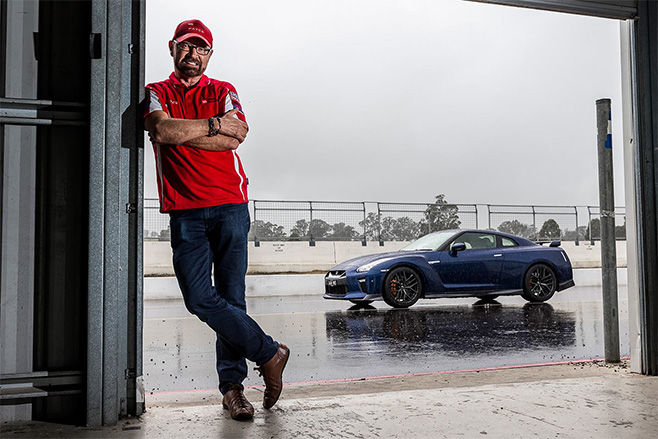
“I am honoured to be included in this year’s list of inductees along with Mark Webber and I look forward to seeing the remaining 18 recipients awarded on the night, which really has become one of the highlights on the Australian motorsport calendar.”
