
WHAT better way to rebel against the nanny state than a massive aluminium handbrake dubbed the ‘Drift Stick’. What’s it do? Well it says right there on the packet.
Revealed as a factory-sanctioned aftermarket addition to Ford’s hyped up Focus RS hot hatch, the Drift Stick is the perfect modification for an owner wanting to do anything but drive in a straight line.
While looking like a rally-style milled-aluminium hydraulic handbrake, the Drift Stick is actually completely electronically controlled, plugging directly into the RS’s onboard diagnostics port.
It works by opening the rear clutches and grabbing the rear brakes when pulled to allow for a clutch-free drift initiation. Pair it with the Focus RS’s Drift mode, and you have a recipe for plenty of oversteer action.
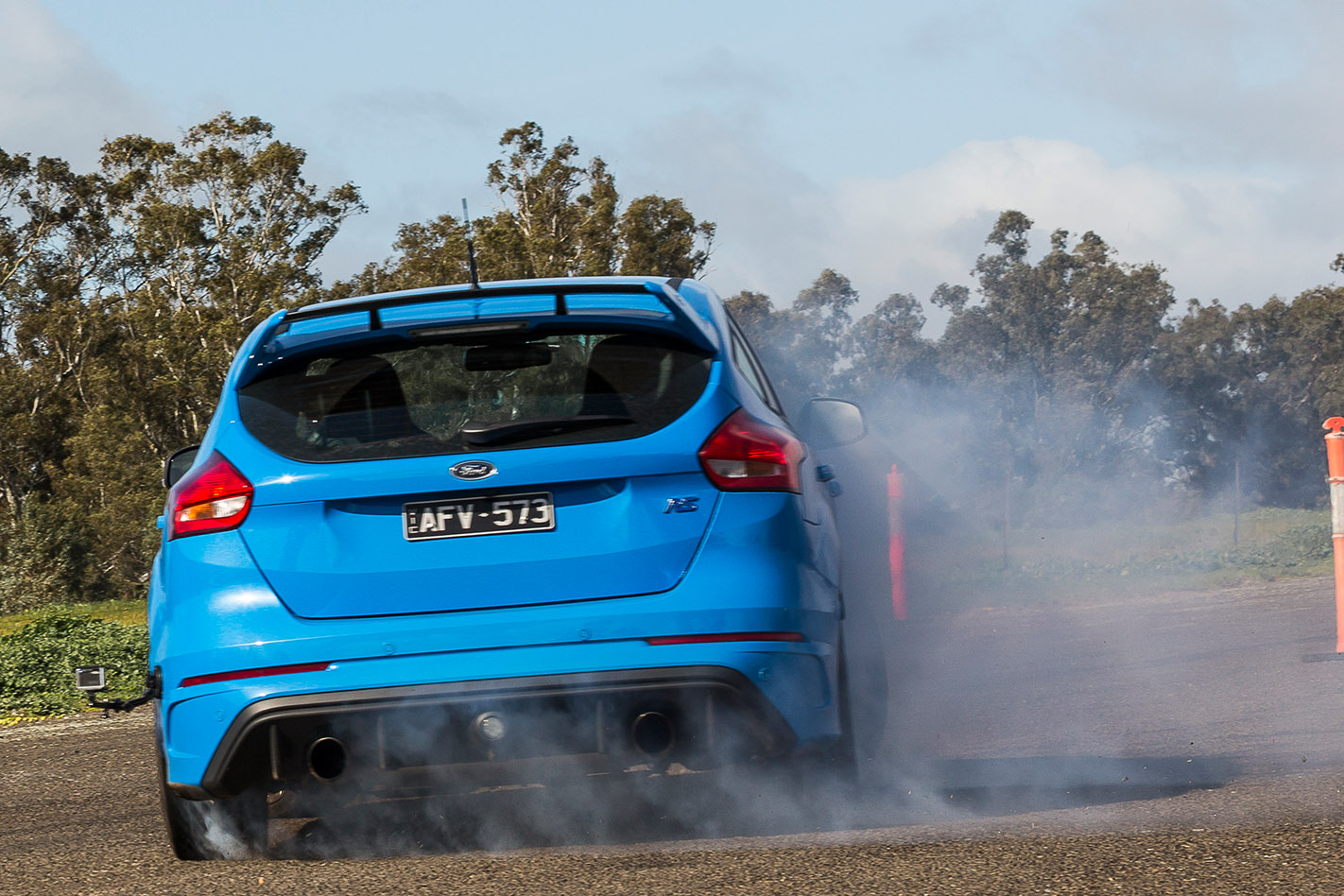
And if you think it looks like something straight out of a Ken Block video, you’d be right. The world-famous Hoonigan himself helped develop the Drift Stick, and gave it his glowing endorsement.
As a one-fingered salute to the nanny state, we love it. But sadly, it’s that exact same reason why we won’t be getting it in Australia.
Sold by Ford Performance in the USA and Canada only, the Drift Stick will cost the equivalent of $1304 in Australian currency.
While it is fitted by the dealer and won’t break your warranty (well, US and Canadian warranties), the Drift Stick is strictly intended for track use only, much like the RS’s infamous Drift Mode.
The gap between the Holden Trax crossover and seven-seat Captiva will finally be bridged when the Equinox arrives in December with a $27,990 starting price.
Built in Canada, the rebadged Chevrolet Equinox and comes with a choice of powertrains including a 2.0-litre turbo petrol engine that produces 188kW of power and 353Nm of torque and nine-speed automatic gearbox. It will be joined by a diesel powertrain some time in 2018.
Holden says the Equinox will be well-equipped to take on the likes of the Mazda CX-5 and Hyundai Tucson with plenty of available equipment including autonomous emergency braking and other active safety features standard on all but the entry level LS model.
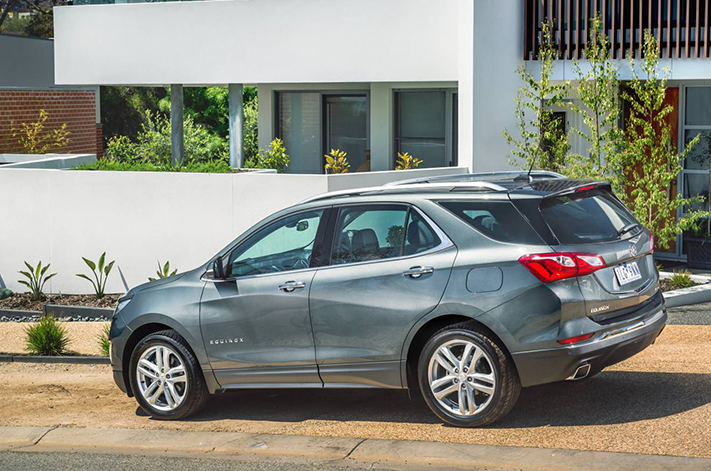
The Equinox LS is powered by a 1.5-litre turbo petrol engine with a choice of six-speed manual and automatic transmissions. Standard features include MyLink infotainment with 7-inch touchscreen, Apple Carplay/Android Auto smartphone pairing, reversing camera, rear parking sensors, dusk sensing headlights, LED daytime running lights and 17-inch alloy wheels.
Buyers wanting active safety can opt for the similarly specced LS+, which comes with the automatic transmission as standard. It costs an extra $4000 than the LS auto and gains ‘Holden Eye’ forward facing camera system featuring auto braking, lane keep assist, lane departure warning, forward collision alert and following distance indicator. Other active safety features include blind sport alert, rear cross traffic alert and auto high beam assist. Power folding door mirrors and a leather steering wheel are also chucked in.
The Equinox LT features the 2.0-litre turbo petrol powertrain and a host of features over the LS+ including satellite navigation, heated front seats, front parking sensors and more powerful HID headlights.
| 2019 Holden Equinox to feature OnStar in-car assistance system
Further up the chain the LTZ adds 19-inch alloys, hands-free power tailgate, advanced (auto) park assist, rain sensing wipers, leather-appointed seating, wireless phone charging, heated front and rear seats, roof rails, digital radio, LED head- and tail-lights, Bose® premium audio system, power driver’s seat with memory and optional all-wheel drive system.
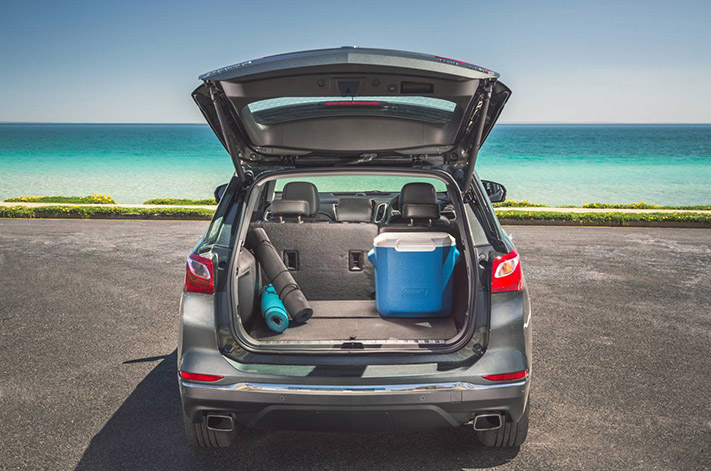
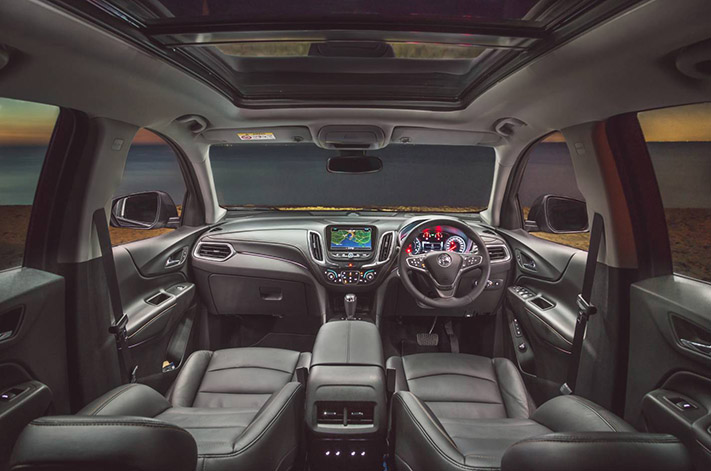
The range topping LTZ-V (pictured) comes with additional creature comforts including panoramic sunroof, heated steering wheel, ventilated front seats and powered front passenger seat with memory.
The Holden Equinox will arrive in showrooms in December with a launch offer of a seven-year or 175.000km warranty. Expressions of interest can now be made at the Holden website.
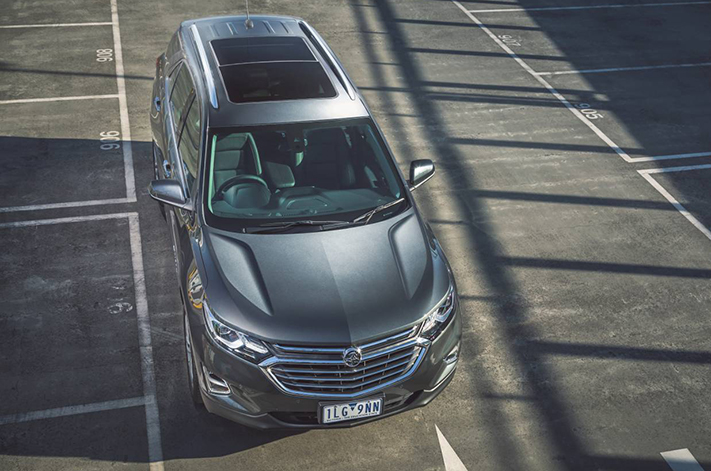
2018 Holden Equinox pricing
- Equinox LS manual – $27,990
- Equinox LS auto – $29,990
- LS+ auto – $32,990
- LT auto – $36,990
- LTZ auto – $39,990
- LTZ auto AWD – $44,290
- LTZ-V auto – $46,290
- LTZ-V auto AWD – $50,590
It turns out Infiniti’s plus-sized QX80 SUV is a late-bloomer after all. After launching overseas in 2010 as the QX56 and making a belated entry into the Australian market in 2015 as the QX80, Infiniti’s largest offering hasn’t been blessed with conventional good looks.
But the luxury brand’s latest facelift for its hulking QX80 (the second since its debut) has rectified that, grafting on a more aesthetically-pleasing face and bringing a number of other visual tweaks to boost the big wagon’s showroom appeal.
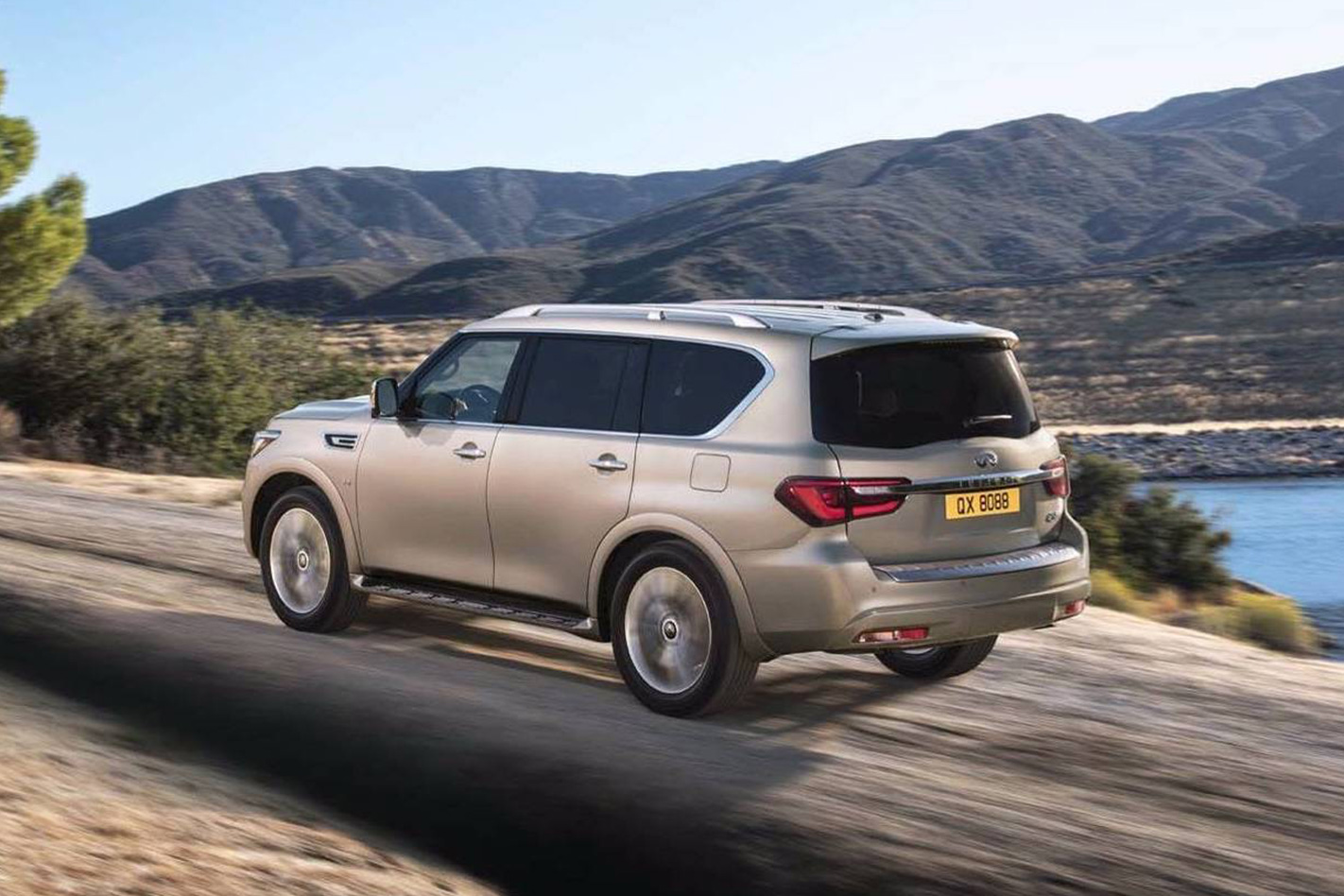
The changes are most noticeable from the front. Borrowing heavily from the QX80 Monograph concept that debuted at the New York Auto Show in April 2017, the updated QX80 ditches the droopy-eyed visage of its predecessor and flaunts completely new front-end sheetmetal, grille and lamps.
The bonnet cutline is an uninterrupted arch and the pressing is flatter than the outgoing model, while the relocation of the headlamps higher off the ground helps the QX80 lose its ‘bulging forehead’ appearance.
The grille is reshaped to better mimic newer models in the Infiniti range, like the Q50 and Q60, and the bumper itself is a close match to what the Monograph concept wore in New York. The concept’s chrome ‘eyebrows’ didn’t make the cut, nor did its lower bodyline trim, but the front quarter panels are new and flaunt reshaped vents.
From the A-pillars back it’s familiar QX80 metal, with the offroader’s rump undergoing a more subtle makeover compared to the thoroughly revised front. The Monograph concept’s wing-shaped tail lamps looked cool but didn’t find their way onto the production QX80, which uses the same light housings with new LED internals.
| Now is the time to buy a large luxury car
A modestly reshaped bumper casing and new alloy wheel designs round out the rest of the QX80’s exterior updates.
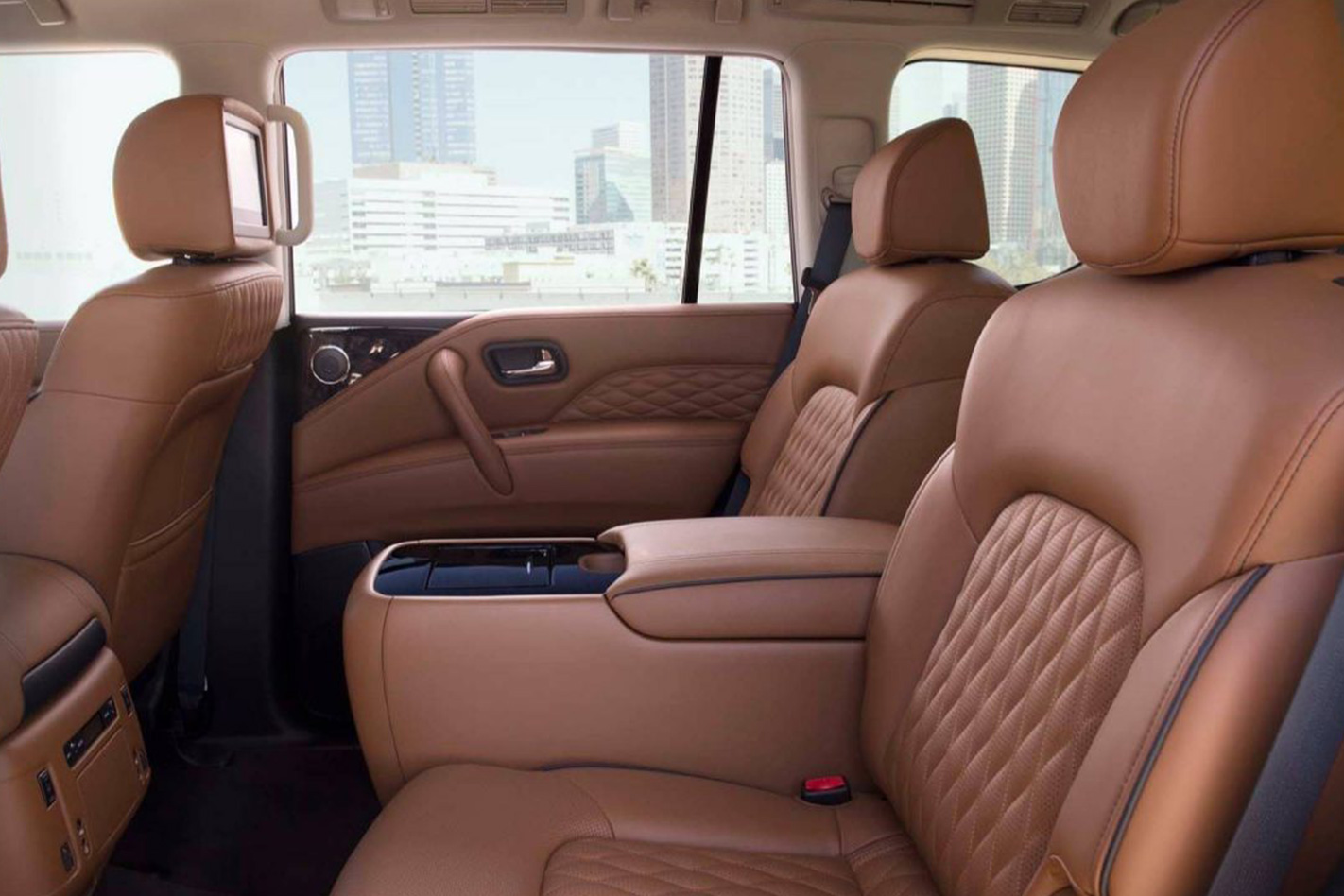
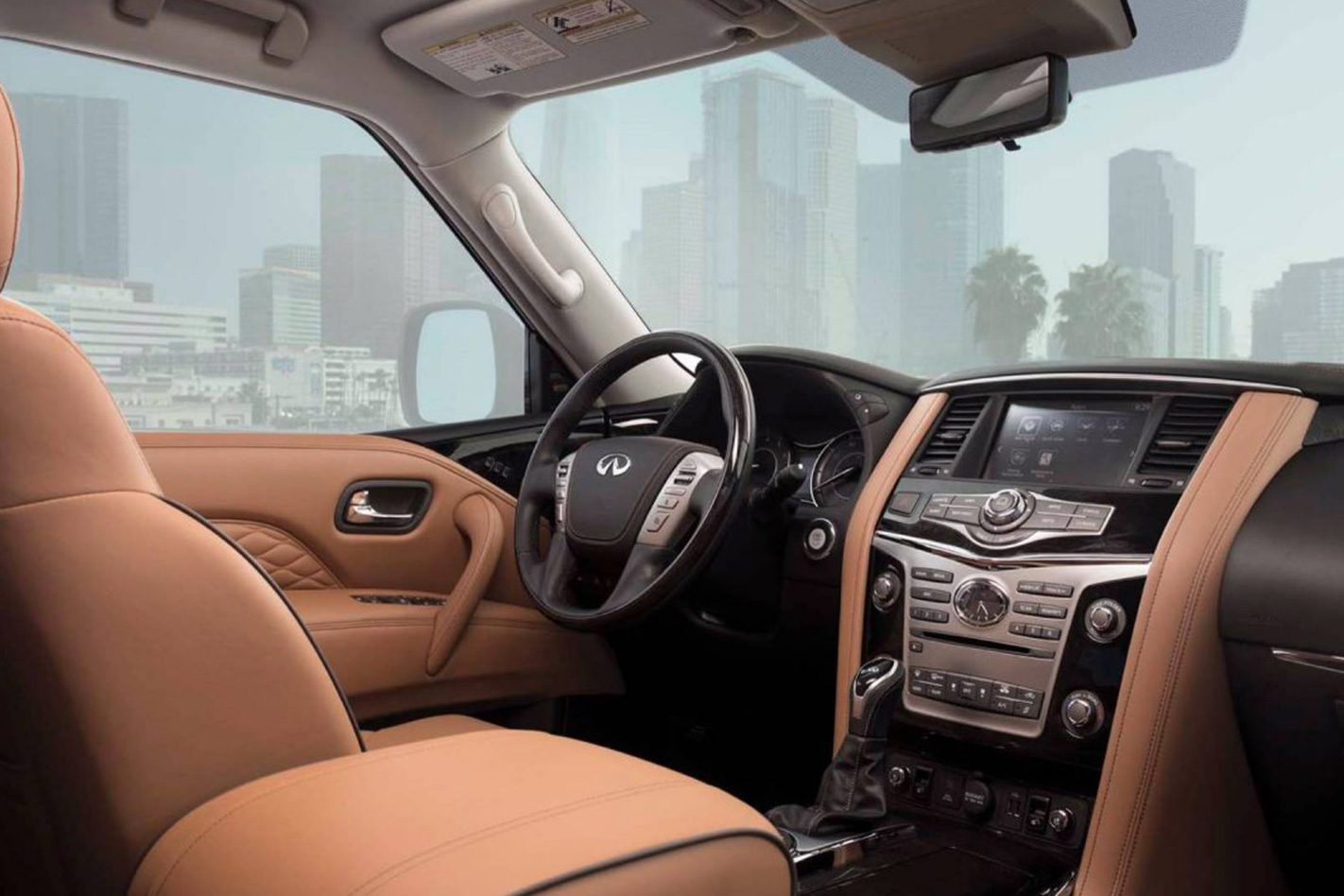
Inside there are new trim materials and slight revisions to the instrument panel, however the switchgear, infotainment suite and the bulk of cabin furniture carry over with minimal changes. That said, Infiniti claims they’ve improved sound suppression and refinement by adding more sound absorbing material to the QX80’s structure.
Australian specifications and pricing are yet to be announced, though the QX80 will continue to be offered with just one powertrain – a naturally-aspirated 5.6-litre petrol V8 generating 298kW and 560Nm. As before, power will flow to all four wheels via a seven-speed automatic and dual-range transfer case, with huge 22-inch alloys to be standard in Australia.
When MOTOR farewelled the Australian Commodore, we wanted to assemble some of the greats and have one last gathering.
To do this, we called upon a few of our Commodore-owning readers, who were more than happy to loan us their prides and joys for a day.
To say thanks, we’ve collected their personal Holden stories for you to read and relate to. And here they are…
VB Commodore SL/E – Steve D
The original and the best?
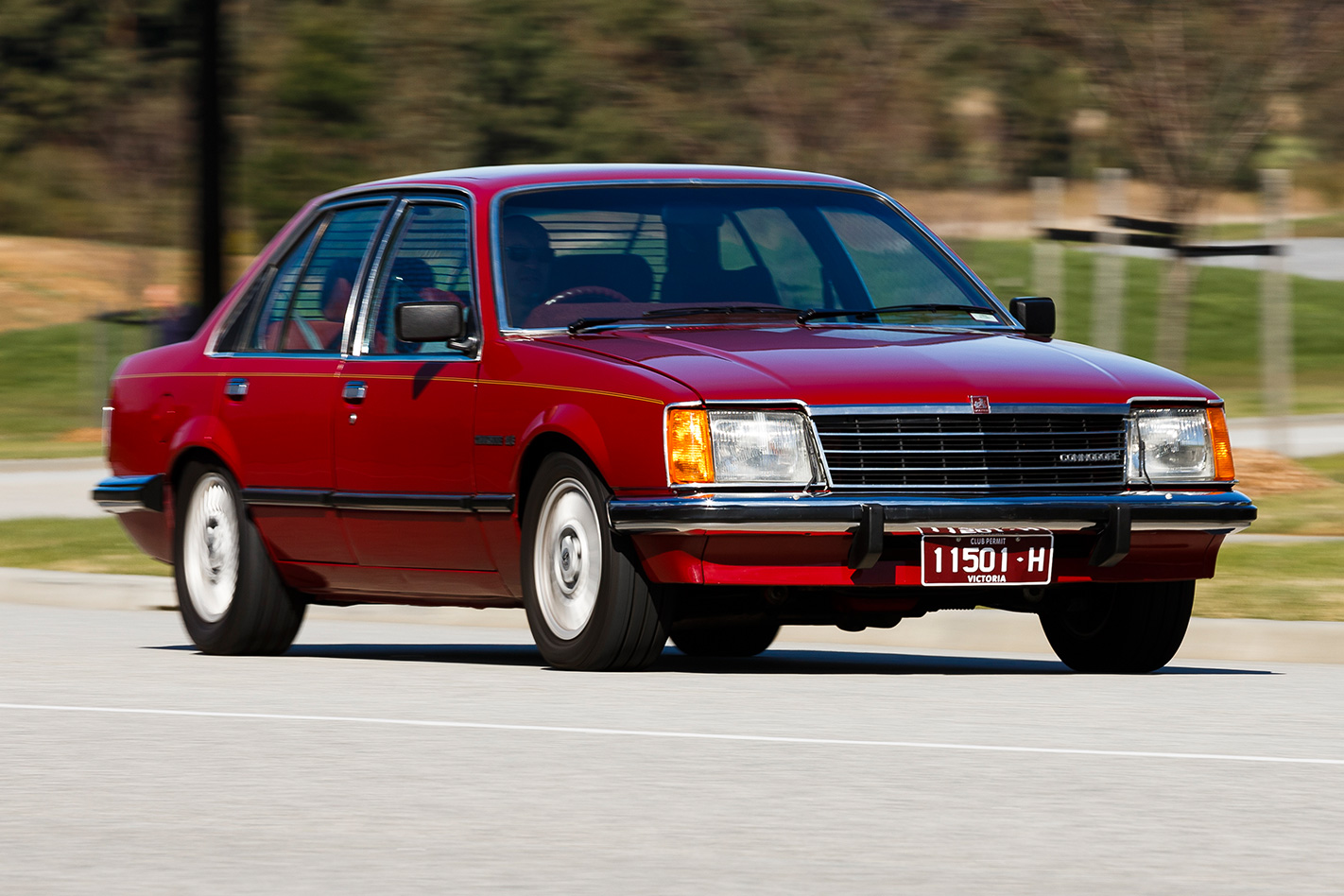
I was 20 when I lost the other one and now I’m 47 but I’ve had this for six years so a 20-year gap. It’s got VN running gear so a Turbo 700, 355ci in it, LSD in the back [but] I’ve kept all the original gear at home so if I ever need to put it back together it’s all there. It still drives like a 40-year-old car but it drives better. I don’t plan on getting rid of it, but if it was to go I could look at a Valiant or another car, but I do enjoy it.”
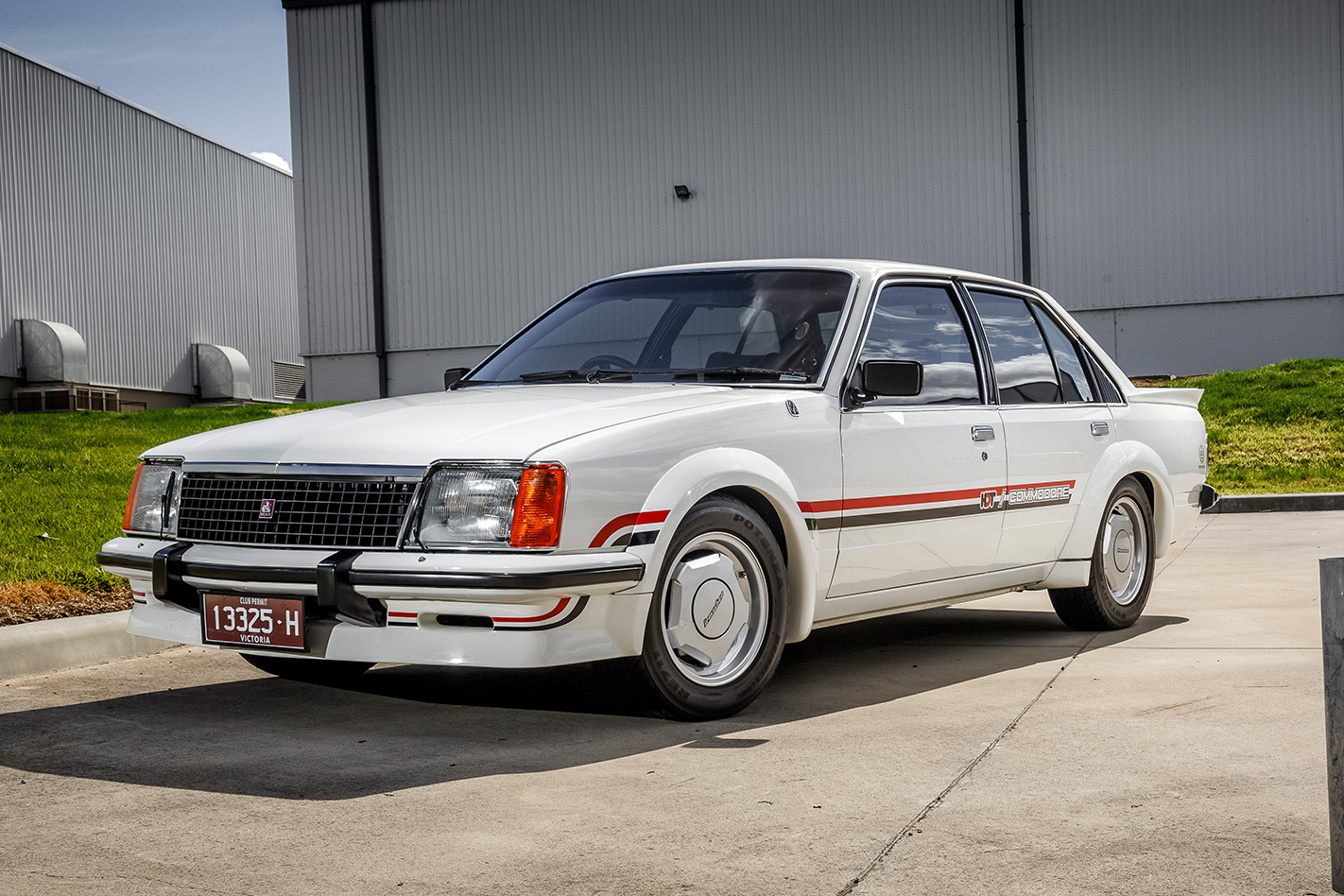
VC Brock Commodore – Stephen G
Peter Perfect’s magic touch
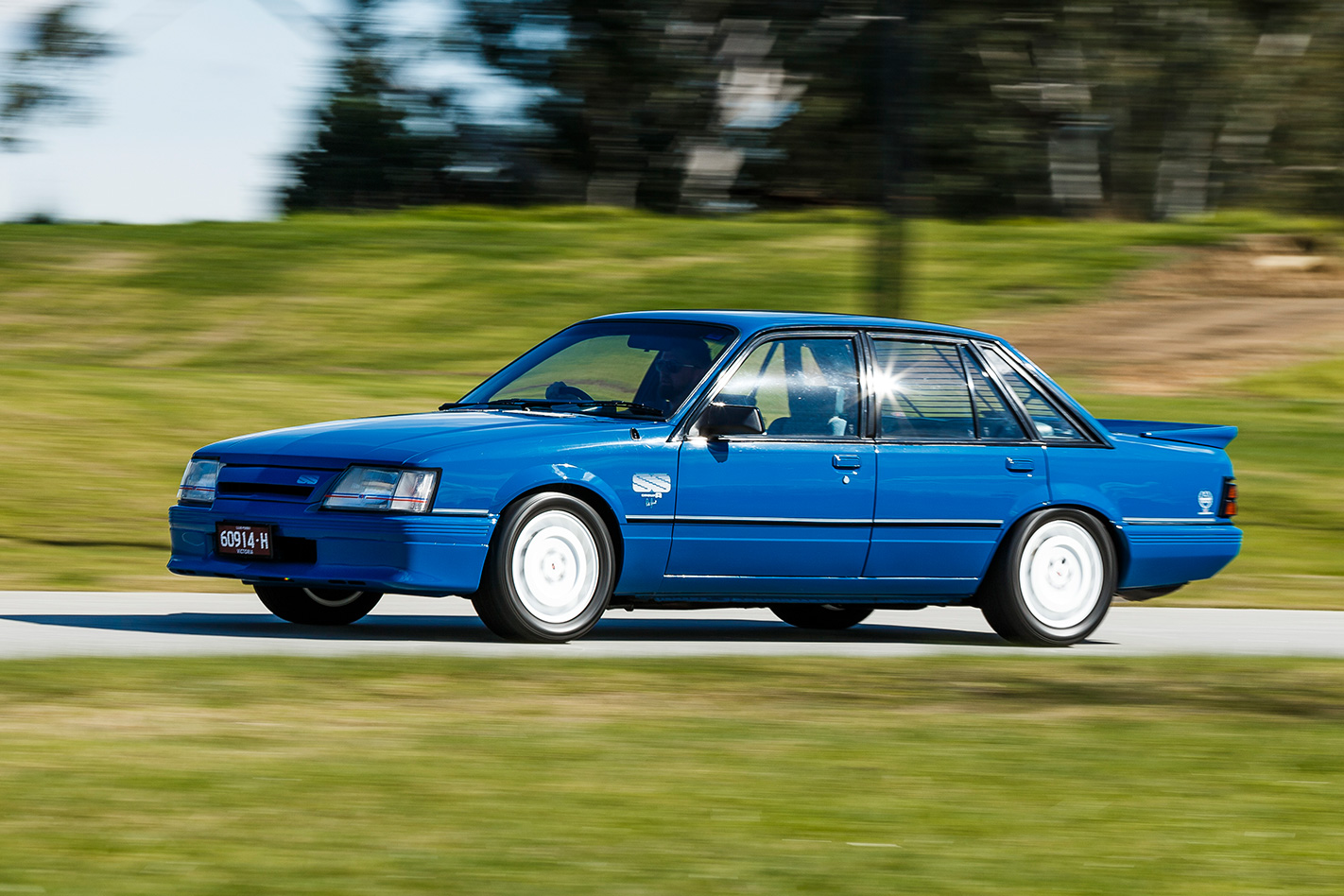
VK Brock Commodore – Phil J
Group A homologation special
VL Commodore Turbo – Welly S
Rare boosted family wagon
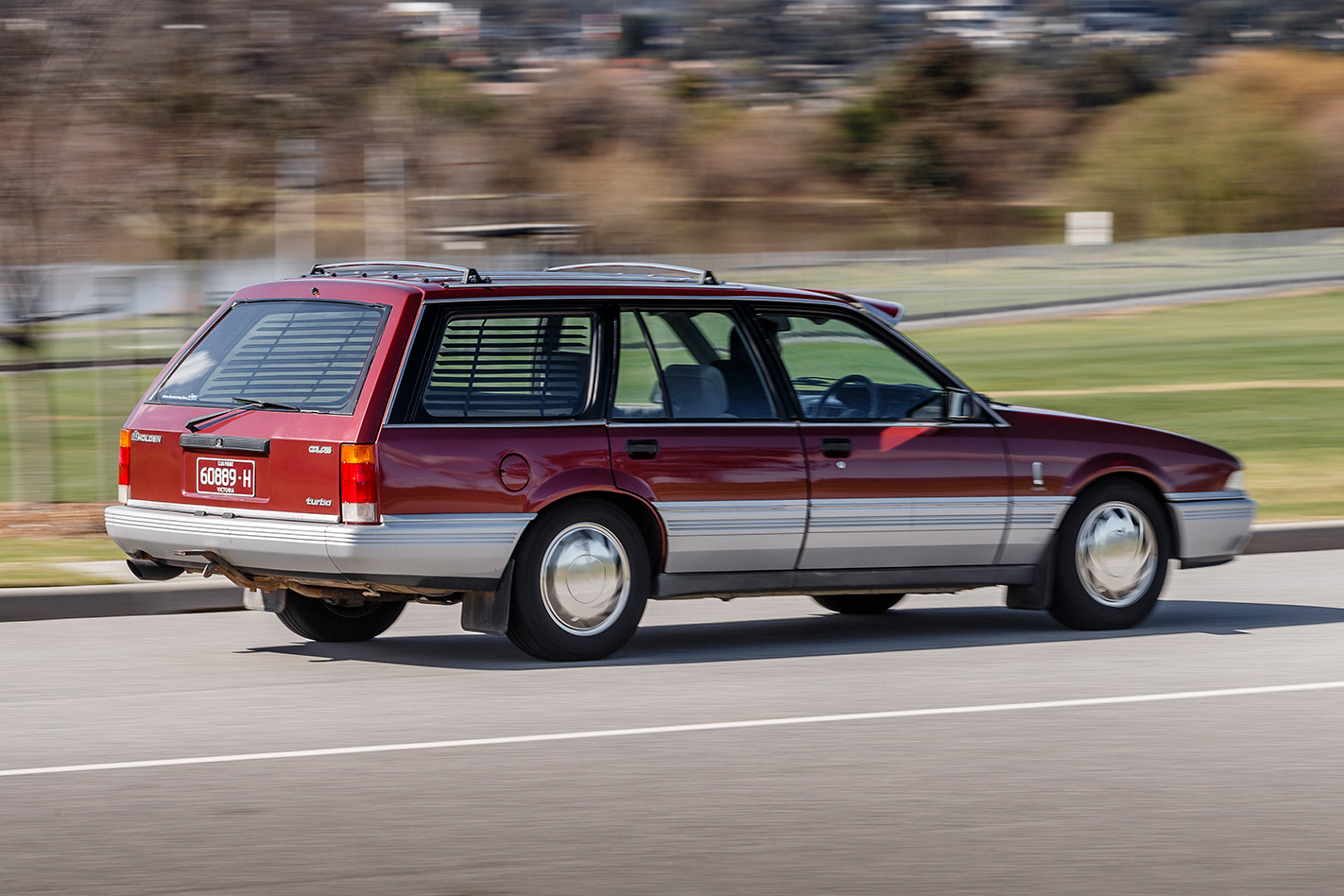
I bought this with the intention of doing it up, then all my mates said ‘don’t touch it’. My godfather was a production supervisor at Holden and still had a few parts at home, so he gave me a bit of new-old stock. I’ve only seen two that are original, a lot of people say ‘it’s a mock-up’.”
VN Commodore SS – Rob B
A new era of performance
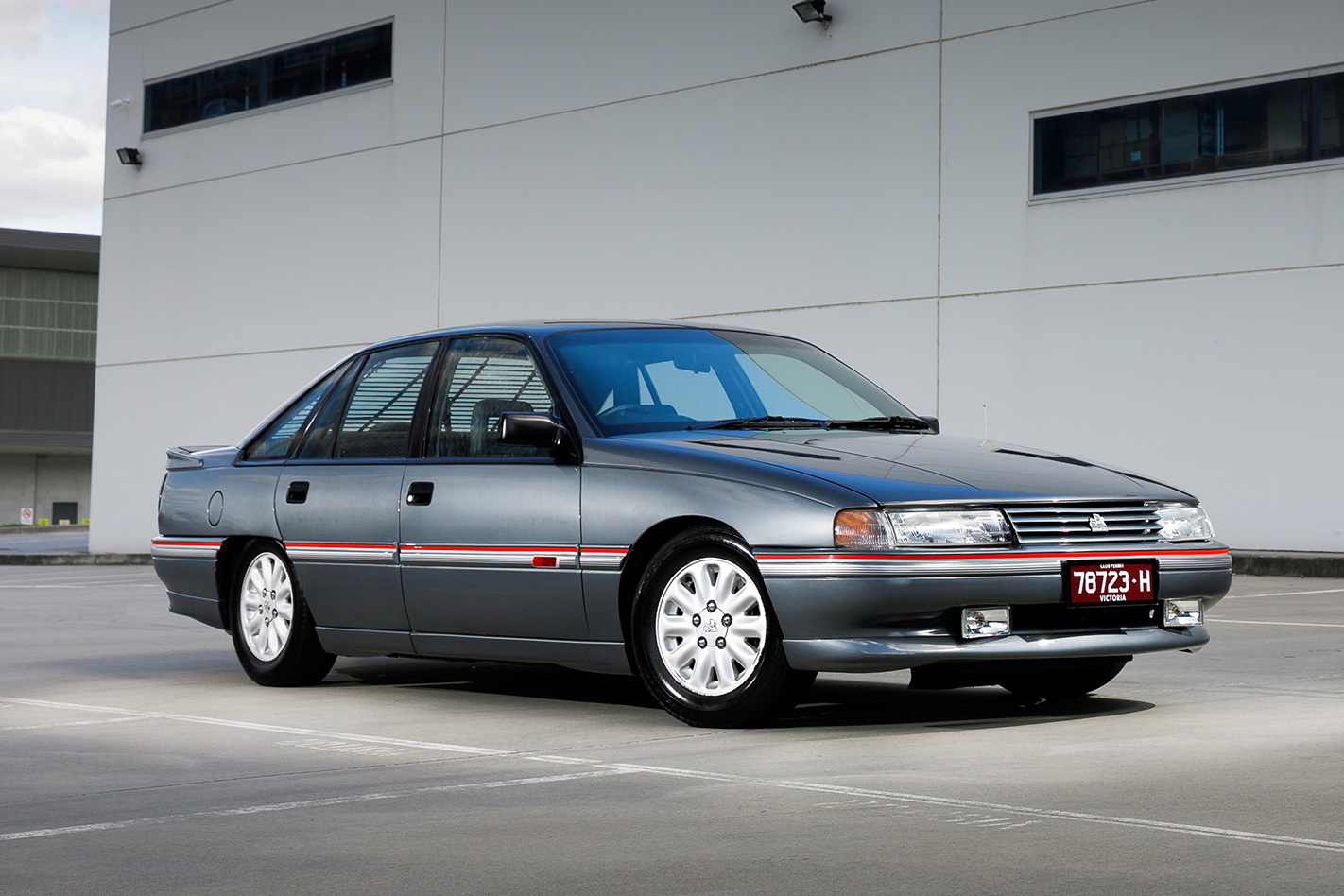
Holden’s 10 best performance Commodores
VT Commodore SS 5.0 – Jimmy A
Last of the all-Aussie machines
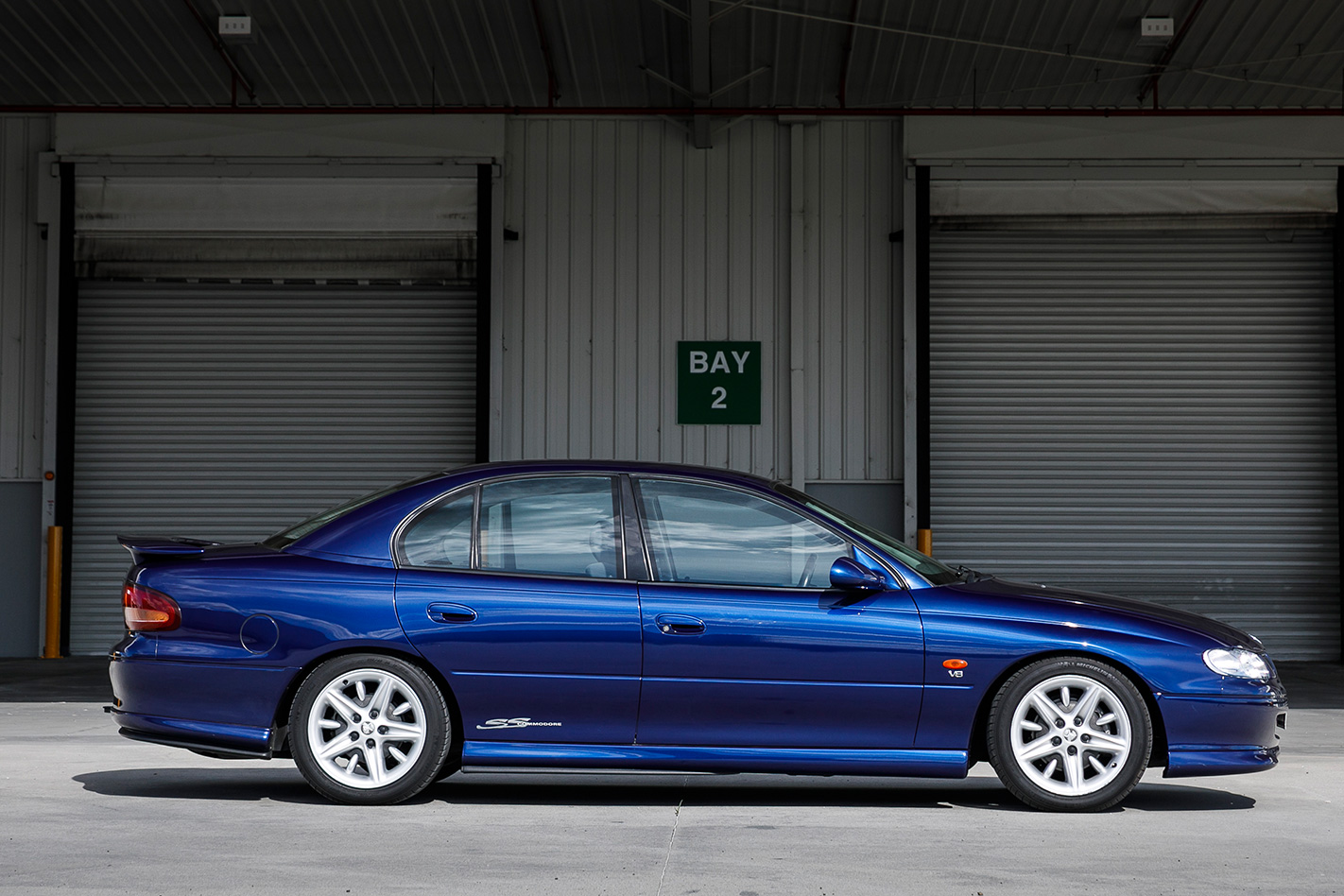
They’re fun to drive and you know exactly what the car’s doing. I’ve always had a soft spot for the VT [and] had to have a 5.0-litre being the last of that car. It hasn’t been a very popular model but I think they’re starting to gain a bit more popularity. I might look at an HSV down the track.”
VE Commodore SS-V – Matt L
Holden’s billion-dollar baby
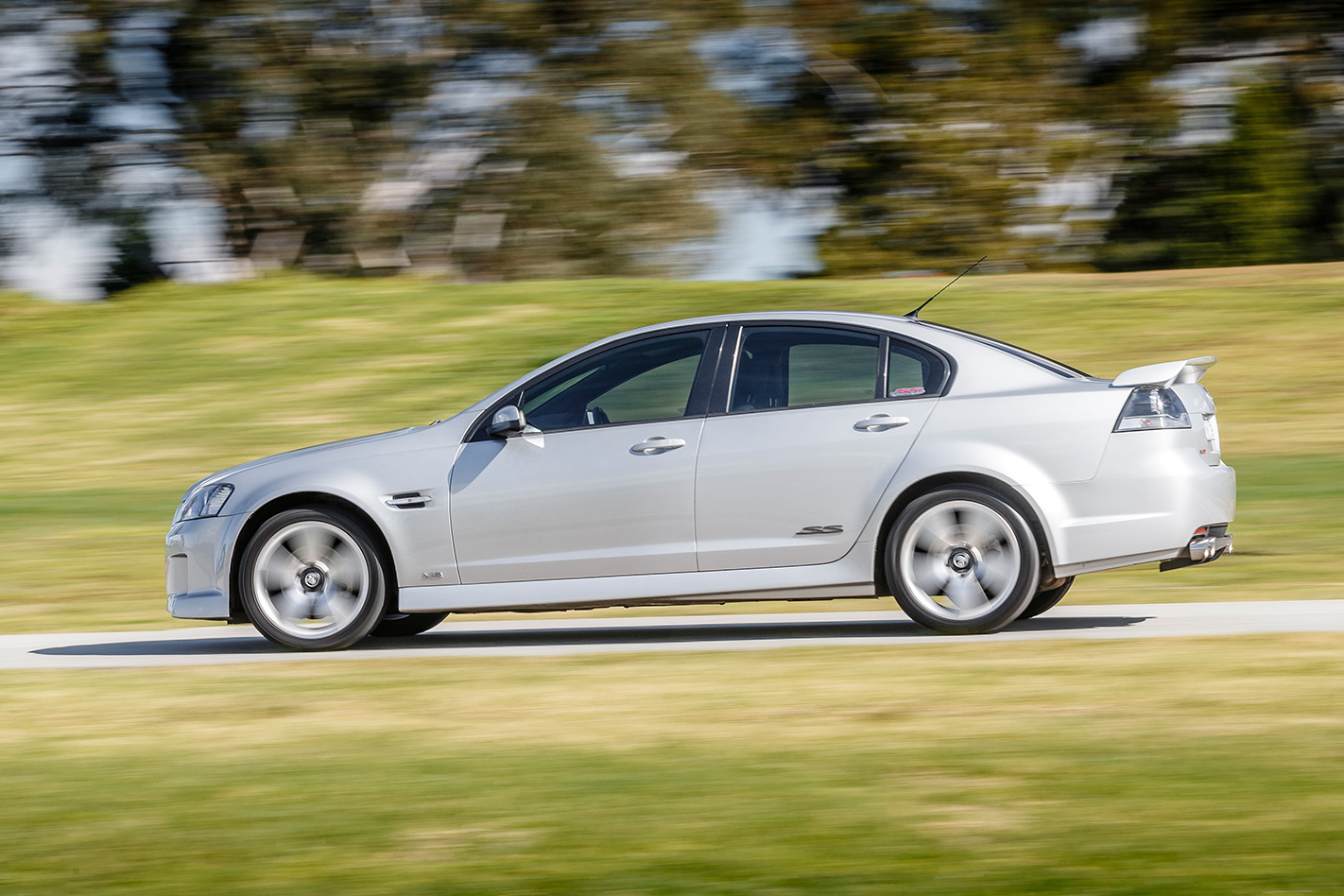
After hunting around I found this in Shepparton; right price, right kilometres, exactly what I was looking for. I drive an hour to work every day and the comfort compared to other cars I’ve driven is second-to-none, the leather interior is beautiful. It’s got HSV extractors and muffler deletes and that’s it, we like the stock look.”
VF Commodore Motorsport – Matt D
Track-focused last hurrah
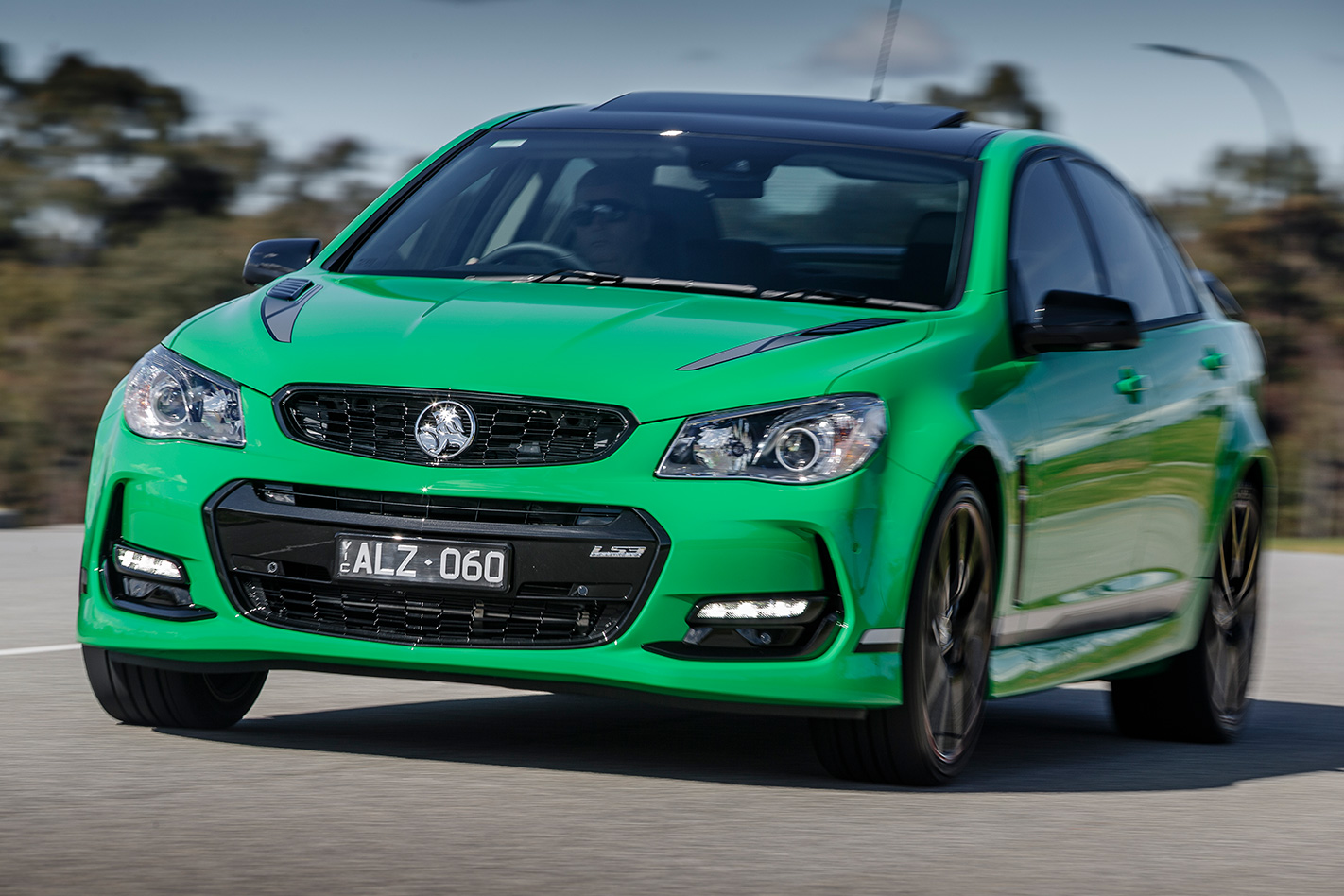
Also the Monaro. Just had to have one of the last ones. Or two. Started with two red ones and ended up with a green and a white, got to pick my build numbers – well worth it.”
We all now know that the Koenigsegg Agera RS claims at least two of the markers that make it the fastest production car on Earth.
Its 0-400-0km/h run almost immediately after the Bugatti Chiron ran its 0-400-0km/h was one slap in the face to the former king of speed, but taking out the title for the highest top speed for a production vehicle sealed the deal.
However, the ‘Egg now claims it’s got another three records up its sleeve and that it has beaten another of its own.
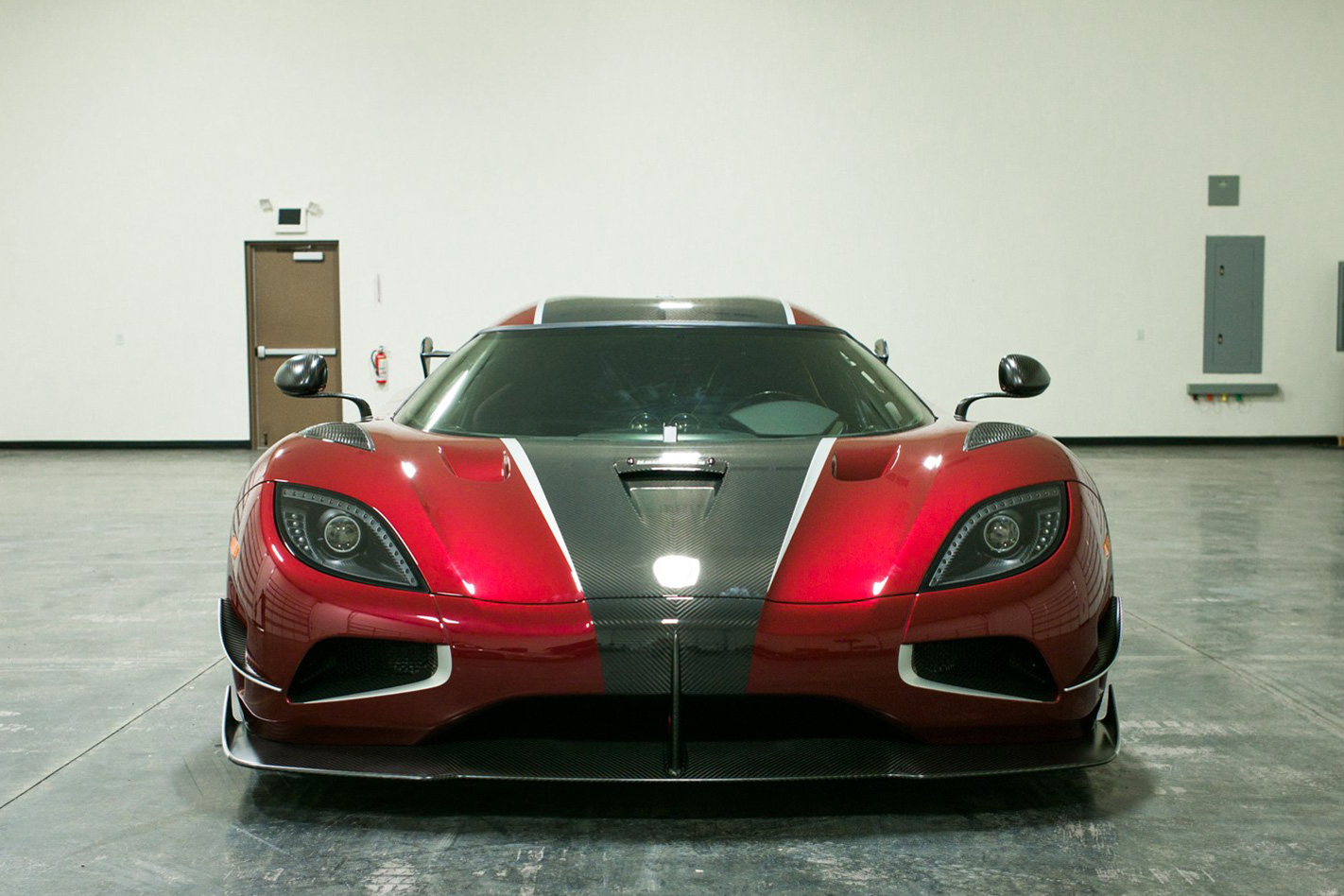
After two runs, one in each direction, on a closed-off highway in Nevada, USA, the Agera RS averaged 445.54 km/h for a whole kilometre, and 444.66km/h for the mile.
Koenigsegg Agera RS breaks 0-400-0km/h record
Koenigsegg says these records have stood for almost eight decades, first set by the Mercedes W125 racer on the Autobahn between Frankfurt and Dormstadt. The W125 averaged 432.7km/h.
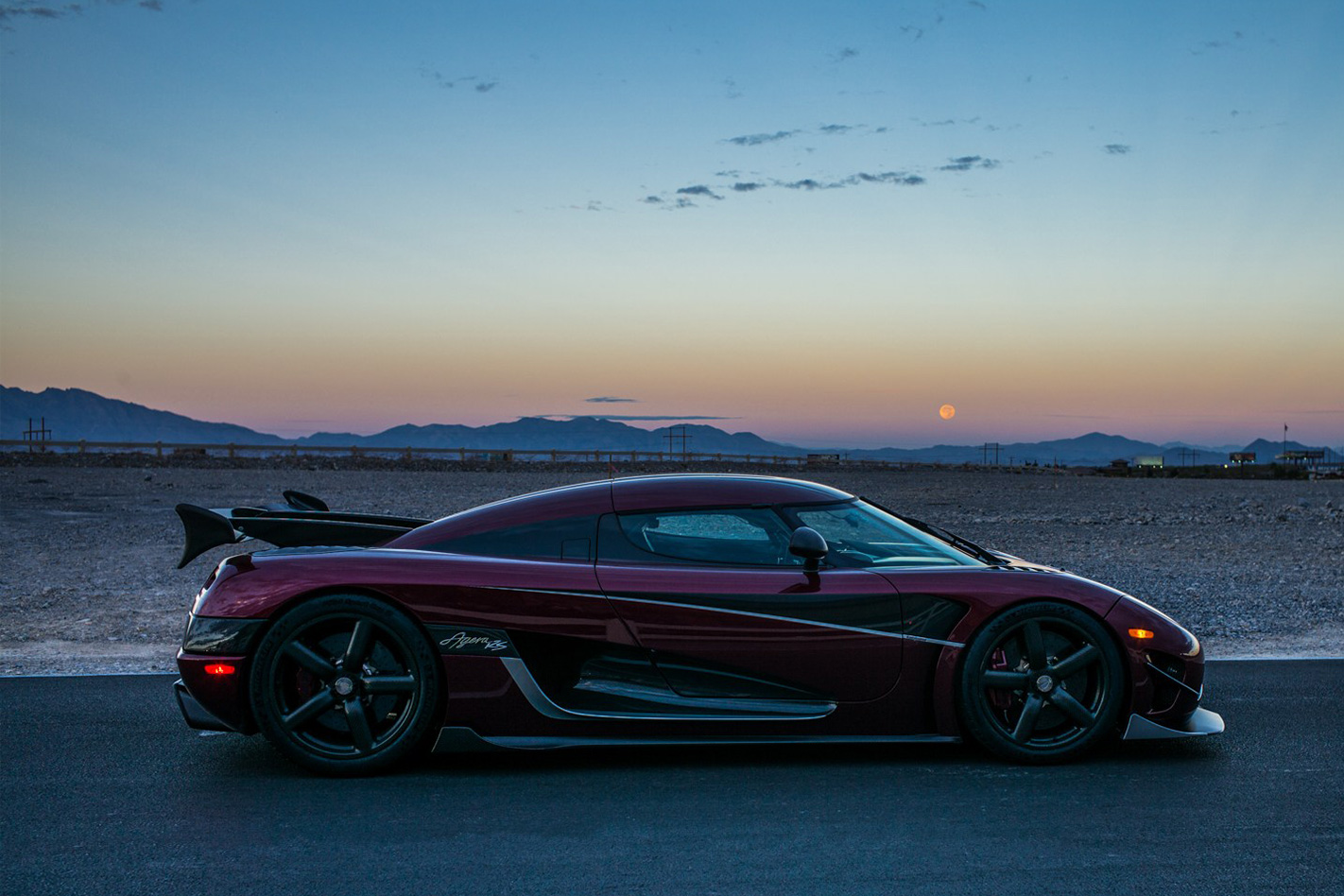
At a peak of 457.49km/h (over 10km/h faster than the average top speed of 446.97km/h), the Agera RS has travelled faster than any other vehicle recorded on the road.
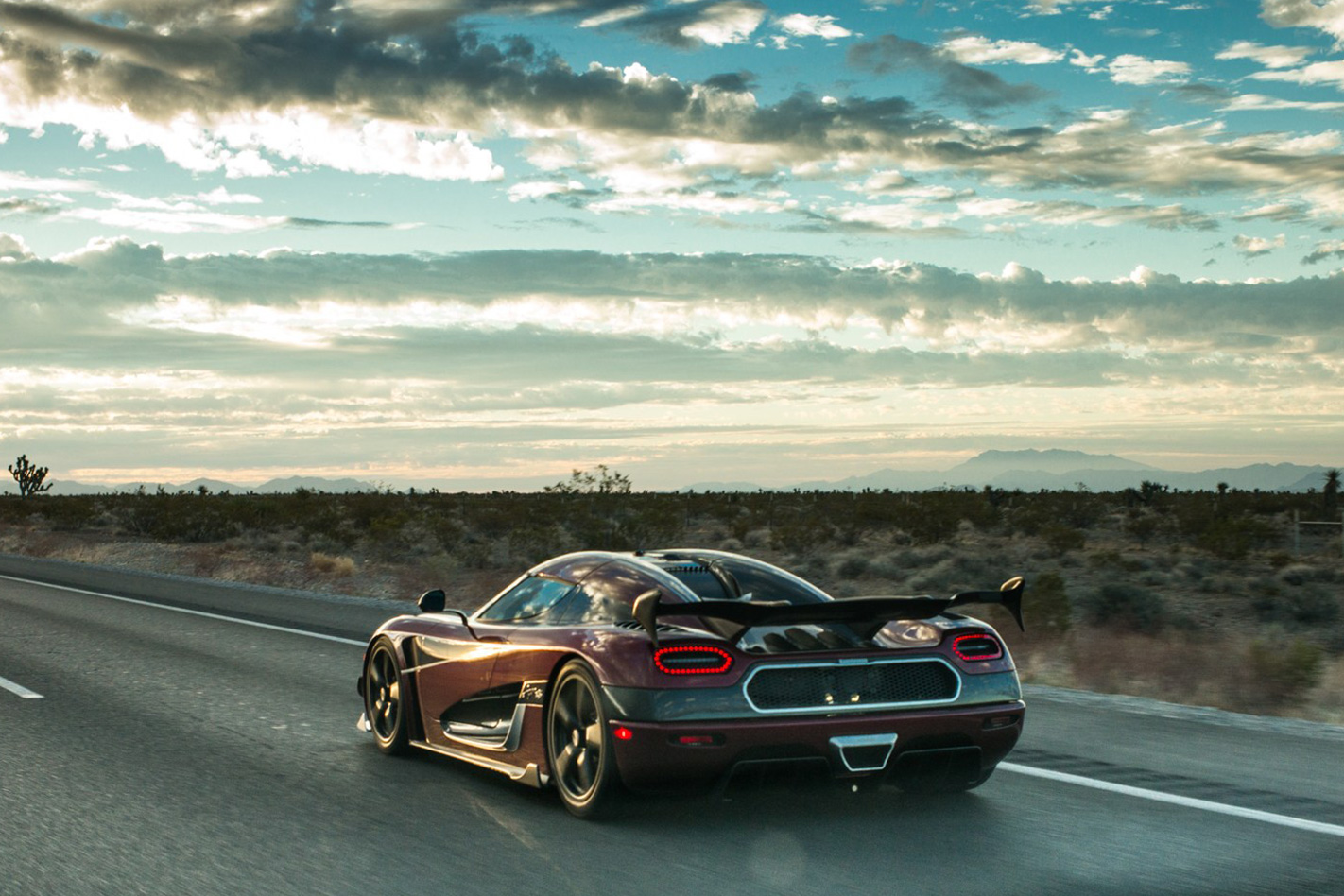
The Agera RS set a 36.44s run in Denmark last month, but that is already out of date. In just 33.29 seconds, Koenigsegg beat its own record on the same day as the high speed runs.
We’re excited to see who steps up to the plate next. Hennessey? Maybe.
In recent months, dual-cab pick-up trucks have dominated Australian national sales charts, but the trend was bucked in October when the Hyundai i30 small hatchback became Australia’s most popular car.
Almost 4000 (3983) examples of the Korean hatchback rolled off showroom floors across the country, toppling the mighty pick-up’s title and putting more registrations to its name than any other model.
It seems the keen pricing of the Hyundai i30 – starting at $20,950 for the base model 2.0 GDi and stretching to $33,950 for the SR Premium – was too good to resist for new car buyers, who turned out in record numbers for the month.
The strong performance might be taken with a grain of salt however, with Hyundai previously openly defending the practice of ‘pre-reporting’ – the registering of cars to dealerships ahead of monthly FCAI figures.
Regardless of the reason for inflated i30 registrations, utes weren’t far behind, with the Toyota Hilux selling 3812 units to finish second for the month. Toyota was also third in the best-sellers list with its Corolla, which sold 3088 units.
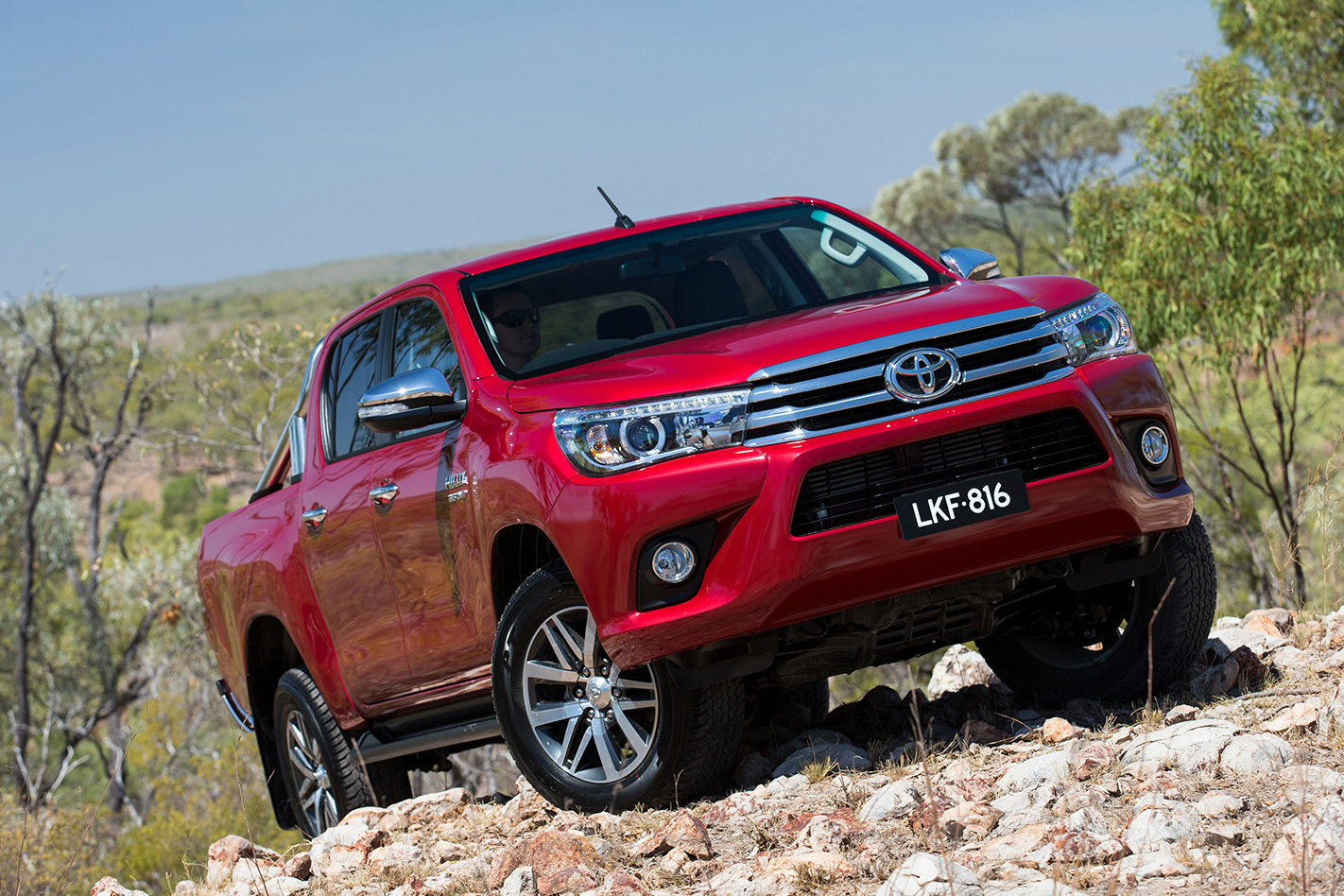
Next was the Ford Ranger, with 3074 sales, while the Holden Commodore was the fifth most popular car.
Holden’s strong sales of the Commodore are bitter-sweet, with local manufacturing of the car coming to an end on October 20, but those sales numbers will dwindle in coming months as the now finite stock is snapped up.
The first SUV on the top 10 list is the Mazda CX-5, which sits sixth with 2173 sales.
Toyota featured twice more on the most popular car list, with the Camry and Landcruiser finishing seventh and eighth with 2057 and 2019 sales respectively.
The Mazda 3 just pipped the Volkswagen Golf with 1962 sales versus 1922 to finish ninth.
Just missing out on the top 10 was the Nissan X-Trail with 1762 examples of the mid-size SUV being sold.
While SUVs only featured twice in the top 10, they remain big sellers across the country, beating passenger cars in market share by half a percent.
Top 10 cars October 2017
- Hyundai i30 – 3983
- Toyota Hilux – 3812
- Toyota Corolla – 3088
- Ford Ranger – 3074
- Holden Commodore – 2418
- Mazda CX-5 – 2173
- Toyota Camry – 2057
- Toyota Landcruiser – 2019
- Mazda 3 – 1962
- Volkswagen Golf – 1922
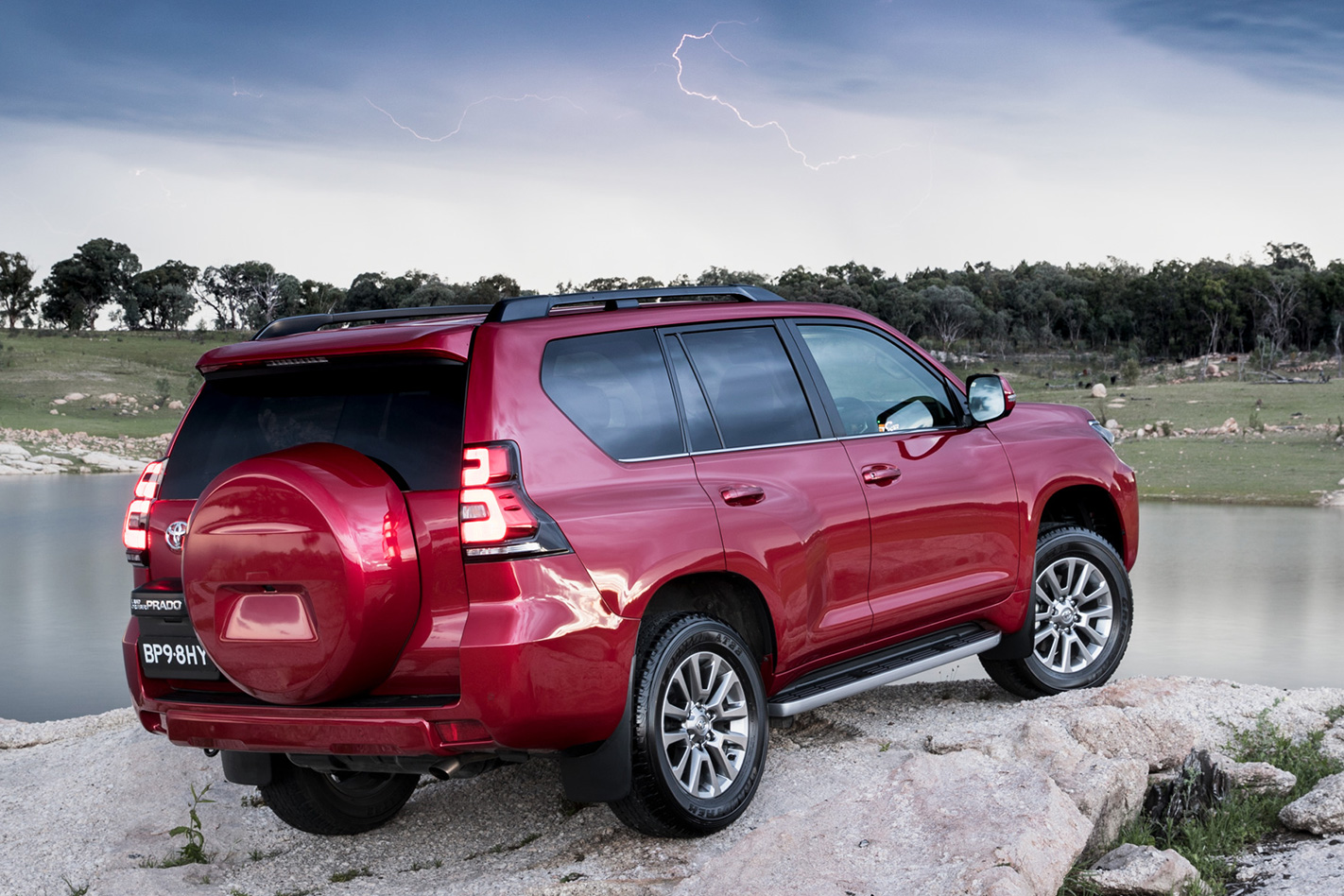
The updated Toyota Landcruiser Prado has landed in Australia, bringing with it new prices and added features for the popular off-road SUV range.
With five different model variants, Toyota has cut prices on some badges, while 5- and 7-seat GX automatics receive a $400 bump in cost.
On the outside the new Prado has updated the styling with fresh bumpers, bonnet and lights, while the interior has also been tweaked.
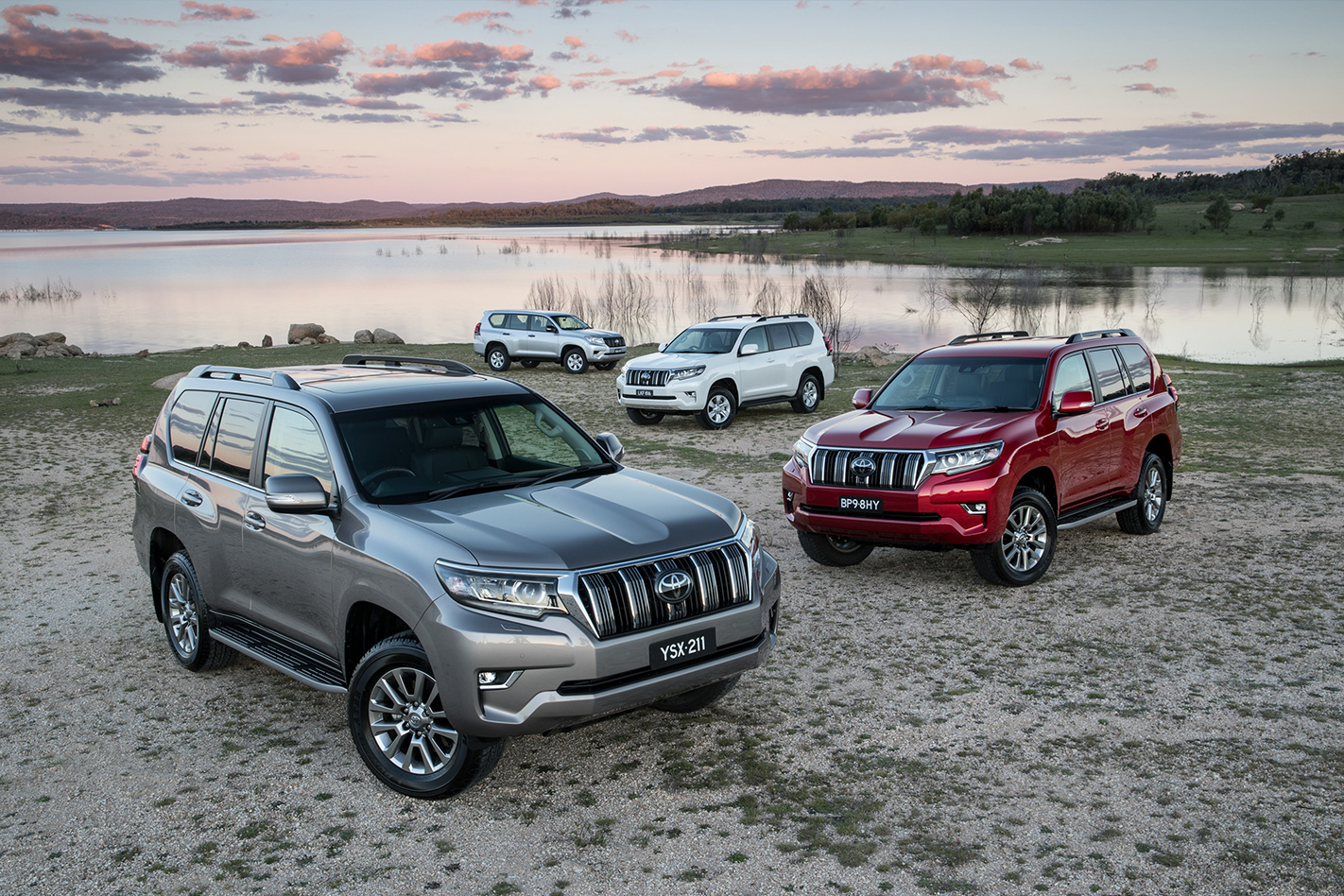
The all-turbo diesel line-up has also received safety upgrades, with automatic models now rolling off the showroom floor with a pre-collision safety system, autonomous emergency braking, pedestrian detection, active cruise control, lane departure alert, and auto high beam as standard.
Every model in the range is powered by a 2.8-litre turbo diesel four cylinder, which sends 130kW to all four wheels. Automatic variants produce 450Nm of torque, while manuals are slightly down with 420Nm.
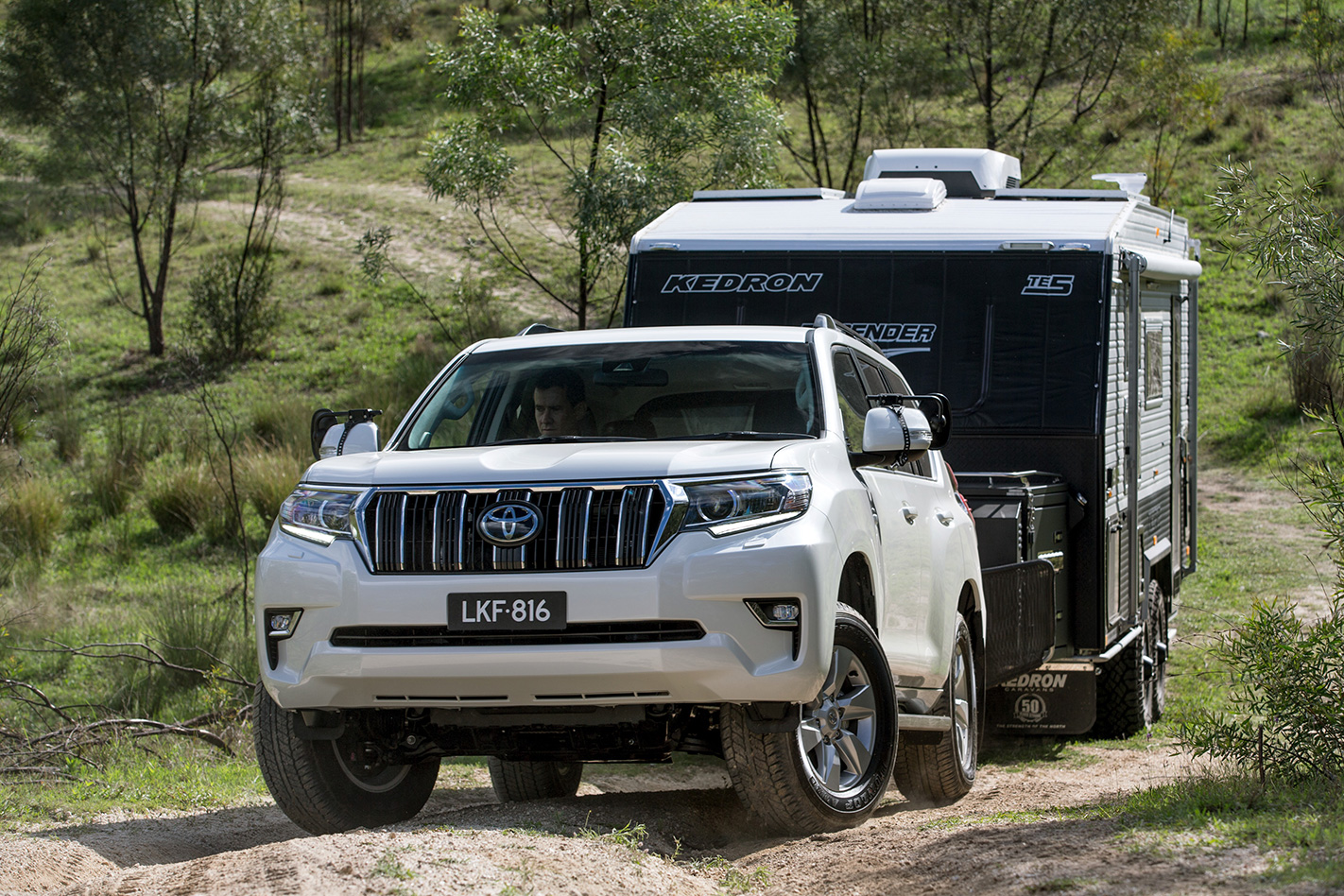
The towing capacity for all automatic models has increased by 500kg to 3000kg, with GXL and VX variants receiving a rear-differential lock.
The entry-level GX manual Prado is now $600 cheaper, with a $53,490 starting price, but gains sat-nav and Toyota Link connectivity apps as standard.
Next in the range is the GXL, with the manual variant starting at $59,990 – a $1,200 reduction on the previous model.
| 2016 Toyota LandCruiser Prado vs Land Rover Discovery vs Ford Everest review
The GXL adds bi-LED headlights, LED daytime running lights, LED fog lamps, and a sun-visor lamp over the base model.
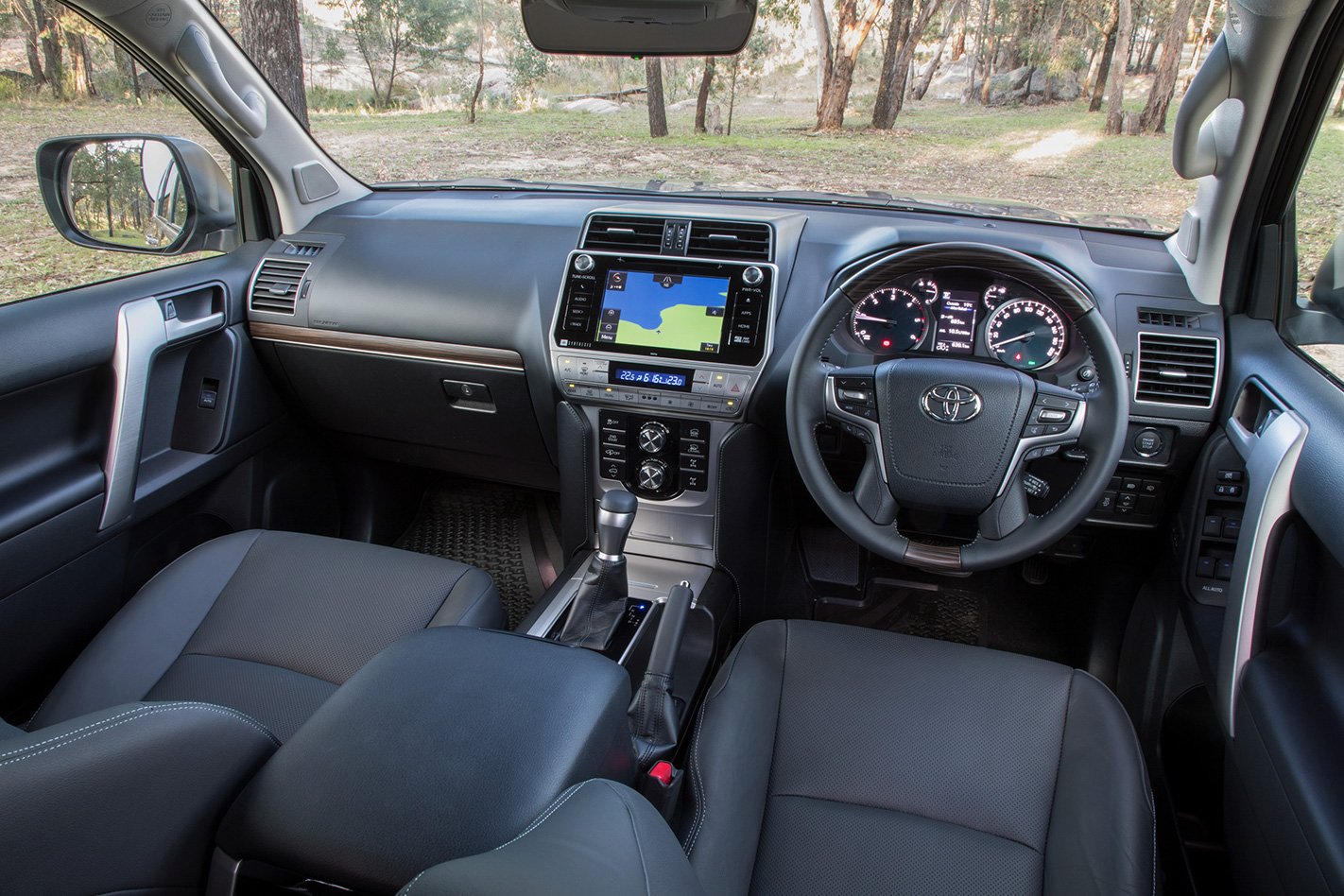
A $3500 option pack adds leather-accented trim, ventilated and power-operated front seats, and heated front and second-row seats.
The VX badge adds safety features like a panoramic view monitor, multi-terrain monitor, blind-spot monitoring, and rear cross-traffic alert. Ventilated front seats, cool box and LED fog lamps are also standard, while pricing drops $911 to $73,990.
At the top of the range is the Kakadu, with a sticker price of $84,490 – a saving of $1121.
The Landcruiser Prado is the best-selling large SUV in the country, ahead of its Toyota sibling the Kluger.
2018 Toyota Landcruiser Prado Pricing
GX manual – $53,490 GXL manual – $59,990 VX auto – $73,990 KAKADU auto – $84,490
Options:
Automatic transmission (GX, GXL): $3,000. 7 seats (GX auto): $2,550. Premium interior (GXL auto): $3,500. Premium paint (all grades): $550
THE CHEVROLET Corvette family has a new patriarch, with the new ZR1 revealed with an almighty supercharged V8 roar.
Before we get stuck into the knitty gritty of the new ‘Vette, lets lay out the core figures that make this beast so impressive.
The headline is 563kW and 969Nm from the supercharged 6.2-litre LT5 V8 that lurks under the bonnet.
Visually the ZR1 is the most aggressive of its breed, with intimidating new bumpers which feature large carbon-fibre aero. The ‘High Wing’ option provides an estimated 430kg of downforce alone.
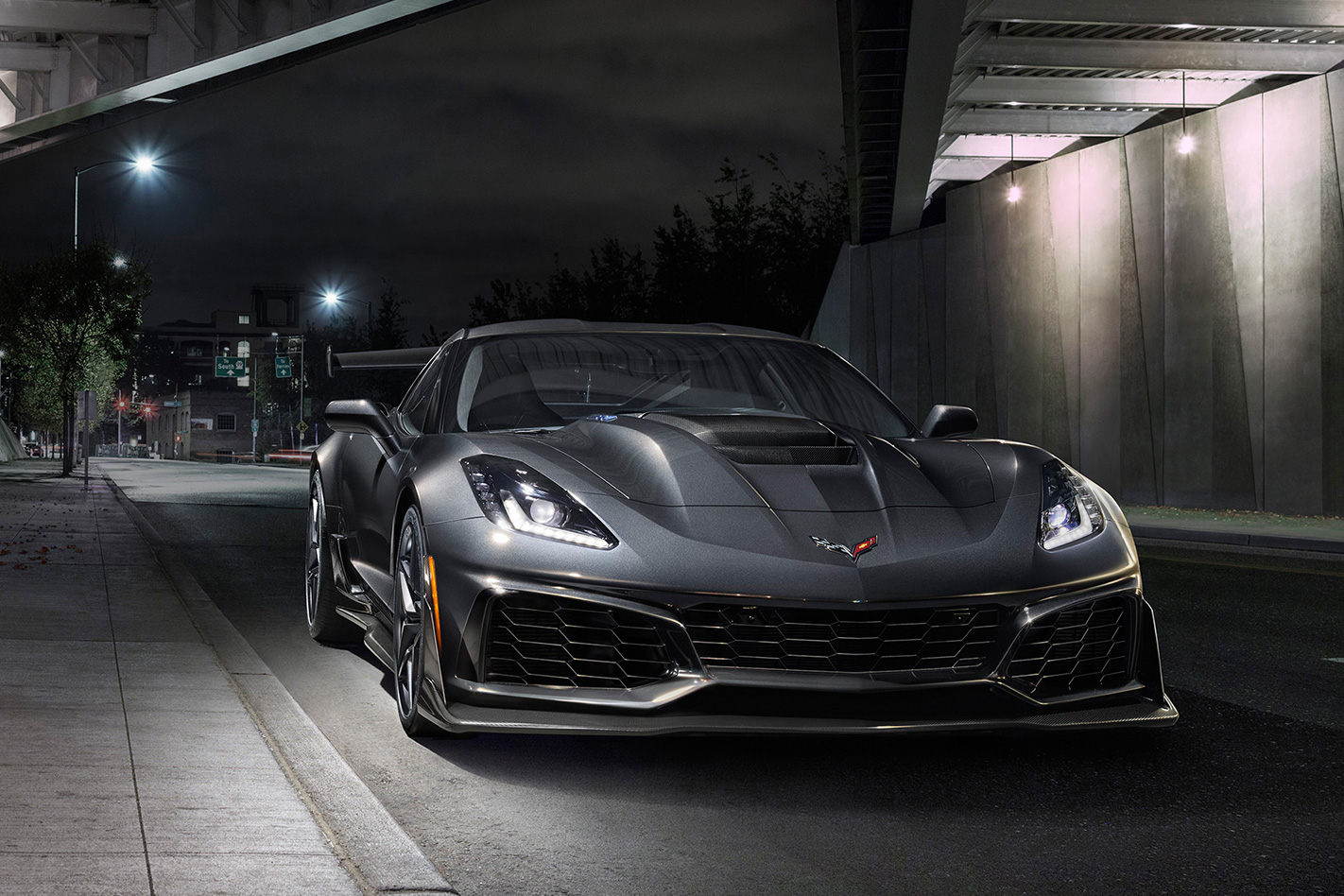
Interestingly, Chev has decided against revealing the ZR1’s 0-100km/h acceleration times. Why? Well, that is unclear, but for a car focussed on carving up corners, it’s a smart move to avoid the bragging war over infinitesimal acceleration time differences.
ZR1 owners will be able to choose between two gearbox options, with either a 7-speed manual or 8-speed automatic transmission sending power to the rear wheels.
The new LT5 V8 makes most of its extra power gains over the old LT4 thanks to a 52-percent larger displacement supercharger. To help with the extra boost, Chevy built a dual-fuel-injection system, which utilises direct injection for most of the heavy lifting, but supplements with extra port injectors when needed.
There are two different aero kits which can be fitted to the ZR1. The one you see here is the ZTK Performance Pack, or ‘High Wing’, which comes with an imposing rear spoiler, and produces what Chev claims is 60 percent more downforce than the Z06’s Z07 performance pack.
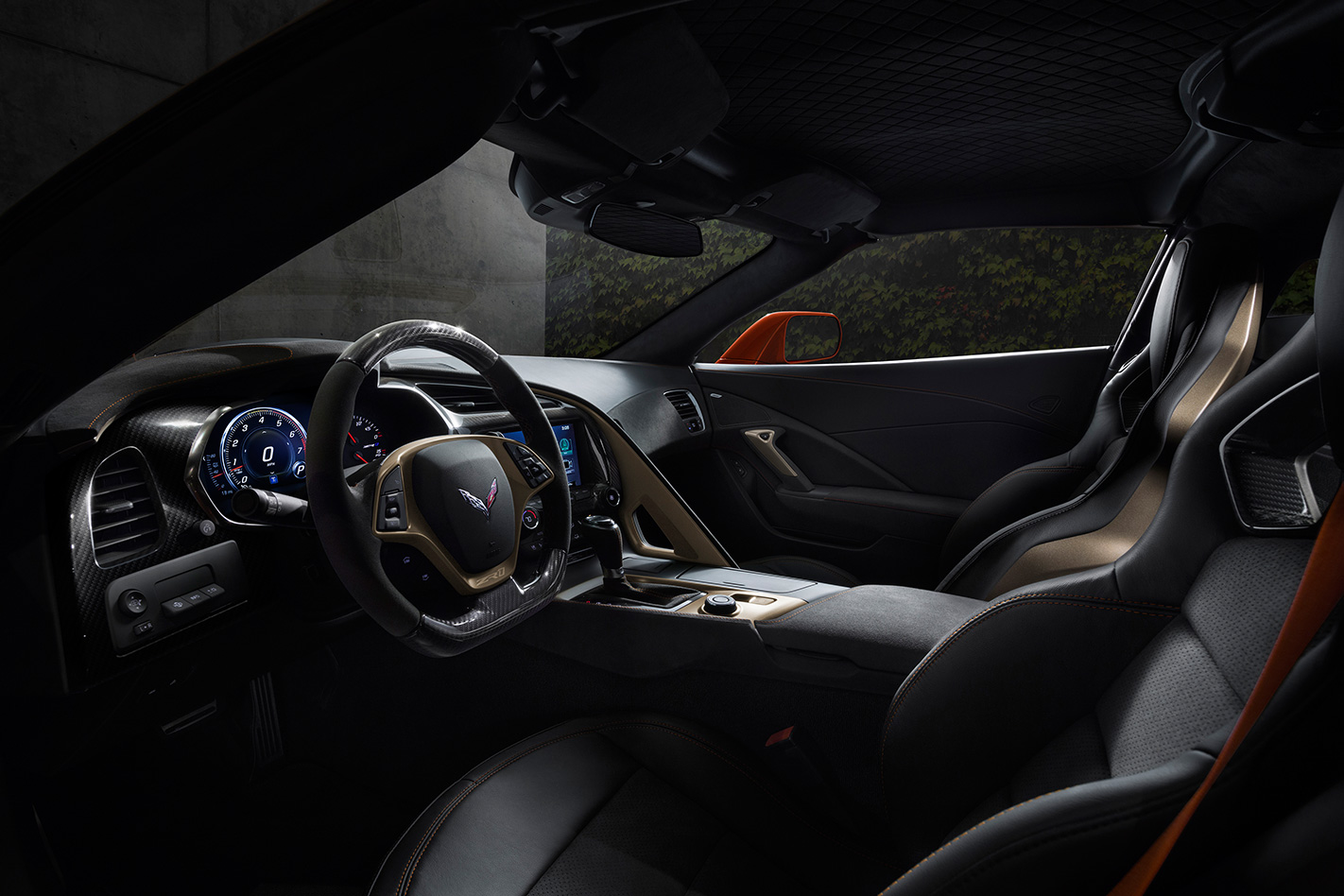
Rubber for the angriest ‘Vette yet comes in at 285/30R19 up front, while 335/25R20 treads put the power down at the rear.
The Z06 Corvette copped some backlash when it was released due to problems with heat soak. To rectify this, Chevrolet has added an additional four radiators to the ZR1.
While the supercharged V8 provides plenty of go, the ZR1 needs a fair bit of whoa, which is provided by 394mm brake rotors at the front, and 388mm at the rear.
Peak power arrives at 6300rpm, while all 969Nm of torque is utilised from 4400rpm.
The ZR1 goes on sale in the US next year. While Aussies will miss out on factory delivered models, it’s highly likely the next-gen Corvette will make its way Down Under.
If you can’t wait, and desperately need this final farewell to the current-gen Vette, then there’s likely to be a workshop which’ll be providing right hand drive conversions in no time.
WHAT IS IT?
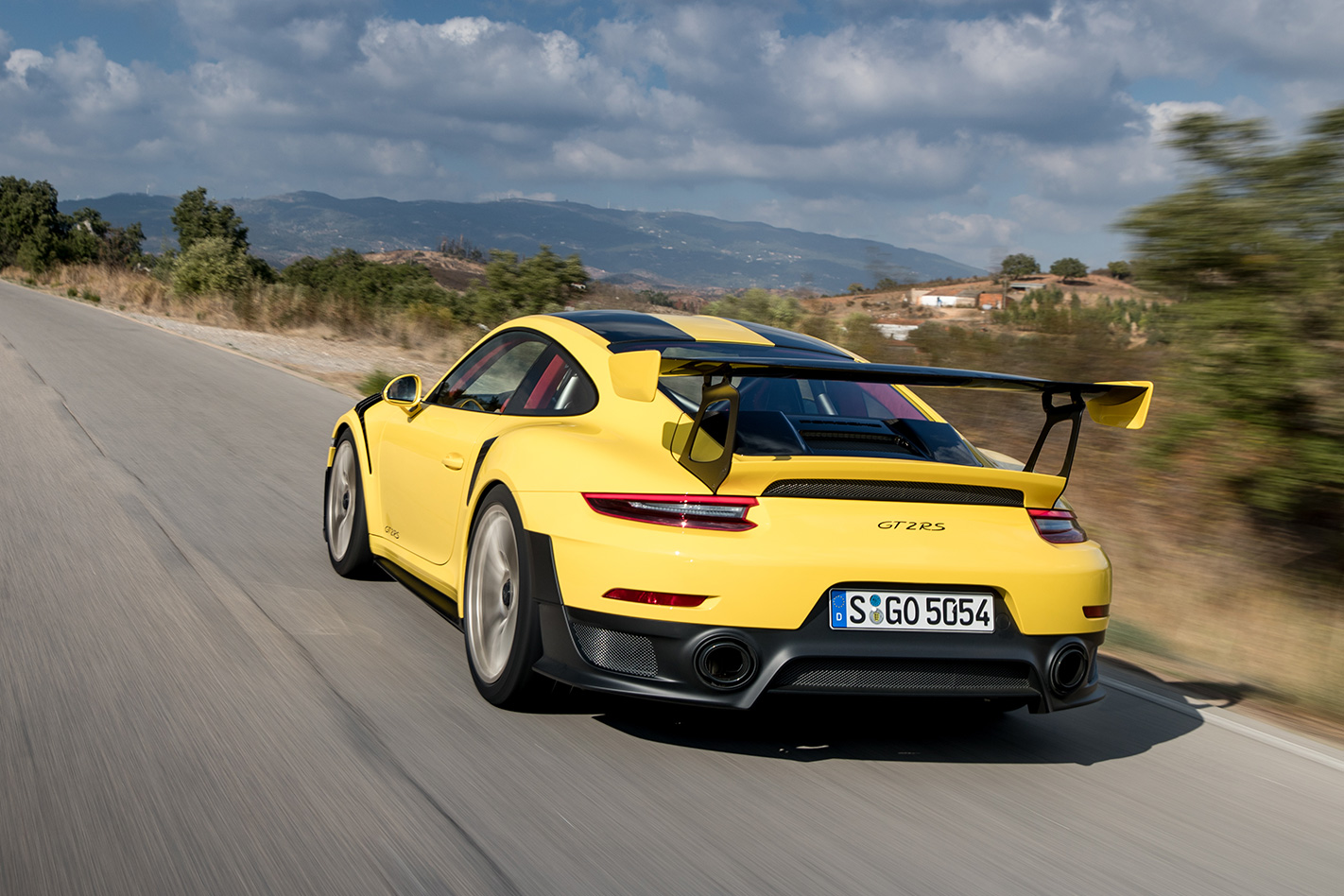
The alpha male of the 911 range. It’s the GT2 RS, a car infamously known as the Widow Maker and, in this fourth-generation form, as the most powerful road-going 911 ever built. Power comes from the same basic 3.8-litre twin-turbo six used in the Turbo S, only tweaked to produce 515kW/750Nm, sent solely to the rear wheels. Meaning it should be a bit of a handful…
WHY WE ARE DRIVING IT
To see just how much of a handful it is. Porsche happily admits it wanted the GT2 RS to be an animal; a car that commands respect. Even Mark Webber, who helped with the GT2’s development and is used to driving F1 cars, warns this is a machine that should be approached with caution.
McLaren 720S, Ferrari 812 Superfast, Ferrari 488 GTB, Lamborghini Huracan Performante, Porsche 911 GT3 RS
PLUS: Prodigious speed; powertrain immediacy; braking performance and feel; chassis dexterity; edgy personality MINUS: Prodigious price tag; cost of Weissach pack; tyre noise; exhaust drone
IT’S NOT quite a gasp, more a sharp, involuntary hiss that rushes through my teeth as I hit the brake pedal at 290km/h and watch, wide-eyed, as the shimmying silver rump of a 918 Spyder grows ever larger through the windscreen.
Porsche’s reborn 911 GT2 RS is fractionally better under brakes than its four-year-old hypercar (thank a lighter 1440kg kerb weight), but for a heartbeat I panic, worried I’ve left it too late to hammer the left pedal.
A finger of white hot fear flashes up my spine as I quickly calculate the cost of this potentially monumental cock-up ($1,500,000 + $645,700 = $2,145,700) but then the GT2’s Michelins bite, the moment passes, and we’re off again: me in the GT2 chasing Porsche’s test driver as we climb and turn around Portugal’s Portimao circuit.
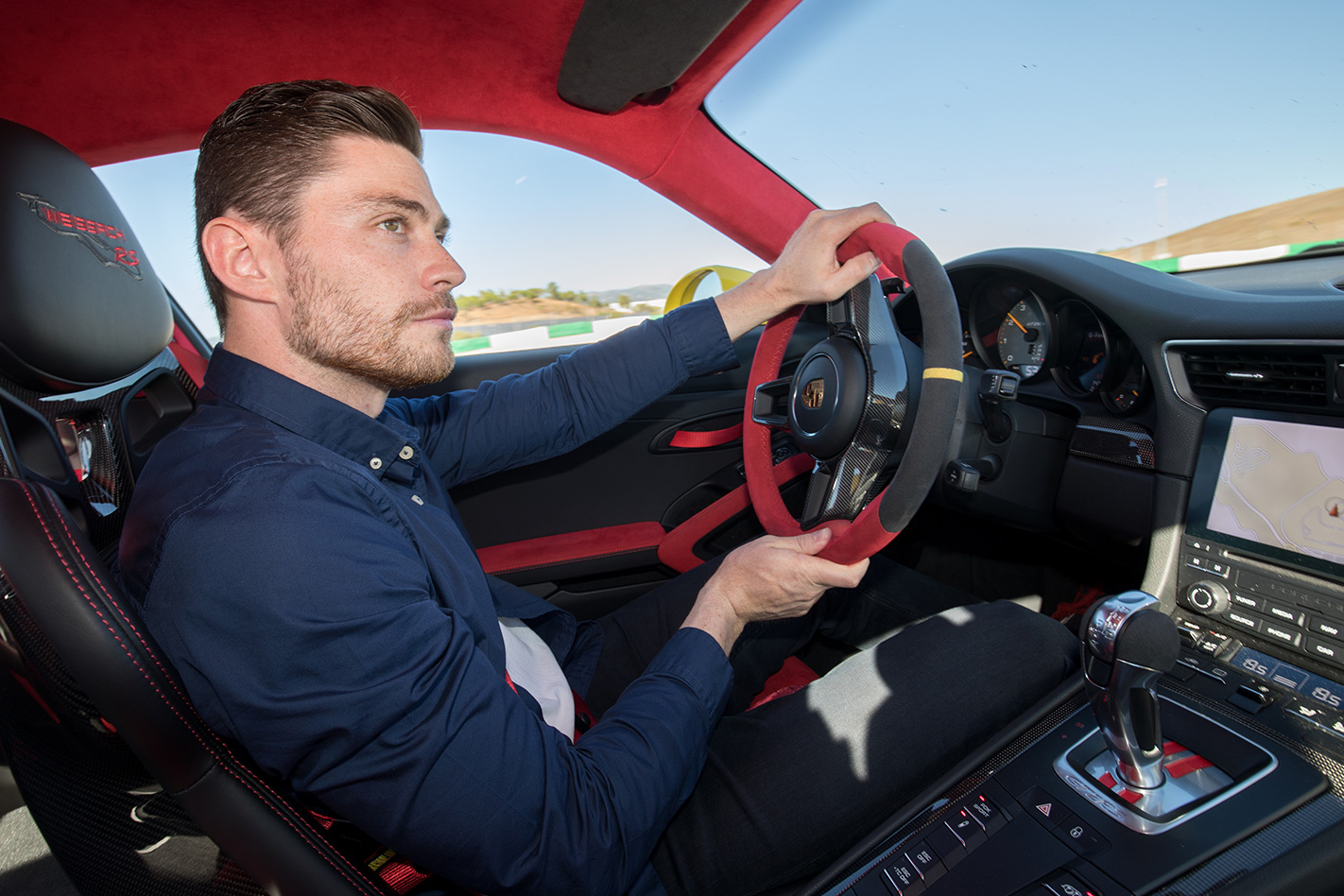
Porsche proudly admits it wanted the GT2 to be wild, to command respect, and even Mark Webber, a man capable of extracting the maximum from an F1 car and who helped develop the GT2, says it needs to be driven with a degree of caution.
It’s enough to make you think Porsche’s 911 flagship will be boosty, edgy, unforgiving, unpredictable. Yet strangely, it’s not. Well, not intimidatingly so. Yes this is a car that demands your full attention when driven quickly, but it’s no window-licking, straitjacket-wearing lunatic. It’s easier to explore the outer limits of grip than I expected, to hold small slides on corner exit and revel in the sheer power and tsunami of torque delivered by the twin-turbo six.
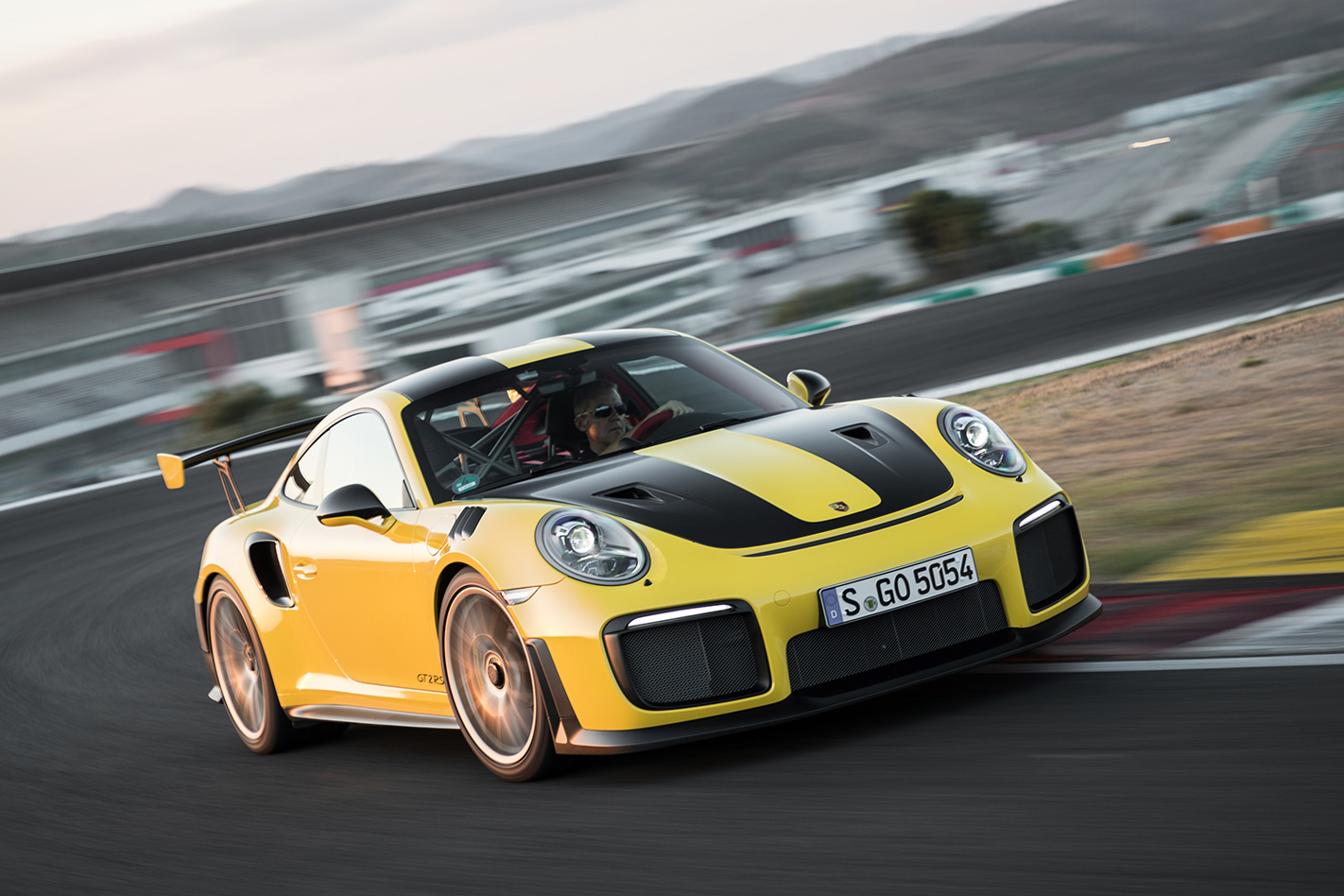
Deploy all this at the track and the results are remarkable. I can’t think of a stronger factory-spec turbocharged engine on sale and it’s a unit that oozes its own unique personality. Truly engaging turbo engines are rare, and while it mightn’t have the spine-tingling howl or stratospheric top-end of the GT3’s free-breathing 4.0 (max engine speed here is 7200rpm), the GT2 is angrier, with a blunter, beefier soundtrack that seems to come from deep within. And the way it accelerates is ferocious. Porsche claims 0-100km/h in 2.8sec but it’s how the GT2 piles on speed beyond three figures that’s most impressive.
Even at 290km/h at the end of Portimao’s long straight it’s pulling just as hard; no fuss, no unnerving wobbles or hiccups, just pure, unrelenting speed. This makes it wildly addictive on track, but point the GT2’s jutting front splitter at the public road and it demands a slight recalibration. Suddenly, even gentle squeezes of the throttle, or swift prods to execute an overtake, result in velocities that will have the authorities scrambling for their infringement pads. The strengthened seven-speed PDK gearbox, which uses shorter ratios and elements from the 918 Spyder, plays a part here too, delivering swift upshifts to make the torrent of acceleration feel virtually seamless.
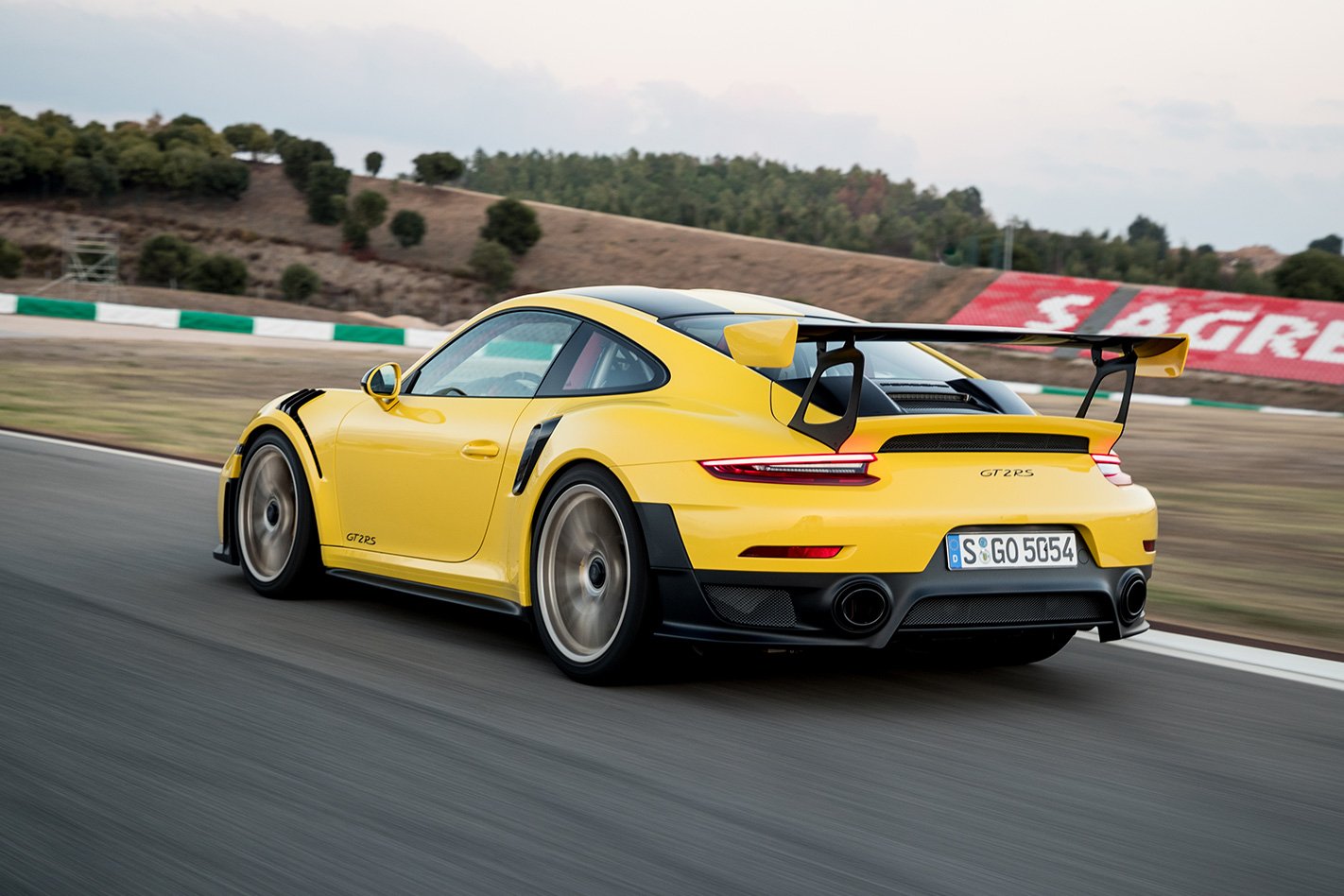
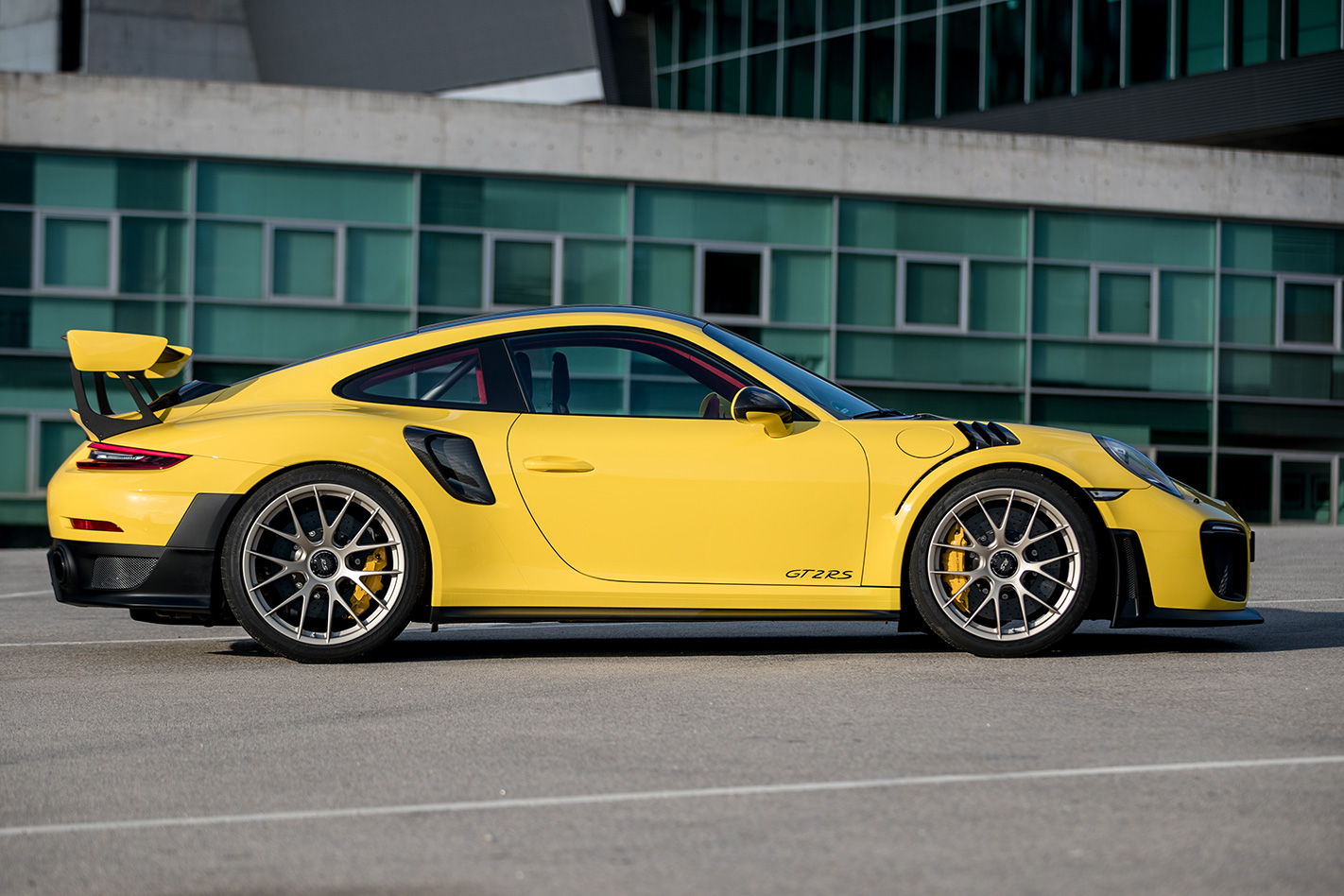
There’s aero trickery afoot too. Like the GT3, the GT2 uses the wide body from the Turbo but the aero package is more aggressive, with wider intakes at the front and on the bulging haunches, taller carbon fins over the front wheel arches and a huge, adjustable rear-wing.
Those seeking an even more hostile appearance and performance bent can tick the optional Weissach pack that, for $69,990, adds a titanium rollcage, carbon anti-roll bars and suspension couplings, magnesium wheels, and a carbon roof in place of the standard magnesium one. You also get carbon spokes on the steering wheel and carbon shift paddles, a six-point racing harness, plus bonnet stripes and PORSCHE emblazoned across the rear wing. All up the pack saves 30kg, bringing the GT2’s kerb weight down to 1440kg (just 20kg more than the GT3 RS, despite the extra hardware), and Porsche expects 80 to 90 percent of owners to go for it.
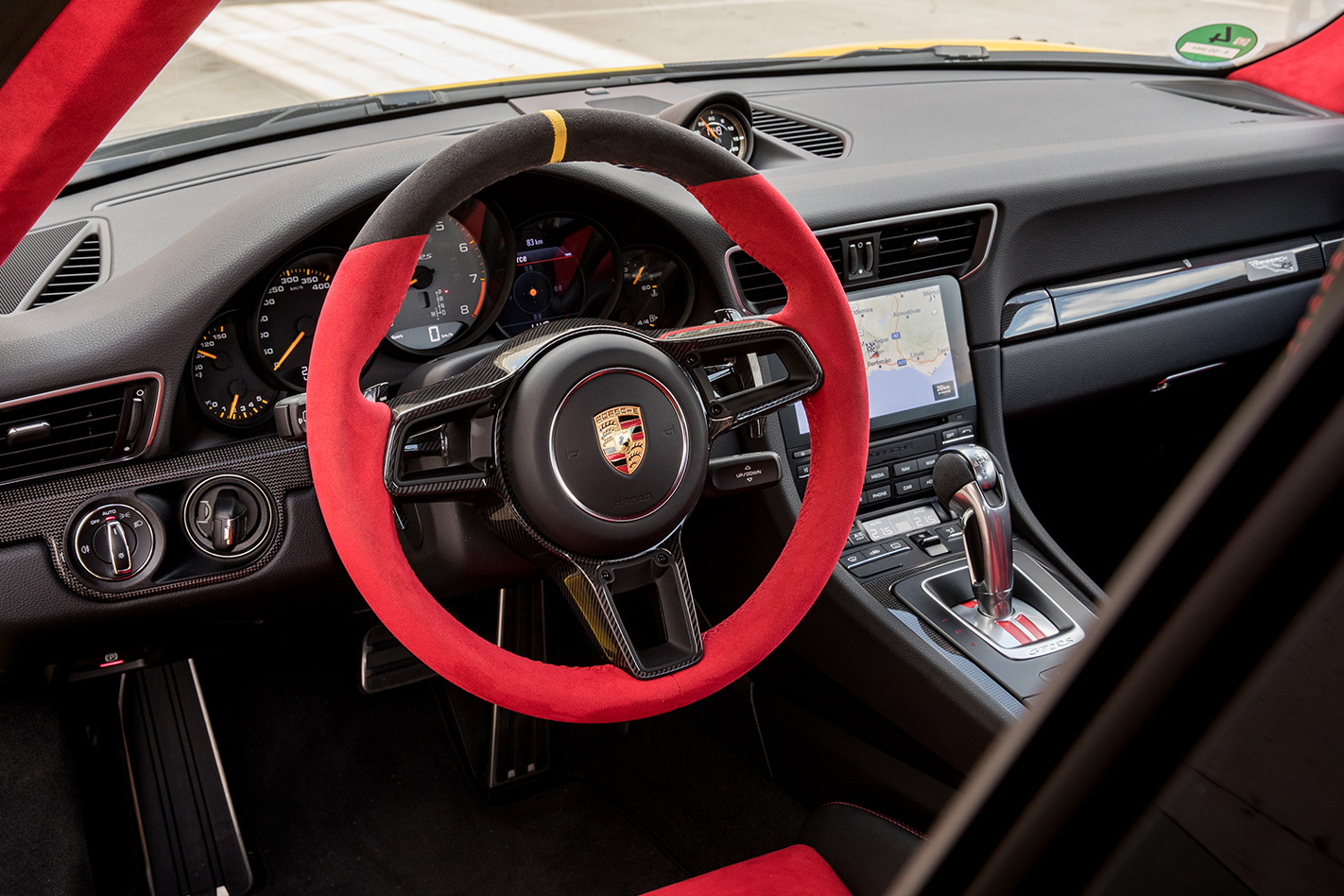
The risk with being so heavily turbocharged is that the GT2 will feel boosty and lethargic, especially at low rpm, yet it’s surprisingly responsive. And I’m stunned at how the power builds as the tacho sweeps through the rev range. There are no engine modes to play with, just a PDK Sport setting for the gearbox, a button for the dampers and another for the exhaust, and while there is some lag low in the rev range (peak torque arrives between 2500 and 4500rpm), the base engine is strong enough that it never really feels off boost. And because the power delivery is so immediate, with slight adjustments of the throttle altering the car’s attitude, it’s easy to attack in the GT2.
But it’s the stream of feedback that defines the experience. Information fed through your hands, feet and bum provides an uncommon connection to the road; enough to sense, in detail, when the Michelins are approaching the limits of adhesion.
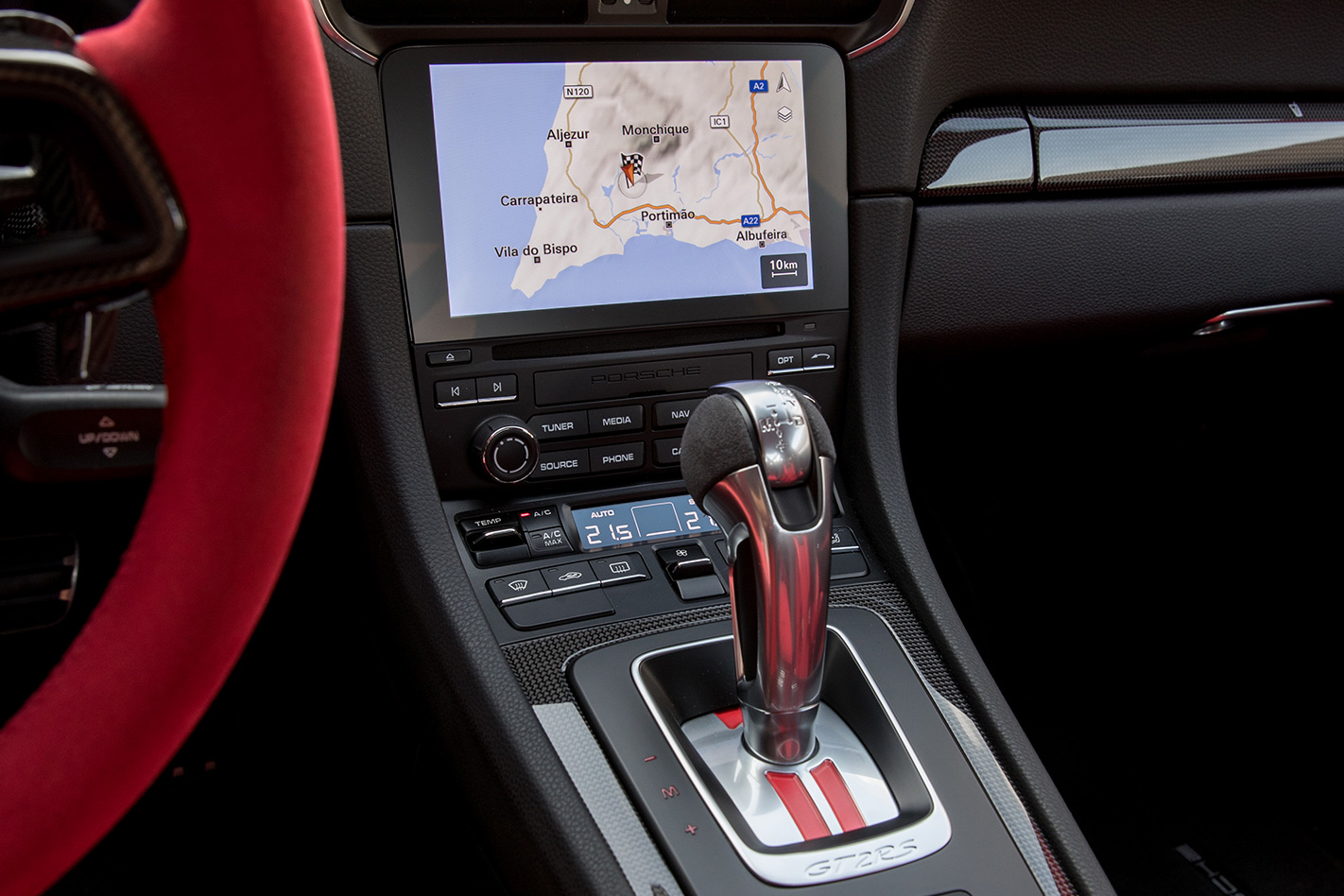
Yet despite the obvious highs, the GT2 isn’t as intuitive or as forgiving to drive on the limit as a GT3. Perhaps it’s the weight of the turbos, but you’re more aware that the GT2 is rear-engined; that a significant portion of the car’s mass is positioned behind the rear axle. And despite the immediacy of its controls, if you lift fractionally mid-corner or get too greedy on corner exit, there’s an edginess lurking beneath the surface that harks back to GT2s of old.
On the road, things are surprisingly civilised. There’s no escaping that the track-focused suspension is taut, but it never crashes through. And while you do notice the lack of travel over big bumps, the body is tightly controlled, at least on Portuguese back roads. It feels as agreeable as a GT3, only arguably takes less effort to drive quickly. Where the GT3 comes alive high in the rev range, the GT2’s huge reserves of torque make it an instantly gratifying experience, as the PDK quickly and intuitively cycles through the ratios to keep the engine in its fat mid-range. Only a high degree of road and tyre noise, and a booming exhaust drone under light load (if you leave the exhaust button switched on) detract from what is an otherwise perfectly liveable experience on the road.
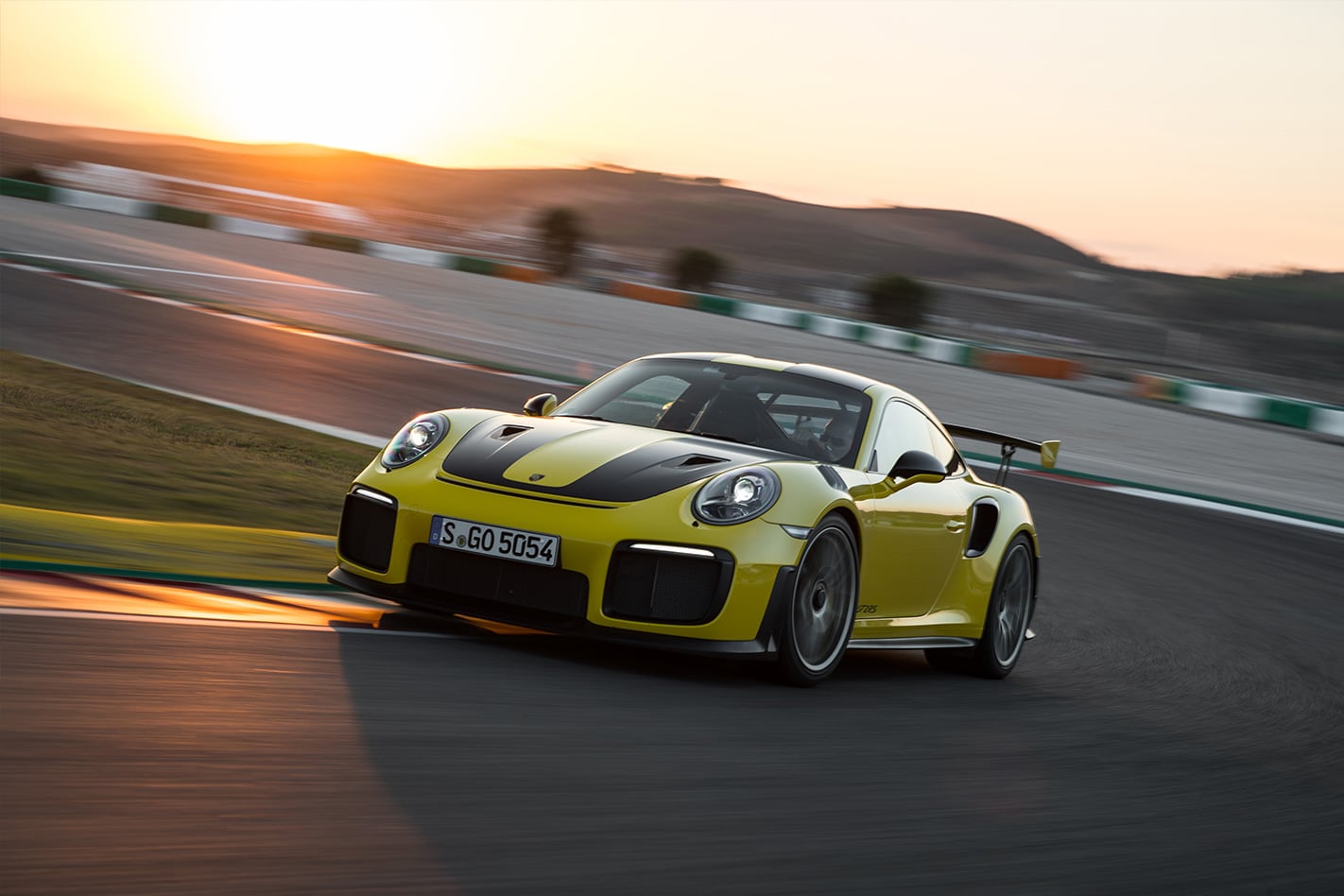
2018 Porsche 911 GT2 RS Specs
Model: Porsche 911 GT2 RS Engine: 3800cc flat-six, dohc, 24v, twin-turbo Max power: 515kW @ 7000rpm Max torque: 750Nm @ 2500-4500rpm Transmission: 7-speed dual-clutch Weight: 1470kg 0-100kmh: 2.8sec (claimed) Economy: 11.8L/100km Price: $645,700 (162,600 more than a Turbo S cab) On sale: Q1 2018
%MCEPASTEBIN%
The C7 generation Corvette has reached its peak, and it’s called the ZR1.
With 563kW and 969Nm of torque at its disposal, Chevrolet says the 2018 Corvette ZR1 is the fastest production ‘Vette ever.
This comes thanks to a new engine, the LT5, which was built just for the Zr1 and will likely remain exclusive to it. It’s a 6.2-litre Eaton-supercharged cast-aluminium V8.
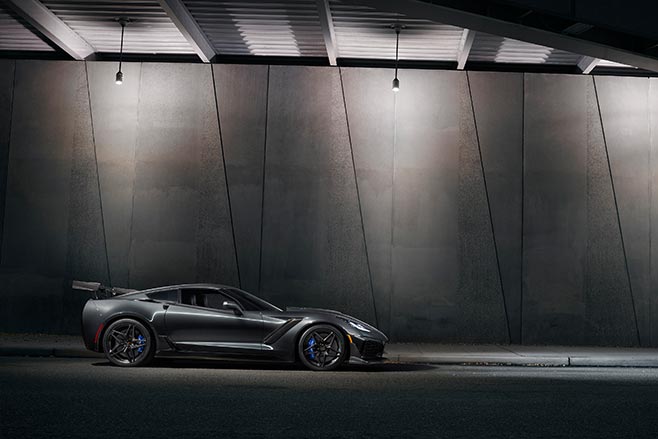
Chevrolet will offer a 7-speed manual ‘box with a rev-matching system, or an 8-speed auto with paddles.
Underneath, the ZR1 will have magnetic dampers, found beside 10.5-inch wheels are the front and fat 12-inch wide wheels at the back.
But it’s the aero above the chassis that Chevrolet says it what makes the ZR1 a track beast.
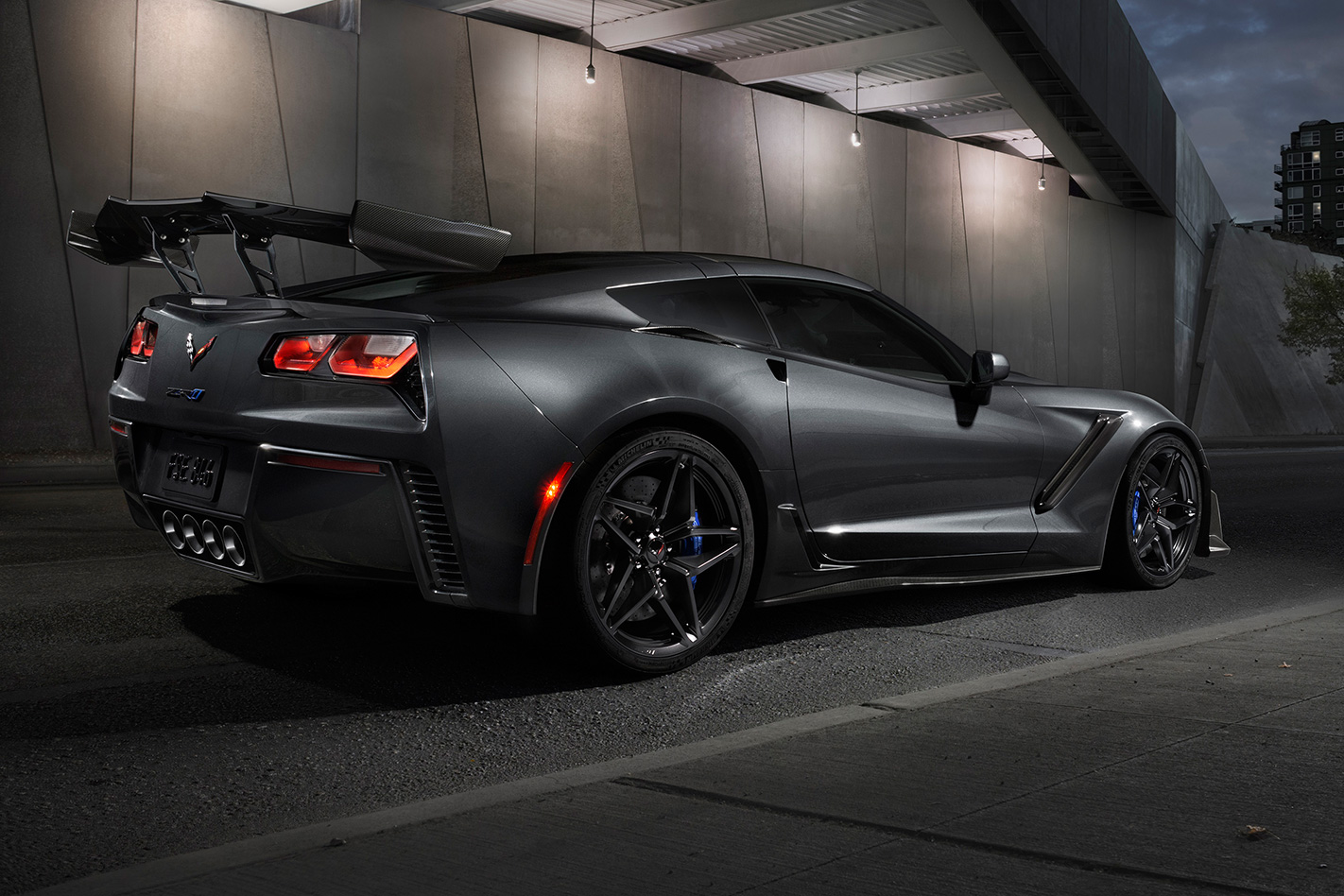
“The new wings, for example, help generate more downforce without adding drag, enhancing road holding and top speed.”
Chevrolet Camaro coming to Australia
A low-wing pack is available to maximise the ZR1’s top speed, while a two-way-adjustable high wing generates more downforce and is designed for faster lap times. Both wings are connected to the chassis for added stability.
The high wing comes with the ‘ZTK Performance Package’, which includes a front splitter, Michelin Pilot Sport Cup 2 summer-only tires, and re tuned magnetic ride control.
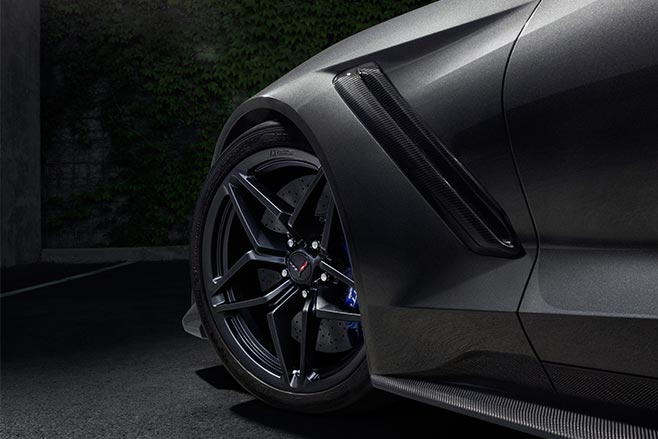
GM’s product development vice president Mark Reuss says the ZR1 is unlike any Corvette is on another level to the ‘Vettes that have preceded it.
“I’ve never driven a Corvette like this before, and nobody else has either, because there’s never been one like this before,” says Reuss.
“Its unprecedented performance puts all other global supercars on notice that the ZR1 is back.”
