
“THEY will go under the 20-second barrier, I guarantee it!”
That was the gleeful prediction from Ian Baker, the gruff-talking man in charge of the World Time Attack Challenge, as he popped his head into the media centre early in the morning.
His premonition didn’t turn into a reality, but it encapsulated the atmosphere that surrounded Sydney Motorsport Park for day two of the event.
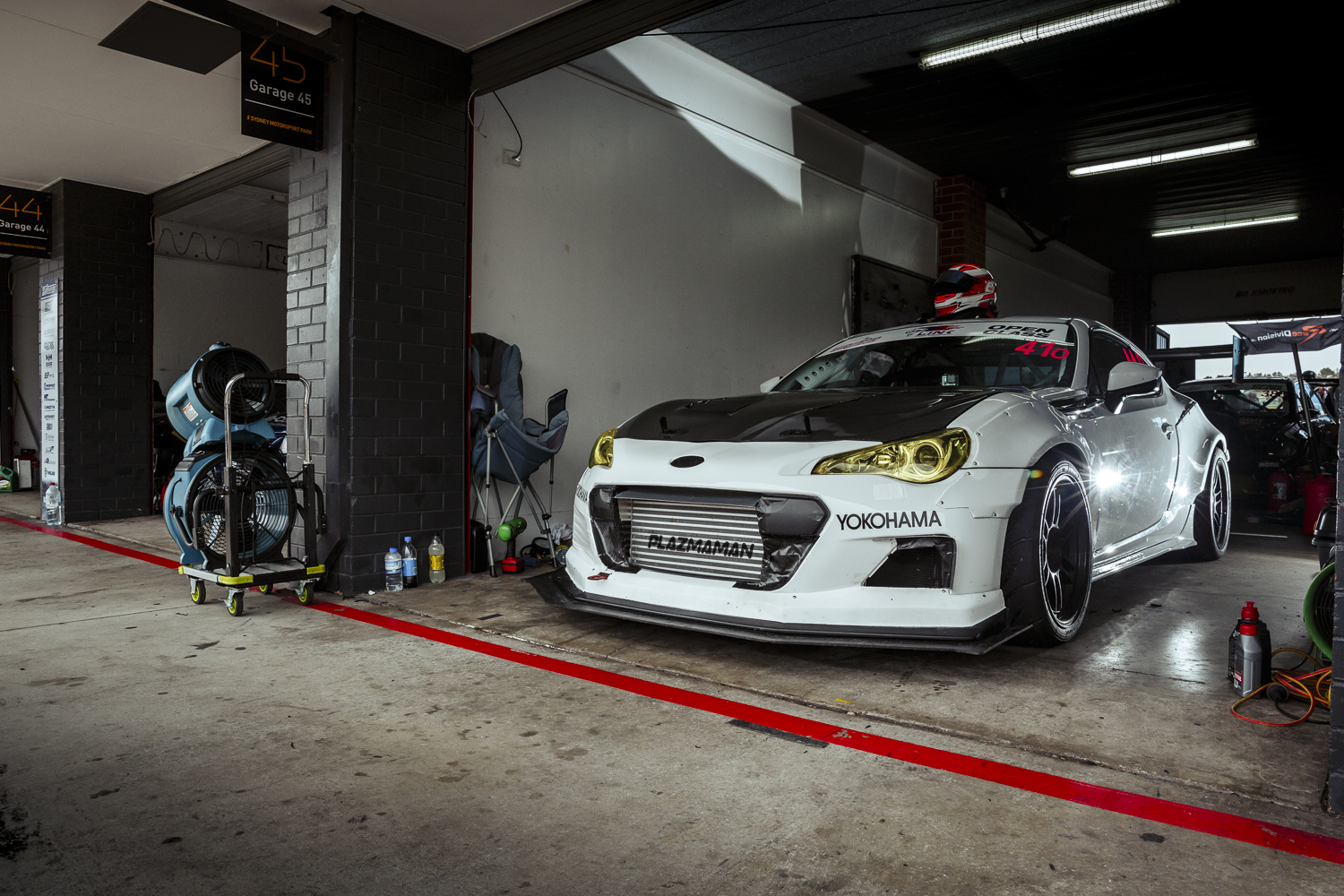
The cars at WTAC are highly-strung – two flying laps is pushing it, three is mechanical cruelty. The cooler air temperatures had engineers, drivers, and punters buzzing for the morning sessions. They were not disappointed.
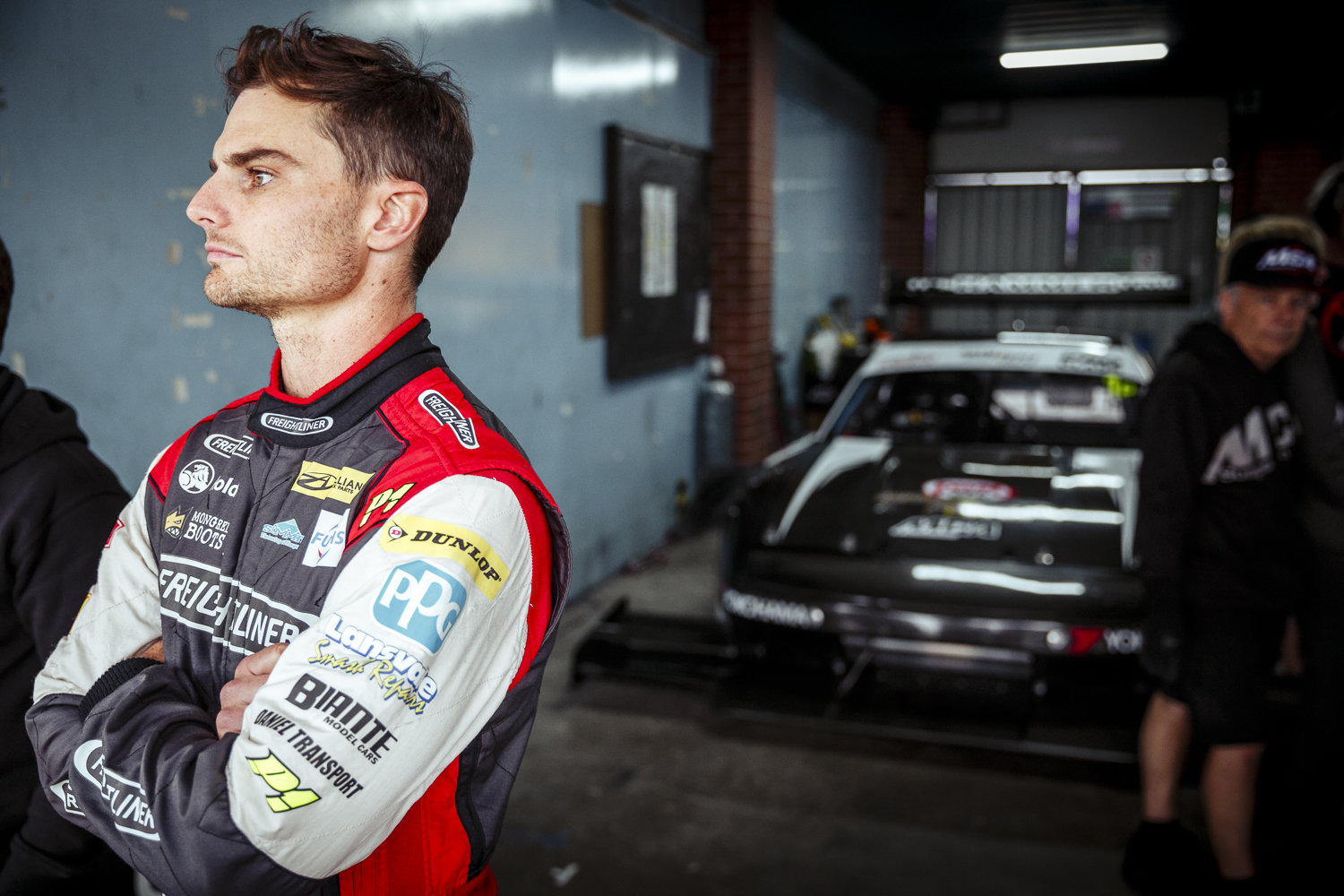
Tim Slade and the MCA Suspension team started the day on top after resetting the record books Friday.
His competitors, eager to deny Slade back-to-back victories, pushed their cars to the limit, sending sparks flying, carbon-fibre wings dragged across ripple strips with prejudice.
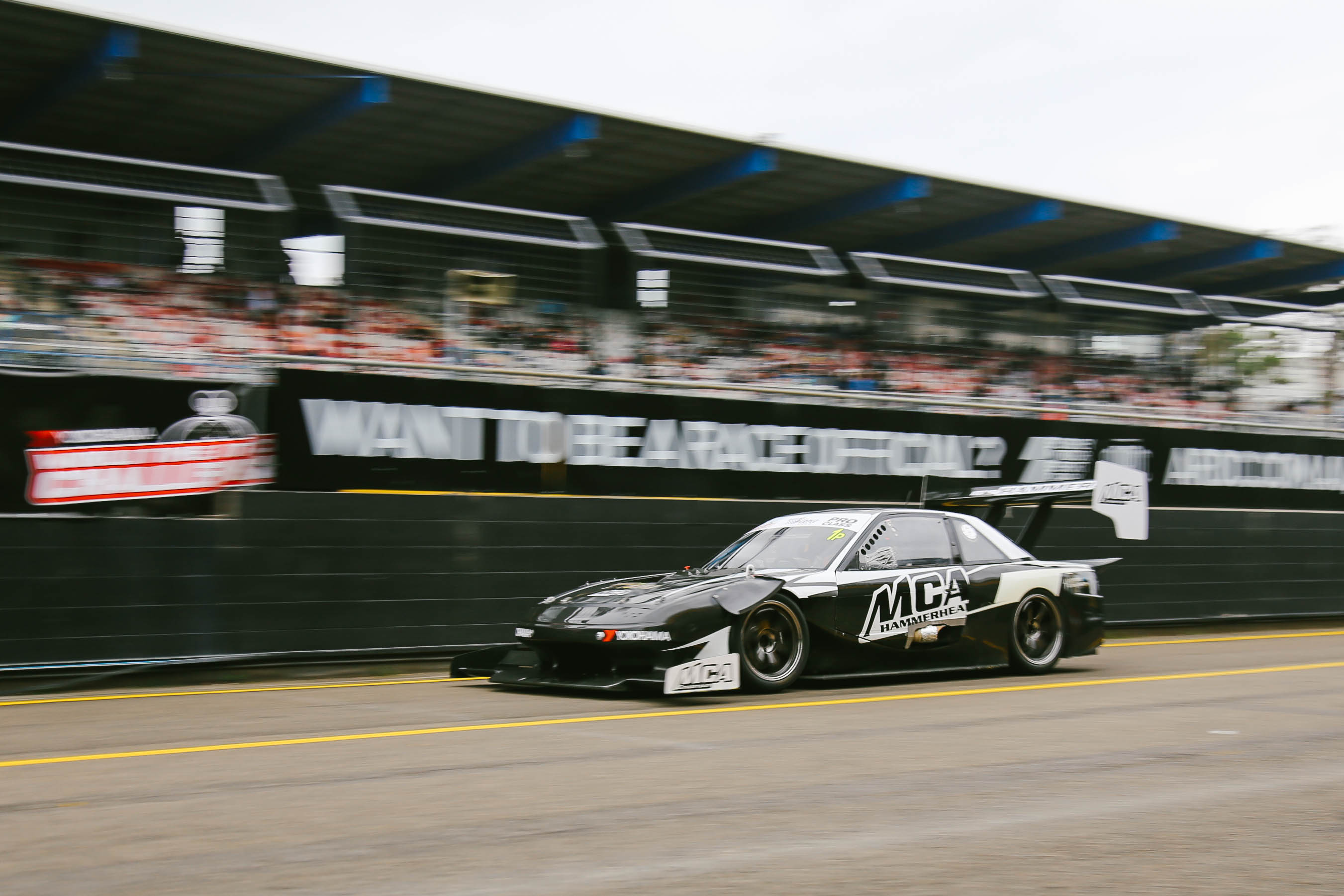
The Supercars driver followed his Friday playbook, setting a 1:20.971 benchmark, in the first Pro Class session of the day, resetting his record, and forcing everyone else to play catch-up.
Barton Mawer and the RP928 team clawed back some margin during the day, but only got within half a second. Slade’s time stood atop the timesheets till the very end.
You can almost guarantee the family-run outfit will return.
But with his work done early, Slade and the MCA Suspension team could afford to sit, wait, and watch – they didn’t take part in the final two sessions prior to the shootout after discovering a boost leak earlier in the day.
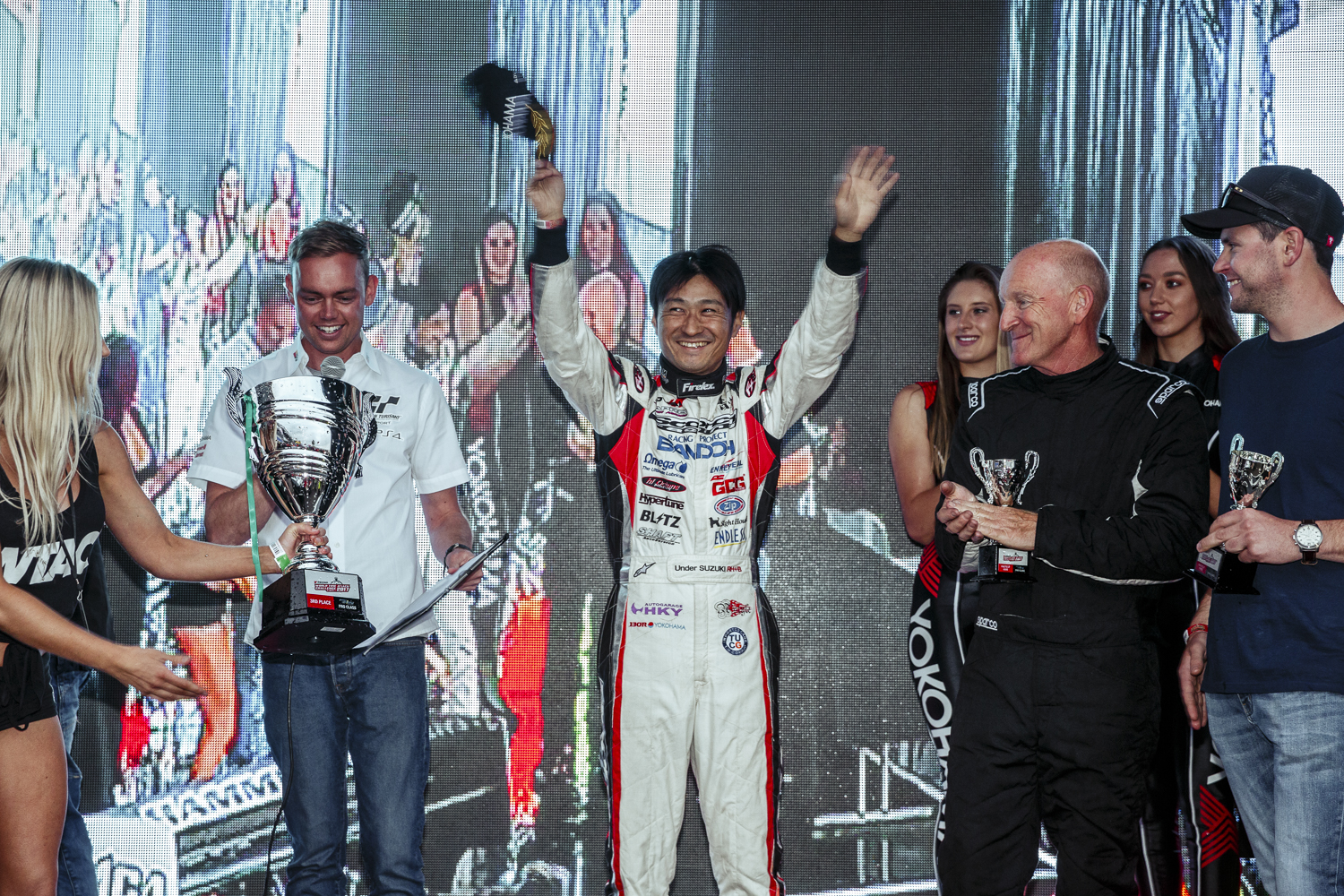
There was a five second gap to fourth place – an eternity in this game.
But the best of the non-podium finishers was Rob Nguyen, and the ‘Mighty Mouse’ Honda CRX, possibly the biggest underdog of the whole event. Competing in Pro Am, the front-drive Honda shamed much more powerful competition.
Away from the downforce and stopwatches, there was a plethora of eye candy to appease meandering fans.
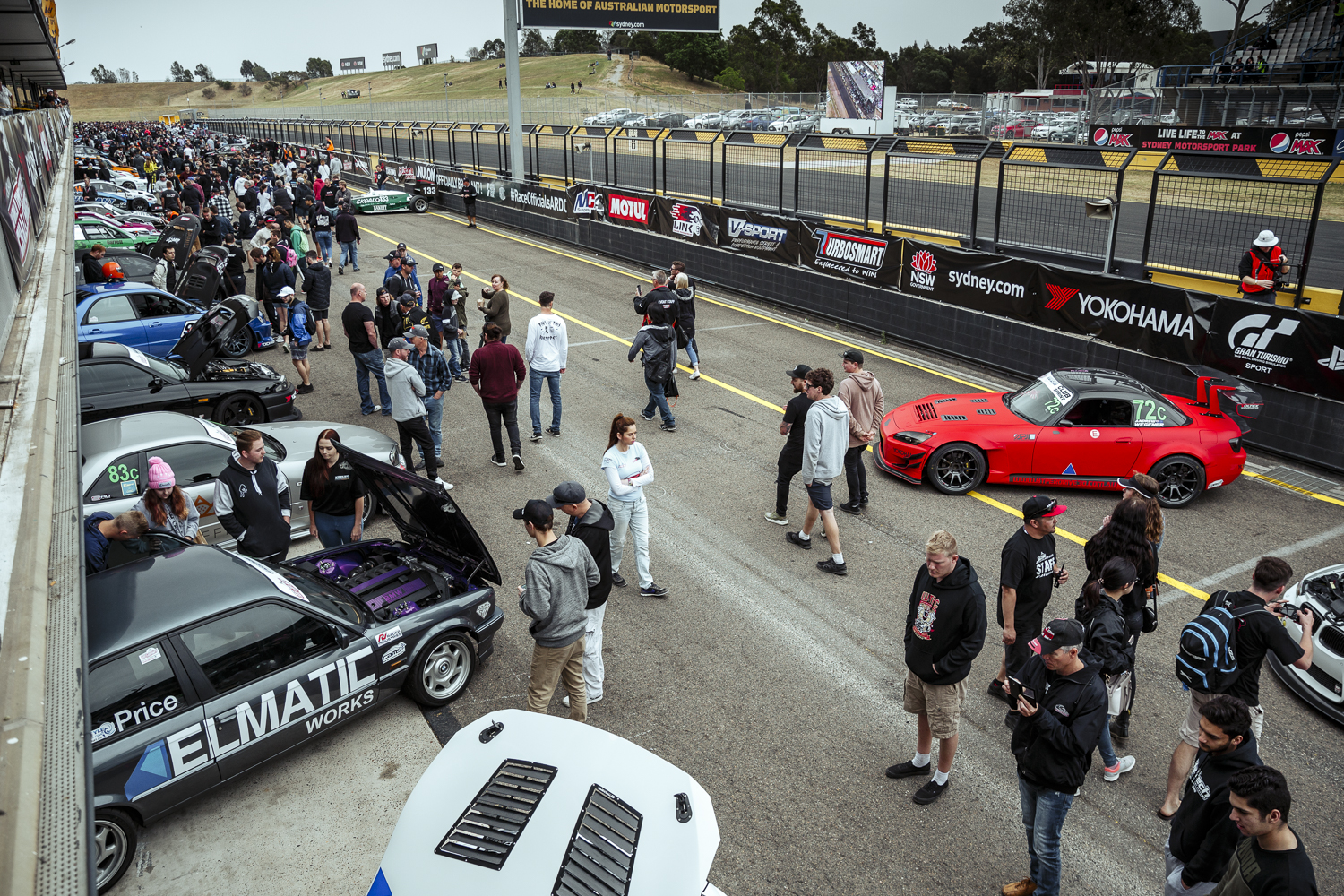
The dominant flavour was Japanese, but no matter your taste in cars, there was something to be admired atop the concrete.
For a lunchtime snack, spectators were treated to the Flying 500 competition. As the name suggests, it is a battle for maximum speed achieved over 500 metres with a rolling start. The winner clocked over 260km/h.
Shane van Gisbergen took part in a bone-stock HSV GTSR W1, blasting through the speed trap at 187km/h.
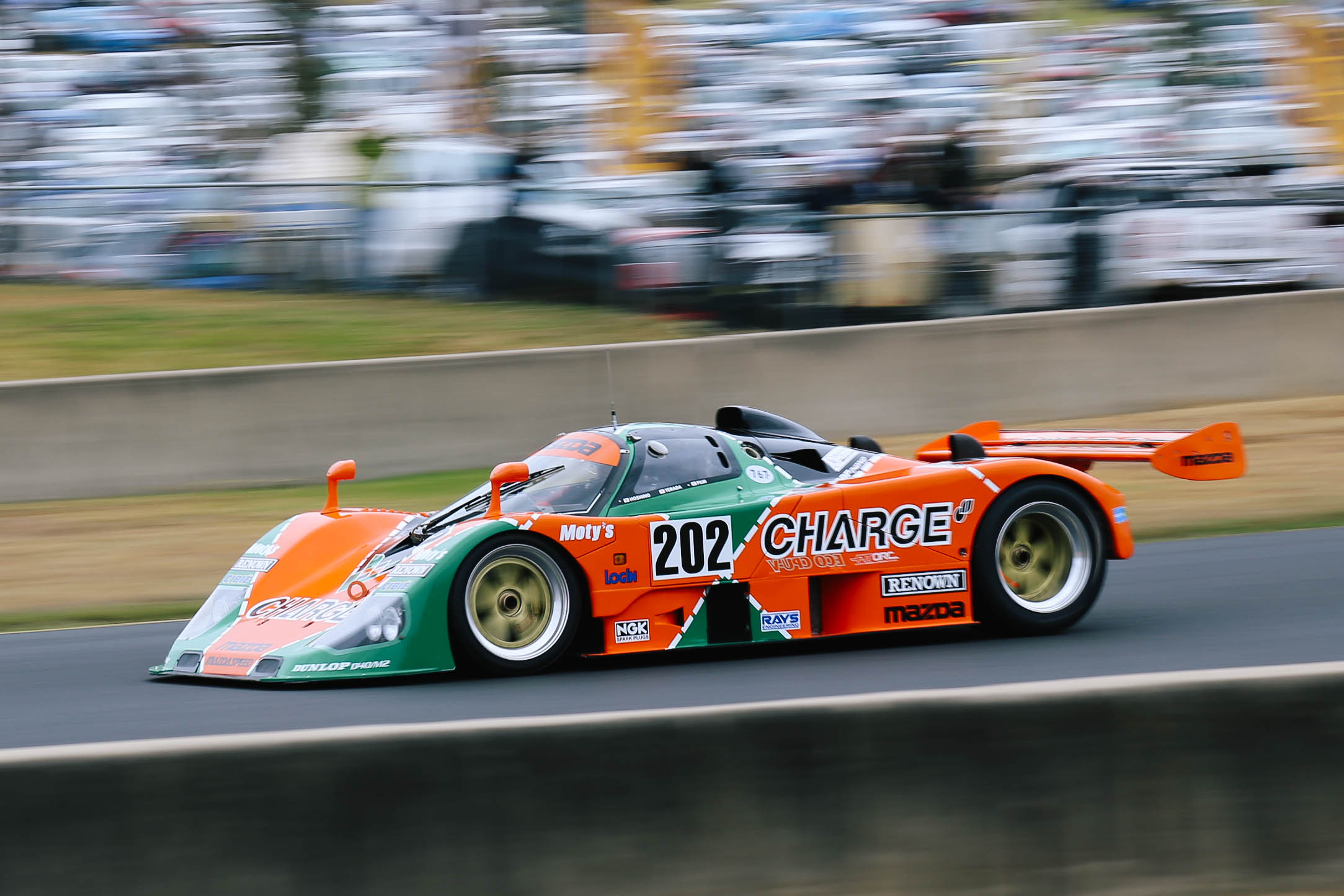
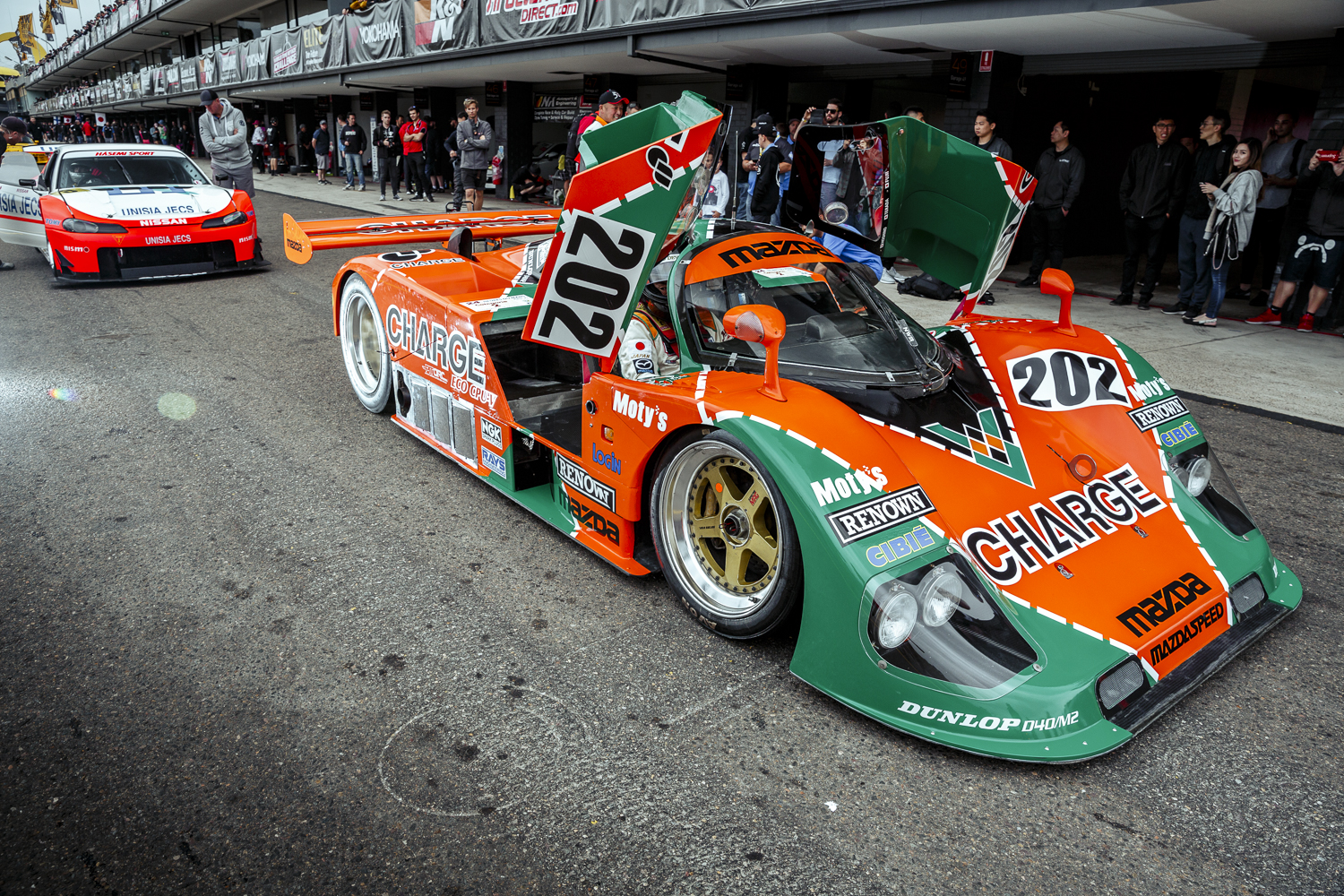
Flying laps from the Mazda 767B Le Mans racer brought the event to an awe-inspired standstill.
To end the day’s proceedings, the best drifters in the land will send smoke signals into the night, rubbing door panels in fine balancing act between finesse and aggression.
But now the clocks will be stowed away for another 12 months, waiting for when the fastest one-lap circus returns to town.
NOW HERE’S a Commodore after HSV’s heartland. With the new Redline Edition, Holden, forever finding ways to intrude on HSV’s territory, has introduced its baddest factory-built Commodore yet.
For the VE Series II, Redline has adopted an HSV mentality. You get the feel, the sound, some of the look and, most of all, nigh on the capabilities of an HSV, without the hefty price tag. Understandably, Holden plays down the rivalry. “HSV is above Redline,” insists Fishermans Bend. But the Redline Edition – a bargain $2500 option on the Calais V and SS V in sedan, Sportwagon, and Ute – stops and corners just like its big-name Clubsport and GTS cousins in a rather more subtly styled package.
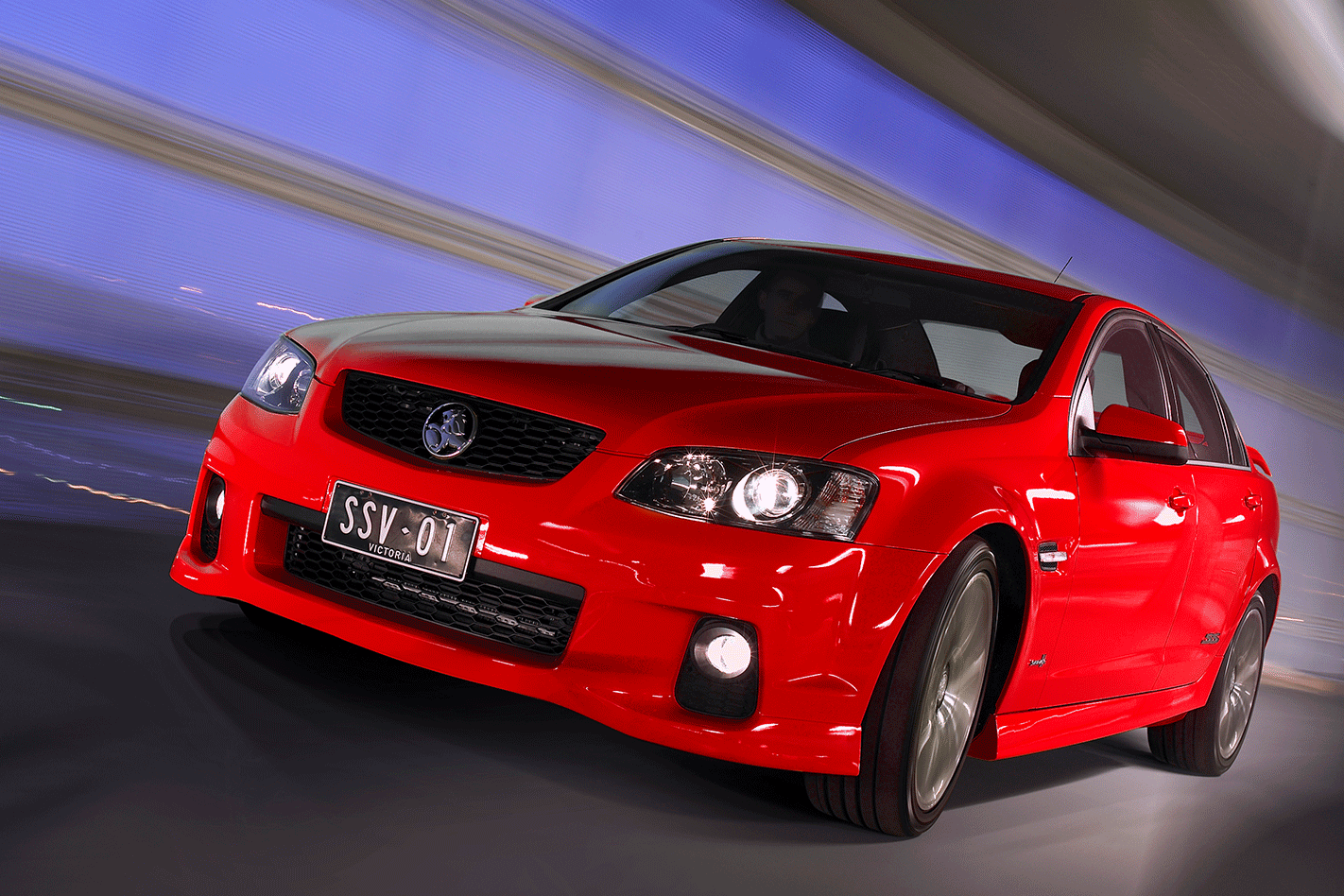
Underneath the shiny parts, Redline sedans (but not the Sportwagons or Ute) serve up yet another Commodore suspension tune – known internally as FE3 – aimed explicitly at the hard-driving enthusiast. Retuned dampers are tauter and improve body movements via shorter primary control that suggests FE3 is the ideal Commodore for track day excitement. As well, the rear anti-roll bar diameter is increased from 18mm to 20mm. All of which is understated confirmation that the FEZ chassis tune, retained for the SV6, SS and SS V, demanded no more than a subtle tweak to match the stopping power of the mighty Brembos.| Holden SS-V Redline v HSV Clubsport LSA 30 v Tickford Mustang 360 v Tickford Mustang 500It’s cold, despite moments of sun, and rain threatens, yet nothing can dampen the prospect of trying the FE3 on Lang Lang’s legendary ride and handling circuit. Among a fleet of Series II Commodores on hand for our evaluation at Holden’s proving ground, a lone Redline version – a Calais sedan – stands out, easily recognised by the shiny brilliance of its alloys, if you miss the new headlights and discreet grille with its prominent, bonnet-attached, chrome header. Sadly, no manual Redline SS V is on hand to reveal if a higher fifth gear ratio – 0.71 versus 0.84 – better plugs the gap between fourth and sixth.
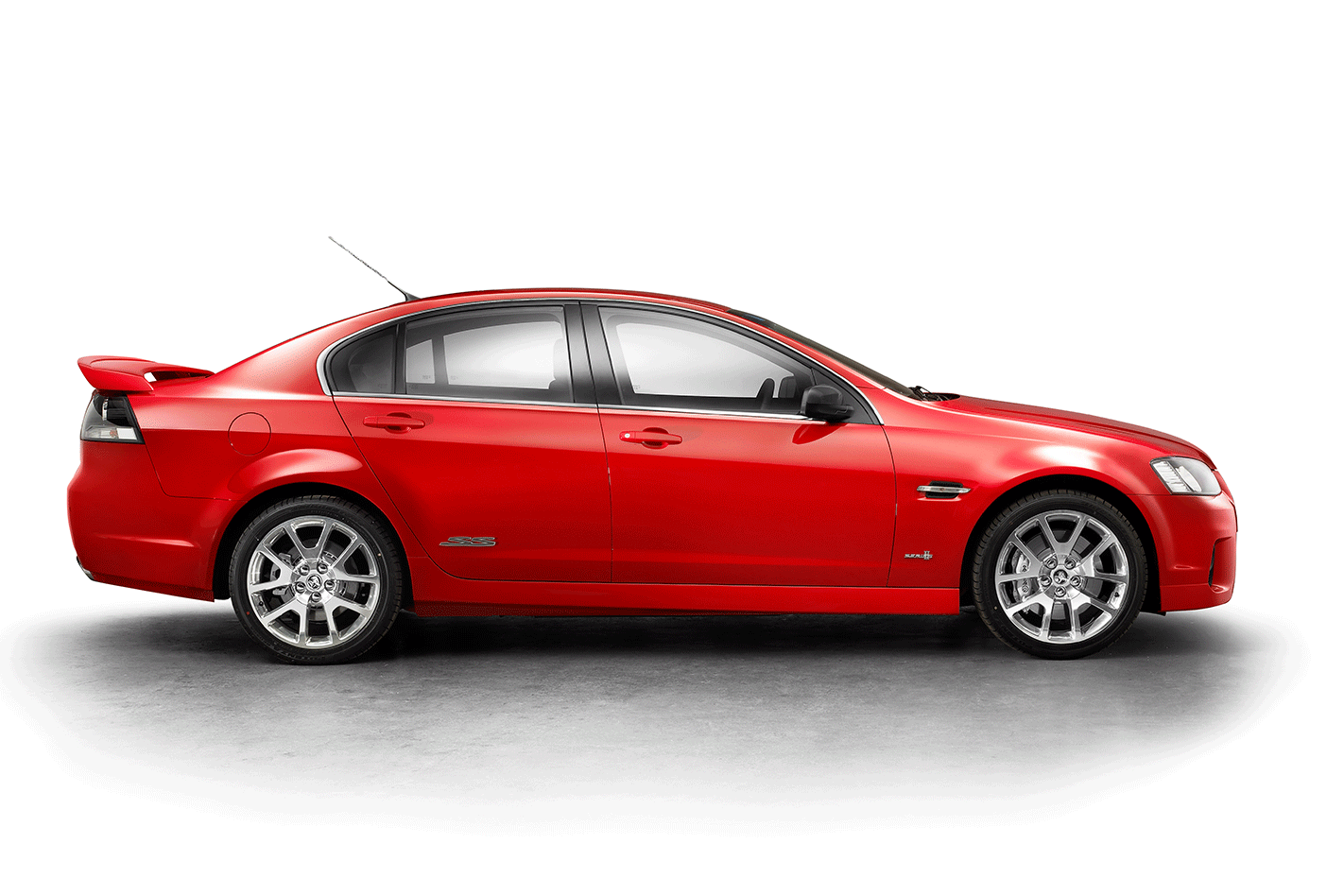
Biggish wheel movements are demanded, but the transition to the right is swift and secure, and over the ripples the connection to the road is responsive and encouraging. Yes, FE3 changes direction better than any Holden in my experience. If the superbly judged stability control intrudes at the outer edges, it’s benign, supportive and never inhibiting. The railway crossing is absorbed cleanly, yet the barest hint of harshness suggests that on rough roads the tight ride may not be ideal; there was no public-road element for this preview drive.
Stomp hard, and the instant reponse from the Brembos is welcome. Pedal travel is shorter and the brakes immediately feel stronger than the standard set-up.
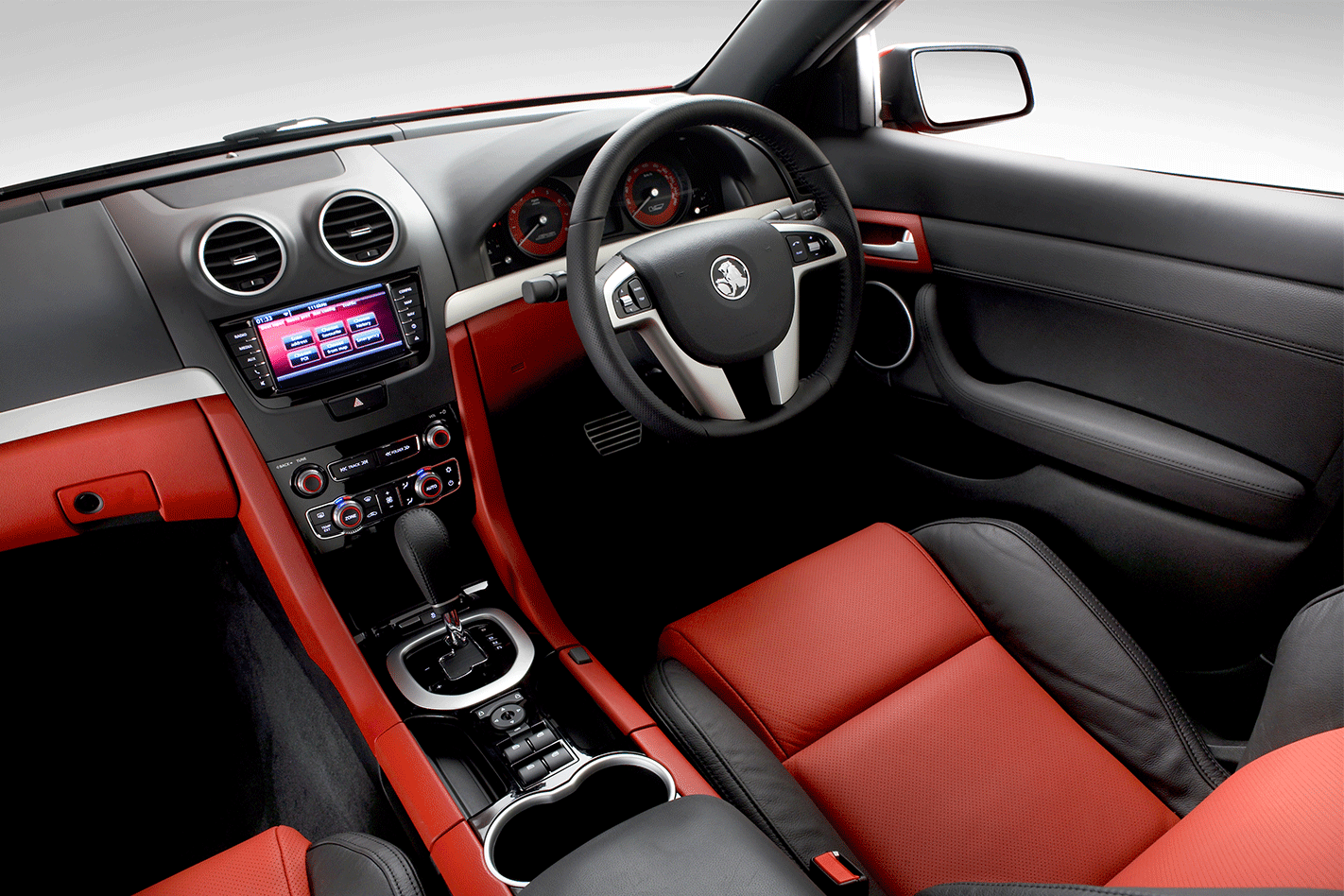
The HSVs have the 325kW (GTS and Grange) and 317kW 6.2-litre VB, yet Holden’s now flex-fuel 270kW 6.0-litre V8 delivers grunt enough for most drivers. Holden promises more (if unquantified) mid-range torque on a diet of E85 fuel, especially in hot temperatures, and suggests we’ll achieve the best acceleration numbers on the petrol/ethanol mix. The auto V8’s 12.3L/100km combined consumption is a 2.5 percent improvement, while the manual V8s improve by 12 percent to 12.2L.
In part, the superior economy is due to a series of small aero tweaks which together lower the Series II VE’s Cd to 0.330, compared with the old car’s 0.354. A near fully enclosed (exhaust exposed) underbody, air deflectors in front of the rear wheels (common on most large Euro sedans), a deflector across the undertray in front of the front wheels and, on the sedans, a small built-in spoiler on the trailing edge of the boot lid, all play a part in reducing drag. Holden admits that GM has never been able to go close to equalling the Cd numbers claimed for European rivals in its Michigan wind tunnel, where much of the VE’s development took place, and claims the VE is rather more competitive than the figures indicate.
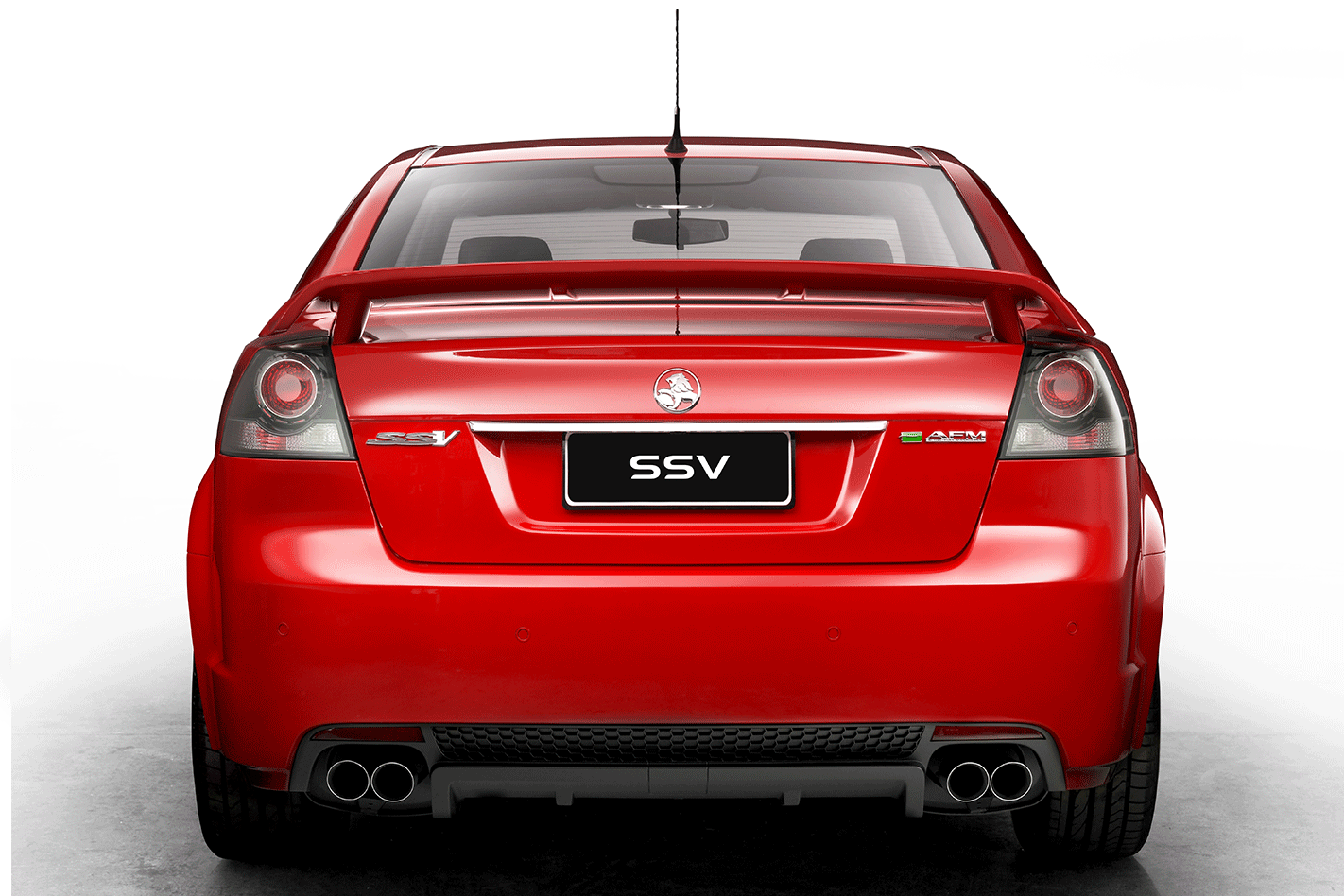
After four years, the familiarity that comes with being Australia’s best-selling car turned into the VE’s biggest disadvantage. The new Series II (price unchanged) achieves surprising recognition from minimal change – the reality is Holden couldn’t afford a major retooling bill – while the Redline Edition represents a clever and desirable range-topping addition to the new VE line-up.
“SO, THE M3?” was a question met by the six judges with a verdict of shrugged shoulders and muted indifference.
This Performance Car Of The Year article was first published in MOTOR Magazine November 2008.
An hour earlier it’d scorched Wakefield with a 1:07.7 lap time, the quickest outright and a handy 0.5sec brisker than the all-powerful SL63 AMG. So why, then, the lacklustre response? Expectation had a lot to do with it.
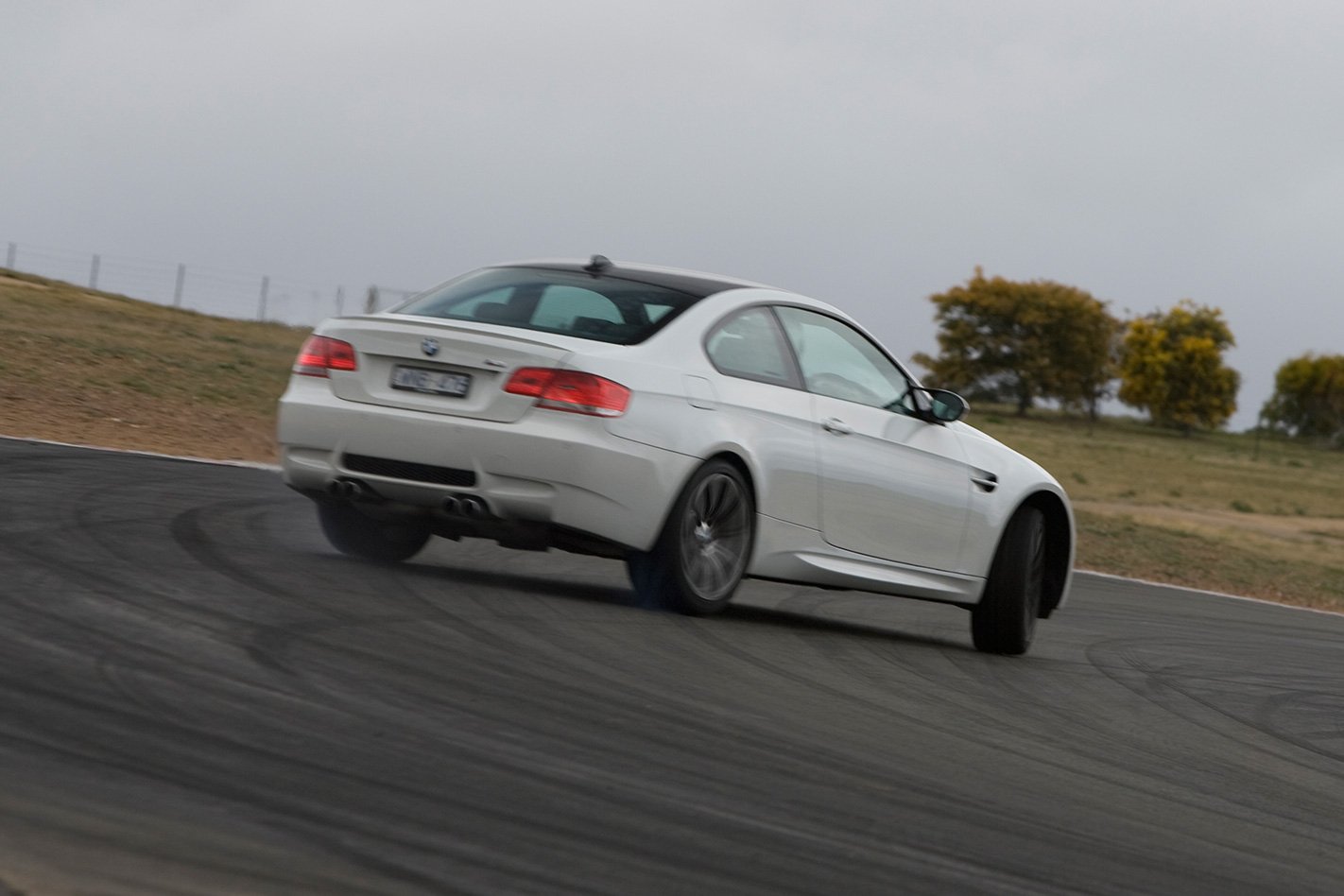
So you’d expect this “world’s first” technology, as BMW spin-doctors describe it, to offer improvements in performance and usability. Especially given the $8309 premium ask. Well… For a start, its 0-100km/h (5.3sec) and 0-400m (13.3sec) proved slower, by 0.23sec and 0.03sec respectively, than we managed last year in the regular manual.
Different place and time, sure, but displaying a habit of wheelspinning through the first four gears sans electronic smarts, it clearly has issues with launching. It’s just too toey to modulate a clean getaway. Meanwhile, with launch control switched on, it bucked and moaned off the mark.
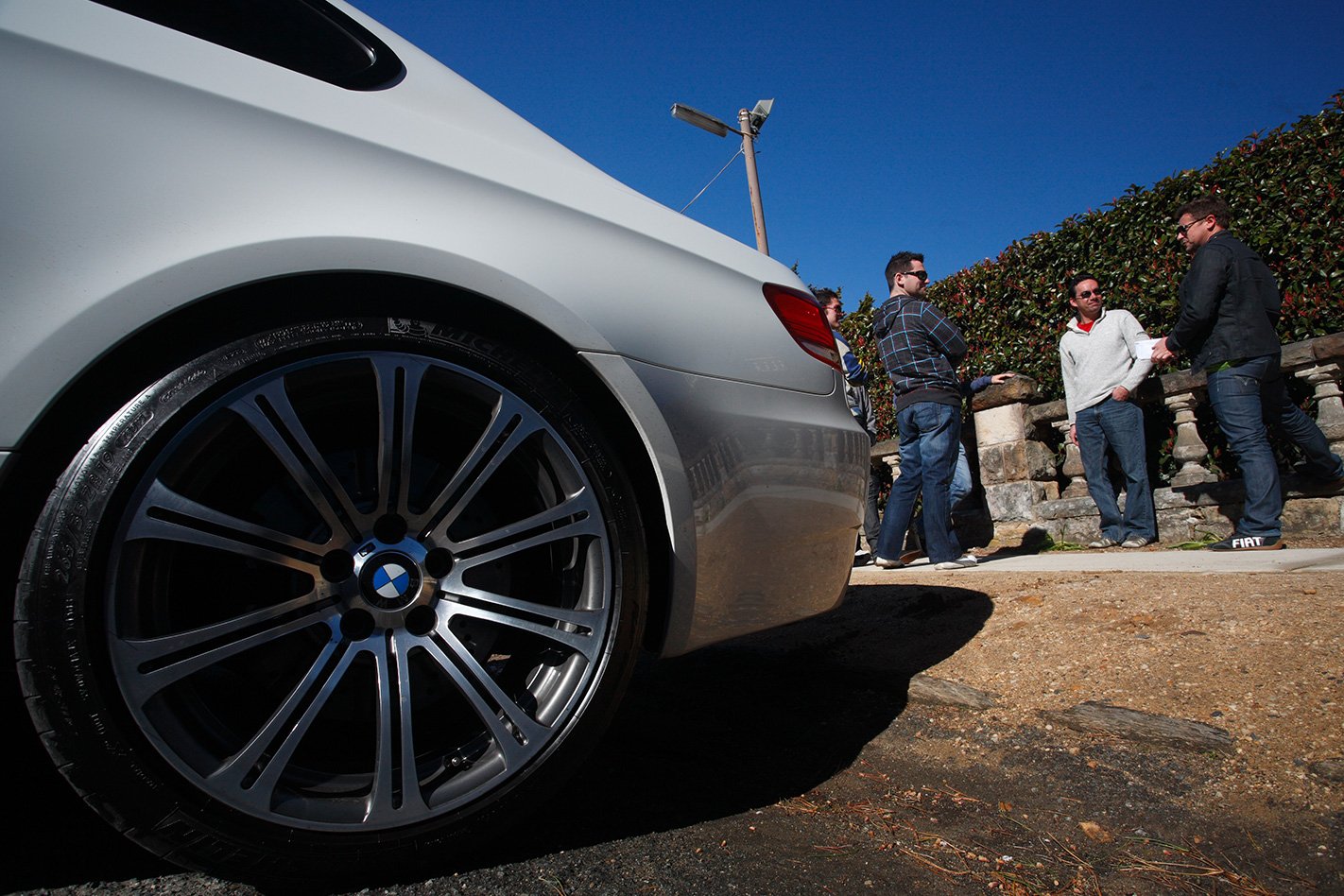
No less dramatic was the sphincter-clinching moment Ponch experienced when the BMW’s Glory Box refused to down-shift from sixth gear just beyond Coota’s 1000m mark, leaving the M3 to pull up from 234km/h at the end of the runway sans engine braking.
The M-DCT was just as stubborn at Wakefield, refusing to downshift on demand regardless of how hard you smacked the left paddle or how much you swore at it. (And while the newie is plainly a better ’box than the ‘SMeG’ predecessor for 80 percent of driving situations, the old unit was at least accurate and responsive in attack mode).
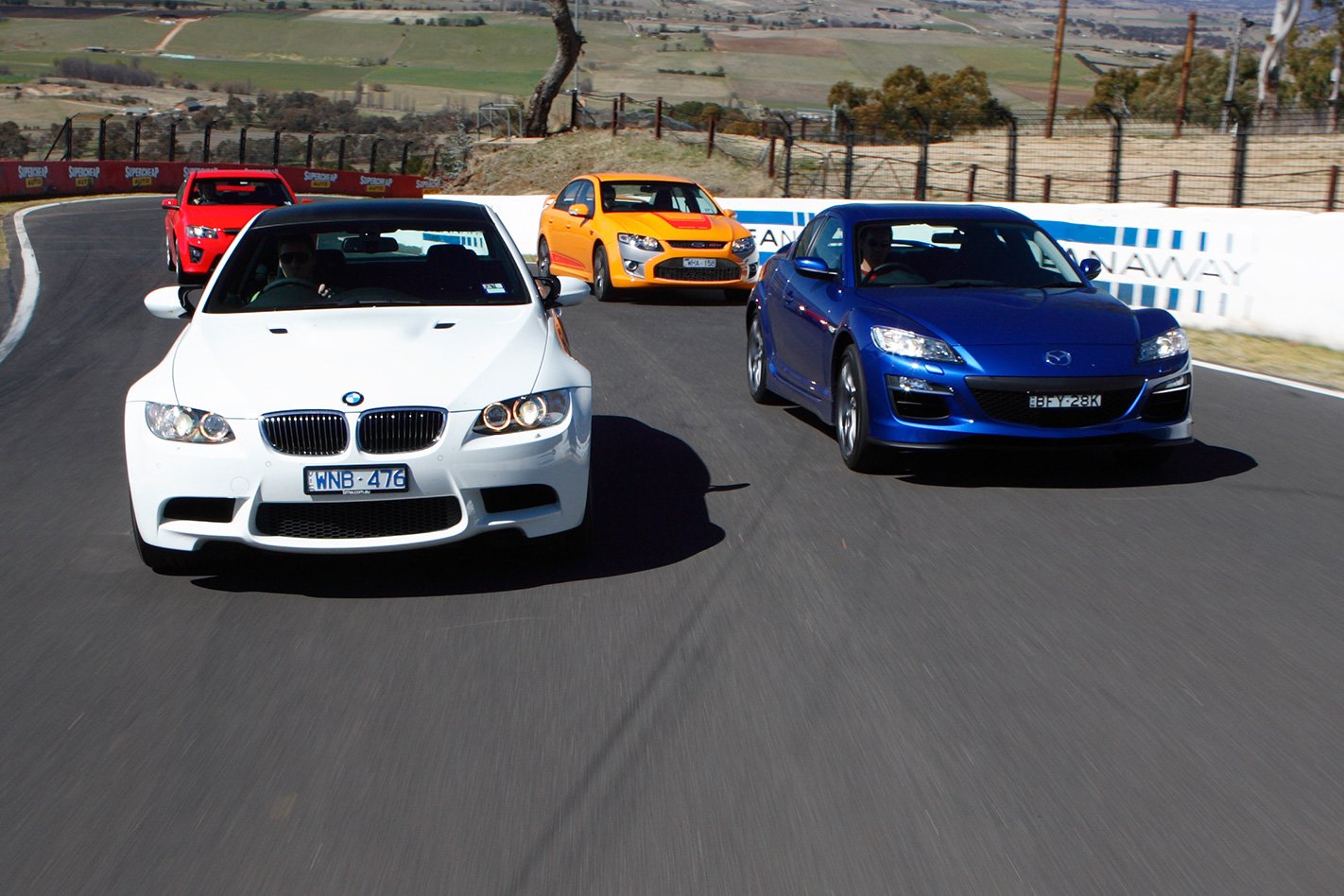
None of the local muscle cars – or any other PCOTY rival bar the Lotus (191kW/tonne) – comes close for power-to-weight, and the nearest Aussie, the F6, was more than two seconds adrift. Run back-to-back, it’s clear that power isn’t the M3’s superior trait over the HSV and FPVs, it’s the handling.
Don’t believe the marketing hype, because in terms of cornering dynamics and pace there’s daylight between the Aussies and this particular German. In terms of turn-in point, nimbleness, grip and adjustability, the taut and athletic M3 is vastly superior tool, leaving the other rear-drivers, by contrast, feeling bulky, wallowy and unfocused.
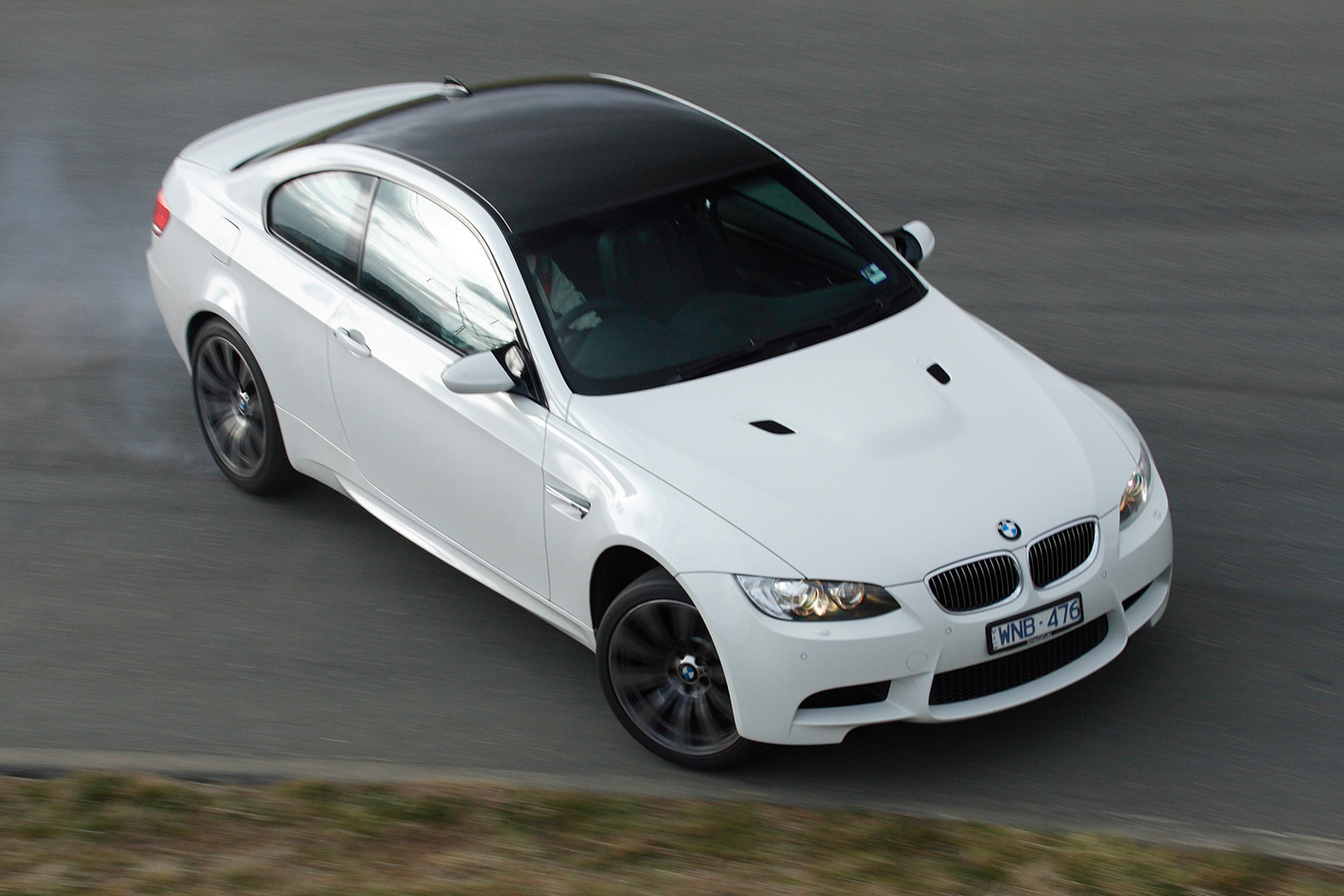
Few cars are this capable, yet perfectly suited to any driving situation. So no one was surprised when judges handed it a runner-up spot, the M3 romping into a spot in the PC08 finals without breaking much of a sweat.
IN many ways, road car regulations are much stricter than their racing counterparts.
There are rules governing how high the lights have to be and exhaust emissions and pedestrian impact safety and hundreds of other matters. Yet ironically, in some ways, it’s road cars that offer the greater technical freedoms. There are no rules dictating how fast a car can be, or how big its engine is, and there’s no need to fear a new technology being banned should it provide an advantage over the competition.
Moveable aerodynamic devices in motorsport have been largely banned ever since the likes of the Brabham BT46B and Chapparal 2J (see below) threatened to suck the tarmac off the ground.
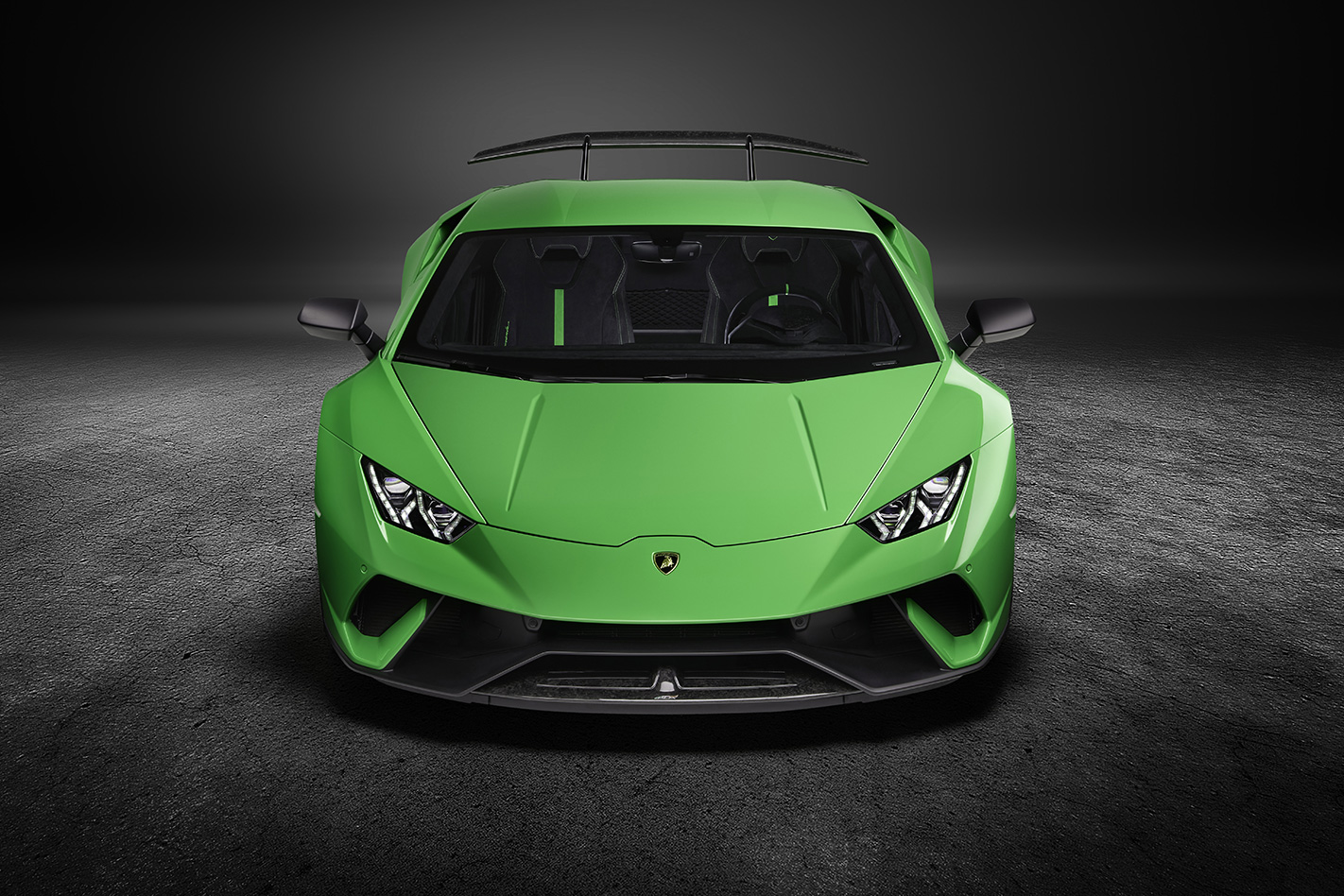
Pagani was first to raise a finger into the turbulent air of more complicated active aero, its Huayra featuring four independently operable flaps – two at the front, two at the rear – which, in theory, finesse the airflow across the four corners of the car to ensure the optimum balance between straight-line efficiency and cornering downforce.
Lamborghini has now taken this concept a step further with its ALA (Aerodinamica Lamborghini Attiva) system, which debuted on the Huracan Performante. ALA uses a quartet of flaps, a linked pair in the front undertray and two in individual ducts ahead of the rear wing, to either use or bypass the Performante’s spoilers and increase downforce or reduce drag.
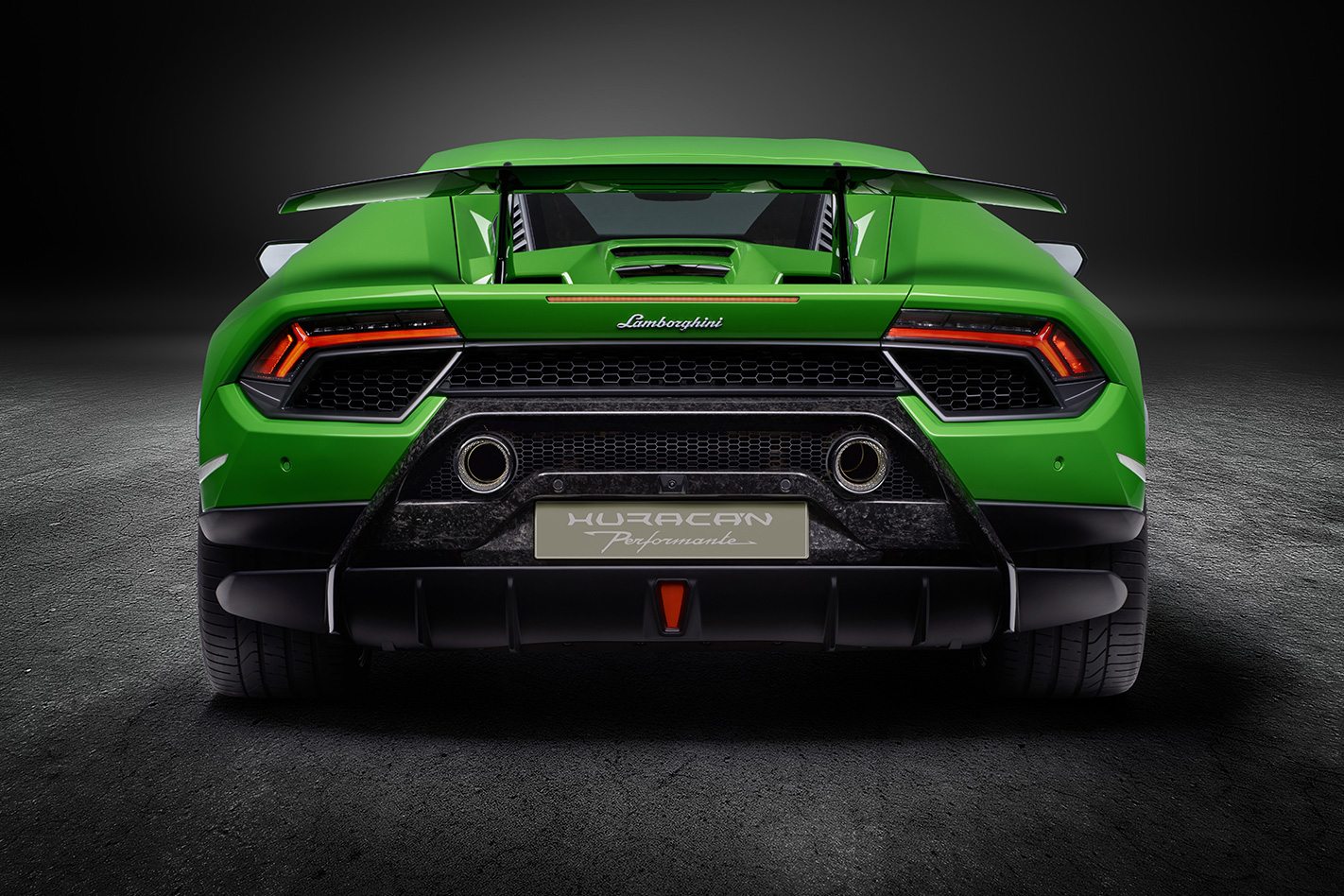
In its maximum downforce mode, Lamborghini claims the Performante produces 750 per cent more downforce than a regular Huracan, yet is instantly able to shed the associated drag in a straight line. This was key to the 471kW Performante’s 6min52sec Nurburgring lap, a time faster than any other road car, including Porsche’s 652kW 918 Spyder.
Cheating accusations quickly followed, but Lamborghini produced the data, which proved ALA’s effectiveness at allowing the Performance to scream around corners yet still rocket along the straights. Expect similar systems on rival supercars soon.
Too Fast To Race
‘Fan car’ won, then vanished
The FIA banned moveable aerodynamic devices in the wake of the 1969 Spanish Grand Prix, where Graham Hill and Jochen Rindt were lucky to survive massive accidents caused by their wings failing. Article 3.15 states “any specific part of the car influencing its aerodynamic performance must remain immobile in relation to the sprung part of the car.
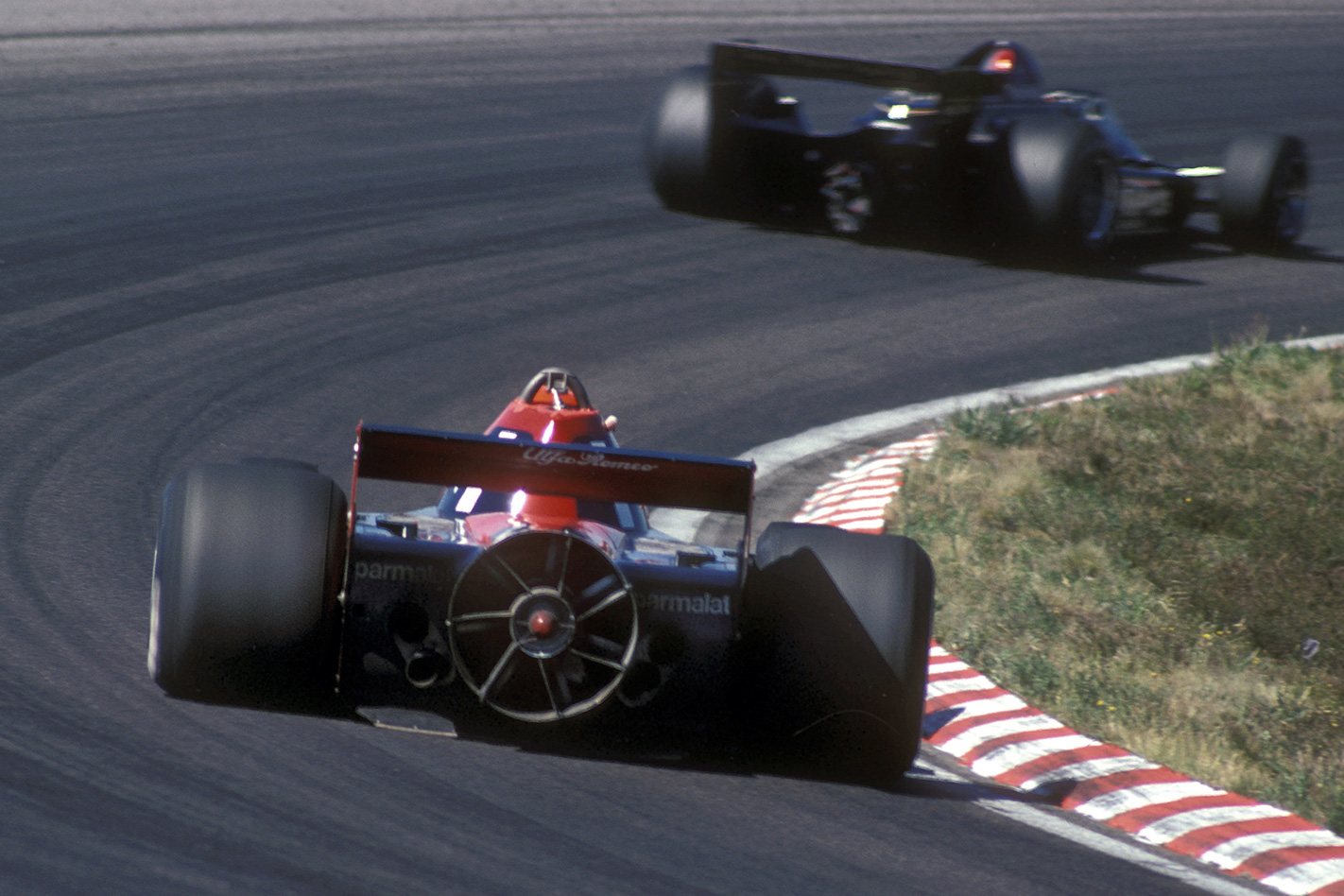
In both cases engine-powered fans were used to suck air out from underneath the car to create a vacuum and tremendous downforce at all speeds. Such technology used nowadays would result in cars too fast for humans to drive.
Air Travel
How it all flows
1. Life’s a drag
In Strada mode all flaps open at 70km/h to reduce drag and remain open until 310km/h at which points the front flaps close to increase front downforce and stability at high speed. In Sport all flaps once again open at 70km/h but close at 180km/h for high-speed cornering stability, only for the rear flaps to open again at 310km/h to reduce drag when approaching V-max.
2. Hunkered down
Corsa mode is where ALA proves its worth. Between 70-310km/h the three electric motors adjust the flaps to improve weight distribution, traction and reduce the required steering angle. On a straight all flaps are open to keep drag to a minimum. While the more powerful Aventador SV was able to hit higher outright speeds during its Nurburgring lap, the Performante’s ability to shed drag allowed it to reach its lower top speed quicker, improving its lap time.
3. Stopping power
As soon as the brakes are applied all flaps snap shut to provide maximum downforce across all four tyres. In corners the rear flap on the inside of the car – for example, on the left-hand side of the car in a left-hand corner – closes to provide more downforce and grip to the unloaded tyres. This might sound counter-intuitive, but it’s about evenly spreading cornering load across all four tyres rather than adding more pressure to the already heavily-stressed outer tyres.
4. Hidden secrets
Unlike on the Pagani, this process happens out of sight in the ducts ahead of the Performante’s rear wing, but every time you turn the steering wheel those rear flaps are moving to manipulate the air flow and keep you stuck to the ground.
Nissan’s UK-built small SUV bridges the gap between the smaller Juke crossover and larger X-Trail, and is well equipped with a neatly presented interior.
The Qashqai (pronounced Cash-kye) comes with a choice of engines – a 2.0-litre four-cylinder petrol engine that produces 106kW/200Nm, and a 96kW/320Nm 1.6-litre turbo-diesel four. The petrol engines come with a transmission choice of manual or CVT auto, while the diesel is a CVT-only affair. All Qashqai’s are front-wheel-drive.
VARIANTS
The Qashqai comes in four main equipment levels; ST, TS, Ti and TL. The TS starts at $25,990 for the petrol engine with a manual gearbox, with the CVT attracting a $2500 premium.
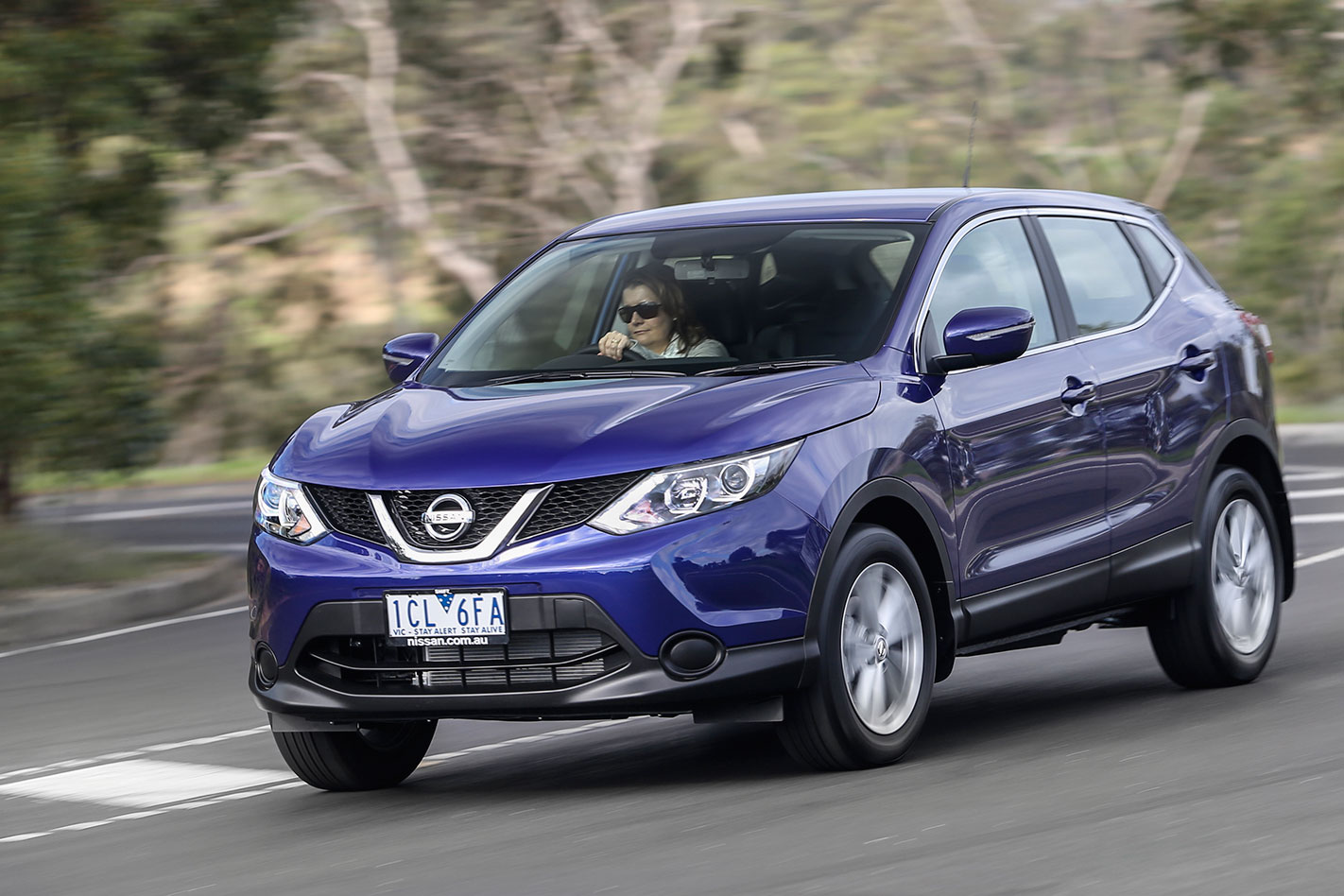
The Qashqai ST comes equipped with cruise control, 5.0-inch touchscreen with reversing camera, leather wrapped steering wheels, LED daytime running lights and 17-inch alloy wheels.
There’s also an ST N-Sport variant, which adds 18-inch alloys, side door sills and a front and rear styling pack. It comes with a CVT and costs just $200 more than the standard ST with CVT.
The Qashqai TS is essentially the diesel version of the ST but has a few extras to help justify paying an extra $4500 for the diesel engine including smart keyless entry, dusk sensing headlights, auto folding door mirrors and dual zone air-conditioning.
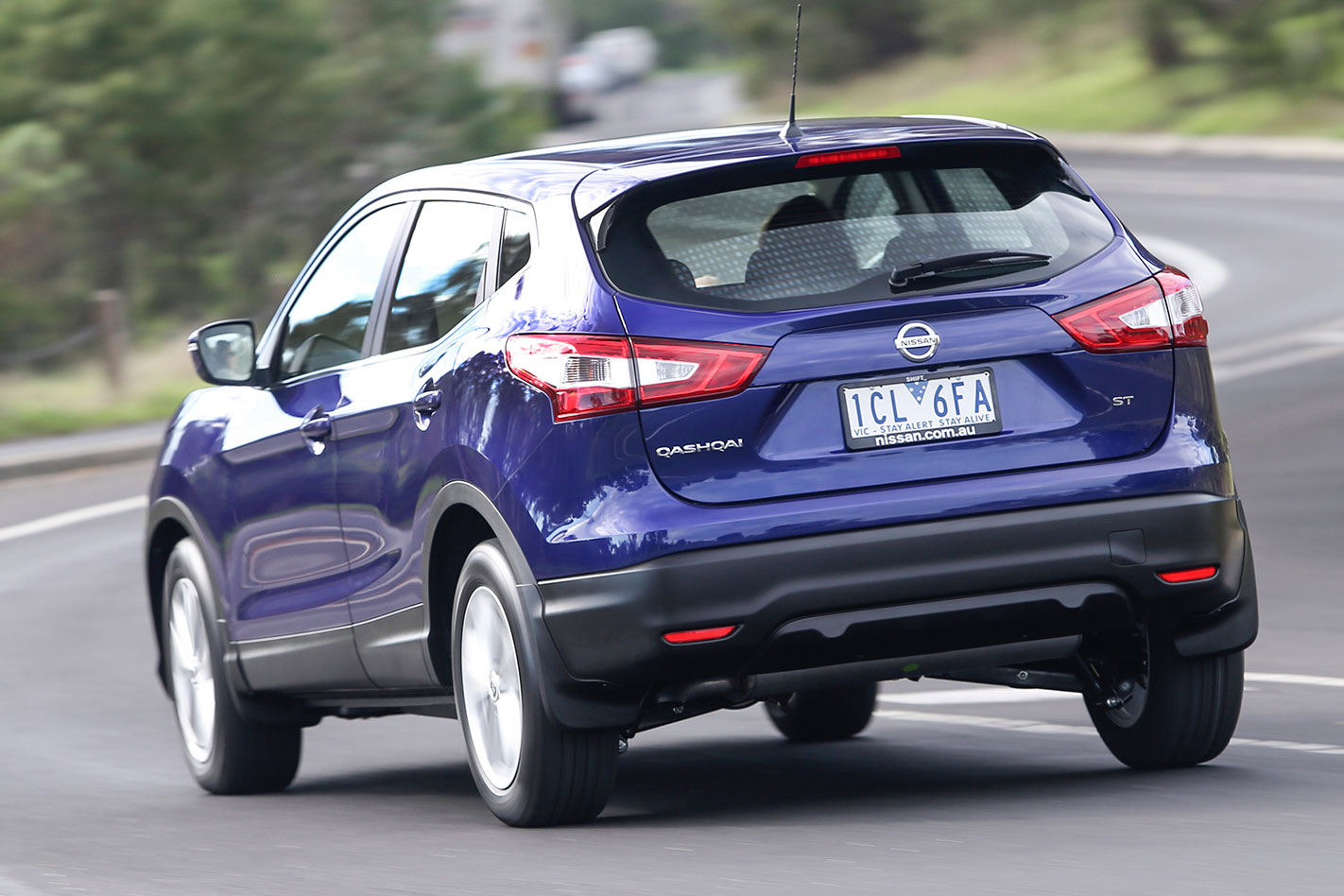
The Qashqai Tiis the top-spec petrol variant and comes with the option of a manual or CVT. Additional equipment over the TS includes automatic parking assistance (which automatically parallel parks the vehicle), a sunroof, heated front seats, power adjusted driver’s seat, 8.0-inch touchscreen, inbuilt satellite navigation and rain sensing windscreen wipers.
The Ti also has active safety features that include lane departure warning, blind spot alert and bigger 19-inch wheels fitted with wider, lower-profile tyres.
The diesel-powered Qashqai TL has the same equipment as the Ti.
- Nissan Qashqai ST, manual – $25,990
- Nissan Qashqai ST, auto – $28,490
- Nissan Qashqai ST N-Sport, auto – $28,690
- Nissan Qashqai TS, auto – $33,990
- Nissan Qashqai Ti, manual – $32,890
- Nissan Qashqai Ti, auto – $34,490
- Nissan Qashqai TL, auto – $39,990
The entry-level ST manual is actually a fun car to drive, but we reckon the Qashqai Ti with auto gearbox is the best of the bunch.
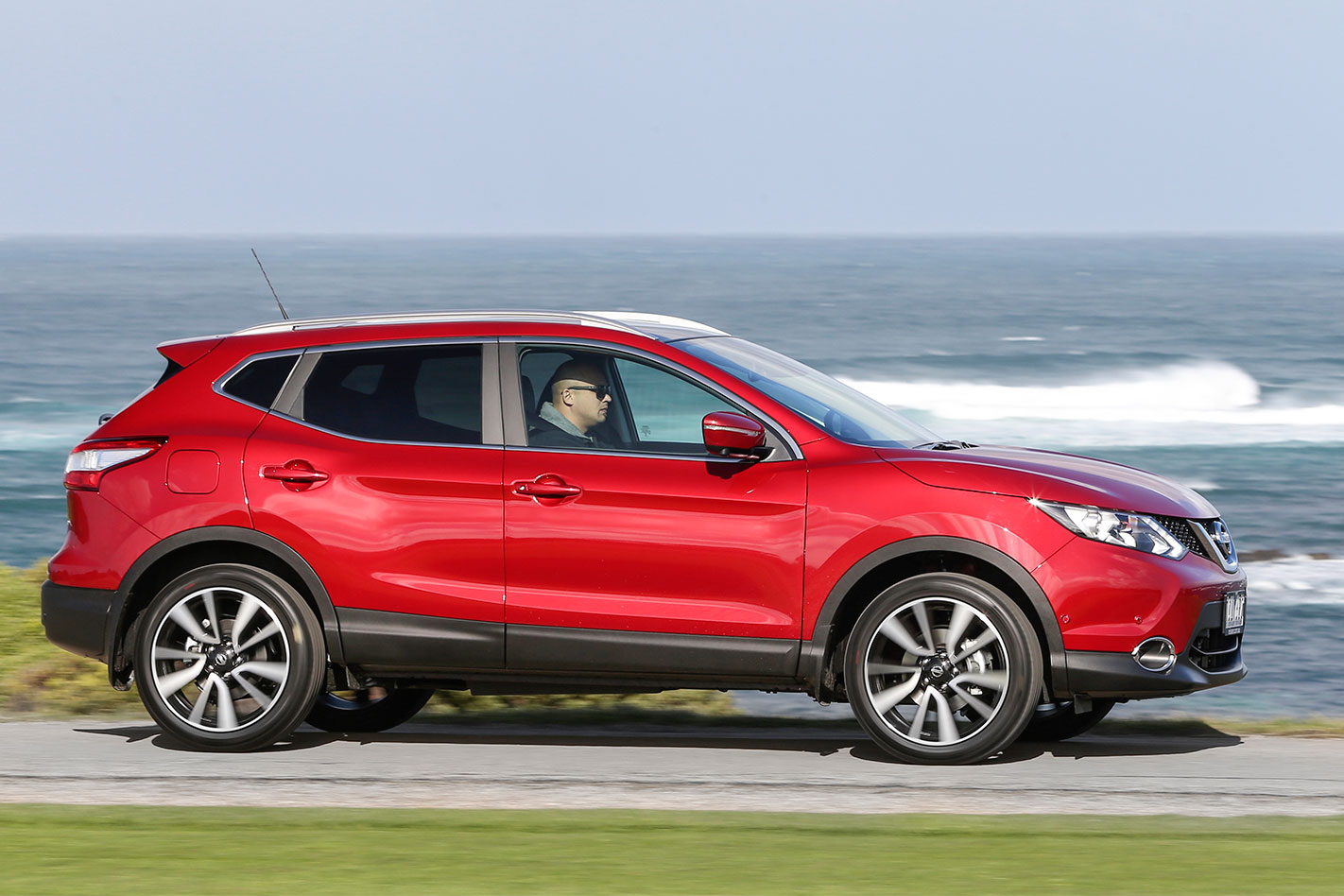
The petrol engine makes more sense in most situations and is a few thousand dollars cheaper, and while there’s nothing wrong with the manual, the CVT auto is the go because it uses less fuel than the manual and should hold its value better.
The Ti also has a lot more useful equipment than the ST, including the active safety gear.
WITH the sun starting to set, and a soft orange glow signalling a rapidly approaching dusk, Tim Slade put in the fastest lap ever recorded by a car with four-wheels, doors and a roof around Sydney Motorsport Park.
The time? A 1:21.576.
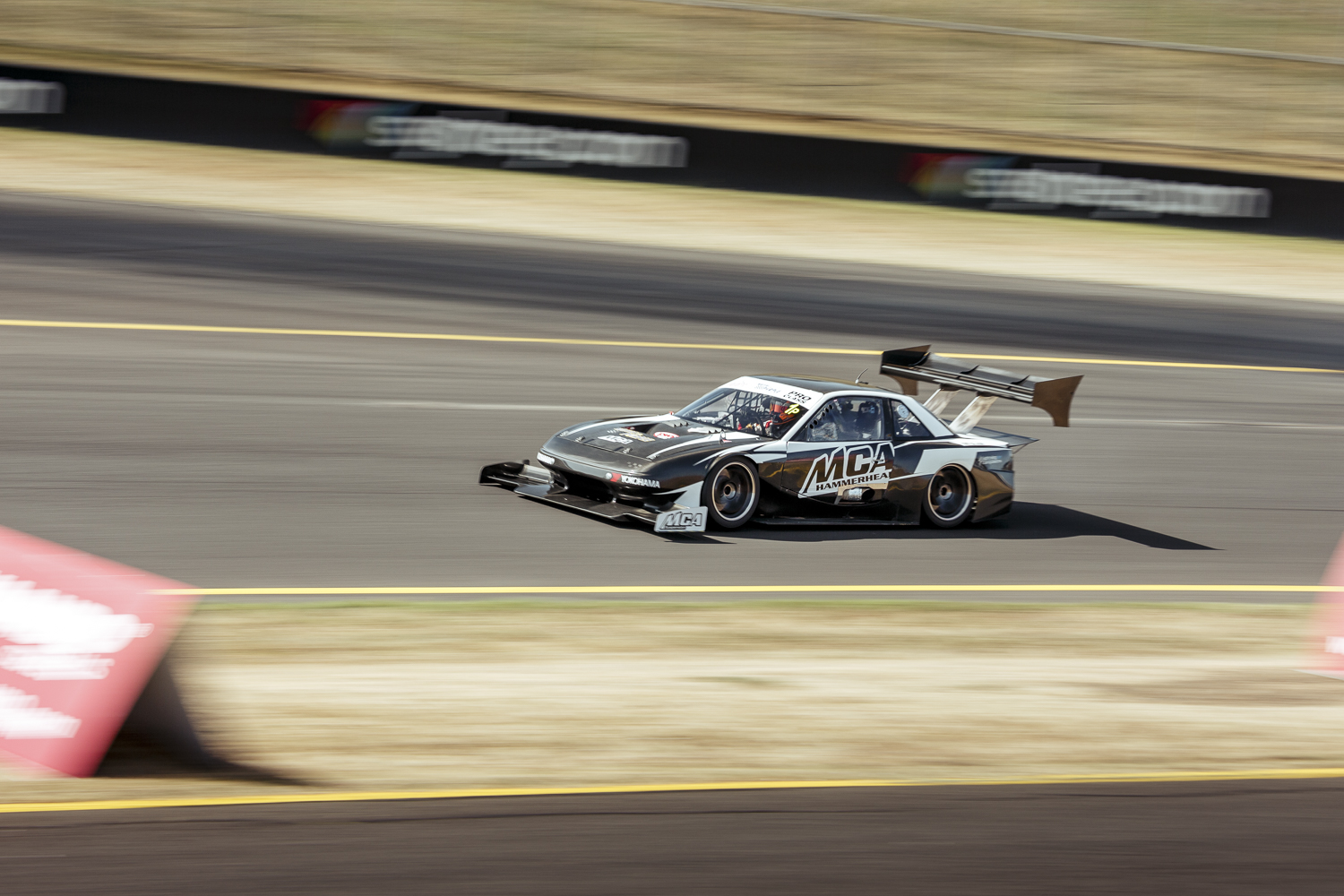
Only Nico Hulkenberg has been around the circuit quicker in competition, with a 1:19.142 lap, and that was at the wheel of an A1GP open-wheel racer in 2007.
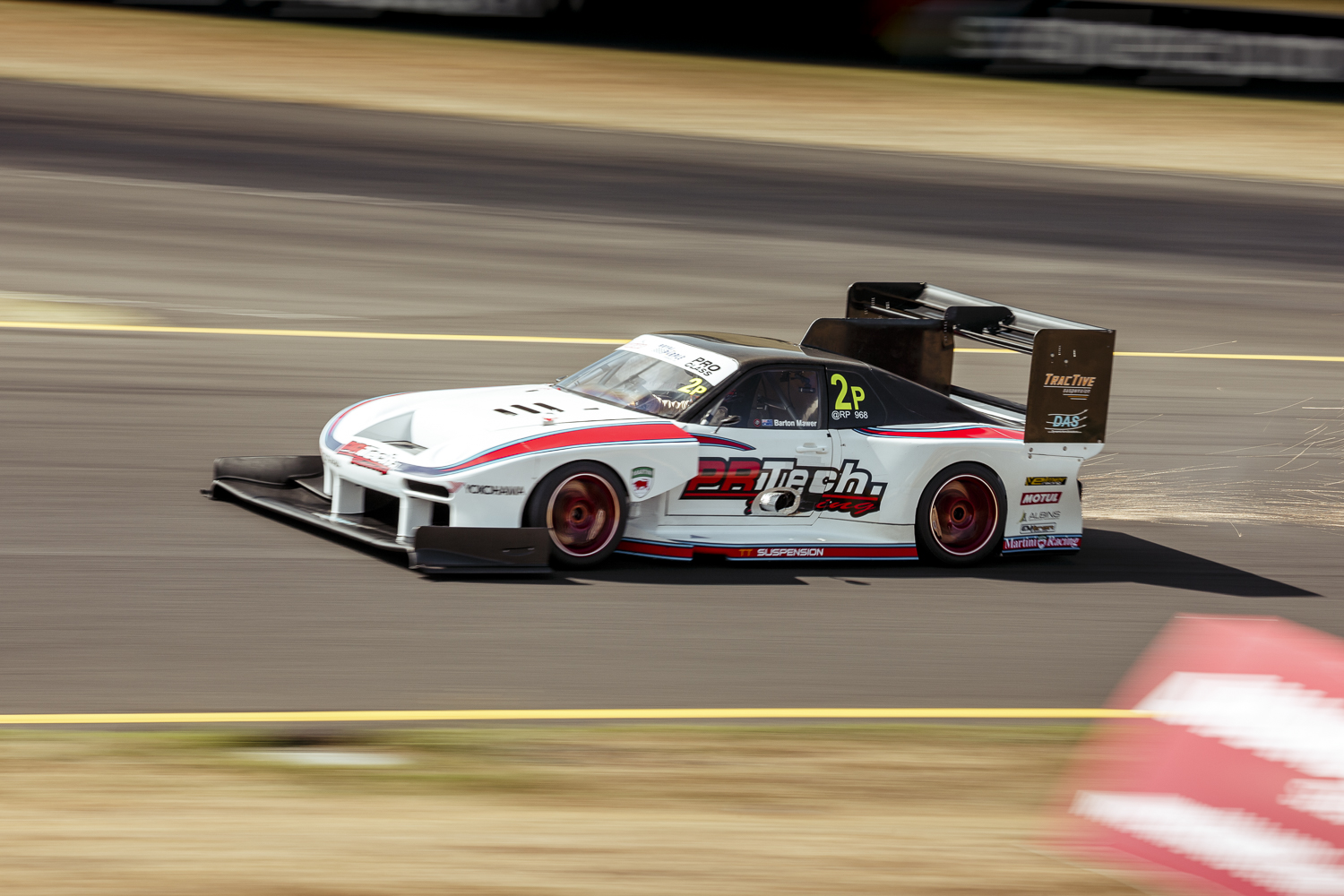
Slade wasn’t alone in his assault on the timesheets, with Barton Mawer hustling the monstrous RP968 Porsche to a laptime of 1:21.784.
If threatening rain is abated tomorrow, the pair will take to the track five more times to claim the ultimate one-lap crown.
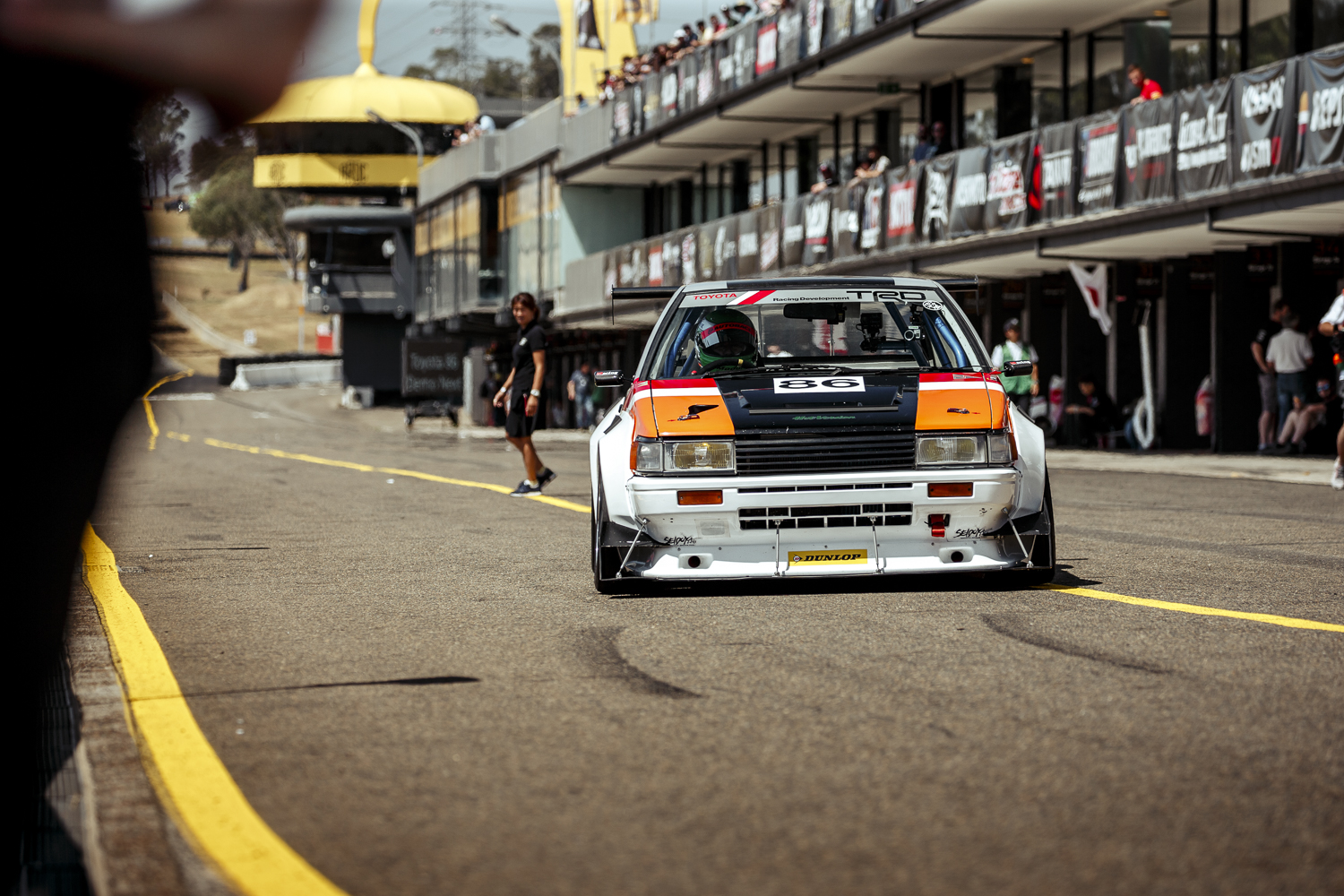
WTAC is a unique event in the Australian motorsport landscape, where the attraction is as much about the wild, home-built creations keeping record keepers in business, as it is about the trade stands and modified street beasts parked up in the pits.
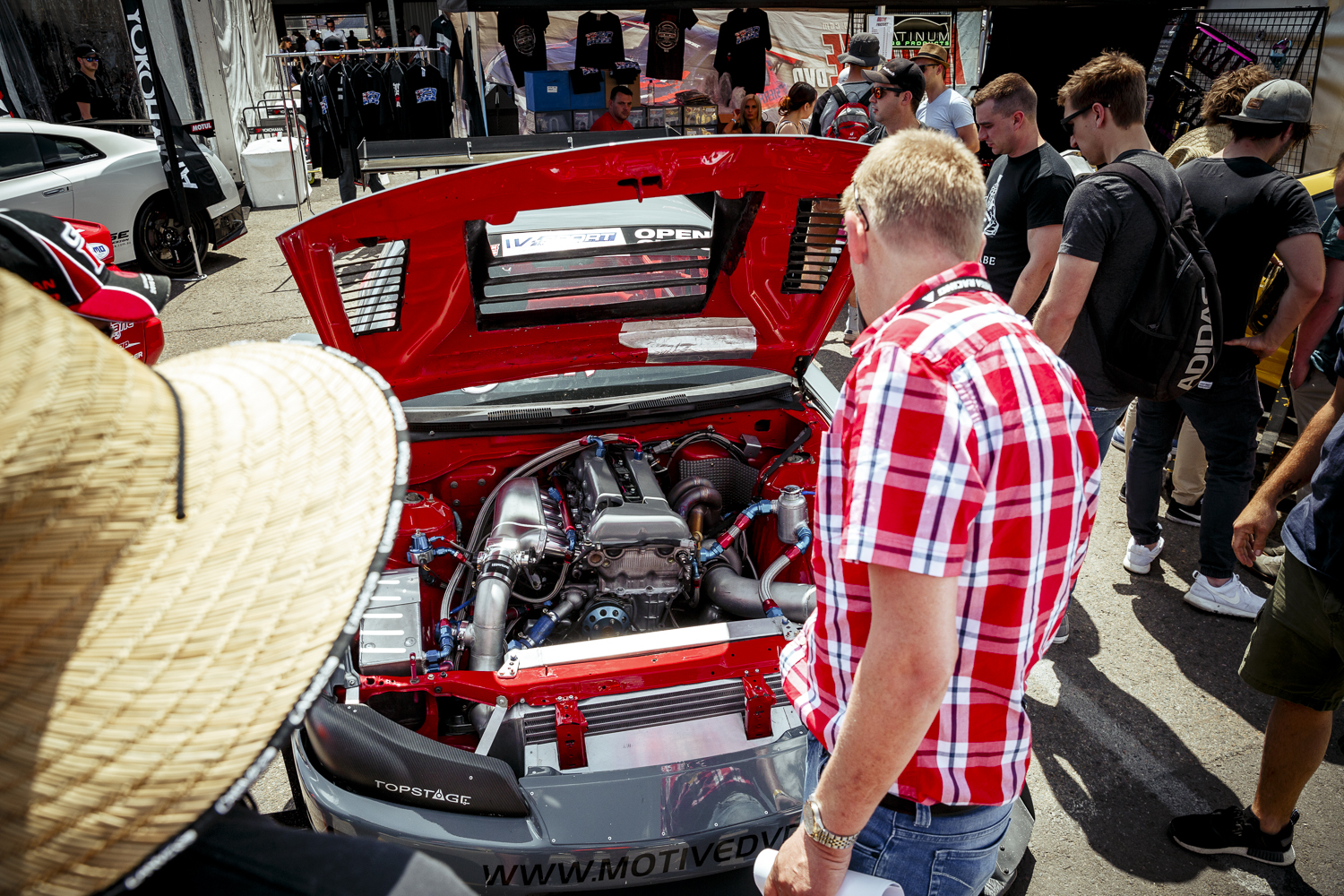
Here, speed is a handed out in shot glasses, and drool-worthy metal is served as a chaser.
The air is filled with a cacophonous harmony of screaming wastegates and wailing engines, with a buck-up chorus of carbon fibre slapping tarmac from the force of the air racing over streamlined bodywork. Sound restrictions? Not here.
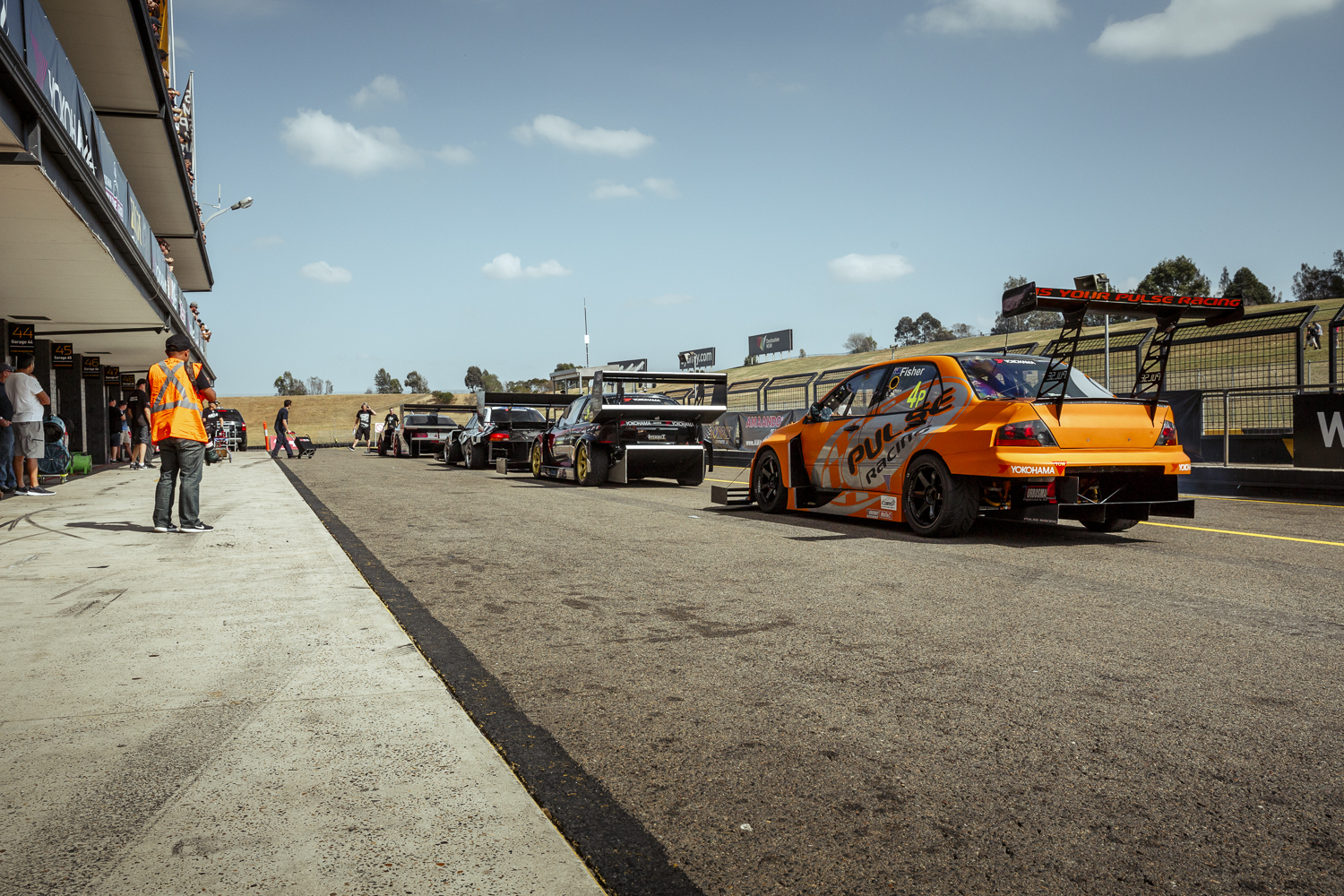
The event has grown from strength to strength, and despite the rest of Sydney rolling into work like any other Friday, a very healthy crowd make the pilgrimage to the Western suburbs to get their automotive fix.
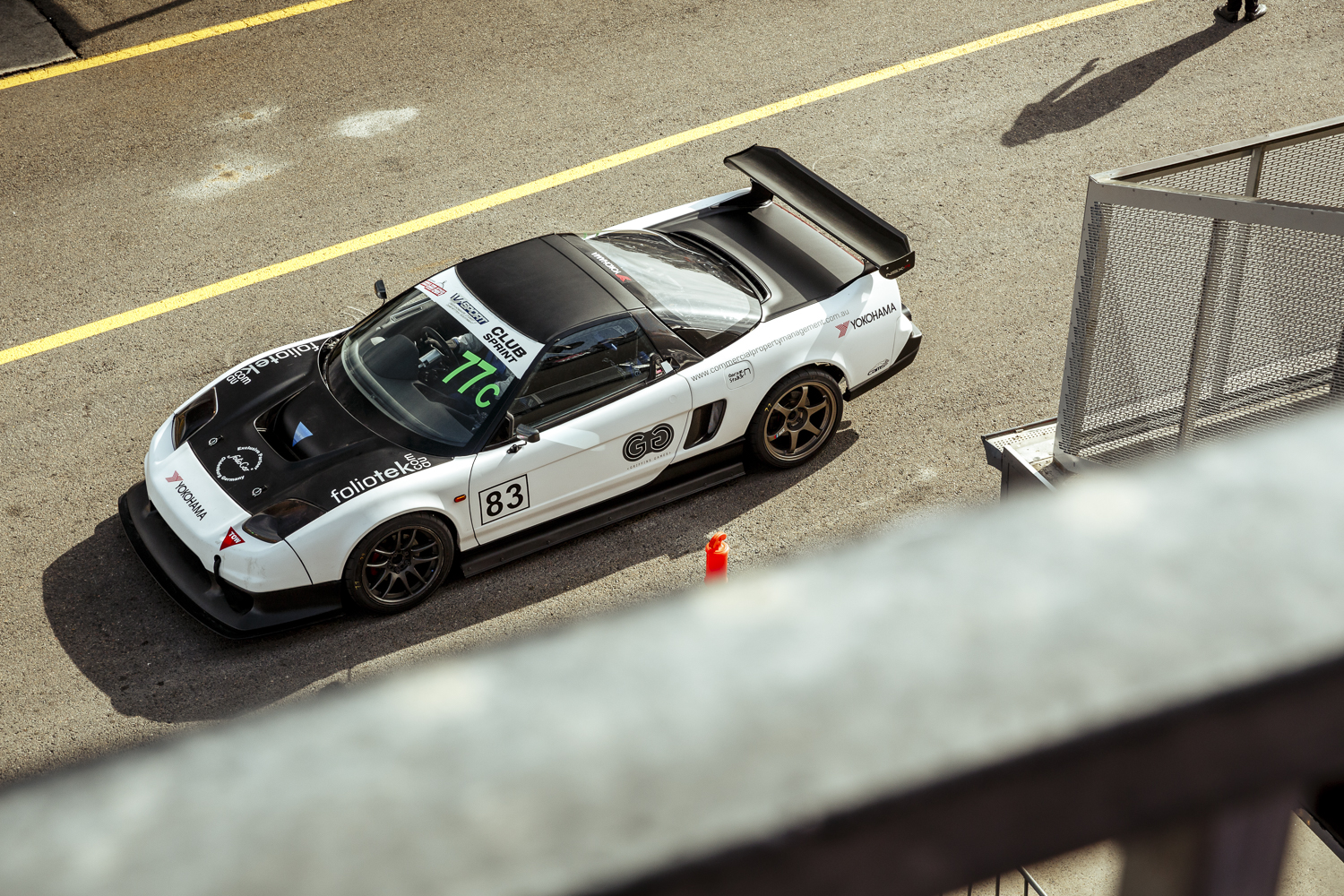
At the start of the day, Slade and the MCA Suspension team slashed three tenths of a second out of last year’s winning time (and previous lap record), stopping the clocks with a 1:21.891. It was the beginning of what would be a hot, relentless day on and off the track.
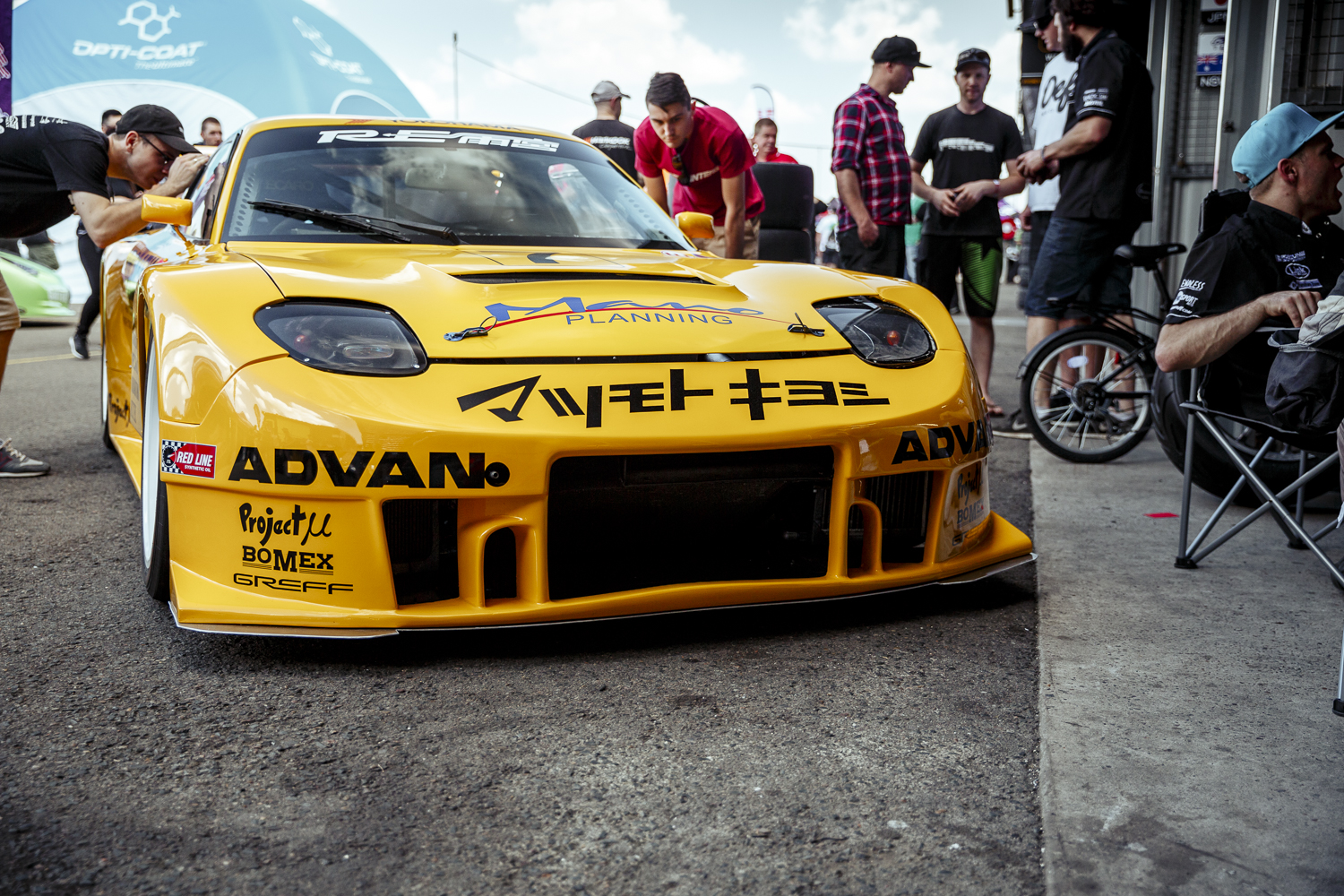
To give you an idea on the diversity – and velocity – of the cars taking part in the competitive aspect of WTAC, we offer the story of Brad Sheils.
Competing in the Pro Class, at the wheel of a front-drive Holden Astra, Sheils lapped Sydney Motorsport Park in a 1:29.600 – faster than any V8 Supercar has managed around the same track in race conditions.
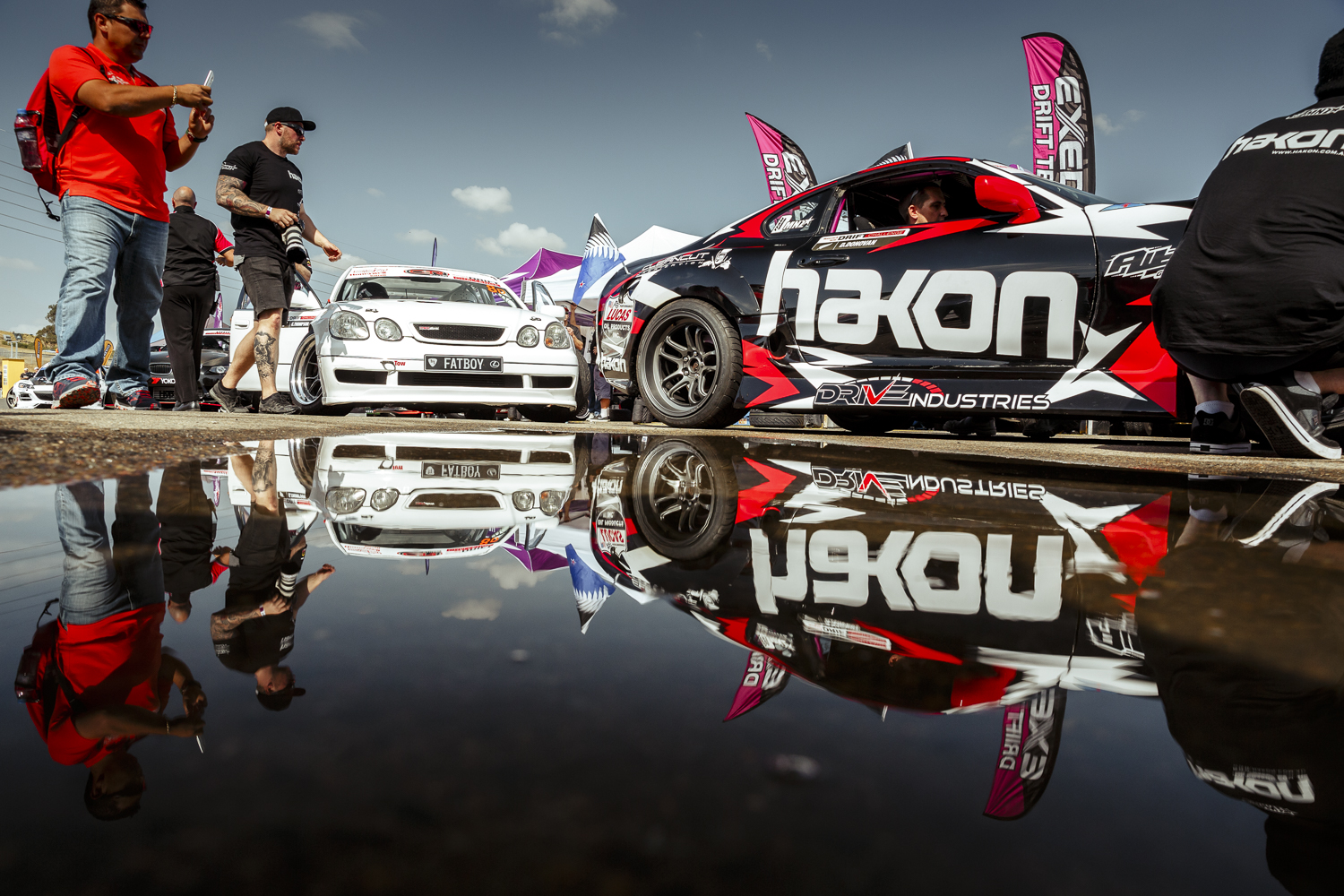
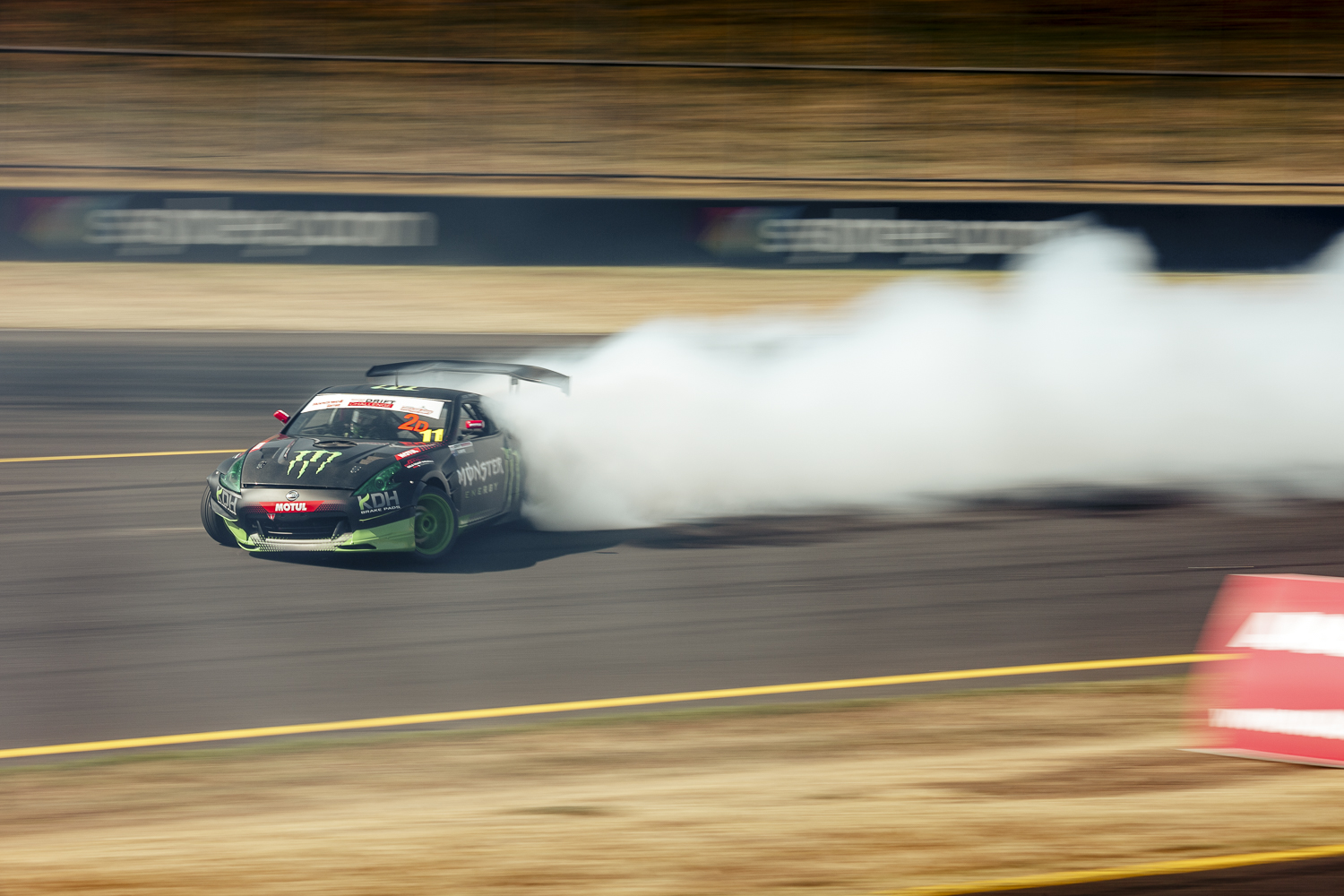
But grip and downforce is just first course, this afternoon dedicated fans will be treated to some of the best sideways drifting action in the country.
Names like Shane van Gisbergen, Daigo Saito, and ‘Mad’ Mike Whiddett will take part in practice and qualifying, with knock-out tandem battles taking part tomorrow evening.
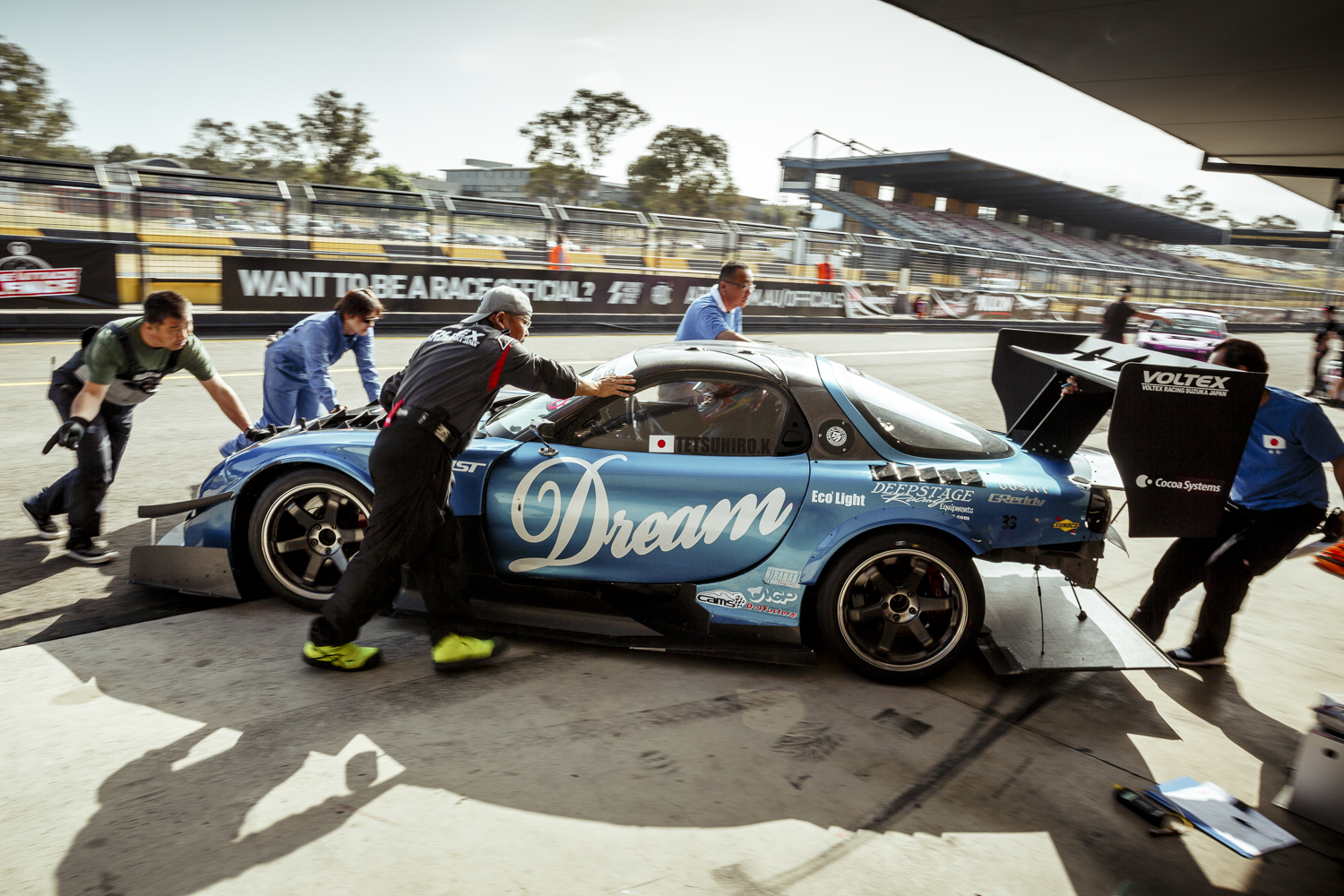
Then you have the parade laps, Group A touring cars, a Mazda 767B Le Mans racer, ultra-smokey drift demonstrations. Wherever and whenever you turn your head, there is something fresh and exciting to grab your attention.
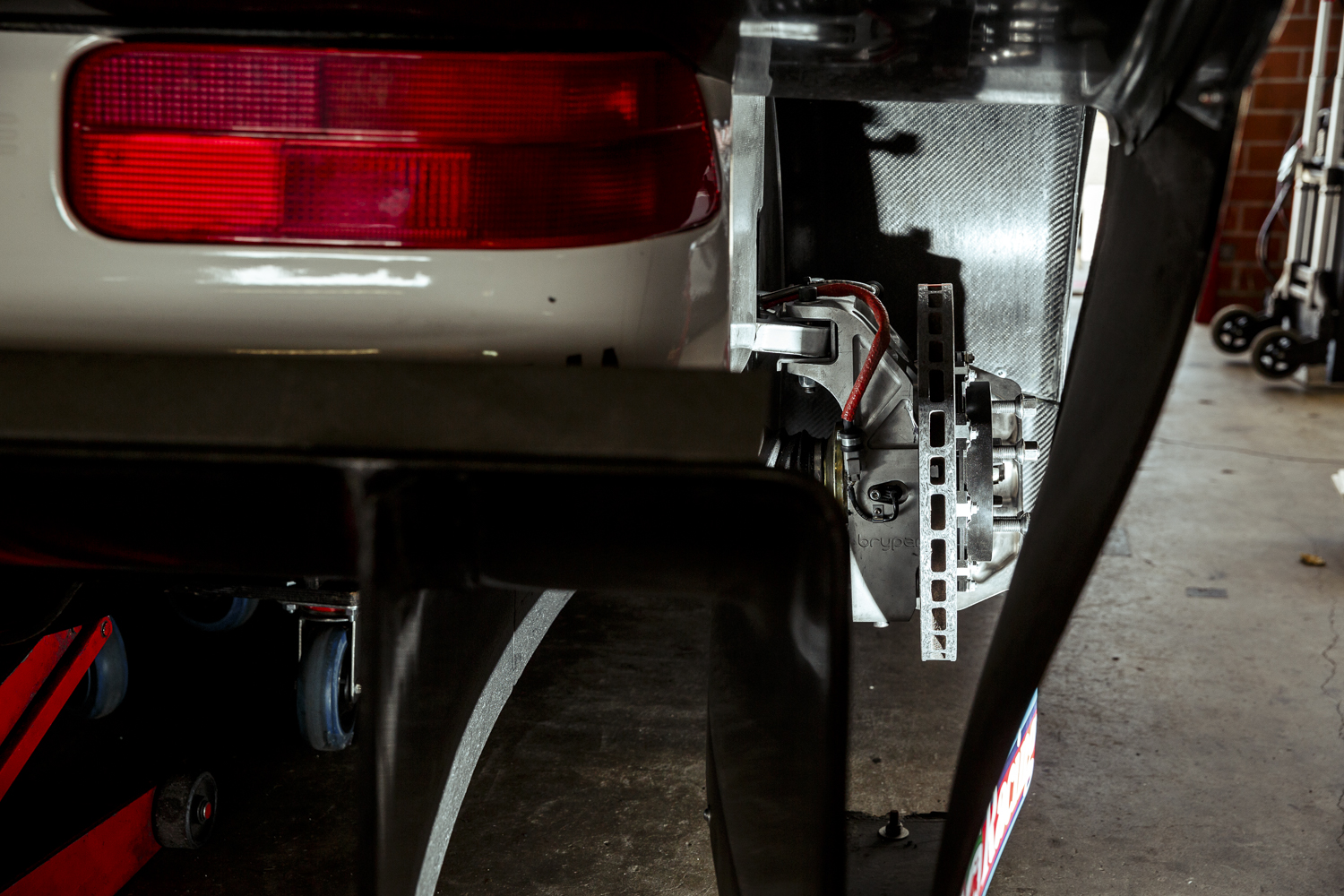
There are also a pair of GT300-spec JGTC cars competing in Open Class. They aren’t topping the time sheets, but pull a sizeable audience upon warmup.
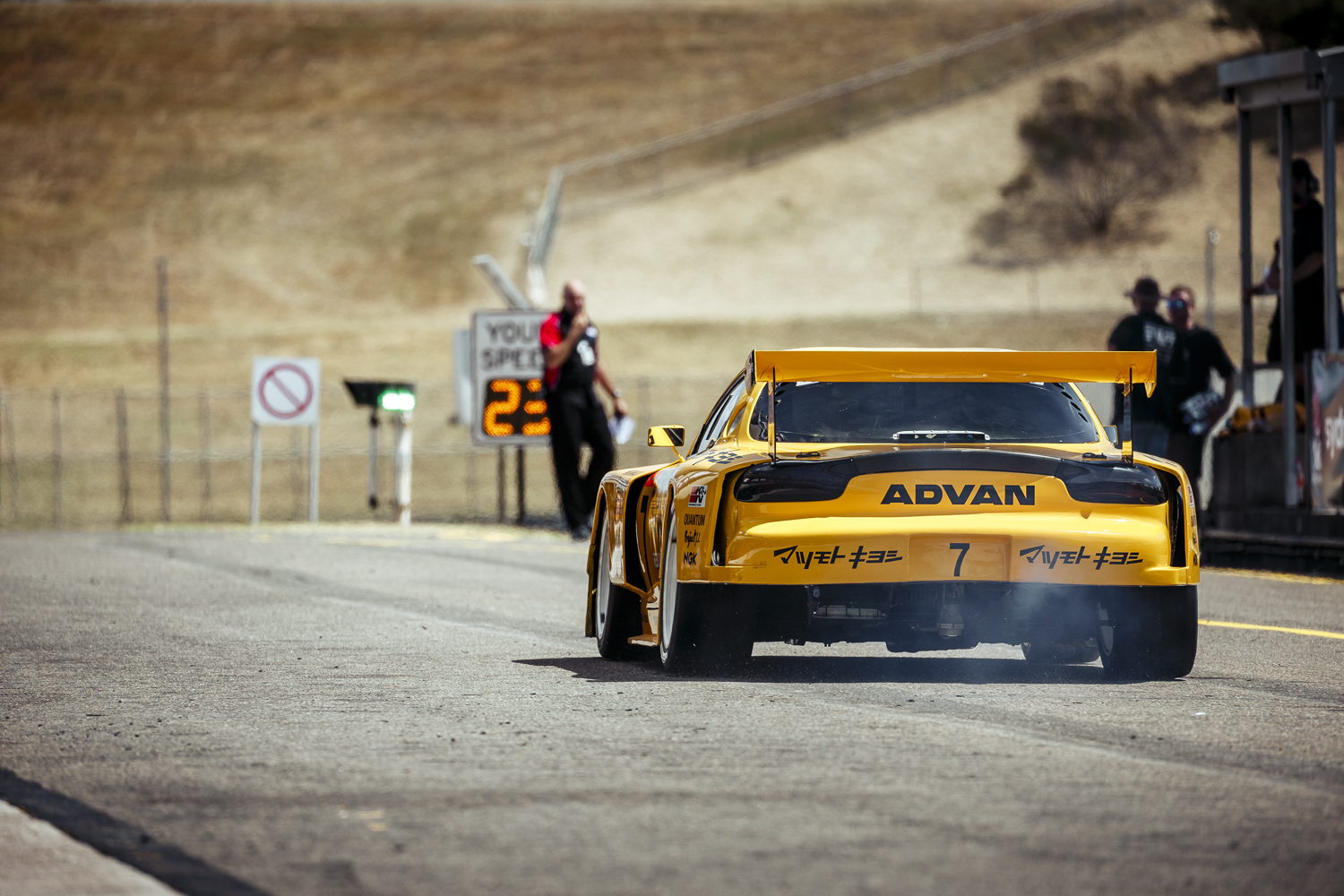
The crowd at World Time Attack is younger than is usually found at motorsport events around the country, but they are among the most enthusiastic.
That gives the entire event an infectious feel, and organisers reward those who come to the track with unmatched pit access.
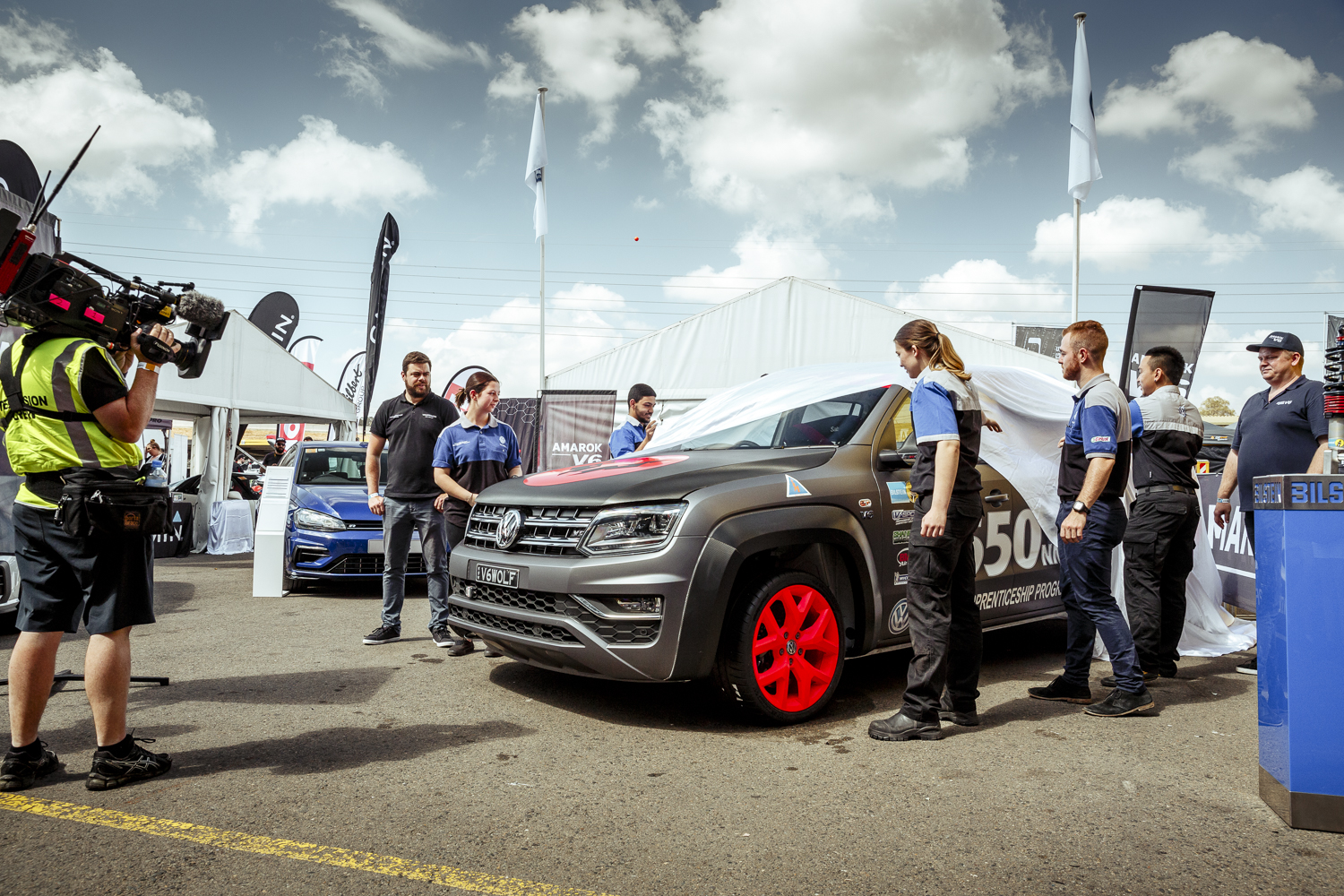
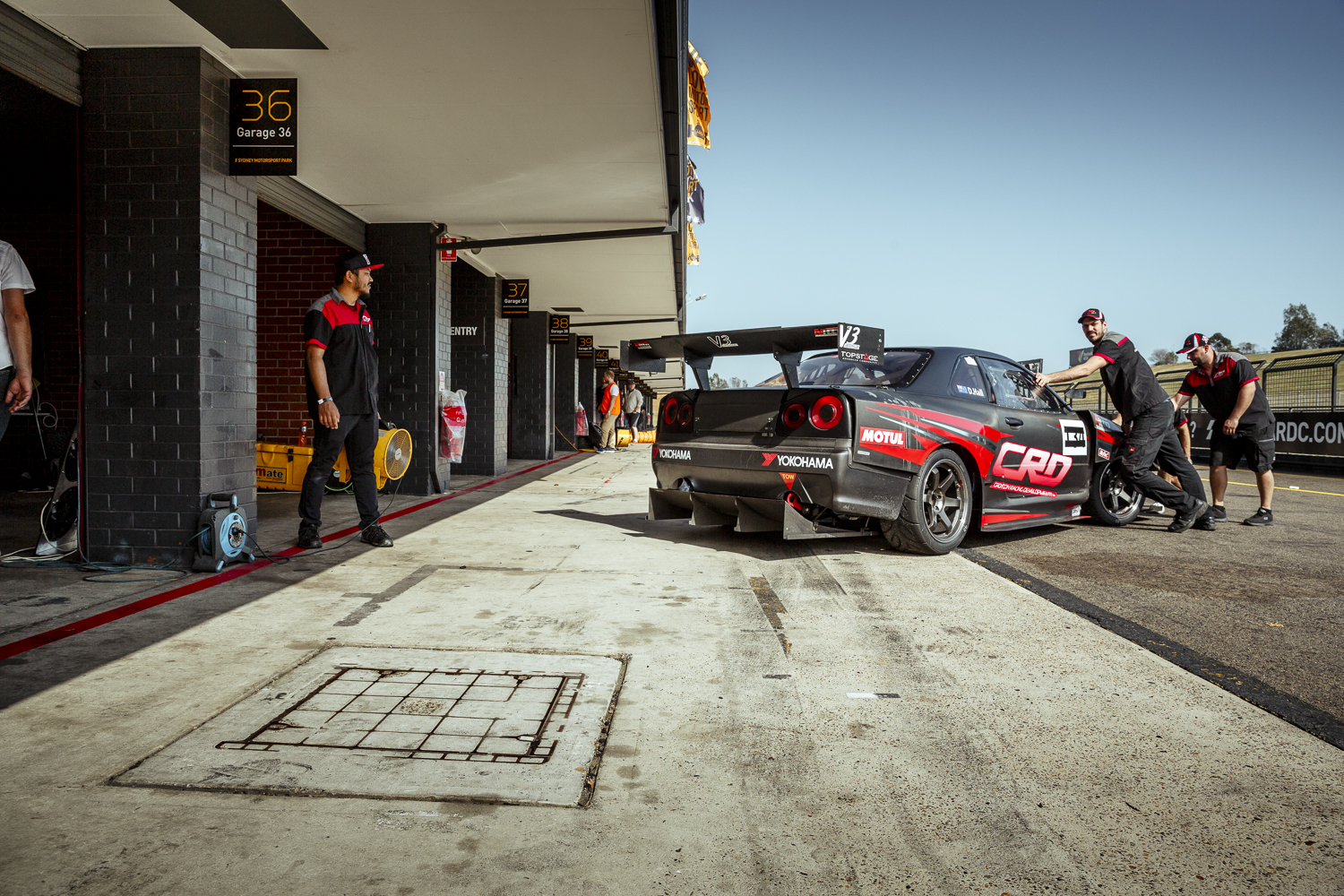
Moments before being strapped into the Hammerhead Nissan Silvia for a high-speed attack, Tim Slade was casually chatting with fans behind the MCA Suspension garage, sharing insights into the difficulties of what he was about to attempt, posing for photos, and revealing how much speed he had left in the bag. You wouldn’t see that at a Supercars event.
Roll on, day two.
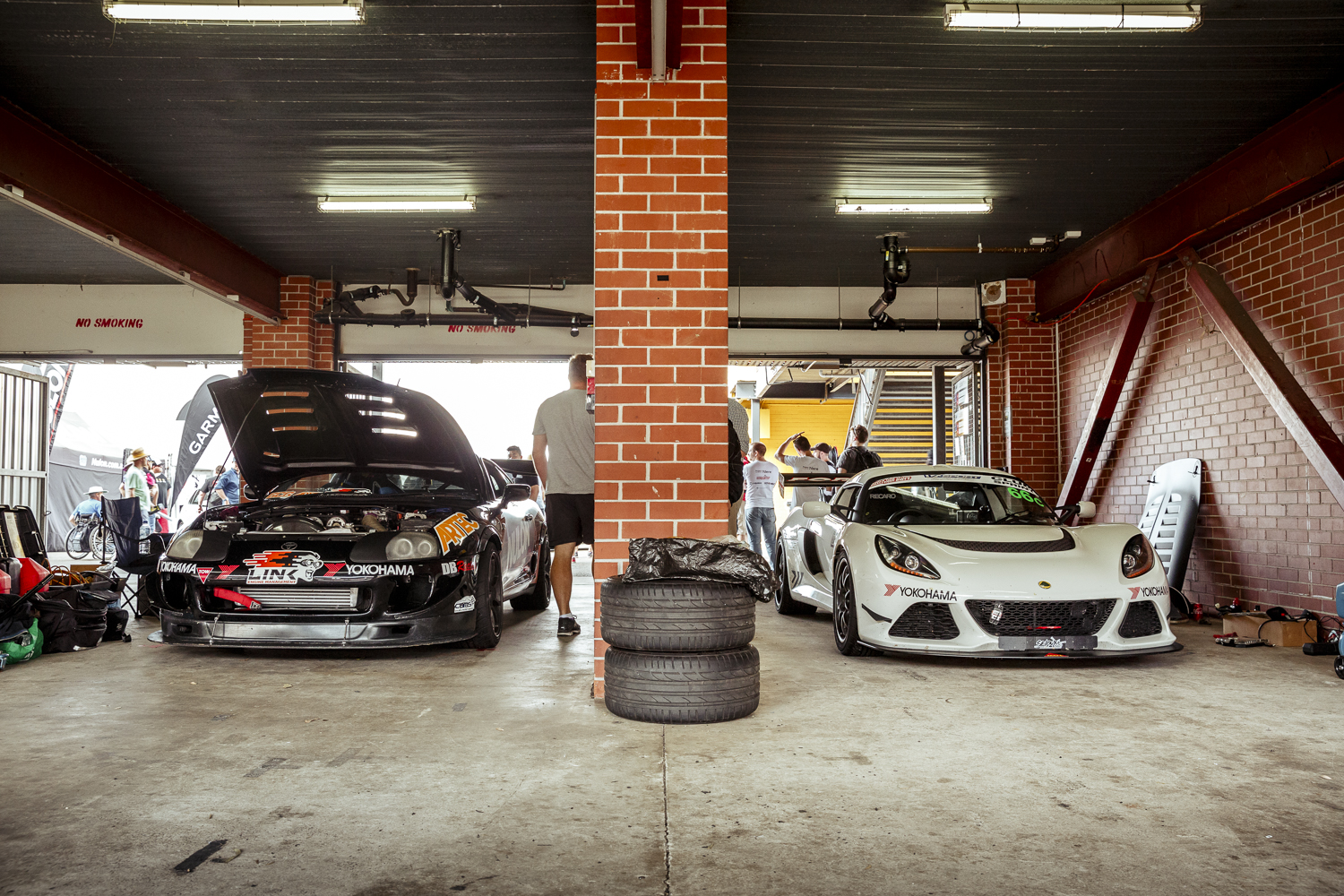
MERCEDES-BENZ has massaged its flagship S-Class for the 2018 model year, slimming down the range by subtracting four variants and adding a brace of new and revised engines – with new model designations to suit.
And prices have been cut across the range – dramatically cut, in some cases, with five-figure reductions on retail stickers.
The result is a seven-strong S-Class family, starting with the $192,900 S350d and topping out with the $425,000 Mercedes-Maybach S650. At the bottom end the price of entry has dropped by a chunky $28,055, while the flagship Maybach is $23,036 more affordable than before.
Note that “affordable” is a relative term here.
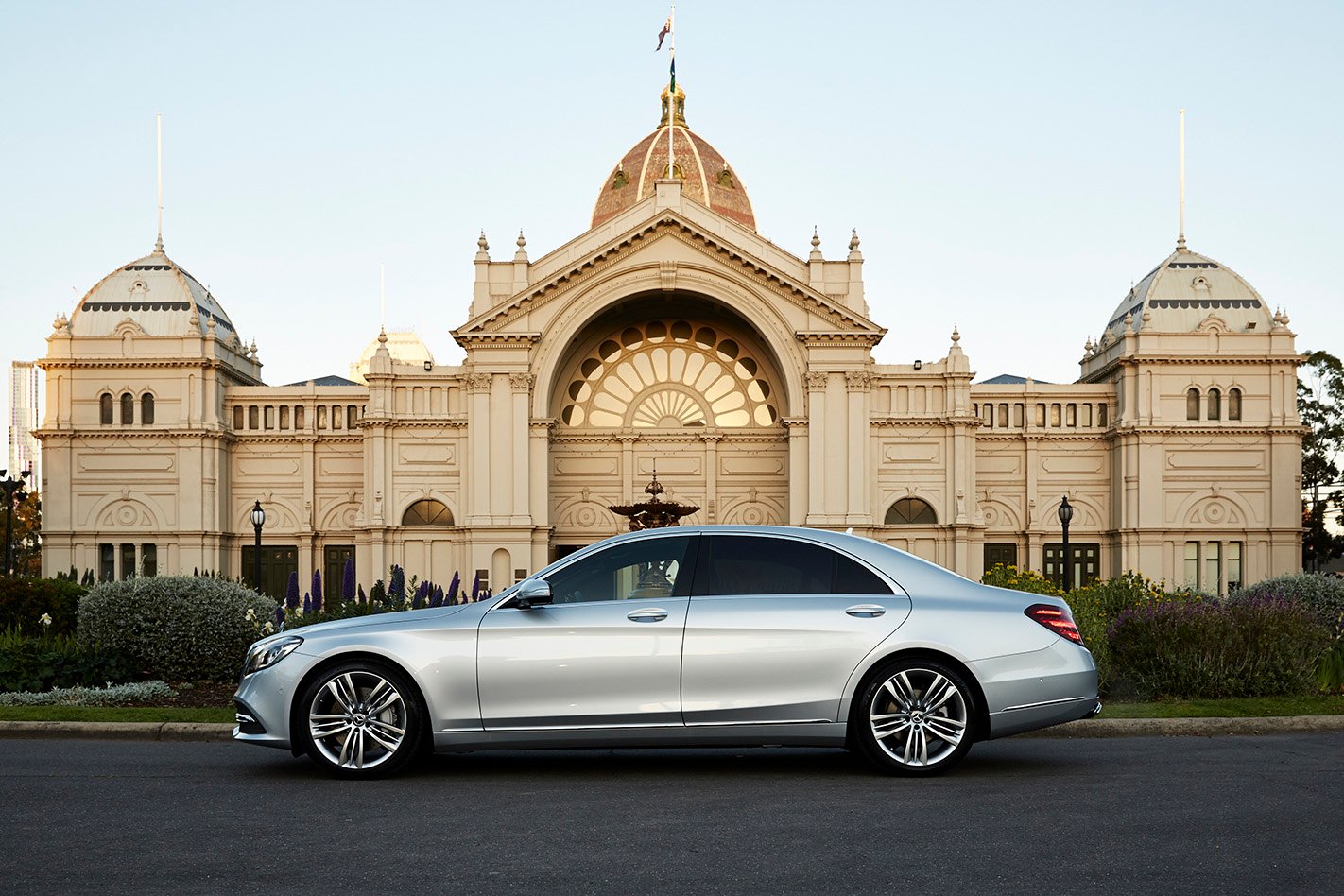
Meanwhile the short wheelbase Mercedes-AMG S63 has been turfed, with the longer-bodied S63 L being the only AMG model remaining in the S-Class stable. What about the big-daddy AMG S65? That one has also been cut from the range, with the Mercedes-Maybach S650 now the only way to get a V12 in an S-Class.
It’s not just the badges that have been reworked. There are big changes under the bonnet, with the 2018 S-Class being the first car to receive Mercedes-Benz’s new family of inline six-cylinder diesel engines.
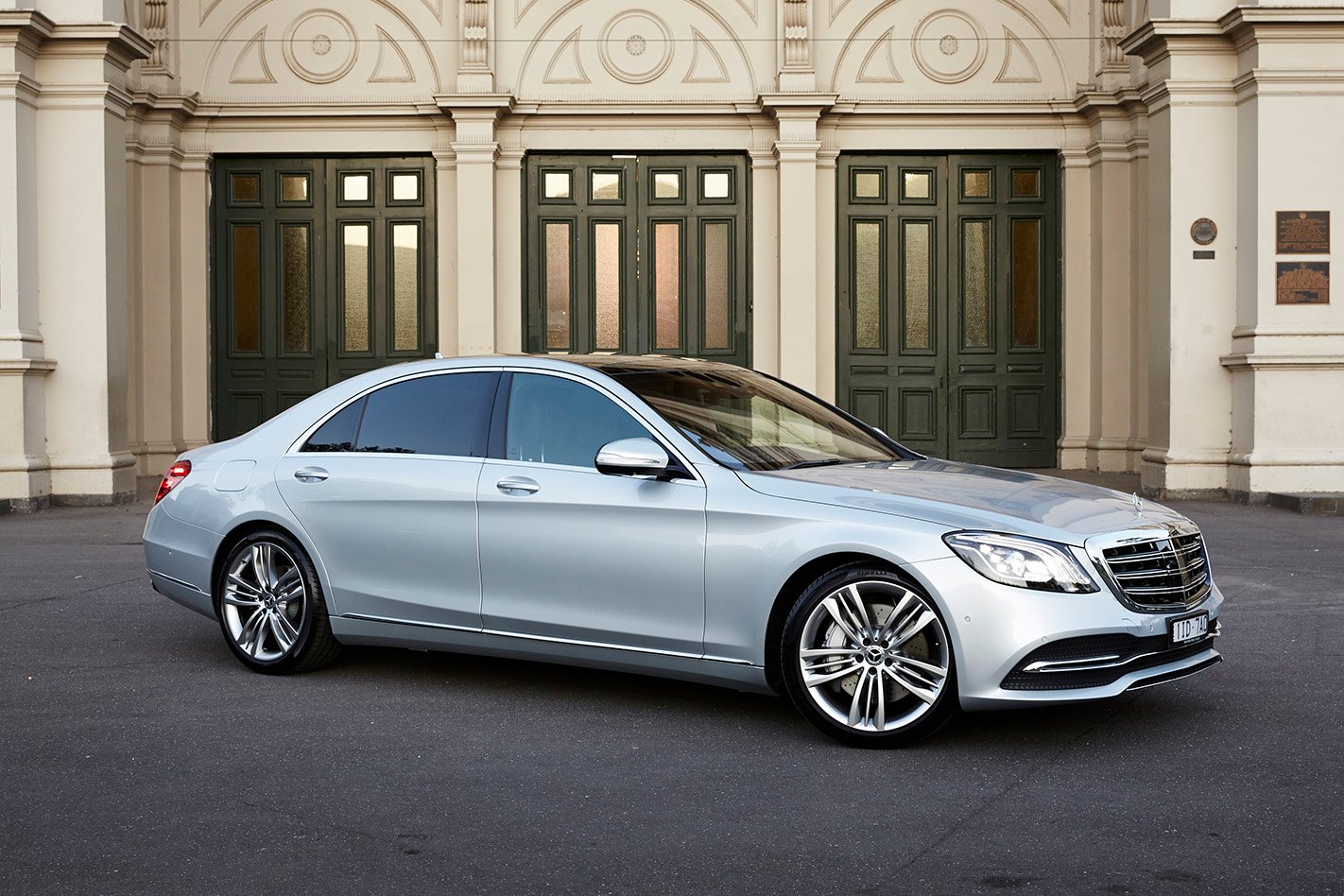
Standard features on the base-level S350d, which is now only available in short-wheelbase form, includes a 13-speaker Burmester stereo, heated and cooled front seats, a 360-degree camera display, 19-inch alloys, a digital TV tuner and power-closing doors and bootlid.
The S400d L is an exclusively long-wheelbase, high-output diesel option, offering 250kW and 700Nm from an uprated version of the S350d’s straight-six turbo diesel.
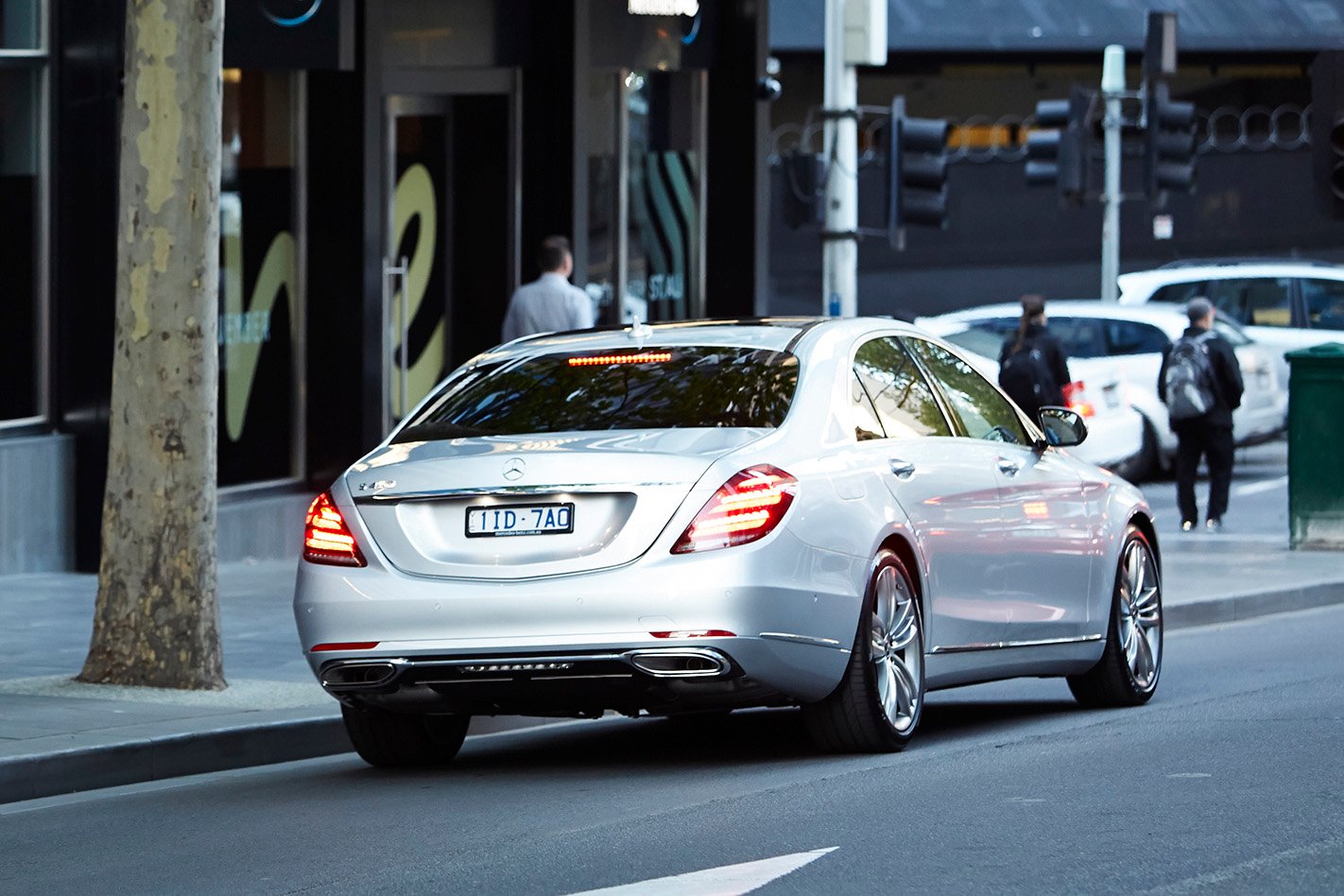
Not fancy enough? The $270,000 S560 and the $295,000 S560 L bring double-glazed glass, glossy wood trim, built-in rear-seat entertainment screens and something called “Energizing comfort control”.
This is a ten-minute program that marshals climate control, seat heating, ventilation and massage functions, ambient lighting, fragrances and ‘musical atmospheres’ in order to deliver six different wellness programmes: freshness, warmth, vitality, joy, comfort and training. It sounds awful but some recompense comes with the knowledge that the S560 models get a twin-turbo 4.0-litre petrol V8 as part of the package, spitting out 345kW and 700Nm.
That’s all the wellness we need.
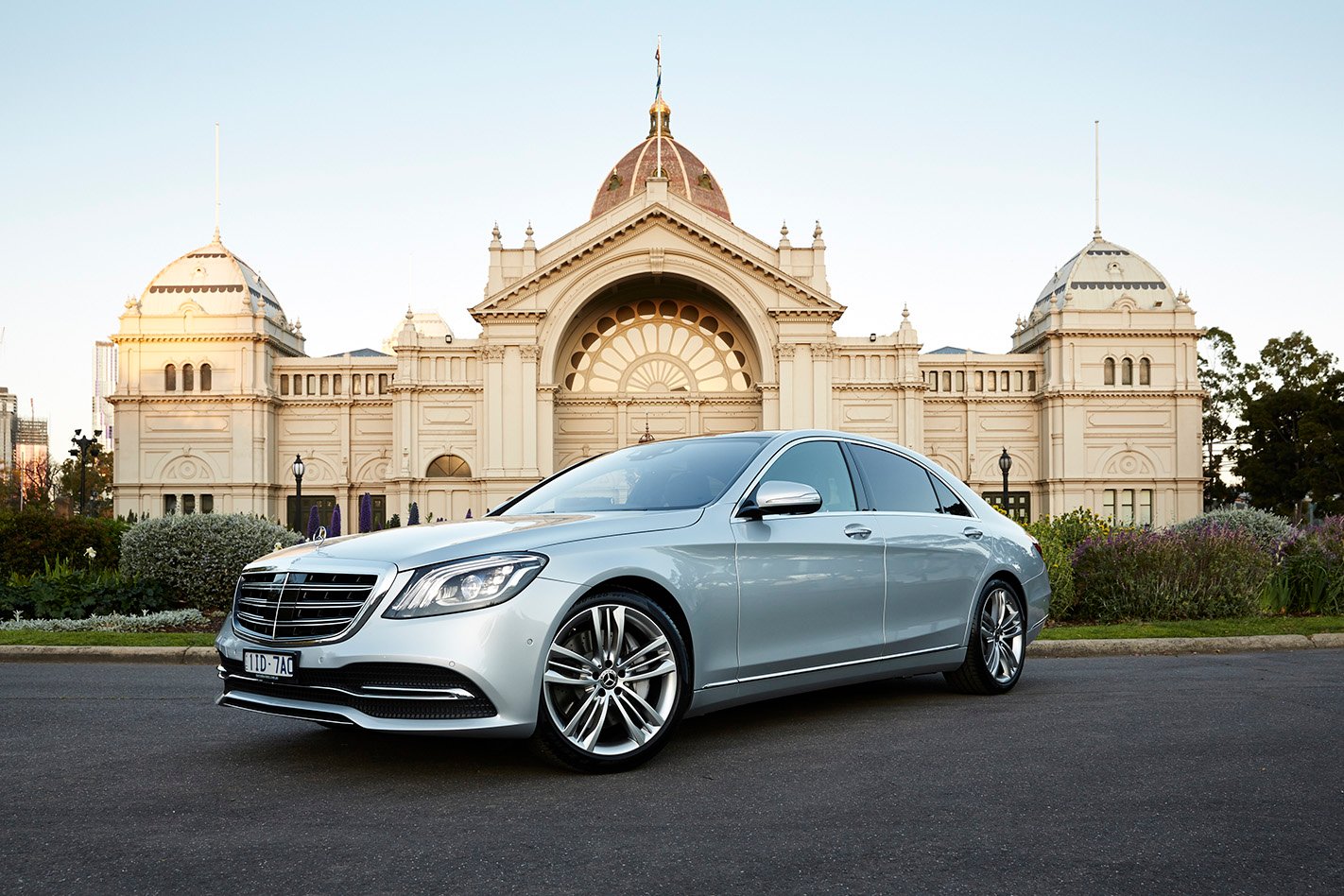
There’s also heated and ventilated rear seats, more deeply contoured front seats, a sports steering wheel with splashes of grippy microfibre, stainless steel pedals, open-pore black wood trim and an 80-litre fuel tank to give you more hydrocarbons to burn.
On the off chance that still doesn’t satisfy your taste for opulence and excess, the Mercedes-Maybach S650 is ready and waiting for you – provided you have the $425,000 necessary to park one on your manor’s driveway.
For your spend, the Maybach provides a 6.0-litre twin-turbocharged petrol V12 with 463kW and a colossal 1000Nm. However the Maybach’s prodigious torque output mandates a seven-speed auto, rather than the nine-speeder used across the rest of the range.
There’s a 24-speaker Burmester stereo, microfibre-upholstered roof liner, high-end nappa leather upholstery, polished 20-inch alloys and plenty of Maybach badging to remind you that you’re in the top-tier Benz.
All 2018 S-Classes also get revised active steering assist and active cruise control software to provide more progressive intervention, while there’s even a feature that prepares your hearing for the anticipated accident noise when a collision is deemed imminent. Does your plebeian automobile do that? Didn’t think so.
MERCEDES-BENZ has dramatically reduced pricing across its S-Class range for the 2018 model year, with the price tag for some variants dropping by more than $20,000.
The number of models is also being trimmed by seven variants, down from 11, starting with the $192,900 S350d and topping out with the $425,000 Mercedes-Maybach S650.
At the bottom end, the S350d’s price has been reduced by $28,055, while the Maybach is $23,036 more “affordable” than before.
The rest of the range comprises the S400d L, S450 L, S560, S560 L and the Mercedes-AMG S63 L.
There have also been changes made under the bonnet, with the 2018 S-Class being the first car to receive Mercedes-Benz’s inline six-cylinder diesel engines, which supersedes the company’s long-lived diesel V6.
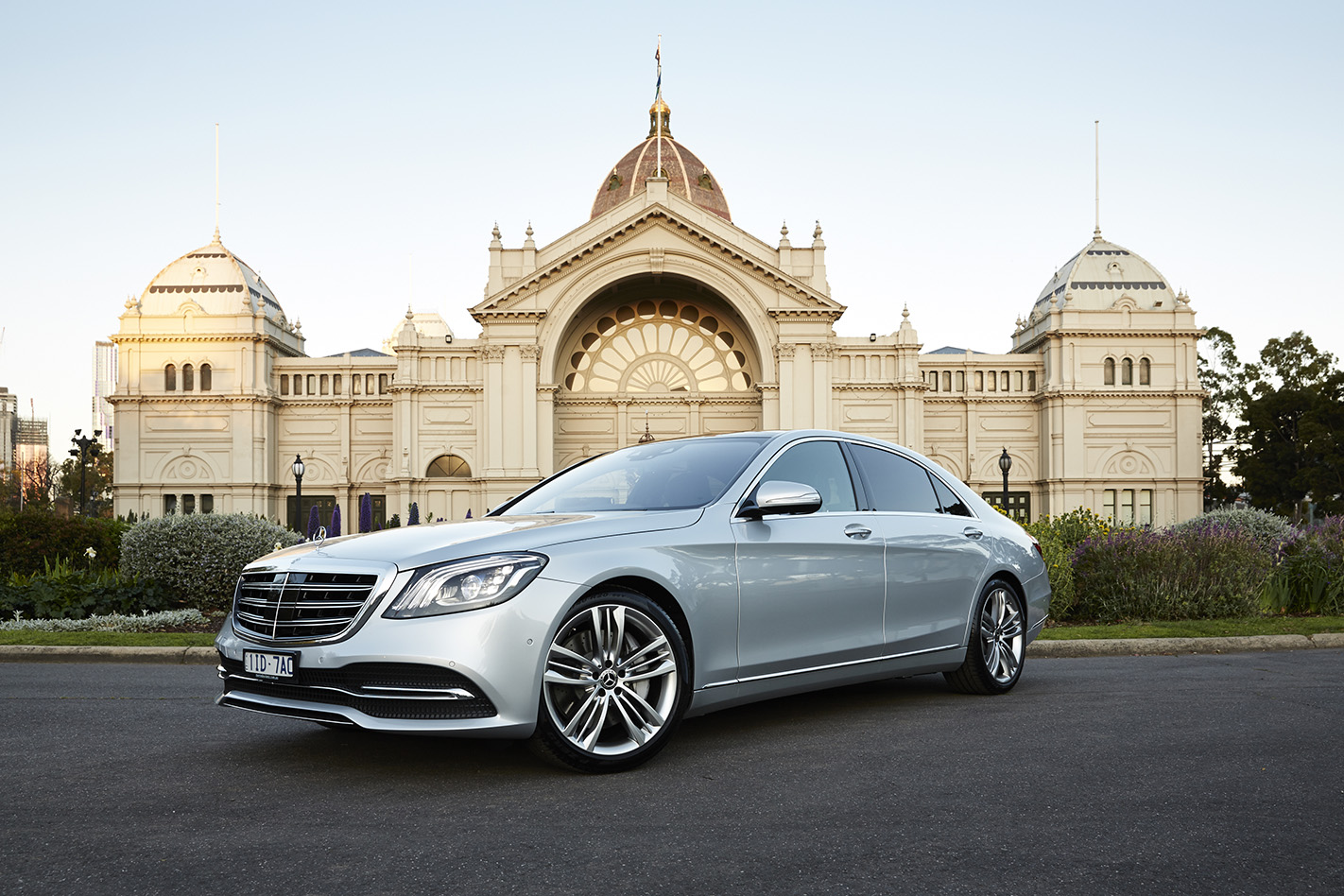
The S350d replaces the outgoing car’s bent-six with the new 210kW/600Nm straight-six diesel, coupled with a nine-speed automatic transmission, that’s 20kW more powerful than before (though has 20Nm less peak torque).
Standard features on the base-level S350d, which is now only available in short-wheelbase form, includes a 13-speaker Burmester stereo, heated and cooled front seats, a 360-degree camera display, 19-inch alloys, a digital TV tuner and power-closing doors and bootlid.
The long wheelbase S400d L is has a 250kW/700Nm a long-wheelbase new high-output diesel option, offering 250kW and 700Nm from an uprated version of the S350d’s straight-six turbo diesel.
The S450 L takes the place of the S400 L and features equipment over the S350d includes power-adjustable rear seats, rear climate control and electric blinds for the back windows.
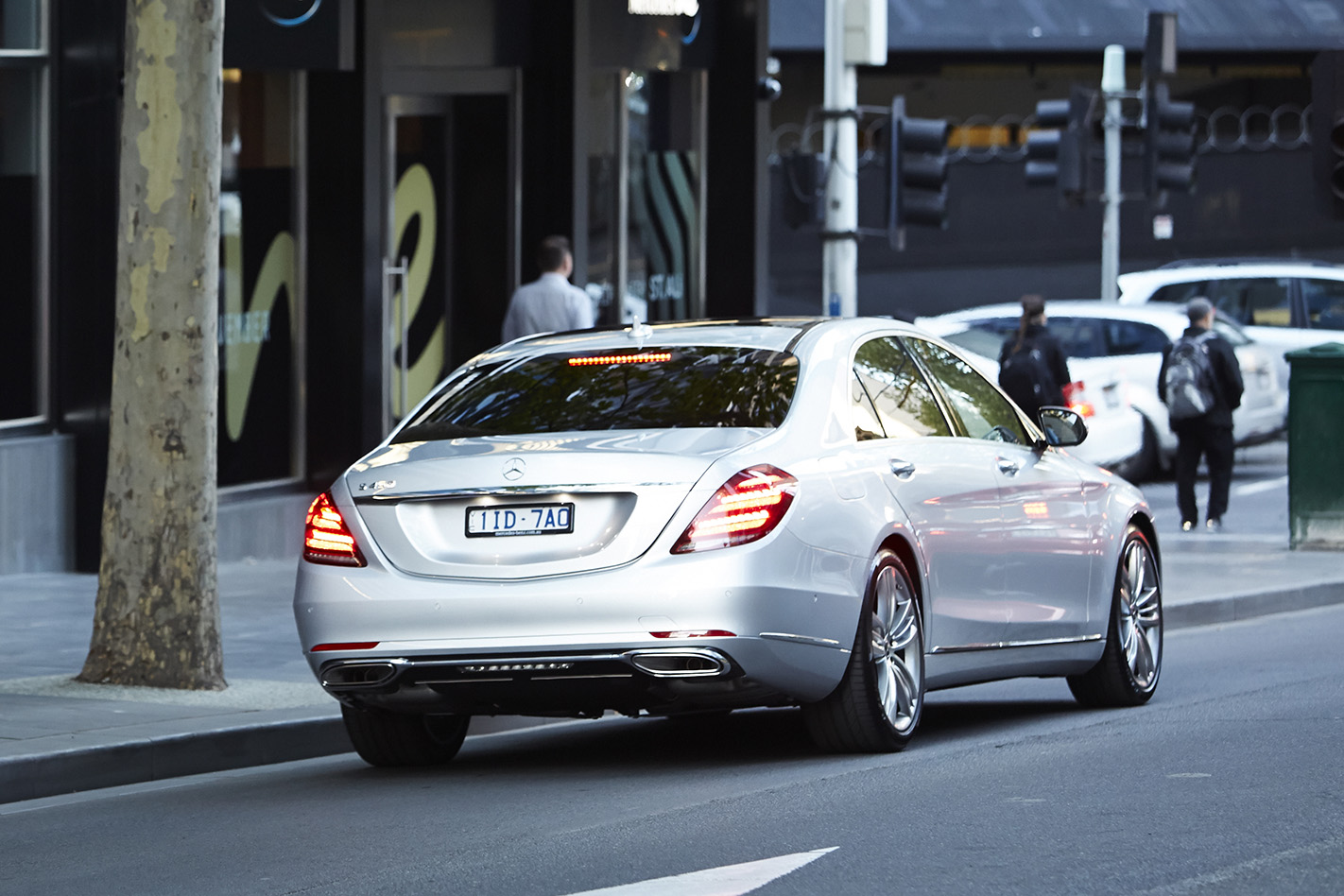
Spend $270,000 on the S560 and $295,000 on the stretched S560 L and you get double-glazed glass, glossy wood trim, built-in rear-seat entertainment screens and “Energizing comfort control”, which brings together climate control, seat heating, ventilation and massage functions, ambient lighting, fragrances and ‘musical atmospheres’ in order to deliver six different wellness programmes while you drive. These include freshness, warmth, vitality, joy, comfort and training.
If that’s not enough to sooth you when you’re in a mad rush both models have a 345kW/700Nm twin-turbo 4.0-litre petrol V8 to add reassurance to the mix.
That same engine is boosted to 450kW/900Nm for the Mercedes-AMG S63 L, which also gains set of exhaust, composite brakes, a sportier steering rack, sports suspension and AMG-tuned settings for its various drive modes.
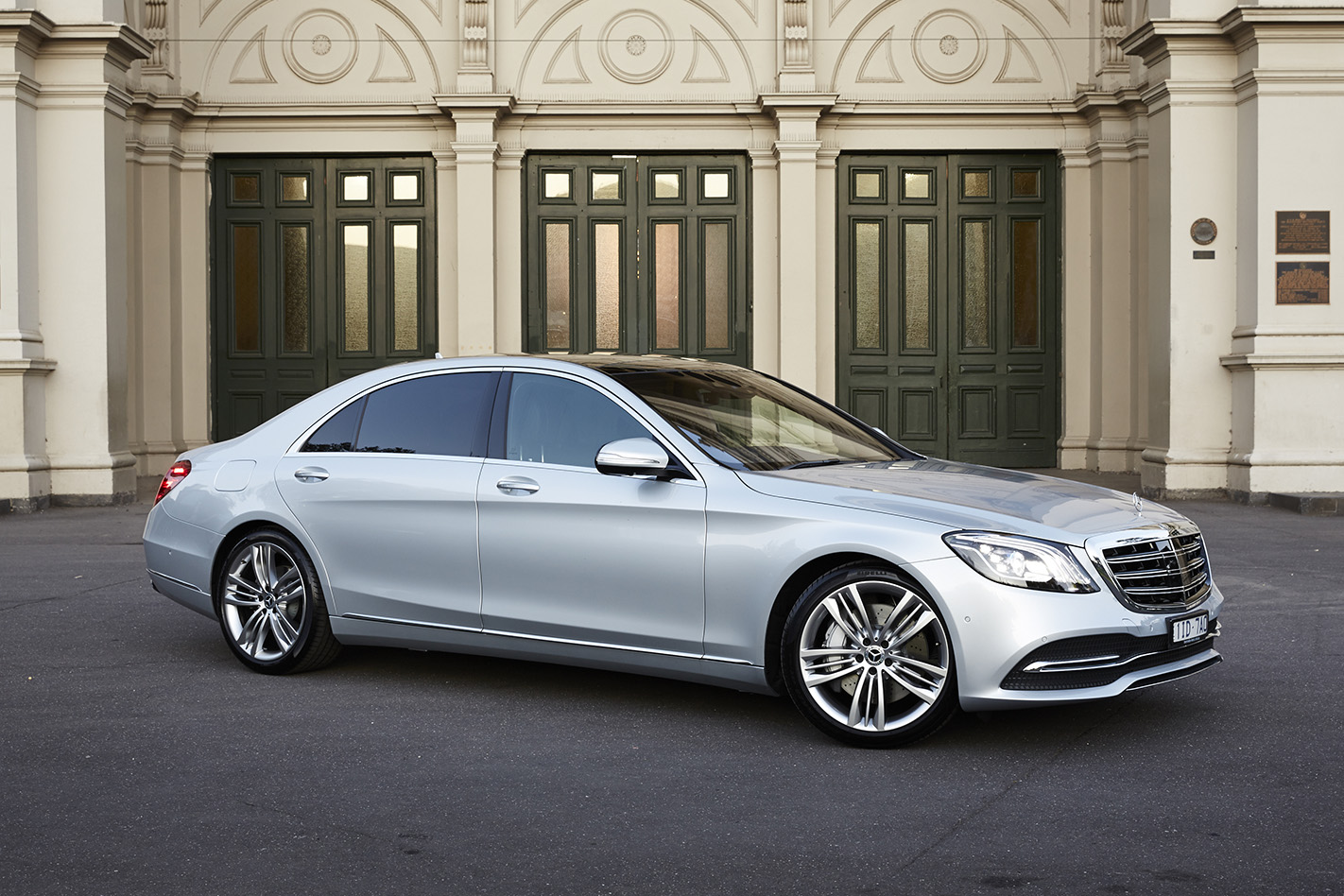
The AMG S63L also has heated and ventilated rear seats, more deeply contoured front seats, sports steering wheel, stainless steel pedals, black wood trim and an 80-litre fuel tank.
If that doesn’t impress you, the $425,000 Mercedes-Maybach S650 should , with its 463kW 6.0-litre twin-turbocharged petrol V12 that produces a truck like 1000Nm of torque that needs a seven-speed automatic transmission to tame it.
Additional creature comforts include a 24-speaker Burmester stereo, microfibre-upholstered roof liner, high-end nappa leather upholstery, polished 20-inch alloys and plenty of Maybach badging.
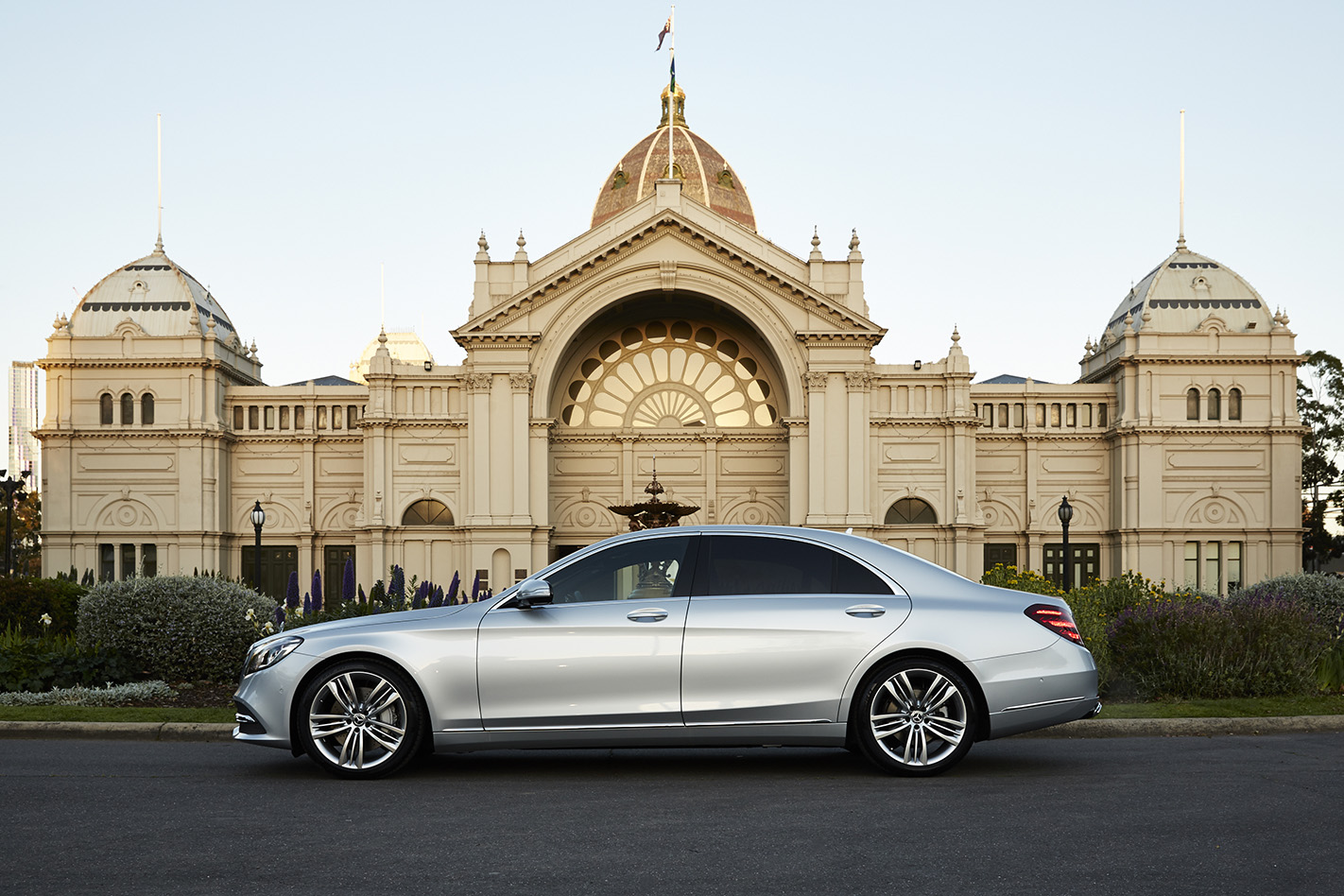
All 2018 S-Classes also get revised active steering assist and active cruise control software to provide more progressive intervention and there’s even a feature that “prepares your hearing for the anticipated accident noise” when a collision is deemed imminent.
2018 Mercedes-Benz S Class pricing
- Mercedes-Benz S350d – $192,900
- Mercedes-Benz S400d L – $222,500
- Mercedes-Benz S450 L – $227,500
- Mercedes-Benz S560 – $270,000
- Mercedes-Benz S560 L – $295,000
- Mercedes-AMG S63 L – $375,000
- Mercedes-Maybach S650 L – $425,000
THE next-generation Jeep Wrangler is not far from being revealed, with a global debut slated for November at the LA Auto Show.
The JK platform, launched in 2007 and updated in 2012, is nearing the end of its life, and will be updated by a new generation, built atop the JL platform.
There are some major changes expected to happen in the generational leap, so here’s what we know at present.
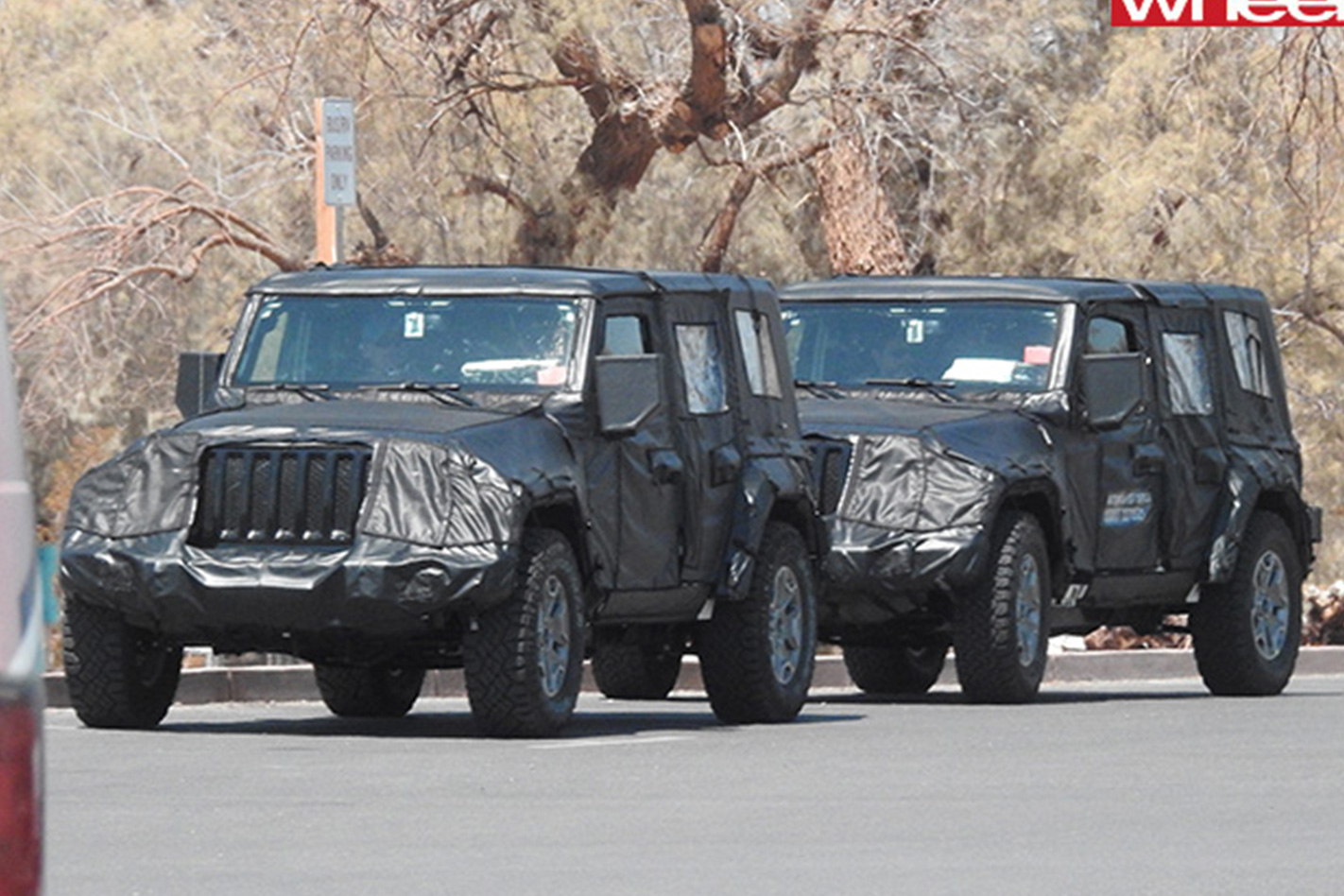
Leaked CAD drawings indicate the Scrambler will sit atop a frame measuring 5200mm long. For reference, the current Wrangler Unlimited uses a 4370mm long frame.
To the horror of hardcore traditionalists, it’s also likely the JL Wrangler will see the addition of an automatic 4WD system for the first time in the car’s history. Jeep’s Selec-Trac 4WD system has been speculated as being available as an optional extra for the top of the line Sahara trim Wrangler.
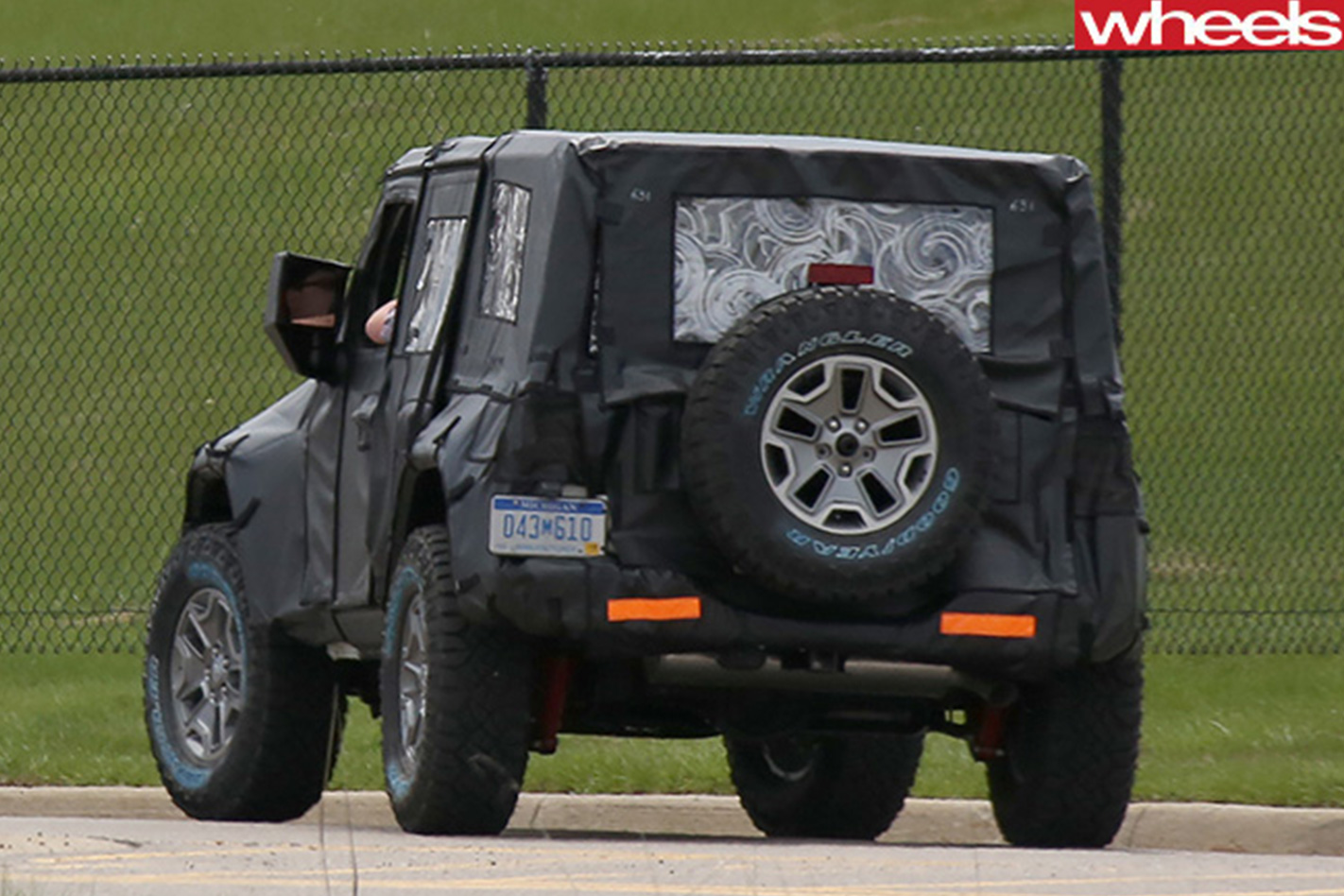
Further leaked information appears to show three transmission options for the next-gen Wrangler, a six-speed manual, and a pair of eight-speed automatics.
Engine-wise, it’s likely the Wrangler range will have three options – an updated 3.6-litre ‘Pentastar’ V6 from launch, and a 2.0-litre four-cylinder turbo petrol, with a 3.0-litre turbo-diesel V6 arriving in late 2019.
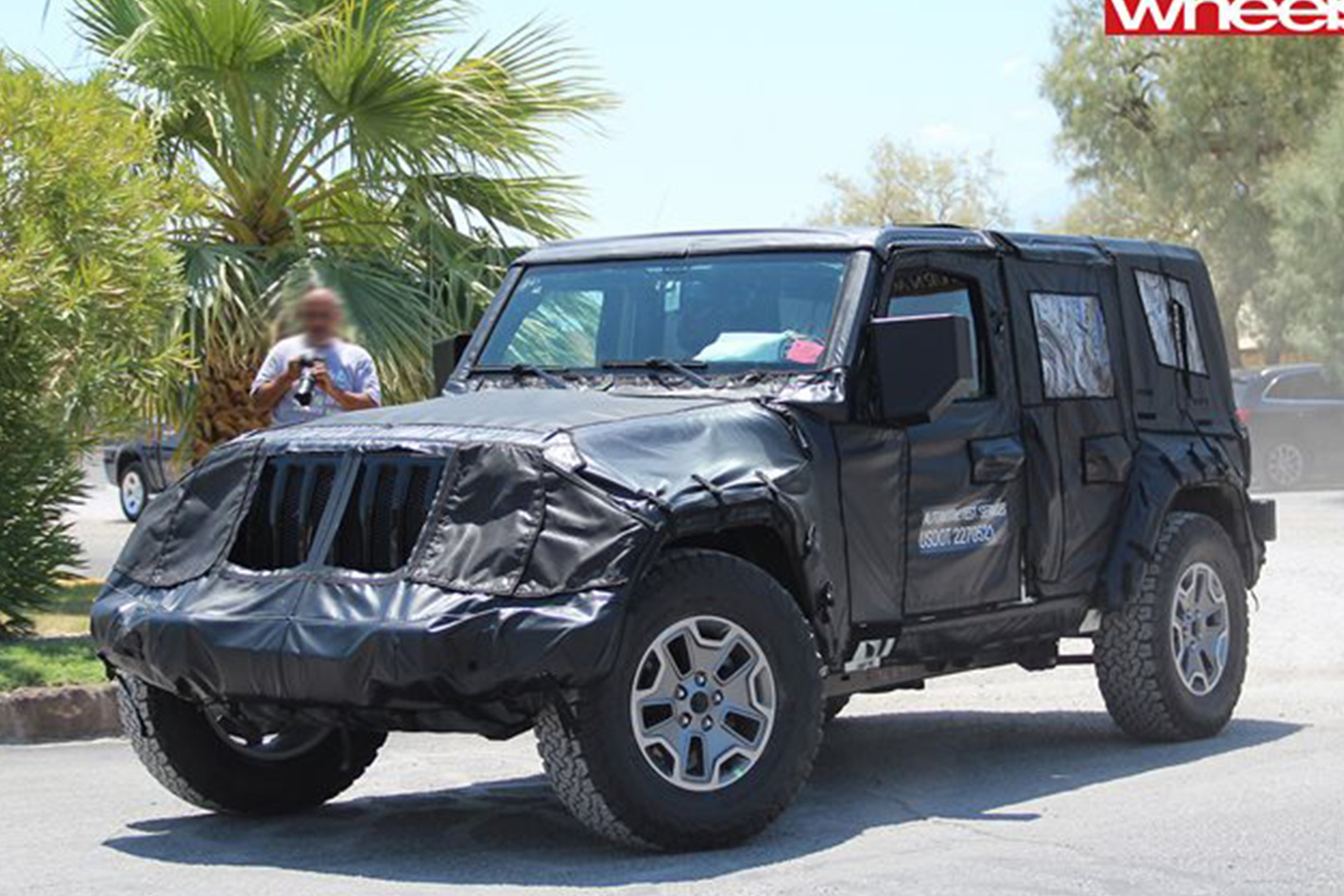
A powered soft top is also likely to be available as an option, while the JL will retain the folding front windscreen feature of the current JK.
It is uncertain how much of the leaked material and speculation will appear on the final iteration, due to break cover next month.
Dubbed by Holden as ‘The Commodore Collection’, three of the last vehicles to roll off the Elizabeth plant line will be auctioned off to the public for charity.
All special editions, the funds raised from the sales will go to charity The Smith Family, and will support 55 local scholarships for disadvantaged kids.
The three cars are a Director, build number #5, a Commodore Motorsport, also #5, and a Magnum Ute which bears #111.

“We have seen the valuable work The Smith Family does in supporting – and nurturing – the education of disadvantaged young Australians right across the country,” says Holden manufacturing director Richard Phillips.
“So we’ve created this major fundraising opportunity as a terrific way for us to say ‘thank you’ to South Australian families for supporting us for so many years, and allow us to continue to share in supporting some local families and children in need.”
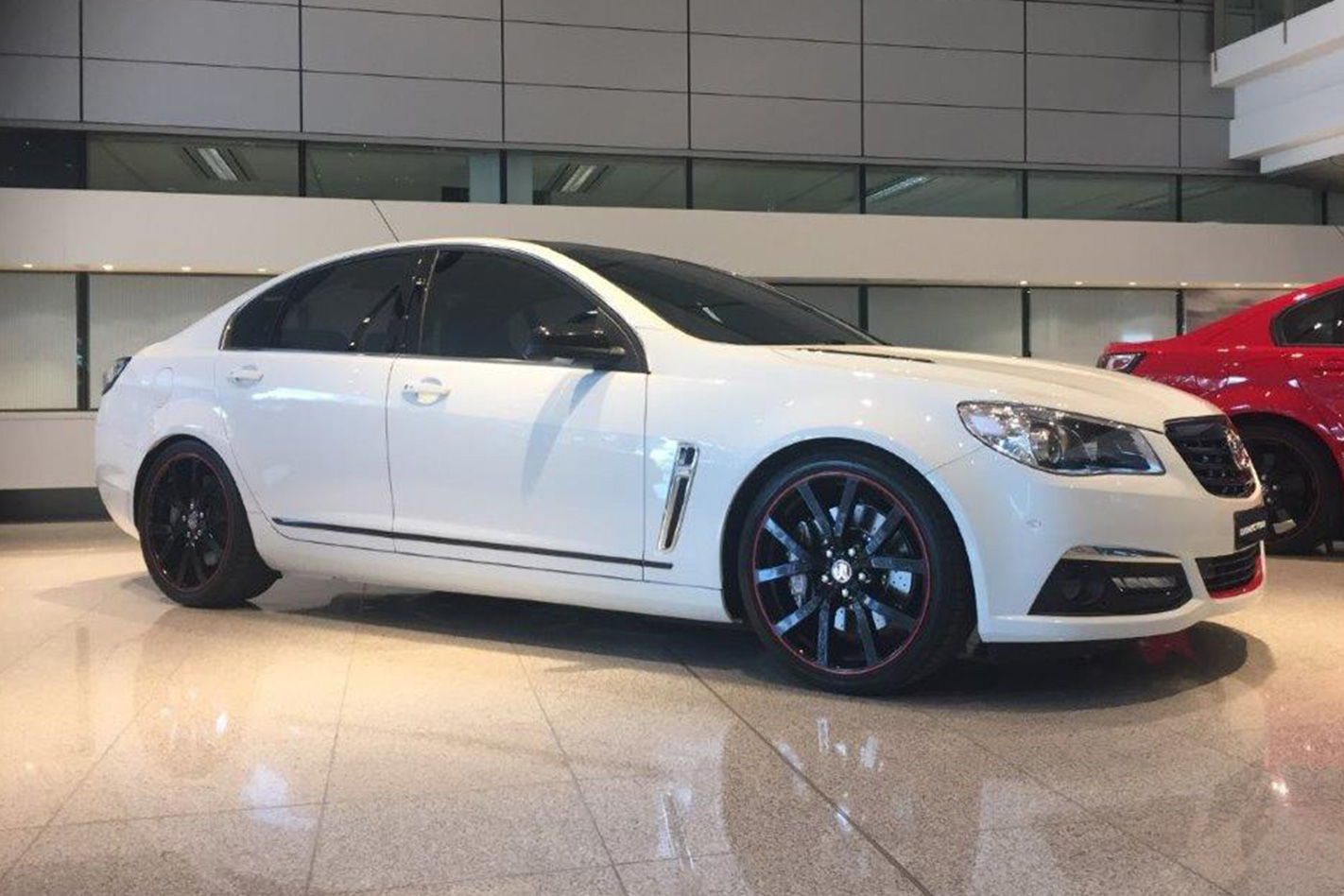
Half of the funds raised by the Director will, however, go to the Lighthouse Foundation charity as nominated by Bev Brock due to late husband Peter Brock’s association with the badge.
Registration for the auction closes at 5pm Saturday October 14, and the auction follows on Sunday October 15 at 3pm ACDT (for South Australia), or 3.30pm for those on AEDT (VIC, NSW, ACT and TAS).
