
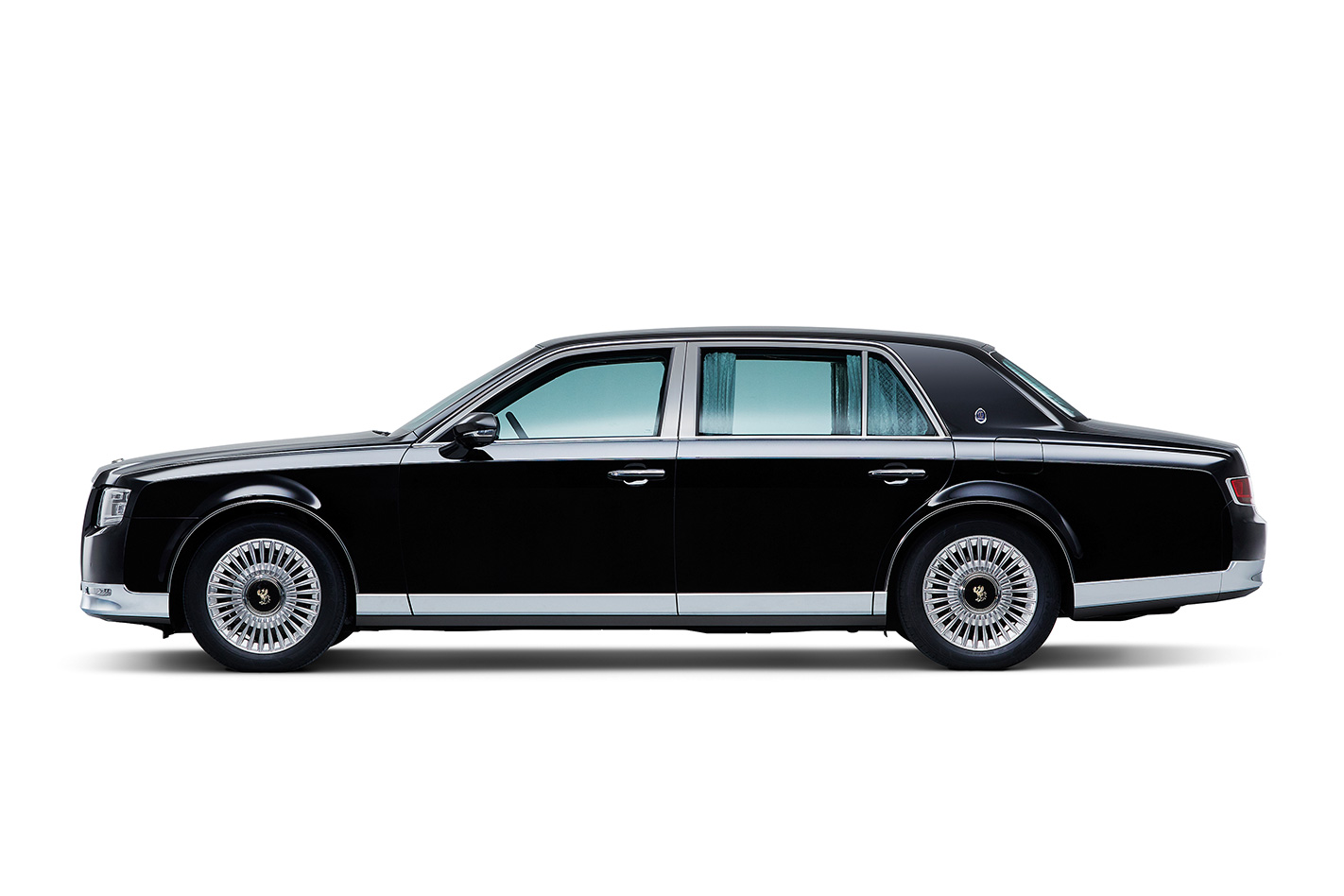
THE Land of the Rising Sun is home to some truly unique and lesser-known creations (the world of Kei cars speaks for itself), but if tiny cars powered by three-cylinders aren’t your thing, try the Toyota Century for size.
It’s the flagship model for Toyota in Japan, and is a luxury limo akin to a Mercedes-Benz S-Class or Audi A8.
And now, there is an all-new Century, set to debut at the Tokyo Motor Show later this month, but this new generation of the Century spells the end of the model’s V12 engine variant. Instead, the sole drivetrain will be a hybrid V8 combination.
However, this technically isn’t the first hybrid Century. That claim goes to a 1974 concept that was powered by a GT45 gas turbine and electric motor.
The Japanese limo is bigger in all areas compared with its predecessor, now measuring 5.3 metres long, 1.9 metres wide, and 1.5 metres tall. The extra length comes from an extended wheelbase, improving cabin space.
It’s only the second time the Century has received a generational update since it was introduced to the Japanese market in 1967. The first update occurred in 1997.
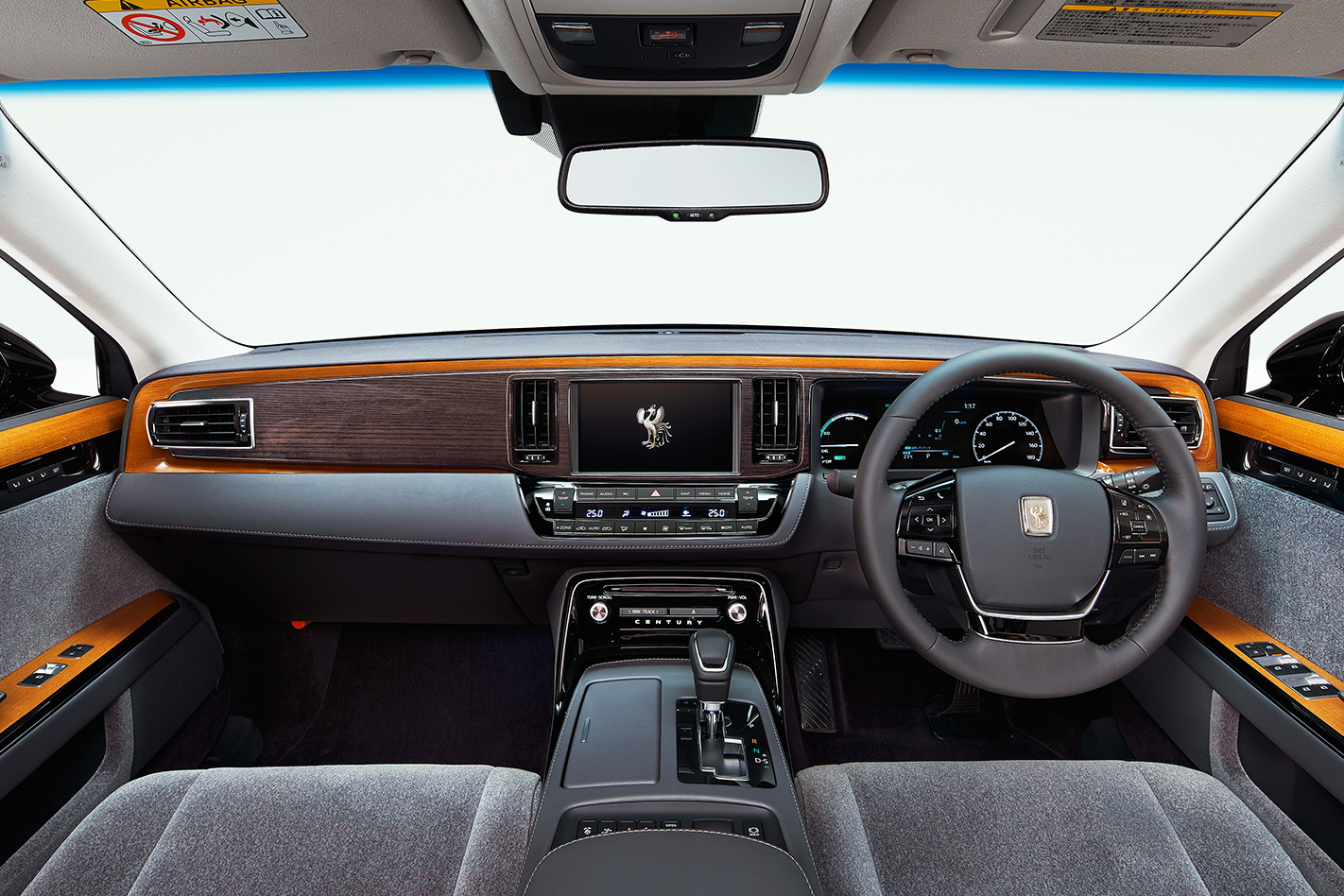
Other features include massaging seats, and a 20-speaker audio system, rear curtains for privacy and a writing table.
Australia is missing out on the new Century, but that won’t stop us dreaming.
If you like your cars stock-as-a-rock, this is certainly not for you.
If you like your cars to look – dare we say – tasteful or elegant, this is still not for you.
But if you want everyone to look at you everywhere you go then step this way, Liberty Walk has just the thing for you.
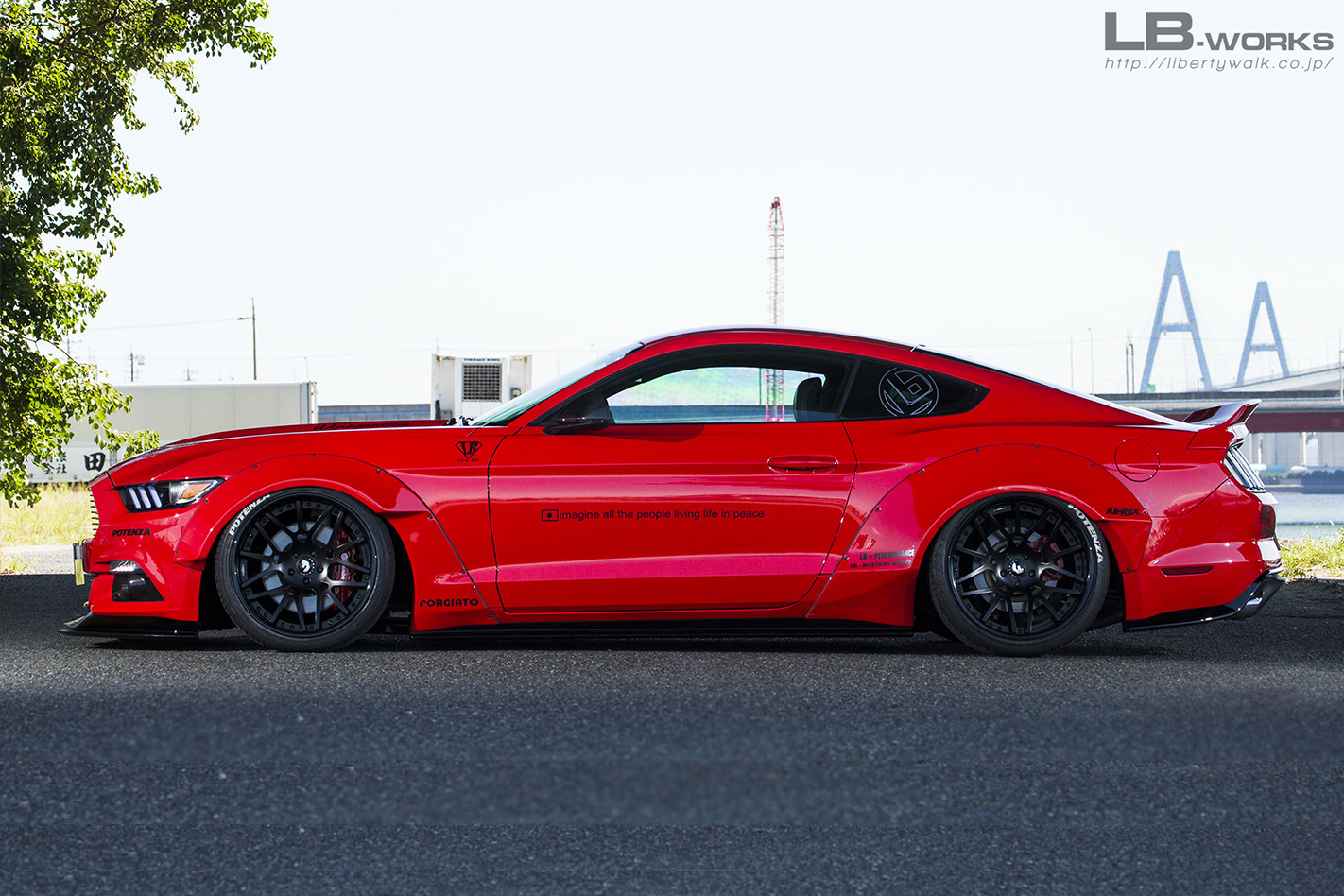
This is the Liberty Walk Works Ford Mustang, and it’s just about as brash as a modern ‘Stang can look. Without strapping a wing and an enormous blower to it, that is.
Of course, as with any true-to-form LW project, bolt-on wheel arches and low-hanging lips and sills give the car an aggressive image that would surely be shattered at the first sign of a speed bump. Or a driveway.
Liberty Walk, based in the city of Nagoya, Japan, is known the world over for making cars look about as unusable as possible, and usually the design turns away the purists in an instant.
As should be expected, there’s also an air-suspension option for just over AUD $10K, but we’re not sure how far you’d want to go with ‘toughening’ up the ‘Stang. It’s already pretty tough as it is, and sacrificing capability for style isn’t really the MOTOR way.
Then again, a quick glance at the Liberty Walk yard on Google Street View reveals that capability might not be at the forefront in sunny Nagoya.
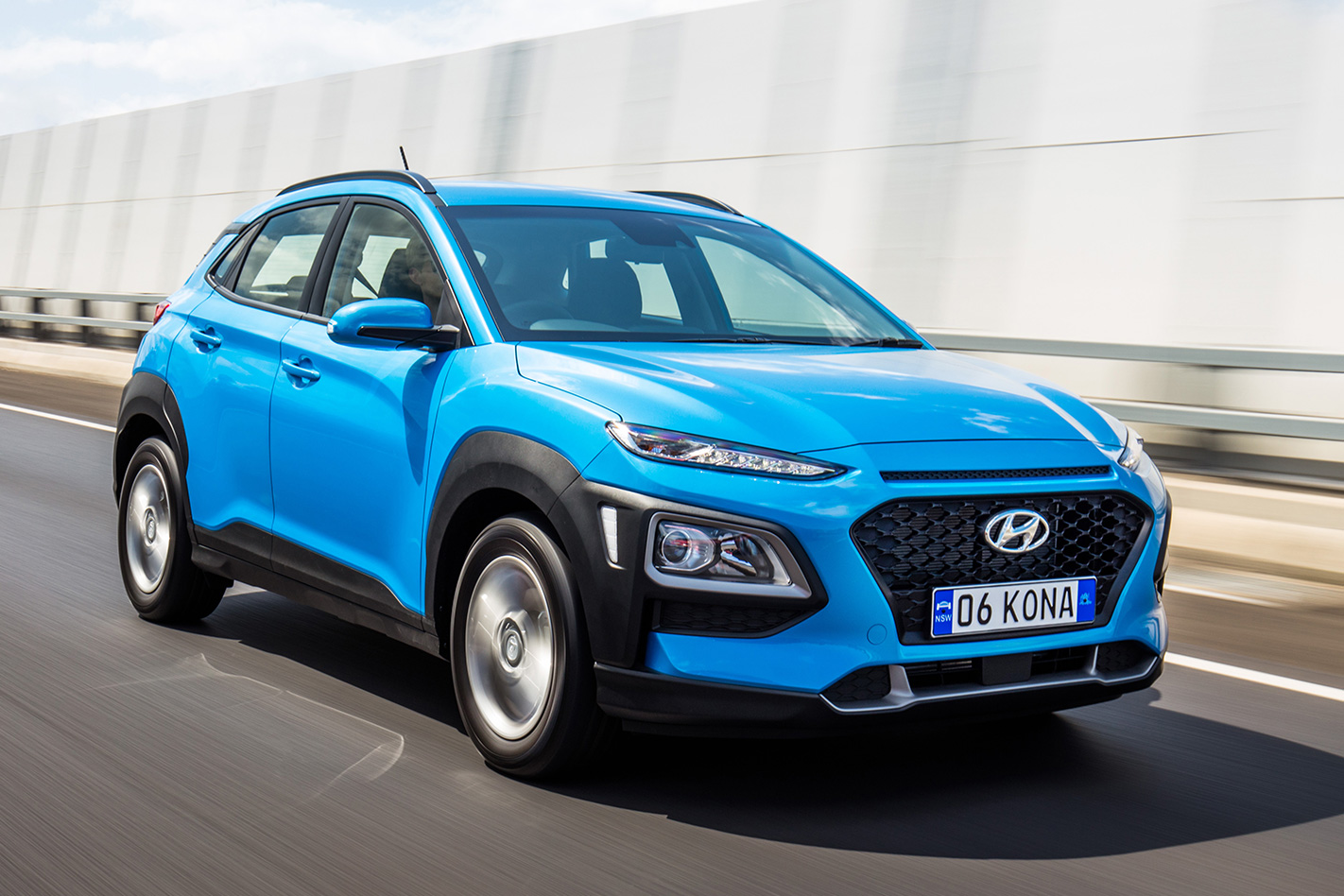
Hyundai finally has a compact crossover offering, with the Kona joining its Australian SUV range alongside the Tucson and Santa Fe.
Starting at $27,000 drive away, the Kona will be available in three main variants Active, Elite and Highlander.
The entry-level Active features LED daytime running lights, downhill brake control, hill start assist, dusk sensing headlights, reversing camera, tyre pressure monitoring, 7-inch floating touchscreen, rear parking sensors, Apple CarPlay/Android Auto connectivity, 3.5-inch TFT driver information display, cloth seats, leather appointed steering wheel and gear knob, cruise control, 16-inch alloy wheels and roof rails.
For an extra $1500 you can get the Active with Safety Pack variant which includes Hyundai SmartSense driver assistance technology (see below) that’s standard in the Elite and Highlander models.
The Kona Elite also gains 17-inch alloys, leather appointed seats, keyless entry/start, climate control air-conditioning, front fog lights, rain sensing wipers, carbon grey exterior trim, rear skid plate and luggage net.
The range-topping Highlander has all that plus 18-inch alloys, front parking sensors, LED headlights/front indicators and tail lights, high beam assist, head up display, 4.2-inch TFT display, powered and heated front seats, auto dimming mirror, wireless charging pad and heated steering wheel.
Each trim level will have a choice of a powertrains including a 110kW/180Nm 2.0-litre naturally aspirated four-cylinder petrol engine with six-speed automatic transmission and front wheel drive. For an extra $3500 you can add some oomph with a 130kW/265Nm 1.6-litre four-cylinder turbocharged petrol engine mated to a seven-speed dual-clutch automatic transmission (DCT) and all-wheel-drive.
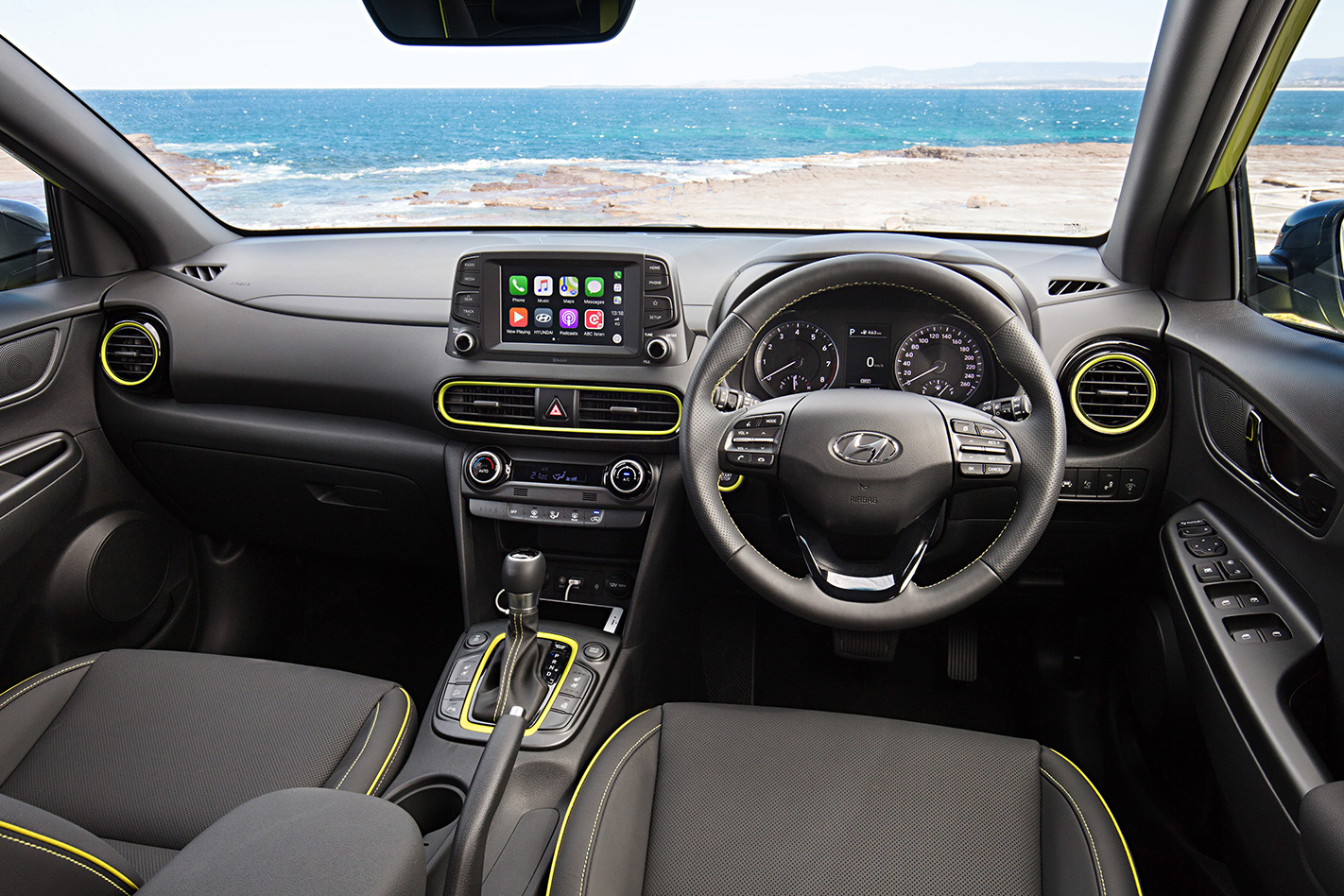
Built on an all-new platform, the Kona looks small, thanks to short front and rear overhangs. However, it has a 2600mm wheelbase (that’s 30mm longer than the Mazda CX-3 benchmark) allowing for a deceptively spacious interior.
Interior space is helped by its wide track, which Hyundai says also provides car like handling that’s further enhanced by the chassis and suspension being tuned for Australian conditions.
Hyundai believes there’s plenty of space for five occupants and luggage with front and rear legroom of 1054mm and 880mm. Boot space is 361-litres (almost 100 more than CX-3), increasing to 1143-litres with the 60:40 split rear seats folded down.
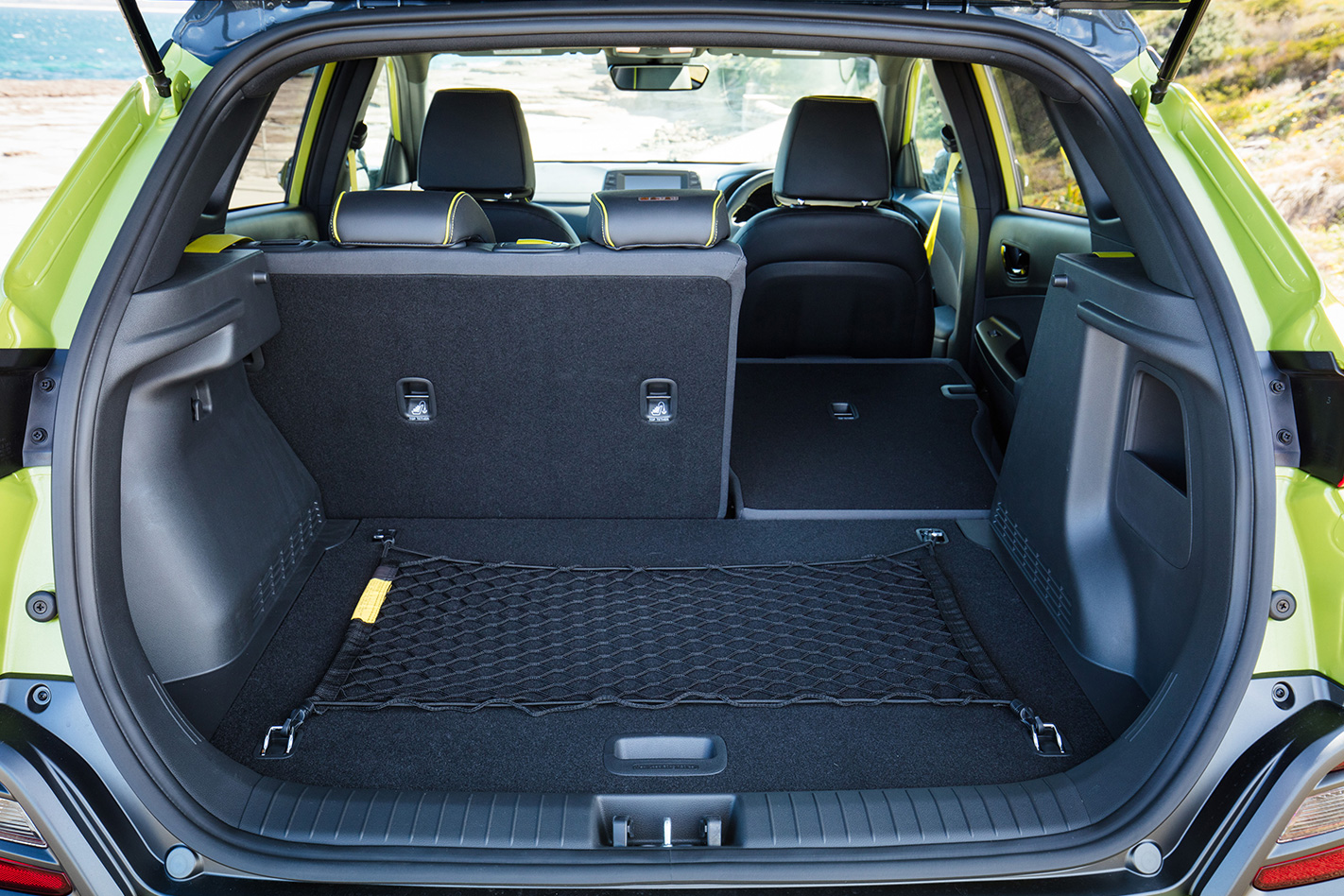
One of the most advanced small-SUVs in terms of active safety, the Kona is equipped with the Hyundai SmartSense system that includes Forward Collision Avoidance Assist (FCA), which provides visual and audible warnings if detects a potential collision with a car or pedestrian and automatically stops the vehicle if the driver doesn’t respond in time.
The FCA system works while travelling up to 160km/h with the automatic emergency braking working up to 75km/h. At higher speeds the vehicle will slow down as much as possible to mitigate the collision. FCA detects and stops for pedestrians at speeds between 8 and 64km/h.
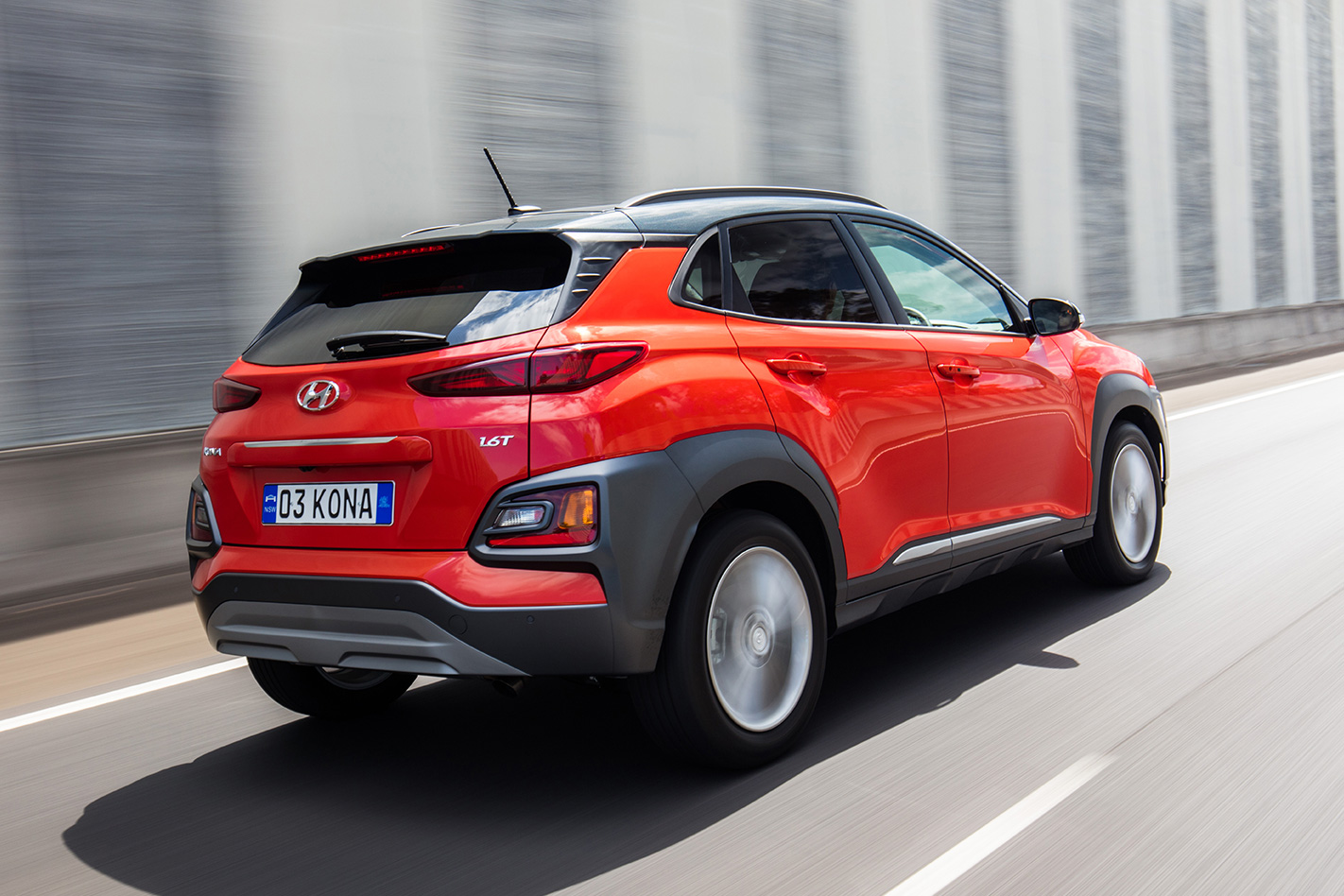
Other active safety features include: blind spot collision waning; rear cross traffic alert; lane keeping assist; driver attention warning, which detects erratic driving behaviour; high beam assist that automatically dims when sensing vehicles ahead.
The Kona also comes with the Auto Link app that lets you view driving information, tyre pressures, driving history, ECO and speed stats and vehicle health from anywhere with your smartphone.
The 2018 Hyundai Kona is due to arrive in showrooms this month.
Hyundai Kona manufacturer’s list pricing:
- Kona Active, 2.0-litre 6-speed auto – $24,500
- Kona Active with Safety Pack, 2.0-litre 6-speed auto – $26,000
- Kona Active, 1.6-litre turbo, 7-speed DCT -$28,000
- Kona Active with Safety Pack, 1.6-litre turbo, 7-speed DCT – $29,500
- Kona Elite, 2.0-litre 6-speed auto – $28,500
- Kona Elite, 1.6-litre turbo, 7-speed DCT – $32,000
- Kona Highlander, 2.0-litre 6-speed auto – $33,000
- Kona Highlander, 1.6-litre turbo, 7-speed DCT – $36,000
- Premium paint – $595
- Two-tone roof (Elite and Highlander) – $295
Toyota has revealed a new concept car for the upcoming Tokyo Motor Show, blending the best parts of an SUV with a traditional van.
Dubbed the Tj Cruiser, the concept is in stark contrast to Toyota’s other Tokyo build, the GR HV sports car, which has a more enthusiast focus.
Toyota says the design of the Tj was built around a ‘work plus play’ lifestyle, with the T in the name standing for Toolbox, while the j represents joy.
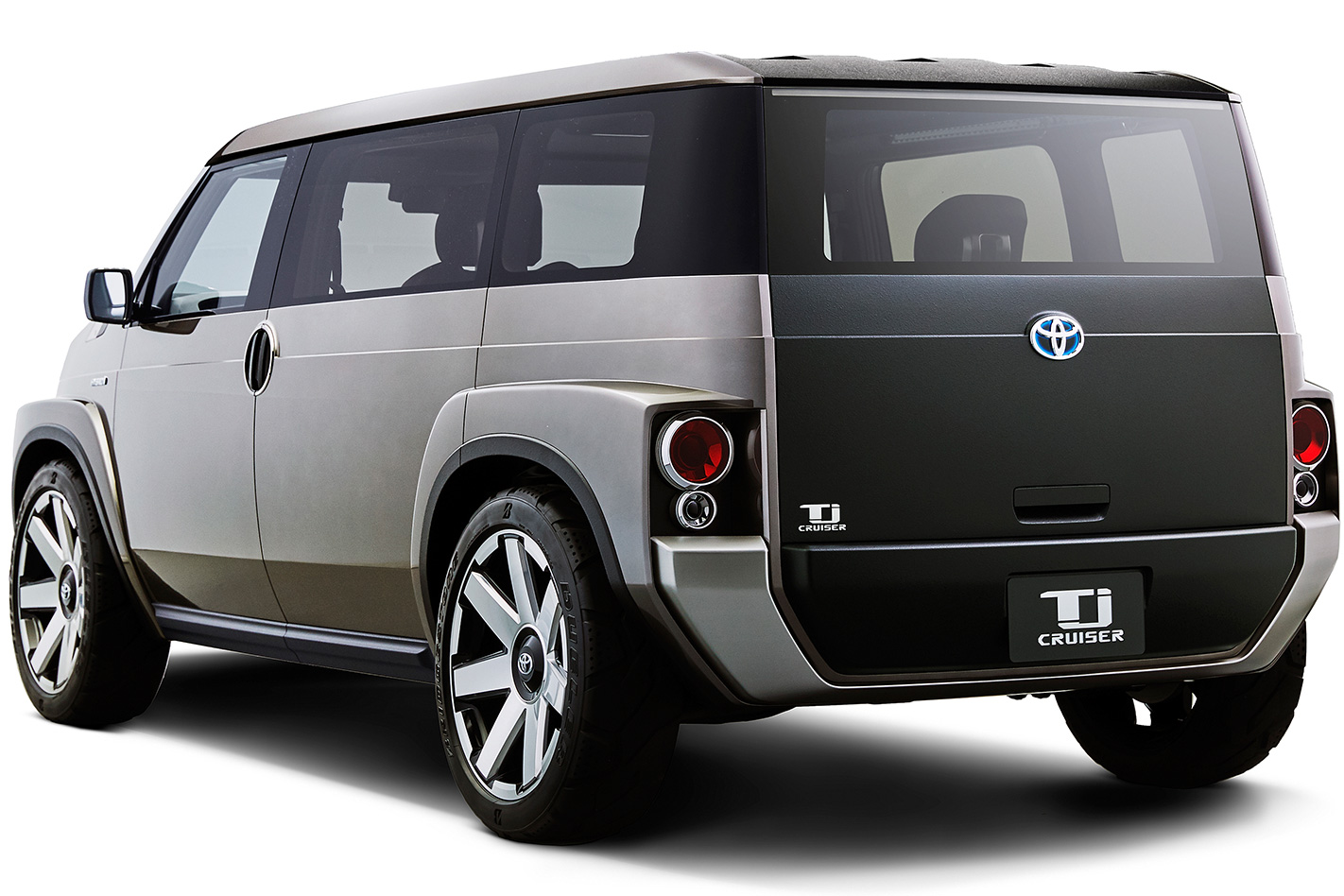
Rolling on 20-inch wheels, power is sent to the rear wheels by a front-mounted 2.0-litre petrol engine and electric motor combo. Details such as power output, performance and plug-in capability have yet to be announced.
The concept is built atop Toyota’s New Global Architecture platform, and it’s more compact than its bluff bodyshell lets on. Measuring 4.3-metres long, 1.7-metres wide, and 1.6-metres tall, the Tj Cruiser occupies a significantly smaller footprint than a Toyota RAV4.
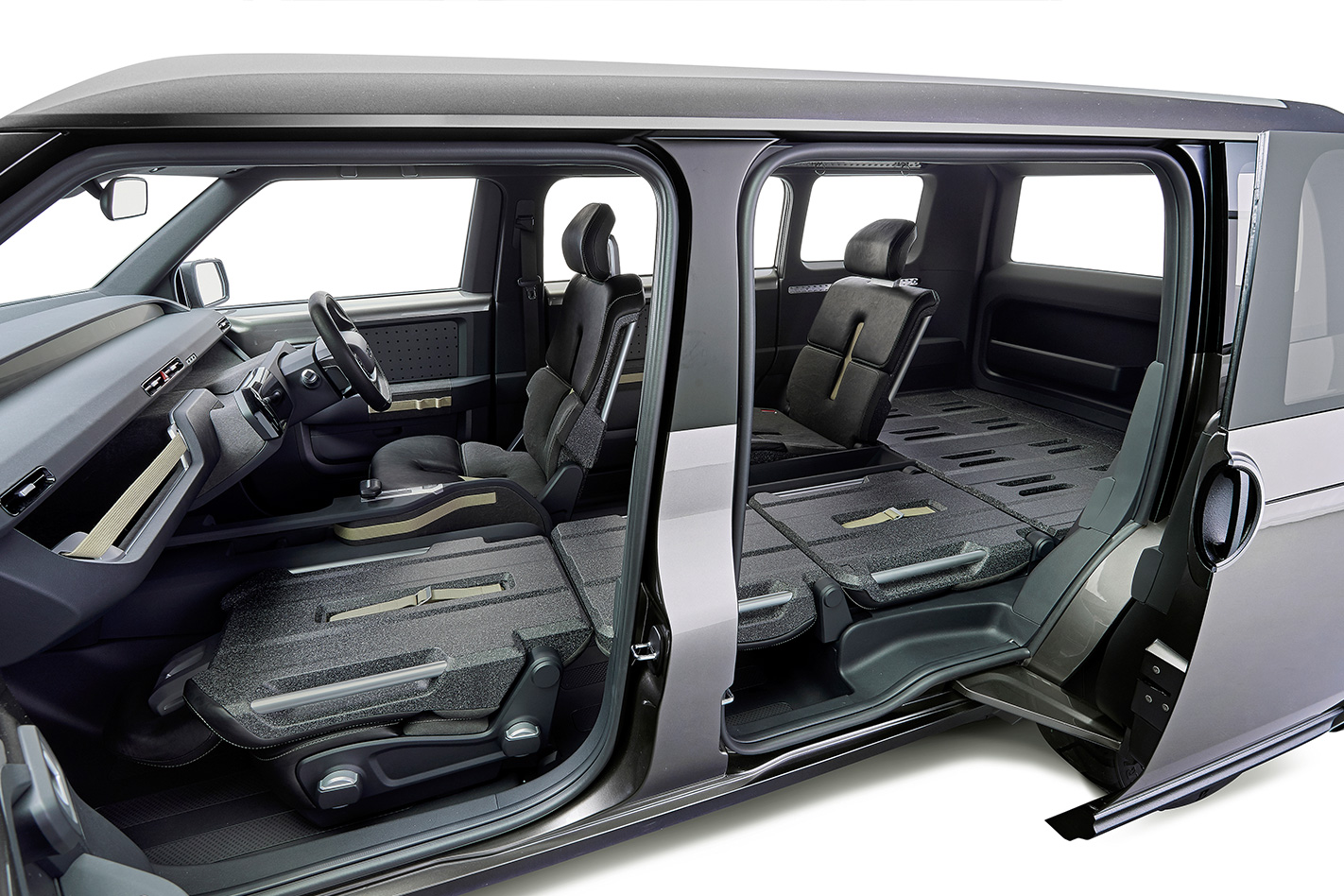
And that potentially explains why the Tj Cruiser only has seating for four. Cargo is the priority with this one, not people.
The interior design means items up to 3 metres long (such as surfboards) can be stored inside the cabin thanks to fold-flat front and rear passenger seating.
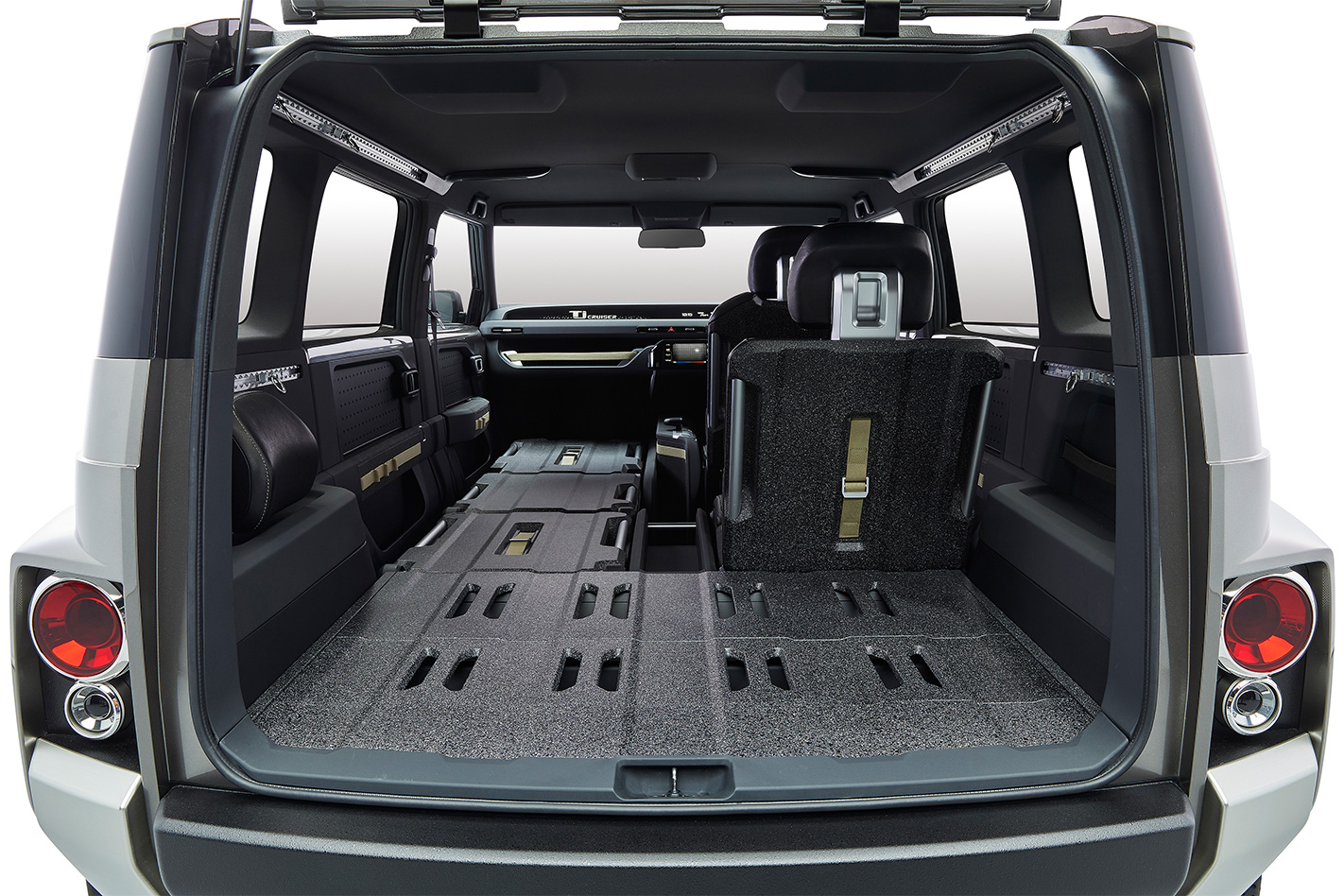
There are also numerous lashing points inside the cabin, to safely anchor your cargo.
| Toyota FJ Cruiser bitter sweet farewell
According to Toyota, the barn-style rear doors were designed with the intention of allowing bulky items such as bikes to be loaded with ease. Expect more details to drop when the Tj Cruiser makes its global debut at the Tokyo Motor Show on October 25.
Holden has confirmed it has completed production of its limited-edition Commodore Motorsport sedans and Magnum utes a fortnight before the company closes its local manufacturing operations, however build of the sports-luxury Director has been delayed.
The final 45 of 1200 units of Commodore SS V Redline-based Motorsport Edition (MSE) and the last 32 of 240 units of SS V Redline ute-based Magnum entered production on Tuesday October 3rd and were completed late last week, a Holden spokesperson has told MOTOR.
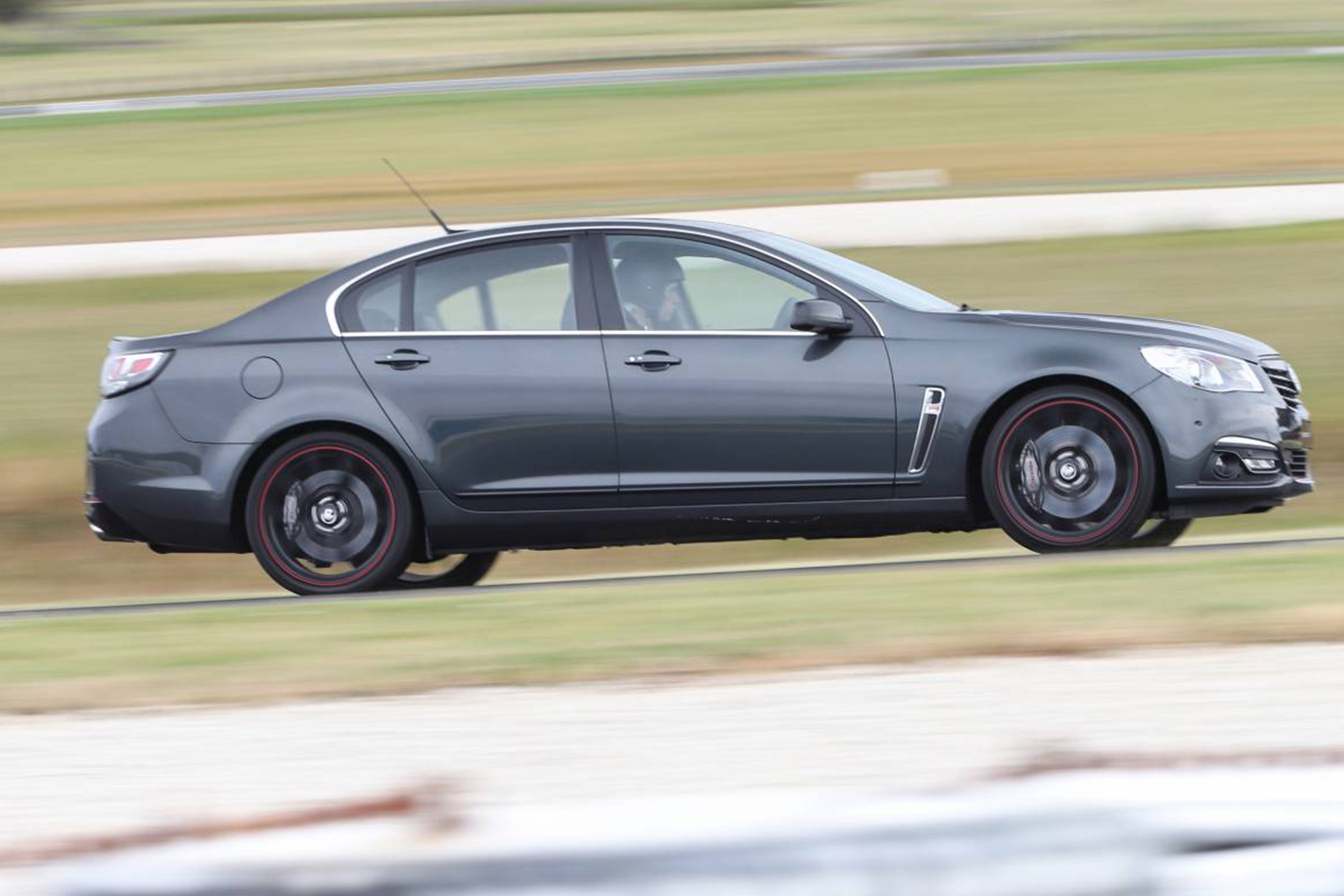
he problem is with the unique black strips themselves, with the other 330 units of Director swapping the exclusive trim addition for the regular chrome side strips used on the Calais V.
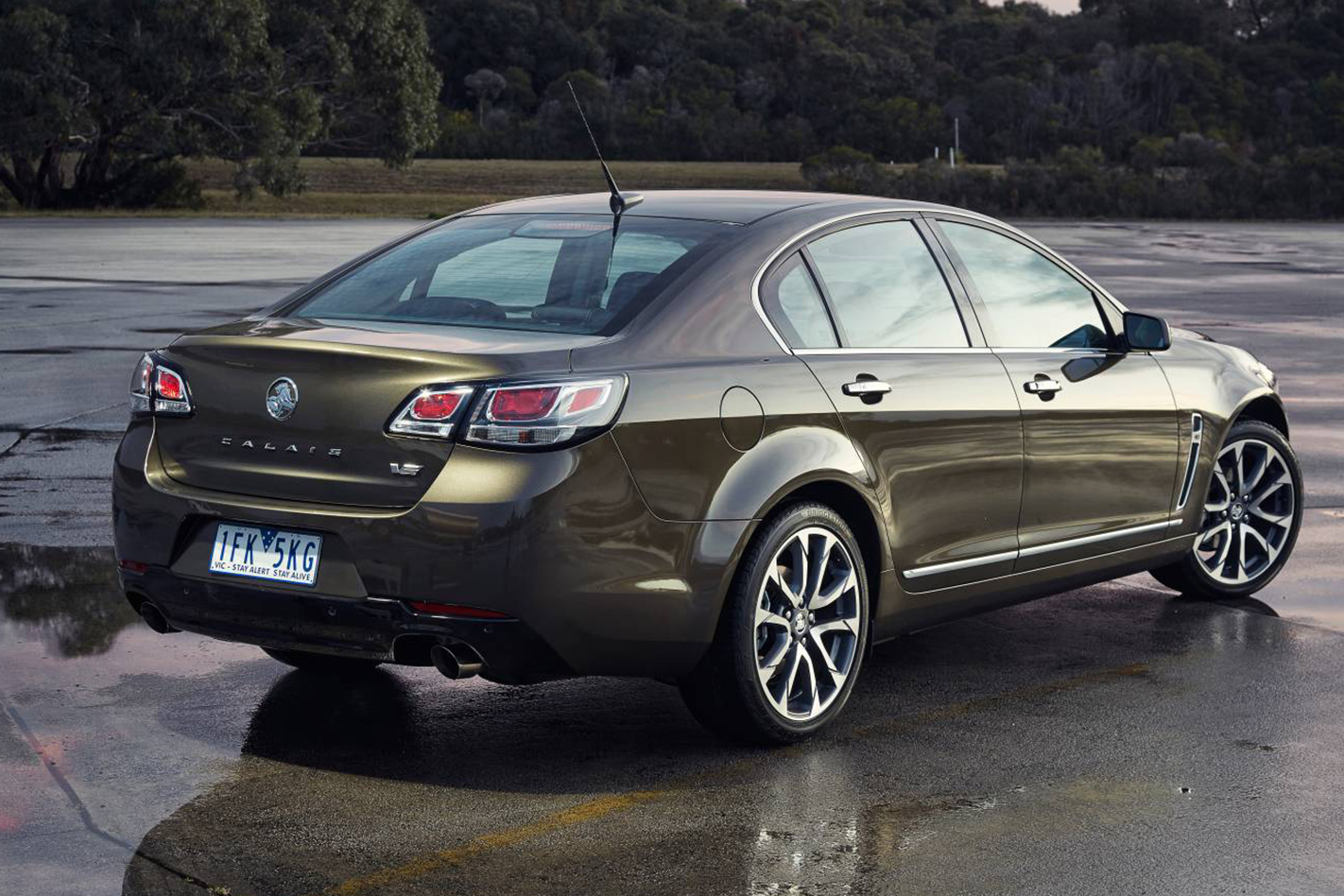
On the upside for buyers with late-arrival limited edition Commodore models, Holden has further confirmed that the brand’s recently announced seven-year or 175,000km warranty offer will apply to MSE, Magnum and Director deliveries after October 1.
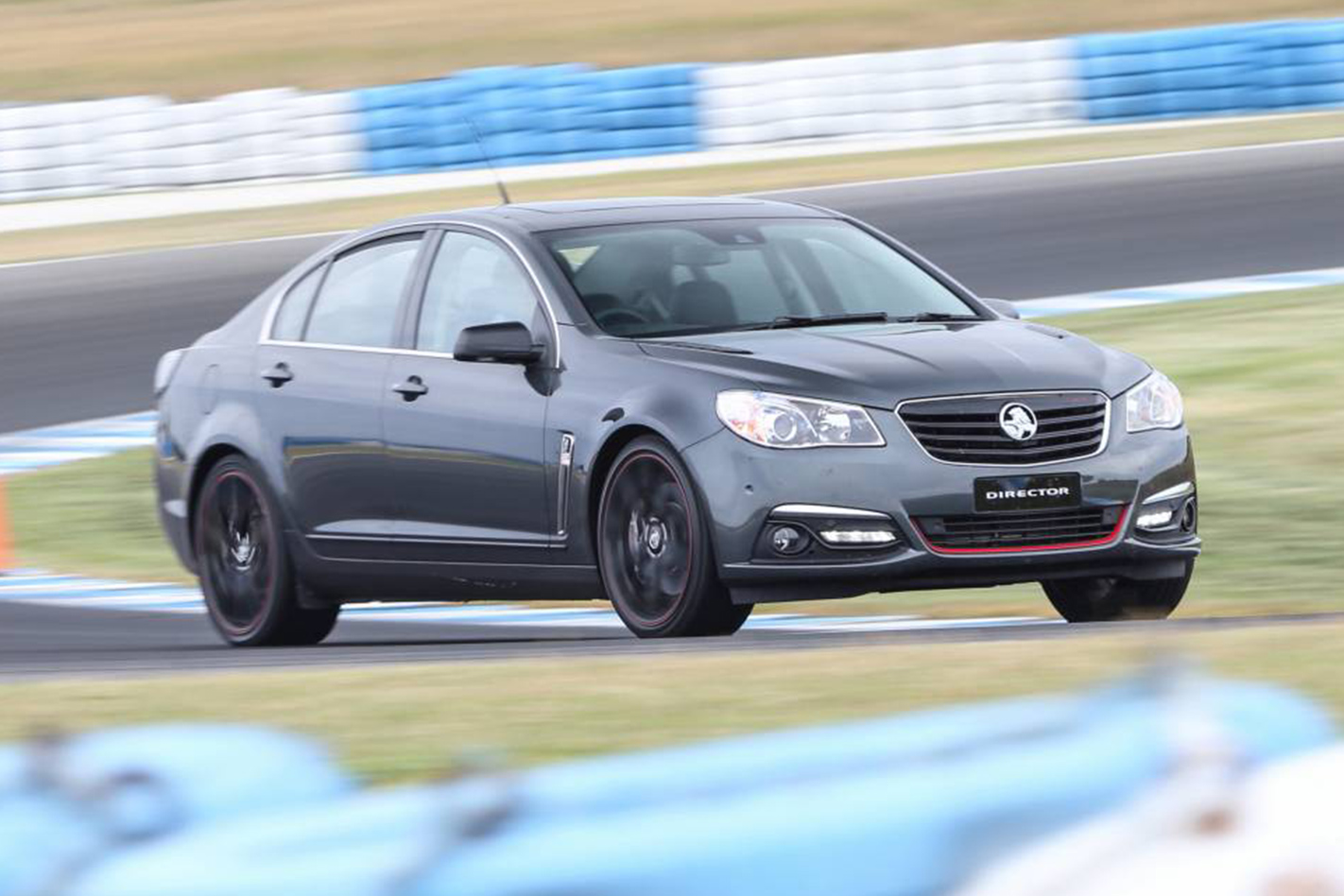
Meanwhile one buyer of a Director has been given a scheduled production date of Wednesday October 18th – just two days prior to the closure of operations.
IN THE Noughties veteran car executive Bob Lutz was king of the General Motors hill.
The ex-BMW, Ford and Chrysler man re-joined GM in September 2001 as Vice Chairman of Product Development and was promoted to Chairman of GM North America shortly after. He remained in this role, while also briefly serving as President of GM Europe at the same time, before moving to Head of Global Product Development in 2005.
Basically, what Bob Lutz wanted, Bob Lutz got, and Bob Lutz wanted a Holden Monaro. Lutz was a big fan of Holden, seeing GM’s Australian arm as the little engine that could. Specifically, it could make a very good car with relatively little resource.
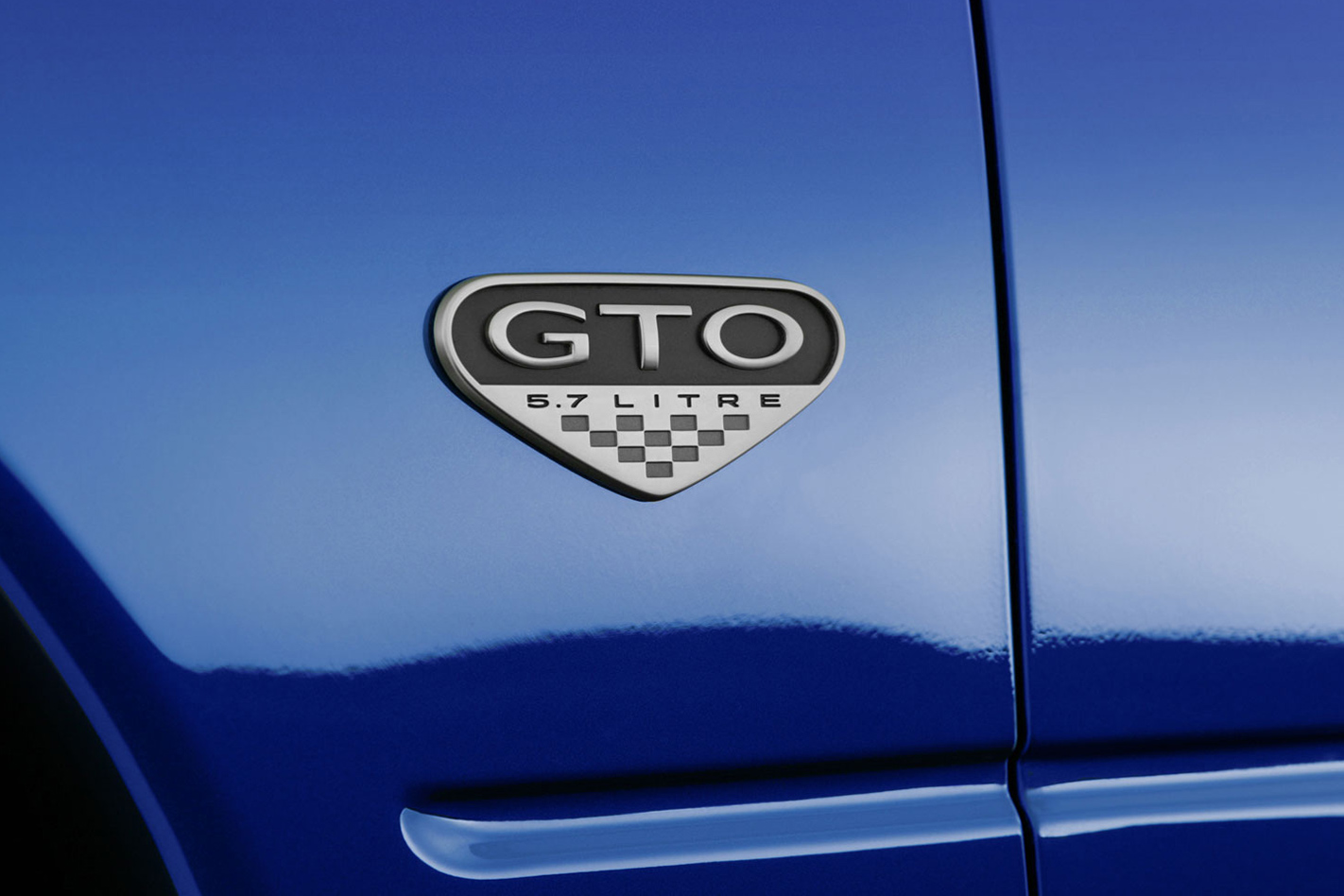
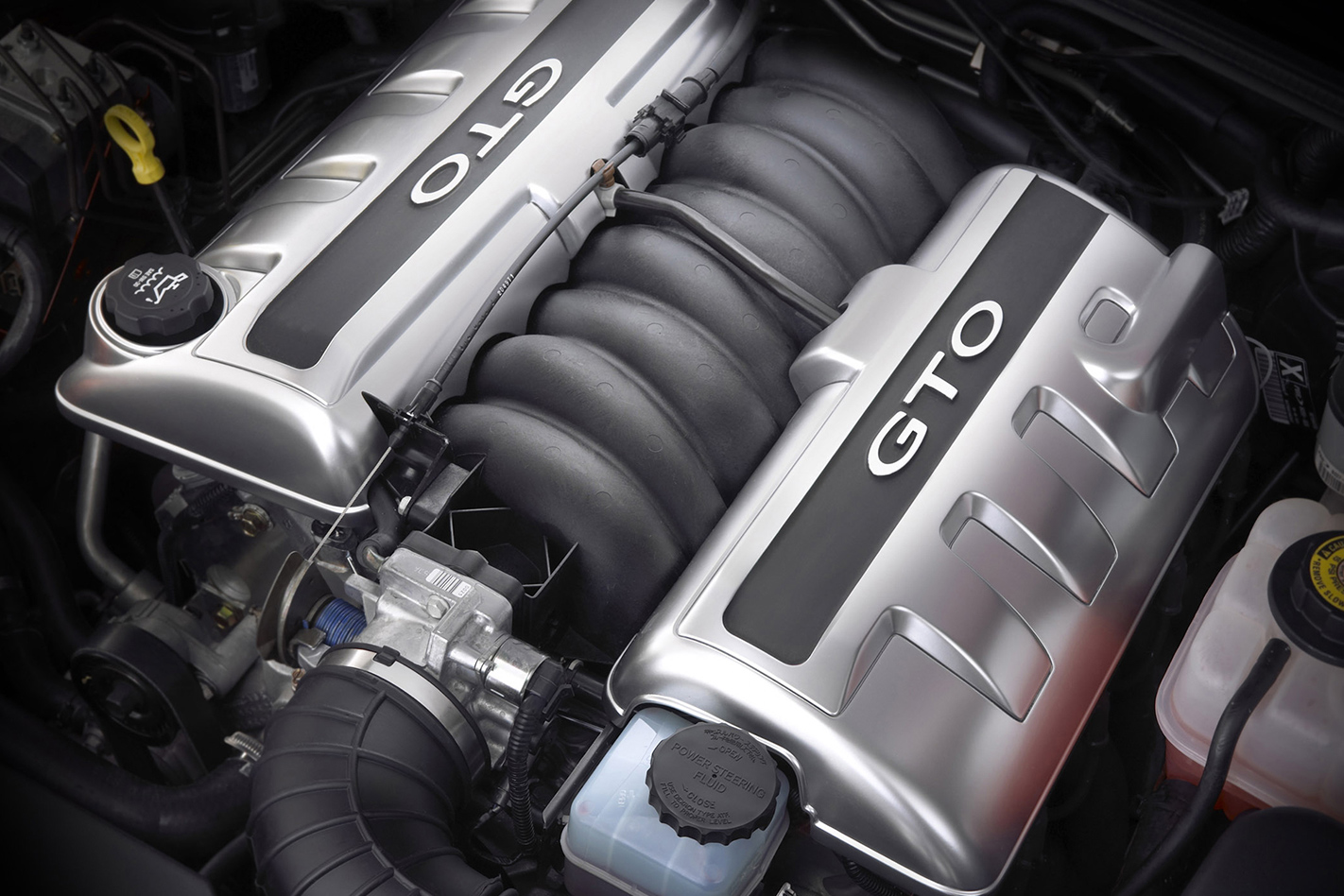
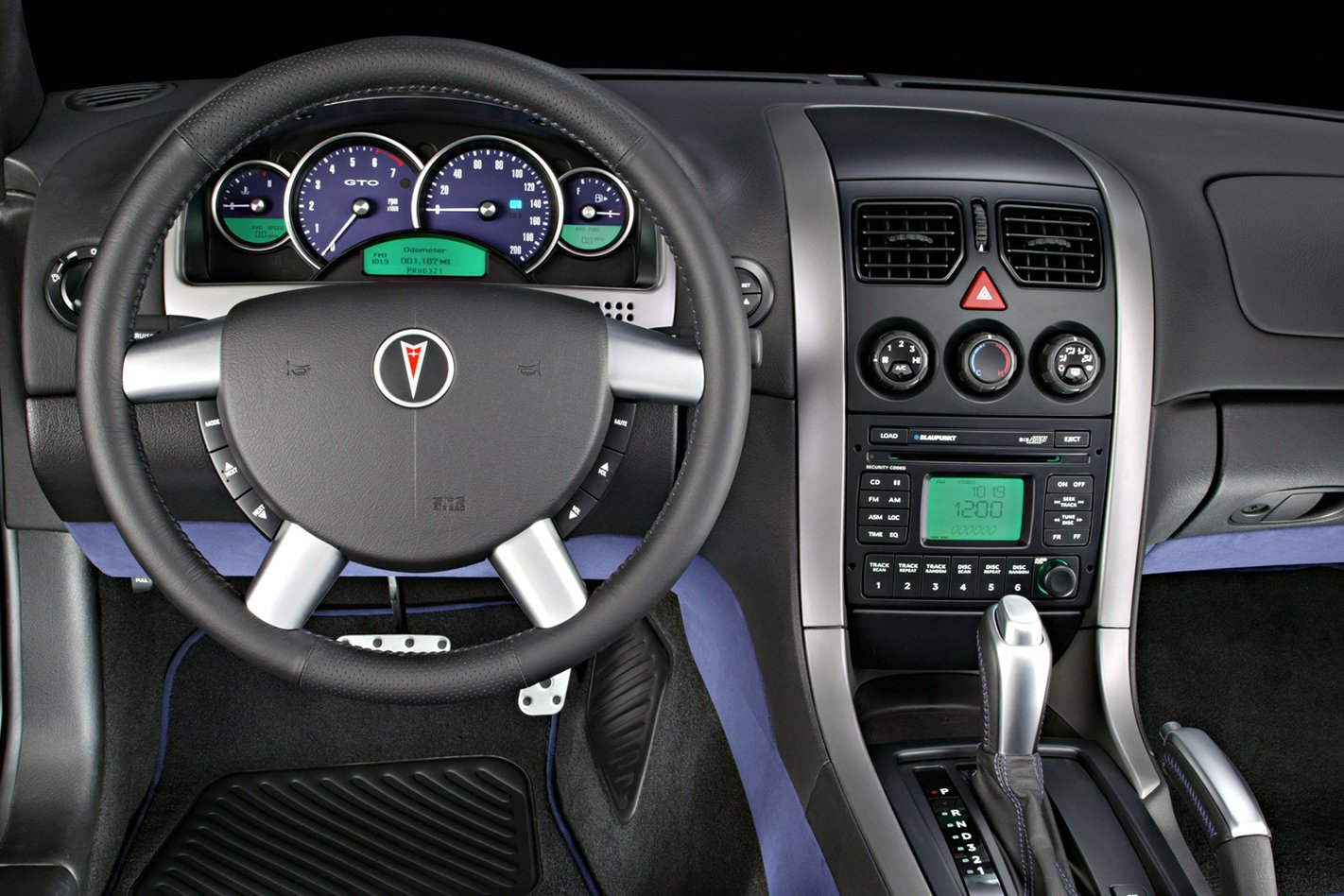
Initially available with the 5.7-litre LS1 V8, the GTO received a unique camshaft and dual-exhaust system to boost outputs to 260kW/500Nm, changes that would also appear on the Aussie Monaro.
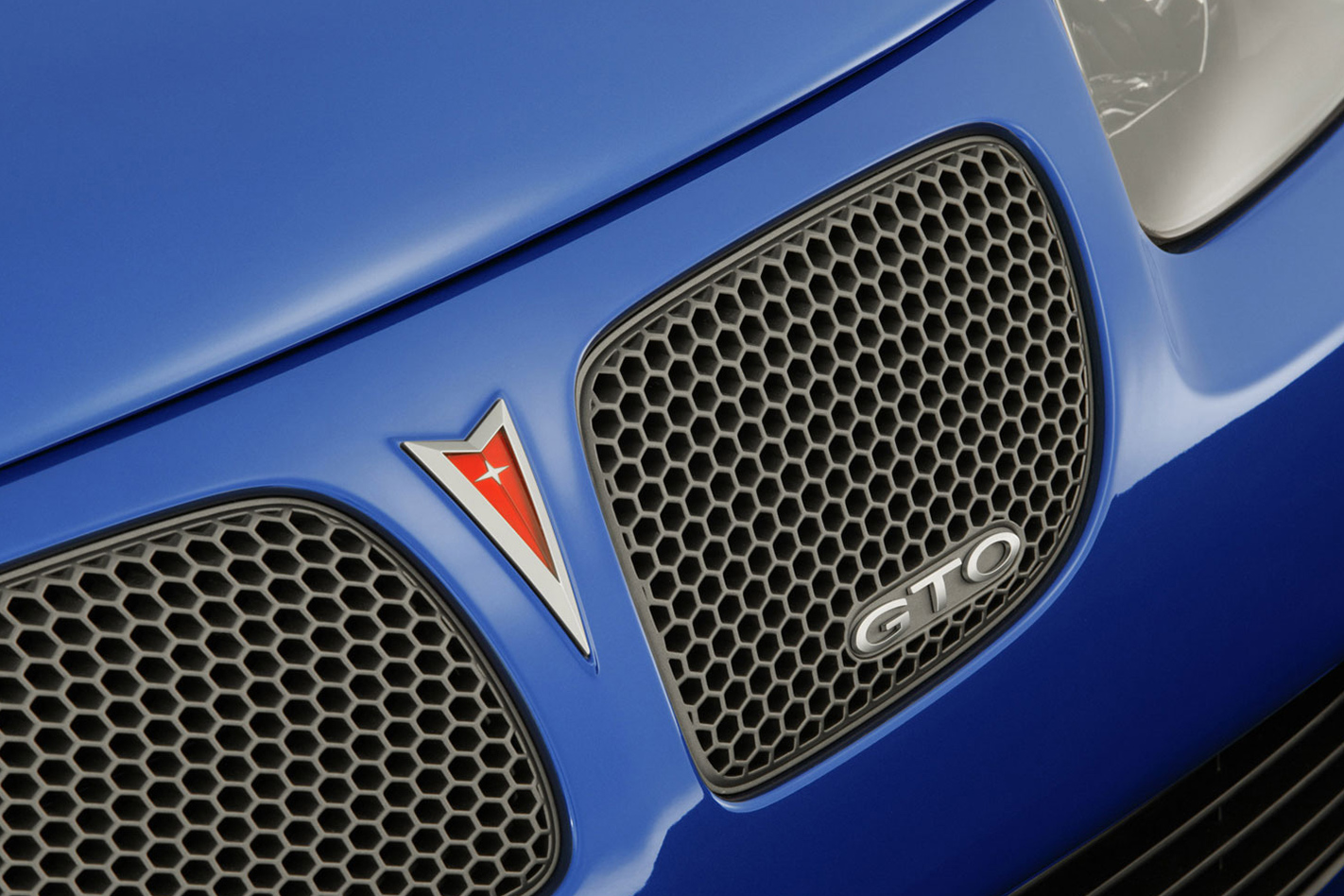
Despite those same journalists praising the GTO’s performance and dynamics, the criticism clearly stuck as buyers stayed away, not helped by the strong Aussie dollar pushing the price higher than expected. All in all, 40,758 GTOs were sold – an impressive number by local standards, but well short of GM’s high expectations.
Nonetheless, the GTO export program helped amortise Monaro development costs and paved the way for the future Chevrolet SS.
2004-06 Pontiac GTO specs: Engine: 5665cc/5967cc V8, OHV, 16v Power: 260kW @ 5600rpm/298kW @ 5200rpm Torque: 500Nm @ 4000rpm/542Nm @ 4000rpm Weight: 1686kg 0-100km/h: 5.5sec (LS1) /5.0sec (LS2) Price new: US$31,290-$33,690
3 Fast Facts
1. Playing dress ups

2. Choose your weapon
3. Behind the wheel
YOU might see the Renaultsport Clio 197’s inclusion in PC08 and think “what drugs were they smoking?”
This Performance Car Of The Year article was first published in MOTOR Magazine November 2008.
Against world-crushers like the Mercedes-Benz SL63 AMG and BMW M3 – not to mention Porsche’s GT2 in the grand scheme of PC08 – dragging along (to date) the pint-sized French-mobile might seem like bringing a pea-shooter along to World War III. After all, it’s the only hot hatch – by pure and traditional definition – to get the Guernsey for this year’s PC08 stoush.
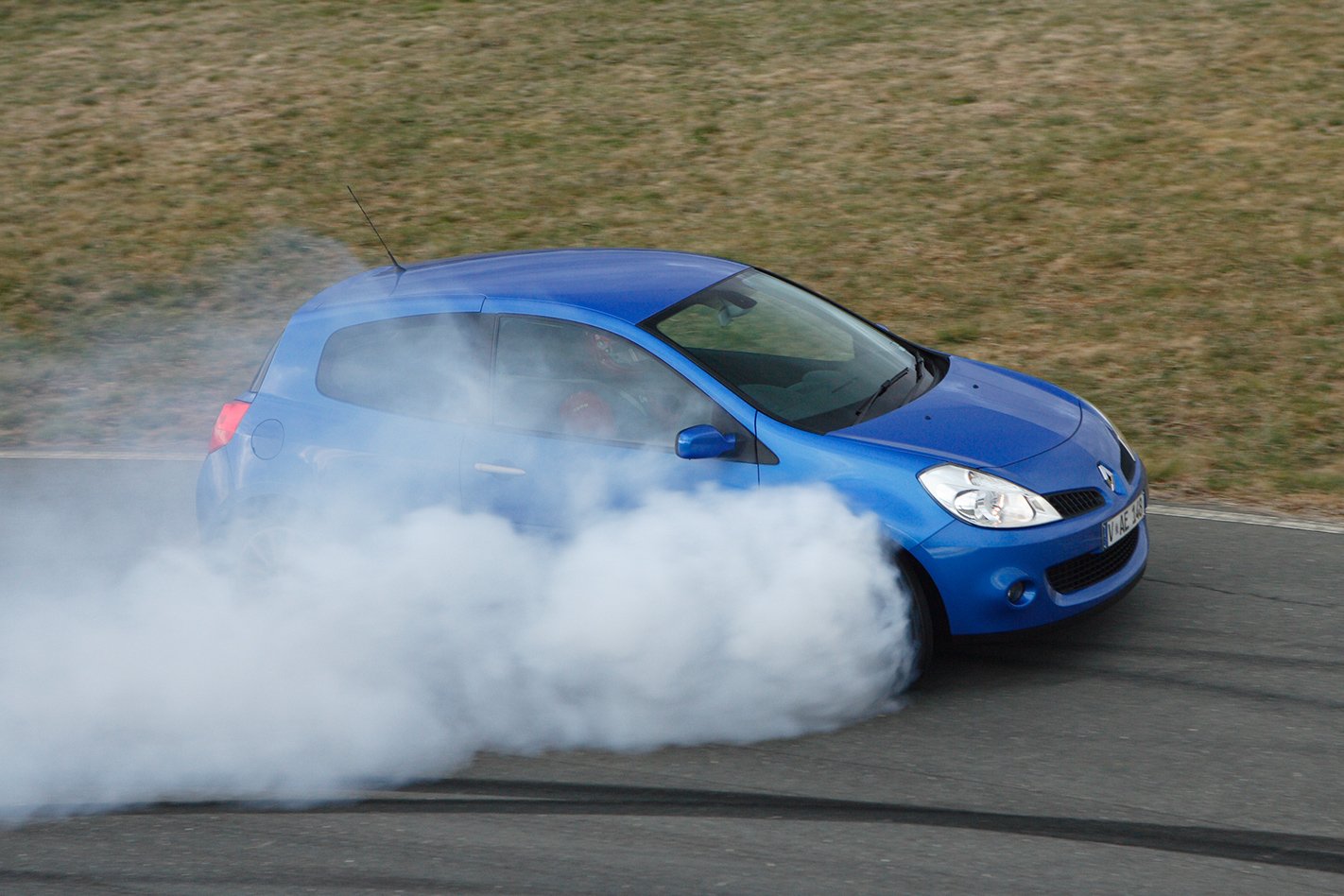
Yes, outright pace rules, but merit is also awarded on how each competitor performs to its intended purposes. And at BFYB08 earlier this year, judges unanimously voted the Clio first in its category for grin-inducing ability. It’s something of a hot hatch benchmark, it’s about the most fun a mere $36,490 can buy.
Not only does it deserve inclusion, it has the potential to scalp pricier and more-powerful rivals. Give three warm and fuzzy cheers for the underdog! Then cold, hard reality comes crashing down.
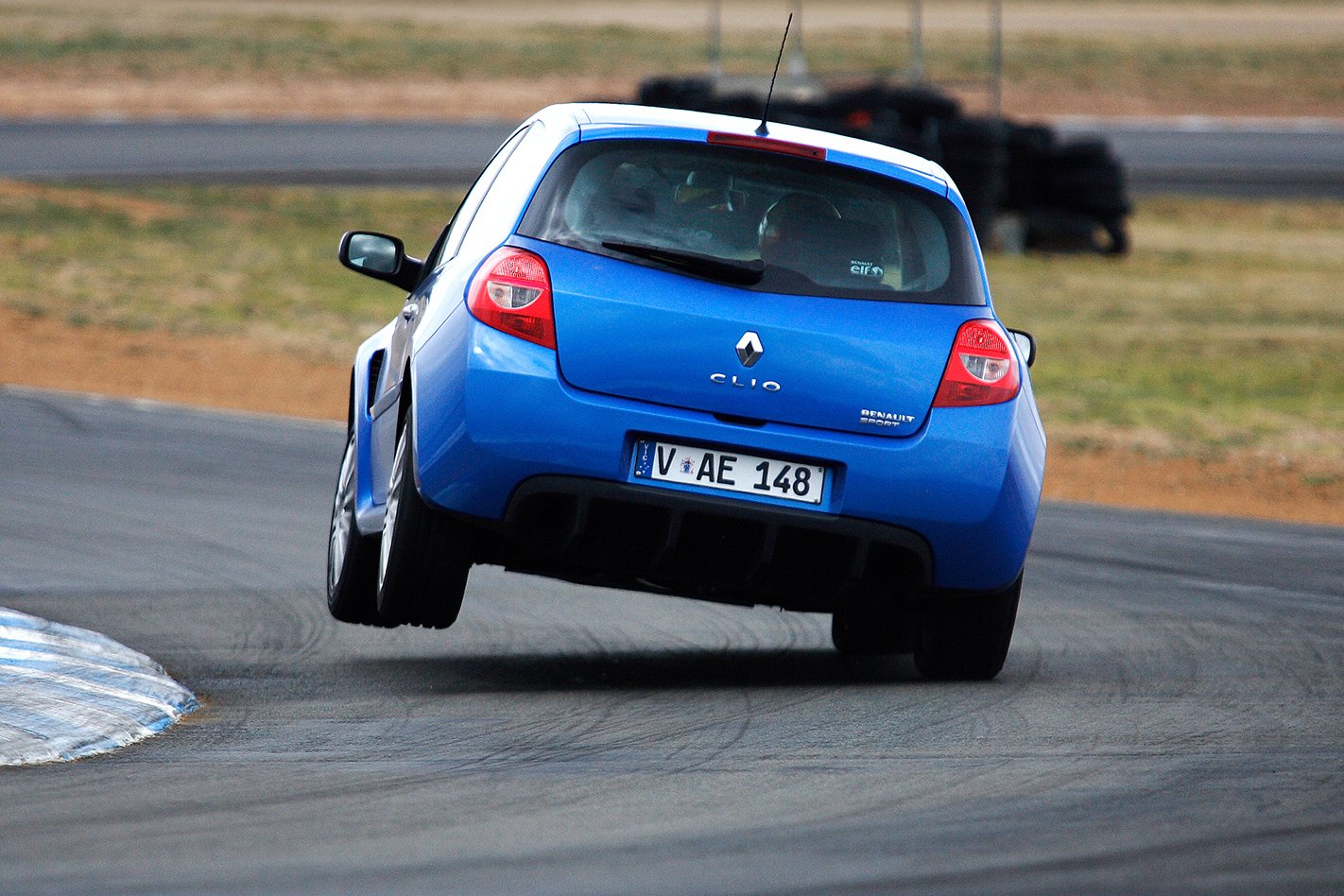
That it dispatched the RX-8 in a straight-line was of little consolation – though it raised plenty of chuckles – given that the Mazda was painfully underachieving on the strip. Nor was it kicking heads or taking numbers against the stopwatch at Wakefield. Its lap time of 1:12.6? Last. Its v-max of 162.33km/h on the straight?
Last. But then you look at its corner speeds and suddenly the picture of the Clio’s outright performance potential takes a vastly different and more promising slant. In terms of apex pace, it’s sixth in turn one, fourth in turns four and seven, fifth in turn eight… On average, the cheapest/slowest straight-line car here is quicker than half the field in the corners.
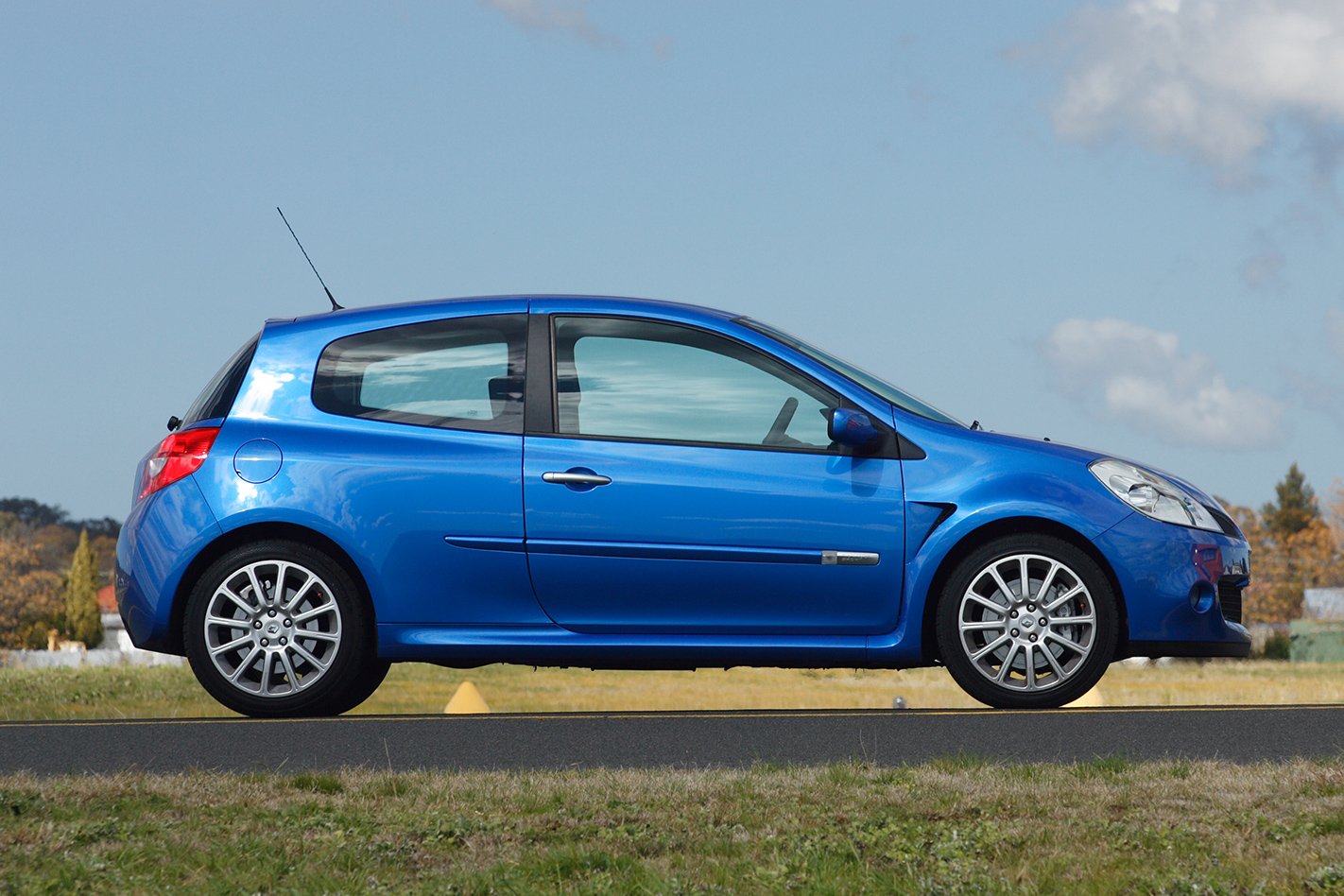
With the added (186kg) heft over its much loved predecessor comes a more complete performance package with deeper reserves of ability, without turning into a soft, bloated mess. And while the electric-assisted steering lacks the connection of the Lotus, and the Brembos aren’t a patch on Merc’s eye-watering stoppers, both are exceptional by hot hatch standards.
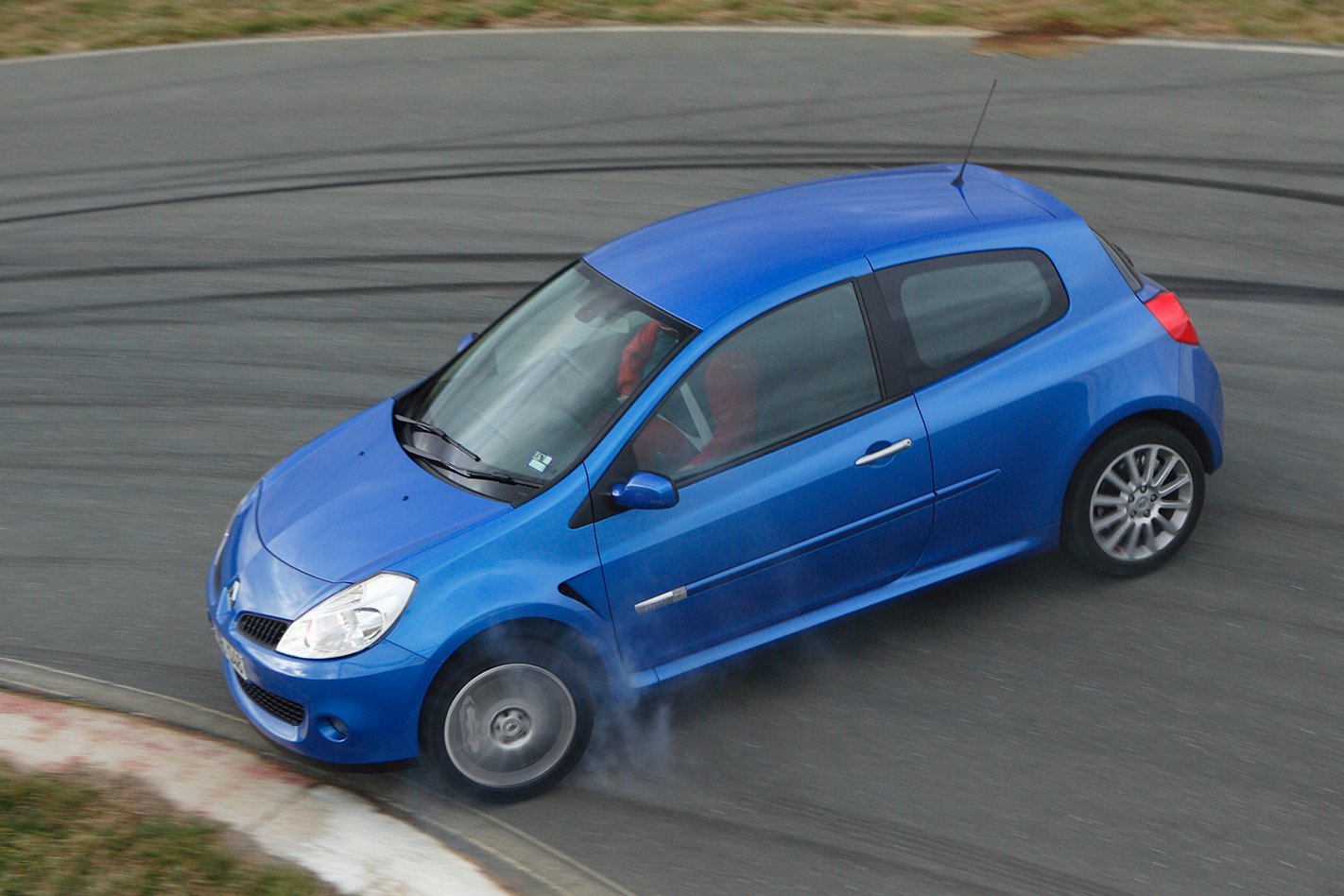
It’s not a win, but by dispatching the HSV GTS, FPV GT-P, VW R36 and RX-8, this year’s PC08’s underdog scored a well-deserved victory, of sorts.
The doors to the Tokyo Motor Show will open to the press on October 25, and there’s plenty of fresh metal – both concepts and production cars – that’ll be lining up under the spotlight on show day.
With a tagline of “Beyond The Motor”, expect plenty of electrified cars and SUVs to be on display. Surprisingly, there could also be a significant delegation of performance-oriented models at this year’s show…
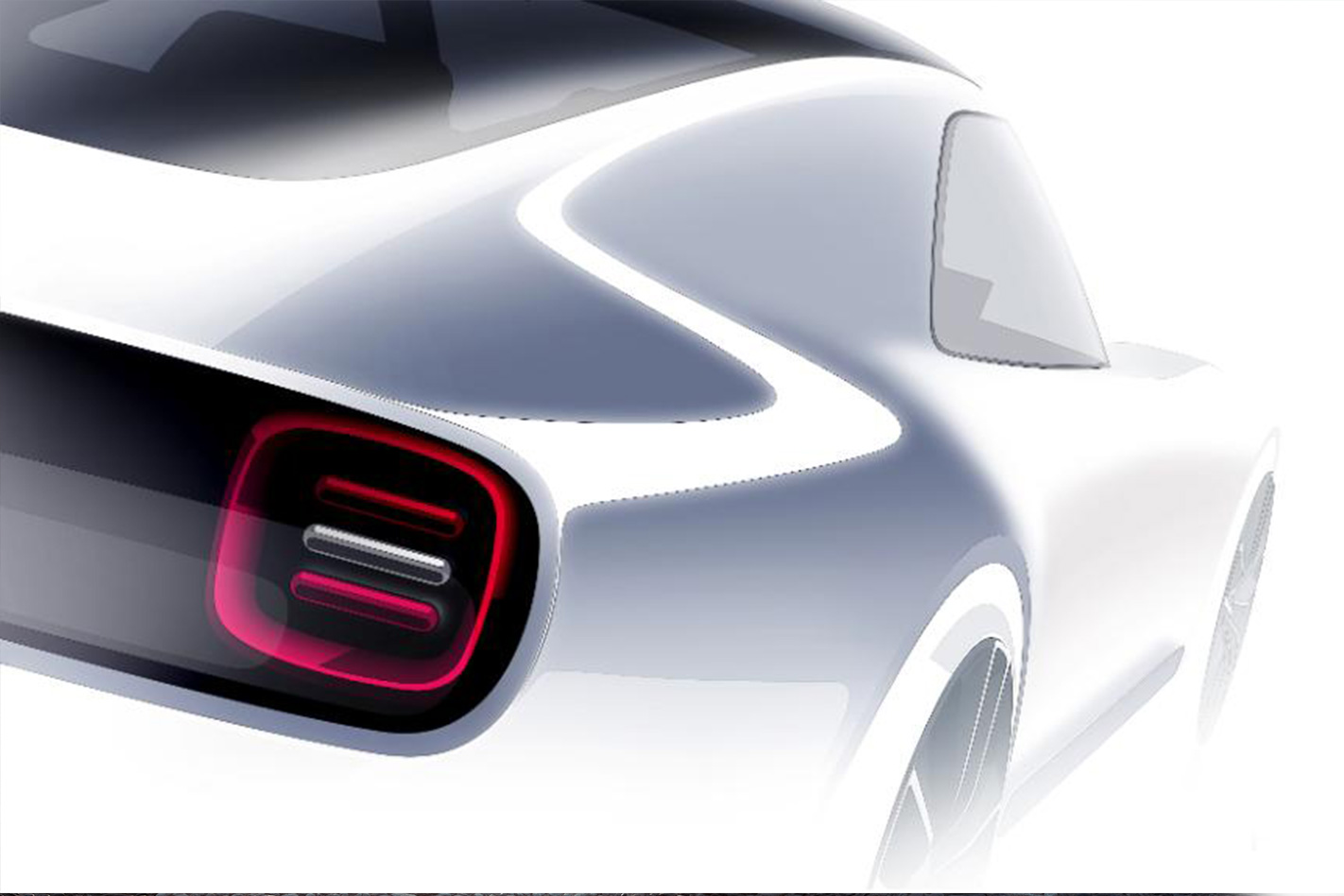
Honda’s already confirmed it’ll release a follow-up concept to the well-received Urban EV hatchback it revealed at the Frankfurt Motor Show this year, and the first teaser image has us salivating. Dubbed the Sports EV Concept, Honda’s Tokyo centrepiece will be a performance-oriented riff on the company’s new battery-electric platform, and like the Urban EV concept it may actually spawn a production car. Colour us interested.
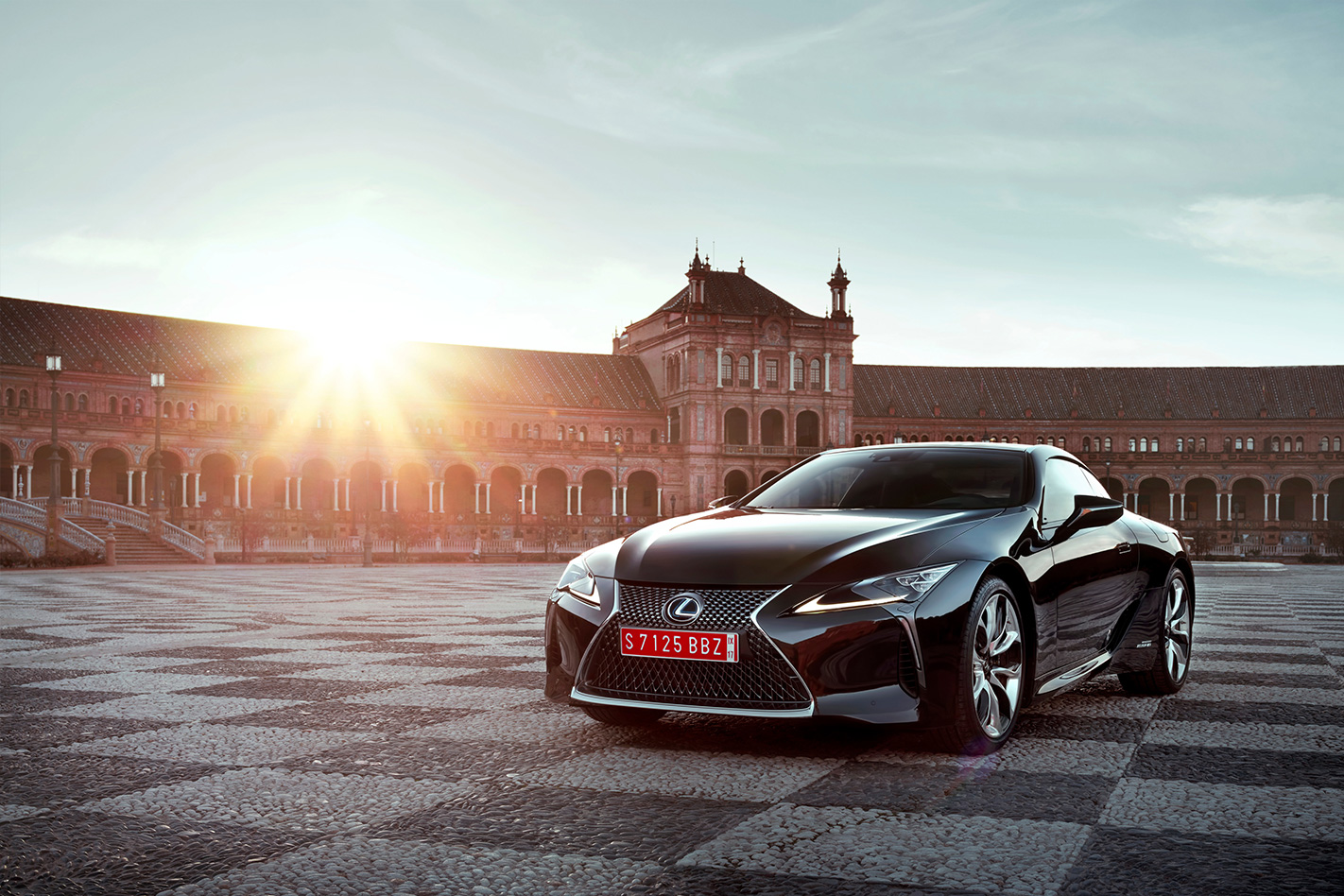
Lexus is keeping its lips sealed about what will take centre stage at its Tokyo stand, but reports that a high-performing LC F is heading for a Japan debut may be unfounded. Lexus says it’ll be bringing out something but only describes it as a “new concept car” – not a derivative of an existing model.
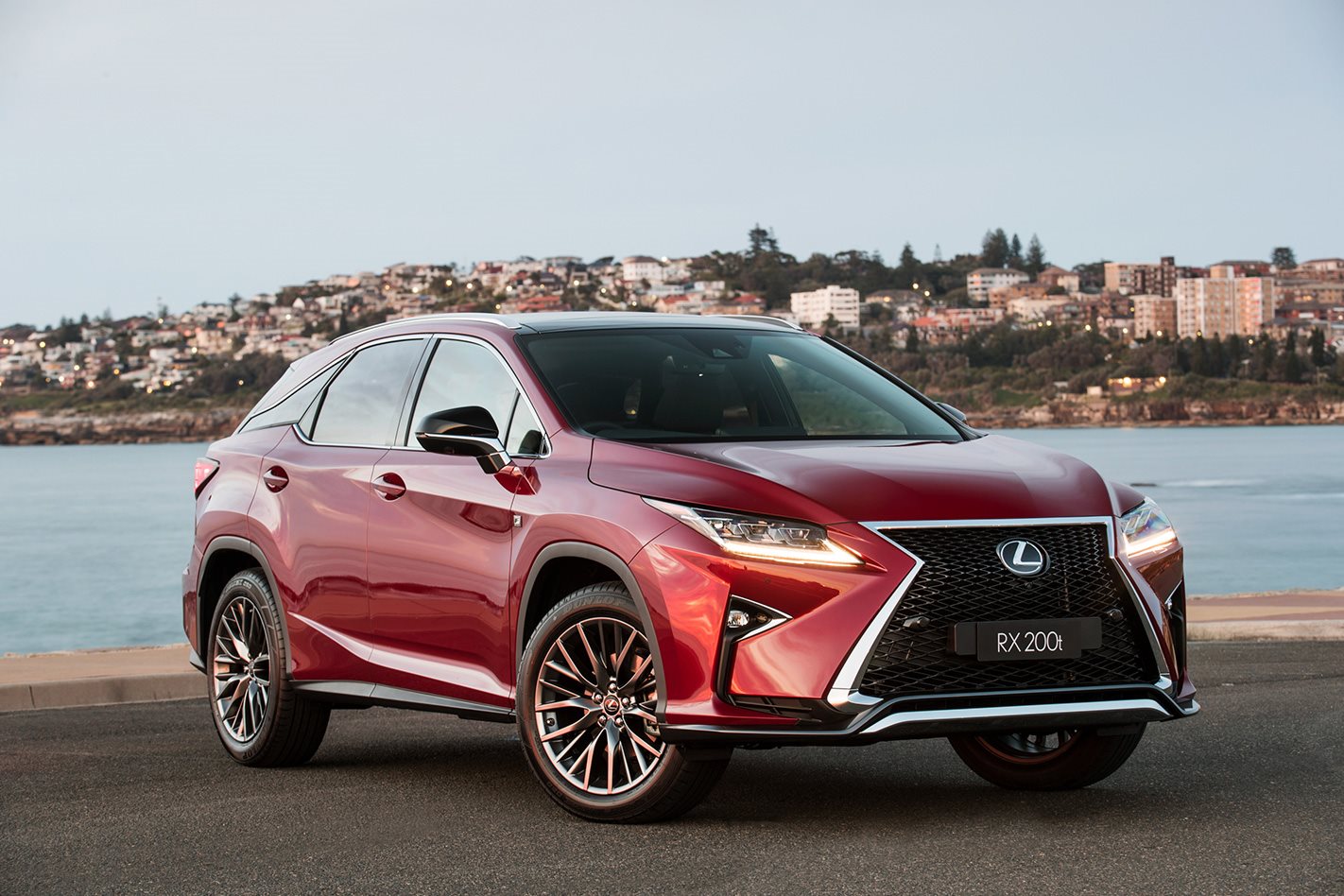
The Lexus RX will finally get a seven-seat option, but while it’s expected to debut in late 2017 it’s not yet clear whether it will appear at Tokyo this month, or at the LA Auto Show next month.
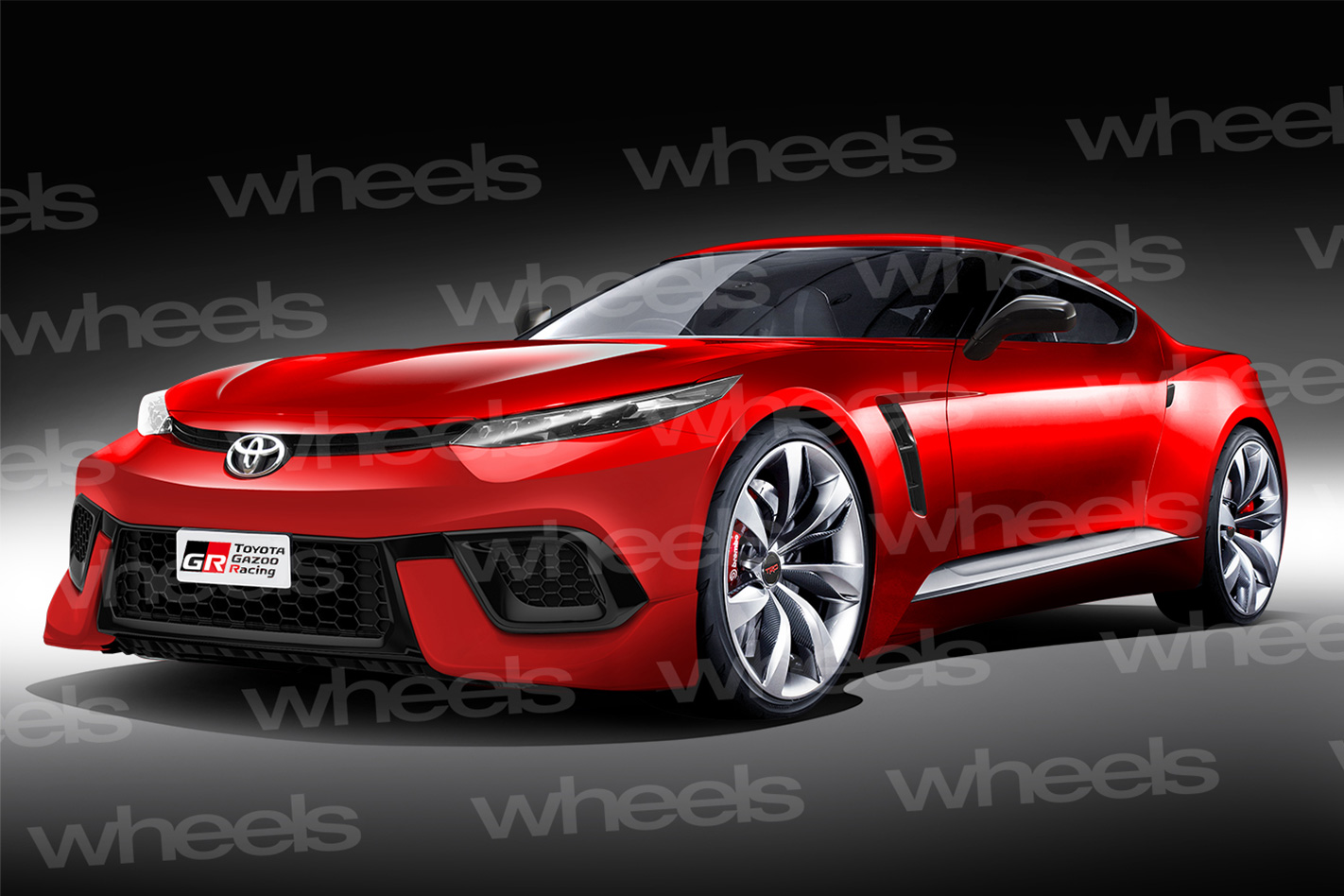
The world’s automotive enthusiasts have been screaming for the Toyota Supra to be resuscitated, and the Big T has listened. Developed in collaboration with BMW (which will use the Supra’s underpinnings for its next-gen Z4), the new Supra will continue to use a front-engine, rear-drive layout with a cab-rear silhouette for classic sports car proportions.
Other details remain sketchy, and while prototypes are regularly spotted orbiting the Nurburgring it’s unclear what exactly is powering them. Rumours have everything from a twin-turbo V6, a BMW-sourced inline six, turbo fours and even a hybrid powertrain lurking under that long bonnet, but hopefully we’ll find out for certain at Tokyo.
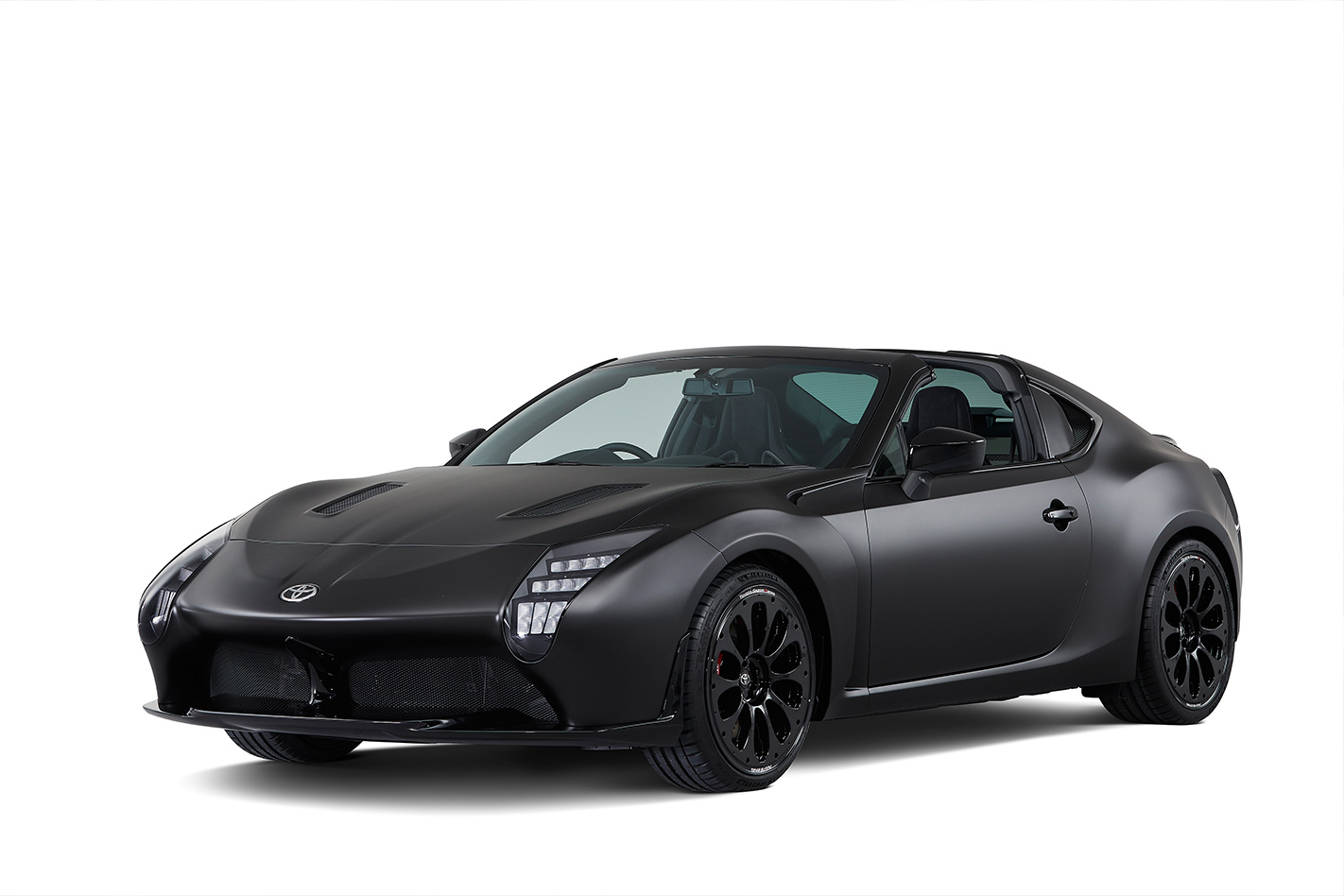
Toyota GR HV
Looking like an 86 with a botched nose job and an equally questionable haircut, the GR-HV is a Toyota’s take on a hybrid petrol-electric sports car.
With a front-mounted engine and rear-wheel drive, the GR HV shares its fundamental layout with the 86. The differences stack up from there, however, with the targa-top roof harking back to the fourth-generation Supra and the hybrid powertrain drawing inspiration from Toyota’s TS050 Le Mans race car.
There are some bizarre touches though – and we’re not talking about that gumpy LED headlamp treatment and boxy bum. The GR HV’s shifter not only houses the starter button under a flip-up missile switch cover, but it’s also able to be rowed through a conventional H-pattern – unusual, considering it’s an automatic.
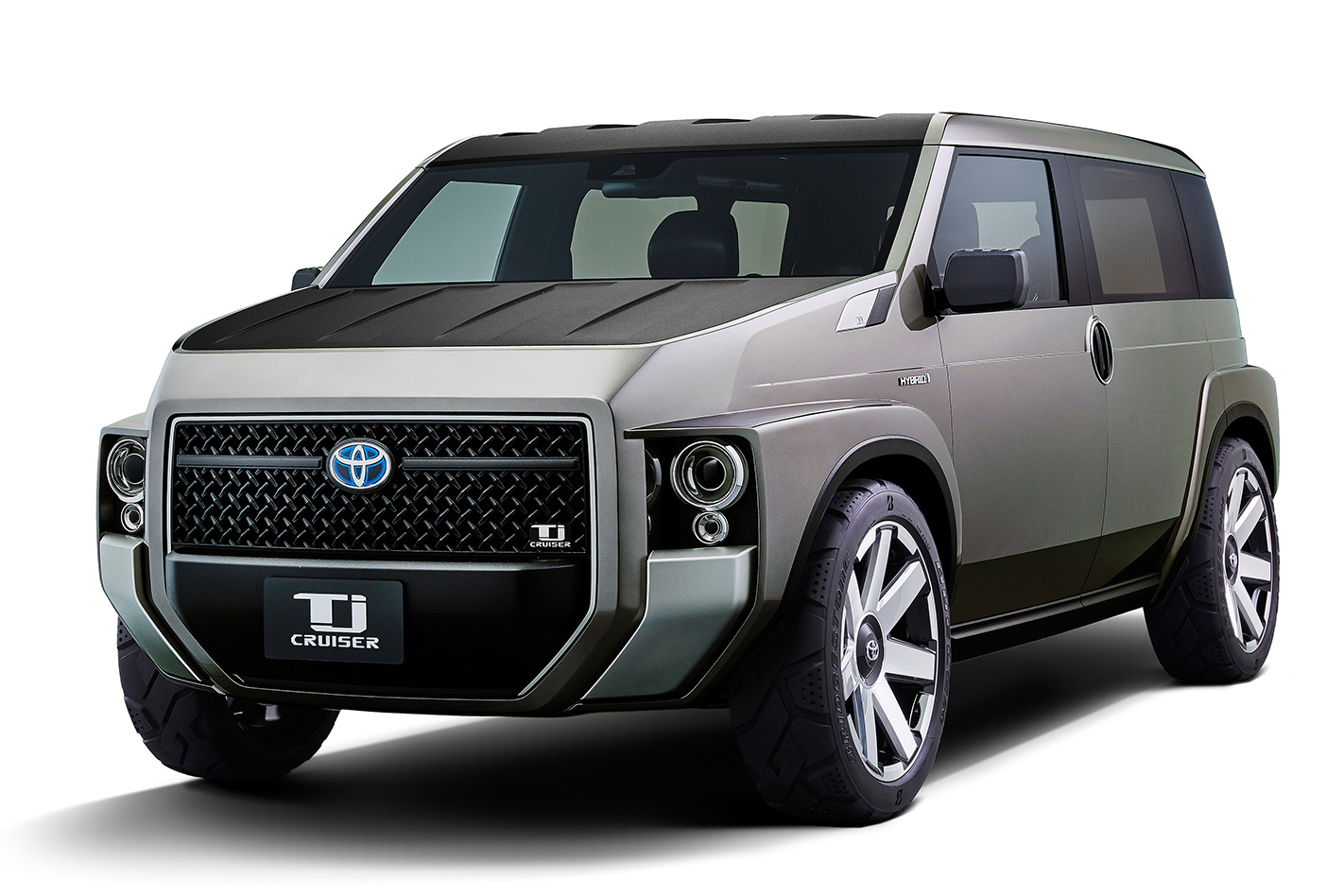
The GR HV won’t be the strangest thing on the Toyota stand, however, given the Tj Cruiser will be sitting right next to it.
The ‘Cruiser’ moniker is suggestive of a mountain-conquering offroader, but the reality is more mundane. The Tj Cruiser is a rugged boxy wagon that’s short on aesthetic appeal but rich in storage options, with fold-flat seating, van-like sliding rear doors and more tie-downs than an aircraft carrier’s flight deck.
What’s in a name? Toyota says the ‘T’ in Tj Cruiser stands for ‘Toolbox’, while the lower-case ‘j’ “refers to the joy of visiting various places accessible with its part-time all-wheel-drive system”. Rolls off the tongue, doesn’t it.
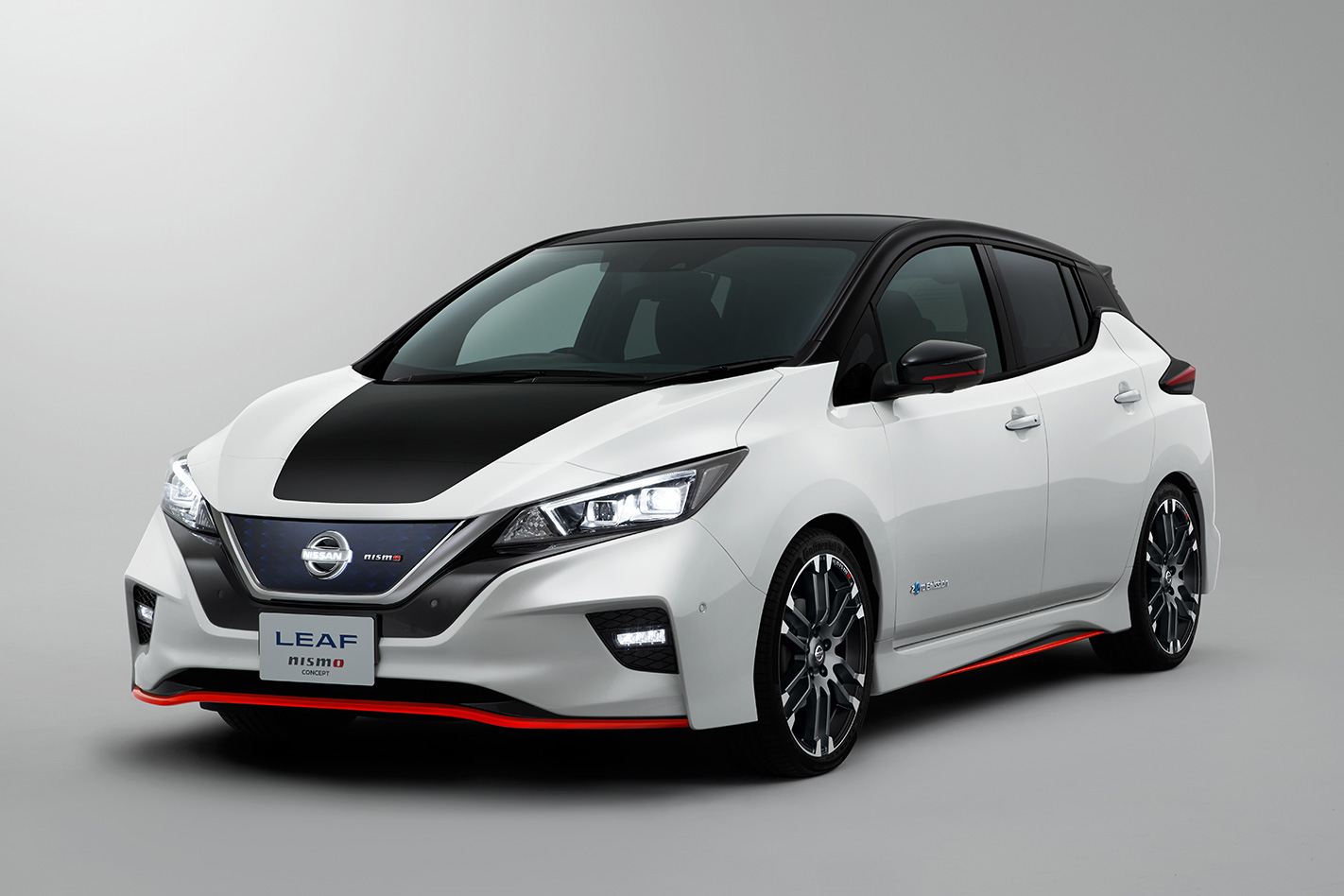
Don’t expect Tesla-slaying performance from this one, but do expect a Nismo-fied bodykit, stickier tyres, slightly sharper response from the electric powertrain and more red accents on the interior. This isn’t the higher-output, bigger-battery version of the Leaf that is in Nissan’s product pipeline – that car will show its face next year.
With Nissan’s strength in both the SUV and EV fields, it’s not unreasonable to expect it to combine both and wheel out a battery-electric high-riding crossover. That’s precisely what many industry pundits are expecting to appear at this year’s Tokyo show, though nothing has been confirmed as yet.
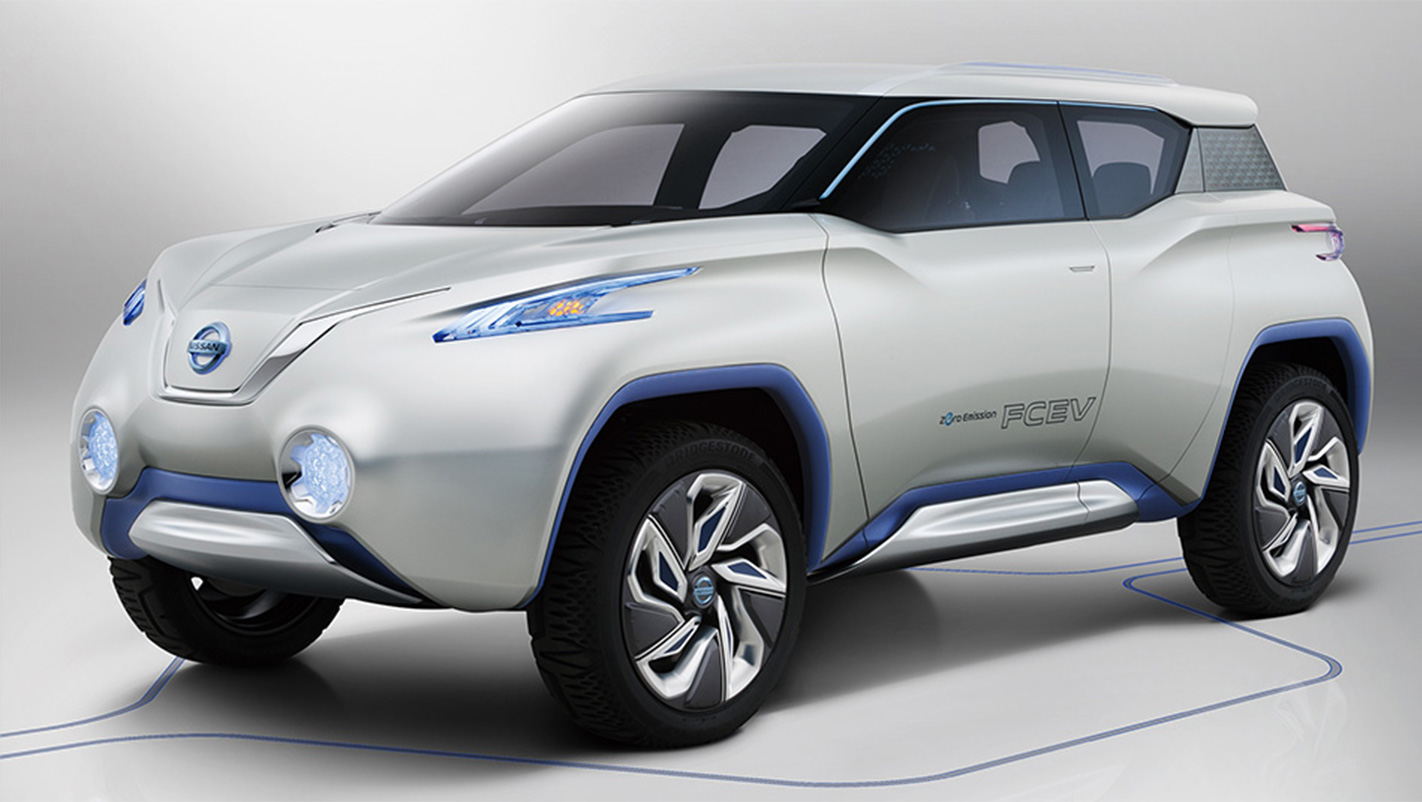
The 370Z is the oldest car in Nissan’s showroom, and a replacement is believed to be in the works for a Tokyo debut – even if only as a concept.
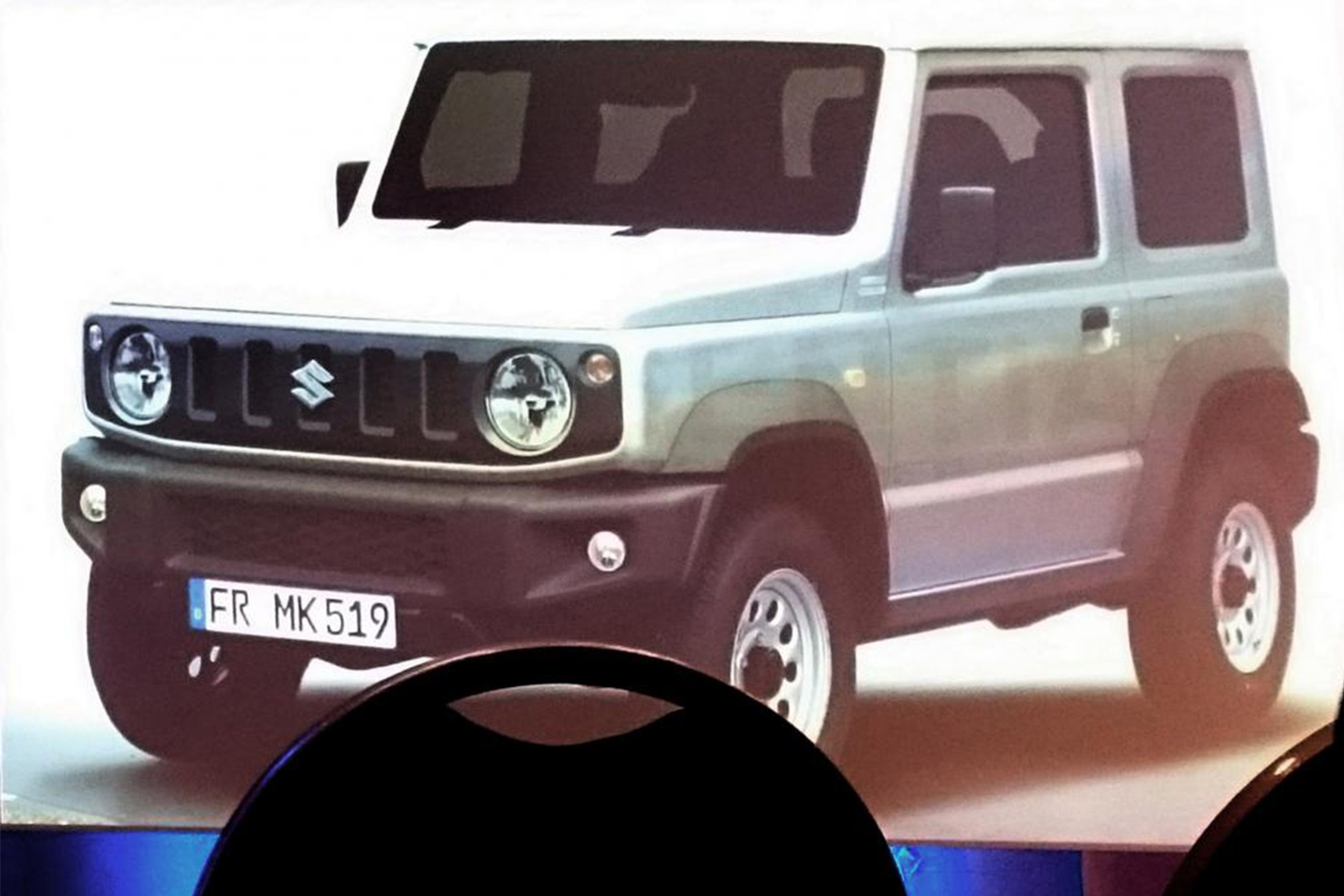
Suzuki Jimny
Suzuki’s next-generation compact off-roader has already been unceremoniously leaked thanks to some snap-happy attendees of an internal Suzuki briefing, but it’s as yet unclear whether it will make an appearance at the Tokyo show. We hope it will though, as that retro-tastic exterior design is one of Suzuki’s best.
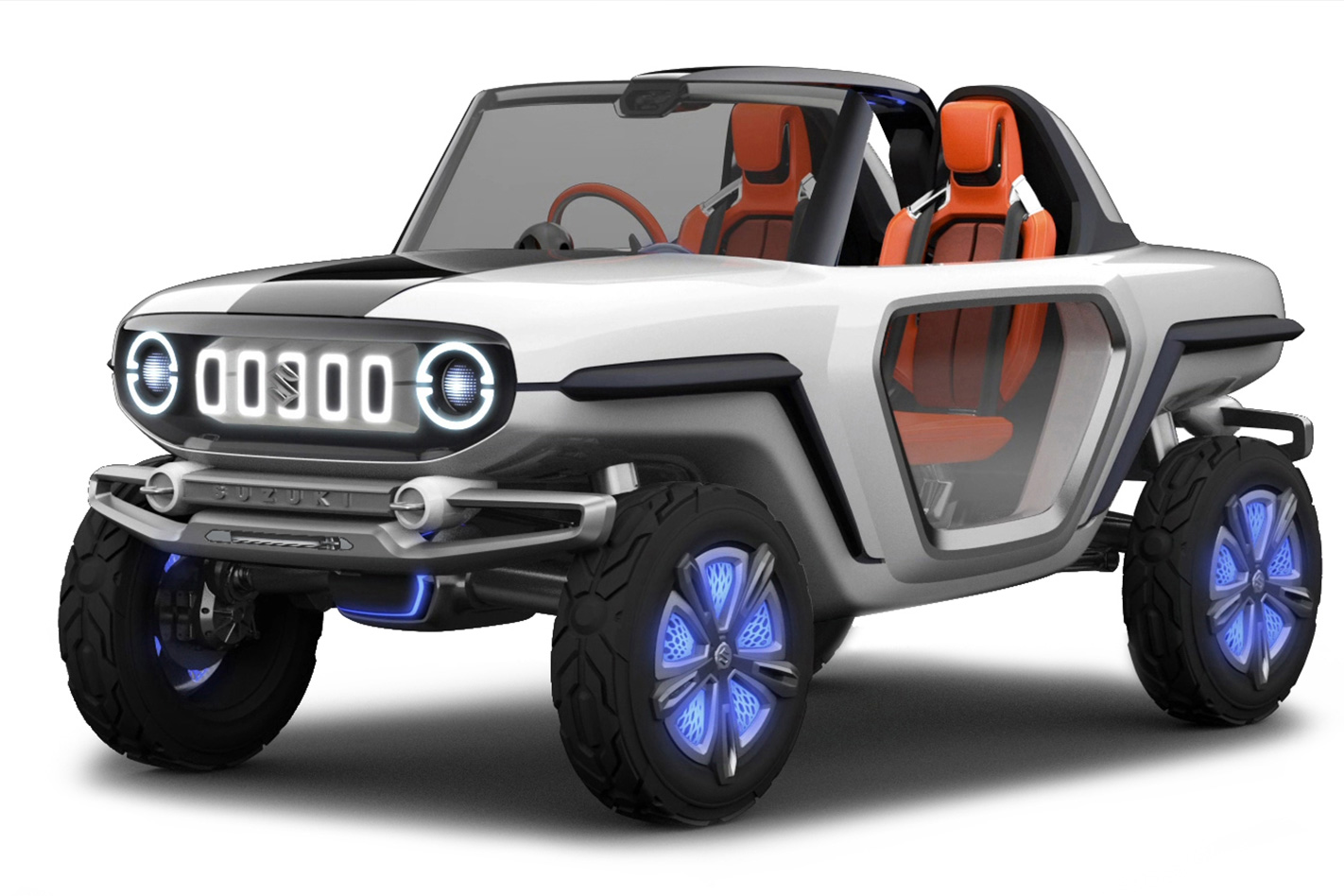
Even if the Jimny doesn’t show up, Suzuki will still have something for Tokyo show-goers to ogle in the form of the e-Survivor concept. Strictly a design study, this all-electric offroader is a riff on rugged Suzukis of the past.
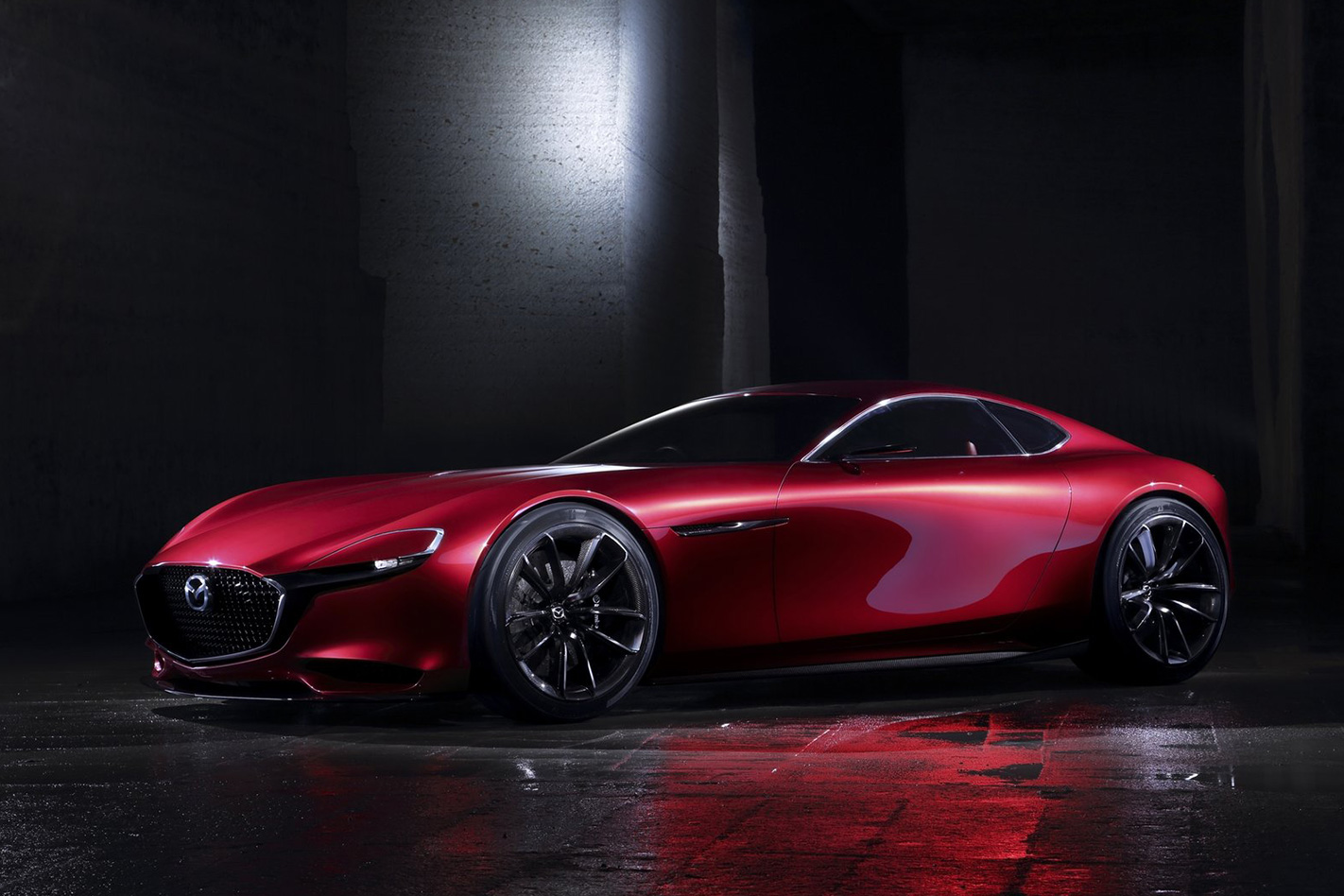
Since Mazda dropped its RX-Vision bombshell at the last Tokyo Motor Show in 2015, the world’s petrolheads have been screaming out for a production version. There’s an outside chance that Mazda will reveal exactly that at this year’s show – 2017 marks the 50th anniversary of Mazda’s rotary production cars after all – but the company is keeping awfully quiet on whether that will be the case.
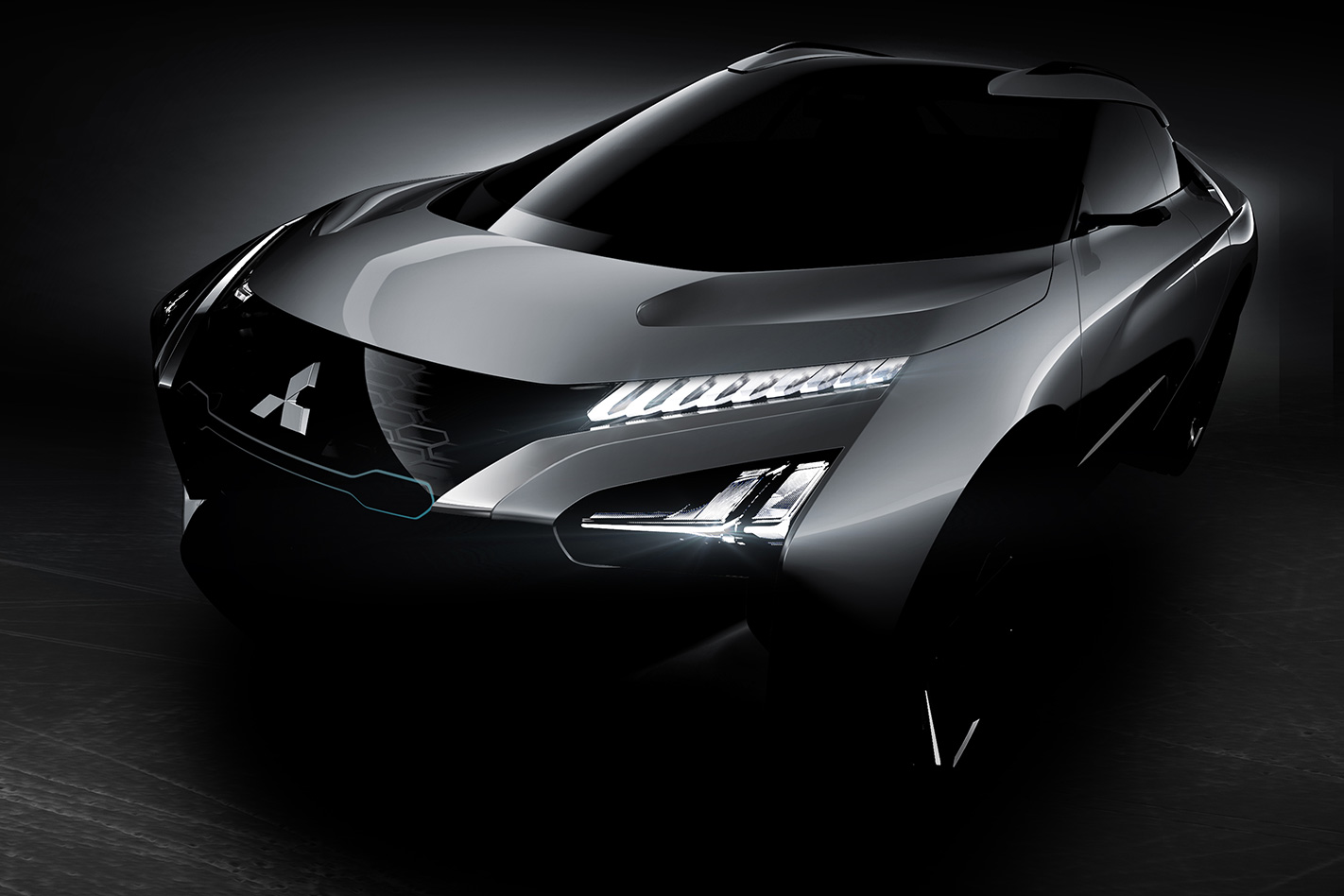
The Mitsubishi Lancer Evolution is dead and buried, with little hope of revival. The Evolution name will live on with the e-Evolution concept that’s set to be revealed at Tokyo, but unlike nearly every Evo of years gone by the e-Evolution will take the form of an all-electric coupe-like SUV.
Is Mitsubishi watering down its heritage? The company says it’s simply the process of, uh, evolution at work. Rather than a compact sedan powered by a flame-spitting 2.0-litre turbo petrol, the e-Evolution will claw at the road with a trio of electric motors driving all four wheels. Two of those motors will provide torque vectoring (or Active Yaw Control in Mitsu-speak), but Mitsubishi isn’t talking specific performance numbers just yet.
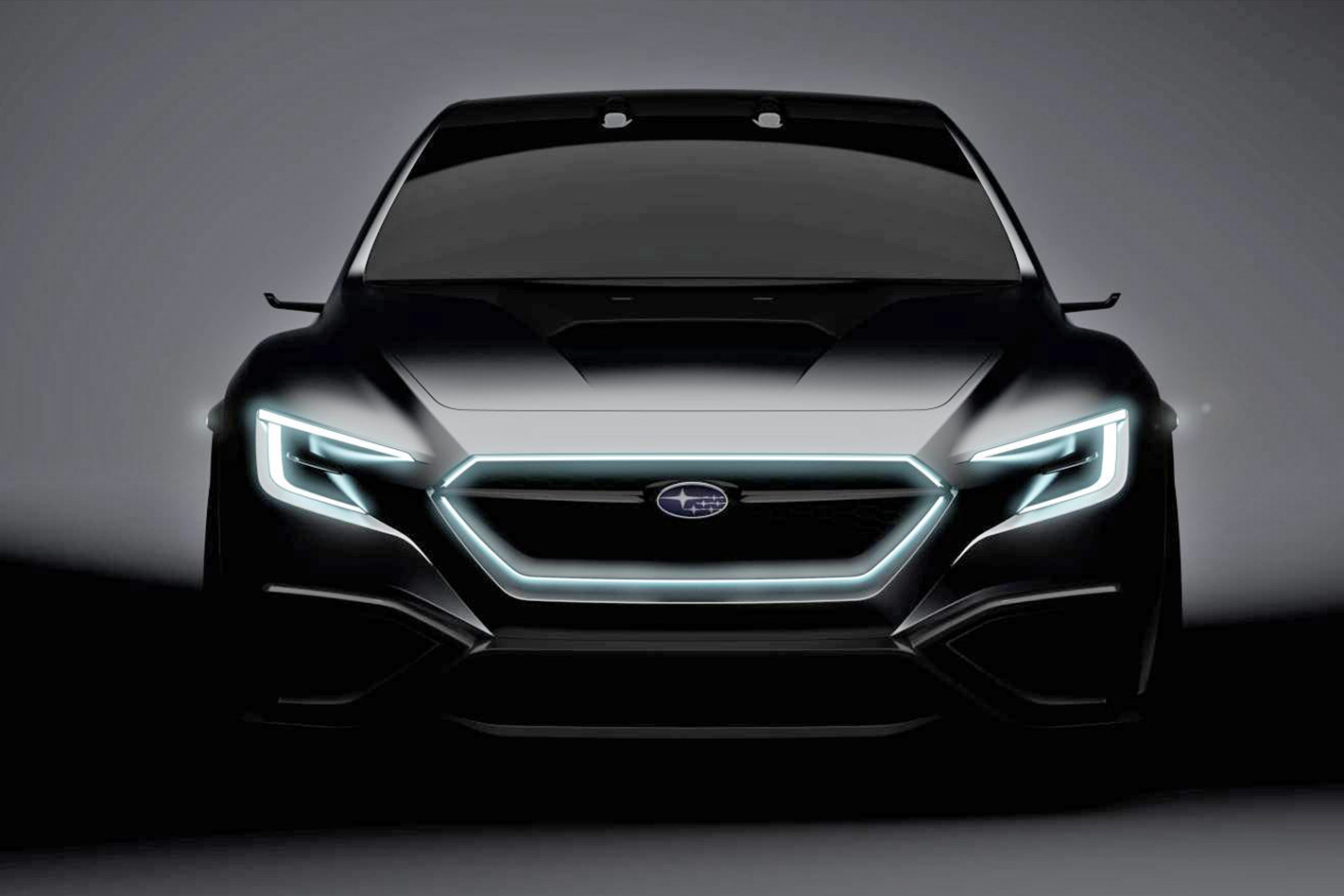
While the Evo is set to morph into something very different, Subaru appears to be sticking to the established script with its newest rally-bred performance car. The Viziv Performance concept is a design study only, but its sedan layout, engorged wheel arches, bonnet vent and aggressive looks all point to this being the basis of the next-generation WRX and WRX STI.
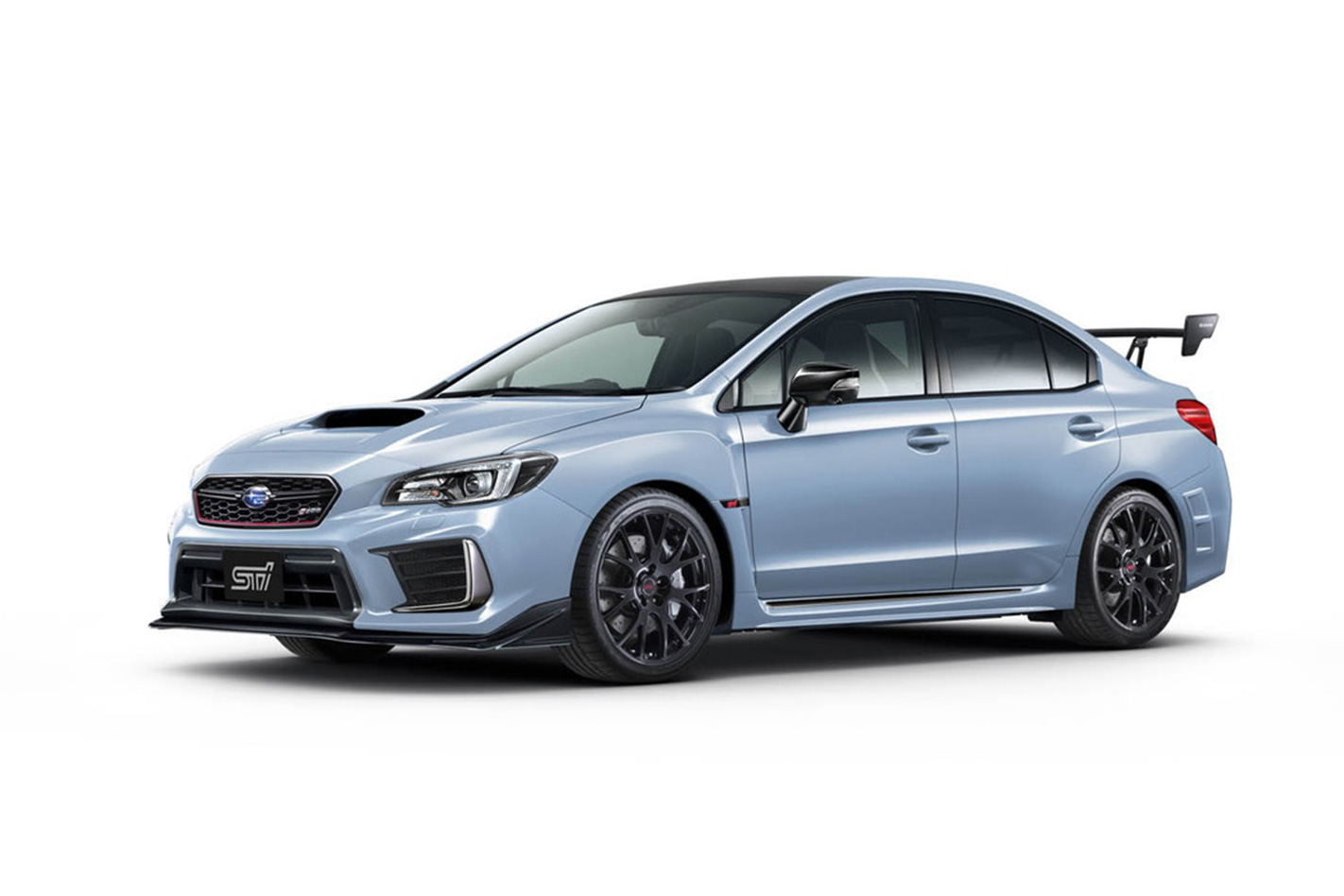
Before the Viziv transforms into the next WRX STI, Subaru will see out the current-gen STI with the S208 – a high-revving, carbon-roofed version of the STI that sheds kilos and gains additional aero bits to improve its on-track prowess. Sadly, not for Australian consumption.
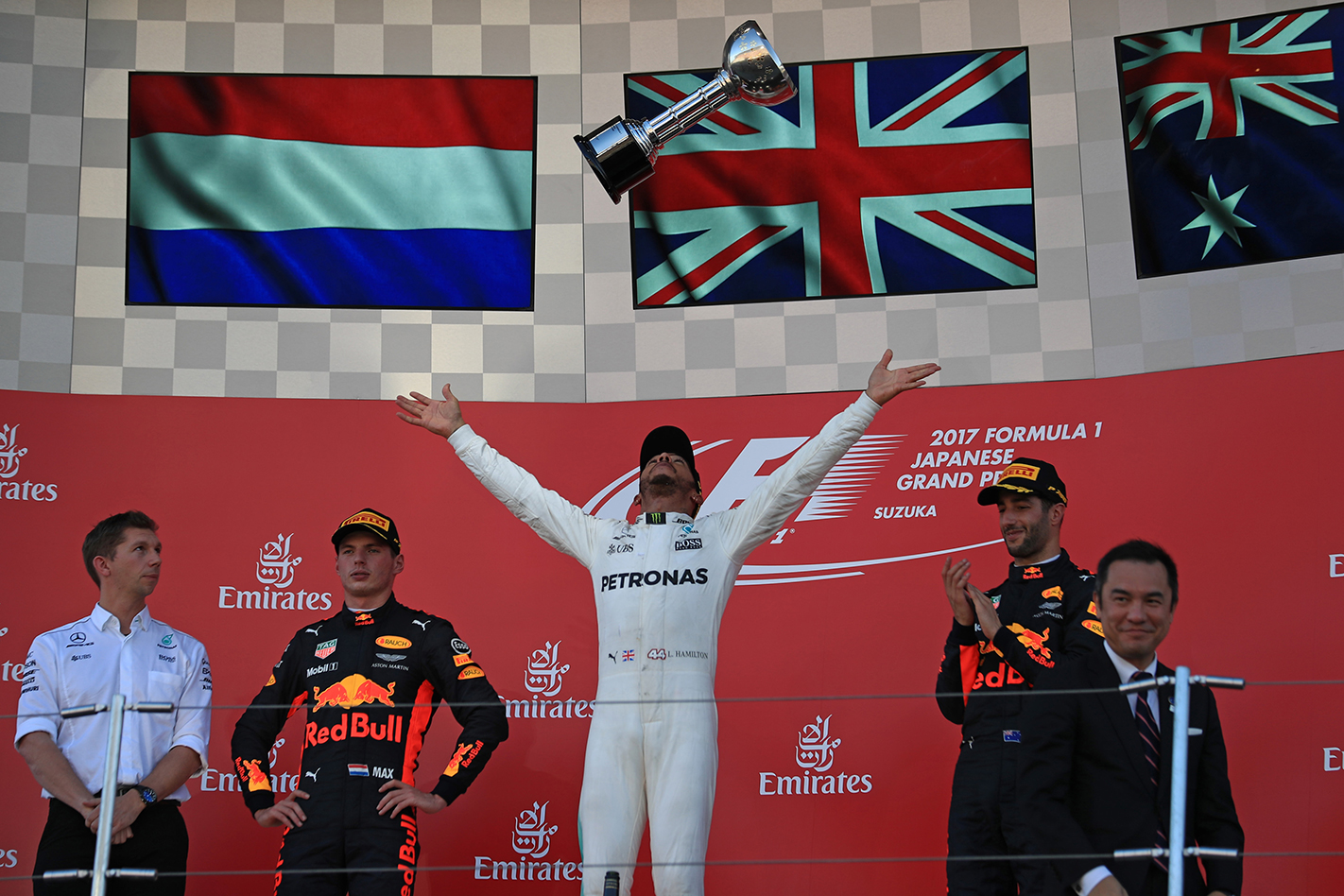
LEWIS Hamilton surged to his 61st career victory after a controlled drive from pole in the Japanese Grand Prix at Suzuka , while his nearest championship rival Sebastian Vettel had yet another calamitous weekend, his Ferrari failing on the opening lap.
It was Hamilton’s eighth win of the 2017 season, tightening his grip on the world championship.
Hamilton made another great start and went on beat Red Bull pair Max Verstappen and Daniel Ricciardo. The second Mercedes of Valtteri Bottas was fourth.
Ocon, who ran as high as third at one stage, was sixth ahead of Mexican teammate Sergio Perez, with the Haas pair Kevin Magnussen and Romain Grosjean.
With four grands prix to come this season, Hamilton (306 points) leads the Drivers’ Championship by 59 points from Vettel (247 points), with Bottas (234 points) a further 13 points behind.
“I could only have dreamed of having this kind of gap,” said Hamilton, in a podium interview. The margin is handy but not insurmountable, he suggested later. “There’s still 100 points available so I’m still going to keep the pedal to the metal.”
Vettel’s recent dreadful run of luck and results continued when he parked his broken Ferrari car on lap four after it lost power.
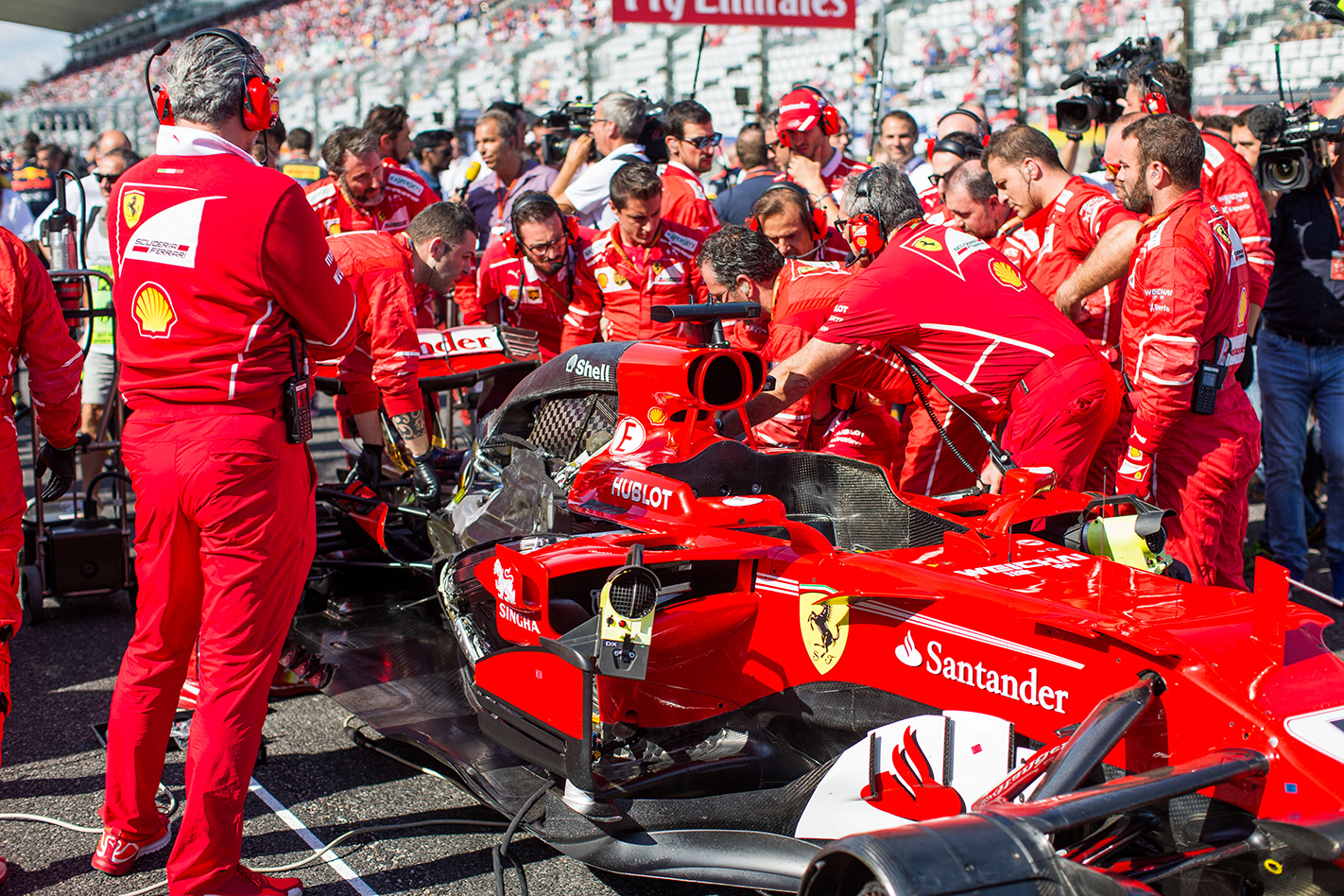
Another early retirement was Carlos Sainz who crashed his Toro Rosso in what was his last drive for the team – he is off to Renault for the remainder of the season, replacing Jolyon Palmer.
Old-style Suzuka is the circuit most of the grand prix drivers past and present rank among their top two faves (with Spa). It’s easy to see why; high speeds, high grip and demanding of huge commitment, accuracy and a rhythmic flow, 73 per cent of the track is full throttle. And in several parts, the walls are uncomfortably close, as Sainz, Valtteri Bottas and Kimi Raikonnen discovered in practice and Romain Grosjean learned to his pain in qualifying.
Those 2017 F1 cars, with their fatter rubber and more downforce, looked so damned fast through the slalom corners of Suzuki, an impression confirmed by Lewis Hamilton’s rocket pole time – 1m 27.319s, or three seconds swifter than Nico Rosberg’s pole time of a year ago.
Hamilton seemed genuinely thrilled with his Saturday work; it was his first Suzuka pole in 10 attempts. Mercedes teammate Bottas was next best but a grid penalty for a gearbox change pushed him back to sixth, elevating Sebastian Vettel’s Ferrari to the front row alongside his championship adversary.
Also moving forward one grid sport were the Red Bull drivers Ricciardo and Verstappen, the Aussie making a nice bounce back from his disappointment of Sepang where his teammate outpaced him in qualifying and the race.
Then came Sunday.
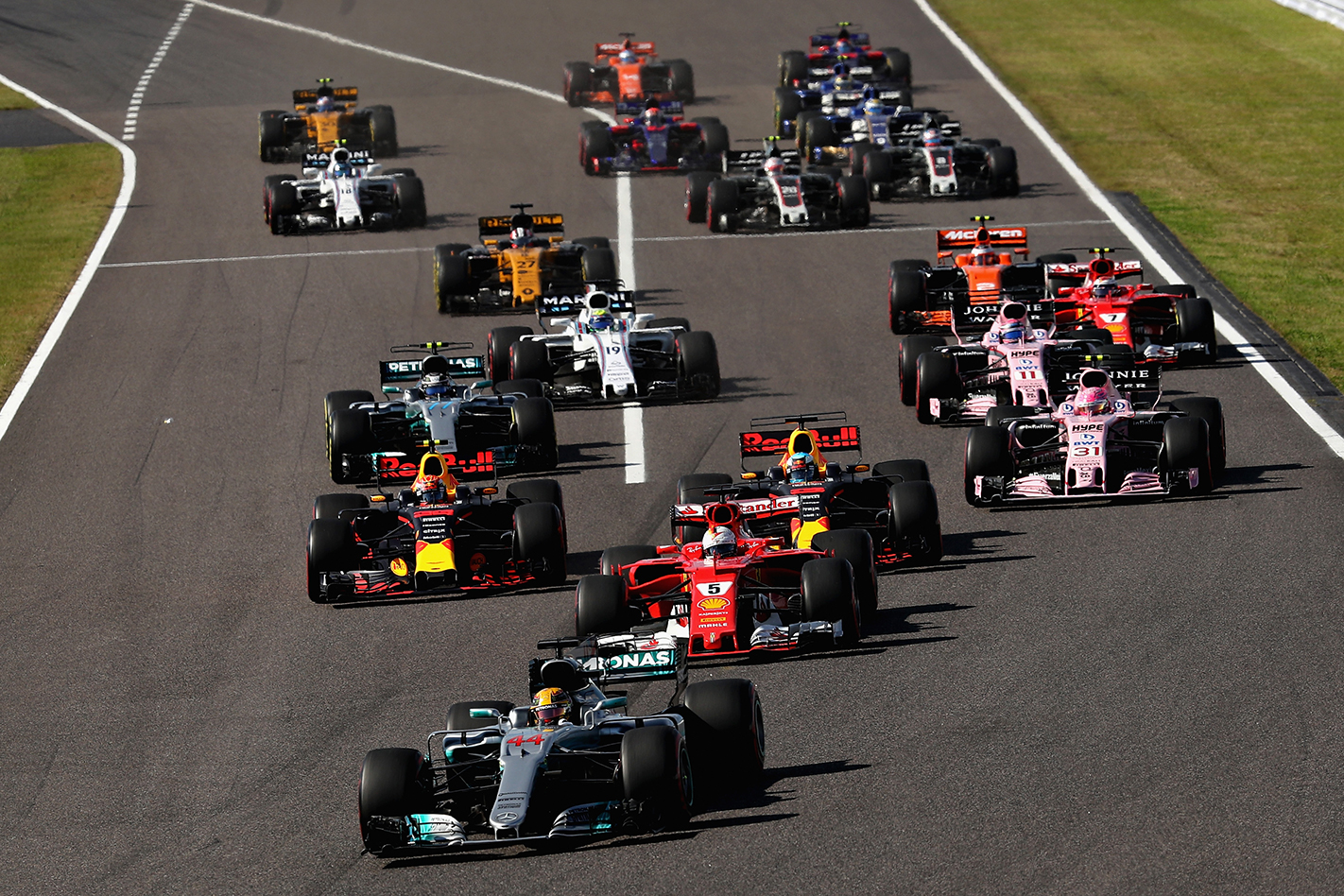
“Overall the race was a thumbs up for me,” said Ricciardo. “At the start of the weekend I said I wanted to get a podium in Suzuka and I got it. I can’t go back on what I said and wish for more, but I need to look back at the start and the actual getaway as that was what cost me the place to Max and Ocon. The first 100 metres could have been better but otherwise the race was pretty lonely in third place.”
“It’s really encouraging for the team to have another double podium, both cars are getting to the finish reliably now and we are also quick. We should be able to put up a good fight in Austin and Mexico and if we can keep this rolling into 2018 then absolutely we should be looking pretty good.”
WRC: Meeke claims second victory of the year
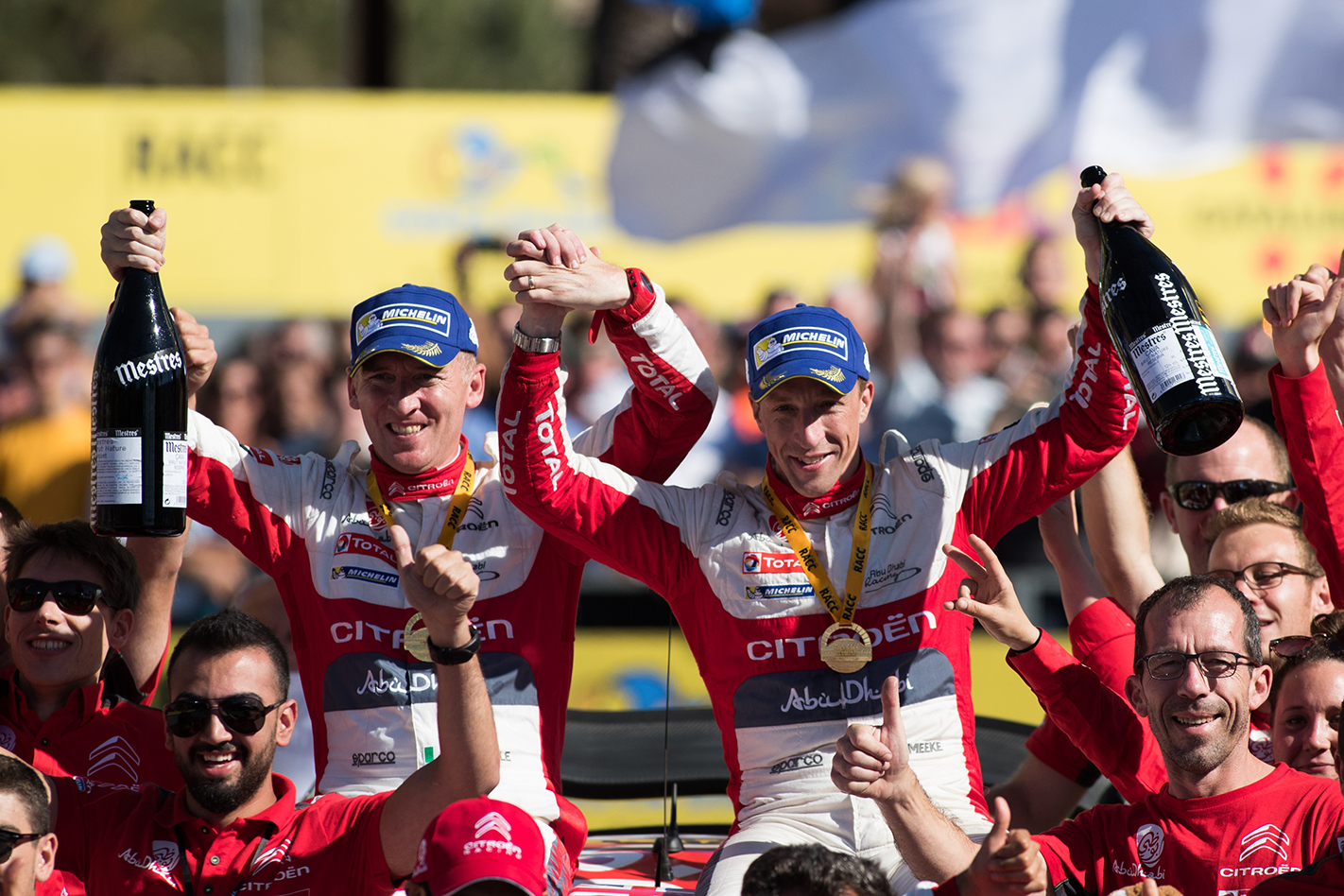
Three rounds after poor form led to him being benched from the Citroën team, Northern Ireland’s Chris Meeke mastered the final two legs of Rally Catalunya – Rally de España to win by 28.0sec from Sebastian Ogier’s M-Sport Fiesta, who can secure the 2017 drivers’ crown – his fifth in a row – at the penultimate round in Britain later this month.
Ogier, who is yet to commit to a particular employer for next season, fended off M-Sport team-mate Ott Tänak to claim second by 5.0sec.
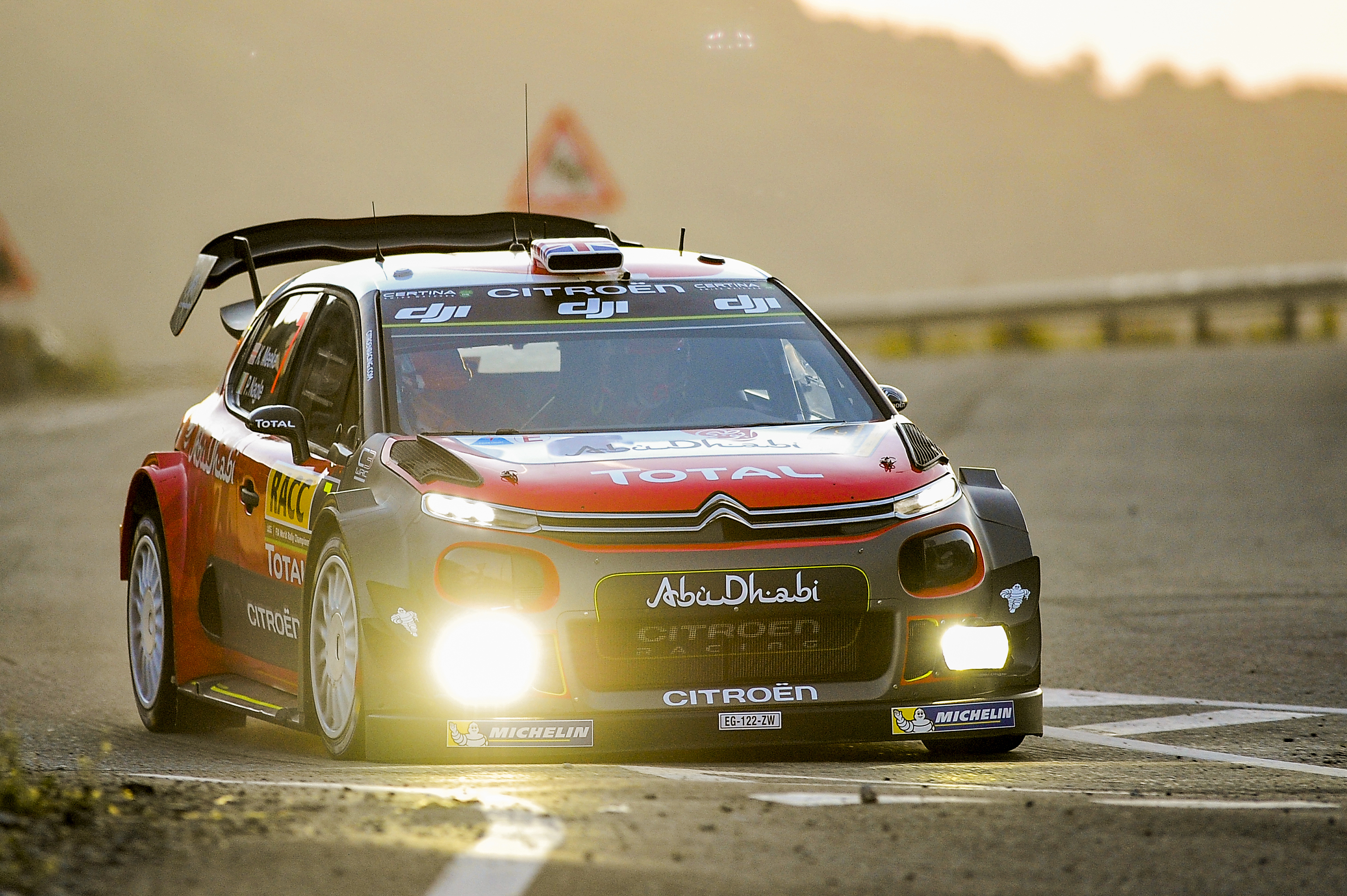
Malcolm Wilson’s M-Sport World Rally Team moved within touching distance of a first manufacturers’ title since 2007. Ogier and Tänak need only finish in Britain, irrespective of their overall placings, to take the championship for M-Sport.
Although new Hyundai signing Andreas Mikkelesen led at the end of Friday’s opening leg, Meeke’s strong gravel stage pace from the start laid the platform for victory. He swept into the lead Saturday morning when the surface switched to smooth asphalt, and rounded off a dominant display by winning five of Sunday’s six speed tests.
“It’s not so important how many times you’re knocked down, it’s more important how many times you stand up again,” said Meeke, as he celebrated with wife Danielle and two young daughters.
Handling problems hampered Ogier but tweaks improved the set-up and he reeled off three stage wins on Saturday afternoon. Tänak was handicapped on the asphalt by a gravel-specification gearbox and the Estonian could not catch his M-Sport colleague.
Tänak’s third in Spain has elevated him to second in the standings, a point ahead of Neuville after a troubled weekend left the Hyundai driver playing ‘catch-up’.
Giving it his all, the Belgian hit a stone and broke the front right wheel, wrecking his championship hopes. “After [Saturday’s] problems we had no choice than to push hard and that’s what we did. There are no regrets,” he said.
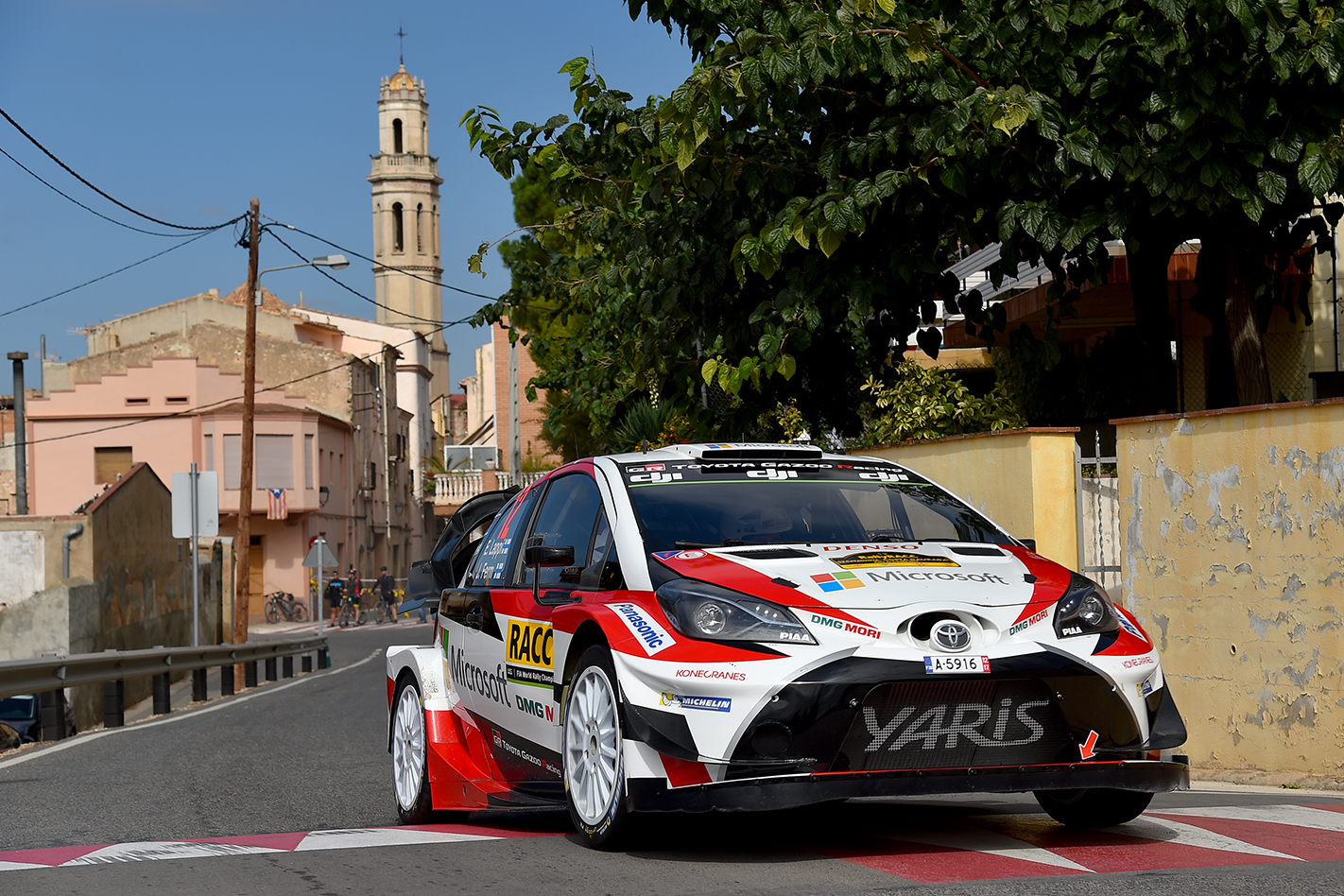
Mads Østberg, who led with his Fiesta on the first day, was fifth, with Citroën’s Stéphane Lefebvre completing the top six.
The championship returns to gravel for the penultimate round at Wales Rally GB on October 26-29.
SUNDAY’S Bathurst 1000 was a lesson in how to lose Australia’s toughest race. Big names including Shane van Gisbergen, Garth Tander, Mark Winterbottom, Jamie Whincup and Scott McLaughlin all threw away a chance of victory at Australian motorsport’s most coveted trophy.
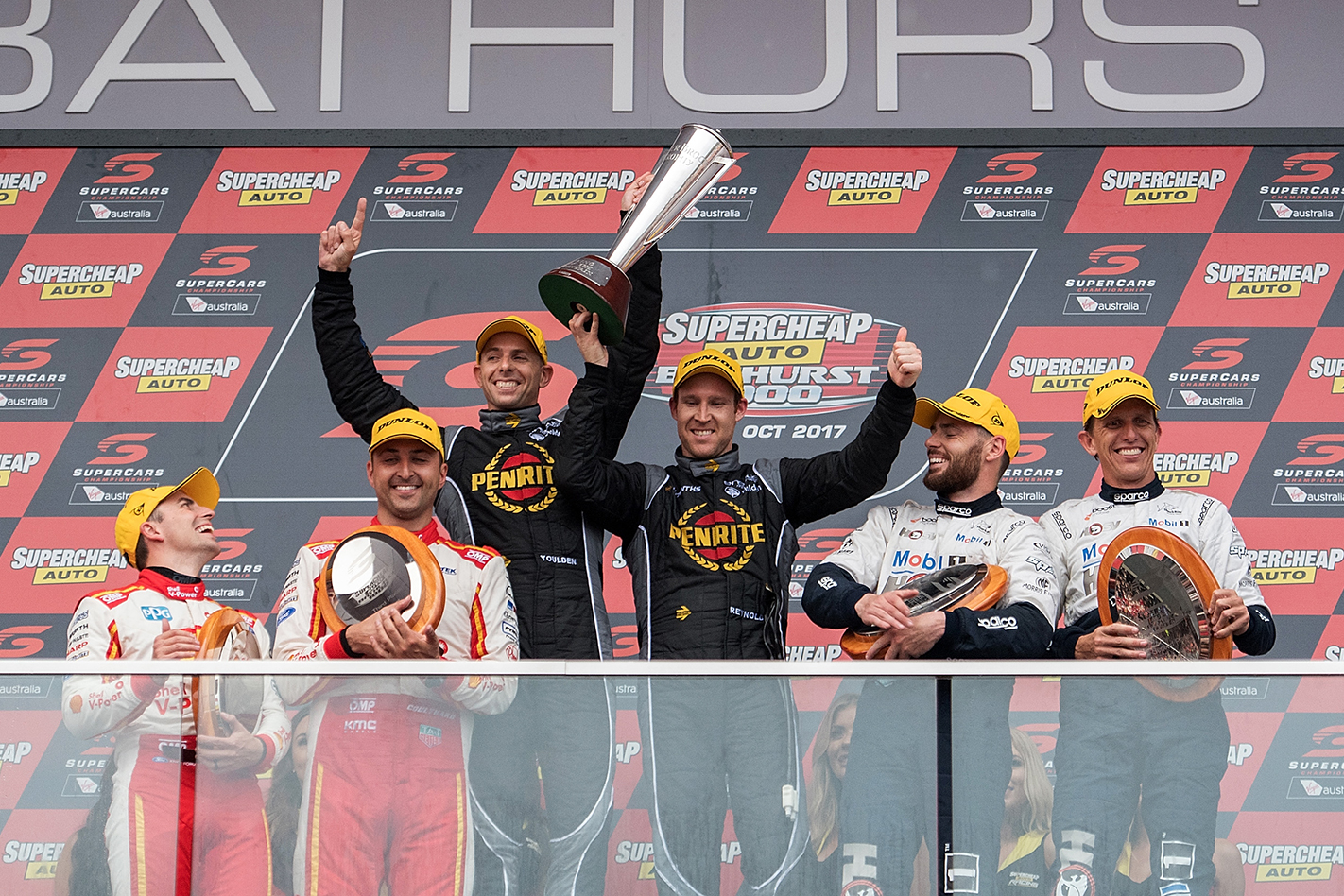
The bigger names in the field either made mistakes or blew up during another mainly wet and memorable Bathurst 1000, but David Reynolds and Luke Youlden survived the usual twists and turns encountered in every Great Race, taking a well-deserved 4.0sec victory for the small and colourful Erebus Holden team.
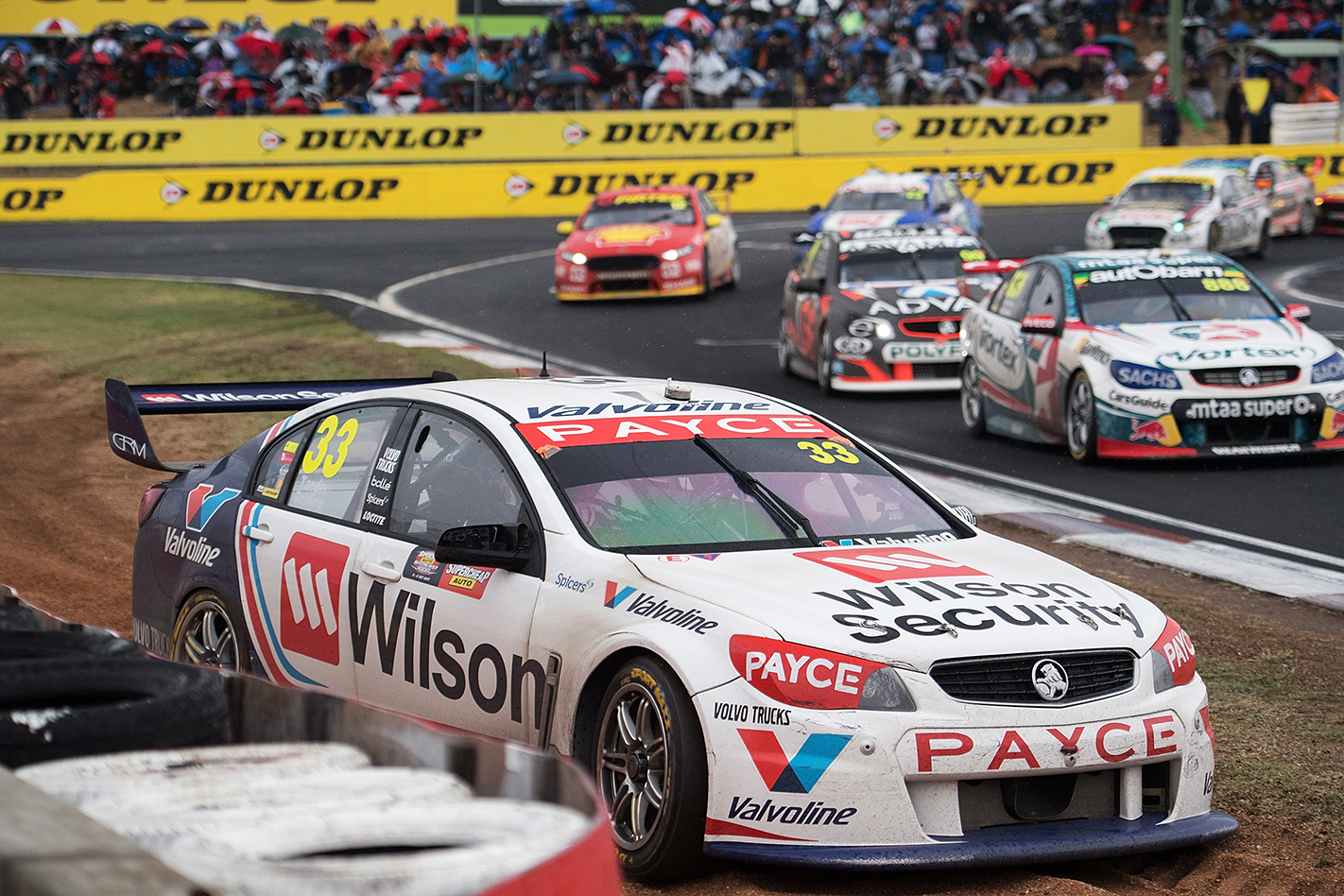
And in the closing laps, when it mattered most, Reynolds answered his team’s call to produce six of his best laps in the sprint to the chequer, delivering an emotional, giant-killing win for flamboyant team owner Betty Klimenko after a crazy, rain-drenched races with so many head-shaking moments.
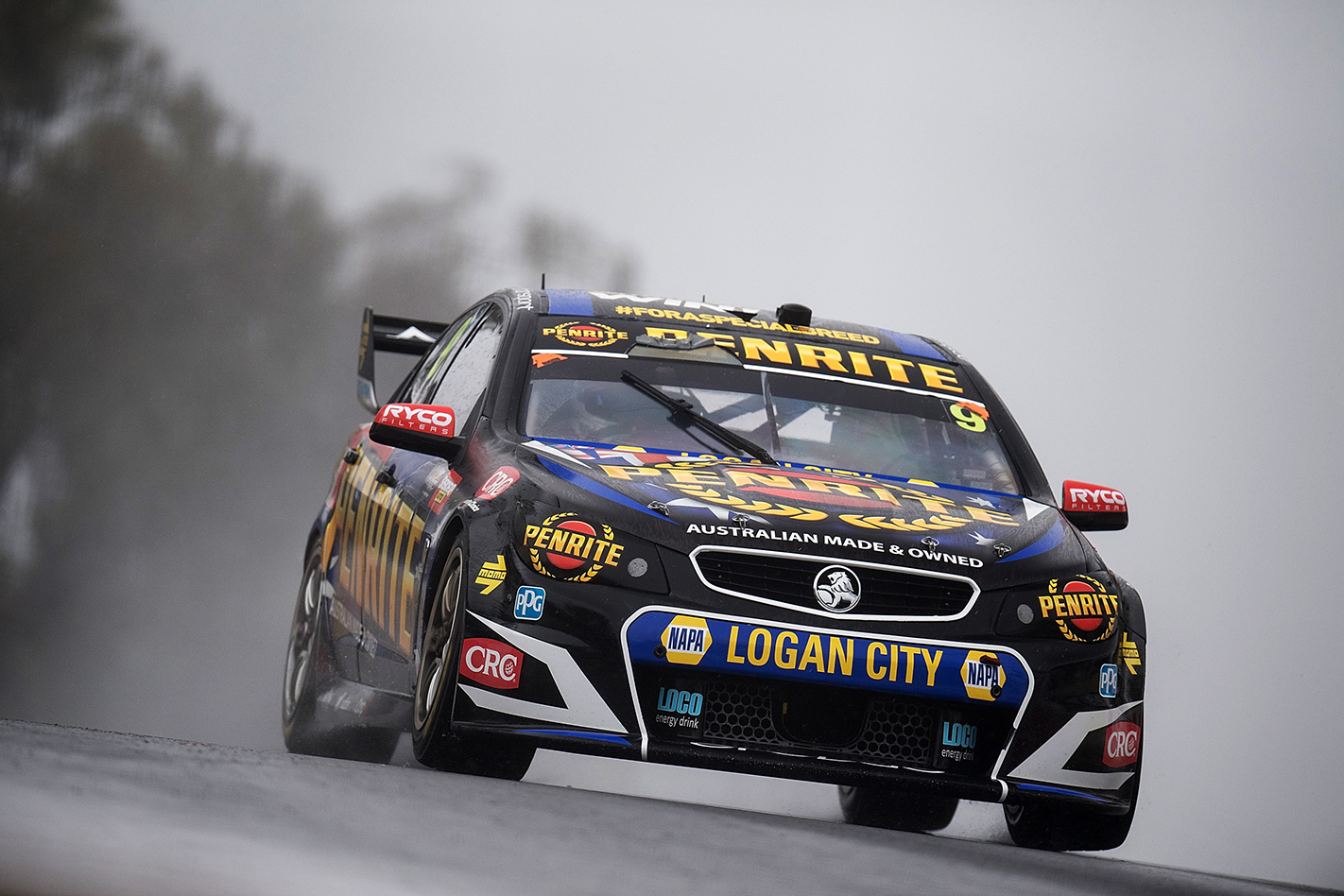
“It’s taken my 18 years [starting in the Bathurst 1000] to do it and now I know what it feels like. Grouse!” exclaimed Youlden.
Reynolds, 32, and Mount Panorama have had a patchy relationship. The popular driver had to settle for a photo-finish second to Jamie Whincup in 2012, when he was driving a Ford. Many say it’s a race he should have won.
Then in 2015, the joker of the Supercars pack was slammed with a fine of $25,000 for a sexist slur against a a rival Bathurst all-female crew.
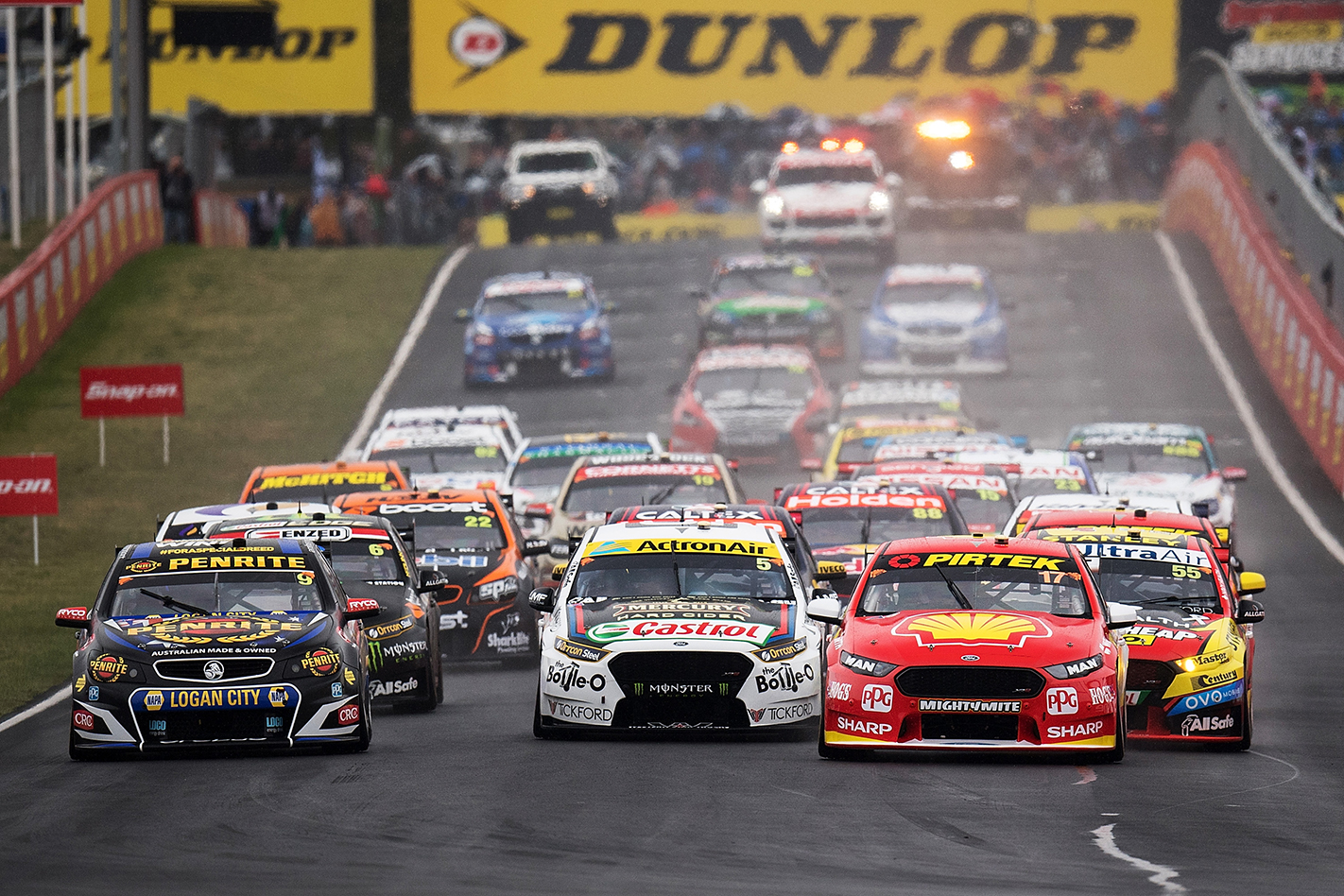
That Reynolds and Youlden prevailed really should be no great shock, especially after the regular Erebus driver led the Holden pack throughout practice and then delivered a great Top 10 Shootout lap to nail down the front-row starting spot alongside pole winner Scott McLaughlin and his French co-driver Alex Premat.
But McLaughlin’s blinding pace through the lead-up attracted the lion’s share of the spotlight and overshadowed the likes of Reynolds/Youlden.
Rain just before the start for the first time during the race carnival threw the form guide out the back door and sent the teams scurrying to fit wet-weather rubber.
In the steady rain, the grip-challenged cars were around 30 secs slower than their qualifying pace.
It would be a race of making strategy on the fly as the opening 76 laps went uninterrupted by safety cars, the first coming when championship leader, DJR Team Penske Ford young gun Scott McLaughlin’s Falcon coasted to a halt with terminal engine failure.
Reynolds and Youlden were never far from the lead in this year’s chaotic 161 lapper but safety car interventions and different fuel strategies left the outcome in the balance throughout.
The last 80 laps though were intriguing, the appearance of a thrill-seeking kangaroo and then a wayward rock at Skyline prompting safety cars and closing up the field at key times.
When the rain eased, and lap times dropped, teams were left contemplating when they should switch to slicks. A few, including Percat, di Silvestro and Caruso, rolled the dice on lap 123 but their slicks took an eternity to heat up. By lap 135, all the serious contenders were on slicks with the imperative to stay on the emerging dry line.
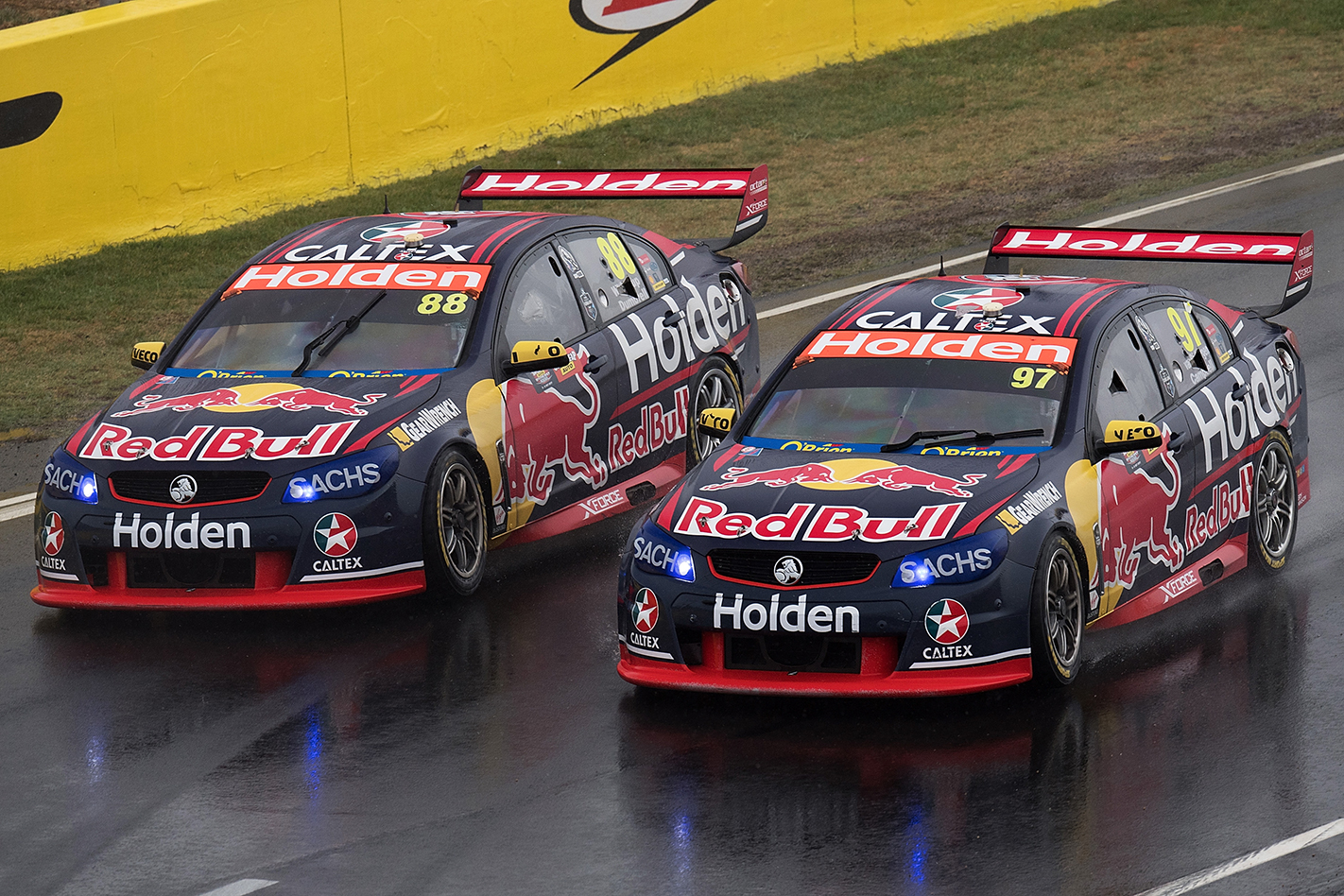
A turning point came on lap 146, when the speedy, ever-threatening Shane van Gisbergen botched a re-start and dropped many places.
BJR’s Nick Percat immediately slipped through to lead, with Reynolds pressing, ahead of Pye, Dale Wood in the second Erebus Commodore, and Coulthard.
Moments later, three potential winners got together uncomfortably in a frenzied scramble exiting Hell Corner. The melee left the Prodrive Falcons of Cameron Waters and Chaz Mostert – both of which had led the race at different times – with serious damage and hopes in tatters. GRM’s Garth Tander was also involved. He continued but slammed the wall at the Cutting a few laps later, finishing 18th. It was a rough weekend for GRM; the team’s other Holden of James Moffat, heroic early, also crashed heavily late in the race.
With 16 laps to glory – or disappointment – Reynolds hit the front followed by Pye with the recovering and very fast van Gisbergen back up to fourth.
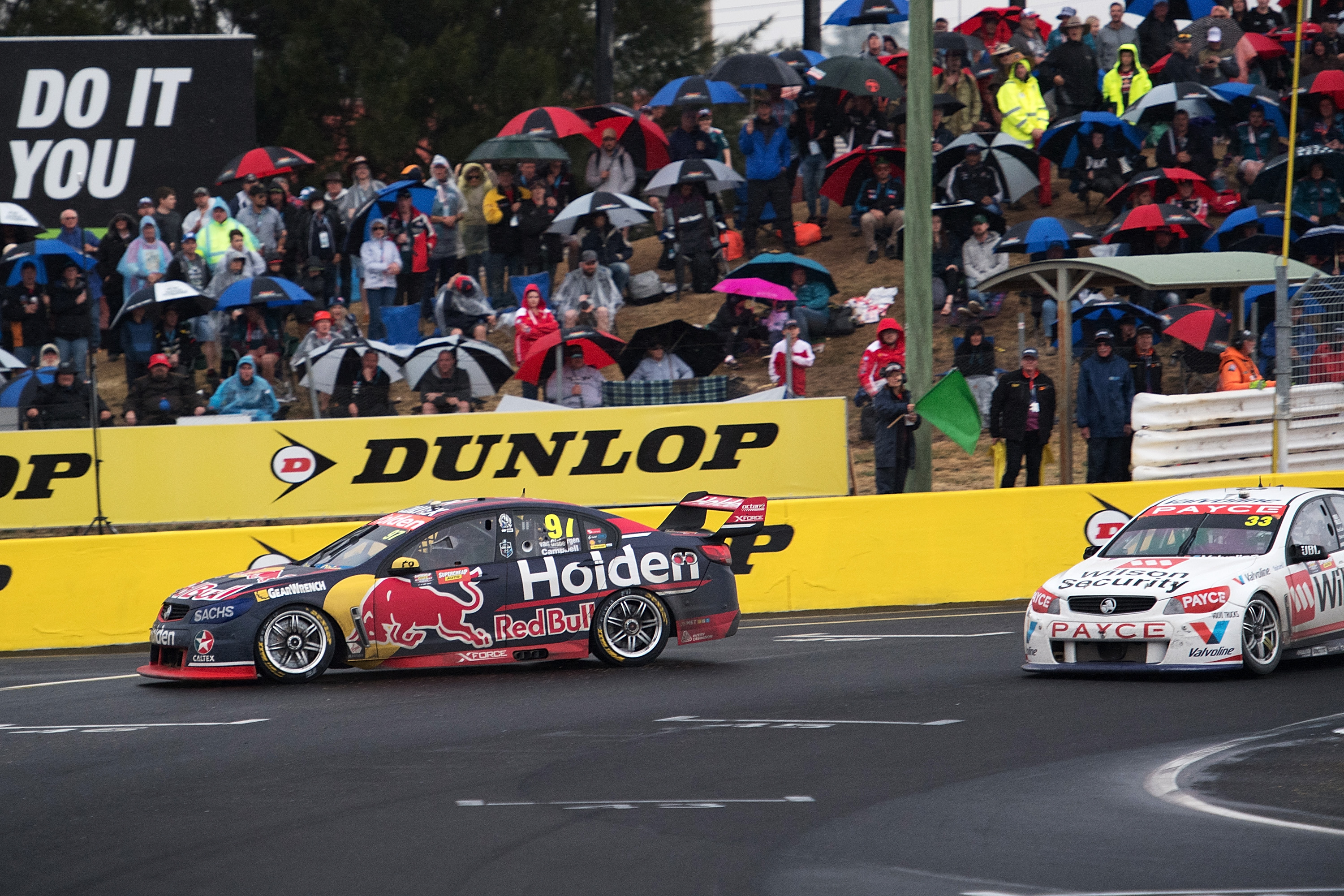
Mostert, so quick in parts of the race, managed to take 10th.
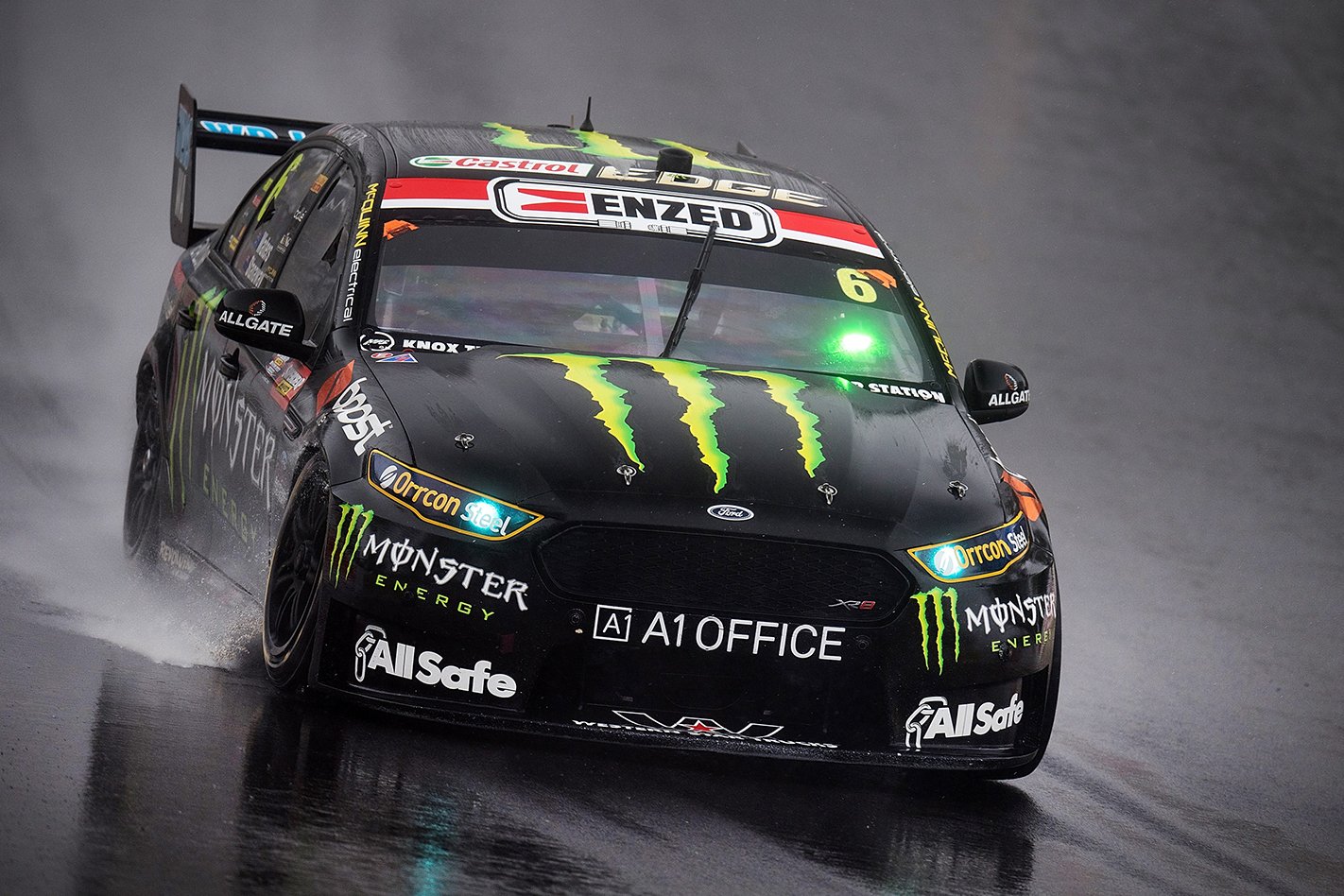
After leading for slabs of the race the strong Cameron Waters/Richie Stanaway combo fell to 16th after the Monster Ford damaged its rear wing trying to avoid Tander in that late-race all-star contretemps.
Mark Winterbottom was never right on the pace but was fifth on the penultimate lap, when he crashed when pressured by the resurgent van Gisbergen.
Simona di Silvestro’s solid Bathurst 1000 came up sadly short when she spun her Nissan into a barrier on the pit straight wile just inside the top 10, triggering the final safety car.
This left Reynolds facing a six-lap sprint to the end. He cleverly managed the re-start and took off in the direction of the Peter Brock Trophy, winning by a few seconds from Pye – his best Bathurst finish – and Coulthard, who moved to third when Percat threw away a podium result when he went wide at the Chase.
Like last year, won by Tekno, this too was the year a small team got the win, made sweeter by Wood and Chris Pither taking fourth in the second team car. It was also the year the mega teams – Prodrive, Triple Eight and DJR-Penske got bloodied noses.
The race took a marathon 7h 11m 45s to complete. Incidentally, just who was the genius who decreed the 1000km enduro should start at a late 11.10am? Any more lengthy stoppages and it would have been murky out there on lap 161.
Coulthard has regained the championship lead by 91 points to Whincup, who sat in the pits for many laps after engine problems, but then re-joined in his patched-up Holden late to wobble to the line in 20th place, collecting 90 valuable points.
Third-placed McLaughlin has dropped to 97 points behind Coulthard with Mostert in fourth and van Gisbergen in fifth heading into the Gold Coast 600. All in the top five have a mathematical shot at the title.
2017 Bathurst 1000 results 1 – Reynolds/Youlden – Holden 2 – Pye/Luff – Holden 3 – Coulthard/D’Alberto – Ford 4 – Wood/Pither- Holden 5 – Van Gisbergen/Campbell – Holden 6 – Caruso/Fiore – Nissan 7 – T. Kelly/Le Brocq – Nissan 8 – Bright/Jacobson – Ford 9 – Slade/Heimgartner – Holden 10 – Mostert/Owen – Ford
Friday quali and Shootout action
Fords dominated the all-in qualifying with DJR- Team Penske’s Scott McLaughlin heading the pack and then, on Saturday evening, producing an unforgettable Top 10 Shootout lap to bag pole with the fastest-ever Supercar lap of Mount Panorama, 2m 03.831s. The effervescent Kiwi was in tears behind the wheel as he achieved his life-long ambition to start from the box seat on the grid in the Bathurst 1000. He not only bettered his Friday record, he smashed it.
“I dreamt of doing this since I was a kid,” the 24-year-old blurted out afterwards.
“I knew we could do that,” McLaughlin added. “My god, I am over the moon, my god. I could hear the crowd, they were crazy. That was the most incredible moment of my life.”
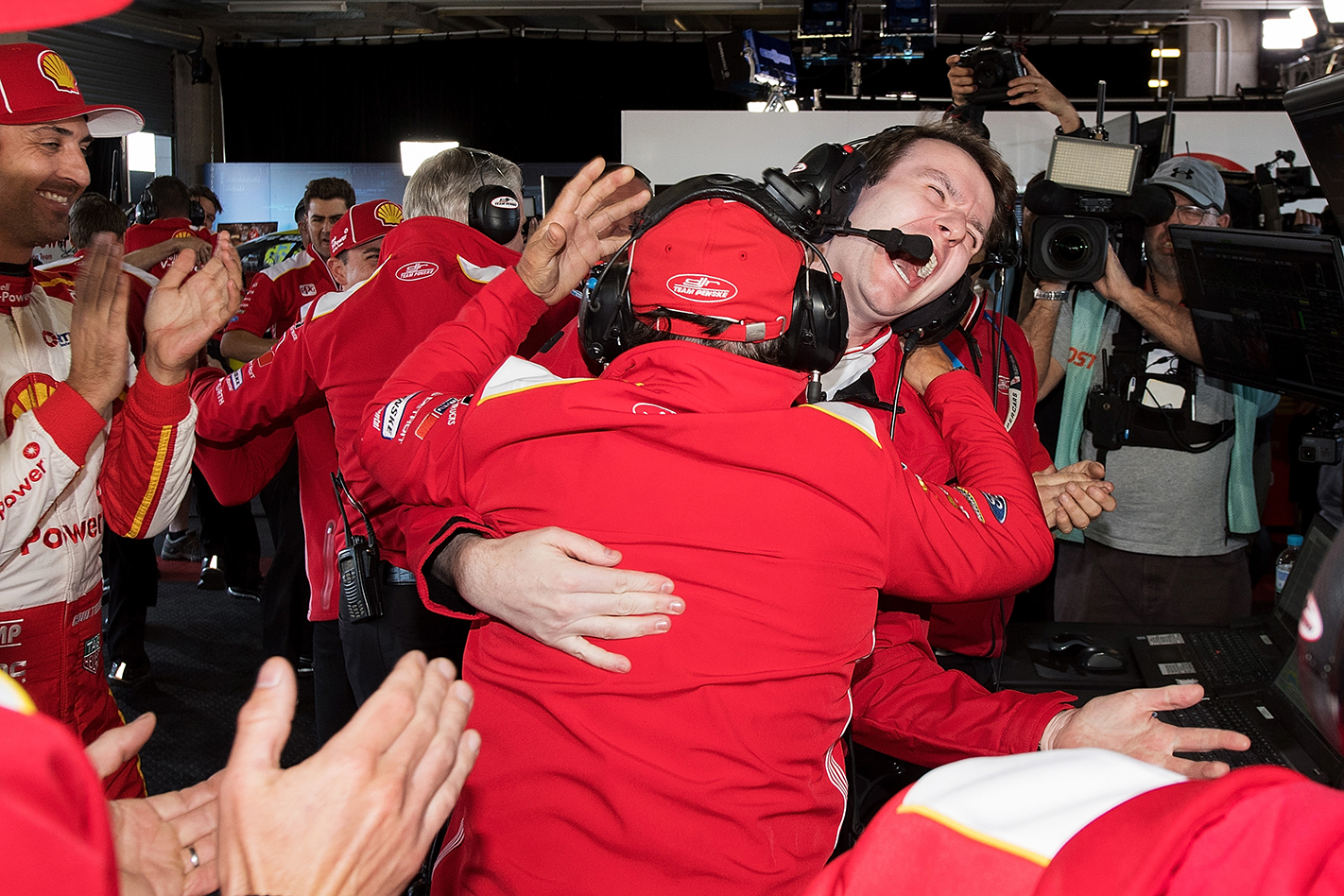
What a collection of fastest times McLaughlin is gathering. This was his 14th pole of 2017 and 31st of his Supercars career.
McLaughlin eclipsed the impressive Erebus Holden standout and 2015 pole winner David Reynolds by 0.44s – a big margin even at Bathurst. Falcon driver Mark Winterbottom was third quickest, just ahead of Chaz Mostert; the PRA pair claiming the second row.
Red Bull’s Shane van Gisbergen recovered from a Thursday wall-banger to make the Shootout and grabbing the inside of row three, with Sandown 500 winner and the rival Monster Energy drink Ford of Cam Waters alongside. It was Waters first Shootout start in the 1000.
The rest of the Top 10 grid was filled by Fabian Coulthard (seventh) Jason Bright (eighth), Tander (ninth) and James Courtney (10th).
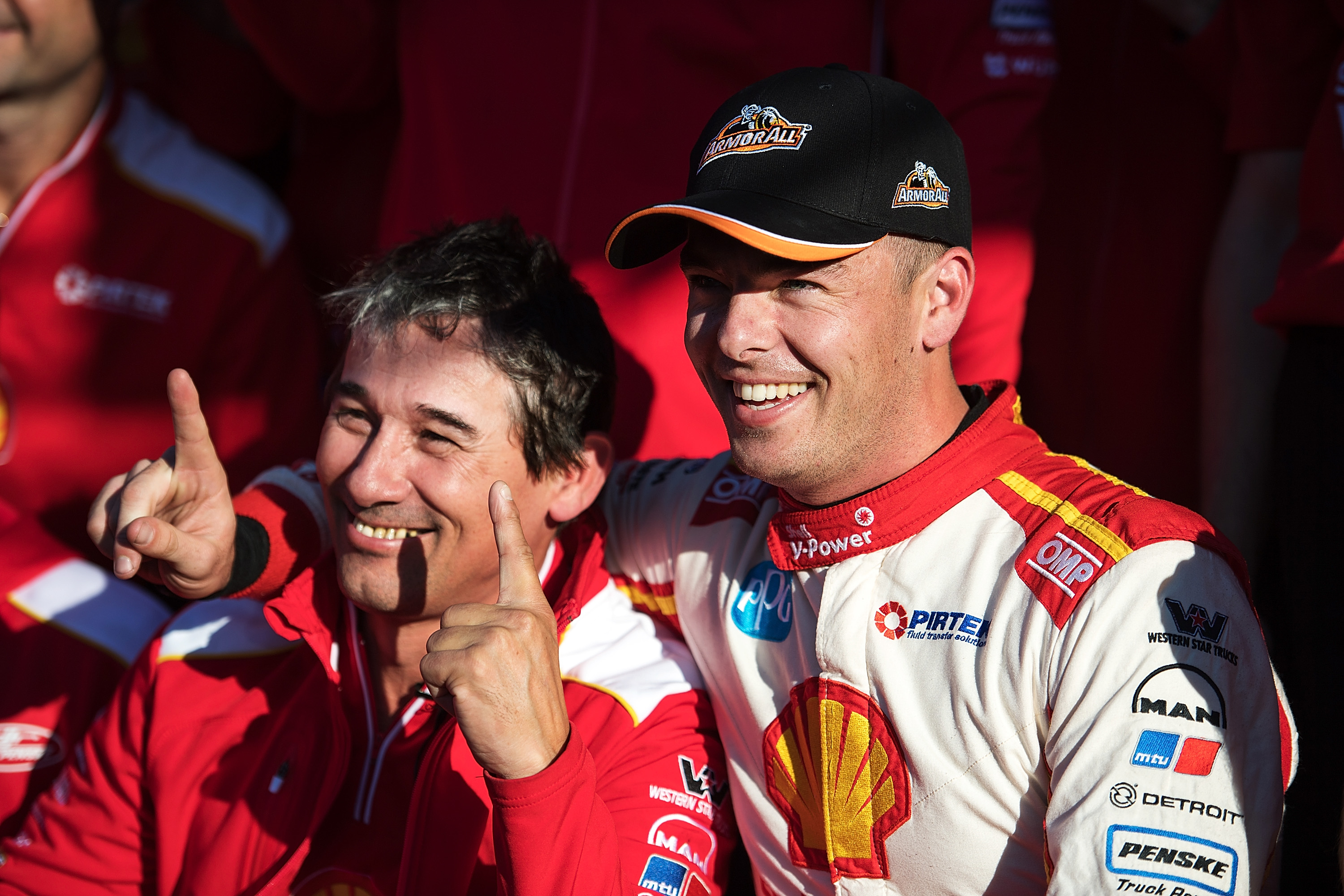
Triple Eight stars Craig Lowndes and Jamie Whincup, who have 10 Bathurst wins between them, missed the shootout again. Though Whincup admitted he simply lacked car pace in the lead-up, no-one was brave enough to suggest Sunday wouldn’t see he and Lowndes in contention. It was the first year both Lowndes and Whincup missed the top 10. Whincup qualified 11th and Lowndes back in position 19.
Unlucky too in Friday’s regular qualifying was GRM’s James Moffat who crashed in the closing moments of the session and was thus removed from ninth back to 22nd for causing a red flag stoppage. His misfortune benefitted his teammate Garth Tander, who moved from 11th to 10th and into the Shootout.
After Tim Slade became the first of several crashers on Thursday’s opening day of practice, the Freightliner Racing crew worked through the night to prepare the seriously damaged Commodore for Friday’s all-important qualifying. That wasn’t the end of the squad’s concerns though; co-driver Ash Walsh was forced to relinquish his seat after suffering debilitating pain from a rib injury. Andre Heimgartner was conscripted to take the job alongside Slade. The pair’s Holden started 18th.
But all of the 52 drivers went to bed on Saturday night wondering what the Bathurst weather gods would bring…
