
IT’S interesting that the fastest Volkswagen ever sold in Australia – in fact, the fastest factory VW ever – happens to be a Passat sedan.
This Performance Car Of The Year article was first published in MOTOR Magazine November 2008.
Yep, a middle-management, safe-as-houses German Camry crammed to the eyeballs with a 220kW V6, six-speed DSG and all-wheel-drive, all for the highly tempting price of $64,990.
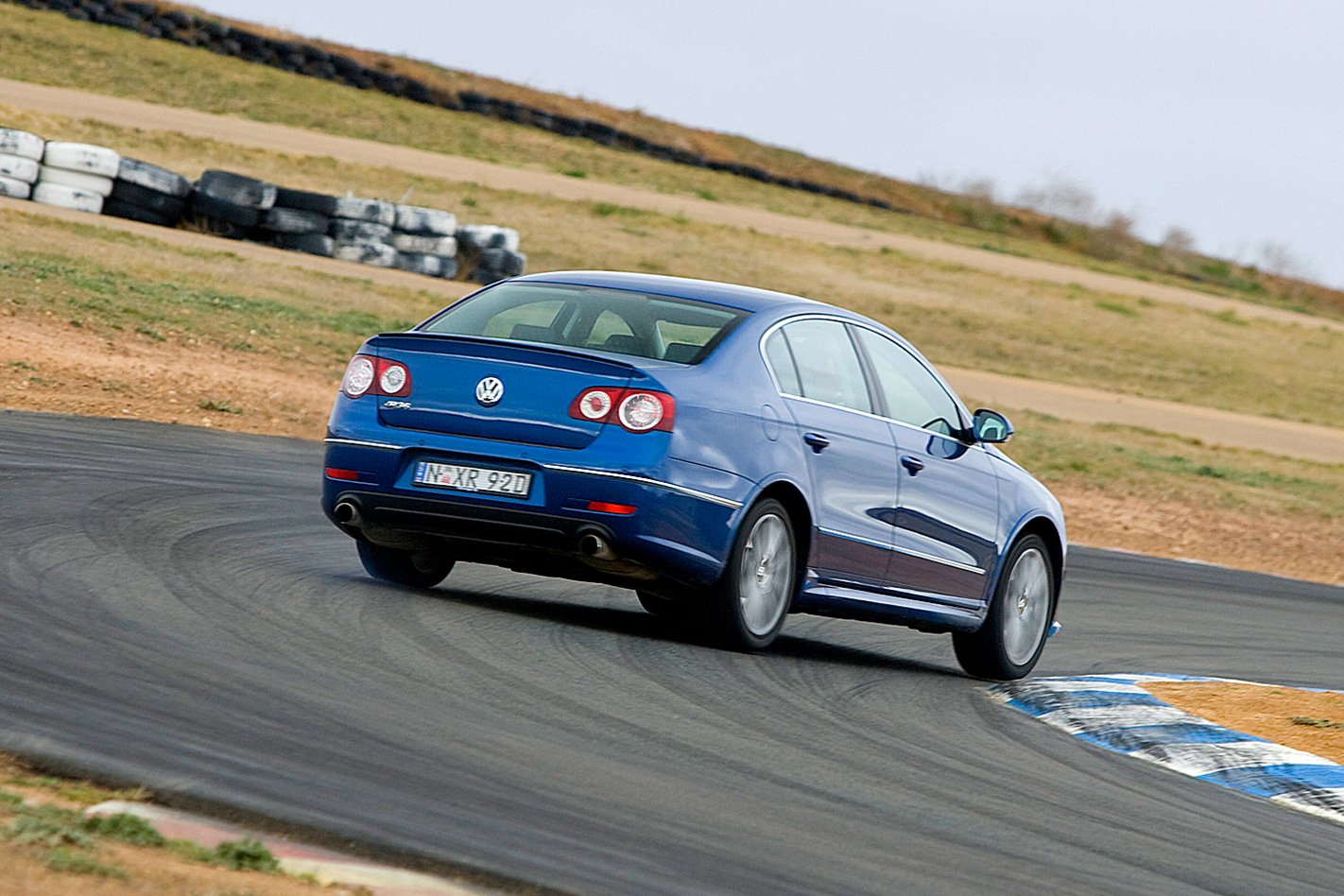
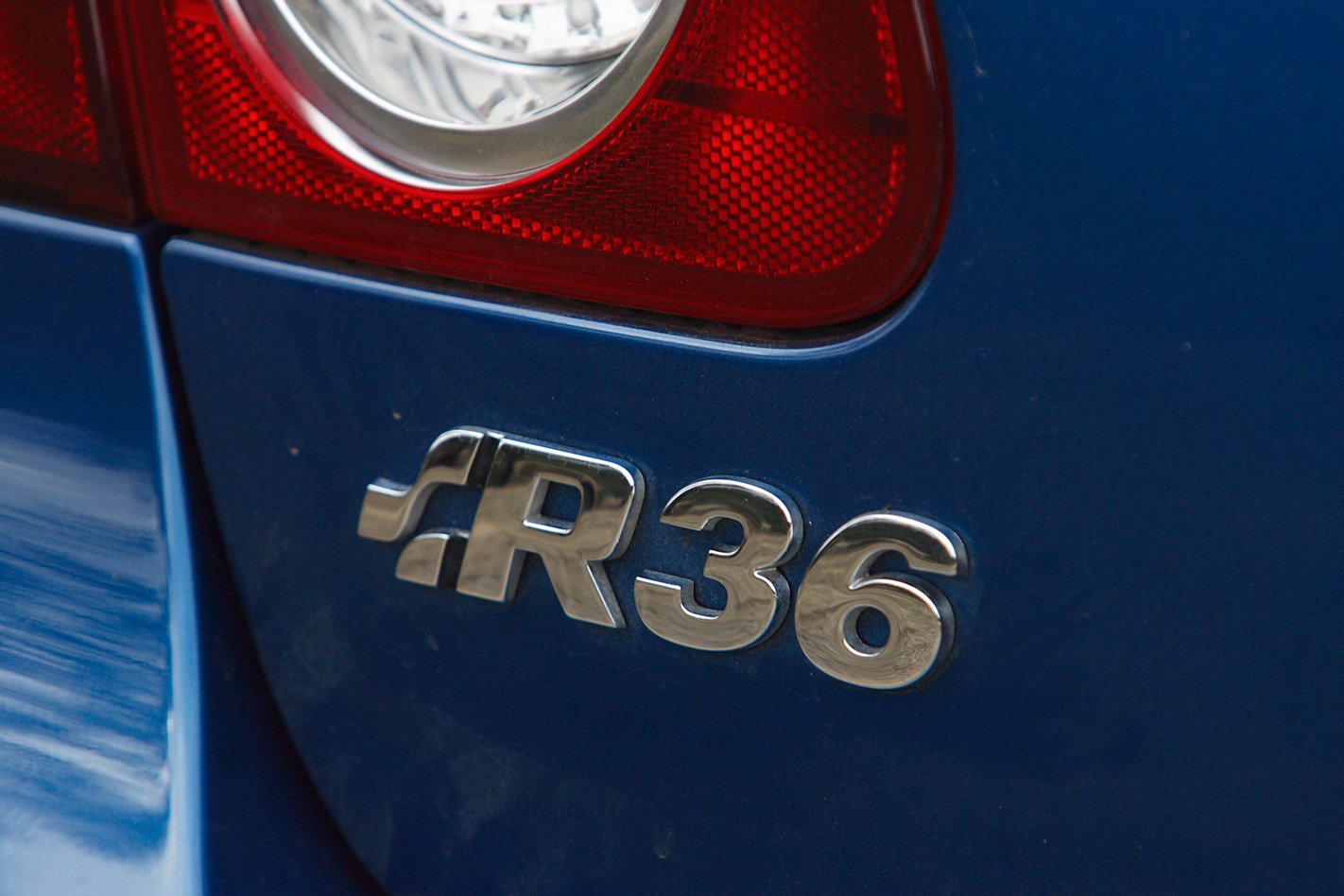
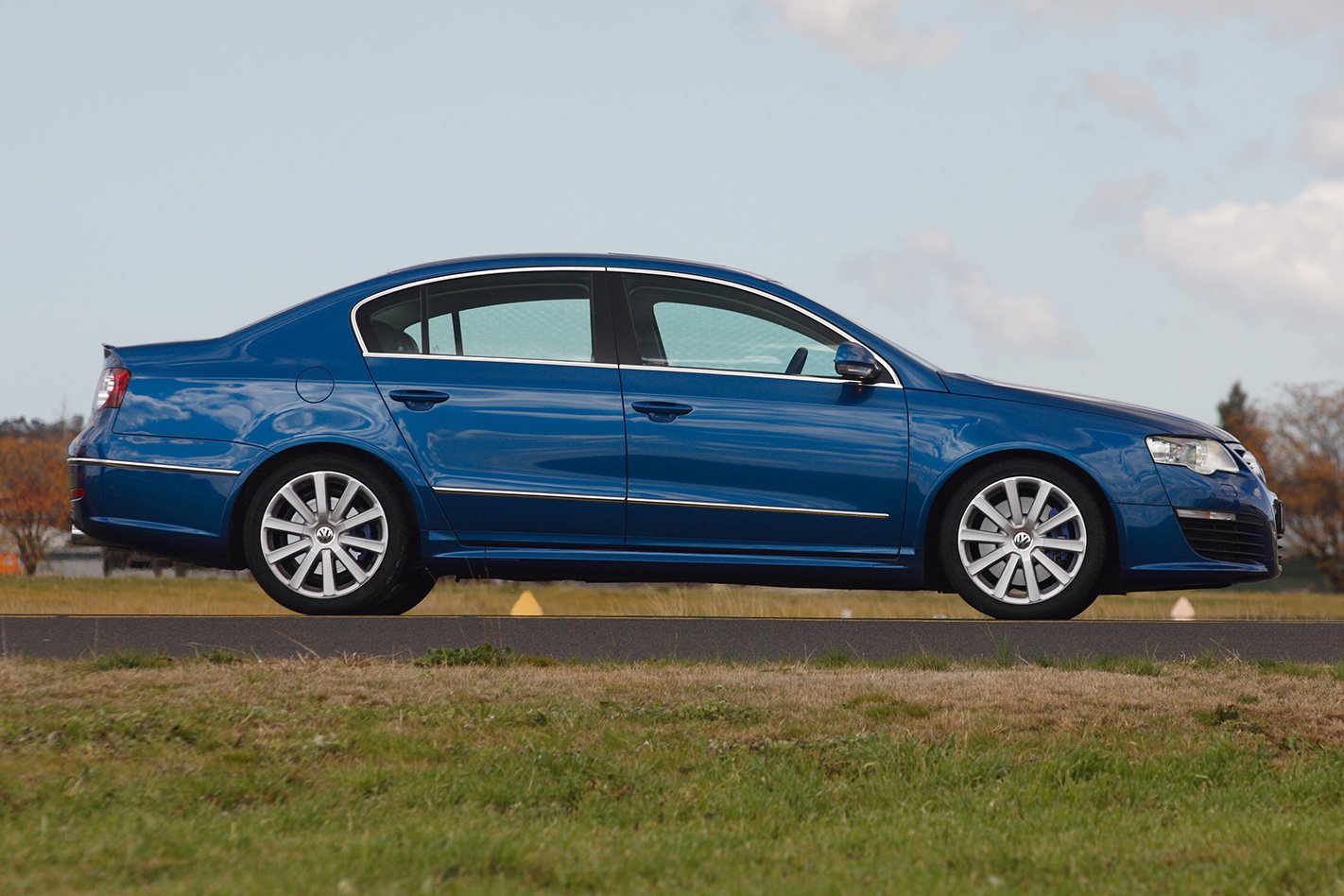
While the visual package is disappointingly sombre and does little to sex-up the Passat’s rather dull styling, once you’re seated in its terrific alcantara-trimmed Recaro chairs, holding yet another great VW sports steering wheel, the R36’s appeal starts to become clearer, without ever threatening to knock your socks off.
Take the R36’s engine – an uprated version of the 3.6-litre direct-injection petrol V6 that also services the base Touareg and Porsche Cayenne.
VW’s excellent six-speed DSG helps, too, by hammering home upshifts – accompanied by a trademark exhaust blurt – and then matching revs expertly on downchanges while responding obediently to the driver’s gear selection … which is something that can’t be said of BMW’s M-DCT offering in the M3.
But the Passat’s narrow-angle V6 lacks the flavour of the raspy 3.2-litre in the Golf R32. The R36 does have a slightly more aggressive induction roar than the R32, but the muted rasp of its exhaust note can’t match the tremendous musicality of its smaller relative.
Least-impressive aspect is the R36’s ride quality, which feels a bit too fidgety at low speeds compared to what the Aussie muscle sedans manage on larger wheels, while arguably the best is the R36’s adjustability on a racetrack – delivering a satisfying slip of its tail when trail-braked into corners, and proving surprisingly chuckable for something that really shouldn’t be.
The R36’s brakes did a reasonable, though unspectacular job of hauling it up consistently at Wakefield Park, and if you check out its corner speeds, they’re certainly nothing to be ashamed of – particularly its fourth-placed, Evo-beating result in turn six’s hairpin. Which means as a basis to work with, the all-wheel-drive V6 Passat must be pretty bloody decent.
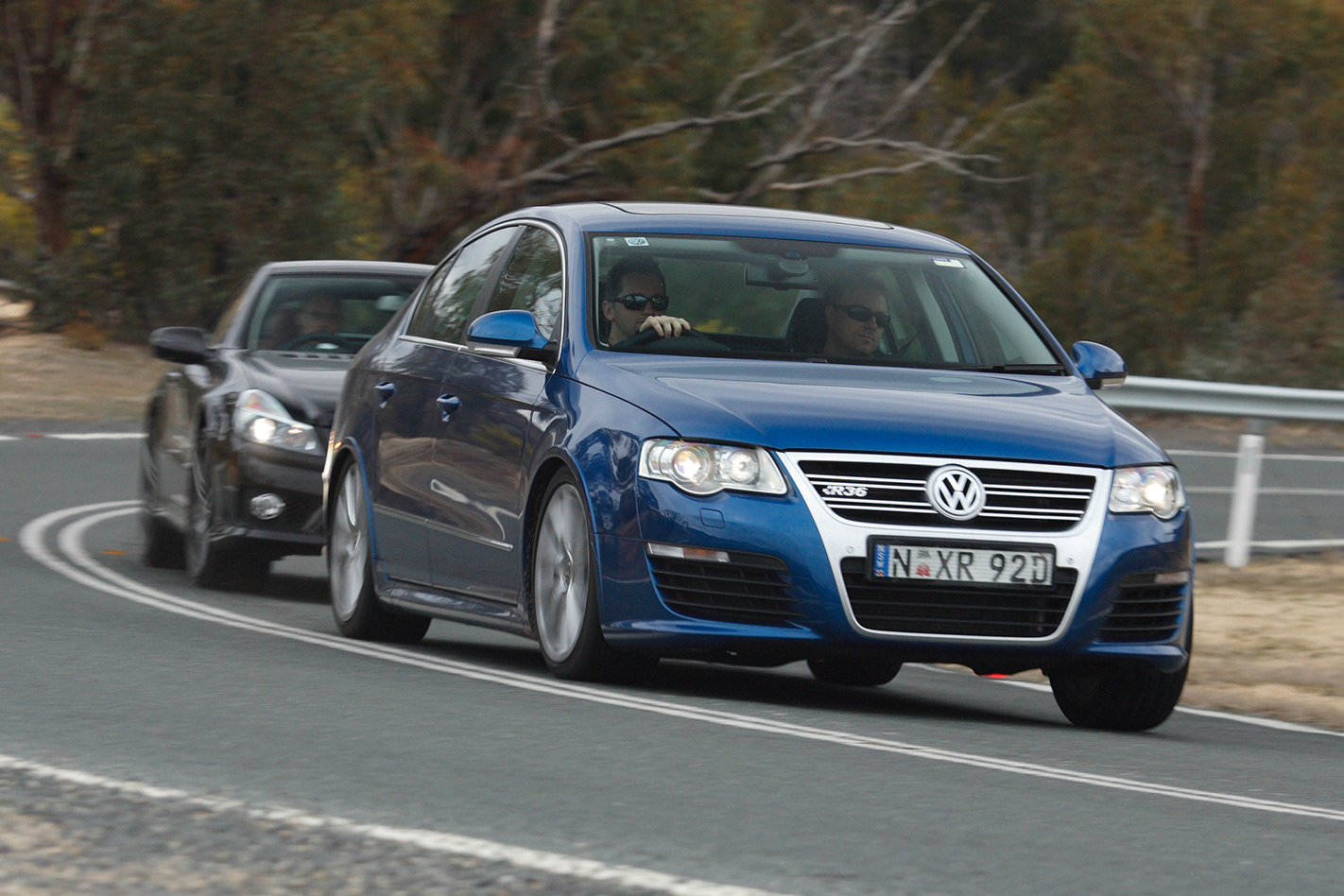
But viewed as a good-value family express (which is basically what it is), the R36’s hearty performance, its surefootedness and its superb seats are enough for it to make an excellent everyday car. Just not a Sunday one.
EXPECTATION and reality are often vastly different. And if you’re expecting the E400 to be a performance-based four-seat, two-door coupe, then you’ll be disappointed.
Yet, that’s not the whole story, and as far as a design statement is concerned, it’s striking. Smooth lines, frameless doors, and B-pillarless profile results in a cohesive silhouette – not to mention the jewellery contained in the front grille and rear tail-lights.
The cabin commands its own identity over the sedan via turbine-style air vents, while the twin 12.3-inch screens complete the thoroughly modern and tech-savvy interior. It’s a sumptuous place to be, one that isolates you from the outside world in a way a $145,611 GT car should.
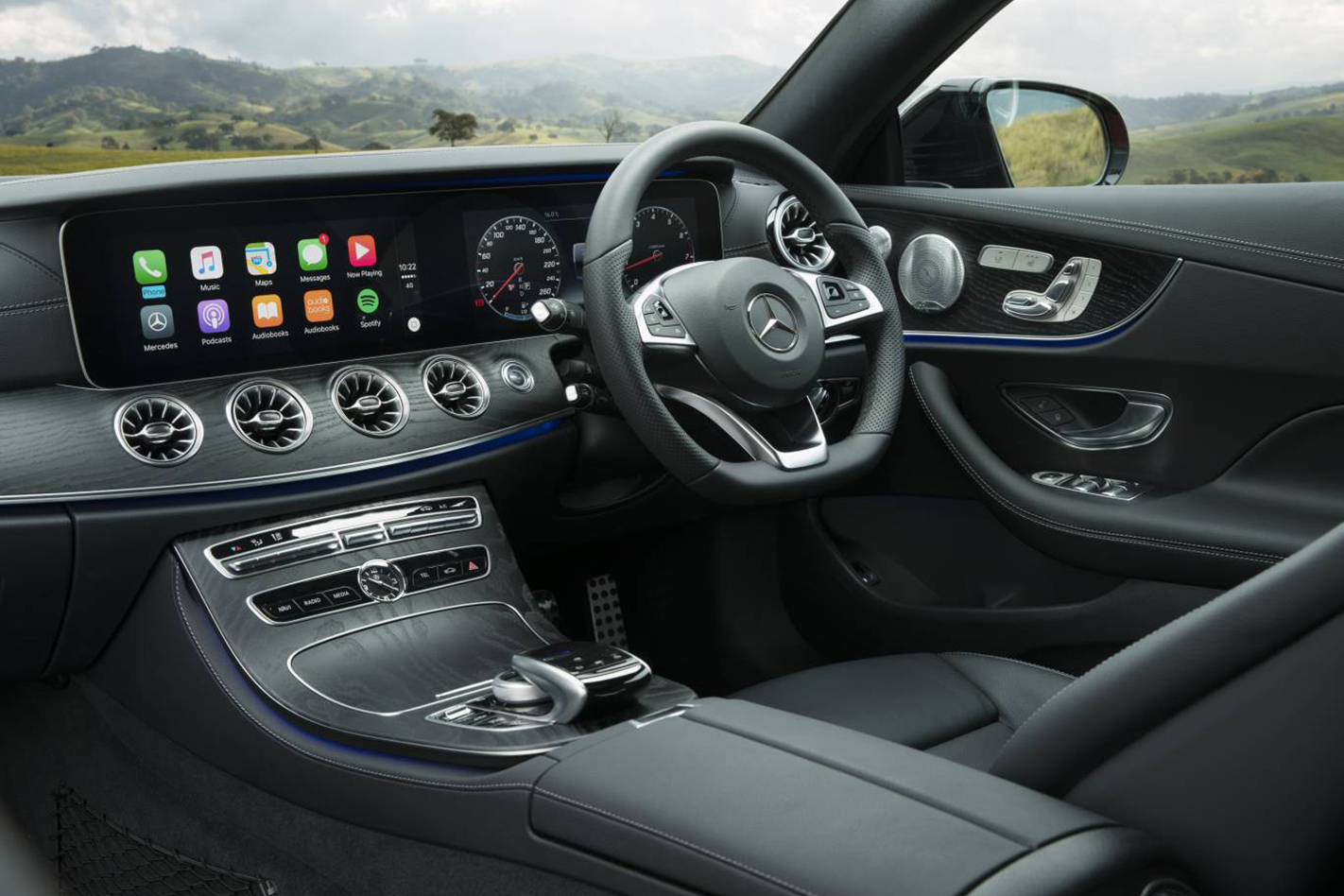
The air suspension affords a true wafting Benz nature (even in Sport+ mode) and with loads of grip you can really hustle along with the heavy kerb weight aiding a sure-footed nature. It also defies its size and heft on direction changes, given it’s no longer based on smaller C-Class underpinnings.
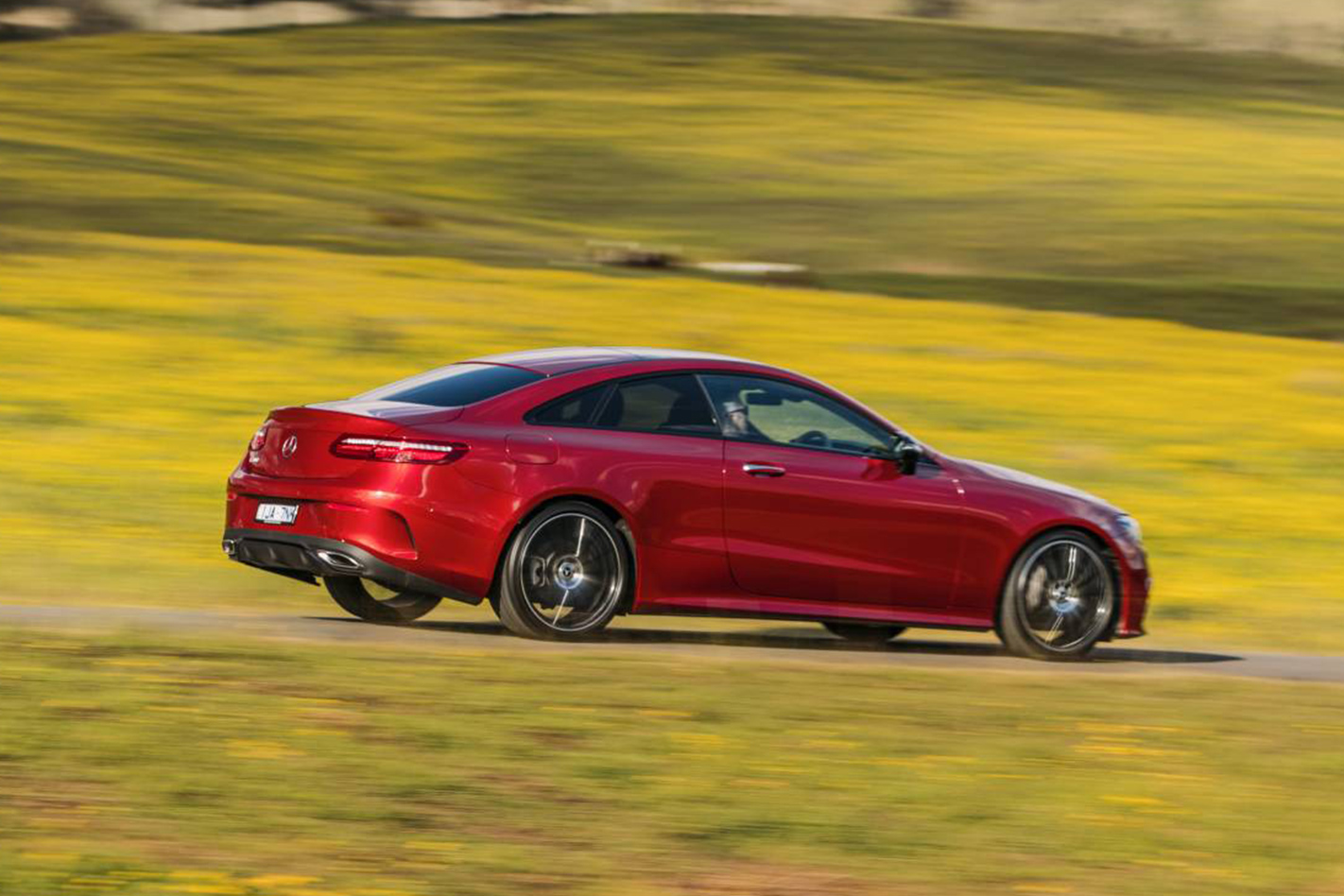
2017 Mercedes-Benz E400 Coupe specs: Engine: 3.0-litre V6 twin-turbo Power: 245kw Torque: 480nm Weight: 1845kg 0-100km/h: 5.3sec Price: $145,611
AT THIS year’s Tokyo motor show Mazda is widely believed to be showing some sort of rotary-powered concept car to celebrate the 50th anniversary of its first production rotary.
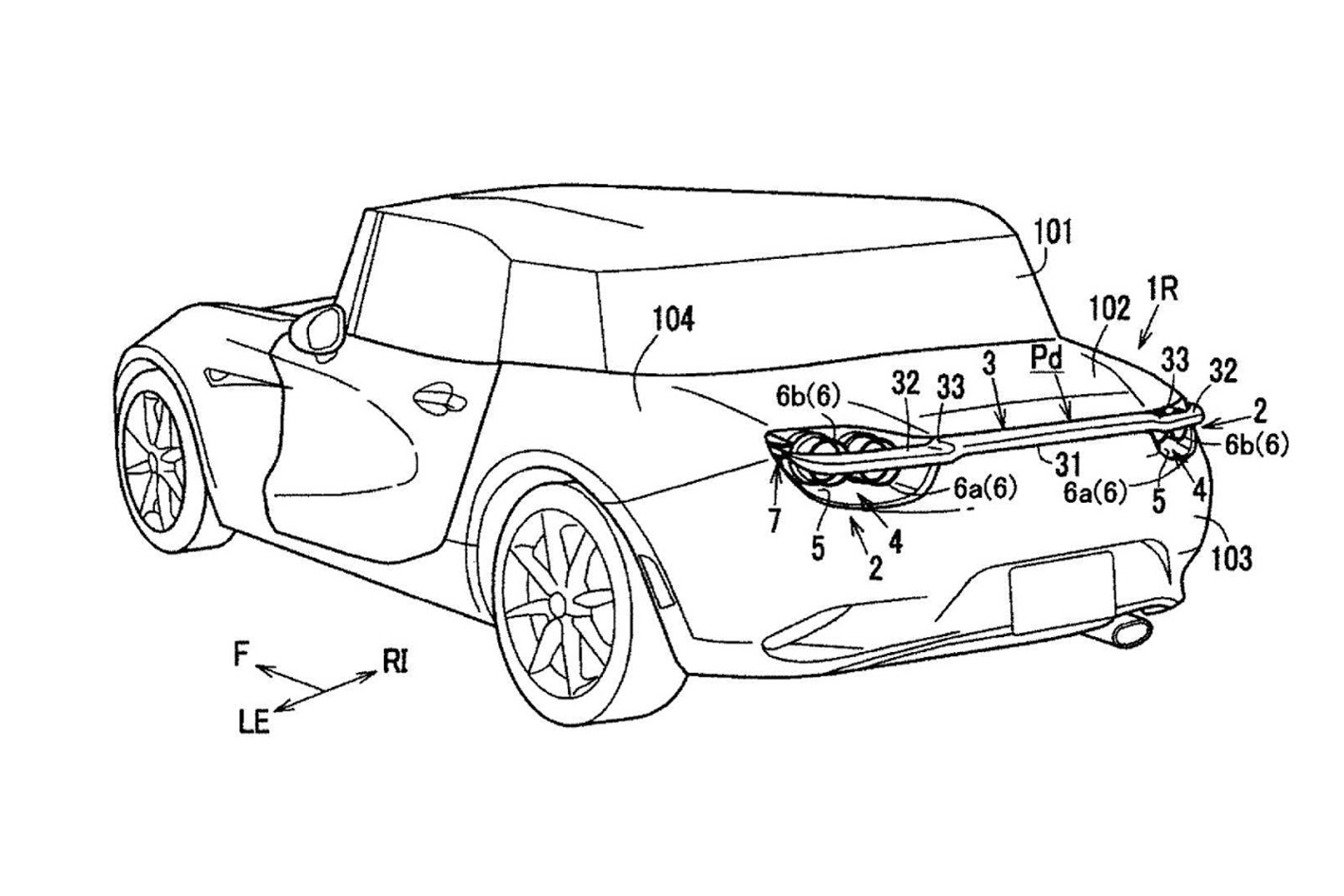
Recently discovered patent filings suggest that it might get a very intriguing rear wing, a development of that seen on Mazda’s last rotary concept car.
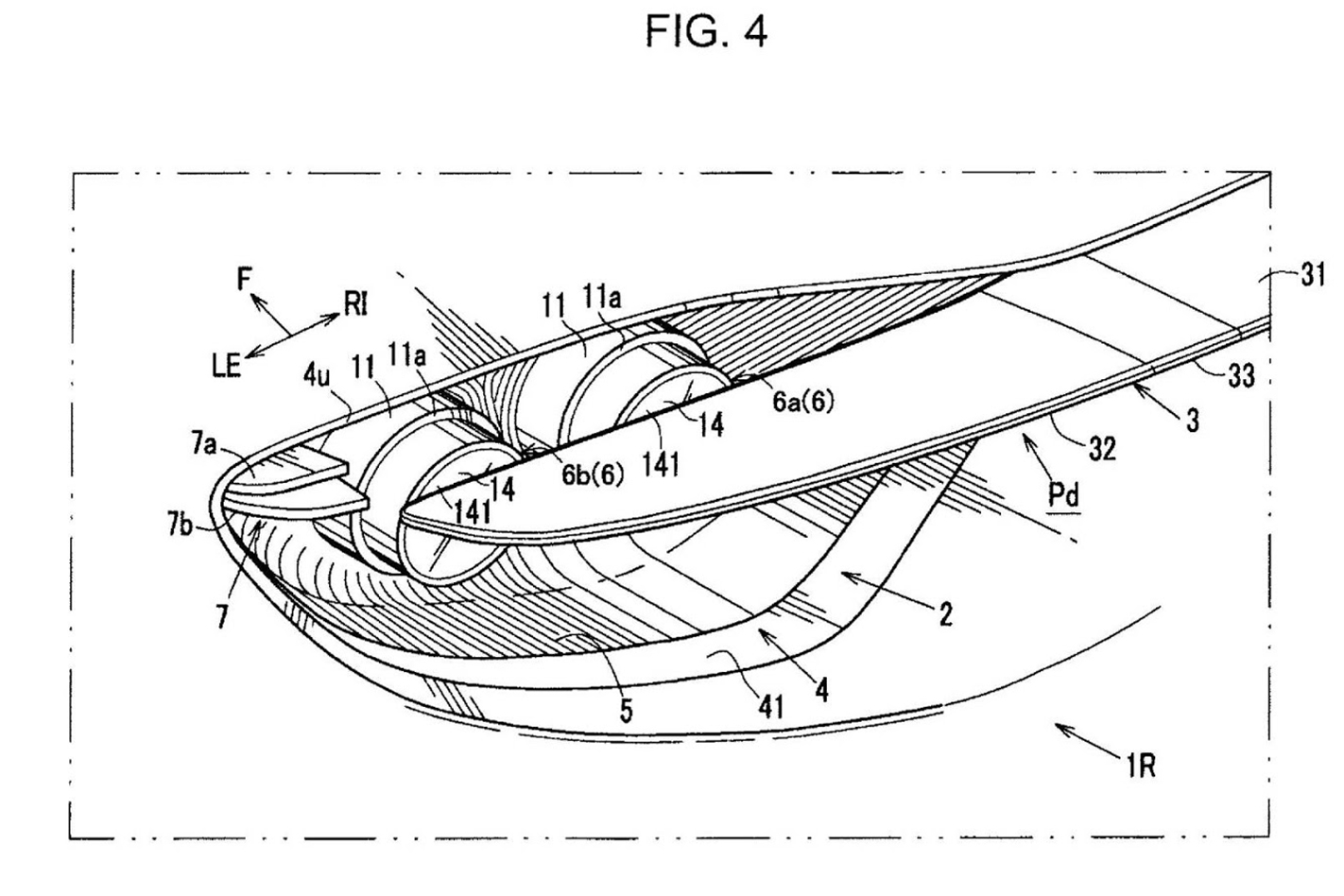
Patent applications 20170274943 and 20170274944, filed with the USPTO on October 20, 2016 and approved on March 2 of this year, the patents are, respectively, the recess in the tail lights and the moving wing structure itself, but as both are integrated into a seamless whole, elements of each overlap.
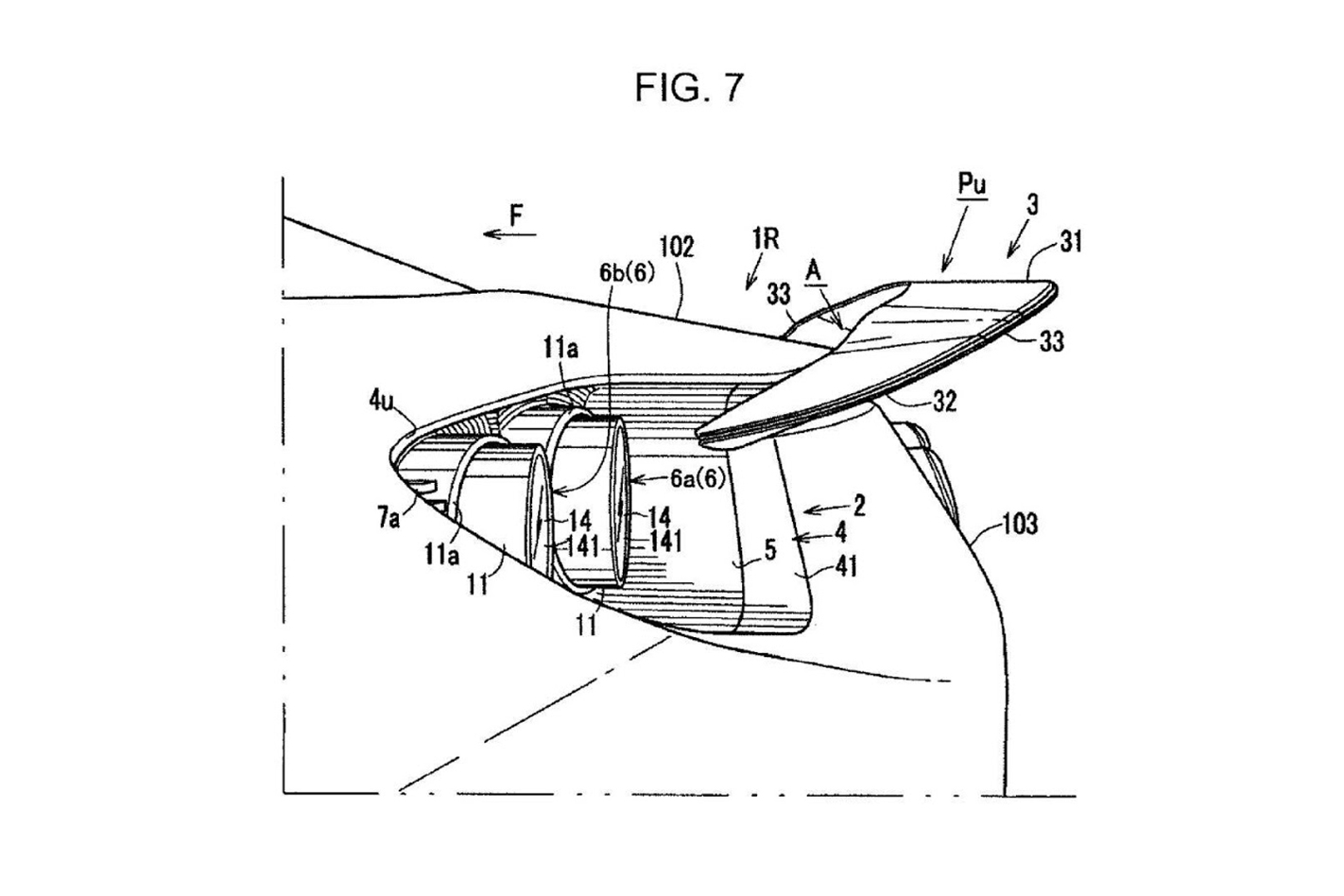
Unlike most motorised wings, which feature visible struts when fully extended, Mazda’s system does its best to hide obvious vertical support structures. There are two: a pivoting support rod at the front and a screw-driven expansion/contraction support arm at the rear.
Honda has released a limited ‘Red Edition’ styling pack for its Civic hatch that pays homage to the all-new Civic Type R, which rolls into dealerships this month.
The Civic hatch Red Edition will be limited to just 228 vehicles in Australia – which relates to the Type R’s 228kW power output.
The pack can be installed on any new Civic hatch regardless of variant for an extra $2498 on top of the car’s retail price including installation.
For that money you get:
- 17-inch black alloys
- Red front under spoiler
- Red rear under spoiler
- Red side skirt set
- Red Edition floor mats
The Red Edition pack will be available for fitment to cars that are painted in one of four body colours: White Orchid Pearlescent, Lunar Silver Metallic, Sonic Grey Pearlescent, and Crystal Black Pearlescent.

Honda Australia Director Stephen Collins says a similar ‘Orange Pack’ for the Civic hatch released last year proved popular and sold out.
“Customers love the boldness of the Honda Civic sedan and hatch and the eye-catching ‘Red Edition’ is an attention-grabbing styling statement for Civic customers looking to add some individuality to their cars,” he said.
As for the Type R itself, Honda Australia already holds more than 420 orders and has received 6500 pre-registrations.
Honda has been able to secure more Type Rs for Australian customers and expects more than 495 of the hot hatches to arrive before the end of the year to satisfy the considerable early demand.
HOLDEN has announced it will have another crack at a subscription-based driver assist system that can remotely slow down a car, and even kill the engine if it is stolen.
The brand announced it was preparing for the launch of OnStar in 2019, a localised version of the telematics software developed by Holden’s parent company, General Motors.
Versions of the mobile phone network-based services have already been rolled out to the Americas and Europe.
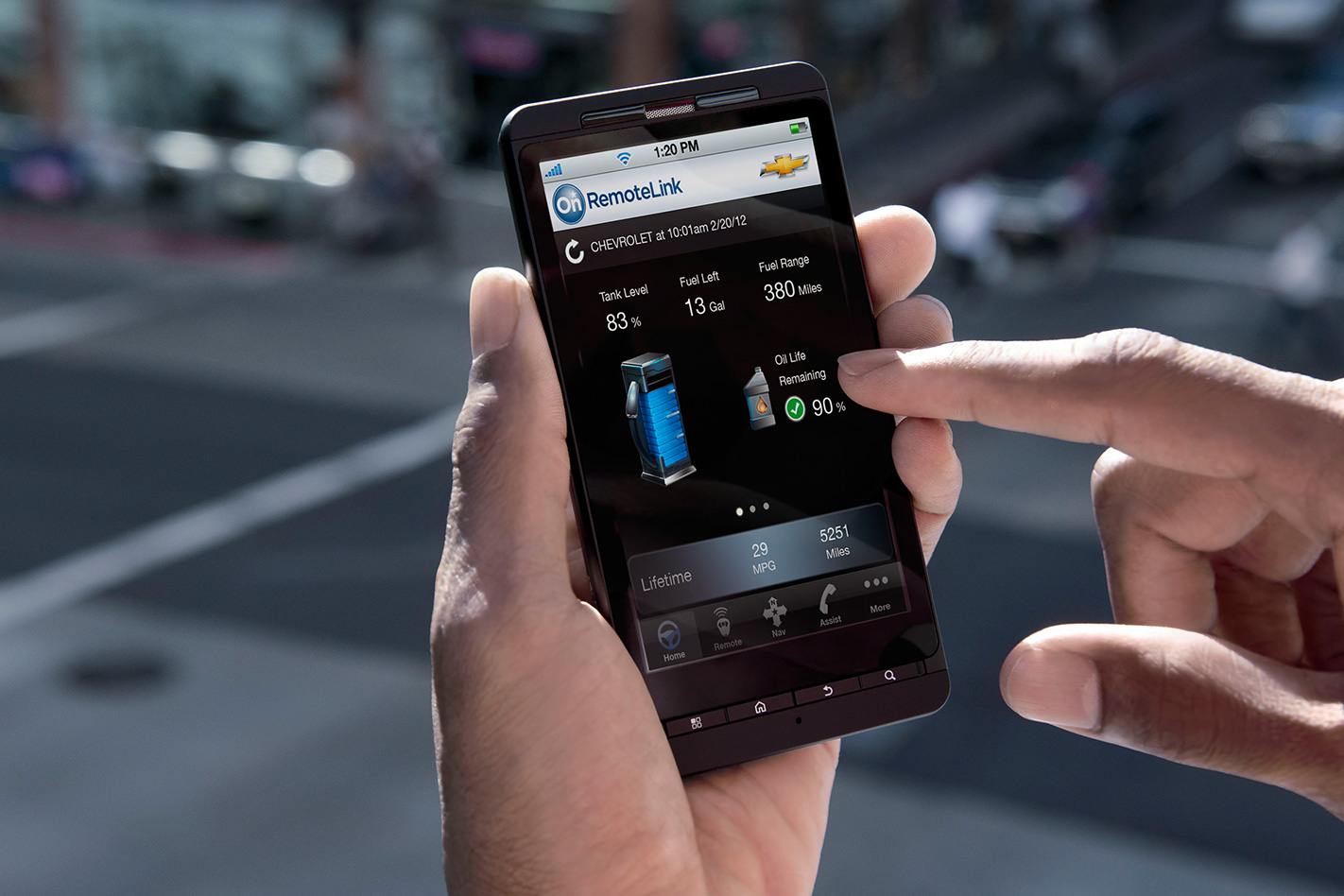
OnStar’s launch in Australia comes 16 years after a similar localised system, HoldenAssist, was rolled out to Commodore, Statesman and Caprice models. After relaunching the system in the VE Commodore, it was eventually shelved due to a combination of slow customer uptake and poor network coverage.
In the US, OnStar plans range from $US20 ($A26) a month, or $A260 for an annual subscription for the basic plan that includes a system that will automatically dial emergency services if it recognises the car has crashed.
For an extra $US5, you can add a theft alert, and allow GM to either severely cripple or completely disable your car if it is stolen.

For another $US10 on top of that, you can send destinations to the car’s sat-nav system, and not pay for the first 30 minutes of calls each month.
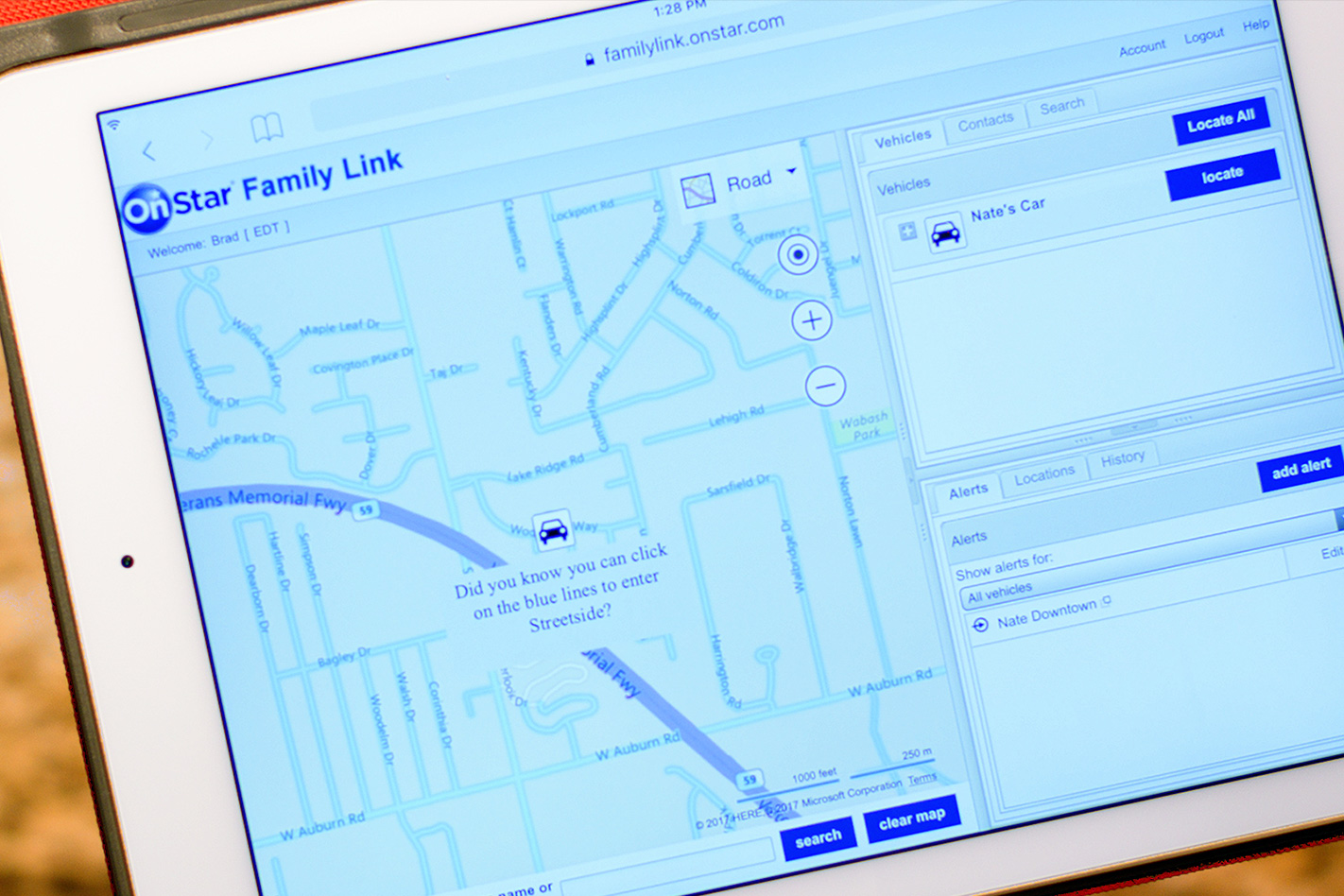
OnStar also sells data plans, and includes a tracking system so owners can “keep up on your car’s location and have confidence knowing that family members arrived safely at their destinations”.
Holden has not yet disclosed how much it will cost to access its version of OnStar. With HoldenAssist, it did bundle three years of access to the service into higher-end models.
But there are more benefits. It means you’ll be likely to unlock your car using a smartphone – handy if you’re stuck in the hairdresser’s and the kids want to put their schoolbags in the car – make the vehicle flash its lights and sound its horn in the airport carpark when you’ve forgotten where it is parked, and even check up on whether it needs a service via a smartphone app.
Holden said it would be launching OnStar in 2019, starting with the Equinox SUV before “progressively rolling the technology out across all Holden products”.
CORVETTE is coming. But it’s not just any Corvette. It’s the Corvette – the all-conquering ZR1. Stand back.
This review was first published in MOTOR magazine November 2008.
Its claimed 0-100km/h time of 3.5sec means it will potentially out-accelerate the Porsche 911 Turbo, it has a better power-to-weight figure than the lightweight 911 GT2’s formidable 271kW-per-tonne, and it’s said to have lapped the Nürburgring Nordschleife in 7:26.4sec – quicker than any performance car.
There’s more. On in its way to a 330km/h top-end, it’ll reach 200km/h in just 10.3 seconds and hit 300km/h in 32.6. Even more impressively, it’ll launch from a standstill to 300km/h and back to zero in just 39.6 seconds. Phew. We’re on the ‘Lutzring’, in the heart of the GM proving grounds near Milford, a suburb of Detroit.
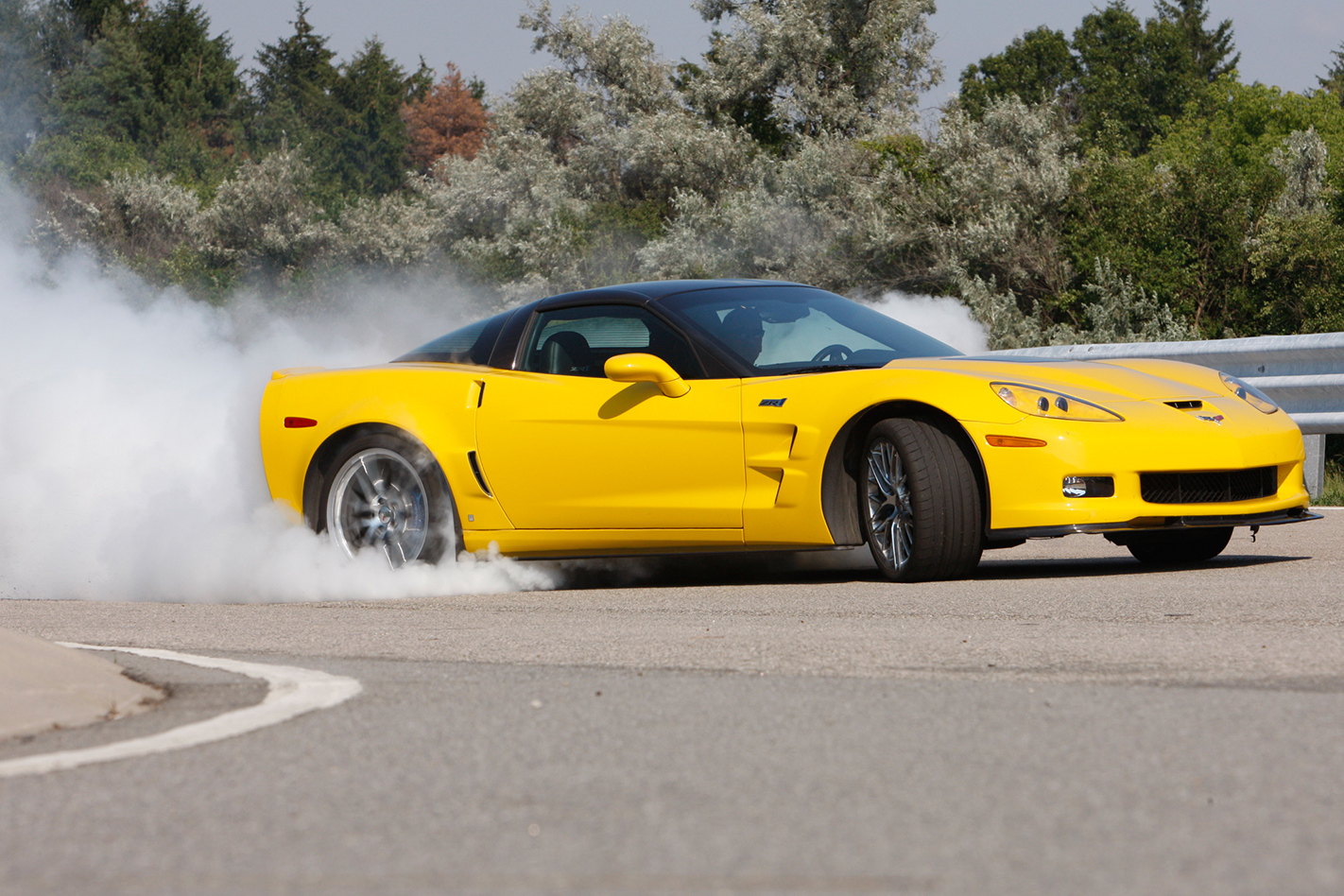
It’s a challenging loop that takes time to learn, and it’s not any easier in a seriously fast car like the ZR1. Today, GM demands that the ESP is to remain active at all times, but that’s not an issue. After all, the Corvette has a loose tail no matter how many chips you employ to sedate it.
In competitive mode, it easily induces slides long and lurid enough to make the bravest passenger reach for the sickbag. Climbing aboard the brashest and rawest Corvette ever while wearing a mandatory helmet, the cabin feels a little cramped, bringing on a feeling a bit like watching a fish tank after half a case of the local Sam Adams brew.
I had to tilt the brainbox to the right for minimum distortion and maximum visibility as the Lutzring is driven clockwise. The squishy seats aren’t much chop either. Too soft in the cushion and too contourless around the shoulders, they create the desire for a proper body harness rather than the limp inertia-reel seatbelt the ZR1 is fitted with.
Out of the imaginary pit lane, it dives down the start-finish straight, flat-out in second, heading for Turn One and its blind apex. I brake too early, losing valuable momentum on the approach to the late turn-in point. I feather the throttle and the ZR1’s nose gyrates to the right.
Press on and the rear end will want to arc away from the intended flight path, but the ZR1 instantly creates a friendship of connectivity, joining inputs with response. It’s a progressive, intuitive and fluent companion. Over the next brow we have lift-off, and then the tarmac swings left into Bob’s version of the famous Nürburgring corner called the Karussell.
Third gear at last and out onto a short straight, heading for a long right-hander where lesser engines might struggle for oil pressure. Theoretically, the back straight is good for over 200km/h, but today the three-lane playground is dotted with two second-gear chicanes.
Even the unwary will likely be saved by the grip built into the lowered chassis and by the chip-controlled ESP lasso which catches every wriggle before it turns into a spin. Even on the rollercoaster section, where the edged field of vision changes from asphalt grey to sky blue then back to asphalt grey, the Corvette goes through the motions with confidence-inspiring balance and stability.
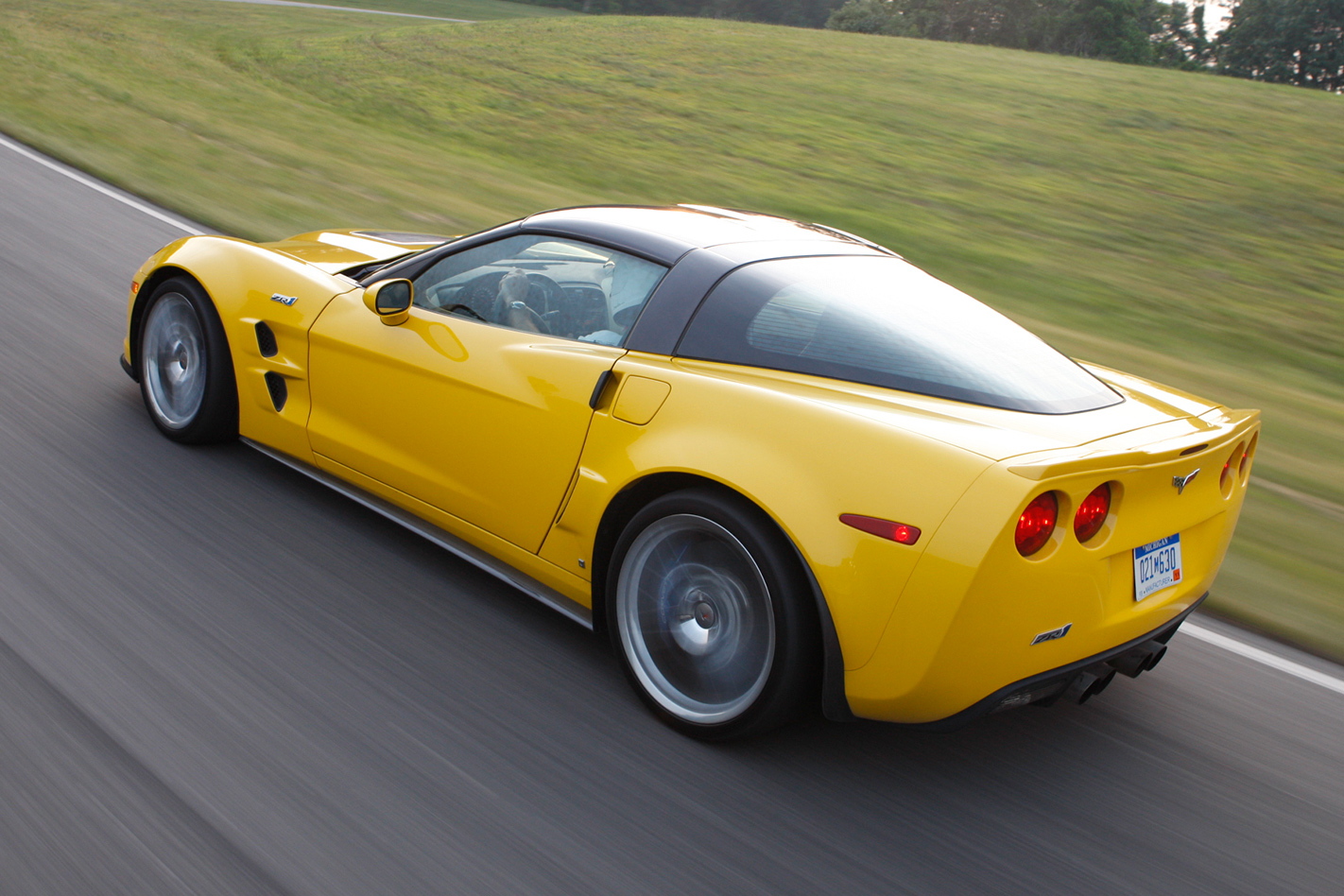
Most of the Lutzring is typical third-gear stuff, but there’s an uphill right-hander where the ZR1 touches the top of fourth. And the ’Vette is in its element everywhere. Second and third gear are the flavours of the day due to the combination of an aggressively staggered transmission and a high-revving engine.
Thanks to the amazingly prompt and linear throttle response, you can set up the car for every corner like it’s a Latin dancing partner. In total synchronicity and with perfect timing, one step flows smoothly into the next.
Team Corvette would have loved to offer the ZR1 with an optional automatic or dual-clutch set-up, but there are no such gearboxes in the GM pool that can cope with the massive low-end torque dished up by the supercharged V8.
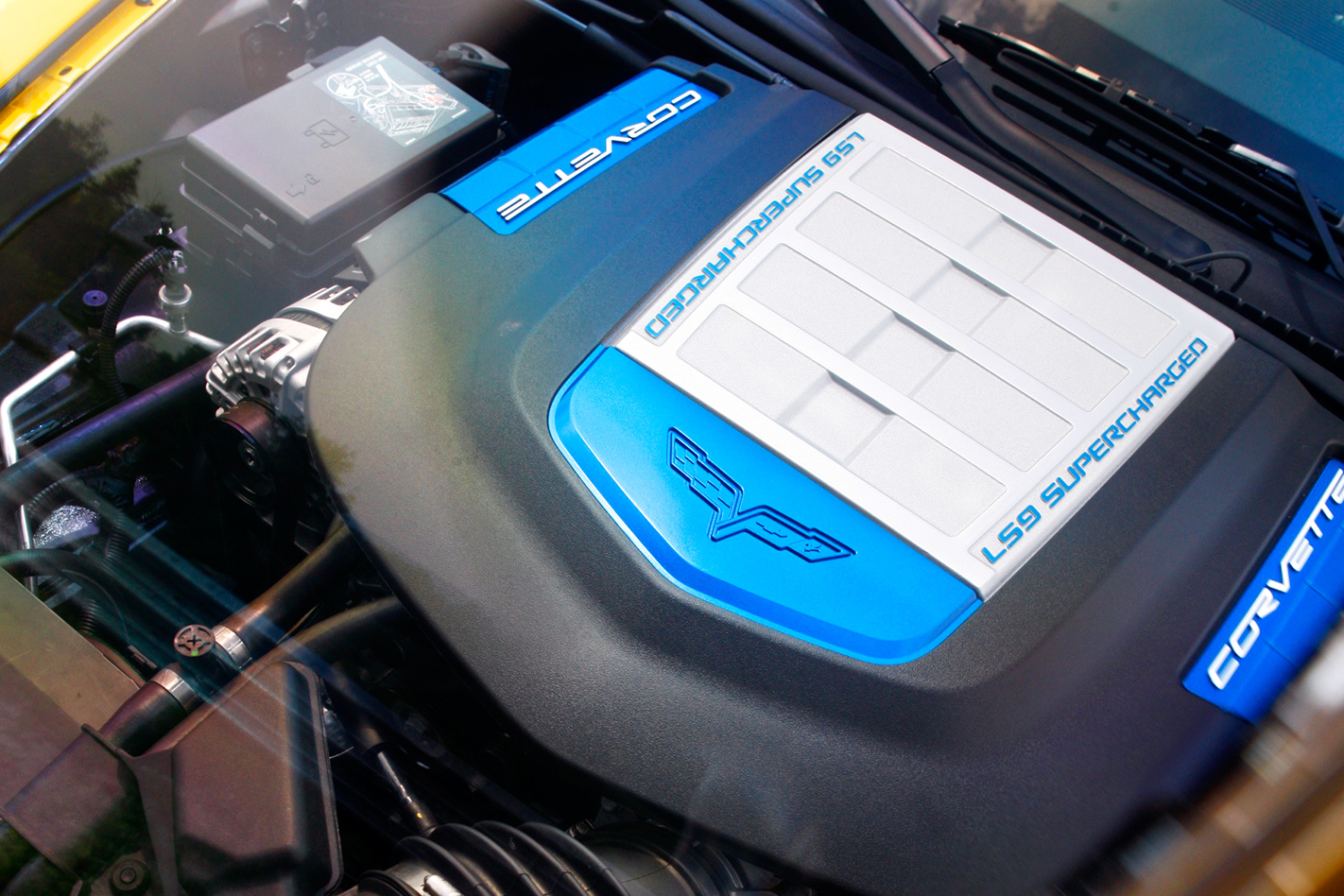
The 6.2-litre small-block LS9 V8 features heavy-duty lightweight components and an intercooled sixth-generation, on-demand 15,000rpm Eaton supercharger, which is idled at part-throttle to save fuel. Combined, it makes a stunning 476kW and 819Nm of torque.
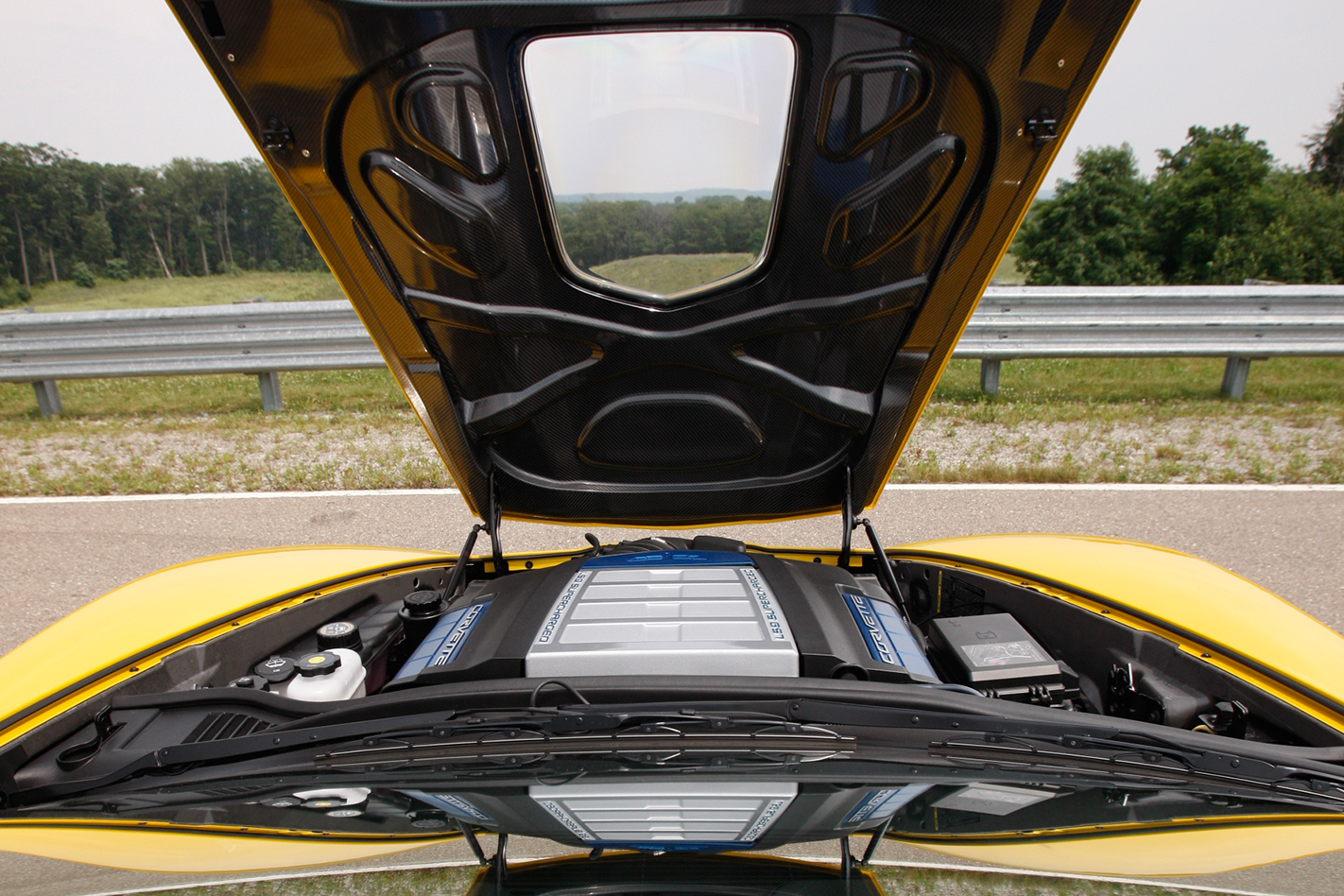
It shines through the bonnet’s polycarbonate ‘spyglass’ and as soon as you sink the loud pedal, two-thirds or more, all hell breaks loose, even sonically. Above 160km/h, the rocketship acceleration is accompanied by near-deafening engine noise fighting for authority over substantial wind and tyre roar.
A whopping 20kg lighter than a comparable steel set, the 394mm cross-drilled composite rotors are straddled by devil-blue six-piston monobloc calipers up front, with 380mm rotors and four-piston calipers in the rear. They deliver a silent performance irrespective of stress and temperature, only a faint trace of brake dust, longer pad life, and the discs are claimed to outlive the vehicle.
They’re also easily modulated, and have a progressive action with constant pedal travel and an immunity to fade. After one hour on the Lutzring, racing lines and braking points memorised, it’s time to open up the throttle and to let the car fly, but it pays to bear in mind that the grip level changes abruptly from magnetic to greasy when the ZR1 drifts too wide.
Although the Corvette can’t really stretch its legs in this microcosm, it is awe-inspiring to feel the responsive engine torque, to experience its elastic power-band shrink the distance between bends, and to relish the willingness to rev as it zooms in on one apex after the other.
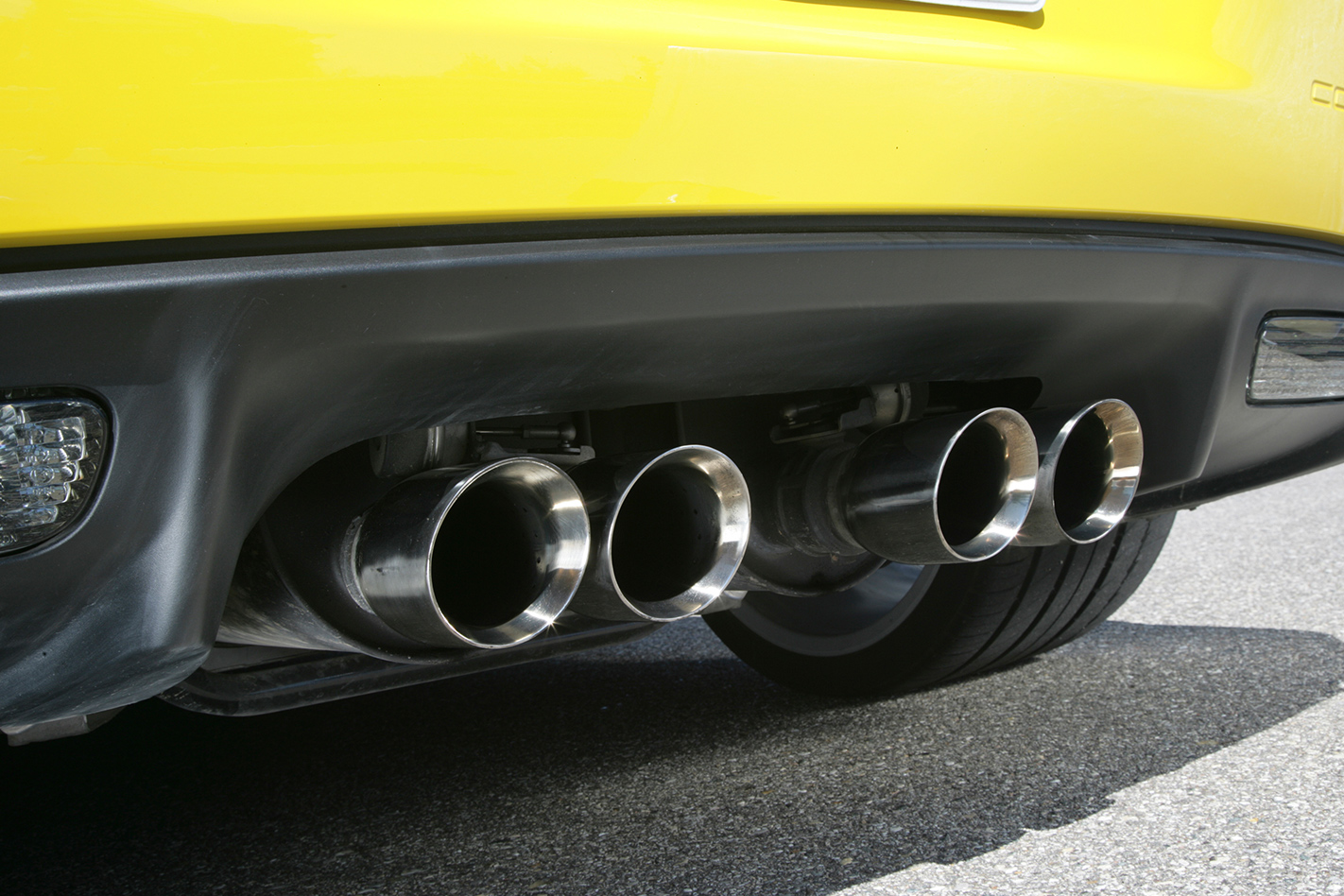
Quite unexpectedly, the ZR1 chassis is more compliant and obliging than the less-forgiving black-or-white tuning chosen for the Z06. Magnetic Ride does a fine job taming compression and rebound, no matter whether they work in Touring or Sport mode. Softer composite transverse leaf springs and anti-roll bars as thick as rattlesnakes take care of less-busy body control and ride frequencies.
The ZR1 is by no means soft, but it has – like the Ferrari F430 Scuderia – discovered the virtues of compliance. There is, in other words, less of the bad stuff: less body-roll, reduced yaw, almost no brake dive, less acceleration squat, fewer vibrations on bumpy ground, and no more nervousness in the steering’s straight-ahead position.
The springs are still taut and the damper calibration ranges from firm to very firm, but the harshness that’s inherent in the Z06 has all but disappeared. It delivers enhanced controllability and superior stability, which are must-haves in a rear-wheel drive sports car capable of top speeds of more than 300km/h.
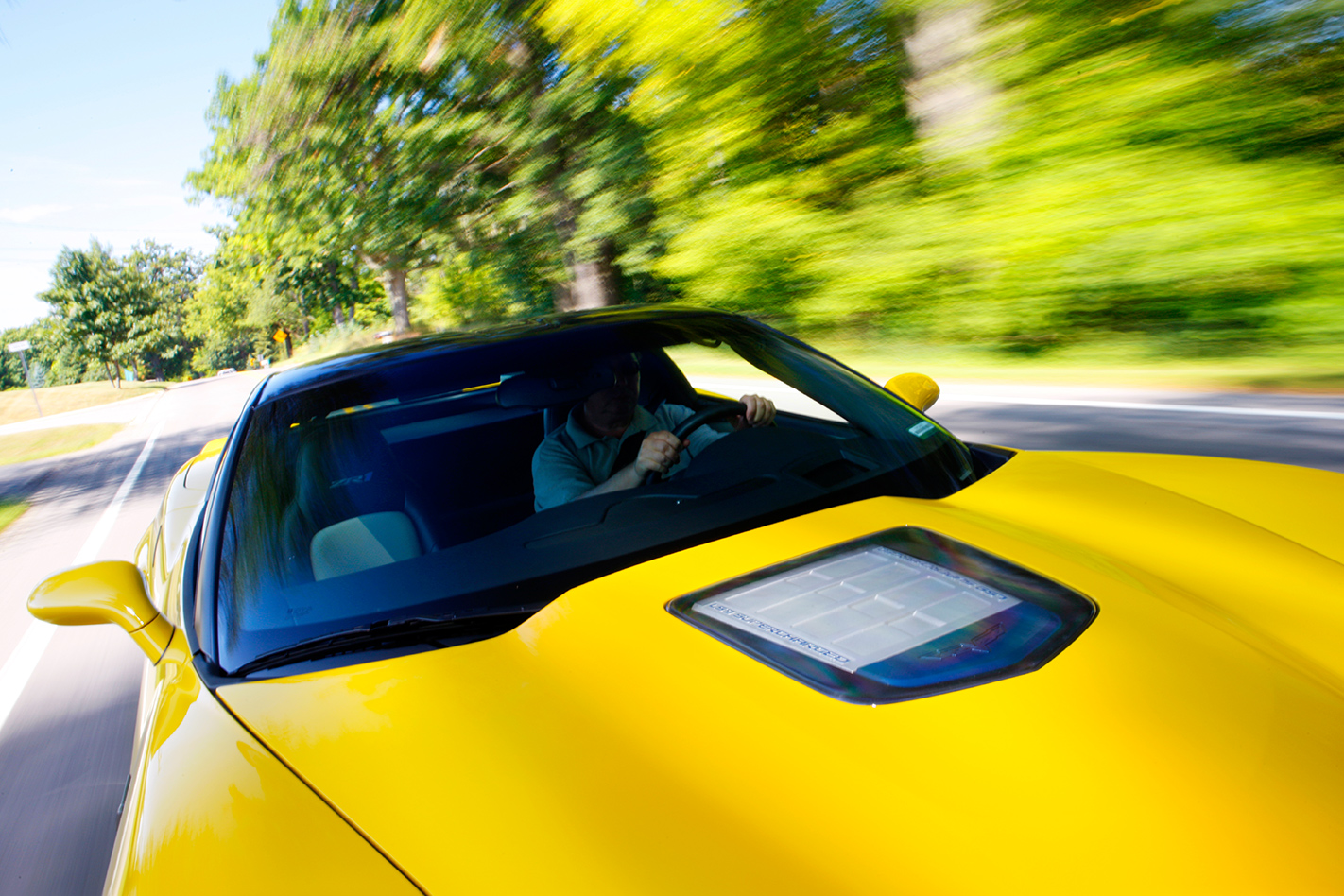
“And we’ve also reinforced the composite panels with aluminium structures to help stop them from distorting at very high speeds.” Together with bigger wheels – 19-inch up front, 20-inch in the back, in a sort of show-chrome finish – larger tyres and mildly modified suspension elements, the ground-effect bodywork contributes to the superglue roadholding that was an instrumental factor in the car’s claimed record lap around that other ’Ring.
Aided by the favourable weight distribution and the low centre of gravity, the Supervette musters a maximum lateral force of 1.05g. ‘Life begins at 200mph’ is the message conveyed by the polo shirts of Team ZR1, but the mighty impressive top speed tells only part of the story.
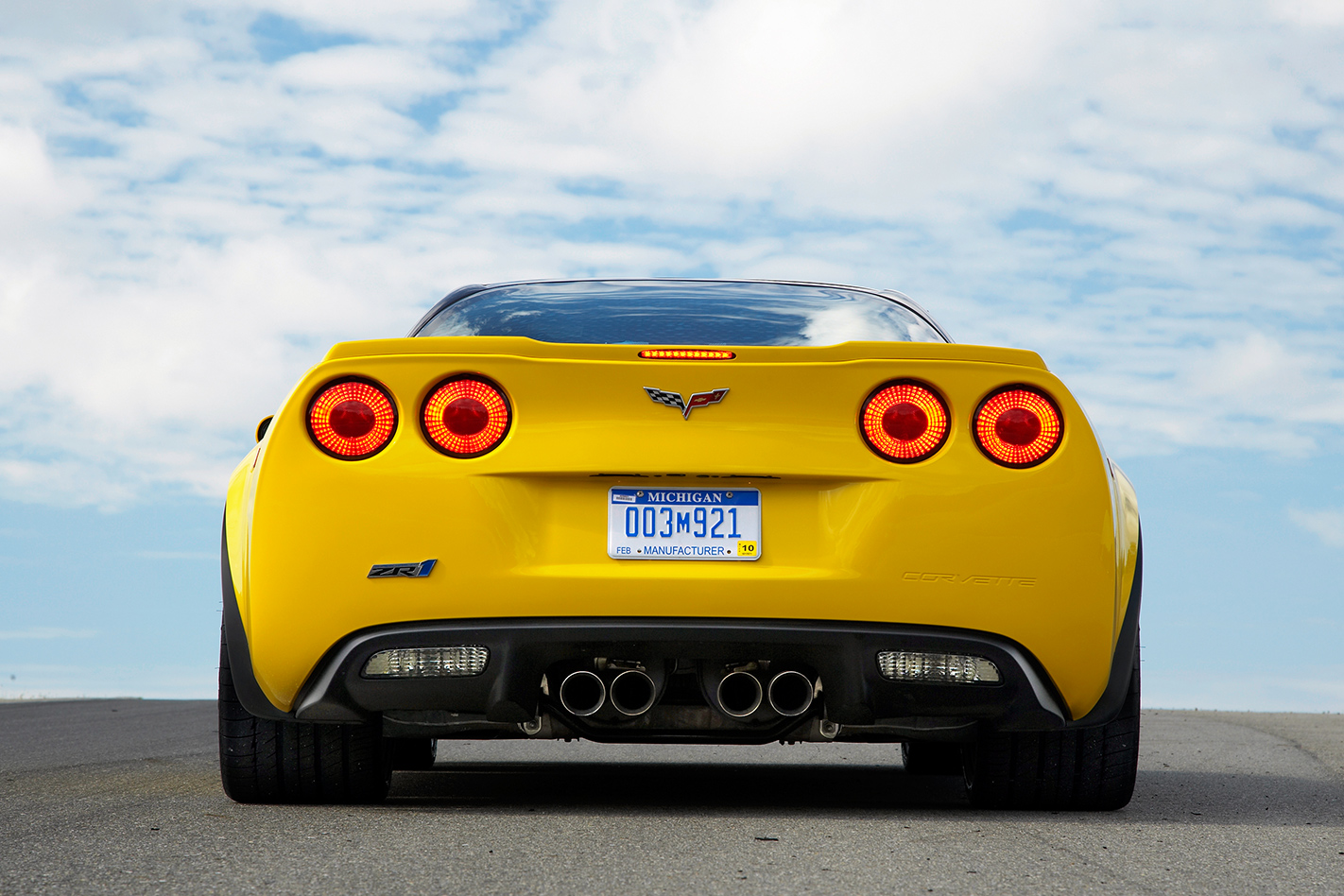
The Viper can’t produce enough venom to neutralise the arch-enemy from the other end of Motown, either. Even potent exotics such as the Mercedes-McLaren SLR, the Aston Martin DBS or the Pagani Zonda better vacate the fast lane when the ZR1 appears in the rear-view mirror.
Just about the only sportscar that thoroughly eclipses the ultimate Corvette is the Bugatti Veyron … at about 10 times the price of this bargain coupe from Detroit. And, after pushing GM’s fastest-ever car to its limits, we give it back with a huge smile that won´t go away before Christmas, at the earliest.
2009 Chevrolet Corvette ZR1 specs: Body: 2-door, 2-seat coupe Drive: rear wheels Engine: 90-degree V8, OHV, 16v, SC Power: 476kW @ 6500rpm Torque: 819Nm @ 3800rpm Kerb Weight: 1508kg 0-100km/h: 3.5sec (claimed) Top Speed: 330km/h (claimed) Price: $400,000 (estimated)
IS YOUR car’s infotainment system putting your life at risk? A US study released this week suggests some in-car systems can be more distracting than using a smartphone while behind the wheel.
University of Utah psychology professor David Strayer said the study’s results indicate that the complexity of using sat-nav, radios, and hands-free cell phone mirroring while driving can be detrimental to safety.
“We’re putting more and more technology in the car that just does not mix with driving,” Strayer said. “With the best intentions, we will put some technology in the car that we think will make the car safer, but people being people will use that technology in ways that we don’t anticipate.”
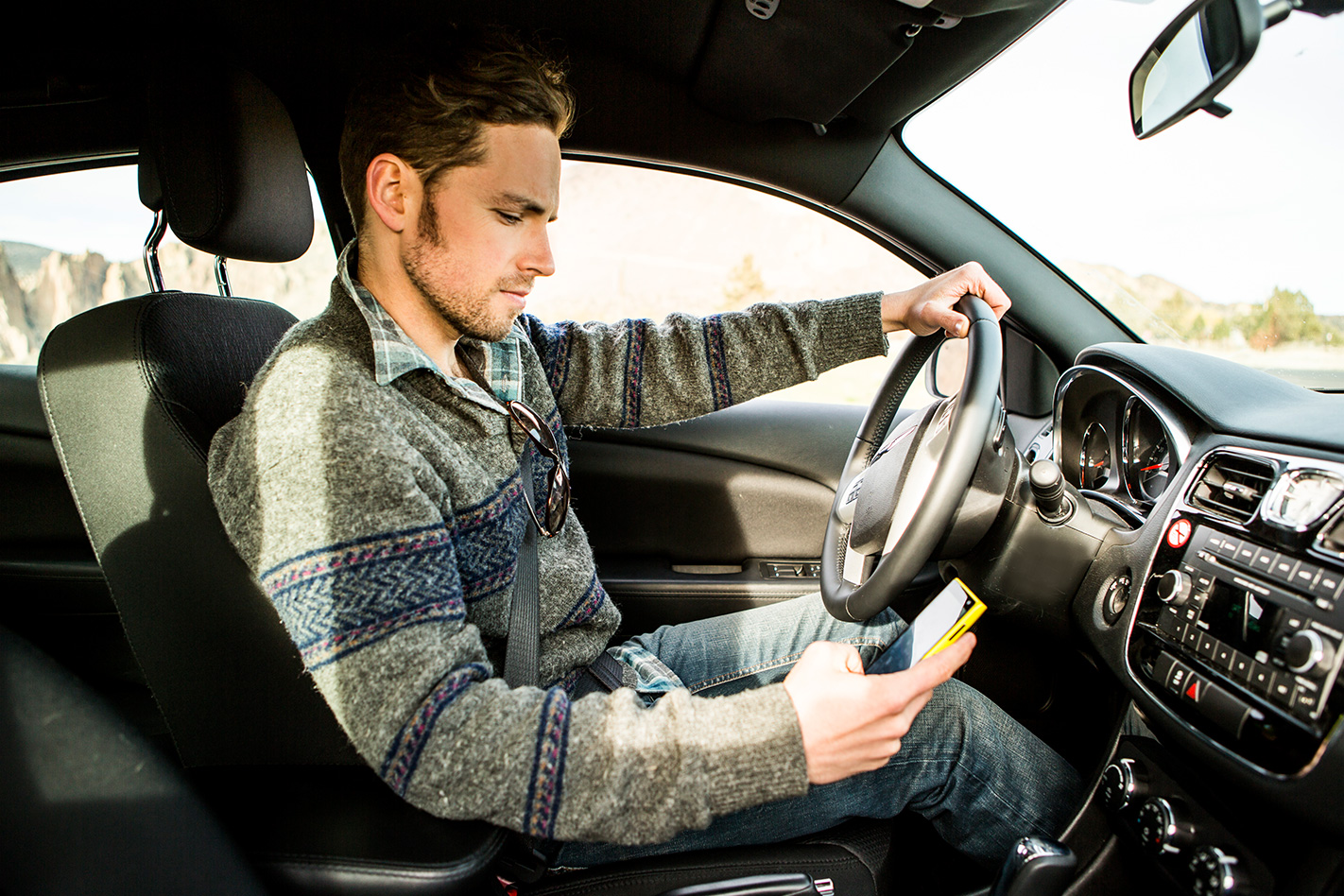
The study, performed on behalf of the American Automobile Association Foundation for Traffic Safety, reviewed 30 different car-based infotainments systems.
Participants were asked to engage in four types of tasks using the devices, including making a call, sending a text message, tuning the radio, and programming sat-nav. These were conducted using voice commands, a touchscreen, and other interactive technologies.
| Opinion: My apology to the automated car
The study showed drivers who used voice-based and touchscreen technologies took their hand, eyes, and attention off the road for more than 24 seconds to complete the required tasks.
Programming sat-nav took an average of 40 seconds to complete, with drivers found to be seriously distracted.
A previous study by the National Highway Traffic Safety Administration found the risk of a crash doubled when a driver took their eyes off the road for two seconds.
Strayer said he believed more thought should be given to the design of infotainment systems, and how they may distract drivers.
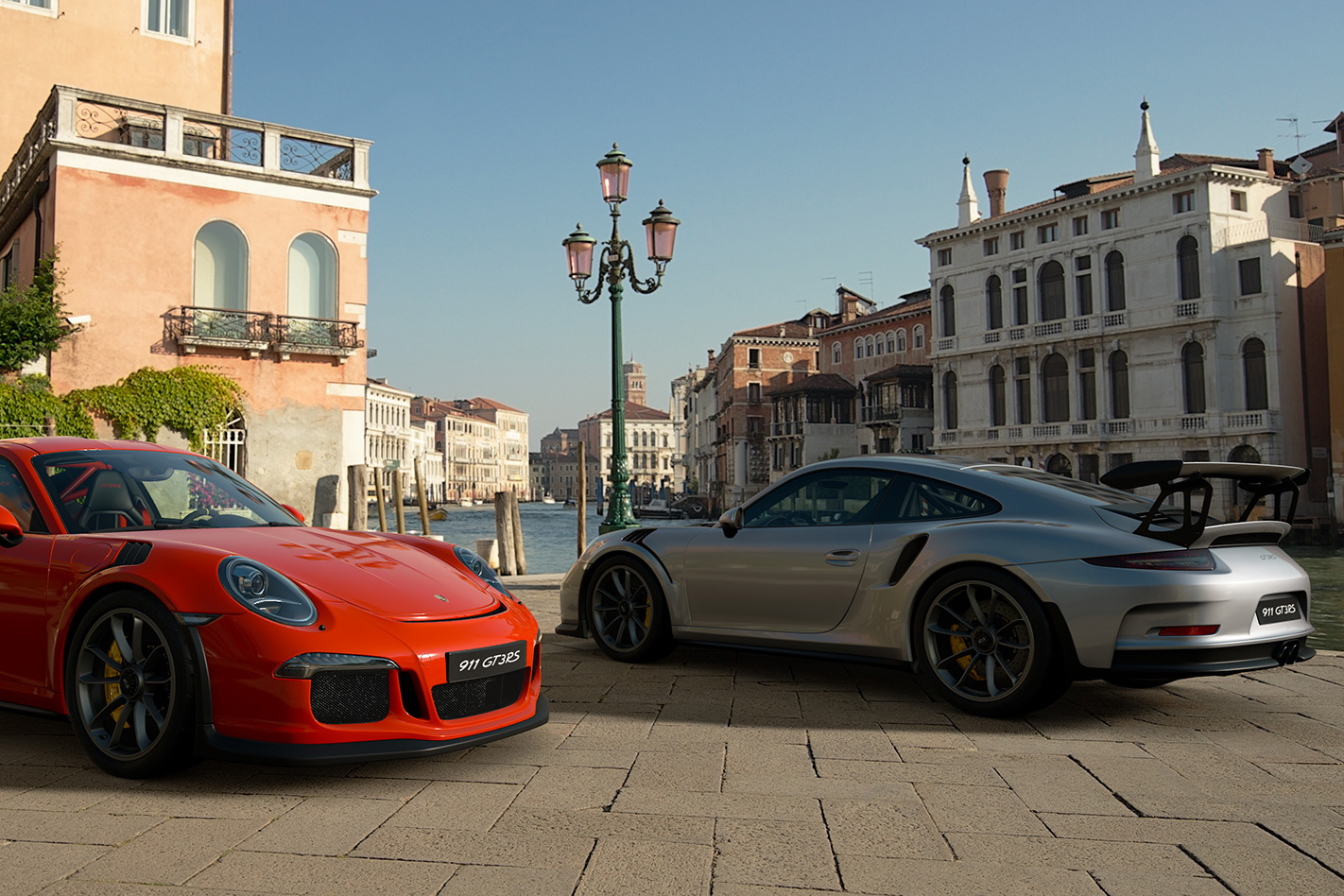
PORSCHE will join the Gran Turismo racing sim for the first time as part of a 162-car line-up making up the new Sport edition launching later this month.
The small number of cars pales in comparison with the 1200-odd that feature in the game the Sport version is based on, Gran Turismo 6. It is expected that more models will be added in updates and as players open up new segments.
Rally stages and vehicles return in the Group B class, which brings back the magic and peril of 1980s Group B rallying, while participants can have a laugh at some of the outlandish hardware featured in the Group X class, which is for fantasy concepts that you probably won’t see on real-world tracks any time soon.
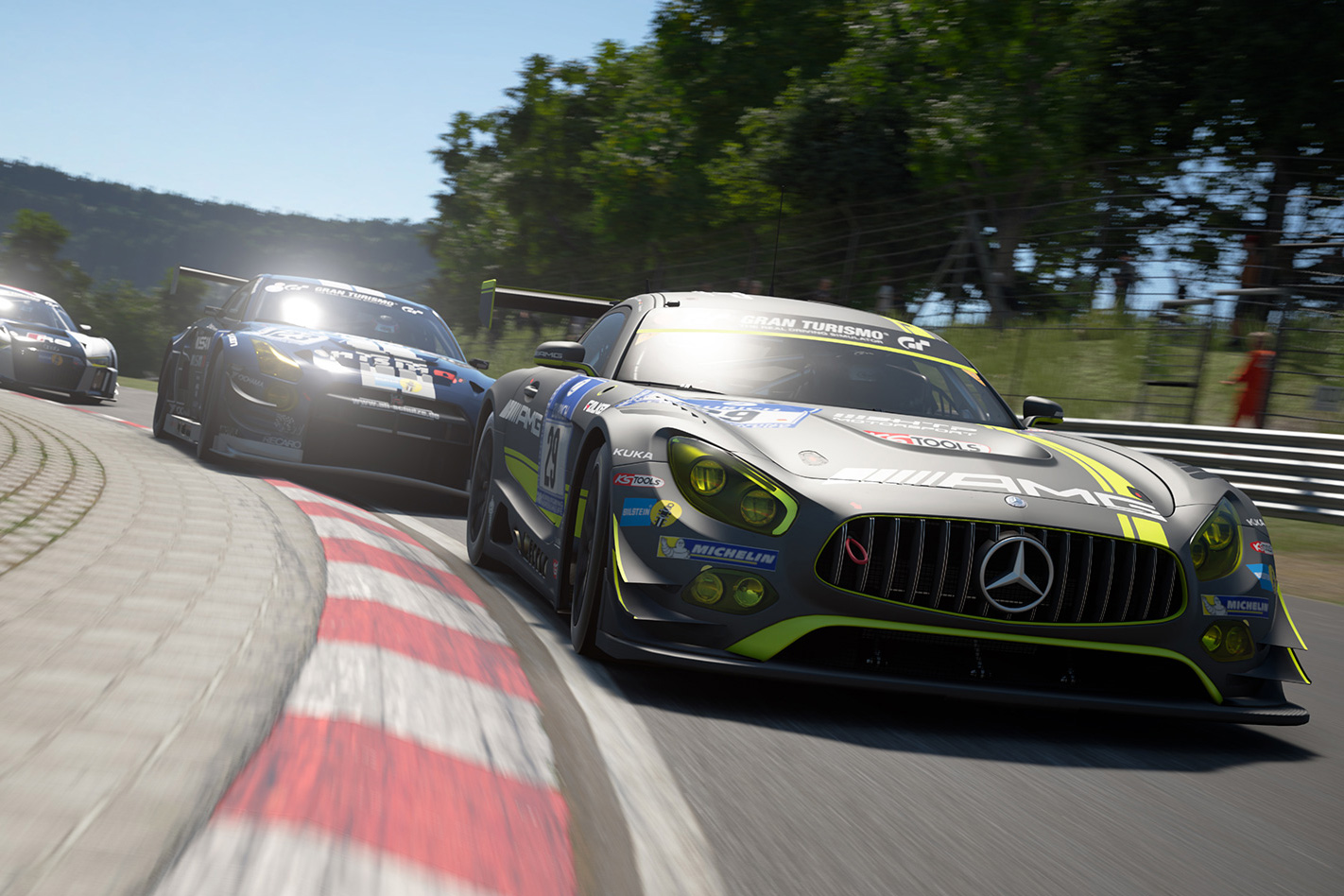
Players will be able to progress through a number of “sport mode” racing categories including daily races for building and honing skills against other players online. The main event in sport mode is the FIA Gran Turismo Championships, broken into manufacturer series and the Nations Cup.
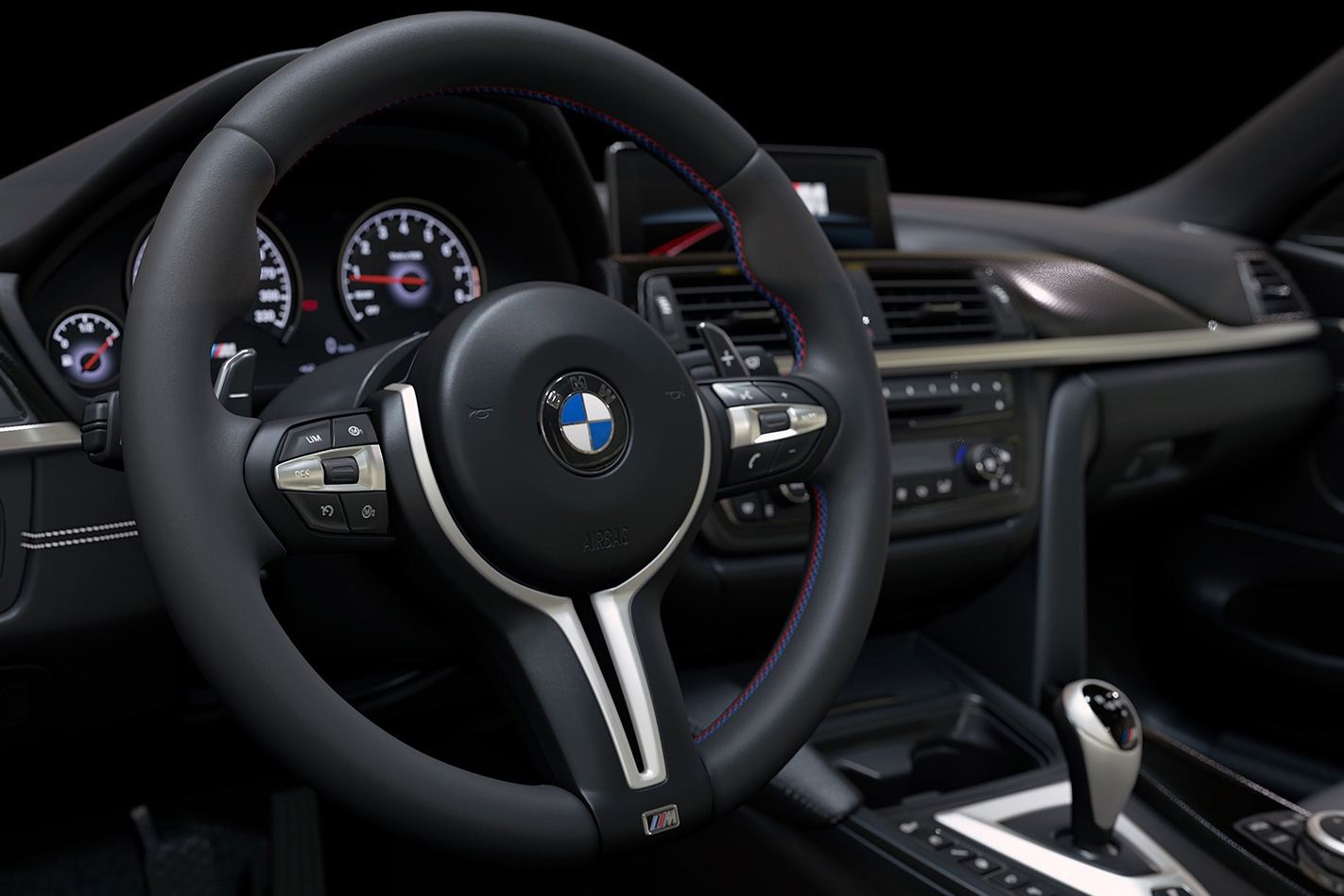
Race fairness will also be maintained with an automatic “Balance of Performance” (BoP) function that adjusts the weight and power output of each participating vehicle regardless of its variety or class where compatible.
Here is the full list of exciting cyber-hardware to keep you eagerly anticipating Gran Turismo Sport ahead of its arrival:
Road and race cars
- Alfa Romeo 4C (four variants)
- Alfa Romeo MiTo
- Aston Martin Vulcan
- Aston Martin One-77
- Aston Martin Vantage (three variants)
- Audi R18 TDI
- Audi R8 LMS
- Audi Sport Quattro S1 Pikes Peak
- Audi TT (two variants)
- BMW i3
- BMW M4 (three variants)
- BMW M6 (two variants)
- BMW Z4
- Bugatti Veyron (two variants)
- Chevrolet Camaro
- Chevrolet Corvette (four variants)
- Citroen DS3
- Citroen GT (three variants)
- Daihatsu Copen
- Dodge Charger
- Dodge Viper (three variants)
- Ferrari 458 (three variants)
- Ferrari LaFerrari
- Ford Focus
- Ford Mustang (five variants)
- Honda Civic Type R
- Honda Project 2&4
- Honda NSX (four variants)
- Hyundai Genesis Coupe
- Hyundai Genesis (three variants)
- Jaguar F-Type (three variants)
- Lamborghini Huracan (3 variants)
- Lamborghini Veneno
- Lexus LC500
- Lexus RC F (three variants)
- Mazda MX-5
- Mazda 6 (four variants)
- McLaren 650S (three variants)
- McLaren MP4-12C
- Mercedes-AMG A 45
- Mercedes-AMG GT (three variants)
- Mercedes-Benz SLS AMG (three variants)
- Mitsubishi Lancer Evo (five variants)
- Nissan GT-R (five variants)
- Peugeot 208 GTi
- Peugeot 908 HDi
- Peugeot RCZ (five variants)
- Porsche 911 (991) (two variants)
- Porsche Cayman
- Porsche 919 Hybrid
- Renault Clio RS 220
- Renault Megane RS (two variants)
- Renault Sport RS 01 (two variants)
- Subaru WRX (five variants)
- Toyota 86 (four variants)
- Toyota S-FR (two variants)
- Toyota TS050
- Toyota TS030
- Volkswagen Golf Mk7 GTI
- Volkswagen Scirocco
- Volkswagen Beetle
- Alpine (two variants)
- Aston Martin DP-100
- BMW
- Bugatti
- Chevrolet Chaparral 2X
- Daihatsu Copen RJ
- Dodge SRT Tomahawk (four variants)
- Fittipaldi Motors EF7
- Honda Sports
- Hyundai N 2025
- Infiniti Concept
- Lexus LF-LC GT
- Mazda LM55
- McLaren Ultimate
- Mercedes-Benz AMG (two variants)
- Mini Clubman
- Mitsubishi Concept XR-PHEV Evolution
- Nissan Concept 2020
- Peugeot (two variants)
- Peugeot L500R
- Peugeot L750R
- Subaru Viziv GT
- Toyota FT-1 (two variants)
- Volkswagen GTI (three variants)
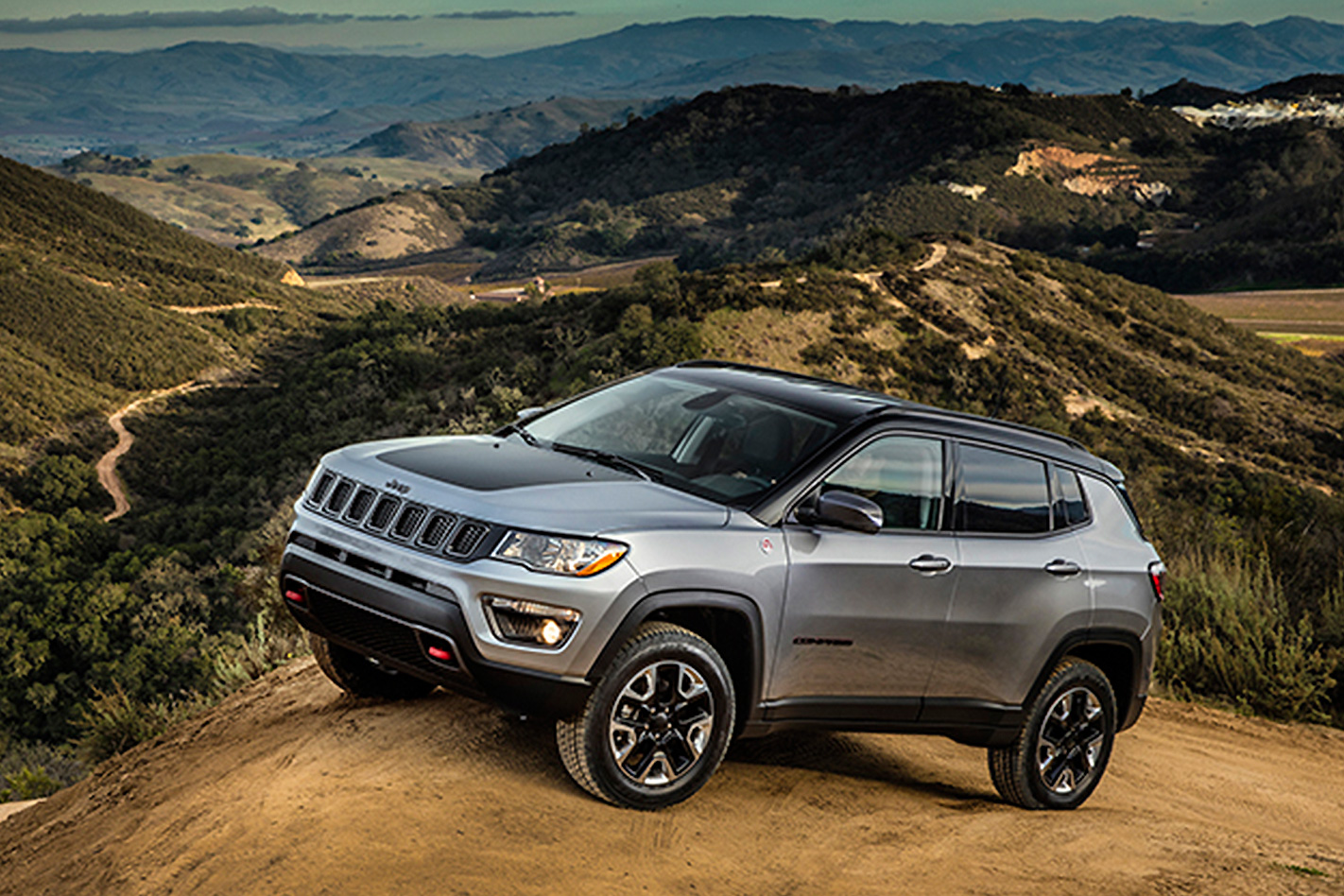
Jeep’s Compass is returning to Australia to bridge the gap between the Renegade and Cherokee but in addition to more familiar 4×2 and 4×4 versions with Sport, Longitude, Limited badges, an off-road enhanced Trailhawk flagship will also be offered for the first time.
The second-generation Compass represents an aesthetic improvement over its predecessor, which some criticised as a poorly drawn Cherokee. Its edges, including the characteristic squared wheel arches have been rounded, the roof a little more swept back and a pronounced shoulderline added for a more contemporary and rugged look that’s enhanced by a higher ride height.
Like other Jeep SUV models, the range is split between city-centric SUVs and off-road capable tourers, starting with the two-wheel-drive Sport model that is powered by a 129kW/230Nm 2.4-litre ‘Tigershark’ four-cylinder petrol engine (also found in the Renegade Trailhawk), with a choice of six-speed manual or six-speed automatic transmissions.
Compass Sport standard features include:
- 5.0-inch Uconnect touchscreen with voice command
- Bluetooth phone & audio streaming
- ParkView reversing camera
- Seven airbags
- Leather-wrapped steering wheel
- 3.5-inch instrument cluster display
- Electric park brake
- 17-inch alloy wheels
- LED ambient lighting
- Power adjustable driver’s seat with lumbar support
- Roof rails
- Automatic headlamps
- Fog & cornering lamps
- Deep tinted rear privacy glass
- Rain sensitive windscreen wipers
- Bright side window surrounds
- Fold-forward front passenger seat with in cushion storage
| 2017 Jeep Grand Cherokee scores design and equipment upgrades
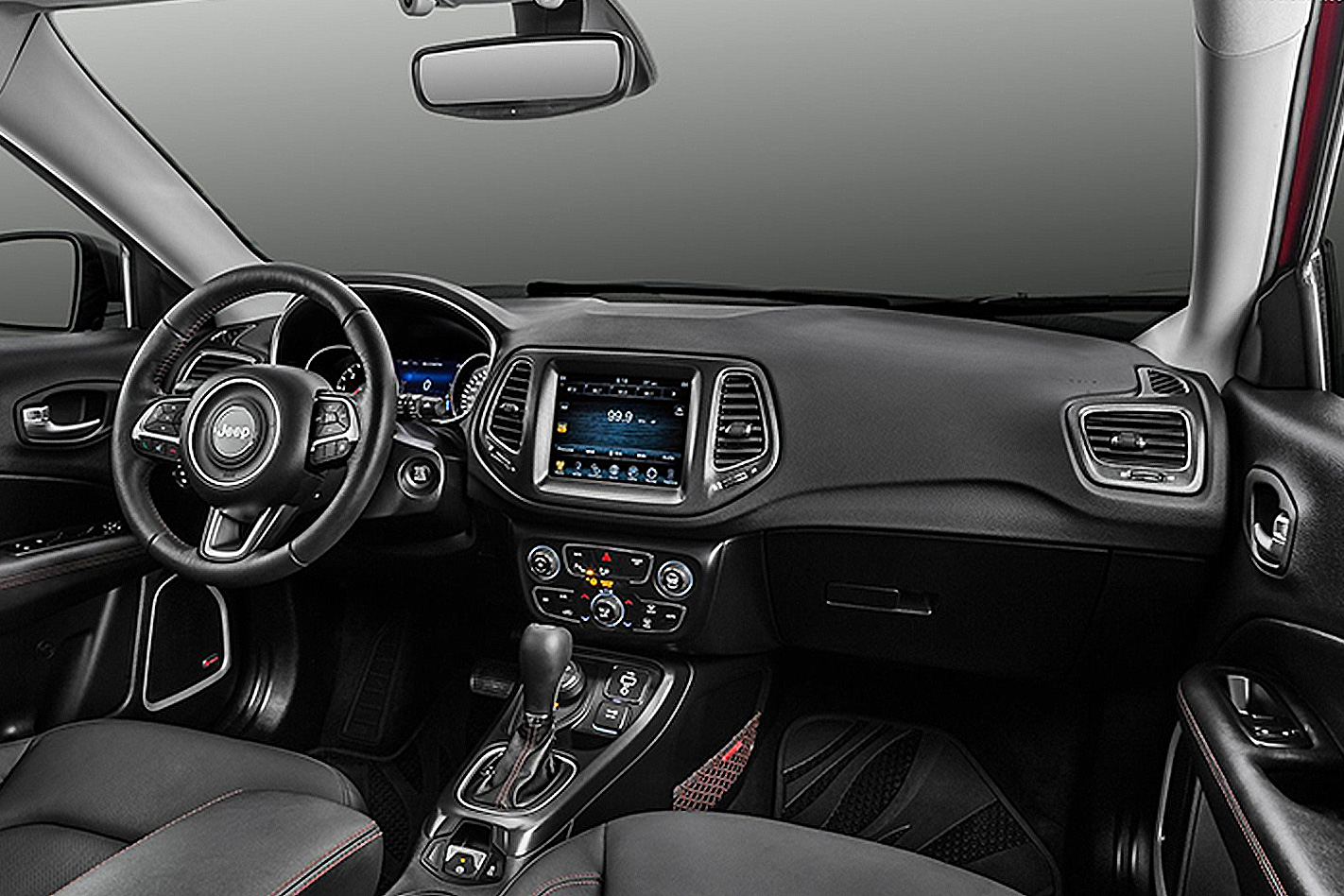
It also features Jeep Selec-Terrain traction management system which provides a choice of driving modes to adjust grip and torque to suit various terrains including Sand, Mud and Snow.
Other standard features over the Longitude include:
- 8.4-inch Uconnect with Apple CarPlay/Android Auto connectivity
- 9-speaker BeatsAudio sound system with subwoofer
- Front and rear parking sensors
- Parallel and perpendicular park assistance
- Bi-Xenon headlamps
- LED tail lamps
- Leather seats
- Heated front seats
- Navigation
- 7-Inch full colour instrument cluster display
- Power 8-way driver/4-way passenger seats
- Dual zone climate control
- 18-inch alloy wheels
Its Selec-Terrain system features a Rock mode, which works with the Active Drive Low 4×4 low-ration system, off-road suspension and raised ride height, to negotiate the trickiest conditions.
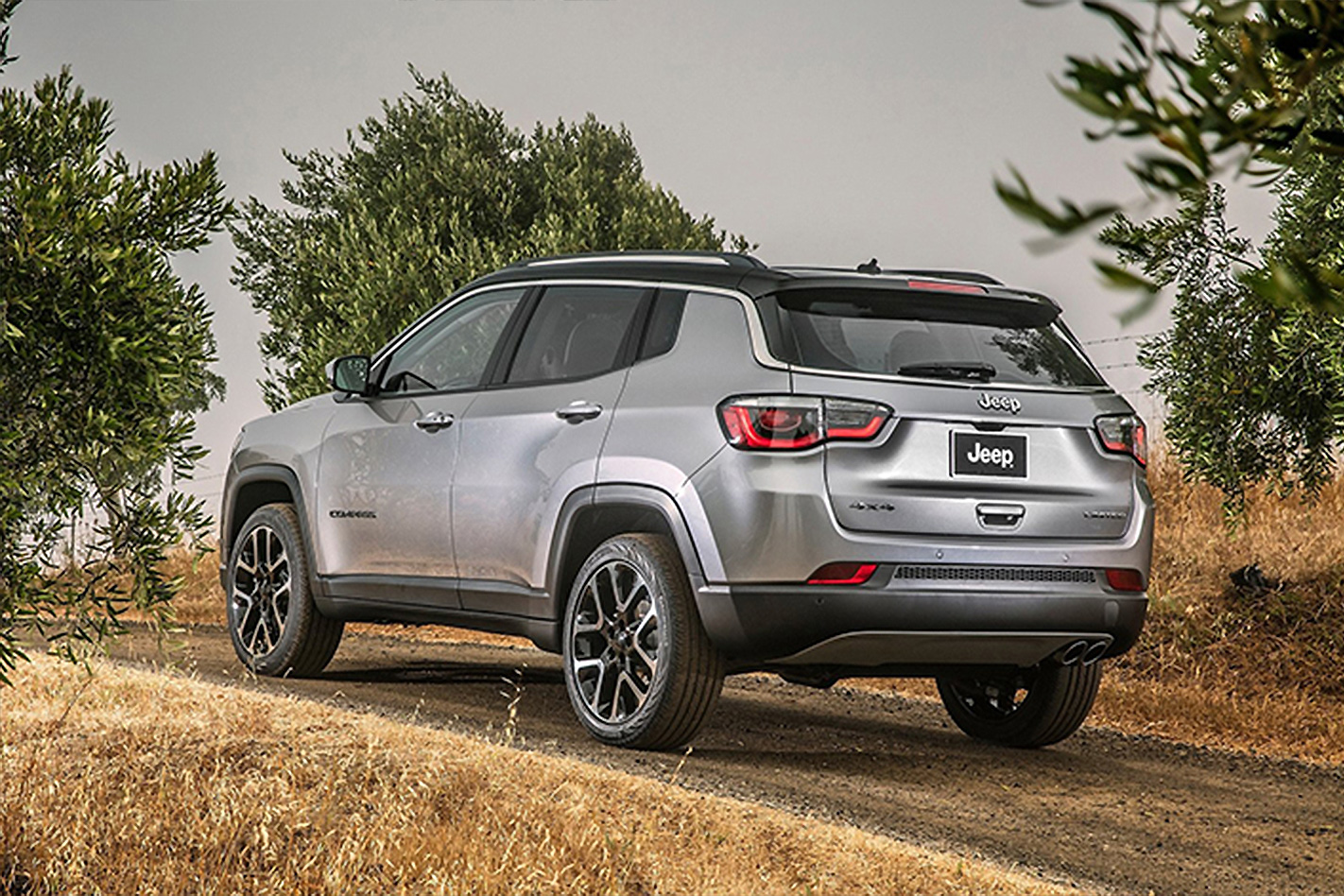
It’s powered by a 2.0-litre diesel engine and nine-speed automatic transmission and has additional standard equipment over the Limited including:
- Unique front and rear fascia for improved approach and departure angles
- Black anti-glare hood decal
- Red recovery winch points
- Hill Descent Control
- Four underbody skid plates
- Full size spare wheel
- All weather floor mats
- Navigation
It will arrive in Australia in December and pricing will be revealed closer to launch.
VOLVO’S Polestar has started teasing images of the car that will help spin it off as Volvo’s standalone performance brand.
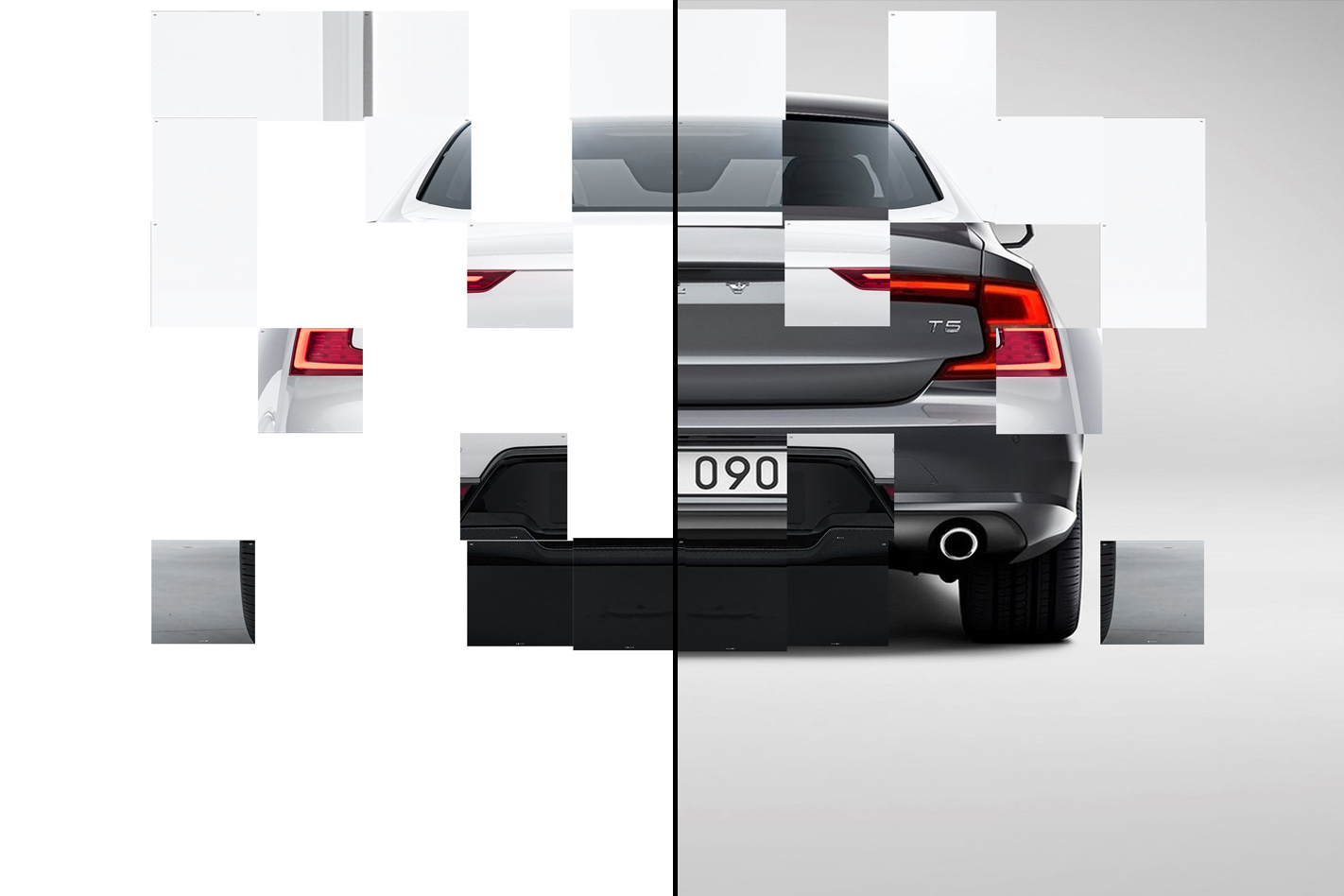
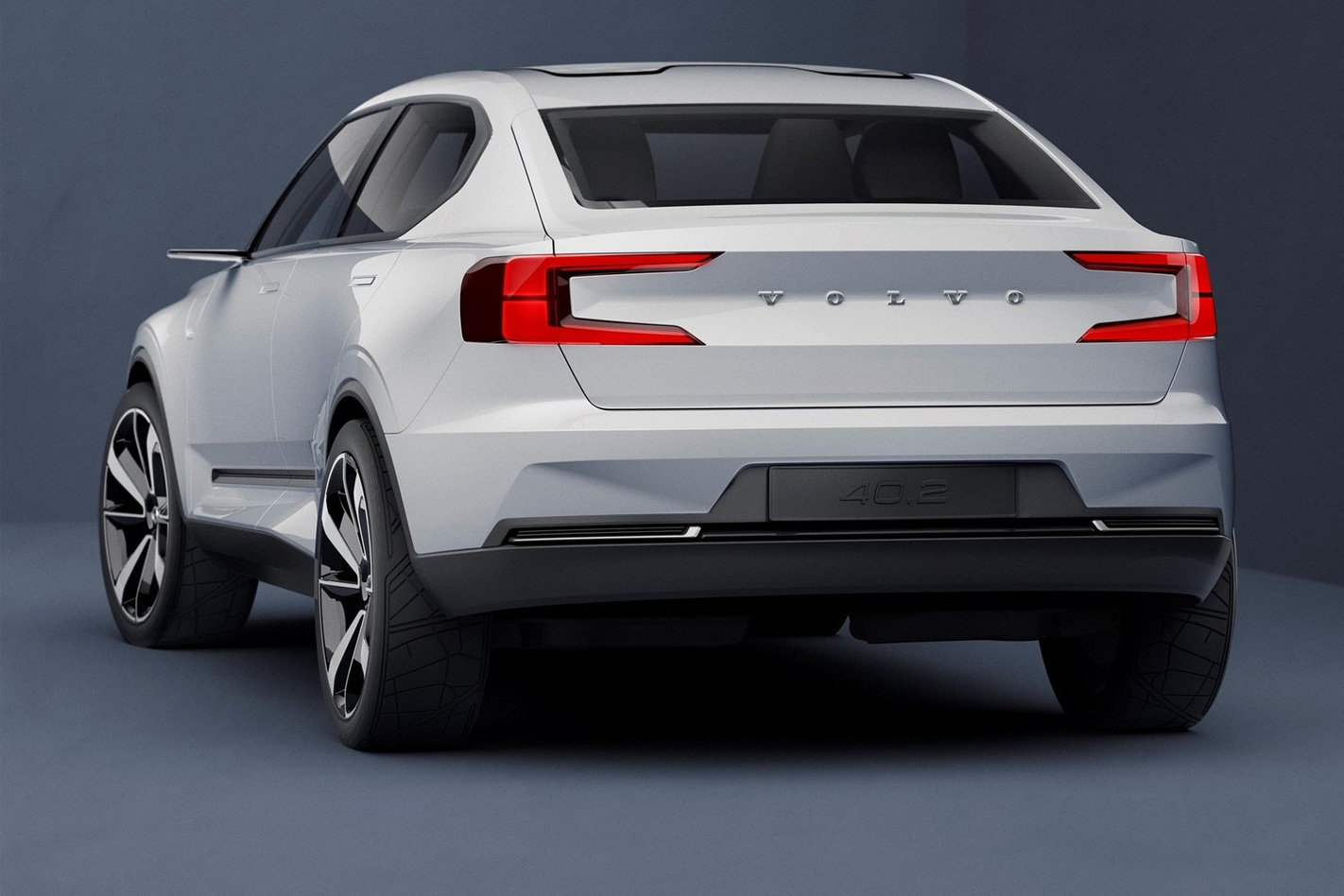
After posting a cryptic “The End” image on its instagram account, and then another flagging Tuesday, October 17 as a significant date, Polestar has since released a series of teaser images showing snippets of what appears to be a modified version of Volvo’s Concept 4.02 – a coupe-styled sedan that was revealed last year to showcase the Chinese-owned Swedish luxury brand’s new Compact Modular Architecture (CMA).
We’ve stitched together the images into a complete rearward profile (above) of the car to give you a better idea of what it will look like.
“Polestar will be a credible competitor in the emerging global market for high performance electrified cars,” Volvo chief executive Hakan Samuelsson said. “With Polestar, we are able to offer electrified cars to the world’s most demanding, progressive drivers in all market segments.”
Volvo plans to launch its first battery-fuelled car in 2019, with the new platform said to pack up to 100kWh – the same energy capacity that has allowed Tesla to build a version of its Model S that will sprint from 0-100km/h in a claimed 2.7 seconds.
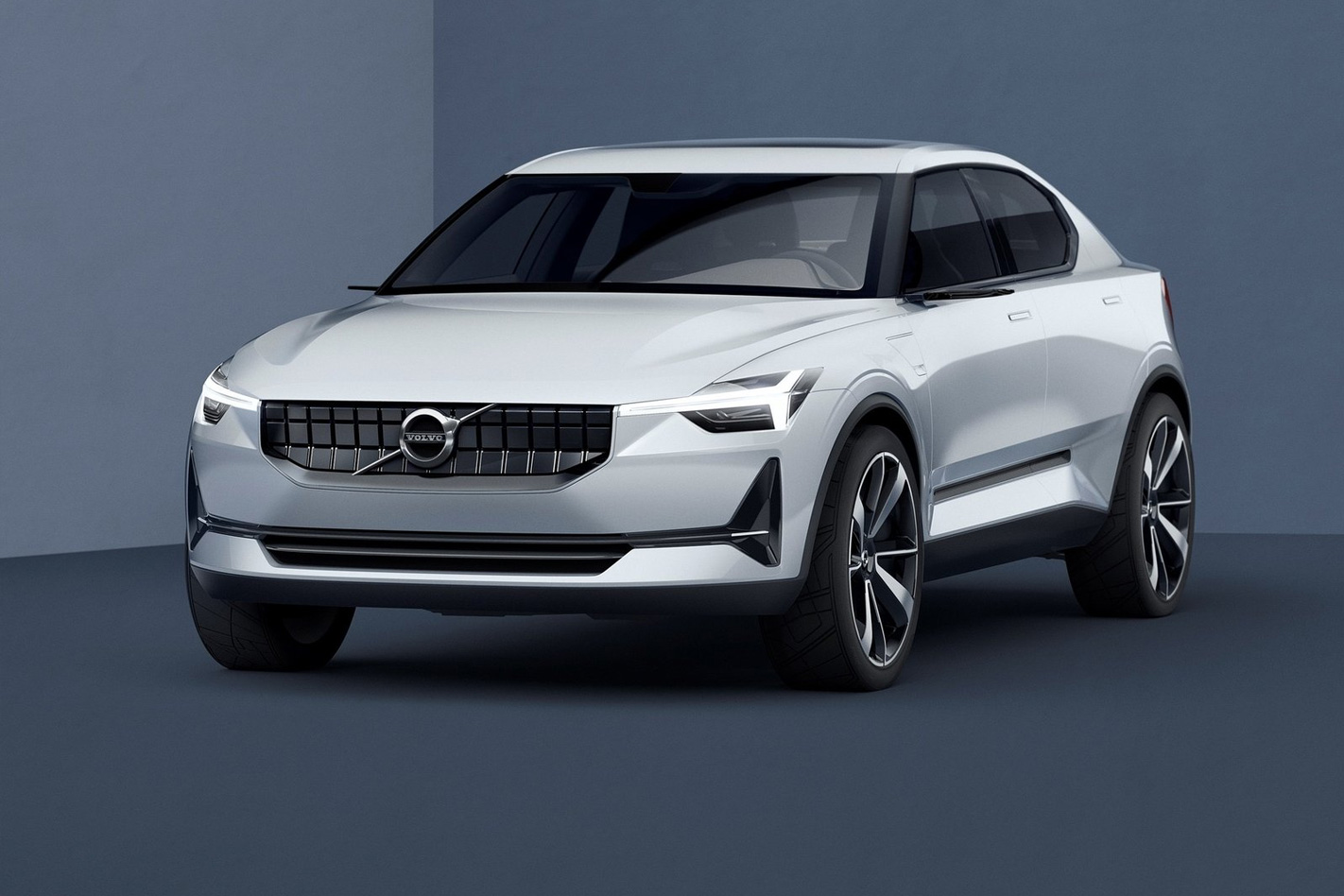
The move coincides with tough new vehicle emissions regulations due in 2020 – the so-called Euro 7 standards – that cap carbon dioxide emissions at an average 95 grams per kilometre. The change will potentially mean an end to small diesel engines.
Volvo’s hybrid stop-start systems will use a 48-volt system – luxury brands Audi and Mercedes-Benz have already rolled out products featuring the higher-voltage electrics – hinting that Polestar’s application of the tech could include an electrically actuated active suspension system similar to that rolled out in the Audi SQ7. Polestar products have traditionally featured petrol engines, meaning the Polestar car could feature a petrol-powered plug-in hybrid system rather than a diesel.
Australia has an historic association with Volvo’s performance brand; when it launched as an official sub-brand of Volvo in 2013, the S60 Polestar sedan and wagon were released in Australia first to test the global appetite for a hardened, $100,000 version of the mid-size car.
We liked the idea so much, they gave them to the rest of the world.
