
Sotheby’s auctions are known for high-class collection and culture.
Millions of dollars’ worth of art, jewellery, wine, and watches usually fall under the hammer just as cars do at an RM Sotheby’s auction.
But one vehicle is jumping across from one to the other. Rather than go for auction at RM’s, Michael Schumacher’s 2001 Ferrari F2001 is being sold as modern art.
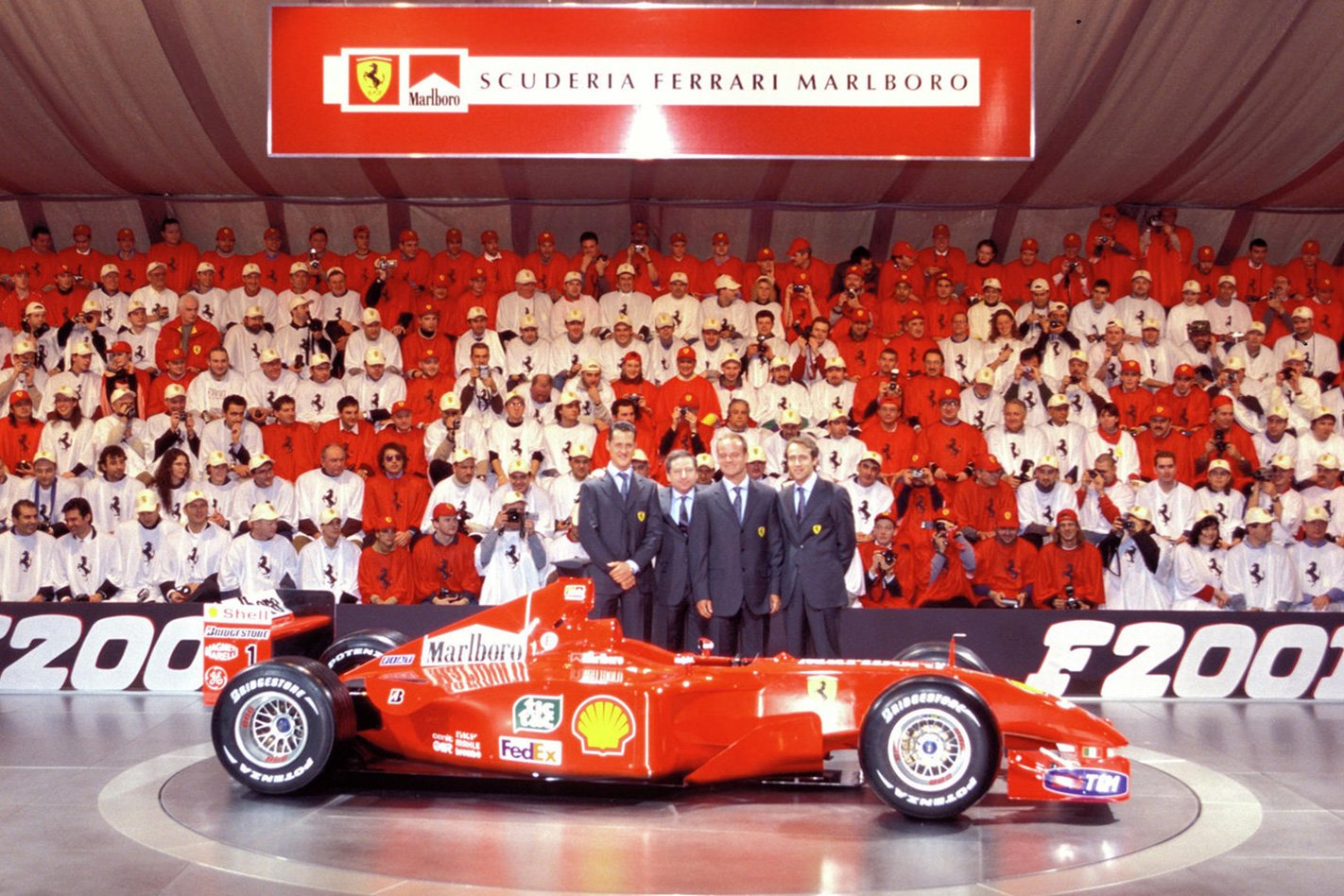
The naturally aspirated V10 F1 car boasts in excess of 600kW and an 18,500rpm redline to make anyone weep with joy. And that redline is only just out of reach of peak power – 17,300rpm.
Weighing in at the regulation 600 kg minimum, the carbon-fibre composite monocoque still wears its livery.
It’s also the car that won the 2001 constructors’ and drivers’ championships, with Schumacher at the wheel.
It will feature at Sotheby’s Contemporary Art Evening Auction in New York on November 16.
The buyer will still be able to use the car, as Sotheby’s says “Ferrari can house the car in Maranello and transport it worldwide for pre-arranged Corse Clienti events as well as private track days.”
“The Ferrari F2001 we are unveiling in Hong Kong is one of the most important and valuable modern Formula 1 race cars in history,” says Kenneth Ahn, president of RM Sotheby’s.
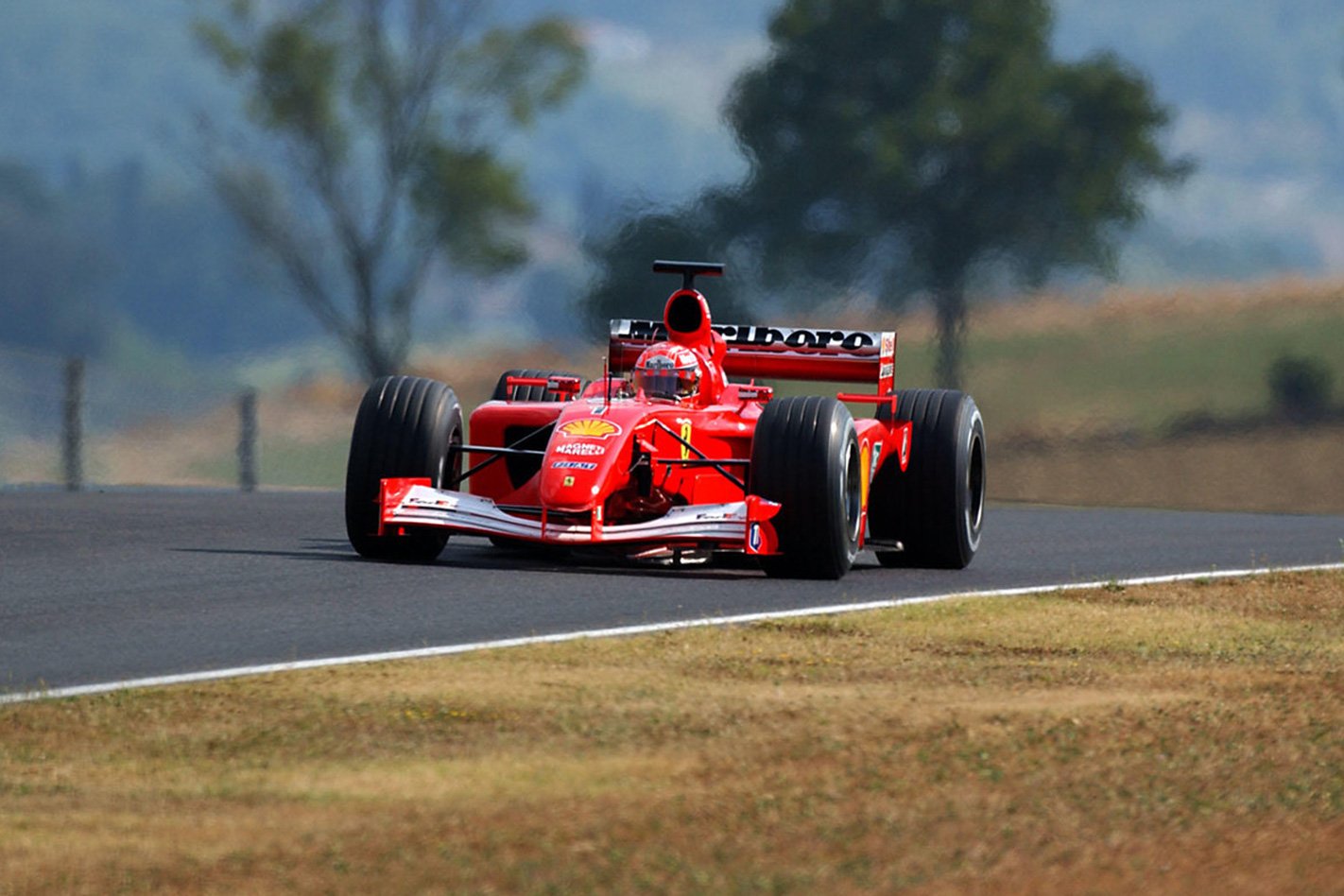
“It is our great pleasure to offer this car during Ferrari’s 70th anniversary year, a year in which the legendary marque also won its first Monaco Grand Prix since Schumacher secured his final Monaco victory in 2001 in chassis 211.”
THE showroom success of the Ford Mustang – Australia’s best-selling sports car – appears to have opened a door for the Chevrolet Camaro to also come here from mid-2018.
However, while the ’Stang comes out of the factory with the steering wheel on the correct side for us, it looks as though it will be up to Holden’s performance sub-brand, HSV, to swap over left-hook Camaros until an all-new sixth-generation model, potentially with right-hook ambidexterity, arrives in the US late 2018, and in Australia as late as about 2020-21.
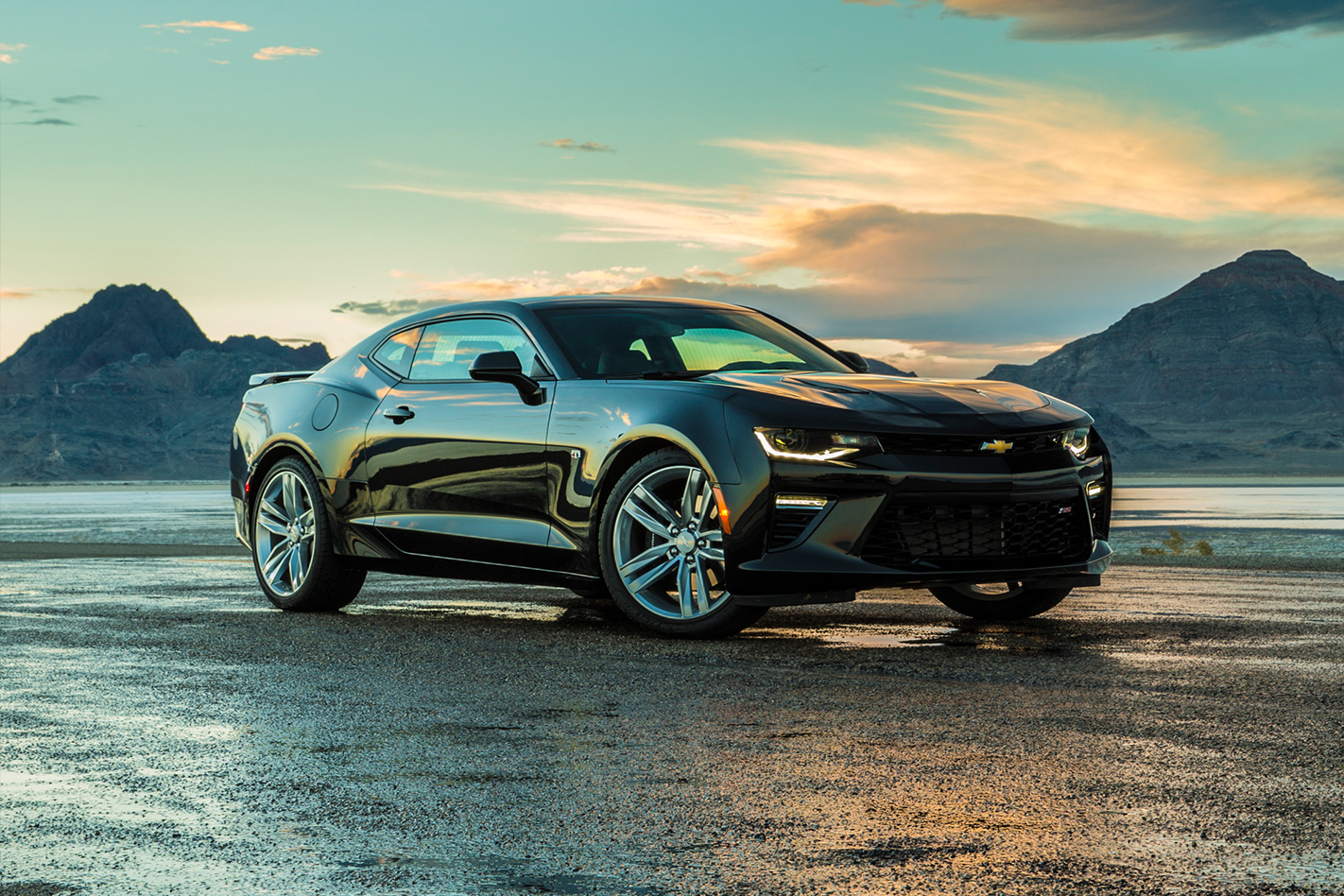
The Australian-delivered Mustang starts from $44,990 for a six-speed manual 2.3-litre EcoBoost, but the $57,490 V8-engined, six-speed automatic GT Fastback is the Camaro’s more likely rival.
The hefty $20,000-plus premium means the Camaro and Mustang are unlikely to be direct sales rivals Down Under. However, comparisons of the long-time rivals will be inevitable.
It’s believed the pony car’s sales dominance is behind Holden’s decision to fastrack the Camaro’s introduction to Australia, with the support of head office in Detroit.
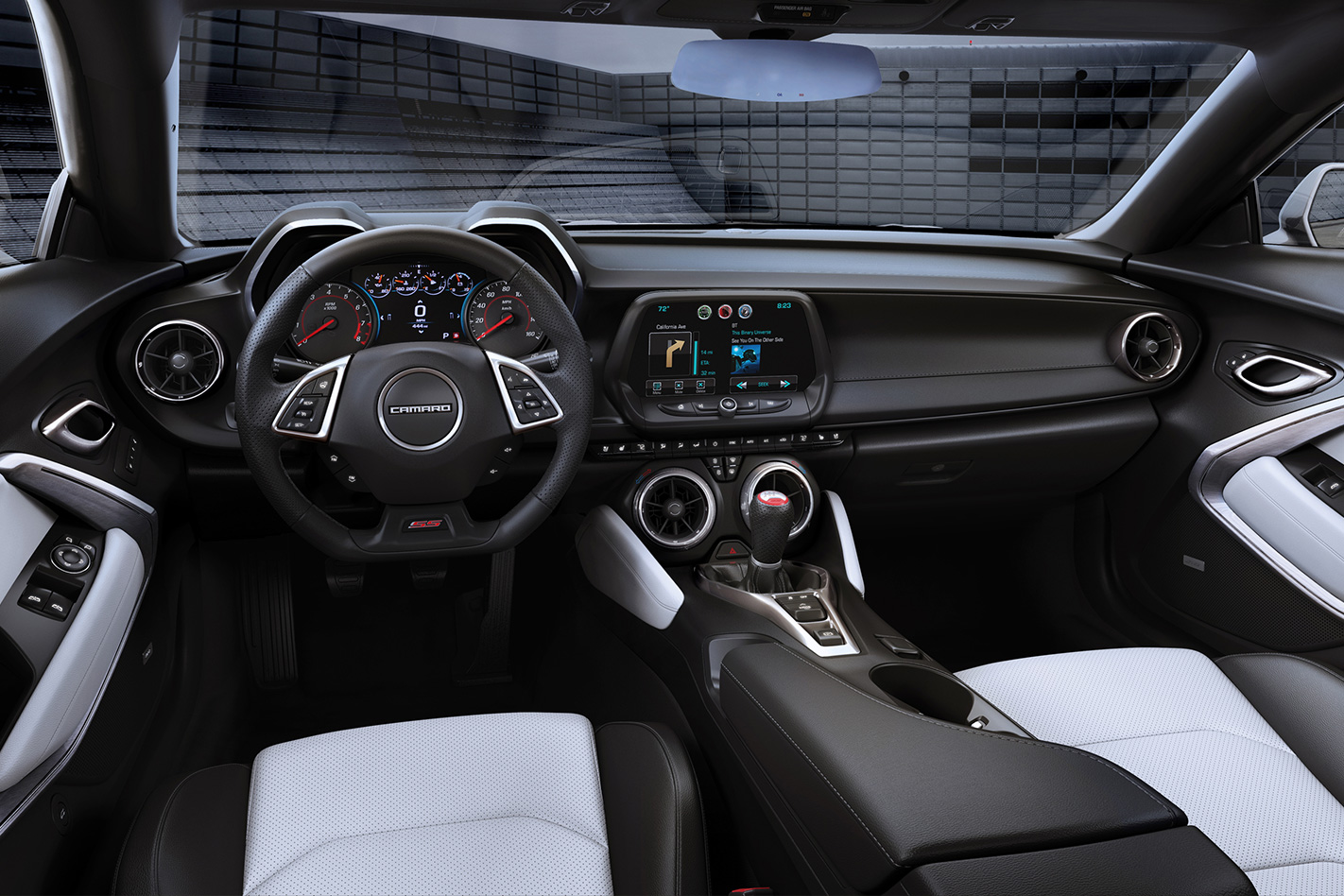
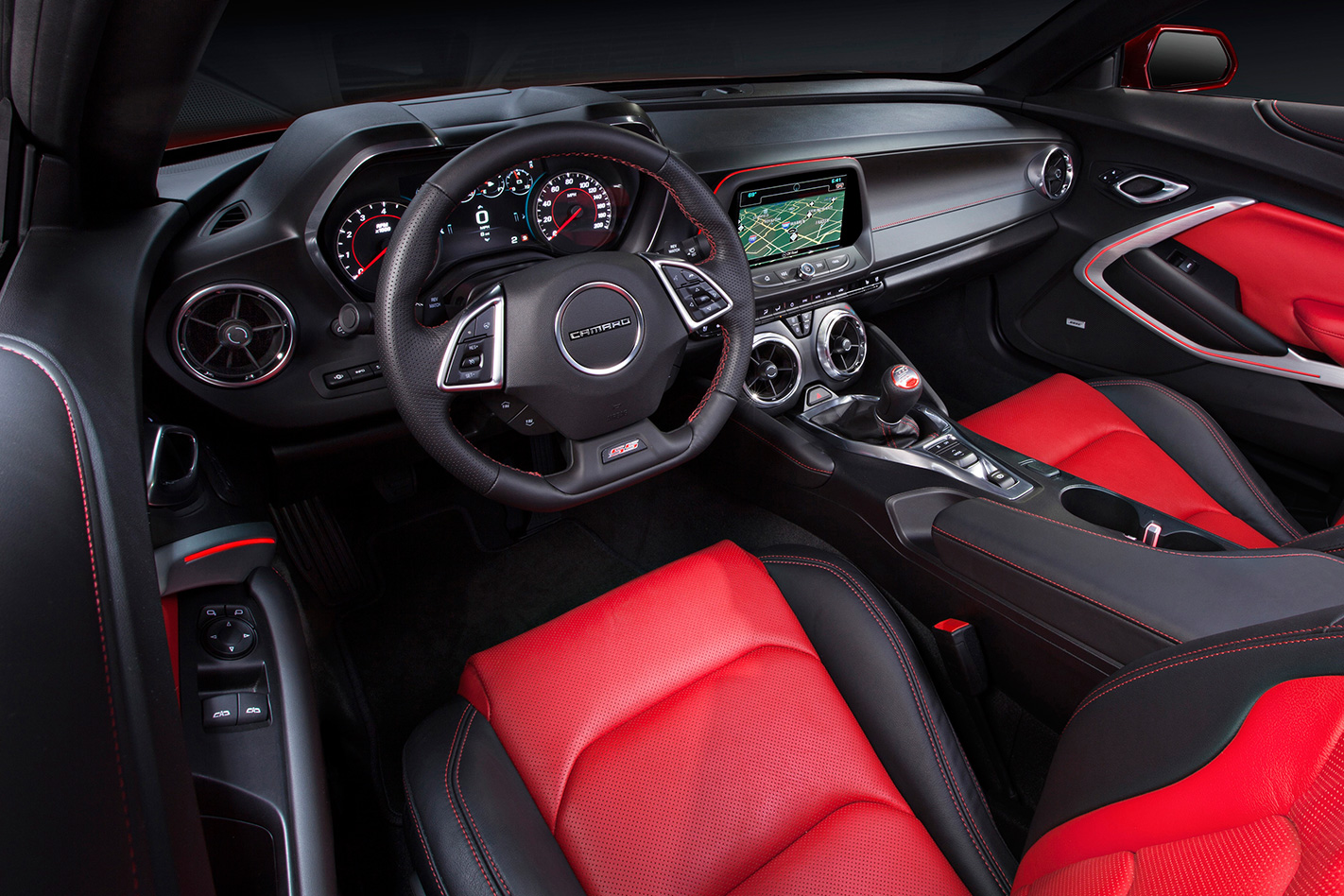
HSV is initially expected to perform conversions on the Camaro SS, powered by a naturally aspirated 6.2-litre LT1 V8 engine. It serves 339kW and 616Nm to the rear wheels via an eight-speed automatic or six-speed manual gearbox.
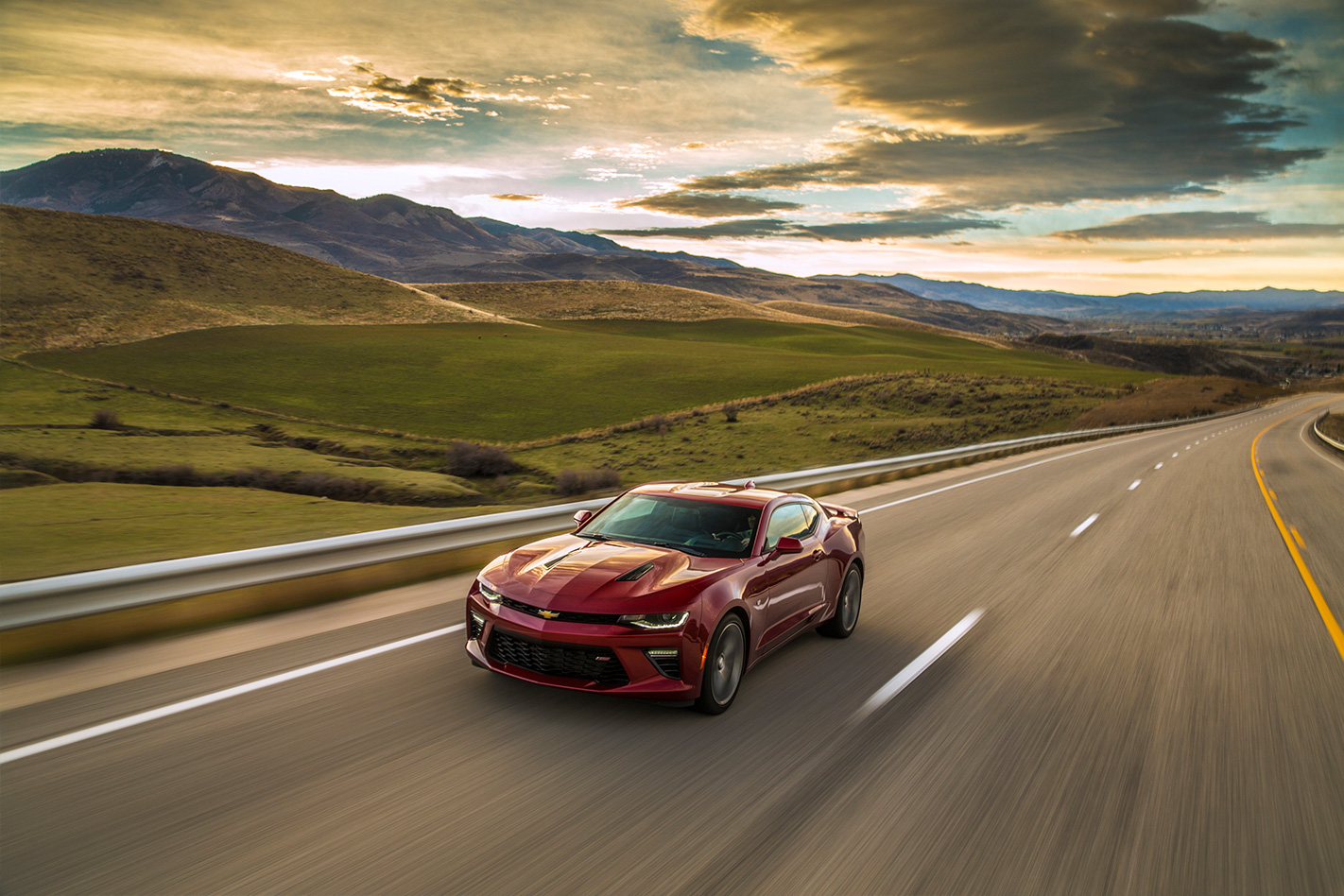
In the US, a track-focused “1LE” pack is available as an option. It doesn’t boost power, but introduces improved suspension, an electronic limited-slip differential, and stickier Goodyear Eagle tyres.
The 5.0-litre V8 powered Ford Mustang GT produces 306kW and 530Nm, and accelerated to 100km/h in 5.0secs flat when it was performance-tested by Wheels.
HSV is developing a factory-approved right-hand drive conversion for the Chevrolet Camaro as part of a new deal to continue as Holden’s performance partner.
With the blessing of GM bosses in Detroit, a locally adapted version of the mid-line Camaro SS will be sold through HSV’s existing dealer network by late next year.
Powered by a 339kW LT1 V8 and priced below $90,000, the converted Camaro two-door coupe will be positioned as a more exclusive alternative to the hot-selling Ford Mustang GT.
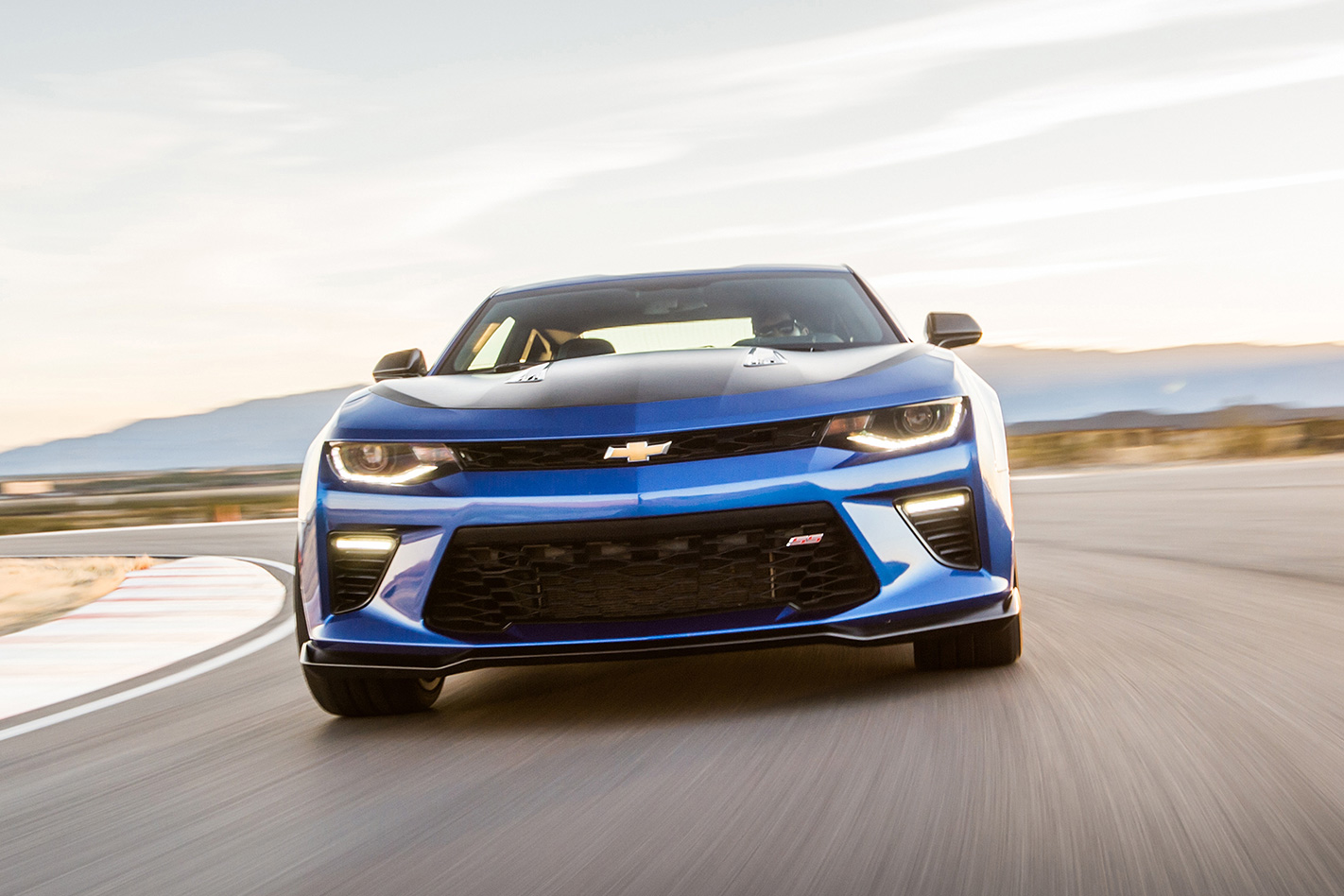
But at least premium Holden outlets will have a glamour coupe to attract those looking for a muscular American two-door V8 that isn’t as ubiquitous as the keenly priced Ford Mustang, which starts at $57,490.
Key HSV dealers and other industry sources have confirmed Camaro is the star of a new line up of GM-sourced vehicles to replace the Holden hot shop’s Commodore-based range, the last of which – either a GTSR or W1 – will be completed in December.
Crucial to making the RHD conversion of Camaros viable is the approval and support of General Motors HQ in Detroit, providing the project with preferential pricing and engineering validation.
According to informed sources, HSV’s conversion meets strict GM Engineering standards in an OEM-standard process honed by WAG’s experience in modifying LHD RAM trucks for Australia.
It is believed HSV/WAG will import and convert Camaros under the Full Volume Compliance provisions, removing annual volume restrictions. This will also shut out independent converters that bring in Camaros using personal import or low-volume limits to comply.
Although likely to be badged as a Chevrolet rather than ‘HSV Camaro’, the GM link and historical associations that resonate with the target market are thought to be strong enough to position the born-again Chevy ‘pony car’ as a local Mustang fighter among enthusiasts.
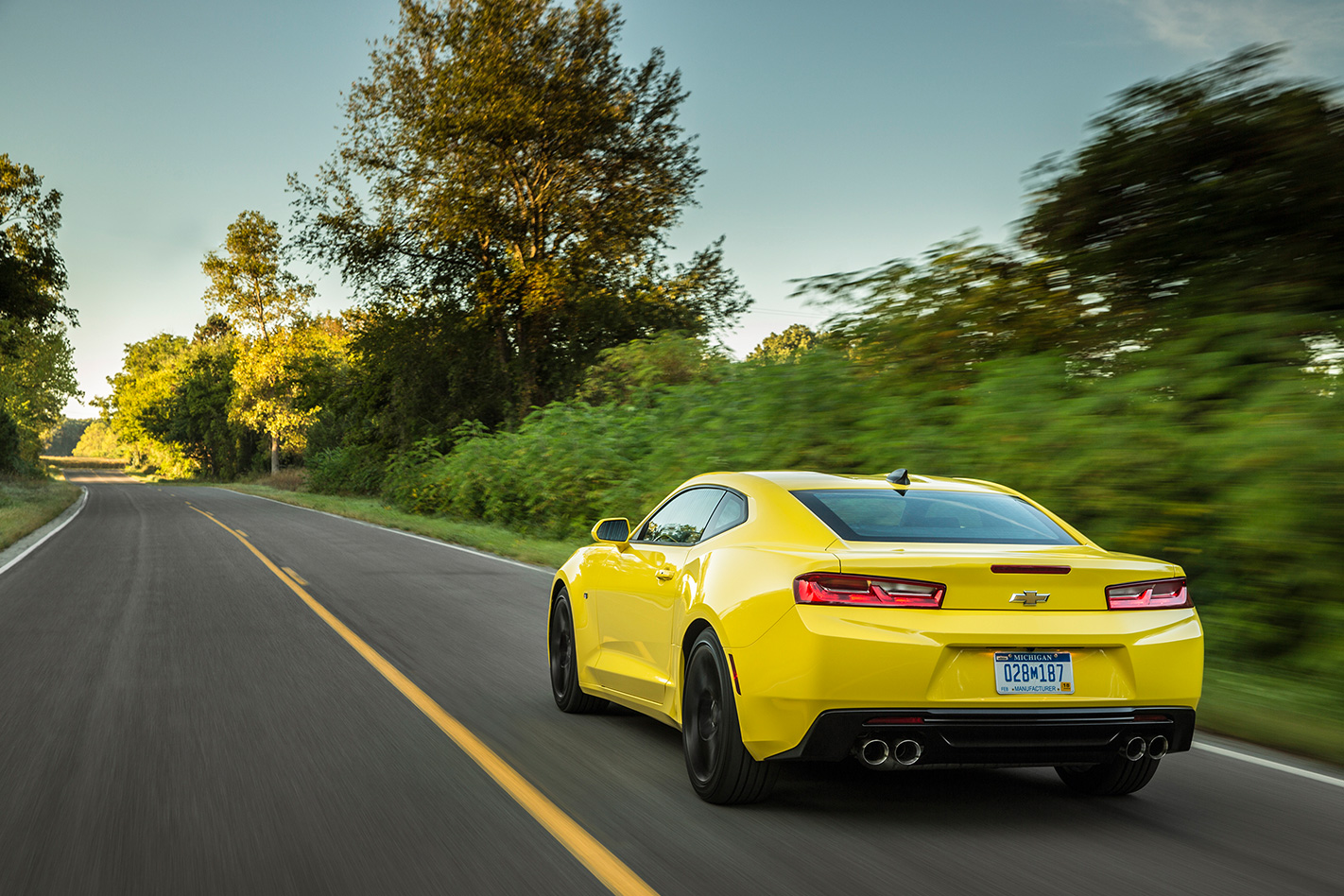
Leading HSV dealers have confided to MOTOR the model to be offered will be a locally adapted version of the mid-range Camaro 2SS to keep the recommended retail price (before on-roads) under $90,000.
In fact, some sources have indicated that HSV is aiming for an RRP closer to $80K for what is expected to be a one-model offering. While at least a third more expensive than the most popular Mustang GT, in 2SS guise it would be almost half the cost of top-spec previous-gen Zeta-based private import conversions.
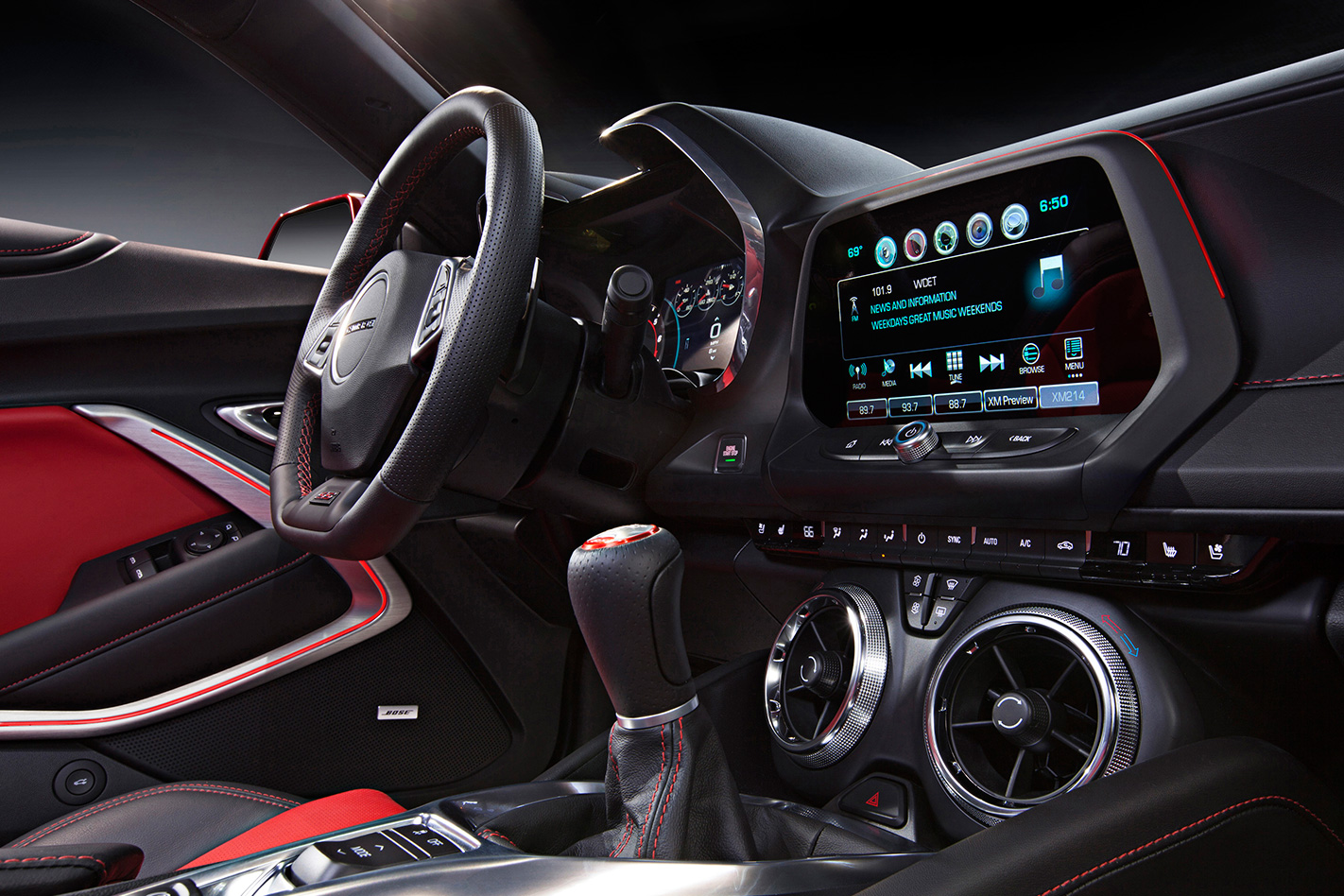
For ease of conversion, it is likely HSV will restrict the Camaro to automatic transmission – albeit, the new 10-speed self-shifter.
Also, by the time it gets here, the Camaro will be up against the upgraded MY18 Mustang, which will also be available – at extra cost – with the 10-speed joint Ford/GM-developed gearbox.
The top-of-the-line Camaro ZL1 – with a 485kW/881Nm LT4 supercharged 6.2-litre V8 – could be considered down the track as a premium offering to boost interest, depending on the more complex conversion being priced sub-$150K.
TOYOTA Australia is believed to have built a pair of “ceremonial’ cars that will officially mark the end of 54 years of local production – an event which may have already happened.
Details of the two special cars – thought to be among a number of vehicles taking part in tomorrow’s official line-off ceremony at the Altona-based factory that starts just after noon – come after the last export model, believed to be a graphite Toyota Camry SX bound for New Zealand as part of a shipment of 350 vehicles, rolled off the factory floor.
Social media posts, including images and video of the car surrounded by workers, show what is believed to be the final export Camry coming off the line just after 10am on Wednesday, September 25, less than a week before the last of the Australian-made cars was due to roll off the line. New Zealand will source its next Camry from Japan from early 2018.
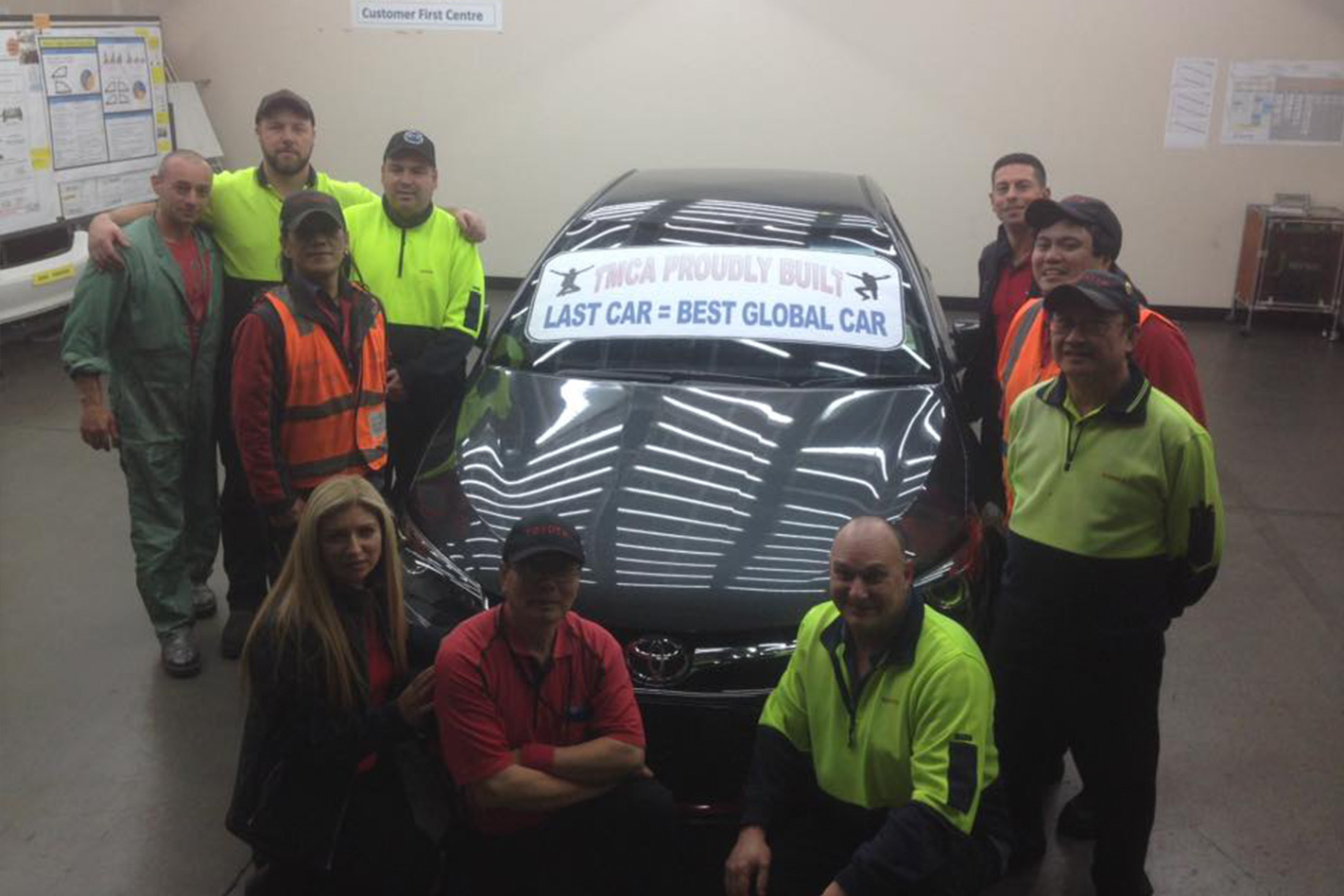
A spokeswoman confirmed to Wheels that the car maker had already produced a number of “final” cars over the last few weeks, including a hybrid-engined version of the Camry, and a left-hand-drive export model.
However, she would not confirm that the Altona line would assemble cars on the final day, only saying Toyota would be “building cars up until tomorrow” – suggesting that today may be the last official day of manufacturing. A source told Wheels the final Camry had already been built ahead of tomorrow’s official end to manufacturing. Another Toyota spokesman said the car maker would “confirm everything tomorrow once manufacturing officially ceases”.
Toyota was the last of Australia’s three remaining manufacturers to bow to international market forces and announce it would close its local assembly lines. Ford, the first to fall in 2013, ended its manufacturing in October 2016, while Holden – Australia’s first local manufacturer – will shutter its doors on October 20.
IT IS now five years since the McLaren P1 was first revealed; to celebrate, the gents from Woking have revealed pictures of the 720S-based mule which is being used to develop the P1’s replacement.
Codenamed BP23, the new hypercar won’t just be the successor to the P1 hypercar, but will also see the return of design elements first seen in the legendary McLaren F1.
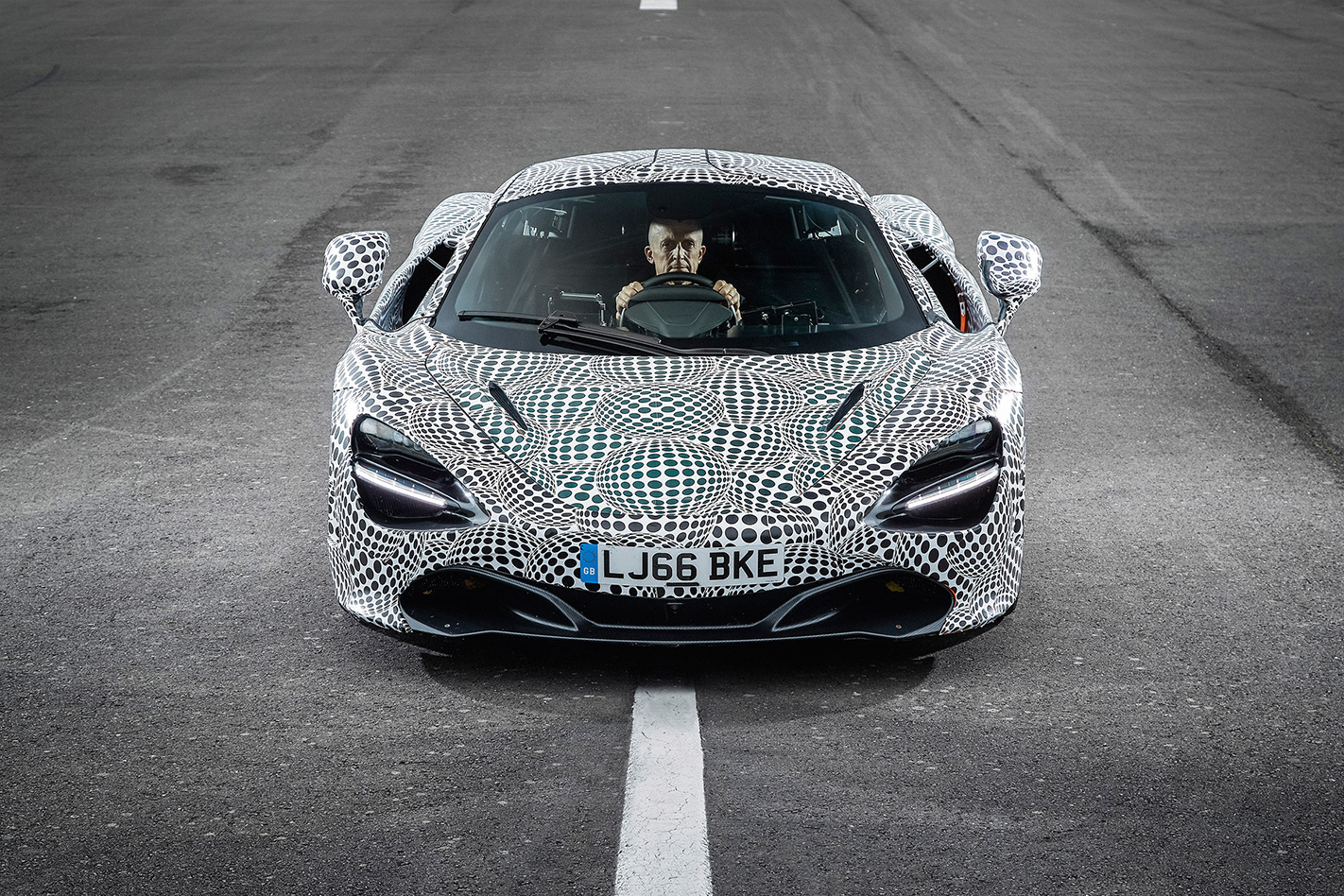
Seem familiar? That’s because the F1 made that three-person config popular back in 1993. The triple-seat layout is one of the reasons the F1 was so unique, and this is the first time the same layout will be used again in a production car.
Like the original road-going McLaren F1 the BP23 will be positioned as a high-speed grand tourer rather than a track-storming beast, so McLaren is spending plenty of time ensuring the cabin is a comfortable place to spend time.
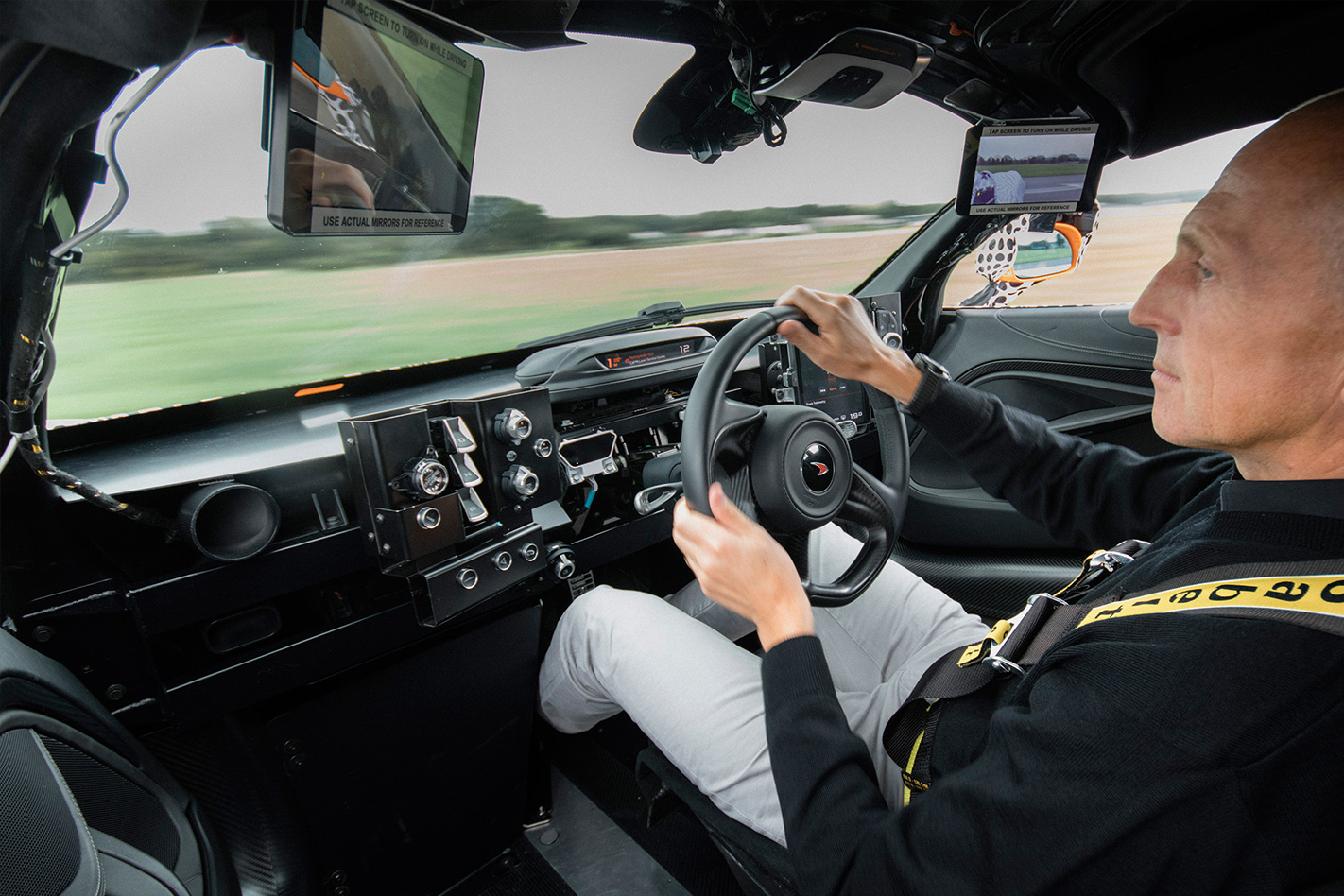
McLaren has also confirmed the BP23 will have the highest power output of any McLaren ever produced. That would mean it eclipses the 673kW and 980Nm of the road-legal P1 (the track-only P1 GTR variant produces 735kW). It’s likely the BP23 will exceed the 745kW (1000bhp) barrier, putting it in the same realm as the Mercedes-AMG Project One – which has the hybrid powertrain lifted directly from a 2016 Formula 1 car.
The body of the BP23 could differ significantly from McLaren’s current crop of cars, with the British outfit claiming it will be the most aerodynamic design yet.
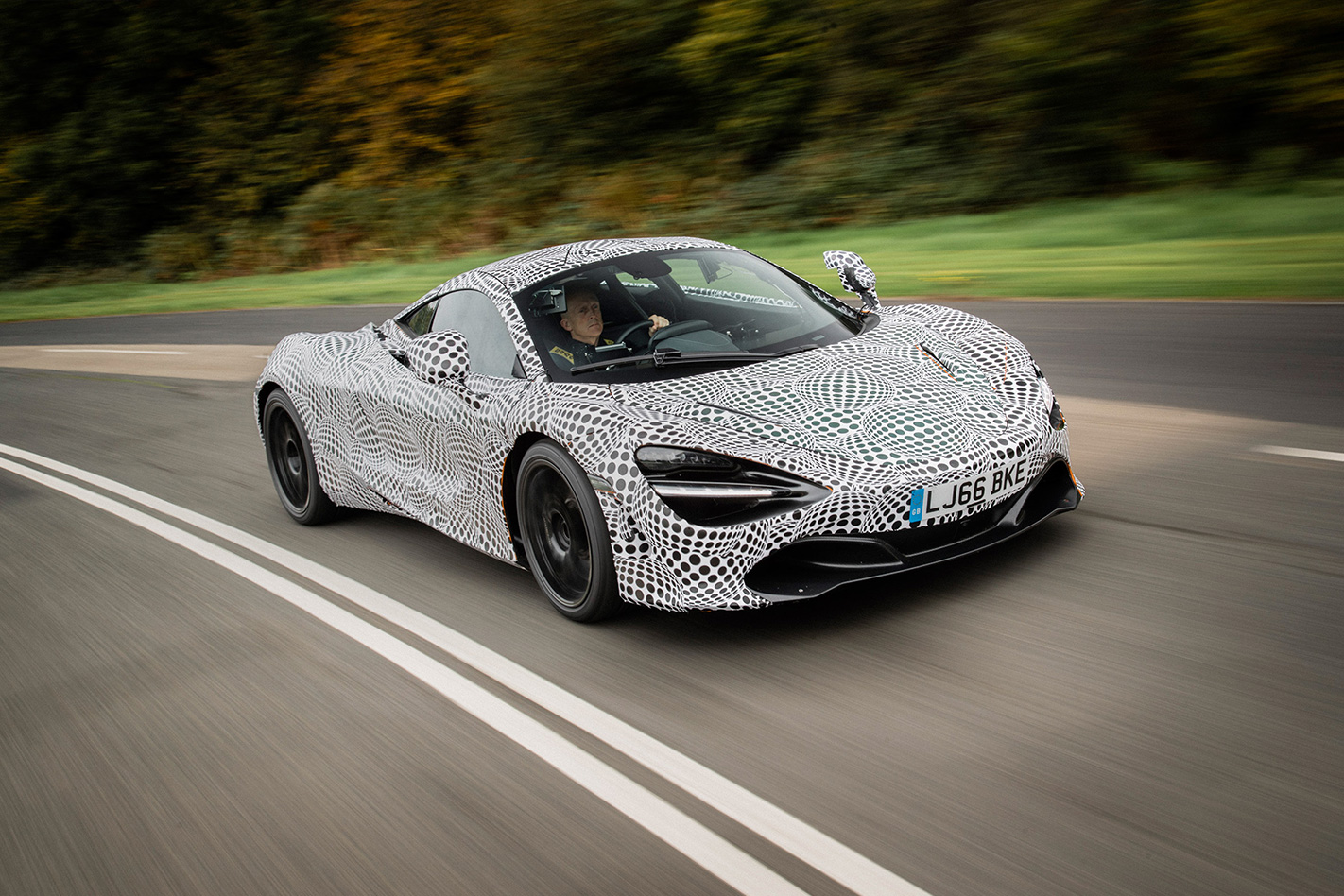
Production is expected to start in 2019, with customer cars to begin delivery the same year.
WITH Network Ten getting a new owner, US giant CBS, there was always concern that the winds of change would sweep through the programming department, all in the name of cutting costs.
Motorsport isn’t cheap to produce or to buy, so it was always in the firing line.
A brave Network Ten press release issued on Saturday boldly announced that: “Network Ten has finalised a new agreement to broadcast the Australian Grand Prix, live and free, for the next two years.”
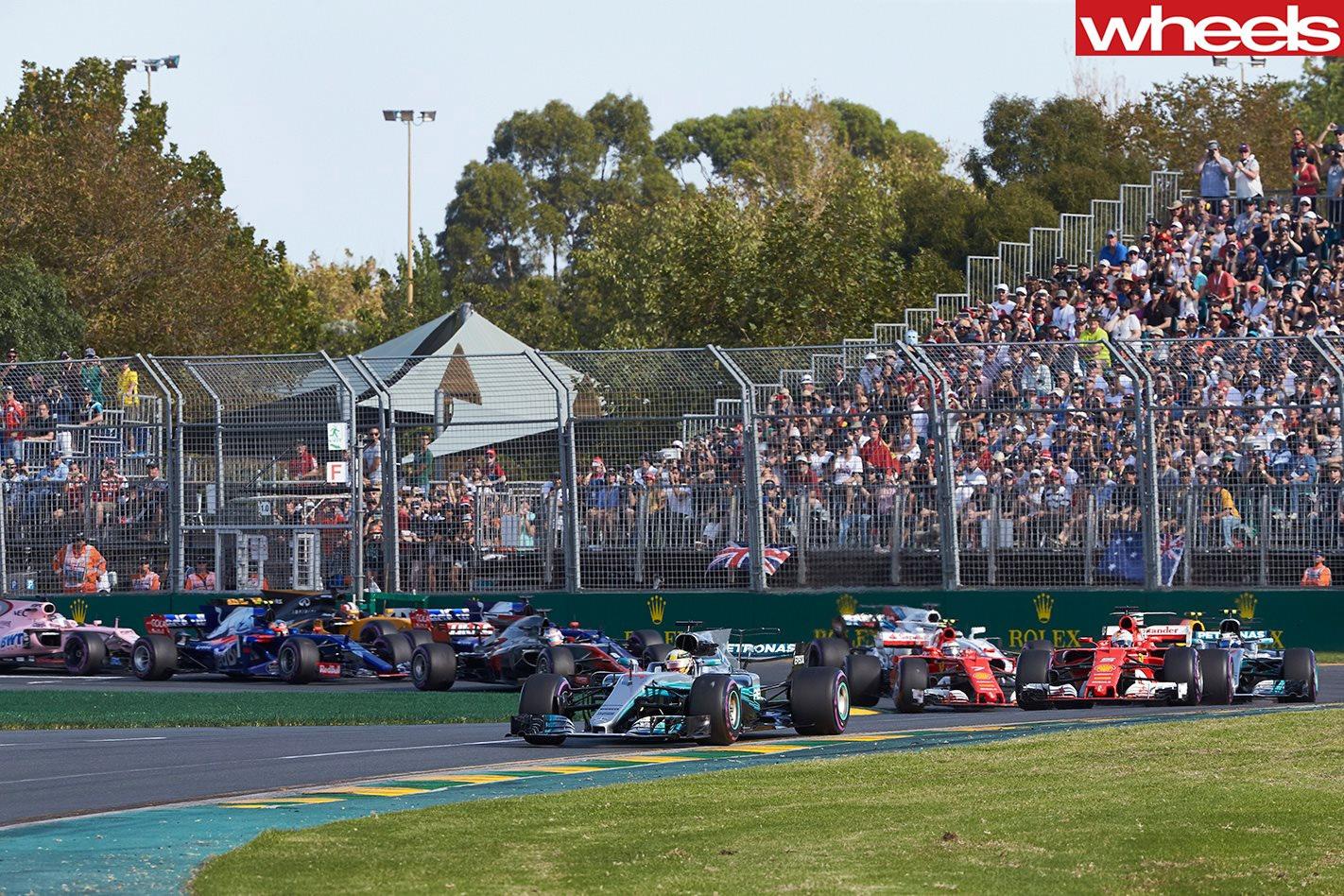
While Ten insists it is still the home of free-to-air motorsport, the reality is that it’s offering a few nibblies rather than the smorgasbord we once expected. Here is Ten’s current short snack list: the Australian Grand Prix, the Supercars Championship including the Bathurst 1000, the MotoGP World Championship and RPM.
The big stuff is on Fox Sports pay channels, wholly owned by News Limited. The era of lots of great motorsport watched live and free on one or more of our big networks is sadly done and dusted. You want it live and unchopped? You pay for it.
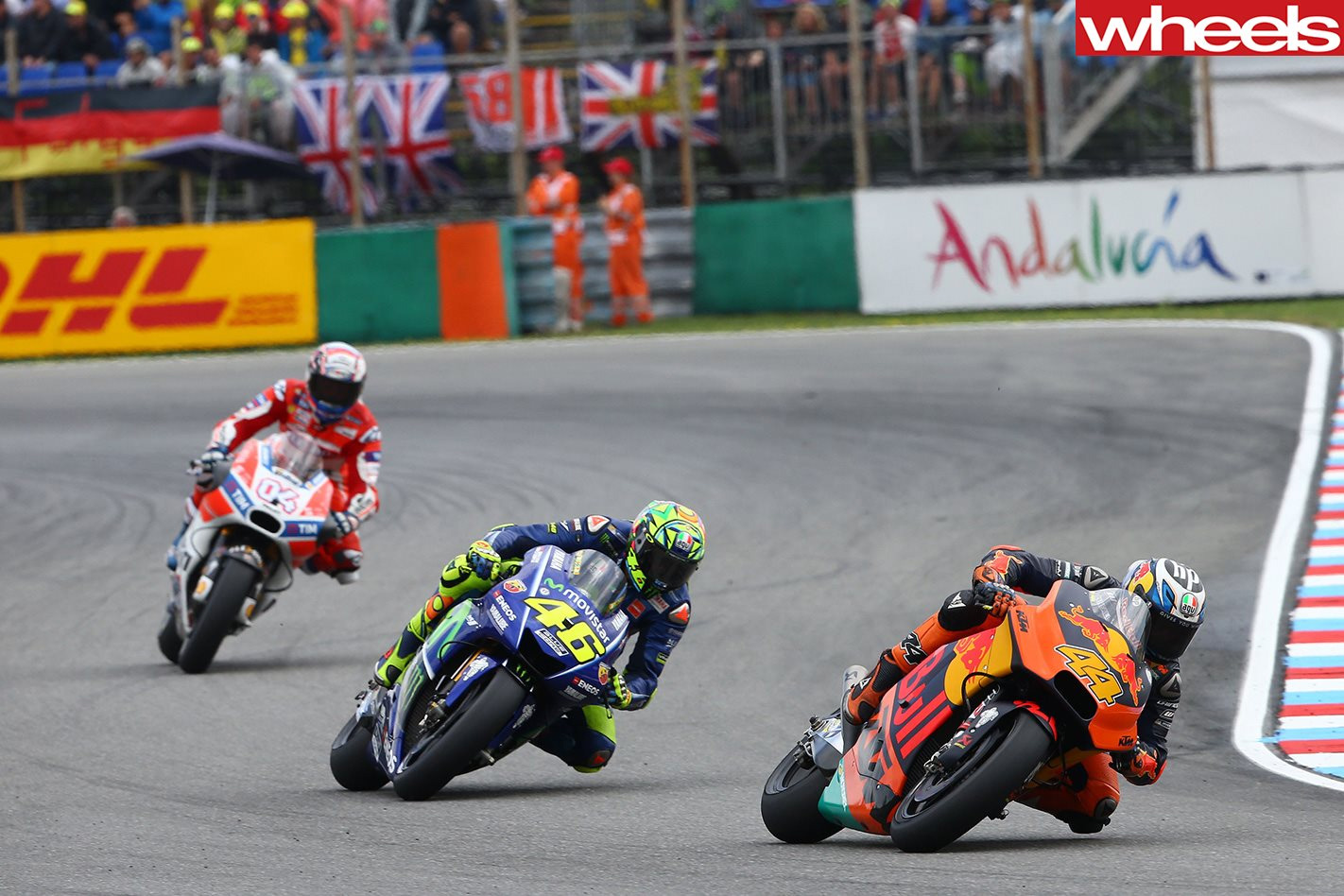
Fox Sports has its critics among fanatic motorsport followers who expect not to pay to see the big international and local categories. But there is a lot of live stuff on offer on Fox Sports, especially if your tastes are broad and varied: Indy Cars, MotoGP, Moto2, Moto3, world superbikes, world rallying, World Endurance Championship, speedway GPs, rallycross, NASCAR, plus F1 and Supercars. For $55 a month.
And if you don’t want to hand over your ciggie or beer money to big, bad Fox, you should adjust to reduced seat time in front of the box (although highlights from every international Formula One race will broadcast on the Monday night following each race on Ten’s affiliate channel, One). There’s Speedweek on SBS, too.
LOTUS, the Malaysian-owned British sports car brand, has had another change of citizenship, becoming Chinese-owned after Geely confirmed late last week it had taken a controlling stake in the troubled company.
Geely, which owns premium Swedish car maker Volvo and luxury SUV start-up Lynk&Co, confirmed it had bought a 51 percent stake in the iconic sportscar manufacturer in a deal brokered with Lotus’s parent company, Malaysian car maker Proton. The other 49 percent will be retained by Etika Automotive, a Malaysian vehicle bodybuilder. Geely also has a 49 percent stake in Proton.
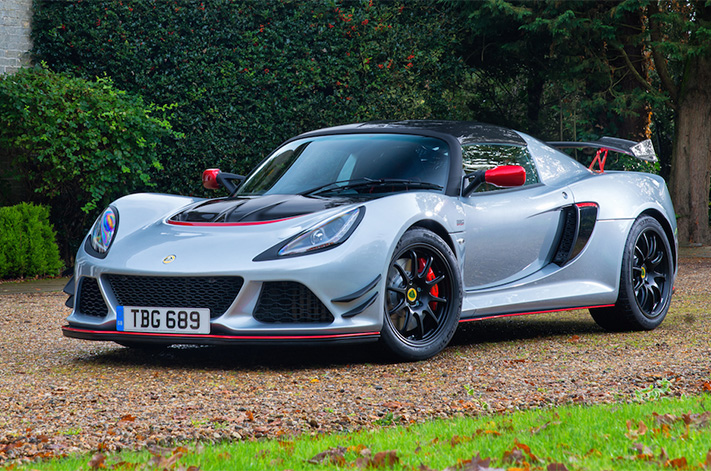
The first half of 2017 was positive for Lotus, with the company experiencing a 10 percent increase on sales year on year, and cash flow becoming positive.
Malaysian investment group DRB-Hicom has owned Lotus and Proton since 1996, and announced it was selling up a majority stake in May this year.
The deal to bring in the cash-heavy Geely is expected to breathe new life into both Lotus and Proton, which have both suffered a string of significant losses under their current ownership. Geely is also expected to use the brands to steer its products into new markets, as well as help Proton update its engine emissions standards – something the car maker has struggled with that has seen it almost disappear from the Australian market.
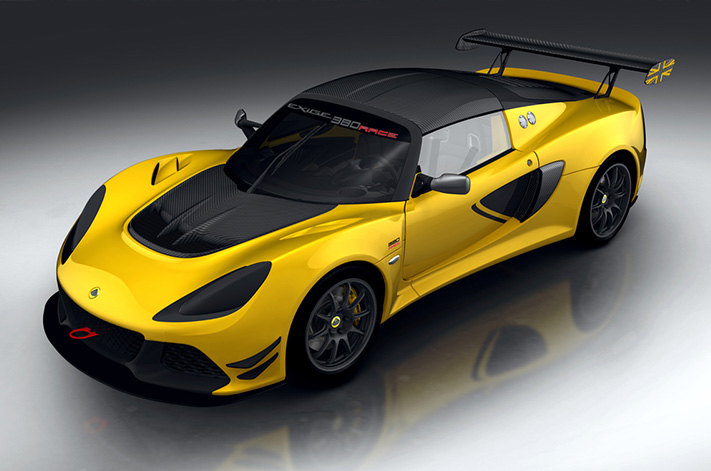
Lotus’s move away from Toyota will also potentially free up the higher-performance engines to power models developed under Toyota’s Gazoo Racing performance sub-brand, which has hopes of one day building a standalone sports car outside of Toyota’s existing model line-up.
HONDA achieved something of a coup at the 2017 Frankfurt motor show when it pulled the silk off its Urban EV Concept.
Its all-electric reboot of the classic first-gen Honda Civic not only emulated that car’s compact dimensions and man-maximum, machine-minimum ethos well, but it also aced the tricky task of blending retro design cues with futuristic technology. It was a standout at Frankfurt.
But the Japanese company isn’t stopping there. The next major show on the motoring calendar occurs late this month in Tokyo, and Honda has revealed it’ll be premiering yet another electric concept. Called simply the Honda Sports EV Concept, the single teaser image that’s been released so far suggests that Honda may have another showstopper on its hands.
Honda is understandably keeping the finer details under wraps until the doors open at Tokyo on October 25, but the carmaker has mentioned that it will sit on the same electrified platform as the Urban EV concept.
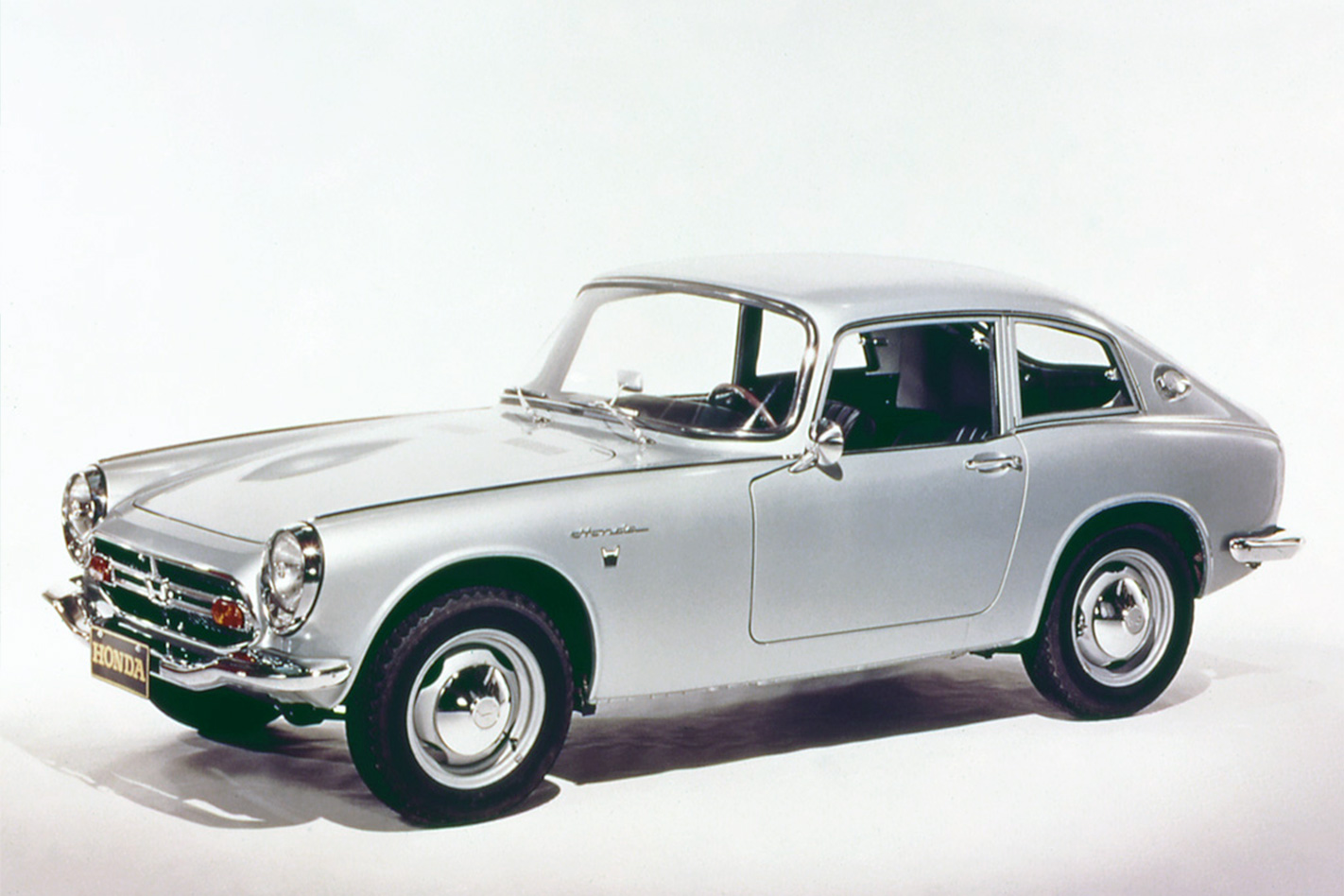
While the Urban EV Concept is locked in for a 2019 production debut, it’s unclear whether the Sports EV Concept is destined for the showroom at this stage. That may well hinge on how well it’s received by the media and public at the Tokyo Motor Show, but if it draws anywhere near as much attention as its more utilitarian hatchback cousin did at Frankfurt, the future should look bright for Honda’s electron-burning sports car.
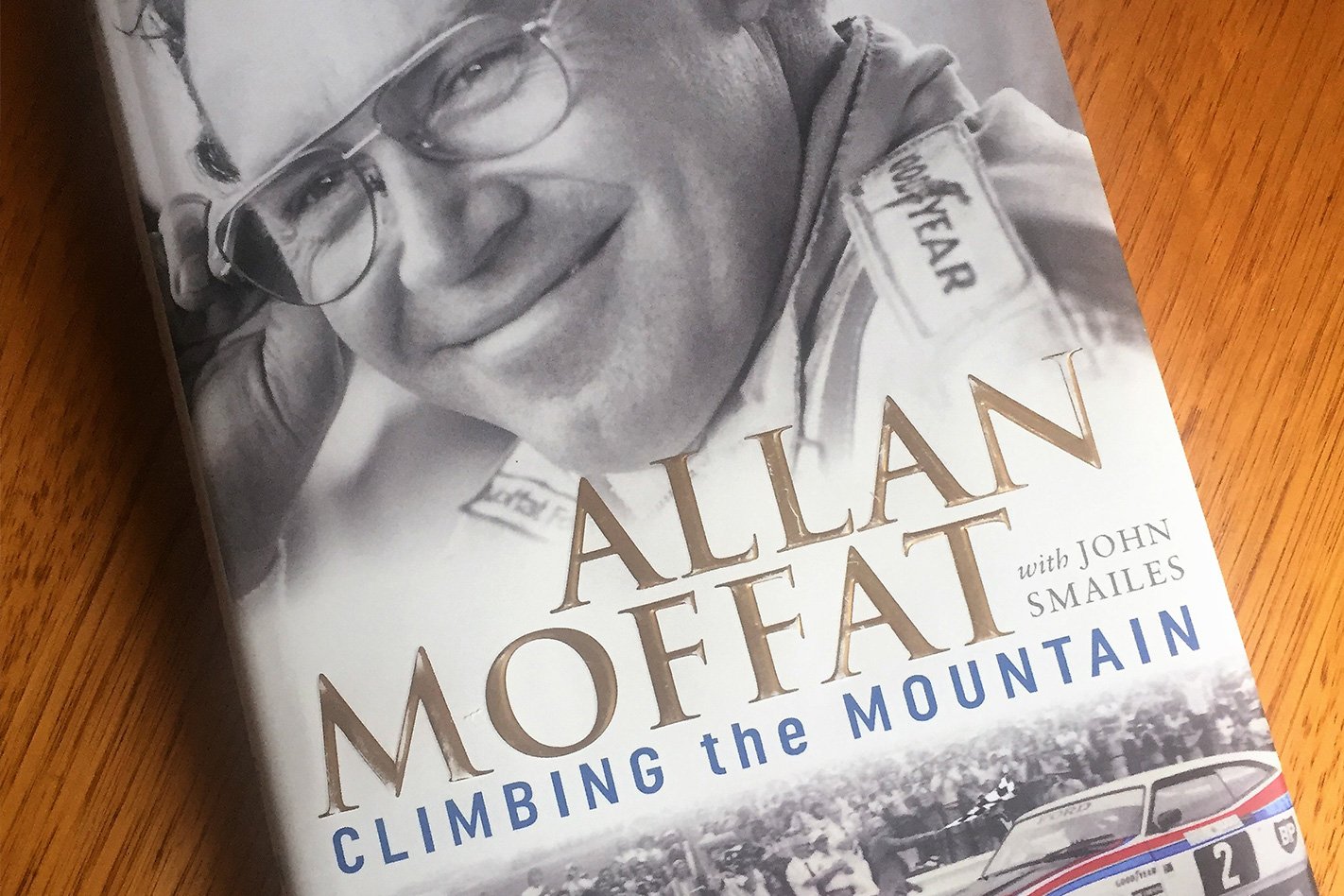
FORTY years after the biggest Ford track moment ever – the Falcon one-two at Bathurst – the once secretive, private and focussed Allan Moffat finally lifts the lid on the juicy and mysterious stuff in a stunning if divisive career.
His revealing new autobiography, Climbing the Mountain, co-authored by John Smailes, is a serious page turner.
Through the 1970s Ford and Holden wanted to milk the benefits of racing success while also appeasing politicians and activists.
While a car company’s reputation and image back then were built around performance models, political pressure and a changing, softer corporate ethic pushed Ford Australia to officially withdraw from motor sport in 1974.
The company continued to support its hero driver Allan Moffat through the back door (via the Moffat Ford Dealers Team) but the money wasn’t abundant.
“It was completely hand to mouth, and it was a difficult time … with factions inside the company forever questioning my value to the corporation,” reads Moffat’s new book.
Then came one of the more unforgettable moments in Australian motor sport – perhaps the most memorable for Ford supporters – the crushing Moffat-Bond one-two in the ‘77 Bathurst 1000.
This was orchestrated by the bespectacled Canadian that Edsel B. Ford II once described as “the most driven white man I’ve ever met“.
Even in the early days after he had secured a works Lotus Cortina for the 1964 Sandown Six Hour, Moffat continued to carefully forge relations with overseas teams that might help him climb the greasy pole. Hence he was Jim Clark’s water boy at the 1965 Indy 500, holding out a cup at the end of a broomstick during pit stops. Another remarkable factoid from the book.
After the crushing 1977 Bathurst double whammy, Moffat sensed that Ford would be eternally grateful and was delighted to receive a summons to Broadmeadows for a boardroom lunch two days later. This would be the thankyou from the big boss Sir Brian Inglis and the hard-to-like marketing chief Max Gransden. Sir Brian delivered a wonderfully positive speech spelling out Ford’s gratitude to Moffat and his role in the “Win Sunday; sell Monday” sales fight.
Then he handed Moffat a sealed envelope. Payday! Moffat was thinking $50,000 or maybe $100,000 to reinforce his Ford future.
Later, in the car park, he opened the envelope. The cheque was for $1000. Tight-arsed Ford’s Bathurst-win bonus didn’t even cover Moffat’s post-race party. It certainly didn’t cover the later court action from the Bond camp.
One of the most private and introspective people in motor racing, Moffat – with some steady prodding from Smailes, has at the age of 77, finally opened up on much of the shenanigans behind the scenes, as well as his ongoing dislike for some of the big names of the sport.
Judging by the anecdotes across the 440 pages, Moffat is a good hater. Forgiving is not a part of his credo. Bob Jane cops plenty, as does Norm Beechey. The ongoing rancour directed at his old rivals is sheeted to the ferociously hard muscle-car racing of the 1970s where close battles were sometimes concluded with a deliberate fender bender.
The Moffat of that era was tough, fearless and fast, happy to dish out the biffo when required.
He offers regrets that he didn’t keep some of the cars that once sat in his workshop in Toorak. The Mustang and the Cologne Capri RS3100 went for comparative peanuts in light of their worth today.
Moffat also serves it up to some of his own co-drivers including Bobby Rahal, who at Le Mans apparently didn’t share a priority at for mechanical sympathy and blew the engine in their Porsche 935 when running fourth. Many of Moffat’s co-drivers, including Gregg Hansford and Jacky Ickx, are highly regarded though.
Moffat has particular praise for the sportsmanship of Murray Carter who lent him his Falcon after a thief stole his. And John Goss too, offered up his car after Moffat’s was destroyed in a fire.
Harry Firth is acclaimed as a driver by Moffat but fails to elicit the same admiration as a Ford team boss. Firth always claimed he walked away from Ford to join Holden. The truth, says Al Turner, the US executive imported to fire-up Ford’s local motor sporting operations, was that Firth and he didn’t see eye to eye. “I called him in and told him we no longer needed his services,” Turner is quoted as saying in the book.
Moffat also rips into Howard Marsden, another local chief of Ford’s factory effort and later to run Datsun’s rallying and touring car campaigns. Though acknowledging the Englishman did build a sensational Phase III Falcon, Moffat condemns the pukka Marsden as a “yes” man who didn’t fight near hard enough to keep Ford in racing.
First impressions clearly mean a lot with Moffat, who recounts his first meeting with a giant of American racing at the office of Goodyear Racing’s Mike Truesdale in Akron. Another visitor arrives, shoves Moffat on the arm to move him aside and starts talking to Truesdale as if Allan didn’t exist. It was Roger Penske. “I know these days Penske has a god-like reputation and the patina of a sweet guy about him. But first impressions count.” Good acts or bad acts, Moffat doesn’t forget.
More surprising to many, are revelations about Moffat’s own complicated personal life. You’d be dead wrong if you thought that Allan George Moffat, as focussed as he was on staying afloat and, ultimately, winning, didn’t have the time or energy for the fairer sex. Wife Pauline, who was a fixture in the Moffat pit in the early years, discovered she’d been replaced in the driver’s affections by the younger Sue McCure, who went from fan to Allan’s secretary to his lover in quick time. This development resulted in sons James and Andrew, born less than 15 months apart to different mothers.
It’s impossible to know exactly how much Moffat has revealed of his private life and the often weird machinations of motor sport. Plenty perhaps. Smailes has certainly managed to prise open the vault lurking between Moffat’s ears. As a result the reader better knows the extent of his, uncompromising and driven nature.
This complex, sometimes aloof, proud and emotional individual is an intriguing dude.
While Moffat was one of first real pros of local motor racing and an acknowledged expert at securing and keeping sponsors, his was also an ongoing struggle to find the funding to compete at the top level against rivals who sometimes enjoyed generous budgets.
The 1980 Bathurst 1000 was the last time Moffat drove a Ford Falcon at Mount Panorama. Early into that race, an emerging driver named Dick Johnson had clouted a rock and ricocheted into the consciousness of Australian Ford fans, and on to the radar of Edsel B. Ford II.
Moffat had read the tea leaves and well before then had been looking at other opportunities outside Ford.
He went after a BMW factory connection but was crushed when Frank Gardner pulled off the deal for Australia. The silver lining though was that Moffat then investigated and wooed Mazda. This was to be the most satisfying and rewarding relationship in his career, even though he couldn’t turn an RX-7 into a Bathurst winner.
Then came the shock love-in with Peter Brock and his Holden team. When Holden pushed its star aside over the energy polarizer, Brock was left almost broke and ex-employees Moffat and John Harvey used a front man to buy a new, unraced 05 Commodore to use in Europe in 1987.
But Moffat then delighted the Ford fans with his return to Ford machinery, the Group A Sierra RS, to see out his career.
That career will by any measure be judged a stunning success. He won the Australian Touring Car Championship four times, the Sandown 500 six times, the Bathurst 500/1000 four times. Internationally, he won the Sebring 12 Hour and, with Harvey, the opening round of the inaugural 1987 World Touring Car Championship. His last hurrah was winning the 1989 Fuji 500 in Japan at the age of 50. Then, with no fanfare, he walked away.
Writer Smailes has worked miracles to somehow encourage Moffat to open up and enter the virgin territory of self-analysis: “There may have been people with more money, better support, and, yes, I admit it, greater driving talent. But no-one had a greater, unrelenting, driving dedication to achieving his goals.”
Hard to argue.
Climbing the Mountain, by Allan Moffat with John Smailes is published by Allen & Unwin and is available in all good book stores priced at $39.99.
One of Italy’s few SUVs had made a case for its existence with a Nurburgring lap record.
Posting an impressive time of 7:51.7, the Stelvio QV is now the fastest production SUV around the Green Hell.
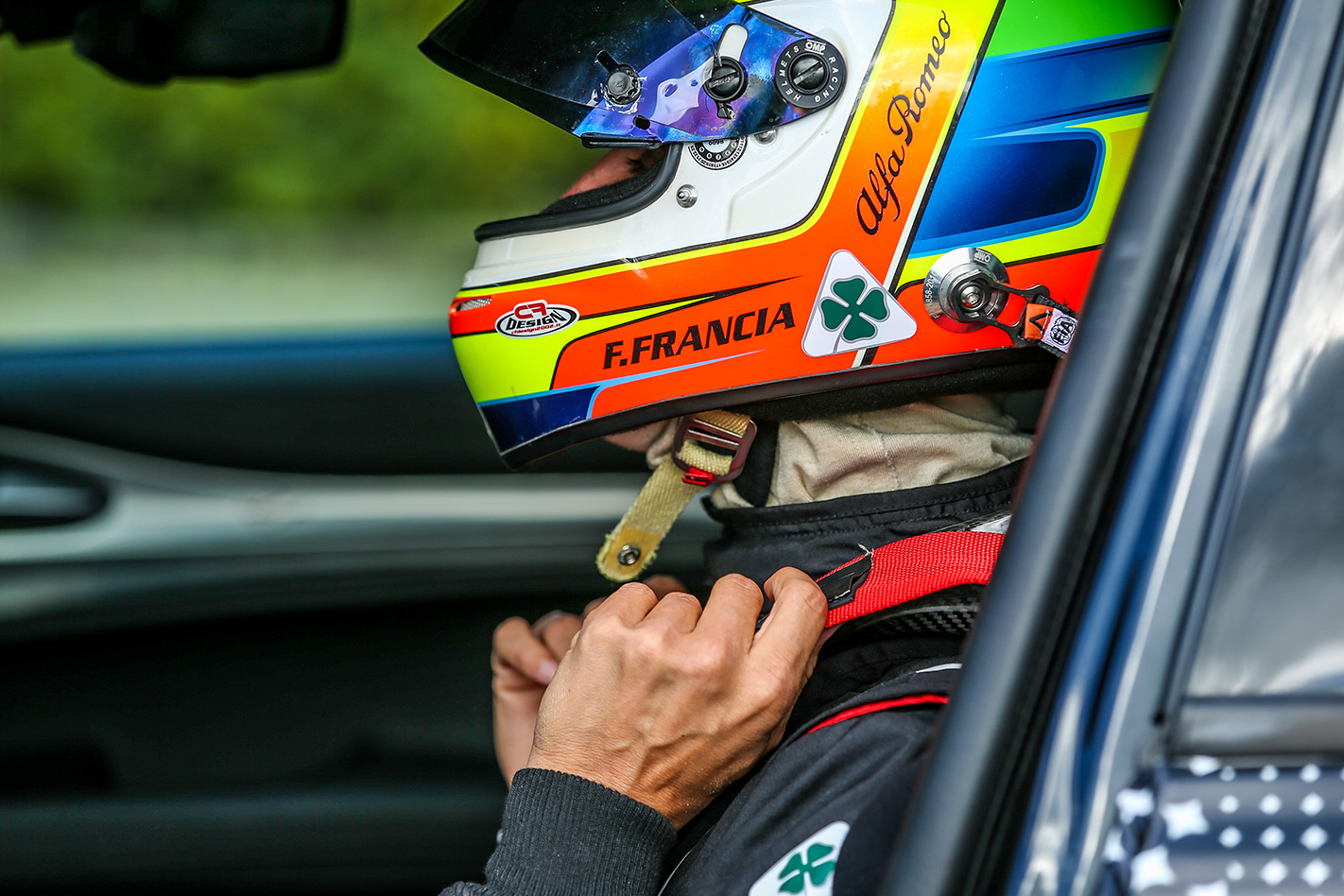
Behind the wheel was Fabio Francia, who drove the Guilia QV to a record for fastest four-door sedan around the ‘Ring.
Additionally, Alfa Romeo says the eight-speed which is mated to the 2.9-litre twin-turbo V6 shifts gears in 150 milliseconds in race mode.
This all adds up to a lap time that stomps the Porsche Cayenne’s previous record by eight seconds.
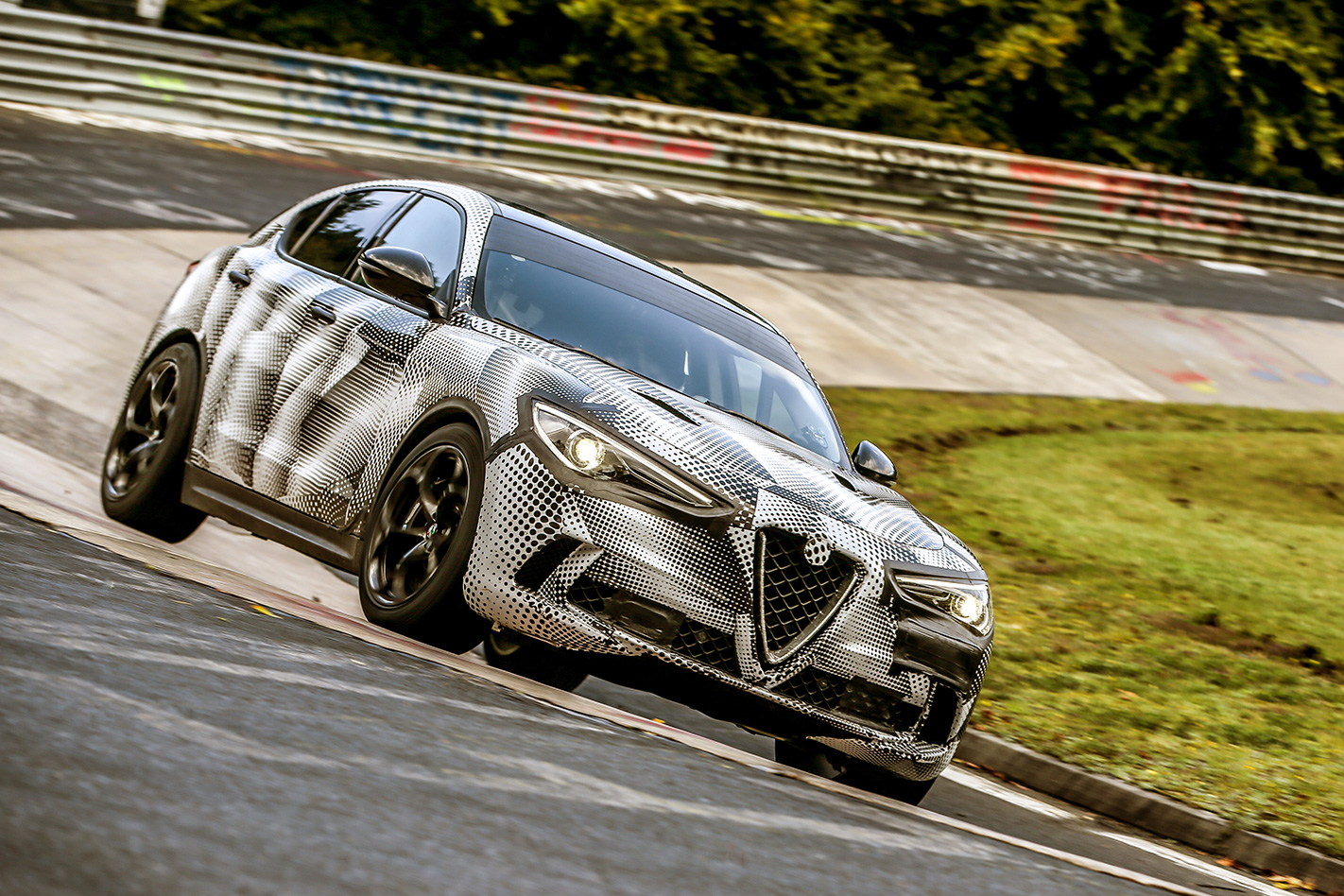
“We’re proud to now hold two Nürburgring lap time records with the Giulia Quadrifoglio as the fastest four-door production sedan and the Stelvio Quadrifoglio as the fastest production SUV.”
But not everyone is perfectly satisfied with the record just yet.
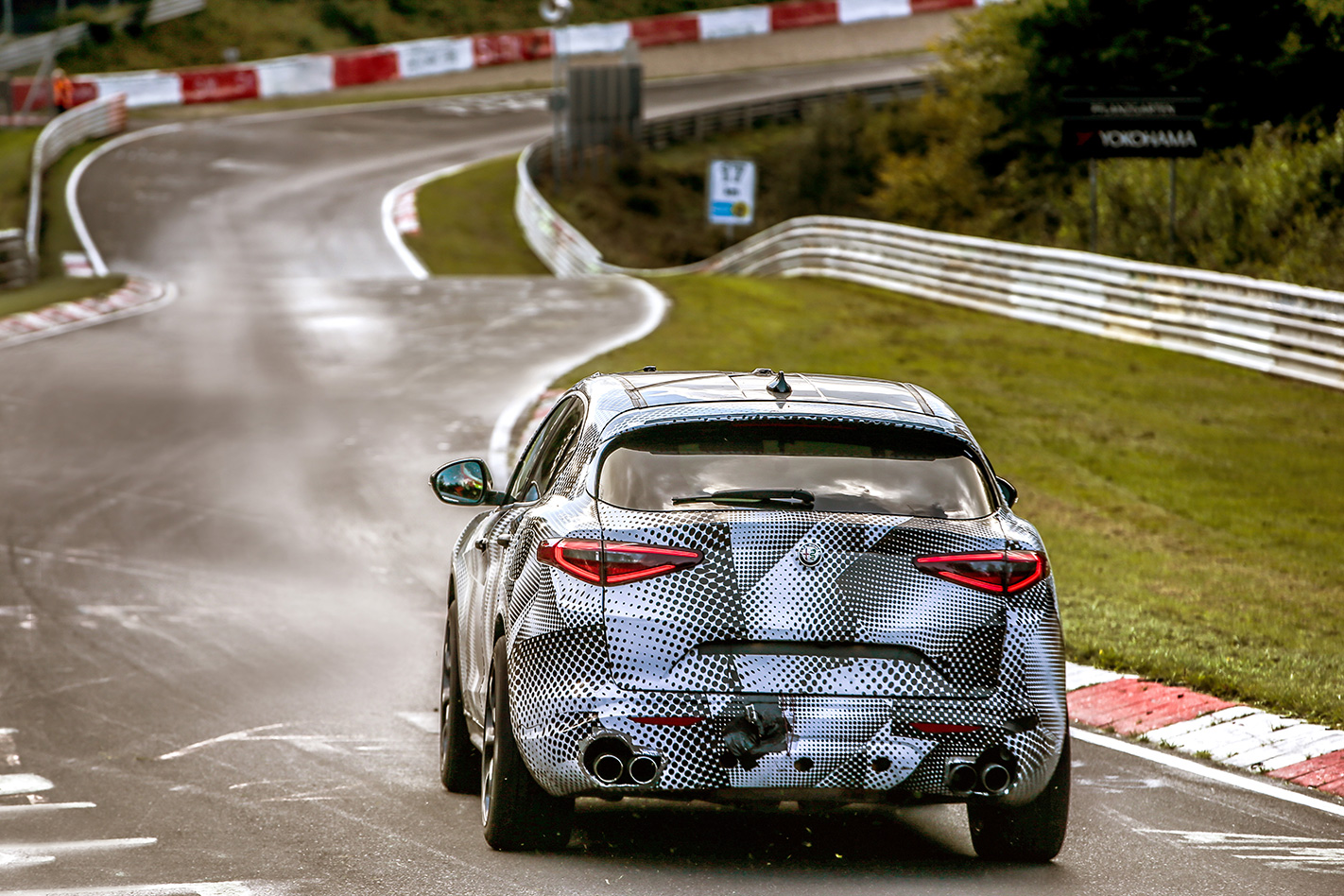
However, a certified lap of the Nürburgring is hard to falsify to those who were present, and an official timer doesn’t need to use a YouTube video as proof.
Though FCA Australia has confirmed the Stelvio is coming to Oz in early 2018, a timeframe for the arrival of the Quadrifoglio has not been announced.
