
UPDATE:
The 2017 Frankfurt Motor Show is almost upon us and there has already been a flurry of pre-show reveals from car companies.
Kia unveiled its Proceed concept, with a striking shooting brake design that hints at what future models could look at.
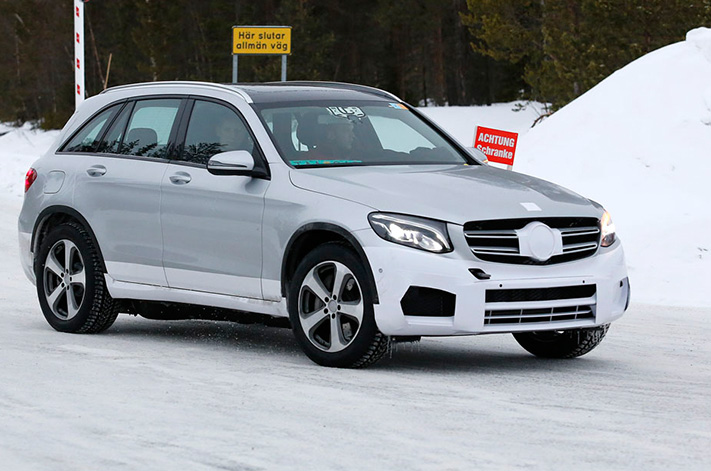
Mercedes-Benz has continued to drip feed information on its EQ A electric concept (above), while sub-brand AMG has revealed a couple of its most powerful models in the S63 and S65 Coupe and Cabriolet with its Project One halo model still to come.
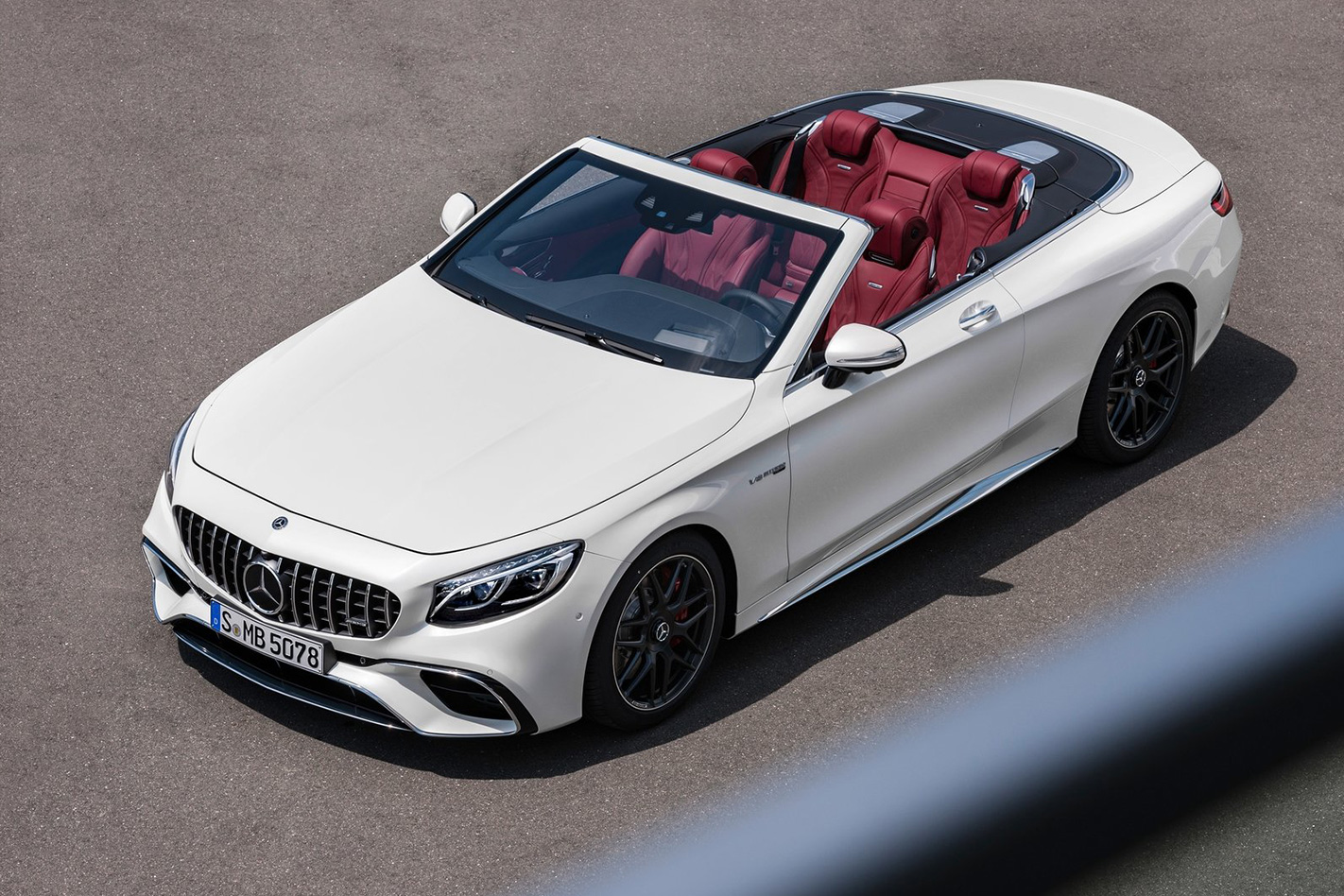
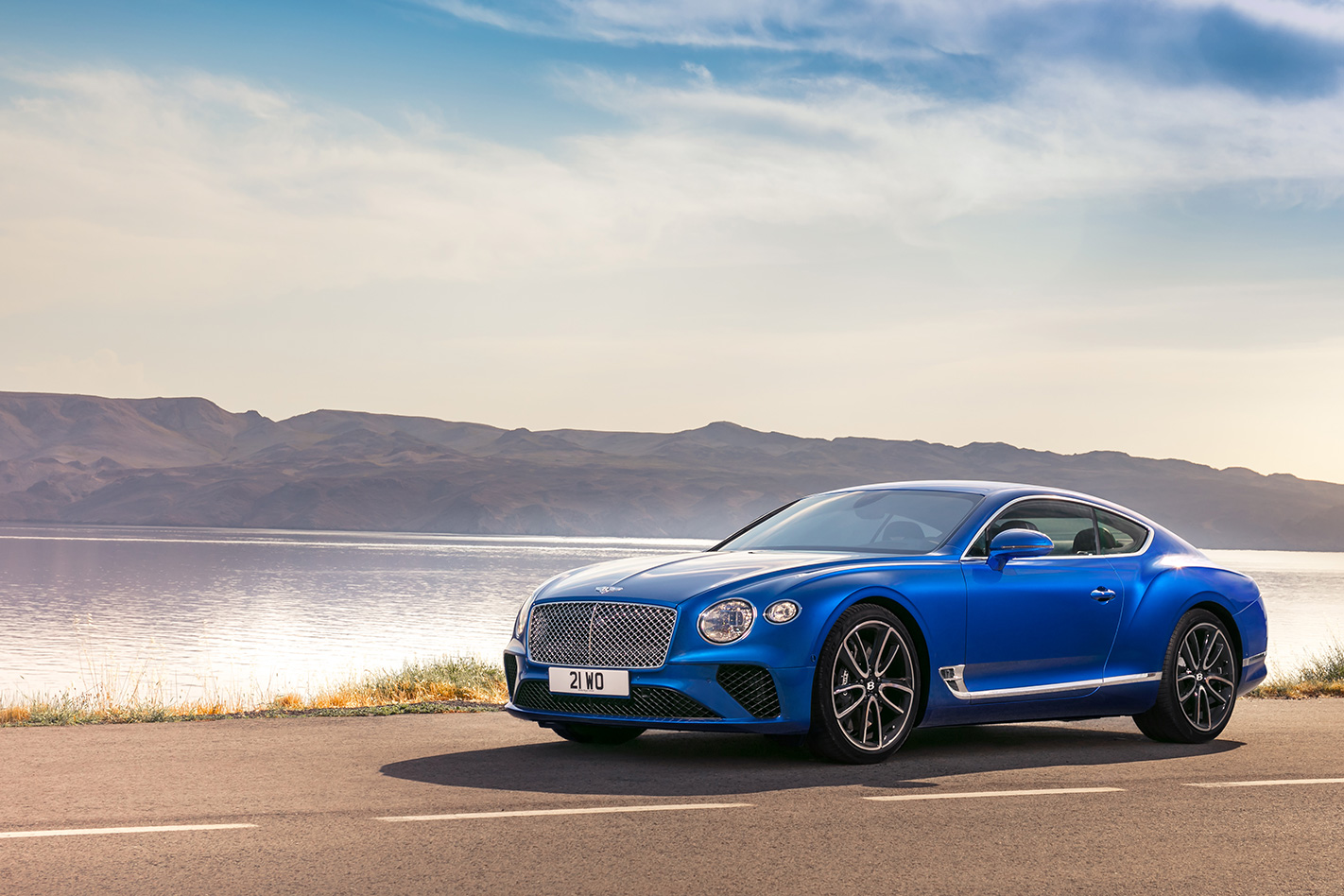
At the luxury end, images of BMW’s X7 concept has been leaked, while Bentley has taken the covers off its next-gen Continental GT ahead of a full show reveal.
—
THE 67th Frankfurt motor show, which opens on September 14, is shaping up as the biggest ever.
The headline act is expected to be the full reveal of the Mercedes-AMG Project One, a McLaren P1-fighting hypercar that brings Formula 1 tech, and engines, to the road.
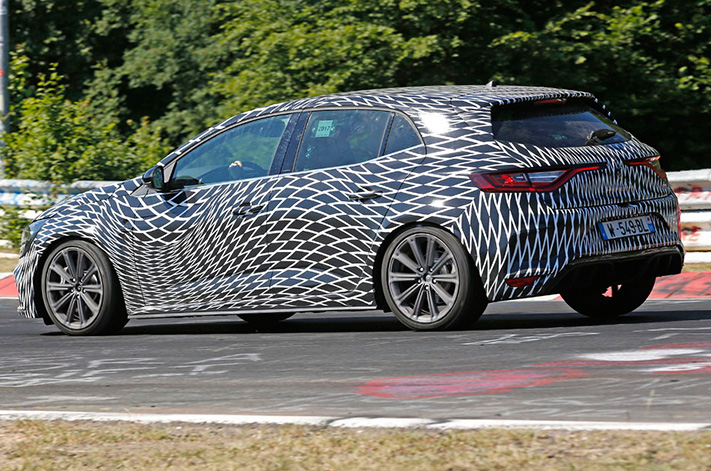
But there will be plenty for everyone, including our first up-close look at the all-new Volkswagen Polo, Jaguar’s E-Pace compact electric SUV, and a turbocharged engine under the bonnet of a next-generation RenaultSport-badged Megane to name a few.
But as always, we can anticipate a few surprises thrown into the mix as the cream of Europe’s car makers attempt to outdo each other on the show floor.
We’re expecting a first look at BMW’s large fastback SUV, the X7, to arrive in concept form alongside the open-sky BMW i8 Spyder, an electric hatchback from Mercedes-Benz, an electric sedan from Volkswagen, and maybe … just maybe … the close to production ready Porsche Mission E electric sports coupe.
Here’s what we know so far.
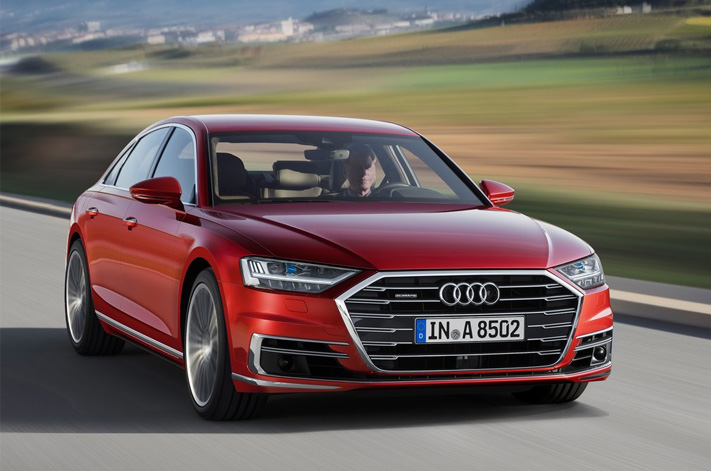
2018 Audi A8 Audi’s fourth-generation chairman’s office on wheels will be officially revealed in July, so there are few details kicking around ahead of its reveal in the metal at Frankfurt.
Why the odd timing? The executive saloon will make its appearance on the big screen, featuring in the new Spiderman: Homecoming movie that has also set its global release for next month.
2018 Audi RS4 Avant The power war between traditional rivals Audi, BMW and Mercedes-AMG should step up another notch with the anticipated reveal of the RS4, once again making its debut in wagon, or Avant, form.
It’s a case of back to the future, with the Audi RS4 Avant expected to go back to using a twin-turbocharged V6 under its snub-nosed bonnet – in this case, an adaption of the 2.9-litre bent six developed for the Porsche Panamera. Vital stats being tossed around point to a 335kW/600Nm state of tune, providing more performance than the Panamera 4S‘s 324kW/550Nm.
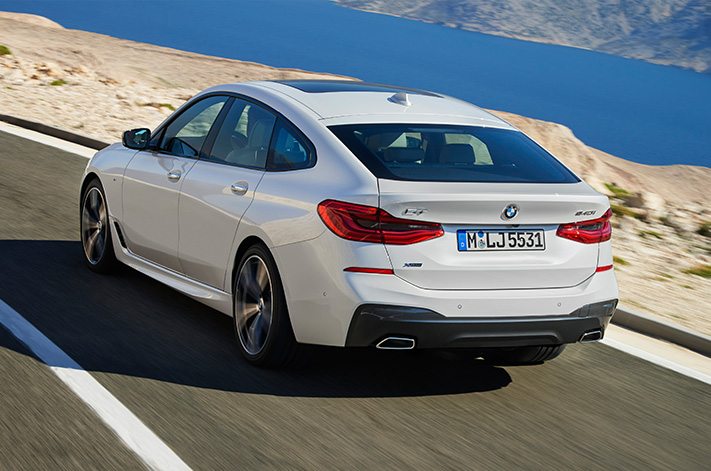
2017 BMW 6 Series GT BMW’s 6 Series coupe was never meant to spawn a five-door version, so when BMW spun one off to catch the growing wave of fastback coupe buyers, it was something of a deja vu moment similar to the BMW Z3 M Coupe, affectionately known as the Clown Shoe.
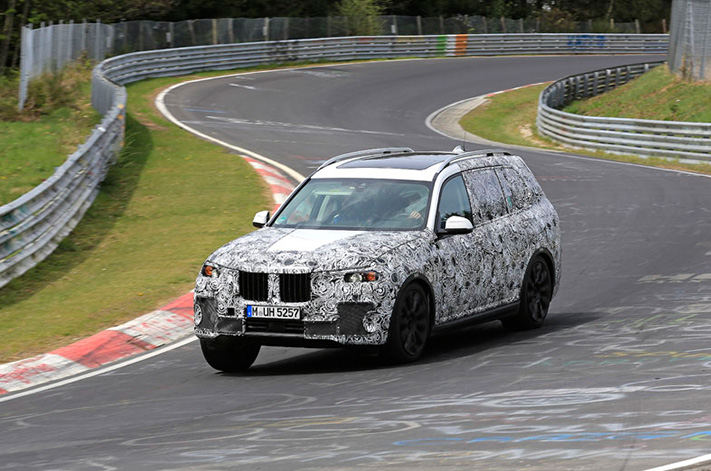
2017 BMW X7 concept We’re not expecting to see the production version of the large luxury SUV make its debut at Frankfurt, but we should get something of an idea of what it will look like from a concept car revealing much of what BMW is thinking.
2018 BMW i3 facelift From big, to small. BMW is also rumoured to have one of its smallest cars on the show floor in Frankfurt in the form of the i3. It’s unlikely to be an all-new model though, with current speculation surrounded around a mid-life update for the electric hatch. Unverified reports from BMW forums are that there could be a performance variant added to the current line-up.
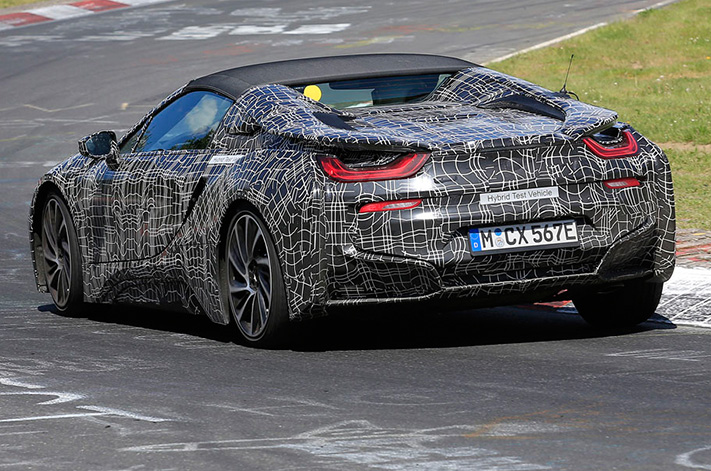
2018 BMW i8 Spyder The lop-top version of the petrol-electric supercar converts the top of your head into a solar panel. It’s also expected to usher in a bigger dose of performance to the i8 range, which will also include the $300K coupe, as well as the potential for even more electric-only driving range using battery tech rolled out to the BMW i3 hatchback that almost doubled its driving distance.
2020 BMW 3 Series EV The BMW 3 Series is one of the German luxury marque’s best earners globally, so it makes sense for it to spin out a battery-powered version of the mid-size sedan and wagon.
Details are scarce, but the concept is expected to hint at the next potential member of the growing “i” family of battery-powered models that BMW wants to ramp up towards its iNEXT program, due to spawn its first product in 2021.
Expect a usable range of about 400 kilometres from BMW’s Tesla Model E competitor.
2018 Bentley Continental GT It’s easy to forget that the current Bentley Continental GT is 12 years old. An all-new generation of the British bruiser is expected to make its public debut at Frankfurt and will be completely fresh from the ground up.
The architecture is rumoured to be shared with the Porsche Panamera, with a 48-volt system ensuring the car’s tech is at the cutting edge. Engines? Expect an upgraded version of the current 6.0-litre twin-turbo W12.
2018 Hyundai i30 N One thing missing from Korea’s fast-improving showroom is a hot hatch hero. Frankfurt is believed to be the platform where Hyundai will usher in the i30 N, a Volkswagen GTI and Honda Civic Type R-rivalling performance five-door that is as much about go as it is show.
We’ve driven a pre-production prototype and come away impressed, although a few further refinements could help it turn the balance of power in its favour.
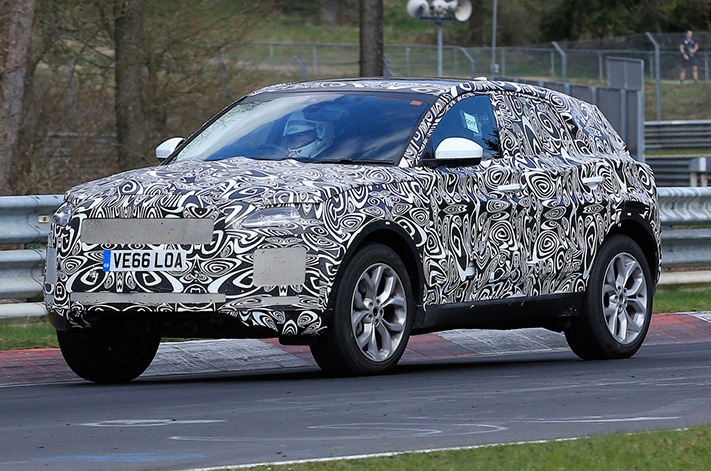
2018 Jaguar E-Pace Arriving next year with a price tag south of $50K, the first compact SUV to wear the Leaper is expected to give Jaguar’s more lifestyle-oriented range – which includes the larger F-Pace – a significant uptick.
2017 Kia Stonic The Kia Stonic is a small SUV built off the car maker’s recently updated Rio platform. It will make its European debut at Geneva, but a combination of lacklustre engine and outdated four-speed automatic means Kia Australia is likely to think there isn’t a place for it here.
Instead, we’re likely to wait for whatever spin Kia puts on the recently revealed Hyundai Kona compact SUV that it will one day share with its Korean owner.
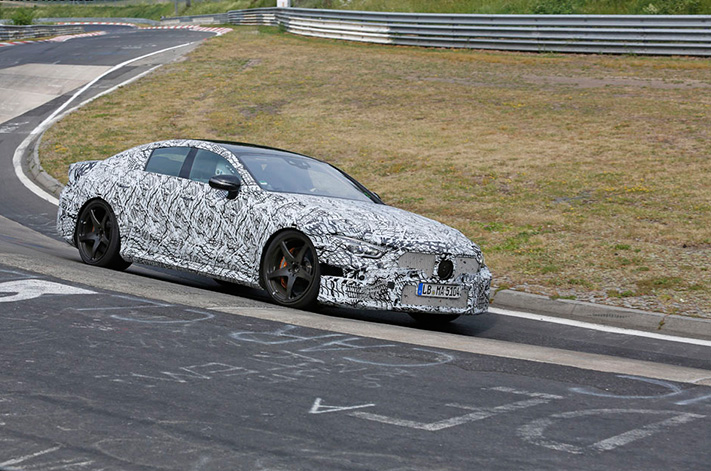
2018 Mercedes-AMG GT four-door From early in its development, the svelte, hunched form of the Mercedes-AMG GT, a semi-replacement for the gullwing-doored Mercedes-Benz SLS AMG, was always going to spawn a four-door version.
2019 Mercedes-AMG Project One We’ve seen the bits that will go under this Formula 1-styled streetcar named desire, but we’re yet to see the skin that will cover it.
It will feature a turbocharged 1.6-litre engine mated to a hybrid system that is an almost direct lift from the cars that compete for the World Drivers Championship. The engine is believed to rev to around 11,000rpm, and develop somewhere north of 735kW.
2019 Mercedes-Benz electric hatch concept It’s little more than a rumour at the moment, but Mercedes-Benz is expected to reveal the first of its EQ-badged electric runabouts that will compete directly against BMW’s “i” line of cars.
Expected to wear an “EQ A” badge, the battery-powered five door will be the cheapest alt-fuel electric runabout in the future line-up.
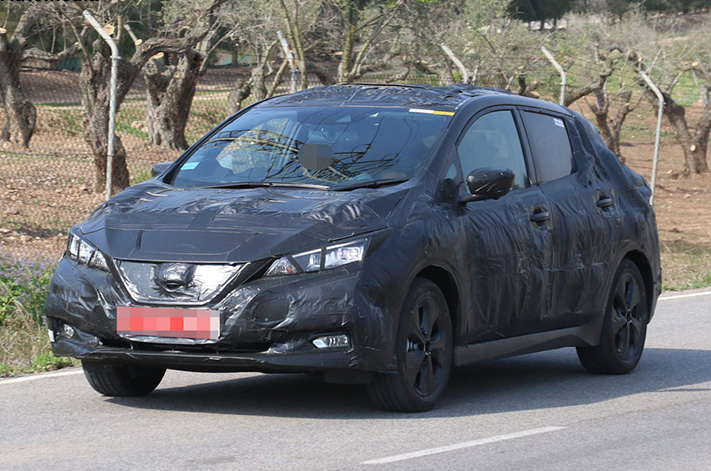
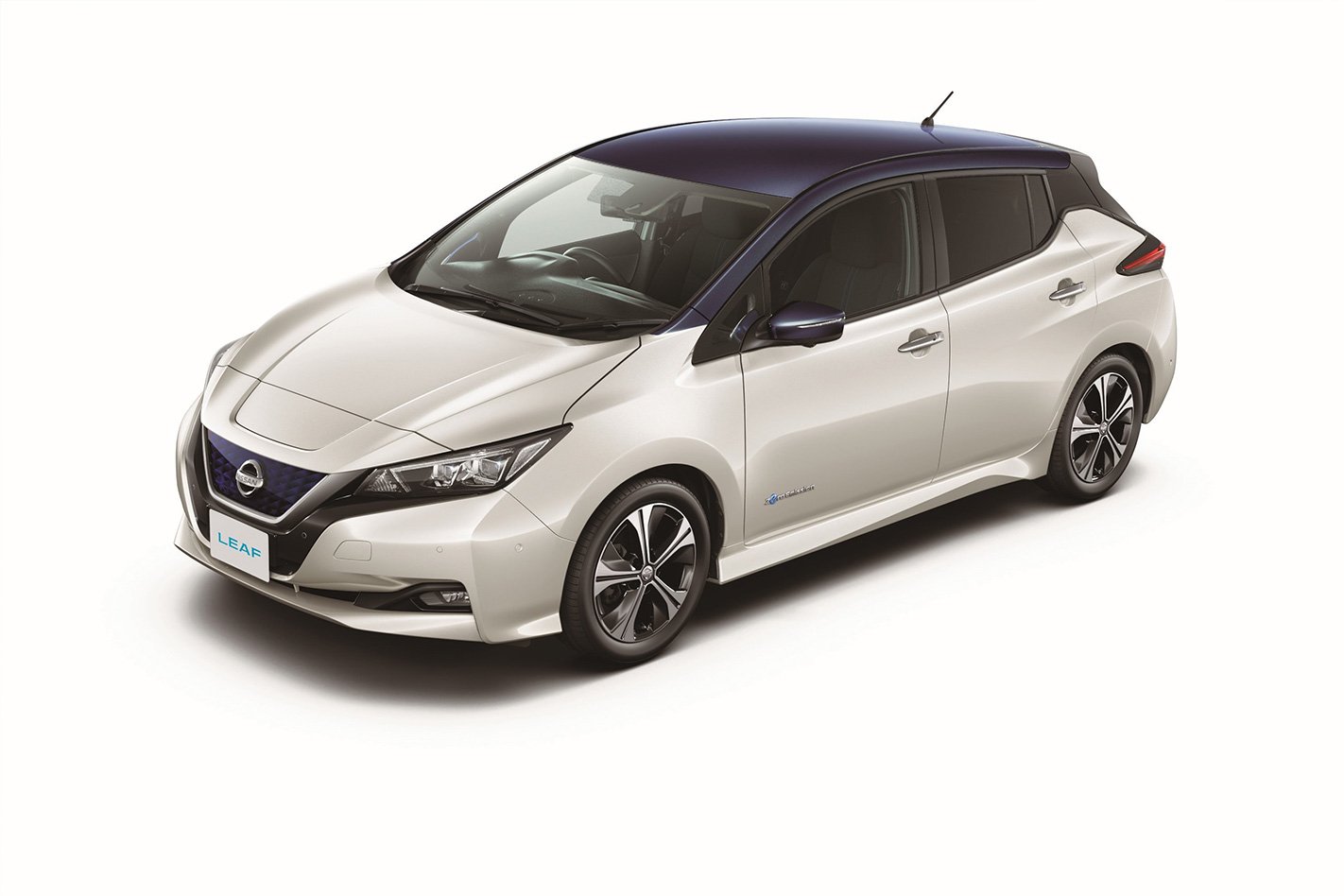
There’s a nice Aussie spin to the new-generation car; the new Leaf’s inverter casing covers are cast at Nissan’s Dandenong-based facility.
It’s believed the 1.6-litre naturally-aspirated engine will be replaced with a turbocharged 1.4-litre unit from the current Vitara albeit tuned to produce more than the current 103kW and 220Nm.
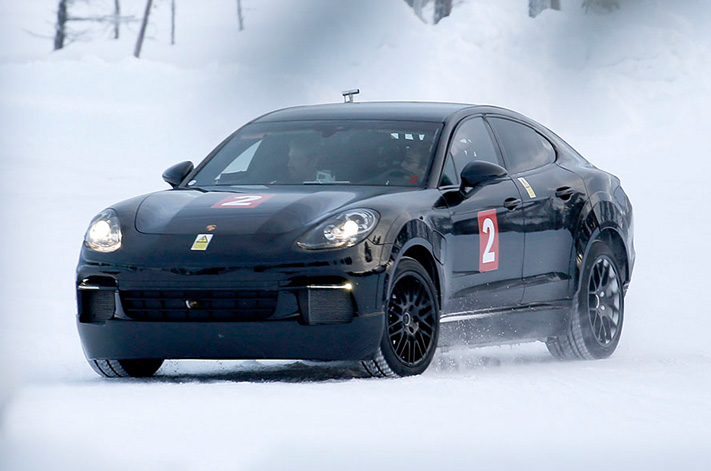
2019 Porsche Mission E Porsche has come out bullish recently and said that by 2023, up to half of its sales will be made up of fully electric vehicles. It wants to get a wriggle-on – the 440kW Porsche Mission E concept sports car was unveiled in 2015 and is yet to spawn a road-going version.
The upcoming Frankfurt show – the star show on Porsche’s home turf – would be the ideal venue to launch the production one.
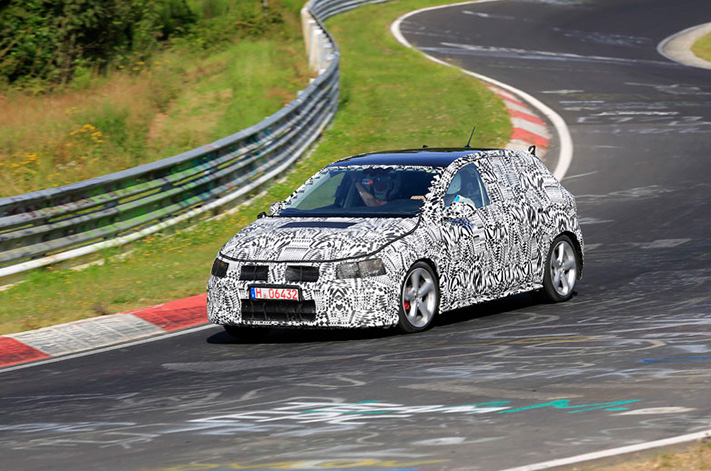
Due on sale in Australia early next year, the sixth-gen Polo takes a marked step in the premium direction, featuring an interior clearly inspired by the short-lived Up microcar.
The biggest change is a wheelbase that grows 94mm, yielding heaps of interior space.
It’s only rumoured to be making an appearance, and details are very scarce on the ground. Like the others, the sedan will be built off VW’s standalone MEB (Modular Electric Toolkit) platform.
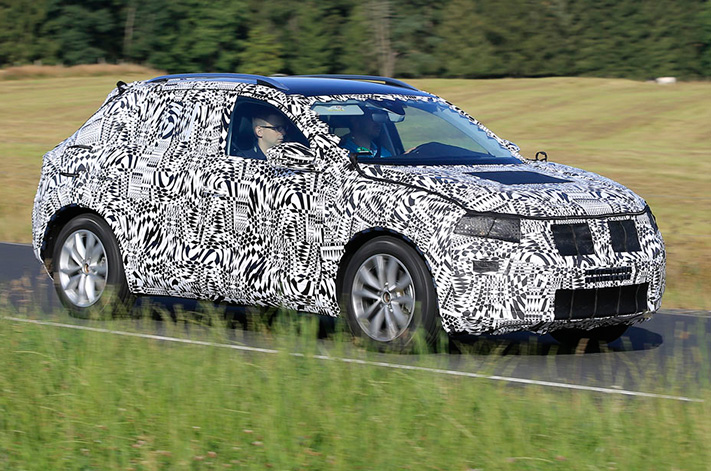
2018 Volkswagen T-Cross We’ve seen this Golf-based compact SUV as both a traditional five-door and – bizarrely – an open-top cruiser, but wearing a T-Roc badge. However, the production version is expected to hose things down a fair bit to look much like a VW-badged version of the Audi Q2.
It will go head-to-head with rivals including the Nissan Juke, and the Peugeot 2008 that has recently shed its boxy van-like aesthetics for more SUV-honed styling.
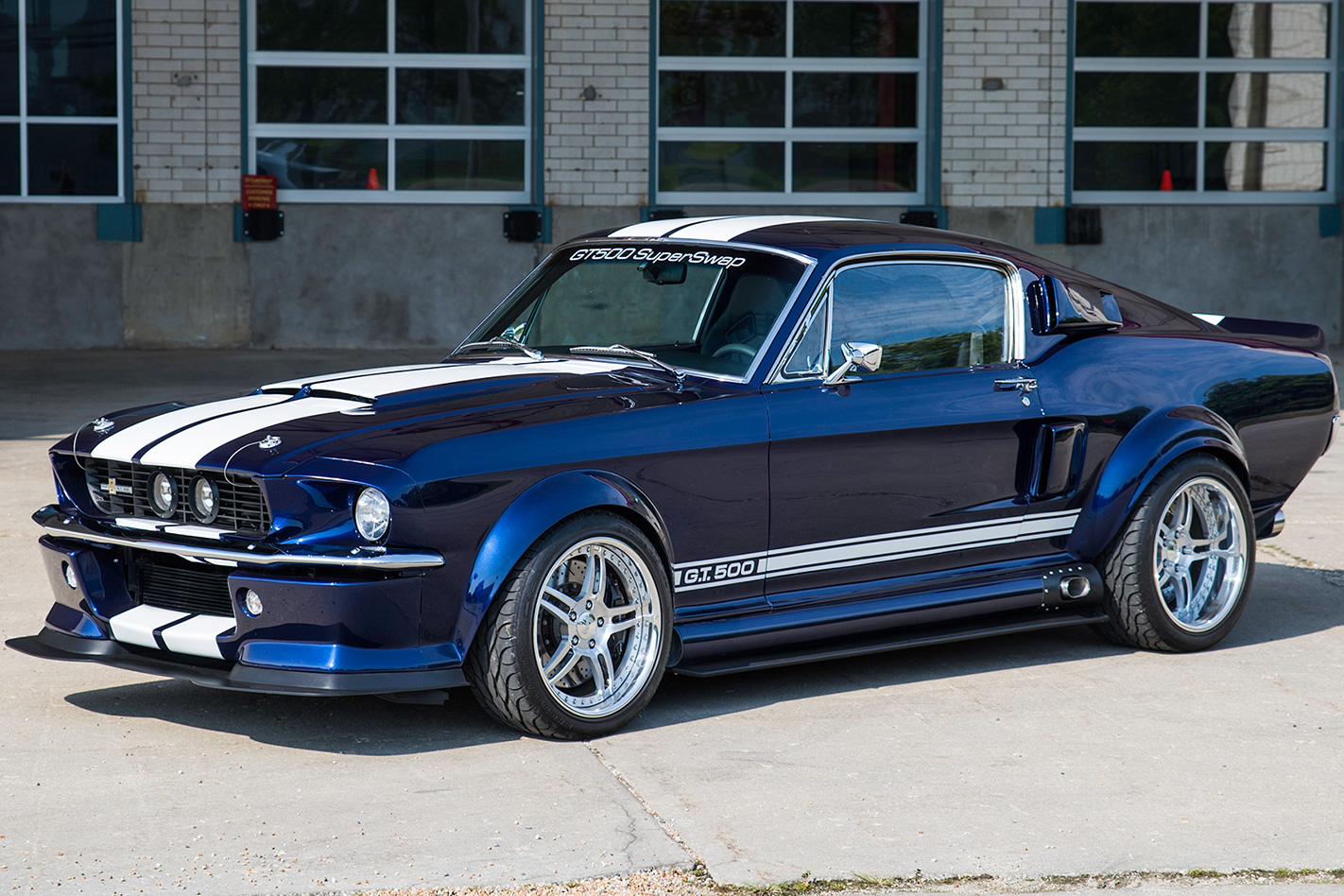
This is a 2012 Shelby Mustang GT500, but you wouldn’t guess it from the outside.
Not unless you look really closely, anyway.
Underneath and inside, modern running gear and mod cons make this 1967 Shelby GT500 lookalike a total sleeper.
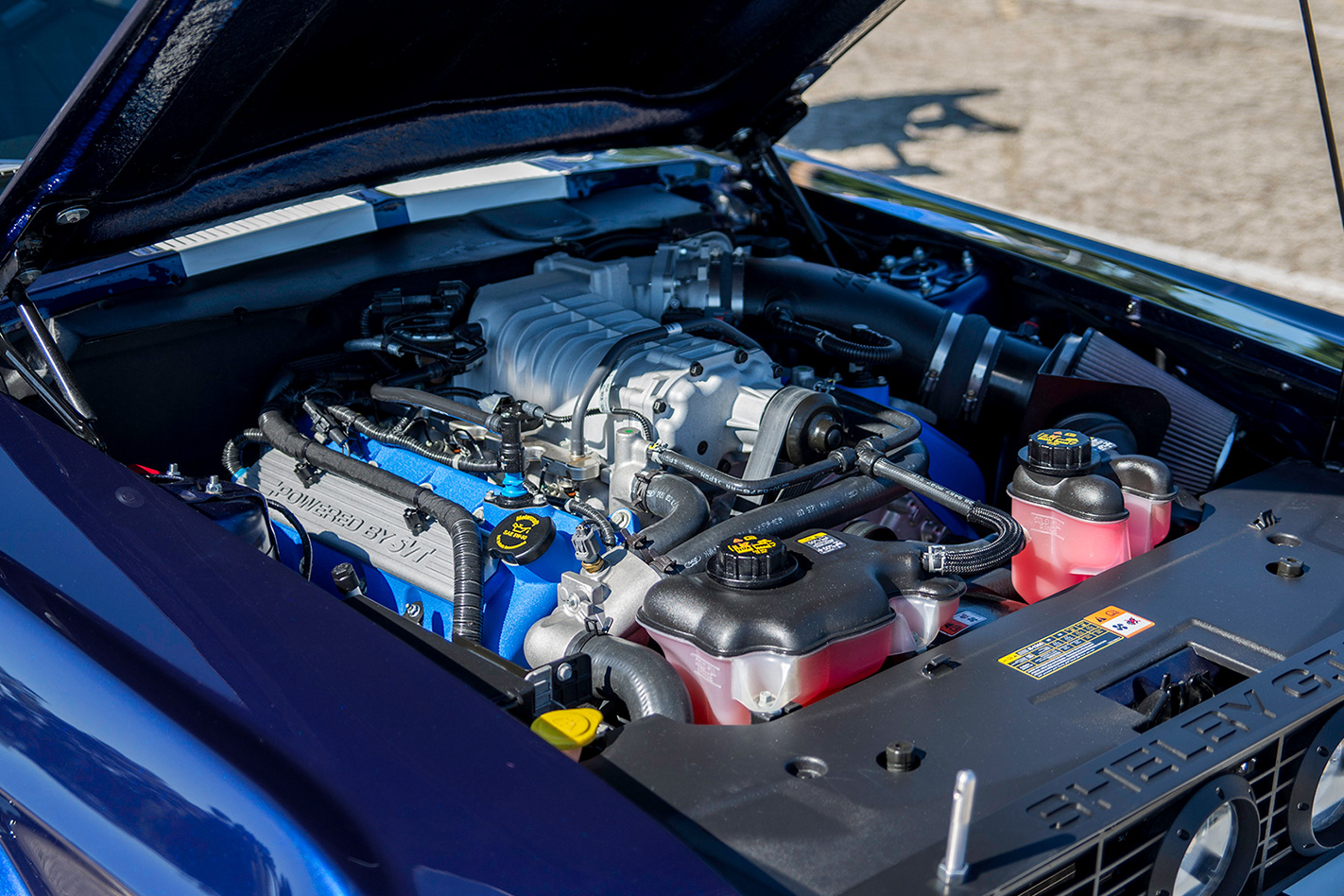
The owner, Dan Burback, designed and built the whole thing himself, and even did the bodywork. The only thing he left to someone else was the paint.
And so should you be, especially when you see the result.
Burback outlines the process of building the ‘GT500 Super Swap’ on his website.
“I cut off all of the outer 2012 sheet metal then welded on all brand new 1967 Mustang sheet metal,” he begins.
He adds that the fender flares and rear spoiler were handmade.
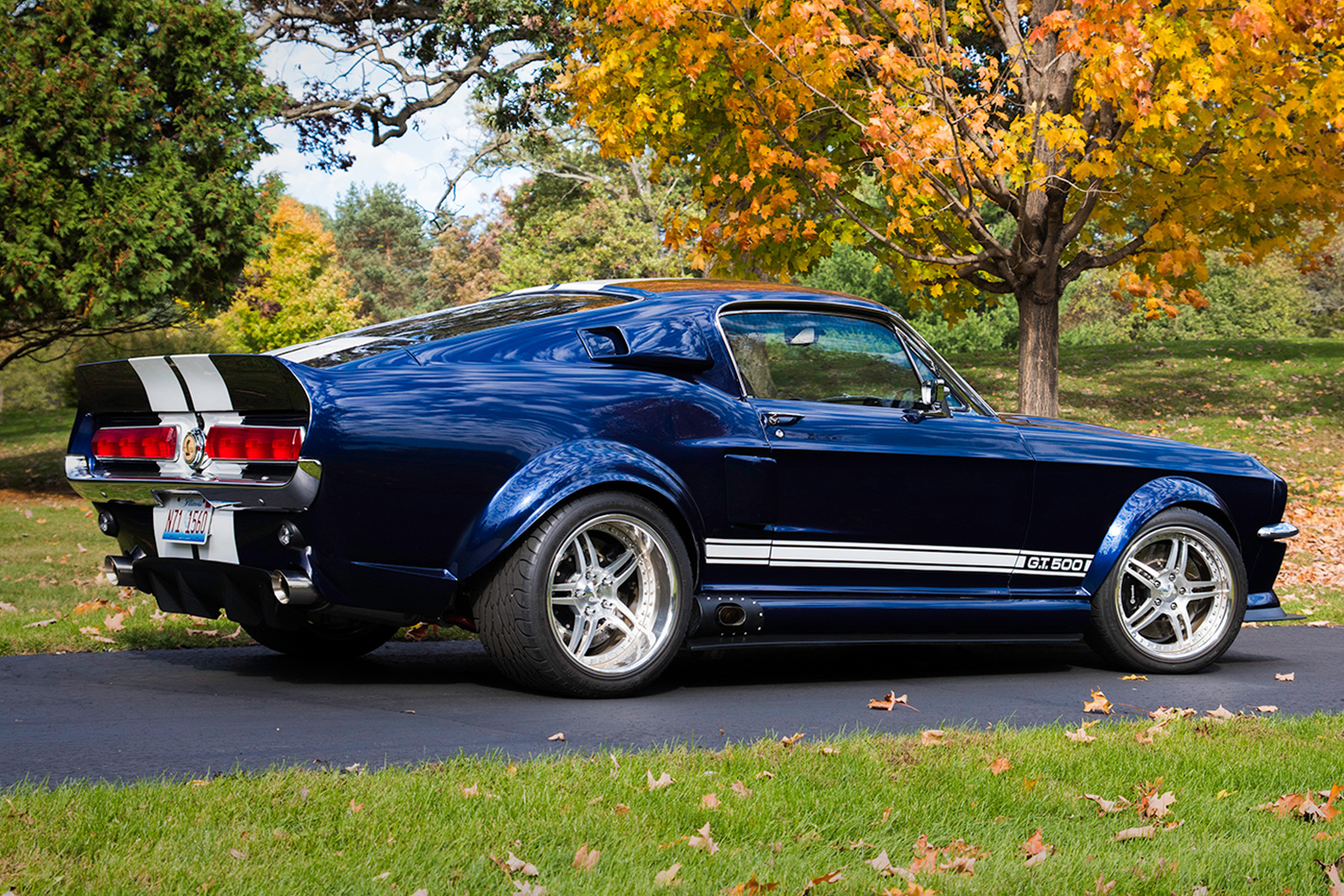
“The goal was to have a classic car that I can drive, take on some road trips, a power tour, track day, etc.
“The car drives awesome! Just like a brand new 2012 Shelby GT500.
“It’s just what I wanted, a brand new modern classic 67 Shelby GT500.”
We were curious how much it would cost to do something like this, so obviously we asked the man himself!
“That is the most common question I get.
“You have the price of the brand new Shelby all the new sheet metal, bumpers, windows, lights and so on. There were no used parts used in the build.
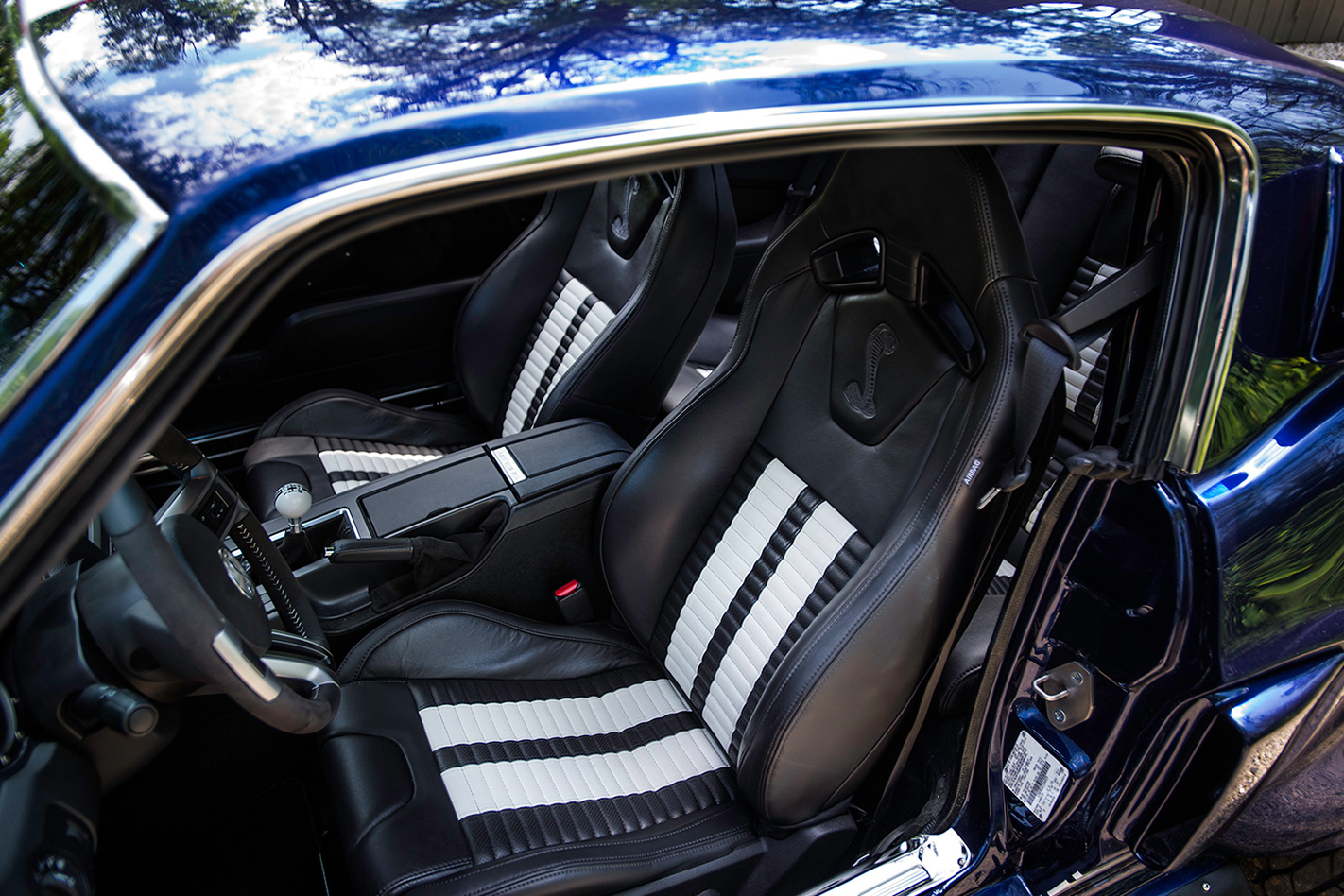
“It’s hard to put a number on it but I’m very happy with the way it turned out.”
And we’ve got to admit, when you watch the time lapse it seems like he did it all in a day. This four-year project was a (probably very expensive) labour of love for muscle cars old and new.
Images courtesy of Dan Burback: Facebook | GT500 Super Swap website
HALF a decade since revealing the electrically-powered Terra SUV concept at the 2012 Paris Motor Show, Nissan’s plans for productionising a high-riding companion to the Leaf EV are still far from locked in.
Speaking to the media at the global unveiling of the second-generation Nissan Leaf (below), Nissan executive vice president Daniele Schillaci revealed that Nissan’s interpretation of a showroom-ready electric crossover is still some way from becoming a firm reality.
“Now if you ask me, do we have a complete plan [for an EV crossover] today – the answer is no.
“But it’s natural given the DNA of Nissan where crossovers are very strong, we are thinking to transfer our EV knowledge in that area.”
Meanwhile, Nissan’s chief planning officer Phillipe Klein said the steady increase in SUV market share meant the debut of a an all-electric Nissan SUV was very much a case of ‘when’ rather than ‘if’:
“Yes you can expect us to enlarge our lineup moving forward in tune with the market development,” he said to media at the Leaf’s debut.

“One example of what we’re expecting to do is the announcement we made in China recently with the declaration of a joint venture between Renault-Nissan Alliance and Dongfeng to prepare a affordable EV for the Chinese market, which is deliberately an A-segment SUV.”
That Chinese-market SUV is not expected to get a global release, however.
“You can expect more from us,” Klein continued, “but it is a bit premature to give any detail.”
The Terra concept revealed at the 2012 Paris show used the front electric transaxle of a Nissan Leaf along with in-wheel electric motors on the rear wheels. Power was supplied by a hydrogen fuel cell, and the design resembled a futuristic take on the Juke compact SUV.
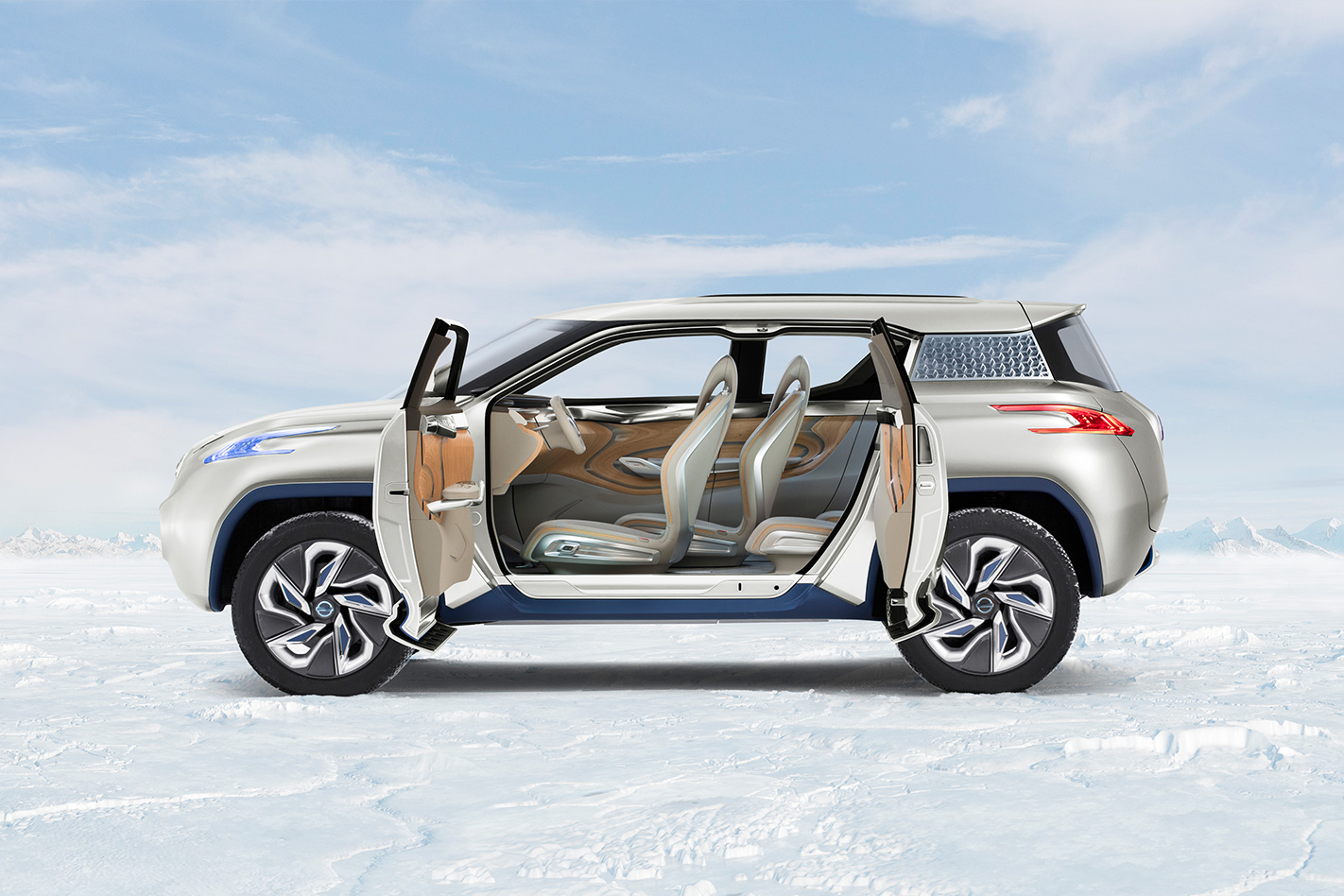
More details may drop at the Tokyo Motor Show next month, with Schillaci hinting that further information on Nissan’s EV SUV plans won’t “take so long” to become apparent.
KIA has fully revealed a striking Proceed concept, which will make its public debut at the Frankfurt Motor Show.
Designed at Kia’s European design centre, just 500 metres from the Frankfurt show floor, the Proceed concept provides us with a glimpse of the Korean brand’s future design language.
The Proceed concept is the first time Kia has designed a body type of this style, which it describes as an “extended hot hatch”, with a striking shooting brake silhouette.
Sitting on six-spoke 20-inch wheels, the Proceed concept has a number of distinctive design features, including a ‘Sharkblade’ in the rear three-quarter panel, and complete absence of a B-pillar.
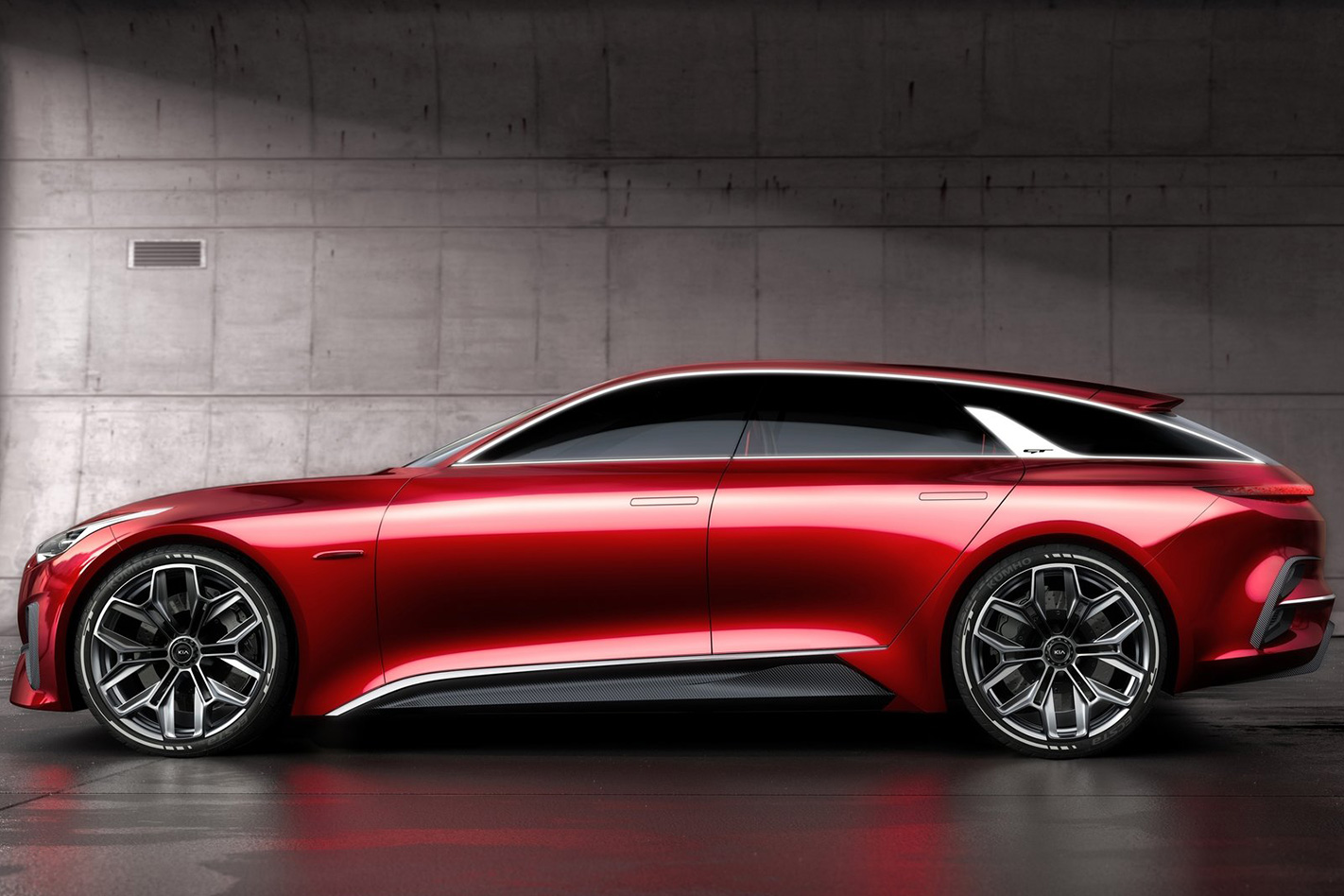
“With many European drivers now seeking performance alternatives to the three-door hot hatch, we began thinking about a different halo model for the cee’d family,” Gregory Guillaume, Chief Designer Europe for Kia Motors, said.
“The Proceed Concept represents a bold new vision of how the vibrant soul of the pro_cee’d could be reincarnated and revitalised for a new generation of performance-oriented drivers.”
One of the car’s features is ‘Luminline’, which lights up the glasshouse as the owner approaches. Kia describes this feature as “a powerful nocturnal visual identifier for the Proceed Concept, highlighting its fastback shape”.
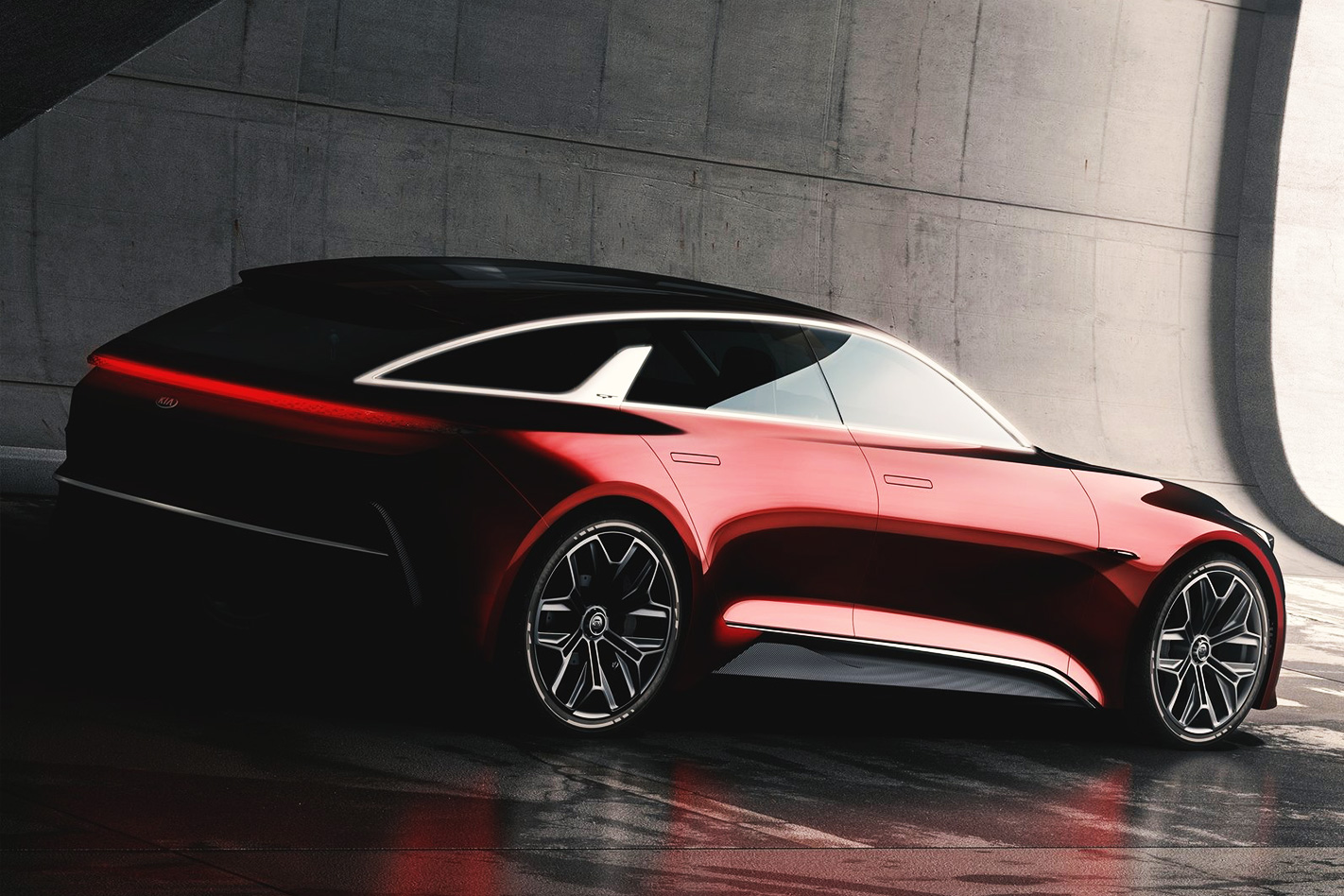
No word on a production version, however the styling cues that make their debut here could soon flow into other models.
The Proceed concept will be officially unveiled on the Frankfurt Motor Show floor on September 12.
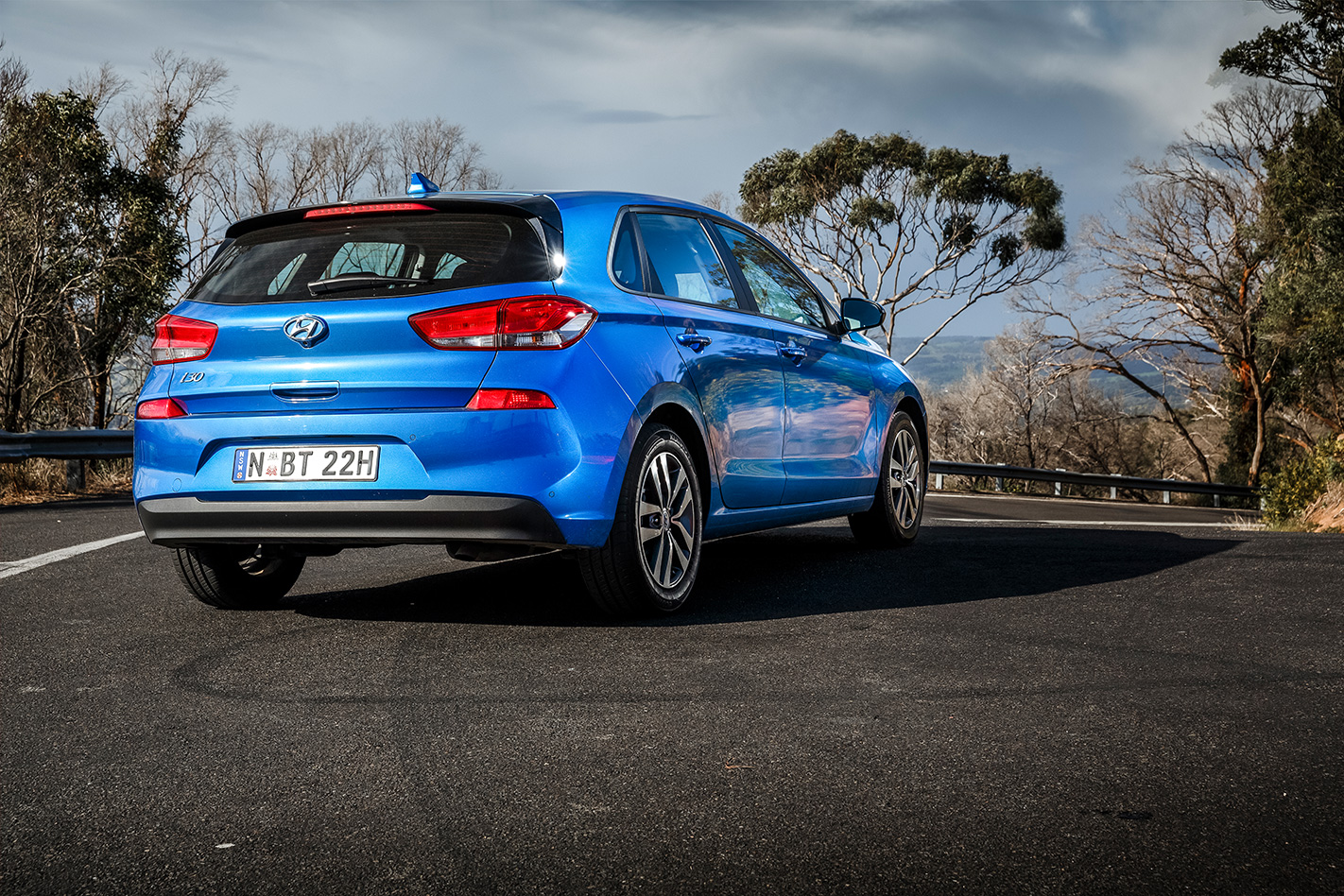
This is the reinvented Hyundai i30 hatchback, a smart small car making a play for Volkswagen Golf buyers, with a strong European design influence, loads of equipment and a range of three engines to choose from. Here’s everything you need to know about it.
WHAT STANDS OUT
Hyundai has made a point of including heaps of gear in the i30, even at base level. Every variant comes with a large 8.0-inch touchscreen, digital radio, satellite navigation, Bluetooth connectivity as well as Apple CarPlay and Android Auto, plus cruise control, a reversing camera, rear parking sensors, auto headlights and alloy wheels. There’s also a five year warranty to back it all up.
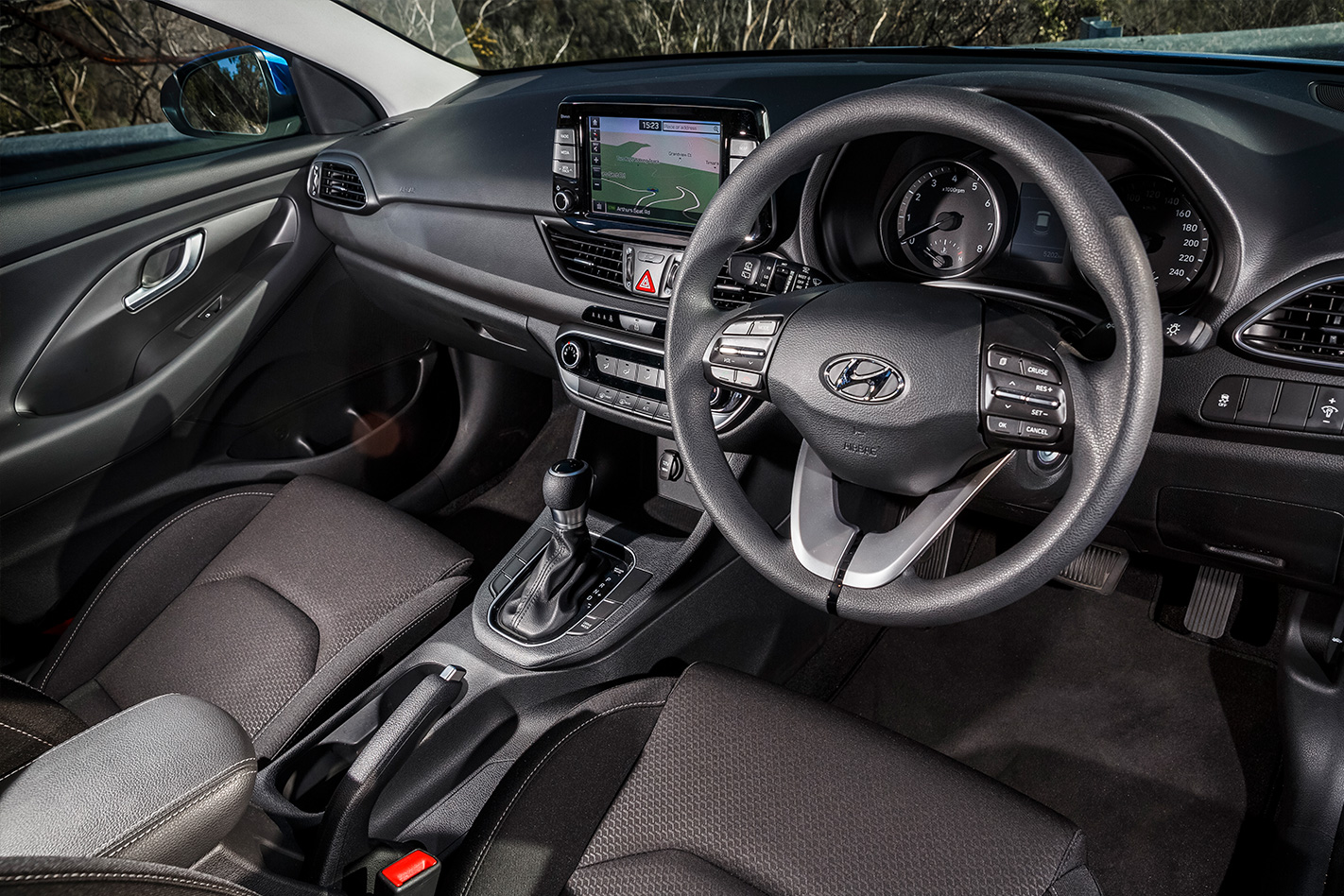
Best of all, every i30 model is able to bring a smile to the face of a keen driver, especially the sportier versions which have more sophisticated suspension and a slicker gearbox. It’s a useful car around town, but also fun on an open road.
WHAT’S INSIDE
The Hyundai i30’s look and feel inside depends on how much you’re willing to spend. Cheaper models have cloth seats rather than leather, and are light-on as far as comfort and convenience features. All models get seven airbags as standard, but only the more expensive i30 models get the full measure of active safety features like autonomous emergency braking and lane keeping assistance.
Fully featured i30 Premium models have keyless entry and start, dual-zone climate control, rear air vents, heated and cooled front seats with electric adjustment, larger alloy wheels, LED headlights, a sunroof and front parking sensors.
In terms of space, this i30 has more rear leg room than the old one, and feels bigger inside than competitors like the Honda Civic and Subaru Impreza. The boot is also slightly bigger, at 395 litres, which is good for a small hatch.
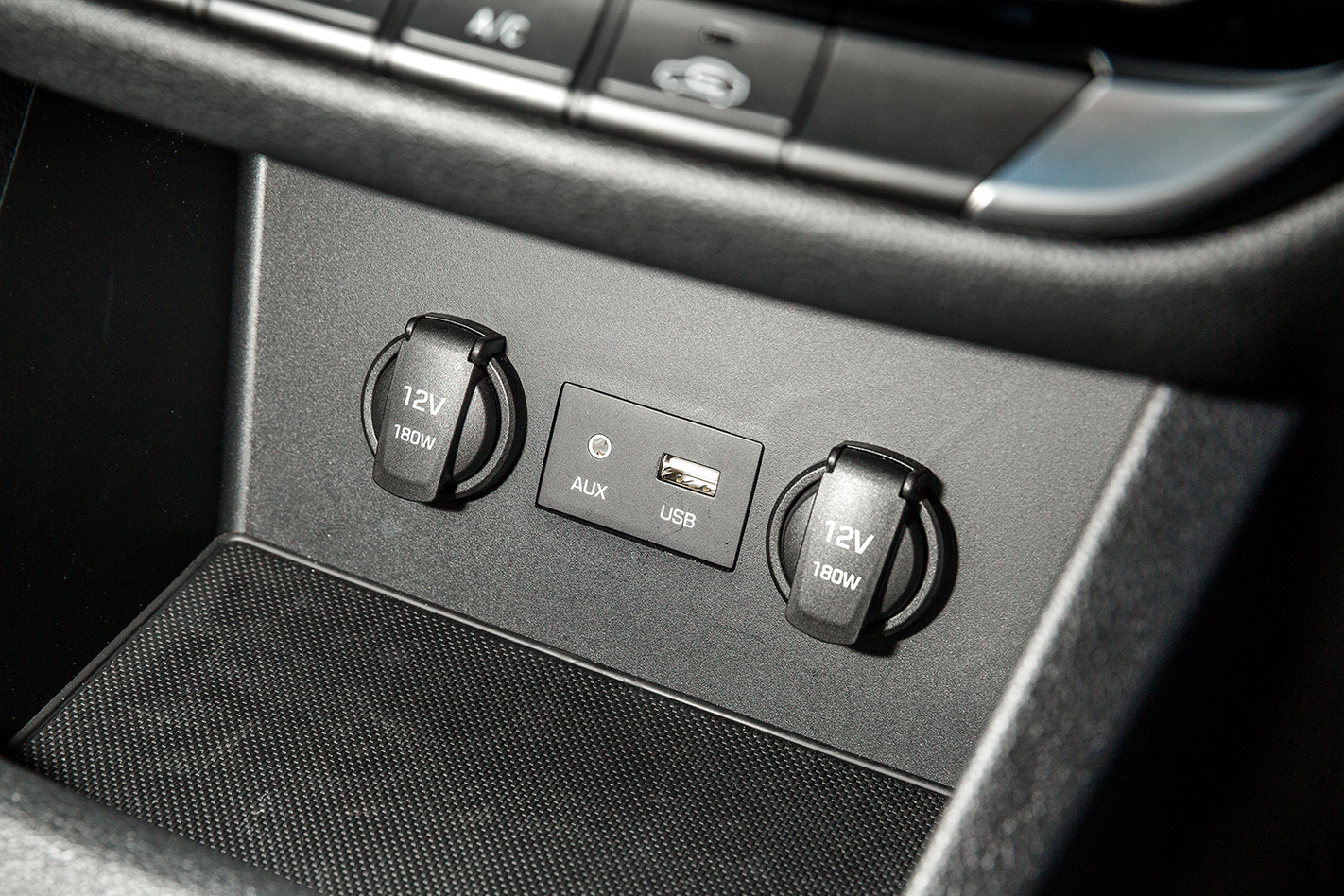
CHOOSING YOURS
Choosing the right i30 starts with the engine. There is one diesel and two petrol four-cylinders on offer. Outputs range from 120kW and 203Nm for the 2.0-litre naturally aspirated petrol in the i30 Active base model, to 100kW and 300Nm for the 1.6-litre turbo diesel in i30 Active, Elite and Premium models, to 150kW and 265Nm for the 1.6-litre turbo petrol in the sporty SR models.
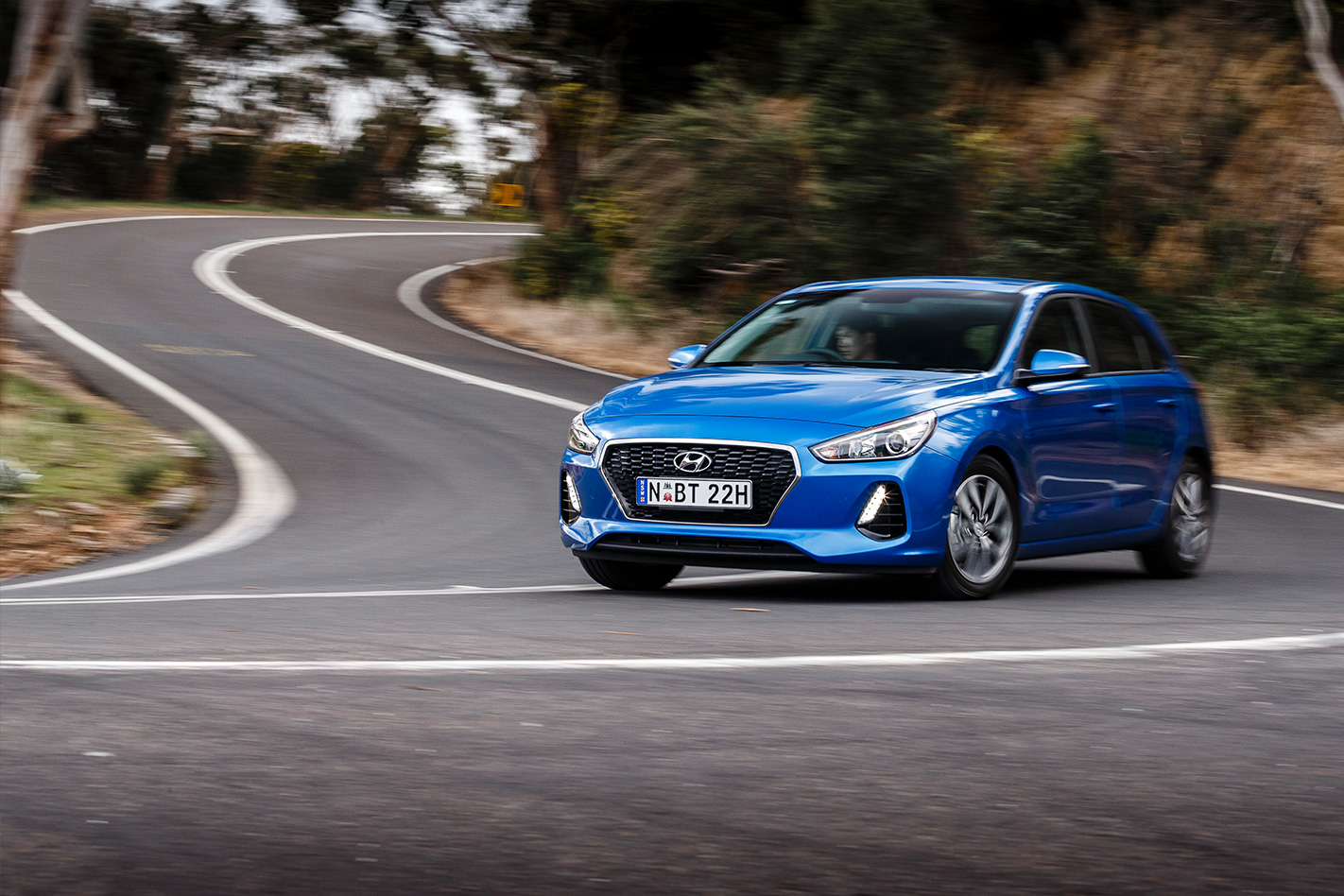
All diesel and turbo-petrol i30 models are available with a seven-speed dual clutch gearbox. The base model i30 Active petrol comes with either a six-speed manual or six-speed auto. You can also choose the manual shift option with the entry level diesel and the sporty i30 SR if you prefer.
We like the performance and driving characteristics of the SR model, and its high level of equipment makes it the most compelling i30 of the range.
OUTRO
Hyundai has done well to ramp up the i30’s kerbside appeal while injecting it with the substance to match. The latest model has a challenge on its hands against keenly priced rivals, but with the quality of its dynamics and its upmarket spec, hatchback buyers should take first-hand look.
A JAPANESE company called Aspark is bringing an electric supercar to the Frankfurt motor show next week, which it promises will hit 100km/h from a standstill in less than 2.0sec.
Aspark says the Owl, as it is known, will be the quickest road car to 100km/h there has ever been. Assuming it actually gets built, which is something Aspark has never done previously.
Development of the zero-emission project started in 2014. Its carbonfibre body stands a mere 990mm tall, supported by an aluminium tube chassis riding on ultra-lightweight forged magnesium wheels.
Proper technical details about battery capacities and motor outputs are unknown at this stage, and it’s likely they will remain a mystery until the Owl’s show reveal in the coming days.
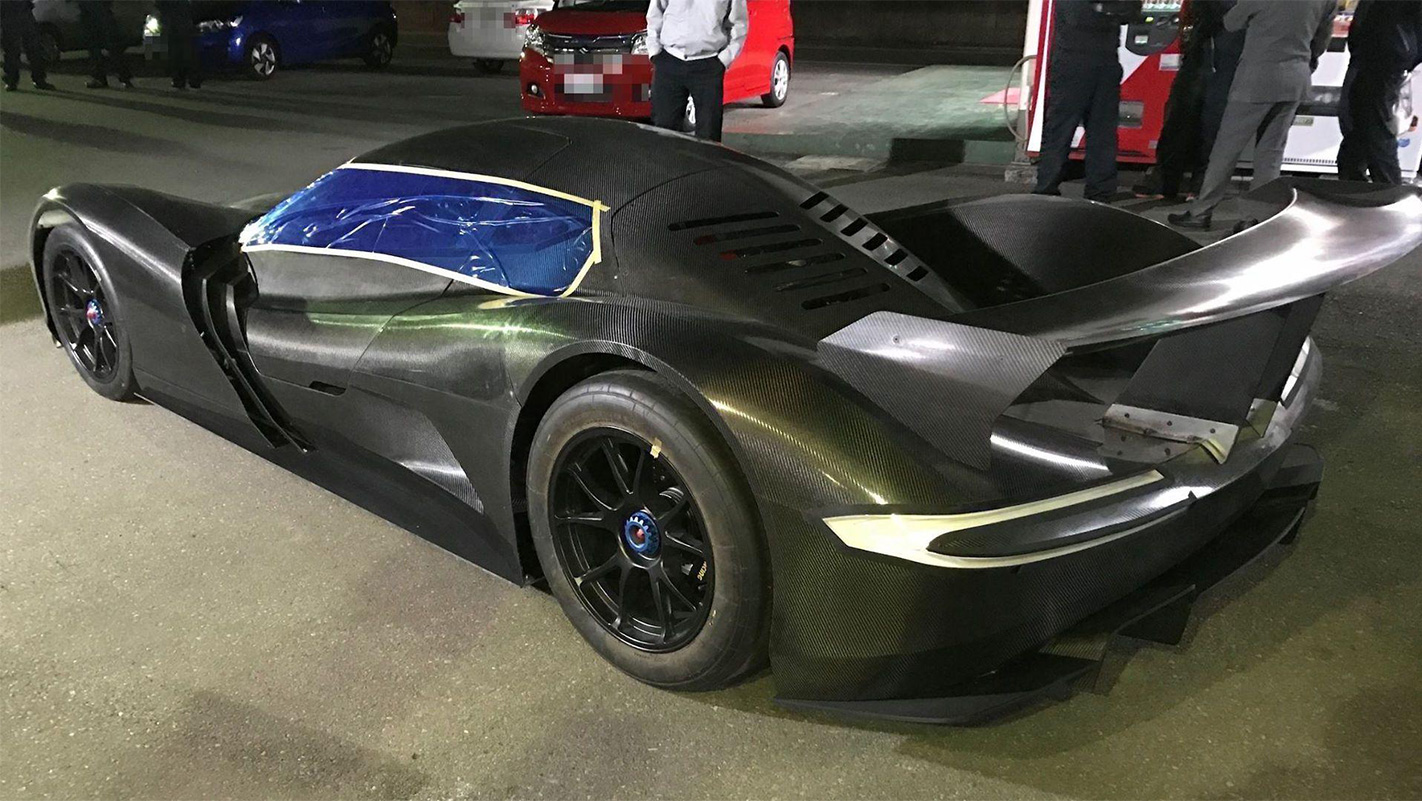
The clips seem to show electric motors front and rear, meaning all-wheel drive is all but certain, as one would expect given the traction needed to achieve the company’s lofty acceleration goal.
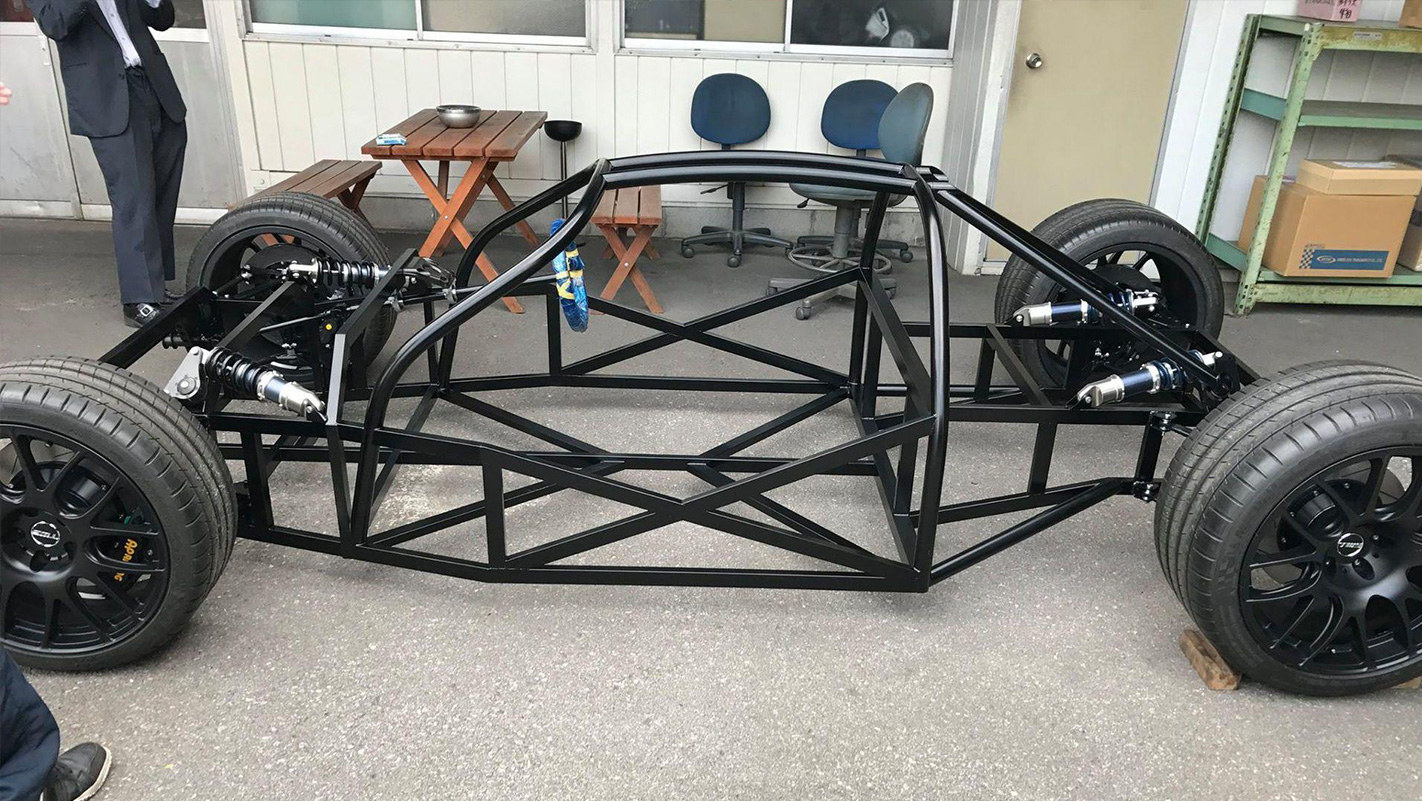
Other images supplied by Aspark of the Owl’s naked tube frame show it rolling on Michelin Pilot Super Sport tyres.
Competing university students in Europe have already built electric karts capable of the nought to one hundred sprint in around 1.5sec, however nobody is trying to pretend that those purpose-built buggies are anything near road-ready or track capable.
The relative accessibility of electric car technology has paved the way for numerous ambitious start-ups, many of which fail to produce anything of real meaning once the hubris fades away.
However, the Aspark Owl appears to be much more than hypothetical renders on a computer screen. We’ll be watching this one with keen interest.
JAGUAR and Land Rover will fill their showrooms with electrons, announcing an aggressive push into hybrid and battery-fuelled vehicles.
Jaguar Land Rover chief executive Dr Ralf Speth said that from 2020 all new Jaguar Land Rover vehicles would use electrically assisted drivetrains. “Every new Jaguar Land Rover model line will be electrified from 2020, giving our customers even more choice. We will introduce a portfolio of electrified products across our model range, embracing fully electric, plug-in hybrid and mild hybrid vehicles. Our first fully electric performance SUV, the Jaguar I-Pace, goes on sale next year.”
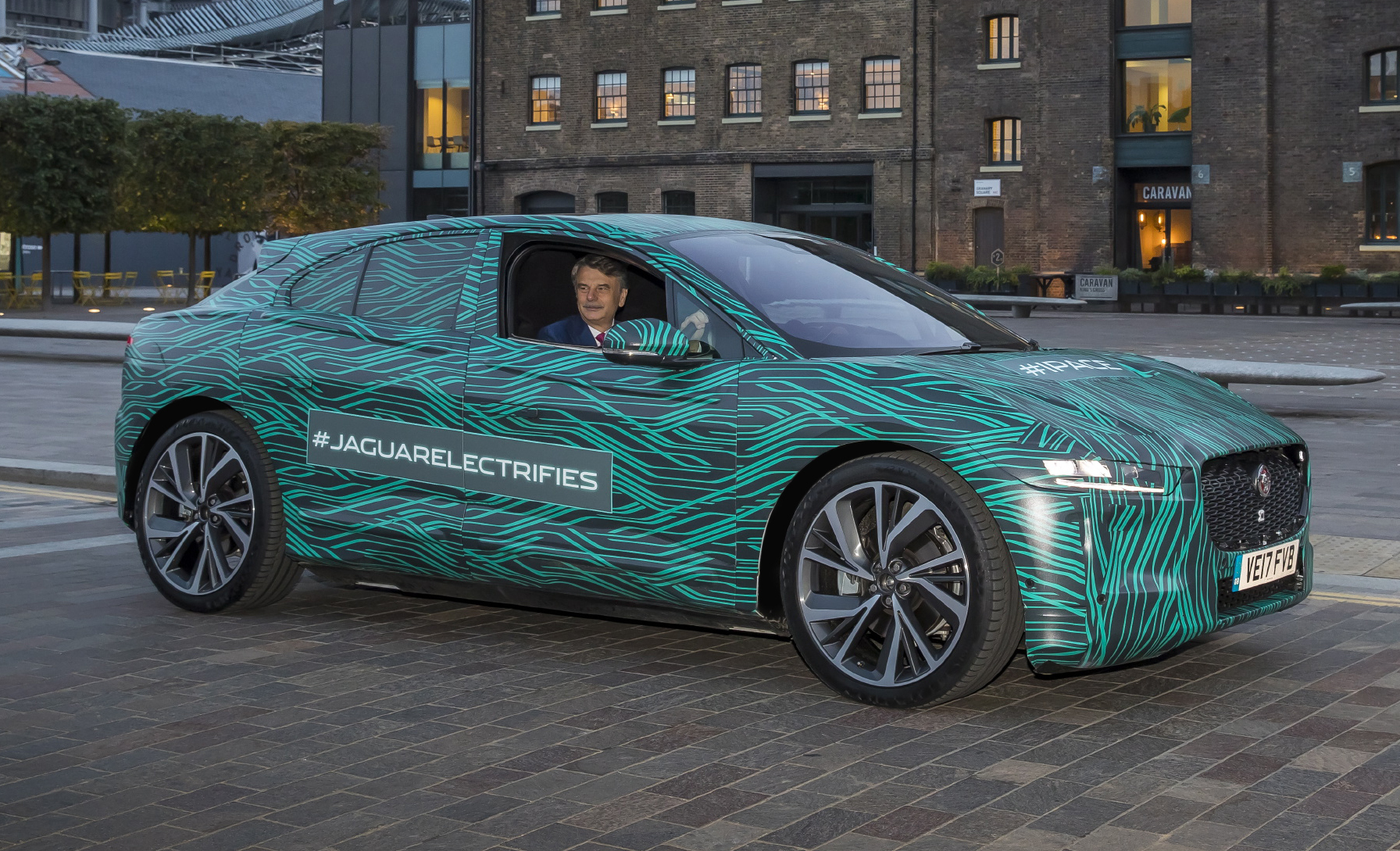
In delivering this next generation of electrified vehicles, Speth paid tribute to Britain’s record of innovation before adding that the country also had a record of failure in delivery.
“The danger of failure is too harsh to contemplate,” came the warning note.
A glimpse of the future came with the Jaguar Future Type concept, a glimpse of what driving in 2040 might be like. A fully autonomous virtual concept, the Future Type explores tomorrow’s mobility, where vehicles could be shared not owned. Utilising the Sayer steering wheel as the only part of the car that you physically own, the Future Type considers a flexibility between work, family and play.
Virtual concepts are easy to visualise and build. Developing a range of electric vehicles to beat Tesla and the industrial might of the major German and Japanese manufacturers is a taller order.Speth is confident that JLR is on the right track.
Here are what we, in 2008, thought the worst ‘sport’ editions were.
This was originally published in MOTOR’s March 2009 issue
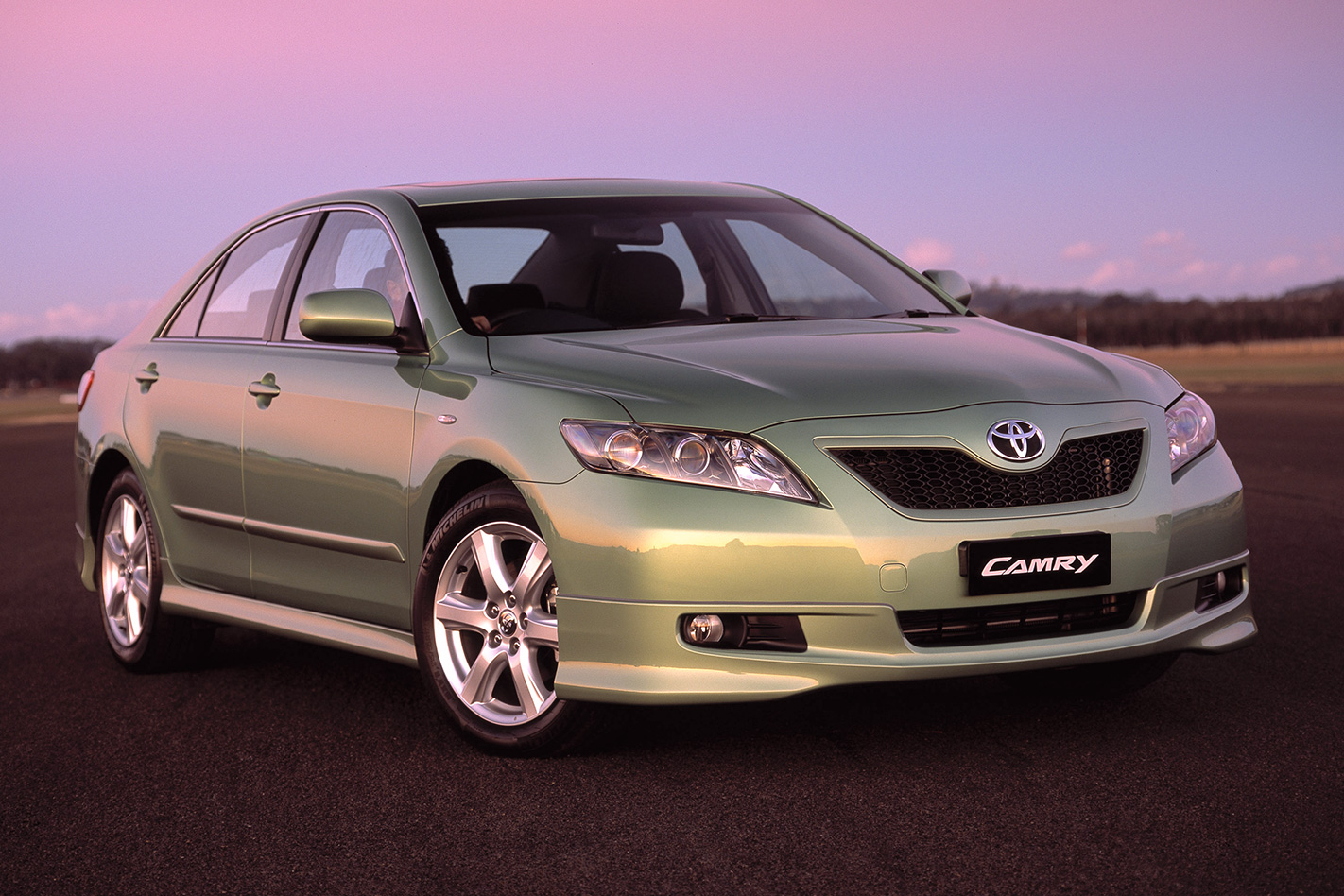
Now, car makers would probably rather forget these. Except the Camry Sportivo – that one’s still a thing.
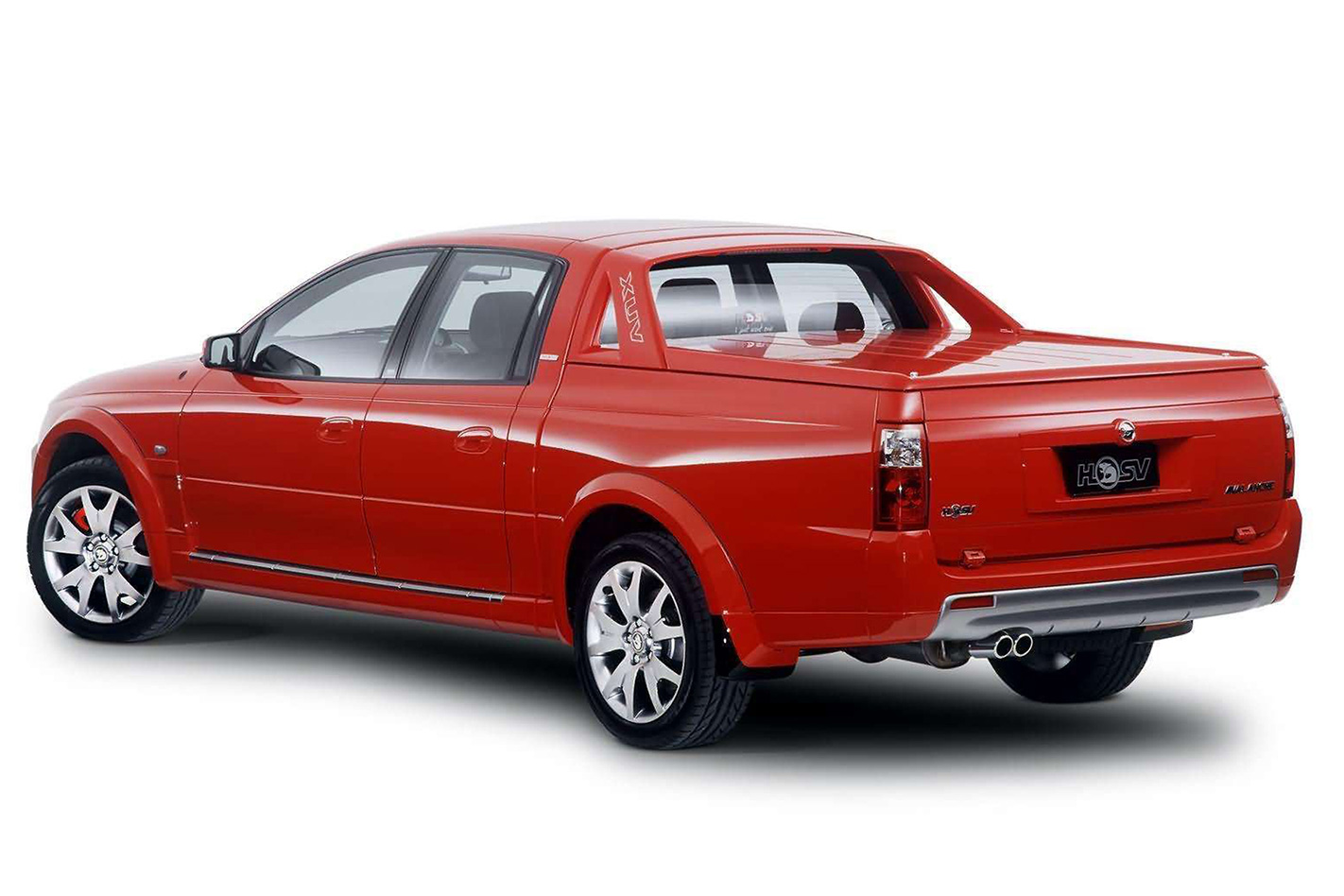
What possessed HSV to take Holden’s lumbering Crewman and turn it into something ‘sporting’ is probably a matter for Victoria’s drug squad, but what a turd-burger. Rumour has it the Queen Mary has a smaller turning circle.
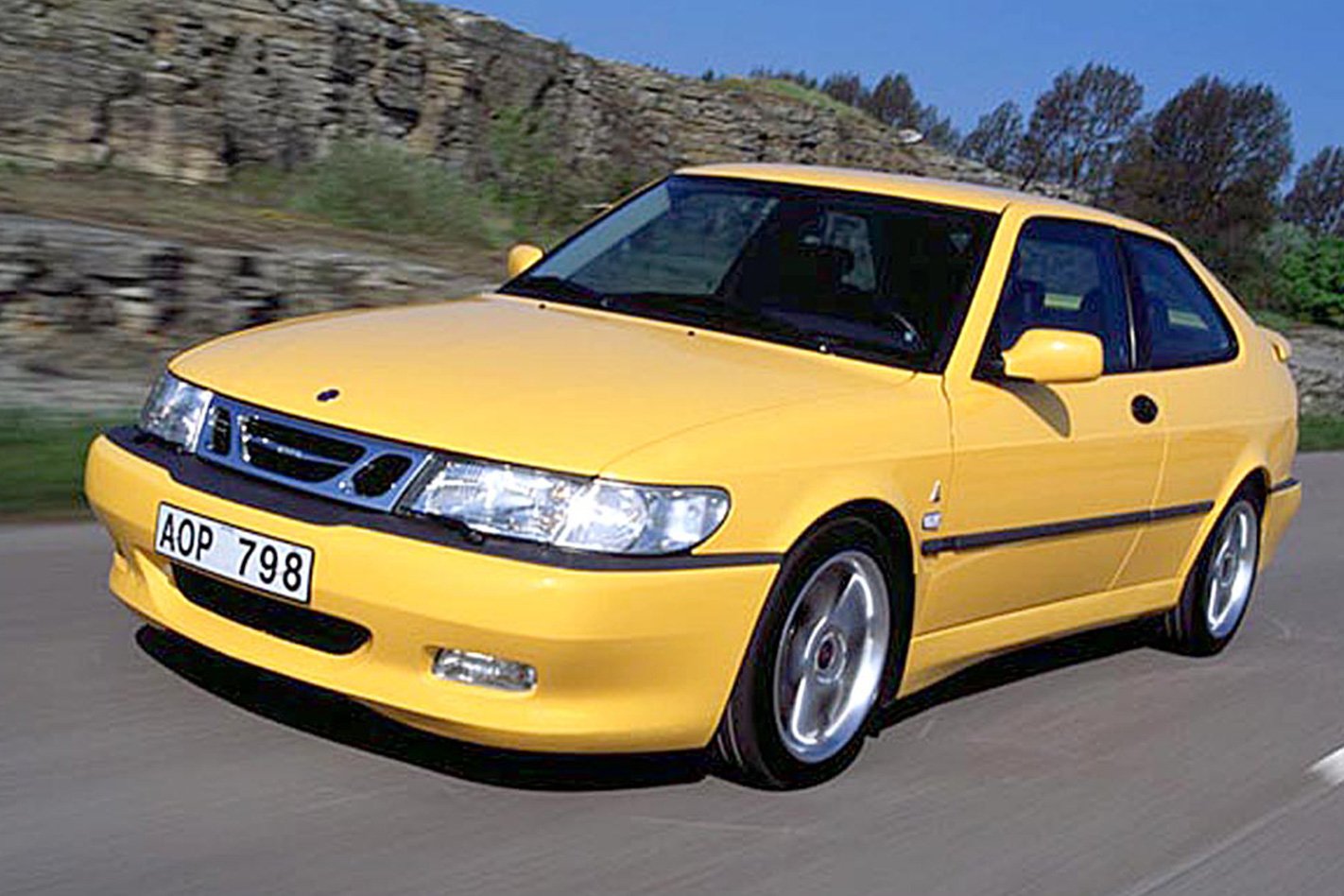
Unfortunately, yet another prime example of the Swede’s inability to make a fast car corner. The combination of a firecracker 169kW Saab turbo donk and old GM J-car bits made the Viggen scary on any road, wet or dry.
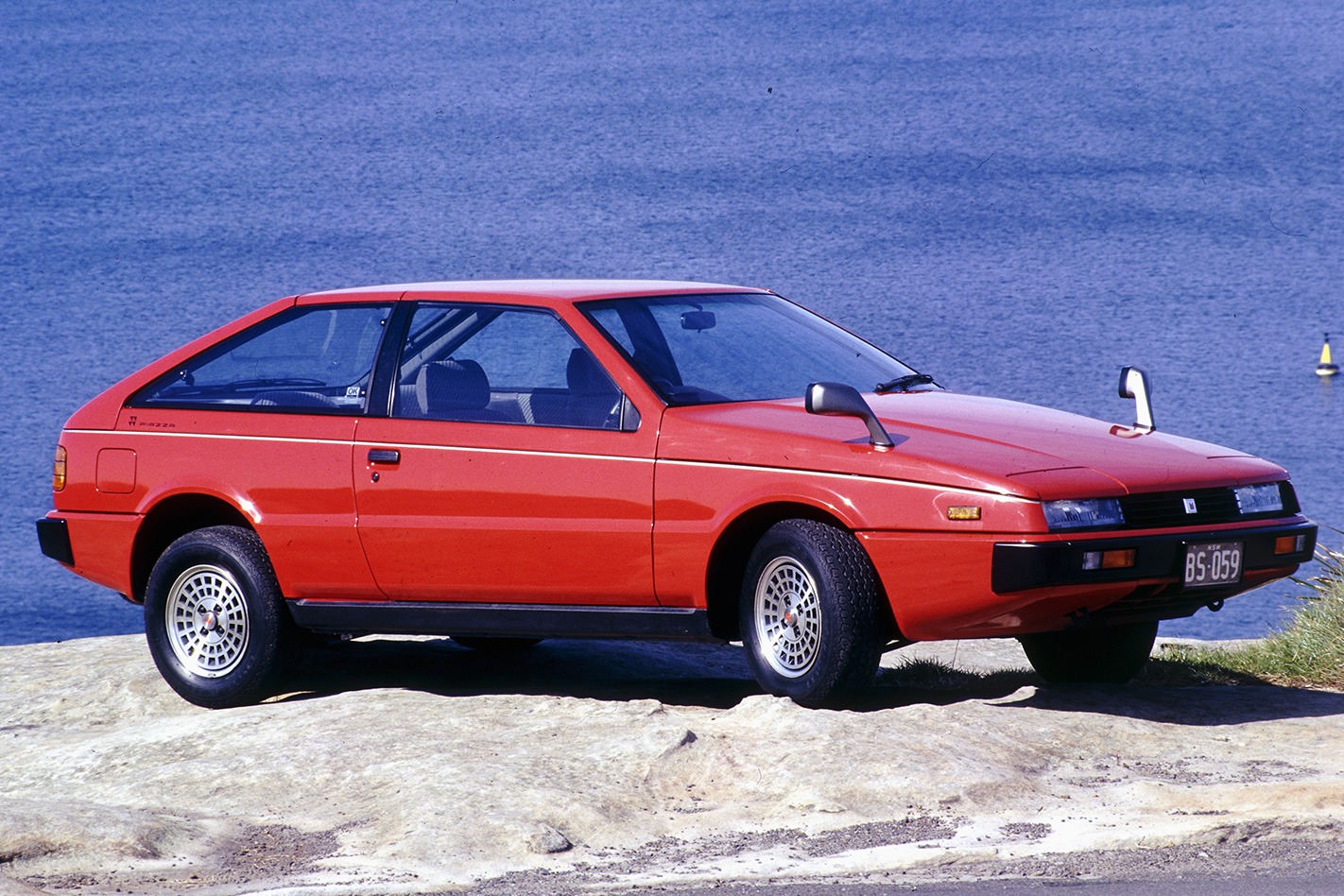
Italian styling by Giugiaro? Yep. German-engineered rear-drive platform? Yep. Japanese-designed turbo-fed engine? Yep. Suspension tuning by the work-experience chick? Sadly, yes. Spare undies and a defibrillator? Not included.
Always half-arsed in at least one crucial area – engine in a Camry, chassis in an Echo, and the wheel/tyre package in a Corolla – and engineered by Toyota, meaning these white goods on wheels will never die. Only their owners.
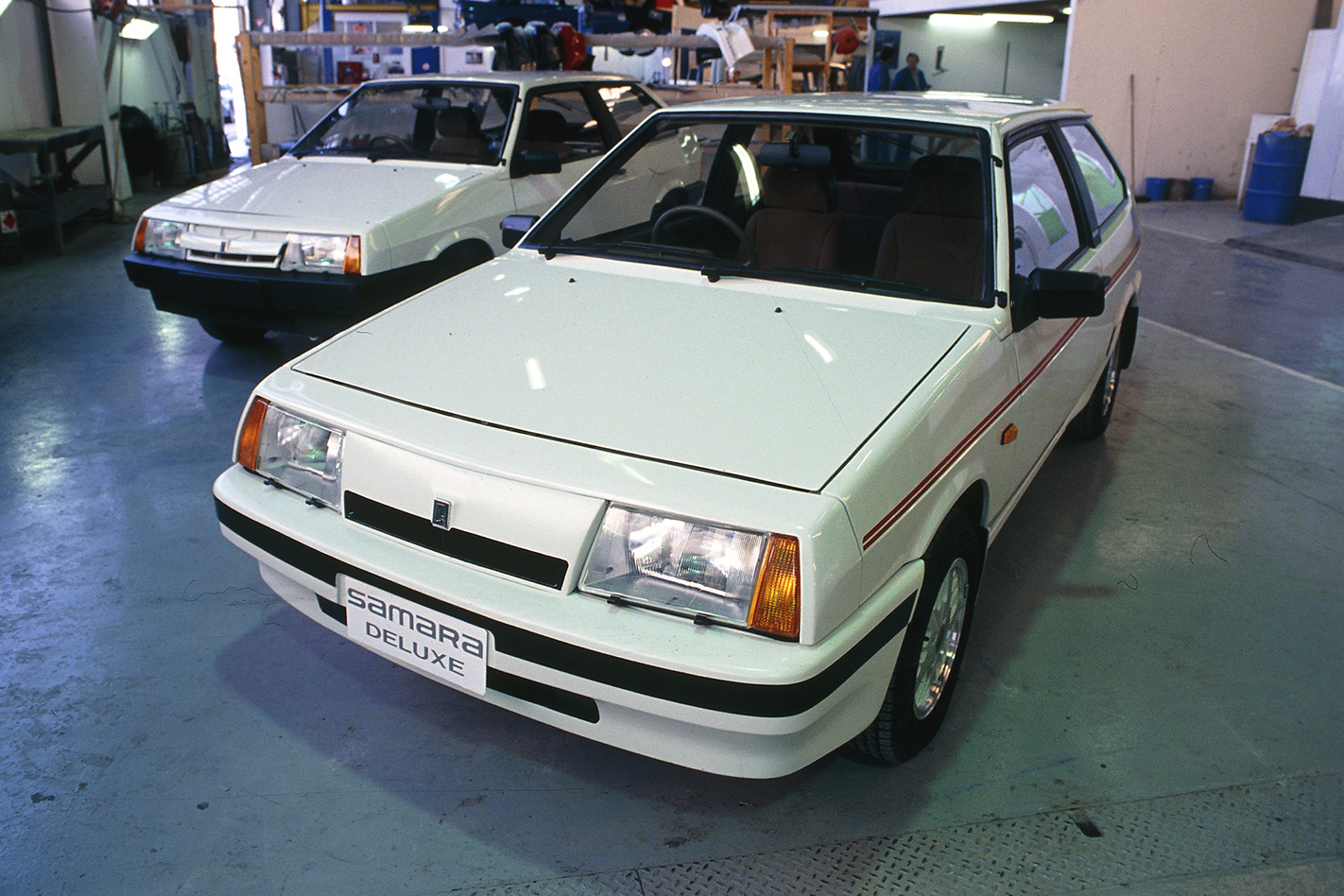
Dumped by Holden and duped by the Polariser, Brocky must’ve been in limp-home mode when the Russians swayed him into fettling a Lada. The result – ‘Samara by Brock’ – was similar to a ‘Brabham Torana’, only much worse.
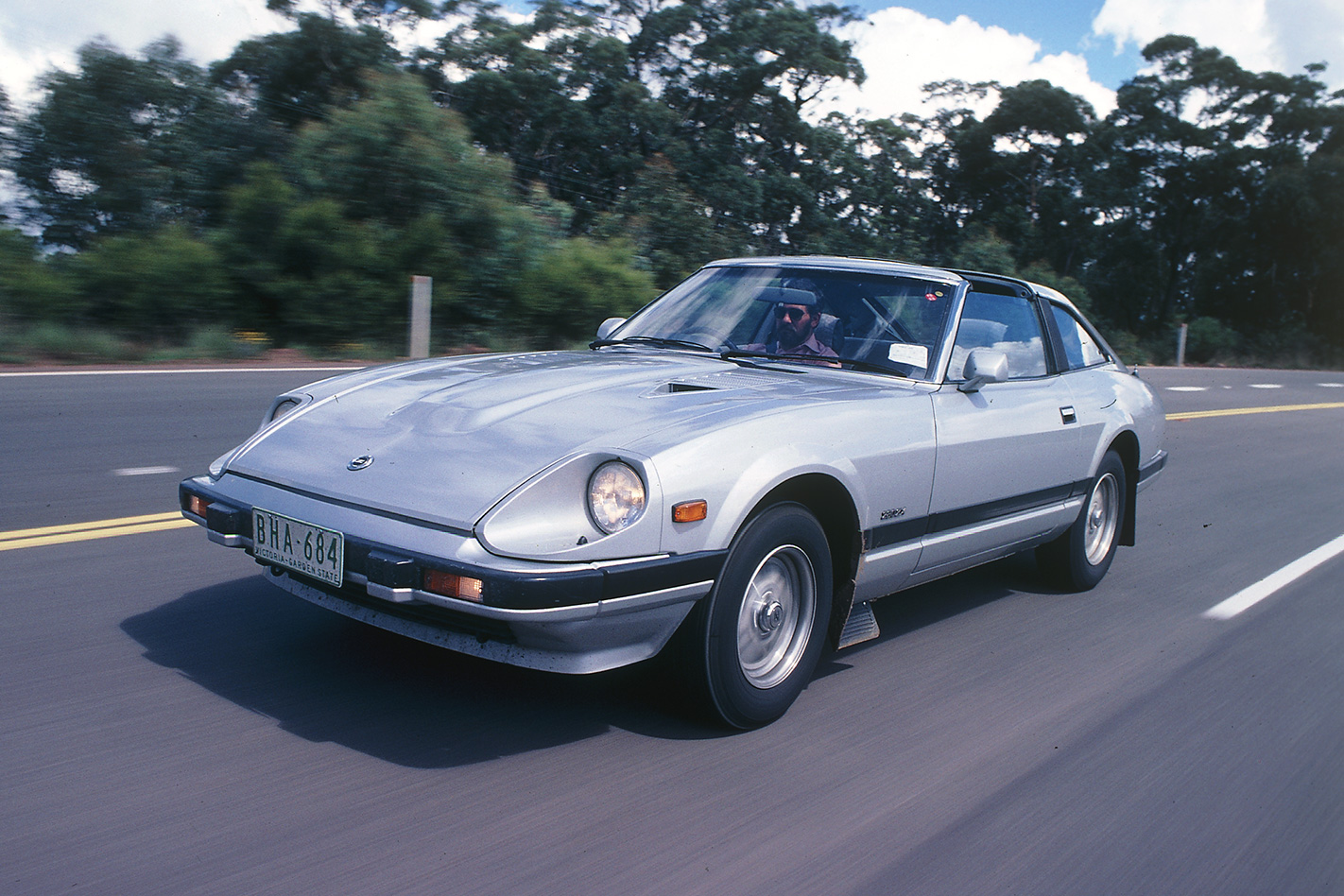
The lowest ebb in the Zed’s 40-year career is this poncy, flaccid, overweight lush-mobile, in its element as a metallic-gold T-top with brown velour trim, a quadraphonic cassette deck, and a bouffanted poseur at the wheels.
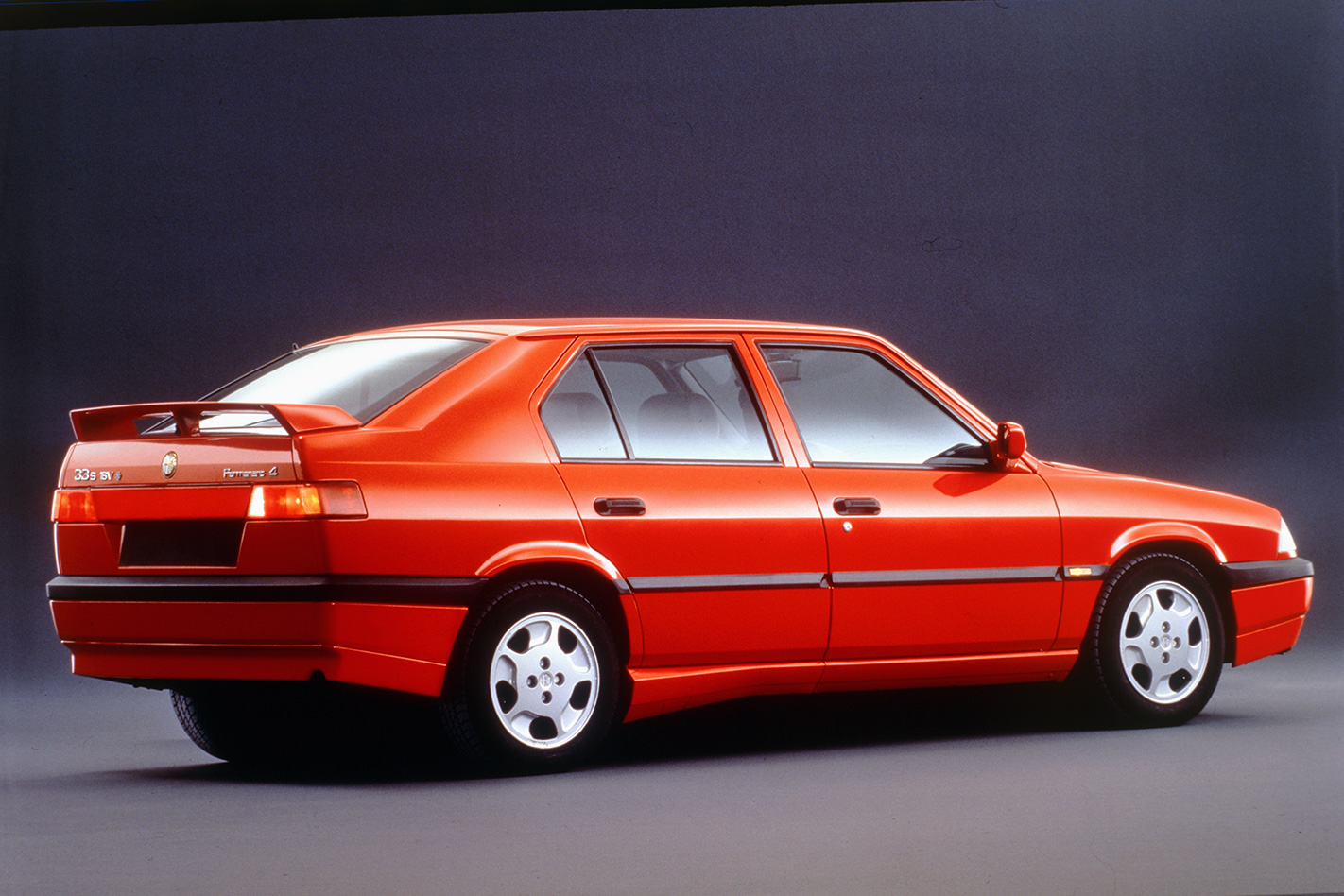
The Permanent 4 combined all the qualities the regular 33 was renowned for – shitty build, torturous driving position, occasional reliability, glorious engine – with a live rear axle and a Calais V8 price-tag. Enough said.
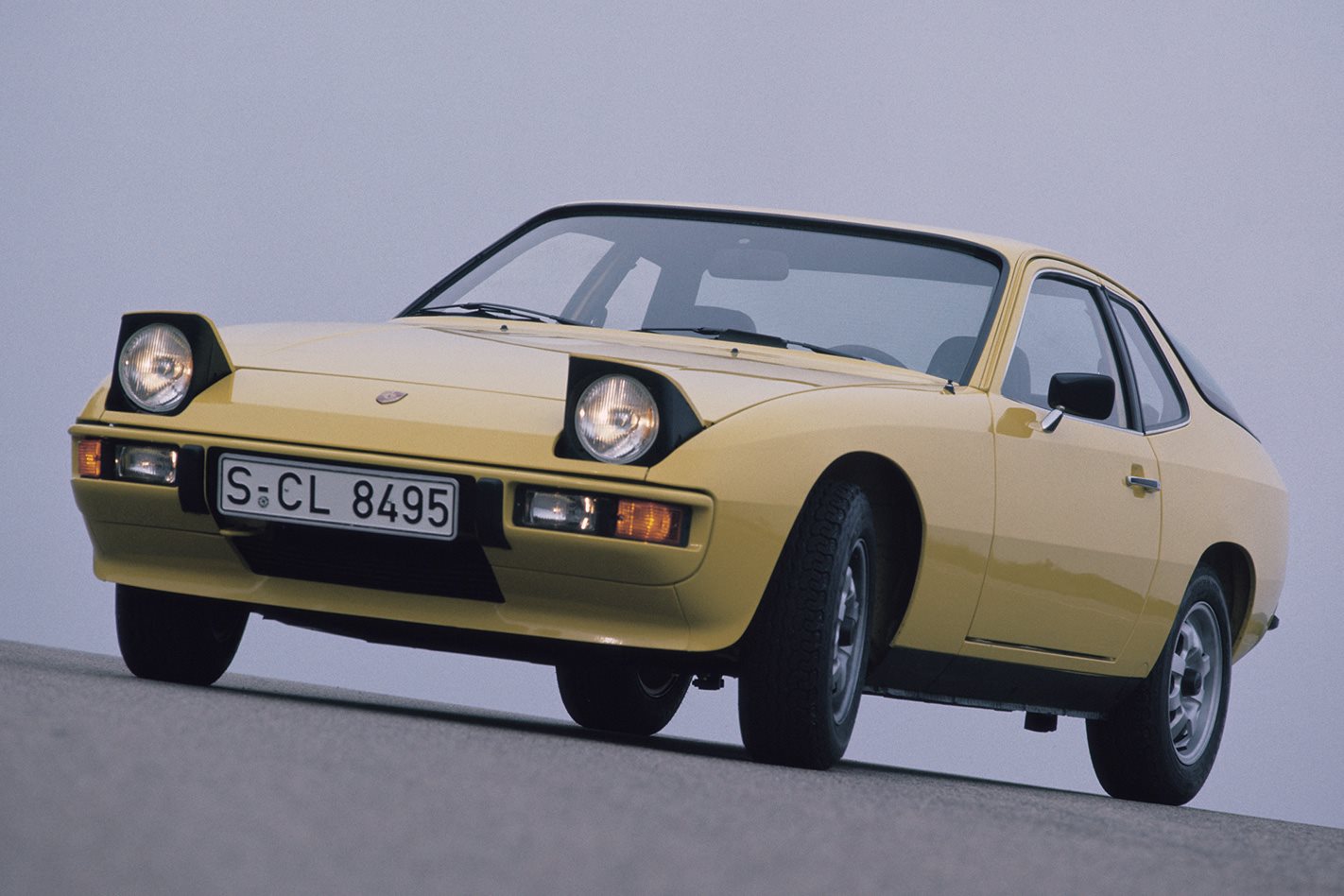
Perhaps unfairly rubbished because the 924 Turbo was actually bloody good, but it takes just one tedious drive of a manual-steered, three-speed auto ‘Sportmatic’ to know the base 924 is a howler of the highest order.
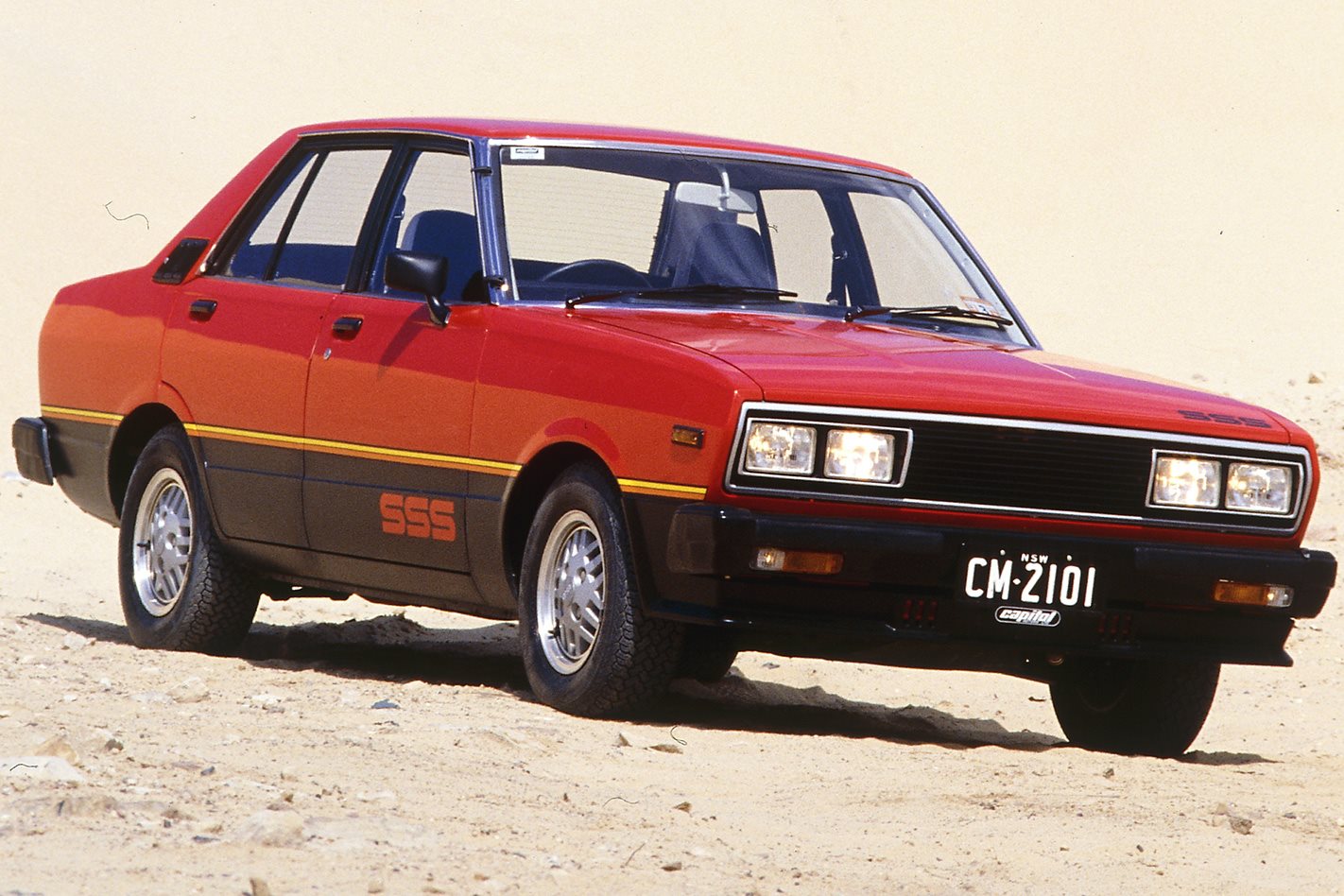
In an attempt to revive the highs of the late-60s 1600, Datsun copied it and created the Stanza. And what a flimsy, vague, under-performing lemon it was, too, headlined by a stripes-and-decals SSS with all the appeal of a mouthful of vomit.
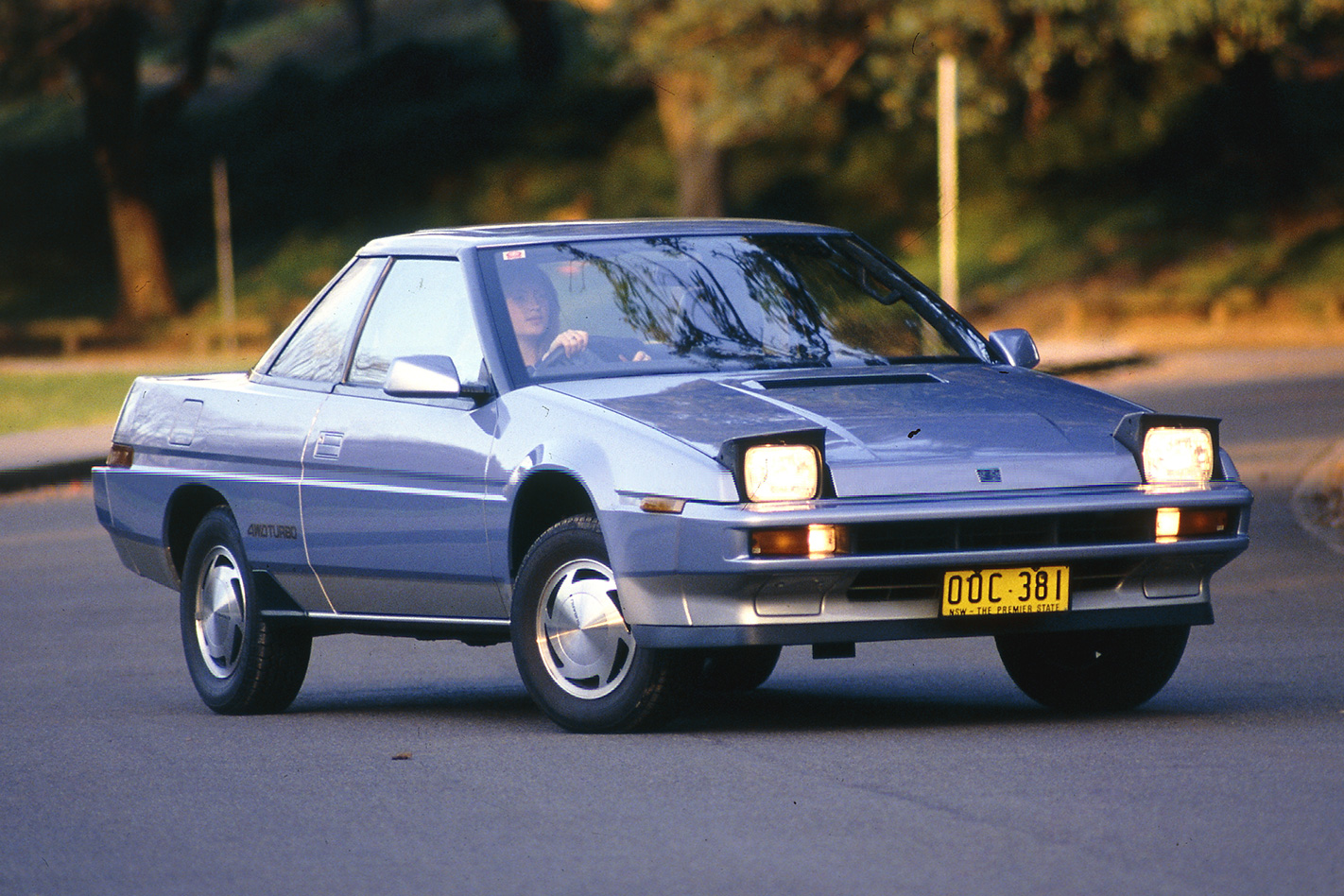
The promisingly weird Vortex Turbo 4WD mixed dazzling on-paper spec and tech with the ride height of a Brumby ute, making it the most high-tech farm vehicle ever built. Unfortunately, it was meant to be a sports coupe.
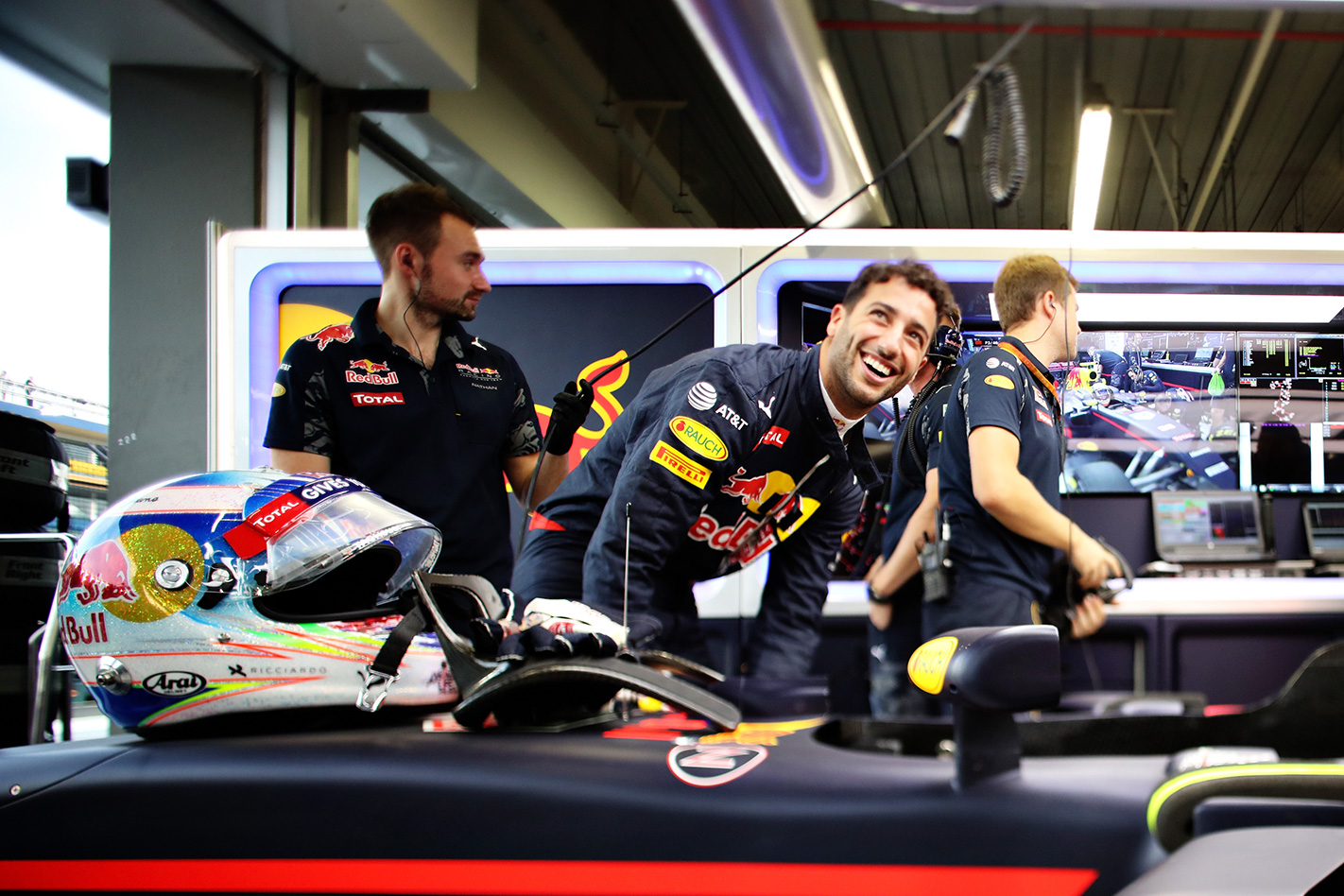
NEXT week is a big one for Daniel Ricciardo, with the Formula 1 Singapore Grand Prix his best chance of victory in the last seven races of the season.
“At Singapore, I genuinely think we can certainly fight for the podium again, but hopefully I get my first win there,” the 28-year-old says.
“I’ve been knocking on the door for a few years there, and we’ll have a few more updates there as well. If they work as they should, then it should put us in a good position.”
Ricciardo came within a lap of winning at Singapore’s Marina Bay Street Circuit last year, closing down Mercedes’ Nico Rosberg for the lead in the closing stages – but was just unable to get past, finishing 0.488 seconds adrift, for his best-ever result there in six visits since 2011.
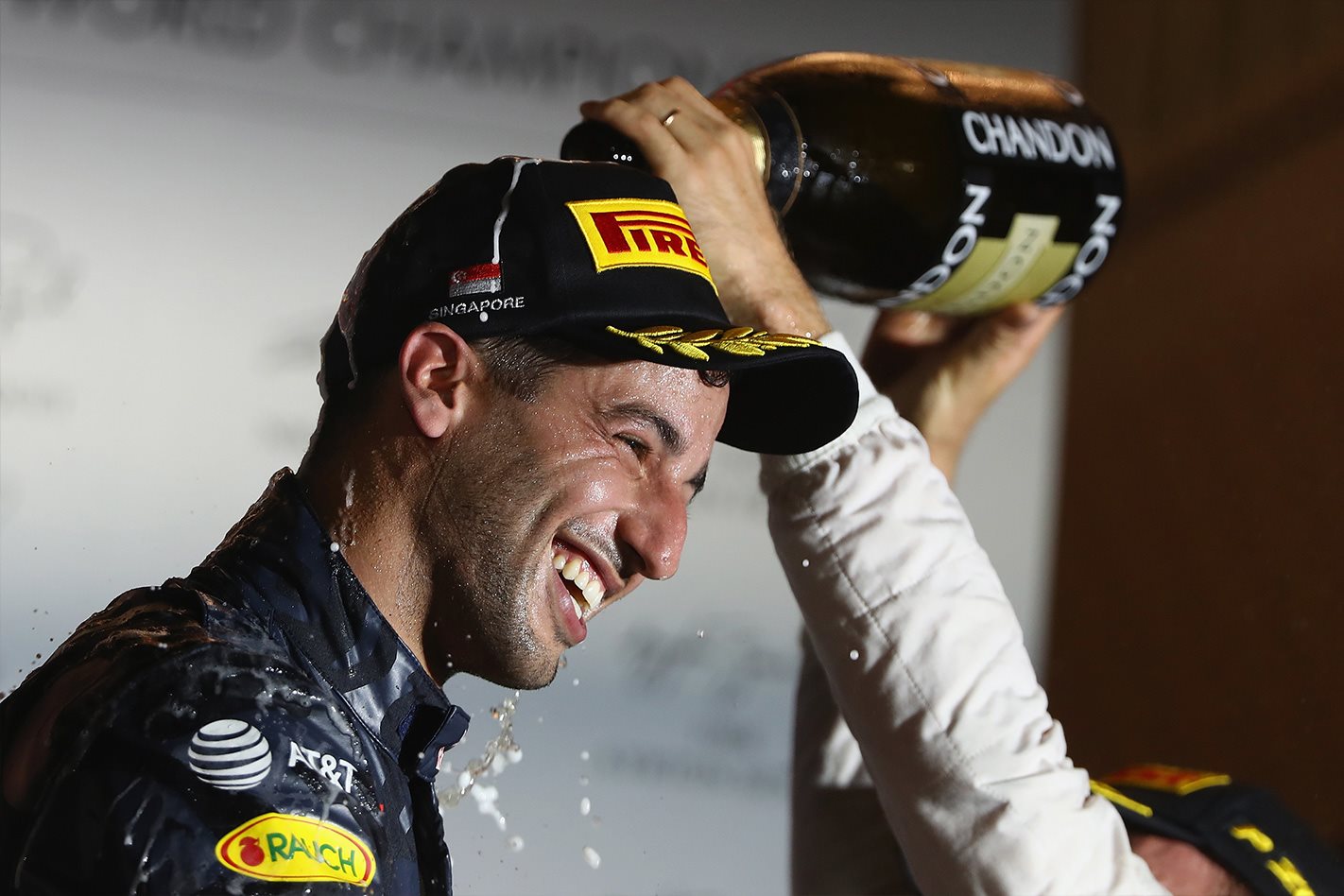
Singapore should suit his RB13 car even more – with the 23-turn street track favouring commitment and skill over horsepower and aero.
“I genuinely think around that type of circuit Ferrari would be the ones to beat. I think they’ll be stronger than Mercedes. With their car this year it seems to be their type of circuit. But I think we’ll come close for sure.”
Ricciardo also knows he has to strike while the iron’s hot, with his respect in the F1 paddock never higher – his future on the line, and a contract outside Red Bull a real possibility, whether it be with Mercedes or Ferrari.

“Next year is super-important. It’ll be the first time I’ve ever really been a free agent. So it’ll be a unique position for me but I haven’t thought that far ahead yet. Obviously I’m aware, I think it’s common knowledge, that’s when my contract’s up, but we’ll cross that bridge when it comes. See what happens. I’m hoping by then I’ve got a few more wins under my belt and in a luxurious position.”
What does Daniel Ricciardo know about F1?
To win in Singapore, though, is no easy ride.
For the drivers, it’s a serious test of human endurance with cockpit temperatures reaching 55 degrees Celsius at racing speeds, made only worse by three layers of fireproof clothing and a helmet. As a result the drivers will lose up to 3kg in fluid over a two-hour period.
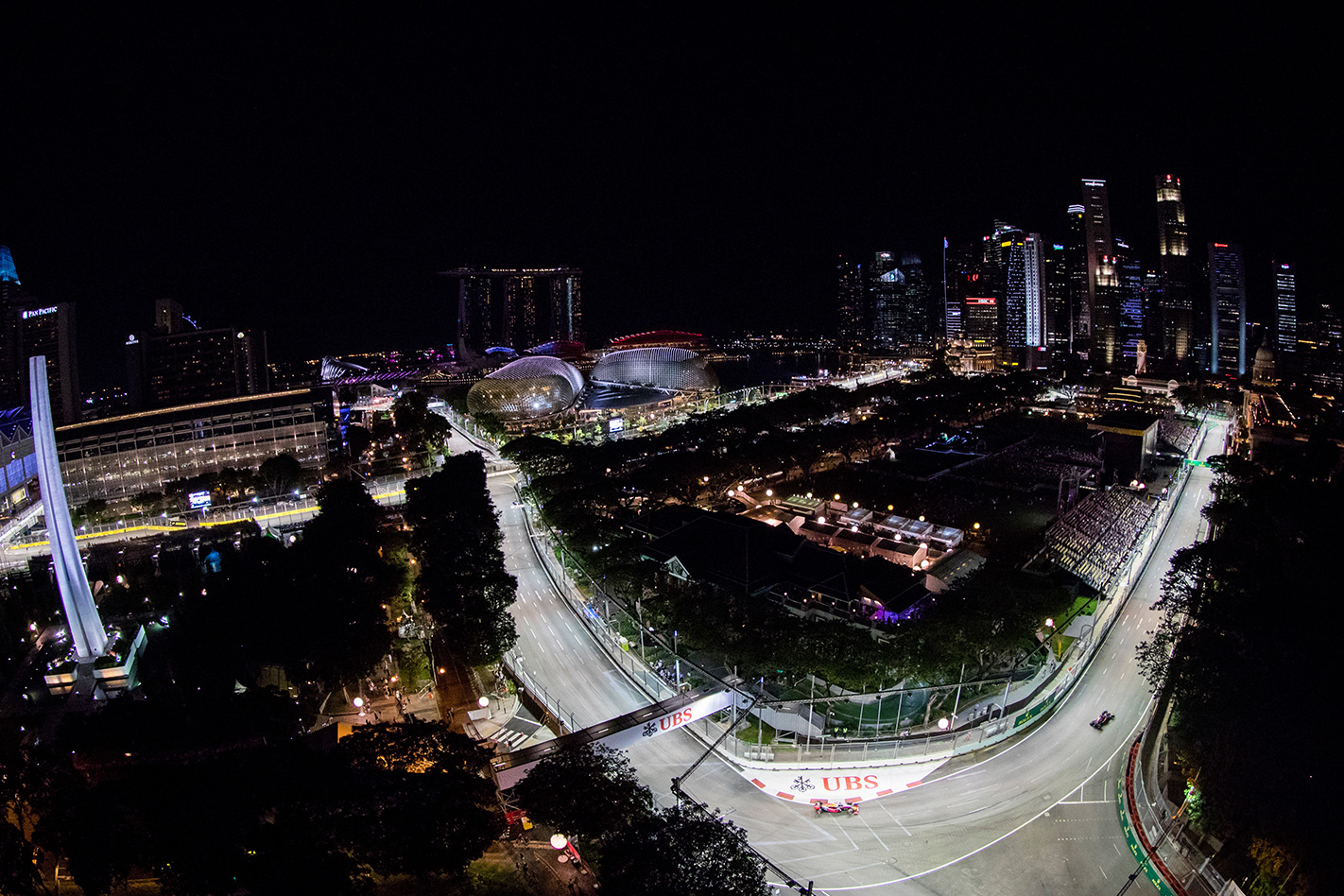
For fans, it’s a completely different story to be trackside, with F1 under lights, top international artists, race-themed activities, cool bars and a whole host of places to sit down for local hospitality.
For the live performances, the organisers have pulled out all the stops for their special milestone with the line-up featuring global DJ heavyweight Calvin Harris, pop superstar Ariana Grande, synth-pop veterans Duran Duran, US pop rockers OneRepublic, American duo The Chainsmokers, British singer-songwriters Seal, and Lianne La Havas, and spoken word performer George the Poet.
And if you’re wondering where our man suggests watching from, head over to the far side of the circuit – near the main Padang stage.
Ricciardo may have a little longer to wait for that title chase, but his next win could be around the corner – and that’s good enough, for now.
The 2017 Formula 1 Singapore Airlines Singapore Grand Prix will be held from September 15-17, with more information at singaporegp.sg

Ricciardo says, “The lap is very busy, as there’s not many points to rest so it’s about putting it all together as it’s very tight, twisty and bumpy. You’ve also got to be smooth, as the tyres can overheat very easily there, so I try to avoid wheelspin, which can help you at the end of the lap. It’s a technical lap, and you need to get close as possible to the walls to push the car so it’s like a controlled aggression there.”
Turns 1-3: It’s bumpy on braking here, and important to use the exit kerb for a smooth line through Turn 2, quickly arriving at Turn 3.
Turn 5: This is a critical corner to get right, as you exit onto the back straight, the fastest part of the circuit – reaching up to 320km/h at the end.
Turns 7-9: This is a technical section, finishing with Turn 9, which you need good traction out of to get good speed down the short straight.
Turns 11-13: These turns were re-profiled in 2015, with Turn 13 the tightest corner on the circuit following a blast over the Anderson Bridge.
Turn 18: The track heads underneath the Bay Grandstand, which is one of the most unique features of the Marina Bay Street Circuit.
Turn 22: This is a very high-speed final corner, with the cars entering at around 250km/h to start another lap of the famous Singapore circuit.
Ah, an Audi S5 without a roof!
Yep. Audi engineers worked magic on the S5 Cabriolet’s donor vehicle, infusing a medium luxury coupe with dazzling dynamics and sizzling straight-line stonk. We’re hoping peeling the roof only enriches the experience here.
Shouldn’t be hard with a tin-opener, right?
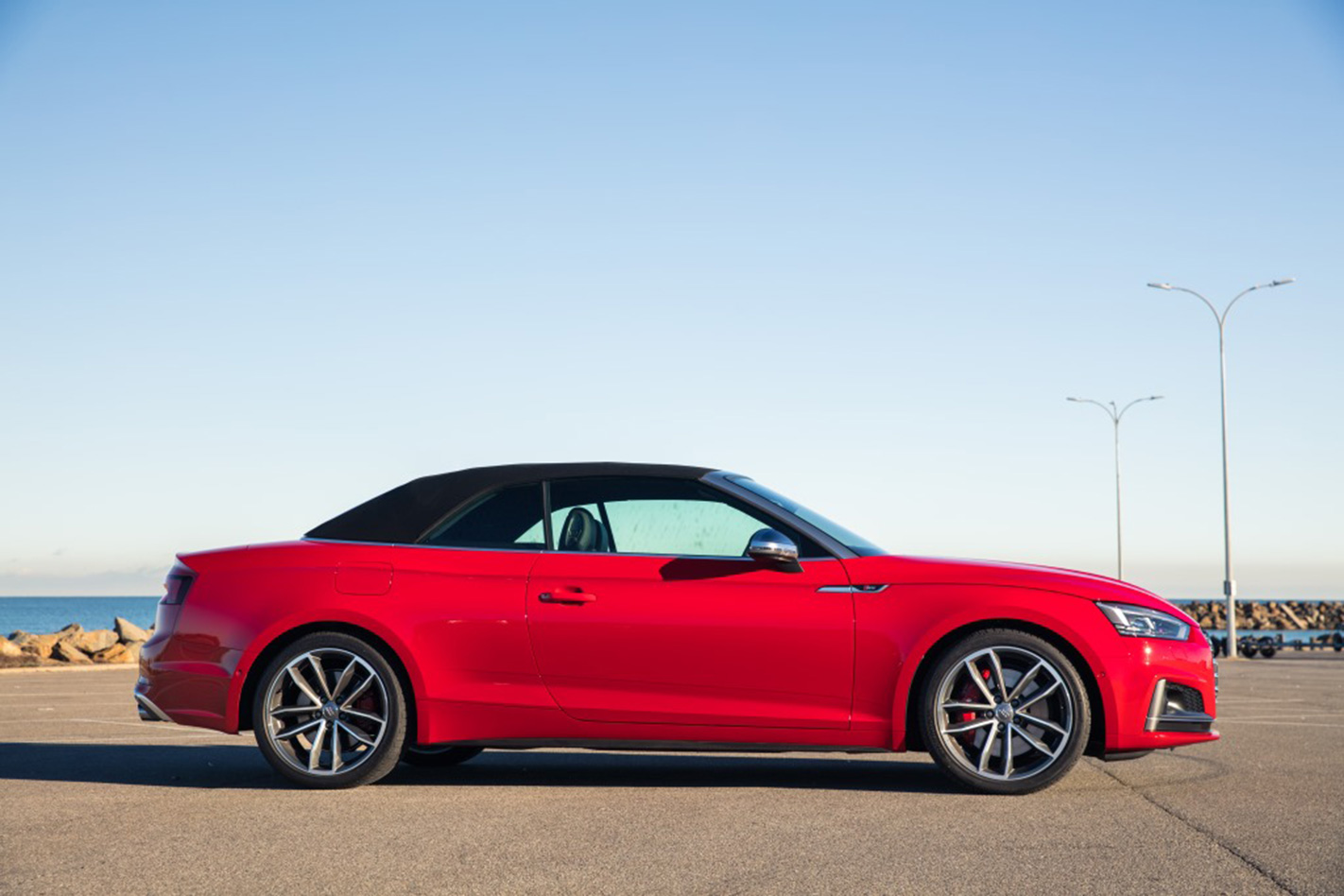
Beauty is pain.
It’s sleek and muscular, like if Heidi Klum was a Ninja Warrior, thanks to that ‘Tornado’ character line and bulging bonnet. Stowing away the roof, in 15 seconds, makes it twice as pretty.
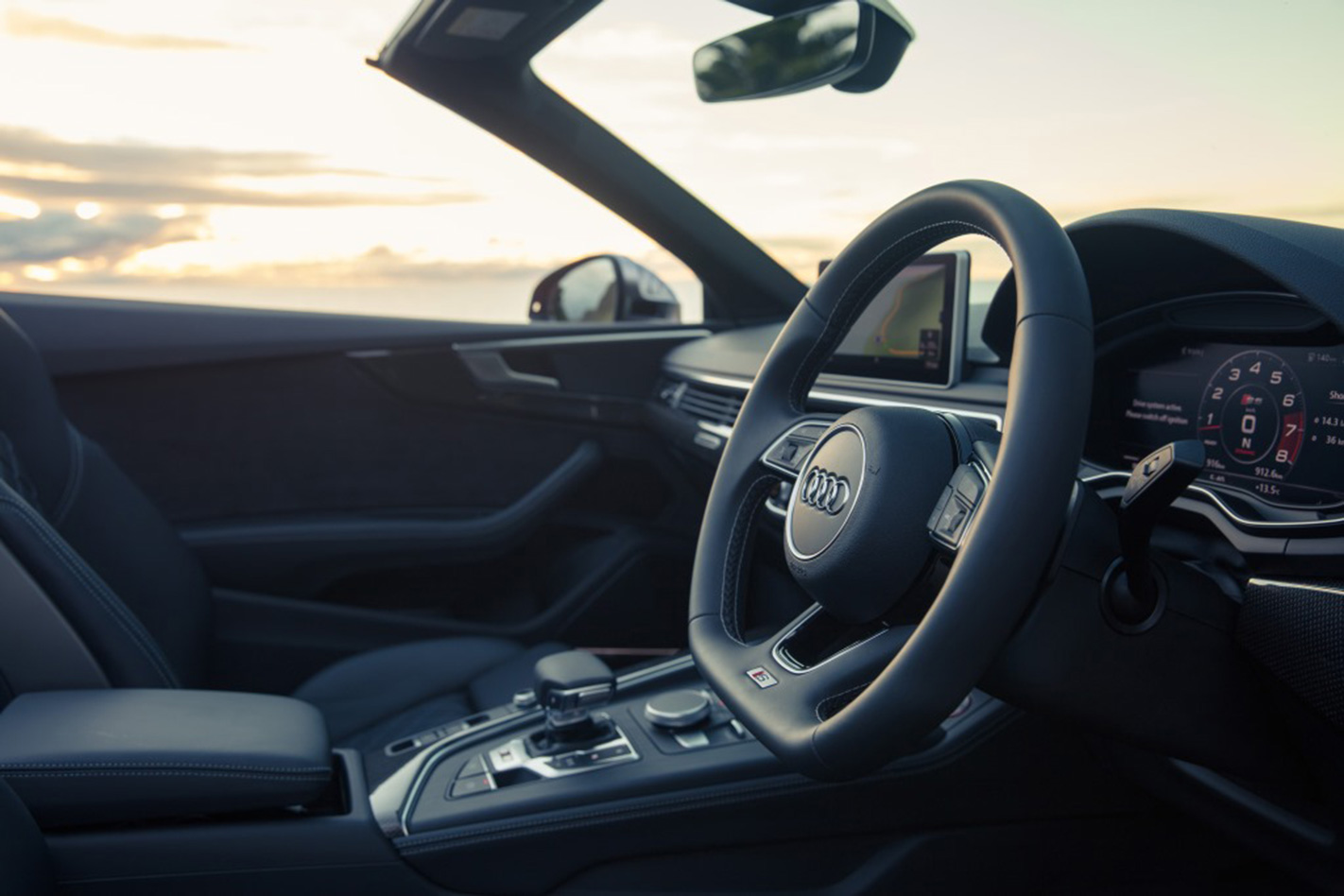
Well, you’d expect that for $129K!
Erm, that was the previous car’s price. BMW and Mercedes-AMG pulled Audi’s pants down after lobbing their 440i and C43 drop-tops at around $118K. So Audi’s slashed the S5 Cabriolet price by $10K, to peg it at $119,111.
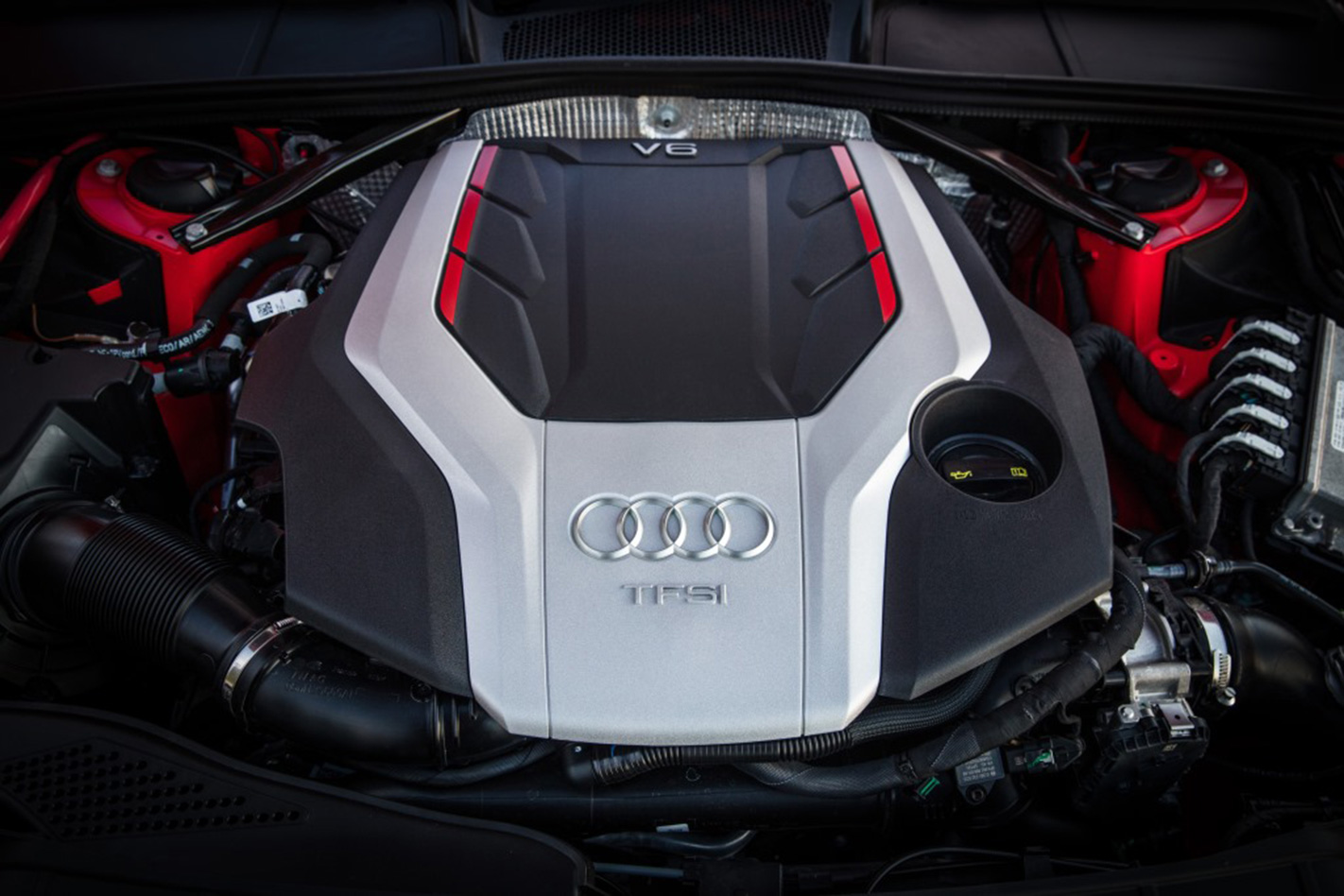
Is it worth the coin?
Performance wise it doesn’t feel in the same league as its hard-hat siblings. The primary ride feels a touch stiffer over high frequency stuff, and it lopes a little more over rises. And with an extra 200kg under its shirt the Cabriolet doesn’t turn-in with the same crispness. The suspension also works hard to keep the extra mass in check.
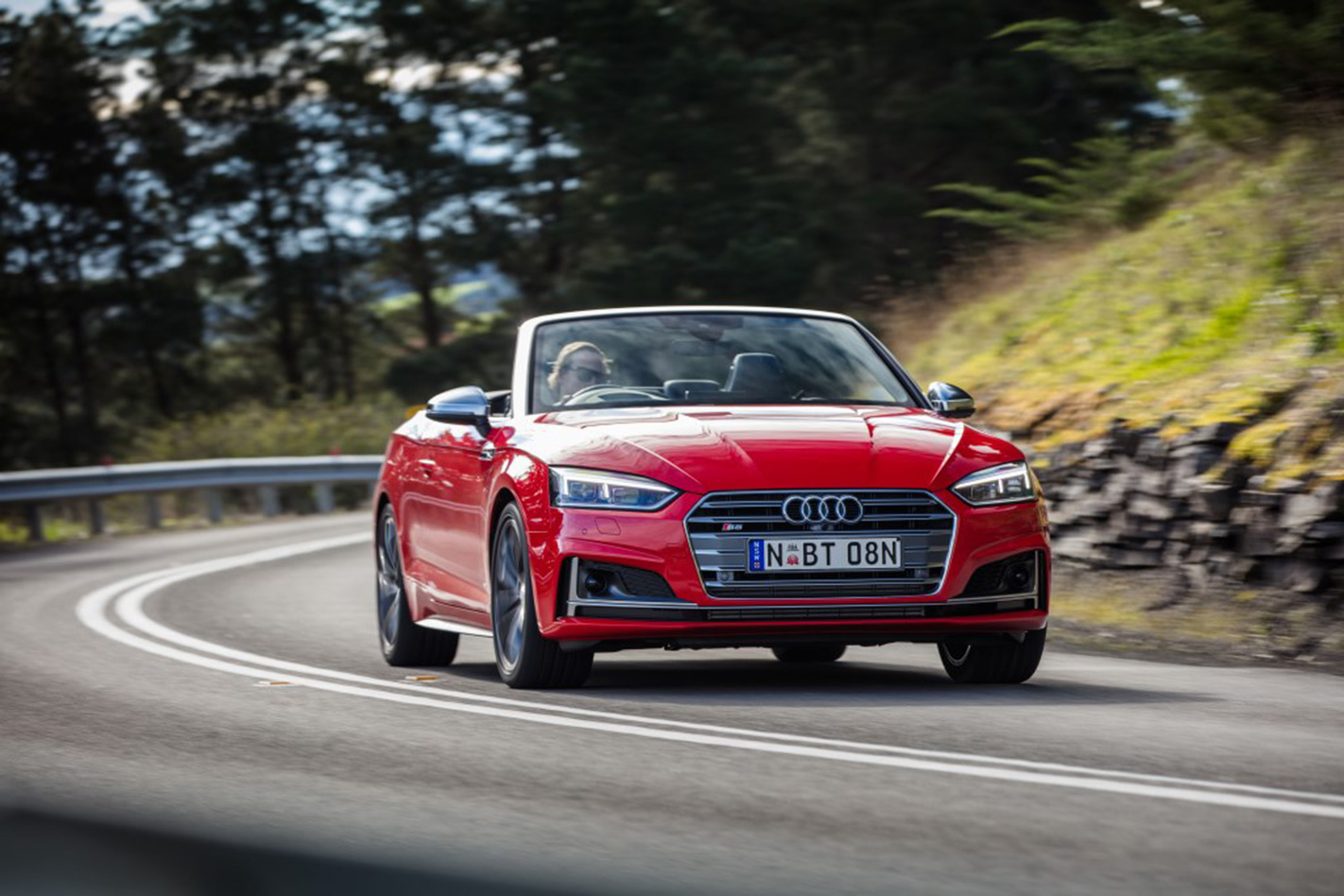
Conversely, the roof adds proper gran touring appeal to the experience. The standard sport seats are more comfortable than most people’s beds, and it’s easier to have conversation at 100km/h with the roof down than it is some closed in sportscars.
And there’s that engine note you have front-row seats for. The twin-scroll turbo engine’s high-tech blare is likeable, delivering upshifts burps and spool hisses that some might find zestier than the old blown six.
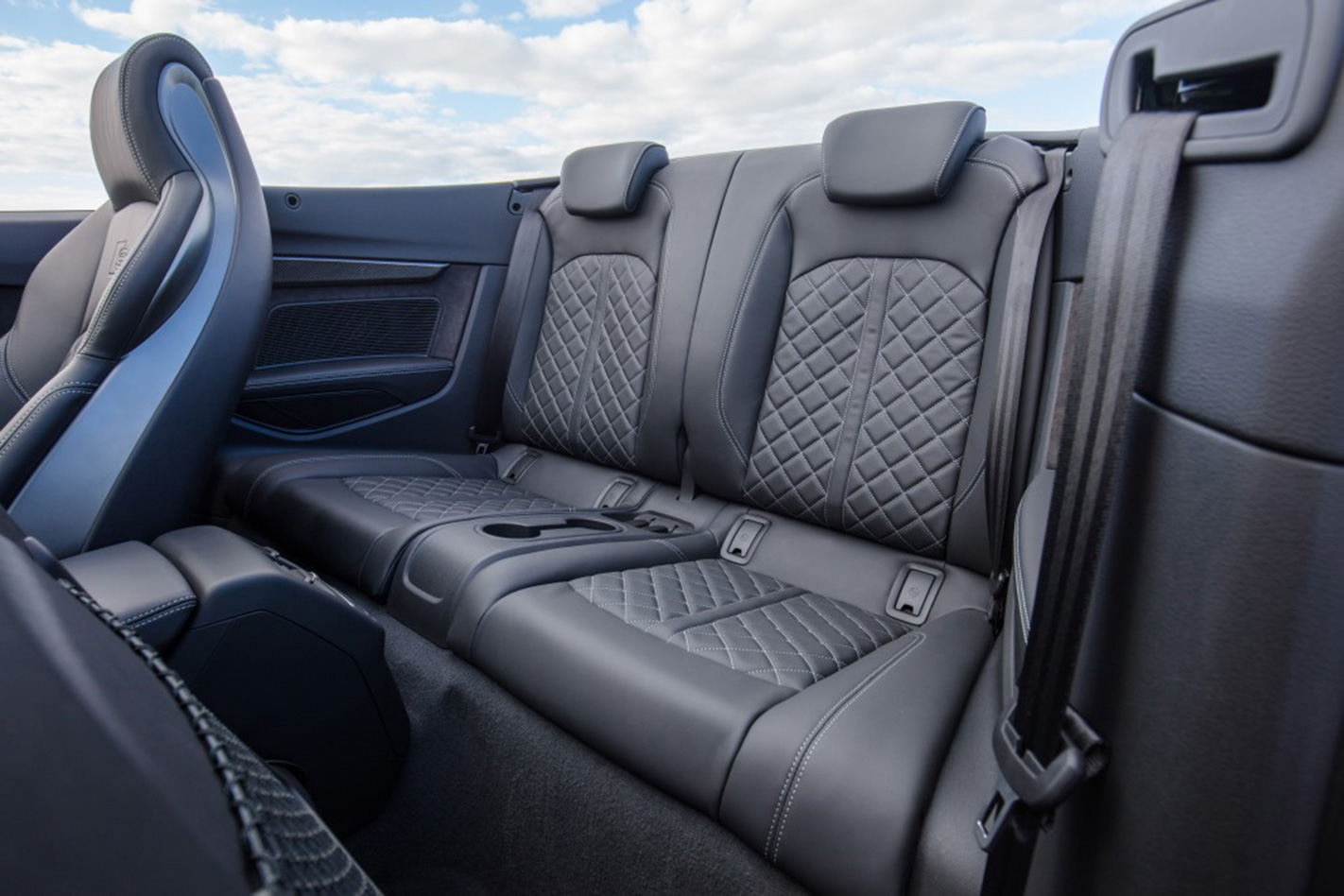
Comes crunch time on options, though, we wouldn’t bother with the sports-differential and instead concentrate on the Cabriolet’s luxo tech-appeal. We’d try stretch to the technik package, which includes higher-end B&O sound system and a heads-up display.
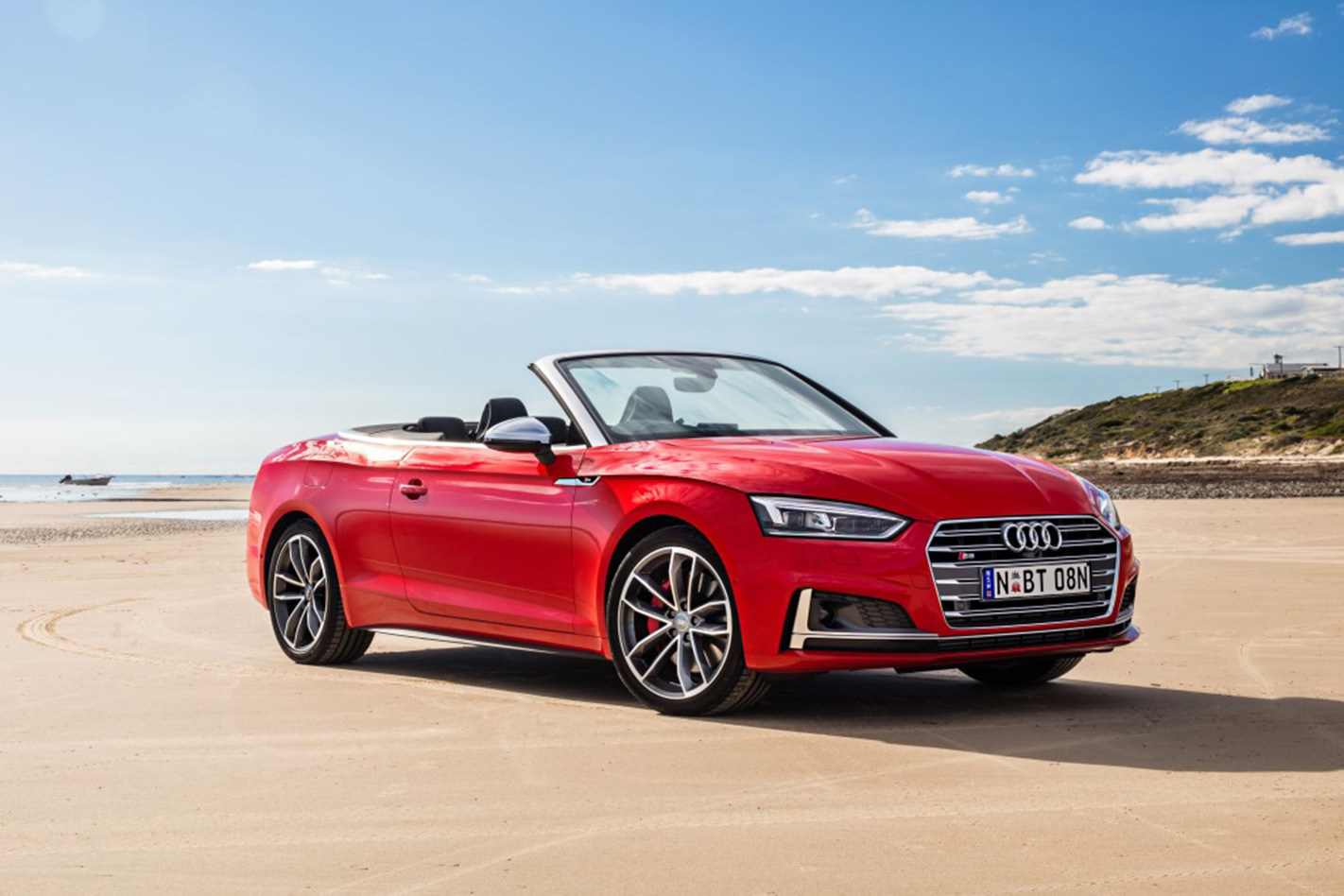
With their on-paper price and performance almost equal, it’s the Audi’s overall package that feels a generation ahead and we’d be leaning towards it in an on-road punch up.
Audi’s hasn’t built an S5 without a roof, it’s just not dynamic and fast enough, but you won’t be disappointed with the end result.
4.0 stars out of 5 Likes: Sleek looks, gran touring ability, solid drivetrain Dislikes: Dulled handling, blunted acceleration, puzzling options list
2017 Audi S5 Cabriolet specs: Engine: 2995cc V6, DOHC, 24v, turbo Power: 260kW @ 5400rpm Torque: 500Nm @ 1370rpm Weight: 1840kg Transmission: eight-speed automatic 0-100km/h: 5.1 seconds
