
SUVs and trade utes have helped push the Australian new car market into positive territory in August, preliminary sales data for the month has shown.
The official VFACTS data, due later today, is expected to show the market remained almost static compared with the same month last year, growing just 0.6 percent.
Of note, the numbers of traditional passenger car sales and SUVs sold this time last year have flipped, with SUVs now commanding 39.4 percent of the market, and passenger cars only 37.0 percent.
But in a telling transformation of buyer choice, the nation’s best-selling passenger car, the Toyota Corolla, only managed third place on the sales chart, selling just 2948 units. Crushing it were the Ford Ranger (3588 sales) and the Toyota Hilux (4287) trade utes – sales of just the 4×4 versions of both utes alone were enough to outperform the Corolla.
The number two passenger car spot was taken up by an SUV – the Hyundai Tucson (2206 sales), with what is recognised as the best-selling vehicle in terms of private sales, the Mazda 3 (2163), only a narrow 20 sales ahead of the Hyundai i30.
It was a good month for Hyundai, jumping sharply on the sales charts as its all-new i30 hit its strides in the showroom alongside the Tucson. The Korean car maker (7800 sales) grew a massive 20 percent compared with its sales in August last year to push ahead of Holden to claim third spot on the brands chart behind Mazda (8511). Toyota (18,511) remained in the top spot, although its market share stalled at 19.7 percent.
There were some big movements down the bottom of the top 10 brands list, too. Volkswagen (4730), Subaru (4579) and Kia (4507) all showed double-digit growth compared with last August, while Nissan fell off a cliff, its 4095 sales sliding almost 30 percent.
The Holden Commodore – two month before its maker shuts down manufacturing – is holding onto sales, with the large sedan grabbing eighth spot (2071) behind another local, the Toyota Camry (2107), which will end local hybrid production this month. The Altona-built Toyota Aurion sold just 295 units in August as Toyota Australia’s experiment with rebadging a V6-engined Camry came to an end after more than a decade on sale.
Only six Ford Falcons were sold last month as stocks of the large car – manufacturing switched off late last year – appear to be running out. Ford is believed to have a single ute remaining on unsold inventory.
TOP 10 PASSENGER CARS FOR AUGUST* RANK MODEL SALES (AUG ‘17) SALES (AUG ‘16) 1 Toyota Corolla 2948 3554 2 Hyundai Tucson 2206 1654 3 Mazda 3 2163 2818 4 Hyundai i30 2143 1864 5 Toyota Camry 2107 2458 6 Holden Commodore 2071 1952 7 Mazda CX-5 2048 1902 8 Hyundai Accent 1810 1096 9 Mitsubishi ASX 1676 1781 10 Toyota RAV4 1605 1766 * Preliminary sales data
TOP 10 BRANDS FOR AUGUST* RANK BRAND SALES (AUG ‘17) SALES (AUG ‘16) 1 Toyota 18,511 18,650 2 Mazda 8511 9258 3 Hyundai 7800 6536 4 Holden 6984 7667 5 Mitsubishi 6649 6136 6 Ford 6645 6849 7 Volkswagen 4730 3893 8 Subaru 4579 3362 9 Kia 4507 3710 10 Nissan 4095 5616 *Preliminary data only
We’ve seen the computer-generated images and read the conjecture in magazines, but until now Mazda’s forthcoming sports car rotary engine has largely been based on speculation rather than fact. At Mazda’s Tech Forum in Frankfurt, company bosses confirmed that its development is in an advanced stage.
“We’re still continuing development of the next generation rotary engine,” said Mitsuo Hitomi, Managing Executive Officer in charge of Technical Research Centre and Integrated Control System Development. During Wheels’ interview, he confirmed that range extender tech is being applied to a sports car engine.
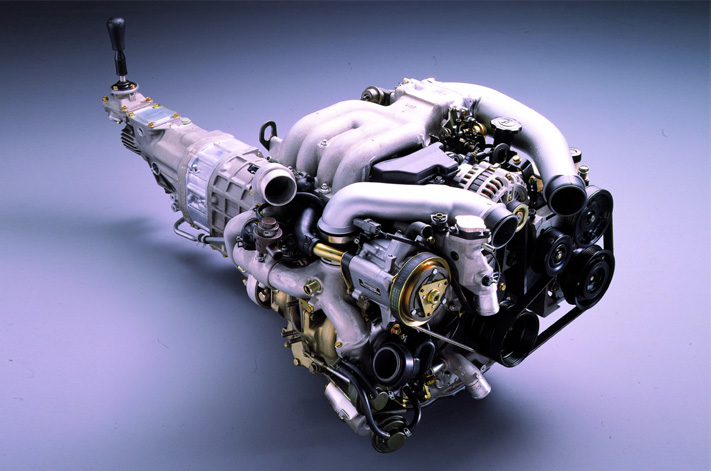
“We cannot improve the rotary engine to the current conventional engine emissions,” admitted Hitomi, but went on to say that ironing out traditional rotary issues such as apex seal wear and oil consumption were “the focus point of the new rotary engine”.
Is Mazda RX-9 really coming in 2020?
“We are investigating various kinds of emission systems to ensure ideal conditions,” said Hitomi. This backed up statement from a prior interview with Hidetoshi Kudo, Executive Officer in charge of R&D Administration and Product Strategy. “As you know, flame propagation is an issue in rotary engines. We are looking at laser ignition and plasma ignition, but laser is very expensive,” said Kudo.
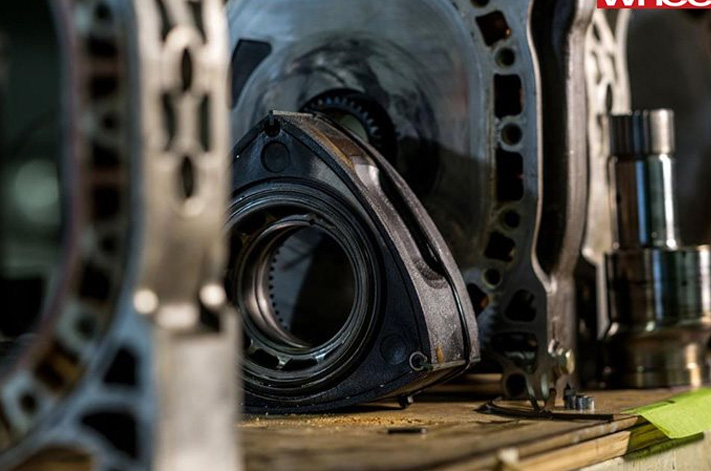
“Rotary is very important to Mazda,” he stressed. “It’s Mazda’s centenary in 2020,” he noted, adding that this deadline would be a big driver for tech-driven launches. And perhaps we’ve just been given the unpublished roadmap for Mazda’s next rotary-engined sports car.
FRESHLY minted Audi Sport boss Stephan Winkelmann could soon depart the top job if reports out of the UK are to be believed, with the CEO poised to jump ship and move to Bugatti.
Winkelmann took over the role at Audi Sport in March last year, leaving the top job at Lamborghini after an 11 year stint to head up the German brand’s sports division.
During his tenure as Audi Sport boss, Winkelmann ushered in a number of significant changes, renaming the sub division from Audi Quattro GmbH to its current nomenclature.
He also oversaw the launch of important models such as the second-generation Audi R8 Spyder and RS5 Coupe, along with development of the yet-to-be-released rear-drive R8 and RS4 Avant.
If his move to Bugatti is made official, it is expected Winkelmann will be responsible for overseeing the development of rumoured projects such as the Chiron Grand Sport and Super Sport variants.
Winkelmann would take over the lead role from current Bugatti head Wolfgang Durheimer, who is reported to remain chairman of the company for now, although t is expected Winkelmann will ultimately replace Durheimer in all capacities.
Meanwhile, the same report claims Michael-Julius Renz has been tapped to replace Winkelmann, moving from his current job as the president of Audi’s China sales division.
The news comes on the back of a major restructure of the Audi boardroom, following continued fallout from the dieselgate scandal.
Last week it was announced that key longstanding board members – including its manager of finance, Axel Strotbek, production chief Hubert Waltl, human resources chief Thomas Sigi, and sales head Dietmar Voggenreiter – would be replaced.
The Brabus Rocket 900 is not a regular drop-top.
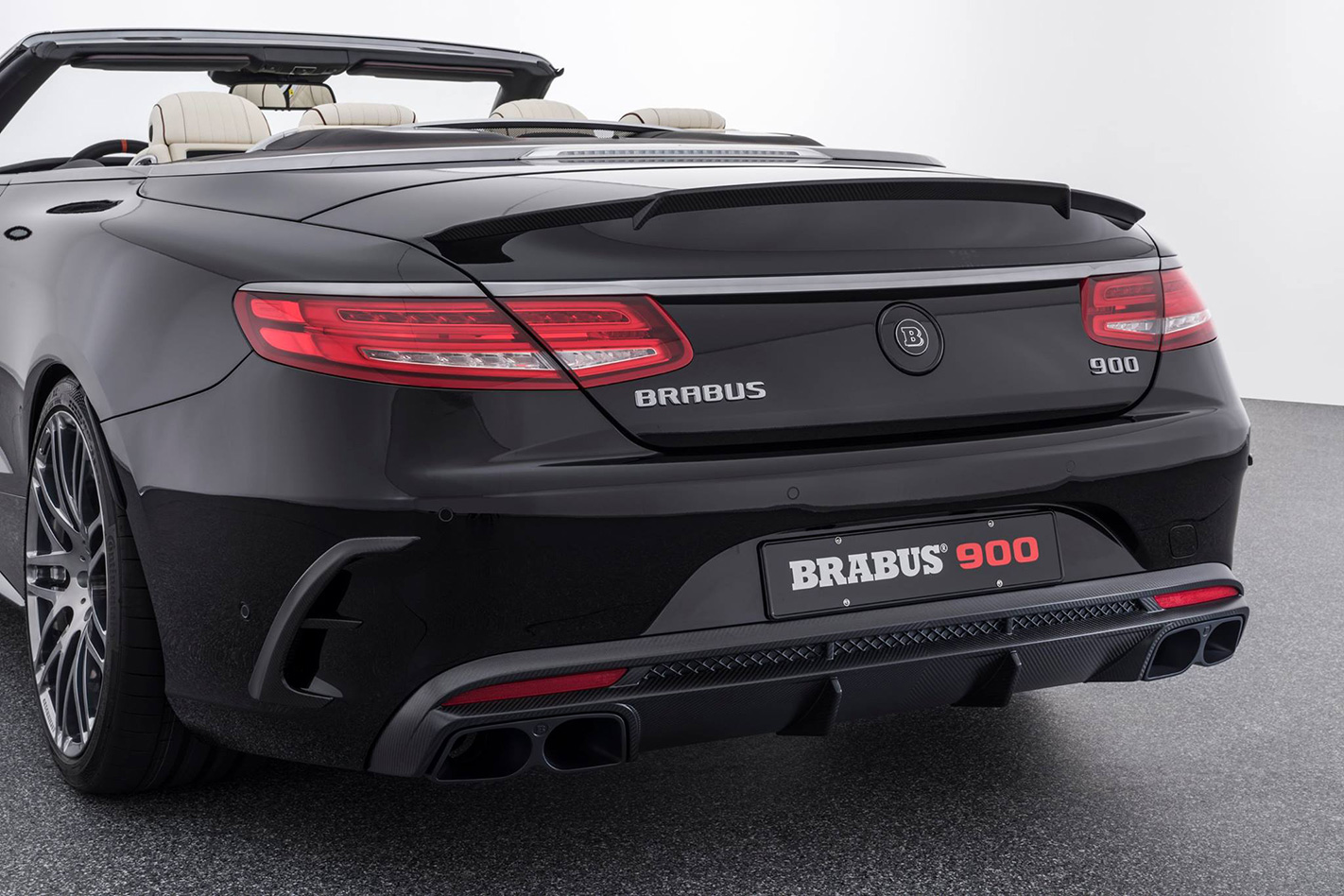
With a claimed top speed in excess of 350 km/h, the aptly named Brabus Rocket 900 is powered by 12 cylinders, and has claimed the title of “world’s fastest and most powerful four-seater convertible.”
It’s not the first time Brabus has made that claim (and been correct), with the previous Brabus 850 based on the Mercedes S 63 4MATIC.
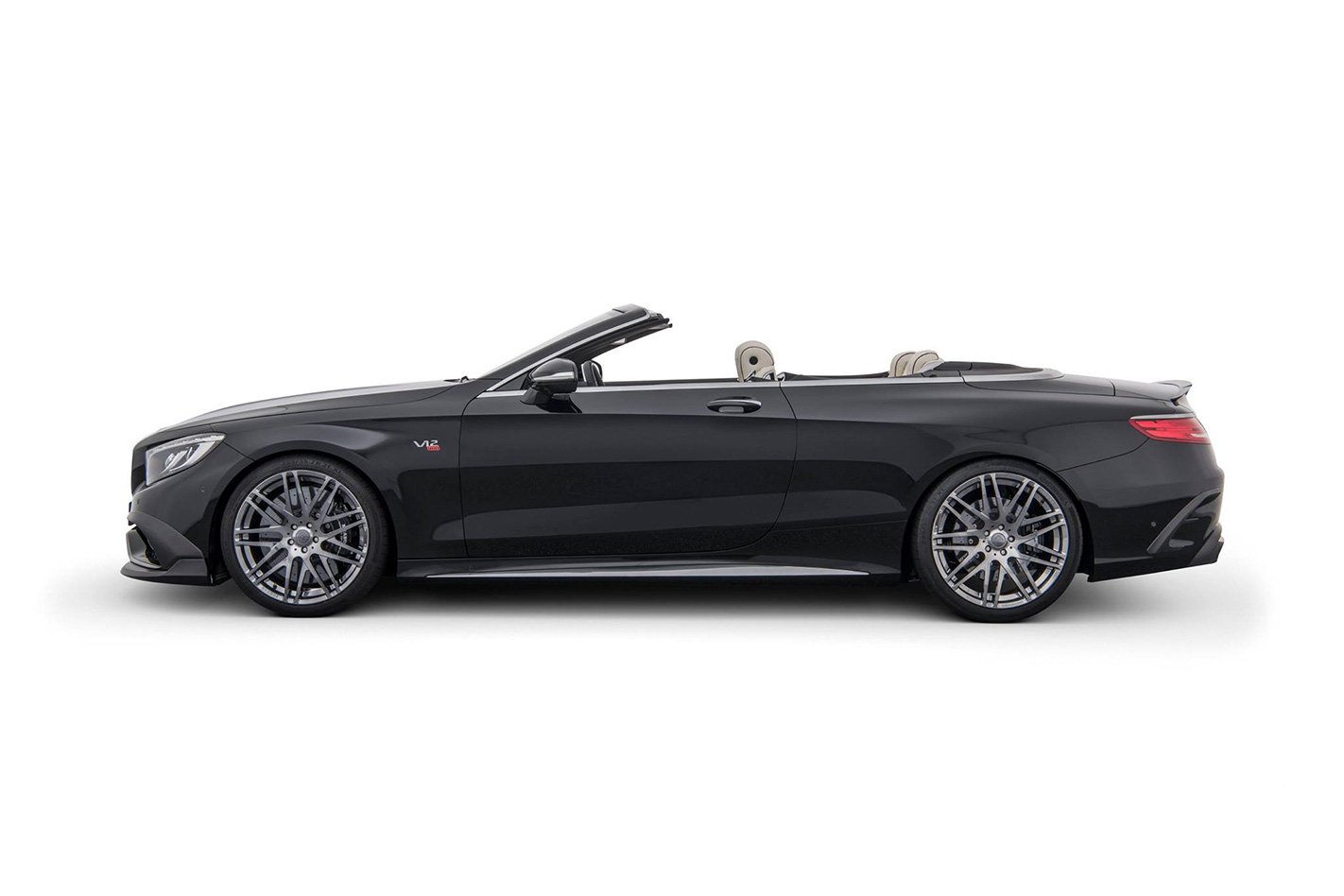
Premiering at the Frankfurt Motor Show, the Brabus Rocket 900 is based on the Mercedes-AMG S65 an already incredibly powerful V12 cabriolet pumping out 463kW and 1000Nm.
The S65 does come with a comparatively slow claimed 0-100km/h time of 4.1 seconds, but with that already costing an eye-watering $521,715, we’d shudder to imagine what someone would have to pay (or do) to get their hands on a Rocket 900.
Brabus’ 577kW ‘800 GT’ four-door coupe!
“Just as extraordinary are the sporty-elegant looks with naked carbon aerodynamic-enhancement components, the 21-inch hi-tech forged wheels and the equally individual and stunningly finished Brabus fine leather interior,” Brabus says in a statement.

“The fastest representative of this fraternity before was the Brabus 850 6.0 Biturbo Cabrio based on the Mercedes S 63 4MATIC.”
If you manage to get your hands on one… let us know, yeah?
WITH the hype machine now in full swing ahead of Mercedes-AMG’s Project One reveal at the Frankfurt motor show, the German carmaker is poised to deliver a vehicle which it says “brings Formula 1 technology to the road” but should we be sceptical?
In its most recent Project One update, AMG promises its hypercar will deliver in excess of 740kW and a top speed beyond 350km/h, which certainly sounds like race car territory, but it is not the first time the world has been on tenterhooks waiting for an F1 car for the road.
Until the eagerly awaited Project One rolls out in Germany, just how much F1 DNA courses through its veins remains to be seen, but here’s a look back at how close manufacturers have previously come to producing a true F1 road car.
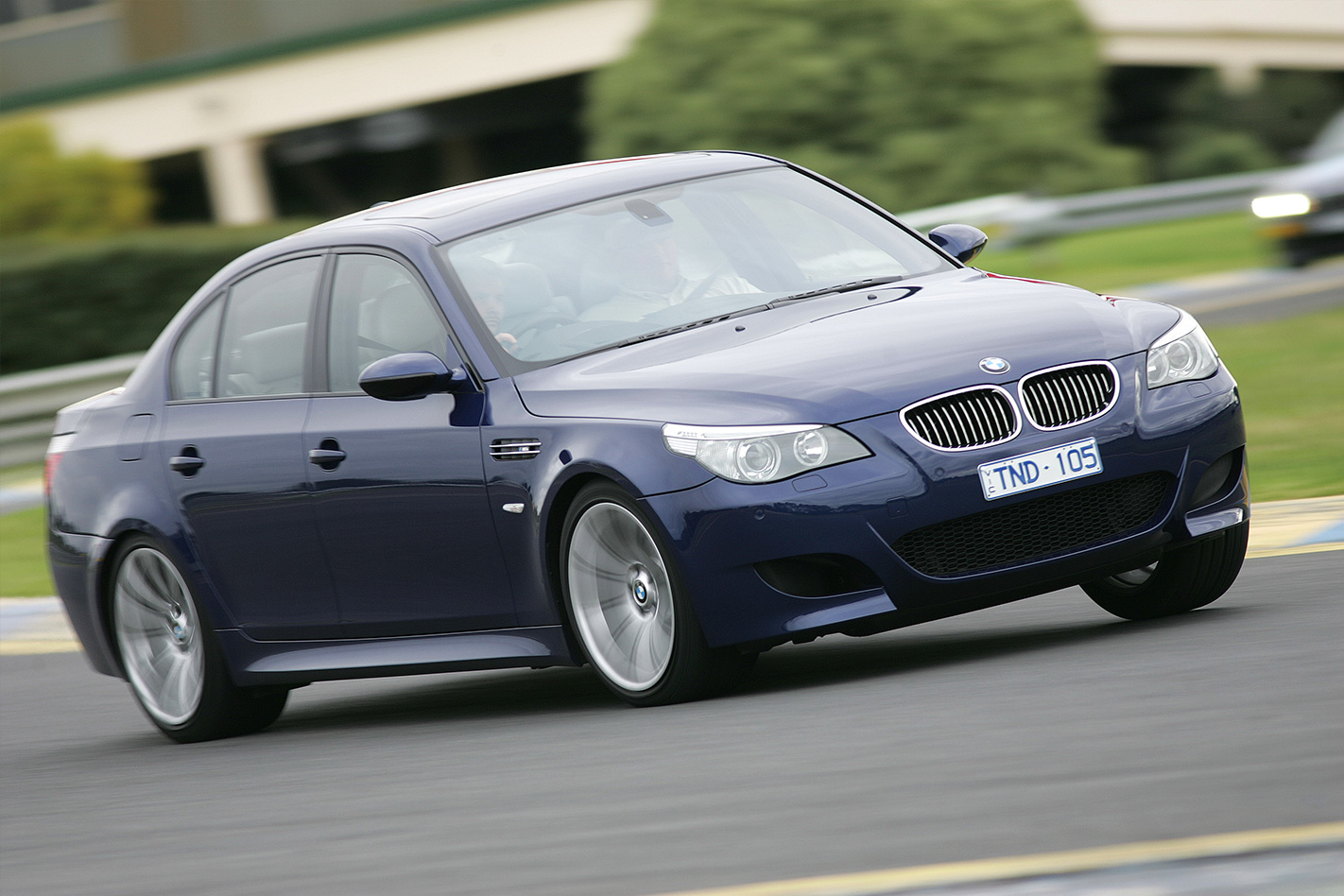
BMW M5
When BMW returned to Formula 1 in the 1990s it designed a new V10 engine to power the Williams team car after engine supplier Renault pulled out, and the lessons it learned while developing the unorthodox 10-cylinder layout were applied to a road car.
The resulting S85 engine powered the fourth-generation M5 and mechanically related M6, supplying a healthy 373kW, a spine-tingling soundtrack and stratospheric 8250 rpm redline. However, it was related to the V10 race engine in configuration alone.
To build the manic M12 and M13 race engines, BMW sourced used M10 road car engines because the second hand castings were nicely tempered and more durable than a freshly made cylinder block.
If you were driving around in any M10-powered BMW in the 1980’s such as the 316 or 318i, you technically had a little F1 soul under your bonnet.
Porsche Carrera GT
A screaming V10 also powered the 2004 Porsche Carrera GT. With 450kW emanating from its naturally aspirated 5.7 litres, the GT’s bent-ten was originally intended to slot into a Formula 1 car.

The engine was instead repurposed for endurance racing and found its first application in a Le Mans prototype racer which also failed to hit the track in anger, but the engine lived on in lightly altered form for the Carrera GT.
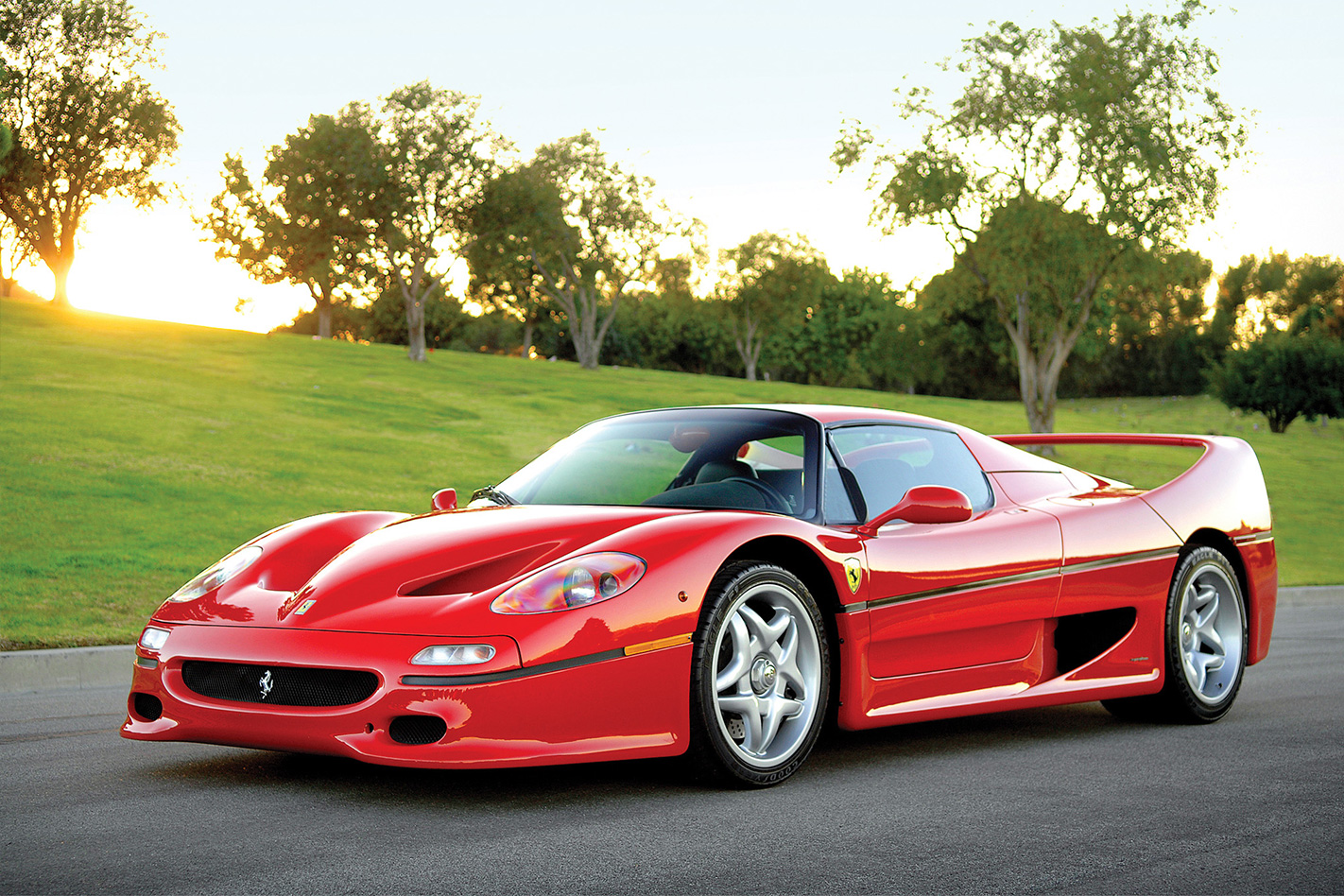
Ferrari F50
To celebrate its 50th anniversary, Ferrari unveiled a car it said was the closest interpretation of a road-legal Formula 1 car: the F50. Like the other cars we are revisiting here, the F50 had an engine loosely related to a race-going F1 powertrain, but went a step further by adopting push-rod suspension, unassisted brakes a carbonfibre chassis, paddle shifters and vehicle setting mode buttons on the steering wheel .
Ferrari FXX-K
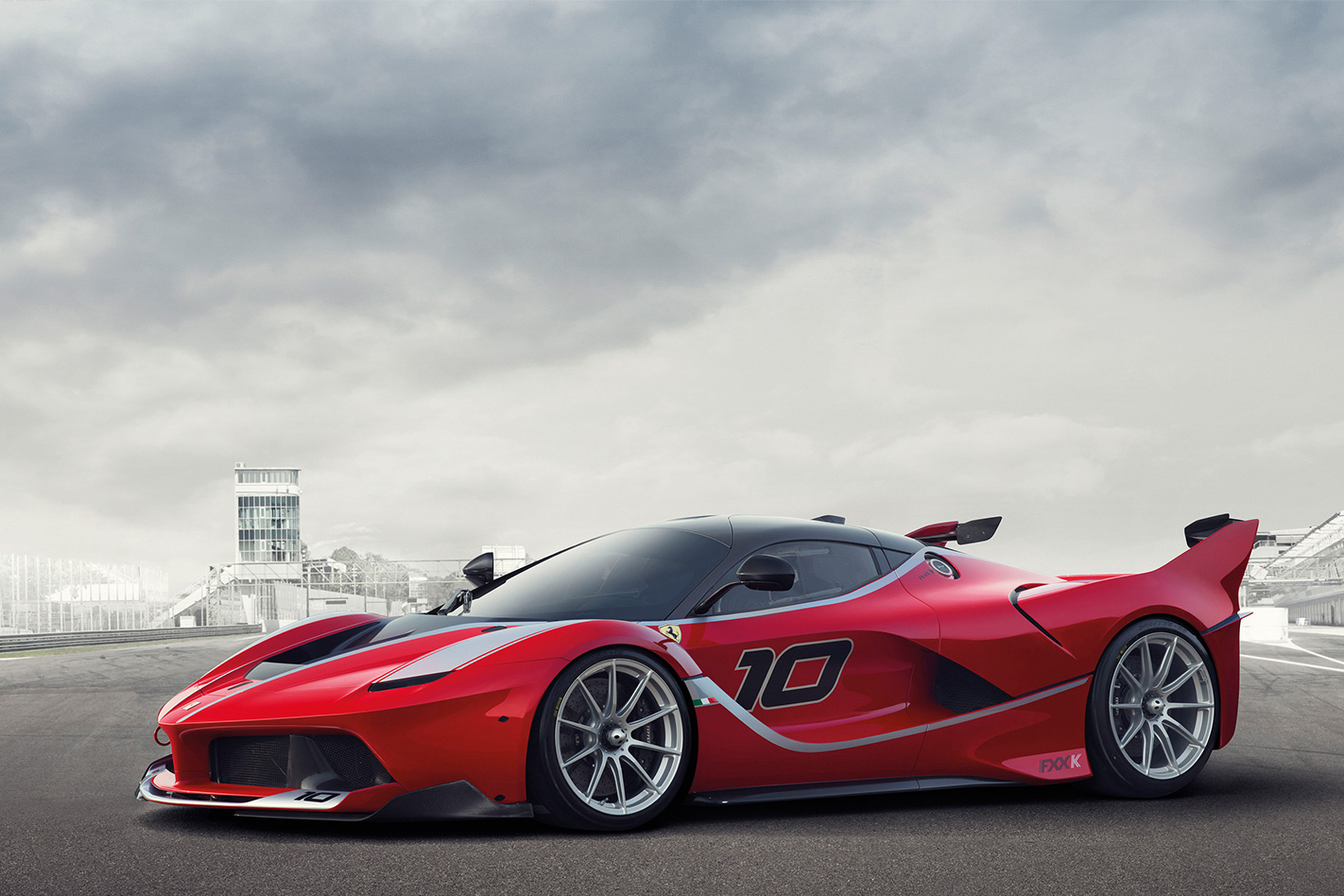
It’s hard to imagine how the already-insane Ferrari LaFerrari could be sharpened to a finer point but Ferrari did exactly that when it set about producing the FXX-K. The car shared the same hybrid electric drivetrain of the LaFerrari but added the HY-KERS energy recovery system, lifted directly from the F1 car.
Caparo T1
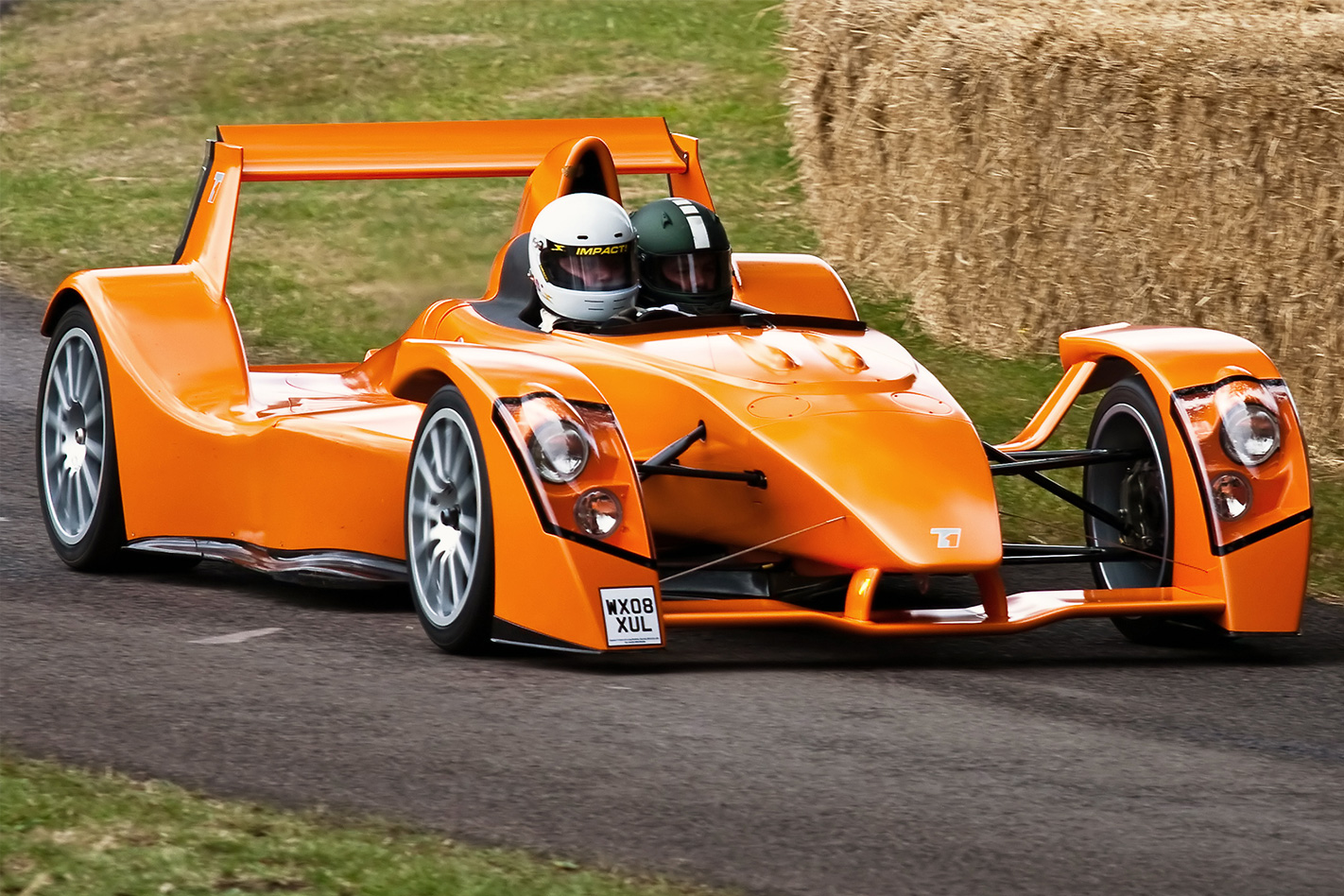
In each case, the cars above may have potent F1-derived systems and technology that filters down from the various teams, but if you’re after the most uncompromising interpretation of the ‘racecar for the road’ ethos it’s hard to look past the Caparo T1.
It might not brag any connection to a particular Formula 1 team, but the mind-bending British car is about as close as you can get to a registerable open-wheeled F1 machine. Power comes from a high-revving 3.5-litre V8, its body would not look out of place on the start grid at Monaco, and its cockpit maintains the spirit of a single-seater but packaged for two people – just.
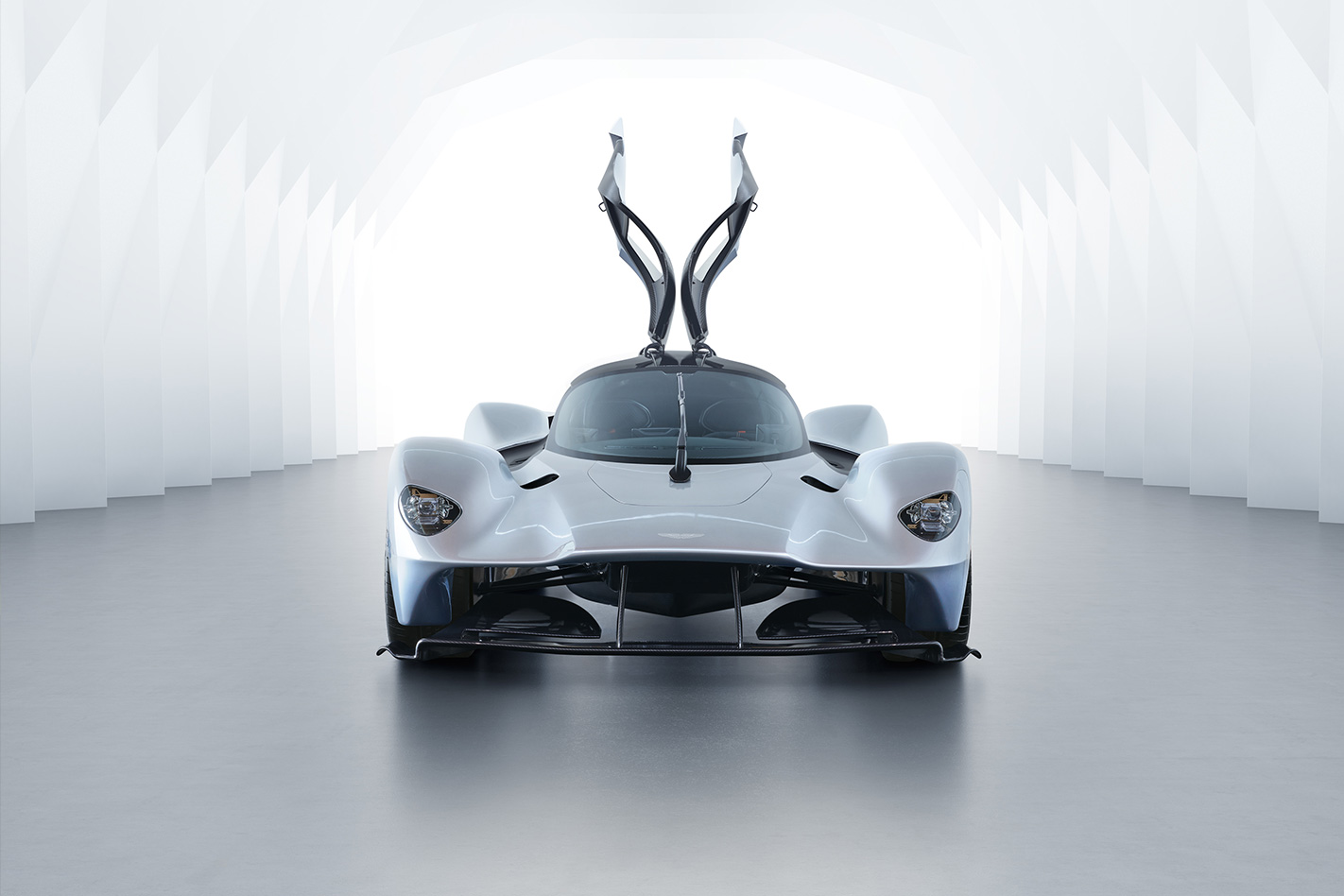
Which brings us to the only natural rival for Mercedes’ most potent road car to date and another vehicle that owes a lot to Formula 1 – the Aston Martin Valkyrie.
Aston Martin Valkyrie
Until the British car maker reveals all, the monstrous hypercar’s precise performance and intimate design details remain under wraps. Nevertheless, the collaboration with Red Bull racing will certainly result in many engineering advantages that find their roots on the track.
The Valkyrie’s body was co-designed by Marek Reichman and legendary F1 aerodynamicist Adrian Newey and is powered by a hybrid electric powertrain that uses a 6.5-litre Cosworth V12. Its power to weight ratio is a mega 1:1, which bodes extremely well for its performance. If anything is going to give the Mercedes-AMG Project One a run for its money, the Aston is it.
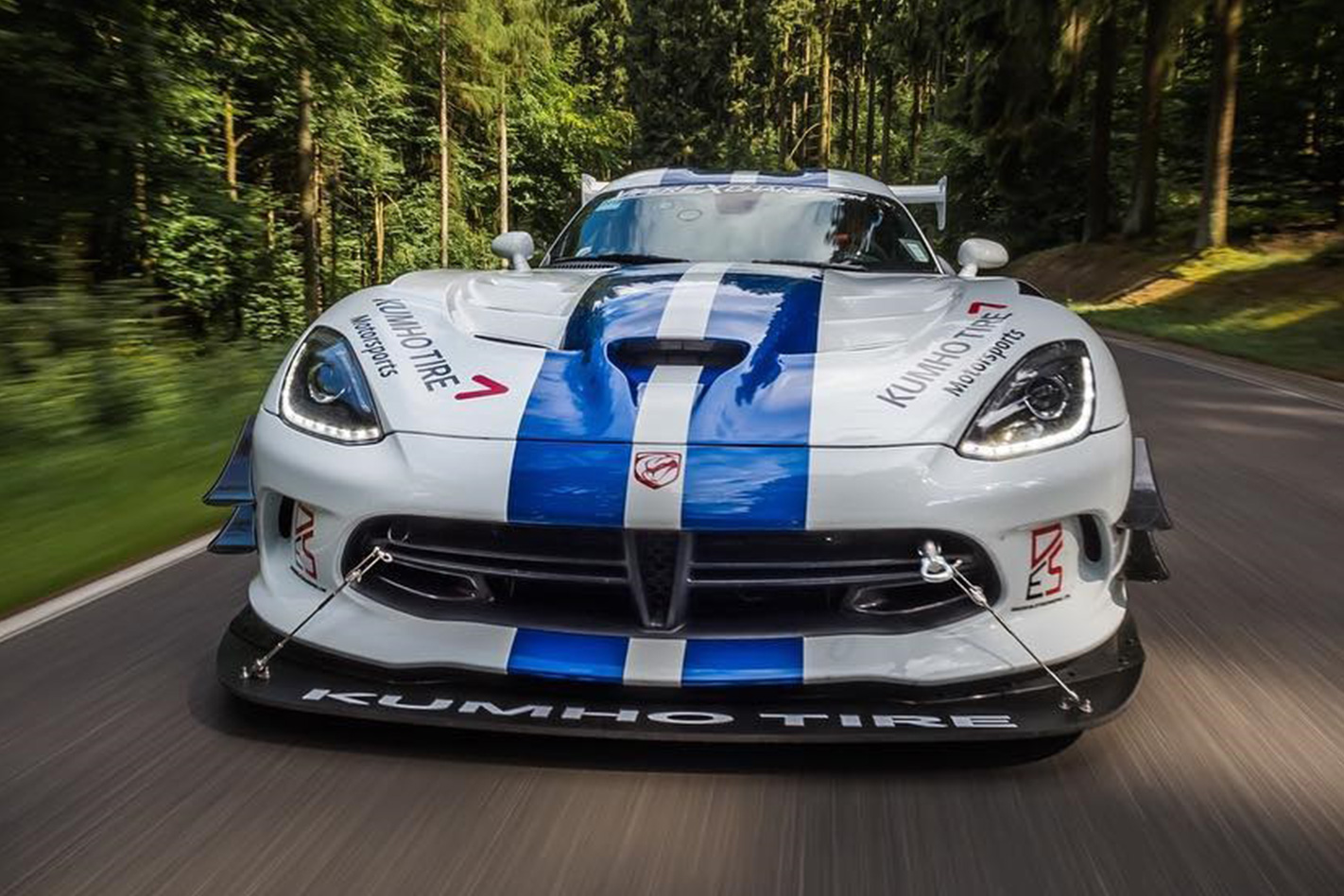
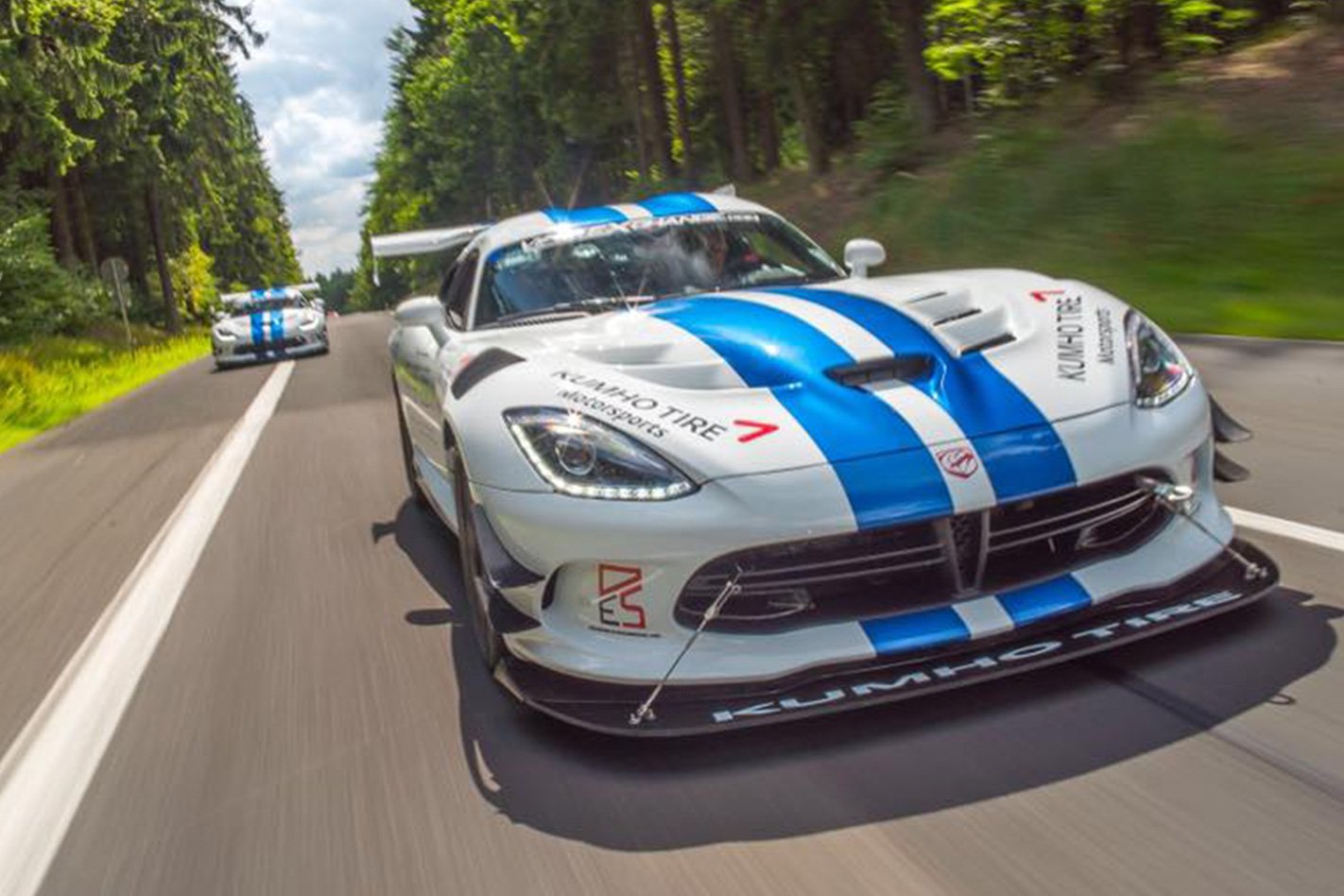
The record attempt Dodge Viper ACR backed by a GoFundMe has beaten its previous attempt with a lap time of 7:01.03.
With racer Lance Arnold at the wheel, the two seconds shaved from the time were achieved on the first lap, and with some issues still present in the car.
According to organisers of the attempt, former DJ and entrepreneur Russ Oasis and Viper Exchange owner Bernie Katz (who supplied the cars), Arnold was still getting used to the car when he achieved the lap time.
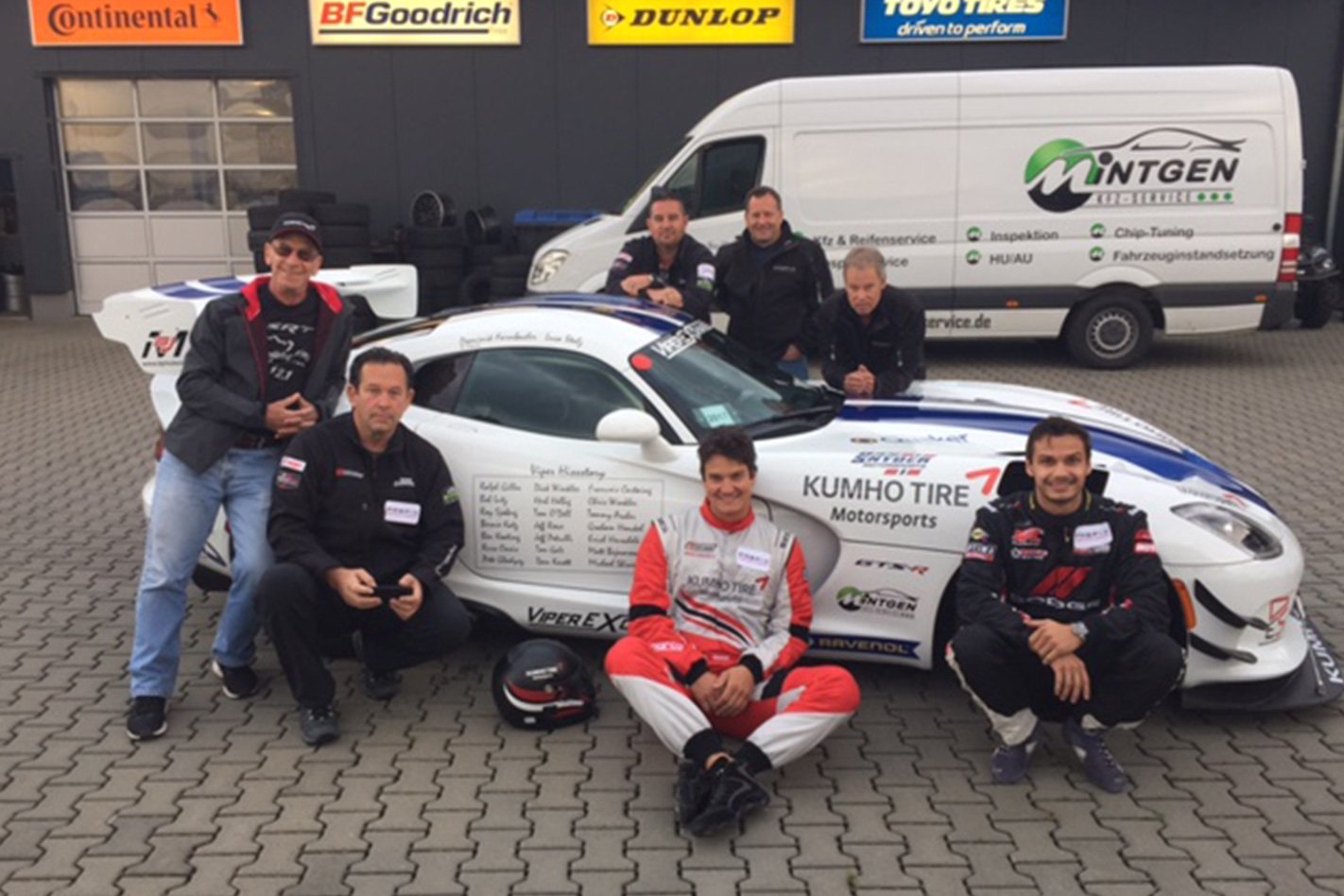
“He had a tire failure at a high speed (left front) on the final straight. We put some fresh rubber on his car and sent him back out,” Oasis said in a statement.
“Unfortunately, the next thing that happened was our own fault. In changing the differential fluid, the drain plug was only finger tightened and mistake slipped through the cracks.
“Oil leaked out until there was too little left in the diff and it broke. We were now down to one car.”
“We were elated. We couldn’t wait to see the time for his second lap,” Oasis continued.
“It was then that we were informed that there was a problem.
“Apparently, his left front tire – like Luca’s – had a sidewall failure at about 160mph (257.4km/h) while he was in a corner. He ALMOST saved it but the car brushed the left guard rail ever so lightly.
Whether they’ll head back in future and aim for a time of 6:50-something (which seems achievable given better circumstances) is uncertain, as the team says they’re out of time and money.
In addition, money continuing to be raised by the GoFundMe is now being put towards the track repairs, as well as that of the cars.
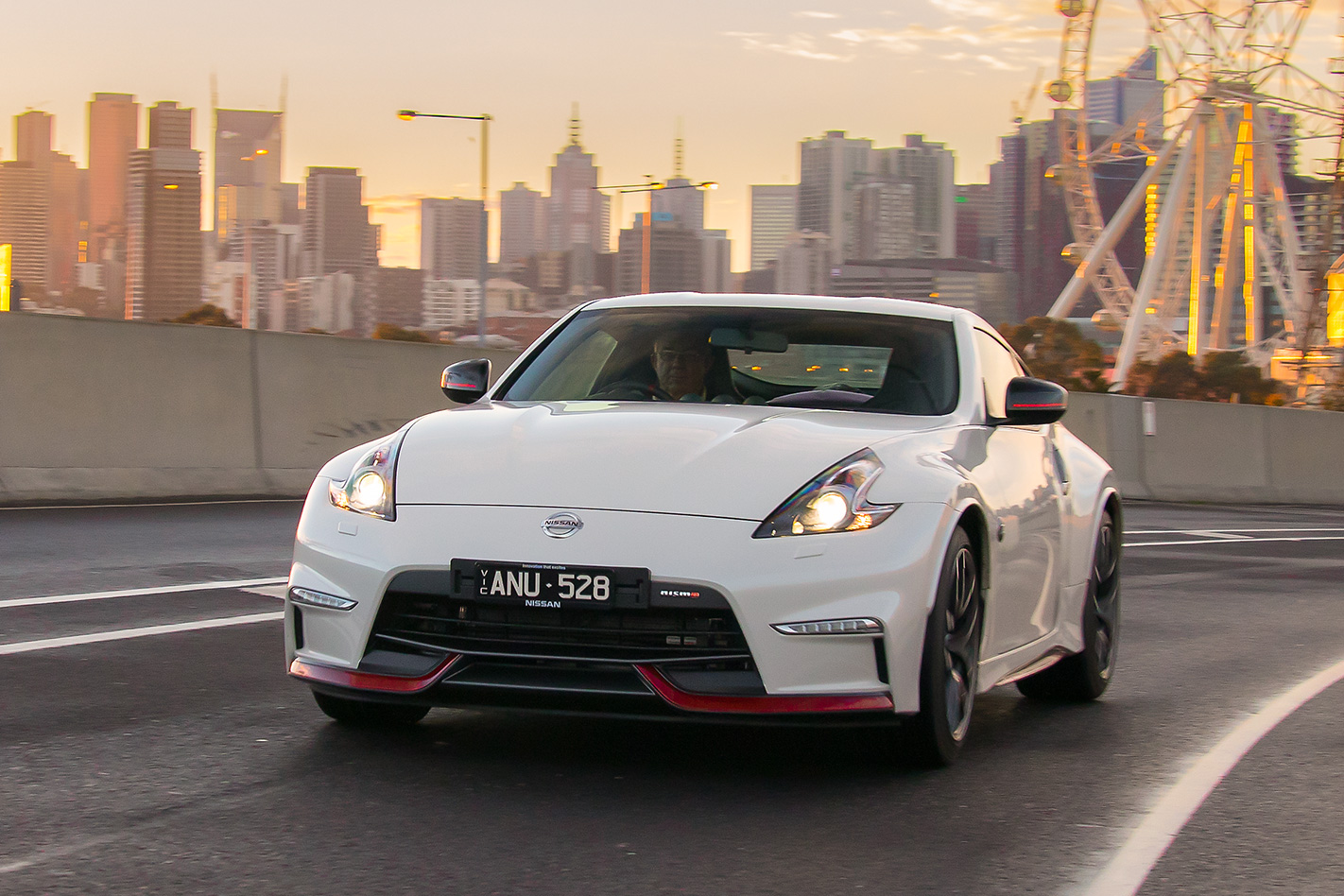
Fans of Nissan performance cars will be overjoyed at the arrival of the 370Z Nismo, which lands in Aussie showrooms wearing an attractive $61,490 pricetag and boasting a long list of tasty go-faster bits. It’s a long time coming and it arrives just as the 370Z prepares to celebrate its ninth year on the Australian market, but our first taste of hotted-up Zed shows age hasn’t wearied this sports car much – if at all.
TELL ME ABOUT THIS CAR
Nismo is Nissan‘s in-house performance division, concerned with two things: running Nissan’s various motorsports programmes, and turning regular road-going Nissans into wicked-fast performance machines.
The company has had its way with the 370Z twice before, with the latest-generation 370Z already having racked up two years in showrooms overseas. However, after a long wait, Nissan Australia has finally succeeded in bringing it to local roads, following in the footsteps of its much faster (and much more expensive) big brother, the GT-R Nismo.
The tuning menu is extensive, with the 370Z Nismo receiving plenty of unique parts and performance upgrades to differentiate it to the cooking variety Zed. Does it justify the extra $11,500 premium over a regular 370Z?
STRENGTHS
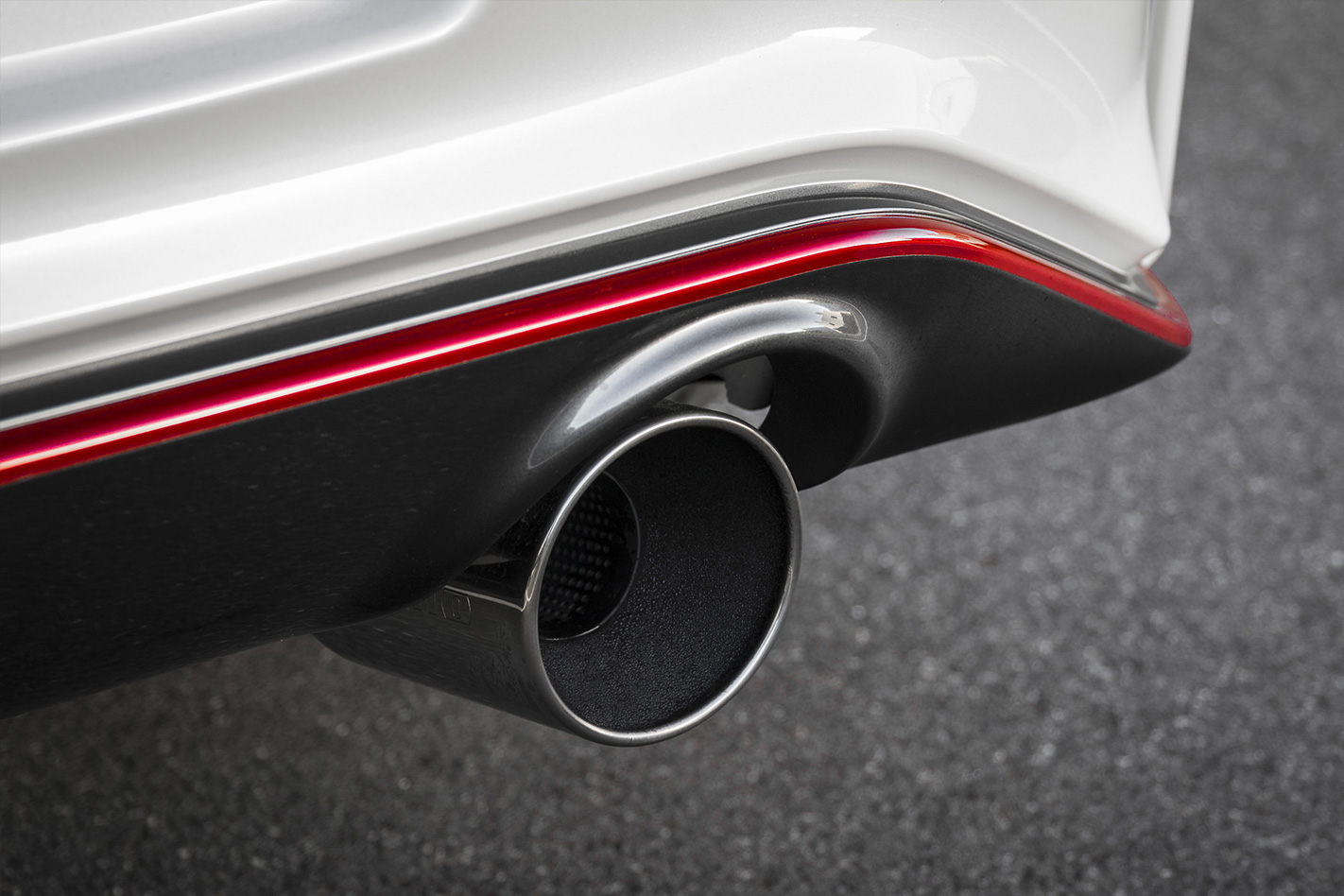
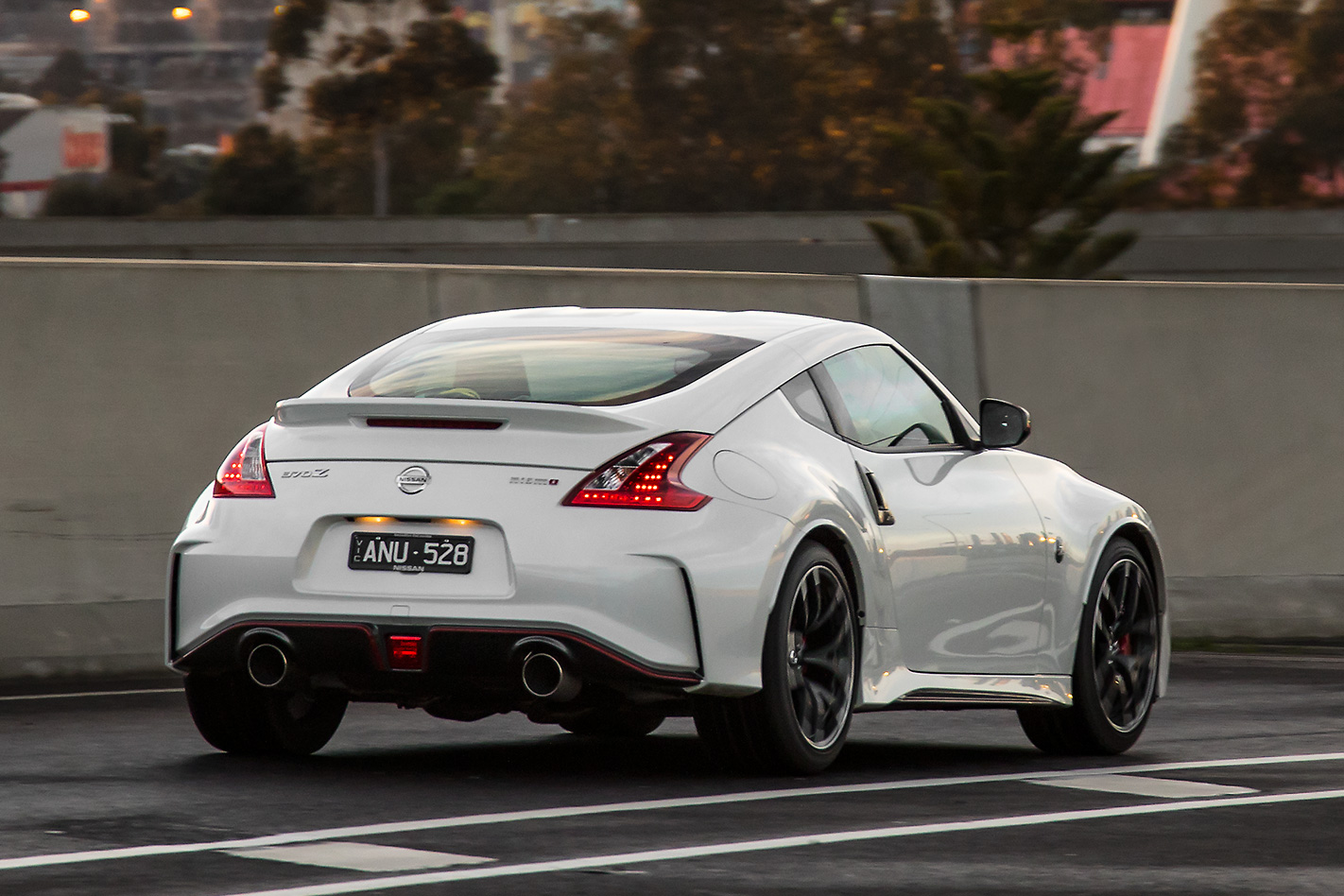
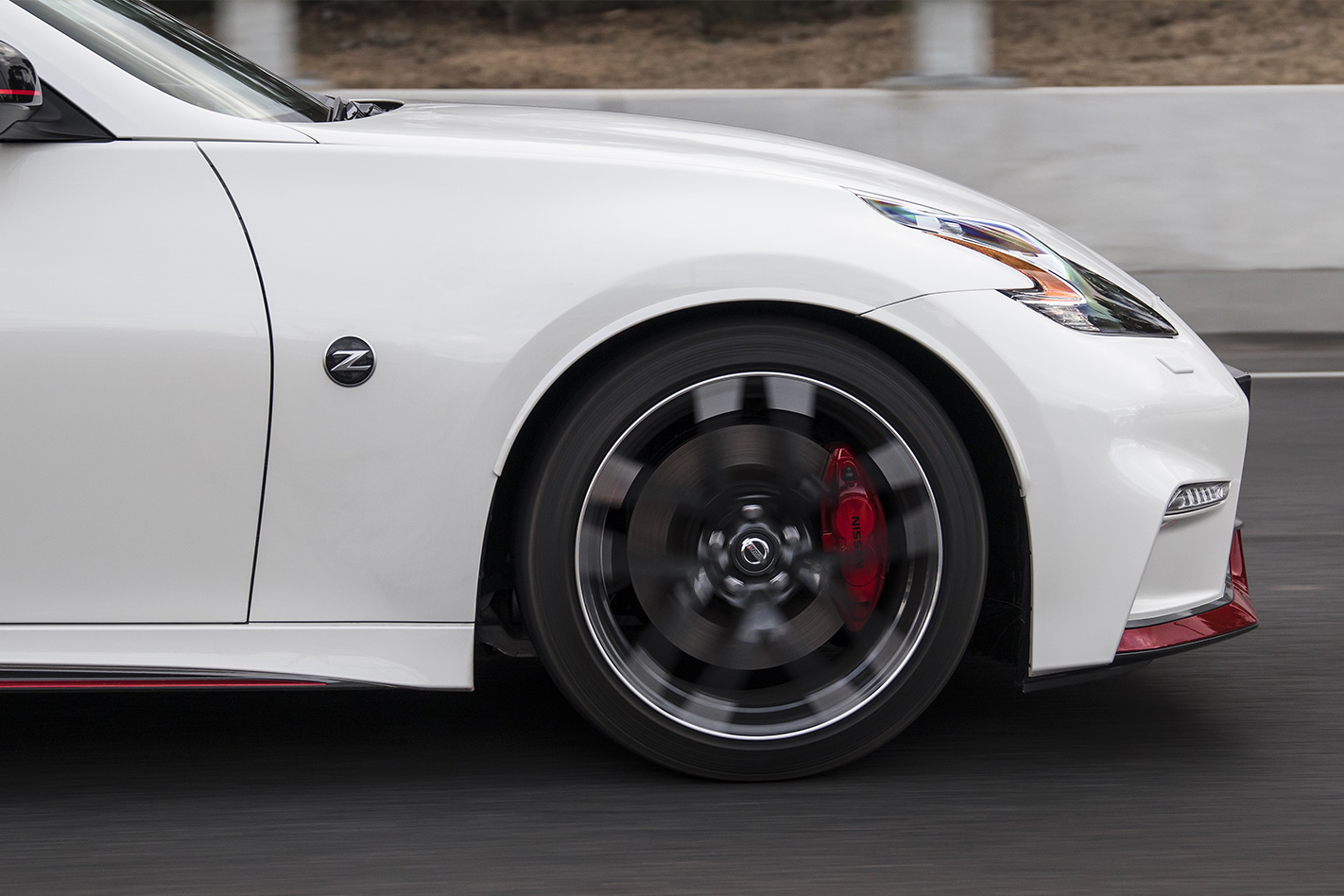
The basic 370Z, with its swollen fenders and classic long-bonnet, short-cabin silhouette, has always been an eye-catching car, but the Nismo model turns up the visual heat with a more aggressive bodykit, a sizable rear spoiler, fat twin exhaust pipes, Nismo-specific 19-inch alloy wheels and red pinstriping along the bodywork’s lower extremities.
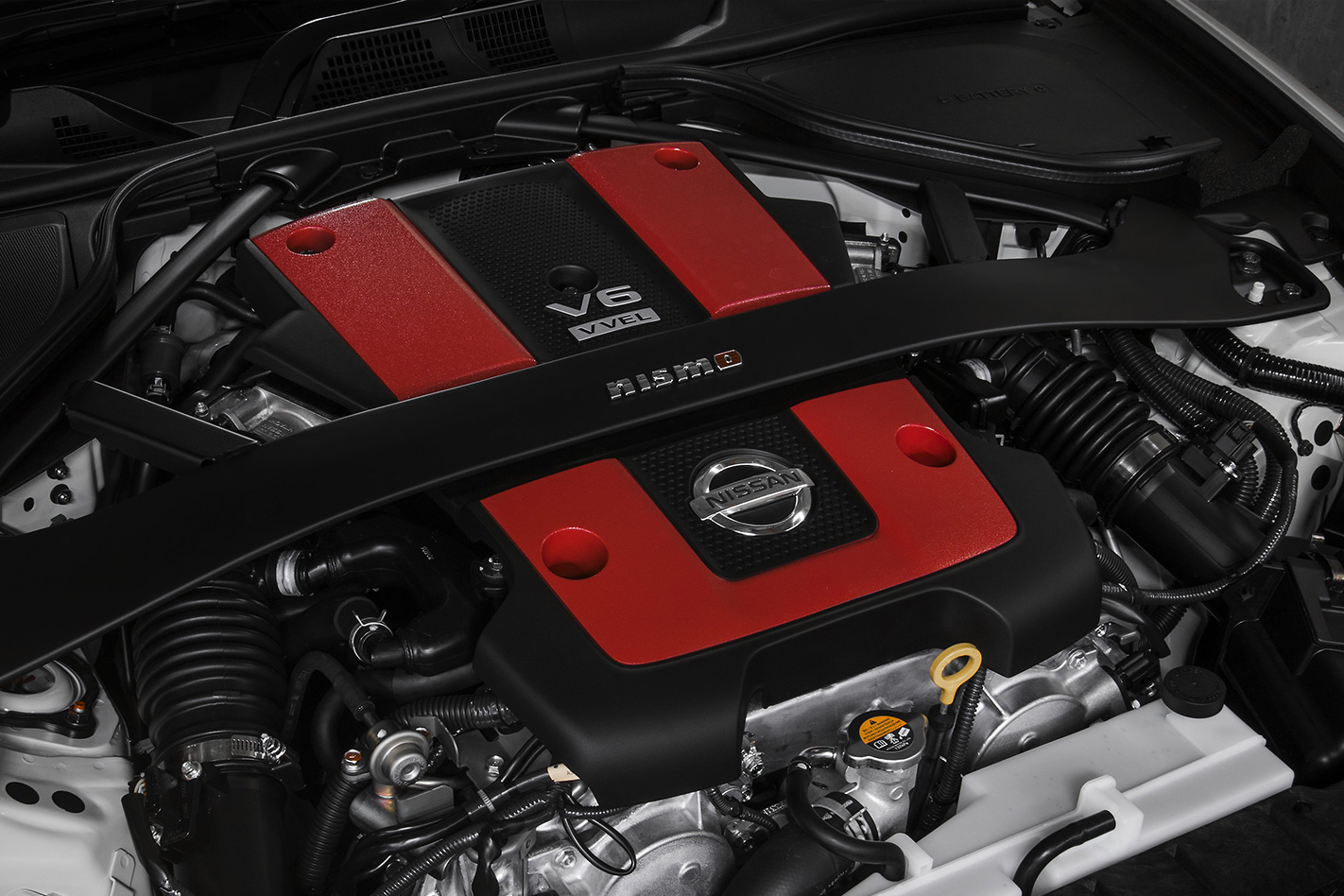
The 370Z Nismo’s excellent 3.7-litre V6 engine has a bit more pep than the standard car thanks to a low-restriction Nismo exhaust and a new ECU calibration that frees up an extra 8kW and 8Nm, bringing the total to 253kW and 371Nm. There are no turbochargers present on this big V6, yet there’s still plenty of mid-range torque to enjoy as well as a generous 7500rpm redline – with the engine happily spinning right up to its maximum speed.
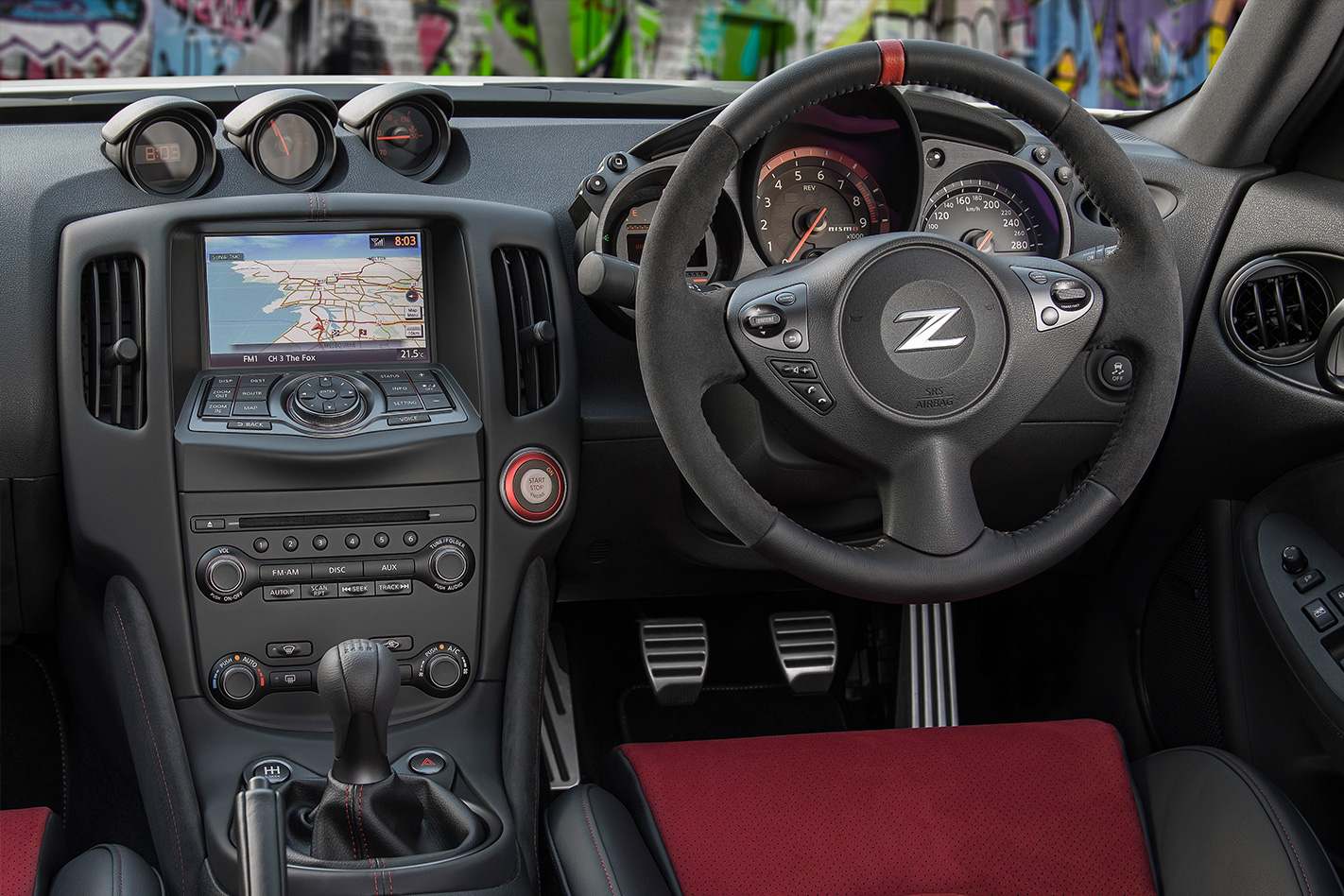
Tactile and fast-responding steering is another 370Z strong suit, and it’s complemented in the Nismo by huge grip from its staggered-width tyres (meaning the rear tyres are wider than the fronts) and a sporty-feeling Alcantara-clad steering wheel.
The 370Z Nismo’s suspension is tuned to be taut, which is great if you’re the kind of person who enjoys the occasional track day. Cornering balance is superb thanks to a reasonably neutral 53-47 front-rear weight distribution, and a viscous limited-slip differential improves traction out of tight corners.
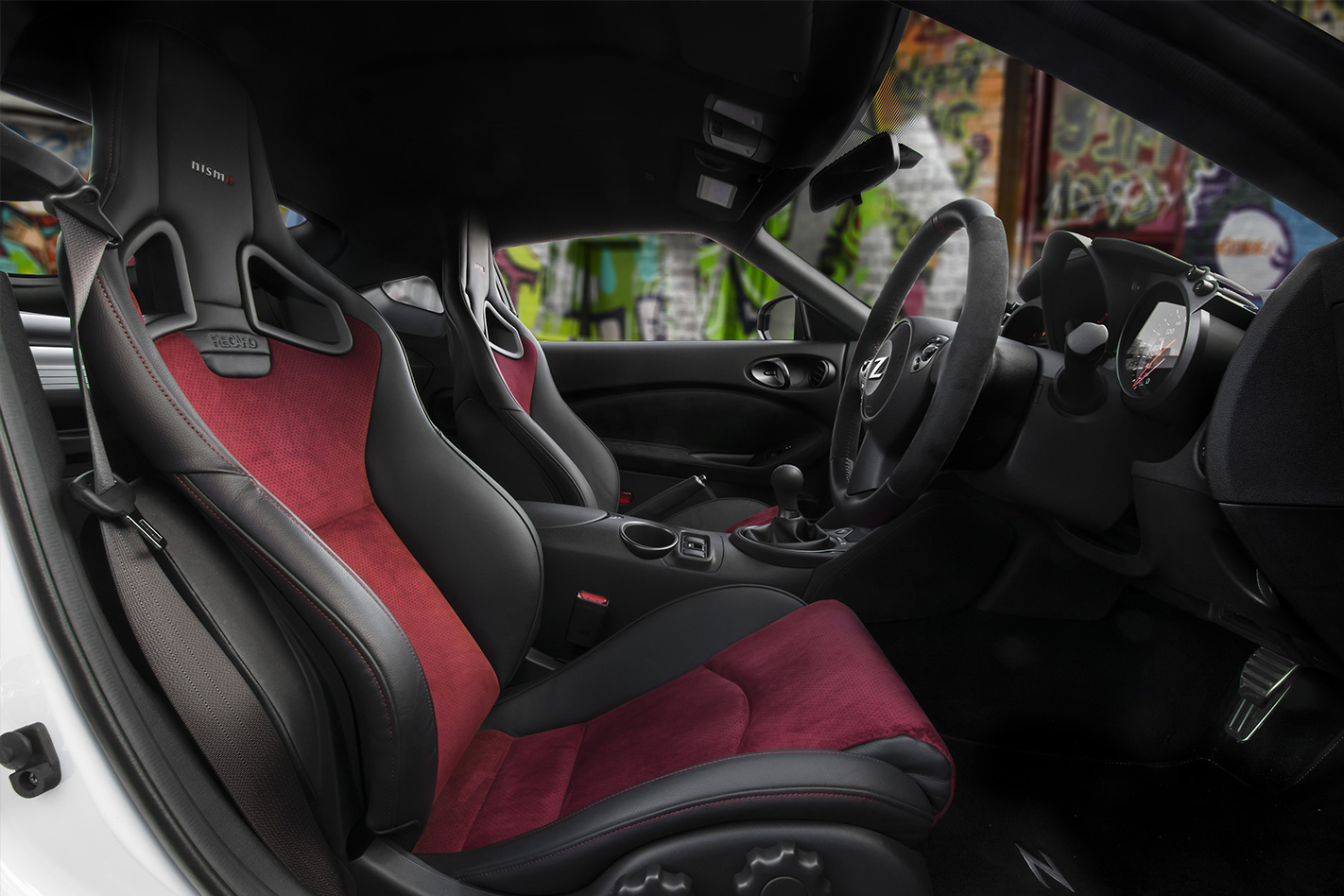
The Nismo influence is a little more restrained on the inside compared to the shouty bodykit it wears on the outside, but the Nismo-exclusive Recaro seats are a massive step up compared to the standard 370Z’s seats – both in terms of comfort and support. A longer seat base improves under-thigh support and the wide wings of the backrest hold your shoulders firmly in place when attacking tight corners. There’s no power adjustment, but these are just the right kind of seat you want in a sports car.
The Nismo-specific exhaust not only has 30 percent less backpressure than the standard pipes, but also liberates a pleasant (and louder) warble from the V6.
WEAKNESSES
Like many sports cars, the 370Z is a noisy machine, but its elevated road noise on coarse chip surfaces is perhaps too much even for the most die-hard enthusiast.
While a firm suspension results in fantastic cornering performance when the road is smooth, it can be unpleasant on broken, potholed or corrugated tarmac. The front wheels tend to skip over sharp bumps, which results in poor front-end traction when pushing hard.
The Nismo’s exhaust note is definitely an improvement over the standard car, but Nissan’s decision to augment it with electronically-generated tones piped through the audio system is questionable. There’s a synthetic edge to it from within the cabin, which is at odds with the 370Z Nismo’s otherwise natural, analogue and honest driving experience.
Cost may put some buyers off, given the Nismo retails for $11,500 more than the $49,990 standard 370Z manual coupe. But, while the regular 370Z represents a cracking deal, given the Nismo packs in so much extra gear it’s still commendable value.
ANY RIVALS I SHOULD CONSIDER?
The 370Z Nismo doesn’t really have any direct competitors, being an ultra-focused version of an existing sports car. However, in terms of other powerful rear-drive coupes there’s the V8-toting Ford Mustang GT at $57,490. Beyond that, you’d need to look at the $74,900 BMW M240i to find another rear-wheel-drive two-door hardtop that matches the 370Z Nismo’s performance-oriented zeal.
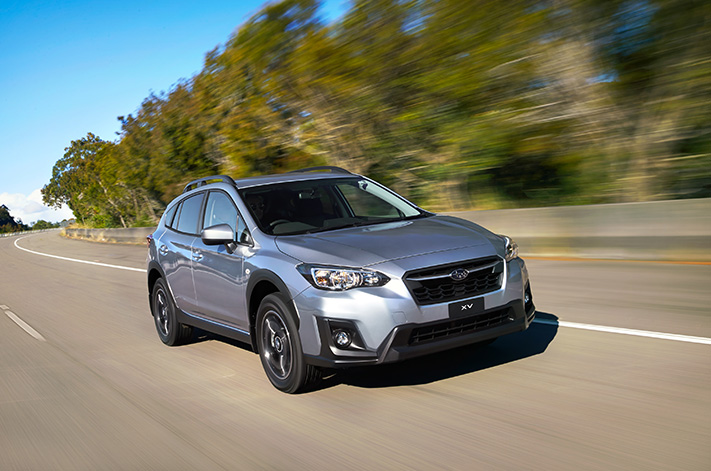
Price & Equipment – Winner: Subaru XV
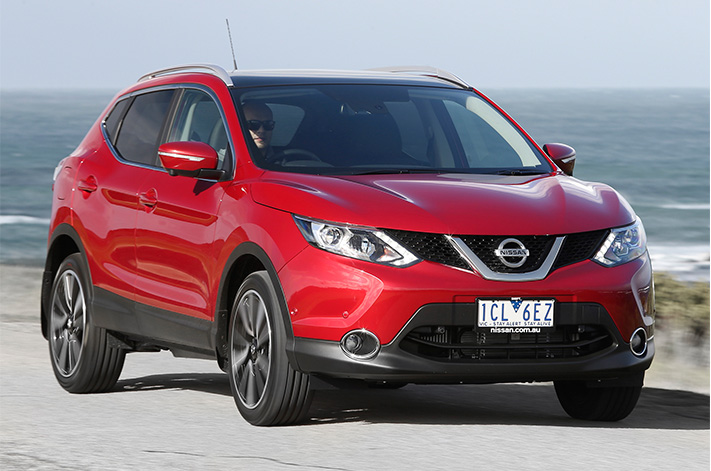
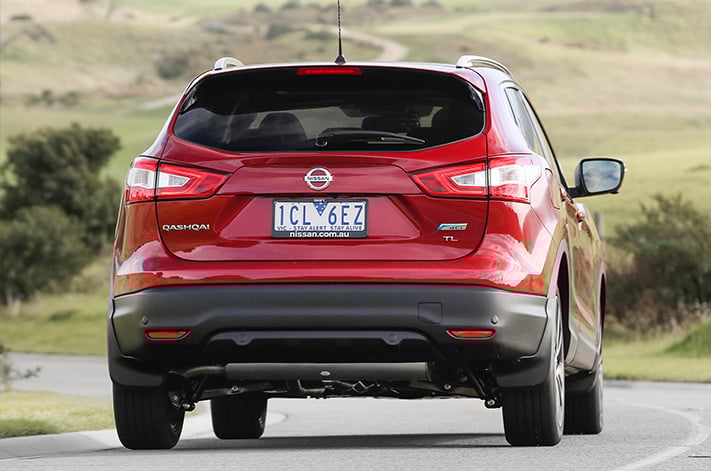
The top-spec petrol Qashqai is loaded with a 7.0-inch colour touchscreen, reverse camera, sat-nav, six airbags, smart-key entry, auto headlights, dual-zone air-con, a parking assistance system, leather/synthetic trim, heated front seats (powered for the driver) lane-departure and blind spot warnings, 19-inch alloys, and a powered glass roof.
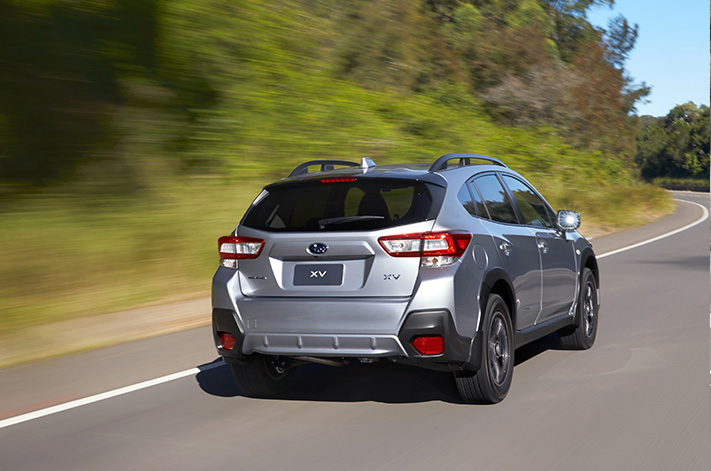
The Subaru XV 2.0i Premium is a rung down from top billing, and $2350 cheaper than the Nissan. But in lieu of heated-seat luxe and big-wheel bling you get AEB, adaptive cruise, lane-keeping assistance, a tyre pressure monitor, a driver’s knee airbag, and Apple CarPlay and Android Auto via an 8.0-inch screen. AWD and metallic paint are standard, too.
Interior & Versatility – Winner: Subaru XV
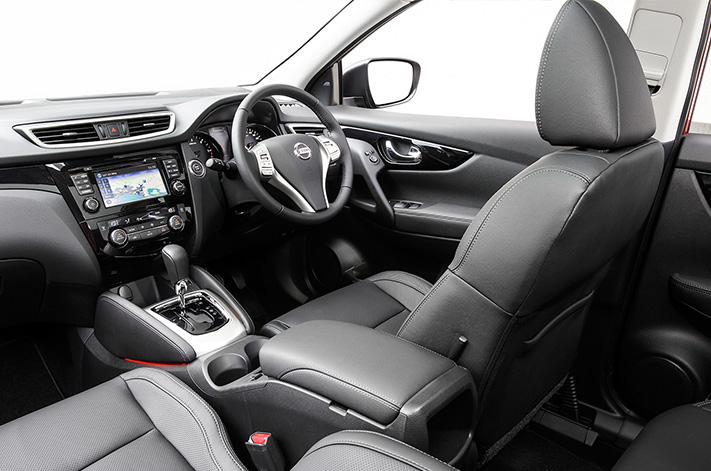
The Brit-built Nissan Qashqai Ti is nicely put together and reasonably classy. The leather is comfy and the glass roof lightens the mood. It’s roomy in the back though not as easy to see out of as the Subie, partly because of the rising window-line. There are no rear air-con vents either, though the Nissan’s boot is usefully bigger at 430L.
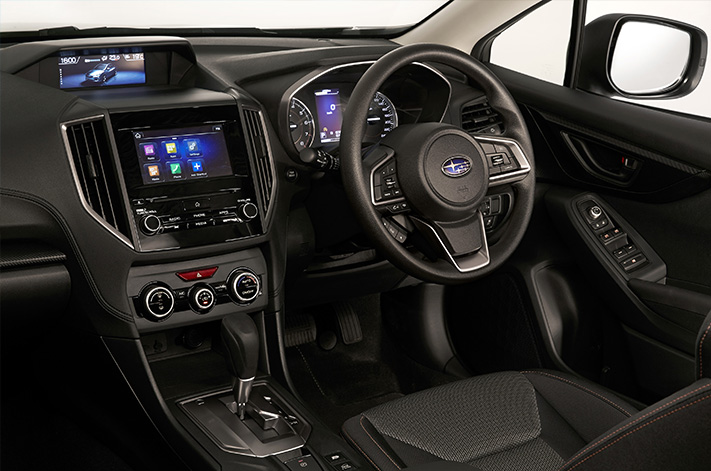
The Subaru XV gets tactile cloth and leather trim, and quality plastics and switchgear. Besides being better finished than the outgoing model, it’s roomier, front and back, though the boot is still modest at 310L – you could always put a pod on the roof rails. The view from the back seat forward and out the sides is good, and there are rear air-con vents.
Performance & Economy – Winner: Draw
Both these jacked-up hatches weigh around 1450kg and have 2.0-litre petrol fours paired with a CVT auto. The Nissan officially uses less fuel at 6.9L/100km and there may be some saving in only driving the front wheels, but real world urban figures are likely to rise to circa 9L/100km for both. CVT is stepped to erase the usual rev drone.

Subie donk differs with flat layout and stop-start system. Uses 7.5L/100km on the official combined cycle, and draws from a tank two litres smaller than its rival’s at 63L. The CVT also adopts (seven) artificial ratio steps, but drone is the default noise during hard acceleration, sidestepped by shifting manually. The XV is flexible, but not fast.
Ride & Refinement – Winner: Subaru XV
The Nissan is reasonably refined in terms of shutting out tyre, wind, and engine noise, unless you’re flat-out uphill. Body movements are well controlled yet the primary ride is supple, though this is spoilt by the 19s with shallow sidewalls, which relay constant jiggle into the cabin on poorly maintained urban surfaces.
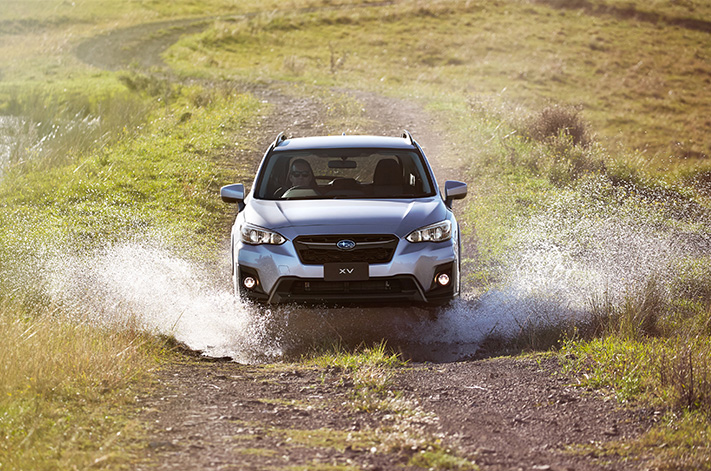
Like the fifth-gen Impreza it’s derived from, the Subaru XV is an extremely solid, quiet, and refined machine. Meanwhile, it builds on the donor hatch and sedan’s good ride by bringing a bit more travel and absorbency, while sticking to more sensible 17in boots than its rival to iron out urban lumps and road joins.
Steering & Handling – Winner: Subaru XV
The Qashqai, even without all-wheel drive to fuel the soft-roading illusion, is essentially a raised hatchback and that’s how it drives (which is a good thing). The Nissan is tautly controlled, reasonably grippy, and steers with accuracy if not feel, and sitting up higher than you would in a normal hatch helps you pick your lines.
AWD and the X-Mode system, give the XV real slippery road/loose conditions advantage, and the subtle effect of active torque vectoring, which points the nose by braking individual wheels satisfies. But the highlight is the steering – the best in a modern Subaru – with a lovely fluid feel and connection from just off centre.
Verdict – Winner: Subaru XV
The box-fresh Subaru brings all the gear today’s buyers expect as standard in a car, such as AEB, but its price advantage over the higher-spec Nissan might be negated, because there’s not much room for discounting. The Qashqai is due for a facelift – we’re expecting an update late this year – so we’d be surprised if you couldn’t get all that Ti-level fruit for less than list price.
Yet, on value, the Subaru, with its unlimited-kay warranty, AWD, and standard metallic paint, is at least a nose ahead. It’s nicer to sit in, though it’s a pity it doesn’t have a bigger boot. On the powertrain front, neither sparkles, but both do the job with reasonable economy. Yet the Subaru’s chassis sets it apart from the Nissan. The refined, fine-riding, sweet-steering XV takes gold.
MERCEDES-BENZ is steaming full speed ahead into an electric future, teasing an all-new addition for its forthcoming EQ sub-brand.
The compact model is the third concept for Mercedes’ planned electric EQ brand, following the initial Generation EQ SUV concept show in Paris last year, and the latest Smart Vision EQ Concept.
Dubbed the EQ A, the car will be revealed in full at the Frankfurt Motor Show later this month.
Only a single teaser image of the car has been revealed so far.
Mercedes-Benz is claiming the EQ A will “shape the mobility of tomorrow”. While the Mercedes concept is likely to be a hatch, likely rivals for a production model would include the Nissan Leaf and Tesla Model 3, along with the Chevrolet Bolt which remains unconfirmed for Australia.
As of yet, no details on the EQ A have been released, however it is likely to have an all-electric range that is similar to the Generation EQ concept – somewhere in the 500km ballpark.
The electric concept is rumoured to be built atop the new MEA platform Mercedes has developed, with production speculated to begin in 2019.
EQ is Mercedes-Benz’s all-electric sub-brand, and is expected to launch around 2020, with everything from production cars to wall chargers and home batteries falling under its umbrella.
Judging from images of the Generation EQ and EQ A, which have been released so far, the new EQ brand is likely to have its own unique design language. While similar to Mercedes-Benz’s current line-up, the EQ’s design cues have a more ‘futuristic’ twist.
It now seems customary for an electric vehicle concept to also come with a full suite of self-driving features. It is likely Mercedes-Benz will be showcasing new autonomous technology with the EQ A.
Though the original Calsonic Skyline GT-R still lives in Japan, a part of it has made its way to Australia. It’s livery.
A recreation of the famous blue Group A racer will appear in the form of the #23 NISMO Nissan Altima Supercar, driven by Michael Caruso and Dean Fiore, at the Sandown 500 retro round.
The Calsonic R32 Skyline GT-R took out an astonishing 15 victories in the Japanese Touring Car Championship, and won the 1990 and 1993 championships.
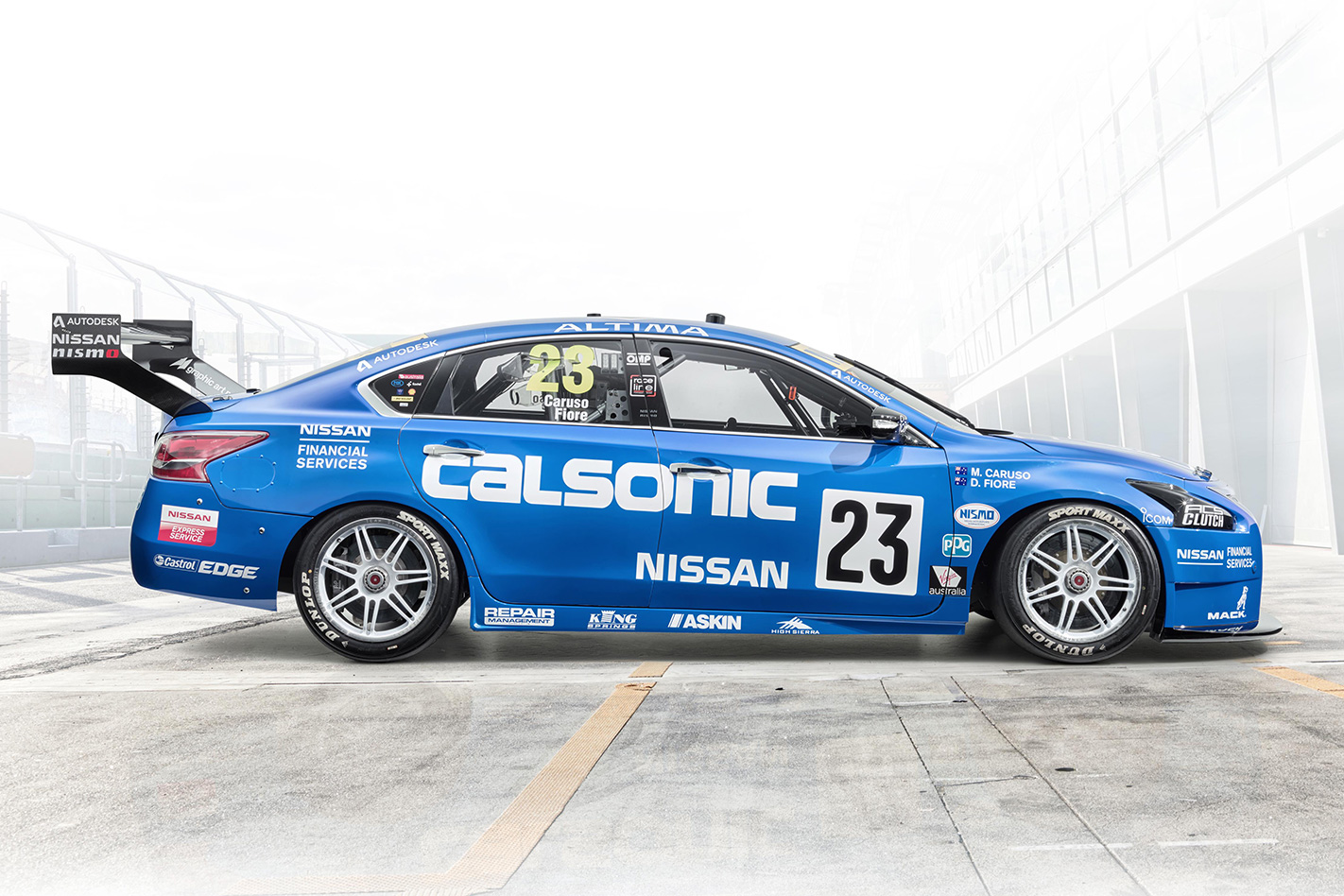
“Nissan has achieved a lot in global motorsport and there are so many great liveries to choose from,” says Caruso.
“The Calsonic livery is one of Nissan’s most famous and perfectly represents its racing heritage.
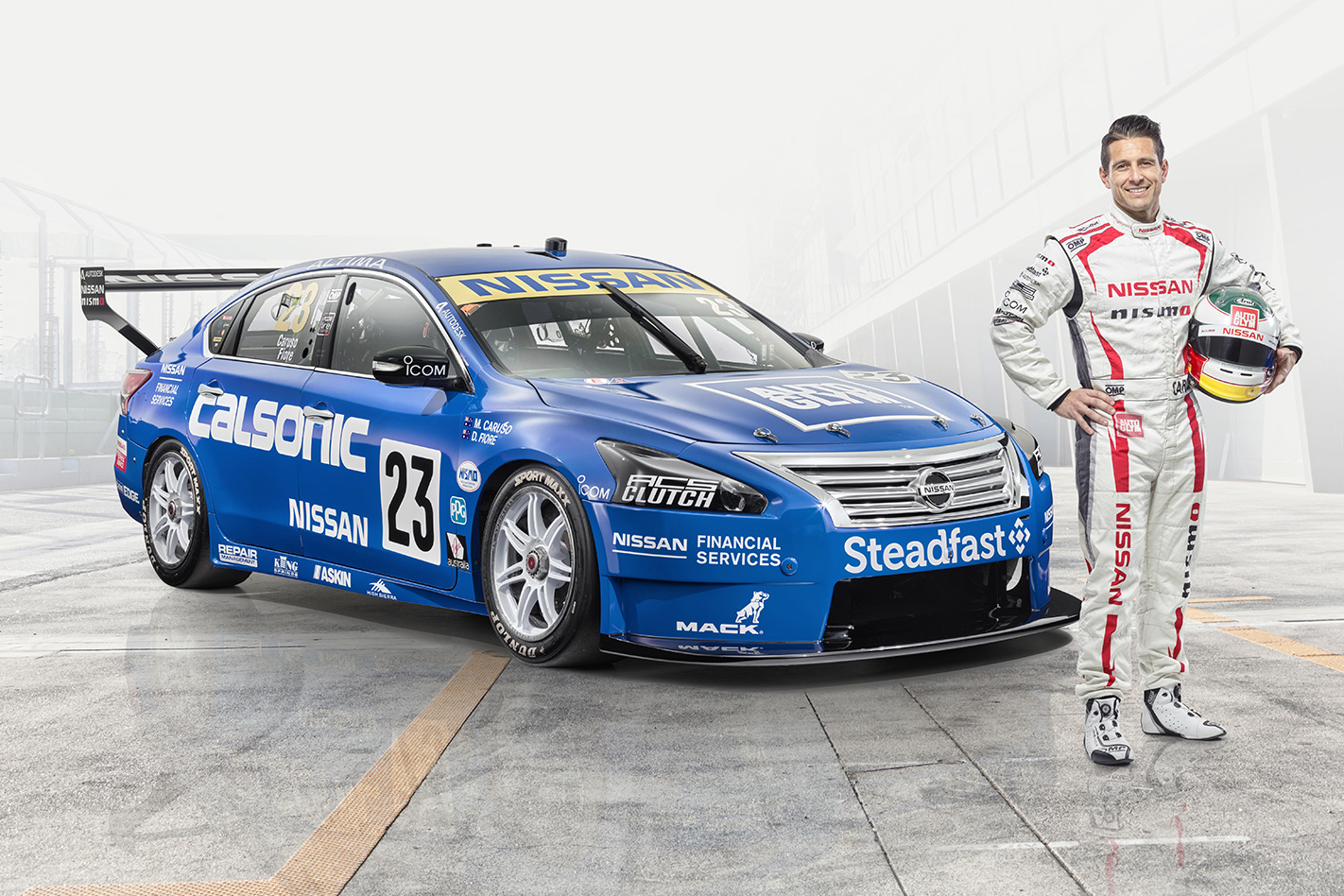
“Mark Skaife explained what it was like to drive and it sounded wild. What a beast!
“I hope I can emulate its success at the Sandown 500.”
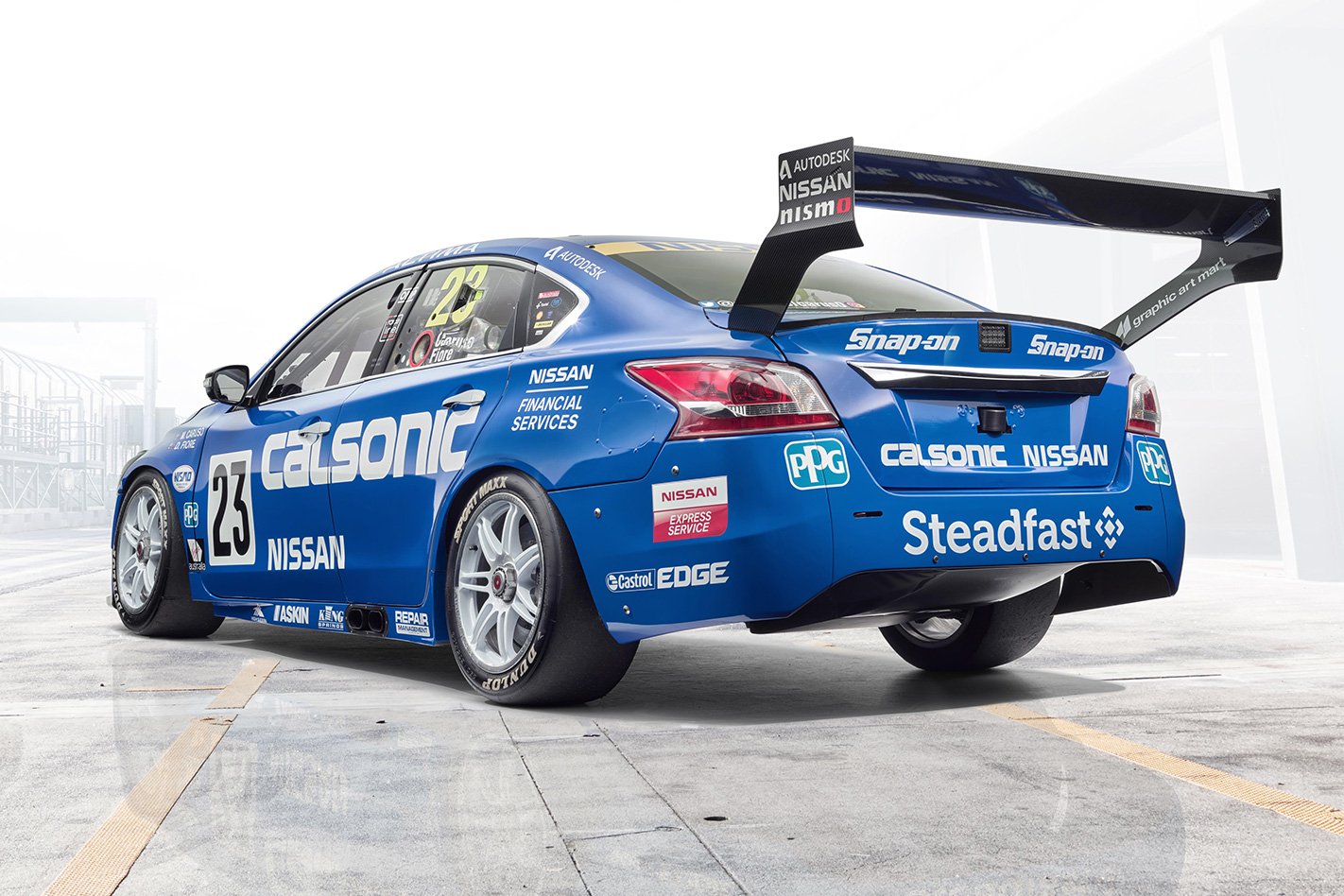
The Sandown retro round in which the Calsonic Altima Supercar will run kicks off on Friday September 15.
