
PETROL prices may have sunk to their lowest level in 15 years, but according to Australia’s consumer watchdog, it wasn’t us reaping the benefit.
The Australian Consumer and Competition Commission’s quarterly report into petrol pricing – this time covering the second quarter of this year – showed the money fuel retailers made from each litre of petrol they sold remained high despite the average price of fuel falling to 122.6 cents a litre last financial year.
“While motorists are enjoying the cheapest petrol since 2002, we believe prices should have been even lower given the continuing high gross retail margins,” ACCC chairman Rod Sims said in a statement.
The ACCC study showed that while the retail margins across Australia’s five largest cities fell 0.6 cents a litre in the second quarter of this year, the retail margins in Melbourne (12.3 cents a litre) and Perth (12.0 cents a litre) were also the highest in real terms since 2002.
| Petrol: What does it all mean?
The ACCC noted the increase in gross margins since 2014-15 “may partly reflect regulatory and compliance costs, especially in NSW”.
“However, the ACCC believes that these increasing costs do not fully explain the sharp increase in margins,” it said.
Australia has benefitted from OPEC’s failed attempt to restrict the supply of oil globally, causing prices at the pump to fall.
However, like their city cousins, regional motorists were also hit with higher-than-expected margins.
“In three of the four regional petrol markets that the ACCC has studied in depth in recent years (Darwin, Launceston, Armidale, and Cairns), retail prices in Launceston, Armidale, and Cairns remained above a long-term competitive cost-based price in the June quarter 2017,” the ACCC said.
A recent separate inquiry into fuel pricing in Cairns noted the city’s fuel retailers were making an average of 38 cents a litre profit, much higher than other regional sites throughout Australia.
Looking at quarterly data for the three months from April to June, the ACCC found Brisbane had the highest fuel cost of the five largest cities, with the average retail petrol price 3.3 cents a litre higher than the average across the other four largest cities.
The ACCC said of prices paid at the bowser, only 42.2 percent reflected the international oil price, with another 42 percent attributed to government levies such as the GST and fuel excise.
NISSAN Australia has hinted it is about to spark a major shake-up of its Australian operations, announcing a new managing director that will lead the car maker through “the brand’s next direction”.
Nissan announced today that Stephen Lester, the managing director of Infiniti Canada, will replace current Nissan Australia chief executive Richard Emery, with the change of title reflecting the Japanese car maker’s global management titles.
However, in its statement announcing the change at the top, Nissan Asia and Oceania head Yutaka Sanada said: “Stephen Lester’s arrival at Nissan Australia coincides with our plans for the brand’s next direction and he brings to our Australian team strong experience, knowledge, and business-building skills.”
Nissan Australia spokespeople declined to comment on exactly what those plans were, although one source told Wheels the new managing director should be able to “elaborate further” once he had settled into his new role.
Nissan has struggled with ageing products in Australia, withdrawing the Micra, the Pulsar hatch, and its longstanding Y61 Patrol from the Australian market late last year in response to slowing sales, big advances made by key rivals, and tightening vehicle emissions standards.
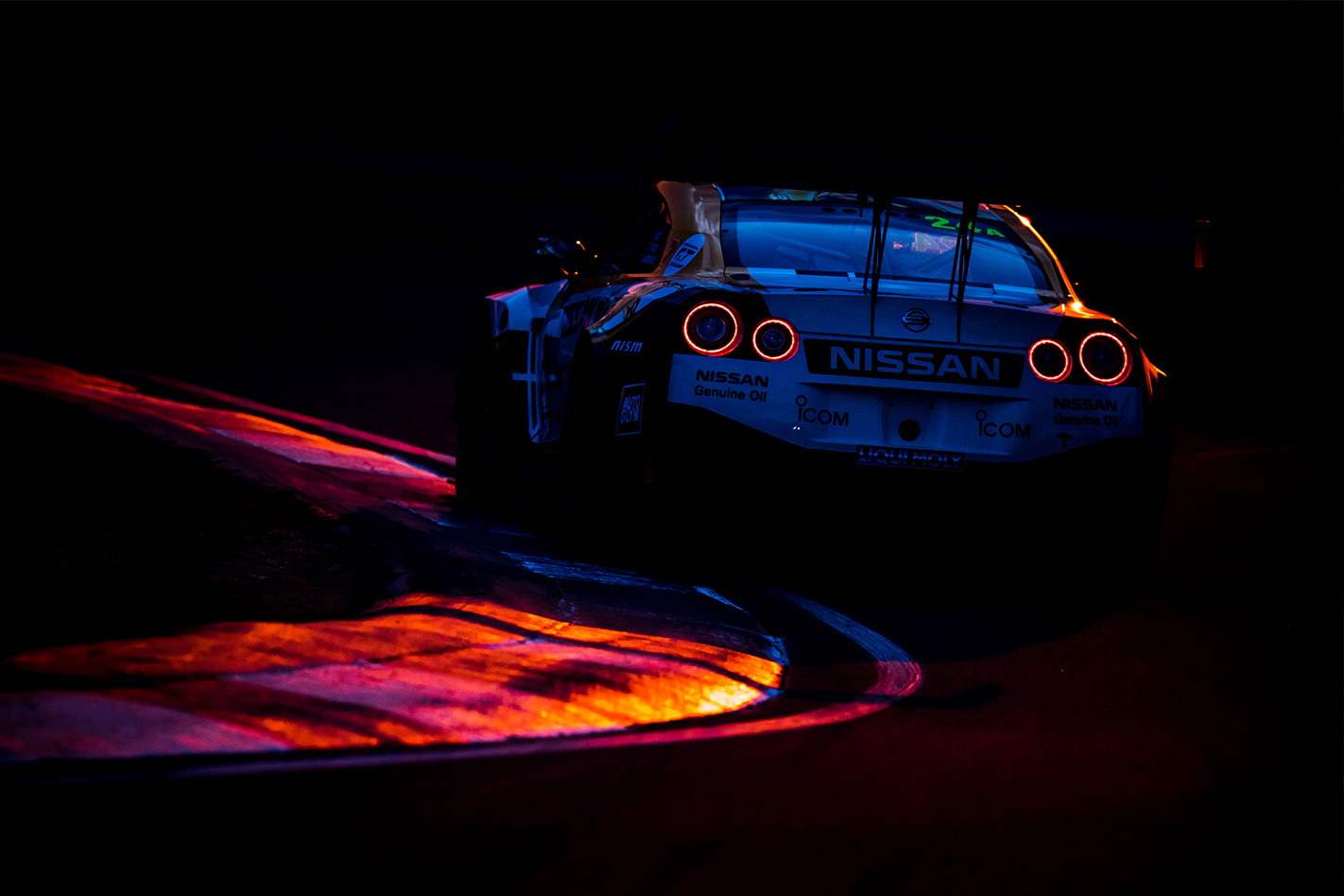
Nissan Australia will remain one of the country’s last car companies with ties to the manufacturing industry once Holden closes the doors to almost 70 years of local production in late October. The Nissan Casting Australia plant in Dandenong is producing parts – believed to be the aluminium inverter casings for the all-new Nissan Leaf electric car due for a reveal late this year – as well as a series of aftermarket parts for the Navara trade ute that could also fit the upcoming Navara-based Mercedes-Benz X-Class.
Lester’s appointment comes in the wake of former Nissan-Renault Alliance chief Carlos Ghosn’s side-trip to Australia in June. Lester will start his new role at Nissan Australia next Monday.
Single-digit number plates are one of the ultimate expressions of wealth. How else could you multiply the value of your car almost endlessly?
The NSW number plate bearing the digit ‘4’ for example, just became a good way to add a whopping $2.45 million more to the value of your treasured vehicle.
At Shannons Sydney Winter Classic Auction, a Sydney investor (reported by sister publication Wheels to be sex-toy magnate Peter Tseng) purchased the single-digit plate to go with the number ‘2’ adorning his Ferrari 458 Italia.
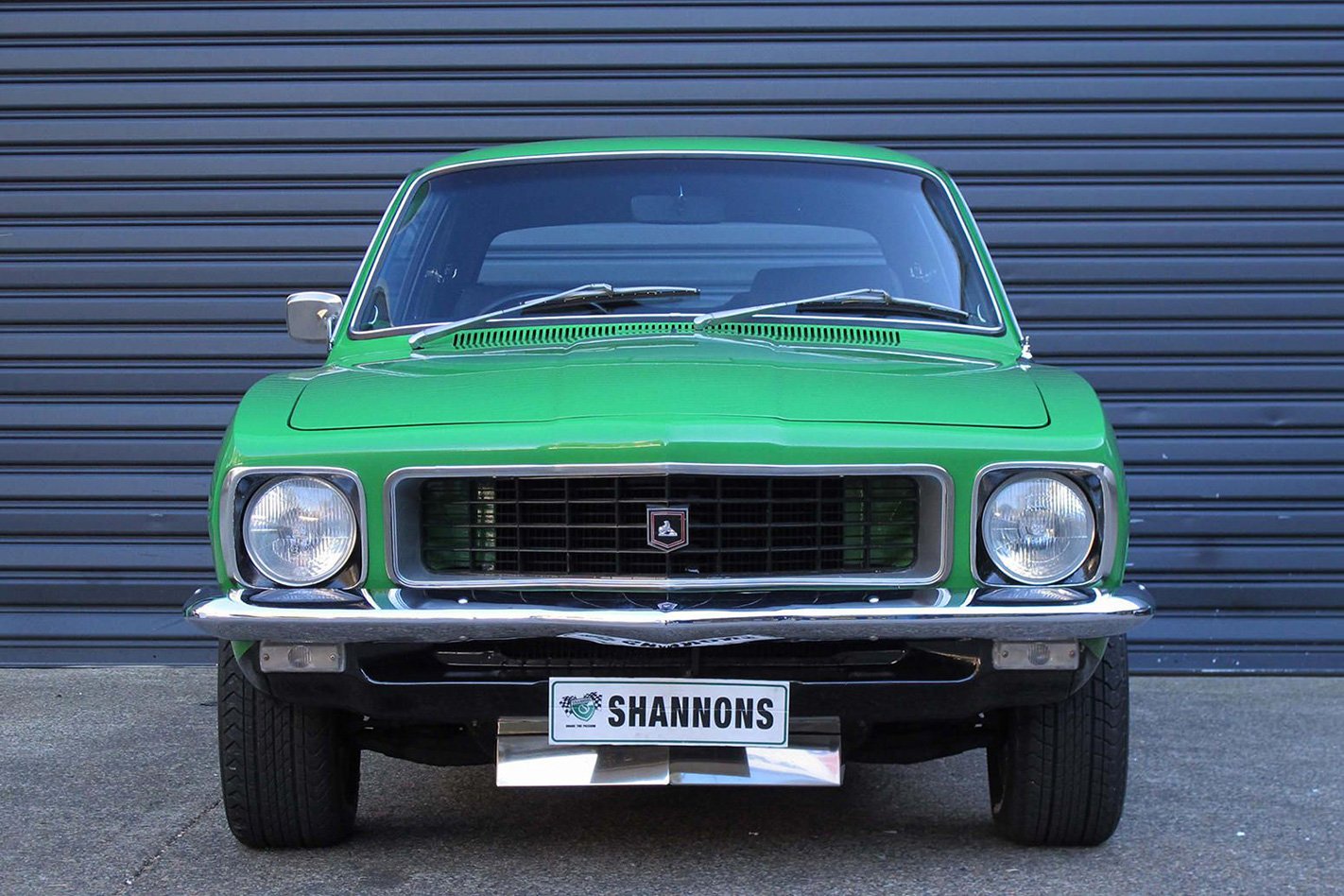
Amongst the cars he would have been purchasing were some Aussie legends, a few Euro classics, and some historical US metal.
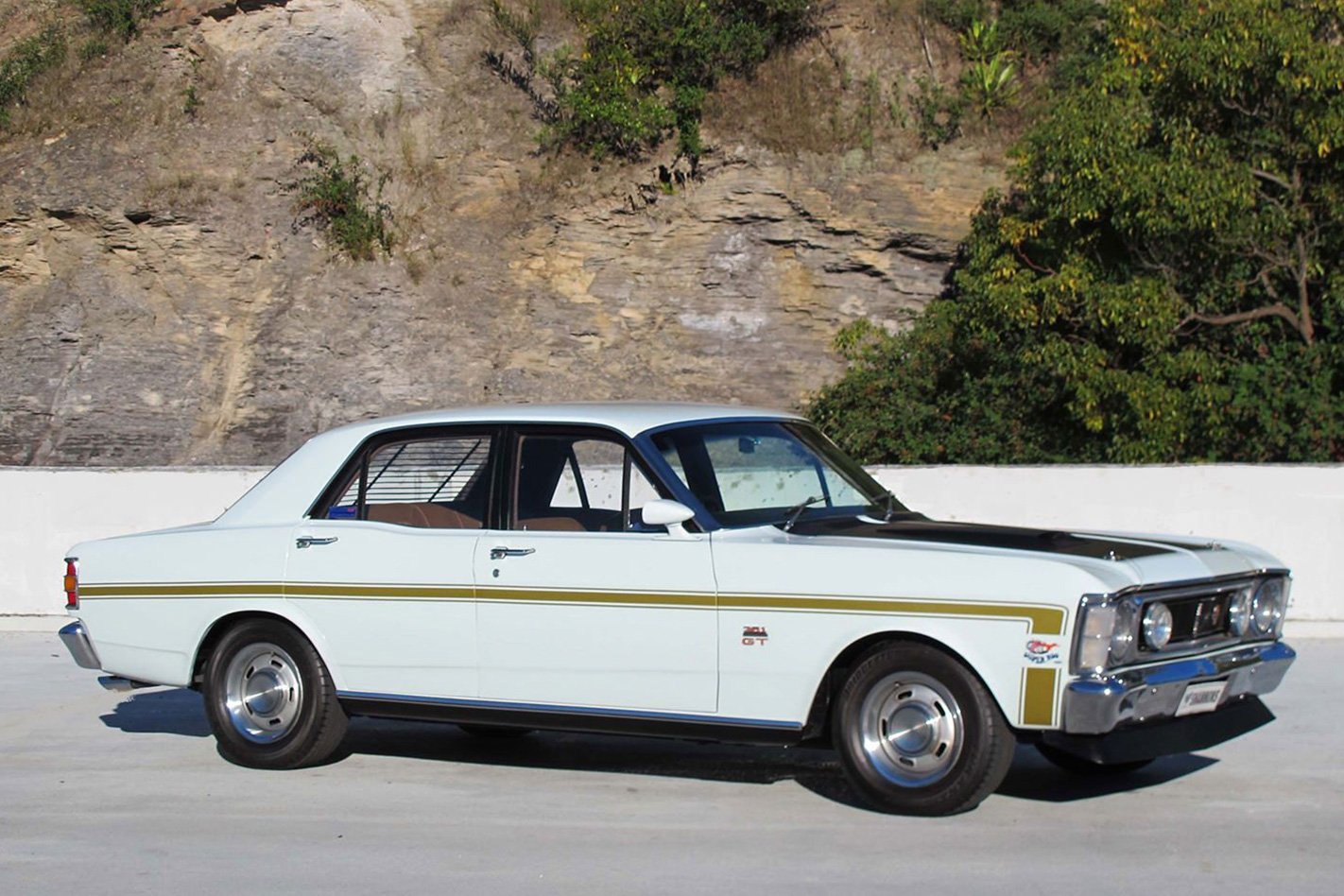
At the same time, if the number plate continues to grow in value as quickly as it has, he could buy pretty much anything he wants with the money he eventually sells it for.
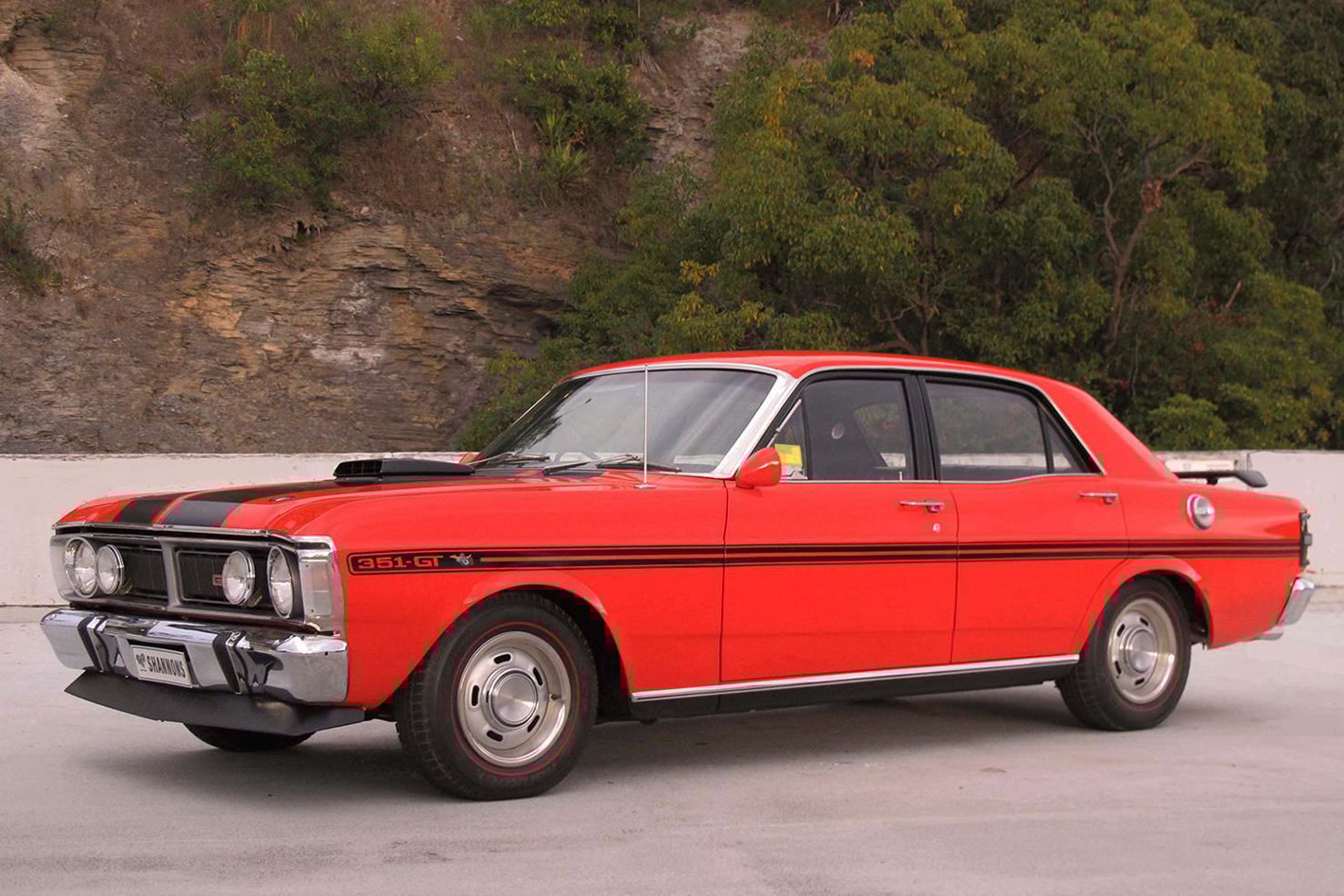
That’s almost enough to buy half of a small studio apartment on Sydney’s waterfront!
KIA has teased a sharp-looking wagon concept ahead of the project car’s official reveal – and naming – at September’s Frankfurt Motor Show.
The Opel Astra and Ford Focus rival features styling coming out of the Korean carmaker’s Frankfurt-based European design centre, headed by former Audi chief architect Peter Shreyer.
Described as an “extended hot hatch”, the unnamed concept introduces what Kia claims is a “new body type” – what we believe may be a liftback – heavily influenced by the Stinger that “retains the athleticism of the current Pro_cee’d model, while combining its striking visual presence with a dash of real-world versatility.”
“Reworked and reimagined for a new generation of driver, it puts forward a bold vision for a potential member of the next-generation Cee’d family,” it said. Of note, it features a Citroen DS-style shark fin built into the C-pillar.
Cooking models of the Kia Cerato-sized Cee’d haven’t sold in Australia – although they have been considered for our market – with Kia developing the small car family primarily for the European market, where it sold in three- and five-door hatchback form, and as a station wagon. However, we did get a version of the Pro-Cee’d GT (pictured, below) for a couple of years from 2013, powered by a 1.6-litre four-cylinder engine that didn’t quite live up to the promise of the Pro_cee’d’s edgy design. The six-speed manual Pro_cee’d’s success here was also crippled by the lack of an automatic transmission.
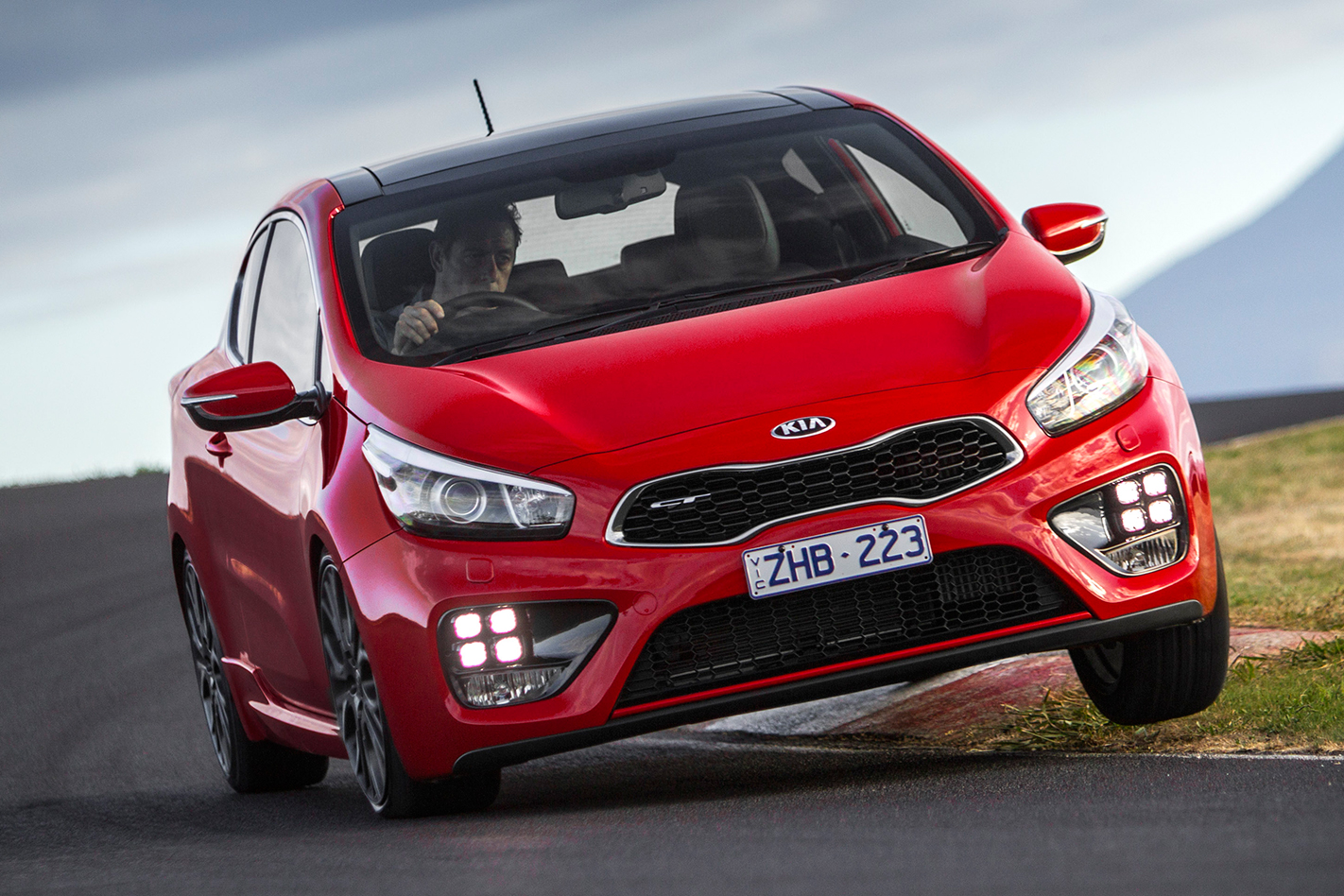
A Kia Australia spokesman said the slow take-up of the Pro_cee’d in Australia – the car was eventually withdrawn after selling fewer than 800 – meant it was unlikely that the Korean car maker would reconsider the slightly performance-honed version of the Cee’d – including a potential liftback variant – for the Australian market.
It was about Holbrook, around four hours into my trip I realised nobody was ever going to wear out a Gen-F HSV Clubsport driving along the Hume highway.
This article first published in MOTOR December 2013.
At a legal 110km/h, the 6.2-litre engine was cranking just over 1650rpm. I then started some mental arithmetic, which probably says more about the Hume Freeway than it does about me or the car but, off the top of your head, how many times do you reckon the engine in a Clubsport turns over on a 500km trip?
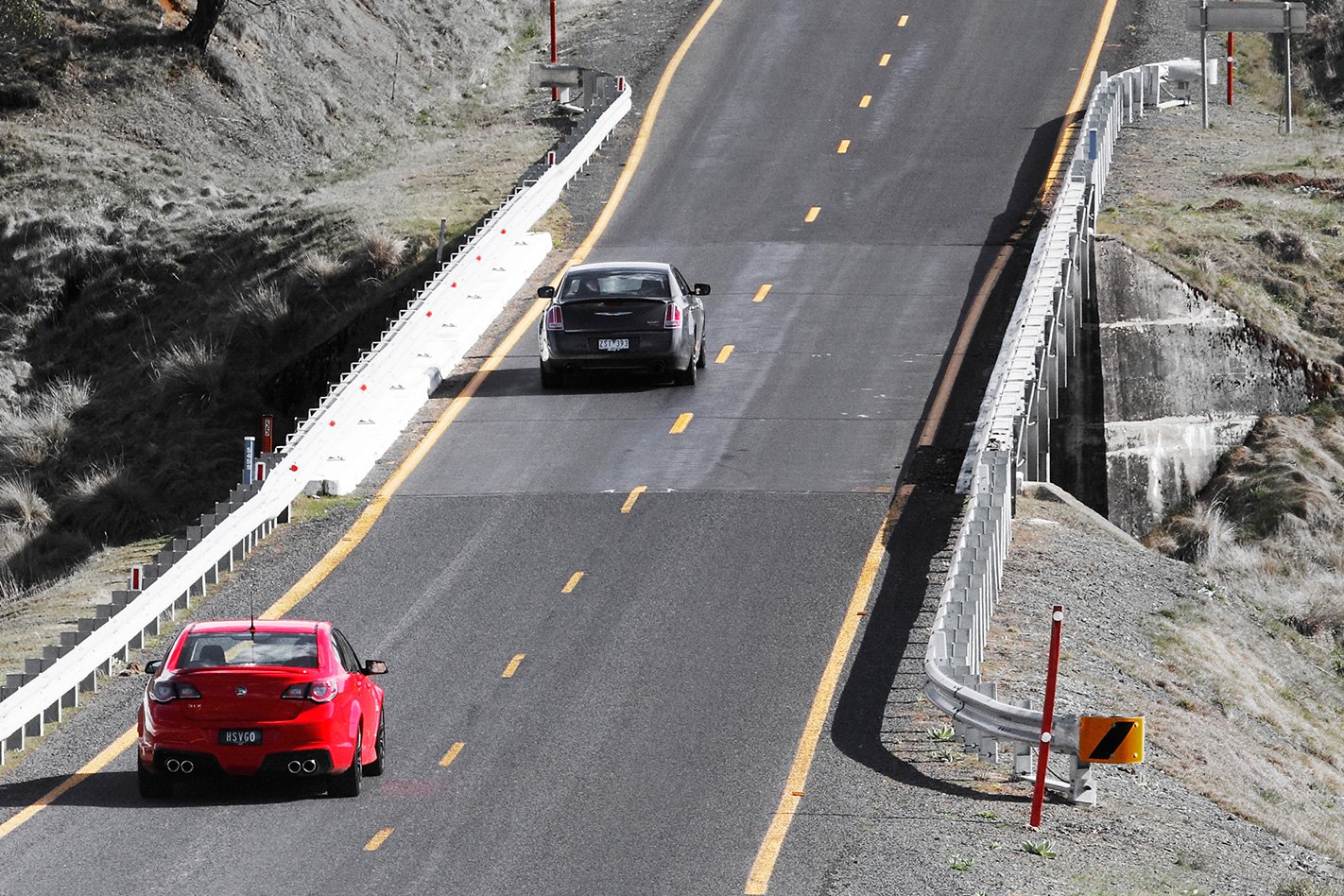
Assuming I did the whole trip in sixth gear (which is more or less how it pans out on the Hume) I figured the HSV’s crankshaft was going to turn over just 427,500 times. Like I said, premature bore wear is not your biggest worry.
Even though the Chrysler 300 SRT8 Core is geared a little lower, it still gives the impression of being able to stride across States and territories without cracking a sweat. Yet sink the clog and either car makes a bee-line for the horizon with long, long legs and each of the car’s huge torque outputs would be the over-riding impression left on the occupants.
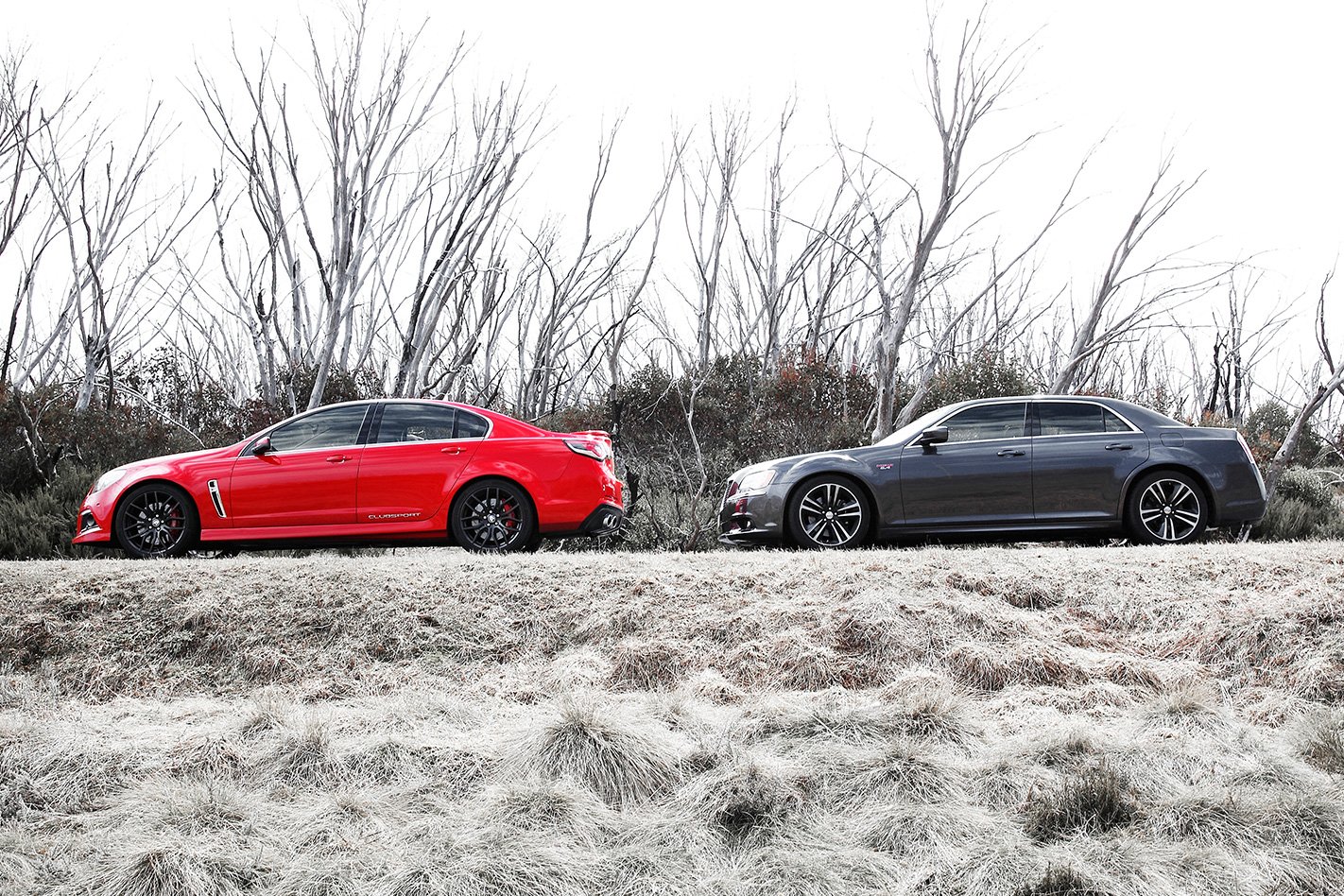
In fact, the Clubsport is the entry-level HSV right now and the Core is the no-frills version of the 300 SRT8. And when you think back to the golden era of tough cars, vinyl floor mats, bench seats and steel rims were no barrier to membership of the ’60s and ’70s muscle-car club.
But surely, there’s no such thing as a stripper muscle car these days. Is there? Well, yes, actually, and even though you still get a level of standard kit that leaves most budget cars gagging, when you consider that it’s possible to spend $71,290 on an HSV Clubsport R8 manual and $66,000 on a 300 SRT8, then the $60,990 of the Clubby here and the $56,000 of the SRT8 Core start to sound like bargains.
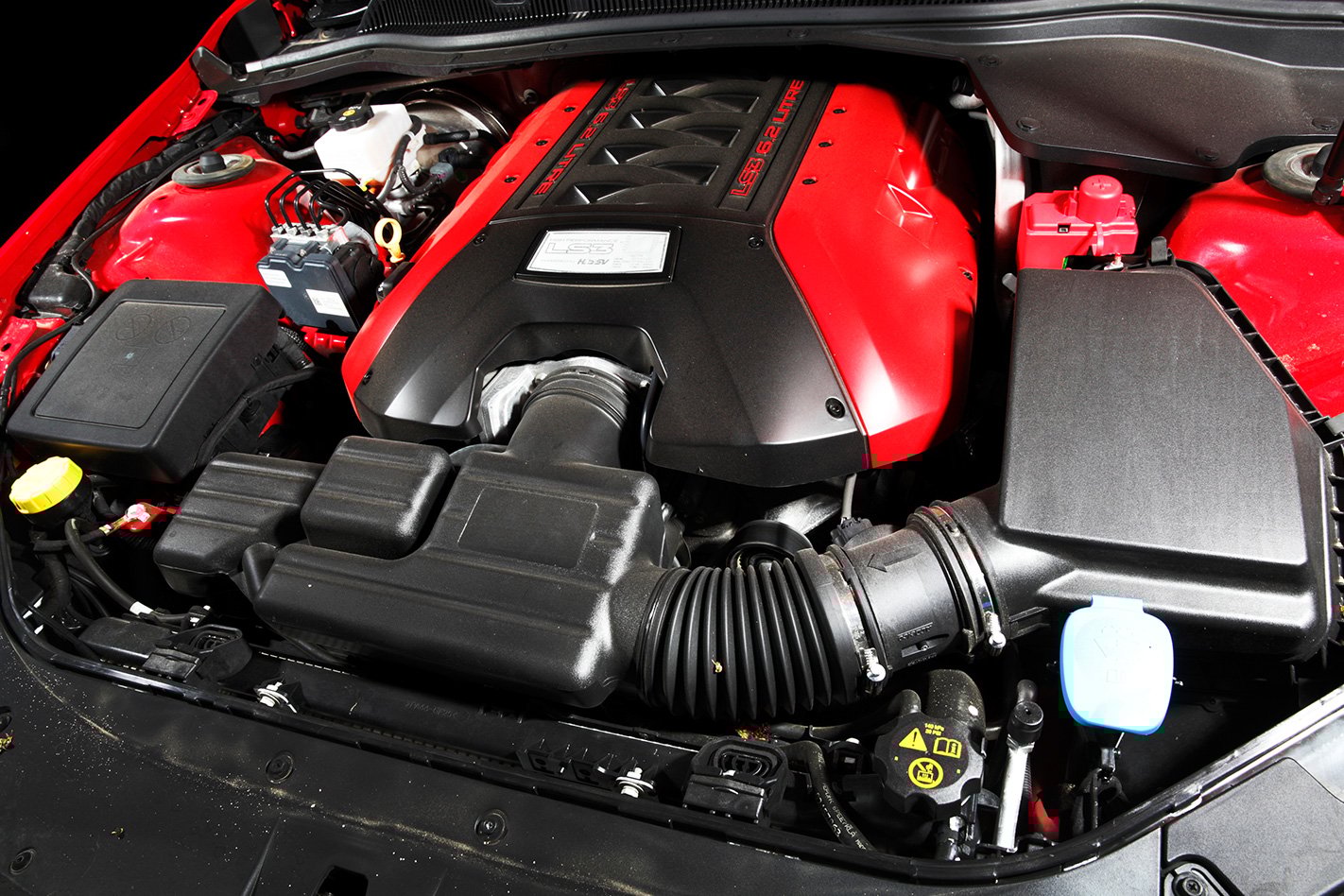
The Clubby also skips out on leather seats (the cloth alternative ain’t too foul, though) and there’s none of the R8’s forward-collision-warning stuff or head-up display. The auto wipers are diced and you only get four-way (not eight) power adjustment for the driver’s chair. You also miss out on the Bose stereo and cup-holders in the rear seat pad. Boo-hoo.
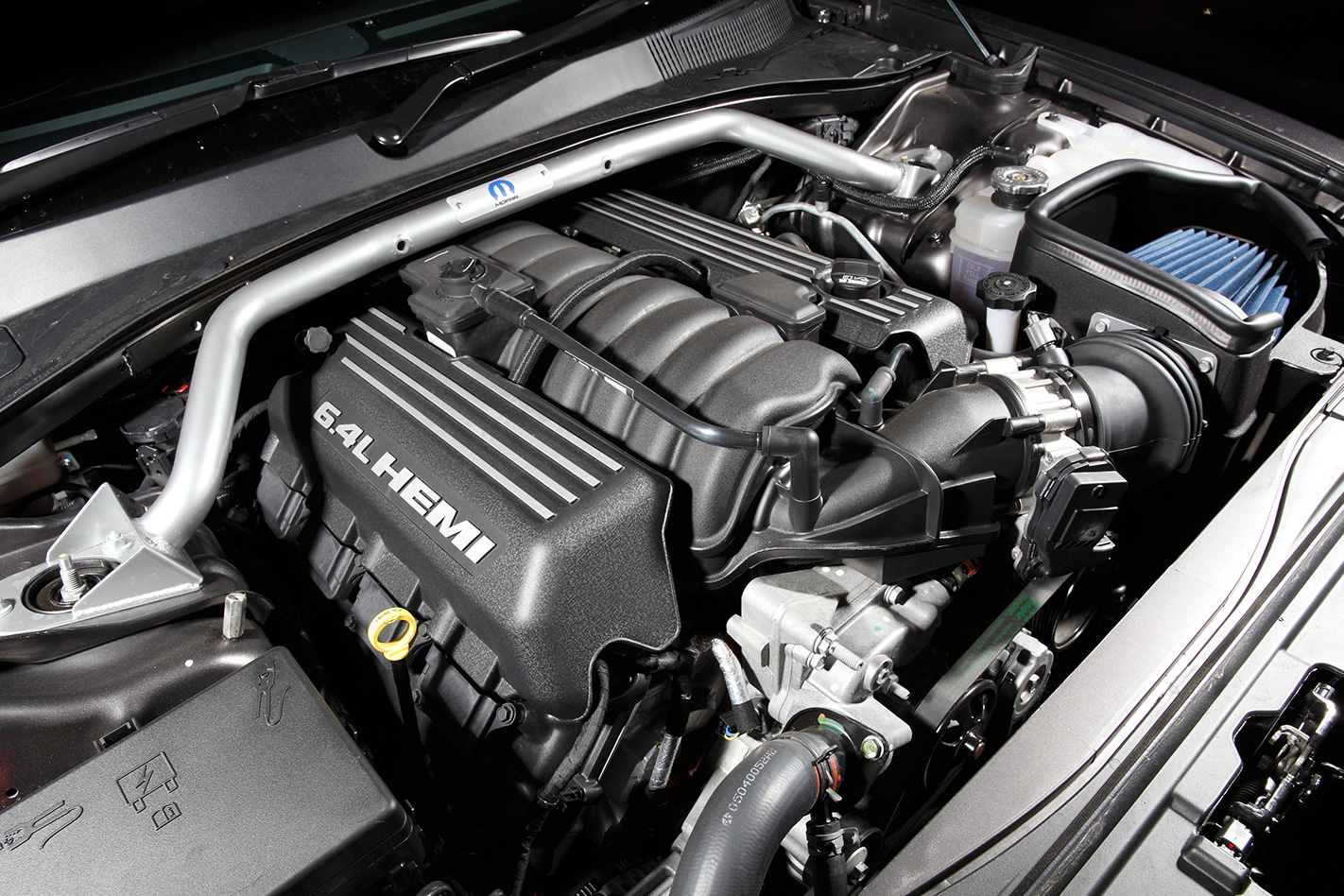
As for the SRT8 Core, you still get all 6.4 litres and, therefore, the full 347kW of Hemi fury. Like the HSV, the Core also does without leather and the dampers are now Bilstein non-adjustable units. You still get 20-inch wheels and tyres, although the rims are cast, not forged, and sat-nav is an extra-cost option rather than standard as it is on the full-fat SRT8.
Neither car feels poverty-pack from the inside, and the HSV actually manages to feel a bit fussy with about nine different trim materials on the door panels and lots of shiny, blinding chrome trims accents. But the Chrysler still feels a bit too American, and that applies to the full-spec SRT8 as well. Both their interiors have a slightly cheaper look and feel to the plastics compared to cars from countries where ‘fast’ is not a major food group.
Thundering along a piece of highway ain’t the romantic road trip most of us have in mind, but it’s the reality for many (most) interstate trips. And it’s here that the first differences make themselves known.
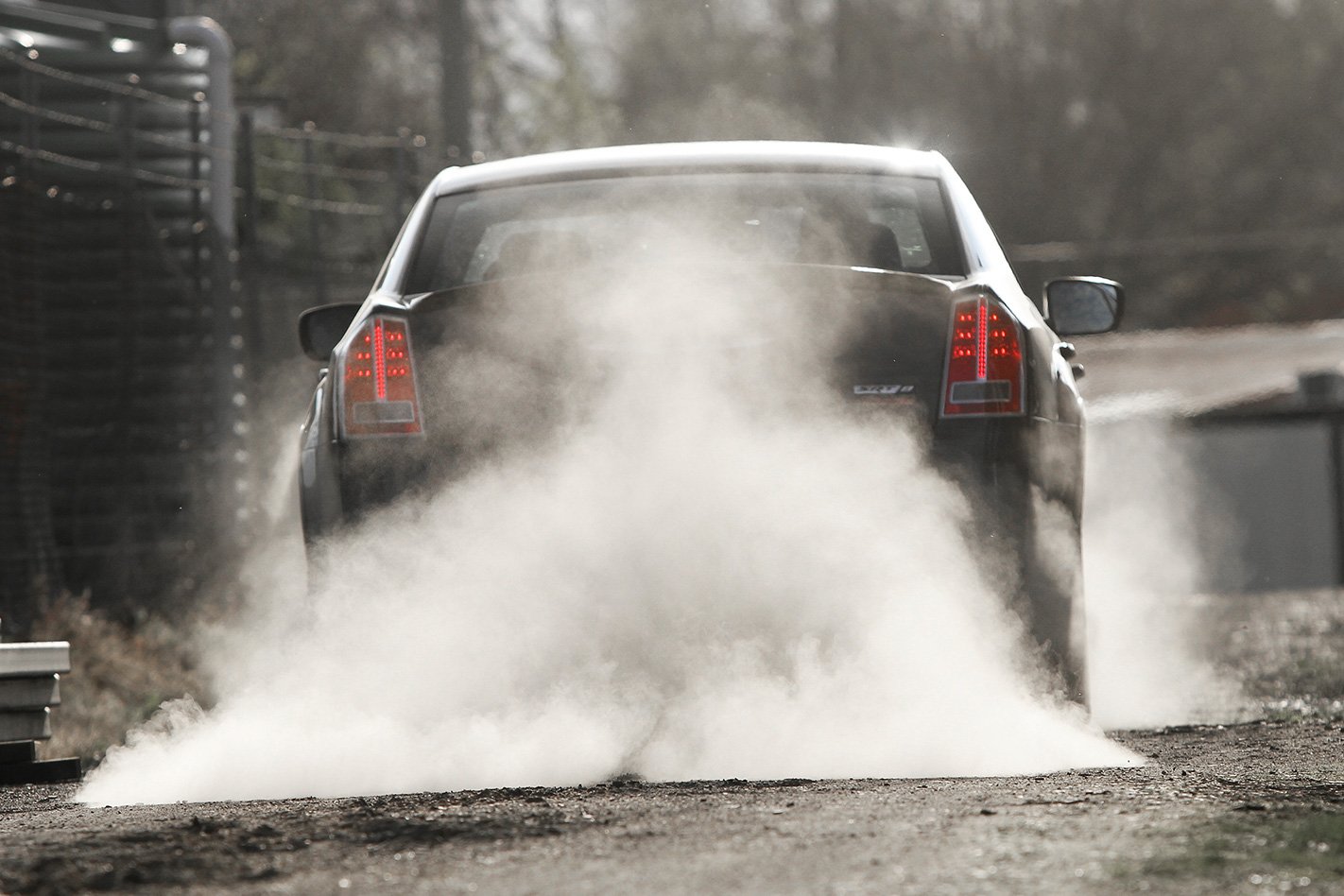
In terms of ride quality it’s a bit of a dead-heat. Neither car gets adjustable damping but I don’t think either of them suffers for that. In fact, it’s nice to just jump in and blast off without having to worry about what mode the suspension is in. ‘I’ve paid for it so I should use it’ can be a pain in the date sometimes. This also relegates the adjustable driver modes to only control throttle and gearshift profiles in the SRT8 whereas the Clubsport also adjusts steering weight.
Speaking of steering, the Chrysler feels like there’s some deliberate weight in the system but it doesn’t translate to actual feel. On the other hand, its front-end does point well and turn-in is quite impressive for a car that, from the helm, gives the impression of being a bit old school.
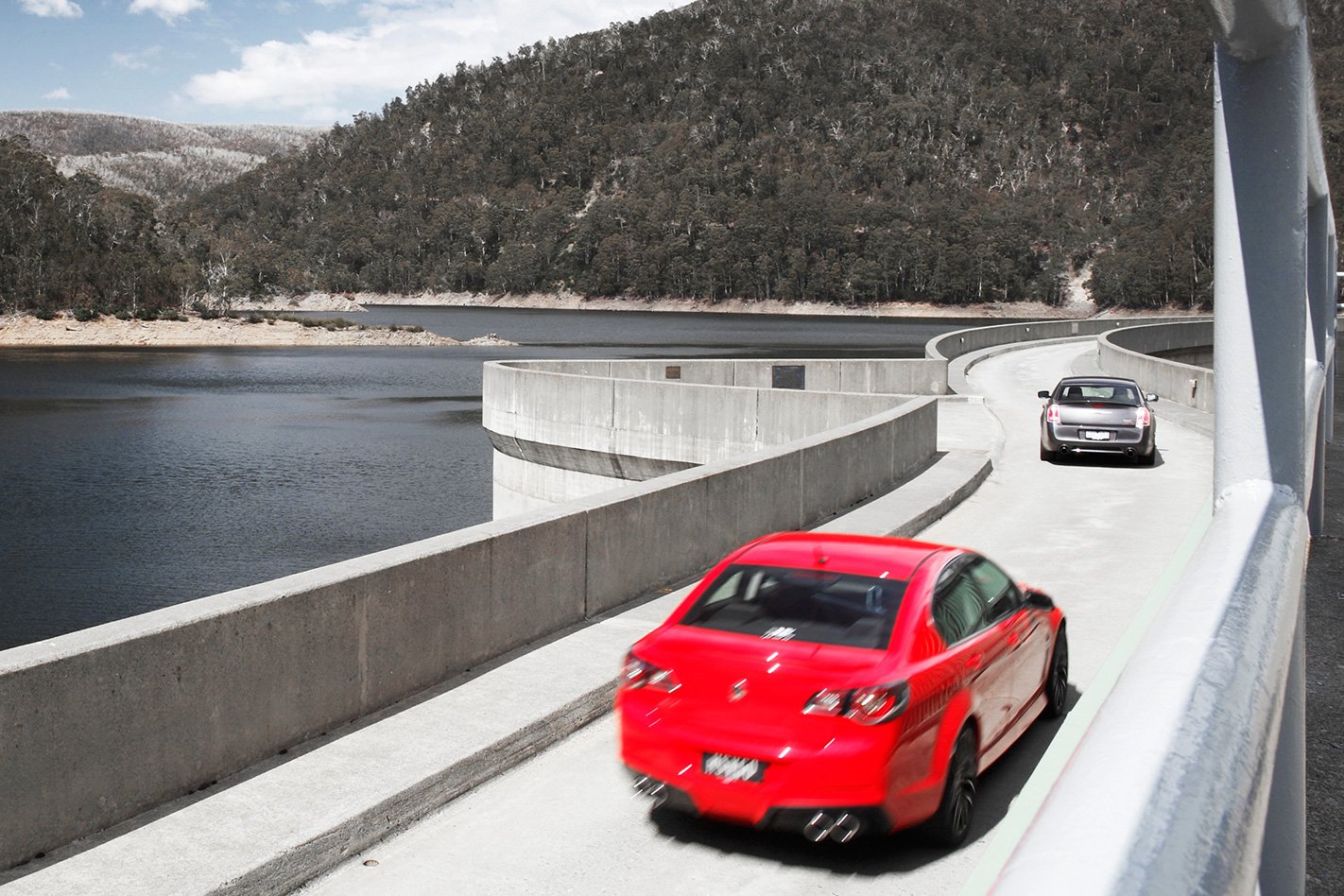
But it pays to mention this particular car is the best steering VF Commodore I’ve sampled to date. The last Gen-F GTS I drove didn’t impress me with its steering feel or weighting, so maybe the Clubsport’s simpler parts, like the lighter engine and non-adjustable dampers, means its better for it.
Then again, it could be the dreaded production line tolerances. Holden isn’t the only car-maker to have had tolerance issues over the years, and I’m wondering whether this car is just a ‘sweet’ one.
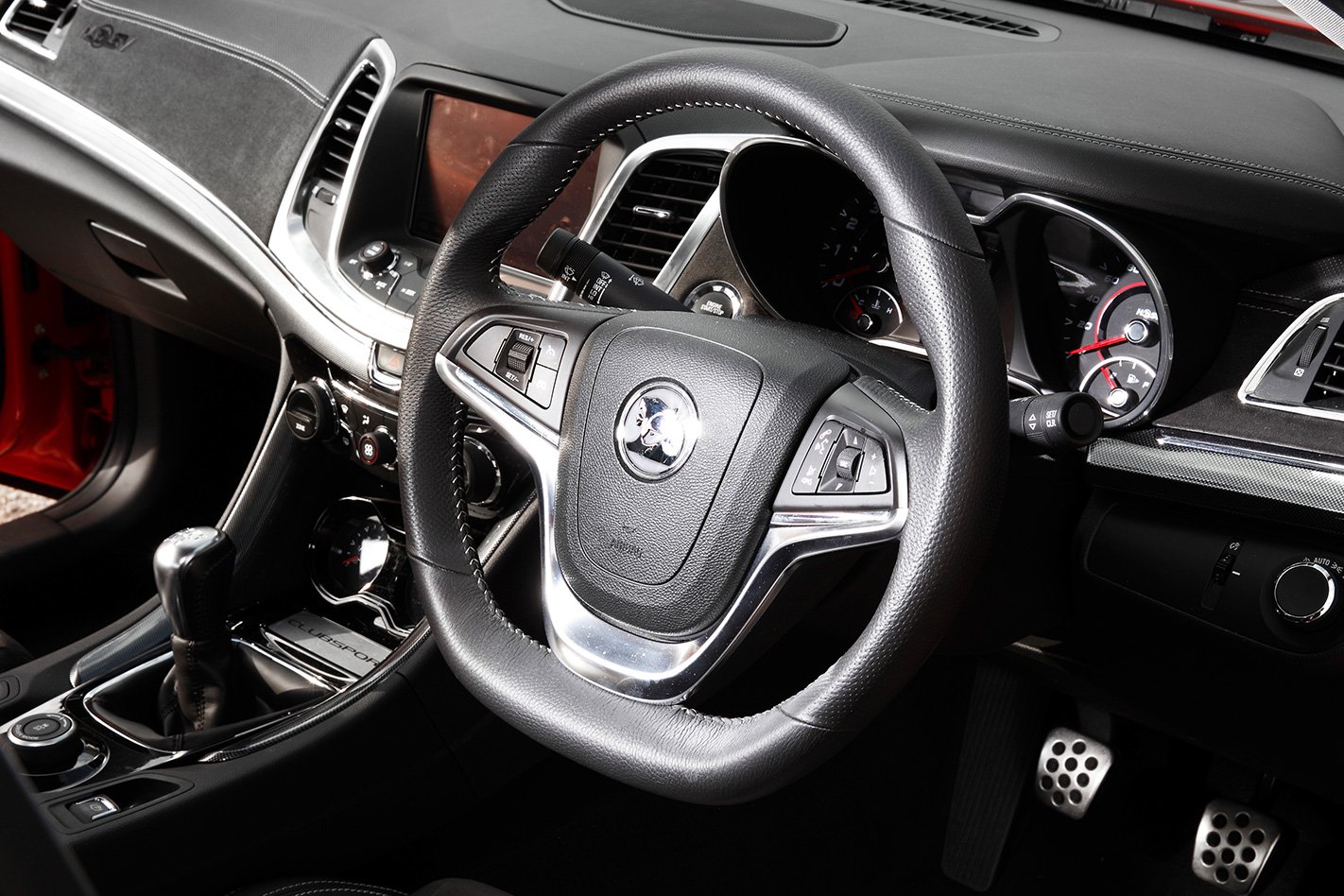
Why Holden can’t engineer this out of its manual cars is a question that has been cropping up now since the very first Commodore with a two-piece tail-shaft. And I’m yet to find out the answer. The six-speed auto is a much nicer thing to live with.
So you’d imagine, then, that the auto in the SRT8 is a better bet. Well, it is and it isn’t. Given that the Chrysler family (via Jeep) now has access to the rather sensational eight-speed auto in the Grand Cherokee, I’m surprised the eight-speed tranny hasn’t found its way into the 300.
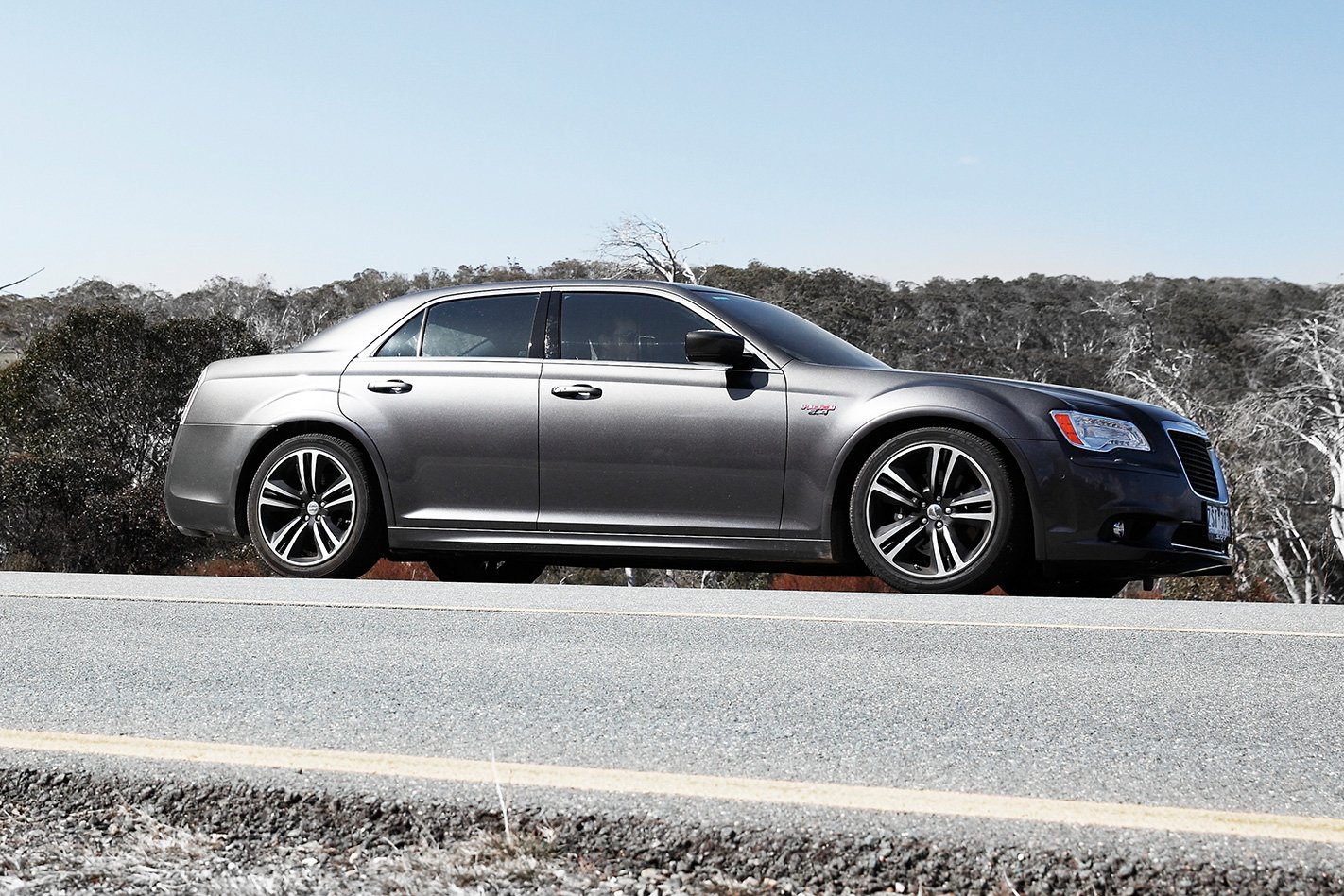
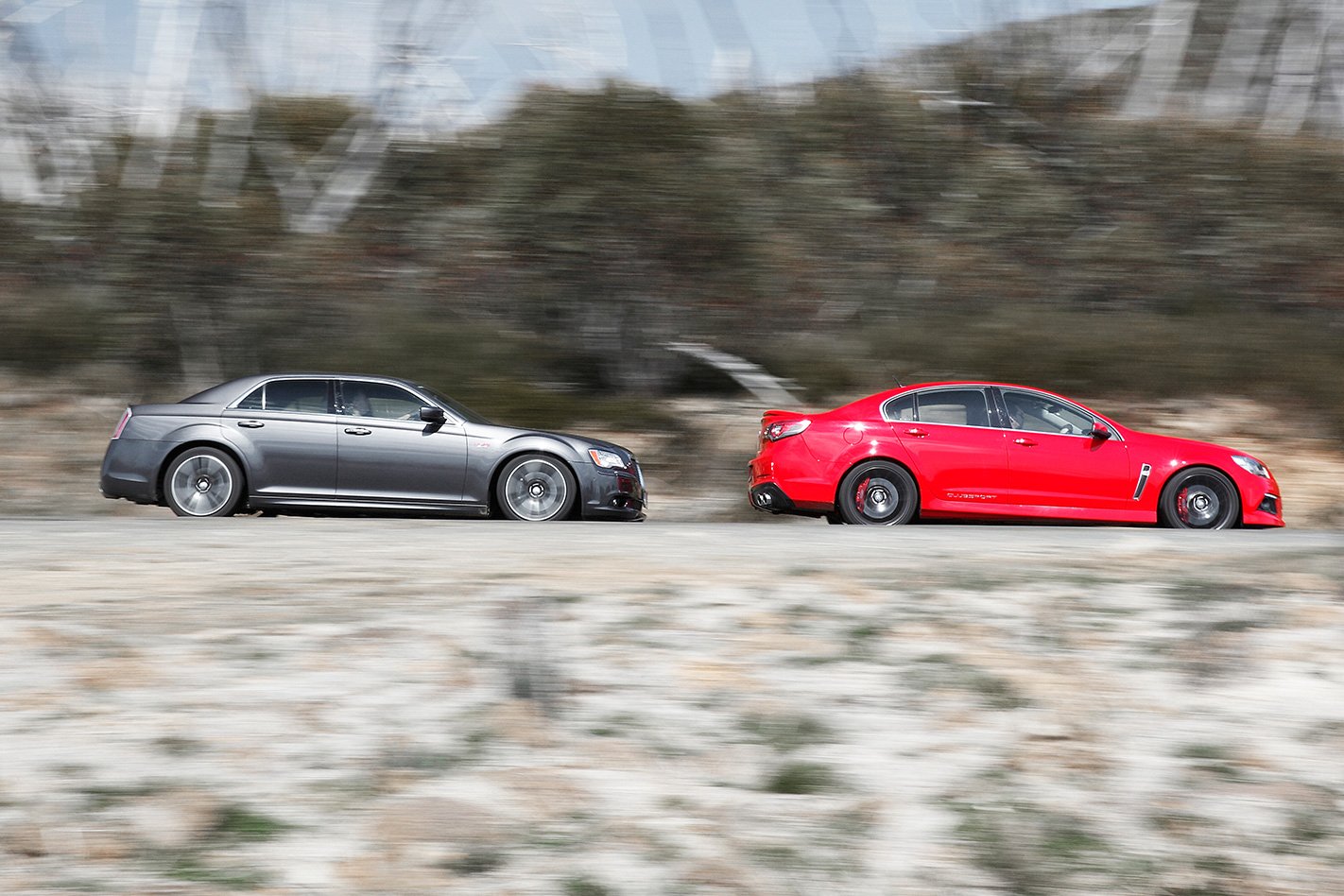
But once you’re clear of the freeway and you can start to use what’s on offer, the picture changes again. It soon becomes obvious that even though the HSV gives away 30kW and about 80Nm to the big Yank, those bigger peaks are eaten up by the Chrysler’s almost two-tonne weighbridge ticket.
Okay, so the HSV’s no featherweight, either, but its fewer kilos and the fact the engine seems tuned to enjoy tacho-bashing means it’s a tad more enjoyable. It’s also here that your decision to tick the manual box will pay you dividends.
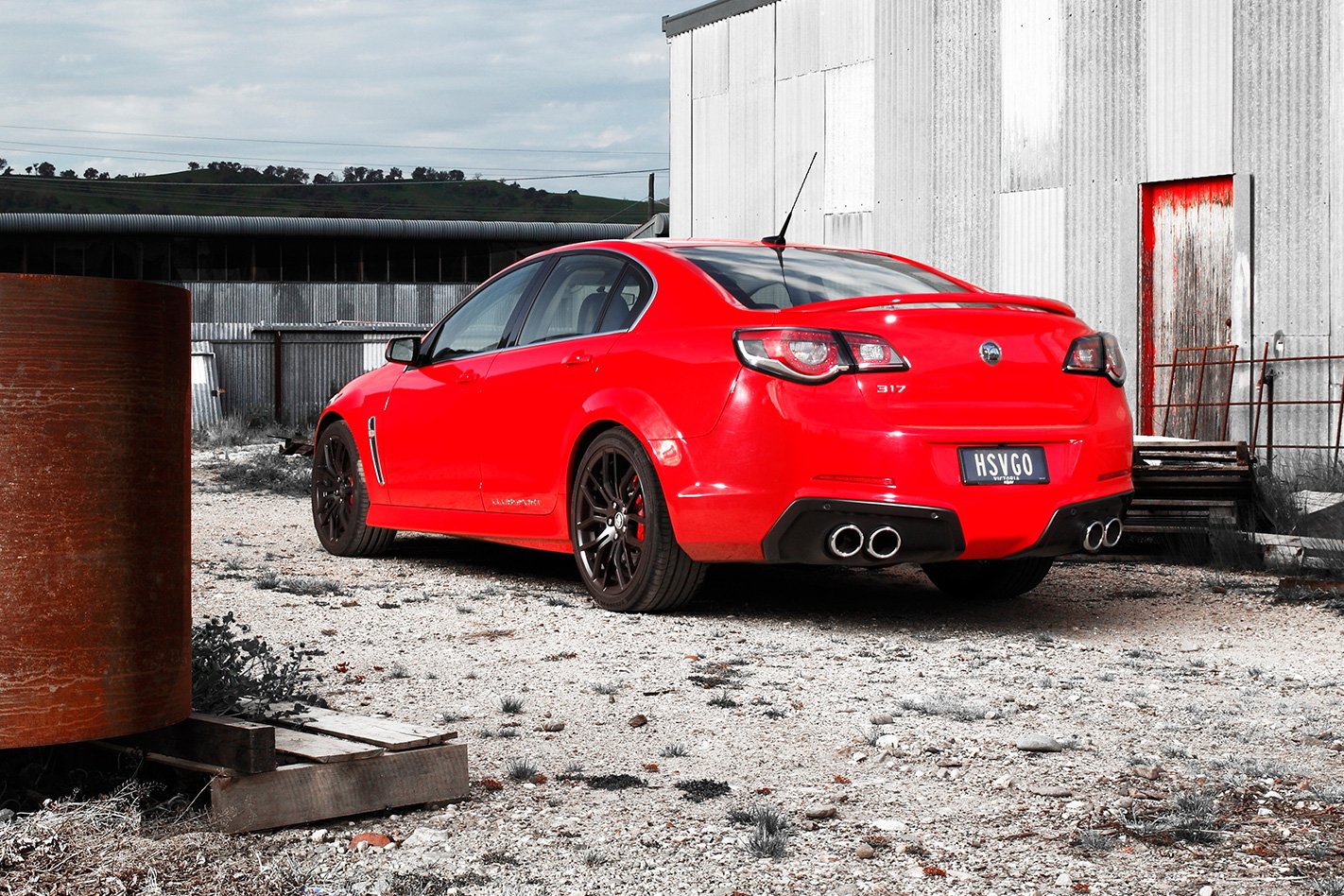
What felt like steering weight on the freeway becomes a touch of looseness at speed in a tight corner. And the suspension control that seemed fine on the Hume suddenly starts to feel a bit underdone. Grip levels vary at this end of things, too, and the HSV feels like it has more tyre on board and reserve braking headroom built into it. We are, of course, talking about situations where you have long ago exceeded the vehicle’s design brief, and any generally accepted notion of sanity.
A few years back, Motor wouldn’t have even have discussed fuel economy in a yarn like this, but in 2013 it simply can’t be avoided. And, despite what you might think, the news ain’t bad. Both cars, over a mix of freeway cruising and back-road thrashing, averaged a credible 13.5 litres per 100km.
I have a feeling that for most people in the market for either of these, much of the purchasing decision will come down to the image and the perception that comes bundled up with either. Maybe the “gangsta” scene is your thing, in which case the Chrysler becomes the obvious choice.
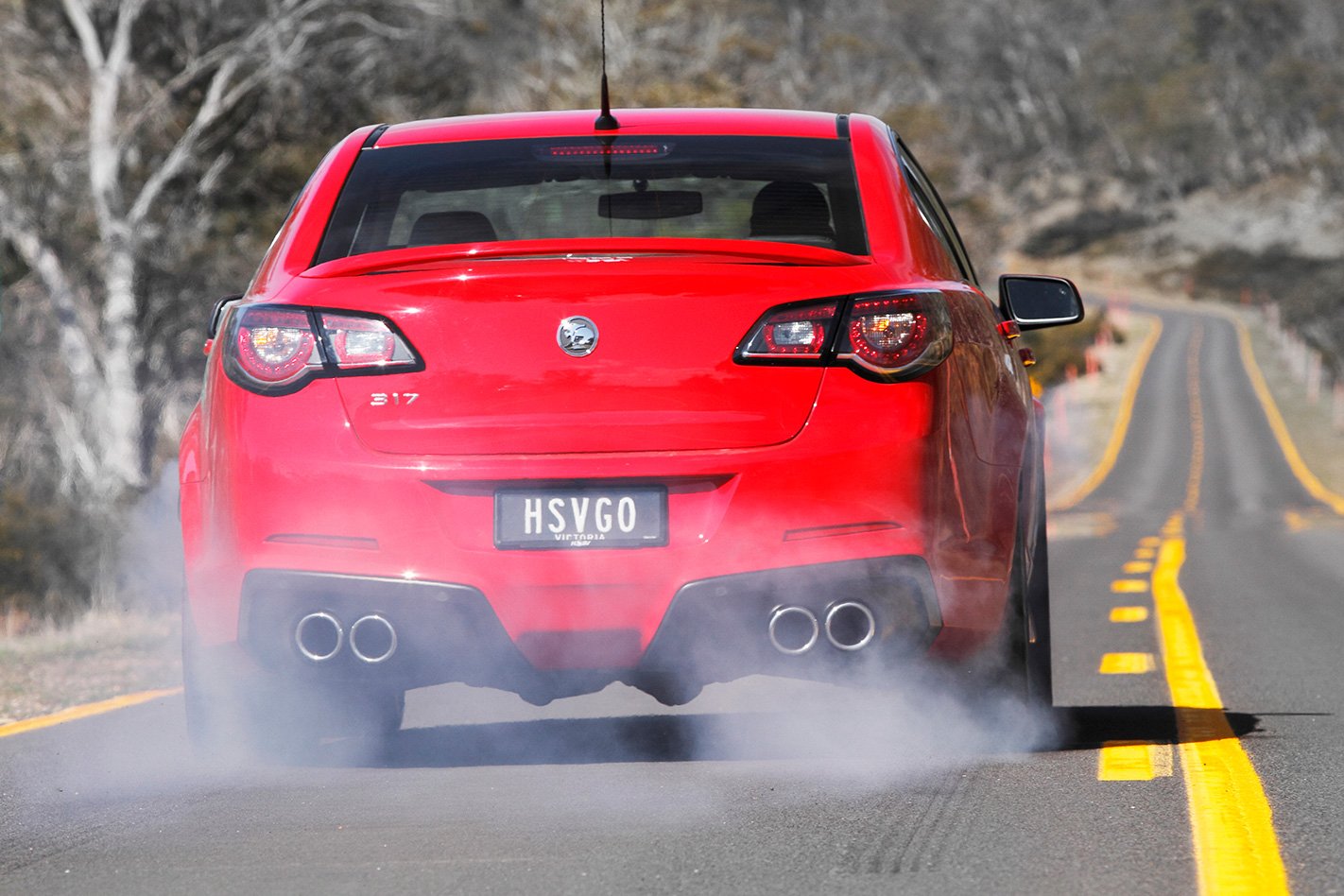
Naturally, I couldn’t possibly comment on such cultural matters, so when the rubber hit the road and I had to choose which car I’d drive a long distance on a mix of conditions, the home-grown HSV would get the nod. But not by as much as you’d think.
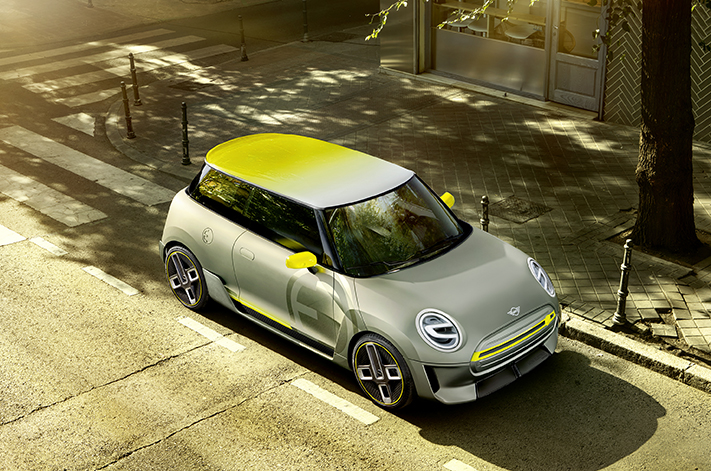
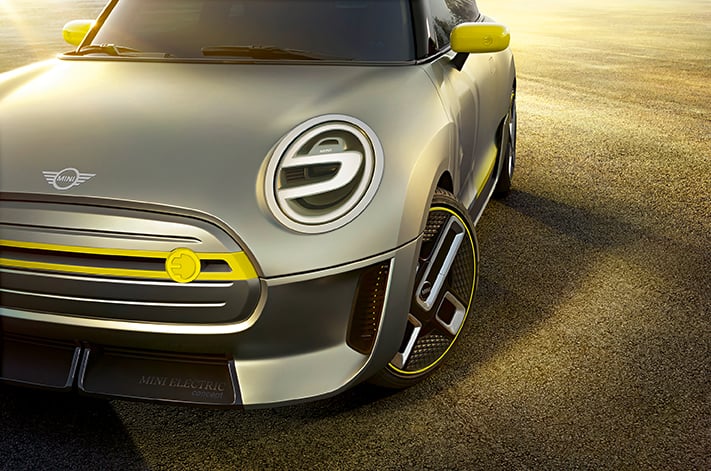
Mini has confirmed it will reveal an all-electric three-door concept at next month’s Frankfurt Motor Show, which will provide a glimpse into its first production EV that’s due in 2019.
Mini is holding its cards to its chest in relation to powertrain details, except to say the single-motor, pure battery-electric set up will be ‘very powerful’ and promises ‘exciting driving dynamics’ on urban and rural roads with a ‘maximised range’.
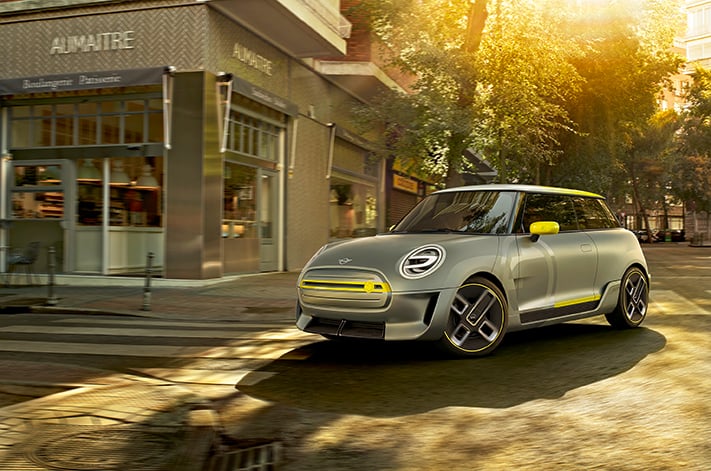
Headlights and tail-lights are also all-LED, with the latter each forming half a Union Jack in a dot matrix.
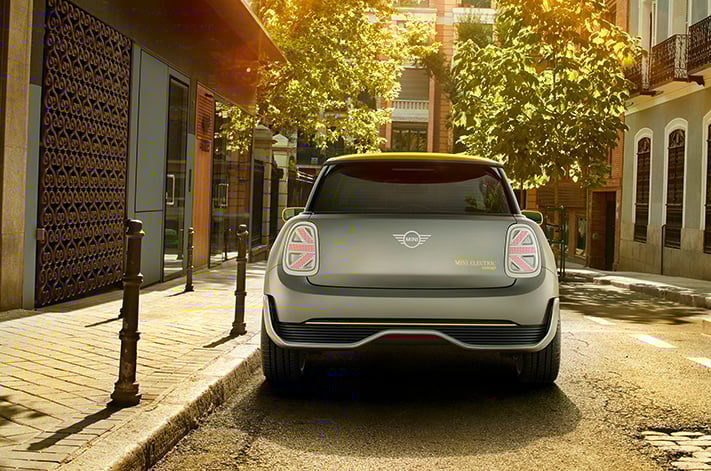
Parent company, BMW says the Mini Electric Concept offers a “window into how pure-electric, day-to-day mobility might look in the years ahead” with BMW Board of Management Member, Peter Schwarzenbauer adding that it’s “great fun to drive while also being completely suitable for everyday use – and producing zero emissions to boot”.
This year, Mini started selling its plug-in hybrid Cooper SE Countryman All4, but the super-frugal SUV model is yet to be confirmed for Australia, as are any of BMW’s EV models that will start rolling out in 2019.
You probably thought you’d seen just about every 2JZ-swap imaginable.
You were wrong.
This Japan-based 2008 Rolls Royce Phantom was running fine, for the first 190,000 or so kilometres of its life, before its 6.7-litre V12 gave up and died.
So in October of 2016, after reportedly having been told by Rolls Royce Japan that he’d be waiting two years for a replacement motor, the owner took matters into his own hands.
A couple of months ago, the swap was finished. Enter the turbocharged AND supercharged 2JZ-powered Rolls Royce Phantom.
It came to be one of those fast-moving snippets of internet sensation after Speedhunters (and then a few others) began sharing images of the 2JZ-laden engine bay.
The best part? It’s making about 445kW while it’s being run-in, but the owner says he should be able to get 670kW out of the thing.
A 2JZ-powered Rolls Royce making more power than the original isn’t unbelievable, but the whole idea of it is technically unheard of – as in we haven’t heard of it before.
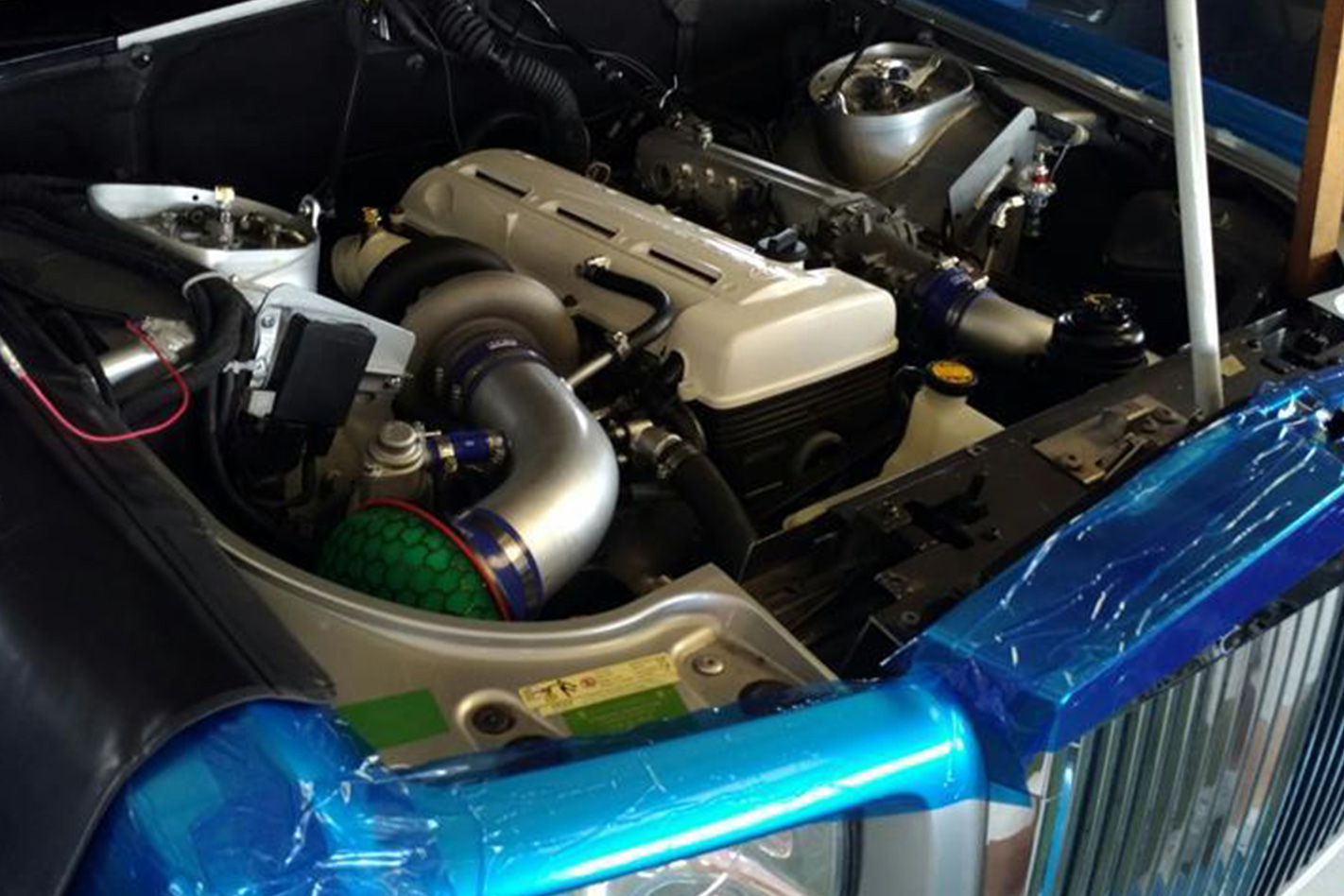
Part of us is thinking it’s a bit blasphemous to have put a straight-six in a Rolls, but if the original motor is dead, what else was he going to do? LS the thing? That’d get everyone riled up…
Images: Loch Shot Bach and (owner) Abe Neno
SELF-DRIVING technology for cars has found an unlikely bedfellow, and it is in the form of pizza.
Dominos, purveyors of all things greasy, round, and meaty, have formed a partnership with Ford to develop self-driving delivery vehicles.
Sorry pizza boys, but looks like you’ll need to find another way to the bank.
The partnership has started with just a single vehicle, which will deliver food in Ann Arbor, Michigan.
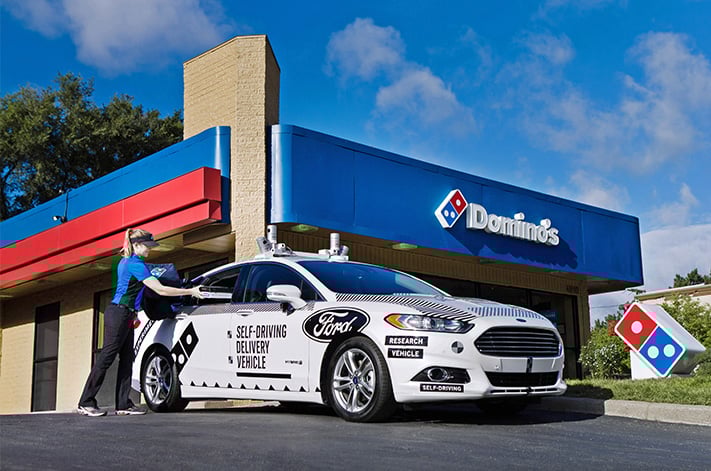
Over the next couple of weeks, randomly selected Domino’s customers in the area will have the option of having their pizza delivered via the self-driving vehicle.
Things aren’t as straightforward however, as a car can’t exactly hand over fresh pizza at your doorstep.
Customers who are having their pizzas delivered by the Ford research vehicle will have to meet the car on the street, and enter the last four digits of their mobile number into a tablet mounted to its exterior, before a window is lowered, giving them access to their hangover cure.
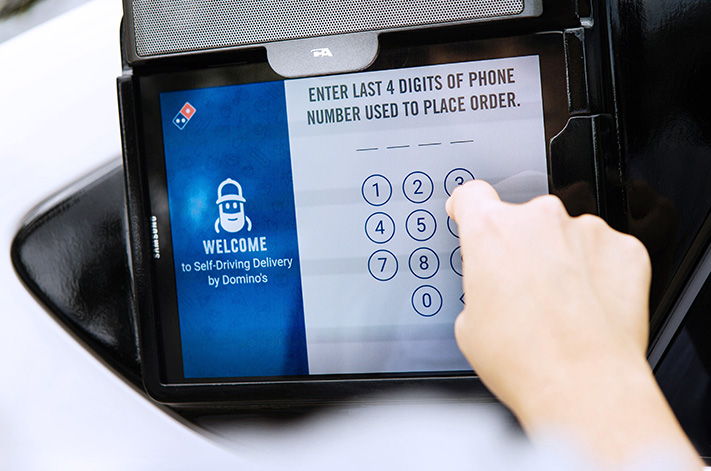
Now, it’d be easy to dismiss this as marketing guff, but there is some legitimate purpose to the partnership.
Firstly, Dominos and their customers are getting a hands-on look at what self-driving tech could mean for society outside of normal transport solutions.
Secondly, Ford is using the opportunity to develop further uses for its automotive technology, by trying to offer new solutions to existing situations.
“We don’t want to wait until we have autonomous vehicle technology all ready to launch to start understanding these businesses, so we’re doing things in parallel,” says Sherif Maraby, Ford’s head of autonomous and electric vehicles.
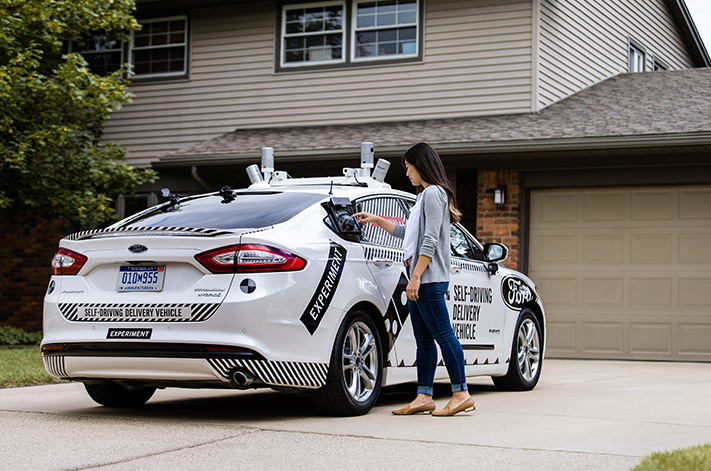
Ford has promised its fully autonomous cars will be in production by 2021. There’s no doubt lessons from the robo pizza delivery car will be implemented into the production-ready autonomous technology.
There will be a driver behind the wheel of the test pizza delivery vehicle, so the future isn’t quite here just yet. But, Ford claims the human presence is more to prevent the vehicle lurching unexpectedly, and to assist in correctly parking the vehicle.
The Holden Commodore is a big part of what has made Australia the great nation it is today. We’ve grown up in their back seats, jumped behind the wheel to learn how to drive, and lived, laughed and cried in them. But on October 20, after almost 40 years of Commodore and 70 years of local manufacturing, our association with Australia’s own car will come to an end.
But every Holden has a story. And Wheels is inviting you to tell yours. Simply upload your favourite Holden Commodore memory and photo below and tag #MyCommodore for your chance to be featured in Wheels Magazine.
*For privacy reasons we recommend you blur out your number plates. Scroll down to explore other #MyCommodore memories.
The Volkswagen Passat range has a new range topper with the return of the special Alltrack Wolfsburg Edition for the 2018 model year.
Limited to 250 units, the Alltrack Wolfsburg raises the price ceiling of the Passat range to $54,990, with extra equipment over the $50,790 Passat Alltrack 140TDI wagon that currently tops the range.
The extra $4200 brings a host of extras including kit that’s new to the Passat including:
- 9.2-inch Discover Pro infotainment system with gesture control
- Volkswagen Media Control app-based remote system
- Forward and reverse Manoeuvre auto braking
- ‘Easy Entry/Easy Exit’ powered seats with memory
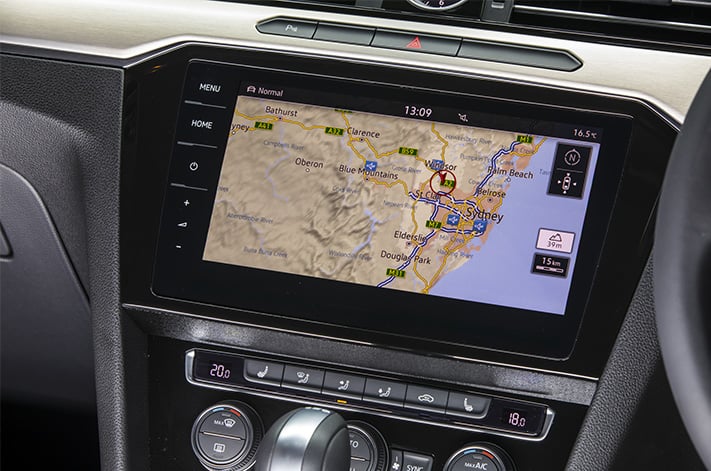
Other standard features over the Passat Alltrack 140TDI include:
- Black Nappa leather
- Active Info Display
- 19-inch Albertville alloys
- Adaptive Chassis Control
- LED headlights with LED daytime running lights
- Premium LED tail lights
- Ambient interior lighting
- Powered tailgate
- Titanium black headliner
- Brushed aluminium dash inserts
- Piano Black centre console
- Steering wheel gear shift paddles
- Tinted rear windows
- Wolfsburg crest badging
The Wolfsburg Edition shares the Passat Alltrack’s 140kW/400Nm 2.0-litre diesel turbo and six-speed wet dual-clutch drivetrain with 4Motion all-wheel-drive.
Luggage capacity is 650 litres which extends to 1780 litres with the rear seats folded down.
