
VOLVO is dedicating plenty of time and energy into ensuring the new XC40 small-SUV has a clutter-free interior.
The yet-to-be-revealed XC40 will sit below the large three-row XC90, and freshly launched mid-size XC60 in Volvo’s SUV line-up.
While the car is yet to be revealed, Volvo is making noise regarding its interior design, which it claims will spell “the end of clutter”.
Instead of revealing images of the changes, Volvo instead released a somewhat-cryptic video of a woman moving objects from a desk. While it is a clear metaphor for the interior of the car, it is unlikely the interior design of the XC40 is accurately reflected in the video.
Volvo’s press release claims the company did extensive research into what customers most desire from a vehicle’s interior design.
“As we spoke to people about how and where they store the things they carry with them daily, it was quite clear that most of today’s cars are falling short in this area. Phones slide around in the mid-console, takeaway bags are at constant risk of falling over, and people fumble behind the wheel as they try to get service cards out of their wallets. We set out to solve these and many other issues we encountered,” Louiza Atcheba, Model Brand Manager for the 40 Series, said.
Design features for the XC40 includes a fold-up trunk divider with two hooks to help secure shopping bags or other luggage, along with four load hooks that make loading luggage a simple task. A private locking storage compartment has also been added under the load floor.
There is also room for a laptop in the door, apparently thanks to the deletion of speakers.
“A lot we have done with the XC40 is based on extensive consumer insight. With the XC40, we declare the end of clutter, making sure that everything is within arms-reach but also out of sight. It’s about clearing the clutter so you can clear your mind,” Atcheba concludes.
BMW is celebrating the 40th anniversary of its flagship 7 Series with the “40 Jahre Edition” limited editions of which just four will be made available to Australian customers.
Only 200 examples of the special edition large luxury sedans are being built for the global market, with Australia’s allocation confined to two 740i, one 750i, and a single M760Li xDrive variant.
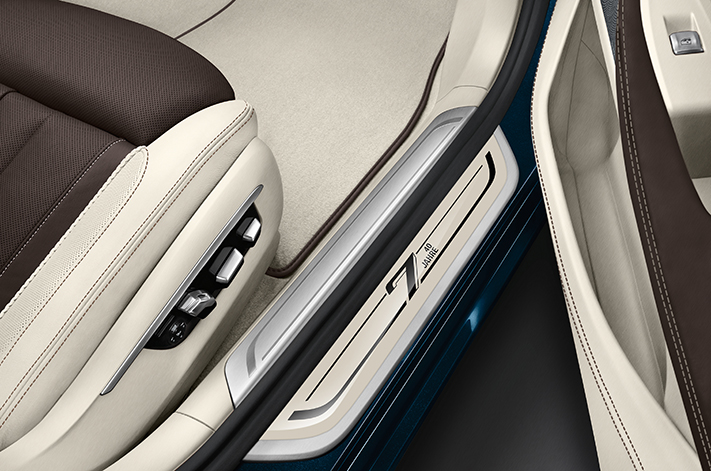
Each will have a premium over the 740i, 750i, and M760Li of $42,510, $46,600, and $24,500 respectively. Apart from its exclusivity and bragging rights, these special editions will feature Frozen Silver metallic paintwork with two-tone 20-inch V-spoke alloy wheels, piano black interior trim, and ‘7 40 Jahre’ logos – Jahre is the German word for years.
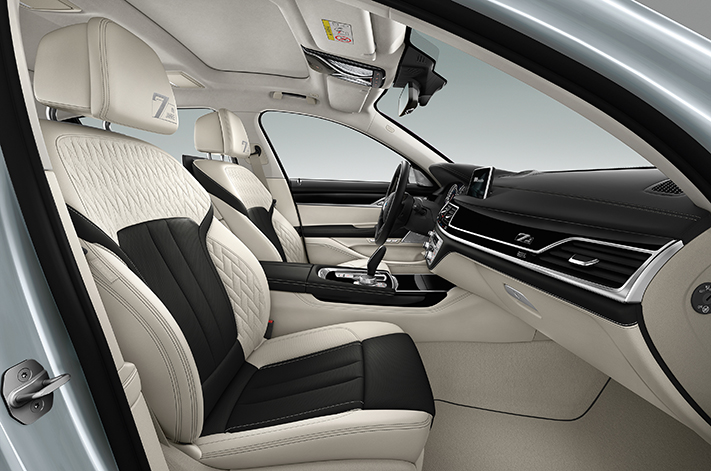
The 740i and 750i will also receive an M Sport package including brakes, which are already standard in the M760Li.
Other features include:
- Two tone Smoke White and black Merino leather upholstery
- Smoke white Alcantara headliner
- Rear Comfort Seats (740i and 750i). Already standard on M760Li
- Front and rear headrests with ‘7 40 Jahre’ logo stitching
- Smoke white floor mats with contrasting black piping
- Door entry sills and B-pillar with ‘7 40 Jahre’ logo
- Bowers & Wilkins Diamond Surround Sound System (750i)
- High gloss shadow line.
BMW 7-Series 40 Jahre Edition pricing
- BMW 740i 40 Jahre – $267,500
- BMW 750i 40 Jahre – $336,500
- BMW M760Li XDrive 40 Jahre – $443,500
New laws in Tasmania mean those charged with dangerous driving could face almost a quarter-century behind bars.
Depending on the severity of the offence, anyone caught faces up to 21 years imprisonment after ‘dangerous driving’ was changed to fall under the Criminal Code, rather than the Traffic Act in Tasmania.
Tasmania’s acting Attorney-General Matthew Groom made the announcement.
Opinion: The latest NSW road safety ad is a farce
“I am very pleased the Government’s legislation to crack down on dangerous driving has today passed the Legislative Council,” Groom said in a statement.
“Dangerous driving is a scourge that can result in lives being lost and families being torn apart, and these strong laws will send the right message that it will not be tolerated on our roads.
“The offence of dangerous driving will now move from the Traffic Act 1925 to the Criminal Code Act 1924, resulting in the maximum penalty for a first offence being increased from two years to 21 years imprisonment.
“This also means that dangerous driving will now become an indictable offence and heard in the Supreme Court, better reflecting the seriousness of the offence.”
Monthly bulletins from the Bureau of Infrastructure, Transport and Regional Economics (BITRE) on road tolls reflect road deaths by state, and have consistently found Tasmania to be towards the bottom of the chart for road deaths.
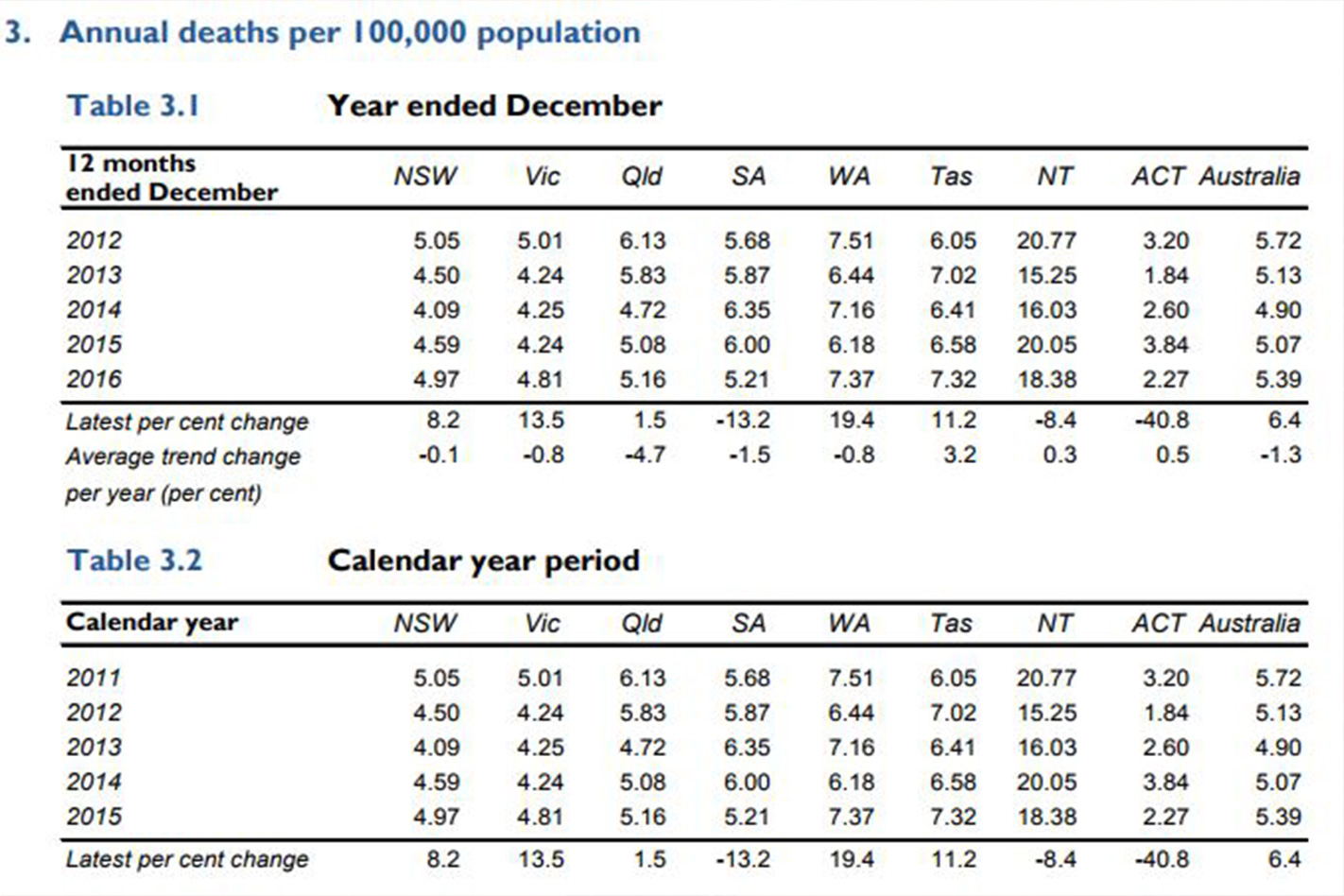
However, when considering deaths per capita, Tasmania begins to ‘climb the ladder’ so to speak. It’s also the only state with a significant increase in road deaths per capita in recent years.
Additionally, the statement released by acting A-G Groom says the legislation will:
- “Increase the maximum sentences applicable where an individual is found guilty of negligent driving causing death by one year.
- “Increase the maximum sentences applicable where an individual is found guilty of negligent driving causing grievous bodily harm by six months.
- “Allow alternative convictions for negligent driving causing death or grievous bodily harm where an offender is charged with dangerous driving causing death or grievous bodily harm and the offence is not proved, provided there is sufficient evidence to prove the alternative offence.”
Time to place your bets on the drag race of the future.
In one lane, we have a Tesla Model S, a family sedan built by a company which was a relative nobody a decade ago. It uses no fuel and moves in silence. Yours for $265,644.
Next to it is Lamborghini’s Aventador SV. The final, and most extreme, iteration of its V12 flagship. It’s a $891K shrieking, hulking supercar that assaults the senses and drinks like a Queenslander on Australia day.
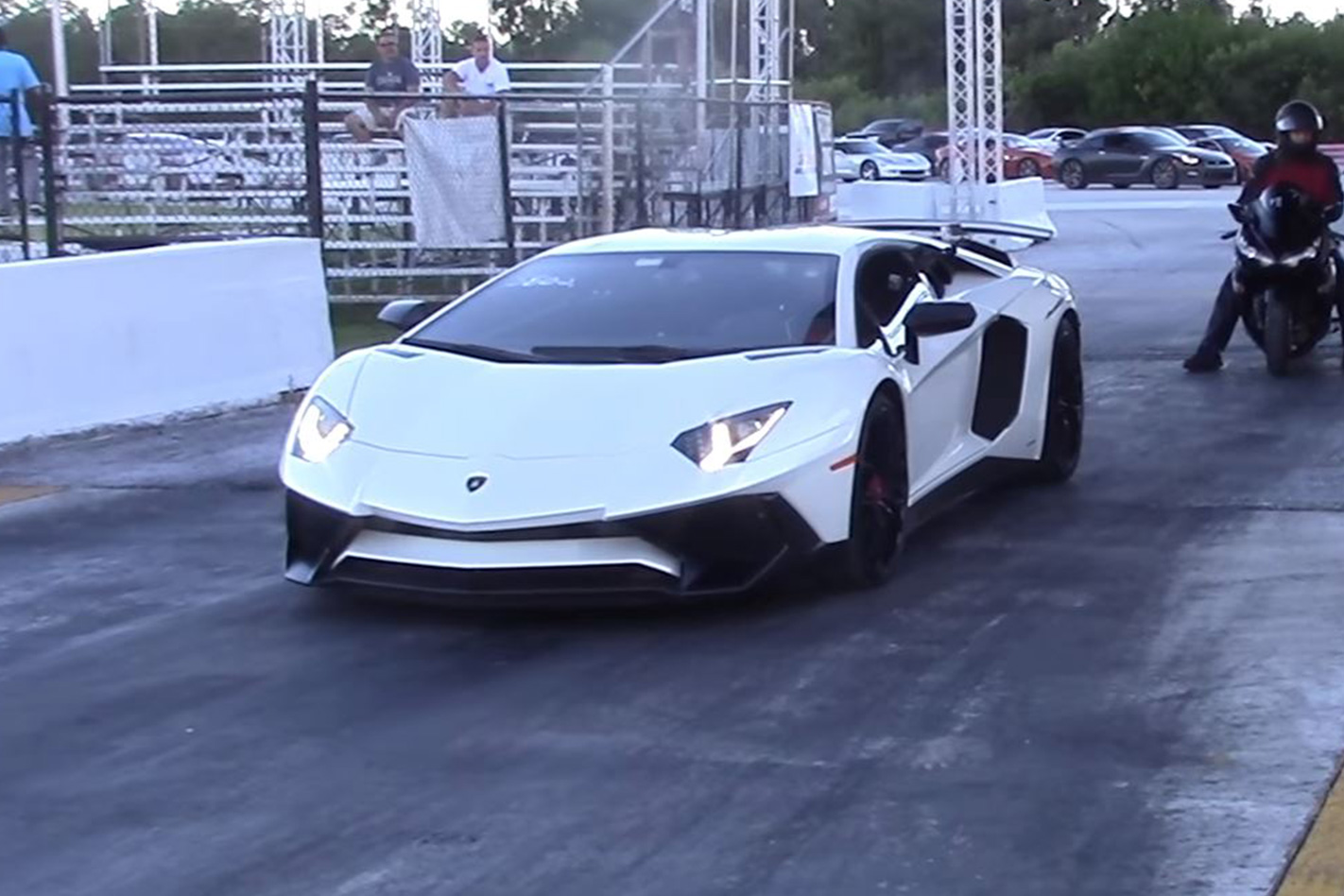
Tesla recently upgraded its Model S to P100D specification which sees a more powerful battery feeds its electric motors. It then boosted outputs with an over-the-air update last December.
As a result Tesla reckons its Model S is the ‘quickest’ production car in the world – beating the Lamborghini Aventador – with a 0-97km/h time of 2.4 seconds.
So, which is faster? The people at Dragtimes have filmed the pair going head-to-head so you can see for yourself.
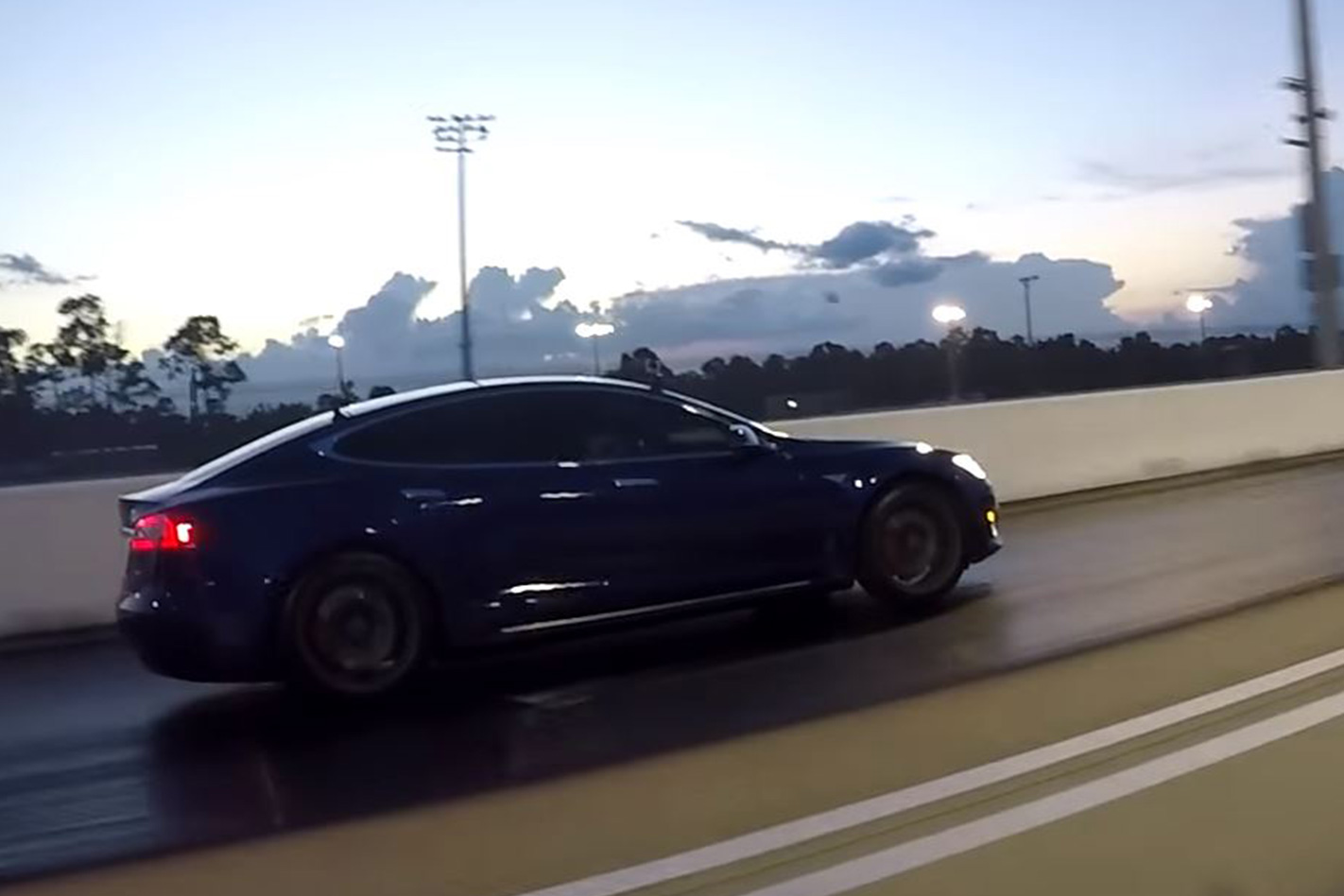
In the first race it passes the 60 foot mark in 1.573 seconds, before crossing the eighth-mile mark 6.836 seconds.
Meanwhile the Aventador SV, which is lighter and also all-wheel drive, lags behind at both points.
Ignore who crosses the line first, the time slips reveal the first race falls in the Tesla’s favour where a 10.838sec pass plays 11.048.
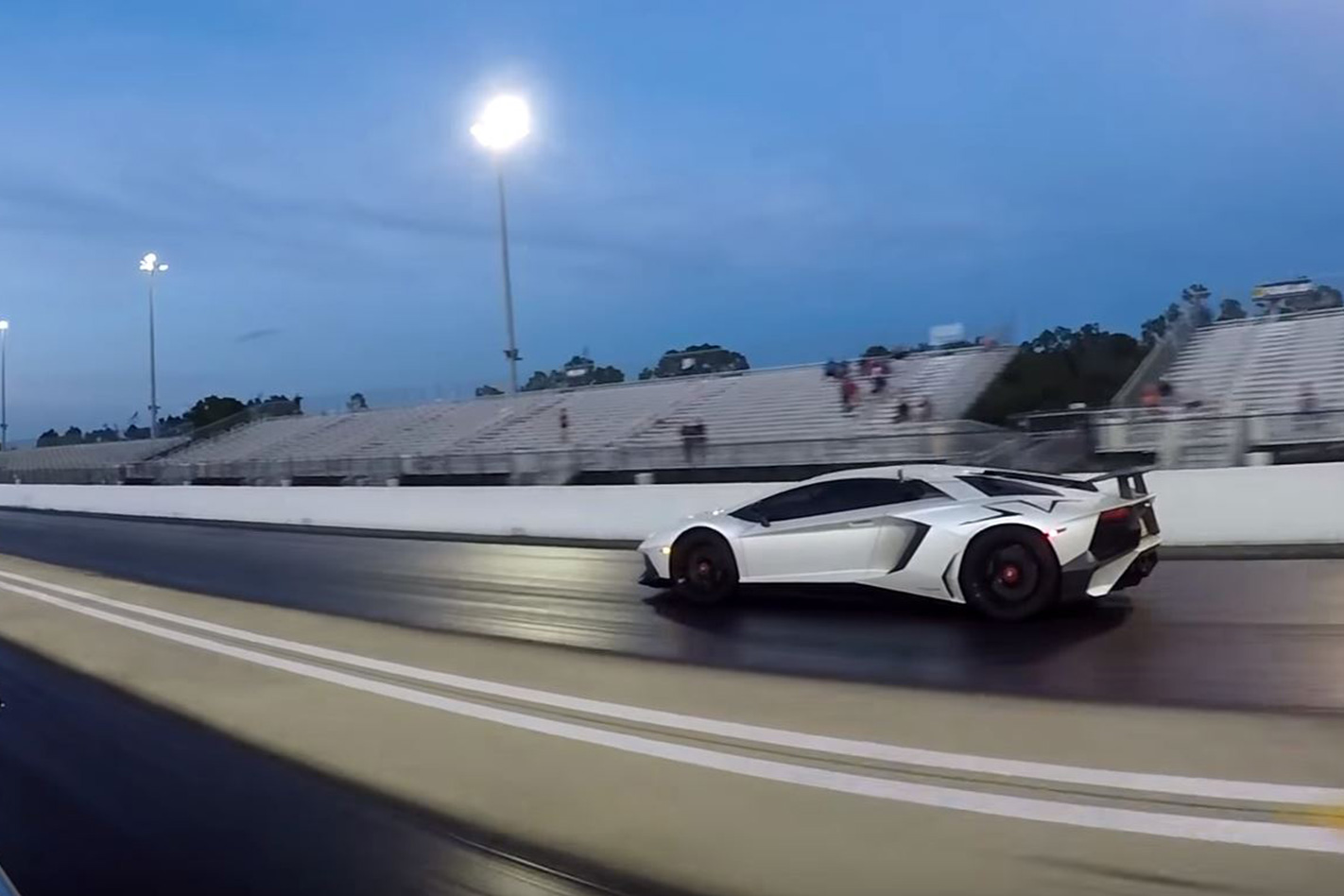
Despite having launch control, its single-clutch drivetrain can’t keep up with the electric car’s instant acceleration.
And for the moment, Tesla’s lofty claim seems intact. The future is fast, people, even if silent.
We’ll be honest – there’s not a huge amount of driving footage in this video. But don’t let that deter you.
There’s enough to keep hooked those who aren’t particularly interested in hearing a racing legend speak about his passion.
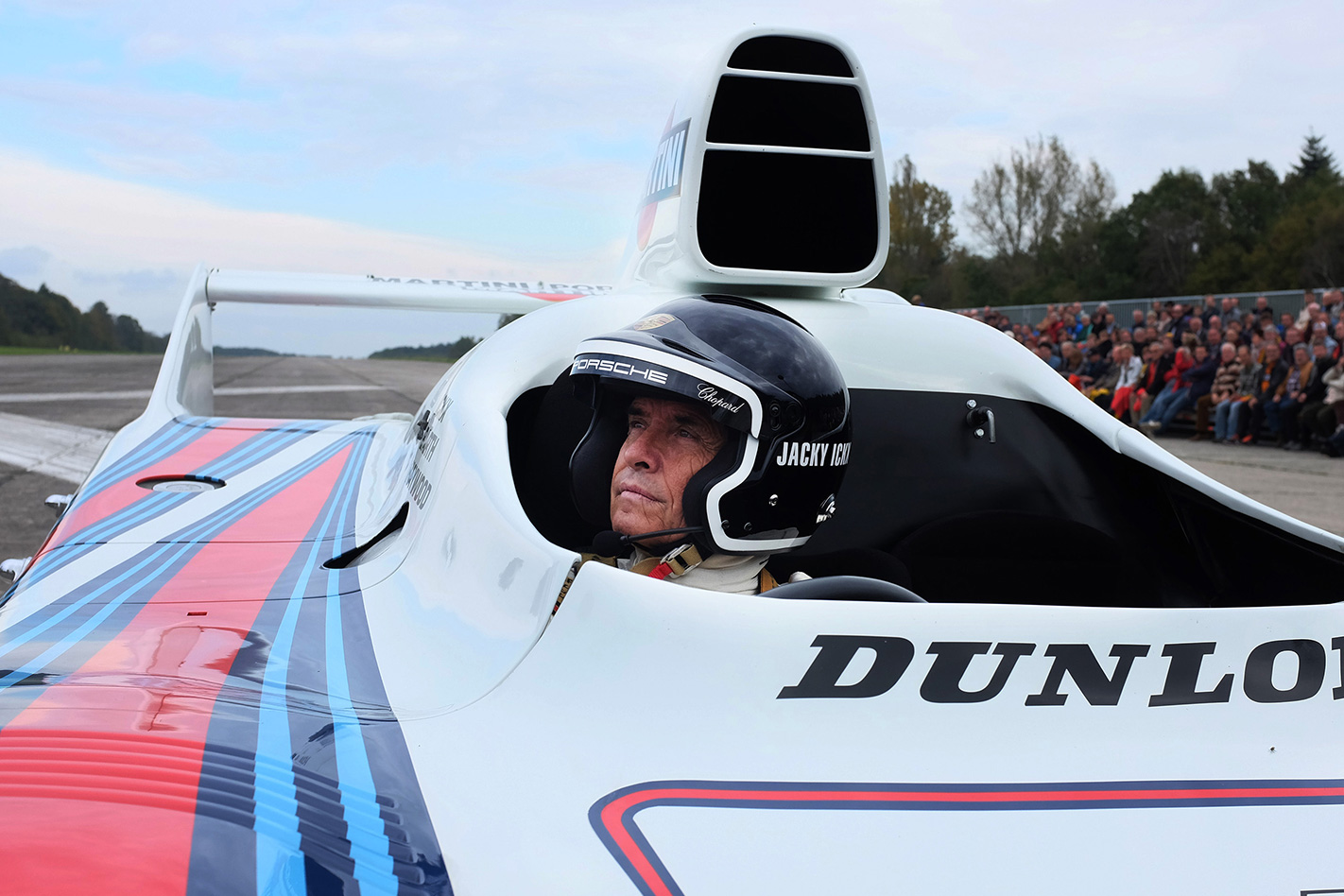
However, we feel that most out readers at MOTOR don’t mind spending a few minutes listening to the fantastic Jacky Ickx speak about his time behind the wheel of some of Porsche’s historic racers.
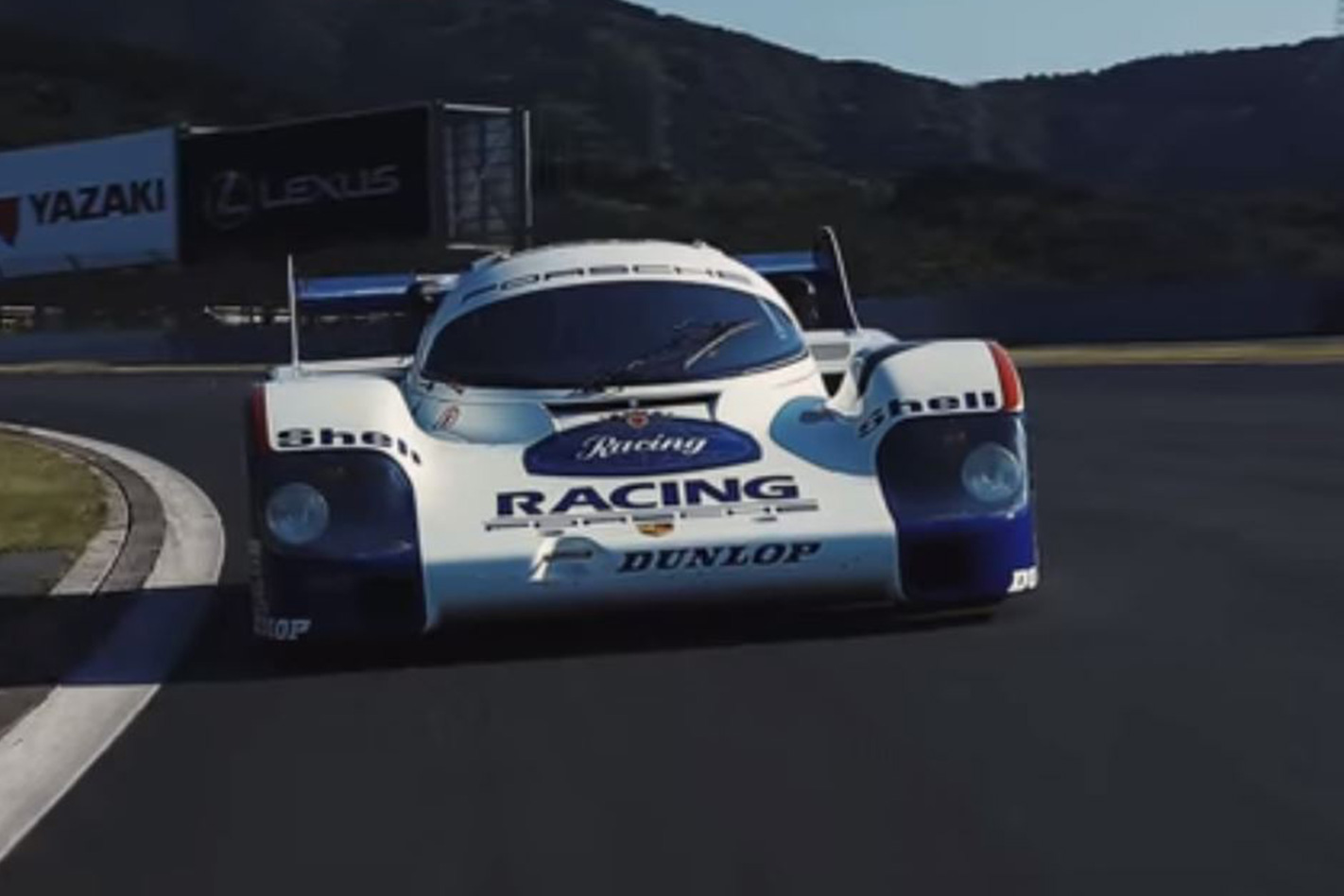
In 1976, Ickx used the Porsche 936 to take Le Mans by storm, on top of winning the World Sportscar Championship (in Group 6).
Even without Ickx at the wheel, the Porsche 936 domiated. It won six of seven rounds in the 1976 World Sportscar Championship, with Ickx and/or Jochen Mass credited with all of those.
The 956, however, comes with a history that extends past even Ickx. Jochen Mass and Stefan Bellof (who was later quite sadly killed in a crash with Ickx) co-drove a 956 to great success, and Bellof used the car to set records which still stand today.
For context, Ickx set a time of 6:27.36 in qualifying that same year, while the third-place qualifier reportedly ran a time of 6:31.59.
So, after talking the car up this much, we should really give you a better idea of how it sounds.
Even a relatively tame dyno test sounds gorgeous.
If all of that doesn’t sound like your cup of tea, just skip to 0:45 and 5:51 in the main video (top) to witness some of the most pleasing footage you’ll see this week.
It’s the burble that gets you in.
This article was first published in MOTOR Magazine November 2004.
That, and the way, when it’s cold, it soft-pops teasingly on overrun whenever you give the throttle a suggestive tickle.
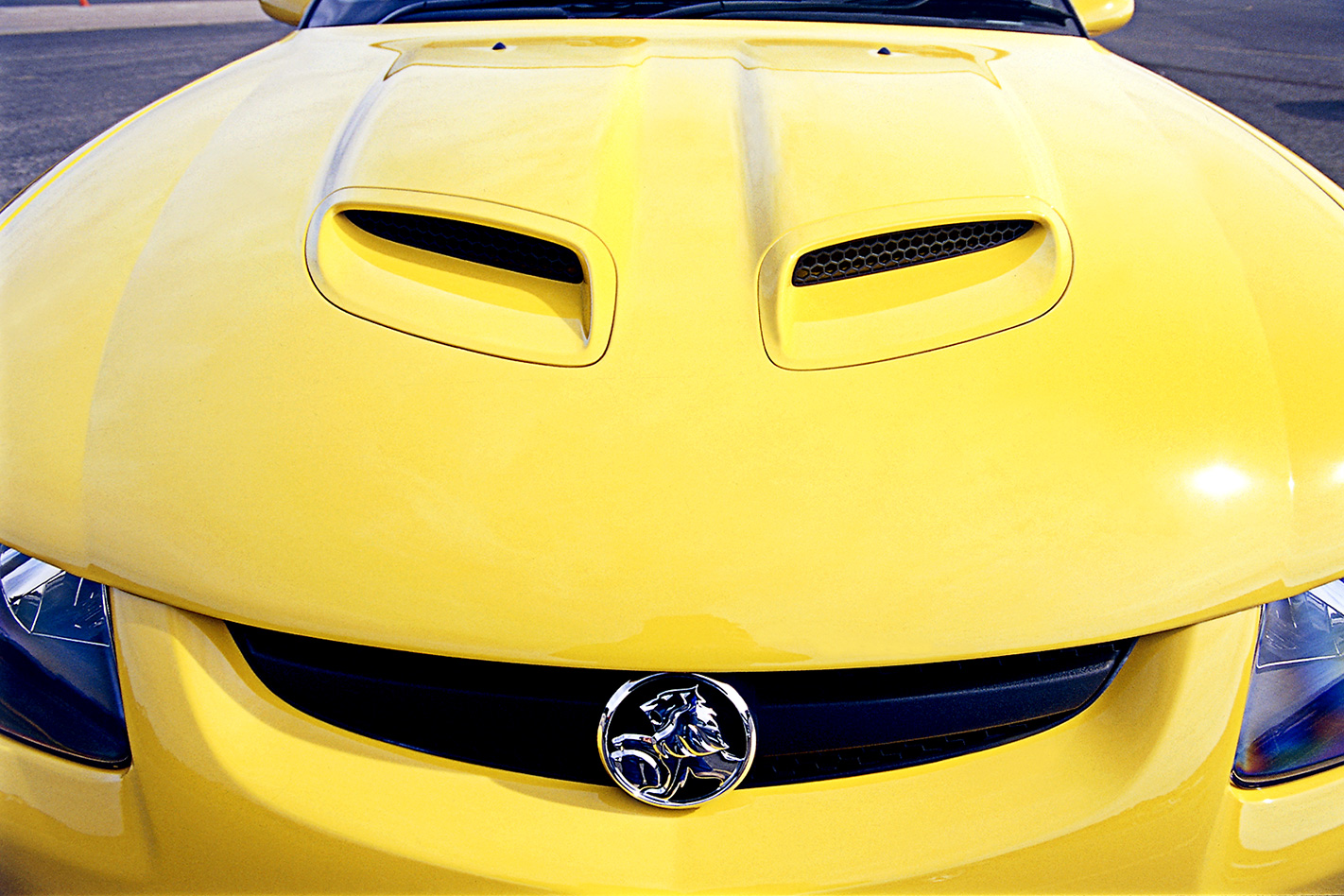
There’s been a major shift in the Monaro. If the changes might physically seem minor, the philosophical transition has been enormous.
Where Mike Simcoe’s original was about neatness, balance and detailed cleverness, that’s not the VZ’s way. It’s now punching out, from the first glance and bow wave of sound, the vibes of an unashamed, old-school muscle car.
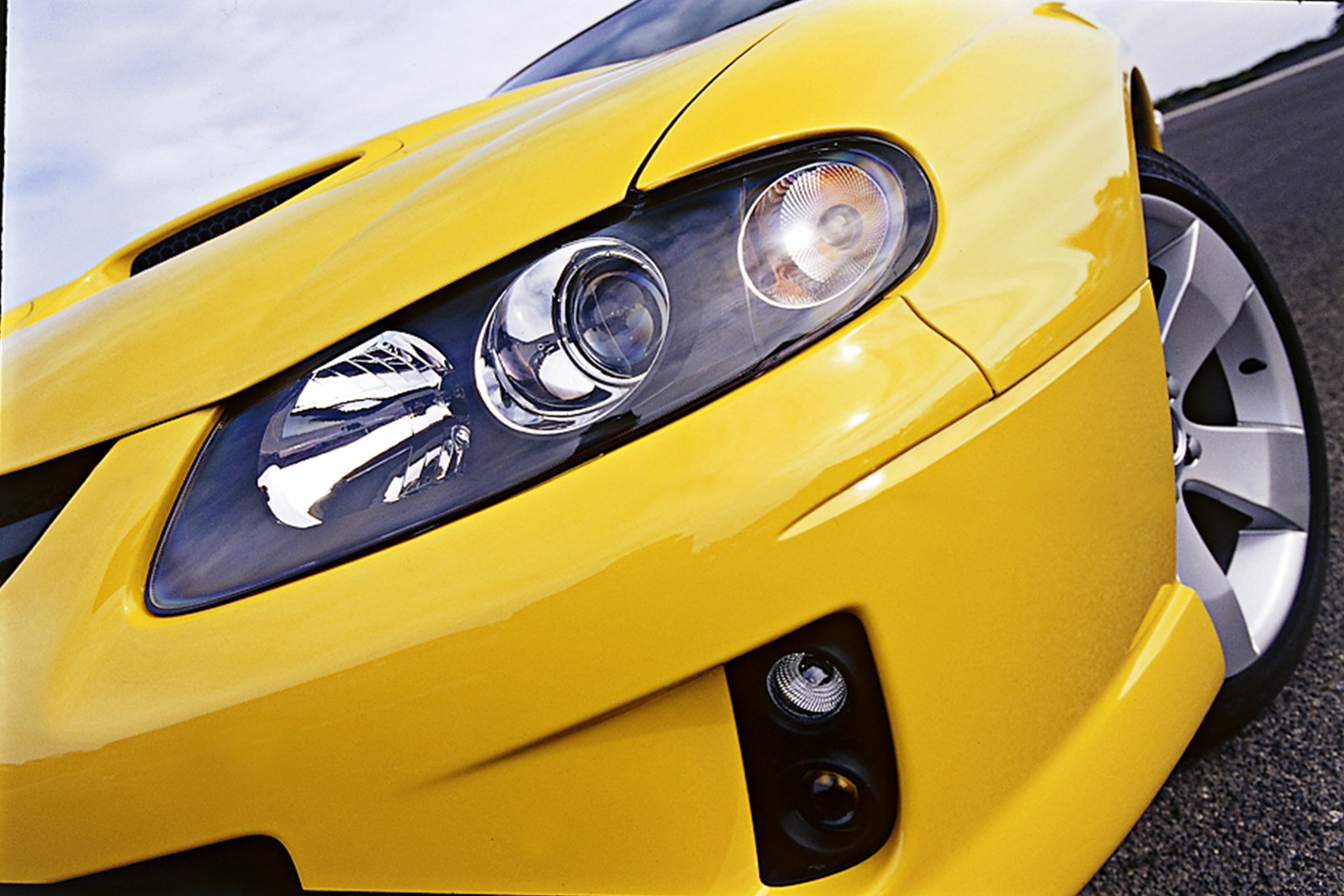
It’s the attitude realignment that’s done most of the work. Twin-flared bonnet nostrils initially seem out of place on that clean bodyshell, but they are Holden’s way of stamping the Monaro as a car which has been taken to the next level. (Oh, and the Americans wanted them, and Holden could have done its own, but who’d press three bonnets when two would do?).
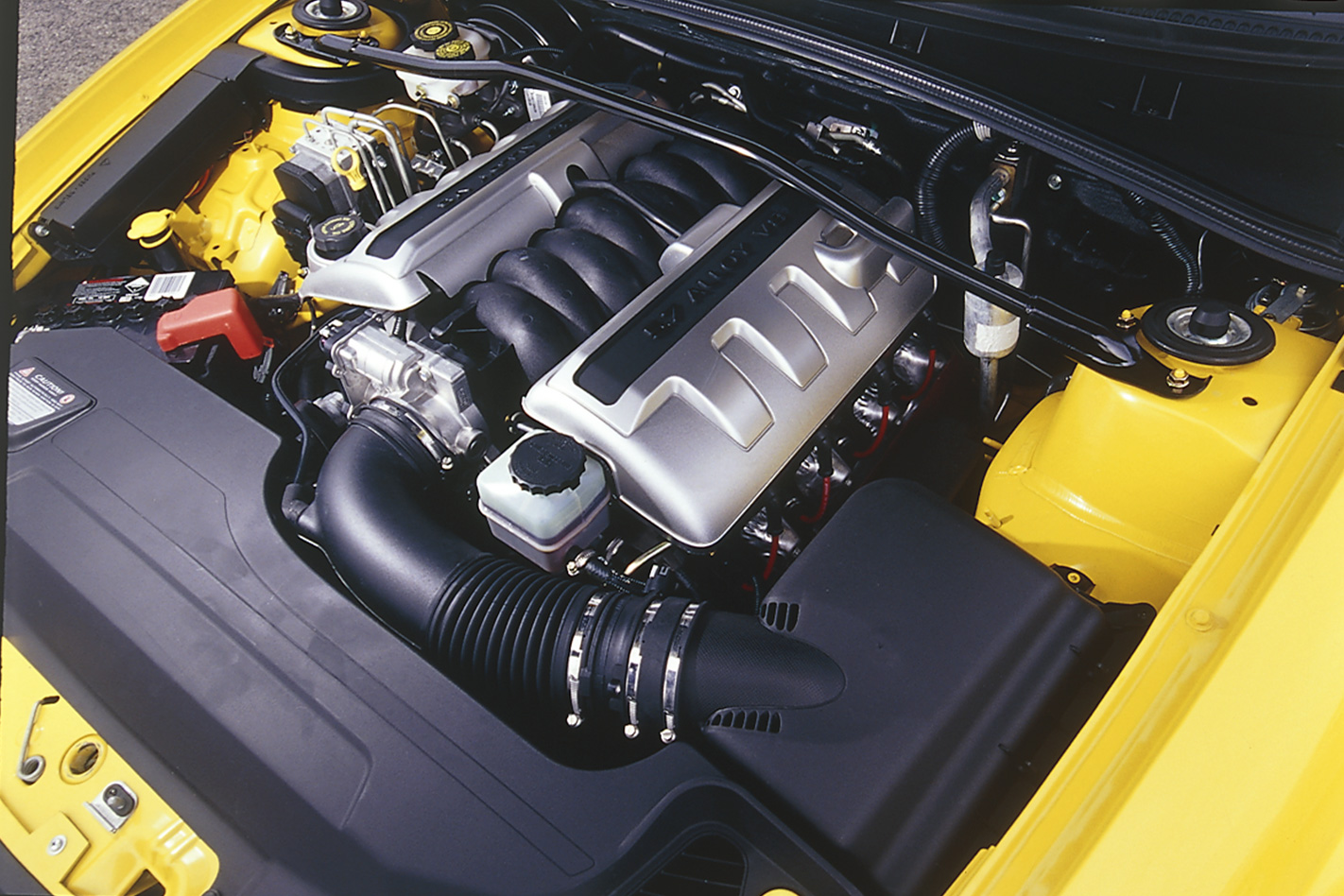
Underneath sits 260kW of 5.7-litre, bent-eight muscle, and it never feels shy about demanding you use it – all of it. Not so long ago, 260 was a ClubSport number. It’s five shy of BMW’s awesome M3 CSL. It’s 54 clear of the WRX STi and the EVO VIII – and 10 ahead of the SS four-door.
And it’s not only more powerful (up by 15kW on the old Monaro), but it’s stronger everywhere else, too. Think 500 Isaacs and you’ll be on the money. While it doesn’t hit those heady heights until 4000rpm (a whopping 800 beneath the SS’s peak), it feels significantly stronger all the way from idle, and it’s already snarly at 2000.
Keep the wellie buried and that snarl gets deeper, angrier and more pervading. And you’re already hammering hard – a lot harder, once it’s hooked up, than the old car. Snatch second in the upgraded ‘box, and the timbre changes with the extra load from the taller gear. Richer, more menacing than angry.
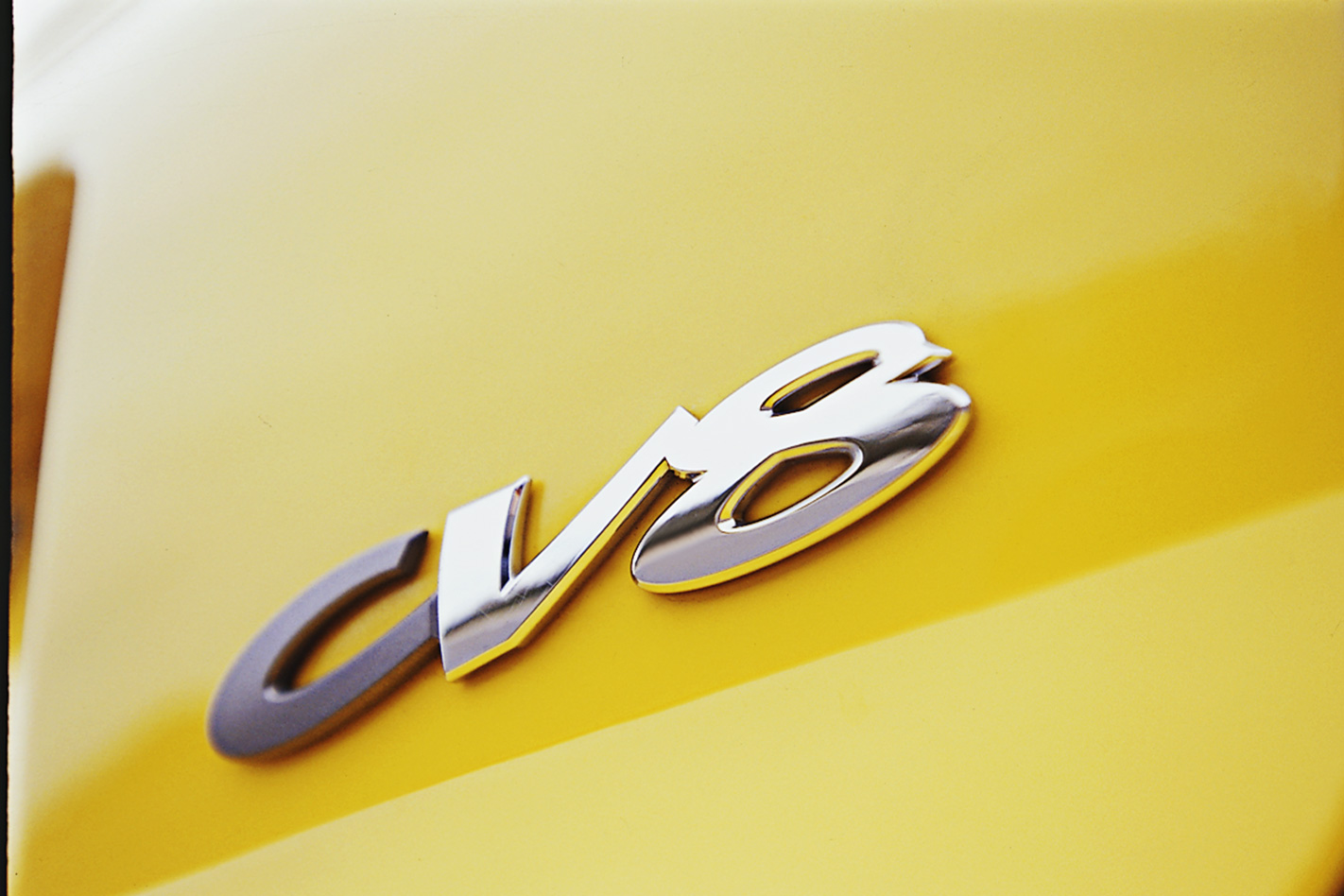
It’s official. The Monaro is now a car to make you sit up and take notice. It’s not just a pretty face. It’s a pretty face that’s gone a few rounds and it’s a tougher, harder-hitting machine for it, with shoulders-back pride in its battle-scarred nose.
A lot of it has happened because, technically, the Monaro team could (and did) pilfer the best VZ Commodore tweaks and then cherry-pick anything Pontiac’s GTO engineering money had already paid for. And, at $15 million, it cost (in car-development terms) Holden bugger-all.
It gets the more important VZ gear, like the fly-by-wire throttle that allows it to not only pass tougher emissions tests, but also to provide more instant response and deliver cruise control, traction control and skid control for, in hardware terms, free. Other important additions are the aluminium power steering pump, which runs lower fluid temperatures, and the larger air induction system for an engine that also gets its first limp-home mode.
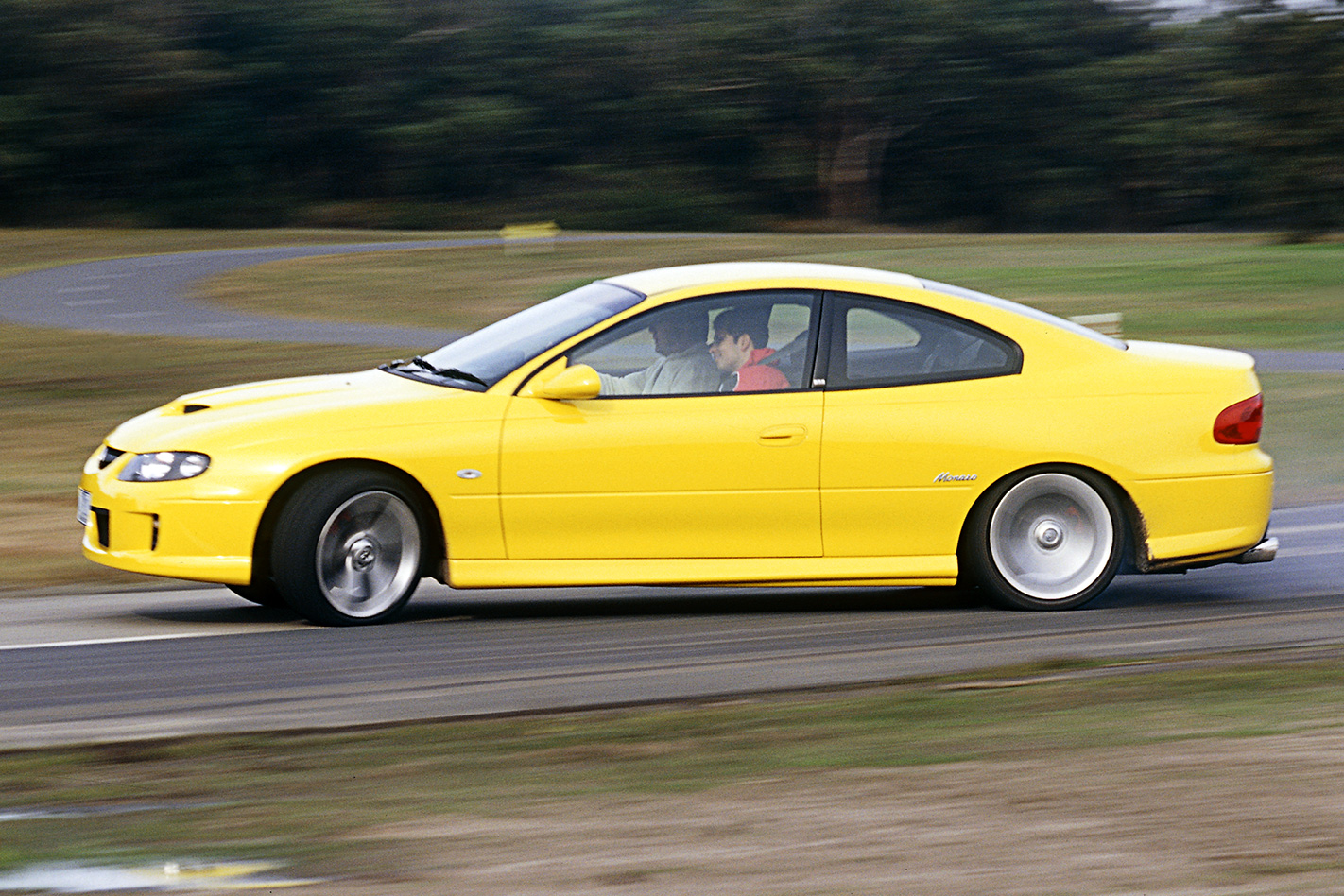
Feels different, sounds different, looks different. It’s an ever-growing pattern…
While there were fears of too much American influence (to make up for what the US punters thought were GTO deficiencies) it ain’t too bad.
The new side-splitting exhaust system, for example, is US fare, plus a rear undertray that cuts lift by 16 percent (though high-speed stability has never been a Monaro problem: MOTOR ran a CV8 at 270km/h at Performance Car of the Year a couple of years ago).
The pipes take away about 25 percent of the old system’s back-pressure – and at least that much out of its luggage capacity. To meet US regulations, though, the fuel tank had to move in front of the rear axle and, as a stop-gap measure, there’s now a big cylinder, covered in carpet, tucked into the deep end of the boot.
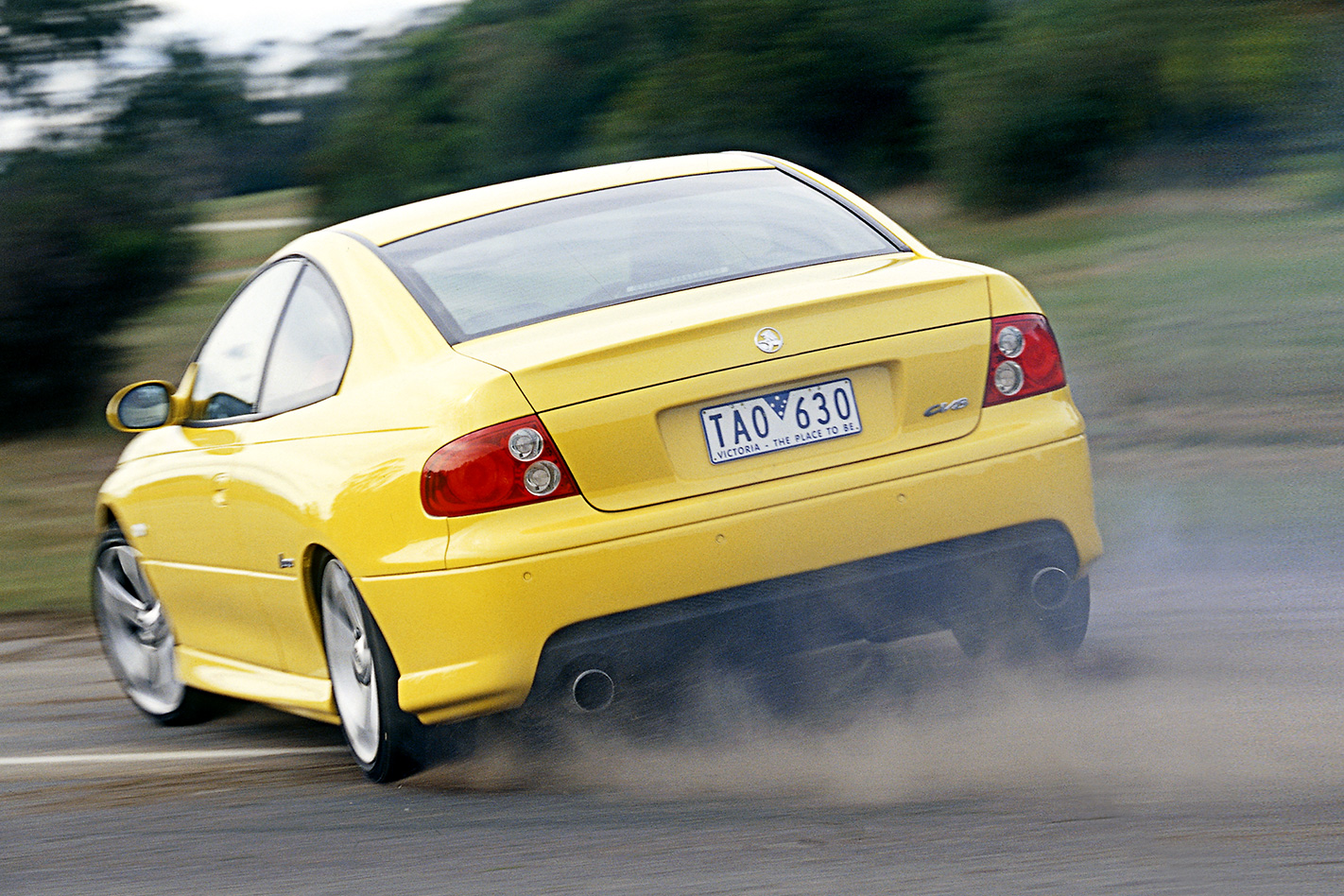
And where the old Monaro felt like a Commodore – except stiffer in the shell and more accurate in its power-down on medium-to-fast corners – this one feels a very, very different drive to the just-launched VZ Commodore range. Yes, even the SS.
So different are the structural characteristics of the Monaro shell that, when they tried the VZ Commodore’s new suspension set-up (with front ball joint, stabiliser bar geometry and bar-crank length changes), it just didn’t work on the two-door, so they binned it and kept what they already had.
Given America’s obsession with traffic light grands prix, the Monaro now gets a different gearbox to any other Holden. Yet another version of the T56 six-speed manual, the M12 gets shorter ratios everywhere except fourth. It’s not just a bit here and there, either. First is 11.7 percent shorter, it’s 16.3 percent for second, and 10 percent for third, then the reductions are slighter in the top two cogs.
The shifts are smoother than before, and faster (marginally), but the real benefit is in rolling in-gear punch, increased throttle response – its forgiveness of those too lazy to shift down.
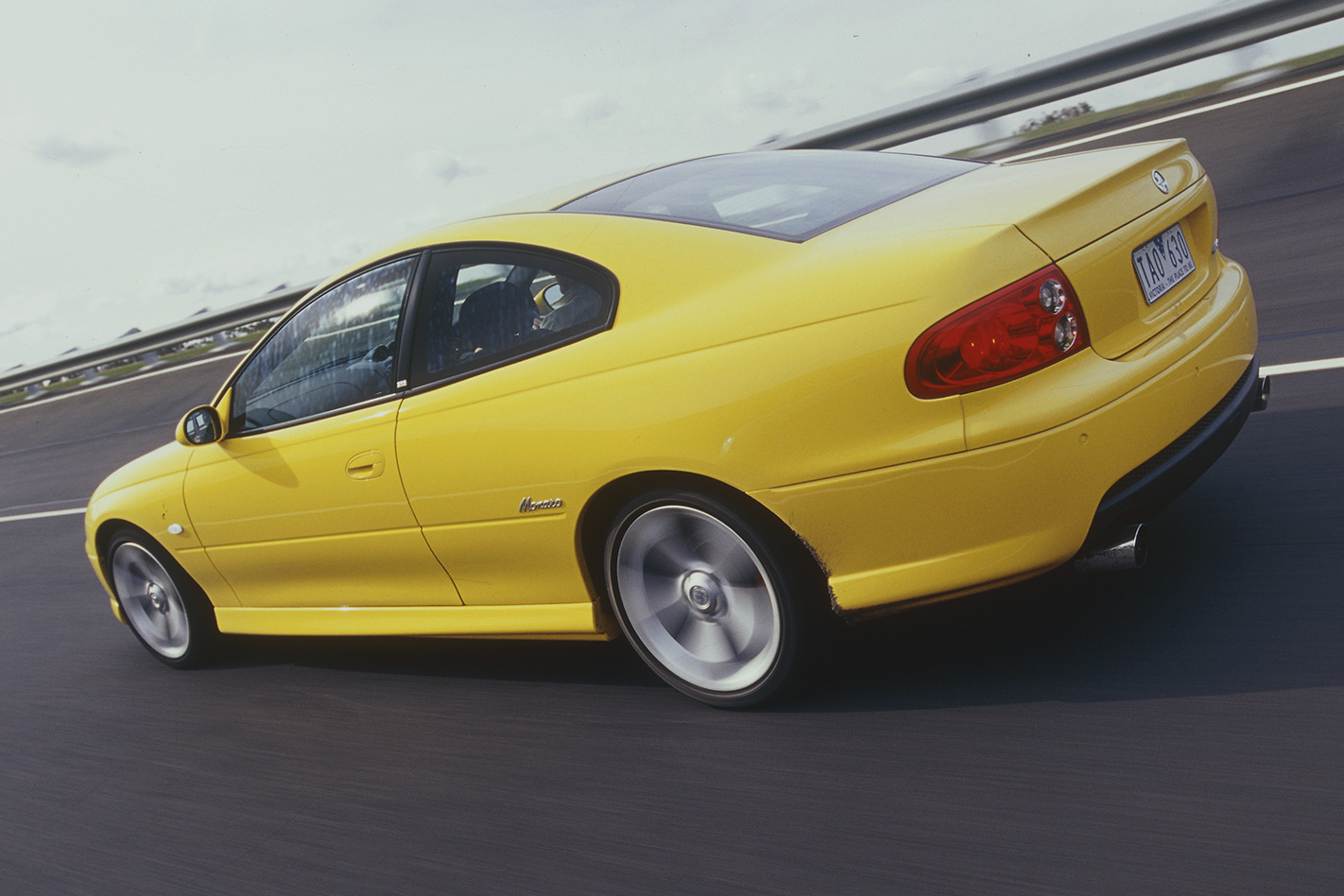
The auto’s much, much better than the last Monaro unit we tried, but it’s still not stunningly good, loses throttle response to the torque converter, and feels a lot less lively.
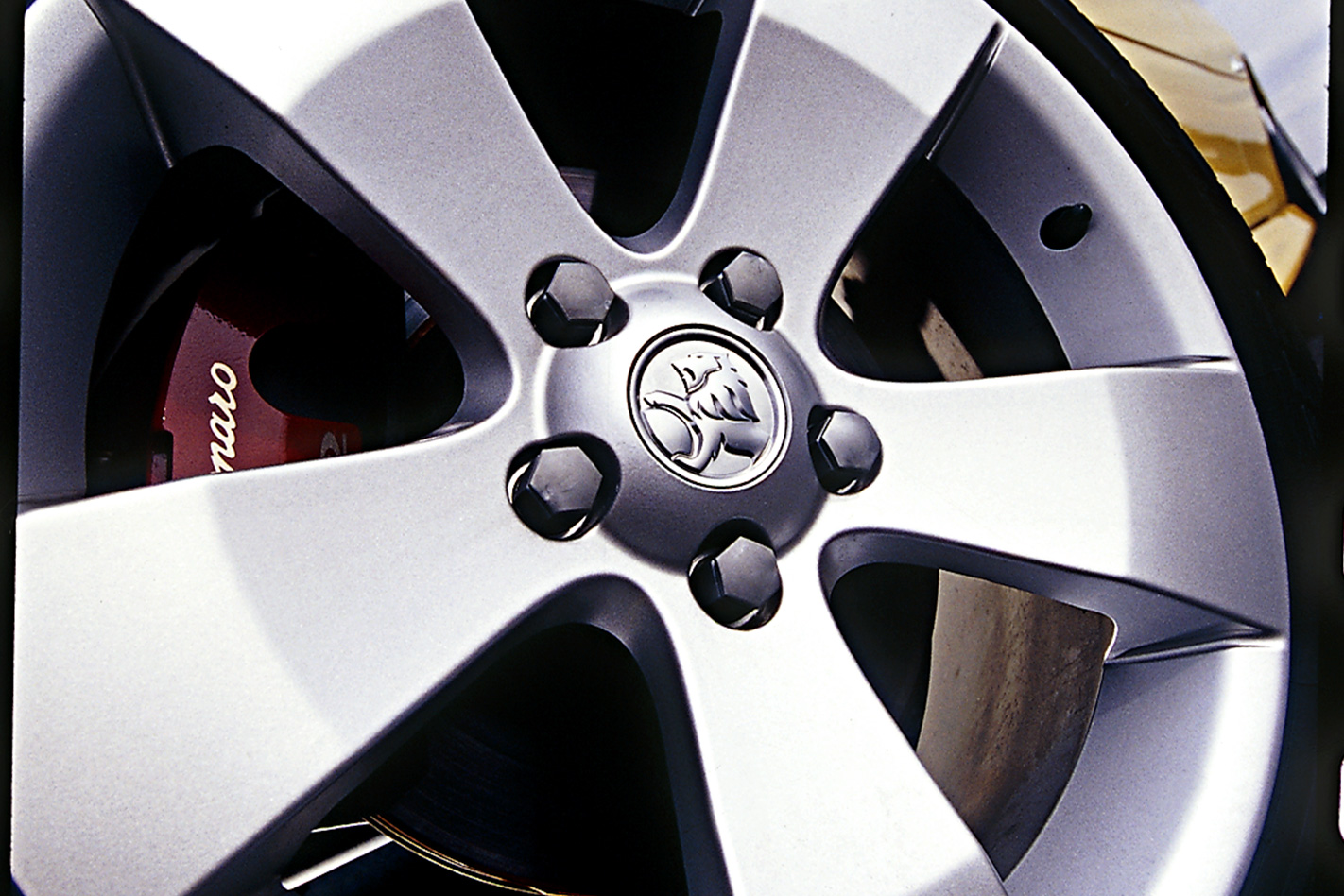
It’s also different to the SS in the way it stops. And doesn’t it stop! Once the Monaro’s Sally Robbins, the VZ gets its twin-piston front calipers straight off the Corvette C6, with the not-so-subtle modification of its own name writ, STi like, large. And its own pad compound.
The fronts are now 320mm x 32mm and ventilated (up from 286 x 18), while the rears are 10mm bigger in diameter (to 296mm) and ventilated instead of solid.
On top of that are the VZ-range improvements, like its new booster and master cylinder and the emergency Brake Assist (dual reaction booster ratio, which hurries the driver’s foot towards the ABS threshold whenever the deceleration is higher than 0.5g). There’s also the Commodore’s electronic brake force distribution to work the forces around the car as well.
It’s still got that typical Monaro turn-in advantage over the stock Commies, and still leaves you the choice between driving classically through the corner, taking a slight understeer or oversteer stance, or, as befits the car’s new character, lairy-arsed full-lock powerslides.
Its only slight flaw seems to be that it feels a bit light at the front – and a bit lacking in steering sensitivity – on high-speed corners (that is, the top end of third gear and upwards).
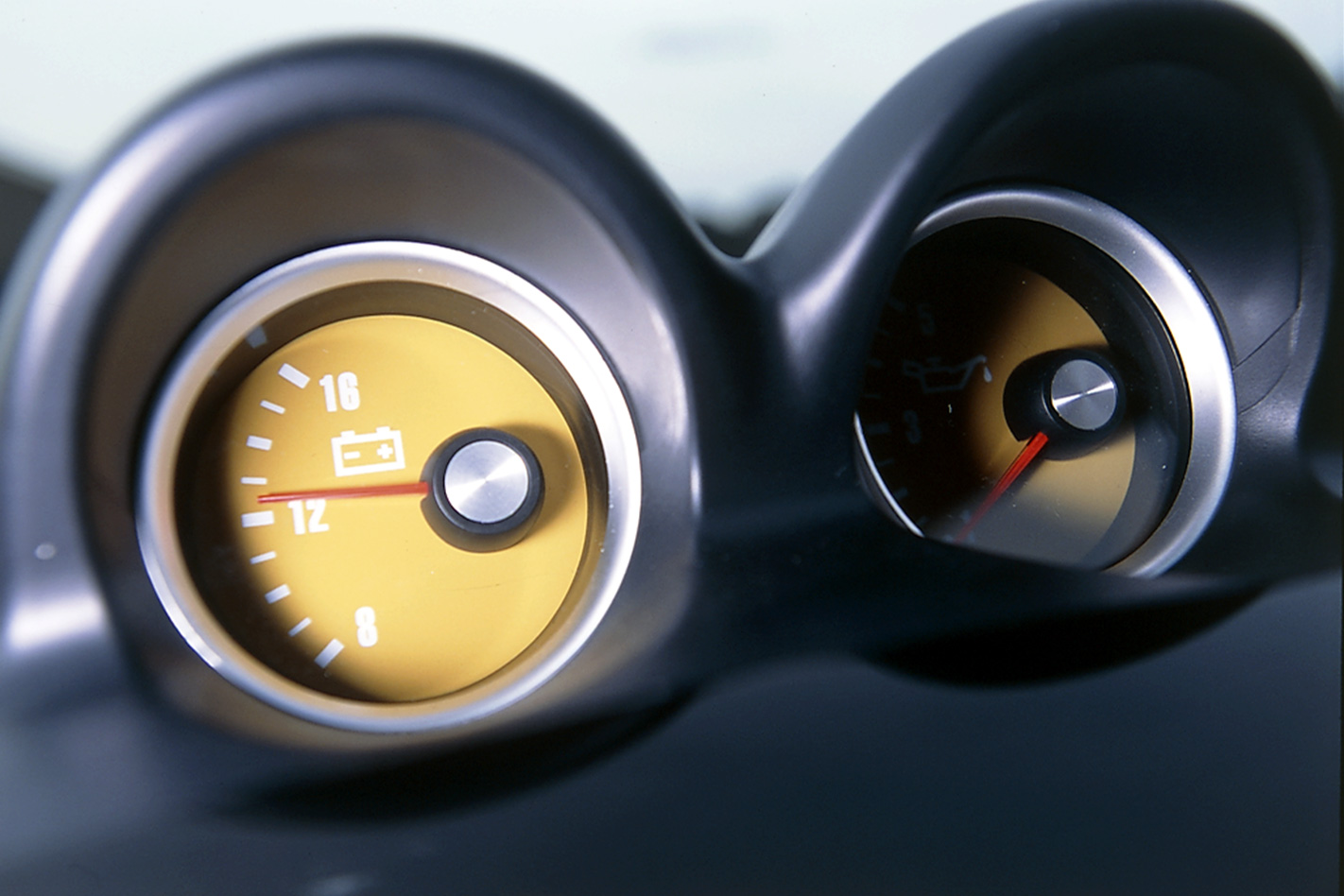
There’s no doubt that the looks of this version will polarise Monaro fans, but, deep beneath that lie qualities that are far more likely to generate deep passions from those who love it. It gives more reasons not to buy a Commodore, has more individual character, more speed, more chassis poise, more braking power and it’s even become one of the world’s great drift cars.
And all that will make Holden very, very happy.
Monaro buyers by numbers:
– Eight percent also considered buying BMW – 12 percent are divorced or separated – 27 percent considered another Holden – 30 percent are aged 45 to 54 – 37 percent earn more than $120,000 a year – 43 percent are between 25 and 44 – 48 percent didn’t consider anything else – 66 percent don’t have kids
Holden’s Limp Home System
Ford’s had a world-class limp-home system in its Falcon since BA. But Holden hasn’t. Until now.
The new system for the Gen III V8 is all about clever electrical work. It will give the driver an audible warning chime when the temperature reaches 125 degrees, but then, if the driver doesn’t do anything to intervene, it won’t do anything else until it reaches 132.
If that doesn’t bring it back under the critical 126-degree threshold, it shuts down a second cylinder, again, randomly. It keeps doing this until it’s down to four operational cylinders and, if it’s still not down to 126, it rotates through the four in an activation/shutdown cycle in yet another step to bring the temp back beneath the threshold.
Testing it without water while towing a caravan at the Proving Ground, the Holden testers got bored after 1000km when nothing was going wrong.
Hard yards
While it’s cost Holden very little to engineer the Monaro, it cost Pontiac plenty. It’s done more than 400,000km of validation work, including being belted in places ranging from Sweden (cold weather and traction-control tests), Great Britain (brake testing), the Arizona and central Australian deserts, and the Milford and Lang Lang proving grounds, the last two for chassis and powertrain development work.
Another headache has been the need to pass US crash laws, which meant moving the fuel tank. In addition to computer-simulated crashes, Holden also threw 30 Monaro/GTOs up against the concrete block at Lang Lang, covering full frontal, offset and side impact crashes.
SPECS: BODY: Two-door coupe DRIVE: Rear-wheel ENGINE: Front-mounted 5.7-litre, 16-valve pushrod V8 POWER: 260kw @ 5600rpm TORQUE: 500Nm @ 4000rpm COMPRESSION RATIO: 10.1:1 BORE X STROKE: 99.0mm x 92.0mm WEIGHT: 1692kg WEIGHT/POWER: 6.51kg/kW SPECIFIC POWER: 45.9kW/litre TRANSMISSION: T56 M12 six-speed manual or 4L65 four-speed auto SUSPENSION: MacPherson strut, anti-roll bar, progressive rate coil springs (f); control link, semi trailing arm, anti-roll bar, progressive rate coil springs (r) LENGTH/WIDTH/HEIGHT: 4798/1841/1397mm WHEELBASE: 2788mm TRACK: 1559mm (f); 1577mm (r) BRAKES: 320mm x 32mm ventilated discs, two-piston calipers (f); 286mm x 18mm ventilated discs, single-piston calipers (r), ABS, EBD, emergency brake assist WHEELS: 18 x 8 inch alloy (f & r) TYRES: Bridgestone Potenza RE040 235/40 ZR18 (f & r) FUELTANK: 70 litres PRICE NEW: $60,490
THE summer hiatus wasn’t entirely uneventful in Formula 1.
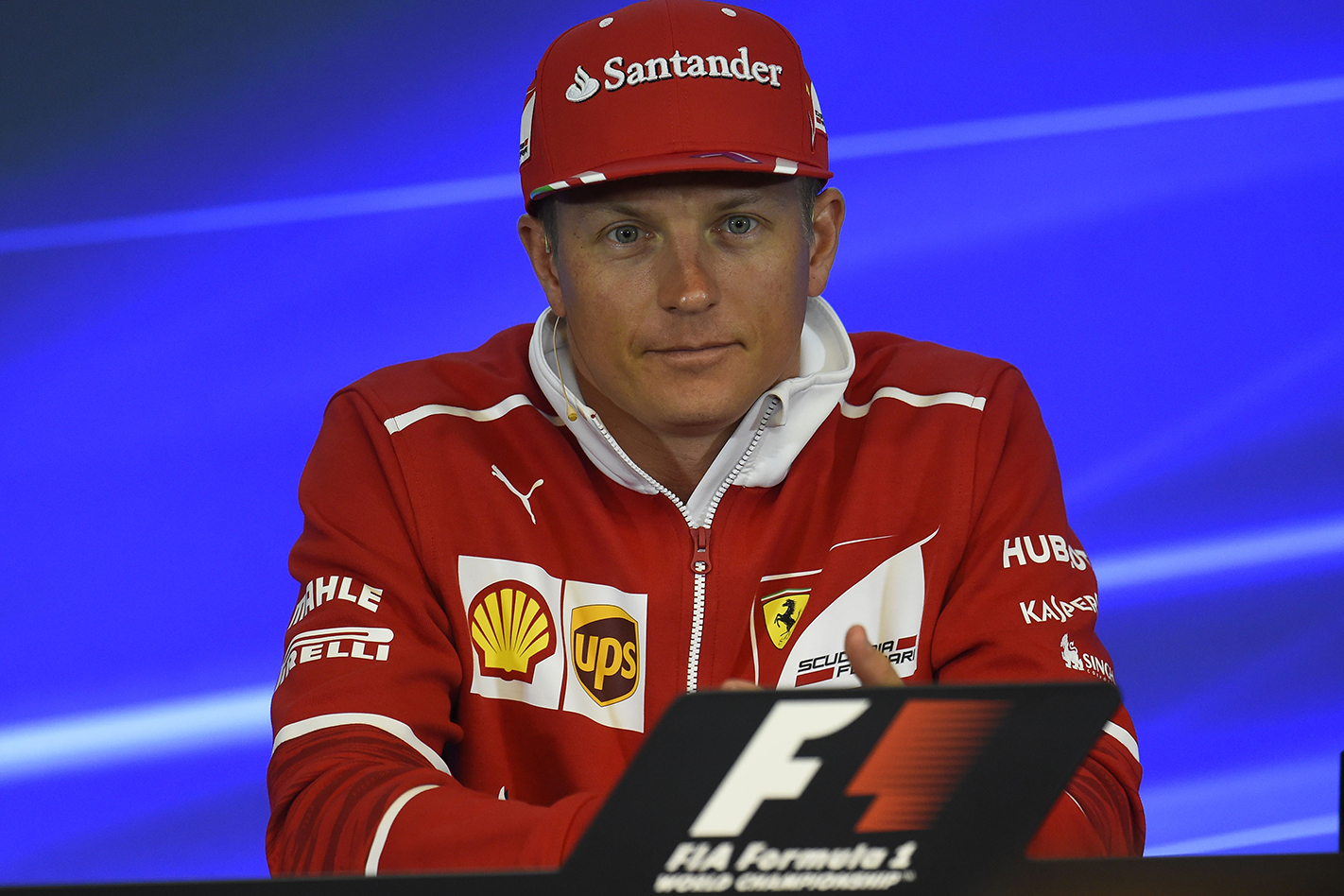
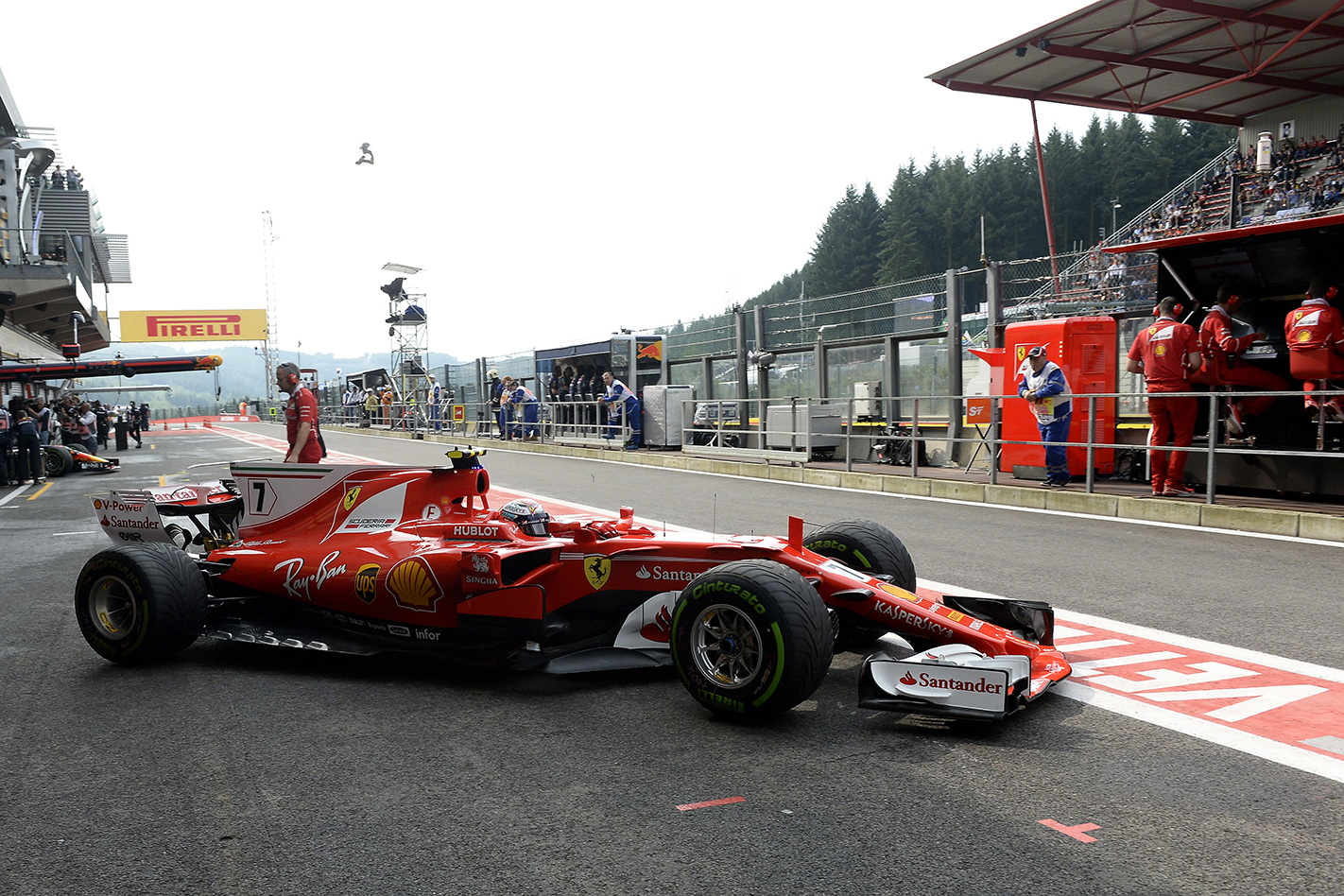
The “laggard” Kimi Raikkonen was re-signed by Ferrari for 2018, crushing the ambitions of some of his rivals hoping to move into a red car and disappointing critics who believe his is overdue for the shove. After all, Raikkonen has gone winless for 71 races, having being belted by current teammate Vettel and, before that, Alonso.
Raikkonen’s attributes are not always obvious. Those who’ve worked with him say he has great car feel. He is also a great fan favourite and more importantly, Vettel, who has signed a three-year contract extension, endorses him as a partner.
The Red Bull young guns, obvious choices, are in quarantine under unbreakable contracts. And prising the Merc pair out of the Silver Arrows would be tough and expensive.
Alonso may be available but it’s hard to see Ferrari taking him back after problems when the Spaniard last drove for the Scuderia.
The rest are either caught in mediocrity or not free to move. Or both.
Kimi it had to be. For one year.
Raikkonen may have his employment sorted for 2018, but another world champ is still not locked in. The hottest rumour in the Spa paddock was that Williams offered Alonso a car for 2018.
Anything is possible in F1, but Alonso must a little leery about taking that one.
Firstly there is the matter of Alonso’s $40 million driving fee. Williams doesn’t have that sort of money to toss about, although someone has suggested that Lance Stroll’s father could open his wallet to get the Spaniard into Martini colours. Que!
The other consideration, surely, is that Alonso may not see under-performing Williams as worthy enough, even with Mercedes engines. At Spa, Felipe Massa qualified 16th and Lance Stroll 18th.
Perhaps too McLaren may convince its superstar to stay? It’d be possible. But not probable.
Alonso says he’ll decide on his future within a month. He has said he won’t stay in F1 unless he can drive for a competitive team.
IT WAS a tight and tense Belgian Grand Prix at Spa-Francorchamps. Not pretty, but two drivers right on the edge for the full 44 laps, from the moment the lights went out.
Though Mercedes’ Lewis Hamilton led from the start and only relinquished the advantage during pit stops, his margin over Ferrari championship rival Sebastian Vettel was never comfortable.
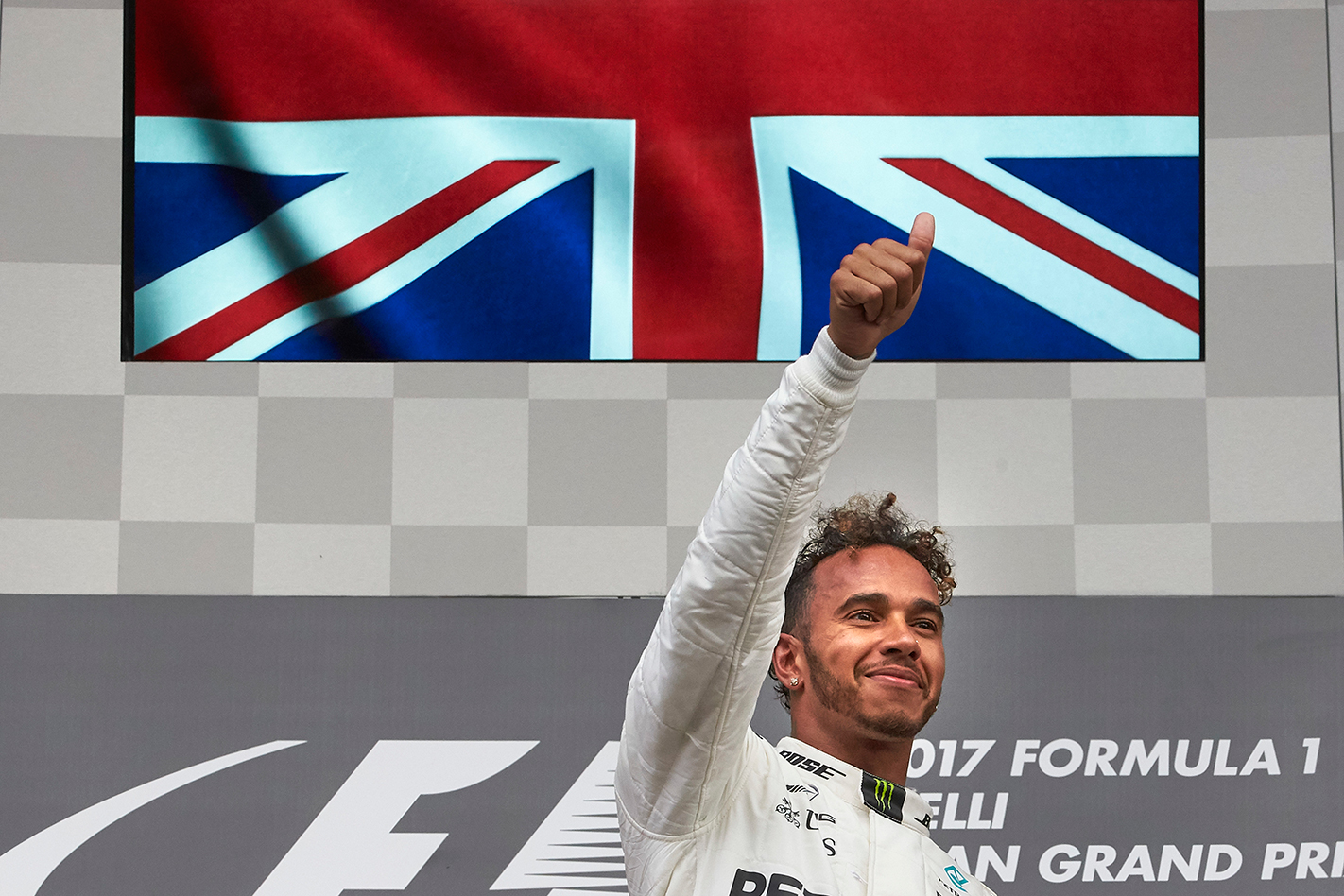
Both men agreed it had been a tough duel on the longest circuit in the world championship.
“I was waiting for Lewis to make a mistake and he didn’t,” Vettel said after finishing two seconds back.
“We were both pushing every single lap and there was no room for error or mistake,” said Hamilton
“It is fun to be racing against another team and Sebastian at his best and the car at its best,” the Mercedes driver added. “That’s what racing’s about.”
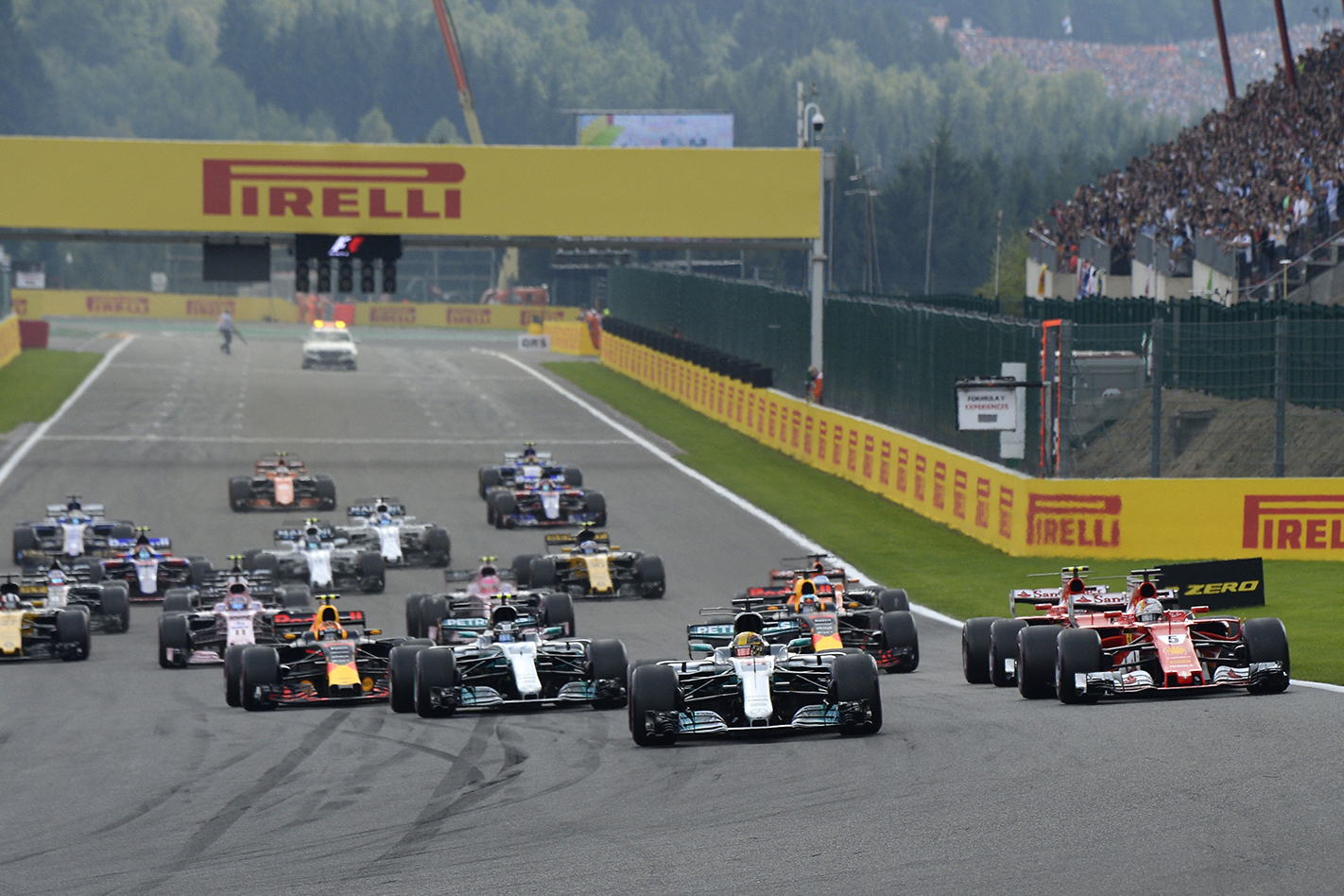
Hamilton looked to have Vettel covered until the safety car was deployed in the latter part of the grand prix to allow officials to clean debris from the track, triggering a wholesale rush to pit lane for fresh tyres for the sprint home.
When racing resumed, Vettel, on grippier ultra-soft Pirellis, moved his Ferrari alongside Hamilton on the long straight. Hamilton, prevailed though.
Further back, Ricciardo brilliantly pounced on Hamilton’s teammate, Valtteri Bottas, to take third position. Kimi Raikkonen followed him into fourth, making some progress after earlier having to serve a pit lane penalty for ignoring double waved yellows.
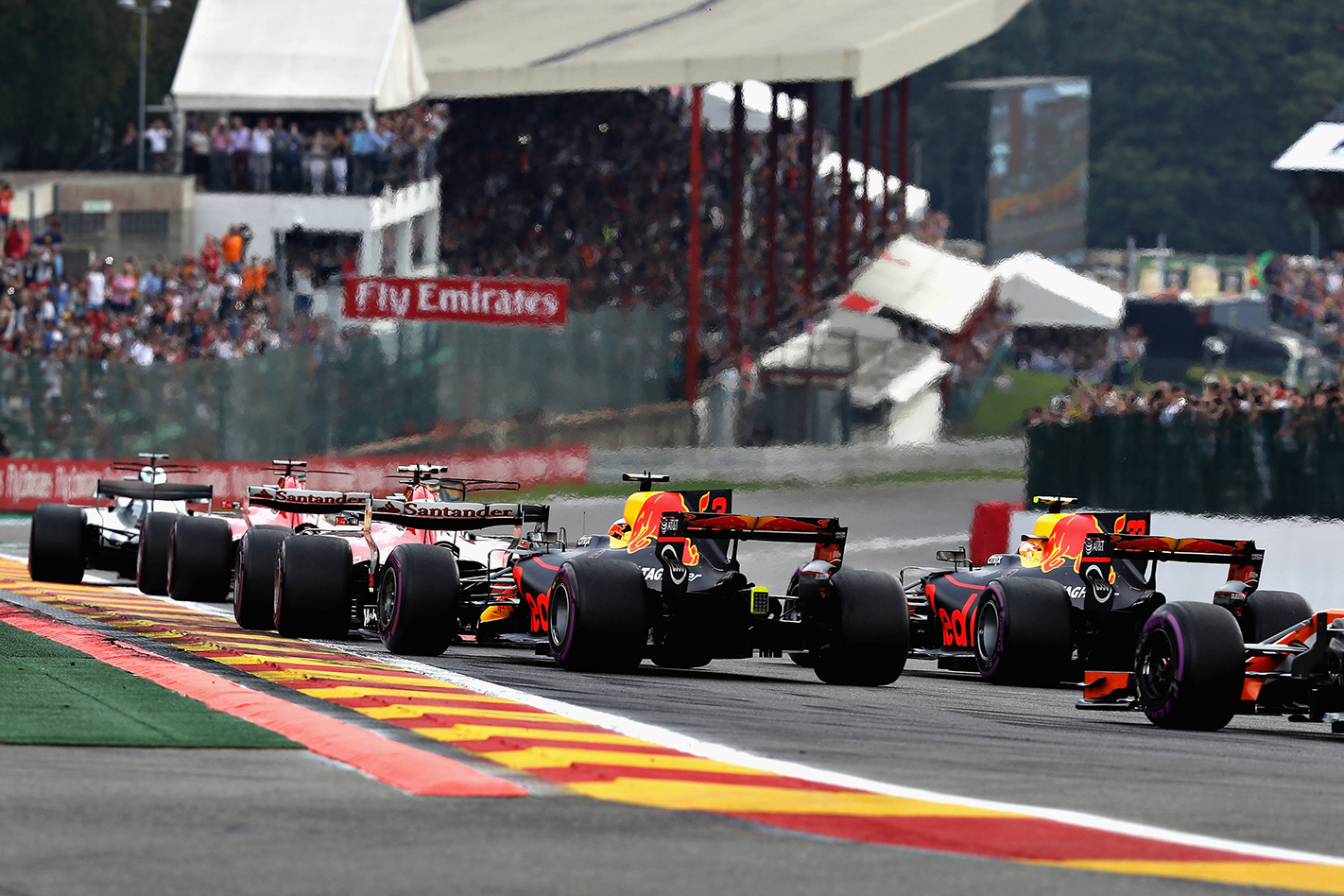
It was Ricciardo’s sixth podium for Red Bull Renault and the season, ahead of Ferrari’s Kimi Raikkonen, with Hamilton’s teammate Valtteri Bottas fifth.
“It’s always nice to get a podium for sure,” said Ricciardo, the smile back again after his recent Hungaroring downer. “Max had a problem and then Kimi made his mistake with the yellow flag so we gained a few positions but I think after the first stint our pace improved a lot.
“We showed a more respectable [race] pace and then we had an opportunity under the safety car with the re-start and took the most of that, so I’m really happy with the result. I definitely feel for Max. He’s had a pretty up and down season and most of the time it was out of his control so of course that’s frustrating especially for this to happen at his home race.”
Verstappen’s race ended on lap eight when his Red Bull lost power, leaving legions of orange people in the crowd bitterly disappointed.
“I’m not happy at all,” Verstappen said after what his sixth car failure of the year. “I am very disappointed for the fans who buy an expensive ticket to watch and I retire after eight laps. No words.”
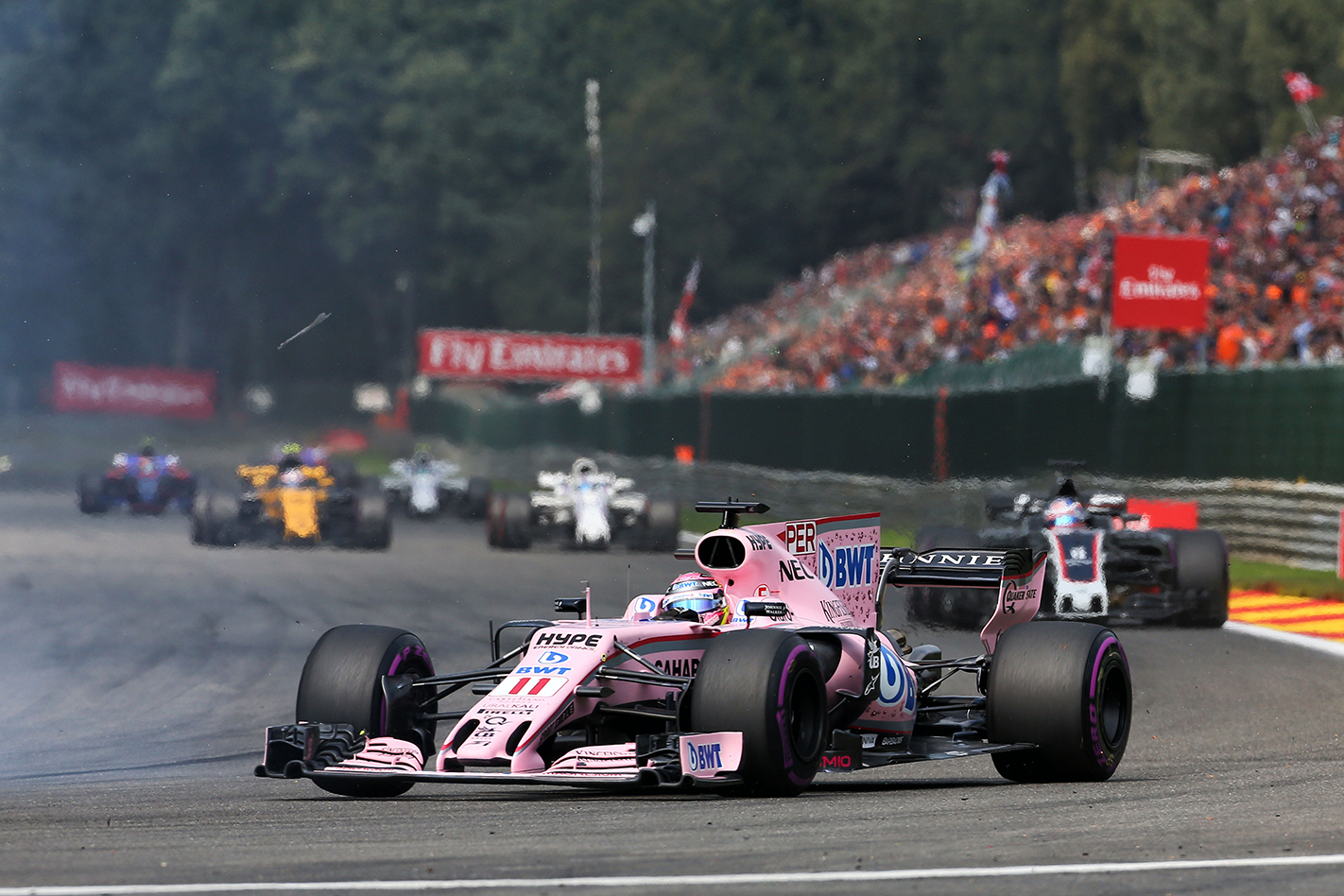
Showing an irresistible attraction for one another, they’d also made contact soon after the start. Their bosses will be reading the riot act. Again.
They’re becoming serial offenders having a memorable push and shove at the Azerbaijan GP in June.
Up next is Monza, next weekend.
Dovizioso and Ducati take MotoGP at Silverstone
Ducati’s Andrea Dovizioso yesterday grabbed a hard-fought win in the British MotoGP at Silverstone to retake a narrow lead in the 2017 world championship, while Honda’s Marc Marquez suffered his first mechanical non-finish of the year.
It was the second victory in a row and fourth of the season for Dovizioso, who won a fortnight earlier in Austria.
At the start, Dovizioso got away well from the second row and finished the opening lap in sixth place. Battling with a group made up of Yamaha pair Valentino Rossi and Maverick Viñales, Marquez and Honda’s Cal Crutchlow, Dovi then overtook the two Spanish riders to move into second behind Rossi. With the laps running out, Dovizioso used the Ducati’s superior grunt to power past his ageless fellow countryman and then held off a hard-charging Viñales by a mere 0.1sec at the chequered flag. Rossi was a further 0.6sec back.
Local hope Crutchlow wasn’t far away either but had to settle for fourth ahead of Ducati’s Jorge Lorenzo.
“It was a really tough race because all of our rivals were on top form,” commented Dovizioso afterwards. “Today Marquez was unlucky, but we did a perfect race because, even though we were probably not the quickest outright, we were able to interpret it in the best possible way and go on to win.”
Having made a strong start from pole, Marquez was in the lead group from the start, setting a new race-lap record of 2min 01.560sec on lap 10. Then, while closely chasing eventual winner Dovizioso and Rossi, he suffered a problem with his bike’s engine. It was his first DNF caused by a technical failure since he entered the MotoGP class with the Repsol Honda Team in 2013.
Australia’s Jack Miller finished just out of the points in 16th.
Dovizioso now leads the championship by nine points, from Marquez.
The next round of the MotoGP World Championship will be at the Misano circuit on the weekend of September 10.
MODULAR design was around long before Ingvar Kamprad (of Sweden’s notorious Flat Pack) founded IKEA in 1943, yet its adoption as an engineering cornerstone for car and engine development is more recent.
In its most basic form, modular design is simply the idea of building a machine from modules rather than individual parts.
To take the thinking to its logical automotive conclusion, modular design gives rise to the creation of building blocks – chassis sub-frame assemblies, say, or piston/cylinder units – which can be used to construct anything from a baby hatch to an SUV, sedan or sports car and its powerplant.
Spinning out the design, development, tooling and manufacture of common modules (and their component parts) across lots of models brings down the cost of production, which helps the car company’s bottom line, and flows on as better value for car buyers.
General Motors provides some early examples. Its late-’70s V6 was a Chevrolet Small Block V8 with a pair of pots surgically removed, while the 1.9-litre Starfire engine that powered the four-cylinder VC and VH Commodores to ignominy was two thirds of the venerable Holden straight-six. Yet these reverse-engineered modular mills were born as a cost-effective scaling solution, not a conceptual modular engineering ideal.
The Volkswagen Group offers a high-profile example of modular vehicle architecture. Using chassis component sets, such as the well-known MQB, the group’s brands can produce cars with a common firewall-forward powertrain, HVAC, axle and steering package, which is said to account for 60 per cent of the car’s engineering value.
Audi, meanwhile, provides the group’s most interesting modular engine story – that being the inline five-cylinder-turbo engine in the RS3 and TT RS, which shares its bore spacing and the swept capacity of its cylinders with the Lamborghini Huracan V10. The 2480cc Audi five-pot is essentially one bank from the 4960cc Lambo; you can hear it in the exhaust howl.
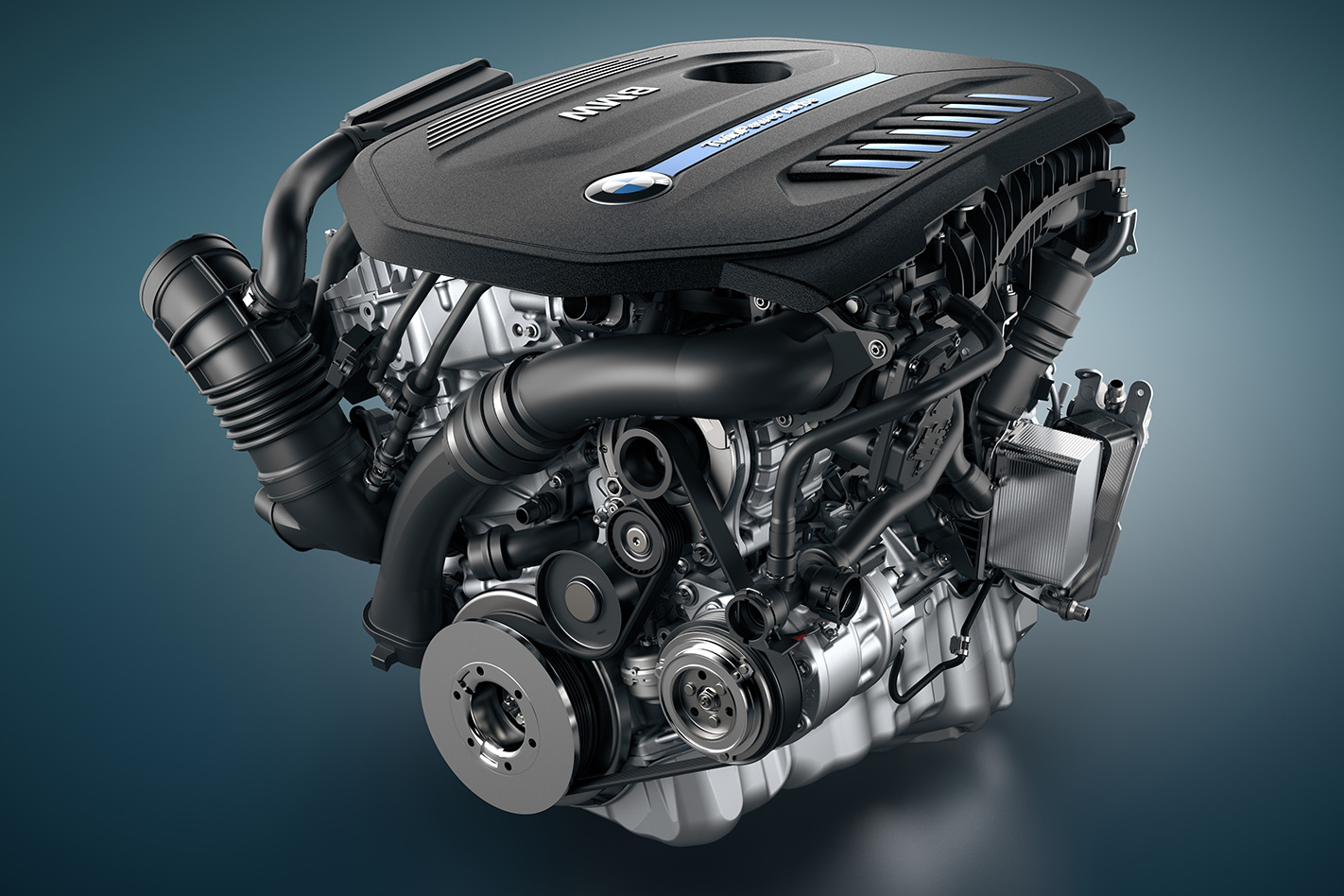
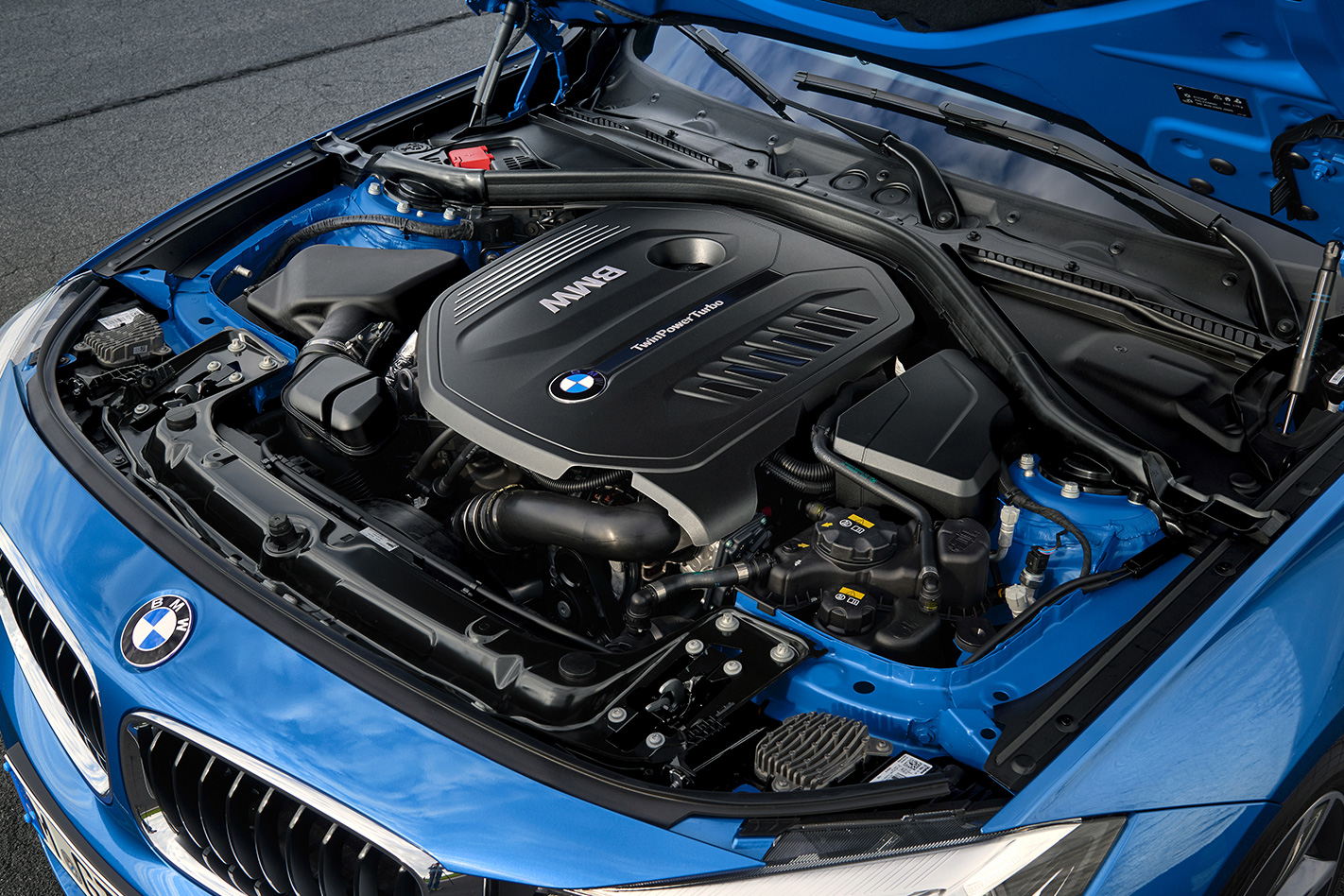
BMW takes a different approach, by specifying a 500cc piston/cylinder unit that’s considered to deliver optimum combustion efficiency. From this, Munich pieces together engines from 1.5 to 3.0 litres in capacity, with three, four and, in the B58 engine (pictured), six cylinders.
5 modular engine morsels
1. V4 A NO GO
A V4 engine of between 2.3 and 2.9 litres’ capacity was one logical iteration of Ford’s Modular V8, because the 90-degree vee angle would still lend itself to a balanced rotating assembly, but one which Ford left unexplored. Trimming the V8 to a V6 would have been less than ideal from an engine vibration perspective – the ideal for a V6 being 60 degrees.
2. SIX PACK
General Motors did not let vee-angle ideals stand in the way of the cylinder cull that turned its iconic small-block V8 into a 90-degree pushrod V6. It removed cylinders three and six in the transformation, the resultant donk running on a 1-6-5-4-3-2 firing order.
3. HALF PRICE
In the same way that the Audi RS3 and TT RS sort of use half a Huracan engine, the widely employed Mercedes-AMG 3982cc twin-turbo V8 is the product of a pair of the brand’s 1991cc turbo engines arranged at 90 degrees, utilising the same 83mm bore, 92mm stroke and 90mm bore spacing. Each of the V8’s cylinder banks is effectively an entire M133 engine.
4. NEW TREND
BMW is the most vocal of 500cc cylinders for its petrol and diesel engines, the inline three- four- and six-cylinders sharing an ‘undersquare’ 82mm bore and 94.6mm stroke – dimensions that are as important as the swept capacity in ensuring optimum efficiency and driveability. Mercedes-Benz, Volkswagen and Volvo have also adopted the 0.5-litre pot.
5. ROTOR MOTOR
Modular design isn’t limited to pistons and cylinders, as the evolution of the high-performance, multi-rotor Mazda Wankel Rotary engine illustrated. The brand used the 654cc rotor/housing unit from the twin-rotor 13B engine (1973 to 2012) as the building block for the 1962cc triple-rotor, twin-turbo 20B for 1990’s JDM Eunos Cosmo, and for the 2616cc quad-rotor, Le Mans-winning R26B.
Blue Oval’s modular route
Ford’s ‘Modular’ engine – also known as the Boss V8 in Australian Fords and FPVs from 2001 – is perhaps the best-known example of the design methodology, yet is less ‘modular’ than some modern designs because the big, 90-degree V8 building block only permits so many engine permutations.
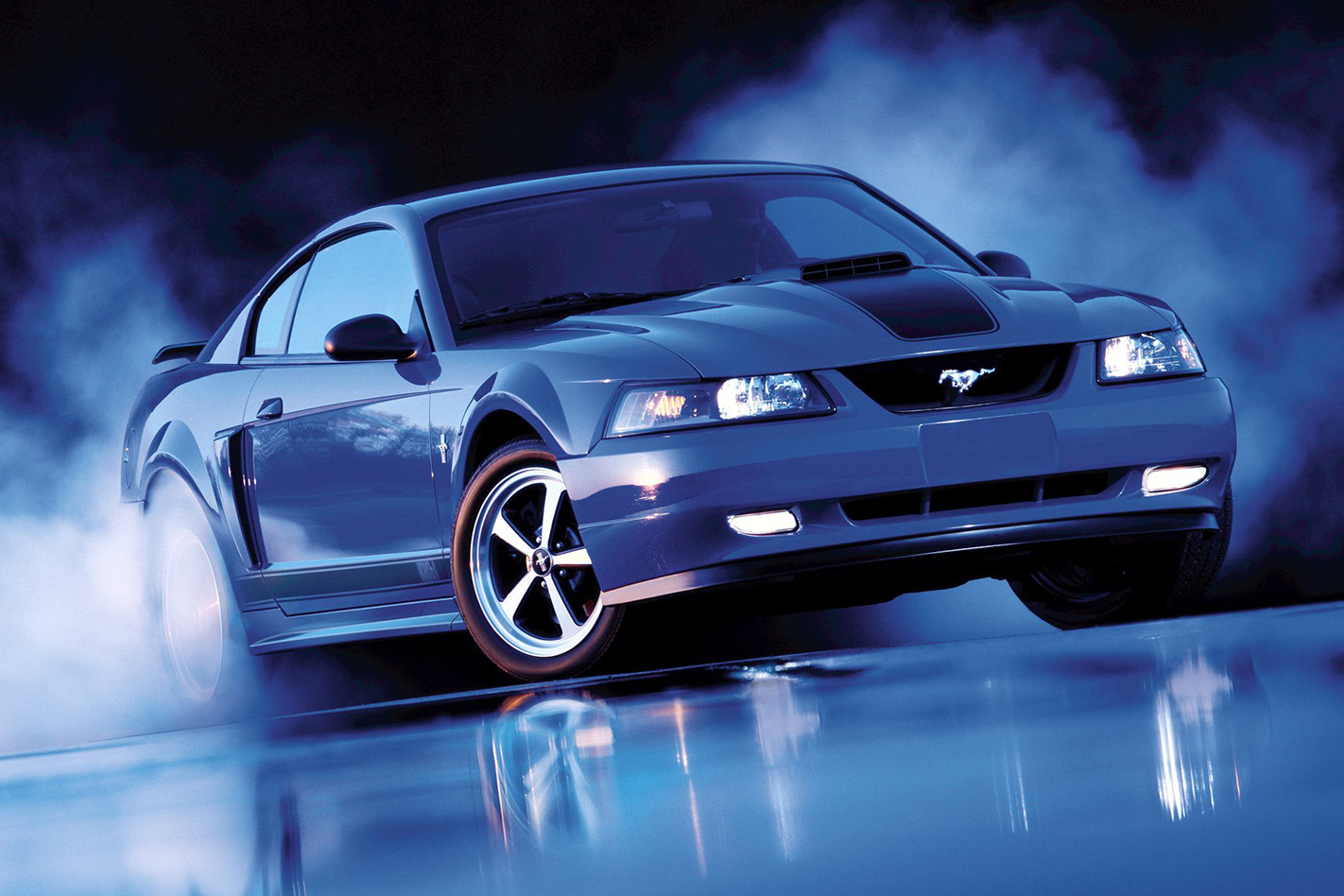
Born in 1990 in 4.6-litre guise and first used in the Lincoln Town Car, it went on to do duty in the fourth-gen Ford Mustang GT, of which 377 came to Oz in 2001-02.
‘Modular’ also described Ford’s Romeo, Michigan, and Windsor, Ontario, engine plants, which allowed tooling to be swapped in a few hours in order to build one engine variation or other from the modular family.
BMW has announced a new special edition trim package for its X5 M and X6 M SUVs.
The Black Fire Edition models will attract a premium approaching $20,000 over the standard M models, which will bring numerous cosmetic enhancements both inside and out to give for a tougher, sportier look
As the name suggests, their exteriors are completely blacked-out, with a black kidney grille and carbon fibre wing mirror caps to complement the Sapphire Black Metallic paintwork.
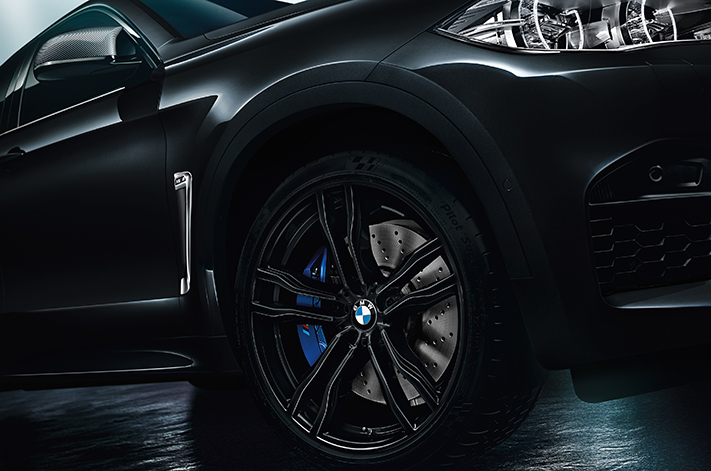
The 21-inch M Sport alloy wheels are also finished in black and are arranged in a staggered setup – 10 inches wide up front, 11.5 inches wide in the rear.
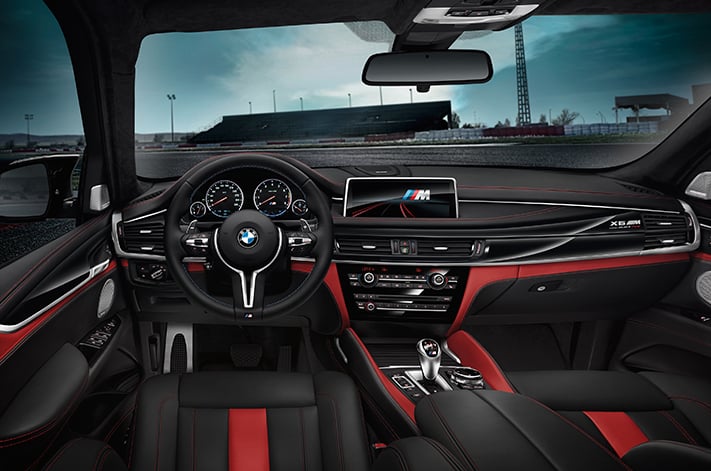
The interior also receives unique touches in the way of Merino leather seats and interior trim finished in a contrasting black and Mugello red, along with an Alcantara-clad M Performance steering wheel and headliner and a Black Fire Edition logo adorning the passenger-side of the dashboard.
However, this special edition does not bring any added performance, with the firepower under the bonnets of the two remaining unchanged from the standard M versions.
This means both will still sport a 4.4-litre twin-turbocharged V8 producing a very healthy 423kW and 750Nm and coupled to an eight-speed M Steptronic automatic transmission and BMW’s rear-biased xDrive all-wheel drive system.
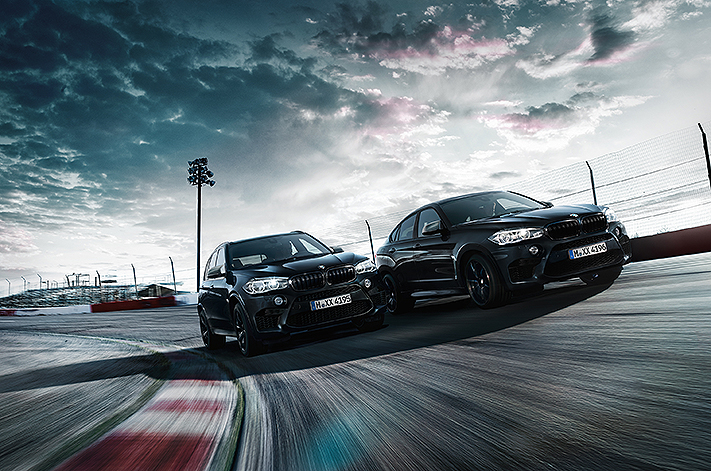
Straight line performance also stays the same, with both models able to do the 0-100km/h sprint in a respectable 4.2 seconds.
A total of 25 Black Fire Editions have been earmarked for Australia, with 15 X5 M and 10 X6 Ms being made available from October.
BMW X5 M and X6 M Black Fire Edition pricing
- X5 M Black Fire Edition – $205,900
- X6 M Black Fire Edition – $214,800
