IT WASN’T all that long ago that we took a Bentley Continental GT Speed to the Northern Territory and hit the 330km/h V-max and, while that high-speed blast was conducted on a closed section of the Stuart Highway, if we’d wanted, it would have been perfectly legal at any time.
This was possible thanks to the unrestricted speed zone that was in place at the time of our visit.
However, last year that NT unlimited speed arrangement was scrapped, and a 130km/h speed limit was implemented – a move slammed by car companies.
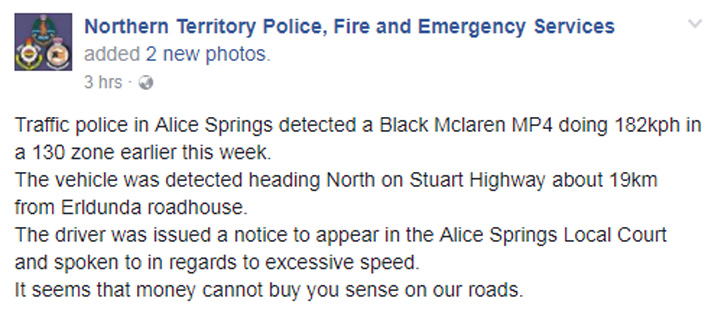
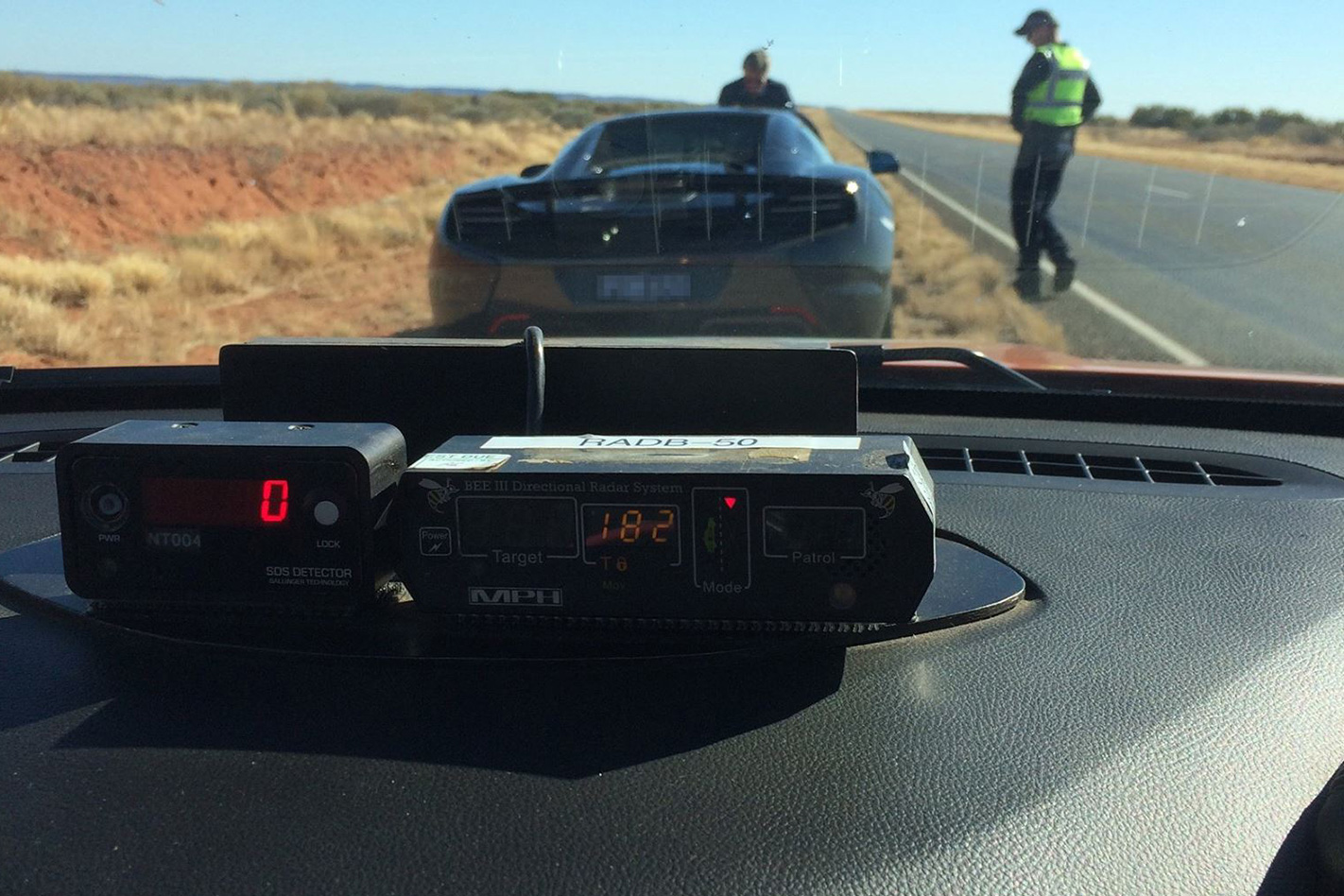
Now, a McLaren owner has found himself the subject of a viral social media post by Northern Territory Police by travelling at what was, until recently, considered a reasonable and safe speed for that particular stretch of highway.
Yes, the driver broke the law, which we do not condone, but we’ve said it before, and we’ll say it again – the 130km/h speed limit on stretches of the Stuart Highway is needlessly restrictive and previous analysis has shown that open speed limits actually cut road fatalities along a trial section of the road.
The Northern Territory Police social media page ends its post with the throwaway remark “It seems that money cannot buy you sense on our roads.”
While the subject of sense irrespective of financial solvency is up for debate, we question the sense behind a decision to reinstate a 130km/h limit when the evidence suggests more people will die at the wheel as a result.
May there one day be common sense in the Territory again.
The driver of the McLaren was given a notice to appear in the Alice Springs Local Court over the offence.
For the first time ever, the 101-year-old Italian Targa Florio will take place outside of its native Sicily, to come to sunny Victoria, Australia.
The classic tribute rally is open to vehicles built between 1906 to 1976, and has its speed capped at a maximum average of 50km/h.

The Florio Australian Tribute will take place from Thursday November 30 until Sunday December 3, traveling from Melbourne to Geelong, then beginning the first stage in that region before heading down the Great Ocean Road and back up.
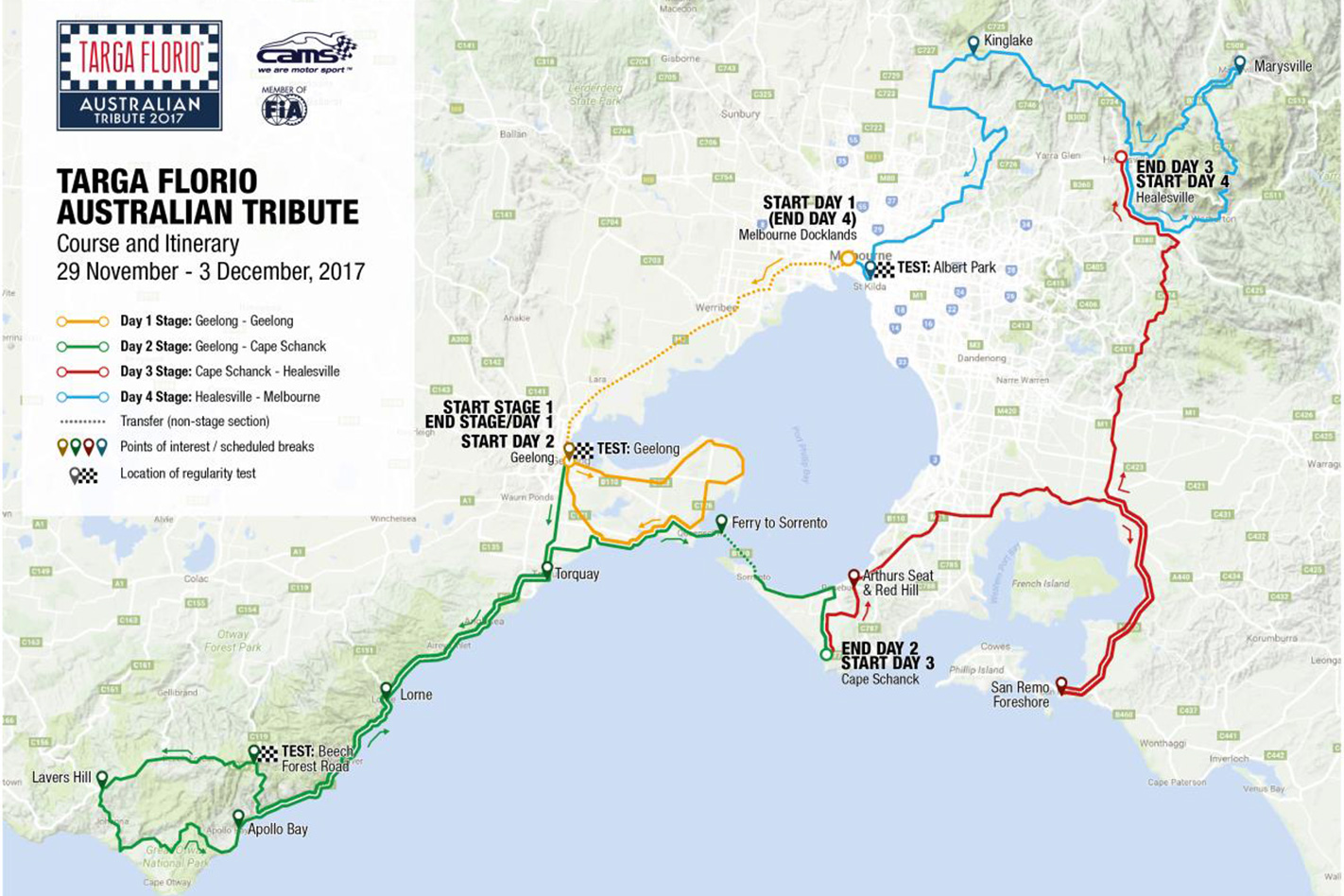
Hopefuls can visit the website to enter, though costs aren’t for Sunday racers with entries starting at $8500 before fees.
CAMS CEO Eugene Arocca says the event coming to Victoria will boost the Melbourne region as a major motorsport supporter.


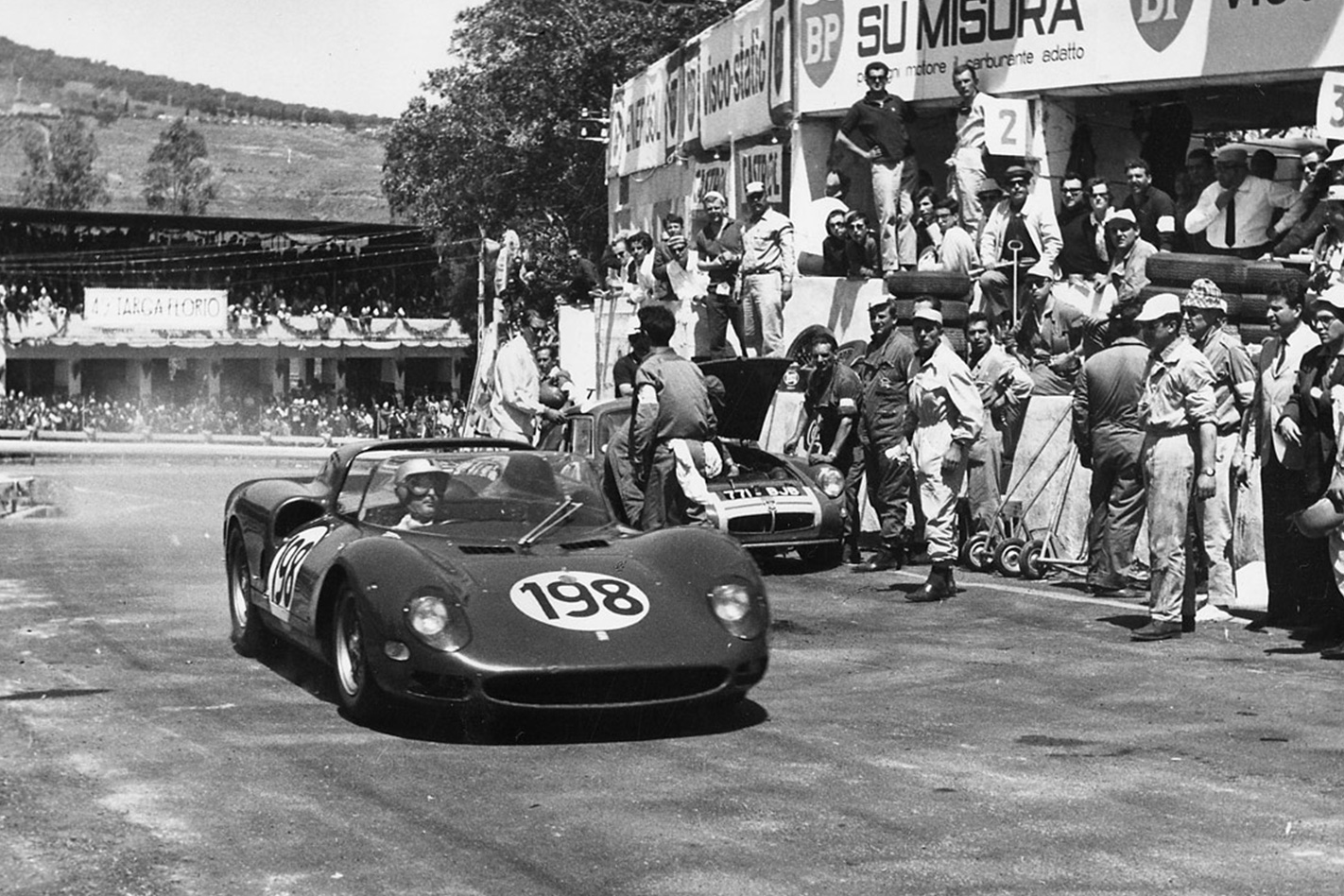
The event has been a tribute ‘rally’ rather than a fully-fledged Targa road-race for the past few decades, as the competitive ‘Targa Florio’ event ceased to exist in 1977.
The event’s legacy still lived strong after its end, however, spawning events like Targa Tasmania, Targa New Zealand, and Targa Newfoundland as well as the official continuation as Targa Florio Rally.
In recent times the super sedan market has been dominated by the Germans, in particular the BMW M3 and Mercedes-AMG C63.
The arrival of the Alfa Romeo Giulia QV has introduced a welcome fresh face to the segment, but Alfa’s recent performance car offerings have been sketchy at best. The 4C showed some promise, however we still haven’t forgotten understeer monsters like the 156 GTA.
Early impressions of the 375kW/600Nm Giulia QV have been positive but how does it fare when it’s thrown into the lion’s den against the 331kW/550Nm BMW M3 Competition and 375kW/700Nm Mercedes-AMG C63 S?
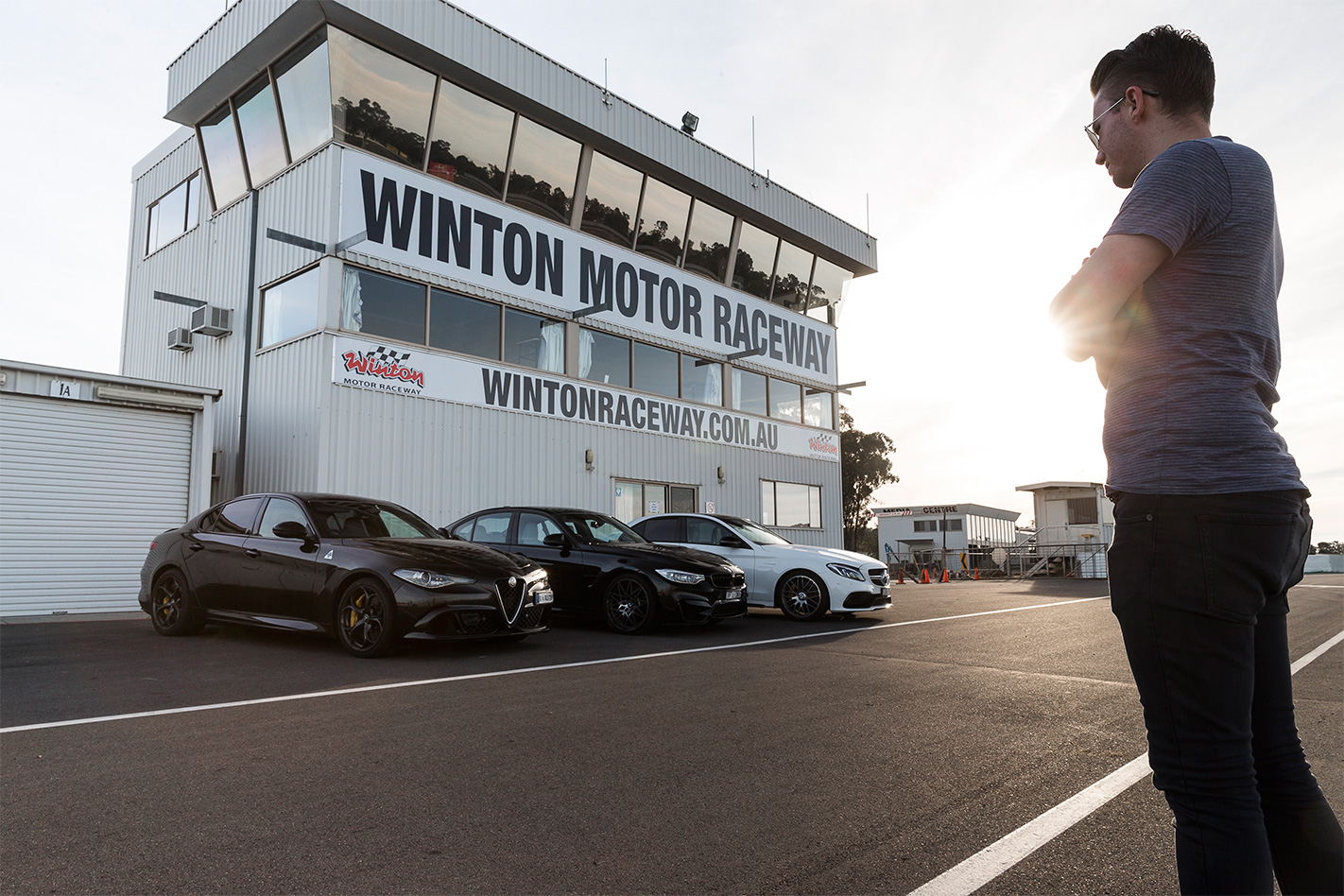
You can read the full 11-page test in the September 2017 issue of MOTOR Magazine but on the basis that pictures tell a thousand words we also captured the action on video. Shares in Michelin and Pirelli may have experienced a brief spike thanks to this day.
Associate Editor Scott Newman guides you through the strengths and weaknesses of each contender while Luffy straps on a helmet to wring every last tenth from these twin-turbocharged, rear-drive weapons. The quickest car may surprise you, but that doesn’t necessarily means it’s the winner.
Did we get it wrong? Let us know which car you’d take in the comments below and don’t forget that you can find plenty more videos at our YouTube channel at www.youtube.com/MOTORofficial.
IN THE 47 years since I drove my first Ferrari – I’m counting the Dino 246 GT as a true Ferrari – my hands have been laid on most of Maranello’s production cars, at least until the most recent crop of turbocharged V8 models.
A large part of me is happy that I’m left with memories of the gloriously evocative, normally aspirated engines, 9000rpm redlines and power that builds as the revs climb ever higher.
Yes, I appreciate that the 488 is faster than the 458, but I simply don’t want a Ferrari that develops peak torque from just 3000rpm. Here, then, are my favourites; a list that includes one turbocharged car and one model I’ve never driven.
Number Ten – 250 GT SWB
In the 16 years I was a regular visitor to Pininfarina’s Grugliasco (Turin) design centre, one special car sat in the foyer: PF’s red 250 GT SWB. No matter that it sat opposite the small museum that housed a dozen or so of PF’s greatest designs, this was the car chosen to greet visitors.
No other Ferrari’s styling so perfectly blended aggressive sportiness – that thrusting, reverse sloping nose – with an elegance and simplicity of beauty. I never came to terms with its tiny size: at 4150mm long, on a 2400mm wheelbase, not much bigger than an MX-5.
Those who have driven a SWB (S. Moss), tell me it’s as great on the track as it is on the road, the driving matching the exquisite looks.
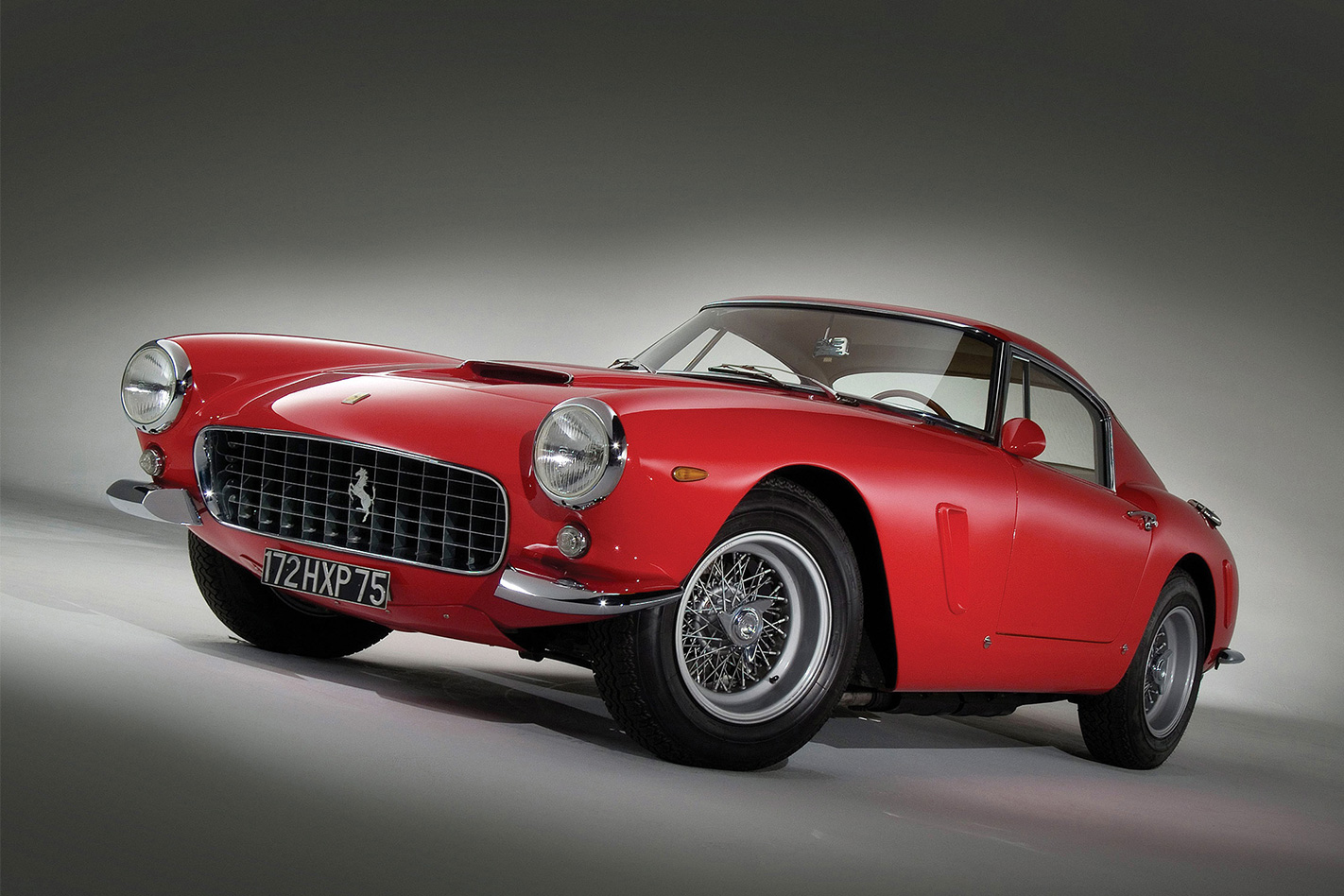
Engine 2953cc V12 (60°), sohc, 24v Power 206kW @ 7000rpm Torque 260Nm @ 6000rpm Built 176
Number Nine – F40
The one turbocharged Ferrari to make my list, the F40 was the last production model conceived under the leadership of Enzo, who died less than a year after it was unveiled to the press.
This is no contemporary Ferrari turbo, but a raw and nervous excitement machine capable of terrorising its driver. Peak torque hits at 4000rpm and power at 7000rpm and that, plus 700rpm to the redline, is the engine’s operating range. Anywhere below 3500rpm, engine off boost, it’s easy enough to control, but the turbo lag is waiting to catch you out.
A heavy clutch, precise handling and hardcore interior only add to the race-car-like thrills.
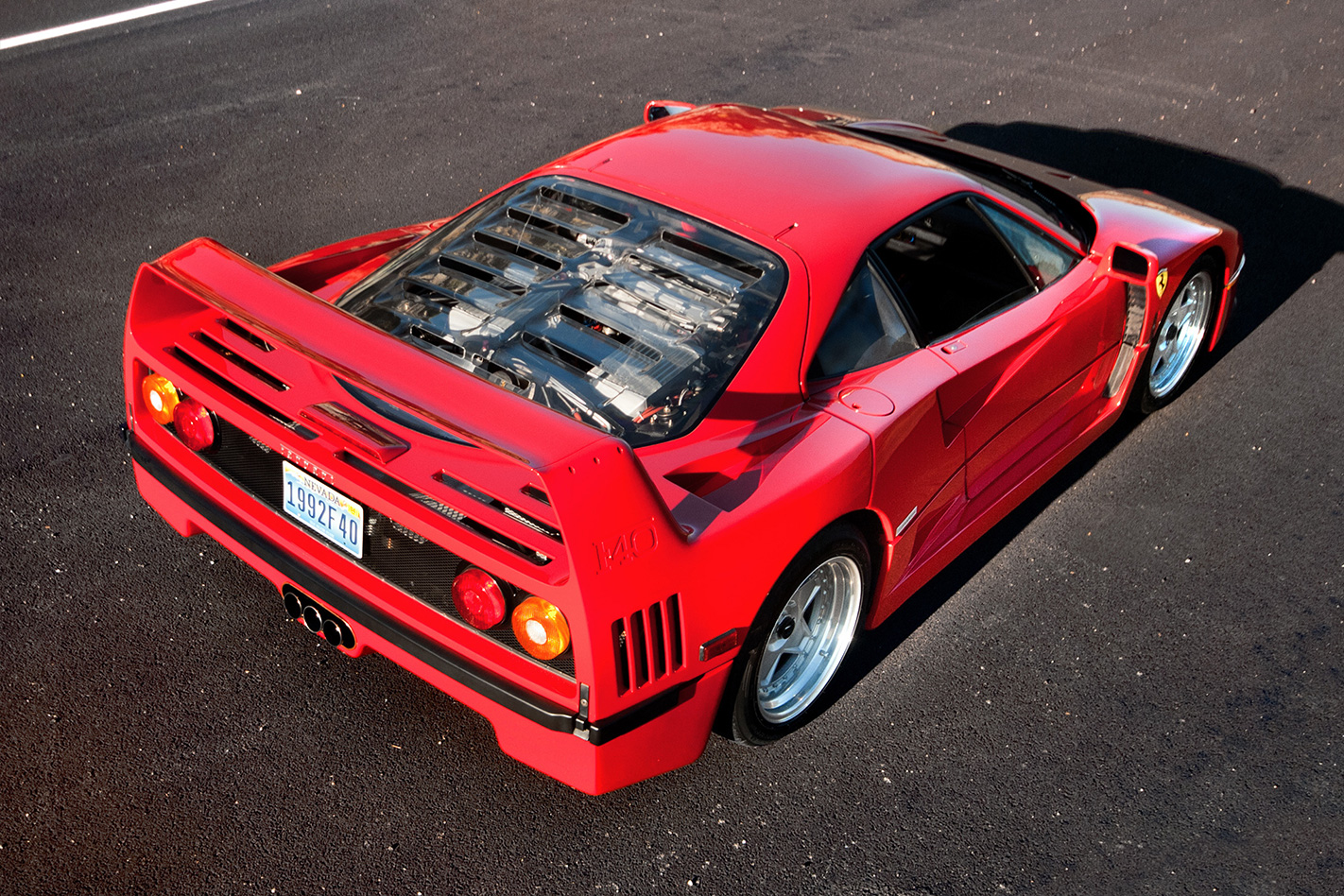
Engine 2936cc V8 (90°), dohc, 32v, twin-turbo Power 386kW @ 7000rpm Torque 577Nm @ 4000rpm Built 1311
Number Eight – 365 GT4 BB ‘Boxer’
One of Leonardo Fioravanti’s greatest Ferrari designs, the beautiful ‘Boxer’ was an all-new road car, though the 4.4-litre flat 12 was an evolution of Ferrari’s 1971 F1 racing engine.
Fed by four triple-choke Webers, breathing through six large exhaust pipes while making 256kW, and so wonderfully sonorous, the engine eventually grew to 4.9-litres and 328kW in the F512M.
The Boxer wasn’t perfect: mostly excessive longitudinal body movement and poor brakes, but the roads of western Victoria had never seen anything like it. Nor had I, for it was my first Ferrari supercar. Fifteen years later, when that same Boxer was just an old, second-hand car I could have bought it for $10,000.
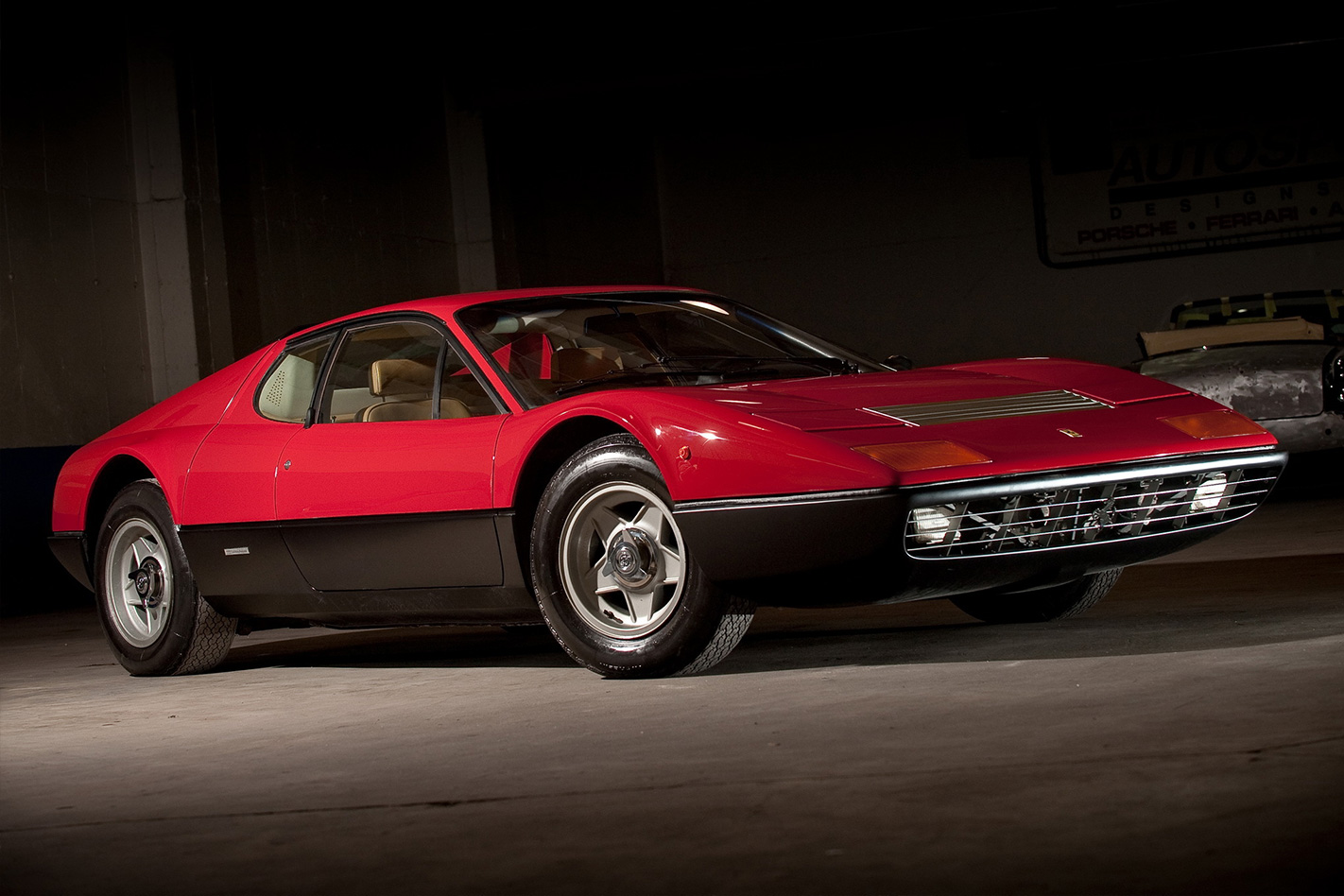
Engine 4390cc flat 12 dohc, 24v Power 256kW @ 7700rpm Torque 422Nm @ 5500rpm Built 387
Number Seven – F50
The F50 was the idea of Piero Ferrari, Enzo’s second son, who still owns 10 percent of the company. Piero wanted to build an F1 car for the road.
That meant turning a high-revving V12-powered, carbonfibre, open-wheeler into a road machine. I only drove the resulting F50 at Fiorano, Ferrari’s private circuit. For the first couple of laps I was disappointed, but after learning to stay between 5000-8500rpm, I discovered it was possible to get the F50 so far sideways that the steering was against the stops on opposite lock.
I balanced the Ferrari on the throttle, lifting to alter the drift angle to tighten the line, never fearful of an abrupt oversteer snap. Amid the wailing and bellowing, I realised the F50 was both benign and responsive.
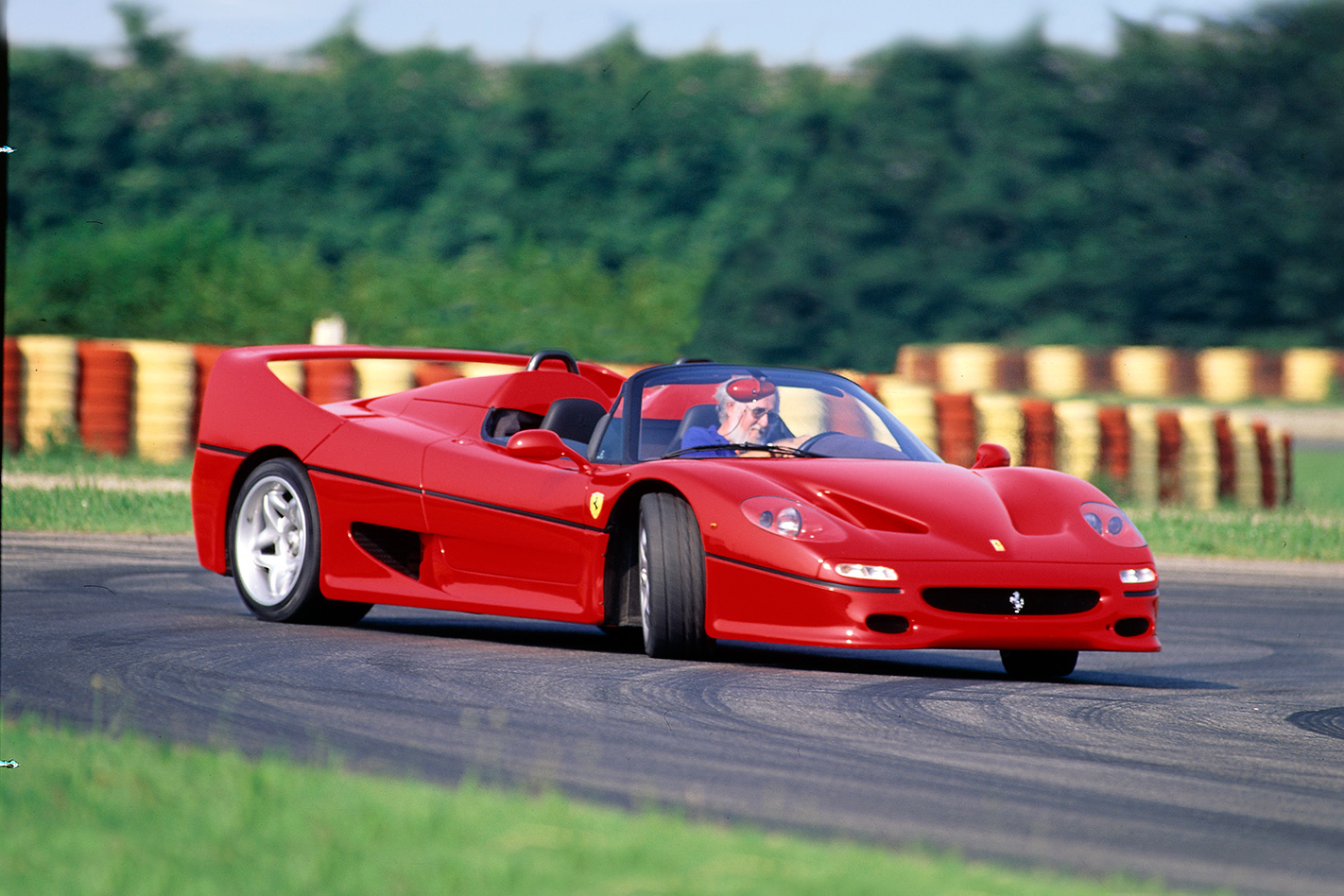
Engine 4698cc V12 (65°), dohc, 60v Power 383kW @ 8000rpm Torque 470Nm @ 6500rpm Built 349
Number Six – 246 GT Dino
From the moment Aldo Brovarone’s Dino was unveiled at the 1965 Paris motor show as a concept it was destined for stardom.
The mid-engine V6 coupe retained the same, almost fragile grace of appearance that is so much admired today when it evolved into the production 246 GT. The external beauty, validated by the 2.4-litre 65-degree V6 from Ferrari’s Tasman Cup-winning Dinos, and a chassis of uncommon quality, ensured a truly delightful drive.
Not for its performance – a current Golf GTI would blow it away – but for the total balance of its controls, handling responses and fluidity. And its sublime appearance.
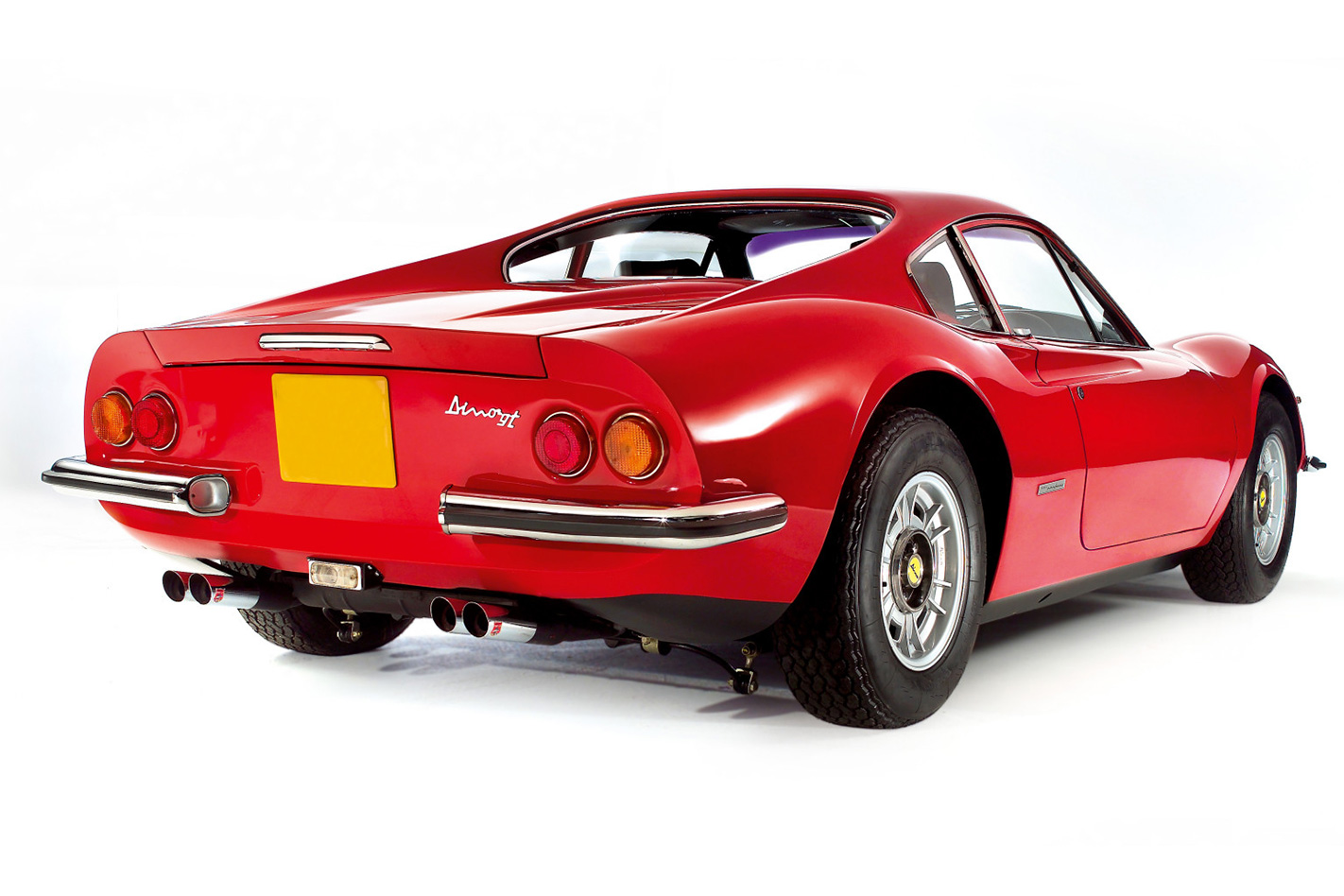
Engine 2419cc V6 (65°), dohc, 12v Power 143kW @ 7600rpm Torque 225Nm @ 5500rpm Built 3761
Number Five – F355 Berlinetta
Maranello now admits the 348 was an unpleasant piece of work. The F355, its successor, was the first mid-engine Ferrari to provide clear evidence that the Italian engineers well learned from the Honda NSX.
I rate my F355 drive from northern Italy to Stuttgart (where it beat a 993 911 Turbo in a Wheels comparison) via the Brenner Pass as highly as any. I revelled in the predictable handling, far quicker and lighter steering than any previous V8 Ferrari (it was the first with power assistance), more accessible, increased performance and still the joyous clanking from the open-gated gearchange.
I put another 2827kms on the odometer, each a tribute to Ferrari’s virtuosos under then-new boss Luca Montezemolo.
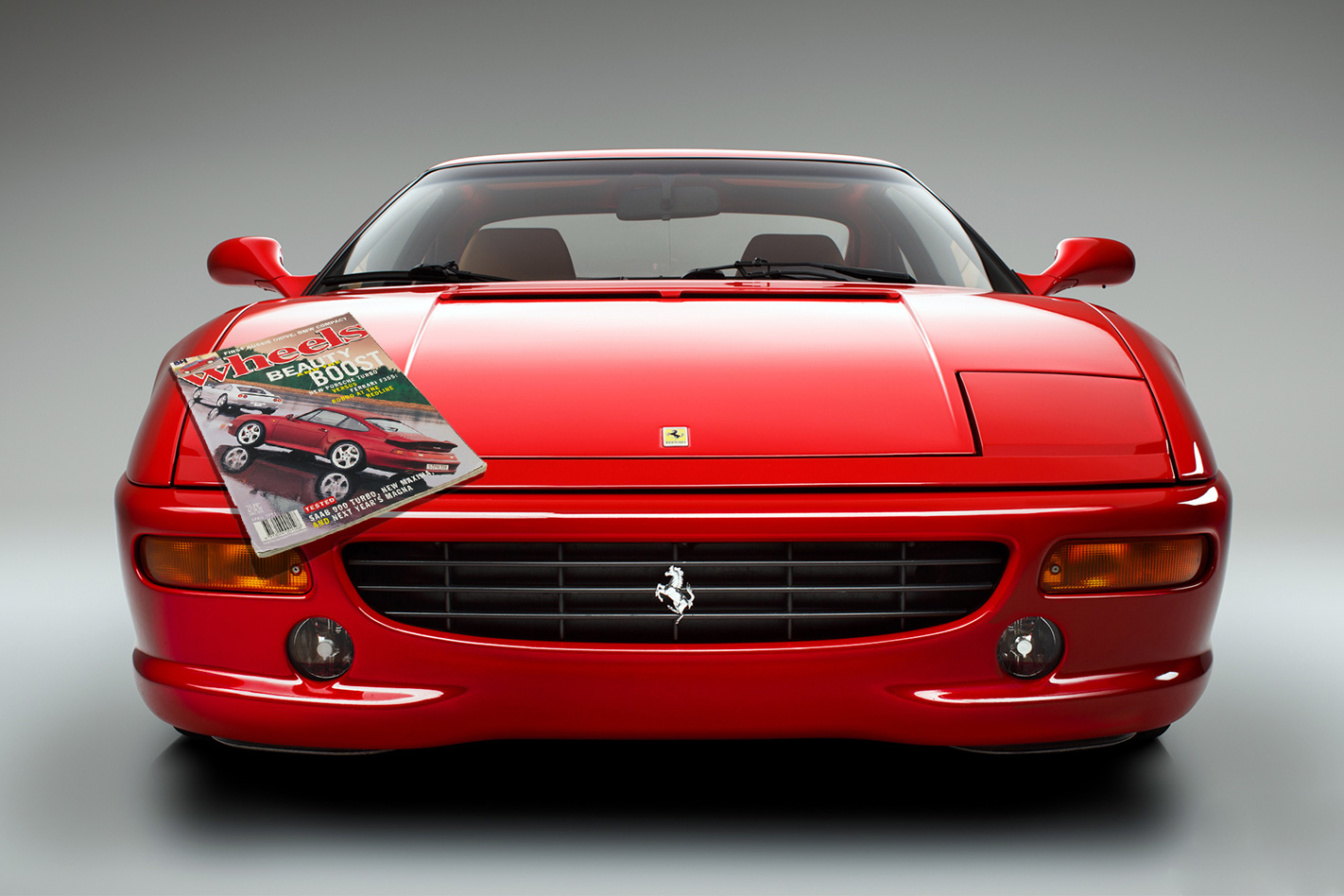
Engine 3496cc V8 (90°), dohc, 40v Power 280kW @ 8250rpm Torque 363Nm @ 6000rpm Built 11,273
Number Four – 275 GTB/4
This was a toss-up: 275 GTB/4 or the subsequent Daytona 365 GTB/4?
Largely ignored as old fashioned, and overshadowed by the Lamborghini Miura when it was launched, the 3.3-litre 275 GTB is now considered by those who know to be an even better drive than the Daytona, which used a larger capacity development of the Gioacchino Colombo-derived front-engine V12 mechanicals.
The first Ferrari with independent rear suspension and, as a four-cam GTB/4, impossibly beautiful, the 275 remains a joy on the right road. Agile, never brutish in its performance, this is a Ferrari that yearns for sweeping third and fourth gear corners. A fantastic car.
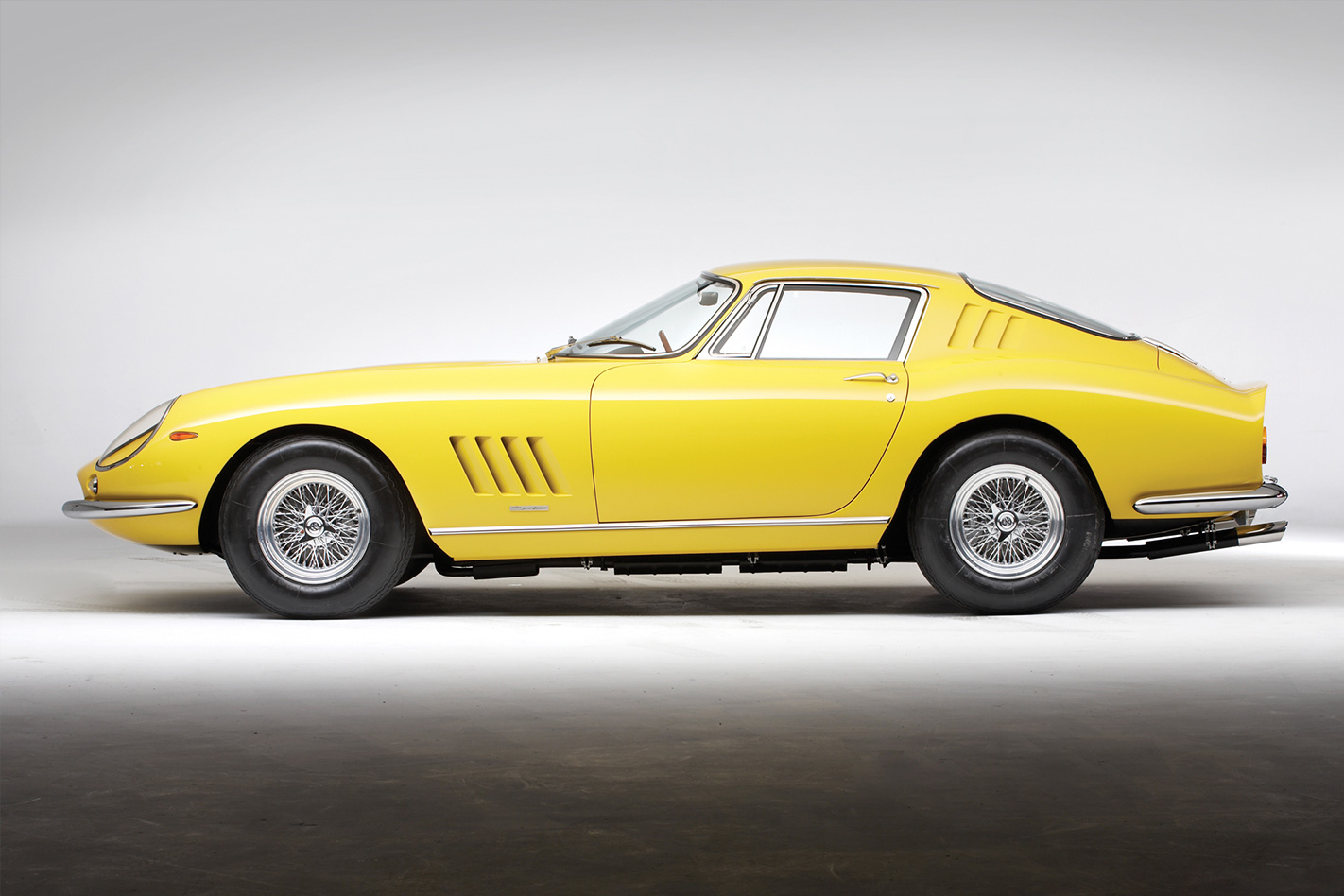
Engine 3286cc V12 (60°), dohc, 24v Power 220kW @ 8000rpm Torque 314Nm @ 6000rpm Built 280
Number Three – LaFerrari
In my experience (I’ve not driven a Bugatti Chiron), the LaFerrari redefines speed:0-200km/h in 7.0 seconds, or 2.5sec quicker than the Enzo, Ferrari’s previous supercar.
It is terrifyingly rapid and demands a high level of wheel skill when tapping hard into its potential. This is fast-forward driving, the world tearing past at an almost incomprehensible speed that requires intense concentration.
This relentless performance combines with instant, almost brutal throttle response, super-fast linear steering and massive grip … up to the point that, with the electronic safety net off, 708kW transforms the LaFerrari into a tyre-shredding oversteerer.
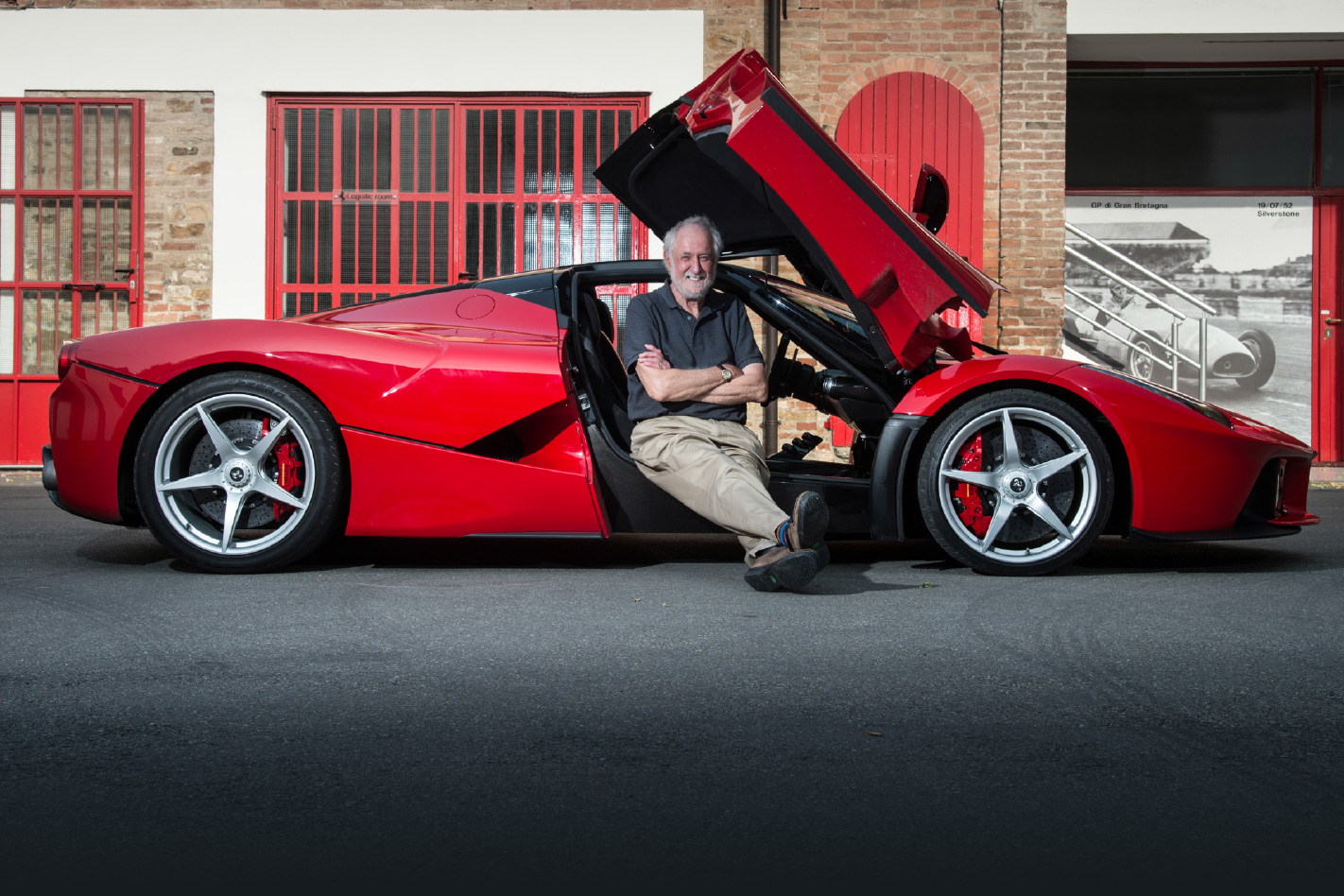
Engine 6262cc V12 (65°), dohc, 48v Power 588kW @ 9000rpm Torque 700Nm @ 6750rpm (plus 120kW/200Nm with HY-KERS) Built 500
Number Two – 458 Italia
The quality of Ferrari’s progress from the F355, through the 360 Modena and F430, to the 458 still leaves me staggered. There’s a natural harmony to the 458 that is rare to find in any car, let alone one that combines seemingly contradictory talents. How, I remember wondering, is it possible to match two, super precise, turns of steering lock with superb high-speed stability, plus race-car levels of brake, throttle, transmission and handling response? Remember, too, that Ferrari’s last naturally aspirated V8 achieved 419kW at 9000rpm for breathtaking performance and musical accompaniment, with real maturity and refinement.
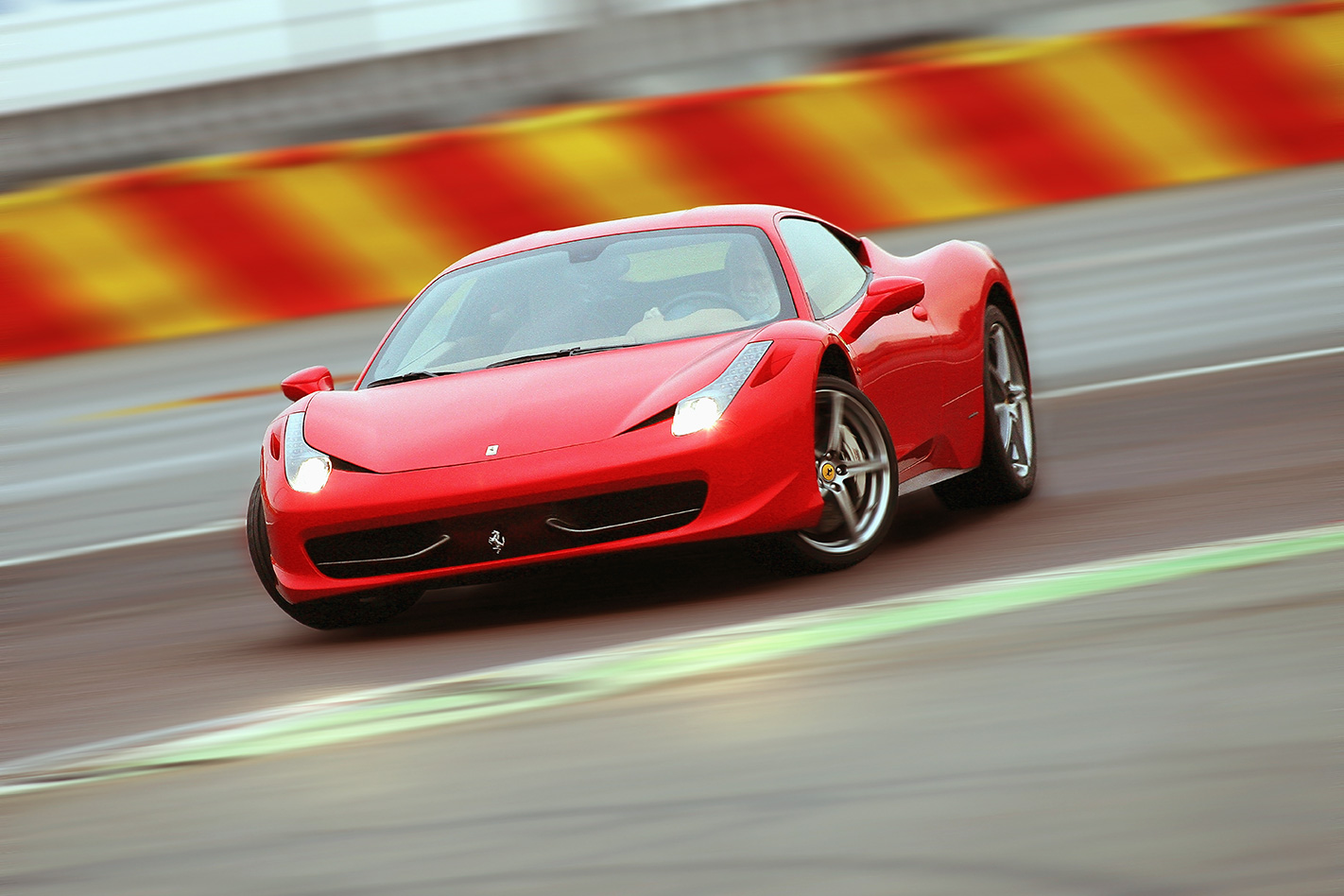
Engine 4499cc V8 (90°), dohc, 32v Power 419kW @ 9000rpm Torque 540Nm @ 6000rpm Built circa 20,000
Number One – F12
My all-time Ferrari favourite, supplanting the mighty 599 GTB. For all its sheer speed – 8.5 seconds to 200km/h, 340km/h Vmax – what makes the F12 so utterly desirable is the car’s user-friendliness. The F12 is a true supercar without the compromises. Easy to drive slowly or quickly, pleasant to live with and always comfortable, the F12 could be everyday transport and not something you save only for track days, like the original (and impractical) Lamborghini Aventador. With the V12 front-mounted you can see out of the F12, it’s easy to load up with gear, and never intimidating. Yet the sublime steering, effortless handling and shattering performance also deliver an unequalled driving experience.
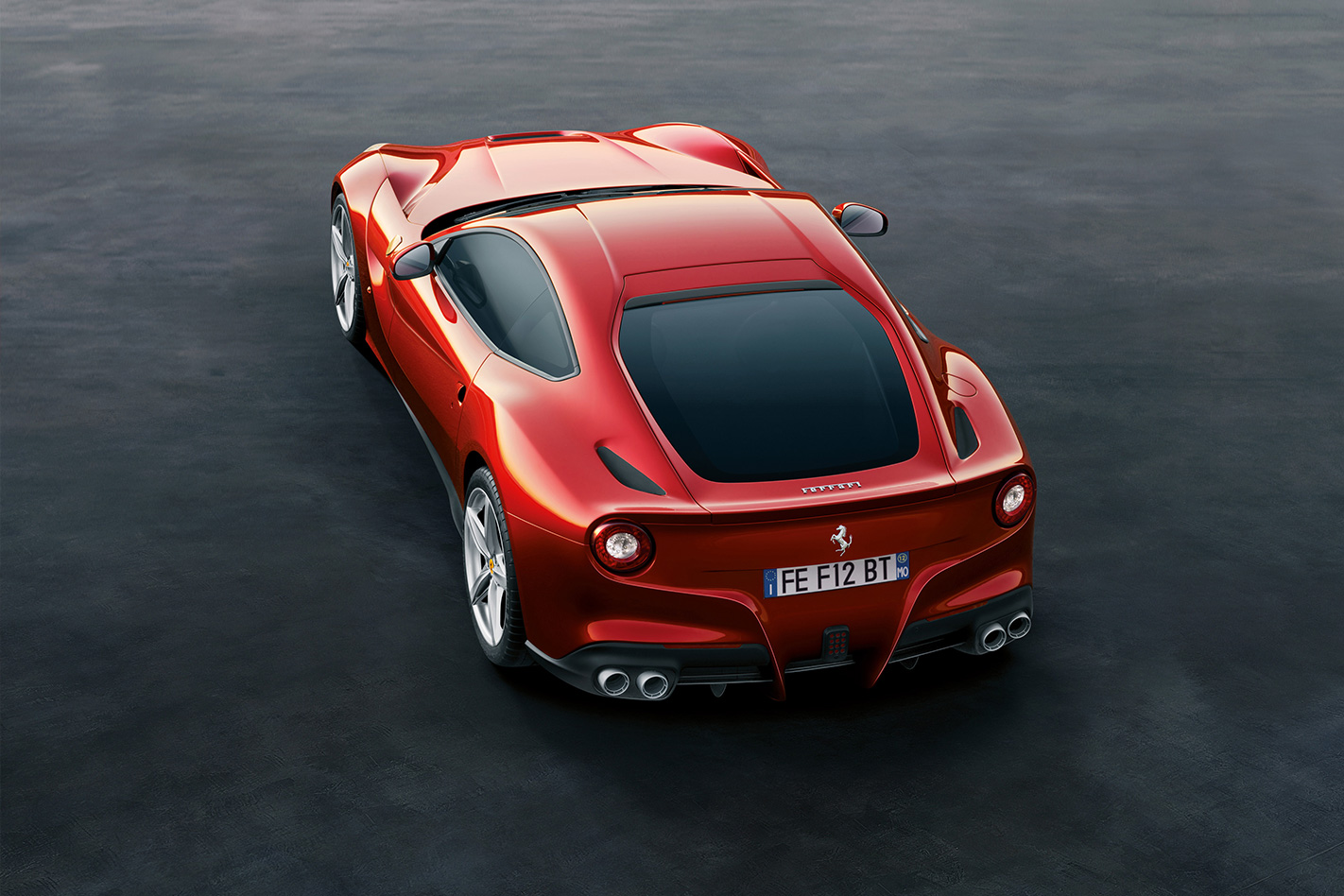
Engine 6262cc V12 (65°), dohc, 48v Power 544kW @ 8500rpm Torque 690Nm @ 6000rpm Built circa 6000
The Duds
348
Underdone, stiff gearchange, heavy clutch, but most of all unpredictable handling and road holding. The NSX showed Ferrari how it should be done.
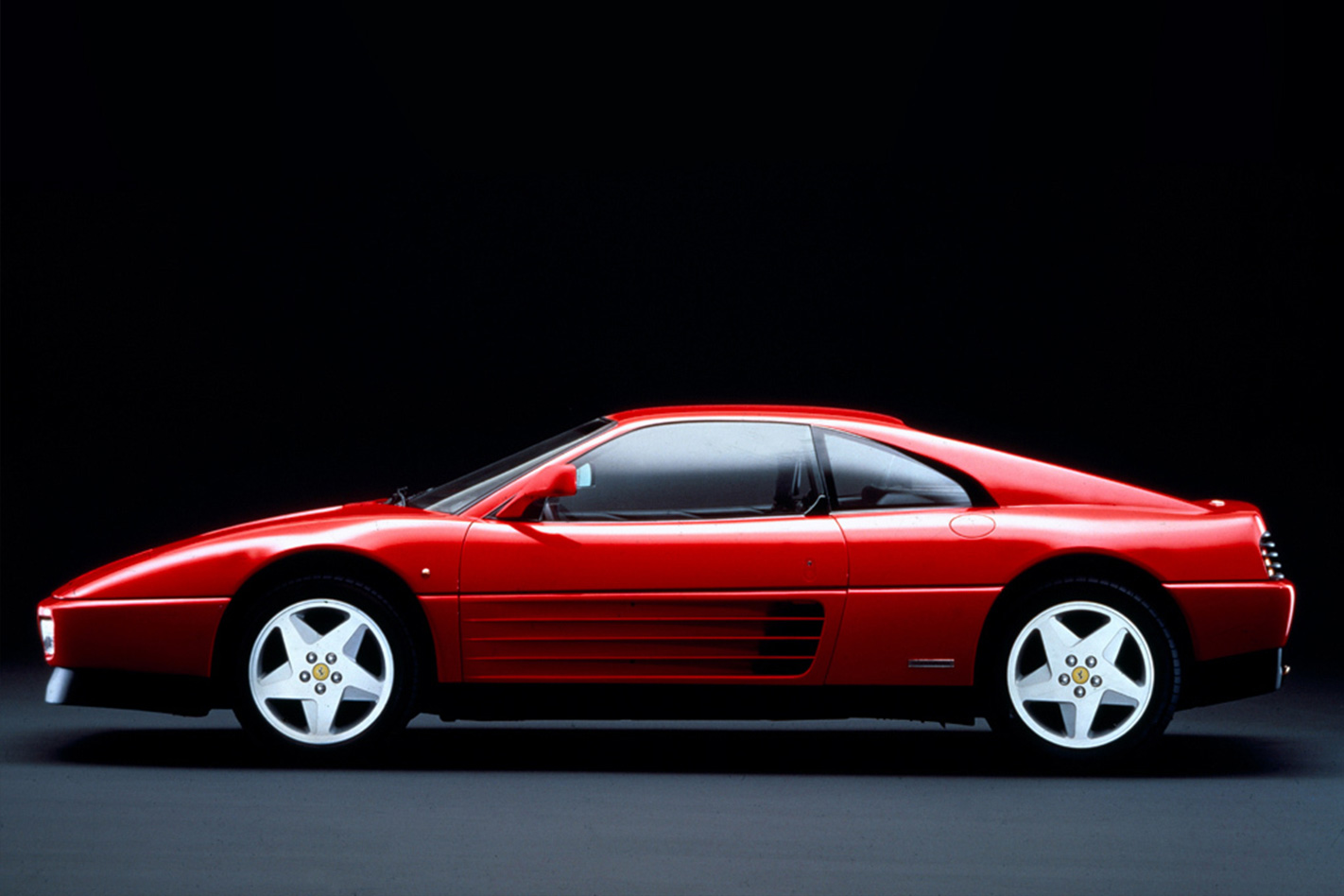
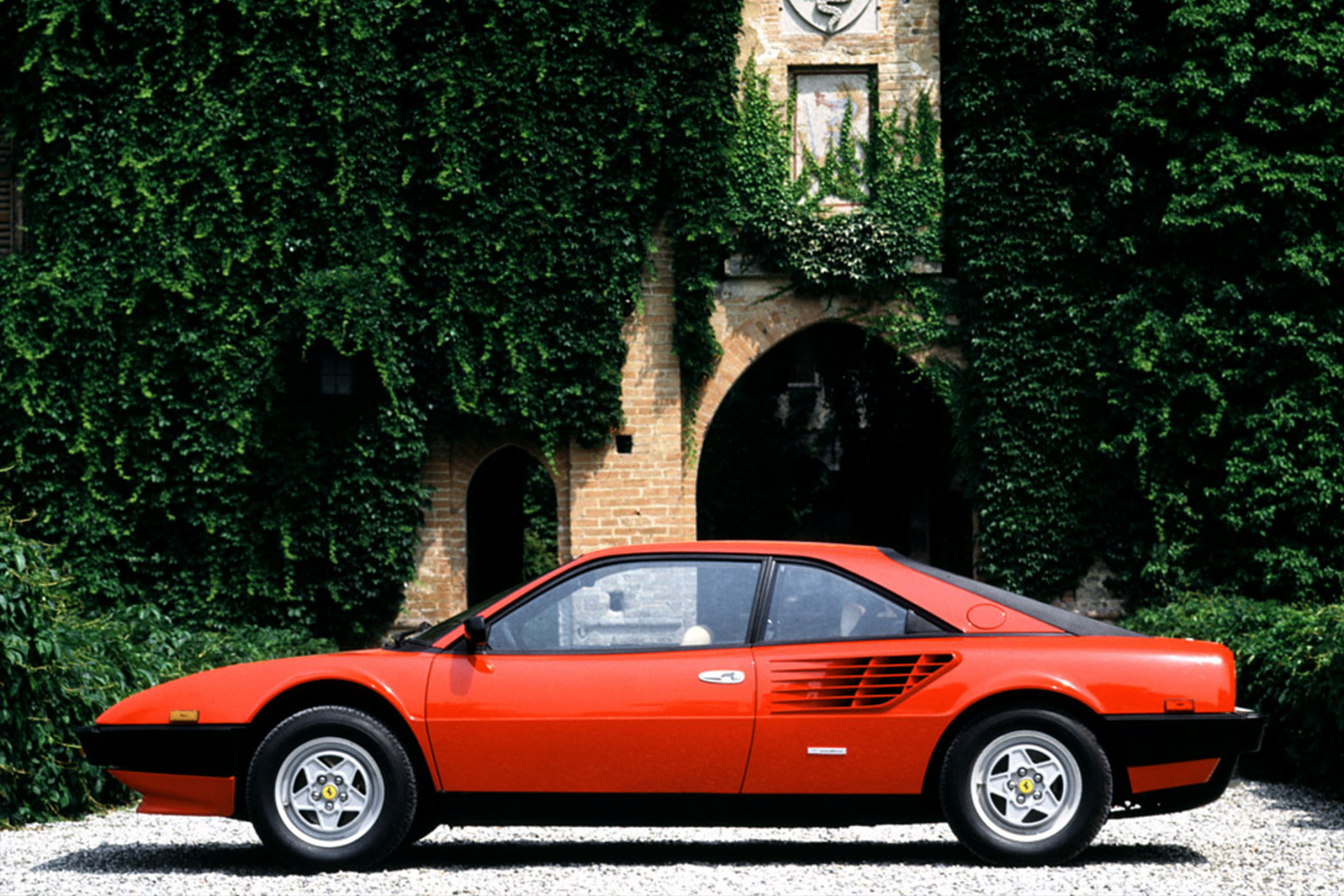
Lousy driving position, slow, just not special enough. My drive story was so critical it invoked my first life-ban from Maranello.
ANOTHER nail has been hammered into the V8-powered Commodore’s coffin.
This time, it comes from the US, with the Chevrolet SS – the rebadged Commodore sold in America – being replaced as GM’s car of choice in NASCAR.
Teams which ran Chevrolet sponsored cars in the premier Cup Series will now run a shell based off the 2017 Camaro ZL1.
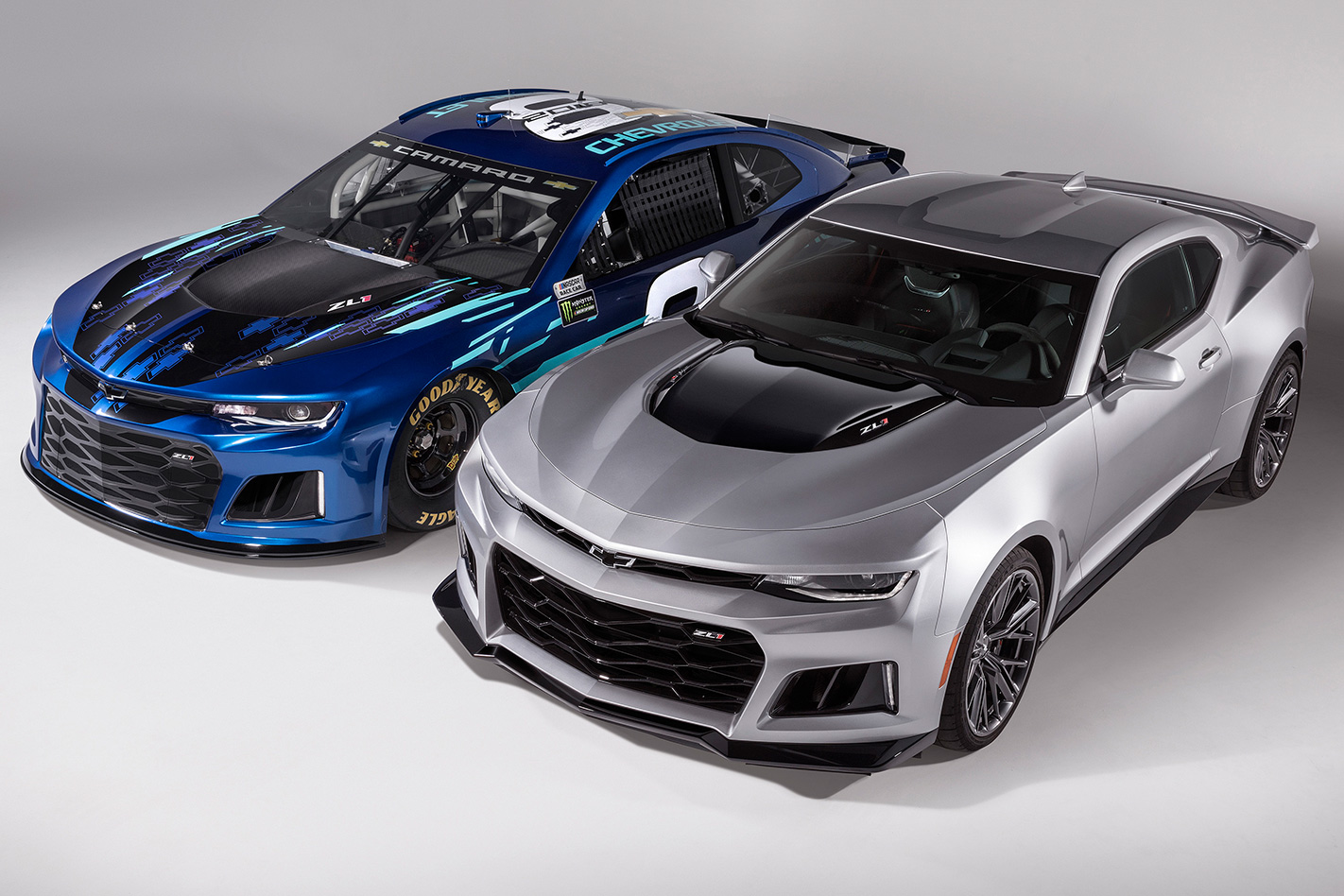
The NASCAR Cup Series car will have a 5.86-litre (358ci) fuel-injected naturally-aspirated pushrod V8 that’s paired to a 4-speed manual transmission. Power is officially stated at 541kW, but is rumoured to be closer to 671kW. The body is a sheet-metal template over a space-frame chassis.
If you are searching for anything from the road car in the race car, you’ll be looking for a while – even the headlights are painted on.
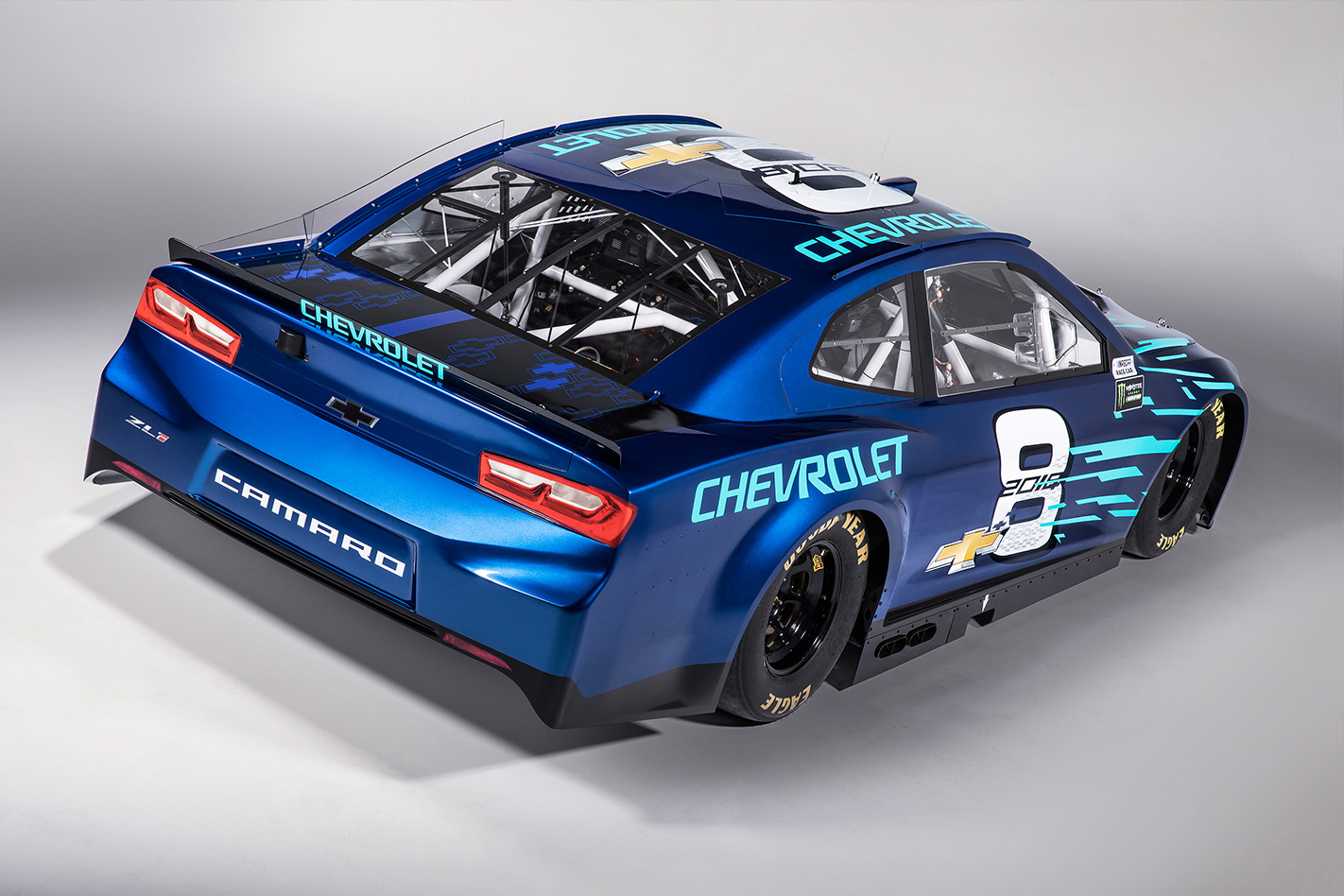
The SS won on its debut at the 2013 Dayton 500 with Jimmie Johnson at the wheel. Johnson later went on to win two championships with the rebadged Commodore (‘13/’16). Kevin Harvick won his first championship with an SS in 2014.
The ZL1 body in the Cup Series completes the Camaro’s family tree in NASCAR, with the regular SS Camaro being raced in the second-tier series.
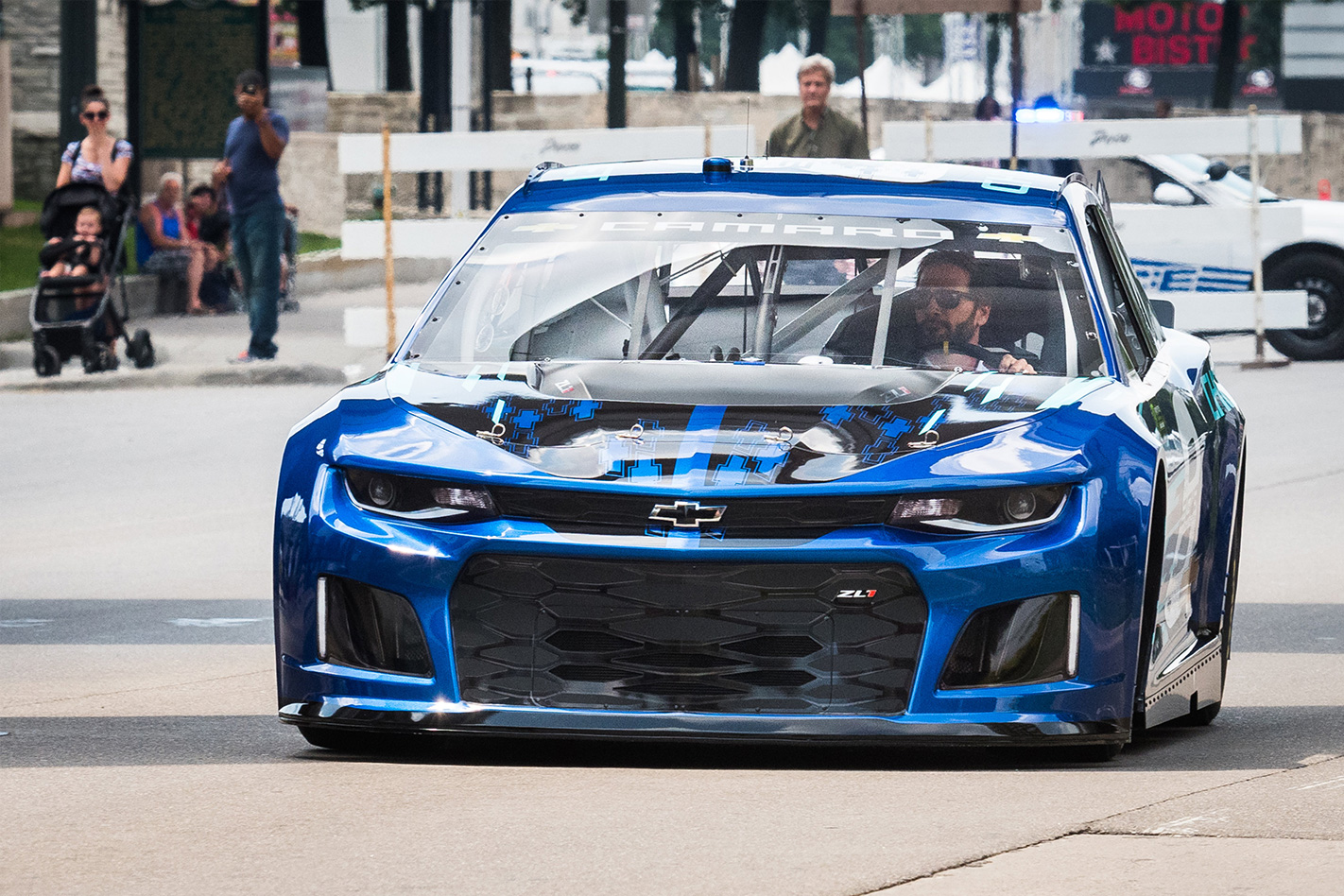
“We are thrilled to run the Camaro in NASCAR next year, with the time-honoured and track-tested ZL1 badge, and we’re just as excited for our drivers, teams, fans, and customers.”
The new Camaro ZL1 will make its competitive NASCAR Cup Series debut at Daytona next February.
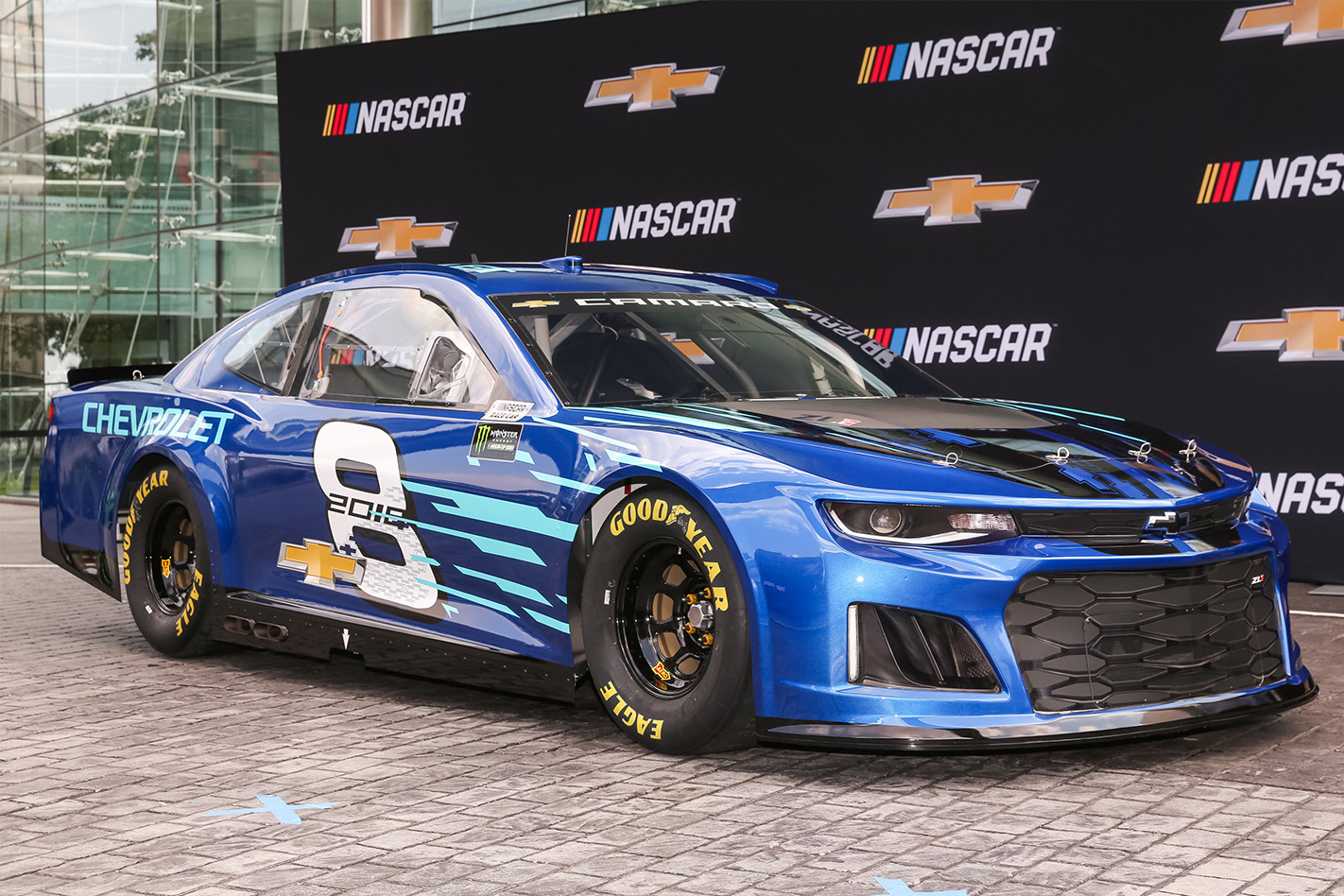
“And as someone who’s enjoyed the ZL1 on the street, I’m really looking forward to getting this new race car on the track.”
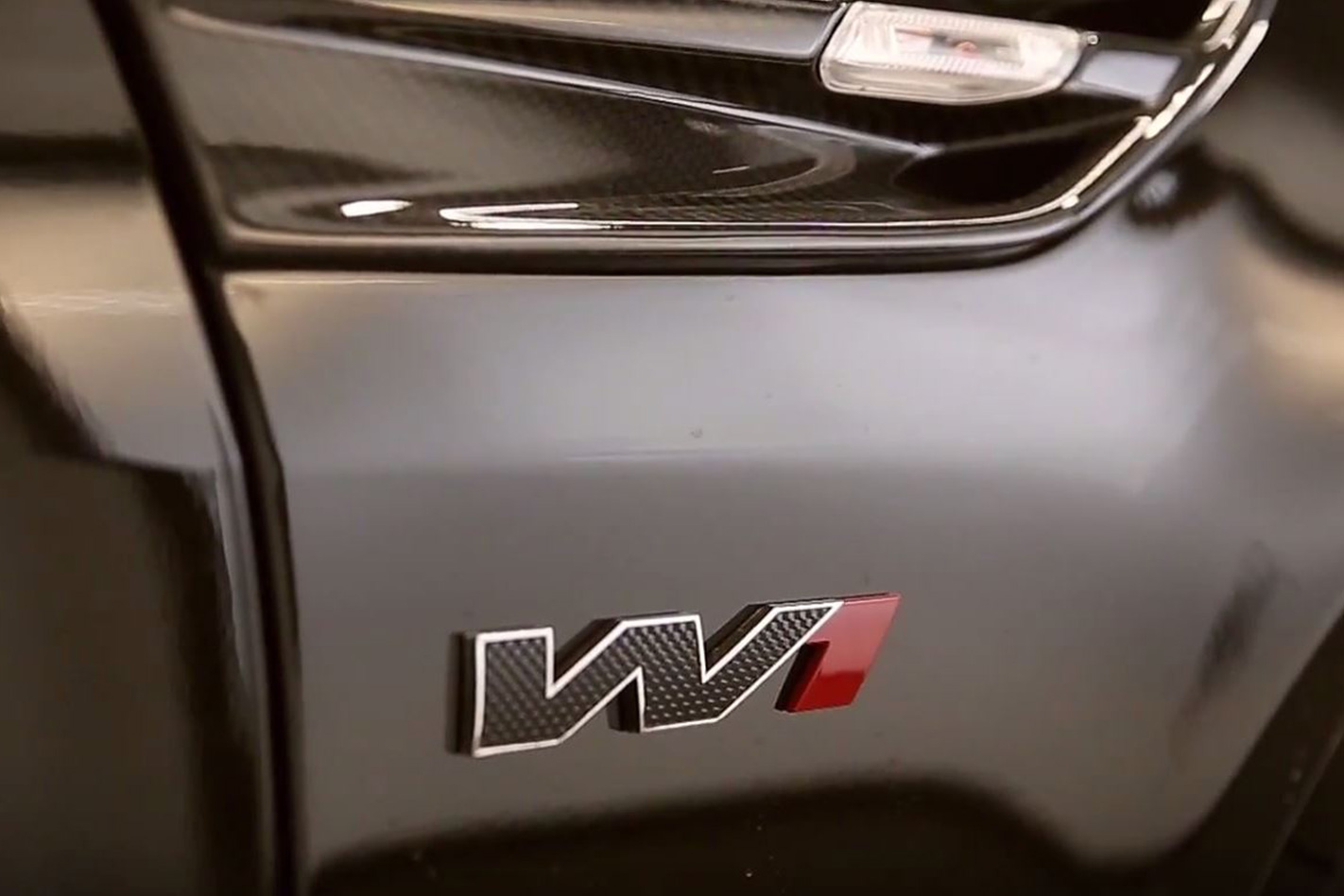
The first built HSV GTSR W1 offered to the public has failed to sell at auction overnight.
Crossing the block at Manheim Melbourne’s auction yard last night, HSV GTSR W1 build number 35 passed in on a bid of $257,500.
While the figure clears the car’s recommended retail price by $87,600, it wasn’t high enough to breach the vendor’s reserve price.
“[The W1] got referred, that means we’re negotiating on behalf of the vendor with the highest bidder.”
“We’ve got a policy of not disclosing prices,” he adds. “If it sells, we can’t disclose the price, but in normal circumstance the price usually walks up, rather than going down.”
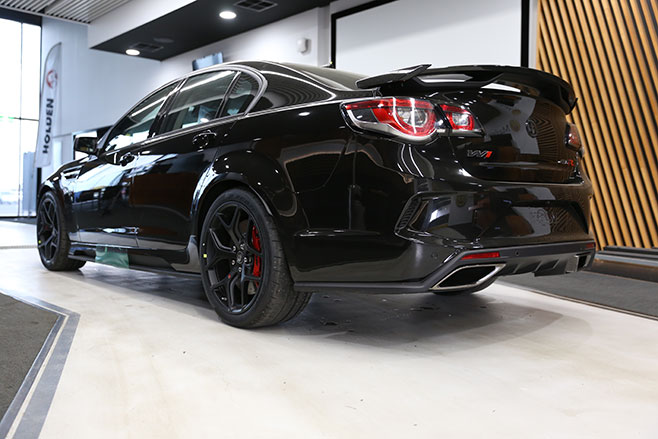
Manheim’s particular example bears only 14km on its clock and still wears its original protective plastics. Manheim says it’s being sold by a regular vendor.
With demand far outstripping supply, the speculative sales surrounding the W1’s limited release has frustrated the public, driving prices on the 300 examples too high for mere mortals.
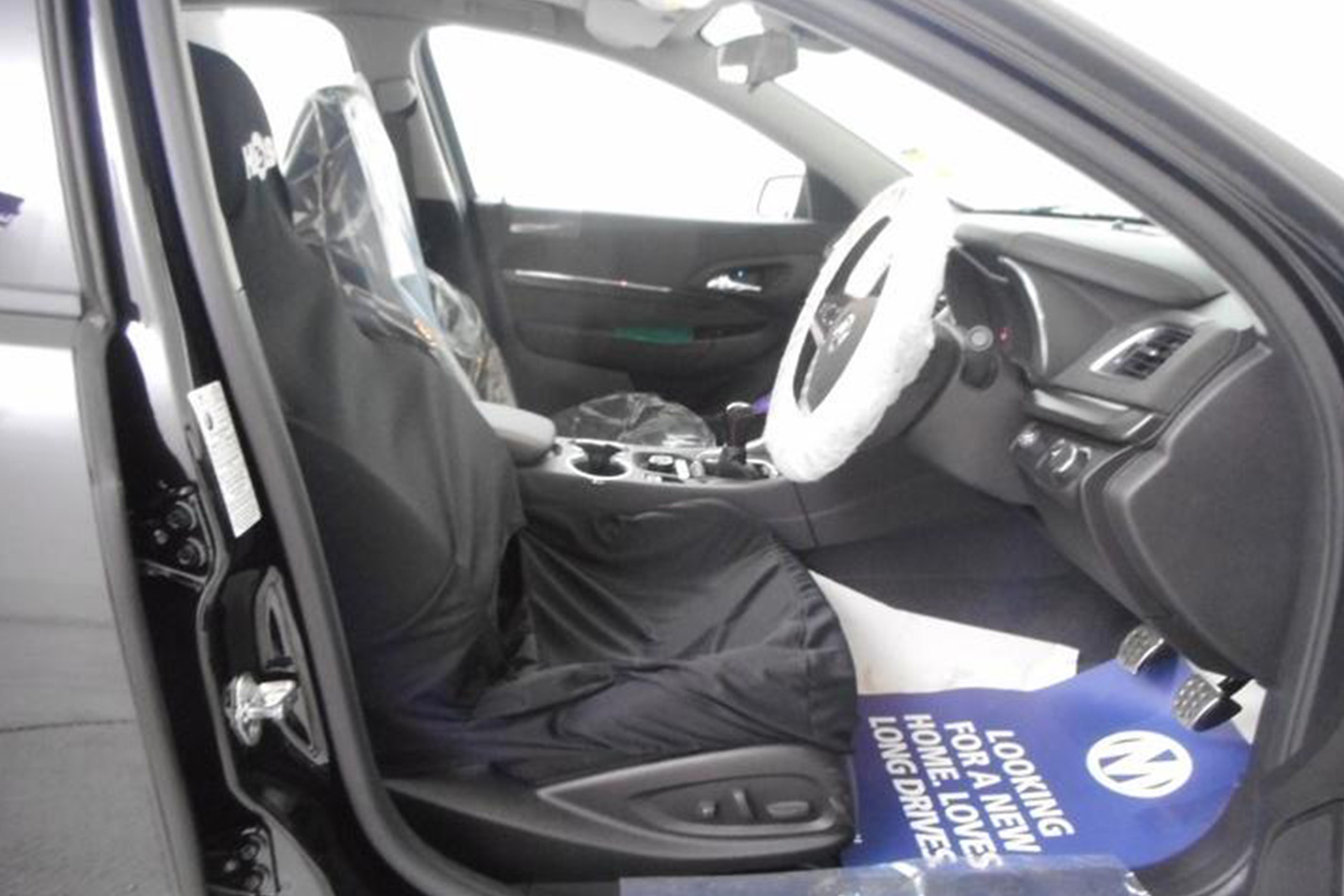
“Given the Holden closure this one’s probably more final than the GT F was.” As we revealed earlier this week, this will probably be the last and most powerful car built by the HSV we know.
We’ll try and bring you more details as more about the negotiation comes to hand.
Pretty much every BFYB in history has thrown up one or two cars that, on the basis of the spec sheet, look like good prospects. And then we put them to the BFYB sword only to discover that they somehow fall a bit short.
This year, the Skoda Octavia RS230 would be one of those cars. But here’s the redress: That’s only because the things that make it a great road car also make it a less than totally stellar BFYB contender.
Which, of course, means that if you want a car for the real world, the RS230 has the elements to make a damn fine choice. But under the harsh terms and conditions of Mistress BFYB, those same elements play against it. That’s it, plain and simple. So where do the cross-purposes surface?
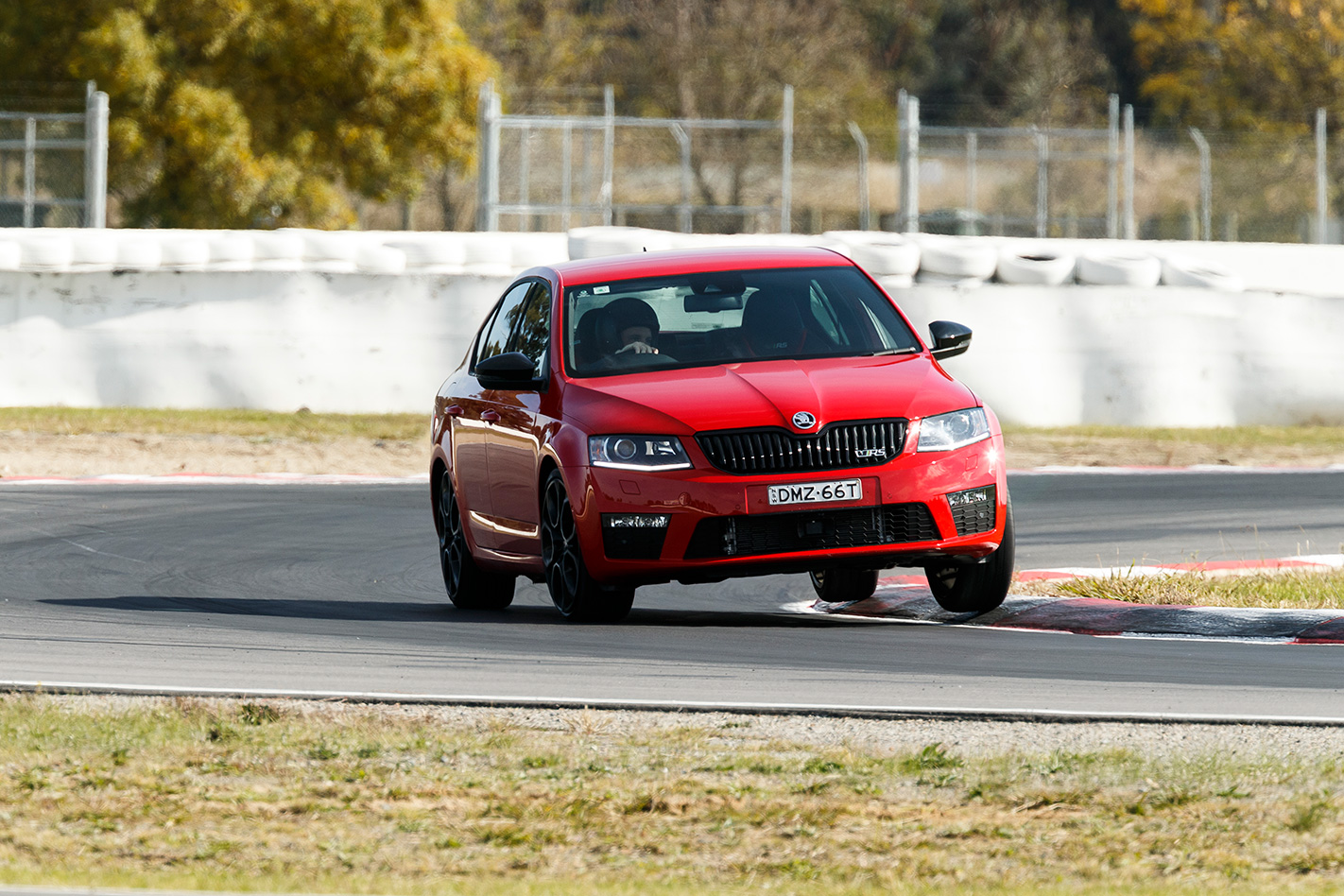
That’s reflected in the steering responses, too, and the car that felt so sharp and accurate on the road feels a tiny bit vague in faster corners. A quick squiz at its apex speeds at Winton confirms that much. Same goes for the speed potential of the RS230.
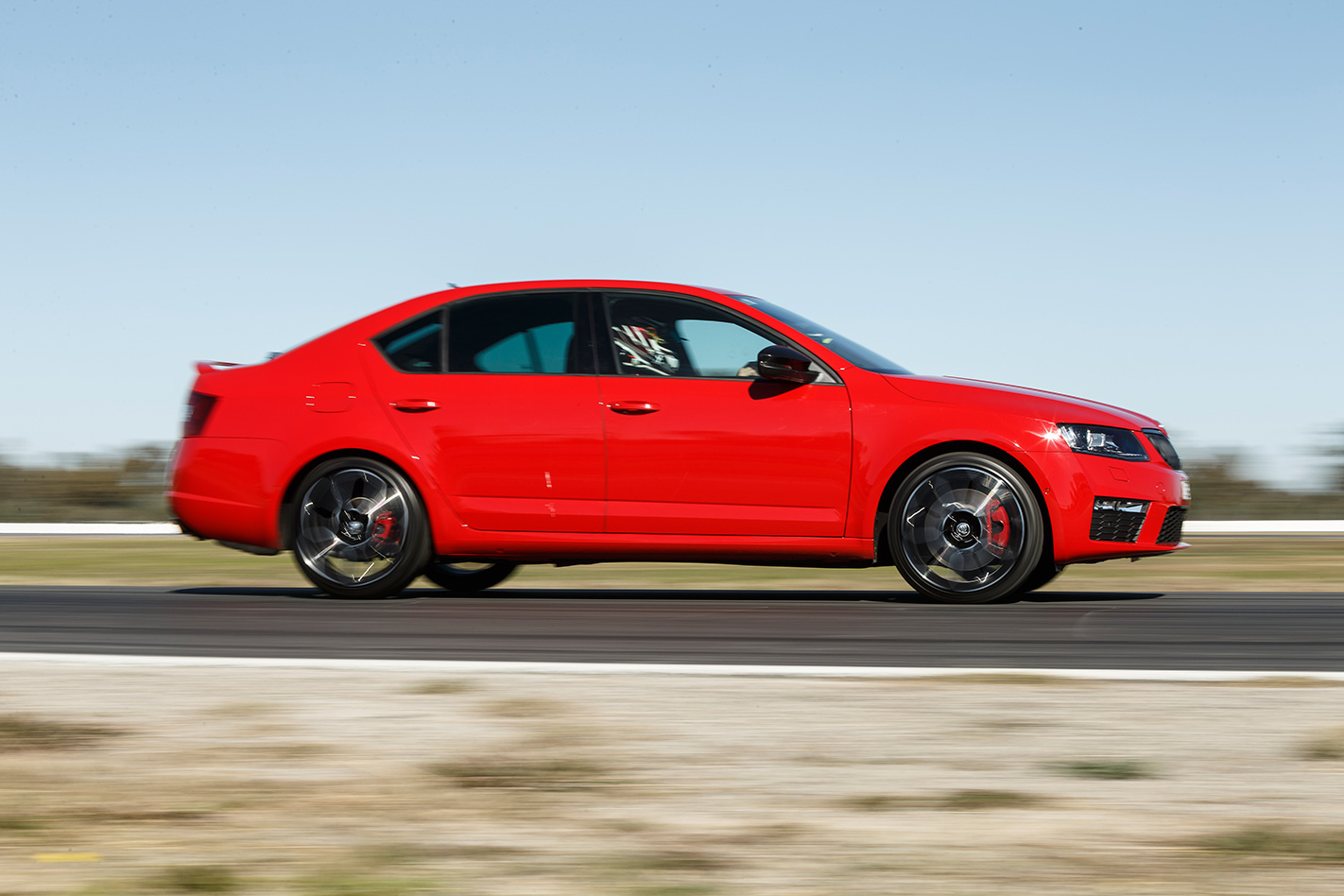
The other bit of this particular puzzle is that the SS Ute dominated the speed-trial element this year. It did it in such a way that everything else felt a bit soft. So, even though the Skoda was second fastest through the 400-metre traps, on a corrected BFYB score, it was still back in the pack. And finally, there are those amazing looking front seats.
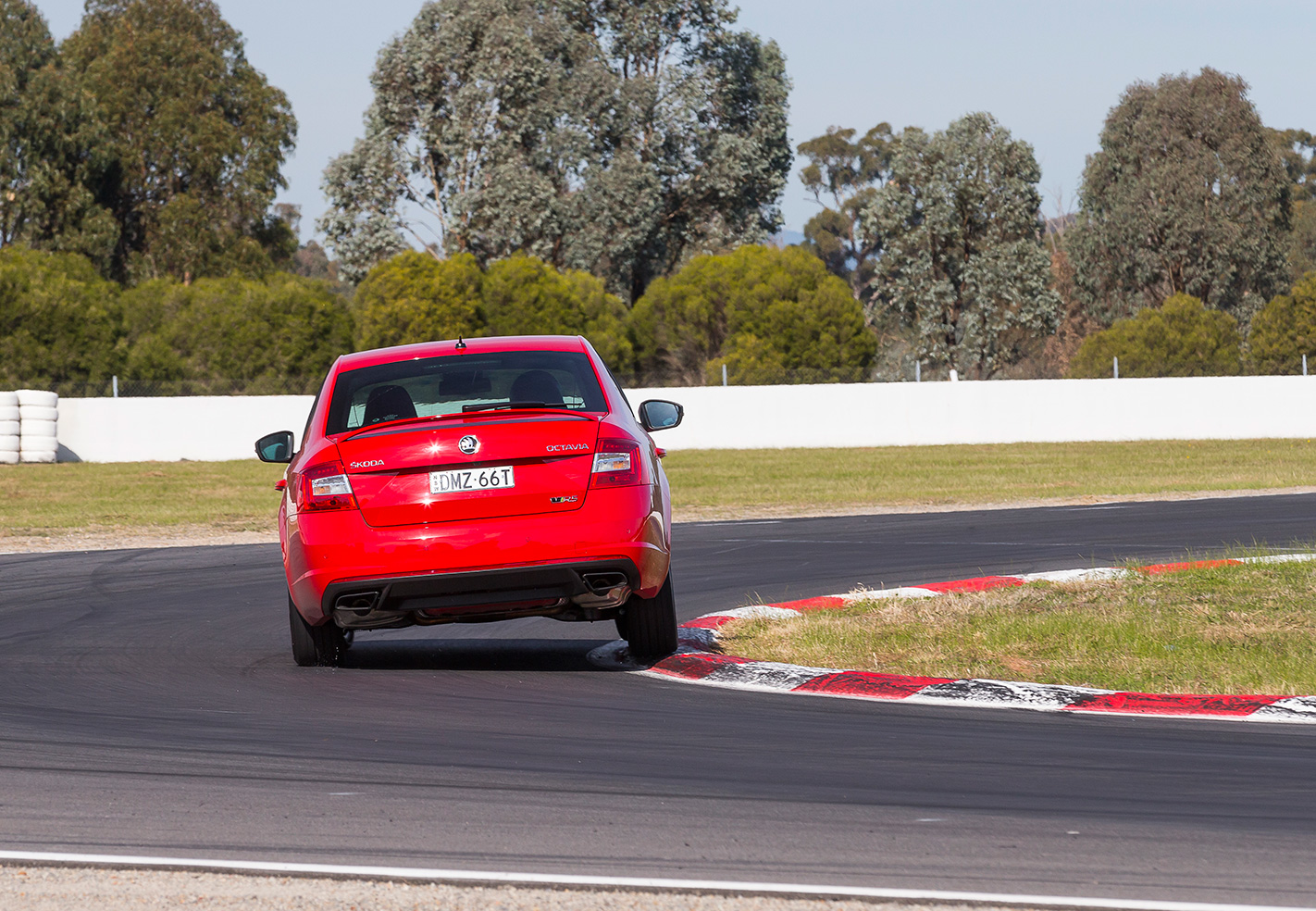
In fact, the judges left it pretty high and dry with not a lot of love for its track smarts, despite everybody who drove it on the road falling for the thing. That’s life. That’s BFYB.
SPECS Engine: 1984cc inline-four, DOHC, 16v, turbo Power: 169kW @ 4700-6200rpm Torque: 350Nm @ 1500-4600rpm Weight: 1391kg
TIMES 0-100km/h: 6.83sec (3rd) 0-400m: 14.98sec @ 158.17km/h (3rd) Lap Time: 1:42.4sec (2nd)
SCORES Price: $41,490 Bang Index: 99.4 Bucks Index: 81.7 BFYB Index: 92.3
WARREN LUFF SAYS “Should be able to go a lot faster than what it actually did. Probably the biggest disappointment is not being able to turn the ESP all the way off. Through the tighter sections it really does limit the drive off the corner.” For everyday road driving it’s a good safety net so you don’t make a big mistake. There are lots of things the car does well. It rides the kerbs nicely, and the nice engine’s geared well, it leaves you wanting a little bit more out of it.” “You think it’s going to be a little bit better than what it is.”
JUDGES NOTES David Morley – 8th: “Thinking person’s hottie. I’ll have mine in a wagon, thanks” Dylan Campbell – 6th: “Feels happiest at eight-tenths; why it’s great on road but not on track” Louis Cordony – 6th: “Punchy, grippy package only lacking a little killer instinct” Tim Robson – 7th: “I’m a big fan of the RS, but the race track is not its natural home”
A patent application filed by Toyota with the US Patent and Trademark Office reveals the Japanese automaker is investigating the idea of an electrically-assisted body-on-frame offroader.
The application doesn’t show any specific model, but silhouettes used in illustrations indicate a wagon bodystyle with a three-row seat configuration. That narrows the list of potential candidates down to five – the Hilux-based Toyota Fortuner, the Prado and the 200-series Landcruiser, plus the US-market 4Runner and Sequoia.
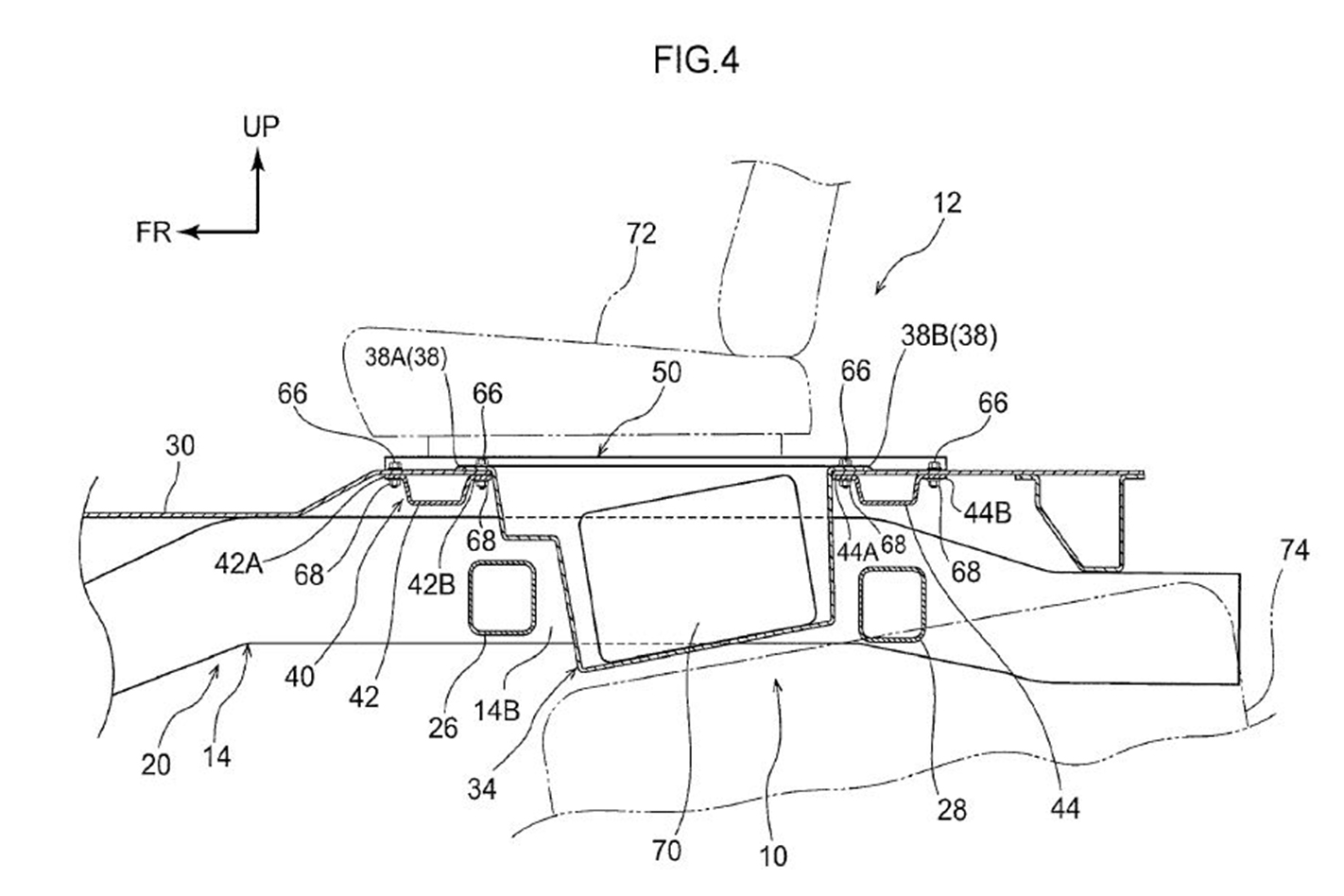
A hybrid off-roader would be new territory for Toyota, though the carmaker has dipped its toe in the water before with the A-BAT concept ute of 2010.The patent filing gives few clues away as to whether the system would be paired with a petrol or diesel powerplant, however given Toyota’s lack of experience with diesel-electric hybrids the former is the most likely.
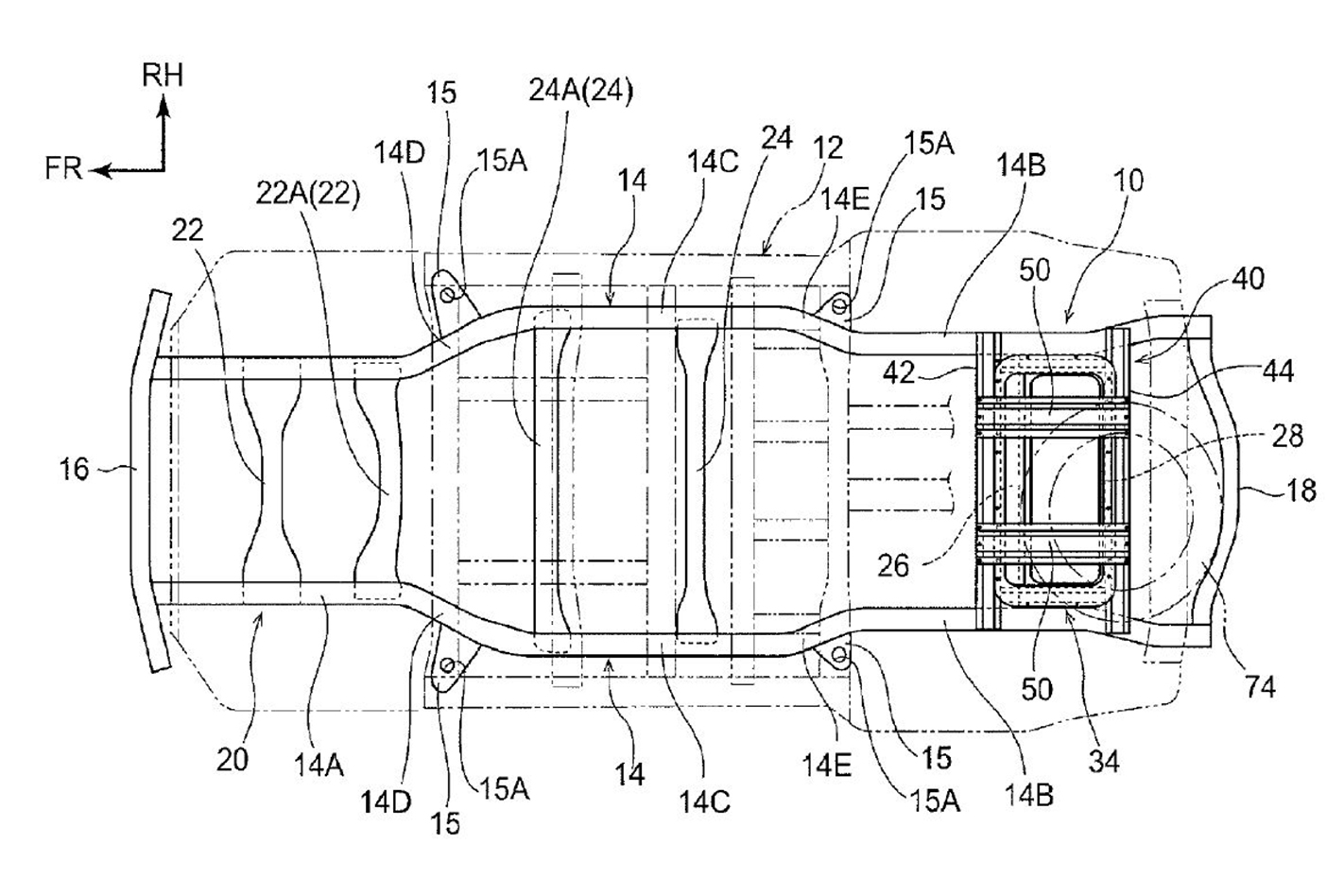
The language used is broad, and refers to not only conventional hybrids but plug-in hybrids and fully-electric vehicles as well.
Does it necessarily indicate Toyota is planning any of them for its future off-roader portfolio? Not necessarily, but patenting the technology is one of the first steps a company takes when introducing a new vehicle.
A leaked document appears to list the model designations, transmissions, chassis layouts, and target markets for a huge array of forthcoming BMW models.
The 177-page document appears to be an internal BMW list of designations for cars and motorcycles, and includes partners of BMW including Rolls-Royce, Morgan, Land Rover, and, tantalisingly, Toyota. As always, a healthy dose of scepticism is required when dealing with uncorroborated internet documents. When sent to BMW Australia, a spokesman declined to pass comment on its authenticity. Make of that what you will.

The Toyota Supra is listed as a rear-drive chassis solely with automatic gearboxes, and offered in 20i, 30i, and 40i designations. The 20i and 30i models are likely to be four-cylinder models, with the 40i a six. The BMW version, the Z4, gets a racy M40i range-topper with the option of a manual box, as do the garden variety sDrive 20i and sDrive 30i variants.

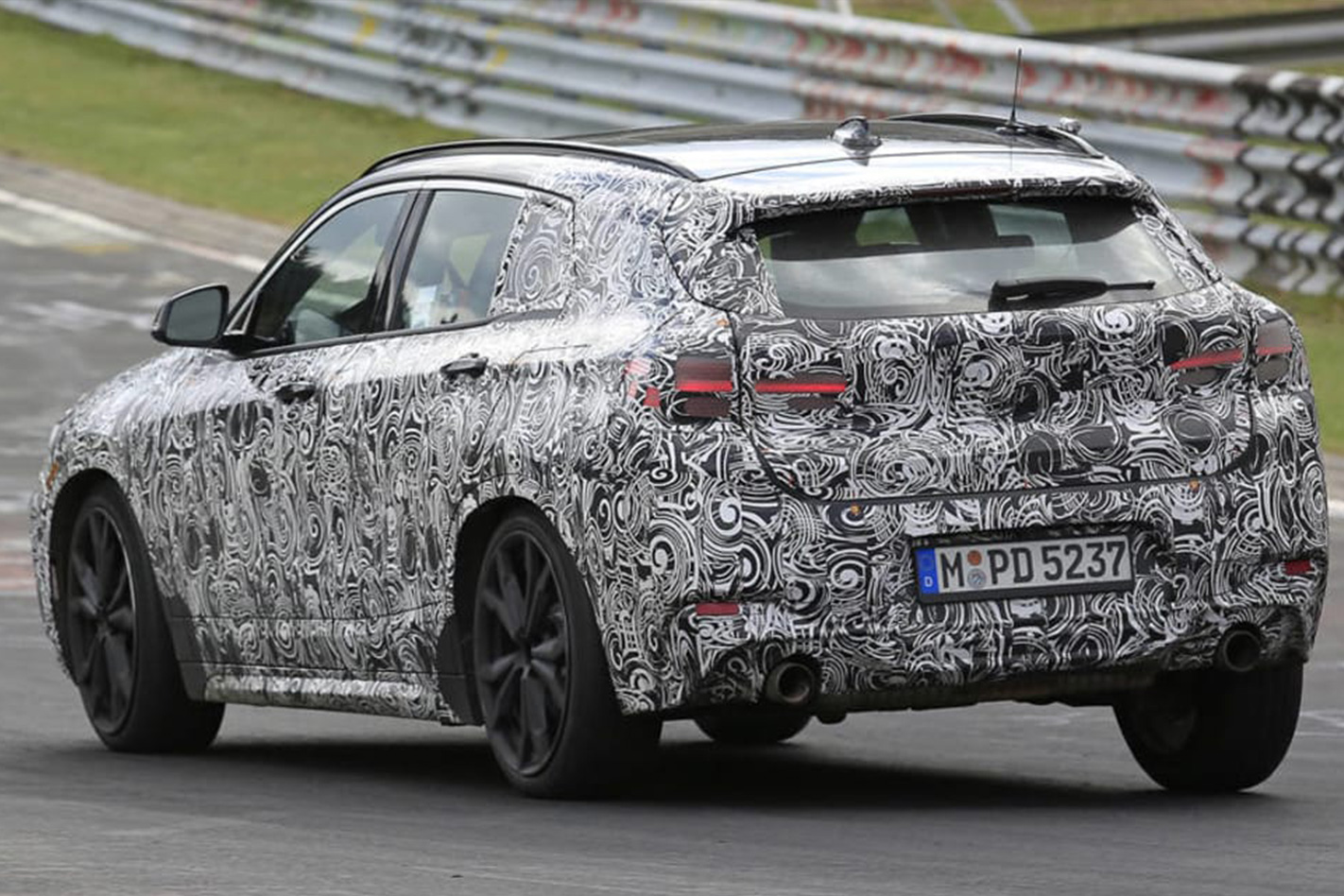
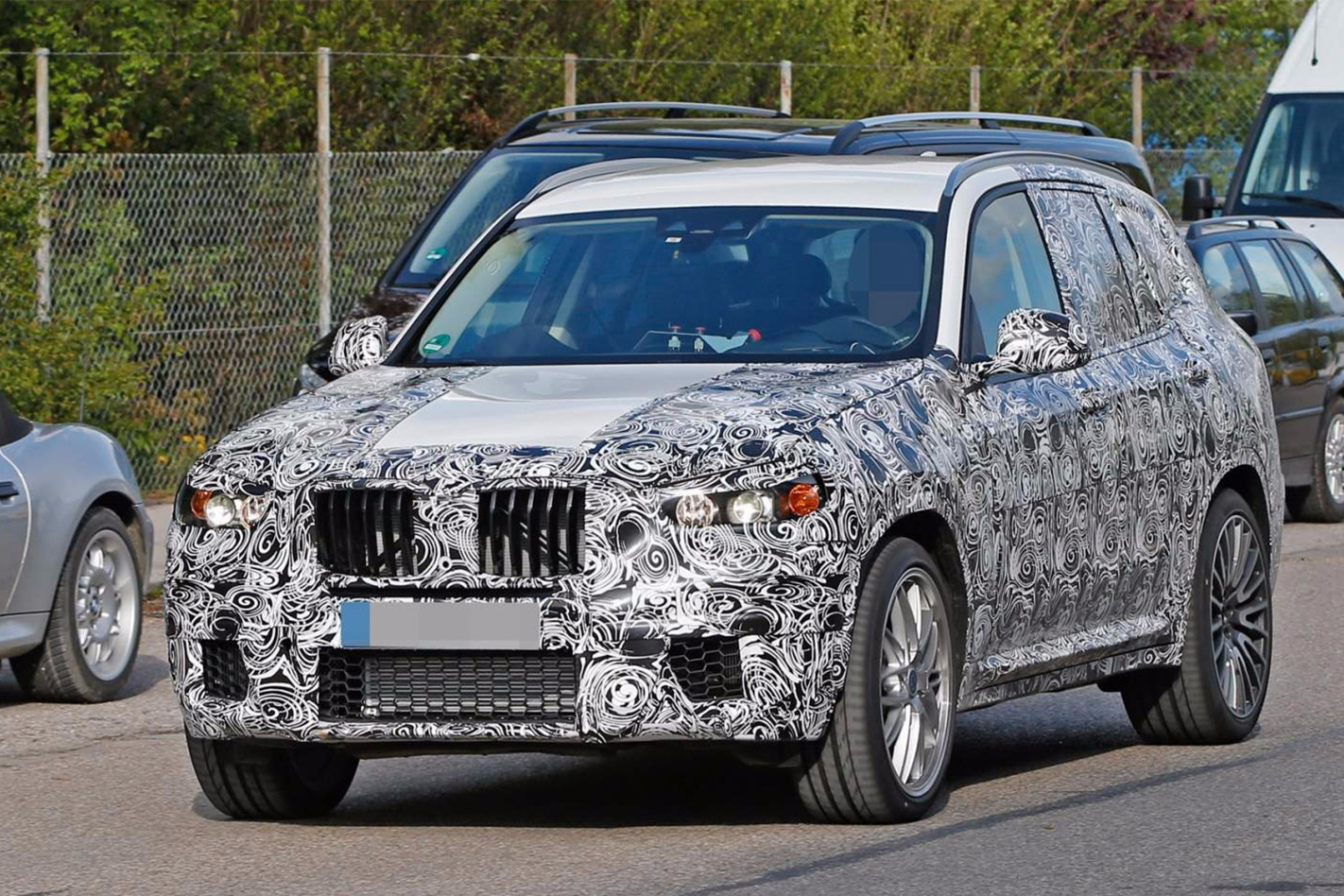
BMW’s rumoured X2 mini-SUV is also on the document, with front-drive 18i, 20i, and 28i petrol models and diesel 16d, 18d, and 20ds. Spring for all-wheel drive and the choice encompasses 20i and 28i petrols and 18d, 20d, and 25d diesels.
If all this is kosher, we’re looking at a mouthwatering array of metal from Munich. The document smacks of authenticity but the alternative is some bored teen typing over 9700 entries that seem to check out. Occam’s Razor being what it is, we’re leaning to the former.
IN OCTOBER, BMW’s $211,610 M4 CS touches down on Australian soil bringing an even more potent version of the German car maker’s sports coupe, but it also marks a new milestone in the CS badge’s colourful heritage.
There have been a number of performance-enhanced coupes over the company’s history, and with the arrival of the latest instalment, the CS brand and its derivatives are in an important state of flux.
While the coveted ‘Coupe Sport’ name has bounced about the BMW ranks like a pinball for 55 years, the next chapter will see a growing presence of the badge being applied only to cars that take the highest-performing versions as their basis.
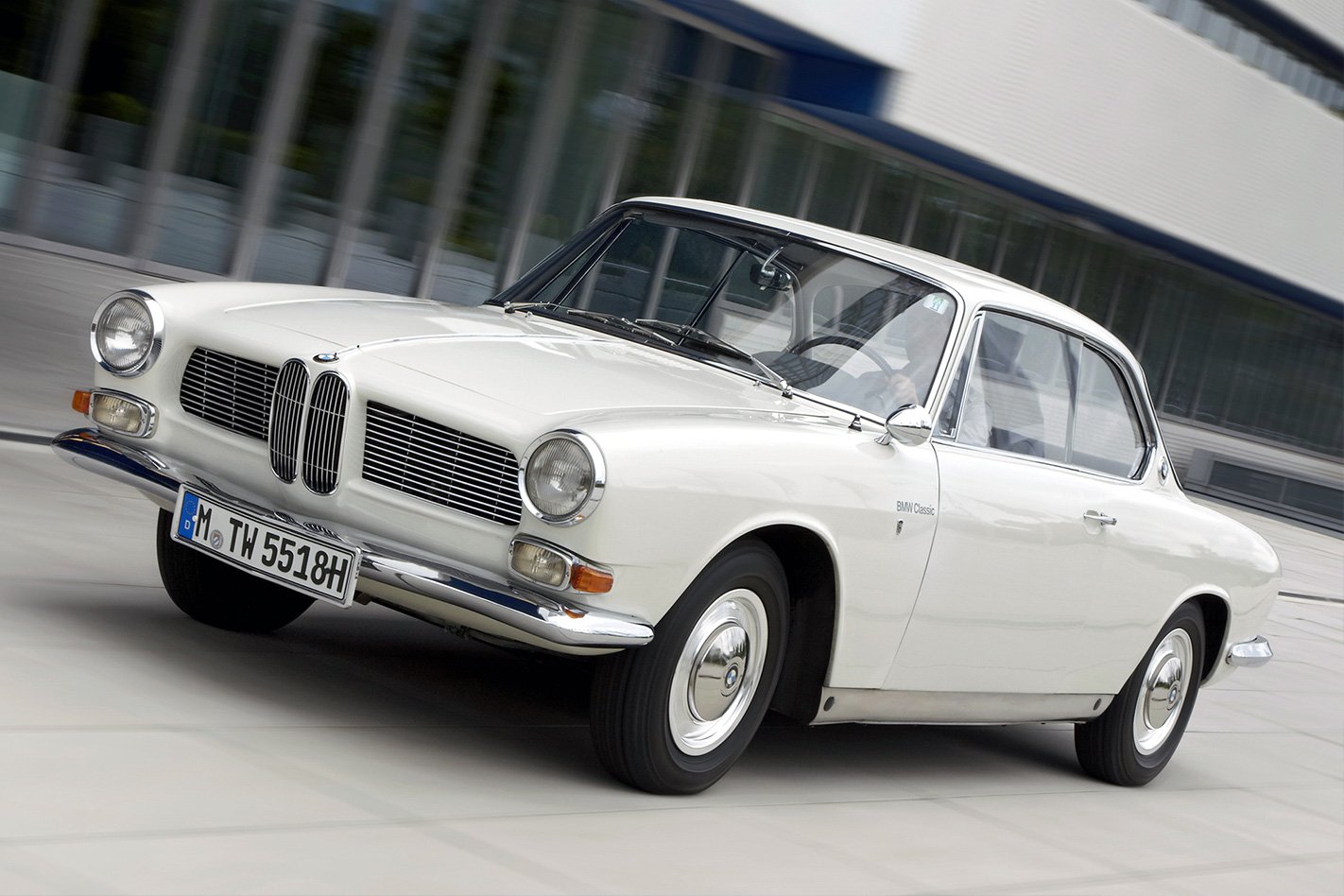
For the company’s next big coupe, the 2000 C was available with a 75kW 2.0-litre four-cylinder engine, but a second version packing twin carburettors took that figure up to 89kW. To differentiate the higher-performance version, BMW reforged the CS badge and the Coupe Sport story had begun.
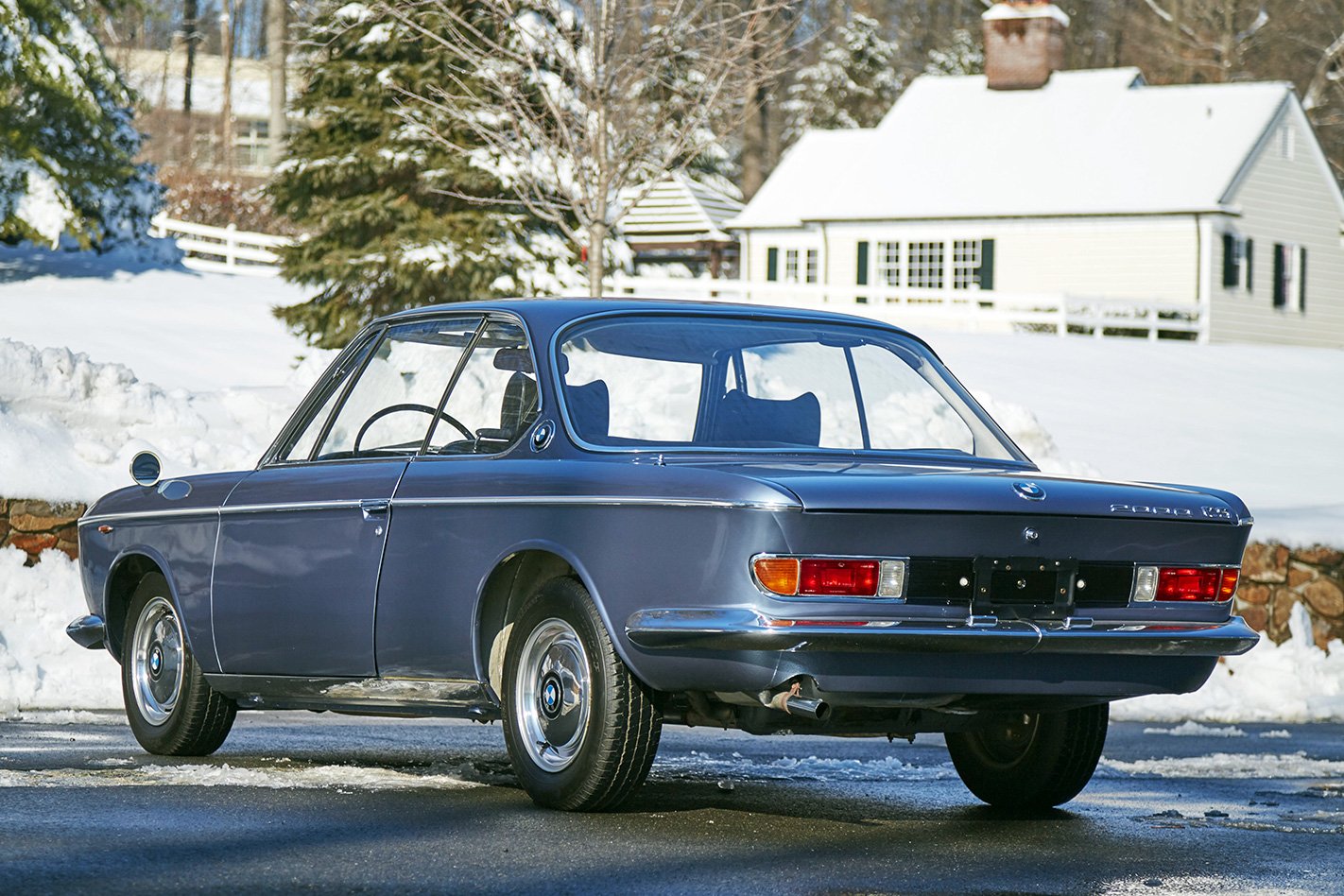
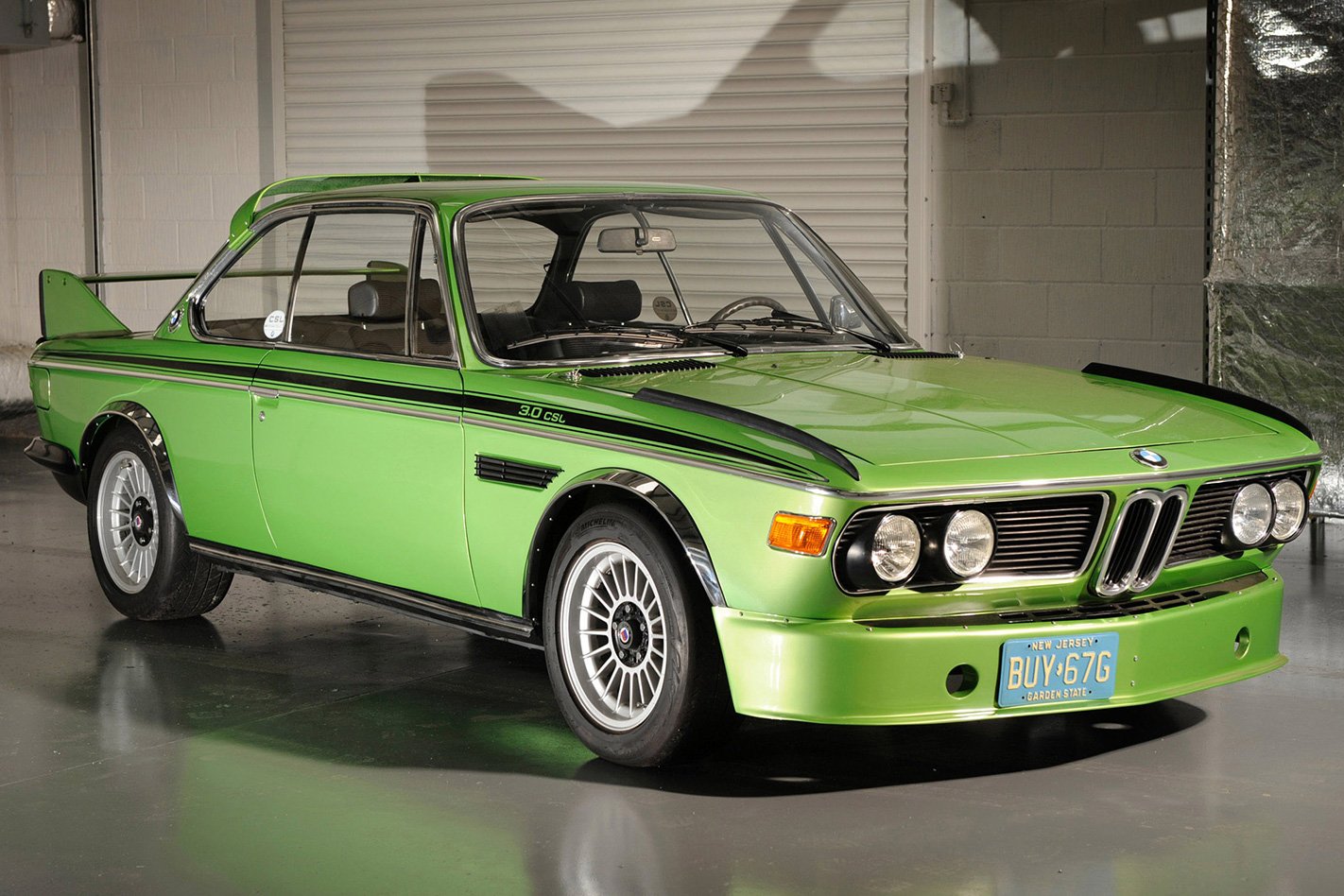
When the M30 ‘big six’ grew to 3.0-litres in 1971, the model range expanded to include the standard CS, a fuel injected CSi and the now iconic 3.0 CSL. Built for homologation and racing domination, the lightweight CSL version was a stripped out racer with plastic windows, alloy panels, and the unmistakable aerodynamic fins that earned it the Batmobile nickname.
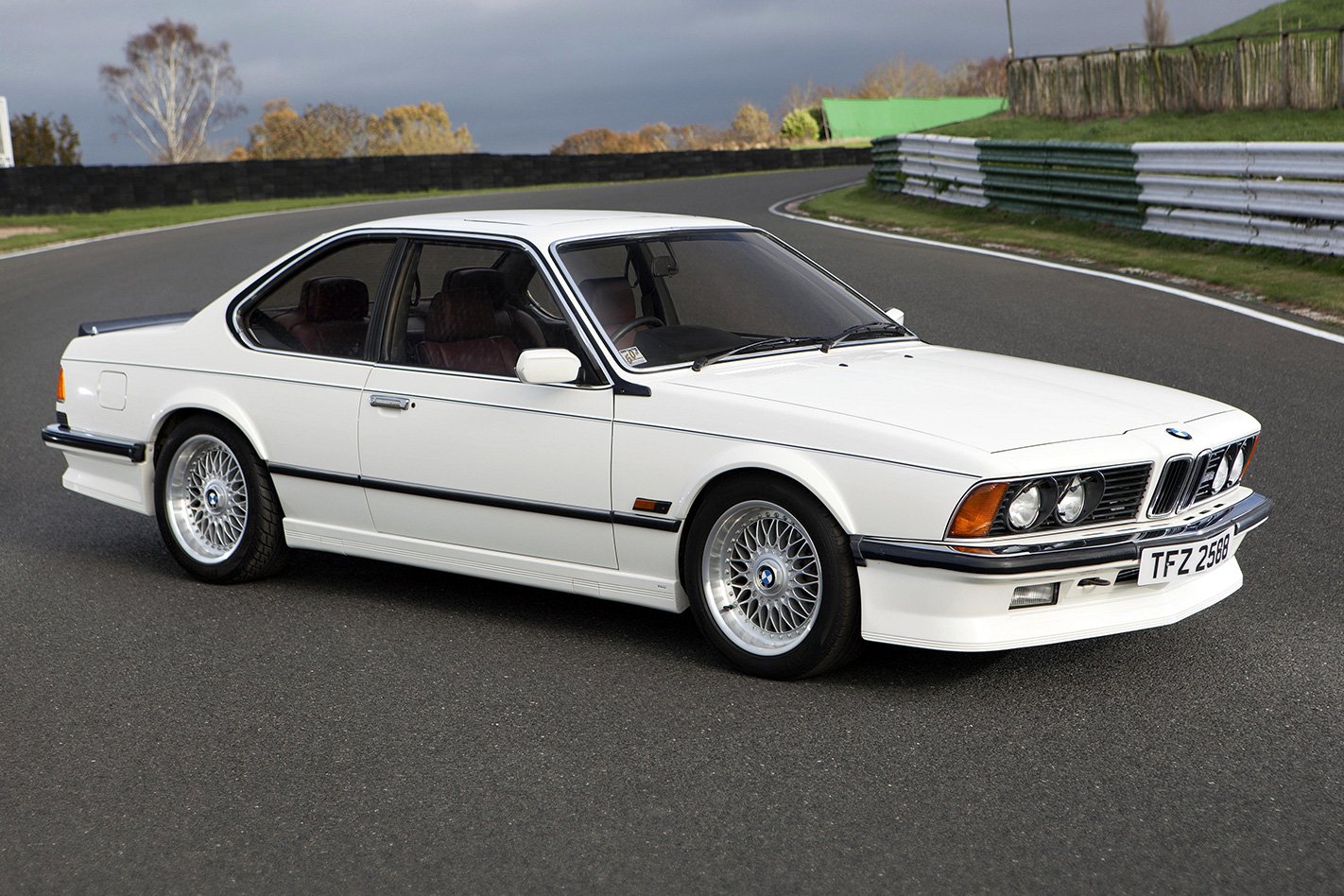
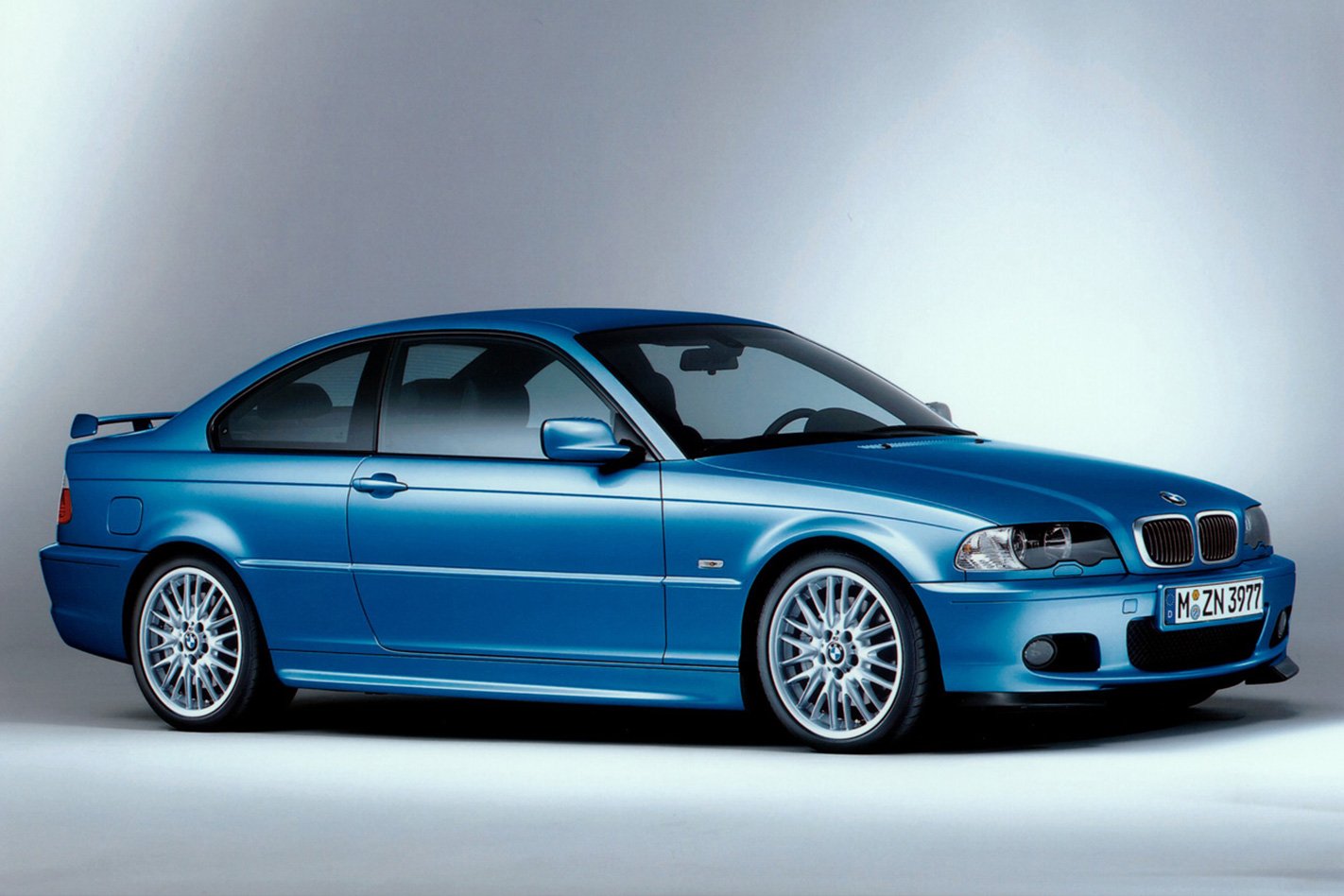
A veritable CS drought followed the discontinuation of the 6 Series in 1989, but when BMW dusted off the badge for the E46 3 Series, it made up for lost time with not one, but three versions.
Lesser known however, is the E46 M3 CS, which was offered to Europe and the UK, as well as the US market to make up for the absence of the full fat CSL there. It shared the same brakes, steering rack, wheels, and M-Track mode as the tuned version, but stuck with the standard M3 engine, didn’t take on the CSL’s weight trimming steps (carbon fibre roof, seats, thinner rear windows, fibreboard boot floor), and was available with a manual gearbox instead of the polarising SMG automated manual.
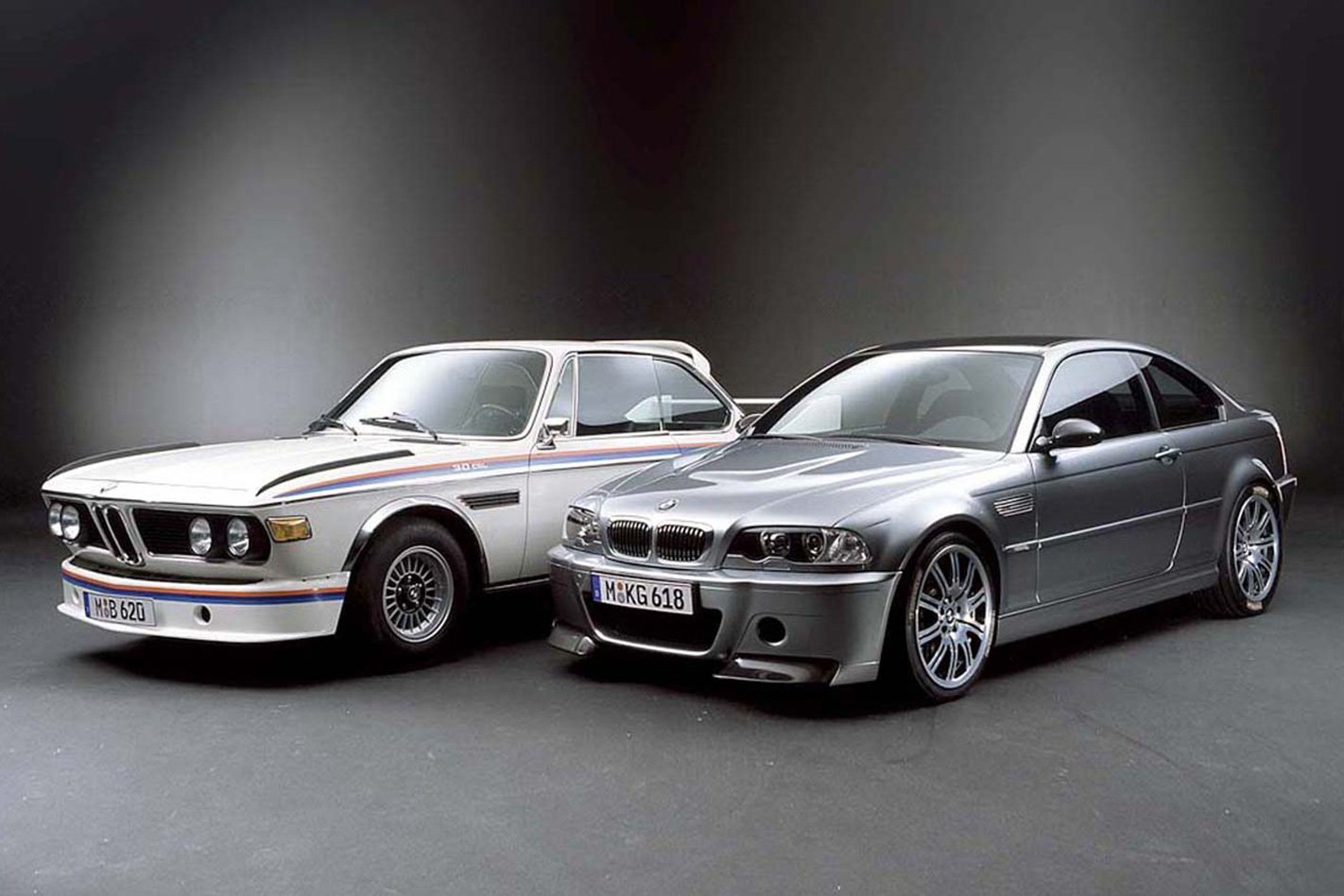
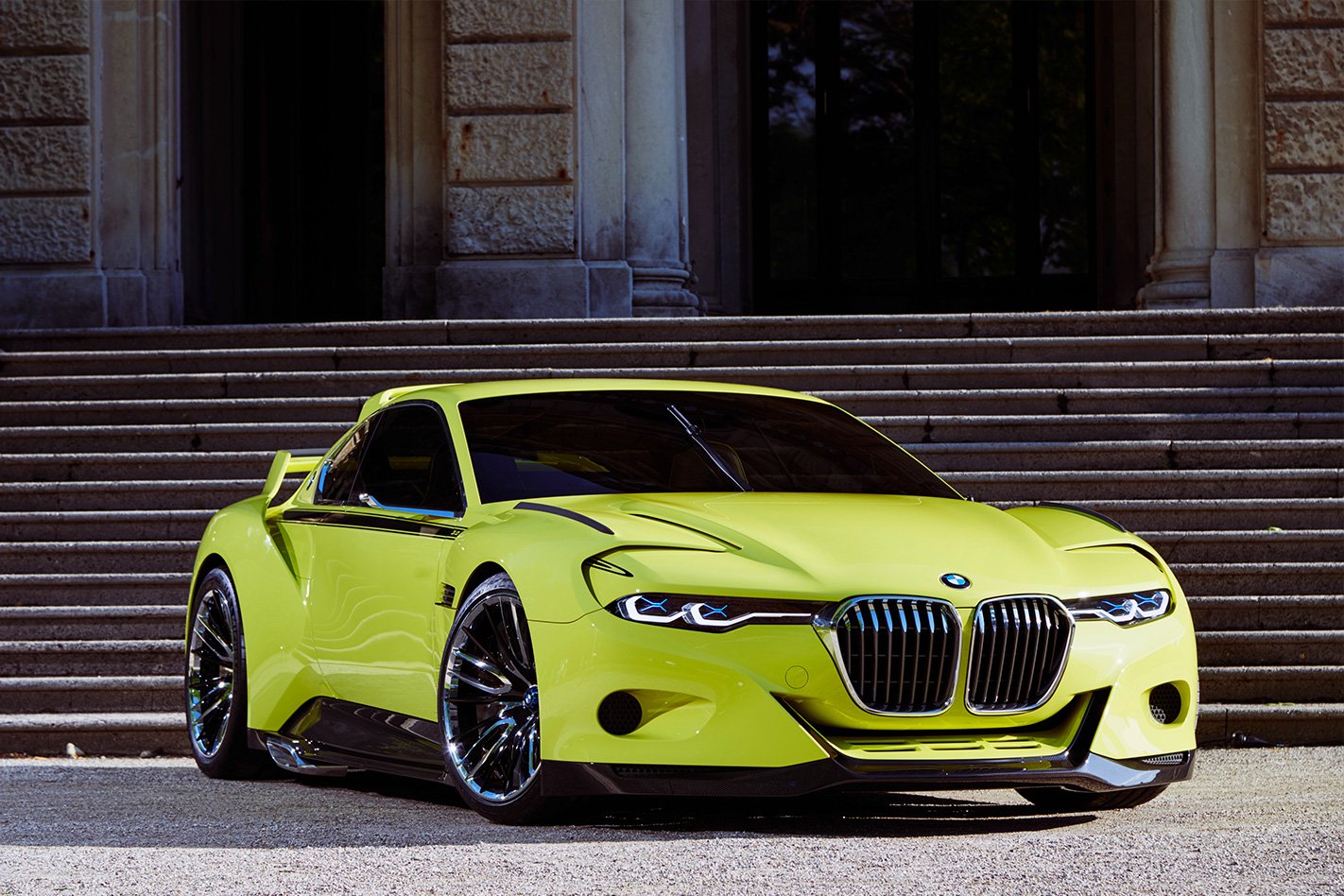
In 2015, two more concepts threw a direct line back to the original E9 3.0 CSL with the 3.0 CSL Hommage and Hommage R design studies that shared its name. Like the first CSL, the modern day interpretation used state of the art materials and manufacturing processes to save weight, but signs of a showroom version have not yet surfaced.
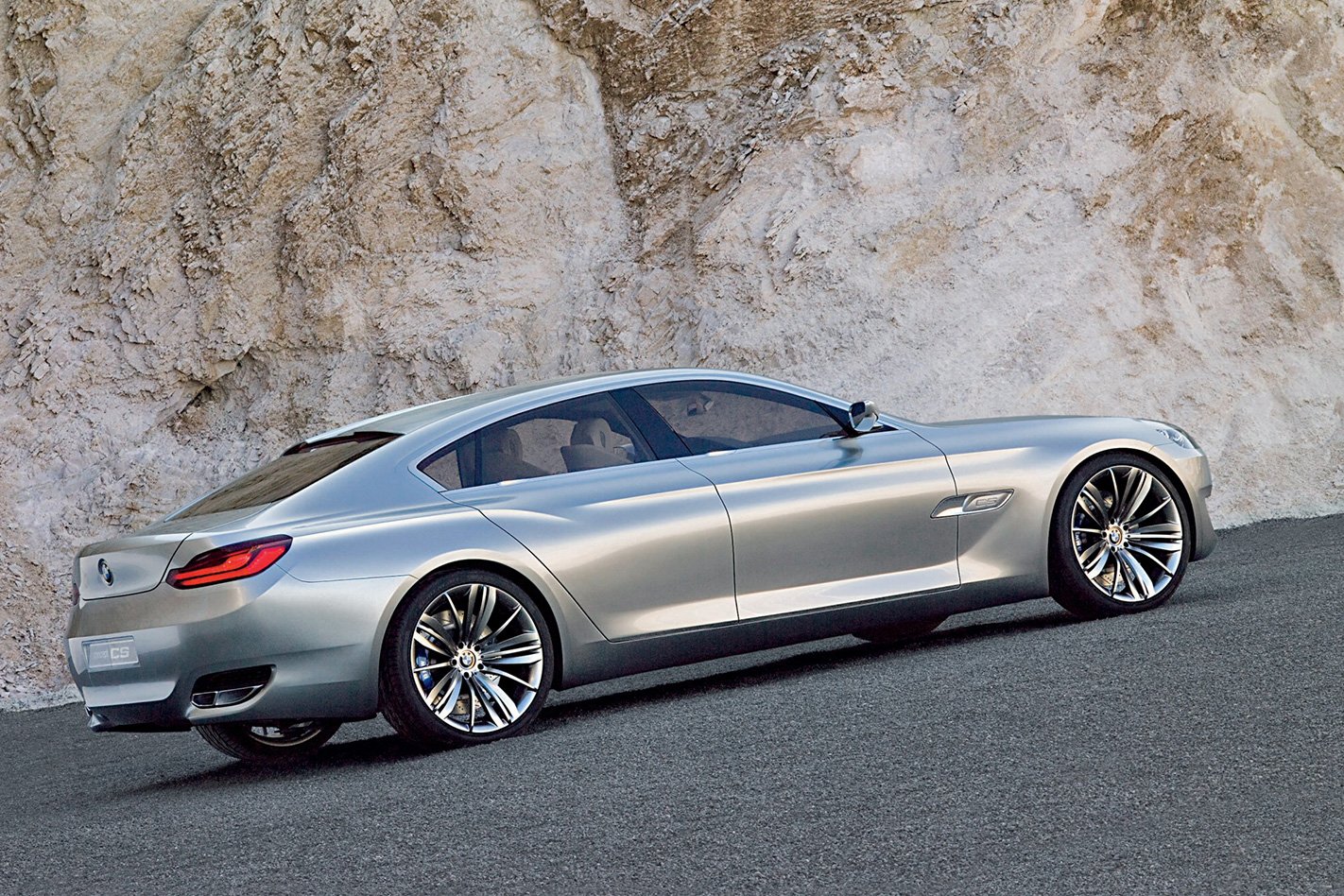
While the M4 CS is the only official candidate at this stage, BMW has moved to protect virtually all applications from M1 CS to M8 CS, which would suggest the car maker is set to open the taps on the performance brand and only for the most potent M-cars.
As part of BMWs expanding M-family, expect to see a new era of CS and CSL power players unfolding in the coming years.