
Looking for something bigger or small Check out our Large SUV and Small SUV lists to see what’s coming for those segments in 2024.
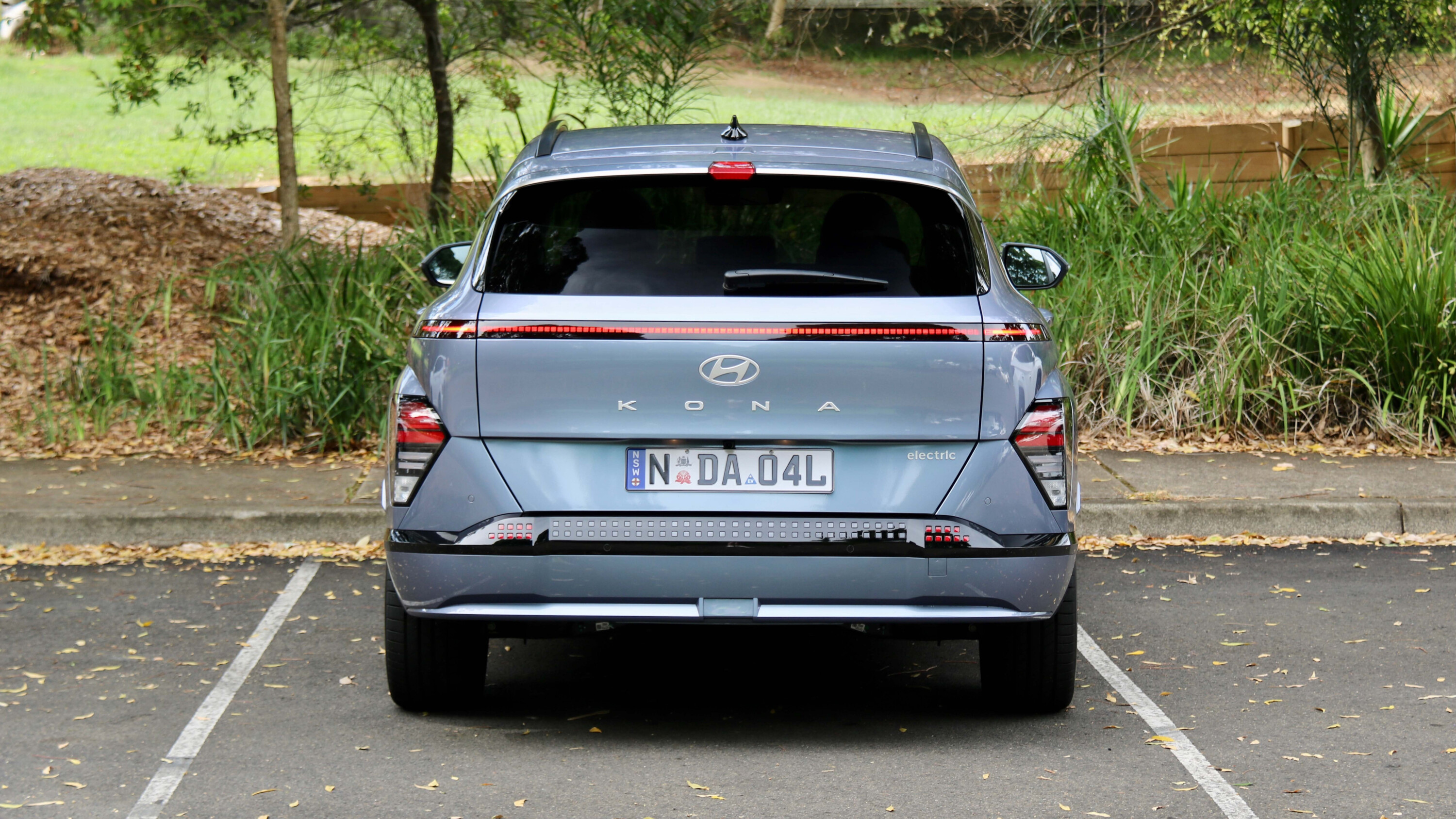
Originally released in Australia in 2019, the Hyundai Kona Electric was one of the first lower-priced electric vehicle choices on the market, a reason it has remained a relatively popular model ever since.
Fast forward to 2024 and the Kona Electric is now in its second generation, with a bigger body hiding important improvements in efficiency, technology and practicality.
The Kona Electric range is also now less expensive than the previous generation, but faces challenges from many more competitors. Is the Kona Electric the small electric SUV to buy? Here’s the WhichCar guide.
1
JUMP AHEAD
- How much does the Hyundai Kona Electric cost?
- How comfortable and practical is the Hyundai Kona Electric?
- What features are standard in the Hyundai Kona Electric?
- How big is it and how much can it tow?
- Will I enjoy driving the Hyundai Kona Electric?
- How much does the Hyundai Kona Electric cost to run?
- What warranty covers the Hyundai Kona Electric?
- Which Hyundai Kona Electric should I buy?
- Which cars rival the Hyundai Kona Electric?
How much does the Hyundai Kona Electric cost?
There are five Kona Electric variants in Australia:
| 2025 Hyundai Kona Electric pricing | |
|---|---|
| Standard Range | $54,000 |
| Extended Range | $58,000 |
| Extended Range N Line | $62,000 |
| Premium | $68,000 |
| Premium N Line | $71,000 |
1
How comfortable and practical is the Hyundai Kona Electric?
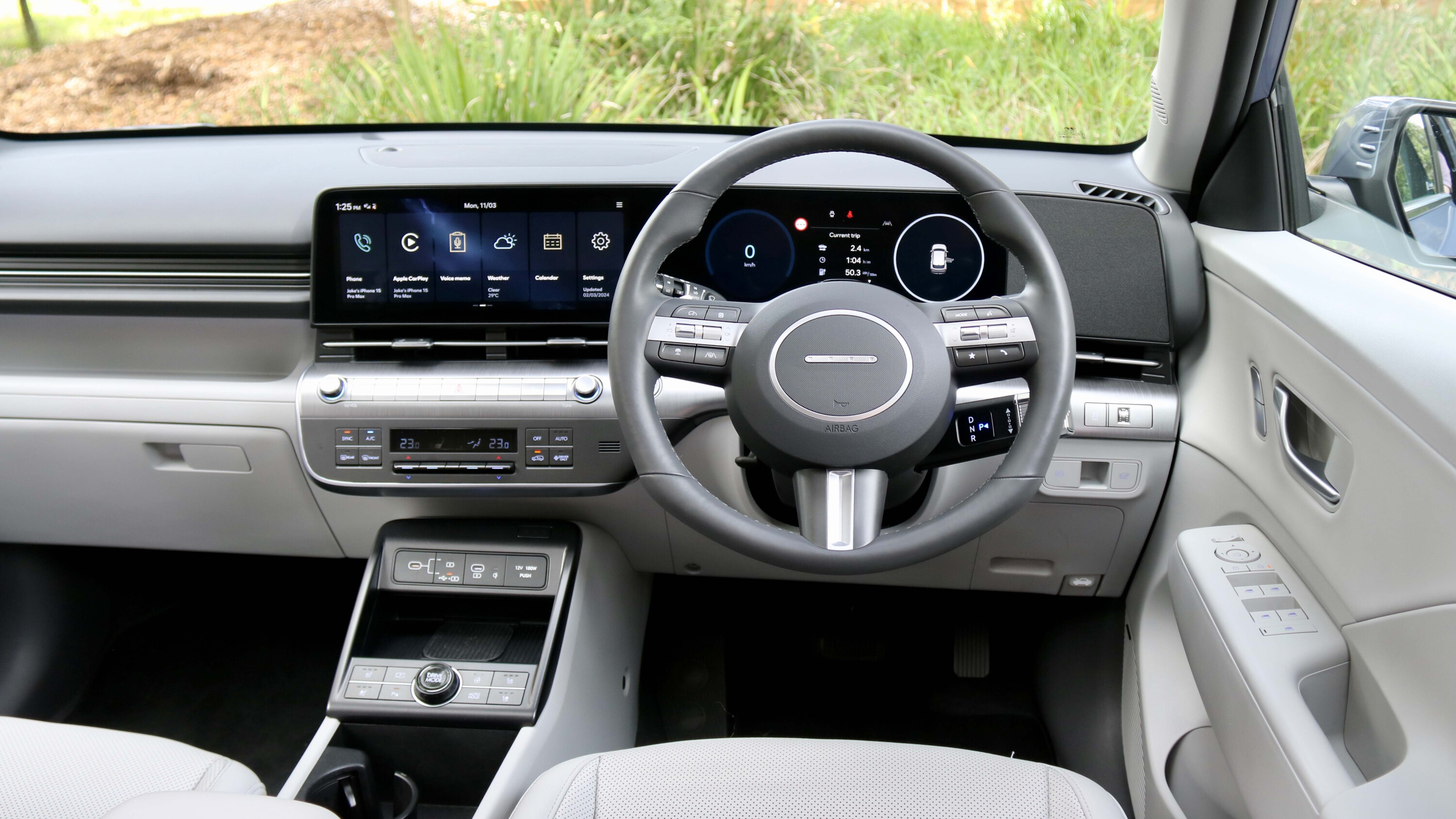
Inside, the Kona Electric is almost identical to the regular Kona. This means that the interior materials are a bit of a miss, with mostly hard surfaces throughout the cabin. On the plus side they are hard wearing and will last. The leather steering wheel is quite nice, but a soft touch dash would be a great addition to the cabin to make it feel even better.
Centre of the Kona Electric’s cabin is a 12.3-inch touchscreen with Hyundai’s new ‘ccNc’ infotainment software. It’s a bit dark to look at, but it’s very easy to use and it’s well featured with equipment like satellite navigation, wireless Apple CarPlay and Android Auto, and DAB+ digital radio. It also features live services such as live traffic for the navigation and over-the-air updates.
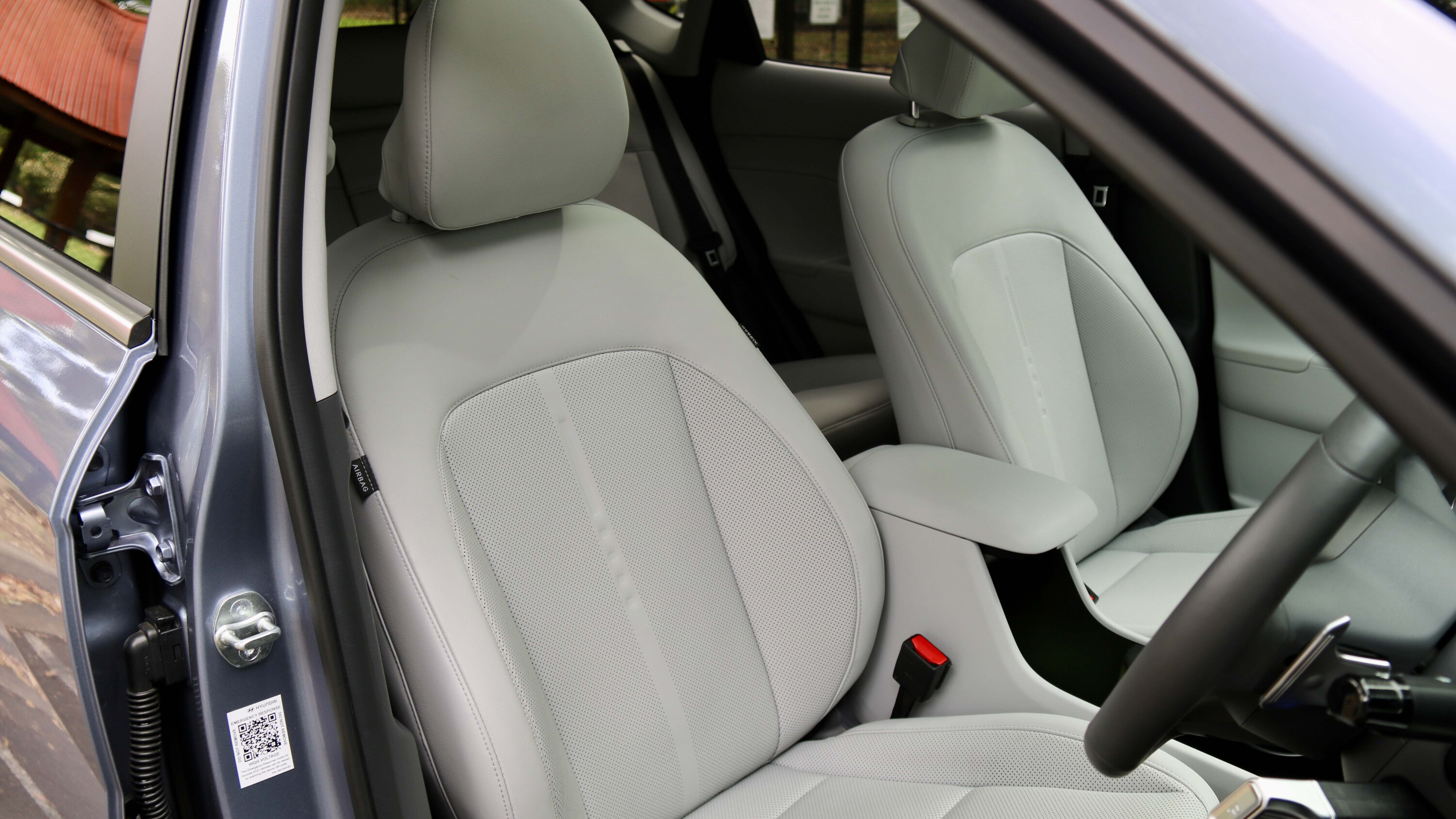
Storage inside the new Kona is a big improvement on the last model and one of the best in the small SUV segment. The huge centre console storage is great, with big cup holders and a wireless phone charger.
1
Further back is a centre armrest with open storage underneath it, while there are also reasonable door bins, a nicely-sized glovebox, an open tray above the glovebox and an open area housing the wireless charger.
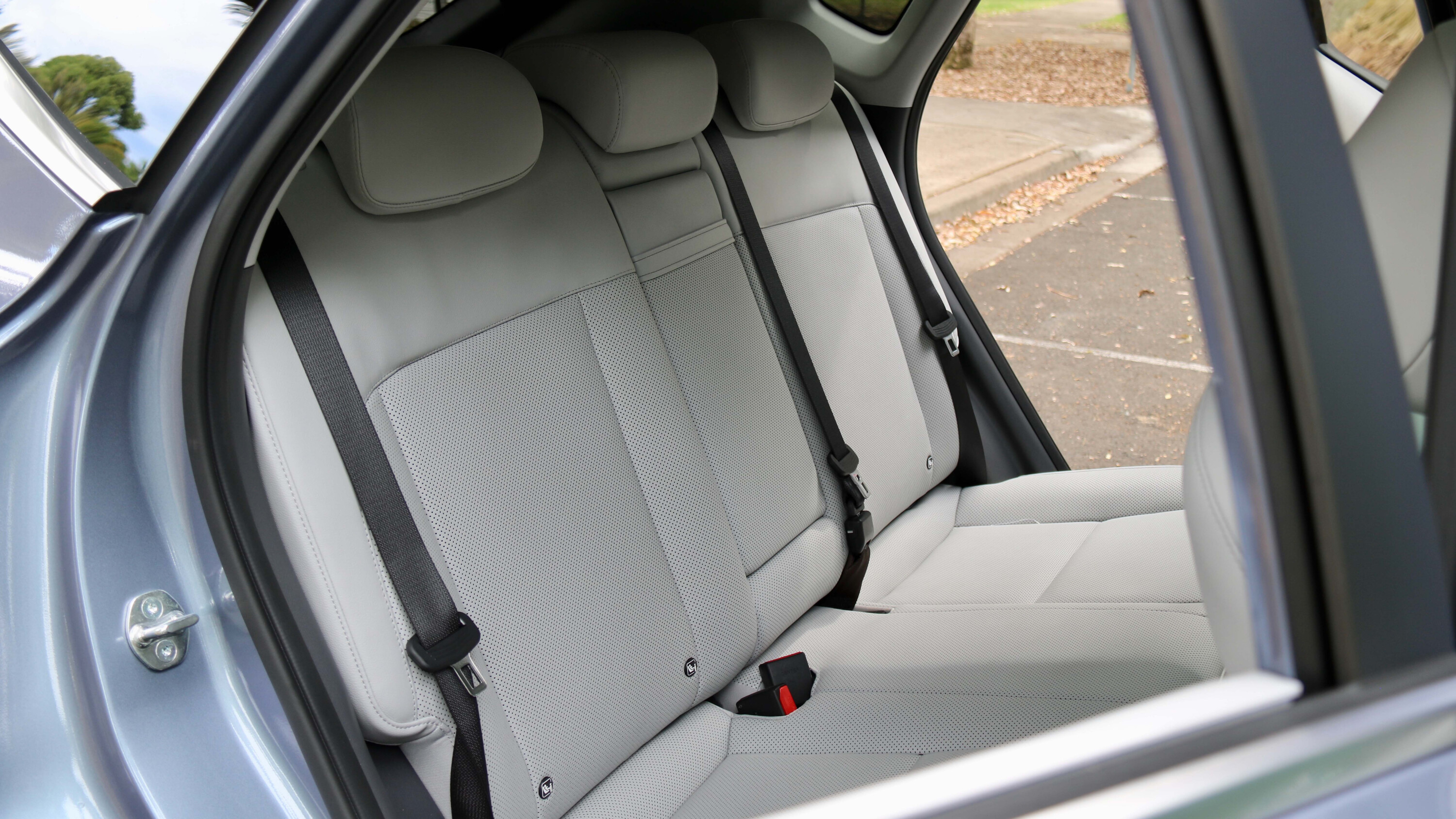
The back seat is a nice improvement over the previous Kona, and is now one of the roomiest in the segment. Two six-footers will be more than comfortable thanks to good knee- and headroom, while the seatbacks recline for greater comfort.
In addition to that, all grades receive two USB-C ports and a three-pin socket, as well as air vents, a centre armrest with cup holders, two map pockets and reasonable door storage too. There are two ISOFIX points and three top-tether points for child seats and the doors open nice and wide too.
1
What features are standard in the Hyundai Kona Electric?
| Kona Electric Standard Range: | |
|---|---|
| 48.6kWh battery | AM/FM/DAB+ digital radio |
| 99kW/255Nm motor | Selectable driving modes |
| 17-inch alloy wheels with a space-saver spare wheel | Selectable regenerative braking including one-driving mode |
| Automatic dusk-sensing LED headlights | Wireless phone charger |
| Automatic rain-sensing wipers | Six-speaker sound system |
| Keyless entry and start | Dual-zone climate control with rear vents |
| u2018Bluelinku2019 live services, including remote app access | Auto-dimming rear mirror |
| 12.3-inch digital driveru2019s display | Heat pump |
| 12.3-inch touchscreen with live services and over-the-air updates | Leather steering wheel |
| Wired Apple CarPlay and Android Auto | Vehicle-to-load (V2L) functionality |
| Satellite navigation with live traffic | |
1
| Extended Range model adds: |
|---|
| Larger 64.8kWh battery |
| More powerful 150kW motor |
| Extended Range N Line model adds: | |
|---|---|
| N Line exterior and interior styling | Leather door trim inserts |
| 19-inch alloy wheels | All-LED exterior lighting |
| Leather and suede upholstery | |
1
| Kona Electric Premium model adds: | |
|---|---|
| Head-up display | Leather upholstery |
| Blind-spot camera | 10-way electrically adjustable driveru2019s seat with memory |
| Low-speed rear auto braking | 8-way electrically adjustable front passenger seat |
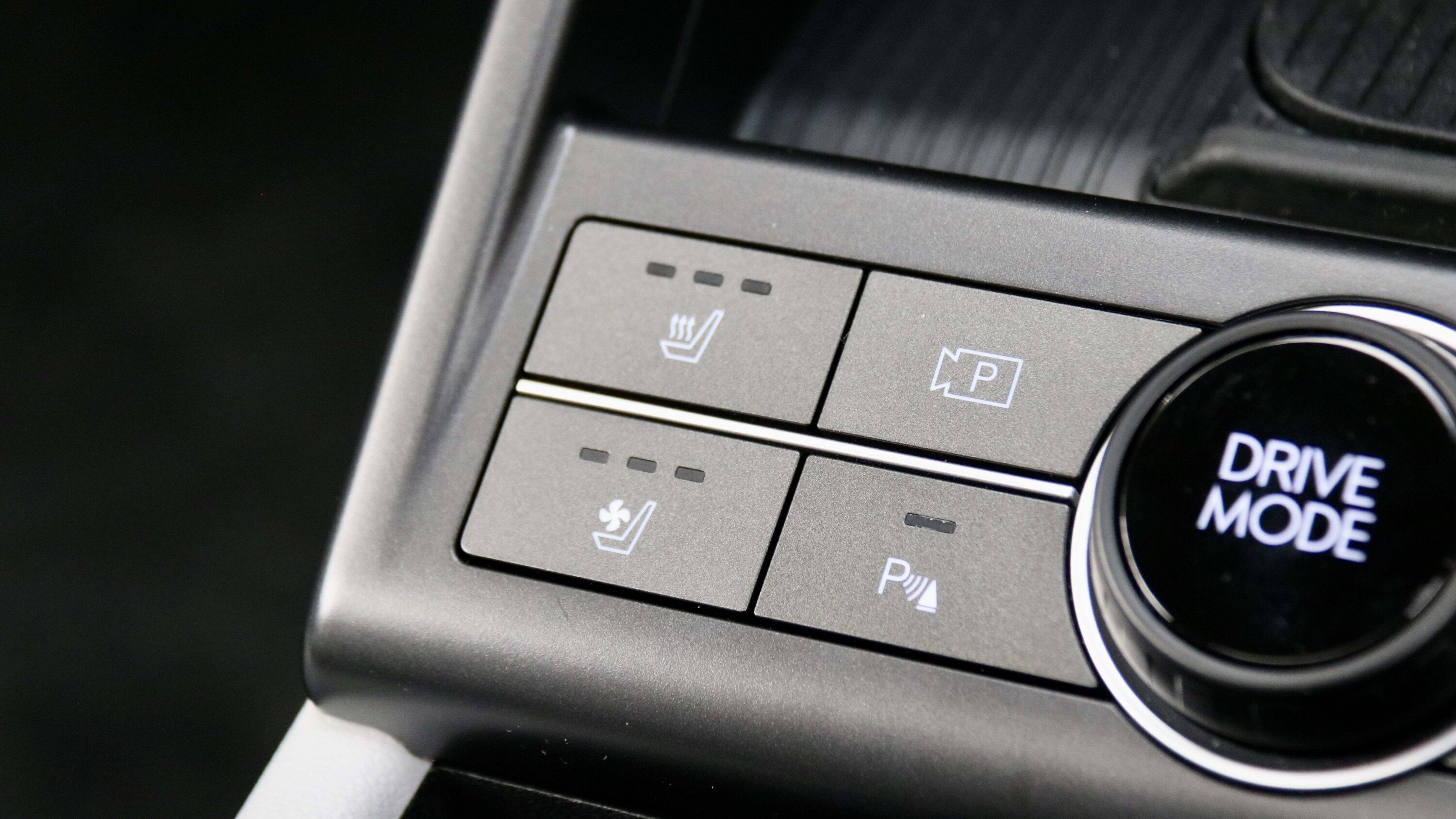
| Side parking sensors | Heated and ventilated front seats |
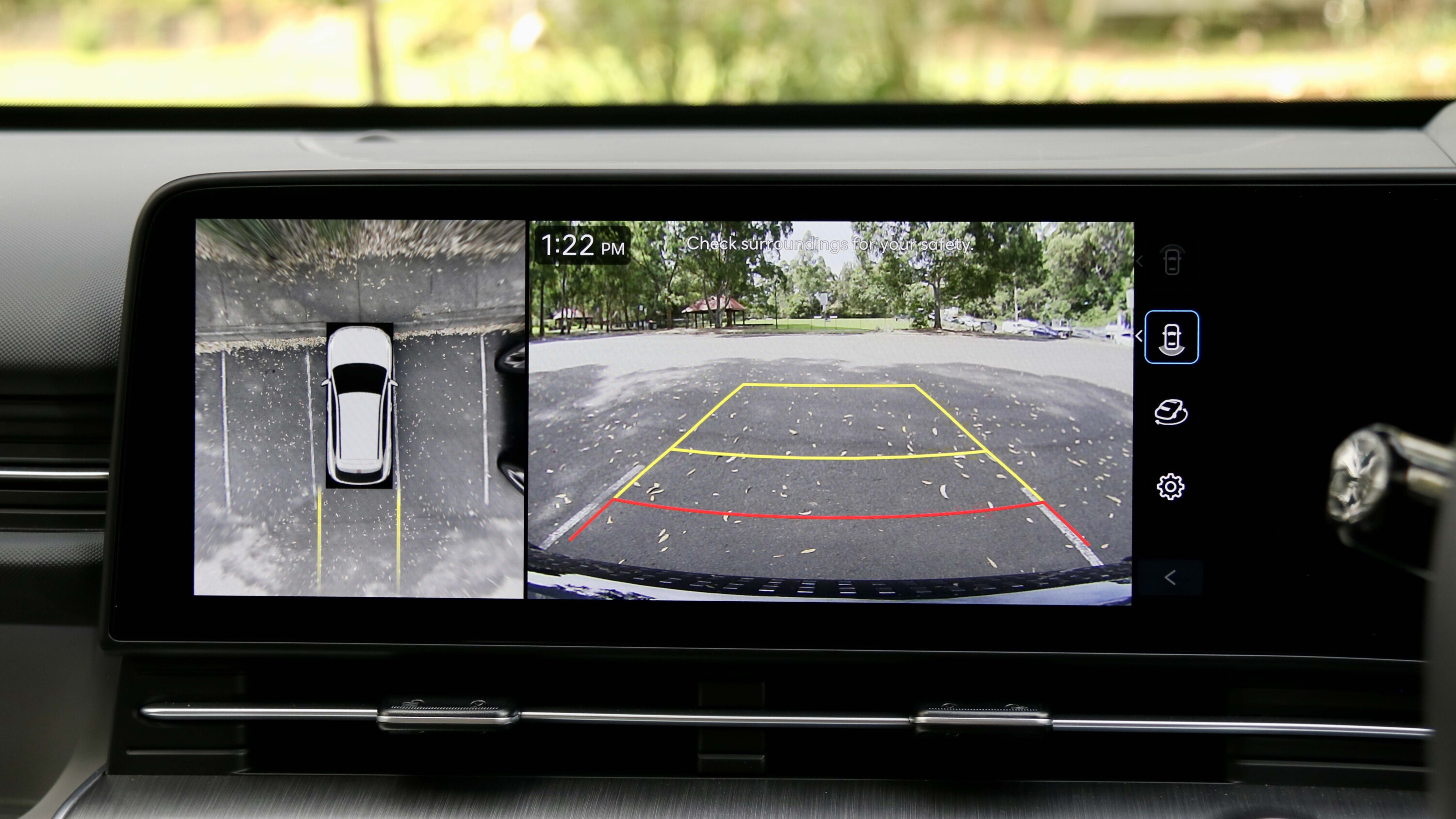
| 360-degree camera | Heated steering wheel |
| Remote smart parking | Heated outboard rear seats |
| Acoustic laminated/solar windshield and front door glass | Ambient mood lighting |
| Rear privacy glass | Sunroof |
| Hands-free electric tailgate | Removes N Line exterior styling |
| Eight-speaker Bose sound system | |
| Premium N Line model adds: |
|---|
| N Line exterior and interior styling |
| Leather and suede upholstery |
1
How big is it and how much can it tow?
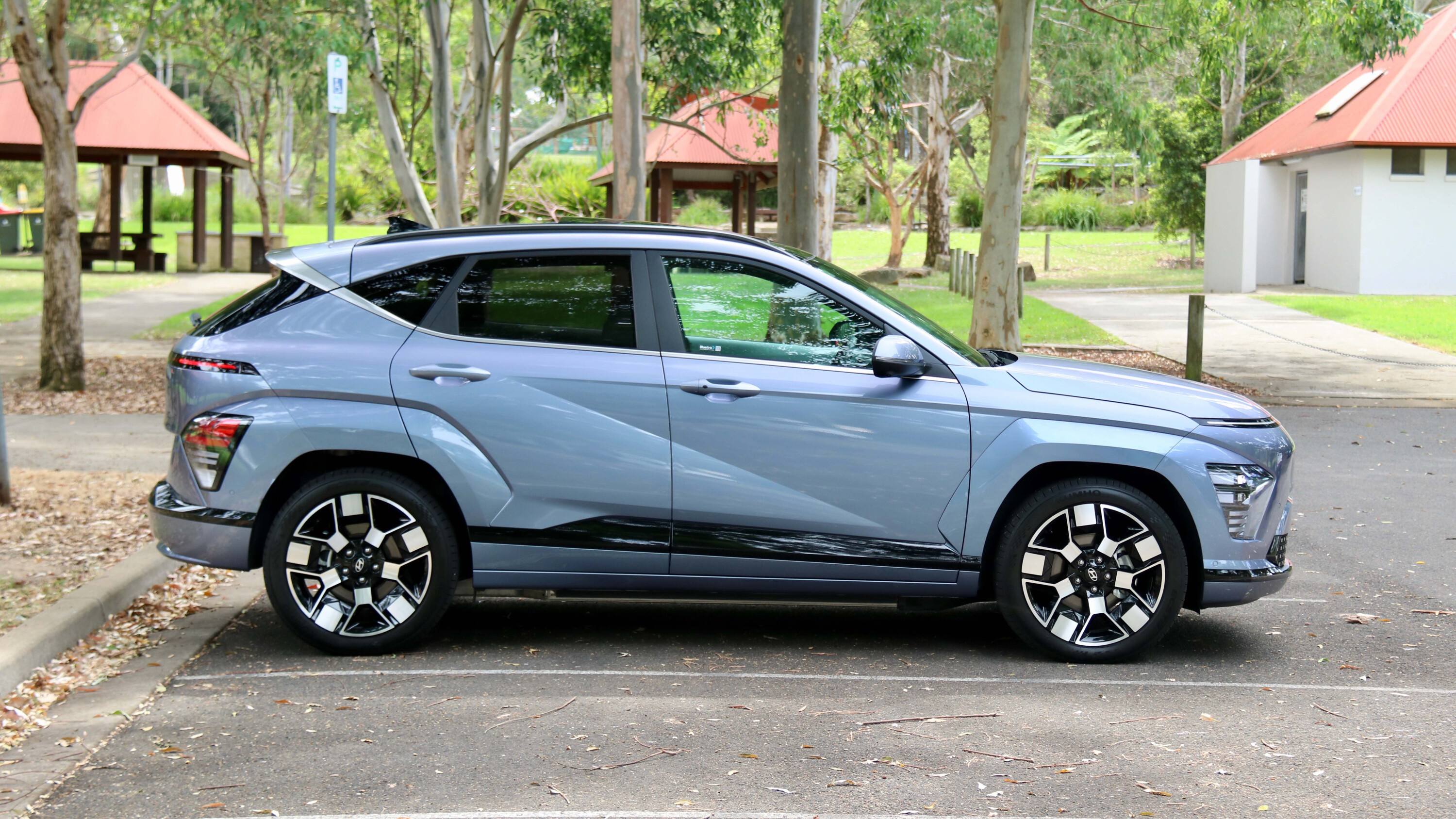
The Kona Electric measures between 4,355mm and 4,385mm long (the N Line is 30mm longer due to its sportier bumpers), 1,825mm wide, 1,580mm tall and rides on a 2,660mm long wheelbase.
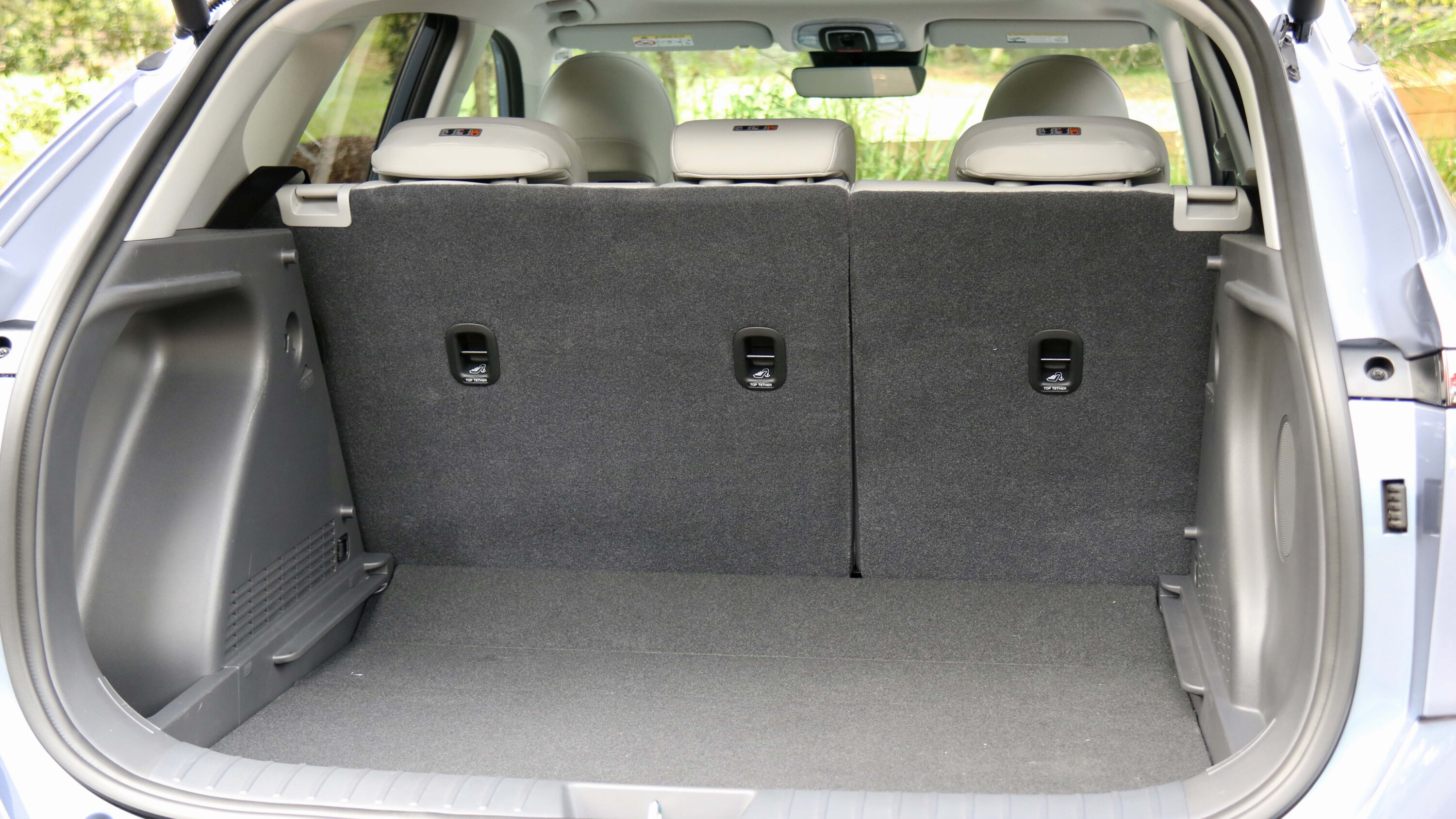
Its boot measures 407-litres with the seats up and 1,241L with them folded, which is identical to the petrol Konas, impressively. Handily, the Kona Electric also features a 27L front boot.
The Standard Range is not rated to tow, but the Extended Range models can tow a 750kg braked trailer with a maximum tow ball weight of 100kg.
2
Will I enjoy driving the Hyundai Kona Electric?
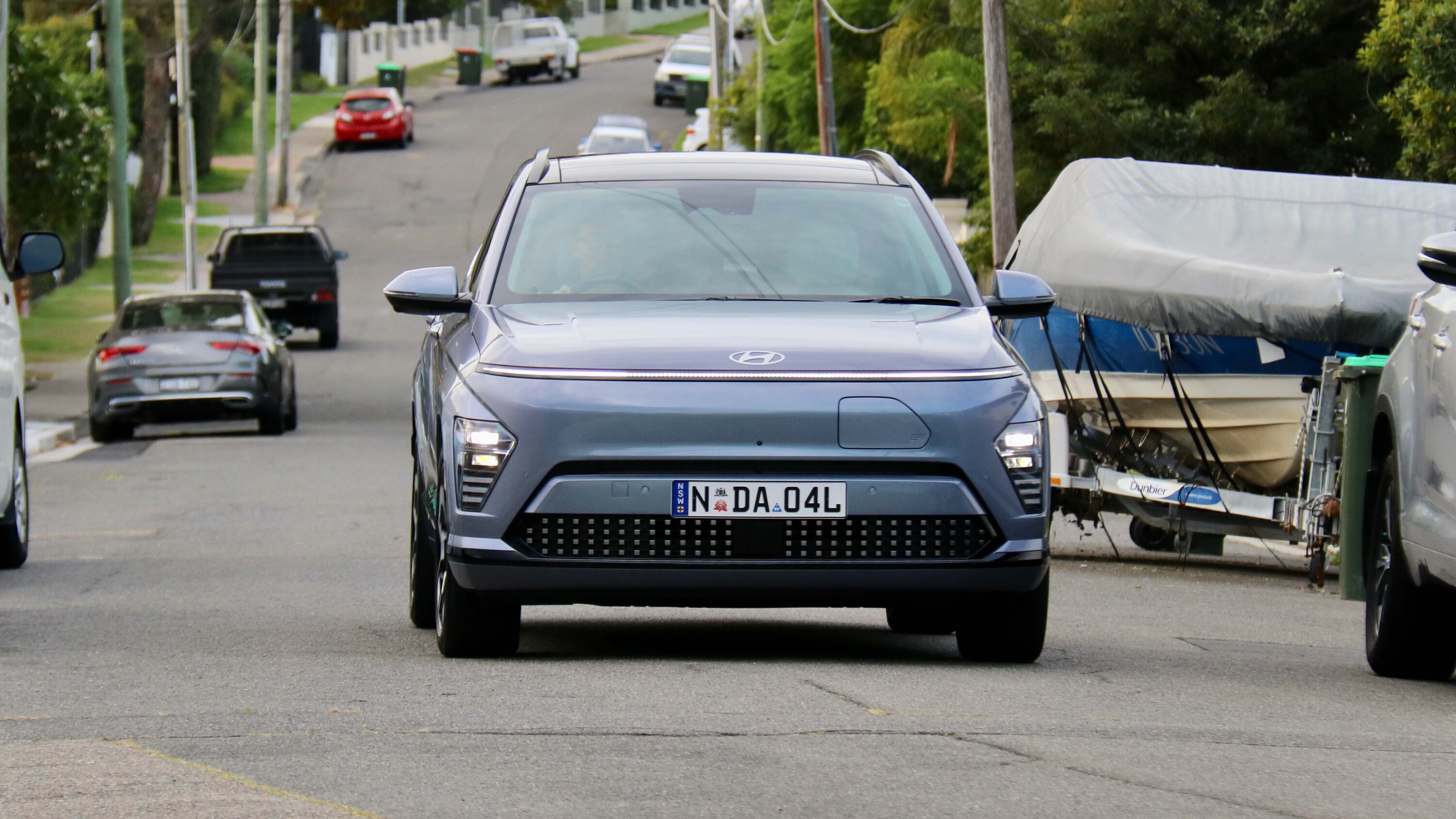
Absolutely, the Kona Electric is entirely pleasant to drive. It’s quiet, comfortable and refined, and its visibility is mostly pretty good too. Ride quality is good, with the independent rear suspension of the Electric versus the standard Kona’s torsion beam (plus the one-inch smaller wheels) helping.
All Kona Electric variants feel spritely from behind the wheel thanks to the abundance of torque from 0km/h.
Hyundai doesn’t claim a 0-100km/h time but overseas claims peg the Standard Range at just under nine seconds, and the Extended Range around a second faster than that – nothing too exciting, but more than quick enough for most buyers.
1
How much does the Hyundai Kona Electric cost to run?
Hyundai claims that the Kona Electric Standard Range will use 14.8kWh/100km of energy for a range of 370km (WLTP), while the Extended Range models differ slightly: the base car officially uses a claimed 14.7kWh/100km of energy for a range of 505km while N Line and Premium variants officially use 16.7kWh/100km of energy for a range of 444km. We tested a Premium non-N Line and achieved just above that at 17.2kWh/100km in mixed driving.
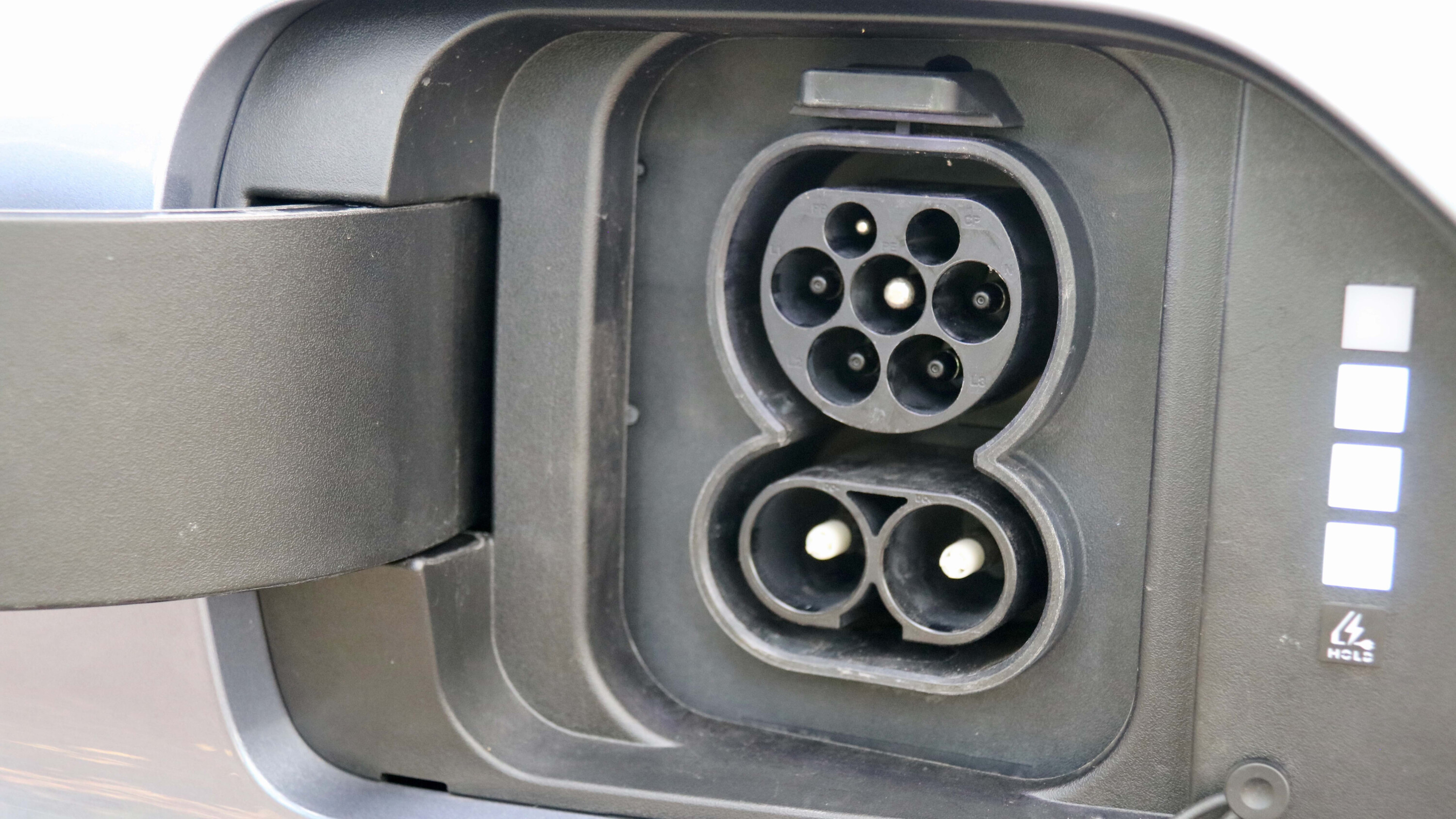
Both batteries in the Kona Electric can be DC fast charged at up to 100kW, with Hyundai quoting a 10 to 80 percent charging time of just over an hour at 50kW, and in around 45kW at 100kW. The Kona Electric can also be AC charged at up to 10.4kW for a full charge in just over five hours in the 48.66kWh battery, and six hours and 35 minutes in the 64.8kWh unit.
The Kona Electric’s service intervals are once every two years or every 30,000km – whichever comes first – and the cost of servicing is $1,560 over six years/90,000km ($260 per year).

1
What warranty covers the Hyundai Kona Electric?
Like other new Hyundai products, the Kona Electric is covered by a five-year/unlimited km warranty with 12 months’ roadside assistance with every dealer service. The battery is covered by an eight-year/160,000km warranty as well.
1
Which Hyundai Kona Electric should I buy?
While the entry-level Kona Electric Standard Range represents good value for money, we think the pick of the bunch is the Extended Range ($58,000 plus on-road costs).
For only $4,000, the extra 135km of range and 51kW of power makes sense – plus, the Extended Range is then available with the N Line package, adding sportier exterior styling and extra equipment if buyers want it.

1
Kona Electric safety equipment:
| 2025 Hyundai Kona Electric safety | |
| Seven airbags (including a front centre unit) | Safe exit warning |
| Auto emergency braking (AEB) including pedestrian, cyclist and intersection assist | Auto high beam |
| Lane keep assist with lane departure warning | Driver attention monitoring |
| Adaptive lane guidance | Intelligent speed limit assist |
| Adaptive cruise control with stop and go functionality | Front and rear parking sensors |
| Blind-spot monitoring with rear cross-traffic alert (both with braking) | Reversing camera |
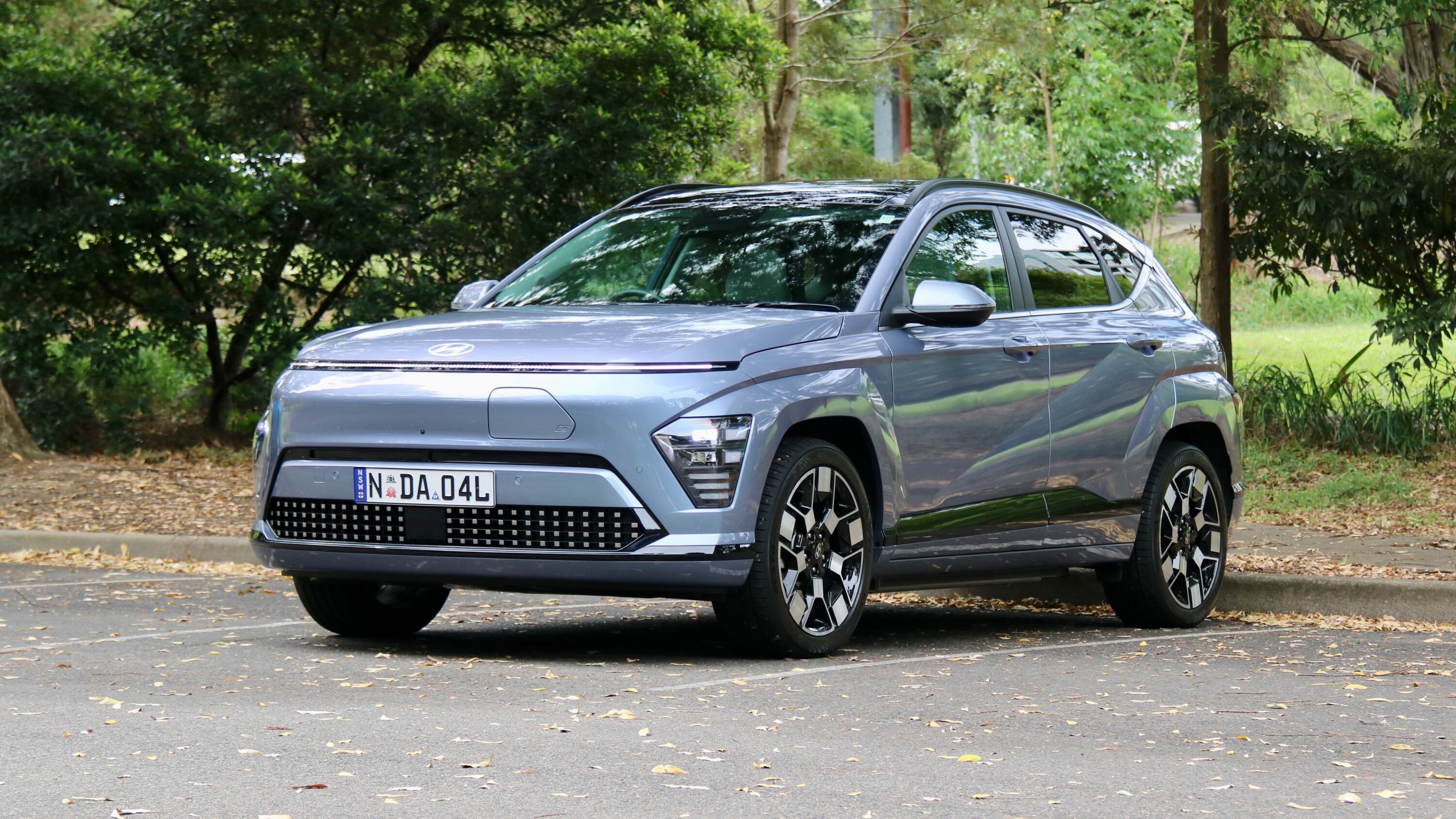
Kona Electric colour range:
| 2025 Hyundai Kona Electric colours | |
|---|---|
| Atlas White | Denim Blue (+$595) |
| Neotronic Yellow (N Line variants only) | Mirage Green |
| Ecotronic Grey (+$595) | Meta Blue (+$595 u2013 Premium only) |
| Abyss Black (+$595) | Soultronic Orange (+$595 – N Line variants only) |
| Ultimate Red (+$595) | Cyber Grey (+$595 – N Line variants only) |
1
Which cars rival the Hyundai Kona Electric?
MORE
Everything Hyundai
MORE
Small SUVs
MORE
Electric SUVs
Ask most people and they’d consider the Aussie ute market a duopoly, the majority of sales carved up between the Ford Ranger and the Toyota Hilux.
That’s not the case though. If you look at the sales figures for 2024, most of the dual-cab utes sold Down Under weren’t built by either Toyota or Ford. Mazda is looking to increase its five percent share of this market with the latest BT-50, which has been extensively refreshed for 2025.
For those of you not fully up to speed on BT-50, it’s been with us since 2006, and the second generation, on sale between 2011 and 2020, was built on Ford Ranger bones. This boosted the vehicle’s domestic sales success, lifting sales from the previous model’s average of 3500 a year to 8500 registrations.
1
Greater success was to come with the launch of the third-generation BT-50 in 2020, which shared its underpinnings with the Isuzu D-MAX. This averaged around 14,000 sales per year. That model has now been given an update, and it’s clear that Mazda now thinks it has a sales winner on its books, targeting 18,000 registrations per year Down Under.
We’re by far the biggest global market for BT-50 with the next biggest selling 200 units per year. That being the case, Australia gets the prime seat at the table when it comes to discussing what owners expect from any new BT-50 and what accessories they require.
The range in full is pretty extensive, with fifteen different models across various body styles and drivelines, so we’re going to look solely at the 4×4 dual-cab models here, of which there are four. All are powered by the same 140kW/450Nm 3.0-litre four-cylinder turbodiesel powerplant that’s become a tried and trusted fixture.
1
It’s not the most powerful or the most refined engine you’ll come across in this sector, but if you had to nominate one drivetrain that’s never going to let you down when you need it most, this is where my money would go.
To simplify things still further, Mazda has, for the time being at least, released the new BT-50 with Australia-wide drive-away pricing. The range kicks off with the XT at $54,990, steps up to the XTR at $62,490 and then the GT at $65,990 before topping out with the flagship SP variant at $67,990. Model for model, those prices are a little under what you’d pay for the ancient Hilux and quite a lot less than you’d pay for the more modern Ford Ranger.
Nevertheless, prices have crept up by around $550 at the very base of the range to $3500 at the top end.
1
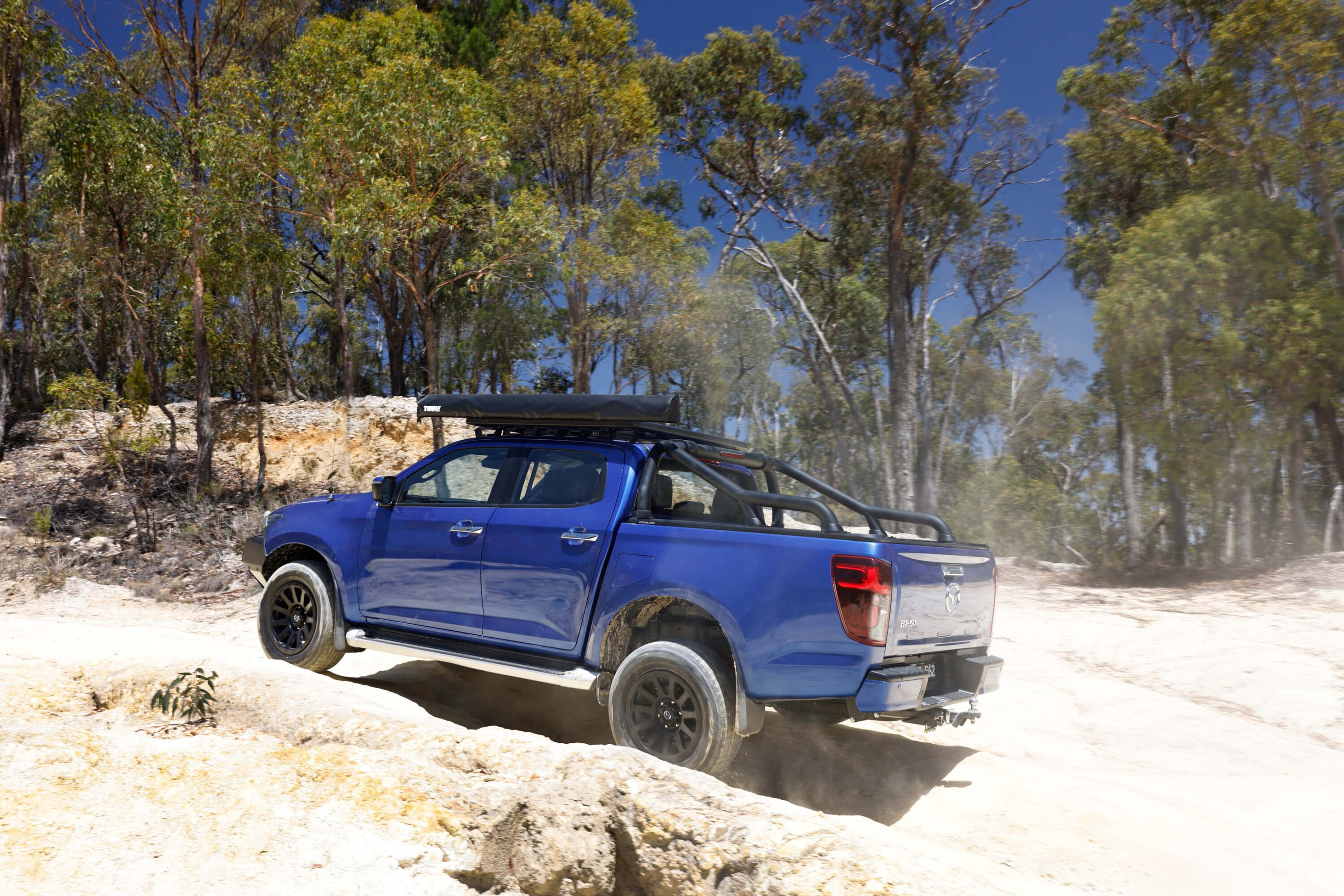
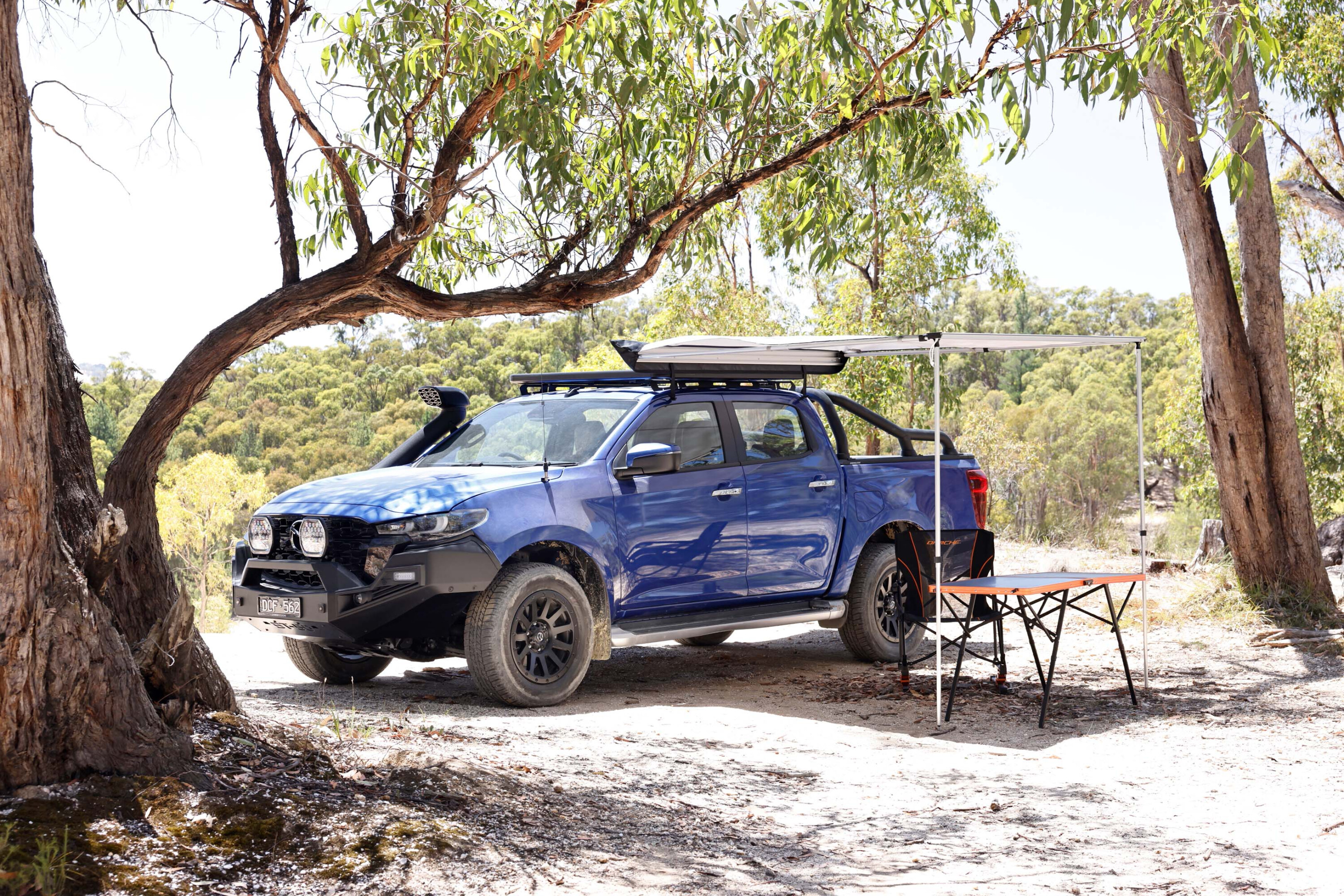
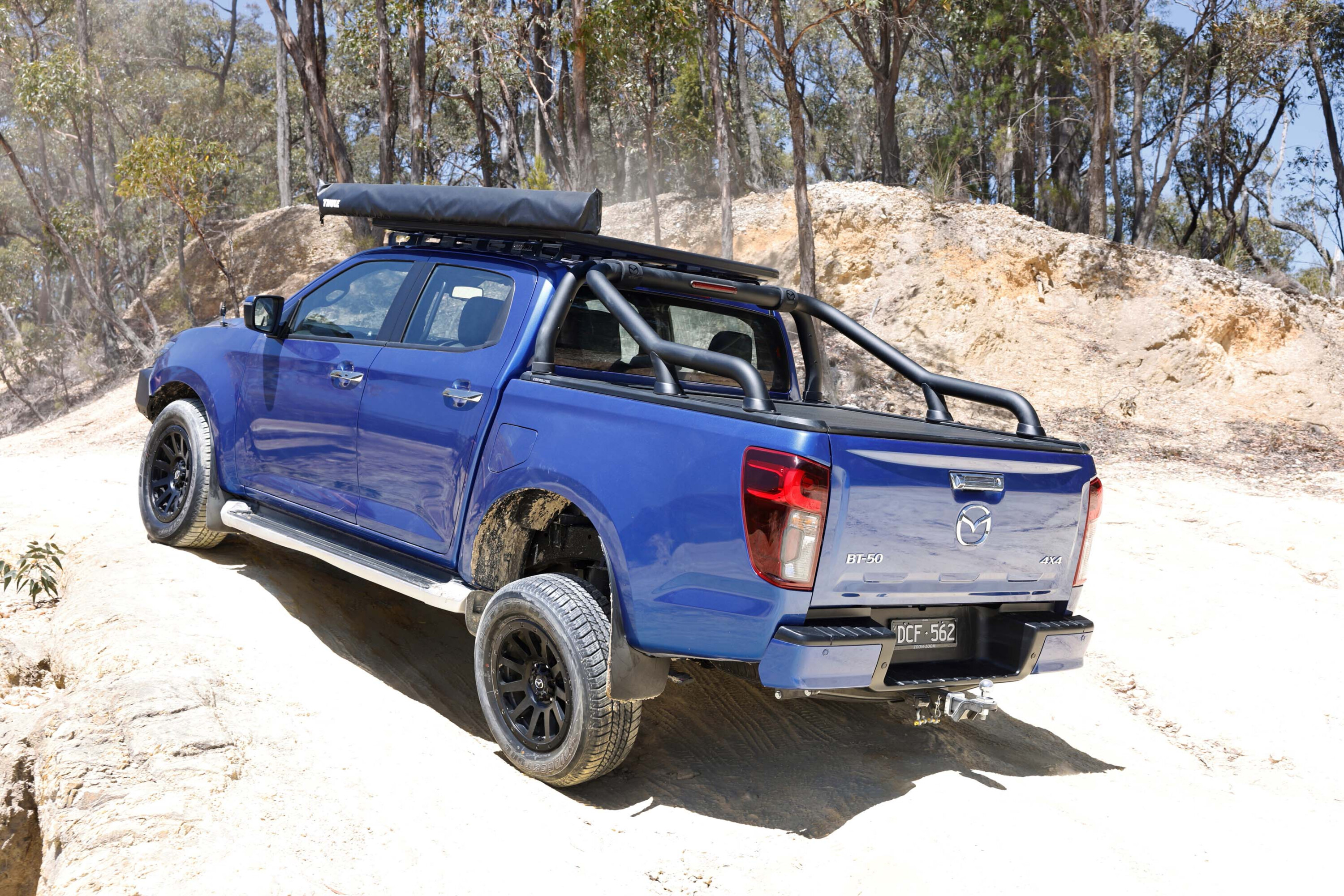
Mazda claims that BT-50 buyers typically spec their vehicles with, on average, $3800 of genuine accessories at the time of purchase, which are all covered by the same five-year warranty that applies to the vehicle. Mazda has a range of over 100 for this BT-50 including new designs of alloy wheel, spotlights, bull bars, snorkels, roof platforms, awnings, LED lighting bars, toppers, drawer fit outs and so on.
The company assigned one its most respected designers, Eiji Kimoto, to work on the updated look and feel of the BT-50. His stock within the company is high at present, his prior CX-50 work having been extremely well received. Translating Mazda’s elegant Kodo design language to a bluff-fronted ute can’t have been the easiest task.
“It was very difficult,” admitted Kimoto. “If I just applied the Kodo design language in the same way as we do for other cars, we may just end up having that sleek-looking pickup. So what I did was I made sure that I retained this Mazda look somehow while designing this pickup. In order to do so, I expanded the interpretation of the Kodo design.”
1
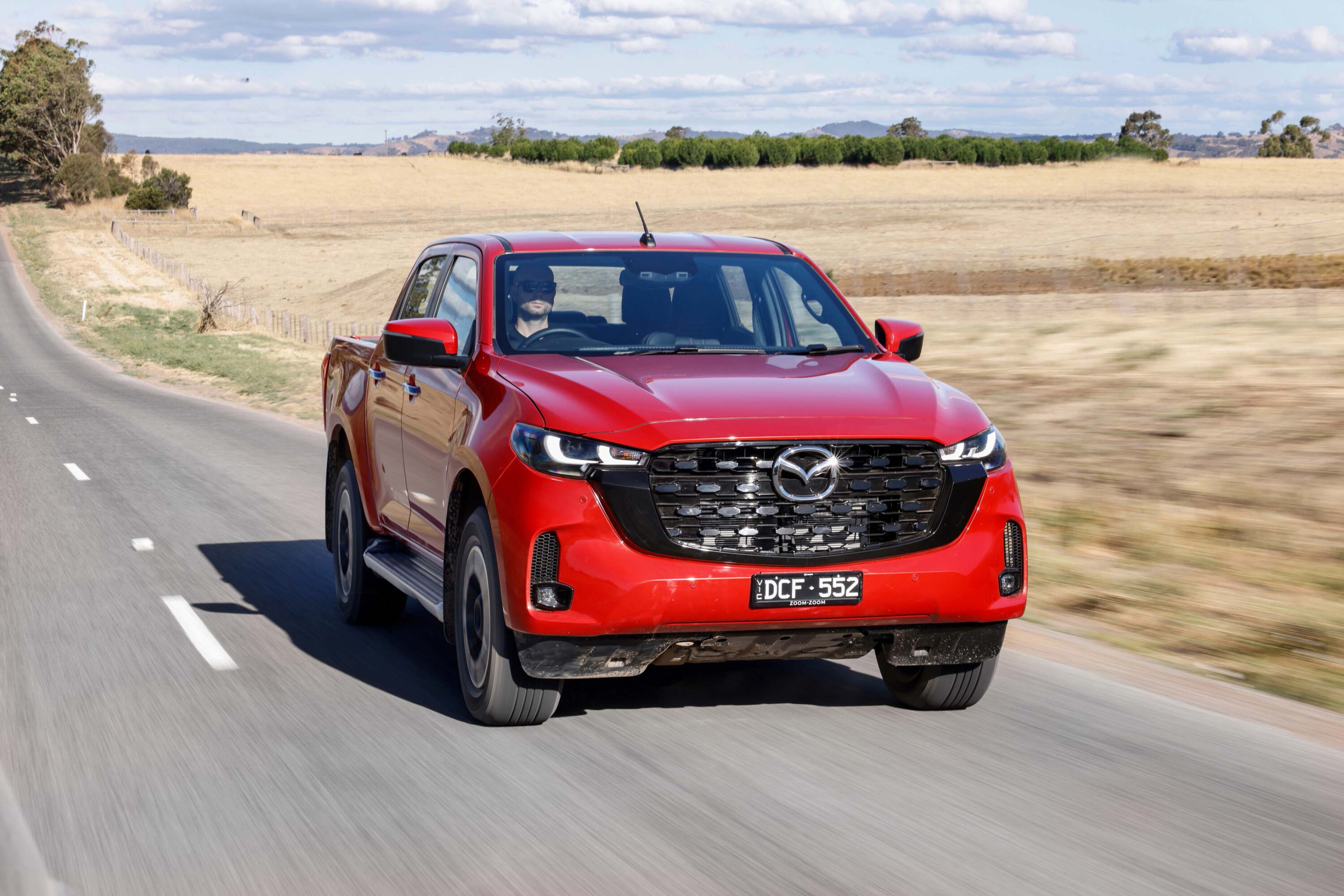
He’s done a pretty good job, to this eye at least. The expanded interpretation of the design language is called ‘Protected Solid’ within Mazda and the front end gets new LED headlights, protruding front fog lamps, while the front grille and bumper are bluffer and flatter, reinforcing that impression of toughness and strength.
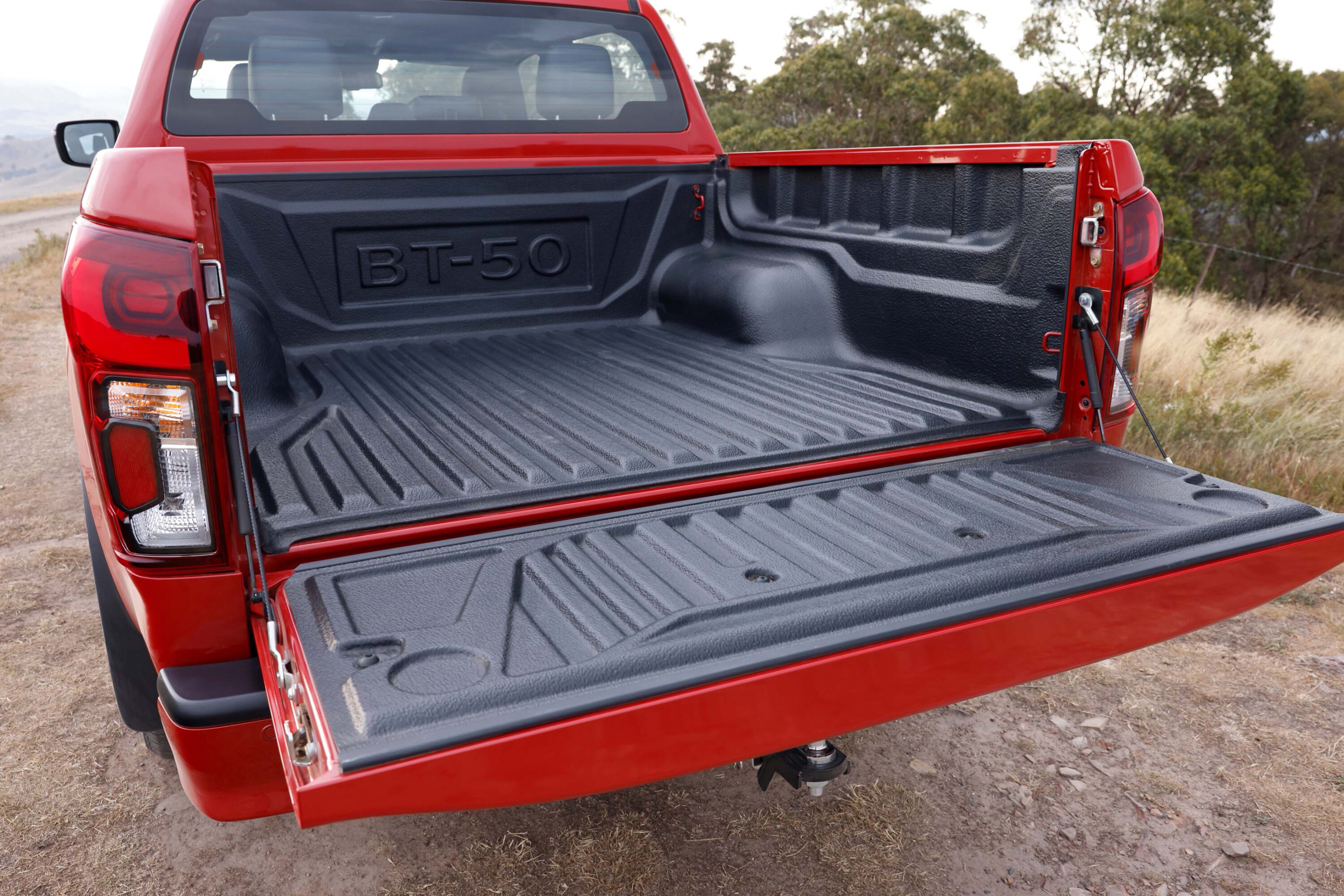
Move to the back and there’s a new tailgate design with a reinforcing ridge at the bottom, plus a bigger and bolder Mazda wing badge. The tail lamps are a good deal more sophisticated, with LED light guides to create specific patterns in the cluster. There’s also been a conscious effort to reduce the amount of exterior chrome on the BT-50.
If you haven’t looked at a BT-50 since the somewhat beaky-looking second-generation version, you might well be surprised at how butch and cohesive it now looks.
1
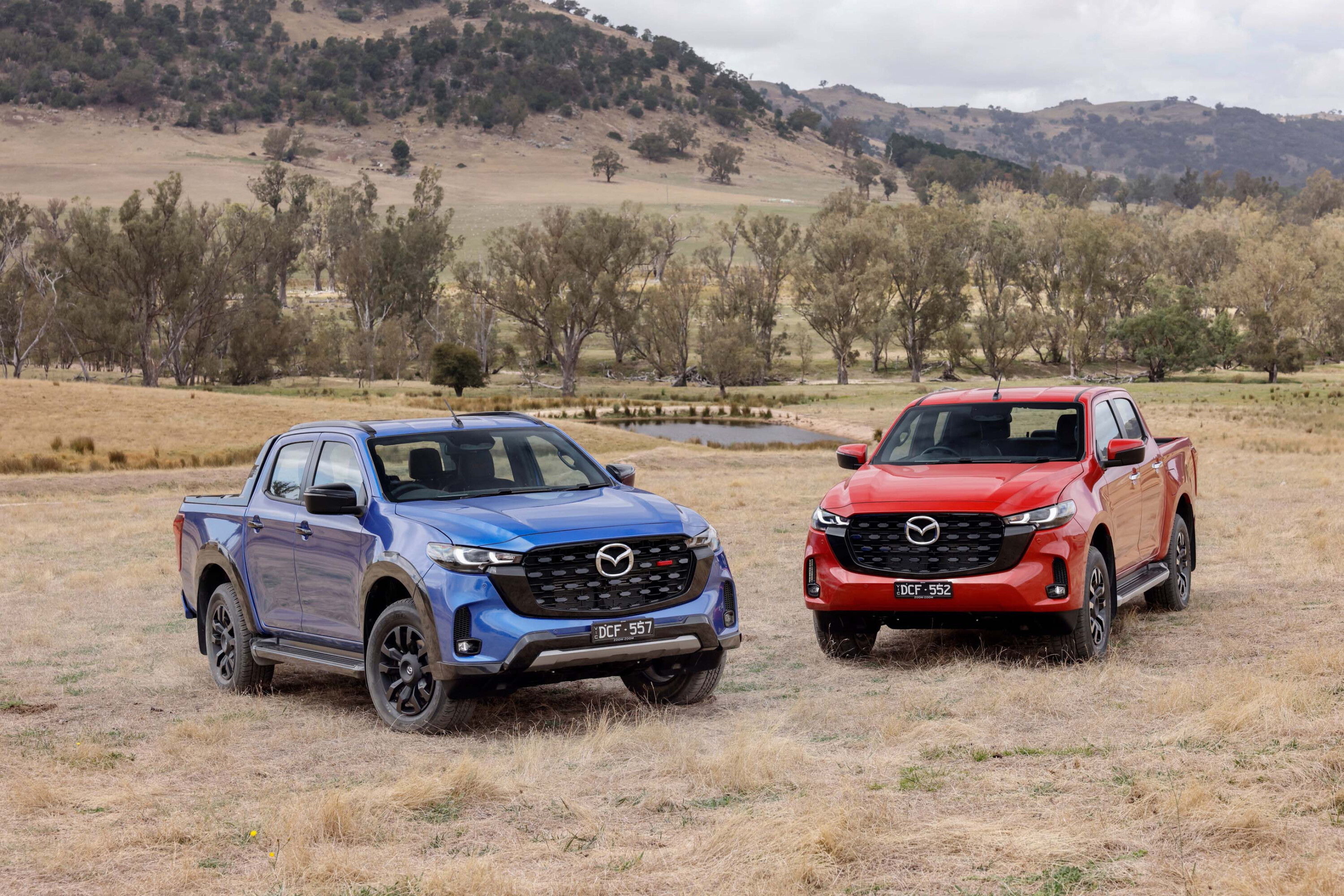
There’s even an Aussie-inspired paint finish – the hero Red Earth Metallic hue, inspired by the tones of the Red Centre. This joins another box-fresh colour, Sailing Blue Metallic, in a palette of seven colours including Concrete Grey Mica, Geode White Pearl, True Black Mica, Ingot Silver Metallic and Ice White.
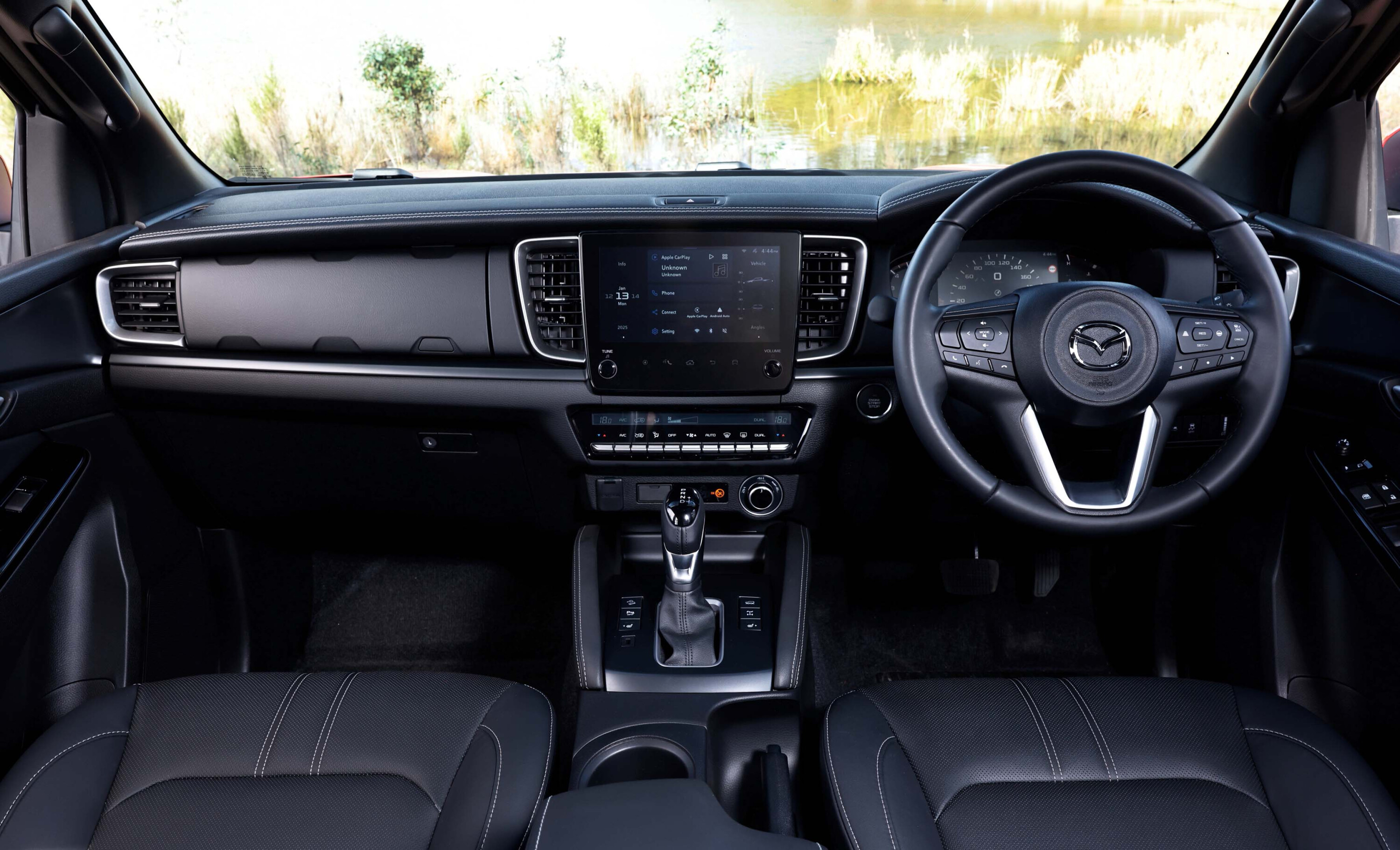
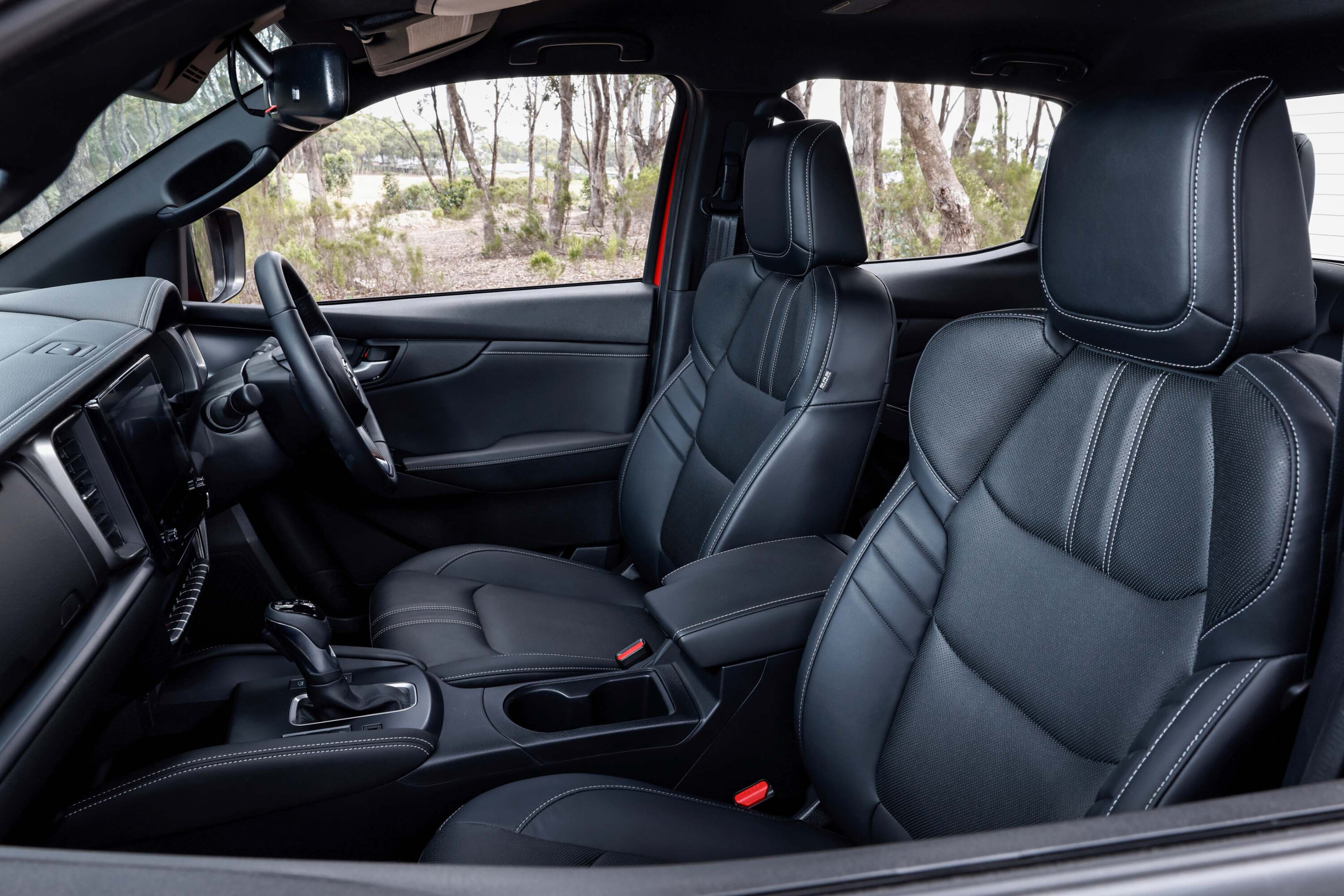
The cabin has come in for some budget too, with the easily-scratched piano black finish around the centre console being replaced by a far tougher and more practical matte black finish. The instrument panel has been redesigned,while the vents, centre cluster and door trims, along with switches and armrest shave all been revised. The effect has been to toughen the exterior but make the cabin feel more civilised and modern.
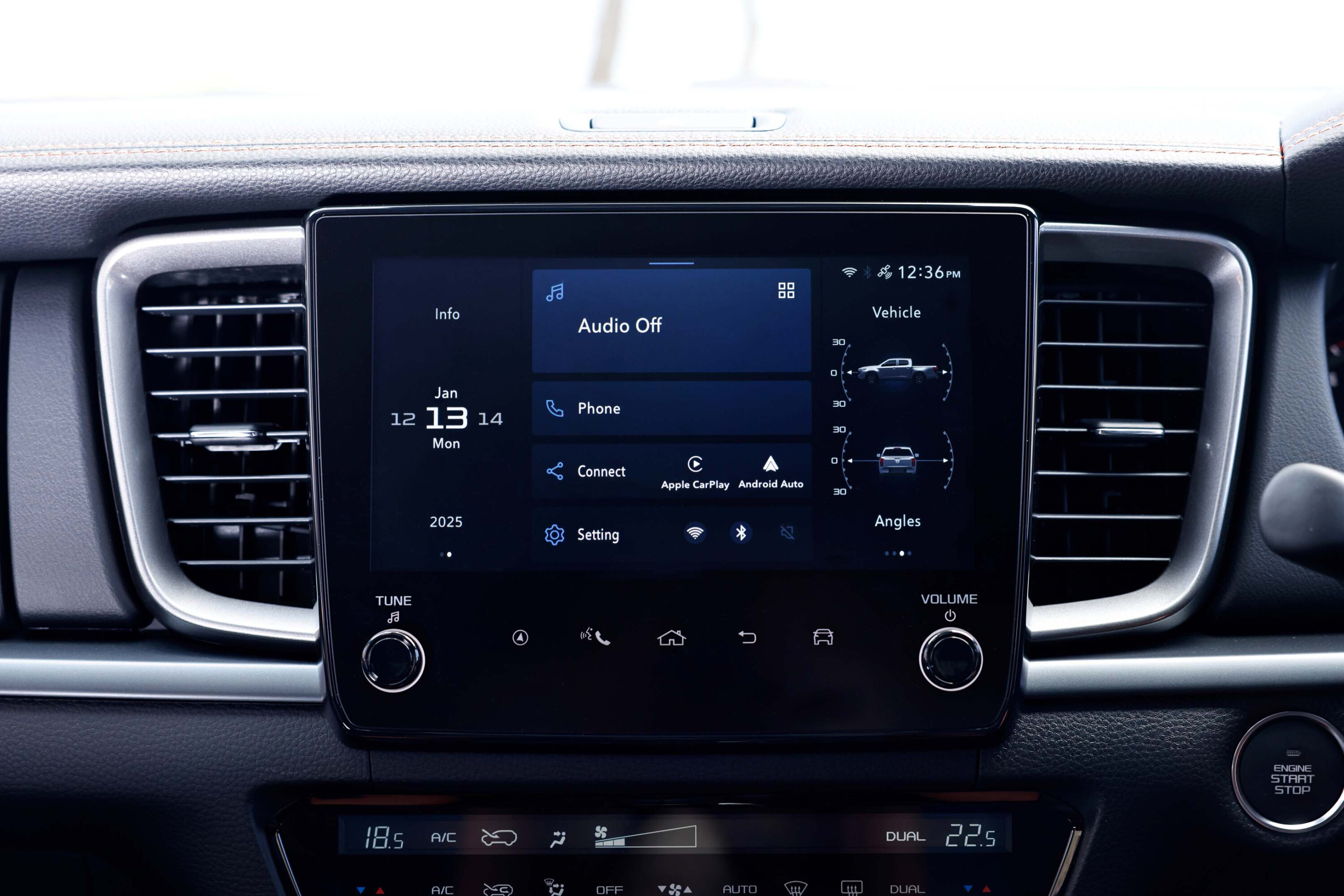
The biggest update inside is a new infotainment system with an eight-inch screen on the XT grade and 9 inches on XTR, GT and SP trims. There’s now a far smarter mix of screen functions and physical buttons, including a rotary volume dial.
1
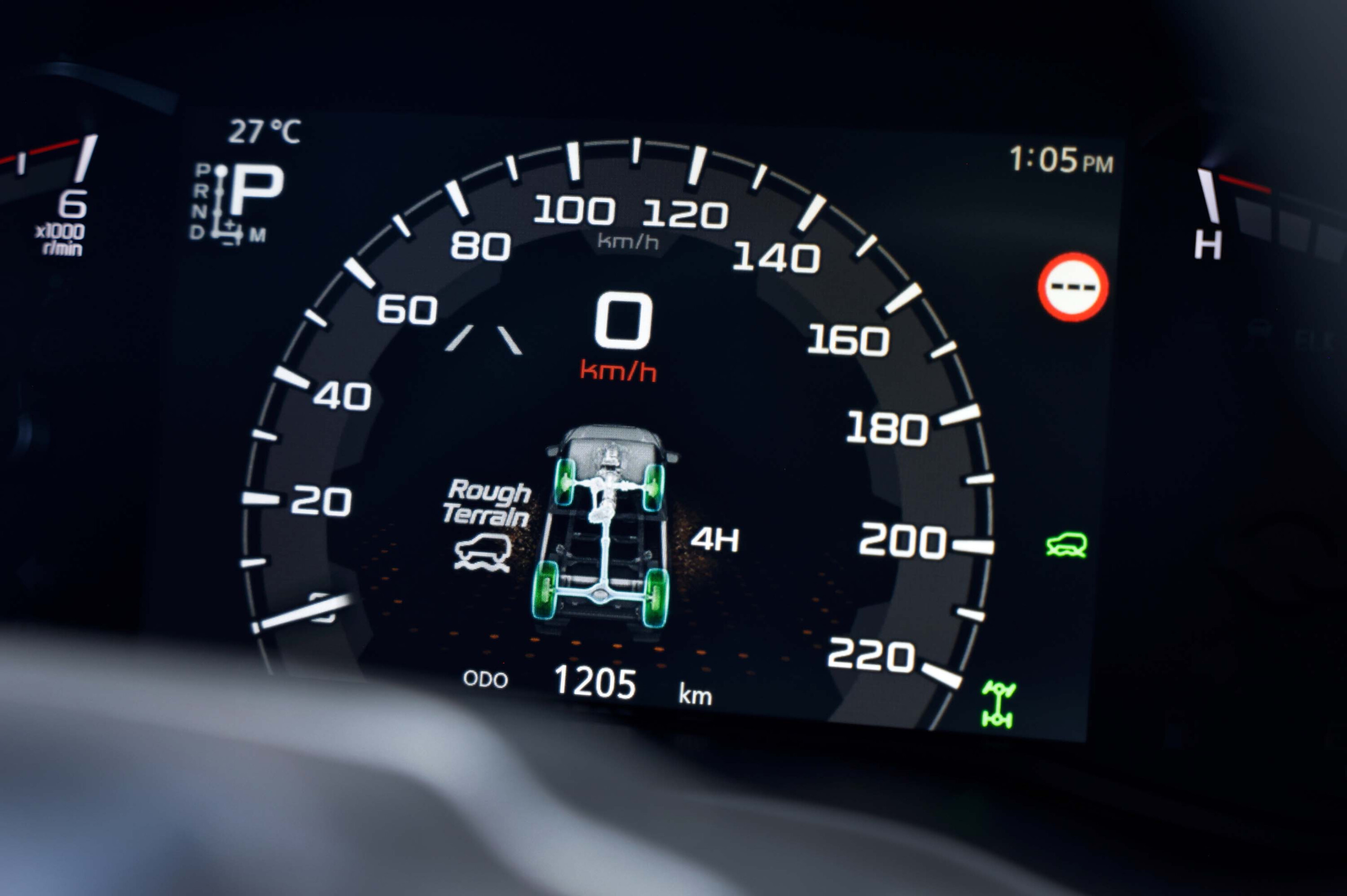
There’s also a more powerful processor which can better communicate ADAS functions, vehicle angles, tyre pressure information, transfer case status and electrical settings. In the instrument binnacle, a new multi-configurable driver instrument cluster integrates with the central touchscreen. It’s a 4.2-inch screen on XT, but wall-to-wall 7 inches on XTR, GT and SP grades.
A new rear camera, a rear parking aid, wireless Apple CarPlay and Android Auto, an uprated stereo and DAB radio also feature. Don’t worry, country folk, there’s still an AM band on the radio unit. Meanwhile, the XTR, GT and SP models also benefit from a native satellite navigation system if you’d rather not mirror your phone. Build quality from this Thai-built ute seems strong. No, it’s not the last word in chi-chi interior design, but it feels reassuringly bombproof.
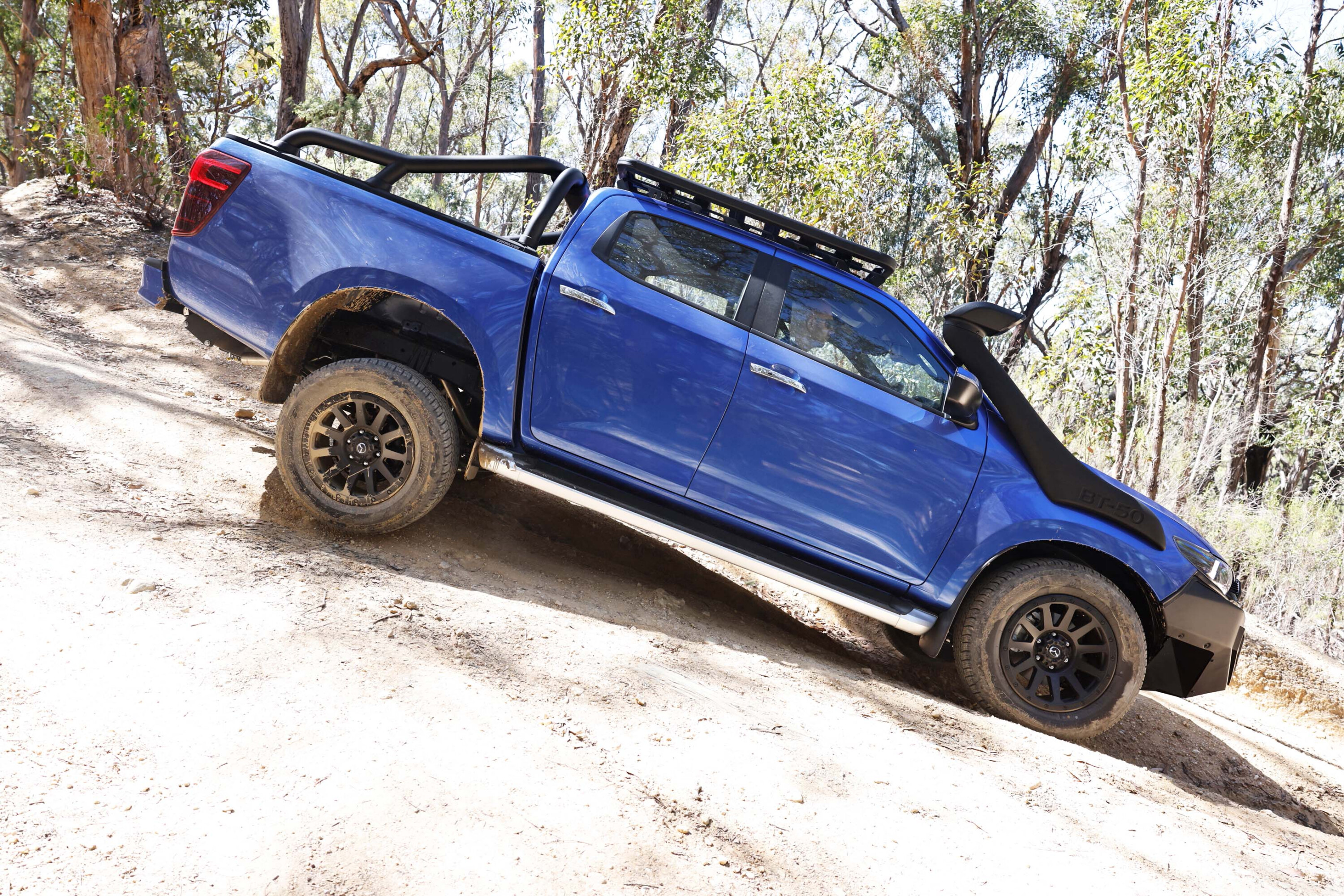
Our drive route encompassed Victorian country roads, a lot of gravel tracks in state forest and some fairly short but technical descents designed to demonstrate the BT-50’s hill descent functionality and clearance angles. Most of the driving was conducted in an SP, but we did also sample the GT and XTR models.
1
One thing you won’t find in this update of the Mazda BT-50 is a manual gearbox. Mazda’s local arm reckoned that manual take-up was standing at around two percent in pre-facelift cars, so the entire 4×4 dual-cab range is fitted instead with a six-speed automatic transmission, which features sequential manual shifting and a brake shift lock.
All BT-50s also feature shift-on-the-fly (at up to 100km/h) functionality between rear-wheel drive (2H) and four-wheel drive (4H) modes. In order to select 4×4 low range (4L), the vehicle must be stationary and in Neutral, which changes the transfer case’s effective gearing from 1.00:1 in 4H to 2.482:1 in 4L.
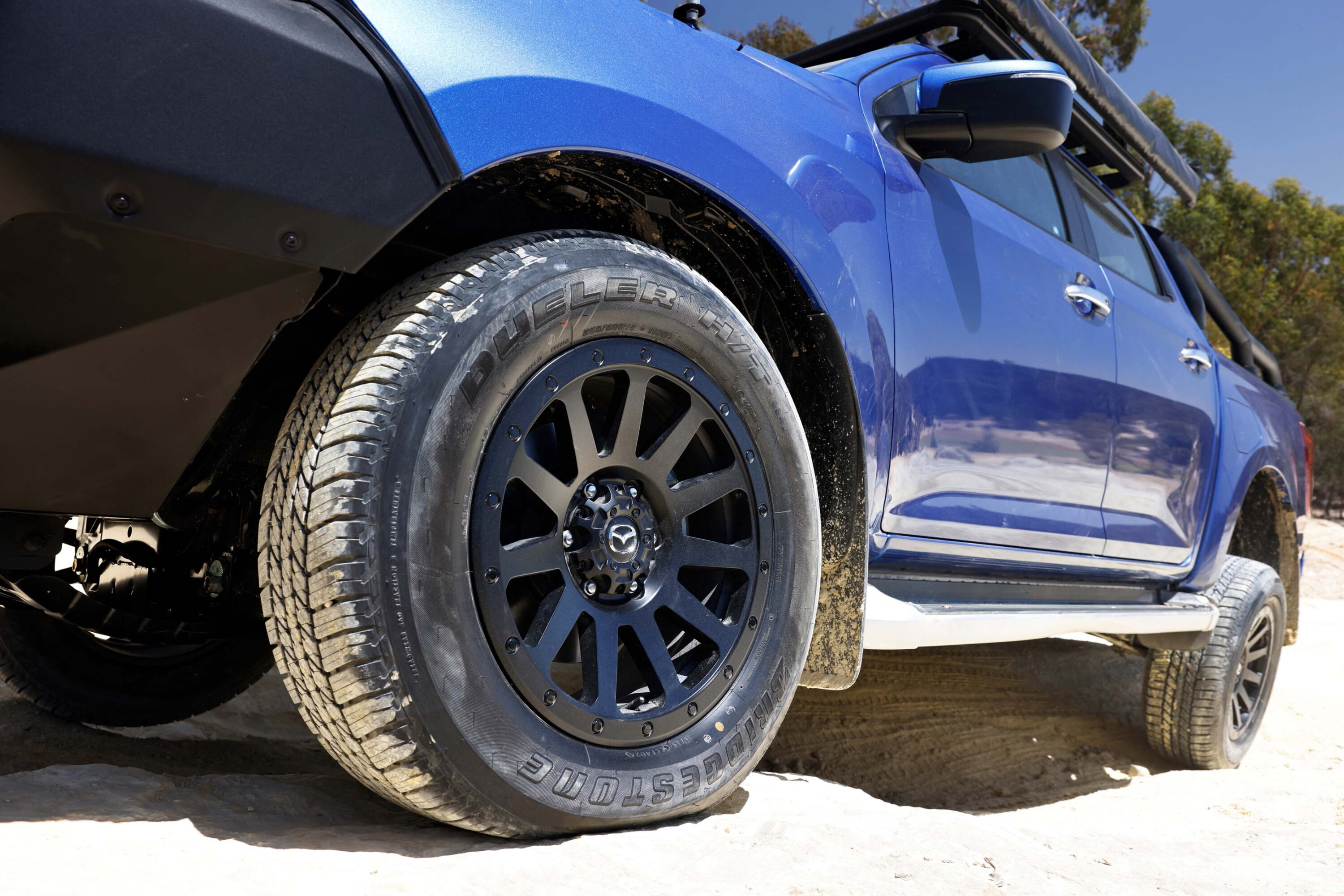
While we’re considering getting down and dirty off road, it’s worth knowing that the unladen ground clearance is 240mm and the maximum wading depth is 800mm without a snorkel. The approach angle is 30.0 degrees on the XT, 30.4 on the XTR and GT and a mere 27 degrees on the SP.
1
Departure angle measures 23.9 degrees on the XT, and 17.9 degrees on the other versions. Breakover angle is 23.3 degrees for XT, 23.8 for the XTR and GT and 24.3 degrees on the SP.
Towing? Braked capacity is 3500kg across the board, which means a maximum 350kg towball download. Payload is rated at 1085kg for XT, 1002kg in XTR, 998kg in GT and 924kg in the fatty SP, these figures being the difference between the kerb weight of the BT-50 and its 3100kg Gross Vehicle Mass. Gross Combination Mass, which includes the weight of vehicle, trailer, cargo, fuel and so on is 6000kg.
The BT-50 doesn’t hold any great surprises on the road. The engine generates enough torque such that you rarely feel that you need to seriously extend it. Peak torque arrives at 1600rpm and extends to 2600rpm, and the six-speed auto does a decent job of plugging you into that 1000rpm band every time.
1
Should you want to change gear yourself, bear in mind that the shift lever is the wrong way round, pushing forward to change up. I still can’t believe how many manufacturers get this basic requirement wrong.
Ride quality is acceptable, with only larger surface imperfections jolting the passenger cell. Our road driving was conducted in the SP, and that’s fitted with 18-inch alloys shod in 265/60 R18 rubber. Opt for the XT and you get a little more sidewall cushioning from its 17-inch wheel and tyre combo, wearing a set of 255/65 R17 hoops.
Suspension is double wishbones up front with an anti-roll bar, while the rear’s equipped with leaf springs. The electrically-assisted power steering initially feels a bit over-zealous, as there’s not a great deal of feedback through the wheel, but it’s accurate and after a long day at the wheel, you’ll probably enjoy its lack of effort.
1
The 12.5 metre turning circle isn’t so great though. The brakes are 320mm discs up front with 295mm drums at the back.
Handling is safe and assured, with tyre squeal usually clueing you in that you’re approaching the front end’s limits long before anything untoward starts happening. There is some wind rustle around the door mirrors, which are in car-style landscape orientation rather than the more usual dual-cab trope of portrait orientation.
You get a fairly decent range between refills too. You should easily average 8.0L/100km while touring, and the 76-litre fuel tank means that 1000km between stops ought to be your target.
1
It’s respectably capable off-road too, with a rough terrain mode to dampen the throttle a bit and make the vehicle easier to control. A rear diff lock helps in really tricky conditions, but it was instructive to see just what the BT-50 could haul itself through in 4H with just some careful line selection and judicious use of the right-hand pedal. It’s impressive.
Some more aggressive tyres, lower tyre pressures and a better off-road driver than yours truly could certainly conquer some of Australia’s more remote points of the compass.
1
There’s a lot to like about this updated BT-50. The revised infotainment helps drag the vehicle into the here and now, and the updated styling really lifts the aesthetic. The oily bits were good from the get-go, but whereas before it all felt a little crude, there’s now just enough polish about the Mazda to shine. In short, it offers a no-nonsense mechanical package topped off with a newfound sophistication and civility.
Is it as good as a Ford Ranger? Probably not. Is it tougher than a Ranger? Highly likely. For those that value something that can do a job without constantly reminding you that you’re on the clock, it’s well worth a look. If you can get in quickly while the introductory drive-away pricing deal applies, so much the better.
MORE
Everything Mazda
MORE
Ute Buyers Guide
| Model | 2025 Mazda BT-50 SP |
|---|---|
| Engine | 2999cc inline-4, dohc, 16v, turbodiesel |
| Max power | 140kW @ 3600rpm |
| Max torque | 450Nm @ 1600-2600rpm |
| Transmission | 6-speed automatic |
| Economy | 8.0L/100km (combined) |
| Weight | 2176kg |
| 0-100km/h | 9.0sec |
| Price | $67,990 |
| On sale | Now |
What does it come with?
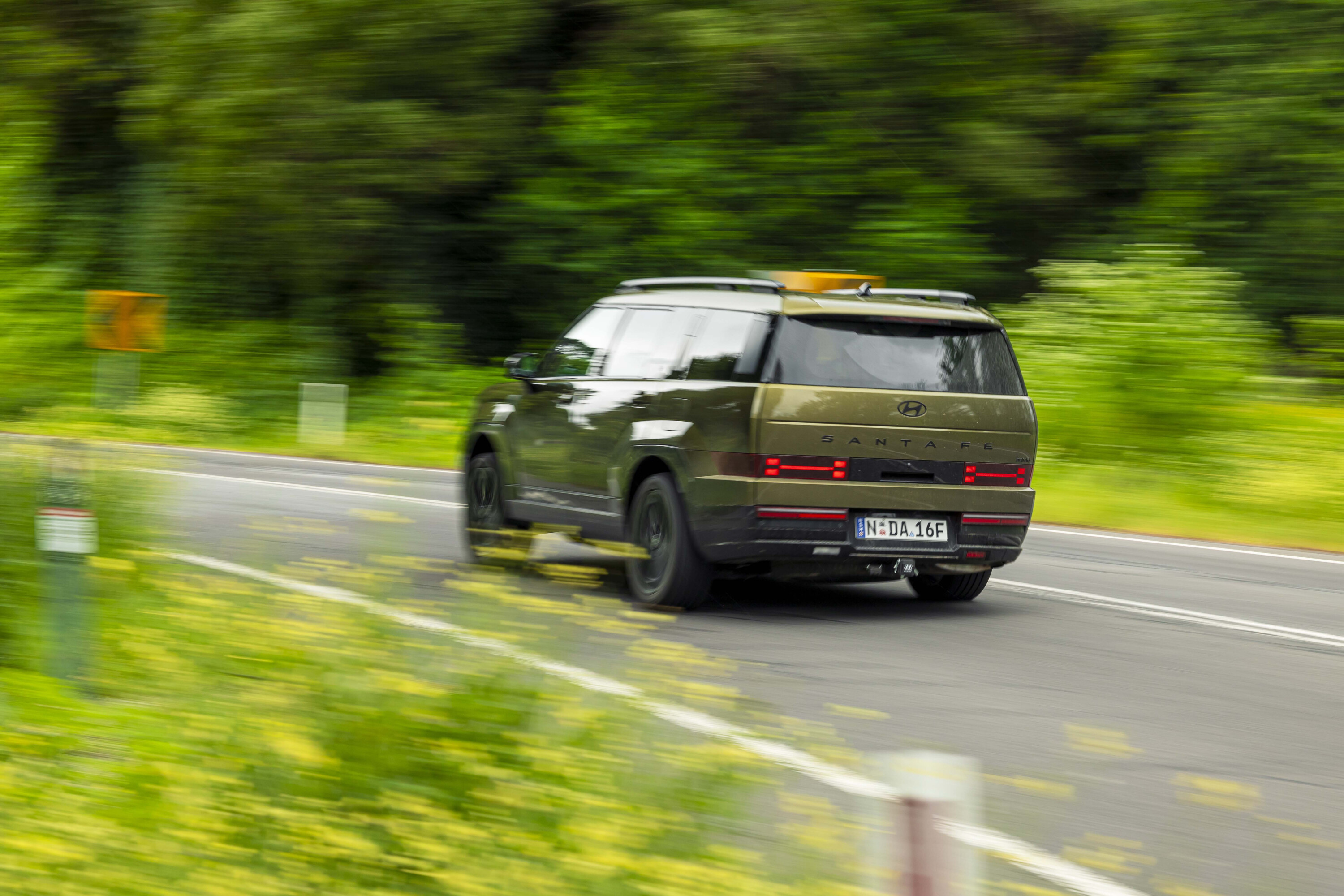
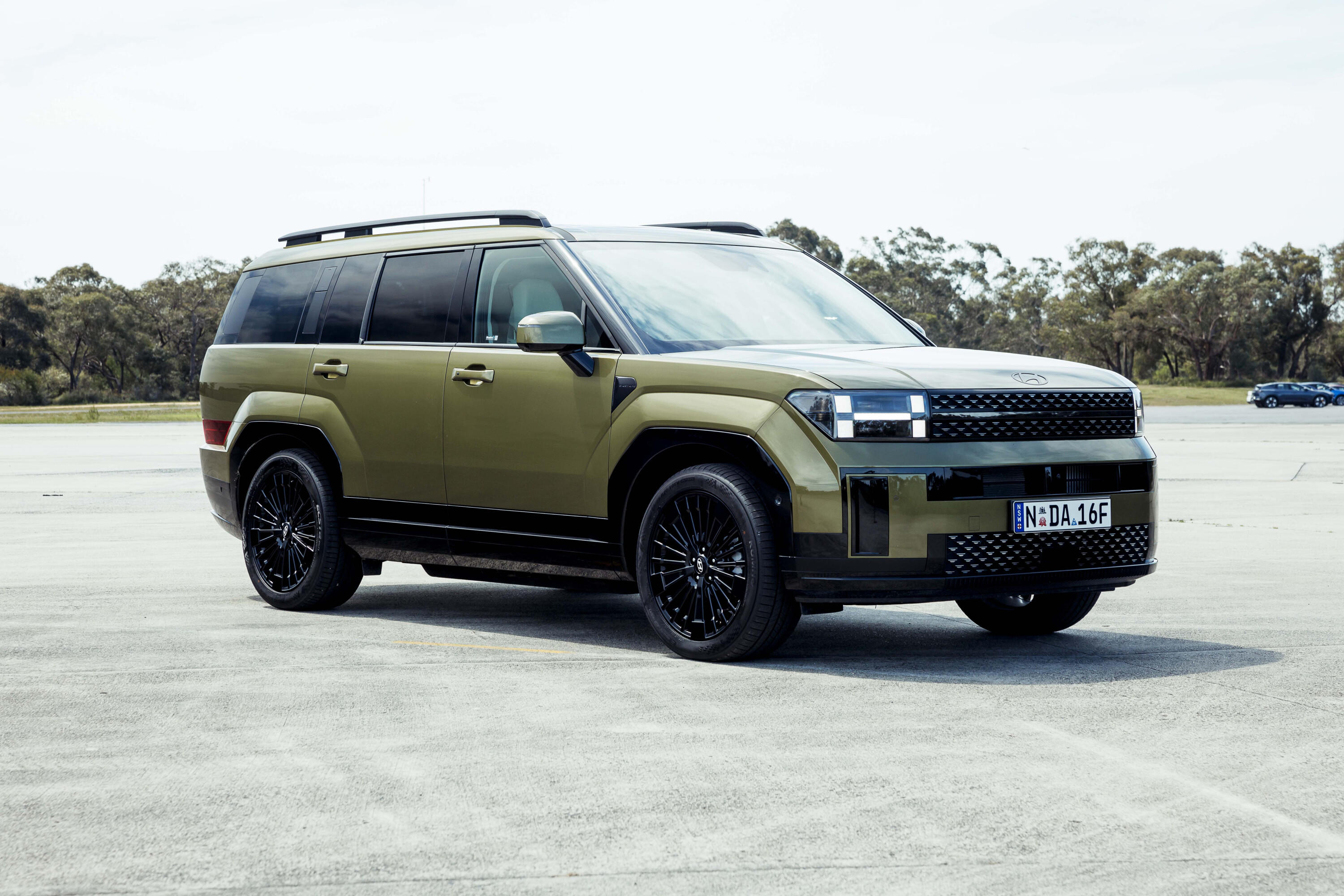
On the surface, the new Santa Fe seems to charge more and deliver less. The range starts at $55,500 with a 172kW 1.6-litre four-cylinder engine, replacing the old 3.5-litre V6. The base model is front-wheel drive, while all-wheel drive options are available for $58,500. The Elite and top-spec Calligraphy models, which are all-wheel drive only, retail at $65,000 and $75,000 respectively.
Wheels judges placed the Calligraphy third in the Wheels Car of the Year 2024-25 because it is a “thoughtfully designed and brilliantly executed family SUV that improves on the previous generation in all the right areas”.
The 1.6T-GDI powerplant is the sole engine being imported currently, with a 2.5-litre non-hybrid version expected later in the year. The Santa Fe offers a palette of 10 colours, with premium paints available at additional costs.
1
What’s the interior like?
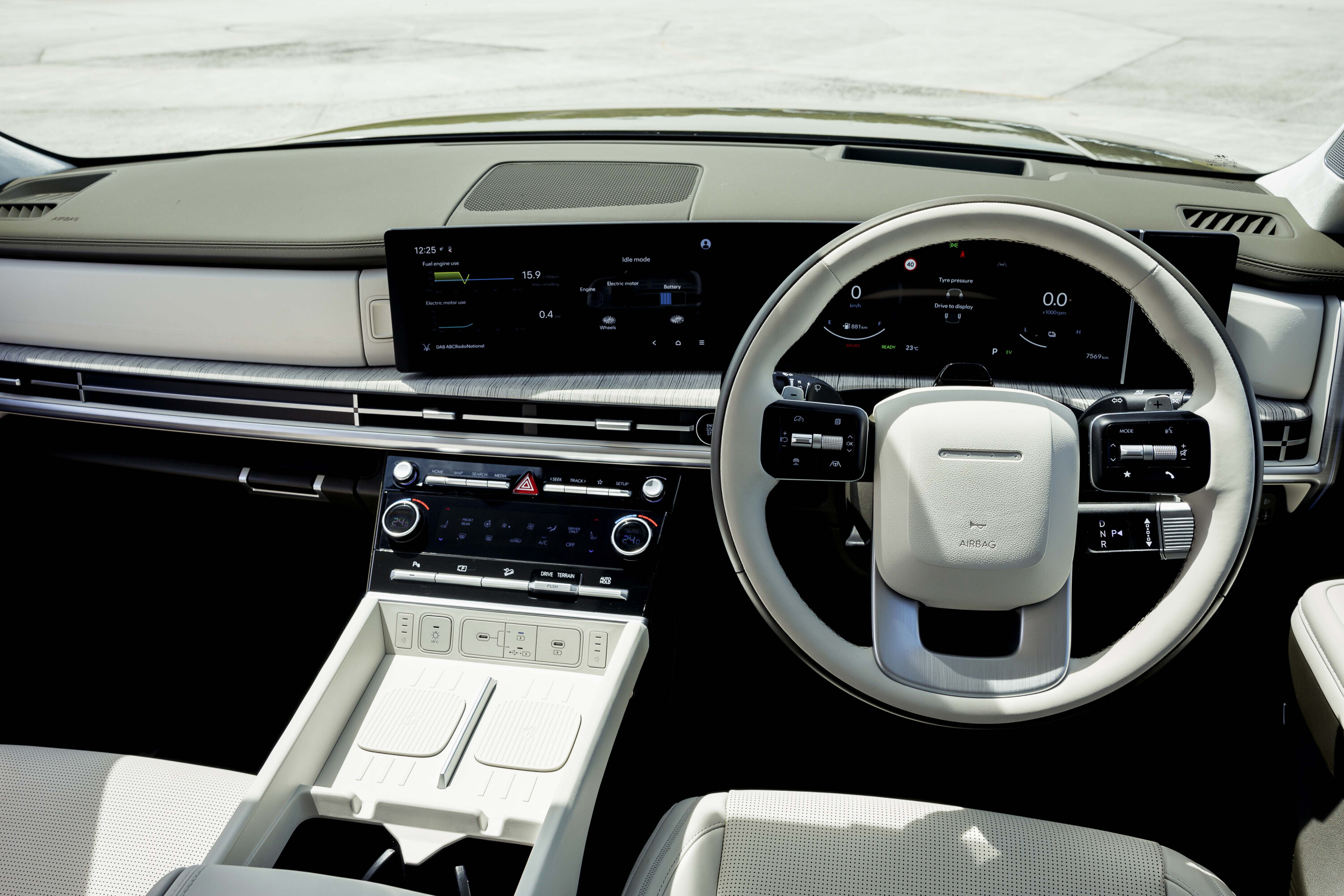
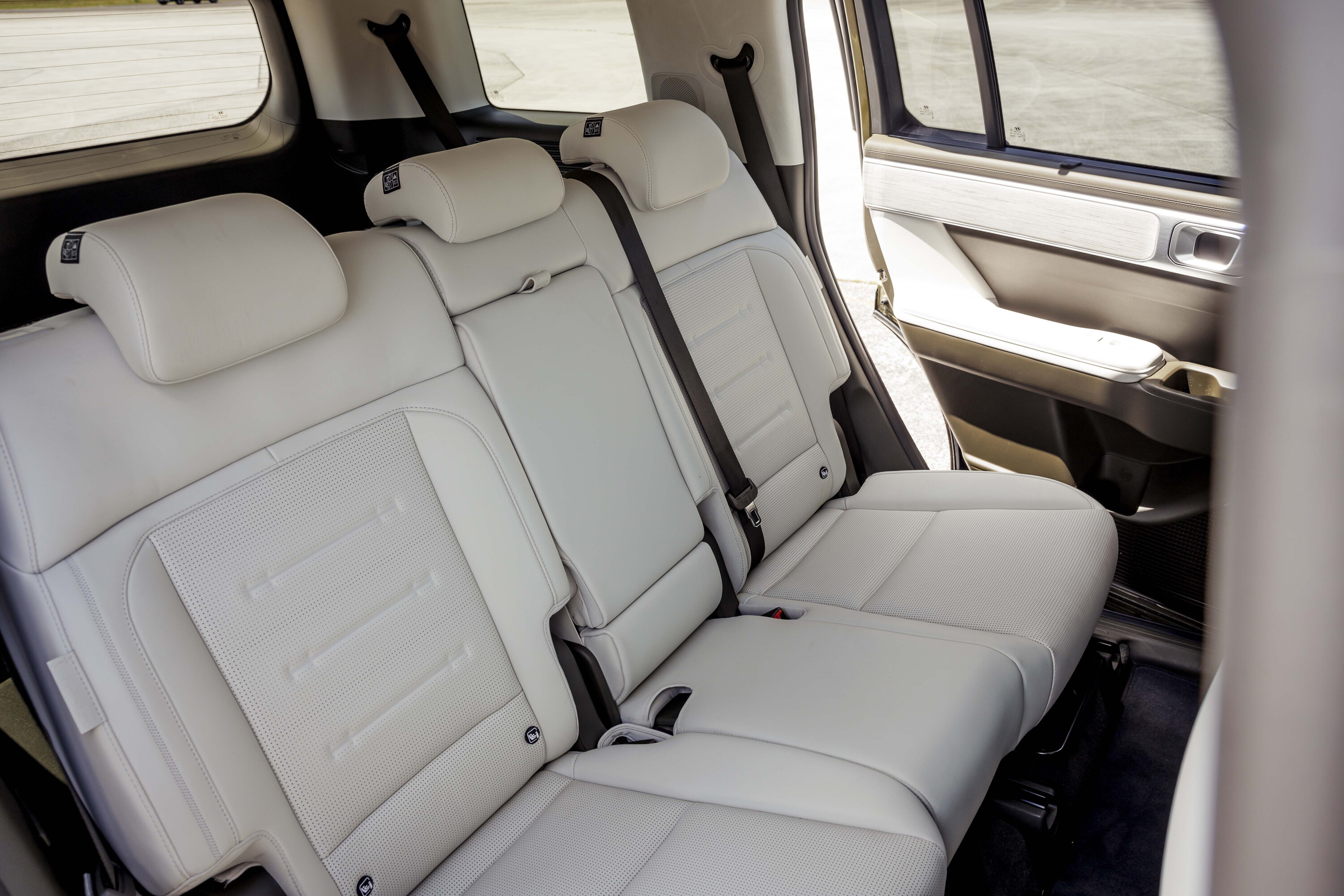
The interior varies significantly between the base model and the top-spec Calligraphy version. The Calligraphy, with pale leather and a beautiful dash finish, features a Panoramic Curved Display housing twin 12.3-inch screens, first-row relaxation seating, a dual-pane sunroof, and a UV-C sterilization tray.
The captain’s chairs in the second row provide comfort but limit seating to six and don’t fold flat. The base model is more utilitarian, lacking native sat-nav and featuring a lesser quality stereo compared with the Calligraphy.
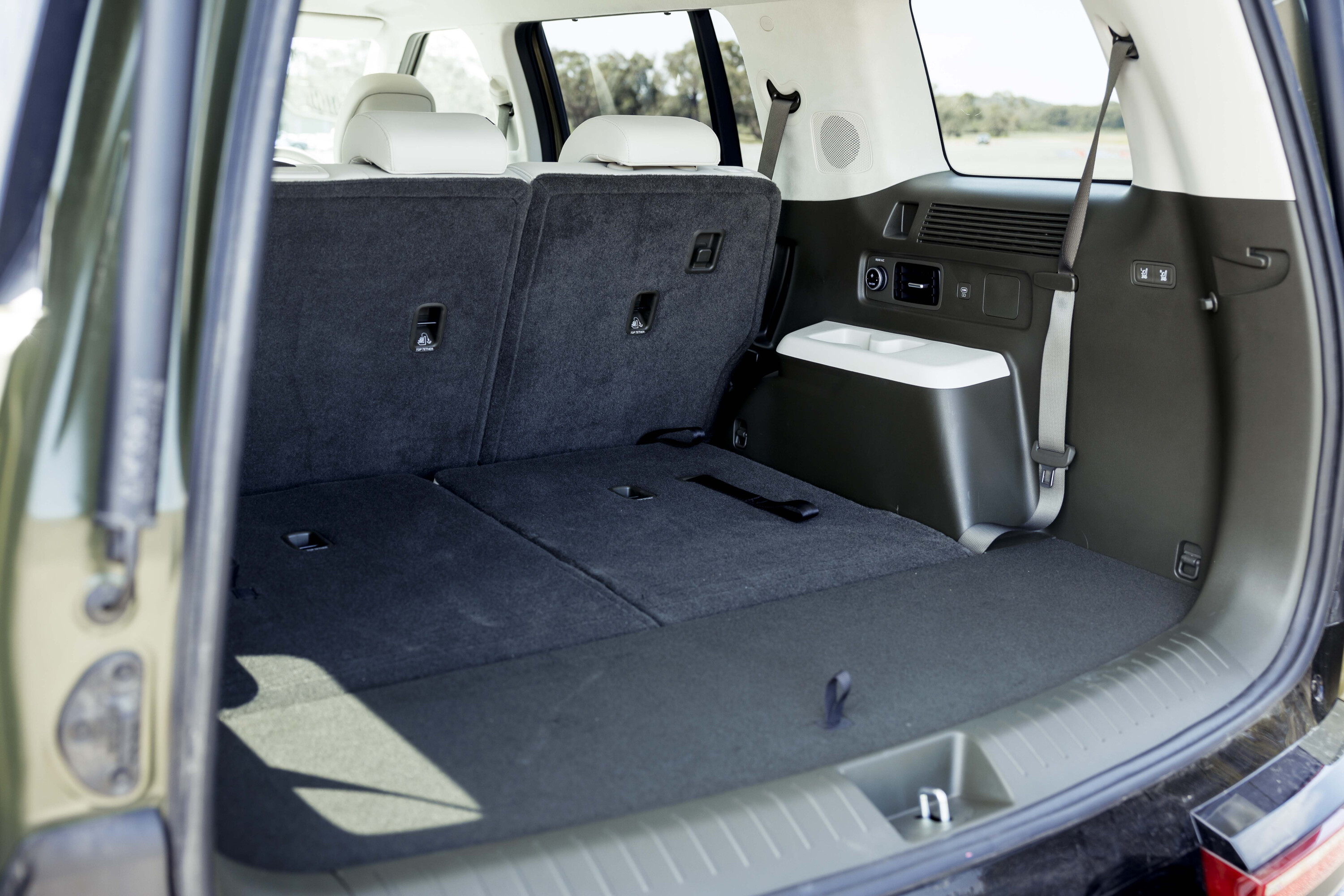
All models have a powered tailgate, a low floor, and straightforward third-row seats with USB-C outlets and dual cupholders.
1
What powers it?
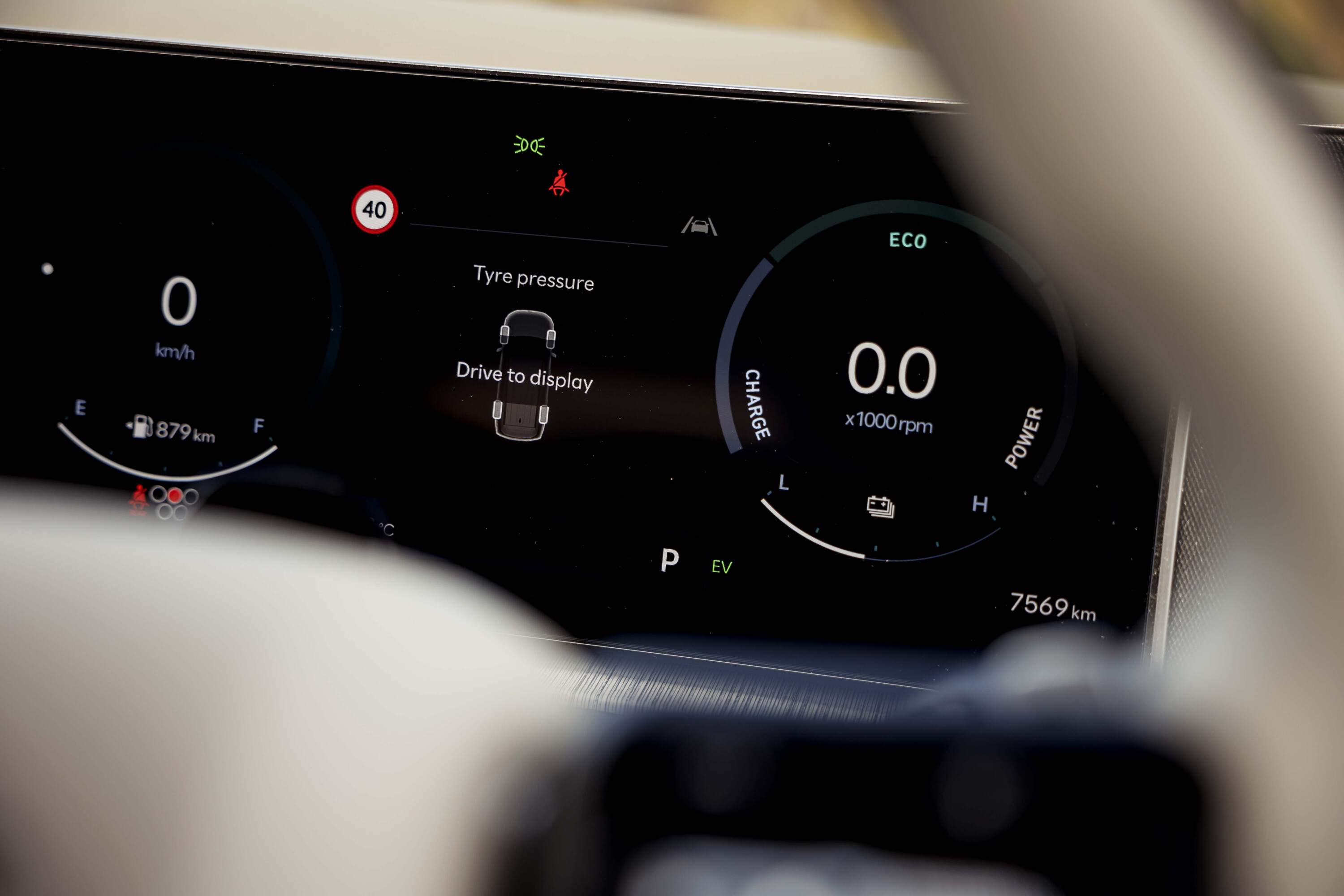
The Santa Fe is powered by a 1.6T-GDI engine, producing 172kW, mated to a six-speed automatic gearbox. The vehicle offers decent fuel economy, averaging 6.2 litres per 100km on long runs. The hybrid system augments the petrol engine, providing the feel of a larger capacity unit without driving purely on electric power.
1
What’s it like to drive?
In Eco mode, the Santa Fe feels a bit lethargic, with the engine defaulting to low revs and rising slowly.
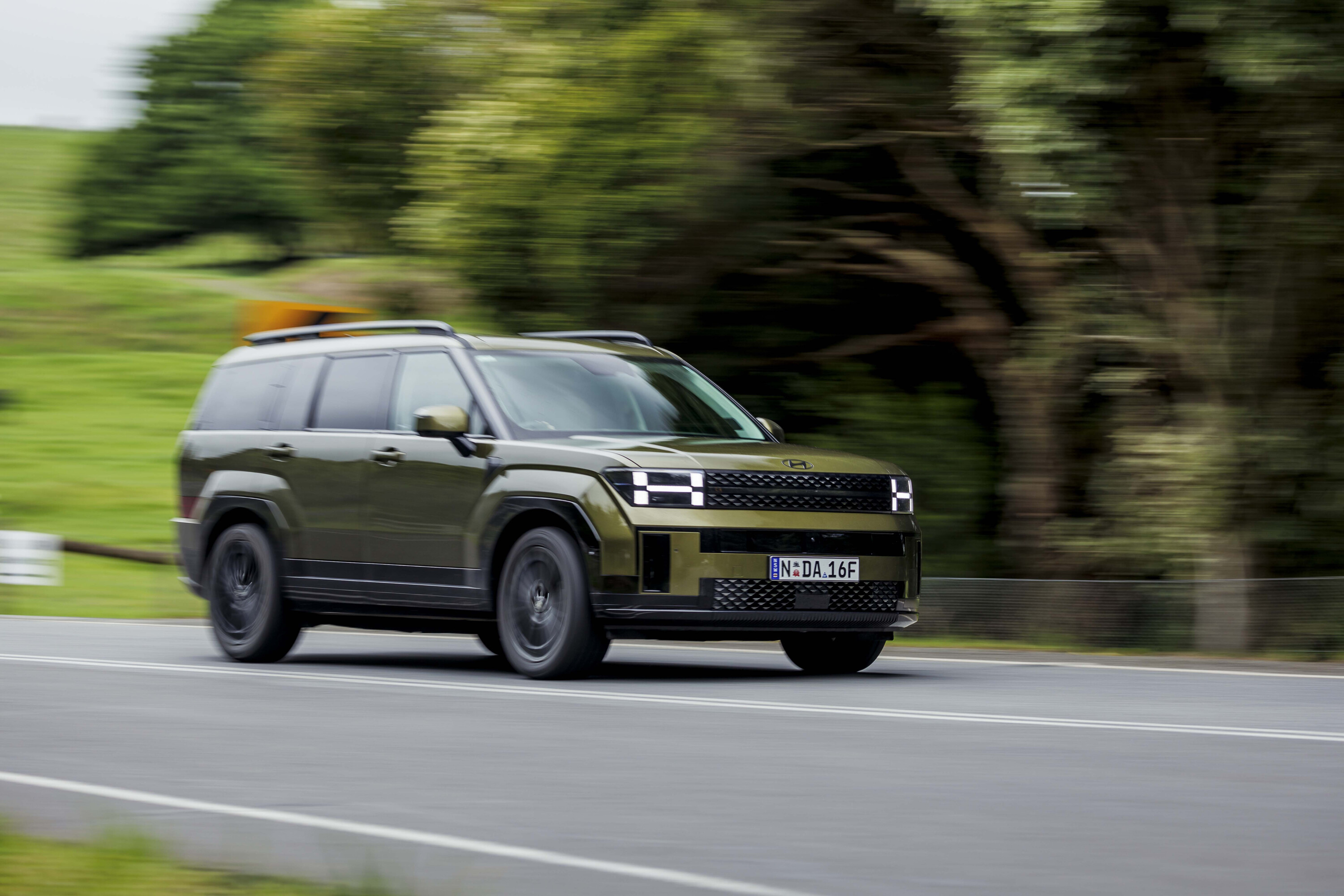
There’s noticeable road noise, and the ride, while not harsh, doesn’t deliver a pillow-topped experience. However, the chassis shows talent on fun roads, with strong grip and good body control. The steering gains heft in Sport mode, and the handover between regenerative and friction braking is smooth.
The six-speed automatic gearbox, while not as quick as a dual-clutch, suits the Santa Fe’s typical use case. Off-road capabilities are limited by ground clearance and road-oriented tires, but terrain modes help optimise traction.
1
How safe is it?
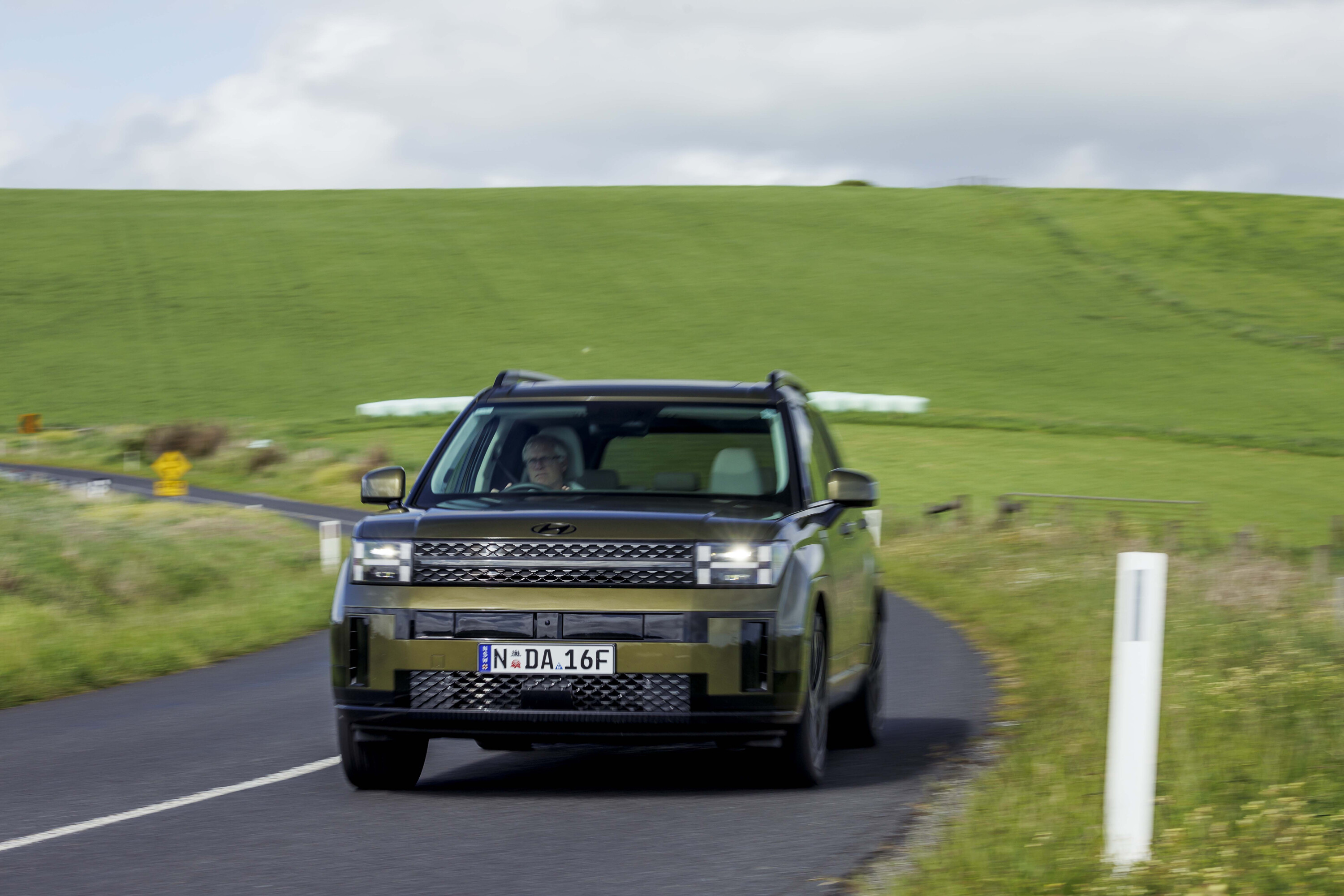
Hyundai expects the Santa Fe to earn a five-star rating in EuroNCAP testing. It comes with 10 airbags and Hyundai’s SmartSense safety suite, including forward collision avoidance, lane change monitoring, driver attention warning, and more. Higher trims add features like Highway Driving Assist 2 and rear occupant alert.
1
What we like about it and is it for you?
The 2024 Hyundai Santa Fe stands out with its spacious and practical cabin, bold styling, and comprehensive safety features. It offers decent fuel economy and a thoughtful execution of a family vehicle. The styling may take time to get used to, but the overall package is a significant leap forward from its predecessor.
The Santa Fe feels like a car you can recommend without caveats, competing strongly with the Kia Sorento and other rivals. While the price for the Calligraphy model is high, the base model provides excellent value, making the Santa Fe a versatile choice for various needs and preferences.
1
| Santa Fe Pricing (All prices exclude on-road costs) | |
|---|---|
| Santa Fe Hybrid FWD | $55,500 |
| Santa Fe Hybrid AWD | $58,500 |
| Santa Fe Elite Hybrid AWD | $65,000 |
| Santa Fe Calligraphy Hybrid AWD u2013 seven-seat | $75,000 |
| Santa Fe Calligraphy Hybrid AWD u2013 six-seat | $75,500 |
| 2024 Hyundai Santa Fe (base) features | |
|---|---|
| 20-inch alloy wheels | LED tail-lights |
| Full-size alloy spare wheel | Electric tailgate |
| 12.3-inch CCNC infotainment system | Rear privacy glass |
| Wireless or wired Apple CarPlay and Android Auto | Three drive modes (Eco, sport, individual) |
| Six-speaker audio system | 360-degree camera system |
| Hyundai Bluelink telematic system | Rain-sensing wipers |
| Over-the-air software updates | Tyre pressure monitoringu00a0 |
| 12.3-inch digital instrument cluster | Autonomous emergency braking (vehicle, pedestrian, cyclist, motorcyclist, intersection, head-on) |
| Single wireless phone charger | Lane-keep assist |
| Dual-zone climate control | Lane departure warning |
| 6.6-inch touch-type air-conditioning controls | Blind-spot monitoring |
| Black cloth upholstery | Blind-spot view camera |
| Leather-wrapped steering wheel | Rear cross-traffic alert |
| 10-way power-adjustable driveru2019s seat | Safe exit assist |
| Heated front seats | Adaptive cruise control |
| Keyless entry and push-button start | Intelligent speed limit assist |
| Remote start (via key fob) | Rear occupant alert |
| Reflector-type LED headlights & LED DRLs | AWD only: Three multi-terrain modes (snow, mud, sand) |
1
2024 Hyundai Santa Fe Elite features
| In addition to Santa Fe | |
|---|---|
| 12-speaker Bose audio system | Ambient interior lighting |
| Built-in satellite navigation | Auto-dimming rear-view mirror |
| Dual wireless phone charger | Acoustic front door glass |
| Standard black leather upholstery | Solar control windshield and front door glass |
| Projector-type LED headlights | Suede headlining |
| Optional supersonic grey leather upholstery (+$295) | Remote smart parking assist |
| 10-way power-adjustable passenger seat | Semi-autonomous highway driving assistu00a0 |
| Heated steering wheel | Sensor-type rear occupant alert |
1
MORE
Everything Hyundai
MORE
Large SUVs
I feel like I need an apology from someone. I’m not sure who, but someone. About 15 or 20 years ago, the road toll in Australia remained stubbornly static. It was someone’s job to get it down, and they weren’t doing it. Even as the world’s automotive engineers innovated to make cars safer, the same amount of people were sadly dying on Australian roads.
After yet another head-scratching, taxpayer-funded ideas session, it was seemingly decided that ‘hoons’ were to blame, and a type of war was declared.
In NSW, generating worldwide interest was the 2007 ‘pinkie’ campaign from the then Roads and Traffic Authority. A series of high-profile advertisements depicted members of the public wagging a pinkie finger at people engaging in ‘hoon’ behaviour.

1
In 2008, Victorian Police took things a step further, dressing in literal camouflage and hiding in the bushes with speed cameras by the beautiful Black Spur road east of Melbourne, targeting ‘hoons’. Expending god knows how much time, energy and money policing, with militaristic zeal, what is fundamentally a quiet country road.
Of course, it was perfect material for programs like A Current Affair and Today Tonight which joined in on loudly vilifying what would have represented a tiny percentage of miscreants within the overall population.
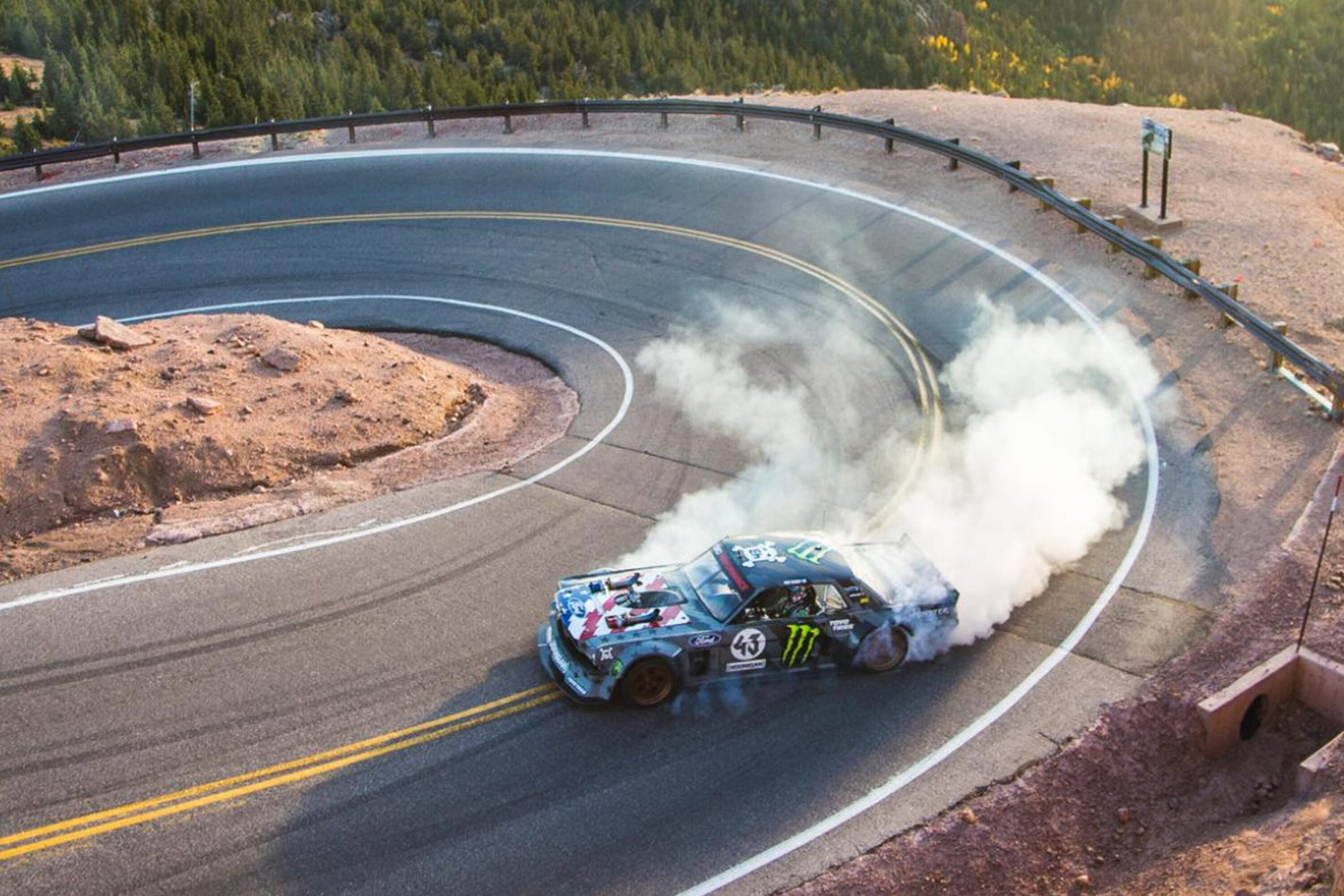
The war continued and in 2011, stern-faced leaders of Victoria Police introduced the state’s new “Anti-Hoon” legislation, giving them the power to impound or immobilise a vehicle for up to 90 days, or even confiscate it permanently. “Hooning” included drag racing, speeding or “creating unnecessary disturbances.” Other states followed. Queensland even has a hotline for dobbing drivers in – “13-HOON”.
1
Yet sadly, 15 or 20 years later, despite the outsized focus on ‘hoons’ the road toll remains stubbornly static once again.
As I write this just before Christmas 2024, the year is shaping up as a shocker for the Australian road toll – despite cars that are safer than ever (1,300 people died on Australian roads in 2024, up from 1,258 in 2023 – Ed).
It’s the Australian car enthusiast who has been left with a bill of sorts. I’ve no doubt that there’s been a cultural shift that’s prevented many a red-light drag race, but caught up in the failed war on ‘hoons’ – like a dolphin in a dragnet – has been the responsible, law-abiding, tax-paying car enthusiast who just loves going for a spin in their performance car on a quiet country road. Me and most likely you, in other words.

1
Once, anybody could appreciate a nice sports car – someone’s pride and joy. Now, such a car could equally advertise you as some devilish ‘hoon’, destined to head to an industrial estate later that same night, someone who enjoyed pulling the wings off flies as a child.
Don’t get me wrong, I’ve no pity for the cretinous few who continue to tear down suburban streets like they’re on the front straight of Albert Park. But I resent the looks I get, and the feeling I have, when I’m driving a busy street in a sporty car.
It’s made all the more worse that 15 or 20 years later, the head-scratching continues.

1
In Victoria, the solution to a stubborn road toll seems to be lowering speed limits. Rural roads that were previously 100km/h are now 80km/h. And if you’re a local, do 25km/h over – on a road you’ve probably been driving every day for 10 years – and you lose your licence for three months. Punitive.
I get why so many Australians have spurned the sports car with aftermarket wheels and a nice exhaust in favour of the off-roader with raised springs and mud tyres, because a government hasn’t spent an inordinate amount of taxpayer money painting their pastime as a shameful, societal problem.
Let’s hope that’s never the case – I wouldn’t wish it on them.
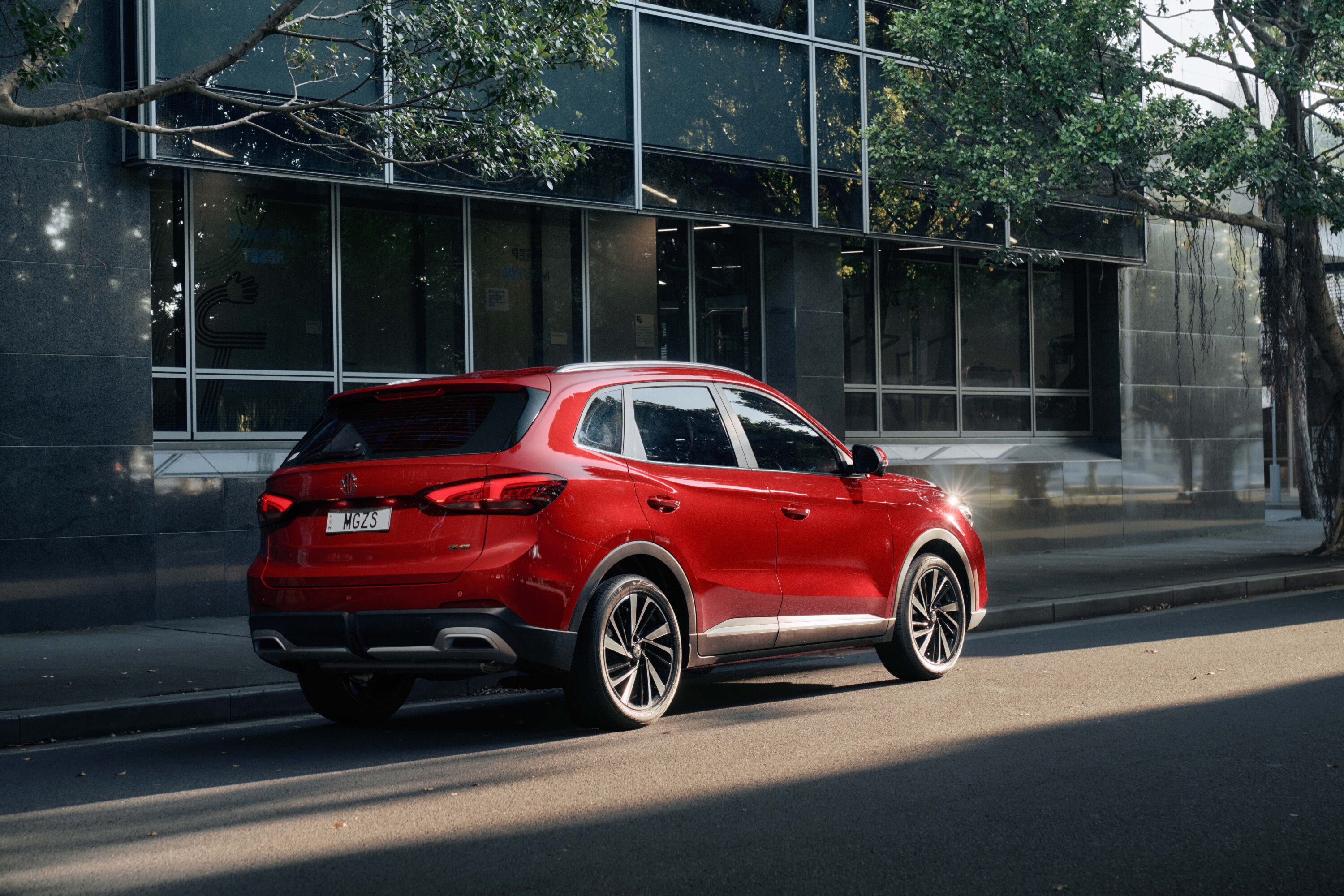
MG has good reason to be bullish about its all-new petrol-powered ZS models now arriving at Australian dealerships after a slight delay due to issues at local docks, joining the ZS Hybrid+ launched late last year.
The earlier ZS models were already the best-selling compact SUVs in Australia, an impressive foundation on which to launch the updated models – the ZS Excite, ZS Essence and ZS Essence Turbo.
1
| 2025 MG ZS variant | Before on-road costs | Drive away |
|---|---|---|
| ZS Excite | $25,990 | $26,990 |
| ZS Essence | $28,990 | $29,990 |
| ZS Essence Turbo | $30,990 | $31,990 |
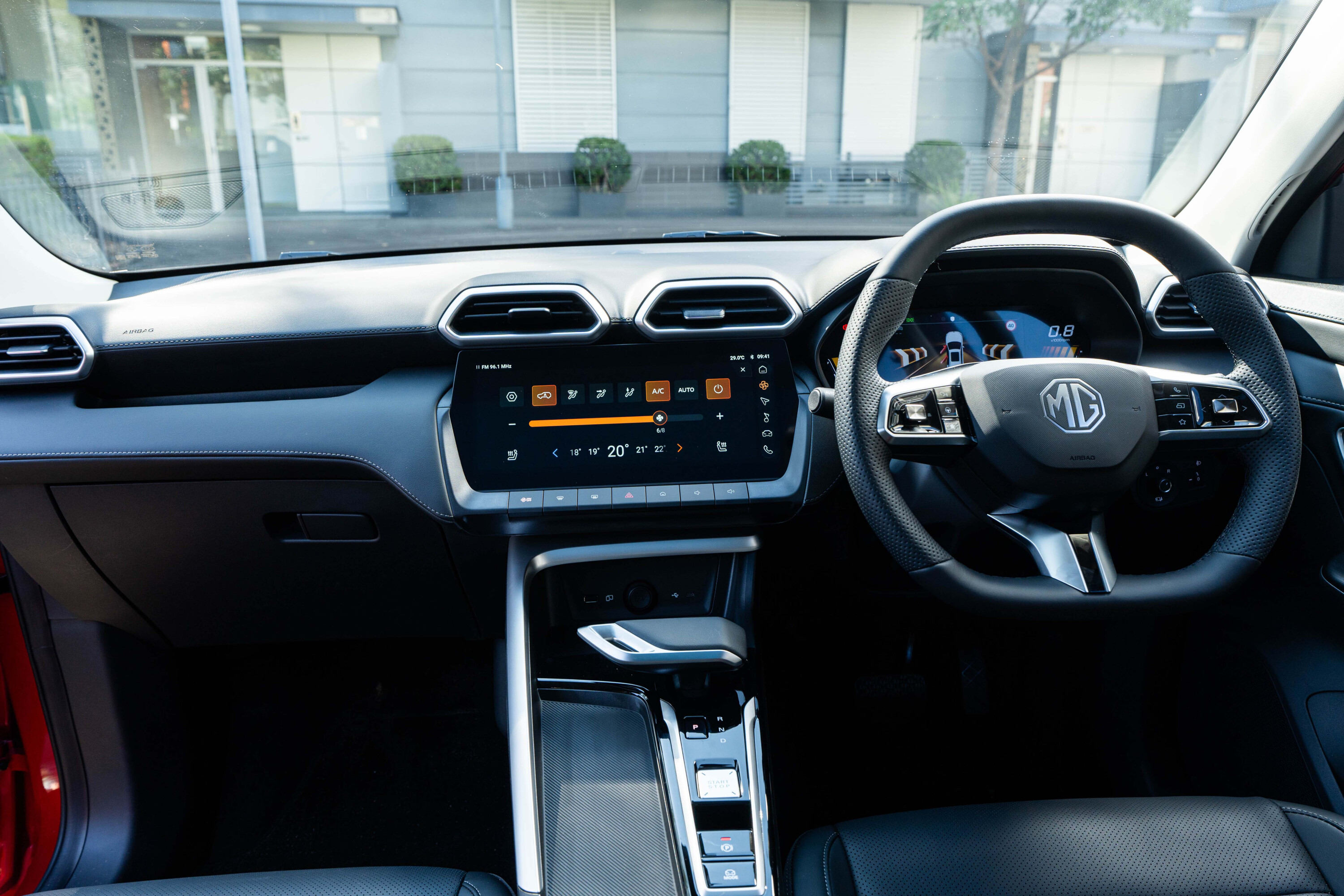
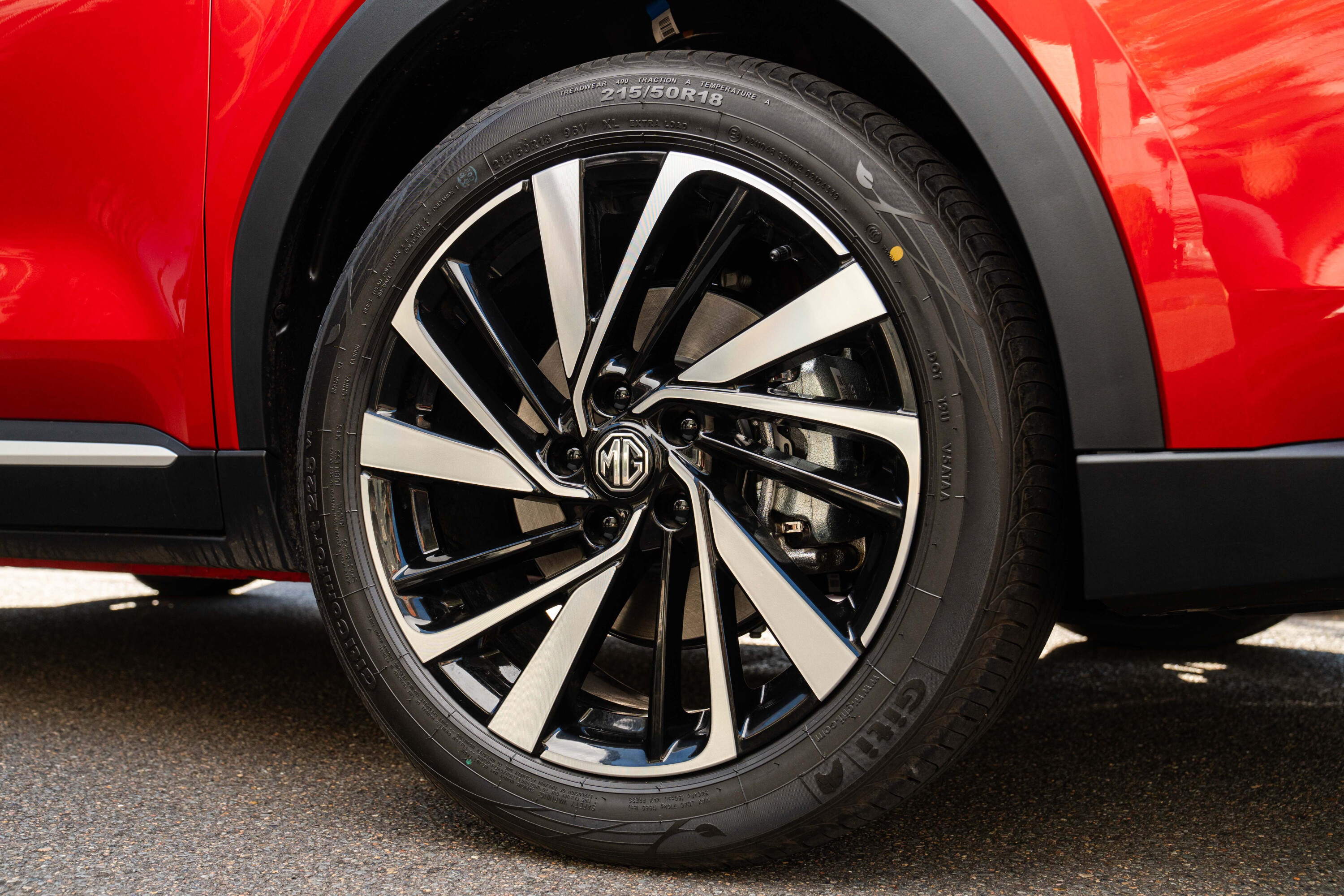
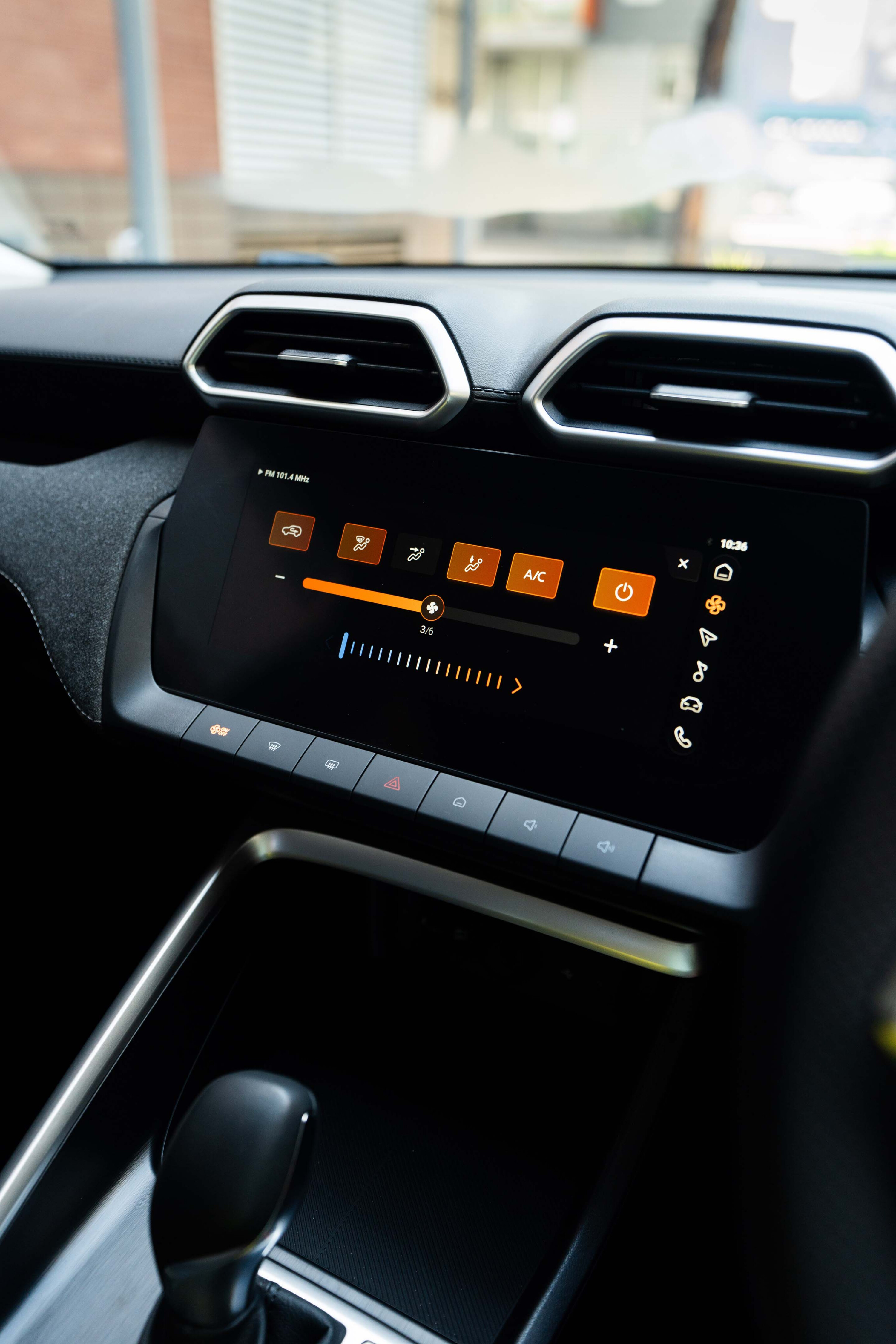
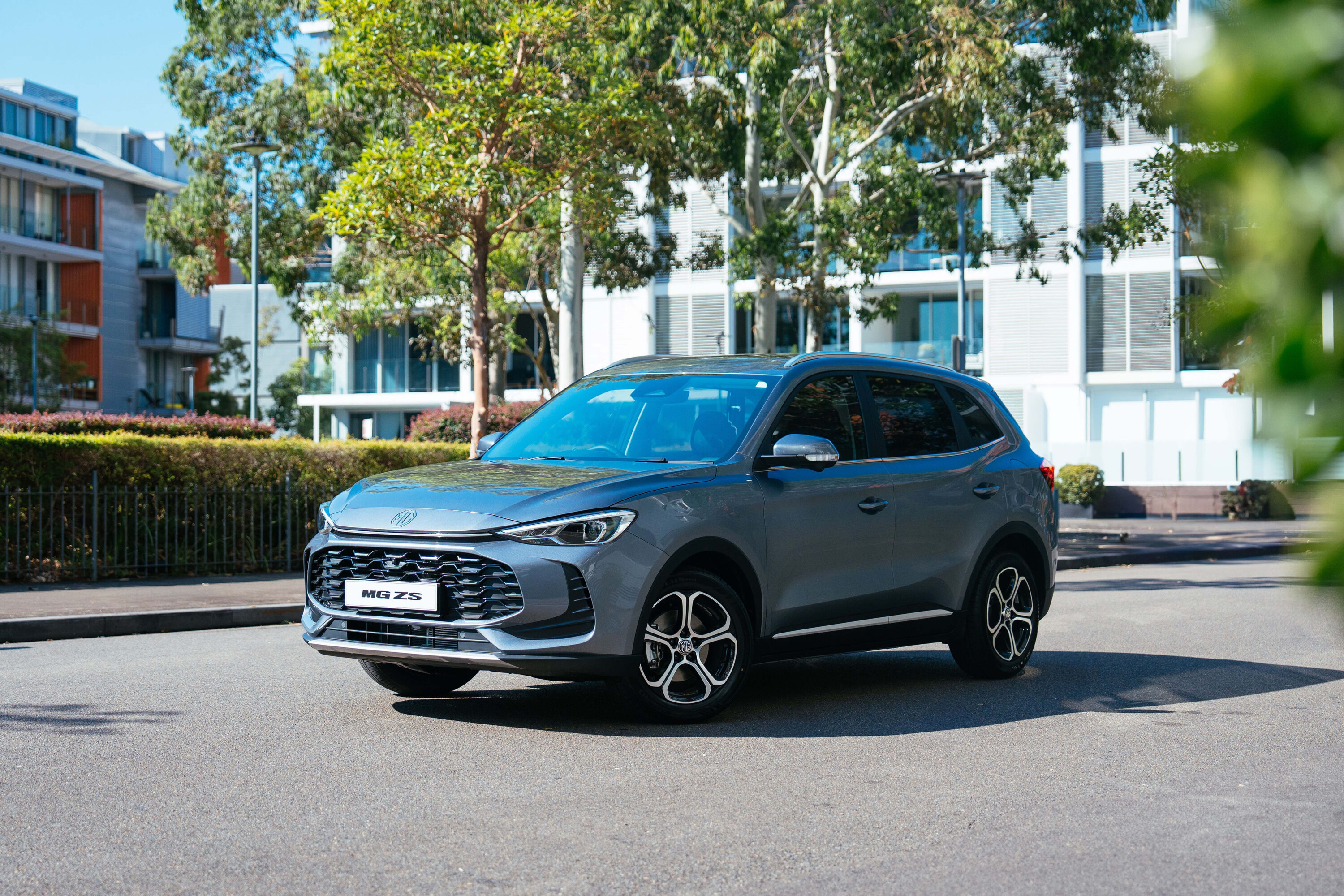
At the heart of the appeal of the new models is upgraded infotainment, tech and safety features, with a 12.3-inch infotainment screen, Apple CarPlay and Android Auto, and a high-definition 360-degree camera all standard.
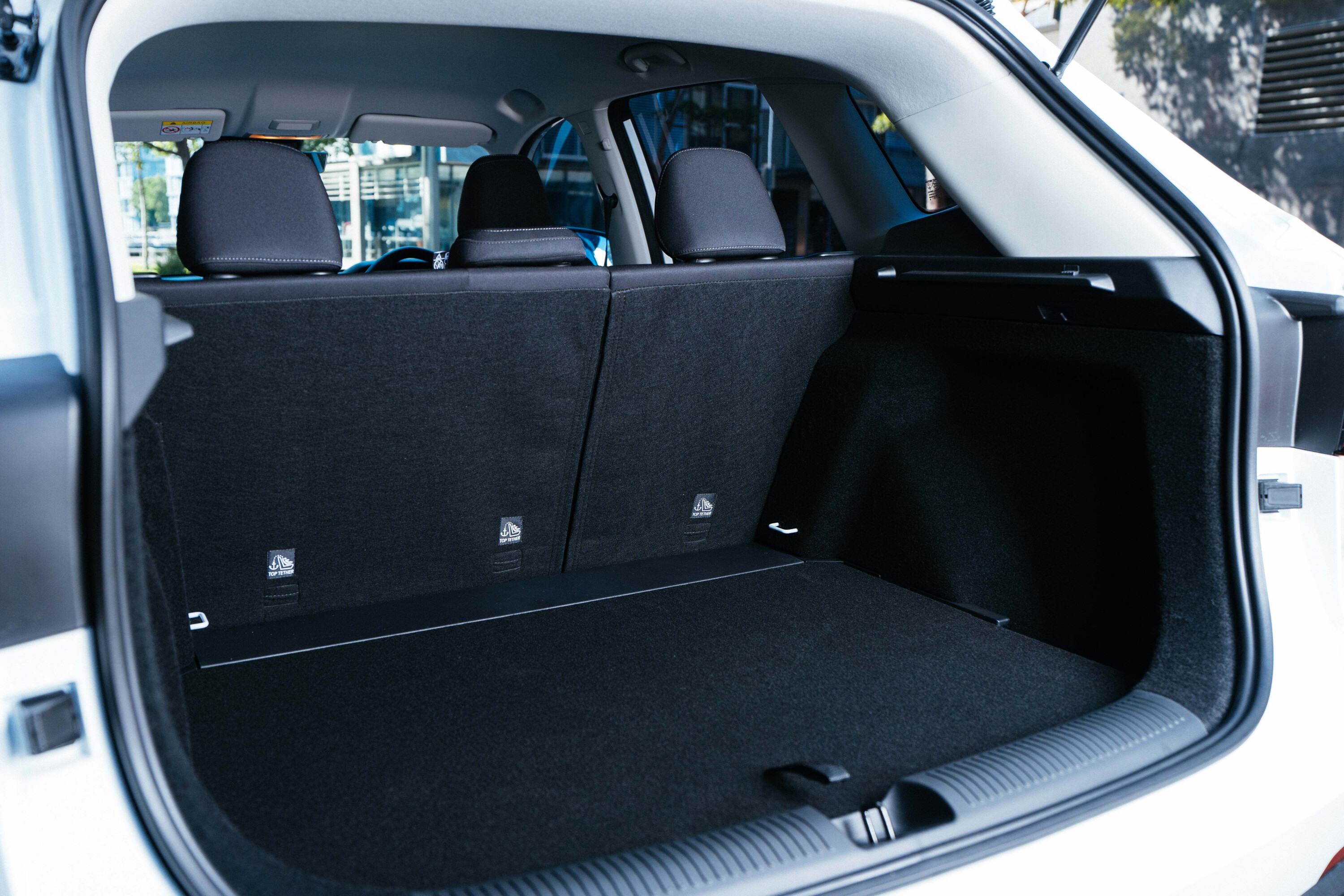
A step up in specs in the Essence brings six-way electronically adjustable driver seat with manual lumbar support, heated front seats, leather-wrapped steering wheel, electronic panoramic stargazer sunroof, PVC interior trim, and perforated PVC seating throughout.
Advanced safety features as part of the MG PILOT Safety suite include Autonomous Emergency Braking, Lane Keep Assist, Adaptive Cruise Control, Lane Change Assist, Intelligent Cruise Assist, Rear Cross Traffic Alert and more.
1
The Excite and Essence petrol models feature a 1.5-litre four cylinder engine delivering 81kW of power and 140Nm of torque, while the Essence turbo ups that to 125kW and 275Nm. Fuel economy for the base models is claimed as 6.7L/100km, versus 6.9L/100km for the turbo engine.
MG Motor Australia’s Chief Commercial Officer, Giles Belcher, laughs when asked by WhichCar whether MG has set up a bit of a popularity contest between the new petrol editions and the Hybrid+ launched in November.
“We think probably the petrol models will be more popular to start because that’s what people know and are more comfortable with, but one thing we have found is that once a customer gets into a Hybrid+ and understands more about the car, they are very positive about it,” he says.
1
The roll-out of the new ZS models foreshadows a massive year ahead for MG, with Belcher telling WhichCar up to nine new models are expected to be introduced to Australia during 2024, including the MG QS family SUV. Some will be showcased at the Melbourne Motor Show in April.
It’s a remarkable resurrection story for a heritage brand that sold thousands of cars to Australians in the middle of last century and now tops sale figures in one of the most popular categories of vehicle in the country.
‘We’re proud of the achievement but of course it’s not done alone – the network of dealers have played a significant role in helping the brand grow again in Australia,” observes Belcher.
1
Key Features
| MG ZS Excite | |
|---|---|
| 16″ Alloy Wheels | DAB+ & FM/AM Radio |
| 10.25″ Infotainment Screen | Automatic Door Lock |
| PU Steering Wheel | MG Pilot Safety Suite |
| Reverse Camera | 4-Speaker Audio System |
| Driver’s 6-way Manual Adjustable Seat | 2 USB Ports (2x Front) |
| Push Button Start | Fabric Seating |
| Apple CarPlayu00ae and Android Autou2122 | Fabric Trim Interior Features |
| iSMART Connectivity# | Halogen Headlights with LED Daytime Running Lights |
| Bluetooth Connectivity | Follow Me Home Headlights |
| Satellite Navigation | Electric AC Control |
1
| MG ZS Essence (in addition to MG ZS Excite): | |
|---|---|
| 17″ Alloy Wheels | PVC Trim Interior Features |
| 12.3″ Infotainment Screen | Perforated PVC Seating |
| 12.3″ Instrument Cluster (7″ Multifunctional Display) | Driver’s 6-Way Electric Adjustable Seating with Manual Lumbar Support |
| Silver Roof Rails | 6-Speaker Audio System |
| Keyless Entry | Sunglasses Storage Roof Compartment |
| High-Definition 360-degree camera | 4 USB Ports (1x Rearview Mirror, 2x Front, 1x Rear) |
| Electronic Panoramic Sunroof | Rain Sensing Wipers |
| LED Headlights with Intelligent Headlamp Control (IHC) | Rear Parcel Tray |
| Leather Steering Wheel | Electric Folding Door Mirrors |
| MG ZS Essence Turbo (in addition to MG ZS Essence): | |
|---|---|
| 1.5L Turbo Engine | Auto A/C |
| 18″ Alloy Wheels | Drive Mode Button with 3 Driving Modes |
| Electronic Gear Lever | |
1
Servicing and Warranty
The MG ZS is backed by a 10-year, 250,000km warranty.
Servicing is required every 12 months or 15,000km, whichever comes first. Capped pricing is available for the first 10 visits.
| Standard safety equipment across the range: | |
|---|---|
| Adaptive cruise control | Rear cross-traffic alert |
| Autonomous emergency braking | Safe exit warning |
| Blind-spot monitoring | Tyre pressure monitoring |
| Lane-keep assist | Dual front and side airbags |
| Emergency lane-keep assist | Curtain airbags |
| Intelligent Cruise Assist | Reversing camera |
| Intelligent speed limit assist | Rear parking sensors |
MORE
Everything MG
MORE
Midsize SUVs
There will be no ‘Nissonda’: The Honda and Nissan merger discussions, announced last year in a Memorandum of Understanding, are over.
Honda’s announcement is light on detail, but Nissan was more revealing, issuing a statement that appears to describe an insulting proposition by Honda on how the two carmakers should come together.
“During the discussions between the two companies, various options were considered regarding the structure of the business integration,” Nissan says.
“Honda proposed changing the structure from establishing a joint holding company—to a structure where Honda would be the parent company and Nissan the subsidiary through a share exchange.”
No other official comment has been offered, but a report in The Financial Times earlier this month suggested Honda had presented the plan as a ‘take it or leave it’ – with Nissan’s board reportedly voting as a majority to reject.
Both companies, along with Mitsubishi, confirmed in their announcements that they will continue with the previously agreed “strategic partnership aimed at the era of intelligence and electrified vehicles.”
For Nissan, the decision to steer away from Honda at the corporate level means it will instead need to undertake significant cost-cutting measures to resolve its financial woes.
Outlining its plans today, the company said it is targeting a $400 billion AUD reduction in fixed and variable expenses, lowering the ‘break-even’ point on vehicle sales and thus improving margins.
Sweeping changes will be made across selling, general, and administrative expenses, manufacturing, and development. A reduction in the global workforce is also part of the plan.
Manufacturing operations will be streamlined, with plant consolidations and adjustments planned for facilities in the US and Thailand, cutting around 6500 jobs in a ‘right-sizing’ move.
Whether the plan will mean anything for the Nissan Casting Australia Plant in outer Melbourne is unclear, although it has played an important role in the company’s EV parts supply.
Variable costs, such as those related to design and manufacturing, will also be targeted for reduction, which could result in further delays to the introduction of new electric vehicles, although the company spoke optimistically about its new-model plans.
“To further enhance its offerings, the company will introduce new plug-in hybrid models in FY25 and FY26, and refresh its award-winning minivehicles and large minivans. Nissan will also strengthen its zero-emission EV lineup with the new LEAF, an all-new compact EV, and a new NEV targeted at the Chinese market,” the company said.
In Australia, the next big new model we can look forward to will likely be the new Patrol, although that isn’t expected to arrive until sometime in 2026.
The Ariya is still officially expected to arrive this year, although these new changes could see it delayed further, if not cancelled.
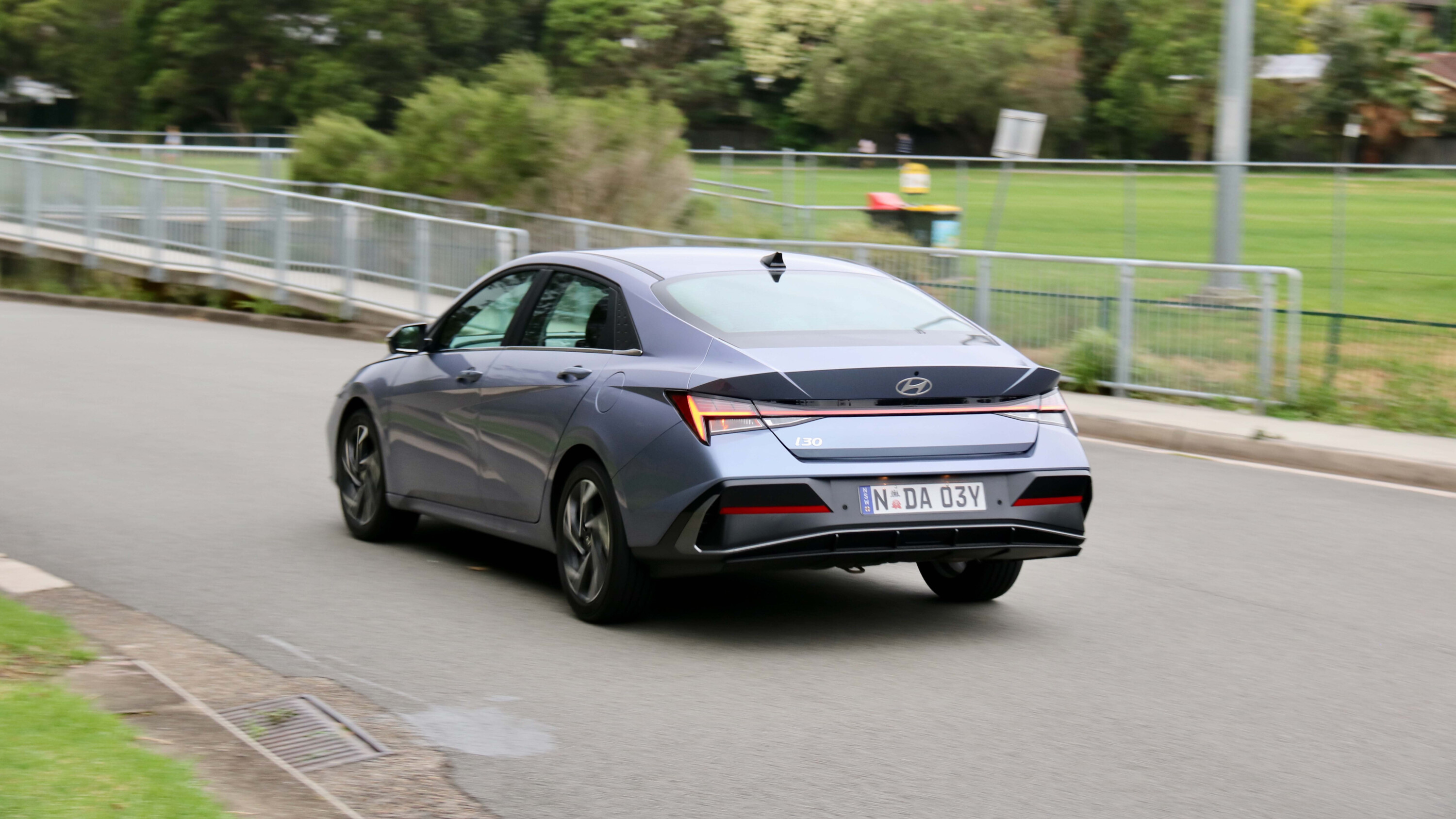
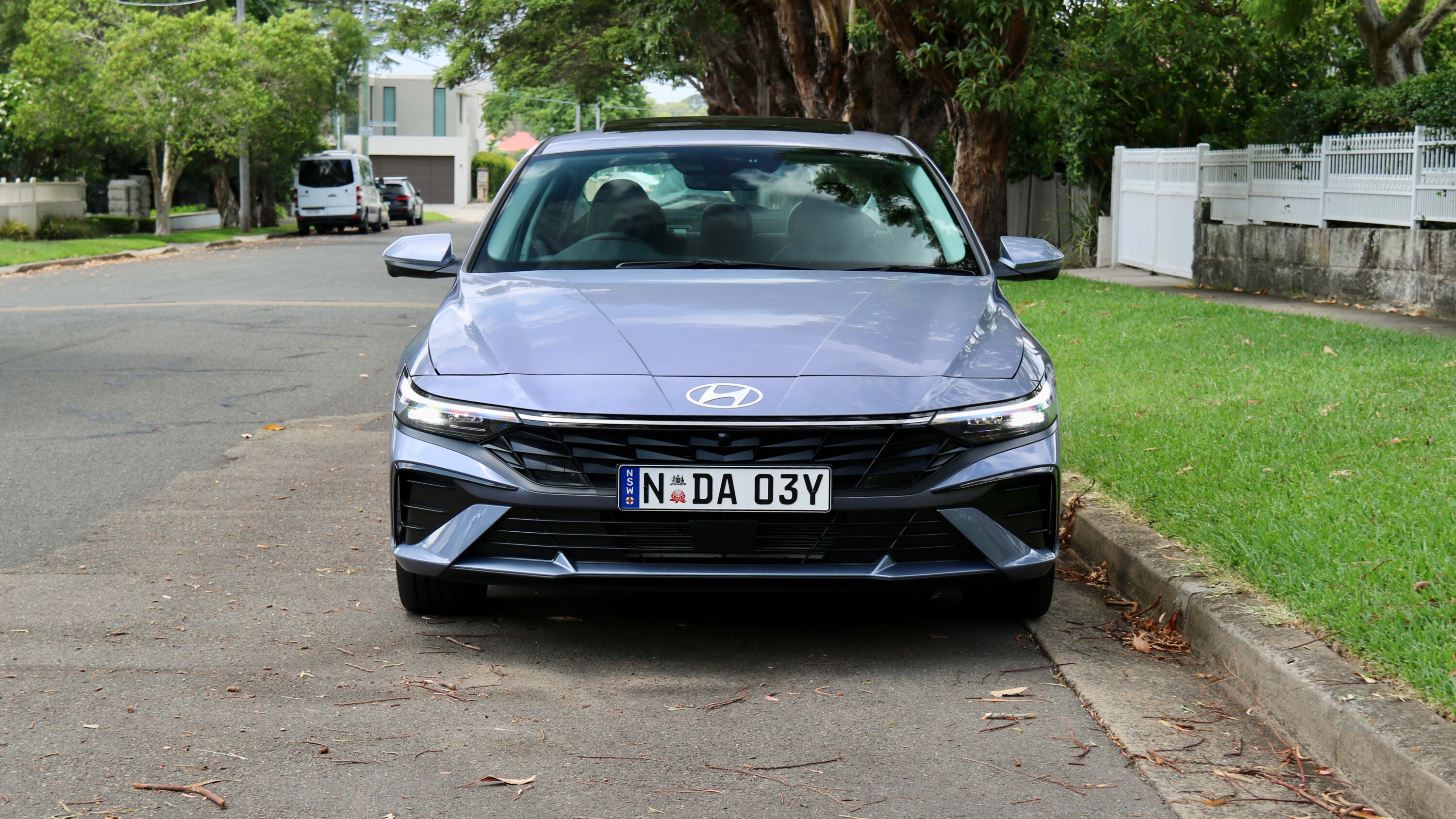
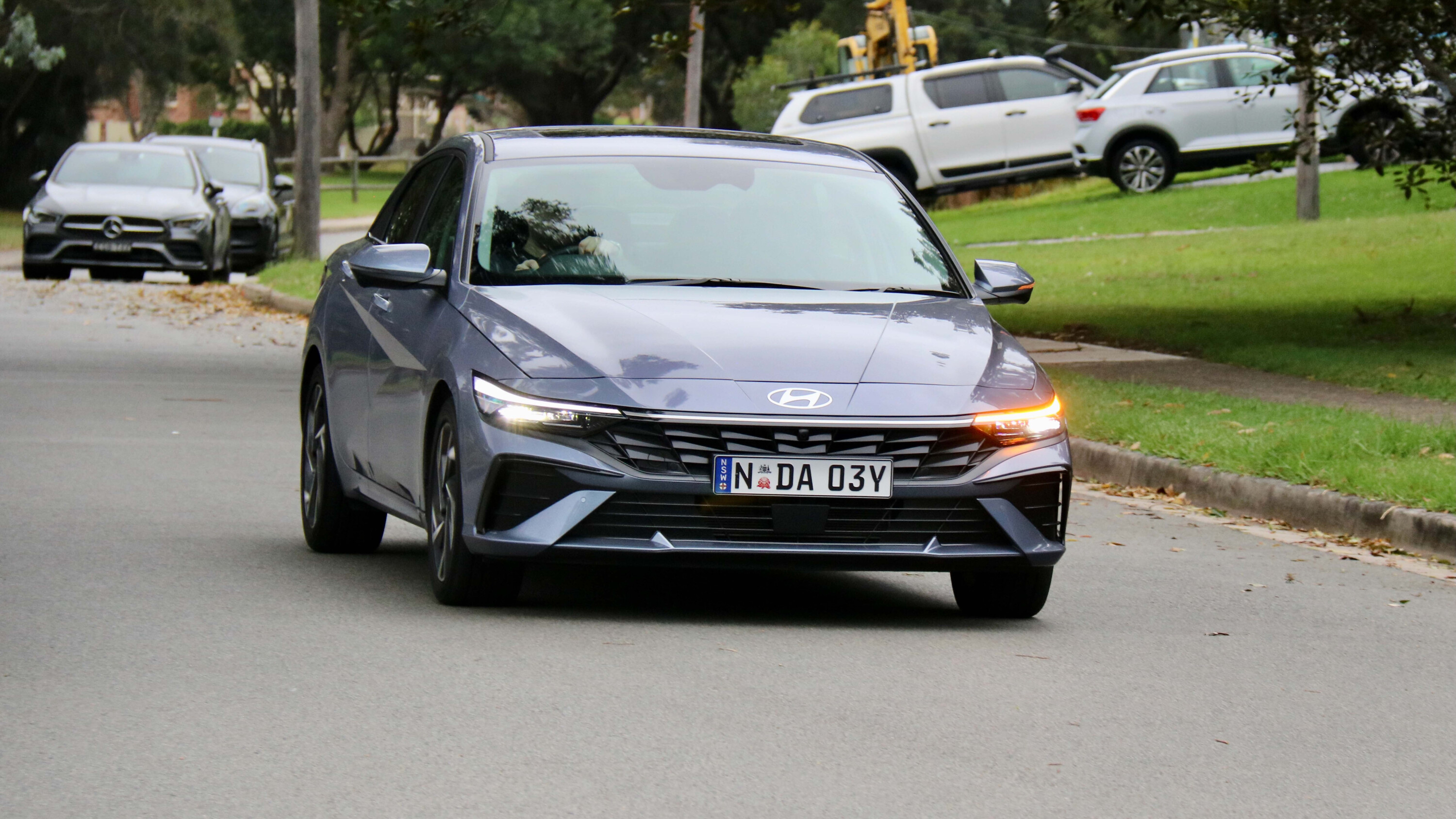
The Hyundai i30 Sedan is one of the best cars under $50,000 and it’s no surprise to see that it’s so popular in Australia. It’s recently undergone a mid-life update with updated styling, new standard equipment and a new hybrid variant that uses an impressive 3.9L/100km of fuel.
But for those buyers seeking a sportier driving experience, the turbocharged 150kW N Line is great to drive and punchy – and that’s without stepping to the fire-blowing i30 N either. Regardless of buyer’s preferences, we think there’s an i30 Sedan for all tastes. Here’s our run-down of the full offering.
1
JUMP AHEAD
- How much does the Hyundai i30 Sedan cost?
- What features are standard in the Hyundai i30 Sedan?
- How comfortable and practical is the Hyundai i30 Sedan?
- How big is the Hyundai i30 Sedan?
- I like driving, will I enjoy the Hyundai i30 Sedan?
- Is the Hyundai i30 Sedan expensive to run?
- How much can the Hyundai i30 Sedan tow?
- Which Hyundai i30 Sedan variant is best?
- Which vehicles rival the Hyundai i30 Sedan?
How much does the Hyundai i30 Sedan cost?
| Hyundai i30 Sedan pricing (plus on-road costs) | |
|---|---|
| i30 2.0L petrol | $29,000 |
| i30 Hybrid | $33,000 |
| i30 Elite 2.0L | $35,500 |
| i30 Elite Hybrid | $37,500 |
| i30 Premium | $38,500 |
| i30 N Line | $36,000 |
| i30 N Line Premium | $41,500 |
1
What features are standard in the Hyundai i30 Sedan?
| 2024 Hyundai i30 Sedan standard equipment | |
|---|---|
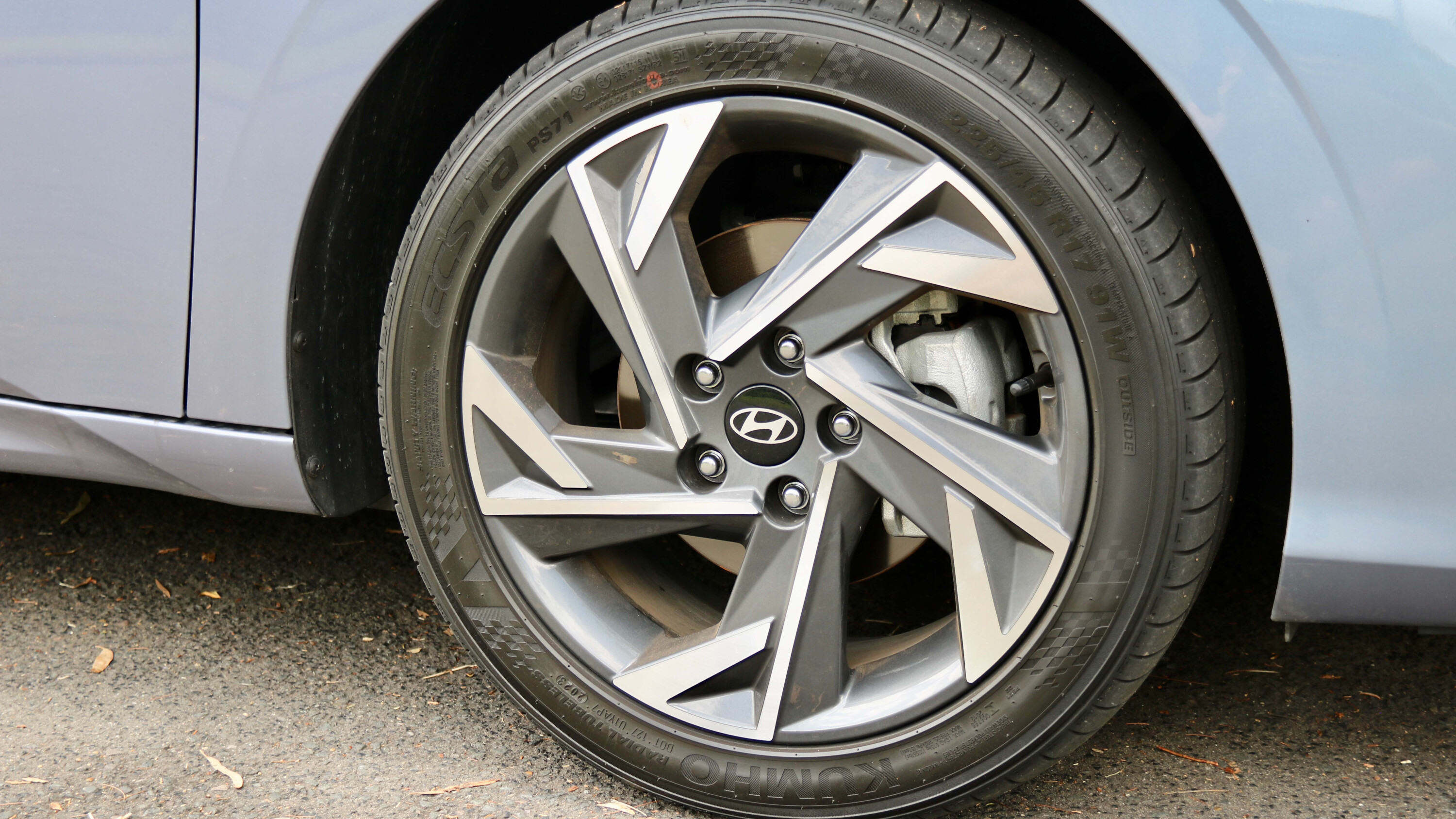
| 16-inch wheels with a full-size spare wheel (2.0L – hybrids have a space-saver spare) | Wireless phone charger |
| Dusk-sensing automatic LED headlights | Six-speaker sound system |
| Leather steering wheel and gearknob | Front and rear USB-C ports |
| Remote central locking | Multi-link rear suspension (hybrid) |
| Manual air-conditioning with rear air vents | Dual-zone climate control (hybrid) |
| 8.0-inch touchscreen | Automatic wipers (hybrid) |
| Apple CarPlay and Android Auto | |
1
| Safety equipment | |
|---|---|
| Six airbags | Intelligent speed limit assist |
| Auto emergency braking (AEB) with pedestrian and cyclist detection | Adaptive cruise control with stop and go functionality |
| Lane keep assist with lane trace assist | Front and rear parking sensors |
| Rear cross-traffic alert | Reversing camera |
| Driver attention alert with leading vehicle departure alert | |
2
| i30 Elite model adds (over i30) | |
|---|---|
| 17-inch wheels | DAB+ digital radio |
| LED tail lights | Keyless entry with push button start |
| Rain-sensing automatic wipers | Remote start |
| Auto-folding mirrors | Leather upholstery |
| 10.25-inch touchscreen | Blind-spot monitoring |
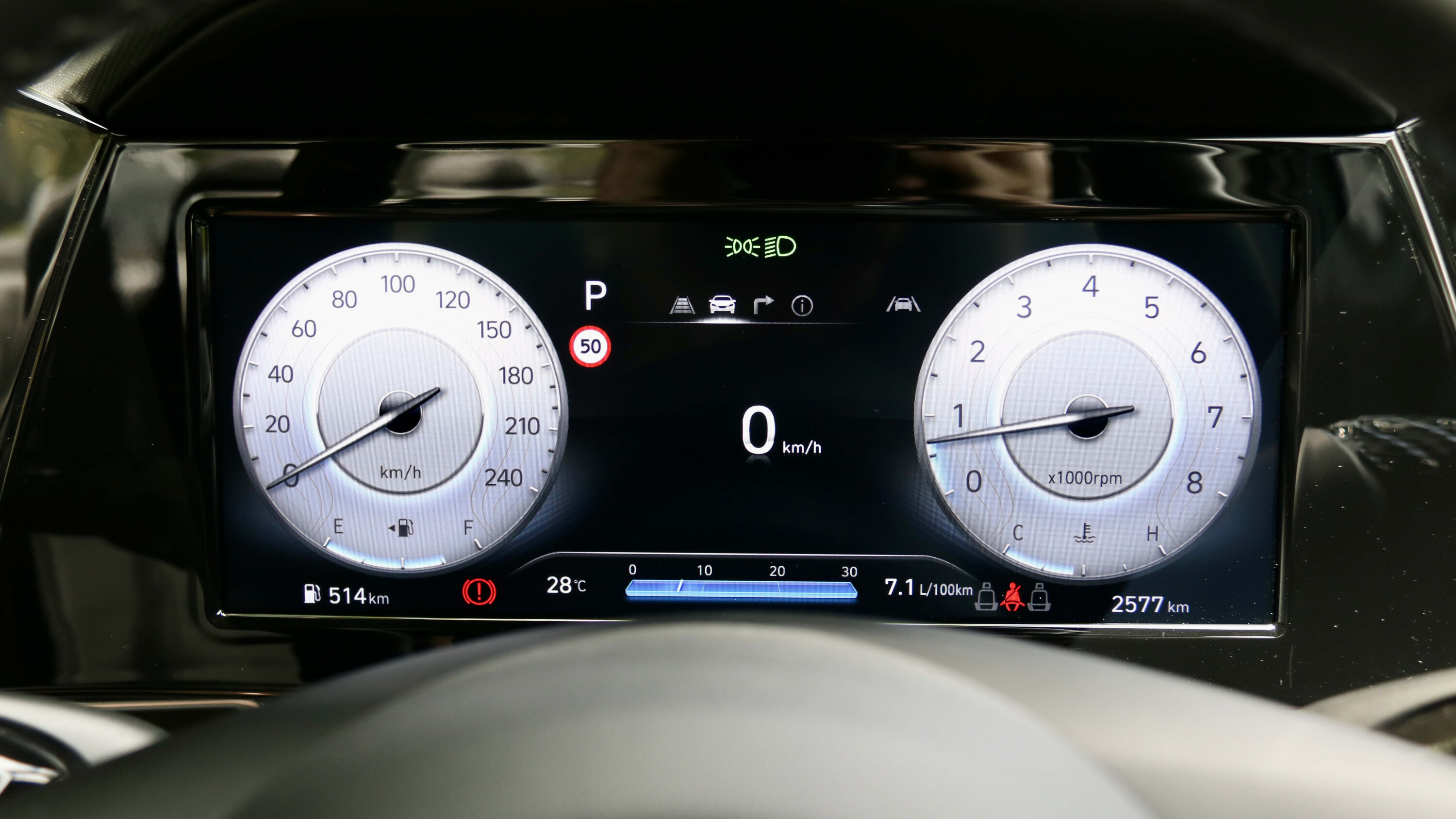
| 10.25-inch digital driveru2019s display | Rear cross-traffic assist |
| Satellite navigation | Safe exit warning |
| Bluelink connected services | |
1
| i30 N Line model adds (over i30) | |
|---|---|
| N Line exterior styling | Automatic wipers |
| 18-inch wheels | 10.25-inch digital driveru2019s display |
| Multi-link rear suspension | Alloy pedals |
| Projector beam LED headlights | Paddle shifters |
| LED tail-lights | Leather upholstery |
1
| i30 Premium model adds (over Elite) | |
|---|---|
| Sunroof | Heated steering wheel |
| Projector LED headlights | 10-way electric driveru2019s seat with memory |
| Solar glass | Rear automatic braking |
| Eight-speaker Bose sound system | Blind-spot camera |
| Heated and ventilated front seats | 360-degree camera |
1
| i30 N Line Premium model adds (over N Line) | |
|---|---|
| Sunroof | Heated and ventilated front seats |
| Solar glass | 10-way electric driveru2019s seat with memory |
| 10.25-inch touchscreen with satellite navigation and digital radio | Heated steering wheel |
| Bluelink connected services | Rear auto braking |
| Eight-speaker Bose sound system | Blind-spot camera |
| Ambient interior lighting | 360-degree camera |
1
How comfortable and practical is the Hyundai i30 Sedan?
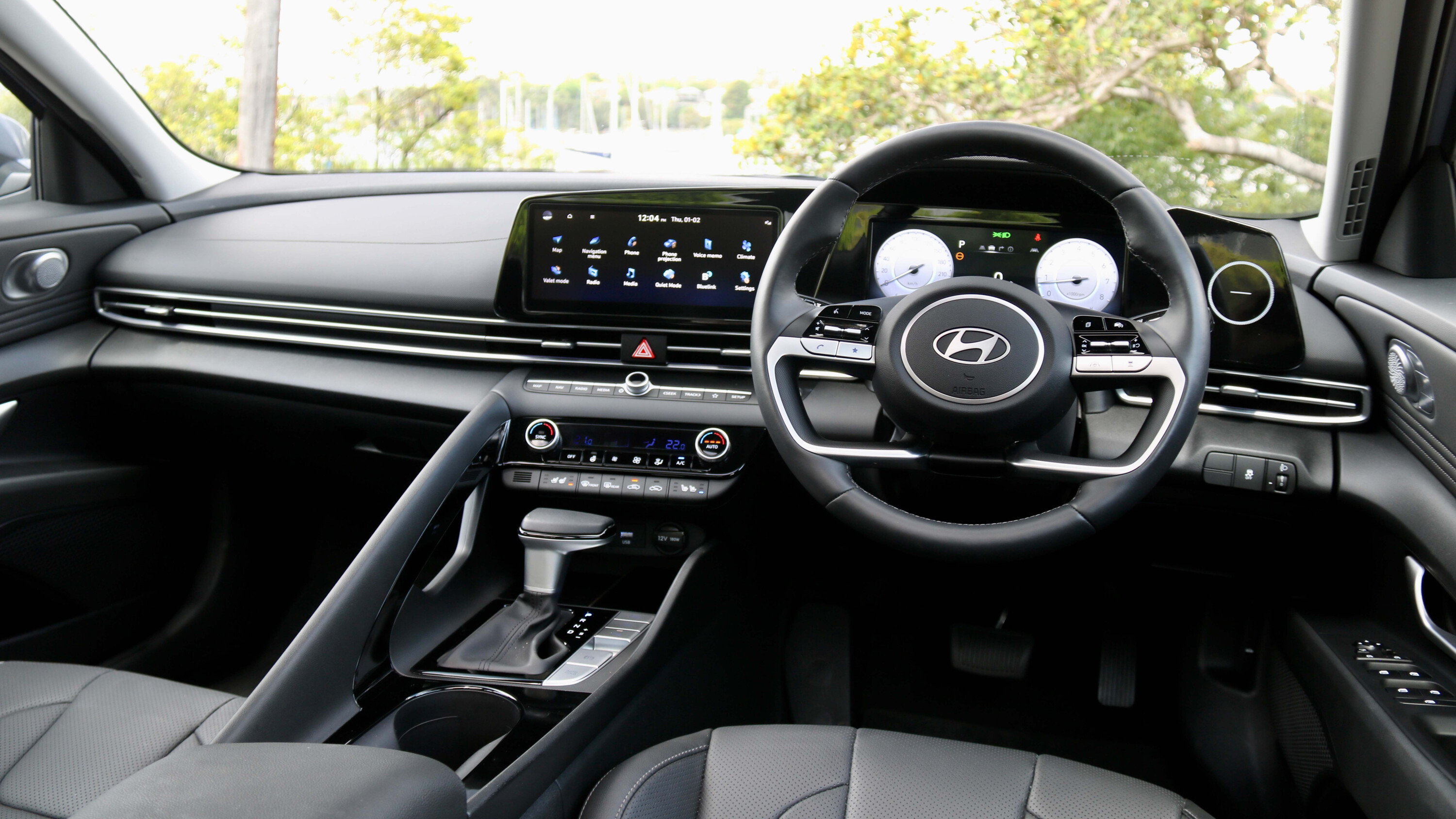
The i30 Sedan presents one of the most practical and comfortable cabins in the small car segment. The funky centre console design doesn’t impede on practicality as there’s ample room for storage, including a large central box and storage underneath the centre console.
We especially like that the wireless charger (Elite and up) features a raised portion to account for the large cameras of some modern smartphones so that they actually charge.
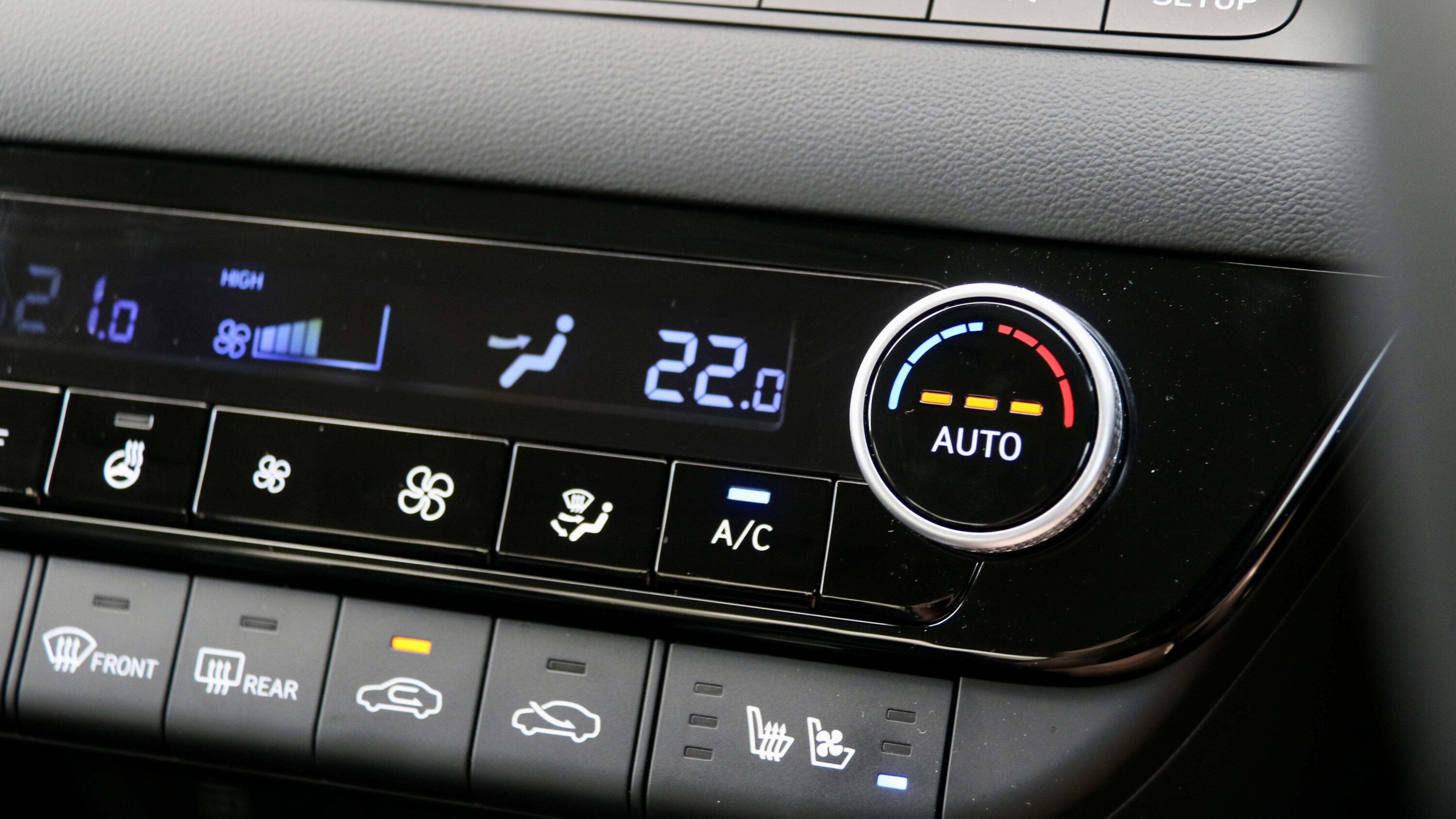
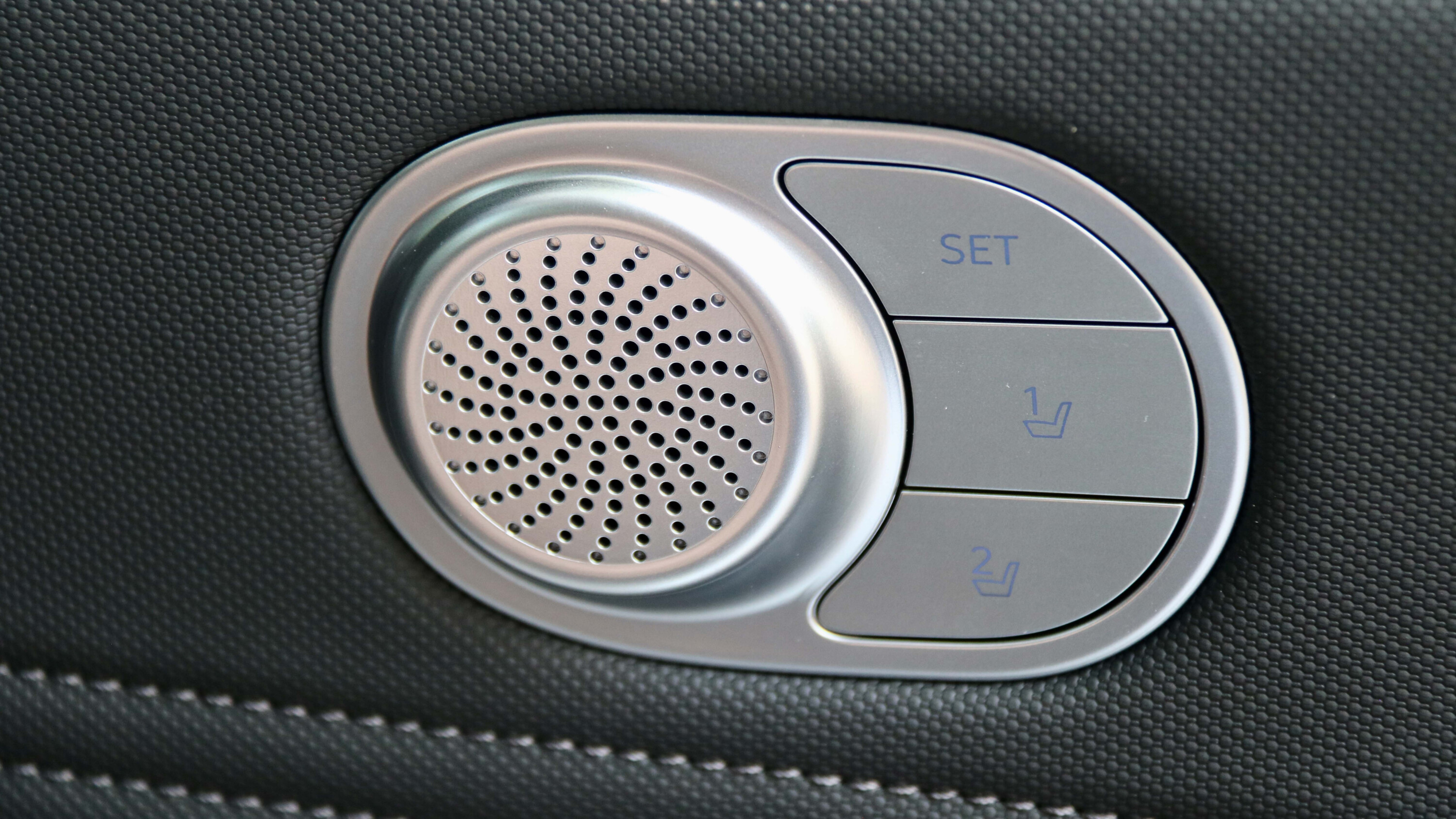
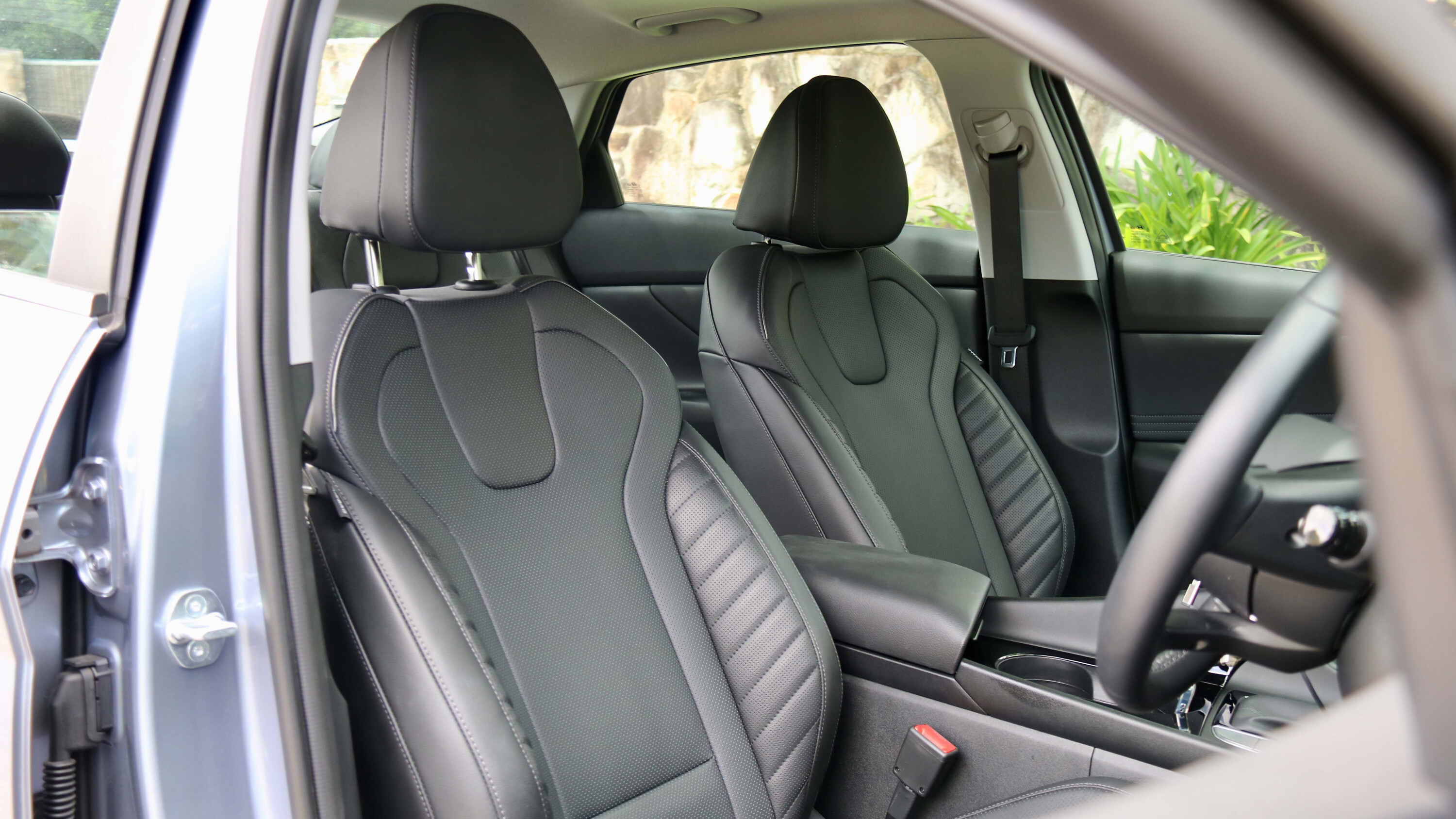
Front seat comfort is great – especially in the Premium with its electric driver’s seat, which allows for more precise adjustment for more drivers – and the amount of hard buttons around is pleasing in an era where many cars deliver vital functions through menus in a touchscreen.
1
We wish some of the materials were higher quality – like the hard door trims – but the i30 Sedan’s cabin is otherwise a pleasant place to spend time.
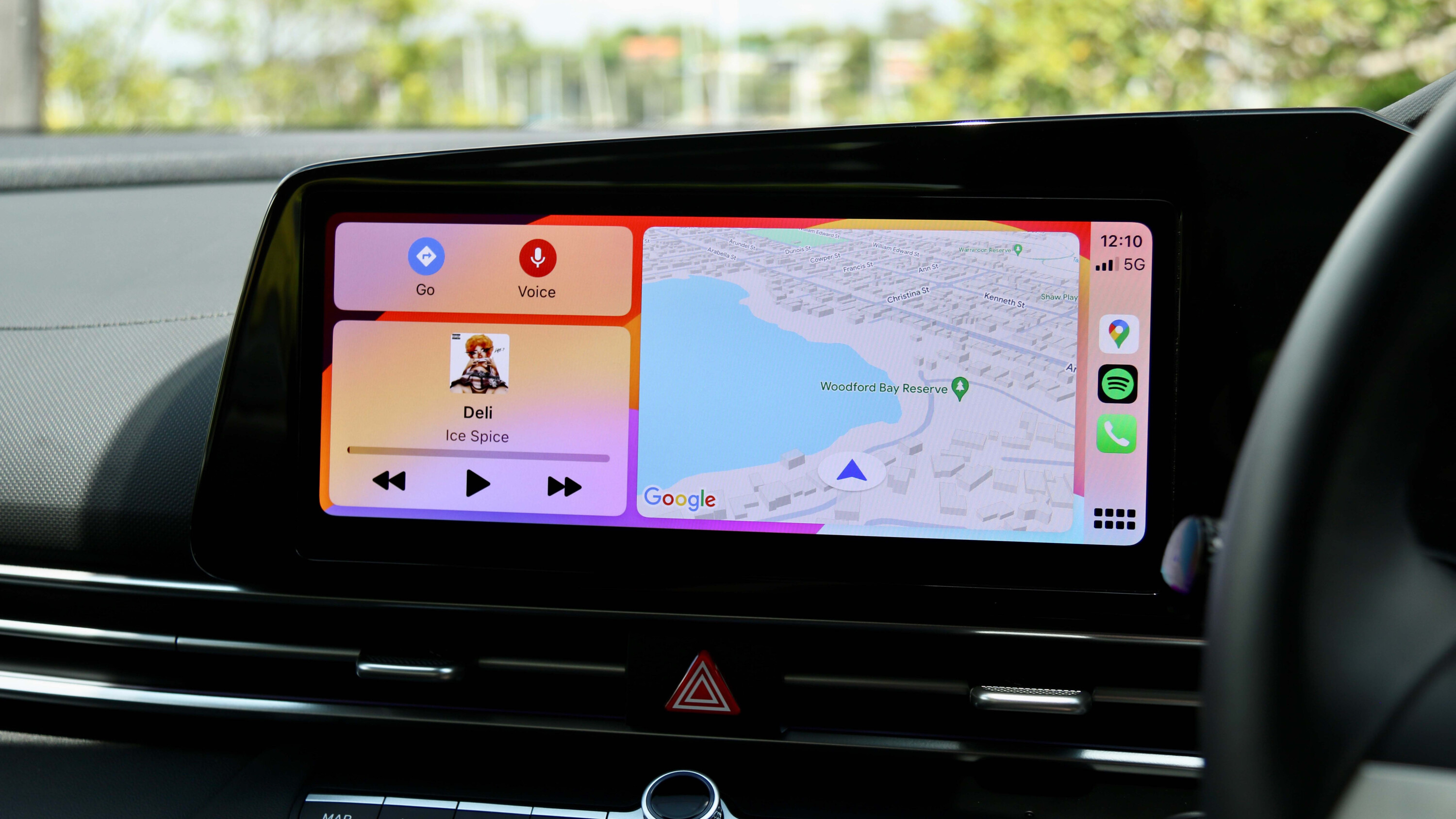
Entry-level i30 variants feature an 8.0-inch touchscreen, but Elite and Premium models upgrade to a larger 10.25-inch unit with more features like inbuilt satellite navigation. Curiously, the smaller screen’s wireless Apple CarPlay and Android Auto is swapped for wired only in the larger screen. But regardless, the screens are breathtakingly simple to use and screen quality is good as well.
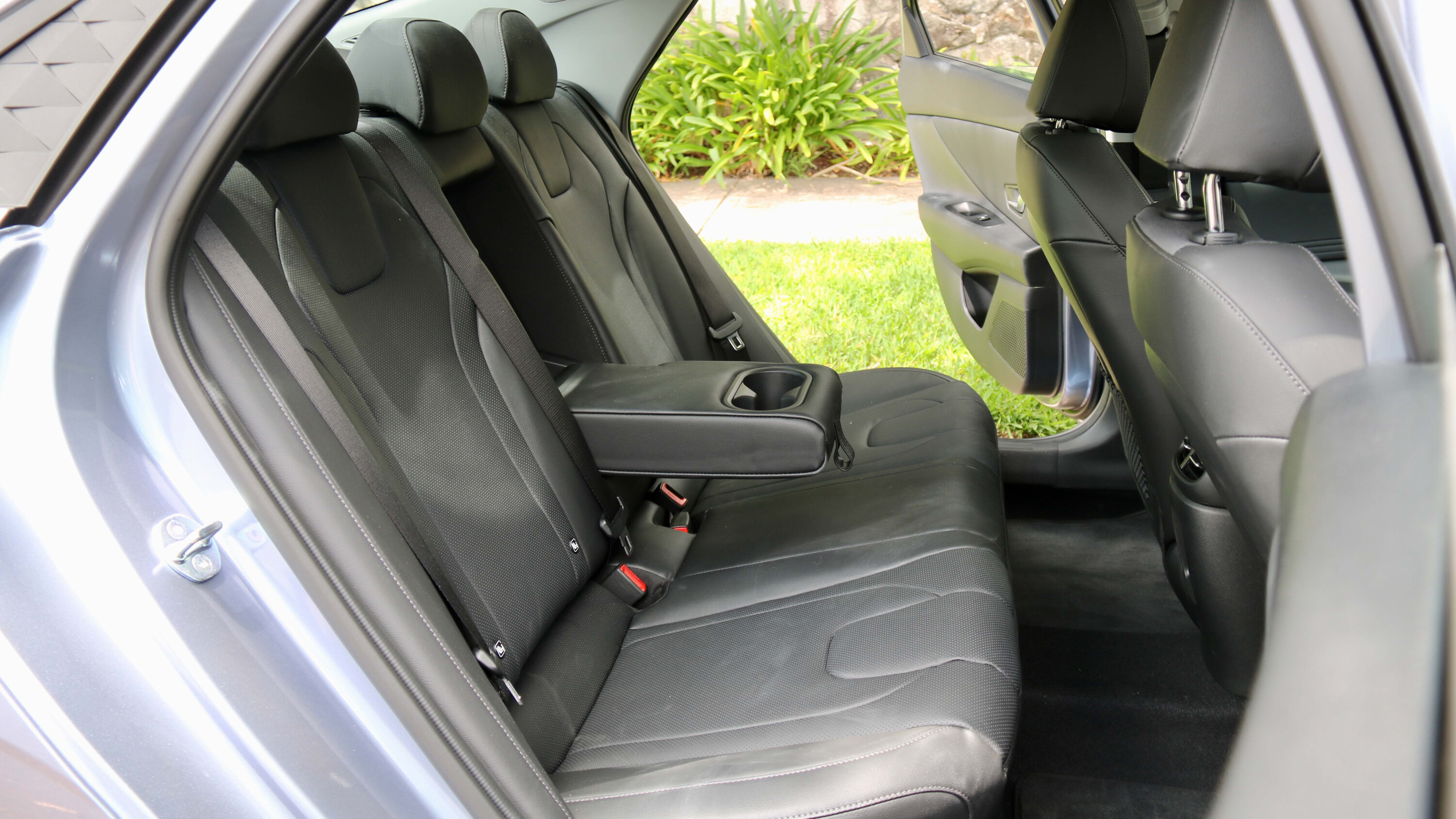
Rear seat space in the i30 Sedan is best in class, with ample room for two tall adults thanks to good headroom and excellent legroom. Regardless of model too, there are two USB-C charging ports, air vents, bottle holders in the doors and a central armrest with cupholders. The doors also open wide to help fitting child seats.
1
How big is the Hyundai i30 Sedan?
While the i30 Sedan fits into the small car category, its dimensions would classify it as a medium-sized sedan 15 years ago. The i30 Sedan measures 4,710mm long, 1,825mm wide, 1,420mm tall and it rides on a 2,720mm long wheelbase.
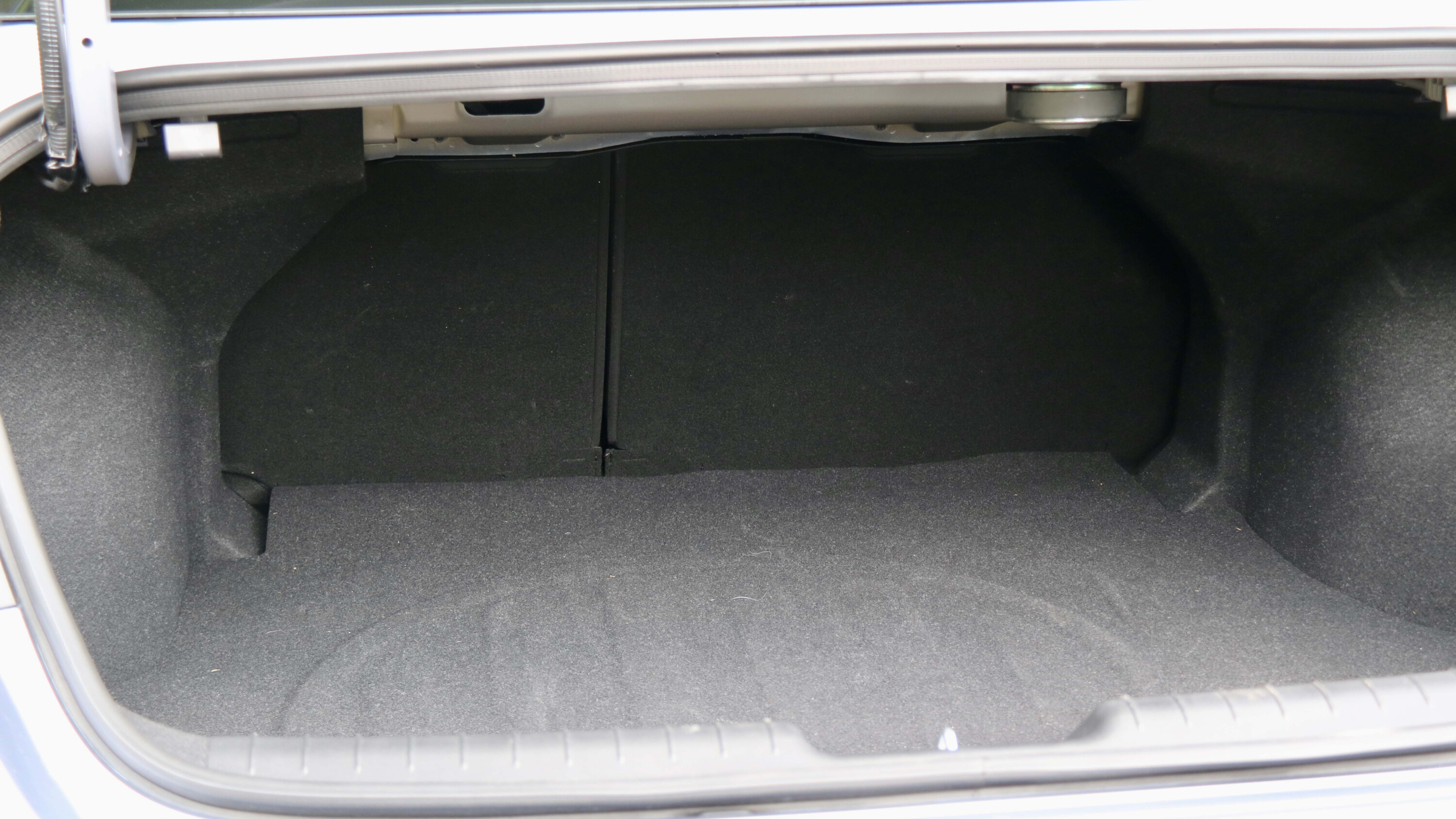
Its boot measures a healthy 474-litres, and the rear seats split fold 60:40 to open up more space.
1
I like driving, will I enjoy the Hyundai i30 Sedan?
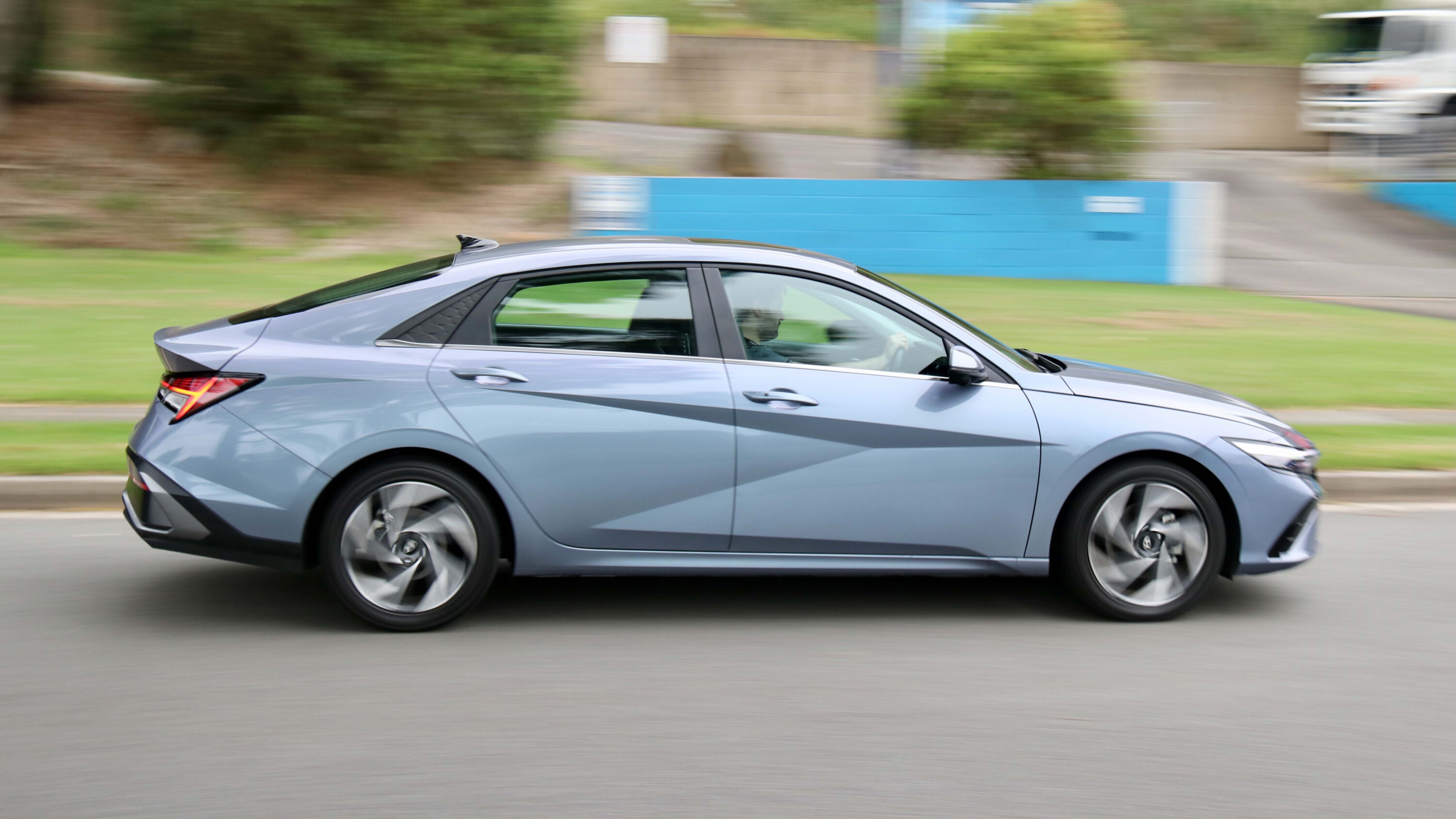
Thanks to the variety in the i30 Sedan range, buyers can find a model that suits them. All are quite comfortable and ride well for their intended use – the sporty N Line is firmer than the other models in the lineup to match its sportier handling, but it’s far from uncomfortable.
The ride in the entry-level i30 Sedans – even the slightly heavier hybrid – and their 16-inch alloy wheels is sublime, soaking up bumps well but not too soft either. On the flip side, the N Line is a keen handler and is quite fun to drive.
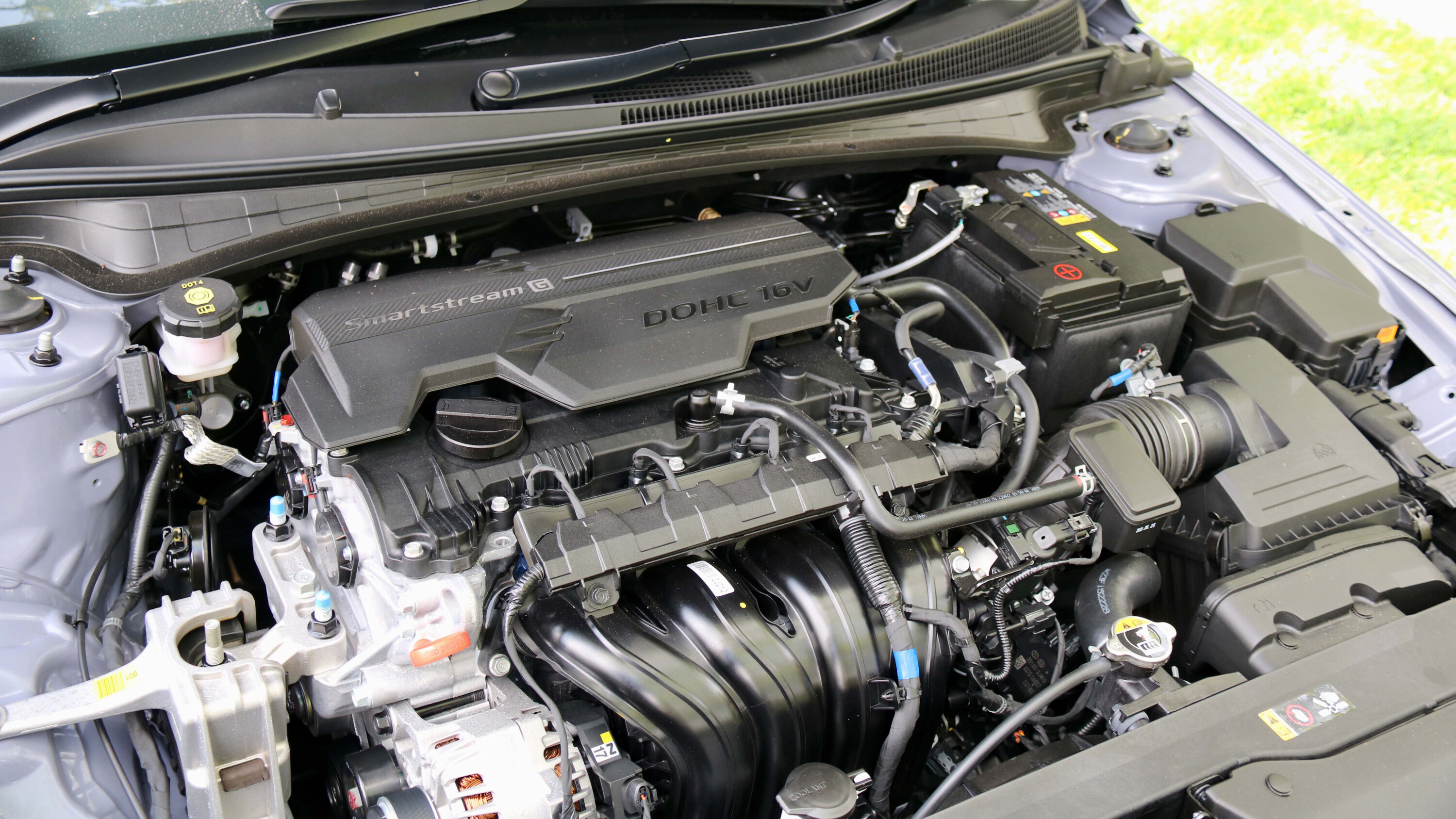
Regardless of engine chosen, the i30 Sedan impresses too. Although the 2.0-litre petrol can be a bit vocal thanks to its CVT automatic transmission with its constant gear ratio, the 1.6-litre turbo sounds good and is quite punchy thanks to its strong 265Nm of torque.
1
The seven-speed dual-clutch transmission can be a bit indecisive when starting from zero, but it shifts quickly afterwards.
The 1.6-litre naturally aspirated hybrid drivetrain impresses with its refinement and fuel economy, and because it uses a dual-clutch transmission – and not a CVT like a lot of other hybrids on the market – it feels quite natural to drive with no strained engine noise.
The hybrid allows for reasonable EV-only driving around town and its engine keenly switches off when coasting, helping fuel economy further.
1
Is the Hyundai i30 Sedan expensive to run?
Fuel consumption for the i30 Sedan varies from 3.9L/100km for the hybrid to 6.1L/100km for the 2.0-litre petrol to 6.6L/100km for the 1.6-litre turbo N Line. All variants can run on 91RON regular unleaded fuel and feature a 47-litre fuel tank (42L for the hybrid). CO2 emissions range from 92g/km for the hybrid to 139g/km for the 2.0-litre petrol and 155g/km for the N Line.
The i30 Sedan is covered by a five-year/unlimited km warranty with lifetime roadside assistance if serviced at a Hyundai dealership – the hybrid’s battery is covered by an eight-year/160,000km warranty as well.
The cost of servicing the i30 Sedan varies depending on which model is selected. All have annual servicing requirements and while the 2.0-litre petrol and hybrid models use 15,000km intervals, the N Line uses shorter 10,000km intervals. Five years of servicing the 2.0-litre petrol costs $1,825, while the hybrid costs $2,170 and the N Line costs $1,735.
1
How much can the Hyundai i30 Sedan tow?
Both the 2.0-litre and 1.6-litre turbo variants are rated to tow a 1,100kg braked trailer or a 610kg unbraked trailer with a 75kg maximum towball weight. The hybrid is not rated to tow at all.
1
Which Hyundai i30 Sedan variant is best?
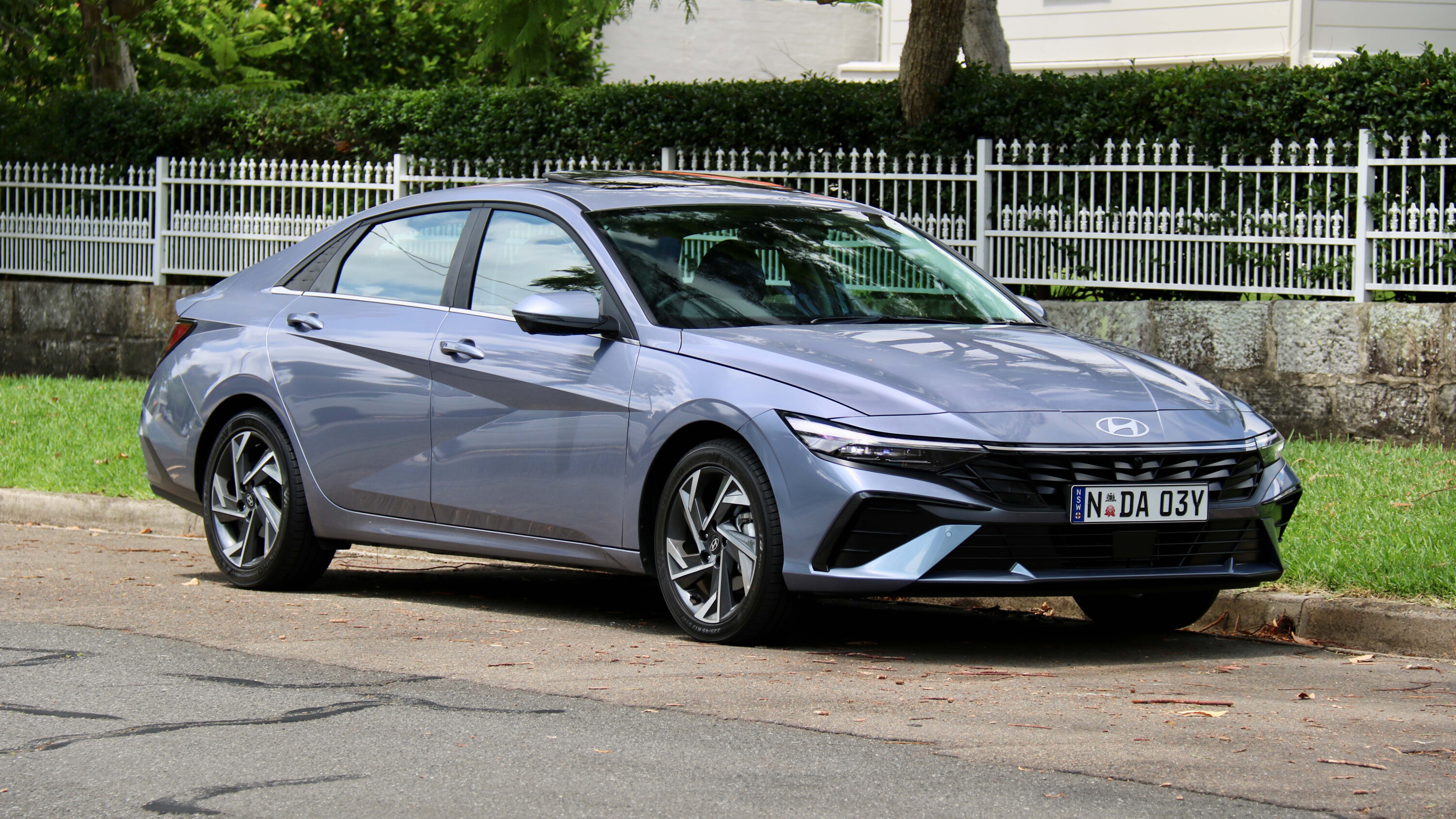
If we were buying an i30 Sedan, we would pick the i30 Elite Hybrid ($37,500 plus on-road costs) because it features a very efficient drivetrain, a good driving experience, a lot of standard equipment, a great warranty program, it’s quite practical and overall, great value for money.
Those wanting a sportier driving experience would be quite happy in the N Line ($36,000 +ORC) as it’s quick and a great handler, yet still practical, well equipped and great value for money.
1
Which vehicles rival the Hyundai i30 Sedan?
u2b06ufe0f Back to top
MORE
Everything Hyundai
MORE
Sedan Buyers Guide
Modern cars are equipped with a growing array of advanced driver assistance systems (ADAS), often to the chagrin of old-school motorists – but how effective have they really been at preventing crashes?
Key Points
- Lane Keeping Assist and Automatic Emergency Braking significantly reduce crashes
- Comfort-enhancing systems like Adaptive Cruise Control may lead to driver inattention and increased risk
- A new framework based on urgency and control explains the effectiveness of different ADAS
A recent study by the SWOV Institute for Road Safety Research in the Netherlands has shed light on which ADAS genuinely improve safety and which might even hinder it.
The researchers aimed to move beyond simulated testing and analyse real-world crash data to understand the true impact of these technologies. Big job.
The study examined 28 different ADAS, drawing on data from scientific literature, technical reports, and large datasets from government and insurance institutions. Researchers focused on quantifying the impact of each system on overall crash rates.
According to their report, the team had to start with meticulously standardising data from various sources, accounting for differences in crash types, severities, and driver demographics, using official government data from Europe and the US.
They didn’t mess about. Researchers initially looked at existing ways of categorising ADAS, such as whether they control the car’s speed or steering, or whether they simply inform, warn, or intervene.
Finding that these categories didn’t fully explain how effective each system was, they developed a simpler, more practical way of understanding ADAS, based on two key factors: 1) how urgently the system needs the driver’s attention, and 2) how much control the system takes over the car.
Think of it this way: some systems, like satellite navigation, give you information but don’t require immediate action (low urgency, low control).
Others, like a lane-departure warning, alert you to a problem that needs your attention right away, but you’re still in charge of steering (high urgency, low control).
Then there are systems like automatic emergency braking, which take over control of the car to prevent a crash (high urgency, high control).
Finally, some systems, like adaptive cruise control, manage the car’s speed and following distance, giving you a greater sense of control, but aren’t dealing with an immediate emergency (low urgency, high control).
What did they find?
WINNERS: Safety-enhancing systems
Several ADAS demonstrated a significant positive impact on road safety:
- Lane Keeping Assist (LKA): This system, which actively steers the vehicle to maintain lane position, showed the most significant reduction in crash rates (19.1 per cent)
- Driver Monitoring Systems (DMS): These systems, which detect driver fatigue and distraction, also significantly decreased accidents (14 per cent).
- Automatic Emergency Braking (AEB): Designed to prevent collisions by automatically applying the brakes, AEB reduced crash rates by 10.7 per cent. When combined with Forward Collision Warning (FCW), the reduction in rear-end collisions can increase to 55 per cent.
- Intelligent Speed Assist (ISA): This system actively limits vehicle speed according to current speed limits. The most authoritative form of ISA, the Speed Control Function (SCF), which limits the maximum speed of the vehicle to the current speed limit, demonstrated the strongest effect of the ISA variants.
- Traffic Sign Information (TSI): These systems can help drivers comply with traffic laws and prevent crashes. One study showed a 7 percent reduction in crashes.
LESS SO: Cruise control
Surprisingly, some ADAS, particularly comfort-enhancing systems, were linked to increased crash rates:
- Adaptive Cruise Control (ACC): This system, which maintains speed and regulates distance to vehicles ahead, was associated with an 8 per cent increase in crashes.
- Cruise Control (CC): The more traditional cruise control system, which maintains a set speed regardless of external factors, showed a 12 percent increase in crash rates.
The study’s proposed urgency and control framework suggests that systems with high urgency and high control, like LKA, DMS, and AEB, are most effective at improving safety.
Conversely, systems with low urgency, such as ACC and CC, often don’t have a beneficial effect and may even contribute to driver inattention or over-reliance, increasing crash risk.
We’re unlikely to see cruise-control features removed from new cars, but this study might provide some insight to the industry on where improvement is needed in how these systems work.
Where it leaves things with the growing number of models equipped with even more cruise-oriented autonomous driving systems, remains to be seen.
These are the new midsize SUVs bound for Australia in 2025.
2024 brought a number of fresh and updated models to Australia’s hot-selling medium SUV segment, and that’s only going to continue this year, with a rapidly growing list of new offerings.
Electric models make up a big proportion of this list, especially those from China, but the legacy brands and powertrains aren’t out of the race.
Which will be the most compelling for Aussie car buyers? Read on…
JUMP AHEAD
- Audi Q5
- Audi Q5 Sportback
- BMW iX3
- BYD Sealion 7
- Cupra Terramar
- Deepal S05
- Geely EX5
- Genesis GV70 facelift
- Jaecoo J7
- Kia Sportage facelift
- MG HS PHEV
- Maserati Grecale Folgore
- Peugeot 3008 & E-3008
- Skoda Enyaq
- Smart #5
- Subaru Forester & Forester Hybrid
- Volkswagen ID.4
- Volkswagen ID.5
- Volkswagen Tiguan
5
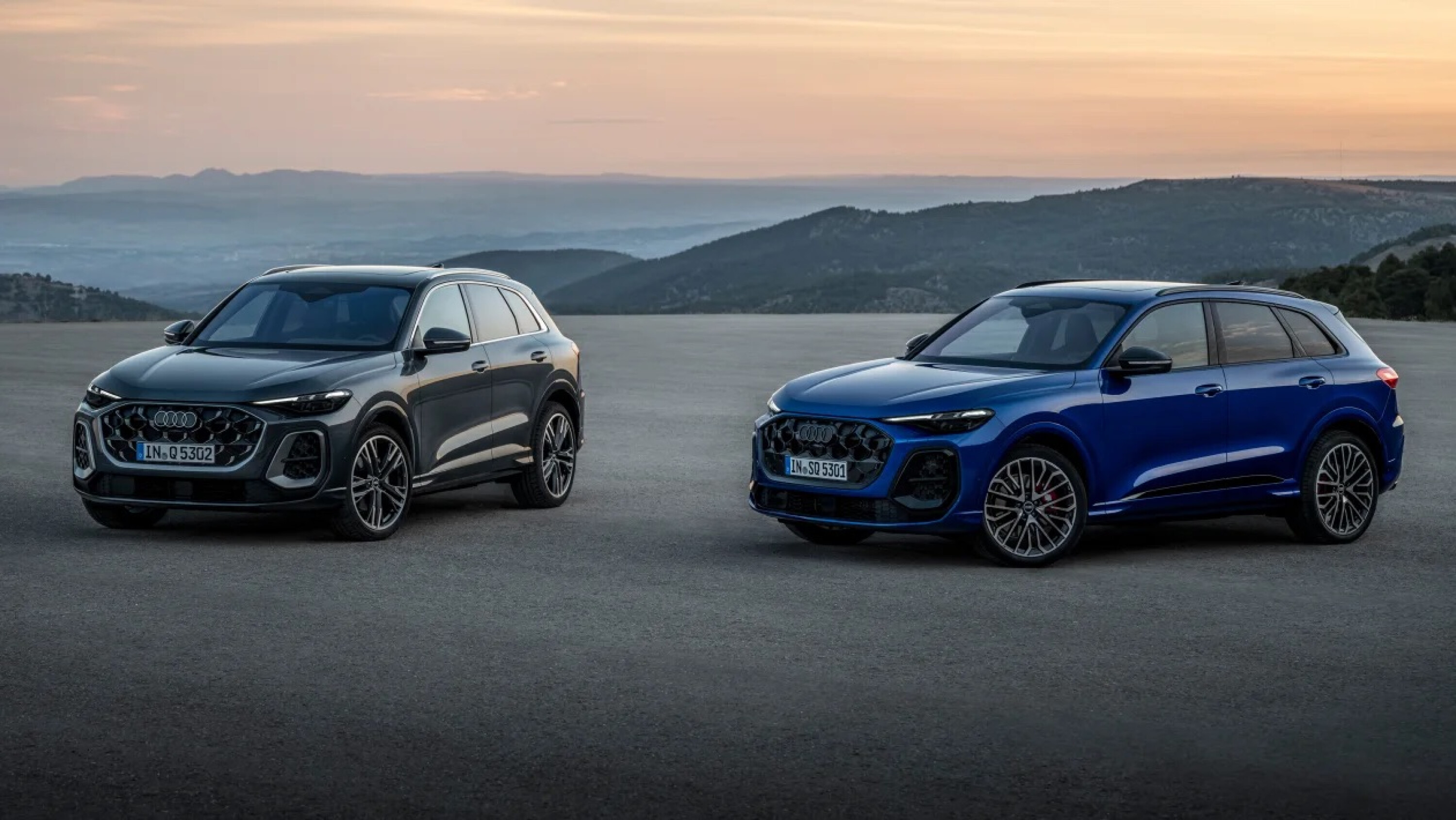
Audi Q5
WHEN: Third quarter 2025
Audi revealed its third-generation Q5 in September 2024. Sporting a fresh but familiar design inside and out, the new Q5 comes packing new tech and updated powertrains.
Engine options overseas include mild-hybrid petrol and diesel engines, all paired with a dual-clutch automatic transmission, while the SQ5 has switched back to a petrol V6 engine.
Pricing has increased in Germany, so Aussie buyers can expect the same here. In its current form, the Australian-delivered Q5 begins from around $75K before on-road costs.
Audi Q5 Sportback
WHEN: Late 2025
Audi’s 2025 Q5 and SQ5 Sportback models have been revealed, offering coupe-inspired takes on the popular Q5 SUV.
Arriving in Australia late next year, these Sportback variants share their underpinnings and technology with the standard Q5. Powertrains include familiar 2.0-litre petrol and diesel engines with mild-hybrid assistance, plus a potent 3.0-litre V6 for the SQ5.
Inside, the Sportbacks feature the same digital cockpit as the Q5, with large driver and central displays. Luxury options like a passenger display and sustainable interior materials are also available. The key differentiator is the Sportback’s sleeker profile, with a sloping roofline and distinct rear styling.
While the Sportback design impacts cargo space slightly, it still offers a respectable 515 litres with the seats up, expanding to 1415 litres when folded. These new models bring a sportier edge to the Q5 lineup, combining style with practicality and performance.
BMW iX3
WHEN: NOT YET REVEALED
Previewed by the Vision Neue Klasse X concept, the next BMW iX3 will be a different car to the fourth-gen internal-combustion X3 unveiled in mid-2024.
It’s expected to come in 2025, based on BMW’s new dedicated Neue Klasse (new class) electric vehicle architecture. The iX3 will be the first model on this platform, with a 3 Series-sized electric sedan previewed by the first Vision Neue Klasse concept to follow soon after.
Full technical details are still to come, although BMW has previously confirmed an 800V architecture, enabling charging speeds that should deliver around 300km of driving range in 10 minutes.
When it’s unveiled later this year and launched into the market in 2025, trademark applications suggest the second-generation iX3 will be offered in iX3 30, iX3 40 and iX3 50 forms.
BMW X3
WHEN: EARLY 2025
The new-generation BMW X3 was unveiled way back in June 2024, and its Australian debut is nearly upon us.
Initially, two petrol options will be available: the entry-level 20 xDrive and the performance-oriented M50 xDrive.
The new X3 is slightly larger than its predecessor and features a more athletic stance. Inside, the cabin showcases sustainable materials and a high-tech feel, with the BMW Curved Display and Interaction Bar taking centre stage. Advanced driver assistance systems and the latest iDrive system are standard. Pricing and details in the linked story above.
BYD Sealion 7
WHEN: FEBRUARY 2025
In February, BYD launched the Sea Lion 7, an electric SUV counterpart to the Seal sedan, priced from $54,990 plus on-road costs.
Offered in two variants, the Sea Lion 7 uses an 82.65kWh LFP battery, providing up to 482km of range in the base Premium model and 456km in the Performance version. It supports DC fast charging up to 150kW and is the first Australian BYD to offer 11kW AC charging.
Sized between the Tesla Model Y and other mid-size electric SUVs, the Sea Lion 7 measures 4830mm long, 1925mm wide, and 1620mm tall, with a 2930mm wheelbase. It enters a competitive market against rivals like the Tesla Model Y, Leapmotor C10, Deepal S07, and Kia EV5.
Cupra Terramar
WHEN: MID 2025
Named after a long disused, banked oval racetrack that stands as Spain’s equivalent to Monza or Brooklands, the Terramar will reach Australia later this year.
Built alongside the Audi Q3 in Hungary, the 4.5-metre long Terramar plug-in hybrid SUV replaces Cupra’s Ateca SUV – but will push things more upmarket.
The Terramar is nearly identical in size to the related VW Tiguan. The Terramar stretches 4519mm long, 1863mm wide, and 1584mm tall, with a wheelbase of 2681mm. For comparison, the Tiguan measures 4539mm long, 1842mm wide, 1639mm tall, and has a 2680mm wheelbase.
The Terramar uses a ‘new generation of hybrid’ powertrain promising around 100km of electric driving range – a significant jump from the Leon and Formentor’s 50-65km capability.
Another engine option we’re expecting is the 195kW/400Nm 2.0 TSI turbo petrol mill that features in the new Tiguan R Line.
Local details are still to be released, but watch for the Terramar to start in the low $50,000 range.
6
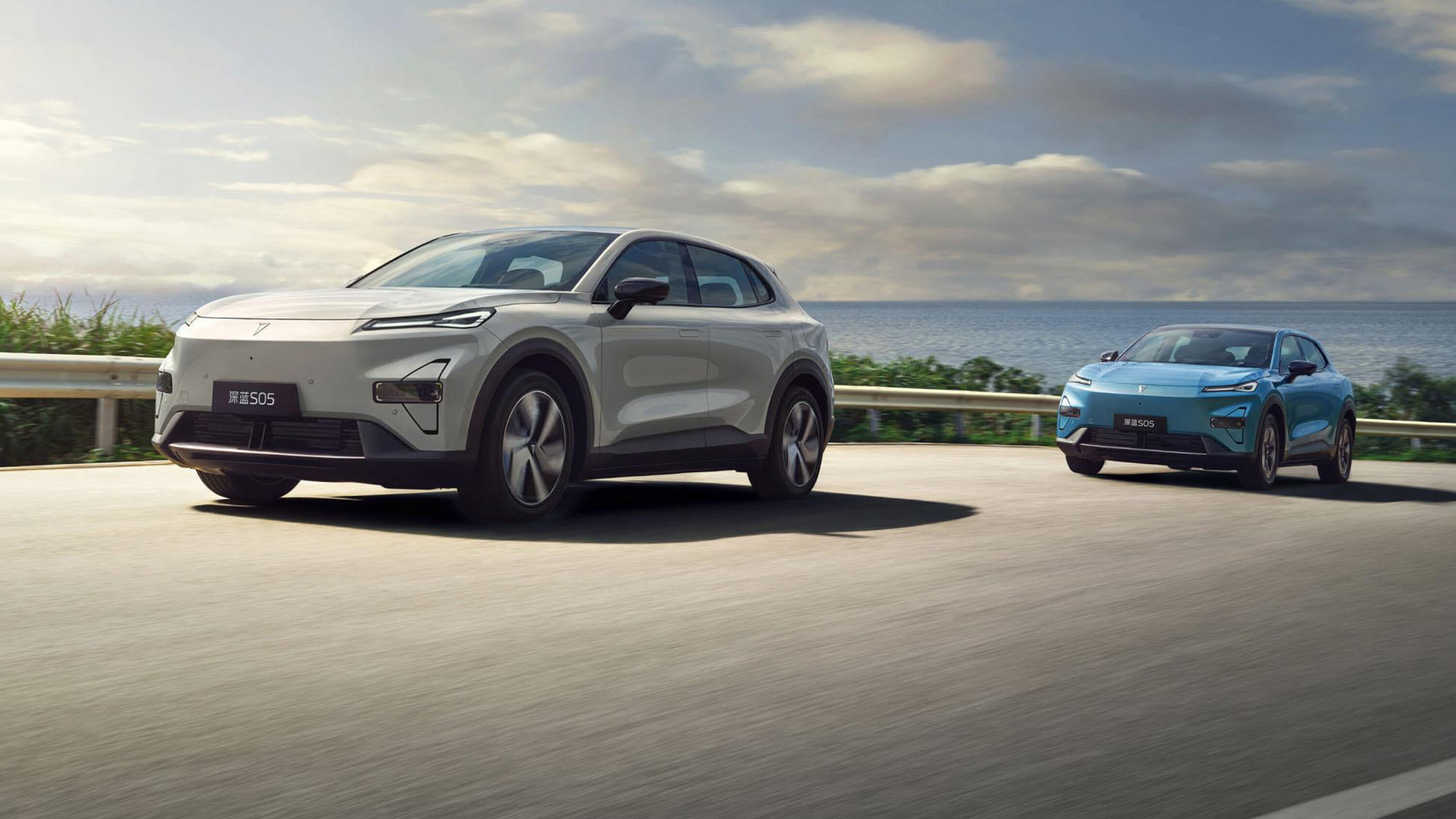
Deepal S05
WHEN: TBC
Chinese brand Deepal is planning to expand its Australian offerings beyond the recently launched S07 electric SUV.
Nothing is confirmed yet, but several new models are under consideration for a 2025 launch, with the most likely next entrant being the S05 – a smaller electric SUV that would rival the popular but slightly smaller BYD Atto 3.
Overseas, the S05 it’s available with a range extender, but an all-electric version with a 175kW motor and a 56kWh battery is more likely for Australia.
The brand’s local distributor Inchcape isn’t ready to talk timing or price, but we’d expect a sticker starting around $40K.
Geely EX5
WHEN: FIRST HALF 2025
Chinese carmaker Geely, already present in Australia through its Volvo, Polestar, and Lotus brands, will soon launch its namesake brand with the EX5 electric SUV.
The EX5 is built on Geely’s Electric Architecture and features a 160kW/320Nm electric motor. Battery options and range are yet to be finalised for global markets, but Chinese models offer choices that could translate to competitive offerings here. The EX5’s dimensions place it between the BYD Atto 3 and Tesla Model Y.
While its $28K-equivalent pricing in China is attractive, the EX5’s Australian sticker is expected to start closer to $50K, in line with key rivals.
Genesis Electrified GV70 facelift
WHEN: FIRST HALF
The Genesis Electrified GV70 was given a facelift and battery upgrade in November, promising improved range for the electric SUV.
Following the refreshed petrol GV70 (linked above), the Electrified GV70 will arrive in Australia in the first half of 2025. Styling changes include revised bumpers, new wheel designs, and repositioned indicators.
The most significant update is the battery, increasing from 77.4kWh to 84kWh. This upgrade, similar to those seen in the Hyundai Ioniq 5 and Kia EV6, should boost the driving range, potentially approaching 500km. The dual-motor drivetrain remains, offering impressive power and torque, and the 800-volt architecture ensures continued fast-charging capability.
The interior mirrors the petrol GV70’s updates, featuring a large 27-inch OLED display and a touch-sensitive climate control panel.
Jaecoo J7
WHEN: EARLY 2025
Chinese carmaker Chery will launch its midsized J7 SUV sometime in the first part of this year.
The J7 launch will mark the Australian introduction of Chery’s Jaecoo brand, heralded as its “rugged urban SUV brand”.
In Australia, the J7 will be offered as a midsize five-seat SUV, powered by a 137kW/275Nm 1.6-litre turbocharged petrol engine matched to a seven-speed dual-clutch automatic and a choice of front- or all-wheel drive.
Features promoted in the brand’s latest announcement include seven “distinct” drive modes and a large, vertical 14.8-inch main display in the cabin.
Other features for our market will include 19-inch alloy wheels, power-adjustable front seats, a 360-degree camera system, wireless smartphone charging, LED headlamps, front fog lights, automatic wipers, and an electric tailgate.
Depending on its pricing, the J7 will likely be pitched as a more affordable yet feature-rich alternative to popular midsize SUVs like the RAV4, CX-5, Tucson, Sportage and X-Trail. Rivals among its Chinese peers will include the new MG HS, GWM Haval H6, and the related Chery Tiggo 7 Pro.
Kia Sportage facelift
WHEN: SECOND QUARTER
Kia’s popular Sportage SUV is getting a fresh look for 2025, and it’s confirmed for Australia.
Revealed at the LA motor show, the updated Sportage features revised styling inside and out, along with mechanical improvements.
Good news for Aussie drivers: the diesel engine option will continue, alongside a petrol engine now paired with a more conventional automatic transmission. The hybrid model also gets a power boost. Kia is promising a more refined driving experience thanks to suspension and noise insulation upgrades.
The 2025 Kia Sportage is set to arrive in Australia in the first half of 2025.
MG HS PHEV
WHEN: MID 2025 (unconfirmed)
MG’s next-generation HS plug-in hybrid is expected in Australia in mid-2025, promising a significant increase in electric driving range.
Australian government documents confirm its approval for sale, revealing a 105kW petrol engine and a 224kW total system output.
Likely sharing its powertrain with the UK-spec HS PHEV, the new model combines a 105kW turbocharged 1.5-litre four-cylinder petrol engine with a 24.7kWh battery, resulting in 226kW and 432Nm. This contrasts with the previous HS Plus EV’s smaller battery and lower range.
The new HS PHEV boasts a WLTP range of 121km, a substantial improvement over the previous model’s 63km NEDC range. It also includes vehicle-to-load (V2L) capability, allowing the car’s battery to power external devices.
For now, all of this is speculative, as the brand has yet to confirm specific plans for the HS PHEV.
Maserati Grecale Folgore
WHEN: JANUARY
The first electric Maserati dons the Italian carmaker’s ‘Folgore’, meaning lightning.
The Grecale Folgore takes the Porsche Macan-sized SUV – Maserati’s most popular car here – and runs a quad-motor set-up (two on each axle) with 400V architecture and 105kWh battery for a suggested 400kW/800Nm output.
Priced from $199,000 before on-road costs, local availability for the Grecale Folgore EV opened in January, listed officially as ‘available to order only’.
Peugeot 3008 Hybrid & E-3008
WHEN: 3008 Hybrid now, E-3008… ?♂️
The 3008 Hybrid went on sale in January 2025, but plans for its all-electric companion are more of a mystery.
Peugeot Australia had announced the E-3008 would arrive here in the second half of 2024, but it is now a TBC. The seven-seat E-5008 was said to follow the E-3008 in 2025, but this, too, is now unclear.
Skoda Enyaq facelift
WHEN: MID-LATE 2025
In January, Skoda gave its Enyaq and Enyaq Coupe electric SUVs a facelift, improved technology, and better performance.
The exterior gets a “Tech-Deck Face” with a redesigned grille and headlights, while the interior boasts a larger 13-inch infotainment screen and an optional augmented reality head-up display.
The updated Enyaqs offer increased range and faster charging thanks to a more efficient electric powertrain. Australia is likely to again be offered only the Enyaq Coupe, although the brand has yet to confirm local details.
In its current form, the Enyaq kicks off at $69,990 for the Sport Line, with the Enyaq RS retailing for $83,990.
6
Smart #5
WHEN: SECOND HALF 2025
Smart unveiled the #5 electric SUV in August last year.
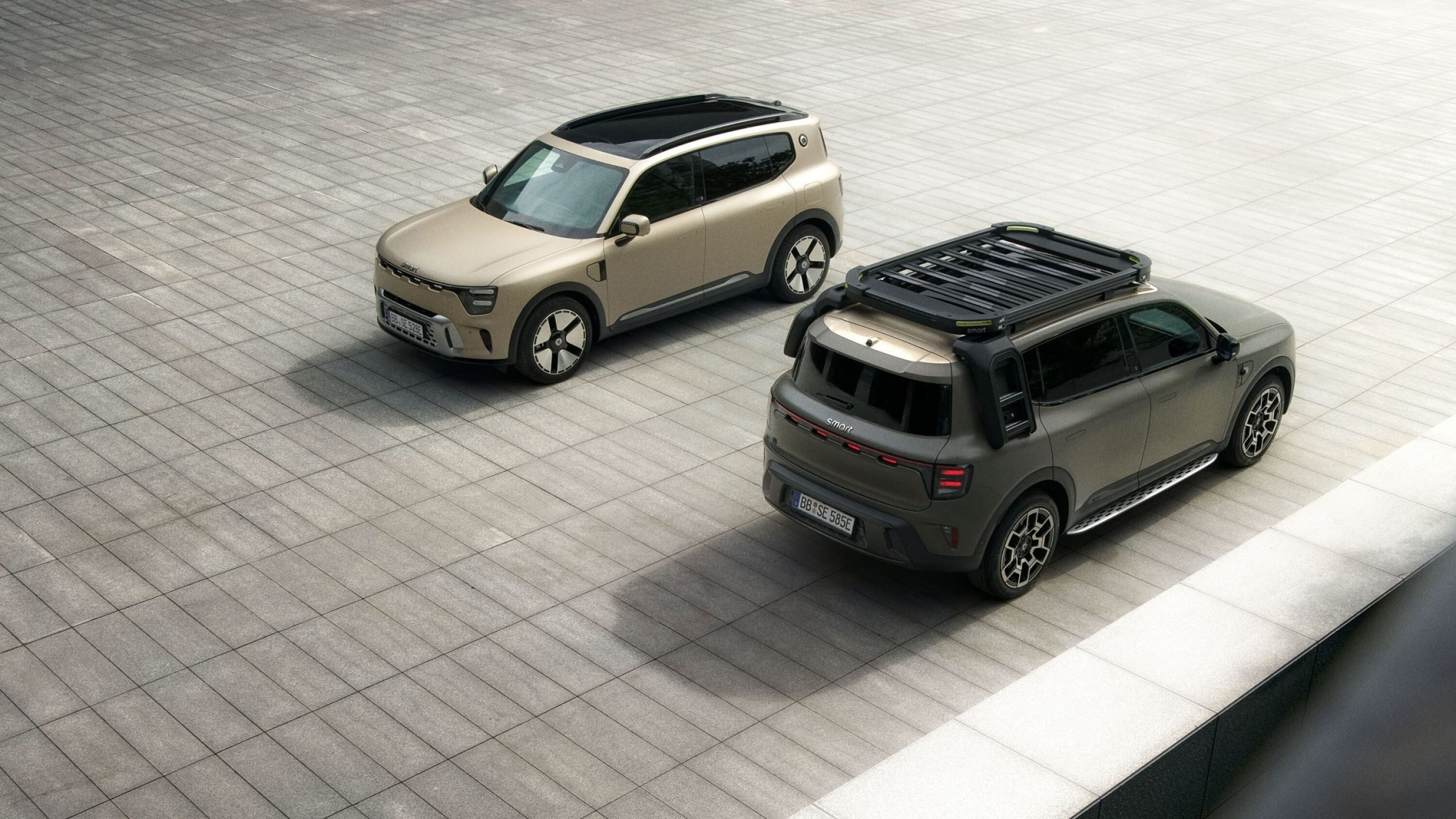
Its largest model to date, the ‘Hashtag 5’ measuring 4705mm in length with a 2900mm wheelbase, positioning it competitively against mid-size SUVs like the Skoda Enyaq and Tesla Model Y. 
The #5 features a boxy, rugged design, with the Summit Edition offering an off-road package that includes a roof-mounted light bar, roof rack, side steps, storage box, and access ladder. Inside, it boasts a 10.3-inch ultra-HD driver’s display, dual 13-inch AMOLED screens for the driver and front passenger, and a 25.6-inch augmented-reality head-up display. A generative AI voice assistant is integrated with a Sennheiser sound system delivering over 2000 watts. 
Equipped with a 100kWh battery, the #5 offers a claimed range of over 740km according to the CLTC test cycle. Its 800-volt system architecture enables rapid charging from 10% to 80% in approximately 15 minutes. Leaked documents suggest various powertrain options, including single-motor models producing 250kW and 288kW, and a dual-motor all-wheel-drive version with up to 432kW. A top-tier variant with 475kW is also anticipated.
The Smart #5 is expected to launch in Australia in the second half of 2025.
Subaru Forester & Forester Hybrid
WHEN: July 2025
Subaru unveiled the new Forester Hybrid at the Chicago Auto Show, following the overseas launch of the regular new Forester in early 2024.
The “strong hybrid” combines a 2.5-litre Boxer engine with a Toyota-sourced electric motor and a 0.7kWh battery, delivering 145kW. Power is sent to all four wheels via an e-CVT, and unlike some hybrids, the Forester retains a mechanical all-wheel-drive connection.
Fuel efficiency is rated at 6.7L/100km in the US, but potentially closer to 5.5L/100km in Australia based on comparative ratings.
Alongside the hybrid, Subaru also revealed the Forester Wilderness, an off-road focused variant with increased ground clearance, off-road bumpers, all-terrain tyres, and other enhancements.
While not yet confirmed for Australia, Subaru has expressed interest in bringing Wilderness models to the local market.
1
Volkswagen ID.4
WHEN: March 2025
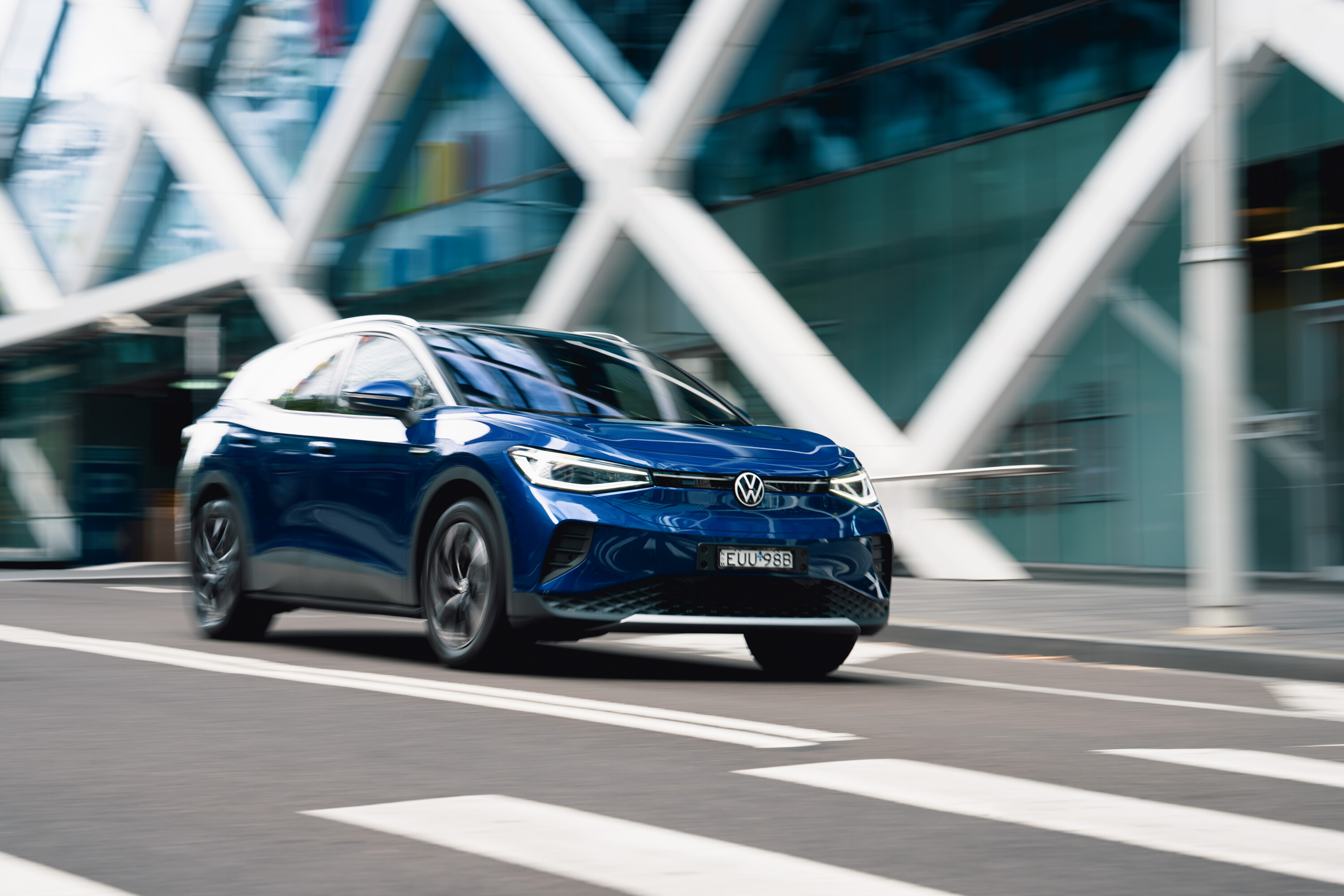
Think of an electric alternative to the VW Tiguan and you’re on the money when it comes to the VW ID.4, which is due to arrive in March.
This family-friendly five-seat electric SUV will be initially be offered in single-motor ‘Pro’ rear-wheel drive guise producing 210kW and 545Nm, with the sportier GTX model ramping things up to 250kW thanks to the addition of a second drive motor for the front wheels. It also gets quicker DC charging at 175kW.
At just under 4.6 metres long, the ID.4 is bang on the class standard for a midsize SUV, and VW’s approach here is to offer this fully electric model with up to 550km WLTP driving range.
1
Volkswagen ID.5
WHEN: March 2025
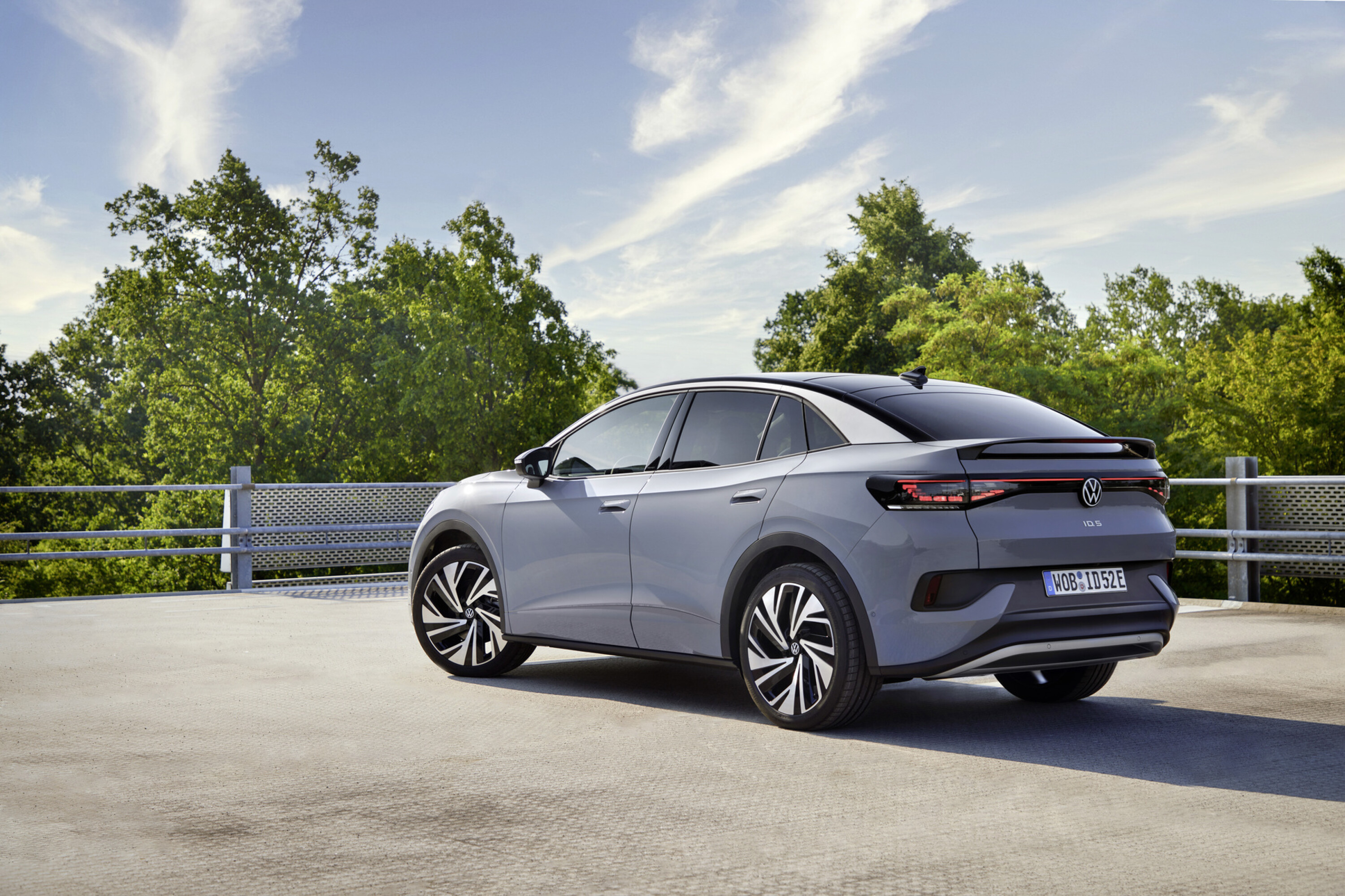
This is a sportier take on a midsize EV SUV than the ID.4, with a slope-backed bodyshell draped over similar mechanical innards.
Like the ID.4, VW Australia will offer a single-motor rear-wheel drive version with 210kW/545Nm alongside a sportier GTX model with all-wheel drive and 250kW, though VW’s local operation will employ the inverse strategy to the ID-4 with the ID.5, launching instead with the high-performance GTX variant. The ID.5 Pro will land later in 2025.
Driving range exceeds 500km for both versions of the ID.5 with the rear-drive Pro rating at 556km from a charge.
The ID.5 GTX will land in Australia at the same time as the ID.4, in March 2025.
Volkswagen Tiguan
WHEN: MAY 2025
Sporting a more premium feel and upgraded interior, the new Tiguan has been dubbed a “mini Touareg”. While diesel and the previous R flagship are gone, a range of petrol engines will be available.
Boot space increases thanks to a 30mm length increase, though the Tiguan remains a five-seater. Seven-seat seekers will have to wait for the Tayron, the Tiguan Allspace replacement, later in 2025.
Built on VW’s latest MQB Evo platform, the Tiguan offers improved materials and a refined driving experience. The top-spec 195TSI R-Line offers strong performance, too, replacing the hero Tiguan R of the outgoing second generation.
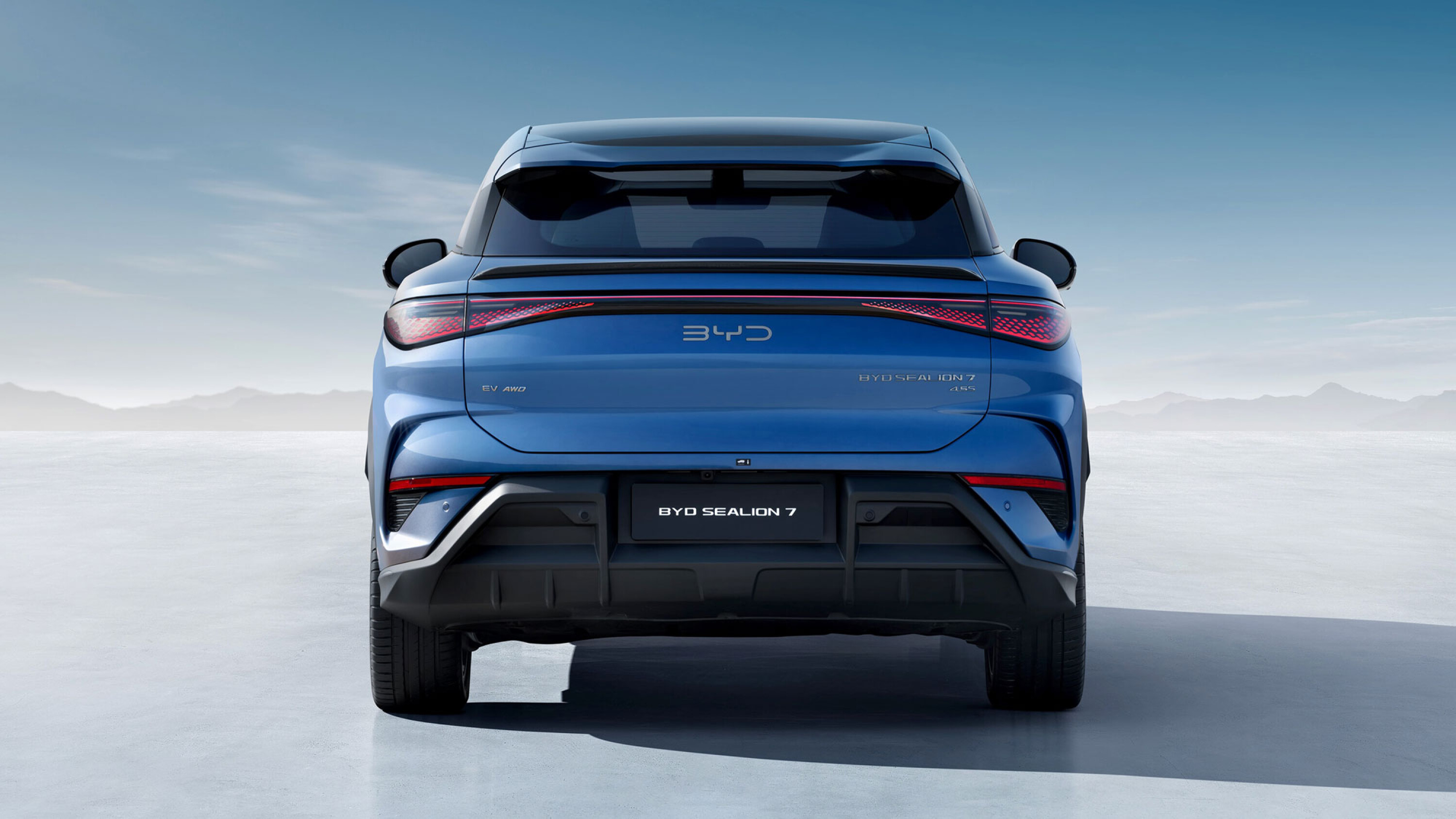
BYD Australia has launched the Sea Lion 7, the SUV sibling to the Seal electric sedan, priced from $54,990 plus on-road costs.
Available in two variants, the Sea Lion 7 will feature an 82.65kWh lithium iron phosphate (LFP) battery that’s also used in the Seal and gives the new electric SUV up to 482km of range (WLTP) for the base Premium model, or 456km with the top-spec Performance.
DC fast charging is available at up to 150kW for a claimed 10 to 80 percent recharge time of 32 minutes, and it’s the first Australian BYD to support AC charging up to 11kW (up from 7kW).
1
Power comes from a 230kW/380Nm single rear motor in the Premium – good enough for a 6.7-second 0-100km/h time – and a 390kW/690Nm dual-motor all-wheel drive layout in the Performance, reducing the sprint time to just 4.5 seconds.
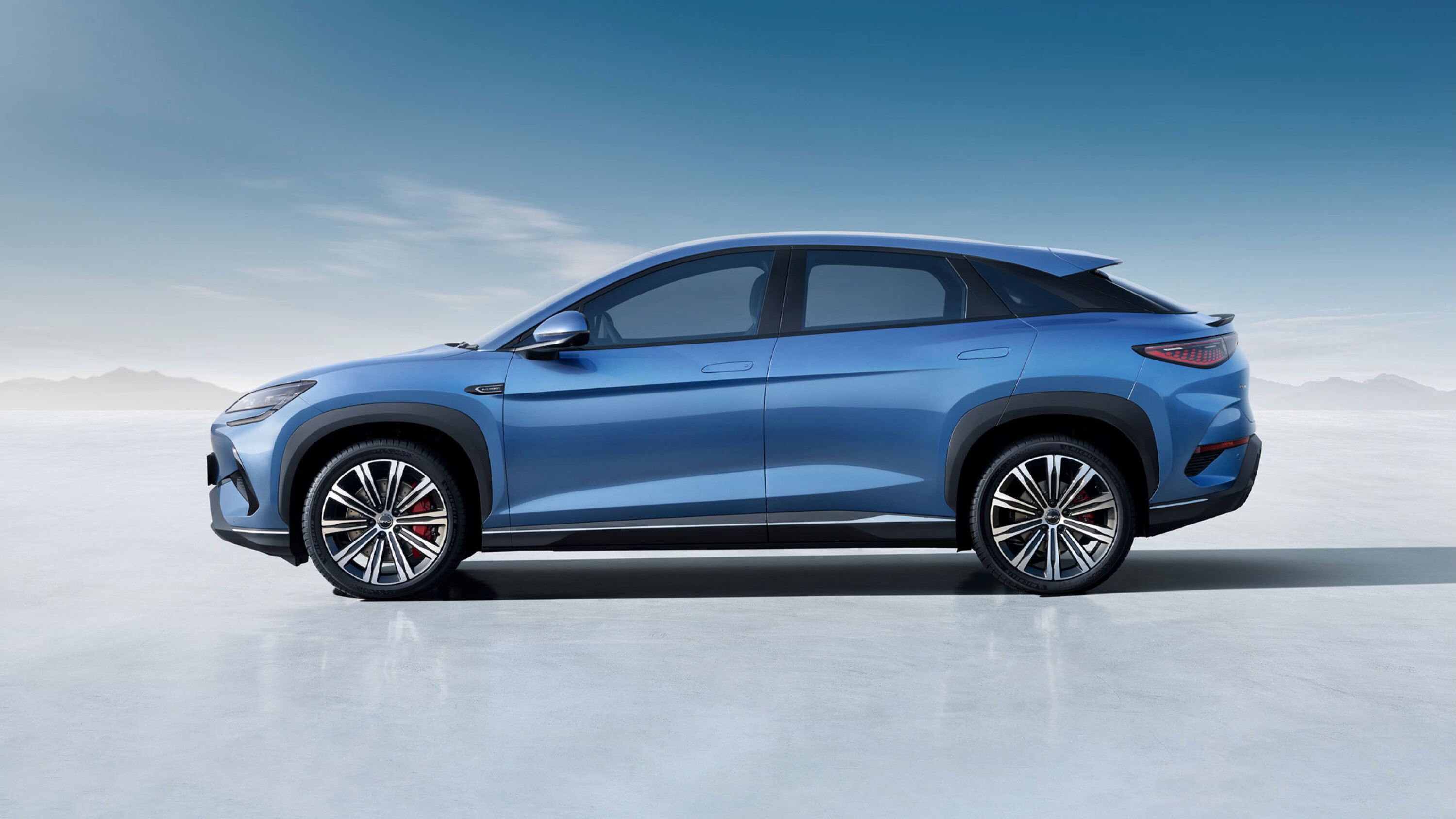
Measuring 4,830mm long, 1,925mm wide, 1,620mm tall and riding on a 2,930mm long wheelbase, the Sea Lion 7 is longer but lower than a Tesla Model Y.
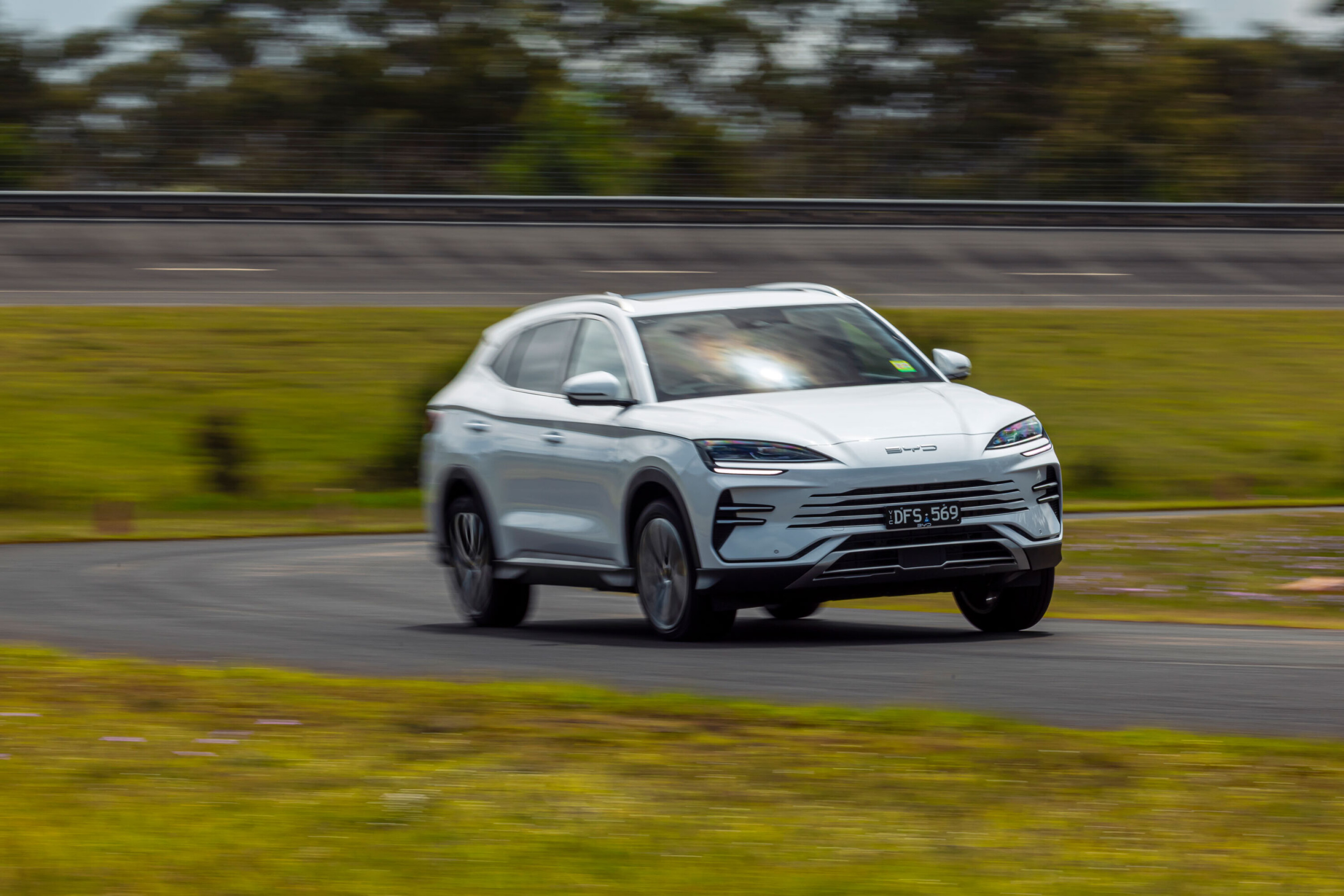
The Sea Lion 7 enters the congested electric mid-size SUV segment against rivals like the aforementioned Model Y, as well as the Leapmotor C10, Deepal S07 and Kia EV5.
| 2025 BYD Sea Lion 7 pricing (plus on-road costs): | |
|---|---|
| Premium RWD | $54,990 |
| Performance AWD | $63,990 |
1
| BYD Sea Lion 7 Premium standard equipment | |
|---|---|
| 19-inch alloy wheels with a tyre repair kit | Dual-zone automatic climate control with PM2.5 filter and rear air vents |
| Frequency selective shock absorbers | 10.25-inch digital driveru2019s display |
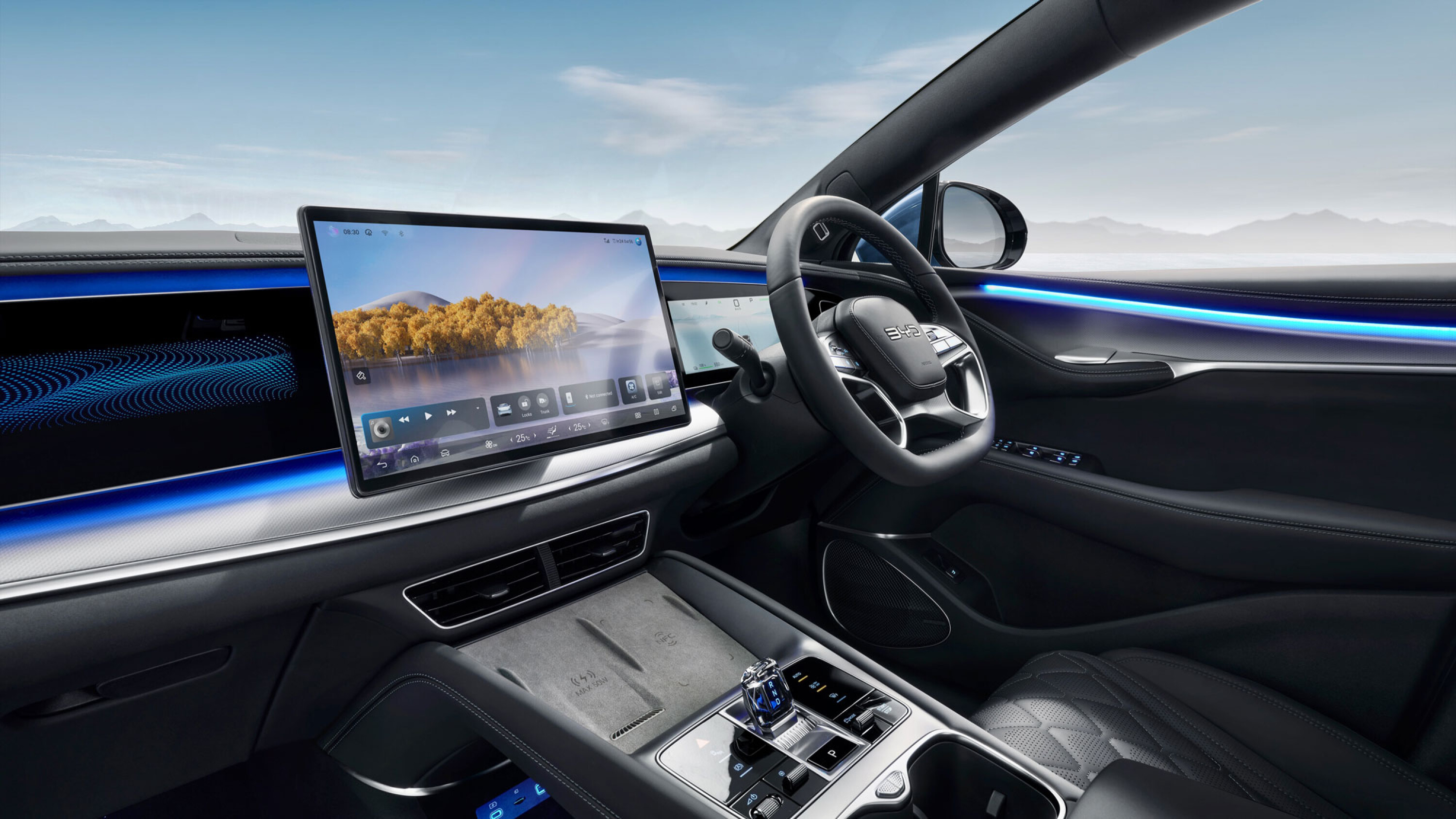
| Dusk-sensing automatic all-LED exterior lighting | 15.6-inch rotating touchscreen with over-the-air updates |
| Rain-sensing automatic wipers | Wireless Apple CarPlay and Android Auto |
| Keyless entry and start with NFC or phone key access | Satellite navigaiton |
| Panoramic glass roof | Head-up display |
| Power tailgate | 12-speaker Dynaudio sound system |
| Black leather upholstery | Heat pump |
| 14-way electric driveru2019s seat with memory, 6-way front passenger | Wireless phone charger |
| Heated and ventilated front seats | Multi-colour ambient lighting |
| Leather steering wheel | 4x USB charging (2x front, 2x rear) |
1
| Sea Lion 7 standard safety features | |
|---|---|
| Nine airbags (including front centre and rear side units) | Traffic sign recognition |
| Autonomous emergency braking (AEB) | Door exit warning |
| Adaptive cruise control | Driver attention monitoring |
| Lane keeping assistance with lane departure warning | Child presence detection |
| Blind-spot monitoring | 360-degree camera |
| Front and rear cross-traffic alert with braking | Front and rear parking sensors |
2
| Sea Lion Performance adds over Premium | |
|---|---|
| Dual-motor all-wheel drive layout | Heated steering wheel |
| Larger 20-inch alloy wheels | Heated rear seats |
| Red front brake callipers | |
The BYD Sea Lion 7 is available to order now, with the first deliveries commencing later this month.
MORE
Everything BYD
