
FORD is claiming the next Mustang will be its fastest pony car yet.
The Blue Oval has released details on the new US-spec 2018 Ford Mustang GT, which will arrive Down Under in mid-2018, and the headline act is an impressive 0-60mph (97km/h) sprint time.
Ford claims the V8 Mustang will do the dash in under 4.0-seconds in a special ‘Drag Strip mode’.
The manufacturer is touting this as quicker than a Porsche 911 Carrera, which on paper hits the same marker in 4.4sec using a manual ‘box, or 4.2sec with a PDK auto (4.0sec with PDK and Sport Chrono).
We’ll stop short of backing Ford’s claim as an official figure is yet to be released, and our very own performance testing will reveal the real-world figures.
For reference, the fastest time Wheels has extracted from the current GT Fastback on local soil is 5.0sec to 100km/h and a 13.2sec quarter mile.
It’s also unclear whether this ‘Drag Strip mode’ will be available in Australia or whether it will be left off like the Mustang’s controversial ‘Burnout mode’.
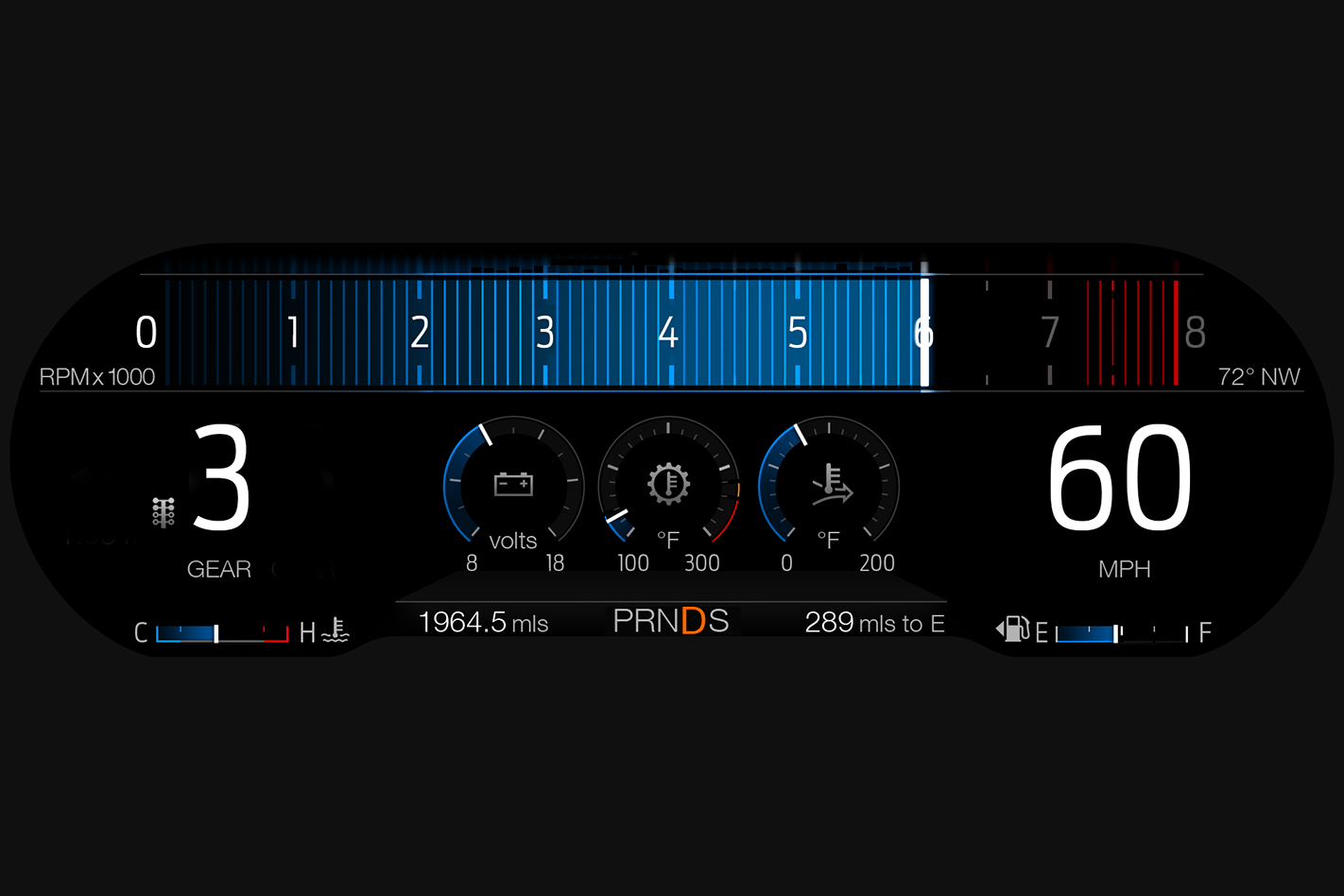
Helping the 2018 Mustang GT achieve its alleged three-point-something second sprint is a power hike from its 5.0-litre V8, which jumps to 343kW and 569Nm, an increase of 37kW/49Nm compared to the current Aussie-spec GT.
That power will be sent through a new 10-speed automatic co-developed with GM and transferred to the ground via custom-designed Michelin Pilot Sport 4 S tyres, available as part of a new Performance Pack.
The flagship Mustang will have a number of driver modes, with the ‘Drag Strip mode’ doing exactly as it says on the box to help optimise straight-line performance.
“Typically, when you shift gears, you give up time,” said Carl Widmann, the Mustang’s chief engineer.
“In Drag Strip mode, the engine torque doesn’t drop when you’re shifting. You get peak engine torque and horsepower straight through thanks to our new Ford-built 10-speed transmission.”
Other drive modes available in the new Mustang will be normal, sport, track, and snow/wet.
Ford isn’t just saving the performance improvements for the V8 flagship either, with four-cylinder EcoBoost owners getting a 40Nm increase in torque over the current model for total outputs of 233kW and 432Nm.
The 2018 Mustang EcoBoost has a claimed sub-five second 0-97km/h sprint, putting it in the same ballpark as an Audi S3.
Interestingly, the press release makes no mention of manual gearbox options. Here’s hoping Ford decides to provide a 2018 Mustang with three pedals and DIY shifter.
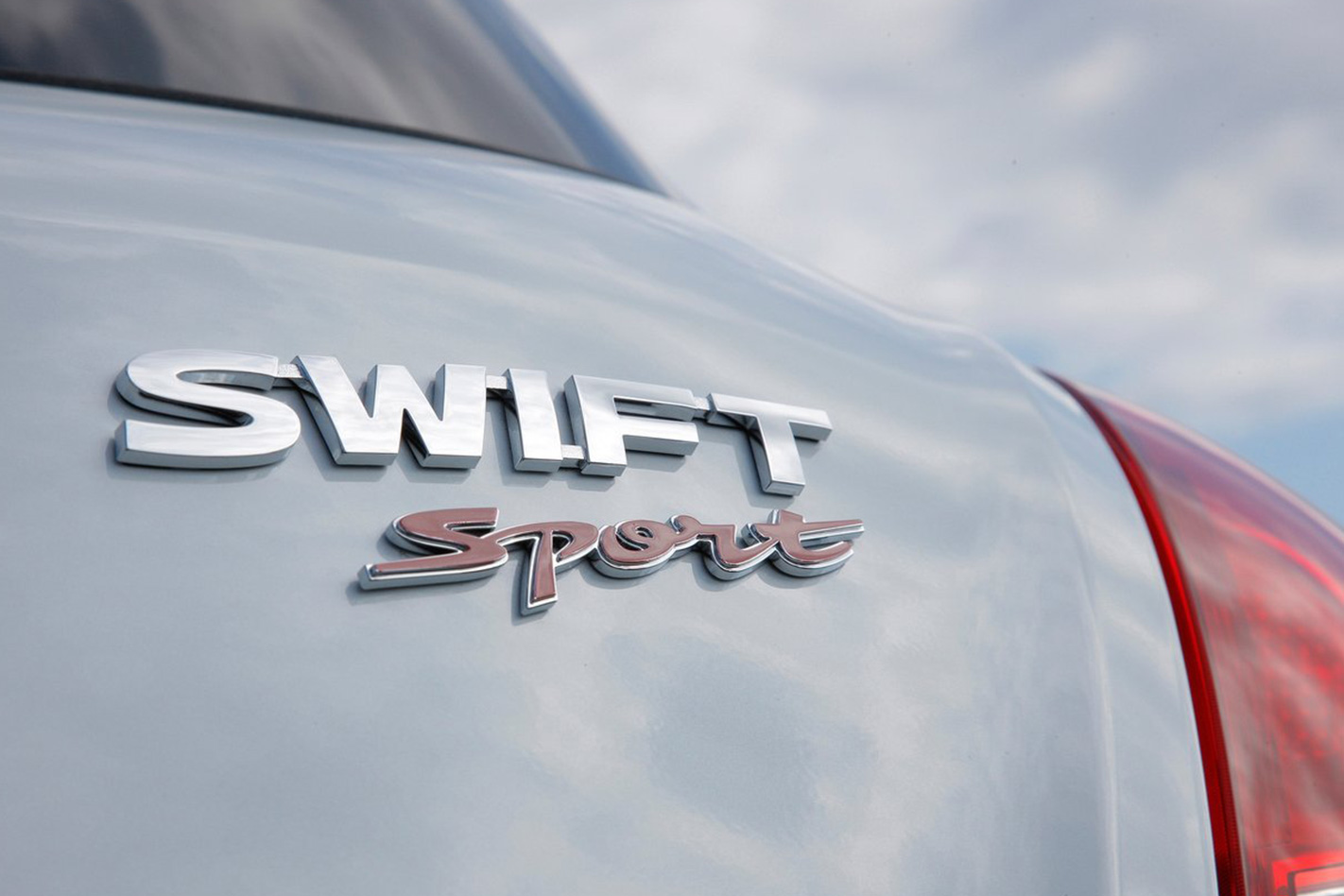
Almost two months before its debut, the 2018 Suzuki Swift Sport has been ‘unofficially’ revealed by the company as a teaser image.
The Sport appears to feature a larger grille, mores aggressive styling with sharper lines, and wheels reminiscent of our Skoda Octavia RS230 long-term test car.
With the Swift Sport having been out of production for a short while, its return to the warm hatch segment will be a welcome one. The Ford Fiesta ST could do with some competition.
We won’t know the full details of the next Swift Sport’s performance figures until it’s been officially released, but the expectation is that the Sport will house the donk from Suzuki’s current Vitara S Turbo, which is a 1.4-litre turbo pumping out 103kW and an impressive 220Nm.
This, in a car which should weigh in at just under the tonne, should make for a lightweight hero in the small hatch class. Keep in mind that the engine will likely be tuned differently for the Swift, and therefore (hopefully) put out a touch more power.
“Embodying the brand’s sporty profile, the Swift Sport has always held a special place in Suzuki’s lineup since the first generation launched in 2005.
“The new third-generation model has undergone a complete redesign and delivers an all-new level of excitement for sport minded drivers across the world.
“Details of the new Swift Sport will be revealed at the Suzuki press conference during the [Frankfurt] Show.”
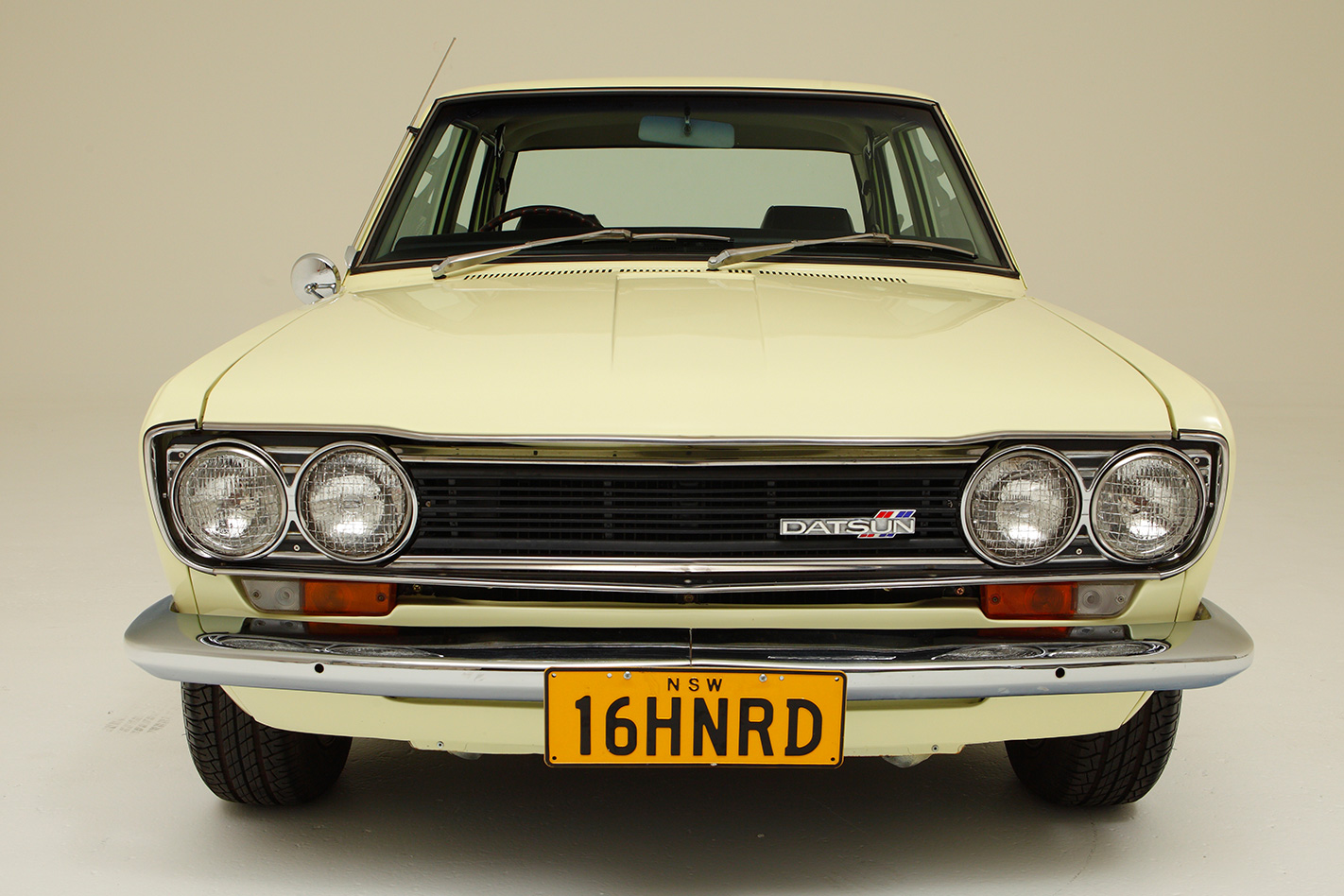
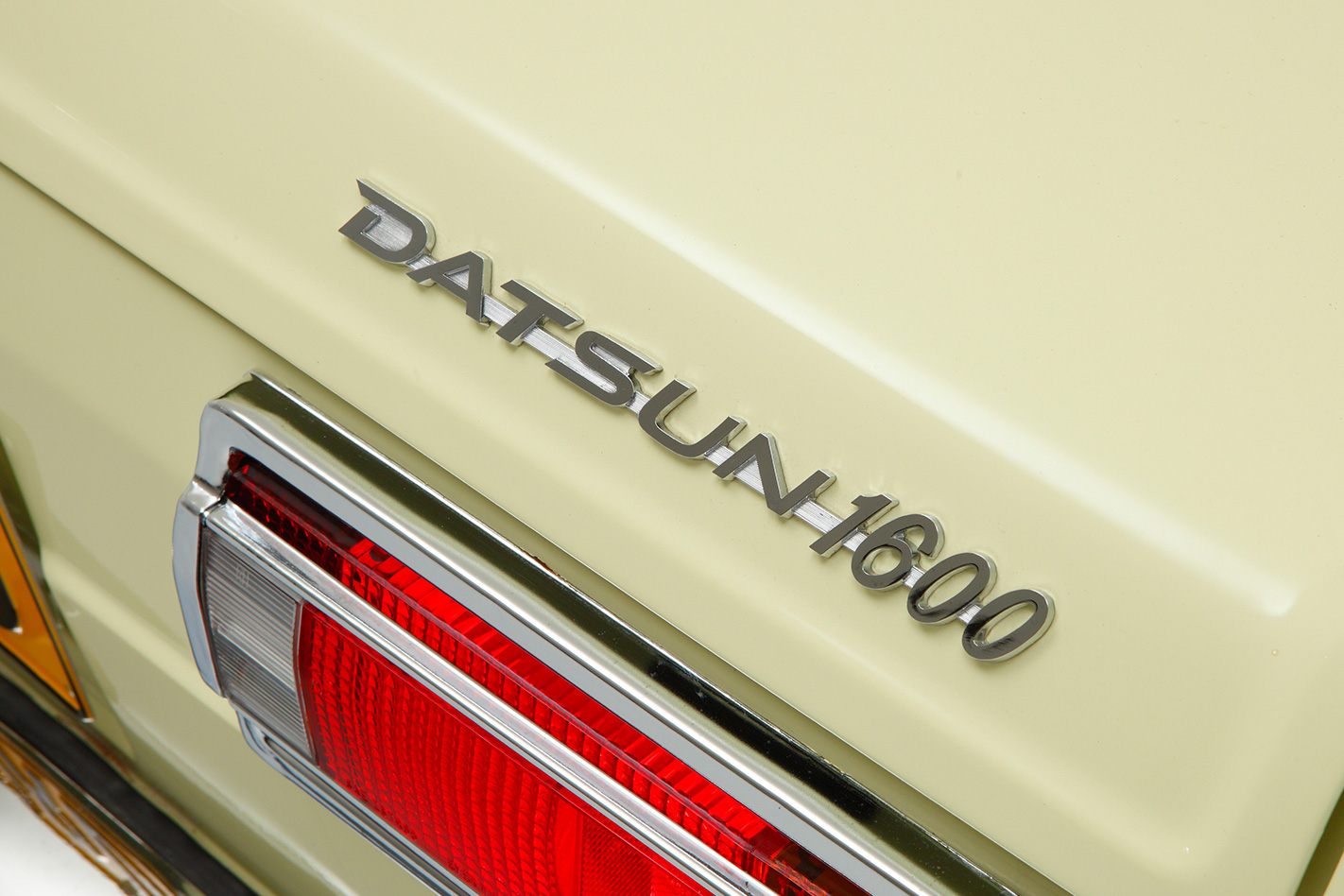
It’s a bit hard to imagine that the people who gave us the Datsun 1600 could be the same ones who also foisted the 120Y upon an unsuspecting, largely undeserving world.Everything that was wrong with the 120Y – and there was lots – was right in the 1600.
The 120Y’s horribly ugly, tinny little body, for instance, was the opposite of the 1600’s upright but handsome and rather solid bodyshell. The 120Y’s dumb-arse cart-sprung rear end was the antithesis of the 1600’s clever independent set-up. Even the wheezy, wobbly little pushrod 1171cc fitted to the 120Y was the polar-opposite of the 1600’s grunty 1.6-litre overhead cam unit.
Okay, so history is littered with examples of car-makers going backwards, but even if the 120Y had never come along like the four-wheeled plague of locusts it was, the 1600 would still have stood tall.
The 1600 was not just a great road car, either. If there’s a single rally driver who hasn’t fanged a 1600 between trees on a special stage, we’re yet to meet them. Hell, go to a club-level rally even today and you’ll still see Datto 1600s being flogged along and doing okay, too, just quietly.
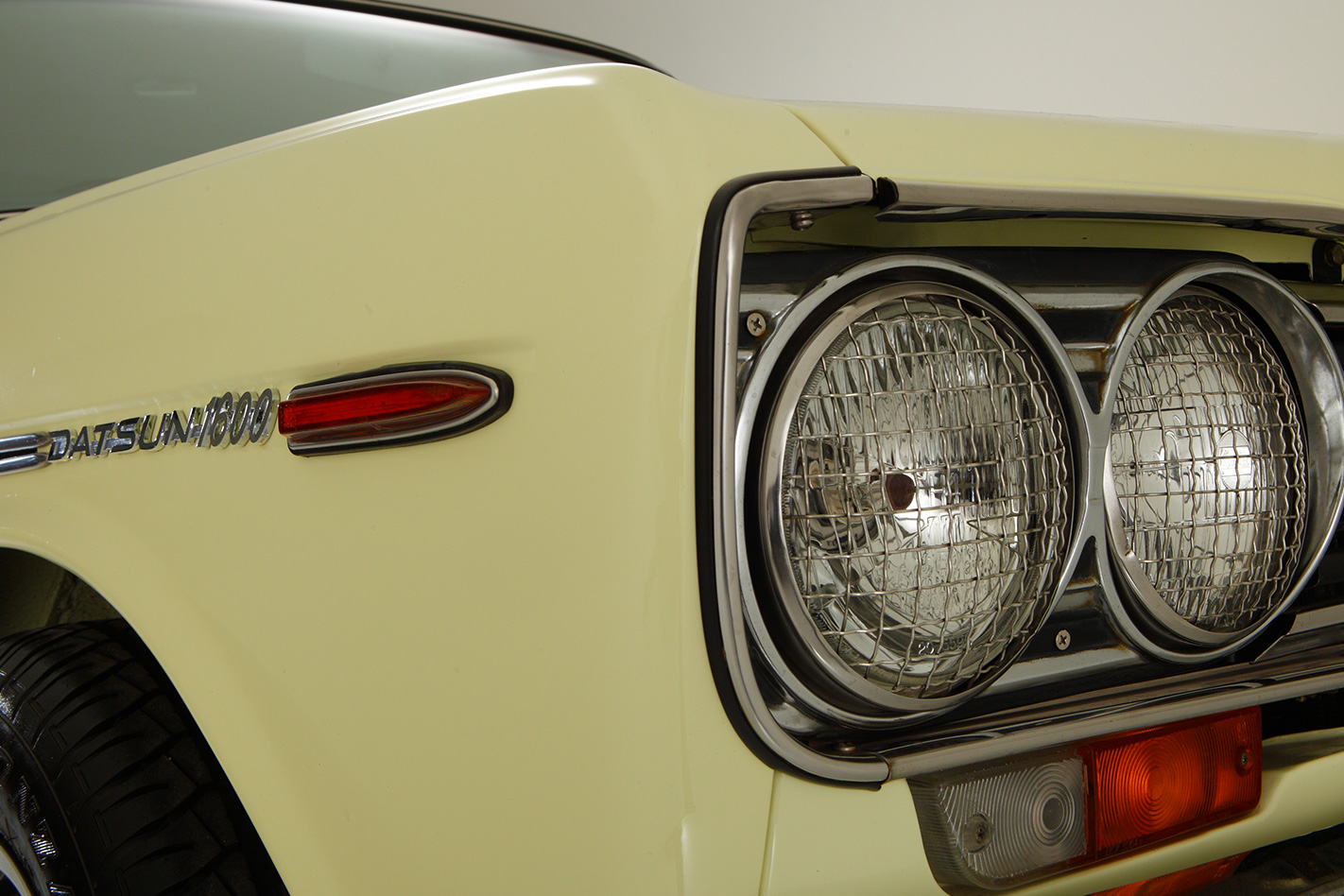
Specifically, cars like the BMW 1602 and 2002 bore more than a passing mechanical similarity to the Datsun, with design elements like a semi-trailing arm rear-end, MacPherson strut front-end and an overhead camshaft engine mated to a floor-shifted four-speed manual.
But it’s equally true that a lot of those elements (mainly the engine layout and the gearbox) were handed to Datsun on a silver platter when it (or rather Nissan) absorbed the Prince Motor Company in 1966. Same goes for the front disc brakes which were something else for 1968. It would take Ford until the XB Falcon of ’73 before front discs were standard, and that was on a car weighing twice that of a 1600.
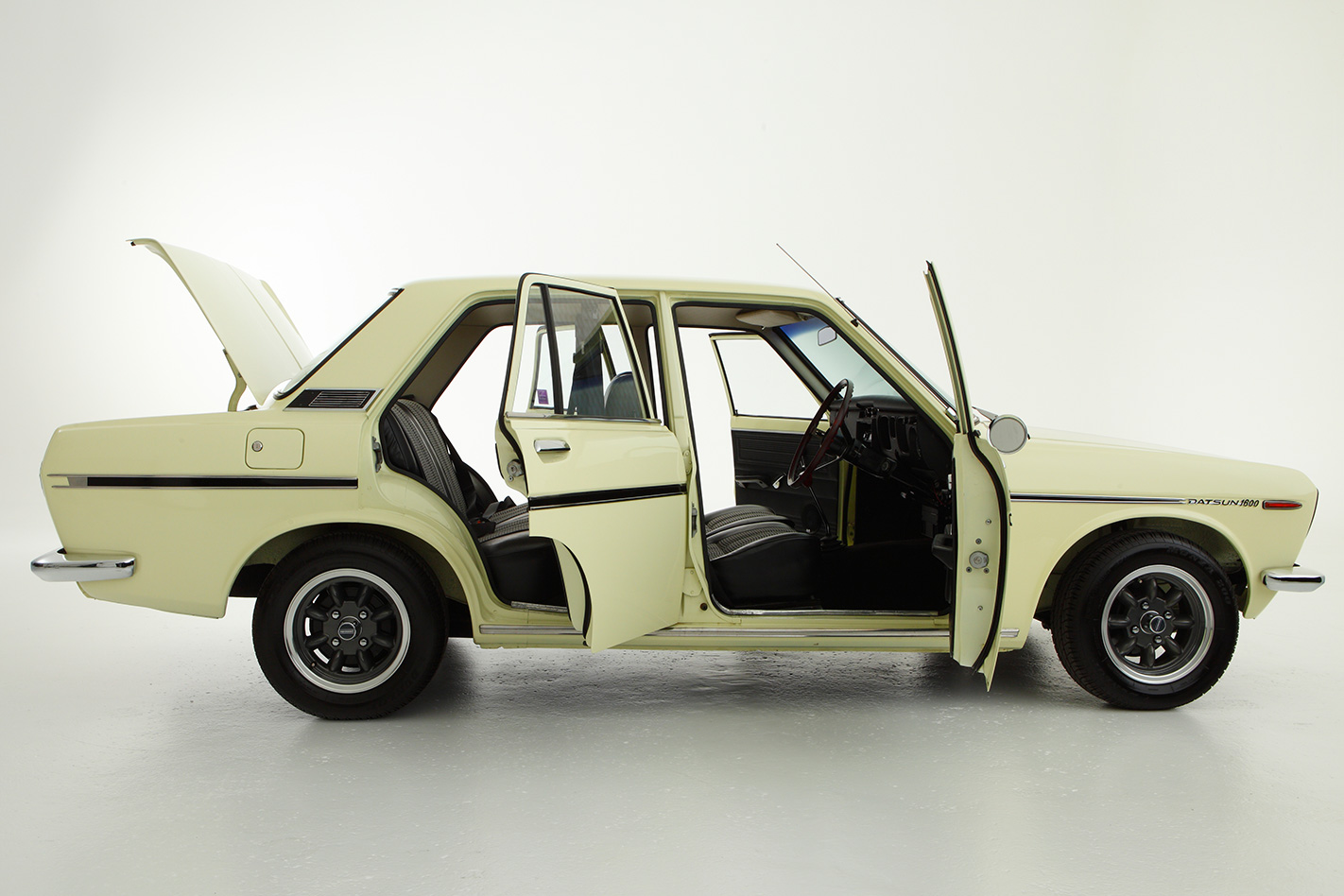
Most of the car was Japanese made and delivered in CKD (Completely Knocked Down) form, but some parts were locally sourced as Datsun attempted to keep its local (Australian) content up. The wagon was mechanically identical to the sedan apart from its rear end, which employed a live axle with leaf-springs.
While the Datto was rallied to within an inch of its life (sometimes beyond), what you might not know is that the little four-door also has an impressive Bathurst heritage. Nine of the buggers were entered in the 1968 Bathurst enduro and they all finished. In fact, Doug Whiteford and John Roxburgh took the Class B win and 15th outright, with the 1600 of George Garth and Bruce Stewart behind them, second in class.
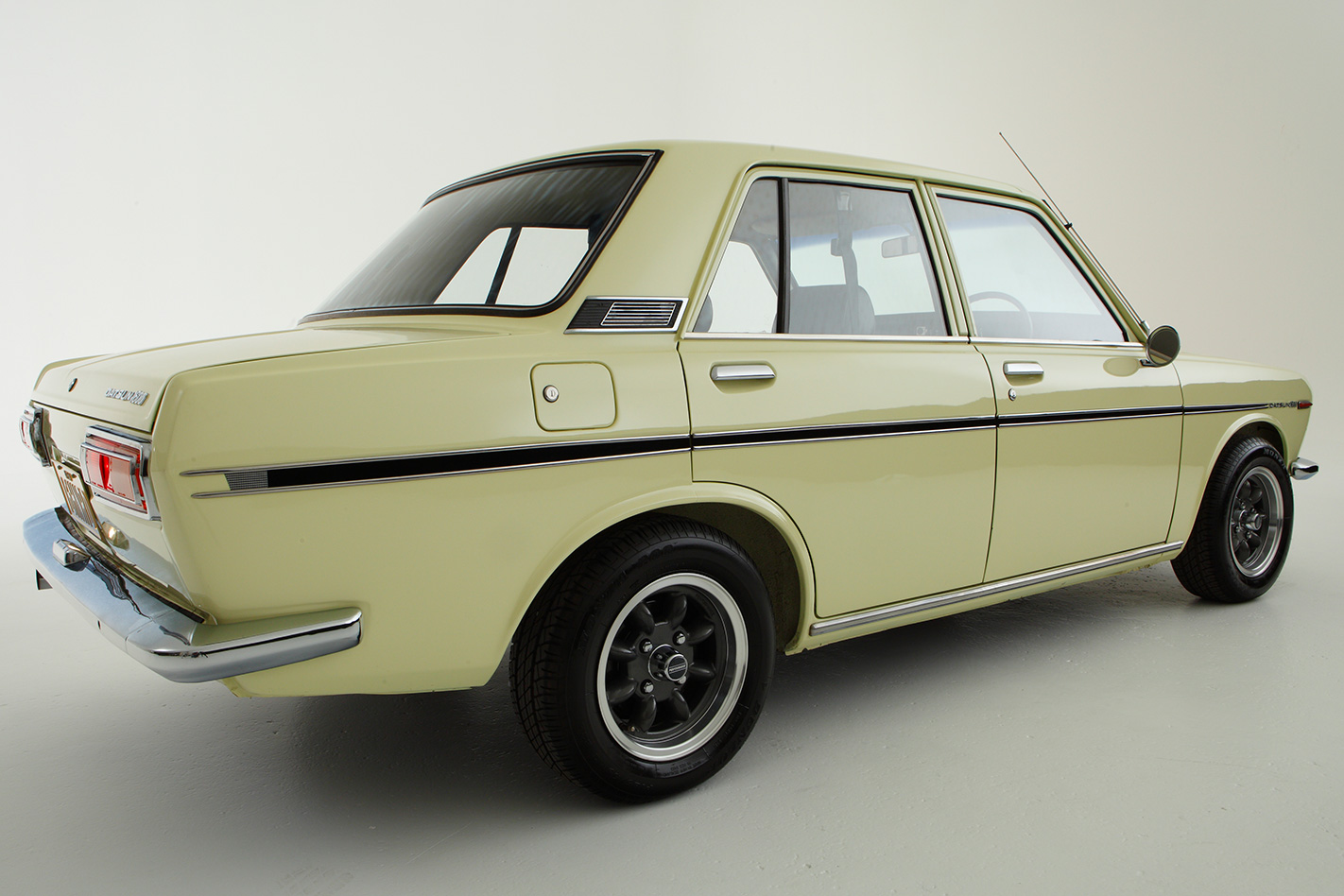
Class B for 1969 was another Datto benefit with 1600s filling the first five positions at the chequered flag and the Dattos were back again in ’70, ’71 and ’72 with mixed results including more class wins along the way. But it was, of course, rallying where the 1600 shone brightest. Basically, the boxy little Datsun has cleaned up just about every rally title worth having.

So, you need to watch out for rust (rust-proofing was still a bit of a black art in Japan in the 60s and 70s) and 1600s rot from inside the doors, the sills, the leading edge of the bonnet, front and rear valances and around both windscreens.
The other big bodywork check is to run an eye down each flank from rear to front. Do the body creases on the rear quarter and rear door line up? If they do, great, but if they don’t you should start looking at the body where the quarter joins the rear-door opening.
Dattos have a nasty habit of cracking right about there, especially if they’ve been hammered hard over rough roads. In extreme cases, it’ll look like the boot is falling off. In really extreme cases, the boot will fall off.
Watch out for cars, too, that have worn out every moving part. It’s not that shocks, bearings, springs, bushes, brakes, clutches and such can’t be replaced, but the bill for doing it all in one hit won’t be tiny.
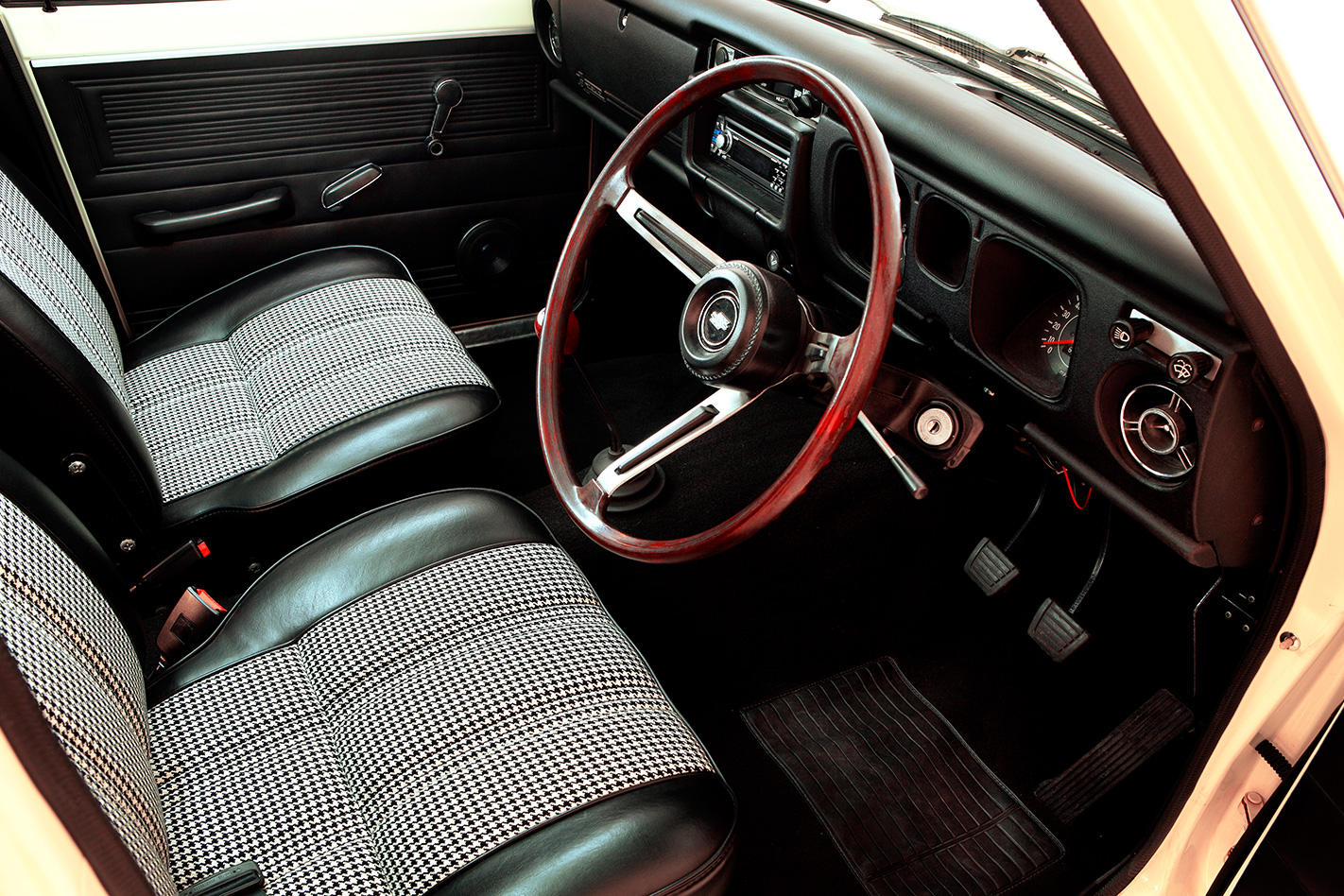
In some cases, a Datsun 1600 is just economically unviable. Shame, but there we are. Even then, it isn’t that simple. See, because the Datto was the dirt-road-warrior’s car of choice, a seriously high percentage of them wound up inverted, driven over cliffs and stuffed up trees. Nothing culls a model’s population like a predisposition towards motorsport.
Even if the car in question wasn’t written off by successive generations of devoted head-bangers, chances are it’ll be pretty second-hand these days. An ex-rally car won’t be hard to spot with its roll-cage-holes, chopped up dashboard where the Halda once lived, upgraded alternator and probably fat, steel rims, but even more common is the example that’s still fitted with all that gear but runs road-car rego.
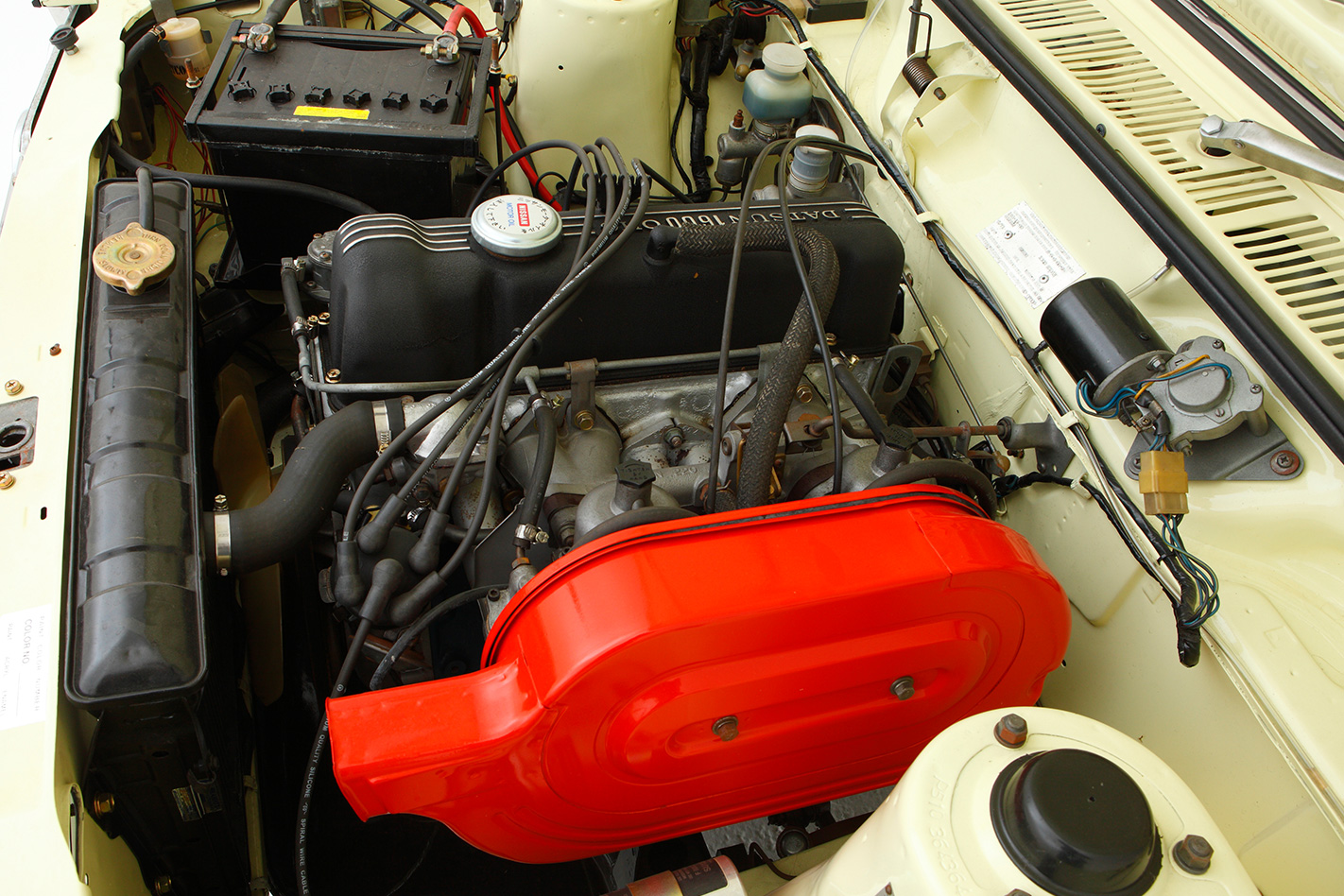
A popular modification was to throw away the 1.6-litre L16 engine and install a 2.0-litre L20 unit, which was pretty much a drop-in fit. Equally popular was the next move which was to tune the L20 to produce, oh let’s see, about double or triple the power Datsun’s engineers had in mind. This can produce either a fine driving machine or, more typically, a barely controllable, pinless grenade. Your call, but at least make sure the thing isn’t going to disintegrate without a diet of Avgas.
Sure, it has a wicked reputation, but it was seriously working-class wheels by the time it was out of warranty and driven into near-extinction not long after that. Then again, the Leyland P76 has suddenly become collectible, so anything’s possible.
The Good A working stiff’s classic car. And it should be collectible into the future, too. (Probably, anyway). The 1600 is unbelievably tuneable and is still competitive at club-level motorsport. The little Datsun’s an affordable classic … for now. And it’s tough to boot, so a genuine daily driver.
The Bad Finding a non-molested, non-crashed one will be difficult. Most are like grandfather’s axe Like any mass-produced item, time can be cruel to them. Parts are becoming rarer by the day. Is the 1600 too rare to modify? It is yet to confirm its status as museum piece or just a plain good old car.
THE DECISION to abandon the V6 after 20 years is just part of a major new engine strategy from Mercedes-Benz.
Joining the new in-line six cylinder petrol and diesel engines, is the new four-cylinder diesel unveiled in the latest Mercedes-Benz E-Class and a new 4.0-litre petrol V8 as part of the modular program.
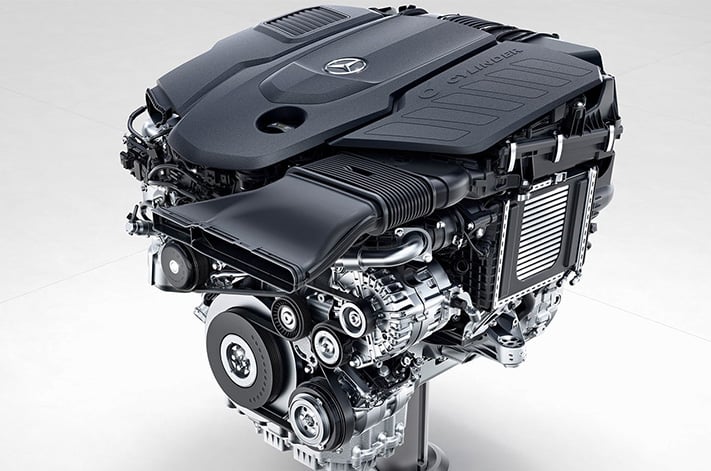
The new engines are intended only for longitudinal applications for every model based on the rear or all-wheel drive C-, E- and S-Class and their sister crossover models.
The petrol 2999cc in-line six gets a bore 83.00mm and stroke of 92.0mm, while the diesel is 82.0mm by 92.3mm, dimensions that are shared with the four-cylinder diesel.
The 4.0-litre V8 shares the same 82.0 x 92.0mm as the petrol six.
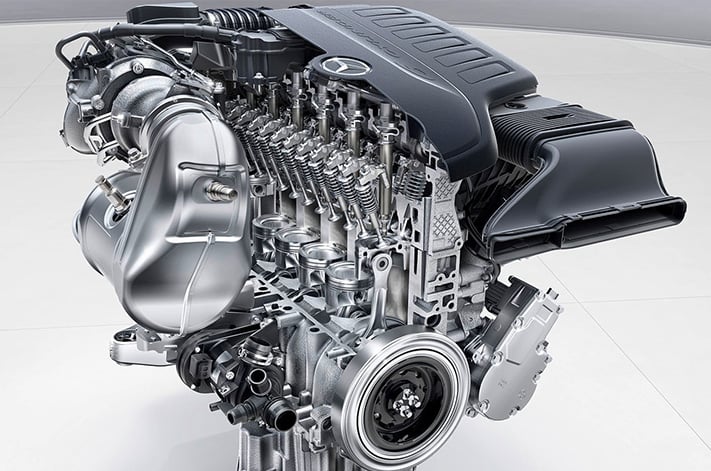
Fours and sixes, with parts variation between petrol and diesels, share the same piston, crankshaft design, cylinder head design, injection and combustion chamber design.
The in-line four and sixes are noticeably narrower than the V6 with the so-called “new exhaust after treatment” that locates components like the catalytic convertor effectively in the exhaust manifold.
Henceforth, the in-line four and in-line six engines will be manufactured on the same lines.
BMW, of course, does a similar thing, and the Bavarians have expanded their approach to three-cylinder engines, in which Mercedes claims no interest.
In some markets Mercedes eventually plans to sell four-cylinder versions of the new S-class using the new engines.
AMG is also known to be developing a new version of the in-line six for the C-Class AMG models.
Before we talk about the new RS5, we’d be remiss not to sound a rhetoric last post at the departure of the old model.
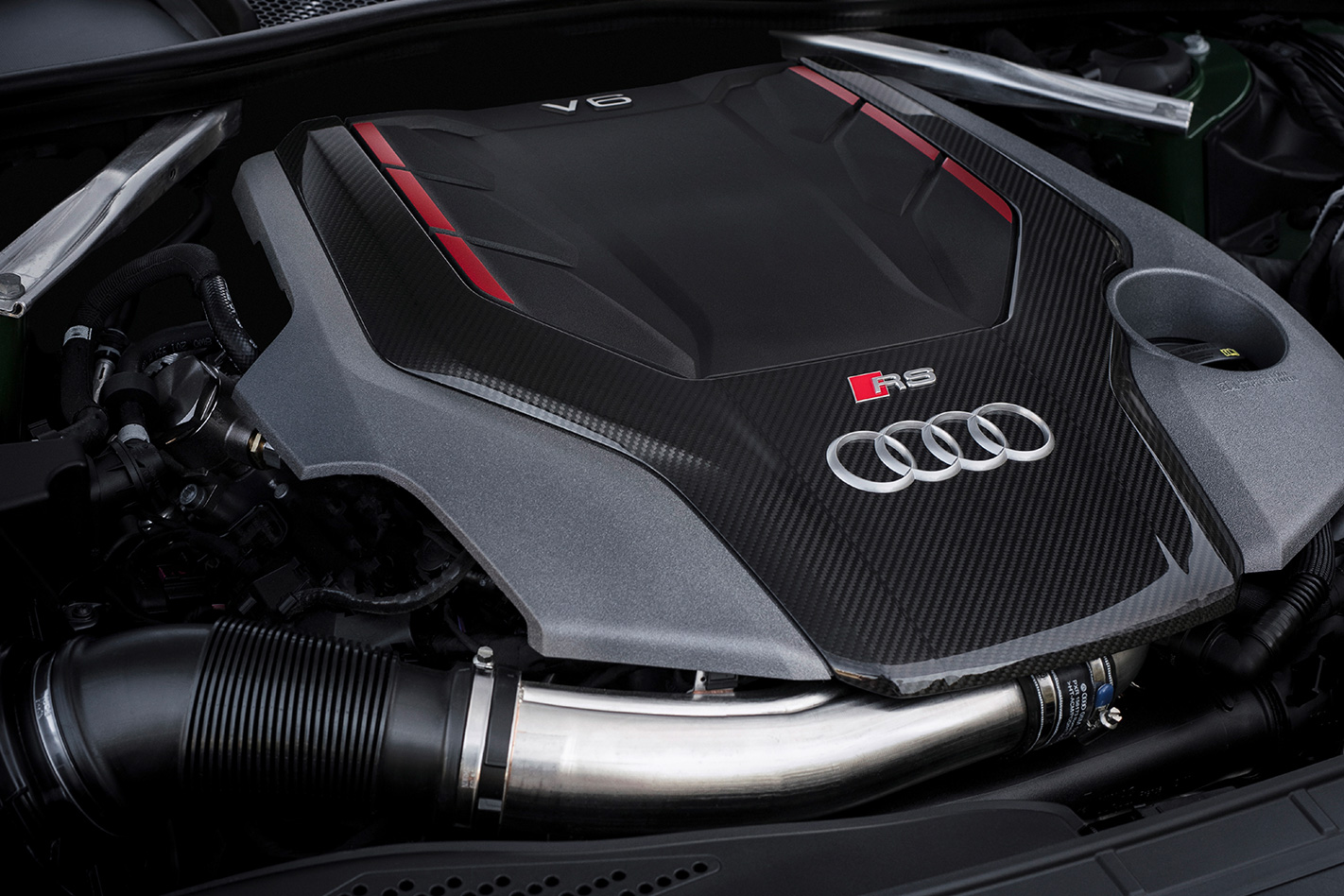
Not because it was particularly good overall, but rather because it was the final refuge of Ingolstadt’s 4.2-litre V8; arguably the naturally aspirated multi-cylinder engine of the last decade. Its replacement is the all-new 2.9-litre twin-turbocharged V6 co-developed with Porsche.
Naturally, on paper, it is superior in almost every sense. However, memories of the departed V8 provide not only a signpost to the previous RS5’s most likeable fixture, but also quattro GmbH – the entity which has now morphed into Audi Sport.
It is lighter by 60kg in its cooking format (thanks mostly to the 31kg-lighter V6), the mechanical rear ‘sport’ differential can complement the quattro all-wheel drive system and wheel selective torque control. The chassis is new, too, with a five-link arrangement at the front and back, paired with adaptive dampers. There’s also a transmission change to a ZF eight-speed torque converter auto.
That means the car shares its V6 with the second-generation Panamera 4S, but not an entire driveline. Outputs are slightly different, too, Audi Sport having eked out 7kW more so it can claim to match the outgoing V8’s 331kW. Peak torque, predictably, is dramatically superior, the V6 summoning up 600Nm from 1900rpm.
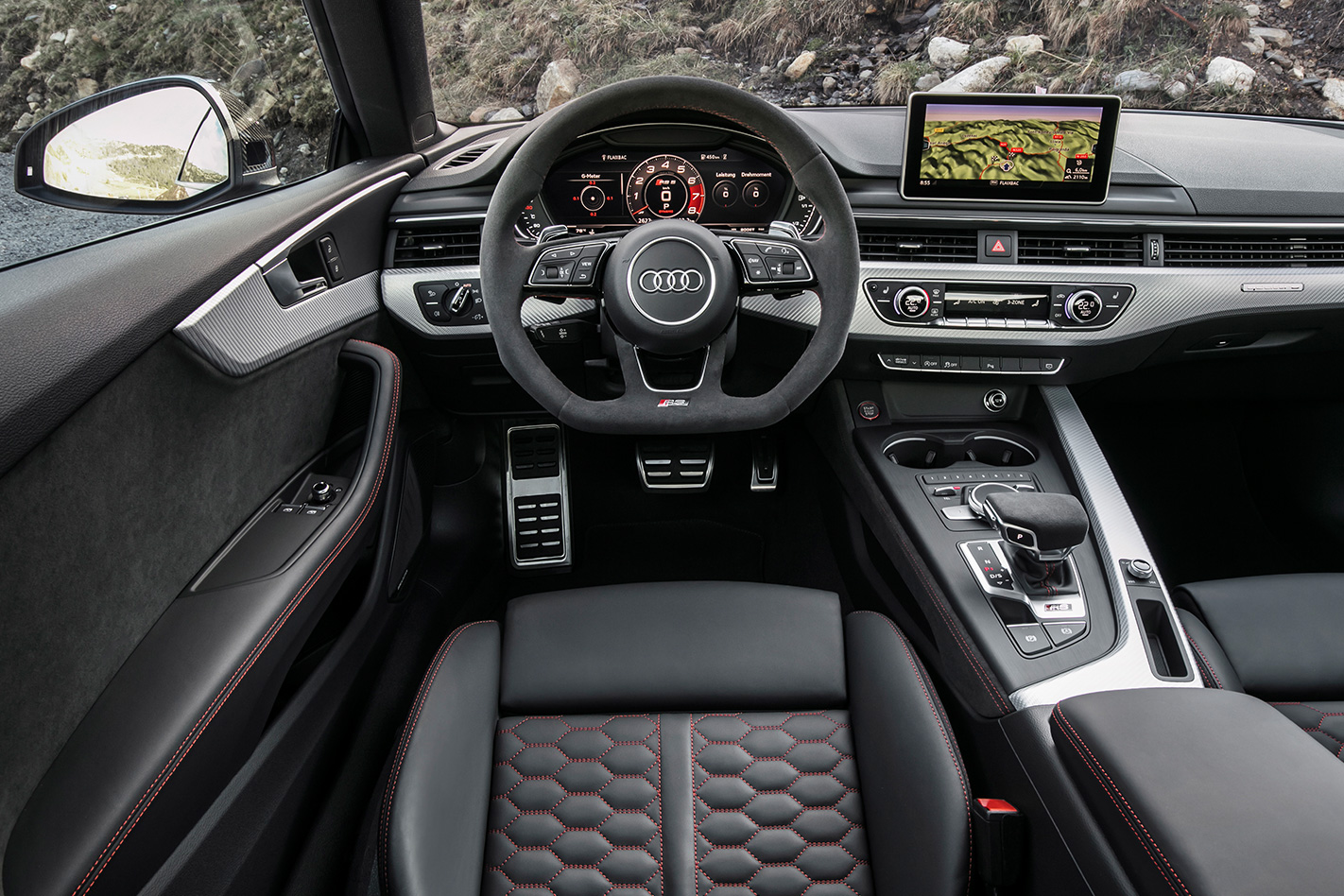
The inside also conforms to type, which is to say immaculate and brilliantly made and utterly endearing to touch and look at. Start-up is slightly less auspicious. Audi Sport has persevered with the soundtrack – boldly equating it to the turbocharged V6 that powered the B5-generation RS4 – but its bass-edged waffle doesn’t quite cut it.
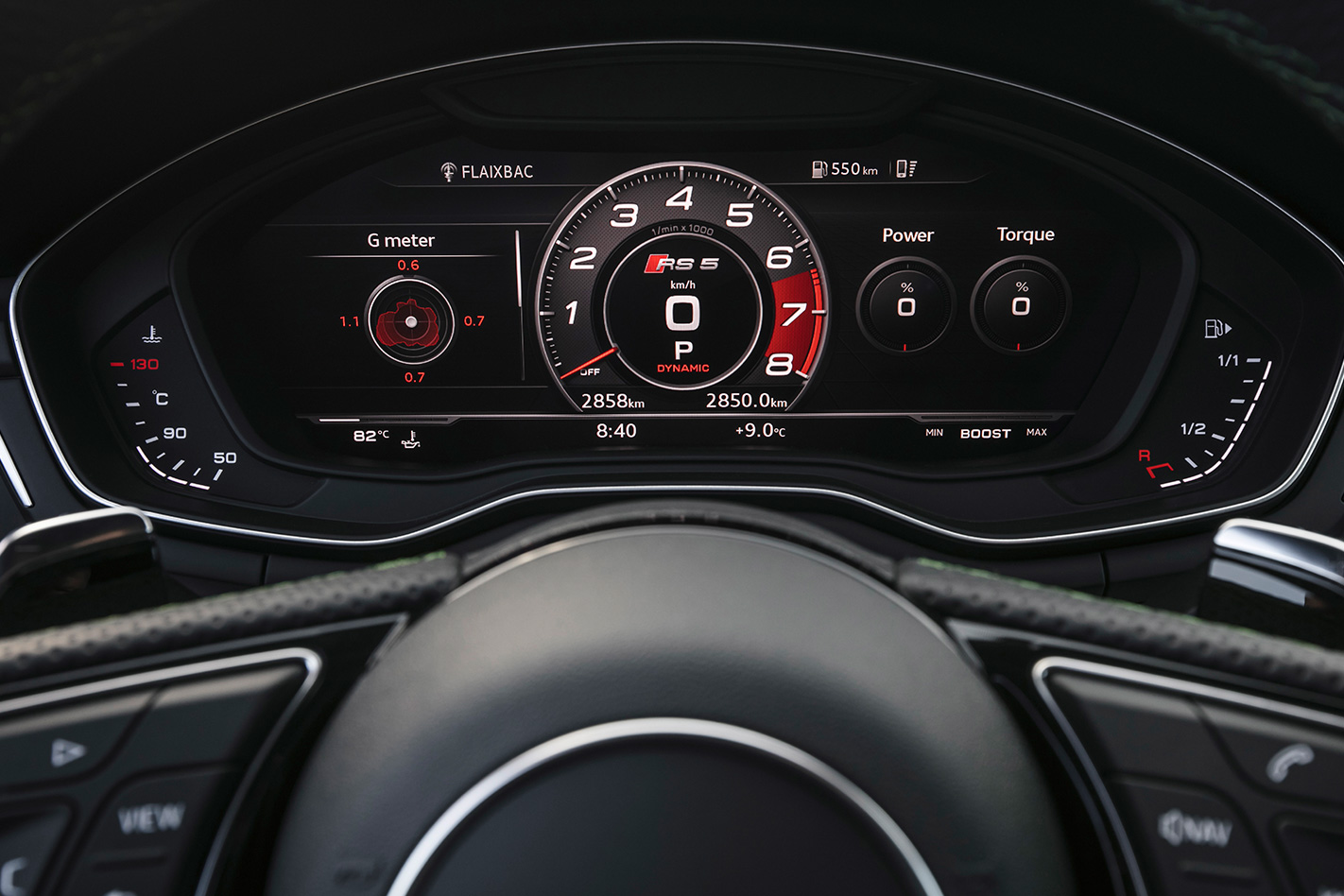
That’s to be expected. And so is the performance. Where its predecessor dispensed progress in escalating lunges to the redline, the V6 unfurls itself through the medium of the mid range. Its surge is prodigious, unthreatening and prolonged – any concern about the Tiptronic’s lacklustre showing in the Audi S5 is swept away by its sure handling of the many rhythmic upshifts required.
Tie in a Dynamic steering system which actually comes good at outside-lane motorway speeds and suddenly you’ve got a two-door RS car persuasively capable of crossing a continent. That the new V6 plays as compelling a part in that narrative as the V8 did in the old car’s motley charm is a massive plus in its favour.
Where the minuses occur, they do so with a pervading sense of inevitability. It hardly needs saying that the new RS5 is quicker than the old, but there isn’t the same accompanying theatrical fizz to its high-rev function, nor the same potmarked mechanical shunt to its paddle-operated gear changes.
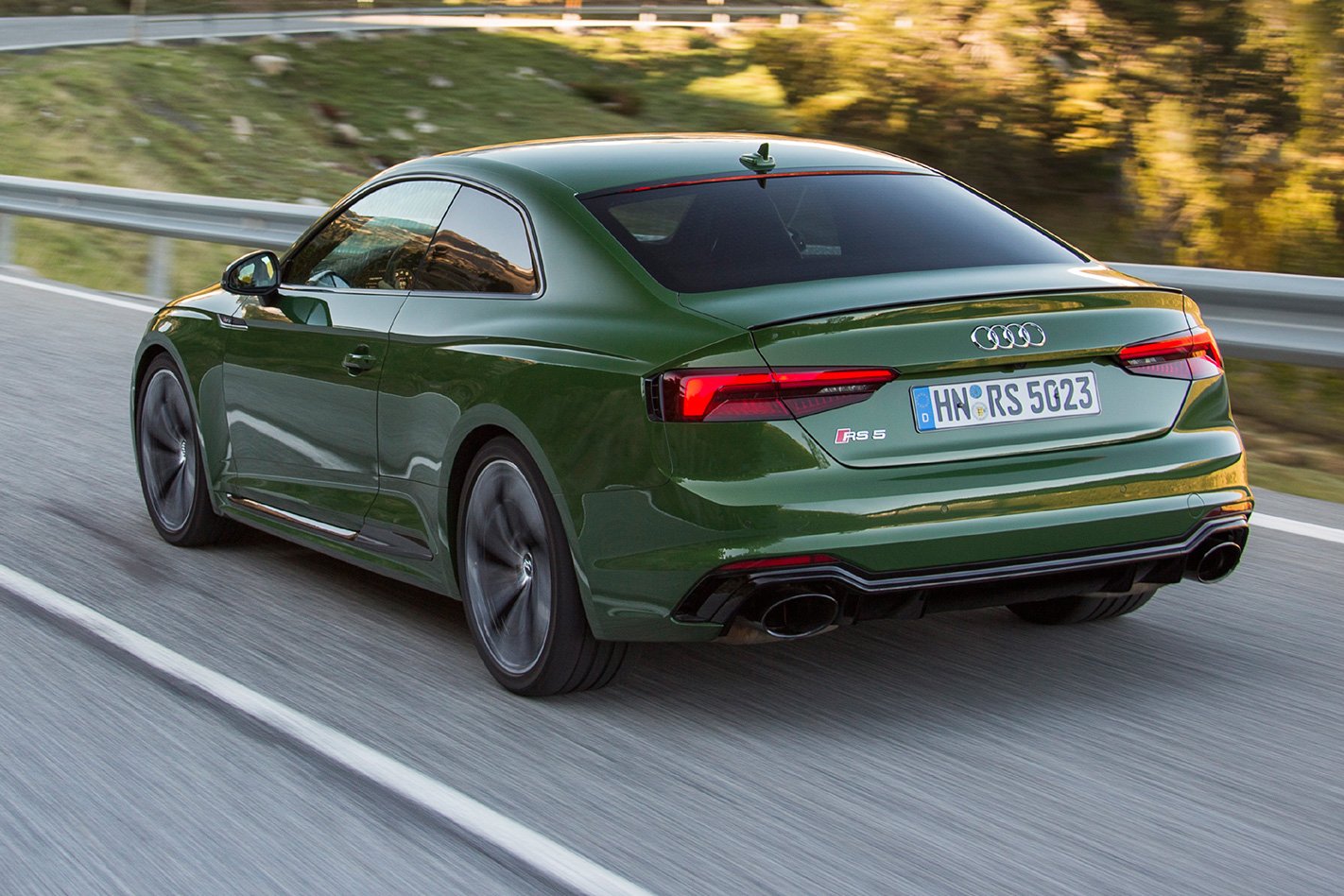
With less weight over the front axle and the rear diff attached, the car is plainly more agile than it’s ever been and can at least be goaded into delivering more drive to the outside back wheel. But the adjustability is fleeting, and very promptly tidied up by the drivetrain even with the stability control switched off.
Immodest amounts of speed or throttle will simply result in Audi’s age-old understeer remedy. Perhaps that’s all forgiveable against the backdrop of its maker’s penchant for massive directional stability – it’s rather less easy to absolve the ‘dynamic’ end of the dampers settings or the decidedly clumsy pedal feel of the cost-option ceramic brakes.
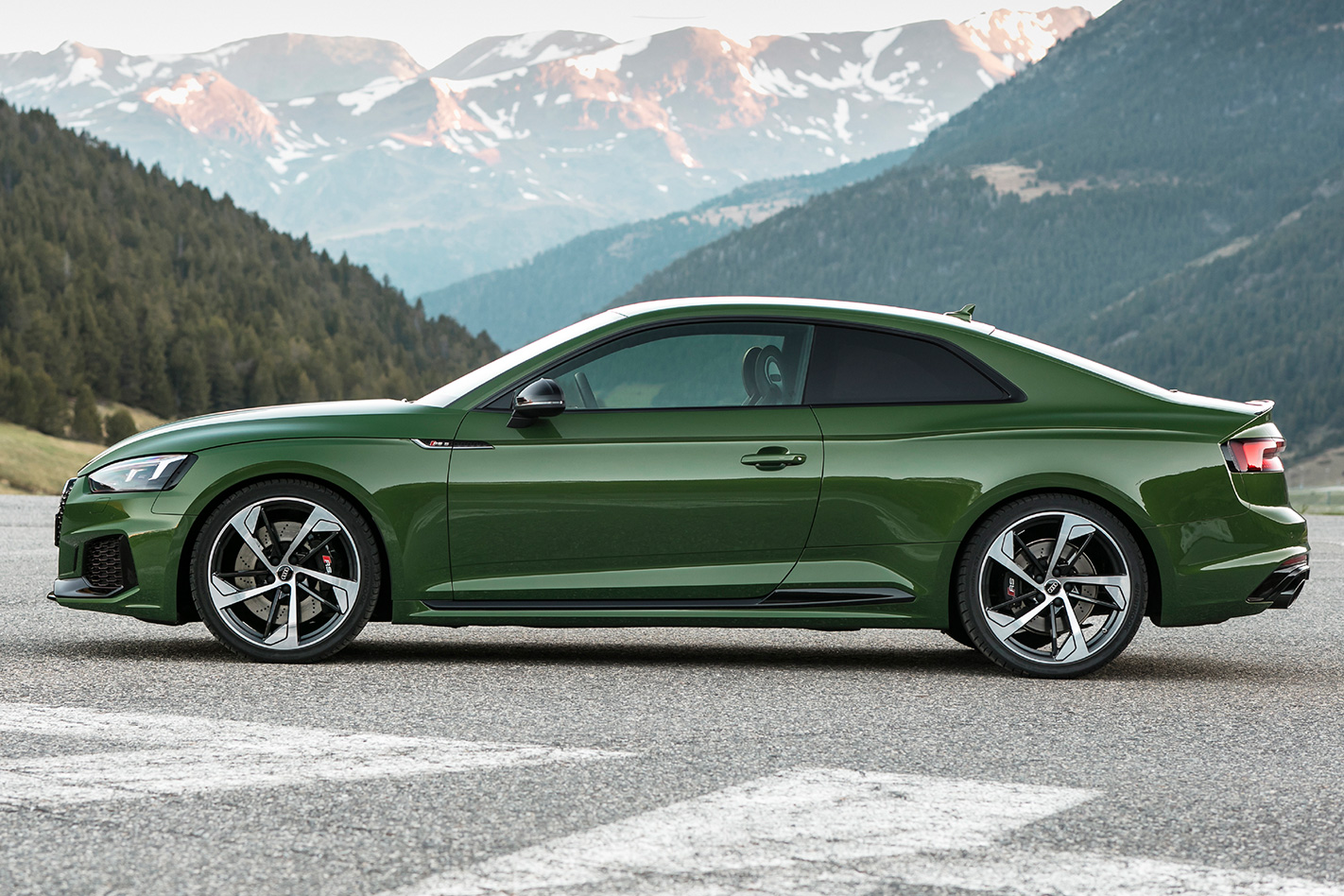
Instead, any deeper appreciation of the prospect rests on a preference for the model’s tactful repositioning. Dig the monster GT vibe, and the car’s established gifts for interior splendour, technical prowess and sharp-edged appearance start to make considerable sense – as does the generosity and seamlessness of the bi-turbo lump.
Seen from this alternative vantage point, which has almost nothing to do with the hard-charging, handling flair that exemplifies its rivals, and the RS5 appears simultaneously limited – and quite possibly more appealing than ever before.
4 stars out of 5
Like: New character; high-end cabin; performance Dislike: Loss of a great atmo engine; more of a GT cruiser
Specs: Engine: 2894cc V6, DOHV, 24v, twin-turbo Power: 331kW @ 5700rpm Torque: 600Nm @ 1900-500rpm Weight: 1665kg 0-100km/h: 3.9sec (claimed) Price: $155,000 (est)
A handful of Group C racing cars from the late ‘70s and early ‘80s have made their way into a Lloyds online action.
Alongside the Group C cars are a few road-going classics and a plethora of motorsport memorabilia.
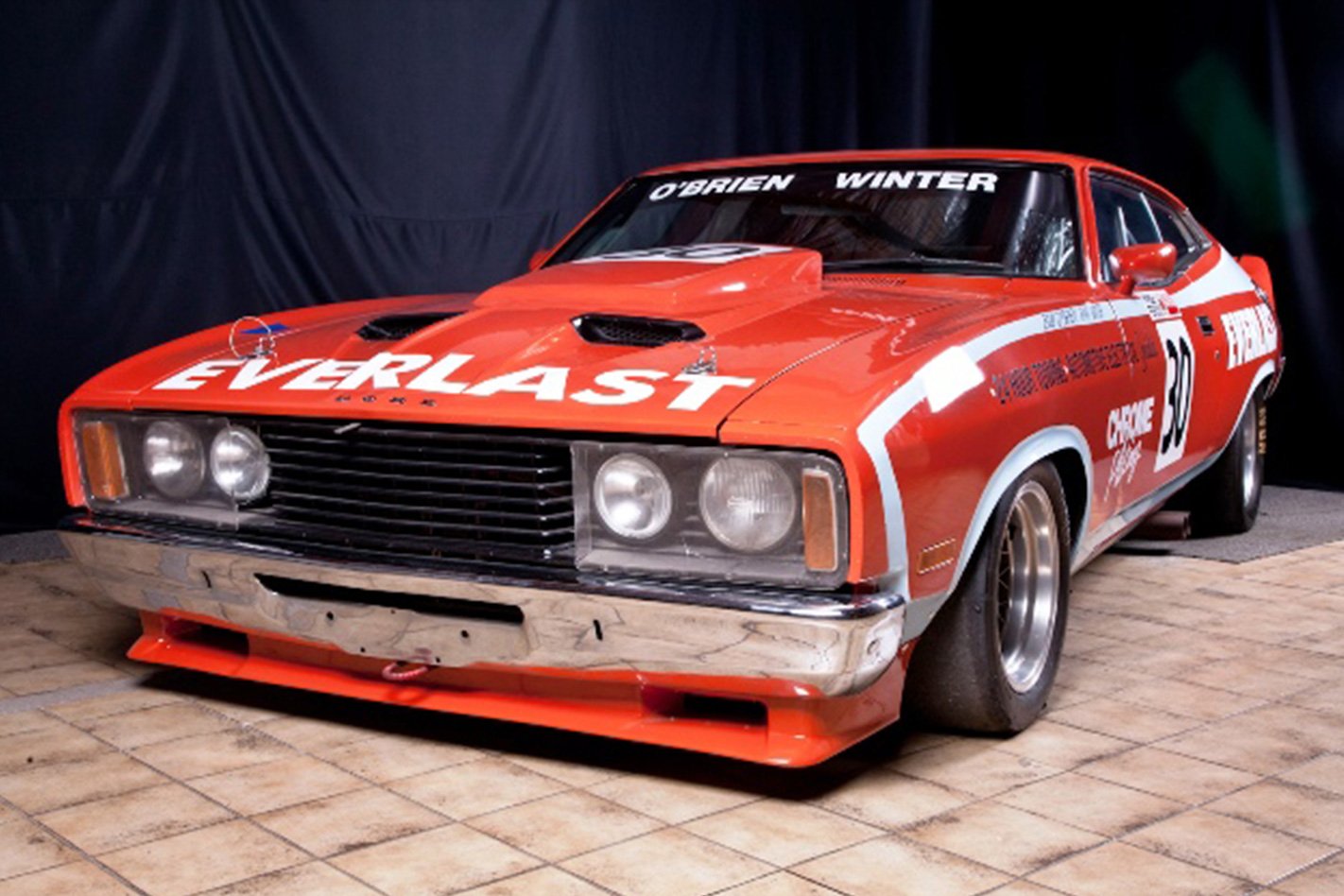
The oldest of the Group C cars, a 1977 Falcon XC raced by Jim Richards and Dick Johnson, with Lloyds listing the car as having raced up until 1978. Bidding is currently at $105,888.
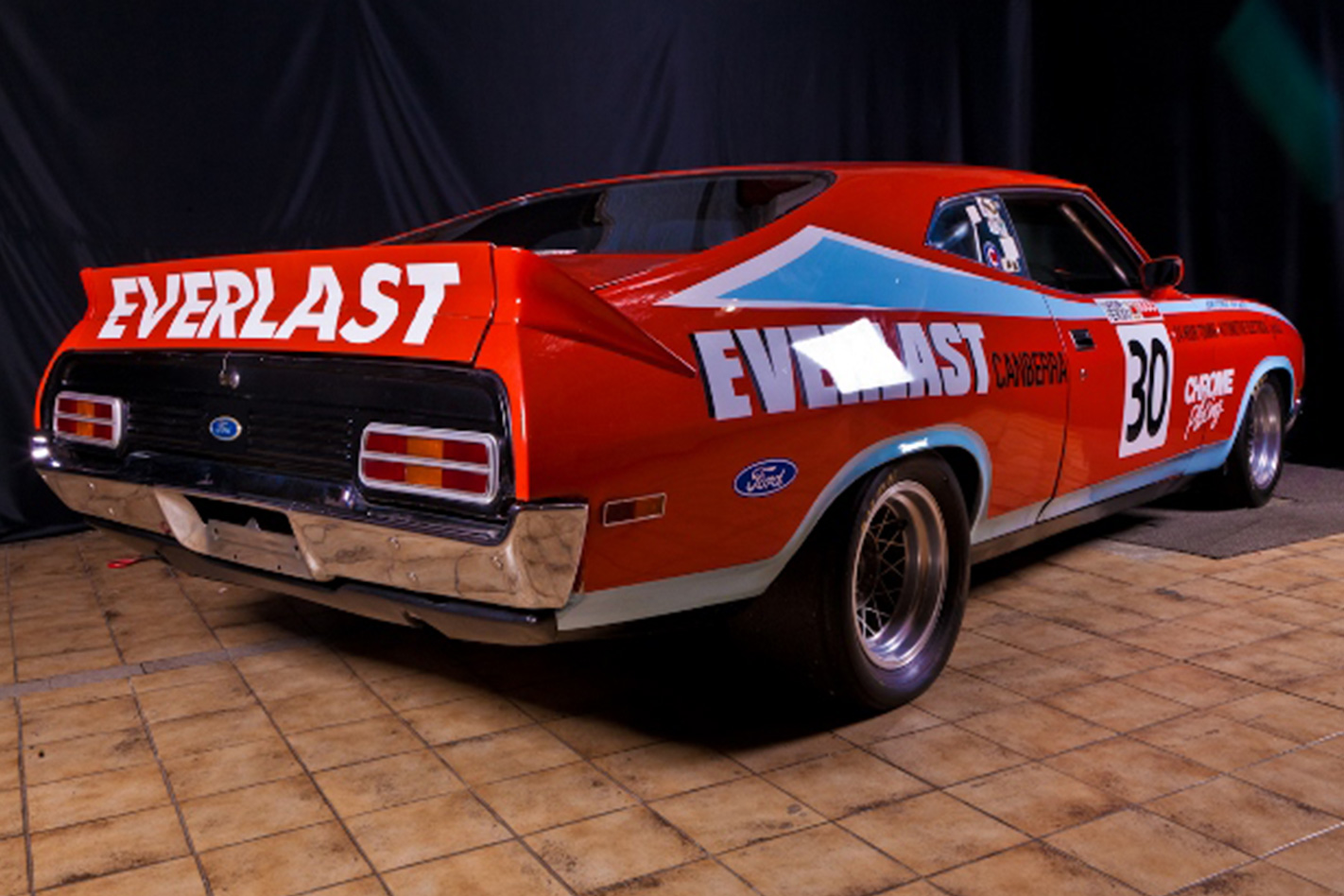
It has the original CAMS log book and certificate, so future owners will have verification of this claim.
Another XC on the block, a ’78 model, is said to be the third car in Moffat’s team arsenal. It’s already cracked the $110K mark, with an extra $1,000 on top of that.
It also comes with CAMS log and certificate, though Lloyds indicates its history is not completely documented.
The next-‘newest’ car on the list from Lloyds is a 1980 XD sedan, with an extensive racing history running into the ‘90s.
An XE Falcon that has clocked up $62,000 in bids so far also graces the auction, complete with King George Tavern livery.
It was built to replace the Falcon shared by Joe Moore and pioneering female racer Christine Gibson, though this car is not intrinsically linked to her exploits.
Alongside the Group C cars is a particularly special road-going car, also a Ford. It’s an XA Falcon GT RPO83, which has only racked up $73,500 in bids so far.
The manual RPO83, in Wild Violet, has only travelled 90,000 miles (144,810km) since it was built in 1973.
With a rating of 246kW/515Nm from the 5.8-litre V8, this thing was a weapon a step above most at the time. Only 129 sedans were built, and only 11 in Wild Violet.
THE hottest Subaru to ever wear the WRX badge has smashed the Nurburgring lap record for a four-door car – but unlike the previous sedan-based record holder you’ll never be able to drive it on the road.
The Japanese carmaker announced overnight the Subaru WRX STi Type RA NBR Special, an advance on the TT car that lapped the Isle of Man in record time last year, snared a confirmed 6:57.5 for a lap of the Nordschleife.
“The WRX STi Type RA NBR Special was designed to show the capabilities of the Subaru saloon and all-wheel drive,” Subaru said in a statement announcing the lap record that displaces the road-going Alfa Romeo Giulia Quadrifoglio’s 7:32 set last September.
Subaru said the time attack STi was a “custom-built race car built by Prodrive using a standard 2017 WRX STi with a full roll cage welded into the standard WRX STi body for added strength and stiffness”.
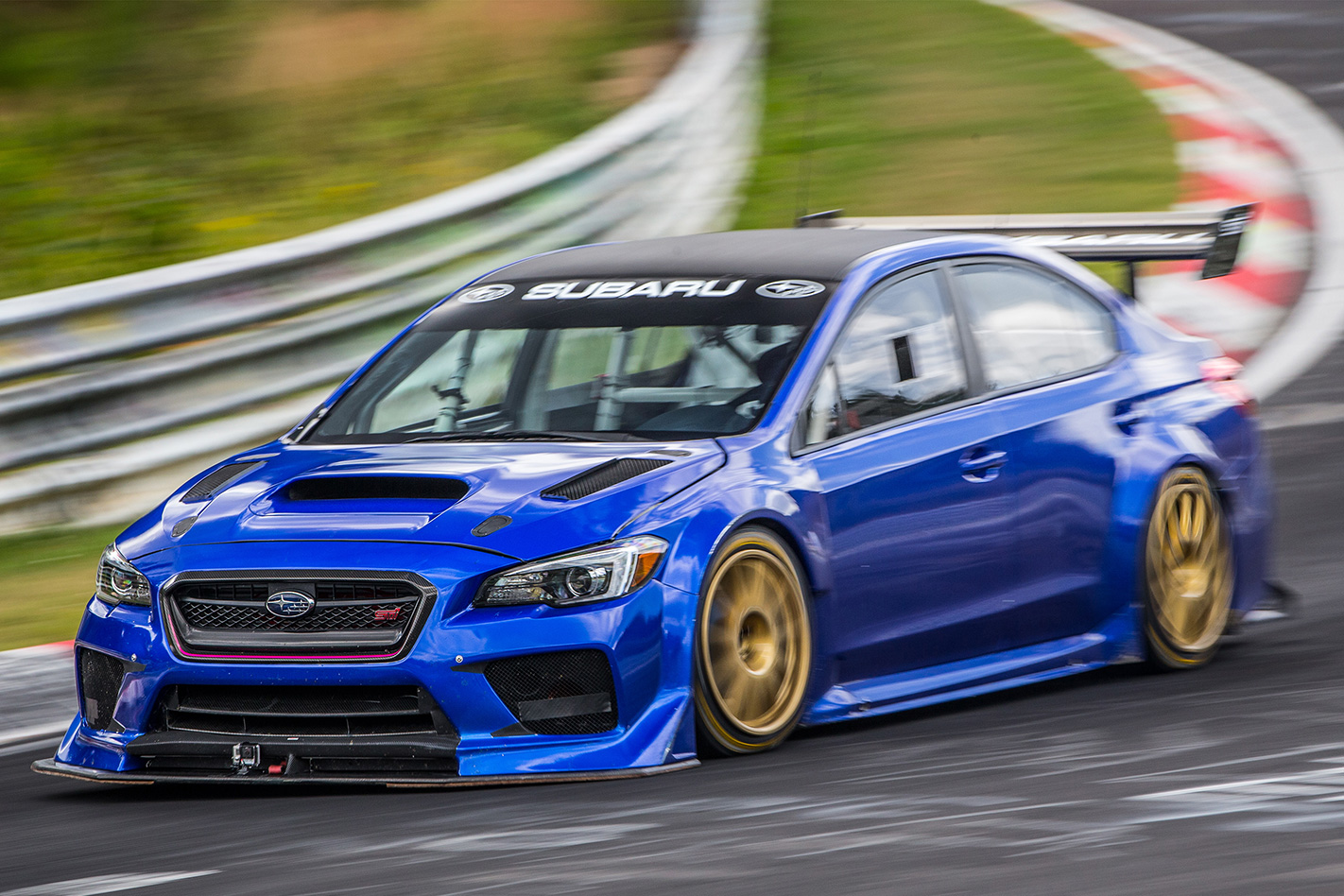
Helping the STi along was a redesigned aero package compared with the car that completed the Isle of Man TT circuit.
“At top speed, the whole package produces about 295 kilograms of downforce,” Subaru said. “The design includes a drag reduction system rear wing similar to the technology found in Formula 1 cars.
“With its combined electric and hydraulic operation, the wing can deploy for full downforce/drag under braking or in fast turns and then open for less downforce/drag on long straights.
“The driver has full control of the DRS via a steering wheel-mounted control, taking less than 20 milliseconds to change position fully.”
Subaru Australia this week announced a significant makeover of the STi and its more street-friendly WRX.
Pricing and specifications for the Australian delivered BMW M4 CS has been revealed, with the top-dog of the refreshed range set to draw $211,610 from the wallets of those who want one.
The twin-turbo, 3.0-litre straight-six powered-coupe will dish out 338kW/600Nm, scoring an extra 7kW over the previous M4 Competition. The CS is, however, $50K dearer.
The good news is that it has a claimed 0-100km/h time three tenths faster than the Competition at 3.9 seconds. Only a tenth slower than the $295K GTS.
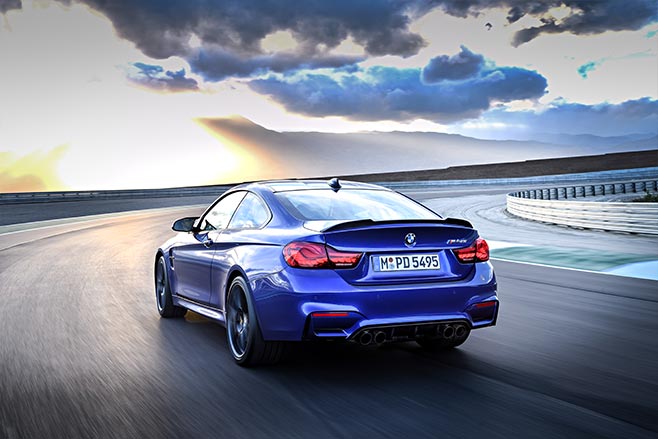
A seven-speed dual-clutch gets power to the rear axle, which is then divided up by an electronically-controlled, multi-plate Active M Differential.
Dual-branch sports exhaust system with 80mm quad-tailpipes will make for a rowdy soundtrack, while electronically-controlled exhaust flaps give the driver options for volume.
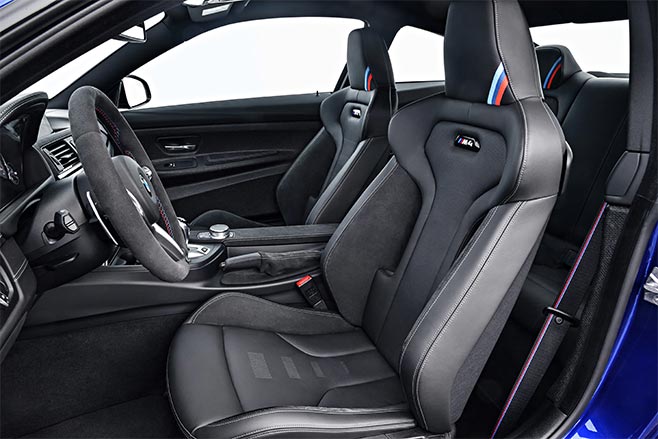
Inside, leather and Alcantara are plentiful, with etched CS badges and M stitching abundant.
“The queue for the M4 CS starts here,” says BMW Group Australia CEO, Marc Werner.
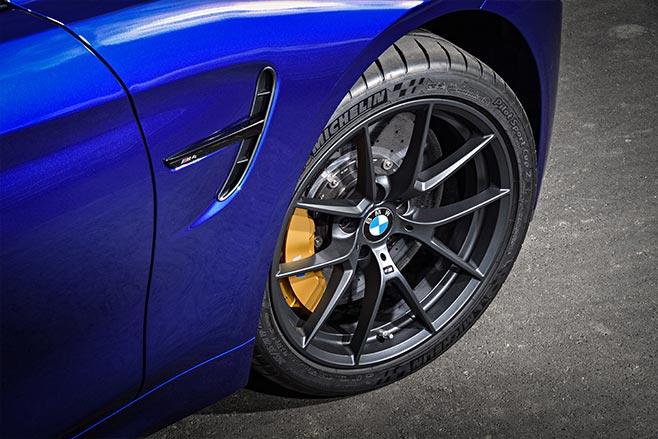
“Lighter weight and more power ensure an even more dynamic drive than the M4 Competition, but with additional everyday capability and luxury than the M4 GTS.”
Aussie punters will be able to get their decidedly wealthy hands on an M4 CS at the end of 2017.
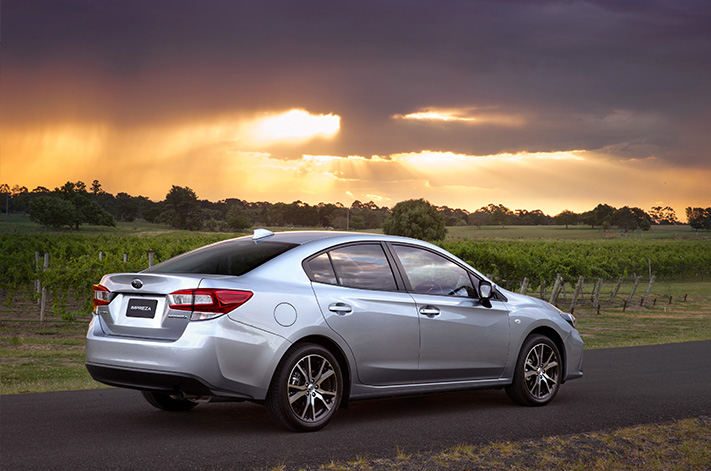
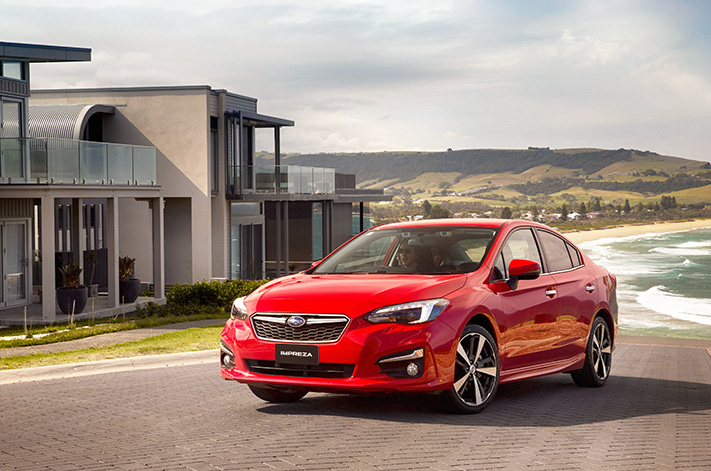
The new-generation Subaru Impreza is a small hatch/sedan combination that offers both practicality and driver enjoyment. It’s roomy, well equipped with sophisticated active safety technology including automatic braking as standard equipment in most models. All Impreza variants are all-wheel-drive and feature the same powertrain consisting of a 115kW/196Nm 2.0-litre four-cylinder petrol engine and constant variable transmission (CVT) auto.
Variants
The Subaru Impreza has four specification levels each with a sedan and hatch version, with the hatch costing an extra $200. Each has roomy a boot with the sedan holding a capacious 460 litres and the hatch 345 litres.
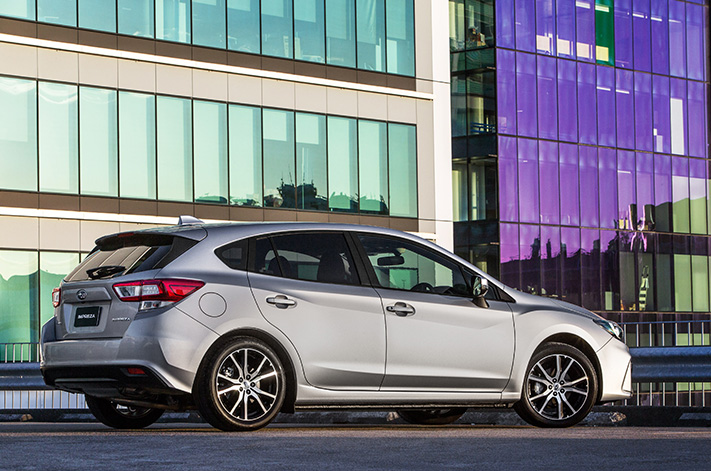
The range starts at $22,400 with the Impreza 2.0I which comes standard with cruise control, 6.2-inch infotainment touchscreen with Apple CarPlay and Android Auto connectivity, hills start assist, electronic parking brake, alloy wheels, daytime running lights, cloth seats and 17-inch alloy wheels.
By spending around $2000 more on the Impreza 2.0I-L brings plenty more kit including Subaru’s EyeSight active safety suite which includes adaptive cruise control auto emergency braking that works at city and highway speeds and a lane departure warning. It also comes with a bigger 8.0-inch touchscreen, two multi-function displays on the instrument panel, premium cloth seat trim, leather steering wheel and gear stick, dual-zone climate-control and power door mirrors.
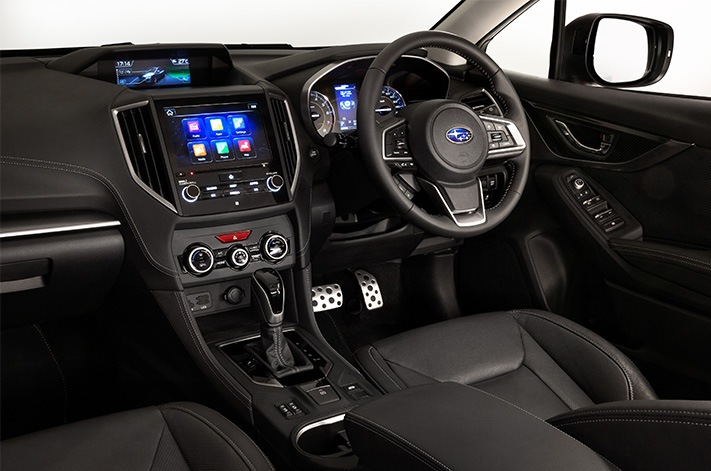
Spending more again for an Impreza 2.0I Premium gets you a powered sunroof and satellite navigation.
Sitting at the top of the range, the Impreza 2.0I-S features part-leather seat trim, power adjustable driver’s seat, auto windscreen wipers, LED auto headlights, blind-spot monitoring, lane-change assistance, rear cross-traffic alert enhance safety, sportier exterior trim, torque vectoring for better control and 18-inch wheels.
- Impreza 2.0I sedan – $22,400
- Impreza 2.0I hatch – $22,600
- Impreza 2.0I-L sedan – $24,490
- Impreza 2.0I-L hatch – $24,690
- Impreza 2.0I Premium sedan – $26,290
- Impreza 2.0I Premium hatch – $26,490
- Impreza 2.0I-S sedan – $28,990
- Impreza 2.0I-S hatch – $29,190
Our pick
You get a lot for your money with any Impreza and while the 2.0i-S is the most expensive it represents great value with the kind of overall equipment package not seen in many cars well beyond its price range. As well as the luxury trim and extra safety features it also handles better than the other models. Hatch or sedan is fine.
Suzuki has revealed the look of its all-new 2018 Swift Sport in an official image ahead of a public reveal at the Frankfurt Motor Show in September.
As the picture shows, the Swift Sport is more aggressively styled than standard models, with a downward tapered grille and revised bumper treatment. Other noticeable tweaks include a gloss black front lip with matching side skirts, and 17-inch alloy wheels.
Suzuki hasn’t released any further information beyond promising “an all-new level of excitement for sport minded drivers across the world.”
WhichCar expects power will come from a 103kW/220Nm 1.4-litre turbo four-cylinder known as ‘Boosterjet’, as found in the 2017 Vitara S Turbo and S-Cross Turbo.
Whether or not the engine will be tweaked for hot hatch duties is unknown at this point, though the Swift Sport’s sub-1000kg kerb weight means it shouldn’t require the same 140kW-plus outputs of its rivals, such as the Volkswagen Polo GTI and Renault Clio RS, to be competitive.
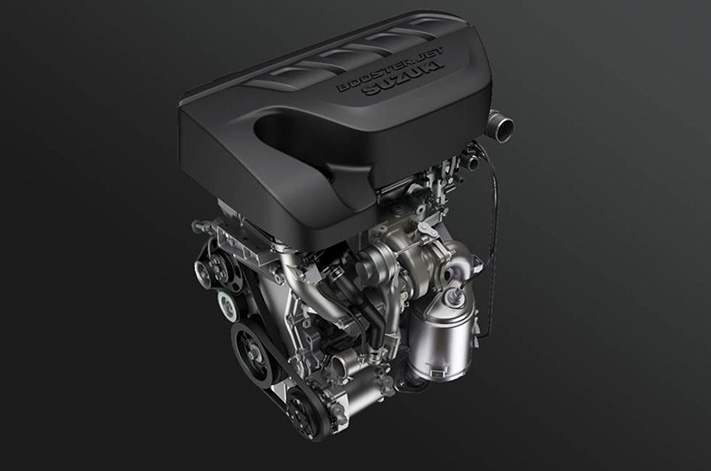
Going off the 1.4’s outputs in the SUVs mentioned above, the Boosterjet turbo is more powerful than the naturally aspirated 110kW/160Nm 1.6-litre four-cylinder of the old Swift Sport. It also has significantly more grunt than the 82kW/160Nm 1.0-litre three-pot turbo powering the GLX Turbo that currently tops the Swift range.
Swift Sport is expected to be offered with a five-speed manual gearbox as well as a conventional automatic gearbox like the Swift GLX, which would be a vast improvement over the previous-gen Sport’s CVT.
A retail cost is yet to be revealed, but if the pricing structure of the previous generation is anything to go by expect Swift Sport to start from about $25,000 with a manual gearbox, and a little more with the auto.
