
1. Nissan Skyline GTS-4
The GTS-4 is to the Skyline GTS-t what the Carrera 4 is to the 911 Carrera. It uses the smaller 158kW/265Nm 2.0-litre turbo six from the GTS-t but mates it to the suspension and ATTESA all-wheel drive system from its GT-R big brother.
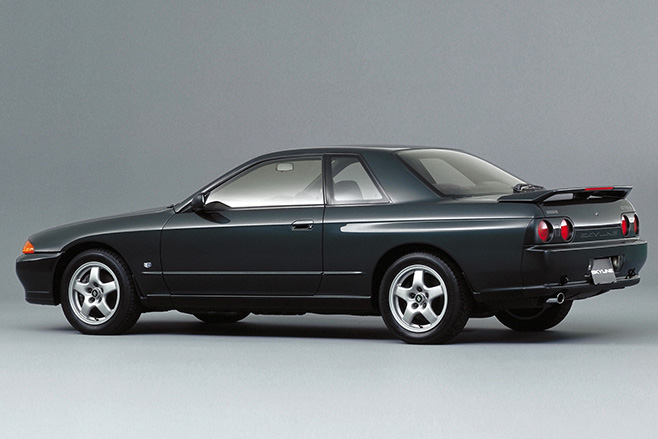
Ford’s popular 1980s small car spawned the hot TX3, which used a 100kW 1.6-litre turbo four. It was available in front- or all-wheel drive, and would live on in the next Laser series (KF-KH), then with a 117kW 1.8-litre four mated exclusively to AWD.
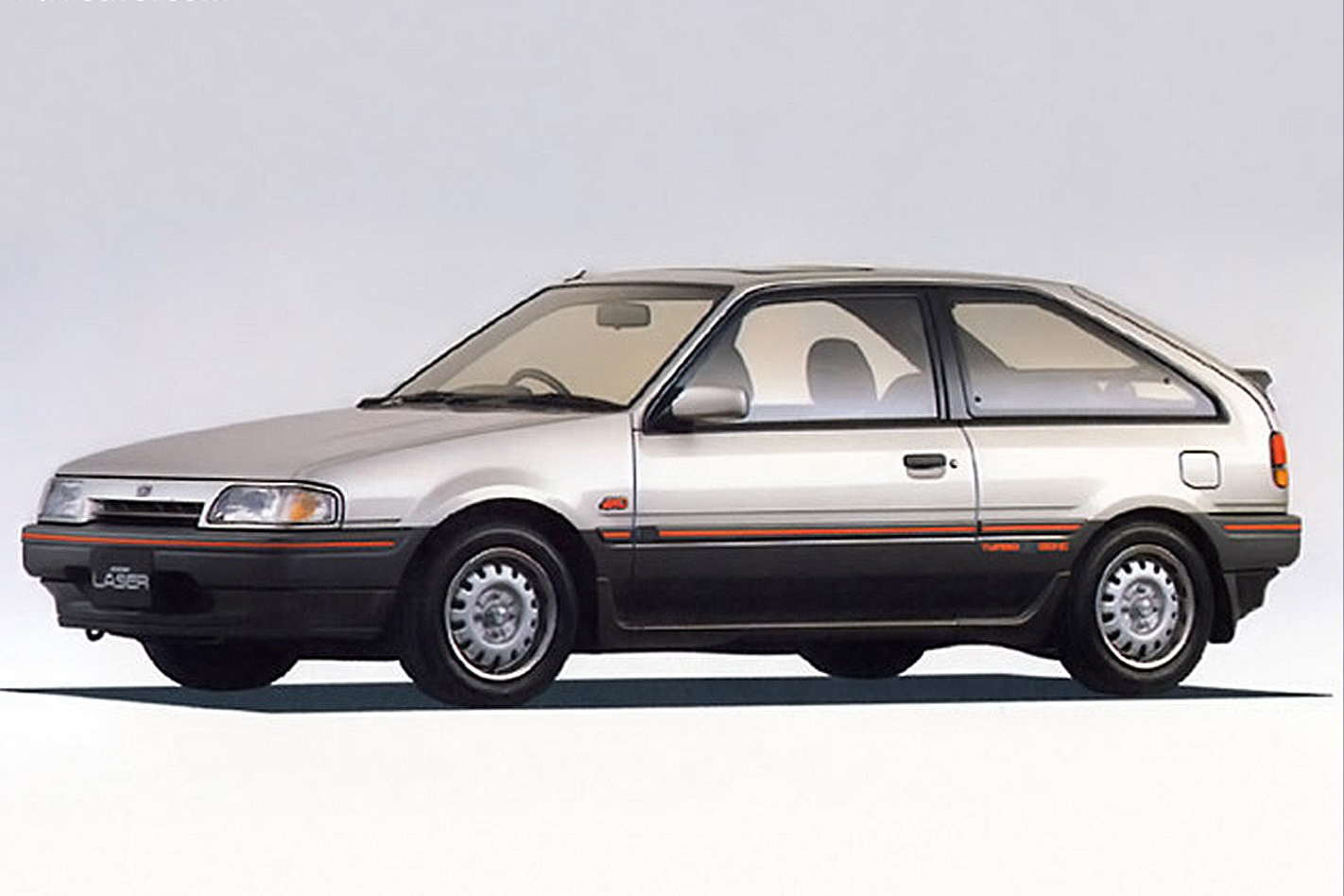
The grandfather of the iconic Subaru WRX, the Leone RX Turbo was a proper off-roader, with decent ground clearance and a low-range gearbox. It kickstarted the late, great Possum Bourne’s international rallying career, specialising in endurance events.
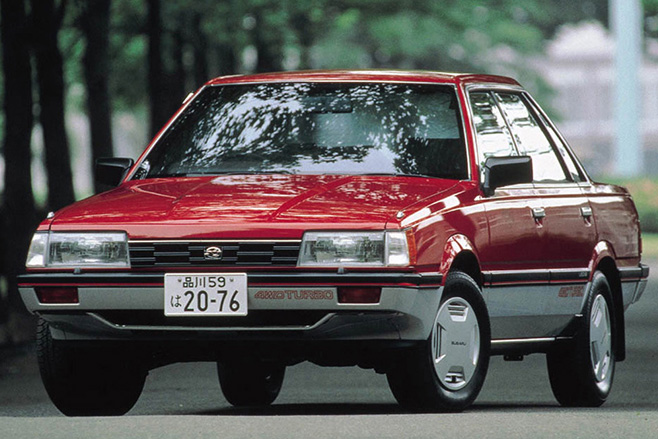
Developed to satisfy Group A regulations, the high-tech VR-4 used a 177kW 2.0-litre turbo engine, all-wheel drive, all-wheel steering and even active suspension. Too big to be an effective rally car, it nonetheless won six WRC events.
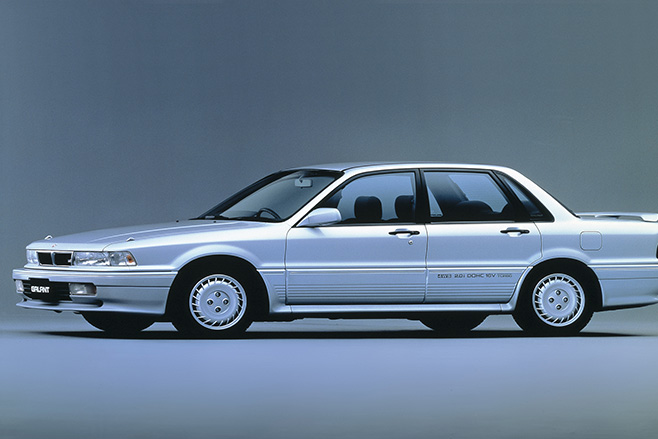
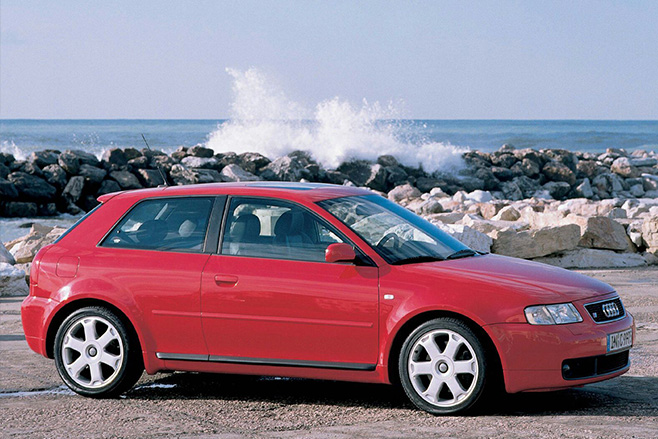
Introduced in 1999, the initial 154kW S3 was fast but safe – too safe. An upgrade to 165kW and chassis tweaks in 2002 brought it to life, scoring sixth at PCOTY 2003. Examples can now be found for as little as $5500 – a lot of car for the money.
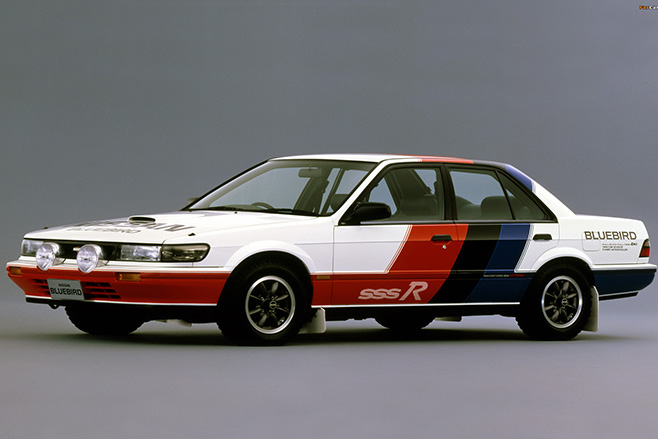
George Fury proved a Nissan Bluebird could be plenty exciting, but factory efforts weren’t so thrilling. Except this SSS-R – essentially a factory-spec rally car with a 136kW 1.8-litre turbo engine and the first version of the ATTESA AWD system.
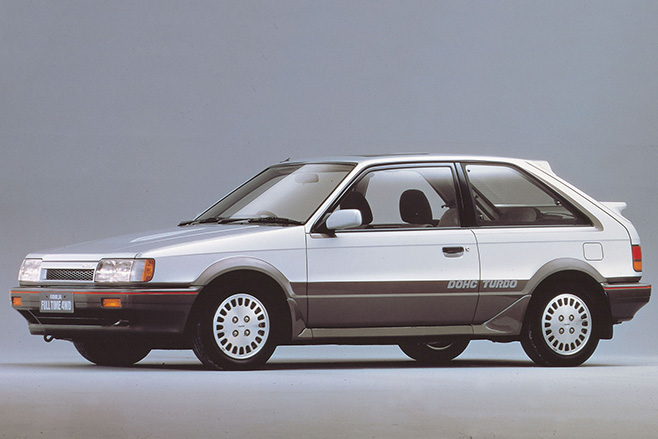
Another handy rally car (sense a theme here?), the 323 tasted some success at WRC level, though the commitment its smaller 1.6-litre turbo engine required led to some big crashes, earning it the nickname the Mazda ‘Tree-to-tree’.
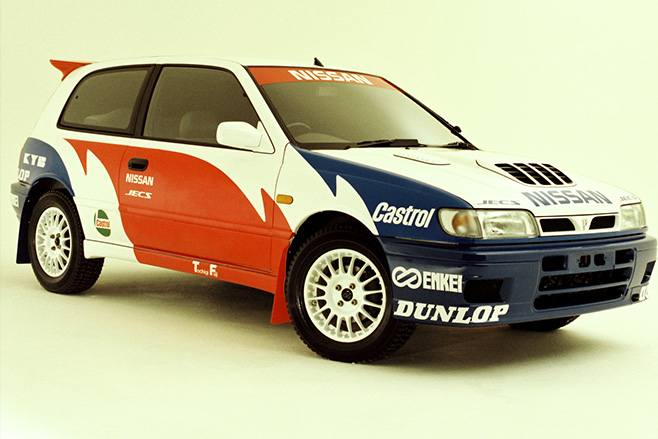
Nissan built this AWD, turbocharged version of the N14 Pulsar to go rallying, but it wasn’t very good at it, the pin being pulled after just nine events. Problems were many, but the heavy 2.0-litre engine gave it the reputation of being a ‘lead-tipped arrow’.
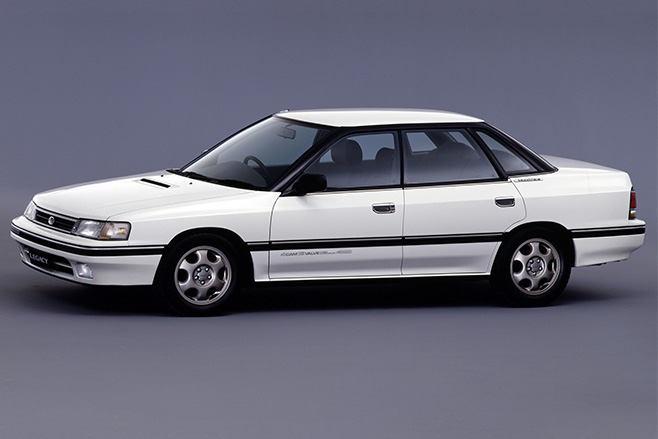
9. Subaru Liberty RS
Sure, the Subaru WRX helped, but the Liberty RS is the car that really put Subaru on the map. The performance made it a massive target for thieves, however those that survived have proved very durable. Getting rare now, though, especially in wagon form.
THE MOST expensive Mercedes-Benz model you can buy right now is the S65 AMG Cabriolet, an imposingly sized, drop-top grand tourer with a force-fed engine and opulent interior.
First published in the June 2017 issue of Wheels Magazine, Australia’s most experienced and most trusted car magazine since 1953.
Few rivals can match its combination of elegance, aggression, grace and pace.
Rewind a mere 80 years and you’d be describing another Mercedes-Benz, the 540K, in its four-seater cabriolet or even more exclusive Special Roadster guise.
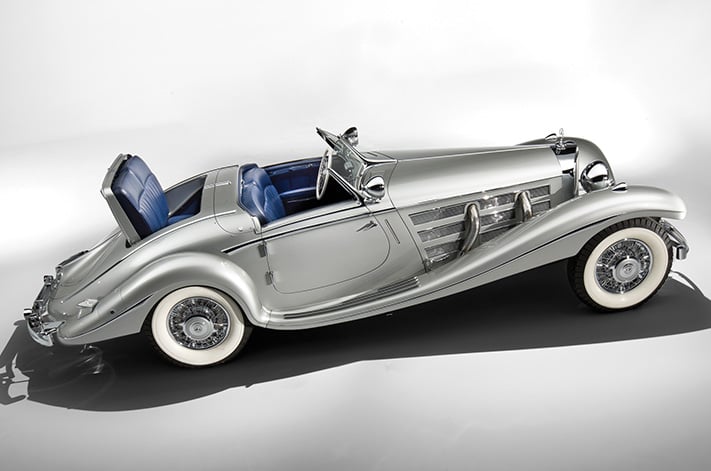
About half the 40 SSKs built were delivered as racing cars; the remainder would signal a growing market for exclusive sports-touring road models. These began to take shape in the 380 (1932) that introduced a 3.8-litre, straight-eight OHV engine – many fitted with a kompressor (supercharger) – and the company’s first all-independent suspension.
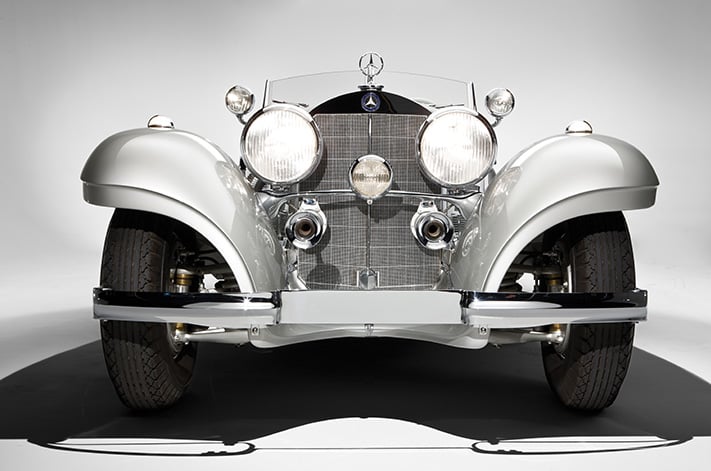
It had everything: colossal size (at 5.3m long), imposing power (135kW being spectacular stuff in a production model), yet achingly elegant lines. Even among those Germans who couldn’t afford it – which was all but a few hundred of them – the 540K was symbolic of a nation whose miraculous economic recovery from WW1 rode, to a considerable extent, on the investment in its autobahns, its automotive industry and its engineering superiority in general. To this day, it is regarded as one of the most beautiful cars of all time.
Chassis Works
The ladder-type steel chassis was penned by Merc motorsport engineer Hans Gustav Röhr and used weight-saving oval-section tubing. The 3250mm wheelbase aided ride quality, as did all-independent coil-spring suspension, via parallel wishbones up front and rear swing-axles, tamed by camber-compensator springs. Hydraulically assisted drums helped haul up the 2700kg hulk.
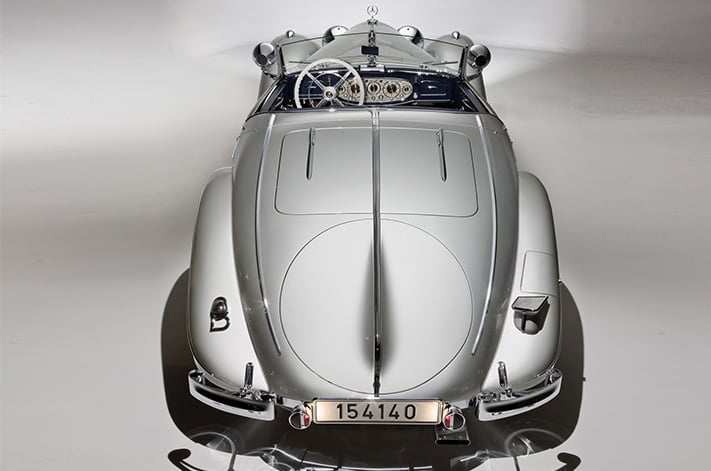
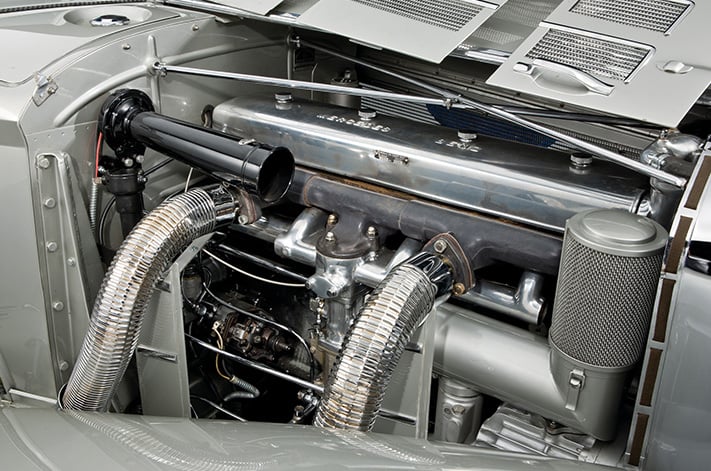
The straight-eight, OHV, twin-carburetted 540K displaced 5401cc, with a Roots-type supercharger engaged mechanically via the throttle pedal, its 0.5-bar delivering an additional 50kW, for peaks of 135kW and 431Nm plus a 180km/h top speed. Transmission was a four-speed manual; an optional overdrive fifth came later.
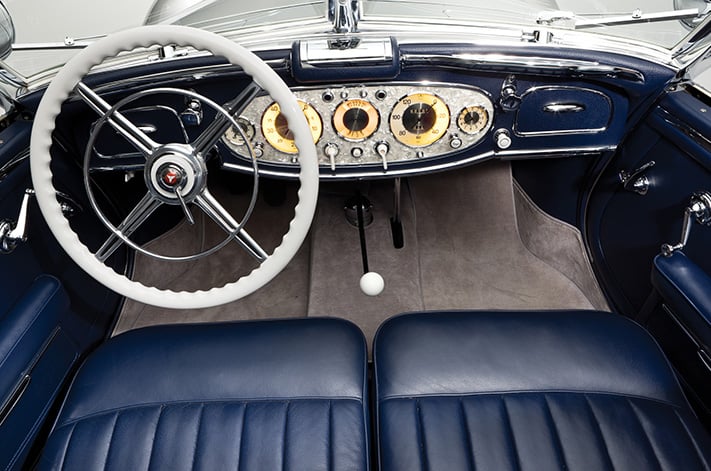
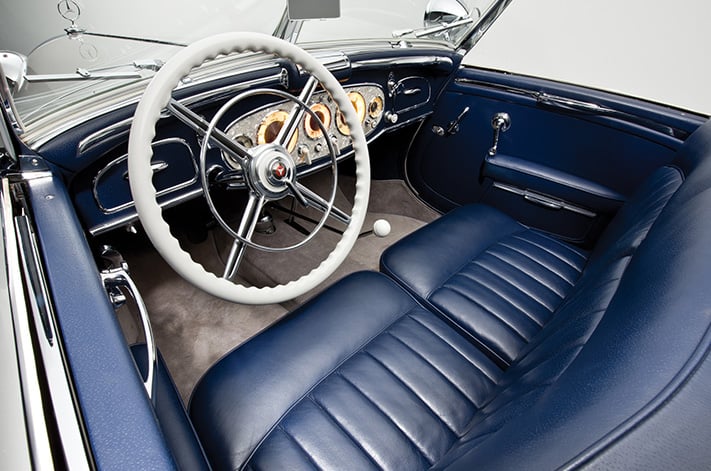
A roadster measuring more than 5.3m in overall length suggests a dedication to spoiling its two occupants, and the 540Ks thus bodied didn’t disappoint. Amid a sea of incredibly plush leather was the instrument panel backed in real mother-of-pearl, with ivory control knobs and instrument dials and lashings of deep chrome-plated steel. The white Bakelite-rimmed steering wheel even has a spark-advance lever in its hub.
IT IS WIDELY regarded that if you want to maintain a decent resale value for your car then an absolute must-avoid exterior colour is pink, while for interiors, white is known to be one of the worst colours to keep looking fresh – one uncapped pen or new pair of jeans and it is all over.
So it is almost comical that Holden committed both automotive faux pas in just one car for its 2004 Torana TT36 concept.
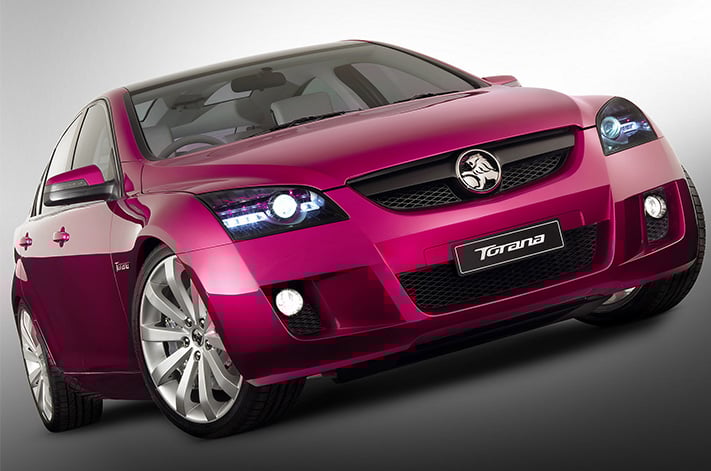
At the time of its inception, the then Holden design director Mike Simcoe saw a mid-sized high-performance sedan-shaped gap in the line-up and set the wheels in motion to create a car to fill it. After Simcoe moved on to a new GM design role, the project reins were handed to Denney Mooney and the Torana TT36 became a reality.

As a starting point for the Torana TT36, none of the company’s VE Commodore Zeta (platform for the gorgeous Coupe 60 concept), Cadillac CTS Sigma and Pontiac Solstice Kappa platforms were found to be suitable, and in an almost unprecedented move, the team set about designing a completely new platform for the car.
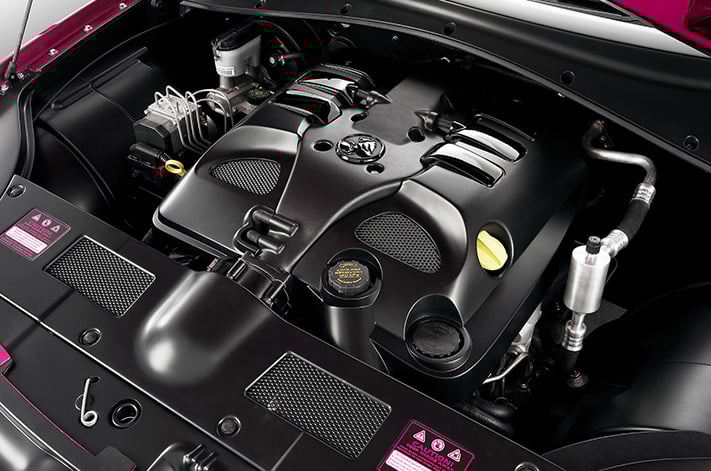
You might jokingly liken the interior to a Stormtrooper with its vast expanses of white, broken up by voids of black (and the odd splash of pink) but the design team actually admitted to being inspired by the Star Wars henchmen.

A turbocharged V6 would later power the Holden/Opel Insignia, the second row entertainment screens in the front-row headrests are now a common option in many high end cars, as is coloured mood lighting, albeit in a choice of colours – not just the Torana’s hot pink.

Had the Torana been given the green light, it would have spawned an entire family of models and variants with the capacity to accommodate everything from a four-cylinder petrol, all the way up to a Commodore-toe-stepping V8.
Instead of a soporific and now forgotten Holden Malibu, the segment could still be alive and kicking with a potent rear-drive sedan with gorgeous looks if only the Torana TT36 had been pushed through to production.
RICHARD HAMMOND, the former Top Gear host turned dot-com video jock, has injured himself after crashing a car. Again. Spectacularly.
Video shows the Amazon Prime star behind the wheel of a Rimac Concept One – the Veyron shaming all-electric supercar – as he tackles a hill climb in Switzerland while filming for the second season of the online-only show The Grand Tour.
Late in the brief video, Hammond spears off the road as the car rotates beneath him. Later images show a burnt-out wreck. Other reports say Hammond was able to crawl out of the wreckage unaided, but has suffered a broken knee. He has since been airlifted to a hospital in St Gallen. The Rimac fared much worse.
There was no one else in the car at the time of the crash, and the reason for the incident is as yet unknown and being investigated.
On Twitter, co-host Jeremy Clarkson said: “It was the biggest crash I’ve ever seen and the most frightening but incredibly, and thankfully, Richard seems to be mostly OK.”
This isn’t Richard’s first incident while filming. Over 10 years ago, the TV presenter suffered serious brain injuries and spent 5 weeks in hospital after crashing a jet-powered drag car at 463km/h.
The Rimac Concept One is an all-electric supercar that has built a cult following thanks to internet videos of it beating some of the world’s quickest cars in drag races. Notably the Ferrari LaFerrari, and Bugatti Veyron.
The car costs $3.38 million, and is built by a Croatian company.
The Grand Tour returns to Amazon Prime in October.
WHO KNEW that comparing apples and oranges could be this much fun?
First published in the June 2017 issue of Wheels Magazine, Australia’s most experienced and most trusted car magazine since 1953.
The brief was to gather Tickford’s breathed-on Mustangs and see how they stacked up against more familiar home-grown fare from Holden and HSV.
For this fleeting snapshot in time, Aussie buyers can back-to-back blue-collar right-hand drive V8s from opposite sides of the Pacific. It was an opportunity too good to pass up, fruit analogy notwithstanding, and with a combined 1574kW of the good stuff split between them, drawing some sort of conclusion from this melee was never going to be a genteel discussion.
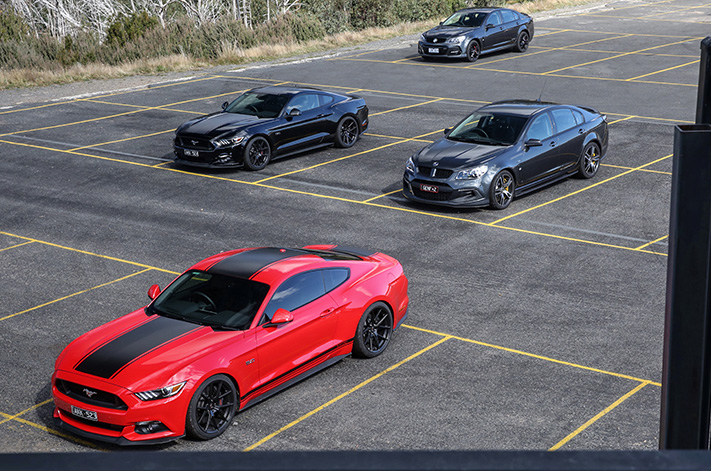
The 304kW Commodore SS-V Redline’s sales proposition is easy to identify. It’s the cheapest car here and in terms of metal for your money, this is the default pick. If you’re cash strapped, read no further. At $54,490 in this manual guise it’s ceding a fat wodge of grunt to the Tickford Mustang Power Pack 360, which takes the standard GT’s 306kW and adds another 54kW. That seems a hefty amount for an exhaust, cold air intake, throttle body spacer and ECU tweak. Pricing for the engine work alone will set you back $6990 over the standard Mustang GT’s $54,990 list.
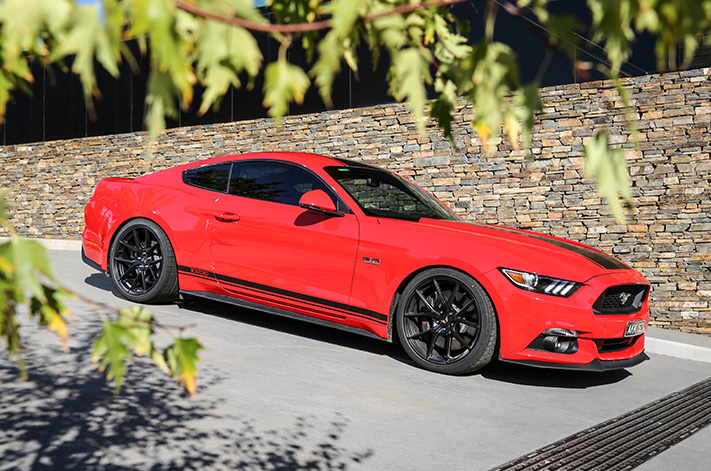
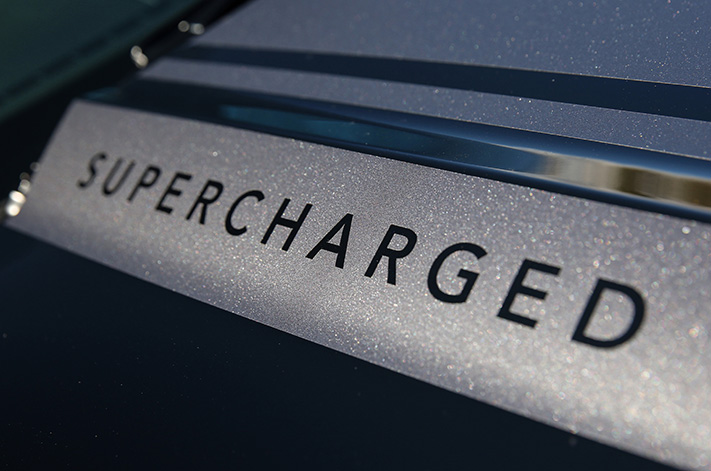
To keep the Clayton hellion on its toes is Tickford’s supercharged Mustang offering. All 500kW of it. This car is still a development work in progress and fills a void created by Ford Australia’s aim of selling a factory-warranted Roush supercharged car falling foul of Australian Design Rules.
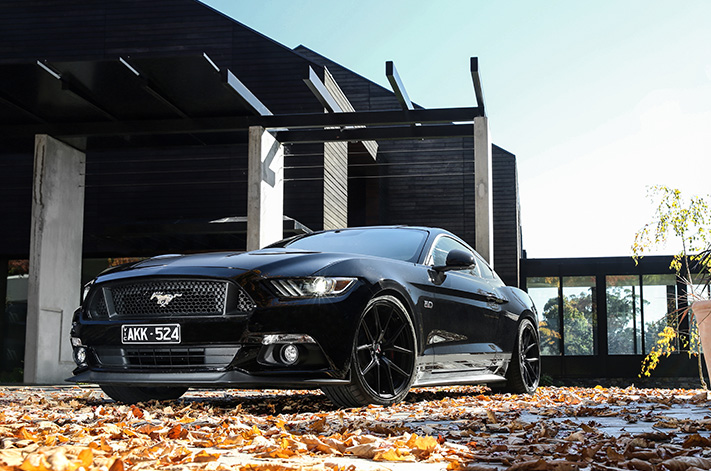
THERE’S no lake and not really much of a mountain at Lake Mountain. What there is makes the early start from Melbourne well worth the suburban schlep. With the holiday crowds gone, there’s a snaking road to nowhere, nothing open at the end of it and nobody to object to any perky driving.
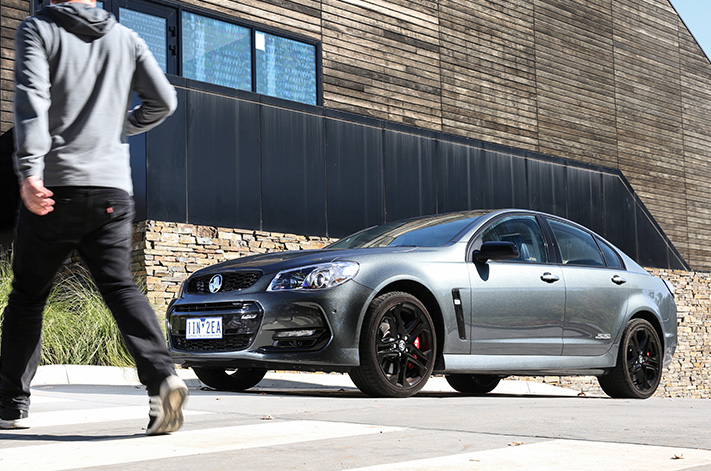
The chassis is decently tied down in extremis and has just enough reassurance about its pitch and roll axes to let you know exactly how hard it’s working the tyre contact patches.
You need to dial 4000rpm onto the clock to really get the 6.2-litre lump into its stride and while the LS3 has never been an inherently musical engine, the in-cabin note is purposeful enough, largely thanks to that cheap but effective Baillie Tip exhaust. The pedals are beautifully positioned for heel and toeing down through the gears and the brake pedal feel and progression is about as good as it gets, in this class at least. What’s not so great is visibility through tighter corners, the big-boned A-pillars capable of hiding an oncoming B-double.
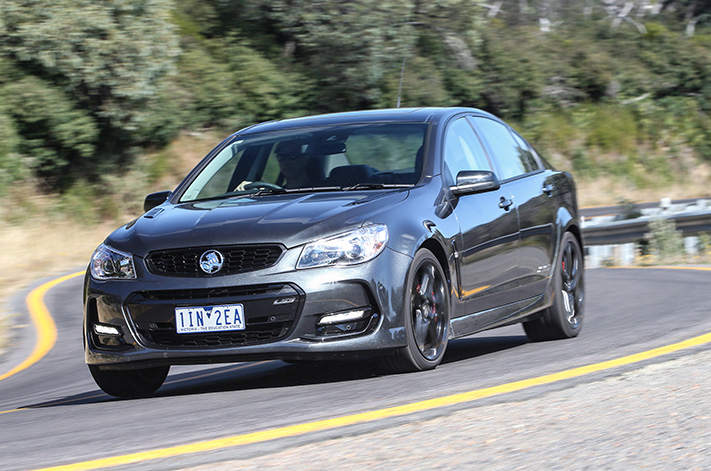
It’s hard to argue with the way the SS-V – a vehicle with a bigger footprint than a millennial BMW 7 Series – demolishes a set of switchbacks, though. The front end is just mighty, the 19-inch Bridgestones doggedly keying into the scabby blacktop, helped by the benign long-travel brake and accelerator affording the rubber every chance to weasel out any residual adhesion. A consequence of that travel is that you need to really commit to big braking, something that can lead to a heart-in-mouth moment if you’ve stepped from something a little more overservoed. Something like a Mustang with the Tickford 360 Power Pack, for example.
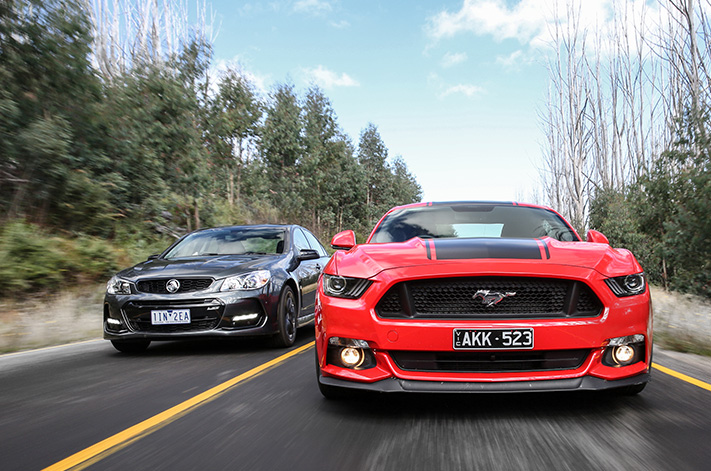
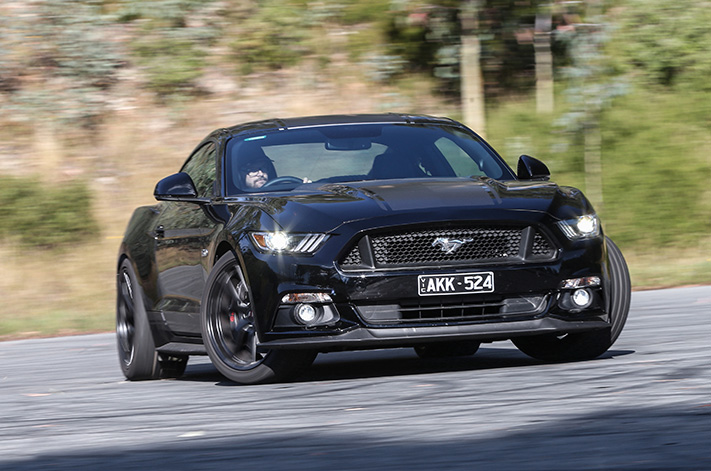
Get the Mustang onto a more consistent surface and it feels special. The body control is sharper than the Commodore’s, turn-in is more incisive and throttle mapping far more aggressive. It feels like a supersized Toyota 86 until you try to drift it like a Hachi-roku, whereupon you find that the neurotic throttle response requires equally rapid hands.
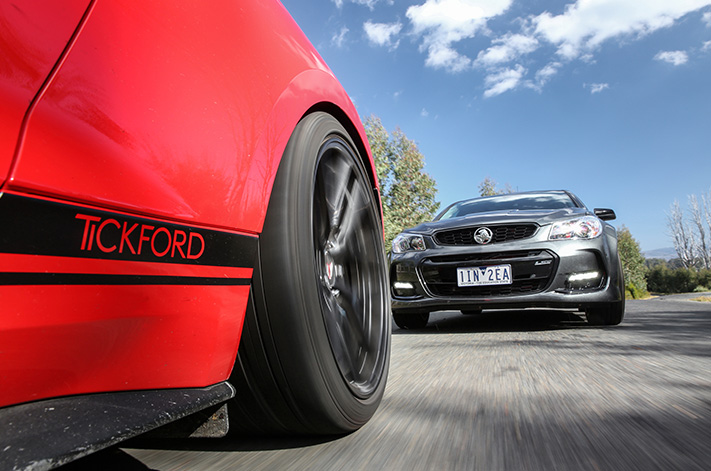
This car also wears a Tickford wheel and tyre set, featuring 10-spoke satin black alloys and staggered width 20-inch Dunlop SP Sport Maxx GT tyres. With tyre pressure sensors, locking wheel nuts, fitting and balancing, that’s going to leave you a McDonald’s meal’s worth of change from $4500. Then there’s the Tickford sports suspension that lowers ride height by 25mm for that great hunkered-on-its-rubber look, but which could use a little more gradation in compression damping.
The tyres tramline more on city streets than the Holden’s slimmer 19-inch hoops, sniffing out and nibbling at any minuscule contour in the surface. The engine requires a few more revs on the board than the Redline, getting into its stride at 4500rpm, so you need to be a bit more diligent with gear selection when attacking a tight corner. The pedal box isn’t as well set up as the Holden either but the steering feels far meatier, the front end even more tenacious and the brakes feistier, although it requires a more measured pedal application.
The Mustang also sounds much more aggressive on the way out. What it doesn’t feel is a lot faster, something that our performance data attests to. The Tickford doesn’t get its snout in front until 160km/h, and there’s a mere tenth of a second between the two cars to 400m. For a car with a 56kW power advantage and which is hefting 80-odd kilos less timber up the strip, we’d have expected a wider gap. Time to see if some forced induction can open up a wider advantage.
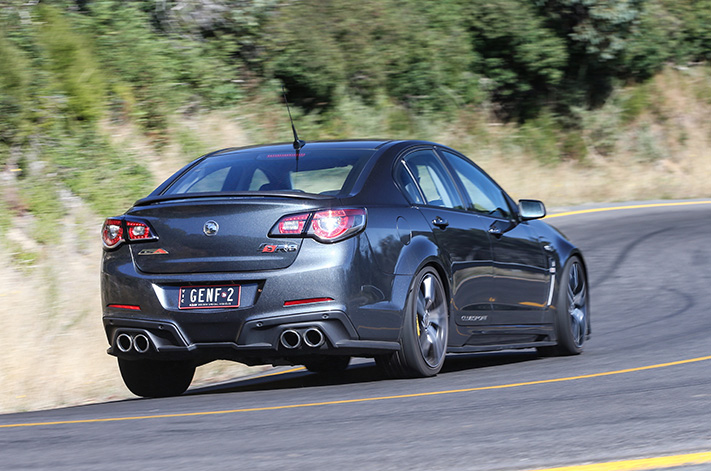
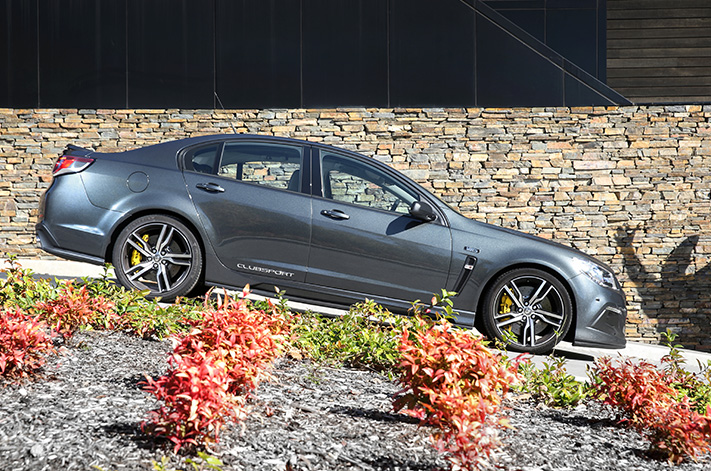
Parked next to the Redline, the HSV looks enormous, the bulkier chin and butt mouldings, lower ride height and more pronounced lateral lines making it look half a class bigger. It’s not a car that shrinks around you on a tight road either, but it’s astonishingly lithe for such a hefty unit. The torque vectoring helps here, although that requires some fairly focused throttle commitment to generate that degree or two of yaw to fire you out of a corner in vaguely the right direction.
The front end takes longer to trust than in the Redline, largely due to the stiffer sidewall hysteresis of the OE fit Continental ContiSportContact 5P tyres, which grip harder but are a little more taciturn than the Holden’s malleable Bridgestones.
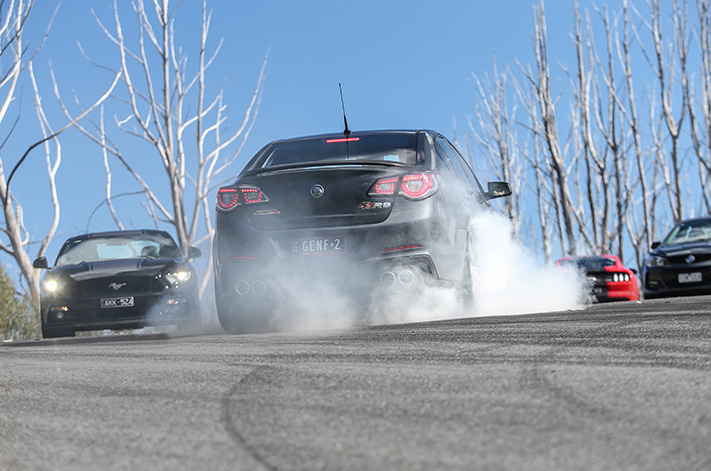
Most of the time it’s still a better fit for the Clubbie than the Tremec manual, but that denial of downshifts as you lean on the brakes into a corner can be frustrating. After a while you give up on pinging the paddles and see if the software can make a better fist of things, which often feels – and sounds – clumsy. The Clubsport promises real potency, but it can be caught surprisingly off guard for a supercharged car. Peak torque is at 4200rpm and peak power a heady 6150rpm.
The net result of this is that it feels more significantly less linear in its power delivery than you might expect. The flipside of this is that it’s endowed with a surge to the redline that’s laugh-out-loud hysterical. I haven’t heard such a manic shriek since Uncle Martin snagged his scrotum in a split plastic sun lounger while on holiday in Milford-on-Sea. For a car that’s so refined at cruising speeds, this unhinged duality of personality sets the HSV apart.
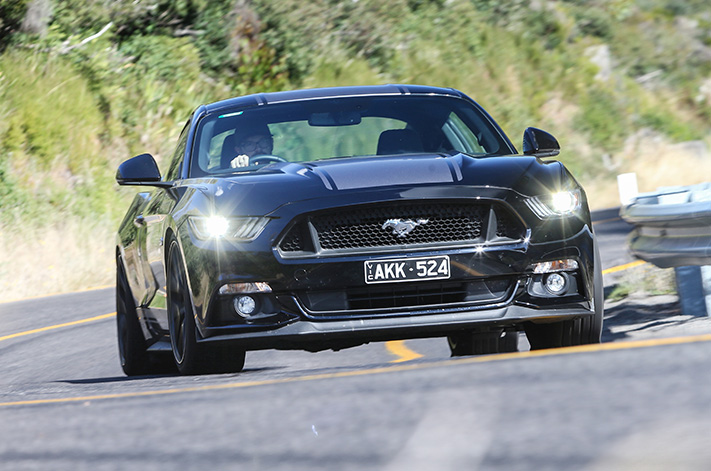
Nothing can really live with the black car up here. Full throttle is something you need to work up to, and keeping the throttle pinned for even a handful of seconds sends a raucous caterwauling howl across the valley, overlaid by the shrill keening of the supercharger. It’s hilariously traction-limited, notching the sprint to 100km/h only four-tenths quicker than its naturally aspirated sibling, but it reaches 200km/h fully five seconds ahead. We don’t have many roads that really do this car justice.
If you absolutely must win traffic light drags, then a Mustang probably isn’t the best car for you anyway. It’s a sorry realisation that more often than not, you’ll be blitzed by an A45 AMG.
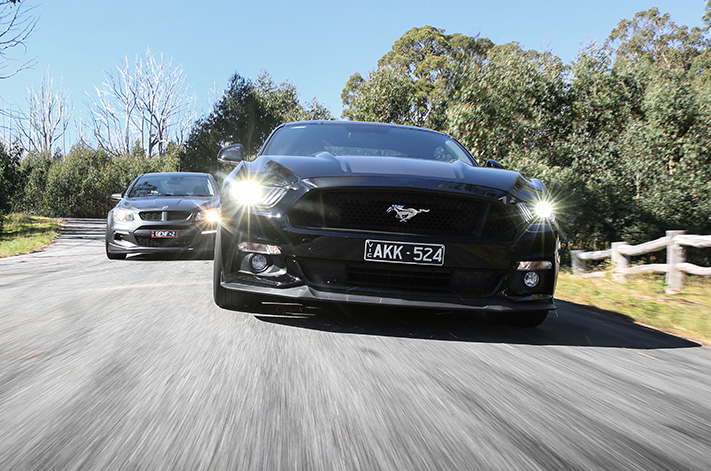
The HSV Clubsport R8 LSA is endowed with far more bandwidth. It can do grey Monday morning commutes as happily as it’ll tackle a track day at Phillip Island. It’s hard to knock the value proposition, the Clubbie having been worked into a hugely impressive all-rounder. It’s too big for its own good as a sporting car and that places huge demands on consumables like tyres and brakes but otherwise grumbling feels churlish.
The car that everybody said they’d buy if they were spending their own money was the unassuming SS-V Redline. That’s as good as a winning definition as you’re likely to get and it’s rare that the slowest and least extrovert car of the bunch will win the popular vote. We don’t subscribe to the ‘everybody gets a medal’ school of thought here at Wheels, but these are four very worthy performance cars. The Commodore just gets more right more often, and for less money than any of the others, and that’s testament to the experience in local tuning. It’s no surprise that the best car I’ve driven on a British B-road is a Lotus Elise, the best car to tackle a French autoroute is a big, soft Peugeot wagon, and the finest autobahn weapon I’ve sampled is a Mercedes-Benz S65 AMG. For covering kilometres in Australia, the SS-V just flat-out works.
Setting aside old allegiances? That might take a bit longer.
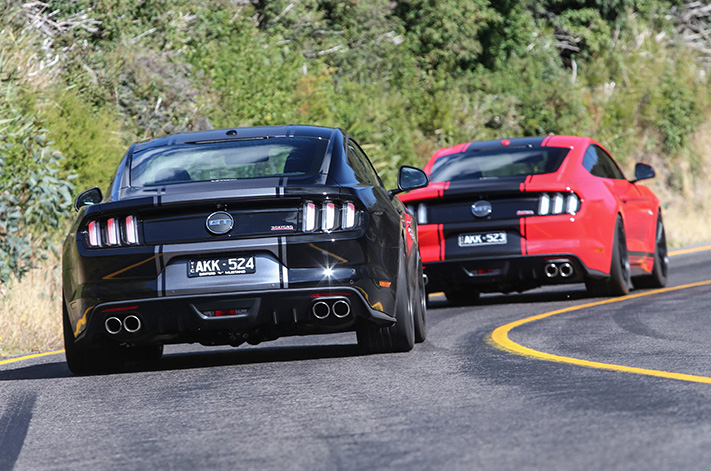
This is one Sweet Dream that almost became a reality, yet turned into, if not a nightmare, then at least something of a disappointment.
We reported last month that Ford’s hopes of offering factory-backed go-fast Mustangs have been dashed by an inability to pass the drive-by noise regulations as specified by the Australian Design Rules.
Or, more accurately, an unwillingness to spend the money required to find an engineering solution to the problem. It’s a blow for Ford, though a boon to aftermarket outfits like Herrod Performance, who are able to supply the exact same supercharger kit with ADR compliance.
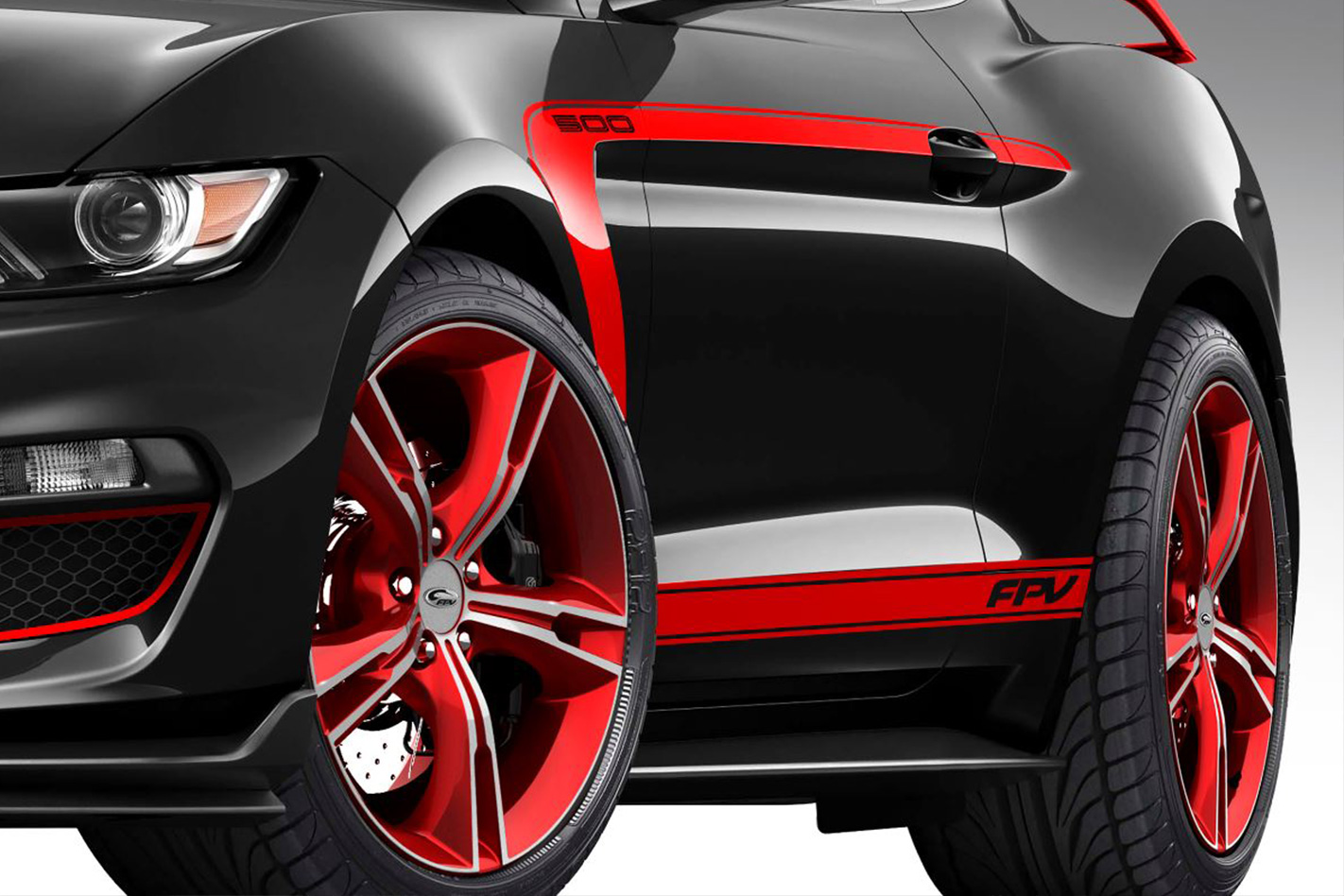
Perhaps its arrival will prompt Ford to make another attempt, as with our local Blue Oval muscle gone and Holden’s soon to follow, there’s going to be plenty of people looking to fill a V8-shaped hole.
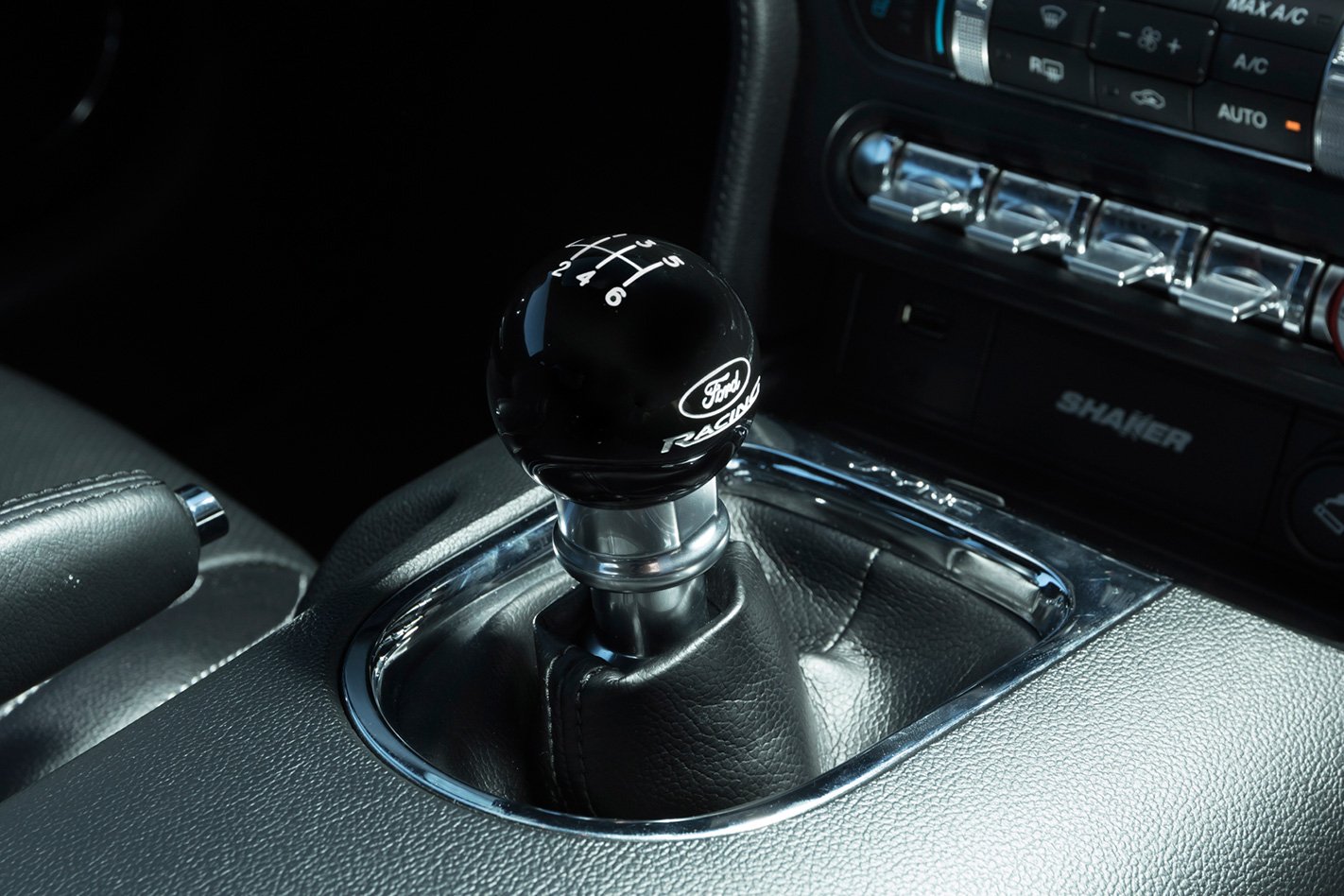
Here’s how we’d do it
What’s in a name?Obviously we’re being a bit cheeky by using the FPV badge and logo, as any factory fast ’Stangs would presumably use the new Ford Performance (FP) branding that encompasses everything from the Focus RS to the GT supercar.
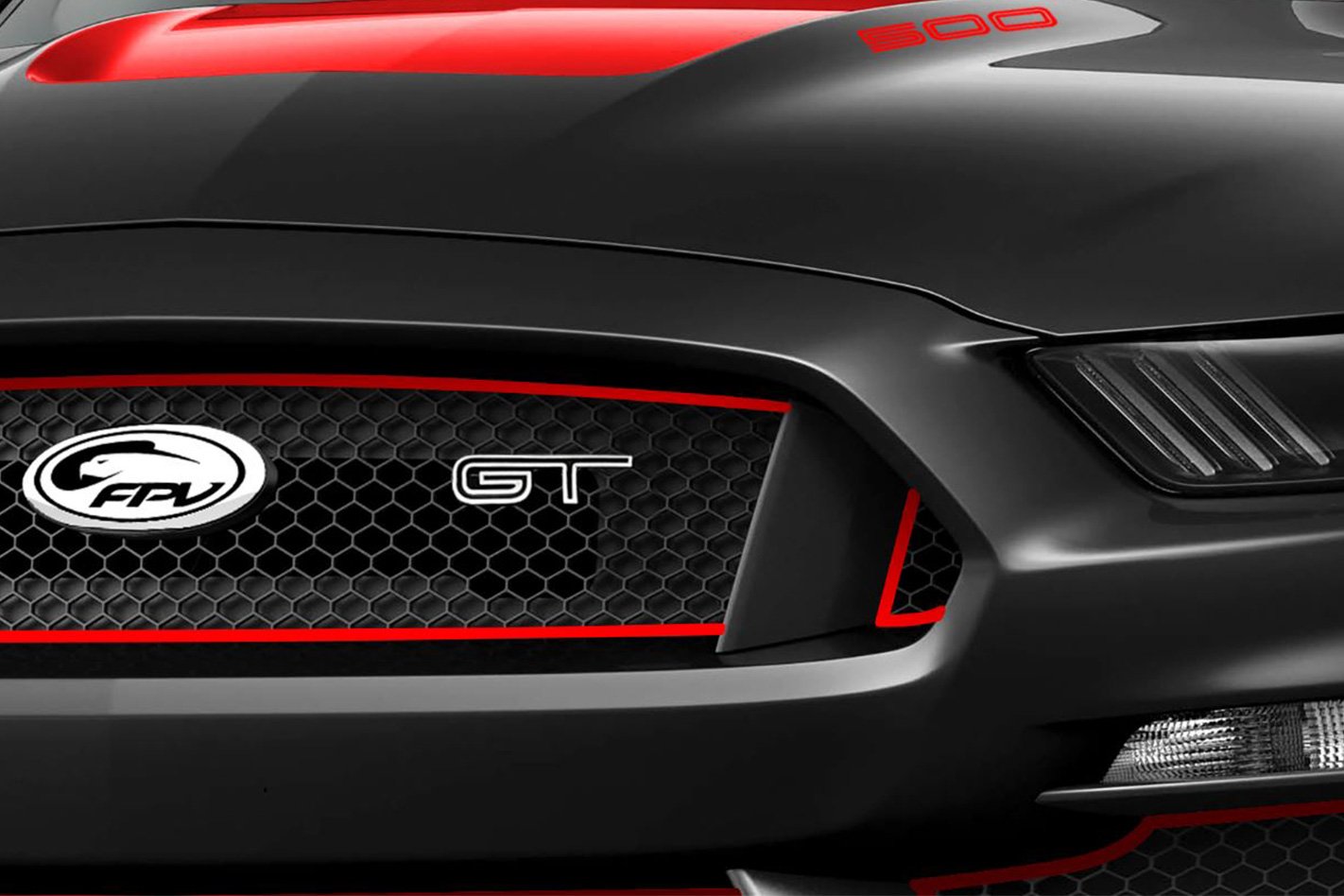
Toy box
Ford Australia had the benefit of digging into the Ford Performance catalogue, which is essentially an enormous toy box filled with all manner of factory-backed performance parts. The FP website lists 131 parts for the 2015-2017 Mustang alone, though sadly as we’ve discovered, while the parts may pass Ford’s guidelines, they don’t necessarily pass Australia’s.
Pony party
Central to Ford Australia’s power plans was the addition of a Roush Performance Stage 3 supercharger kit, which adds 9psi of boost to take power to a neat 500kW, all backed by the factory warranty. It’s fair to say that the 5.0-litre Coyote V8 is one tough bit of gear.
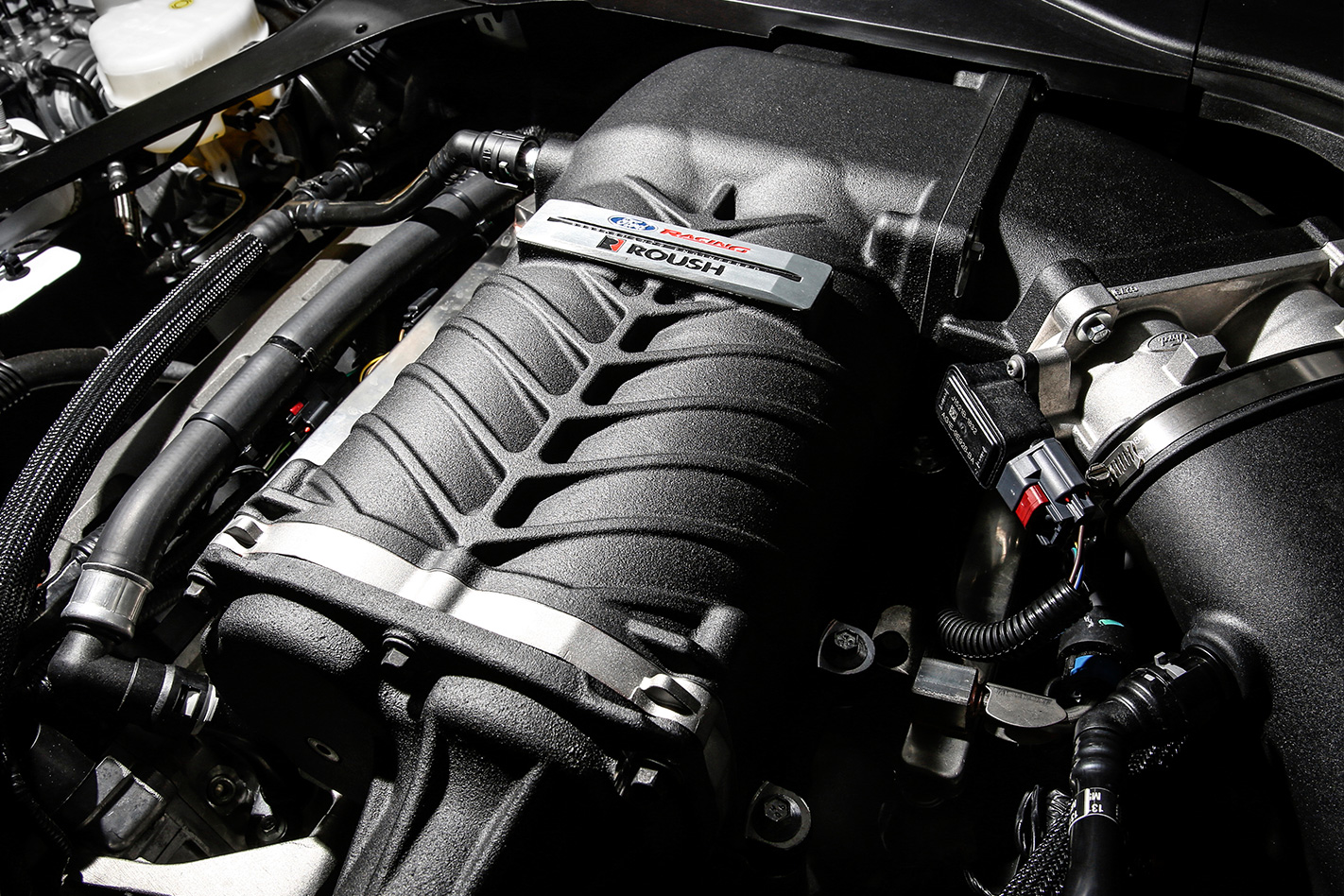
Pick a part
In terms of chassis modifications it’s simply a matter of cherry-picking the choice bits from the FP catalogue. GT350R brake kit? Yep. Track Handing Pack? Bring it on. Stronger driveshafts? Probably a good idea with 60 per cent more power to handle.
Come ’n’ get it
Even a fully loaded 500kW Ford Performance Mustang shouldn’t have stretched the bank much beyond $80,000, which is a hell of a lot of car for the money. Of course, you can go and buy just such a vehicle right now, the only difference being you’ll need to talk to blokes like Rob Herrod rather than Ford.
You probably read about the 12-year-old boy pulled over in Broken Hill, after driving more than 1300km from Port Macquarie in his stepmother’s car.
He was on his way to Perth – I think the only time I ever ran away from home, I made it about as far as the bottom of the street, so I will never again let anyone tell me young people these days aren’t go-getters.
But just the week before, in Ohio, USA, Fox ran a story (so you know it’s not fake news!) about an eight-year-old boy who drove to a McDonalds a couple of kilometres from his house – with his four-year-old sister! – and bought a couple of cheeseburgers and some nuggets because his parents had fallen asleep on the couch. He even used the drive-thru! The McDonalds workers thought they were being pranked and served the kids, who paid for the food with coins from their piggy bank. He even put his sister in the back seat. Hell, he’s possibly more responsible than the parents.
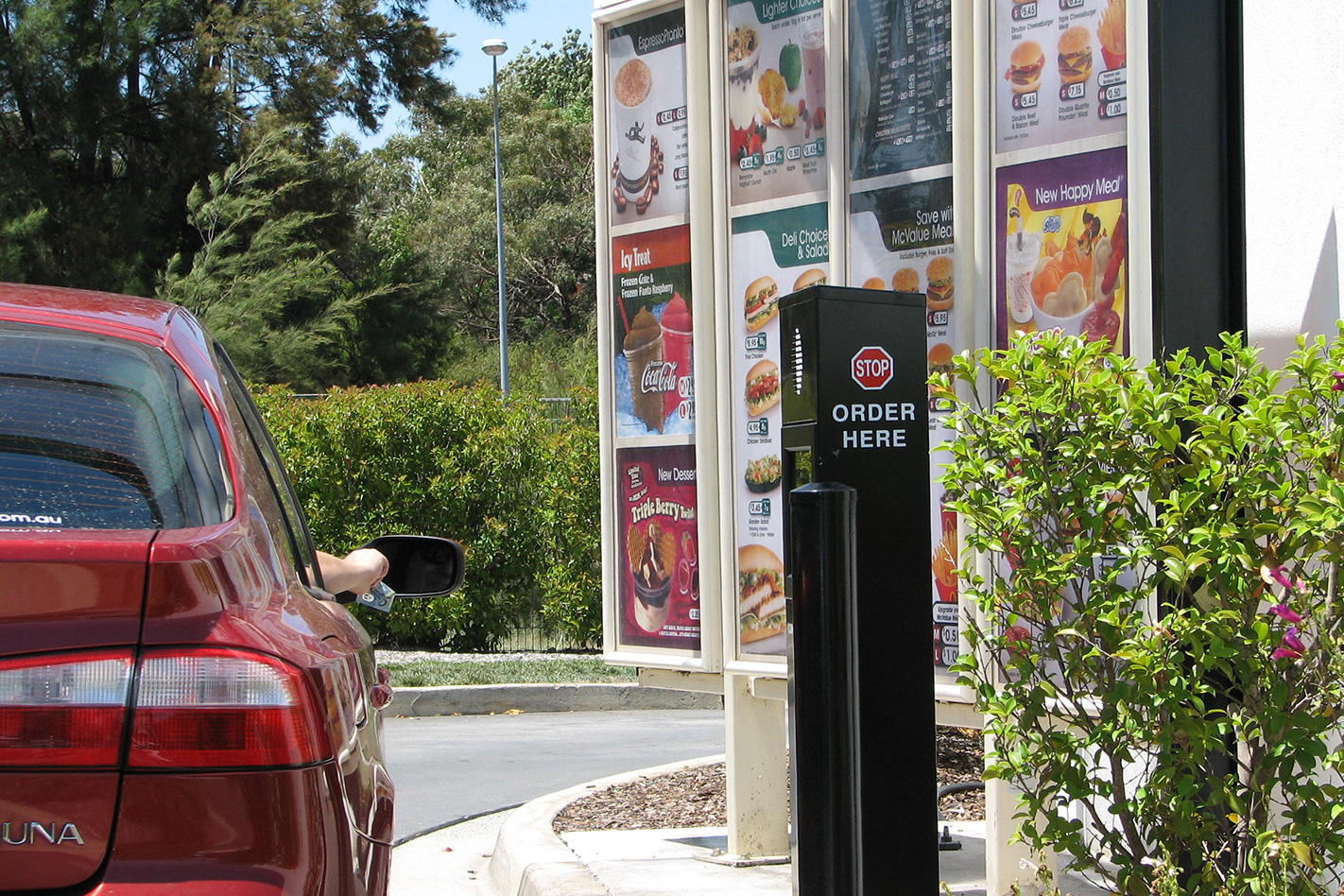
Really? YouTube? You can learn to drive on YouTube? In fact, you can: there’s a nine-minute video on how to drive an automatic car, and it’s had more than half a million views. And this isn’t a refresher course for, I dunno, people who hit their head and forgot how to drive. It’s for complete beginners – “If it’s raining, turn on the windscreen wipers… just like that. If it’s not raining, you won’t have to turn them on. It’s literally simple” – and it doesn’t muck around either: the presenter dives straight into turning the car on, putting it in drive and getting moving in under two minutes. (“Put your foot on the gas pedal and hold it at a decent position, don’t floor it, just hold it at a decent position and the car will be moving … you just want to turn the steering wheel slightly to guide the car on the road.”)
If you’d asked me last week, I would have said this was terrible. But police say the eight-year-old in Ohio obeyed all the road rules, and made it through a number of intersections and across a level-crossing without any problems. And through the drive-thru! I even find it hard to negotiate some drive-thrus! Who designs those things, Vespa riders? So now, I say: learning to drive on YouTube is the future.
I’ve heard of proposals to lower the voting age – would politicians be more forward-thinking if they had to woo young’uns instead of pensioners? – but how about lowering the driving age? Kids could drive themselves to school, removing irritating school buses from the roads. You could take your family out to dinner and you’d always have two or three designated drivers on the way home. No more threatening to “turn this car around” – instead, it’d be “If you kids don’t knock it off back there, I’ll make you drive.”
Do I hear the nanny brigade crying, It’s too dangerous? How dangerous can it be (unless they’re driving the new Mustang… too soon?) For the entire month of April, in 100 per cent of cases of kids driving cars, they had no accidents. Statistically, that’s safer than letting adults drive. You ever seen a bicycle? Now those things are death traps.
Before the E90 M3 came along and brought the V8 with it, BMW were already putting eights in their M3s. Just very, very few of them.
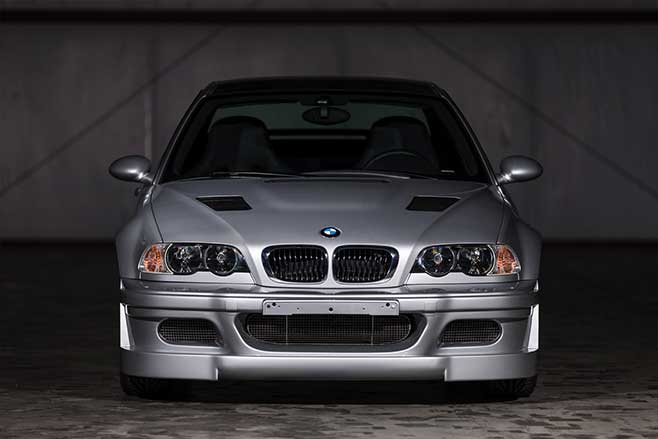
Three E46 M3 GTRs are believed to exist, and M Division now owns all of them.
From the outside, it just looks like a slightly crankier E46 M3, but under the bonnet…
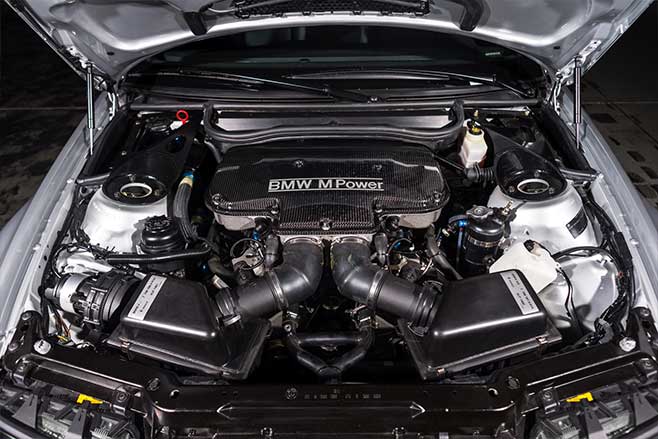
This in a car that weighs 1350kg.
It could accelerate to 100km/h in 4.7 seconds – half a second faster than the normal M3.
With a goal of 10 cars, BMW probably would have struggled not only to build the extra seven (or so) in time, but also to sell them. They were priced (back then) at 250,000 Euros.
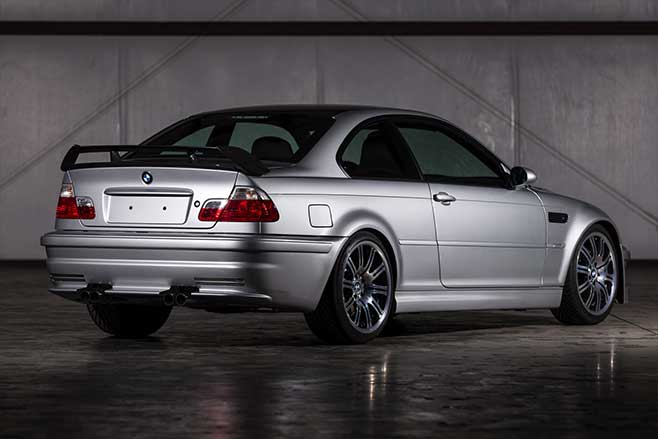
Underneath, a wider track and stiffer suspension give the car proper race credentials, as well as 12.8-inch cross-drilled vented disc brakes with compound callipers. 19-inch alloy wheels were borrowed from the regular M3.
THE advent of onboard cameras in motorsport has gifted viewers around the globe countless golden moments and the opportunity to go inside cockpits as the world’s best drivers push insanely fast cars to the very limit.
Another benefit of the camera advancements is the ability of these experts to offer tutelage and advice as demonstrated in the above video in which the late Colin McRae, rallying legend and general god amongst men, calmly talks his way through a series of different driving techniques.
It must be said that McRae – recognised as one of the most naturally talented drivers to grace the earth – isn’t anywhere near the limit in the video, but there is no doubt many would struggle to keep pace with him as he converses with his passenger.
Behind the wheel of his Ford Focus WRC car, McRae shows us the different ways you can tackle corners during a rally stage, all in his unmistakable Scottish accent.
In the video, McRae also explains the benefit of left-foot braking, a technique we advise against using on the road, but which can make all the difference flat out in the forests of Finland.
The pedal-cam angle is particularly fascinating, when paired with an outward and onboard shot. It illustrates how much work is done behind the wheel, often hidden from site. McRae’s feet never stop dancing, alternating between the throttle and brake, deftly putting inputs into the car as he slides through the course.
Because we are suckers for a good onboard shot or pedal-cam, take this as an added bonus – it’s Ayrton Senna thrashing a Honda NSX around Suzuka.
Where McRae was in head-to-toe race gear, Senna demonstrates sublime technique all while wearing Sunday slacks and loafers.
PORSCHE has stacked a remarkable 18 Le Mans winner trophies in its silverware cabinet since 1970. That’s more victories at the famous 24 hour endurance race than any other manufacturer, but you’re a motorsport enthusiast. You already knew that.
What you might not know is just how huge the racing operation is behind the scenes. A week out from the 2017 Le Mans 24 Hour, Porsche has shared facts and figures about its history at Le Mans and about its current flagbearer, the 919 Hybrid. Here are our favourites.
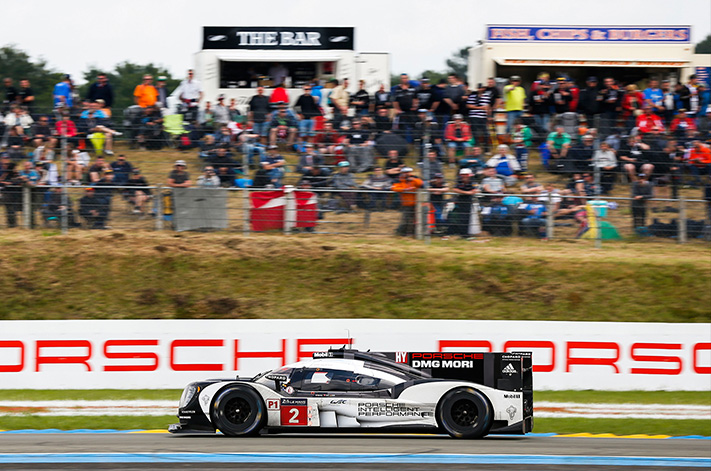
3 Hollywood stars have entered Le Mans with Porsche. Steve McQueen’s attempt made it to cinemas in 1971, Paul Newman finished second overall in 1979 and Patrick Dempsey also climbed the podium in 2015, finishing second in the GTE-AM class.
3.2 hours is the average time each Porsche LMP driver spends on a massage bed during the 24-hour race.
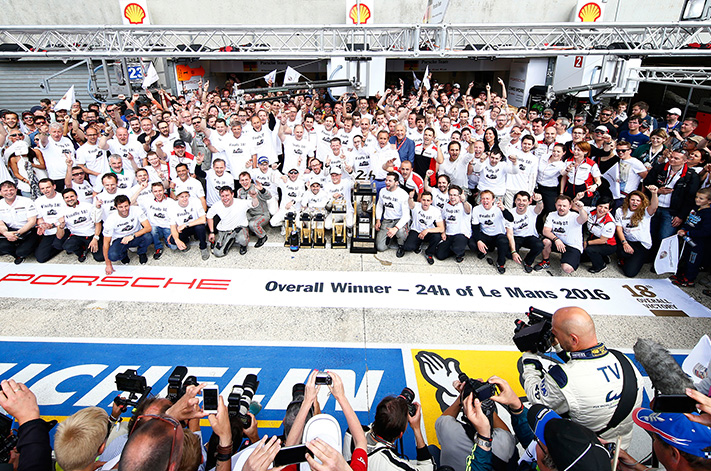
10pm on June 10 2015, Neel Jani set off for the first Le Mans qualifying session in his 919. He lapped the circuit in 3:16.887 minutes – which remains a record.
12 men were in the advance crew that began setting up at Le Mans on 23 May 2017, almost four weeks before the race. They started by building up a two-floor steel structure behind the Porsche LMP pit box. On May 30, a convoy of eight semi-trailers arrived containing the race cars and equipment. Everything had to be in place for a test day on June 4.
19.9 kilograms is the weight of one wheel rim with the tyre. Mechanic Rainer Mühlhäuser manages to swap an old wheel and tyre for a new one during pit stops using only one hand for each. Since doing so at the opening WEC race in Silverstone, others down the pit lane have been trying to master his technique.
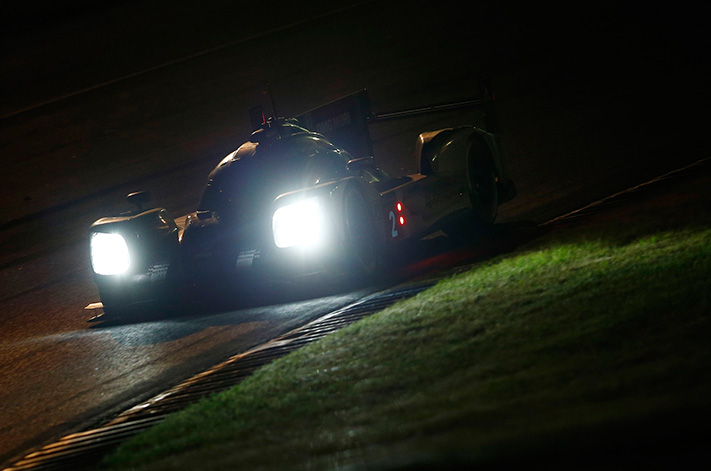
30 stops for fuel and 10 stops for tyre and driver changes are anticipated for each Porsche 919 Hybrid during the Le Mans race next weekend.
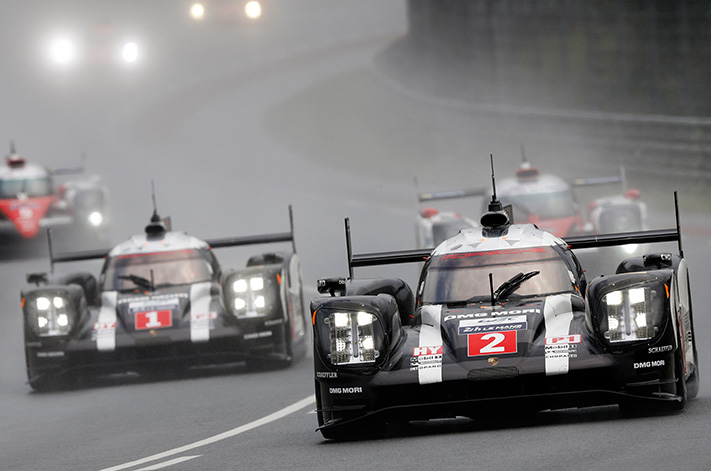
54 consecutive laps Romain Dumas was at the wheel of the winning car at night during the 2016 Le Mans. Due to safety car periods, Dumas’ stint was exaggerated to the longest stint of all the Porsche LMP drivers. It lasted from 00:13 hrs until 03:38 hrs. That’s almost the duration of two Formula 1 Grands Prix races.
60 percent of the 919 Hybrid’s recovered energy comes from the front brakes, around 40 per cent is provided by a turbine in the exhaust system.
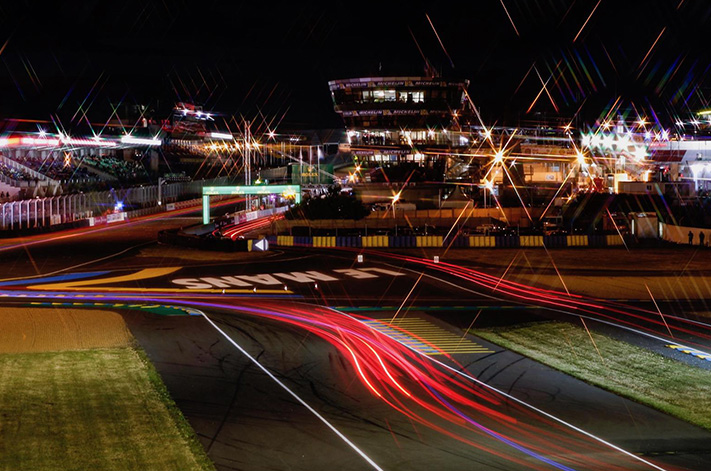
397 laps, or 5,410.713 kilometres is the longest distance ever covered during the Le Mans 24-Hours. It was achieved by the 2010 winners, Timo Bernhard/Romain Dumas/Mike Rockenfeller, sharing an Audi.
2 hours is how long the smell of a fart would linger if a driver broke wind in the 919, commented Neel Jani – unhappy with the cockpit ventilation of the first test car back in 2013.
