
Nearly a year and a half after its local launch, the Ford Mustang has recorded its best-ever month of sales.
Ford sold a whopping 1351 Mustangs in total last month – a 337 percent increase over the May 2016 figure, while year-to-date sales of 3772 cars represents a 78 percent increase over the same period last year.
It’s an unusual situation when a sports car is the second-most popular vehicle in a mainstream manufacturer’s showroom – especially when said sports car isn’t exactly a fresh addition to the range – but that’s exactly the situation Ford Australia has found itself in.
The Mustang, available here in Fastback and Convertible form with either a 2.3-litre turbo four or a hairy-chested 5.0-litre V8, has been a sell-out success since its arrival as a volume import in early 2016.
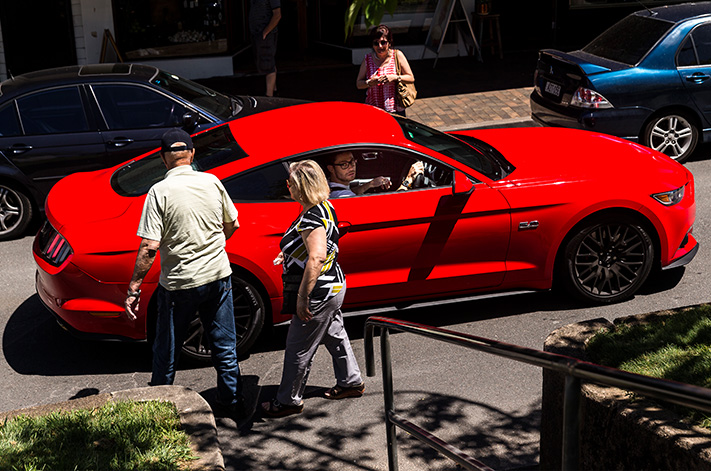
What’s more, Australia is currently the second-largest volume market for the Ford Mustang globally, behind its US homeland. Even Canada, the USA’s next-door neighbour and traditionally the top export destination for the Mustang, now sits behind us with a smaller slice of the two-door Ford’s global sales pie.
Surprisingly strong demand is keeping the Mustang near the top of Ford Australia’s sales charts, just behind the Ranger ute that is the company’s biggest cash cow here. Buyers that were initially put off by the prospect of a long wait are now revisiting Ford showrooms and slapping down deposits, while an increase in the supply of cars from the USA means Ford is finally able to keep up with orders for its two-door pony car.
“We’ve worked incredibly hard to secure more Mustangs for those who want to realize their dream, and we’ve achieved that for 1351 customers in May,” said Ford Australia sales director Greg Davidson.
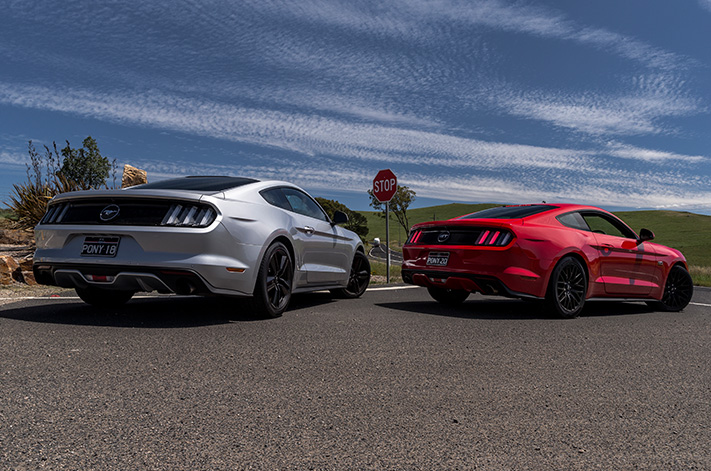
Ford Australia’s Mustang sales are on a trajectory to easily overtake the 6208 cars that were sold last year, and demand isn’t showing much sign of easing off before the end of 2017 either.
A mid-life update is set to arrive in Australia in the second half of 2018, bringing substantial upgrades in the form of a 10-speed automatic, an active exhaust, magnetorheological dampers and a substantially revised engine for the V8-powered Mustang GT.
Local specifications and pricing have yet to be confirmed for the updated Mustang, but with changes that amount to much more than just new bumper plastics it should keep Mustang at the top of the sports car sales sheet for a good while yet.
This car was something of an internet mystery.
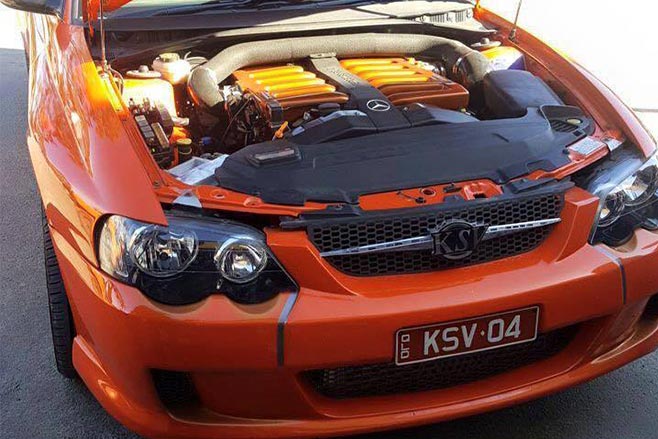
People have posted pictures of this bizarre Monaro/Falcon in the past, but it seemed no one had the full story. Except the person who built it.
A couple of short documentaries and a circle-work video give an insight into what makes someone do this.
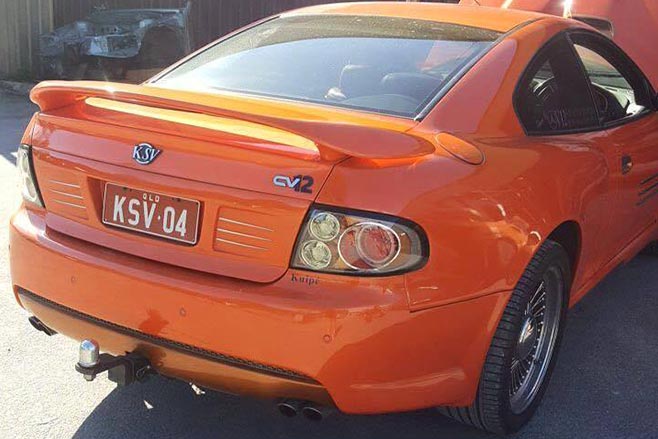
Back then, it was a Monaro with a BA Falcon front end and enough bodywork changed that forum users have called it “a sacrilegious mess”.
It was running a 4.5-litre Nissan V8 (originally used in the ‘90s for the Nissan President and the Infiniti Q45) at the time of these videos, but has more recently been spotted with a 6.0-litre Mercedes M120 V12 in the snout.
It’s not going to be many peoples’ ‘cuppa tea’, but you have to at least give the bloke an A for effort.
Or, you can stick with the thought you probably had when you first saw it – one of confusion.
So much time and probably money has gone into this, even the tiny details on the back of the boot lid get a run though in the ‘Built with Steel’ video.
“We lengthened the ducktail and added and closed in the number plate hole to match the Aston Martin DB9,” Alex explains. The ducktail is lengthened, but we can’t pretend that anything on this car looks like it was based on an Aston Martin.
Oh, and the rear plate opens up to reveal a reversing camera.
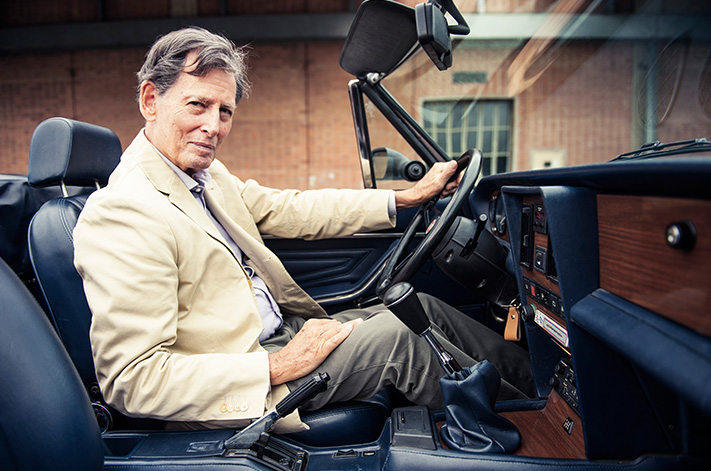
There’s a lot to be said for resilience and Tom Tjaarda had that in spades.
His career spanned seven decades, during which he designed some iconic production cars and a whole host of other projects. Everything from buildings to furniture and even monorails came in for the Tjaarda touch. While not a household name like Bertone, Pininfarina or Giugiaro, Tjaarda’s contribution through vehicles like the massive-selling Ford Fiesta, the brutally handsome De Tomaso Pantera and the elegant Fiat 124 Spider showed a deftness of touch and a determination not to be typecast.
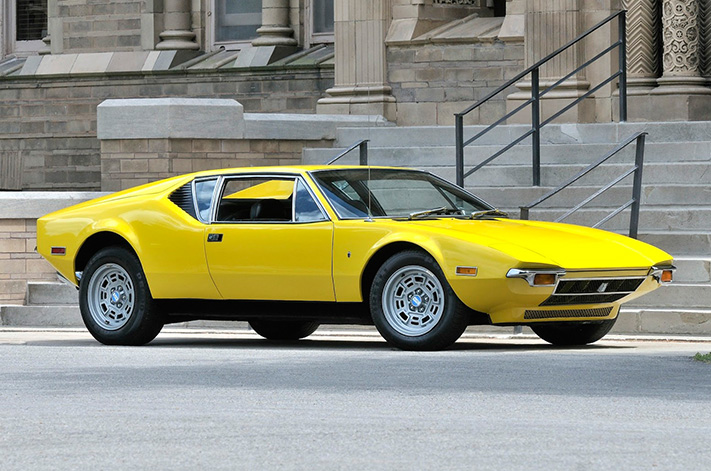
This was both Tjaarda’s great strength and, some might say, his biggest weakness. There was never a signature Tjaarda look. Instead he inherently understood the requirements of his customers and could effortlessly switch the look and feel.
Born Steven Thompson Tjaarda von Starkenberg in Detroit in July 1934, design was in young Tom’s blood, his father Joop credited with the design of the Lincoln Zephyr. Following the divorce of his parents, Tom remained in Detroit, where he initially attracted attention at high school, placing second in a General Motors Craftsman’s Guild model competition.
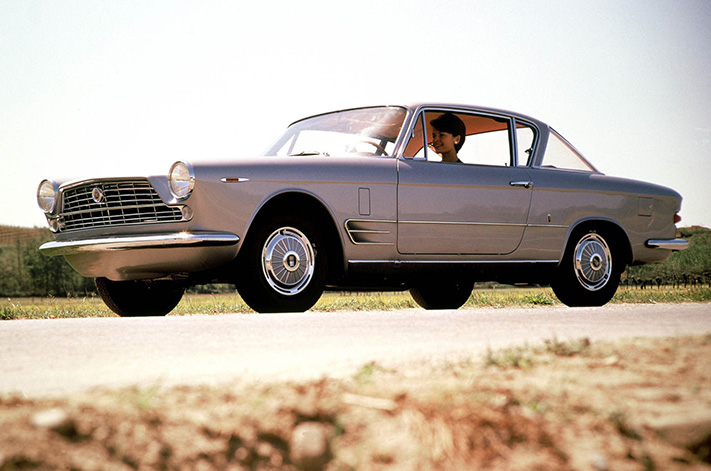
Recruited in 1958 by Luigi Segre, head of Italian styling house Ghia, Tjaarda packed his bags for Turin, expecting a six-month sojourn. During his first spell in Italy, he was responsible for a number of sharp designs, including the Fiat 2300S coupe and the Innocenti Spider.
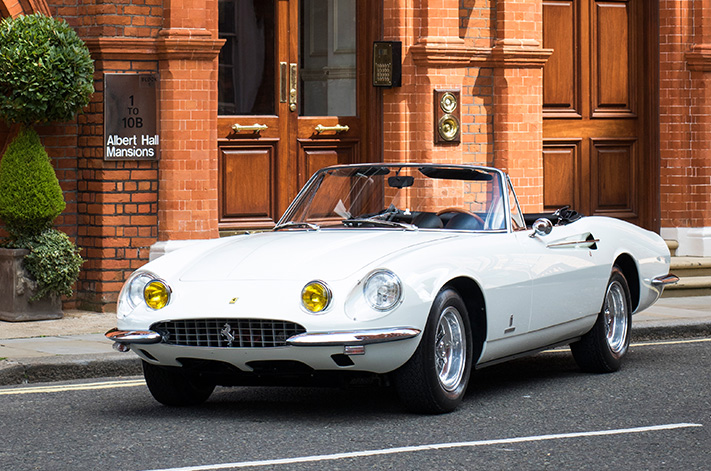
Tjaarda clashed frequently with the notoriously hot-headed Segre and moved to Pininfarina at the end of 1960. Here he penned two classic Ferrari shapes, the 330GT 2+2 in 1965 and the 365 GT California the following year. It was Fiat that gave Tjaarda his biggest success to date, however. Impressed with his Corvette Rondine show car, the Italian giants asked for a budget version as close as possible to that design. The result was the 124 Spider, a car that was so successful Fiat is still living off its name with the latest Mazda MX-5-derived model. Tjaarda wasn’t a proponent of the new car but, in his typically understated style, conceded that it suffered from a corporate design mentality prompted by “cross-pollination of stylists at large automakers.”
Returning to Ghia in 1968, Tjaarda styled the De Tomaso Pantera, followed by the Deauville and Longchamp models. His biggest-selling design was commissioned by Lee Iacocca at Ford and went from drawing board to running prototype in a mere 56 days. ‘Project Bobcat’ became Ford’s answer to the Volkswagen Golf and Polo, the Mk1 Fiesta going on to sell more than 2.5m cars across a seven-year production run.
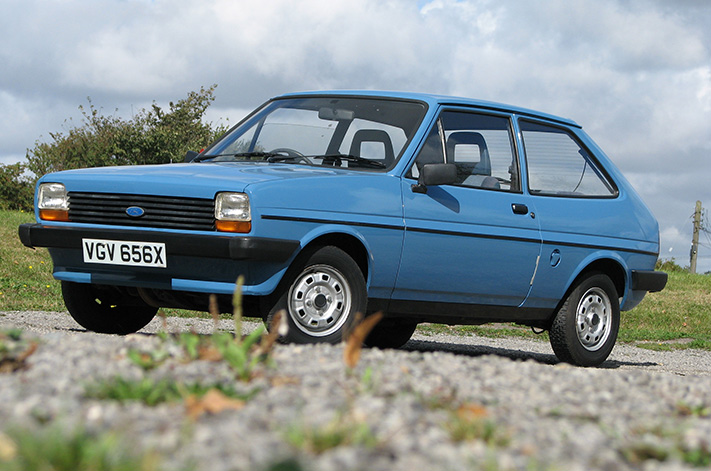
In 1984 he finally went independent, setting up his own design house, Dimensione Design (also known as Tjaarda Design), branching away from purely automotive projects. In 1991, Tjaarda was commissioned by Victor Gauntlett at Aston Martin to design a new Lagonda. After a 1:4 scale model of the two-door 2+2 coupe was developed, the project faded away. He also styled the Ford Maverick and the Shelby Series 1.
A charming and self-effacing character, he was a frequent judge at concours d’elegance events, where his deep understanding of all aspects of vehicle design was in regular demand.
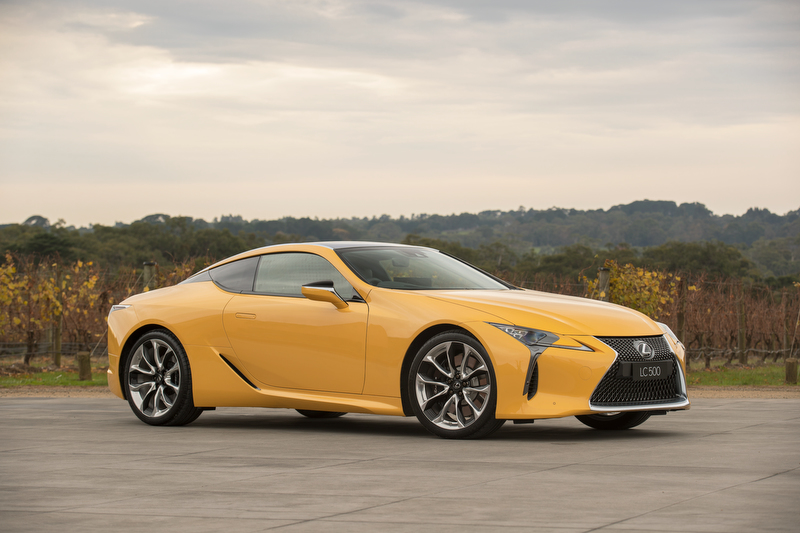
Two versions of the striking Lexus LC 2+2 coupe have arrived in Australia priced sharing a $190,000 price tag, offering buyers a choice between naturally aspirated V8 power in the LC500, and V6 hybrid efficiency in the LC500h.
The LC500 features a high-revving 5.0-litre V8 petrol engine producing 351kW and 540Nm, with a 10-speed automatic gearbox and standard LSD.
Powering the LC500h is a 3.5-litre V6 petrol engine and hybrid system featuring a lithium-ion battery, with total outputs of 264kW and 348Nm. The LC500h combines a four-speed automatic with a CVT to simulate 10 gear ratios for what Lexus calls its multi stage hybrid system.
Acceleration from 0-100km/h takes 4.7 seconds for the V8 and 5.0 seconds for the V6 hybrid. Fuel economy is listed at 11.6L/100km and 6.7L/100km respectively. Lexus expects the LC will target buyers of the BMW 6 Series and Mercedes-Benz SL.
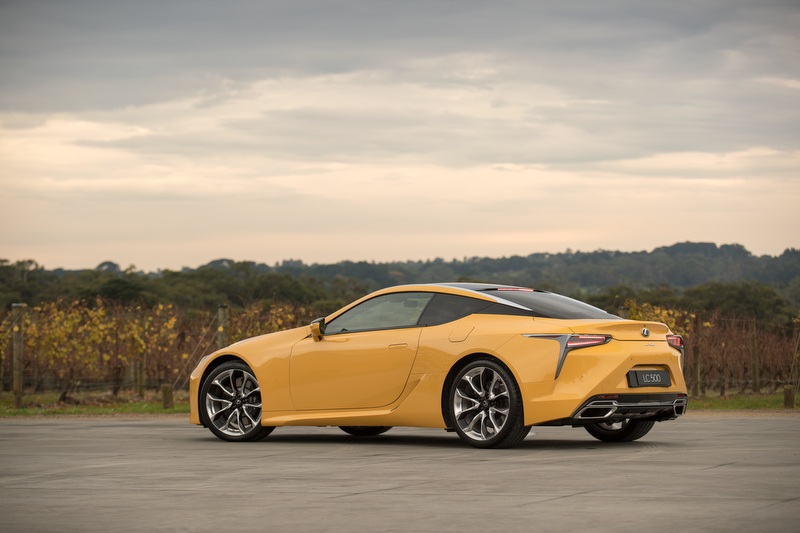
It is a little over five years since the Japanese luxury brand wowed crowds at the 2012 Detroit motor show with the outlandish LF-LC concept coupe, on which the production Lexus LC’s design is based. It is 55mm longer, 75mm wider and 45mm lower than the Lexus RC coupe.
Only subtle hybrid badging on the outside of the LC500h separates the two models externally. Lexus has 11 paint options available, including the new Zinnia Yellow colour.
Standard equipment for both variants includes:
– LED headlights and taillights
– 21in forged alloy wheels
– 8in digital dashboard display
– Head-up display
– Ambient lighting
– Adaptive dampers
– Eight airbags and Lexus Safety System+
– 13 speaker stereo with noise cancellation
– 10.3in central infotainment display
– Glass panoramic roof
– Heated and ventilated electric front seats
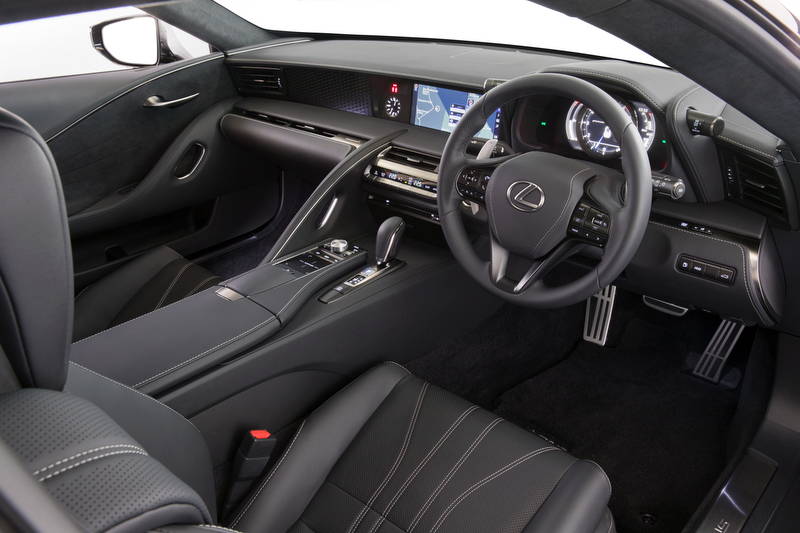
A $15,000 Enhancement Kit is the only option available. It adds:
– Four-wheel steering
– Variable ratio steering
– Active rear spoiler
– Carbonfibre roof (replacing panoramic roof)
– Alcantara upholstery
– Carbonfibre scuff plates
– Active exhaust (for V8 models)
– Limited slip differential (for V6 models)
Lexus Australia has said 35 orders have already been taken, and it expects to deliver 100 cars by the end of the year. The Lexus LC is on sale from today.
This is no ordinary car park. I’ve counted four Porsche 911 Rs, so far, the rumps of Porsche’s purist, stripped and striped limited series special sitting meekly in a forest of upright wing struts.
They’re attached to its more overt relations, countless 911 GT3s and GT3 RSs taking up the rest of the spaces, their vast wings at odds with the unadorned rears of those plentiful Rs. There’s a sole 911 Turbo S over there, too, though it’s sitting on 991 GT3 RS wheels, but even its wild Mango Green paintwork is unable to distract my attention away from the matte black machine parked opposite it.
I’m in Weissach, Porsche’s Development Centre, and that battle-scarred, black wrapped car that’s got all my attention is a Porsche 911 GT2 RS prototype. It’s happening then; Porsche’s fastest, most hardcore model is making a return after a seven-year break.
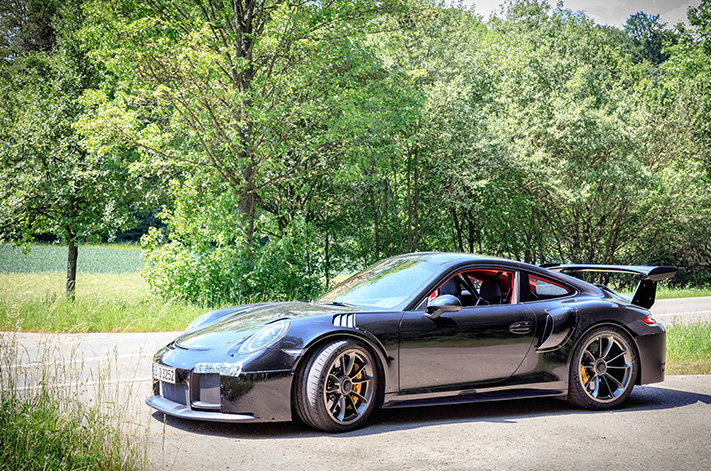
Andreas Preuninger, Porsche GT department’s Head of Vehicle Projects, admits that the production car will look significantly different to the car here. The prototype is, as its looks suggest, a GT3 RS that’s been lovingly converted to the GT2 RS’s technical specification, there’s even hints of that car’s Lava Orange launch colour under that test worn ‘disguise’. Beneath the huge rear wing and engine cover there’s no longer a high-revving, naturally-aspirated 500hp 4.0-litre flat-six, in its place is slotted a turbocharged 3.8-litre flat-six pinched from the 911 Turbo S.

Just how much that output is, nobody is prepared to say. “We have to be unusually tight lipped about technical data about the car, not because we don’t want to tell you, but we’re very limited by homologation, we’re very early, this isn’t a pre-production car, it’s a prototype. When we homologate a car it has to be homologated data proven by the agencies in Germany and we’re not at that point yet. I cannot legally tell you how much horsepower it’s got yet, I can only tell you that it’s got more than 650hp,” says Preuninger.

Preuninger says the GT2 RS is, after all, something of a riposte to some out there who accuse the GT department at Porsche of a slight loss of direction. “We’ve been under attack regarding lap times, all the time, and people keep telling us we’re only concentrating on old school stuff like manuals, feel and driveability, saying ‘that is only an excuse that you’re not fast enough anymore…’ this is proof positive that those people are completely wrong. We’re all about competition,” asserts Preuninger, underlining that the GT2 RS will be the measure of any rivals.
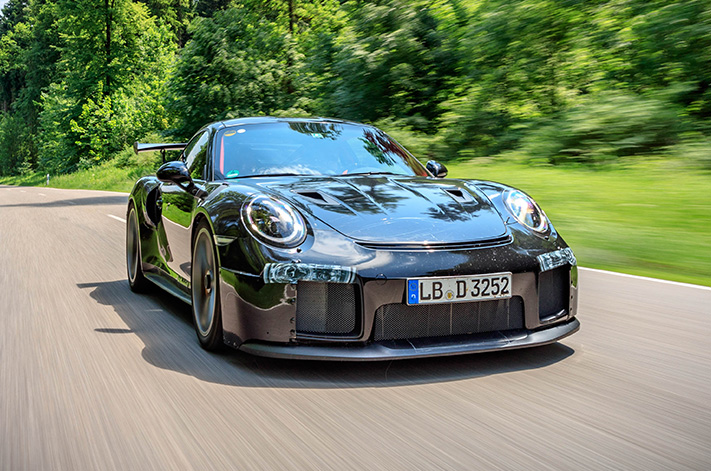
Not least because Preuninger admits the suspension is basically that of a 911 Cup racer, in Nurburgring specification. The linkages are all, bar one for the rear-wheel steering system, ball-jointed, there are upside down race dampers and the spring rates are significantly increased over those on the GT3. Double the amount on the front axle, and a huge increase in the rear, too. Even so, there’s civility to the ride quality, it unquestionably flattered by the smooth tarmac on the country roads around Weissach, Preuninger pointing to a lot of detail work on the dampers to get it to ride properly.
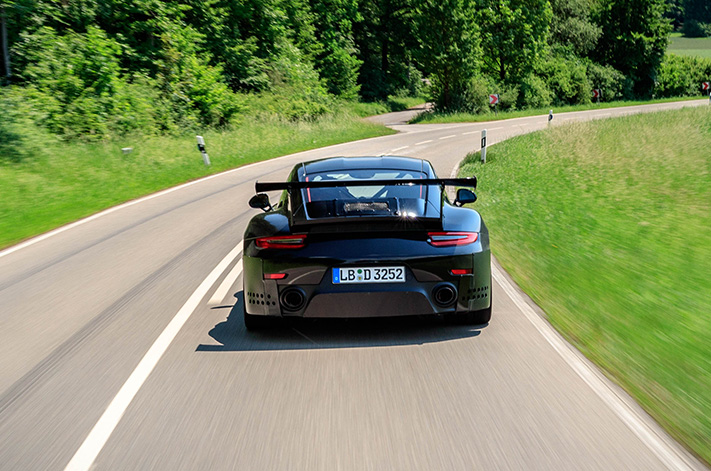
You’ll be glad of that sizeable rear rubber when you’re trying to exploit the 650+hp the GT2 RS brings, it following its predecessors by binning the front driveshafts and being rear-wheel drive. It is PDK only too, Sport PDK specifically, the paddle-shifted seven-speed ‘box essential on an RS badged car, asserts Preuninger, quite simply because it’s the fastest. It drives through an electronically controlled locking differential, while Porsche’s stability and traction control systems have been tweaked accordingly. As ever, there’s an off button if you’re feeling brave.
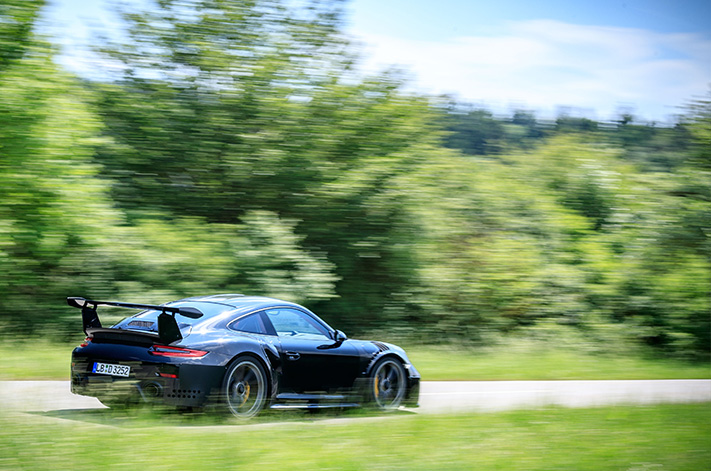
That air management, allied to the engine’s grunt, is enough to see Porsche quoting a top speed in excess of 340km/h. Getting there doesn’t take any time, either, with 0-100km/h quoted at under 3 seconds, that dictated by the sheer physics of traction, though above that it’ll monster to 200km/h, from standstill again, in comfortably under 9 seconds. Certainly the way the GT2 RS accelerates deep into three figures is genuinely shocking, as a run on the speed enlightened German autobahn demonstrated. Stability is incredible at speed, and equally so under heavy braking, the GT2 RS feeling racecar poised, pitch and roll not in its dynamic make up, yet without defaulting to harshness.
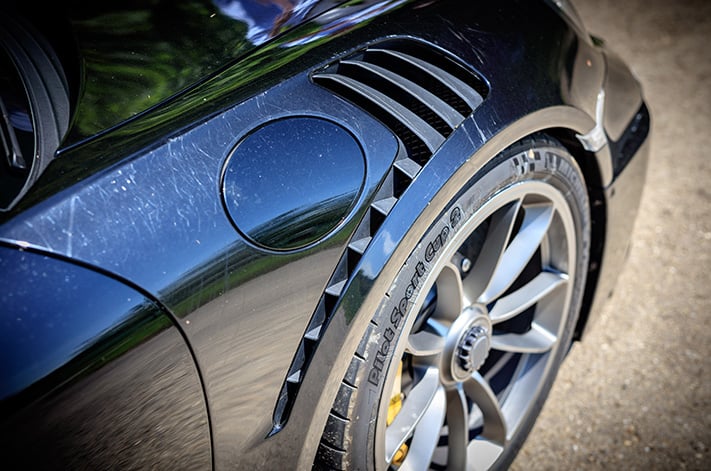
As the traffic around us apparently speeds into reverse as Preuninger once again enjoys the engine he and his team have worked so hard on the cabin is filled with a sound that’s very un-turbo, predominantly exhaust generated, but a good one. It is switchable, too, the button in the centre console quietening it down, a bit, though Preuninger says he finds it amusing that with the flaps open those huge exhaust pipes give the rapidly shrinking traffic in the rear-view mirror a view of the orange glowing catalysts.
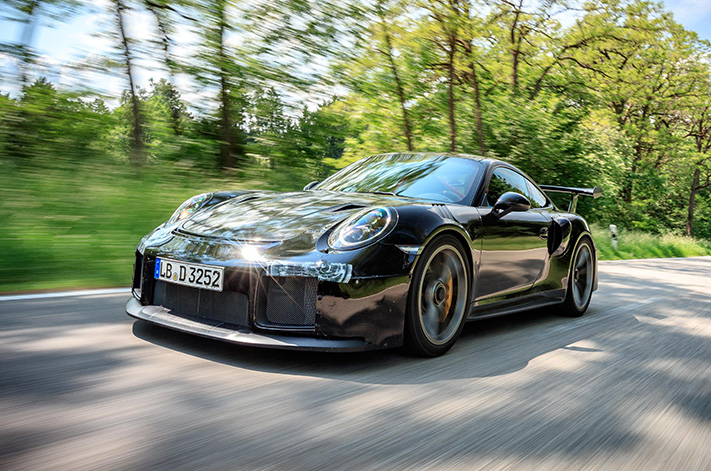
There are obviously weight savings, after all the GT2 RS is a sub-1,500kg car, and there’s the opportunity to make it lighter still. Porsche offers it with the free option to remove the air conditioning and entertainment system, as well as a Weissach package like the 918 before it. Nobody will do the former, while that Weissach pack is likely to effectively be standard fit.

Choose the Weissach package and you’ll drop 30kg from the overall mass, a titanium roll cage dropping 7kg, carbon fibre elements in the suspension a further 5kg and, more significantly, 12kg is removed from the unsprung mass by the fitment of magnesium wheels. While the wheels add the exotic metal to the mix it’s removed elsewhere, the magnesium roof so lauded when introduced with the GT3 RS is replaced on Weissach-equipped GT2 RSs with a carbon fibre one.
Those Weissach cars will look different again to the already overt standard car, that predominantly down to the differing wheel design, the GT2 RS promising a wilder look, as is befitting of its status.
What’s clear, from an all too brief first chance to experience it, is that the GT2 RS will reinforce the legend that precedes it. As Preuninger says: “it’s our king, it’s our road hero and it should be visible that it is something special coming along.”
It will be, assuming it’s not going so fast you’ll miss it, as there’s every chance it will be. With pre-series cars coming down the line in June it’ll not be long before we can add some figures to properly define the madness, until that happens just think up a number, and the chances are the GT2 RS will better it. Which is exactly as it should be.
APPLE has announced it will roll out a new feature to iPhones that can lock users out of the device while they are driving.
The computing and software giant revealed overnight that as part of its iOS 11 update, due later this year, it would add a feature called “Do Not Disturb” that could recognise if the phone was being used by the driver, and turn off functions “to help users stay more focused on the road”.“iOS 11 introduces a new way to help drivers stay more focused on the road with Do Not Disturb while driving,” Apple said.“iPhone can detect when you may be driving and automatically silence notifications to keep the screen dark.“Users have the option of sending an auto reply to contacts listed in Favorites to let them know they are driving and cannot respond until they arrive at their destination.”Apple’s inclusion of a driving mode for the iPhone comes after a class action was launched in the US claiming the company had sat on rolling out a version of the software for several years.In the meantime, the lawsuit alleges, Apple has allowed an epidemic of distracted driving on US roads.“Apple has the ability to outfit its iPhones with a lock-out device that would disable the smartphone while being used by motorists,” documents filed in the California Superior Court say.“In fact, it has had this technology since 2008, and was granted a patent on it by the US Patent and Trademark Office in 2014.“Yet, fearful that such a device would cause it to lose valuable market share, Apple refuses to employ the technology, choosing instead to allow the massive carnage to occur,” it says.The class action was filed after a Californian man was injured after he was rear-ended by “a distracted driver using her iPhone at the time of the accident”.The lawsuit calls for a ban on the sale of all Apple iPhones in the state until the smartphone’s maker adds a lock-out device that blocks use while in a car.It is not known if the software will be rolled out here. Apple Australia was contacted for comment.Android devices that compete directly with Apple’s iPhone have had access to apps that will lock out drivers for more than four years.In Australia, driver distraction, including mobile phone use, is responsible for one in four car crashes, the Centre for Accident Research and Road Safety – Queensland says.CARRS-Q says young drivers aged 18-25 were twice as likely to make a phone call, and four times as likely to text. Some even admitted to taking a selfie and uploading it to Facebook while driving.A NSW survey found seven out of every 10 drivers admitted to reading emails while driving, while one in four had updated their Facebook status.The survey data is in stark contrasts to claims made by the Australian Mobile Telecommunications Association, a lobby group for telecommunications companies and smartphone makers. It claims research indicates using mobile phones while driving “contributes to only around 0.1 per cent of all crashes and they are more likely to be a minor, rear-end collisions”.“Also, due to the major road safety initiatives in Australia – such as laws to enforce seatbelt wearing, random breath testing and 50km speed limits in residential areas – road fatalities have continued to decline despite the rapid increase in mobile phone ownership over the last 20 years.”However, the road toll statistics don’t support that. More than 1290 people died on Australian roads last year; the second year running where the toll has risen and in stark contrast to a decline in the number of deaths on our roads since 1970.Australia’s National Road Safety Strategy, which maps out the Federal Government’s plans of how it aims to reduce the road toll, makes no mention of mobile phones, although they are mentioned in progress reports that update where the strategy is placed.One NRSS progress report says the states and territories were “working together through the Australian Road Rules Maintenance Group to consider changes required to ensure the road rules are responsive to deter dangerous use of phones and other emerging in-vehicle technologies”.
THE fastest ute in the world — our home-grown HSV Maloo GTSR — is packing its bags for an overseas jaunt.
Wheels can reveal that five of HSV’s most powerful tradie specials will be heading to the UK, badged as a Vauxhall Maloo LSA, to join an already confirmed 15 GTSR sedans.
Powered by a 435kW/740Nm 6.2-litre supercharged V8, the handful of UK-bound examples will be identical in specification to those sold Down Under.
That means a beefier braking package, torque vectoring and wider bodywork over the standard GTS.
Orders have already been taken by Vauxhall in the UK for two of the Maloos, and 11 of the sedans, so British fans of Aussie muscle will have to get in quickly in order to add one to their collection.
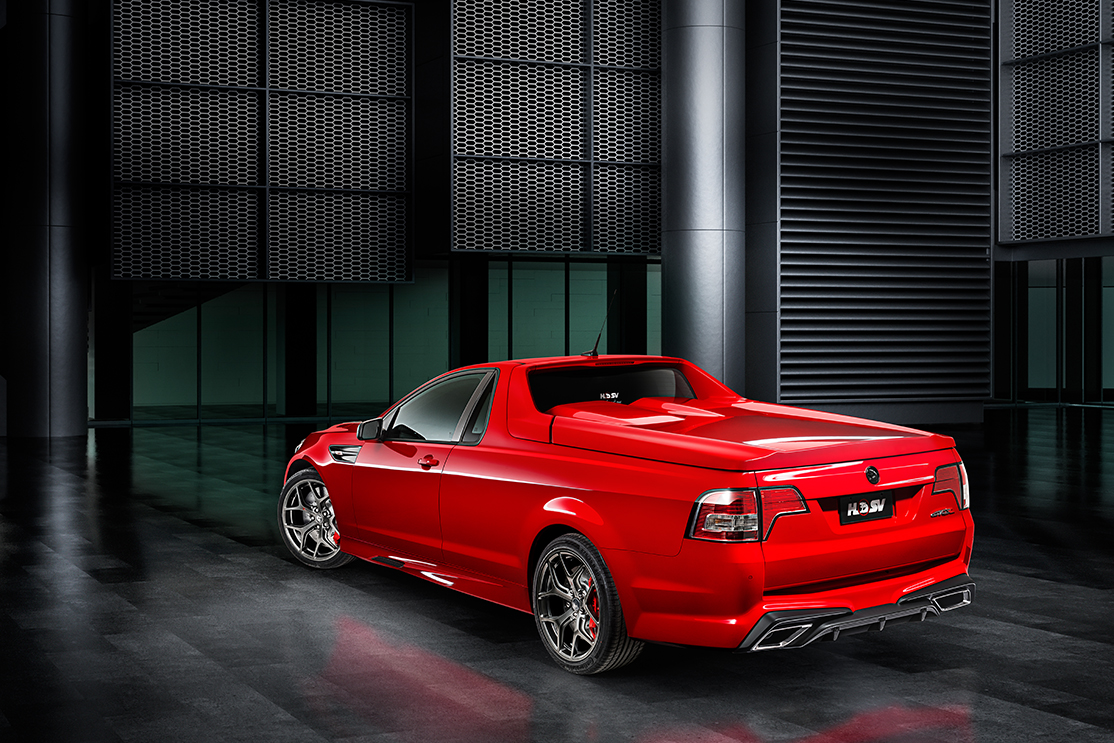
HSV has a long history of sending cars to the land of tea and crumpets, with notable modern exports including the 2005 Monaro-based Coupe, which was rebadged as the VXR. The UK also received a special supercharged special-edition of that car that wasn’t sold in Australia, that produced 372kW/677Nm.
Aussie-built supercharged V8 utes aren’t completely foreign to Britons, of course, with both E-Series and Gen-F Maloo’s travelling to the Mother Country, along with their sedan siblings.
As to why Vauxhall wants our tradie rockets, spokesman Simon Hucknall told Wheels: “Because they’re genuinely iconic and the perfect antidote to the oh-so predictable German performance saloons on sale in the UK.
“They perhaps don’t have the Teutonic polish that some buyers expect in this class, but our buyers warm to their honesty of character, along with fine dynamics, practicality and durability. Rarity, too.
“The VXR8 models (and previous Monaro) have also been a powerful (literally) flag-bearer for our VXR range, and from a PR perspective, helped Vauxhall gain traction in media that wouldn’t always consider featuring our cars.”
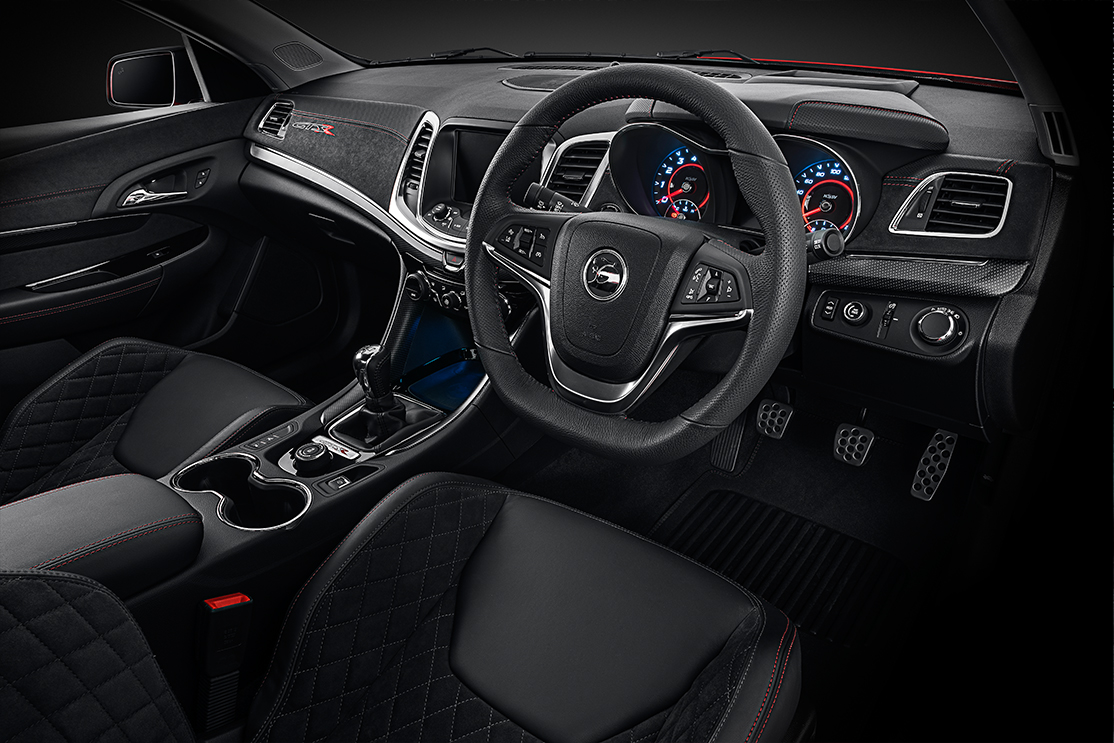
The Gen-F2 Maloo R8 LSA was shipped to the UK under the Vauxhall badge back in 2015, priced at £55,500 drive away for the manual (A brand-new BMW M4 retails for £57,065).
The final five Maloo GTSRs will mark the end of Australia’s exports to the UK, with Holden’s local manufacturing shutting down on October 20, and HSV’s work on local products following soon after.
The GTSR Maloo starts at $96,990 in Australia, but will come with a £63,745 price tag in the UK (Jaguar’s V6-powered F-Type retails for £60,755).
The GTSR sedan will retail for £74,500 in the UK ($128,479 Australian), making it a price-rival to the Nissan GT-R at £79,995.
However, despite their abundance Down Under, the HSV exports have attained a cult status in the UK due to their outlaw character and limited numbers.
IT WOULD be an understatement to say the Kia Stinger is one of 2017’s more keenly-awaited new cars. As a large rear-drive sedan with plenty of under-bonnet firepower, it will neatly take the baton from the Holden Commodore that’s set to retire in the fourth quarter of this year.
The Stinger is on target for an August arrival into Aussie showrooms, but beyond the fact it will be offered with a 190kW/353Nm 2.0-litre turbo four-pot and a 272kW/510Nm turbo V6 (the latter sprinting to 100km/h in 4.9 seconds), little precise detail has so far been revealed about Kia’s sporty four-door.
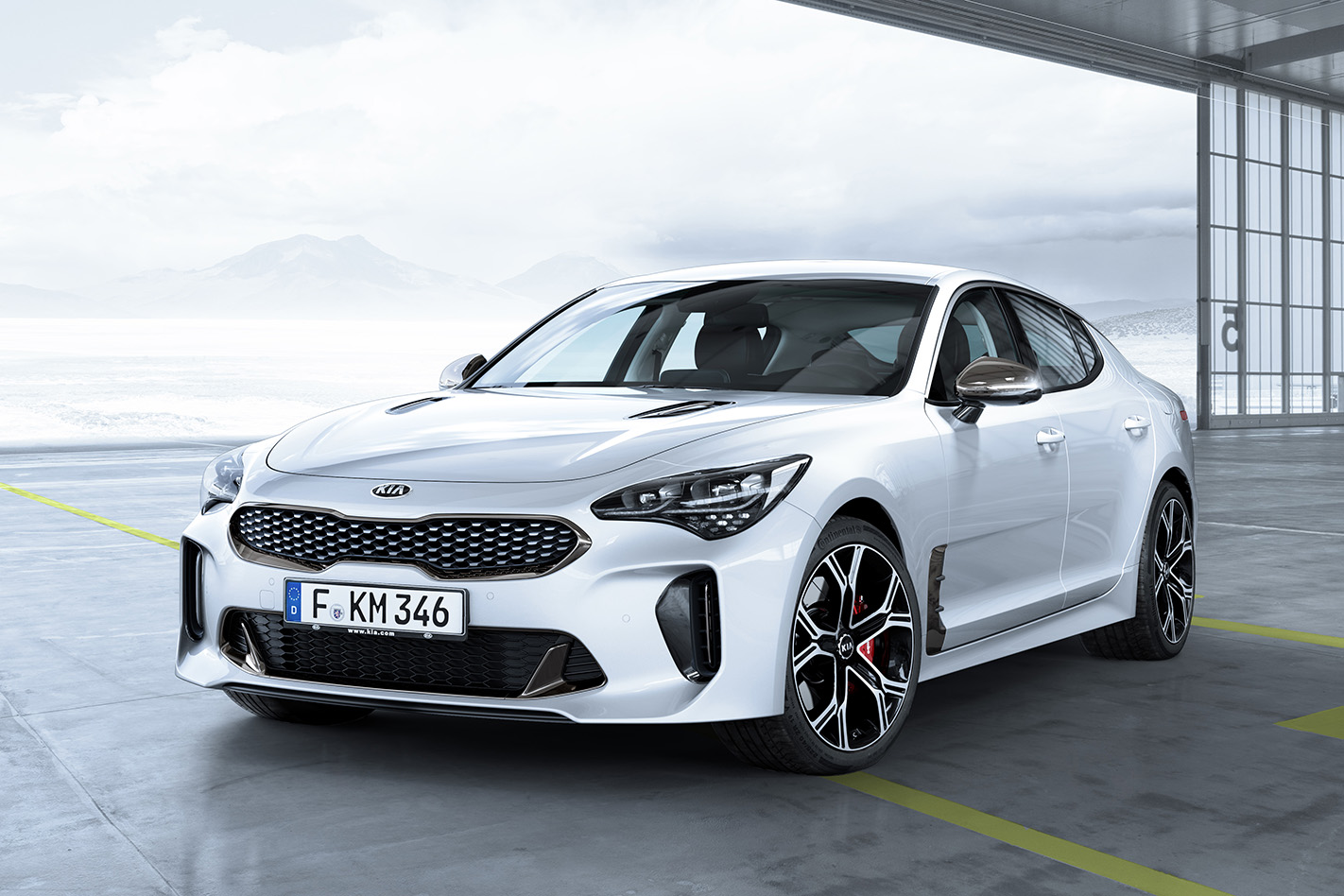
The Stinger family starts with the 200S grade, followed by the mid-spec 200Si and the sports-styled Stinger GT-Line. All three are powered by the 2.0-litre turbocharged engine that is expected to find the most buyers in this country.
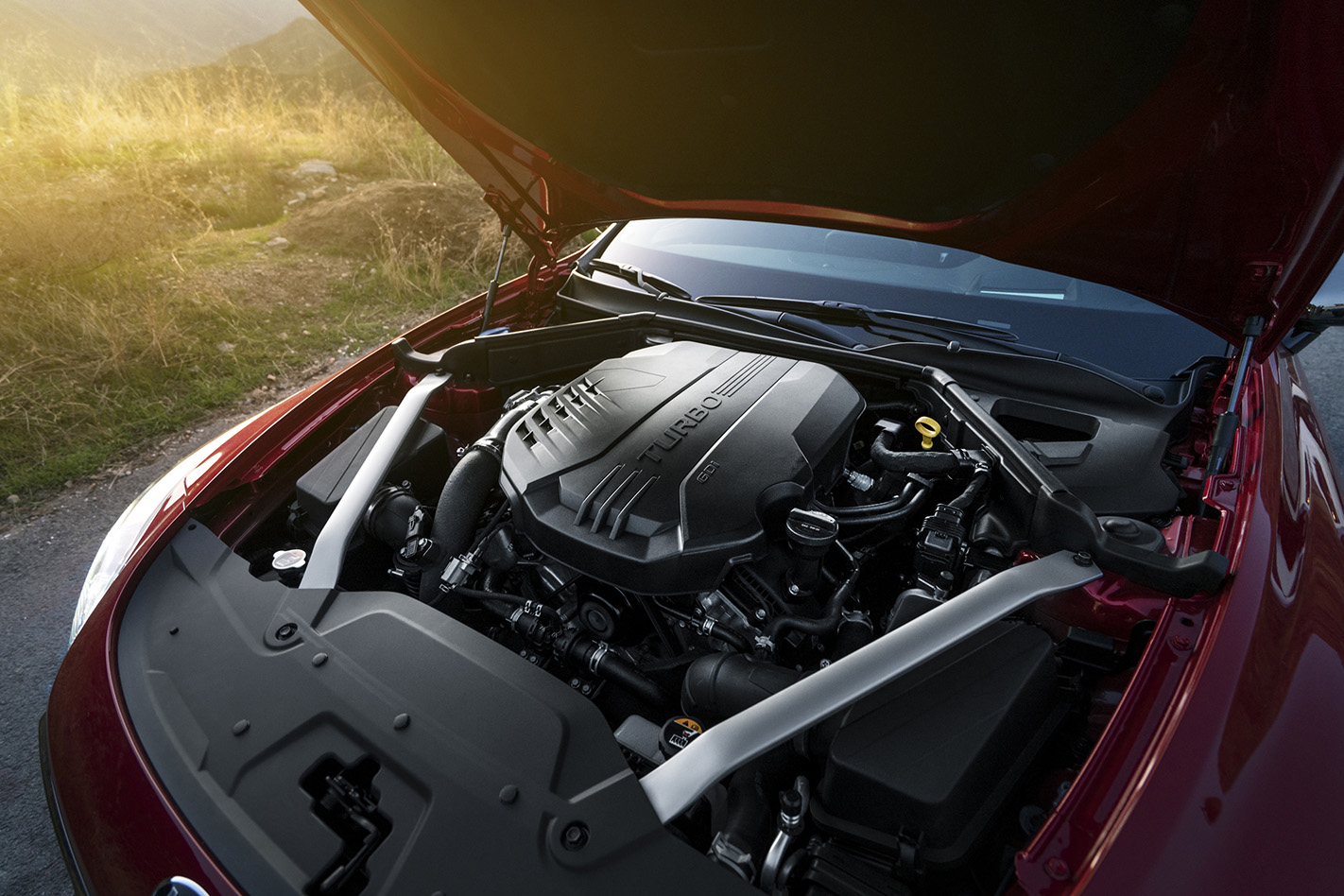
All V6 models will boast a limited-slip differential as standard, along with Brembo brakes and a variable-ratio steering rack – features thought to be reserved for the range-topping Stinger GT. Keyless ignition, keyless entry and partial-leather upholstery will be standard on the 330S, with lane-keep assist, active cruise control, rain-sensing wipers, full leather trim and AEB to come in from the 330Si grade – along with an 8.0-inch infotainment display.
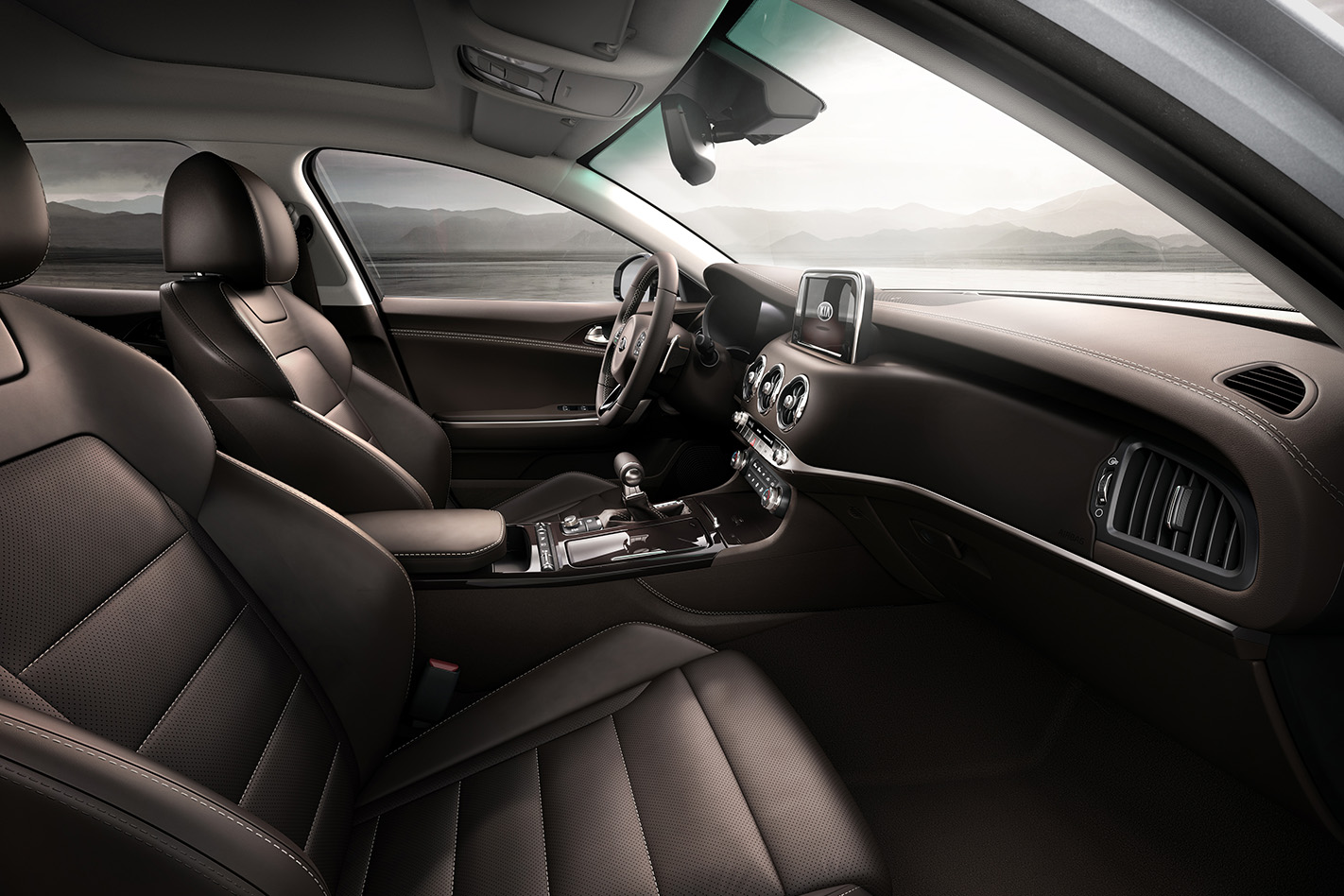
Specification details aren’t listed for the four-cylinder variants, though the nomenclature hints that equipment levels will mostly mirror those of the V6s – with the exception of the V6-specific mechanicals, like brakes, suspension and differential.
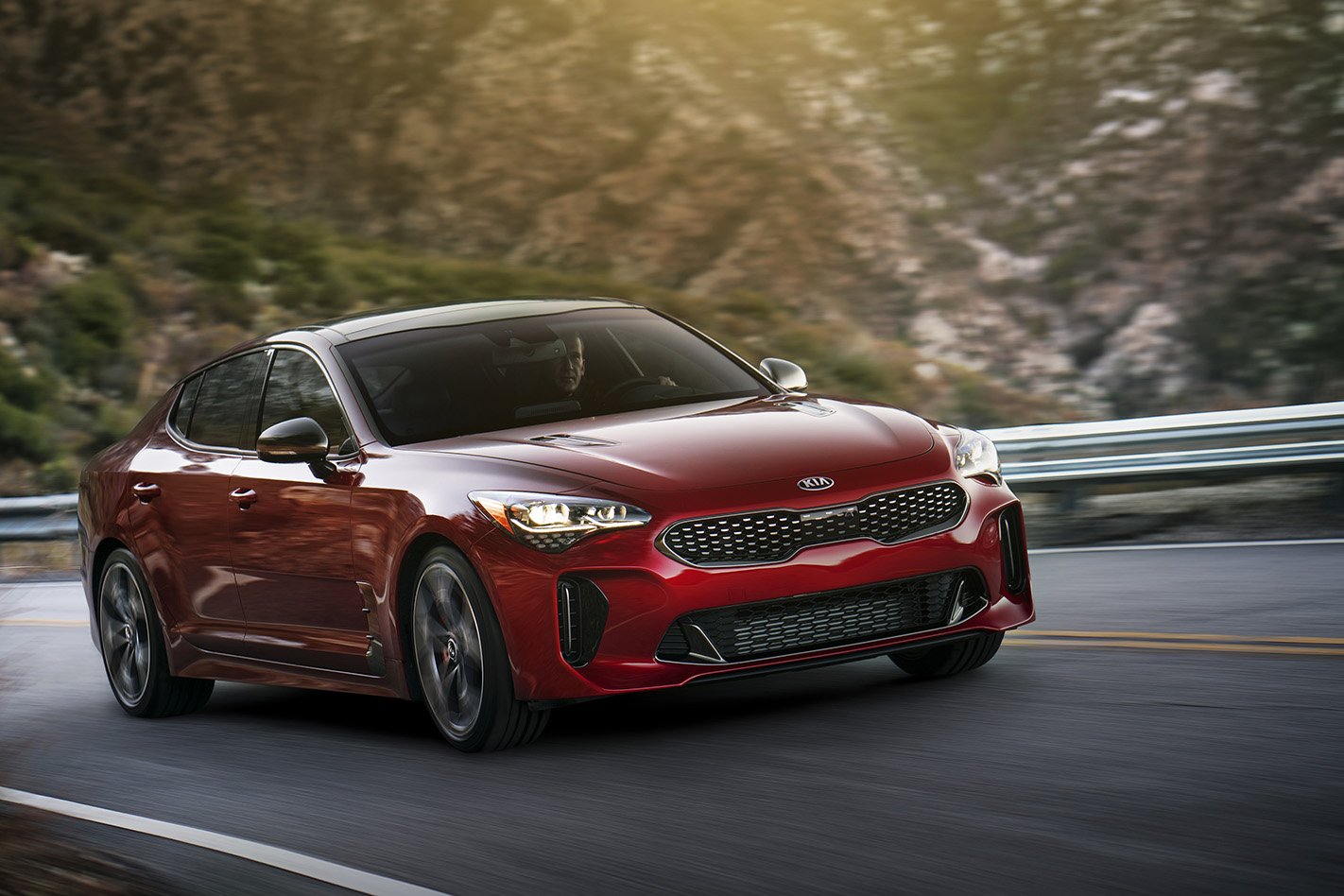
However, while the local range structure and equipment levels are no longer secret, Kia Australia has still managed to keep a lid on Australian pricing for the Stinger.
Retail prices for Korean-market Kias typically come in roughly $3000-4500 less than their Aussie equivalents, which suggests the base Stinger 200S – which retails for the equivalent of $39,470 in South Korea – should arrive in Australia with a circa-$43,000 starting price.

Australia-bound Stingers are also set to receive a bespoke exhaust tune with a sportier note, which should address our criticism of uninspiring engine acoustics during our preview drive of Stinger prototypes late last year. Kia hopes to eventually sell around 400 Stingers per month, though initial sales are expected to be constrained by low supply.
The Lexus LC has landed in Australia, a new flagship two-door to go head-to-head with the likes of the BMW 6 Series and Mercedes-Benz SL.
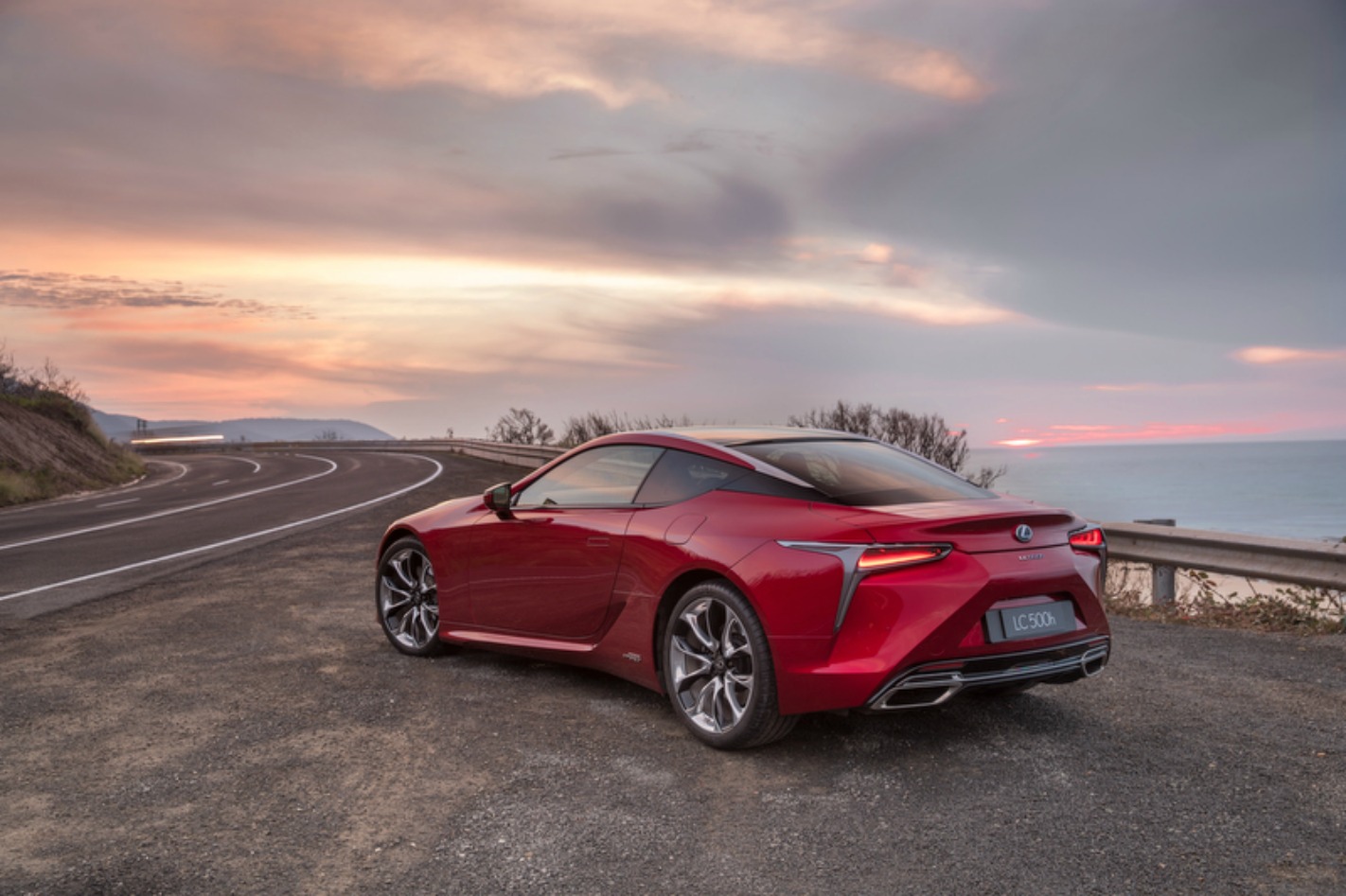
Its hybrid sibling uses a 220kW/348Nm 3.5-litre V6 assisted by a 132kW/300Nm electric motor for a total system output of 264kW. While that’s not a standout number, Lexus says its world-first multi-stage hybrid system makes maximum use of the available power and claims 0-100km/h in 5.0sec, though the hybrid gubbins push the weight total to 1985-2020kg.
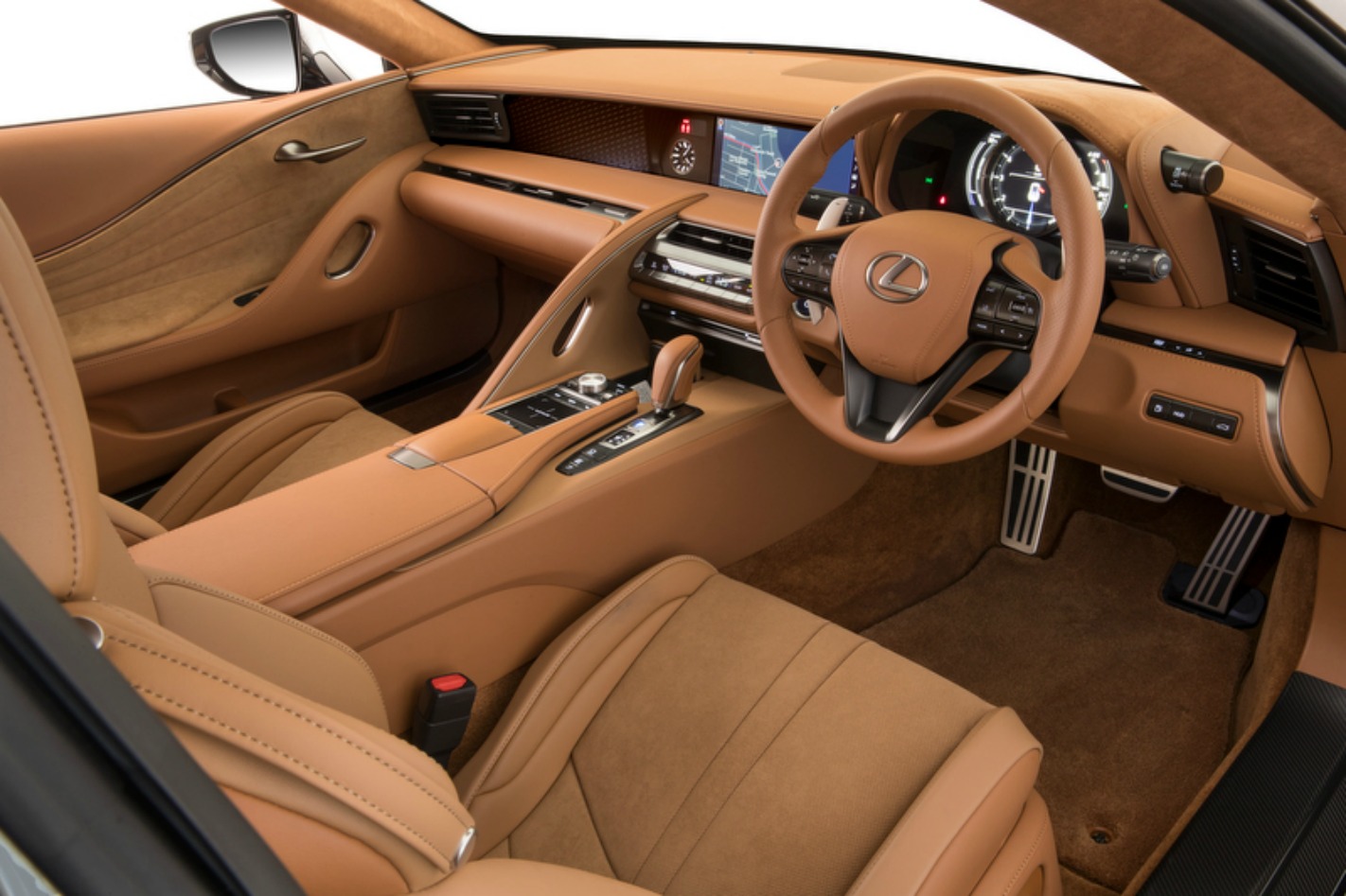
Lexus claims the LC has the highest torsional rigidity of any model it’s ever built, including the LFA supercar, and that its new adaptive dampers can switch between 650 damping settings “to deliver a rewarding and hugely enjoyable experience.”
Just how successful it’s been you can find out on Friday with our first local drive review.
Volvo Australia has added a new range-topping R Design variant to its S90 luxury sedan range.
Available in both sedan and wagon variants, the S90 R-Design is a sportier version of the existing T6 Inscription and uses that car’s 235kW/400Nm 2.0-litre four-cylinder twincharged T6 engine. That powertrain comes mated to an eight-speed automatic transmission that sends power to all four corners.
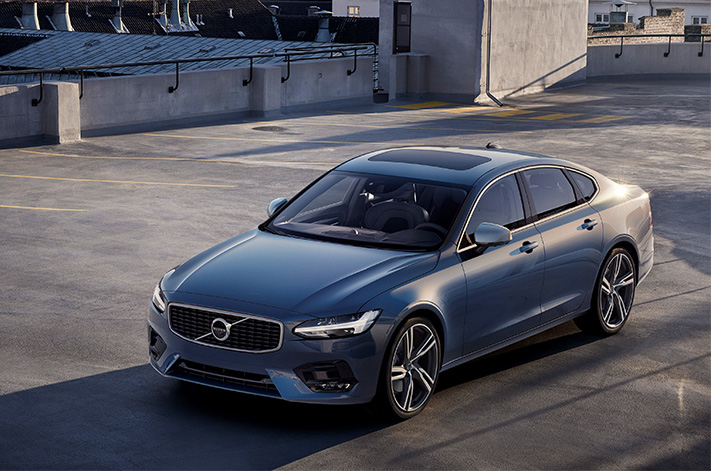
With its running gear being identical to the T6 Inscription, the T6 R-Design launches to 0-100km/h in the same 5.9sec with claimed combined fuel economy of 7.5L/100km.
According to Volvo, the S90 R Design provides a sportier drive than the luxury-orientated Inscription, with a more athletic interior styling treatment being mirrored by sportier 19-inch matt-black alloy wheels, black mesh grille, R-Design bodykit and twin exhaust pipes.
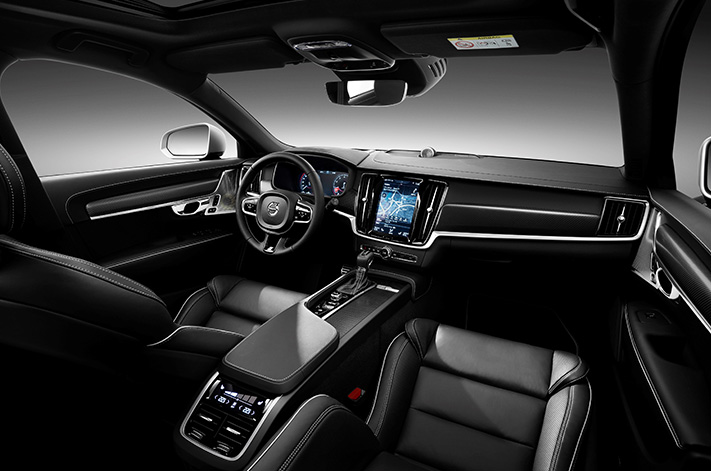
Priced at $100,900 it costs $2000 more than the similarly equipped to the T6 Inscription, but boasts unique features including:
- R-Design bodykit
- R-Design Nappa leather seats
- Perforated leather R-Design three-spoke steering wheel
- Perforated leather R-Design gear knob
- R-Design pedals,
- R-Design carbon-fibre trim
- 19-inch five-spoke diamond-cut alloy wheels
- R-Design front grille
- Paddle shifters
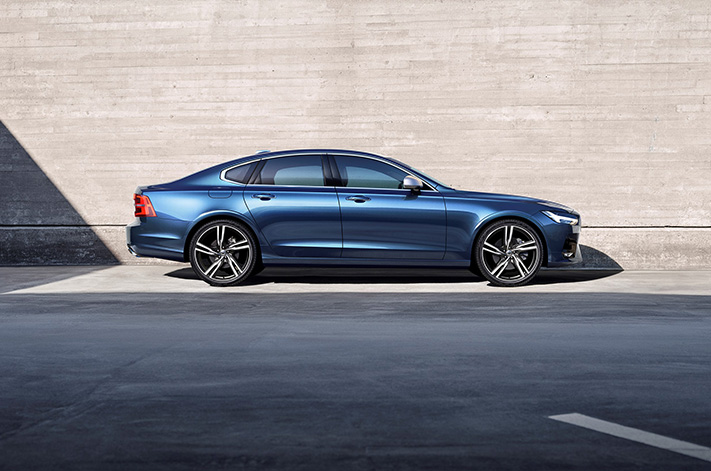
Volvo S90 retail pricing
- S90 T5 Momentum, 2.0L turbo petrol – $79,950
- S90 D4 Momentum, 2.0L turbo diesel – $82,400
- S90 D5 Inscription, 2.0 twin-turbo diesel – $96,900
- S90 T6 Inscription, 2.0-litre turbo-supercharged petrol – $98,900
- S90 T6 R-Design, 2.0-litre turbo-supercharged petrol – $100,900
