
In April, everyone thought a McLaren P1 LM had taken the top Nurburgring lap time out with a 6:48 run, but an official time was never released.
Then Chinese electric manufacturer Nio came along and ran its EP9 around the Green Hell, resulting in a lap time of 6:45.9.
A P1 LM has just lapped the ‘Ring in 6:43.2.
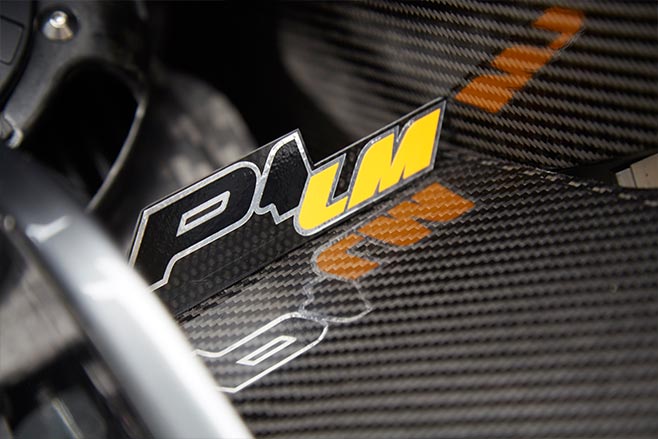
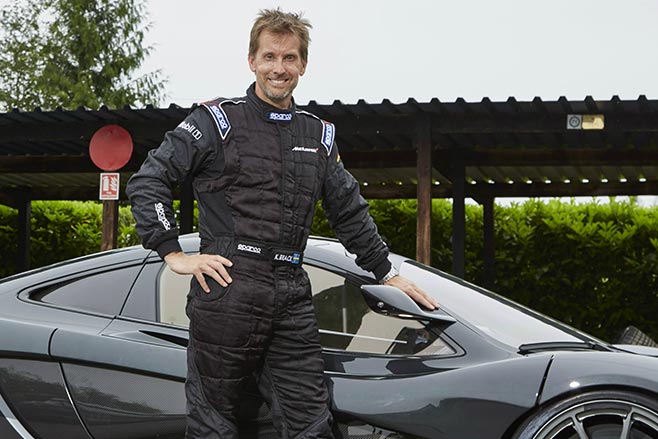
Having been involved with Lanzante since the LM was introduced at the Goodwood Festival of Speed last year, Bräck has extensive experience with the car and the best chance at extracting a top time.
The result was an improvement of almost three seconds over the time set by the Nio EP9, and five faster than the original rumour.
At around 1:45 in the above video (or 1:35 on the lap timer), Bräck takes a corner and shakes his head slightly afterwards. Whether he meant to take the corner in that manner, we can’t say.
As the rest of Bräck’s lap is pretty flawless, it’s clear that it shouldn’t make an enormous difference.
As one user observed, “yep, all the best racing drivers can be found in the comment section.”
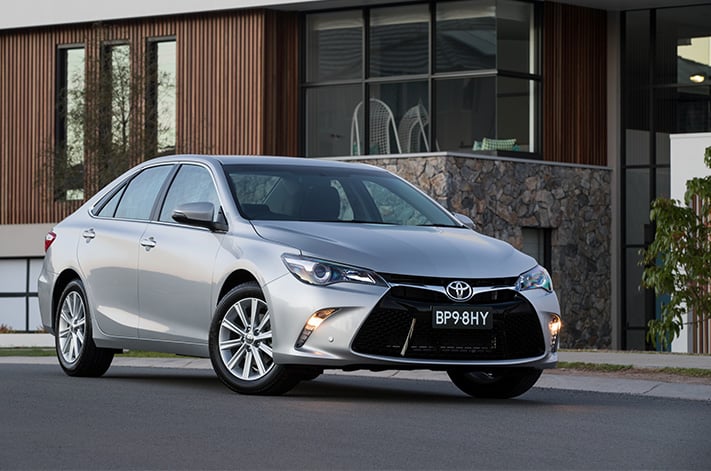
The Australian-built Toyota Camry is by far the country’s best-selling mid-sized car, with a huge gap between it and its nearest competitors in sales figures.
With a starting price in the realm of smaller hatchbacks, the Camry offers plenty of value for money with ample space, while a 2.5-litre four cylinder engine provides plenty of grunt on its own or as part of a hybrid powertrain.
Variants
The Toyota Camry range has four model grades, three of which come with a hybrid version. All conventionally powered variants come with a six-speed automatic gearbox, while the hybrids are linked to a CVT auto.
The entry level Camry Altise starts at $26,490 for the standard powertrain with the hybrid version costing an extra $4000. The Altise comes with a 6.1-inch touchscreen with reversing camera, LED daytime running lights and 16-inch alloy wheels as standard.
The Atara S starts at $29,490 with a $3000 premium on the hybrid version. For the extra coin you get in-built satellite navigation, front and rear parking sensors, five-way powered adjustment for the driver’s seat and 17-inch alloys with sportier low-profile tyres.
The Atara SX is the sportiest of the bunch and shuns the hybrid option. It adds leather trim to its seats, sleek headlamp design, a powered rear window blind and athletic design touches such as alloy pedals and a body kit. It also gets firmer suspension, for more stable cornering, and bigger, 18-inch tyres that are slightly wider and with an even lower profile.
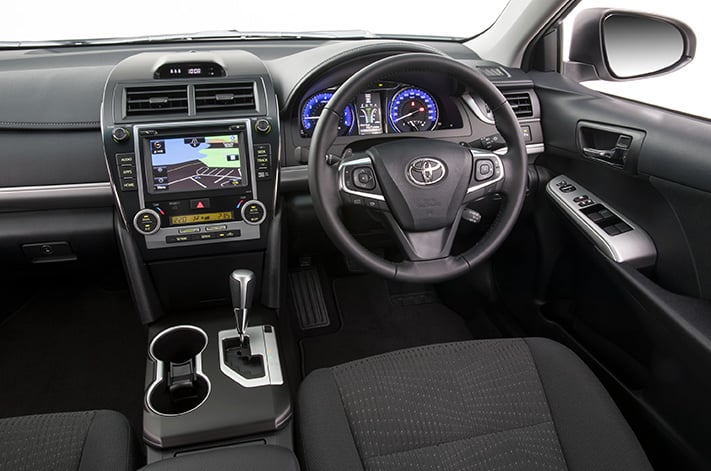
The range-topping Atara SL has an emphasis on luxury, with power-adjustable leather trimmed front seats, automatic windscreen wipers, auto dipping headlights, 10-speaker sound system and wireless phone charger. It’s also the only Camry to come with active safety features including active cruise control, auto emergency braking, lane departure warning, blind spot warning and rear-cross traffic alert. Like the Atara S, opting for the hybrid will cost you an extra $3000.
- Camry Altise petrol – $26,490
- Camry Altise hybrid – $30,490
- Camry Atara S petrol – $29,490
- Camry Atara S hybrid – $32,490
- Camry Atara SX – $33,490
- Camry Atara SL – $37,440
- Camry Atara SL hybrid – $40,440
It’s hard to go past the Atara S Hybrid, which offers affordable hybrid technology and a good blend of economical city driving and open-road usability. That said if you plan to do some towing take note of the hybrid’s low 300kg braked towing limit.
If you prefer a more engaging drive on open roads, the Atara SX performs nicely with low running costs. There is also a limited edition, petrol-only, sporty version of the entry-level Altise called the RZ that was available at the time of publication from $29,910. It offers many of the SX features without the leather trim and if still available presents better value than the SX.
Available options
- Premium paint – $469
- Satellite navigation (Altise) – $719
- Front parking sensors (Altise) – contact dealer
- Rear parking sensors (Altise) – contact dealer
TOYOTA has been in the grip of a massive mid-life crisis.
Early this decade, following highly publicised recalls and lawsuits, flamboyant company president Akio Toyoda promised that better and more exciting cars would follow. Ones that would be leaders but also true to the brand’s legendary reputation for reliability.
Big talk from the Japanese giant that has foisted a long line of mainstream dullards on us, right up to the current Yaris and Camry, but the resulting first fruit of Toyota’s mindset reset – last year’s dramatically styled fourth-gen Prius and now the C-HR (for Coupe High Rider) – are anything but average.
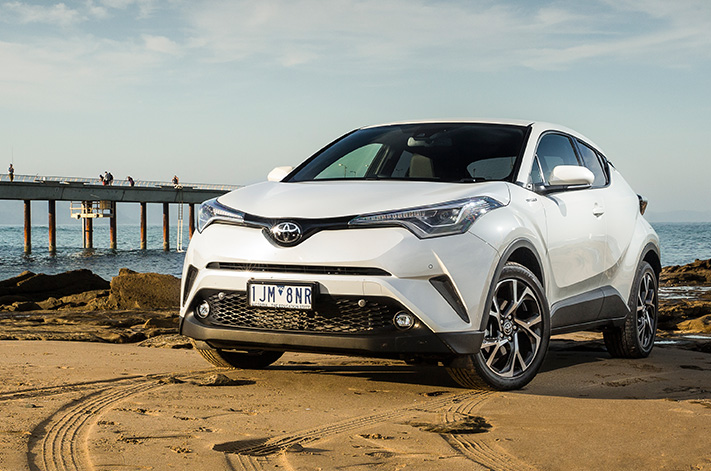
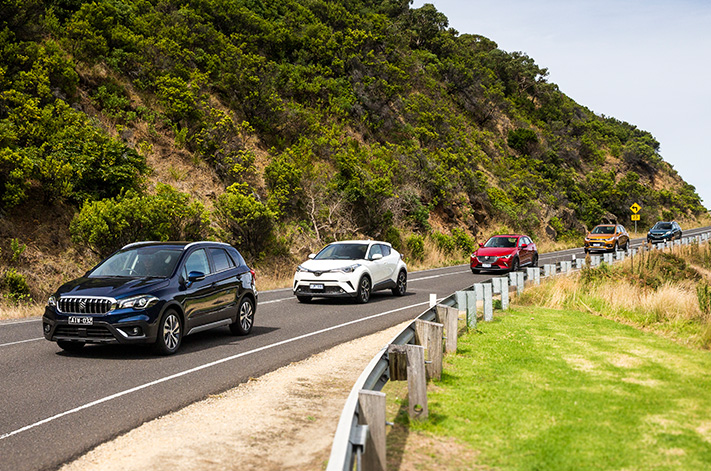
That’s a promising start, particularly as knockout design has helped drive CX-3 sales ever upwards. In $33,290 Akari 2.0-litre front-drive auto guise as tested, the Mazda costs $50 more than the up-spec Koba 2WD that Toyota reckons will probably be the most popular C-HR variant. Game on.
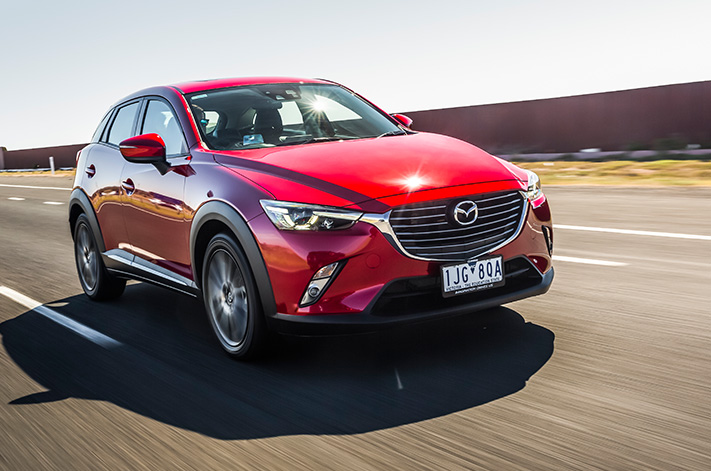
Both the CX-3 and C-HR deserve fresh blood, so how about three recently updated wannabes?
The Holden Trax was one of the segment’s trailblazers when it surfaced back in October 2013. Precisely the same time, it turns out, as our fourth player, the Peugeot 2008.
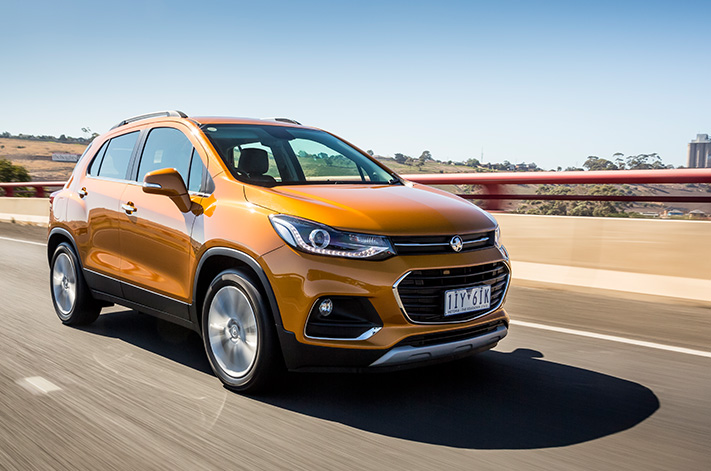
While the Trax – represented here as the range-topping LTZ 1.4 turbo auto from $30,490 – also received a welcome dashboard redesign (and rear disc brakes!), the 2008 instead underwent an urgent heart transplant, ditching the dated 1.6-litre four-pot and four-speed auto combo for a lightweight 1.2 turbo triple with a six-speeder, which is now standard across the range. The 2008 found barely 350 buyers in 2016, so the change couldn’t have come soon enough. Ours is wearing mid-level $30,990 Allure attire.
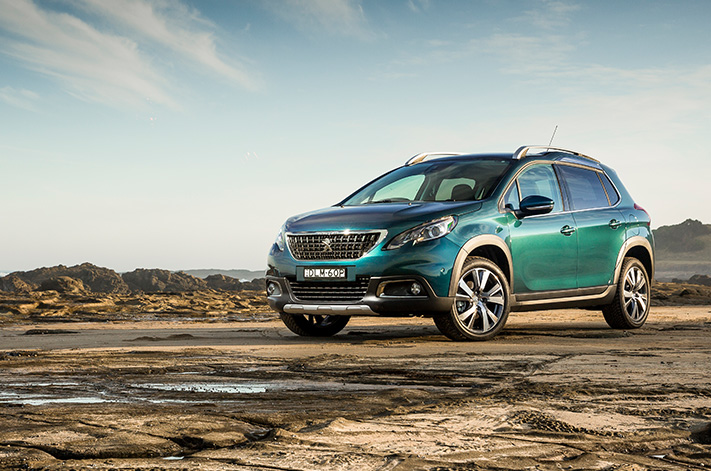
All the contenders are front-drive, all are auto, and all are five-seaters. And all but the CX-3 have something to prove. But the uniformity stops there.
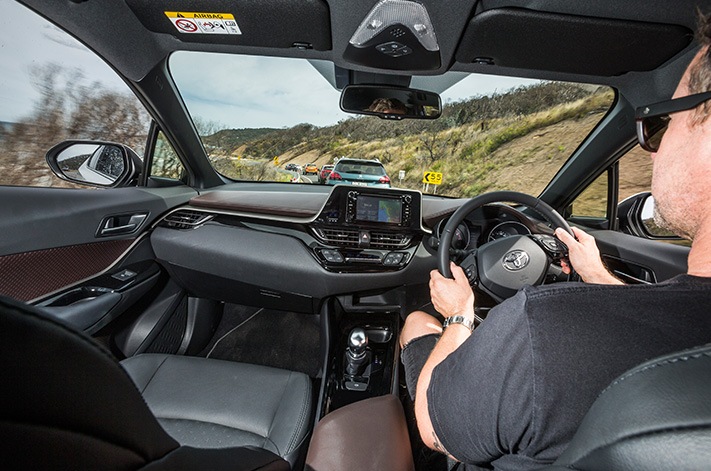
Hmm… then the penny drops – the ‘C’ in the name could also denote ‘C’ segment, or Corolla-class space. And, indeed, a foursome of six footers should have sufficient head, leg, knee and foot room.
That expansive feeling is backed up by a sense of width, deep cushions, a vast windscreen, thin pillars and a low-cowl dash.
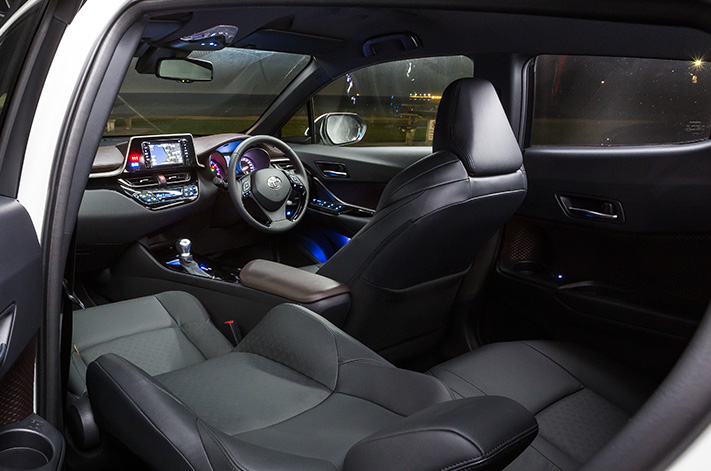
But the C-HR’s is a cabin of two halves. If you plan to carry rear-seat riders regularly, then beware that an extra-wide door pillar and fat tombstone-shaped front seats obscure vision. Great for eluding paparazzi, not so much for claustrophobics. The absence of cupholders, a centre armrest, overhead grab handles or USB ports, along with constant tyre drone, further underscores the Toyota’s front-row focus.
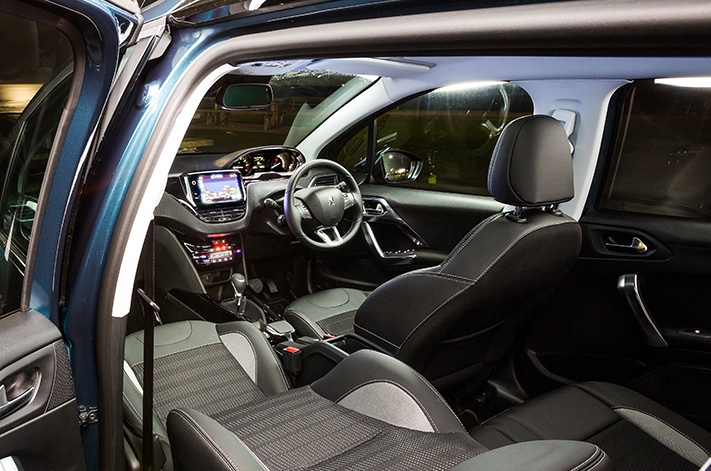
The airy sensation is enhanced by the 2008’s somewhat divisive high-binnacle/low-wheel driving position, while elegant instrumentation, storage aplenty and uniquely smart trim are further plus points.
Seriously, when the lack of a start button, a tiny glovebox and wilfully small, anti-Starbucks cupholders are the only real bugbears, you’re on to a good thing.
Also missing in the group’s sole Euro is intrusive road and tyre noise, which is prevalent in all the others. The Pug’s hush cabin adds another layer of refinement and comfort to a satisfyingly thorough interior execution. Not ostentatious like the Toyota’s, but quietly cosseting. Like great French cars always have been.
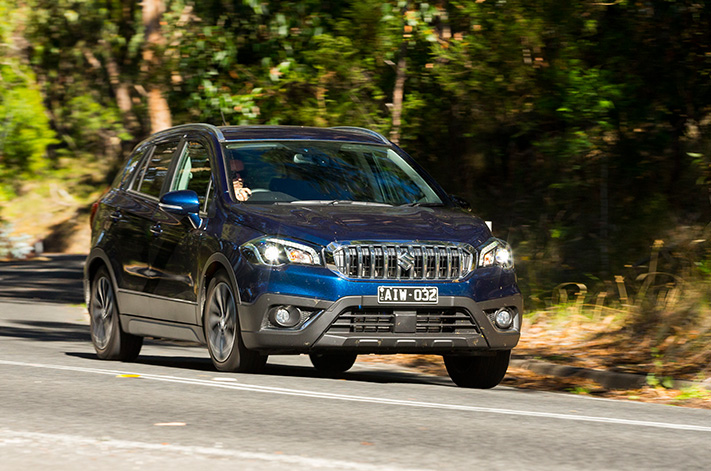
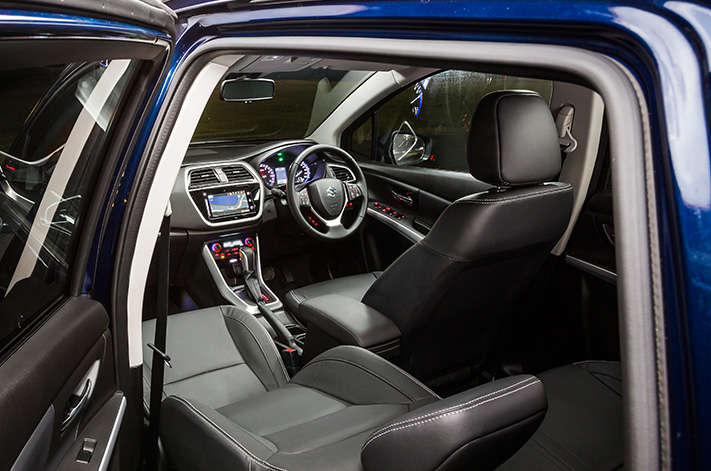
The capacious S-Cross, meanwhile, is large and accommodating in every sense of the word and, like the C-HR, is built on a C-segment platform (shared with the Vitara). Easy entry/egress, plenty of vision, and the most inviting back row of the quintet highlight typical Suzuki thoroughness.
We suspect neither the smaller Holden nor the even cosier – though never cramped – Mazda suffered from such ailments, but we can’t be sure since they too are boom boxes on bad roads.
In the Trax’s case, it was more mechanical at higher revs, since the good quality Continental Premium Contact rubber helped keep the tyre hum in check. For a pert little SUV, the Holden’s packaging brings a commanding driving position, backed up by adequate all-round vision. But the LTZ’s seats lack sufficient long-distance support, its vinyl trim doesn’t breathe and its air-con struggles in hot weather. Pity, because the new dash is a stylistic and functional advance over the patchy old one.
It’s an experience that translates wholly on the move as well. Ensconced in the driver’s seat as you are in the best modern Mazdas, the CX-3 shrinks around you and never cuts the connection – for better or for worse.
The 109kW/192Nm 2.0-litre Akari is the only naturally aspirated contender here, as well as the most powerful on paper.
Initially at least, the CX-3 lacks the theatrical turbo kick of the others, but what it has instead is steady and determined acceleration that just keeps growing stronger as revs increase. To 60km/h there is only one-tenth of a second between it and the 103kW/200Nm Trax, yet the CX-3 is a full second quicker than the Holden from 80-120km/h. That the Mazda also consumed nearly 10 percent less premium unleaded speaks volumes of the vocal powertrain’s inherent efficiency. Oh, and the circa-170kg difference in kerb weight between the two…
At the other extreme is the 103kW/220Nm Suzuki, the undisputed featherweight of the fivesome at 1170kg, but a heavy hitter in the thrust league. The quintet’s highest power-to-weight ratio, combined with what might just be the world’s smoothest yet most muscular production sub-1.5-litre turbo petrol engine going, results in a velvet missile.
That slick torque-converter auto contributes, too.
Together, this so-called Boosterjet uber-duo provides a luxuriant ability to glide you in Teflon-coated mechanical bliss. Once into triple digits, nothing can catch the speedy S-Cross. It’ll nudge the old ton (160km/h) 3.6sec before the CX-3.
That it was also the most economical on test is something the motorcycle maker should further be proud of. Bravo, Suzuki.
That’s where the 2008 shines. Up to 100km/h (which it took the longest to reach, at 11.1sec), the Frenchy has to rely on lightness and sensible gearing to make the most of its feisty – and thrummy – 81kW/205Nm 1.2-litre three-pot turbo’s power band, meaning that it feels far sprightlier at lower speeds than the ho-hum figures suggest. But given its head, the SUV from Sochaux will just hum along quietly, relying on a torrent of mid-range punch to pull the lusty 2008 through when overtaking duties beckon.
And when the roads start to twist, or crumble and heave, you then understand why there is no substitute for 135 years of continuous car manufacturing expertise. As unlikely as it might seem given the dumpy styling and Peugeot’s recent career-low driveability malaise, in this company the humble 2008 displays near flawless dynamic capabilities.
“You can trace the line like no other here,” quipped senior road tester Nathan Ponchard. Sharp yet utterly faithful, the 2008’s steering is precisely measured and matched to a chassis that is both old-school French supple and German poised, revealing a linearity that ultimately led the Peugeot to be everybody’s take-home favourite. Yes, there is some body roll, but it’s controlled and in keeping with the loping nature of this relaxing beast. And don’t forget the 2008’s road and tyre noise is by far the most contained.
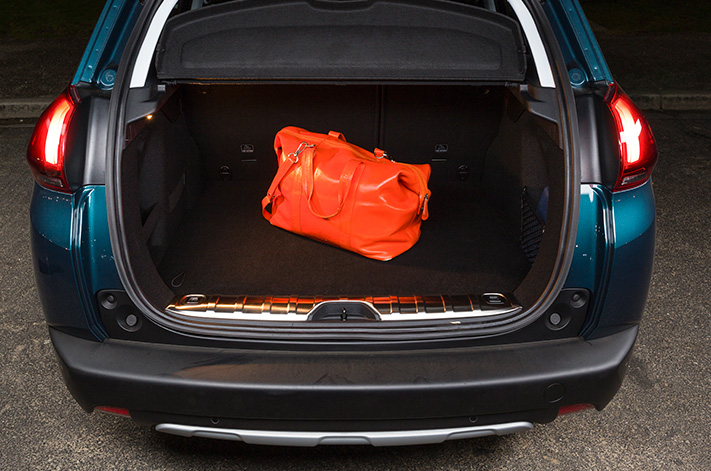
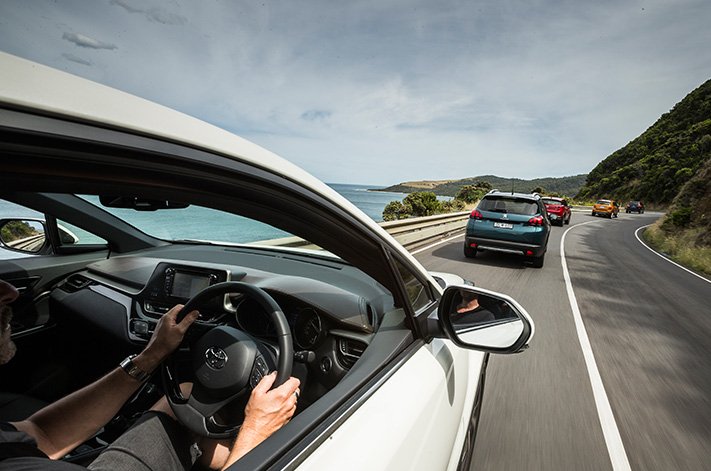
Planted, poised, secure, mature, refined… these are words that instantly come to mind when assessing the C-HR’s dynamic traits, which benefit from being the only SUV here without a torsion beam rear suspension (it uses double wishbones out back).
And that’s in Normal. Select Sport mode and there’s a bit more heft to the helm. A world away from a RAV4 or Prado then, what’s on offer here is keen, calm and accurate steering for the driver to enjoy – if not revel in – combined with an absorbent and isolating ride that’s likely to please all on board. Now the engineers from Nagoya need to make things a bit quieter.
Also a driver’s SUV, but in a more engaging way, is the CX-3. We applaud the Mazda’s direct, agile steering, that’s been tuned and weighted perfectly for fun, fluid and expressive turn-in, backed up by encouraging poise and control… on smooth corners.
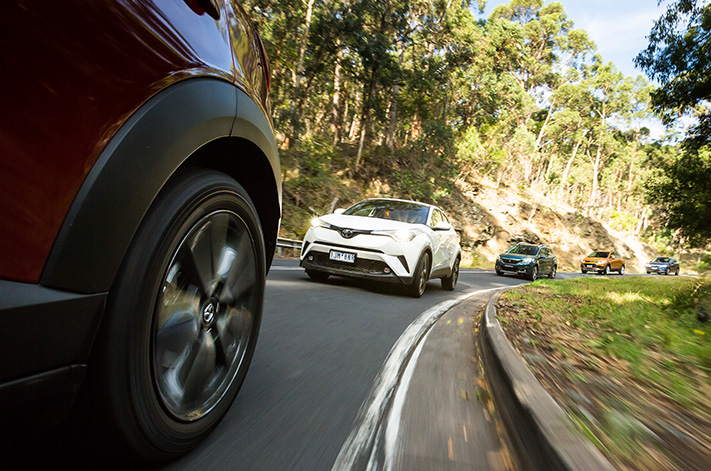
Kind of the opposite happens in the Holden. Just as with the lazy powertrain, the chassis needs to be stoked for it to stir into action. That’s because the steering, though quick and responsive, seems a little remote in feel, while the firmly sprung suspension is constantly barraging you and your occupants with what’s going on below. Maybe a bit more from column A and a bit less from column B might be a better everyday compromise?
Find a fast ribbon of road, however, and the set-up gels nicely, turning the wooden Trax into an engaging T-Rex, so to speak. It’s dated but still dynamic.
You won’t be hunting for the long way home in the Suzuki, however, despite that peachy powertrain. While chassis balance is fundamentally sound, the steering is numb and gooey, particularly around straight ahead.
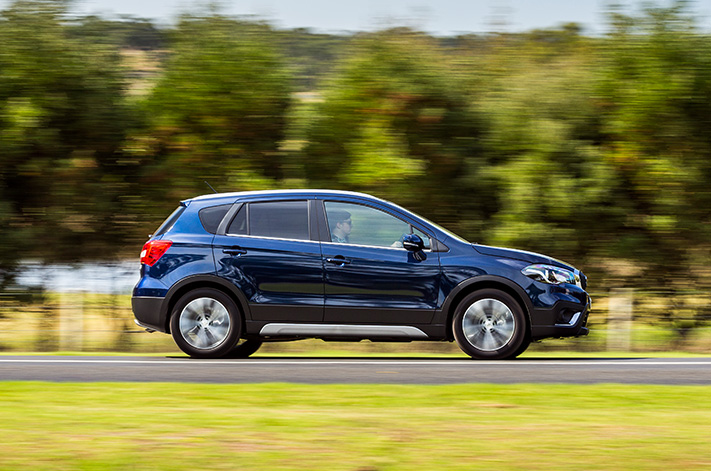
While we wonder whether the Trax’s superior rubber might improve the Suzuki’s manners, there’s probably little more that Holden’s engineers can do to refine their ageing Opel-based Chevrolet SUV, so last it comes. Behind the S-Cross, whose performance and efficiency are transcendental. Both feel like works in progress, though Trax makes some sense as a $26K LS.
It’s then a big step up to the far-more complete CX-3. Sporty and dynamically focused like no other rival period, the engaging Mazda oozes panache, especially in lovely Akari guise. But we’d spring for AWD to quell the chassis quirks, or wait for the imminent update.
So what we have left is a Peugeot and Toyota. One for the head and one for the heart. But which and why?
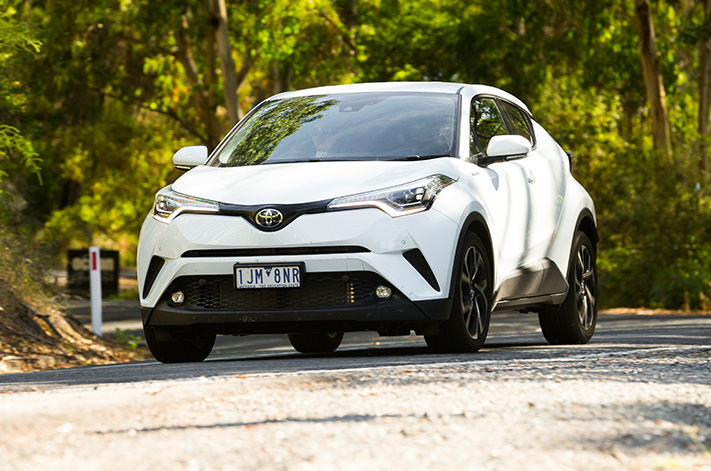
But the C-HR, too, is a consummate all-rounder, with degrees of sophistication and soul thrown in to seal the deal. Not just a small SUV, it is a spiritual successor to the better Celica coupes too, while also a breakthrough in design and engineering for this class.
It’s one small step for crossovers, one giant step for you-know-who. Keep this up, and Toyota’s middle-of-the-road crisis is over.
First published in the May 2017 issue of Wheels magazine, Australia’s most experienced and most trusted car magazine since 1953.
Question: Catherine
I live in the Blue Mountains and occasionally it snows and we often have black ice, making driving hazardous. I currently have 2004 Honda Accord Euro – this level of power is about right for my next car. I can’t decide between Mazda 3 Touring, Mazda CX 3 or Subaru Impreza. Reliability, handling, safety are all equally important as I occasionally transport young grandchildren. I drive about 11,000kms a year, mostly in the mountains, occasionally to Sydney, all highway, no off road. No pram space required but I do like plenty of space for shopping.
Budget: $30,000
Answer: Samantha
Hi Catherine,
Given your wants and needs, you will almost certainly find the CX-3 too small. A CX-3 is actually the size of a Mazda2, the CX-5 is the equivalent of a Mazda3. Plus, if you do not need a SUV, you also don’t need the extra costs associated with them either.
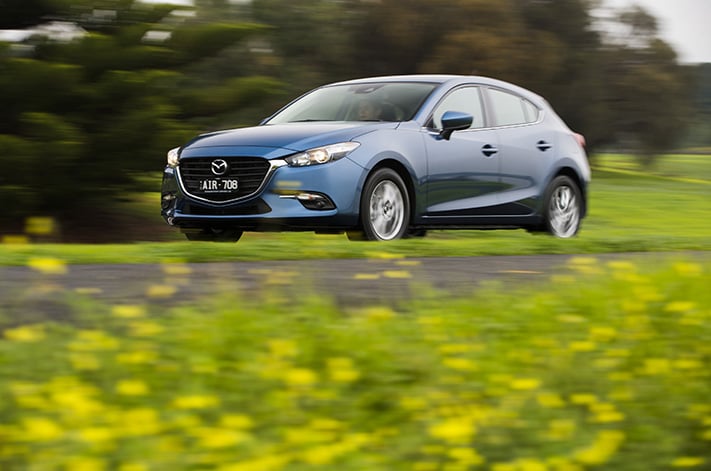
The Mazda3 is an excellent vehicle, and in Touring spec you get some great features such as sat-nav, leather trim, auto headlights, and dual-zone climate control, plus auto-braking was made standard on all but the base car in August last year. It’s reliable, safe, and super practical.
Also, while the boot opening may be a bit restrictive, the Mazda 3 sedan has 100 litres more space than the hatch version (408 vs 308 litres) if you want more boot room. A downside – the servicing intervals are just 1yr/10,000km and not 1yr/15K like some others, so you will have to factor that in to your budget if you travel more than 11,000kms annually.
The Subaru Impreza 2.0P Automatic 2.0L “Premium” spec is our favourite, and is $800 cheaper than the Mazda3 Touring. You get the safety of all-wheel-drive, plus similar spec levels and the addition of a sunroof. It is thirstier than the Mazda, and in real world driving conditions will easily sip a litre more per hundred kilometres.
It also has a CVT auto where the Mazda has a conventional auto; some people have a preference for one over the other, so a test drive is a must. See if there are dealers near you that sell either vehicle so you can drive them back-to-back.
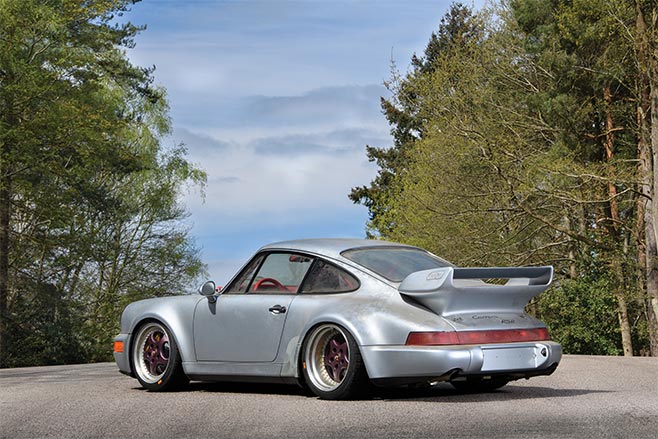
A 1993 Porsche 964 Carrera RSR was undoubtedly the shining star of the recent RM Sotheby’s auction, despite actually being the least shiny thing there.
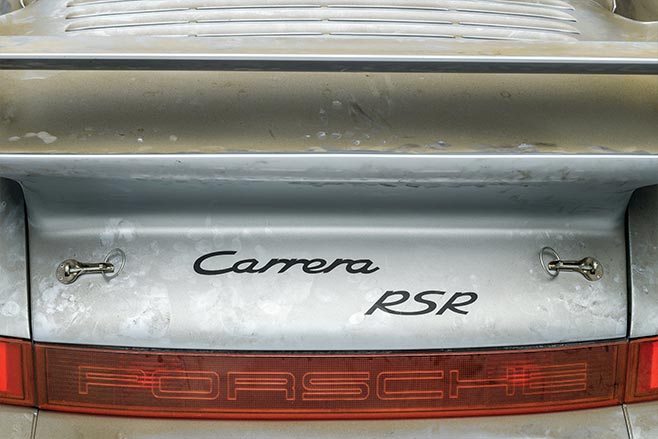
In the end, the bidding reached a modest €2,016,000, which translates to $3,025,900 AUD. That’s not the most a Porsche has ever been sold for – a 956 raced by Jacky Ickx once sold for over US$10m, but it’s a record for a 964.
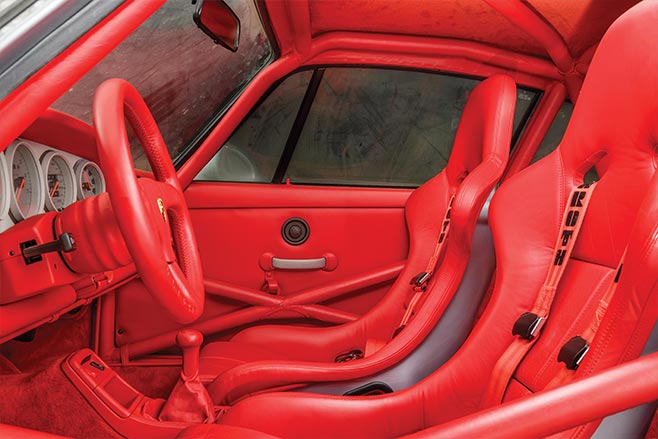
Once you’re inside the car, it becomes very, very obvious that the interior is not what you’d normally find in… well, any car. The bright red is a one-off, and it’s one of only two with a fully-fitted interior.
It’s also one of only 51 Carrera RSRs ever built.
Car and Driver magazine produced a 0–100km/h result of 3.7 seconds, quicker than a Ferrari F40. And as fast as a current 911 Carrera S.
The 1985 Audi Sport quattro we were watching didn’t end up with a new owner.
INDY 500: Takuma Sato wins…in a Honda
Alonso shines before his Honda engine fails; Scott Dixon walks away from huge shunt Takuma Sato won a dramatic Indianapolis 500, but Fernando Alonso won over the crowd…
Five years ago Sato was fighting for his first win in the Indy 500 when he dived under Dario Franchitti on the final lap and spun into the wall. Game over.
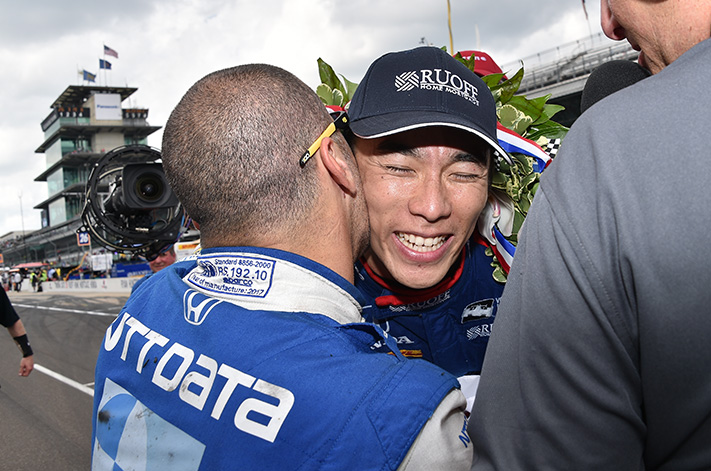
He drank the traditional milk in Victory Lane after winning the best-known race in the world.
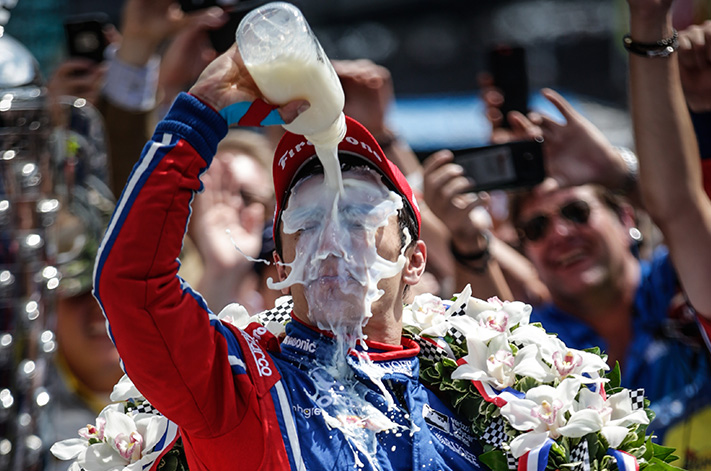
Finishing third was British rookie Ed Jones, who came on strongly in the closing stages in his Dale Coyne Honda.
It was a race of 35 lead changes among 15 different drivers including high-profile rookie Alonso, who lived up to his reputation as a fast, smooth and brave driver.
Despite his lack of oval track experience, Alonso looked like he had been doing it forever, drafting expertly and overtaking decisively.
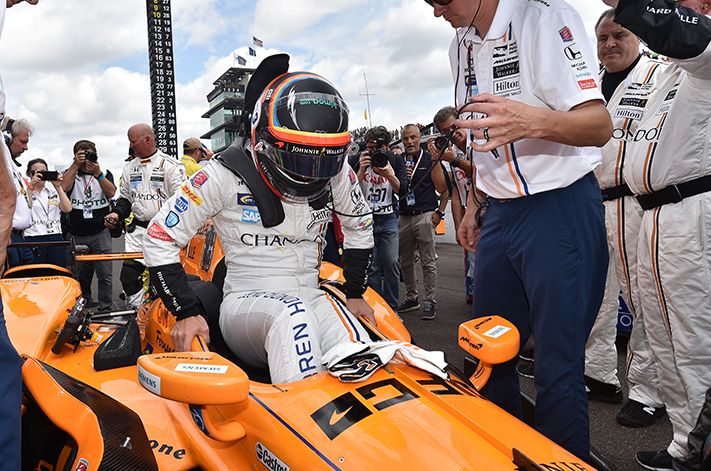
So his Indy campaign ended like so many of his recent F1 outings have ended…
Honda engines had the power edge over the rival Chevrolets, but were not as reliable, as Alonso discovered (or maybe he already knew).
“The whole day was a very nice experience,” Alonso said afterwards. “The racing was fun.” He indicated it was too early to think about next year but was open to returning.
Undoubtedly, many in the crowd of an estimated 300,000 were drawn there by the presence of the two-time Formula One world champion, particularly after his stirring qualifying effort to claim a slot on row two.
Alonso fever was rampant in the month of May lead-up. He was the hot topic on every sports TV and radio show. The other drivers in the field mock-disparagingly referred themselves ‘the other 32’ and celebrated any press conference question unrelated to the Spaniard.
Most Americans though were thrilled that Alonso had chosen their sport over Monaco. He was up for challenge of racing on the 2.5-mile oval with four turns banked at a hardly steep 9 degrees, giving it some similarities with road racing (minus the run off areas and right turns).
Just 18 of the 33 starters got to the end. Several huge crashes decimated the field and added to the Indy legend. Pole man Brisbane-born New Zealander Scott Dixon walked away from one of the scariest shunts seen at the Brickyard, his Ganassi Honda launching over Jay Howard’s ricocheting car at maximum speed and flying through the air before an infield wall scythed it in two on landing. Dixon reported a sore ankle.
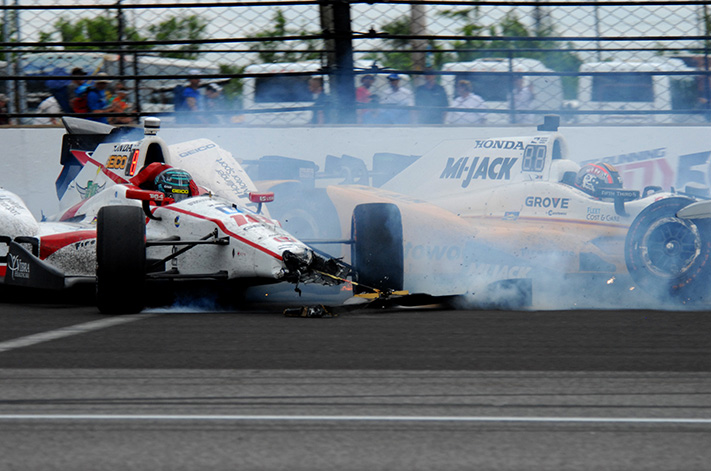
A remarkably composed Dixon shrugged off the crash, praising the Dallara chassis’s safety integrity and declaring he couldn’t wait to return to Indy in 12 months.
One lucky man was Castroneves, who drove under Dixon’s flying car as he tried to avoid the wreckage.
The clean up and safety fencing repairs took nearly 20 minutes before racing resumed.
The ferocious crash ended a mixed week for four-time IndyCar champion Dixon, who after winning the pole was robbed at gunpoint at a Taco Bell fast-food outlet than evening.
Aussie James Davison, a surprise late addition to the starting grid (from position 33) as a replacement for the injured Sebastien Bourdais in another Dale Coyne entry, raced hard and overcame a drive through to climb all the way to the lead (on a different fuel strategy). He looked set for a top 10 finish when, with 17 laps remaining, he was involved in a bruising multi car pile-up with Oriol Servia which also involved fellow Australian Will Power, Canadian JR Hinchcliffe and American Josef Newgarden.
Results:
1. Takuma Sato, JPN, Andretti Autosport Dallara-Honda 200 laps 2. Helio Castroneves, BRA, Team Penske Dallara-Chevrolet + 0.201s 3. Ed Jones, UAE, Dale Coyne Racing Dallara-Honda + 0.528s 4. Max Chilton, GBR, Chip Ganassi Racing Dallara-Honda + 1.136s 5. Tony Kanaan, BRA, Chip Ganassi Racing Dallara-Honda + 1.657s. 6. Juan Pablo Montoya, COL, Team Penske Dallara-Chevrolet + 1.715s 7. Alexander Rossi, USA, Andretti Herta Dallara-Honda + 2.422s 8. Marco Andretti, USA, Andretti Autosport Dallara-Honda + 2.541s 9. Gabby Chaves, COL, Harding Racing Dallara-Chevrolet + 3.831s 10. Carlos Munoz, COL, A.J. Foyt Enterprises Dallara-Chevrolet + 4.532s 11. Ed Carpenter, USA, Ed Carpenter Racing Dallara-Chevrolet + 4.623s 12. Graham Rahal, USA, Rahal Letterman Lanigan Dallara-Honda + 5.031s 13. Mikhail Aleshin, RUS, Schmidt Peterson Dallara-Honda + 5.699s 14. Simon Pagenaud, FRA, Team Penske Dallara-Chevrolet + 6.051s 15. Sebastian Saavedra, COL, Juncos Racing Dallara-Chevrolet + 12.667s 16. JR Hildebrand, USA, Ed Carpenter Racing Dallara-Chevrolet + 33.219s 17. Pippa Mann, GBR, Dale Coyne Racing Dallara-Honda+ 1 lap 18. Spencer Pigot, USA, Juncos Racing Dallara-Chevrolet + 6 laps
Aussie solid in Monaco Supercup
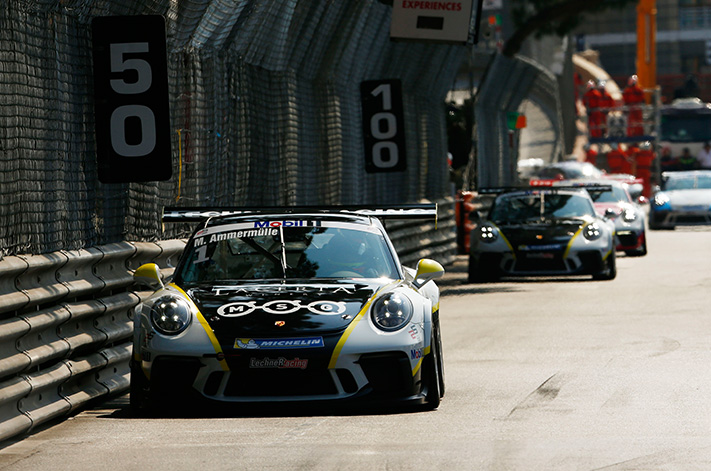
Another impressive run from Matt Campbell German Michael Ammermueller, the winner of the opening Porsche Supercup two races in Barcelona, remains unbeaten after taking out round three on the streets of Monaco
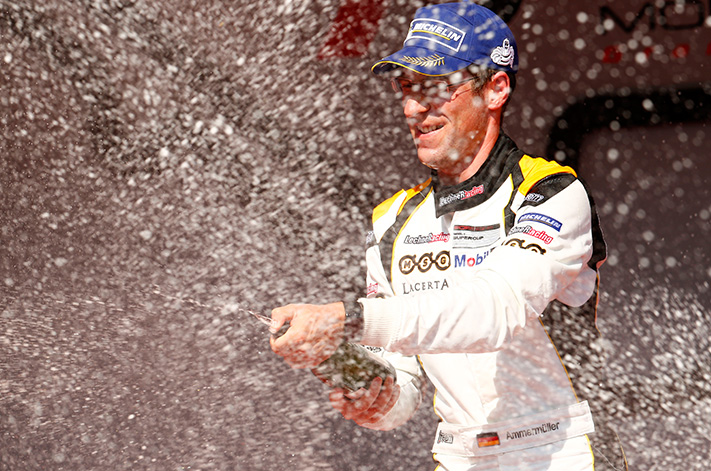
From Warwick in Queensland, Campbell earlier qualified fifth and 0.7sec away from Ammermueller’s pole lap.
Campbell remains fourth in the Supercup standings led by Ammermueller.
Tight at the top after capital thriller Corolla 2000 driver Harry Bates capitalised on his knowledge of local conditions to take out both legs of a hard fought CAMS National Capital Rally in Canberra and move to a narrow lead in the Australian championship series.
The win puts Bates, co-driven by John McCarthy, three points clear of friend and rival Subaru’s Molly Taylor, who with co-driver Bill Hayes, posted a solid performance over the weekend to claim second outright, one minute, 23 seconds away.
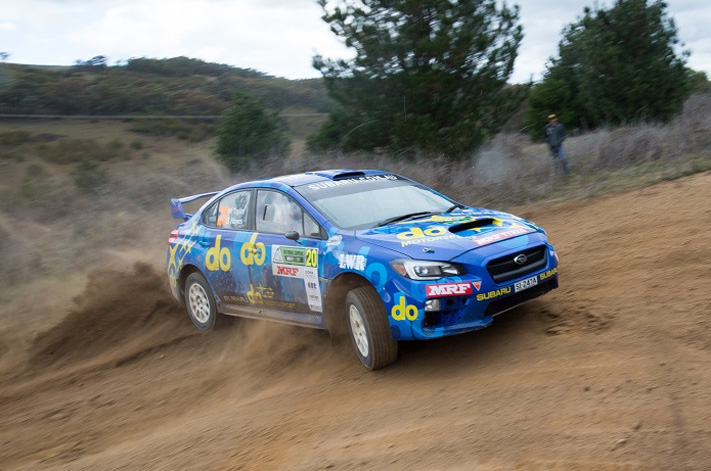
Bates led the event from the start, only relinquishing top spot once to Taylor after the second stage. Regaining the lead in stage three, Bates was not headed again.
Bates said the win today was anything but easy with heavy morning showers over the demanding technical stages yesterday adding an extra ingredient of uncertainty, with some of the soft clay sections contributing to car damage among a long list of competitors.
“It’s never nice when you are in the lead by nearly a minute and you are having all the elements thrown at you and today exactly that happened,” Bates said.
“But I’m stoked to bring it home; we decided to go out on the last few stages and have a crack and see if we could bring it home in style.
Defending national champion Taylor wasn’t too disappointed with second place.
“It’s incredibly tight, incredibly exciting,” she said. “This rally was the toughest rally we have done so far this year. We all worked really hard for it.
“Both days have been completely different for us; the first day we were pushing with everything we had and today with all the attrition it was really about driving a smart rally, take it back a step and drive with our heads,” Taylor explained.
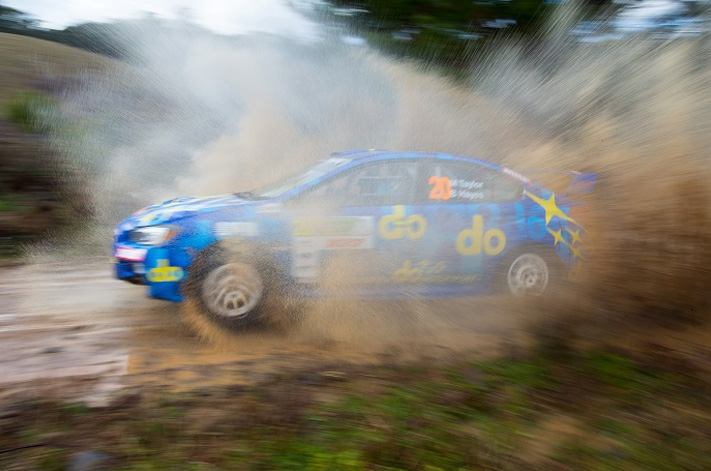
“We didn’t really have any expectations for the weekend and that’s probably why we found a bit of pace,” said Patton.
The National Capital Rally was cruel to a number of the ARC front runners; Coffs Coast Rally Team’s Nathan Quinn and David Calder went into the event in the lead but two flat tyres in the second heat followed by mechanical issues robbed them of any points on Sunday.
Sharing a new Mini Cooper, Eli Evans and co-driver Glen Weston posted the fastest time on Sunday’s second stage, only to break a control arm on the next stage. The pair were able to make the final control to salvage some points from the day.
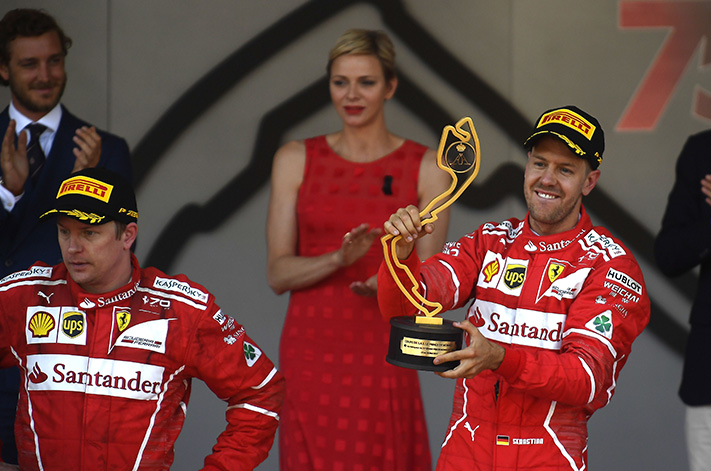
Sebastian Vettel has won his second Monaco Grand Prix in controversial circumstances with many believing that Kimi Raikkonen was robbed of victory by his Ferrari team’s pit stop strategy.
Though subtle in its execution, it was a strategy that ultimately helped Vettel maximise his world championship points lead over Mercedes’ Lewis Hamilton, who had a troubled weekend. Vettel’s advantage is now 25 points.
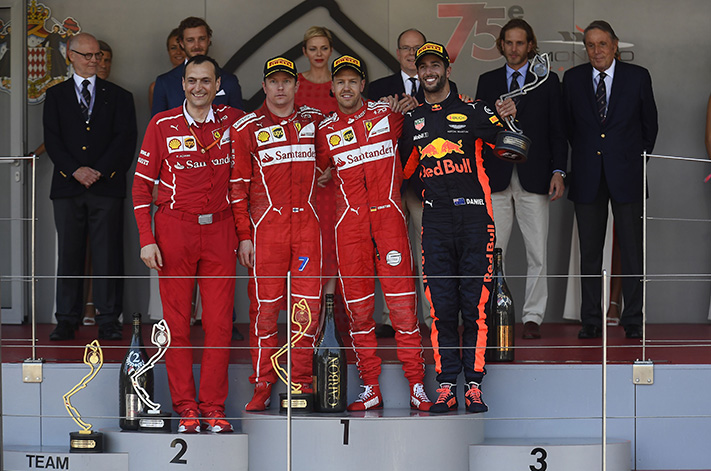
Raikkonen’s face and body language on the podium silently conveyed his bitter disappoint to the crowd and TV audience over the way the race unfolded after he led for the first half.
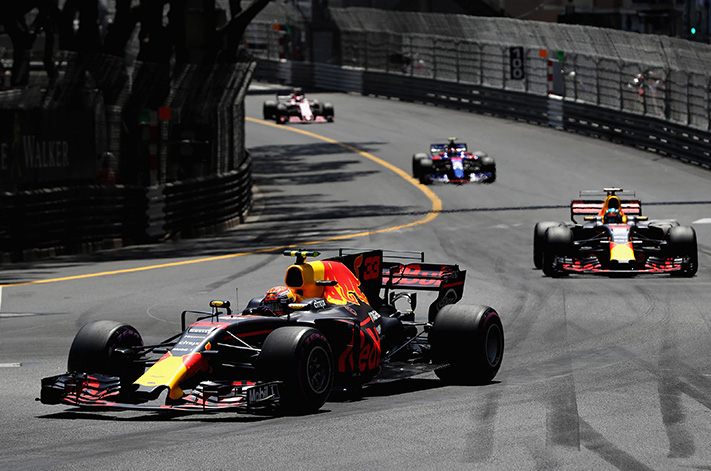
Verstappen and Bottas were the first of the leading bunch to make their obligatory tyre stop. Then Ferrari called Raikkonen to the pits even though he enjoyed the sweet advantage of track position on a circuit where passing is awkward at best.
Crucially, this gave Vettel and Ricciardo five laps in clear air, the pair reeling off a succession of lightning-quick times.
Vettel was then pitted by Ferrari, rejoining just ahead of Raikkonen, who had been impeded by lapped cars, and the rejuvenated Ricciardo, now ahead of Bottas and Verstappen.
Further back, Hamilton was making some steady ground from his 13th starting spot, moving to sixth before making a pit stop, which dropped him to seventh.
Vettel looked out of reach, as the sting had left Raikkonen’s attack. Lapping quickly enough, Ricciardo, in third, seemed safe from Bottas. It was measuring up as a quiet run to the finish.
Not quite. Comeback driver Jenson Button’s McLaren got into the side of Sauber’s Pascal Wehrlein, tipping it on its side into a barrier and bringing out the safety car, and bunching the field.
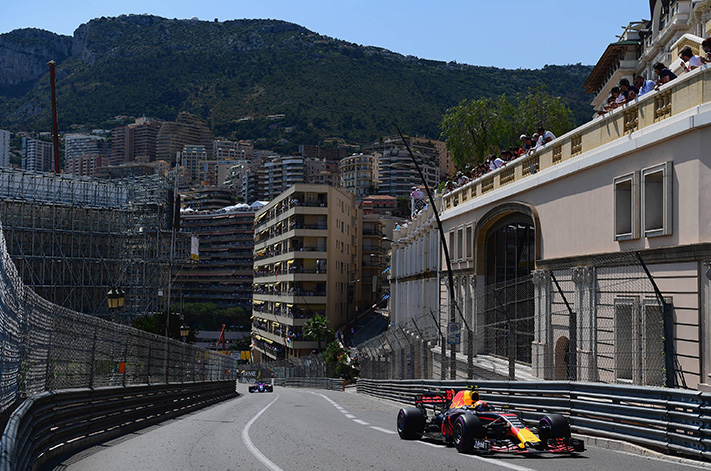
The restart was nearly Ricciardo’s undoing, the Australian sliding wide in the first corner, clipping the steep barriers with his outside rear wheel but somehow surviving without losing a place to Bottas.
“It’s second place but it doesn’t feel awful good,” muttered the Finn in a tense and brief TV interview with retired world champion Nico Rosberg.
Hamilton, who collected valuable points from seventh, was insistent that Ferrari is now putting its efforts behind Vettel. “For the leading car it’s very hard for him to get jumped by the second car unless the team decide to favour the other car – so that is very clear.”
Ricciardo, an angry young man after qualifying fifth, was pleased with his drive.
“I’m much happier today. I can’t obviously complain how it worked out and I have to thank the team. It was cool to show some pace today and we had that clear track. I didn’t think the tyres had that much more but I just got into that rhythm, was able to punch out some good times. I knew the pace was right, my engineer was encouraging me on the radio saying: “Pace is really good. Keep going, keep going!”
Not last year, or this year though.
On Saturday, Raikkonen turned aside nine years of qualifying nothingness, producing a corker of a lap which landed him his first pole since France in 2008.
He reacted with his usual unrestrained delight. A keen observer reported that Kimi ‘almost smiled’.
Ferrari blocked out the front row, with Vettel close but not quite quick enough, edging Bottas back to third.
Hamilton’s Mercedes, for some inexplicable reason, behaving evilly, failed to emerge from the second phase of qualifying, Q2, shattered that set up problems kept him from taking a good crack at the pointy end.
Ricciardo had looked quick through the prelims before a brake problem ended his final practice session. Even so, the West Aussie was confident he could mount a serious attack on pole, until his team released him into traffic, compromising his very exact warm-up procedure which meant fifth quickest, behind Verstappen, was all he could manage.
With that, his grin evaporated and he gave his Red Bull team a thorough serve.
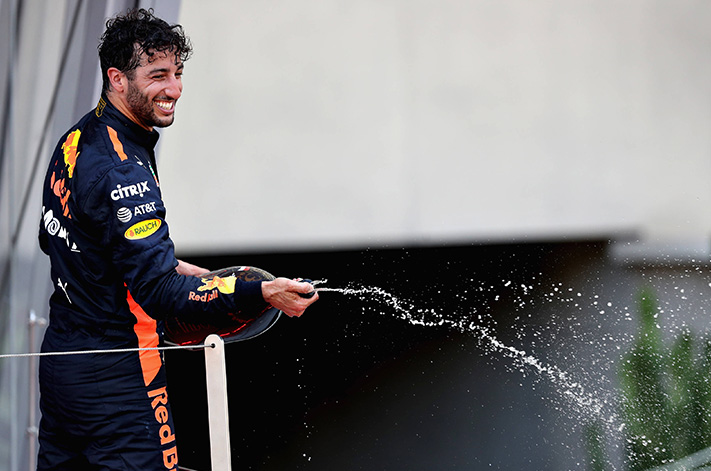
Twenty four hours later, the smile was back. Almost as big as Vettel’s.
There’s something surreal, almost magical, about being a car fanatic in a proving ground.
It’s the forbidden zone – like Area 51 for motor vehicles – buried deep in the bowels of nowhere, trying to look as inconspicuous as possible, despite the cyclone fencing and barbed wire guarding the perimeter, implying that what’s inside must be important. It is. Beyond the maximum-security gates, the world’s automotive future awaits.
The universal layers of seemingly endless security scanning might be a common denominator, but no two proving grounds are alike. After having spent several days embedded inside Hyundai-Kia’s vast testing facility in Namyang – a two-hour haul by bus from the South Korean capital, Seoul – I’ve never seen an automotive candy store so chock full with cars from around the globe, and still-under-development prototypes, as this one.
‘Benchmarking’ carparks are literally everywhere, brimming with everything from a fleet of ultra-cool Suzuki Hustlers (a tiny, upright 660c Kei-car ‘SUV’) to various Mercedes-AMGs, alongside hordes of BMWs, Audis and Japanese-brand fodder. Then there’s the stuff I can’t talk about, including future generations of quirky coupes, performance hatches, Asian-market sedans and luxury vehicles, almost undisguised except for front and rear car bras. And a dashboard modesty covering if they’re parked … but not always.

There are so many buildings spread across such a huge area inside Namyang that this facility even has its own bus service. With 20,000 people working on-site every day, it’s like mobilising and organising the population of an Aussie country town.
And feeding them. Massive cafeterias are scattered about the place, each specialising in a certain type of cuisine, prepped to feed the hordes of workers spewing from each building at exactly midday once a quaintly school-like bell chimes loudly. It’s like hearing a ringtone for ‘little lunch’. But the Koreans are Swiss-watch perfect. Within minutes the cafeteria lines are almost out the door. By just after 1pm, the food halls will resemble ghost towns.
‘Western’ day means hot dogs and burgers, but we head to the nearest Korean cafeteria, avoiding the dumb-American stereotype while pretending to look confident that we know what we’re eating. It’s bloody good, whatever it is, once you work out what to mix with what, but the Anglos clearly aren’t quite on the same culinary page as the savvy South Koreans.
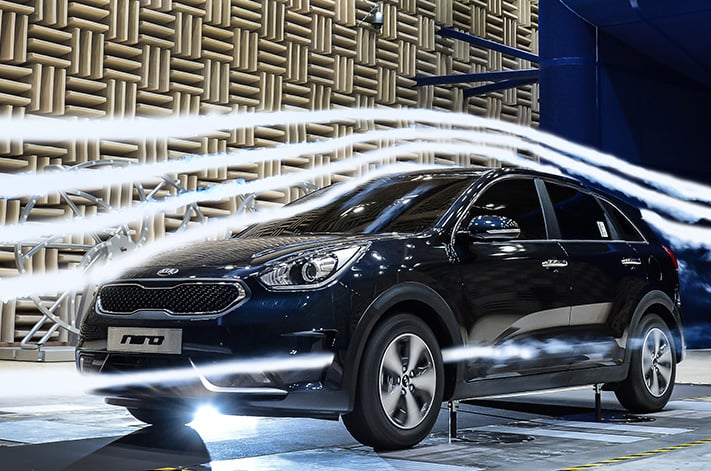
The various ride roads grid layers of different surfaces next to each other, trying to replicate everything the world has to offer – from road hits and yumps of increasingly intensity to ‘judder bars’ that feel like they could burst a tyre. The real-road handling circuit, on the other hand, snakes and dives its way through a course that demands familiarity. Get it wrong and you can kiss your prototype or pilot-build steed goodbye. It’s brilliant the way the road drops and dives, then rewards commitment with some serious banking to build lateral force.
Only on the ‘track’ section – where the media hammered the first Kia Stinger prototypes late last year – does Namyang offer some properly smooth, German-type racetrack surfaces. It’s a smallish course, mixing Simmons Plains with an element of Wakefield and a touch of Catalina, but it works for most road speeds, hence why HMC also has a testing facility based at the much-faster Nurburgring.
Out here, you wonder how anyone could spend every day at a desk, even though that’s exactly what the engineers will need to do later on. Crunch numbers. Away from the prying eyes of the general public, even though photographing a prototype on a Korean road is a federal offence that breaches intellectual property. No wonder they get so upset when we photograph them in Australia!
BMW’s motorsport division has unveiled their latest pre-packaged race car in the form of the M4 GT4 at the Nurburgring this week.
Aimed to offer an affordable (comparatively speaking) way into GT4-spec racing, the GT4 retains some key elements of the road-going M4 such as its 3.0L twin-turbo inline-six and seven-speed dual-clutch transmission.
Beyond that, the road car resemblance ends. A stripped-out cabin culls weight, with bare carbonfibre panels, roll cage scaffolding and even a bare metal floor trading luxe for speed. Don’t think your significant other would enjoy that? That’s okay, there’s no passenger seat for them anyway.
Outside, the exterior is even further removed from the standard production model. Monster AP Racing brakes are borrowed from the M6 GT3 racer as are the seats and pedal box, Hankook slicks grip the track, carbon canards, carbon fibre doors, a fixed front splitter (as opposed to the adjustable splitter on the M4 GTS), towering rear wing and a blaring racing exhaust system set the M4 GT4 apart from its road-going relative.
The biggest development, however, is the engine control software. With the M4 GT4, BMW’s release emphasises the use of “power sticks”, interchangeable pre-loaded flash tunes with different levels of engine performance and output.
Its competition debut isn’t far away either. BMW has entered the car in the Nurburgring 24-hour endurance race, driven by a team of factory BMW race drivers, testers and engineers.
Want one? Orders will need to be lodged with BMW Motorsport directly in Munich. BMW’s Motorsport division is already heavily involved in local GT3 events, and given the growth of the GT4 category in Australia, BMW’s local office says it would love to see the car competing once available. Price is listed at €169,000 – that’s a touch over $250,000 in down-under dollars.
Picture your ideal road trip car. It probably has doors. And a roof, unless you live somewhere warm.
I’d treat you with some suspicion if you told me your ideal road trip car was a Caterham Seven. Mine certainly isn’t.
But that didn’t matter, because when the time came to divvy up the keys amongst the MOTOR journos for the drive to Bang For Your Bucks at Winton, I drew (or rather was handed) the short car. Really, it’s tiny.

Here’s a bit of advice – If you like attention, a good way to get some is to drive a bright red Caterham along busy Swan Street just as everybody else is walking to work.
Electric Steering – Geek Speak
It’s jarring to get out of a modern car with power-assisted pretty-much-everything, and get into something which will only assist your workout routine.
The amount of effort it takes to steer and brake in the Caterham Seven isn’t huge, but it’s staggeringly raw by modern standards.
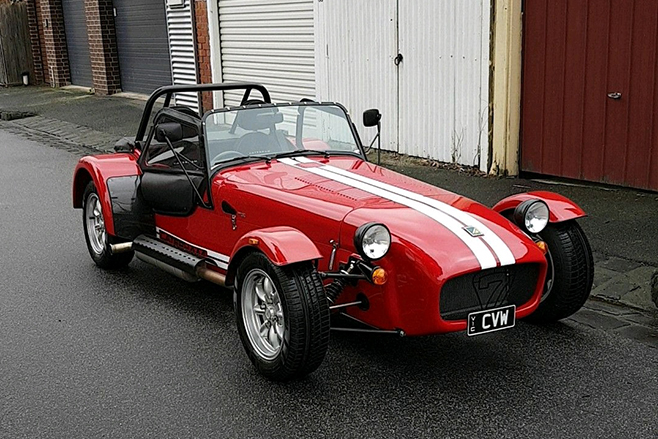
Is this how it was in the early days of motoring? Did people really have to actually pay attention to their cars and the road ahead of them, without looking down at their phones every 2.6 seconds?
The answer is yes, but the fact that they didn’t have phones helps.
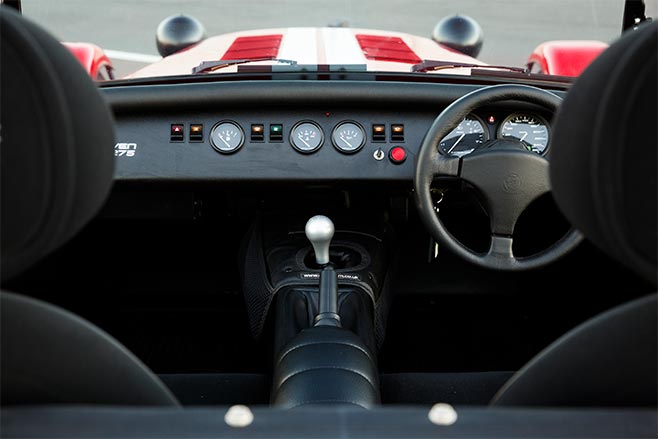
It’s not supercar fast, but 0-100km/h in a claimed 5.5 seconds sure feels quick when your head is about a metre from the road.
Doing highway speeds in something that has no doors and is small enough that you can actually lean out and touch the ground is exhilarating, there’s no other way to put it.
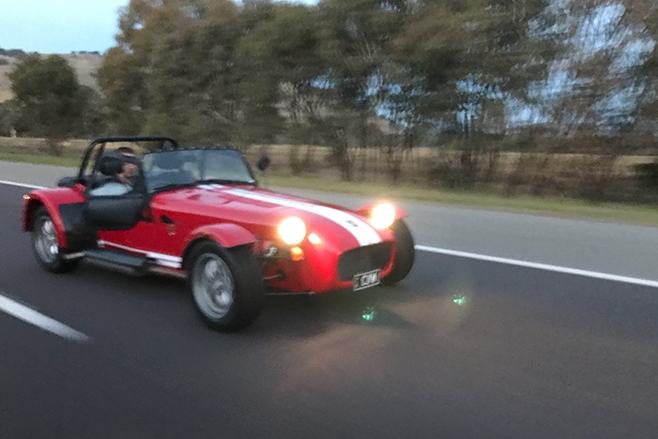
Every bump or slight dip felt like it was about to fling me out of this motorised go-kart.
On top of that, it turns out other motorists are quite interested in an oddity like a Caterham, and will crowd around you to get a closer look. Not great at 110km/h, really.
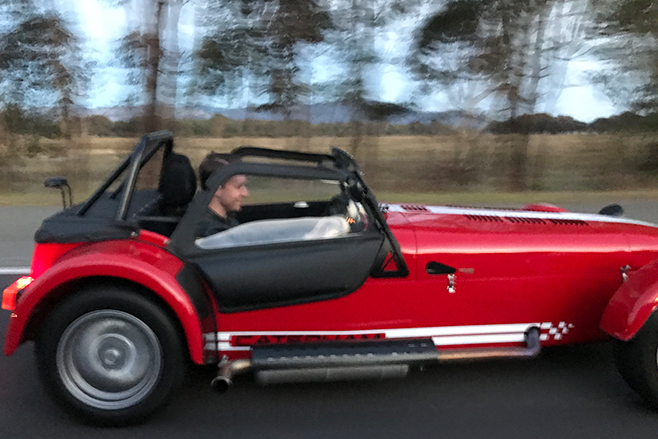
Needless to say, driving back to Winton the next morning was interesting, as it was about eight degrees Celsius. Mercifully the thing has a heater, but my hands were still numb when we arrived at the track.
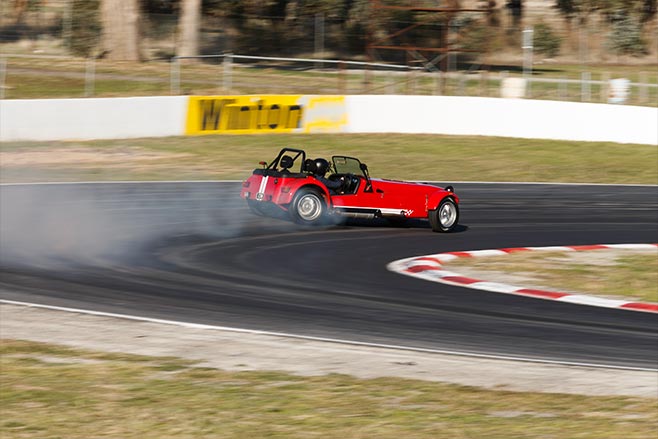
While it was there, the Caterham… actually, I can’t tell you yet. Wait for our BFYB 2017 feature, coming soon to MOTOR.
It was much like the drive there, except it was darker. And colder. I employed gloves for this drive. And a scarf. On my face.
I picked up my girlfriend from work in the CBD that night, which she quite enjoyed… I think. Driving through the city at night is another good way to draw far too much attention, by the way.
We also did what any 20-something-year-old would do – took it through the Maccas drive-thru. Standing up to pay for your nuggets is decidedly inelegant.
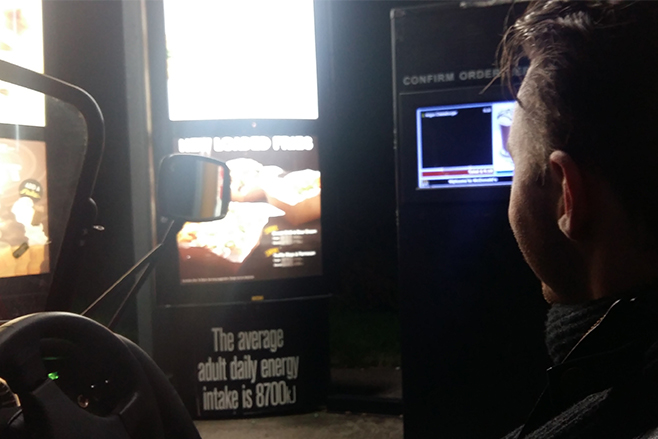
I do however advise warm weather and sunlight for a drive in one because, as I type this, I think I’m coming down with a cold.
