
Crashing your virtually priceless McLaren F1 GTR is bad enough. When you’re a celebrity and your accident is during a live-streamed motorsport event, it’s even worse.
Taking part in the 75th Goodwood Members’ Meeting held at the weekend, Pink Floyd drummer and grade-A car enthusiast Nick Mason attempted to make his McLaren F1 GTR another brick in the wall during demonstration laps for GT1 sports cars.
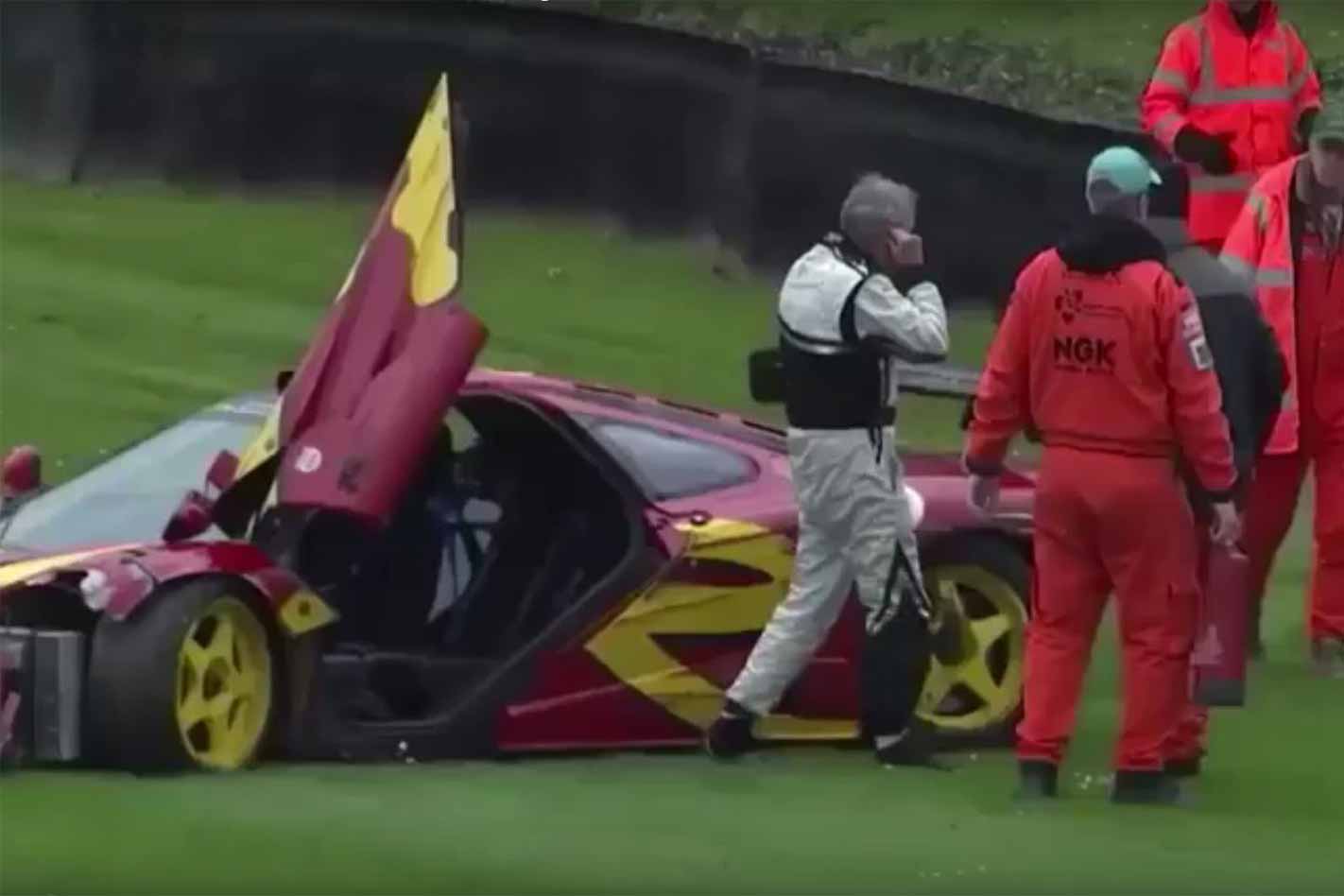
Nonetheless, with F1 values in the stratosphere, we have high hopes that the right amount of time and money will see Mason’s GTR – one of 28 built and road-legal – coming back to life, though the thought of the sums of money involved almost gives us brain damage.
No doubt the 73-year-old just wanted to run like hell following the incident, especially as it was captured by the cameras and streamed live to the world via YouTube, but in the end there’s little to do but breathe and have a cigar.
After all, accidents happen, and Mason has always been a firm believer in using his exotic machinery, lending cars like the F1 GTR and his 250 GTO to various media outlets over the years.
Mason’s F1 GTR is chassis 10, which was built as a test and development car before being used in 1996 Le Mans pre-qualifying, however it didn’t race.
It’s almost show time for the greatest travelling circus on earth.
The opening round of the 2017 Formula One season is days away. The cars, equipment and personnel are heading to, or have already touched down, in Melbourne. Over 700 tonnes of air freight and 200 tonnes of sea freight arrives at Albert Park today and the teams begin setting up their garages and compounds ahead of the 2017 Rolex Australian Grand Prix.
Thousands of hours of design and engineering have gone into the new-generation Formula One cars for 2017, followed by eight days testing at Catalunya.
Thousands of interviews have been conducted since the end of last season and countless stories written about what we may expect this year from cars with greater mechanical grip and more downforce. Some are optimistic; others less so. The cars will be faster, and hopefully harder to drive. Worryingly, overtaking will more difficult.
What the sport doesn’t need is another season of a supreme Mercedes-Benz tossing mere crumbs to Red Bull and Ferrari.
Testing certainly suggested that Ferrari has fundamental pace, with Mercedes F1 director Niki Lauda even suggesting that Ferrari is the fastest team on the F1 grid, based on eight days at Catalunya.
While Mercedes is chasing a fourth consecutive Constructors’ Championship having decimated the opposition by nearly 300 points last season, Lauda is anticipating a strong challenge from the Italian team.
“The Ferrari looks the fastest,” Lauda told Germany’s Auto Motor und Sport. “It is like it’s on rails.
“Our Mercedes is a little tighter in the corners. Ferrari is at the top of my list.”
Maybe though Mercedes was sandbagging, or running conservative engine mapping.
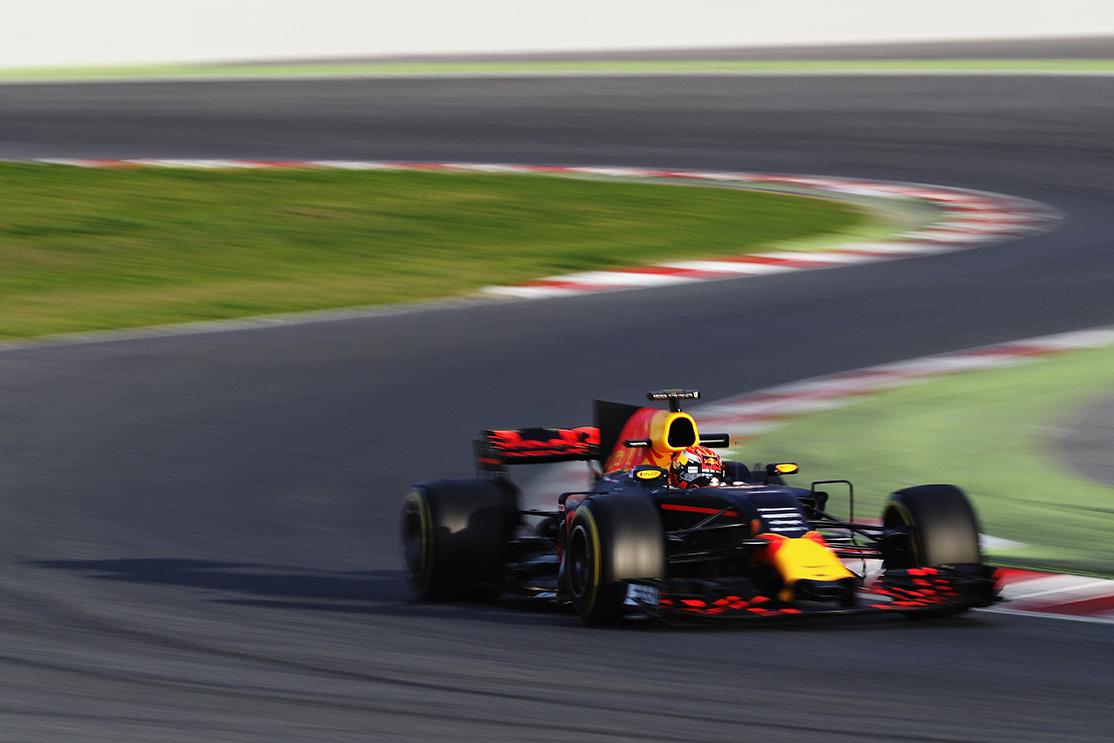
Red Bull’s Max Verstappen told a Dutch newspaper “that personally, I don’t think we can fight for the win at the first race”.
He believes Ferrari’s improved testing pace was genuine – good enough to fight for wins – but that maybe Mercedes was not showing its true potential.
Daniel Ricciardo also warns not to expect too much from the Bulls in Melbourne but that improvements will flow later.
“It’s always good to be back on home soil and enjoy a bit of sunshine after winter testing,” added the Aussie.
“My home race is awesome in so many ways but it’s also super busy and full on, the week for me starts on Monday and doesn’t stop until Sunday night. It’s nice that there’s so much media attention at the start of the season and everyone is super excited to see how I go. I try and attend as many events as I can but I’m still there to do a job.”
What we can salivate over though is the prospect of some fiery clashes between Ricciardo and Verstappen, arguably THE quality combo of the 20-driver grid.
There is plenty of interest too in how Lewis Hamilton will deal with the arrival of Valtteri Bottas. No doubt Hamilton expects to be quicker.
The Finn admits he needs to get on terms with the Briton straight out of the box: “From the first race I have to be right there, even if I know that my learning curve is steep.
“Lewis is a real benchmark. For me, it will be interesting to see how he sets up the car and how his driving style works.
“I’m watching a triple world champion at work so to not use that opportunity would be stupid.”
Oh, and F1 this year is a Bernie-free zone, the tough old autocrat having been eased out of any position of influence by the sport’s new owner Liberty, the US media giant promising to bring new excitement to grand prix racing.
Rather than moving forward this year, the McLaren Honda partnership seems at breaking point after disastrous testing results which highlighted a serious absence of pace and reliability when there were serious expectations that the union would move forward and give one of the best drivers on the grid, Fernando Alonso, a crack at winning again.
But no. McLaren instead was demoralised to discover promises unfulfilled, the team’s cars covering less than one third of the laps managed by the defending champion team, Mercedes. And not at a great speed either.
The new Honda power unit is reckoned to be 120 horsepower below the pacesetting Mercs. Respected publication Autosport, also reported that severe vibrations triggered electrical failures, and that vibrations detonated the engine at low revs.
The best the McLaren’s managed at the tests was about three seconds adrift of the fastest, meaning that it faces the ignominy of fighting to stay out of last place.
Honda won’t entertain any thoughts of a crisis in the partnership nor will it concede it has challenging engine issues.
McLaren, which is taking a big hit commercially due to its lack of success since 2013, is said to be frustrated by Honda’s capacity to react swiftly to issues, and by its unwillingness to bring flexibility into the culture.
Whilst the current contract between McLaren and Honda is a lengthy one – 10 years – and both parties have been respectful at least publicly, the relationship has reached snapping point.
No one seems to doubt the reports that McLaren has been in discussions with Mercedes for an engine supply agreement. It has been down this track before. Remember that at the end of 2014 McLaren dumped Mercedes for Honda…
Fernando Alonso has also demanded improvements, the implied threat being he will take a walk at the end of 2017, when his contract expires.
Another recent development was the announcement that Adelaide intends to try to get back the Australian F1 race from Melbourne. It ain’t gonna happen. The Adelaide City Council is the source of this silliness. It lacks the clout and the money to make it happen, and the SA State Government, struggling to keep the lights on there, has laughed away the idea.
Adelaide hosted the F1 grand prix from 1985 through to 1995, after which it went to Victoria, which agreed to pay more for the rights.
The current deal with the Victorian Government runs to 2023.
Bates (Harry that is) creates history in ARC opener
Youngest winner of an Australian rally Championship round
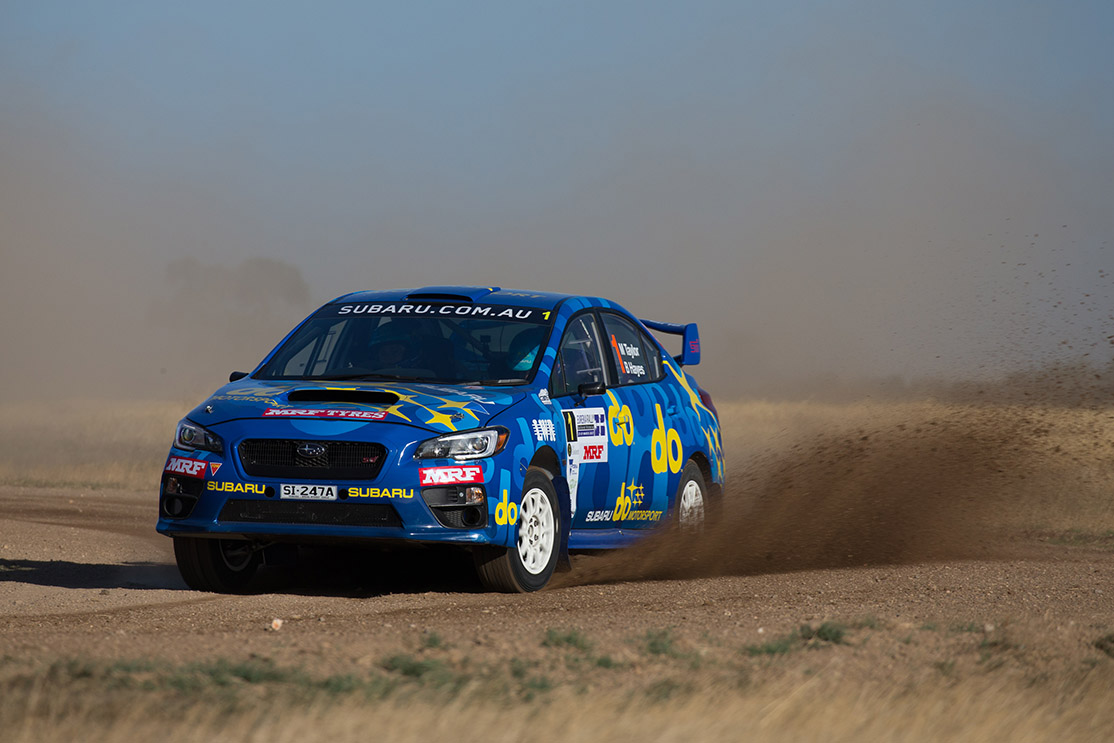
Toyota S2000 driver Harry Bates has created a slice of history, becoming the youngest driver to win a round of the Australian Rally Championship, taking out the very hot and dusty opening round of the 2017 national series, the Eureka Rally based around Ballarat.
Bates was 22 years and 10 days when he took the win.
It was the first ARC round victory for Bates, the son of four-times Australian rally champ Neal.
His was a triumph soured somewhat by the fate befalling young brother Lewis, whose own Toyota caught fire and was burnt to a crisp early in the rally. Lewis, the youngest son in the rallying family, drifted wide on a corner and was stuck on an earth hump, where the dry grass caught fire from the hot exhaust. It was the 2003 Corolla in which that Harry began his own rallying career.
Harry Bates snatched the win in Saturday’s Heat One on the day’s last stage from runner-up Nathan Quinn, the final margin being 14.8 seconds. Eli Evans was third in a Peugeot 208 Maxi.
Quinn held sway over Bates until lunch, but honours were shared across the first four stages in the afternoon – two wins apiece.
Saturday’s final stage was the cruncher, with Quinn suffering a mechanical problem that slowed his Mitsubishi Lancer Evo. He could only finish seventh in the stage, handing Bates the Heat One win.
Sunday’s Heat Two was a different story, with Evans and the Peugeot winning a tight one from Quinn by 6.5 seconds, with Bates a close third, ahead of the fired up Taylor, still struggling with dust but with her Subaru right on song again.
The third was enough to give Bates the overall Eureka Rally round win – and the championship lead.
Even the family bonfire couldn’t spoil the victory celebrations.
“We did it! My first Australian Rally Championship round win!” a delighted Bates posted on Facebook. “Thank you to John [McCarthy] for doing a perfect [co-driving] job all weekend, and to the best team around for preparing an unbelievable car. The feeling in the Corolla S2000 was amazing from SS1.”
Reigning Australian Champion Molly Taylor had a tough start to her title defence, battling a differential drama with her Subaru to finish seventh on Saturday, followed by a fourth overall on Sunday.
Star-packed GT field for Albert Park
Capelli to strut his stuff in front of old F1 confreres
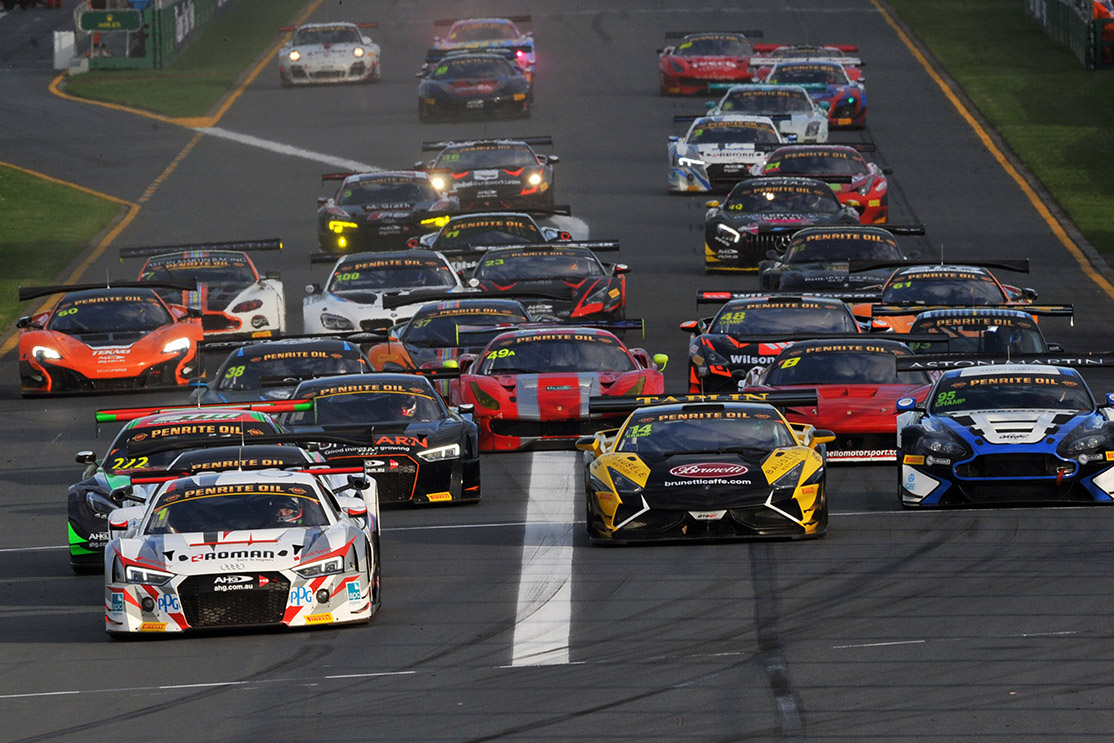
Former Formula One star Ivan Capelli is among a bunch of internationals joining the GT championship pack for round two of the series on the Australian Grand Prix support card next weekend at Albert Park.
A quality 30-car field across seven of the world’s leading brands including Ferrari, McLaren and Mercedes will take to the 5.3-kilometre circuit with the F1 Formula 1 regulars looking on.
Ex-Ferrari star Capelli will add to the flavour and interest driving the Pirelli/Trofeo Motorsport Lamborghini Huracan GT3 alongside Jim Manolios.
Capelli never raced at Albert Park during his F1 career, having retired from grand prix racing in 1993.
Two more Lamborghini Huracans will also take to the circuit, with Adrian Deitz and Cam McConville set to debut the Timken Zagame Motorsport entry, and Andrew Macpherson to give the AMAC Motorsport car its first taste of race action.
Lamborghini will be represented by eight cars, the same number as Audi. Victorian racer Gary Higgon will make his Australian GT debut aboard the KFC Audi R8 LMS.
Audi has some strong pairings with Geoff Emery and Kelvin van der Linde again combining in the #74 Valvoline entry and stablemate James Koundouris, a winner at Albert Park in 2016, again joined by Ash Walsh in the Supabarn Supermarkets Audi R8 LMS.
Making his first Australian GT appearance since 2007, Dean Fiore will join Marc Cini in the Hallmarc Constructions Audi R8 while for the weekend Tim Miles will switch into the #75 Valvoline Audi R8 LMS in place of Steve McLaughlan.
Fresh from success in Adelaide, Championship leader Tony Bates will race solo aboard the Moveitnet/AFS Mercedes-AMG GT3 as part of a four-pronged assault from the German marque.
Mark Griffith will be joined by Jake Camilleri in the Hog’s Breath Café/Griffith Corporation Mercedes entry while Scott Taylor Motorsport has again entered two GT3s.
Taylor and Craig Baird, winners last year, will share one STM Merc, Max Twigg piloting the other
There’s a change in co-driver for Fraser Ross, with the Tekno Autosports driver joined by McLaren factory star, Scotland’s Lewis Williamson.
Together, Ross and Williamson make a formidable pairing for Tekno Autosports, which last year claimed a race win courtesy of Nathan Morcom.
Twelve months ago McLaren took out the weekend thanks to Klark Quinn, with the Darrell Lea McLaren 650S GT3 this year set to be driven by Tony Quinn, while the Objective Racing entry will again be steered by street circuit expert Tony Walls.
Expanding its operation to two cars, BMW Team SRM earlier this week welcomed Danny Stuttered to the team.
Stuttered will take charge of the DJS Racing BMW M6 GT3 which will run alongside the sister car driven by Steve Richards and James Bergmuller.
The GT title weekend format has been tweaked from 2016, with the higher rated driver taking part in the opening qualifying session, with the second driver stepping into the car for the second 20-minute qualifying session.
The four 25-minute races follow the same pattern, with the higher rated driver set to compete in races one and three, and the team’s second driver in races two and four with no pit stops or time added post-race.
Teams electing to run a single driver will take part in all sessions.
It’s early on a chilly December morning in Northern Italy.
In theory, the Imola circuit should already be in hibernation for the winter, but instead it is a hive of activity. A new Lamborghini, the prototype Huracan Performante to be exact, has that kind of effect. No caffeine is required to fire up the brain cells today.
The Huracan and Aventador are doing well in terms of sales, but money is tight in Sant’Agata. Lamborghini’s charismatic and knowledgeable R&D chief, Maurizio Reggiani, whose main mission is to reinvent the famous marque, is tasked with milking every last drop of potential from the supercar pairing by launching two profitable special editions per life cycle.
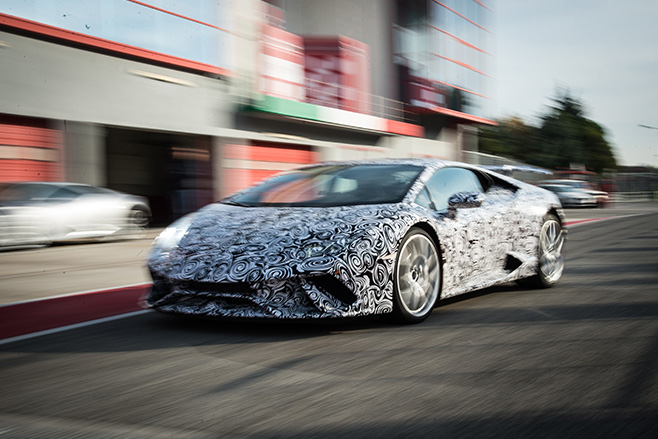
The Performante is the latest in a long line of track-focused limited editions, but with some illustrious forbears, it has big shoes to fill. This time around, though, the Performante label, previously used on the convertible version of the Gallardo Superleggera, stands for much more than fancy wheels, loud decals and a slight power increase.
Despite the tight budget, Reggiani and his team have managed to introduce cutting-edge active aerodynamics to Lamborghini and the supercar segment.
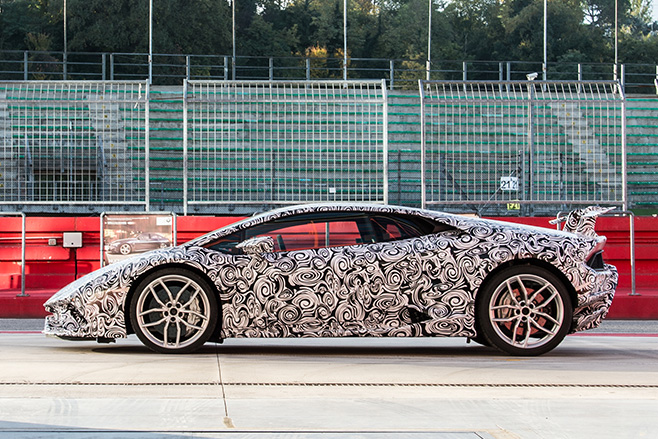
Encouraging words, but the proof will be in the driving. For that, three dormant bulls sit in pit lane waiting for a good prodding. The first and last in line are standard Huracans, the former for Lamborghini’s chief test driver Pierluigi Veronesi to play pace car, the latter to provide a dynamic benchmark.
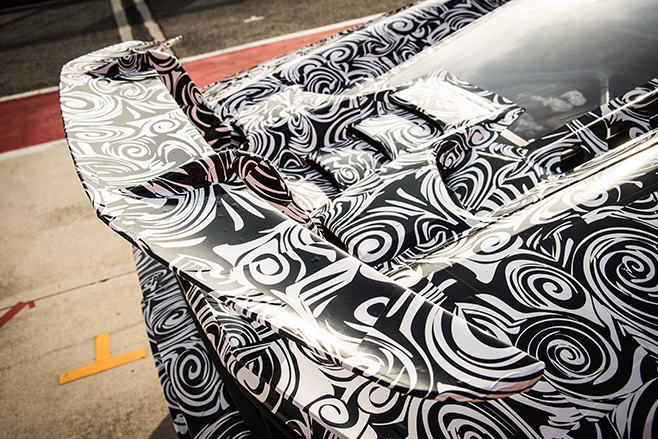
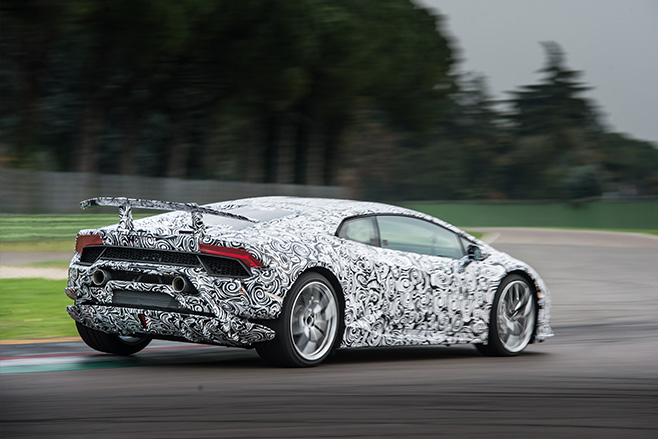
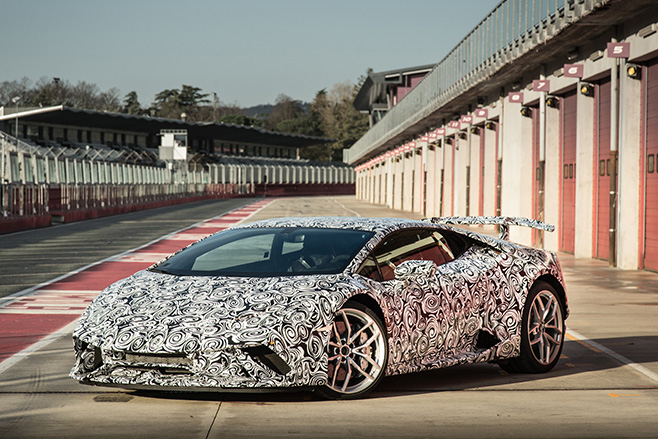
The middle steed is an altogether different kettle of fish, with the swirly camouflage signifying the Performante’s prototype status. The psychedelic disguise obfuscates the design changes, but you can still decipher the redesigned nose cone, revised air intakes, new wheels and an imposing rear wing sitting atop wide mounts.
ALA incorporates three small electric motors which operate a quartet of flaps, two hidden in the front bumper operated by a single electric motor with two more, each with its own motor, under the rear wing. Depending on the drive mode selected, these flaps have the ability to operate simultaneously or independently, manipulating airflow to either reduce drag or increase downforce.
In the Huracan’s everyday Strada (Street) mode, all four flaps open at 70km/h, remaining that way until 310km/h, at which point the fronts close to suck the front end to the ground. In Sport, all four flaps again open at 70km/h, however, they all close again at 180km/h to boost downforce for high-speed cornering.
But it’s in Corsa mode where ALA really flexes its muscles; all flaps are able to operate independently depending on the Performante’s lateral and longitudinal grip requirements. It’s similar in principle to the system seen on the Pagani Huayra, though the Huracan’s hidden flaps mean all the magic happens invisibly on the Lamborghini.
Explaining how ALA operates is easiest with a practical example, and Imola is the perfect playground. It’s a fantastic circuit, heavy with history, some of it tragic, and tremendously challenging with plenty of high-speed sections.
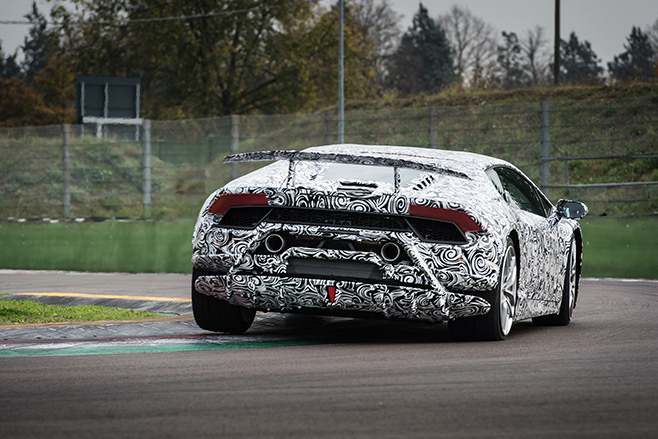
“For the fastest lap times, however, you’re better off in Corsa. It is more focused and sharper overall. Alternatively, you can of course switch off stability control altogether.” We’ll stick with Corsa for now.
Accelerating down Imola’s long, slightly curved front straight, all the flaps are open to reduce drag and increase straight-line acceleration. Braking for the Tamburello chicane, installed after the death of Ayrton Senna in 1994, all four flaps snap shut to maximise downforce and press the tyres hard into the tarmac.
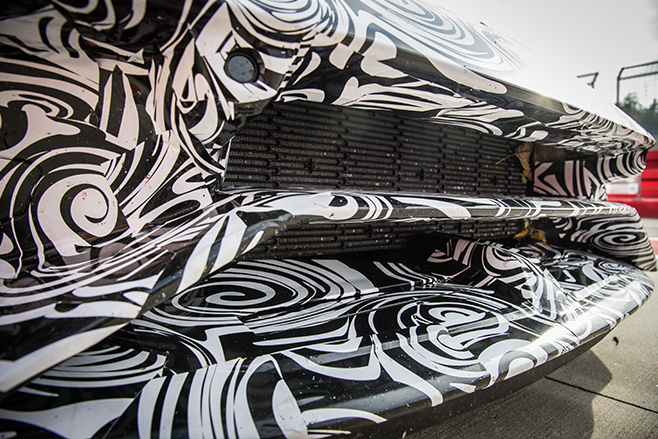
Lamborghini describes it as ‘aero vectoring’, using the air to manipulate the dynamic balance rather than braking individual wheels like traditional torque vectoring systems, and estimates it generates an extra 0.2-0.4g of lateral load within fractions of a second, while also suppressing understeer by permitting smaller steering angles.
From behind the wheel the Performante effect is immediate; even with an amateur at the limit, thanks to all this trickery, confidence at the limit is staggering.
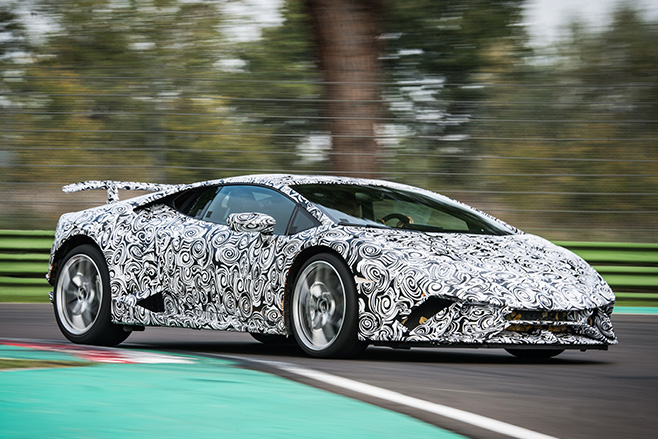
This is proven when following hotshoe Veronesi, who is piloting the standard car. Thanks to ALA, holding your right foot flat where he must lift is easy and to be honest, the Performante is verging on Aventador pace around this track.
Of course, this extra pace is not all down to the wild wings; there’s the more aggressively calibrated all-wheel drive and ESP systems, faster-shifting seven-speed dual-clutch transmission and firmer suspension.
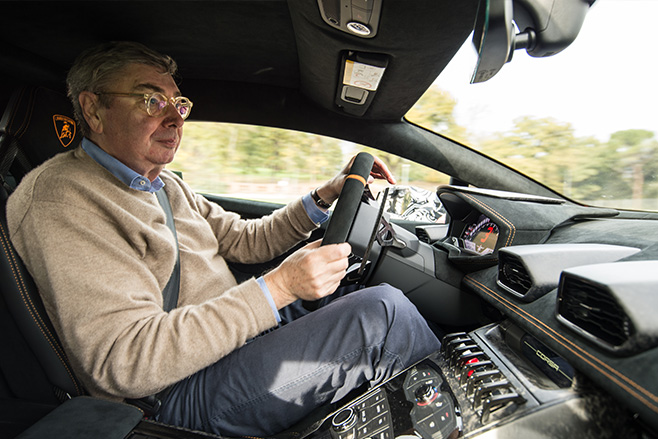
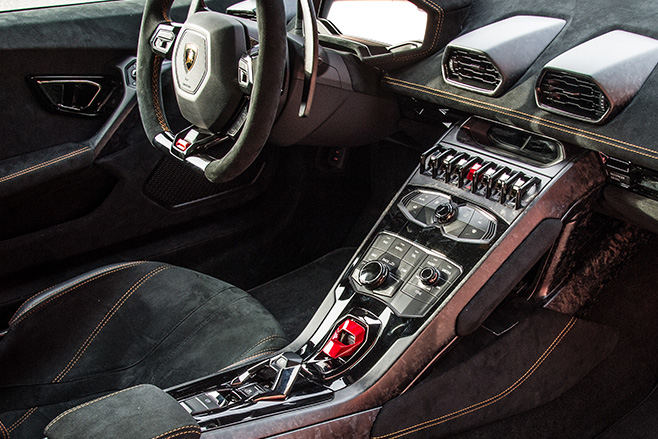
But who cares about comfort when you’re on a racetrack? However, it is the perfect place to test the buffer zone between the physical and newfound aerodynamic grip. Perhaps the other significant dynamic alteration is the reprogrammed steering. The effort is now slightly higher in Strada, the ratio quickens in Sport, and there is no longer any variation at all in Corsa, exactly the way Porsche does it.
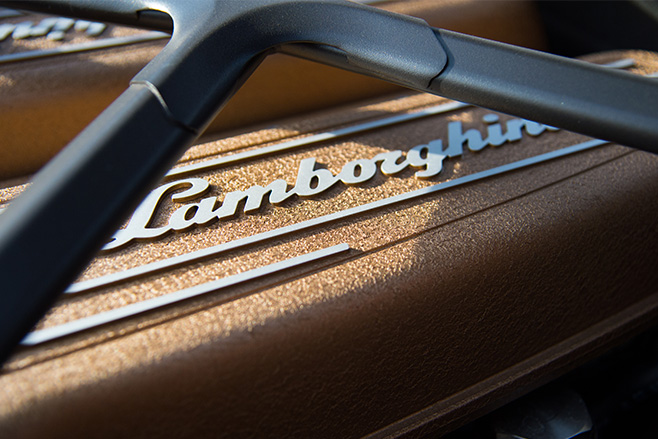
With the new aerodynamic tech it would be easy to overlook the Huracan’s uprated engine, but it’s impossible to ignore the vicious bark generated by the 5.2-litre naturally aspirated V10. It sounds rawer and meaner thanks to the lightweight, free-flow exhaust, the high-set tips now exiting directly out the rear of the Performante.
By 1pm we’ve completed two full Grands Prix distances and the evidence is clear to see. The fuel tank is nearly empty, the air is full of brake dust and the tyres are spent, rubber marbles splattering the front and windscreen. But there is still time for one more session before the track closes for lunch and the Performante is like a drug – you’re unable to say no to one more hit.
The final 20 minutes on track are intoxication, stimulation and exhilaration combined. This car is so good it could easily cope with an extra 30 or 40 kilowatts, and why not add rear-wheel steering similar to the system which debuts in the Aventador S?
In more ways than one, the Performante is kind of a poor man’s Bugatti Chiron. It is amazingly stable under hard braking, it controls its body movements and it sticks to a line like glue. It’s a remarkable sports car which pushes the envelope much further than its nondescript model designation suggests. It’s a pain to get in and an embarrassment to get out of, but what happens between these two procedures is dazzling, physical and addictive.
The Performante may have to give best to the likes of the upcoming Ferrari 488 Speciale and Porsche 911 GT2 RS in terms of raw figures, but it is bound to hound its rivals in reality thanks to the game-changing adaptive aerodynamics. This truly is a Huracan on steroids.
Like: Formidable pace; handling; aero tech Dislike: Hard to get in and out of; race-car ride
Specs Body: 2-door, 2-seat coupe Drive: all-wheel Engine: 5204cc V10, DOHC, 40v Bore/stroke: 84.5 x 92.8mm Compression: TBC Power: 480kW @ 6500rpm Torque: 630Nm @ 1700-5000rpm Power/weight: 347kW/tonne Transmission: 7-speed dual-clutch Weight: 1382kg Suspension (F): A-arms, coil springs, adaptive dampers, anti-roll bar Suspension (R): A-arms, coil springs, adaptive dampers, anti-roll bar L/W/H: 4459/1924/1165mm(tbc) Wheelbase: 2620mm Tracks: 1668/1620mm (f/r) Steering: electrically-assisted rack-and-pinion Brakes (F): 380mm ventilated discs, 6-piston calipers Brakes (R): 290mm ventilated discs, 4-piston calipers Wheels: 20.0 x 8.5-inch (f); 20 x 11.0-inch (r) Tyre sizes: 245/30 ZR20 (f); 305/30 ZR20 (r) | Tyre: Pirelli P Zero Corsa Price as tested: $500,000 (estimated)
There’s driveway clean, or ninety bucks and a cappuccino clean. But above all other classes of car washing, there is quarantine clean. And that’s where we meet Craig Scott, the Gerni guru of Sydney’s ANJ Container Services.
First published in the September 2013 issue of Wheels magazine, Australia’s most experienced and most trusted car magazine since 1953.
All vehicles being imported to Australia – used or new – must pass DAFF (Department of Agriculture, Fisheries and Forestry) inspection before being released. It’s about ensuring that vehicles are properly rid of soil, dung, plant matter or anything else that might bring asylum-seeking bugs or bacteria with it.
Craig, a self-confessed Commodore man, gives the deep douche to around 40 cars per month and about 15 items of heavy machinery, which often includes vintage aircraft parts. “There’s a lot of Japanese imports, like Nissan Skylines, Honda Civics, Nissan Elgrands … We do a lot of American cars as well, classic Mustangs, things like that. This week I’ve done three Chevy and GMC pick-ups.”
He works alone in a hoist-equipped, quarantine-approved wash bay. The car first goes up on the hoist and the underbody is jet-washed, with special care taken to get into chassis rails and dirt-trapping cavities. Afterwards he does the engine bay and boot. If there’s dirt or pet hair inside, he swings into action with a vacuum.
“Steam cleaning is just an expression. I use a Gerni that runs about 2700psi, and depending on how dirty it is, I’ll use cold or hot water. My system goes to 140 degrees C, which does tend to drip on you and burn a little bit. I use that to get grease and stuff off.”
No degreasers or chemicals are used, because the idea is to trap any nastiness in a collection pit. “There’s always a concern, especially if you think about something that comes from the UK, and it may be earthmoving equipment … there’s foot and mouth disease, for instance.”
A straightforward car job might take 20 minutes. Longest was an excavator from the UK: “It took me five days. It had 365kg of dirt in it – I had to weigh the dirt. The client had documentation to show Quarantine that he had paid to have it cleaned overseas, but it wasn’t. That happens every single day.”
There’s regular eye-candy, though: “We get Lamborghinis through here, Aston Martins, Ferraris, usually older-style ones … maybe once every six weeks you get cars like those. And we had the car from the movie The Green Hornet, and Ken Block’s little gymkhana Ford.
“It doesn’t matter how they come through, for whatever purpose – if they’re untidy, they need to be cleaned up.”
The job has unexpected hazards. “I was doing an aeroplane fuel cell, and I could hear something moving around. I reached in and got stabbed in the hand – I thought I’d been bitten. It was the skull of a Mongoose and I’d stabbed myself on its teeth. So you’ve got to think of rabies and things like that.”
It is generally a dirty job. “I put on a special suit, like a motorbike rider’s rain suit, I keep that zipped up to my neck.
What we need to do is confine the contamination to the wash bay. Ninety percent of the time you’re covered from head to toe in grease or dirt.”
Craig, a father of three, took on the job after a period of unemployment.
“The position was available, so I made the enquiry. I think as a father, as a husband, we need to take responsibility. It doesn’t matter what the job entails, if we have people to look after, if it means belittling ourselves, you take whatever’s available.
“It was probably the best decision I made at that time of my life. These are incredible blokes that I work with. It makes every day easier, you’re able to have a good time and enjoy the day’s work.
“I’m very careful with other people’s property. I take it very seriously and I love what I do.”
Aston Martin’s ‘second century plan’ has just brought us the DB11, but it still has other cars for sale.
You know what we used to say; sometimes they look a bit alike and do alike. Of them all, though, spare the biggest thought for the Vanquish, whose patch the DB11 encroached on most as that car replaced the DB9. The Vanquish was Aston’s most powerful series production model and flagship super GT, and it needs to stay on sale – and stay selling – until its replacement arrives in 2019.
Some at Aston feel it wasn’t totally on-message for the segment anyway. “It was more GT than super GT,” says Aston. One problem is that the Vanquish’s non-Aston rivals include the Ferrari F12, which is rather loud, rather urgent and rather 545kW. Basically, big shoes to replicate. So Aston has looked to inject a bit more ‘super’ into the Vanquish’s GT mix.

I say tweaks, but even the smallest changes are rather in-depth. Front and rear springs are both 10 percent stiffer and rear roll stiffness is up by three per cent. Additionally, the dampers have been retuned so that while the primary ride (body control) is much improved, the secondary ride (over small imperfections) doesn’t take a hit.

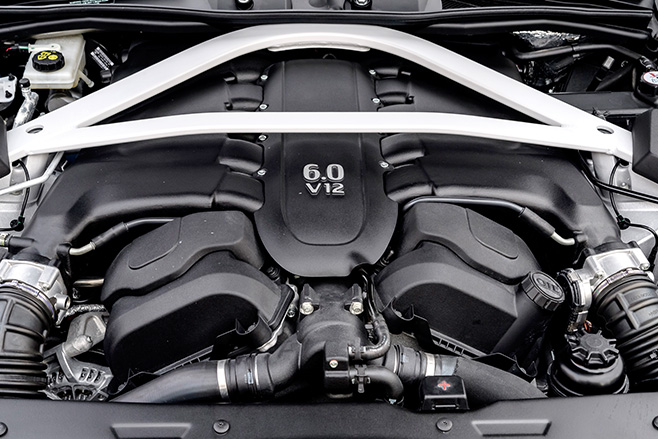
I haven’t driven a Vanquish for a while, but I can tell there’s more noise on start-up. More all the time, in fact, from the 5.9-litre V12. The note is a bit more howly and hollow, but it never gets too tiring. I rather like it at a subtle 3000rpm upshift or downshift – actually all the revs you need on the road most of the time.
The eight-speed auto is the same as before, but there’s a new, firmer coupling between the engine and the propshaft (the gearbox is at the back), which makes gear shifts feel much more urgent, positive and quicker.
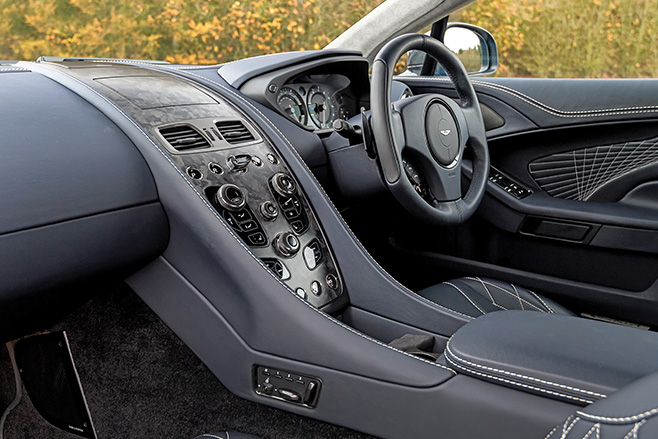
The chassis changes? Subtle, but real. The ride is composed and controlled, a little fidgety on pitted motorways and thumpy across cat’s eyes, but not quite to the extent that you’d end up complaining about it excessively. There’s a DB11 if you do. The steering is lovely, albeit delivered via a heavily squared ‘wheel’. Once you’ve decided which one of its many sides to hold, the feel is great and it transmits messages about what turns out to be a lovely handling balance.

Whereupon you find the Aston Martin Vanquish S has the ideal balance of the best recent Astons: settle the nose, enjoy the steering as you turn and feel the chassis come alive as you squeeze the throttle on the exit.
4.0 out of 5 stars
Like: Effortless grunt; handling, balance Dislike: Getting long in the tooth; odd-shaped steering wheel
Specs Engine: 5935cc V12, DOHC, 48v Power: 444kW @ 7000rpm Torque: 630Nm @ 5500rpm Weight: 1739kg 0-100km/h: 3.5sec Price: $500,000 (est)
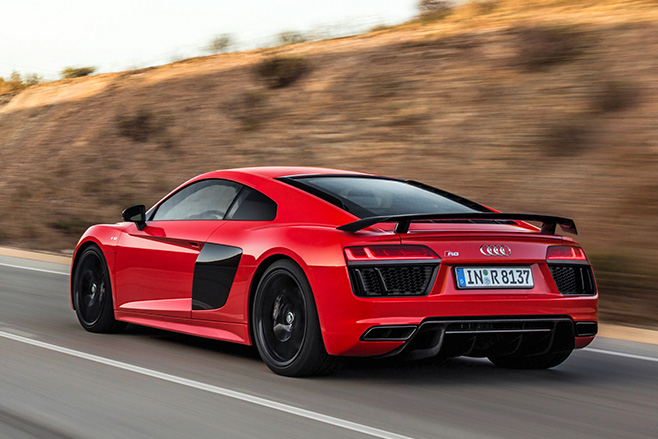
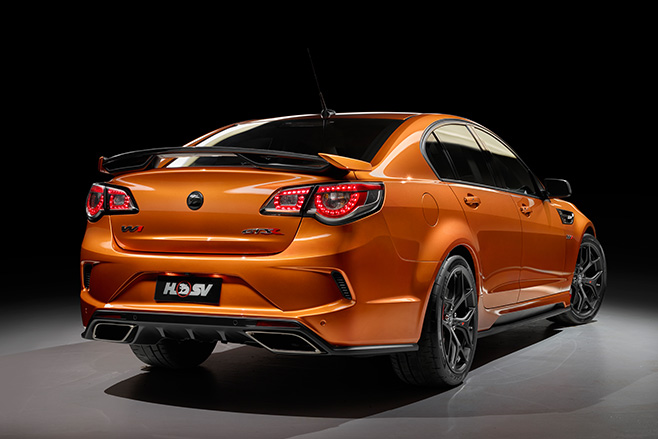
Power is addictive. And a budget of $150K yields a wide selection of ways to feed the habit.
You can score a HSV GTS with 430kW and $50K worth of change. Or, for less of a discount, Lexus’s RC F offers 351kW of high-tech atmo grunt.
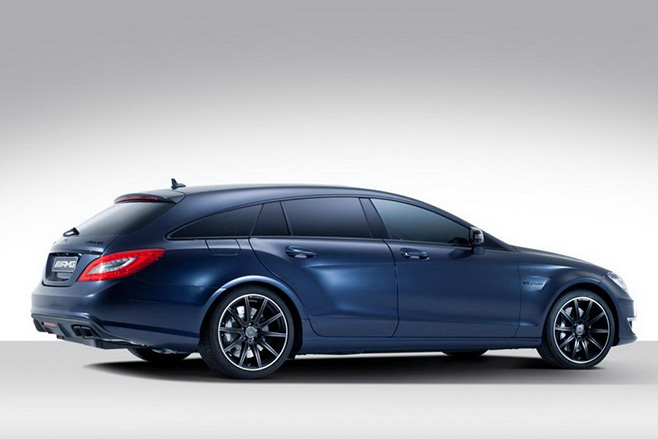
However, if you prefer power in a more sophisticated package you should turn to Germany. Your mates at the pub might scoff at the smaller, turbocharged engines the big three are bolting together, but they won’t be so smug after hearing the sort of numbers these engines make.

By all accounts, the new twin-turbo unit matches the old 6.2-litre atmo V8 in all facets. You’ll need to creep above our $150K budget to have one in the sleek coupe, which isn’t the prettiest body style around. Although as with most things, there’s an alternative to that in the classifieds.
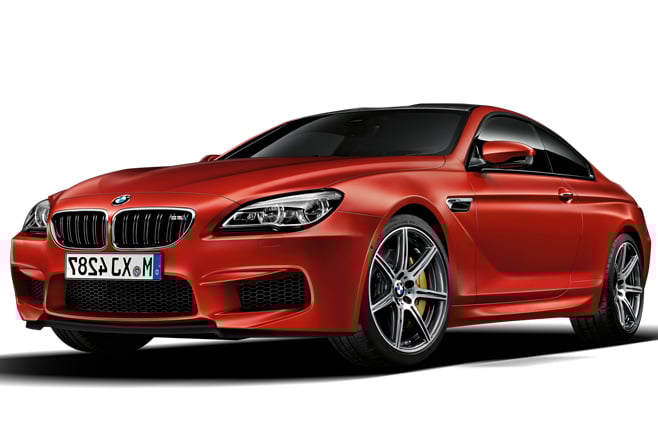
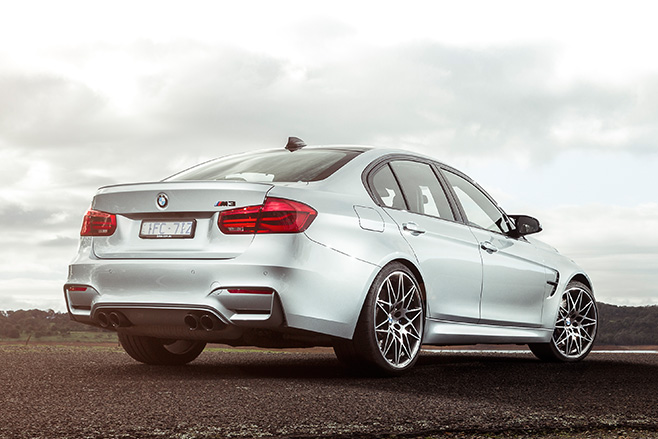
The chassis isn’t as agile as the Merc’s, and with older M6s exiting their warranty periods about now, make sure you ask for a full and detailed logbook. However, the upside is that modifications are now kosher. We’d opt for a proper exhaust, too, because like we said, power’s addictive.
| SPECS | MERCEDES-BENZ C63 S COUPE | 2013 BMW M6 |
| Engine | 3982cc V8, DOHC, 32v, twin-turbo | 4395cc V8, DOHC, 32v, twin-turbo |
| Power | 375kW @ 6250rpm | 412kW @ 7000rpm |
| Torque | 700Nm @ 1750rpm | 680Nm @ 1500rpm |
| Weight | 1800kg | 1850kg |
| 0-100km/h | 3.9sec (claimed) | 4.2sec (claimed) |
| Price | $162,400u00a0 | $292,145 (new |
Here’s one we found on Trade Unique Cars
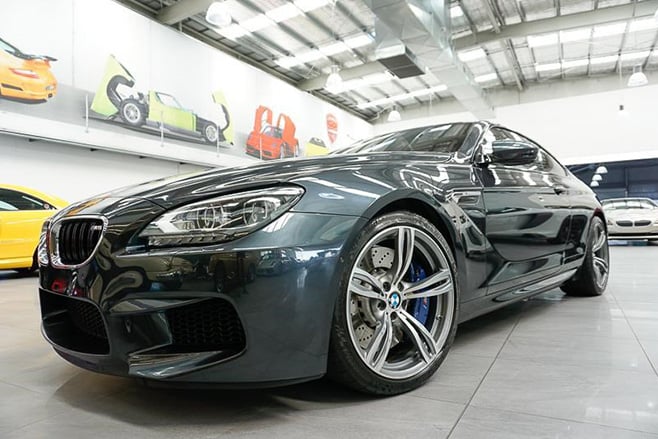
2013 BMW M6
$139,980, 31,991km, Competition Pack
THERE’S a BMW M6 in Singapore Grey at Lorbek Luxury Cars in Melbourne. Said to be fully optioned, it’s also been factory upgraded to 423kW and fitted with sports suspension and an exhaust system.
YELLOW? For Maranello’s most outrageous motoring toy – the new super-supercar I’m at Fiorano to drive – to be yellow, seems almost bogus, a sin. Everybody knows Ferraris are red, and that’s the way the vast majority of the 349 limited-production-run Enzos have been ordered. Obviously Enzos also come in yellow. And black, if Ferrari president Luca di Montezemolo approves the single black car I spotted in the eight-station assembly process.
First published in the September 2002 edition of Wheels, Australia’s best car mag since 1953.
Dario Benuzzi, Ferrari’s famous rubber-burning test driver, couldn’t care less about colours. Benuzzi is keen to demonstrate the brakes. It’s the first thing he talks about. Not the performance or the aerodynamics – other areas where the Enzo leaps into the future – but only the car’s carbon-fibre Brembos. They are, he says enthusiastically, the best road-car brakes he’s experienced – up there with Ferrari’s F1 cars in terms of fade resistance and, if you accept the Enzo’s extra weight, sheer stopping power.
Yes, he would say that, wouldn’t he. However, having witnessed Benuzzi’s intimate involvement in Ferrari/Brembo’s brake-test program, stopping time and again from 320km/h to zero in a hard-worked mule on the runway of an Italian NATO airbase, I accept his judgement. I know what to expect from the brakes, but I also want to hear for myself if Ferrari has solved the noise problems, one serious flaw (others, like cold stopping, are long since solved) that has, until now, prevented carbon-fibre brakes appearing on production cars.
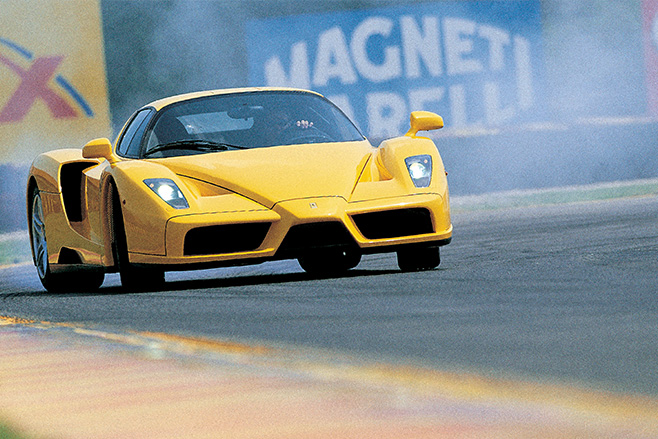
Gazing at the car, it’s clear that in Pininfarina’s sculptural shape, aerodynamics and getting air into and out of its vitals take precedence over aesthetics. Nothing, though, stops the Enzo making a huge statement. Even when it’s static. In virtually every area, this spiritual successor to the 288 GTO, F40, and F50 steps outside Ferrari’s existing order. The Enzo pushes road-car-technology barriers and incorporates enough Formula One philosophy to go way beyond being a celebration of Ferrari’s three consecutive world championship constructors’ titles (probably four by the time you read this). Luca di Montezemolo, Ferrari president, says, “I wanted to go a little bit too far in every element to build a super-extreme car. I wanted to go too far; it’s easy to come back.”
The doors, hinged at the roof and waistline, open up and forward and include a section of roof. You step in feet first and slide down into the racing bucket. Easy; natural. I later learn that lifting yourself out isn’t nearly as simple or elegant. No wasted space here – the narrow cockpit is well inboard of the outer body – but the thin Sparco racing bucket is surprisingly comfortable and a reassuringly tight fit, even before the four-point seatbelt is clicked home.
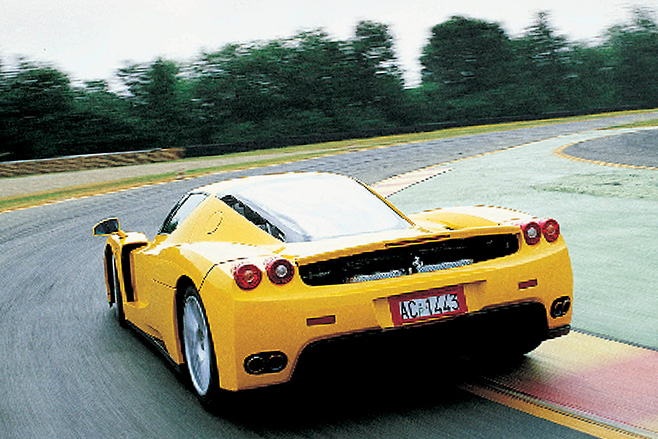
Under the staggering deceleration, my eyes water, body straining against the four-point belts. It’s as if some secondary magnetic force is slowing the Ferrari, dragging it into the track surface, reducing speed to a walking pace well before the apex. Hard on the power now, Benuzzi powers through the right-hander, effortlessly holding the Enzo in gentle oversteer, while simultaneously changing up as the Ferrari blasts forward, never losing its poise, even as it snaps to a higher gear.
Whenever he’s off the brakes, Dario buries his right foot to the floor. Only through Fiorano’s two sweepers ishe required to back off and balance the car on the throttle. Ferrari’s other road cars are flat here. The Enzo, all 485kW meeting the blacktop, ASR intervention eliminated, demands commitment and skill as the rear wheels attempt to break loose. The Enzo, he claims as we slow down, is a monstrous 4.5-5.0 seconds a lap quicker at Fiorano than the F50. The shattered lap times are a combination of three factors: those awesome brakes, vastly superior power-to-weight ratio (355kW/tonne versus F50’s 211kW/tonne), and the level of downforce. Three-lap demonstration over, motion sickness induced in his passenger, Benuzzi proudly tells me the discs are 40,000 test kilometres old, and have been through a series of 320km/h-to-zero tests.
Clearly these are no ordinary brakes. Until May, Ferrari wasn’t sure if Brembo could solve the cold-performance problems of its new 380mm Carbon-Ceramic Material (CCM) system, and insisted on a parallel development program for conventional discs. Now, convinced of the CCM brakes, Ferrari boasts a significant 12.5kg weight saving and consistent stopping, regardless.
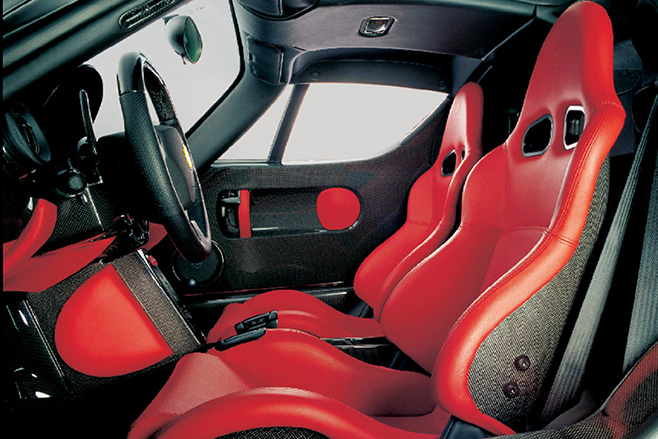
In imitation of Schumacher’s Sunday car, many of the controls have moved to the steering wheel, while a row of warning lights built into the upper section flash in 500rpm segments beyond 5500rpm. Hit the red start button, foot on the alloy brake, and the starter motor comes alive, spinning the V12 into a whoop before it settles to a busy idle.
You shift gears F1-style by steering-column-mounted paddles, but, unlike the 360/575M, there’s no auto mode. Squeeze the accelerator and the Enzo slides smoothly away, no awkward clutch take-up, no hesitation. I’m in learning mode, short shifting to second and third, conscious of the engine’s remarkable flexibility, aware that, in contrast to the F50, this is one supercar you can bumble along. The power steering is quick (just 2.2 turns) and fluid, the car responding instantly, so that it always feels wieldy, yet without any nervousness at 200km/h. Immediately, the Ferrari Enzo feels easy to drive and far from intimidating, even as I begin to tap into the lower boundaries of its mighty power band. Within a lap, I’m hitting 240km/h on the straight and using all the brakes’ power. They rumble at every stop, so there’s no getting away from the fact that the brakes are noisy. Still, the pedal action is progressive and firm, without being excessively heavy, even in a brutal stop.
The Enzo delivers sound on demand. On a light throttle, the engine is a distant rumble. Push, and the computer knows by throttle position/revs/speed sensors when to open the exhaust by-pass valves, kicking off a deep, smooth, goose-bump-inducing howl. You take the circa-3.5secs to 100km/h for granted, the Enzo passing from leisurely to 250km/h seemingly without going through any intermediate stage. At any revs, at any speed, the Enzo’s tacho needle spins quickly, climbing rapidly through an arc, as the engine fires the car forward. The performance is amazingly accessible; the Enzo is far more effective at low revs than the F50.
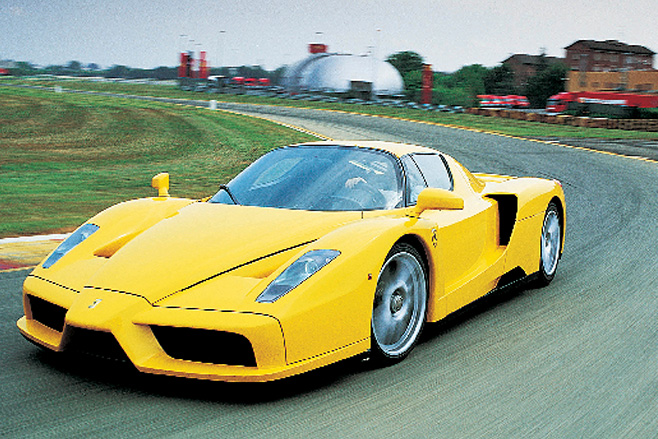
To keep control in the real world, world champ Michael Schumacher insisted Ferrari lower the threshold of the ASR intervention in its default mode. You understand why when the Enzo is capable of lighting up the rear tyres on a dry road in any of the first three gears, if the ASR is off. You don’t have to ask about wet-road adhesion. You raise the level at which it intrudes in Race mode – to permit throttle adjustability – but Ferrari recommends you only turn off ASR for track work. In tight corners the Enzo understeers moderately, the engine shutting down quickly if you get ambitious in the default setting. Boost speeds to above 130km/h and increasingly you feel the downforce working, the handling balance changing to whatever the driver’s right foot demands, provided you operate in Race-mode. Driving, then, is about control and power, and achieving a balance between the two. The pushrod double-wishbone front and rear suspension works with continuously variable dampers to maximise body control and comfort as required, and though Fiorano is no place to judge ride comfort and refinement, the Enzo never feels harsh or excessively taut.
It should be clear the Enzo requires a massive upward adjustment of expectations. No surprise that even at its elevated price, all 349 Enzos are sold. You could argue that the Enzo is an automotive toy for wealthy collectors, rather than a dynamic wonder. But that ignores the new Ferrari’s accessibility and real virtues that advance it beyond McLaren’s F1. If the F40 was brutally fast and yet practical, and the F50 a minimalist Barchetta, its performance and usability compromised by its direct F1 links, the Enzo combines their virtues and truly elevates the supercar to a new level. Even in yellow.
Enzo fast facts
There’s more to a new Ferrari than red paint
1. Before formal Enzo development began, Ferrari organised casual lunches at Cavallino between the F1 and road car engineers to exchange ideas — Ross Brawn (F1 technical director) and Rory Byrne (F1 chief designer) included.
2. Because the project started without a name, somebody decided the usual F should be joined with X … because, in mathematics, X is something you don’t know.
3. Giuseppe Petrotta, FX project leader, is ex-Osella, ex-Alfa F1, and spent 1990/91 working with Ferrari’s F1 team before moving to road-car-suspension development.
4. At 350km/h, with sixth gear giving 44km/h per 1000rpm, the Enzo is pulling just under 8000rpm, 200rpm beyond maximum power.
5. Safety, emissions, and homologation requirements contributed at least 150kg to the Enzo’s 1365kg overall weight — 65kg over the original target.
6. Two parallel brake programs for the Enzo compared conventional steel brakes and Brembo’s new Carbon-Ceramic Material (CCM) system, before a May decision in favour of CCM.
7. Ferrari’s claimed 19.6secs time for the standing kilometre exactly matches the time independently recorded by the McLaren F1.
8. Two alloy fuel tanks, totalling 110 litres and served by one filler, are housed in a well between cabin and engine firewall.
9. The Sparco leather-trimmed carbonfibre racing bucket weighs 12.4kg. Ferrari claims it’s the lightest homologated seat in a production car.
10. Stefano Carmassi, Ferrari’s aero guru says, “It’s easy to build a car capable of 300km/h. We wanted a car whose character allows a useable 300km/h.”
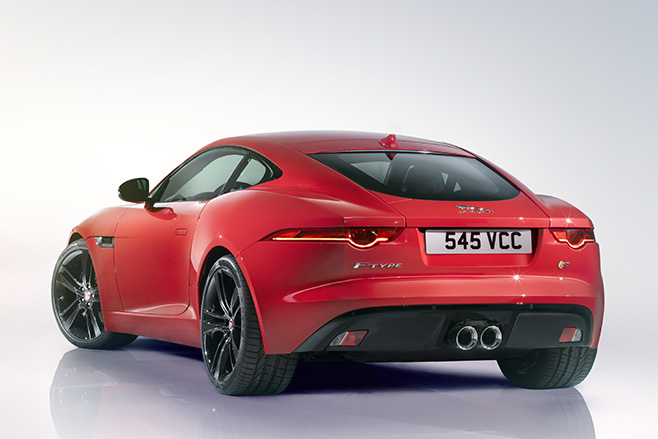
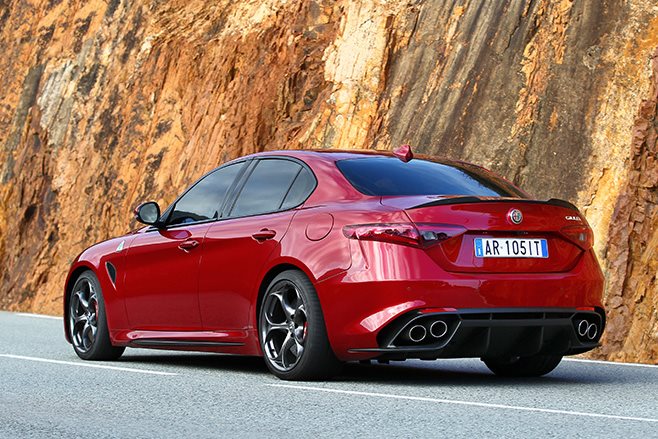
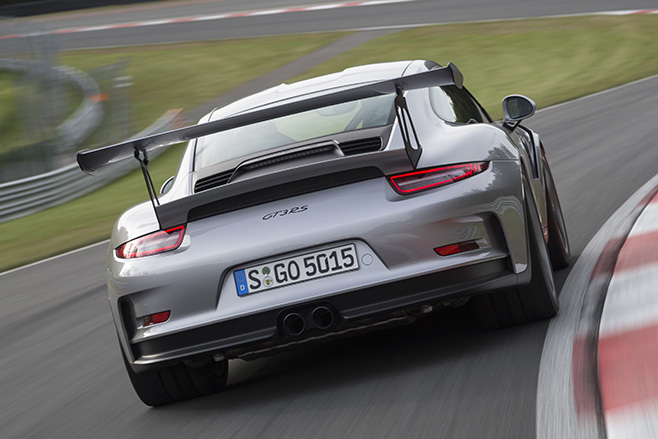
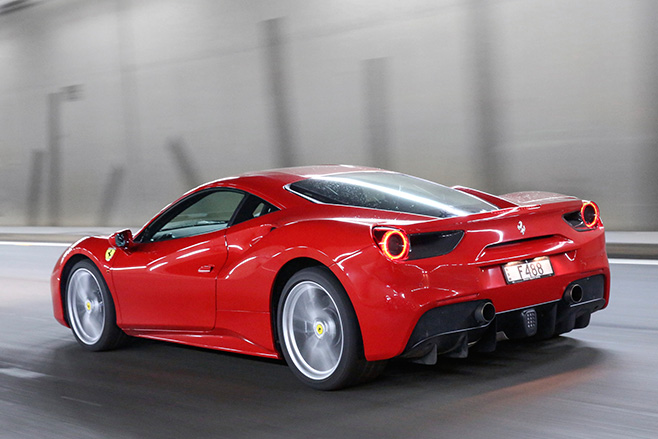
You’ll completely miss the green light sitting behind one of these.
Ferrari turns the ripe old age of 70 this year.
To celebrate the occasion, the most famous of all car makers has released 70 liveries which will be applied just once to each model in the current range: California T, 488 GTB and Spider, GTC4 Lusso and F12 Berlinetta.
There are no mechanical modifications, with each car identified by its unique paintwork, 70th Anniversary logo and ID plate with the name of the model that inspired it. Nonetheless, in the current collector car market, no doubt Ferrari aficionados will be clambering over one another in an effort to secure these models.
Below you’ll find the 10 liveries inspired by Ferrari models from 1957-1961. Let us know your favourite in the comments below.
21. 1957 Ferrari 500 TRC Scaglietti Spider
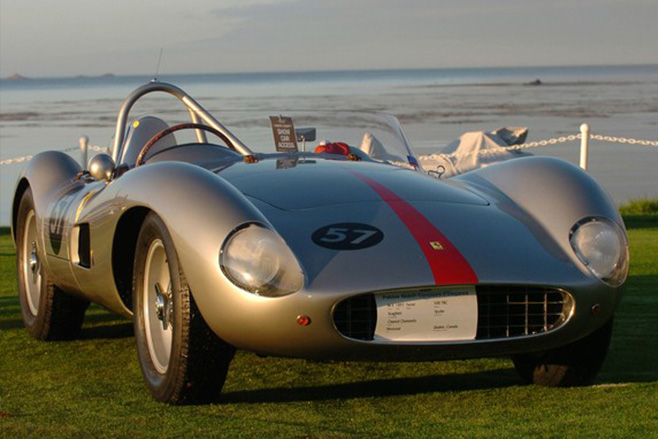

22. 1957 Ferrari 250 Testa Rossa Spider Scaglietti
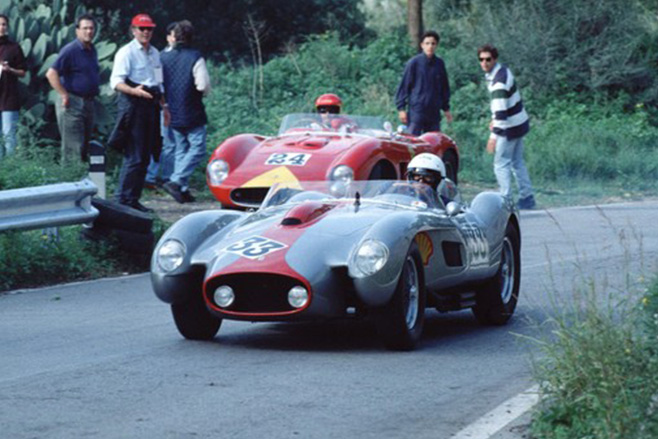
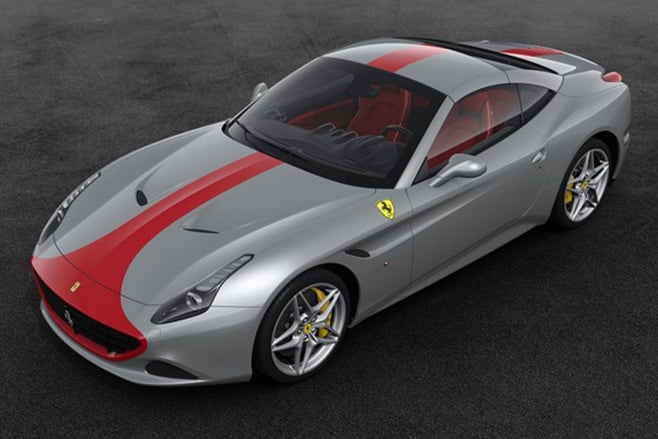
23. 1957 Ferrari 250 Testa Rossa
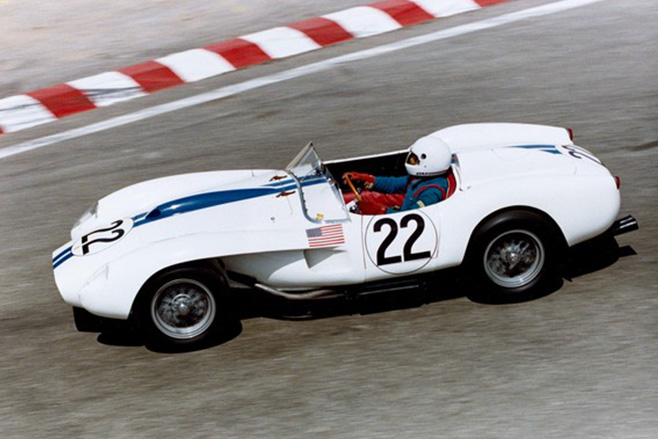

24. 1957 Ferrari 250 California Scaglietti Spider LWB


25. 1958 Ferrari 250 GT Berlinetta

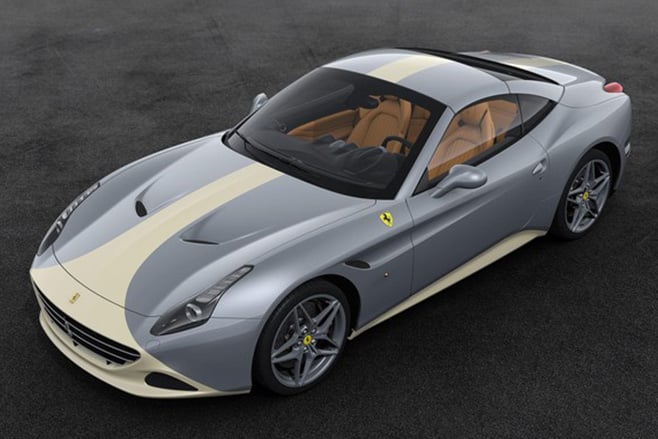
26. 1959 Ferrari 250 GT Coupe Pininfarina

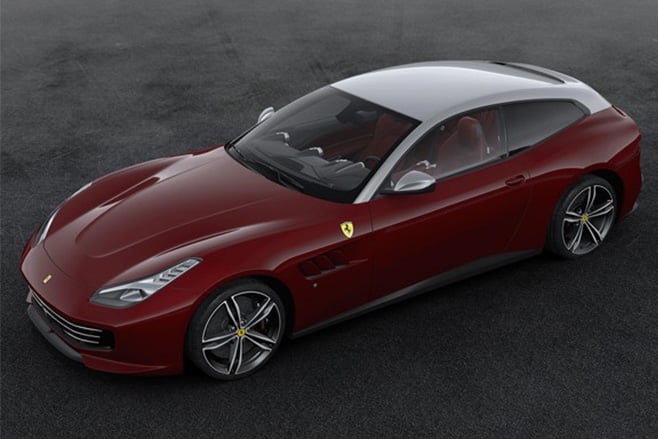
27. 1960 Ferrari 250 GT Berlinetta Passo Corto
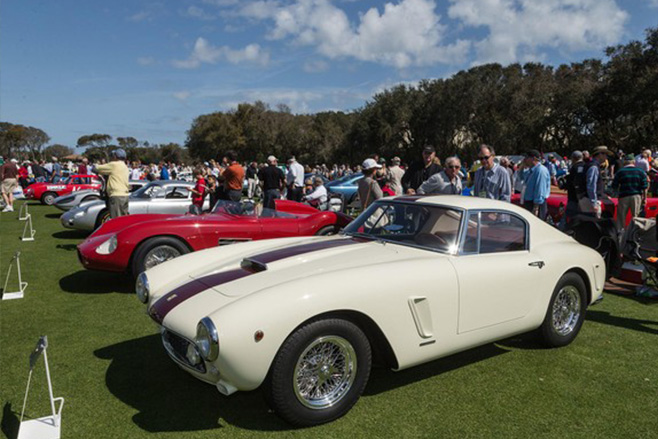
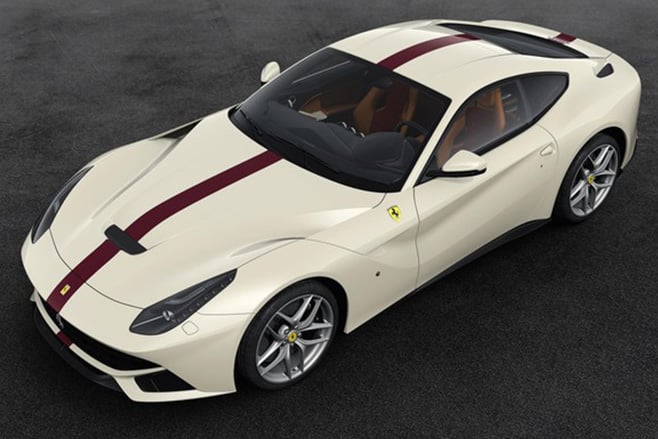
28. 1960 Ferrari 250 GT Berlinetta Passo Corto
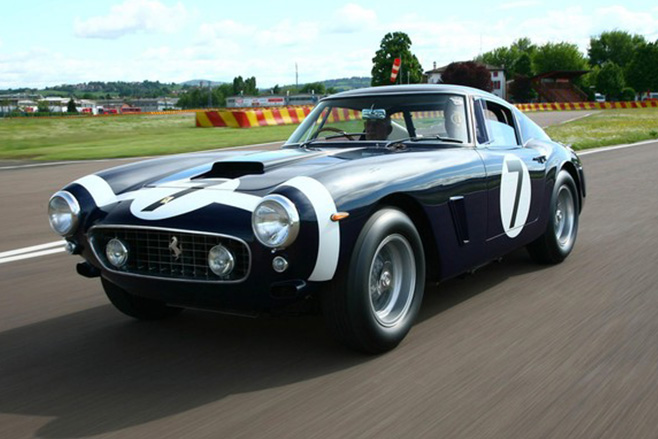
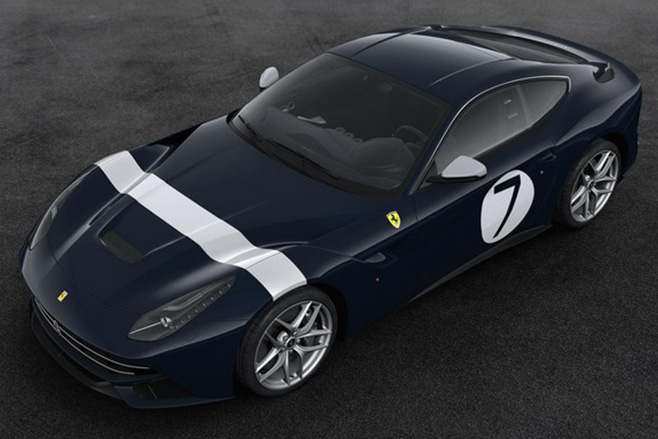
29. 1961 Ferrari 250 GT Berlinetta SWB Competizione
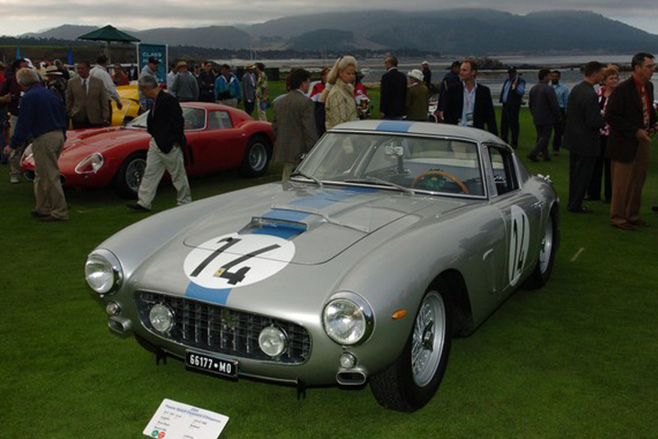
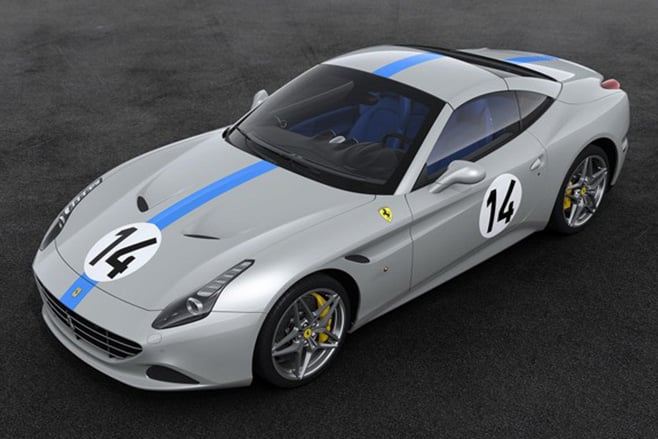
30. 1961 250 GT BERLINETTA SWB
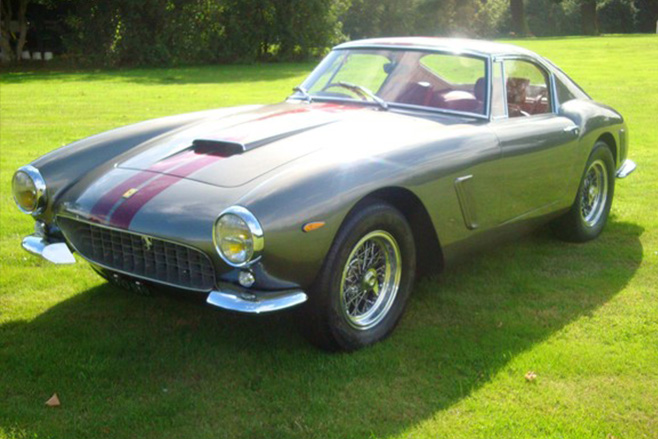
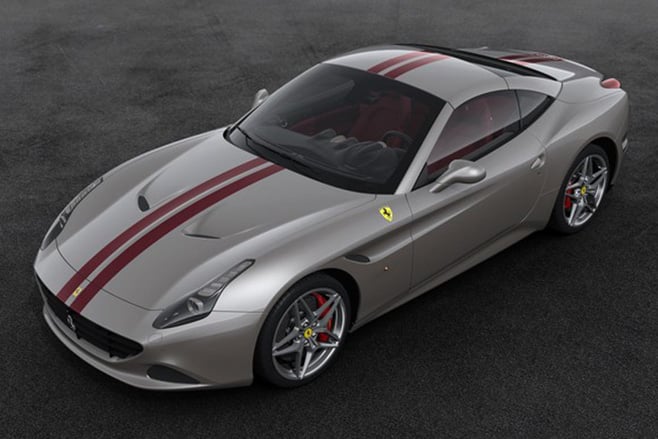
View more 70th Anniversary limited edition liveries inspired by past Ferrari models.
WHAT IS IT?
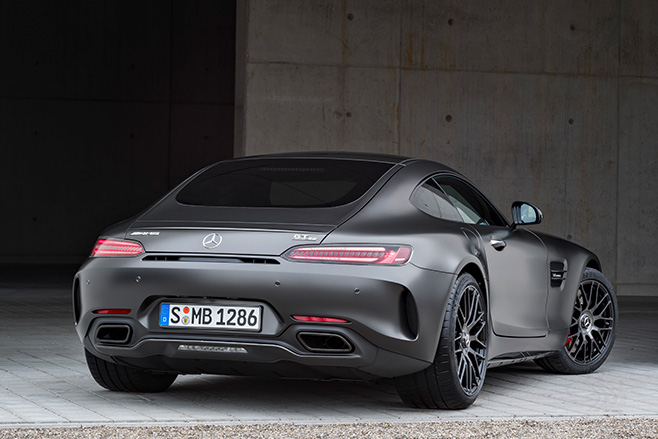
HERE’S the latest in a long line of Mercedes-Benz C-Class-based coupes, banishing dumpy sedan-like lines, for a silhouette that is slinky and striking enough to star in any rapper music video.
Yet, despite all the new-found bling, Mercedes reckons this is also one of the sportiest in its class, and is more than ready to take on the popular BMW 4 Series Coupe, as well as the Audi A5, Lexus RC, and Infiniti Q60.
That’s a big call. Let’s see if this high-spec C300 Coupe can cut the mustard.
ON PAPER
Right now there are four C-Class Coupe models available in Australia. The cheapest is the C200 Coupe, kicking off from $65,900.
It’s powered by a 2.0-litre four-cylinder direct-injected turbo petrol engine, pumping out 135kW of and 300Nm of torque to the rear wheels via a seven-speed dual-clutch auto transmission.
If that sounds a bit humdrum, consider that it can propel the C200 to 100 kays in 7.3 seconds, yet still average 6L/100km.
But if that’s not enough, there’s the car we’re driving – the C300 Coupe from $83,400. Using a tuned version of the same 2.0-litre engine making 180kW and 370Nm, it slices 1.3 seconds off the sprint time to 100.
And if that’s still not fast enough, there’s always the AMG 63 S Coupe, with a 4.0-litre bi-turbo V8 stuffed beneath that sleek bonnet.
Smashing out 375kW and 700Nm, it only needs 3.9s to streak past 100km/h. Look out BMW M4!! But at $162,400, that’s almost $100K more than the base C200.
Oh, and if economy’s your thing, there’s always the C250d Coupe, using a 150kW/500Nm 2.1-litre four-pot turbo-diesel and a nine-speed 9G-Tronic dual-clutch transmission. And it’s not even slow either, at 6.7s to 100…
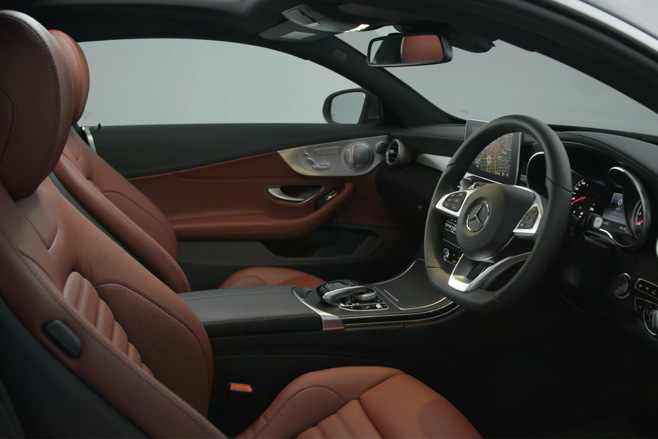
Style is everything with this latest C-Class Coupe. The previous one, released in 2011, was great to drive but looked a bit awkward proportionally. This time around, Mercedes stretched the wheelbase and widened the tracks, to give it a far more attractive appearance.
And isn’t this the main reason why people buy coupes? Better still, the C-Class Coupe’s newfound length and girth helps in two more very important ways – extra interior space, and more dynamic pace.
PLUS AND MINUS:
PACKAGING (+) Lots of space Great seats Ambience Technology – Semi Autonomous Foot-operated boot release
(–) Roofline reduces rear head room Fiddly controller Confusing multimedia A tad claustrophobic back seat
DYNAMICS (+) Strong performance Beautifully weighted steering Excellent handling, really chuckable Commanding control
(–) 4-pot turbo doesn’t sound premium – a bit raucous at revs Sluggish in Comfort, jerky in Sport DCT hesitation annoying Ride is never settled – too roly in Comfort, too firm in Sport
VERDICT
The new C-Class Coupe rights the wrongs of the previous model with towering effectiveness, and should be a devastating blow to Audi and BMW.
It really does look like an S-Class Coupe – and that starts at $330K!
But in the rapid and dynamic C300 Coupe as tested here, the engine just doesn’t sound refined enough, it can feel jerky at low speeds, and the ride is too busy for something that is meant to be a classy GT.
Actually, the same can be said about all of the Mercedes competitors right now anyway, so you may as well look good putting up with that stuff!
