
FRENCH carmaker PSA and Chinese rival Geely will go head-to-head in a bidding war over Malaysian carmaker and Lotus owner Proton as both suitors look to expand their sales in south-east Asia.
The bid comes at a vital time for Proton as it struggles to meet tightening emissions standards for the engines it uses in its cars. Despite remaining on sale in Australia, the brand has not imported any new cars here since more strict petrol engine emissions standards were introduced in November 2016.
The Financial Times reported today that both groups are about to offer rivalling bids to Proton’s financially strapped parent company, DRB-Hicom. It is not clear, though, whether sports car brand Lotus is part of the deals being struck.
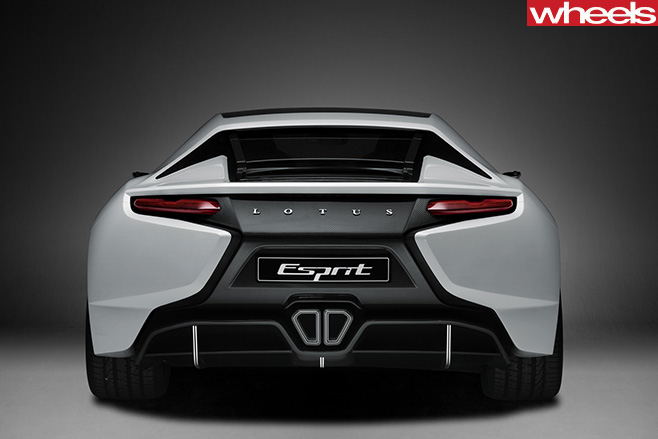
DRB-Hicom has hinted that a decision on a “foreign strategic partner” will be announced before the end of March.
Proton was founded in 1983, initially building Mitsubishi-based cars under licence. It now builds and exports a number of models globally.
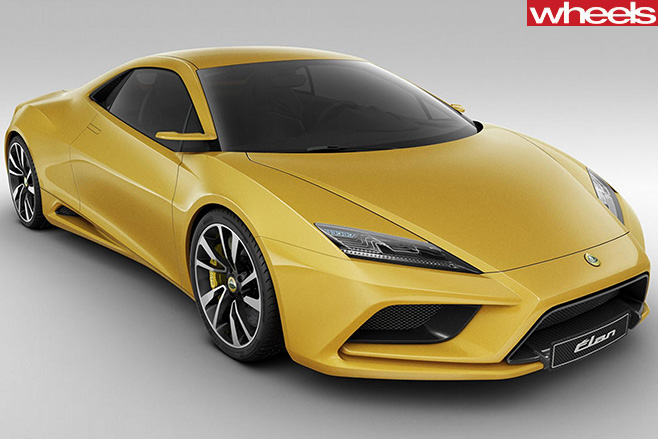
Proton has said it will have engines that meet tougher Euro 5 emissions standard by late this year – a move necessary to kickstart its sales in Australia. The interest both PSA and Geely are showing suggests the Malaysian carmaker is shopping around for a source of engines instead of tapping its own bank accounts to fund the project.
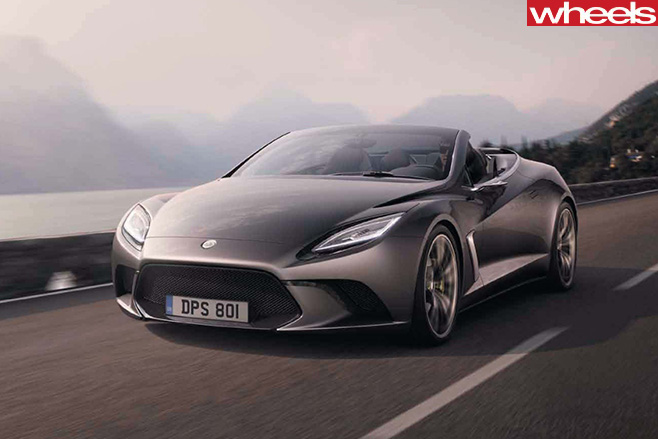
Proton bought Lotus for more than $A80 million in 1996. In 2013, the Malaysian carmaker said it wanted to run at near-full capacity and produce 500,000 cars across both brands by 2018, a target it has missed spectacularly – production hit 150,000 units in 2016.
Both Proton and Lotus posted losses in 2016.
IT’S revamp time for the W205 Mercedes-Benz C-Class, which will receive a number of updates inspired both by its bigger siblings.
Wheels’ spy photographers captured the facelifted sedan testing in Europe, ahead of a release on that continent later this year before an expected early-2018 arrival here.
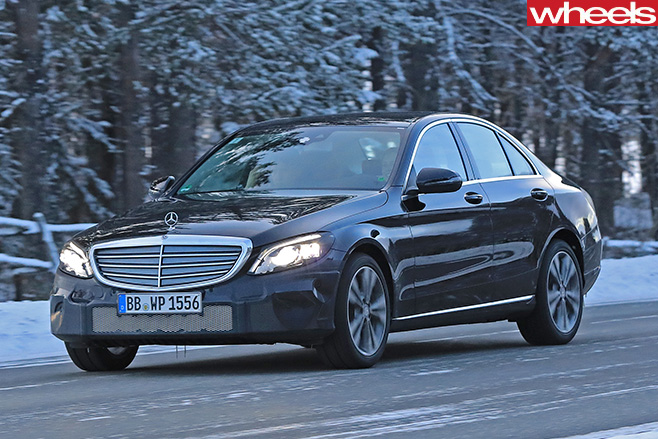
With minimal disguise, it’s easy to spot a new headlight set-up inspired by the single round LED projector lamp of the E-Class. The LED tail-lights indicate there will be a switch from a dual-C-shape design to single C shape.
Other exterior revisions will include new treatments for the front and rear bumpers.
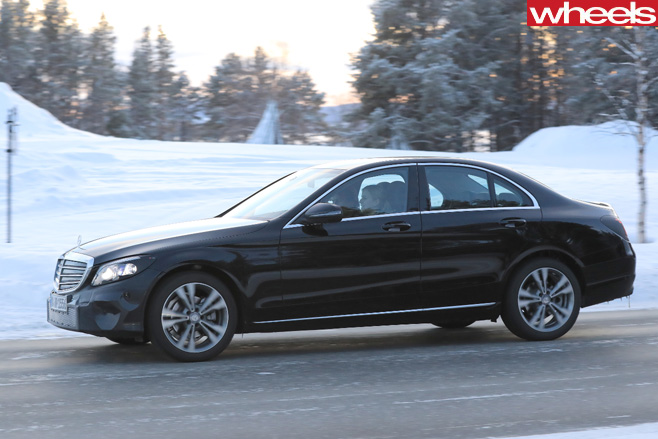
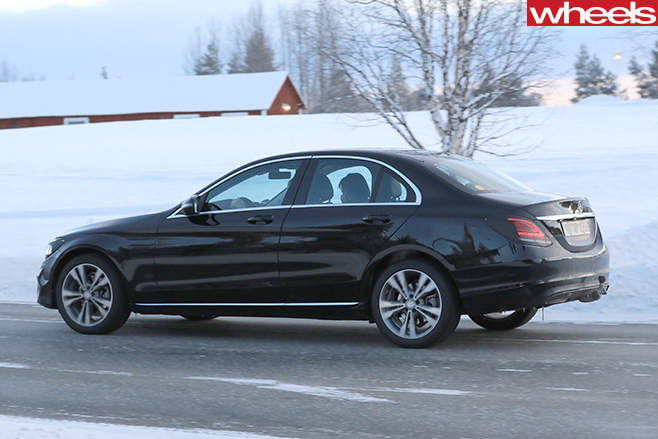
Most of the current C-Class engines are likely to carry over, though one change that would be a huge surprise if it weren’t to happen is the replacement of the 2.1-litre four-cylinder turbo diesel with Benz’s far more refined new 2.0-litre version that debuted in the E-Class.
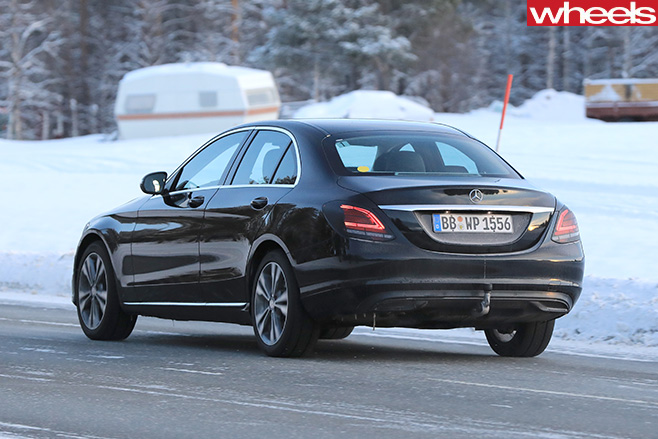
Sales of the C-Class sedan and wagon slipped 27 per cent in 2016, yet the Mercedes pair still out-sold every medium car in Australia except for the Toyota Camry.
The 2017 Formula One car reveals are some of the most highly anticipated in recent history, with new regulations meaning the cars will be lower, wider, and meaner. Big aero and big tyres is always a winner.
While Williams jumped the gun with a rendering of its 2017 challenger late last week, Sauber is the first team to reveal a car in the flesh, and you can colour us excited.
The new cars have certainly filled the brief, and are expected to be anywhere from 3-5 seconds a lap quicker – resulting in the Albert Park Grand Prix circuit investing in new, safer crash barrier for certain high-speed sections of track.
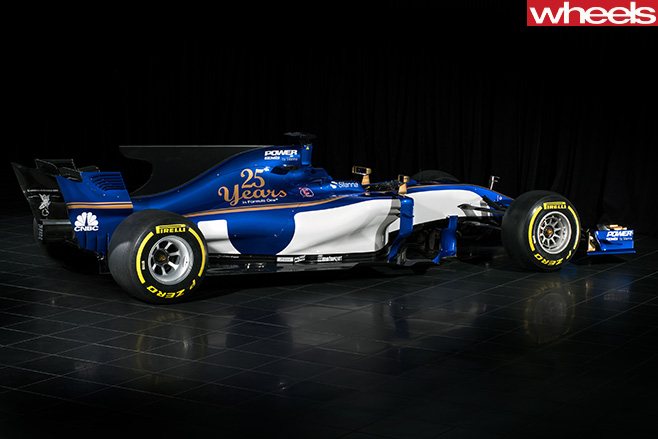
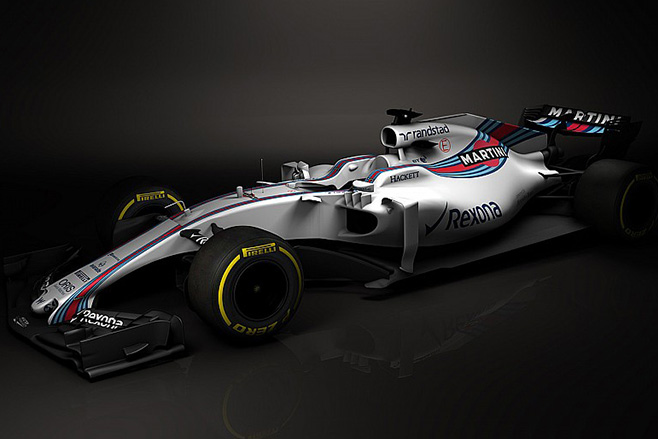
Last week, Williams F1 became the first grand prix team to give us all a peek at its new 2017 championship contender, the photos revealing how the new technical regulations have impacted the look of the Formula One cars this season.
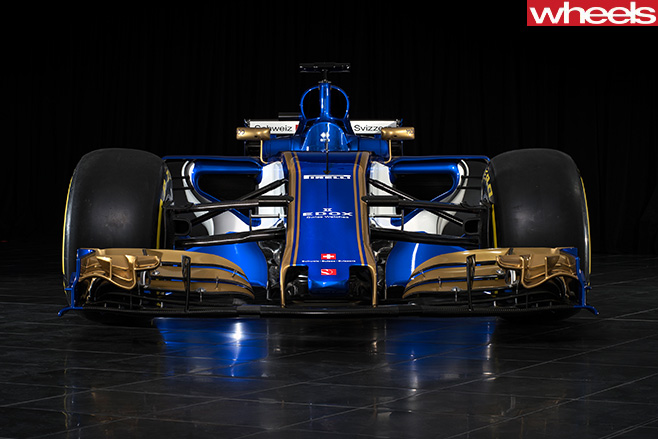
The Mercedes-powered FW40 – so named to emphasise and celebrate Williams’ 40th anniversary ‑ clearly illustrate the wider and lower characteristics of the new cars.
The most obvious difference this year is the reshaped rear wing not dissimilar to the one Ferrari bolted to its Pirelli test car for tyre testing.
Williams recently confirmed that at the wheel of the FW40 will be rookie Lance Stroll, and Felipe Massa, who looked set to retire but was given a reprieve when Valtteri Bottas was lured to Mercedes.
Williams will hope the new car and the driving strength of raw enthusiasm and wily experience will help lift the team back up the constructors’ table after the British outfit slipped from third in 2015’s standings to fifth place last season.

2017 Australian Grand Prix: Renault engine on par with Ferrari
Renault’s chief technical officer Bob Bell is the latest to give rise to hope that Renault-powered teams ‑ and this includes Daniel Ricciardo’s Red Bull Racing steed ‑ is on terms power-wise with Ferrari, and a little closer to Mercedes in 2017.
Certainly, Renault has lifted its game since the bad days of 2015 when it was a distant third in the power fight.
Last season Ricciardo indicated he thought Renault engines were about the equal of Ferrari, and now Bell has confirmed as much, adding the French V6 hybrids were also closer to Mercedes than ever.
Bell told Autosport that last year the Renault-powered Red Bulls took the fight to Mercedes on “many occasions”, indicating that Ricciardo and teammate Max Verstappen were not only beneficiaries of good chassis but also that the engines have progressed.
Bell praised his engineering team for not only upping the performance but also turning the Renault power unit into the most reliable on the grid last season.
Bell feels the Renault has taken another step forward over the (northern) winter but doesn’t really expect to challenge Mercedes until 2018.
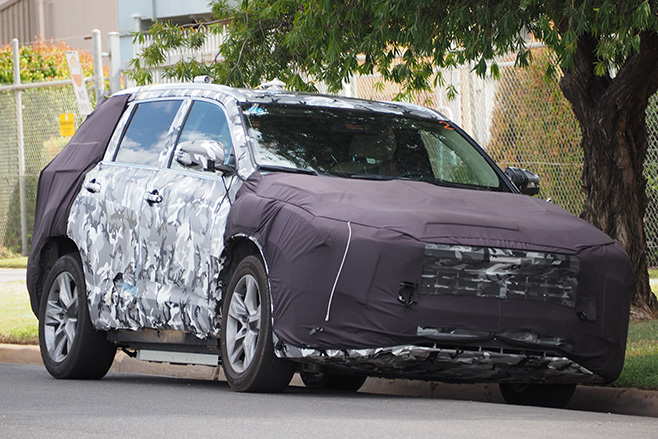
TOYOTA has been caught testing a big-nosed, fuel cell-powered version of its Kluger seven-seat SUV in Australia.
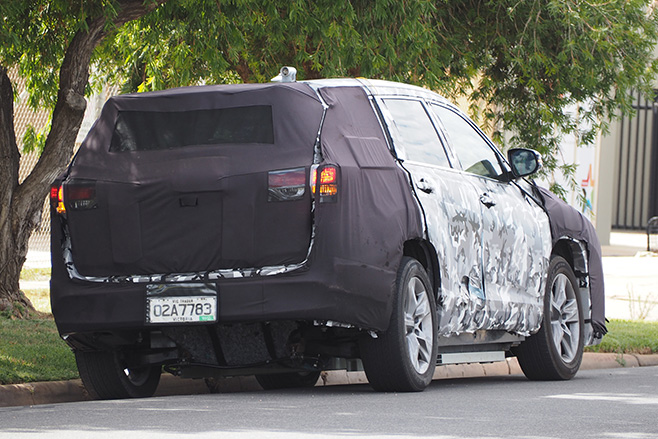
Wheels reader Glenn Milne snapped this unusual-looking left-hand-drive version of the Kluger – sold in the US as the Toyota Highlander – in Mildura, where it appears the Japanese car maker’s engineers have chased the hot weather.
Adding weight to the idea that this is a hydrogen-powered electric vehicle is the plainly visible reinforcement to the chassis – fuel cells weigh much more than conventional internal combustion drivetrains – and the lack of an exhaust pipe poking out the rear.
It has also become the first manufacturer to mass-produce a fuel cell vehicle, the futuristic-looking Mirai sedan. The carmaker has imported three of the vehicles – and more importantly for our H-fuelled Highlander, a portable refuelling station – in a bid to gain government support for hydrogen as a transport fuel.
The rough-looking development mule suggests Toyota is keen to soon add an alternatively fuelled version of the Highlander to its US showrooms; a key part of its plans to have a hybrid or alternatively powered version of every model in its showroom by 2020.
Adding weight to the H-Kluger’s importance, Toyota announced this week that it is close to striking a deal with fuel retailer Shell to roll out seven hydrogen refuelling stations in California. The US state is even tipping $US16 million ($A21 million) into the project to help get it off the ground.
Toyota Australia has said it needs government support here to start rolling out hydrogen refuelling stations – a move that would potentially boost sales of the petrol V6-only Kluger.
Kluger’s sales in Australia are limited by the fact that Toyota doesn’t sell a diesel-engined version of the large SUV in a corner of the market where acceptance of more fuel-efficient oil-burners among buyers is high.
The Toyota New Generation Architecture that underpins the Mirai, and the soon-to-launch Toyota H-CR compact SUV, allows for a fuel cell to be built into future Toyota- and Lexus-badged cars.
Have any spy pics of your own? Fire them into [email protected].
Pickles Auctions in Melbourne is offering a unique chance to own a one-off Ford Falcon XR8 Sprint Highway Patrol car.
There’s only one catch – it’s a complete wreck. The car was created by Victoria Police in conjunction with Ford Australia as a tribute to the ‘candy car’ highway patrol cars introduced in the 1970s, which were powered by 351-cubic-inch V8s.
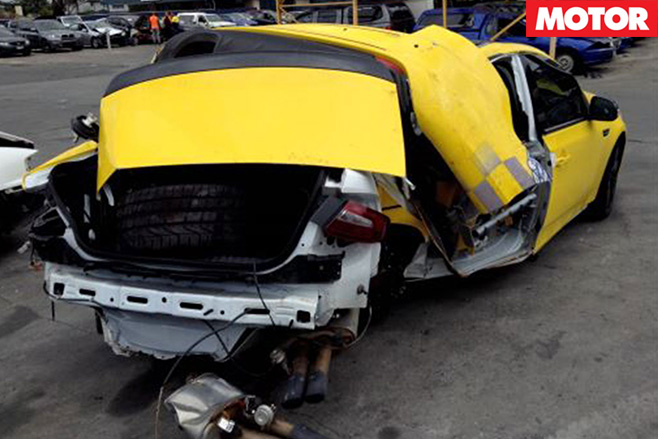
As such, the XR8 Sprint, one of just 750 built as a goodbye to the locally made fast Falcon, is offered as a statutory write-off, good for parts only and unable to be registered.
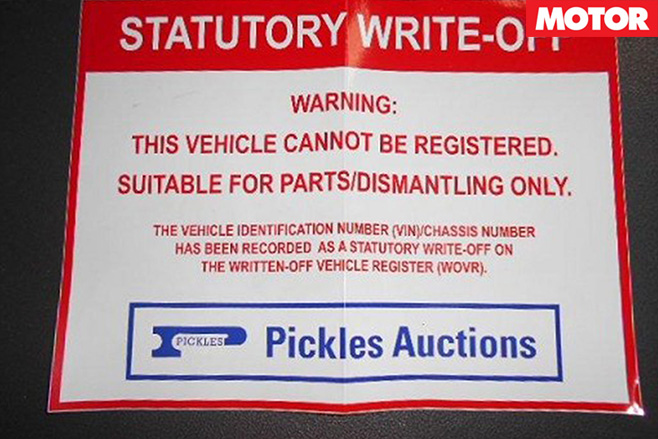
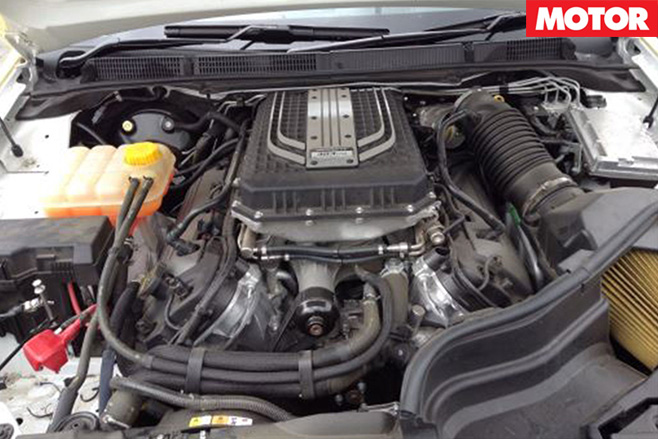
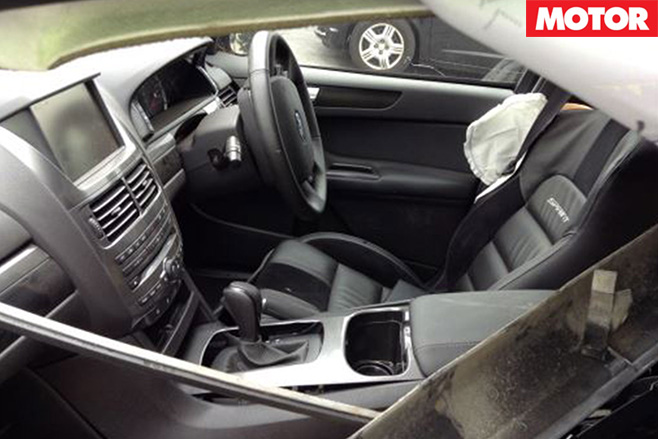
If you’re keen on making a bid, you better be quick. The car will be auctioned by Pickles Auctions at 89 Garden Drive, Tullamarine, Victoria at 9:30am on Tuesday, February 21. For full details you can view the lot here.
Not all of the Mazda MX-5’s greatness makes the transfer to the Abarth 124 Spider.
IN A business sense, the Abarth 124 Spider is a win-win proposition. Fiat’s Abarth performance car division gains a fine and affordable rear-drive two-seater for a fraction the price of doing one from scratch. Mazda, which builds the sports car, gets increased throughput for its MX-5 factory and the improved economies of scale that come with it. The Japanese presumably also make a modest profit on each car they produce for the Italians.
Although the 124 Spider exists because it makes bean-counters on two continents happy, it’s not without customer appeal.
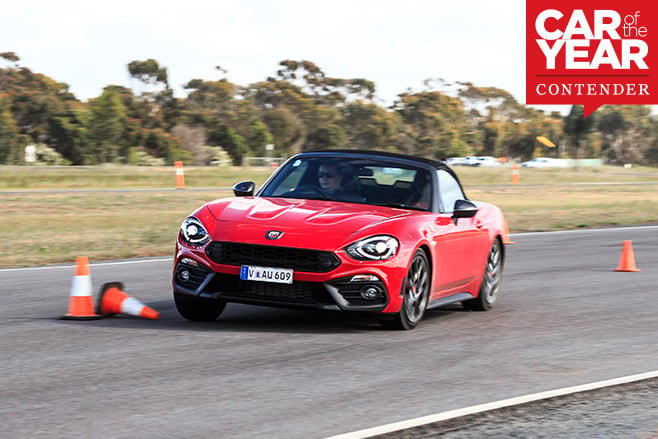
In Australia, the 124 Spider is priced very, very competitively. With drive-away prices starting from $43,500, the Abarth actually undercuts the top 2.0-litre models in Mazda’s line-up.
The major difference between the 124 Spider and the MX-5 on which it’s based is its Fiat-produced 1.4-litre MultiAir turbo four. This engine delivers a little more power and a lot more torque than Mazda’s non-turbo SkyActiv 2.0-litre. The engine is teamed with manual and automatic transmissions, with ratios different from the MX-5 selected to better suit the MultiAir’s turbocharged characteristics.
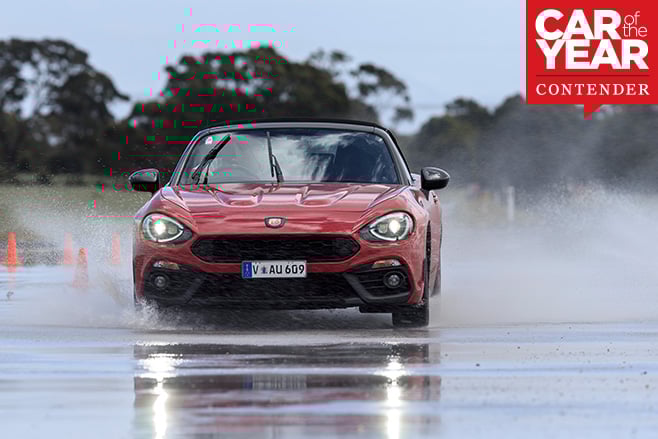
The 124 Spider’s chassis is a more serious problem. Fiat’s engineers aimed for a stiffer, more overtly sporty set-up than Mazda’s, specifying Bilstein dampers and different springs.
The Abarth’s ride, consequently, is stiff and unyielding. While the 124 Spider’s body roll is reduced compared to the MX-5, the handling benefits are negligible to non-existent. The Abarth’s suspension also exaggerates the scuttle shake that’s present but not nearly so prominent in the Mazda.
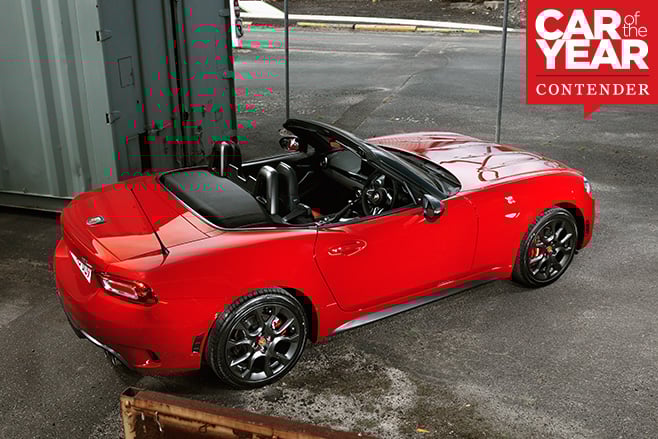
The 124 Spider isn’t a pointless collaboration. It serves both participants in the deal well, as well as adding choice to the affordable roadster segment the MX-5 has owned for decades. The Abarth is good enough to succeed, and we hope it does. But it lacks the dynamic polish and, dare we say, the originality, that propels the Mazda beyond mere goodness to genuine greatness.
Specs
BODY Type: 2-door roadster, 2 seats Boot capacity: 140 litres Weight: 1100 – 1110kg
DRIVETRAIN Layout: front engine (north-south), RWD Engine: 1368cc 4cyl turbo (125kW/250Nm) Transmissions: 6-speed manual; 6-speed automatic
CHASSIS Tyres: 205/45R17 ADR81 fuel consumption: 6.5 – 6.7L/100km CO2 emissions: 150 – 155g/km
Collision mitigation: No Crash rating: not tested Prices: $41,990 – $43,990
Hyundai has been spotted testing a left-hand drive evaluation version of the upcoming Genesis G70 sedan by an eagle-eyed Wheels reader in Victoria.
The four-door’s attractive long bonnet, short boot and rear-drive proportions are obvious despite a layer of dazzle camouflage, which keeps fine detail hidden. The presence of this engineering vehicle in Australia is a mystery, though its left-hand drive configuration suggests it’s here for hot-weather testing or powertrain validation rather than local suspension tuning.
Hyundai carries out local suspension tuning for a range of its vehicles, including the Genesis G80 limousine currently on sale here. While that’s not the likely reason for this car’s visit down-under, it’s understood that Hyundai Australia will be unleashing its chassis engineers on the Genesis G70 soon to tailor its ride and handling to Aussie conditions. Expect to see more prototypes just like this one in the near future, albeit with the steering wheel on the right side of the dash.
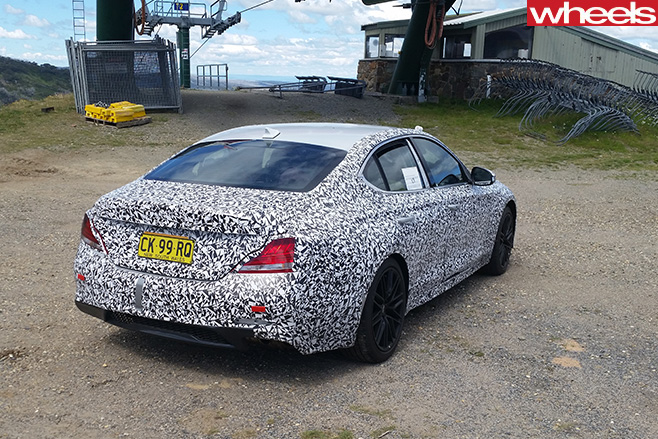
That said, slim headlamps, a chiselled front bumper and side sheetmetal that emphasises the G70’s rear-driven format look like they will carry over. While the current Genesis G80 is conservative, the G70’s final form should boast a fair whack of dynamic flair.
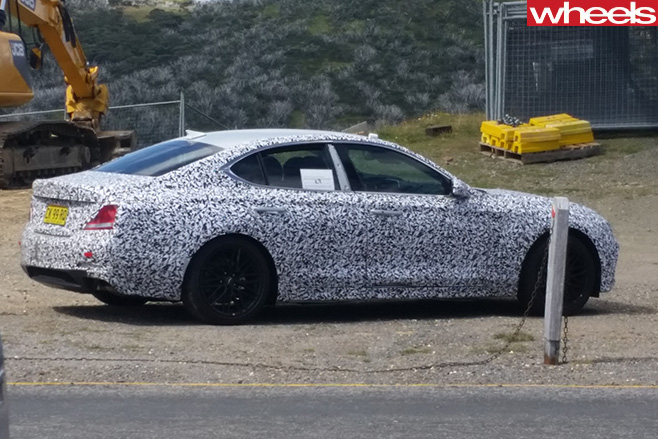
The mid-size luxury sedan is underpinned by a tweaked version of the Genesis G80 platform, co-developed and shared with corporate compatriot Kia and also used by the Kia Stinger. It’s expected G70 will follow Stinger and be built in rear-wheel and all-wheel drive configurations for left-hand drive markets, whereas Australian delivered models will be rear-drive only. Interestingly, these close-up photos suggest that the G70 may not be as large as its Kia-badged cousin, with a wheelbase and overall length that appear marginally shrunken.
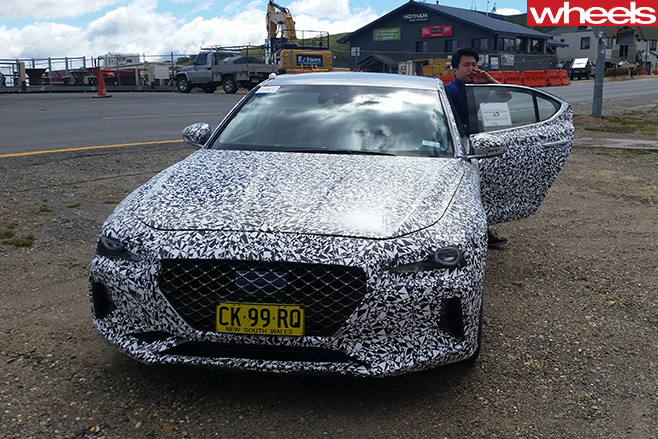
When it arrives, G70 will go up against the Audi A4, BMW 3 Series, Mercedes-Benz C-Class, Jaguar XE and Lexus IS, as well as less established luxury mid-sizers like the Infiniti Q50 and Alfa Romeo Giulia and the closely related Kia Stinger.
Precise details have yet to be announced, but expect to see the Genesis G70 receive its local launch either late in the third quarter of this year, or sometime in the fourth quarter.
The world’s first driverless race series, Roborace, made its public debut over the weekend, and things didn’t exactly go to plan.
Two of the series’ development cars, dubbed Devbots, conducted a series of tests and demonstrations at the circuit used for last weekend’s Buenos Aires Formula E ePrix. Roborace will be a support category for the all-electric world championship once it gets up and running.
The closed-canopy race cars can currently be driven by both humans and computers, with the pair conducting what Roborace claims is the first “race” between two driverless cars.
While one completed the test successfully and reached speeds of 186km/h, the second ended up crashing into the harsh concrete barriers of the street circuit.
Roborace tweeted that the car crashed “while pushing the boundaries of AI”.
“No drivers were harmed though,” they added, tongue in cheek.
Development of the Roborace series has been ongoing, with the team conducting tests both on street circuits and closed circuits such as Silverstone in the UK.
Devbot 1 wins! Clocking a new new fastest lap at top speed of 186kph #BAePrix pic.twitter.com/qBvT8iqLWZ— Roborace (@roborace) February 18, 2017
The end goal is a series where teams compete against each other using identical driverless cars, with software tweaks being the point of difference for the competition.
While this isn’t the first time a Devbot has taken to a track without human input, it is the first time both cars have conducted tests at the same time.
While many will slam Roborace and the driverless race series (which already has racing purists’ blood boiling) it is important to remember this is the incredibly early stages of development.
And we are off. #BAePrix pic.twitter.com/1DQ9jfl6Wz— Roborace (@roborace) February 18, 2017
Also, cars crashing are fine by us; it means the technology is being pushed to the extreme, much like when racing drivers find themselves beyond the limit. Only this time there isn’t a human inside the car.
THE MAN in charge of Audi’s RS models says the RS3’s characterful and exclusive five-cylinder engine is more important than outright power.
In the last month Audi has snatched back the title of most powerful hatch with its updated Audi RS3, which now produces 294kW/480Nm from the extensively revised 2.5-litre turbocharged five-cylinder engine transplanted from the TT RS.
Audi and Mercedes-AMG have been engaged in a bloody battle for A-segment glory since the first RS3 with 270kW took the mantle from the original 265kW A45. AMG responded with the A45’s current 280kW tune, though it has now been one-upped by the latest 294kW RS3.
Stephan Winkelmann is the boss of Audi Sport and former head of Lamborghini. He shared his views with a small group of Australian media at the Bathurst 12 Hour.
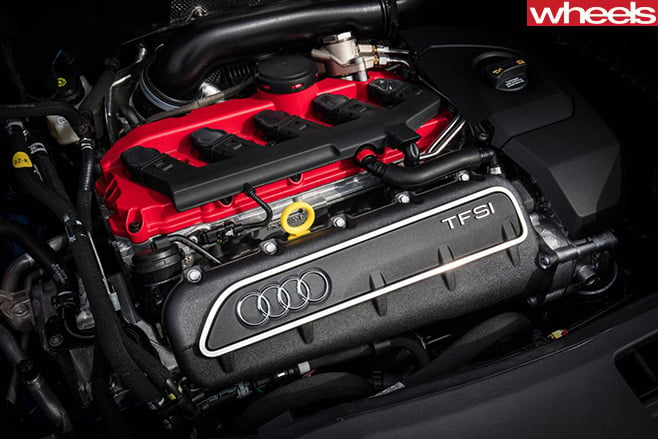
“For the customers this is good news, but we want to have a perfect balance between a daily driveable car – a very reliable car – and the five-cylinder is giving us this extra exclusiveness which nobody else has.
“I tend to look into the [power] race, but I don’t want to go the extra mile just for this. Not everywhere you can be the top in everything. It’s the balance of the car, which is in my opinion the most important thing. It’s the mix, not always only horsepower.”
Audi has a long history of working with five-cylinder engines in performance applications. The unique sound brought by the extra cylinder adds to the personality of the RS3 (and RSQ3 and Audi TT RS). It’s expected the new, lighter all-alloy five-cylinder has plenty more room to grow above its current outputs.
The 2.0-litre turbocharged four-cylinder engine used by Mercedes-AMG in the A45 range (including CLA45 and GLA45) is due to be replaced in the near future and will no doubt take the fight to Audi once more.
YOUR next high-end sports car could feature seats, wheels and even a complete body built from carbonfibre parts all made in Geelong.
The former home of Ford in Australia is fast shaping up as a carbonfibre heavyweight, with the CSIRO announcing today that it had developed the cutting-edge technology to make enough of the super-strong, ultra-light material in Geelong to start up a car factory.
Not only that, but the company that developed the airbox for the last of the Aussie-made Ford Falcons now says it wants to build car seats from the same stuff.
The CSIRO today unveiled a locally developed, scalable “wet spinning line”, a technology developed with Deakin University that only a handful of companies globally can pull off. It will be based at Waurn Ponds, just outside of Geelong, on what the CSIRO describes as the “Ferrari of wet spinning lines”.
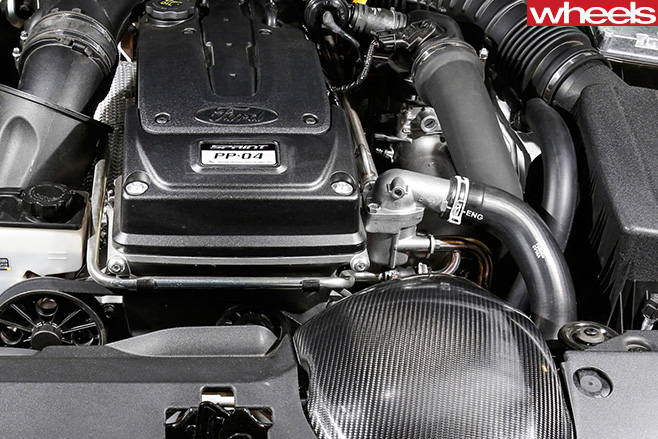
Meanwhile, Quickstep, the company that made the carbonfibre airbox and intake for the Ford Falcon Sprint series, will start developing car seats from the futuristic material.
CSIRO said the wet spinning line machinery took a “sticky mix of precursor chemicals” and turned it into 500 strands of fibre, each thinner than a human hair.
“Only a handful of companies around the world can create carbonfibre, each using their own secret recipe,” the CSIRO said in a statement.
“Until now, Australia didn’t have that capacity on an industrial scale to take carbonfibre from resin, from like chemicals in a jar,” CSIRO spokesman Chris Still said.
“What it essentially means is that you can make carbonfibre from scratch in Australia.”
Still said Geelong’s “Carbon Valley” was taking the region in a “whole new direction” in manufacturing.
So could this mean Australia could start making cars again?
“Well, we’ve never lacked the capability and there’s unfortunately plenty of empty factories lying around. But in terms of the carbonfibre side of things, yeah.”
Quickstep’s three-year project will tie in with a “global seating and interior systems supplier”, believed to be Futuris, to develop new seating systems using a $1.45 million grant from taxpayers.
“Carbonfibre composites remain niche products in cars primarily due to the high cost of materials and manufacturing, despite the weight reduction, improved performance and aesthetic appeal they provide,” Quickstep said.
“This project aims to solve these problems by combining product design with advanced manufacturing and materials research, to deliver a bespoke materials and process solution for lightweight carbonfibre seats.
“This will create a new benchmark in high production rates and performance at lower cost.”
The two projects join Carbon Revolution, a carbonfibre wheel manufacturer. It has won a contract to supply lightweight rims for the Ford GT, as well as the Ford Shelby GT350R Mustang.
