
Rule changes for the 45th season of the FIA World Rally Championship are set to usher in a new chapter that’s evocative of the sport’s golden Group B era (1982-’86).
We’re set to get our first taste of wilder, be-winged machines, with almost a third more grunt than current cars, at the season opener in Monte Carlo’s Gap, Hautes-Alpes on January 20.
Meanwhile, rule-makers suggest that something of a return to the spectacular attitudes – and aesthetic – of Group B, while maintaining, if not improving, safety is the aim of the rule rework.
Okay, quick history lesson: Group B came to an abrupt end in 1986, banned by then-FISA president Jean-Marie Balestre within hours of Finn Henri Toivonen and his Yankee co-driver Sergio Cresto’s fiery fatal crash in their Lancia Delta S4 in the Tour de Corse.
A year earlier the same rally had claimed the life of Attilio Bettega at the wheel of his Group B Lancia 037, to say little of the other near-misses and spectator deaths. It had become starkly obvious that the show could not go on.
The title of Group B doco Too Fast To Race (a must-watch) aptly summarised the rise and demise of this spectacular chapter in World Rally, and provides an education to kids raised on Group A Celicas and Imprezas on why we’ll never see a true repeat of Group B.
Yet we remain excited by the new regs, which begin by allowing a broader variety of production cars to be eligible for homologation.
Greater design freedoms will give 2017’s machines a more dramatic silhouette, and transform their aero performance to bring higher corner speeds and a slashing of stage times.
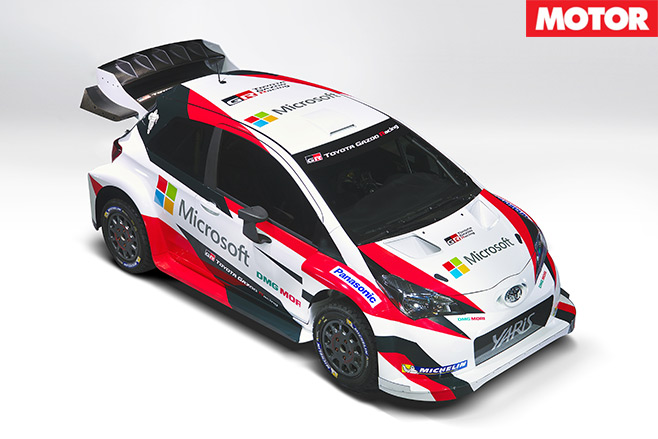
Engine size won’t change, but a bigger turbo restrictor will improve airflow for a healthy kick up in the kilowatt department, without increasing boost.
Shaving weight, as ever, will heighten handling, and make the cars more accelerative.
Electronically-controlled centre differentials make a return, allowing for constantly variable torque flow. The result? You guessed it, a wilder spectacle and more speed.
Then there are the new protagonists. Toyota, a WRC force in the 1990s, will return after 18 years with its Yaris WRC Program, overseen by four-time champ Tommi Mäkinen.
We’ll lose Volkswagen Motorsport in 2017 in the aftermath of Dieselgate, but Citroën will return full time after a part-time campaign in 2016.
Modern day WRC cornerstones Ford and Hyundai will be back, too, the latter with a three-door, WRC version of its i20.
A reworked calendar designed to mix gravel and tarmac rallies is set to deliver more variety to fans and drivers alike, but we’ll have to wait for Rally Australia, and the final round in Coffs Harbour, NSW, to get an up-close look at WRC’s exciting next chapter.
The next Commodore in Supercars will be the first without a 5.0-litre V8 under the bonnet. Within a few years, the Supercars grid will be a very different place. No Falcons, no Commodores as we know them, no Nissan Altimas and no Volvos.
By the end of the decade, there may not even be any V8s.
The future of Supercars is not only heading further away from its Holden versus Ford roots, but also beyond V8-powered sedans to include downsized turbocharged V6s and two-door coupes.
The big change begins in 2017 with the introduction of the Gen2 Supercars rules, which allow a wider choice of engines and body styles. Not that you’ll notice any immediate difference.
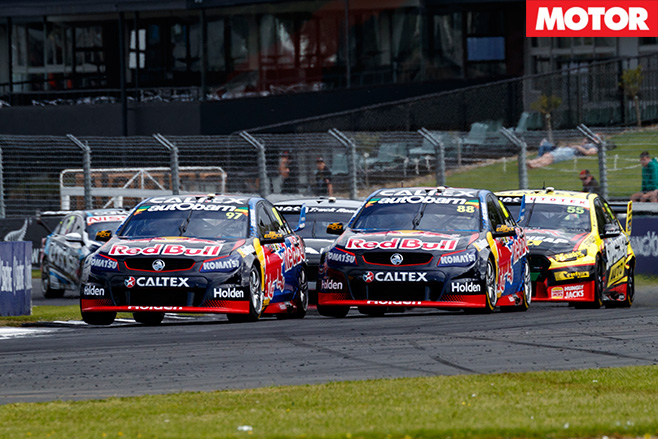
Why Australia needs a supercar
The Lion’s next-gen Supercars weapon will be based on the look of the imported Commodore that replaces the locally made VF and most likely be powered by a twin-turbo V6.
There definitely won’t be a V8 under the bonnet, unlike every other Commodore model that’s competed in Australian touring car racing since the nameplate first took to the track in 1980.
Gen2 facilitates this cultural upheaval by opening Supercars to engine configurations other than V8s, which have ruled for more than two decades. Also allowed are two-door coupes alongside the traditional four-door sedans.
It’s all about future-proofing the category formerly known as V8 Supercars – at least until the end of 2021, when the current framework will be up for a complete overhaul.
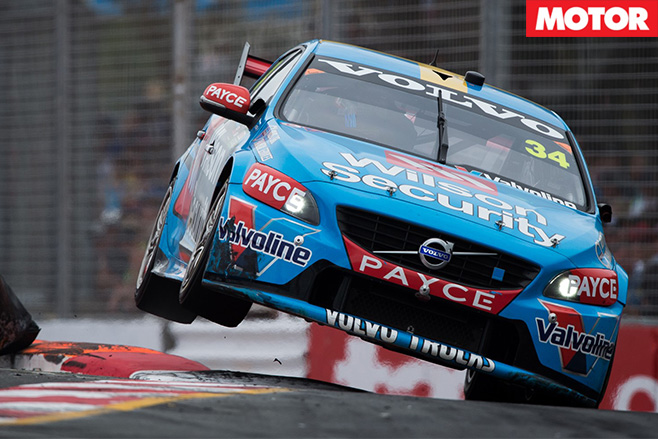
The seismic shift is that smaller capacity turbo V6s and in-line fours are allowed as well. The most viable alternative is a twin-turbo V6, restricted for parity purposes to a maximum of 3.85 litres with electronically limited boost.
Several automotive manufacturers have production-based twin-turbo V6 race engines that could be adapted to the new racing format – most notably, GM, Ford and Nissan. These off-the-shelf motors can be modified or retuned to match the power of the current normally-aspirated 5.0-litre V8s cost-effectively.
The announced regulations for two-door coupes raised hopes that the new regulations would entice Ford Australia back with the Mustang and tempt Nissan to switch to the GT-R, as well as attracting other glamour makes and models.
And yet, apart from Holden, nobody is rushing to embrace the Gen2 initiative. Forget newcomers. It hasn’t swayed the other incumbent V8 makes, either.
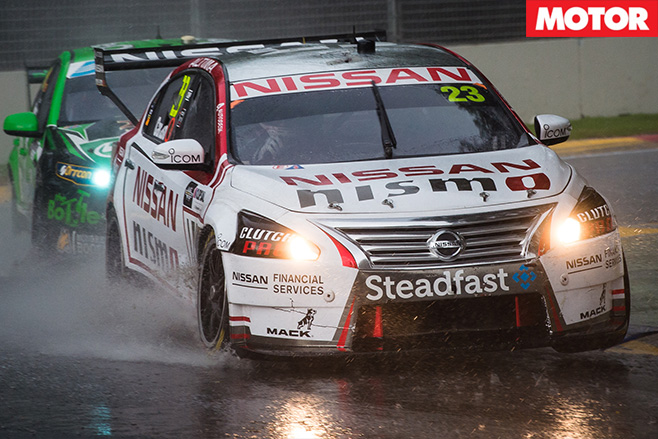
Nissan will investigate its Gen2 options as part of the debate about continuing in 2019 and beyond. Whether that includes a Supercars version of the GT-R raises an interesting point.
Both the GT-R and Mustang are high-drag shapes – especially when adorned with wings and things – which won’t play well with Supercars’ aerodynamic-parity rules. Their bluff facades are further aggravated by the fact that their roofs would have to be raised to meet the minimum height requirement.
Supercars probably isn’t the right image for the tech-heavy GT-R and by 2019 the ageing current car will be close to replacement. On the other hand, the Mustang is viewed as the Falcon’s natural Supercars successor and powerful interests are at work in Detroit.
Despite financial, technical and political hurdles, new-generation Mustangs could line up against the next-gen Commodores as soon as 2018 to ignite a new era of Ford versus Holden rivalry.
QUESTION – NICK: I am considering a Hyundai i30 Active hatch with an automatic gearbox, or a Kia Cerato S hatch, also with an auto for everyday city commuting and occasional long distance round trips for work.
Is it worth the extra money to upgrade to i30 Active X or Cerato S Premium? Or is there another model I should be considering?
BUDGET: $20,000
RESPONSE – BYRON: The Hyundai i30 and the Kia Cerato share basic platform components, as Hyundai controls Kia globally, but the two small cars are designed and engineered by competing teams, and so have distinctive differences.
Despite having a slightly smaller engine (a 1.8-litre instead of a 2.0-litre four-cylinder unit), the i30 is the sportier and more involving drive, while the Cerato is a bit more soft-riding and comfortable.
We do recommend that you drive both cars, to find out which one you prefer, as each does offer a unique experience from behind the wheel that may outweigh the spec differences when it comes to your personal taste.
Having said that, on balance, we would go for the Kia, because it has a two-year longer warranty (seven years) than the Hyundai (five years). Additionally, the current (second-generation) i30 will be replaced by an all-new model in the first half of next year (it will debut internationally at the end of next month), while the Cerato will stay current for at least another year and a half before its all-new replacement arrives. This last point also means that the Cerato has a slightly better predicted resale value rating after three years.
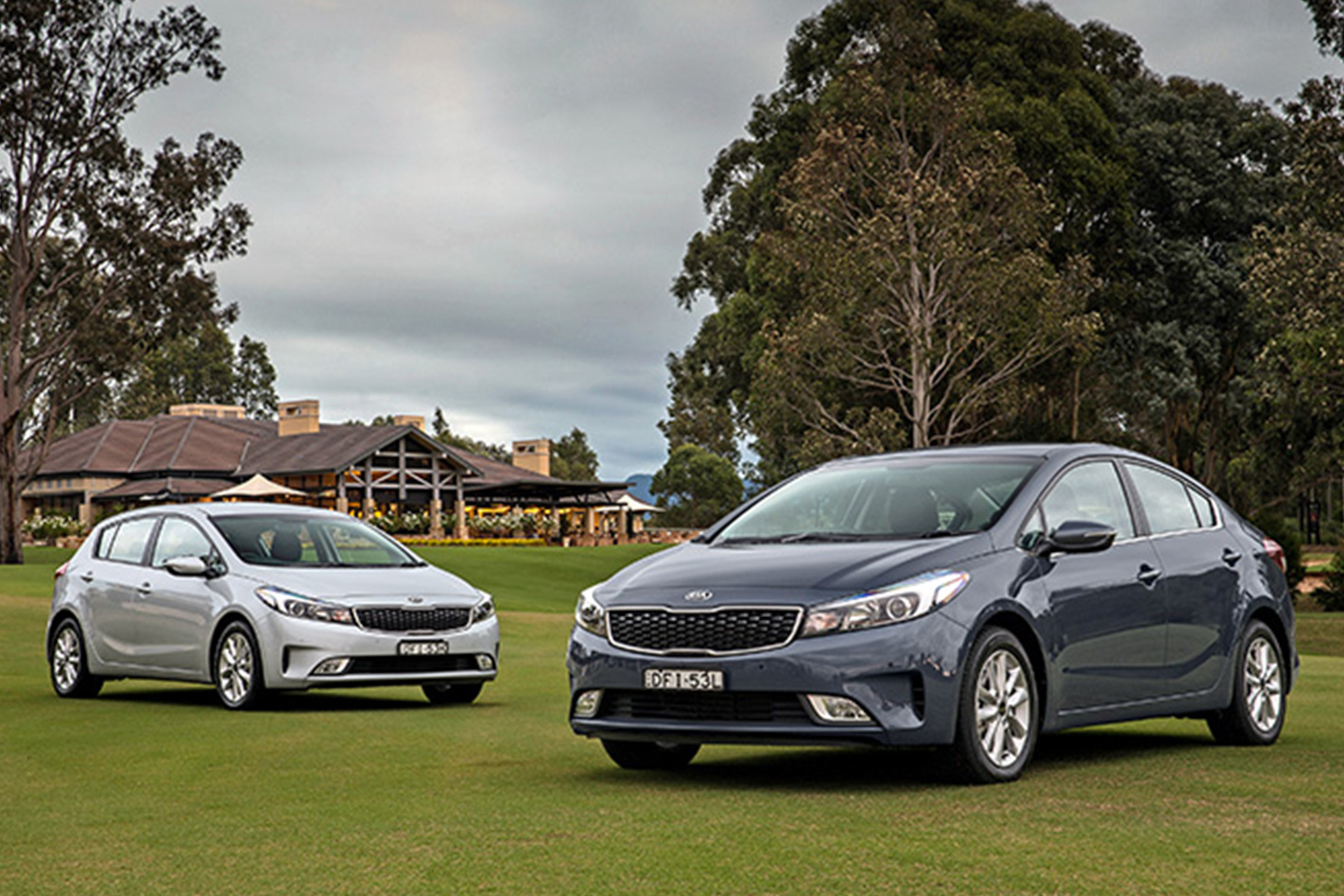
The question of upgrading is complex, because both these cars appeal chiefly on their low price/high feature balance. And both begin to lose their appeal significantly the more you spend. So unless the dealer throws in an upgrade for little or no money extra, we do not see the value in spending a few thousand dollars more for an S Premium or Active X. However, in the Cerato’s case, we would tick the optional ‘AV’ Audio Visual box at $500, since it matches the i30 Active’s reverse camera and Android Audio, and then adds automatic on/off headlights to the base S. And these items are genuinely desirable.
Still on the topic of spending more to upgrade, for about $25,000, we would recommend that you instead look at the Mazda 3 Maxx Series II, MY17 Skoda Octavia 110TSI Ambition, or Volkswagen Golf 92TSI; all three offer advanced driver-assist safety systems like Autonomous Emergency Braking (AEB), for example, while the Hyundai and Kia currently do not.
Note that the latter safety feature is also standard on the base Mazda 3 Neo Series II from $20,490 plus on-road costs. That might be the best value compromise of the lot.
How does one quantify driving satisfaction? Unlike lap times, zero-to-hundred sprints or cornering G, you can’t really assign a number against how thrilling a car is – that quality is somewhat intangible.
Nevertheless, here are the five most enjoyable cars we steered in 2016, in no particular order. Why no supercars? Well, what’s sterling on a race track can be downright terrifying on a twisty country road. These five can be enjoyed on virtually any type of tarmac:
BMW M2
BMW’s M division took the BMW M235i, juiced up the 3.0-litre six, threw out its suspension in favour of M4 hardware and injected some collagen into its fenders to create the M2 – and we’re glad they did.

Porsche 718 Boxster
Porsche copped flak for deleting two cylinders from the Boxster’s flat six and substituting them with a turbocharger, but though the soundtrack has less timbre than it used to the trade-off is a big ol’ whack of turbo torque that transforms the topless Porka.
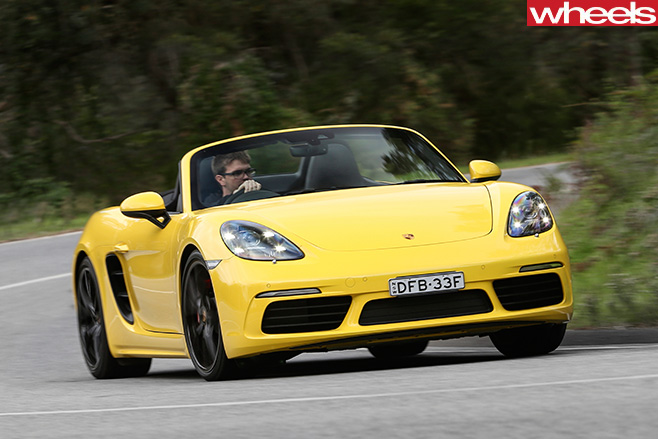
We’ll miss the flat-six theatrics, but we celebrate the humble Boxster’s newfound turbocharged verve.
HSV Clubsport R8 Track Edition
HSV’s last-ever naturally-aspirated car is also its most focused from a handling perspective, with a track-biased suspension that trades comfort for cornering, and a bulging brake package borrowed from its big bro the HSV GTS.

Peugeot 308 GTi 270
Peugeot’s 308 GTi 270 is a textbook example of how to do more with less. At just over 1200kg empty it is the lightest car on this list by a wide margin, and with just a 1.6 litre four-cylinder under the bonnet it’s also the smallest-engined by nearly a full litre.
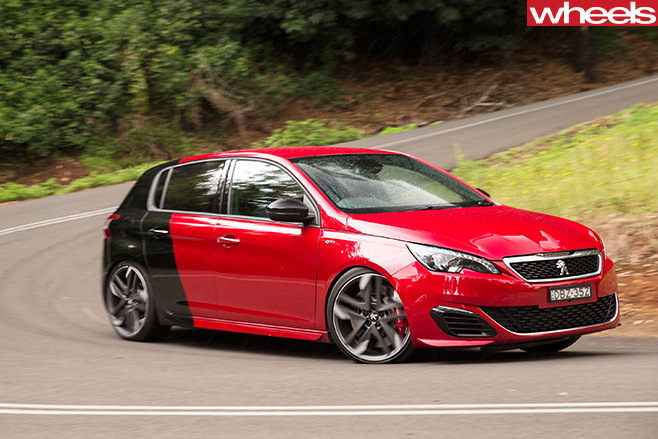
Other GTi 270 highlights include its pointy steering (and go-kart-like steering wheel), slick six-speed manual, proper limited-slip differential, glorious suspension and mega-strong motorsport-grade braking package. A lot of performance gear – and plenty of adrenaline – for a hot hatch priced under $50k.
Ford Focus RS
When a carmaker puts a button in a car labelled “Drift Mode”, it sends a powerful message about the intent of said vehicle. That message being, “you’re gonna have fun driving this one”.

It’s a touch rough around the edges, though, and its taller-than-an-SUV driving position definitely won’t suit everyone, but for sheer giggle factor the Focus RS delivers big.
THERE’S plenty of action in store for luxury SUV buyers in Australia in 2017. Here’s WhichCar’s pick of the ones we’re most excited to see.
Audi’s Q range of SUVs expands in February with the smallest and most affordable model yet. The Q2 will start from $41,100, undercutting the cheapest Q3 ($42,990) that shares the same 110kW 1.4-litre turbocharged petrol engine and front-wheel-drive layout at the entry point. Engine choices also include a 2.0-litre turbo petrol and 2.0-litre turbo diesel, each paired with a quattro all-wheel-drive system. Because the Q2 is aimed at younger buyers, there’s an edgier design that breaks from the more conservative approach Audi takes to its bigger SUVs.
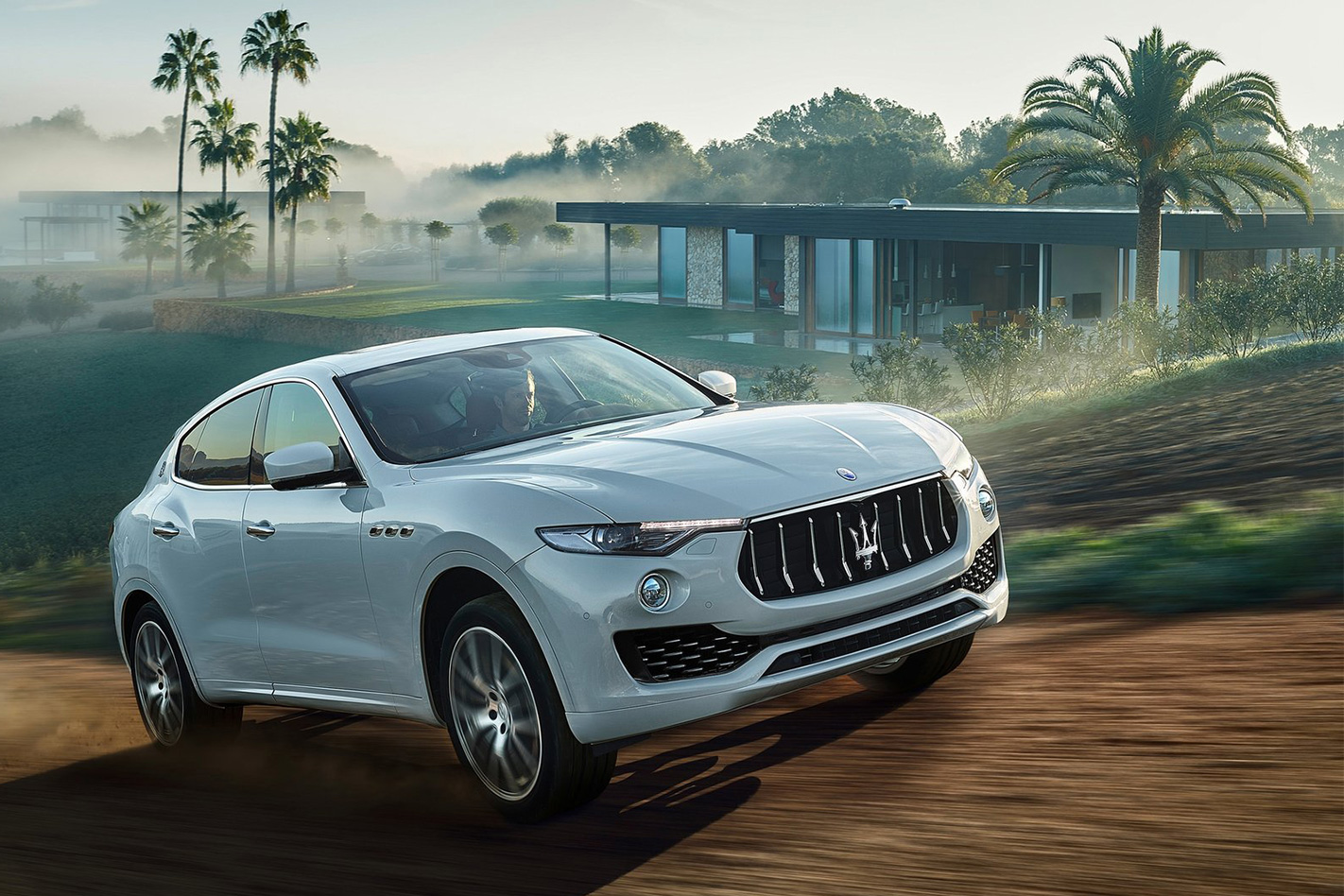
Italian luxury brand Maserati first showcased an SUV in 2003 with the Kubang concept, and a production high-rider finally goes on sale 14 years later. A requisite premium interior can be taken to even higher levels of quality with optional fine leather and silk, with a panoramic sunroof and Harman Kardon audio system standard for a model that starts from $139,990. Three trim grades are all powered by a 3.0-litre twin-turbo V6 diesel with 206kW and 600Nm – about the same level of performance as an entry-level Porsche Cayenne. The all-wheel-drive system is biased towards the rear wheels but has the capacity to send up to half the engine’s torque to the front wheels to aid traction. Standard adjustable suspension provides five different ride height options.
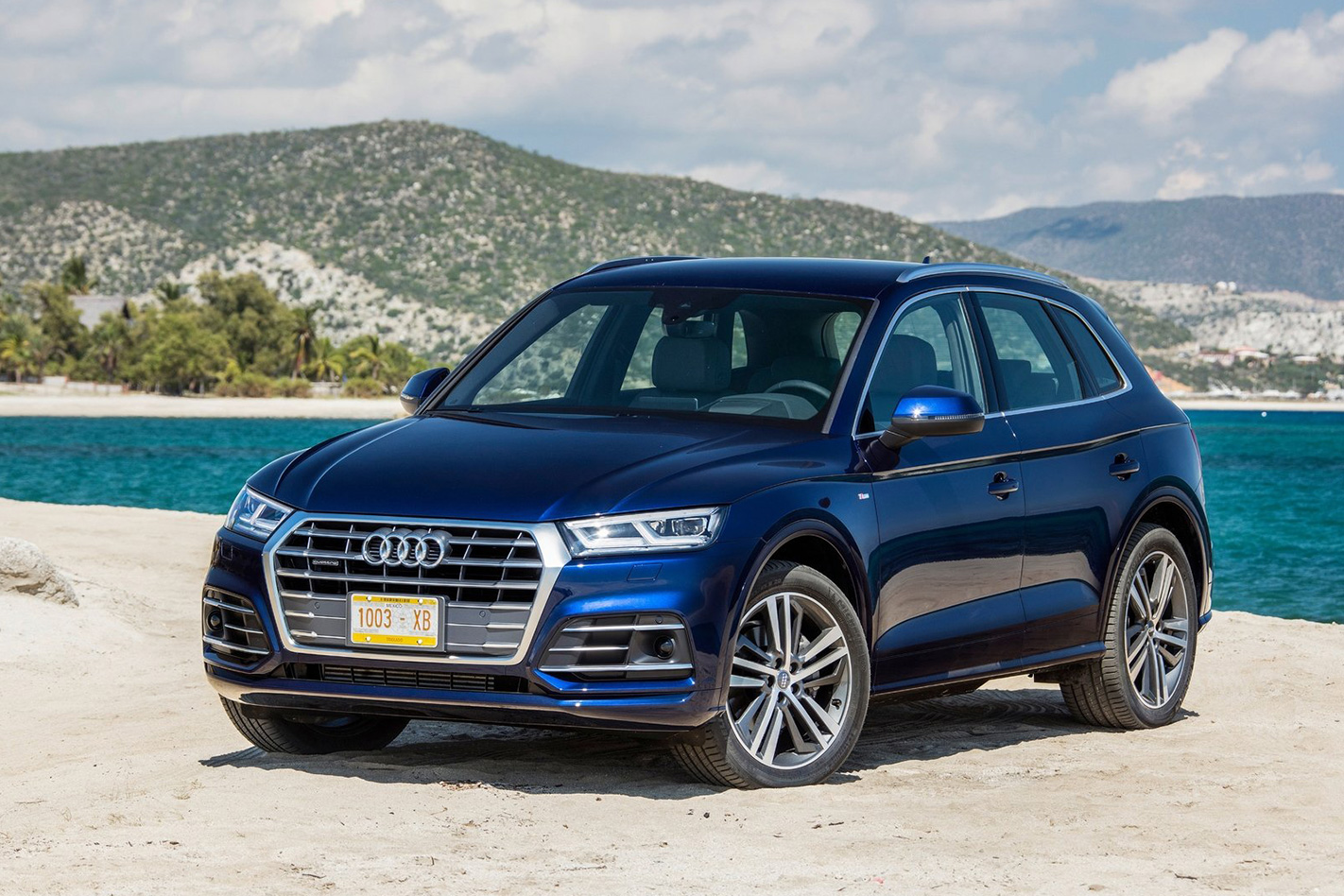
The original Q5 enjoyed a period as Australia’s most popular luxury SUV, so the follow-up model due midway through 2017 can be fairly described as significant for the German carmaker. While the general design advances little, the new Q5 is lighter and promises to be both faster and more fuel-efficient. A high-quality cabin is available with Audi’s clever Virtual Cockpit configurable digital instrument display, and air suspension and adaptive dampers are on the options menu. Initial engines are a turbo petrol and turbo diesel, both 2.0 litres in size, with a 3.0-litre V6 turbo diesel following later in the year. The V6 is the only model with permanent all-wheel drive, where the four-cylinder variants use on-demand systems.
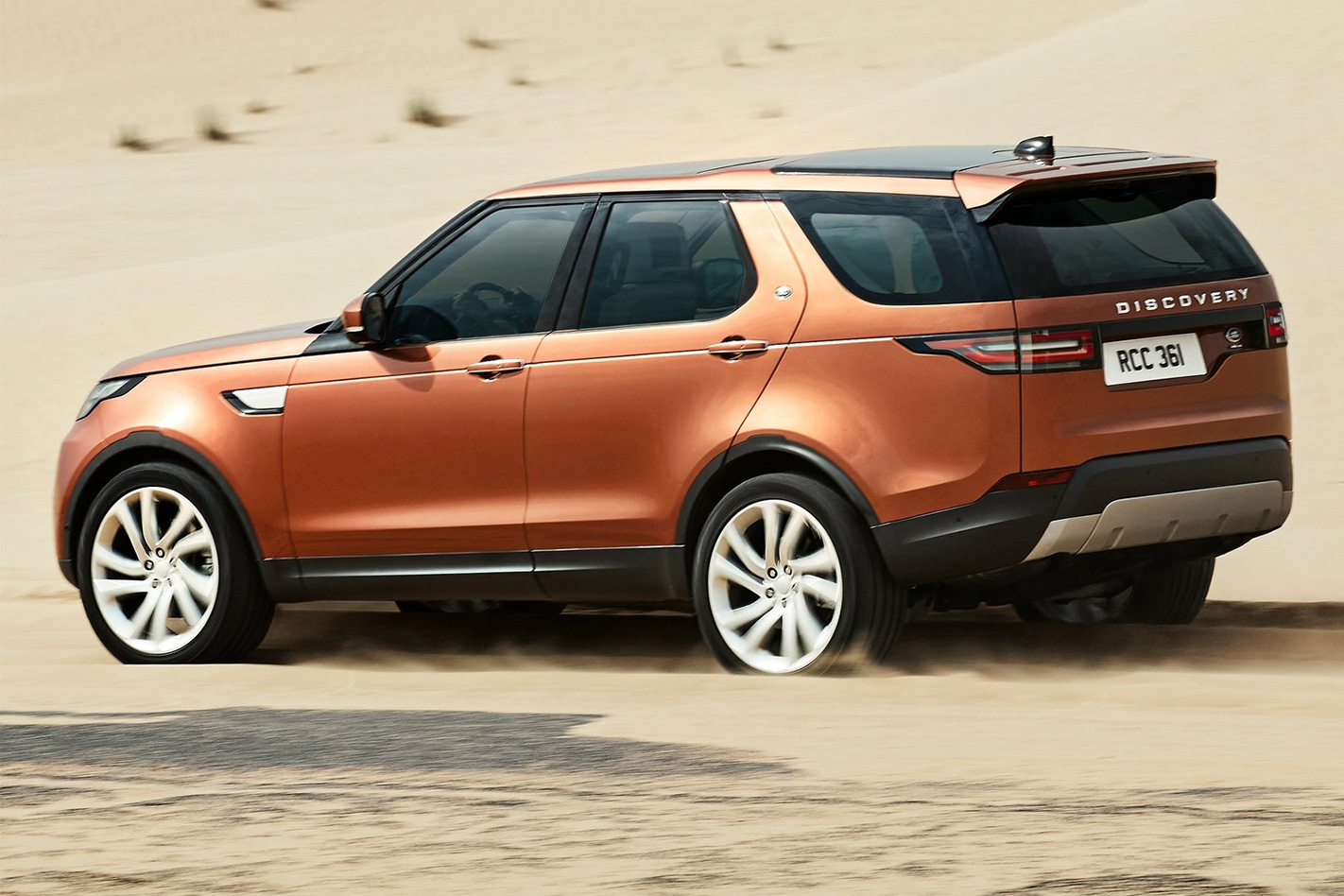
‘Disco’ No.5 arrives in July priced from $81,590. The latest Discovery retains the trademark stepped roof and seven-seat layout of the 1989 original, although it abandons the split tailgate for a single section. An Intelligent Seat Fold system allows users to configure the second and third row of seats via boot buttons or a dedicated smartphone app. Two types of all-wheel-drive systems are offered, depending on how serious the owner is about going off-road. Either way, the Discovery 5 is equipped to go off the beaten track with a 90cm wading depth, 50cm of wheel articulation, and more than 28cm of ground clearance. A range of turbo petrol and turbo diesel engines also have less weight to haul: the new Disco has shed almost 500kg over its predecessor.

Swedish brand Volvo’s major product overhaul started in 2015 with the XC90 seven-seater SUV, was followed this year by the S90 and V90 large car twins, and in 2017 the second-generation XC60 lands. Details are thin on the ground as the XC60 has yet to be even officially revealed. What we do know is that it will use a shortened version of the flexible modular architecture used by the aforementioned ’90 series’ models, and be powered by either three- or four-cylinder engines running on petrol or diesel – with hybrid technology also in the mix. The new five-seat XC60 will eventually sit in the middle of Volvo’s SUV range, with the XC90 above it and an upcoming XC40 positioned below.
2017 Top 5 luxury SUVs
| Audi Q2 | $41,100+ |
| Maserati Levante | $139,990+ |
| Audi Q5 | $63,600+ |
| Land Rover Discovery 5 | $81,590+ |
| Volvo XC60 | $58,765+ |
QUESTION – MARTIN: My wife has a Mazda 2, and we are looking to buy another new car. At the dealer we looked at the current Mazda 2 Genki small hatch as well as the Mazda CX-3 Maxx small SUV.
Is there another car we should look at? We drive mainly in the city and a little country from time to time. Mileage would be approximately 10,000km per year.
The Mazdas appeal to us because they have lots of features and we like our Mazda 2.
BUDGET: $30,000
RESPONSE – SAMANTHA: The Mazda 2 is a fabulous city car, and within your budget you can load up on the features and spec. The Genki model you looked at ($20,690) is the top of the range and does come with a lot of standard equipment. It’s an excellent option.
The CX-3 Maxx ($22,390) is also an excellent vehicle, with a higher driving position and slightly easier access up front than the diminutive Mazda 2, however it is, in fact, based on the Mazda 2 so the extra money doesn’t get you much more in the way of cabin room or cargo space, and the mid-spec Maxx model grade doesn’t have as much equipment as the top-spec Mazda 2 Genki.
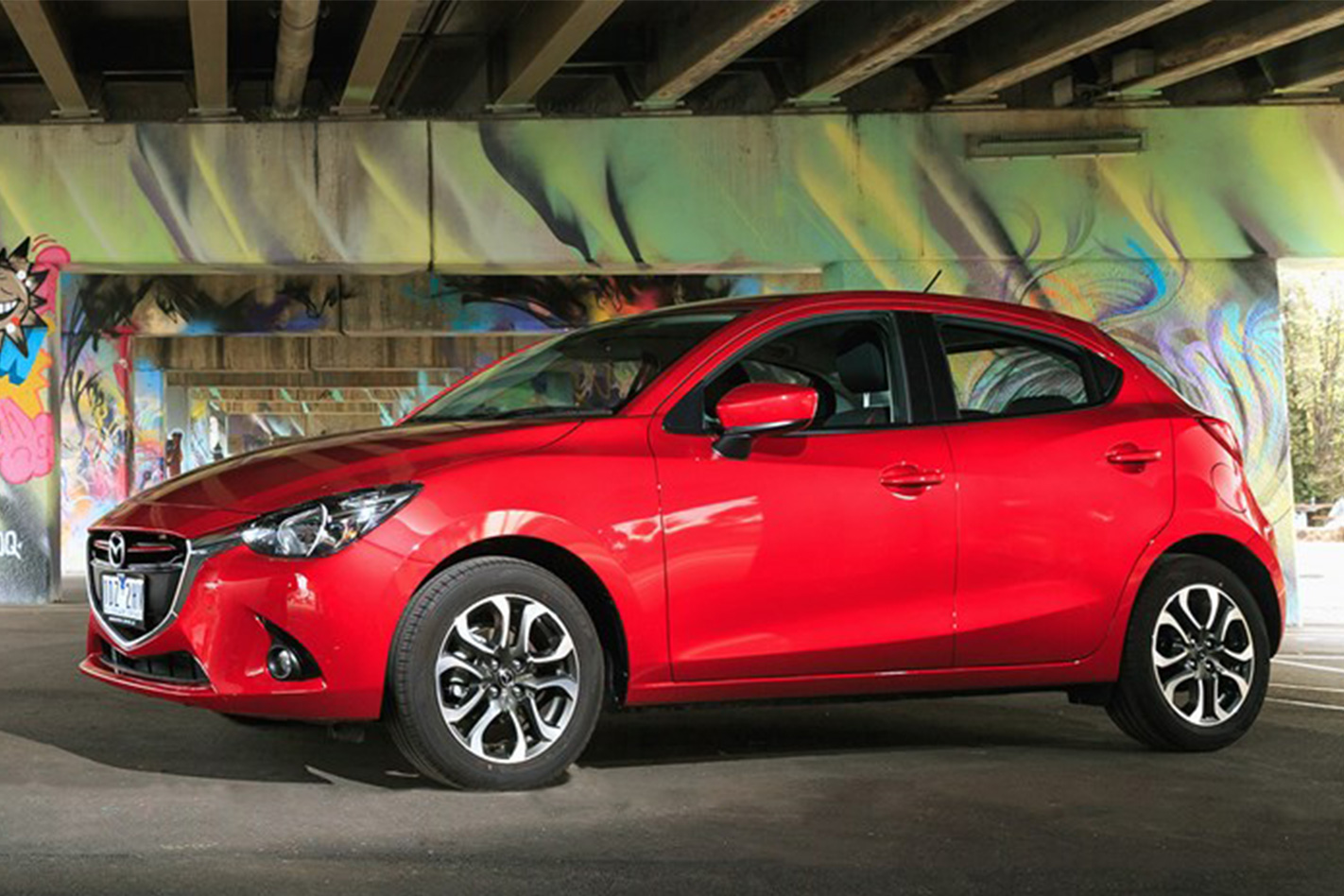
It’s also worth noting that as the CX-3 has a larger engine than the Mazda 2 (2.0-litre vs 1.5-litre) it will have some more costs associated with it; not just the buying price, but also slightly higher running costs such as fuel consumption, as well as tyres etc., so be sure an SUV is necessary for your needs.
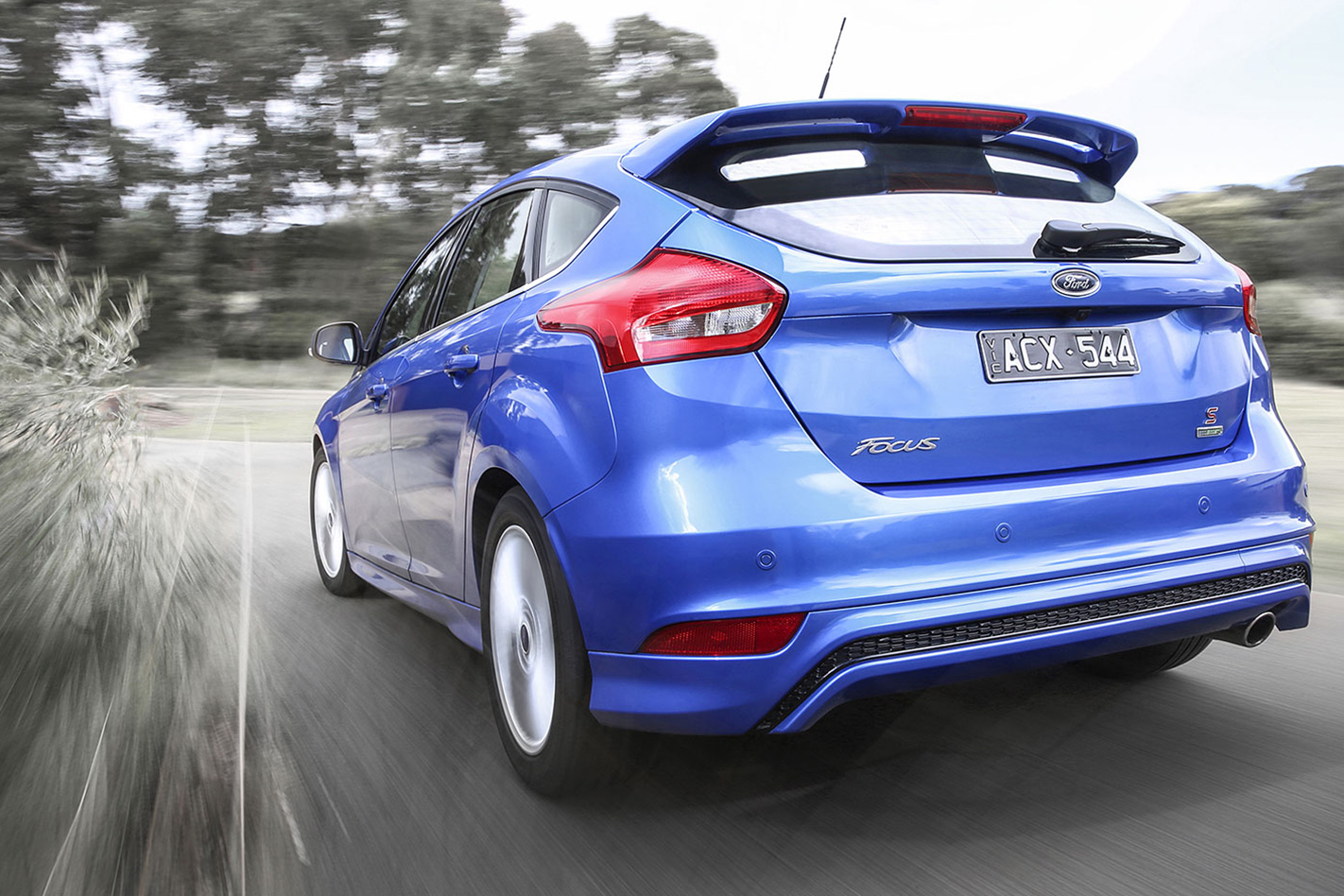
If you are looking at a slightly larger car than the Mazda 2 light hatch, you may want to consider the Mazda 3 instead of the CX-3. The Mazda 3 Maxx Safety is the pick ($25,890). Other small hatchbacks worth looking at outside the Mazda brand include the Ford Focus (Trend, or a demo Titanium), and the Hyundai i30 Active X ($22,590).
Should you be happy with the Mazda 2’s size, other cars in its segment to consider would be the Volkswagen Polo TSI Comfortline ($21,190) and the Renault Clio Dynamique ($25,000). Both will be slightly more expensive to service than the Mazda, but have fun and frugal 1.2-litre turbo engines with automated gearboxes, and a host of included options. Each has a different and unique seating position – be sure to test drive them and see what suits.
The best performance car of 2016, as voted by MOTOR readers, is the Ford Falcon XR6 Sprint. If ever proof were needed as to how deeply the affection for locally-made product is felt with Aussie car enthusiasts, the results of our online poll are it.
The two cars sitting on the popularity podium alongside the XR6 Sprint are the Falcon XR8 Sprint and Holden’s VF II Commodore SS-V Redline and between them, these three home-grown muscle cars accounted for 56 per cent of the 689 votes our poll had received as MOTOR closed for press. It seems that if Malcolm Turnbull is ever having a bad run in the polls, all he needs to do is borrow a Sprint for a week and watch his numbers soar…
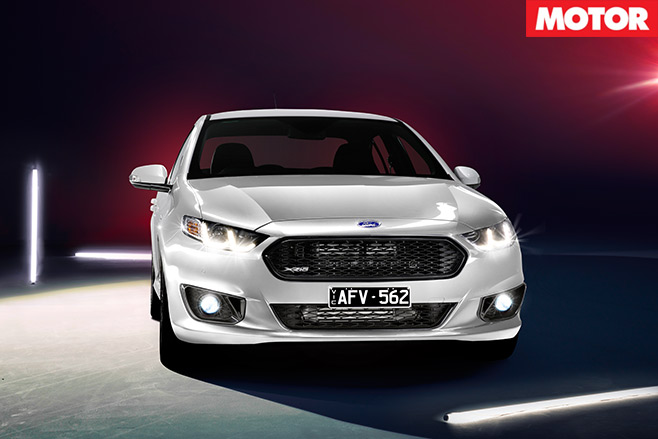
But if we’re talking patriotism and sentimentality, why did the XR6 Sprint garner double the number of votes of its supercharged V8 stablemate? From Ford XR Falcon GT to Holden Torana A9X to FPV GT F to HSV GTS, Aussie muscle car culture has traditionally been built on V8s, but it appears that the ultimate turbo Falcon has struck a chord.
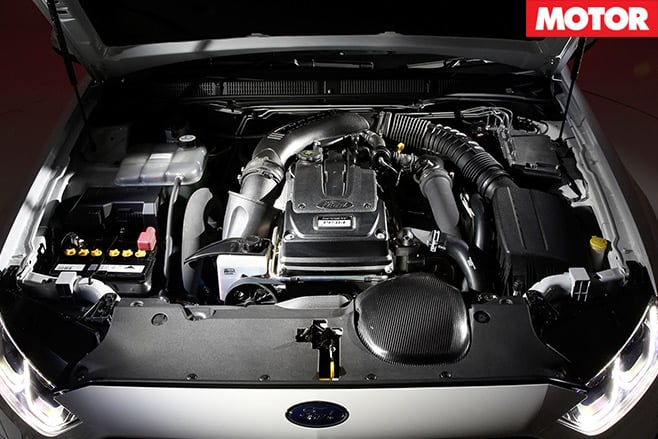
Another factor in the XR6 Sprint’s popularity could be that is was essentially a new car. Whereas the XR8 Sprint was an optimisation of the existing XR8 package (new suspension, better tyres) along with a few choice bits from the GT F (twin-pedal throttle map, stiffer transmission mount, ESP calibration), the XR6 Sprint will forever be the fastest six-cylinder car this country ever produced, a huge step in performance over a regular XR6 Turbo and a level beyond even the old FPV F6.
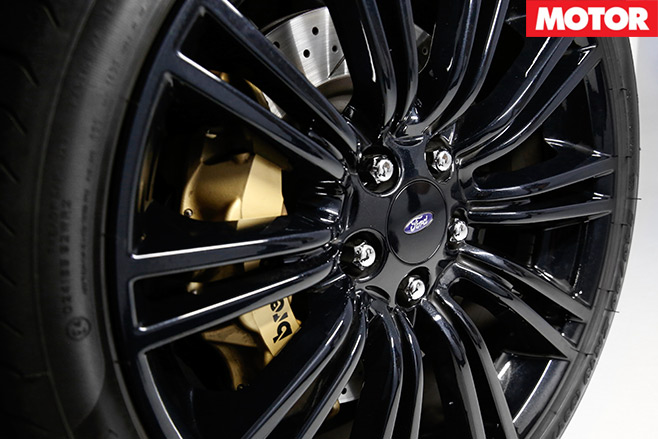
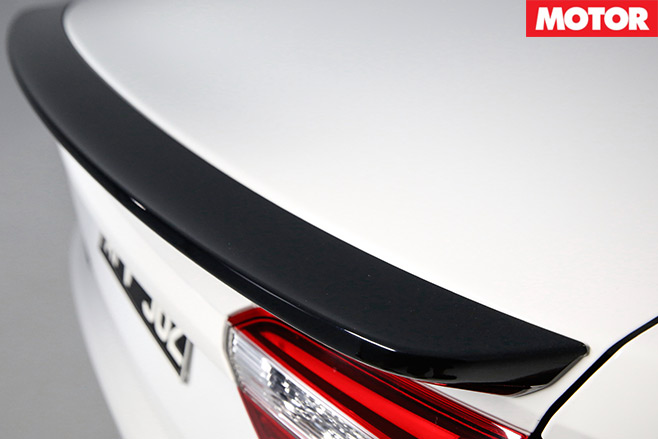
But they can’t work miracles: the performance car game moves very quickly and the basic FG platform is eight years old. It only takes one short drive of the latest performance pony in the Ford stables, the Mustang GT, to show where the Falcon is lacking. Then again, as we said, the entire Sprint development budget was probably equivalent to that of the Mustang’s tail-light design. One constant thorn in our side, however, has been our inability to match the Sprint’s claimed performance times.
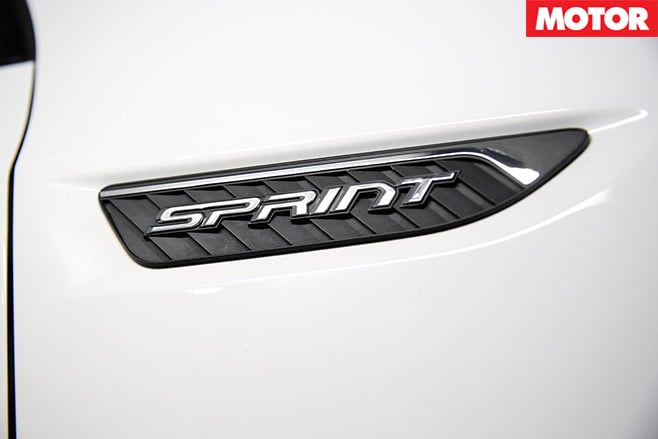
But if we’re grown up about this – which is no fun, but bear with me – it’s also largely irrelevant. In the real world, no one ever accelerates from 0-100km/h; whether overtaking or on a winding country road, what you do is accelerate from 60-100km/h a lot, and in this range the XR6 Sprint is an absolute rocket.
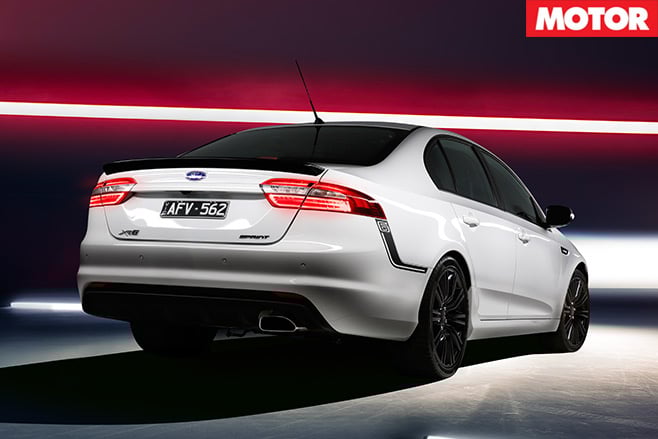
We’ll leave the final words to Sprint Program Manager Justin Capicchiano. “It was never meant to be a track car,” he says. “We set out to build a pretty capable road car. It was a statement to the fans and they responded.” They sure did.
Picking a favourite Mini is usually an open and shut case – just lock in the fastest and fartiest John Cooper Works version. Preferencing the bodystyle that opens and shuts its lid, however, is a far tougher bid for driving enthusiasts.
The latest third-generation JCW Convertible asks $5000 more than its JCW hard-top sibling, at $54,990 for either six-speed manual or automatic transmission. Yet it’s 105kg heavier, (now 1320kg) thanks to those cloth-cloaked octopus tentacles of steel and aluminium crouching overhead that can acrobat between windscreen and bootlid in 18 seconds.
While occupants can then become wind-swept, 0-100km/h performance is less likely to sweep drivers off their feet – the JCW Convertible auto becomes four-tenths slower, with a 6.5-second claim, while the manual is now three-tenths slower at 6.6sec.
The uprated 170kW/320Nm 2.0-litre turbo also loses its sprint advantage over the 141kW/280Nm Cooper S three-door that clocks triple digits in 6.7sec for $15,000 less.
This engine is also available in the BMW 230i with 185kW and the Mini Clubman JCW with 350Nm, yet it’s watered-down here. Although the crackly exhausts sound fruitier roof down and the transmissions are slick, the company has clearly failed to note the Audi S1’s 370Nm.
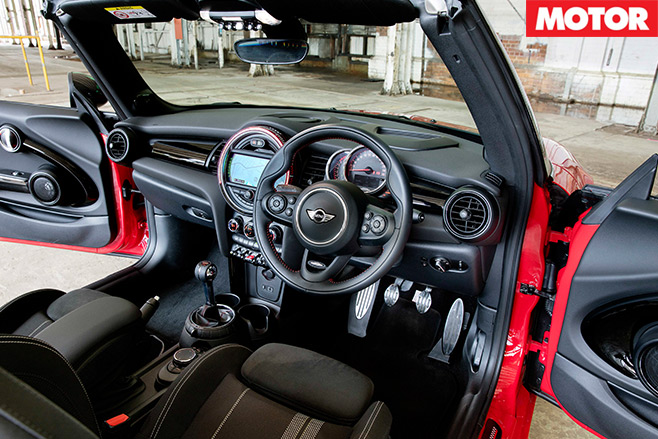
Mini has fitted touring Pirelli Cinturato P7 tyres to the JCW. The Cabrio understeers earlier than it should, and yet attempting to balance it coming off the throttle reveals a steadfastly solid chassis that struggles to play between its axles.
At medium pace the steering is decently weighted and smoothly progressive, but the dartiness that made a Mini a Mini has gone. Load up the bulbous-looking front end and little feedback trickles through.
The two-mode adaptive suspension provides excellent ride comfort and tight body control, particularly in Sport, and it doesn’t grind with the gas-axed body compared with previous versions because scuttle shake is minimal.
At least some of the JCW’s newfound maturity benefits the Convertible in this way, and likewise with the nicely furnished cabin and bolstered seats. With a unique USP, the fastest open-top Mini could even be preferable to its sibling – although in either case the door has shut on any distinct flavour for what has become a generic, brisk front driver.
Concept cars are sometimes a glimpse into the future; other times just wacky ideas that will never make it to production. Here are the most realistic and exciting plans for what’s to come.
LEXUS UX
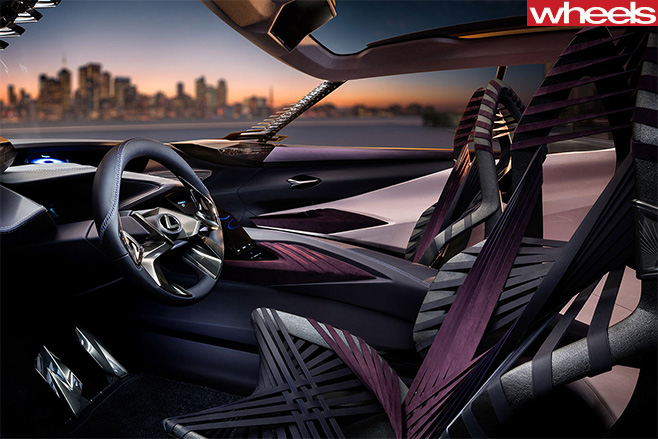
Designed by the Lexus’ European design centre, the UX is the marque’s vision for a future compact SUV to sit below the NX, including an intriguing ‘inside-out’ concept designed to bring the overall feeling of exterior design to the inside of the car.Lexus’ now traditional crease-heavy design language is taken to the extreme, with an adventurous look intended to help the brand reel in younger customers.Also featured is a so-called 3-D Human Machine Interface, in order to immerse the driver through a more ergonomic layout.This is achieved in part through Lexus’ Kinetic seat concept, with traditional seat cushions being replaced by a flexible rubber net that can self-adjust to the occupant’s body.
MERCEDES-BENZ GENERATION EQ
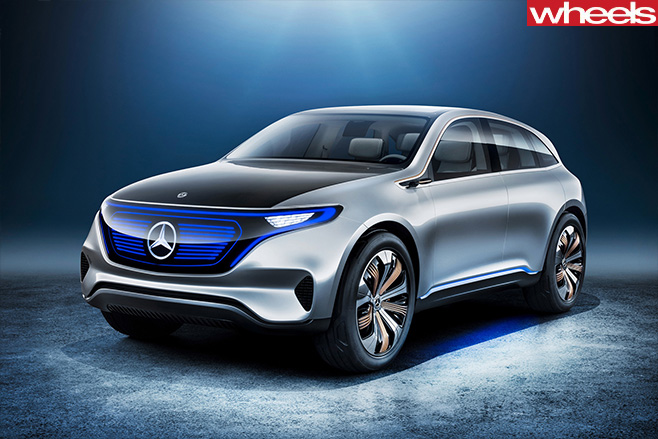
The vehicle will be Mercedes-Benz’s first standalone electric car, the first of a broader range of pure electrics – a strategy similar to that of rival BMW with its i car family. And while most of the car’s styling is far from remarkable, the front end certainly is unique.
The car lacks a proper grille and even a physical badge – instead Benz’s trademark three-pointed star is rendered in LED lights.
The hero for this line of vehicles is not so much appearance though, but more so its importance to the Mercedes brand as it pivots to embrace an emissions-free future.
The SUV then is a taste of Mercedes-Benz’s electric future, with boss Dieter Zetsche saying more than 10 fully electric vehicles from the brand will be on the market by 2025.
VOLKSWAGEN I.D.
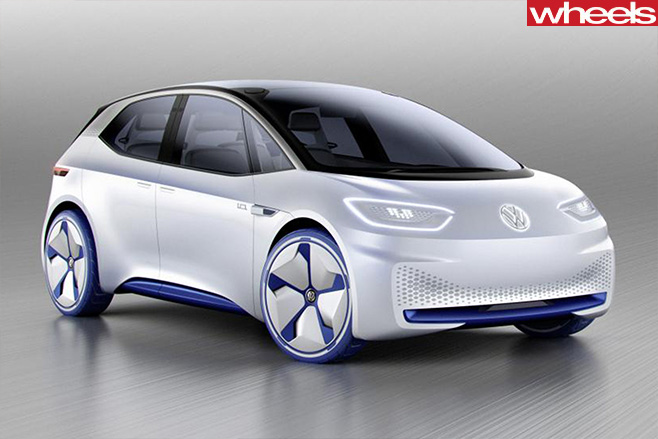
Though not billed as such, the VW I.D. is a preview of what the Golf might look like twenty years from now.
Built on the Volkswagen Group’s all-new EV-specific architecture, the I.D. features short front and rear overhangs and locates much of its battery and motor hardware at the base of the car.
This means the cabin can creep forward further than before and drastically increase cabin space.
The car is the first to be based around the brand’s new modular electric architecture platform – this car will be powered by a 125kW electric motor and store enough energy to enable a 600km range.
The car also features a multi-function steering wheel able to stow away within the dashboard when the car is in autonomous mode.
VW is aiming to sell a staggering 1 million electric cars per year by 2025.
RENAULT TREZOR
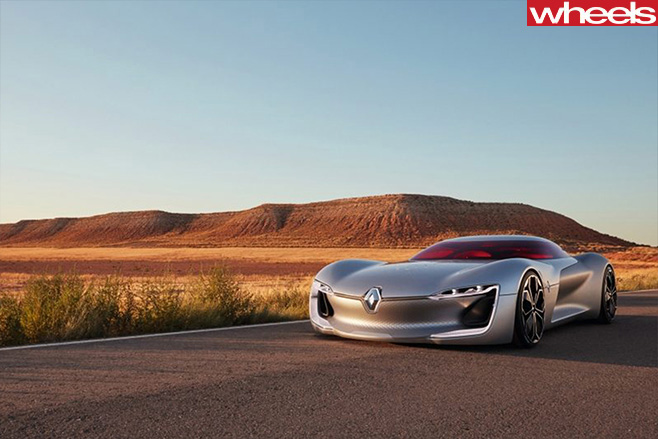
The Trezor is a two-seater electric car with autonomous driving capabilities, but don’t let that drag description dull your enthusiasm for what is one of Renault’s most exciting concepts of recent years.
Styling wise the car has gone for a less is more approach via a minimalist design ethos, but the end result is elegant and beautiful rather than simple and unsophisticated.
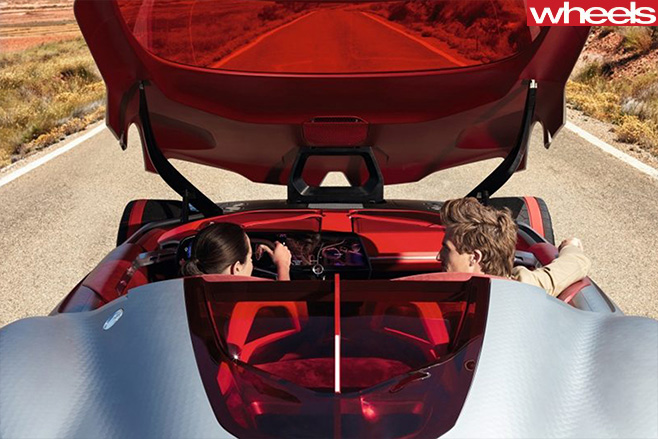
Another standout feature is its front-end clamshell, which sees the Trezor’s entire bonnet, windscreen and roof lifted up in one piece to allow the driver and passenger to enter and exit.
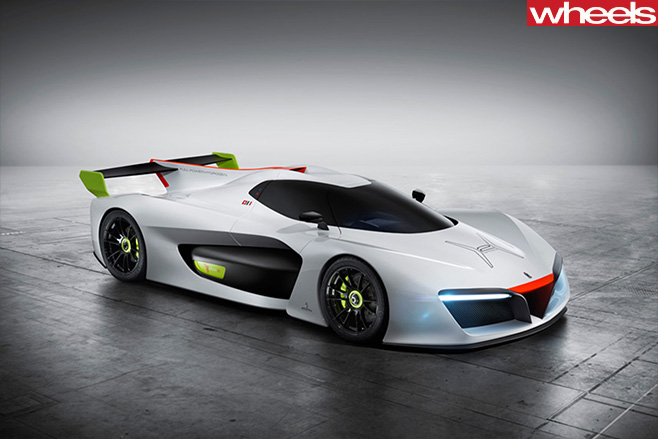
PININFARINA HYDROGEN H2 SPEED
I’ve had an awesome summer. All of 2016, I mean. Enjoying a late-March trip to South Africa, then a month mid-year in Europe – taking in Goodwood and the Le Mans Classic – makes me feel like some kind of sun-chasing, exhaust-sniffing jet-setter.
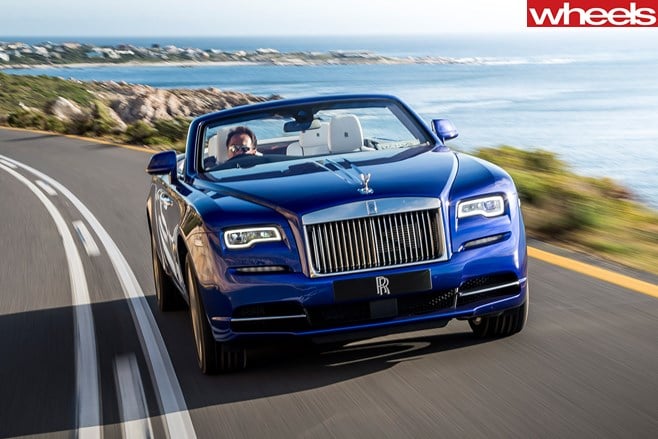
And I guess it looks that way, too. Rolls-Royce had chosen to launch its Dawn convertible against the rough-hewn beauty and vast skies of South Africa’s Western Cape winelands, where we stayed at the estate of London-based billionaire jeweller Laurence Graff.
Swanning in glorious sunshine along False Bay in the $750,000 Rolls Royce Dawn, the leather and open-pore timber interior somehow transcended mere motoring, with an ambience more like an outing in a classic speedboat or a vintage aircraft.
Better still, Delaire Graff Estate is almost next door to L’Ormarins, the estate owned by tobacco-turned-luxury goods tycoon Johann Rupert and home to his Franschhoek Motor Museum. Rupert has more than 200 cars, about 80 of which are displayed in its four beautiful halls.
It’s a neatly curated collection, with everything from early Bugattis, late Ferraris and Le Mans racers (including a Jag D-Type, Ford GT40 and Porsche 956) to a super-rare McLaren M6 GT, Bruce McLaren’s short-lived road-car project.
I went first to the Goodwood Festival of Speed – only six hours, and it rained throughout, but I scored a ride up the hill in a Ferrari 488 Spider.
That wasn’t the summer highlight, though.
A fortnight later, I drove with a couple of mates from Paris to the Le Mans Classic. A bucket-list event for me, the biennial LMC was a smorgasbord of every imaginable motor racing sight, sound and smell. Some 400 racing and sports cars from 1923 to 1979 (plus a special class for 1980s Group C) are divided into six classes, with 45-minute races cycling through day and night. Drivers range from raggedy-arsed urgers and wealthy gentlemen to former 24-Hour winners.
No matter who you are, there are only two ways to race on the full Le Sarthe circuit at Le Mans. This is the other one.
Off the track, in baking 28-degree sunshine, more than 100,000 spectators wandered among 8000 classic cars representing marque clubs from all over Europe. It was a petrol-head’s Woodstock, with all the cool classic cars you could possibly smoke.
But for all that, the real highlight of my summer started the next day. In a rental car.
My wife and I spent a week in Sardinia, on the Costa Smeralda. We stayed in an inexpensive little resort, right opposite an obscenely expensive one where there were parked Lamborghinis and Ferraris and such.
We rented a Citroen C3 Picasso, in which we dawdled wherever and whenever. We plodded around beaches, did day trips to villages, snoozed in the seats, played my wife’s favourite, awful music really loudly with the windows down.
I’d have swapped only the last part – for a cassette deck and Elvis Costello – because this was the simple freedom of a car and a coastline, just as it was when I was 17. And I fell in love all over again.
