
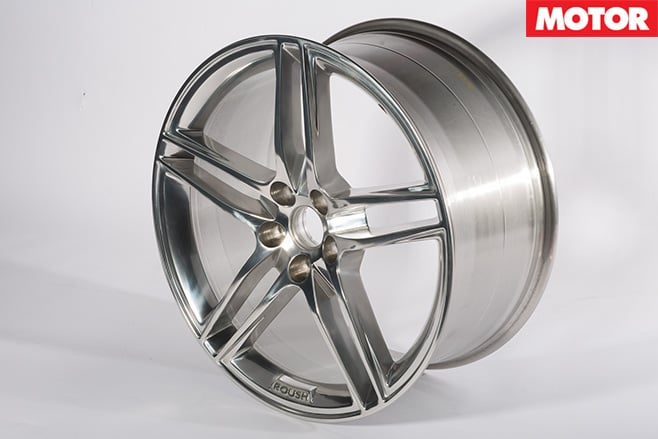
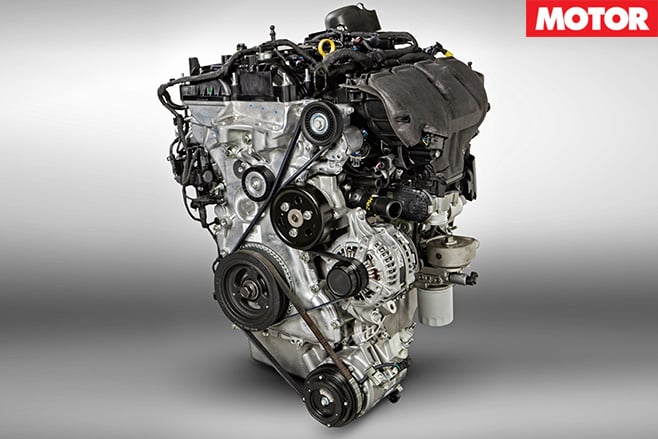
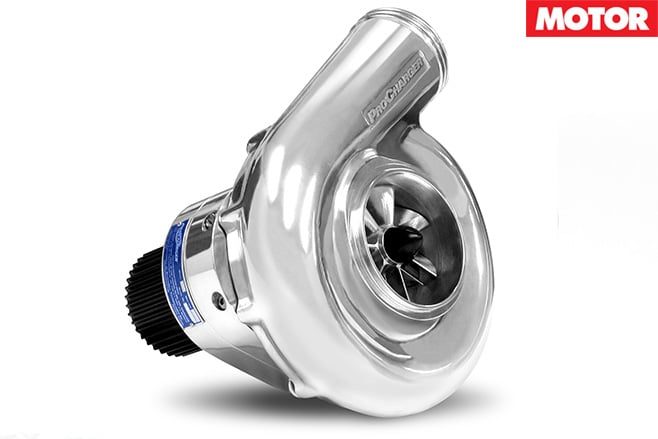
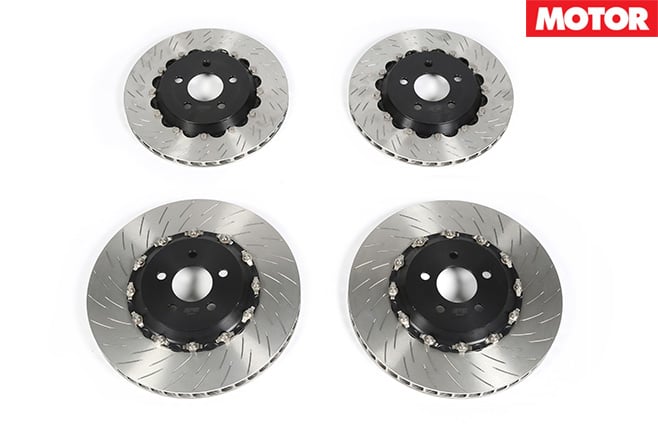
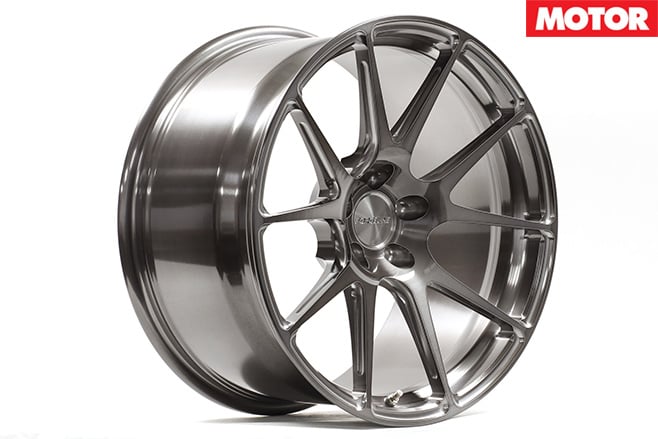
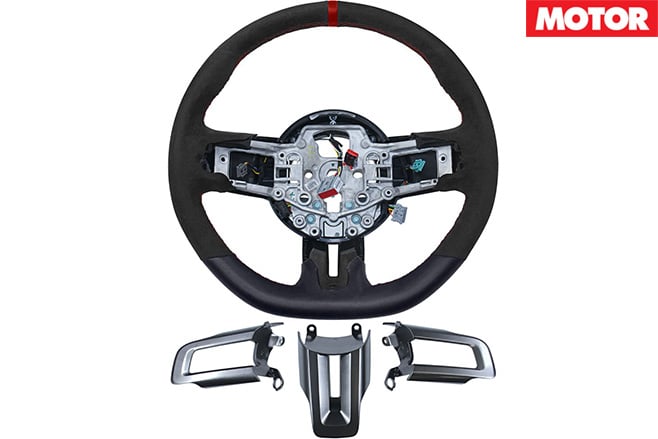
Is your Ford Mustang lacking horsepower or too much of a tame gelding to the eye? Here are six goodies to get the mental gears turning.
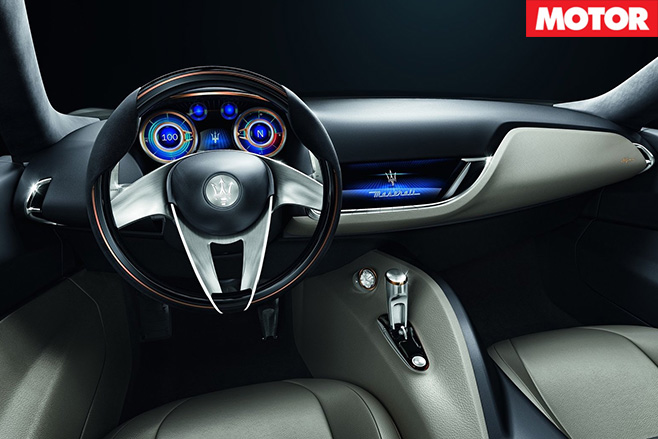
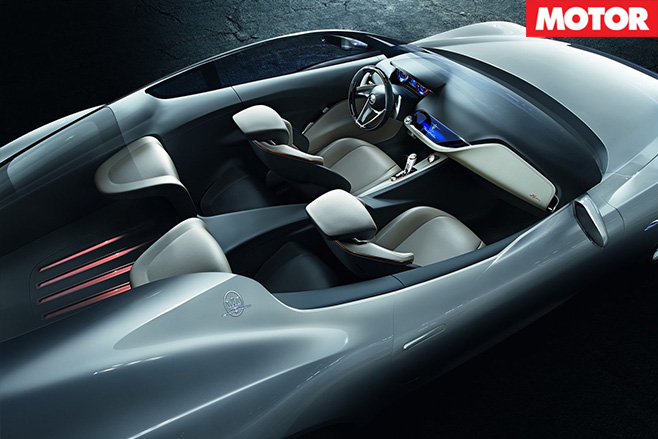
Maserati is primed to launch a production version of its Alfieri concept car in 2019, first with V8 petrol power and followed by a battery-electric version of the two-door sportscar.
While the ageing GranTurismo and GranCabrio will clock up a decade’s service next year, both are tipped to be culled as sales worldwide slows, leaving Maserati with a sedan and SUV lineup until the Alfieri arrives at the end of the decade.
The sexy Alfieri 2+2 coupe was first shown as a concept at the Geneva motor show in March 2014, and several official comments now point to its production model debut.
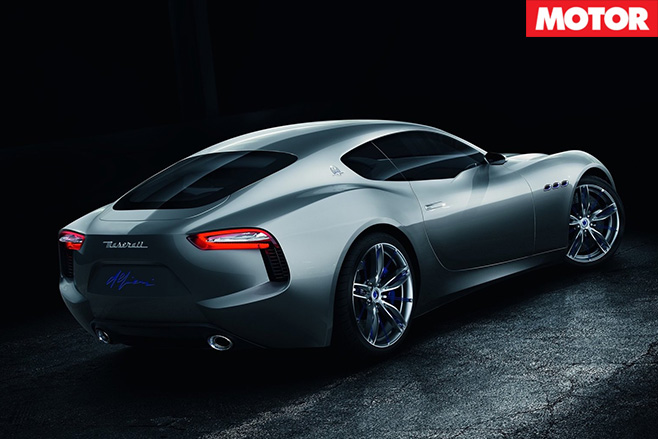
The comments closely align with those of Maserati North Europe regional manager Peter Denton, who confirmed to British online publication just-auto.com that a petrol-engined Alfieri will arrive in 2019, with the battery powered version to follow in 2020.
Although the rear-wheel drive Alfieri concept used the 4.7-litre naturally aspirated V8 out of today’s GranTurismo/GranCabrio, the production version will likely use the newer 3.8-litre twin-turbo V8 from the Quattroporte. Outputs of 390kW/650Nm could certainly be quite tantalising in a compact coupe as opposed to the current 5.0-metre-long, 1900kg sedan.
Maserati Australia chief operating officer Glen Sealey told MOTOR that step one had been to stabilise volume in Australia and this was achieved, step two was to make 500 units next year and this will be achieved, while step three would be to secure 1000 units next year.
“There is still a step four later on but that’s dependent on further models coming into the market,” he continued, but declined to comment on what models they were.
“For us, Peter [Denton] is talking about vehicles in 2020 and we’re always excited to hear those plans. We have plans stretching out beyond 2020 today … I’ve seen those plans and they’re exciting plans.
“For people who are engaged and become part of the Maserati family, they are going to enjoy the product offerings to come.”
The relationship between Porsche and Audi in the World Endurance Championship is a strange one.
Both owned by the Volkswagen Group, the pair are intense rivals on track, having shared carbon-fibre laden jabs on the world stage for the last three years.
Audi, run by Team Joest, has dominated international sportscar racing for the past 18 years, racking up incredible win rates and crushing the opposition year after year at the 24 Hours of Le Mans.
For large parts of those 18 years, Porsche has laid dormant, content with history recording them as the most successful manufacturer in sporstcar history.
But in their absence, Audi drew closer and closer to Porsche’s records each year as they notched up victory after victory.
Then, in 2014, Porsche announced its return to take their brothers on in the WEC, and especially at the 24 Hours of Le Mans.
What ensued was a brilliant three-year battle of two titans of motorsport.
Kicking it all off, was a tongue-in-cheek welcome video from Audi to Porsche, written in black rubber by their LMP1 car outside the Porsche headquarters in Stuttgart.
This year, Audi announced their shock retirement from top-tier sportscar racing, leaving Porsche to battle Toyota on their lonesome.
Bringing the three-year story full circle, Porsche have paid their respects to Audi with a heartfelt message that brings us back to those taunting tyre marks outside the Porsche headquarters.
It is a touching display of sportsmanship and respect between the two brands and rivals.
I’m not crying, you’re crying!
It should also be noted Toyota paid their respects to Audi at the final round of the 2016 WEC campaign in Bahrain with a banner and stickers on their LMP1 cars. Sportsmanship isn’t dead yet!
The famous Top Gear test track will go the way of the Dodo after the local council approved a plan to build 1800 new homes at the site.
Waverley Borough Council approved a plan on Wednesday which will see Dunsfold Aerodrome, the home of the famous TV test track, repurposed into a business park.
The Aerodrome currently homes 100 businesses which employ 800 people, as well as being the site of the famous Top Gear track.
Part of the new development must provide affordable housing, with Jim McAllister, the Dunsfold Park projet chief exeutive saying it’ll be an area for a community to flourish.
“The development of Dunsfold Aerodrome will provide homes for young families currently priced out of the area, direct development away from green fields, create new jobs and deliver a range of new community facilities and infrastructure improvements.”
However, opponents of the development claim the site is not needed.
The loss of the Top Gear track to the encroachment of housing developments is a theme many Australians would know.
The iconic Oran Park circuit in New South Wales is now a suburban development, and tracks such as Sandown and Lakeside are seriously hampered by noise restrictions.
These tight regulations were implemented following complaints from residents who moved to the areas after the tracks had been built and operating.
Aside from being the site where The Stig has thrashed numerous of the world’s fastest and most exotic cars, the Dunsfold Aerodrome, which was built in World War Two as a bomber base, is also used for driver education and training, as well as housing the Surrey Cycle Racing League in Summer.
The Dunsfold Park project was first proposed by the owners of the Aerodrome in 2006, with 2,600 homes originally slated to be built.
The long awaited successor to the current Volvo XC60 has been again been spotted, with a camouflaged prototype dropping hints that the Swedish will style its next-gen medium SUV as a mini Volvo XC90.
This is a hugely important model for Volvo. The XC60 has long been one of its biggest sellers since entering the market in 2009, however its looks dated against the still-fresh second-gen XC90 and will need more than a facelift to compete with the 2017 Audi Q5 and BMW X3 that are due soon.
First introduced in 2007 as a concept, the XC60 began production in 2008 and will be 10 years old by the time it’s replaced.
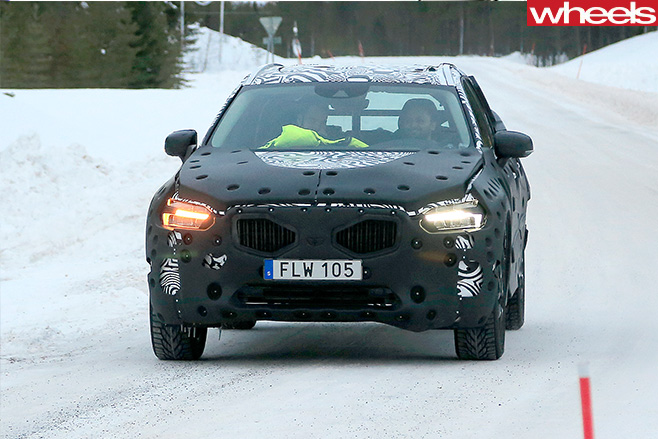
The new Volvo XC60 will also share the XC90s Scalable Product Architecture (SPA) platform, which in turn underpins both the new S90 sedan and V90 estate.
This will be the first 60-series Volvo to be built on the SPA, with the all-new S60 and V60 to follow suit.
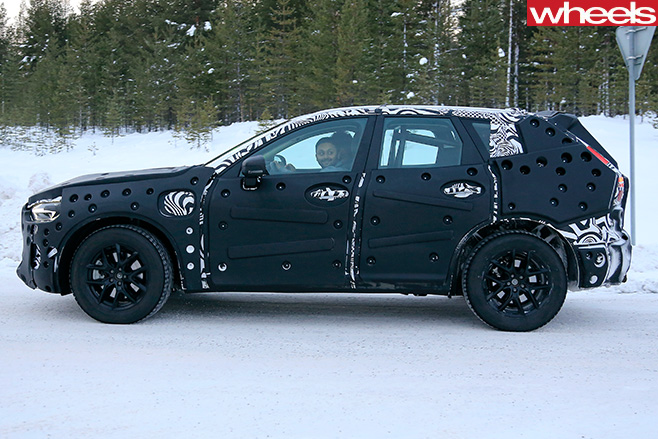
These include the punchy T6 2.0-litre straight four that’s both turbocharged and supercharged, and found in 235kW/400Nm form in the XC90.
The T8 Twin Engine may also feature on the XC60 as a performance flagship model, and essentially marries the T6 powertrain to an electric motor/battery combo with plug-in charging capability. In the XC90, the T8 setup takes fuel efficiency from 8.5L/100km to a tee-totalling 2.1L/100km, and provides up to 40km of electric-only range.

Interior design cues are also expected to be taken from the XC90, including the uncluttered dashboard and vertical-oriented touchscreen display.
Technology wise, it is likely to become one of the safest cars in its segment thanks to an array of active safety features comprising the acclaimed IntelliSafe system. While not confirmed, it’s believed it will be able to drive itself in city traffic or up to certain speeds.
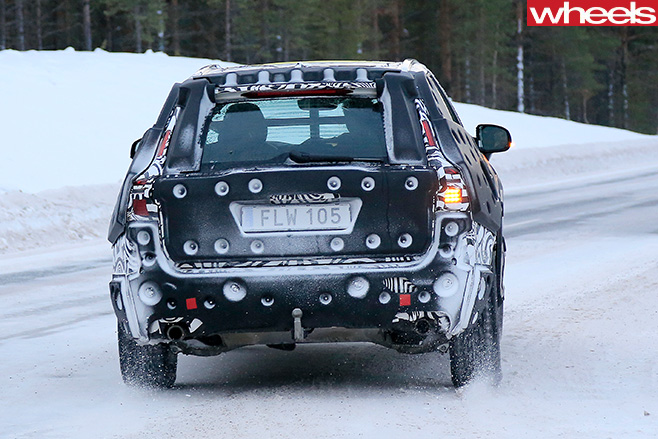
And if it’s as a big an improvement over the current model as the all-new XC90 was to its forbear, it should give its German rivals a decent run for their Euro.
The Veloce is a new badge for the Giulietta famiglia, but it replaces an old one: Quadrifoglio Verde. The recipe is familiar too, with minor updates accompanying the new badge that aim to keep the friskiest version of the Giulietta fresh.
TELL ME ABOUT THIS CAR
- The QV badge has been retired for Alfa Romeo Giulietta, though the mechanical package lives on almost unchanged in the Giulietta Veloce. That means the same turbocharged 1.7-litre inline four as before, as well as a performance-oriented chassis and interior.
- The price for the auto-only Giulietta Veloce is $41,900, a $100 discount on the price of the previous Giulietta QV TCT auto. With the model now in its sixth year – and still no replacement in sight – does the top-tier Giulietta still have what it takes to compete with other similarly-priced hot hatches ?
- The Giulietta Veloce, like the superseded Quadrifoglio Verde, is powered by the same 1.7-litre turbo engine as the 4C: and it’s the best part about the car. Making 177kW and 340Nm of torque (in Dynamic mode) it packs a decent punch for its capacity, and sounds good when under load too.
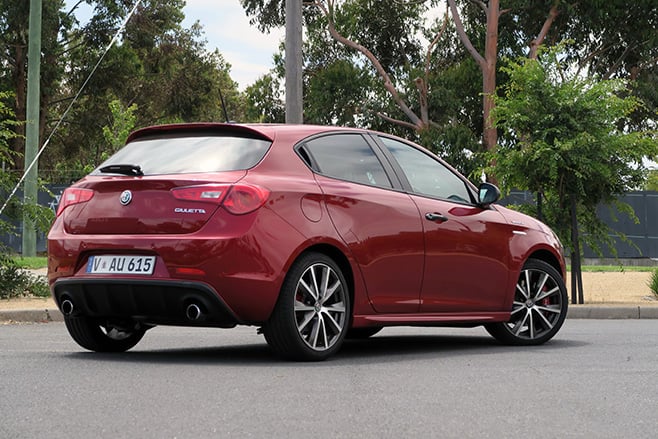
- Though it’s quite an old car by now, the Giulietta’s Italian sheetmetal is still an attention-getter. Six years on from its showroom introduction, the Giulietta has been kept visually fresh through a modest front-and-rear cosmetic update that includes new grille details, headlamp jewellery, tailpipes and alloy wheel designs.
- Launch control is a handy feature to have if you need to make a fast getaway. Use it, and the engine/transmission combo effects a neat 4000rpm launch that sends the Giulietta to 100km/h in a swift 6.0 seconds.
- Handling through the sports-tuned suspension is excellent, though too-heavy steering in Dynamic mode spoils the experience somewhat. The Giulietta’s Pirelli rubber delivers good grip though, and the Veloce boasts a sporty character that keen drivers should appreciate.
- Torque steer gets in the way of having fun, always threatening to pull you off your intended path even when the front wheels are dead straight. Hold on to that wheel tightly if you’re planning on a spirited journey through the hills.
- The Veloce’s twin clutch transmission is the only transmission available, but unfortunately it’s not much chop. It’s a shame, because the no-longer-available six-speed manual was such a delight to use – the TCT auto, by contrast, is jerky from standstill and not as fast through the gears as other dual-clutchers.
- As strong as the Veloce’s 1.7-litre is, it’s a fairly lazy motor at low RPM when the turbo is off-boost. That means there’s a momentary pause between flattening the accelerator and the engine delivering meaningful power.
- The standard-fit Bose premium audio package is offensively bassy by default. We love our beats, but having to turn down the bass channel on a premium audio system is a little strange – and normally the opposite of what we’d do.
- Ergonomics – the front seats might be excellent, but the steering column doesn’t have enough reach adjustment, prompting an arms-straight-out posture that is neither natural or comfortable. Over-the-shoulder vision is also hampered by a thick B-pillar.
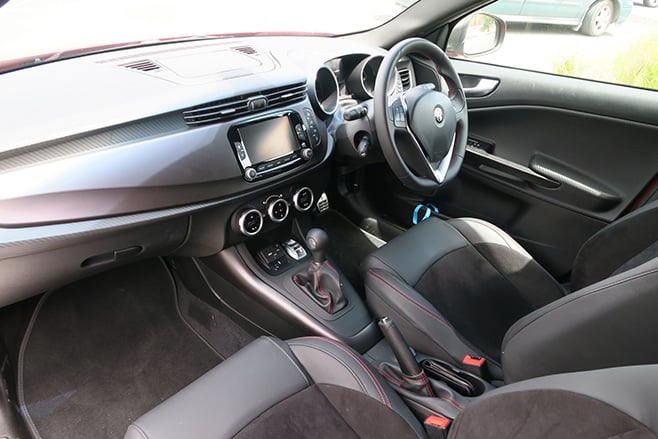
- The interior has other foibles too. Tiny cupholders and an undersized glovebox limit its everyday usability, while the lap section of the front seatbelts lie straight across backrest adjuster when you’re strapped in, making reclining your seat a real pain.
- There’s no reversing camera – a real oversight considering the view through the back of the Giulietta’s glasshouse isn’t exactly stellar. At least rear parking sensors are standard-issue.
- Build quality falls well short of expectations. Plastic quality and questionable fit and finish don’t align with Alfa’s premium brand image, and our tester had more than one piece of loose trim that made us doubt its long term durability.
- The Giulietta’s rear seat isn’t the roomiest one in the segment to begin with, but the Veloce’s is further compromised by the bulky backrests of the heavily-bolstered front seats
There are options aplenty if you’re looking for a fast five-door around the $40K mark, including the powerful Ford Focus ST, Mini Cooper S five-door and the yardstick Volkswagen Golf GTI. If you’re cool with a sedan, the Subaru WRX offers huge bang for your buck as well.
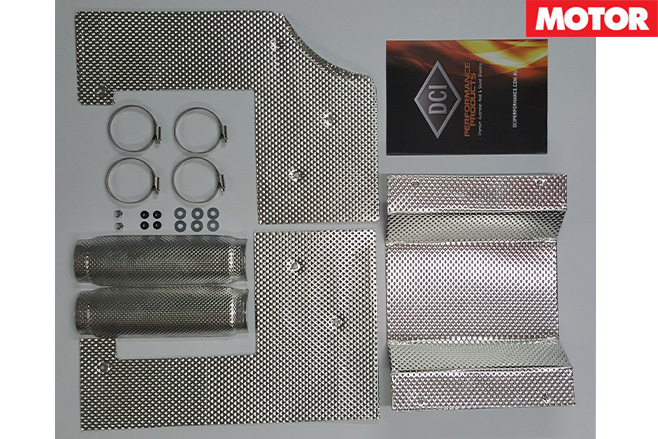
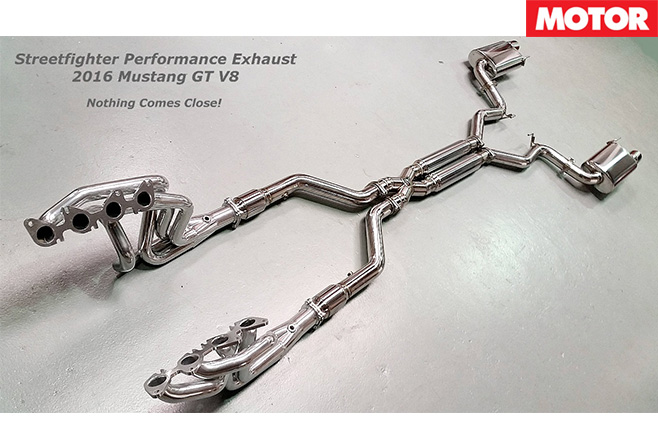
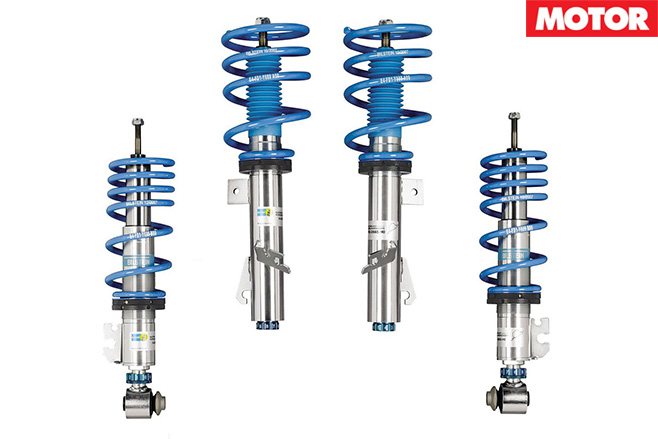
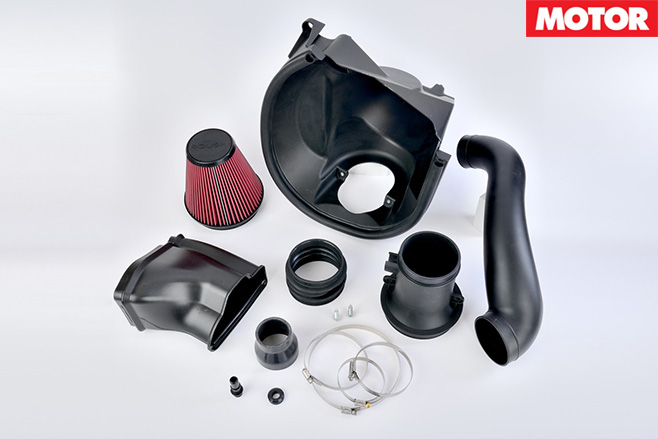
Want to give your ponycar some extra bite without a siren going off in your bank manager’s office? Here are eight modification options to get you thinking.

In any performance-based competition, an R35 GT-R with the wick turned up to 11 is going to give the top step a fair shake, so it’s not a huge surprise to see the Hi-Torque Nissan win this year’s Hot Tuner outright.
Not everyone has the best part of a quarter-million to drop on a modified machine, though, so how do things shake out when we include each participants’ price tag in the equation?
To find out we dusted off our trusty Bang For Your Bucks formula, tweaked to suit the Hot Tuner format. With our limited data set we used each car’s lap time (70 per cent) and its lap v-max and Turn One and Seven apex speeds (10 per cent each) to make up its ‘Bang’ score (performance), which is then indexed so we have comparative values for the whole field.
The same process was applied to each car’s price – its ‘Bang’ score – and the two scores combined with a 50:50 weighting to give a final BFYB score. And the outcome? In third place with a scored of 118.95 sits the BWA Auto Golf R, a deserved result for a car that performed well in all disciplines without costing the earth.
Perhaps surprisingly, in second place, with a BFYB score of 128.58, is the Hi-Torque R35 GT-R, which just goes to show how outrageous its level of performance is.
Which leaves the Harding Performance Golf R as our Bang For Your Buck winner, its second-placed 63.8sec lap time combining well with its $86K price tag. Congratulations Harding Performance.
BANG FOR YOUR BUCK: RANKED
| u00a0 | CAR | BANG | BUCKu00a0 | BFYB |
| 1 | Harding Golf R | 134.8 | 133.28 | 133.88 |
| 2 | Hi-Torque GT-R | 209.89 | 47.272 | 128.58 |
| 3 | BWA Golf R | 85.06 | 152.85 | 118.95 |
| 4 | Herrod Mustang | 104.25 | 131.48u00a0 | 117.86 |
| 5 | Streetfighter Mustang | 102.41 | 129.70 | 116.05 |
| 6 | Harding S1 | 27.67 | 154.69 | 91.18 |
| 7 | Hi-Torque HSV | 71.34 | 98.58u00a0 | 84.96 |
| 8 | VCM C63 AMG | 64.90 | 77.67 | 71.28 |
| 9 | Tunehouse MX-5 | Insufficient data | N/A | N/A |
Mercedes-AMG’s hulking track monster proves racing really does improve the breed.
WHAT IS IT? A visual punch in the face, that’s what. AMGs have always sat at the angry end of the design spectrum, but the GT R’s wider and lower bodywork takes the eyeball assault to the next level. As it should too, given the R is the hardest, fastest and most track-focused variant yet in the rapidly expanding AMG GT family. It’s also a rival for the mighty Porsche 911 GT3 RS, so it carries big expectations.
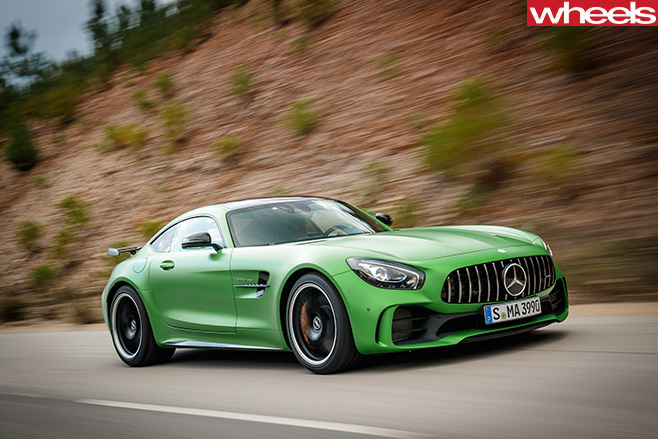
THE WHEELS VERDICT It was almost guaranteed that the GT R would deliver pulverising acceleration, greater agility and a brilliant V8 soundtrack, but while its on-track performance shows the R has the talent to rival the 911 GT3 RS, the biggest surprise is how much more engaging and capable it is as a road car.
PLUS: Grip; speed; balance; approachable limits; ride; noise MINUS: Cabin ergonomics and space; rear visibility
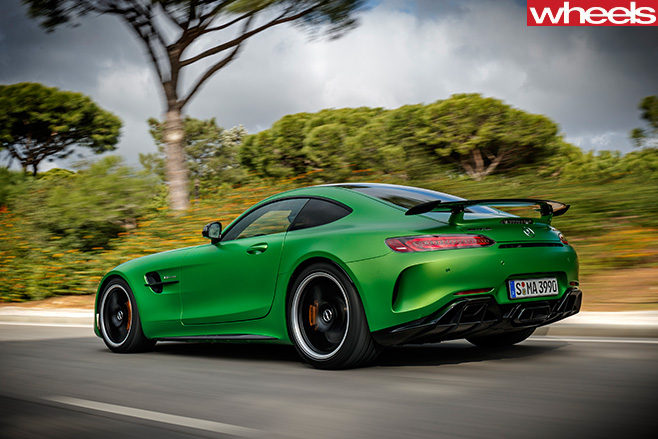

I’m in Portugal, at the rather daunting Portimao circuit and the GT R’s narrow windscreen is being peppered with small rubber bullets, shot from the back of another GT R 10 metres up the road. It’s driven by AMG hot-shoe Bernd Schneider, and his wide green rump kicks and bucks as we slipstream down the long straight, the track’s peppered surface bumpy enough to have the traction control light blinking at 246km/h.
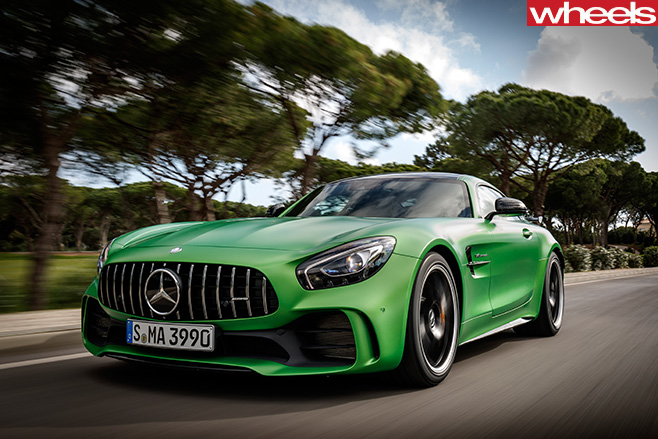
In the rapidly expanding AMG GT family, the R is the most track-focused and the most hardcore. It’s also infused with the most technology, thanks to a bunch of AMG firsts like active aerodynamics (designed to suck the car into the road at speed), four-wheel steering and a 9-stage traction control system, nicked from AMG’s GT3 race car.
Power comes from the same dry-sumped 4.0-litre V8 as the GT S, though new turbochargers, more boost (up from 1.2bar to 1.35) and a revised cylinder head sees outputs jump by 55kW/50Nm to 430kW/700Nm.
There’s a lighter dual-mass fly wheel too, and a redesigned active exhaust system now partially made from titanium to save 6kg.

The result is ‘push you back in the seat’ levels of grunt (0-100km/h is a claimed 3.6sec) but it’s not the straight-line shove that dominates the on-track experience. It’s the grip.
Track widths have grown front and rear, 7 and 57mm respectively, and the suspension is heavily revised, the regular GT’s set-up replaced with a more sophisticated, lightweight arrangement comprising double wishbones all-round, with adjustable coil-overs and three-stage adaptive dampers.
There’s a larger contact patch than before too, with lighter, forged alloy wheels shod with sticky Michelin Pilot Spot Cup 2 rubber measuring 275/35R19 up front and 325/30R20 out back.

The steering’s better too courtesy of a faster variable rack, which combined with the wider track, has enhanced turn in response and front-axle feel. It’s still not oozing with communication, bit it’s certainly clearer in its feedback than the GT S, and the weighting is nicer in all four driving modes (Comfort, Sport, Sport+, Race).
And have I mentioned the noise? I doubt there’s a better-sounding turbocharged V8 in existence. Full throttle upshifts are hammered home with a deep V8 crack, and while the gearbox isn’t quite as fast or intuitive as Porsche’s PDK unit, downshifts deliver a wet gurgle on the overrun that sound as though the engine is gargling chainsaws. It’s brilliant.
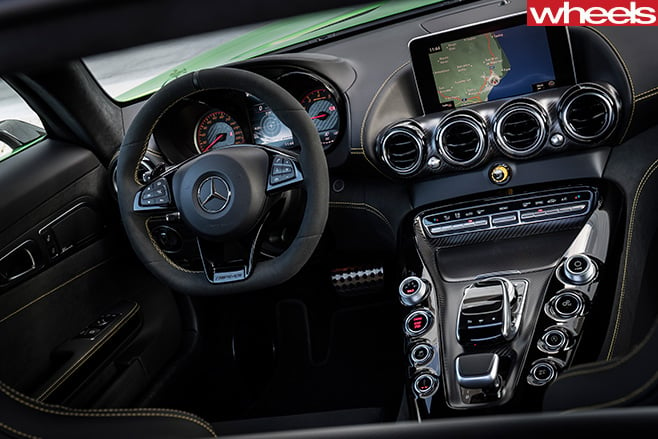
Where the GT R surprises most, though, isn’t on the track, but on bumpy Portuguese roads. Given its performance bent, and the brutal, brittle ride of the GT S, I was expecting the GT R to be bone-jarringly firm, yet this is the best-riding GT to date. Even in Sport +, which was previously reserved only for the smoothest surfaces, the GT R has a compliance lacking in its lesser siblings. It allows you to exploit all of that extra grunt and grip without the worry of being bounced off the road, and is the key to the GT R’s appeal. As fast, entertaining and exciting as it is on a circuit, the GT R’s greatest achievement is how it performs in the real world. It has a polish, a sense of confidence and a multi-faceted level of ability lacking in any member of the GT family. It is, quite simply, the most complete AMG yet.
SPECS Model: Mercedes-AMG GT R Engine: 3982cc V8 (90°), dohc, 32v, twin-turbo Max power: 430kW @ 6250rpm Max torque: 700Nm @ 1900-5500rpm Transmission: 7-speed dual-clutch Kerb weight: 1555kg 0-100km/h: 3.6sec (claimed) Fuel economy: 11.4L/100km (EU) Price: $360,000 (est) On sale: Q2 2017
Holden has confirmed a trio of limited-edition Commodore V8s will be a final swansong for the VF Series II range and the final rear-drive Australian-made large car next year.
Limited-edition models based on the SS V Redline sedan, Calais V sedan and SS V Redline ute have been officially announced and will make their public debut in five weeks’ time on January 19. The announcement follows the activation of an interest-register microsite: holden.com.au/cars/commodore/limited-edition
A single teaser image has been provided, showing a Commodore with a black alloy wheel featuring a red outer circle and lower grille, alongside clear but minimal text – “One iconic nameplate. Three limited editions”.
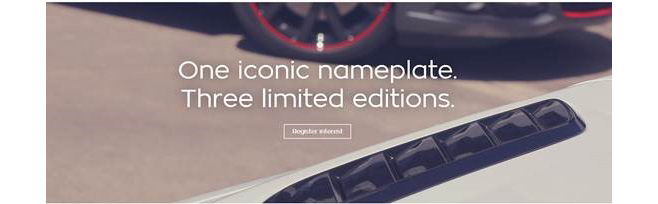
The teaser image most likely points to the more aggressive SS V Redline sedan and ute variations that point to a racetrack-focused edition possibly with stickier tyres than the current Bridgestone Potenza RE050 rubber, and potentially reviving the Bathurst name – or Magnum for the ute, which was last used on the HDT-tweaked two-door for the 1996 VS.
Adding weight to the rumours: Holden has trademarked Director, Bathurst and Magnum.
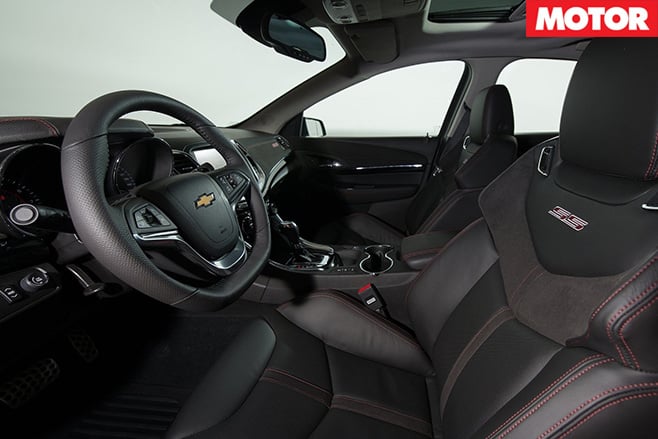
Given the 6.2-litre LS3 V8 migrated from Chevy SS to VF Series II Commodore SS after some time, expect the trickle-down effect to be a simple matter of flicking a switch in the factory.
Of the export suspension, Chevrolet says: “The SS sports sedan combines the precision handling of a sports car and the remarkably smooth ride of a sedan with the help of the standard third-generation Magnetic Ride Control.”
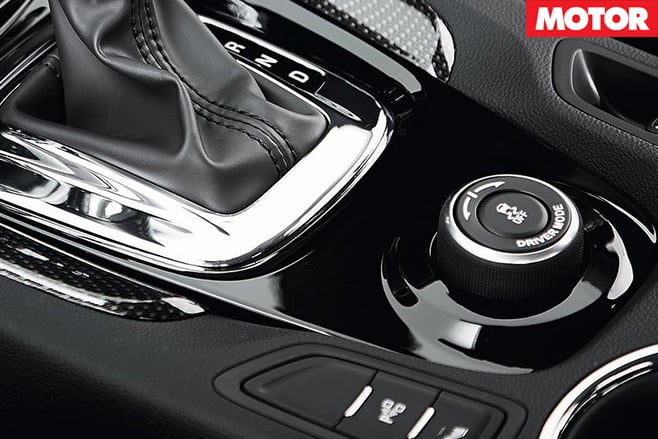
Holden hasn’t said how many of each limited edition Commodore it will make, but it has directed buyers to register their interest at the microsite ahead of the January 19 reveal.
