
The new Alfa Romeo Giulia QV is one fast car. Faster than all its rivals.
Whereas the German opposition is limited in terms of top speed, the carefree Italians let physics determine when the Giulia runs out of puff, which is at a claimed 305km/h. Judging by the video above, it’s good for all that and then some. Quick note, skip ahead to 0:56 for the good stuff.
Having found a quiet but damp stretch of autobahn, this keen owner accelerates from rest (not sure about the wisdom of coming to a halt on an autobahn…), passing 200km/h less than 16 seconds later and powering on to 295km/h.
While this is a little way short of the QV’s claimed v-max, the ease with which it continues to pull in sixth gear suggests those last 10km/h are a formality, with even more available should you find a long enough stretch of road.
Of course, the Giulia QV isn’t just fast in a straight line, as evidenced by bits scorching 7min32sec Nurburgring lap time, which you can watch below in case you missed it.
The Alfa Romeo Giulia QV lands in Australia in January 2017, with 100 Aussie Alfisti having pre-ordered one despite the price having not yet been announced.
Overseas reports indicate that thanks to some of Ferrari’s finest engineers heading the project, the Giulia QV is an Alfa that’s finally worth getting excited about.
Whether that talent translates to Aussie roads remain to be seen, but the comparison test with the BMW M3 and Mercedes-AMG C63 S is set to be one of the highlights of 2017.
THE cost of running a car was cheaper in the three months to September thanks to even lower fuel prices, the consumer watchdog says.
However, it wasn’t good news for everyone, with Sydney motorists, those in Brisbane and everyone living outside a major city hit with higher fuel costs.
The Australian Competition and Consumer Commission today released its eighth investigation into how much we all pay at the pump, and the result is good for everyone except Sydneysiders.
According to the ACCC, Sydney motorists have paid up to $85 million more for their fuel as a result of the state’s ethanol fuel mandate, which makes it mandatory for petrol stations to have E10 bowsers.
For many petrol stations this means having fewer regular-unleaded pumps, meaning drivers are forced to fuel up with more expensive premium unleaded even if they don’t need to.
To put this in perspective, Sydney motorists bought 54 percent of their fuel as premium unleaded, compared with 23 percent in other states.
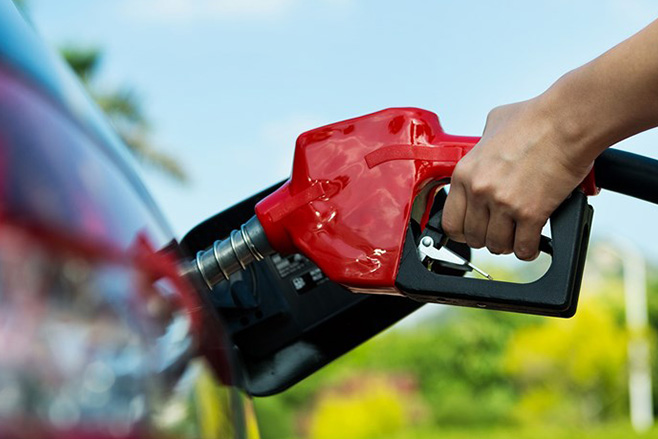
“While the use of E10 may be better for the environment, the ethanol mandate has reduced consumer choice and cost Sydney motorists up to $85 million,” ACCC chairman Rod Sims said.
“It has also boosted Sydney retailer’s profits due to the higher margins on premium fuel,” he said.
Average fuel prices in the five largest cities fell 3.8 cents a litre in Australia for the September quarter, down to 114.2 cents a litre.
Brisbane motorists continue to pay more for their fuel, 1.3 cents a litre higher than the national average. The ACCC noted prices in Darwin had fallen to a historical low – only 1.7 cents a litre above the average – in the wake of the consumer watchdog’s investigation into pricing practices there.
The retail margin – how much the fuel retailers make before the costs of running their business are taken out fell 0.6 cents a litre to 10.4 cents a litre.
It was bad news, though, for drivers living outside major cities. The city-country price differential for the quarter measured across 190 cities jumped an average of 6.2 cents a litre, up 3.9 cents a litre compared with the previous quarter.
Can’t get enough? Now read our top tips to save fuel.
You are probably familiar with the expression ‘Murphy was an optimist’.
Hot Tuner 2016 is brought to you by Valvoline SynPower
It means, of course, that sometimes things go so wrong that not even the most dire predictions nor the most careful of preparations can allow for it. Which brings me to Hot Tuner 2016.
When it comes to the event in question, Murphy wasn’t just being an optimist. Nope, old mate Murph was off his face on meth and Jack Daniel’s and was driving a V8-powered Leyland Marina on nitrous the wrong way up a freeway, towing a box-trailer full of burning saints. Sometimes things go wrong but stay within normal parameters. Hot Tuner went wrong bigger than that. Rolf Harris-wrong.
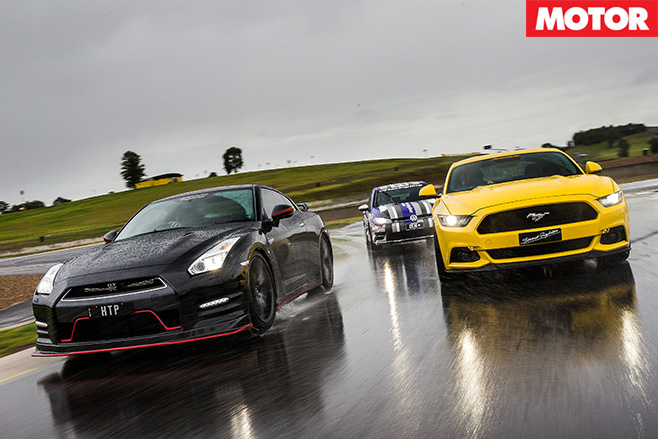
Now, I’m all for low-lining – you know, making large of what little you have – but to get to the Sigma we had to walk right past his V8 Calais. So I dunno…
Anyway, by the time we were rolling into Sin City, the first few drops were being smeared all over the Sigma’s windscreen.
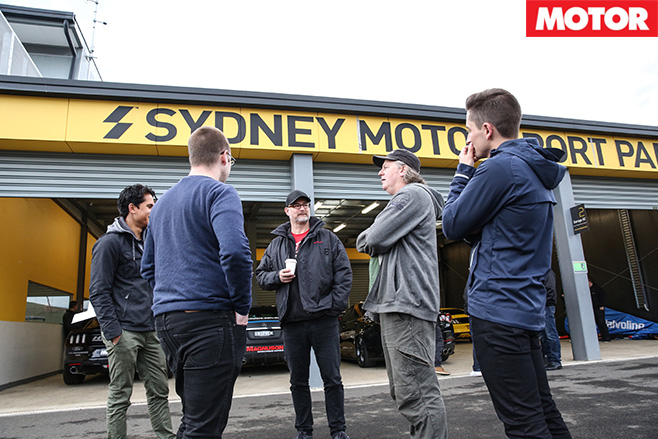
Now, I’m not necessarily the cautious type (God knows), but I have, in previous years, expressed a certain degree of apprehension about driving cars like the ones that turn up at Hot Tuner, what with their horsepower in multiples of 100 and the fact that, while I know and trust some of those tuners present (and, therefore, the quality of their work), some of them I would not know if they stood up in my Weet-Bix.
This has always made me a bit leery, especially since that time a few years back when a hot-rodded Falcon turbo tried to fence itself (and Luffy) at 200-plus when it shat a coolant hose and spun on its own snot.
In any case, we managed to find just enough dry-track time to run figures on all the cars. Oh, except for one of them. Yep, every time I went near the driver’s seat of the Streetfighter Mustang, Murph intervened, the heavens opened one more time and we wheeled it back to the staging lane. So, scratch the dragstrip, then.
Surely things will be better on the dyno, right? Well, you’d think so, given that the bugger is indoors for a start. But, no, it seems Old Murph was still screaming up the freeway in his Marina. See, in the interests of parity and fairness, we always insist that the tuner cars turn up to Hot Tuner with an empty-ish fuel tank.
The alarm bells started ringing when Rob Herrod’s Mustang wheeled onto the dyno and gave the rollers a quick round trip. Nothing sounded wrong, but when we looked at the dyno sheet, it was clear that all was not well.
In fact, about 100-kiloWatts-down not well. Now I’ve seen the original dyno sheet for this car, and somewhere between 80 and 100kW had just vanished. I quizzed Rob Herrod about it. Was the car strapped down correctly?
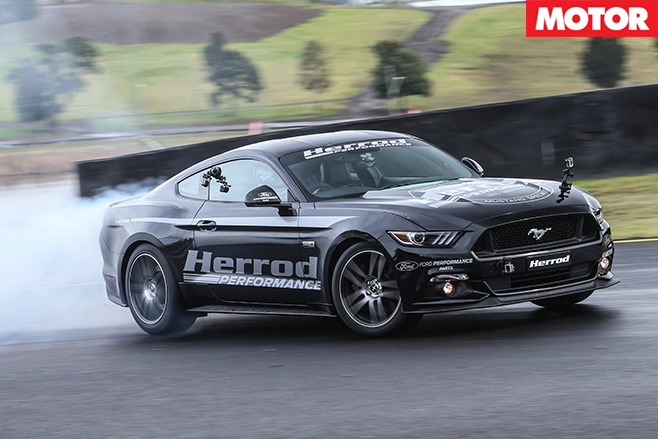
See, our engine management system keeps a real close eye on the fuel. If it sees that something’s not right, it doesn’t just wind back the spark, it sends everything into a preservation mode. And that’s what I reckon has happened here. We’ve seen it before at home on customers’ cars who turn up with crook fuel. We drain the tank, refuel the thing and bang, the horsepower is back.”
Herrod’s fears were more or less confirmed within 20 minutes when the VCM C63 – itself with a sensitive preservation mode – lost about the same amount of grunt. We’re having the fuel tested as we speak, but it looks as though it’s low-octane stuff with a few ‘additives’ to make it behave like Premium. Murphy shifts the Marina into overdrive.
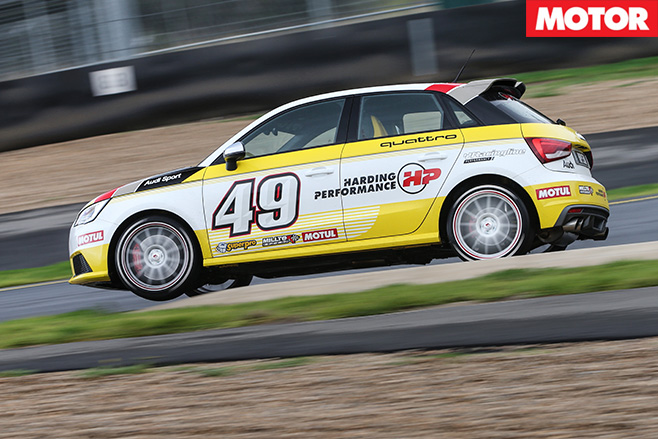
So that’s what we’re going to have to go with here. Not perfect, but still some kind of representation. And if nothing else, it should remind us that Hot Tuner is more about letting you lot know who can do what for whatever car you might own, rather than a duke-’em-out session of tuner versus tuner. Which is lucky, right? Damn straight.
Rent-a-racer
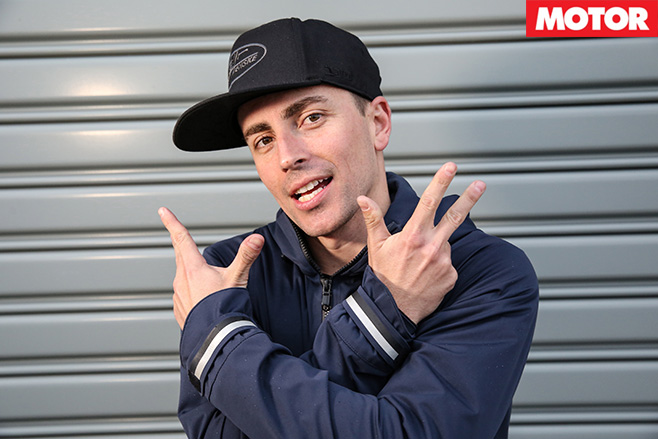
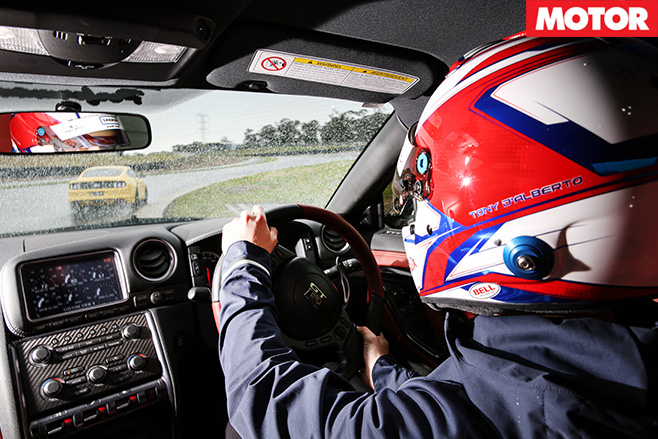
Enter Australian GT and DJR Penske endurance driver Tony D’Alberto. Luffy’s shoes are about as big as they come for this sort of work, but Tony D filled them admirably. The driving is one thing, but by far the bigger challenge is putting up with MOTOR folks for three days straight.
Wrestling blown rear-drive V8s, dry set-up Golf Rs and a mega-power GT-R around a sodden South Circuit definitely qualifies as being thrown into the deep end but Tony was immediately quick and consistent.
Unlike stunt-driving Luffy, sideways motoring doesn’t come naturally to TD, but his inherent car control came to the fore and was soon sliding around the for the cameras enough to get Today Tonight’s attention (which didn’t happen, fortunately).
Welcome to team MOTOR, Tony.
One rainy parade indeed
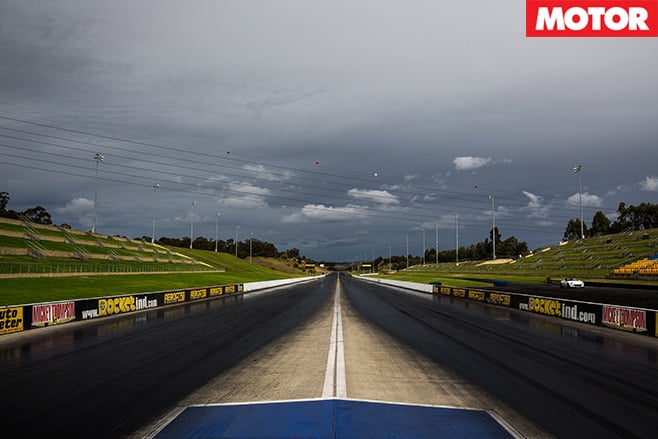
IN A perfect world the sun would have been shining, the ambient air temp cool and each of our contenders straining at their dyno ratchet straps with more mumbo than back at the workshop. Unfortunately the reverse was true.
As Morley has alluded, the gods of grunt had smiled upon us too many years a row at Hot Tuner, it seemed, and it was like we had a bad luck deficit to burn through…
First, the fuel. As already explained, with multiple participants concerned over the fuel quality, we took the decision not to include our dyno figures in the outright Hot Tuner rankings, and instead mention them in the write-ups where appropriate alongside workshop figures from the tuners themselves. As they were acquired in totally different conditions, on all manner of dynos and under no supervision by us, they are provided merely for reference and out of interest.
Fortunately the South Circuit developed a very solid, wide and reliable dry line long enough for us to run every car in the same conditions, to our satisfaction, before another downpour. Tony D’Alberto’s comments were from the wet.
Prior to the next Hot Tuner we’ll smear our bodies in Valvoline grease, wear skirts of spark plug leads and do a Shamanistic dance to appease said gods of grunt. Or we could just sacrifice an Ecotec V6.
Who competed in 2016’s Hot Tuner? Here are the contenders.
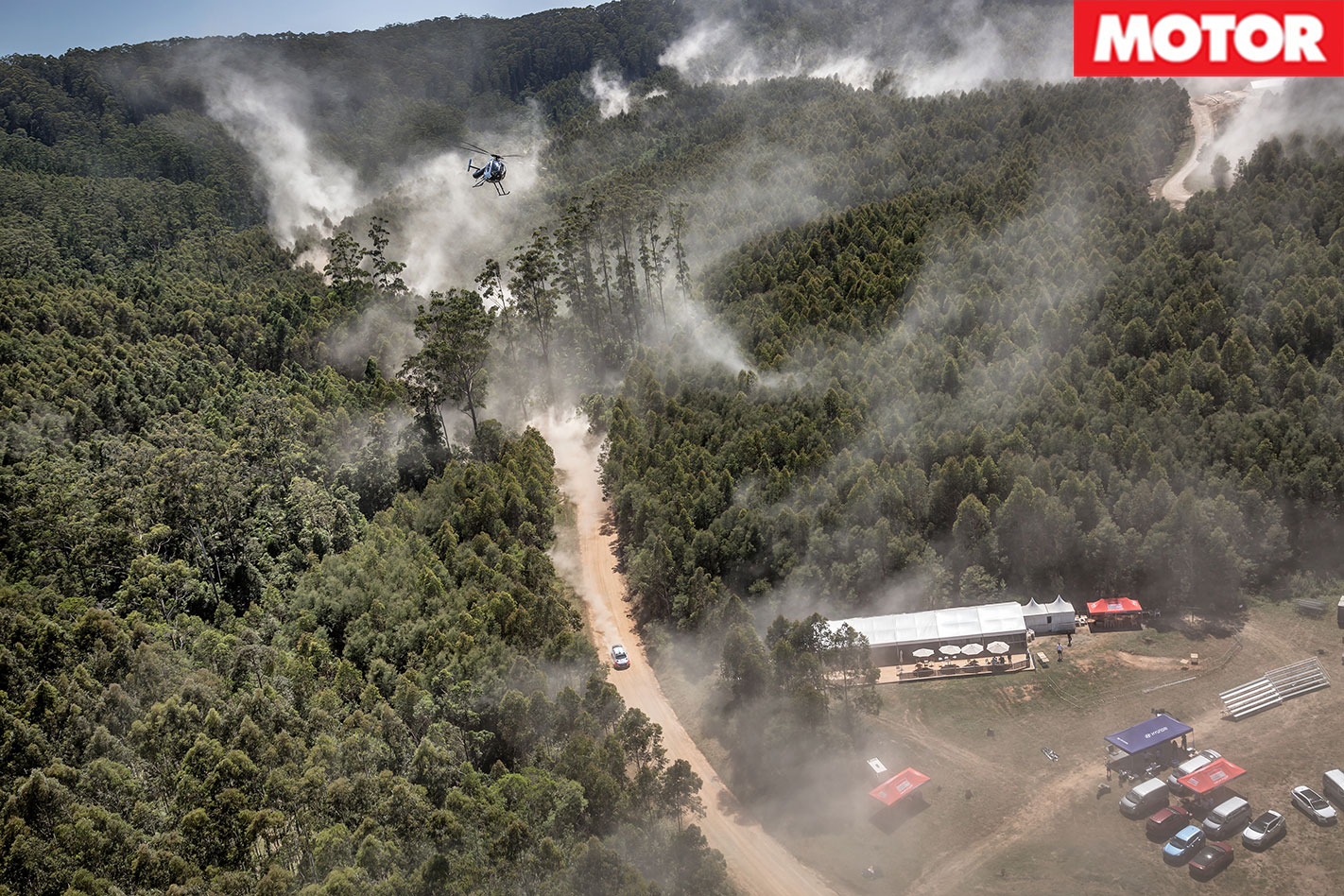
Hayden Paddon is happy. His task today is to ferry passengers around a high-speed loop in the forests outside Coffs Harbour in the Hyundai i20 WRC.
Belting a million-dollar World Rally Car purely for fun might seem like the best job in the world, but you could forgive the 29-year-old New Zealander for a lack of enthusiasm.
It’s the day after Rally Australia, the last event in a gruelling 13-round season that started in the snow and ice of the European Alps in late January, and one that ended on a sour note.
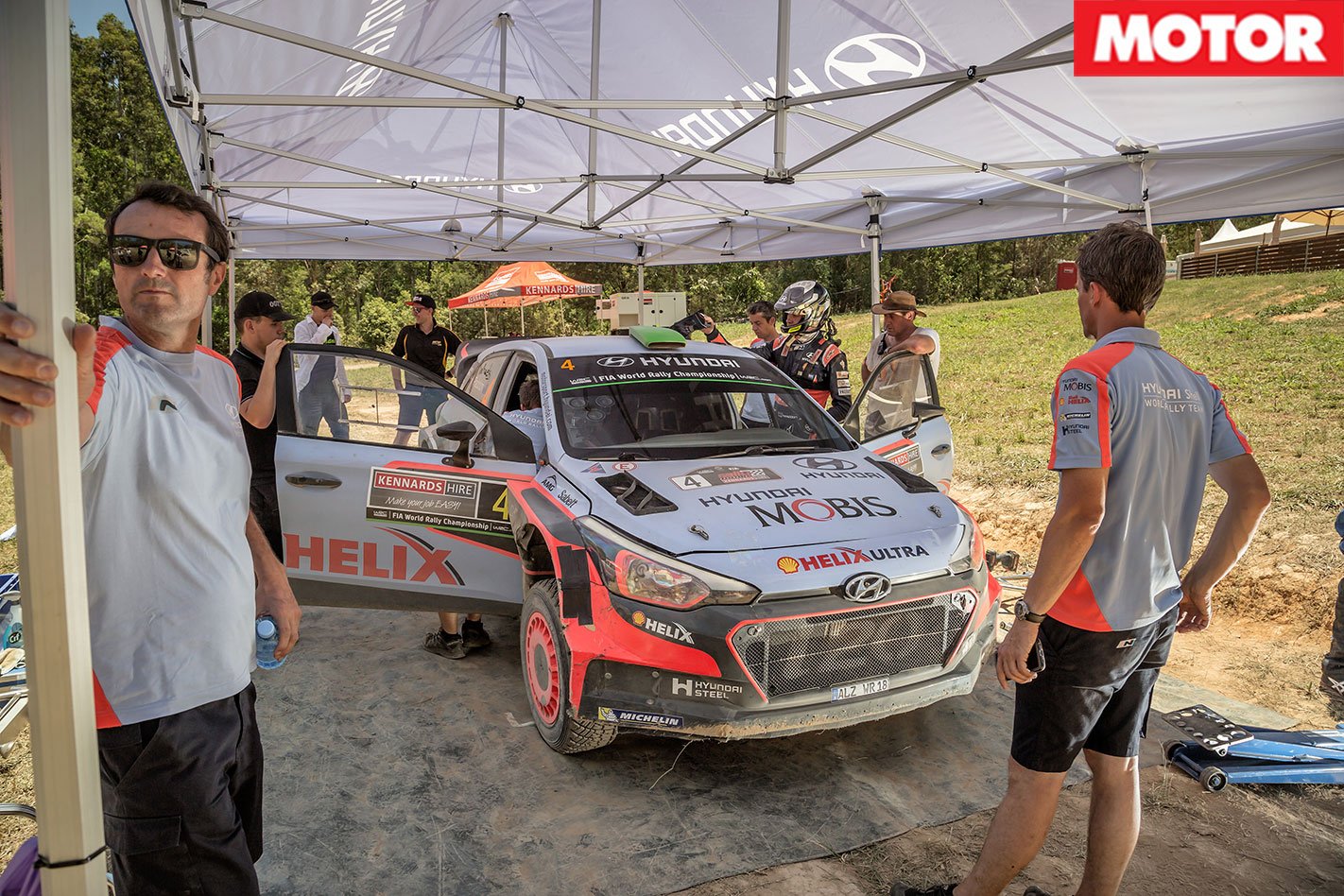
Fourth place is a disappointment for a man who joined the elite club of WRC rally winners this season and boarding a plane for his native NZ for some well-earned rest must seem more appealing than spending a day playing chauffeur.
It’s hot and dirty work. The sun’s heat is brutal today and Paddon’s ‘rally tan’ gets progressively darker as dust infiltrates the i20 and sticks to his sweat. Despite the conditions, the friendly Kiwi happily chats and jokes with all present.
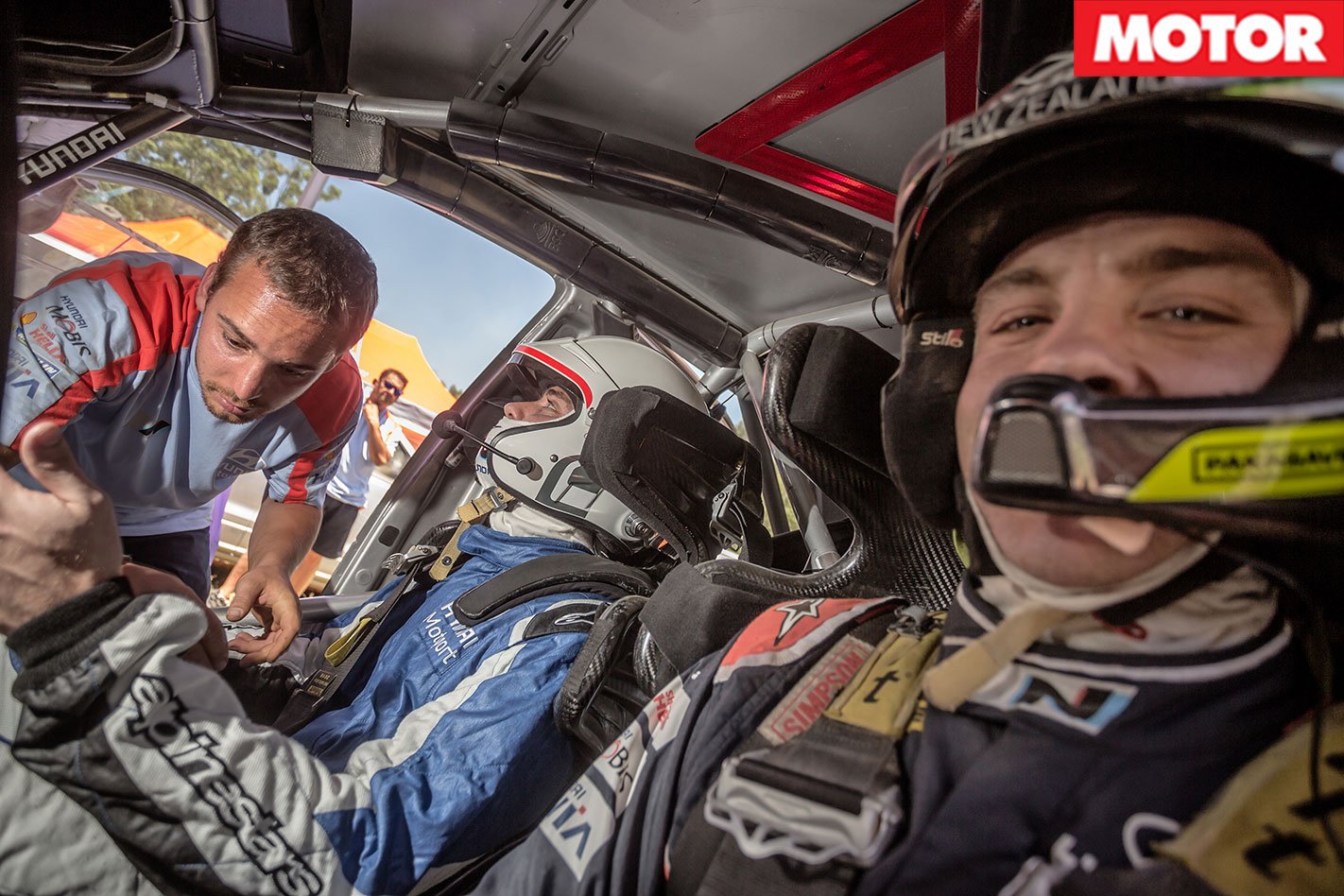
Rallying may be primarily a loose-surface discipline, but like all modern race cars the latest WRC machinery is fastest when driven smoothly and efficiently, keeping slides to a minimum.
On every run Paddon is massively committed into the junction visible from our spectator area, the i20 pitched into the corner almost backwards before clawing its way out, but while it’s an awesome display of car control, Paddon estimates it would cost him around two seconds compared to keeping it neat and tidy.
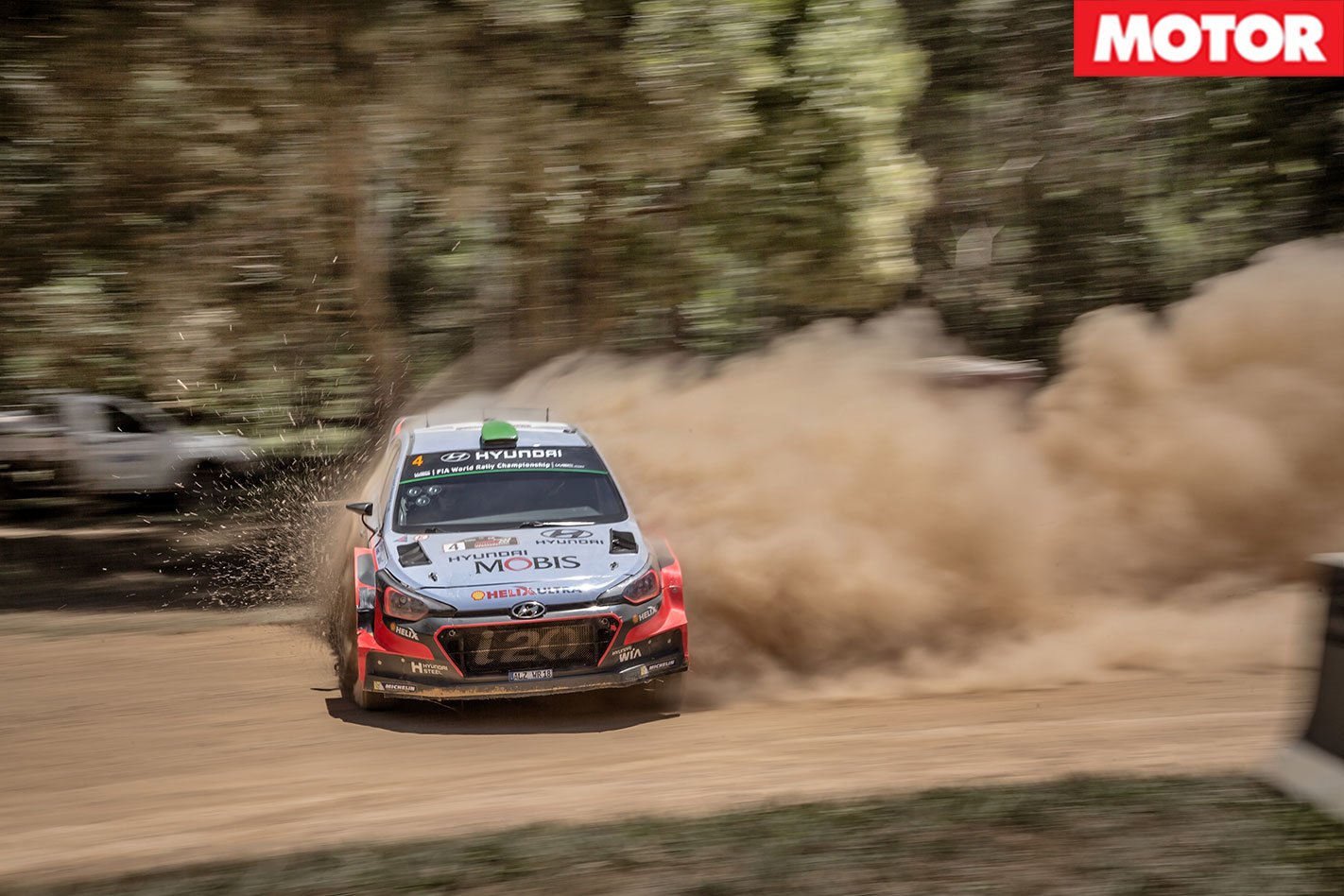
It’s the same venue where this author first got a taste of a World Rally Car alongside Chris Atkinson following Rally Australia 2014, an experience that was equal parts awesome and uncomfortable.
The abilities of both ‘Atko’ and the i20 were amazing, but the thought of entering the forest at over 180km/h should something go wrong meant a degree of clenching was occurring in the high-speed sections.
Because the co-driver doesn’t need to see what is happening, the seat is mounted lower and further back than Paddon’s in order to improve weight distribution, which leaves my eye line roughly level to the top of the dashboard.
The i20’s interior looks less like a car and more like a military test lab. To my left is a small digital screen that displays the car’s vital information, while in front of me is a large carbon footrest and masses of heat-resistant foil.
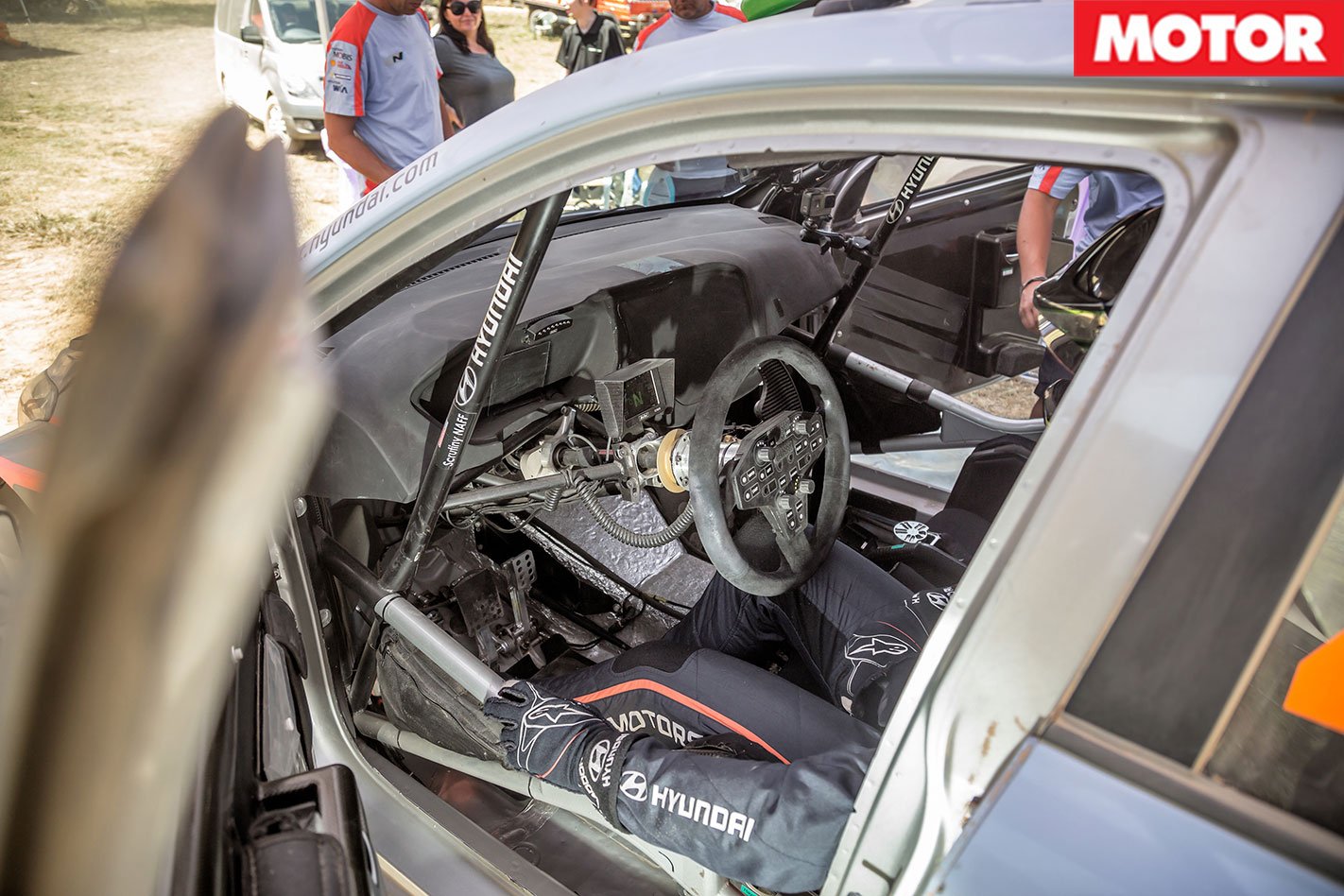
The steering wheel is tiny, like a go kart’s, and covered in knobs and switches. Paddon tweaks one of these now to activate ‘Stage Mode’, the i20’s engine note hardening instantly as the anti-lag system is engaged, keeping the turbo spinning at all times to maximise available power.
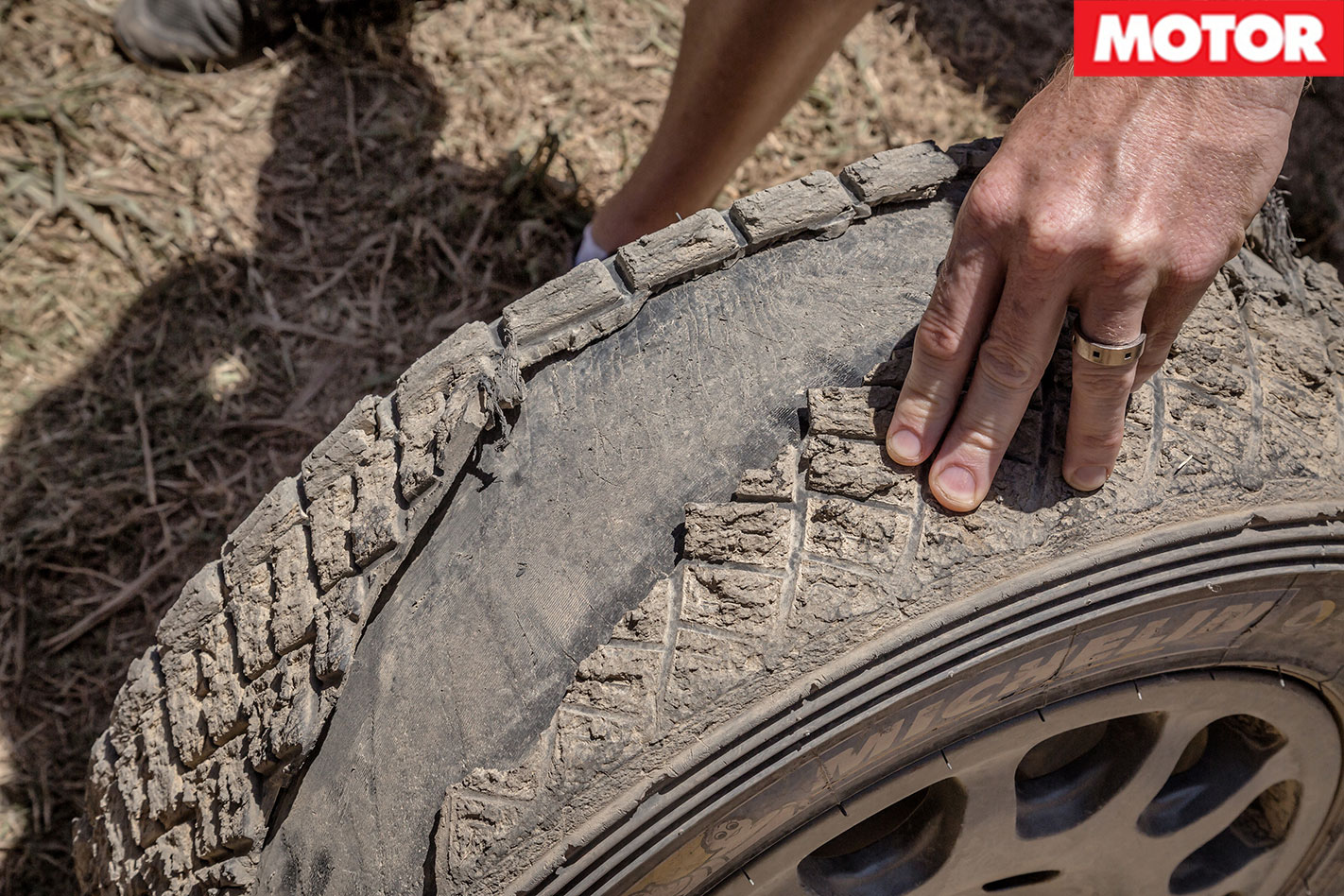
The initial rate of acceleration is impressive rather than alarming. Current World Rally Cars weigh 1350kg with both crew aboard and despite being fed 2.0bar (28.8psi) of boost, a 34mm intake restrictor limits outputs to around 230kW/400Nm.
Nonetheless, we’re soon accelerating hard in fifth gear as the road climbs steeply into the sky. Suddenly all road noise ceases, the engine revs freely and our bodies float in our seats as the i20 soars at least 30 metres through the air.
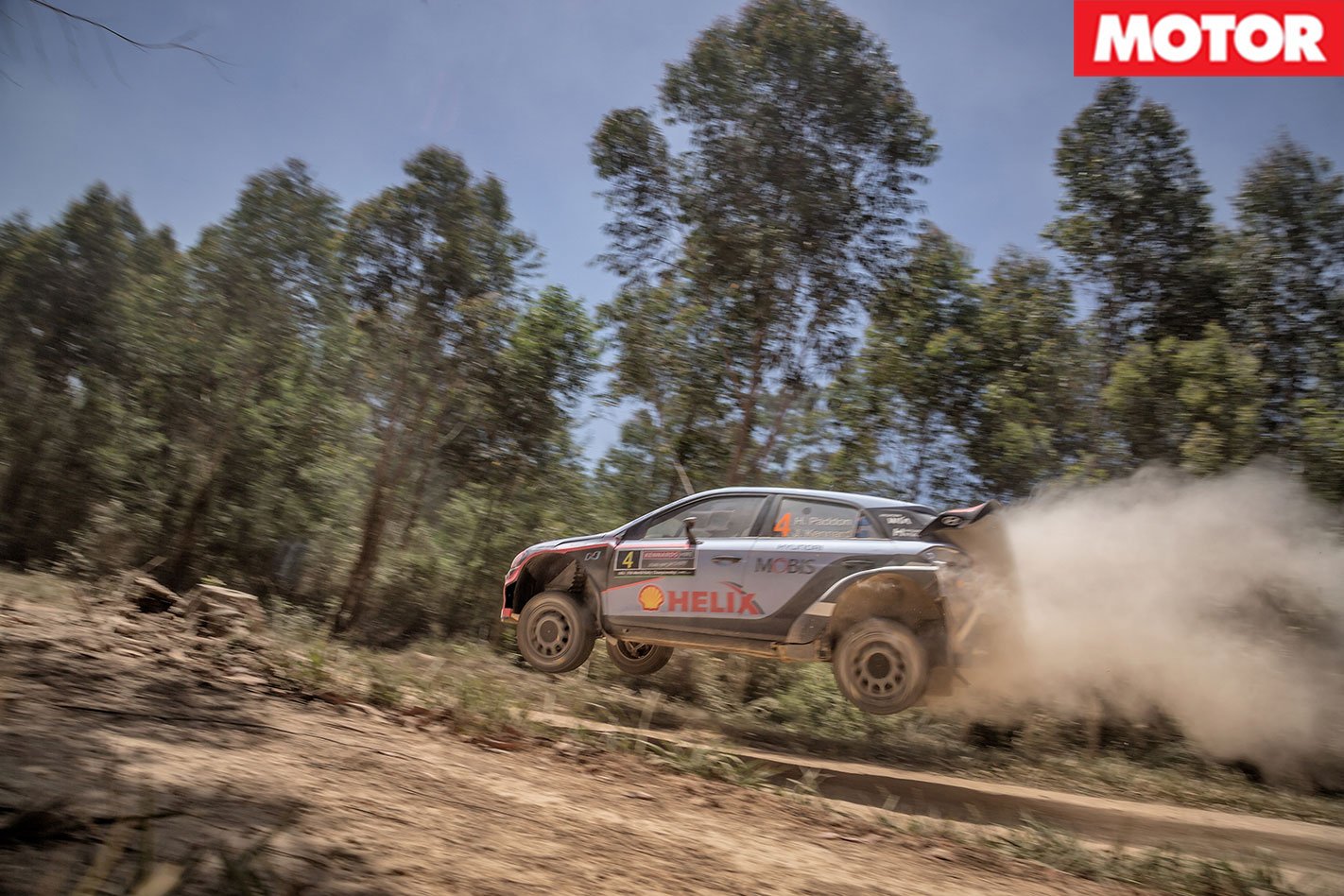
Following a left-right combination taken flat in sixth gear a blind left-hander beckons; my brain thinks “third gear” but Paddon decides fifth is better, a jab of the brakes slewing the rear sideways before a deft application of opposite lock and throttle straightens it again.
By now my apprehension is gone and I’m laughing like a lunatic, once again blown away by the brilliance of the experience. It’s like a theme park ride, with the added bonus of watching a human of extraordinary skill altering the experience with each passing moment.
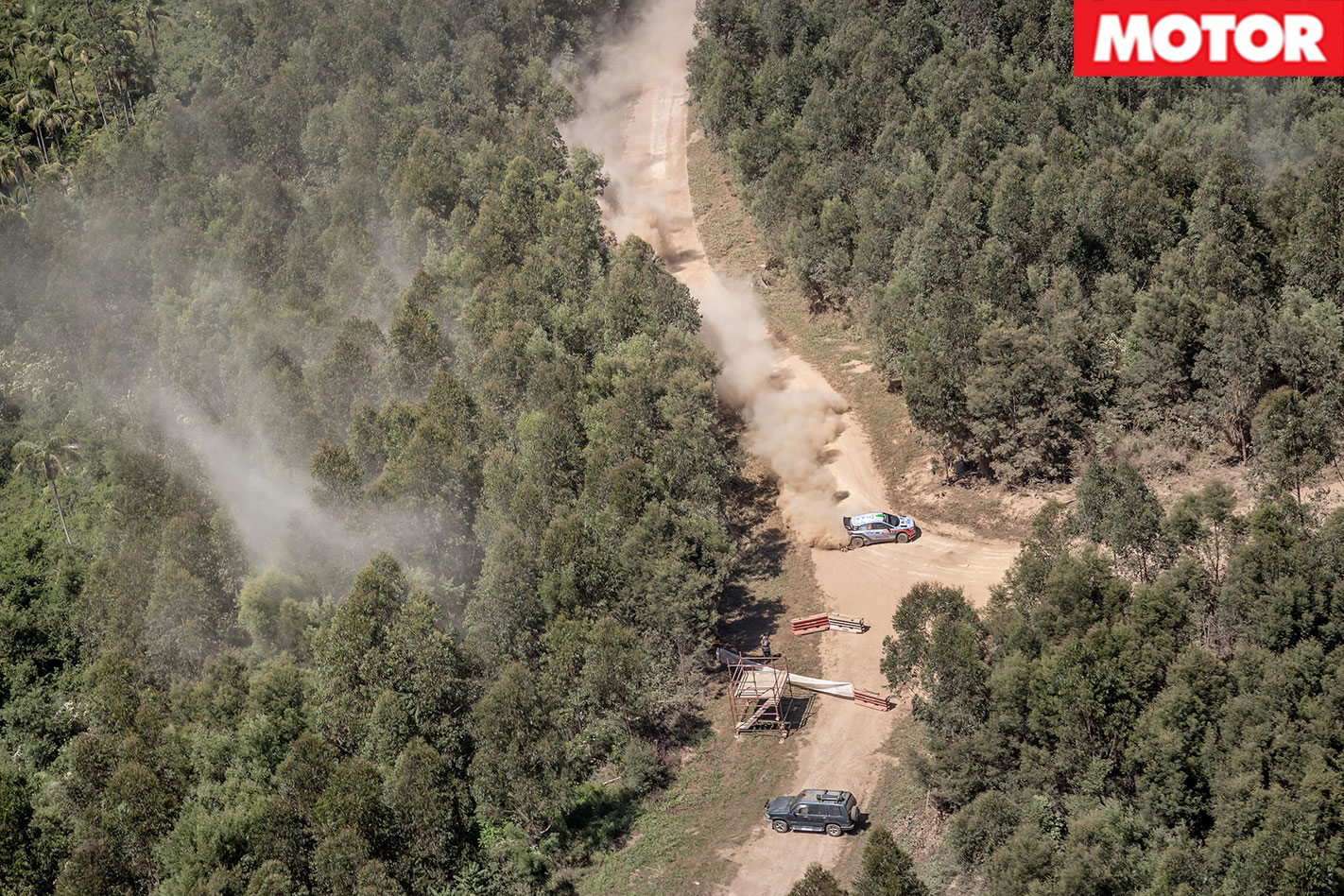
It’s a strange sensation. The car is always moving and being corrected yet also feels locked to the road. There is no fear; Paddon is clearly a step ahead of the car, calmly explaining that we’re currently between 170-180km/h. Not that fast in the grand scheme of things, but it’s all about context.
The second lap allows an opportunity to watch Paddon at work. His movements are calm, smooth and constant, the car flowing from bend to bend. The ride alongside Atkinson felt more frenetic, though the 2016 i20 is clearly much more highly developed.
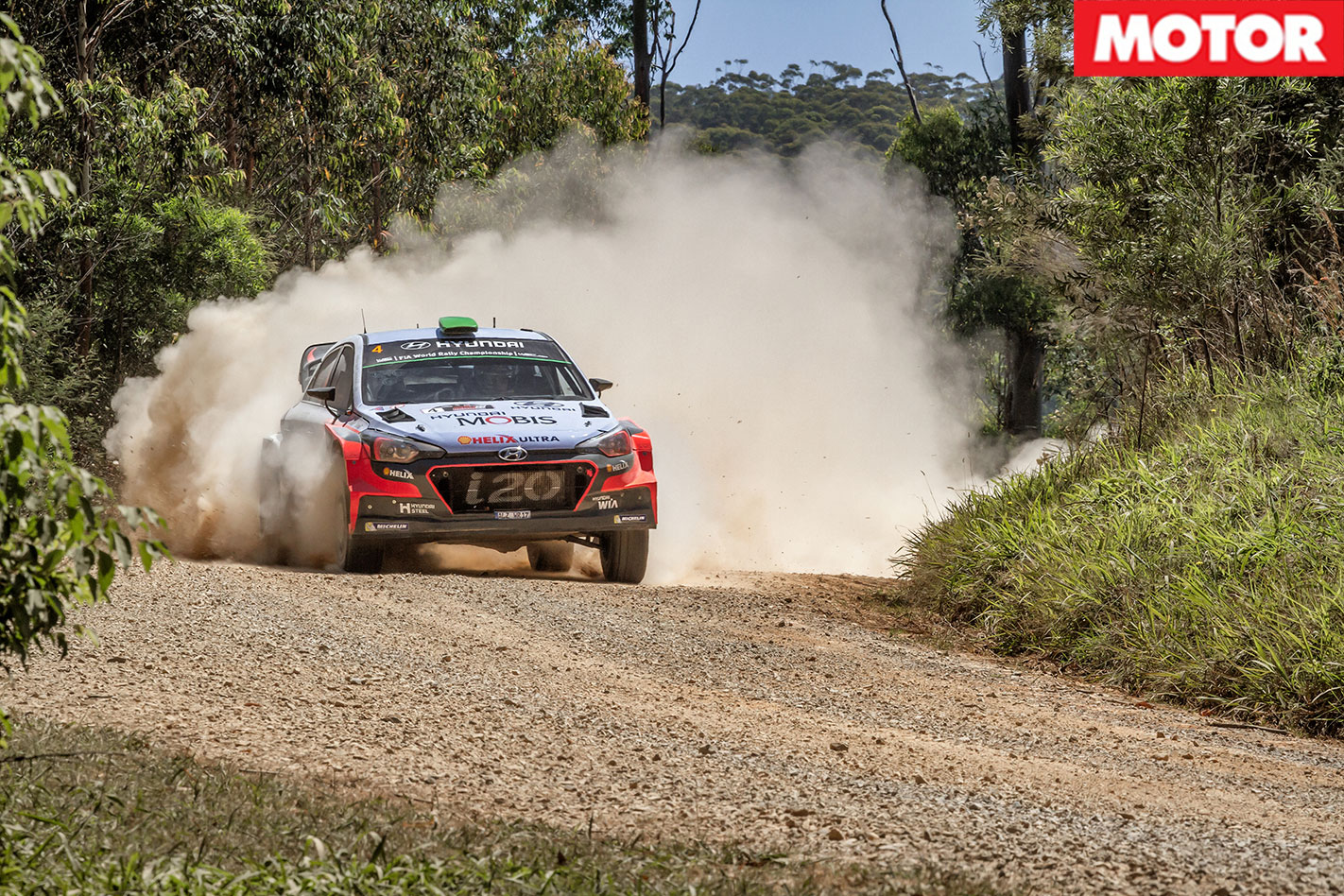
Not a chance. Watching his feet on the second run reveals that the accelerator is nailed to the floor even as quick jabs of oversteer are needed thanks to the tyres slowly tearing themselves to pieces. The brakes remain untouched until we need to quickly shed 100km/h on the approach to a tricky, slippery right-hander.
All too soon it’s over. Nerves now a distant memory, I would happily do another 100 laps alongside the supremely talented Kiwi. As we return to the service area Paddon glances across and says with a grin “Now you see why I love my job.” No wonder he’s happy.
Holden is here to stay. Despite pulling out of local manufacturing late next year, the carmaker is still in the new-car sales game, and on the record saying it wants 24 new or refreshed models on the Australian market by 2020.
That means the Holden showroom you see today will be very different to the one you see in three years’ time. In fact, it’s already different; so far, nine all-new or significantly made-over vehicles have joined the Holden horde.
So what will Holden’s new-car line-up look like? There are some familiar names, a lot of new ones, and yet more that have, or will, fall by the wayside. This is part three of our series; the future Holdens with an outside chance of making it to Australia.
ON THE MAYBE LIST
HOLDEN ASTRA WAGON
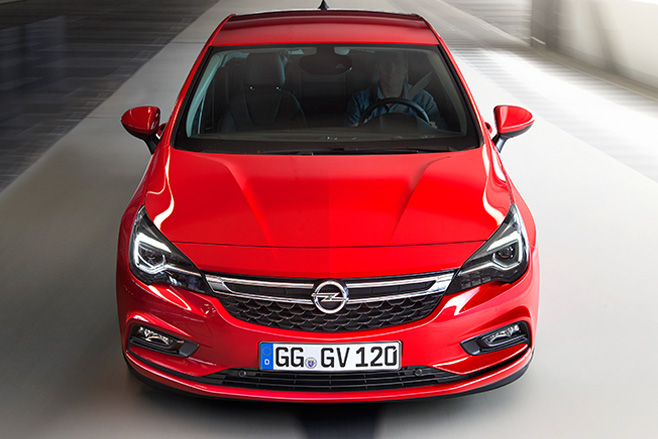
An all-new Holden-badged Astra five-door hatch is due on sale soon, marking a shift from the cheap and somewhat cheerful Cruze version built right here in Australia until last month. We’re yet to see what other body shapes spin off the Holden Astra platform, but if history is any indicator the small car will also have a wagon version (we’re unlikely to get a sedan version due out soon, and a three-door coupe version appears unlikely). Our first look at the load-lugging/dog friendly Astra Sports Tourer should come via the Geneva motor show in March.
Competitors: Hyundai i40 Tourer, Volkswagen Golf Wagon
HOLDEN CAMARO
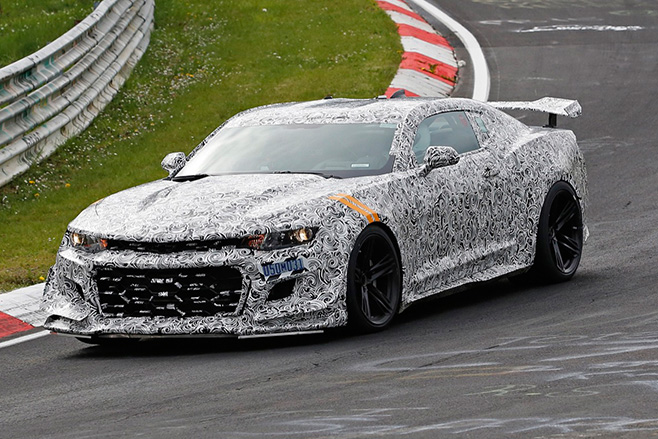
Once Commodore production ends in late 2017, there will be a large, loud hole left in Holden showrooms. The Ford Mustang has shown that, at least from a car enthusiast’s point of view, there is still room for a large, loud and style-driven two-door performance coupe on the Australian market. Holden’s counterpoint is the Camaro, but with no right-hand-drive development program in sight, we’re looking beyond 2020 as the earliest a two-door performance Holden can arrive. The two-door deficit may yet be filled by the reintroduction of the more premium, and therefore more expensive, Cadillac-badged CTS coupe to sell alongside Holdens.
Competitors: Ford Mustang, Dodge Challenger (after 2019)
HOLDEN CORSA
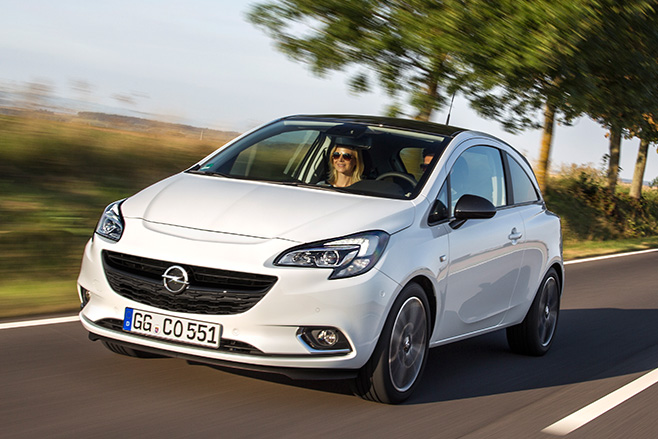
A previous version of this small European hatchback, badged as a Holden Barina, was so good it won the 2001 Wheels Car of the Year award. However, over time the Barina has morphed into a rather disappointing Korean-sourced, price-driven volume model that is a shadow of the car’s past. If Corsa comes to Australia, it could fit the bill as a more premium version of the Barina, as well as introducing performance variants to bring much-needed hot hatch excitement to Holden showrooms.
Competitors: Peugeot 208, Ford Fiesta, Honda City, Hyundai Accent, Suzuki Swift, Volkswagen Polo
HOLDEN GRANDLANDER X
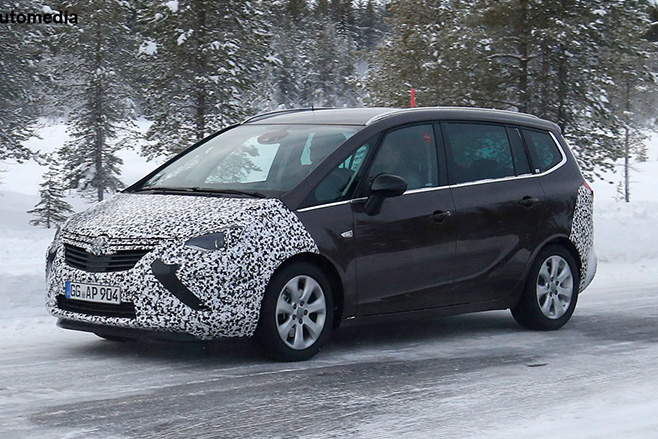
The Opel-badged Zafira seven-seat people mover was part of Holden’s grand vision for Australia before the decision was made to pull the plug on local Holden Commodore production. However, Opel is working on a new version of the Zafira, and part of the plans for it is a change of name to the Grandlander X. The new name ties the next-gen Zafira in with a growing buyer shift to “crossover” vehicles sporting rugged SUV looks wrapped around what are extremely practical vehicles. We could see it here some time in 2018.
Competitors: Kia Rondo, Honda Odyssey, Citroen C4 Picasso
PREVIOUS: We look at the Holdens not yet confirmed.
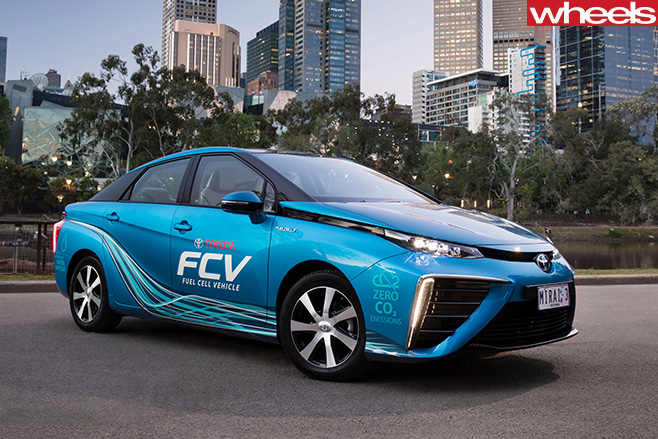
LIKE an electric car but without the range anxiety, Toyota’s Mirai is one of the new breed of hydrogen fuel cell cars seen as crucial part of an emissions-free future.
WHAT IS IT? Toyota’s first mass produced hydrogen fuel cell car. The Mirai – a name that means “future” – is about the same size as a Prius. The fuel cell combines hydrogen and oxygen to create a chemical reaction that makes electricity, which is then used to power an electric motor, and water.
WHY WE’RE TESTING IT Toyota has imported three Mirais to Australia as part of a campaign to garner government and industry support for hydrogen vehicles. The company wants to convince key stakeholders to invest in hydrogen refuelling infrastructure, which would pave the way for cars such as the Mirai to be sold in Australia.
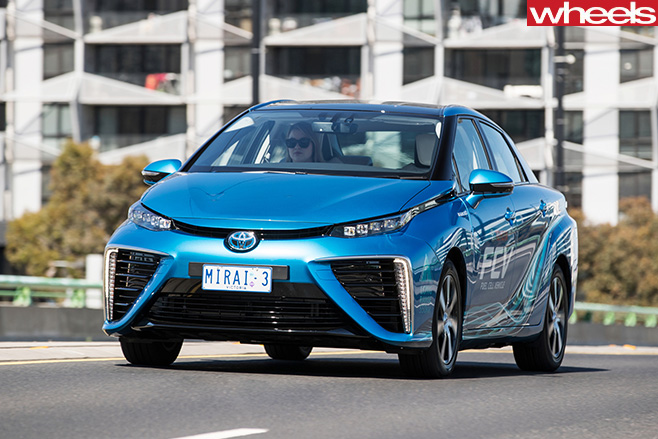
THE WHEELS VERDICT Surprisingly normal to drive, but it’s difficult to imagine anyone spending big money on a car such as this, especially with a rush of long range electric cars coming in the next few years. Hydrogen fuel cells seem to make sense for long-distance driving, but for most people a 500km electric car should do the trick.
PLUS: Can be refuelled like a regular car; 550km range from tank; decent performance; spacious interior MINUS: There’s currently nowhere in Australia to refuel it; the cost makes it seriously unappealing; electric cars will make more sense for most people

Similar to the Prius, its design is about slipping through the air cleanly (the co-efficient of drag is 0.29) and being as light as possible, although having specially designed 17-inch alloy wheels save 2kg seems superfluous when the Mirai weighs a podgy 1850kg. Blame that on the twin high-pressure hydrogen fuel tanks (one under the rear seat, the other behind the rear seat), the hydrogen fuel cell (which performs a chemical reaction to produce electricity) and the batteries borrowed from the Prius.
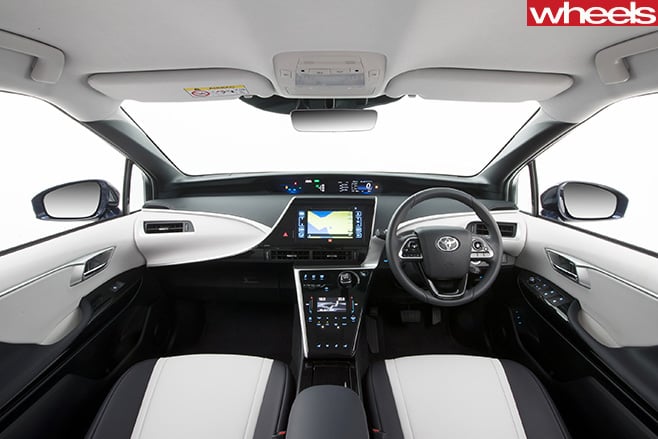
Yet as much as there’s tricky tech going on beneath the skin, the Mirai is otherwise about being normal. There are four seats, a steering wheel and pedals. And, with the exception of the very unfuturistic foot-operated park brake, there’s a modern flavour to the interior, from the touch buttons for the ventilation system to the Prius-inspired central instrument cluster and stubby gear selector.
Starting it is done with the press of a button, at which points things light up inside but no mechanical components come to life. Step on the throttle and response is immediate and generous. The 113kW of power is less relevant than the 335Nm, something that shifts the heavy body to 100km/h in 9.6 seconds.
The Toyota Mirai drives almost identically to an electric car, with near-instant throttle response. Performance is acceptable rather than exciting, and it’s accompanied by a subtle sound that’s like a cross between a whir and fast-paced clicking (it’s something to do with the hydrogen fuel cell).

Our brief drive wasn’t enough to explore the dynamic spectrum – it was an extended lap of the block near Toyota’s Sydney HQ – but it highlighted that the biggest smile you’ll get from the Mirai is because you’ve saved some dolphins or kept some flower petals plump, not because you’ve nailed an apex.
Overly light steering ensures it’s light-on for soul, while the brakes are responsive but with sponginess to the pedal.
So while the Mirai is still years away from being sold in Australia – if at all (it depends largely on refuelling infrastructure) – it’s difficult to see its circa-$80,000 price tag appealing to anyone other than those utterly devoted to the environmental cause. As Australia has proven in the past, almost none of us are.
SPECS Model: Toyota Mirai Engine: Electric motor powered by electricity from a hydrogen fuel cell Max power: 113kW Max torque: 335Nm Transmission: Single-speed auto Kerb weight: 1850kg 0-100km/h: 9.6sec (claimed) Price: $80,000-plus (estimated) On sale: No plans
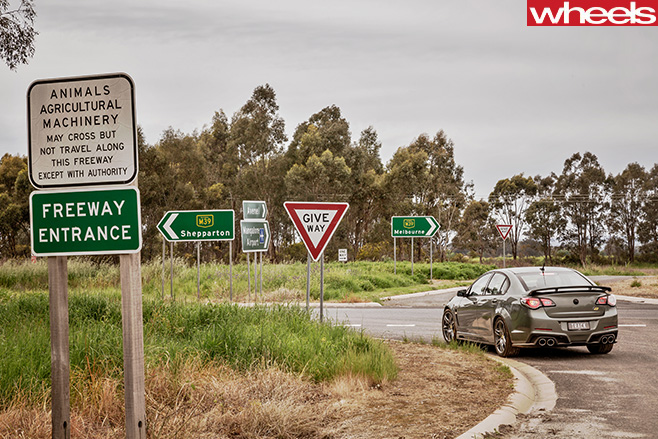
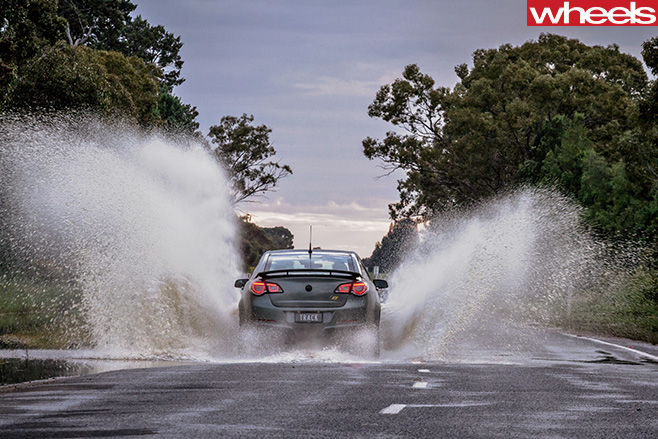
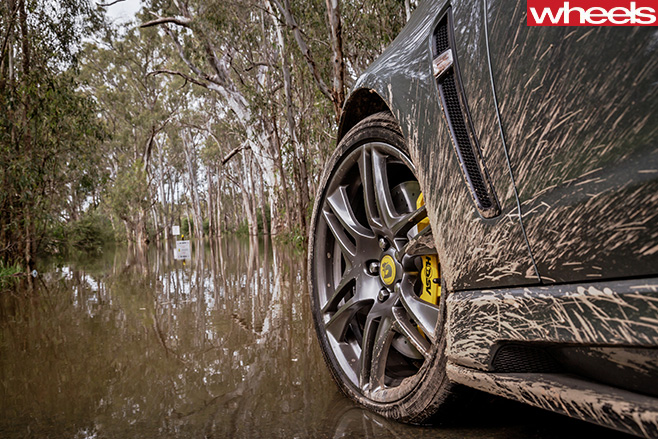
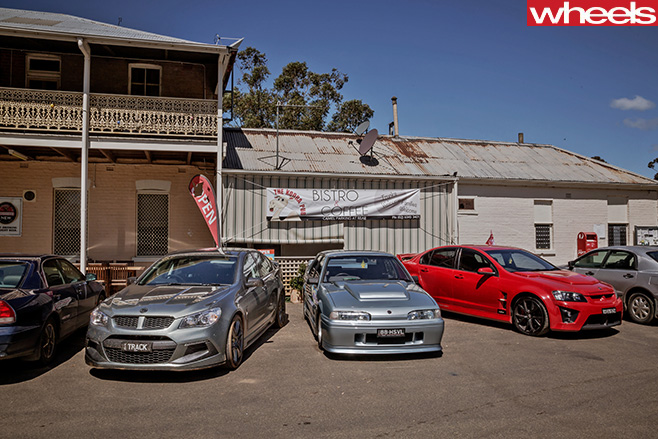
ROADTRIPS are a part of Aussie culture. Generations of Australian’s have grown up barrelling into the family station wagon (often a Holden or Ford), and travelling long distances on the road for a holiday.
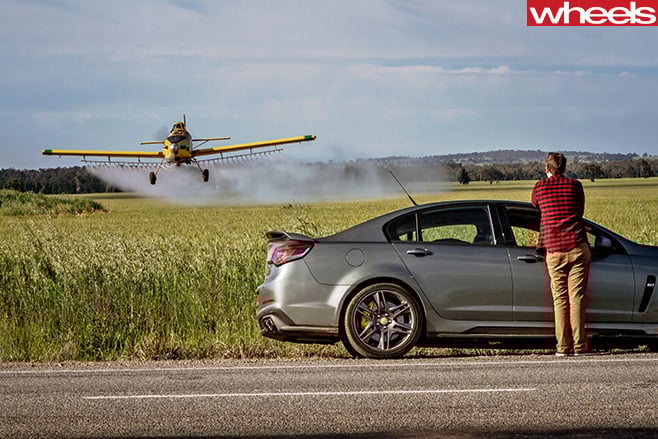
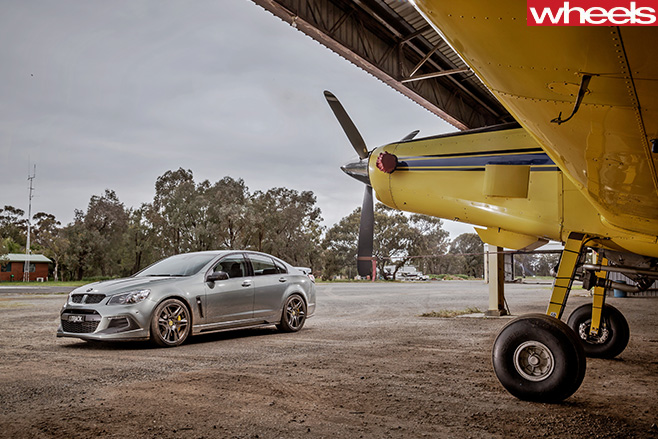
It’s with this spirit in mind that we took HSV’s latest creation, the Clubsport R8 Track Edition for a road trip to Mount Panorama.
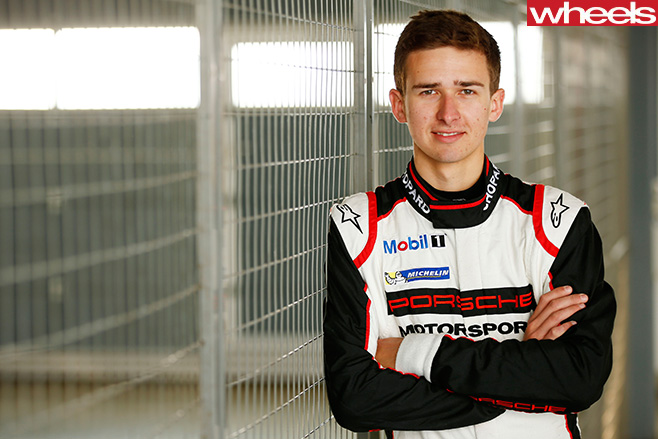
MATT Campbell has won a lucrative scholarship to race in next year’s Porsche Mobil 1 Supercup, which is part of the Formula One support card in Europe and the US.
The 21-year-old from Warwick, Queensland – whom anyone with any nous in Australian motor sport says is a genuine superstar in the making – was selected from nine young candidates from international Carrera Cup and GT3 Cup Challenge series around the world after a rigorous two-day evaluation at Lausitzring, Germany.
From a very humble family background, the laid-back, self-effacing Campbell is off to race at tracks like Monaco, Monza and Circuit of Americas – and the great part of this fairy tale is that he has done it on pure talent.
Campbell, an occasional Wheels hotshoe, was the standout driver in the scholarship process, awarded €200,000 to put him on the grid of the ultra-competitive Porsche Supercup championship, the brand’s premier and toughest international one-make series.
Campbell’s ascension up the Porsche ladder has been spectacular. He entered the Porsche Carrera Cup Australia in 2015, initially demonstrating immense pace in a Porsche 911 GT3 Cup car before translating this into strong race results in the latter half of the season. In the final four rounds (11 races), Campbell scored 10 top two performances, including six race victories, and finished third for the season behind eventual champion Nick Foster and David Russell.
Then to no surprise, Campbell then clinched the 2016 Carrera Cup title in his second season, winning 13 of the 23 races, seven out of a possible eight pole positions and also being victorious in the outright Porsche Carrera Cup Asia and Australia joint race at Sydney Motorsport Park.
Campbell’s goal is to continue through the Porsche ranks and aim for a place in the World Endurance Championship line-up.
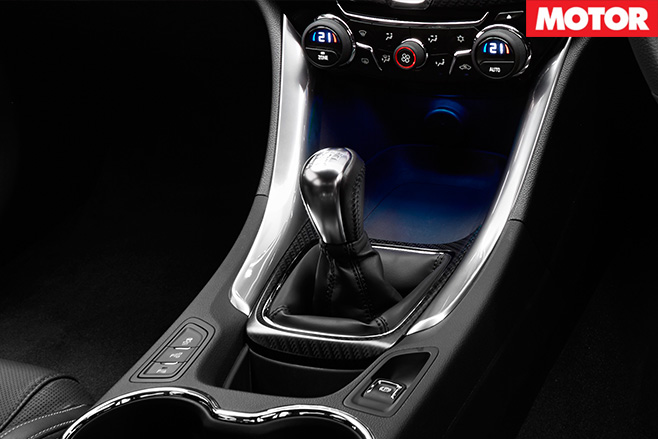
A manual gearbox with a V6 engine is no more in a Commodore after Holden confirmed to MOTOR that the final VF Series II SV6 with that powertrain has now rolled off the line.
The end of V6 manual production marks the first step in Holden’s winding down of local manufacturing operations at Elizabeth, South Australia, before complete closure next year.
Smaller selling variants – such as the six-speed manual-equipped Holden Commodore SV6 – will go first, while the V6 engine plant in Port Melbourne, Victoria, will shut by the end of 2016 as 3.0- and 3.6-litre V6 petrol engines will be stockpiled for next year’s production.
GM Holden director of communications Sean Poppitt confirmed to MOTOR that the last Commodore SV6 manual rolled off the production line last month “as part of an ongoing streamlining of the model range as we head into 2017.”
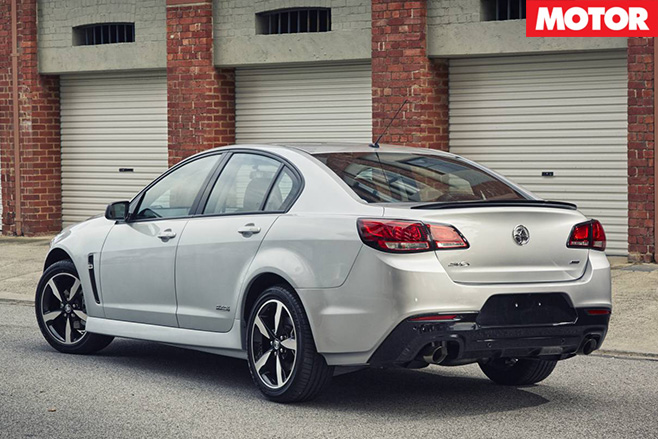
The Commodore SV6 used a Japanese Aisin AY6 manual, not the Tremec TR-6060 units used by the high-torque V8 models.
For a lightly updated ‘MY18’ Commodore range, Holden is expected to delete several more variants, which could include the non-V Calais range or one of the SS/SS-V/SS-V Redline trio. At the same time, it is strongly rumoured to ramp up limited editions such as an SS-V Redline ‘Track’ and Calais V ‘Director’ as sendoff cash cows.
While that Volkswagen Passat R36-mirroring specification could potentially deliver claimed sub-6.0-second 0-100km/h performance, it will use a nine-speed automatic only.
And that consigns the Commodore V6 manual forever to the history books.
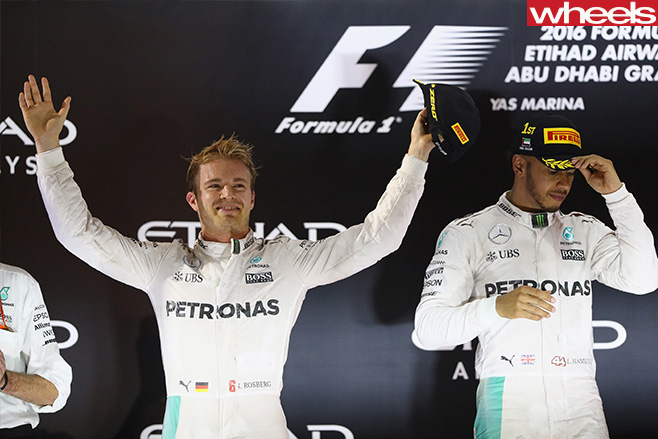
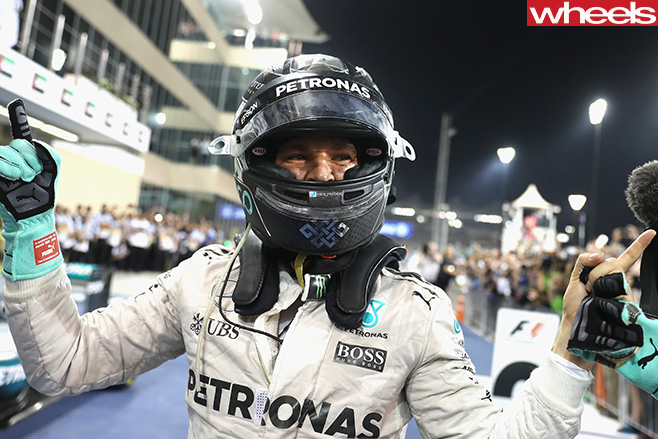
NICO Rosberg clinched his first Formula One world drivers’ championship with a second place in a tense finale in the Abu Dhabi Grand Prix, surviving the questionable tactics of his Mercedes teammate and race winner, defending titleholder Lewis Hamilton.
With Lewis Hamilton controlling the race out front, Rosberg needed to finish on the podium if he were to be champion.
Hamilton disobeyed radioed team orders to lower his lap times after the Briton pointedly slowed the pace to try to back Rosberg into the fast closing Ferrari of Sebastian Vettel and the Red Bull of Max Verstappen.
Repeatedly told to speed up, Hamilton responded with a plaintive: “Let us race.”
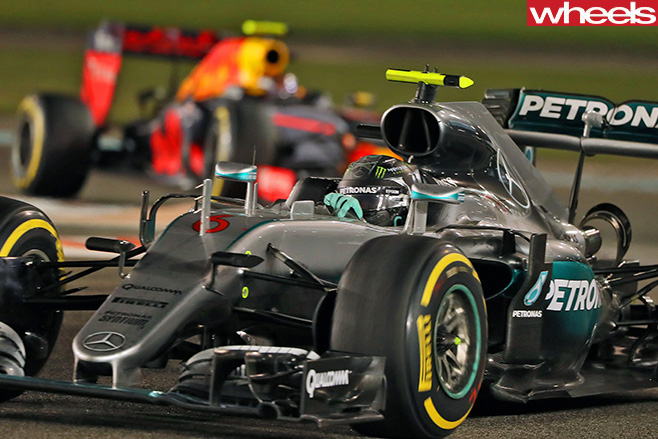
But as the leading four leading cars compacted in the final two laps and with Vettel looming in his mirrors, Rosberg held on to take the crown, 34 years after his father Keke won the world championship.
“We were fighting for the championship, I was in the lead so I control the pace…that is the rules.
“There was never a moment where I felt I would lose the race,” Hamilton said.
But yet again Hamilton has shown that he is only a team player when it suits him.
“It was a tricky situation at the end with Lewis playing dirty tricks,” third-placed Vettel said to his team as they congratulated him on the radio.
Whether sportsmanship should be a factor in one of the most selfish team sports on the planet will be hotly debated over the coming days.
“Anarchy doesn’t work in any team or any company,” Mercedes team principal Toto Wolff said when asked about Hamilton’s defiance of the team’s instructions.
The other side of of the Mercedes garage was ecstatic, though.
“It’s a childhood dream come true,” Nico Rosberg, 31, told his team over the radio. “Thank you for everything.”
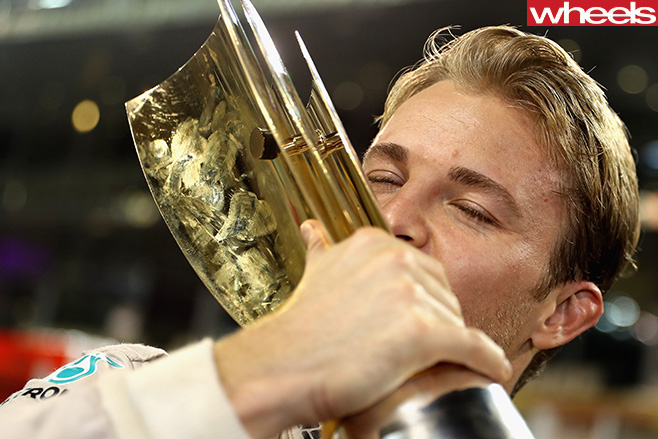
“I’m very, very glad that it’s over,” said the multi-lingual, Monte Carlo-raised German, who went into the Abu Dhabi race knowing the title was his to lose.
Later, Rosberg said he is yet to decide whether to run the #1 on his car next year, or stay with #6, the race number his father used to win the title.
The only other father and son to win the title are Graham and Damon Hill.
In a gruelling 21-race world championship, Rosberg won nine races this year; Hamilton 10. The other winners were the Red Bull drivers Max Verstappen and Daniel Ricciardo.
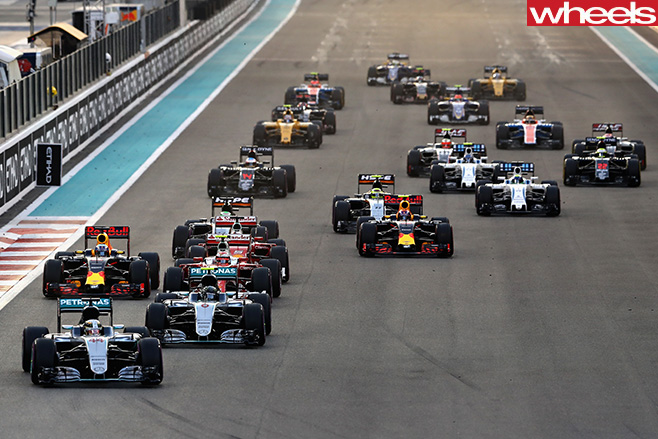
If he analysed further, Hamilton might also agree that some messed-up starts (before he did his homework and lifted his game off the line) also potentially cost him dearly.
Hamilton certainly has blinding speed, but also makes more mistakes than Rosberg, who this season mastered the art of consistency, doing just enough in the tight business end of the championship to win the title by five points.
Ricciardo, who was fifth in Abu Dhabi, had locked up third in the championship before the weekend.
The grand prix was also the last for Felipe Massa, whose Williams finished ninth and in the points, and likely the last for Jenson Button, an early retiree with broken suspension.
On Saturday, Hamilton claimed pole position for the championship showdown with an authoritative performance in qualifying, more than 0.3sec faster than Rosberg.
Ricciardo qualified his Red Bull third fastest, just ahead of Kimi Raikkonen’s Ferrari by just 0.015 sec.
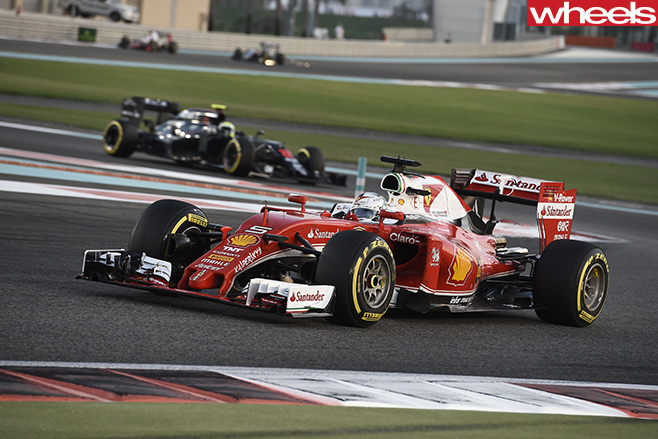
Sebastian Vettel was fifth fastest in the second Ferrari, less than a tenth slower than Raikkonen.
Explaining the reason for the different strategy, Ricciardo said: “We have got to try something.”
That strategy didn’t quite work.
“I’m just frustrated in how the strategy played out in the end,” Ricciardo mused on Sunday night. “We had the supersofts at the start and it was still going pretty well and we tried to make a move on Kimi. For sure it was close but we didn’t pull it off and that really hurt me.
“I think we should have just gone long and one-stopped but in hindsight it’s always easy to say. I saw Max spin in mirrors in turn one, so I thought he was out of the race and then he does a one-stop and fights for the podium so he did well.
“I just feel we hurt with the two-stop strategy as the supersoft was a good tyre,” the Aussie added.
“Hats off to Nico. It must be an amazing feeling to be world champion. They both pushed each other until the end and it’s nice to see the title go down to the line like that.”
