
TELL ME ABOUT THIS CAR
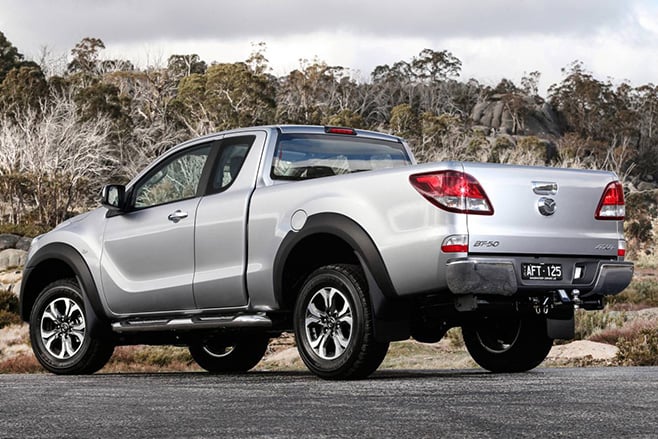
The Mazda BT-50 could be considered an underrated 4X4 ute compared to the market-dominating Toyota HiLux and Ford Ranger. The extra cab Freestyle XTR has a fold-down rear seat and extra storage space in the cabin. It has a huge tray and its gutsy 5-cylinder turbo diesel engine performs well on- and off-road.
STRENGTHS
- The BT-50 has a truck-like maximum tow capacity of 3500kg and can carry a class-leading 1427kg in its substantial 1549mm x 1560mm cargo area.
- It handles well despite being more pick-up truck than ute. The leaf-spring suspension feels a little spongy but comfortable, and the steering is smooth.
- The 3.2-litre five-cylinder intercooled turbo diesel gives it plenty of grunt – the 6-speed automatic version we tested took off surprisingly well from a standing start.
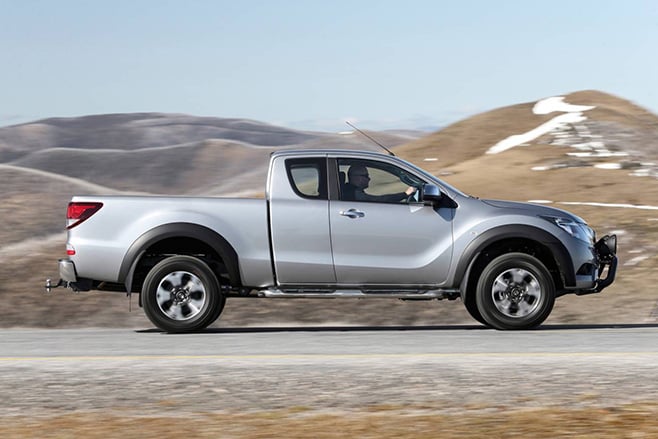
- It’s a good off-road performer too, helped by the 237mm empty ground clearance, big 17-inch stock tyres and traction control system.
- The interior finish manages to balance blue-collar ruggedness with the passenger-car refinement. It feels like an SUV, but you won’t feel compelled to take your work boots off before climbing in. The front seats only have basic adjustments, but are comfortable, with long-lasting back support and leg room is excellent.
- Technology includes a 7.8-inch touch screen, with the usual phone and entertainment options, and a trip computer. It has a reverse camera though the image is shown in the rear view mirror. The XTR comes with inbuilt urban and off-road satnav, which can be downloaded in lower-spec models. On the safety side it has an emergency stop signal (to help avoid being rear-ended) and trailer sway control.
- Pricing is pretty reasonable. The top-spec BT-50 Freestyle XTR retails at $49,975 (or $47,675 for the manual). That’s $2000 less than the comparable Toyota HiLux SR5 4×4 Extra-Cab, which has a smaller engine and manual transmission.
WEAKNESSES
- The BT-50 is pretty thirsty compared to its competitors with a published combined economy figure of 8.9L/100km. WhichCar averaged 10.8L/100km during a week of testing.
- The rear seats in the Freestyle 4X4 cab are rudimentary, and you wouldn’t want to sit in them for a long drive. They feel like a park bench and have minimal leg room. Best look at the dual cab if you carry more than one passenger often.
As far as extra-cab utes go, the Ford Ranger Super Cab is the most obvious as it shares the same basic platform and engine as the BT-50 Freestyle, but has been further refined both in terms of styling and performance. Other contenders include the Toyota HiLux Extra Cab, Nissan Navara RX King Cab and Isuzu D-Max Space Cab. The BT-50 provides a good-value option against each of them.
Click here to read the full review on the Mazda BT-50 range.
Subaru has announced a performance boost for its little BRZ sports coupe, though like its 2017 Toyota 86 twin it will only apply to the manual version.
A revised drivetrain and lower gear ratio is behind the extra performance for the six-speed manual Subaru BRZ, which is due in Australian dealerships in November along with the rest of the range.
The automatic version gains internal and external cosmetic upgrades and handling tweaks, which will also be applied to the manual.
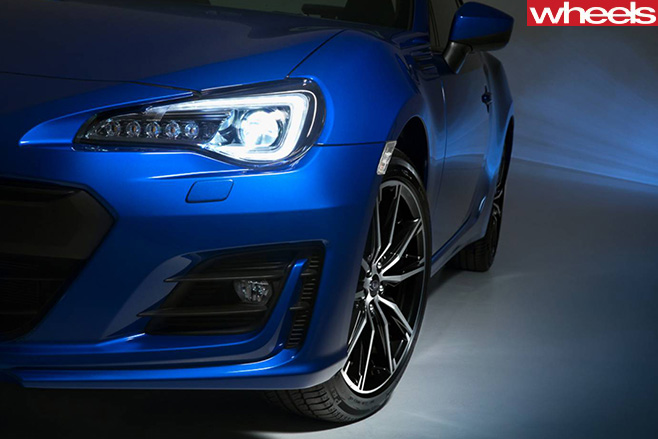
The performance increase has been achieved through changes to the exhaust system which has resulted in reduced pressure loss, while a revised intake manifold has improved the intake efficiency.
Other modifications include a new fuel pump and fuel pressure sensor, work to reduce friction in the pistons, valves and camshaft, the addition of ribs to the rear of the engine block for increased rigidity and changes to the airbox and filter resulting in a 30 percent reduction in air flow resistance.
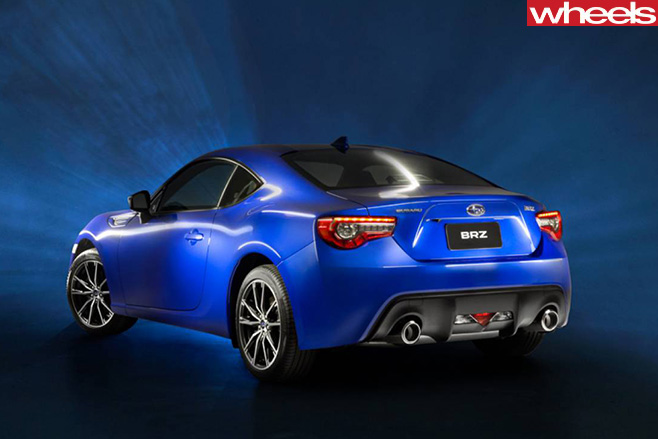
An additional Track mode has been added to the Vehicle Dynamics Control, while the newly added Hill Start Assist is the car’s first and only electronic safety aid.
External styling tweaks mimic those of the Toyota 86 including a wider and lower front bumper, newly designed 10-spoke 17-inch wheels and all-LED fog, tail and headlights to reduce power usage and improve visibility.
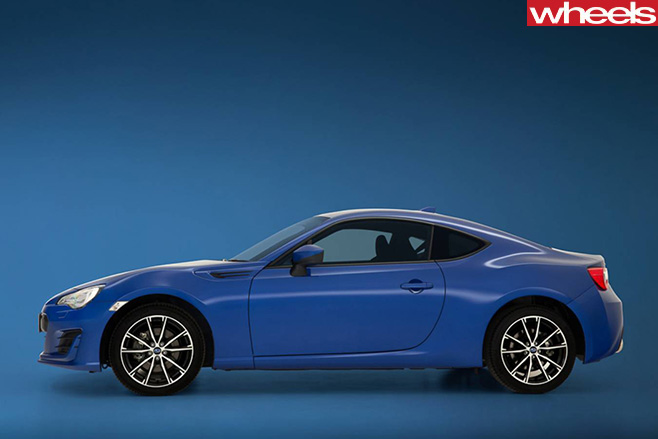
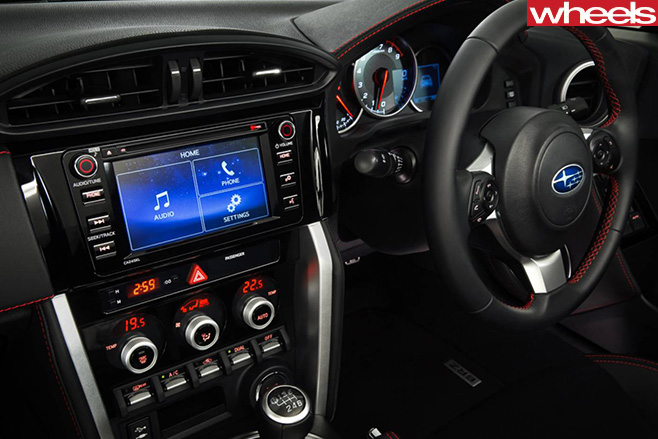
Other changes include a re-shaped steering wheel, now with in-built control switches, and dual-zone automatic air-conditioning system.
Red stitching on the steering wheel, panel seams, console and door trims round out the internal styling tweaks.
The current-model BRZ (priced between $37,150 to $38,650) experienced a 33.5 percent decline in sales during the first six months of 2016 compared to the same period last year.
The car’s first update since its 2012 launch is very timely, with Subaru Australia managing director Nick Senior hoping they will add fresh appeal “to a car that has gained an iconic reputation among motoring enthusiasts and sports car purists”.
“With good reason BRZ has gained global accolades over the past four years and the long list of upgrades for 2017 will only bring more fun to the many fans that have made it a must-have among true drivers,” said Senior.
WHO knew it? The humble Holden Ute almost spawned a Bugatti Veyron-crushing supercar.
Revealed in the September 2016 issue of Wheels magazine, Australia’s most experienced and most trusted car magazine since 1953.
Wheels has uncovered stillborn plans to develop an all-electric, supercar-thrashing Australian-made two-door coupe based on the humble Holden hay-hauler. It almost sounds too good to be true, but it very nearly became a reality.
We’ve also seen a video confirming the existence of the Super Ute, a car Holden wanted to use to stun the world before the bosses in Detroit stepped in to crush it. The car seen here is an artist’s impression of what we saw in that grainy footage, and the only image of what the secret car could have become had production been approved.
Holden funnelled serious money into testing and developing the car, with mind-blowing results. Think 0-100km/h times shorter than it takes to read this sentence.
The Super Ute can trace its heritage back to Holden’s 1969 Hurricane concept car. Poised to be the greatest car ever built in Australia, the Super Ute only made it as far as a secret internal reveal before the project was shelved.
It wasn’t just Holden that would have put the Super Ute into showrooms, with plans laid out for a global attack. Cadillac, Opel, and Chevrolet were all willing to jump on board. This would have placed Australia’s design and engineering prowess on show for the entire world.
Despite eventually being put down, rumours of the Super Ute live on. Spy images snapped last year show a VE Ute transformed into a mid-engined test car – sources have confirmed to Wheels that some of the Super Ute’s DNA lives on in the wild-looking mule.
In which the equivalent of 140 Armstrong 500s goes a very long way to demonstrating that there’s a Falcon in Ford’s future.
Falcon’s mighty marathon
First published in the July 1965 issue of Wheels magazine, Australia’s best car mag since 1953.
FORD took a giant step forward in its Australian future when five battered and travel-stained Falcons smashed through a banner at 1.42 am on a rocky Victorian hillside after covering 70,000 miles in nine days. It may be too soon in history to judge the effect of this considerable feat, but it is plain that it had the effect of making just about everybody in the country conscious of Falcons, if only for nine days. Poorly organised and managed as it was the endurance run came to mean a lot more than normal “record bids” simply because the company stood up beforehand and announced its intention of doing it. This one simply could not be swept under a rug.
The industry and motor sport authorities saw Ford’s announced intention as a little amusing, particularly its intention of averaging 72 mph on a circuit which makes Lakeside look like a roller skating rink. But the equivalent of 140 Armstrong 500s, or nearly four times around the world, or 60 return trips from Melbourne to Sydney later, they had to eat their words. The cars had more endurance than the drivers; extra pilots were hauled unsuspecting from their warm beds at midnight to be rocketed out to the bleak and chill proving ground in the You Yangs to sit over a fire and wonder how they had come to be there, anyway.

But despite this, and despite the average being lowered in the first few days to ease the rate of tyre wear, the cars came through – with enormous prestige. The 2.25 mile circuit is dreadfully difficult, mainly because it was built to incorporate high vertical and side loadings on wheels and suspensions. New drivers going out for the first time came back in assorted stages of twitching, but after spending time learning it found that one could save half a second here and there by thinking ahead. Nevertheless, they still had to point the cars every foot of the way; for instance, if one came over the top of ·the 4 in 1 hill and started the downhill approach to the esses a foot or so off line, then you ended up 20 ft or so offline at the bottom amid low shrubs and immovable objects called boulders.

The drivers got quite intense about the car they were crewing, regarding it as “their” car and threatening each crew member with instant disgrace if he bent it. Car 3, the four-door sedan that eventually covered the most miles and was the only one not involved in a shunt, was team senior ”Wild Bill” McLachlan’s pride and joy. Somebody stuffed the red No 1 two-door hardtop, Harry Firth’s baby, into a boulder, and that caused strained relations. Victorian comingman Brian (“Brique”) Reed had a tyre slit on him and bounced into a gully, while various people rolled various cars.
Each time this happened the reserve car – unprepared for the event, – was called in and the mechanics jumped in to repair the badly damaged bodies with whatever tools were handy. And they did a remarkable job. Red No 1 set four new records as soon as it got back on the track after being rolled. And the only serious mechanical failures were those caused by the cars going off the road.
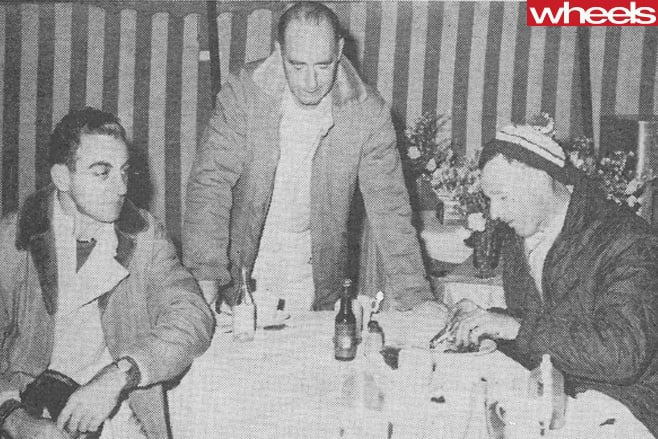
One or two ran out of fuel on the circuit, but orders were that when the fuel gauge needle covered the “E” sign the driver was to do five more laps, giving the pits progressively five, four, three, two and one toots on his horn as he came past each time. Changing drivers, wheels, fuelling, cleaning windscreens and checking oil levels took around the two minutes, although the pit stops speeded up toward the end. They were refuelling the cars from drums for two days before some bright lad discovered that there were two 1000-gallon drums of Mobil not 100 ft away.
Dunlop’s radial-ply SP41 tyres came in for as much – if not more – torture as the quintet of Ford Falcons. Estimates of wear were way off the mark and on the first day of the nine-day event about 100 covers were used. There was a twofold cause for this – first the surface of the track was highly abrasive; second, the lap speed of well above 70 mph was chewing out tyres quicker than expected.

On the third day of the run, at the drivers’ request, tubes were fitted to the SP41s. As the twisting 21-mile circuit became bedded-in, the tyre wear factor improved and a set lasted roughly six hours. By the second last night only one of the five cars needed a tyre change. And this was to the front offside which had suffered punishment for hours.
It also must be pointed out that the Falcons were being driven at racing speeds on tyres never designed for track work. After the run ended layers of shredded rubber could be found on most corners. This had been chewed off by the scrubbing motion of the wheels under 90 mph cornering. An inspection of the track afterwards showed that the bitumen topping had been worn away ‘by the pounding of the cars leaving a hard, quartz surface. About 600 tyres were used in the event. The tyre bill was roughly £6000.
Holden has officially opened the doors for a garage sale at its Port Melbourne-based Global V6 engine plant.
The Port Melbourne plant’s contents have today listed for sale on a Germany-based liquidator’s website as the carmaker gears up for a late 2017 closure after almost 70 years of local car manufacturing.
However, rather than list a set price for the equipment used to make crankshafts, machine engine blocks and heads, assemble turbochargers and final test and assembly, Holden is inviting buyers to nominate how much they’d like to bid for the line.

The line currently feeds “High Feature” 3.0-litre and 3.6-litre Alloytec V6 engines into the locally developed Holden Commodore, both for the domestic market and the shrinking export markets vital in keeping Commodore production viable. In the past, it has even supplied engines to brands as diverse as Alfa Romeo and Saab.
The terms of settlement are in Aussie dollars, too, suggesting that Holden rather than its US parent company General Motors will receive the funds.
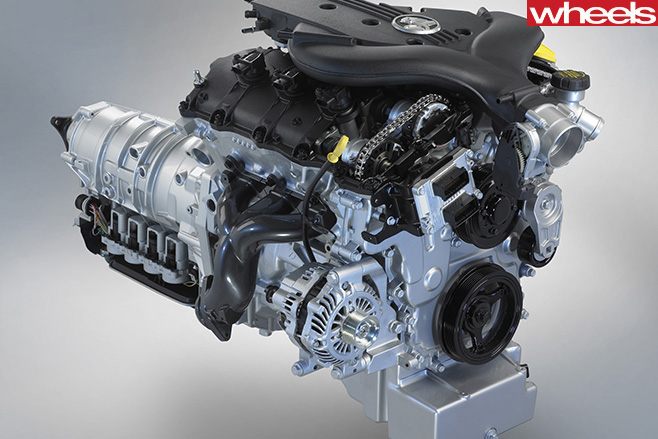
In 2014, the engine plant officially built its millionth V6 engine.
When it started producing the Alloytec engine, developed in cooperation with GM’s luxury brand Cadillac, in late 2003, the Port Melbourne Global V6 plant was considered one of the GM’s newest and most advanced powertrain manufacturing facilities worldwide.
The engine plant was a vital part of GM’s plans to globalise its production process – ultimately, though, one that marked the VE Commodore as the last of the Australian designed, developed and built cars.

At its peak, the engine plant produced 34 variants of the V6, including a 2.8L Turbo, 3.0L V6, 3.6L V6 petrol and 3.6L LPG. Holden Engine Operations, as the site was known, also built the first pre-production compressed natural gas (CNG) dual-fuel engine for an international market.
However, E85 versions of the engine, able to run on a mix of petrol and up to 85 percent ethanol, was quietly withdrawn from the Australian market after buyers largely ignored the fuel.
Holden has built engines at the Fishermans Bend site since 1936. It is also the site where the 2.15-litre six-cylinder “grey” engine was built for Australia’s first locally made production car, the 48-215.
Holden is yet to announce what it will do with the land on which the factory is based – considered a prime piece of Melbourne real estate – once the site closes.
Holden has today committed to the Supercars series for a further three years, however has switched its factory support from Walkinshaw Racing to Triple Eight Race Engineering.
The move ends a 26-year relationship with Walkinshaw, with the Triple Eight outfit to be known as the Red Bull Holden Racing Team from 2017 onward.
Triple Eight will be responsible for the current Commodore’s final year of competition in 2017 as well as building the next-generation Commodore Supercar, expected to use twin-turbo V6 power, which will debut in 2018.
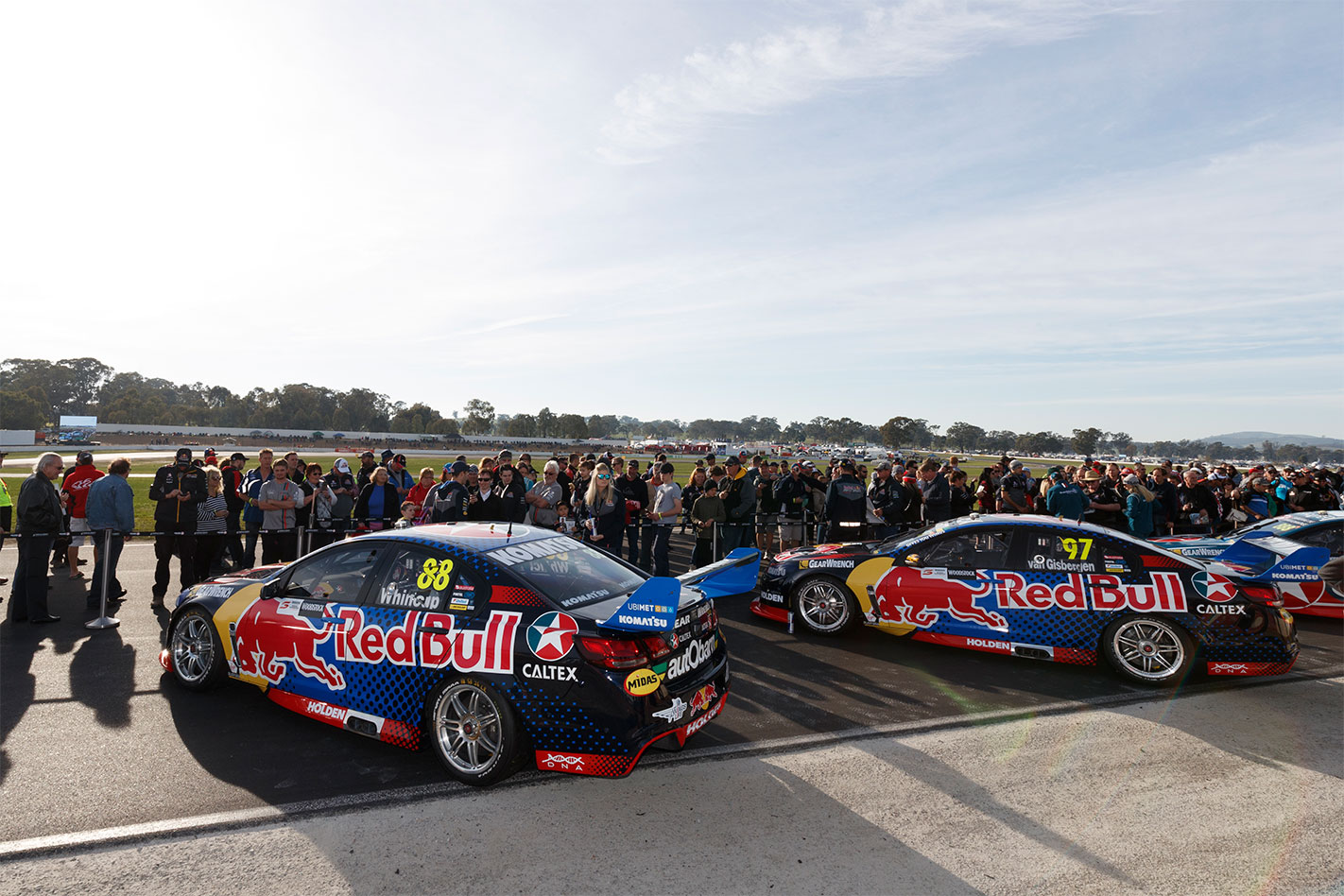
Holden’s announcement does potentially foreshadow big changes at Walkinshaw Racing, however. In a statement Walkinshaw stated it remains committed to fielding two Commodores in the 2017 Supercars championship, however with both Garth Tander and James Courtney out of contract at the end of 2016, it’s unclear whether one or both will remain with the team without factory support.
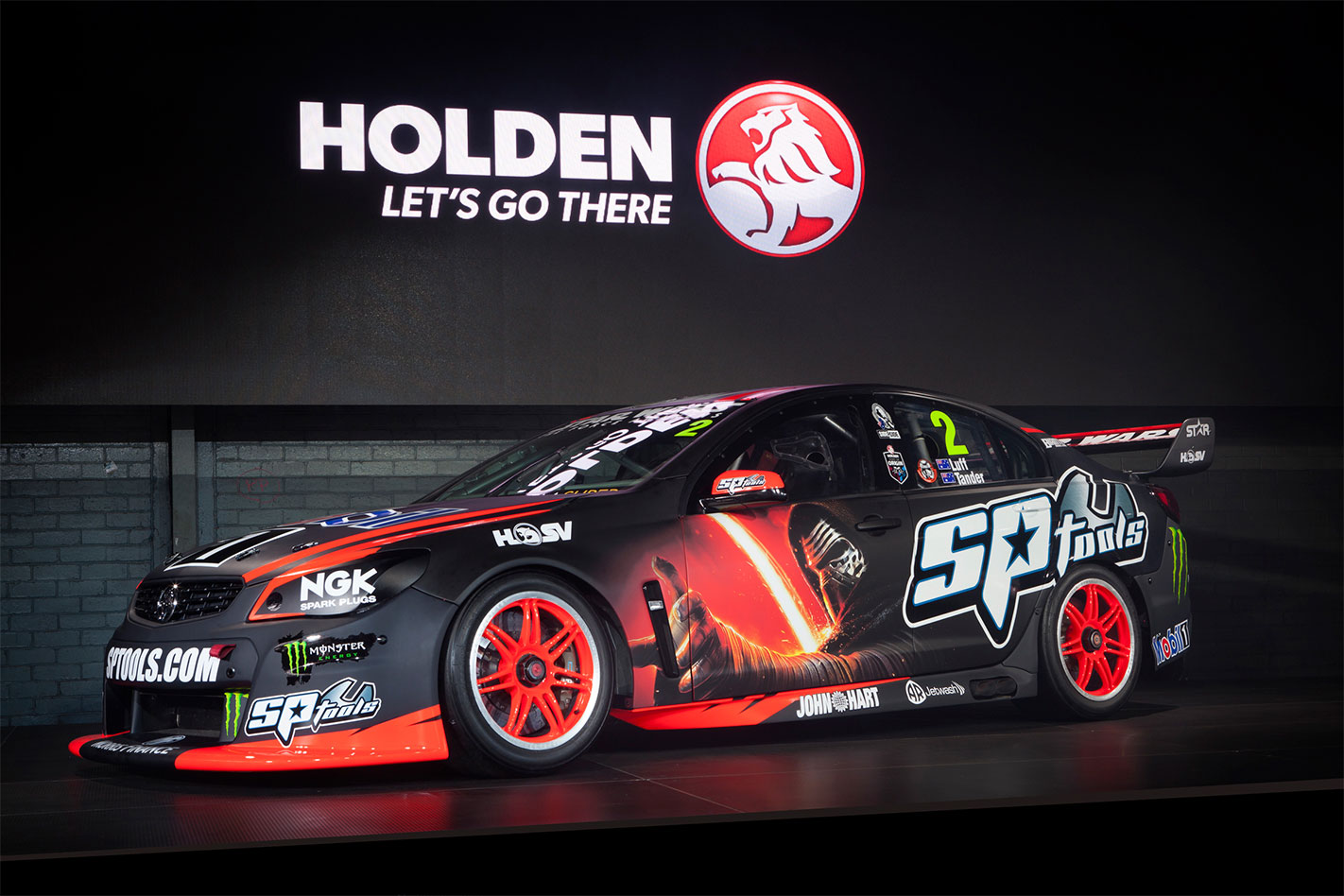
Triple Eight drivers Jamie Whincup, Shane Van Gisbergen and Craig Lowndes currently sit first, second and fourth respectively in the 2016 Supercars standings, whereas James Courtney is the highest Walkinshaw driver in 10th with Garth Tander in 12th.
The next round of the Supercars series takes place at Sydney Motorsport Park from August 27-28.
Audi has revealed a feature that will allow some of its vehicles communicate with traffic lights and signal to drivers when the lights are about to change.
The roll out will start with five to seven cities in the United States, with the technology available in 2017 Audi Q7s, A4s and A4 Allroads equipped with Audi Connect.
The Vehicle to Infrastructure (V2I) technology will send the information to drivers via their dashboard systems and notify them of how many seconds until a light change as well as congested roads.
The Audi Traffic Light Information system will inform drivers when they need to start braking for a red light, or how much time remains until the light turns green via a graphic and count down displayed on the dashboard and head-up display.
This is done through the vehicle’s WiFi connectivity, the on-board LTE data connection links to infrastructure systems and is then processed through Traffic Technology Services INC servers in Beaverton, Oregon.
V2I communications is a relatively new real-time technology that allows cars to wirelessly communicate with other cars and infrastructure. The technology is being tested across the globe by various carmakers in the hopes that it’ll help aid traffic flow, prevent accidents and improve car efficiency.
By reducing the time drivers take to activate the car’s brakes, and giving drivers time to seek an alternate route, the technology will help fuel efficiency, reduce congestion, and minimise driver frustration.
While the technology is not yet available in Australian Audis, we’re not far off with South Australian company Cohda Wireless trialling similar technologies. We can think of a number of roads that could use a bit of help with traffic congestion – Sydney, we’re looking at you.
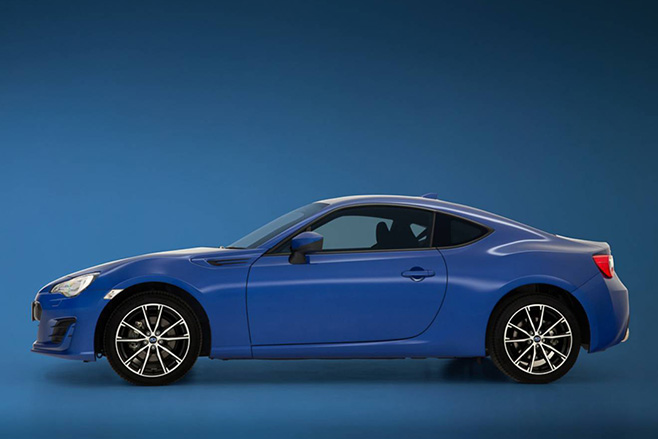
Subaru’s 2017 BRZ sports car will hit Australian dealerships in November boasting revised styling and added equipment, as well as a boost to both power and torque outputs – though only for the manual variant.
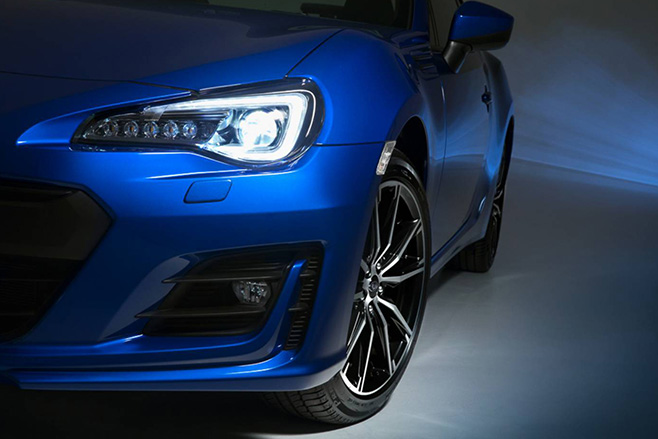
Headlining the BRZ’s external styling updates is a wider and lower front bumper, while a set of new aluminium wheel designs plus new LED headlamp and tail lamp elements go a long way in keeping the five-year-old car looking fresh.
On the inside, it’s the new 6.2-inch touchscreen infotainment system that steals the show, upgraded to the Subaru’s latest software to include both bluetooth connectivity and voice command capabilities. A new instrument panel, which also now includes a 4.2-inch LCD colour screen, can now be accessed via buttons in the reshaped leather steering wheel.
There are new door panels, the dual-zone air-conditioning system now has a fully-automatic mode while embossed leather front seats with red stitching have been added to the list of options.
Hill Start Assist has been added to the spec sheet while the Subaru BRZ’s multi-mode vehicle stability control has been given an extra Track mode to allow more exuberant driving while still keeping an electronic safety net in place.
Performance-wise, the 2.0 litre flat-four petrol engine fitted to the automatic transmission variant remains unchanged at 147kW of power and 205Nm of torque. However, tweaks to manual-equipped models sees peak power rise to 152kW – maximum torque remains identical at 205Nm.
With dual-front and side airbags, as well as curtain and driver’s knee airbags, the 2017 BRZ earns a five-star ANCAP safety rating.
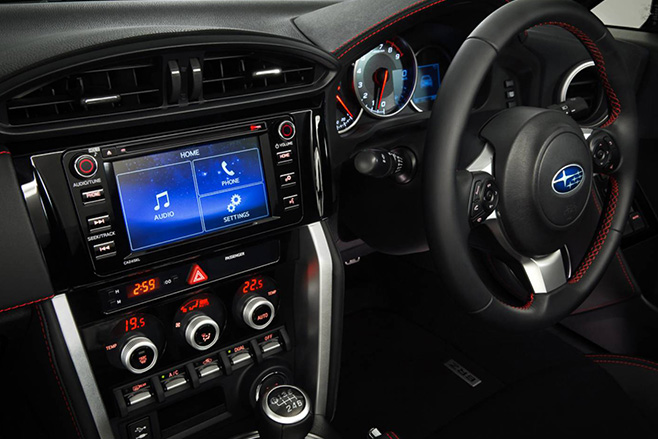
“[The] BRZ was a runaway success when it launched in 2012”, Subaru Australia boss Nick Senior said.
“The latest list of new features will add fresh appeal to a car that has gained an iconic reputation among motoring enthusiasts and sports car purists”.
Due to be launched in Australia in November, the firm is yet to announce pricing for the BRZ range. However, expect a slight premium over the current model’s retail price, which ranges from $37,150 to $38,650.
INFINITI is poised to launch a new generation of powerful engines using unique technology that makes them smaller, lighter, smoother and quieter than conventional ones – and more miserly than a fuel-efficient diesel.
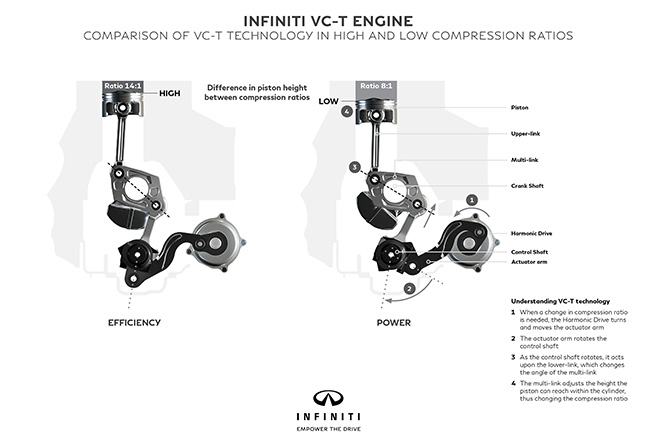
The brand, the luxury offshoot of mainstream carmaker Nissan, claims it can alter the compression ratio of the engine – how much it squeezes the mix of air and fuel inside a cylinder – to optimise the engine to improve either performance while merging with traffic on the freeway, or economy when loping along it.
To do it, Infiniti will use technology it says is a production first – changing the height of where the piston slides up and down inside the engine in real time.
The engine will be revealed at October’s Paris motor show under the bonnet of a QX50, Infiniti’s next-generation mid-size SUV slated to take on the likes of the Audi Q5 – which will also go on show at Paris wearing its second-generation skin – BMW X5, Mercedes-Benz GLC-Class and the Lexus RX.
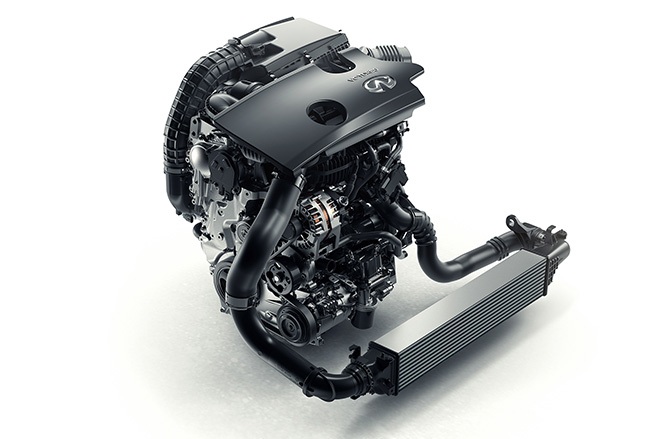
Details of the “VC-T” (variable compression-turbocharged) engine are scarce ahead of its Paris debut, but the 200kW 2.0-litre turbocharged four-cylinder engine’s performance reads more like that of a 3.0-litre V6.
The carmaker says the engine is also much smoother and quieter, both important factors for a luxury carmaker struggling to make inroads against established German and Japanese luxury rivals in Australia.
Infiniti is not the first luxury carmaker to take a look at variable compression technology as a means of increasing performance and reducing emissions.
Mercedes-Benz revealed in 2014 that it was working on a “DiesOtto” variable compression petrol engine that would deliver V6-like performance from a four-cylinder-sized unit.
According to Benz, the technology can deliver fuel savings of up to 30 percent, bringing petrol engine fuel use down to diesel engine-like hypermiling levels.
A concept version of the Mercedes-Benz engine has featured under the bonnet of the S-Class limousine-based Mercedes-Benz F700 concept car unveiled in Frankfurt in 2007.
The F700 featured a twin-turbocharged 1.8-litre four-cylinder engine under the bonnet, producing the equivalent of 175kW/400Nm. Meanwhile, fuel use is estimated to be less than 6.0L/100km, or about the same as a small city hatchback.
In contrast, mainstream Japanese carmaker Mazda is improving the fuel efficiency of its SkyActiv engines by using higher, although fixed rather than variable, compression ratios for its engines, which currently sits around 14:1.
Mazda is looking to take the ratio of future SkyActiv engines as high as 18:1 – well into diesel engine territory – which it also says will deliver fuel savings of around 30 percent.
Hot-hatches are one of the most popular forms of performance car – typically combining a powerful engine with compact, five-door practicality.
The segment features plenty of household nameplates, notably the Volkswagen Golf GTI.
Here, though, we compare the faster Volkswagen Golf R and its key rivals in WhichCar’s guide to $45-80K hot-hatches.
AUDI RS3 Priced from $78,900
Australia missed out on the original RS3 but in 2015 the second-generation model became the most affordable RS variant you could buy.
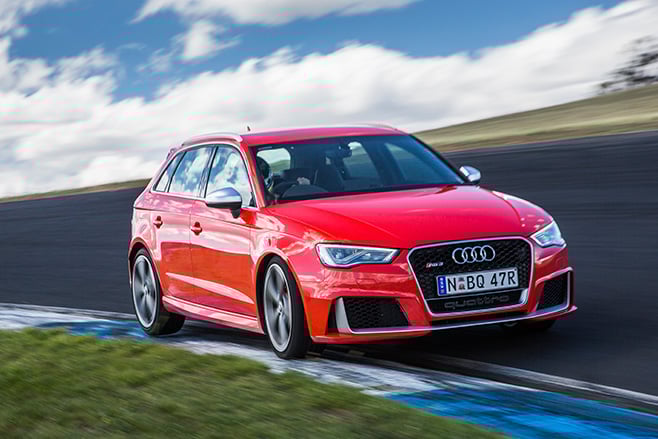
Its distinctive five-cylinder engine sounds fantastic with its off-beat warble and propels the compact Audi from 0-100km/h in a rapid 4.3 seconds. (Which was benchmark acceleration until the updated A45 AMG came along.)
The all-wheel-drive system can send all of the RS3’s 465Nm of torque to the rear wheels, though fast driving brings a neutral cornering balance rather than a playful rear end.
More feedback from the steering would be welcome, and some buyers might prefer less understated exterior styling that contrasts with the RS3’s overt performance.
It’s difficult to find any fault in this Audi’s interior, which offers an unrivalled cabin experience in terms of exceptional fit and finish and super-high-quality materials.
FORD FOCUS RS Priced from $50,990
The new Mustang is going gangbusters in the sales charts, and in mid-2016 it was joined by another famous performance Ford in the form of the third-generation Focus RS.

It’s all-wheel drive for the first time, which helps to deploy its extra firepower to the ground. A 2.3-litre turbo four-cylinder borrowed from the ’Stang gives the latest RS 257kW of power and 440Nm of torque.
Ford quotes a 0-100km/h time of 4.7 seconds, which is commendably close to the RS3 and A45 that cost nearly $30K more.
A headline feature is more about going sideways than in a straight-line: Drift Mode manipulates the car’s electronic stability control and four-wheel-drive system for the occasions when drivers want to seek fun times rather than lap times.
The front Recaro seats are higher than ideal, the urban ride is fairly uncompromising, and the cabin execution the least effective in this group.
But, as our friends at Motor magazine might say, the Focus RS overall delivers serious bang for your buck.
MERCEDES-AMG A45 Priced from $77,900
It’s a few years now since Benz’s AMG go-fast division made a change from V8 and V12 engines and dropped a turbocharged four-cylinder into the A-Class to create the slightly mad A45.
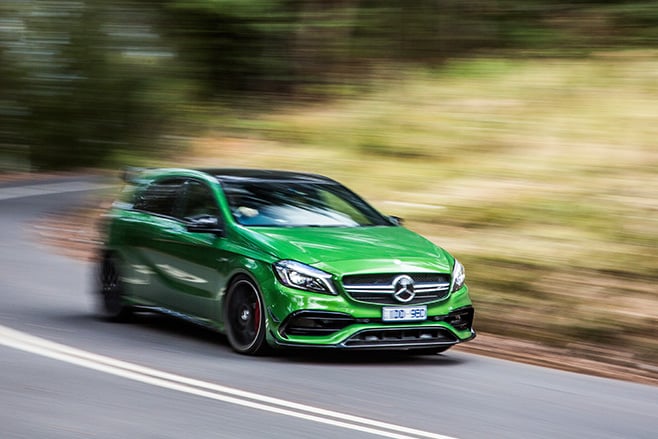
A 2016 update makes it even faster, with class-leading power and torque: 280kW and 475Nm.
The savage engine, complete with lairy exhaust noises, results in a 0-100km/h run of 4.2 seconds – making this all-wheel-drive five-door the quickest hot-hatch you can buy out of a showroom.
Just like all other current AMG models, the A45 is also handy around corners. And newly added adjustable dampers means the great handling is not such a great trade-off with ride comfort.
The rear seats are tight for space and there’s limited storage, though the purposeful interior is exemplified by body-hugging sports seats, bright-red stitching and a chunky steering wheel.
PEUGEOT 308 GTi Priced from $44,990
French brand Peugeot hasn’t offered a hot version of its small car for 15 years. The 308 GTi is a welcome return.
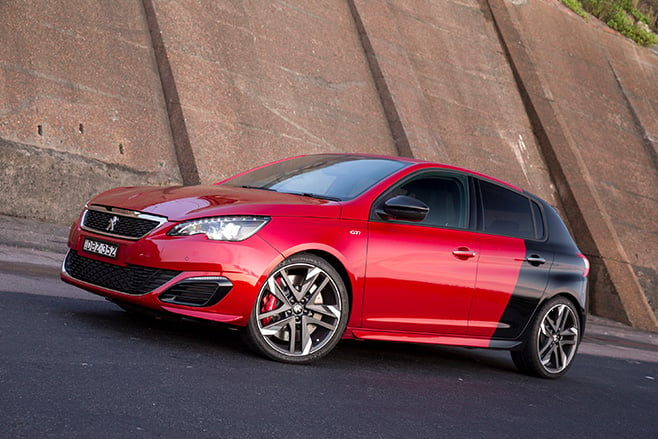
Two versions are available: the 184kW 250 or, for $5000 extra, the 200kW 270. Both could be considered slightly expensive in the context of their respective rival groups, though there’s lots of gear standard and the beautifully designed cabin also adds perceived value.
The 270’s faster 0-100km/h time of 6.0 seconds looks slow on paper among its peers here, yet the 308 GTI certainly doesn’t feel slow on the road.
The relatively tiny 1.6-litre turbo four-cylinder punches well above its size, even if it could sound more interesting (despite audio amplification).
And the 308 GTI’s impressively light kerb weight of 1205kg also engenders it some fairly agile handling, which combines nicely with high levels of mid-corner tyre grip.
If you like track days, the 270 is the pick due to its Torsen mechanical limited-slip front diff that helps traction out of corners.
VOLKSWAGEN GOLF R Priced from $51,990
Still nowhere near as renowned as the cheaper GTI, though the R is also no longer the more expensive yet less involving sibling.
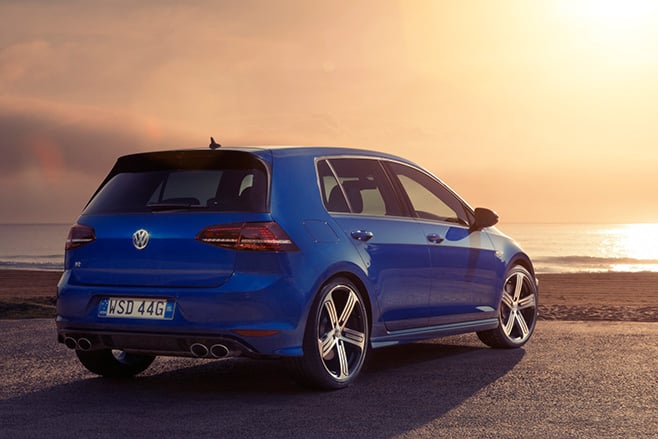
Since the latest iteration of the R emerged in 2014 it has better justified its position as the flagship Golf with vastly improved handling and performance.
Well-judged steering that’s hefty and direct contributes to the R’s enjoyable cornering abilities, with a Haldex all-wheel-drive system and front electronic differential helping to distribute torque to the right places.
Maximum torque of 380Nm is second-lowest in this hot-hatch set, though it’s delivered across a vast chunk of the R’s rev range (1800 to 5100rpm) to provide flexible and punchy performance.
A 5.2-second 0-100km time is respectable, though is now trumped by the Focus RS by half a second.
The adaptive suspension has a Comfort mode to give the hottest Golf some welcome suppleness for normal driving, and the cabin presentation and quality still holds up well against its newer competition.
