Ferrari turns the manettino dial to 11 for the F12tdf, an extreme version of the F12 which ekes another 29kW from the 6.3-litre V12. Tdf does indeed stand for Tour de France but no, not the bike race.
WHAT IS IT? There’s a long tradition of low-volume, high-po specials from Maranello and the F12tdf treads a familiar path, offering more power, poise and exclusivity. At some point it’s worth asking the question, how much is too much?
WHY WE’RE TESTING IT Ferrari invited us to Maranello to drive a limited-run F12 with 574kW. A few laps of Fiorano and a pleasant day in the local hills was also on the itinerary. Saying no seemed impolite.
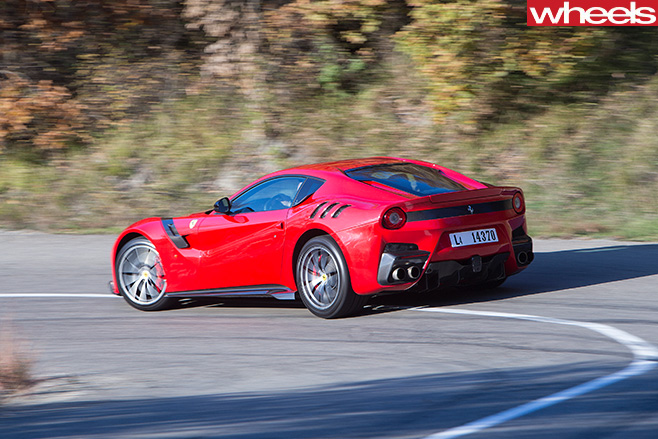
THE WHEELS VERDICT How the F12tdf drives will be of peripheral concern to many owners who’ll slot it into a large collection, but the driving dynamics of the tdf, more than the window dressing of the ownership experience, are what define the car. Challenging, singular and intriguingly hair-trigger, it doesn’t suffer fools. Mastering it would provide massive reward.
PLUS: Exclusivity, savagery, depth of engineering MINUS: Availability, price, neurotic controls will be too much for some
THE WHEELS REVIEW FERRARI’S F12 never struck me as wanting for power. It really doesn’t feel like it needs more. But here we are: the Ferrari F12tdf, a special version of the F12 that’s limited in production but unlimited in ambition.
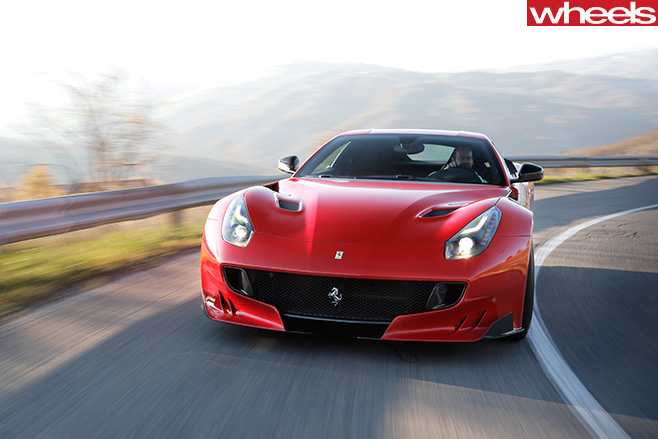
There are several ways you can make a car feel more agile, and Ferrari has done all of them. One is adding more poke; another is reducing weight. But the easiest way to introduce agility is simply to fit massive front tyres.
At the start of the development process, Ferrari tried 315-section F12 rears on the front, and even slicks; the result was hilarious but perilously unstable, which meant they couldn’t just leave it like that. Well, not entirely.
Where a modern fighter uses electronic control systems to make it flyable, Ferrari uses active rear steering to make the F12tdf driveable again, putting stability back in. But it’s the wider front tyres (285 section rather than 255s) that increase agility and make the car feel shorter.
So significant are these changes that the rest are mere details. Aerodynamics are improved, the rear track is wider, gear ratios are five percent shorter (reducing the 0-100km/h time to 2.9sec) and spring rates are 20 percent stiffer.
If you’ve been invited to buy an F12tdf – and you’ll own at least five other Ferraris and be known by the company “very well” if you have – the price is $808,888; about $118,000 more than a regular F12.
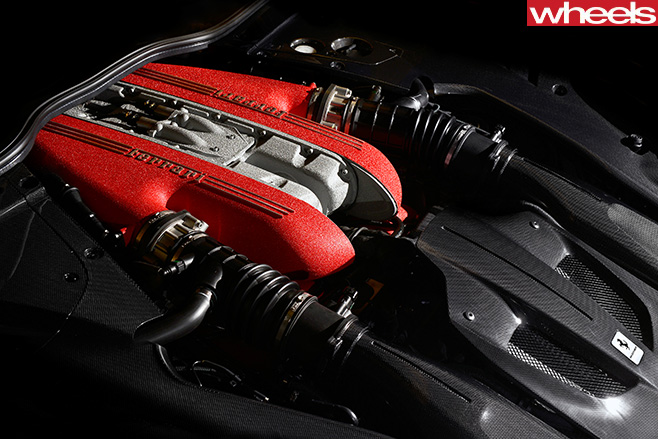
And it has an utterly magnificent powertrain. Untroubled by turbochargers yet still developing 80 percent of torque from 2000rpm, its response is fantastic, it makes a glorious noise like an F1 car of old and the seven-speed dual-clutch auto has been tweaked to shorten shift times. Response is, on occasion, too sharp at the top end – even Ferrari’s test drivers think as much – but the engineers want the F12tdf to feel like there’s some racing car in it.
In most front-engined, rear-drive cars, you know what you’re going to get on a track. You have to settle the nose on approach to a bend, trail the brakes slightly to reduce understeer and unsettle the rear, then drive through nicely under power, applying just the amount you want to adjust the car’s attitude.
The F12tdf isn’t like that; there’s not really any understeer to drive around in the first place. The additional front tyre width makes it feel hyper-agile, so it darts for the apex, but then, when you expect the rear to become unsettled, the active rear steer intervenes and makes the back end more stable, keeping the rear trimmed to the same apex as the fronts at a speed you just couldn’t match in a car without the system.
With more familiarity, you learn to anticipate the F12tdf’s characteristics, drive with more fingertippy touches and smaller inputs, and then it becomes deeply rewarding. But it’s not a car that you can just enjoy easily. I’d need more laps to know whether it was more rewarding than a well-sorted and conventionally set-up car.
No question, though, it’s incredibly impressive. There’s loads to love here. It’s just unusual at times. But given that it’s meant to be challenging and that an owner will have plenty of other cars to choose from, depth and unusualness are characteristics the F12tdf can easily afford to have.
Would I have an F12tdf over a Lamborghini Aventador SV? Undoubtedly. Over a McLaren 675LT, which I rate as a five-star car? It’s a very close-run thing.
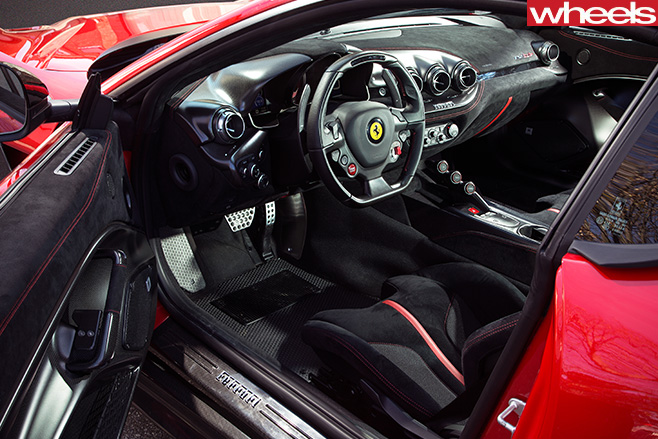
SPECS Model: Ferrari F12tdf Engine: 6265cc, normally-aspirated, 48v, dohc 65° V12 Max power: 574kW @ 8500rpm Max torque: 705Nm @ 6250rpm Transmission: 7-speed F1 dual-clutch Kerb weight: 1520kg 0-100km/h: 2.9sec Fuel economy: 15.4L/100km (combined) Price: $808,888 plus on-road costs On sale: By manufacturer invitation
Bentley has been forced to pull one of its films from YouTube following a complaint to Australia’s Advertising Standards Bureau (ASB).
The film depicted Australian racing legend John Bowe hitting 330km/h on a section of the Stuart Highway in a Bentley Continental GT Speed.
Bentley has pulled the ad from its YouTube channel, but the video remains available through other outlets.
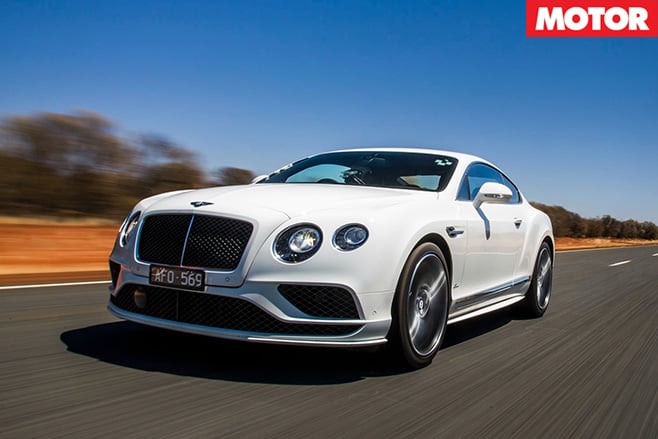
At the beginning of the ad a disclaimer states that Bowe drove in “controlled circumstances” and that the car was “thoroughly checked before the run.”
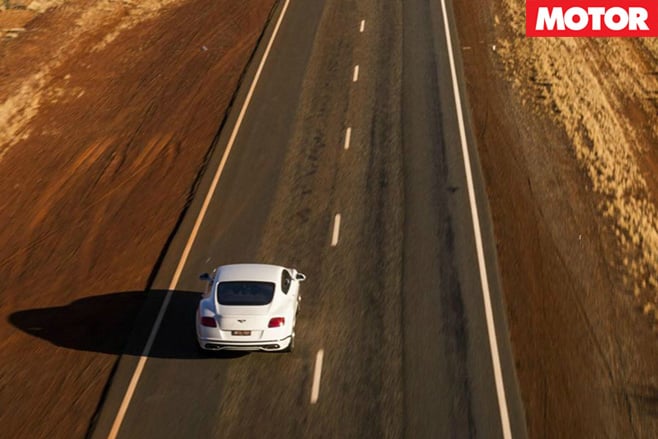
The ASB found the ad to be in breach of its standards due to portraying someone driving in excess of speed limits in most of Australia.
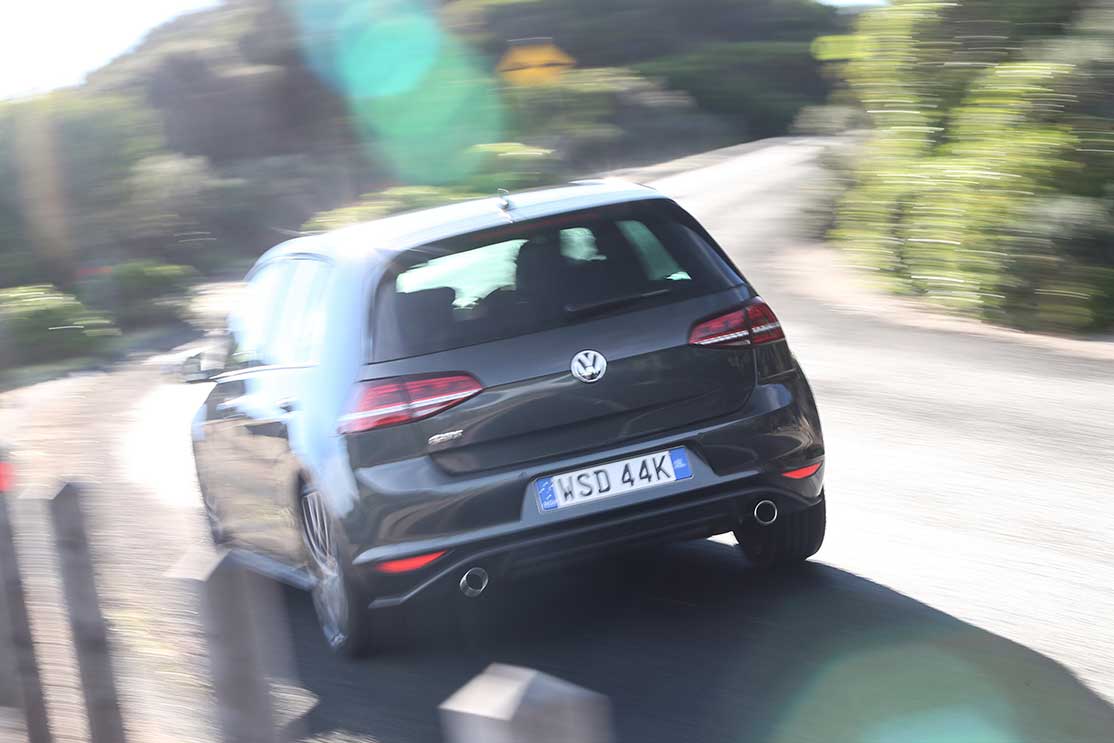
It was a blind 35km/h left-hander that caused my arse to clench and my hands to turn to water. Barrelling into the bend at 80km/h, the uphill southpaw, which had looked innocent, began to tighten so alarmingly that I thought: u201cWell youu2019ve buggered this up, Alex, with your fists of ham and your two lead feet.u201dIt was true too – I’d gone in too hot, but luckily our new Volkswagen Golf GTI long termer didn’t seem to notice. After rolling off the throttle and adding more lock, the VW simply gripped and turned. No fuss, no understeer. Just poise and balance.
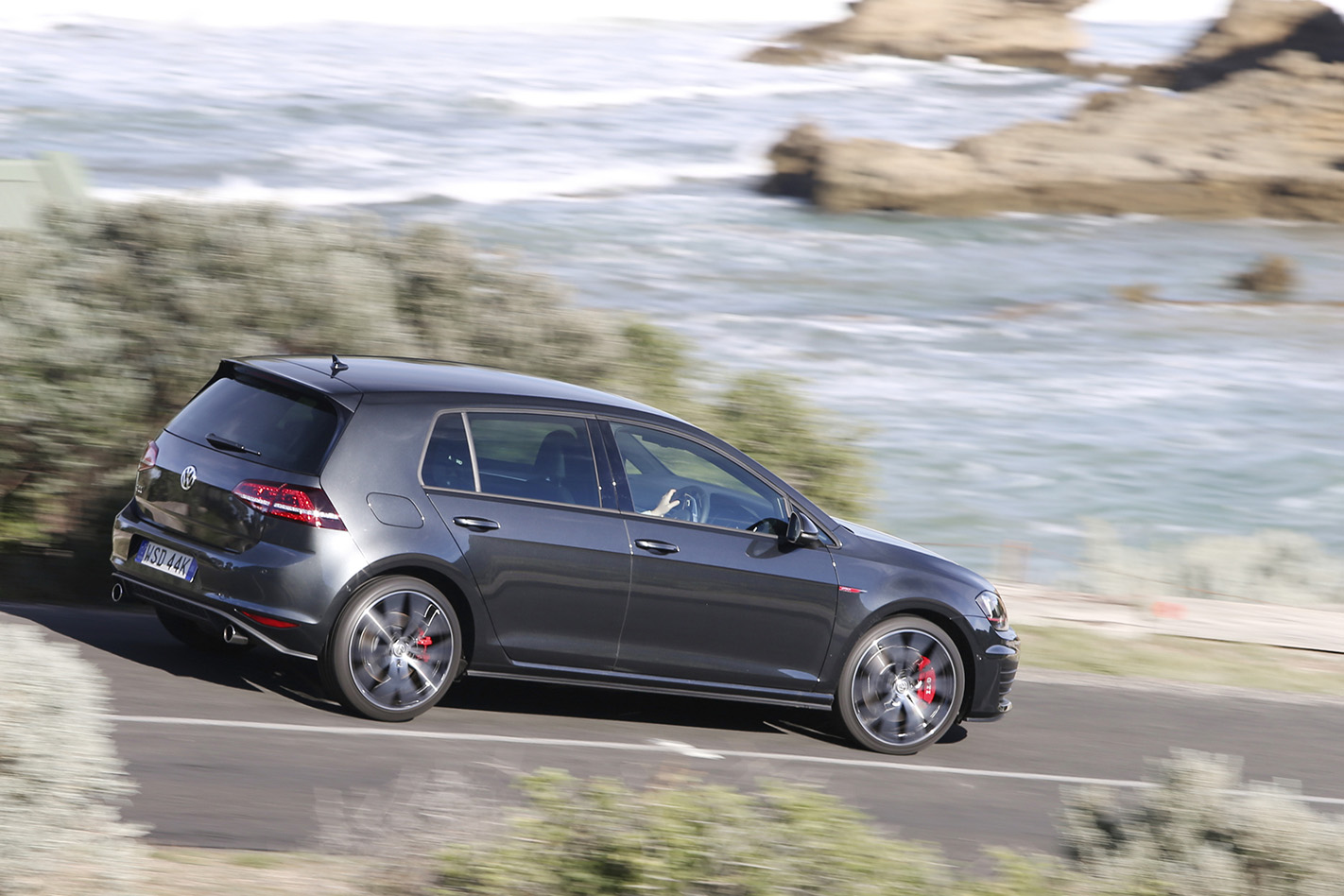
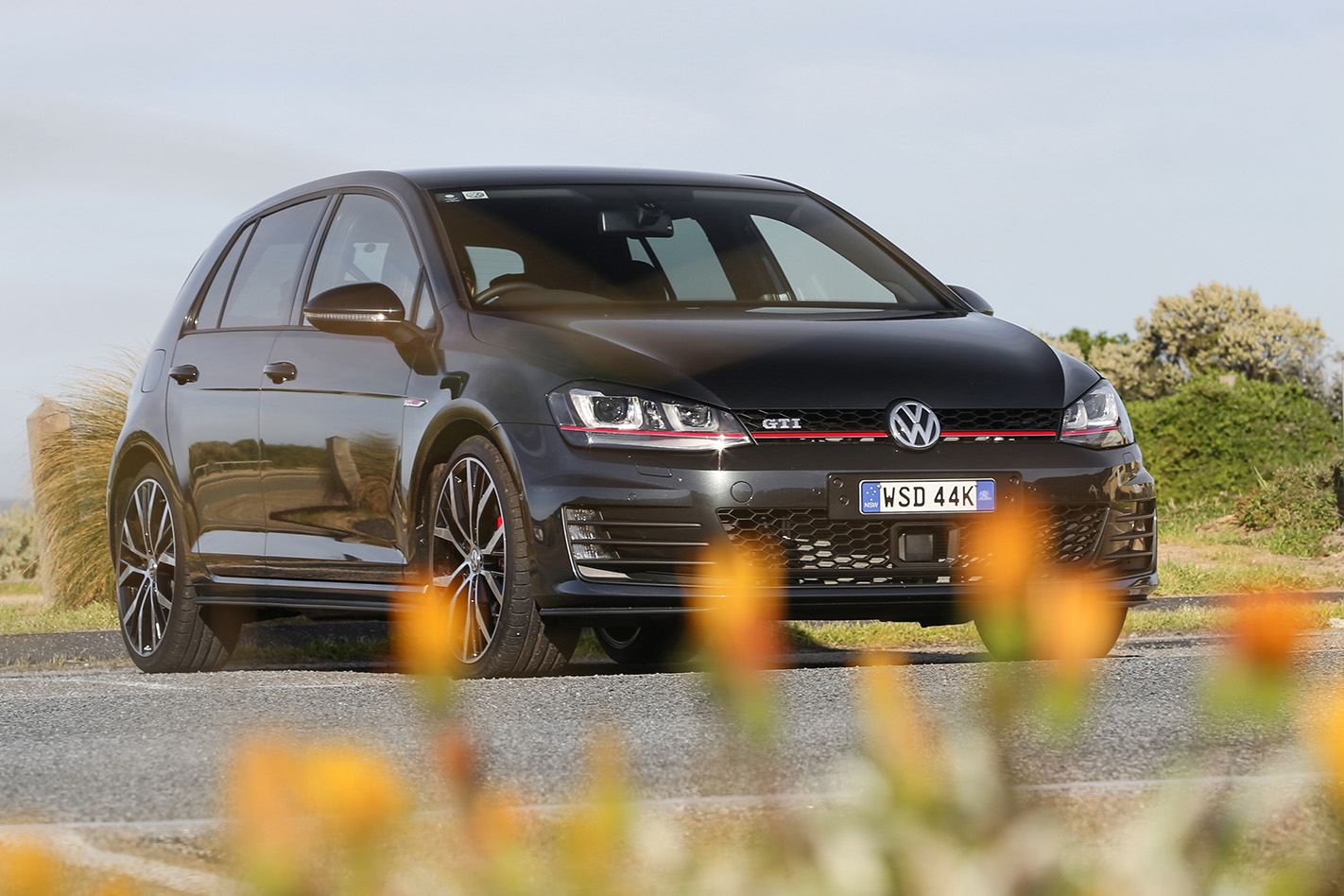
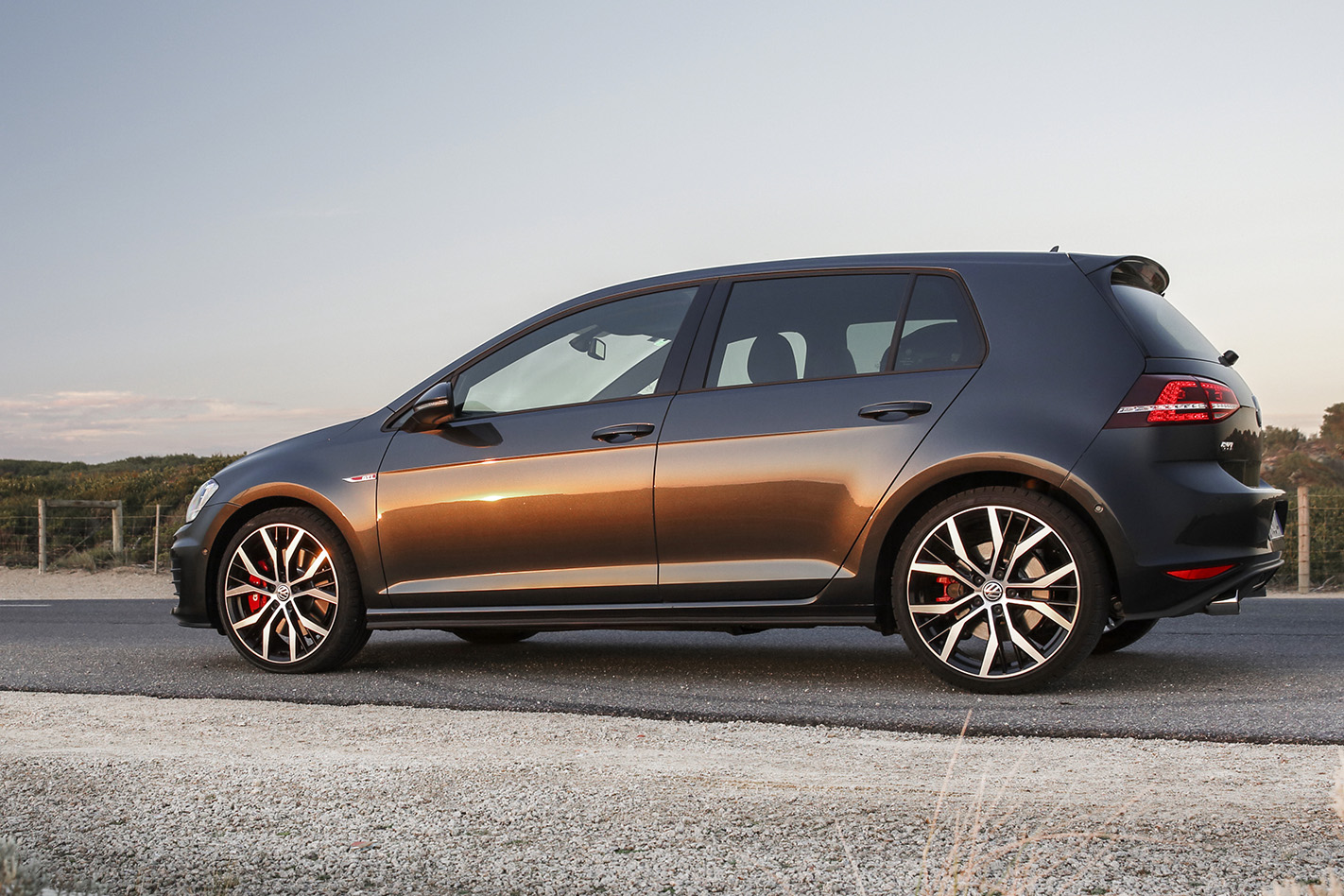
The Golf had landed in our garage just a day earlier, but of course, keen observers will note this is no ordinary GTI. They’ll know its bespoke 19-inch wheels, its bulging brakes and standard bi-xenon headlights mean it’s a GTI Performance – which, along with a host of other kit, gets VW’s trick new electronic front diff.
Much more complicated than a traditional LSD (see breakout below), the e-diff is the reason our GTI hustled through that 35km/h corner without breaking a sweat.
Capable of sending 100 percent of drive to either of the front wheels, the diff also has a torque vectoring effect to shuffle the engine’s twist between the wheels for maximum grip. The result is a front-driver with razor-sharp turn in, brilliant mid-corner poise, and the composure and traction to slingshot you out the other side.
As you’d probably expect, this diff doesn’t come cheap. Priced at $48,490 (our car hits $50,290 thanks to metallic paint and VW’s Driver Assistance Package), the Performance is $4500 more expensive than a standard GTI, but so far is worth every cent.
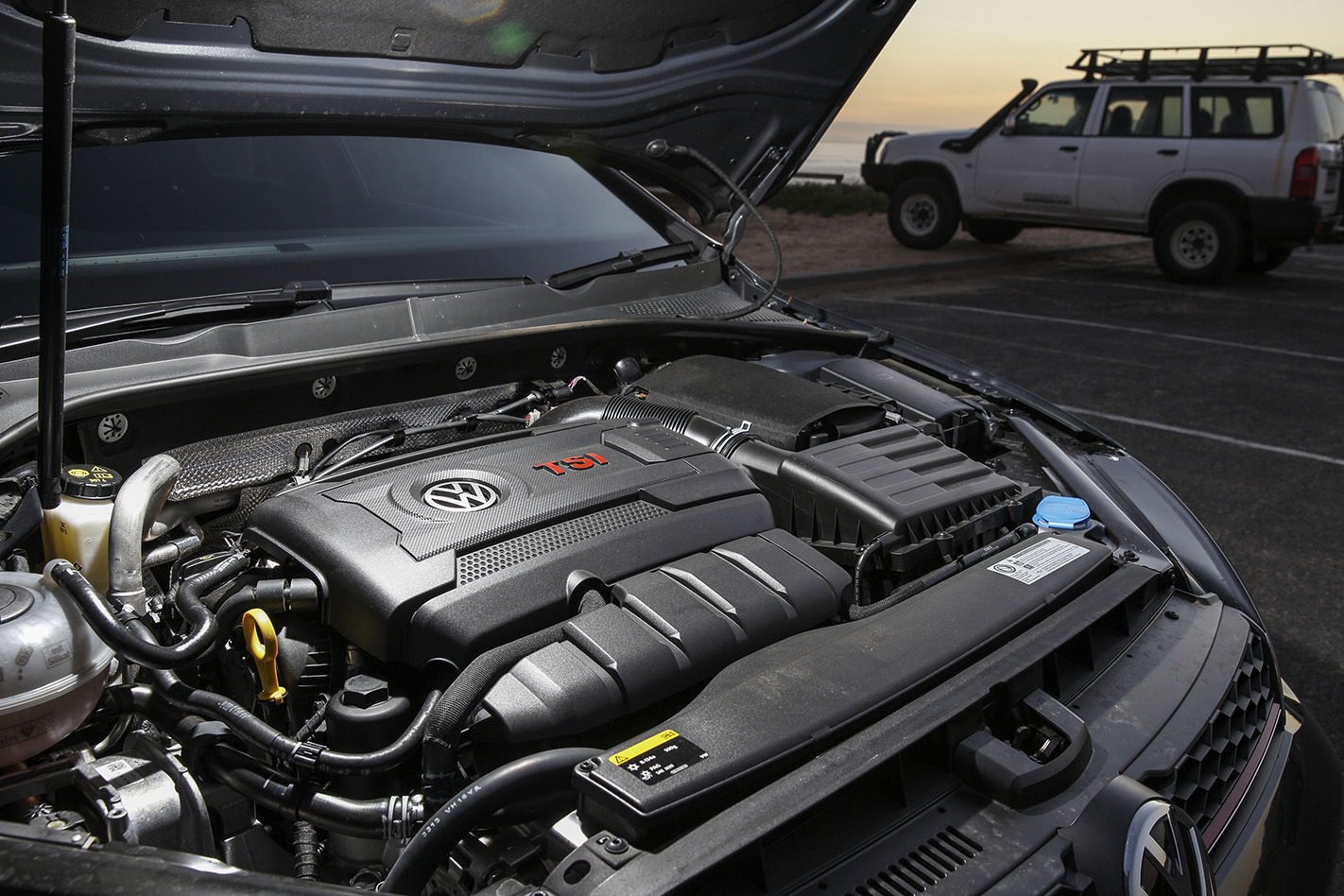
Other standard kit includes the same chunky brakes as the Golf R (340mm up front, 310mm at the rear), and bespoke 19-inch alloys riding on 225/35 Pirelli P Zeros. Engine-wise, power from the GTI’s EA888 turbo four is up a negligible 7kW, while peak torque remains at 350Nm but is available over a 200rpm-wider rev range.
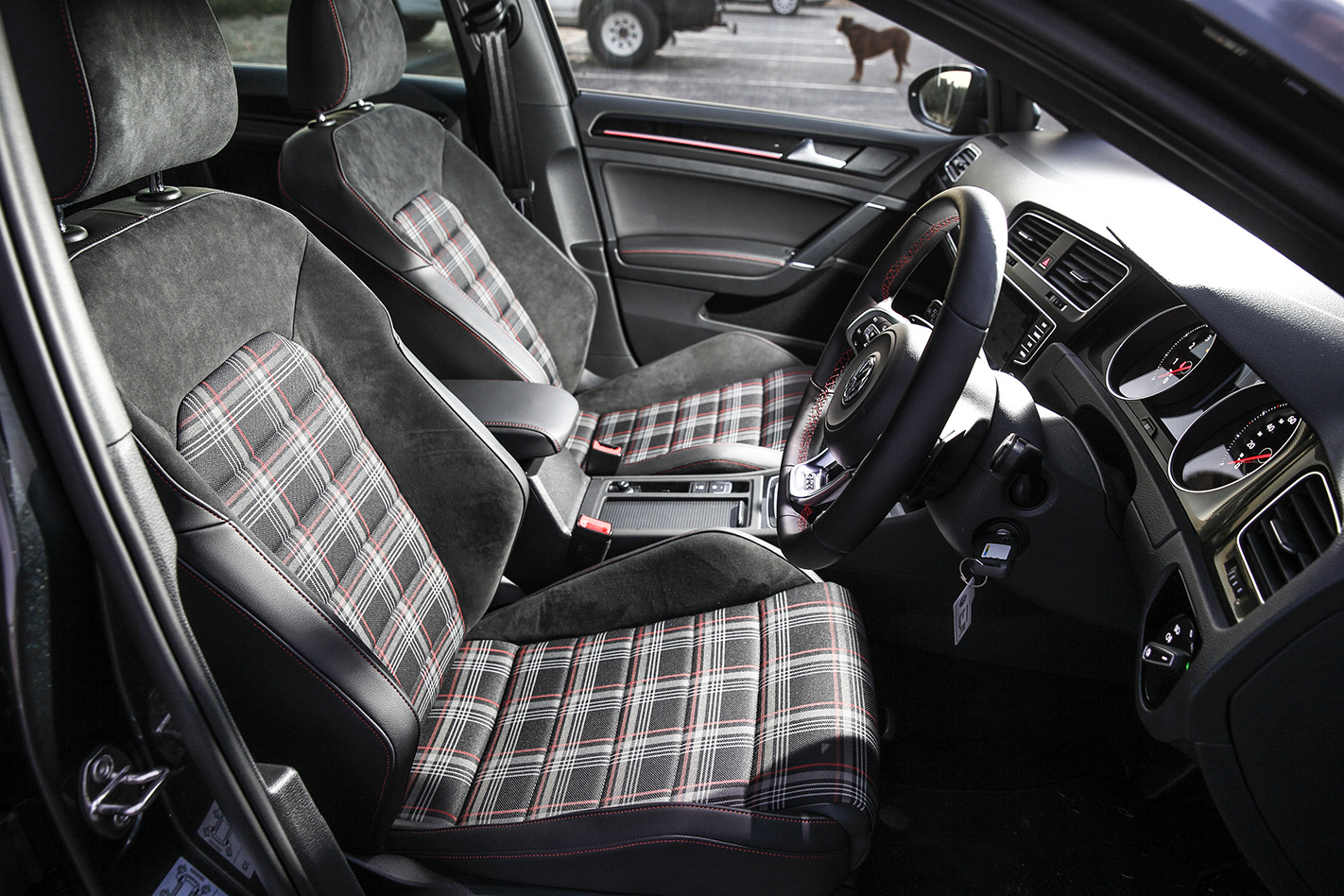
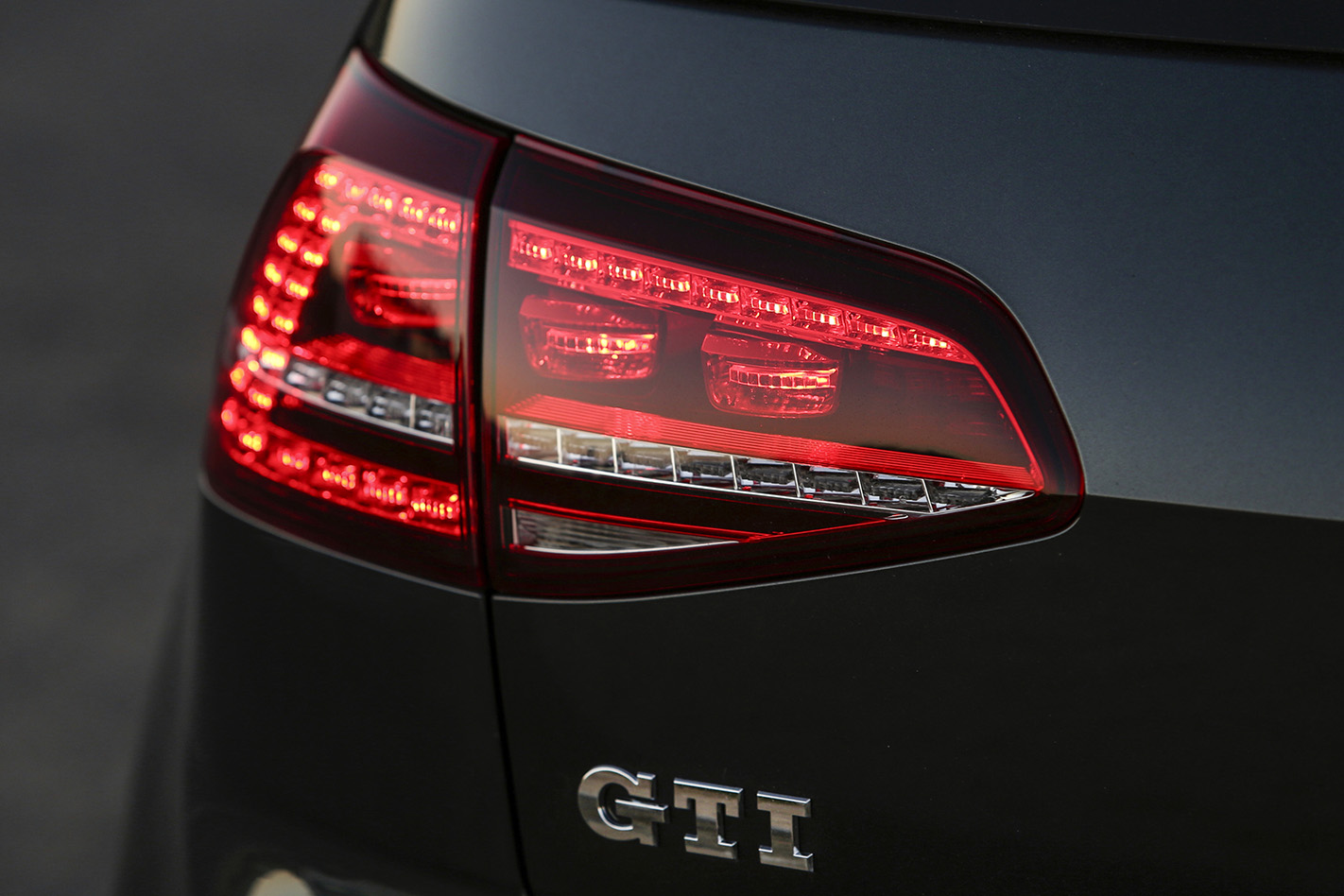
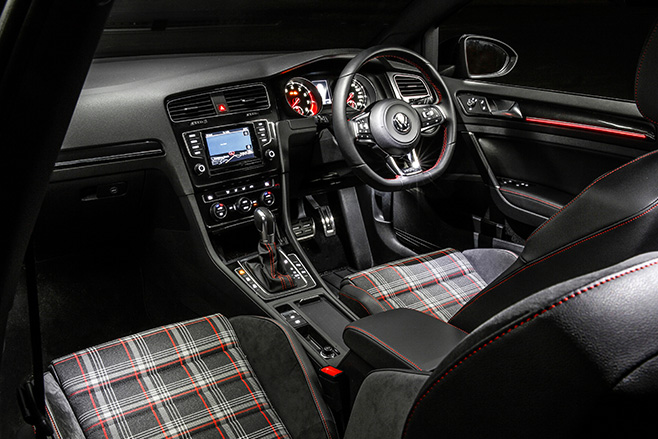
In the looks department, the Performance gets adaptive bi-xenon headlights, along with a sexy red stripe, unique tail-lights and inside, flashes of Alcantara on the bolsters of the iconic tartan seats.
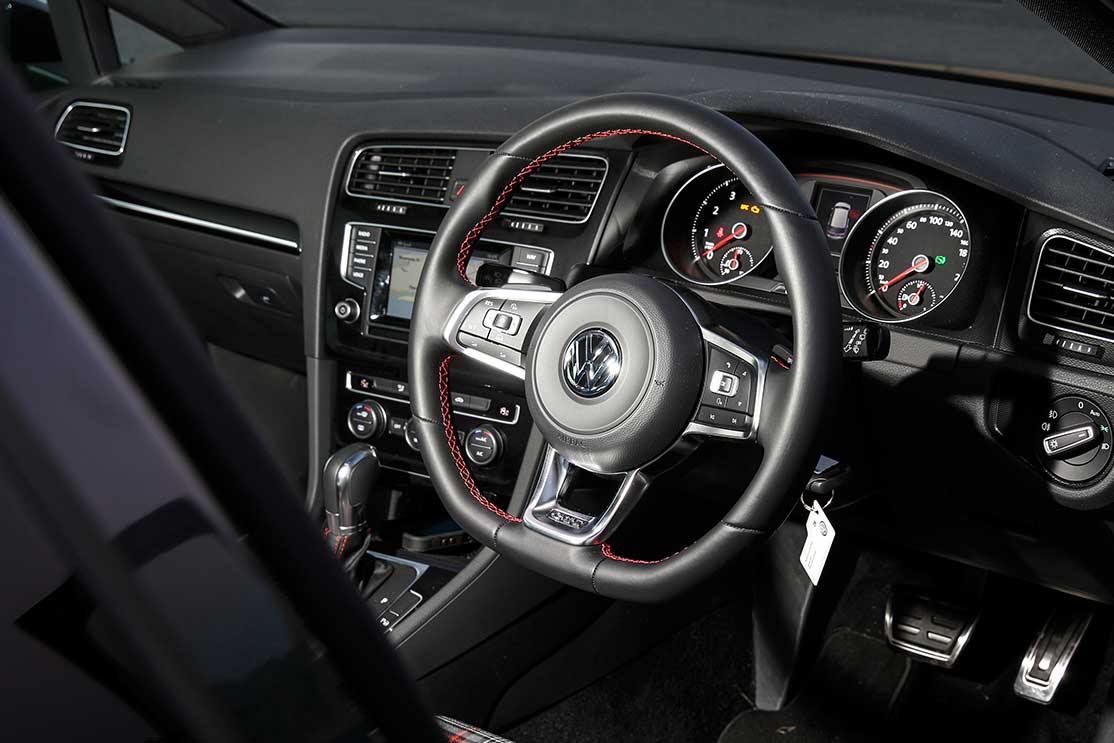
Initial impressions, then, are positive, but there are a few foibles. The button to change the car’s Dynamic Chassis Control system, for example – which alters damping, steering weight, engine sound and throttle response – is annoyingly hidden behind the gearstick. Then there’s the gearbox itself.
Often seen as a weakness, the DSG is sharp and intuitive at speed, but slow and clunky when parking. Which brings us to the issue of reliability. When the Mk7 Golf won Wheels Car Of The Year award, the team were inundated with letters asking how they could possibly award their highest honour to a model plagued by gearbox recalls and a power-loss fault linked to the death of a Melbourne woman, Melissa Ryan, in 2011 – despite a Victorian coroner clearing Volkswagen of any blame.
The answer is simple. Wheels has never encountered any reliability issues with the Golf during testing, which is why we were so keen to procure this dual-clutch GTI. If anything falls off, breaks, or sticks in the next six months, we’ll be sure to let you know.
It sounds complicated, but the electronic diff lock is easy to understand. Compared to a mechanical LSD, which prevents the inside wheel from spinning, the GTI’s multi-plate unit monitors the car’s wheel speed, vehicle speed and yaw rate to determine which tyre has more grip. It then shifts more grunt (up to 100 percent) to the stickiest wheel, so turn-in understeer is reduced.
Torque vectoring, which throws more twist at the wheel on the outside of the bend, is then used on corner exit, allowing you to pick up the throttle earlier. The diff can even negate the ESC system. If, for example, it detects oversteer, it generates a stabilising ‘yaw moment’ to settle the car without the need for annoying ESC interruptions.
Update 1
I love it when new technology fails – particularly in cars. It’s a sick pleasure, like watching skateboarding stacks on YouTube. Of course, I’m not talking about vital technology like airbags or brakes, but little tech fumbles that leave car companies with egg on their face.
Like when Mercedes-Benz crashed its new S-Class while trying to demonstrate its collision warning system. Or when Holden’s new self-parking system on the Holden VF Commodore failed to detect a parking space. Twice. In a room full of journalists.
Things had been going swimmingly with my long-term Volkswagen Golf GTI Performance. Then it spat in my face. Returning home from dinner, I engaged the GTI’s simple and intuitive self-parking system to slot into a spot in front of my house. I guided the Golf in on the brake with complete trust, the steering wheel spinning of its own accord. Things were going well until the front left wheel bumped into the gutter. Even this wasn’t a drama, given the wheel was on hard right lock, so only the rubber bashed into the cement. Then, with no input from me or any change on the brake pedal (the car was stationary), the Golf straightened itself. Crunch.
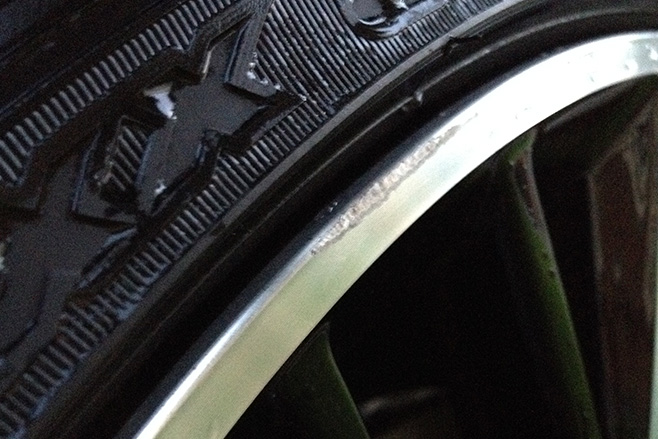
The kerb took a bite out of the 19-inch rim the size of a 50-cent piece, leaving me a furious cocktail of disbelief and unadulterated rage. Then I got to thinking; who was at fault? Surely not me. It was the car that chose the steering lock and distance from the kerb; all I did was control the speed, which was painfully slow. If it was my car, I would have been straight on the blower demanding VW repair the wheel.
Turns out I was wrong. After calling VW, the official response was: “Thanks for letting us know about the damage. To clarify, the Park Assist system did not damage the vehicle; the driver is responsible for maintaining control of the vehicle. Park Assist 2.0 is an assistant. The driver is still in control of the car and all legal liabilities remain on the driver when using the system.”
Volkswagen suggested two things could have tripped up the GTI. First, the offending kerb is of lower-than-usual height, but it’s a spot the Golf had previously navigated without damaging its wheels. Secondly, VW reckons a parking sensor could have been bumped and put out of alignment, which again is doubtful given how cautiously I’ve used the system.
So, let this be a warning. Automated technology like self-park systems, collision prevention and such is becoming more widespread. But place your trust in such technology at your peril.
The parking incident was a blemish on an otherwise A+ scorecard for the Golf this month. Sadly, there was no free time to escape to winding roads to further acquaint myself with its sublime balance, but even stuck in the rat race, the GTI impressed. The press of a button (Sport to Comfort) transforms the Performance from a rorty, apex-hunting hot hatch into a supple and refined city cruiser that soaks up road imperfections and speed bumps with ease – no easy achievement given its big 19-inch hoops.
Update 2
IT’S a bitter pill that I’m not rich. There’s no silver spoon stuck to my tongue, I have no diamond mines to inherit and sadly no trust funds to collect. But yesterday I experienced a problem usually reserved for the wealthy – which performance car to take to the track.
Wheels magazine had a day booked at the tortuous, twisting piece of tarmac that is the Haunted Hills circuit and, happily, I had two hot hatches sitting in the driveway – my long-term GTI and a Renaultsport Megane.
I’d booked the Renault for exactly this opportunity. Widely regarded in the Wheels office as the hot-hatch benchmark, I wanted to test its renowned razor-sharp dynamics against the Golf’s. But with two cars and only one person to drive them, I had to choose.
In the end, the fact I had yet to take the Golf to its limit won out over the Megane’s promise of old-school manual gearbox fun.
In any case, after a week at the wheel of both cars, I was almost convinced the Golf is the better hot hatch. While both cars ride well considering their big 19-inch wheels, the firmer, more focused Megane jars where the supple Golf is compliant.
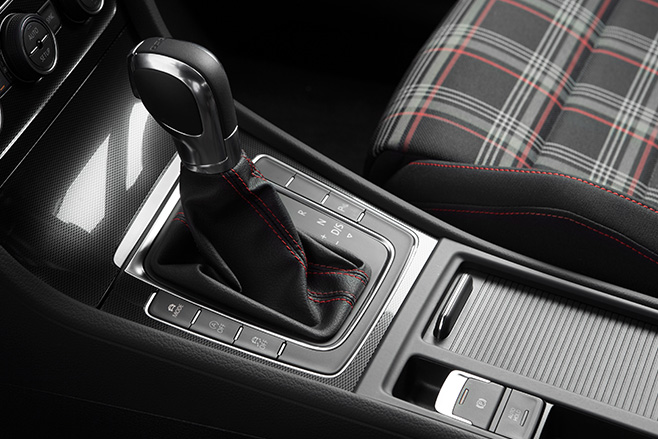
It’s the same story inside, with the Renault’s hard Recaro bucket seats growing uncomfortable over long distances compared to the Golf’s supportive, Alcantara-trimmed pews. Interior quality is better in the Golf as well, as are its ergonomics. Sure, French cars should be quirky, but I’d grown tired of having to lean forward from the driver’s seat to reach the dash-mounted touchscreen. And the instrument dials point at the roof, not the driver.
Then there’s the sound. Compared to the Golf’s tasty note and DSG crack on upshifts, the Renault’s exhaust is virtually silent. It redeems itself in RS mode, where it produces a strong induction noise at high revs, but the Renault’s soundtrack just isn’t as involving.
The burning question, though, was could the GTI keep its nose in front on the track? Well, after a day belting around Haunted Hills’ unforgiving bends, it would appear not. I have no doubt the razor-sharp manual Megane would have been faster and more fun at the limit than the Golf. But only just.
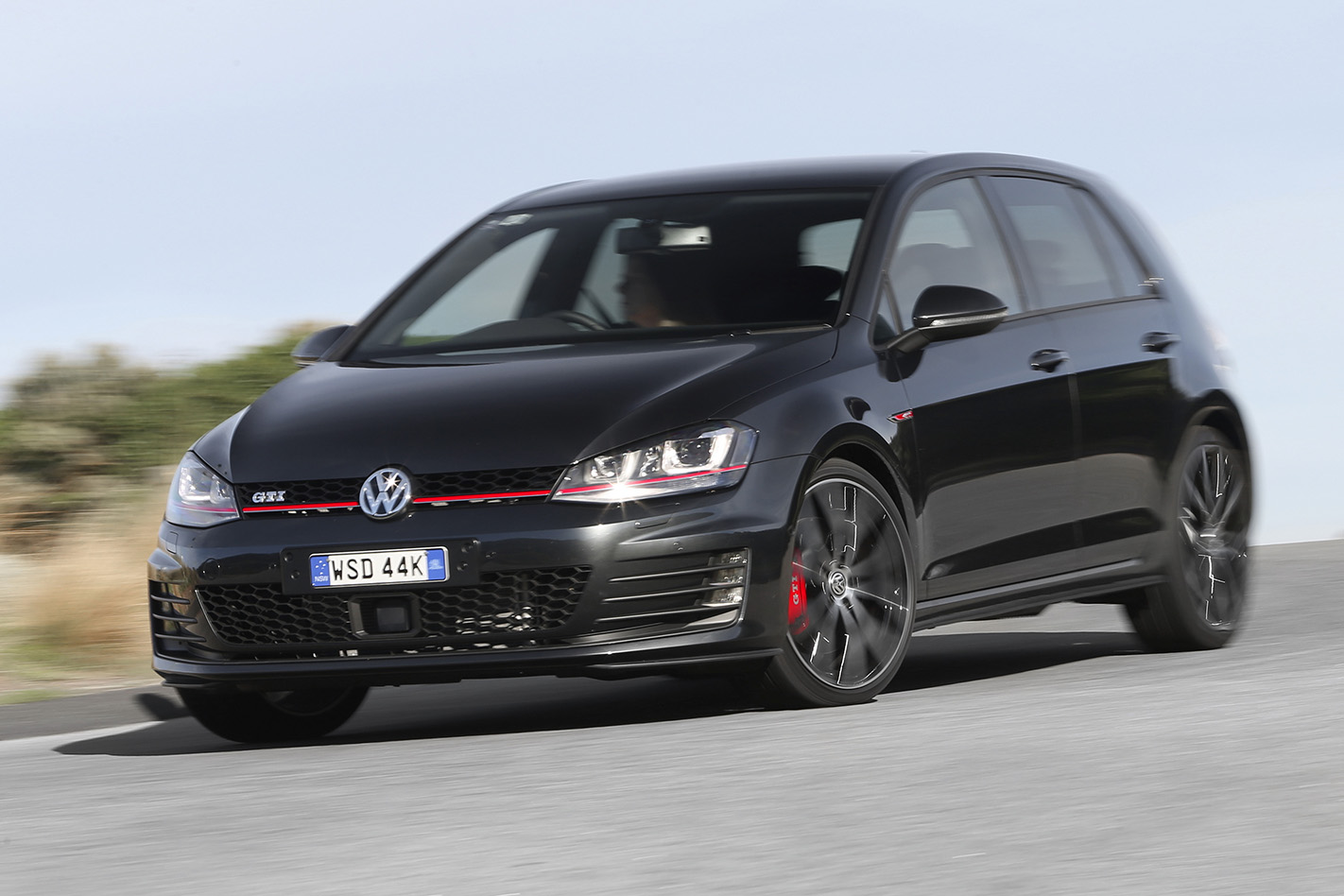
Supple and rewarding, the Golf’s playful chassis and strong, willing engine make it a hoot at 10-tenths. Throw the Performance at an apex and you can feel the electronic front diff reducing understeer before the tyres grip and the chassis pivots behind your hips into benign oversteer. It’s predictable and fun at the limit, yet has one inescapable flaw – its electronic nanny. Even with all the computers turned off, the GTI’s safety net intervenes, meaning moments of fun are swiftly and brutally shut down.
While annoying, the VW’s heavy-handed stability control can’t sway my overall decision. In my opinion, the GTI Performance is the better hot hatch. Yes, the sharper, more involving Megane trumps it at the track, but it can’t match the Golf’s liveability. A hot hatch should be everything to all drivers and, while the Renault decisively nails the hot part, I prefer the Golf’s more complete skill set.
Update 3
I’m a cheating, adulterous bastard. There, I’ve said it. Ever since the Volkswagen Golf GTI P landed in my garage, I’ve been keeping a big, fat, dirty secret – this isn’t my first long-term GTI experience. I’m actually a GTI owner.
My GTI is a 2007 Mk5 DSG with 71,000km on the clock and, despite most of my driving now being soaked up by newer press cars, I’ve kept it for the occasional weekend punt. Until now, it’s been the perfect hot hatch companion. In five years of ownership, nothing has gone wrong, bar a faulty oxygen sensor that cost $100 to fix.
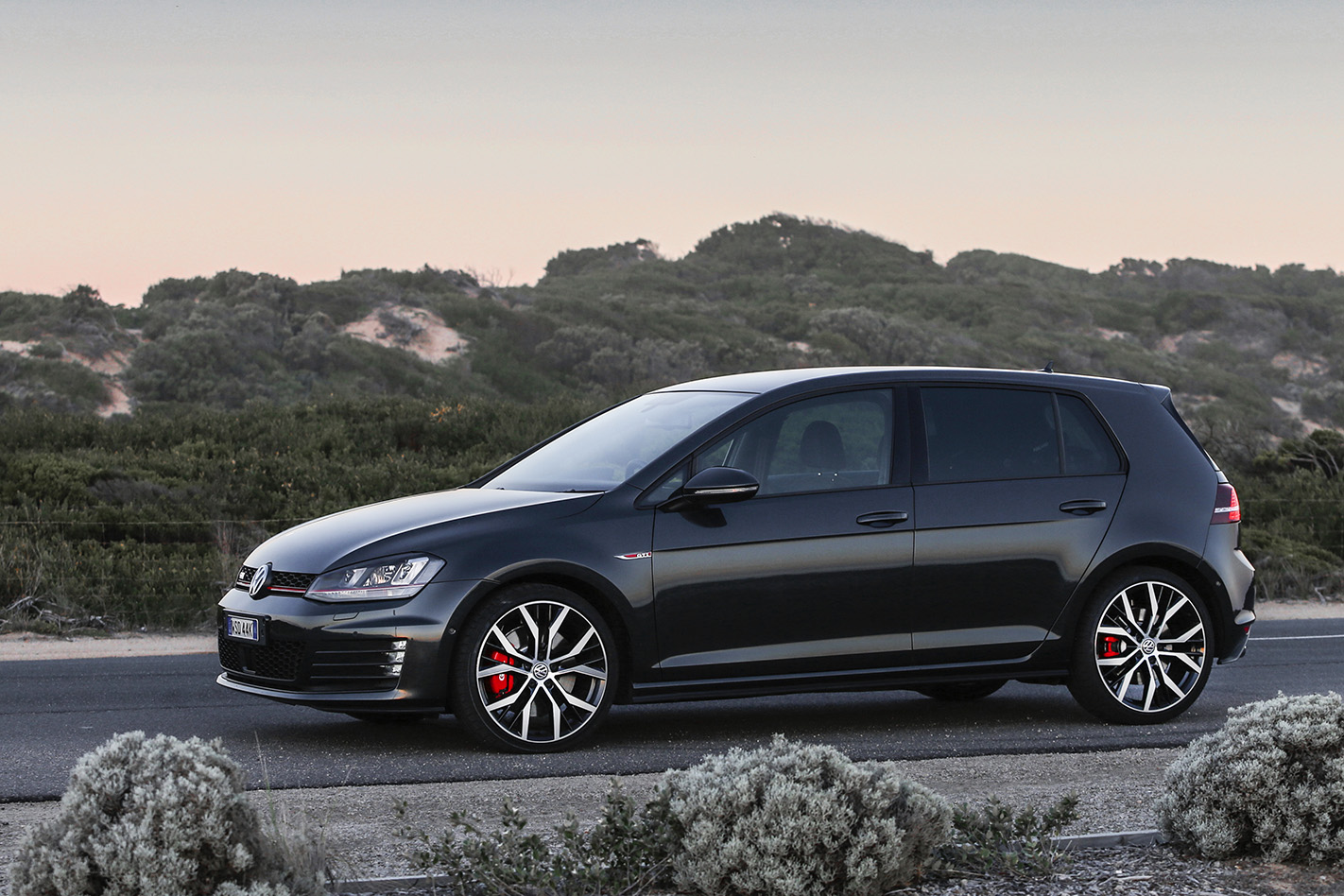
The arrival of the Mk7 GTI P, however, has not been good for our relationship. Every time I drive the Performance, it feels like I’m jumping into bed with the Mk5’s younger, hotter sibling. It’s more fun, looks better and, thanks in part to its electronic front diff, is sharper, too.
Given the Performance is seven years younger and bristling with Volkswagen’s latest tech, you’d expect this. But there are some things the older car does better.
I prefer the Mk5’s tartan-trimmed front seats for one. Unlike those in the Performance, they’re made by Recaro and have better lateral support. The Mk5’s seating position is lower, too, and I favour its slightly cushier ride on taller 225/45R17 tyres. The Performance rolls on bigger, stickier 225/35R19 hoops. You can also turn the Mk5’s stability control off completely, something you can’t do in the track-focused GTI Performance.
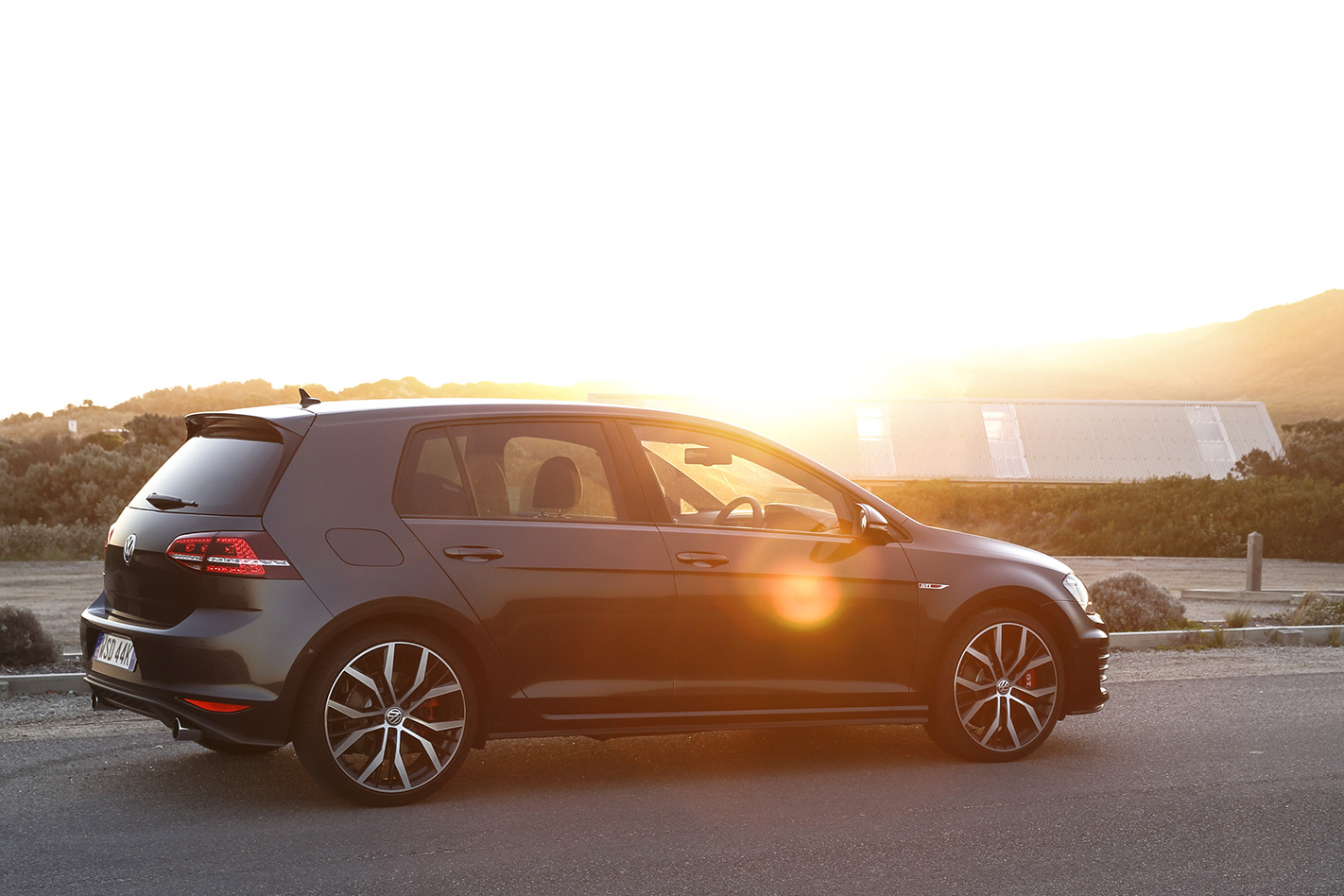
That’s where the positives stop, though. The Performance is undoubtedly safer, faster and smoother (thanks mostly to its updated and more intuitive DSG gearbox), and it’s also more flexible. Unlike my one-size-fits-all Mk5, you can change the Performance’s character at the press of a button. Hidden (annoyingly) behind the gearstick on right-hand-drive models is the Drive Mode Select system, which offers Normal, Comfort, Sport, Eco and Individual settings.
Each mode alters the car’s adaptive dampers, the weight of the electric steering and the shift points for the six-speed DSG. So far, most of my time was spent in Normal, but this month I ventured into Eco to save some juice. One tank and 560km later, the Golf returned 8.9L/100km – a figure that’s one litre better than my best so far in Normal.
But there was a price to pay. Unlike Normal mode, and even Comfort, which both strike a sweet balance between a comfortable ride, suitable throttle response and precise gear shifts, switching to Eco was like clubbing the Performance over the head. Its rorty engine suddenly felt too docile, while its throttle response became doughy and the gearbox frustratingly jerky in traffic. It’s a mode best left for the freeway.
Sport, too, is a step too far for regular driving due to its sharper suspension, but it’s perfect for the track or the occasional weekend punt – where the GTI P will continue to usurp my Mk5’s honest, but ageing, performance.
Update 4
Borrowing the GTI from Alex last month proved quite a humorous experience, for me anyway. He’d expected me to turn up and swap his GTI Performance for a Mercedes ML63 AMG, in all its 500-horsepower V8 glory. But the office big-wigs had suddenly allocated the AMG elsewhere, which meant it was no longer available. Instead, I arrived to swap the Golf for something slightly less powerful: a Kio Rondo.
Thankfully, Alex wouldn’t be home when I handed the keys to his fair lady. Yet as soon as the seven-seat people-mover from Korea rolled up instead of a German steamroller, she sensed something was amiss. The alarm bells (my phone) soon rang, but Alex had to accept the decision was set in stone.
A drive to Sydney for Robbo’s farewell dinner was a 2000km round trip I’d done in reverse in a Mk5 GTI five years ago, with the same girlfriend alongside. So I stopped thinking about the possible advantages of a Rondo over an ML63 (umm, fewer fuel stops, less extrovert…) and instead reminisced about the good old days. Did the newbie shame the Mk5? Not at all.
Maybe I’m getting used to GTIs, because I like this car, but I can’t love it like I did that stubby red three-door in 2009. Perhaps that’s because the old one was a manual whereas the new one has fallen foul of fashion with its DSG – a gearbox I’ve never liked because it occasionally leaves you high and dry when you mash the pedal.
The larger Mk7 easily swallowed several super-sized mounted posters in the back, and should humans have wanted a ride they would’ve been comfier in the newbie, too. Yet the extra space didn’t make an ounce of difference up front and, despite the newer MQB architecture, the Mk7’s economy of 7.2L/100km didn’t touch the 6.2L/100km of the old Mk5, even with the new bypass for Holbrook (and its eerie submarine).
Both generations are brilliant on a winding road, and the Mk7’s harder punch is a welcome trade-off for the fuel economy difference, but it was hardly needed on this trip. What was a boon was the adaptive chassis – I wouldn’t buy a new GTI without it – but then there’s the price…
I was shocked to learn, having just returned to Oz, that this car costs nearly $50K. Sure, coffee is a million bucks now, and houses cost your first-born, but when there’s an all-wheel-drive Golf R in showrooms for $51K, the GTI has just been ousted in my ‘realistic’ fantasy garage.
The Kia Rondo, of course, was never in it.
Porsche’s newly updated 2017 Panamera has become the fastest production four-door sedan after it lapped the 20.8km Nürburgring in a time of 7m38sec overnight; a full second quicker than the previous record holder.
Bettering the time set by an Alfa Romeo Giulia Quadrifoglio in September last year, the record-setting lap was posted in a standard Panamera Turbo fitted with street tyres, an impressive feat considering the Porsche carries a considerable 471kg more heft than the Alfa – tipping the scales at 1995kg compared to the Italian’s 1524kg.
As well as allowing Porsche to lay claim to the title of the world’s fastest luxury car, the quick lap around the Nordschleife was also a cleverly hatched plan to prove the worth of second-generation model’s improvements, which include an updated 4.0-litre twin-turbo V8 engine capable of 404kW (550hp) and 770Nm matched to the firm’s latest eight-speed dual-clutch transmission.
The lap time matches the likes of Lamborghini’s Gallardo LP 570-4 Superleggera and Lexus’ LF-A which both set the same 7m38sec lap time in 2010, as well as Porsche’s own 911 Turbo which lapped the ’Ring at the same pace 10 years ago in 2006.
Aussies planning their own record-setting lap of something will need to wait until the first quarter of 2017 when the first deliveries of the updated model commence. Pricing starts at $304,200 for the 4S, while the record-setting Turbo will carry a price tag of $376,900.
Toyota Australia’s reputation for reliability has taken another dent today after the Japanese company recalled 324,123 cars due to a perceived safety issue with the fuelling system.
It represents just a part of a massive global recall that will see 2.87 million cars returned worldwide due to possible cracking of the fuel suction plate. Toyota has highlighted how a crack could develop in the plate, allowing fuel to leak from the crack when the fuel tank is full, potentially increasing the risk of a vehicle fire.
The recall involves a two-hour precautionary fix that will be conducted free of charge to affected owners.
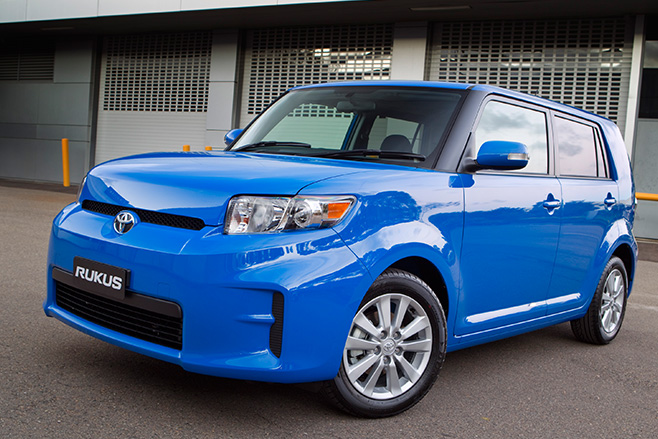
In Australia, the vehicles affected by the recall include Prius, Prius V, Rukus and the best-selling Toyota Corolla built between October 2008 and February 2015. Lexus has also recalled approximately 4600 CT200h vehicles built between October 2008 and February 2015 for the same issue.
Back in 2014, Toyota Japan recalled 190,000 domestic market Corolla Rumion and Auris models, again over fuel suction plate issues.
The company claimed that there have been nine reported cases in Australia of cracks developing in Corolla fuel plates, but thus far there have been no injuries or fires as a result,
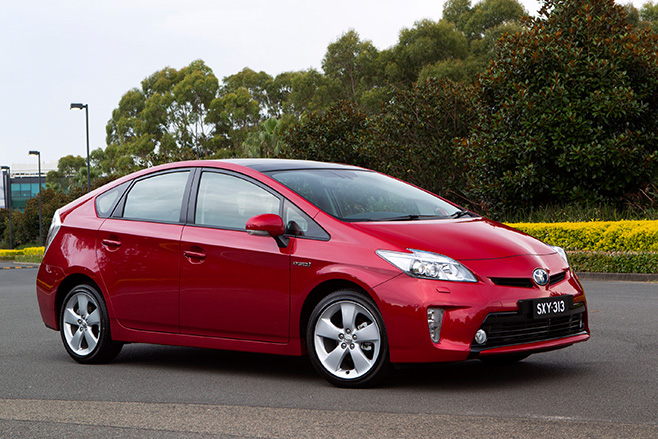
Beck Angel, Toyota’s corporate affairs manager, said: “In terms of global figures, I can confirm that there have been no reports of crashes, injuries, fatalities or fires. After the recall in October 2014, we continued to investigate the condition that was discovered. Having identified the possibility that this condition could occur in the vehicles involved in this campaign, we decided to conduct this recall. The time delay was due to the extensive investigation.”
In a separate recall also issued today, 2185 Australian owners of Lexus CT200h vehicles and 4560 owners of Prius models built between 2009 and 2012 are being contacted regarding a defective weld in the curtain airbags. Autoliv, the manufacturer of the bags, claims that some defective units have partially inflated in parked vehicles exposed to large temperature swings. Parts of the inflator could also enter the vehicle’s interior, increasing the risk of injury. Globally, about 932,000 vehicles are involved in both recalls.
Once parts are available, Toyota aim to contact owners by mail. For further information, customers can contact a campaign helpline on 1800 987 366. Customers are advised to contact their dealer for diagnosis if they notice a smell of fuel.
It may have taken 102 years to happen, but Maserati will enter the Australian luxury SUV market for the first time when three variants of its medium-sized Levante hits dealerships at the end of this year.
Priced above its similarly-equipped European rivals, the 3.0-litre turbo-diesel V6 Maserati Levante starts at $139,990, but it’s that $100k-plus SUV category that’s currently experiencing exponential growth in Australia and the Italian car maker wants a slice of the rapidly expanding pie.
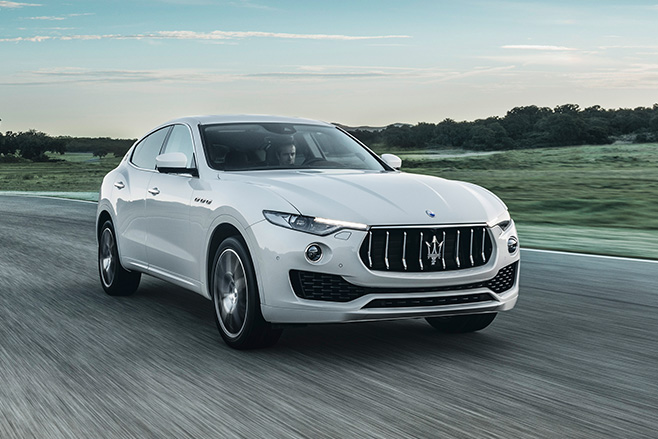
Despite the $140k asking price – which rises to $159,990 for either the Sport or Luxury versions – Maserati is holding firm in its belief that the soon-to-be released SUV will be its highest selling model yet.
“The segment is more than half the overall luxury market,” explained Maserati Australia’s Glen Sealy. “So if we can get a share in that, it will be the largest-selling model we have.”
And if recent data released by Australia’s Federal Chamber of Automotive Industries is any indication, there’s no reason not to believe him. Figures for new car sales for the month of May revealed that while sales of passenger vehicles dropped, SUVs rose to make up 37.5 percent of all new vehicles sold, with medium SUVs up almost 20 percent compared to the same period last year. On top of this, the over-$100,000 SUV category was up a whopping 132 percent compared to the same period last year.
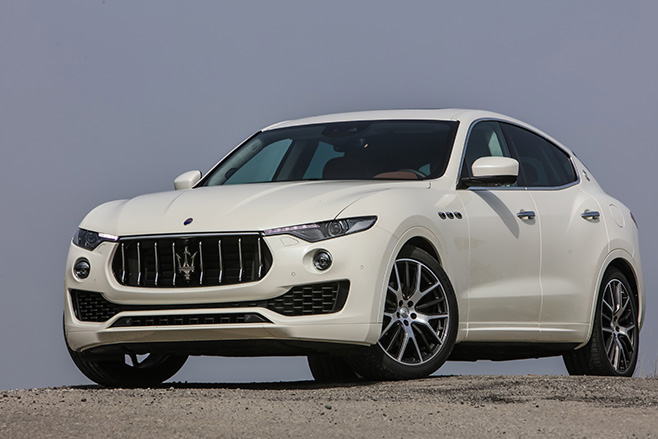
All three models will be powered by the same 3.0-litre turbo-diesel V6 capable of 202kW and 600Nm matched to an all-wheel drive eight-speed automatic transmission. There’ll be four selectable driver modes, normal, sport, off-road and Intelligent Controlled Efficiency (ICE) for slippery conditions which adjusts the power, suspension, ride height (by up to eight centimetres), electronics and transmission characteristics depending on the terrain or type of driving you’re doing.
“It’s a really unique vehicle in that it handles like a sportscar, or it can have really supple off-road handling when you want it to,” Sealy continued. “It’s a no-compromise vehicle and we know it’s going to work in this market.”
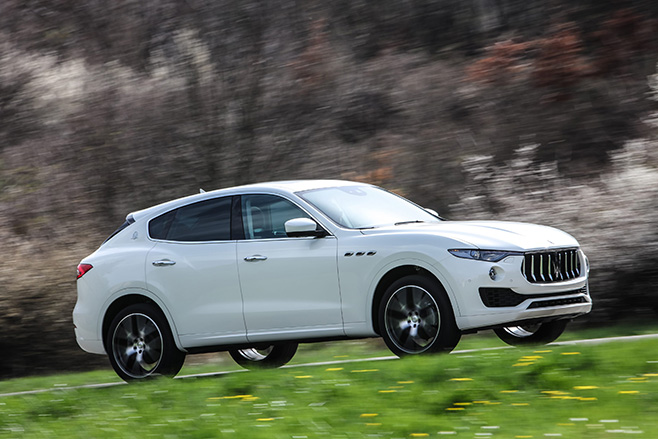
Safety wise, there’s electronic driver aids a-plenty with Adaptive Cruise Control, Forward Collision Warning and Brake Assist System, Lane Departure Warning and a Surround View camera standard on all models, as well as a 8.4-inch touchscreen display with DAB digital radio and Apple’s CarPlay and Android control software.
The Luxury variant gets premium leather trim, a panoramic sunroof, a higher-spec entertainment system and 20-inch wheels instead of the standard version’s 19-inch affairs. The Sport model goes an inch bigger with 21-inch alloy wheels, steering wheel shift paddles, sporty pedals, bolstered seats and a rear spoiler.
The 2017 Citroen C3 is a city car designed for the Facebook generation, with a GoPro-inspired HD camera that can record photos and videos for social media.
Citroen says its ConnectedCam can also be used as evidence in the event of an accident as the system can automatically record 30 seconds before and 60 seconds after a car crash.
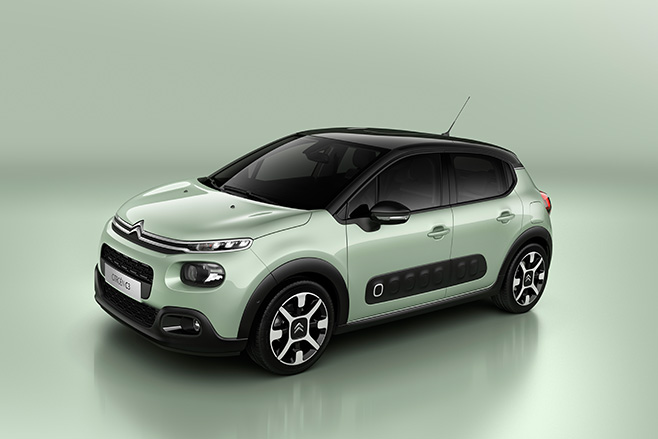
The 2-megapixel camera is positioned behind the rear-view mirror and uses a wide-angle lens for an expansive view out of the windscreen.
The driver or passenger can click a button on the camera to take road-trip photos or, when the car is stationary, hold the button to record videos up to 20 seconds in length.

Photos and videos saved in the GPS-enabled camera’s 16-gigabyte memory can be accessed for viewing or sharing via Citroen’s corresponding ConnectedCam app.
The latest-generation Citroen C3 is currently under consideration for the Australian market. It competes with models including the Mazda 2 and Toyota Yaris.
YOU’RE driving up to an intersection, and suddenly a brick wall appears in front of you. You can either hit the wall and kill both yourself and your passenger, or swerve to the left of it and hit several pedestrians who are crossing the road, killing them.
What would you do?
It’s moral questions like these that are confounding carmakers as they rush headlong into a future where the self-driving car will have to make choices just as humans do every time they jump behind the wheel.
Researchers are all over it, and one in particular – the Massachusetts Institute of Technology – wants to know what you would do if you were the car.
It has set up a website, called Moral Machine, that lets people decide what they think is the lesser dilemma, choosing who will live or die from a mix of bank robbers, doctors, pregnant women, joggers, male and female business executives, babies, elderly or unfit people, and even cats and dogs.
It includes autonomous cars that have no driver, right up to cars filled with children and pets.
There’s even a choice over saving the lives of a car full of family pets, or a baby in a stroller.
“Recent scientific studies on machine ethics have raised awareness about the topic in the media and public discourse,” MIT says.
“This website aims to take the discussion further, by providing a platform for … building a crowd-sourced picture of human opinion on how machines should make decisions when faced with moral dilemmas, and … crowd-sourcing assembly and discussion of potential scenarios of moral consequence.”

Research into how self-driving cars will interact with people, and even other cars, on our roads, is still in its infancy. It also raises a lot more questions than who will live or die.
In fact, researchers have even drawn parallels between self-driving cars and robotic weapons systems designed to wipe out enemy forces. One of the key findings was that, just like an armed drone, carmakers would need to build aggression – a very human nature – into self-driving vehicles.
Carmakers will also have to deal with how autonomous vehicles handle other very human characteristics, such as making eye contact with another driver in a stand-off, or giving a wave if another vehicle makes room for a lane change – both a significant part of everyday commuting.
Volvo hopes its moves into autonomous car technology will help it live up to a pledge to build zero-fatality cars by 2020.
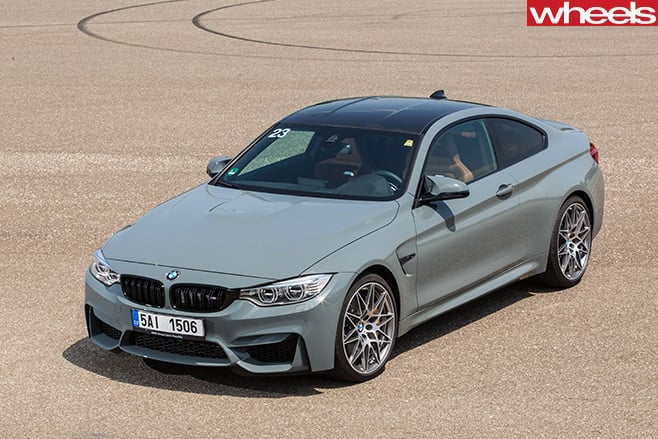
Improved software, a greater excitement factor and a negligible increase in price compared to the standard BMW M4 makes BMW’s M4 Competition the one to go for, writes Mike Duff.
WHAT IS IT? A slightly faster and more focussed version of the BMW M4, and maybe a half-price consolation prize to those who missed out on a chance to get the $295,000 M4 GTS. The M4 Competition isn’t a match for the stripped-and-whipped GTS and its clever water injection system, but it does get a mild power bump and sharpened chassis settings. Sold as a unique model, it adds $5000 to the price of an M3, an M4 or an M4 Cabriolet.
WHY WE’RE TESTING IT In the hope that this is the sweet spot in the M4 range, certainly for those without the riches necessary for the GTS (or who missed out on the limited allocation.) The M4 Competition adds a 14kW power boost as well as revised chassis settings that should make it both firmer and more exciting than the standard car.
THE WHEELS VERDICT
While the standard M4 sometimes feels like it’s trying to cover too many bases the Competition benefits from greater clarity. It lacks the bandwidth of the regular car, but it feels more focussed and exciting because of its more specialised mission. If you’re considering an M4, this is the one to go for.
PLUS: Revised chassis settings; improved software for driving modes; bang-for-buck MINUS: Marginal increase in power; delivers peak torque low down
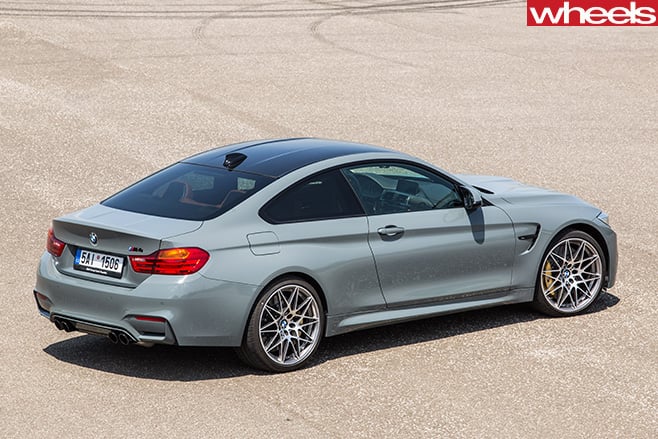
Fortunately there are several other reasons why, if you’re in the market for an M4 you should go for the Competition. The most obvious one is the revised chassis settings that, despite small changes, make it feel impressively different. A fair amount of hardware has been changed compared to the standard M4, with springs that are 15 percent firmer, new dampers and stiffer anti-roll bars. 20-inch forged alloy wheels come as standard as well and there’s also a new sports exhaust that adds a bit of much-needed crackle to the M4’s sometimes droney bass-heavy soundtrack.
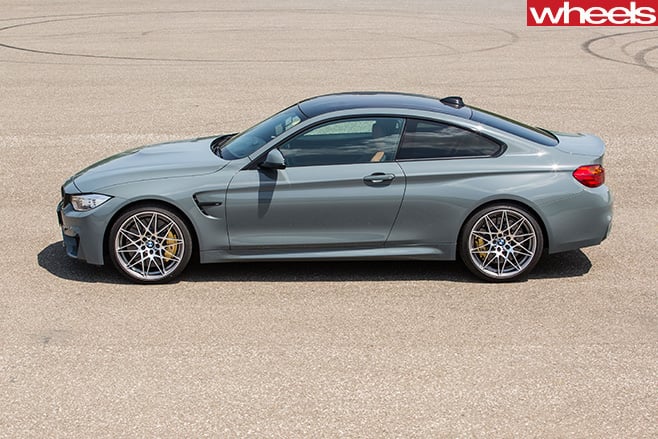
The firmer Comfort mode isn’t an issue on the road, with the Competition’s dampers seeming to manage to defuse rougher surfaces better than the stock M4 does, which can get bouncey over certain frequencies of bumps. Sport and Sport Plus do firm things up noticeably, with the latter probably best reserved for use on track but also – as we discover on the Hungarian motorway – it works well at keeping iron body control at serious cruising speeds.
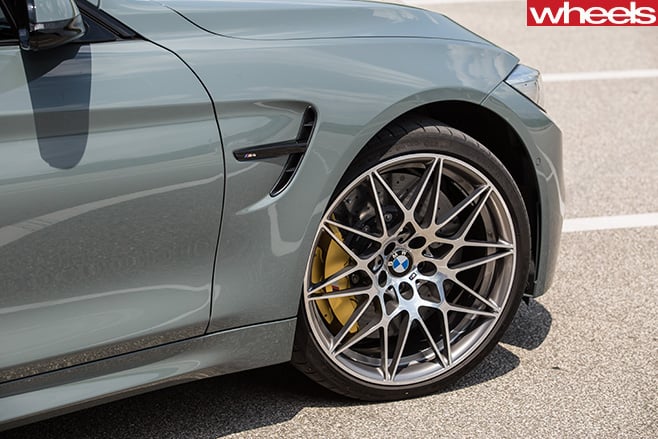
Yet although the M4 is quicker everywhere than the old V8-powered E92 M3, it’s still hard not to feel that something has been lost. The turbocharged six delivers its peak torque low down, and with the abruptness of a police raid. Even a chassis with as much grip as the M4’s struggles to cope with it mid-corner. Left to its own devices the stability control does a good job of handling things without breaking a sweat. But if you want to drive in either Sport mode, or switch the whole system off – as you might, in such an ultimate driving machine – then you’ve got to be quick to respond to any rear-end slip, something the Competition doesn’t improve upon at all.
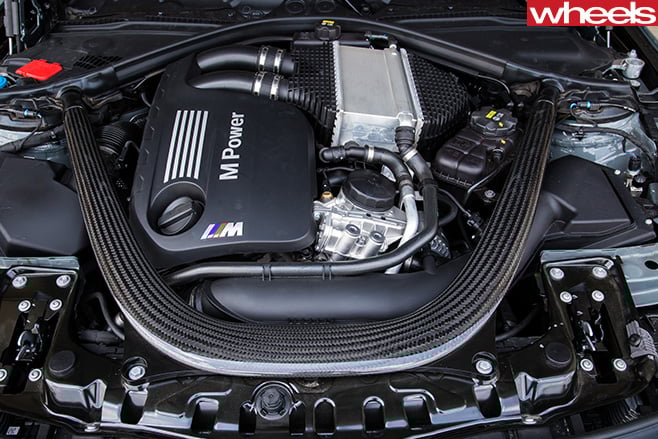
SPECS Model: BMW M4 Competition Engine: 2979cc 6cyl, dohc, 24v, twin-turbo Max power: 331kW @ 5500-7300rpm Max torque: 550Nm @ 1850-5500rpm Transmission: 7-speed twin clutch/ six-speed manual Weight: 1520kg 0-100km/h: 4.0 sec (manufacturer) Fuel economy: 10.6 lit/100km (EUDC) Price: $154,900 On sale: Now
Your form guide to some of the early standouts for the 2017 Wheels Car of the Year award.
ACCOUNTANTS everywhere are starting to scratch a line under the 2015-16 financial year, the days are growing longer and spring will soon be upon us. But it’s also another very important time of the year for a different reason: Testing season for the 2017 Wheels Car of the Year is almost upon us.
Okay, so six months in, we have a bit of an idea of the metal set to duke it out for the longest continually running motoring award in the world, won this year by the fourth-generation Mazda MX-5. Next year marks the 54th running of Wheels COTY.
Here’s the shiny new metal that has caught our attention so far, and some that are yet to arrive
Audi A4/S4
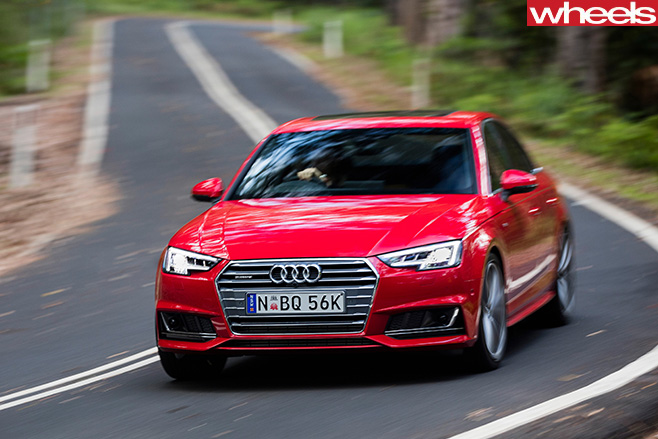
It’s easy to dismiss the latest Audi A4 as a lightly reworked version of the previous generation sedan. But beneath what is a disappointingly familiar skin lies a lighter and stronger car, with a knockout cabin, much improved dynamics, and a level of safety and security to worry the Swedes. The formula may be much the same as what’s come previously, but the real advances are obvious the moment you step inside and push the start button. A less forgiving ride is one of the few downsides in what is a very real threat to the BMW 3 Series and something good enough to rattle the Mercedes-Benz C-Class.
PLUS: Stunning cabin design, improved dynamics, punchy powertrains, refinement, safety MINUS: Samey exterior design, firm ride without adaptive dampers, some trim rattles
BMW M2
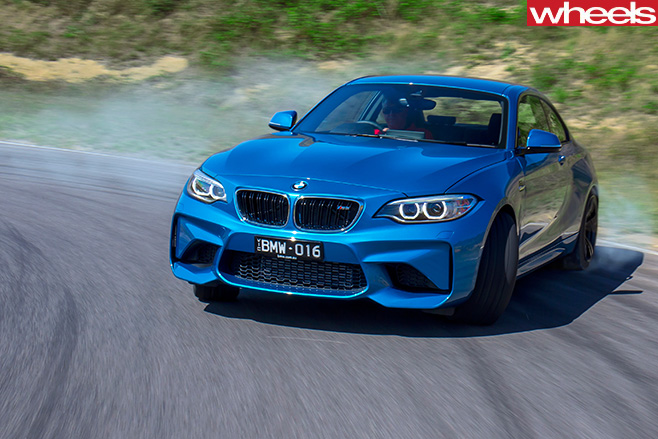
PLUS: Looks tough, but not absurd; performance; engine sound; handling and balance; the perfect size for a sporty coupe; still got six cylinders; a proper M car. It also hits a dynamic sweet-spot the current M4 couldn’t quite find. MINUS: Road noise; back seats not great for adults; interior not quite special enough.
Ford Mustang

We’re liking Mustang: This is a genuine sports coupe with a good mix of retro-cool design and modern amenity. The 2.3-litre four-pot may have half the cylinder count of the brawling 5.0-litre V8, but in visual terms you don’t miss much.
PLUS: Knockout styling; generous grip; fine dynamics; sane pricing MINUS: Very firm ride, convertible not ultra-rigid, both engines need to be louder
Honda Civic
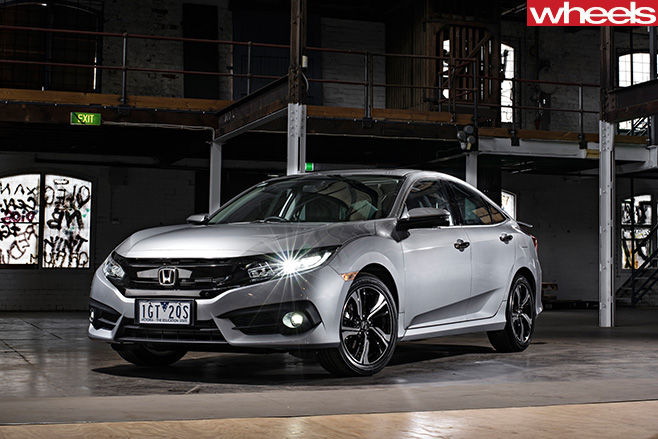
Honda appears to have turned out a seriously accomplished, convincing sedan. Dare we say it may have rediscovered its missing mojo?
PLUS: Composed ride and handling; spacious; good comfort behind the wheel MINUS: Price a bit high compared with rivals; engine can get a bit vocal high in the range
Jaguar XF
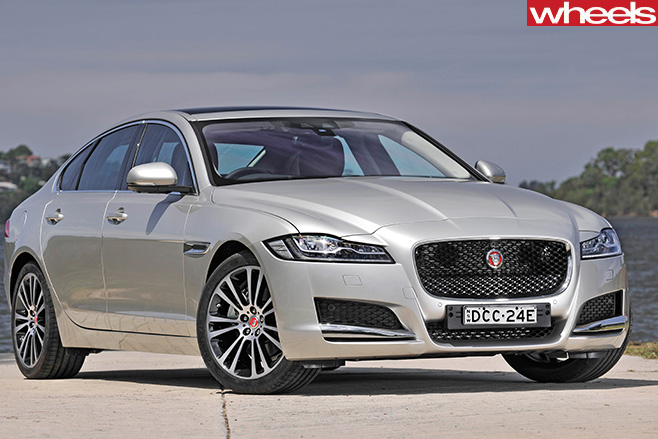
The XF’s cabin is a much more convincing place to sit than the smaller XE’s thanks to a cleaner design and more logical layout. It’s roomy too – especially in the rear seat – with the XF’s lightweight undies allowing Jag’s boffins to provide 15mm more legroom and 27mm more headroom than before.
What’s lacking is the same level of tech wizardry and autonomous systems featured on rivals. Jaguar admits it’s a step behind here.
PLUS: Balanced, engaging handling; ride quality; oodles of rear space; sweet 2.0-litre diesel MINUS: Lacks class-leading tech; interior good rather than great; expensive options
Mercedes-Benz C-Class Coupe
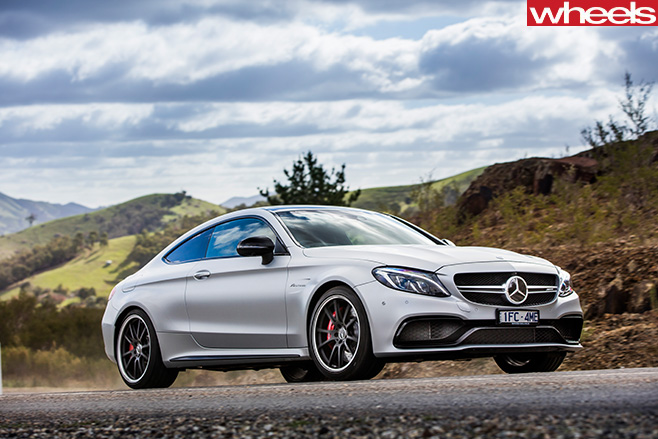
As with the C-Class sedan, the C-Class Coupe is a polished performer and one that brings added driving nous thanks to AMG suspension. Still, it’s more about cruising in style with the C200 and C250d, although the C300 livens things up thanks to its rortier engine.
And then there’s the Mercedes-AMG C63 Coupe…
PLUS: Sharp pricing and decent equipment; rorty 2.0 turbo for C300; ride on Airmatic suspension; sleek design MINUS: Steering not as sharp as other dynamic aspects; C200 and C250d drivetrains aren’t particularly sporty; it’s a decent step up to C300.
Mercedes-Benz C-Class Cabriolet
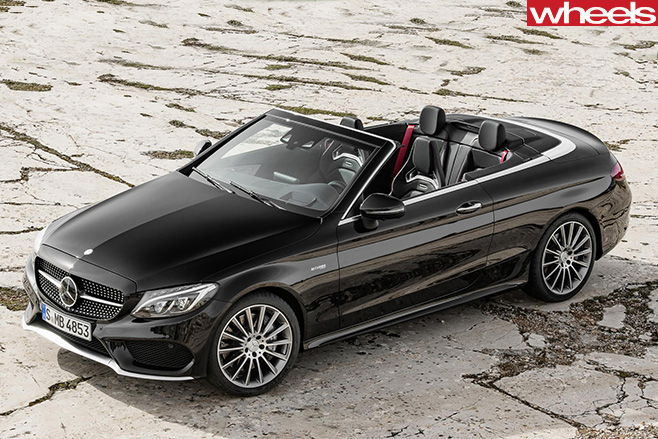
Like the Coupe on which it’s based, Mercedes is positioning the Cabriolet as a sportier option for younger buyers, with all versions offered with the AMG line as standard in Australia, which brings bigger wheels and a more aggressive body kit. We also score a thicker ‘acoustic’ version of the cloth roof, which can be opened or closed in 20 seconds at up to 50km/h.
Four variants are coming to Australia, two tweaked by the boffins at AMG.
The rag-top Mercedes-Benz C-Class manages to avoid most of the usual convertible pitfalls. Its handling is composed, engines are strong and in the beauty stakes, it easily outshines its German competition.
PLUS: styling; performance and sound of AMGs; body strength MINUS: Extra weight dulls handling; price premium over coupe; boot space
Mini Clubman
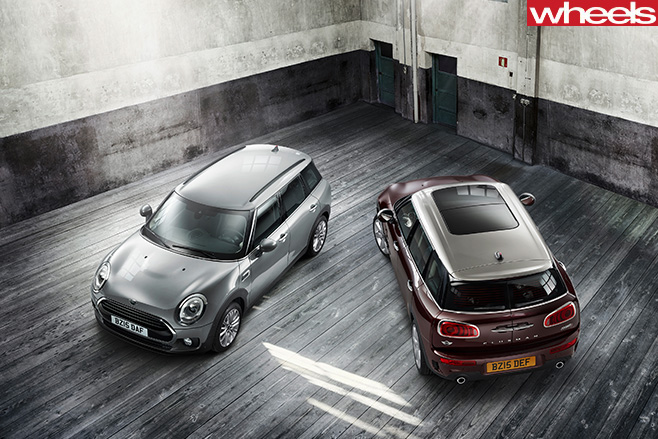
All the usual Mini character traits are there. The steering is sharp and the front axle quick to turn in. And while the Clubman isn’t quite as frenetic or responsive as the Mini five and three-door hatches, its longer wheelbase gives it a more planted feel when pushed hard.
Bigger, better packaged and more practical than before, the new Mini Clubman is a much more convincing ownership proposition. And importantly, one that still handles like a go-kart.
PLUS: Quirky styling; improved packaging; spacious interior; zingy engines; still handles like a go-kart MINUS: Firm ride; artificial steering; interior lacks the polish of German rivals
Skoda Superb
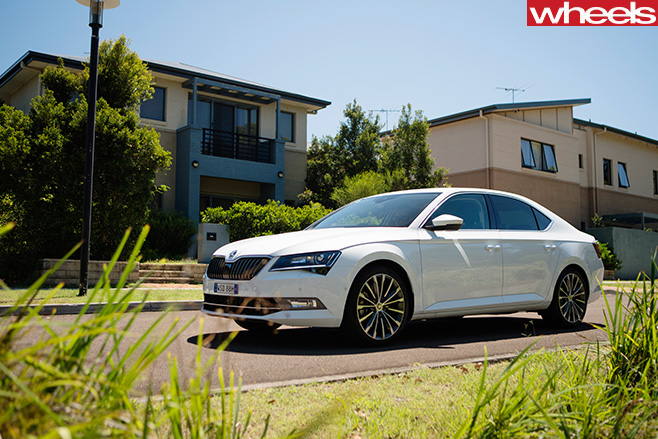
Given the visual awkwardness of the old Superb sedan, Skoda has performed a miraculous turnaround in making the new sedan the looker of the range, complete with a neat liftback tailgate, a ginormous 625 litres of boot space and an Octavia RS engine, all for 40 grand. More dynamic panache would be appreciated but at least the grippy 4×4 variant gives the Skoda Superb a genuine point of difference over its relatively conservative rivals.
PLUS: Beautifully proportioned styling; unbeatable space; excellent quality; sweet turbo-petrols; refinement; ride; solidity MINUS: Not as dynamically poised as a Passat; adaptive dampers only available as part of a pricey options pack; 206kW turbo-petrol deserves a fruitier exhaust note
And what’s yet to come?
Ford Focus RS
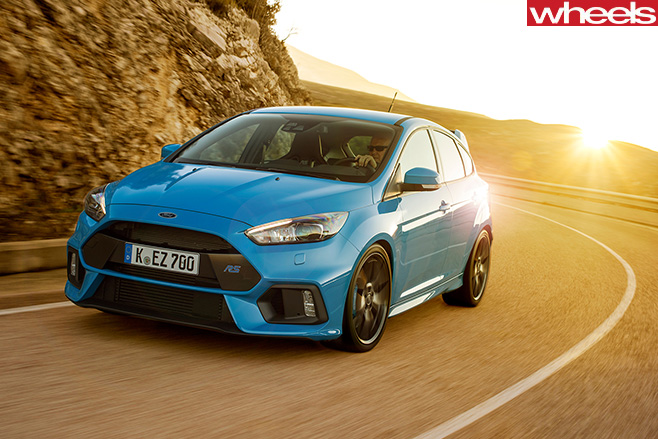
PLUS: Engine; steering; brakes; grip; handling; price MINUS: Interior; thirst when performance exploited; turning circle
Jaguar F-Pace
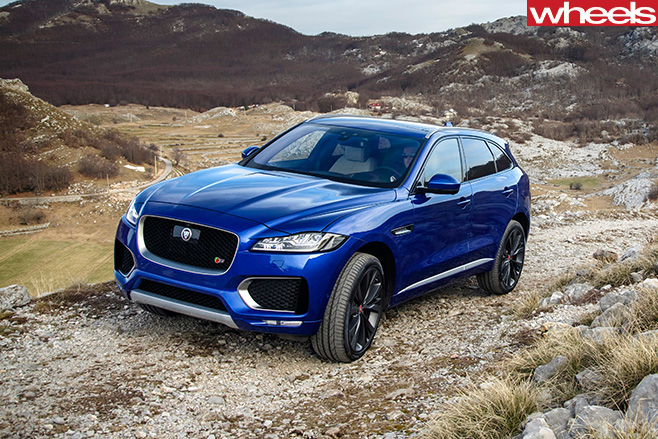
PLUS: Individual styling; fluid handling and steering; comfortable and roomy; Jaguar’s most accomplished interior design in recent times; performance and exhaust rasp of supercharged V6 S; refinement MINUS: Front headrests block view from rear seat; form-over-function transmission dial; Portfolio’s dated alloys; some erroneous cabin trims; Macan remains the SUV handling king
Mazda CX-9
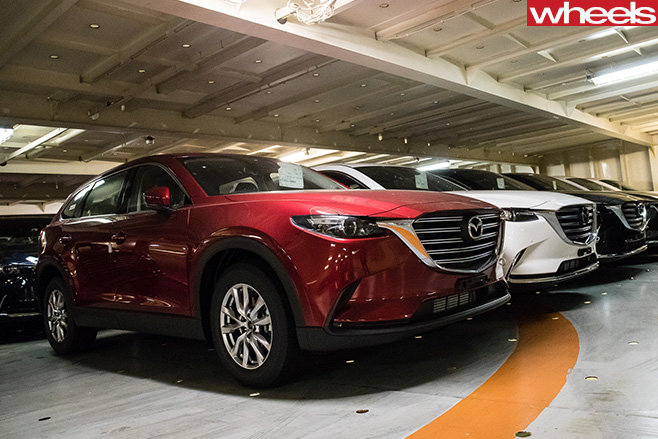
PLUS: Smarter look, vastly improved efficiency yet superior drivability; more safety gear and rear passenger space, excellent cabin refinement MINUS: Sorry kids, no third-row air-con vents; boot packaging compromise by lower roof; no diesel engine option will limit appeal
Mercedes-Benz E-Class
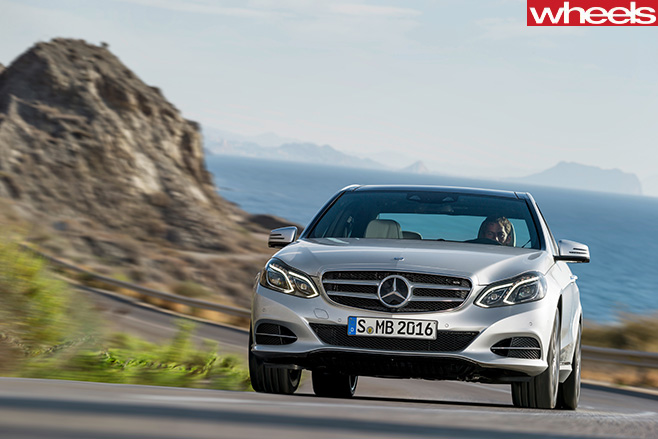
PLUS: Raises the bar with cutting-edge tech; luxurious interior; oodles of standard equipment; pleasing road manners MINUS: Oz not getting some tech; wind noise; more expensive
Renault Megane
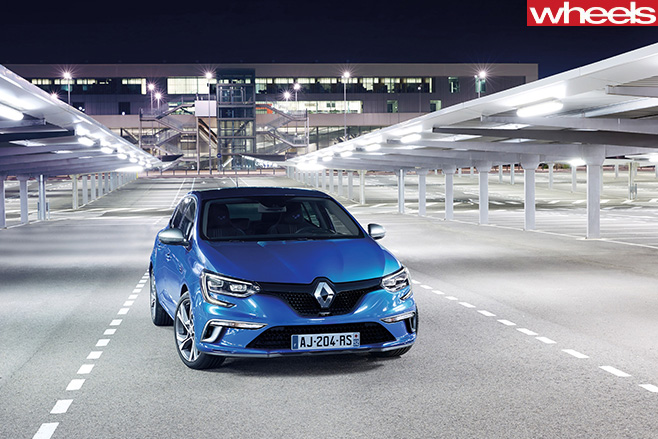
PLUS: road holding, chassis, engine performance MINUS: cabin lacks premium finishes, synthetic engine noises
Volvo S90