
THIS is it. The last fight; the final showdown; the ultimate brawl between Australia’s most iconic motoring couple: the Holden Commodore and Ford Falcon.
With local manufacturing coming to a close, and the Falcon nameplate going into retirement, there will be no rematch. So it was only fitting that we brought in two heavyweights from the Blue and Red camps to duke it out.
V8 Supercar legends Russell Ingall and Mark Skaife were roped in to help give the pair a worthy send off. The place for the showdown was Sydney Motorsport Park; home of the infamous ‘Shriek at the Creek’ where Ingall and Skaife came to blows in 2003.
Ingall and Skaife have put aside their differences since they came to blows. However, the same cannot be said for the Blue Oval and General Motors faithful, with both sides of the iconic rivalry as loyal as ever. This comparison was done in their honour, endeavouring to find out which car will be written into the history books as the victor, ending the argument once and for all in the final chapter of a decades-long war.
Don’t think we went easy on the cars either; both the Ford and Holden were pushed to their limits by two of Australia’s best racing talents.
You will be able to read all about the test in the upcoming issue of Wheels, which hits newsstands July 21st.
If you can’t wait until July 21 to read about it, catch up on the last Commodore v Falcon test we conducted at the start of last year below.
VOLVO will return to the local large luxury arena in October with the S90 sedan, followed in the first half of next year by the V90 wagon variant.
Priced from $79,900 plus on-road costs, the 541 (sedan) and 542 (wagon) series will be the second and third vehicles respectively based on Volvo’s SPA Scalable Product Architecture, after the latest XC90 released last year. Both will mirror the seven-seater SUV’s 2.0-litre four-cylinder petrol and diesel mechanical specification.
That pricing is for the front-drive petrol-powered 197kW/350Nm S90 T5 Momentum; choosing the 140kW/400Nm D4 diesel variant adds $2500, while going for the better-equipped Inscription versions in the identical-capacity 173kW/480Nm D5 with all-wheel drive will set buyers back $96,900, or $98,900 if the 235kW/400Nm T6 AWD Inscription petrol is preferred.
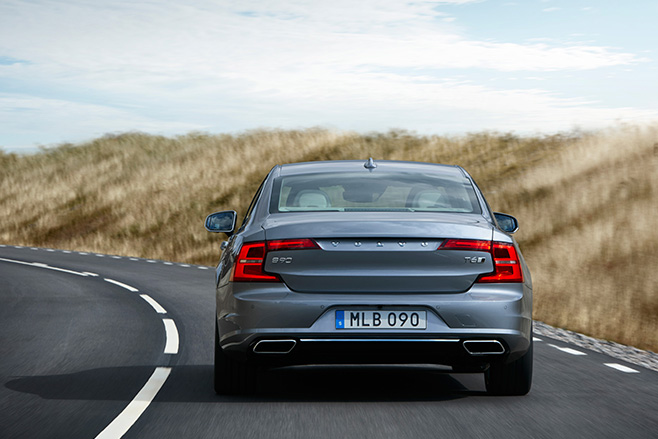
Volvo Cars Australia (VCA) will release V90 pricing closer to its second-quarter 2017 launch – but expect to pay up to $2000 more for the more practical body shape – while the 304kW/640Nm T8 Twin Engine petrol-electric flagship variants due around the same time in both models will up the ante by around $20,000. R-Design editions are also in the pipeline.
The expected 543-series V90 Cross Country offshoot will arrive in the second half of next year, further boosting the Swedes’ assault on the BMW 5 Series, Audi A6, Mercedes-Benz E-Class, Jaguar XF, Lexus GS, and Infiniti Q70 competition.
While some 60 percent of S90/V90 parts are shared with the XC90, the newcomers do usher in a few key fresh technologies that are also now being built into the SUV, including ‘Run-Off Road Mitigation’ that senses the edge of the road as well as painted lines to help keep the vehicle on track, ‘City Safety Large Animal Detection’ (namely for Nordic wildebeest), and a patented turbo enhancer on the D5 engine variants that uses a small compressor to force more air into the turbo’s turbine wheel.
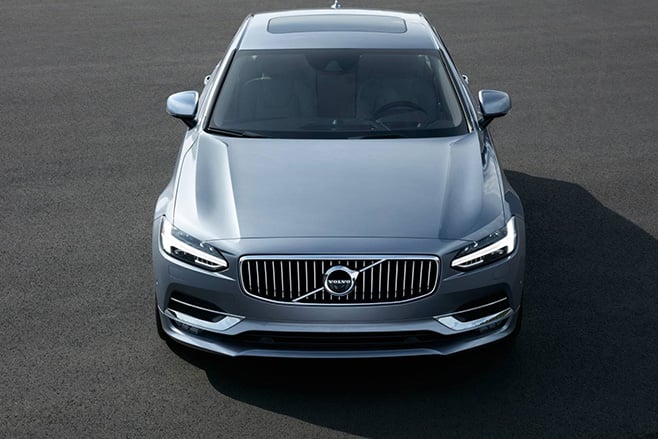
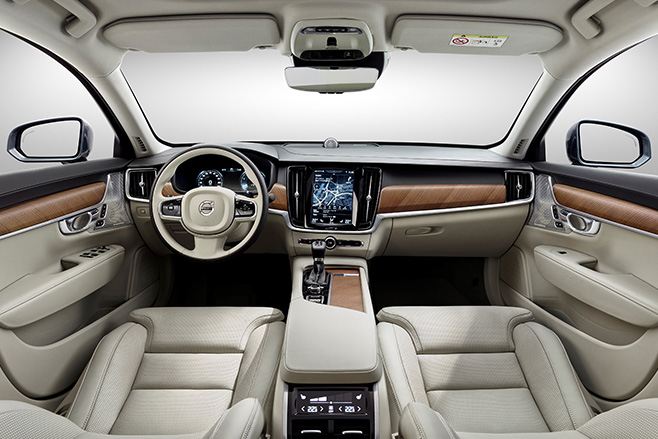
Standard gear on all models include adaptive cruise, lane keep, blind-spot monitoring, reverse camera, automatic parking, leather, four-zone climate, keyless start, electric front seats with memory, an electric boot lid, and LED headlights with bending tech.
The Inscription adds AWD, 19-inch alloys (up from the base 18s), Nappa leather, ambient lighting, and walnut inlays. Note that DAB+ digital radio, 360-degree camera view, a head-up display, and Apple CarPlay are all part of a $3000 Technology Package option.
Along with the XC90, Volvo reckons the S90/V90 are the safest vehicles in the world, boosting the Swedish brand’s chances of cracking the notoriously tough large luxury segment.
“The measure for success is for us to be considered in that segment,” according to VCA PR director Greg Bosnich.
“Until now we’ve been renowned for the SUVs and wagons. This is the first foray into true prestige sedan segment for Volvo, with the S90 providing the platform.”
Volvo S90 pricing S90 T5 Momentum: $79,900 S90 D4 Momentum: $82,400 S90 D5 Inscription AWD: $96,900 S90 T6 Inscription AWD: $98,900
CARMAKERS have accused the Turnbull Government of playing “secret squirrel” over the numbers used to justify proposed changes to grey import laws.
Opponents of a relaxation of car import laws argue that the changes open Australia’s doors to a flood of cheaper imports which will adversely affect local buyers and dealers.
In support of the measures – which are due in 2018 – the government has said that up to 30,000 cars a year will be imported by Australian buyers looking to chase down a cheaper new car sourced from either Britain or Japan.
However, it will delay the release of the independent analysis used to predict how many cars the relaxed parallel imports laws will attract, until after this weekend’s federal election.
“The government commissioned independent modelling by reputable advisers,” a spokesman for Fletcher told Wheels. “The government will provide more details of the modelling during the consultation process.”
When asked, the spokesman declined to name the advisers the government used to prepare the modelling. He also declined to say why it could not be released ahead of the election.
“The personal importation of new vehicles is not expected to have a material effect on local automotive dealerships, as the great majority of new vehicles will continue to be imported through the global manufacturers’ networks, and sold through the established automotive retail sector,” the government said.
That optimism isn’t shared among the carmakers, who fear that they – and buyers – will be the ones paying the cost of any fallout from the changes.
“The government’s own department admitted at a Senate Estimates hearing that no modelling [on the impact the relaxed grey import laws would have on new-car dealerships] had been done,” an industry source told Wheels.
“This sort of ‘secret squirrel’ nonsense is laughable and very concerning when it impacts the very future of jobs and investments in the industry.
“This is not a transparent process; it is opaque and the government can’t hide behind secrecy on such a vital issue. It’s a second-rate rerun of an old Yes Minister.”
Shadow industry minister Kim Carr told Wheels the government should release the analysis.
“I believe this isn’t the right approach to take,” Carr said. “We can’t allow the situation whereby this becomes the ethos of the day.”
“If the government is so concerned about vehicle affordability, then we would welcome a conversation on that, particularly in regards to the Luxury Car Tax and taxation more broadly.
“But parallel imports provide no answers, only bigger problems on a raft of fronts,” Mr Weber said.
It is also looking to deflect all responsibility for critical safety updates to owners, and encouraging buyers to take out separate insurance to ensure the car delivered here is the one they thought they were getting.
The move to relax grey import laws has also raised ire amongst the coalition’s ranks. Key backroom figures including Member for Leichhardt in Queensland, Warren Entsch, and Tony Pasin, the Member for Barker in South Australia, have said they would not support the changes because of their likely effect on small businesses and regional communities – their core constituencies.
Peter Robinson’s attempt to take the Ford Falcon EL GT to maximum warp on the Autobahn.
First published in the January 1998 issue of Wheels magazine, Australia’s most experienced and most trusted car magazine since 1953.
“Get out of the bloody way, you bastard Golf! Move over! MOVE OVER!”
At 225km/h I’m screaming, shrieking uncontrollably at the VW that’s dared move across into the autobahn fast lane. This, I know, is our last chance to get The Photograph. Lensman Newton, crouching over his tripod that’s mounted on the transmission tunnel in the back seat, seeing the world through a camera lens that’s focused only on the speedo, joins the clamouring chorus as the slender orange needle hovers, and then slowly edges up to 227, 228, 229km/h.
“More, more,” he shouts, totally oblivious to any dramas beyond his camera’s narrow range.
Forget Road Rage, we’ve brought the Falcon GT half way round the world on a mission to give Wheels’ readers visual proof of the legendary Aussie muscle car’s reputed 234km/h top speed. Editor Mackenzie insists in a way that leaves no alternative. No lifting.
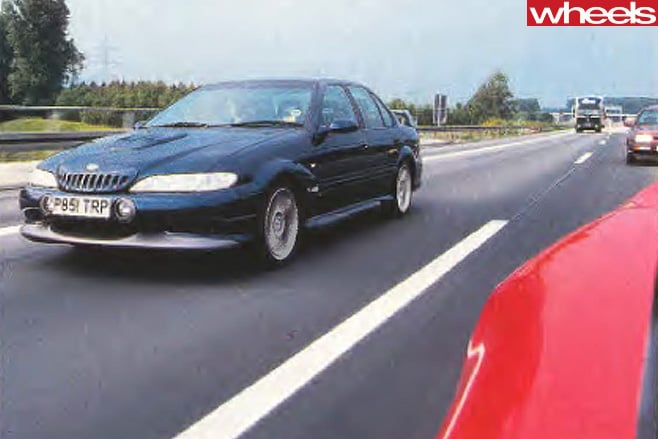
“Climb, you bastard” I’m begging. Two-three-oh, two-three-one, two-three-two.
“More, keep it going,” demands Newton.
The Canon’s motor-drive is at the rev limiter, grabbing frame after frame, but the Falc’s 200kW 5.0 litre V8 isn’t remotely close to its 6200rpm electronic cutout. For all the tweaks to valve gear and induction, the pushrod injected Windsor lump struggles to top 4550rpm in the super-tall top gear of the four-speed auto. That’s still 150rpm shy of the point of maximum power. In theory, at least, the GT should run to 237km/h.
A deep, rumbling exhaust roar is accompanied by a vibration, presumably from the driveline and probably the aluminium tailshaft that’s wrapped in carbonfibre to dampen exactly what we’re now experiencing through the floor and up the tripod. Fortunately, it’s worst at 4100rpm and above that gradually dissipates. The GT’s stable enough. The giant rear wing, claimed to cut lift by 67 percent, is working. And I thought it was just for pose value. But the Falc feels tied-down, solid.
Above 230, the rushing sound of the Falcon pushing through the air drowns out the exhaust, even the hot blistering noise from the 245/40R17 Yokohama A510s. I don’t dare look at the speedo. Ahead, I see a bend. Well, not a bend in the normally accepted sense of the word. More a Le Mans-style sweeper. But with close to 235 on the clock in a Falcon GT, just how tight is it?
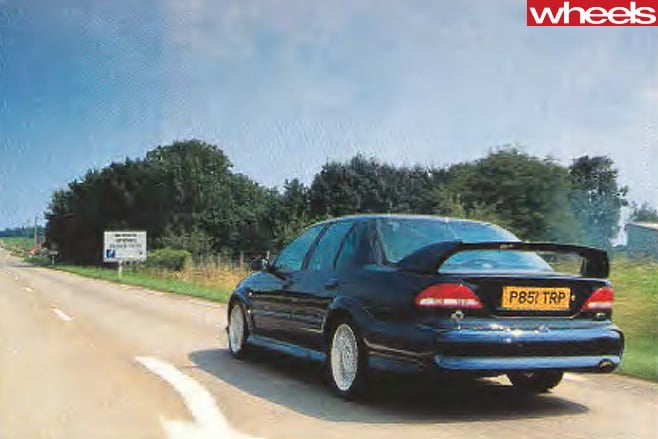
I’m just about to back off when Newton calmly says: “Okay, that’s it, it’s in the bag.” My right foot eases off the accelerator and gently squeezes down on the brakes. They whine in distress, the pedal quivering under my foot. Despite a 12 percent increase in front pad swept area and twin piston callipers or the now 328.5mm diameter front discs, it’s clear this Ford hasn’t been engineered for autobahn conditions.
Still, I can breathe easy now and move the Falcon to the centre lane. Bee-ems and Mercs start to pass, though the Falc’s on the high side of 200km/h. Relief, because last night none of this, as you will learn, seemed possible.
I’m smiling, until Newton starts to mutter something about how much better the light would be running in the other direction. Bloody photographers – never satisfied.
The morning traffic is building, we’ve been on the road for two hours now, running up and down the same stretch of the Karlsruhe-Basel autobahn, in south-western Germany, searching for a hole in the traffic. I grunt a reply and point to the traffic. It’s over. Even if our speed is, in reality, a disappointment: no more than we achieved 26 years ago with the GTHO Phase III.
It’s still legal to drive 250km/h in Germany, even 300km/h if your wheels are an F1 McLaren. Don’t talk to me about the morality of driving at such warp-speeds. In the right conditions and the right car, a 200km/h-plus cruising speed is effortless. Safe. Just ask John Singleton.
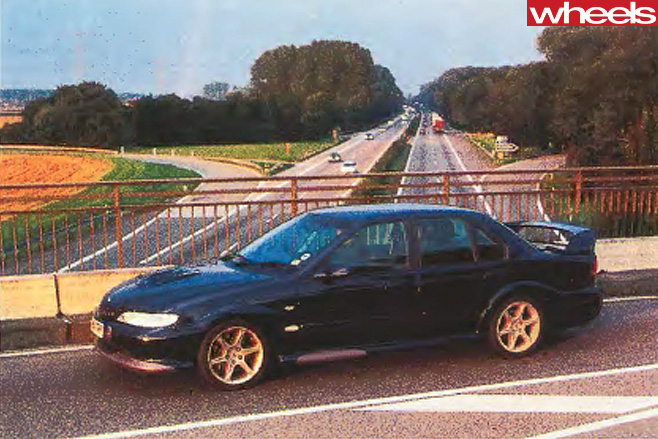
Our plan was simple. We wanted to see how the GT performed on unrestricted autobahns. For the hell of it. You would, wouldn’t you?
It didn’t begin well. The Falcon arrived late. So late we’d given up and decided to abort the story and cancel the photographer. When the navy-blue Falcon GT finally appeared, the delivery driver talked about heavy traffic and torrential rain. Who knows. I suspect he enjoyed a unique driving encounter.
We meet at 6am in an outer London suburb: Richard Newton, my wife Erica, charged with responsibility for the camera car, and your scribe. Camera car? We needed something fast, quick enough to be capable of tailing the GT easily, a car worthy of a pairing for a pan-European drive in the company of Australia’s most charismatic machine. Since Maranello insisted we return the F1 by stumps on Friday night there seemed no alternative but to use it. Ninety minutes later we’re waiting, line astern, Falcon in front, for the ferry in Dover.
Bloke enters scene from behind, ignores the F355, zeros in on the Falcon. He’s seen the wing and wants to know more, aware it’s a Ford and somehow embarrassed he can’t identify it. His son arrives and I let them in on the secret.
“See,” he says to the teenager, “they do make more than Fosters, then.”
Scene two: P&O ticket office. Pom official asks, “What is that beast?” He’s told and shakes his head in disbelief, “Why can’t we have them? I like the nose!”
I can’t believe he means it. The grille is a bizarre collection of shapes as ugly as anything you’d find at the last Tokyo show. But he loves it.
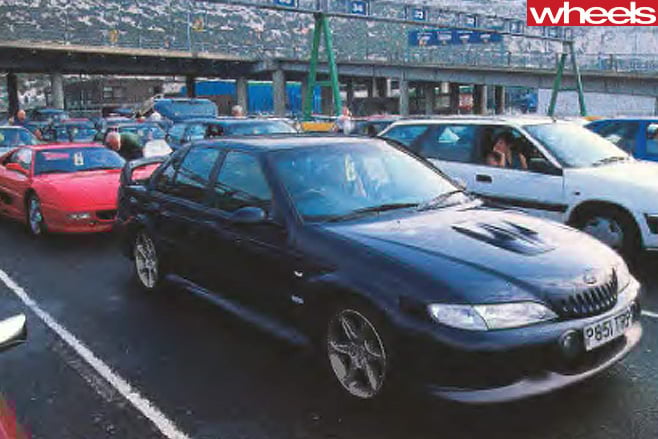
France beckons and our twosome is soon drifting towards Reims at 140km/h, aware that the posted speed limit on autoroutes is 130. We’re being passed by ancient and rusty Renault 5s, knowing that if anything is going to attract the attention of the gendarmes, it’s the tandem combination of scarlet Ferrari and navy-blue Batmobile.
The Falcon isn’t what I expected. The flamboyant exterior predicts raw, almost crude, driving manners, but the Falcon’s refinement as it cruises at little more than an idle, with just 2800rpm on the tacho, is exceptional. Only a mild burble from the exhaust lets you in on the creator’s performance intent. Yet, at the same time, it never feels especially quick. There’s a contradiction here I don’t pretend to understand.
According to the trip computer, the range at these speeds on a constant throttle is 500km. From a comparatively small 68 litre tank, that’s astounding and surely only possible because of the 50.5km/h per 1000rpm gearing in top. The range, we learn later, drops to a puny 260km at top speed. The GT, even in speed-limited Australia, deserves a bigger tank.
The auto, too, comes as a surprise. It shouldn’t; most GTs come this way and I remember the 1968 XT auto as easily the best Australian car of its era. I’m sitting in a sea of leather, Alcantara (an excellent imitation suede first used by Lancia in the ’80s) and fake wood, on a huge bucket seat that feels so comfortable it belongs in somebody’s den. Yet, paradoxically in view of the price and equipment level, seat adjustment is manual and not electric. The wheel is also a mix of leather and (real?) wood, which I hate.
At low speeds there is more weight to the steering than in the Ferrari, which is now perfectly positioned in my rear vision mirror midway between the bottom of the wing and the boot, and I know its tyres aren’t producing the same constant reverberation. The driving position, helped by a wheel that’s lovely to hold at the quarter-to-three position and adjustable every which way and the pedal-wheel relationship, is near perfect.
It’s raining now and the rear tyres are noisily spitting the water against the arches. On those rare occasions when the auto’s asked to shift it feels slightly lumpy, the kickdown inconsistent in its behaviour. Time to depart the autoroute and find some proper roads.
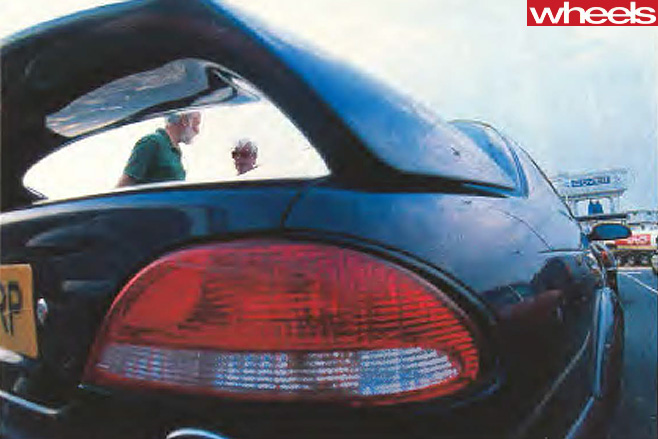
Motoring doesn’t get much better than this: wafting down tree-lined French roads across rolling countryside in a GT Falcon, sun glinting from the wing, the Ferrari steadfastly in the rear vision mirror. We filled both steeds in Verdun, the scene of some of WWI’s most horrific battles. The result: Ferrari 16.1 L/100km (17.5mpg), Falcon 14.4 (19.6). Predictable.
Back to the autoroute. Erica has remembered a hotel in France (for the food) just across the Rhine from the autobahn nominated for our top speed runs. Newton and I figure to go out before dinner, fill the Falcon, and get the photography out of the way after the peak hour traffic has dissipated. Except, after booking in, the Falcon won’t start. The battery is dead. No jumper leads, no push-start. We depart in the Ferrari in search of a new battery.
By 8pm Germany and France have shut like a clam. Nobody, it seems, does anything except sell petrol. A bloke in a 24-hour garage tells us of a place in Baden-Baden that does electrical repairs round the clock. It’s too late for photography, we’re tired and hungry and only continue because neither of us wants to be the one who suggests giving up until tomorrow- when we know the autobahn will be too busy for serious motoring by the time we get the Falcon repaired.
Eventually, unable to find the garage, we meet an enthusiast who not only knows the place but offers to take us. The battery is rooted, the only compatible one is too big. We jam it in and promise to come back tomorrow. We get to bed after midnight and rise at five, desperate to beat the traffic. The Falcon starts and the rest, as they say, is history.
PS: Maranello is beyond my home in Northern Italy – coming from France – so we unpacked the Ferrari on the way. Alone for the last time in the F355, I decided to duplicate the Falcon’s top speed run. To put things into perspective, you understand.
Only from 285km/h does the Ferrari’s acceleration begin to slow and, even so, 300km/h is easier to achieve in the F355 than 230km/h is in the Falcon GT.
Porsche has whipped the covers off its all-new Panamera.
And it really is all-new, as while the styling is evolutionary in true Porsche tradition there’s a brand new platform, three new engines and a high-tech new interior, all of which is aimed at giving the likes of the Maserati Quattroporte and Mercedes-Benz S-Class a very hard time.
Let us start, however, with the styling, one of the more, ahem, polarising features of the first Panamera. The new car is longer (34mm), wider (6mm) and taller (5mm) with an extra 30mm in the wheelbase, however the crucial part of the new design has been the removal of 20mm from the rear roofline to give the car a more 911-like profile.
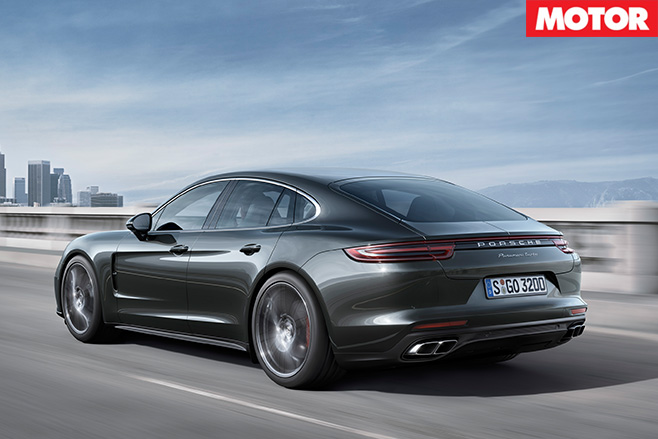
All use two turbochargers mounted within the vee of the engine, the most powerful of which is the Turbo’s 4.0-litre V8, which uses a pair of twin-scroll turbochargers to produce 404kW at 5750rpm and 770Nm from 1960-4500rpm.
This results in a 0-100km/h claim of just 3.8sec and a top speed of 306km/h, while claimed fuel consumption drops to just 9.4-9.3L/100km (depending on spec), thanks in no small part to being the first Porsche to be able to deactivate half its cylinders while cruising.
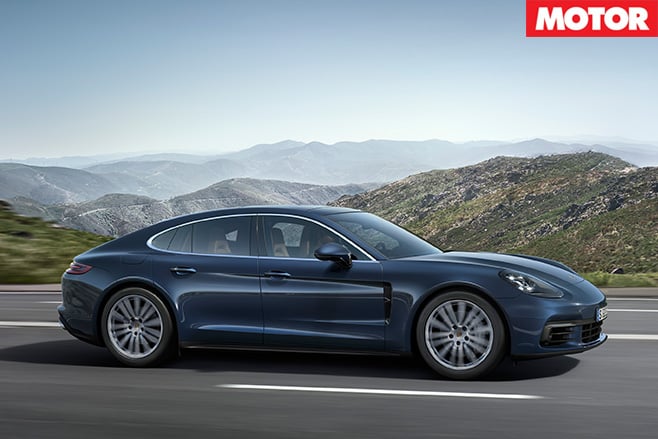
The true fuel miser, however, is the new 4.0-litre V8 4S Diesel, which claims just 6.8-6.7L/100km. Not that it skimps on performance, with a claimed 0-100km/h sprint of 4.5sec thanks to 310kW at 3500rpm and a thumping 850Nm from 1000-3250rpm.
The diesel uses variable turbine geometry turbos, first seen on the 911 Turbo, and introduces two-stage turbocharging – set to appear on the Bugatti Chiron – which is the ability to send all exhaust gases through one turbo at low revs to improve throttle response, before the second turbine kicks in at 2700rpm.
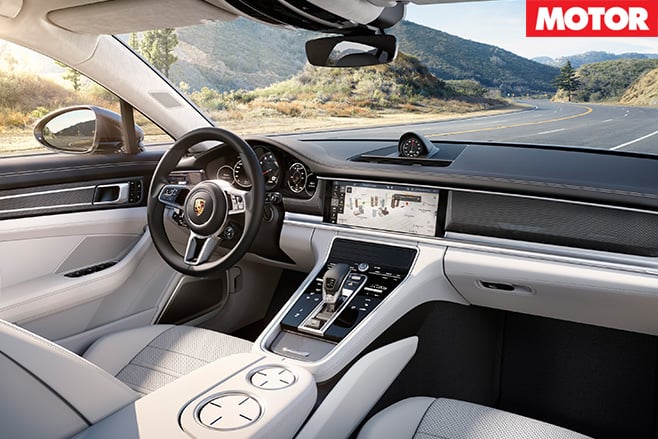
All Australian Panameras will benefit from air suspension and PASM adaptive dampers as standard, while the optional PDCC (Porsche Dynamic Chassis Control) adds torque vectoring capability and active anti-roll bars. The steering is now electrically assisted and rear-wheel steering appears for the first time.
Perhaps the Panamera’s biggest step forward, however, can be seen inside. The multitude of buttons on the centre console has been replaced by a giant 12.3-inch touchscreen which controls the new infotainment system, while the analogue tachometer is flanked by two 7.0-inch digital displays which display vehicle (left) and communication (right) information.
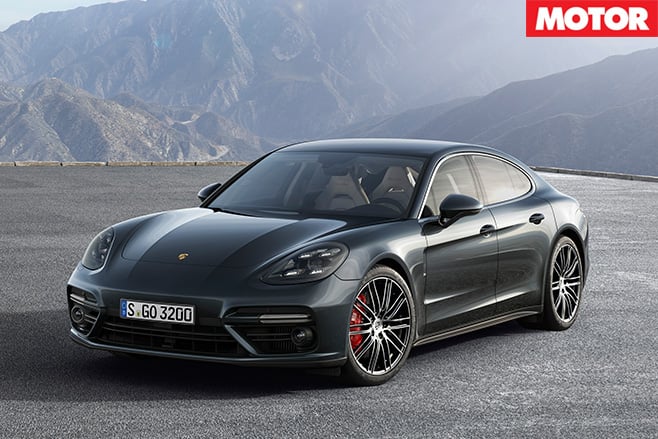
The ‘G2’ Panamera officially goes on sale on June 29 with the first $304,200 4S and $376,900 Turbo deliveries expected in Q1 2017 and the $312,100 4S Diesel set to land shortly after.
VOLKSWAGEN Group has agreed to buy back cars and pay owners up to $A13,000 in compensation in the US as Australian buyers are asked to take time out of their day to queue up and have their vehicles fixed.
The German carmaker this week said it would spend the equivalent of $A20 billion in the US either fixing up to 500,000 Audi, Skoda and Volkswagen-badged 2.0-litre diesel-engined cars that US regulators say cheated on diesel emissions, or allowing owners to hand them back to the company.
However, the cost to the company could soar even higher, with no deal struck between VW and the US government on how it will settle with owners of the 3.0-litre V6 engine used in Audi, Porsche and Volkswagen-badged cars that was also identified as producing significantly more harmful emissions than tests claimed.
In the wake of the US announcement, Volkswagen Australia issued a statement pointing out the legal differences between the US and here as it attempts to deflect questions over why US customers will get compensation and the more than 90,000 affected owners here will miss out.
“The striking differences between US and Australian regulations have gone largely unreported,” Volkswagen Australia managing director Michael Bartsch said in a statement.
“US regulations are unique in the world in that they are very significantly lower than European standards in terms of NOx [atmospheric pollutant] levels.
“Euro, and hence Australian, standards are built around lowering environmentally harmful carbon emissions and fuel consumption,” he said.
About 8000 Volkswagen Amarok trade utes fitted with a 2.0-litre diesel engine are the only Australian vehicles to so far issue a recall to fix the socalled emissions defeat device.
Only about 2400 owners have applied the fix, which takes about half an hour to update the software used to manage how the engine runs – recalls usually have a long tail as owners wait until a regular service interval rolls around before taking their vehicle back to the dealership.
Other vehicles, which are yet to have their recall program approved by the Australian government and also extend to 1.6-litre and 3.0-litre diesels, may need what the carmaker calls a “hardware upgrade”.
In a statement released this mornining, Volkswagen Australia said the local situation “mirrored that of Europe, where similar regulations also prevail” rather than the US.
“There is no compensation for European customers,” Mr Bartsch said. “The relevant facts and complex legal issues that have played a role in coming to these agreements in the United States are materially different from those in Europe and Australia.
“Volkswagen is committed to resolving the diesel matter for all affected customers around the world quickly and efficiently. We recognise the need to regain their trust and we are doing everything possible to achieve this.”
However, similar to the US, Volkswagen Australia is facing a Federal Court class action brought against it by angry Australian customers seeking a settlement with the company. Volkswagen is defending the claim.
Volkswagen Australia says no petrol engines sold here have been scooped up in the scandal, despite concerns overseas that some have used similar emissions testing cheats to post lower numbers.
As many as 11 million vehicles worldwide are affected by the recall.
ANNA: Ryan, it’s time to officially have it out about the never-ending wagon versus SUV debate. With SUVs taking over the Australian market faster than the setting-in of Britain’s Brexit remorse, the wagon’s ‘family hauler’ title is no more. SUVs are not the big, ugly, expensive transporters they used to be when wagons were the family choice. Let’s face it, dad-mobile-wagons are about as cool as a mobile phone in a briefcase.
RYAN: Ok, I’m in. There’s no way I’m letting wagons go down without a fight. Wagons are better looking, way better to drive, more practical and plenty of wagons are cheaper to buy! A snake has more legs to stand on than you do. Wagons are the thinking person’s choice. SUVs have no credibility when it comes to driving enjoyment. Sure, there are fast SUVs, but there isn’t an SUV on the planet with real cornering talent. Performance wagons, on the other hand? There are heaps of them, and they’re so much cooler! Why wouldn’t you want a car that can do it all?
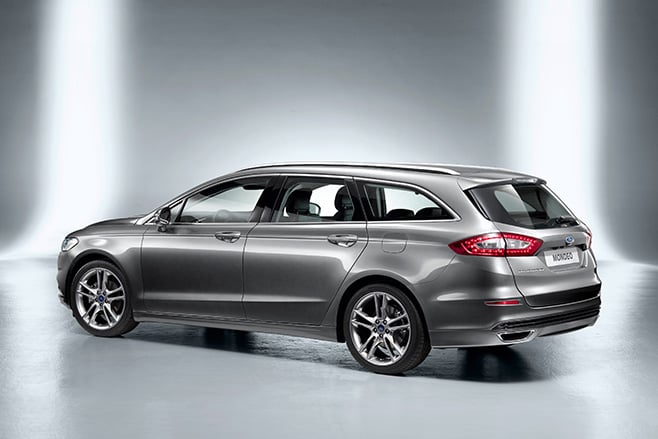
ANNA: Um, because it can’t do it all… Isn’t that the whole appeal of an SUV? For the most part, they can go anywhere. Wagons have a lower centre of gravity, so obviously they’re going to perform better than SUVs in some ways, but do the majority of buyers actually care? There’s no debate who would win on the racetrack, but most buyers aren’t buying an SUV or a wagon to take it for laps at the track. SUVs have come a long way, and continue to improve; just last week we saw Volvo reveal the beefed up XC90 T8 with a supercharger, turbocharger and electric motor. Back in their hey-day, wagons were mum-and-dad-uncool-cars with dickie seats – now everyone thinks they’re cool again because they carry the ‘retro’ tag – basically the hipster cafes of the car world.
RYAN: SUVs are cool now? Please! SUVs are for people who have given up on owning something cool. An SUV is only acceptable if it has a third row and you absolutely can’t live without seven seats, because at least it’s not a minibus. Proper 4x4s are okay, too. Other than that, a wagon is always the way. You’d think an SUV would be able to go anywhere but half of them aren’t even all-wheel drive! Have you ever noticed how SUVs usually end up with less room in the boot because of how big the wheel arches have to be? That twin-charged hybrid Volvo engine is an amazing piece of kit. The even better news about it is that it’ll be available in the sleek, sporty Volvo V90 T8 wagon, too – and much more useful in a car that doesn’t weigh 2.3 tonnes!
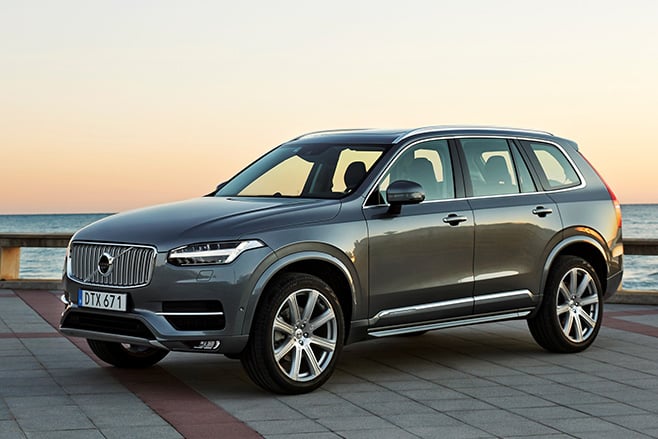
ANNA: To some extent I agree – I don’t really see the value in an SUV without all-wheel drive, unless they’re a seven-seater. Definitely a better option than a van, unless we’re talking Volkswagen Combi as a family car – now that’s something I’d consider!! But by the same token, SUV’s still offer that go-anywhere option. The elevation of an SUV also takes the back-breaking work out of moving kids in and out, and it also means less projectile vomiting episodes thanks to carsickness caused by the inability to see out the windows from the back seats. Now, I don’t have kids, but I imagine that when I get to that stage of my life where I have to decide between a wagon and an SUV, I’m certainly going to take the option that won’t cause grizzly kids. I’m also going to choose the safest option, and those 2.3 tonne cars you speak of are going to come out of an impact looking better than a low-slung wagon will. There’s always the looks argument, too – SUVs just look better. I think the only wagon I’ve referred to as ‘cool’ is Ghostbusters’ Ecto-1 Cadillac. Let’s be honest, if you’re going to put a bunch of nerdy scientists who chase fictional paranormal activity in any car, it’s probably going to be something as ‘cool’ as a wagon, right? I’m pretty sure Mike and Carol Brady also drove a Plymouth wagon…
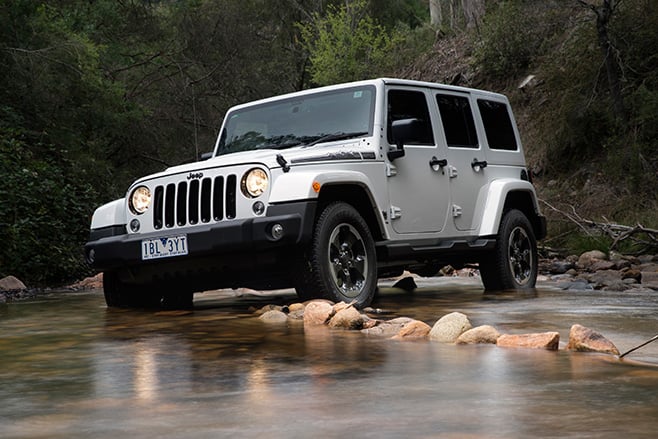
RYAN: We’ll have to agree to disagree here. If you really want something that can take you anywhere, a proper 4×4 is the go. The SUV image sells to people who dream of exploration and adventure, yet reality is most soft-roaders never touch sand, let alone mud! A high-riding driving position may give the illusion of increased safety, but a good wagon will protect occupants just as well as an SUV will, with less risk of rolling over in an accident. All that elevated seating position does is spoil a car’s handling! If I had just a single car park and could only choose one car to drive every day – a situation many Aussies find themselves in – there’s no way it’d be an SUV. I couldn’t throw in the towel like that. I enjoy driving too much! I’d take a fast wagon without a second’s hesitation. If money was no object, an Audi RS6 Avant would be near impossible to beat; performance that rivals supercars; serious track day potential, understated yet ruthlessly tough styling; and room for all and sundry in the back, plus a dog. Perfection.
ANNA: I’m sure the Brady Bunch will agree.
Not surprisingly, the installation of GM’s 6.2-litre LS3 V8 has done excellent things for Holden’s VF II Commodore range.
To be honest, we can’t think of many things a 6.2-litre V8 wouldn’t improve, but combining it with a rear-drive ute is certainly going to be a happy marriage.
You know the headline numbers by now, 304kW/570Nm shaving the 0-100km/h time to just 5.0sec when equipped with the six-speed auto, the manual a tenth faster. An extra 34kW/40Nm is bound to have a profound effect on any vehicle, especially one with such little weight over the driven wheels. But what’s impressive is just how unperturbed the VF II ute is by the substantial increase in grunt.
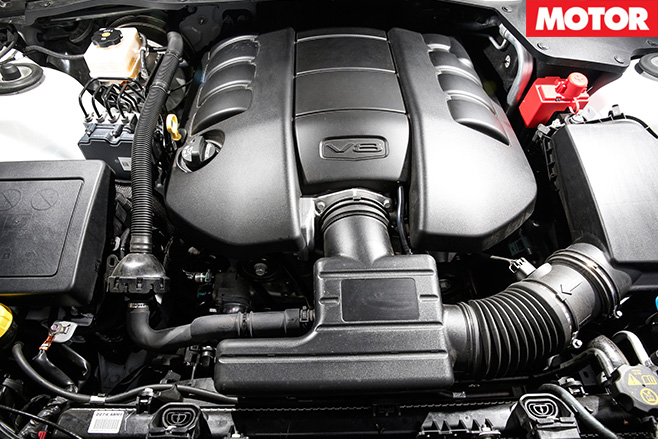
However, it’s generally very easy to control and capable of impressive speed for something with a 2064-litre boot. This was true for the original VF ute, too, but the difference now is the bits of road between corners disappear much more quickly.
The LS3 revs cleanly and has awesome overtaking ability, but as with all VF II SSs the thing that hits you like a hammer to the face is the sheer volume of noise. Thanks to the new bi-modal exhaust and mechanical sound enhancer (to pipe engine sound into the cabin) it makes a glorious racket, sounding like a hot-rodded old Holden 308.
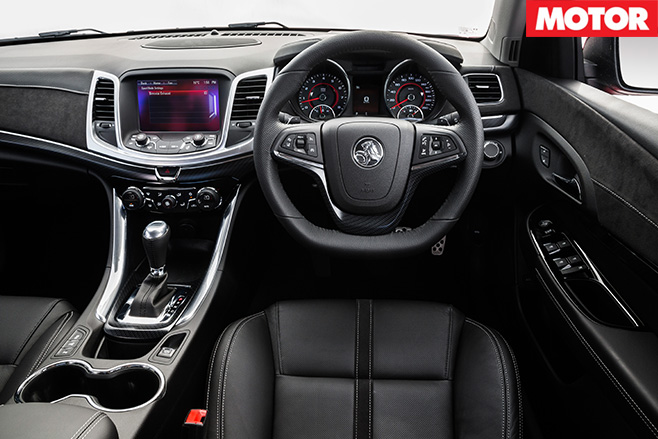
For our money, though, the Redline (which we’ve pictured) remains the standout and is well worth the extra $5500. It’s the lightest and most agile of the Redline range, as well as the cheapest, and the brake, suspension and rolling stock upgrades mean you have a car that can not only haul furniture and tow the boat, but tear up a track as well.
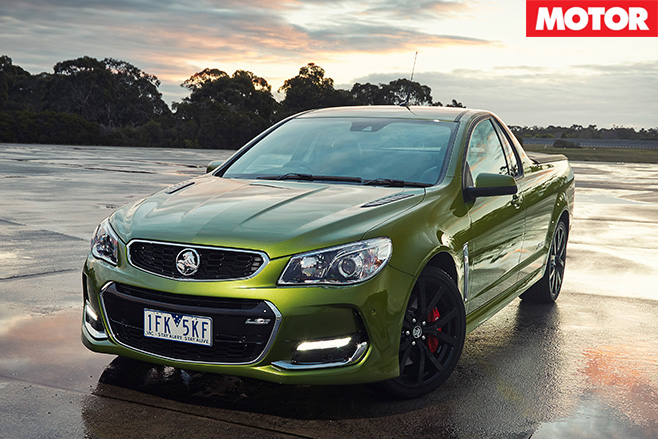
4 OUT OF 5 STARS
LIKE: LS3 grunt, hot-rod soundtrack, day-to-day package DISLIKE: Under-braked, small payload
SPECS Engine: 6162cc V8, OHV, 16v Power: 304kW @ 6000rpm Torque: 570Nm @ 4400rpm Weight: 1753kg 0-100km/h: 5.0sec (claimed) Price: $41,490-$50,990
Fancy playing the classic car market? Here are twelve cars that are worth a look right now.
So you missed the boat on the ‘overs’ market for the new Mustang and reckon that the classic market’s peaked a few months back? You’re not out of the game just yet. Look a bit more carefully and the classic investor can still find value in a nervous market. Here we line up twelve cars that are worth your consideration. Some are easy to track down while others will require more spadework. One thing they all have in common is that even if the market flatlines, you’ll be left with a great car.
PENNY SHARE POTENTIALS
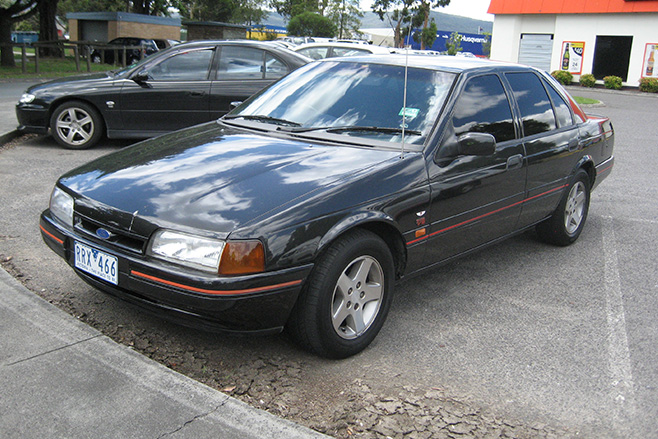
Ford Falcon EB S-XR8
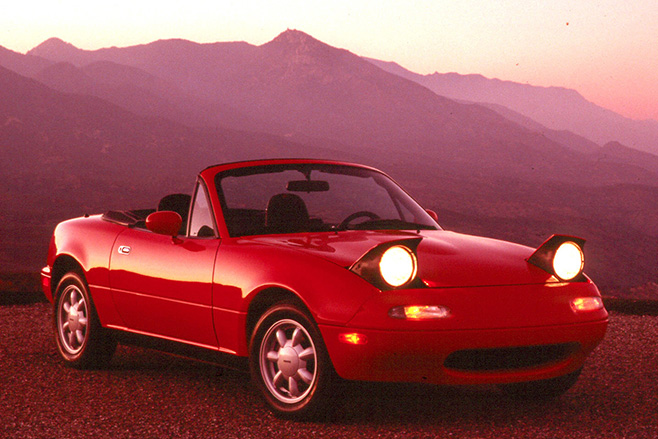
Mazda MX-5
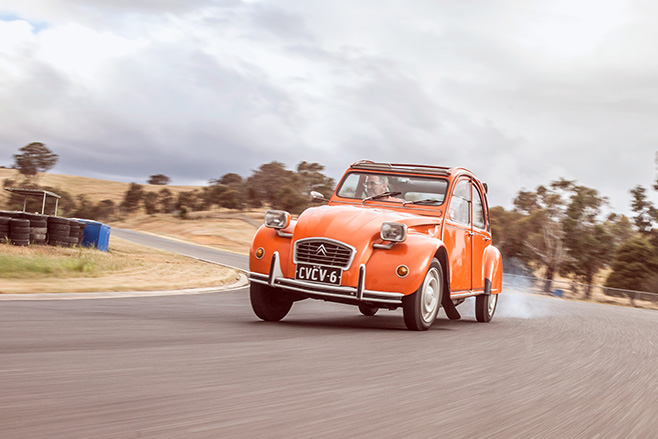
Citroen 2CV
MODERN CLASSICS
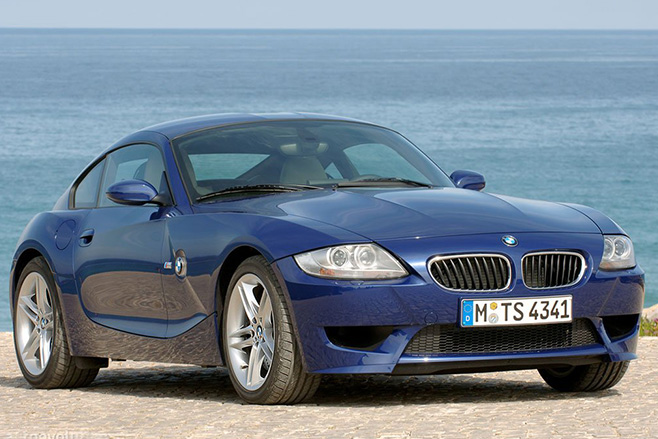
BMW Z4 M Coupe
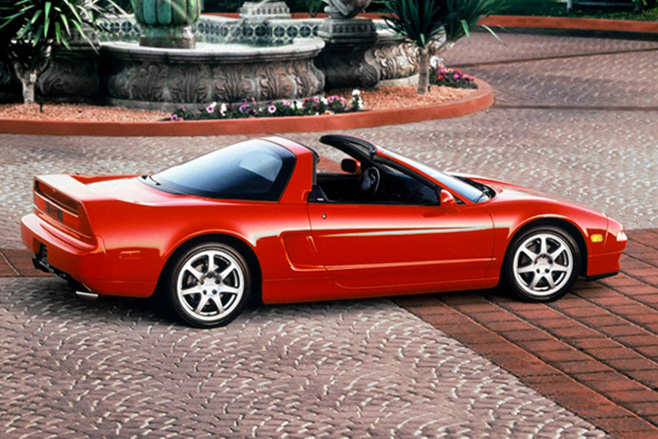
Honda NSX
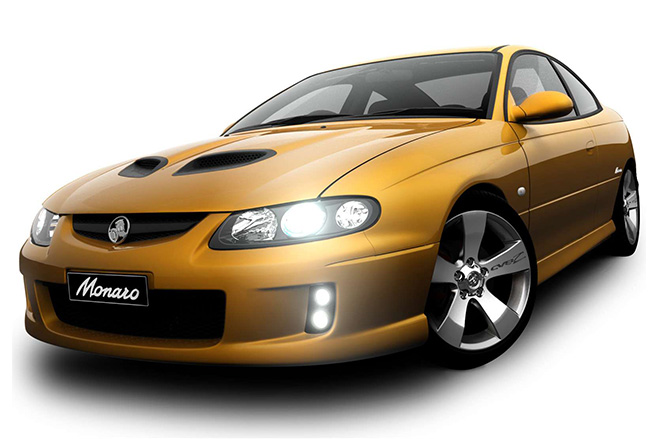
Holden Monaro CV8-Z
FAILED TO LAUNCH: SPECULATIVE PICKS FOR THE LONG-TERM INVESTOR
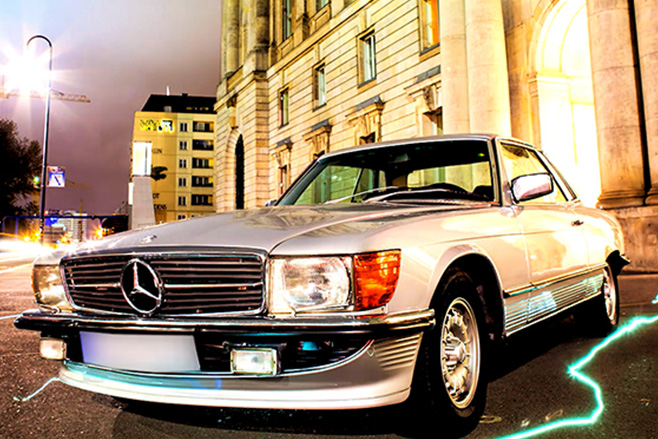
Mercedes-Benz 450 SLC
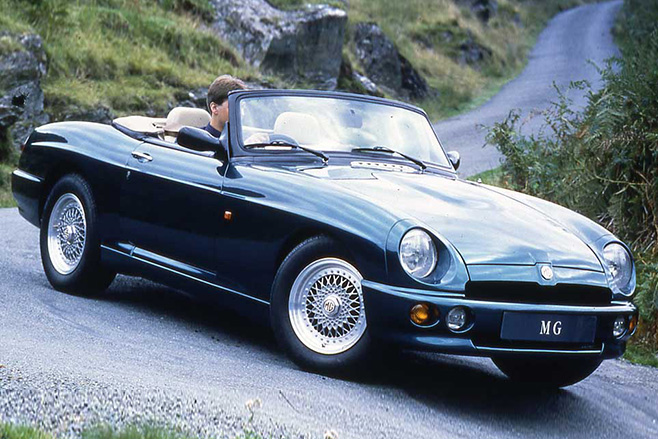
MG RV8
Datsun 260Z
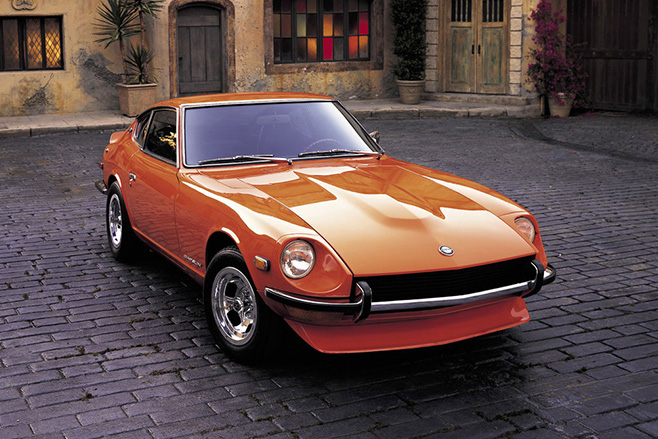
FORGOTTEN EXOTICS
Ferrari 599 GTB
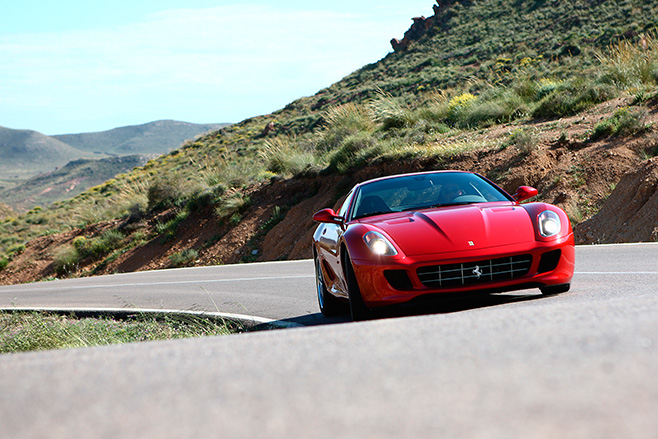
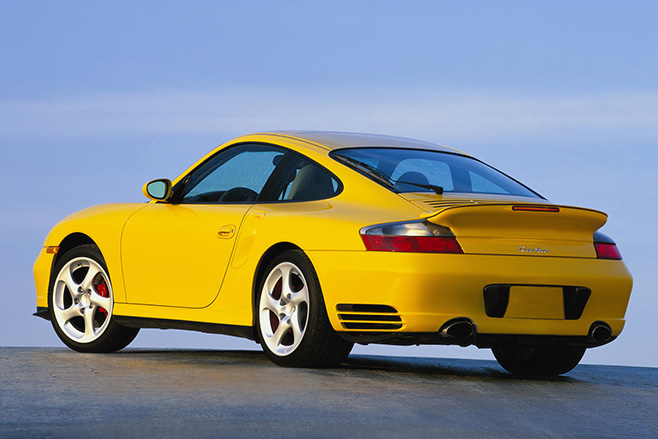
Porsche 996 Turbo
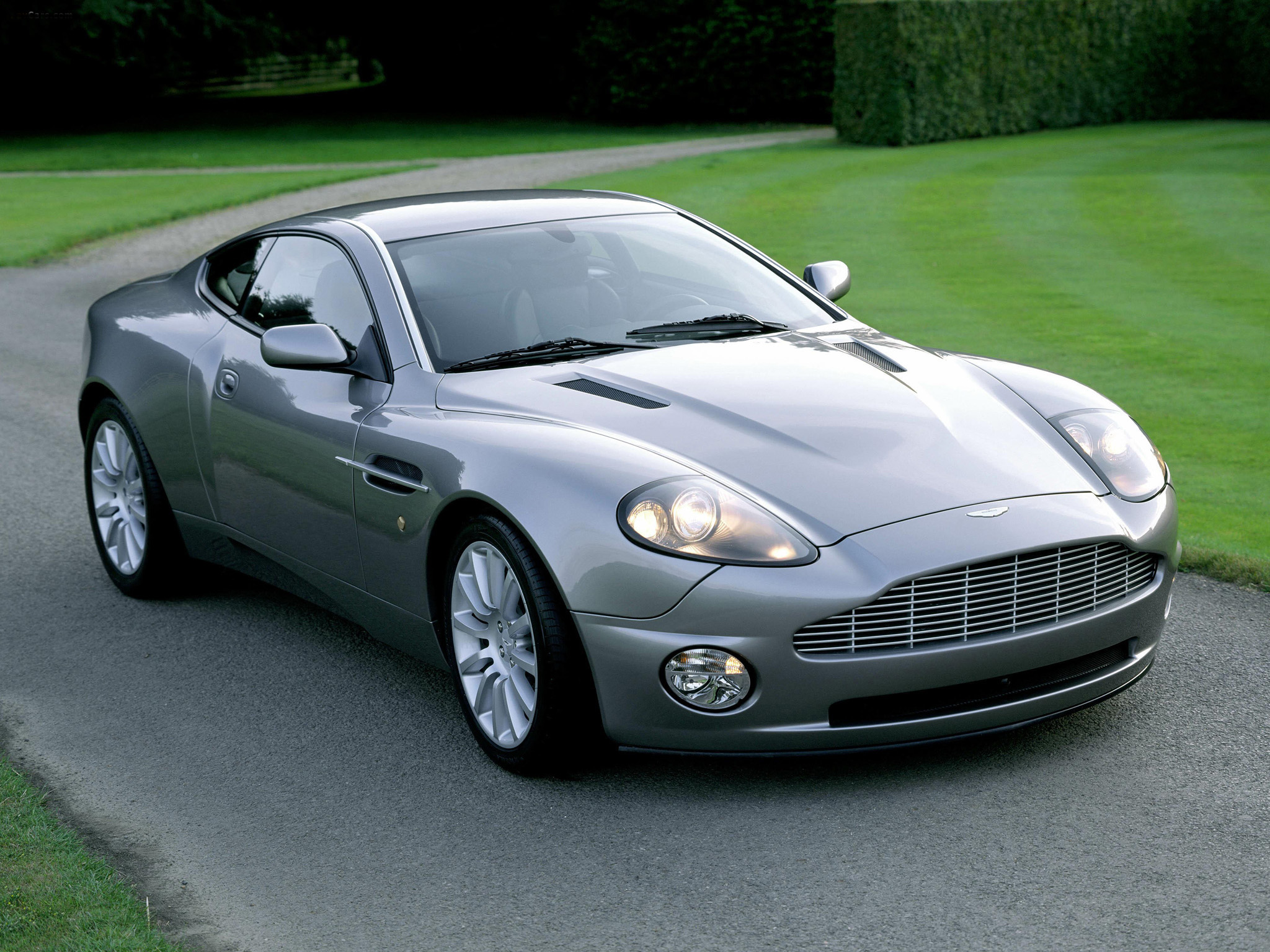
Aston Martin V12 Vanquish
New technologies in autonomous driving and hybrid efficiency will be rolled out by Japanese car maker Nissan in a bid to achieve CEO Carlos Ghosn’s ambitious goal of becoming the market leader in both areas.
Discussed at last week’s annual shareholders meeting, Ghosn confirmed Nissan’s e-Power hybrid technology and the firm’s ProPilot autonomous driving technology will both appear in Nissan’s domestic-market production models by as early as the first quarter of next year.
The e-Power hybrid technology — which debuted on last year’s Gripz Concept — uses an electric motor to power the car while reserving the smaller internal combustion engine purely for battery charging duties when required.
According to Nissan, the range-extending petrol engine has both cost and weight advantages over more traditional hybrid technologies, saying the batteries can be smaller while the generator-style petrol engine will be tuned for consistent and peak efficiency.
Nissan is also hard at work on its autonomous driving technology, which will culminate in 2020 with up to 10 production models featuring sophisticated self-driving capabilities.
Working around a three-step roll-out strategy, Nissan says its ProPilot technology is at a point where it can stop, start and steer effectively on single-lane roads. By 2018 it expects the technology to be proficient on multi-lane roadways and has a goal of ProPilot being able to negotiate multi-lane intersections by 2020.
“By 2020 you’ll find multiple models with ProPilot in major mass production in the US, Japan China, and Europe,” the firm said.
