
What do car manufacturers get out of success on the racetrack?
Does winning Australia’s classic touring car race, the Bathurst 1000, translate into a sales spike on Monday? How many extra sales of Volvo’s S60 can be directly attributed to the Swedish brand’s success in Australian motorsport?
And hands up if you’ve seen more than a handful of Nissan Altimas on the road since the nameplate was released onto unsuspecting Aussie customers some 18 months ago.
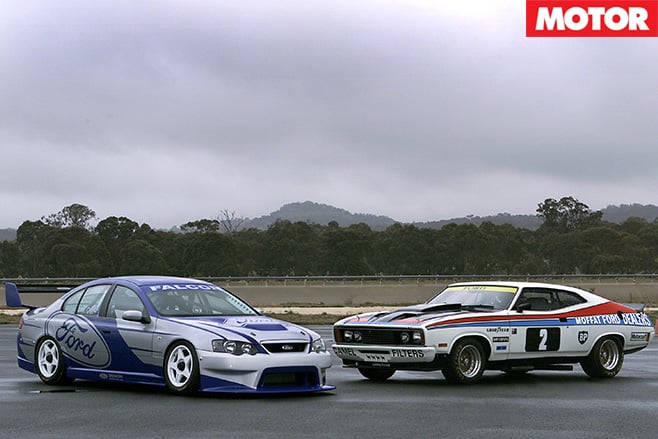
V8 Supercars, that brazen off-shoot of the Australian Touring Car Championship born in the mid- to late-1990s, is hell-bent on enticing new car manufacturers into the sport. And that’s understandable.
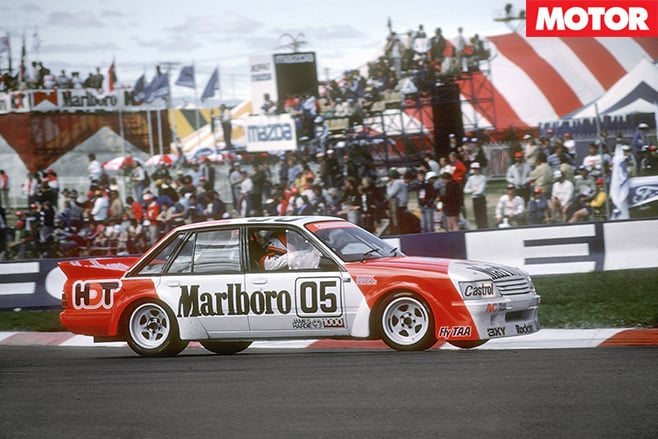
To be fair to V8 Supercars, it has recognised the need for change, big change. That’s why in recent years it has opened the rules to allow manufacturers other than Ford and Holden to play via its Car of the Future platform.
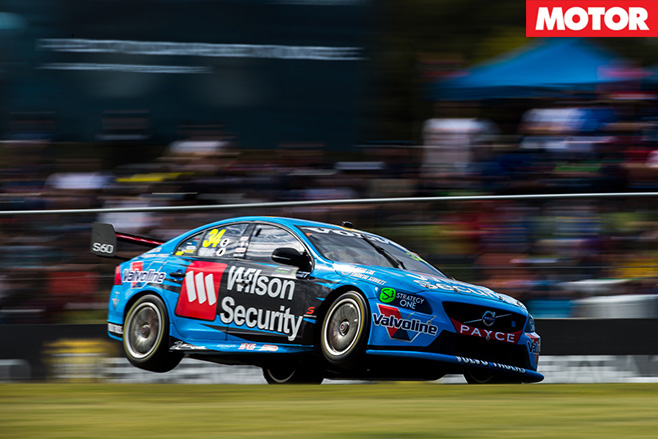
Introduced in 2013, Nissan was the first to take the bait, while Mercedes also appeared on the grid, albeit in a strictly privateer ‘this has nothing to do with Mercedes-Benz’ way. A year later Volvo, keen to shake its fuddy-duddy image, also joined the fray.
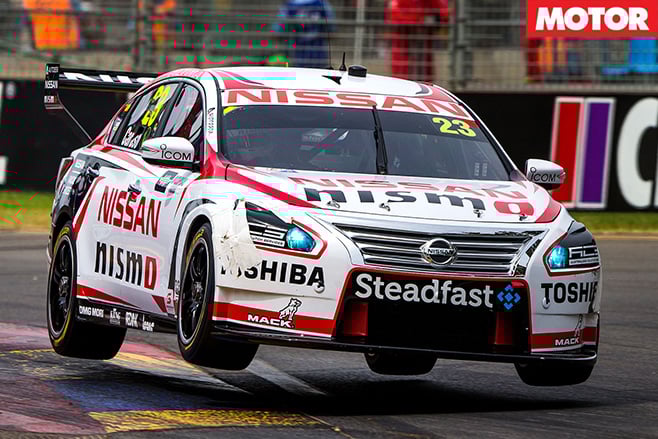
And with V8 Supercars’ much-lauded ‘Gen2’ rules (which opens the door to body shapes other than four-door sedans and to engine configurations other than V8s) coming into effect in 2017, time is ticking for manufacturers.
To its credit, Holden has confirmed it will continue to be involved in the sport beyond the demise of the locally-built Commodore, and Nissan Australia is keen to remain involved. But it’s at the whim of Japan, so nothing is guaranteed. Ford? Already done and dusted, and now Volvo has followed it in pulling the pin.
Instead, our roads are littered with Mazda 3s, Toyota Corollas and Camrys, and a fair selection of SUVs and increasingly big-arse utes.
Australia’s biggest selling car brand, Toyota, has little involvement in local motorsport. This year sees the introduction of the all-new single-make Toyota 86 Series as a support category to V8 Supercars. But as for involvement in the big leagues? Nada.
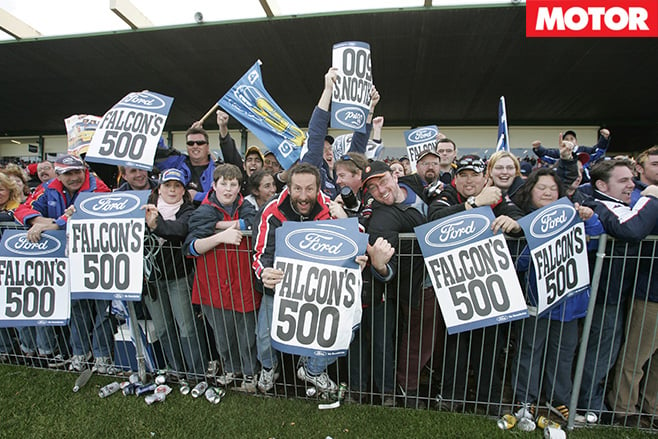
Maybe it’s time for V8 Supercars and its teams to wean themselves off their reliance on manufacturer support. With the opening of the rules, let teams race what they ‘brung’, and let the best win.
And who knows, we could end up with a situation like the thriving British Touring Car Championship which boasts in excess of 30 cars from 10 manufacturers, only three of which – Honda, Subaru and MG – are factory supported.
A week after the range of its four-cylinder twin, the Toyota Camry, was revised, the V6-powered Aurion line-up is adding extra features.
Toyota’s entry-level Aurion – the AT-X – remains priced from $36,490 but its previous 16-inch alloys with steel spare wheel have been replaced with 17-inch 10-spoke alloys and now includes an alloy spare.
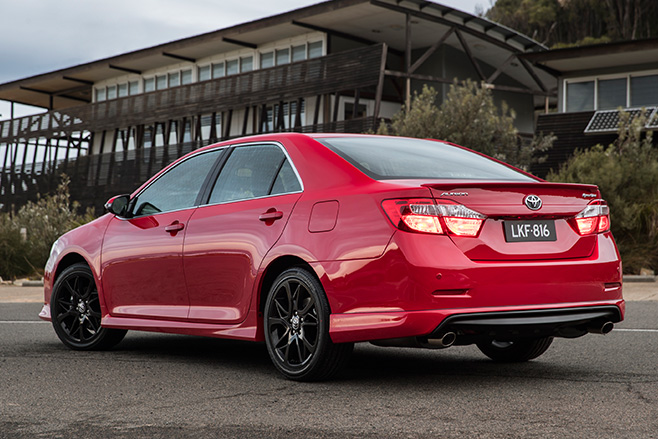
It’s also now available with a $1750 option pack brimming with goodies that include navigation (with real-time traffic updates), JBL audio, digital radio, 7-inch touchscreen, rear sunshade, and expanded Toyota Link connectivity.
These features are all now standard on the mid-range Aurion Sportivo, which also adds sports seats (with leather accents), blind spot detection, rear cross traffic alert (which warns of approaching vehicles when reversing out of a parking spot), LED foglights, electrically adjustable driver’s seat, and new black 18-inch alloy wheels.
A Cherry exterior colour is also available exclusively to the Sportivo, which bumps the price to $43,990.
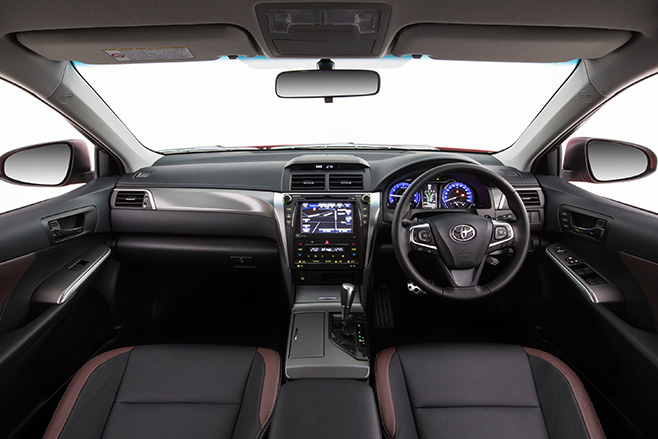
There are no changes to the range-topping, $50,440 Presara, except for the ISOFIX rear-seat mounting points that have been introduced to all Aurion models.
Toyota Aurion sales are currently down 25 percent year to date.
Toyota is due to exit local manufacturing in 2017.
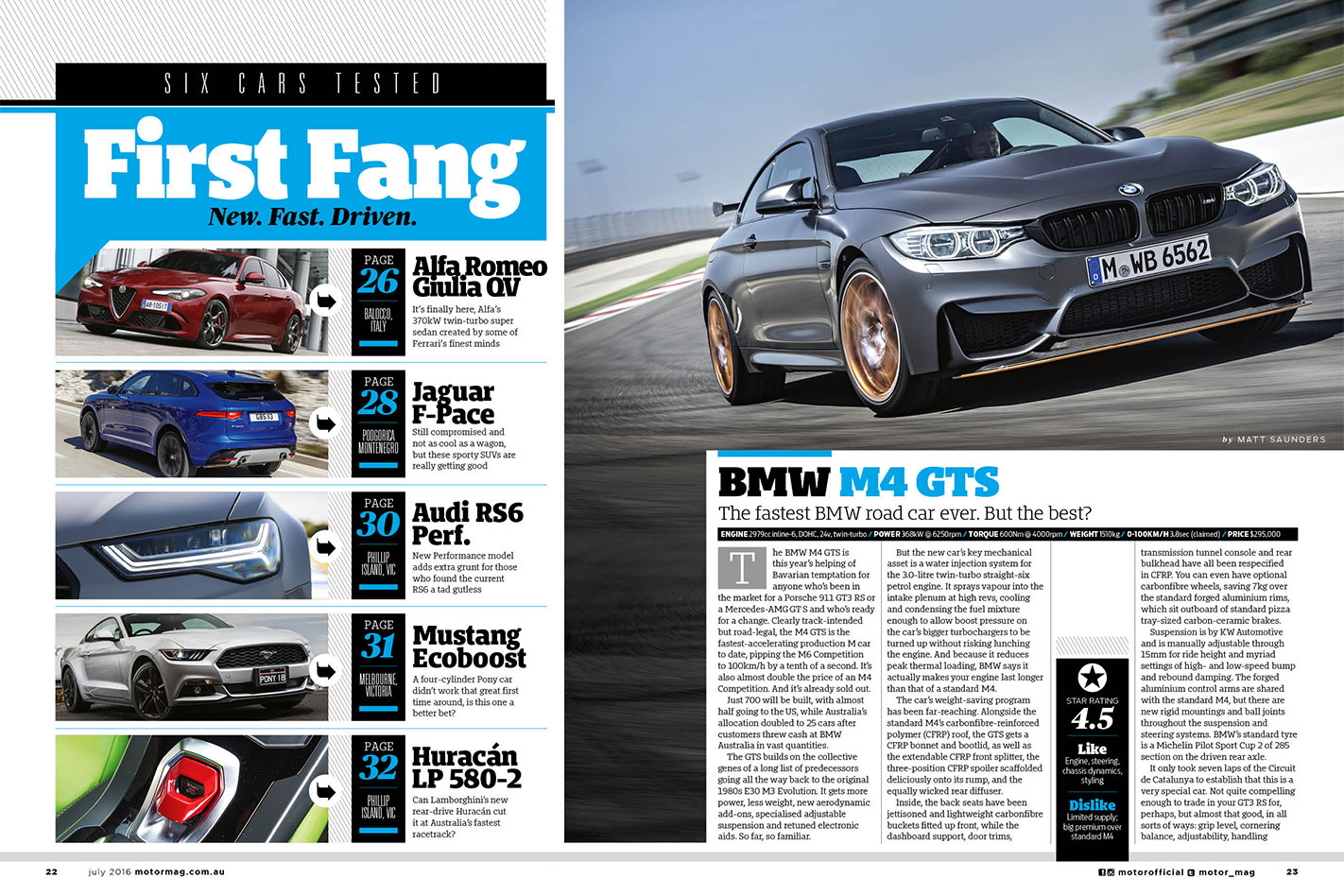
Welcome to the preview of MOTOR‘s July issue.
Available for purchase in digital form for Apple or Zinio.
There’s masses of features to get through this month, so let’s get to it!
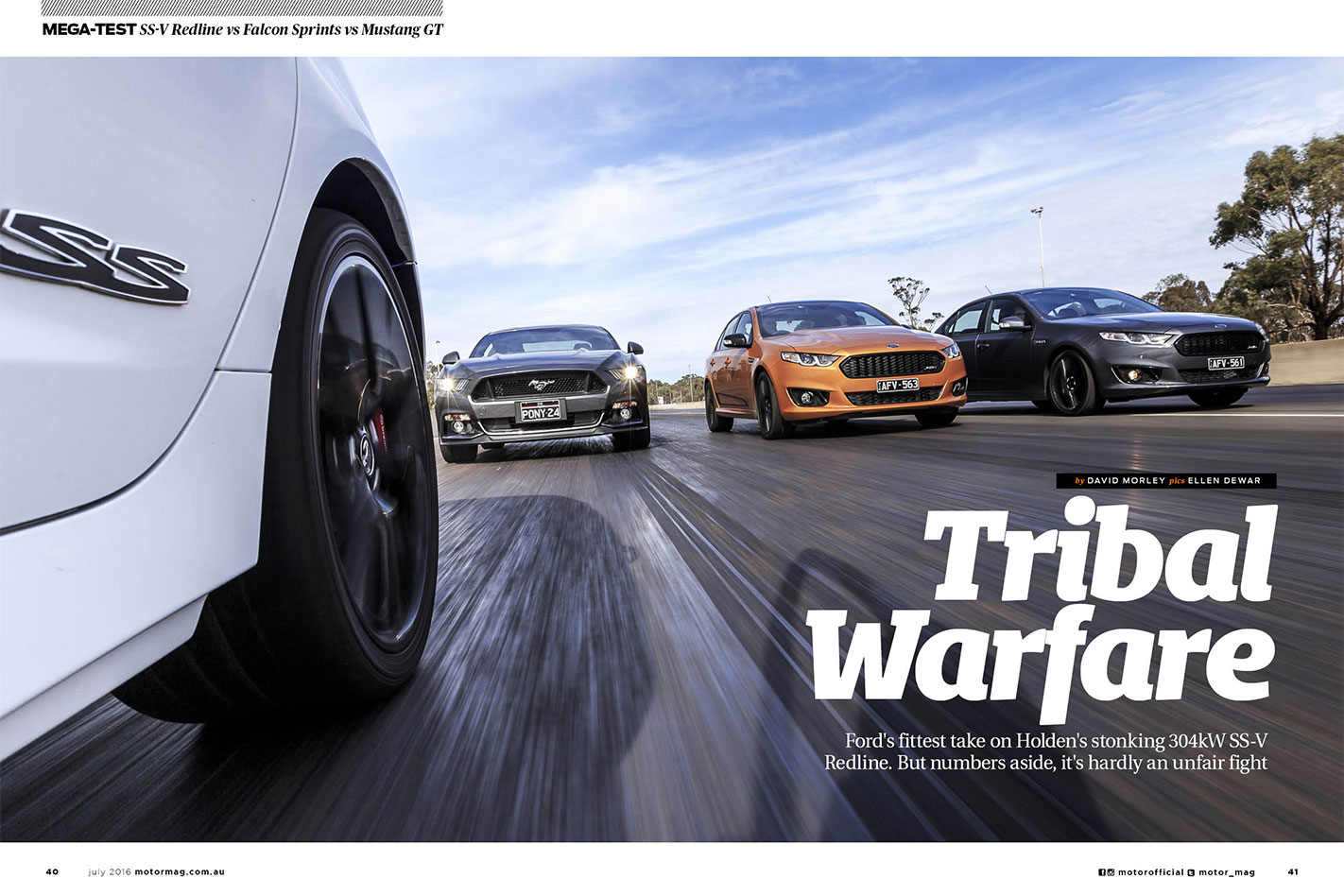
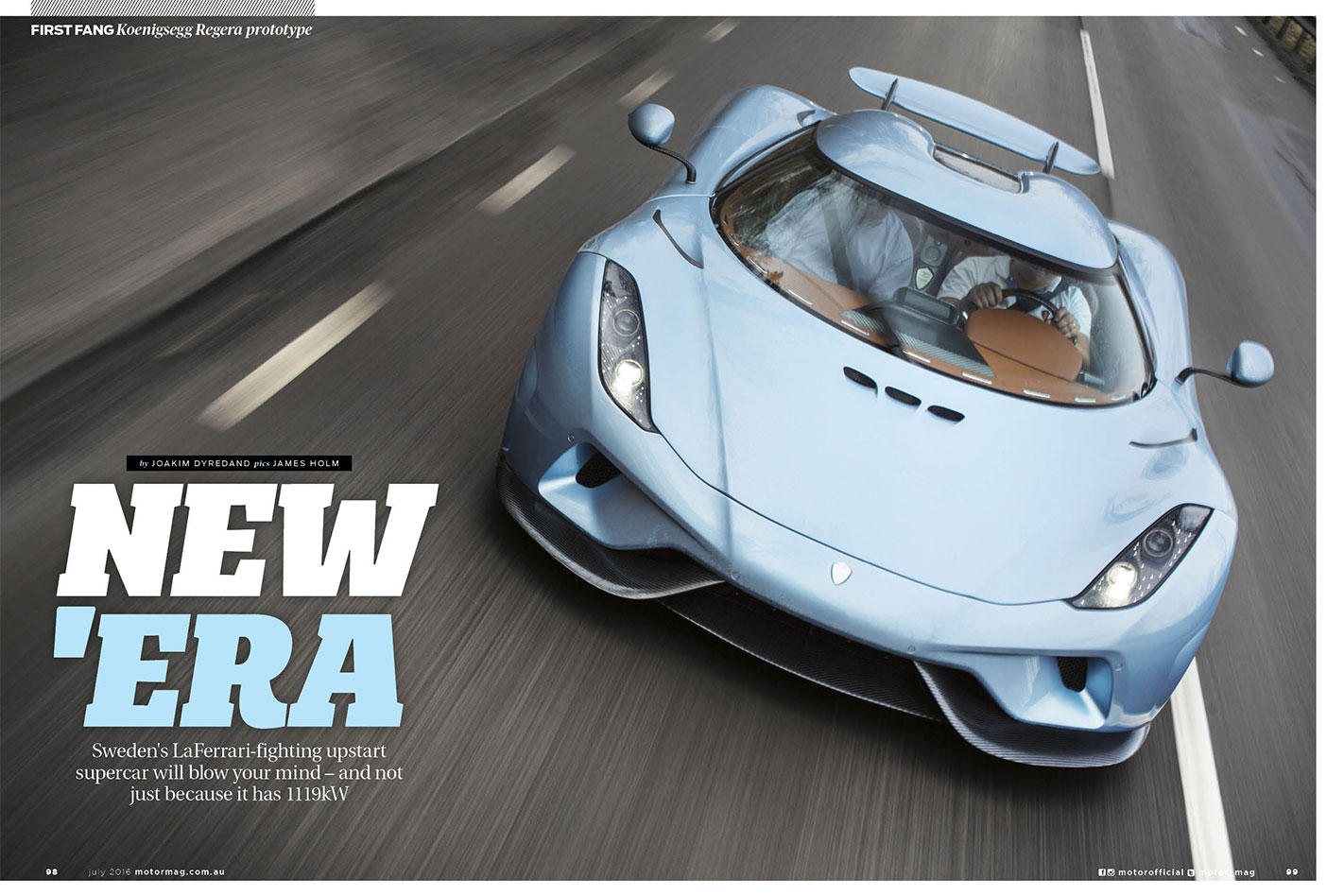
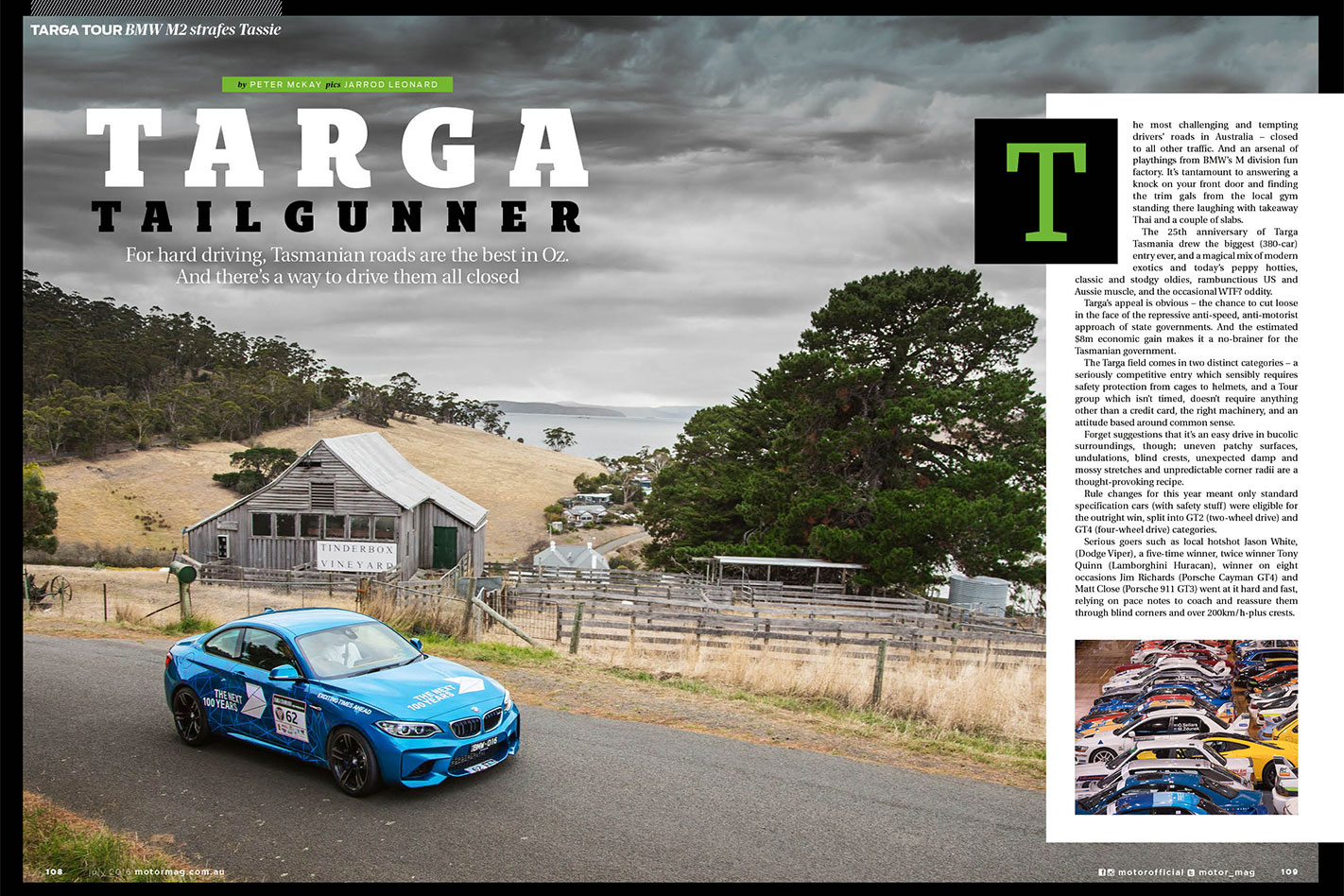
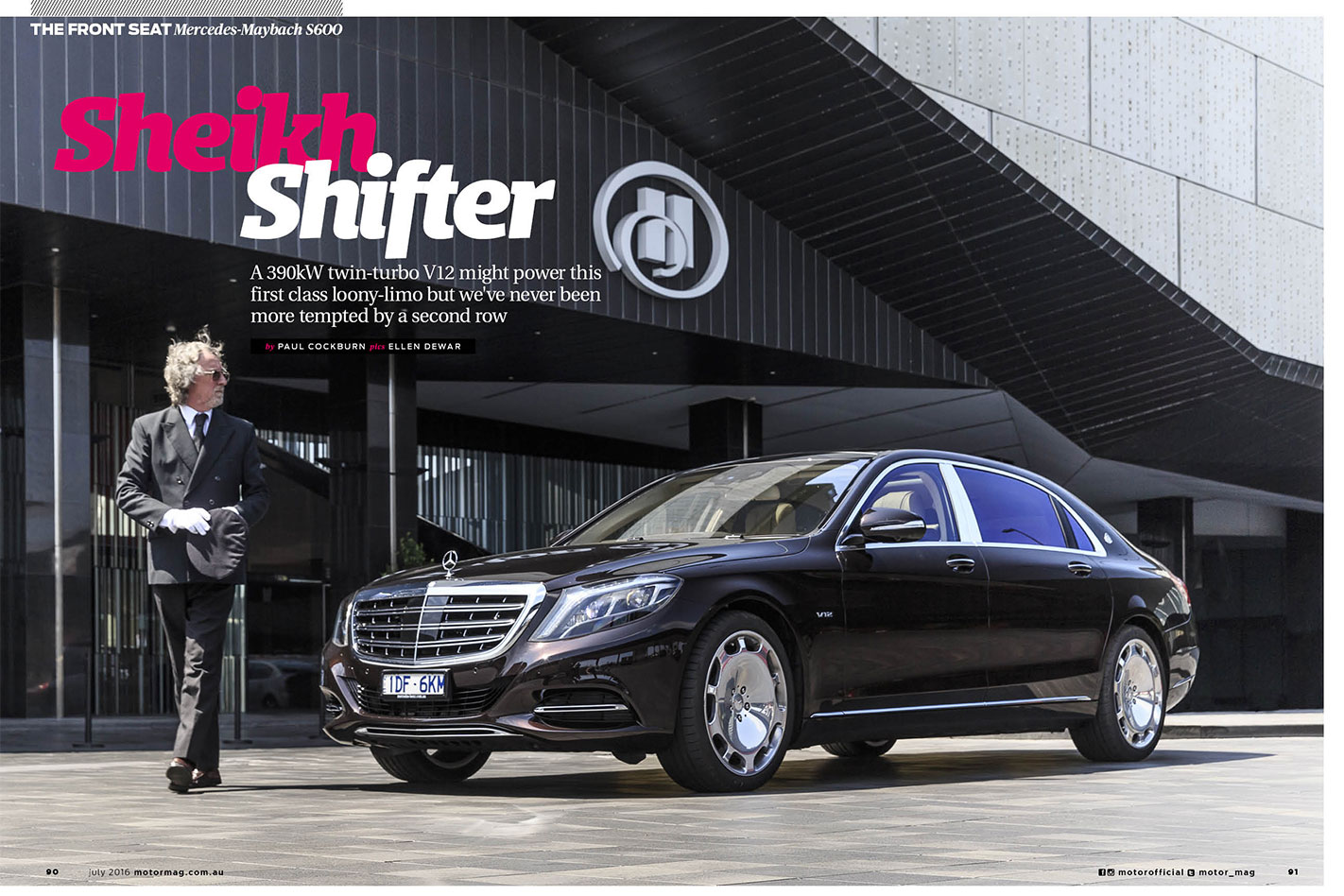
Our cover story is a comparison between the last fast Falcons, the Sprint twins, Ford’s latest hero, the Mustang GT, and Holden’s SS-V Redline.
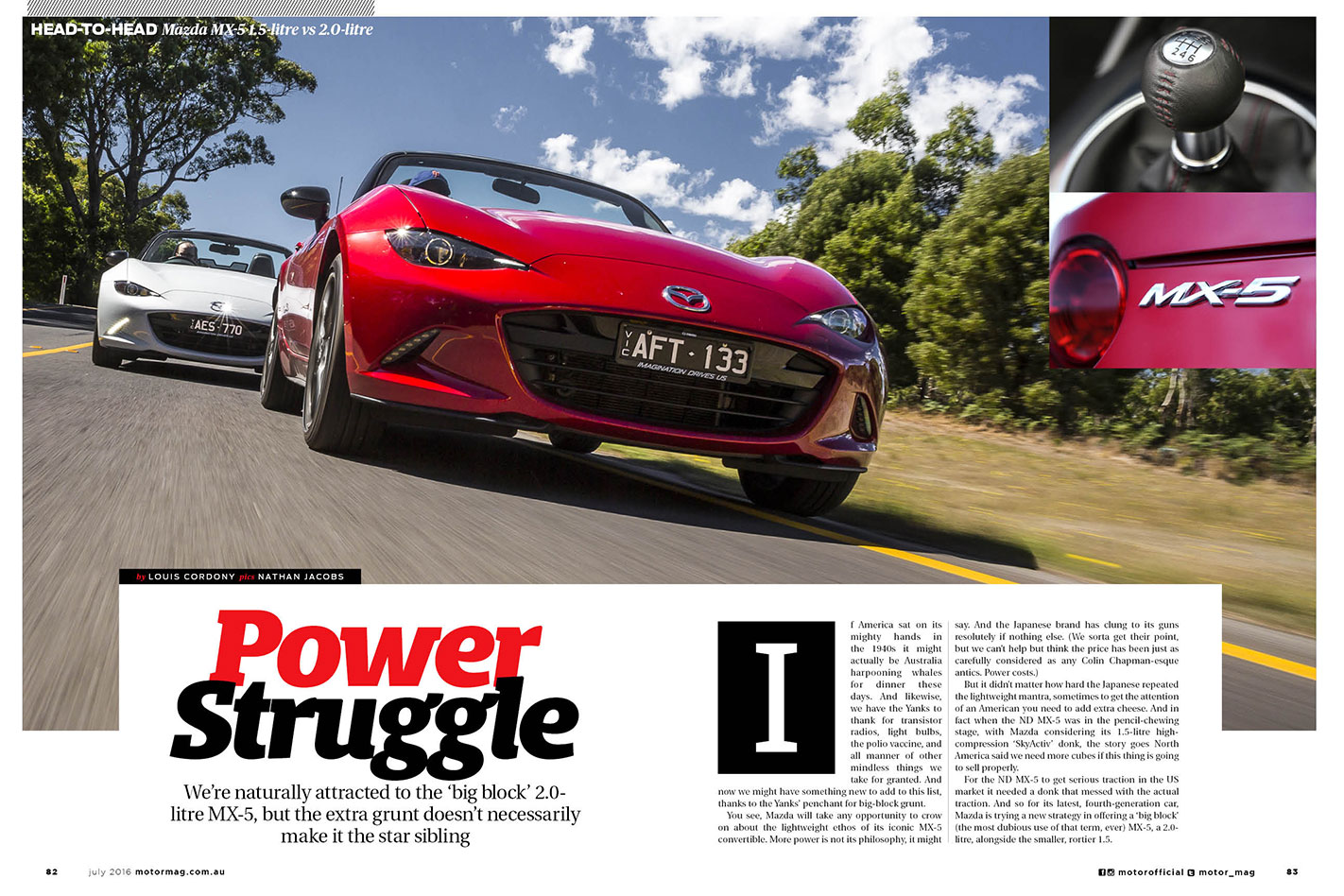
The Mazda MX-5 got a four-star Euro rating, losing points for its safety assist and child restraints. However the drop-top has been crash tested under Australian standards in search for top marks.
Independent vehicle safety advocate, the Australasian New Car Assessment Program (ANCAP), today confirmed the result for the zippy roadster.
“The ever-popular sports car impressed in local testing achieving a good result for this type of vehicle,” said ANCAP Chief Executive Officer, James Goodwin.
The previous MX-5 model only earned a four-star ANCAP rating, and Goodwin says the improved result should be commended.
“Roadsters present a design challenge for manufacturers in ensuring equivalent levels of occupant protection to conventional cars,” he explained.”
“Their structures obviously differ so additional engineering elements are needed in order to provide the same levels of structural safety.
ANCAP says the new MX-5 got high-scores in the frontal offset, side impact, pole and whiplash tests, but its biggest achievement was in pedestrian protection.
In fact, the MX-5 is the safest car for pedestrians ever tested by ANCAP. This is thanks to an active or ‘pop-up’ bonnet, designed to put distance between a pedestrian’s head and stiff components beneath. A pedestrian protection score of 33.72 out of 36 earned the MX-5 a ‘Good’ rating with the independent testers.
“Not only has the MX-5 performed well in each of the impact tests, this is the highest pedestrian protection score we have seen for any vehicle to date,” Goodwin added.
“This active safety feature, which is only on a small number of models in our market, helped it achieve a high score for the protection of adult and child pedestrians.”
Despite the high-praise, the MX-5 wasn’t perfect, with its lack of certain driver aids being highlighted.
“Autonomous emergency braking, active lane support and speed assistance systems are lacking,” Goodwin said.
“As a newly designed model – one that is likely to remain in the market for some time – it is concerning to see these important safety technologies have been overlooked.”
The MX-5 is priced from $31,990 for the 1.5-litre Roadster.
The Cactus is Citroen’s fun and funky answer to the compact SUV segment. While the Cactus offers much strength in great packaging, refinement and style, its dated underpinnings, impractical features and lack of a decent automatic let it down. We liked the petrol manual offering, but the diesel semi-automatic had us feeling like passengers of a 16-year-old learning to drive manual. And as for the choice of name – which Citroen said represents the SUV’s efficient use of fuel (like a Cactus and water) – and prickle-like protective airbumps, the French weren’t to know what Cactus really means in Australian slang.
STRENGTHS
Suspension. Despite the auto’s jerky drive, the suspension is still as compliant and supple as the manual and glides over pesky speed humps.
Compared to the Cactus’s competitors, its boot size is relatively large. It’s certainly larger than it looks. 358-litres is plenty of room for a pram.
If you love people staring at you as you drive past, then the Cactus will be right up your alley. Its edgy looks (both inside and out) sure make this French-car stand out from the crowd.
Despite its lack of transmission and fuel combinations, the Cactus comes with plenty of options for those who like to customise. 21 colour combos for the body and airbumps, then there’s roof-rails and wheels.
There are plenty of gimmicky features on the Cactus and you’ll either love them or hate them. But despite the strange design choices on some of the interiors, somehow the French have made it work. It’s sophisticated and elegant.
Fuel efficiency is one of the Cactus’s biggest strengths – that’s what the name is meant to represent, after all. Just like a cactus in the desert is known for its ability to retain water, the diesel Cactus is the same; clocking a class-leading 3.6L/100km for fuel consumption.
WEAKNESSES
The Citroen Cactus is missing some crucial technology, at the sacrifice of its safety. Awarded only four stars in the EuroNCAP, the Cactus loses out for the omissions of automatic emergency braking and other safety tech featured in some of its competitors.
It’s the gearbox that really sets the automatic apart from its manual, petrol-drinking sibling. Like riding in the car with a L-plater learning to drive manual, the jerky semi-automatic transmission will have you bouncing to and fro. Team that with the lag of a diesel and it can get a bit frustrating around the city. The lack of a petrol option is also disappointing.
Because it was released in Europe two years before we got it in Australia, the Cactus sits on the old underpinnings of the previous-gen Peugeot 208 and would be almost due for an update. This, matched with the spasmodic auto ‘box, means the mechanical offering isn’t up to expectations.
INTRIGUE surrounds the surprise appearance of a Cadillac CT6 in suburban Melbourne over the weekend, raising speculation that it – or something similar – may eventually replace the Holden Caprice once local carmaking ends in late 2017.
Sent in by eagle-eyed Wheels reader Frank York, the American limousine was snapped with what appears to be emissions-testing equipment attached to the rear underside, suggesting that Holden is at the very least undertaking engineering work on Cadillac’s behalf at Fishermans Bend.
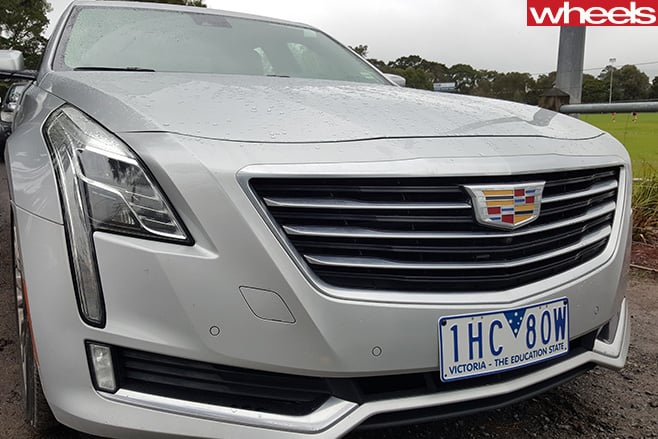
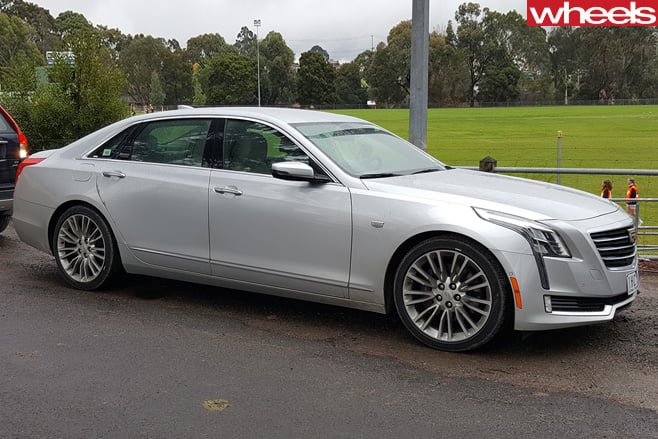
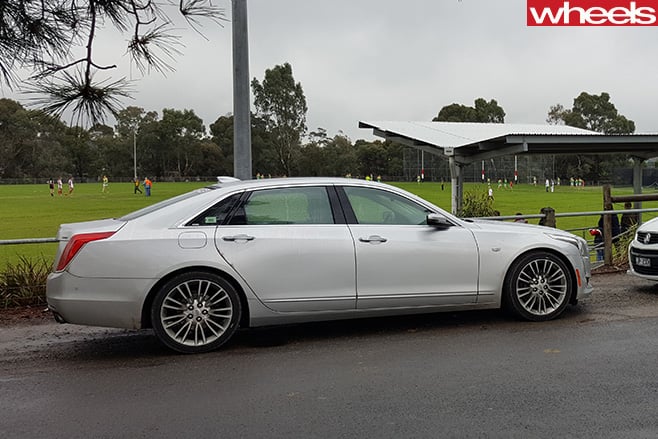
Unveiled last year as Cadillac’s first full-size rear-drive sedan since the demise of the famous Fleetwood line some 20 years ago, the CT6 has been designed to rival the likes of the Mercedes-Benz S-Class, BMW 7 Series, Audi A8, and Lexus LS in North America, but – similar to the Caprice in Australia – is priced substantially below all of these.
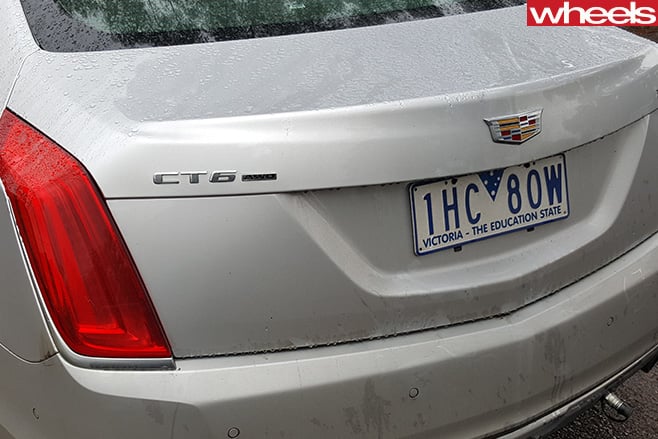
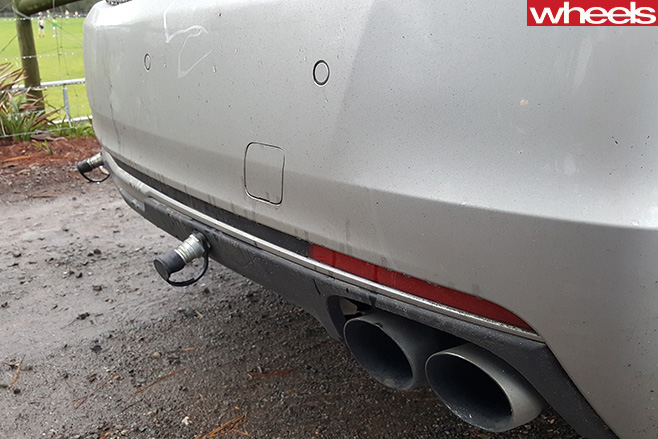
Expect to see more exotic prototypes in the not-too-distant future, so watch this space…
Have spy pics of your own? We’d love to see them. Just email them to [email protected]
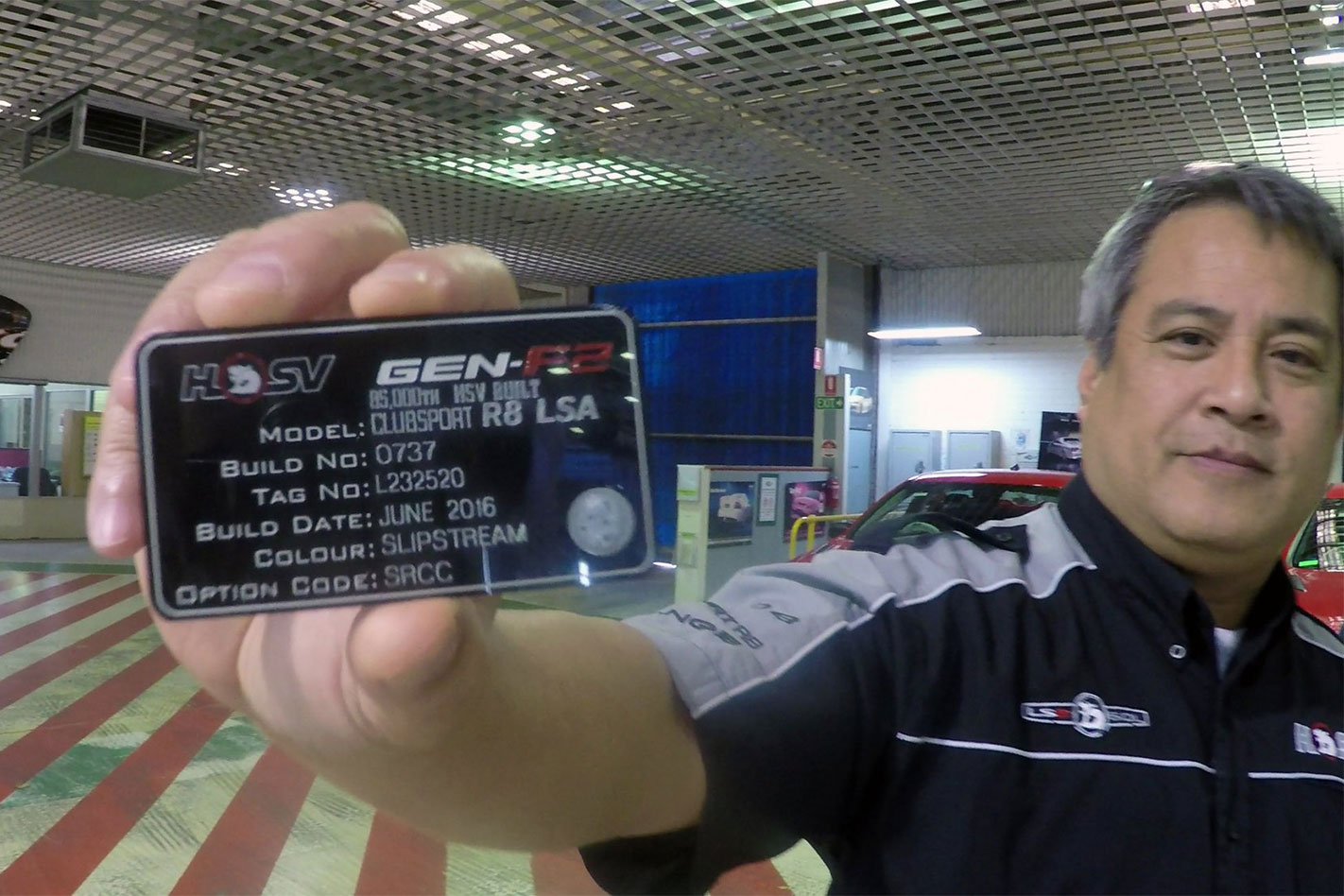
Holden Special Vehicles has built its 85,000th vehicle, an automatic Gen-F2 Clubsport R8 LSA finished in Slipstream.
The car will be sold through HSV’s oldest dealership, Garry and Warren Smith in Oakleigh, Victoria (a stone’s throw from the MOTOR office) but as this story goes live it remains unsold.
HSV first rose to prominence thanks to the wild VL Group Walkinshaw, but the first car produced by the company was actually a VL Group A SS. The first car to be badged and sold as an HSV, however, was the VL SV88.
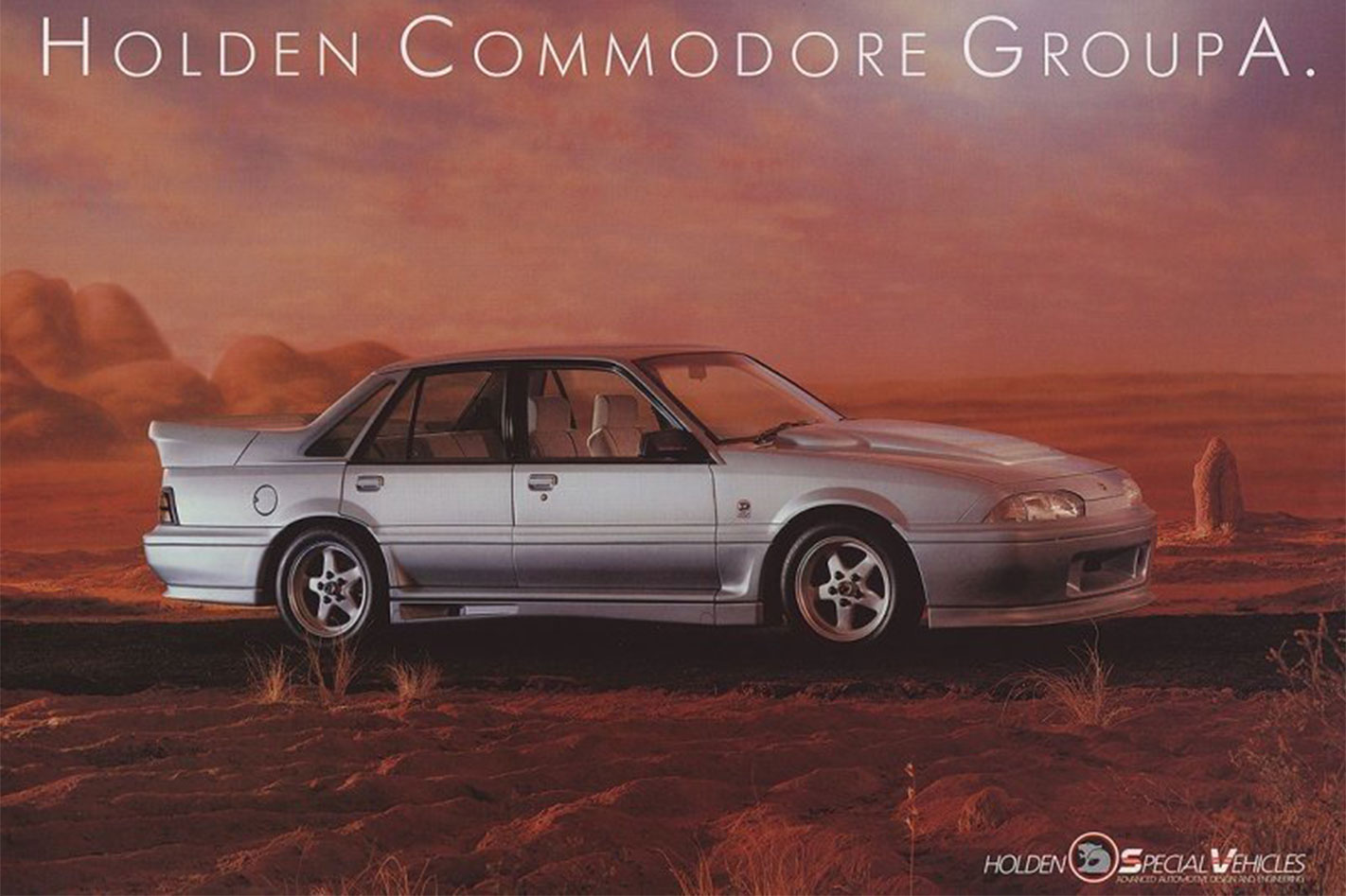
The real question, however, is what form the 100,000th HSV built will take.
OWN a brawling, fuel hungry V8, and noticed a thick wad of cash lining your wallet lately?
The reason you’re so lush is because to find a time when fuel was as cheap as it has been for the previous three months, you have to go back to the last millennium.
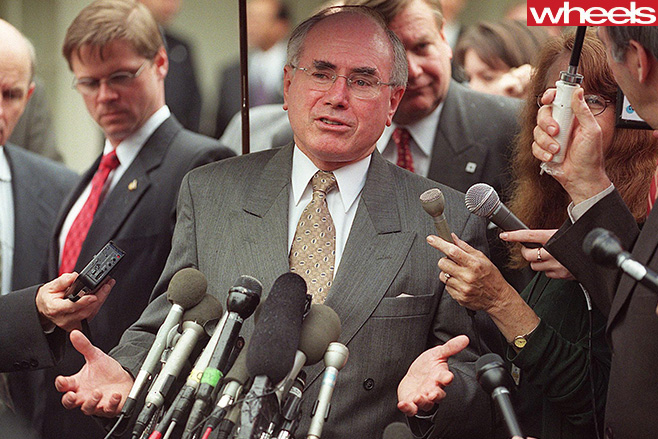
The Australian Competition and Consumer Commission’s latest report on fuel pricing across Australia, released this week, shows the last time the cost per litre of petrol from the pump was this cheap, John Howard was Prime Minister.
The consumer watchdog’s report says the average petrol price in the five largest cities in the March quarter was 111.0 cents per litre, which was 13.4cpl lower than in the previous quarter and 22.2cpl lower than the last three months of 2015.
“Motorists benefited from the lowest quarterly petrol prices in inflation-adjusted terms since 1999,” ACCC chairman Rod Sims said in a statement.
“The low petrol prices were due to two main influences: firstly, crude oil prices and international refined petrol prices in inflation adjusted terms fell to lows not seen since 2002 and 2008, respectively,” Mr Sims said.
“Secondly, gross retail margins decreased in the quarter. The ACCC believed that retail margins were unreasonably high in the second half of 2015 and wrote to the major petrol retailers in early February 2016 seeking an explanation for the high retail margins.”
Pressure from the ACCC over claims of price gouging combined with low fuel price meant less went to lining the pockets of retailers in the quarter, with the profit margin falling 2.8 percent to 9.8cpl.
According to the report, Brisbane’s drivers paid the most at the pump over the March quarter, forking out an average 114.8 cpl, 4.8cpl higher than the average of the four other largest cities.
“The high relative retail prices in Brisbane are likely to reflect inadequate competition at the retail level. It is to be hoped that greater price transparency can affect the high petrol prices and profits in Brisbane over coming months,” the ACCC said.
As with petrol prices, the cost of diesel in the five largest cities “decreased significantly” in the March quarter, the report said.
Diesel prices in the quarter averaged 113.7cpl – a fall of 11.8 cpl compared with the previous quarter, and the lowest since the June quarter of 1999 in real terms, the ACCC said.
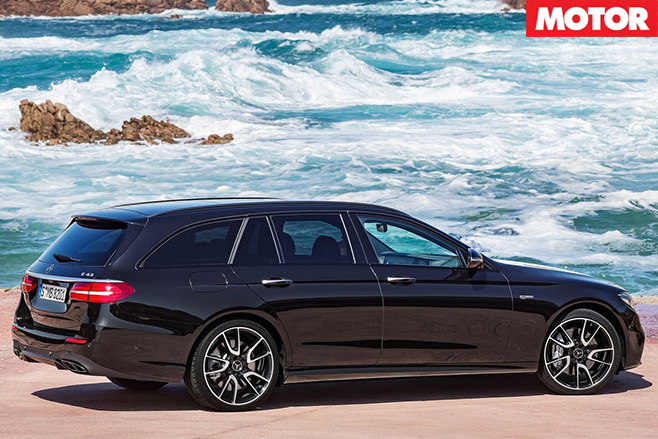
Mercedes-AMG is squeezing onto Audi Avant territory with its E43 Estate teaming pooch-paradise cargo space with 4.7-second 0-100km/h performance.
The E43 Estate tops – for now – the E-Class Estate range unveiled this week in Europe, although the cloth is due to be pulled from the new E63 at the Paris motor show this September with a wagon version not far behind.
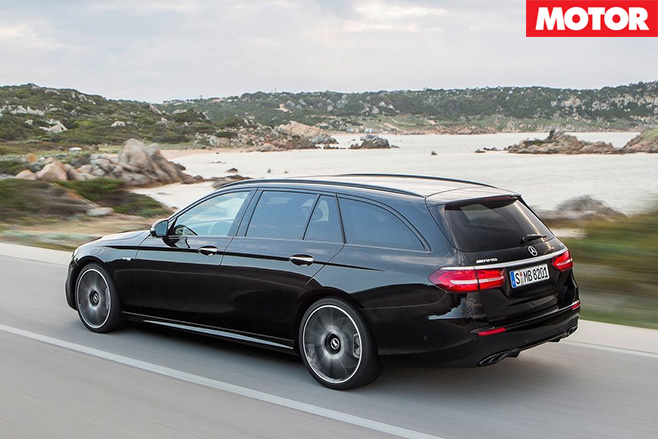
The new sports-wagon focus comes courtesy of the same 295kW/520Nm 3.0-litre twin-turbocharged V6 petrol engine that debuted earlier this year on the E43 sedan. Driving all four wheels through a nine-speed automatic, the E43 Estate is only a tenth slower from standstill to 100km/h than its E43 sedan sibling.
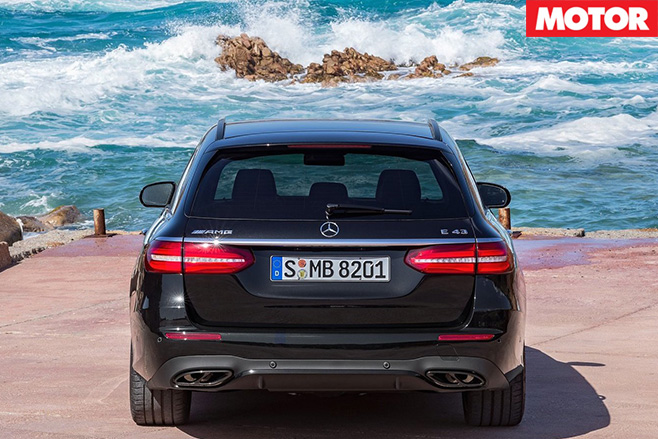
The E43 Estate also gets a 670-litre cargo area that expands up to 1820 litres when the rear seat is folded.
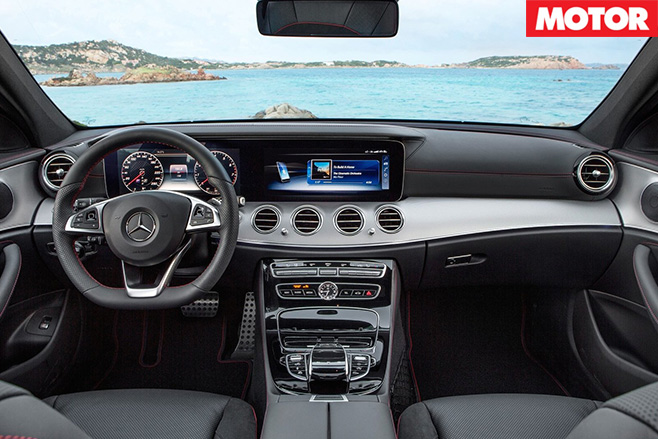
Likewise there is an abundance of technology from the 12.3-inch colour display screen to freeway hands-free lane-keep assistance and automatic adaptive LED high-beam that blocks out only the portion of light affecting forward or oncoming vehicles.
Mercedes-AMG is riding on the back of a product onslaught that will see Australian sales potentially top 6000 units next year following an aim of 5000 cars this year. Still to come from the brand is C63 Cabriolet and GLC43 later this year, and the as yet unreleased GLC63 and new E63 next year.
Driverless cars have already started to hit our roads as drivers opt to give up control to a vehicle’s computer system. But with the technology in its infancy, there are still plenty of questions about whether the cars are capable to replace human judgement. Like, who’s going to honk the horn?
Well according to Google’s monthly report for May, it’s created software that allows the techno-giant to train its driverless vehicles to use the horn. But unlike motorists who have grown accustom to using the horn in an aggressive manner (like, say, when you take more than two seconds to go once a traffic light turns green), Google said the car will “be polite, considerate and only honk when it makes driving safer for everyone.”
The car’s robotics have also been trained to distinguish between different levels of threat such as a vehicle driving on the wrong side of the road, or one doing a three-point turn.
Originally limiting the sound to inside the car to avoid hazardous situations with other motorists, the Google car can now blast its horn when faced with a risk.
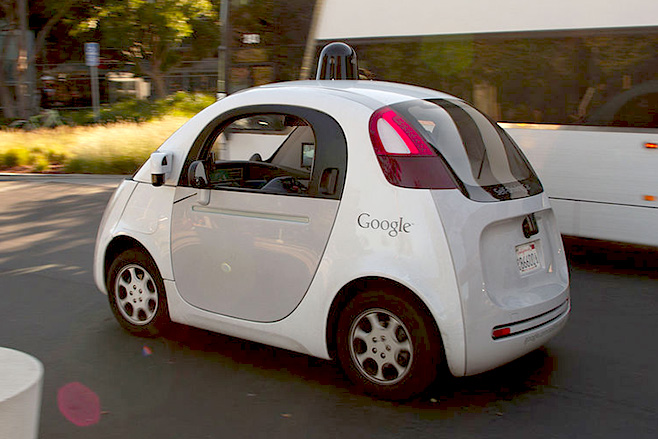
Using two different sounds, the car will offer two polite beep beeps as a “friendly heads up”, while a more aggressive honk sounds during urgent situations.
“Our goal is to teach our cars to honk like a patient, seasoned driver,” Google said.
“As we become more experienced honkers, we hope our cars will also be able to predict how other drivers respond to a beep in different situations.”
But honking isn’t the car’s only new trick. Google also reported it has included a small synthesised hum to the vehicle’s otherwise soundless electronic engine to ensure pedestrians, cyclists and the visually impaired can hear it coming.
“We’ve designed the hum of our vehicle to be familiar so that pedestrians and cyclists around know what to expect. Our prototype mimics the sound of characteristics of traditional cars, such as increasing the pitch when it accelerates, and decreasing the pitch when it decelerates,” the report said.
