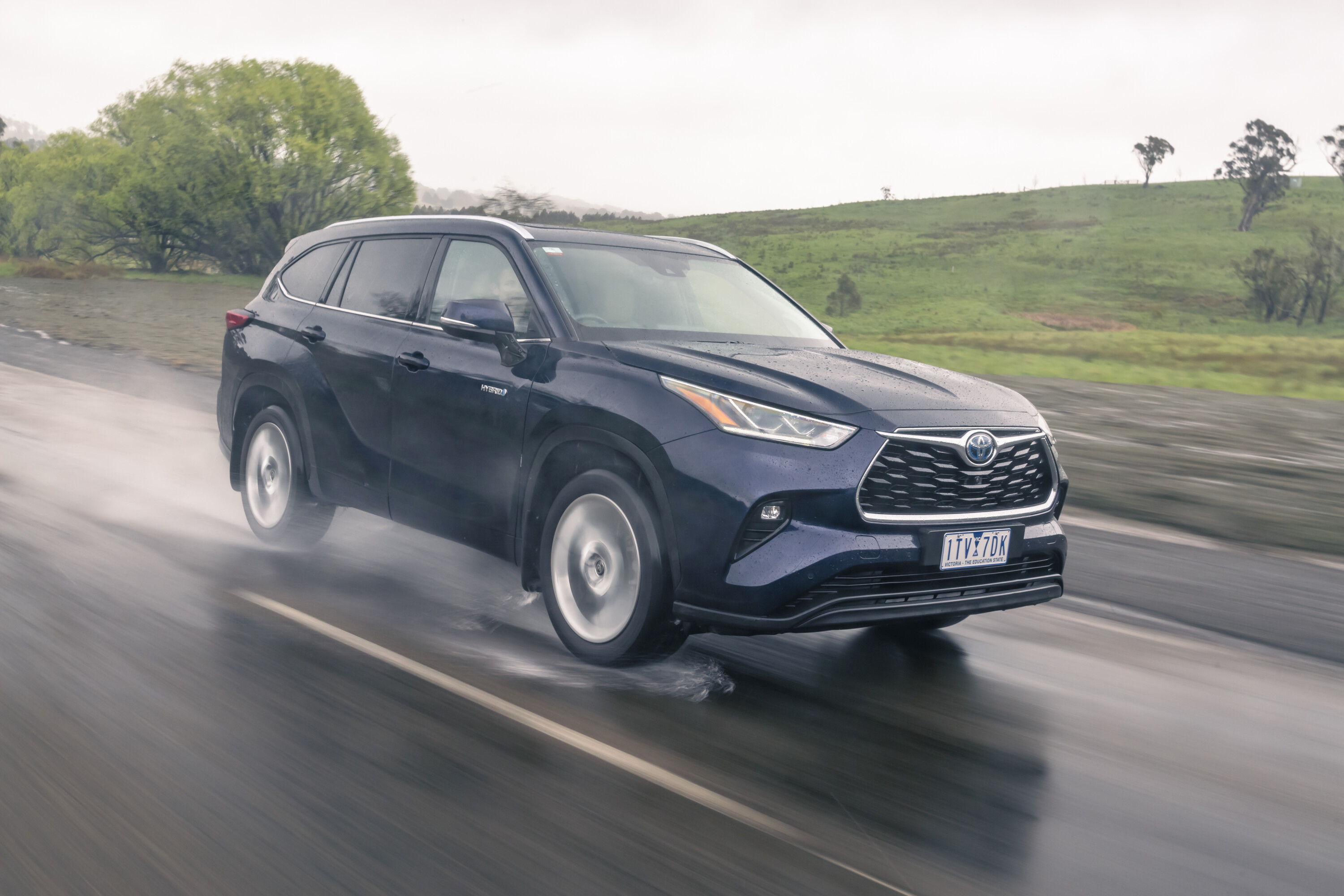
The lower resin bumper cover may detach if damaged during vehicle operation.
What are the hazards?
If the lower bumper detaches, it could cause a potential road hazard and increase the risk of an accident and serious injury or death to vehicle occupants and/or other road users.
What should consumers do?
Toyota will contact affected owners in writing, requesting they make an appointment at their preferred Toyota dealer who will inspect and install improved fasteners, free of charge.
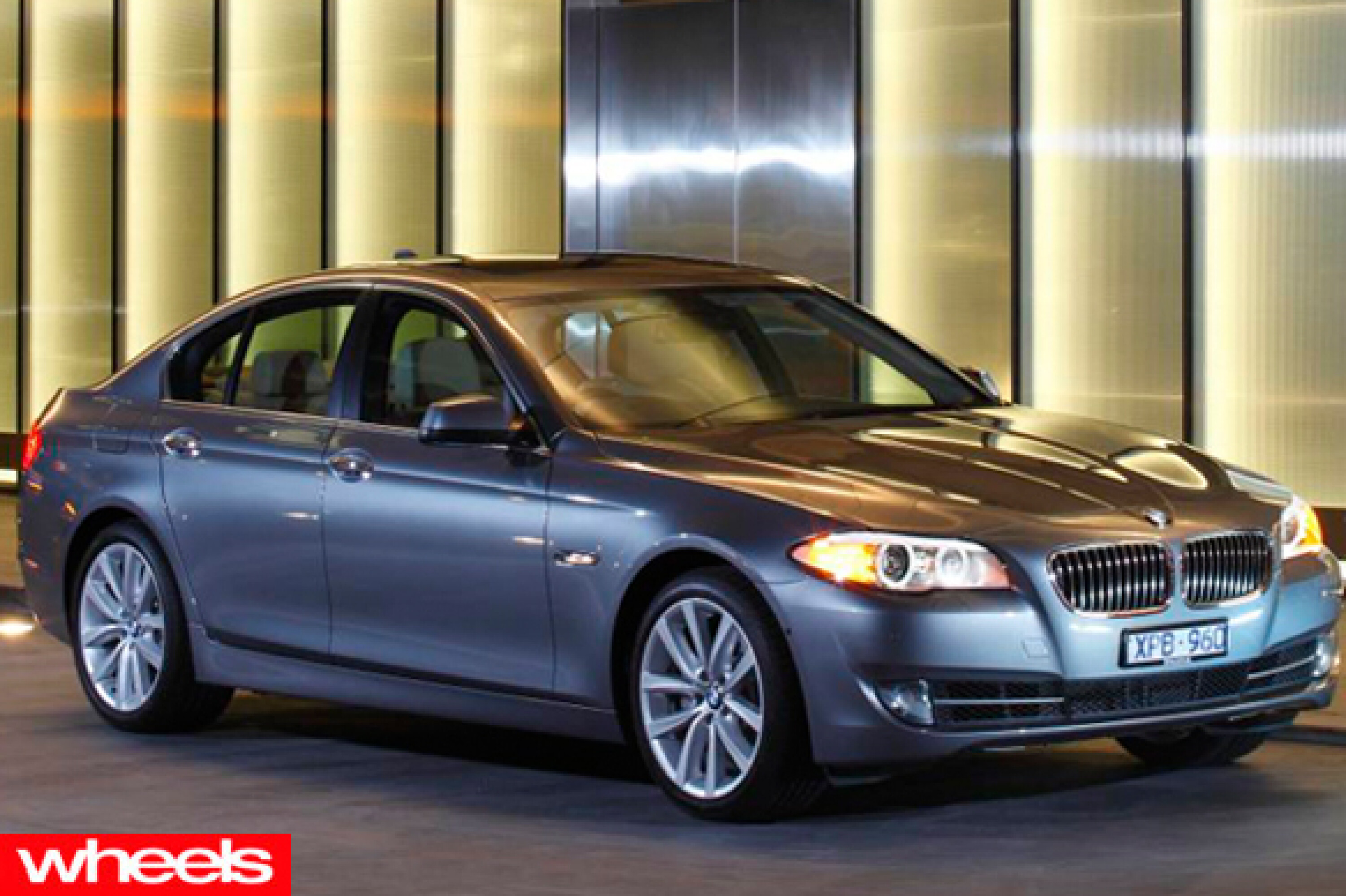
The bolts connecting the variable camshaft timing unit to the engine may break. This may activate the limp home mode safety feature and potentially cause the engine warning light to illuminate and the vehicle to lose motive power.
What are the hazards?
A loss of motive power while driving increases the risk of an accident, causing serious injury or death to vehicle occupants and other road users.
What should consumers do?
Owners should immediately contact their preferred authorised BMW dealer or BMW Australia on 1800 243 675 to have the vehicle rectified, free of charge.
Supplier details
B M W AUSTRALIA LTD.
Who should owners/operators contact for more information?
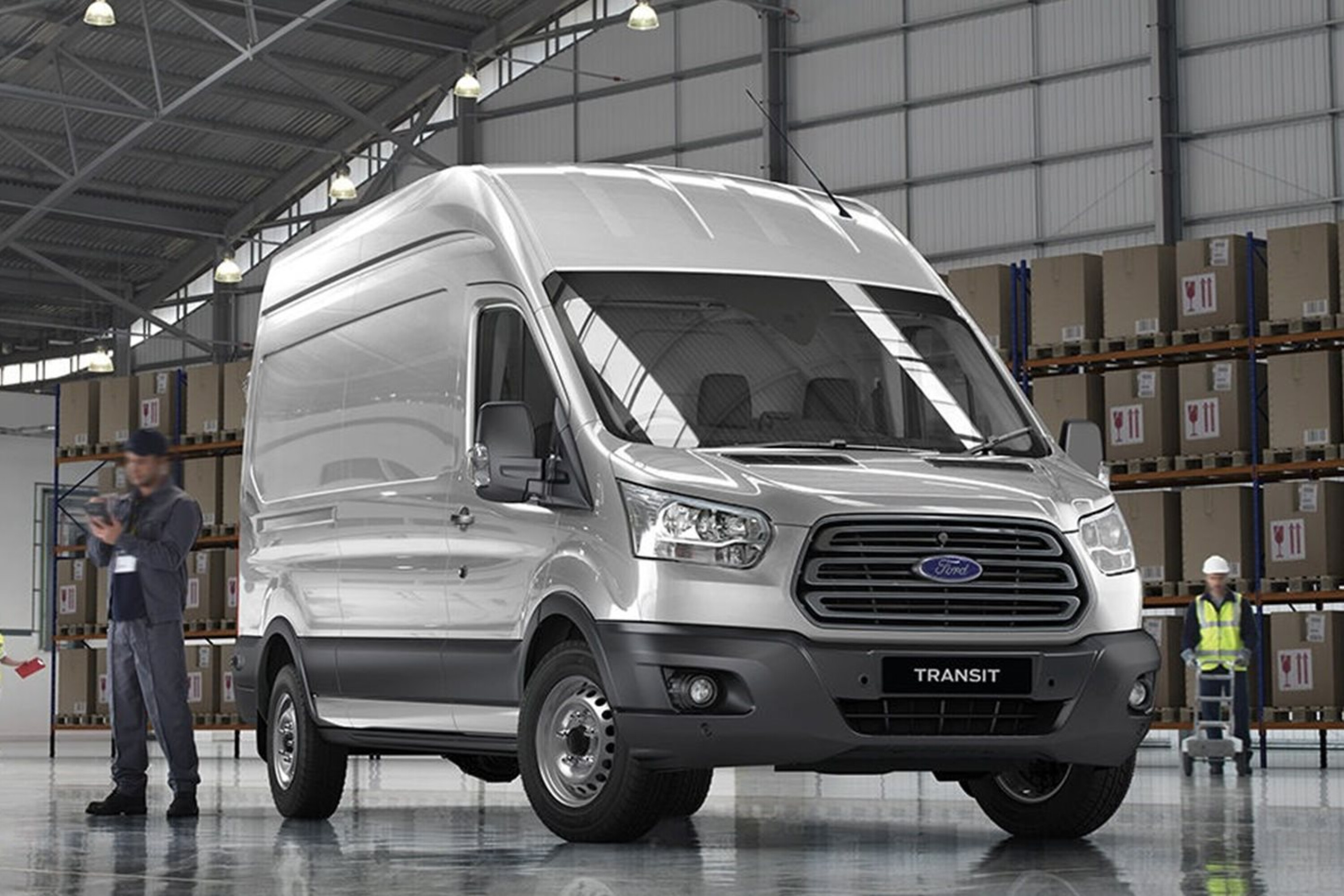
The rear-view camera may not display the rear-view image whilst reversing as intended.
What are the hazards?
If the rear-view camera display does not continually display the rear-view image whilst reversing the vehicle it could increase the risk of an accident, causing serious injury or death to any persons located behind the vehicle.
What should consumers do?
Ford will contact affected owners in writing requesting they make an appointment at their preferred Ford Authorised Dealership for inspection and repair, free of charge.
Supplier details
FORD MOTOR COMPANY OF AUSTRALIA PTY LTD
Who should owners/operators contact for more information?
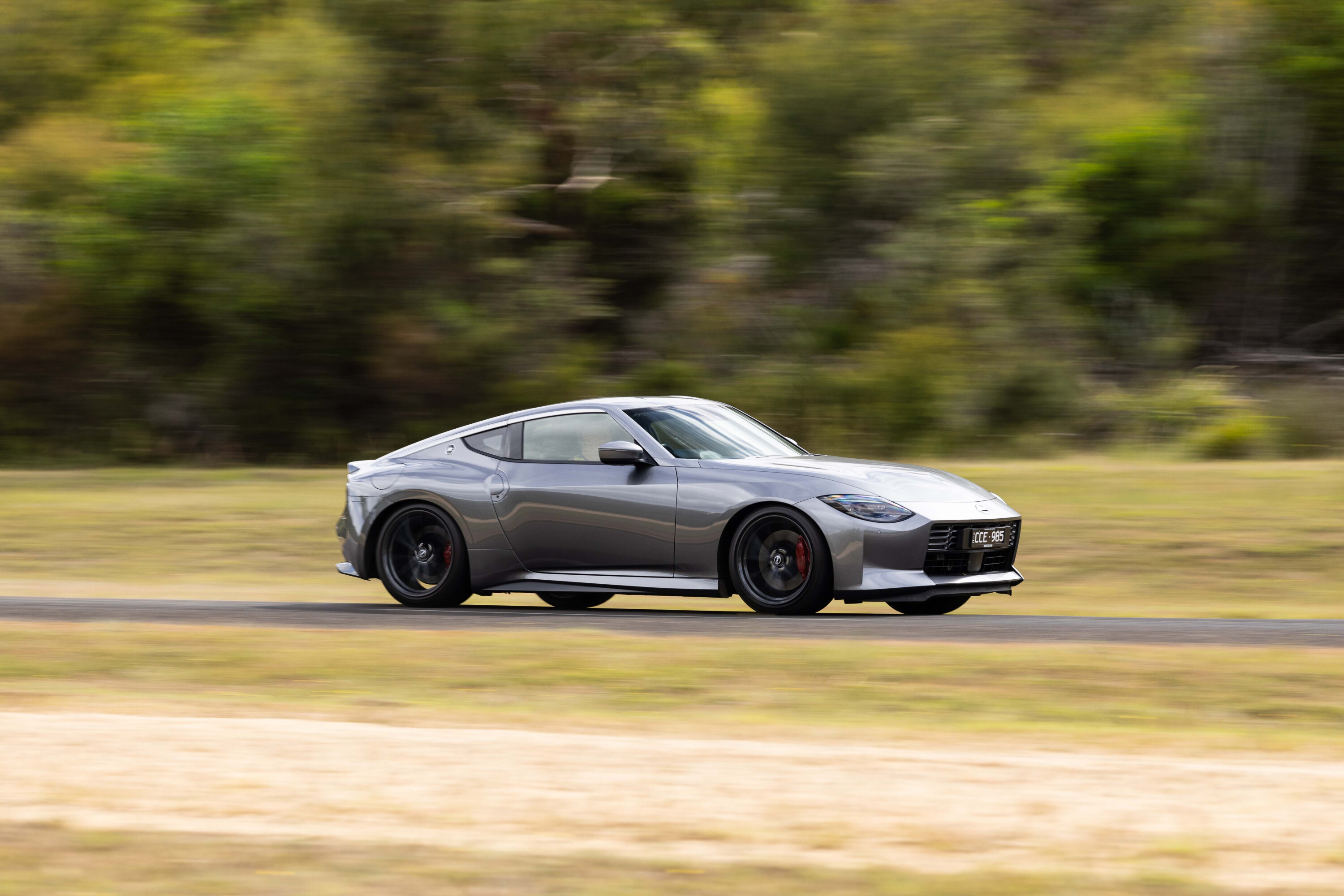
Due to a manufacturing issue, the mounting screws on the left-hand side front bumper reinforcement bracket may not have been tightened sufficiently. As a result, the pedestrian detection sensor may not function as intended.
What are the hazards?
In the event of an accident, if the pedestrian detection pop-up hood feature does not operate as intended, it could increase the risk of injury or death to the pedestrian.
What should consumers do?
Customers should contact their local Nissan Dealership and schedule an appointment to have the mounting screws on the front bumper reinforcement bracket tightened to the appropriate specification, free of charge.
Supplier details
NISSAN MOTOR CO. (AUSTRALIA) PTY. LTD.
Who should owners/operators contact for more information?
Due to a manufacturing defect the 12 Volt alternator wiring harness may come in contact with the transmission drive shaft. As a result, the wiring harness could become damaged causing an electrical short circuit which may lead to a loss of motive power and/or a vehicle fire.
What are the hazards?
A loss of motive power or a vehicle fire could increase the risk an accident causing serious injury or death to vehicle occupants, other road users, bystanders and/or damage to property.
What should consumers do?
Owners of affected vehicles can contact their most convenient Mercedes-Benz dealership to have the work carried out as soon as possible, free of charge.
Due to a software issue, the Powertrain Control Module (PCM) may not activate as intended. As a result, the internal combustion engine will not start when required resulting in a reduced or a loss of vehicle performance.
What are the hazards?
A reduction or a loss of vehicle performance whilst driving, could increase the risk of an accident causing injury or death to vehicle occupants and/or other road users.
What should consumers do?
Owners of affected vehicles should contact their preferred Jaguar Land Rover authorised dealer to have their Powertrain Control Module (PCM) software updated either through a wired connection or, where permitted, via an over-the-air delivery free of charge.
Supplier details
JAGUAR LAND ROVER AUSTRALIA PTY LTD
Who should owners/operators contact for more information?
Due to a software issue, some vehicles may experience a thermal overload. If this occurs, vehicle occupants may identify smoke or fire emanating from underneath the vehicle.
What are the hazards?
A vehicle fire may increase the risk of serious injury or death to vehicle occupants, other road users, bystanders, and/or damage to property.
Due to a manufacturing issue, the headlamps may not be adjusted correctly. This could cause an incorrect headlamp range function of the vehicle.
What are the hazards?
If the vehicle headlamps do not operate as intended it could increase the risk of an accident causing injury or death to vehicle occupants and other road users.
What should consumers do?
Owners of affected vehicles will be contacted by Mercedes-Benz and are asked to make an arrangement with their nearest authorised Mercedes-Benz dealership to have the work carried out as soon as possible.
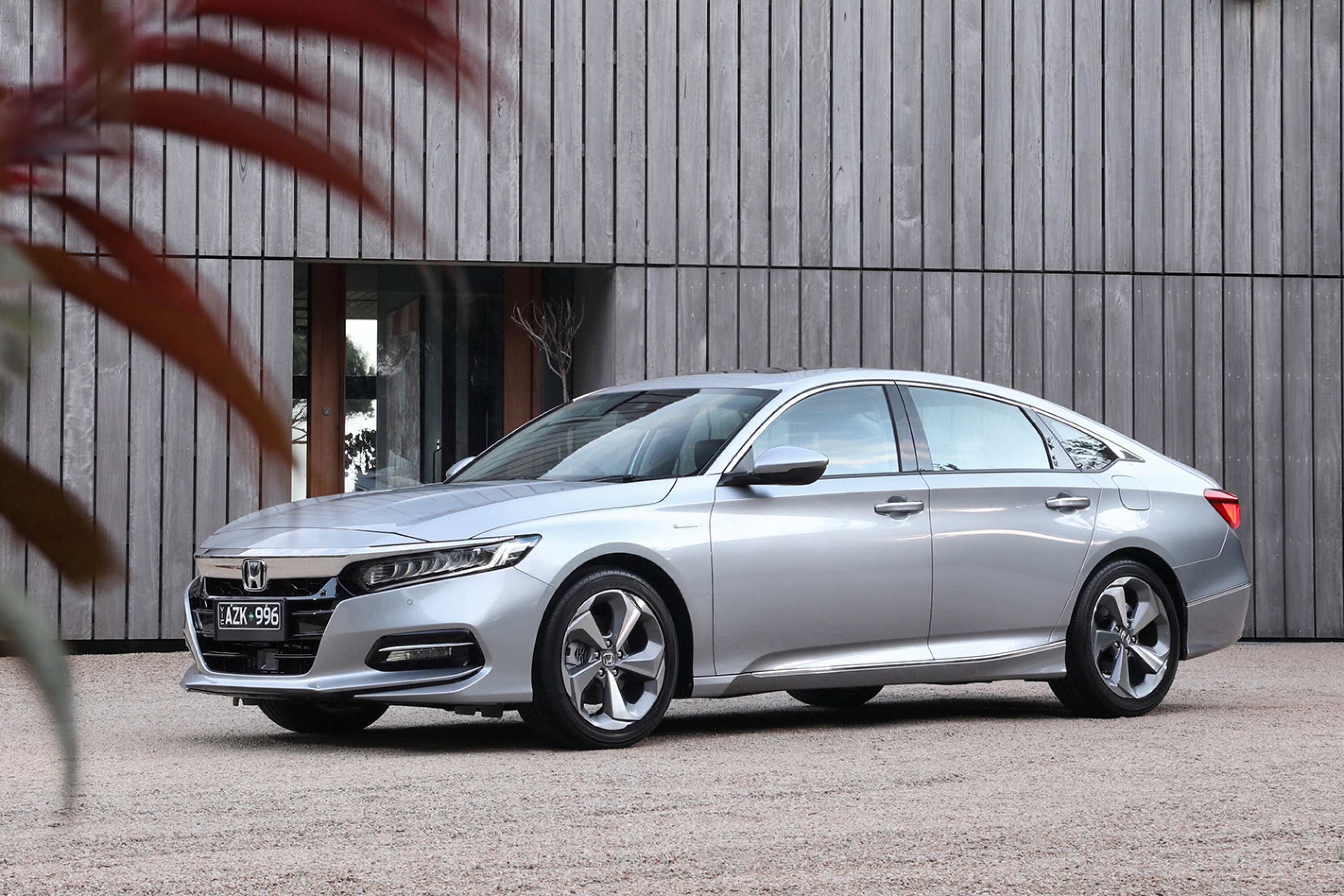
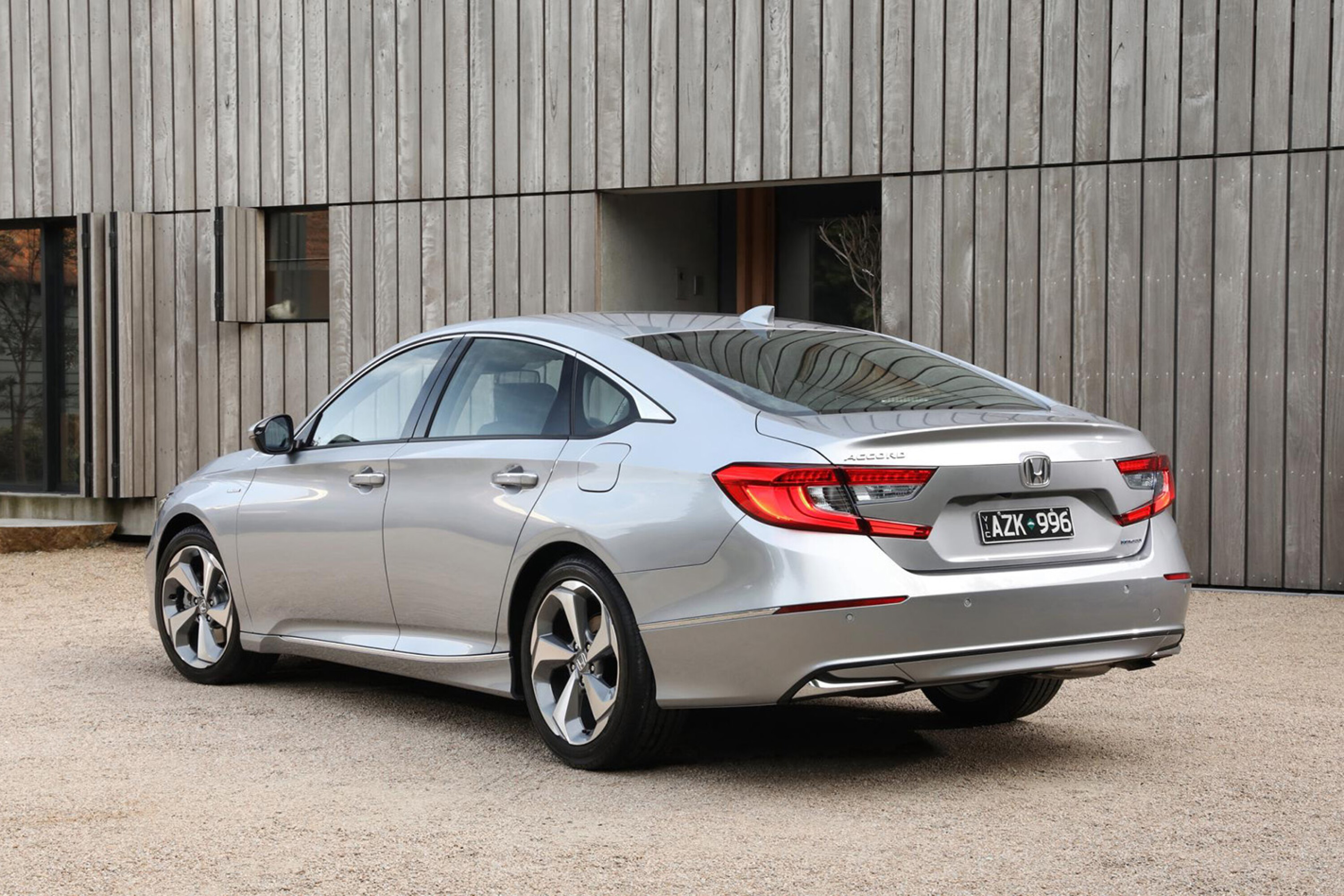
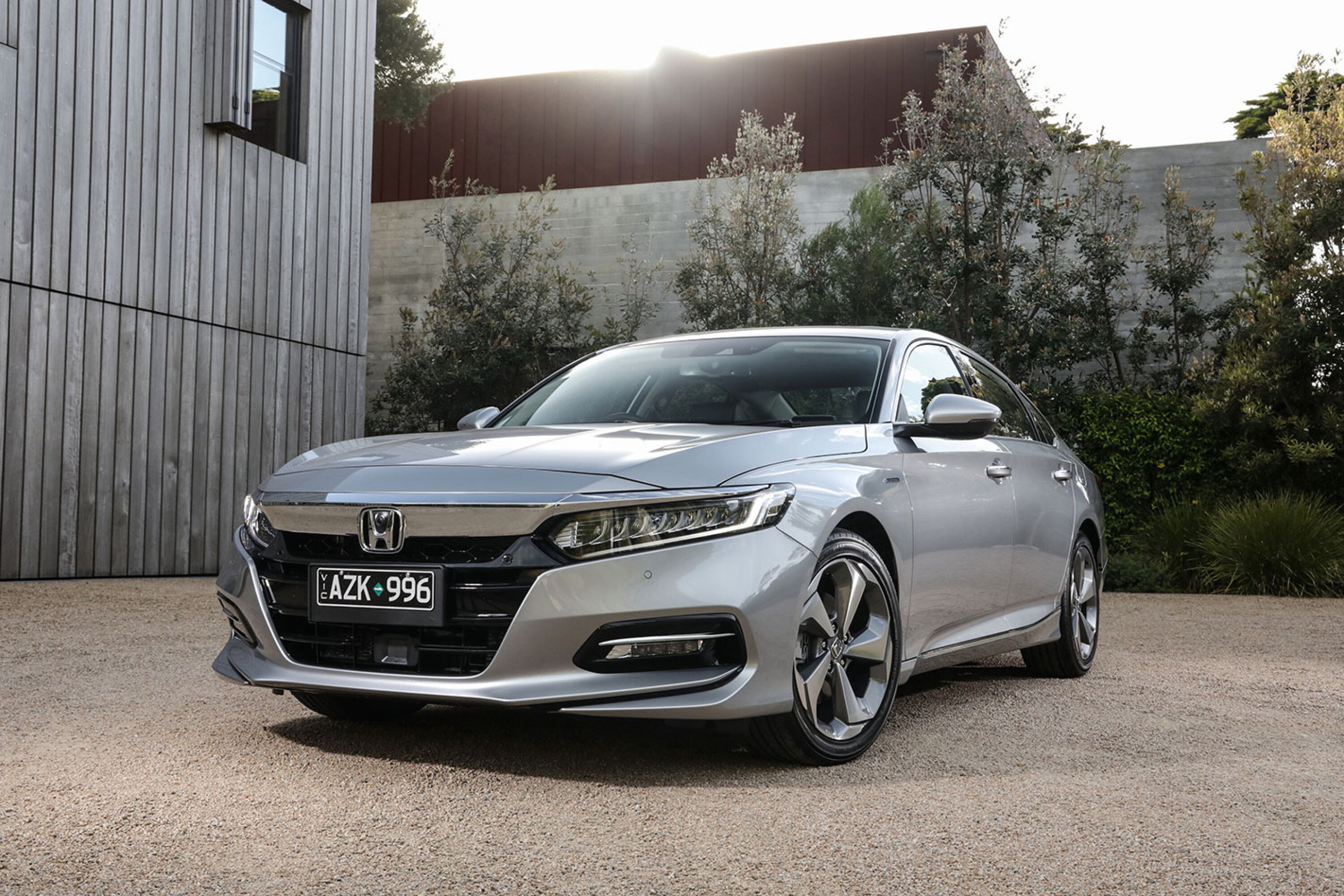
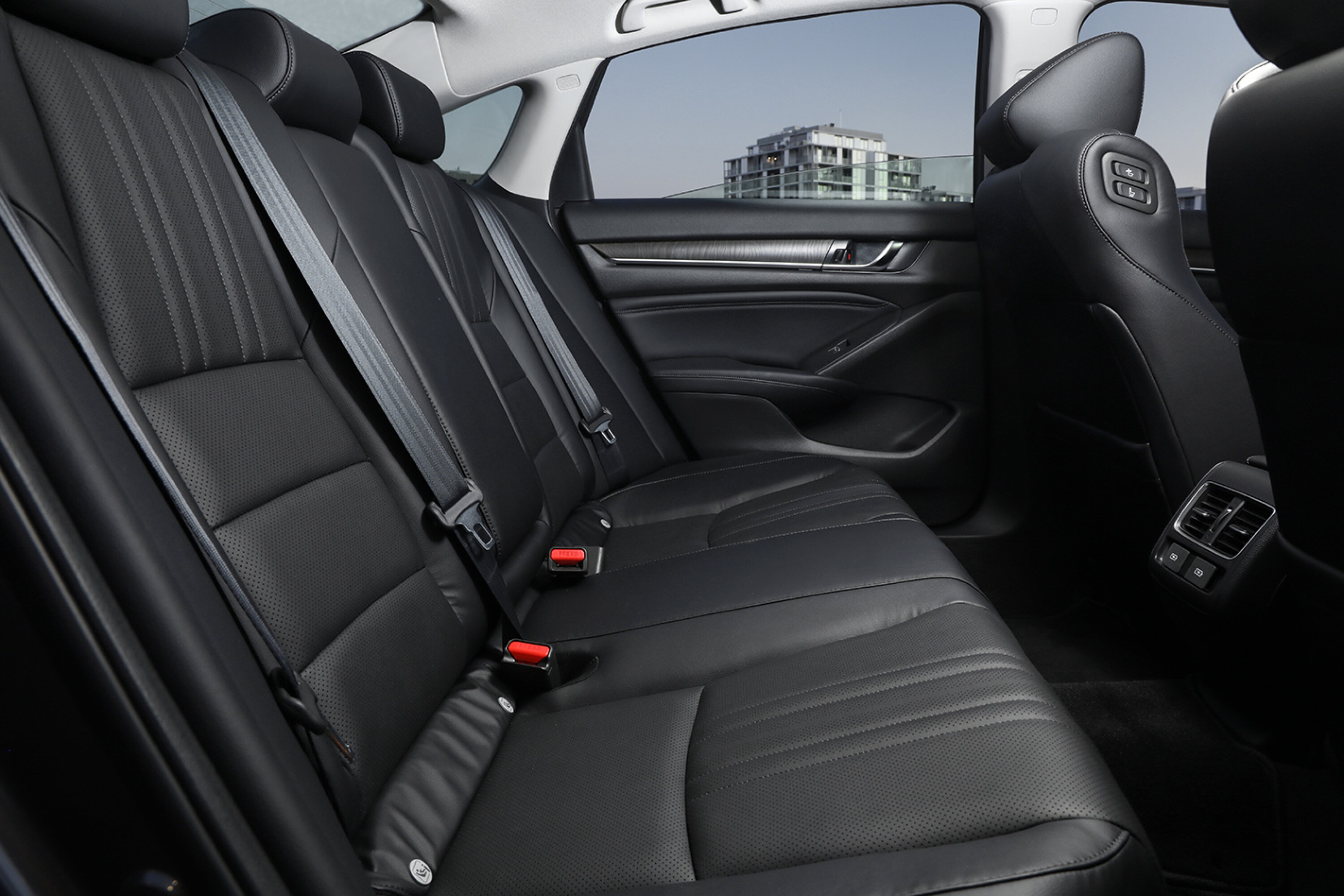
Once a dominant force in the midsize sedan market, the Honda Accord’s sales have dwindled over the years, along with the segment as whole.
Despite its diminished market presence, Honda has chosen to keep the Accord in its lineup due to its enduring appeal among loyal customers who have a deep-seated affinity for the brand.
In an era dominated by SUVs, passenger cars like the Accord have become increasingly scarce. However, the Accord’s striking design manages to stand out and resonate with those who appreciate its aesthetic charm.
But the Accord’s strengths extend beyond its visual appeal. It excels in various aspects, offering a wealth of features and finely tuned driving dynamics that cater to the discerning tastes of its loyal following.
Let’s delve into what you can expect from the current generation sedan.
1
Pricing and features
In an effort to simplify the car-buying process, Honda Australia has recently introduced drive-away pricing across all its showrooms via their new agency model.
The single specification level for the Honda Accord is the VTi-LX, which comes with a drive-away price tag of $57,400. For those interested in the electrified hybrid variant, the cost rises to $60,400.
As with other key Honda models the brand now has focused its offerings on what were previously top of the range variants. So you’re getting a spec-full vehicle, that obviously will come at a higher cost.
1
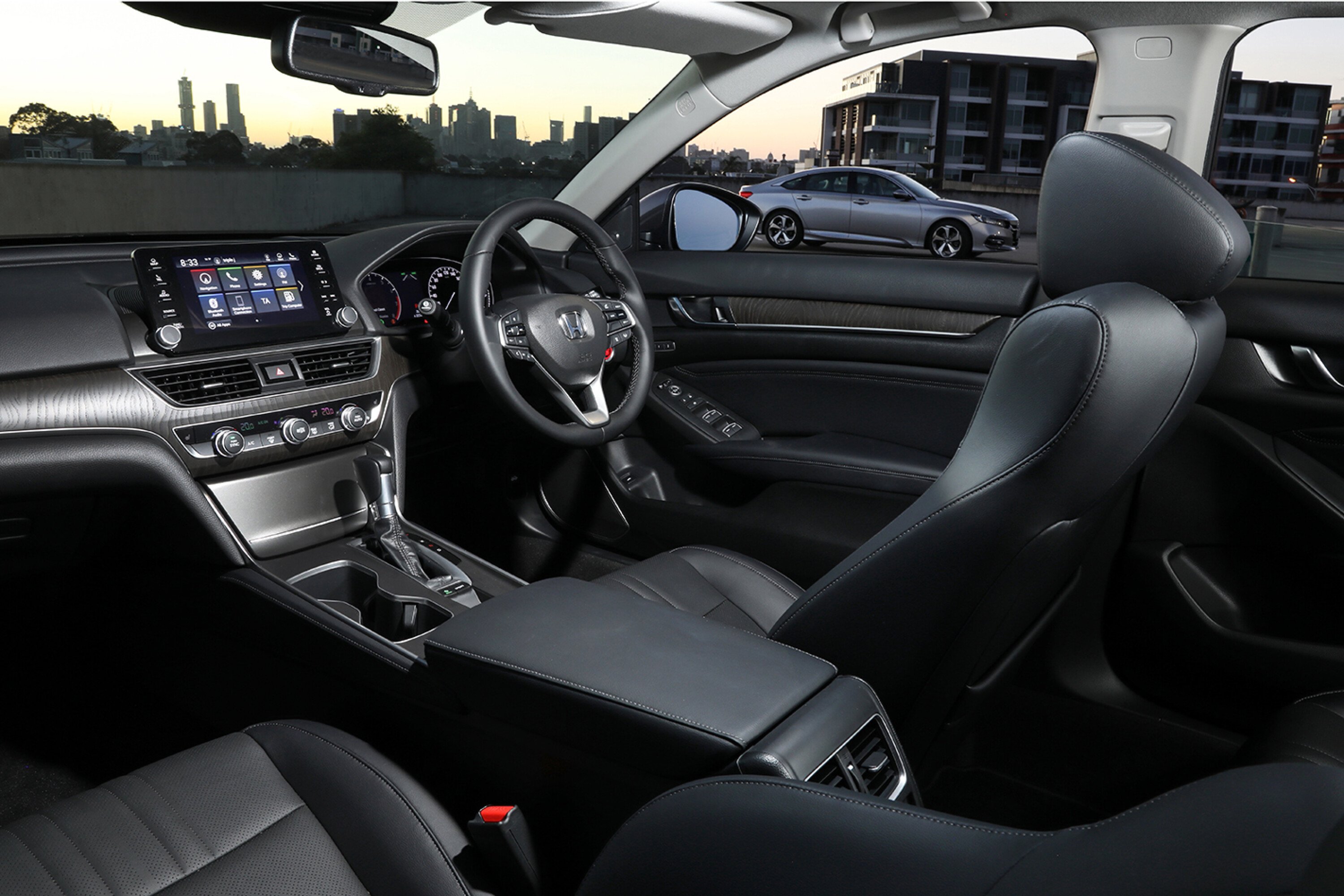
Standard spec on the Accord VTi-LX includes:
10- speaker audio system
LED headlights, fog lights and DRLs
18-inch alloy wheels
Multiview camera system
8-inch infortainment screen
Rainsensing front wipers
Apple Carplay and Android Auto
Remote engine start
Automatic dusksensing headlights
Satellite navigation
Dual zone climate control
Smart keyless entry with push button start
Electric parking brake
Sunroof
Heated and power front seats
Wireless charger
Leather accented seat trim
Woodgrain look interior finishes (dash and door)
Leather steering wheel and gear knob
The hybrid adds additional features such as EV mode, a chrome garnish on the rear bumper, blue tints across the headlights and hybrid badging.
1
The Accord lineup offers a selection of five colours, all of which come at no additional cost:
Lunar Silver
Platinum White
Crystal Black
Meteoroid Grey
Passion Red (Hybrid model only)
1
Safety
The Accord has not been safety rated by ANCAP since launch.
As a benchmark however other models in the Honda range launched recently have received between four star rating such as the HR-V.
The Accord has plenty of standard safety, found in these other Honda models, including:
Adaptive Cruise Control
Hill Start Assist
Antilock Braking System (ABS) with Brake Assist (BA)
Lane Departure Warning
Auto dimming rear view mirror
Lane Keep Assist System
Automatic high beam S
LED cornering lights
Child restraint anchorage point x3, ISOFIX x2
Parking sensors u2013 front and rear
Collision Mitigation Braking System
Rear Cross traffic monitoring system
Driver attention monitoring system
Smart Parking Assist
Electronic Brakeforce Distribution (EBD)
Space saver spare wheel
Forward Collision Warning
SRS airbags (dual front, side and fulllength curtain)
Head up display
Tyre pressure monitoring system
1
Key rivals
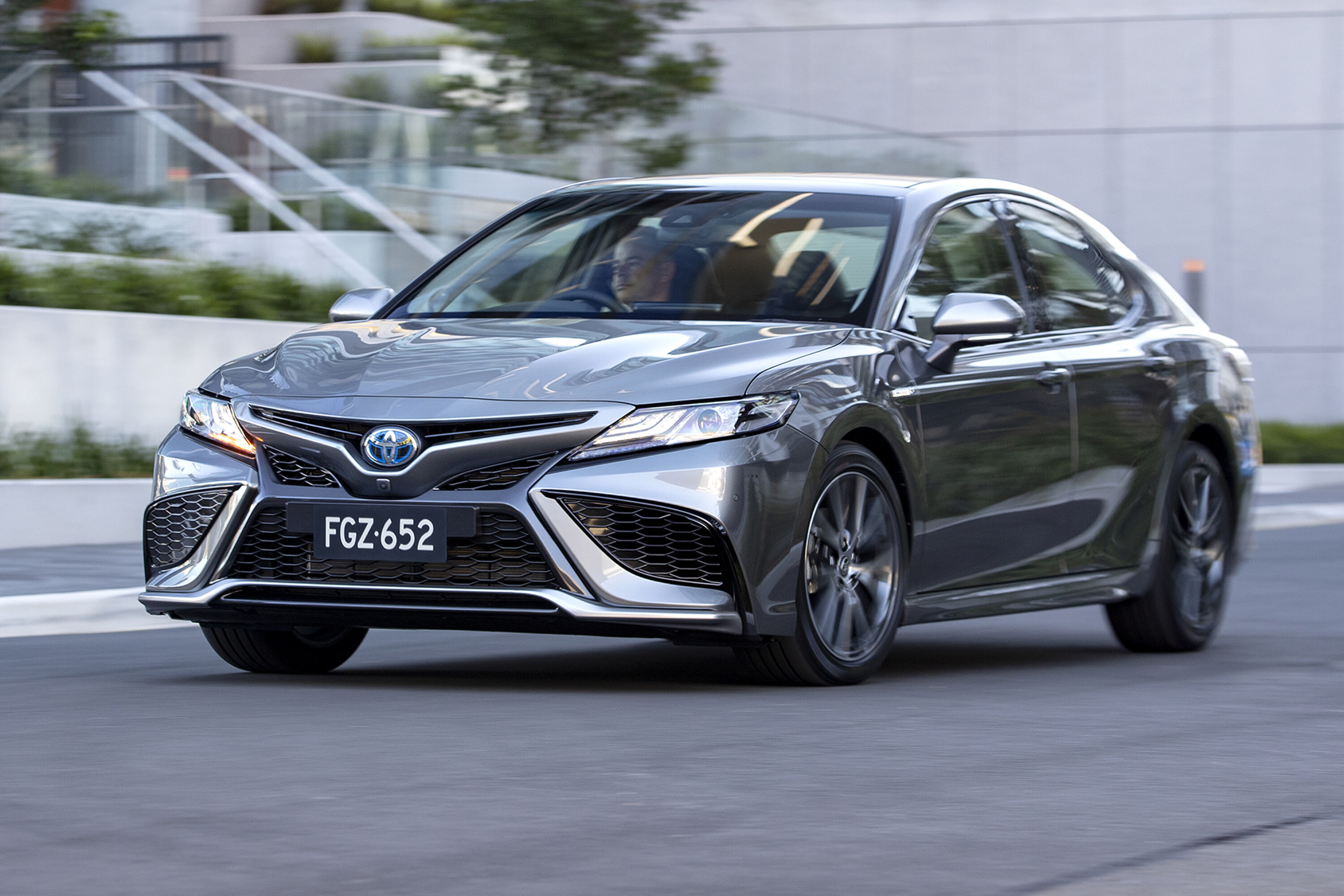
In comparison to the Accord, you can opt for the flagship Toyota Camry hybrid SL at $51,728 drive-away (based on a Melbourne postcode) or the most premium Mazda 6 Atenza, available at $57,537.
That being said, the Toyota Camry and Mazda 6 are also available in cheaper options unlike the single-option Accord.
The midsize sedan segment was once the market leader in Australia, and has since slowly been pushed down the list by small and medium SUVs.
With that being said, there are cheaper rivals in the same segment.
1
Should I put it on my shortlist?
The 2024 Honda Accord is a fantastic overall sedan. With strong driving dynamics and an array of creature comforts, its offers plenty for your family needs.
However, in an already diminishing segment the Accord fails to meet the mark with pricing, with key competitors having hybrid technology available at a cheaper price-point. They’re also able to haggle at those dealerships.
But the Honda Accord, although slow-selling, is a car that is easy to fall for. And if you fall in love with it enough to justify the price-tag, then it’s your money well spent.
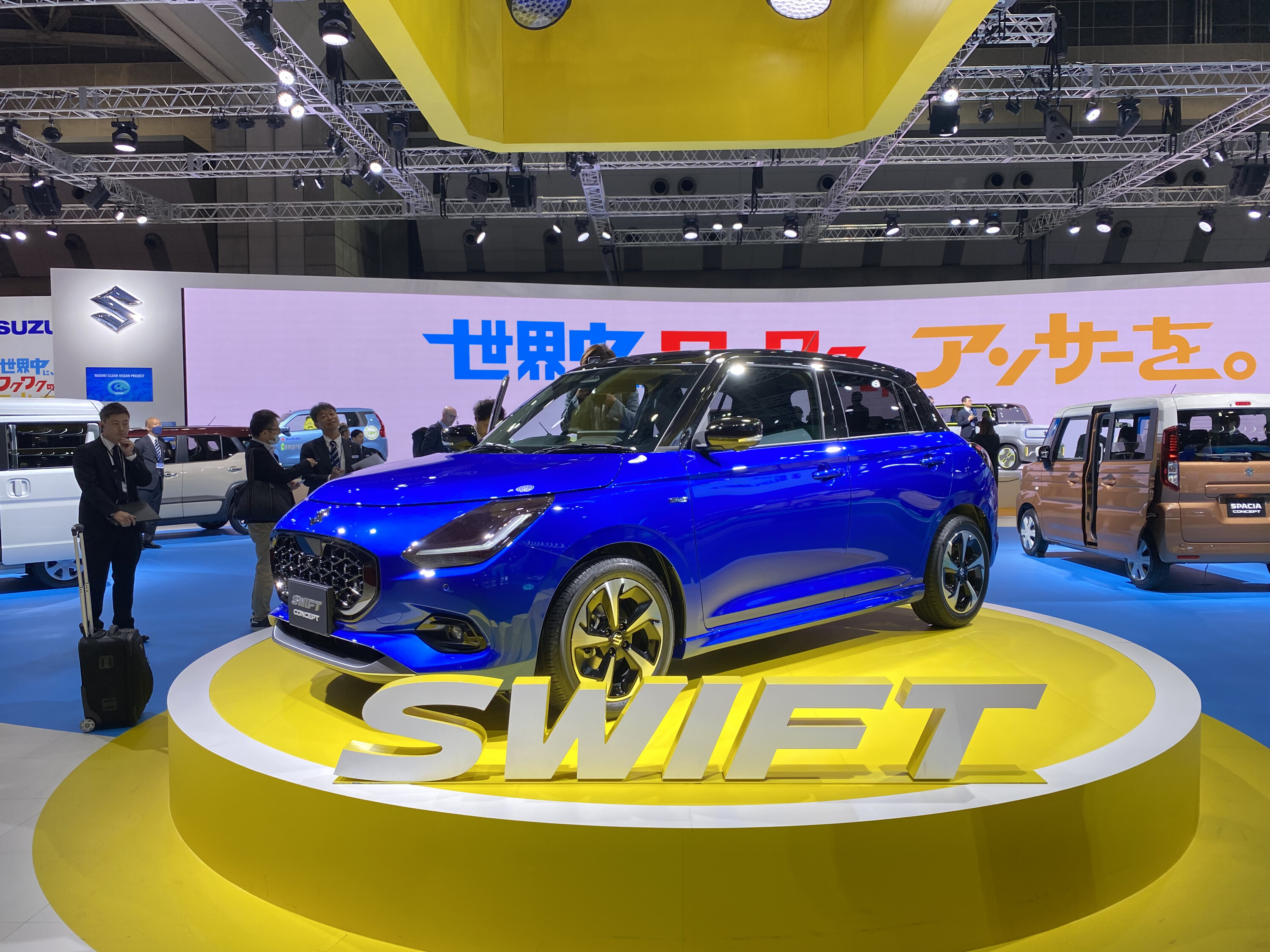
The Suzuki Japan website has confirmed that the Swift Concept shown at the recent Japan motor show was very much the actual production car.
Suzuki’s public website this week went live with promotions for its next-generation city car, encouraging buyers to head to their nearest dealer for more information.
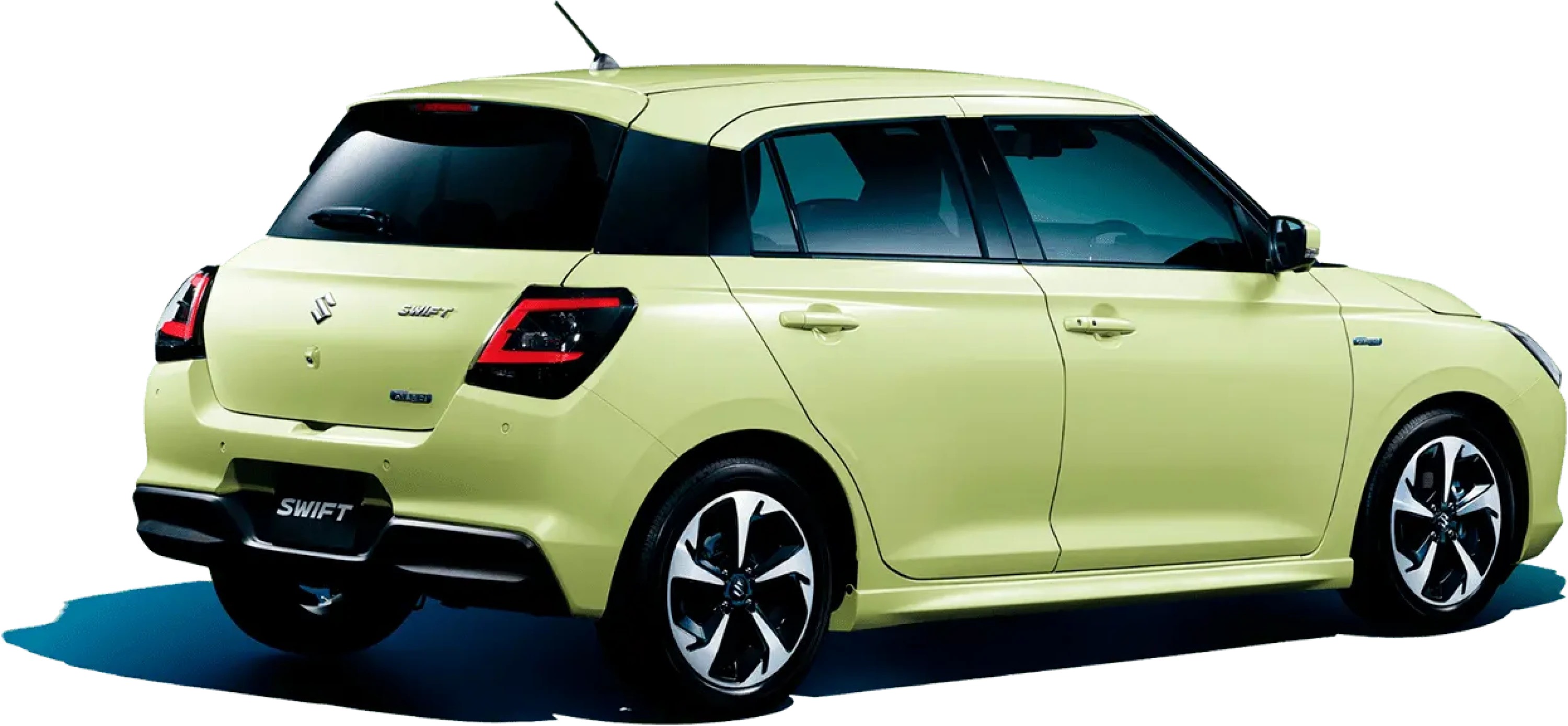
Several images of the new Suzuki Swift show the evolutionary styling changes over the current model.
1
These include a clamshell bonnet, LED projector headlights with hockey-stick LED daytime runnning lights, conventional rear door handles instead of the current model’s hidden handles, a thick blacked-out C-pillar that joins black-out A and B pillars to continue the Swift’s ‘floating roof’ design, and squarer tail-lights with embedded C-shaped LEDs.
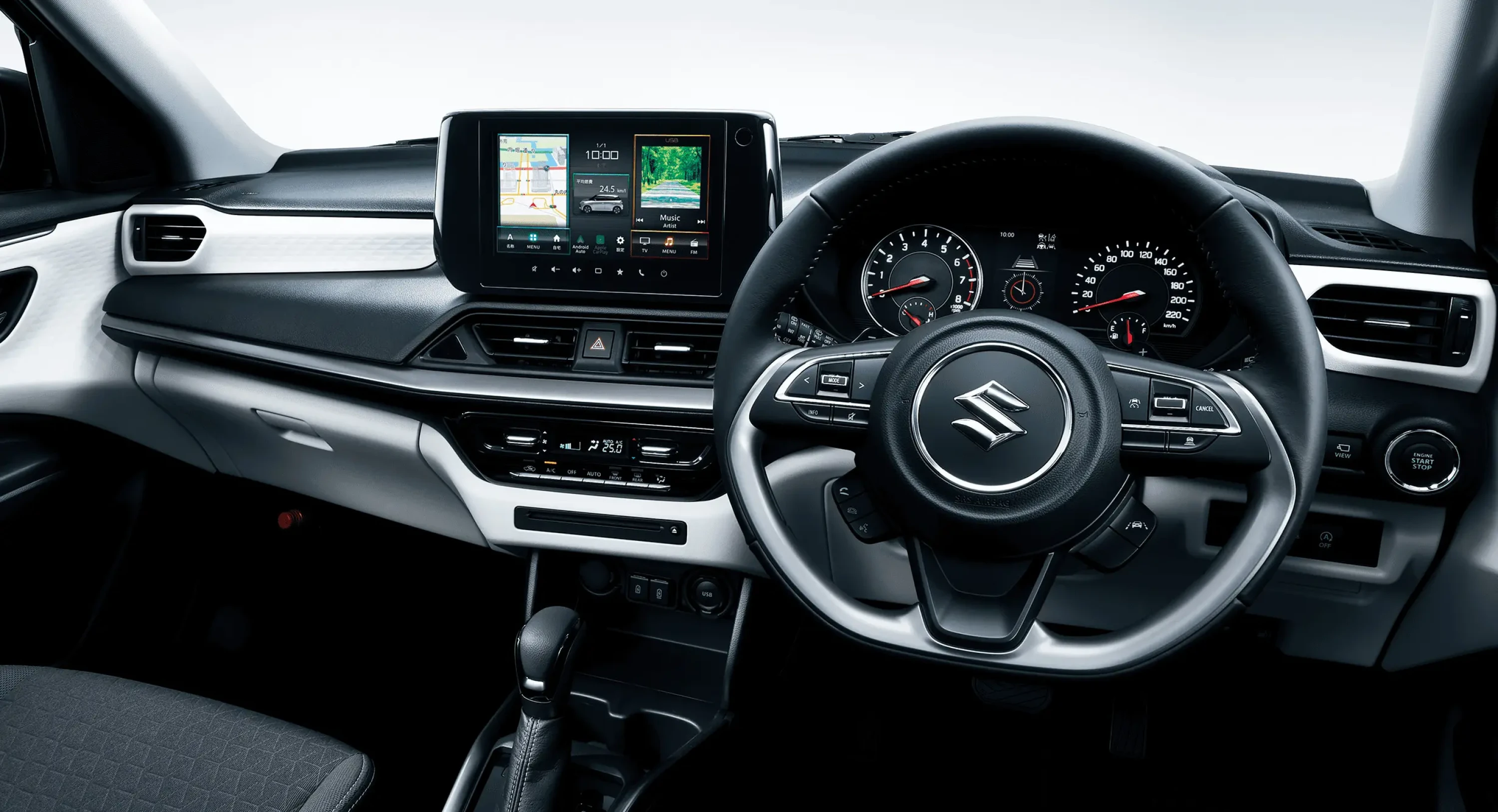
Inside, there’s a carry-over steering wheel, though key dashboard changes include a digital climate control system with buttons and toggles instead of the current Swift’s physical circular dials, and there’s a bigger, 9.0-inch “omnidirectional” infotainment display that floats above the dash.
The instrument dials remain analogue but lose their binnacle hoods.
The Swift also adopts an electronic park brake.
1
There’s more interesting news under the bonnet, with the Suzuki Japan website confirming the front-wheel-drive Swift will move to a 1.2-litre three-cylinder petrol engine with CVT auto and mild-hybrid “generator with motor function”.
The engine may well be the same 1.2L engine with 12-volt mild-hybrid that’s installed in the current Swift in Europe, with 61kW and 107Nm.
The production Swift should be identical in size to the Concept, which is 20mm longer than the outgoing model at 3860mm. It’s about 40mm narrower and 5mm higher.
An unchanged 2450mm wheelbase points to what is expected to be a carry-over platform.
There are no details yet for a more powerful Sport variant, while the frustrating wait for a GTi hot-hatch successor is likely to continue indefinitely.
1
Above: Swift Concept at Japan Mobility Show was essentially the production car.
Sometimes I disappoint myself. The Porsche Cayenne Turbo GT Coupe ought to be the sort of car that should earn a whole heap of disapproval.
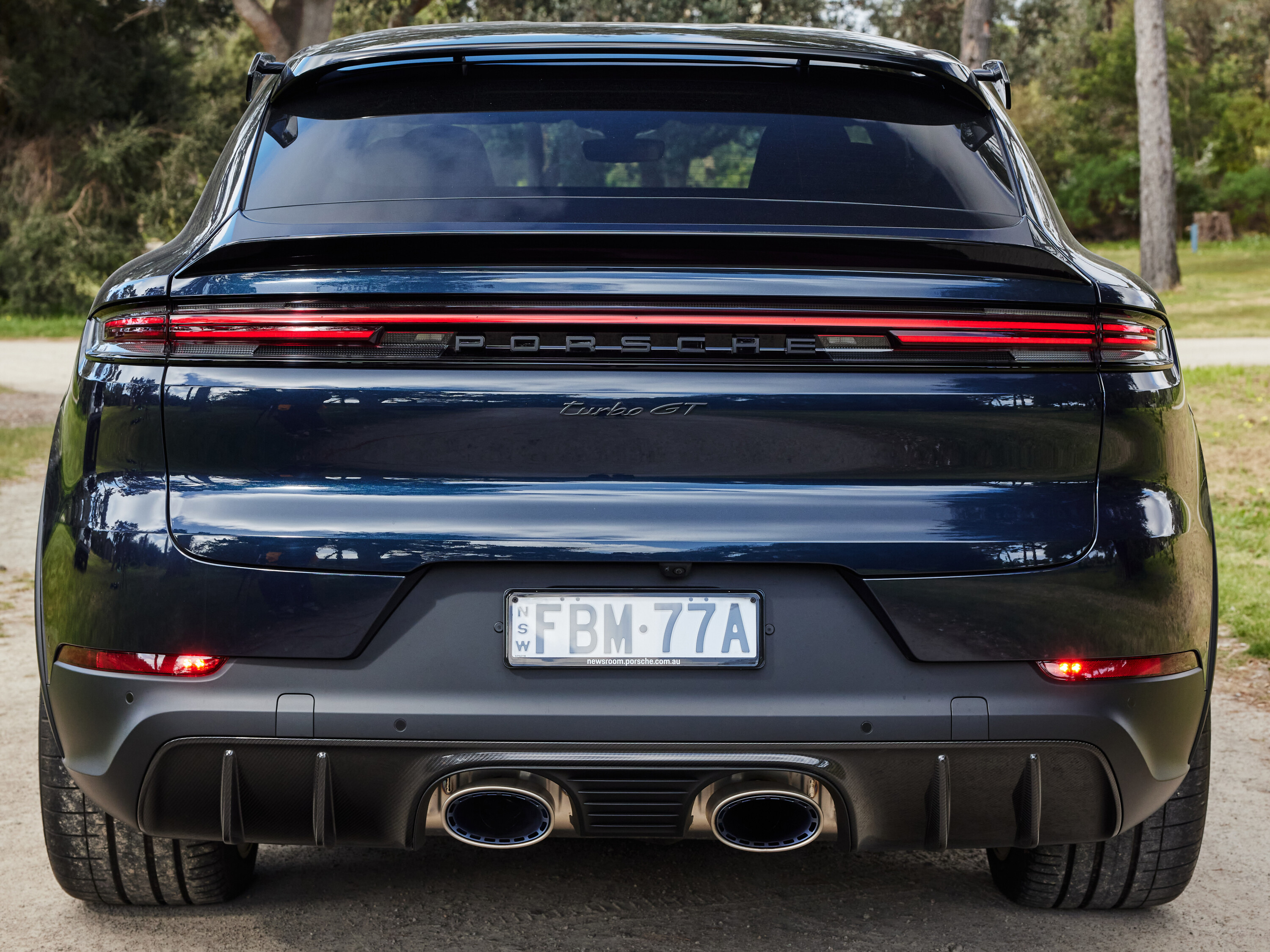
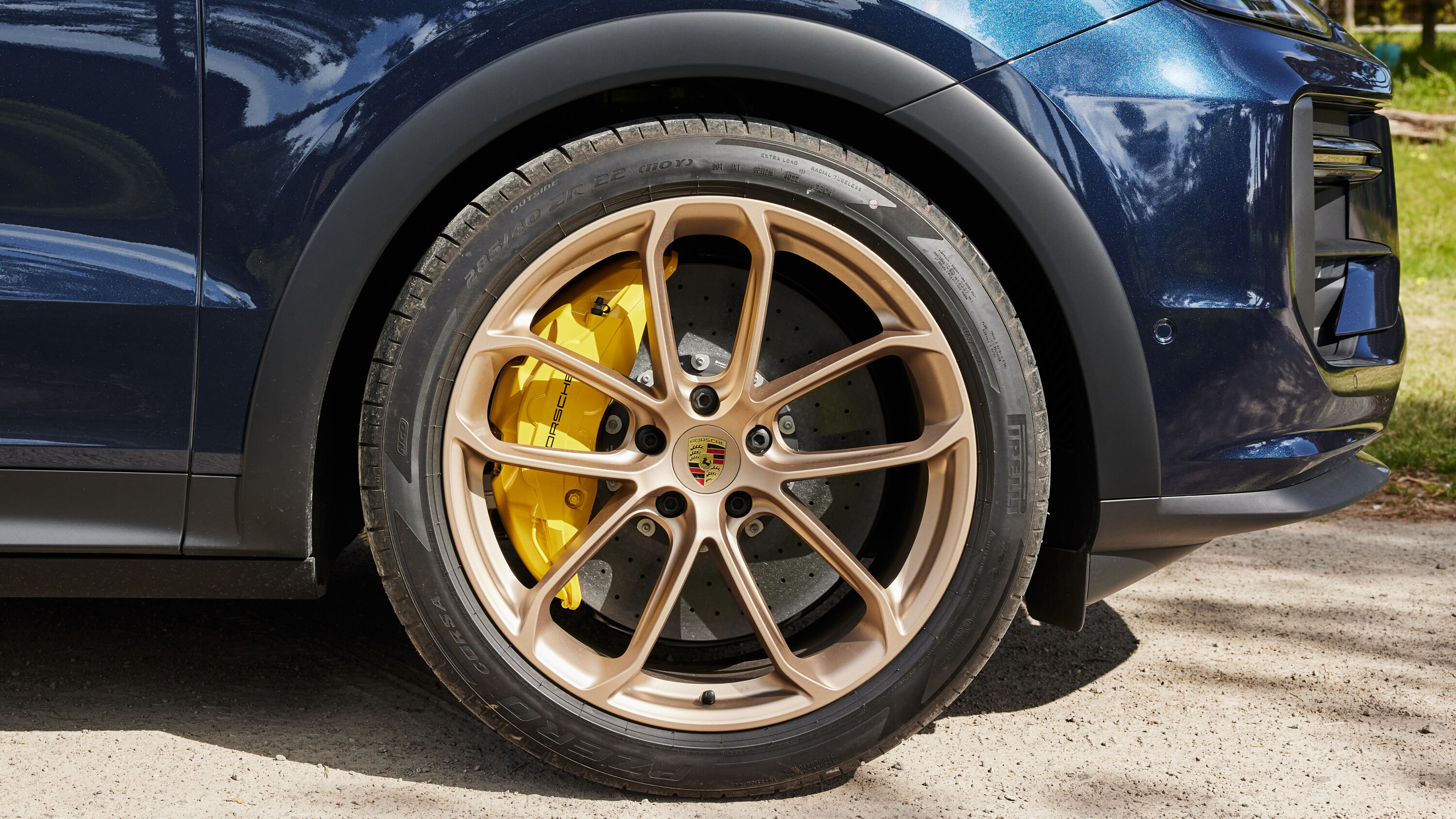
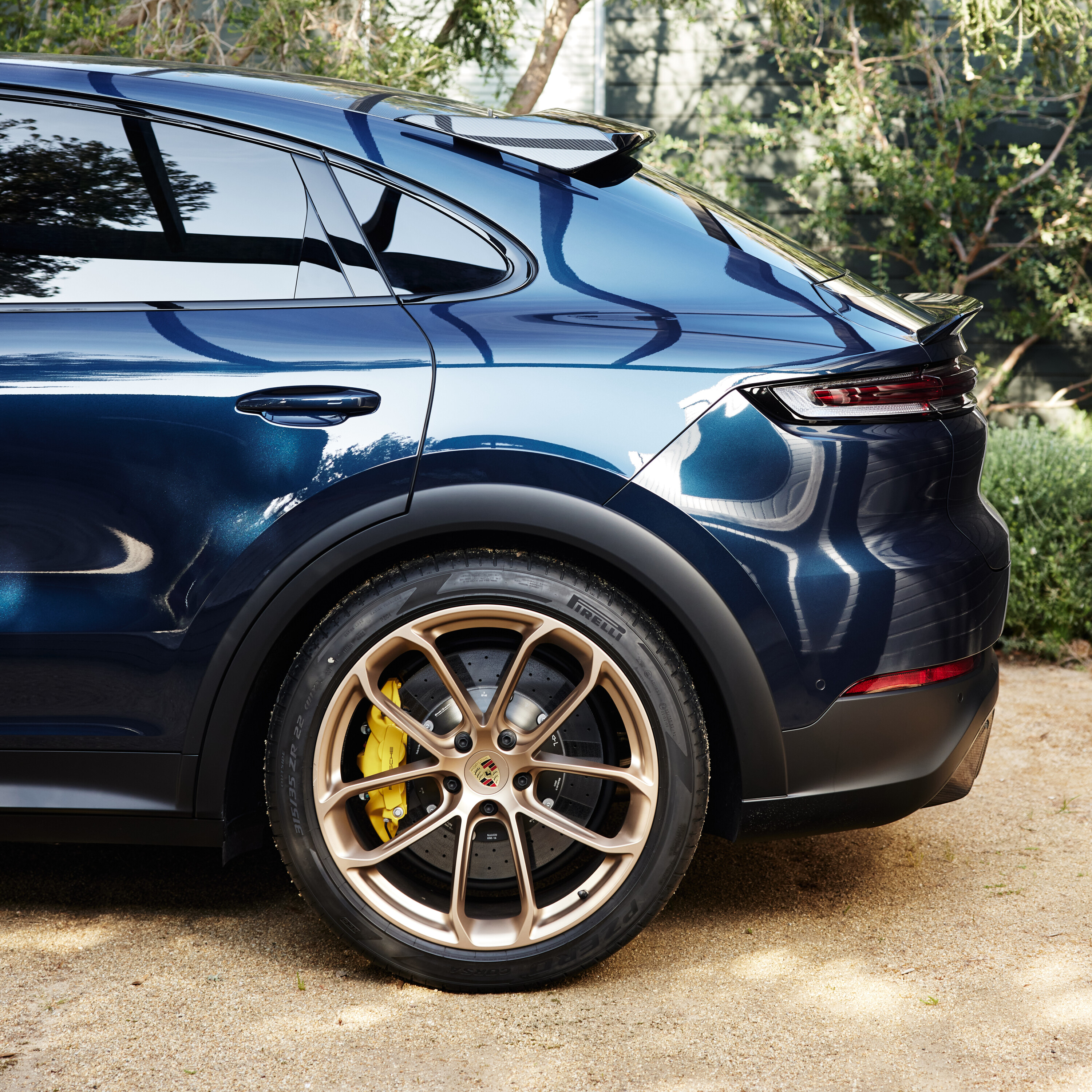
We’ve railed in the past about the nonsense of coupe-SUVs. Well this is a $366,200 (plus on-roads) example of that ilk that emits 319g/km on a good day, weighs more than 2.2 tonnes, has one heck of a thirst for 98RON when you’re on it and, sitting on its huge gold alloy wheels, appears a wholly obnoxious statement of excess in these straitened times. And I love it.
I love its chutzpah, its ridiculous pace, its otherworldly dynamics, its depth of engineering and its ability to never appear fazed by any sort of road conditions.
Those who don’t have particularly long memories may well recall we drove the pre-facelift Turbo GT Coupe on an extended drive feature last year so what we’re doing here is assessing quite how effective the updates are and maybe once again attempt to figure out how this patently excessive SUV has managed to worm its way quite so frustratingly into my affections.
With the 2024 update, Porsche has rejigged the Cayenne Coupe range slightly.
The GTS and Turbo models that were a fixture have quietly disappeared, with the range walk-up going from base model to E-Hybrid, S and then Turbo GT positioned as the apex predator.
This has now addressed the somewhat awkward anomaly in the old Cayenne line up where the flagship turbo GT model wasn’t the most powerful: that honour went to the less focused and now deleted 500kW/900Nm Turbo S-E Hybrid Coupe.
1
That $336,200 list price looks a bit of an outlier given that the next most powerful version, the 349kW S Coupe is priced at $190,000.
This would appear to suggest that that vast gulf will eventually be backfilled with other models (a GTS is an obvious fit) but for the time being, the Turbo GT finds its sticker price maybe looking a little conspicuous.
Although most would finger this as a mid-life refresh for a body first seen in 2019, Zuffenhausen is at pains to underscore the extensive nature of the update, calling it “one of the most extensive product upgrades in the history of Porsche”.
That upgrade isn’t applied completely uniformly across the line up. The S, for example, gets a whole new powerplant, ditching its V6 for a biturbo V8, while the e-Hybrid features a whole new electric motor. In fact, the Turbo GT may well have changed the least. Not that a whole lot needed fixing.
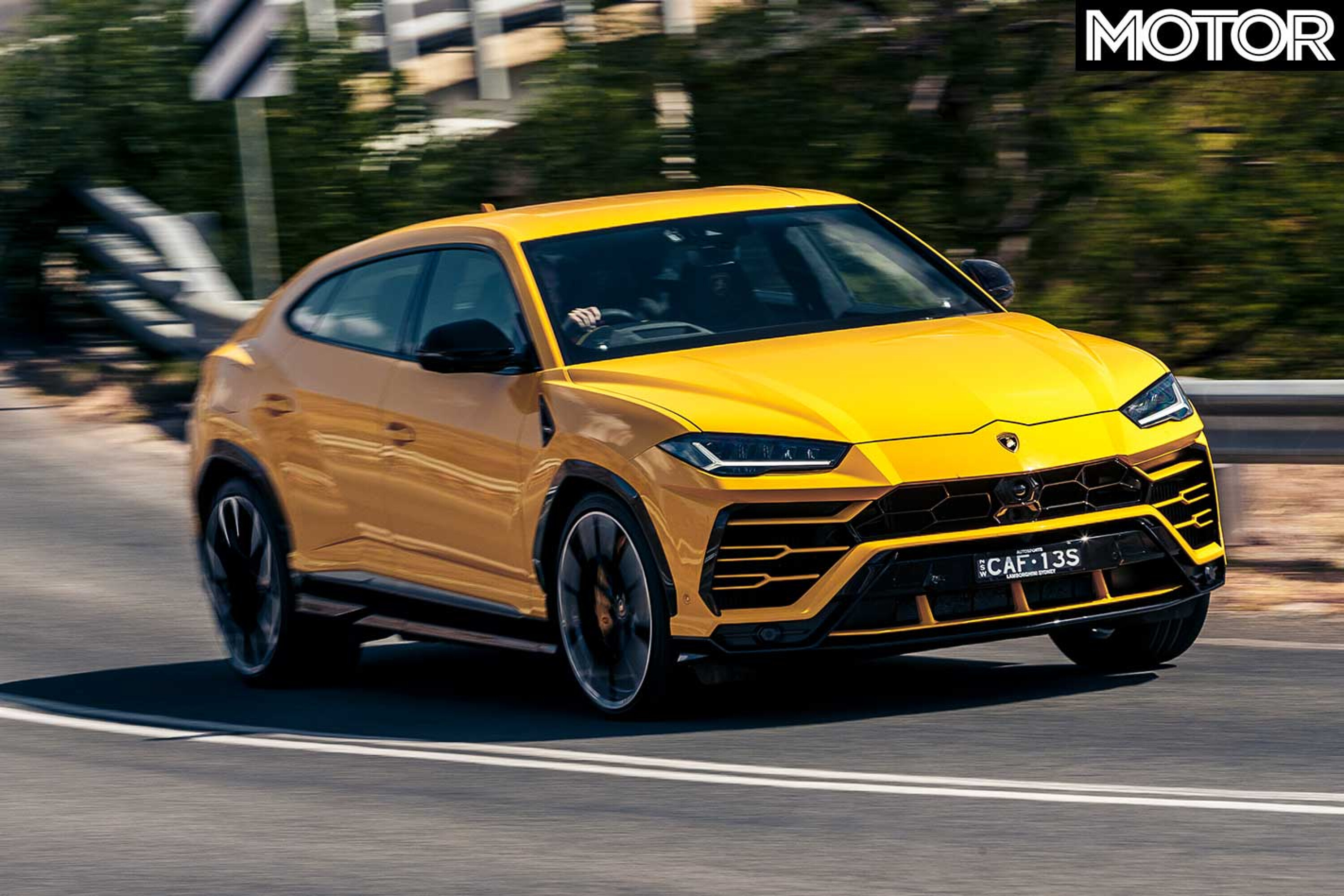
How broad’s the remit? Were we considering big, fast, raked-rear SUVs, then it would stretch anywhere from the $243K/450kW Mercedes-Benz GLE 63S, to the $409K/478kW Lamborghini Urus.
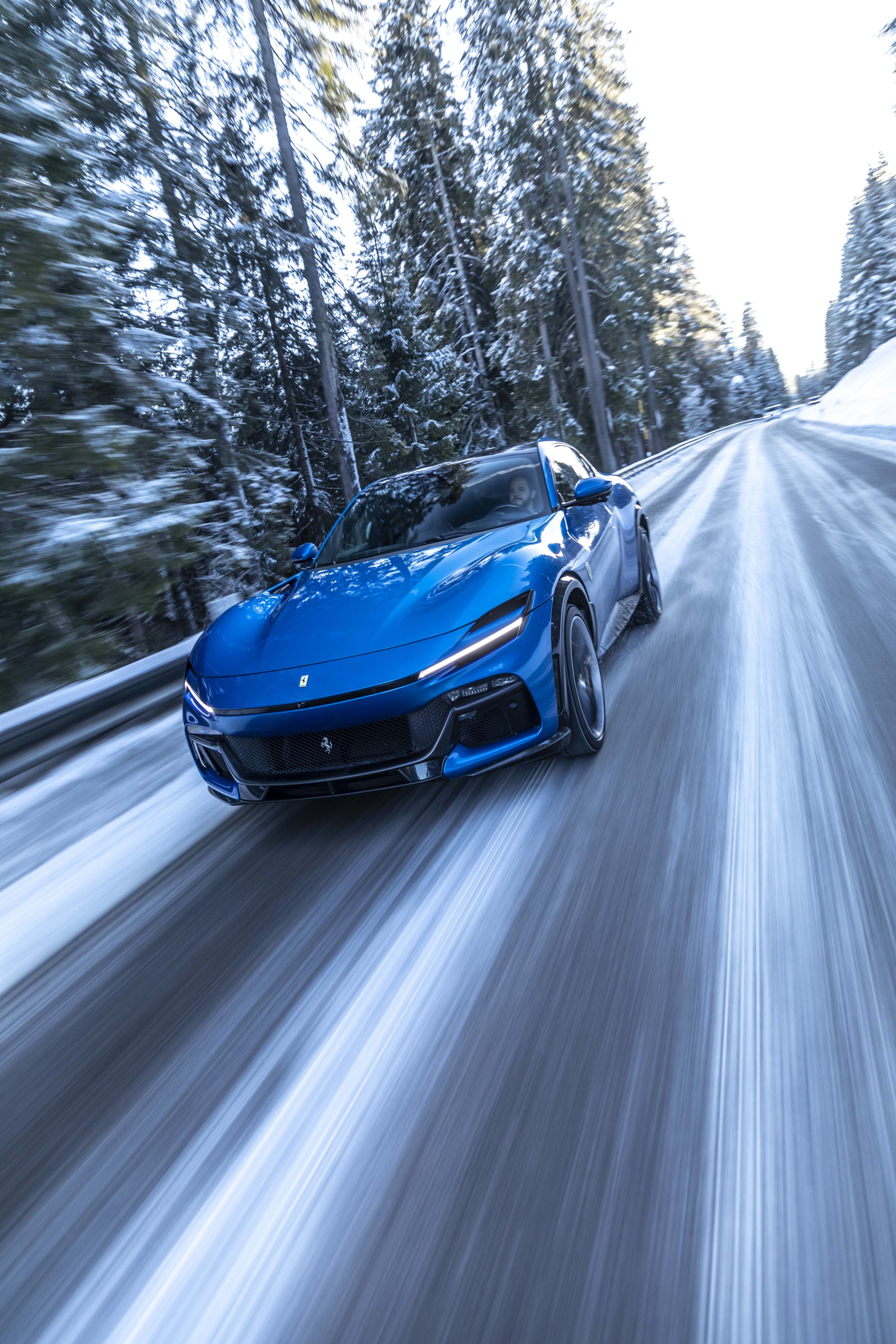
Other vehicles you might pitch into that fray? Possibly the angriest of the lot is the $428K/520kW Aston Martin DBX707 and how about loosening the purse strings for a $728K/533kW Ferrari Purosangue?
In other words, Porsche certainly doesn’t have this part of the market to itself. In order to eke a niche for itself, the Turbo GT needs to deliver a combination of qualities that the rest will find impossible to equal.
What’s the Porsche Cayenne Turbo GT Coupe like inside?
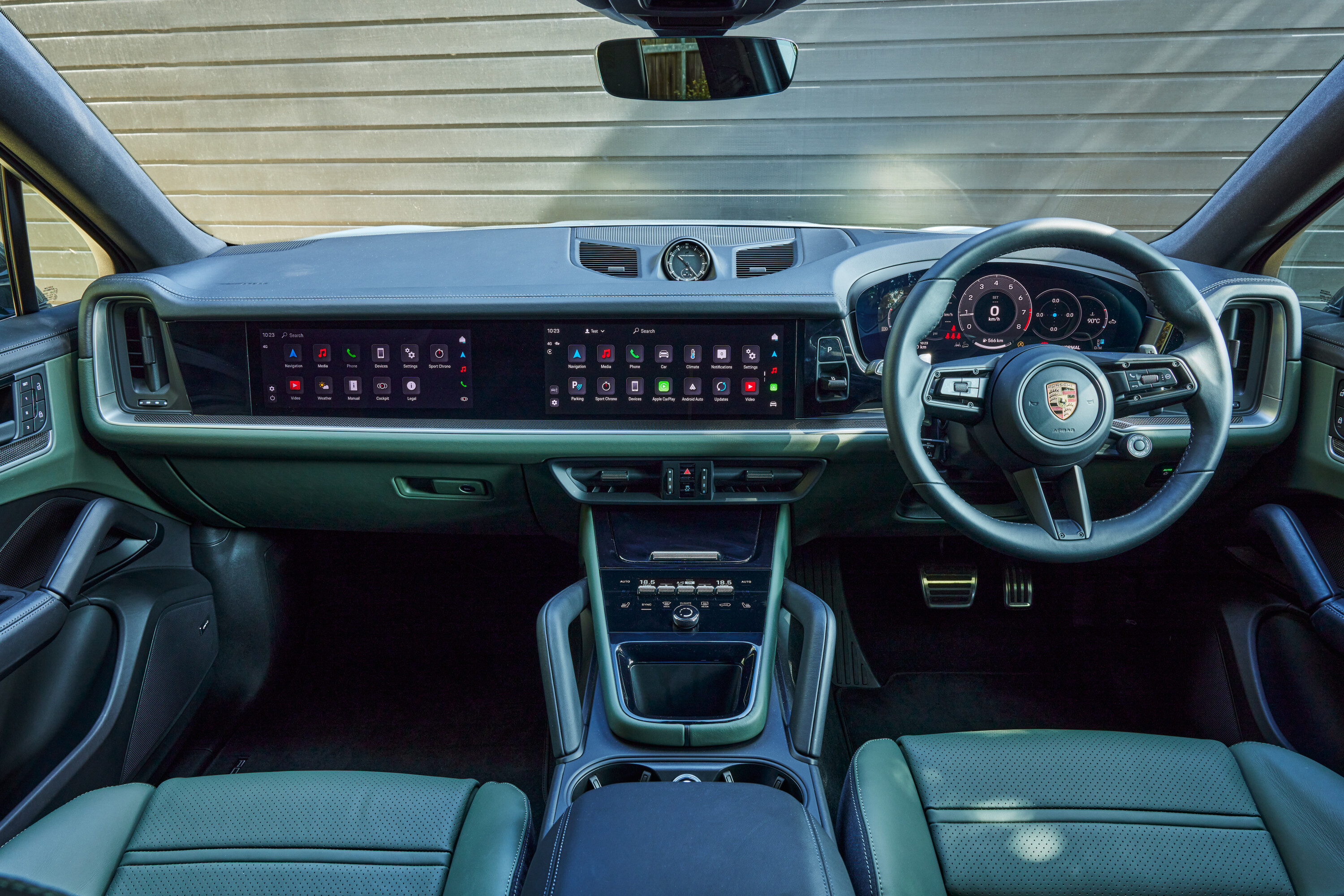
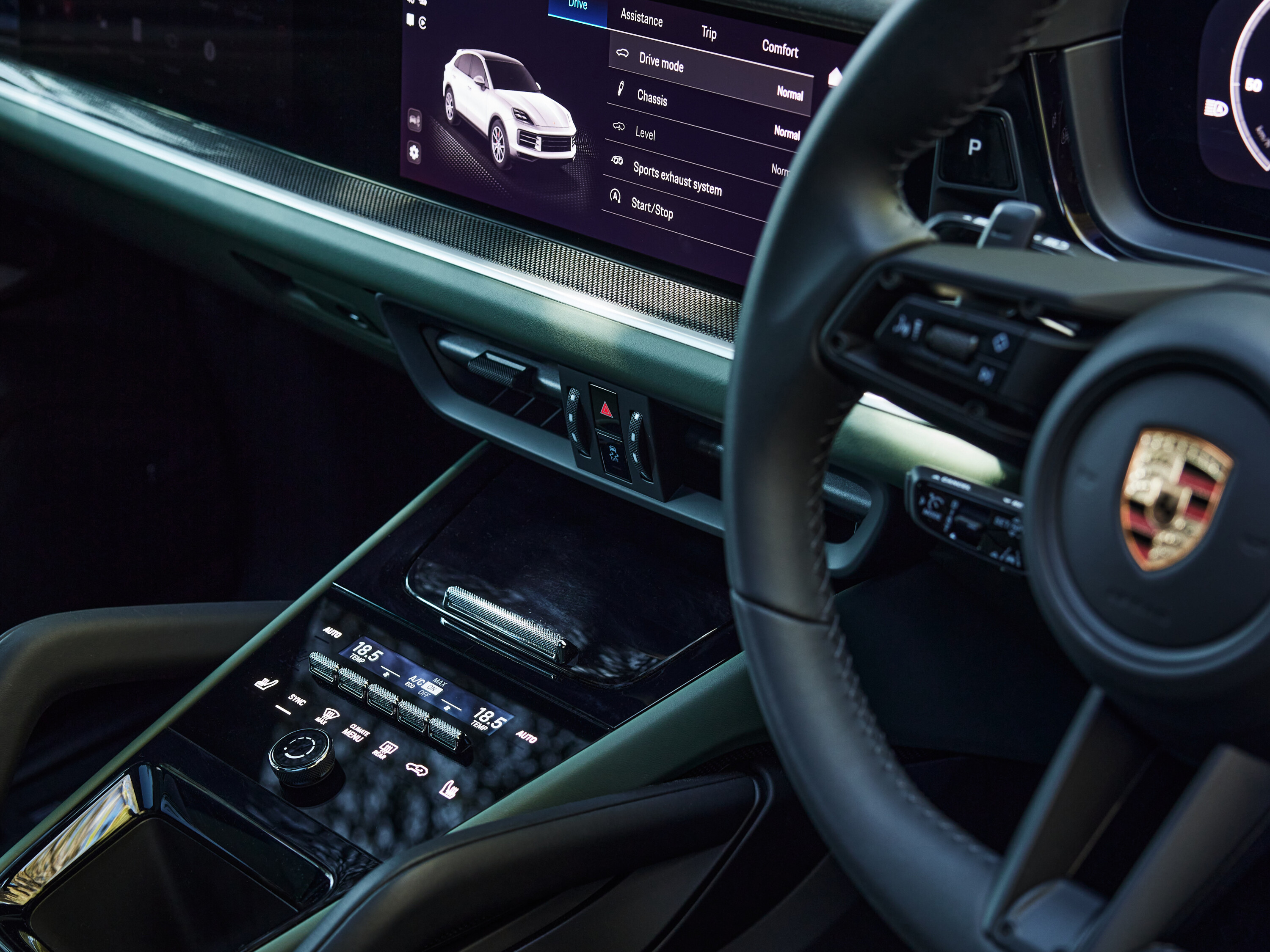
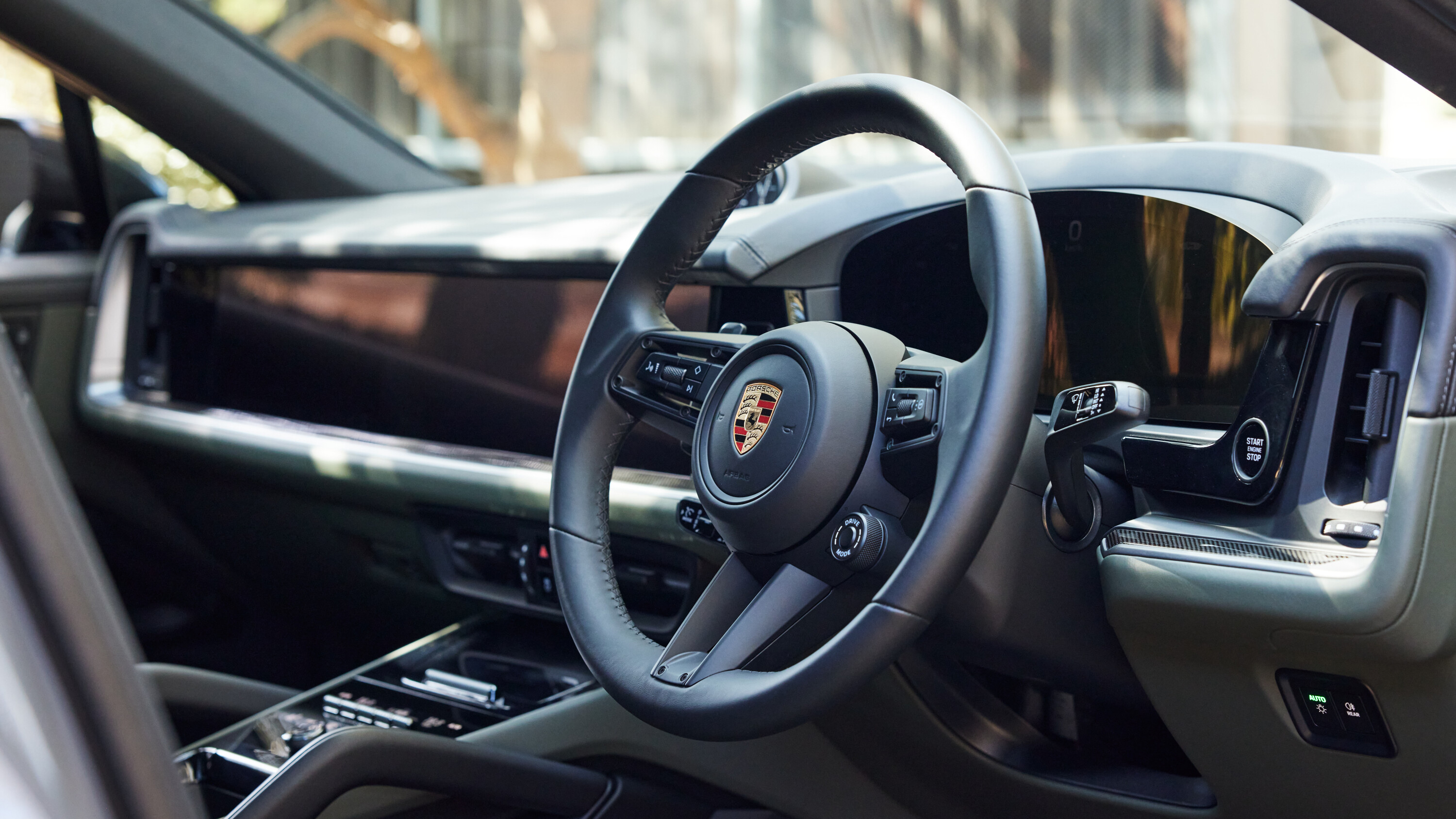
The first thing most would notice inside the car is that the dash architecture now looks as if it’s been purloined from the Taycan EV.
The ‘Porsche Driver Experience’ features a curved digital instrument cluster, a redesigned centre console and a 911-style gear selector that’s now mounted on the dash just behind your left knuckle. The engine start button sits to the right of the steering wheel.
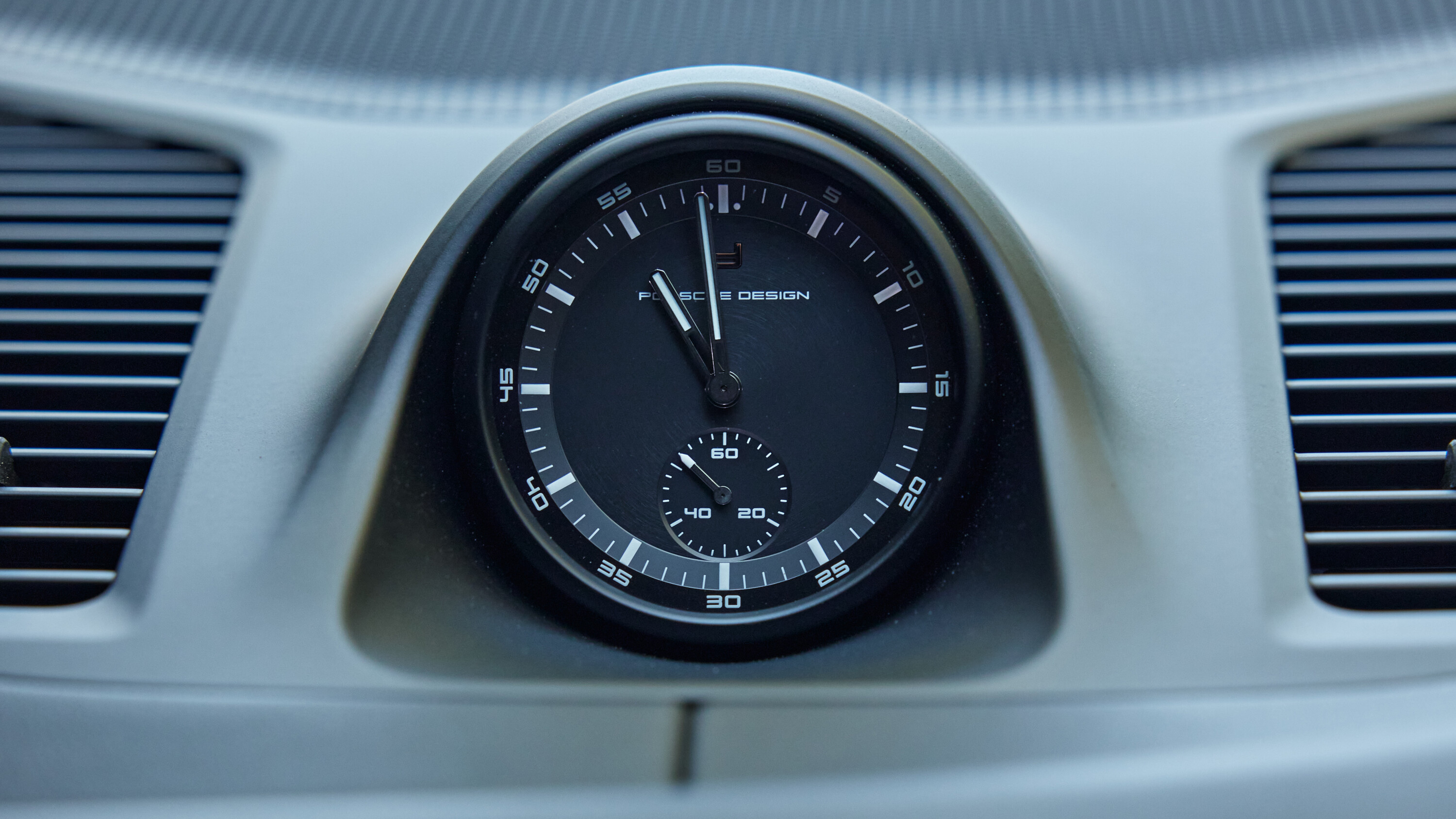
Three screens stretch across the width of the dash. There’s a set of digital clocks housed in the main instrument binnacle, a 12.3-inch centre touchscreen and the option of a 10.9-inch passenger display at $2860. A special coating ensures that this isn’t visible from the driver’s seat and front-seat passengers can stream content to this display.
1
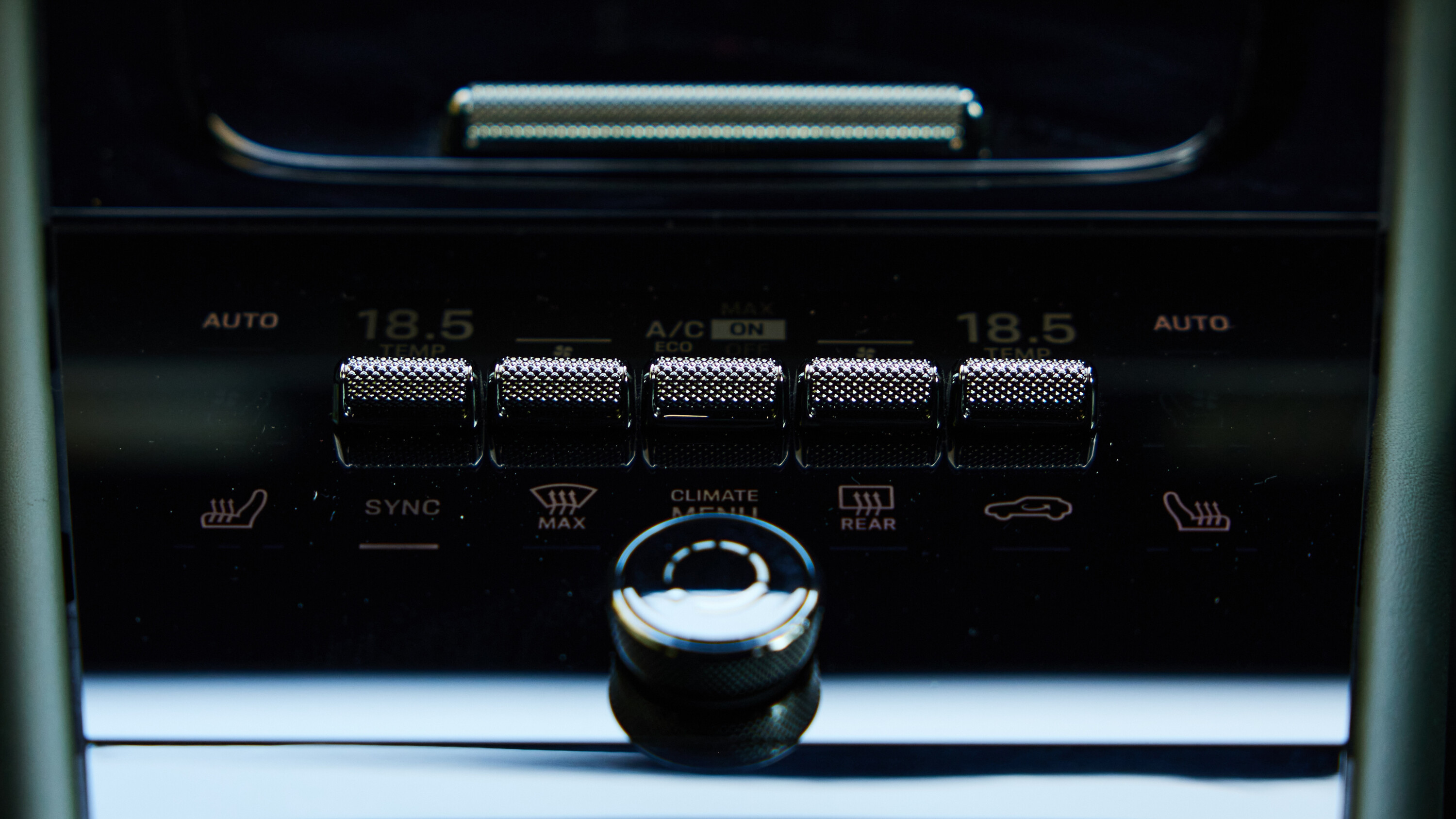
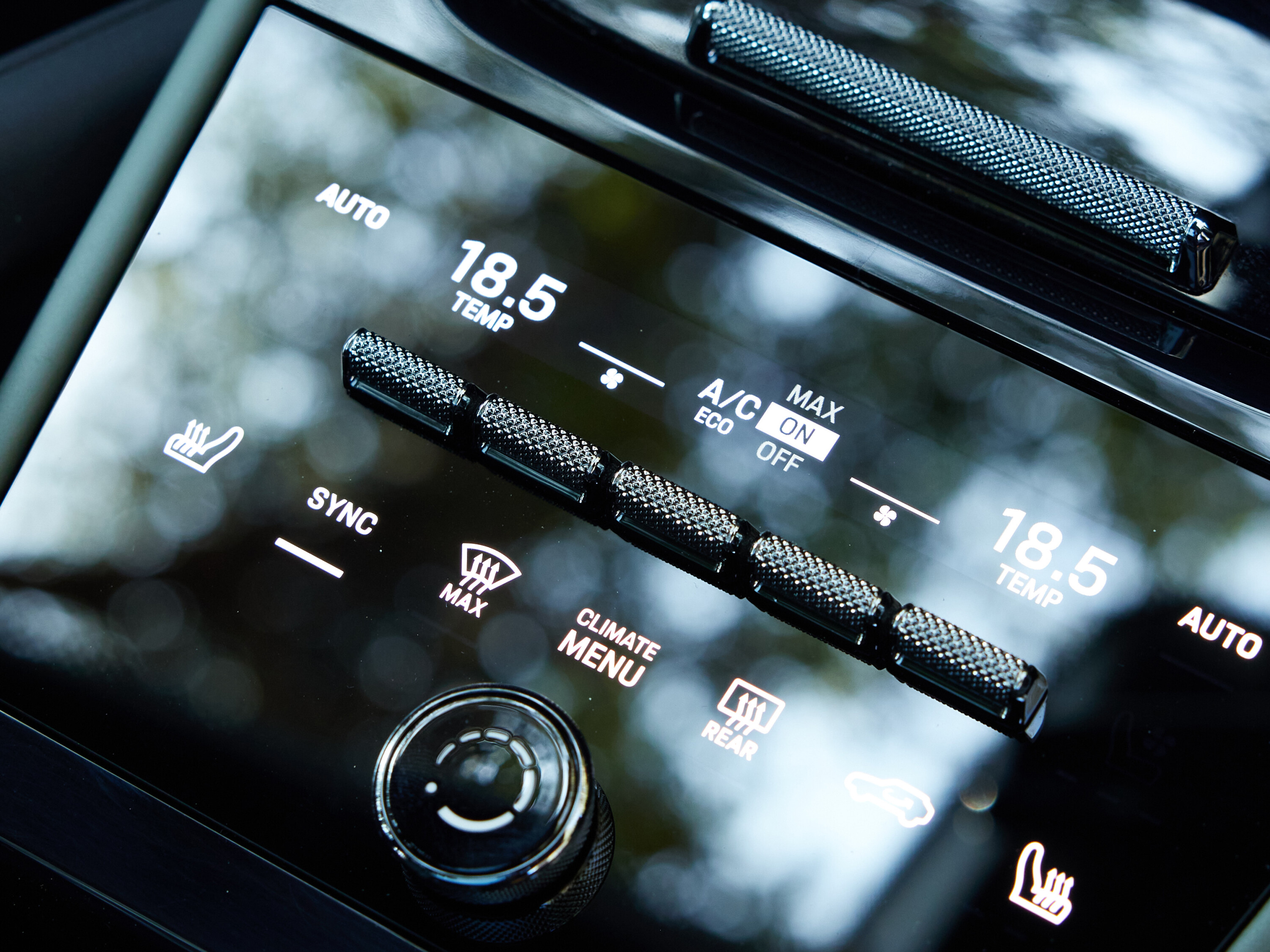
There’s a sea of piano black on the centre console, which houses features such as the heated seats and, when these haptic feedback controls are pressed, the whole panel flexes in a way that’s not immediately reassuring.
You get used to it, but the first time it happens you wonder if something’s come unclipped in the dash. No, they all do that. Likewise, on our test car, the footrest would slide up and down by a few millimetres which was moderately irritating.
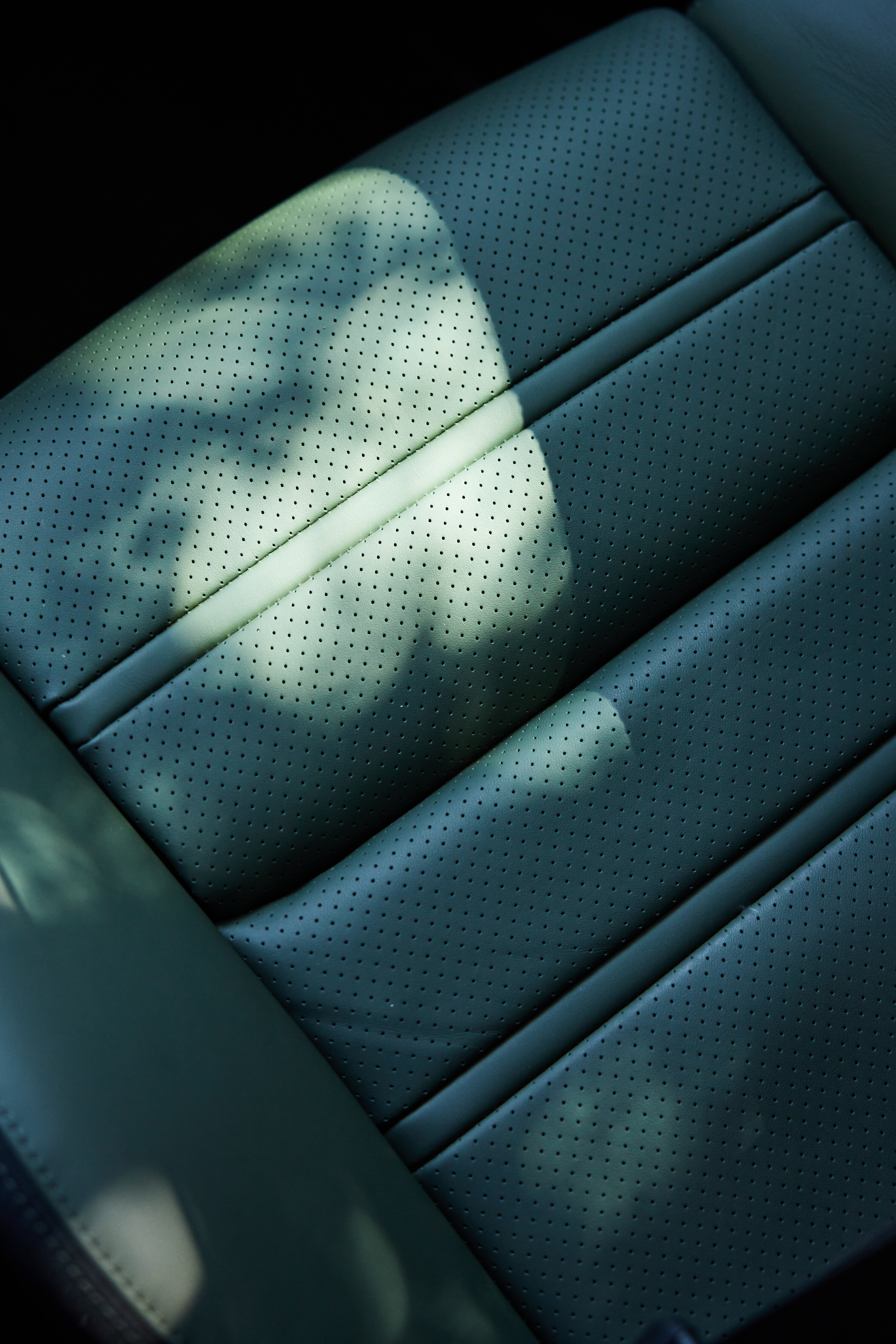
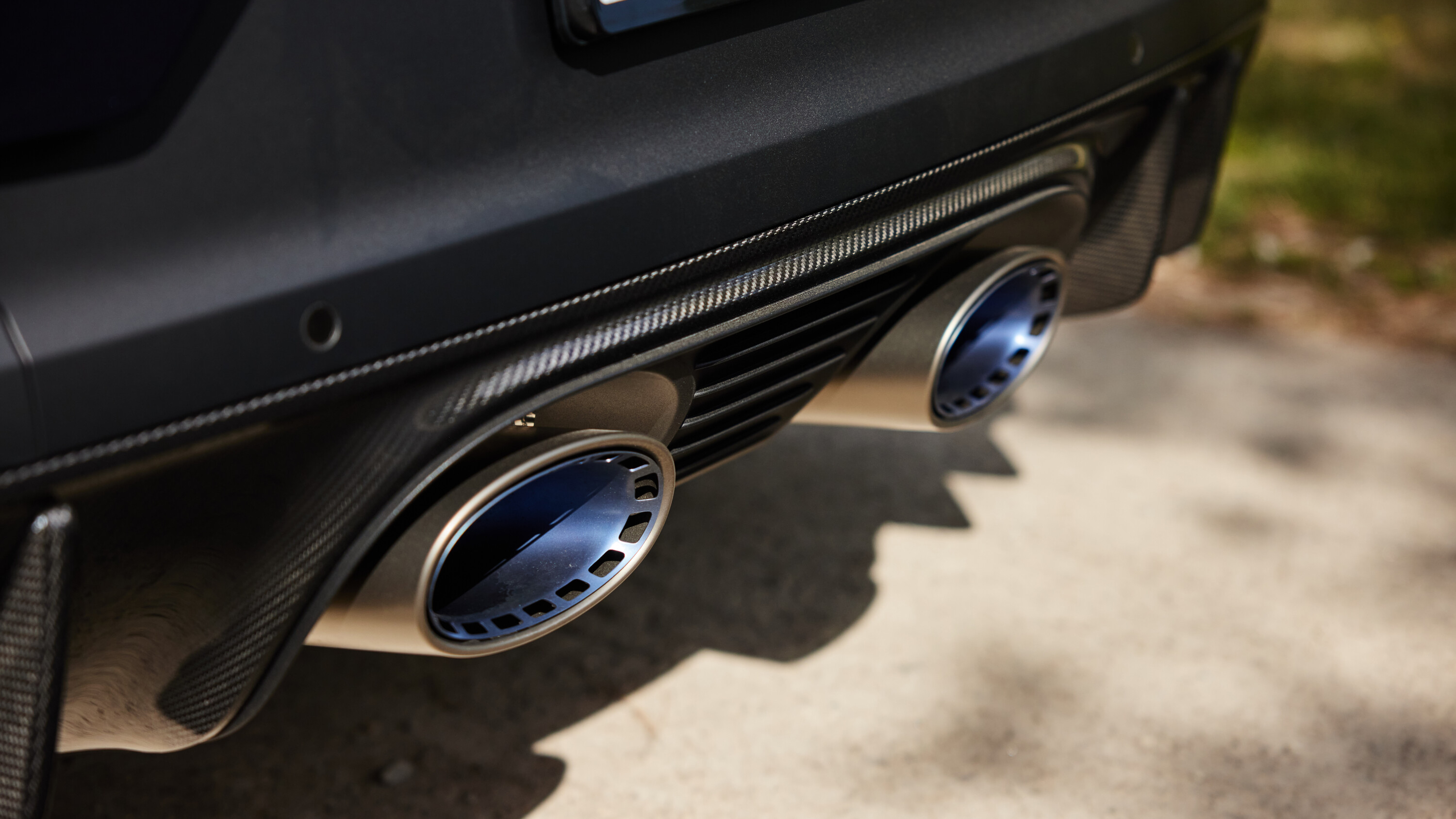
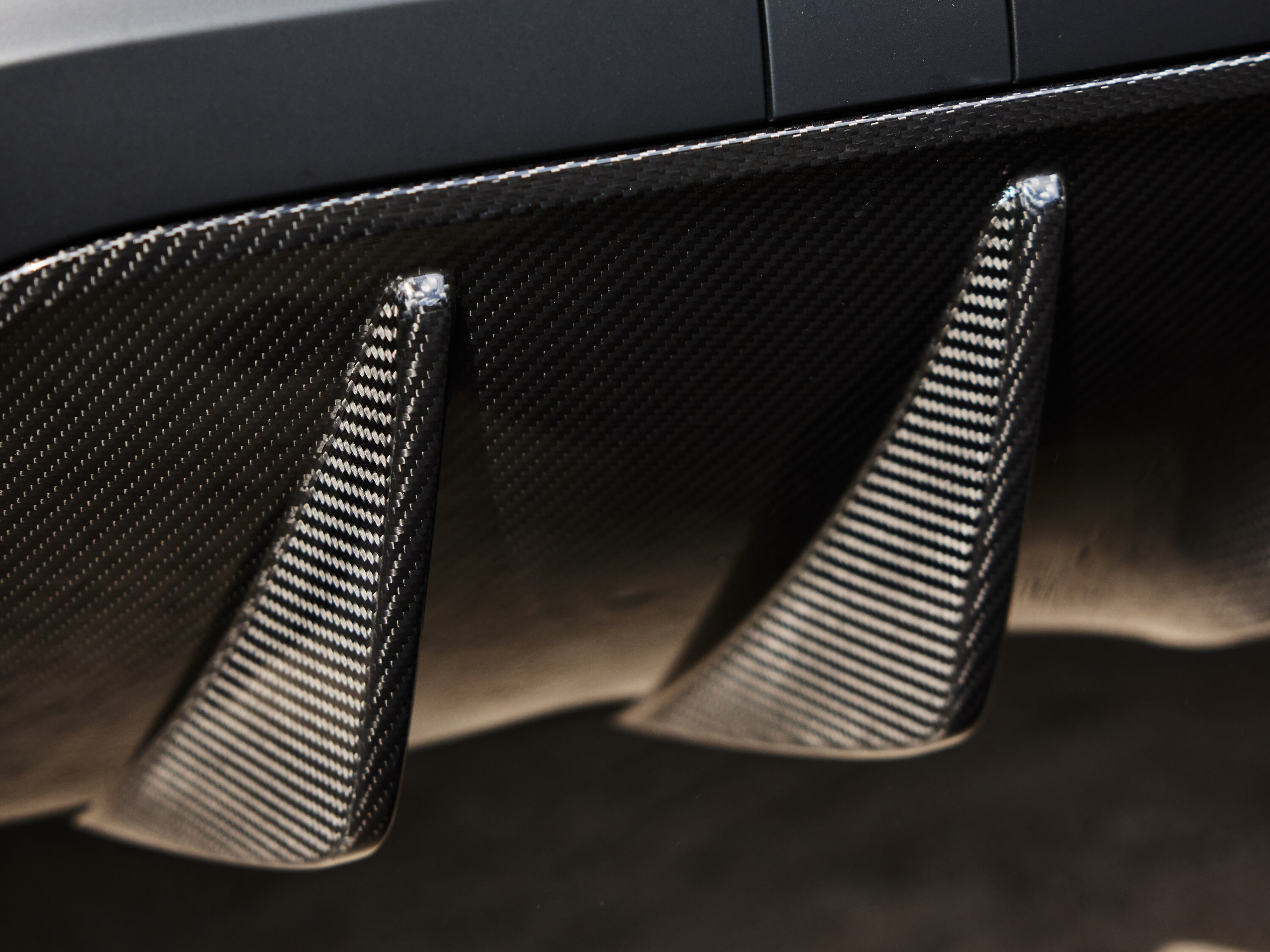
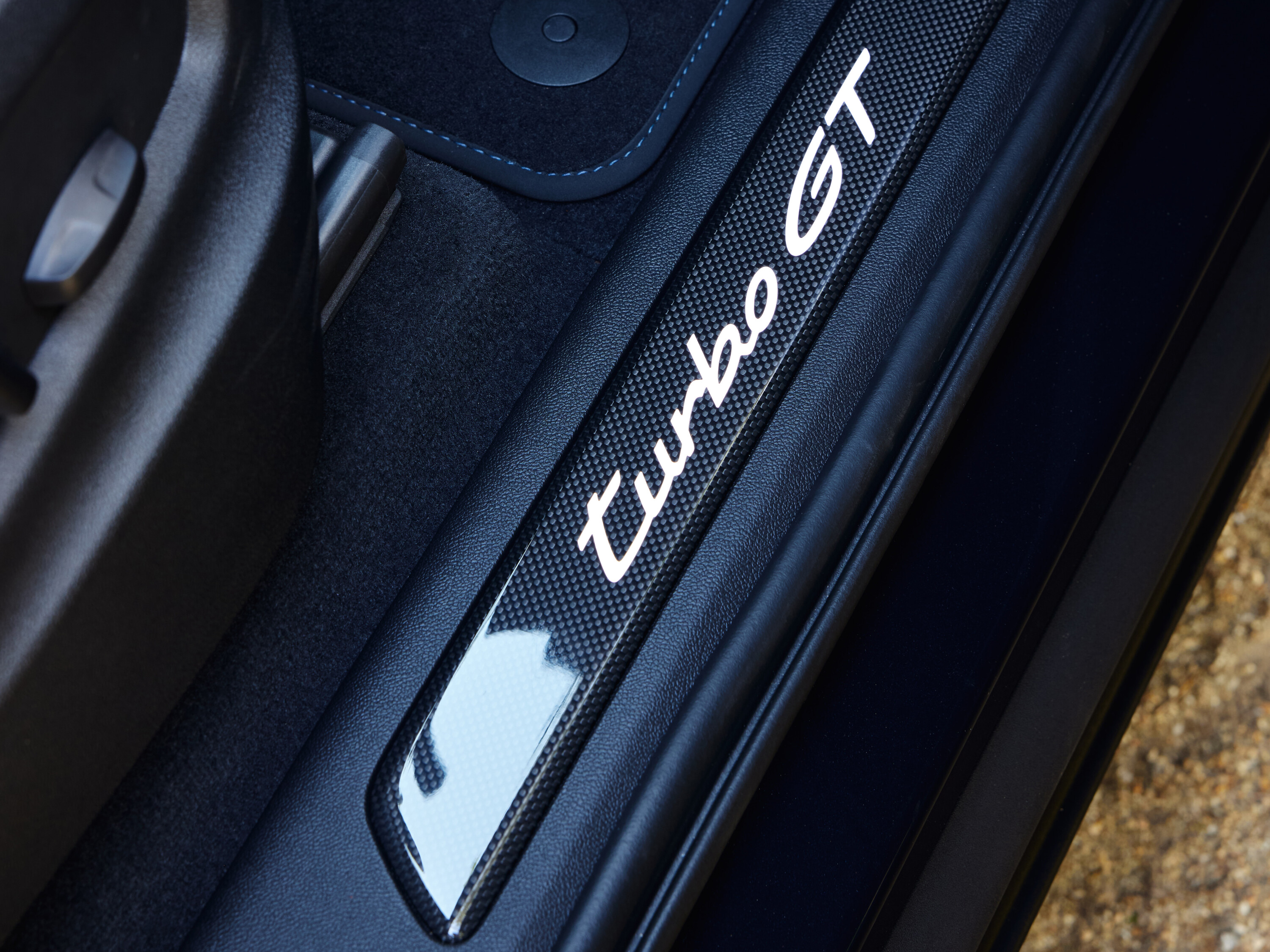
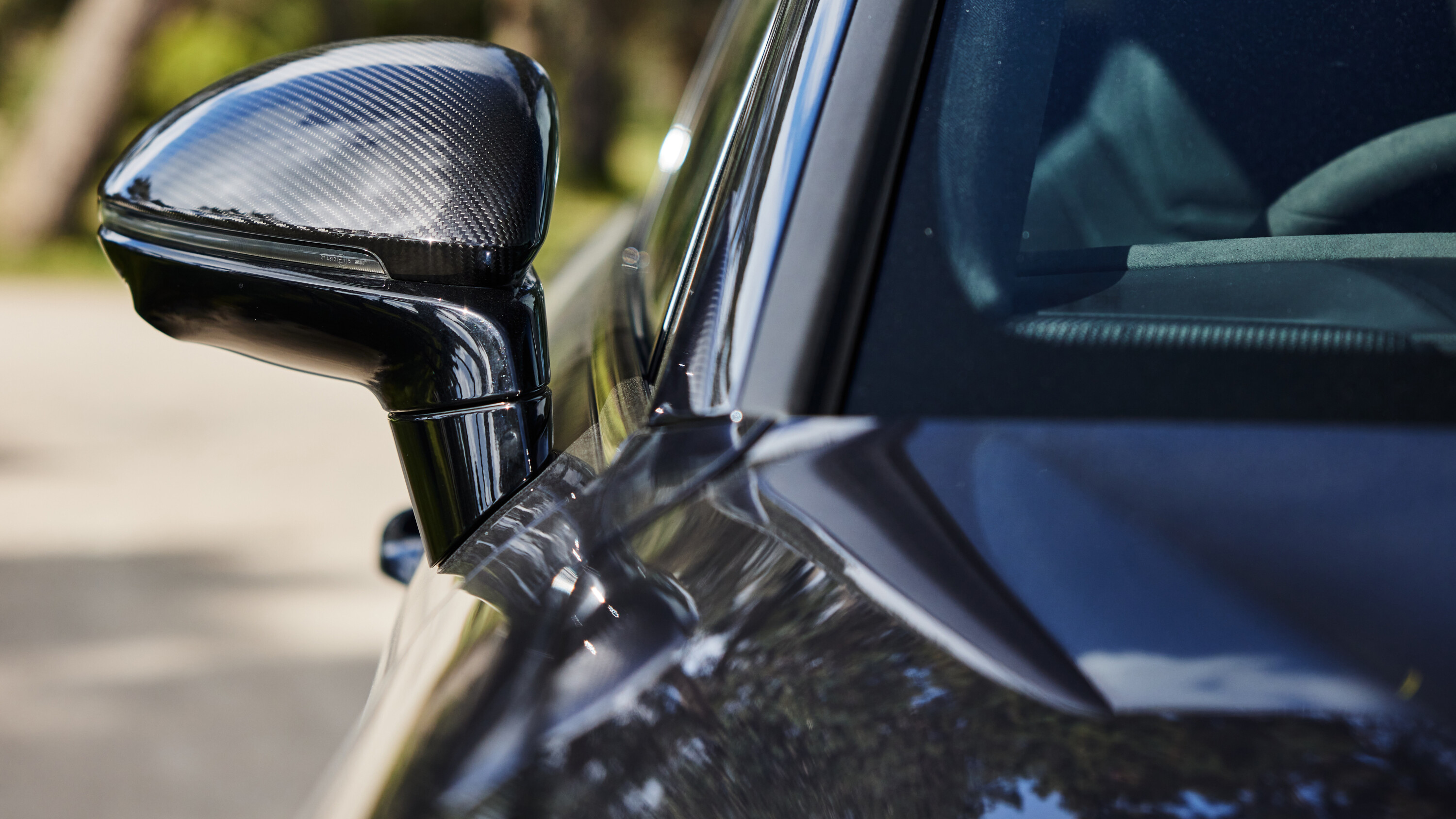
Otherwise interior quality seems extremely good. Carbon fibre trim pieces mix with Race Tex artificial suede for a resolutely racy vibe, although your mileage may well vary on the authenticity of this combo in a 2.2-tonne SUV.
1
The main display is multi-configurable, with a wall-to-wall map if required
The multifunction sports steering wheel looks very 911 and features a manettino dial hanging from the right-hand spoke with not only a suite of Normal, Off-road, Sport and Sport Plus driving modes but also a Sport Response function, a red button that allows you to instantly ‘push-to-pass’ even if the Cayenne is set into its most relaxed mode. It puts the suspension straight into Sport mode and preps the engine and transmission for instant response.
The main display is multi-configurable, with a wall-to-wall map if required and there’s also a considerable amount of customisation that can be applied to the bright and clear head-up display.
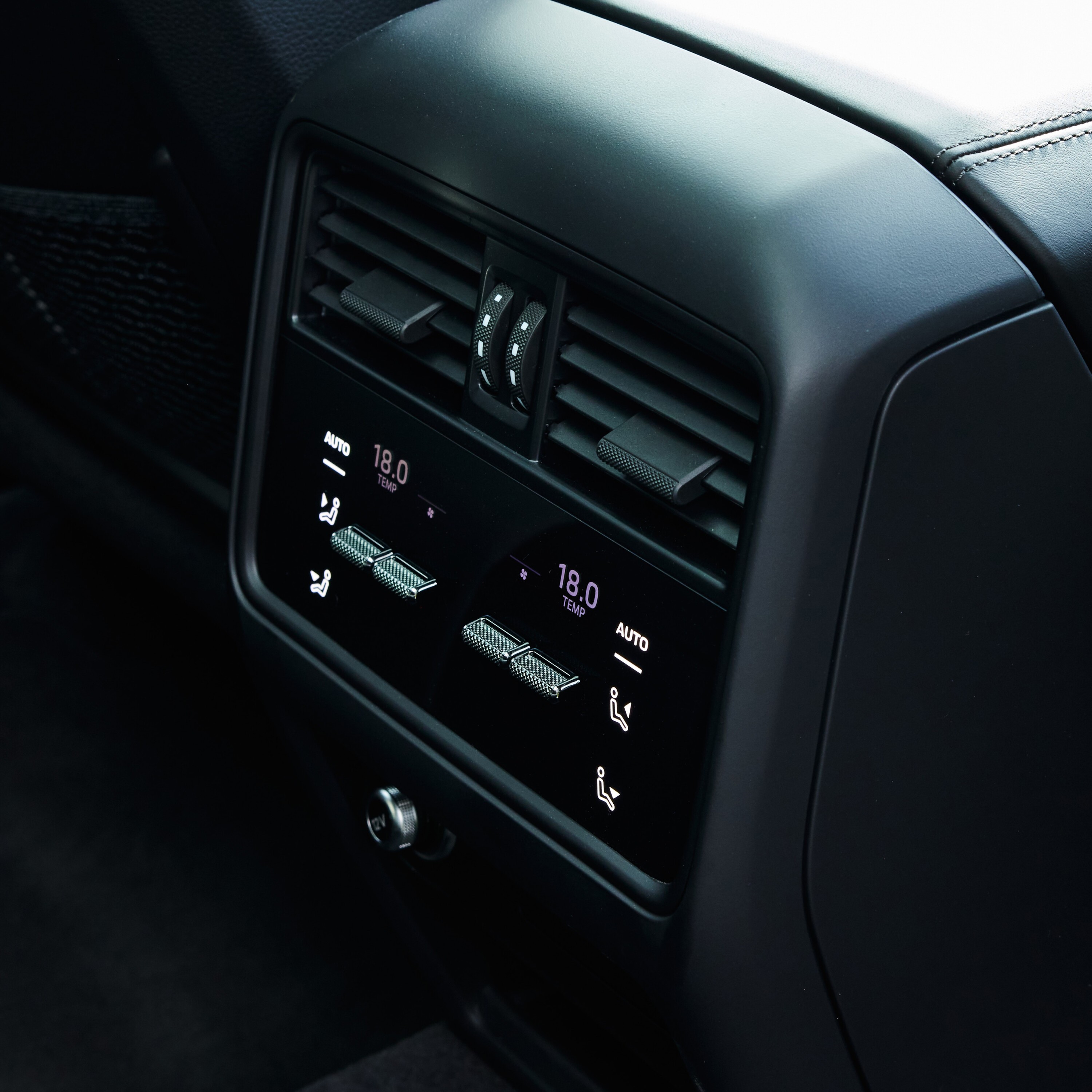
There are physical buttons for the air-con which means you won’t have to go digging in the main screen to change the temperature. The air-con system has become very clever indeed, with a GPS-linked function.
1
This means that as soon as you enter a tunnel, the Cayenne will recognise it from the nav and instantly switch the air conditioning to recirculate so you’re not sucking fumes into the cabin. It also actively monitors particulate content in the air and switches on recirc if air quality drops.
A fixed glass panoramic roof is fitted as standard as is a 14-speaker BOSE sound system good for 710 watts. If this is deemed inadequate, Porsche will happily relieve you of $9630 and fit a Burmester 21-speaker setup that cranks out 1455 watts.
This will bite into the 538-litre luggage compartment due to its below-floor subwoofer. You even got a cooled smartphone wireless charger. Wireless Android Auto and Apple CarPlay are standard and, praise all that is holy, this version of Porsche’s infotainment no longer tries to hijack every function of your smartphone.
1
There’s even a rapid pairing function where you just need to scan an on-screen QR code.
There’s a respectable amount of room in the back seats, but taller drivers will find the view out compromised by that sloping roofline. Visibility out of the car is something of a weak spot, with broad B-pillars and a slot-like rear window that gets narrower still when the rear spoiler pops up at speed.
The boot’s decently shaped, but it’s not any larger than what you’d find on something far smaller like a Hyundai Tucson, another consequence of the Cayenne Coupe’s tapered rear. Lift the floor and there’s a space saver spare. One nice touch? Soft close doors all round on this range-topper.
With the popularity of phenomenally rapid EVs, it’s no longer quite such a shock to find that a big weighty car can accelerate from a standstill as if it’s been shunted up the chuff by the Ghan, but there’s something about the sheer physicality of the Turbo GT experience that feels suitably breathtaking.
Despite wielding a 3.3-second sprint to 100km/h capability, it doesn’t feel EV-style concussive in that first second as you sink the clog. From there on, it’s an exercise in ladling on kinetic energy like almost nothing else.
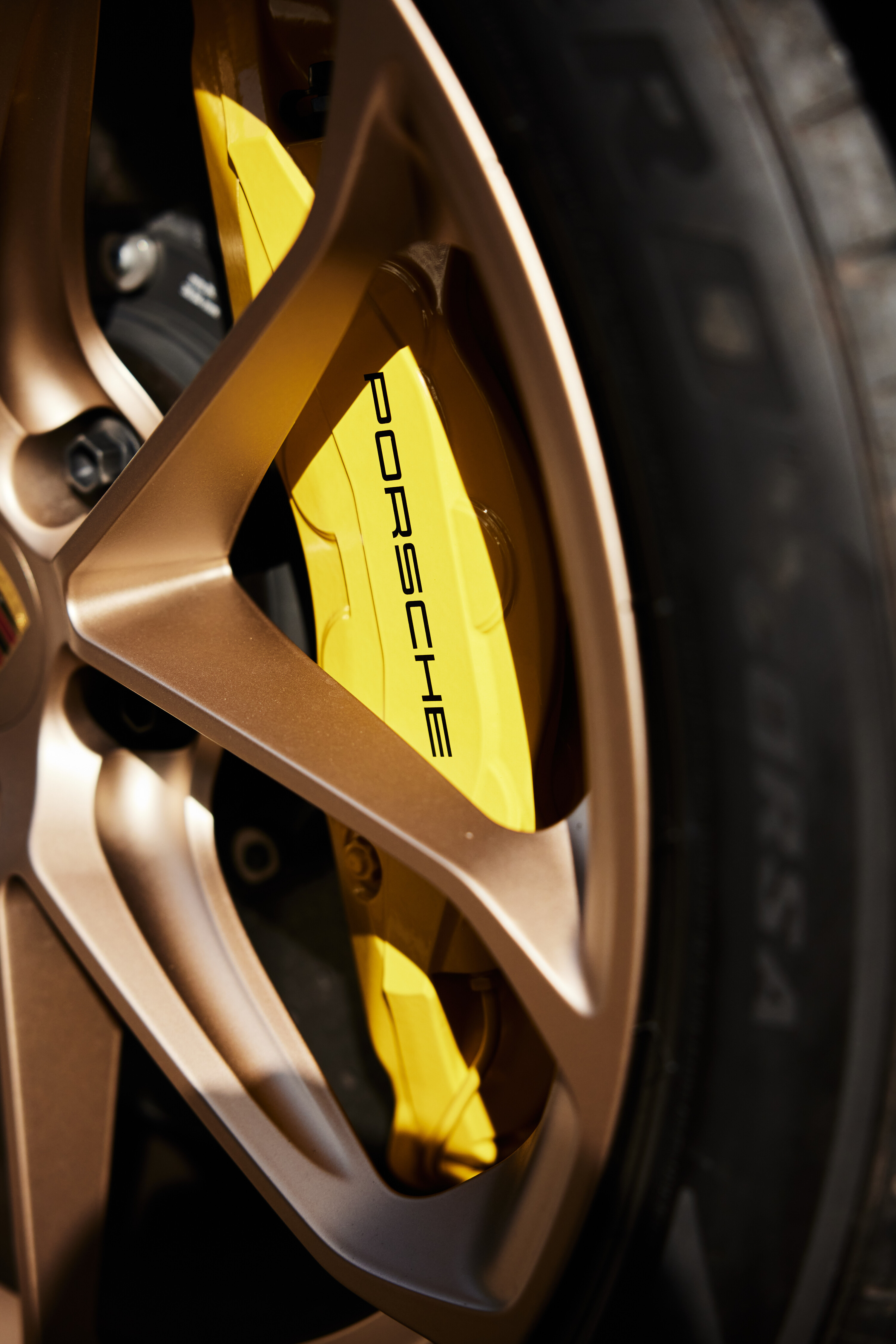
Switch the mode dial into Sport Plus and the exhausts will give a guttural bark, banging on upshifts and it all gets very serious, very quickly. The massive carbon ceramic stoppers do their best work when given a big clout. Try to modulate them with any degree of subtlety and they can feel a little skatey.
1
Releasing an extra 14kW compared to its predecessor would appear to be child’s play. Merely amping up the boost from the Turbo GT’s twin huffers would do that: a few lines of code.
Porsche has instead been quite hilariously German about the process and has instead modified the pistons, connecting rods, crankshaft and timing chain drive, claiming that only by undergoing this exercise of absolute engineering rectitude can the Cayenne reliably deliver on and off track. Yes, they mentioned the t-word.
What’s more impressive than the go and stop is the Cayenne GT Turbo’s ability to deliver a decent serving of fun through the bends. This isn’t something you just launch straight into.
1
It takes a little while to get used to the cadence of the car’s body movements, the response of the 4.0-litre V8 twin turbo engine and the eight-speed automatic transmission.
Then there’s the sheer bulk of the car to consider. Threading a vehicle that’s 2194mm wide (including mirrors) down a narrow country lane requires some concentration.
Of course, the steering is great. It’s a Porsche. What was the last Porsche we drove with duff steering? There’s a respectable amount of weighting, the Race-Tex-trimmed wheel hums with a pleasantly analogue vibe (even if it is largely sly artifice), and the big Cayenne is surprisingly easy to position.
1
One thing it’s not fantastic at is communicating the limits of grip.
On one or two occasions, when accelerating from corners, the GT Turbo lapsed into a surprising slug of power oversteer when I’d assumed the big Pirelli P Zero Corsas (285/40 ZR22 front and 315/35 ZR22 rear) would be able to accommodate a particular combo of tyre warmth, torque input and steering angle. Reassuringly, the stability control on this vehicle is excellent.
A widened track and an increased camber on the front axle of help during aggressive cornering. A 15mm lowering of ride height in its most focused drive mode also nudges down the CofG.
1
Then you’ve also got the reassurance of Porsche Dynamic Chassis Control (PDCC), Porsche Torque Vectoring Plus (PTV Plus) and rear-axle steering.
You’ll be astonished at just how flat the Turbo GT corners, which, upon reflection, may well contribute to that slight lack of communication when it’s at the limit of grip. Sometimes a little roll is a good thing.
Ride quality is surprisingly supple in Normal mode. In contrast to the previous version, the latest Turbo GT has broadened the spread of the effective spring rates in the new two-chamber air suspension. The firm setting isn’t really any firmer than the old model, but the relaxed setting allows the car to breathe with the road that much more soothingly.
Not good. But you knew that already. In fact, this car can’t be sold in Europe, Japan, Hong Kong, India, Taiwan and Singapore, among others due to its emissions.
Porsche claims a combined figure of 12.5L/100km but that’d require a wholly unnatural sort of restraint that we’d find suspicious and probably un-Australian.
On test, on mixed roads, we averaged 20L/100km. The fuel tank measures a decent 90 litres.
The Cayenne may well have undergone “one of the most extensive product upgrades in the history of Porsche” but that product upgrade was clearly not significant enough to warrant retesting by EuroNCAP, so the Cayenne carries over its five-star safety rating from the previous model.
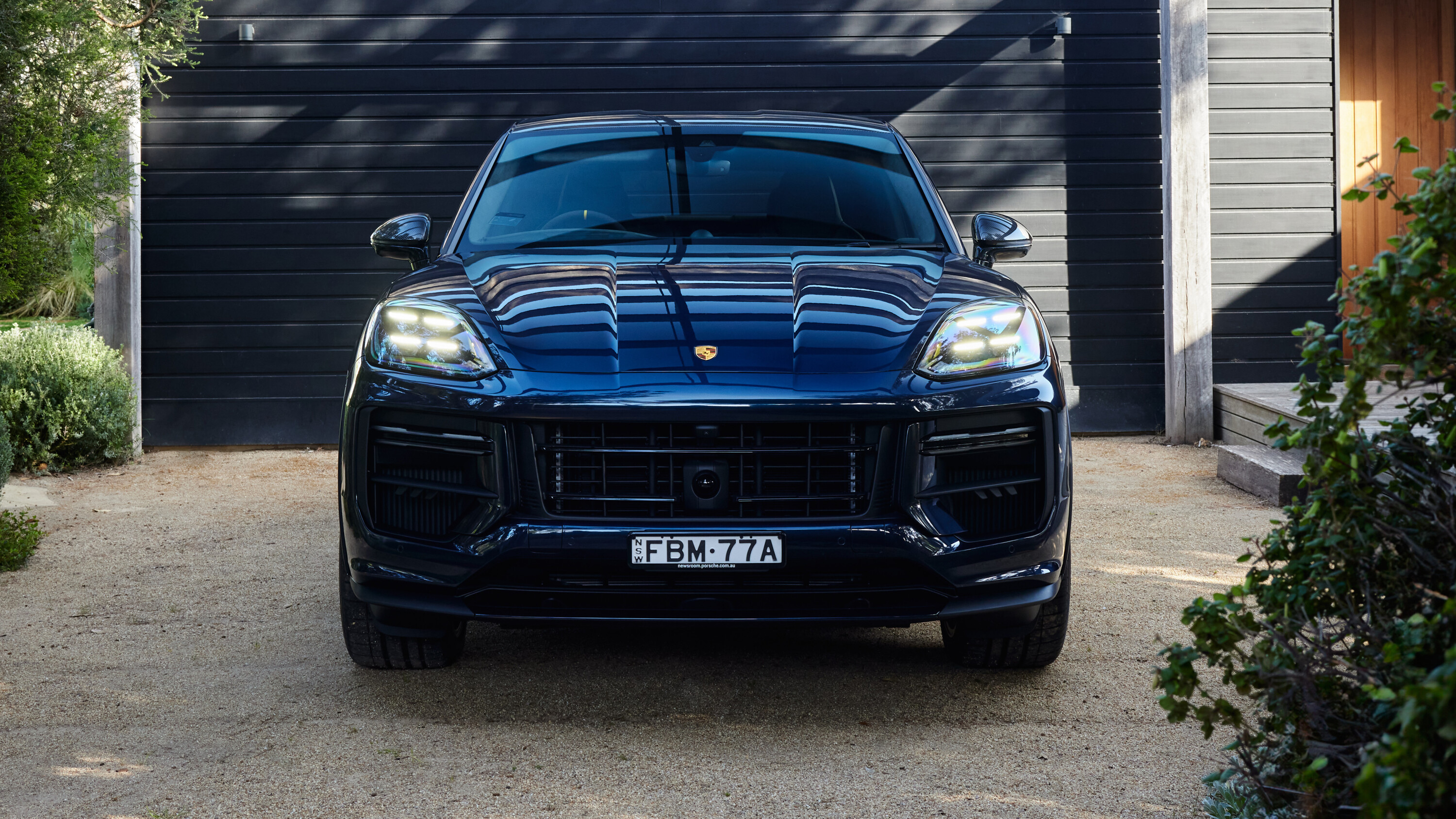
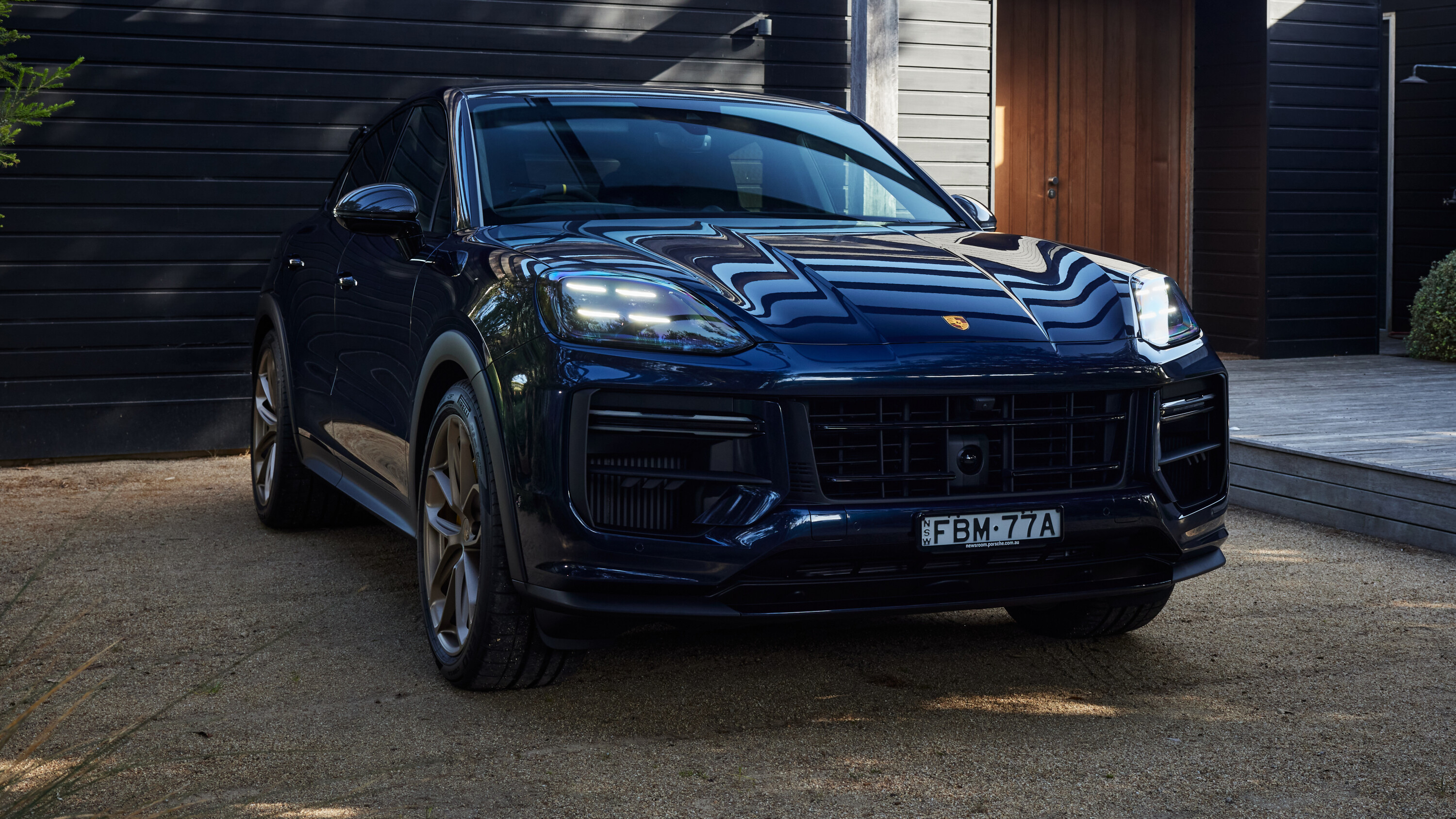
Special mention should go to the jaw-dropping headlights. LED matrix units are now standard across the Cayenne range blending speed, camera and navigation data feeds to ensure ideal illumination. The 11-point matrix of the main beam area does the usual trick of not dazzling oncoming drivers but the Turbo GT model has a few additional tricks up its sleeve.
This gets the high-resolution HD-Matrix LED lights. These lights adjust and recalibrate their power and throw every 16 milliseconds and can perform all sorts of clever adaptive functions such lane brightening, construction-site and bottleneck light or dedicated freeway high-beam.
1
The key to this tech is a chip that measures a mere 12.8 by 3.2 mm, which holds 16,384 individual micro-LED pixels, two of which are fitted per headlamp pod.
These chips are governed by a control module, much like a PC graphics card, can set one of 1024 brightness steps for each of the diodes. Dial everything up to 1024 and the Turbo GT is throwing out 2500 lumens, or enough light to illuminate the road up to 600m ahead.
In case you were wondering, the sun kicks out around 127,000 lumens, so you’re not turning night into day (and don’t get me started on lux versus lumens) but suffice to say, they’re extremely good lights when they’re on main beam, that is.
1
They’re excellent at blanking out oncoming vehicles and retaining main beam, but when they dip, the throw isn’t huge.
What’s more, it seems as if the algorithm needs a little finessing, as they can drop to dipped beam on a pitch-black deserted country road for no apparent reason and then take a very long time (in some instances around 30 seconds) to decide that the coast is clear and resume the light show.
When it does, it’s very dramatic, with the beam swishing outwards like a pair of opening curtains.
How long is the warranty and what are the running costs like?
The warranty for the Cayenne Turbo GT is three years / unlimited kilometres.
While three years might seem a bit mean given that much of the new car market has moved to five-year warranties, there’s still a bit of lag at the top end of town. The likes of Aston Martin, Bentley, Ferrari, Lamborghini, Lotus, and Maserati all offer a similar three-year deal.
Main service intervals are at 15,000km/1 year, there’s a three-year paint warranty and a 12-year anti rust warranty.
Aside from fuel, it’s worth bearing in mind that set of rear boots for the Cayenne will retail at just over $1000 per corner.
The key to enjoying the Porsche Cayenne Turbo GT is to overcome your initial scepticism around what it is or what it represents and just enjoy what it does. Which is pretty much anything you ask of it.
This is a car which can turn a lap of the ‘Ring quicker than a 997 GT3 yet features an off-road mode which can see it wading through 460mm of water. The updates to the latest version have usefully refreshed its utility and added some much-needed subtlety to its palette of flavours.
The Turbo GT is a genuinely phenomenal piece of engineering which, by rights, ought to be enough to endear it to ‘proper’ car enthusiasts, many of whom will turn their nose up at the idea of a huge and heavy SUV, no matter what it’s capable of. And therein lies the rub. The Turbo GT doesn’t get the respect it deserves and, truth be told, likely never will.
1
Unlike many of its rivals, it’s suffused with a genuine sense of fun. It’s a patently ridiculous vehicle and, as such, it’s hard to take yourself too seriously when you’re driving it.
All of which means it’s easy to lean into its extreme attributes and have a great time doing so. Yes, it’s wholly unsustainable, but this is the last fling of great internal combustion engines and we might as well enjoy them while we still can.
If you have the means, the Cayenne Turbo GT earns a solid recommendation. Life is short and opportunities to have this sort of fun are not long for this world. This or an Aston Martin DBX707? In terms of fun, there’s little to separate them, but chances are there will be little overlap in the buyer set. Think of the Cayenne as the unlikely joker in the pack.
Updated dashboard with curved panel, new infotainment system
Facelifted people mover expected in Australia in Q1 2024
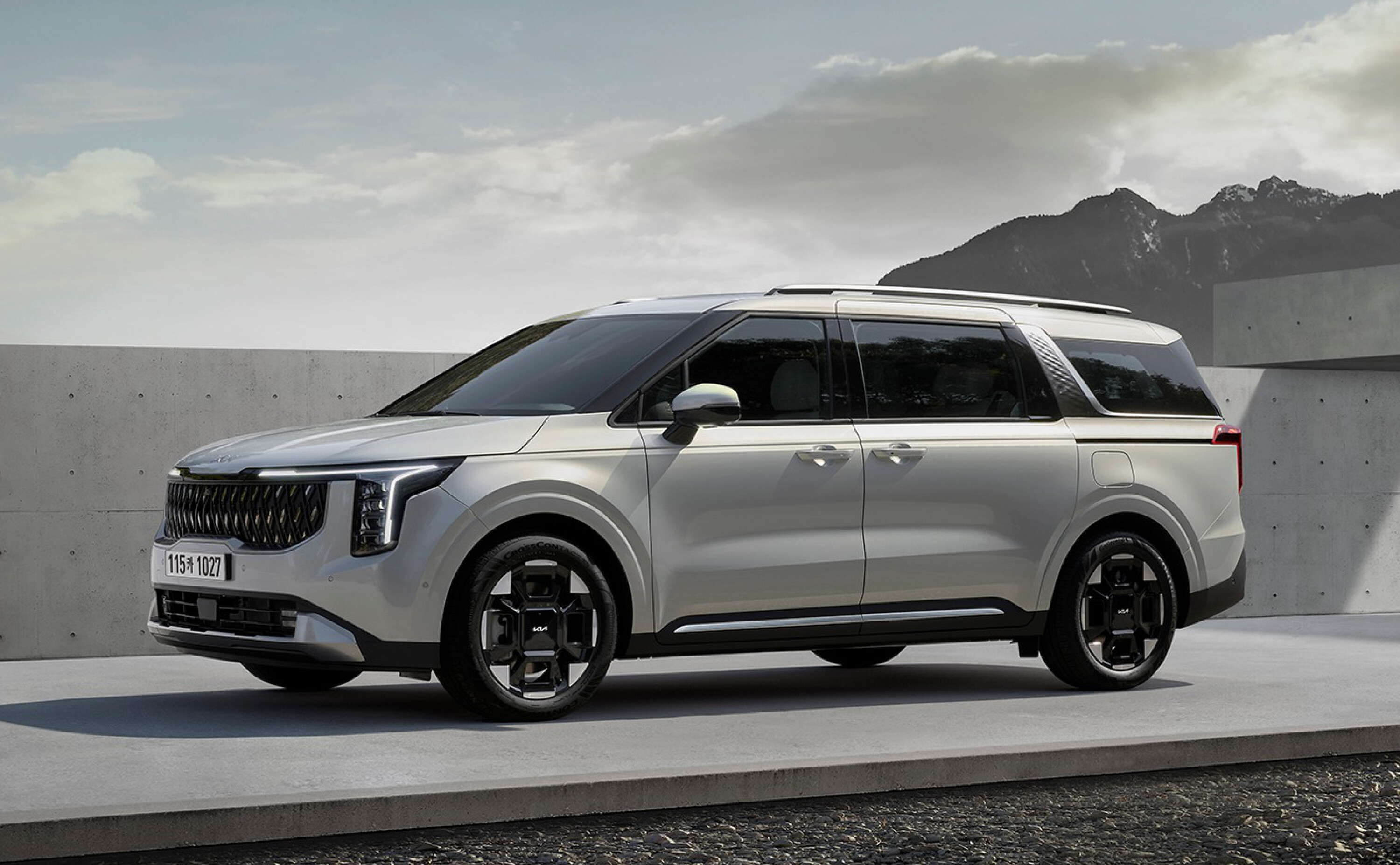
The facelifted 2024 Kia Carnival has debuted in full, ahead of its local launch expected in the first quarter of next year.
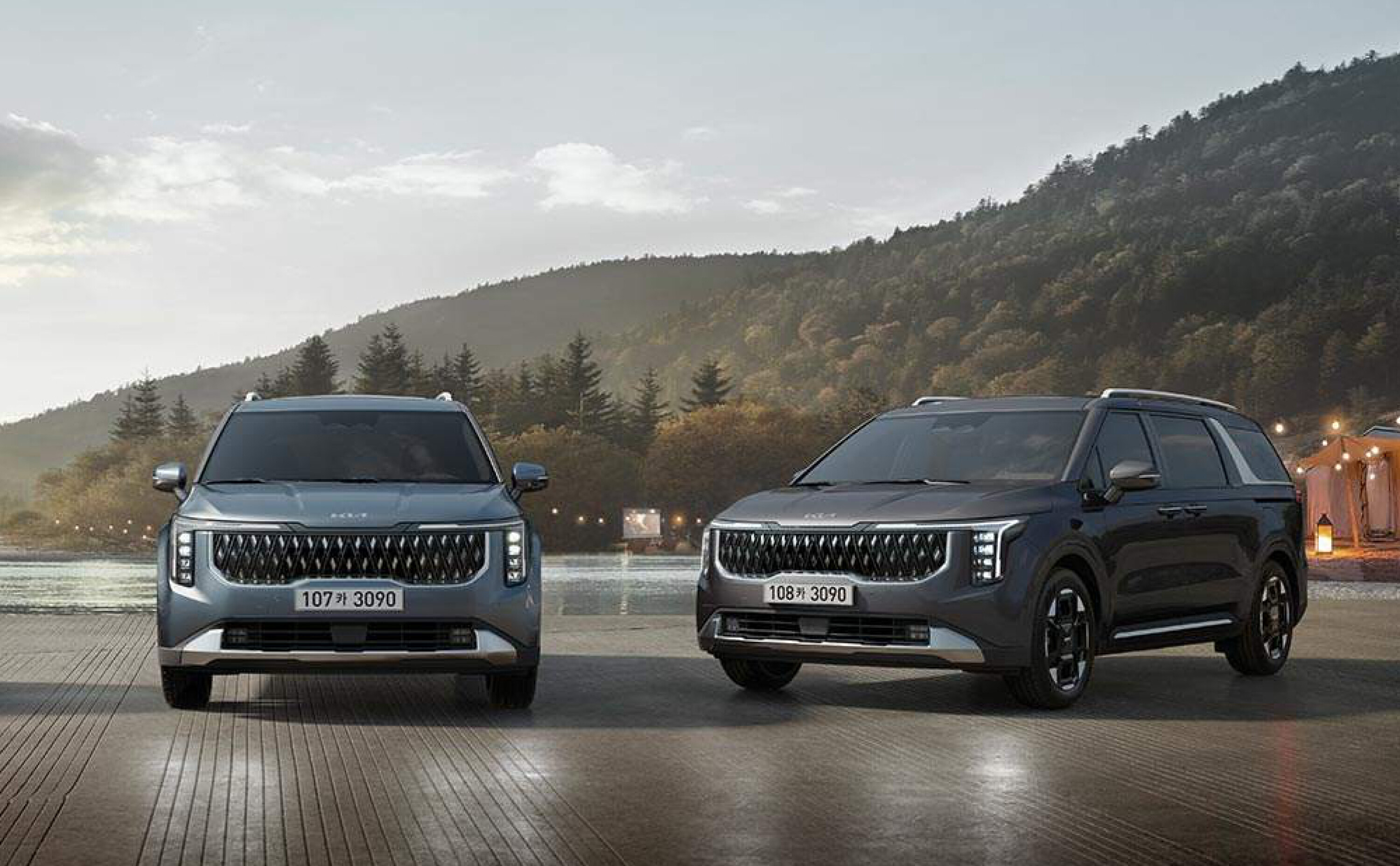
As detailed in October, the revised exterior sees the addition of Kia’s ‘opposites united’ design language said to combine “sophistication and SUV-like strength”, with vertical headlights, ‘star map signature lighting’ daytime running lights, and a wider front grille.
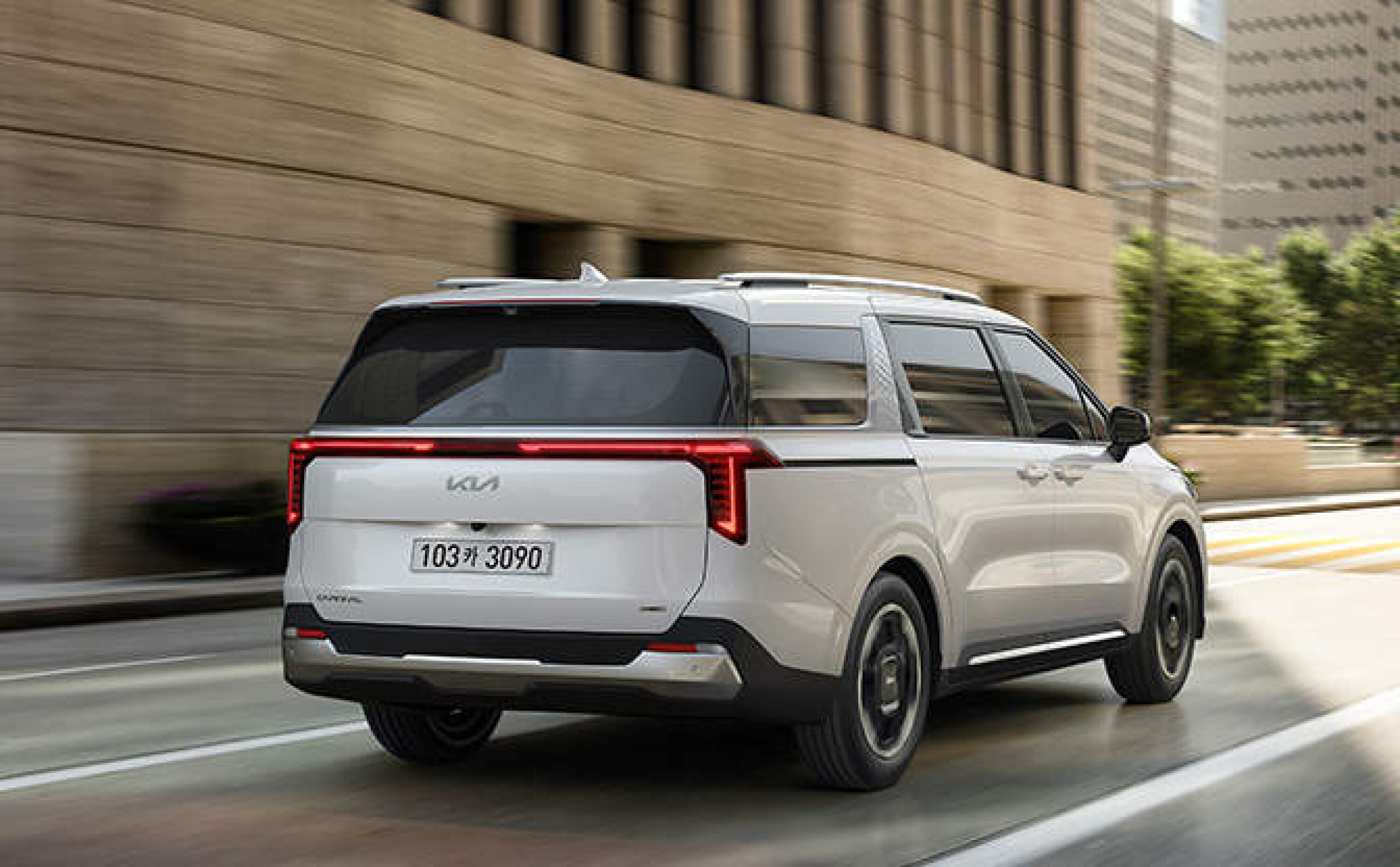
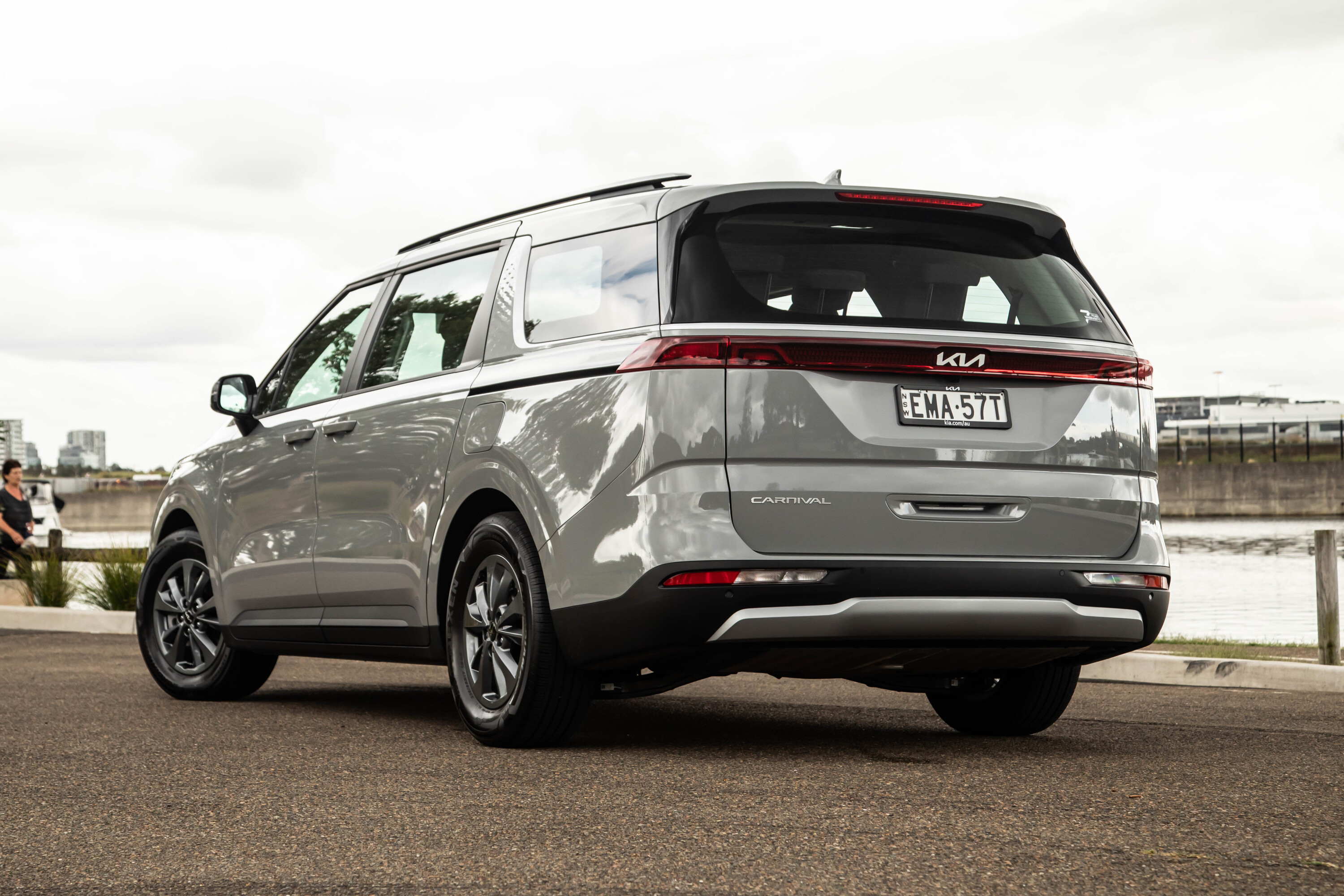
The rear features a new-look tail-light design similar to the Seltos small SUV with a full-width light strip, along with a lowered licence-plate position and hidden door handle for a cleaner look.
A blacked-out Gravity trim has been introduced in Korea, along with new 18- and 19-inch alloy wheel designs.
1
Joining the existing 3.5-litre petrol and 2.2-litre diesel engines, Kia has introduced a 183kW/367Nm 1.6-litre turbo-petrol hybrid powertrain, with a claimed fuel consumption of 7.1L/100km in Korea – compared to 7.6L/100km for the diesel and 11.1L/100km for the petrol V6 in that market.
In Australia, the diesel claims 6.5L/100km, while the petrol is listed at 9.6L/100km.
A specific 18-inch alloy wheel design and ‘navy grey’ interior option are offered for the hybrid model.
A Kia Australia spokesperson said the local arm is “keen” for the Carnival hybrid, but it is still in discussions with Korea to confirm the powertrain for our market.
Kia said ride comfort and quietness are improved with improved shock absorbers borrowed from the luxurious High Limousine version and reinforced sound-absorbing materials.
1
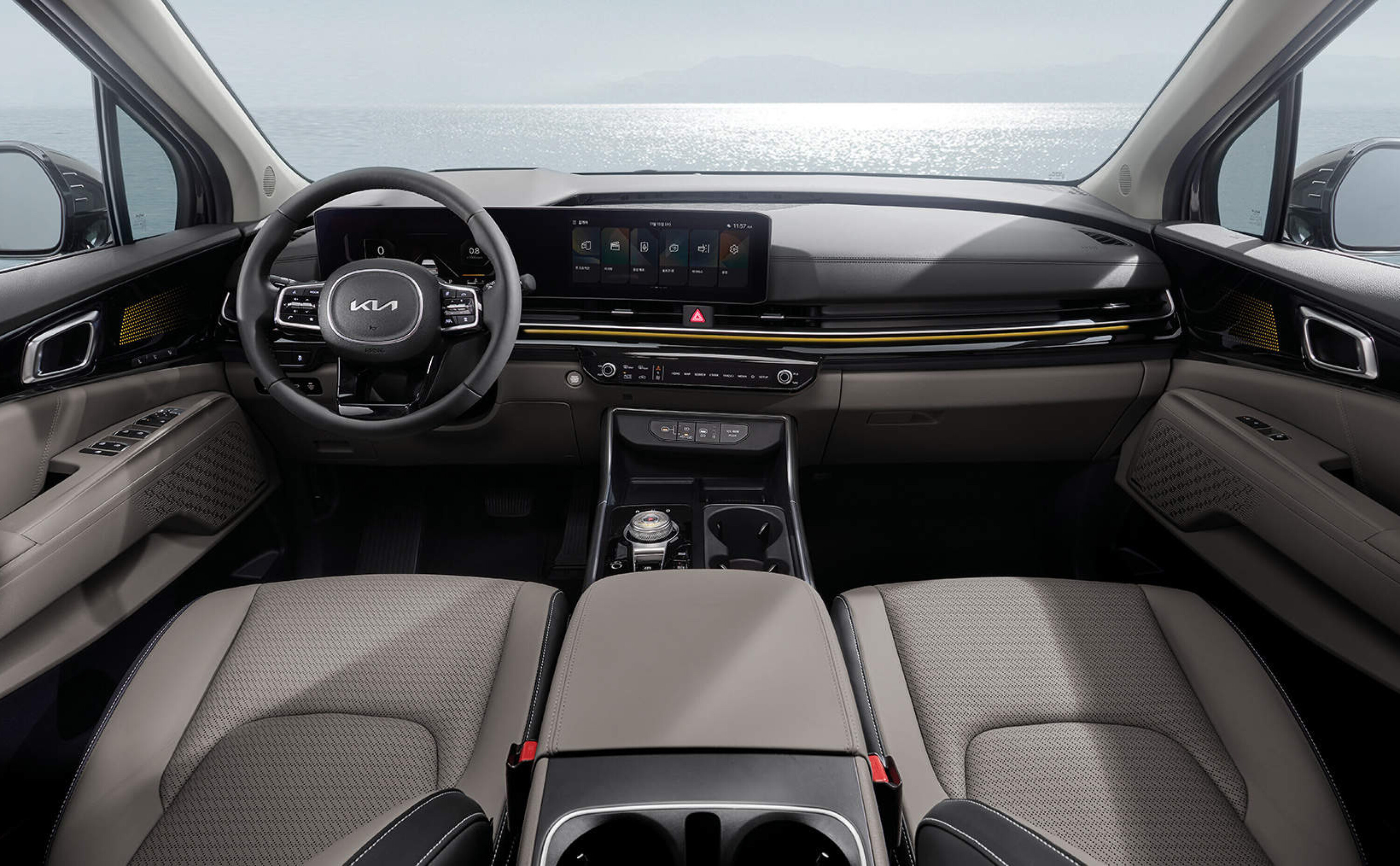
Inside, the Carnival follows the updated Sorento, adding a new-look dashboard with a curved display panel featuring dual 12.3-inch displays running Kia’s latest ‘ccNC’ infotainment system.
It also has a switchable climate/audio touch panel like the EV6, Niro and Sportage, and configurable ambient lighting that extends from the dashboard into the door panels.
The updated infotainment suite features over-the-air (OTA) software updates and a ‘Streaming Plus’ service to enhance the in-vehicle entertainment experience.
Kia’s Digital Key 2, USB-C charge ports throughout, remote smart parking assist, seat buckle lighting, ‘multi-zone voice recognition’, and the Hey, Kia’ wake-up command are also new for the facelift.
1
In Korea, the Carnival is available with twin 14.6-inch rear-seat entertainment screens running a version of the ccNC software, with online video from downloaded applications available to view independently.
Newly added active safety systems include oncoming vehicle detection, evasive steering assist when overtaking, semi-autonomous Highway Driving Assist 2, and intelligent speed limit assist.
It is now fitted with a front-centre airbag to help prevent head clashes in serious side impact collisions, taking the airbag count to eight.
1
There is a UV-C sterilising armrest storage box – as seen in the new Hyundai Santa Fe – and an air conditioner photocatalyst sterilisation system, both Kia firsts.
In Australia, the facelifted Carnival will likely receive missing features already available overseas, including a full-digital instrument cluster, rain-sensing wipers, a blind-spot view monitor, and Kia Connect.
The 2024 Kia Carnival is expected in Australia between January and March.
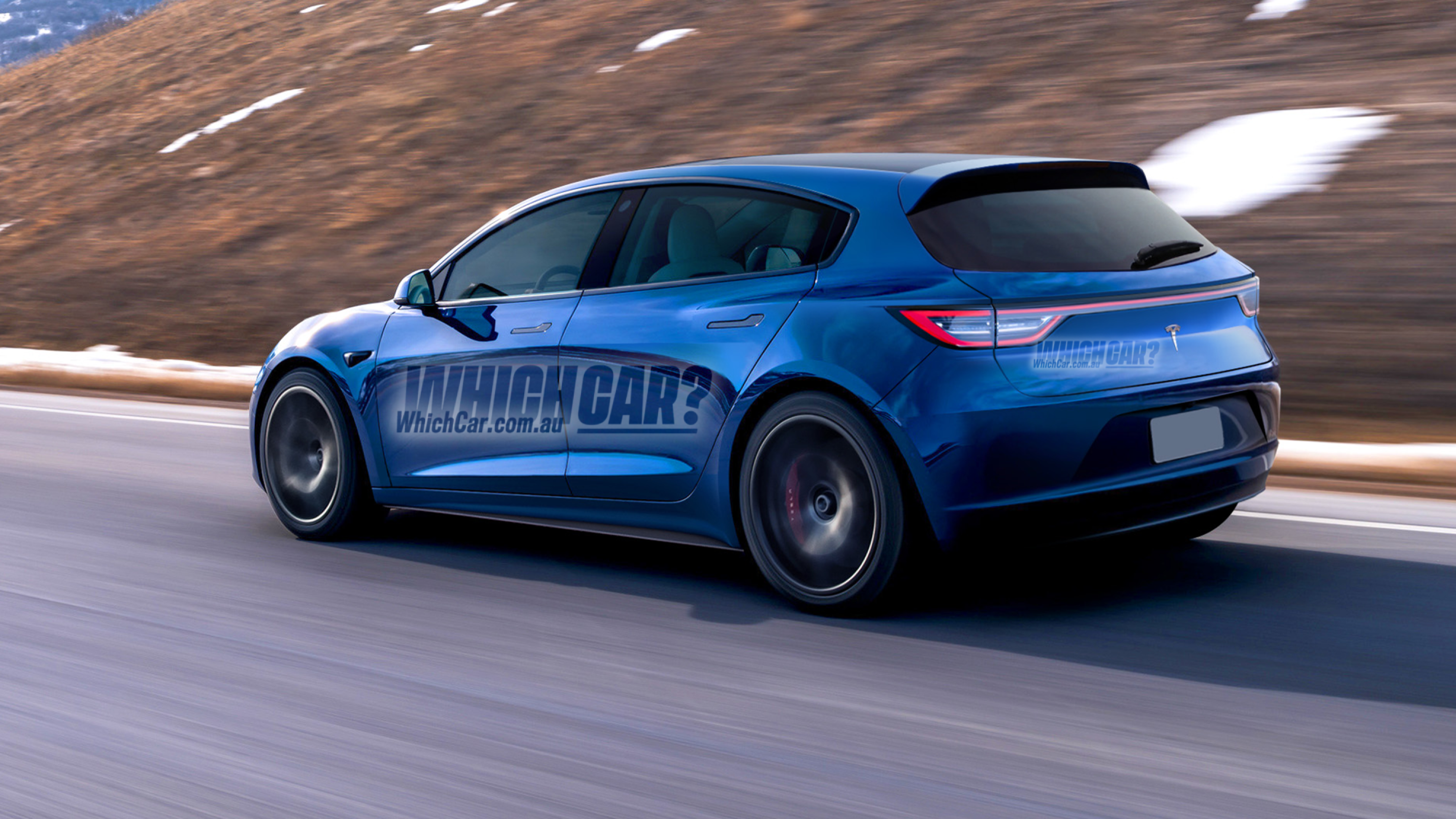
Tesla to build new affordable small SUV using die-casting
Sources say itu2019ll be sub u20ac25,000 in Europe
Will be built at Berlin Gigafactory for European markets
This week, Tesla CEO Elon Musk visited the brand’s German Gigafactory in Gruenheide and, after thanking them for their hard work, told workers the Berlin plant will be where a new affordable EV is produced for Europe according to Reuters [↗].
The vehicle in question is a yet-unreleased EV that is unofficially known as the ‘Model 2’, with Elon targeting a starting price of €25,000 – about A$41,000.
The German Gigafactory currently produces the Model Y medium SUV for continental consumption, and the new model is aimed at increasing the uptake of electric vehicles in Europe.
The Model Y is already Europe’s best-selling vehicle with 169,420 new registrations so far this year ahead of the Dacia Sandero at 154,538. EVs make up over 20 per cent of the market in Europe, the Jato Dyanmics found the average purchase price to be €65,000.
For those reading thinking that the BYD Dolphin and MG 4 already eclipse the Model 2’s target price, Europe’s lack of free-trade agreement with China and added shipping distance mean those two cars aren’t as affordable on the continent.
In Germany, the MG 4 starts at €28,590 (A$47,500) and the BYD Dolphin €29,990 (A$49,870).
How will Tesla make the ‘Model 2’ more affordable?
For a start, building the Model 2 in Europe will give Tesla a leg up on Chinese rivals (though not in Australia, of course), but there’s more at play.
To cut costs and simplify the manufacturing process, sources told Reuters that Tesla is developing a technique to die cast most of the chassis in one piece, allowing higher volumes and lower costs unofficially known as the ‘unboxed’ production process.
Die casting is not new in the automotive industry but is typically reserved for smaller components, such as engine blocks and subframe assemblies rather than large sections of a vehicle.
1
The result will be a 40 per cent reduction in factory size and it’s promised to cut manufacturing costs in half with fewer delay risks at each stage, according to Tesla.
To stay affordable, lower-grade Model 2s will presumably use LFP batteries, though Tesla has revealed its future small vehicle will be able to accept any battery chemistry.
The new vehicle will help Tesla’s German plant increase its output to one million vehicles annually. It’s currently capable of 250,000 cars yearly and will need to submit further information to authorities about environmental impacts of the expansion.
Heat pump and battery conditioning built in for 2024
AWD now optional on Dynamiq; RWD Epiq also available
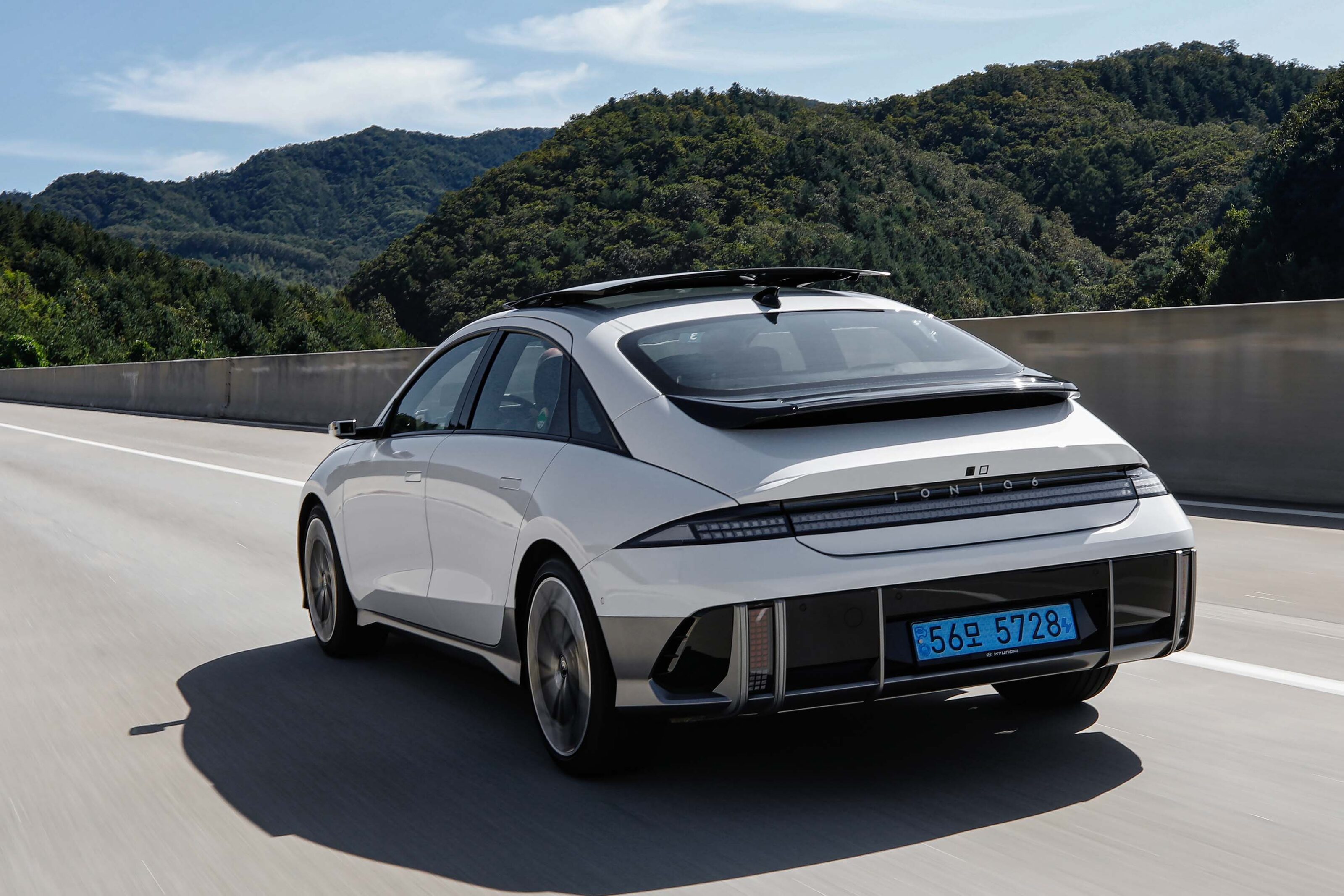
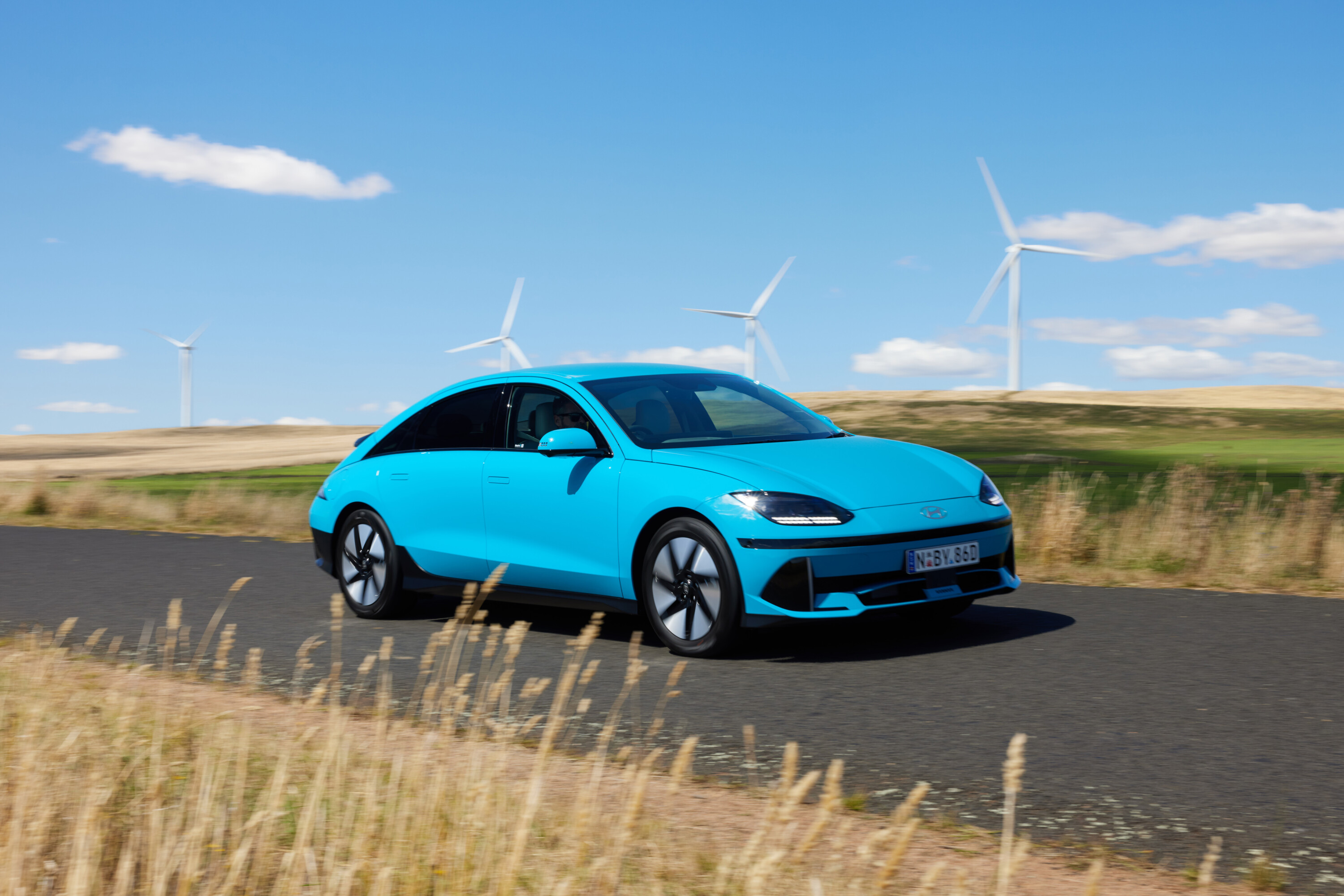
Hyundai has followed up 2024 Ioniq 5 updates with a similar restructuring of the Ioniq 6 sedan range with a lower entry price angled at both the Tesla Model 3 and government incentives.
The new Ioniq 6 base model with its 53kWh battery starts at $65,500 before on-road costs, making it $100 more than a Model Y and $3600 dearer than the base Model 3 sedan. Pricing is up by $2500-$3500 for existing trims.
Known simply as the Ioniq 6, the new variant is powered by a 111kW rear-mounted motor and carries a 429km WLTP driving range rating. That’s 57kW and 285km less than the extended range 77.4kWh cars.
The Ioniq 6 standard range figures are still some way adrift of the base Model 3’s 491km range rating. Since March, Hyundai has sold 468 Ioniq 6s, making it the 19th best-selling EV in Australia.
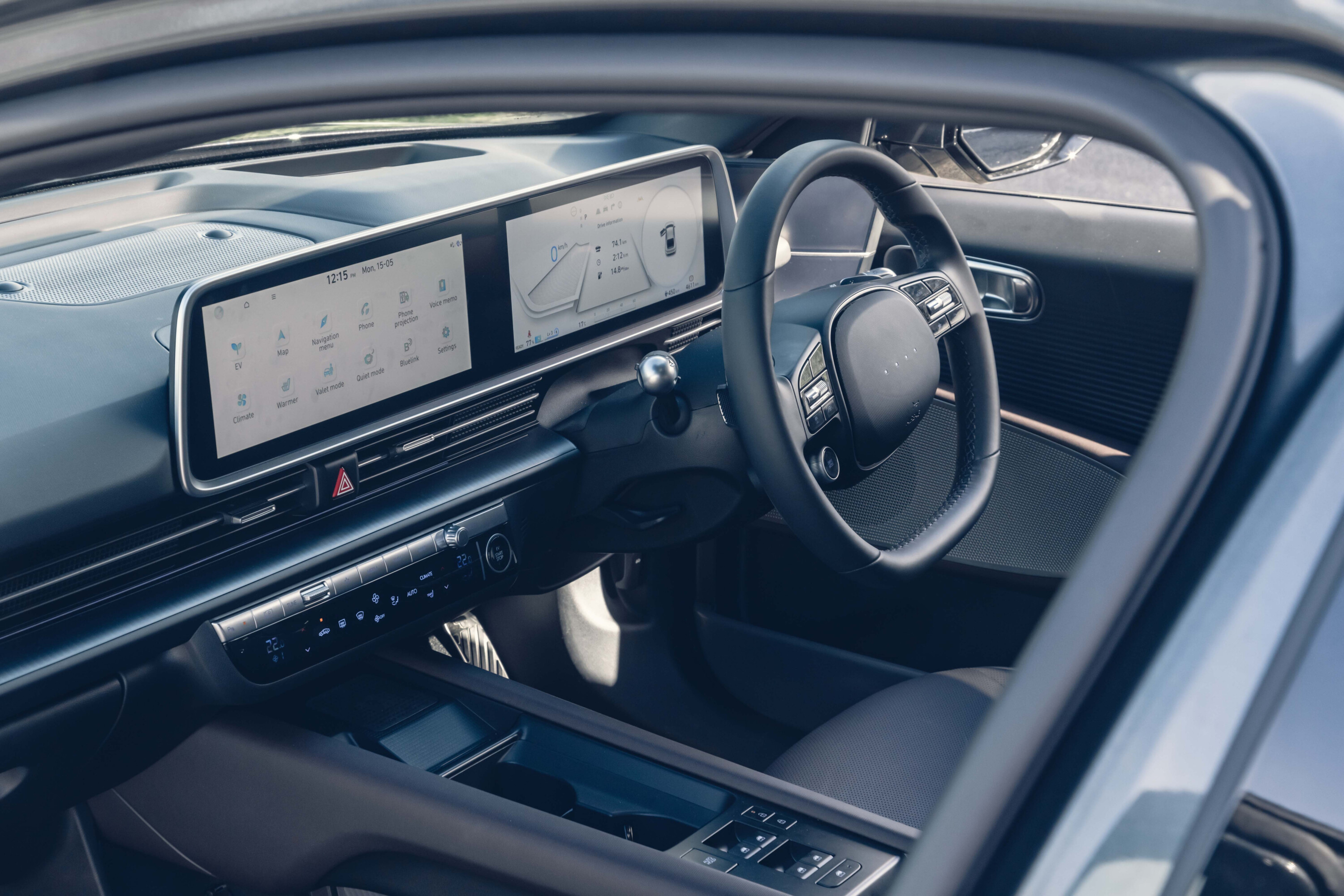
Hyundai has implemented a heat pump and improved battery conditioning for the minor model year update, as well as offering more choice, including AWD for the Dynamiq and rear-wheel drive on the flagship Epiq trim. The Techniq grade is gone entirely.
“The revised and upgraded line-up for 2024 Ioniq 6 enhances the accessibility and value of our reigning World Car of the Year, while bringing our vision for clean mobility ever closer,” said Hyundai Australia CEO Ted Lee.
The new base model sacrifices some specifications to the prior Dynamiq opener, such as leather upholstery with heating, active headlights, and a premium sound system though there’s still strong technology included in the price.
Ioniq 6
18-inch alloy wheels, and 225/55 eco tyres
Heated front seats
Heat pump
Battery heating and conditioning function
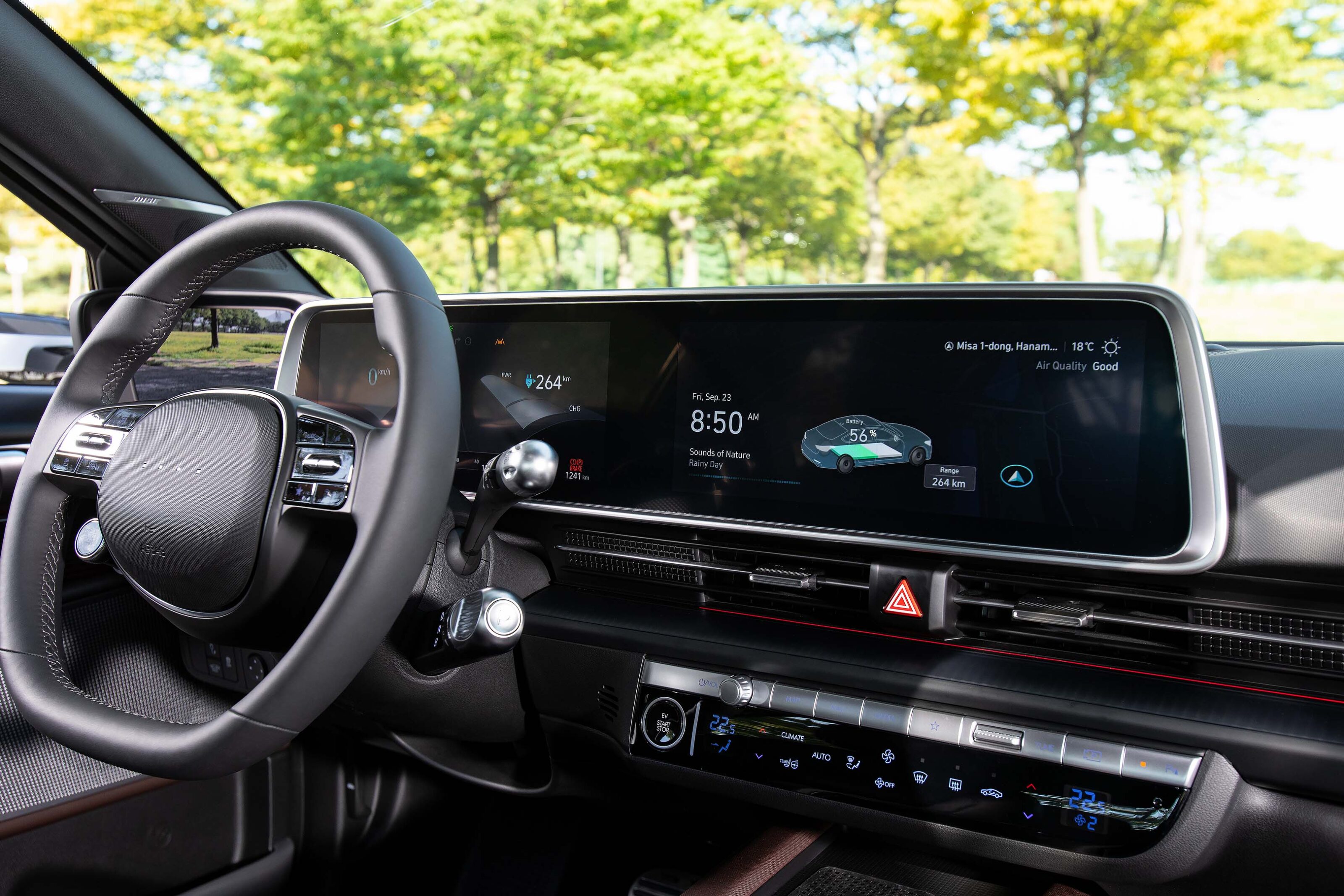
12.3-inch infotainment system
10-way power-adjustable driver’s seats w/ two-way lumbar support
Cloth upholstery and knit headlining
6-way manually adjustable passenger seat
Wired Apple CarPlay and Android Auto
Leather-appointed steering wheel
DAB+ digital radio
Adjustable interior ambient lighting
12.3-inch digital instrument cluster
Remote smart parking assist
Wireless phone charger
360-degree camera system
Six-speaker audio system
Auto-dimming rear-view mirror
LED headlights, tail-lights and daytime running lamps
Dual-zone climate control
Head-up display
Rear air vents
USB ports (1x USB-A multimedia, 3x USB-C charging)
Tyre pressure monitoring
Rear privacy glass
Tyre mobility kit
Rain-sensing wipers
Trailer pre-wiring
Dynamiq
20-inch alloy wheels with 245/40 Pirelli P Zero tyres
Eight-speaker Bose audio system
Eco-processed leather upholstery
10-way power passenger seat w/two-way lumbar support
Front seat heating
Alloy pedals
Steering wheel interactive pixel lighting
Intelligent Front-lighting System with auto-dipping high-beams
Rear privacy glass
Head-Up Display (HUD)
Epiq
Full width glass sunroof
Premium ‘relaxation’ seats with heating, ventilation and driver’s seat memory
The new standard range Ioniq 6 is available exclusively with a single rear-mounted motor producing 111kW and 350Nm.
It’s hooked up to a 53kWh NMC battery (rather than the Model 3’s LFP item) that provides 429km driving range in WLTP combined testing. Although the standard range uses the same 800-volt architecture, its 10-80 per cent ultra-rapid charge time is still 18 minutes – no faster than the larger battery.
The base car is also available with the same 77.4kWh battery and 168kW/350Nm motor as before for a 614km of driving range.
With the Dynamiq moving to larger 20-inch alloys shod in performance-oriented tyres, its range drops significantly to 545km. It’s now available with the twin-motor 239kW and 605Nm as well.
All-wheel drive versions all carry a WLTP-rated electric driving range of 519 kilometres.
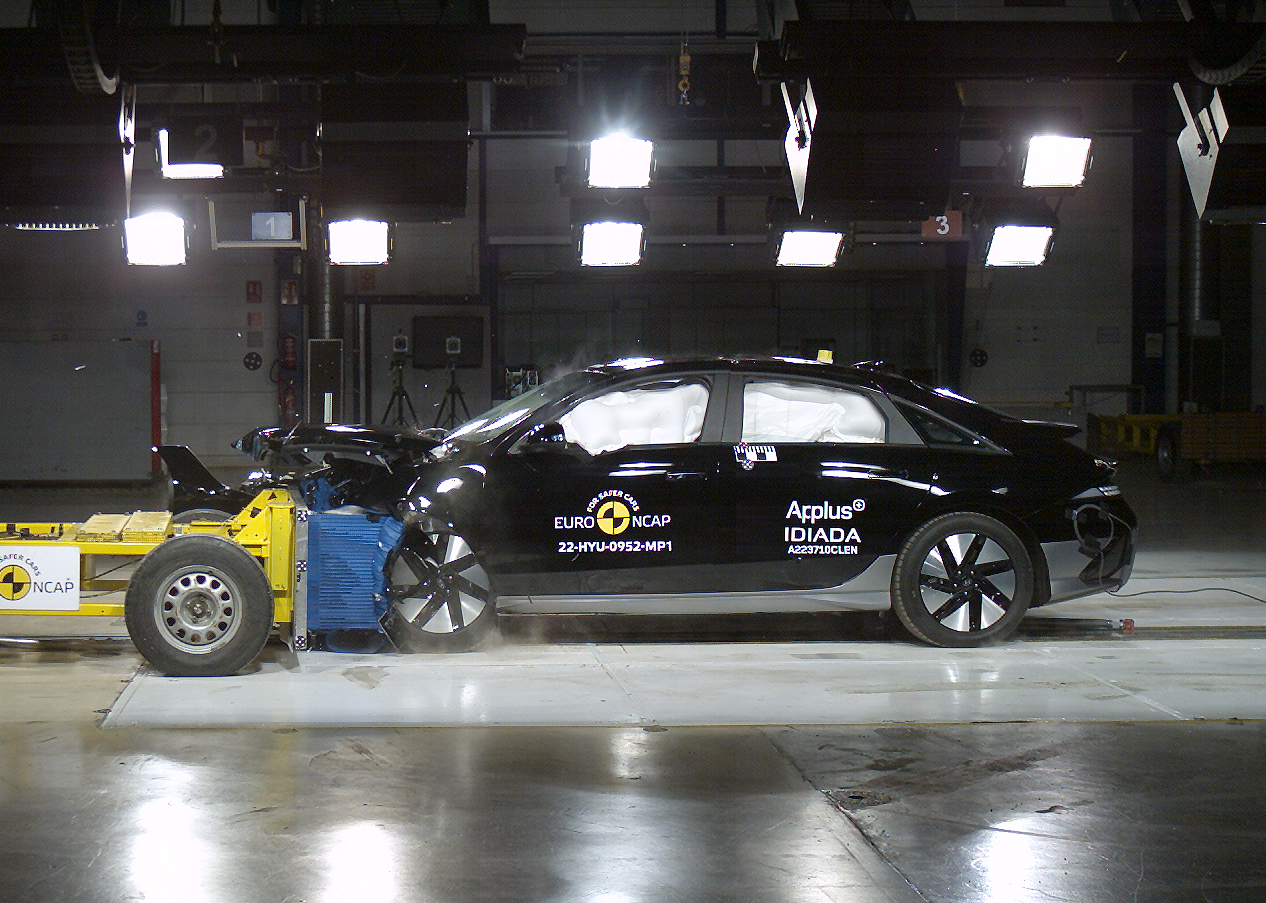
The Hyundai Ioniq 6 was awarded a five-star ANCAP safety rating based on testing by Euro NCAP conducted in 2022.
Hyundai’s electric sedan received a 97 per cent score for adult occupant protection, 88 per cent for children, 66 per cent for vulnerable road users, and 90 per cent for safety assist.
Seven airbags (dual front, side, curtain, and front-centre) are fitted across the range.
The Hyundai Ioniq 6 measures 4855mm long, 1880mm wide and 1495mm tall and rides on a 2950-millimetre wheelbase.
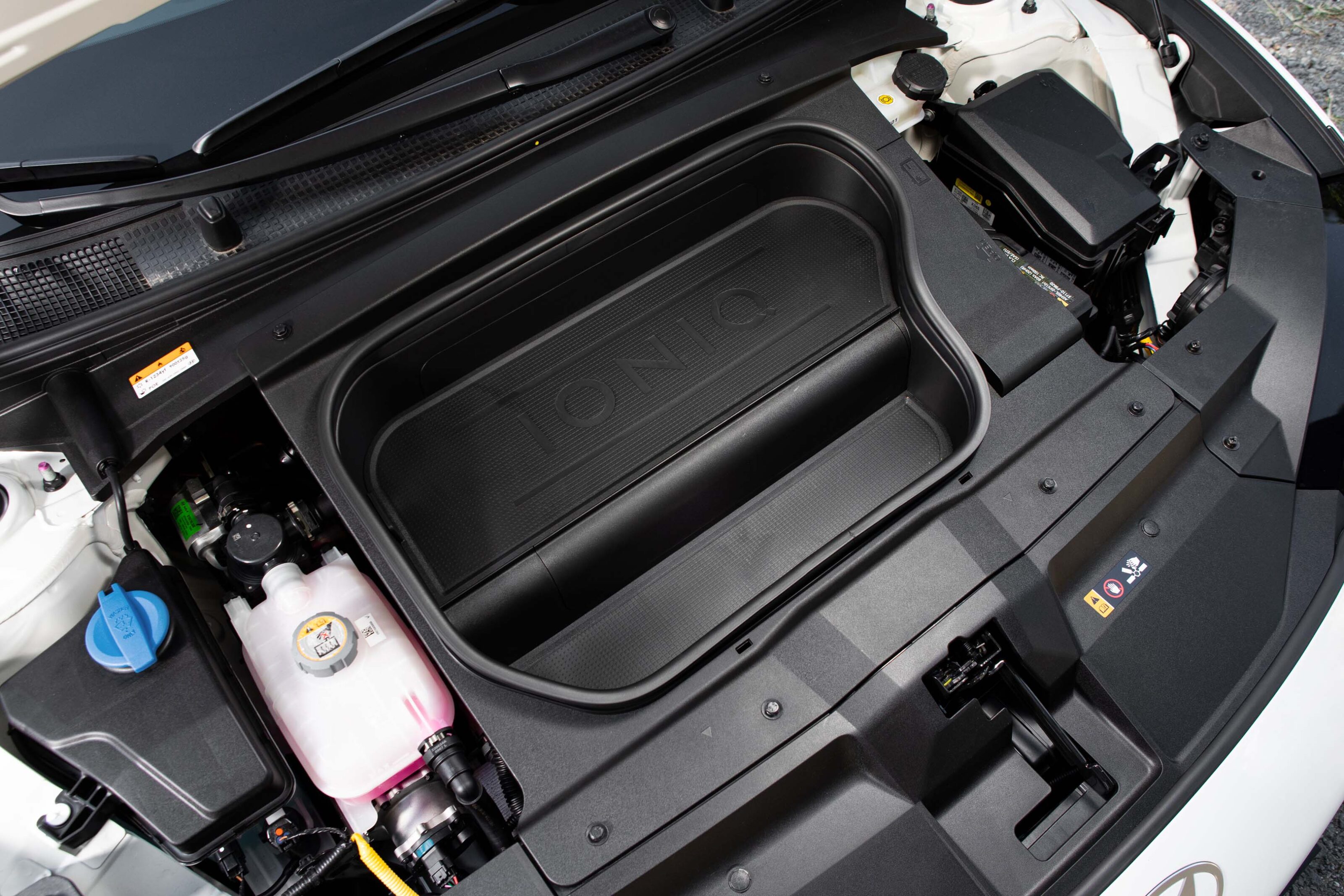
RWD versions have a 401-litre boot with 60:40 split-fold rear seats for additional space and a 45-litre compartment under the bonnet. All-wheel drive models make do with a smaller 14.5-litre front compartment.
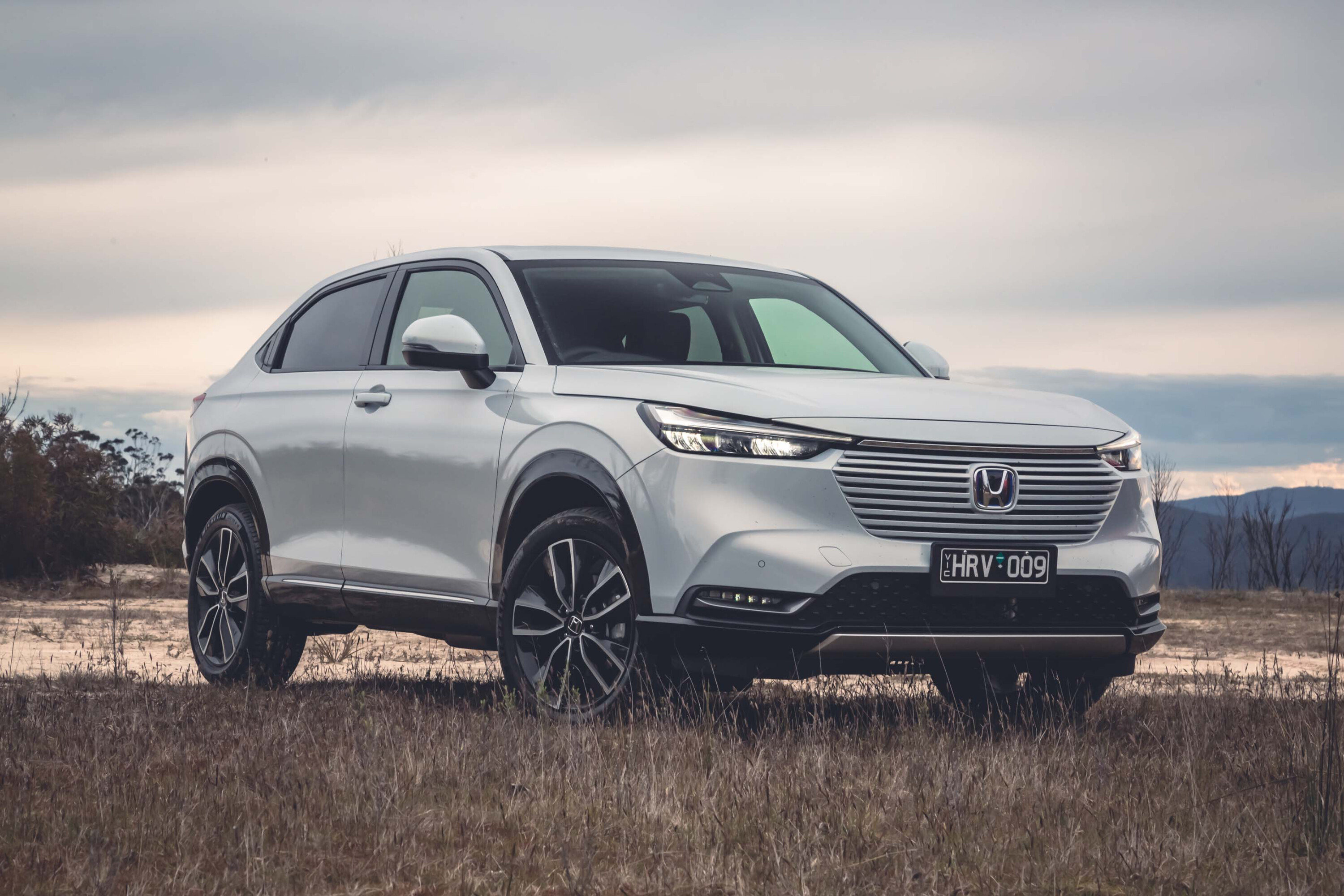
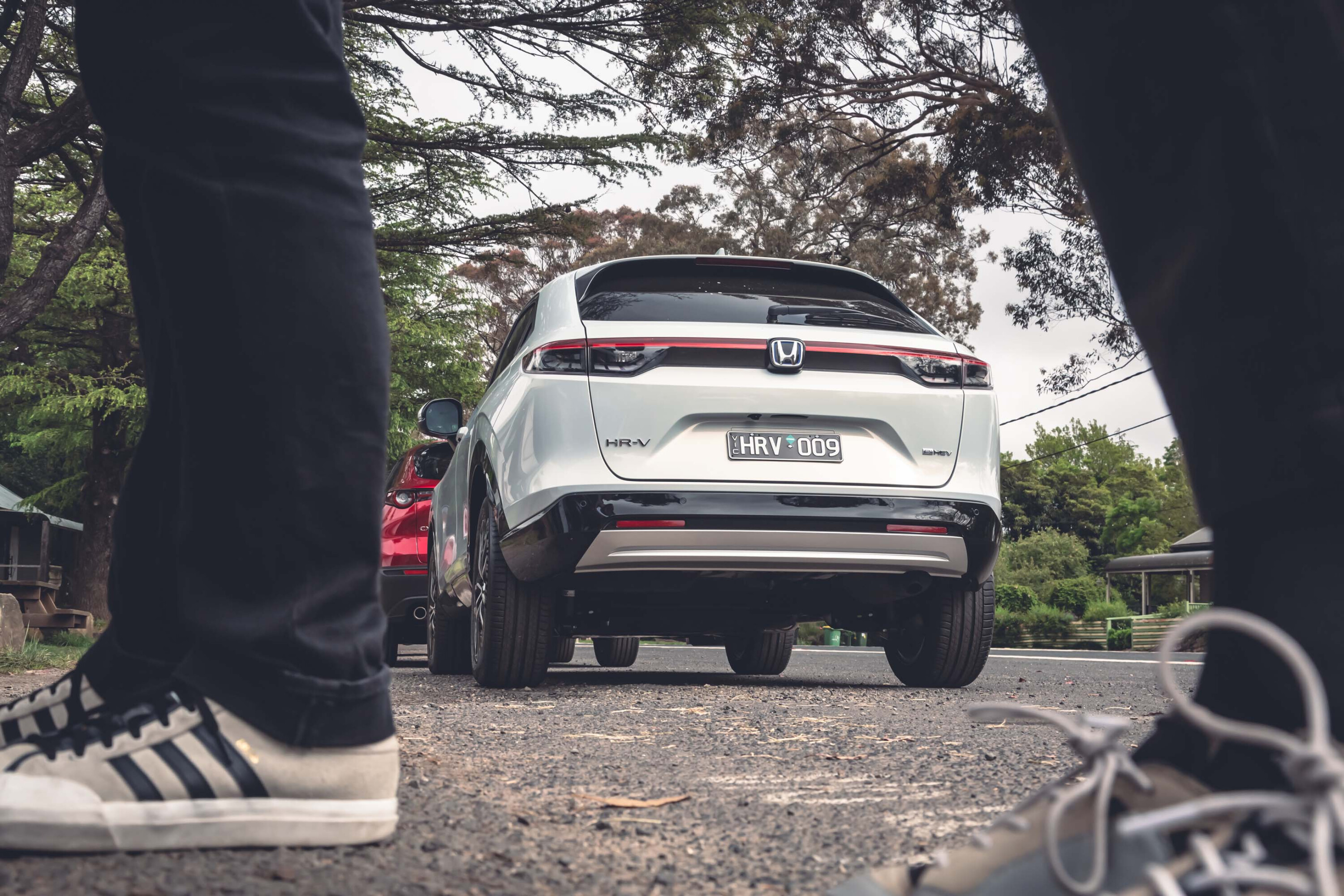
The introduction of the third-generation Honda HR-V in 2021 made quite a splash in the compact SUV category.
Its redesign marked a fresh start for the Japanese automaker as they aimed to recapture lost market share following their transition to an agency model and a gradual decline in best-seller rankings.
As the smallest member of Honda’s SUV lineup, the compact HR-V occupies a position below the recently launched midsize ZR-V SUV and the larger, recently updated CR-V.
Given the growing popularity of this segment, it’s intriguing to see whether the HR-V can continue to impress in Australia, just as it did upon its initial launch.
1
Pricing and features
The Honda HR-V is available in two variants, a highly specced petrol or hybrid offering, respectively named the Vi X or e:HEV L.
In alignment with Honda’s strategy to sell fewer, feature-full vehicles, the Vi X offers plenty of standard spec as more of a premium offering.
Operating under an agency model means that Honda pricing is standard across all dealerships. And in the case of the e:HEV L it has an asking price of $47,000 drive-away.
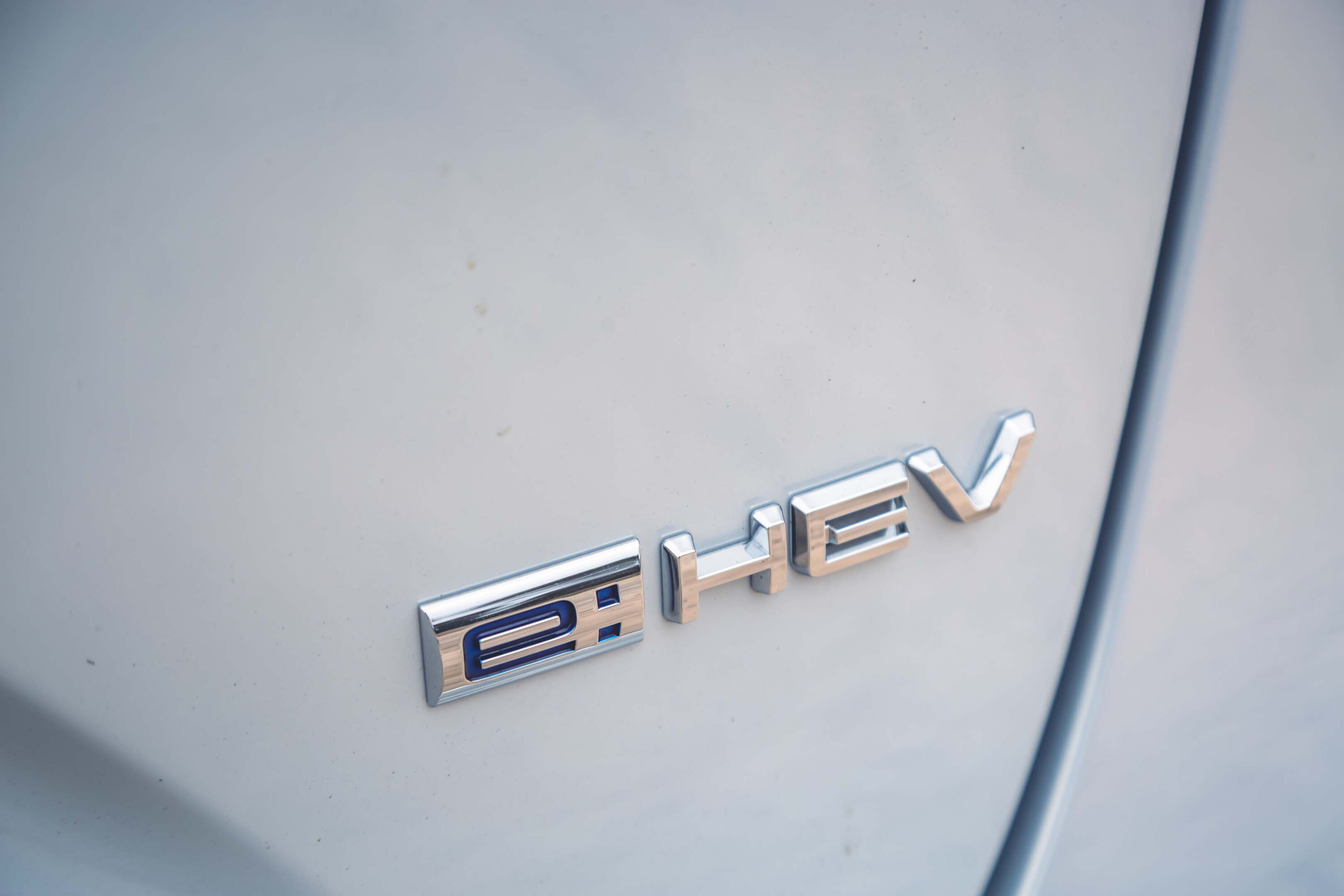
The hybrid engine produces a combined output of 96kW and 253Nm, with a fuel consumption sitting at just 4.3L/100km, or a saving of 1.5L from the petrol Vi X (which is about $10,000 less).
However the hybrid HR-V does pack in significantly more spec.
1
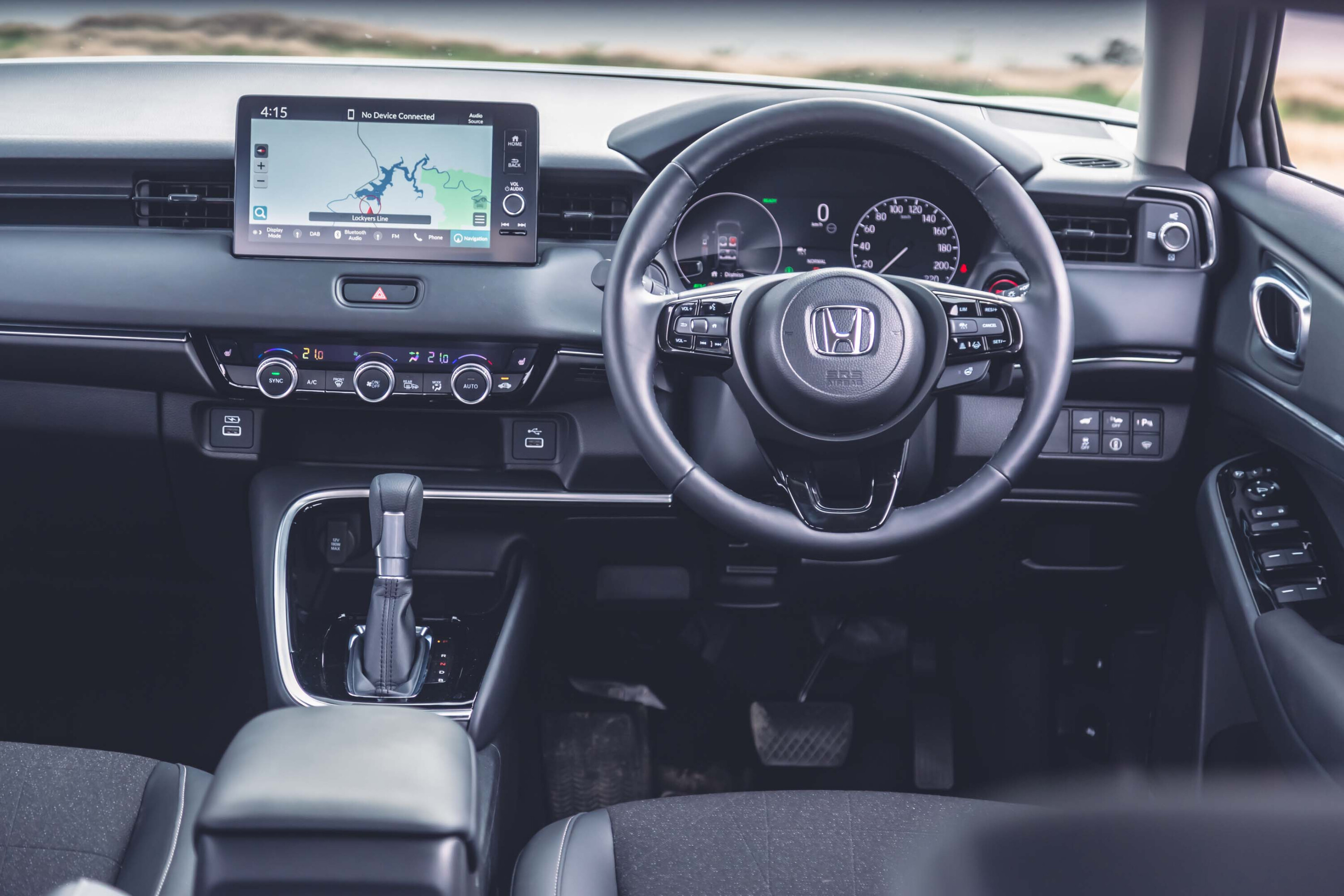
The infotainment system, with its 9-inch touchscreen and Wireless Apple CarPlay, offers simple and easy connectivity.
A missing wireless charger feels like an omission on this model, considering the feature is available on other Honda models.
The single-grade hybrid HR-V includes:
18-inch alloy wheels
Hands-free power tailgate
7-inch digital driver display
Keyless entry and push button start
9-inch touchscreen
Leather accented seats
Ambient lighting
LED headlights
Auto dimming rear view mirrors
Rain sensing wipers
Auto retractable door mirrors
Rear cross traffic alert
Blind spot monitoring
Rear privacy glass
Dual zone climate control
Six speaker sound system
Front LED fog lights
Wireless Apple CarPlay and wired Android Auto
1
The complete HR-V lineup offers a selection of five colours, all of which come at no additional cost:
Premium Opal
Platinum White
Crystal Black
Premium Crystal Red
Meteoroid Grey
1
Safety
The HR-V came close but fell slightly short of achieving a full-star rating, ultimately scoring four stars in the independent ANCAP testing.
During these evaluations, the HR-V received an 82% score for adult occupant protection and a 77% score for child occupant protection.
Standard safety features encompass front, side, and curtain airbags, autonomous emergency braking (AEB), blind-spot monitoring, lane departure warning, lane keep assist, traffic sign recognition, and a reversing camera.
Additional safety features beyond these are only available in this hybrid variant. It adds blind-spot monitoring and rear cross-traffic alert.
1
Key rivals
The small SUV segment in Australia is booming, with many key competitors offering hybrid or mild-hybrid options:
Mazda CX-30 hybrid (from $36,610*)
Hyundai Kona (from $36,000*)
Toyota Corolla Cross Hybrid (from $36,480*)
*before on-road costs
1
Should I put it on my shortlist?
The 2024 Honda HR-V e:HEV L is an aesthetically appealing compact SUV.
Thanks to fixed pricing nationwide via their new agency model, there’s no necessity for bargaining or haggling.
The hybrid offering rivals top-spec key competitors, so there isn’t currently an entry-level hybrid offering. But to understand the price is to see all the extra spec that Honda has added.
If you’re seeking an economical hassle-free and stylish small SUV for daily use, the HR-V could be an excellent choice for you.
UPDATE: MG ZS EV pricing slashed
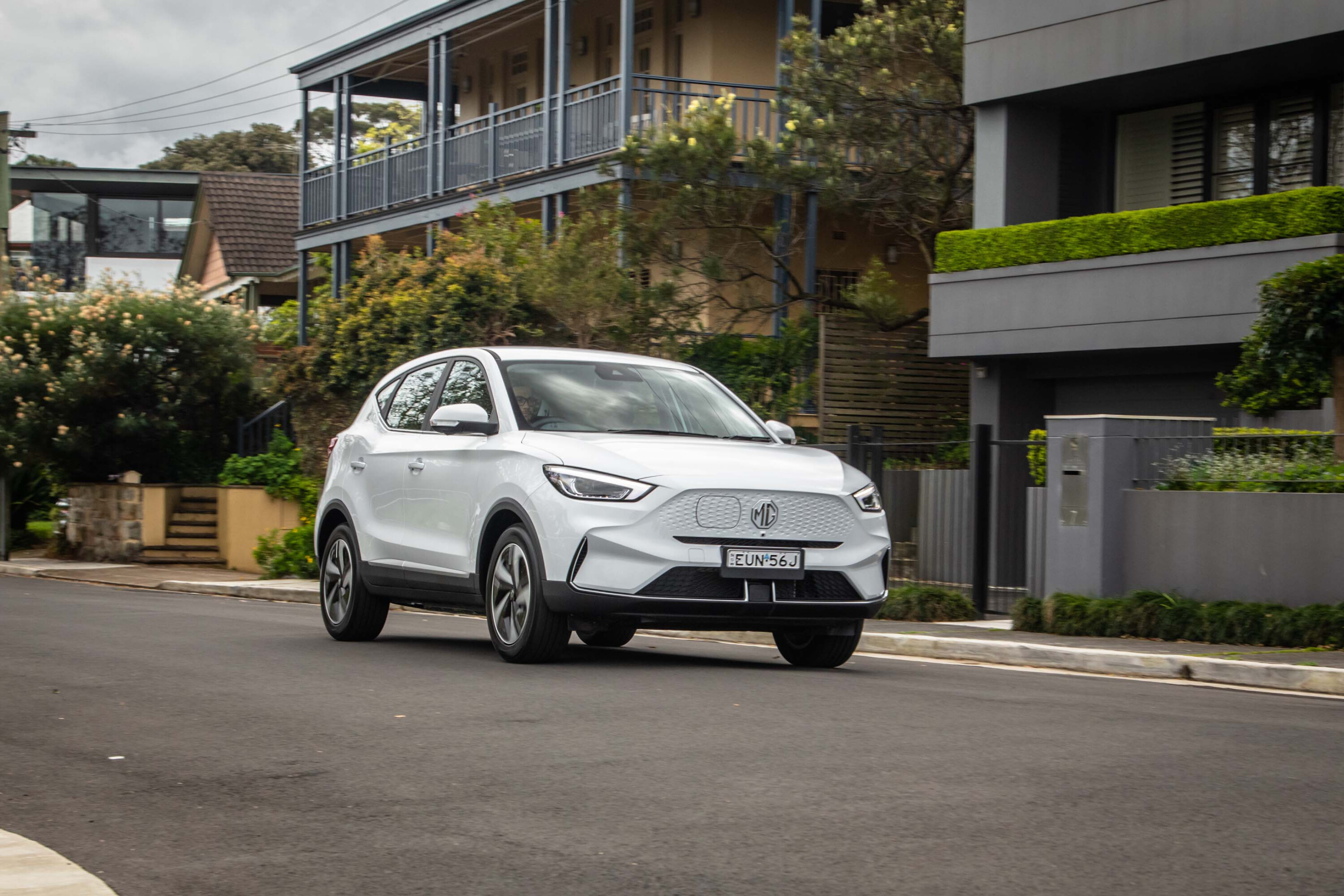
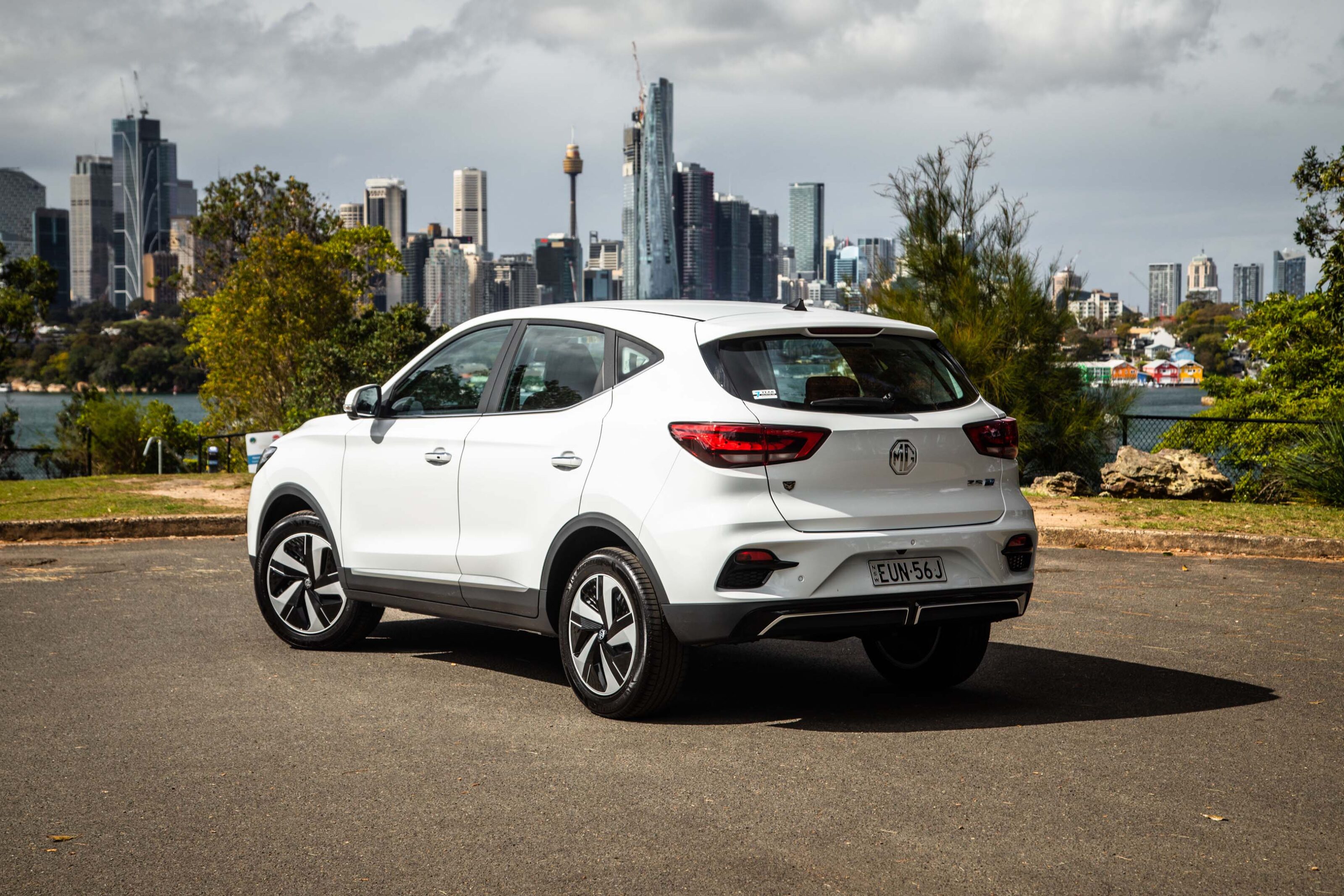
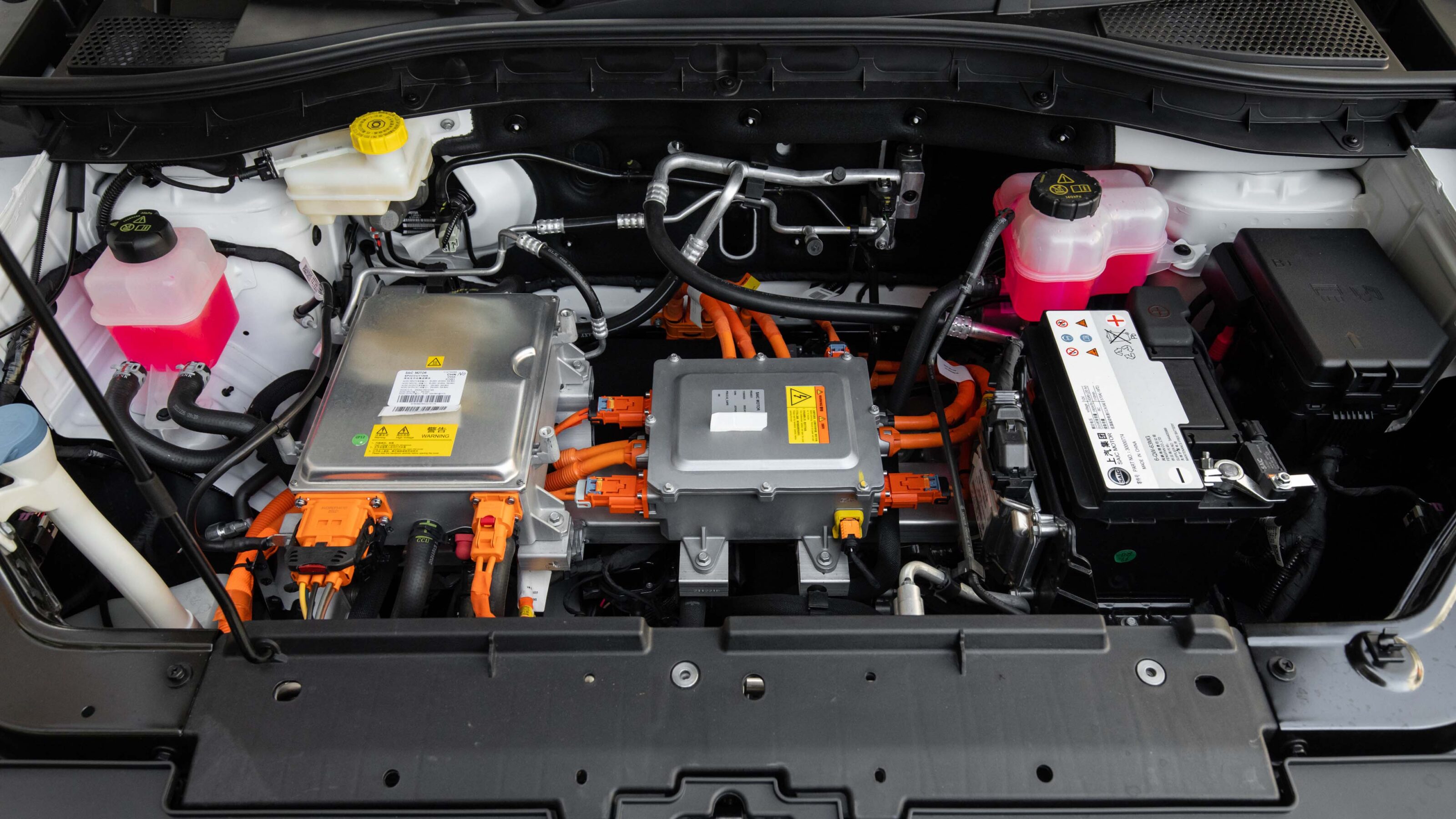
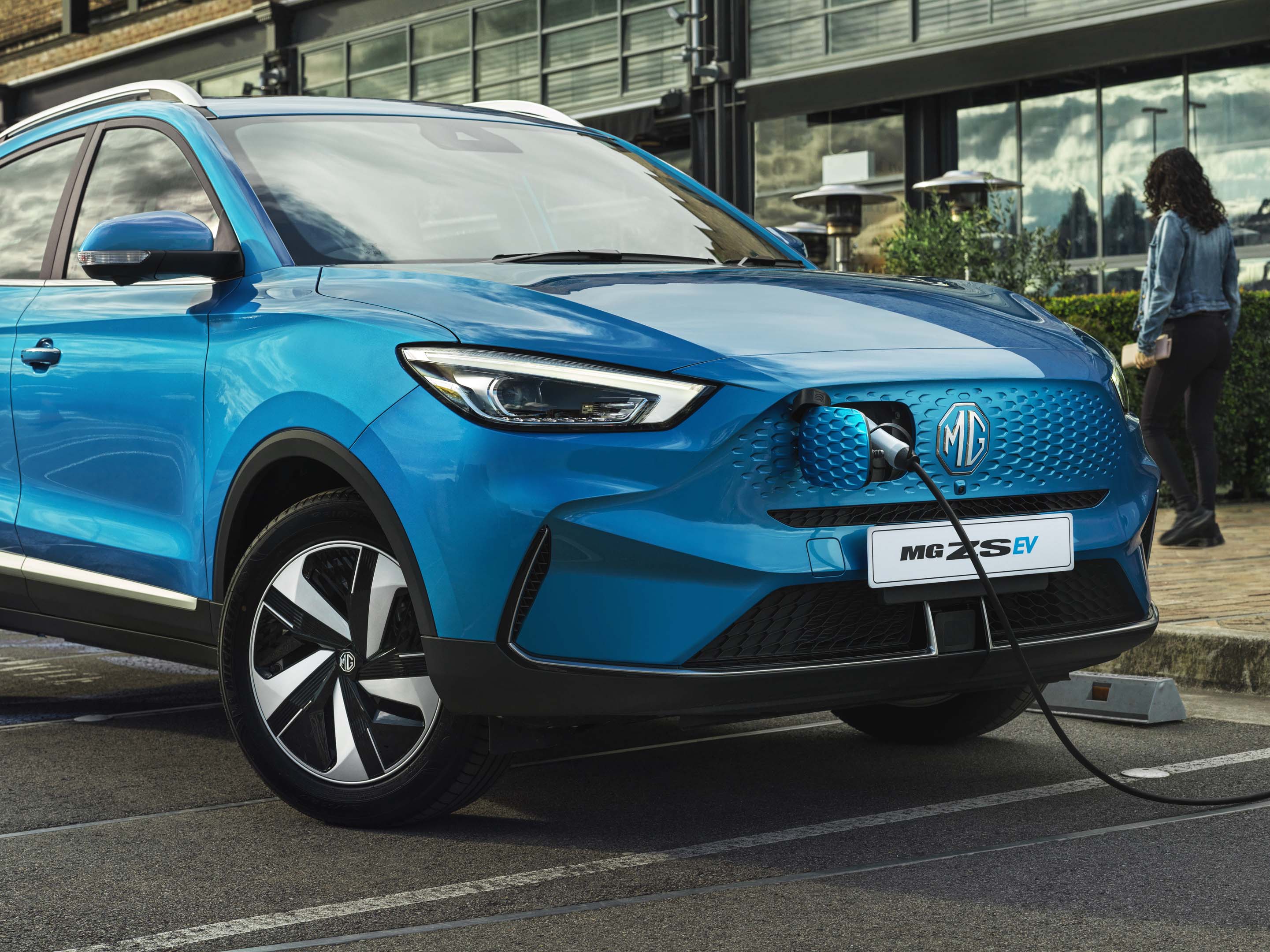
Just five months after MG axed the base model ZS EV Excite, the Chinese-owned brand has brought the price-leader back in from $40,990 before on-road costs.
Moving up to the mid-spec Essence (also with a 320km WLTP driving range), MG has cut the bougier model back to $43,990 – $3000 less than before – while the 440km Long Range flagship is now $6000 cheaper.
Compared to the new MG 4, the ZS now looks more reasonable, costing just $2000 more than the hatch in base trim.
Prices are effective from 1 November and there are no changes to the specifications of the ZS EV.
An MG Motor Spokesperson said: “MG continues to work with SAIC, our suppliers, dealer network and freight partners to reduce costs wherever possible.
“We are committed to helping more Australians to make the switch to EV sooner than later. Whenever we are able to pass price reductions onto our customers, we will make sure we do”, the spokesperson added.
June: MG axed theZS EV Excite base model, consolidating its local electric SUV lineup.
The two-strong MG ZS EV range now starts at $47,990 – up $4000 – for the Essence, with the 440km Long Range commanding an $8000 premium at $55,990 (all before on-road costs).
Peter Ciao, MG Motor Australia and New Zealand CEO took ownership of the decision, noting it was made to pave the way for the new MG 4 – now Australia’s cheapest EV – which starts at $38,990.
Although it appears the brand is removing choice at the lower end, the MG 4 hatch inserts itself as a compelling proposition with dedicated electric architecture and a lower drag coefficient bringing 30km more WLTP driving range than the base ZS EV for $5000 less.
MG’s decision to drop the Excite may also reflect shrinking margins in what is a competitive segment. In September last year, for example, MG dropped drive-away pricing as the BYD Atto 3came to market.
“Australians are doing it tough amid cost of living pressures, I know they are feeling those rising pressures at supermarkets, when they’re buying fuel, when they’re paying their energy bills…the MG4 is helping Aussies get into an electric vehicle sooner than later”, Mr Ciao said.
14 March 2023: MG ZS EV Long Range priced for Australia
The 2023 MG ZS EV Long Range will arrive in Australia in April, priced at $55,990 before on-road costs.
Based on the current range-topping Essence grade, the ZS EV Long Range incurs an $8000 premium but gains a larger 72.6kWh battery pack (69.9kWh usable).
This provides a WLTP-rated 440-kilometre driving range – up 120km over the standard-range Excite and Essence detailed below.
1
While MG Australia claims the ZS EV Long Range is “one of the longest-range electric vehicles currently available on the market”, more than 20 EVs have a 450-kilometre driving range or higher.
It is identical in specification to the Essence variant, apart from the addition of rear privacy glass for improved “privacy and climate control”
However, it has a detuned front electric motor producing 115kW – down from 130kW – with an identical WLTP-rated 17.7kWh/100km driving efficiency. It is three-tenths slower from 0-100km/h at 8.5 seconds.
January 2023: MG ZS EV national drive-away pricing removed
The national fixed drive-away pricing for the 2023 MG ZS EV has disappeared, with buyers now subject to independent pricing for their vehicle.
Available in two grades, the recently-updated ZS EV small SUV is now listed from $43,990 before on-road costs, or $47,990 plus on-roads for the flagship Essence.
It was previously available nationwide at $44,990 drive-away for the entry-level Excite or $48,990 drive-away for the range-topping variant.
While the list pricing – known as the ‘manufacturer’s suggested retail price’ – now allows for an individual to negotiate at the dealership, the final price for a ZS EV could be marginally higher than the previous national drive-away offer.
1
This is because dealer delivery charges, stamp duty, registration fees and compulsory 12-month third-party insurance are excluded from the updated pricing, which adds between $500 and $3000, depending on the state or territory.
The amended pricing will not affect the ZS EV’s eligibility for state-provided electric vehicle subsidies or the Federal Government’s Fringe Benefits Tax exemption for fleets.
“As the on-road costs and policies for EVs vary significantly across Australian states and territories, MG is no longer able to advertise a standard national drive-away or all-inclusive price for our EV models,” said a spokesperson for MG Australia.
“MG will now be offering drive-away prices that are aligned to each state and territory’s regulatory charges.
1
“The new drive-away, state-based price calculator will be live on our website in the coming days.”
The spokesperson added the brand has no immediate plans to remove national drive-away pricing from its internal combustion and plug-in hybrid vehicles.
It follows a price rise for its closest rival, the BYD Atto 3, in December 2022, with the Chinese small SUV now priced from $48,011 before on-road costs for the Standard Range and $51,011 plus on-roads for the Extended Range, representing an increase of $3630 for both variants.
Our earlier story, below, continues unchanged.
September 2022: 2023 MG ZS EV driven
The refreshed and upgraded 2023 MG ZS EV is now on sale in Australia, and we’ve driven it. Get the full story at the link below.
Updated electric SUV on sale now from $44,990 drive-away
Two variants now offered
2023 MG ZS EV gets price reduction
Local pricing for the facelifted 2023 MG ZS EV Excite and Essence has been reduced by $2000 and $1000, respectively, just as the model touches down in Australia.
This brings prices down to $44,990 drive-away for the entry ZS EV Excite (previously $46,990), undercutting the BYD Atto 3, as the battle for the cheapest electric vehicle intensifies.
Stepping up to the flagship Essence pushes the cost to $48,990 drive-away (previously $49,990).
1
The price reduction makes it the most affordable electric vehicle in all Australian states and territories, except for Tasmania, as MG offers a national drive-away offer, rather than BYD’s $44,381.35 ‘plus on-road costs’ sticker price.
To read our first local drive of the 2023 MG ZS EV, click on the link below
Our previous coverage, below, has been updated to reflect the new information.
1
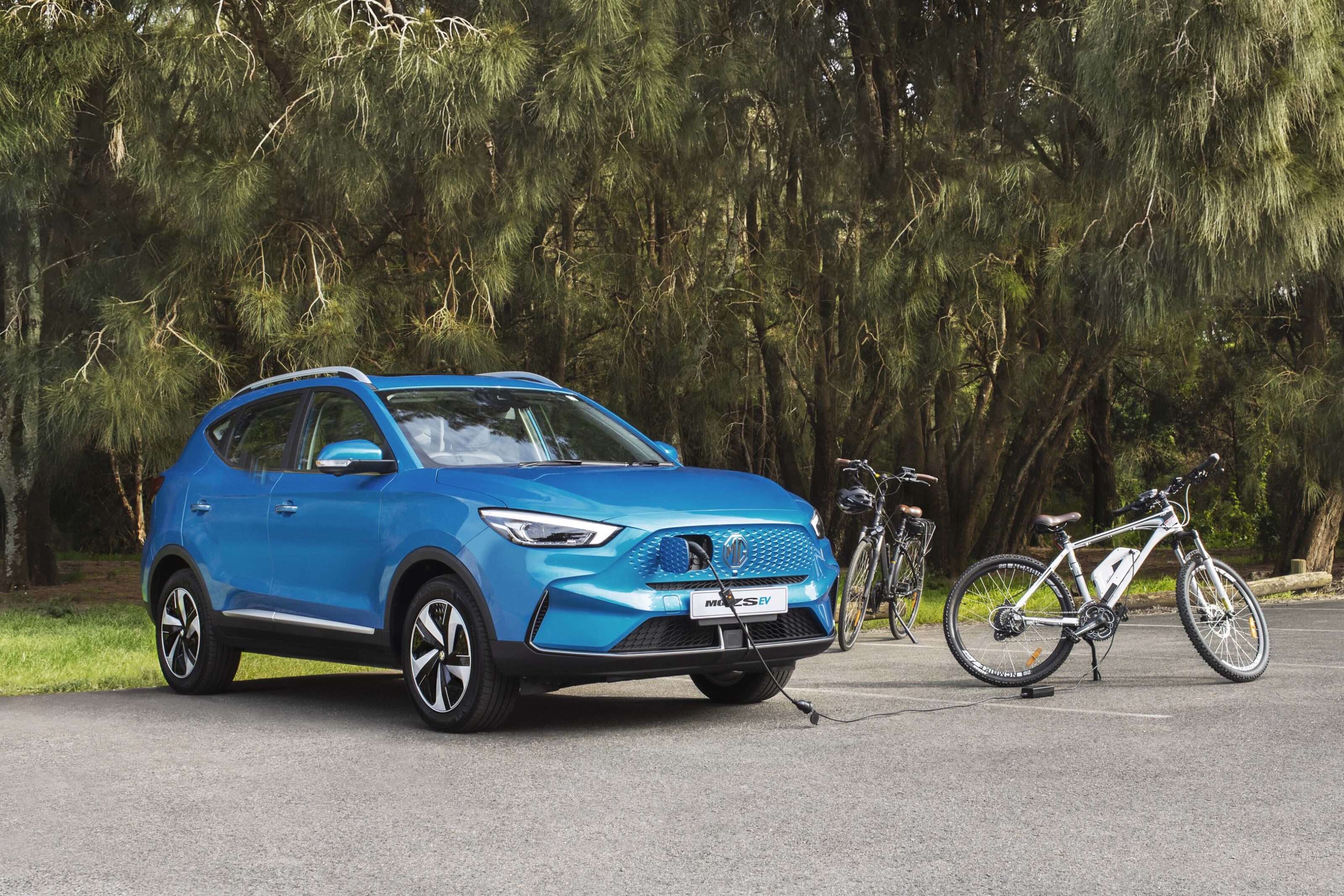
The facelifted ZS EV sports a new look inside and out, in addition to a more efficient powertrain.
Two variants are offered: the entry-level Excite or the range-topping Essence, with both variants now offering 320km of WLTP-rated claimed driving range – up from 263km, and matching the Atto 3 Standard Range.
A long-range version is available overseas and is under consideration for Australia.
1
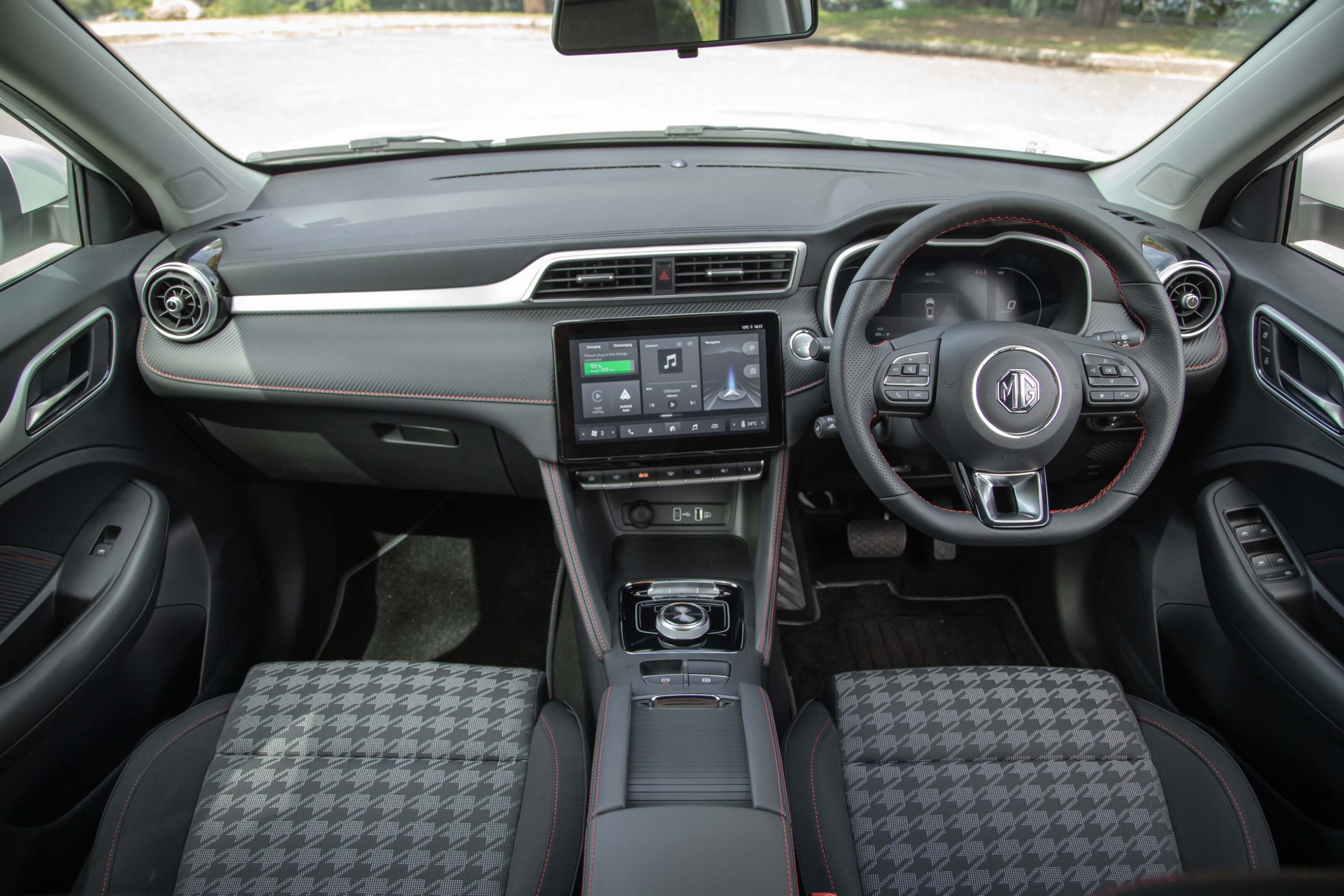
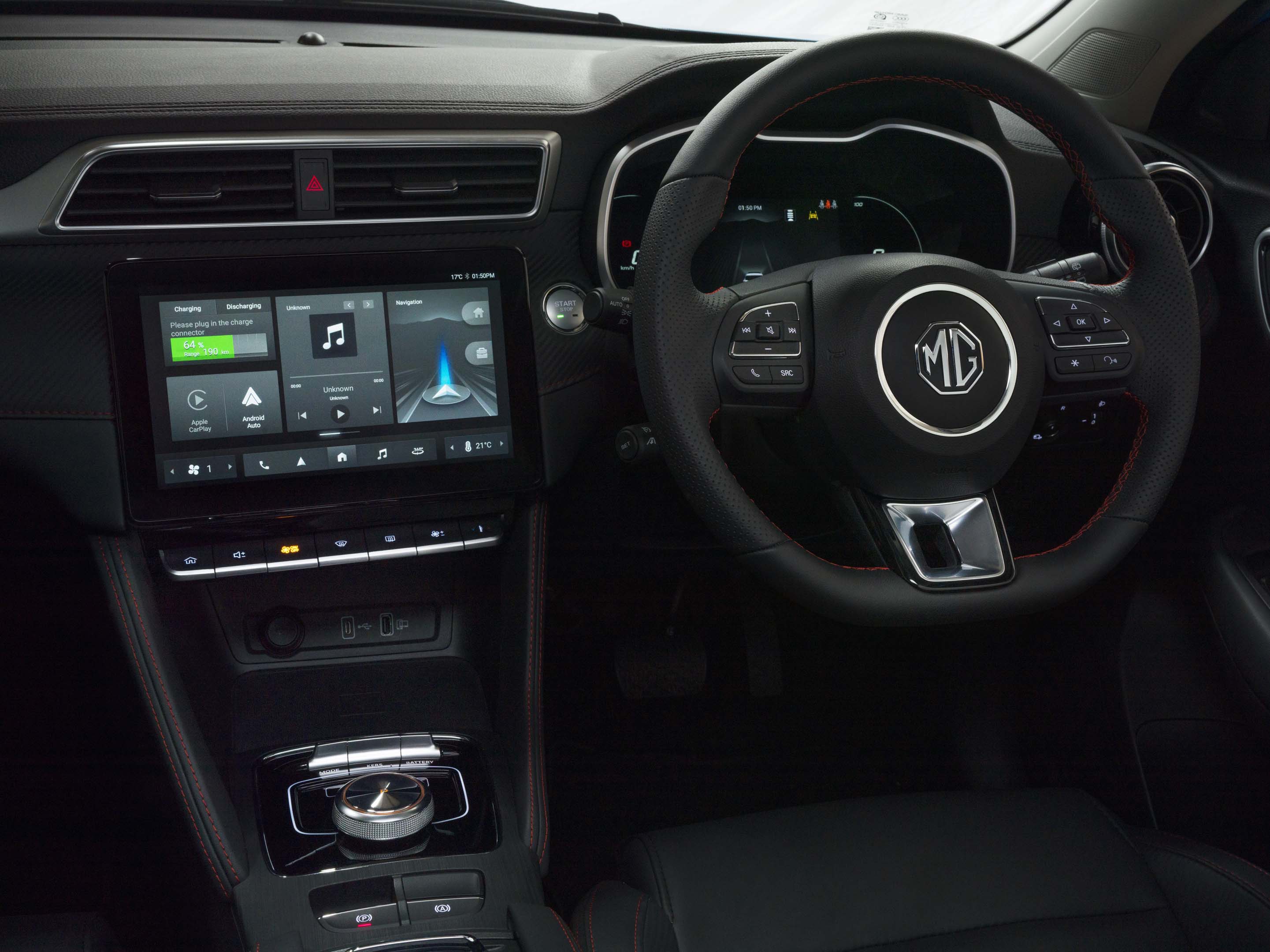
Both grades feature a new 7-inch digital instrument cluster and larger 10.1-inch floating screen, which is running a new infotainment system called iSmart.
The software is powered by Amazon’s AWS cloud-based system, with support for remote smartphone functionality, over-the-air software updates, Amazon Music streaming, and live weather and traffic updates.
“Our seven-year warranty is comprehensive across both ICE, electric and batteries with no hidden exclusions,” said MG Motor Australia and New Zealand CEO Peter Ciao, likely in response to BYD’s recently announced warranty terms.
1
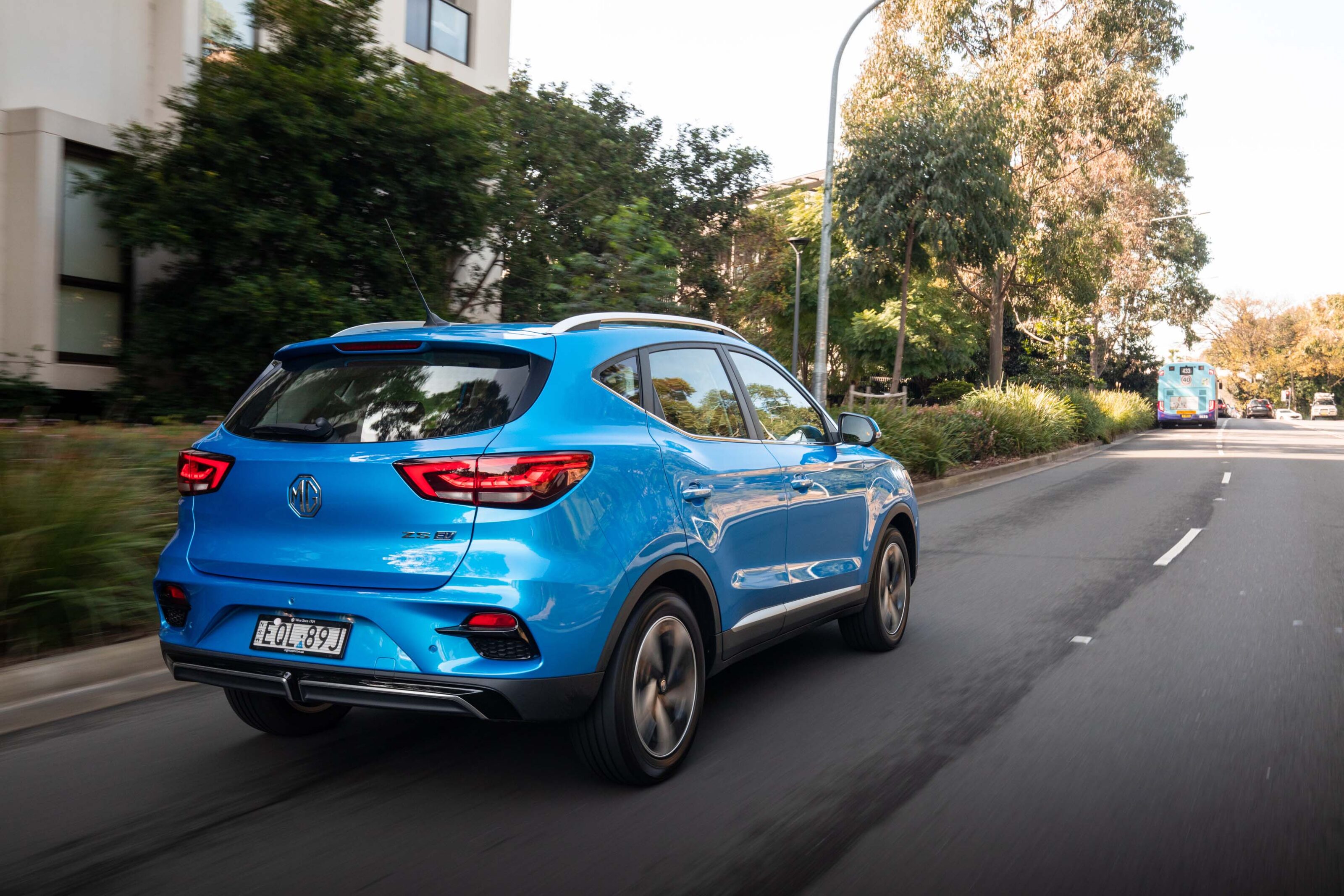
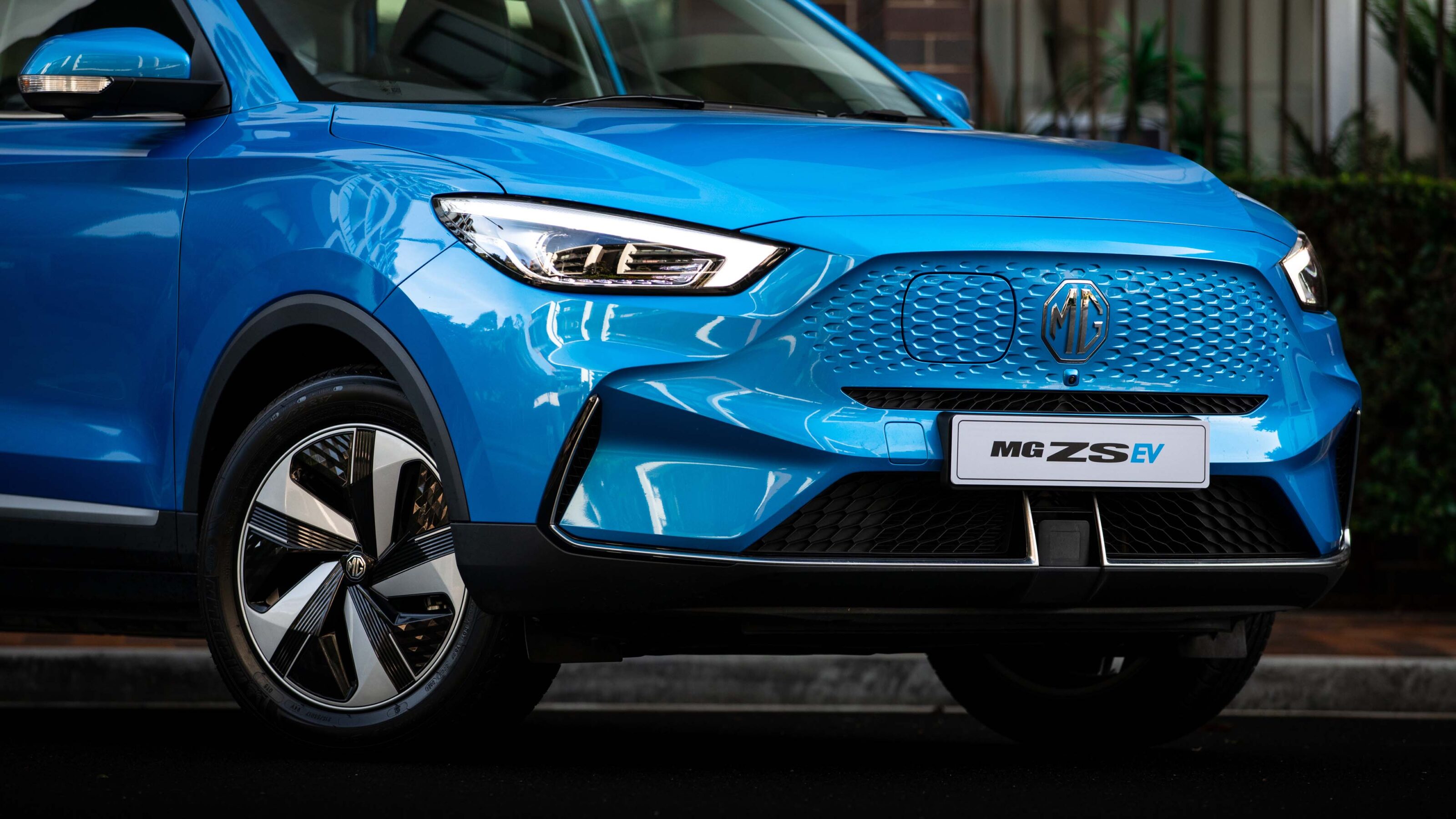
The exterior has been updated with redesigned headlights and tail-lights, as seen on the internal-combustion ZST, along with new-design 17-inch alloy rims and a unique grille-less front shape.
MG offers home alternating current (AC) chargers, consisting of a 7kW unit costing $1990 and an 11kW unit costing $2090, excluding fitment costs.
The brand will introduce the MG 4 hatchback in the first half of 2023, which is based on a new rear-drive platform and offered with single-motor and dual-motor powertrains overseas.
As standard, the MG ZS EV is powered by a front-mounted electric motor producing 130kW and 280Nm. It has a claimed 8.2-second 0-100km/h sprint time.
Power is exclusively sent to the front wheels.
A larger 50.3kWh lithium iron phosphate battery – up from 44.5kWh – is fitted, providing a claimed WLTP-rated 320-kilometre driving range, along with enhanced battery management electronics.
1
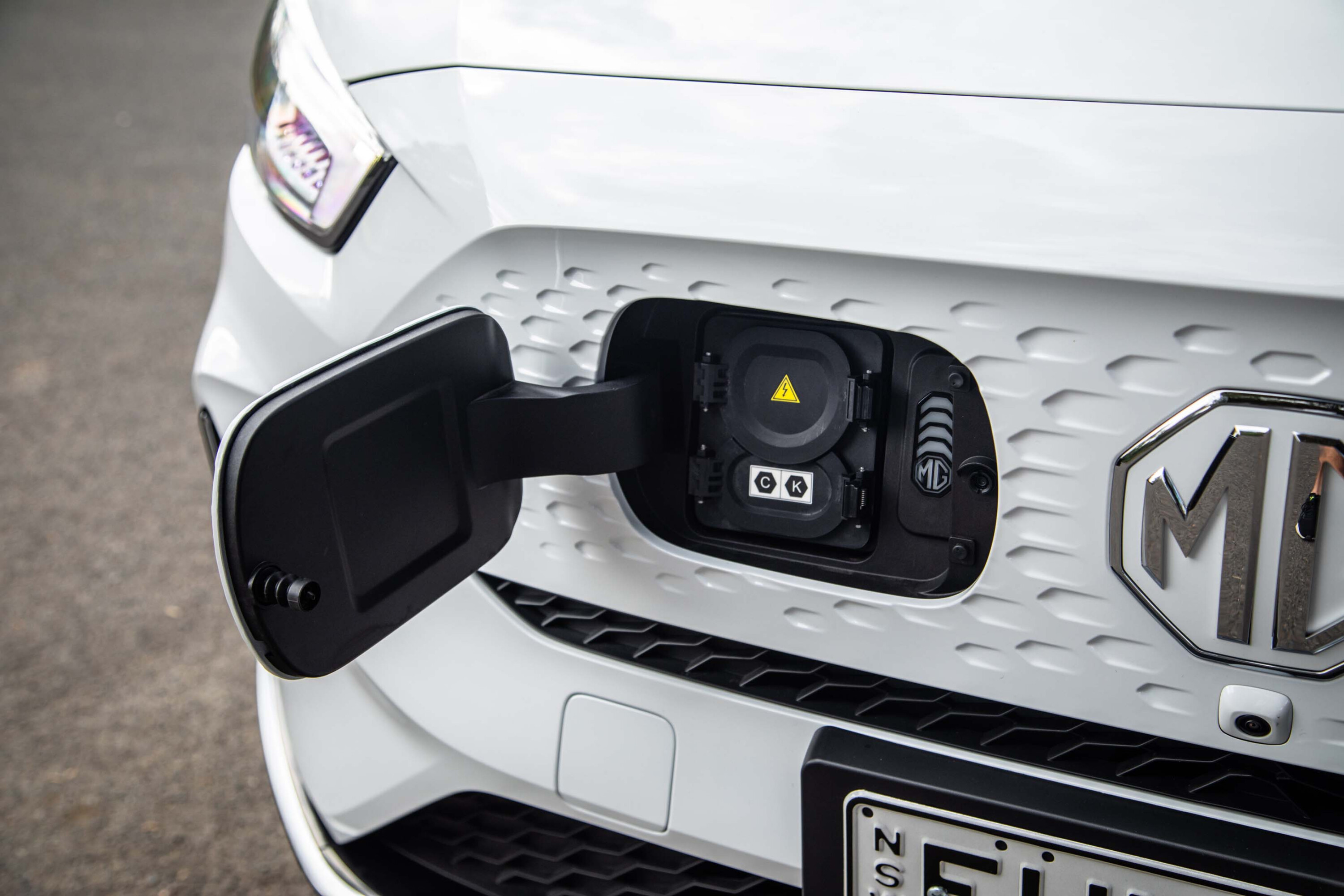
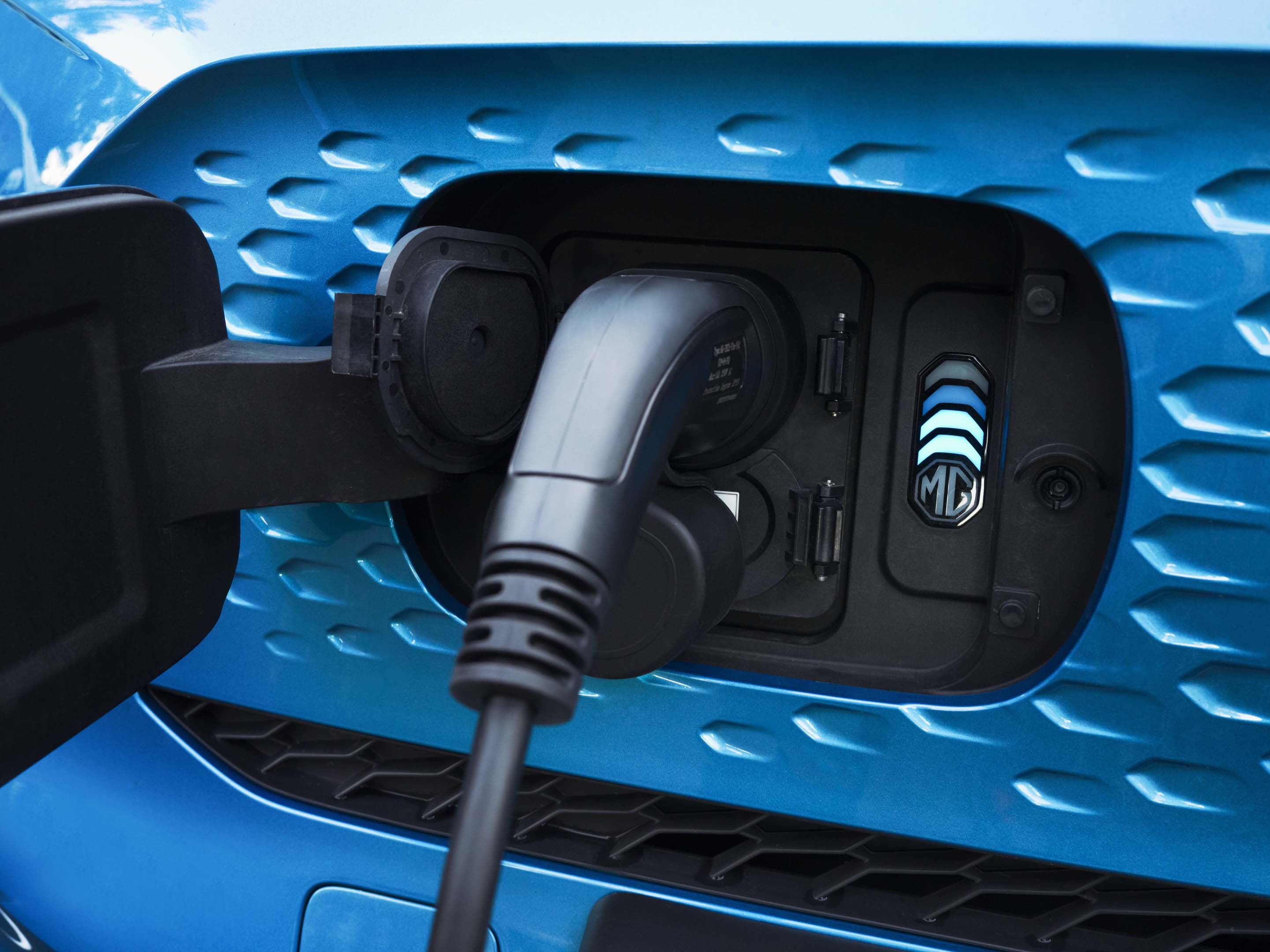
Behind the revamped grille is an updated Type 2 charging port, which can top up the ZS EV from 0-80 per cent in 54 minutes, when using a 50kW direct current (DC) charger.
According to MG, using an 11kW AC charger will take approximately five hours to charge the ZS EV.
It has a claimed efficiency of 17.1kWh/100km on the WLTP cycle.
1
Safety
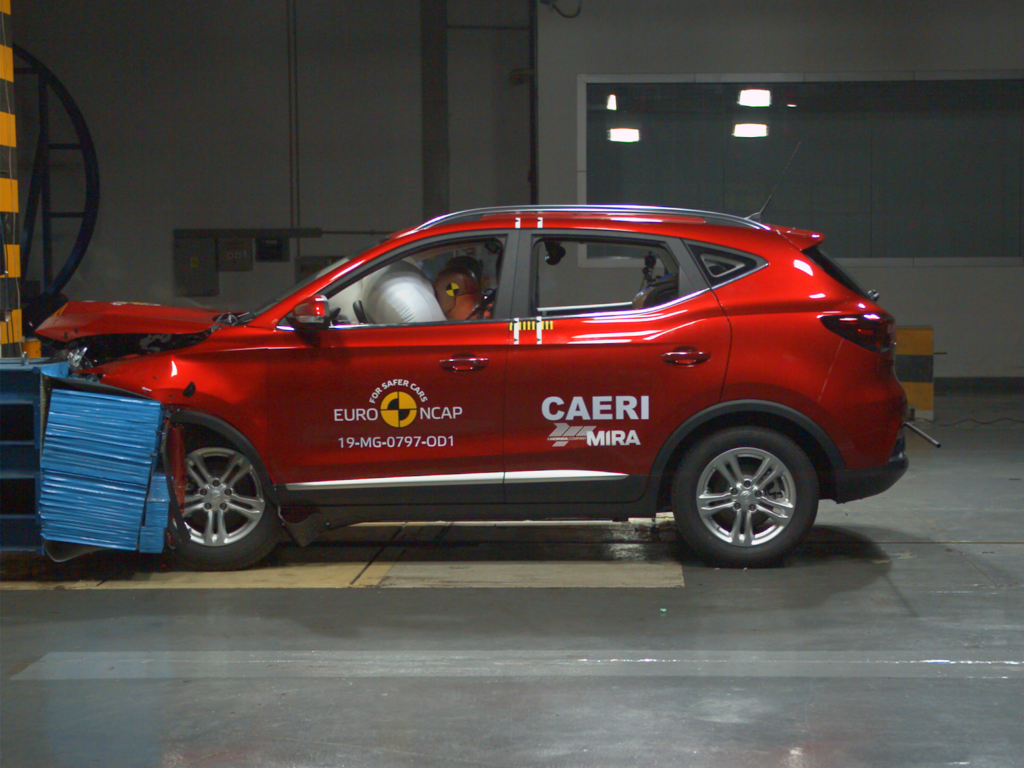
The MG ZS EV is covered by a five-star ANCAP safety rating, based on testing conducted in 2019.
It scored 90 per cent for adult occupant protection, 84 per cent for child occupation protection, 64 per cent for vulnerable road user protection and 71 per cent for safety assist.
Six airbags (dual front, side head and curtain) are fitted across the ZS EV range.
Each variant includes the following active safety equipment as standard:
Blind-spot monitoring and rear-cross traffic alert are limited to the flagship Essence.
1
Dimensions
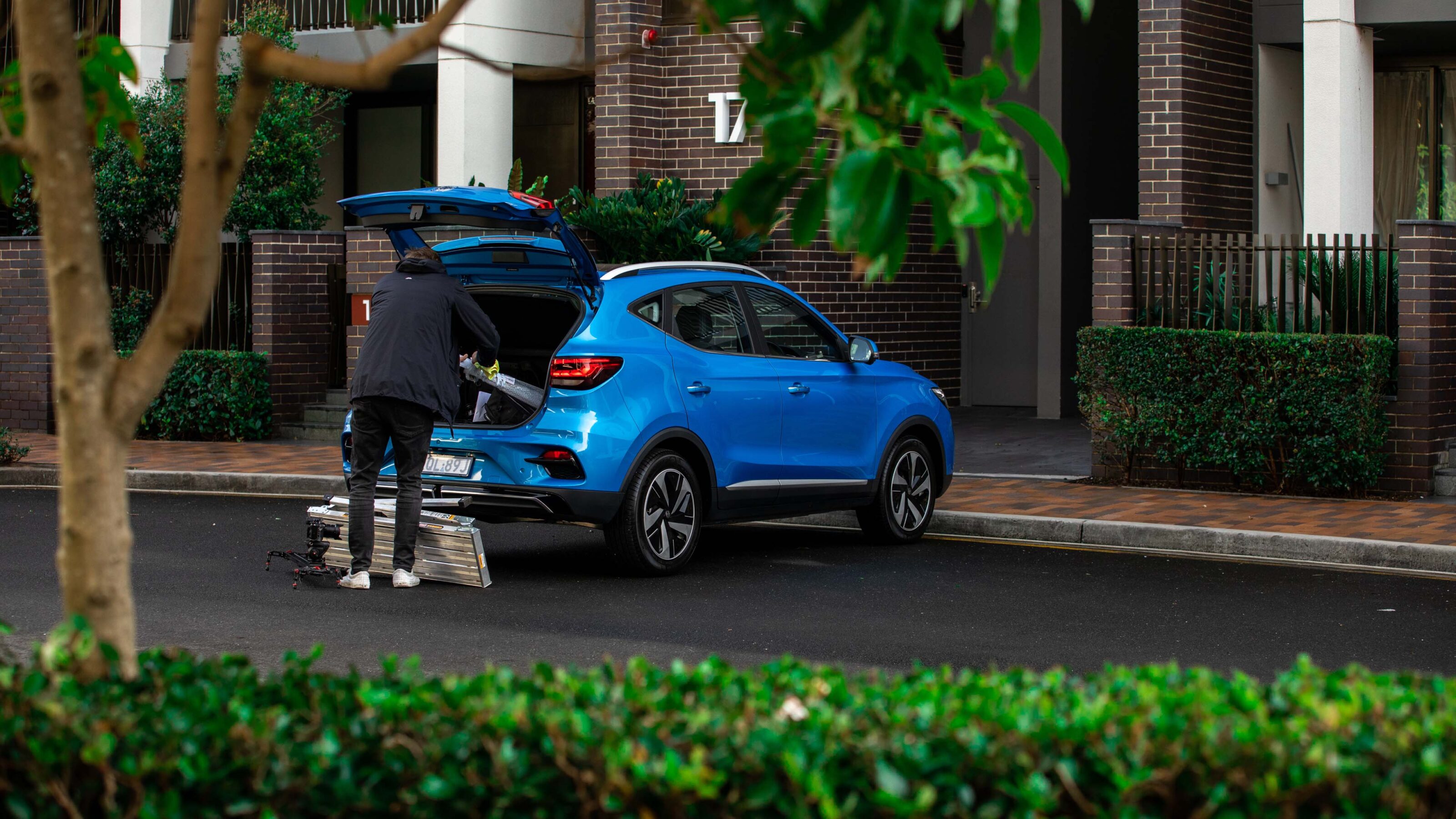
The MG ZS EV has a wheelbase of 2585 millimetres, and is 4323mm long, 1809mm wide and 1625mm high.
It has a 359 litres of boot space behind the second row.
Warranty and servicing
As per the wider MG ranger, the MG ZS is backed by a national network of dealers and will be covered by the brand’s seven-year/unlimited-kilometre warranty, including the high-voltage battery.
Service pricing is capped at $268 per service for the first six years, with two-year or 24,000-kilometre intervals, whichever occurs first.
It’s Subaru’s first EV and its most expensive model, but can the Solterra trouble big-name rivals that include the Tesla Model Y?
November 2023: Subaru Solterra Australian pricing confirmed
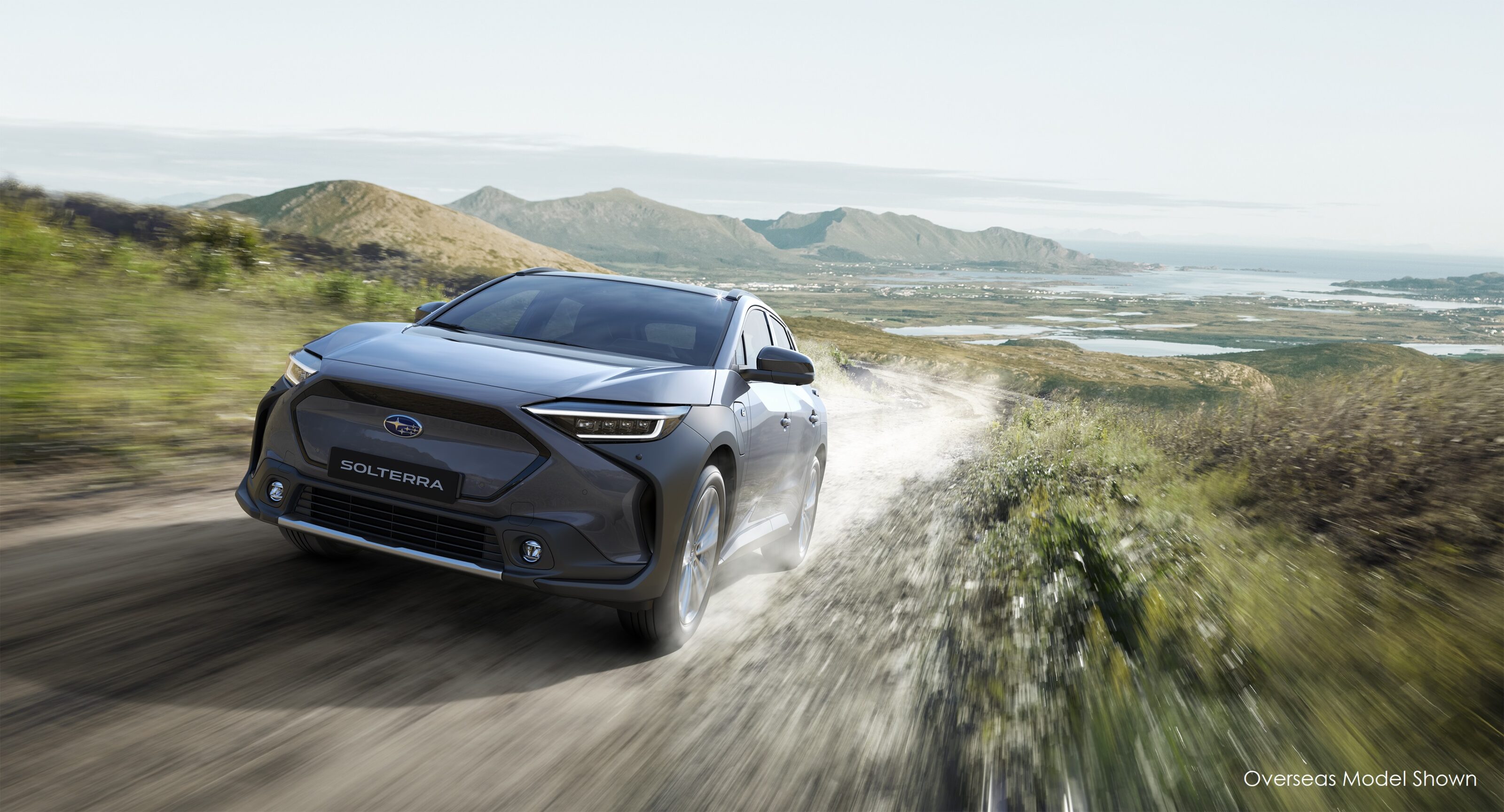
The Solterra has been priced below key electric midsized SUV rivals, with a starting point of $77,990 before on-road charges.
June 2022: Subaru Solterra walkaround review
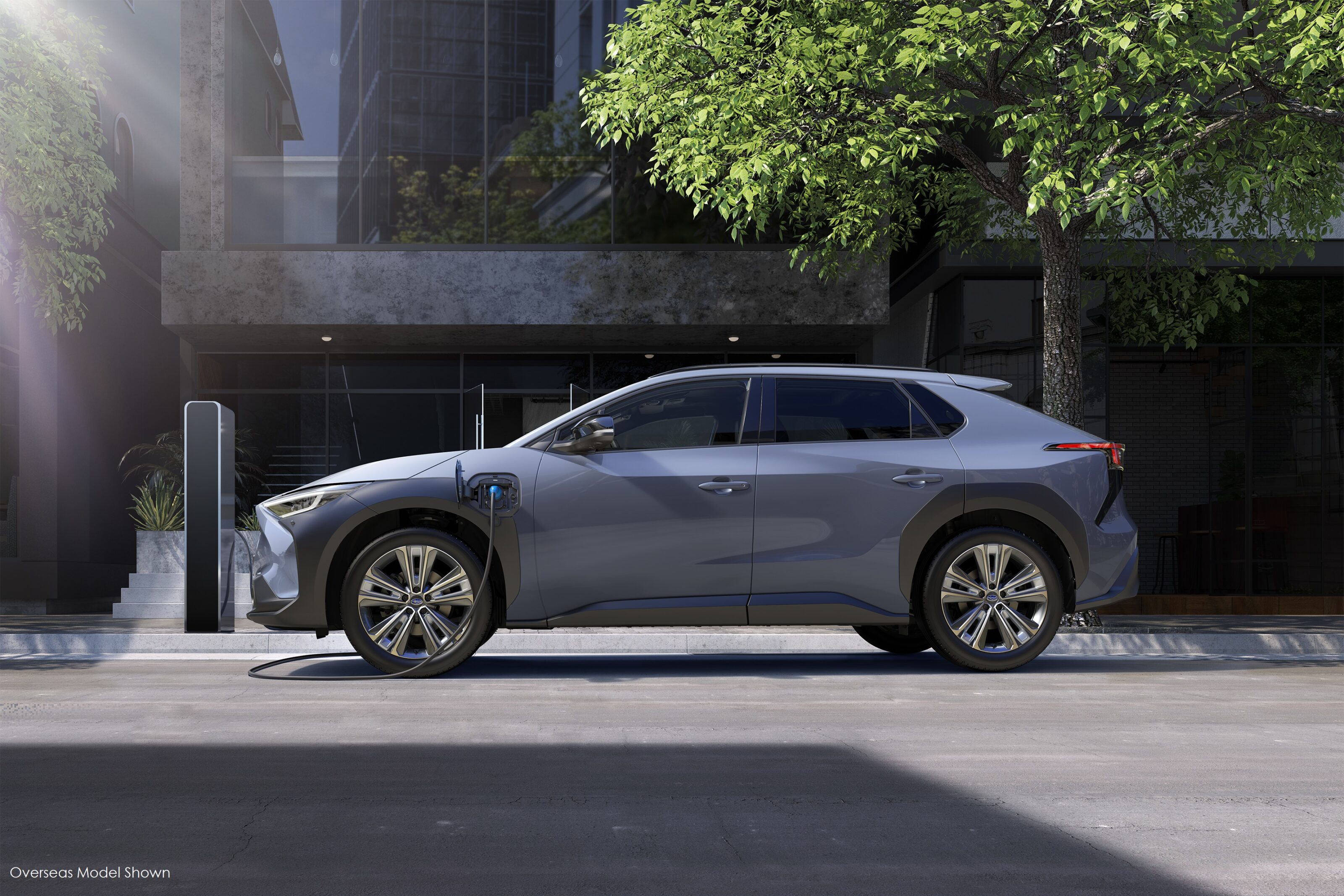
The Subaru Solterra won’t be in Australian dealerships until at least mid 2023, so standing next to the model in a northern Sydney studio 12 months early is a clear indication of its importance.
Solterra is the Japanese company’s first dedicated electric vehicle – and formed from another joint-venture project with compatriot Toyota.
Both brands will be hoping their respective EVs can have an even bigger impact than their last JV, which spawned the terrific SubaruBRZ and Toyota86 sports cars.
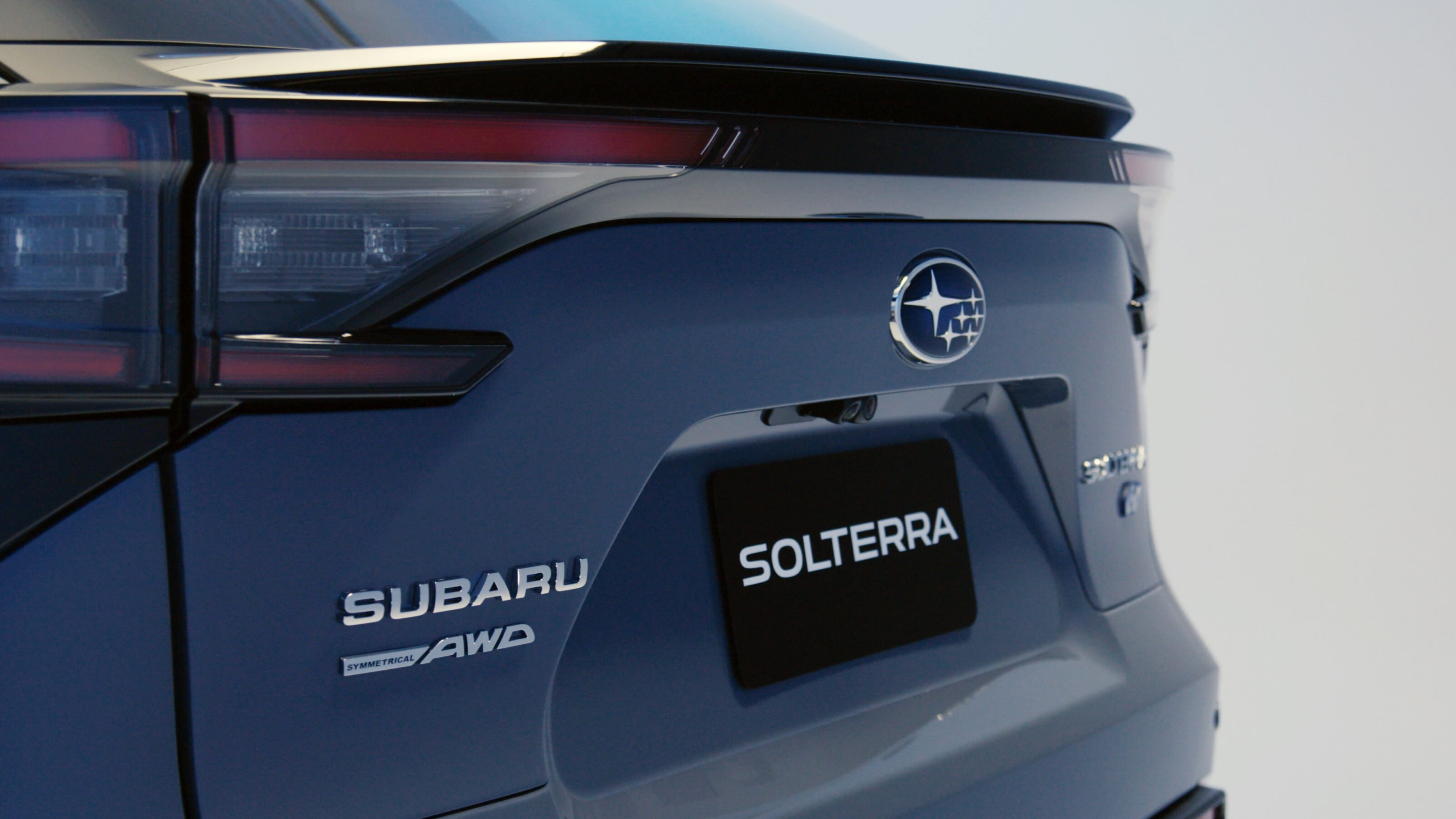
Combining two Latin words for its name – Sol for ‘sun’ and Terra for ‘earth’ – Subaru’s nameplate rolls off the tongue more naturally than Toyota’s bZ4X twin, which sounds like a better name for a Star Wars droid.
1
Design
Compare images of the Solterra and bZ4X and it’s obvious they have far more in common than another pair of EV platform buddies, the HyundaiIoniq 5 and KiaEV6.
It also seems Toyota’s designers had the bigger say in the SUV’s styling; squint and you could believe you were looking at a RAV4.
There’s a sportier roofline than Toyota’s midsized SUV – something it has in common with the EV6.
Still, the Solterra should sit naturally in a Subaru showroom, especially next to the XV compact SUV – and the EV is arguably more handsome than either the XV or Forester.
1
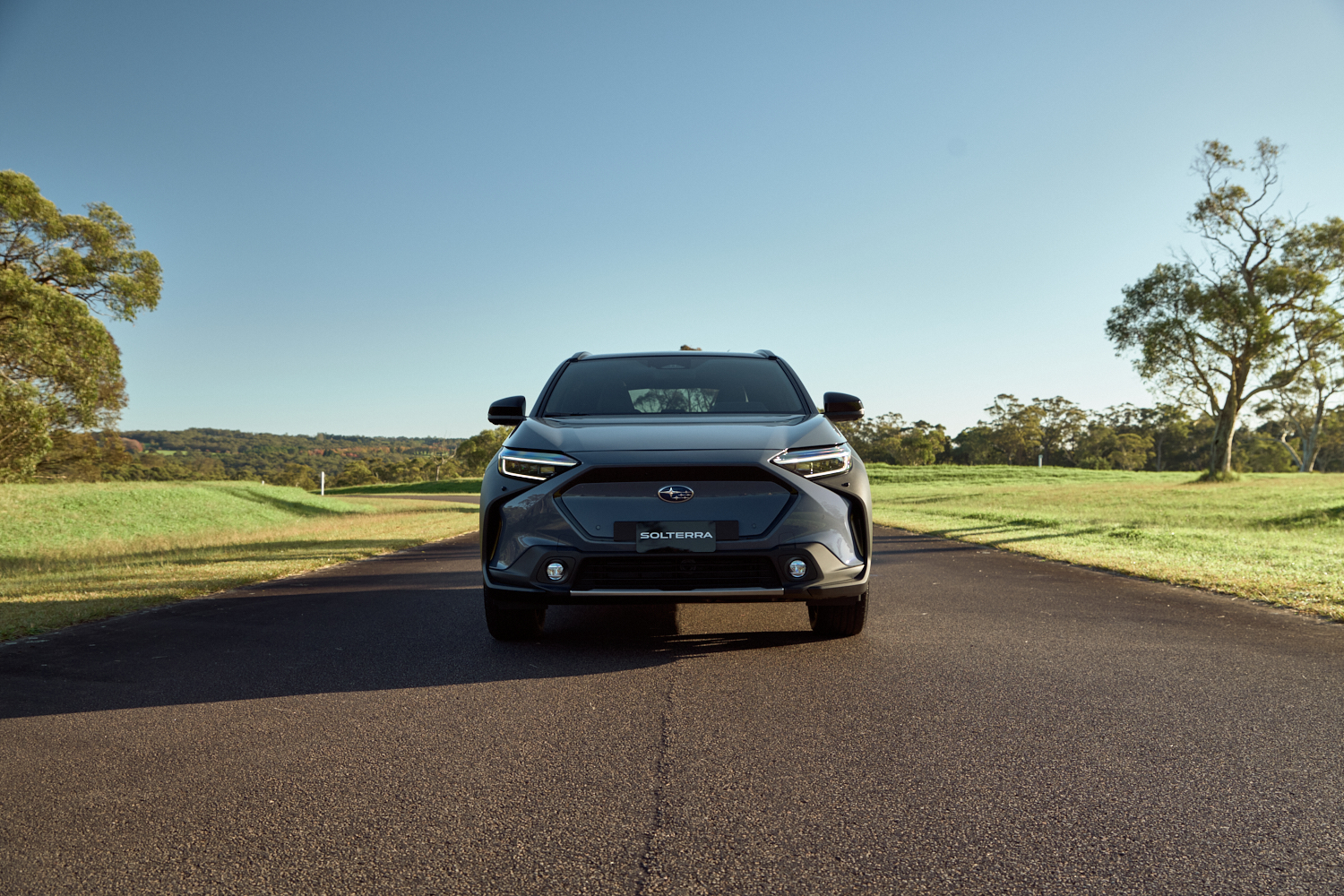
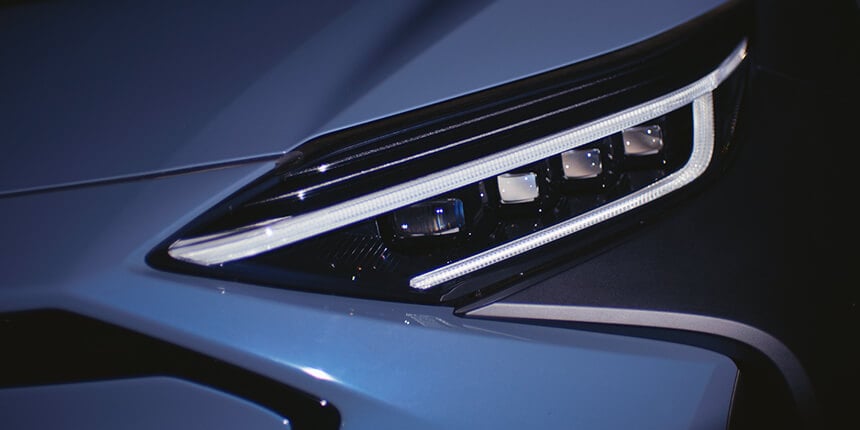
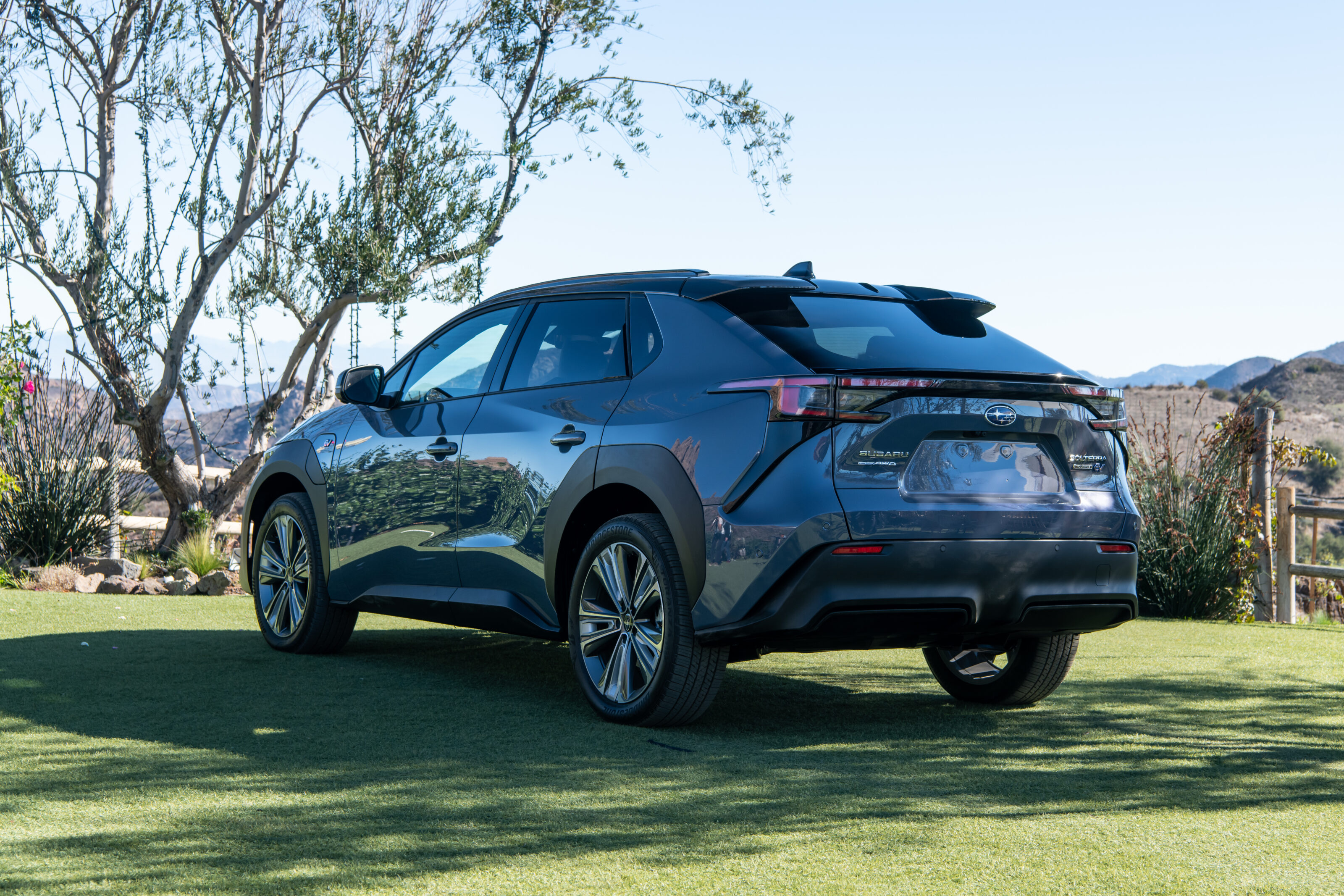
Distinguishing the Solterra’s front end from the face of the bZ4X are a hexagonal grille and C-shaped LED headlights. C-shaped tail-lights are also the main point of difference at the back, where the Toyota’s rear lights are styled in the opposite direction and are joined by a central light bar.
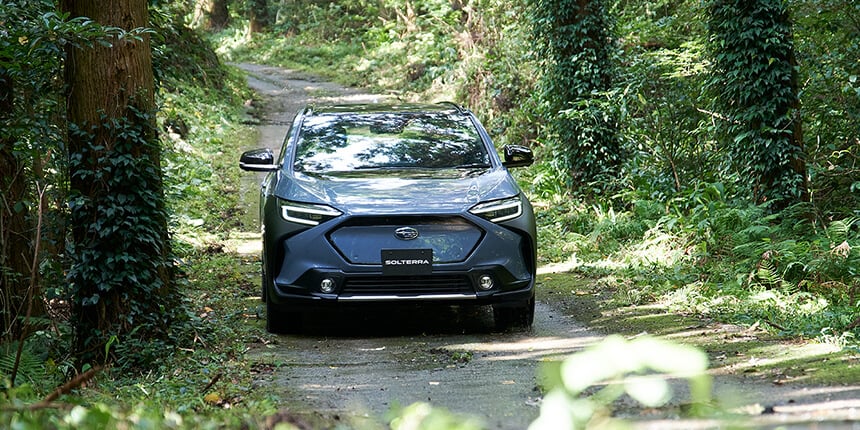
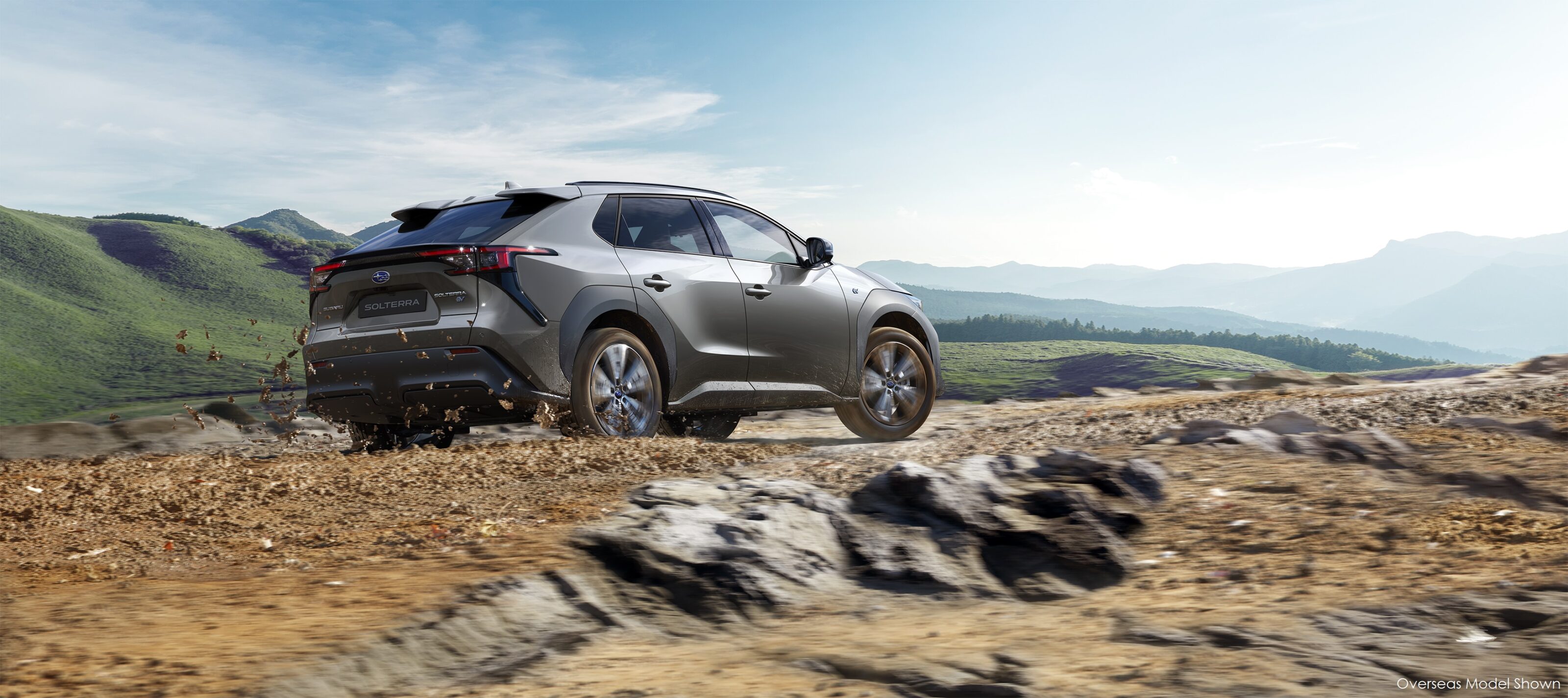
Wheelarch cladding is very much a traditional Subaru aesthetic – and looks more natural on the Solterra than the new WRX.
There are more than off-roading design cues – a 210mm ride height is only 10mm lower than the Forester’s ground clearance.
Wheel sizes are 18 or 20 inches overseas, with our Euro example sitting on the biggest wheels. Whether Australian buyers have a choice depends on how many spec levels Subaru chooses for the Solterra’s launch.
1
Compared with rival EV SUVs, the 4.7m-long Solterra is a bit longer than the Ioniq 5 and anticipated VW ID.4, the tiniest smidge shorter than the EV6, and 6cm shorter than Tesla’s Model Y.
Within the Subaru stable, it’s slightly longer than a Forester midsized SUV but shorter than the Outback wagon.
The Solterra’s wheelbase is 10cm longer than Outback’s, however, following the EV SUV trend for a wheels-at-each-corner stance that’s more easily enabled by flexible battery platforms and simplified drivetrain components.
1
Front cabin
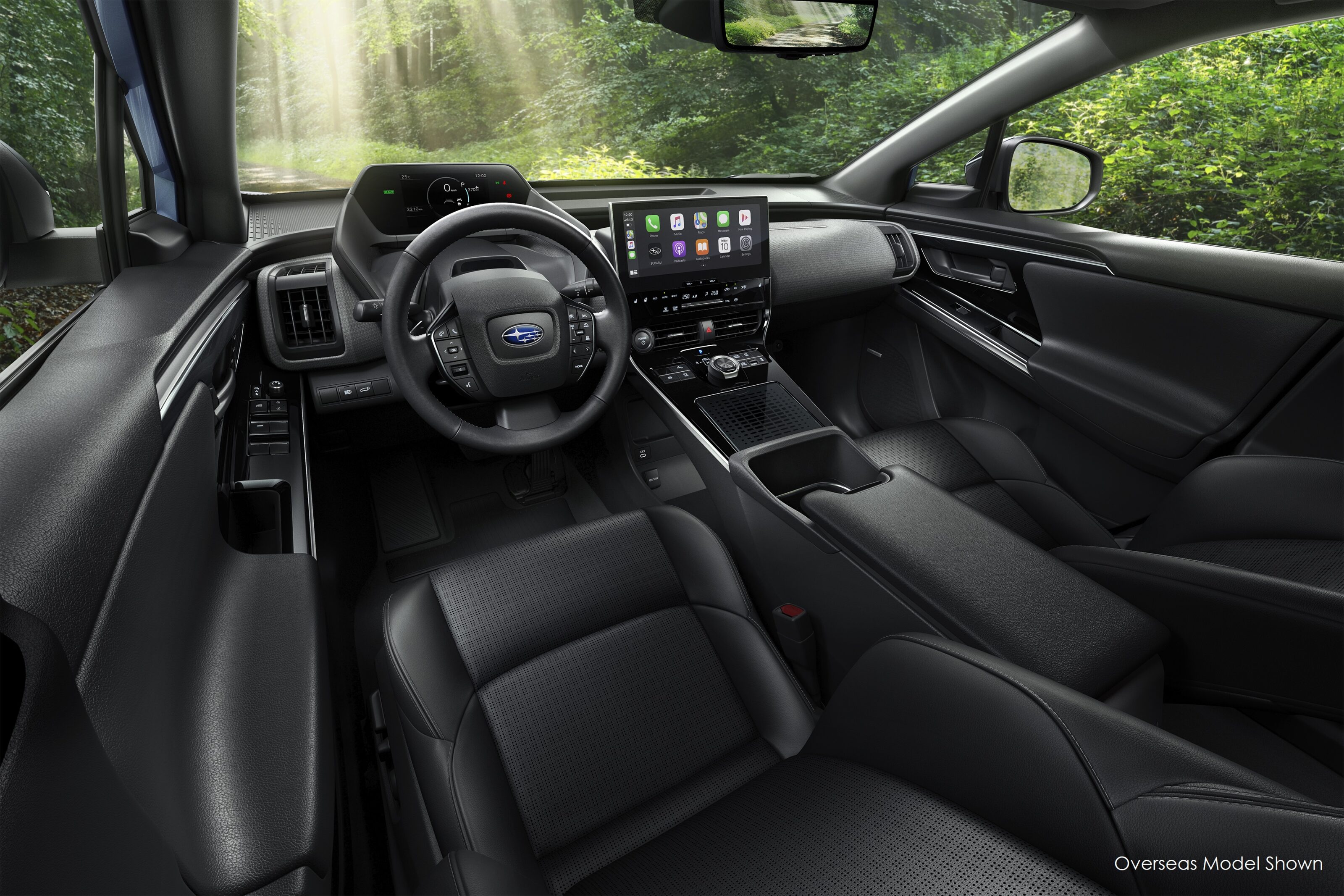
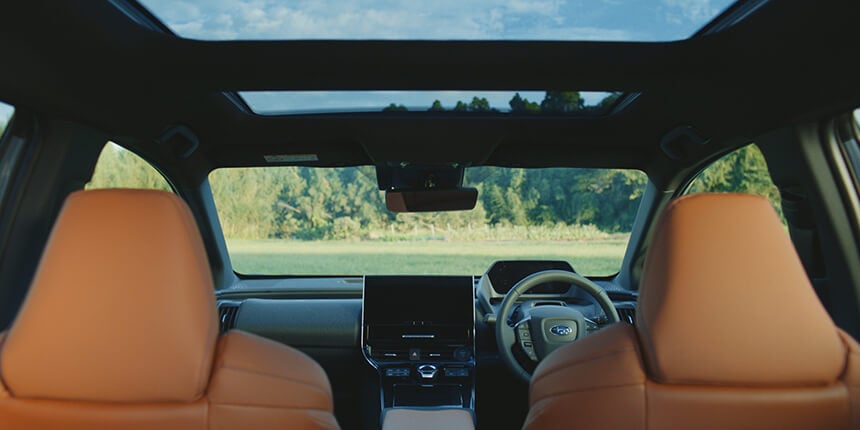
The Solterra’s interior is virtually identical to that of the bZ4X, which is perhaps more disappointing than similar exteriors as cabin design is such as key way for car manufacturers to bring its own character and style to a vehicle.
Owners of a bZ4X will at least have the option of a ‘yoke’ steering wheel, with the Solterra sticking to a conventional round design.
Paddleshift levers mounted to the steering wheel adjust the level of regenerative braking when lifting off the throttle.
There’s a strange-looking, recessed digital instrument cluster, while infotainment is provided via a panoramic, 12.3-inch display that’s offered with standard Apple CarPlay and Android Auto.
1
This will also house a new panoramic view monitor that provides a visual guide to the vehicle’s immediate surroundings. A Safe Exit system also makes it onto a Subaru – where sensors alert the driver and passengers if they’re about to open the car’s doors into oncoming traffic.
Subaru’s Eyesight driver aid technology will also feature.
It’s too early to know which safety features will be standard or optional; same for the Harman Kardon audio system installed in our high-spec European Solterra.
1
The front cabin is busily designed, especially when compared with a Model Y or Ioniq 5. It also feels more cramped in the driver’s seat than the EV6 that shares the Subaru’s approach to a wider centre console, though the Kia’s doesn’t fully intersect with the dash.
A tactile fabric is used for the main dash, interesting textures are applied in a couple of areas, gloss-black plastic covers much of the centre console, and there’s no shortage of padded trim including leatherette on the door armrests and console cubby lid.
The door pockets are moulded to take a couple of drinks bottles and two cups can be stored in the centre console, while other storage on our vehicle included a wireless smartphone tray.
1
Rear seat
A 2850mm wheelbase is shorter than the axle spans of most rivals – as much as three metres in the case of the Ioniq 5 – yet six-footers can be accommodated without issue in all four main seat positions.
The rear seat doesn’t feel as airy as the Ioniq 5’s and the Solterra’s floor isn’t quite fully flat, with a slight hump in the middle.
The relatively high floor brings the biggest compromise to comfort, creating a knees-up posture for even average-height adults. Toe space is also minimal.
This overseas Solterra was a high-spec model, featuring heated rear seats. Vents, two USB ports and a centre armrest with cupholders should be standard on all models.
1
Boot space
A boot capacity figure isn’t available for Australia yet. Our best guess is that it’s a touch smaller than the 480 litres of the EV6 and further off the likes of Ioniq 5 (527L) and ID.4 (543L).
The rear seatbacks fold flat in a 60-40 split, though there are no release levers. An underfloor section provides a convenient spot to hide charging cables.
Unlike its key rivals, the Subaru forgoes a frunk up front. There’s no ‘boxer’ engine under the bonnet, though, of course…
1
Performance and range
We still know few details about the specifications we’ll get for Australian versions of the Solterra, which is not unexpected considering its launch is about a year away.
What must be a certainty is an AWD model, because Subaru has made that a signature feature on its vehicles in Australia.
And the company is already promoting all-wheel drive as a feature on the Solterra’s ‘Register your interest’ page on the Subaru Australia website.
The Subaru Solterra AWD employs an 80kW electric motor on each axle for a total of 160kW.
1
It joins other Subaru SUVs in offering the X-mode traction management electronics, including Dirt, Mud and Snow modes. The Solterra adds Grip Control, an off-road cruise control system.
X-mode gives the Solterra one key difference to the bZ4X.
Subaru Australia faces a trickier decision over the front-wheel-drive Solterra also available overseas. Does it keep AWD as an ongoing trademark for its SUVs or does it opt for an even cheaper entry point for buyers?
The AWD and FWD variants feature the same 71.4kWh battery, and the latter isn’t much less powerful as it features a 150kW electric motor up front.
1
The FWD Solterra also has a 530km range that’s not only 70km higher than the AWD’s 460km but would put it just ahead of the rear-drive EV6 (528km), rear-drive Ioniq 5 (452km) and Tesla Model Y Long Range (505km).
Subaru’s first dedicated EV comes equipped with 6.6kW AC charging capability. DC fast charging is rated at 150kW, which puts it well behind the 350kW of Korea’s EV6 and Ioniq 5 twins.
Where those EVs can go from 10 to 80 per cent charge in about 18 minutes, Subaru America’s specs state it takes 56 minutes for the Solterra’s battery to undergo the same replenishment process.
1
November 2023: Subaru Solterra Australian pricing confirmed
The Solterra has been priced below key electric midsized SUV rivals, with a starting point of $77,990 before on-road charges.