It’s clear that China is winning the race to electrification. While some brands from around the globe continue to bury their heads, every Chinese brand locally sells a plethora of options for those wanting to lessen their reliance on fuel. Take the Tiggo 8 seven-seat SUV, which maker Chery claims can do a total of 1200km of driving on a fuel tank and battery. Is that claim really possible? We took an Easter roadtrip to find out.
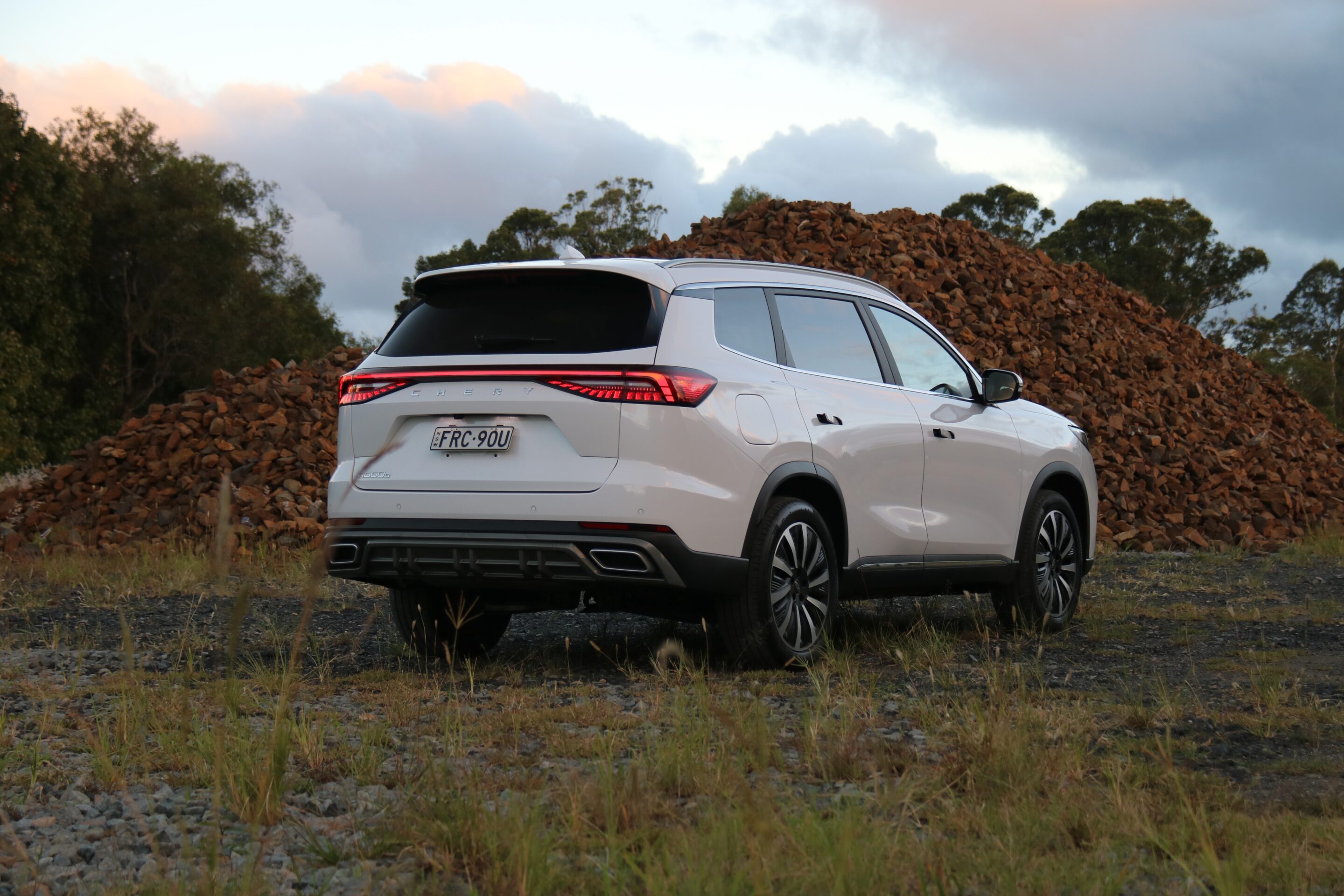
The Tiggo 8 is the smaller of the brand’s two large SUV offerings in Australia, the other being the slightly larger and more expensive Tiggo 9. It offers both petrol and plug-in hybrid drivetrains, and it’s sized just above something like a Toyota RAV4 at 4724mm in length. It offers seating for seven, though as you’ll find out below, it’s best kept to five seats.
How much does the Chery Tiggo 8 Super Hybrid cost to buy?
While the petrol Tiggo 8 Pro Max is priced comfortably under $40,000, pricing for the Super Hybrid starts at $45,990 driveaway for the entry-level Urban model. The upper-spec Ultimate model tested here is available for $49,990 driveway, with no available options either, aside from paint colour (+$600 for some colours, including the ‘Lunar White’ hue of our test car).
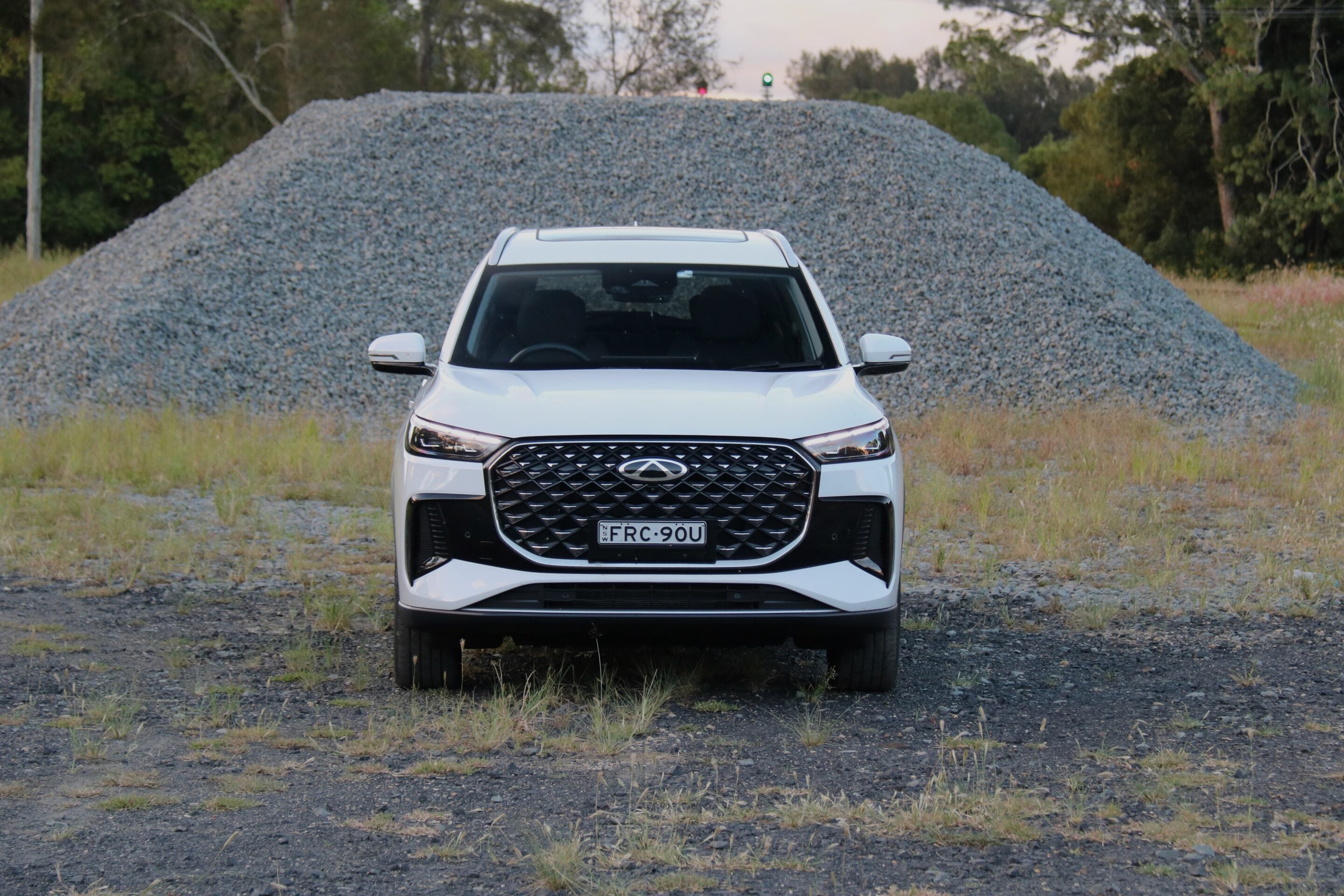
Rivals to the Tiggo 8 include the Mazda CX-80 Touring PHEV and Kia Sorento S PHEV, but they are priced at least $20,000+ dearer, while the Mitsubishi Outlander PHEV is priced from $58,990 before on-road costs, but that’s the entry-level LS model that’s not as well equipped as the Tiggo 8.
It’s not like the Tiggo 8 Super Hybrid Ultimate is under-equipped either, with features including 19-inch alloy wheels, a panoramic sunroof, synthetic leather trim, a 15.6-inch touchscreen, Sony audio and safety features including nine airbags, adaptive cruise control, traffic jam assist and a 360-degree camera. A full list of standard features lies at the bottom of this page.
How fuel efficient is the Chery Tiggo 8 Super Hybrid?
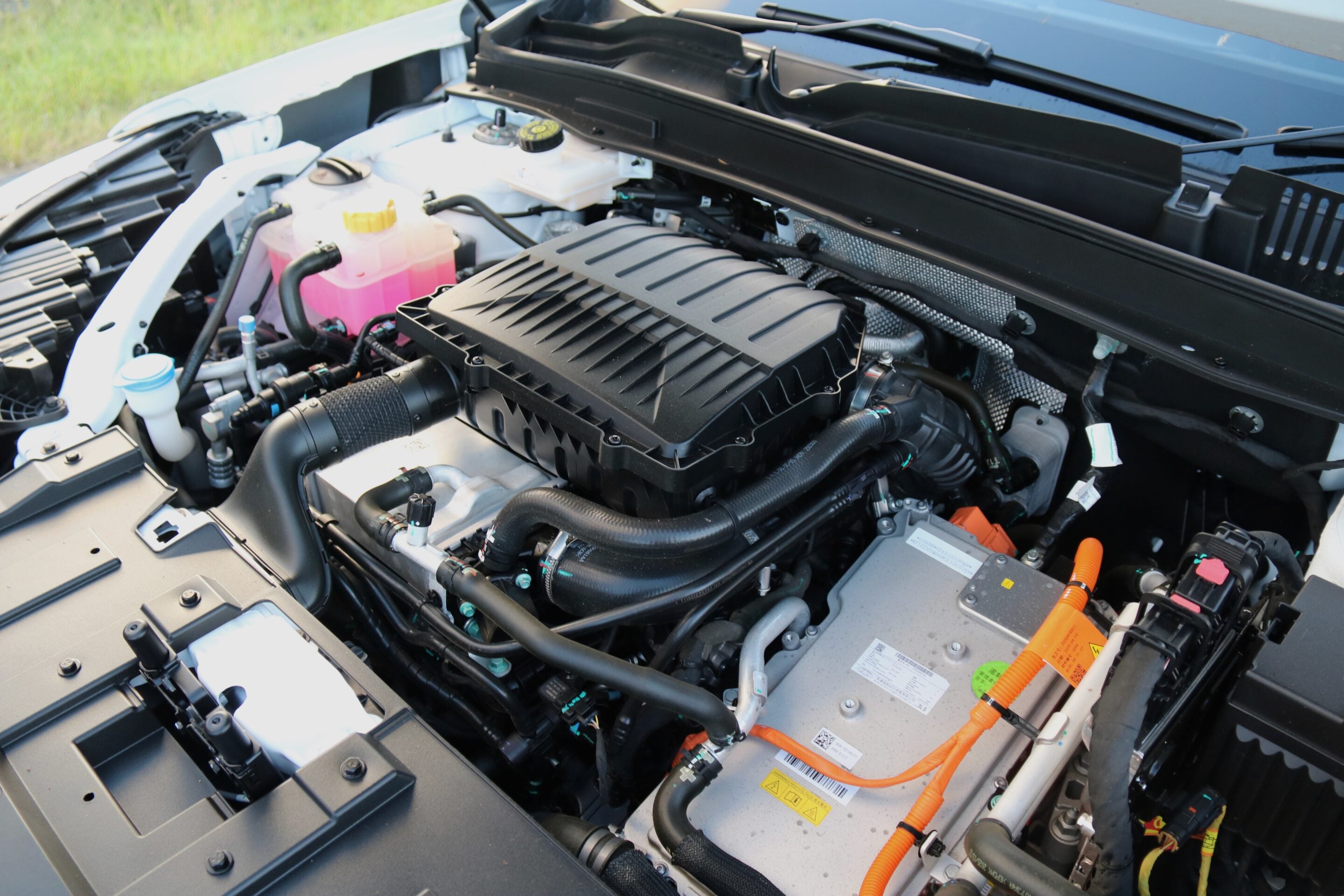
The Tiggo 8 Super Hybrid uses Chery’s fifth-generation ‘Super Hybrid’ plug-in hybrid tech, combining a 1.5-litre turbocharged four-cylinder petrol engine with an electric motor and in the case of the Tiggo 8, an 18.4kWh LFP battery. Chery doesn’t quote a combined output figure, but the engine makes 105kW/215Nm and the electric motor 150kW/310Nm – it’s the latter that’s more relevant because the electric motor provides most of the propulsion with the engine acting as a generator for most of the time, only adding extra grunt with full throttle bursts.
Chery claims an NEDC electric-only 95km range in the Tiggo 8 and combined fuel consumption of just 1.3L/100km. It’s important to note that those figures are achieved with a full battery charge and they will differ greatly depending on how much charge is in the battery, as is the case for all plug-in hybrids.
Like regular hybrids and EVs, plug-in hybrids are at their most efficient in urban driving conditions because the regenerative braking can recycle energy back into the battery, so our highway roadtrip was not ideal for consumption. However, the Tiggo 8 actually did better than we expected – we recorded an electric-only range of 68km at highway speeds, and the total for our trip was 6.1L/100km (including the full battery), which is less than we expected.
Chery claims that based on a full battery and a full tank of fuel, the Tiggo 8 can travel 1200km before needing to fill/charge up again, so how accurate is that claim? Well, on our roadtrip, we achieved 960km before needing to put fuel in it again, so not that close to the claim, but still better than expected based on our previous range testing with plug-in hybrids.
Obviously, more driving in urban conditions will increase both the electric range and fuel efficiency. Chery says that its Super Hybrid system is designed for all types of driving, and based on our roadtrip, we think that it works well regardless of where it’s used.
How does the Chery Tiggo 8 Super Hybrid drive?
The Tiggo 8 Super Hybrid was subjected to a longer test program than usual, and was included in an Easter roadtrip to Coffs Harbour, about 450km north of Sydney on the far north coast of NSW. Our trip was mostly taken at above 100km/h on the M1 motorway, and with around 60km of lower speed country road driving once we’d reached our destination.
In those conditions, the Tiggo 8 impressed thanks to its mature driving experience, punchy drivetrain and fuel efficiency. The driving experience of the Tiggo 8 Super Hybrid is a noticeable improvement on even the petrol Tiggo 8 Pro Max thanks to a revised ride and handling tune to account for the Super Hybrid system’s extra weight.
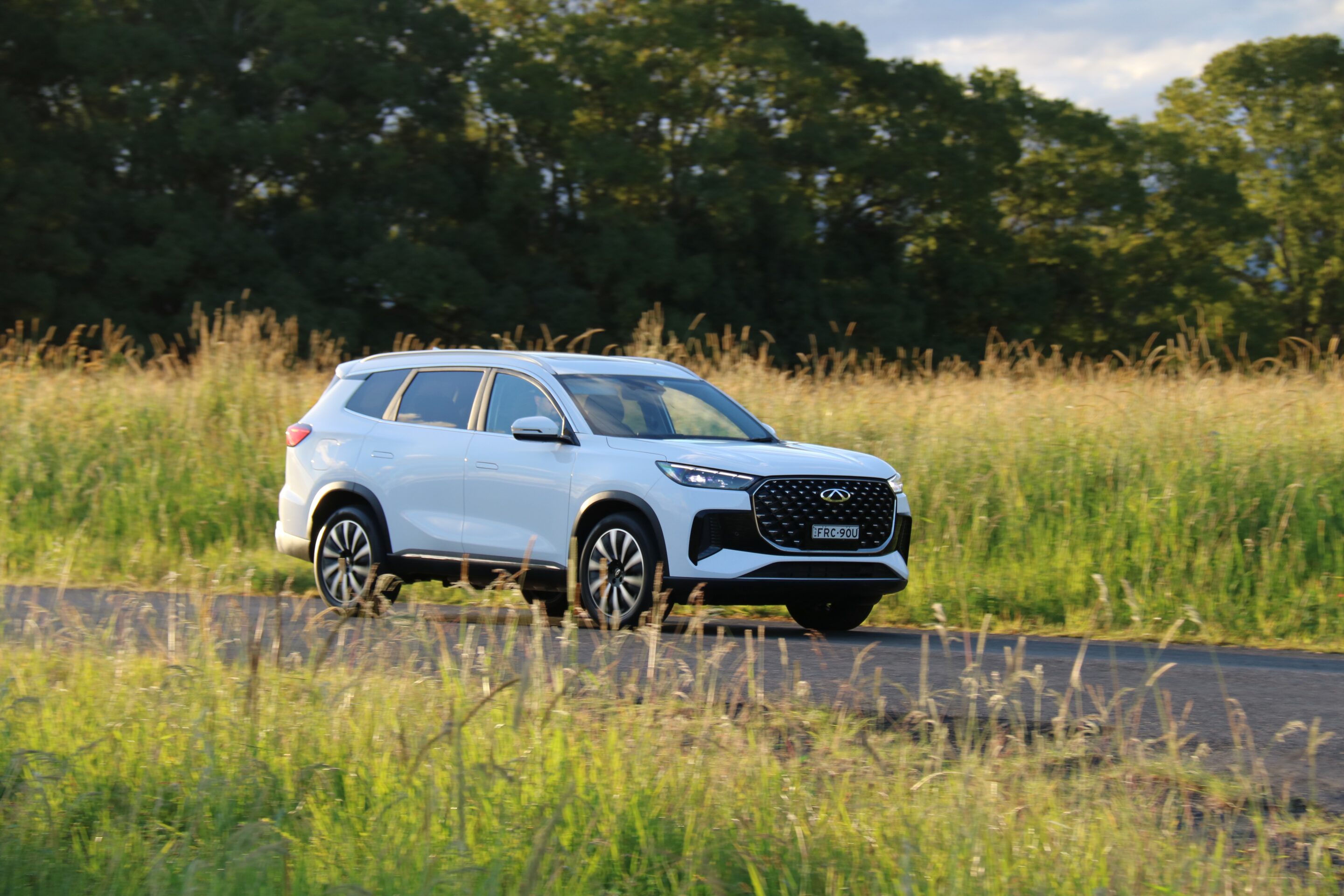
The low speed ride is improved, the steering is more naturally weighted and the handling is reasonable for a big family bus. The high speed ride is a bit soft, however, and even smaller bumps at that speed take two or three goes from the suspension to properly settle. While we’re moaning, the brakes take a bit to get used to and the transmission selector – which needs you to be completely stopped before being able to select another gear – is infuriating when you’re in a hurry.
The Super Hybrid drivetrain is a winner, though. It’s mostly propelled by its 150kW electric motor, which is more than enough grunt and can easily chirp the front wheels from a start if you’re keen with the throttle. Once the battery is depleted, the Tiggo 8 Super Hybrid runs mostly like a regular hybrid drivetrain with the petrol engine providing grunt when needed and switching off when not, and it’s still impressively refined in hybrid mode.
How practical is the Chery Tiggo 8 Super Hybrid?
Inside the Tiggo 8 Super Hybrid is actually a different interior to the petrol Tiggo 8 Pro Max that we’ve previously experienced. Usually, hybrid models receive more standard equipment compared with the ICE models they’re based on, but Chery goes a lot further with a new dashboard layout with more tech and higher quality materials too.
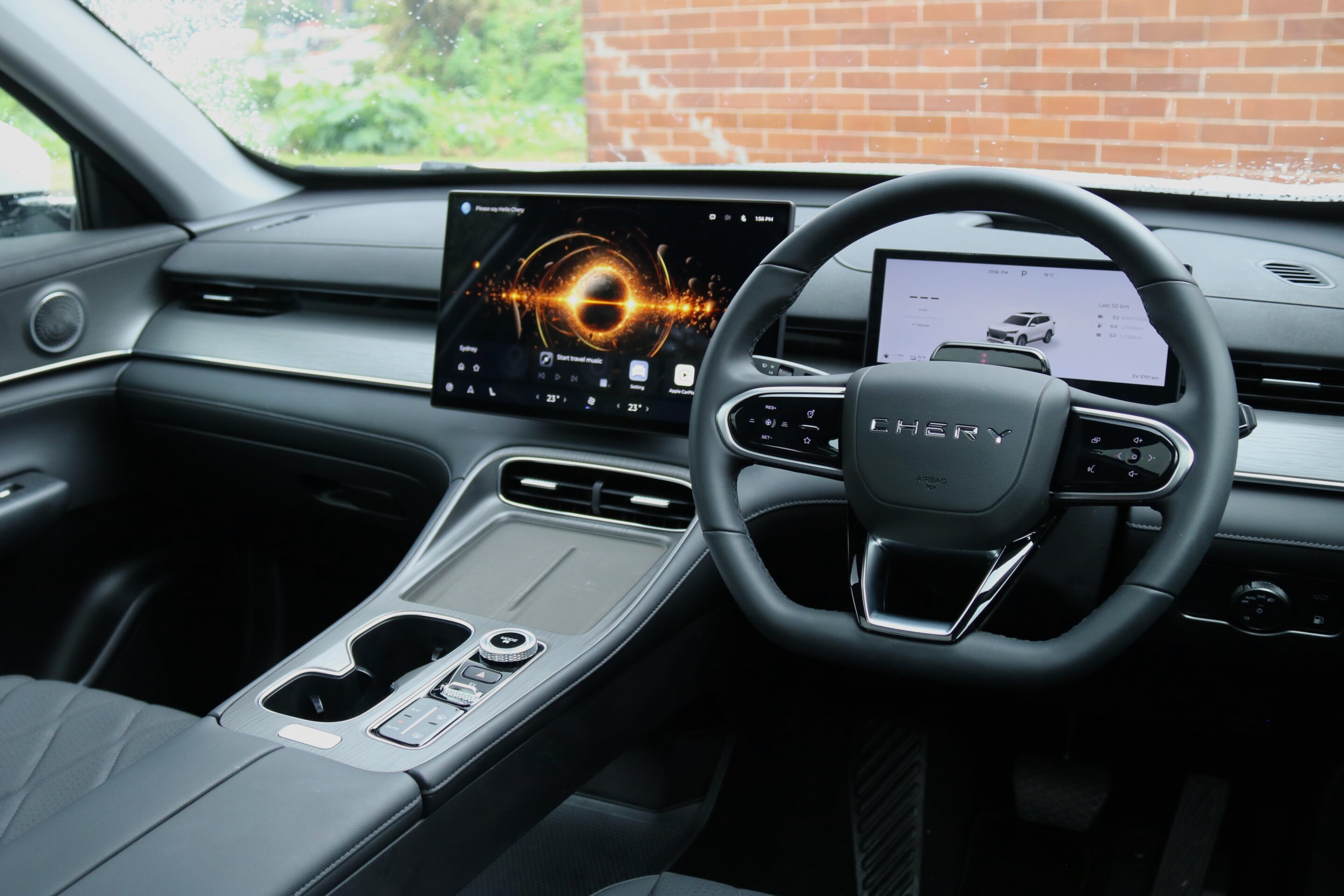
Aside from the Super Hybrid drivetrain, the biggest upgrade for the Tiggo 8 Super Hybrid versus the Tiggo 8 Pro Max is the central screen. Measuring a large 15.6-inches versus 12.3-inches in the Pro Max, the SHS’ infotainment system is new and far quicker than the Pro Max. Screen quality is also significantly sharper, and aside from the lack of buttons and lack of a home button, it’s a generally easy system to use.
The 12-speaker Sony sound system is quite good at louder volumes, drowning out highway road noise well, though more bass would be appreciated.
Front cabin storage is impressive with a big central box underneath the central armrest, an open tray underneath the centre console (great for storing road trip snacks), big cupholders and a big tray on the centre console with a 50W wireless phone charger.
The front seat comfort in the Tiggo 8 SHS is generally good, though there are surprises. As with most Chinese cars, there’s no under-thigh angle adjustment and no height adjustment for the front passenger, but there is both heating and ventilation for both front seats. However, there is massaging – and it is quite good massaging too – but strangely only for the passenger seat and not the driver. Weird.
What’s also weird, however, about the Tiggo 8 is the space on offer in the second and third rows of seating. Its body feels narrow and fitting three across looks tightish, plus, rear legroom is more limited than you’d expect as well. Middle row features include air vents, two USB ports for charging, door and map pocket storage and a centre armrest with cup holders – though no separate climate zone, heated seats or sunshades in the doors.
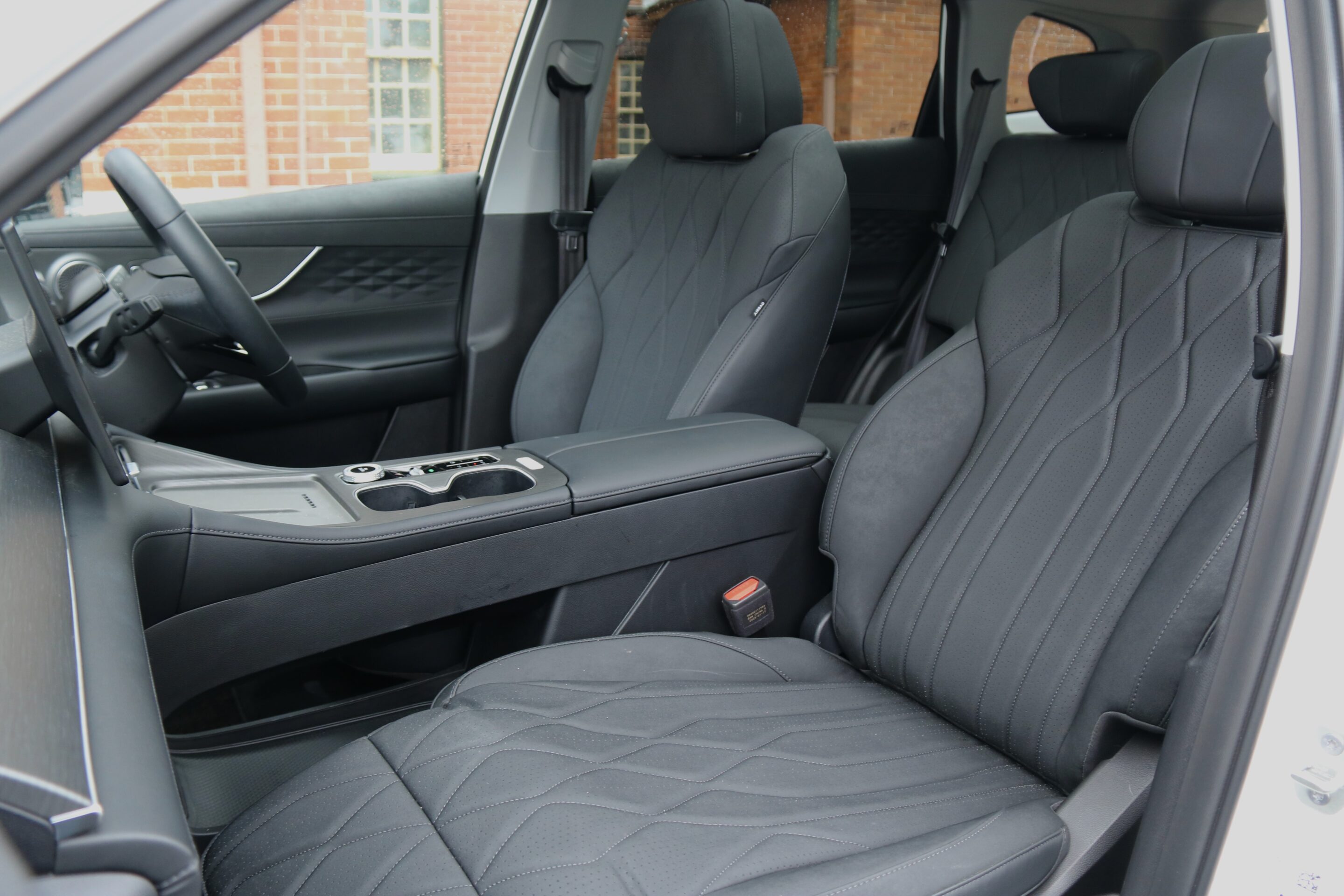
The third row is best described as kids only, and both the Sorento and CX-80 feel more spacious. Cup holders aside, there are no features with no air vents or charging ports on offer. As is the case with the Outlander, the Tiggo 8’s third row is best described as an occasional use space, for if you suddenly need to carry more passengers. If you plan to use the third row more regularly, the larger Tiggo 9 is more spacious and feature-packed in that area.
Boot space, like the second and third rows, is restricted by the Tiggo 8’s smaller-than-you’d-expect exterior dimensions. Just 117 litres of space lies behind the third row, and 494 litres behind the second row. Chery doesn’t quote a figure with the middle row of seats folded, but we’d guesstimate somewhere around the 1500-litre mark, which is reasonable but a smaller Hyundai Tucson holds almost 2000 litres. Regardless, the Tiggo 8 was more than practical enough for our roadtrip, and my family was impressed with the space on offer.
What warranty covers the Chery Tiggo 8 Super Hybrid?
Chery’s aftersales program is not the longest in the market, but it’s still quite impressive. A seven-year/unlimited km warranty covers the Tiggo 8 Super Hybrid, with a separate eight year/unlimited km warranty for the 18.4kWh battery.
Twelve months of roadside assistance is standard, which is extended another 12 months with every service undertaken at a Chery dealership up to seven years in total. Five years/75,000km of servicing costs just $1595, or $319 per service.
Should I buy a Chery Tiggo 8 Super Hybrid?
If you’re a value-focused medium-to-large SUV buyer looking for a way to lessen fuel costs, the Chery Tiggo 8 Super Hybrid is definitely worthy of consideration. Depending on your driving, it has the potential to significantly reduce your weekly fuel costs thanks to its claimed 95km electric only range, but even in its worst case scenario, it’s still capable of over 60km of EV range and combined economy of around 6L/100km. Charging it more and driving it primarily in urban environments would only increase its efficiency.
As we expect from Chery, its value equation is awesome. Under $50k driveaway for its generous level of standard equipment is a bargain, and it’s at least $10,000 less than its chief rivals. Our only advice is to bring your family along to check it out as both the second and third rows of seating aren’t huge, and if you’re wanting a plug-in hybrid SUV that can carry people better in the third row, the larger Tiggo 9 is a better option. Still, the Chery Tiggo 8 Super Hybrid remains a very solid choice for a hybridised seven-seat SUV.
Chery Tiggo 8 Super Hybrid Ultimate standard features:
- 19-inch alloy wheels with a tyre repair kit
- Dusk-sensing automatic LED exterior lighting
- Rain-sensing automatic wipers
- Keyless entry and start
- Remote start and window open/close
- Heated/auto-folding mirrors that drop in reverse
- Roof rails
- Rear privacy glass
- Panoramic sunroof
- Electric tailgate with hands-free operation
- Synthetic leather upholstery and steering wheel
- Electric front seat adjustment with front passenger massaging
- Heated and ventilated front seats
- Dual-zone automatic climate control with second row air vents
- 10.25-inch digital driver’s display
- Head-up display
- 15.6-inch touchscreen
- Wireless Apple CarPlay and Android Auto
- Satellite navigation
- Bluetooth calling and audio streaming
- AM/FM/DAB+ digital radio
- 12-speaker Sony sound system with driver’s seat speakers
- 4x USB ports
- Wireless phone charger
- Eco/normal/sport/EV/hybrid drive modes
- 9x airbags
- Autonomous emergency braking
- Adaptive cruise control with adaptive lane guidance and traffic jam assist
- Lane keeping assistance
- Blind-spot monitoring
- Rear cross-traffic alert (with braking)
- Auto high beam
- Driver attention monitoring
- Speed limit recommendation
- Rear collision warning
- Door open warning
- Front and rear parking sensors
- 360-degree camera
- Anti-theft alarm
Specs
| Model | Chery Tiggo 8 Super Hybrid Ultimate |
|---|---|
| Price | $49,990 driveway |
| Drivetrain | 1499cc turbocharged four-cylinder plug-in hybrid |
| Transmission | One-speed, front-wheel drive |
| Engine outputs | 105kW/215Nm |
| Electric motor outputs | 150kW/310Nm |
| Battery | 18.4kWh LFP |
| Claimed range (NEDC) | 95km (78km as tested) |
| Peak charge speed | 40kW |
| DC fast charge time (30-80%) | 20 minutes |
| Fuel economy | 1.3L/100km (6.1L/100km as tested) |
| Claimed CO2 emissions | 30g/km |
| Fuel type/tank size | 95RON premium unleaded, 60 litres |
| Dimensions | 4724/1865/1718/2694mm |
| Tare mass | 1884kg |
| Bootspace | 117 litres (third row up), 497 litres (third row folded) |
| Warranty | 7-year/unlimited km |
| Five-year/75,000km service cost | $1595 ($319 per year) |
| On sale | Now |
Toyota Australia has confirmed pricing for its new flagship electric SUV, the bZ4X Touring which lands in local showrooms in May.
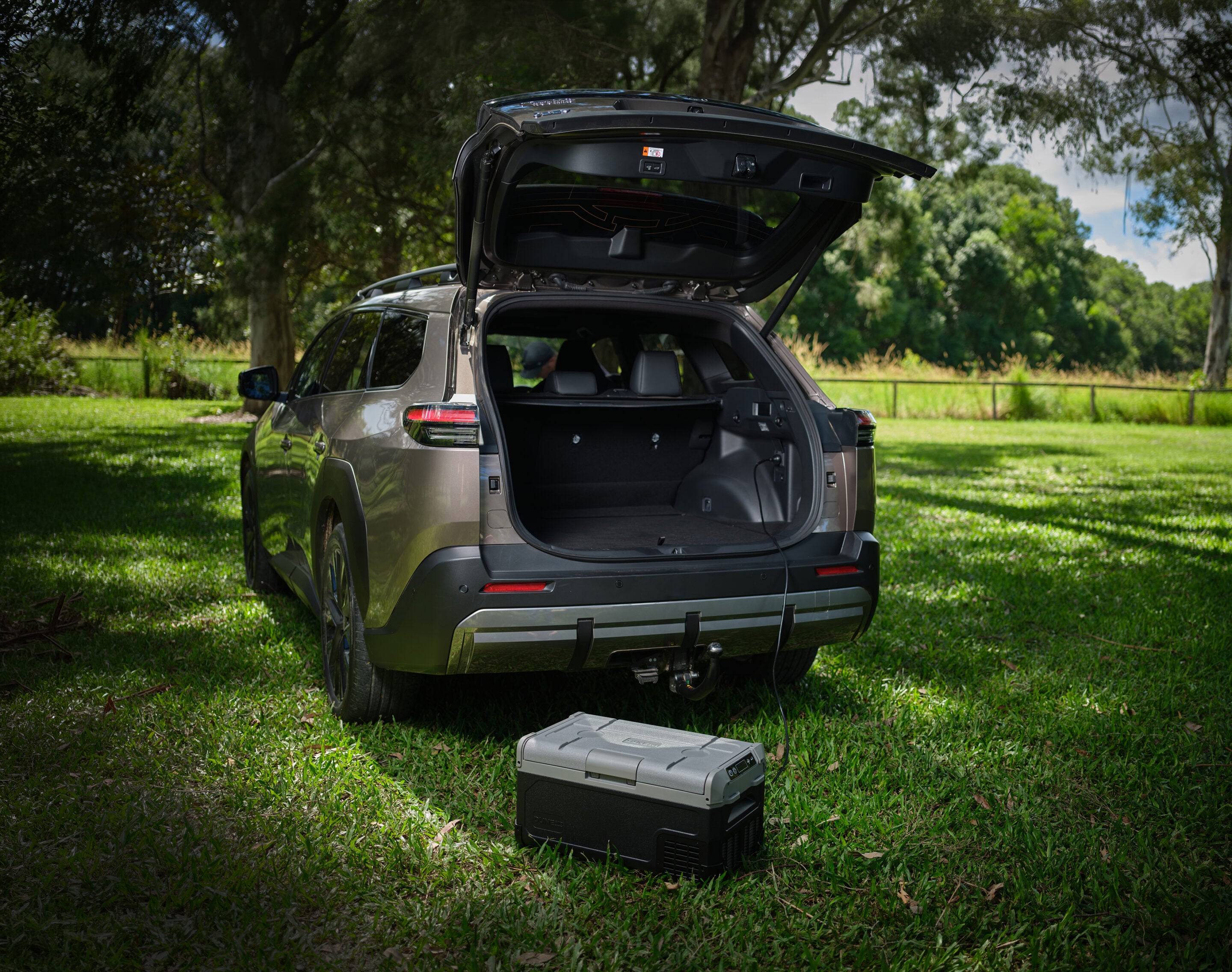
Priced from $69,990 plus on-road costs, the Toyota bZ4X Touring is longer than the regular bZ4X range, leading to increased cargo space.
Measuring 4830mm long, the Touring’s length behind the rear axle has been extended by 140mm which, along with a more upright tailgate, has increased boot capacity from 452 litres to 550L.
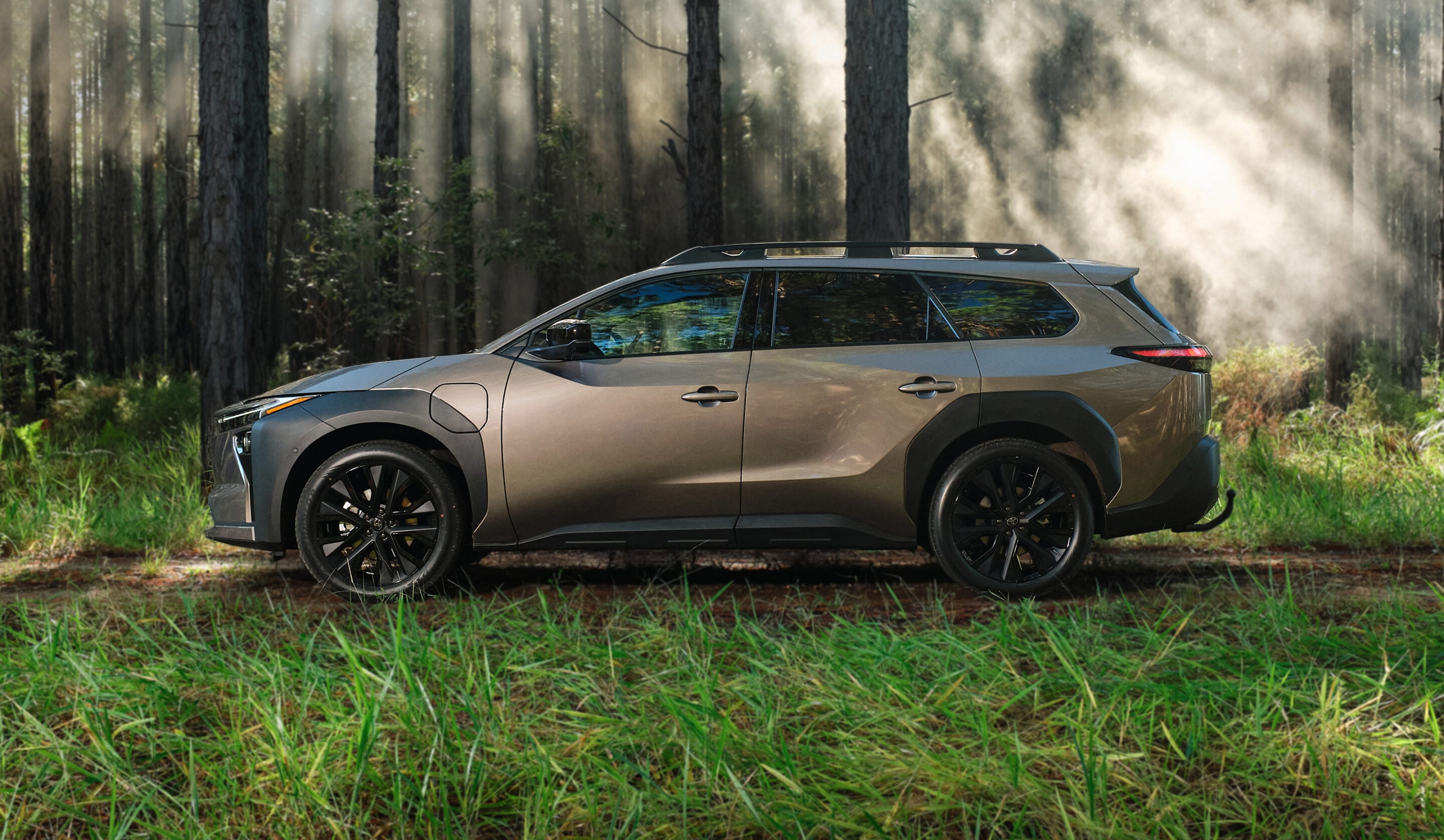
Powered by two 167kW electric motors, one at each axle, for total system outputs of 280kW, the all-wheel drive bZ4X Touring can sprint from zero to 100km/h in just 4.4 seconds. It is, according to Toyota, the most powerful passenger SUV in the Japanese brand’s line-up in Australia.
A 74.7kWh lithium-ion battery provides a claimed WLTP tested 488km of driving range. The battery supports 150kW DC fast-charging and 22kW three-phase AC charging.
Distinguishing the Touring from the rest of the bZ4X range are unique 20-inch black alloy wheels, front and rear skid plates, ladder-style roof rails capable of carrying 70kg, resin black wheel arches and bonnet insert, and the addition of a rear window wiper.
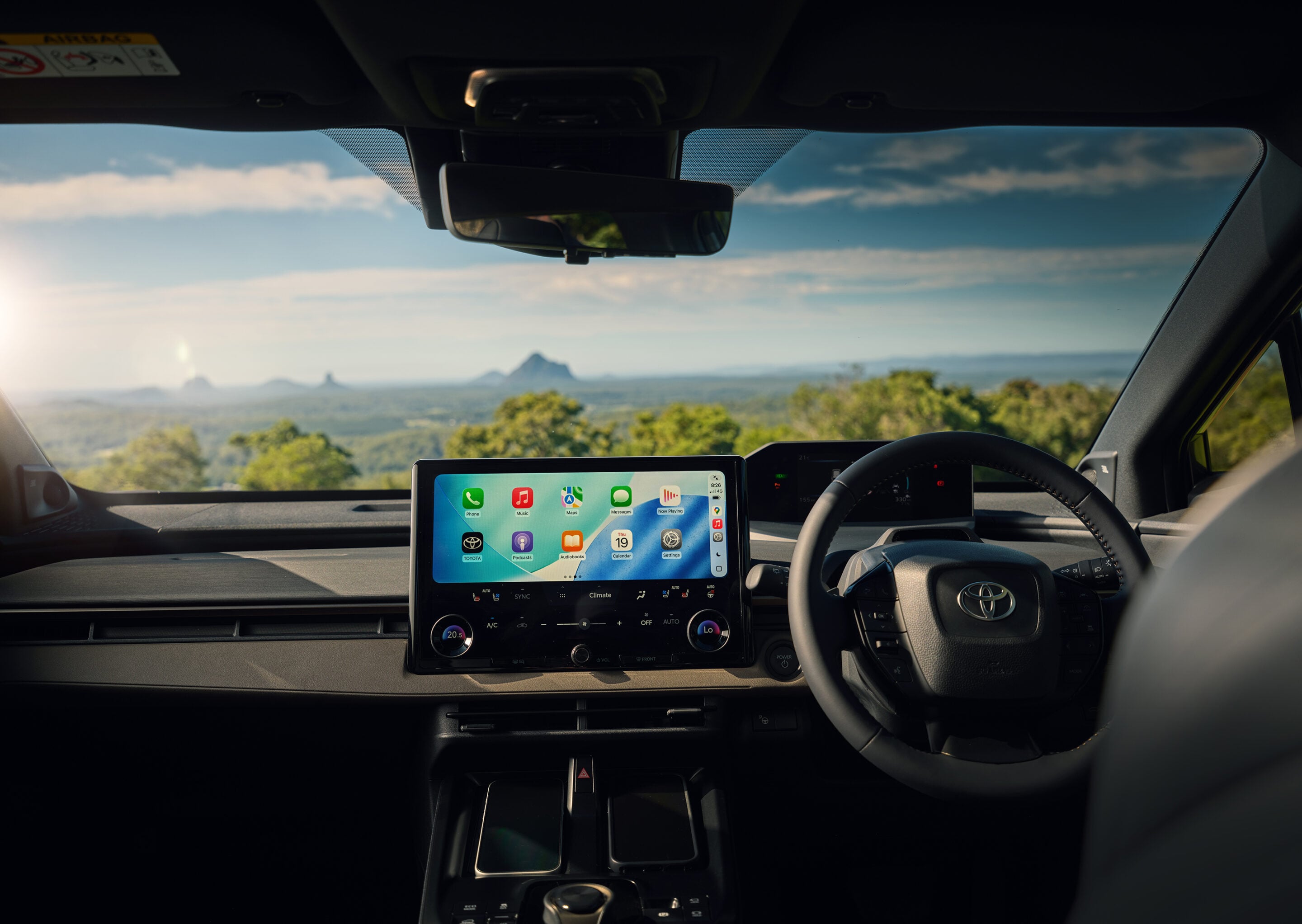
Other standard features found in the wider range include dual-zone climate control, eight-way powered front seats with heating and ventilation, digital rearview mirror, fixed panoramic roof, two wireless smartphone chargers, 1500W inverter and a 14-inch touchscreen multimedia system with a nine-speaker JBL premium audio system.
Buyers can choose one of six metallic and pearlescent paint colours, with the new Daylight Bronze metallic, priced at $575. Additionally, AWD models can be optioned with two-tone paint for $1350. The Touring can also be optioned with an exclusive to the model khaki synthetic leather seat upholstery.
The facelifted bZ4X range launched in Australia earlier this year with significant price cuts of up to $10,010. The entry-level front-wheel drive (FWD) now starts at $55,990 (plus on-road costs), while the all-wheel drive (AWD) is reduced by $6910 to $67,990. Both models feature larger 74.7kWh batteries and increased range.
The price cuts seem to have worked for Toyota, 2026 sales of bZ4X up 169 per cent measured against this time last year.
2026 Toyota bZ4X pricing (all prices before on-road costs)
| bZ4X 2WD | $55,990 |
|---|---|
| bZ4X AWD | $67,990 |
| bZ4X Touring | $69,990 |
The Netherlands has become the first country in Europe to approve Tesla’s self-driving tech, with its Full-Self Driving (Supervised) now available for Dutch Tesla drivers. After over one million kilometres of testing and a social media campaign, the self-driving tech has been approved for use by Dutch law makers for highway and city street use. The Netherlands is the first country in Europe to approve the mass self-driving tech, and more European countries are expected to follow.
The system, which will become an optional extra via a subscription on models like the Model 3 sedan and Model Y medium SUV, allows the cars to drive themselves on highways, city streets and everything in between – as long as a destination is set.
But as we’ve seen locally, it’s not a fully autonomous system, as the Supervised part of the Full-Self Driving (Supervised) name suggests: the driver must be fully alert while the car is in self-driving mode, otherwise it will deactivate.
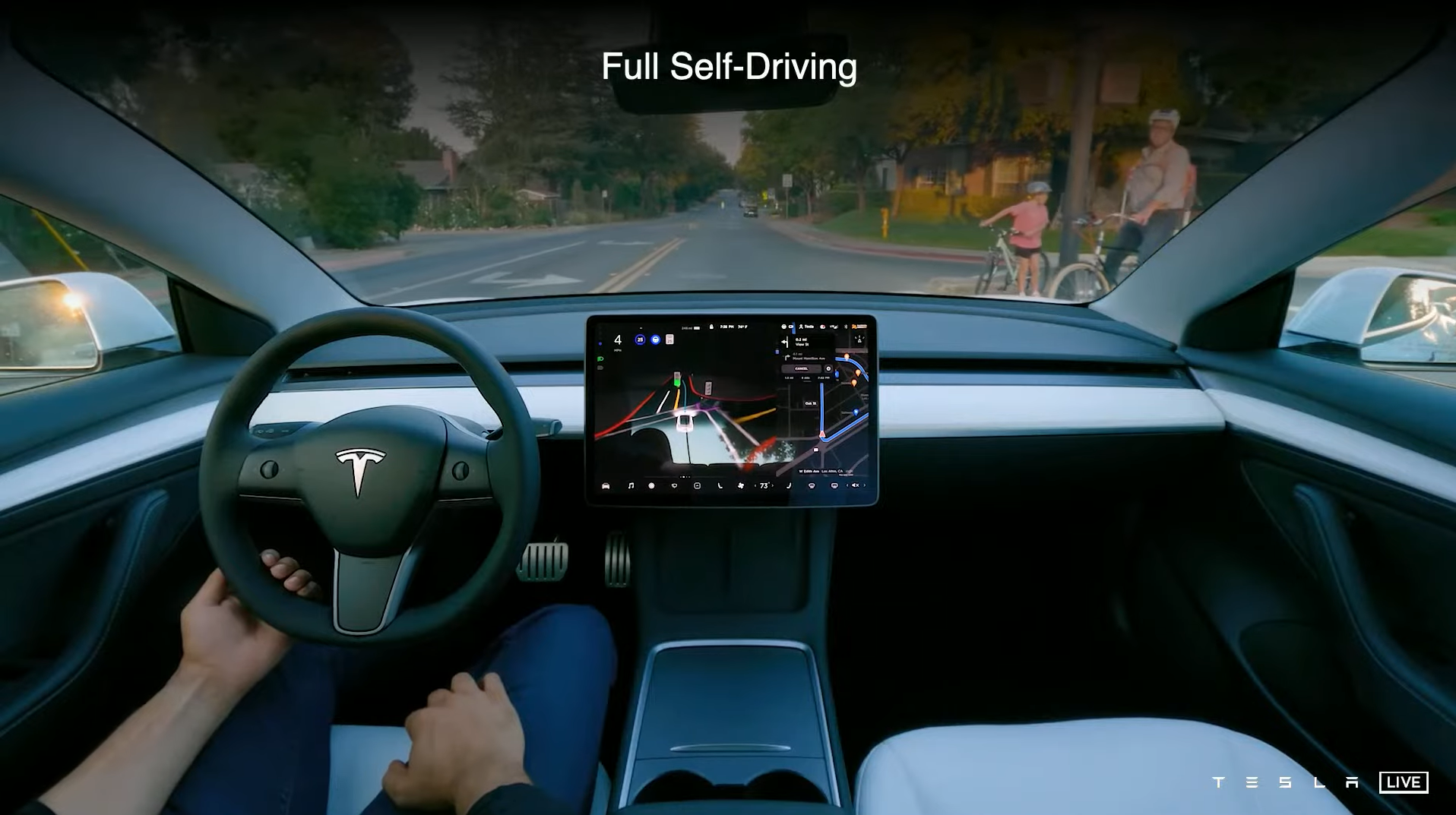
Buyers of the tech also must pass an in-car safety training quiz before activating it, which is called the FSD (Supervised) Activation Tutorial by Tesla.
Unlike LiDAR tech that brands like Volvo use, Tesla’s autonomous tech uses various sensors and cameras mounted around the car, which feed the onboard computer. According to Tesla, collisions are seven times less likely when FSD is activated and until now, drivers using the FSD tech have covered more than 14 billion kilometres.
Tesla’s Full-Self Driving (Supervised) tech is currently available optionally in Australia on both the Model 3 and Model Y, priced at $149 per month.
Nissan is undertaking a wide-ranging overhaul of its global strategy, combining a reduced model line-up with new hybrid technologies, AI-driven systems and the return of key nameplates in a bid to strengthen its position in an increasingly competitive market.
Central to the plan is a significant simplification of Nissan’s product portfolio. The company intends to cut its global line-up from 56 models to 45, focusing on higher-volume and more profitable vehicles while reducing complexity and development costs.
At the same time, Nissan is accelerating its push into electrified powertrains – but with a clear emphasis on hybrids rather than full battery-electric vehicles in the near term. A new generation of models will feature the brand’s e-Power system, where petrol engines act as generators to support electric drive, offering an EV-like experience without the need for external charging.
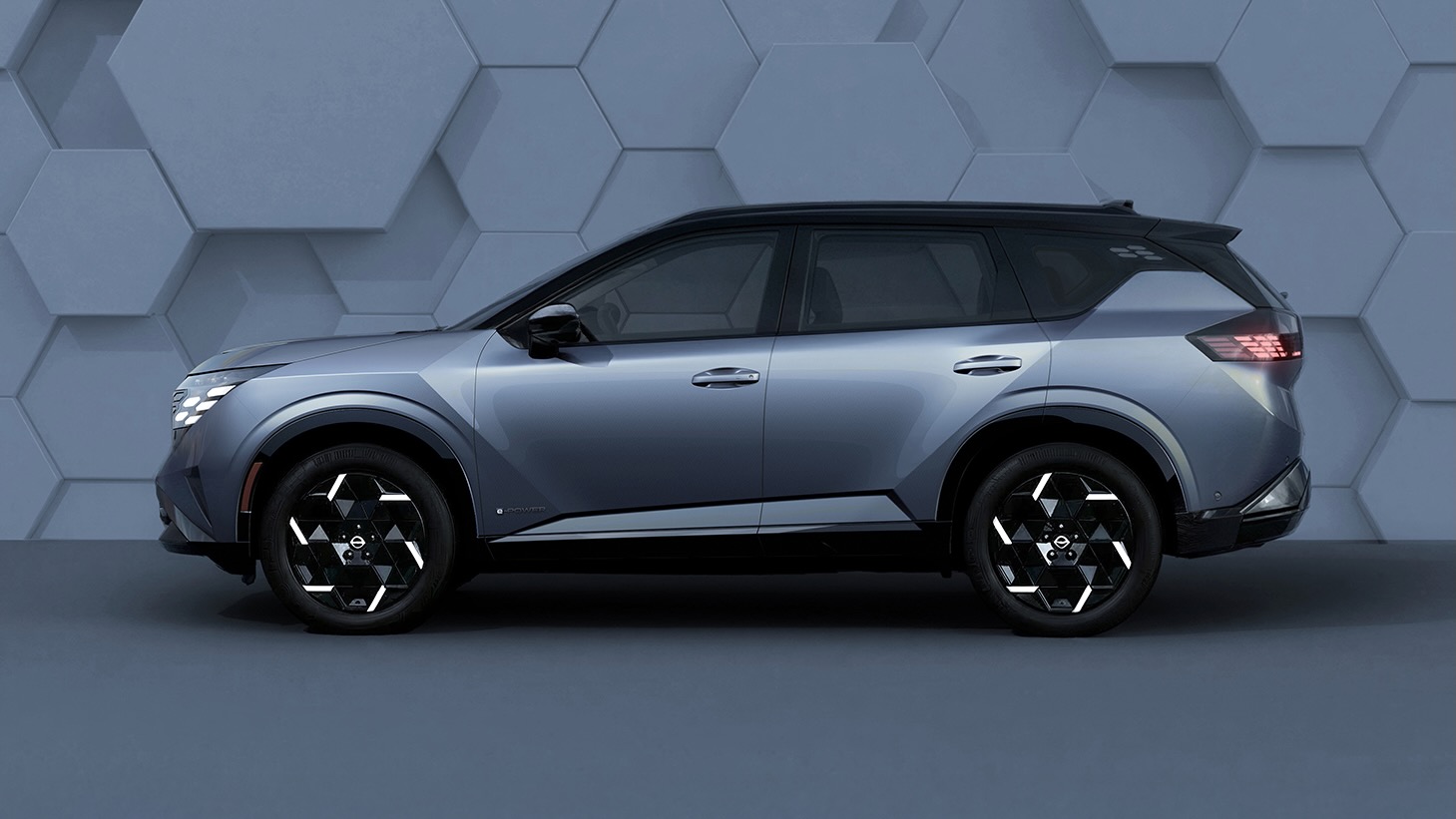
The next-generation Rogue (X-Trail) (above) is expected to play a key role in this strategy, becoming a flagship for hybrid technology and helping Nissan compete with established rivals such as the Toyota RAV4 and Honda CR-V.
Alongside electrification, Nissan is also moving into what it describes as “AI-defined vehicles”. The company plans to integrate advanced autonomous driving systems across the majority of its future range, aiming for up to 90 per cent of models to feature some level of self-driving capability.
Despite the shift toward electrification and software, Nissan is also revisiting traditional segments. The long-rumoured return of the Xterra SUV has now been confirmed, with the rugged model set to rejoin the line-up later this decade. Built on a body-on-frame platform, it will target off-road-focused rivals such as the Ford Bronco and Toyota 4Runner.
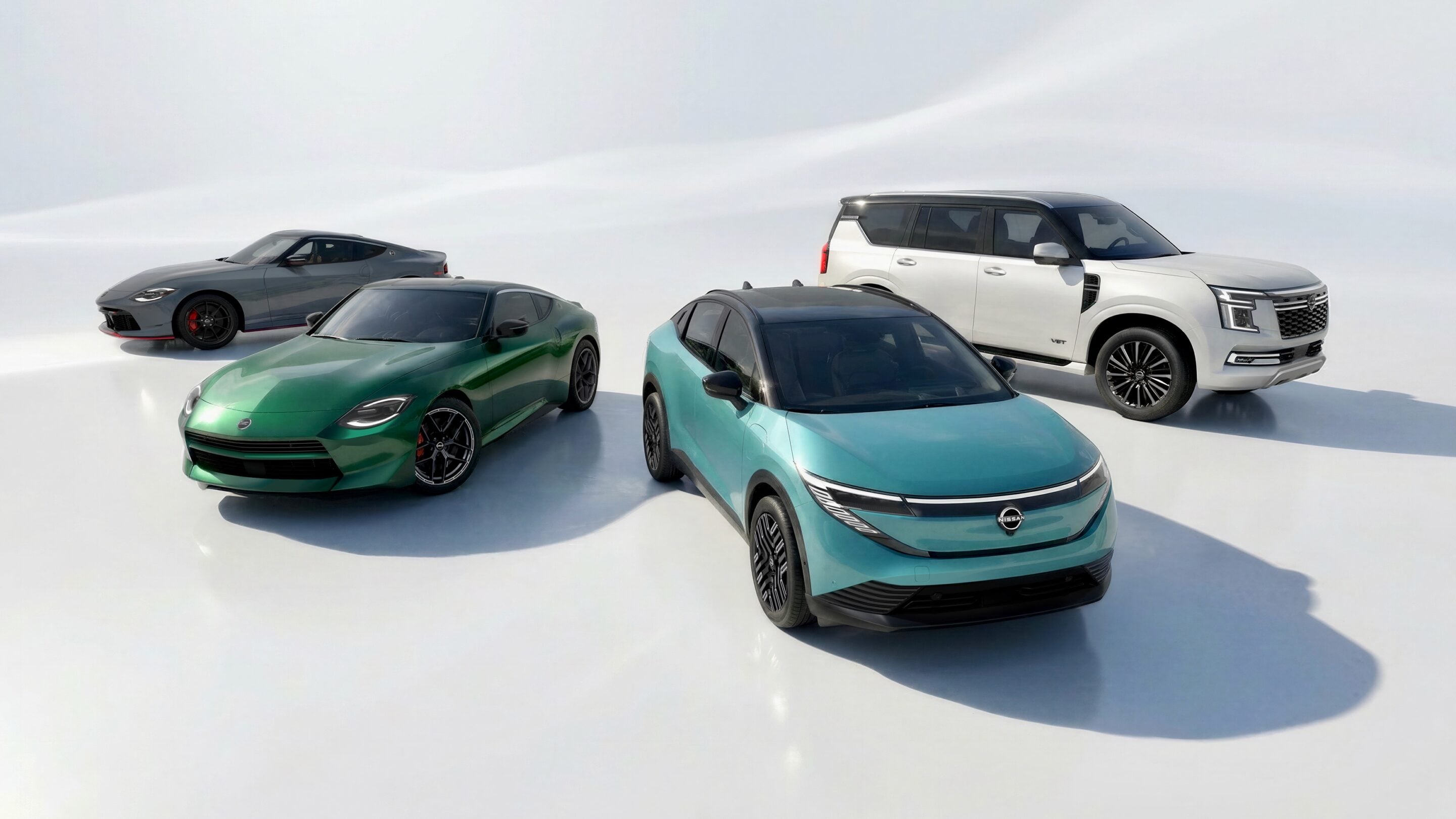
The new Xterra is expected to offer V6 and hybrid powertrain options, signalling that Nissan is maintaining a mix of conventional and electrified drivetrains rather than committing exclusively to EVs.
This multi-pronged approach reflects broader pressures facing the company, including rising competition from Chinese manufacturers and the need to improve profitability. Nissan is also restructuring its operations, including plant closures and job reductions, as it looks to streamline its global business.
Taken together, the strategy represents a recalibration rather than a wholesale pivot—balancing new technologies with familiar segments as Nissan works to stabilise its future direction.
Porsche has expanded its GT line-up with the introduction of the 911 GT3 S/C, an open-top variant that blends the core elements of its track-focused models with a more immersive driving experience.
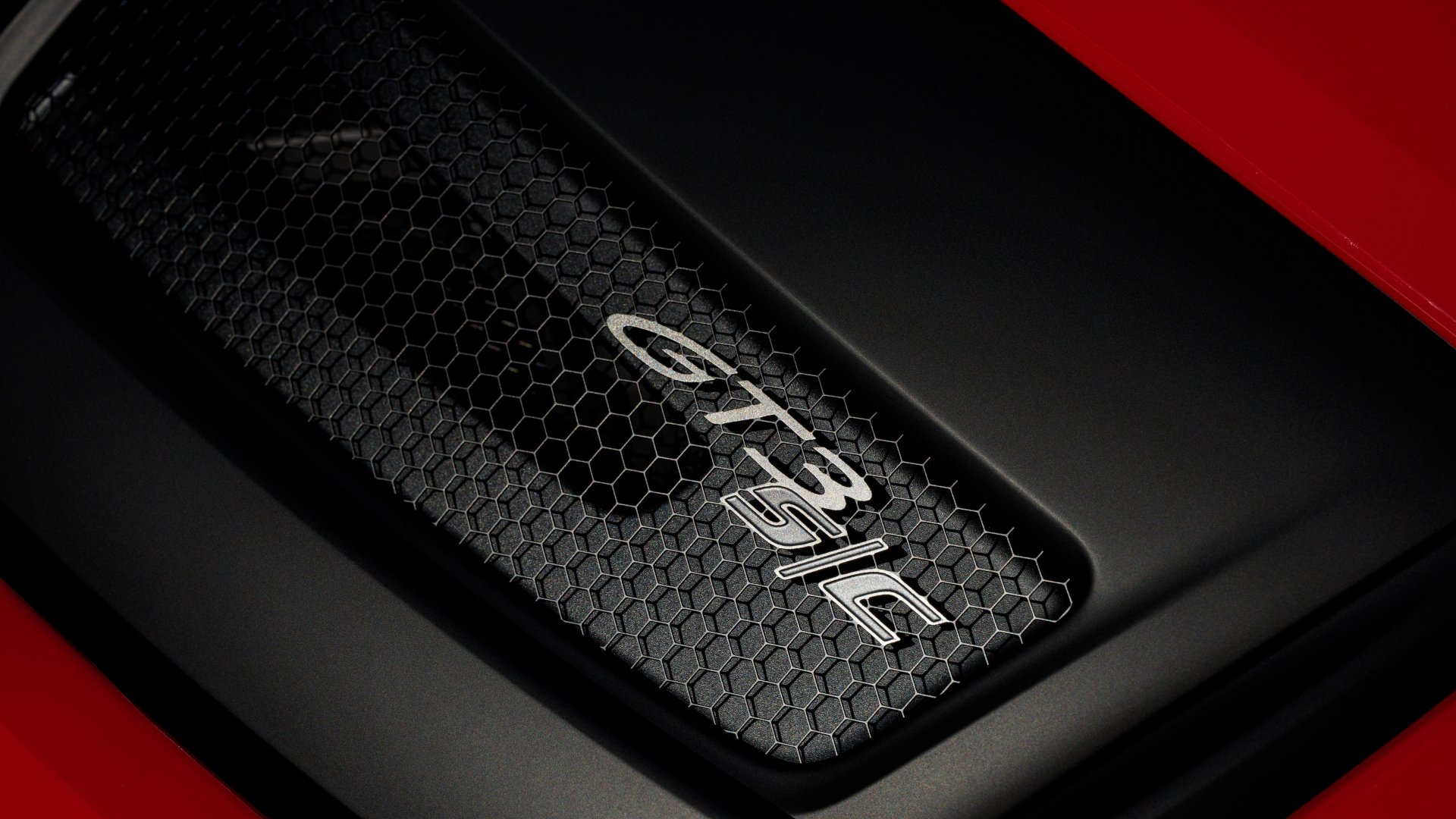
For the first time, the GT3 is offered with a fully automatic convertible roof, allowing drivers to experience the naturally aspirated flat-six engine without a fixed roof. The S/C draws inspiration from previous limited-run models such as the 911 Speedster and 911 S/T, but differs in being a regular production model rather than a strictly capped release.
At its core is a 4.0-litre naturally aspirated six-cylinder engine producing 375kW and 450Nm, paired exclusively with a six-speed manual transmission. The engine revs to 9000rpm and delivers a 0–100km/h time of 3.9 seconds, with a top speed of 313km/h.
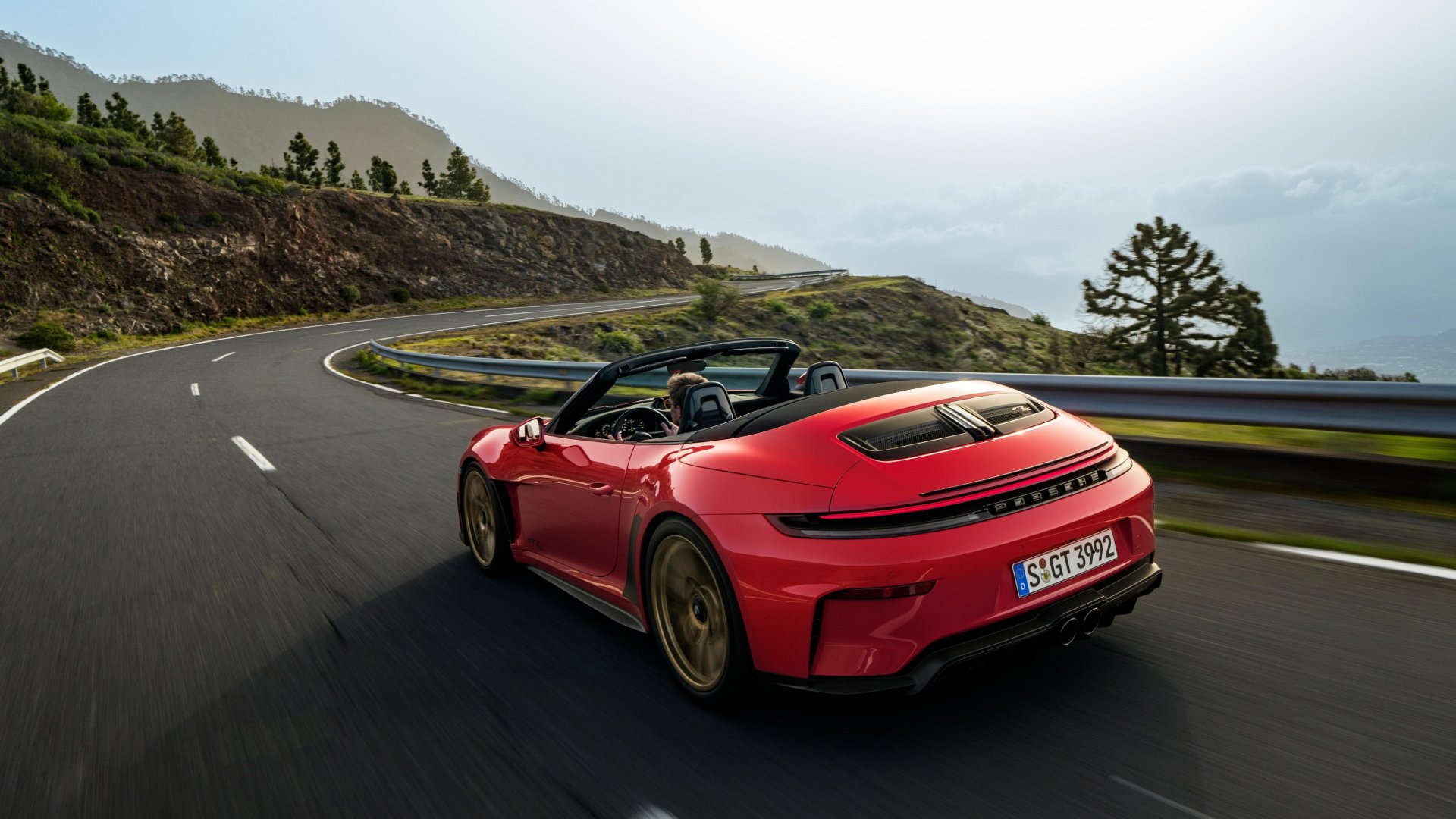
A focus on weight reduction remains central to the GT3 S/C’s design. The body incorporates carbon-fibre panels for the bonnet, doors and guards, while magnesium components are used in areas such as the roof structure and wheels. The result is a kerb weight of 1497kg, only slightly heavier than previous lightweight-focused GT variants.
The exterior design carries over elements from the 911 S/T, including distinctive body panels and a black windscreen surround. A retractable rear spoiler with a Gurney flap and revised front-end aerodynamics contribute to both performance and visual identity, while matrix LED headlights allow for larger air intakes at the front.
The soft-top roof can be opened or closed in around 12 seconds at speeds of up to 50km/h, and features integrated magnesium supports to maintain a coupe-like silhouette when raised. An electrically operated wind deflector is also included to improve comfort during open-top driving.
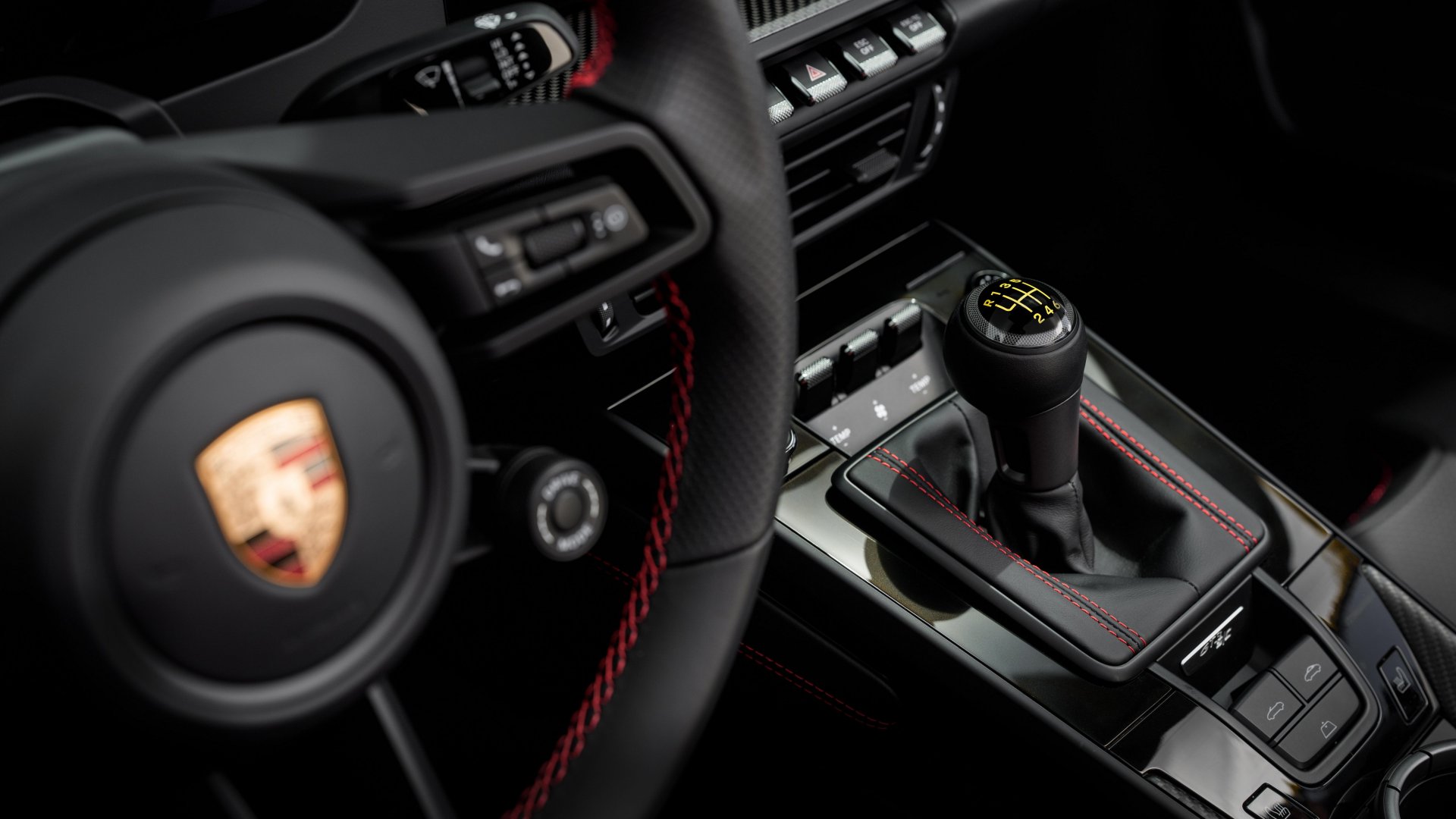
Inside, the GT3 S/C adopts a minimalist, driver-focused layout. It is configured as a strict two-seater, with lightweight materials used throughout, including simplified door panels and carbon-fibre detailing. Standard Sports Seats Plus are fitted, with optional lightweight bucket seats available. A digital instrument display includes a track-focused mode that prioritises key performance data.
Porsche also offers a Street Style Package, adding contrasting exterior graphics and bespoke interior finishes for further personalisation.
Priced from $588,500 before on-road costs in Australia (the Street Style package is priced from $58,670), the 911 GT3 S/C is positioned as a niche offering within the 911 range – one that prioritises driver engagement through a combination of manual transmission, lightweight construction and open-air performance.
Nissan has revealed two of its most globally important models at an event in Japan, unveiling the next generation of both the X-Trail medium SUV and Juke small SUV. New generations of the Skyline sedan and XTerra off-roader were also teased, confirming their release over the next couple of years. The reveals come at a time where the brand is consolidating its global line-up from 56 to 45 models to focus on growth.
Revealed as the North America-spec Rogue – the name the X-Trail uses in that market – the next-generation X-Trail is one of the brand’s most popular models globally. Due for release at the end of the year in North America (with Australian timing yet to be confirmed) the new X-Trail appears to be a more angular and sharper evolution of the current model with the brand’s latest design theme applied at the front and new joined tail-lights at the rear.
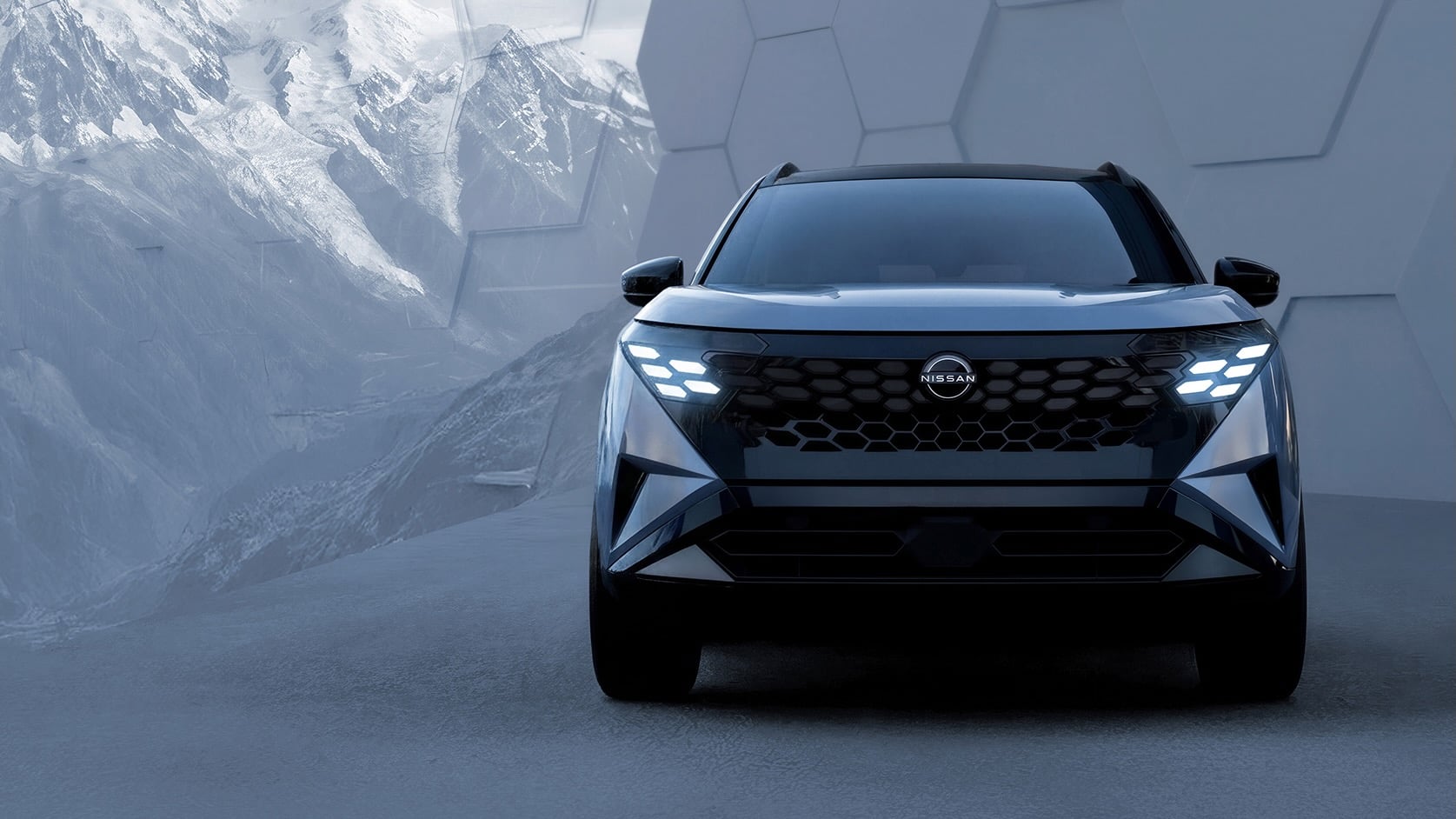
The interior is yet to be revealed, but we expect a more modern and even higher-quality cabin than the current model.
The new X-Trail will feature Nissan’s next-generation e-Power hybrid system, which is about to launch locally in the updated Qashqai range. In that car, it will produce up to 150kW of power and is rated at just 4.1L/100km on the combined cycle, with X-Trail-specific figures yet to be revealed.
The new Juke was also revealed, a model that’s not expected to come to Australia for this generation, unlike the previous two. Even more angular than the current model, the new Juke is powered only by electricity, with the hybrid and pure-petrol drivetrains of the old model shelved.
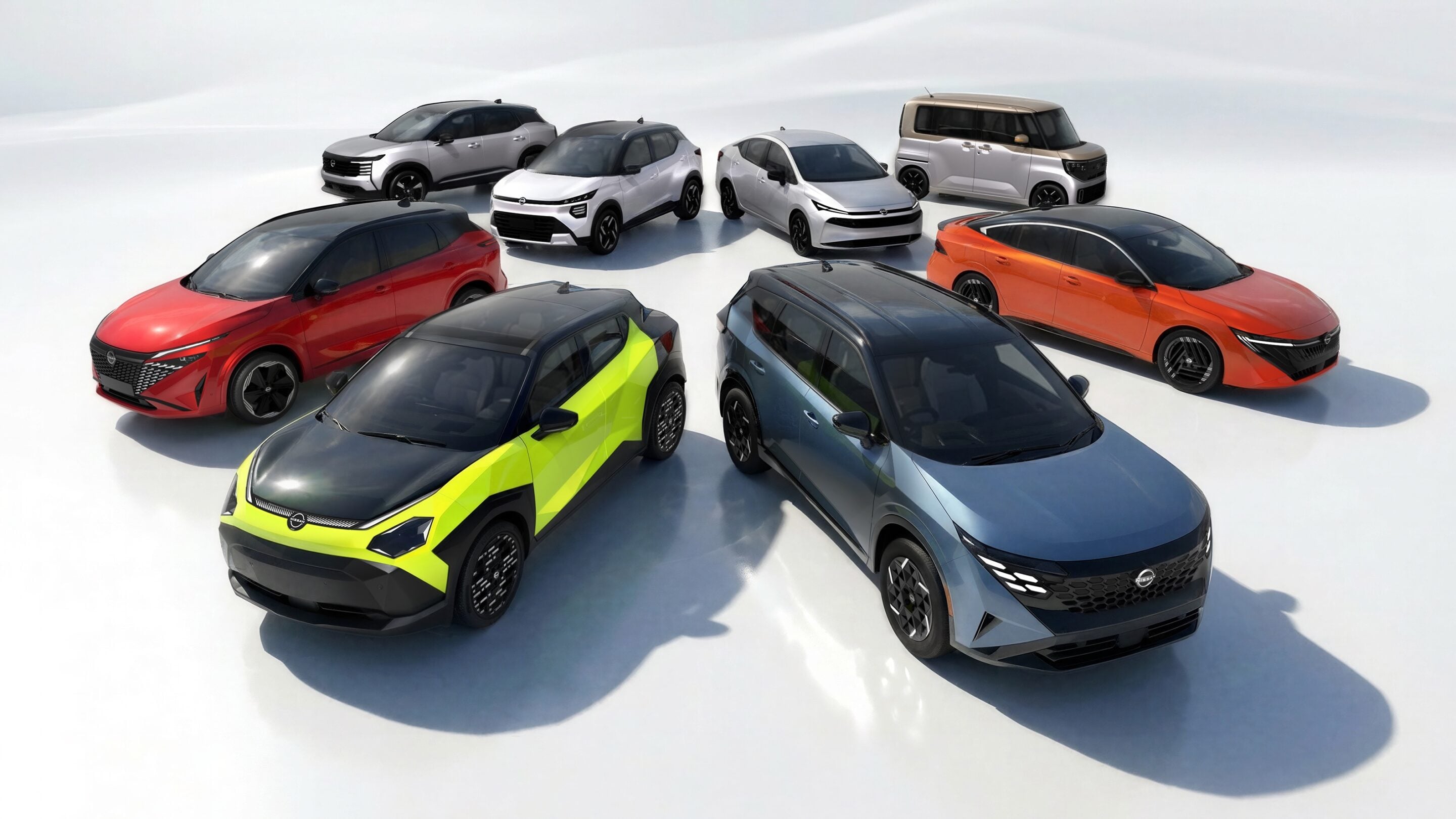
Also in images released by Nissan, its global line-up has been divided into four areas: growth models, heartbeat models, core models and partner models. Growth and partner models include the Chinese Dongfeng-sourced NX8 electric SUV, N7 electric sedan and Frontier Pro plug-in hybrid ute, with the partner model section also including the Renault 5-based Micra small car.
The brand’s heartbeat line-up is aimed at enthusiasts and includes the Z, Z Nismo, Patrol and Leaf, while the core models include the aforementioned new X-Trail and Juke, as well as cars like the Sentra sedan, Roox kei car and Note hatchback.
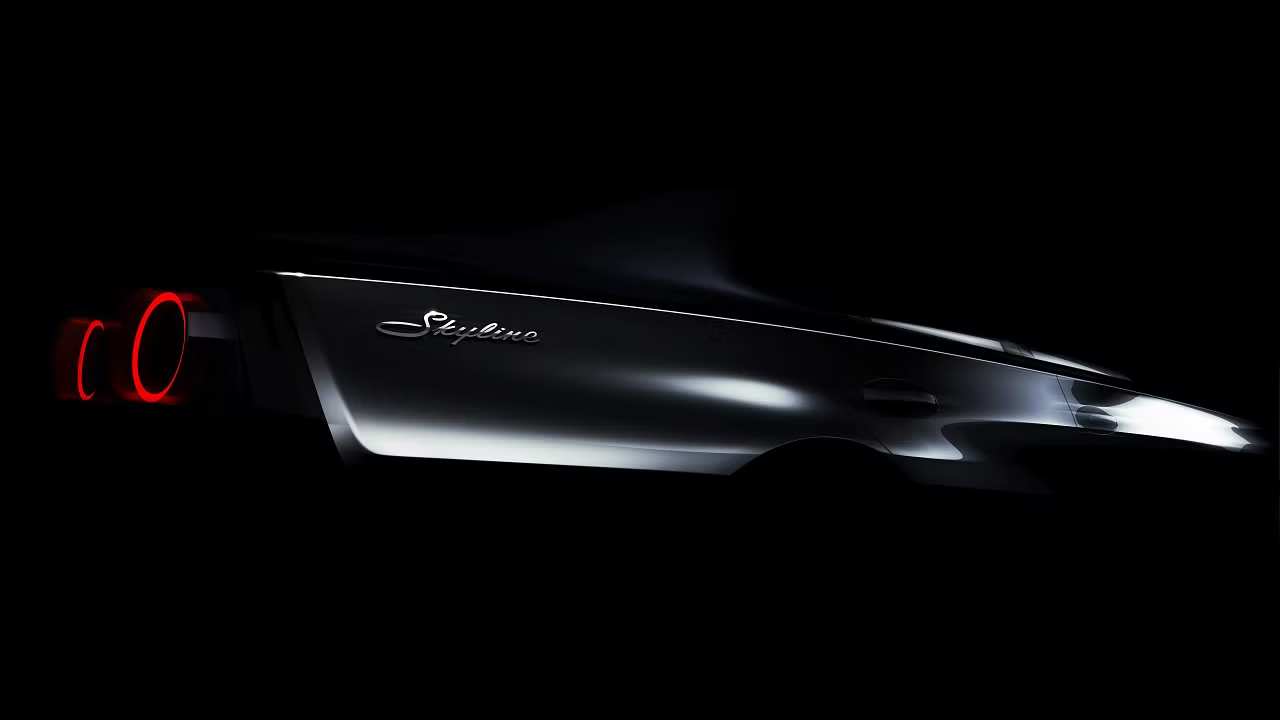
Nissan also teased a new generation of Skyline sedan, and XTerra off-road SUV, which will sit underneath the Patrol and offer a new hybrid V6 drivetrain. It’s not yet known if these models will be sold in Australia.
Local timing and specifications for the next-generation Nissan X-Trail will likely be revealed later in 2026.
Audi has revealed Australian pricing details for its new RS 5, the brand’s first high-performance plug-in hybrid. Available in both sedan and Avant (wagon) body styles, Audi has announced the new RS 5 will start from $179,900 before on-road costs for the sedan, while the Avant starts from $182,900 before on-road costs.
An advanced hybrid powertrain, which combines Audi’s renowned V6 TFSI performance with the electric response of a pure EV, the new RS 5 also delivers up to a claimed 78km pure electric range.
The RS 5 uses electric technology to deliver an even sharper driving experience from a platform that has always been dedicated to fast touring with a touch of luxury. What is new is the availability of the Avant body style, a first for the nameplate. And as expected any time an Audi wears ‘RS’ badging, the
performance numbers are impressive.
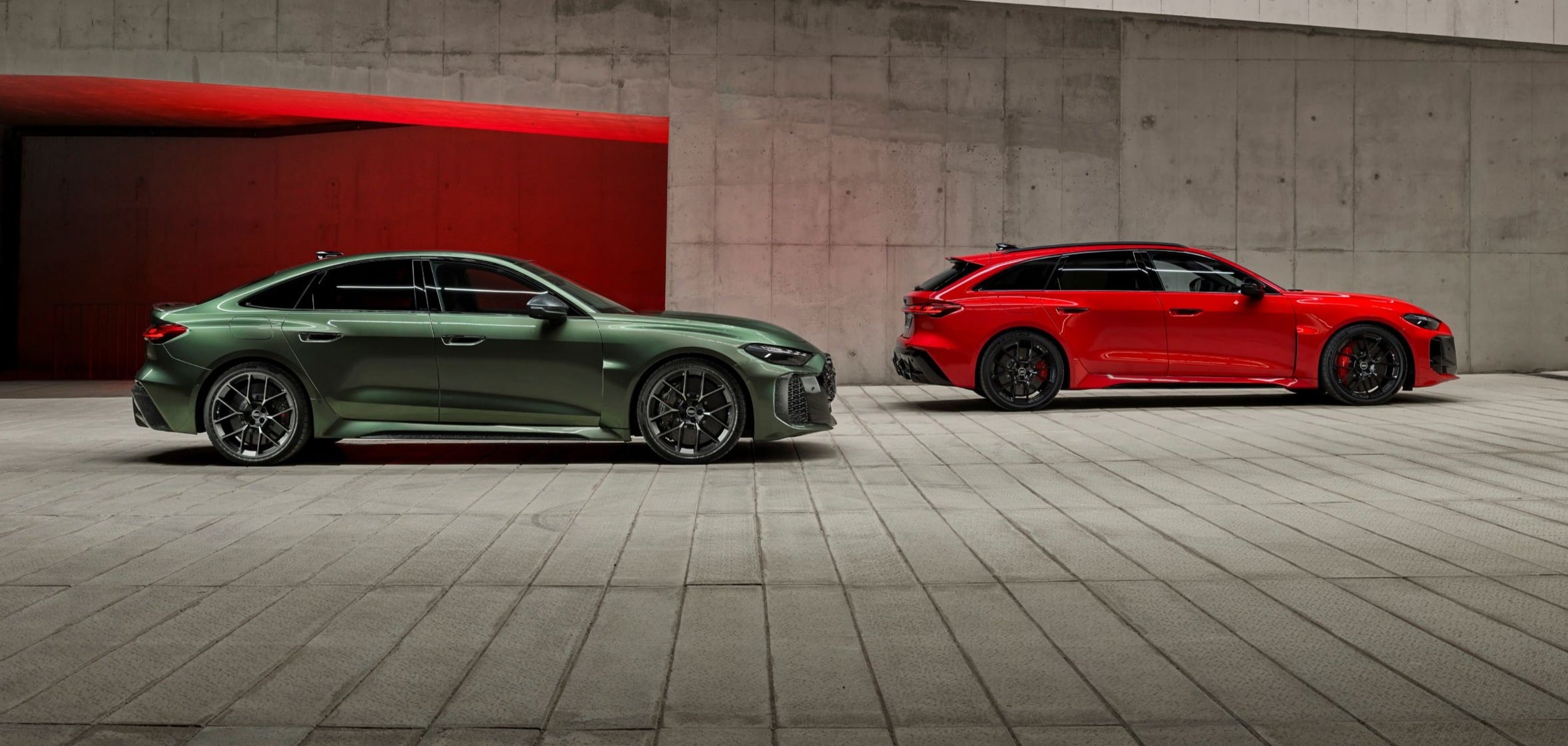
“What’s important is that electrification enhances, rather than changes, the character of an RS model,” Director of Audi Australia Jeff Mannering, said. “The new RS 5 delivers even greater performance, sharper responsiveness and improved everyday usability, while remaining true to the driving experience our customers expect. It is a clear demonstration of how Audi Sport continues to evolve, bringing together performance, innovation and progressive technology for the Australian market.”
The PHEV system pairs a 2.9-litre, twin-turbo, V6 petrol engine, with a 130kW/460Nm electric motor for system totals of 470kW and 825Nm. That’s a jump of 139kW and 225Nm from the outgoing RS 5. Audi claims a 0-100km/h run of 3.6 seconds, with a pure electric driving range of 78km via WLTP testing for the sedan and 76km for the Avant.
The electric system is powered by a 25.9kWh battery, which features enhanced cell chemistry enabling “consistent power delivery even at low states of charge and in extreme temperatures”. Interestingly, when the RS 5 is switched into either RS Sport or RS Torque Rear Audi Drive modes, the battery is actively cooled to maintain optimal performance. Charging is by way of an 11kW AC system, which enables a charge from zero to 100 percent in 2.5 hours.
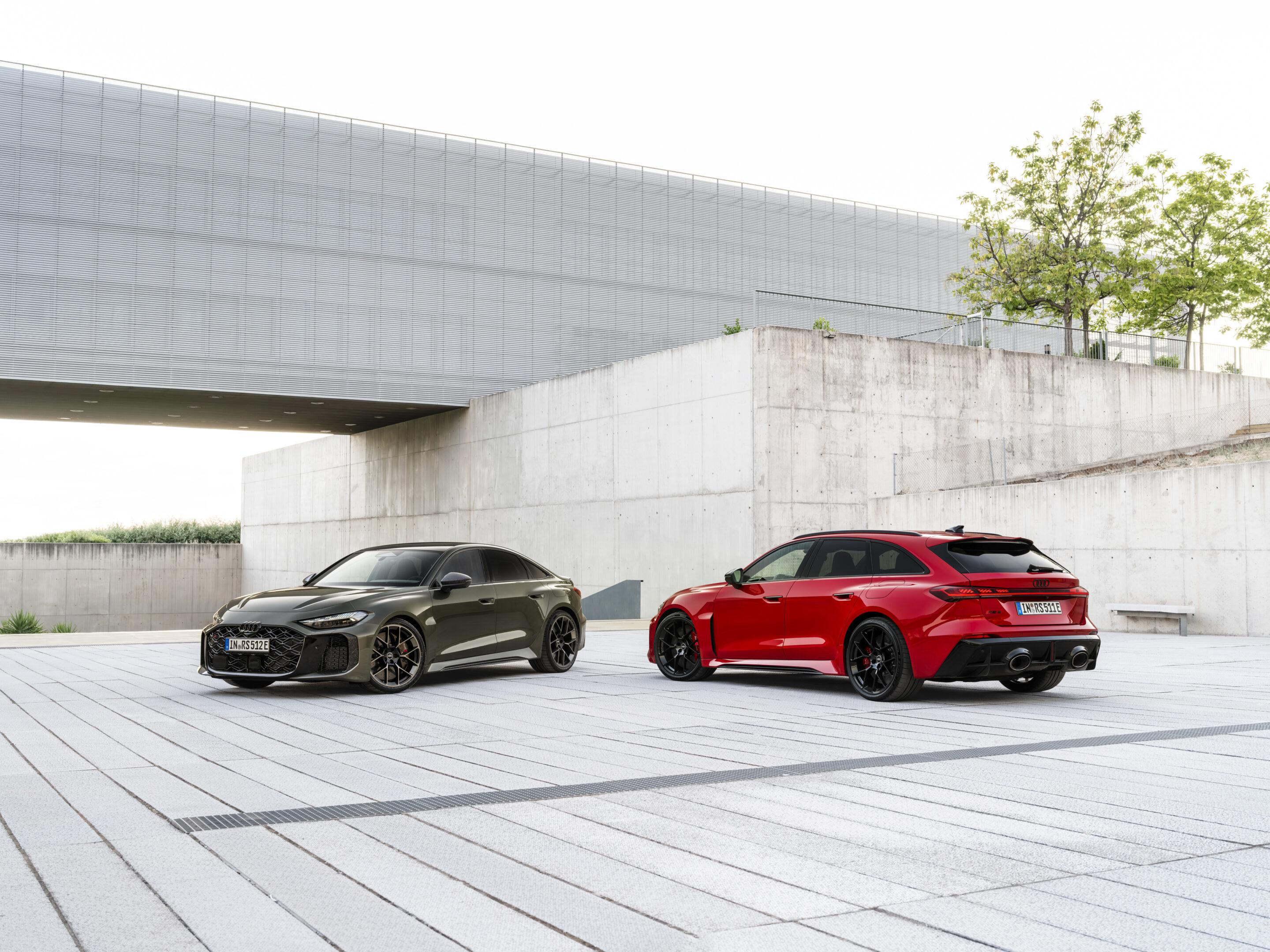
There’s engineering wizardry beneath the skin, beyond the PHEV system, too, with a new-generation quattro drivetrain centred around a rear transaxle developed specifically for the hybrid drivetrain. The system features electromechanical torque vectoring via a water-cooled, permanent-magnet 400-volt electric motor, delivering 8kW and 40Nm, which acts as a high-voltage actuator within the rear transaxle. That actuator can apportion torque between the rear wheels in milliseconds.
Standard feature highlights include 21-inch RS alloy wheels in four finishes, red RS brake callipers, high-gloss black exterior package, digital OLED rear lighting, matrix LED headlights, RS projection lighting, privacy glass, acoustic glazing for the front windows, black exterior mirror housings, RS rear spoiler, sport front seats, flat-bottom steering wheel, heated and massaging front seats, heated rear outer seats, panoramic glass sunroof, 11.9-inch virtual cockpit, 14.5-inch MMI touchscreen, dedicated front passenger display, head-up display, Bang & Olufsen 3D Premium Sound System, wireless smartphone connectivity, Audi Connect Plus services, and a full suite of active and passive safety features.
Scheduled to arrive in Australia in the second half of 2026, the new RS 5 is available for pre-order now. The RS 5 will be covered by Audi’s five-year warranty, with the battery pack covered for eight years, and five-year service plans will also be available.
Chery Australia has announced that a new Elite model has joined its Tiggo 9 large SUV line-up. Priced from $52,990 plus on-road costs, the Elite is $7000 less expensive than the Ultimate model already on sale. Some equipment has been taken out of the Ultimate to make the Elite, but it remains well equipped and still uses the brand’s Super Hybrid plug-in hybrid tech, reportedly making it capable of a total range of 1250km from a full tank of fuel and battery.
Unlike the Tiggo 9 Ultimate, the Elite eschews a rear axle motor for a front-wheel drive layout, resulting in lower peak outputs of 225kW/450Nm versus 315kW/580Nm for the Ultimate. The Elite also features a smaller 19kWh battery versus the Ultimate’s 34kWh unit, giving it a claimed NEDC electric range of 90km versus 170km. The Elite can be DC fast charged at up to 31kW, which is 30kW less than the Ultimate – the 6.6kW AC charging maximum is unchanged, however.
However, because of its lower tare mass (1985kg versus 2220kg), the Elite is more efficient than the Ultimate with a 15.6kWh/100km energy useage and 1.3L/100km fuel useage (with a full battery), compared with the Ultimate’s 19.0kWh/100km and 1.4L/100km ratings.
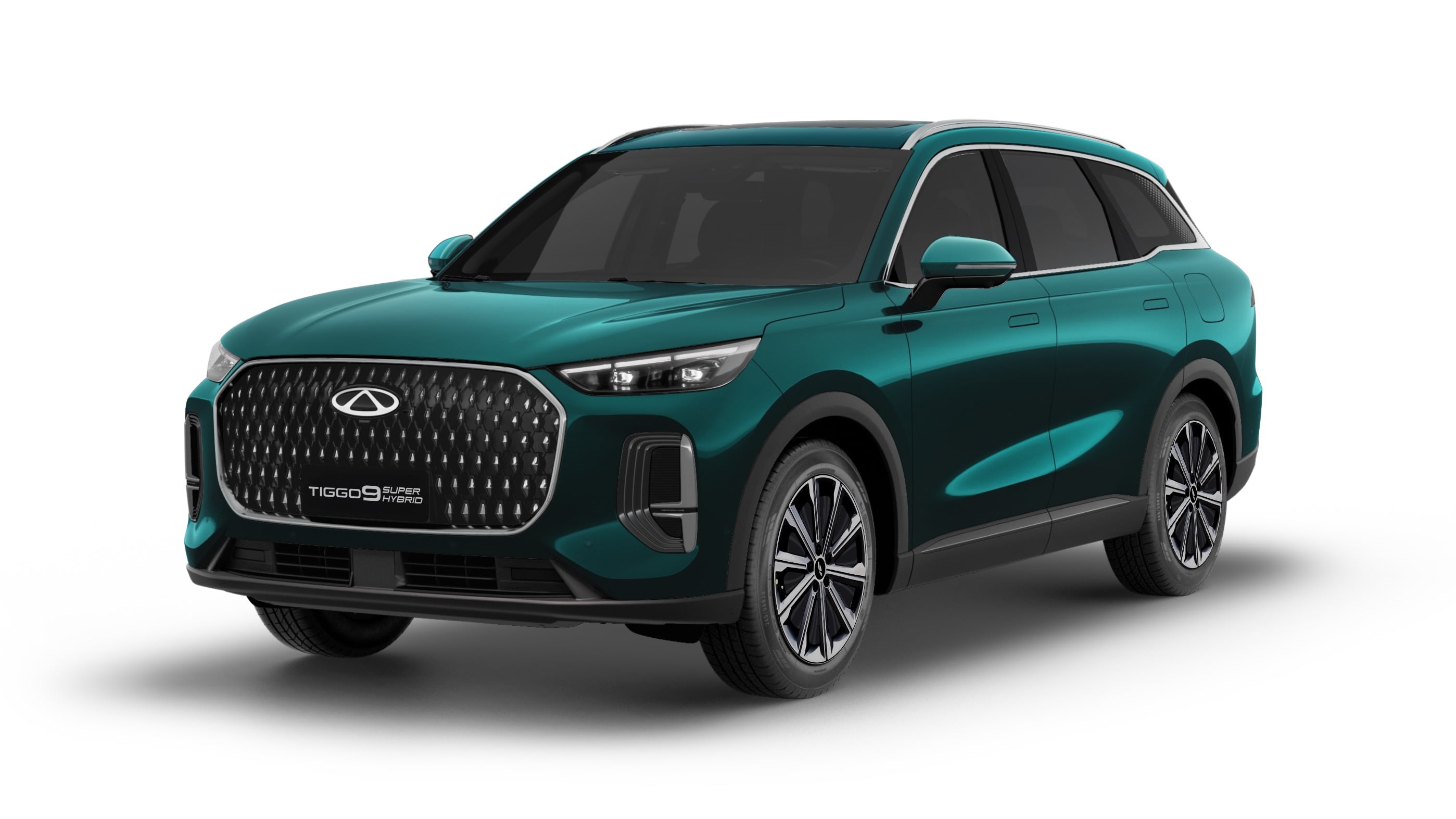
The Elite also features less standard equipment compared with the Ultimate, including leather upholstery, extra front seat adjustment, smaller wheels, less driving modes, a head-up display and less speakers. However, it still features a panoramic sunroof, synthetic leather trim, heated and electrically adjustable front seats with driver’s massaging, a 15.6-inch touchscreen, selectable ambient lighting, Sony audio and a full suite of active safety features.
The Chery Tiggo 9 Elite is available to order now ahead of the first deliveries commencing from the start of May 2026.
2026 Chery Tiggo 9 pricing (excluding on-road costs):
| Elite | $52,990 |
|---|---|
| Ultimate | $59,990 |
Chery Tiggo 9 Elite standard features:
- 19-inch alloy wheels
- Dusk-sensing automatic LED headlights
- Rain-sensing automatic wipers
- Panoramic sunroof
- Electric tailgate
- Keyless entry and start
- Heated/auto-folding mirrors with puddle lamps
- Synthetic leather upholstery
- Six-way electric front seats with heating and driver’s lumbar and massaging
- Dual-zone automatic climate control with rear air vents
- 10.25-inch digital driver’s display
- 15.6-inch touchscreen
- Satellite navigation
- Wireless Apple CarPlay and Android Auto
- Eight-speaker Sony sound system
- 50W wireless phone charger
- Colour-selectable cabin ambient lighting
- Eco/normal/sport/EV/hybrid driving modes
- Anti-theft alarm
- 10x airbags
- Autonomous emergency braking
- Adaptive cruise control with adaptive lane guidance
- Lane keeping assistance
- Traffic jam assist
- Blind-spot monitoring
- Rear cross-traffic alert (with braking)
- Door open warning
- Driver attention monitoring
- Auto high beam
- Speed sign recognition
- Front and rear parking sensors
- 360-degree camera
Tiggo 9 Ultimate model adds to Elite:
- Extra motor on rear axle for all-wheel drive
- Additional snow/sand/off-road driving modes
- Larger 20-inch alloy wheels
- Leather upholstery
- Ventilated front seats
- Massaging front passenger seat
- Heated steering wheel
- Heated outboard rear seats
- Head-up display
- Four extra speakers
- Auto-dimming interior mirror
- Automatic parking functionality
TAG Heuer has expanded its Aquaracer range with a new professional dive watch rated to 500 metres, marking one of the most technically capable entries in the collection’s near 50-year history.
The Aquaracer Professional 500 Date builds on a lineage that dates back to 1978, when the Heuer Reference 844 was introduced as a rugged, all-purpose tool watch. That model laid the groundwork for what would become the Aquaracer line, formally named in 2004 and defined by a set of core features including a unidirectional bezel, screw-down crown and high water resistance.
The latest model increases that capability significantly, offering 500m water resistance alongside a helium escape valve designed for saturation diving. The valve allows trapped gases to safely exit during decompression, a feature typically reserved for watches used in commercial diving environments.
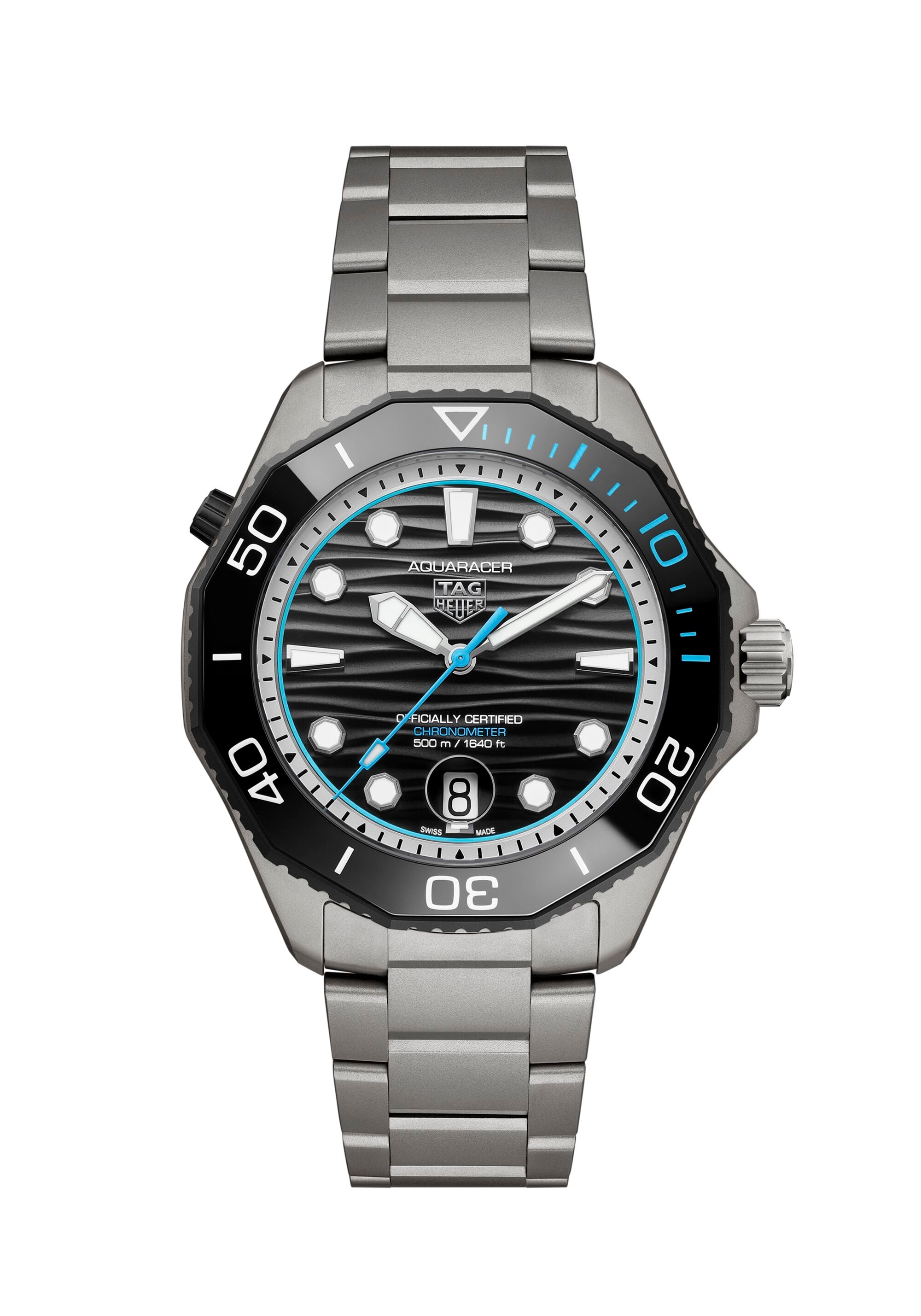
The 42mm case and bracelet are made from grade 2 titanium, keeping the weight to around 120 grams. The material also improves resistance to corrosion and impacts, important factors for prolonged use in marine conditions.
Two versions are offered, each designed with underwater visibility in mind. One features a blue-accented dial with a gradient wave pattern, while the other uses high-contrast orange details intended to remain visible in low-light or murky environments. The use of orange follows established diving conventions, where colour visibility can be critical for safety and identification.
Inside is the TH30-00 automatic movement, which carries chronometer certification and a power reserve of 70 hours. TAG Heuer is backing the movement with a five-year warranty.
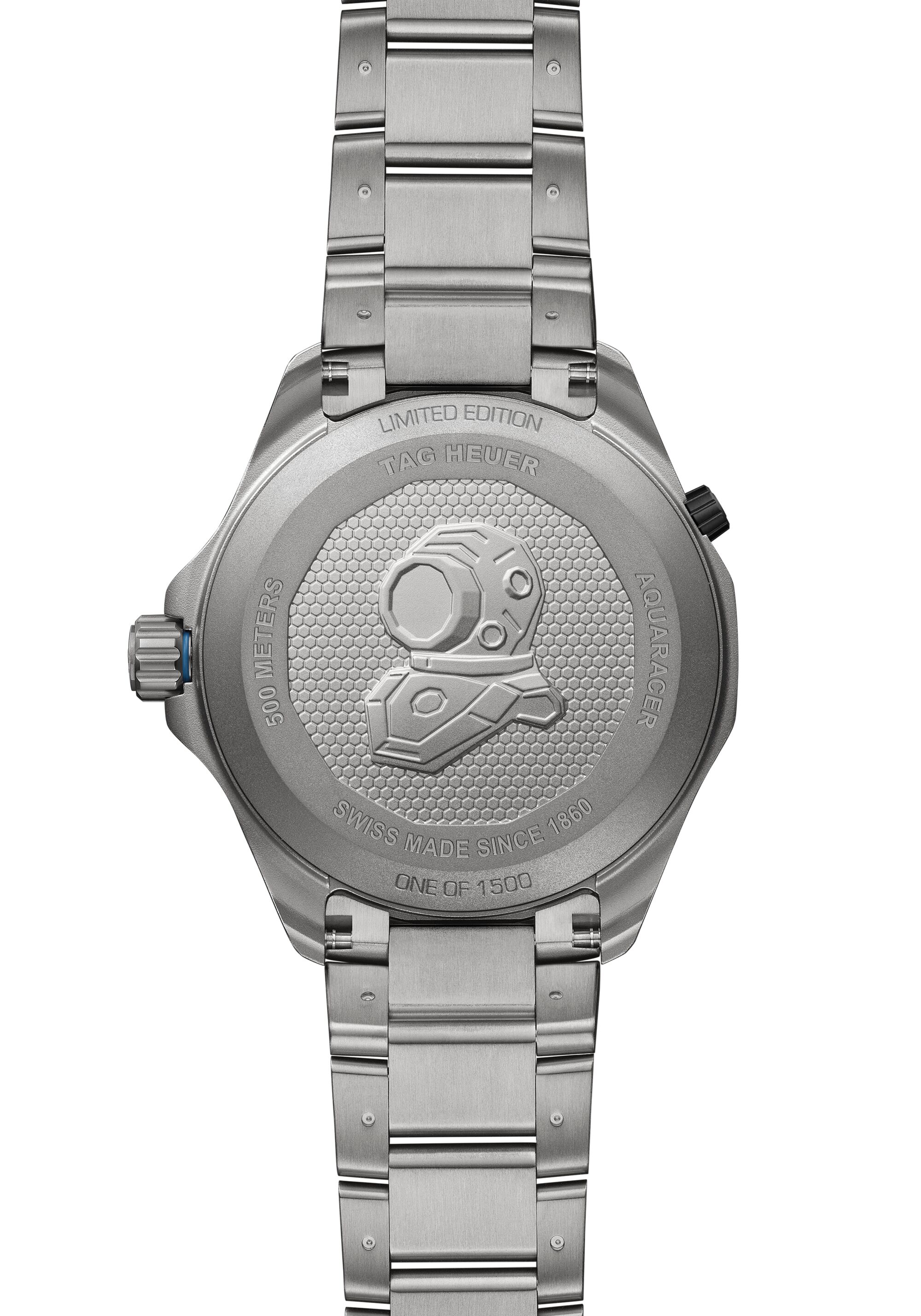
Each version is limited to 1,500 pieces, with engravings marking the production run. The watches are delivered in a protective case designed to withstand water, dust and impact, and include a backup light.
While positioned as a professional-grade instrument, the release also reflects broader trends in the dive watch segment, where brands continue to push technical specifications while maintaining everyday wearability.
Denza’s Z9GT has made its Australian debut at the Melbourne Motor Show, offering a first look at a high-end electric grand tourer set to arrive locally in the near future. Backed by BYD, the premium-focused brand is aiming to compete with established European players, and the Z9GT represents a clear statement of intent.
Unlike many new entrants targeting the SUV market, Denza has opted for a more niche approach with a large, low-slung shooting brake. At more than five metres long, it’s a sizeable vehicle, but one that leans heavily into comfort and technology rather than outright sportiness.
The all-electric version is expected to headline the range, powered by a tri-motor setup producing a truly impressive 850kW and 1210Nm. Acceleration is rapid – 0–100km/h takes just 2.7 seconds – but the Z9GT’s character is defined less by its speed and more by its refinement.
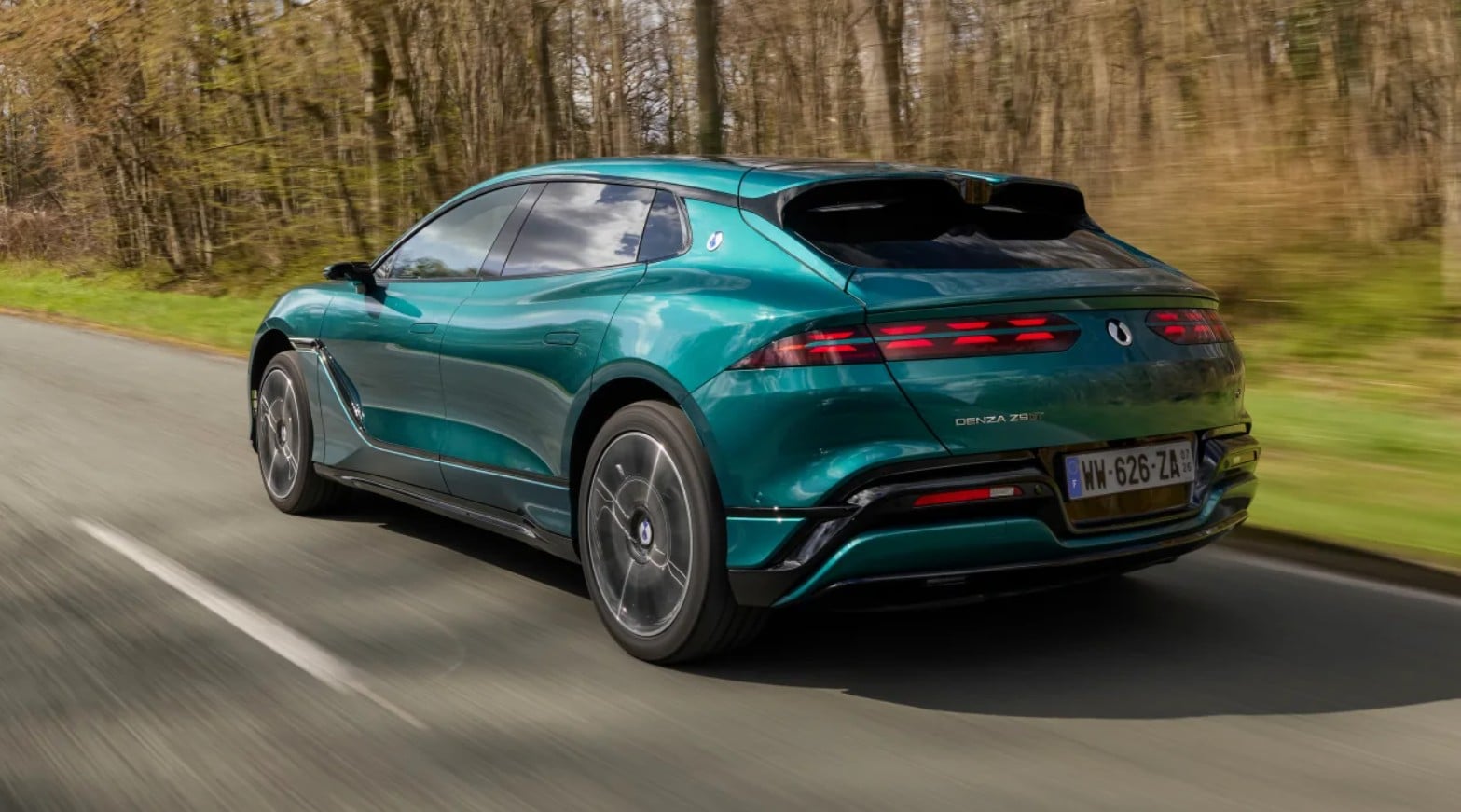
From the driver’s seat, the experience is calm and composed. Low-speed manoeuvrability is surprisingly manageable for a car of this size, thanks to rear-wheel steering that significantly tightens the turning circle. There are also more unusual features, including pivot turning and a crab-walk function, which allow the car to move in ways that would typically be impossible in a vehicle of this scale.
On the move, the Z9GT feels more like a traditional grand tourer than a sports car. Air suspension and a range of adjustable drive modes prioritise ride comfort, and while the chassis works hard to mask its considerable mass, the focus remains on smooth, steady progress. Even in its more aggressive settings, the car doesn’t encourage spirited driving in the way some rivals do.
That said, straight-line performance is undeniable. Selecting a sportier mode unleashes the full output, delivering intense acceleration typical of high-performance EVs. However, the sensation is familiar rather than unique in this segment.
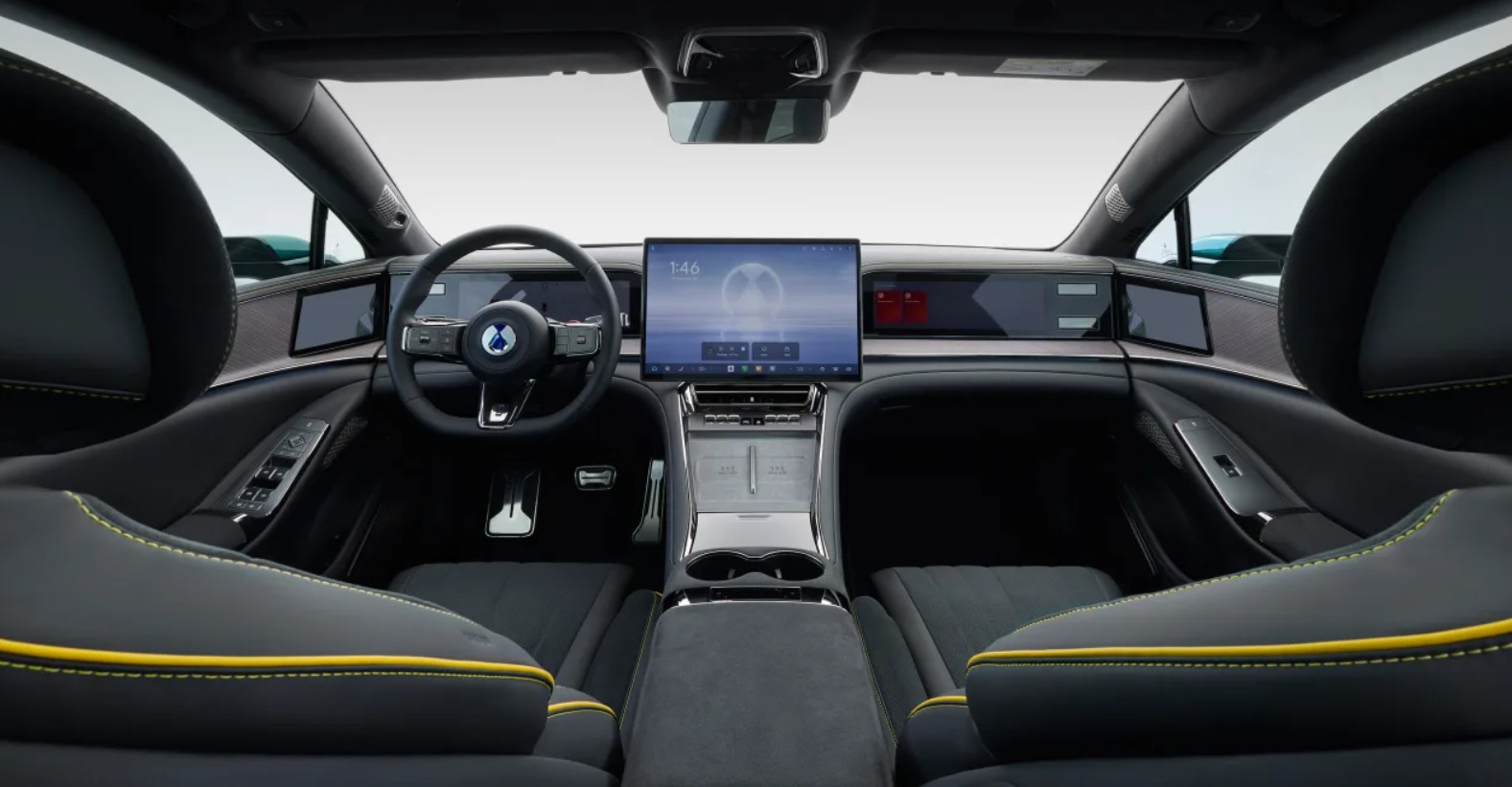
Inside, the Z9GT makes a stronger impression. The cabin is spacious and finished with high-quality materials, including leather and wood trims, while rear-seat accommodation stands out thanks to the long wheelbase. Features such as massaging seats, a built-in refrigerator and multiple digital displays reinforce its luxury positioning.
With a large battery expected to deliver a driving range of up to around 600km, the Z9GT combines long-distance capability with rapid charging potential. A less powerful single-motor variant is also expected to follow, offering greater efficiency and a lower entry point.
As Denza prepares for its Australian launch, the Z9GT highlights the brand’s ambition to blend performance, comfort and advanced technology in a segment traditionally dominated by established luxury marques.