
The new car market has closed 2022 on a high, with almost 10,000 more vehicles shifted than last year – as leader Toyota also celebrates 20 years at the top.
According to monthly results provided by the Federal Chamber of Automotive Industries (FCAI), it was a better December than last year, with 87,920 units registered compared to 78,402 this time in 2021 – albeit down on 2020 in which 95,652 cars were sold.
It puts the market up 12 per cent for the month and three per cent up for the overall year, which finished with 1,081,429 vehicles sold – the best performance for a single 12 month period since 2018.
Though most leading brands posted positive results, Hyundai suffered the biggest mainstream loss at 23 per cent down, while Chinese brand GWM entered the top 10 – appearing in seventh place with a 117 per cent boost for the month.
New South Wales sold the most vehicles with 25,798 units shifted, followed by Victoria with 24,005 and Queensland on 20,204.

FCAI Chief Executive Tony Weber said the pathway through COVID-19 recovery, microprocessor shortages and bottlenecks due to global shipping issues had created great challenges for carmakers and their dealer networks in 2022.
“While 2022 has been a year of resilience and recovery, 2023 is shaping up as one of the most significant in recent history, particularly in terms of the development of policies that set the direction for the future decarbonisation of the light vehicle fleet.
“As the peak representative body for vehicle distributors, FCAI has advocated for a fuel-efficiency standard for many years. We are optimistic that the Federal Government will take action in 2023 and introduce a standard that achieves the policy outcomes that lead to emission reductions while enabling Australians to drive the vehicles that they need and want.
“The FCAI and its members will do all it can to promote the development of sound policy, based on solid data and in the context of the unique nature of the Australian market.”

Toyota took top place for the 20th year in a row and achieved its strongest number of deliveries in 14 years, with Vice President of Sales, Marketing and Franchise Operations, Sean Hanley, saying:
“We are extremely grateful – and humbled – to report that our order bank remains very strong due to the trust placed in our brand and our vehicle line-up by so many Australian companies and individuals.
“While it remains difficult to make predictions in this evolving supply situation, we can assure you that we will be working harder than ever to deliver more than 200,000 vehicles to our customers yet again in 2023.
“We recognise that Toyota is extremely fortunate that well-recognised nameplates like HiLux, Corolla and LandCruiser – all of which have more than half a century of heritage and success in Australia – continue to deliver on the unique motoring needs and requirements of diverse buyers across the country.
“We are also energised by the knowledge that electrification through our hybrid technology continues to lead the industry in supporting our customers with practical and affordable ways of substantially reducing their emissions today, and every day.”
Top 10 models ?
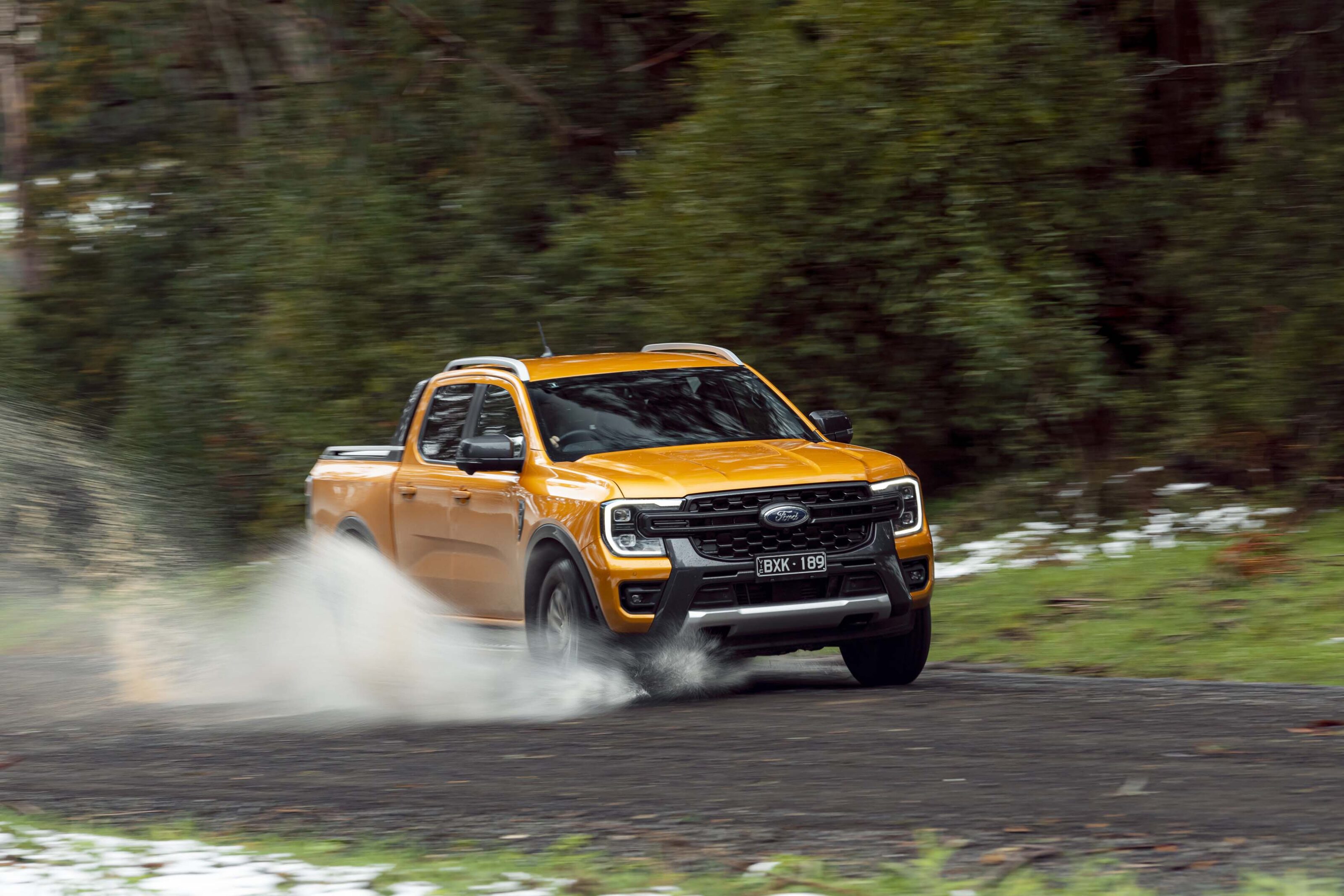
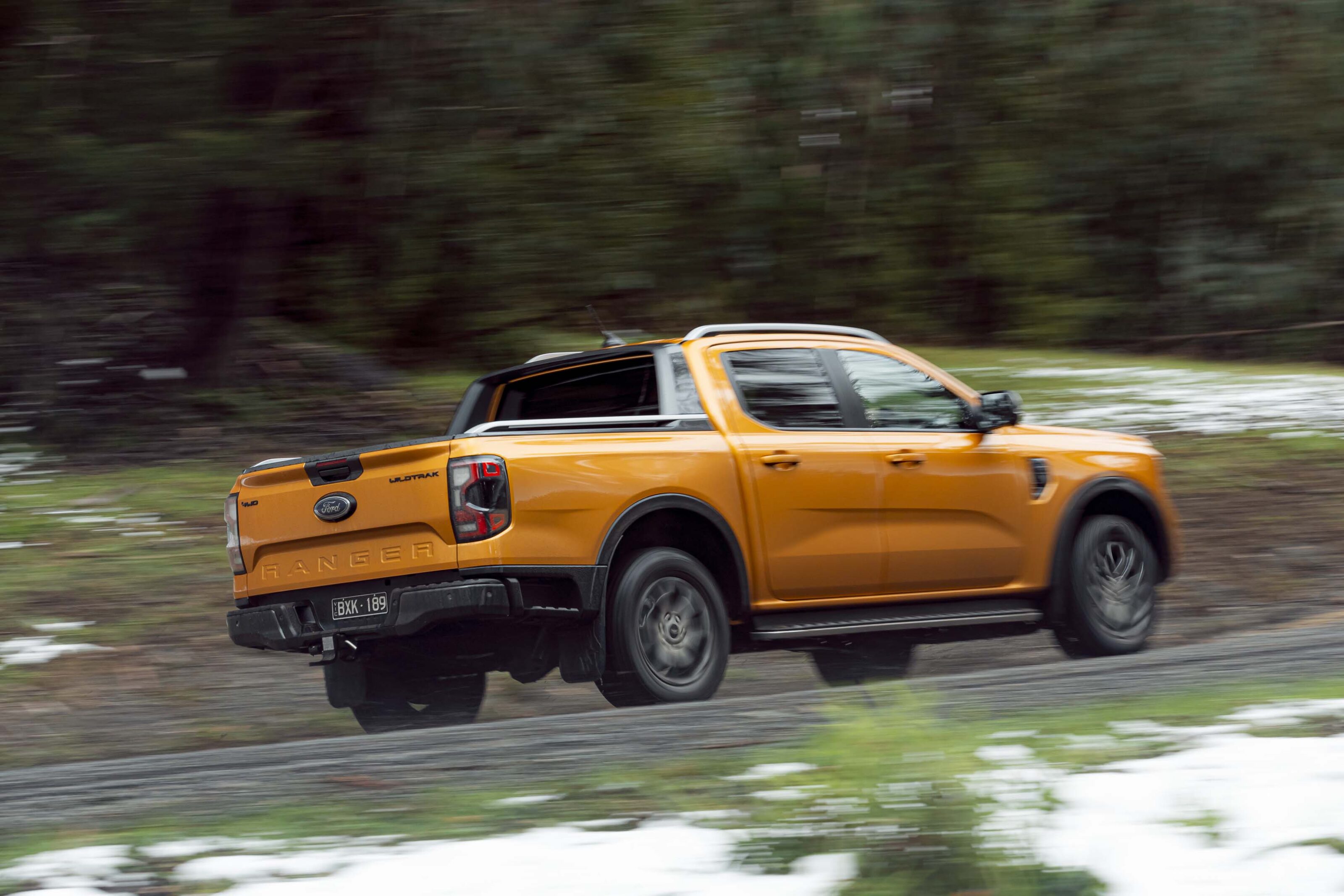
The Toyota HiLux was the unsurprising winner for 2022, with 64,391 sales achieved, up 22 per cent – though didn’t enjoy as healthy a December as its arch-nemesis the Ford Ranger. The latter pipped it to first place for the month with 4663 sales versus the HiLux’s 4271, working out to an equal 12 per cent rise each. The Ranger dropped six per cent for December also.
However, December was another strange month in that only those said two utes appeared in the top 10 – with Isuzu’s D-Max and Mitsubishi’s Triton both nowhere to be found. Both appeared for the year overall however, taking seventh and fourth respectively with 24,336 (down three per cent) and 27,436 sales (up 43 per cent) respectively.
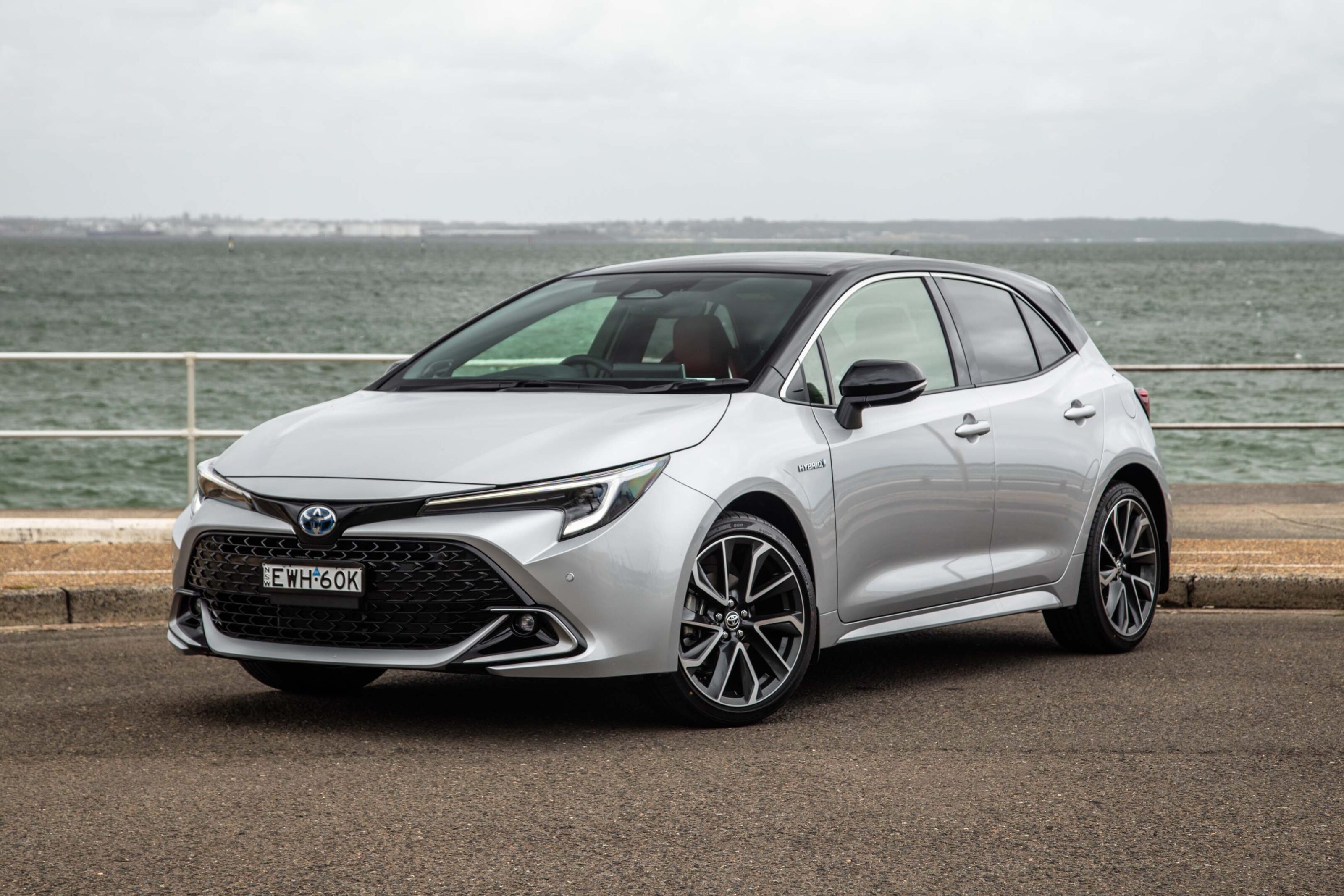
Last month was a better one than was often seen in 2022 for sedans, with both the Corolla (also a hatch, we don’t have the exact split at this time) and Tesla Model 3 earning spots on 1843 (up 45 per cent) and 1806 sales each, putting them in seventh and eighth place.
For the whole of 2022, 25,284 Corollas were shifted to put it into sixth (down 12 per cent), but the Model 3 missed out with just 10,877 cars sold. Since Tesla only began reporting figures to the FCAI last year we don’t yet have a comparison to make for its percentage increase/decrease.
The Chinese-made MG ZS also did well in December, jumping right up the ladder to third place with 3056 sales (up 54 per cent), but appearing in a more usual eighth for the year with 22,466 (up 22 per cent).
Australia’s favourite SUV, the Toyota RAV4, continued to do well both in December and for the whole of 2022 – earning fourth and third places respectively with 2193 (down 27 per cent) and 34,845 units (down three per cent) sold.
In December, Mazda’s CX-3 stormed into the top 10 to nab an unlikely fifth spot, giving the Japanese marque not one but two models on the leaderboard – with its evergreen CX-5 medium SUV taking 10th for the month and fifth for the year. Last month 2068 CX-3 small SUVs were sold (up 192 per cent) and 1637 CX-5s (down 24 per cent), while the CX-3 fell back out of the rankings for the year, the CX-5 remained with 27,062 examples sold (up eight per cent).

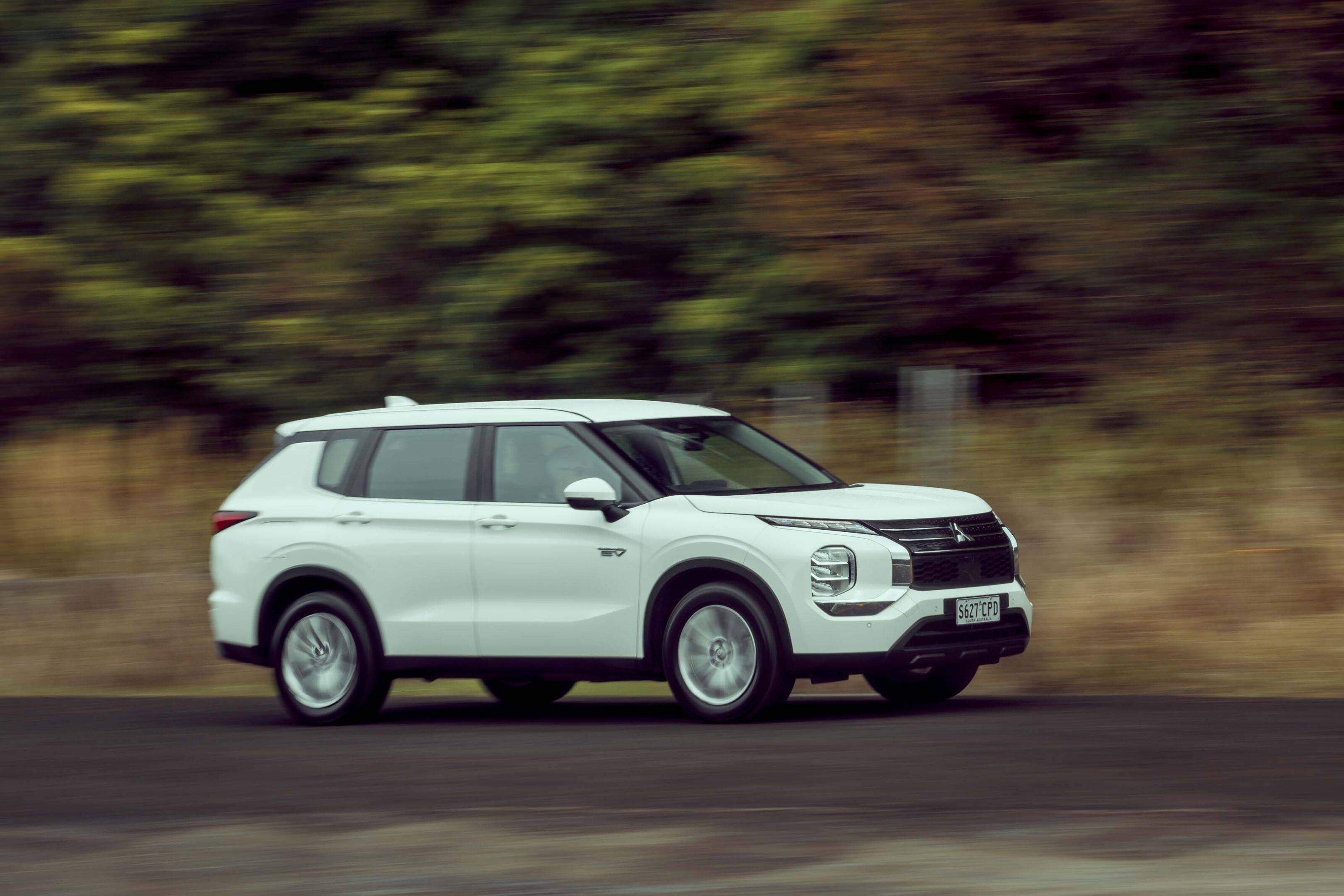
The new-generation Outlander also remained a popular choice for buyers since its launch earlier in the year, taking sixth for December on 2052 sales (up 53 per cent), but missed out for the year as a whole with its 19,546 units not enough to get it over the line.
Finishing out the top 10 was the Hyundai Tucson, which beat its Kia Sportage cousin to gain a place, selling 1643 examples in December (up 57 per cent). Like the Outlander however, it was missing from the top 10 for the year, replaced instead by the Hyundai i30 sedan/hatch on 21,166 sales in ninth and the Toyota Prado large SUV in 10th on 21,102 (down 17 and one per cent respectively).
Top 10 cars in Australia: December 2022
Top 10 cars in Australia: Whole of 2022
Top 10 car brands ?
December was a good month for the market’s leader Toyota, with 16,274 sales putting it roughly on par with December 2021, though down on November 2022’s result – up just 0.2 per cent for the month but up 33 per cent for the year in total. Year-to-date it has notched up 231,050 units.
Mazda again slid into its traditional second place after a few months falling down the charts with 8500 units sold last month (up 20 per cent) but down year-to-date with 95,718 cars shifted and a five per cent loss.
In another turn of events, Ford for another month found third place thanks to 6165 of its vehicles finding homes, with rivals Kia, Mitsubishi and Hyundai further down the rankings than we’ve seen in recent months.
Kia took fourth for December with 5630 sales and was up 15 per cent, while MG sneaked into fifth from its usual seventh spot with 5194 units shifted, up 59 per cent. Mitsubishi dropped to sixth with 4927 sales, down 13 per cent, and Hyundai suffered another bad month – most likely due to supply issues as that’s been the main factor in seeing rises and falls month-to-month during 2022 between manufacturers – selling 4434 cars and down 23 per cent.
Bringing up the rear were Subaru, surprise entrant GWM, and Volkswagen, with 4071, 3295, and 3059 sales each representing percentage changes of 45 per cent up, 117 per cent up and 25 per cent up respectively.
For 2022 so far the picture looks a little different and a tad more familiar to what we’re used to seeing. Toyota and Mazda were at the top of the rankings as mentioned above, while the middle of the pack shifted around to end up with Kia in third on 78,330 cars registered, up 15 per cent, Mitsubishi fourth on 76,991 and up 14 per cent, Hyundai in fifth with 73,345 and up just one per cent, and Ford finishing sixth with 66,628 and down seven per cent.
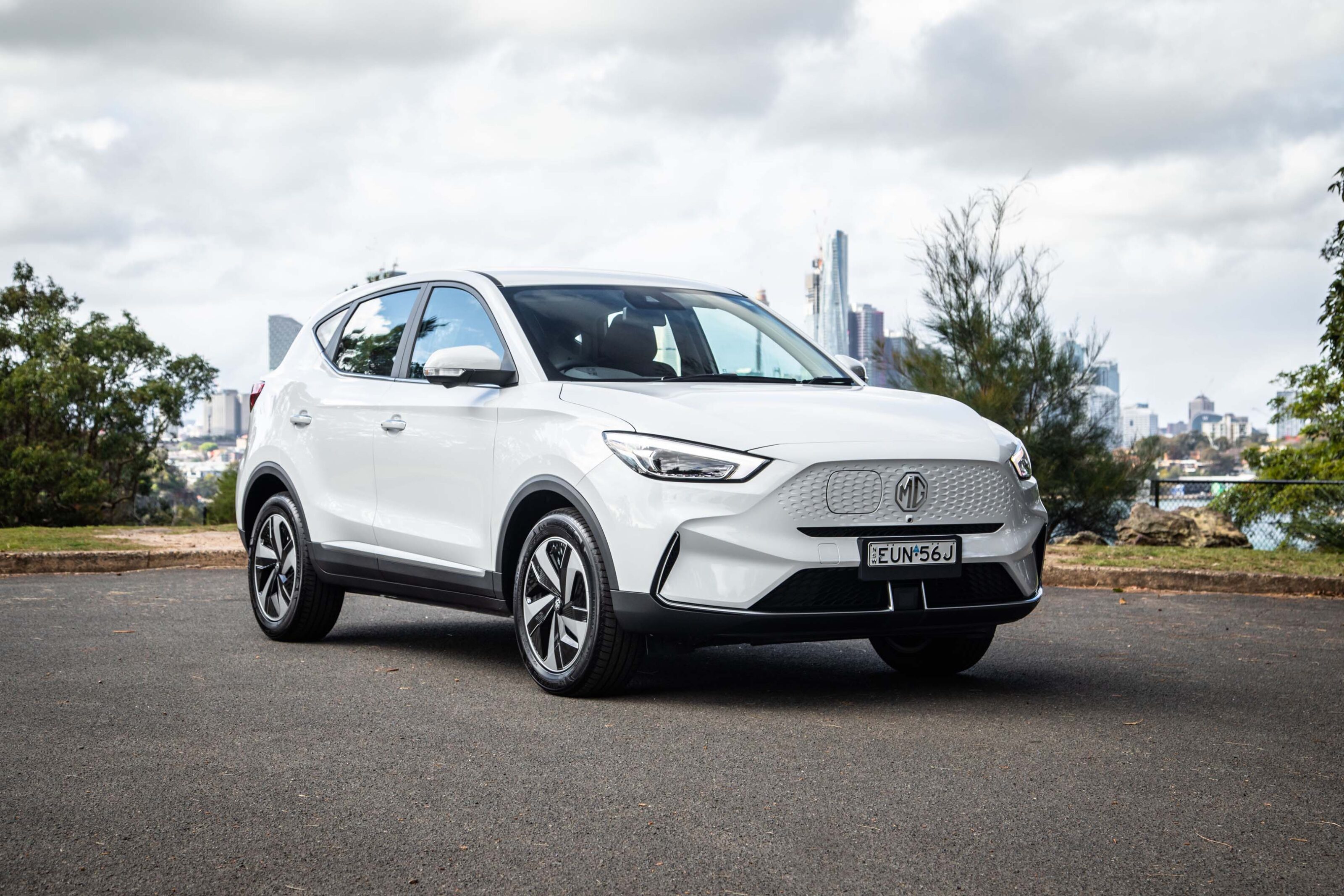
At the back, MG comfortably rounded off 2022 in seventh with 49,582 sales and up 27 per cent, with Subaru next in eighth with 36,036 but down three per cent, Isuzu Ute selling 35,323 vehicles and down one per cent, and Mercedes-Benz cars and vans combining to achieve 31,281 sales, down five per cent.
While GWM had a great December, it didn’t quite make the annual top 10 list, with its 25,042 vehicles not quite enough to earn a place despite a very healthy 36 per cent rise throughout 2022.
Top 10 brands: December 2022
Top 10 brands: Whole of 2022
Ups and downs ? ?
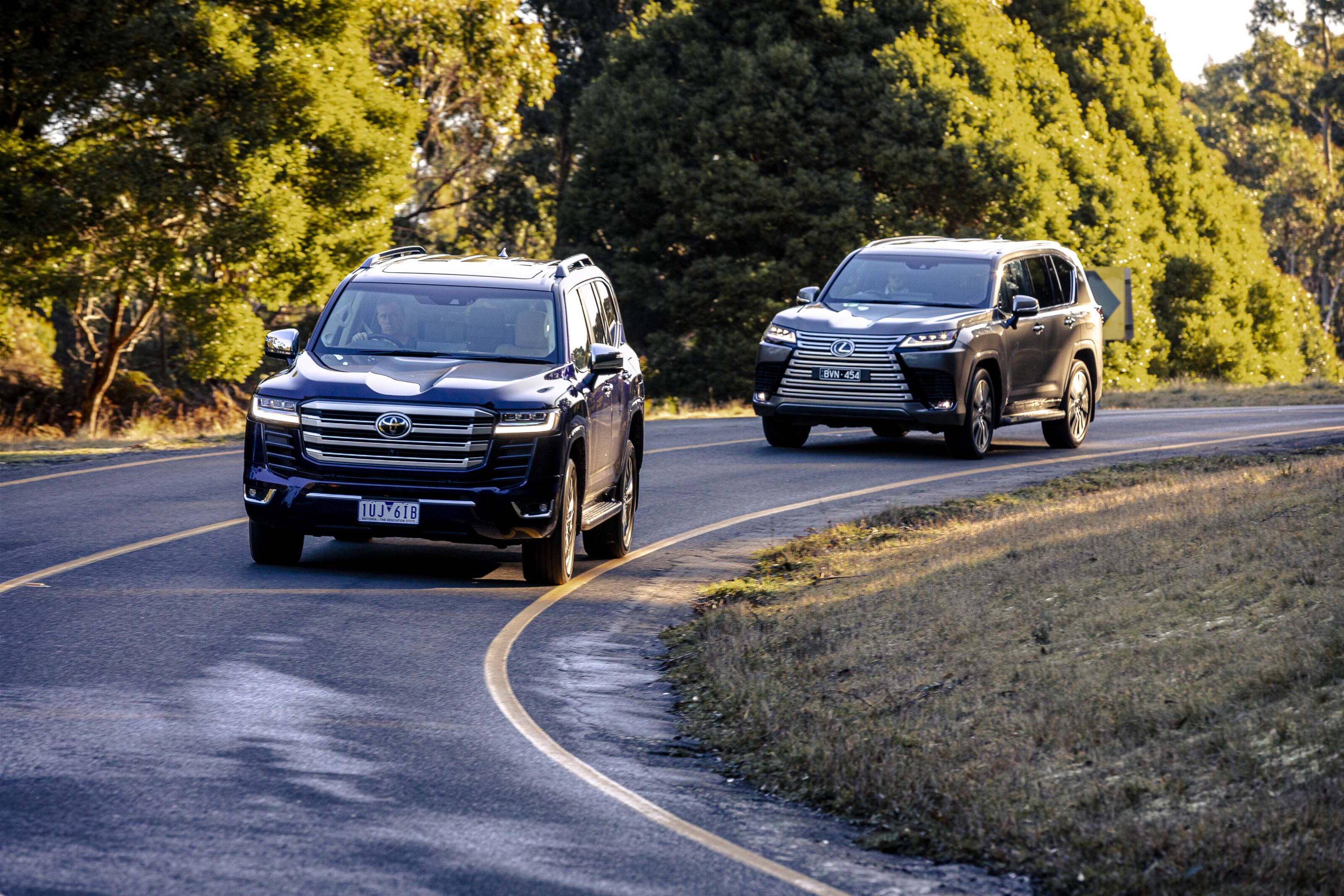
Toyota continued to hold top spot among all the carmakers, with second place taken by Mazda, and Ford rounding out the top three.
Meanwhile, Nissan was out of the top 10 – thanks to GWM (down six per cent) as were Mercedes-Benz and Tesla who narrowly missed out. Among other household names to have a tough month were; BMW (down 47 per cent), Fiat (down 93), Genesis (down 47), Honda (down 39), Jaguar (down 77), and Peugeot (down 50 per cent).
Successes came for other household names though, with Chevrolet (up 65 per cent), Ram (up 40 per cent), Ssangyong (up 170 per cent) and Volvo (up 81 per cent) all posting increases in the final month of 2022.
Segments
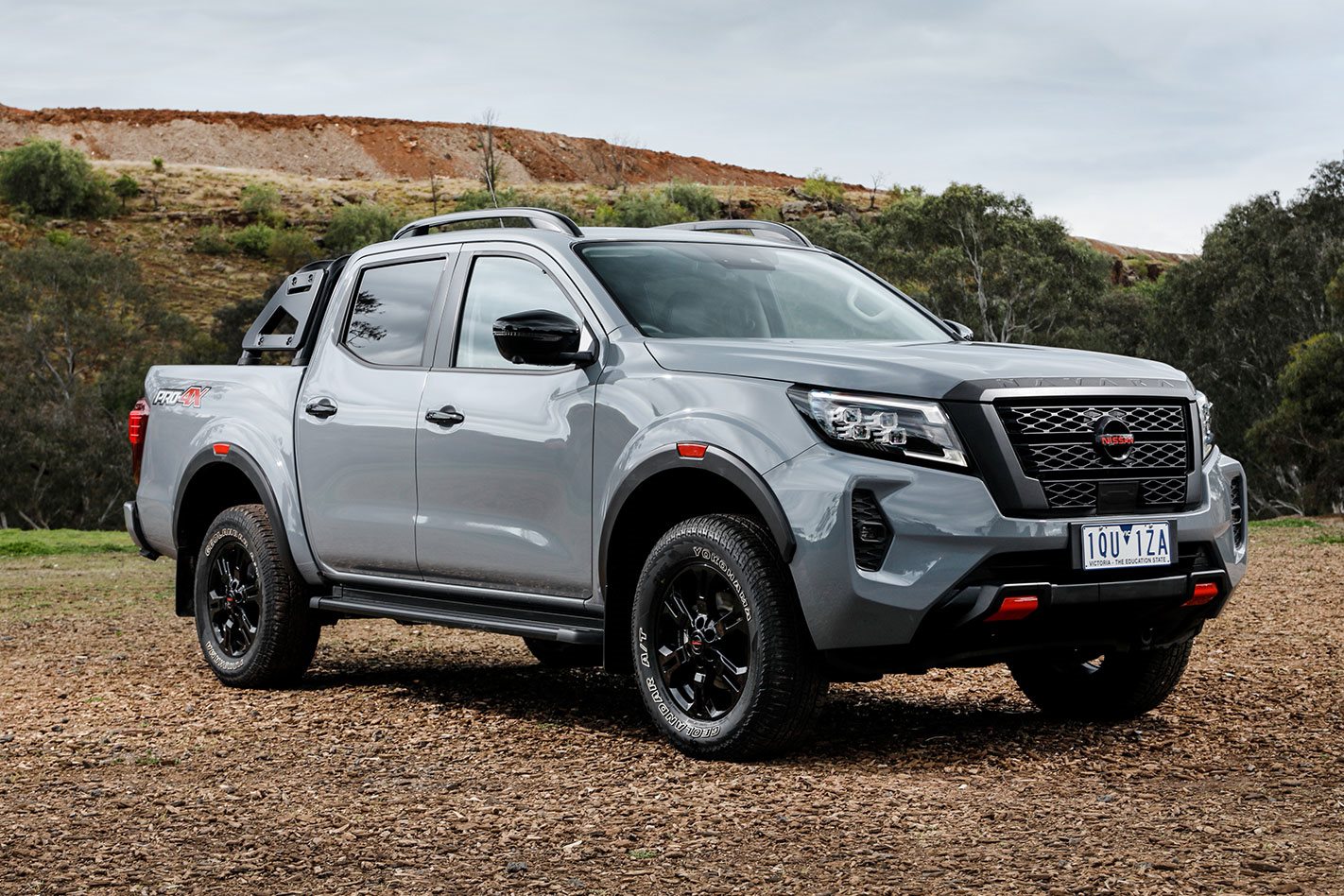
For another month, despite both the Ford Ranger and Toyota HiLux continuing to hold top spots, utes were not the country’s most popular vehicle type in December when combining 4×4 and 4×2 variants, with the former accounting for 15,342 units of a 17,601 total.
Instead top billing went to medium SUVs, with 18,809 leaving showrooms compared to 15,192 in December 2021.
In total utes were up just one per cent for the year, while SUVs overall were up eight per cent.
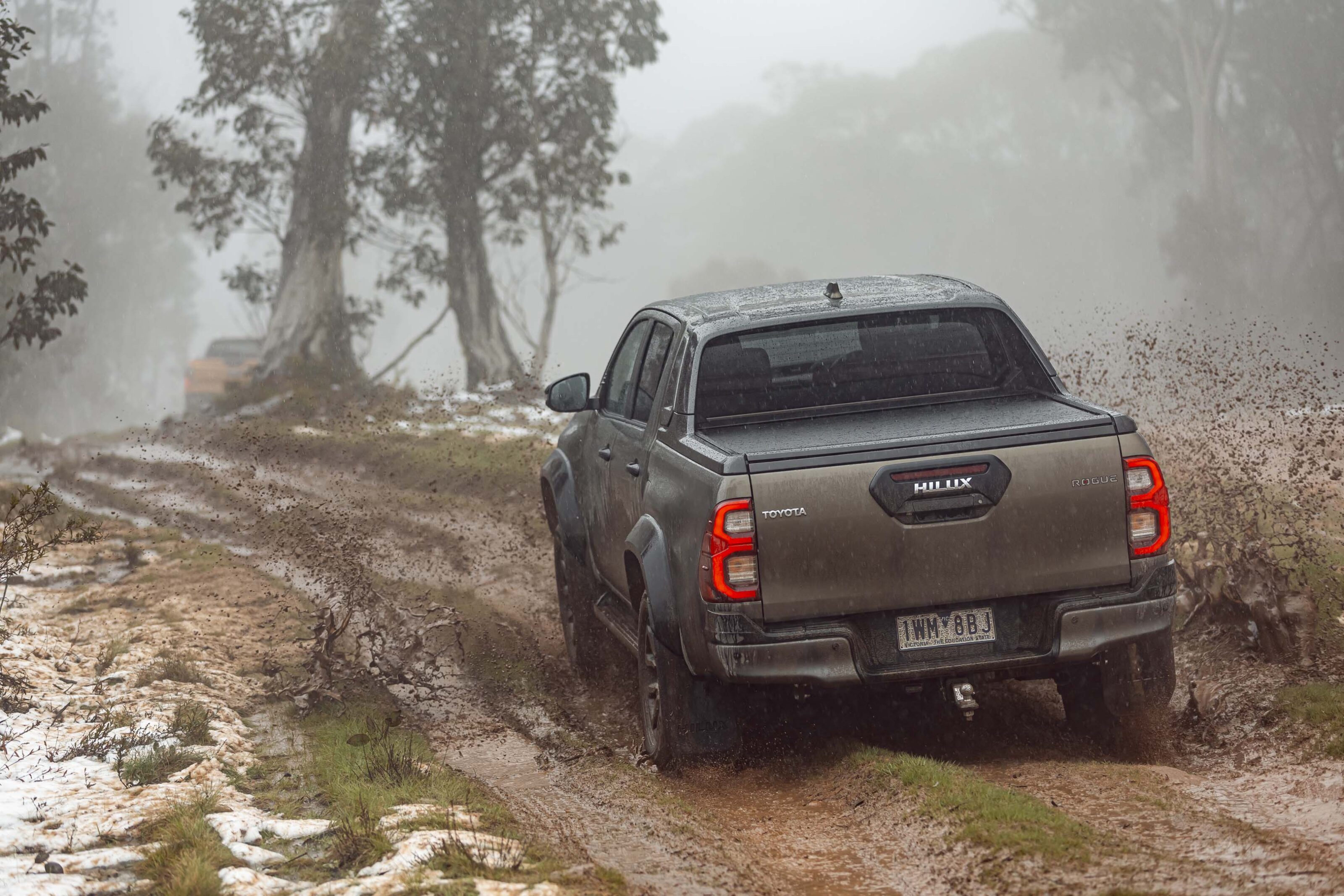
All SUV categories posted growth last month – with the largest margin coming from the upper-large section, which enjoyed an increase of 129 per cent. For 2022, again all types grew with the exception of small SUVs, which were down slightly by 0.5 per cent.
Total SUV sales sat at 49,095 for December and 574,632 for 2022 (versus 531,700 this time in 2021).
Light-commercial vehicles however decreased its share by almost two per cent in December and one per cent for the year, again at the expense of passenger cars that were down eight per cent of the market in 2022 – though it’s worth noting that last month a couple of examples did well, including the Hyundai i30 and Mazda 3 hatches/sedans.
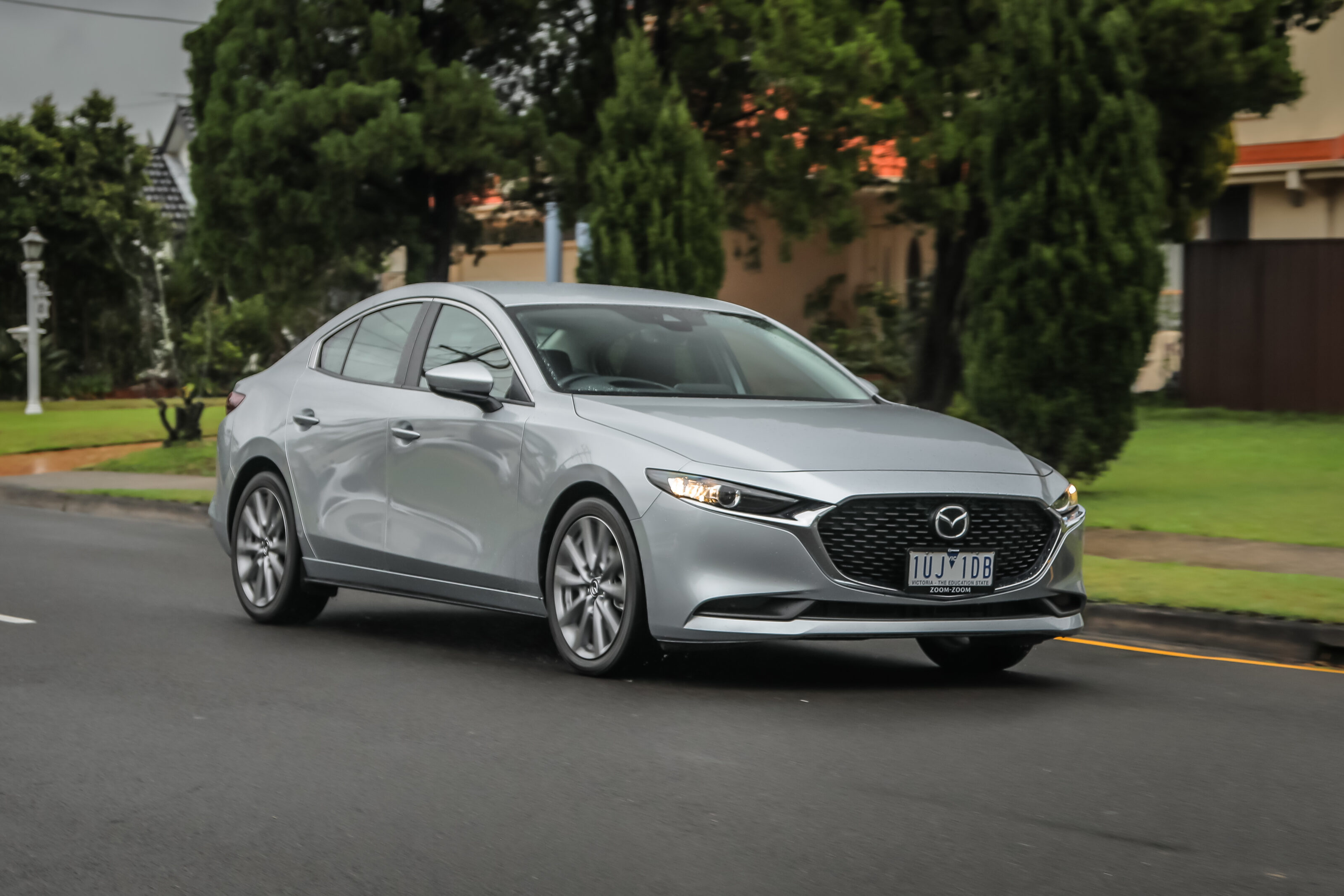
All types of passenger cars were down in December, with the exception of medium and sports cars, which enjoyed increases of 62 per cent and 12 per cent respectively. Micro, light, small, large, upper large and people-mover cars were all down by 52, seven, one, 26, 24 and 11 per cent respectively for the 30 day period.
Comparatively, for the whole of 2022 three of these categories experienced growth – with medium-sized cars, large and people-movers gaining percentage rises of 25, four and seven in that order. Micro, light, small, upper-large and sports, meanwhile, all fell by 33, four, 19, 24 and 12 per cent each.

In what has been a bumper year in Australia, 5084 electric vehicles were sold compared to just 552 in December 2021 and 33,410 for 2022 as a whole – increases of 821 and 549 per cent for the month and year.
Almost 1300 of those came from new entrant the BYD Atto 3, while Tesla sold 1806 examples of the Model 3 to give it a top 10 spot for December thanks to a number of ships coming in to the country in recent months to bolster supply.
The number of hybrids increased too from 5852 this time last year to 7082 last month, a rise of 21 per cent for the month, and a 16 per cent increase for the year. Plug-in hybrid numbers were also up by 45 per cent with 460 sold in December and 5937 for 2022 (compared to 318 in December last year and 3372 this time in 2021).
Fluctuating petrol prices hit sales of such vehicles last year, with sales down five per cent overall.
In charts ?
December 2022 – Top 10 models
December – Top 10 brands
December 2022 – Overall segment sales
December 2022-2021 category sales
December 2022-2021 category YTD sales
2022 Sales race
December 2022 Australian sales map
December 2022 buyer type
Snapshot
- Eighth-gen Mustang reportedly electric only
- Expected to launch in 2029
- New EV platform shared with second-gen Mustang Mach-E
An all-new battery-electric Ford Mustang will launch in 2029, potentially marking the upcoming seventh-generation model as the last internal combustion-engined pony.
That’s according to projections by AutoForecast Solutions, which suggests it’ll use Ford’s GE2.2 electric vehicle platform shared with the forthcoming second-gen Mustang Mach-E and Mach-E coupe crossover (due from 2026).
However, the company already told Carscoops in 2021 that it’s just “blatant speculation”.
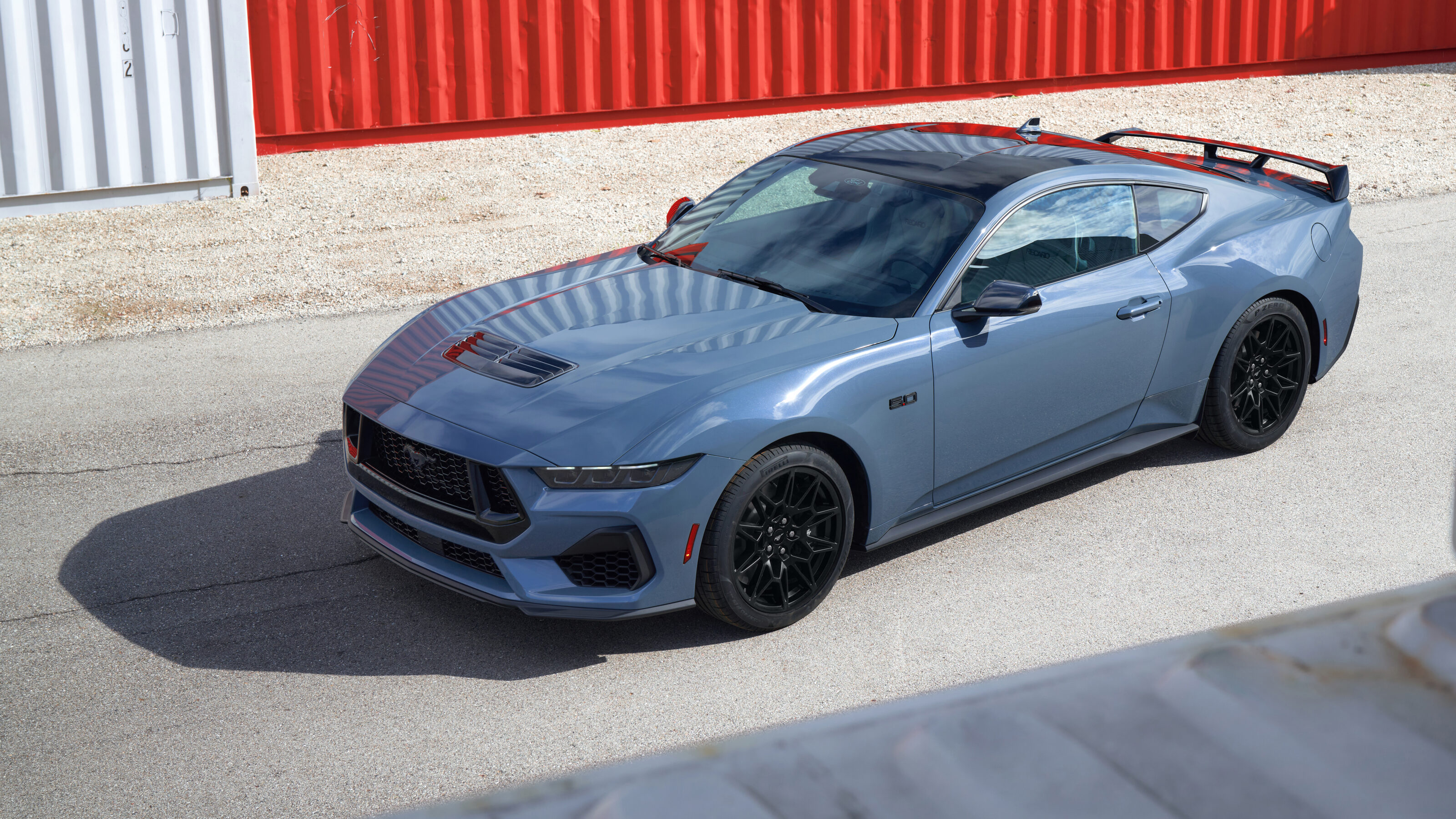
Contrary to previous reports indicating some sort of electrification, the seventh-gen 2023 Mustang (due locally in late 2023) remains a petrol-only proposition at launch with a 5.0-litre ‘Coyote’ V8 and 2.3-litre Ecoboost turbo-petrol four-cylinder units on offer.
But, it also uses the same underpinnings as the outgoing muscle car.
Meanwhile, Dodge has already gone all-electric with the new Charger Daytona SRT Banshee concept based on Stellantis’s STLA Large platform featuring a loud ‘Fratzonic’ scream and a multi-speed transmission.
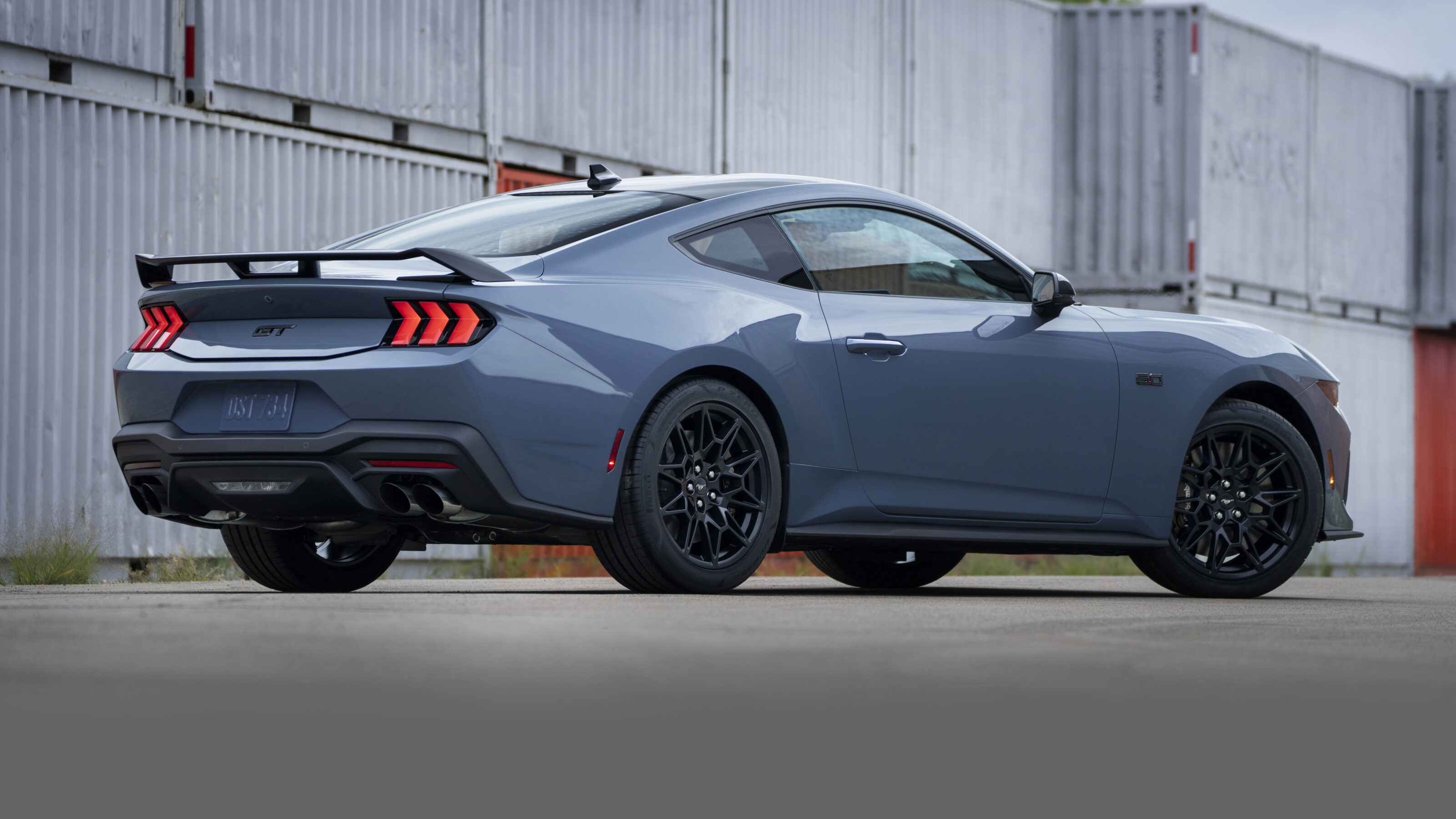
Ford expects 40 per cent of its global sales to be electric by 2030 and has pledged to only offer electric passenger cars in Europe by the end of the decade as strict Euro 7 emissions regulations loom.
It already axed the Focus RS hyper hatchback in 2020 due to the costly need to fit hybrid or plug-in hybrid tech in order to comply with emissions, fuel economy and noise regulations.
The American car brand has also put an end to the iconic Fiesta city car as it invests more in EVs and popular SUVs and utes, and a next-gen Focus is also up in the air.
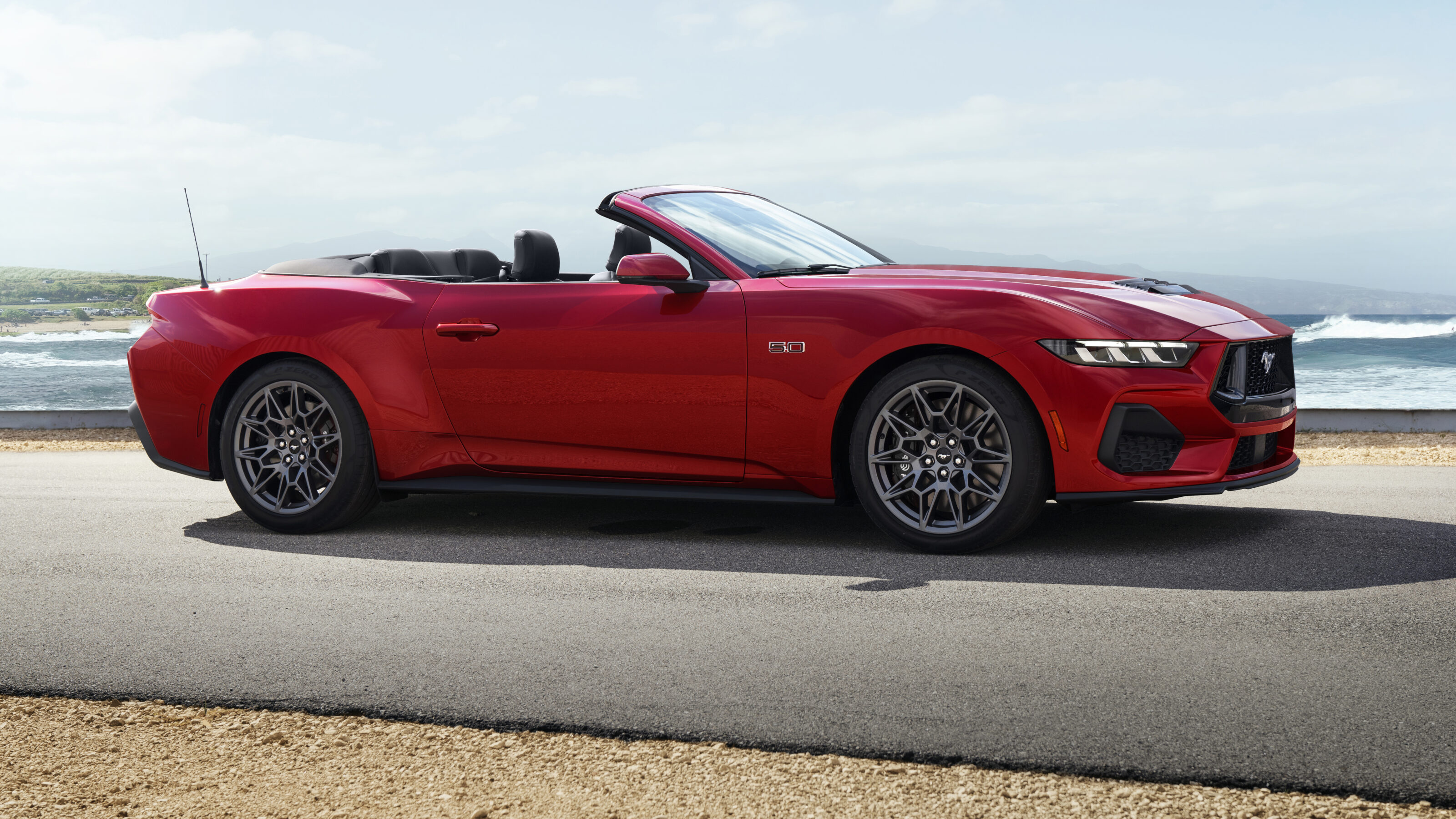
In Australia, Ford has promised to bring five electrified vehicles by 2024.
The Escape plug-in hybrid has already launched, while the pure-electric E-Transit large commercial van is expected to land this year and the mid-sized E-Transit Custom in 2024.
The Mustang Mach-E crossover is also looking likely for our market.
Snapshot
- Tesla event scheduled in March 2023
- Will debut third-gen EV platform, cutting production costs
- Affordable small EV confirmed to rival Chinese automakers
Tesla will hold an Investor Day event on March 2 (Australian time) and is set to debut its long-awaited cheaper third-generation electric vehicle platform.
Despite on-and-off reports of an affordable sub-$40,000 EV hatchback, it is seemingly now confirmed.
According to Teslarati, CEO Elon Musk told investors in an earnings call last year that the third-gen version will be roughly half the cost of the second-gen Model 3 and Model Y platform, can be produced more quickly with higher outputs than all other Tesla vehicles combined, and feature smaller dimensions to cut manufacturing costs.
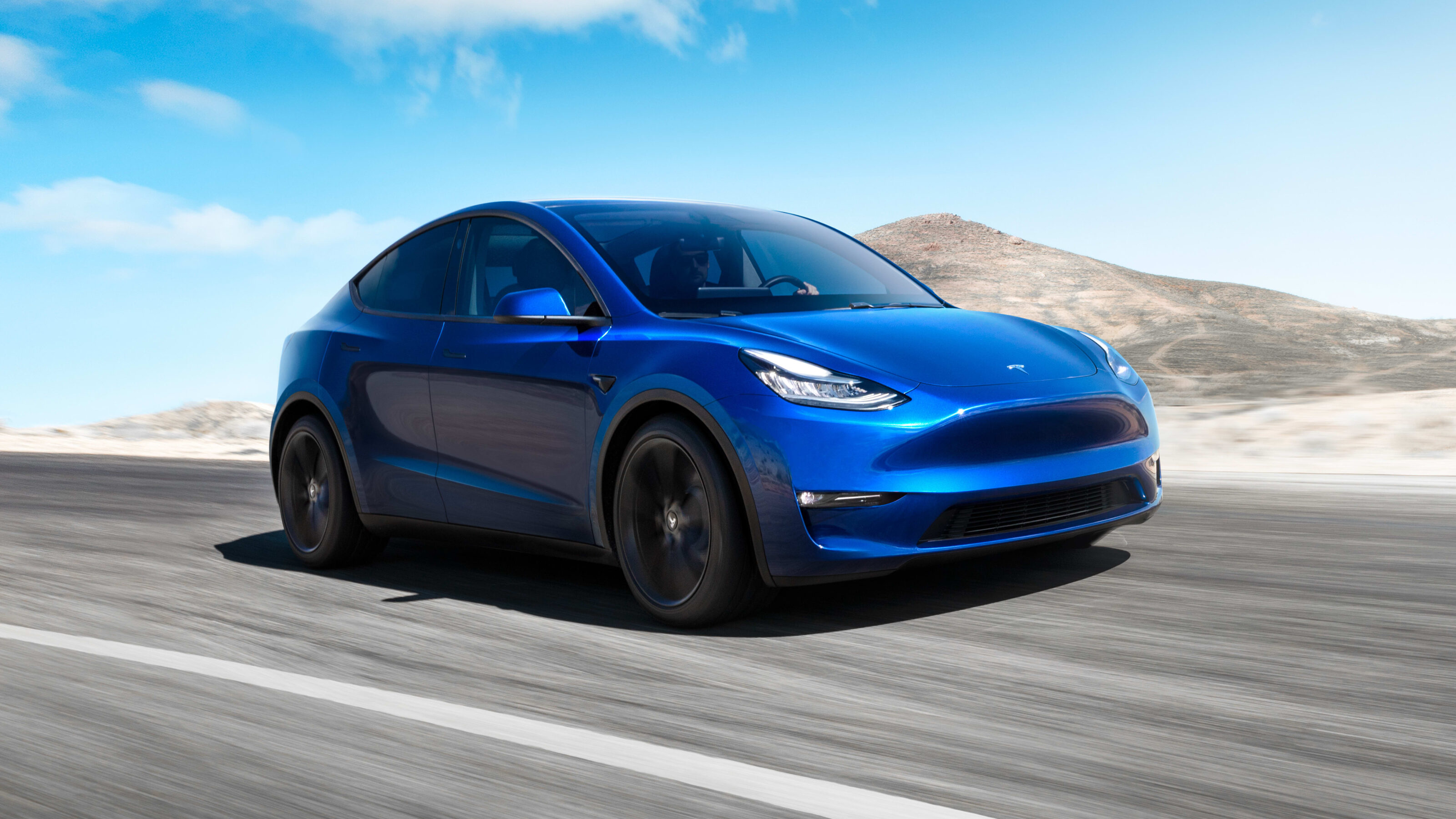
It is poised to compete against affordable Chinese-made EV entrants such as the BYD Dolphin, MG 4 and GWM Ora Funky Cat that have the advantage of cheaper manufacturing costs due to locally-made batteries, a domestic supply chain and cheaper labour costs.
It’s unclear whether a prototype vehicle will be revealed, but the announcement suggests it’ll only discuss the third-gen platform’s features. Musk may also detail the third part to his ‘master plan’.
“Our investors will be able to see our most advanced production line as well as discuss long term expansion plans, generation 3 platform, capital allocation and other subjects with our leadership team,” the Tesla media release said.
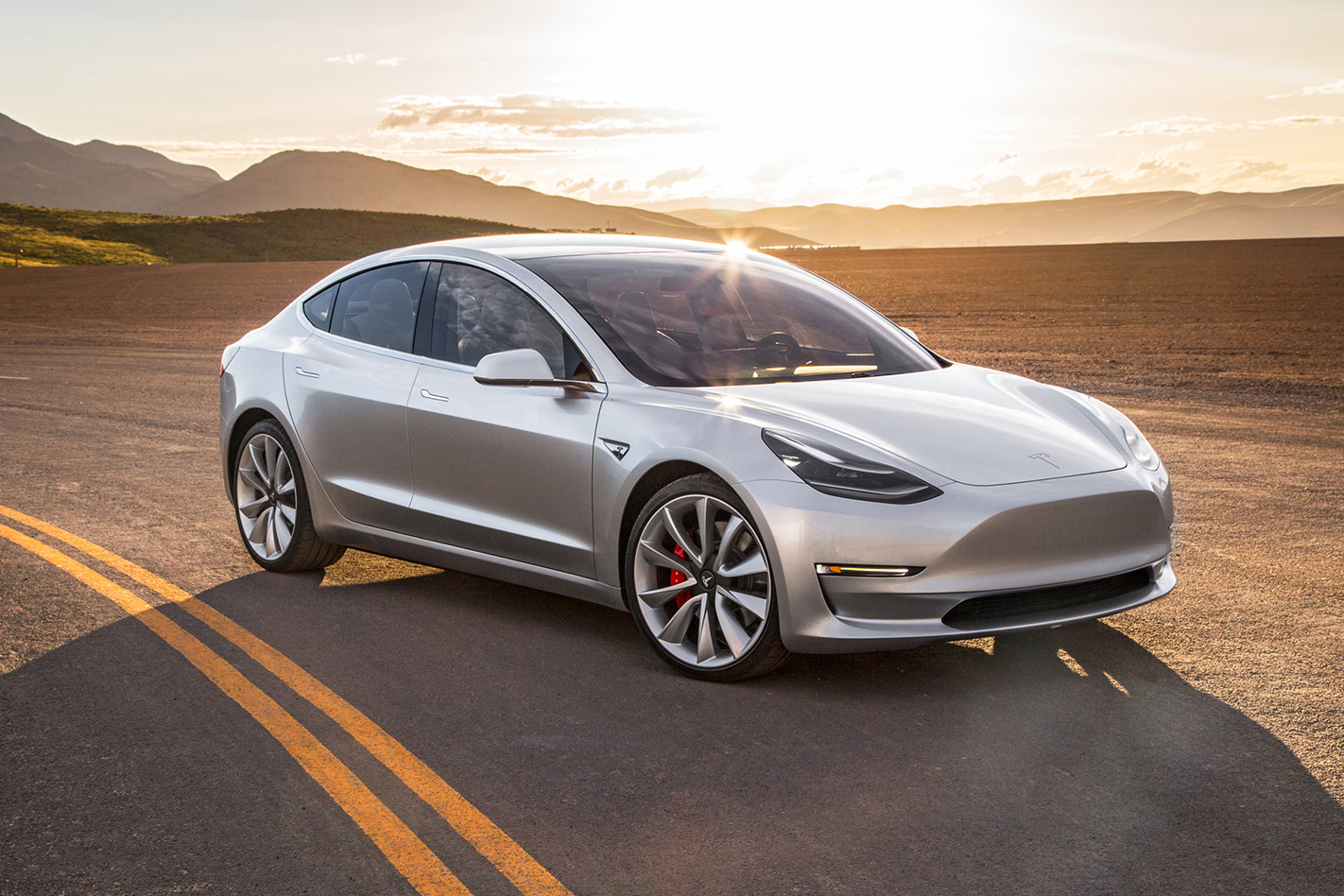
Reuters also reports the Model 3 is due for a minor update this year to further cut production costs.
Musk already admitted that they slashed production costs from the first-gen Model S and Model X platform to the second-gen Model 3 and Model Y architecture in a 2019 earnings call, according to Teslarati.
It comes as shareholders raise concerns about Musk’s focus on Twitter after he acquired the social media platform. Tesla China’s chief has also reportedly been promoted to be the second-highest ranking executive amid the controversy.
UPDATE, January 2023: Next batch of 2023 Ioniq 5 EVs due January 19
News today is that a new batch of 2023 Hyundai Ioniq 5 electric SUVs will go on sale in Australia from January 19 at 1pm AEDT.
Handily, all cars in this latest allocation have arrived in the country already, so buyers can expect to see their cars delivered in two to four weeks from ordering.
In total there will be 250 cars available – 44 of the Dynamiq 2WD variant, 143 of the Techniq AWD and 63 of the new top-of-the-line Epiq AWD.
More details at the link, or continue reading below for all of the details and pricing on the updated 2023 Ioniq 5.
November 2022: Sold out! More coming soon…
Tesla may be the Apple of cars, but Hyundai’s Ioniq 5 has somehow become a pair of must-have sneakers: Limited batches released every now and then, and buyers lining up out the door.
Hyundai Australia has confirmed the most recent batch of Ioniq 5 electric vehicles has sold out, with all 200 finding homes across all states and territories of Australia, except NT.
Buyers went for a mix of Dynamiq (2WD) and Techniq (AWD) models, but the brand wouldn’t say what proportion of each were sold.
Official VFACTS new-car sales figures for 2022, to the end of October, show Hyundai has sold 594 examples of the Ioniq 5 in Australia this year.
The Ioniq 5’s stablemate, Kia’s EV6, isn’t far behind with 514 sales for 2022, to the end of October.
Tesla’s Model Y, although not in this month’s top 10 overall sales, is still comfortably ahead of EV rivals with 1076 sales in October and 6452 for the year so far.
2023 Hyundai Ioniq 5 pricing and features
JUMP AHEAD
- 2023 Ioniq 5 price list
- Features
- Powertrains, charging, & driving range
- Safety
- Dimensions
- Warranty & servicing
- Availability
Snapshot
- 2023 Hyundai Ioniq 5 pricing and features
- Updated electric SUV gets new tech, more power and increased driving range
- Available from this month
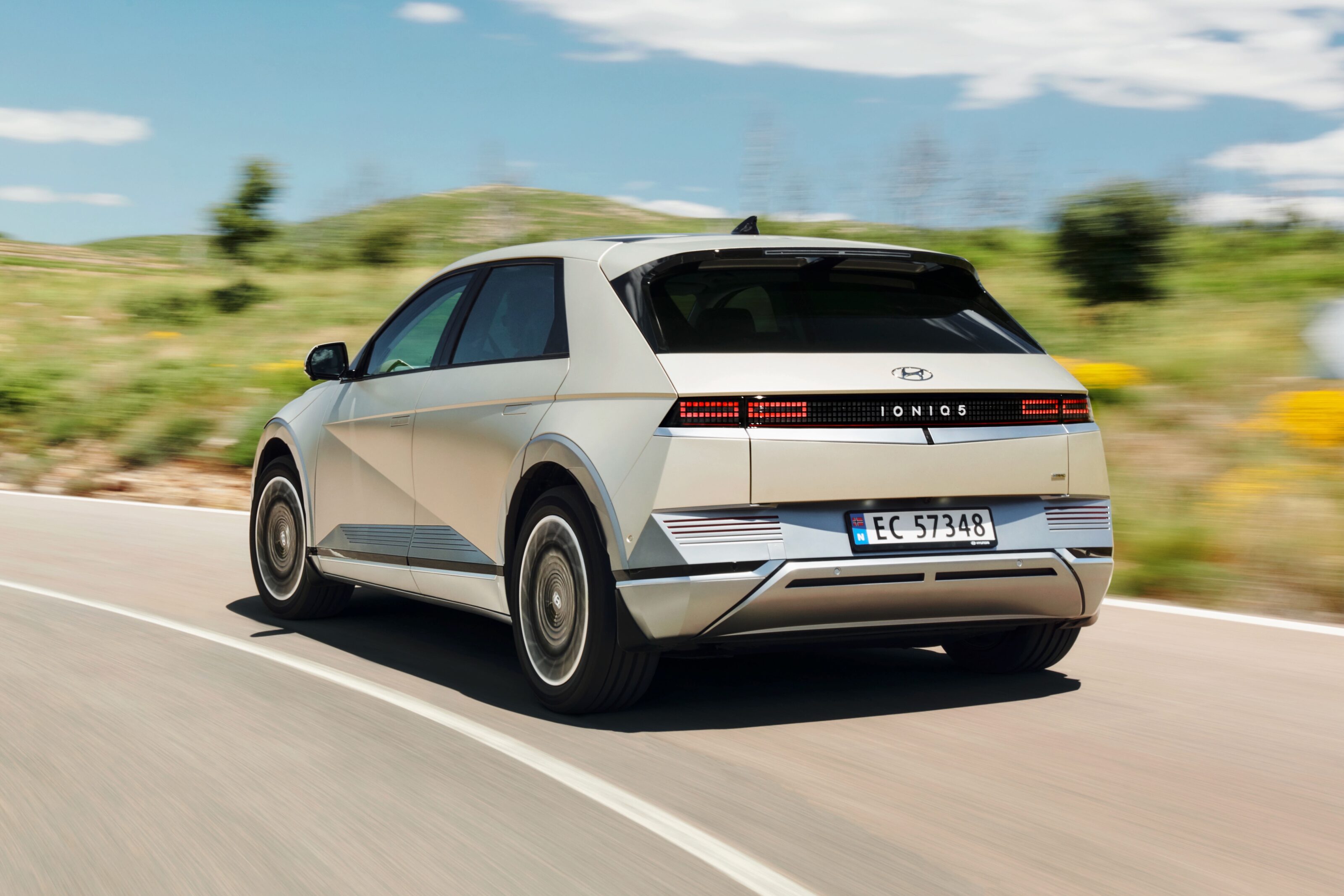
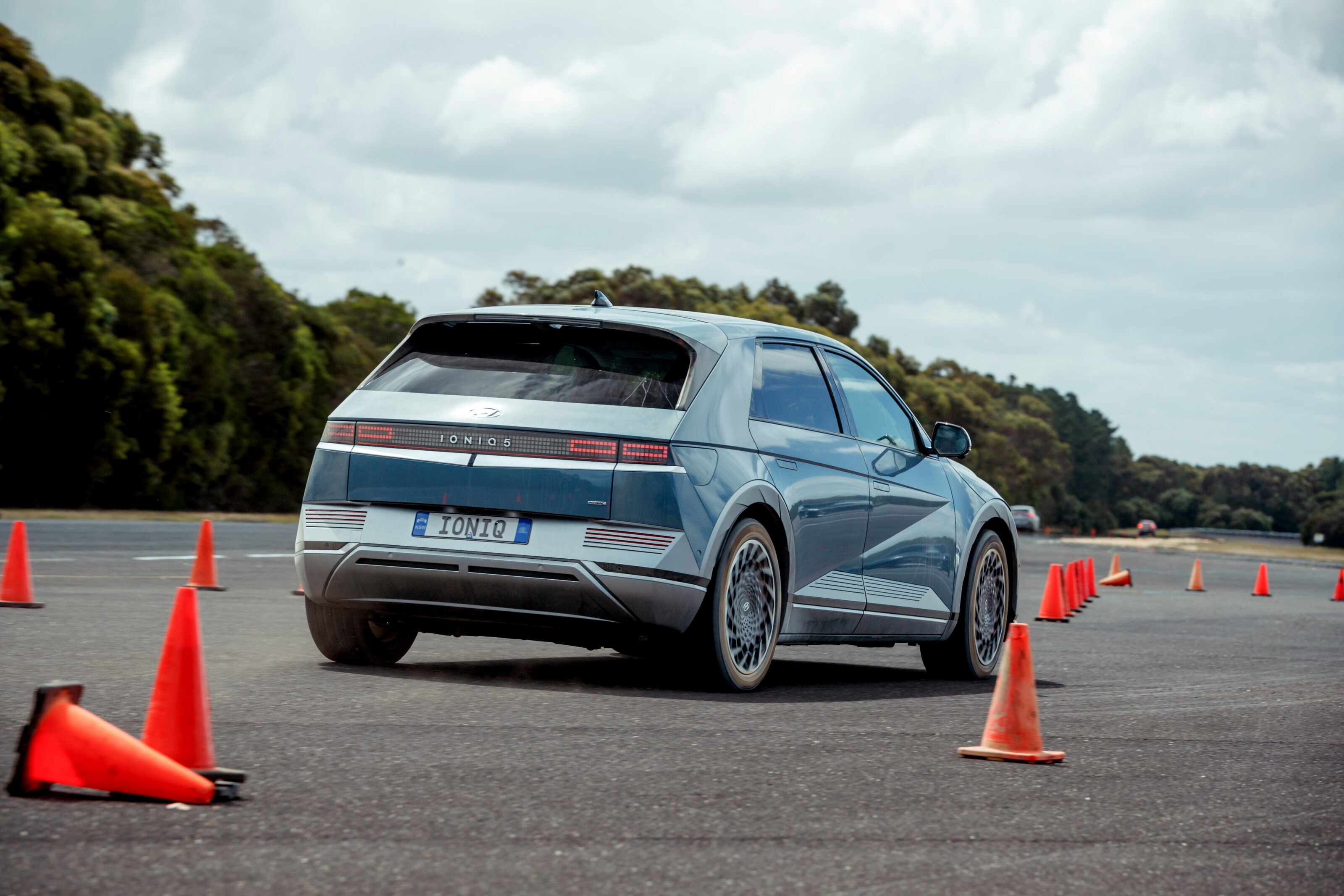
The 2023 Hyundai Ioniq 5 has been detailed for Australia, with the updated mid-size electric SUV gaining more tech, power and driving range.
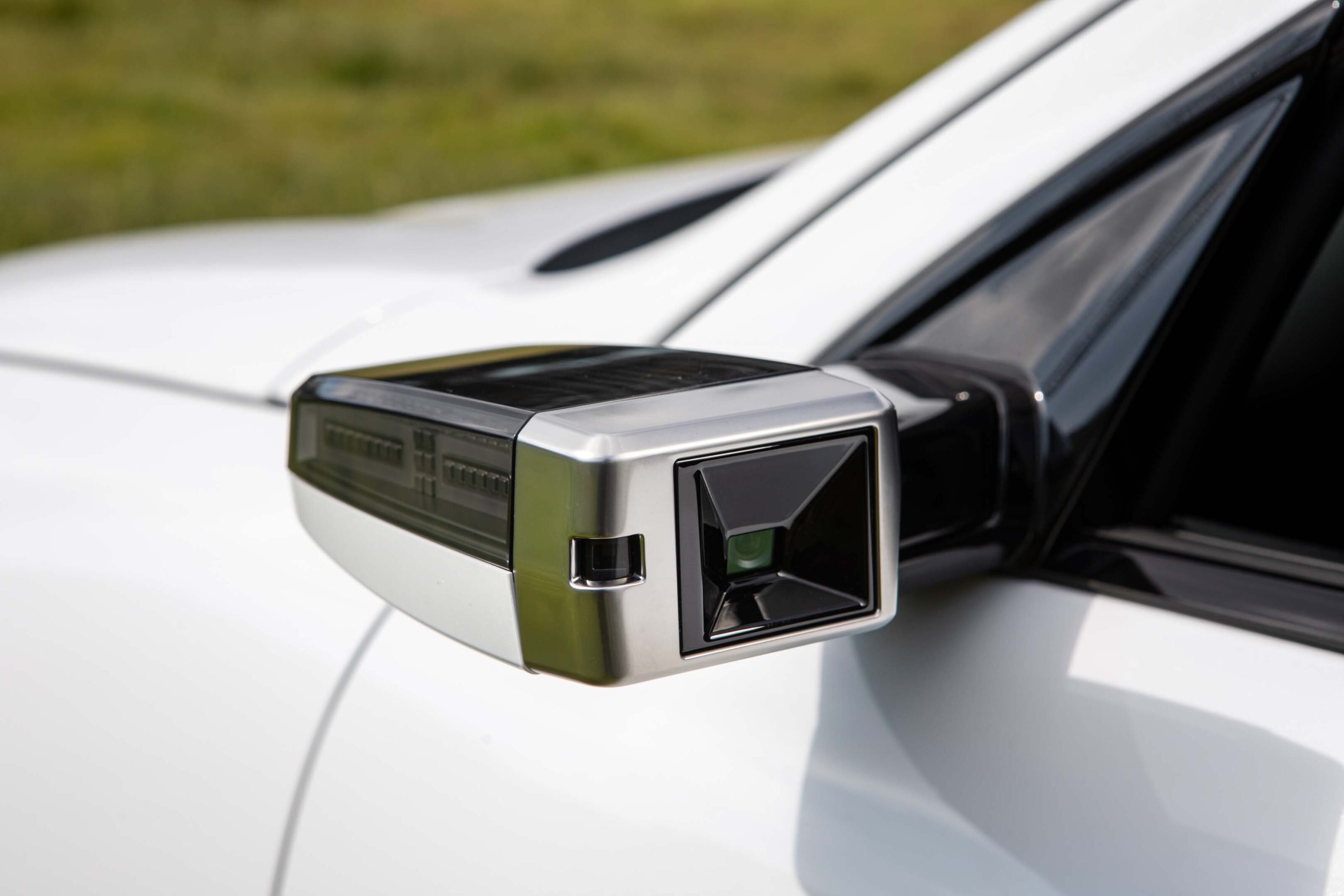
It is headlined by a new flagship grade, the Epiq, which gains digital side mirrors, a heat pump, and battery conditioning – all features previously unavailable in Australia.
Debuting ahead of the Ioniq 6 electric sedan, the digital side mirrors utilise a pair of OLED displays in the cabin, with improved “driver vision in all conditions” and reduced aerodynamic drag.
The heat pump consumes less energy than a conventional electric heating system, while the battery conditioning system will activate in cold climates or if a DC charger is inputted into the navigation system for “improved DC charging and driving performance.”
However, pricing has increased for the carryover Dynamiq and Techniq variants, which were last updated just three months ago, with a circa-$2000 bump across the board.
This is offset by a larger 77.4kWh lithium-ion battery – up from 72.6kWh – enabling a WLTP-rated driving range of 507 kilometres, a 26-kilometre increase.
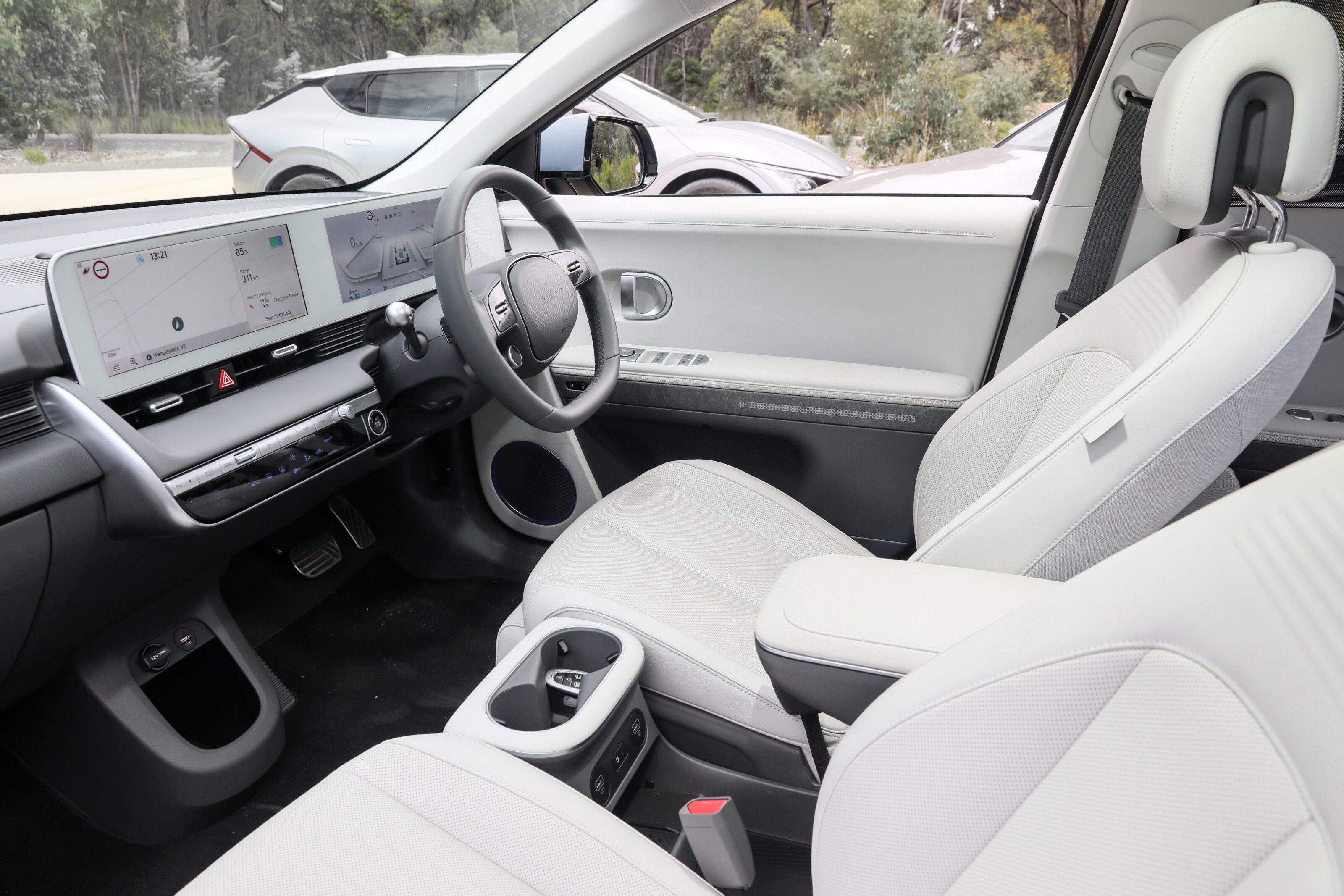
In addition, the single-motor RWD and dual-motor AWD versions receive more power, and a revised ride and handling tune improves wheel control, bump absorption and body control.
Hyundai Australia has confirmed the next batch of Ioniq 5 Dynamic and Techniq models will be released at 1:00pm AEDT on Wednesday, October 26. It will comprise 200 vehicles and, as before, will be unavailable in the Northern Territory.
The range-topping Epiq will become available in a later release before the end of 2022.
2023 Hyundai Ioniq 5 pricing
Prices exclude on-road costs.
| Model | Pricing | Change |
|---|---|---|
| Ioniq 5 Dynamiq RWD | $72,000 | +$2010 |
| Ioniq 5 Techniq AWD | $79,500 | +$2000 |
| Ioniq 5 Epiq AWD | $85,000 | new |
Best Electric Cars Under $65k: Affordable EVs Rated
Welcome to part one of three price-based EV buying guides, this one focused on the most affordable electric cars available in Australia today
2023 Hyundai Ioniq 5 features
Dynamiq
Techniq, in addition to Dynamiq
Epiq, in addition to Techniq
Powertrains, charging, and driving range
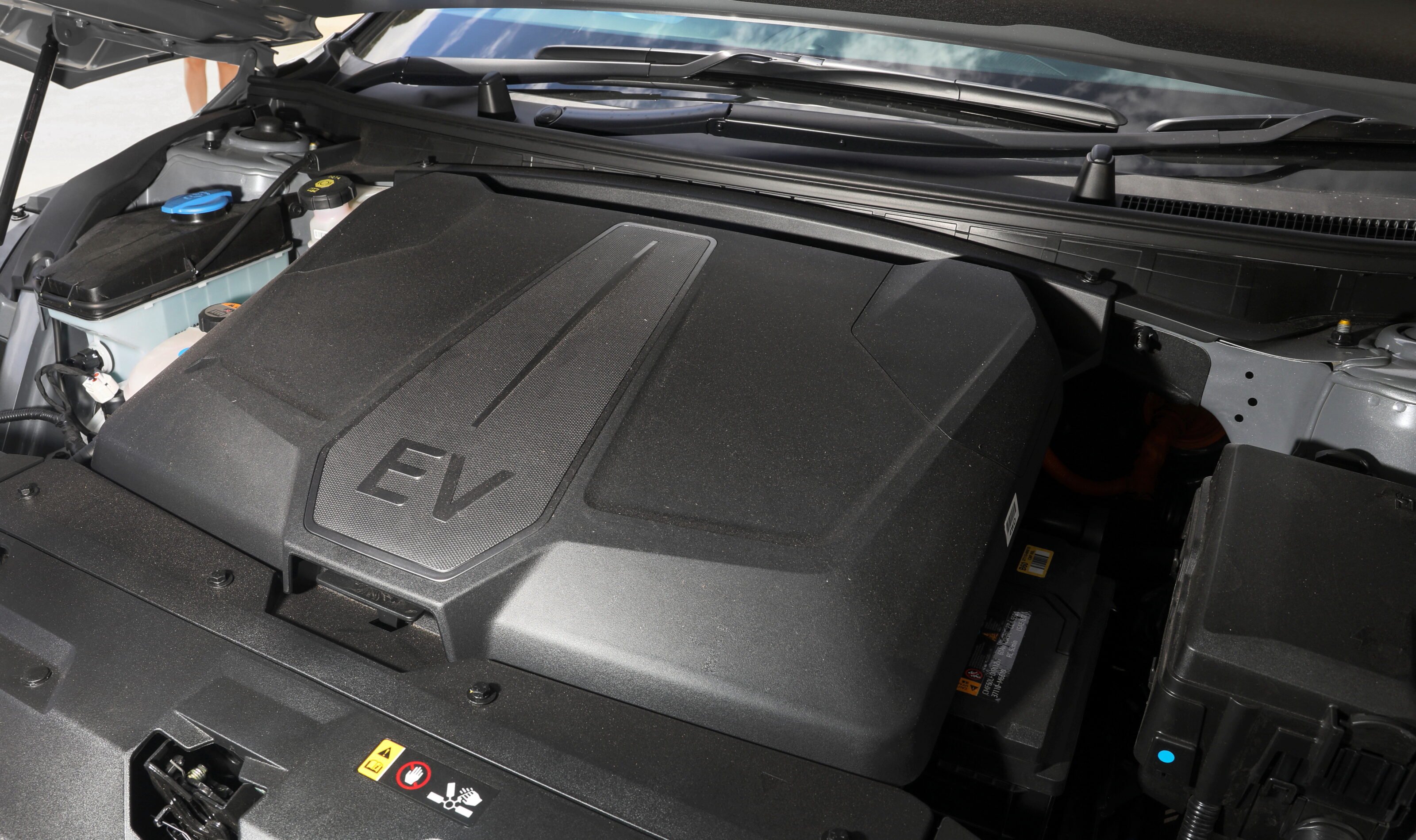
Under the skin, the 2023 Hyundai Ioniq 5 features a 77.4kWh lithium-ion battery pack, with an increased cell count delivering 697 volts, up from 653 volts.
As before, it has an 800-volt electrical architecture with support for 350kW ultra-rapid charging.
The entry-level Dynamiq is powered by a single motor mounted to the rear axle, producing 168kW and 350Nm – up from 160kW.
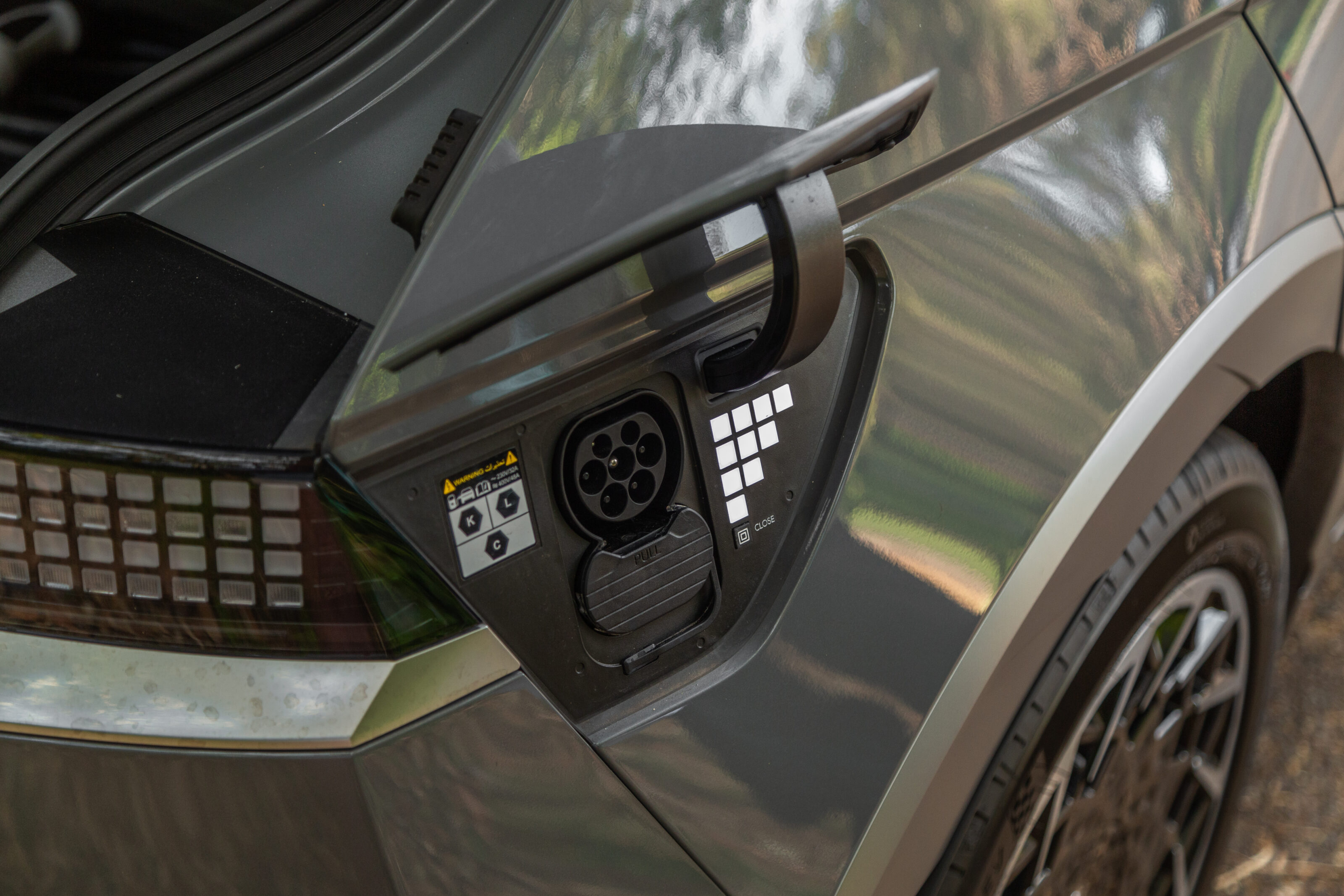
It has a claimed electric driving range of around 500 kilometres, which is a 19-kilometre increase over the 2022 model.
Stepping up to the Techniq and Epiq adds a 74kW front motor and 165kW rear motor – up 4kW and 10kW, respectively – for a total system output of 239kW and 605Nm (up from 225kW).
Both versions deliver a WLTP-rated electric driving range of 454 kilometres (up from 430km).
Safety
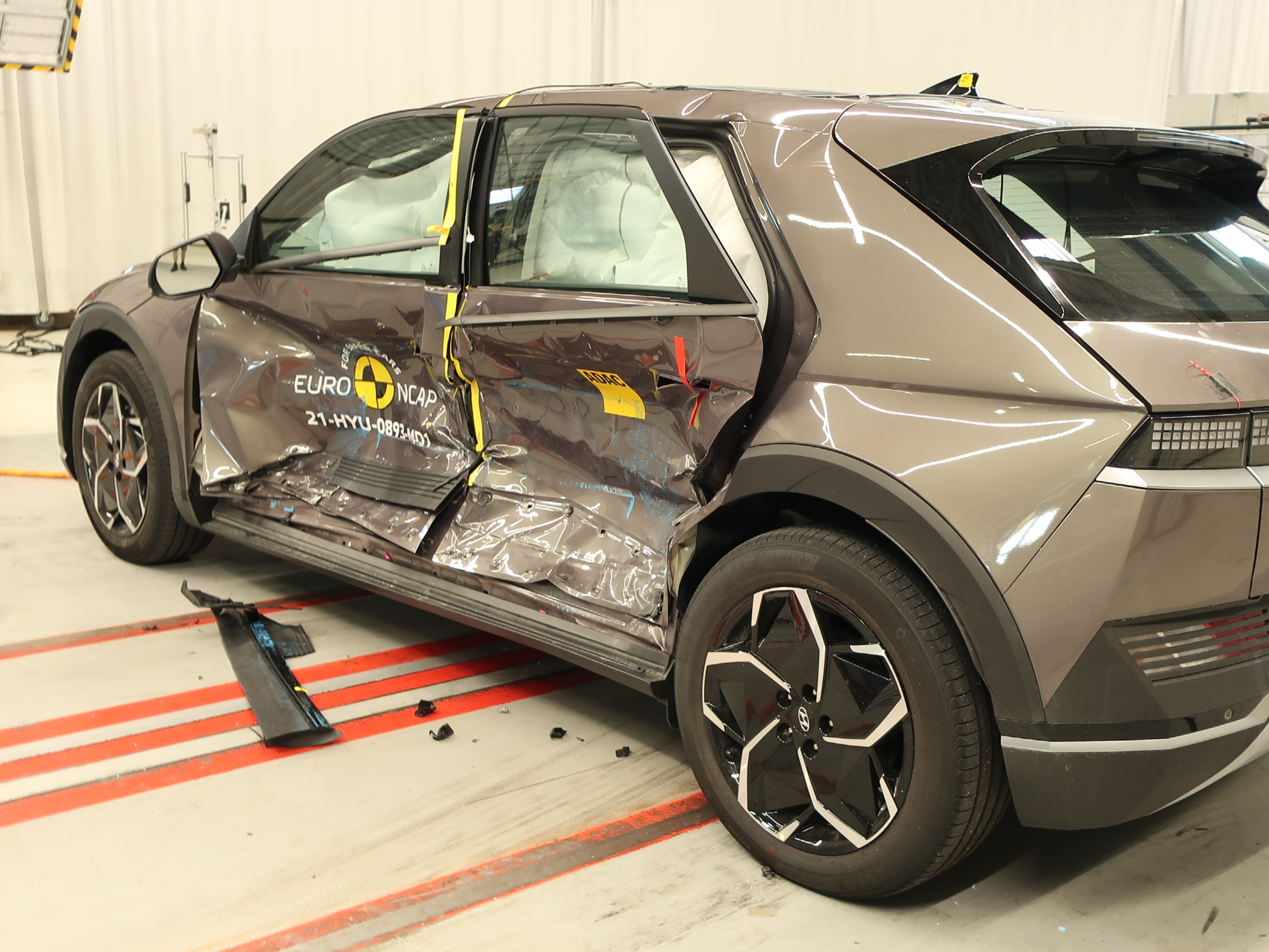
The entire Hyundai Ioniq 5 range is covered by a five-star ANCAP safety rating, based on testing conducted in 2021. It has a 88 per cent score for adult occupant protection, 87 per cent for children, 63 per cent for vulnerable road users, and 89 per cent for safety assist.
Seven airbags (dual front, side, curtain, and front-centre) feature across the range.
Each variant includes the following active safety equipment as standard:
Dimensions
The Hyundai Ioniq 5 has a wheelbase of 3000 millimetres, and is 4635mm long, 1890mm wide and 1605mm high.
RWD versions have a claimed 593-litre boot capacity, expanding to 1653 litres with the second row folded. It has a 57-litre front boot.
For all-wheel-drive models, luggage space is reduced to 560 litres or 1620L with the rear seats down, and a 24-litre front boot.

Warranty and servicing
As per the wider Hyundai range, the Ioniq 5 is covered by the brand’s five-year, unlimited-kilometre warranty, while its battery receives eight years and 160,000 kilometres of coverage.
Hyundai has doubled the Ioniq 5’s service intervals for model-year 2023, with maintenance now required every two years or 30,000 kilometres, whichever occurs first.
Availability
The updated 2023 Hyundai Ioniq 5 Dynamiq and Techniq will arrive in Australia showrooms this month, while the flagship Epiq is expected to launch before Christmas.
2022 Subaru WRX Sportswagon tS long-term review
JUMP AHEAD
- Welcome
- Update 1: On the road
- Update 2: Comfort, space and quality
- Upcoming: Technology
- Upcoming: That’s a wrap!
Welcome
- Price as tested: $57,990 before on-road costs
- This month: 221km @ 10.4 L/100km ( 3984km on odometer)
- Total: As above
Finally, they fixed it.
You know the bit I mean. The chrome window trim of the previous Subaru Levorg, the way it ran along the window sills and stopped abruptly at the rear quarter windows? Ridiculous.
Okay, yes, this is probably the last factor anybody would or should consider when buying a new car – nothing’s perfect, after all – but the thing is, the Levorg was imperfect in too many ways.
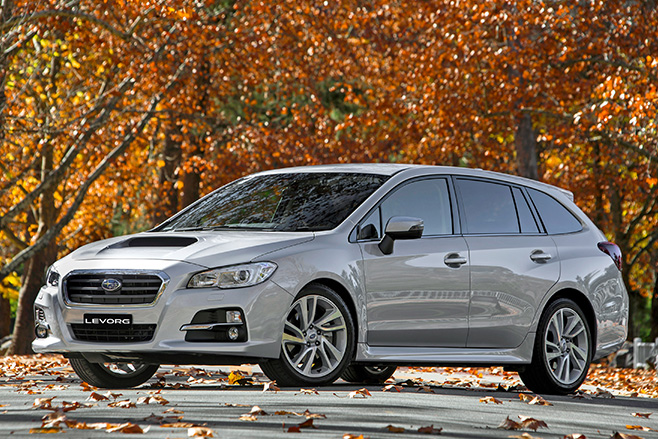
The interior was fussy and too busy, infotainment was spread across three poorly conceived displays, the CVT transmission performed a desperate and unconvincing impression of a torque converter, the suspension was wildly under-damped, and… well, this isn’t a review of the 2017 Levorg.
Here we’ve got the new one, still sold overseas as the Levorg, but smartly renamed WRX Sportswagon for Australia.
It’s sharp and stylish in a way previous generations of WRX have never been (the Seinfeld quote, “a loathsome, offensive brute, yet I can’t look away” comes to mind) and it is without question a more cohesive, mainstream-friendly offering than the generation before it.
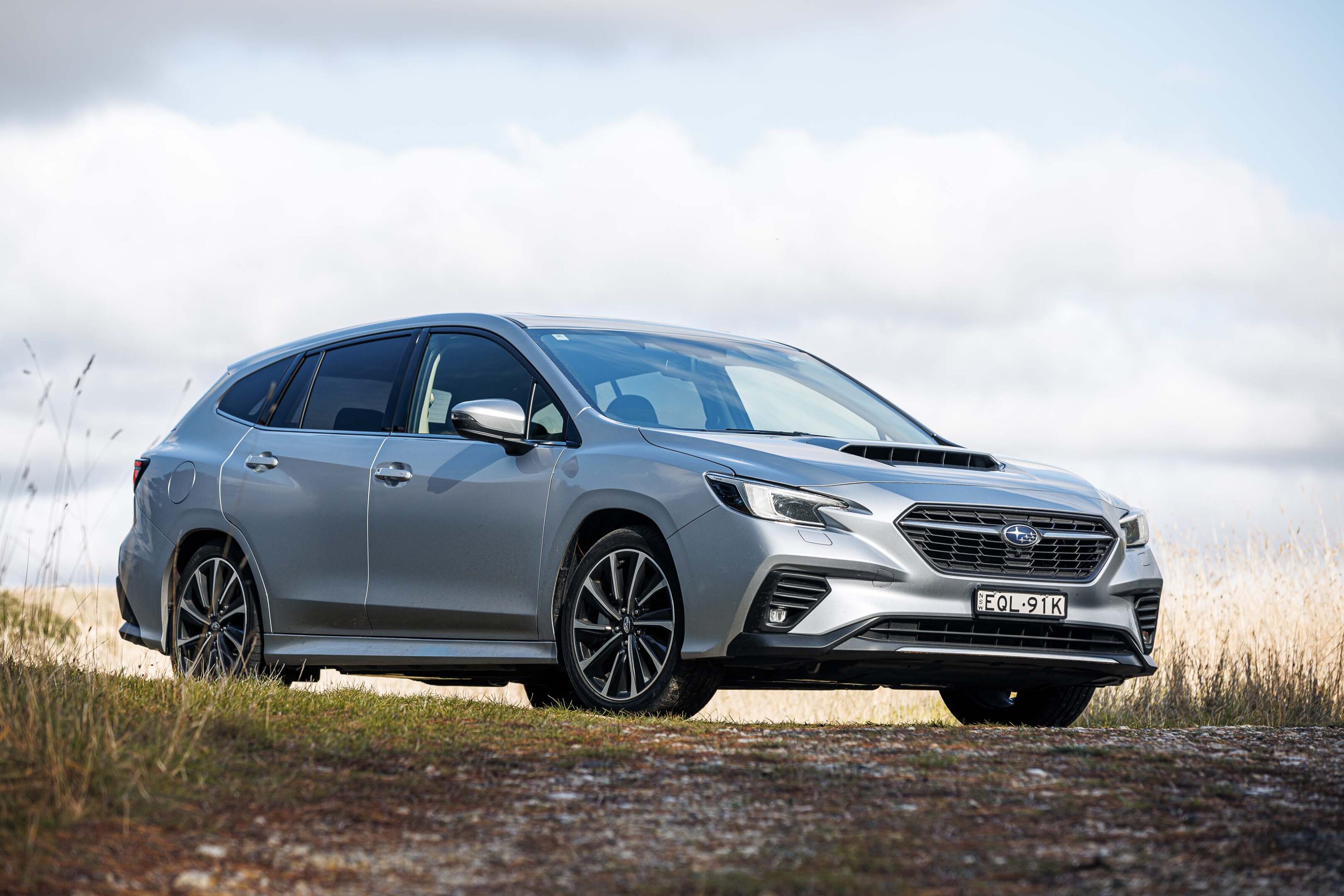
We’re in first impressions mode here, though, so let’s look at what the new WRX Sportswagon tS is packing.
The complete WRX range opens at $44,990 before on-road costs, getting you the base sedan with a manual transmission.
Our tester, the WRX tS Sportwagon, sits at the top of the tree with a price tag of $57,990 – again before on-roads.
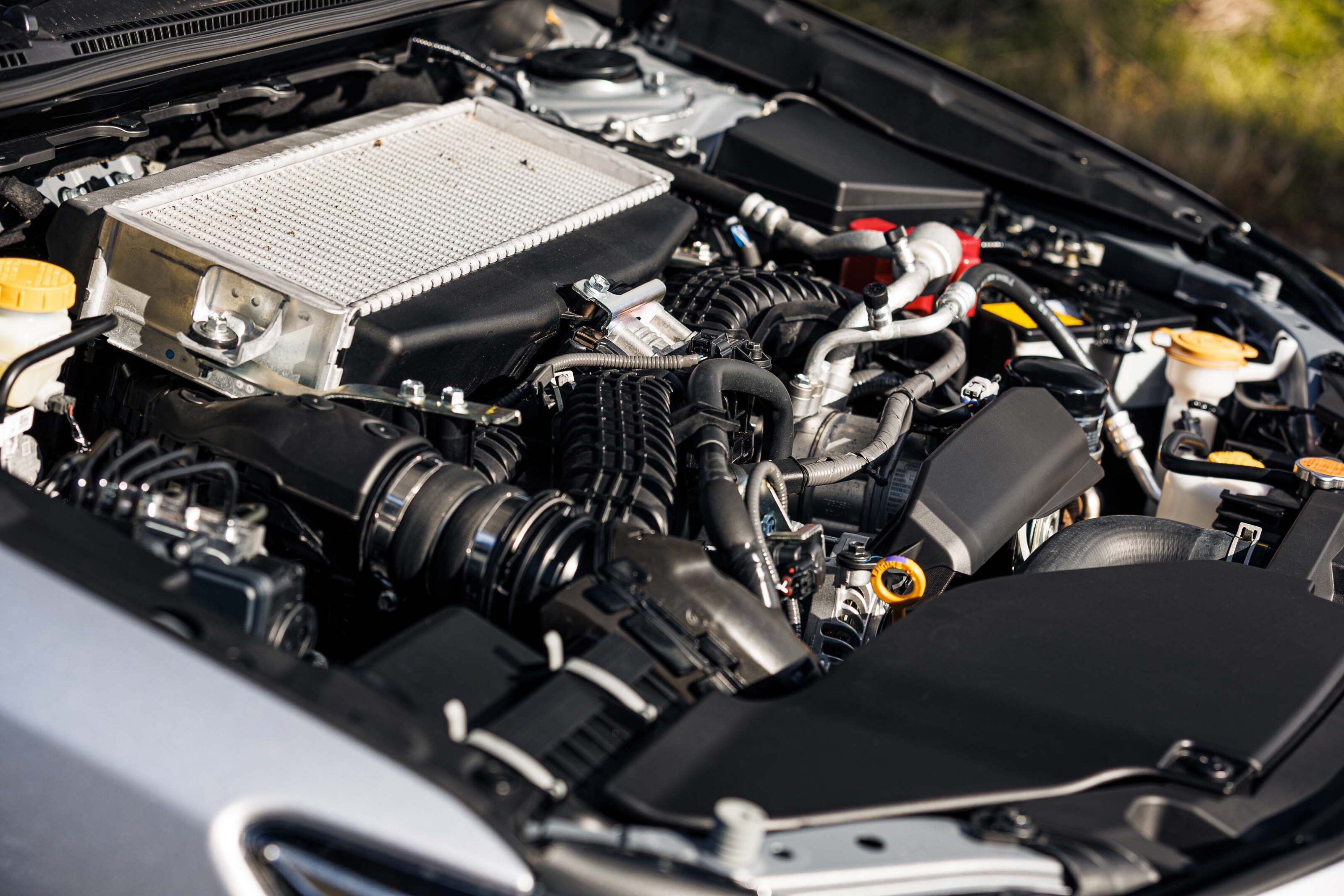
As with the WRX sedan, power in the Sportswagon tS is provided by a 2.4-litre turbo petrol four-cylinder engine, delivering 202kW and 350Nm.
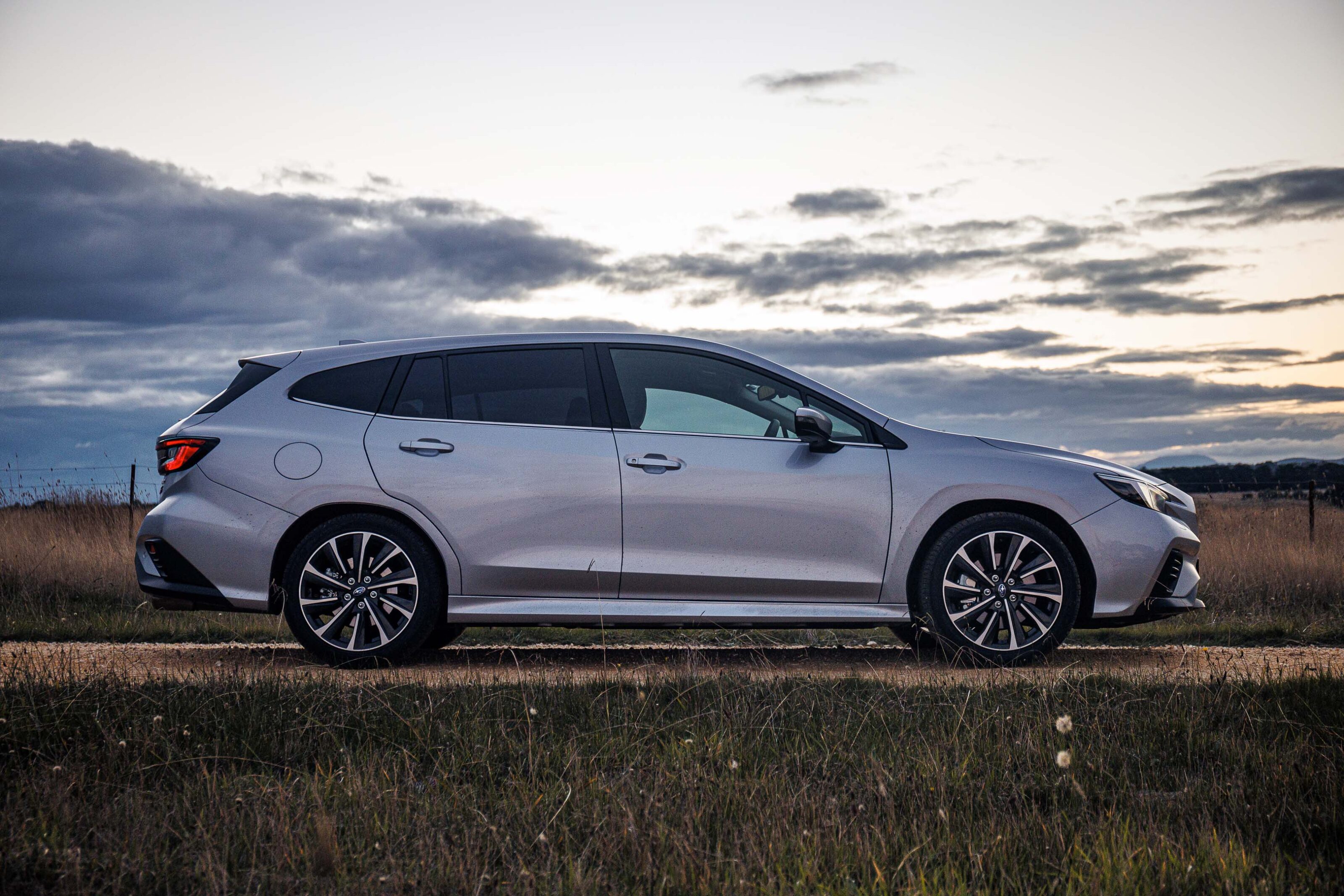
Unlike the sedan, the wagon offers no manual option – to our eternal disappointment – and power is sent to its all-wheel drive system through a ‘Sport Lineartronic’ CVT automatic transmission with eight simulated ‘gears’.
You’ll never see an STI version of the new WRX, either, so those specs are about as good as it’s getting. In fact, Subaru is so over the notion of the WRX being a champ of the small performance car set that it doesn’t even list an official 0-100km/h time. We reckon it’ll run about six seconds – which the previous WRX did officially claim – but we’ll have to test that in the coming weeks.
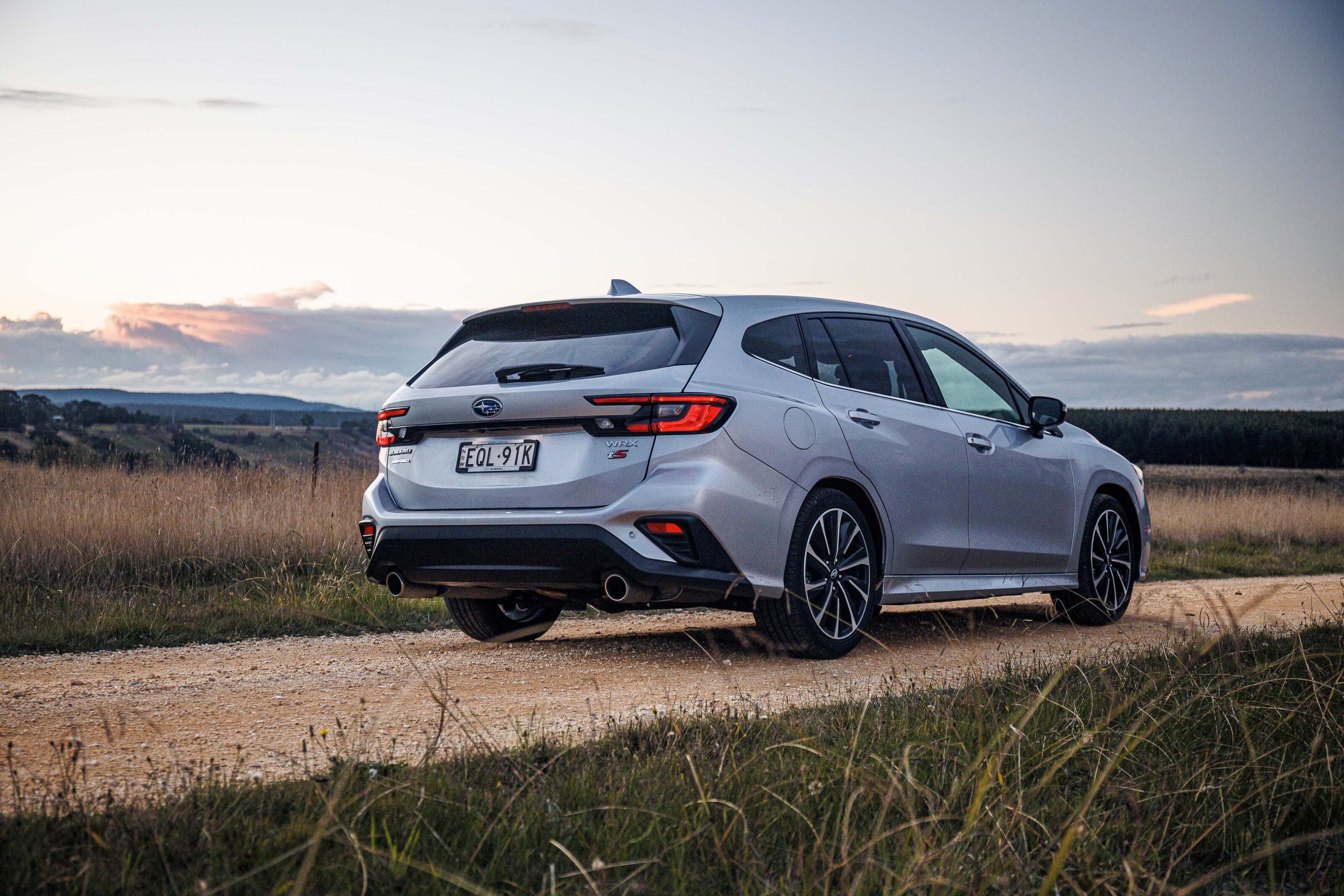
Fuel use is listed at 8.5L/100km on the combined cycle, breaking down to 11.2L/100km in urban driving and 7.0L/100km on the highway. So far, I’m running at about 10.4/100km with an urban drive most days of the week (the school runs and shopping) and a few 20-minute sprints down Melbourne’s Eastlink to our Mulgrave office.
The new Levorg WRX Sportswagon is 20mm longer in the wheelbase than the previous wagon, and it’s about 15mm taller. Neither figure is impressive on paper, but overall packaging improvements means there’s a little more rear legroom and another five litres of boot space.
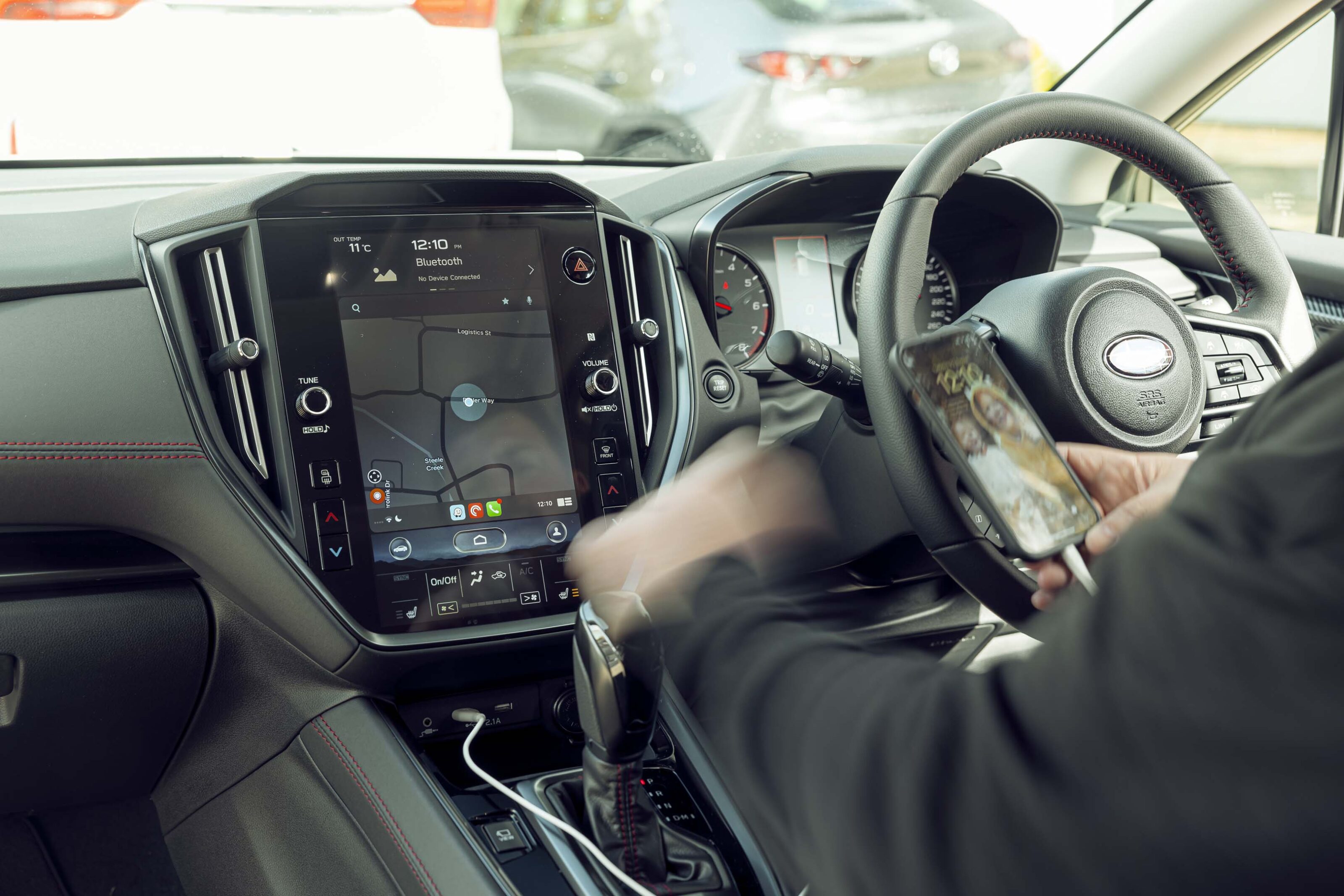
Interior style and tech improves on the old model by a good margin, introducing a more modern design through the cabin, while upgrading infotainment and controls to a huge new portrait screen in the dash.
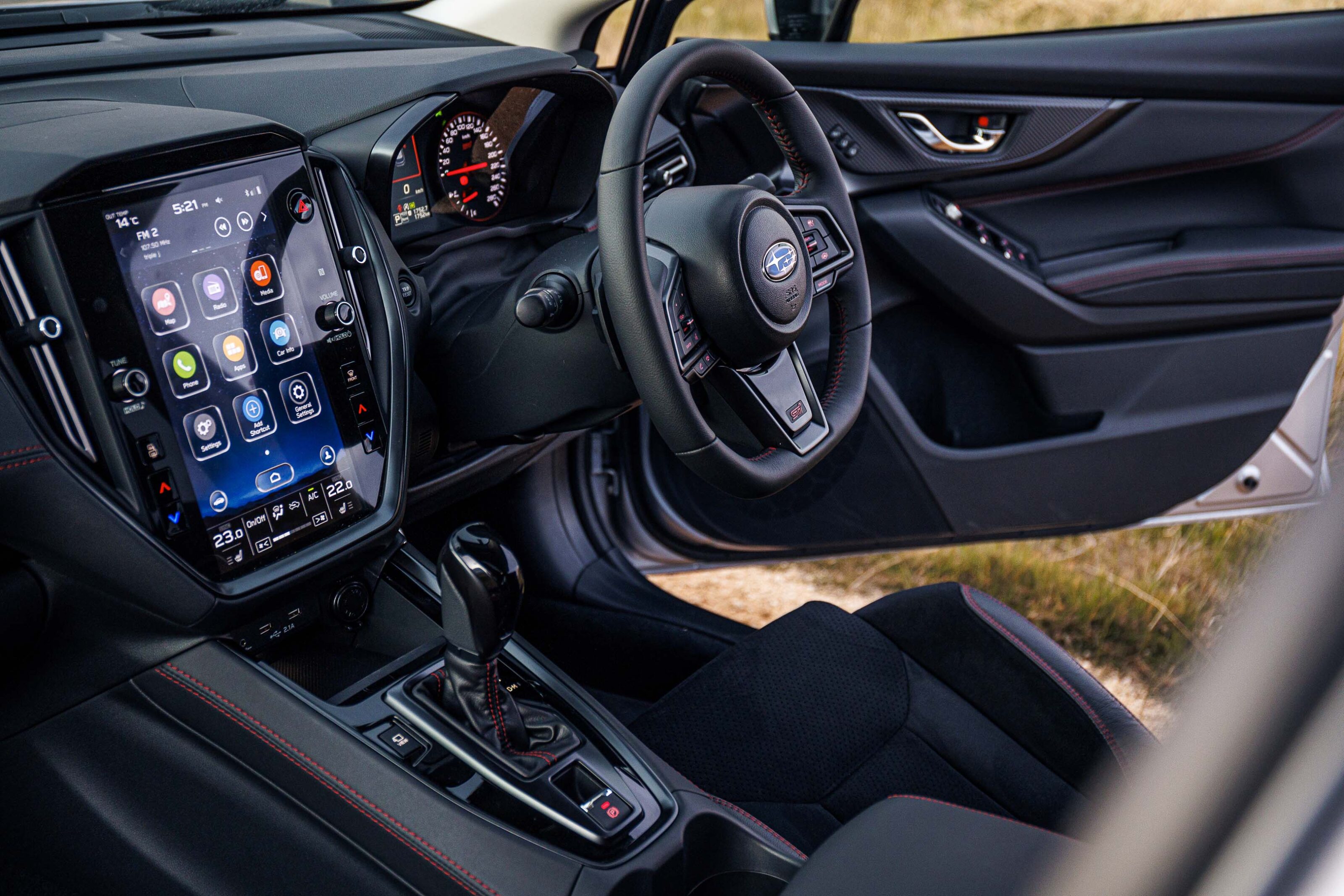
The instrument cluster remains a conventional analogue unit with a colour ‘multi-function display’ between the dials; some may commend this resistance to digitisation, while others might suggest it reeks of behind-the-times, low-budget product development. Each to their own.
All models get that big 11.6-inch main display, along with wired Apple CarPlay and Android Auto.
Equipment highlights in all WRX wagon models include LED headlights, dual-zone climate control, rain-sensing wipers, reclining and power-folding rear seats, and adaptive cruise control.
The WRX GT adds a powered sunroof, powered tailgate, sat-nav, 10-speaker Harman Kardon audio, ‘Ultrasuede’ seat trim, eight-way powered front seats with memory, and driver monitoring.

Our top-shelf tS ups the sporting credentials, adding a drive mode selector with Sport and Sport+ in the mix, along with adaptive dampers and 18-inch alloy wheels with a design unique to the wagon.
Like some other model lines, particularly Hyundai’s i30 N-Line, the manual versions of the WRX miss out on the best of Subaru’s safety technology. Go for a manual sedan, and the active safety kit is limited to blind-spot monitoring, rear-cross traffic alert and tyre pressure monitoring.
Choose an automatic – which in the case of the wagon is your only choice anyway – and you get autonomous emergency braking, lane-keep assist, lane centring assist, emergency braking assist, traffic sign recognition and an intelligent speed limiter.
Lastly, and unlike the first year of Levorgs sold in Australia, the new WRX benefits from Subaru’s five-year / unlimited-kilometre warranty launched in 2019. Before that, it was a mere three years and 100,000km.
In the weeks ahead, we’ll look at whether the new Levorg is just the thing for that vocal minority of buyers that can’t give up on the wagon dream (this writer included), or if you’d be better off with an SUV – or, perhaps, the similarly priced Skoda Octavia RS wagon.
Things we like so far
- Sharp new looks
- CVT is better behaved and more capable than before
- Good power, really feels like a rapid thing
Not so much…
- Outdated, unintuitive infotainment UX
- Unlocking the rear doors via fob can be a pain
- The rally-heritage manual handbrake is gone!
On the road: I didn’t expect to love it, but…
- This month: 327km @ 10.2 L/100km (4311km on odometer)
- Total: 548km
There are plenty of ways to get fans of affordable performance cars all riled up, but there’s one sure-fire method that Subaru just can’t quit: packaging a continuously variable automatic transmission (CVT) with its now legendary WRX.
This WRX isn’t blessed with an STI badge – indeed, no second-gen WRX will ever be – but it’s still sold as a sports car, and it still packs a formidable 202kW, 350Nm turbocharged four-cylinder boxer engine.
Buyers of the new WRX sedan can opt for a six-speed manual – which most drivers do, if barely, with the sales split currently hovering around 55/45 in the manual’s favour – but in the wagon, it’s the CVT only.
So, really, the sales figures – small as they are in terms of the overall market – suggest it’s working out just fine. Certainly well enough that developing or sourcing a conventional auto, or a dual-clutch system, wouldn’t be worth the risk of the investment not paying off in sales volume.
Ask any wagon obsessive, though, and the CVT path is a move with only one sure outcome: eventually the wagon gets pulled from the market, and the brand points to the lack of interest in making this regrettable decision. (This despite us now being blessed with two generations of Levorg/WRX wagon.)
If the wagon ends up dropped, was it ever truly set up for success? That’s hard to answer, and when it comes to affordable sports wagons with manual shifters, there isn’t a lot of precedent in modern times. Subaru offered a shorty wagon version of the WRX in the past, but it certainly wasn’t the most popular shape in the range.
There were also sports-focused versions of the Liberty wagon – which this new, almost mid-sized WRX Sportswagon ostensibly replaces – but those, too, didn’t sell in big (enough) numbers.
There’s another reason the WRX wagon is auto-only: in every other market it’s sold, it once again wears the Levorg badge of its predecessor – and that’s an easier name to market as a sporty, ‘WRX-powered but not a WRX’, wagon.
And… breathe.
You’re now set up for me to give the WRX Sportswagon a proper lambasting, but… well, the thing is – and I risk making a pariah of myself among enthusiasts – it’s a genuinely fun car to drive. Not thrilling, not a weekend racer and definitely not a future icon. Just fun, and anybody buying this car has already decided that’s plenty.
Those that do make the leap will find that while this wagon doesn’t really live up to what experienced WRX-Men expect from the badge, it’s a compelling and tightly tuned family hauler.
Even discounting the CVT, it’s easy to understand where it falls apart for diehards. For one, there’s no limited-slip differential or rear diff disconnect – with Subaru opting for its electronic ‘Variable Torque Distribution’ system on the automatics – nor a manual handbrake, wiping out any opportunity for handbrake turns.
But, far out, who’s really talking about doing handbrake turns in a family wagon, fast or otherwise?
Indeed, it’s better to think of this as a lower, more compact and tighter-handling Outback (being all that’s left of the Liberty legacy).
What the WRX Sportswagon does have, if not in spades, is power. My street empties out at the bottom of a very big hill on a very big highway, and if there’s one thing I’ve come to love, it’s ripping out and up the hill just ahead of a fresh green light for the cross traffic (about 100 metres further down the hill).
It’s childish, but it’s also intoxicating – and that’s what Subaru wants buyers to feel with this car.
I’d even argue, if not with great conviction, that under most circumstances this CVT actually hooks up faster than the average dual-clutch auto – most of them being too easily confused by sudden demands for power. The WRX’s CVT will drone as they all do at certain points in the rev range, but its simulated gears are generally effective and stomping on the pedal will wake it up fairly quickly.
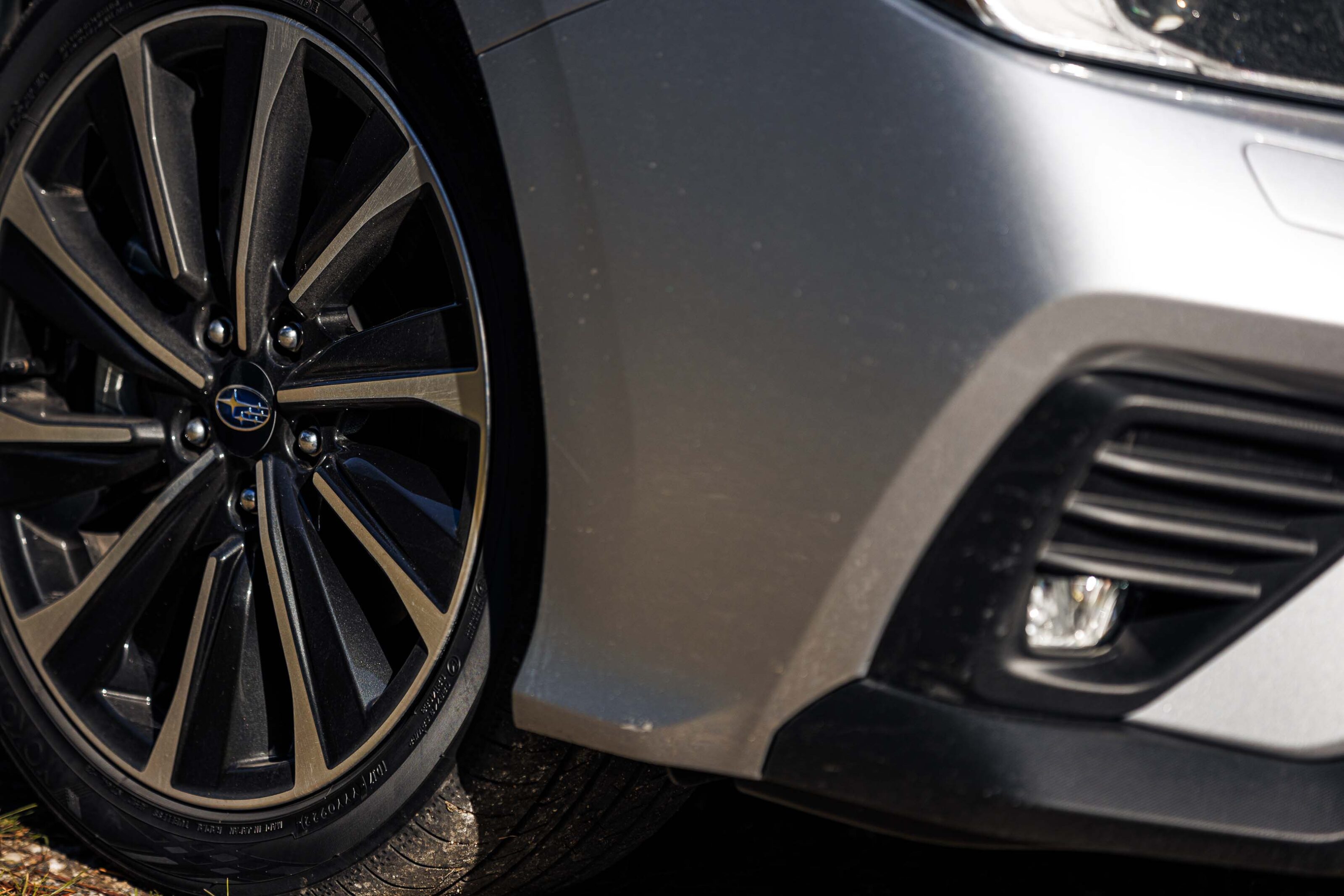
That it also happens to boast beautifully tuned adaptive dampers and surprisingly grippy eco-focused Yokohama Bluearth GT tyres to handle some spirited family hauling (“dad I feel sick”), well, that’s just a bonus.
And as Dan Gardner noted in his launch review, switching to the WRX sedan’s Dunlop Sport Maxx rubber would only improve an already competent package.
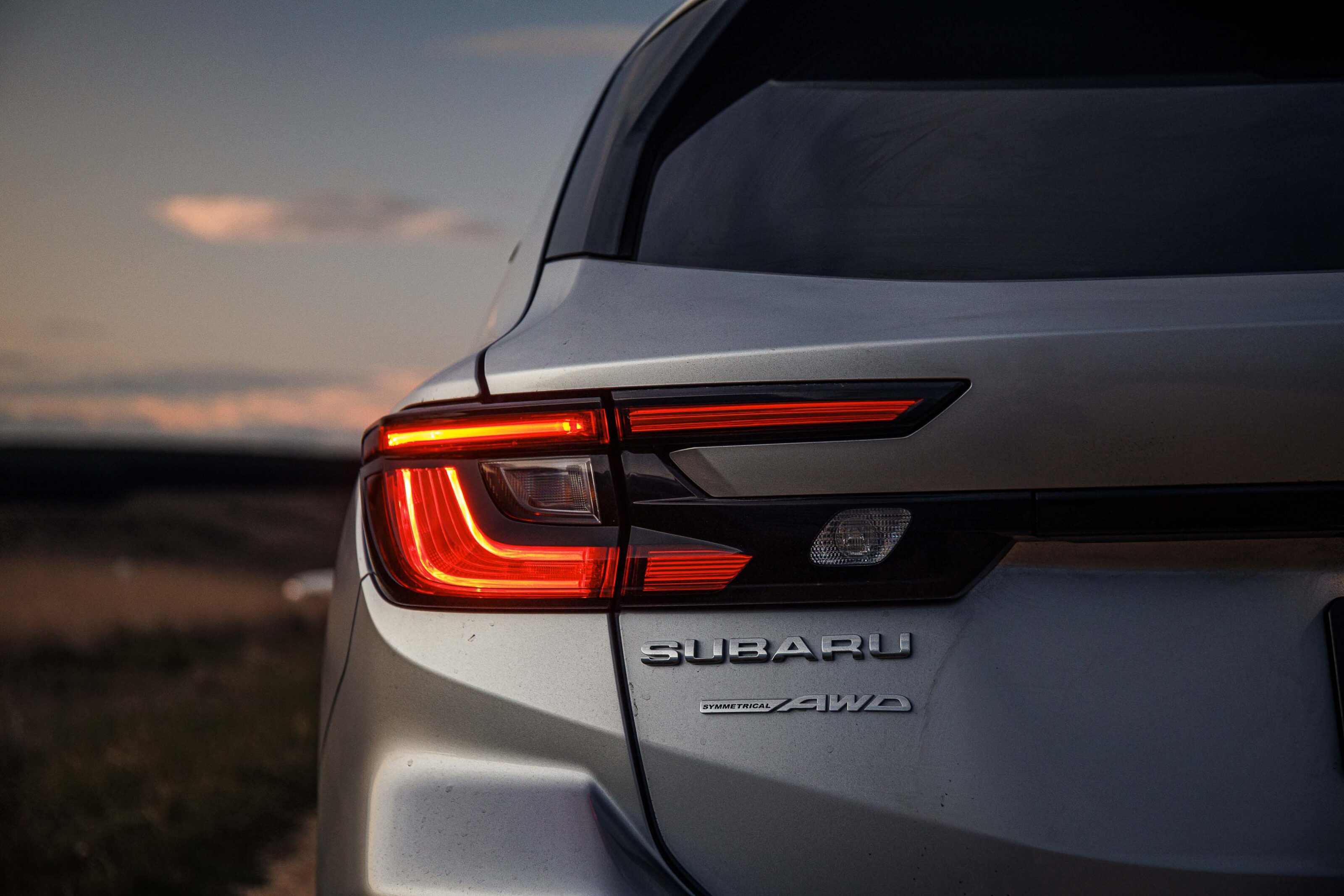
Fuel use may prove a sticking point.
Subaru claims a combined-cycle figure of 8.5L/100km on its factory rubber, which is already a bit high for a modern family car – even a performance variant – but I’ve struggled to get it below 10L/100km.
In Subaru’s defence, much of my driving has been urban, which the WRX Sportswagon tS lists at 11.2L/100km – so it’s really not been too bad. But, with a minimum of 95RON required and fuel prices being what they are, you’ll want to consider keeping those “I drive a WRX” urges under control.
In some ways, it’s a shame Subaru slapped on the WRX badge instead of marketing this as a massively improved Levorg. There’s a psychological barrier here for enthusiasts who might’ve happily bought a second-gen Levorg, but, for those who don’t care about such things, this new Levorg WRX is worth a drive.
Things we like so far
- Plenty of power for a family hauler
- CVT surprisingly engaging when pushed
- Excellent adaptive dampers and overall ride quality
- Surprising grip from eco tyres
Not so much…
- CVT still u2018stretchesu2019 and drones like any other CVT
- All of the engine and exhaust character, just gone
- Fuel use high, but not beyond claimed numbers
Inside: High-quality feel and finish, but where are the tricks?
Price as tested: $57,990 before on-road costs This month: 421km @ 10.2 L/100km ( 4732km on odometer) Total: 969km
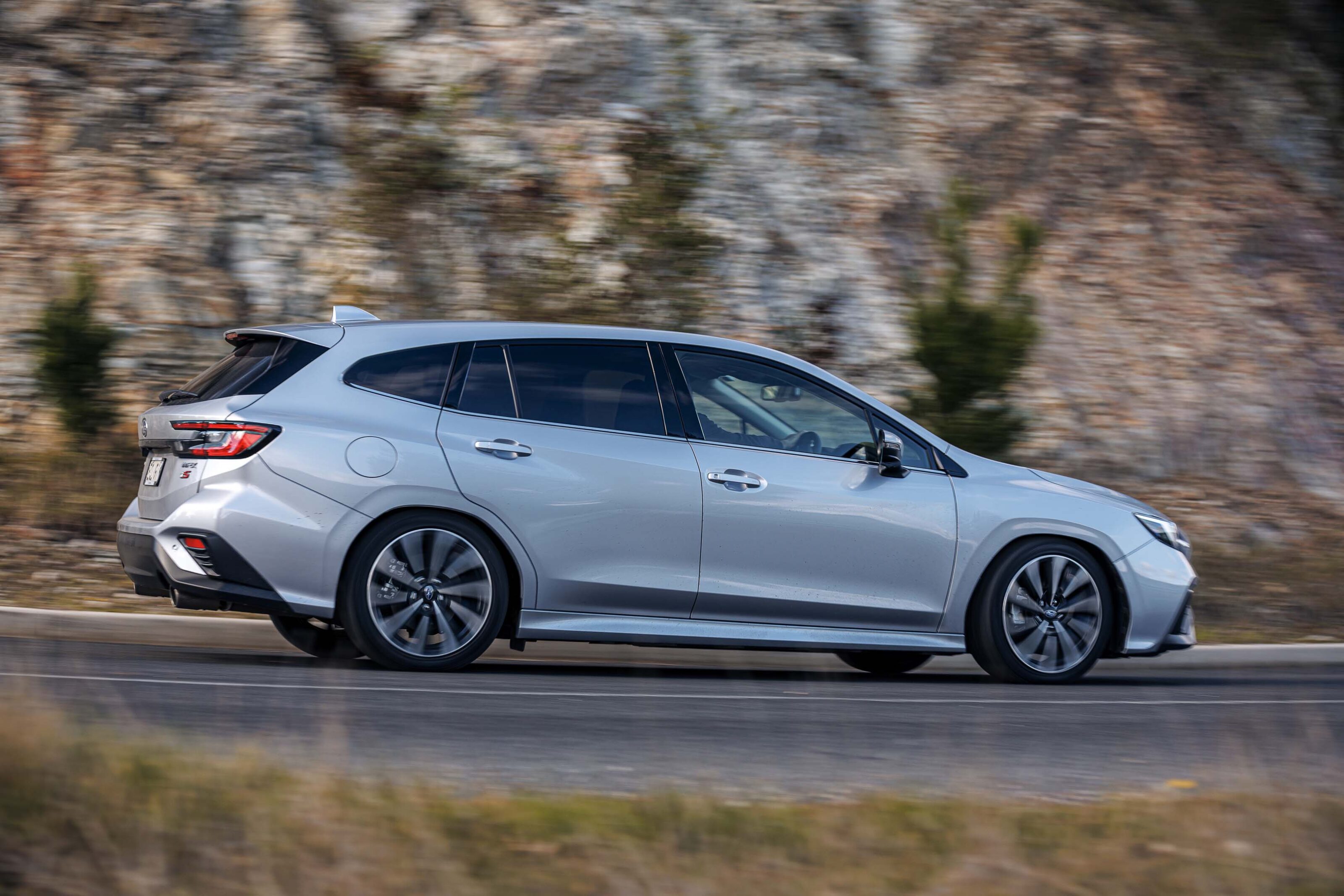
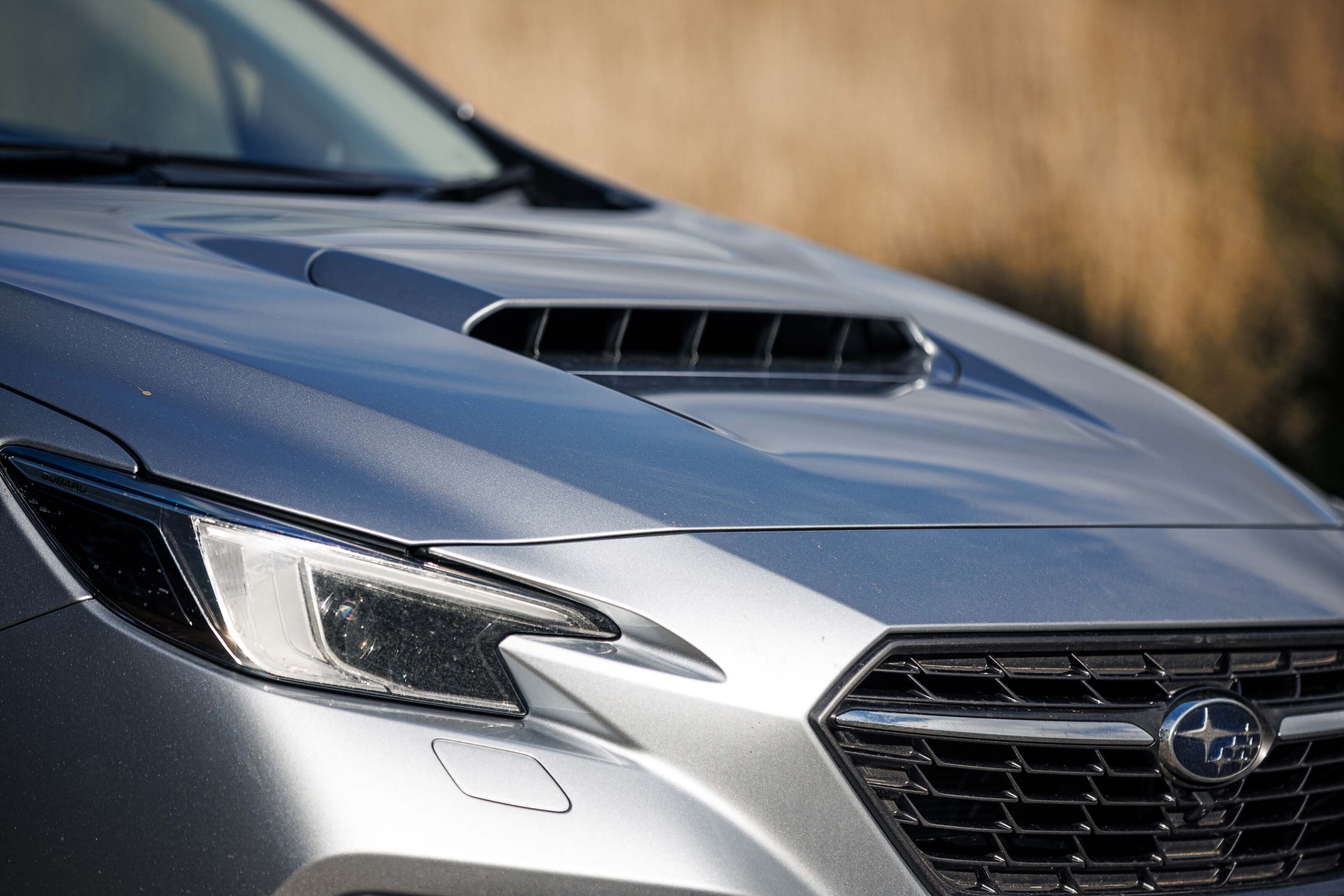
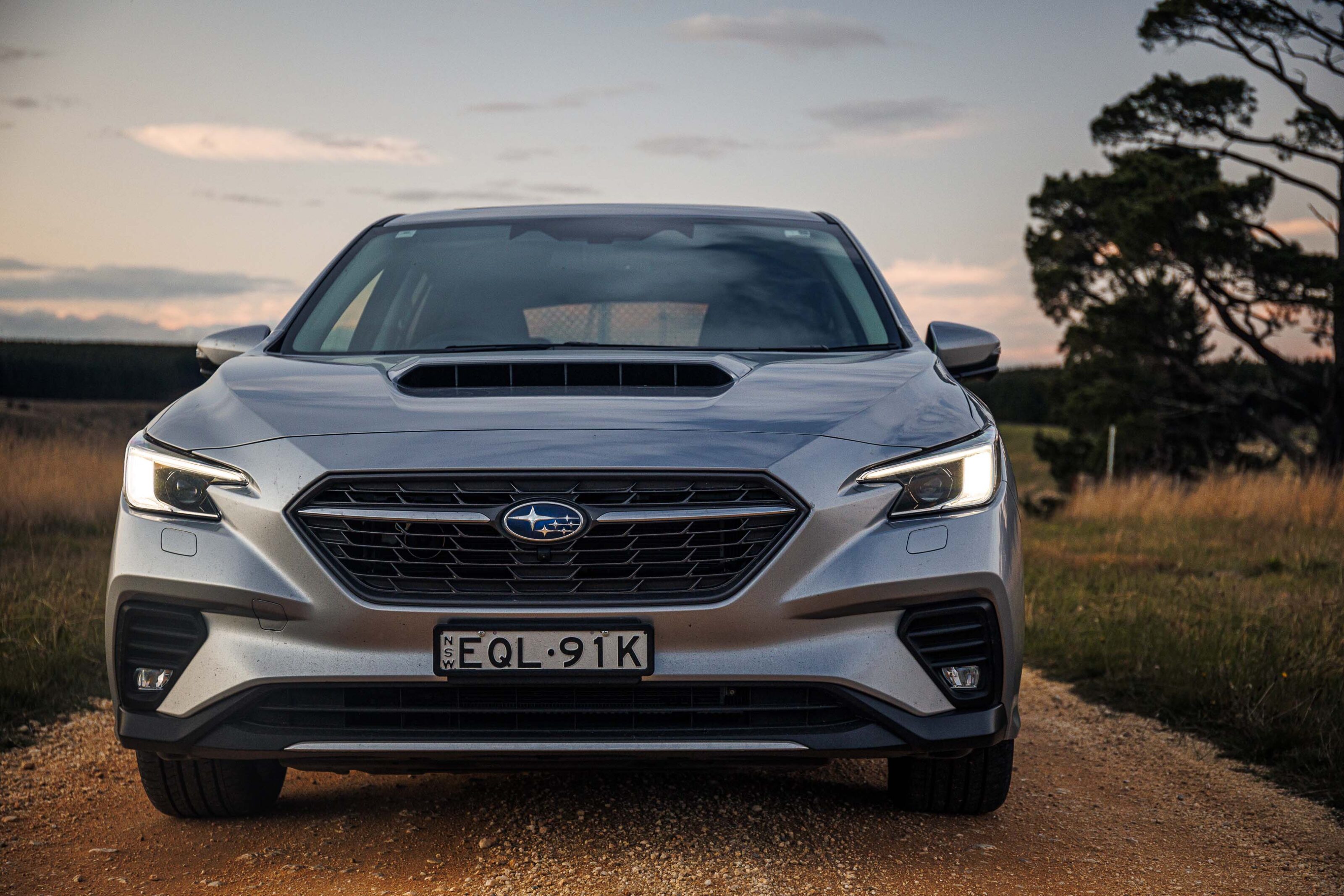
The new WRX’s exterior design is about as close to attractive as the once Impreza-based car has ever been, having evolved through generations of what must’ve been a series of “hold my beer” challenges inside Subaru’s dimly lit styling studio (if indeed the lights were ever on at all).
Finally, the WRX is blessed with angles and proportions that say sleek and modern, lines that come together for a naturally sporting look, and details that even give it a bit of the premium look not seen since the fourth-gen Liberty.
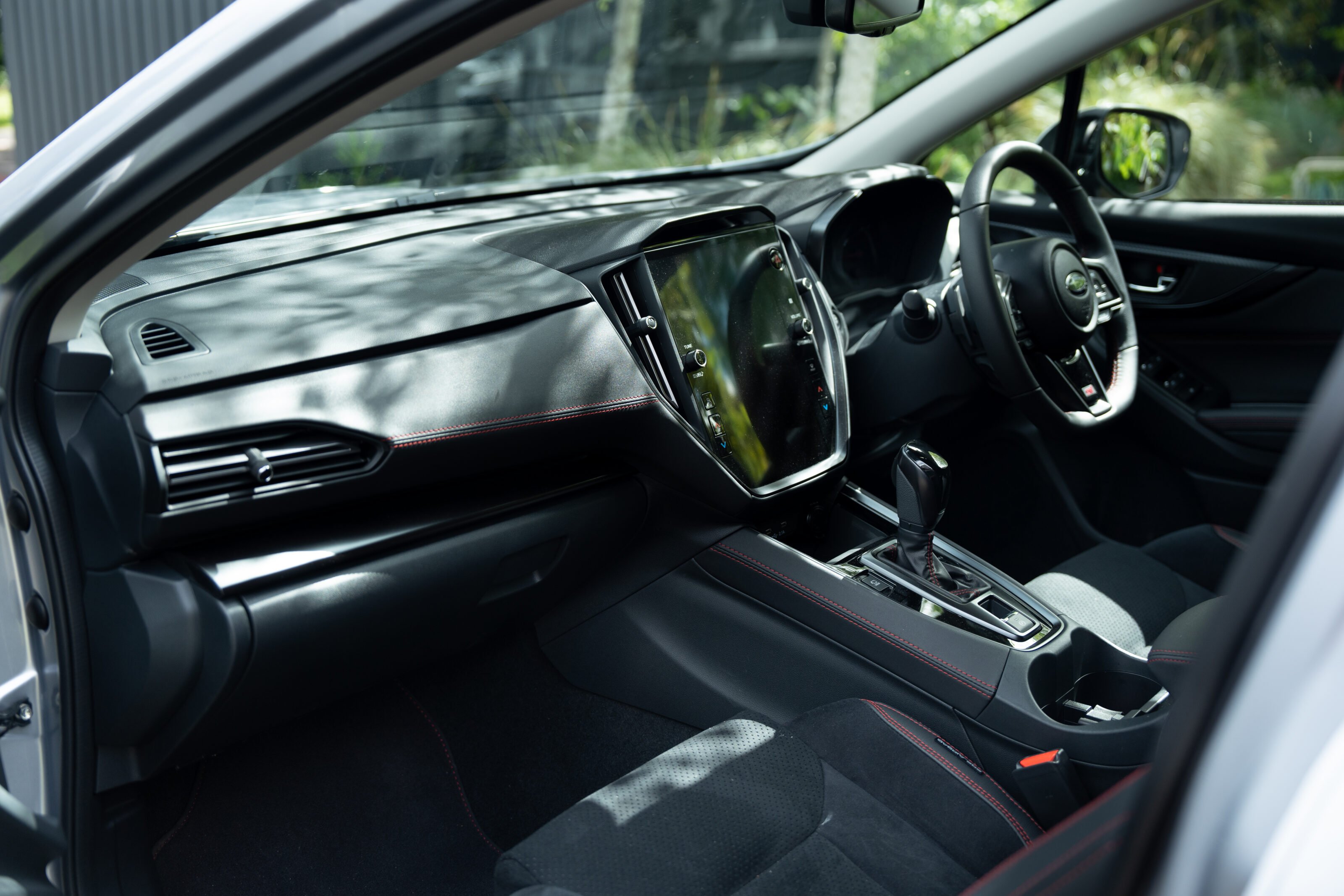
Thankfully, the cabin delivers more of the same, especially in the top-shelf tS form of our wagon long-termer.
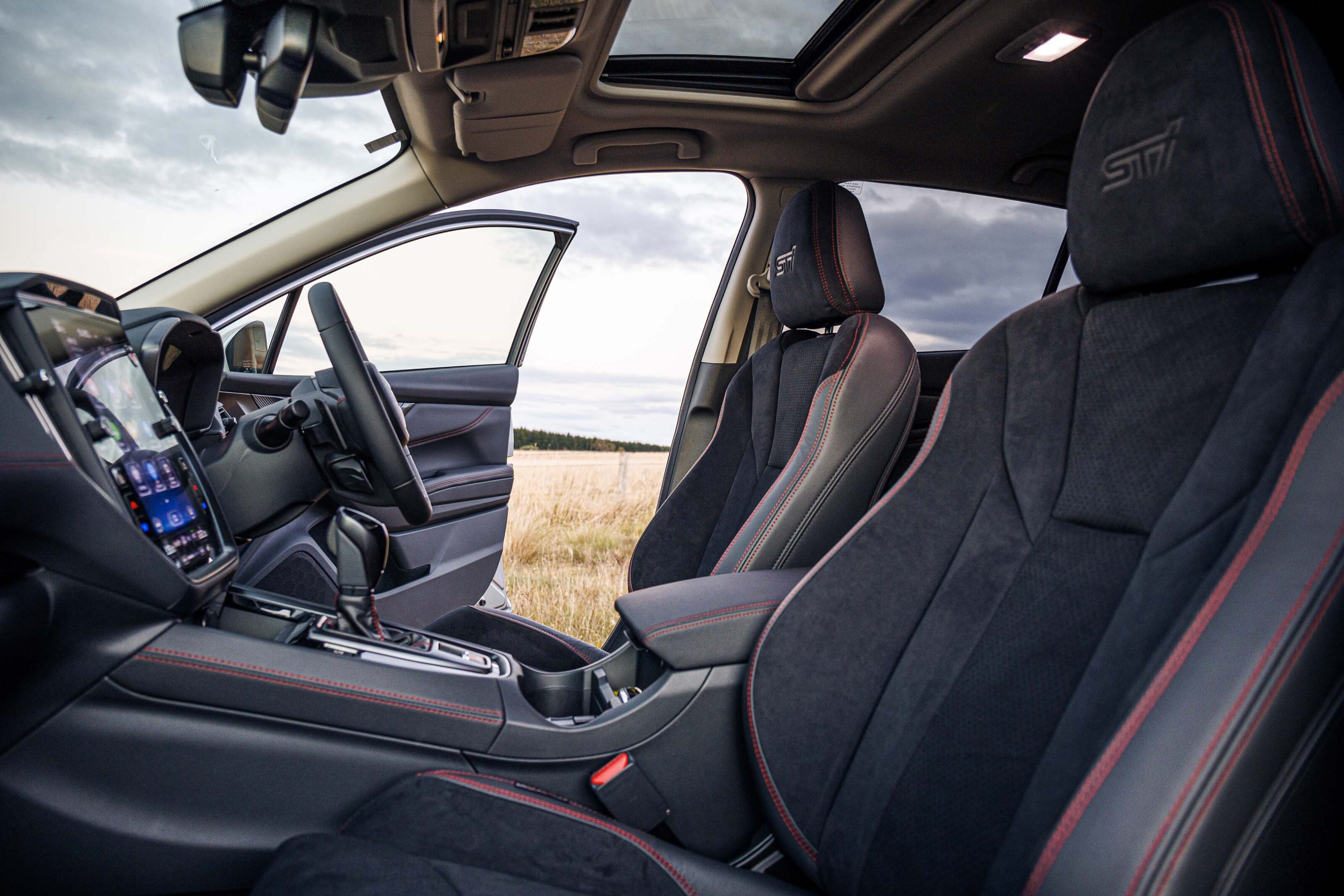
With combination leather and ‘Ultrasuede’ (a synthetic suede, like Alcantara) upholstery applied to the seats, along with an abundance of red double-stitched leather panelling throughout the mostly blacked-out cabin (right up my alley), it’s clear Subaru has taken its interior presentation to a new level here.
The steering wheel design is familiar from other existing Subaru models, but the flat-bottomed rim, thicker grip, dark chrome spokes and red cross-stitching work to produce a convincing sports-car impression – even if the once-feared STI badge in the bottom spoke clashes in concept with the CVT automatic gear shifter to its left, breaking the spell with their dichotomous pairing.
Still, the new WRX Sportswagon’s sporting credentials are no mere pretensions, as our previous chapter spoke to. Because as much as this wagon is a quick and capable family wagon that doesn’t quite graduate to full STI status, the view from inside doesn’t overpromise.
The front seats are a firm and supportive sports design, with lower and side bolstering suited well to The Australian Body – but without boasting any of the often hard to live with lock-you-in-place qualities found in more performance-focused offerings.
As a result, the seats are comfortable and well-suited to long drives, with eight-way electric adjustment and heating all hinting at a comfort first, sports second. I’m also an avowed fan of Ultrasuede, especially its liberal application here in the WRX.
It’s a terrific all-weather alternative to leather when it comes to hot and cold temperatures, although it isn’t without its downsides: it can be a right pain to keep clean, and its wear pattern over time can be unsightly, taking on a shiny appearance – if mostly only on surfaces touched regularly by greasy human hands. Of course, the grades of leather used in cars at this price point will often last no better.
Moving into the second row…
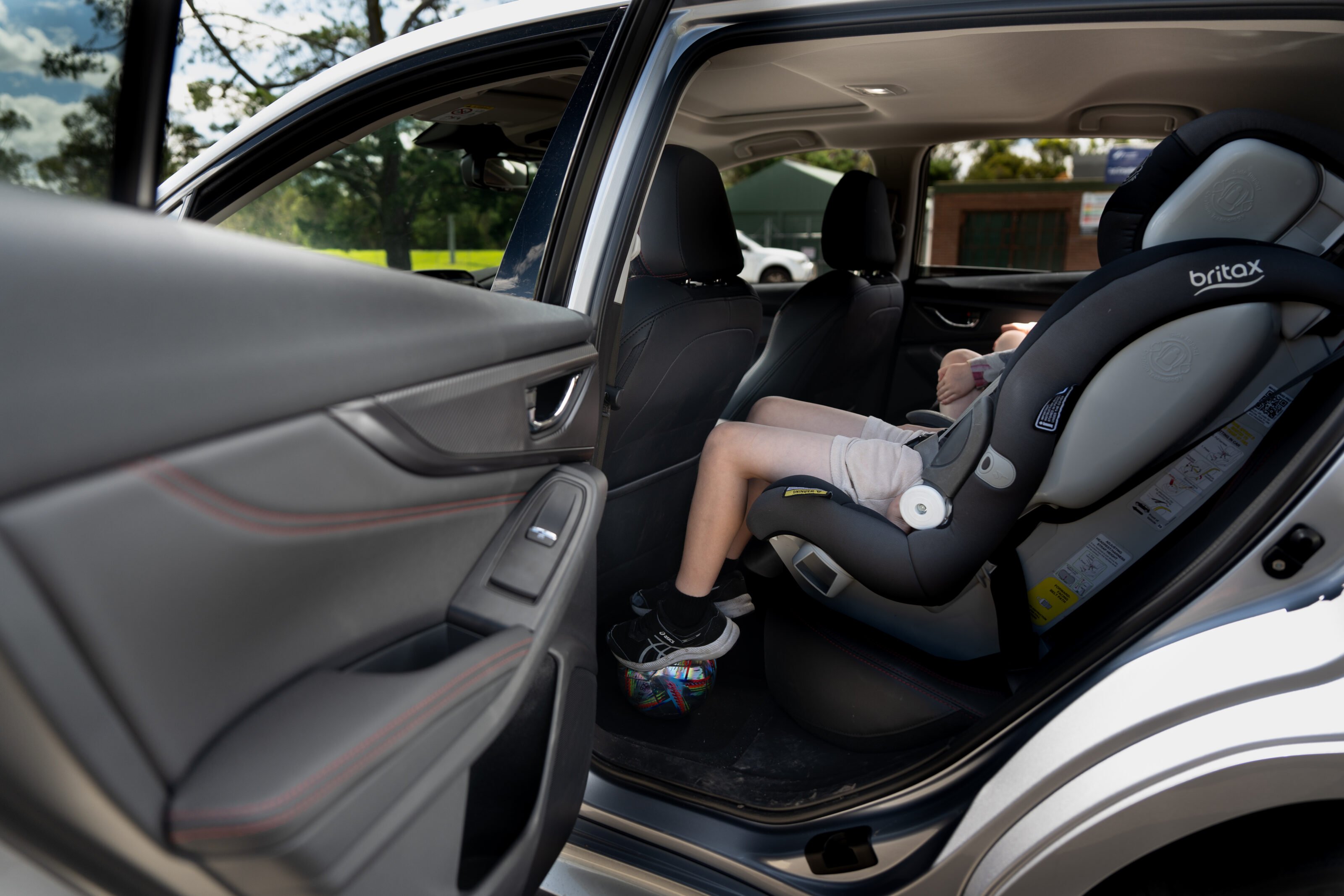
The WRX Sportswagon proves its value as a family-friendly alternative to the average medium SUV, with room enough for two adults or three kids to sit comfortably.
There’s a good few centimetres of space above this 176cm author’s head, and legroom behind my own driving position is likewise plentiful.
You won’t fit three child seats across the rear bench, but a third taller child could sit between two, and toddlers in child seats will find plenty of leg-swimming room in front of them – depending on their age, of course, and whether they’re freakishly tall.
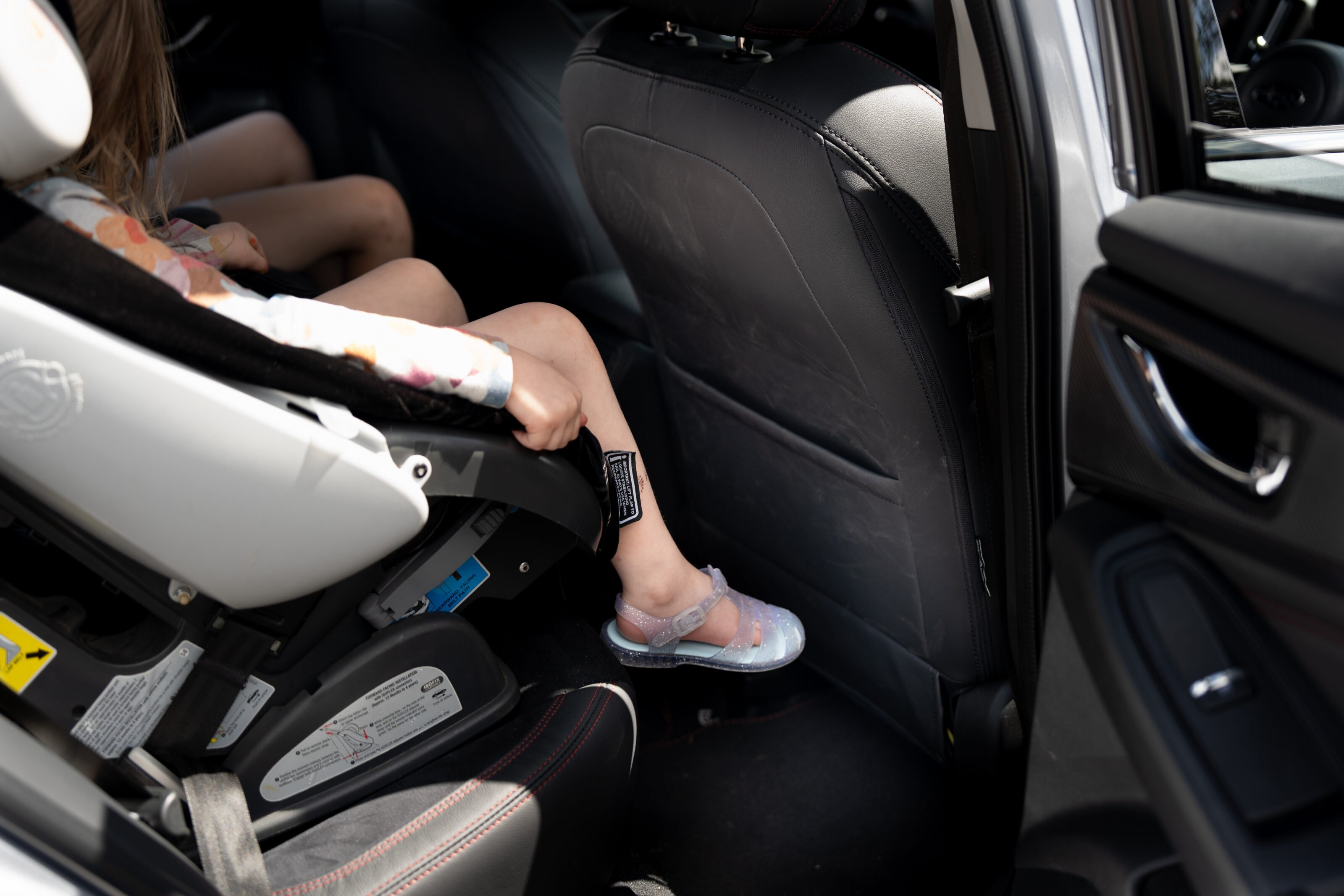
Child seats are easily installed, although the ISOFIX points could do with a little more care at the design and engineering level.
They don’t have the ease of use you’d find with a Volkswagen, because while the average VW has a hard plastic ‘tunnel’ to pass the anchor clip through before easily clipping in, the WRX Sportswagon simple has a velcro patch over a slit in the base of the seats.
It’s a cumbersome process, but at least most owners will only need to do it once or twice (whereas motoring journos are installing child seats a few times each week).
The second row gets air-conditioning vents in the rear of the centre console. Climate controls is tied to the driver’s setting, but there’s at least heated seats in the outboard positions. A pair of 2.1A USB points are also featured in the rear, again proving that family-first thinking.
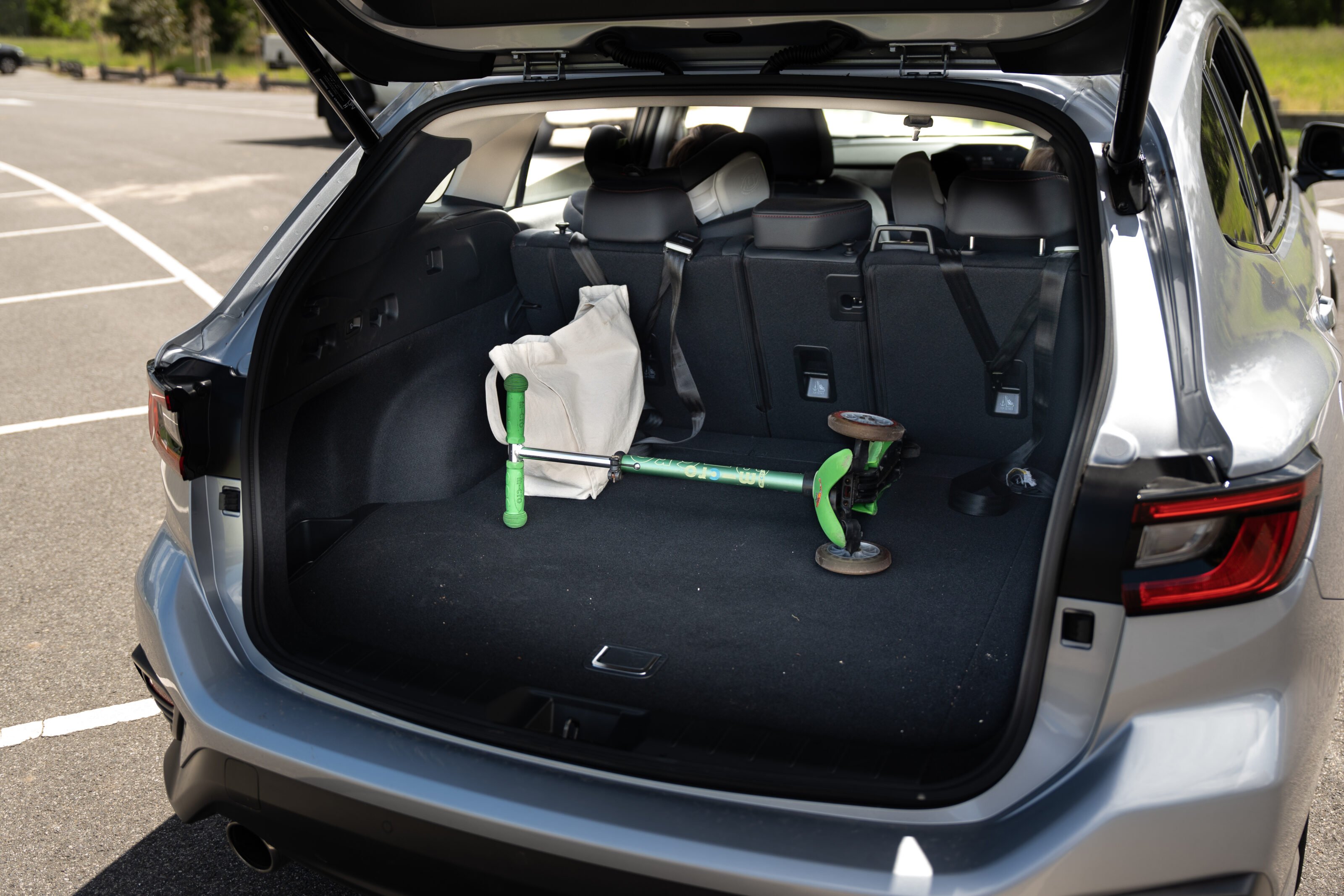
2022 Subaru WRX Sportswagon boot space
Ah, the true selling points of a wagon. The rear space in this one is good for most purposes, measuring 492 litres with the rear seats upright, expanding to 1430 litres when folded. I’ve found this more than suitable for strollers and Bunnings trips, but if rear cargo capacity is a top priority, Skoda’s ‘Simply Clever’ Octavia wagon has the Subaru comfortably beat with 640 and 1700 litres respectively.
The Subaru’s smaller boot doesn’t give you any advantages in the spare-wheel category, either, with a temporary spacesaver wheel stored under the floor.
There are no clever storage tricks in the WRX Sportswagon, like you’d see in some rivals these days, and it shows a lack of innovation that can make it feel a little old-school. Still, if you don’t have a need for little cubbies and hiding spaces, that’s a minor quibble.
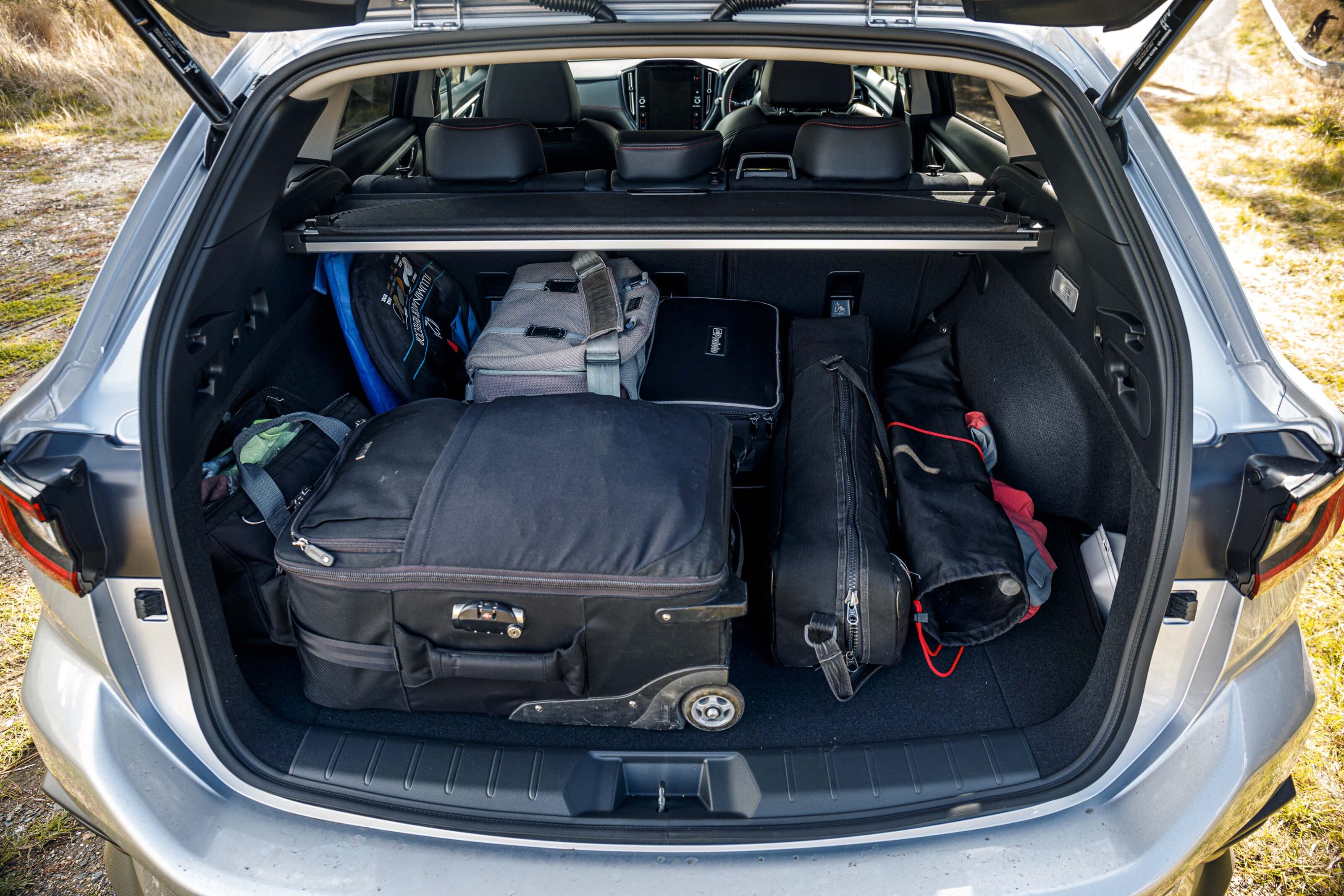
Overall, it’s a nice cabin and an easy one to recommend for families, but for more space and more tricks, I’d recommend you look at the Octavia wagon before deciding.
Things we like so far
- Stylish interior with great fit and finish
- Overall spacious cabin for a small-medium wagon
- Comfortable and supportive seats
Not so much…
- No clever storage features
- Ultrasuede is lovely but can wear poorly over time
- Boot is spacious, but outclassed by Octavia wagon
UP NEXT: Infotainment and a fond farewell
Snapshot
- Nio EC7 and refreshed ES8 Prime electric SUVs revealed
- All feature large AMOLED touchscreens and lidar sensors
- Luxury Chinese brand expanding in Europe
Chinese luxury electric carmaker Nio has revealed a sleek EC7 coupe SUV and facelifted ES8 Prime six-seater SUV.
The all-new EC7 starts from AU$104,000 (488,000 yuan) with an aerodynamic 0.23 drag coefficient and large 150kWh battery pack on the top trim, contributing to an estimated driving range of up to 940 kilometres based on the lenient China Light-Duty Vehicle Test Cycle (CLTC).
The Audi Q8 E-Tron Sportback rival packs dual all-wheel-drive electric motors producing 480kW of power and 850Nm of torque for a claimed 0-100km/h sprint time of just 3.8 seconds on the flagship variant.
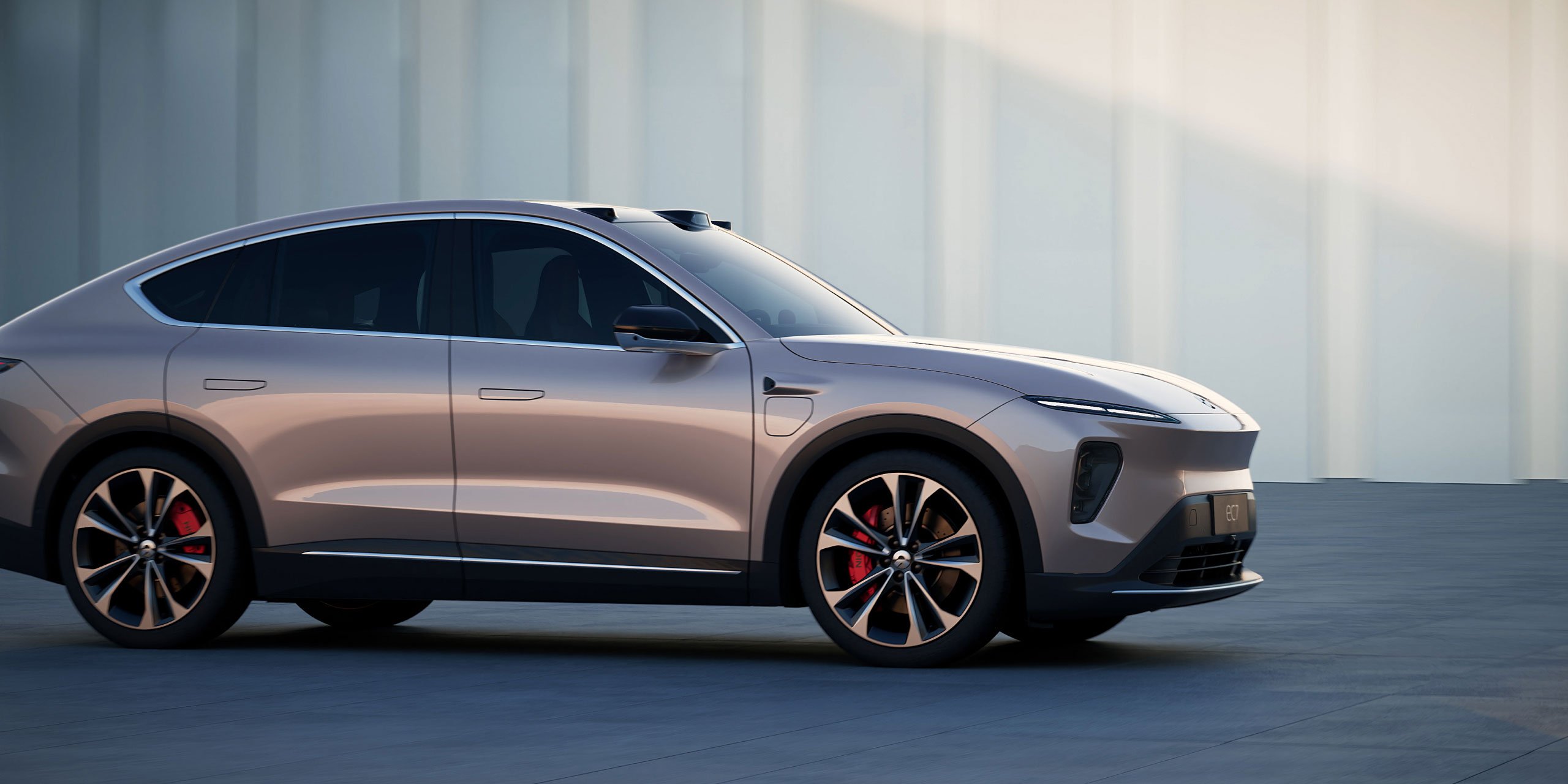
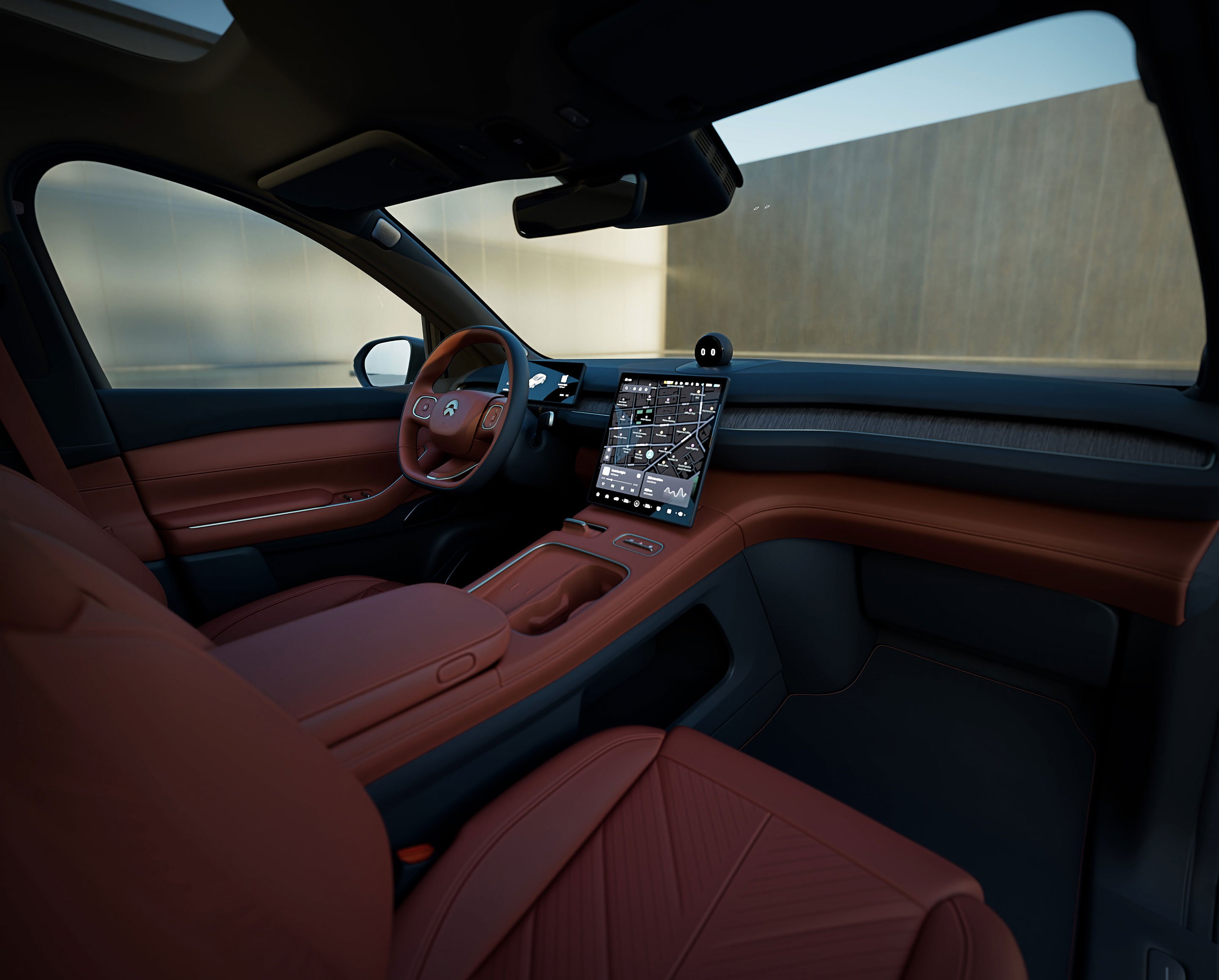
Key features include; lidar sensors to enable autonomous driving capabilities in the future, a lounge seat with zero-gravity mode, an active rear spoiler, electrochromatic panoramic glass roof, flush door handles, and six-piston Brembo brake callipers.
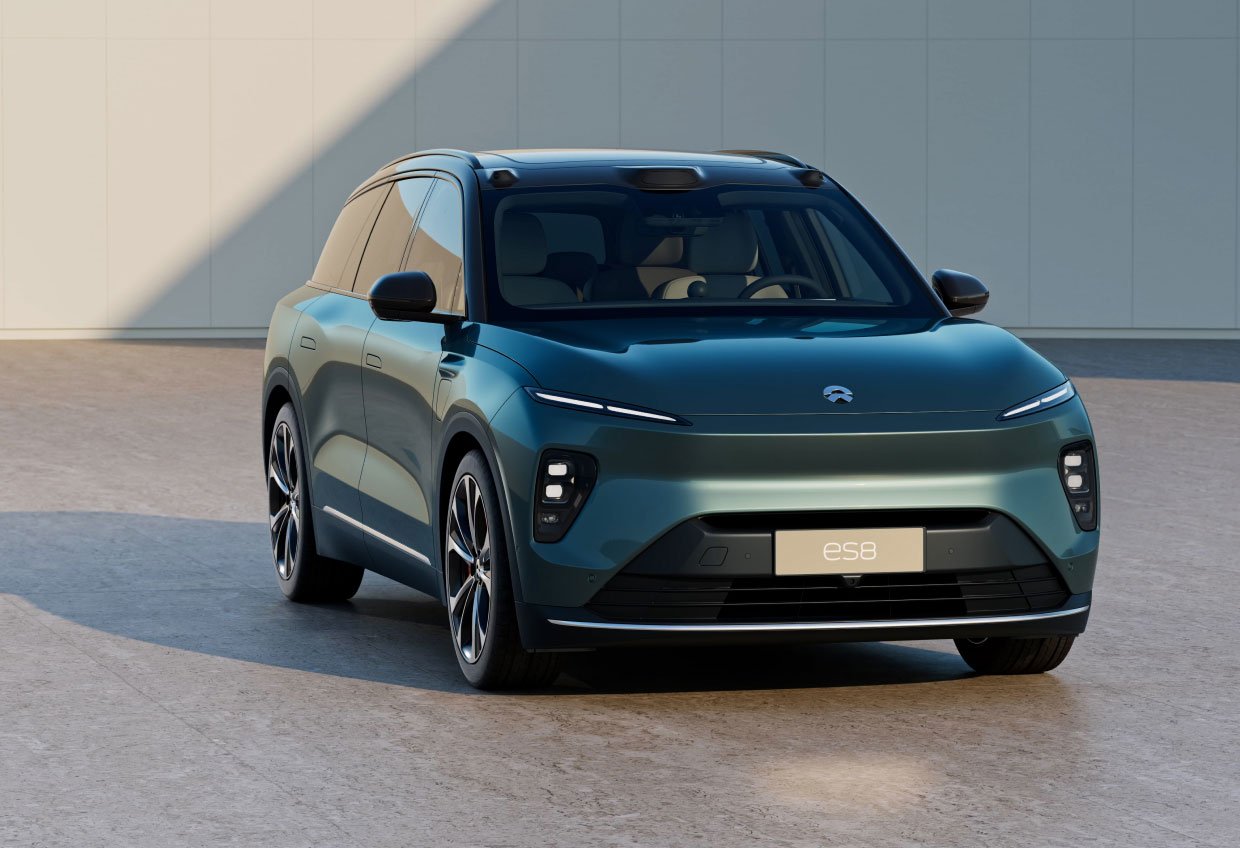
Meanwhile, Nio has also refreshed the ES8 Prime three-row SUV – its first model that launched in 2018 – which starts from AU$112,000 (528,000 yuan).
It gains more than 60 aerodynamic improvements to achieve a 0.25 drag coefficient, with a 100kWh battery offering an estimated driving range of up to 900 kilometres on the CLTC.
The Volvo EX90 competitor uses dual electric motors making 480kW and 850Nm to sprint from 0-100km/h in 4.1 seconds on the top grade.
The six-seater electric SUV is headlined by; a grille-free face, slimmer LED head- and tail-lights, 22-inch forged alloy wheels, middle-row individual captains chairs, five-zone climate control, a hidden rear wiper, and air suspension.
Both the Nio EC7 and ES8 Prime feature a 12.8-inch AMOLED infotainment display, built-in voice assistant, and a 16-inch head-up display.
The EC7 coupe SUV will start deliveries in China from May, while the ES8 Prime will be released from June.
The premium carmaker also showed-off its latest generation battery swapping station, which allows owners to quickly get a new battery pack on the go, without the need to wait for charging.
The new stations allow up to 408 swaps per day and can store 21 replacement cells.
Nio went global last year by launching in Norway and will expand to Germany, Denmark, Sweden and the Netherlands. It is also setting up a network of battery swapping stations in Europe.
Snapshot
- Nvidia GeForce Now coming to Hyundai, Kia, Genesis, BYD, Polestar cars
- Desktop-level games runs on any Android or browser infotainment with Internet connectivity
- Launch date and compatible models unclear
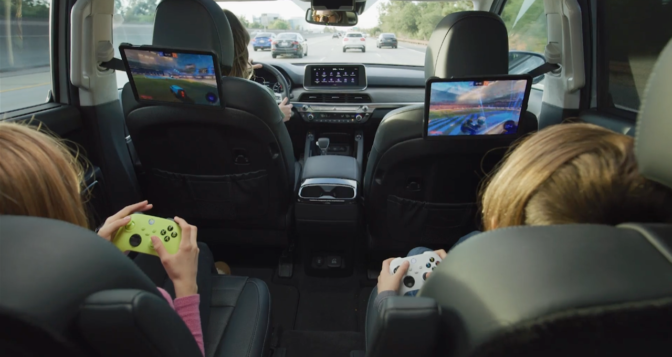
Gaming hardware and software giant Nvidia is partnering with the Hyundai Motor Group, BYD and Polestar to bring its GeForce Now cloud gaming service into cars.
The GeForce Now client for cars can run on any Android- or browser-based infotainment system and rear screens, though gaming controllers are required to play.
It allows users to play desktop-level games, regardless of hardware capabilities, by streaming from high-powered computer servers.
The three automakers are already part of the Nvidia Drive platform that covers infotainment hardware, autonomous driving systems, and artificial intelligence.
GeForce Now is currently available on Windows, Mac, Android smartphones, Android TV, Google Chrome and Safari web browsers with more than 1500 playable titles such as Cyberpunk 2077, Genshin Impact and Fortnite.
A subscription fee is required and games need to be purchased separately.
The announcement from the company, best known for its computer graphics cards, coincides with the annual Consumer Electronics Show (CES), but no release date nor compatible models have yet been disclosed.
Tesla’s electric vehicles have been able to play light arcade games such as Sonic the Hedgehog, Chess and Beach Buggy Racing on its large touchscreens since 2019.
The American carmaker added beta support for the Steam gaming store client with an over-the-air software update last month, but is limited to Steam Deck-approved games and only available the facelifted Model S sedan and Model X SUV (which aren’t not sold in Australia yet).
Meanwhile, Audi showed-off a near production-ready A6 E-Tron concept electric car last year that can project a video game onto walls using matrix LED headlights.
Volkswagen Australia has implemented price changes across its range from its T-Cross to its Touareg.
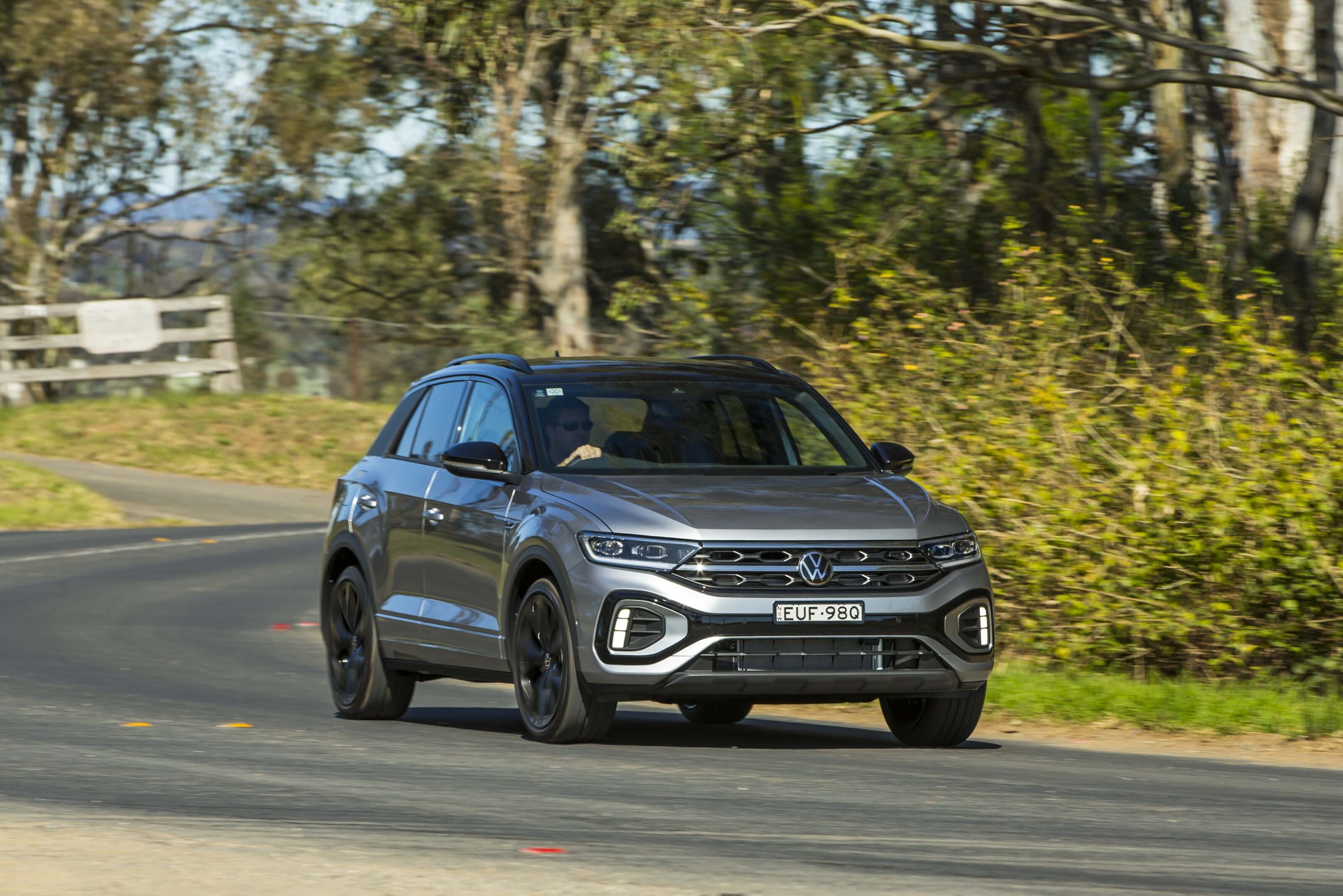
The biggest increase hits the Tiguan medium SUV in its hottest R performance guise developing 235kW of power, which climbs $1500 from $68,990 before on-road costs to $70,490.
The next biggest increase is found on the Tiguan and Tiguan Allspace R-Line both posting $1400 increases, while the T-Cross style gets away with a small $240 bump.
The limited edition Monochrome, Adventure and R Grid variants of Tiguan, Tiguan Allspace and T-Roc SUVs escape price fluctuation along with the now run-out Amarok ute.

Volkswagen has not added any extra content in the latest round of price updates so specification is otherwise unchanged. Only the Passat Elegance Wagon has changed slightly, with the loss of its powered tailgate.
The MY23 price increases do not reflect the addition of rear cross-traffic alert and blind-spot monitoring for Tiguan, T-Roc or T-Cross following the removal of that equipment to free up supply in the middle of last year.
A spokesperson for Volkswagen Australia told WhichCar: “Shipping costs certainly aren’t diminishing. For as long as possible we shield customers from associated price rises.
“We do not allow orders made prior to the designated increase date to be subject to an extra impost… we continue to work on local initiatives to help offset global price increases”, the spokesperson added.
Jump to pricing

2023 Volkswagen passenger car pricing
| Polo | 2023 price | Difference |
|---|---|---|
| 70TSI Life | $25,750 | Up $500 |
| 85TSI Life auto | $28,750 | Up $500 |
| 85TSI Style | $31,200 | Up $500 |
| GTI | $39,250 | Up $500 |
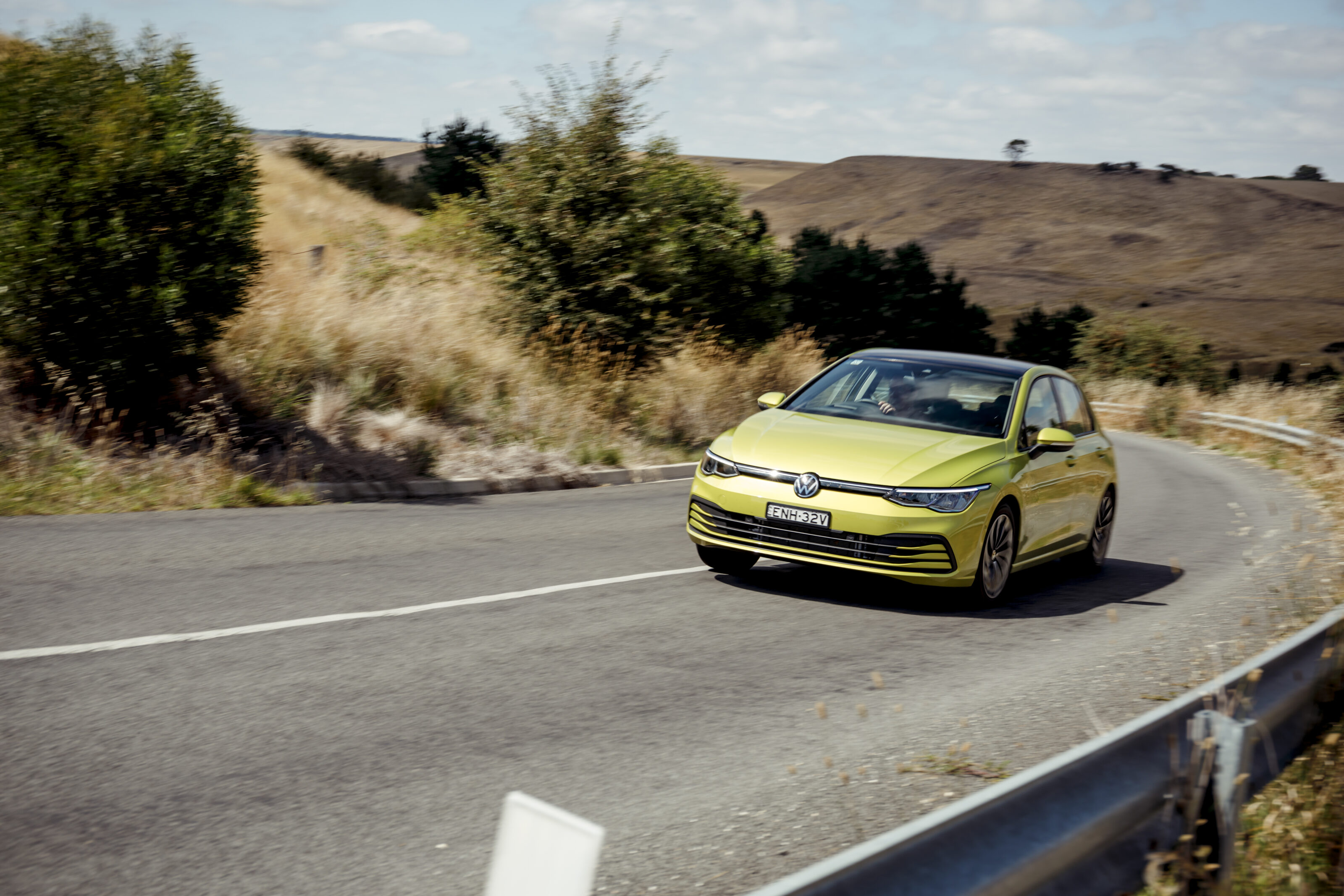
| Golf | 2023 price | Difference |
|---|---|---|
| 110TSI | $35,190 | Up $500 |
| 110TSI Life | $37,490 | Up $500 |
| 110TSI R-Line | $40,490 | Up $500 |
| GTI | $55,490 | Up $500 |
| R | $66,990 | Up $1000 |
| Golf Wagon | 2023 price | Difference |
|---|---|---|
| 110TSI | $36,890 | Up $500 |
| 110TSI Life | $39,490 | Up $500 |
| R | $69,990 | Up $1000 |
| Passat wagon | 2023 price | Difference |
|---|---|---|
| Alltrack 162TSI | $50,790 | Up $1000 |
| 162TSI Elegance | $57,190 | Up $400 |
| Alltrack 162TSI Premium | $62,790 | Up $1000 |
| 206TSI R-Line | $67,790 | Up $1000 |
| Arteon | 2023 price | Difference |
|---|---|---|
| 140TSI Elegance | $63,990 | Up $1250 |
| Shooting brake 140TSI | $65,990 | Up $1250 |
| 206TSI R-Line | $71,590 | Up $1250 |
| Shooting brake 206TSI | $73,590 | Up $1250 |
2023 Volkswagen SUV pricing
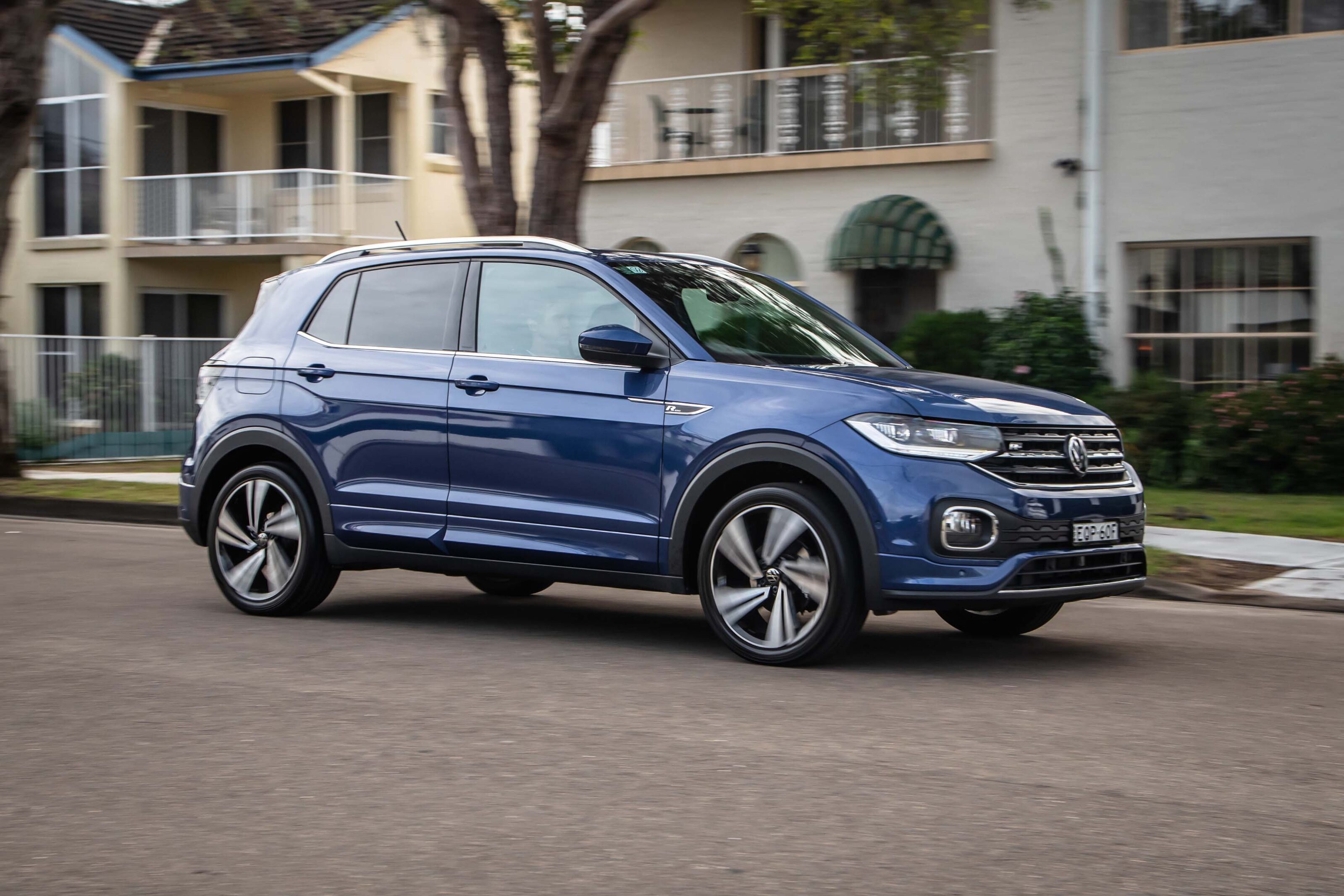
| T-Cross | 2023 price | Difference |
|---|---|---|
| 85TSI Life | $30,990 | Up $240 |
| 85TSI Style | $33,490 | Up $290 |
| T-Roc | 2023 price | Difference |
|---|---|---|
| 110TSI Style | $37,100 | Up $500 |
| 140TSI R-Line | $45,200 | Up $500 |
| R | $60,300 | Up $1000 |
| R Grid Edition | $54,300 | NA |
| Tiguan | 2023 price | Difference |
|---|---|---|
| 110TSI Life | $42,490 | Up $1100 |
| 132TSI Life | $46,490 | Up $1100 |
| 162TSI Monochrome | $53,390 | NA |
| 162TSI Elegance | $54,290 | Up $1100 |
| 147TDI Elegance | $55,790 | Up $1100 |
| 162TSI R-Line | $57,790 | Up $1400 |
| 147TDI R-Line | $59,290 | Up $1400 |
| R Grid Edition | $63,990 | NA |
| R | $70,490 | Up $1500 |
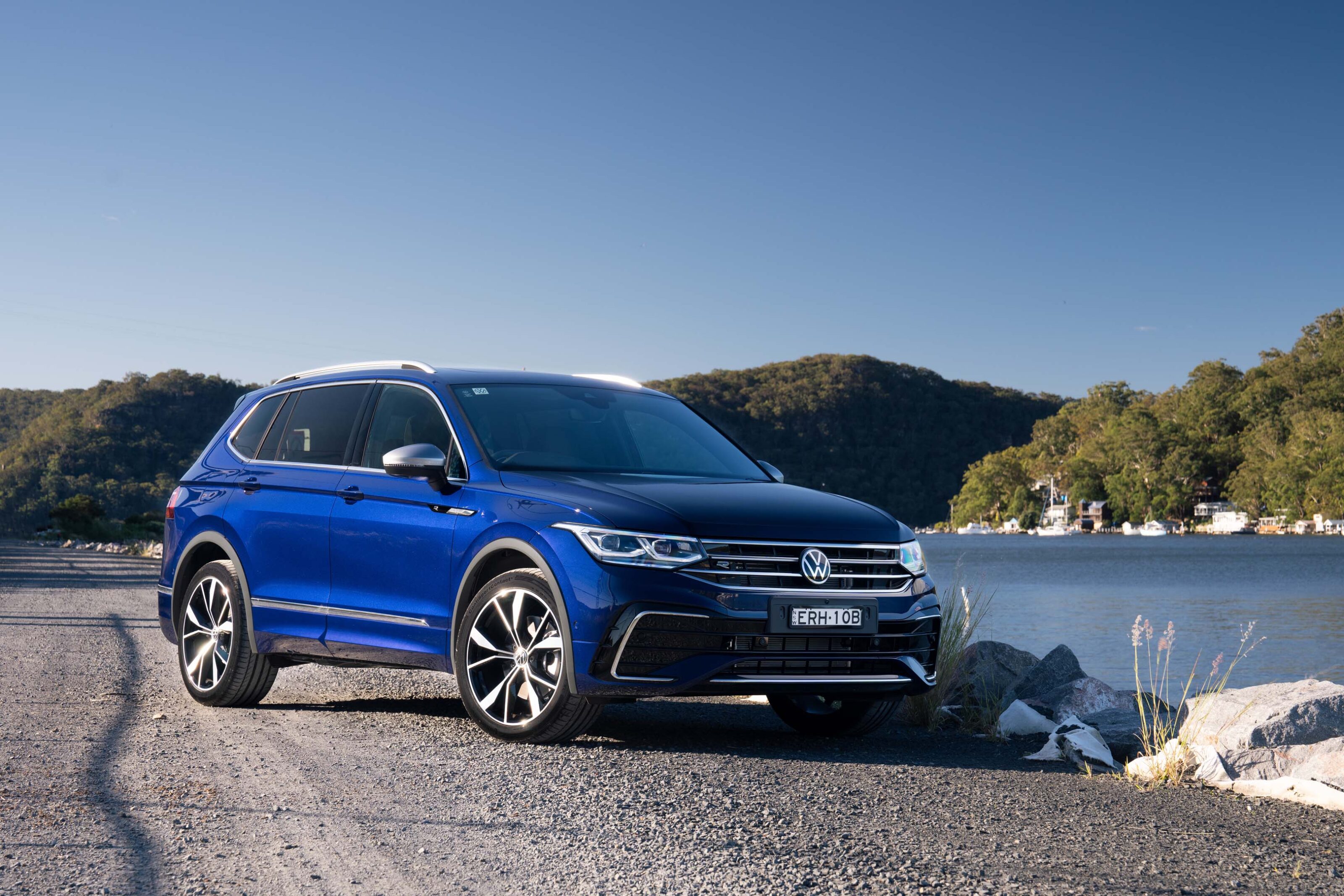
| Tiguan Allspace | 2023 price | Difference |
|---|---|---|
| 110TSI Life | $44,490 | Up $1200 |
| 132TSI Life | $48,490 | Up $1200 |
| 162TSI Adventure | $51,990 | NA |
| 162TSI Monochrome | $55,690 | NA |
| 162TSI Elegance | $56,790 | Up $1100 |
| 147TDI Elegance | $58,290 | Up $1100 |
| 162TSI R-Line | $60,290 | Up $1400 |
| 147TDI R-Line | $61,790 | Up $1400 |
| Touareg | 2023 price | Difference |
|---|---|---|
| 170TDI | $89,240 | Up $1250 |
| 210TDI Elegance | $108,240 | Up $1250 |
| R-Line | $117,540 | Up $1250 |
Snapshot
- Tom Zhu reportedly promoted to Tesla second-in-command
- Still maintains Tesla China chief chairman
- Seen with Musk-like leadership traits
Tesla’s China chief Tom Zhu has been promoted to be the second-highest ranking executive under CEO Elon Musk.
According to Reuters, insider sources confirmed the change amid growing investor concerns demanding Musk step down due to his focus on the Twitter social media platform acquisition.
Zhu, who still remains vice president for Greater China, has been tasked with directly overseeing the electric carmaker’s factories and sales operations in North America and Europe.
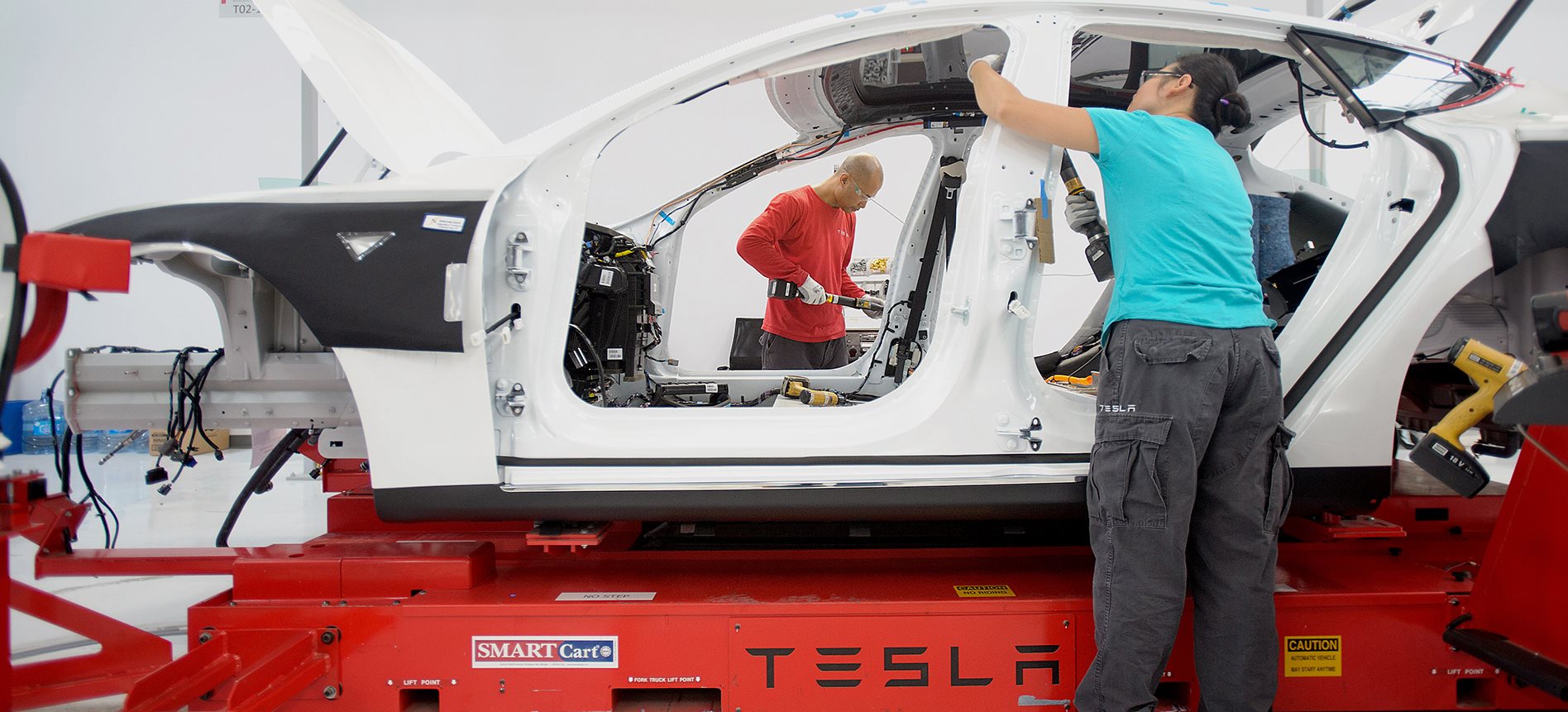
However, Tesla’s vehicle design and development will remain separate.
Managers in China, Japan, Australia and New Zealand continue to report to Zhu, who also holds a passport in the latter country.
Zhu joined the company in 2014 and has been known as a “no-fuss manager who sports a buzz cut, favors [sic] Tesla-branded fleece jackets and has lived in a Government-subsidized [sic] apartment that is a 10-minute drive from the Shanghai Gigafactory”, according to Reuters.
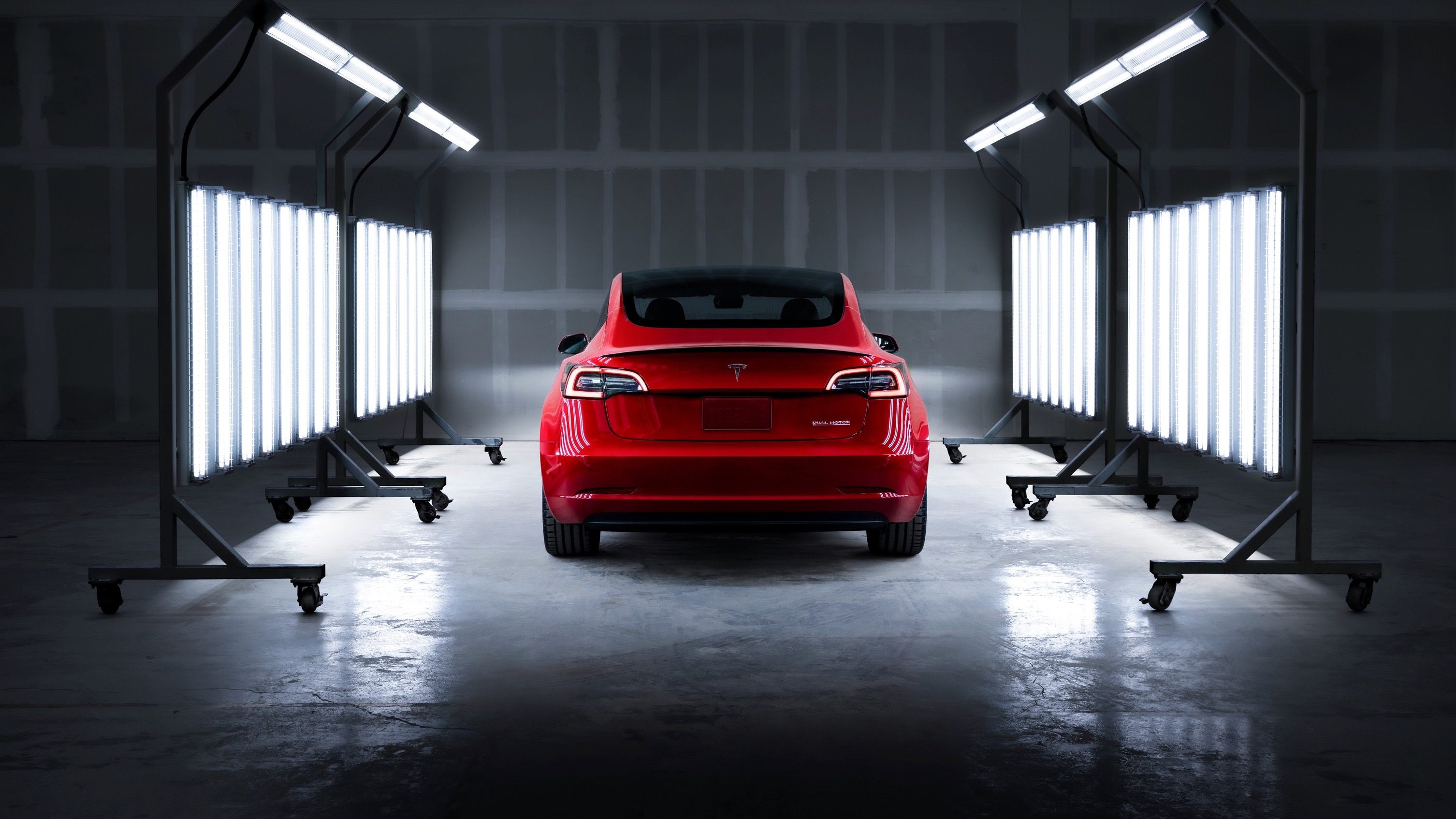
He has been responsible for troubleshooting production issues in the US and the Shanghai factory’s strong rebound from COVID-19 lockdowns.
Zhu was reportedly among a few employees sleeping in the factory during the two-month lockdown to keep producing its two electric cars (another Musk trait).
Australia sources the popular Model 3 sedan and Model Y SUV from Shanghai.
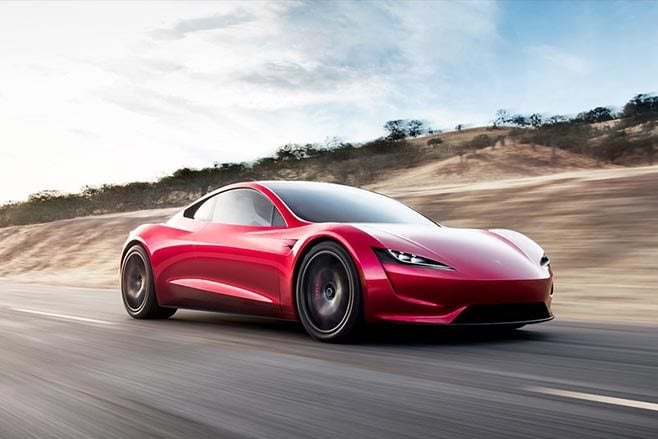
Tesla posted a record 1.31 million cars delivered globally in 2022, which represents a 40 per cent spike compared to 2021.
It just started deliveries of the updated Model S and Model X large EVs in Europe, Semi truck in the US, and is ramping up production of the Model Y crossover at its new Berlin plant.
More than four years after their debuts, customers are still waiting on the controversial Cybertruck electric pickup and sleek second-generation Roadster coupe.
Snapshot
- New BT-50 XTR LE priced at $64,295 limited to 300 units at launch
- Adds three genuine accessories for a $2500 saving
- Now on sale, landing from February 2023
Mazda will introduce a new limited-edition BT-50 XTR LE to its ute lineup, with first examples landing from February priced at $64,295 before on-road costs.
Based on the XTR variant, the LE is $6685 more expensive and adds three genuine accessories – a single-hooped polished silver bull-bar at the front, polished silver sports bar with an integrated LED brake light at the back, and a more durable heavy-duty tub liner.
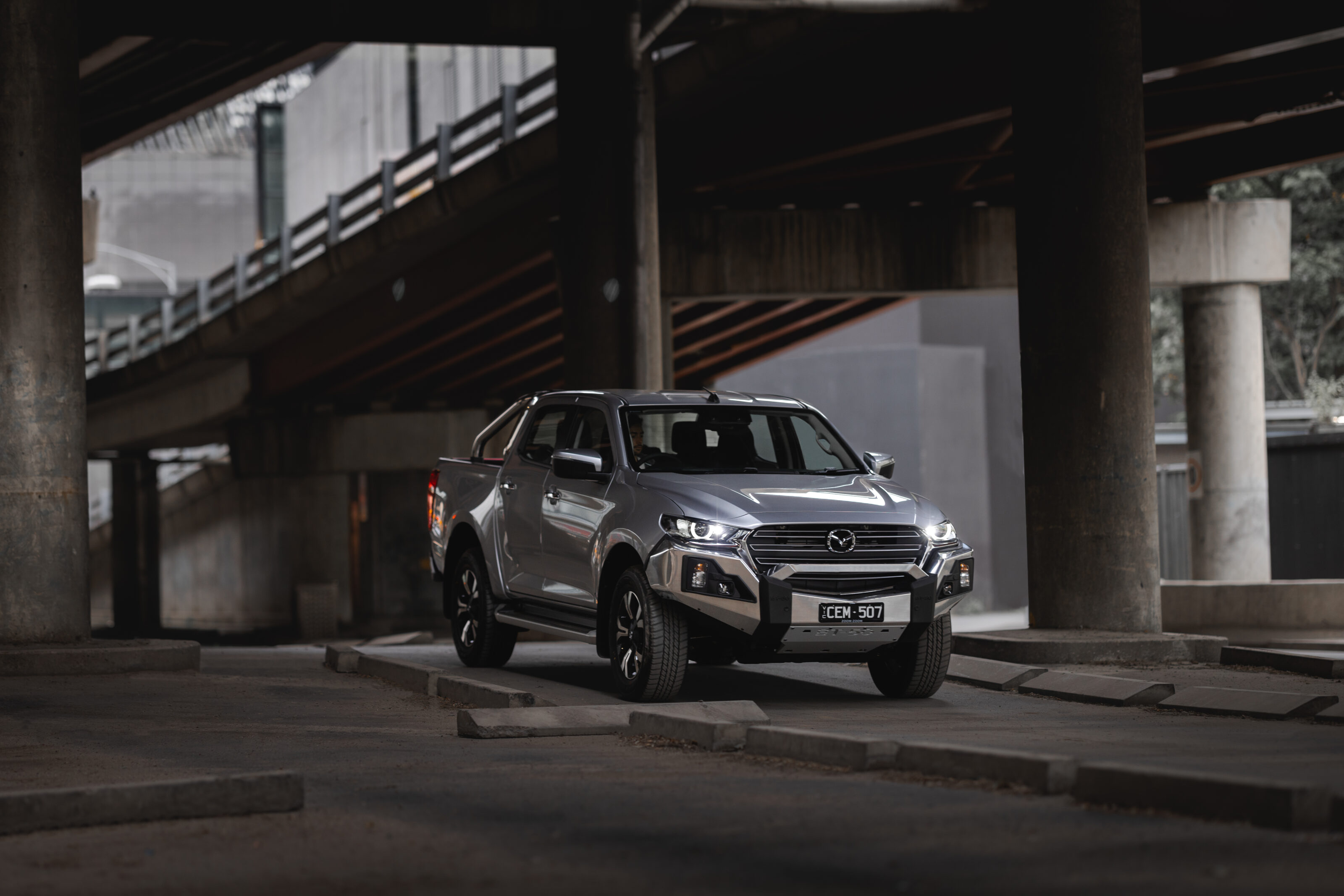
Mazda says these accessory package additions represent a $2500 saving compared to buying separately. All accessories are backed by a five-year warranty.
The front bull-bar integrates with the ute’s safety systems and there is no adverse effect on engine or transmission cooling.
Unlike the top-spec CX-3 Akari LE light crossover, this BT-50 XTR LE is, as the naming suggests, a limited edition – with only 300 units coming to Australia. However, a Mazda spokesperson confirmed this initial allocation will be reviewed based on customer demand.
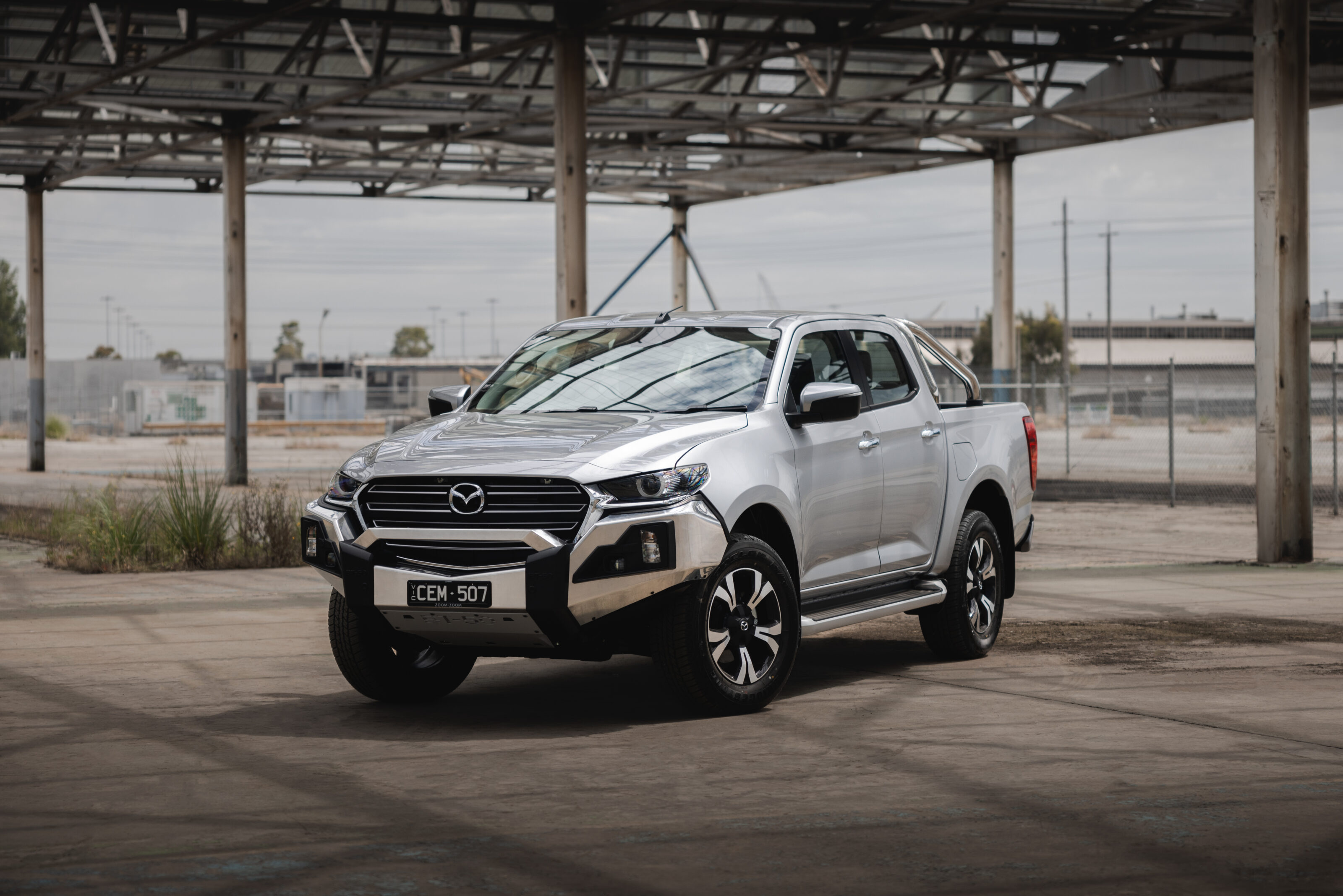
The BT-50 XTR LE is sold exclusively as a dual-cab 4×4 with an automatic transmission and ingot silver metallic paint.
It uses a 3.0-litre turbo-diesel engine producing 140kW of power and 450Nm of torque, with a 3500 kilogram braked towing capacity and 1070kg payload.
Like with the standard XTR, the Thailand-made pickup features a 9.0-inch touchscreen with wireless Apple CarPlay and wired Android Auto, 18-inch alloy wheels, LED headlights, rear air vents, and the full suite of active safety assistance systems.
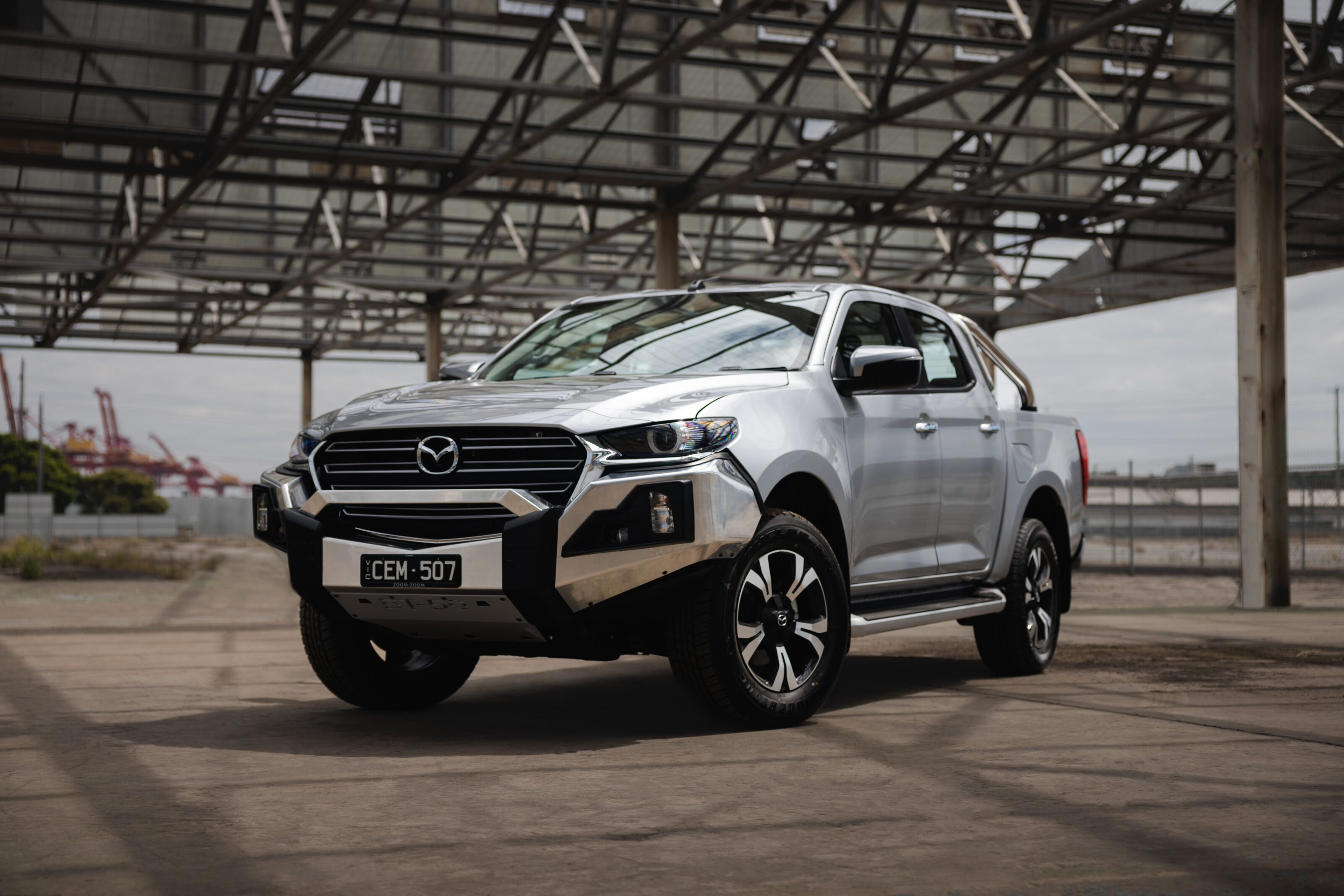
The Mazda BT-50 XTR LE is the third variant to join the lineup since the new third-generation model released in 2020, which moved to being heavily based on the Isuzu D-Max ute and is even made in the same Thailand factory.
The BT-50 Thunder flagship was added in 2021, while the sportier-looking SP was introduced in 2022.
