
The ongoing conflict in the Middle East has highlighted Australia’s dependence on refined fuel imported from other countries.
As recently as 25 years ago, Australia was producing 98 per cent of its fuel requirements in-house, with eight oil refineries around the country. But six of those eight have since been closed, while the remaining two – Ampol’s Lytton plant in Brisbane and Viva Energy’s refinery in Geelong – remain on life support, heavily dependent on government subsidies to remain open.
That leaves Australia in a precarious situation in these chastened times, with our reliance on imported fuel under the spotlight as the Middle East conflict enters its second month.
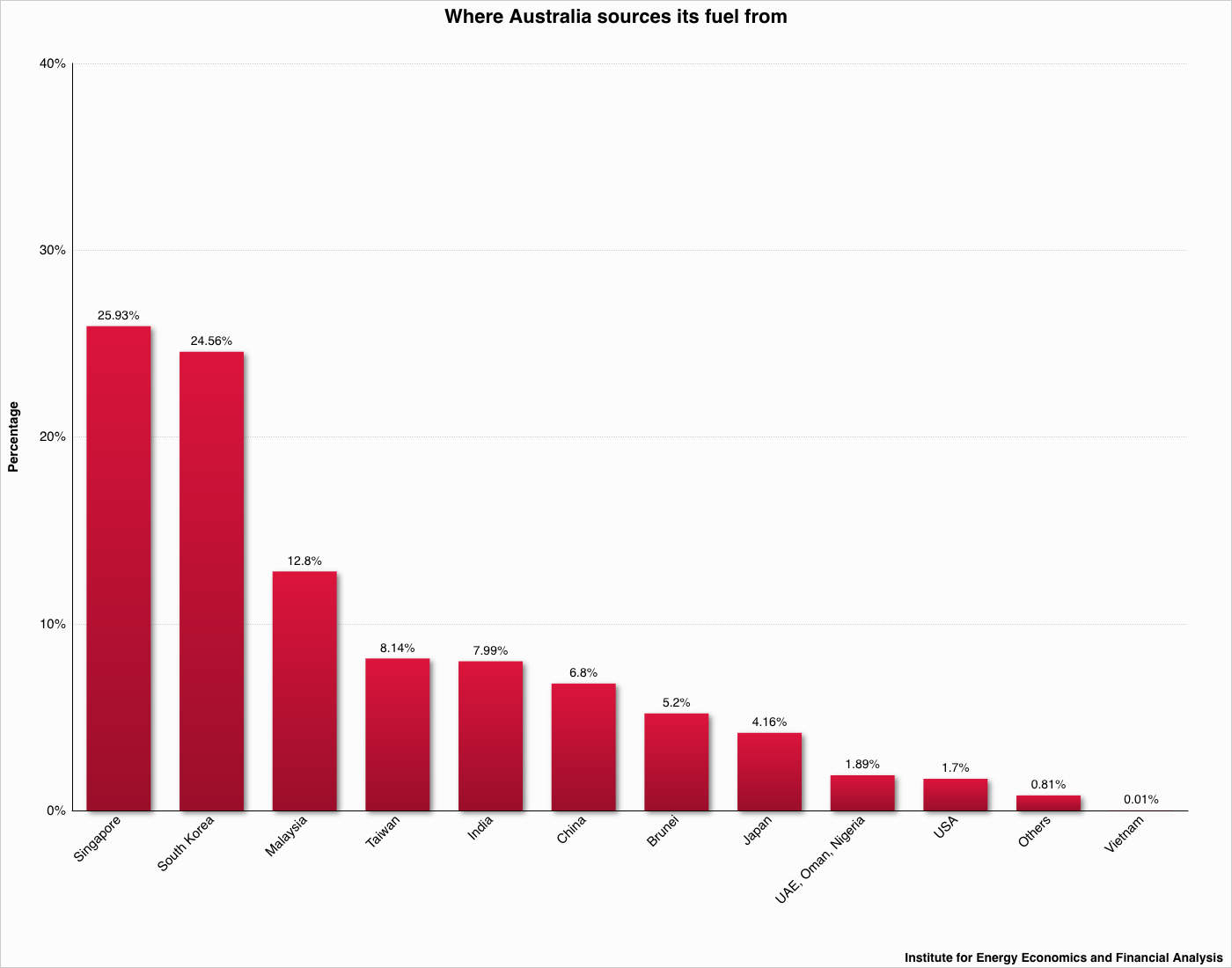
But where exactly do Australia’s fuel imports come from? According to data from the Institute for Energy Economics and Financial Analysis, the bulk of our fuel needs are met by South-East Asian countries with Singapore and South Korea accounting for over 50 per cent of our fuel needs. Malaysia supplies around 13 per cent of our refined fuel followed by Taiwan and India at around eight per cent each.
Australia also imports crude oil from other countries – largely from Malaysia (40 per cent) and the US (21 per cent) – despite producing its own to the tune of around 272,000 barrels per day, according to the most recent data from the US Energy Information Agency. But with our daily fuel needs stretching to in excess of 1.1 million barrels, the supply chain for Australia’s fuel needs remains of paramount importance.
So far, the Australian government has reassured Australians that fuel is continuing to flow into the country, revealing earlier this week in a joint statement with Singapore that the Asian nation would continue to “support the flow of essential goods including petroleum oils… and consult each other on any disruptions with ramifications on the trade of energy.”

However, Malaysia has sent a warning to its export partners, including Australia, that it would prioritise its own fuel needs ahead of other nations while China has ceased all fuel exports at least until the end of March.
But that steady flow from our trading partners is looking ever more precarious as the conflict in the Middle East drags on, with most relying heavily on fuel from the war-ravaged region. Singapore, our largest supplier, sources around 66 per cent of its crude from the region, oil usually shipped through the Strait of Hormuz which is effectively closed for now, leaving it, and in turn Australia, in a precarious situation.
As Australia develops increasing anxiety about the security of our fuel supply and the escalating price we’ll have to pay for it, viral videos reveal how far ahead China now is on the future of cars.
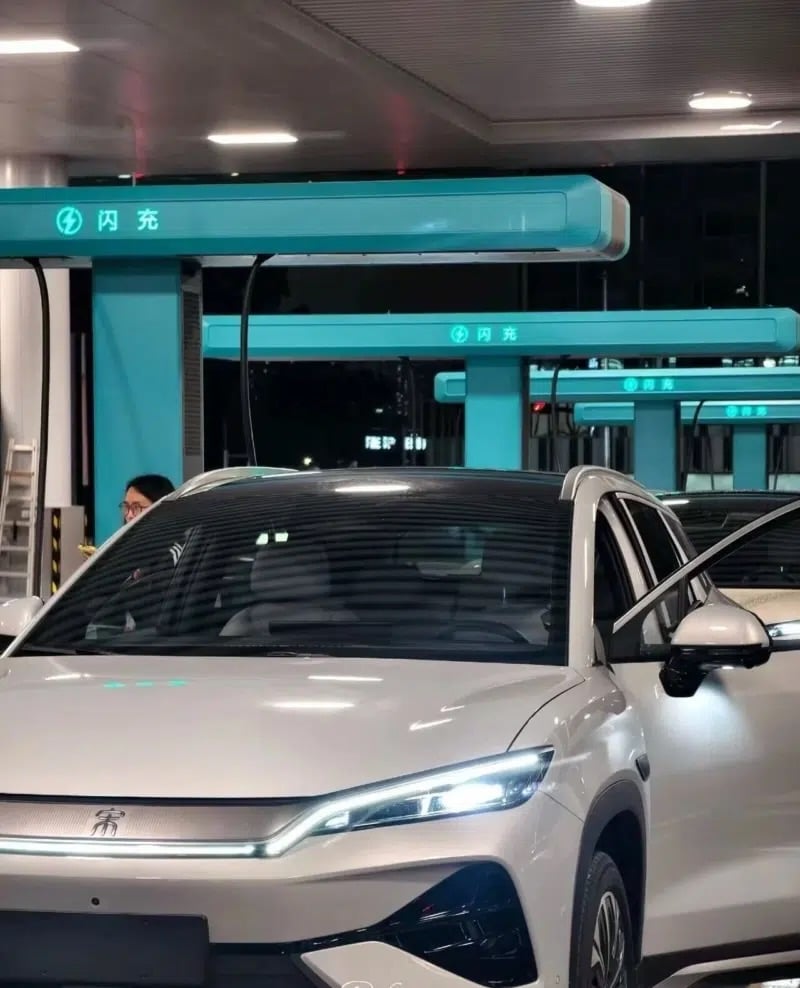
Chinese auto giant BYD is busy pushing the limits of how fast its EVs can charge as we list how many petrol stations have run out fuel. Thanks to its recent technological advancements, they can charge almost as fast as filling a tank full of fuel. Videos spreading across the Internet show testing of 1500kW chargers and BYD’s new dedicated Flash Charging app, as well as a new ‘Super e-Platform’ that enables vehicles to be charged at up to 1000kW, adding two kilometres of range every second.
Images acquired by CarNewsChina show a charging layout quite similar to a service station forecourt, with liquid-cooled charging guns and T-shaped gantry structures. Access in the session was limited to vehicles carrying a “Flash Charge” rear badge, including upcoming Chinese-market BYD models like the Tang 9, Song Ultra, Seal 07 and Denza Z9 GT.
Chargers were reportedly restricted to vehicles capable of accepting more than 1000 kW of input power, with automatic charging cut off at 97 per cent state of charge.
CarNewsChina reports that displayed pricing at the demonstration site was 1.3 yuan per kWh, equalling approximately A27 cents per kWh. Buyers of compatible flash-charge vehicles are reportedly eligible for 1000 kWh of free electricity annually, too. BYD is also reportedly targeting over 4000 locations to employ the new 1500kW chargers in the ultimate convenience for Chinese EV buyers.
BYD has also announced its new ‘Super e-Platform’ featuring flash-charging batteries, a 30,000rpm motor, and new silicon carbide (SiC) power chips. According to BYD, the platform upgrades the core electric components, achieving a charging power of 1000 kW and a peak charging speed of two kilometres per second. That makes it the fastest in the world for mass-produced vehicles, with just five minutes of charging for 400 kilometres of range.
According to BYD, the Super e-Platform also delivers a single-module single-motor power of 580kW and a top speed over 300km/h, and will first be available on the Han L sedan and the Chinese market version of the Sealion 8, which are now available for pre-ordering in China.
BYD’s advancements in EV charging speeds are a massive improvement on the charging infrastructure offered in Australia, with the fastest chargers capable of a slow 350kW in comparison. BYD Australia is yet to confirm if any of the models capable of 1000kW charging will launch locally.
MG has announced a raft of upgrades to its electric and hybrid vehicles with improved performance and efficiency. Most notable is its new semi-solid-state battery, which could be sold locally in the new MG4 Urban electric hatchback, while the brand’s ‘Hybrid+’ system has also seen upgrades aimed at improving performance and refinement.
Dubbed ‘SolidCore’, the new semi-solid-state battery is not news to the MG brand, but it is the first time that it’s been announced for markets outside of China. MG will be the first manufacturer to introduce semi-solid-state batteries for global use and we’d be surprised if it wasn’t on sale locally – perhaps in a higher-spec MG 4 Urban – by the end of 2026.
Solid-state batteries have long been regarded as the next big engineering development in electric vehicle development. MG’s semi-solid-state battery still reportedly offers a big step up in range, charging speed and low-temperature performance. Replacing the liquid electrolyte, which is the most volatile part of the battery cell, is a solid electrolyte which MG says improves energy density, charging speeds and longevity.
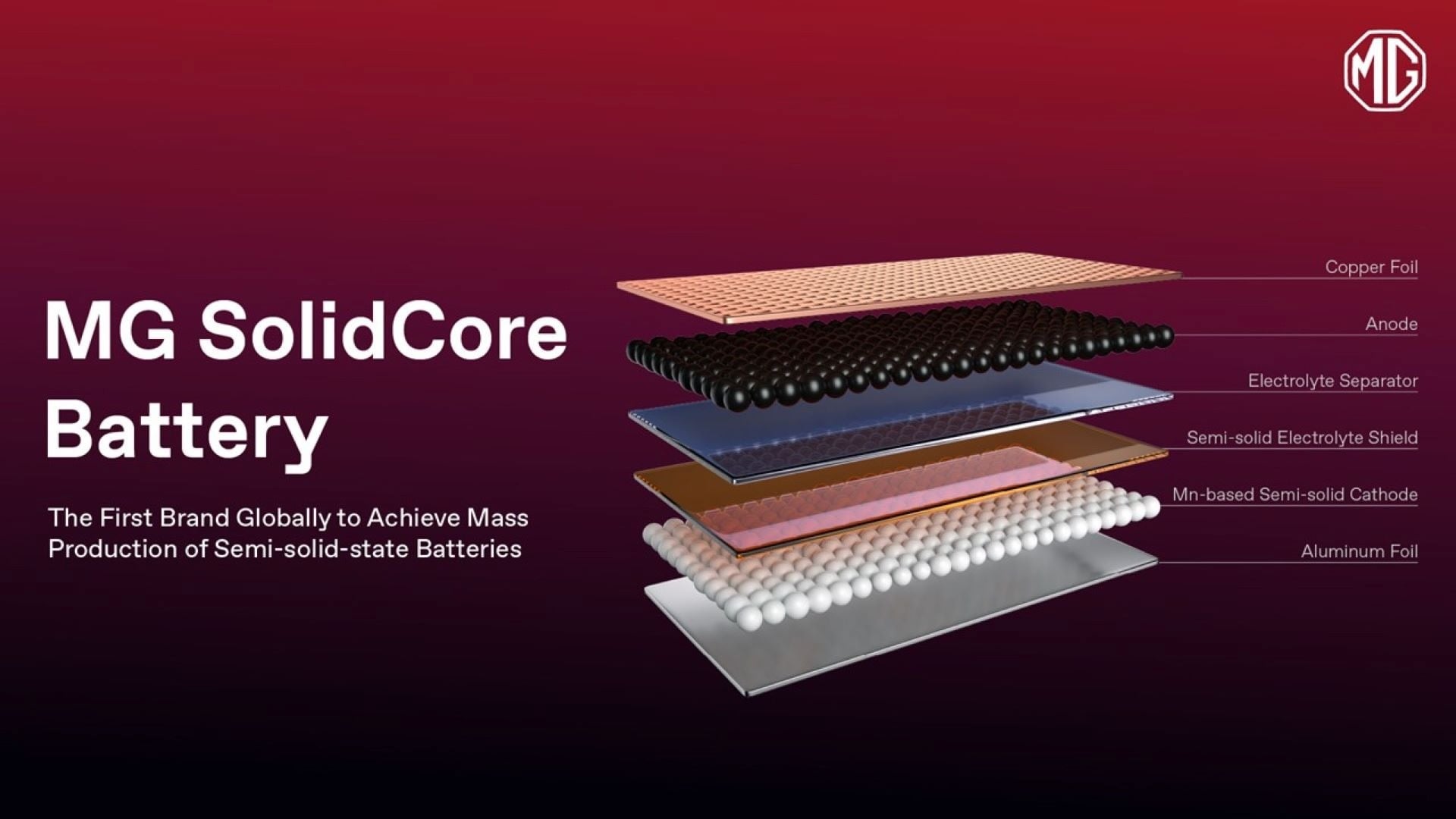
The SolidCore battery also uses a new Lithium-Manganese-Oxide (LMO) chemistry, with a semi-solid electrolyte cathode that acts almost as a shield on top of the cell packs. SolidCore is reportedly only five per cent liquid electrolyte, compared to the 20 per cent of NMC and LFP batteries already in millions of EVs around the world.
According to MG, the SolidCore’s chemistry allows it to charge up to 15 per cent faster than comparably sized LFP batteries in cold weather. The brand is yet to announce further details about the SolidCore, such as size or efficiency, but is aiming for 1000km of range in the near future with semi-solid-state tech.
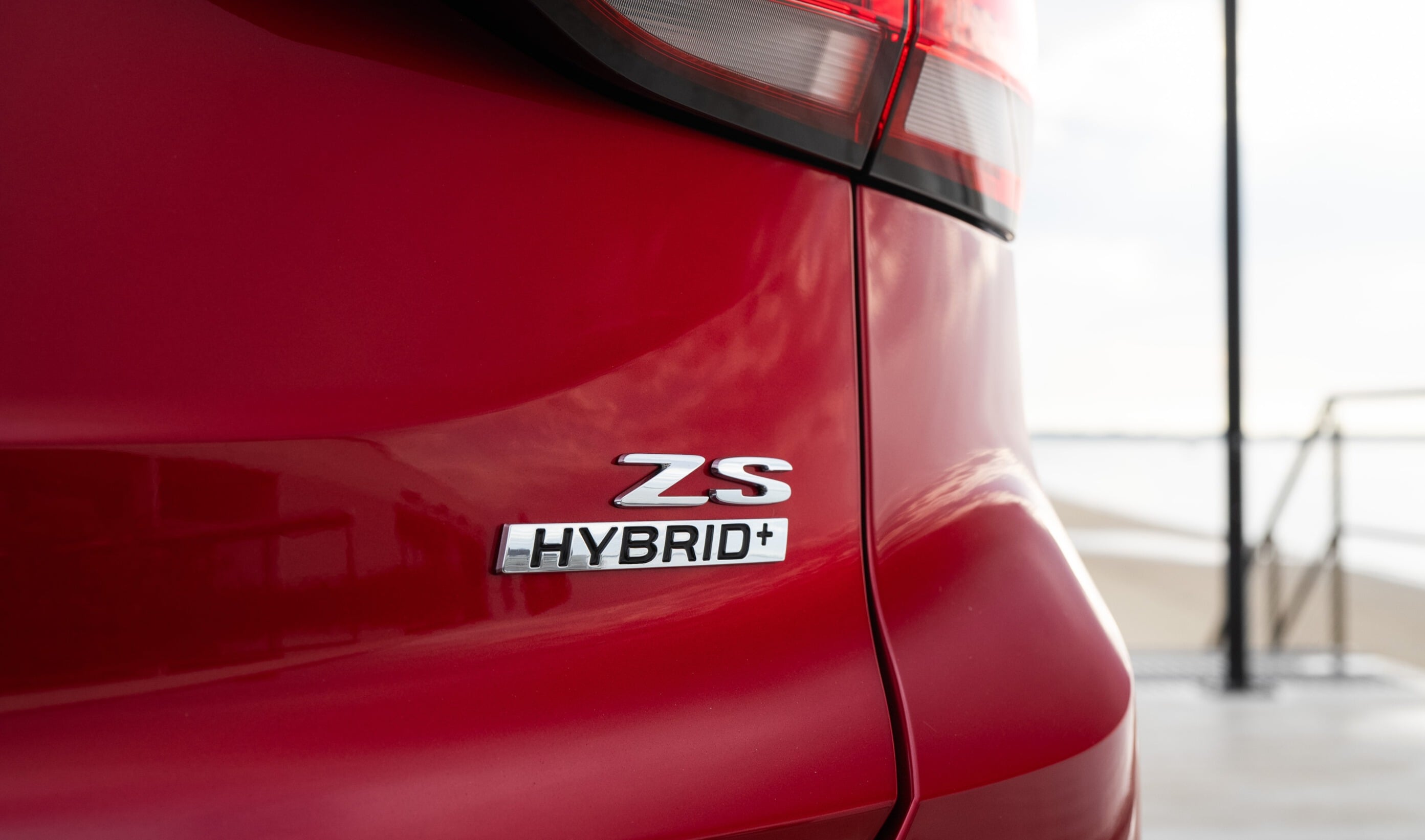
In addition to the SolidCore battery, the company has also announced upgrades to its Hybrid+ system, currently available in the MG3 small car, ZS small SUV and HS medium SUV in Australia. New software has reportedly increased responsiveness and enhanced refinement, while a new three-speed transmission (with one more gear compared to the current drivetrain in the HS) has also been designed for increased drivability in a wider range of driving.
A new eight-mode logic engine software system “improves the performance and management of the power delivery” and a new Hybrid Control Unit (HCU) features real-time terrain detection so the vehicle can make “even smarter judgments to adapt its propulsion strategy to changing driving conditions, for example, especially on slopes”.
MG Motor Australia is yet to confirm when these drivetrain improvements will be sold here, but given the popularity of its electrified cars, we’d be surprised if they weren’t offered before the end of 2026.
Tesla is facing mounting legal pressure in Australia over claims it sold its Full Self-Driving (FSD) software to customers whose vehicles may never deliver the advertised capability.
A report in The Sydney Morning Herald says several Australian Tesla owners have launched legal action, alleging they paid more than $10,000 for FSD despite their cars lacking the hardware required to fully support the system.
FSD, which operates as an advanced driver-assistance feature requiring constant human supervision, was promoted by Tesla for years before becoming available locally in limited form in Model 3 and Model Y cars in 2025. While newer vehicles equipped with the latest hardware can perform more complex driving tasks, owners of earlier models report significantly reduced functionality.
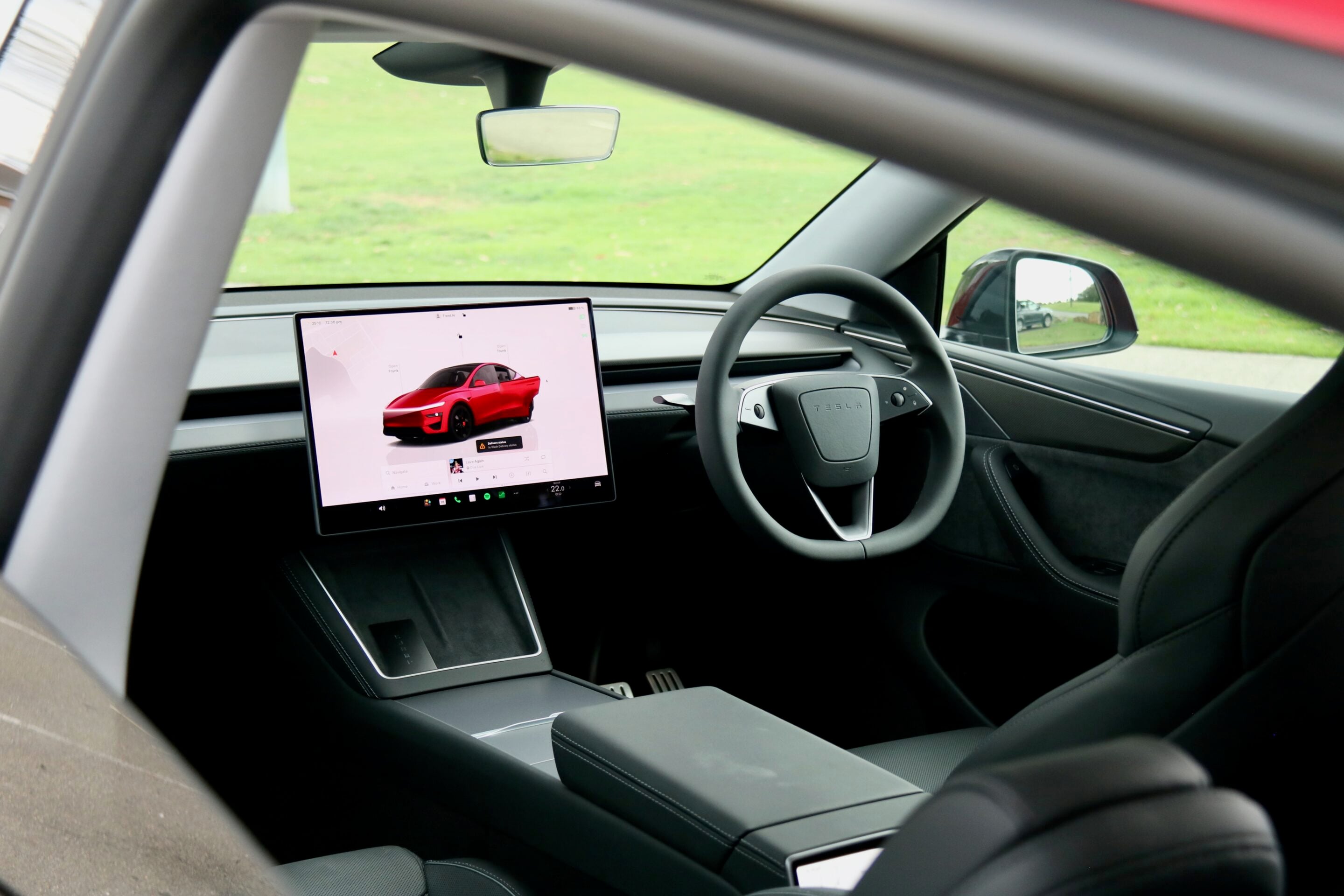
At the centre of one case is a NSW Tesla owner who has taken action through the NSW Civil and Administrative Tribunal, claiming the company engaged in misleading conduct by selling him lifetime access to FSD that has not been delivered. He is seeking a refund of the software cost, along with compensation linked to additional taxes incurred in owning the vehicle.
The case will proceed alongside a broader Federal Court class action, which includes similar claims from other customers. The tribunal has ruled that individual cases can continue independently, potentially allowing for faster resolution.
Tesla’s FSD system relies on a network of cameras and software designed to interpret surroundings and control steering, braking and acceleration. However, under Australian regulations it remains classified as a Level 2 system, meaning drivers must remain fully engaged and legally responsible at all times.
The legal challenges come amid ongoing scrutiny of Tesla’s driver-assistance technology in Australia. In recent months, the company has adjusted its terminology for such systems following pressure from regulators, while also shifting FSD to a subscription-based model for local buyers.
At the same time, Tesla has made selective changes to its global feature offerings, although some safety-related adjustments seen overseas have not been applied in Australia.
The outcome of the legal proceedings could have broader implications for how advanced driver-assistance features are marketed and sold, particularly as automakers continue to push the boundaries of semi-autonomous driving technology.
Mercedes-AMG has confirmed that its striking CONCEPT AMG GT TRACK SPORT will underpin two new high-performance models, including a next-generation GT3 race car and a future GT Black Series road car.
Originally revealed as a standalone concept, the TRACK SPORT has now been repositioned as a development platform for both motorsport and road applications. The move signals AMG’s intent to expand its GT line-up at the extreme end of performance.
The road-legal version of the project will serve as a homologation model for the GT3 successor, linking the two vehicles closely in both engineering and intent. AMG says the TRACK SPORT name reflects this dual purpose, bridging the gap between uncompromising track capability and road-legal performance.
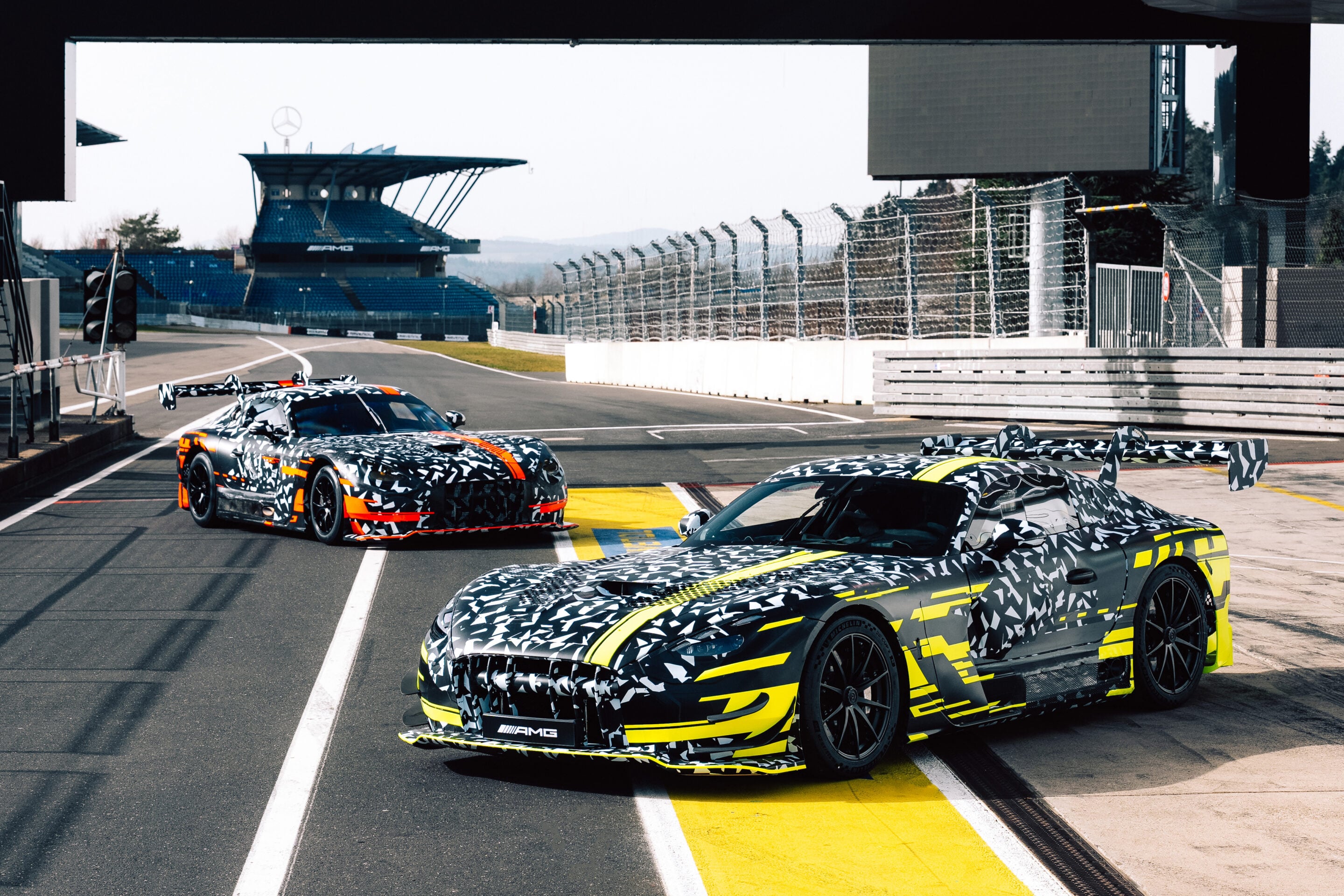
Development of the prototypes has been underway since late 2025, with testing conducted across a range of circuits including Immendingen, Bilster Berg, Portimão and Monteblanco. More recently, the programme has moved to the Nürburgring Nordschleife, marking a key phase in refining performance under demanding conditions.
The new GT3 will continue AMG’s long-running customer racing programme, which dates back to 2010 with the SLS AMG GT3. Since then, AMG’s GT3 cars have been a regular presence in international endurance racing, with updates introduced through the current GT3 and its Evo version.
Responsibility for the new model sits with Affalterbach Racing GmbH, a dedicated AMG subsidiary established to oversee development and production. The focus is on improving performance, safety and competitiveness while maintaining continuity with previous customer racing cars.
Alongside the GT3, AMG is also preparing a new Black Series model, positioned as the most extreme road-going version of the GT. The Black Series badge has been reserved for AMG’s most focused performance cars since 2006, drawing heavily on motorsport-derived engineering.
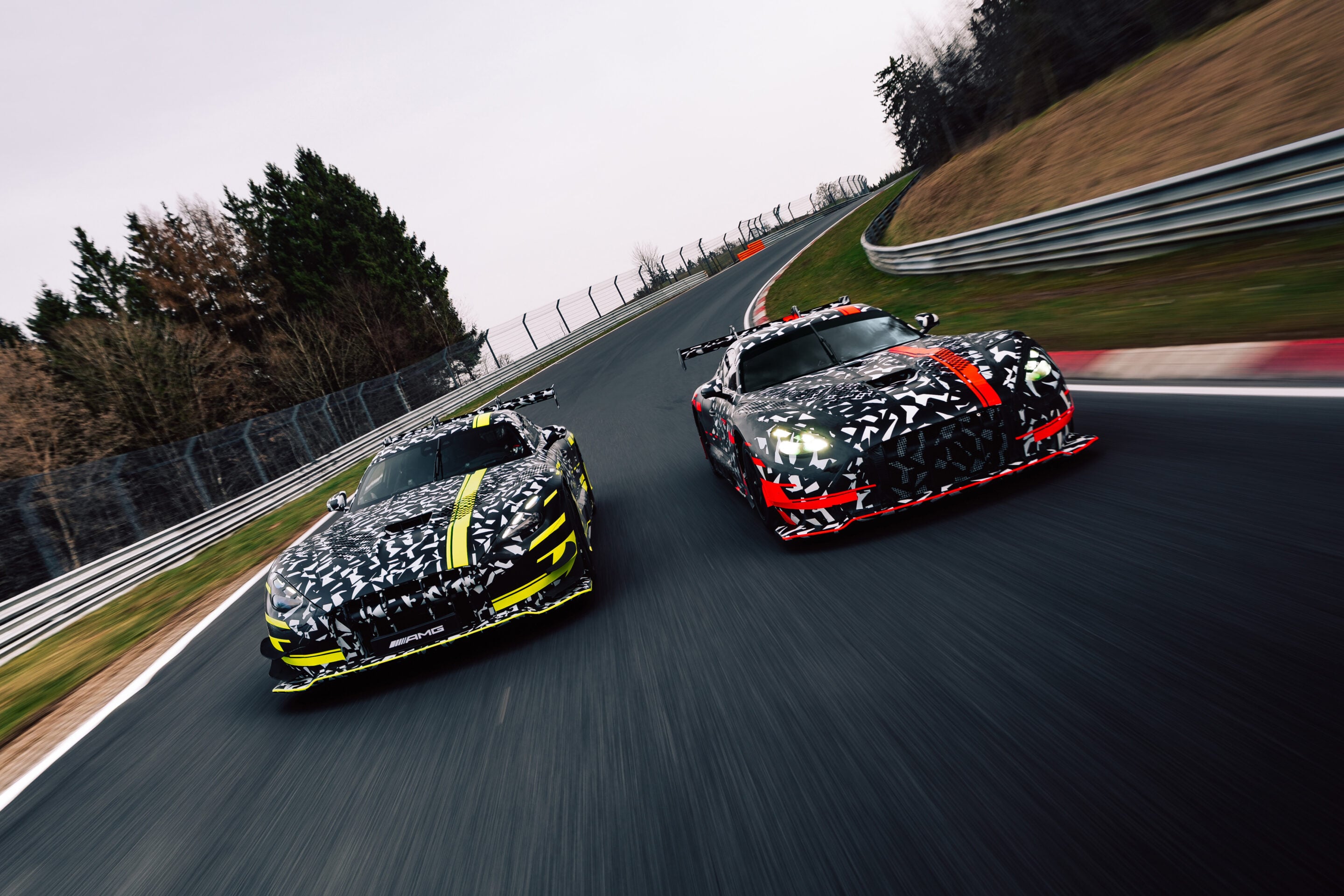
The new model is expected to continue that tradition, translating lessons from the GT3 programme into a road-legal package. AMG describes the approach as a continuation of its long-standing philosophy of transferring racing technology to production vehicles.
While technical details remain limited, the dual development programme highlights AMG’s strategy of aligning its racing and road car efforts more closely.
Further information on both the GT3 and the new Black Series is expected to be released as development progresses.
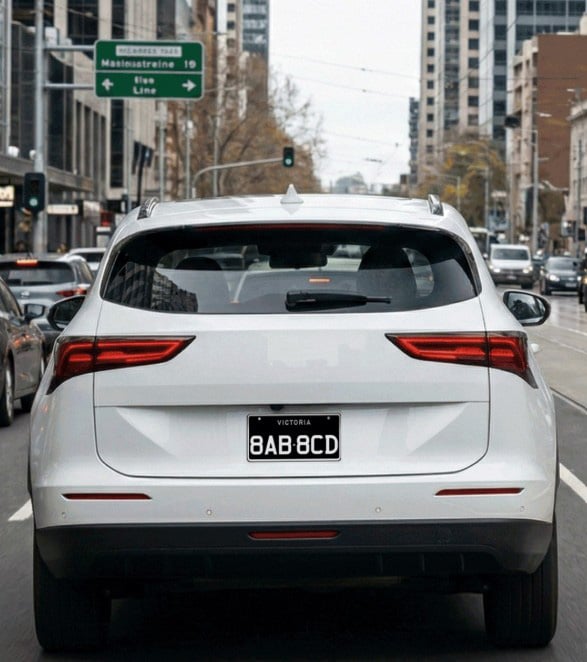
A new style of licence plate is being introduced in Victoria to better suit the growing number of Chinese-built vehicles on Australian roads, highlighting how quickly the local car market is changing.
According to reporting by Yahoo News Australia, the so-called ‘mullet plate’ features a standard Australian-sized front plate paired with a differently shaped rear plate designed to match the mounting points used on many Chinese vehicles. These rear plates are narrower and taller than traditional Australian formats, eliminating the need for brackets or modifications.
The change addresses a practical issue that has emerged alongside the rapid rise of Chinese brands such as BYD, MG, GWM, Chery and Haval. Many of these vehicles use number plate dimensions common in China, which differ from Australia’s standard 372mm by 132mm format. By contrast, the Chinese-style plate is deeper and less wide, making it incompatible without adjustment.
VicRoads says the new plates are intended to simplify installation and improve fitment. The updated design allows plates to be mounted directly without drilling or add-ons, offering a cleaner finish for owners and dealerships alike. The plates are available through selected dealerships and VicRoads centres, priced at $175 per set.
Chinese brands have gained traction in recent years thanks to competitive pricing, strong technology offerings and increasing availability at a time when global supply constraints have affected traditional manufacturers. Their rapid expansion in electric vehicle production has also aligned with rising consumer interest in lower running costs and reduced emissions.
The trend is now being reflected in national sales data. Recent VFACTS figures show China has become Australia’s largest source of new vehicles for the first time on a monthly basis, overtaking long-standing leaders such as Japan and Thailand. The shift underscores the speed at which Chinese manufacturers have established a foothold in the local market.
While the new ‘mullet’ plates may seem like a small change, they reinforce the significant transition underway in Australia’s new car market.
First published in the February 1974 issue of Wheels magazine, Australia’s best car mag since 1953. Subscribe here and gain access to 12 issues for $109 plus online access to every Wheels issue since 1953.
Peter Robinson flew to Europe to find out just what is happening in the great car centres there. He found instead a Continent where you can’t drive on Sundays. He claims the face of the motor industry is going to change overnight as fuel prices rise and the taps are turned off. Here is his first, alarming report.
Europe is grinding to a halt. And it is happening far quicker than Australians imagine. The Arab oil embargo is forcing a total change in the automotive industry which will affect not only Europe but the rest of the world, including Australia.
I was in Germany on the first Sunday that driving was banned and was very nearly caught in Italy because the Saturday we were leaving was a public holiday. This meant a complete stop to all private driving over the weekend with fines which are so severe – the minimum in Germany is $500 and the maximum $30,000 and those in Italy are only slightly lower. Nobody dares drive.
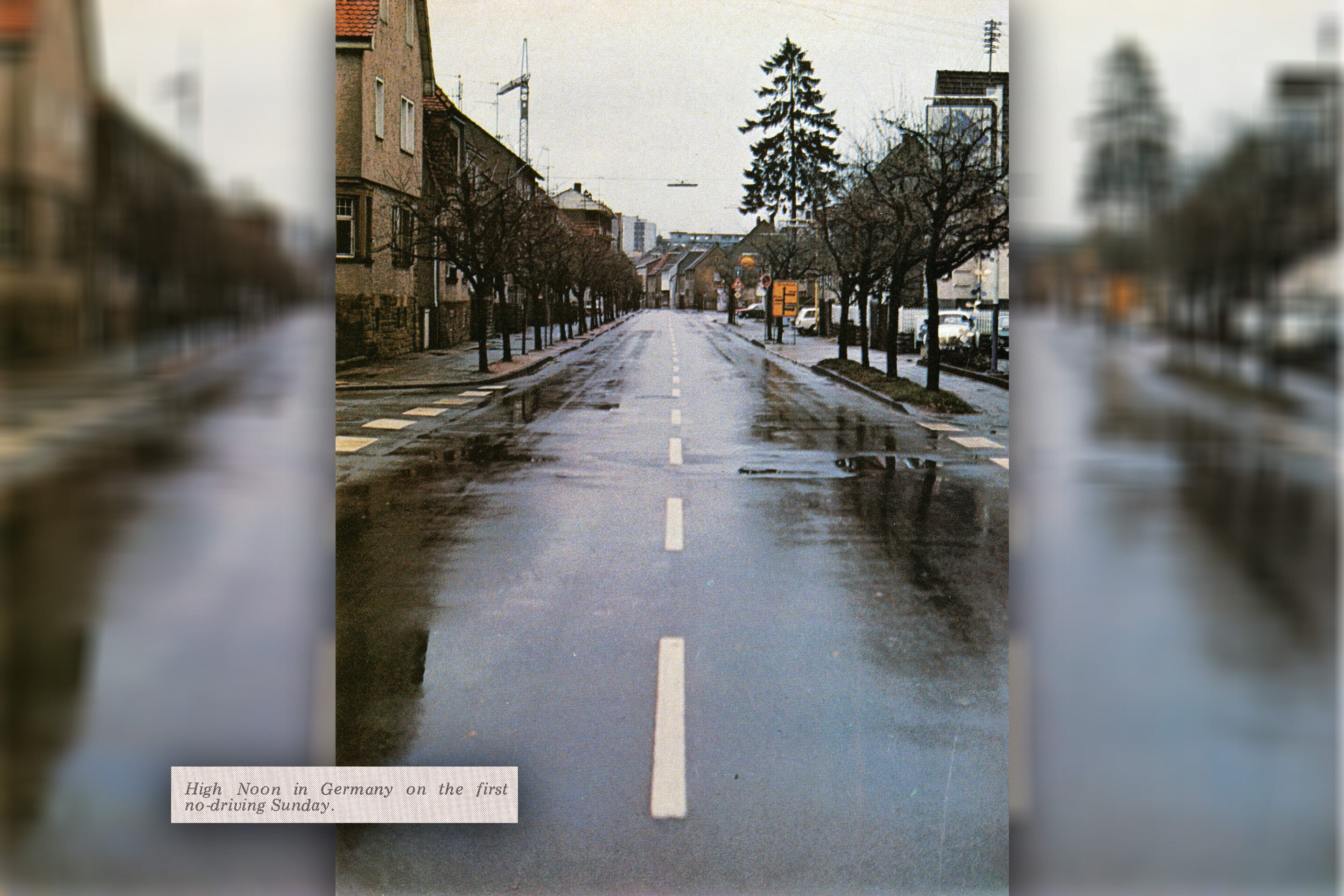
The frightening facts are that the concept and future of the car as we know it may be coming to an end and sooner than anybody anticipated even two months ago.
Even if the Arabs lift the embargo the price of petrol is expected to rise in Europe by at least 25 per cent and the increase could go as high as 50 per cent during the next 12 months. Already it is selling for close to one dollar a gallon in most countries.
Australia is lucky, incredibly lucky that over 96 per cent (from official figures for 1971-72) of our petrol comes from Australian oil, so we are not dependent on outside supplies. But even these reserves will last only eight years at the present rate of consumption (although this figure doesn’t take into account the latest finds on the North-West shelf).
Already the lack of petrol is making itself felt in deciding what form the cars of tomorrow will take. Renault told me the introduction of its new V6 powered sedan, due in 1974, could be postponed indefinitely if the embargo continues. Even if it is lifted sometime in 1974 the car might be released only in the smaller 2-litre version instead of the proposed 2.5 and 3.0 models.
Inevitably people in Europe are realising that small, economy cars are the only ones which are going to survive in any numbers, if the car itself is to have a future.
England has introduced petrol rationing, all European countries (except France) have a driving ban on Sundays and Holidays and lowered speed limits, even on the super highways.
The black market in Jaguars, Rolls-Royces and Mercedes-Benz cars in Britain, and on the continent, has virtually disappeared overnight while the value of second-hand Minis has risen by $200 and Chrysler, who was said to be planning to drop the Imp altogether, has now increased production of its small rear-engined car by 50 per cent.
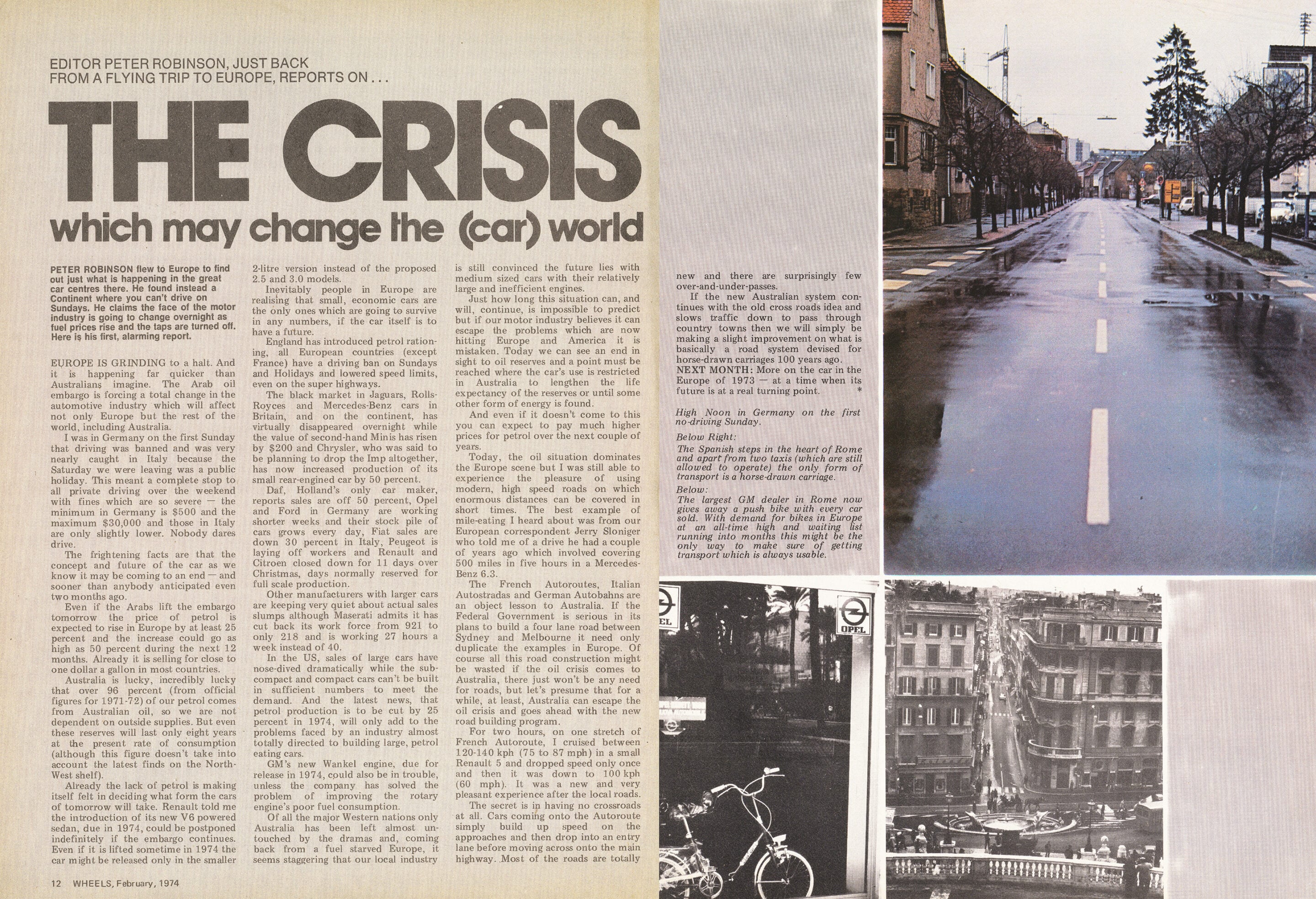
Daf, Holland’s only car maker, reports sales are off 50 per cent, Opel and Ford in Germany are working shorter weeks and their stock pile of cars grows every day, Fiat sales down 30 per cent in Italy, Peugeot is laying off workers and Renault and Citroen closed down for 11 days over Christmas, days normally reserved for full scale production.
Other manufacturers with larger cars are keeping very quiet about actual sales slumps although Maserati admits it has cut back its work force from 921 to only 218 and is working 27 hours a week instead of 40.
In the US, sales of large cars have nose-dived dramatically while the sub- compact and compact cars can’t be built in sufficient numbers to meet the demand.
And the latest news, that petrol production is to be cut by 25 per cent in 1974, will only add to the problems faced by an industry almost totally directed to building large, petrol eating cars.
GM’s new Wankel engine, due for release in 1974, could also be in trouble, unless the company has solved the problem of improving the rotary engine’s poor fuel consumption.
Of all the major Western nations only Australia has been left almost untouched by the dramas and, coming back from a fuel starved Europe, it seems staggering that our local industry is still convinced the future lies with medium sized cars with their relatively large and inefficient engines.
Just how long this situation can, and will, continue, is impossible to predict but if our motor industry believes it can escape the problems which are now hitting Europe and America it is mistaken. Today we can see an end in sight to oil reserves and a point must be reached where the car’s use is restricted in Australia to lengthen the life expectancy of the reserves or until some other form of energy is found.
And even if it doesn’t come to this you can expect to pay much higher prices for petrol over the next couple of years.

Today, the oil situation dominates the Europe scene but I was still able to experience the modern pleasure of using high speed roads on which enormous distances can be covered in short times. The best example of mile-eating I heard about was from our European correspondent Jerry Sloniger who told me of a drive he had a couple of years ago which involved covering 500 miles in five hours in a Mercedes Benz 6.3.
The French Autoroutes, Italian Autostradas and German Autobahns are an object lesson to Australia.
If the Federal Government is serious in its plans to build a four lane road between Sydney and Melbourne it need only duplicate the examples in Europe.
Of course all this road construction might be wasted if the oil crisis comes to Australia, there just won’t be any need for roads, but let’s presume that for a while, at least, Australia can escape the oil crisis and goes ahead with the new road building program.
For two hours on one stretch of French Autoroute, I cruised between 120-140 kph (75 to 87 mph) in a small Renault 5 and dropped speed only once and then it was down to 100 kph (60 mph). It was a new and very pleasant experience after the local roads.
The secret is in having no crossroads at all. Cars coming onto the Autoroute simply build up speed on the approaches and then drop into an entry lane before moving across onto the main highway. Most of the roads are totally new and there are surprisingly few over-and-under-passes.
If the new Australian system continues with the old cross roads idea and slows traffic down to pass through country towns then we will simply be making a slight improvement on what is basically a road system devised for horse-drawn carriages 100 years ago.
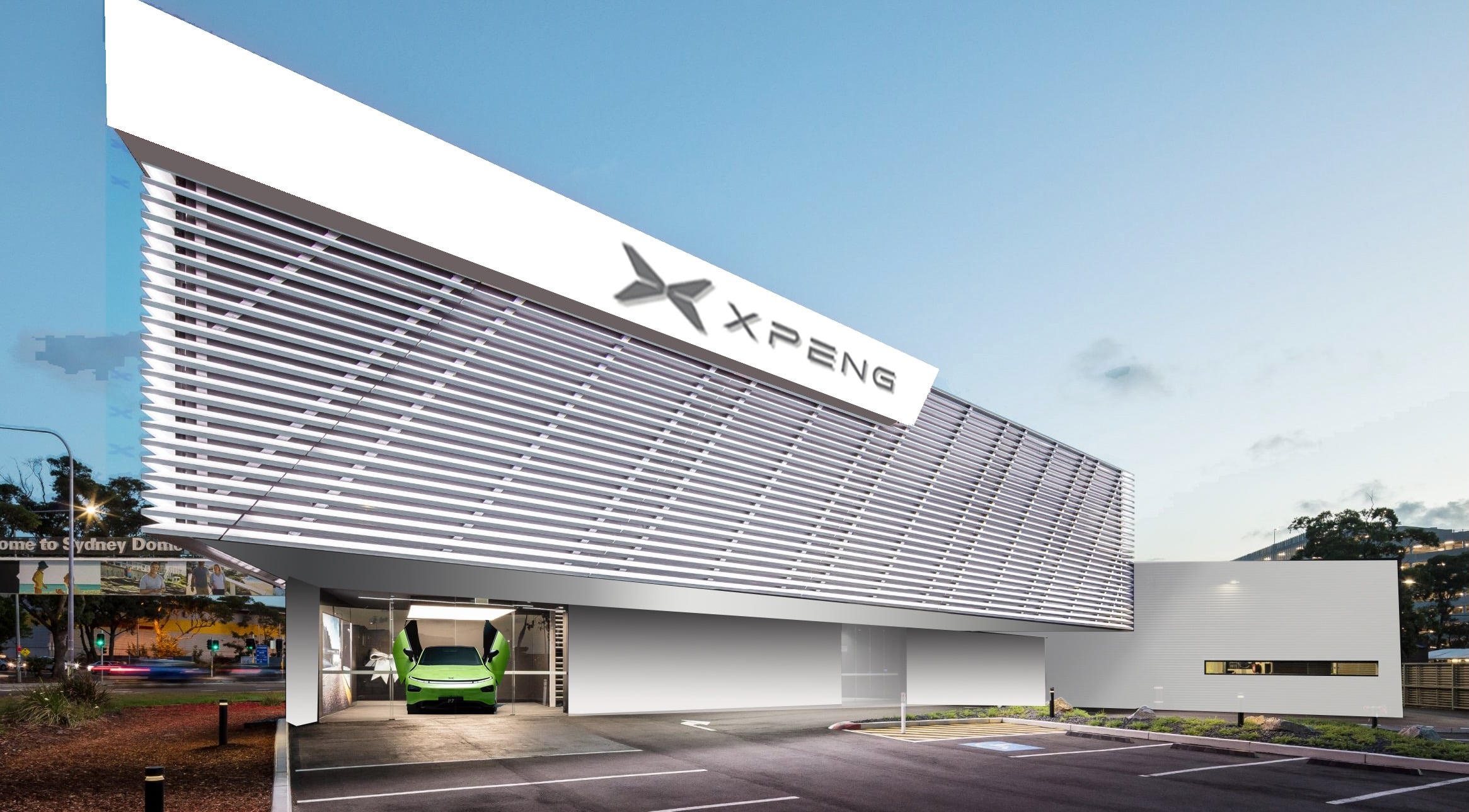
The local distributor for the Chinese electric vehicle brand, Xpeng, has gone into administration leaving the future of the brand in Australia in uncertain territory.
According to documents filed to the Australian Securities and Investments Commission (ASIC), external administrators – Daniel Juratowitch and Barry Wight of Cor Cordis – were appointed to Xpeng’s Australian distributor, TrueEV, on March 19, 2026.
The AISC filing lists the appointment of Cor Cordie “by instrument” which indicates that either TrueEV has gone into voluntary liquidation or that a secured creditor is seeking to take control over assets. The ASIC filing confirms Cor Cordie has taken control of Xpeng vehicles located across Australia.
Additionally, TrueEV is listed as the applicant in a Federal Court case against Xpeng that began on March 3, 2026. The next hearing is set down in the court for March 30, 2026. There is no indication in the court documents as to the nature of the legal dispute.
TrueEV was appointed the sole Australian distributor of XPeng in May 2024 ahead of first deliveries in August of the same year.
With 18 dealerships nationwide, Xpeng currently sells just two variants of its small electric G6 SUV, but had planned to roll out more models in 2026, including the larger G9 SUV and X9 people mover.
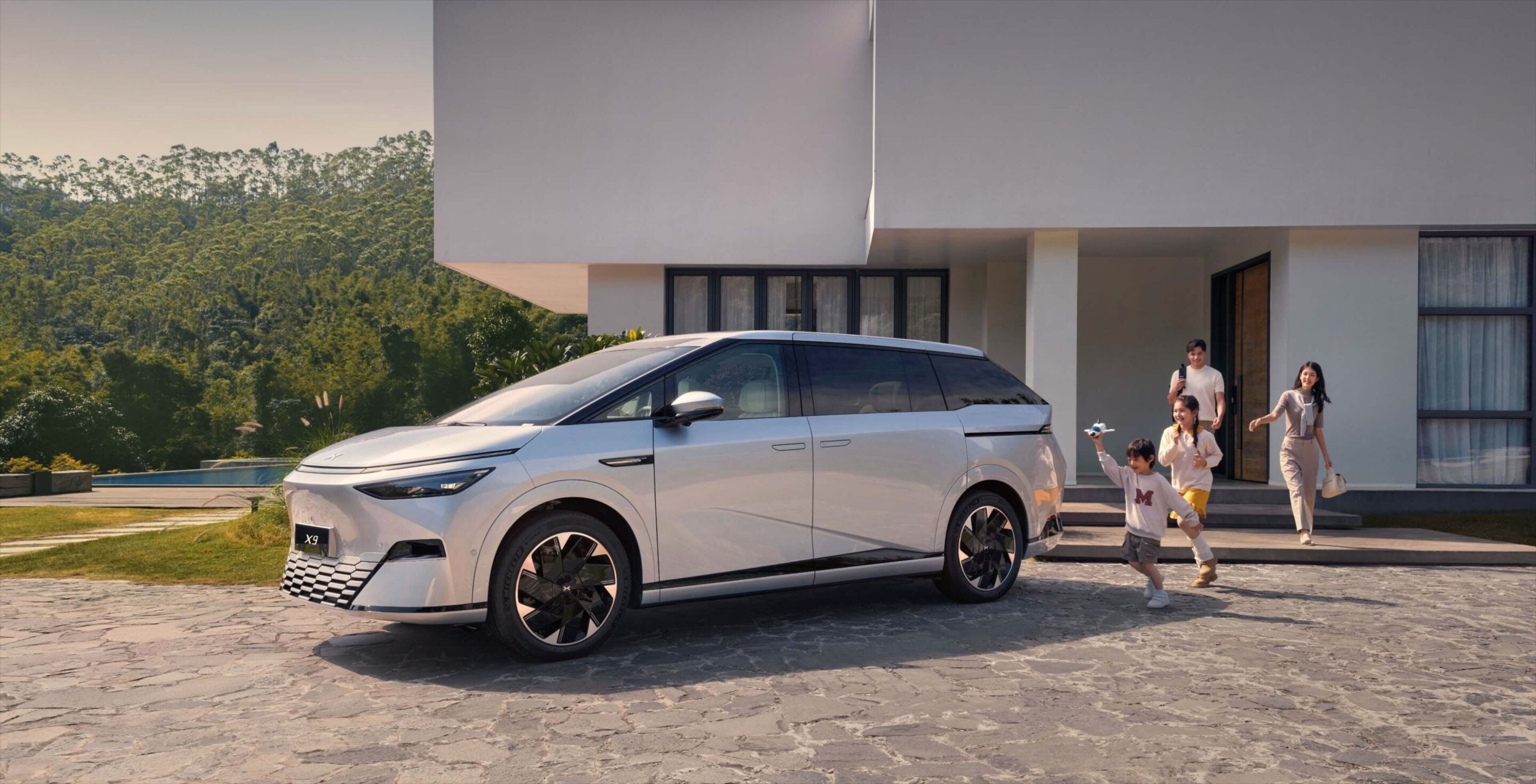
With the future of the company now uncertain, there remain unanswered questions surrounding warranty, servicing and the availability of parts for the approximately 2000 vehicles it had confirmed as sold by the end of 2025. TrueEV does not report its official sales figures to the Federal Chamber of Automotive Industries or to the Electric Vehicle Council.
With the ongoing legal battle between the two parties it remains unclear if Xpeng is looking to take control of the brand in Australia.
Leapmotor Australia has launched a new special edition version of the C10 electric SUV called the Sports+, which is now available to order ahead of the first deliveries landing next month. Priced from $53,888 plus on-road costs, the C10 Sports+ introduces a dual-motor all-wheel drive drivetrain to the C10 making a serious 440kW of power and 760Nm of torque. It also adds a number of unique features, like larger alloy wheels and badging.
The C10 Sports+ has also added a new 800V architecture and larger battery for improved charging and range, and it’s now capable of 180kW DC fast charging (up from 85kW). The larger 81.9kWh LFP battery (12kWh larger than the C10) gives it a WLTP range of 437km, which is an increase of only 12km on the regular C10, but the Sports+ does make almost three times the power.
Pumping out 440kW of power and 760Nm of torque, the new dual-motor C10 Sports+ outdoes the regular 160kW/320Nm C10 significantly, and lessens the 0-100km/h sprint time from 7.5 seconds to just 4.0.
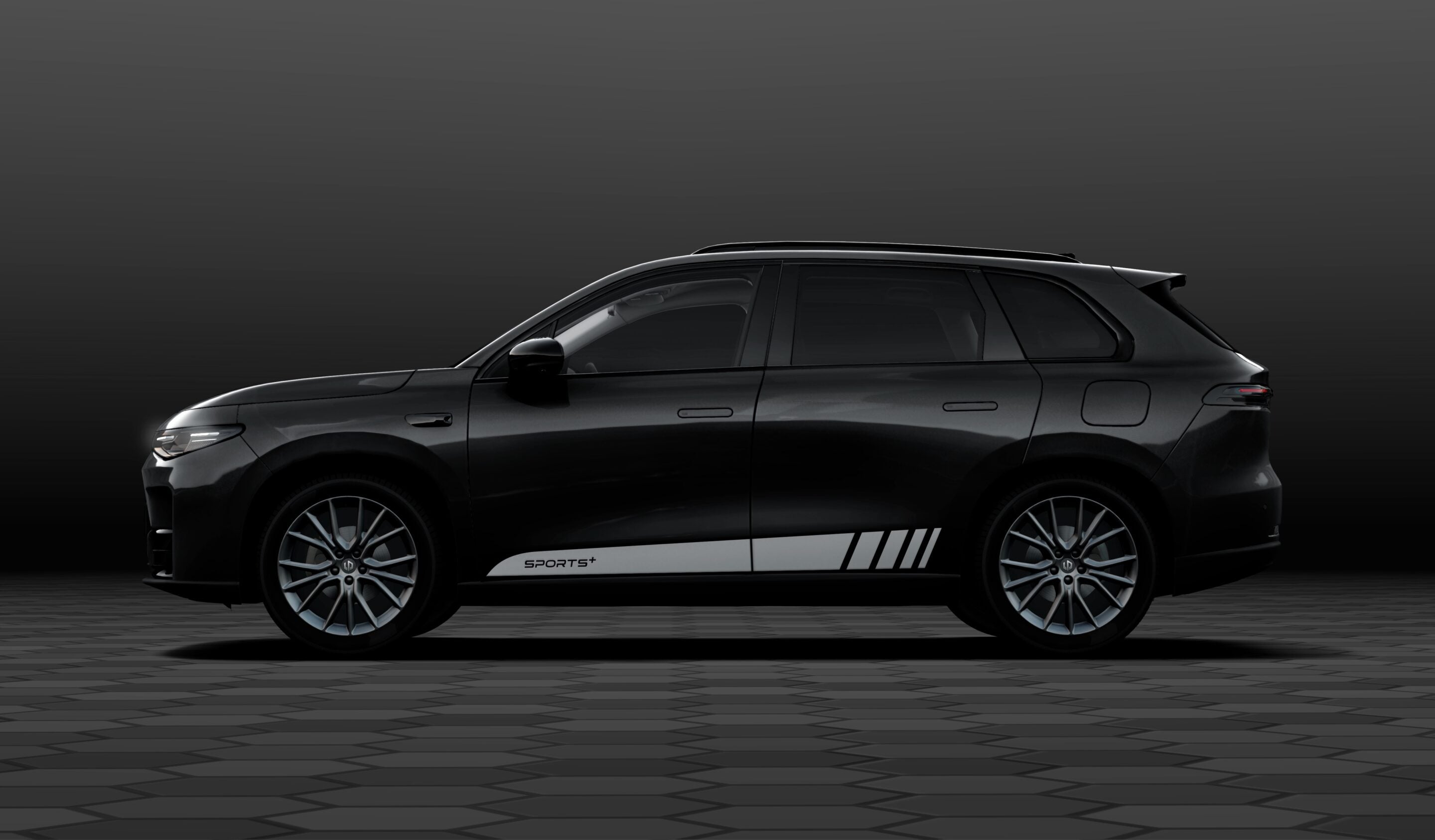
According to Leapmotor, the C10 Sports+ features ‘Intelligent AWD Control’, which is a dual-motor system that “ensures optimal grip and stability on slippery surfaces such as gravel, rain, snow and light off-roading while millisecond‑level adaptive response enables more precise control”.
“Intelligent front‑rear motor switching automatically alternates between single‑motor and dual‑motor driving depending on road conditions and driving demands, combined with consistent operation within the optimal energy‑efficiency range to deliver an ideal balance between performance and efficiency.”
Above the regular C10, the Sports+ also adds larger 20-inch alloy wheels, contrasting decals, Sports+ rear badging and unique floor and boot mats for the interior. Only black or white exterior colours are available with black the only interior colour option.
Leapmotor C10 Sports+ Special Edition standard equipment:
- Dual-motor all-wheel drive drivetrain
- 800V architecture
- Sports+ side decals and badging
- Unique Sports+ front and rear cabin mats with red stitching (front embroidered)
- Sports+ embroidered cargo mat with red stitching
- 20-inch alloy wheels
- Automatic LED exterior lighting
- Panoramic glass roof
- Power tailgate
- Synthetic leather upholstery
- Heated and ventilated front seats
- Heated steering wheel
- Six-way driver/four-way passenger electric front seat adjustment
- Dual-zone automatic climate control
- 10.25-inch digital driver’s display
- 14.6-inch touchscreen with over-the-air updates
- Multi-colour cabin ambient lighting
- Wireless phone charger
The Leapmotor C10 Sports+ special edition is available to order now ahead of the first Australian deliveries from April.
Mazda’s new third-generation CX-5 will be available in five model grades when it launches in mid-2026, competing with mid-size SUV rivals like the Toyota RAV4 and Hyundai Tucson. The entry-grade Pure starts from $39,990 before on-road costs, with the next-step-up Evolve at $42,990 +ORC, the mid-spec Touring from $47,490 +ORC and top-spec GT SP and Akera from $51,990 and $54,990 +ORC respectively.
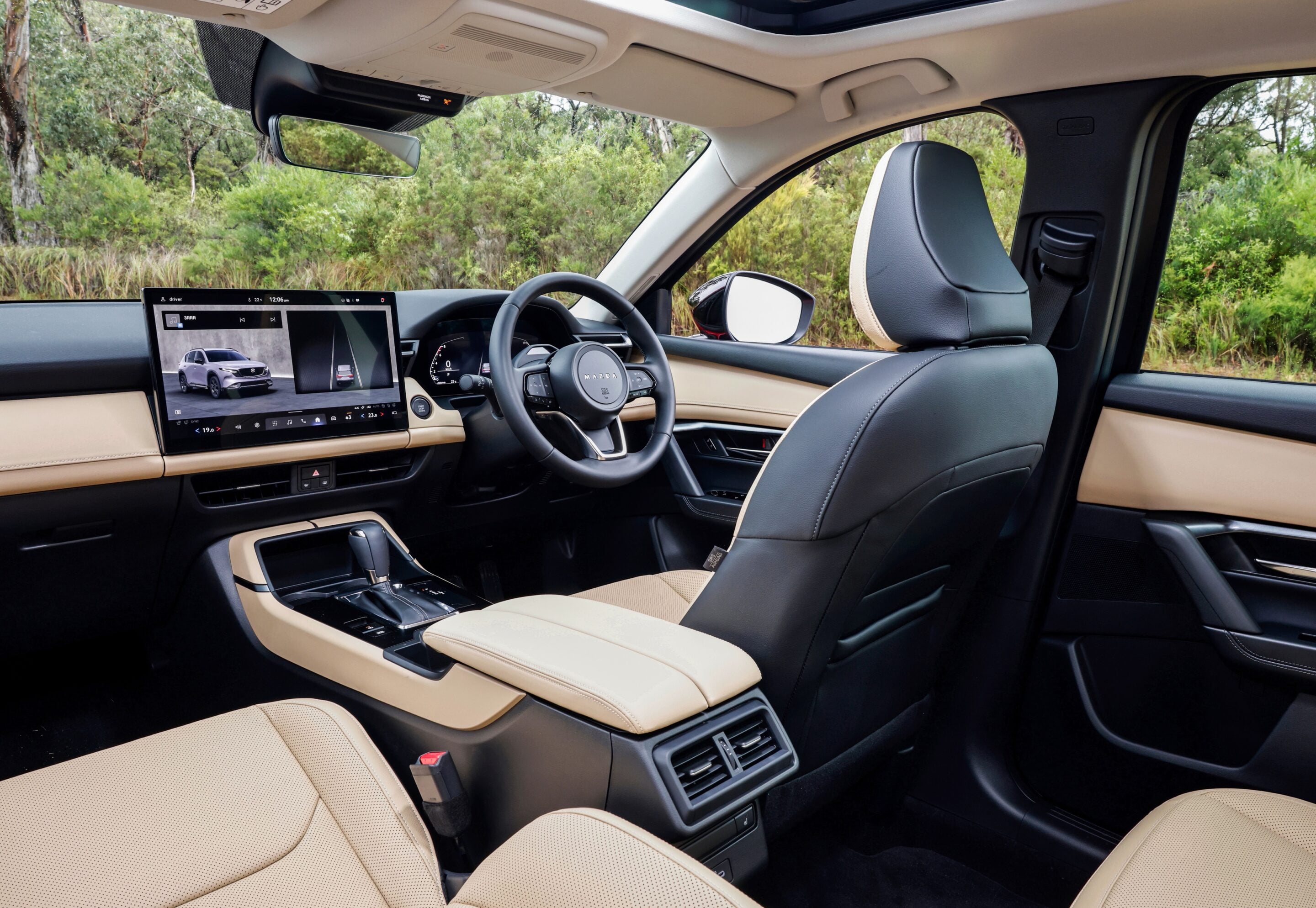
Options are simple, too, with black and white ‘Maztex’ synthetic leather and suede trim costing $1000 on the Touring grade only, while tan leather is available for GT SP and Akera only, also for $1000.
Vinesh Bhindi, CEO of Mazda Australia commented at the reveal that the CX-5 is a vital cog in the wheel of Mazda’s showroom. “The CX-5 holds an esteemed status in Australia, and the next generation will continue to do the same.
“It brings even more advanced technology, significantly more practical SUV dimensions and is of course infused with the superb ‘Jinba-Ittai’ driving dynamic that Mazda is famous for – and we are extremely proud to off this to Australian customers at an incredibly compelling price point.”
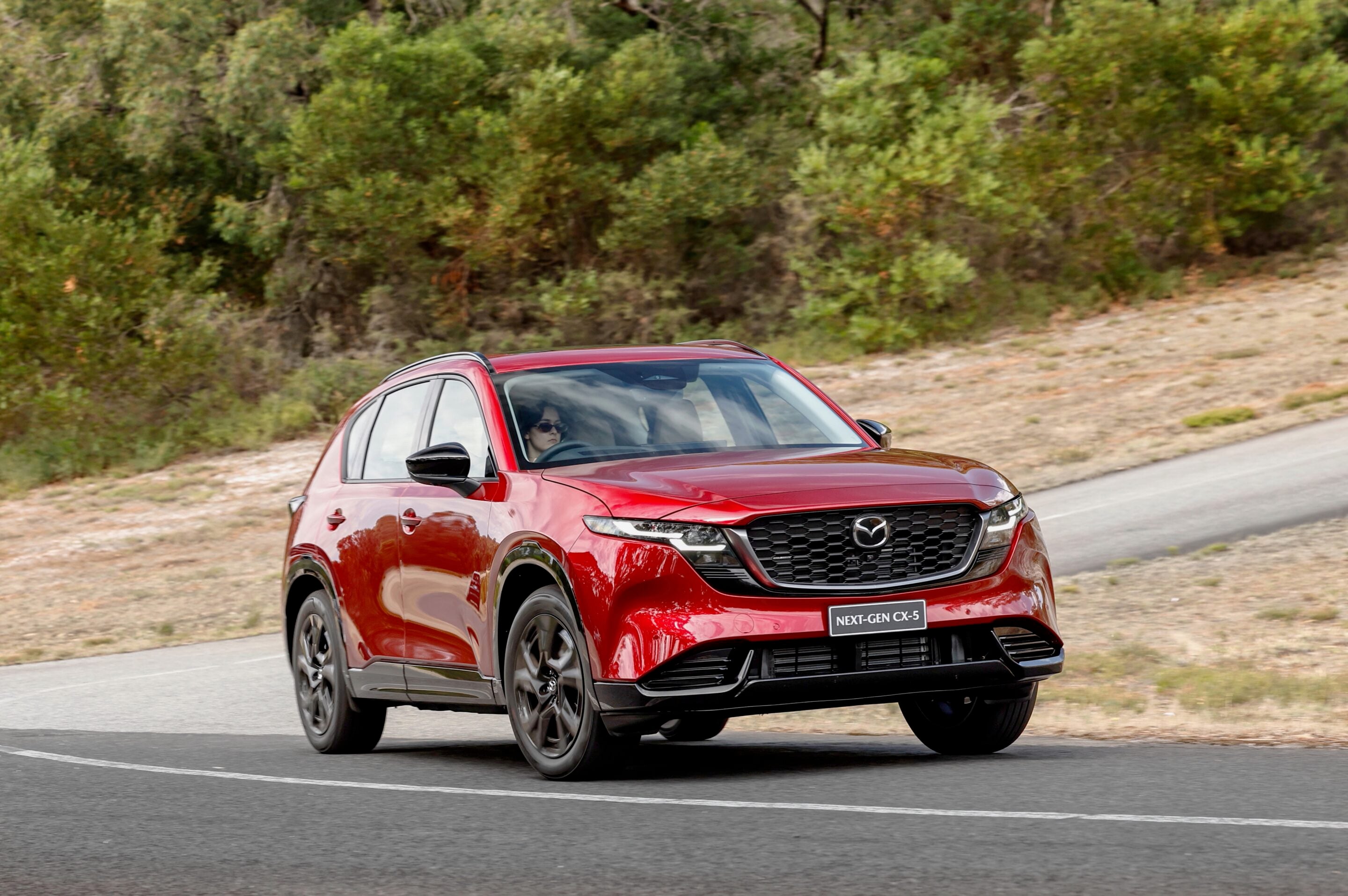
The next-gen CX-5 is petrol-powered across the range with one powertrain option: Mazda’s ‘G25’ 2.5-litre naturally aspirated four-cylinder engine generating 132kW and 242Nm (-8kW/10Nm compared to the old CX-5 thanks to Euro 6 emissions standards). It’s capable of running on regular 91 RON fuel, and uses a claimed 7.4L/100km on the combined cycle. Mazda claims emissions of 173g/km also on the combined cycle.
The 2.5-litre four-cylinder donk is mated to Mazda’s six-speed automatic transmission, with standard all-wheel drive, and standard equipment is extensive across the range. Standard safety equipment includes autonomous emergency braking for both forward and reverse, lane-keep assist, lane departure warning, blind spot monitoring and adaptive cruise control with stop and go functionality.
The new CX-5 is also larger than its predecessor, sporting a 115mm overall length increase to 4690mm long. It’s 15mm wider too, at 1860mm, and its wheelbase is 115mm longer at 2815mm. Bootspace has increased by 28 litres to 466 litres with the rear seats up and by a large 254 litres with the rear seats folded to 1594 litres.
Speaking to WhichCar by Wheels at the reveal, Bhindi said he would have loved to have had a hybrid CX-5 available. “Look, we would love to have a hybrid today, and to talk to you about it,” Bhindi told Whichcar by Wheels. “But, what was on the table as an option, and I think for Australia (and many other markets), we felt like Mazda needs to create a Mazda hybrid system that will deliver the Mazda feeling.”
As such, Bhindi says buyers wanting a hybrid, should consider other Mazda SUVs in the range, which offer hybrid technology in similar sizes and value propositions. Mazda’s CX-60 for example, available as a plug-in hybrid, is significantly more expensive than the new CX-5 in plug-in hybrid form starting from $62,990 before on-road costs.
2026 Mazda CX-5 pricing (plus on-road costs):
| Pure | $39,990 |
|---|---|
| Evolve | $42,990 |
| Touring | $47,490 |
| GT SP | $51,990 |
| Akera | $54,990 |
Mazda CX-5 Pure standard features:
- 17-inch alloy wheels
- Dusk-sensing automatic LED headlamps with auto high beam
- 12.9-inch central infotainment touchscreen
- 10.25-inch TFT LCD multi-information meter display
- Mazda Connected Services through the MyMazda smartphone app
- Dual-zone automatic climate control
- Black cloth trim
- 8-way manual driver’s seat adjustment
- Wired Apple CarPlay and Android Auto
- Autonomous emergency braking (forward and reverse)
- Adaptive cruise control with stop and go functionality
- Lane keeping assistance
- Blind spot monitoring with turn warning
- Front and rear parking sensors
- Reversing camera
Evolve adds:
- Frameless rear-view mirror with auto-dimming
- Auto folding and heated exterior mirrors
- Heated front seats
- Wireless Apple CarPlay and Android Auto
- Wireless smartphone charger
- Smart keyless entry
- Rear air vents
Touring model adds:
- 19-inch machined alloy wheels
- Black synthetic leather trim with synthetic suede inserts
- 10-way electric driver’s seat with memory function
- Heated steering wheel
- Power tailgate
- Head-up display
- Roof rails
- Heated windscreen
- Exterior mirror memory function
GT SP model adds:
- 19-inch black alloy wheels
- 12-speaker Bose audio system
- ‘Signature’ headlamp and taillamp signature
- Matrix adaptive high beam
- Ambient lighting
- 8-way powered passenger seat
- Black leather upholstery
- Heated outer rear seats
- Rear USB-C ports
- 360-degree camera
- Gloss black wheel arch mouldings
- Gloss black front and rear bumper finish
Akera model adds:
- Front seat ventilation
- 15.6-inch central infotainment touchscreen
- Panoramic sunroof
- Hands-free function for electric tailgate
- Steering wheel paddle shifters
- Personalise system with Easy Entry and driving position guide
