
Do you sometimes despair about modern cars? You’re not alone. There’s an undercurrent of annoyance with almost every new car we drive thanks to everything from frustrating active safety features through to controls buried in touchscreens, and it feels like it’s only getting worse. Who made new cars so serious? There are a variety of answers, but there is one antidote: The Mazda MX-5.
Mazda’s iconic roadster is currently in its fourth generation with a fifth likely due in the next few years and as always, it proudly represents simple and fun top-down motoring for those who want it. It’s not without its faults, but the MX-5 is a sublime little roadster. Here’s why…
How much does the Mazda MX-5 cost to buy?
The 2026 MX-5 range kicks off at $42,640 plus on-road costs for the entry-level Roadster, stepping up to the $49,290 +ORC Roadster GT we’re testing here and the top-spec $52,290 +ORC Roadster GT RS. As before, both the traditional roadster and the folding targa top ‘Retractable Fastback’ MX-5 RF are available, with the RF priced from $53,790 +ORC.

Pricing for the 2026 MX-5 range is higher than ever before, and aside from the entry-level Roadster, all are comfortably above $50,000 once on-road costs are considered. Like many cars, the MX-5 isn’t as good value as it used to be. When the current ‘ND’ launched with 2.0-litre engines in late 2015, pricing started at just $34,490 +ORC for the entry-level Roadster 2.0-litre and the Roadster 2.0GT asked $39,550 +ORC. Is the same car with tweaks worth $10,000 more a decade later?
Regardless, the MX-5 Roadster GT is well equipped. Features include LED exterior lighting with Matrix adaptive high beam, black leather upholstery, a nine-speaker Bose sound system with speakers in the headrests, automatic climate control, an 8.8-inch touchscreen with wireless Apple CarPlay and Android Auto, and a reasonable suite of active safety features like autonomous emergency braking, lane departure warning, blind-spot monitoring, driver attention monitoring and a reversing camera.
Unfortunately in today’s market, competition to the MX-5 is also not as cheap or plentiful as, say, 10 years ago when the ND MX-5 was released. But there are still some options, including the Toyota GR 86 and Subaru BRZ twins, a slew of hot hatches like the Hyundai i30 N and Volkswagen Golf GTI, as well as the i30 Sedan N and Subaru WRX.
How powerful is the Mazda MX-5?
A 2.0-litre four-cylinder petrol engine is the only available engine in the Australian market MX-5, making 135kW of power and 205Nm of torque. Depending on model, both six-speed manual and six-speed automatic gearboxes are available – this is a two-seater sports car, so the manual is compulsory. What a wonderful gearbox it is, too, with its short throw, precise action and communicative clutch. Both Toyota/Subaru and Hyundai could learn a lot from the MX-5’s gearbox.
The 2.0-litre engine received a fairly big upgrade in 2018, making 17kW more power and introducing a higher 7500rpm redline to replicate the formerly-available 1.5-litre engine, which was slower than the original 2.0-litre but revved higher and sounded better.
As a result, the 2.0-litre engine became the default MX-5 choice and it’s a great donk: it sounds nicely mechanical with a lovely supercharger-like noise, revs cleanly to its 7500rpm redline and goes well too. Of course, 135kW isn’t a massive amount of power, but combined with the MX-5’s low 1070kg kerb weight, it’s more than adequate. Mazda Australia doesn’t claim a 0-100km/h time but overseas reports mention a 6.5-second mark, which isn’t exactly hanging around.

Mazda claims that the MX-5 will use 6.8L/100km of 95 RON premium unleaded on the combined cycle, which is fairly easy to achieve in combined driving. In pure urban driving, we achieved 8.6L/100km, which is just under the 9.1L/100km urban claim. Our test car had travelled less than 1000km, so its consumption would likely improve with more distance under its tyres.
What is the Mazda MX-5 like to drive?
Considering that’s the whole point of the MX-5, it’s unlikely to surprise you that it drives very well indeed. Modern cars are rarely this fun and it’s a great cleanse in an era where the driving experience in most cars is now dominated by safety systems. Importantly, you can feel every part of the MX-5’s driving experience, from the feelsome steering to the sharp throttle response. As a result, stitching it all together on a good bit of road feels like an achievement, adding to the likely already massive grin on your face from behind the wheel.
That’s not to say that it’s difficult to drive, because it isn’t. It’s had one of the best manual gearboxes in the world since its release, bar none, and the clutch is easy to get along with (unlike a GR 86/BRZ). I taught many people to drive a manual in my 2016 2.0 GT thanks to the aforementioned easy clutch and gearbox combination.
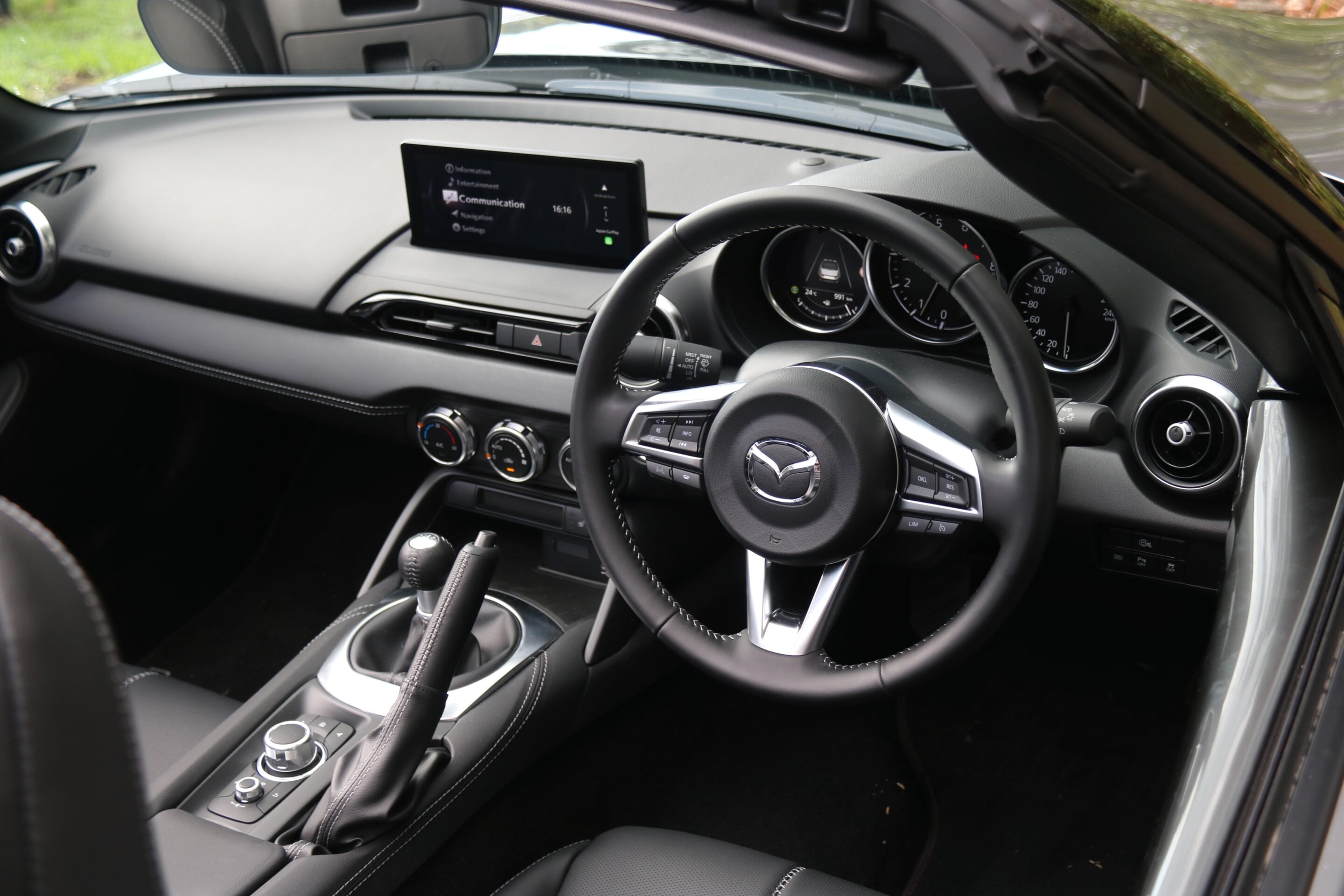
The ride is quite comfortable, rarely feeling firm, and the handling is great. It’s not free of roll, unlike a such as the i30 N, but that makes the driver further part of the driving experience and taming it feels like a win. Mazda wasn’t kidding when it said the MX-5 is one for drivers.
That said, if the driving experience is your key consideration, might I suggest upgrading to the GT RS. It costs $3000 more but adds important features like Bilstein dampers, stronger Brembo front brakes, a suspension front tower brace bar and a track mode for the stability control, which allows for more slip in corners. Doing so gets you a tauter MX-5 with better body control and higher cornering ability – plus, handsome BBS wheels replace the frankly hideous wheels that are now standard.
How practical is the Mazda MX-5?
It’s a two-seater roadster, so how practical could it be? You’re not going to be buying much flat pack furniture to take home in it, that’s for sure. Also, even if you’re on the shorter side, the MX-5’s cabin will be snug. That’s fine as it’s not meant to be a van, but just a smidge more practicality would make it an easier sell against more useable hot hatchbacks.
For example, the boot of the MX-5 measures just 130 litres (or, around half that of a Mazda2 that it shares showrooms with). That’s enough for a few duffle bags or a weekly shop to be wedged in, but good luck with anything more. Choosing the MX-5 RF coupe doesn’t make it any more capacious, unfortunately. A GR 86/BRZ or hot sedan/hatch is definitely better at carrying things, but that’s looking past the point of the MX-5.
The cabin of the MX-5 has remained relatively unchanged in its 11-year life, but the basics are still fine: the quality is good, it’s easy to operate and the lack of storage is hilarious. Want to discover how much larger smartphones have become since 2015? Put yours in the phone slot in the MX-5’s centre console – my then-new iPhone fit just fine in my 2016 MX-5, but my newer and larger model? Nope.

As for other cabin storage, there’s a small cubby in the middle of the seats, one more behind each seat and a tiny tray between the seats. That’s it, not even a glovebox. The roof operation is more positive, however: press the handle in the middle of the seats, extend your arm, reach for the sky and pull the roof to the windscreen and lock it into place. The whole operation takes maybe five seconds at the most. Brilliant, Mazda.
So, some of the bits inside the MX-5 feel a bit old but still work well and a new 8.8-inch touchscreen from Mazda’s newer models like the Mazda3 was added in the ‘ND3’ update. It doesn’t operate much differently to the former 7.0-inch ‘MZD Connect’ unit in the pre-updated MX-5, still employing a control wheel in the centre console and a basic menu structure that’s easy to navigate, but it looks far newer and screen quality is much sharper than before.
Unlike the CX-60 and above SUVs, it can – thankfully! – be used as a touchscreen while using smartphone mirroring. Mazda, spread this to the rest of the range, please. The nine-speaker Bose sound system is also nicely punchy too – phone call audio pushed through them is actually quite useful.
What could be improved in the MX-5’s cabin are the seats, which have consistently needed a redesign since the ND generation’s release. In some overseas markets, Recaro sports seats are available and have featured locally in a few special editions, but we’d like to see them more widely available as the current seats are too flat and lack lateral support. While I’m moaning, a digital speedo would be a great addition, especially for taller drivers as the analogue speedometer sits an an odd angle.
What warranty covers the Mazda MX-5?
The MX-5 is covered by a five-year/unlimited km warranty with five years of roadside assistance. Its annual service intervals are every 15,000km (whichever comes first) and five years/75,000km of servicing costs an expensive $2797 or $560 per service on average.

Should I buy a Mazda MX-5?
If you’re coming from an older ND1 or ND2 MX-5, I would say probably not – yes, the ND3 is a definite improvement on previous models, but it’s also notably more expensive and the car is fundamentally the same. The lack of space, characterful engine and excellent driving experience remain as so, albeit tweaked slightly as Mazda does with its models so well.
However, there’s no denying that the MX-5 is a sublime sports car that makes you grin from ear to ear. It’s communicative from behind the wheel to make you feel part of every part of the driving experience yet also more than comfortable enough to easily drive every day. Importantly, it reminds you that cars can still be fun. I hope the MX-5 never loses that talent.
Mazda MX-5 specifications:
| Price | From $49,290 plus on-road costs |
|---|---|
| Engine | 1998cc four-cylinder petrol |
| Power | 135kW (@ 7000rpm) |
| Torque | 205Nm (@ 4000rpm) |
| 0-100km/h | 6.5 seconds (est.) |
| Top speed | 225km/h (est.) |
| Transmission | Six-speed manual, rear-wheel drive |
| Claimed fuel consumption | 6.8L/100km (8.6L/100km as tested) |
| Fuel type/tank size | 95 RON premium unleaded, 45 litres |
| Dimensions (L/W/H/WB) | 3915/1735/1230/2310mm |
| Boot size | 130 litres |
| Kerb weight | 1070kg |
| On sale | Now |
MX-5 Roadster GT standard features:
- 17-inch alloy wheels with a tyre repair kit
- Limited-slip differential
- Manual cloth soft-top
- Dusk-sensing automatic LED exterior lighting
- Rain-sensing automatic wipers
- Keyless entry with push button start
- Heated electric mirrors
- Electric windows with auto-down
- Heated leather seats with speakers in the headrests
- Single-zone automatic climate control
- 8.8-inch touchscreen
- Mazda Connected Services
- Wireless Apple CarPlay and Android Auto
- Satellite navigation
- AM/FM/DAB+ digital/internet radio
- Bluetooth calling and audio streaming
- 203W nine-speaker Bose sound system
- 2x USB-C charging ports
- Cruise control with braking
- Matrix adaptive high beam
- Auto-dimming rear mirror
- 4x airbags
- Autonomous emergency braking (forward and reverse)
- Lane departure warning
- Blind-spot monitoring with rear cross-traffic alert
- Driver attention alert
- Traffic sign recognition
- Rear parking sensors
- Reversing camera
- Tyre pressure monitoring
Zeekr has launched a new limited edition of its 7X electric SUV, dubbed the 7X Black Special Edition. As the name suggests, the new special 7X adds a number of black-themed styling features, including lower styling, wheels and interior trimmings to set it apart from other 7X models. Based on the top-spec 7X Performance, the 7X Black Special Edition is priced from $75,900 plus on-road costs.
Black Special Edition adds to 7X Performance:
- All black Onyx gloss exterior colour with the following details in all black:
- Front and rear lower bumpers finished in gloss black
- Lower door exterior trims in gloss black
- Roof rails
- 20-inch black alloy wheels
- Exclusive rear 7X black badge
- Black Nappa leather interior trim
As with the 7X Performance, the 7X Black Special Edition features a 100kWh battery for a claimed WLTP range of 543km, as well as an 800V architecture for ultra-fast 420kW DC fast charging. The battery feeds a dual-motor drivetrain making 475kW/710Nm outputs, enough for a claimed 3.8-second 0-100km/h sprint time.
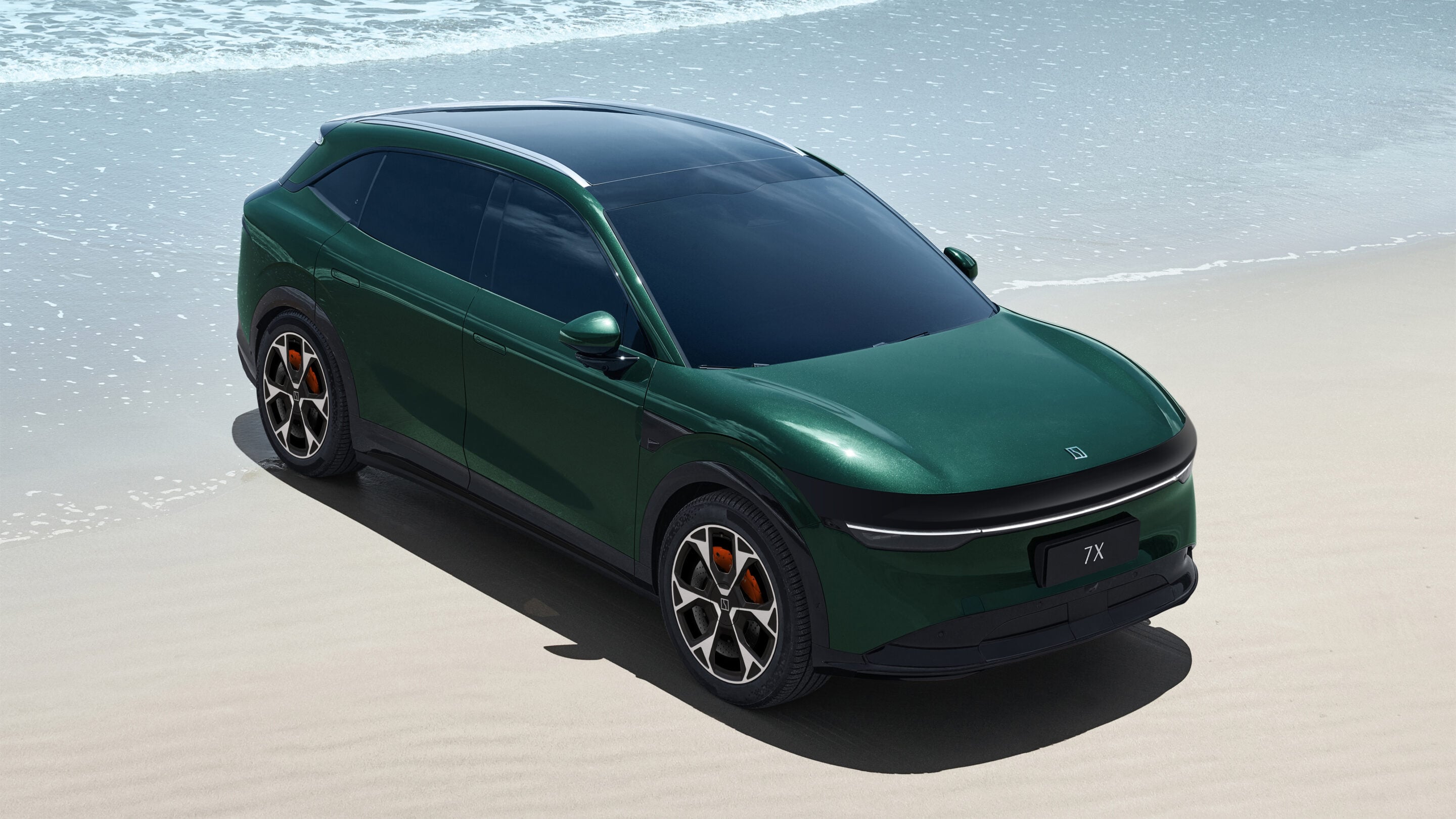
Non-Black Special Edition variants of the 7X range shown
“The 7X Black Special Edition is our way of celebrating the incredible reception the 7X has received since arriving in Australia” said Frank Li, Managing Director of Zeekr Australia. “Our customers have consistently told us they wanted a darker, bolder expression of the 7X and we listened.
“This special edition has been brought to market directly in response to that feedback, embodying the design, performance, and innovation our owners value.”
2026 Zeekr 7X pricing (excluding on-road costs):
| 7X | $57,900 |
|---|---|
| Long Range | $63,900 |
| Performance | $72,900 |
| Black Special Edition | $75,900 |
7X Black Special Edition standard features:
- 20-inch black alloy wheels
- Air suspension with continuous control damping
- All-black exterior detailing
- All-LED exterior lighting
- Rain-sensing automatic wipers
- Black Nappa leather upholstery
- Electric, ventilated and massaging front seat adjustment
- Heated and electric reclining rear seats
- Heated leather-wrapped steering wheel with electric steering column adjustment
- Tri-zone automatic climate control
- 13-inch digital driver’s display
- 16-inch touchscreen
- Wireless Apple CarPlay and Android Auto
- 36-inch head-up display
- 21-speaker sound system
- 2x 50W wireless phone chargers
- Vehicle-to-load functionality
- 7x airbags
- Autonomous emergency braking
- Adaptive cruise control with automatic lane changing
- Lane keeping assistance with adaptive lane guidance
- Blind-spot monitoring
- Rear cross-traffic alert
- Front and rear parking sensors
- Automatic parking
- 360-degree camera
- Sentry mode
The Zeekr 7X Black Special Edition is now available, with local deliveries due to commence imminently.
Toyota supplier Denso has approached Japanese semiconductor manufacturer Rohm with a proposal to acquire the company in a deal that could be worth about US$8.3 billion, according to reports.
The potential takeover would significantly expand Denso’s presence in power management semiconductors, an increasingly important technology used in electric vehicles, industrial systems and data centres. Rohm confirmed the approach in a statement, but said discussions were still ongoing and no decision had been made.
The proposal was first reported by Japan’s Nikkei business newspaper, with Reuters later confirming details of the possible transaction.

If completed, the acquisition would represent a major consolidation move in Japan’s semiconductor industry, where government officials have long argued that companies need to combine resources to remain globally competitive.
Denso is one of the world’s largest automotive parts suppliers and a core member of the Toyota Group. The company already holds a stake of roughly 4.8 per cent in Rohm, according to financial data provider LSEG.
The two companies strengthened their relationship earlier this year when they agreed to form a strategic semiconductor partnership, focusing on integrated circuits used in electric vehicles. Since then, they have discussed several options for deeper cooperation, including a potential share acquisition.
Both companies said discussions remain preliminary.
Financial markets reacted quickly to the news. Rohm shares surged to their daily trading limit, rising 18 per cent, amid heavy buying interest, while Denso shares fell 3.4 per cent during the same trading session.
Rohm is a major manufacturer of power semiconductors, which regulate and control the flow of electricity in electronic systems. These chips are critical components in electric vehicles, where they help manage battery output, motor control and charging systems.
Japan remains relatively strong in the specialised field of power chips, even as its broader semiconductor industry has lost global market share in recent decades. Demand for these components has grown rapidly as automakers shift toward electrified vehicles, while the expansion of data centres and artificial intelligence infrastructure has also increased the need for efficient power management.
Car manufacturers have become particularly focused on securing semiconductor supplies following the global chip shortages that disrupted production during and after the COVID-19 pandemic.
More recently, supply concerns were highlighted again when issues at European chipmaker Nexperia forced production adjustments at several automakers.
A successful takeover of Rohm would give Denso greater control over a key part of the EV supply chain while strengthening its semiconductor capabilities at a time when the automotive industry is becoming increasingly reliant on advanced electronics.
Honda has announced a new heritage parts initiative aimed at supporting classic performance models, starting with the first-generation NSX, one of the most iconic Japanese sports cars of the modern era.
The program, known as Honda Heritage Parts, will begin supplying reproduction components for the original NSX through Acura dealerships in the United States from mid-2026. The move is designed to help owners maintain and restore cars that are now more than three decades old.
The initiative forms part of a broader project called Honda Heritage Works, which will reproduce discontinued components and offer restoration services for historic Honda and Acura vehicles. The program launches globally in April 2026, beginning in Japan.

For many enthusiasts, the decision to prioritise the original NSX is fitting. Introduced in 1990, the aluminium-bodied mid-engine sports car became a landmark model for Honda and the wider automotive industry. It proved that a high-performance supercar could also deliver everyday usability and reliability, challenging European rivals from Ferrari and Porsche.
The development of the NSX famously included input from Formula One legend Ayrton Senna, whose feedback helped engineers refine the chassis and steering to deliver sharper handling.
Under the new heritage program, Honda will produce two types of replacement components. Genuine Honda Reproduction Parts will be manufactured using the same materials and production processes as the original components. Meanwhile, Honda Compatible Parts will be newly developed replacements designed for items that are no longer available.
The parts catalogue is expected to include a wide range of items covering powertrain, chassis, interior, exterior and electrical systems, allowing owners to keep their vehicles operational long after original parts stocks have been exhausted.

Honda says the heritage initiative has been made possible by new partnerships with suppliers along with advances in manufacturing technology and materials.
A separate Honda Restoration Service will also be offered in Japan, allowing factory technicians to restore Japanese-market NSX models using heritage parts. The service effectively revives Honda’s earlier NSX “Refresh Plan,” which had previously supported ageing examples of the car.
Honda has indicated that additional classic Honda and Acura performance models could eventually join the heritage parts program, though details have yet to be confirmed.
For collectors and enthusiasts, the initiative signals a growing recognition of the first-generation NSX as a modern classic, ensuring one of Honda’s most celebrated performance cars can continue to be driven and preserved for decades to come.

BYD sales are on fire in Australia. From a complete nobody just a few years ago when it launched into the passenger vehicle space in 2022 to selling over 52,000 cars in 2025 (+156 per cent on 2024), BYD has put itself on the list of many Aussies seeking a new car. In this regard, the Shark 6 ute has done quite a lot of the heavy lifting – we love a ute, after all – but the brand’s BYD Sealion 7 mid-size SUV is its best-selling passenger car.
How much does the BYD Sealion 7 cost to buy?
There are two Sealion 7 models available in Australia: the entry-level Premium ($54,990 plus on-road costs) and the upper-spec Performance ($63,990 +ORC). BYD has a special deal for Premium buyers at the time of writing for free on-road costs, and its sub-$55k driveaway is even better value for money.
Both variants of the Sealion 7 range are very well equipped, offering everything from a panoramic glass roof and vehicle-to-load functionality, to nine airbags and a 360-degree camera. A full inclusion list is at the bottom of this page, but what you need to know is that the Sealion 7 is excellent value for money with a features offering superior to many rivals.
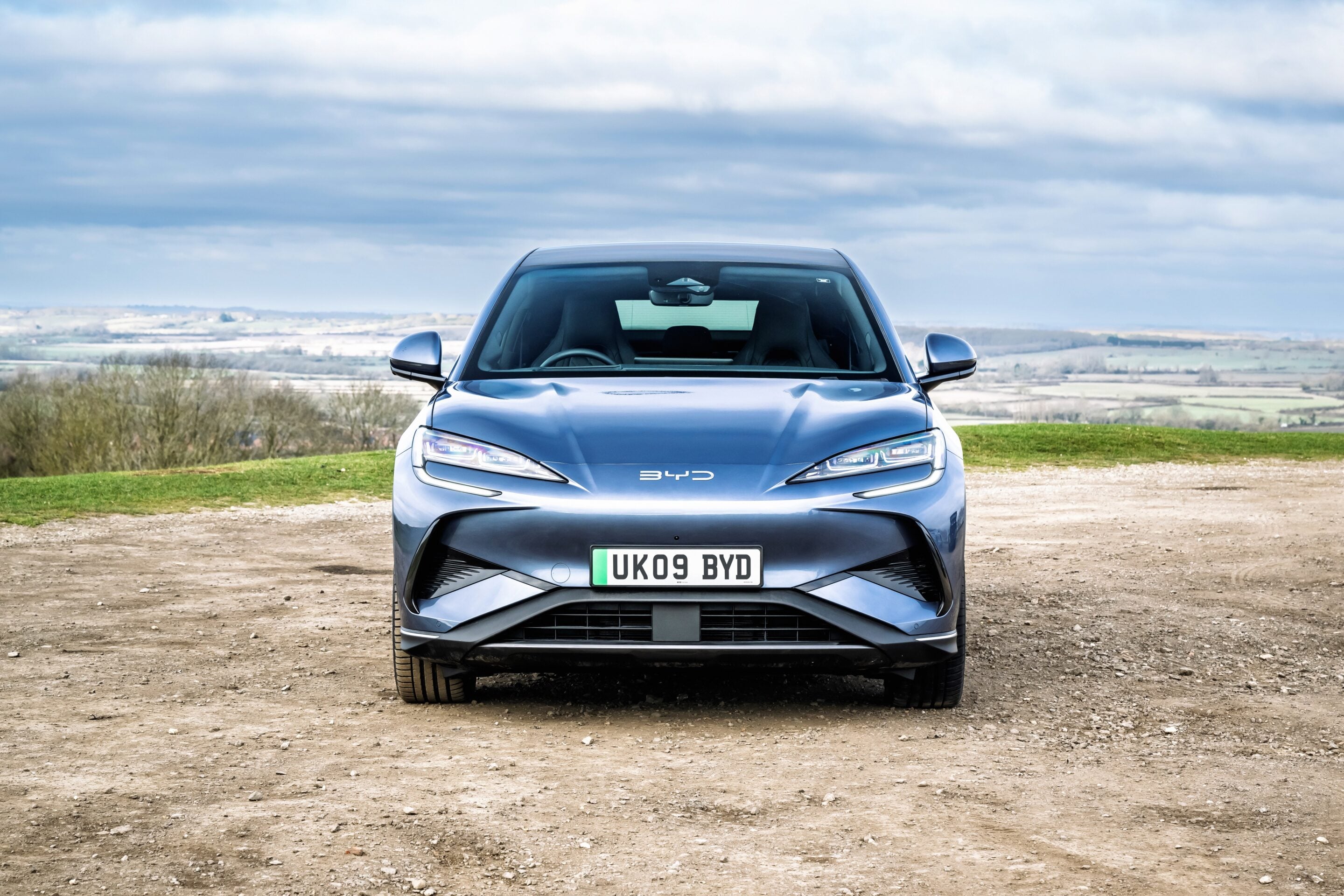
Competition to the Sealion 7 naturally includes the Tesla Model Y, its arch-rival, but also the Kia EV5, Hyundai Elexio, Skoda Enyaq, Nissan Ariya, Volkswagen ID.4 and ID.5, and Zeekr 7X.
Importantly, the Sealion 7 was awarded a five-star ANCAP rating in 2025 with scores of 87 per cent in adult occupancy protection, 93 per cent in child occupancy protection, 76 per cent in vulnerable road user protection and 78 per cent for safety assist.
How practical is the BYD Sealion 7?
Despite the attractive sloping roofline, the BYD Sealion 7 is quite a practical mid-size SUV. Rear seat space is impressive, with a huge amount of legroom, and headroom is reasonable, too. Thankfully, the panoramic roof and its electric blind operation doesn’t eat into headroom. Front seat comfort is generally good, though a bit more lateral support would be nice for those doing longer journeys.
The Sealion 7’s 500-litre boot is a good size and there’s also a 58-litre front boot. BYD Australia doesn’t quote the size of the boot with the rear seats folded, but UK reports say that there’s up to 1789 litres of space, which is smaller than a Model Y but still very spacious. The carpeting is high quality too, and there is also an adjustable boot floor.
Quality inside the Sealion 7 is excellent, with plenty of soft-touch materials, including leather-like trims on the dashboard and doors. We also quite like the swooping design of the doors into the dashboard, which gives the Sealion 7 a modern feel. It is a bit dark, however, and more trim colours would liven it up and make it feel even roomier inside.
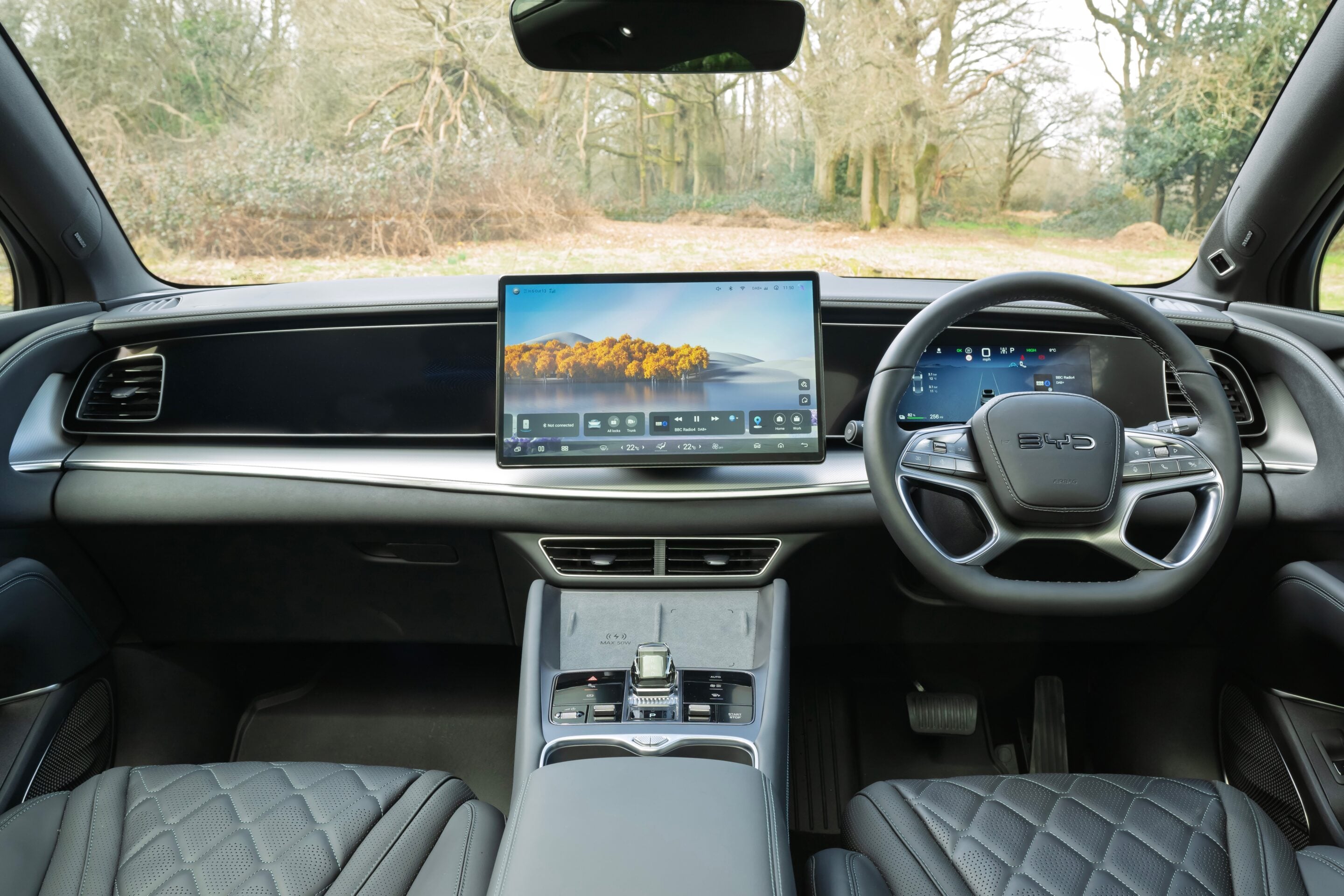
In-car tech is handled by an impressive and sharp 15.6-inch touchscreen, which can do the typical BYD rotating trick from landscape to portrait mode. It’s well featured as well, including wireless smartphone mirroring, live music streaming and sat-nav. The only downside is there aren’t many physical buttons to help with the functionality.
The 12-speaker Dynaudio sound system is reasonably punchy as well, and there are plenty of storage spots around like the big tray underneath the centre console. The dual wireless chargers in the centre console are a nice touch as well. The driver’s display could be more configurable, however.
What is the driving range of the BYD Sealion 7?
Using a 82.56kWh LFP battery, the claimed WLTP driving range of the Sealion 7 Premium is a highly respectable 482km with the Performance dropping to 456km. If range is a key consideration, the Sealion 7 Premium is impressive for the money.
The Sealion 7’s charging statistics are healthy too. Not quite as fast as a Model Y or 7X but it can still charge at up to 150kW on a DC fast charger for a 10-80 percent charge in as little as 32 minutes.
What is the BYD Sealion 7 like to drive?
It’s certainly not as sporty as the Model Y, if that’s what you’re searching for, but it’s also not as firm either and most will be more than happy with how the Sealion 7 handles. On the smaller 19-inch wheels of the Premium (the Performance has 20s) the Sealion 7 is generally quite comfortable, though its low-speed ride could be improved to handle little bumps (bigger bumps are fine).
The Sealion 7’s refinement is excellent, however, and there’s little in the way of road noise, even at highway speeds. Some of the Sealion 7’s active safety features, like the lane keep assistance and adaptive lane guidance when the adaptive cruise control is activated, may be too sensitive for some drivers.
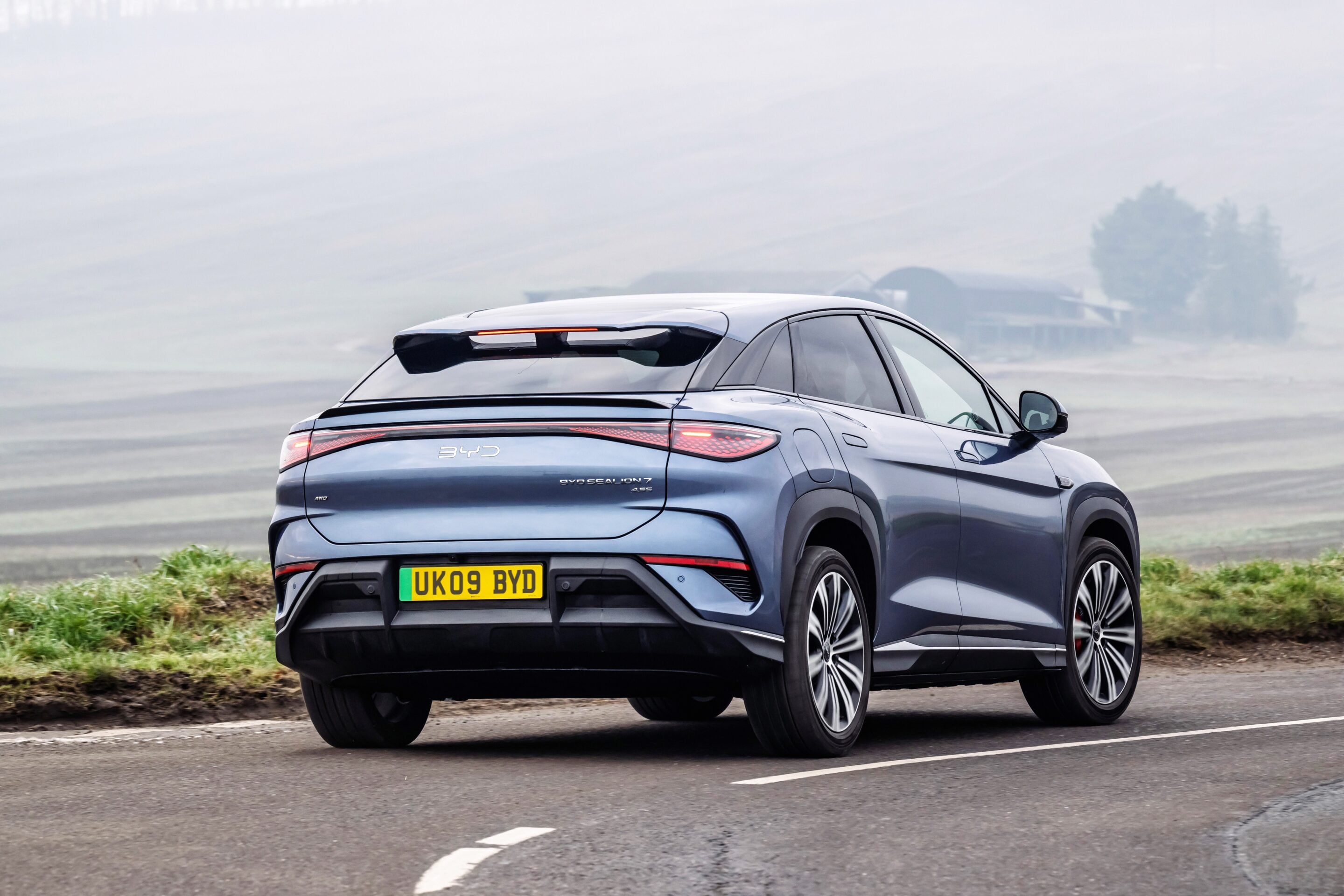
Performance is more than healthy in the Sealion 7. Even in the Premium, its 230kW is more than enough grunt and takes it to 100km/h in a reasonable 6.7 seconds – but those wanting even more grunt will be impressed by the Performance and its 390kW/690Nm outputs and strong 4.5-second 0-100km/h sprint time.
What warranty covers the BYD Sealion 7?
A six-year/150,000km warranty covers the Sealion 7 with an eight-year/160,000km warranty covering the battery. Roadside assistance is included for 12 months as well.
Should I buy a BYD Sealion 7?
The BYD Sealion 7 is a great choice for those in the market for an electric mid-size SUV. It presents potential buyers a handsome exterior, great value for money, a long list of standard equipment, good performance and range stats, a high-quality interior and a comfortable driving experience.
Counting against it are not many things: It could be more energy efficient and faster to charge but in general, it’s easy to see why the Sealion 7 is one of the best-selling electric vehicles in Australia and more evidence that BYD is capable of making world-class cars.
Sealion 7 specifications:
| Model | BYD Sealion 7 |
|---|---|
| Price | $54,990 plus on-road costs (Premium), $63,990 +ORC (Performance) |
| Drivetrain | Single or dual-motor electric |
| Power | 230kW (Premium), 390kW (Performance) |
| Torque | 380Nm (Premium), 690Nm (Performance) |
| Transmission | Single-speed automatic, rear- or all-wheel drive |
| 0-100km/h | 6.7 seconds (Premium), 4.5 seconds (Performance) |
| Battery | 82.56kWh LFP |
| WLTP range | 456km (Performance), 482km (Premium) |
| Peak DC charging speed | 150kW |
| Dimensions (L/W/H/WB) | 4830/1925/1620/2930mm |
| Bootspace | 500 litres (boot) + 58 litre front boot |
| Kerb weight | 2225kg (Premium), 2340kg (Performance) |
| Warranty | 6-year/150,000km (vehicle), 8-year/160,000km (battery) |
| On sale | Now |
BYD Sealion 7 Premium standard features:
- 19-inch alloy wheels with a tyre repair kit
- Frequency select dampers
- Automatic dusk-sensing LED exterior lighting
- Automatic rain-sensing wipers
- Keyless entry and start with 2x key fobs, 1x NFC card and digital key access
- Heated/auto-folding mirrors
- Electric tailgate
- Panoramic glass roof with electronic sunshade
- Leather-wrapped steering wheel
- Leather upholstery (black)
- Dual-zone automatic climate control with rear air vents
- Heat pump
- 14-way driver with memory/6-way front passenger electric seat adjustment
- Heated and ventilated front seats
- 10.25-inch digital driver’s display
- Rotating 15.6-inch touchscreen with live services and over-the-air updates
- Wireless Apple CarPlay and Android Auto
- 12-speaker Dynaudio sound system
- FM radio
- Internet music streaming
- Bluetooth audio and phone streaming
- 4x USB ports
- Wireless phone charger
- Ambient lighting
- Head-up display
- 9x airbags
- Autonomous emergency braking
- Adaptive cruise control
- Lane keeping assistance with adaptive lane guidance
- Blind-spot monitoring
- Door open warning
- Front and rear cross-traffic alert (with braking)
- Traffic sign recognition
- Driver attention monitoring
- Rear collision warning
- Front and rear parking sensors
- 360-degree camera
Sealion 7 Performance model adds to Premium:
- Front electric motor
- 20-inch alloy wheels
- Heated steering wheel
- Heated rear seats
Audi is preparing to farewell one of its most distinctive engines with the introduction of the RS 3 Competition Limited, a highly exclusive special edition designed to celebrate the brand’s iconic turbocharged five-cylinder powerplant.
Production of the new model will be restricted to just 750 units globally, making it one of the rarest versions of the RS 3 ever produced. The car will be available in both Sportback hatch and sedan body styles, although local allocations for markets such as Australia are yet to be confirmed.
The Competition Limited arrives as emissions regulations tighten globally, with the upcoming Euro 7 standards expected to end the production life of Audi’s unique five-cylinder engine.
Ironically, the very component being celebrated remains largely unchanged. The RS 3 Competition Limited retains the familiar 2.5-litre turbocharged five-cylinder engine, producing around 294kW and 500Nm.
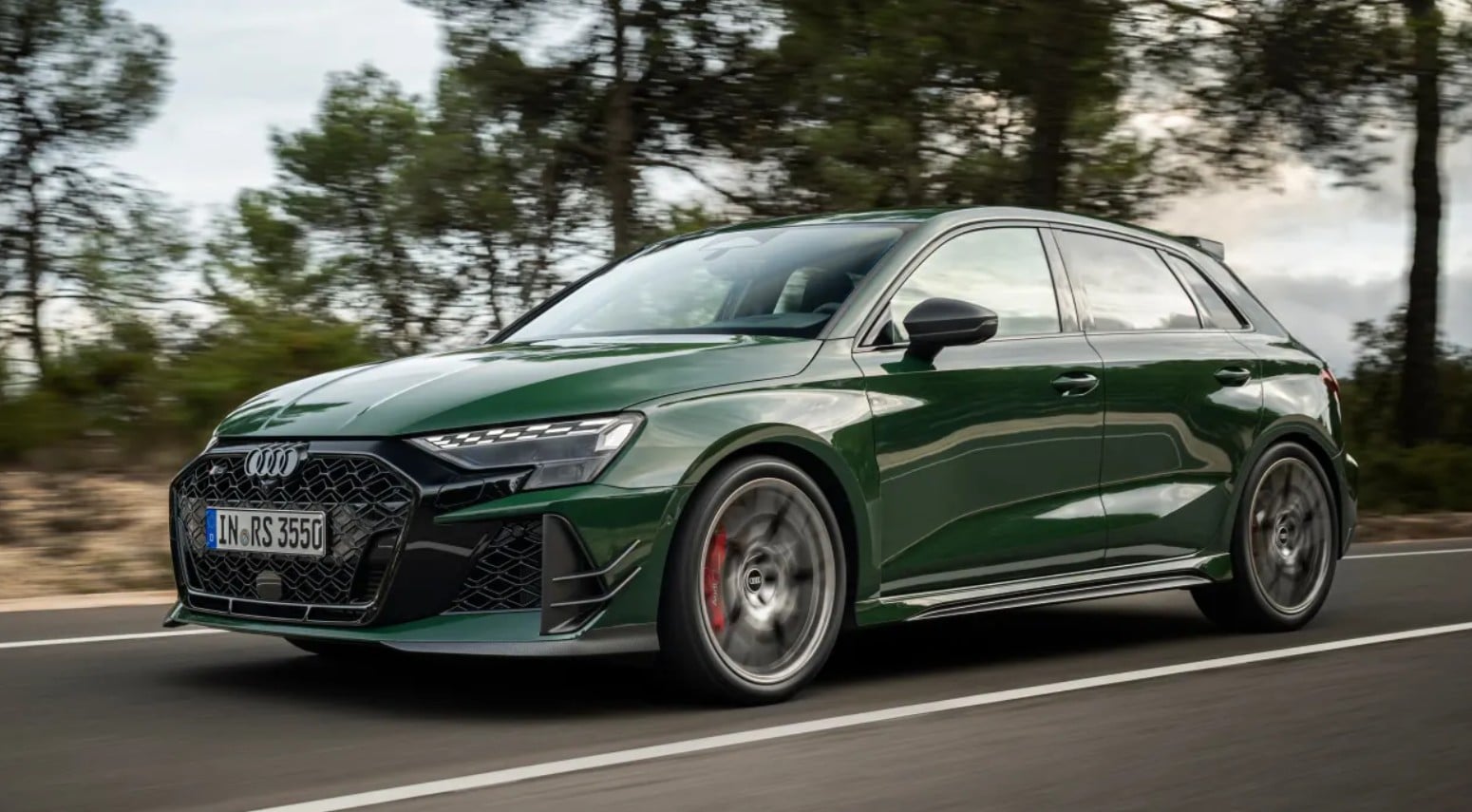
Power is delivered to all four wheels via Audi’s quattro all-wheel-drive system and a sophisticated torque-vectoring rear differential, capable of directing power between the rear wheels to enhance cornering agility and reduce understeer.
Performance figures remain impressive. Audi claims the RS 3 Competition Limited can accelerate from 0–100km/h in around 3.8 seconds, with a top speed of up to 290km/h where permitted.
A standard RS sports exhaust ensures the distinctive five-cylinder soundtrack remains front and centre – a key part of the engine’s appeal for enthusiasts.
While the engine carries over from the regular RS 3, Audi has made significant changes to the chassis.
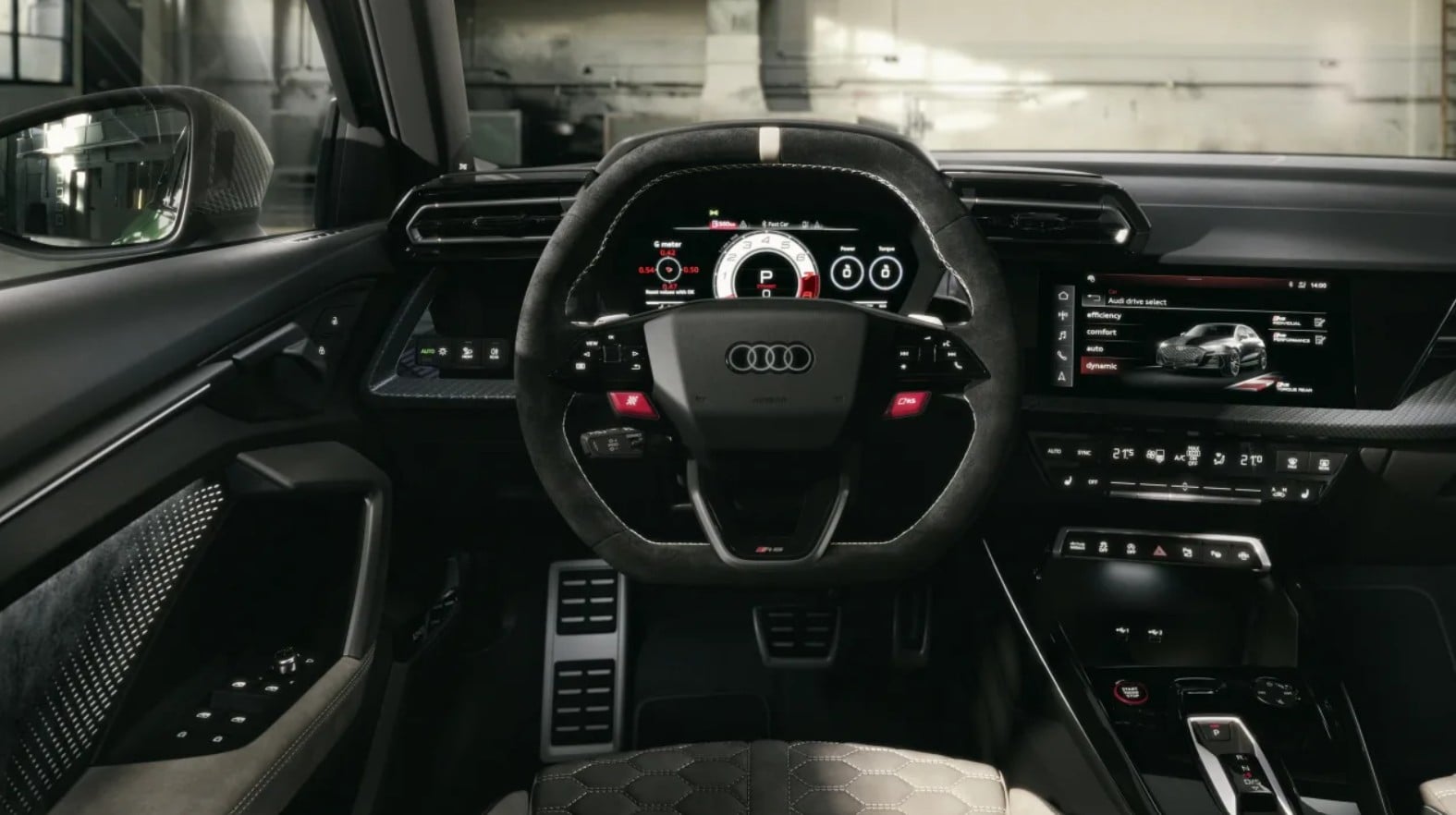
The adaptive dampers found in the standard car have been replaced with a manually adjustable coil-over suspension system, allowing drivers to fine-tune compression and rebound settings using supplied tools. The setup is designed to deliver sharper responses and greater track-day capability.
Additional upgrades include a stiffer rear anti-roll bar and standard carbon-ceramic brakes with red calipers. These sit behind 19-inch cross-spoke alloy wheels finished in distinctive Neodymium gold.
The RS 3 Competition Limited also receives a number of unique styling elements. A redesigned front bumper features a bi-plane splitter and integrated dive planes, while matte carbon fibre components appear on the mirror caps, side skirts, rear diffuser and rear wing.
Darkened matrix LED headlights add to the car’s more aggressive appearance.
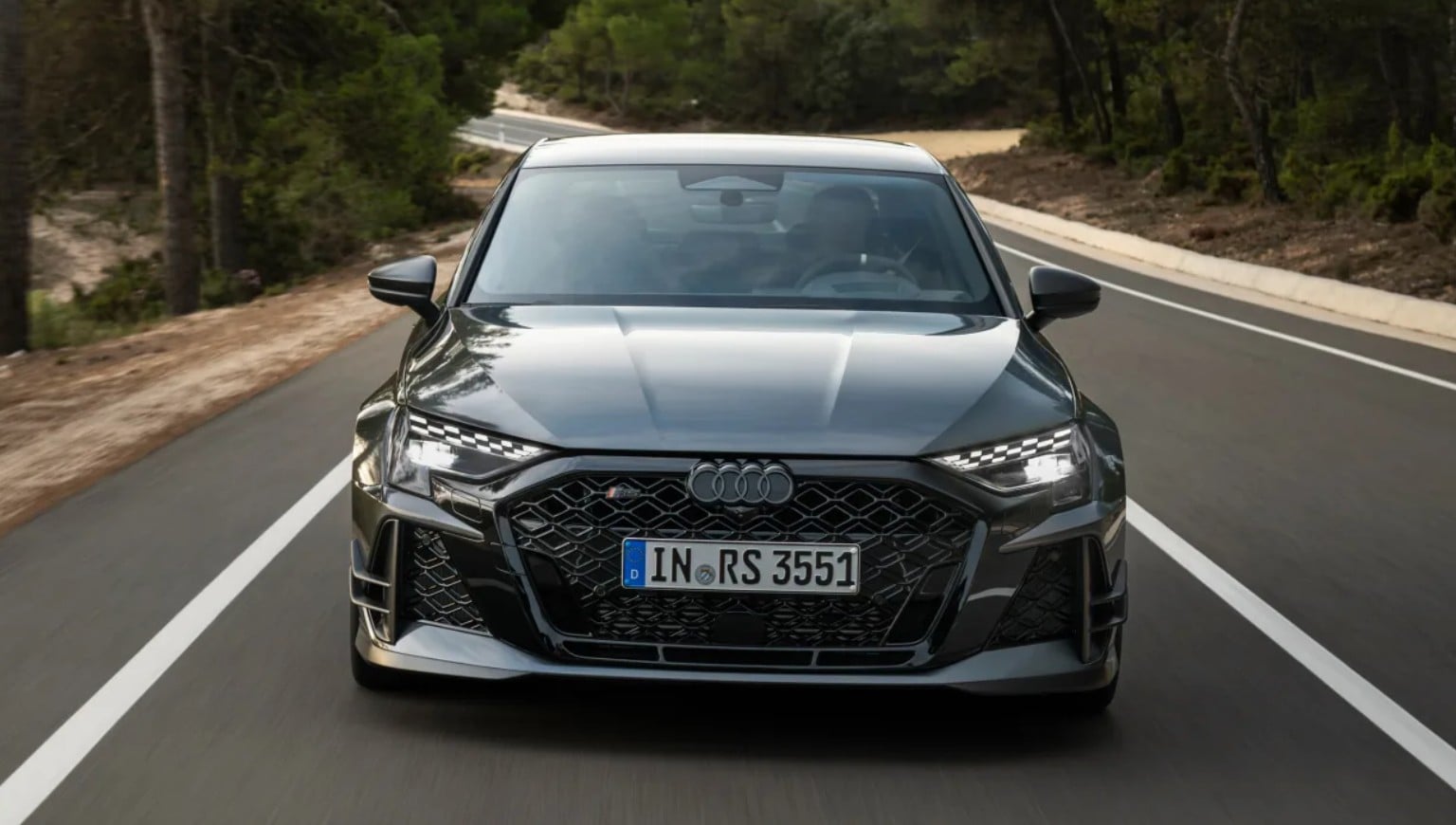
Audi will offer the limited edition in Daytona Grey, Glacier White (matte) and Malachite Green, while the interior features black Nappa leather, RS bucket seats and contrasting Neodymium gold stitching alongside additional matte carbon-fibre trim.
With its distinctive engine, track-ready suspension and limited production run, the RS 3 Competition Limited serves as a fitting tribute to one of Audi’s most characterful performance engines before the industry moves toward an increasingly electrified future.
Federal Treasurer Jim Chalmers has ruled out any decrease in fuel excise despite the sudden surge in petrol prices caused by US and Israeli military action against Iran.
“When it comes to fuel excise, that’s not something that we’ve been considering,” Chalmers at a press conference on March 4. “We’ve got a lot of cost of living help rolling out in other ways, ways that you’re familiar with, and we’ve got two more income tax cuts on the way as well.”
Australians are not only dealing with the soaring cost of fuel, but potential fuel shortages as well. Those shortages have already started to impact some regional areas.
A move to reduce the fuel excise would not be unprecedented, with the Morrison government halving the tax from 44.2 to 22.1 cents per litre between March and September in 2022 to counteract cost of living and supply chain issues caused by the COVID-19 pandemic.

The excise is adjusted each year in February and August in line with the Consumer Price Index (CPI) and is currently a hefty 51.6 cents per litre. It has been roundly criticised by some, including motoring bodies around the country.
The concept of the fuel excise was aimed at maintaining the funding into infrastructure, and road maintenance but the governments over the years have been criticised for their apportioning of the tax, with some studies – such as one by the ACCC for the 22/23 financial year – claiming as little as 57 per cent of the excise is directly reinvested back to roads.
Concerningly, former ACCC head, Alan Fels earlier this week accused retailers of ripping off motorists but also conceded there is little – if anything – the ACCC can do about it. Speaking to Sydney radio station 2GB, Fells said the ACCC has a history of not being able to effectively manage petrol price gouging, calling it a toothless tiger. His message for retailers, though, was clear.
“It’s just exploitation, it’s just opportunity,” Fells said. “The price will go up if retailers think the demand is there and people are worried and so they’re buying a bit more and it’s easy to put the price up.”
For his part, Treasurer Chalmers reckons he’s pulled the right reign with the ACCC. “I’ve taken, I think, an important step in making sure that the ACCC is helping to ensure that service stations don’t do the wrong thing by people when it comes to oil prices flowing through at the bowser,” Treasurer Chalmers said.
Ultimately though, Australians are currently paying more to fill up their vehicles than they should be, and there appears to be no end in sight. Regional Australians might be in even bigger trouble if supply starts to run short.
“We’ve found other ways to help people with the cost of living – cheaper medicines, more bulk billing, student debt relief, tax cuts and the like,” Treasurer Chalmers said in defence of his decision.
Cupra Australia has announced local arrival timing and pricing for its new Formentor VZ5 high-performance small SUV. Due in December 2026, around nine months after the regular Formentor range launches in updated form, the Formentor VZ5 is priced from $94,990 plus on-road costs ($101,990 driveaway). It uses Audi’s iconic 2.5-litre five-cylinder engine, making it the fastest production Cupra ever, and the initial batch is limited to just 100 cars.
Making 287kW of power and 480Nm of torque, the 2.5-litre five-pot engine in the Formentor VZ5 puts power to all four wheels via a seven-speed dual-clutch transmission. The 0-100km/h sprint is dealt with in just 4.2 seconds and it hits an electronically limited top speed of 250km/h.
Also used in the Audi RS3 and RS Q3, the engine is “recalibrated to deliver an even more emotive, character‑rich driving experience” by Cupra to differentiate it from those Audi models.
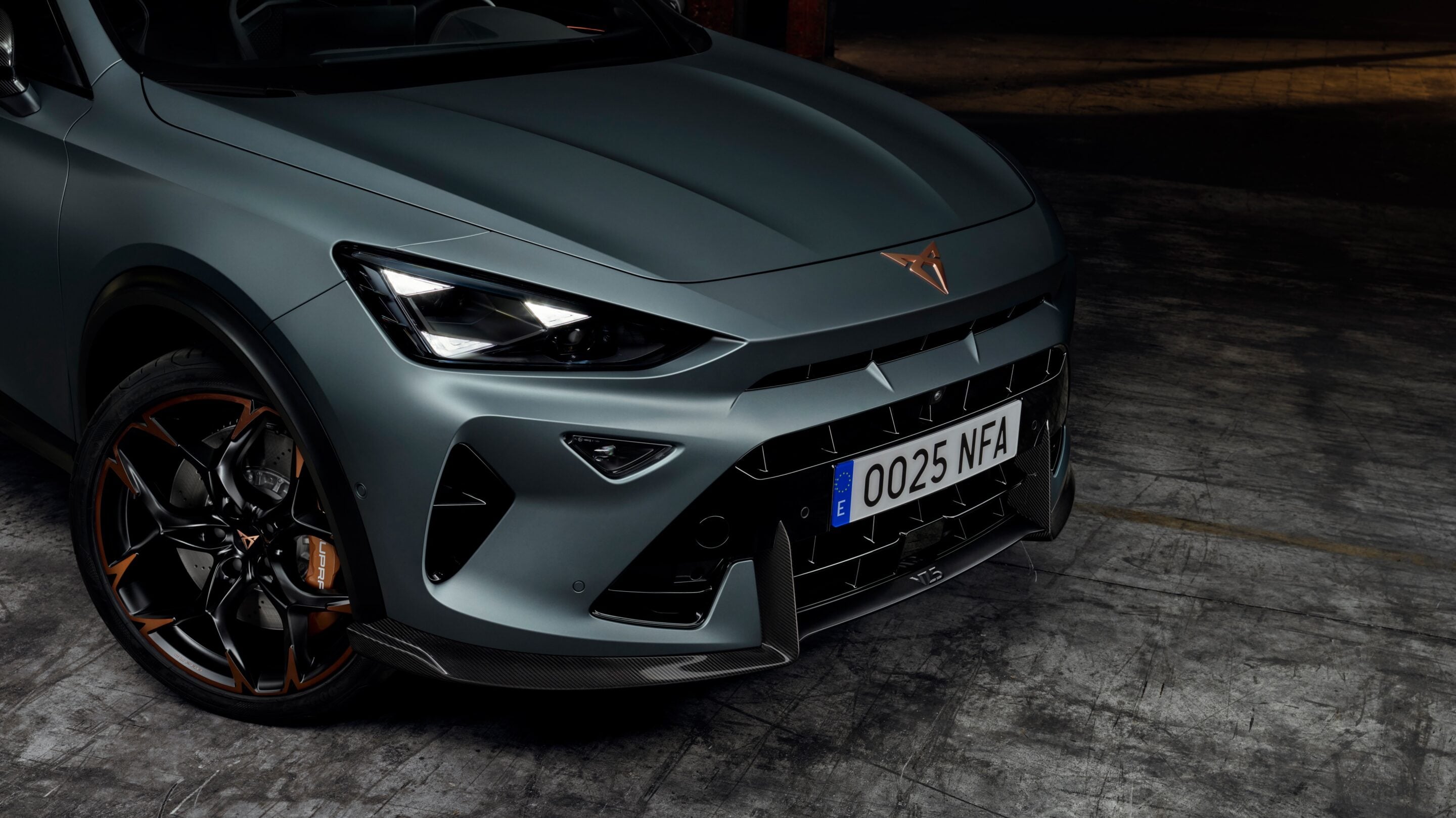
Above the regular Formentor range, the VZ5 adds:
- 20-inch black and copper VZ5 alloy wheels
- VZ5 carbon‑fibre front splitter with engraved logo
- Flared wheel arches
- VZ5 rear bumper with carbon‑fibre insert
- Copper‑tipped quad exhausts
- VZ5 exterior badging
- Exclusive colour palette featuring five finishes (one premium, three matte)
VZ5 interior features:
- Sabelt bucket front seats with carbon fibre backs
- Sennheiser audio system
- Panoramic sunroof
The only options available for the VZ5 are premium paint (+$790) or matte paint (+$3,300).
The VZ5 marks the first pricing announcement for the facelifted Formentor range, the rest of which is due quite soon into Cupra dealerships.
Cupra Formentor VZ5 pricing (driveaway):
- VZ5: $101,990
The first Australian deliveries of the Cupra Formentor VZ5 will commence in December 2026.
BMW’s Neue Klasse era has almost arrived in Australia with the company announcing local pricing for the new iX3 electric mid-size SUV ahead of its mid-year arrival. Pricing starts at $109,900 plus on-road costs for the launch iX3 50 xDrive variant, which is almost $19,000 more than the cheapest version of the previous iX3, but there are significant improvements in range, performance and standard equipment to justify the increase.
The iX3 sits on a new platform that can accommodate charging speeds of up to 400kW, which is one of the highest in the industry, while its huge 108.7kWh battery enables a WLTP-rated range of up to 805km depending on wheels selected. Its charging timing stats are impressive: 350km of range can be added in just 10 minutes of charging, and a 10 to 80 per cent charge can take as little as 21 minutes (with an appropriately DC fast charger).
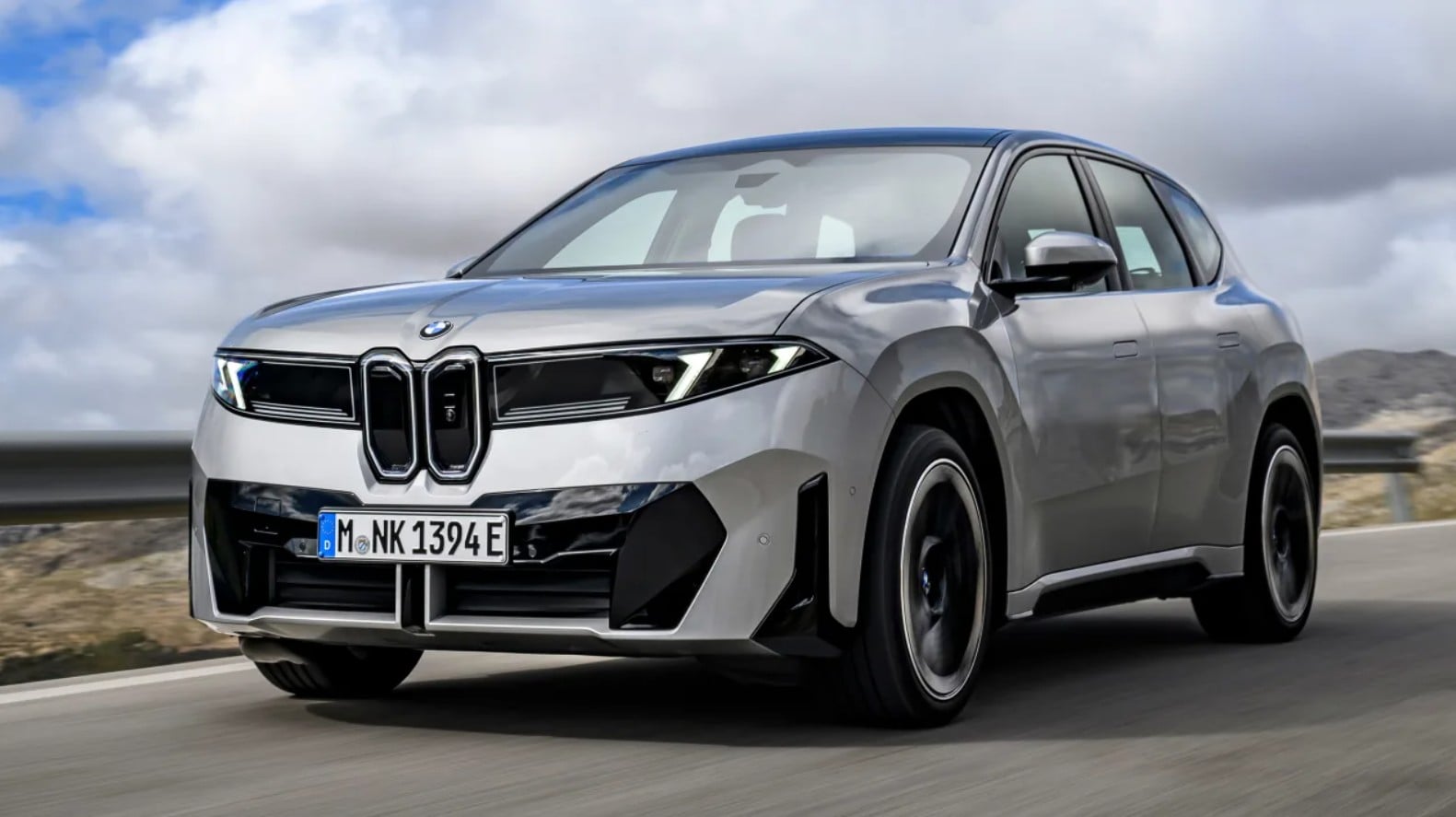
At launch, only the 50 xDrive variant will be available in the iX3 range, with more due to be launched later. The 50 employs a dual-motor set-up making 345kW of power and 645Nm of torque, which is enough grunt for a claimed 4.9-second 0-100km/h sprint time and a 210km/h top speed.
In contrast, the previous iX3 was rear-drive only, made 210kW/400Nm and was rated at a range of 460km from its 80kWh battery.
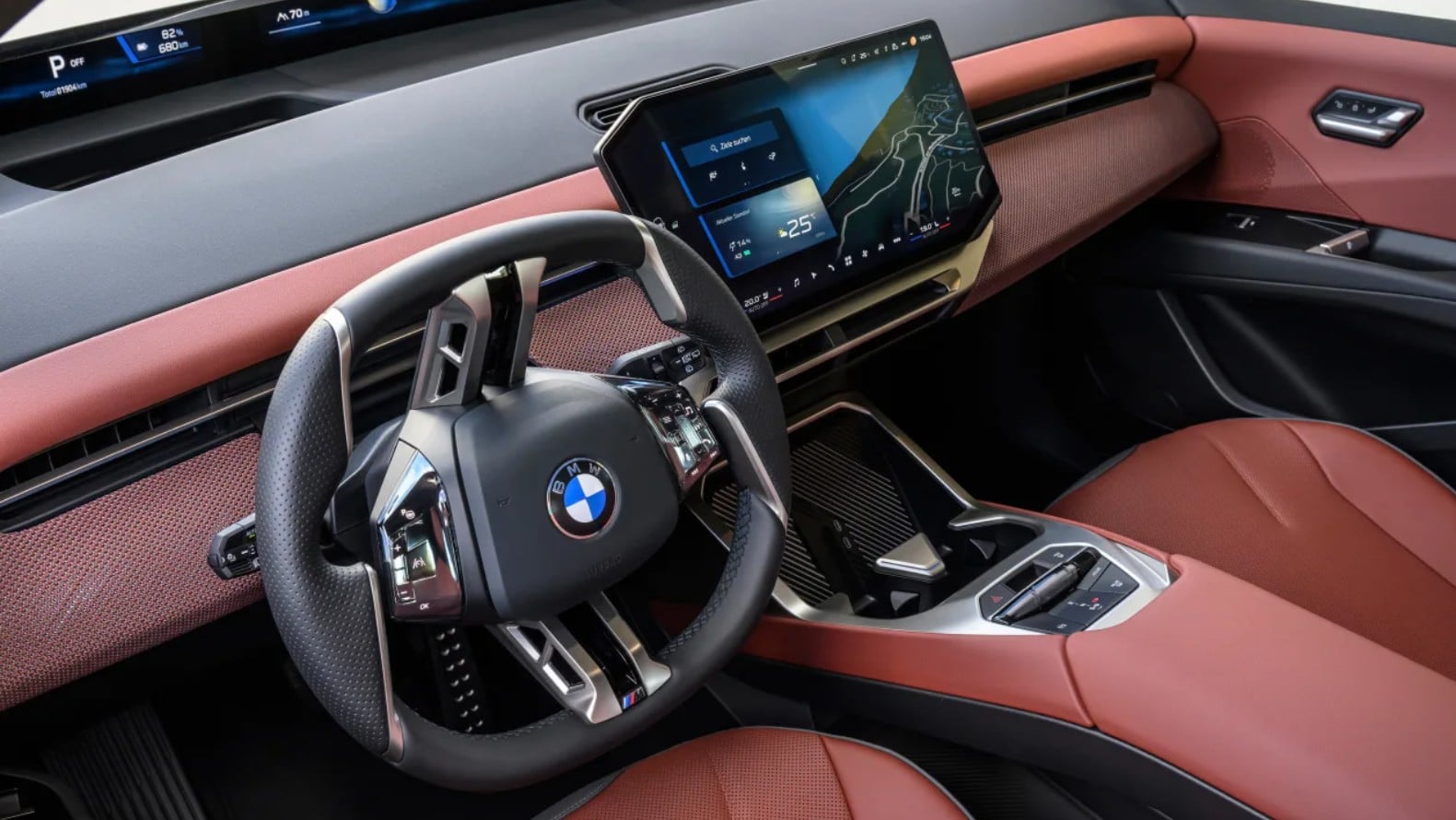
Standard equipment for the iX3 50 xDrive is lengthy, including a configurable 43.3-inch panoramic screen at the bottom of the windscreen, a 17.9-inch touchscreen, a 3D head-up display, 20-inch alloy wheels, a panoramic glass roof, ‘Veganza’ synthetic leather upholstery, heated electric front seats with memory, Karman Kardon audio, wireless Apple CarPlay and Android Auto, live services and a full suite of active safety features.
Further reflecting BMW’s value positioning for the iX3 in Australia, only a handful of options will be available, including the $3500 M Sport Pro package, $2500 tow bar preparation and various colour and wheel options.
Against competition such as the Audi Q6 e-tron quattro (from $122,500 plus on-road costs), Polestar 3 ($116,700 +ORC) and Genesis Electrified GV70 ($132,800 +ORC), the iX3 is capable of faster charging and travelling further on a charge.
2026 BMW iX3 pricing (excluding on-road costs):
| iX3 50 xDrive | $109,900 |
|---|
BMW iX3 50 xDrive standard equipment:
- 20-inch alloy wheels with a tyre repair kit
- Automatic all-LED exterior and interior lighting
- Automatic rain-sensing wipers
- Illuminated grille
- Keyless entry and start, digital key
- Panoramic glass roof
- Hands-free electric tailgate
- ‘Veganza’ synthetic leather upholstery
- Heated and electrically adjustable front seats with memory
- Dual-zone automatic climate control with rear air vents
- 43.3-inch panoramic dashboard screen
- 3D head-up display
- 17.9-inch touchscreen with live services
- Wireless Apple CarPlay and Android Auto
- Satellite navigation with live traffic
- DAB+ digital radio
- Harman Kardon sound system
- Ambient interior lighting
- Automatic parking
- Tyre pressure monitoring
- Autonomous emergency braking
- Adaptive cruise control
- Lane keeping assistance with adaptive lane guidance
- Blind-spot monitoring
- Rear cross-traffic alert
- Front and rear parking sensors
- 360-degree camera
iX3 50 options:
- M Sport Pro Package (red or blue brake callipers, M seat belts, M Sport front seats, M two-spoke steering wheel, black exterior styling features): $3500
- Leather upholstery: $4000
- White steering wheel (only with white interior): $400
- Tow hitch preparation: $2500
- 21-22-inch alloy wheels: $2500 – $7700
- Premium paint: $2000 – $6000
Porsche is considering merging the Taycan and Panamera into single, unified model line, with petrol, plug-in hybrid and fully electric variants.
With a global downturn in sales and the enormous costs associated with the scale back in Porsche’s electrification plans, further model rationalisation might be on the way, a report in Autocar claims. Former CEO Oliver Blume made the call to scale back electrification last year, and new CEO Michael Leiters has signalled model unification as another way to reign in development spending.
“The automotive industry, and especially Volkswagen, have never faced so many headwinds at the same time,” former CEO Blume said last year at the 2025 IAA Munich, Europe’s largest auto show.
At the time of his appointment, Leiters was touted as being chosen to make a deliberate shift in the direction the German manufacturer was taking, with the focus being on the balancing of both combustion and hybrid technologies rather than all-out focus on electrification. “That is why we have structurally realigned the company this year, and comprehensively expanded our product strategy,” Blume said at the time.
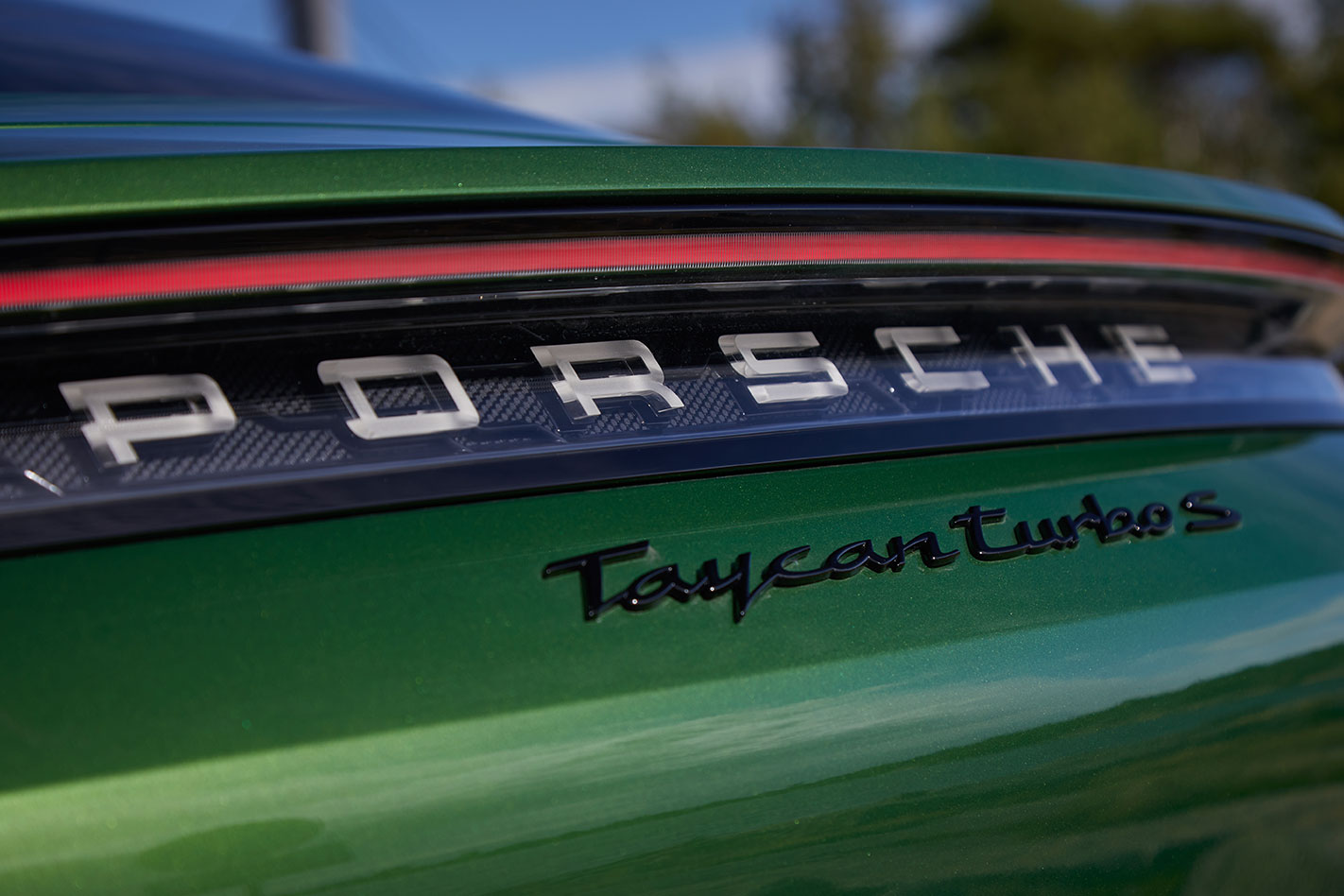
Underpinned by different platforms – although both performance saloons – Taycan and Panamera have significant different body styles, and therefore separate, expensive development programs.
Panamera sits on Porsche’s MSB platform, a platform also used for the Bentley Continental GT. As reported previously, that architecture is soon to be replaced by the newer PPC platform when the third-gun Panamera arrives closer to 2030.
Autocar reports that Taycan meanwhile, rides on the J1 platform, shared with the Audi E-tron GT and previous reports suggested that its successor was expected to use the now-delayed SSP Sport platform.
Porsche is no different to any other manufacturer at the moment, wrestling with the soaring costs of EV development eating into profitability, and is therefore assessing the long-term viability of plans previously put in place. They include running the Taycan and Panamera as completely separate R&D and engineering programs.
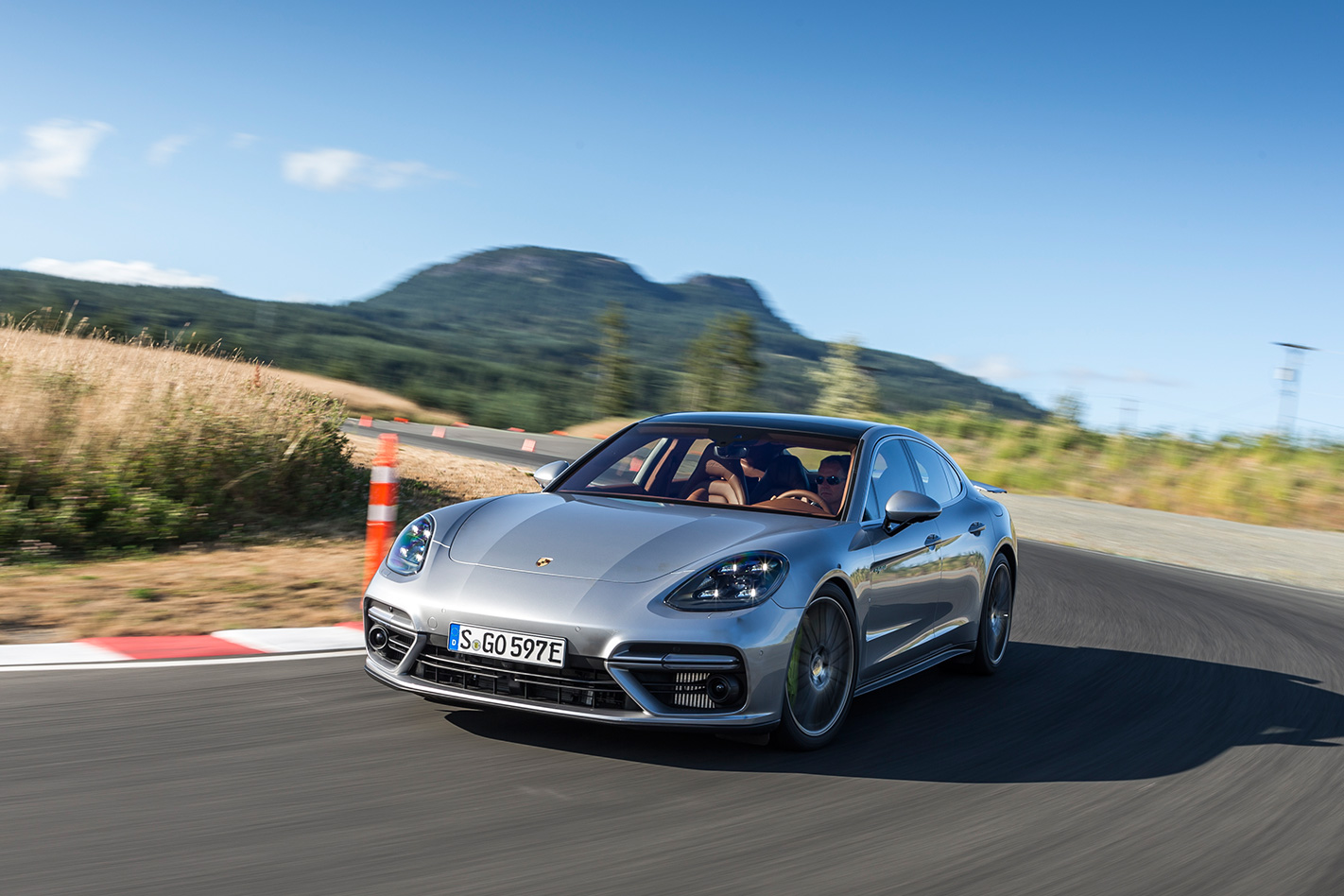
The Macan program is the one to study, according to Autocar, with that model already operating parallel architecture across internal-combustion and electric models in several markets, despite the two different platforms underneath. It’s unclear as yet whether the rationalisation would see the use of the Taycan or Panamera name.
The numbers in play – and the cost to the manufacturers – are huge. Porsche has already written down 1.8 billion Euros related to delayed platform development and has warned of continued reductions to profitability.
