
Key Points
- Kia blasts past Mazda and Mitsubishi to taken 2nd place
- Strong month for market-leader Toyota with almost 23,000 sales
- Market overall achieves almost 95,000 units for May
There were mixed fortunes for car brands in May’s sales results as the industry continues its topsy-turvy 2022.
Australia had 94,383 new cars registered last month, according to official figures. That put May 2022 down six per cent on last May’s 100,809 units, though is also more than 10,000 sales higher than the figure recorded in 2019 – the last May to involve a Federal Election.
Year-to-date sales are down four per cent, suggesting the new-car market could again pass one-million sales despite the ongoing computer-chip crisis.
The passenger car, SUV and light-commercial sectors all dropped, while in the individual segments there was growth only for large cars, large SUVs and medium SUVs.

An unexpected 38 per cent rise for large cars was driven purely by two models – the Kia Stinger and Skoda Superb, which grew by a combined 132 per cent compared with May 2021.
Large luxury cars fell by 37 per cent.
The ute segment was the most popular last month when combining 4×2 and 4×4 variants that totalled 19,054.
Medium SUVs increased year-on-year to 18,278, ahead of the lifestyle-focused 4×4 utes at 16,285.
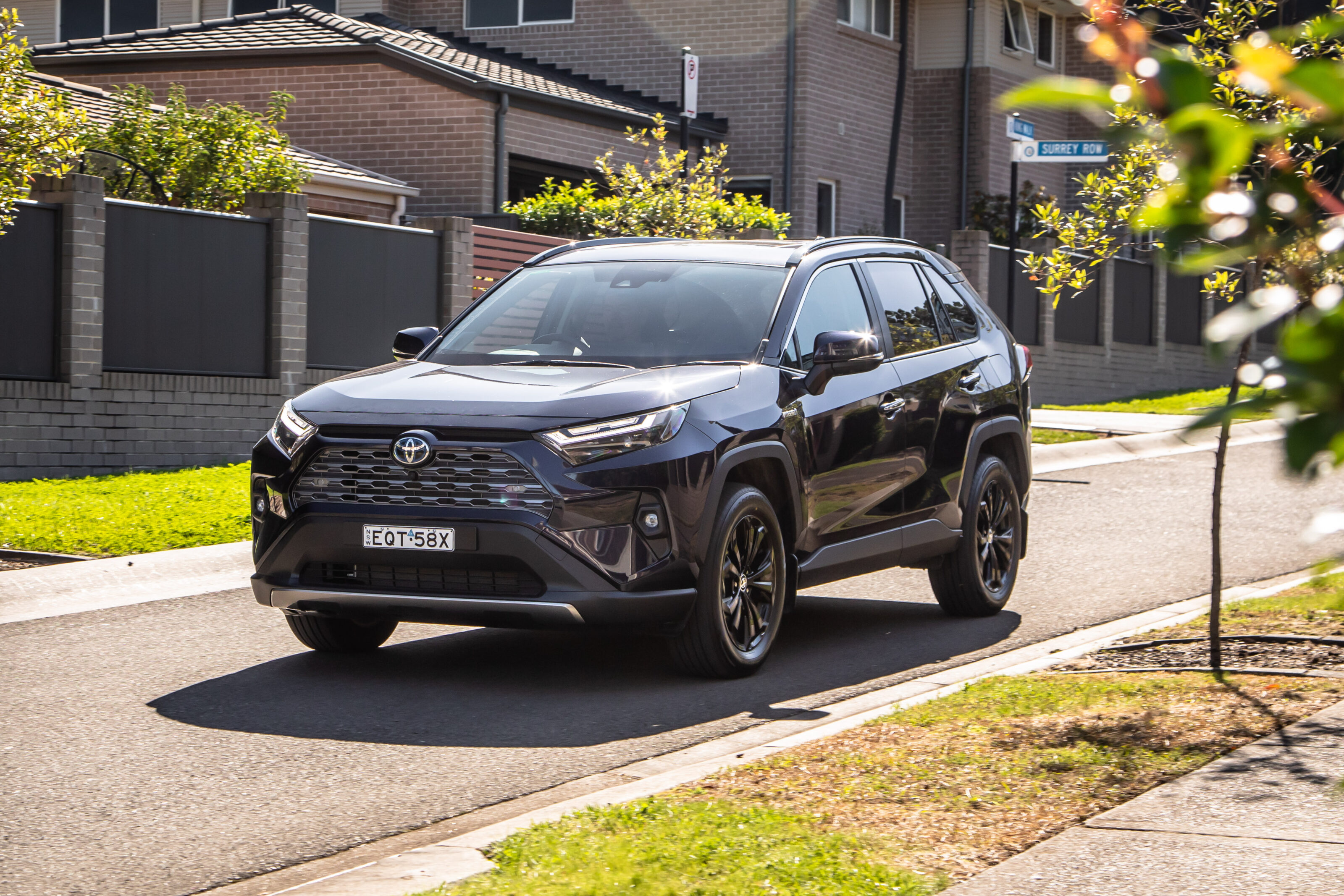
Sales of large SUVs also grew, though light SUVs, small SUVs and upper-large SUVs all decrease compared with May 2021 – by 26, 18 and 24 per cent, respectively.
Electric cars and plug-in hybrids remain a small percentage of overall new-car sales, but continue to enjoy triple-digit growth.
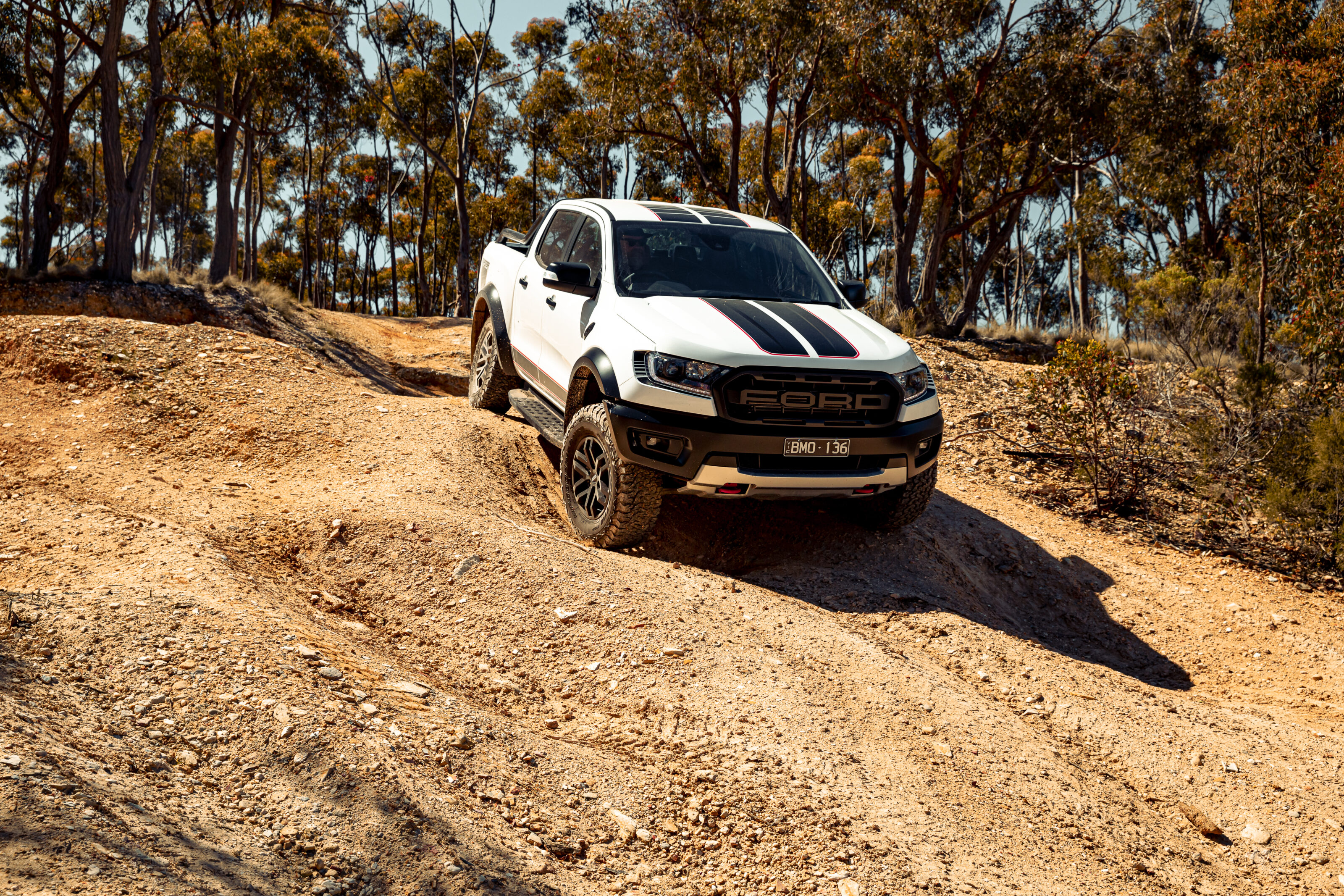
EV sales jumped 112 per cent year on year, with year-to-date sales of 8543 equating to a four-fold increase compared to this time last year.
PHEV sales were up 184 per cent in May and have increased 111 per cent year-to-date.
Read on for our detailed guide to the winners and losers of the May 2022 sales results.

Top 10 models
The Toyota HiLux was the stand-out winner in May. Australia’s favourite vehicle surpassed 5000 units to be more 1200 sales clear of the next most popular model, Toyota’s own RAV4 SUV.
Ford’s Ranger was pushed down to third, though the HiLux’s biggest rival is in run-out mode ahead of a new-generation model arriving in July.
An against-the-trend result for the Corolla placed it fourth, as the small car registered more than 3200 sales – up more than 50 per cent on last May’s result. Corolla is still down nearly 10 per cent year to date, however, as the small-car segment in general continues to struggle.
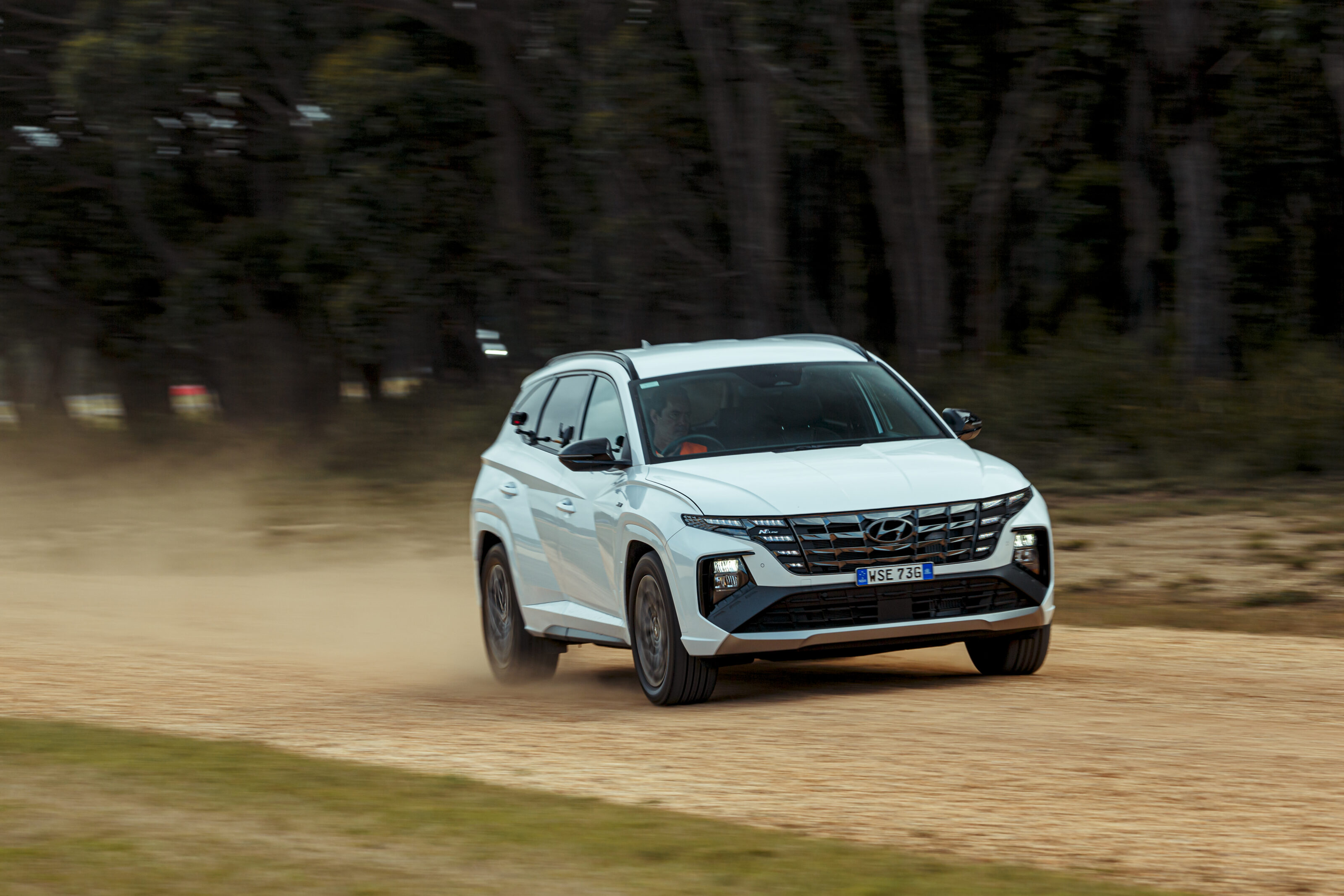
Mitsubishi’s new-generation Outlander made it into the top 10 for the first time since February, aided by a 135 per cent increase on May 2021. The mid-sized SUV is up 41 per cent year to date.
Outside of the Top 10, the Hyundai Tucson only just missed out with 1711 registrations (up 49 per cent on May 2021).
There was an even greater increase for its twin, the Kia Sportage, which achieved 159 per cent for a May result of 1464 units.
Triple-digit growth for the LandCruiser ute (up 116 per cent on May 2021) pushed it extremely close to the LandCruiser LC300 SUV that was down 51 per cent to 1363 sales.

The Kia Stinger was a notable performer, too. Sales grew 163 per cent compared to the same period last year for 428 units – with year-to-date sales up 76 per cent.
Subaru’s BRZ – the 2022 MOTOR Sports Car of the Year – enjoyed 211 per cent growth (84 sales).
In the 2022 race to be Australia’s most popular vehicle, the Toyota HiLux is building a seemingly unassailable lead that even a new-generation Ranger will find difficult to overcome.
Top 10 models: May 2022
| Rank | Model | Sales | vs May ’21 |
|---|---|---|---|
| 1 | Toyota HiLux | 5178 | 18% |
| 2 | Toyota RAV4 | 3925 | -2% |
| 3 | Ford Ranger | 3751 | -12% |
| 4 | Toyota Corolla | 3310 | 51% |
| 5 | Isuzu D-Max | 2433 | -20% |
| 6 | Toyota Prado | 2195 | -1% |
| 7 | Mitsubishi Triton | 2054 | 11% |
| 8 | Hyundai i30 | 2027 | -5% |
| 9 | Mazda CX-5 | 1947 | -30% |
| 10 | Mitsubishi Outlander | 1799 | 135% |
Top 10 models: YTD 2022
| Rank | Model | Sales | vs YTD ’21 |
|---|---|---|---|
| 1 | Toyota HiLux | 24,389 | 8% |
| 2 | Toyota RAV4 | 17,787 | 0.00% |
| 3 | Ford Ranger | 16,992 | -12% |
| 4 | Mitsubishi Triton | 14,906 | 36% |
| 5 | Mazda CX-5 | 12,898 | 5% |
| 6 | Toyota Prado | 11,400 | 51% |
| 7 | Isuzu D-Max | 11,079 | 4% |
| 8 | Toyota Corolla | 10,549 | -9% |
| 9 | Hyundai i30 | 9951 | -8% |
| 10 | MG ZS | 8978 | 28% |
Top 10 brands
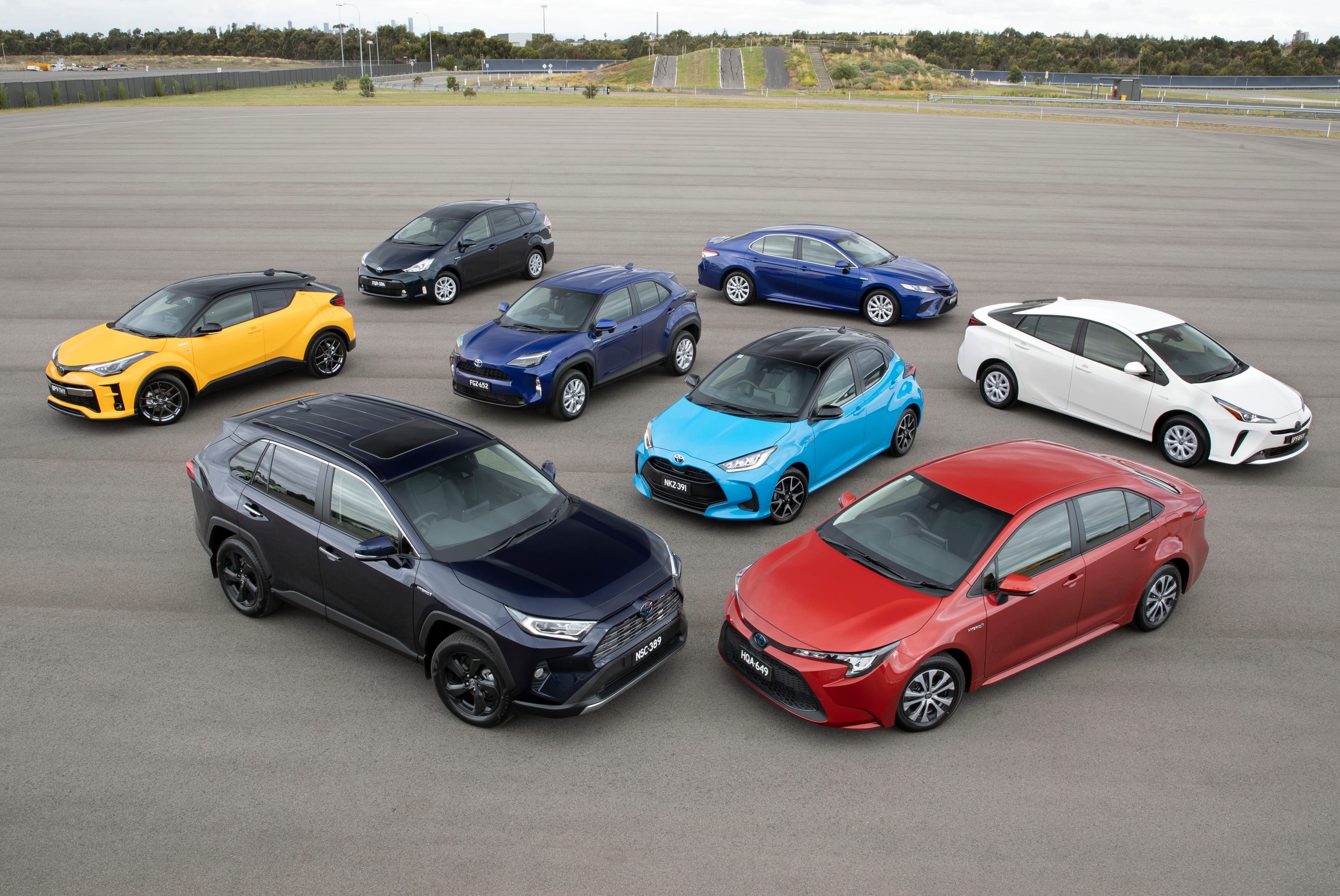
While there were solid results for Toyota, Hyundai and MG, Mazda suffered particularly badly last month – with sales down nearly 40 per cent.
With 6474 units, Mazda slipped from its traditional second spot to fourth – behind Korean brands Kia and Hyundai. The Japanese marque remains a comfortable second in year-to-date sales, however.
Kia secured second place, putting it ahead of affiliate company Hyundai again to extend its year-to-date lead by more than 1000 in what is proving to be another fascinating in-house sales battle for the second consecutive year.

Nissan remained in the top 10 despite a similarly disappointing monthly result, down 31 per cent. Ford Australia sales were down nearly 20 per cent.
MG’s performance continue on an upward trajectory, reaching seventh place in May and matching its position in year-to-date sales.
Subaru returned to the top 10 at the expense of Mercedes-Benz, after missing out in April.
Notable performers elsewhere included Chevrolet (up 37 per cent on May 2021), Citroën (up 225 per cent, albeit off an extremely low base), Ferrari (up 56 per cent), Genesis (up 89 per cent), Ram (up 95 per cent), and Suzuki (up 39 per cent).
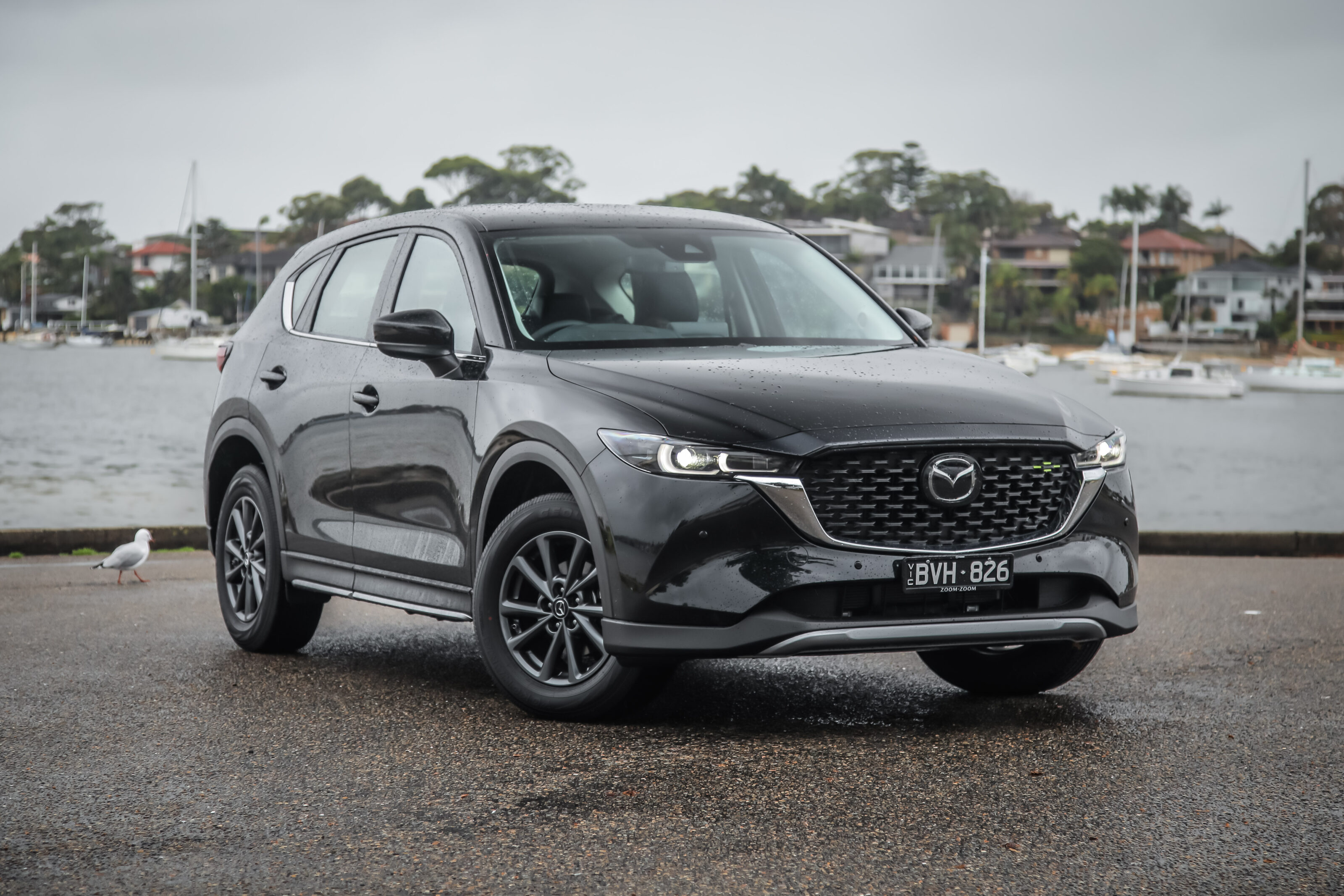
Lamborghini sold zero vehicles in May. Tesla’s supply woes also continue, with just 12 Model 3s shifted last month.
Volvo is the stand-out luxury ‘volume’ brand with a 19 per cent increase compared to this time last year, where most other competitors are struggling. Jaguar dropped 51 per cent, Audi was down 45 per cent, Lexus sales fell by more than a third (34 per cent), and BMW sales decreased six per cent.
The Swedish brand has 4598 up to end of May, putting it on track to surpass 10,000 sales for the first time locally.
Top 10 brands: May 2022
| Rank | Brand | Sales | vs May ’21 |
|---|---|---|---|
| 1 | Toyota | 22,813 | 8% |
| 2 | Kia | 7307 | 3% |
| 3 | Hyundai | 7063 | 10% |
| 4 | Mazda | 6474 | -39% |
| 5 | Mitsubishi | 6086 | -6% |
| 6 | Ford | 5233 | -19% |
| 7 | MG | 4064 | 16% |
| 8 | Subaru | 3626 | 2% |
| 9 | Isuzu | 3494 | -12% |
| 10 | Nissan | 2970 | -31% |

Top 10 brands: YTD 2022
| Rank | Brand | Sales | vs YTD ’21 |
|---|---|---|---|
| 1 | Toyota | 98,816 | 1% |
| 2 | Mazda | 43,687 | -9% |
| 3 | Mitsubishi | 35,902 | 13% |
| 4 | Kia | 30,939 | 3% |
| 5 | Hyundai | 29,908 | -4% |
| 6 | Ford | 23,590 | -20% |
| 7 | MG | 20,104 | 32% |
| 8 | Isuzu | 15,332 | 3% |
| 9 | Subaru | 13,422 | -21% |
| 10 | Nissan | 13,342 | -33% |
In charts
May 2022 – Top 10 models
May – Top 10 brands
May 2022 – Overall segment sales
May 2022-2021 category sales
May 2022-2021 category YTD sales
2022 Sales race
May 2022 Australian sales map
Snapshot
- Law change takes effect July 1
- Independent mechanics will gain access to OEM information
- AAAA and MTAA have campaigned for years
An industry lobby group says new car prices could rise from the second half of this year when legislation changes on who has access to manufacturer repair manuals takes effect next month.
From July 1, the Motor Vehicle Information Scheme (MVIS) will require service and repair information to be made available to qualified independent mechanics to purchase at a fair market price.
While some claim this will force up prices, others say it will finally save independents from going out of business and be better for consumers.
The amended law was passed by Parliament last year under the Coalition Government and initially only applies to passenger vehicles and light goods vehicles other than omnibuses, manufactured on or after January 1, 2002. It is designed to provide a fairer playing field for the repair and service of the 74 automotive brands available in Australia in an industry worth $23 billion annually.
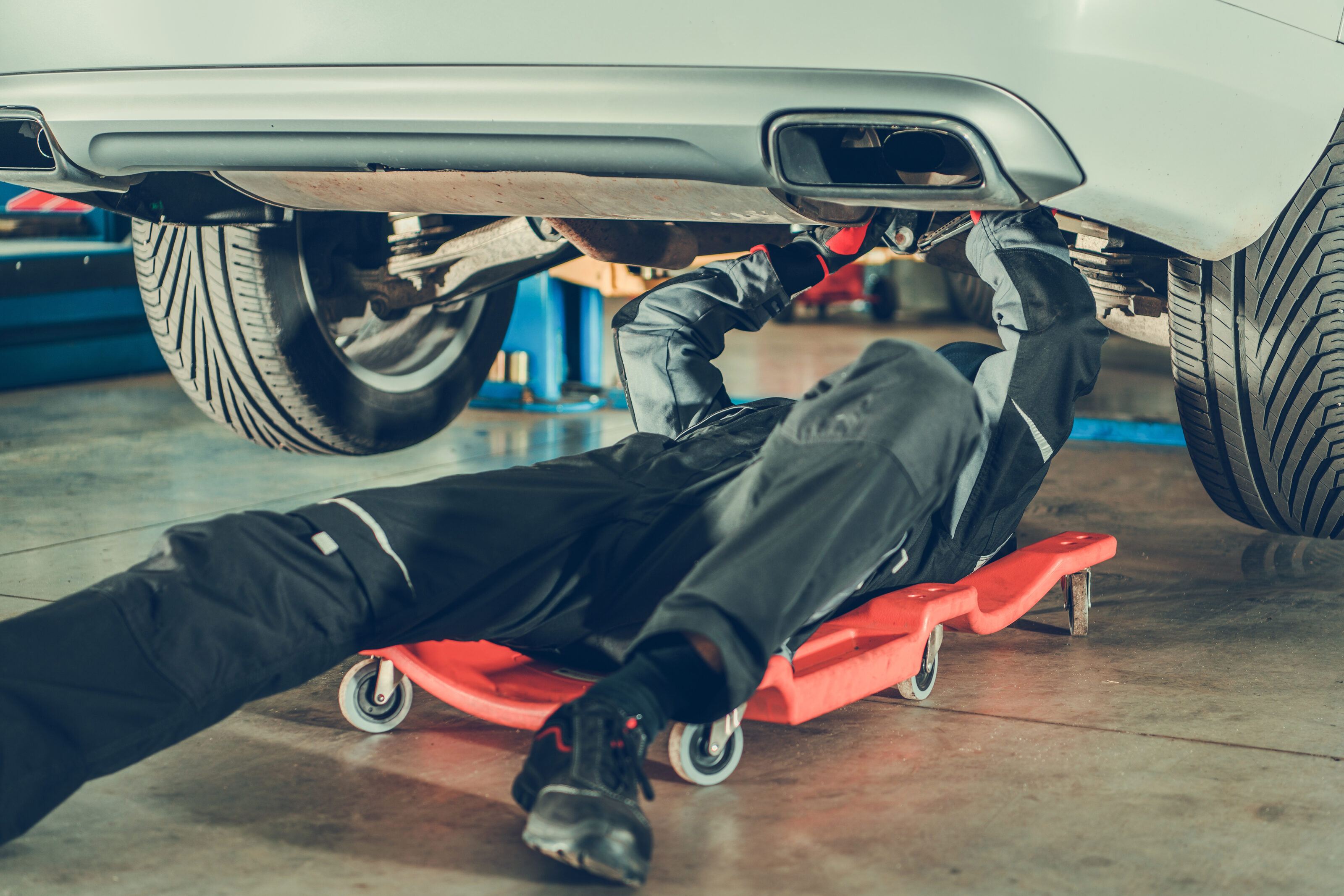
Under the mandatory scheme, all Australian vehicle repairers will have fair access to the information needed to service and repair cars – rather than just car dealerships and their affiliates. This includes software updates to connect a new spare part with a car, and information and codes for computerised systems from a car manufacturer.
There will be no legal requirement for the wider public to be able to access the information – though carmakers can share it with consumers if they wish, but it will still not include safety and security details which can only be accessed by repairers who meet certain criteria. In fact, several companies already do allow access via an online paid subscription service.
According to the Federal Chamber of Automotive Industries (FCAI) however, the law change isn’t needed, and will come at a cost to consumers.
“We see it as regulation that won’t make any material difference to the marketplace,” said FCAI Chief Executive Tony Weber.
“We have a national car park of around 20 million vehicles – all being serviced and repaired without issue. It’s regulation for the sake of regulation and has only gone through now because the previous government wanted to appease small business.
“We know in the US this legislation has been introduced and made no difference. This information is available and in the public domain already in many cases through a cost or subscription. To our knowledge, the car companies in Australia who already offer it do not have a great uptake in the subscription, the purchase rate is extremely low.
“This legislation will come at a cost, and if that can’t be recouped through the subscription fee then it will likely push up new car prices. All additional costs have to be found somewhere. This will benefit some small businesses, but it won’t help someone trying to repair their own vehicle in their backyard.”
Companies such as Hyundai, Kia, Toyota and Lexus already offer repair manuals on their websites, which are publicly accessible for a subscription fee, but sources have told us many manufacturers are not keen to share the information because it drives customers away from servicing and repairing their cars at dealerships.
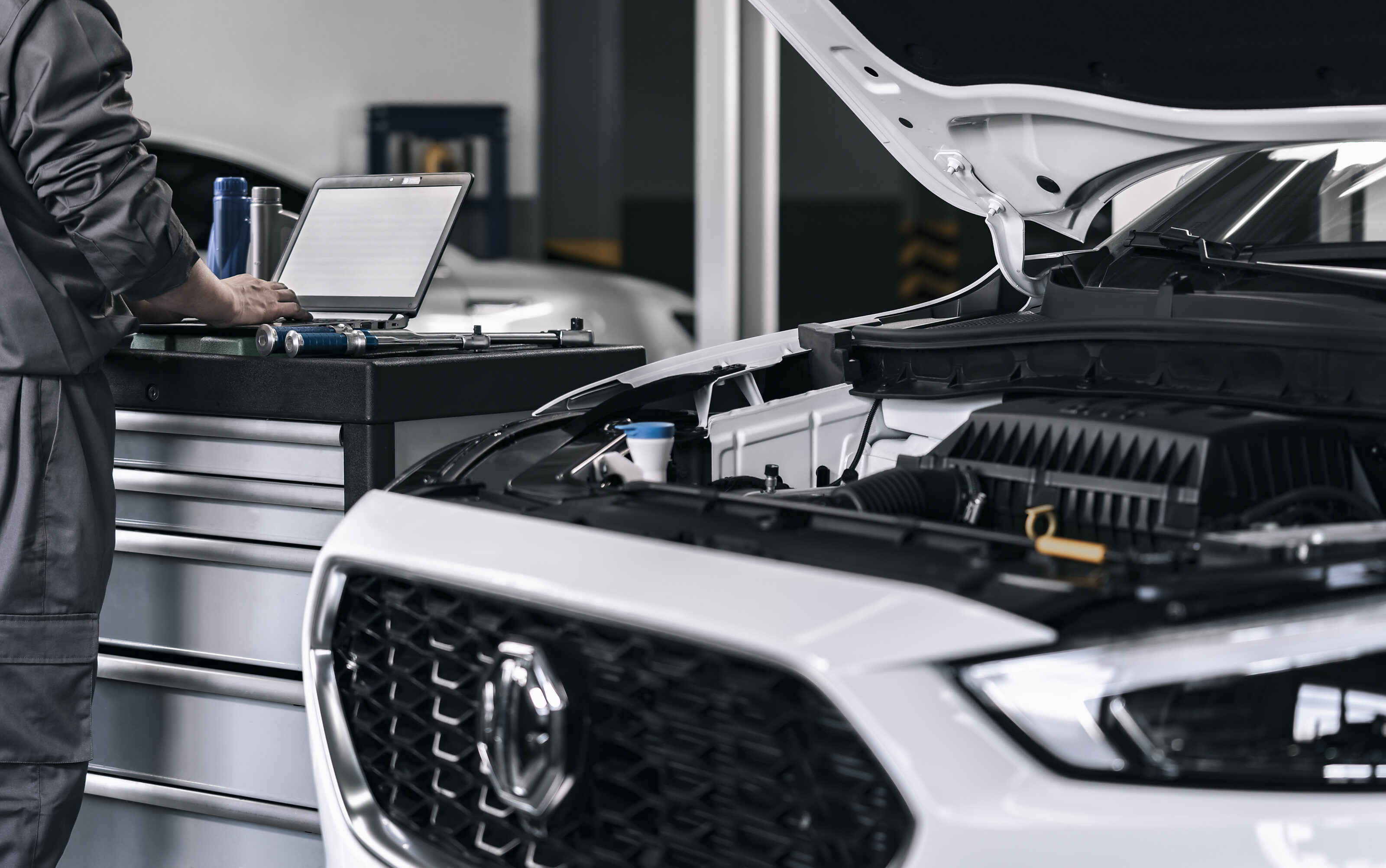
“Whilst we encourage our owners to service and repair their vehicles at our dealerships, we know this is not always the case,” a Hyundai spokesperson told Wheels.
“Thus, Hyundai has made repair manuals/information available to third party mechanics/repairers for several years now, and will continue to do so going forward. For us, it is important that our owners’ vehicles are properly maintained and repaired – even if this work is done outside our dealer network.
“We will still offer the same level of information as before. The only change is that there will now be a security check by AASRA, before users can access the repair information.”
Hyundai also confirmed there will, however, now be an additional $25 charge per VIN for accessing the security information (such as for key replacement). At present one day access to its repair manuals is $18.50, a working week is $75, a month is $200 and a year is $2000.
The changes were campaigned for by the Australian Automotive Aftermarket Association (AAAA) and the Motor Trades Association of Australia (MTAA), among others, because they say many independent repairers were prevented under the previous Competition and Consumer Act (CCA) from competing fairly for car servicing and repair work – creating additional costs for consumers as well as inconvenience and delays.
The fresh legislation will be managed by the Australian Automotive Service and Repair Authority (AASRA) – a joint industry-led body that has been appointed by the Government. The AASRA will be responsible for nominating mediators and technical experts to facilitate dispute resolution, reporting on its progress, and notifying the Australian Competition and Consumer Commission (ACCC) about any systemic regulatory or enforcement issues.
If manufacturers are found to be in breach of the law, the ACCC can issue infringement notices or commence Federal Court proceedings against them.
“This enables motorists to shop around for the repairer that offers the best price, service and convenience, knowing they will all have access to the information needed to complete the servicing or repair,” ACCC Chairman Rod Sims said.
“We believe the scheme provides a much fairer opportunity for independent Australian motor vehicle repairers to compete and will improve outcomes for consumers.”
The ACCC’s 2017 new car retailing industry market study found that independent repairers experienced continued problems accessing information needed to fix and service new cars. This was despite a voluntary commitment made by car manufacturers in 2014 to provide them with the same information provided to authorised dealers.
At the time, the ACCC recommended introducing a mandatory scheme requiring car manufacturers to share the information needed to repair and service cars with independents.
CEO of the AAAA, Stuart Charity, said around one in 10 motor vehicles taken to workshops are affected by a lack of access to service and repair information, which can often lead to higher service costs for consumers.
“It has been a long time coming, but will be welcome news for the automotive industry. We started campaigning for this law a decade ago and have been through two government inquiries and even through a voluntary agreement in 2014 which was a complete failure,” he said.

“What this law means is that the service and repair information that car manufacturers share with their dealership network must also be made available to independent repairers.”
One regional Victorian repairer told Wheels the upcoming law change “shouldn’t really affect mechanics with a proper scan tool” as they’ve never had many issues since its database can be updated to include new vehicle information over the air.
However, they added that it could be an issue for mechanics without such a tool, or a less comprehensive one, who relied more heavily on repair manuals or couldn’t address issues the scan tool can directly fix – such as fault codes.
Despite it having little impact on their business, they did feel it was a “good step for manufacturer transparency”.
In contrast, a Melbourne-based independent said the legislation was “pretty huge and is going to assist us big time”.
“A car is a computer on wheels these days, so we need the software information to do things,” they told us. “If we need to replace a component, the dealers and manufacturers will sell us one, but then when we install it we need to code it and we don’t currently have the access so it’s useless. We have to bring it back to the dealer, which takes additional time and is a big inconvenience.
“Take someone from the country for instance, they might not have access to a local dealer, so they’re forced to go to an independent – but that person can’t help them out. From a customer point of view you don’t have to go back to the dealer, you can take it anywhere you like.”
A similar scheme already exists in the United States, although not enshrined in law, but that too has not been without problems – especially in the state of Massachusetts where a messy legal battle is currently playing out.
According to Auto Service World, there has been significant pushback on ‘right to repair’ from dealers. They say having the information shared with the aftermarket means they lose exclusivity when it comes to repairing their brands’ vehicles.
Reports claims consumers could be the ones to suffer in the crossfire though, with US carmakers threatening to delete some features from their cars to avoid falling foul of the law.
Earlier this year in Massachusetts, Subaru removed its in-car wireless technology that connects drivers to music, navigation, roadside assistance and crash-avoiding sensors for this reason, reports WBUR. Some US car companies have also filed a lawsuit to challenge the changes, with a verdict delayed until July 1.
Canada also has a version of the legislation on the table.
“This sort of thing has been around in the US since 1999 – but as an agreement rather than legislation ,and the dealers have worked with independents to no-one’s massive disadvantage,” a source told us. “But in Australia, the manufacturers and lobbyists have known it was inevitable yet have been prolonging it being brought in as if every dealer is going to go out of business in a month, I mean really?
“It’s a shame, they’re recalcitrant and it’s ridiculous. The rest of the world is now looking at us to see how we are going to manage it.”
“I think the important thing here is to remember we’re the first jurisdiction in the world to actually mandate this process into law, and to do so for the benefit of the consumer and also for industry to then be in charge of how it’s implemented,” added MTAA CEO Richard Dudley, speaking on the issue on Thursday at the Australian Automotive Dealer Association’s (AADA) expo in Brisbane.
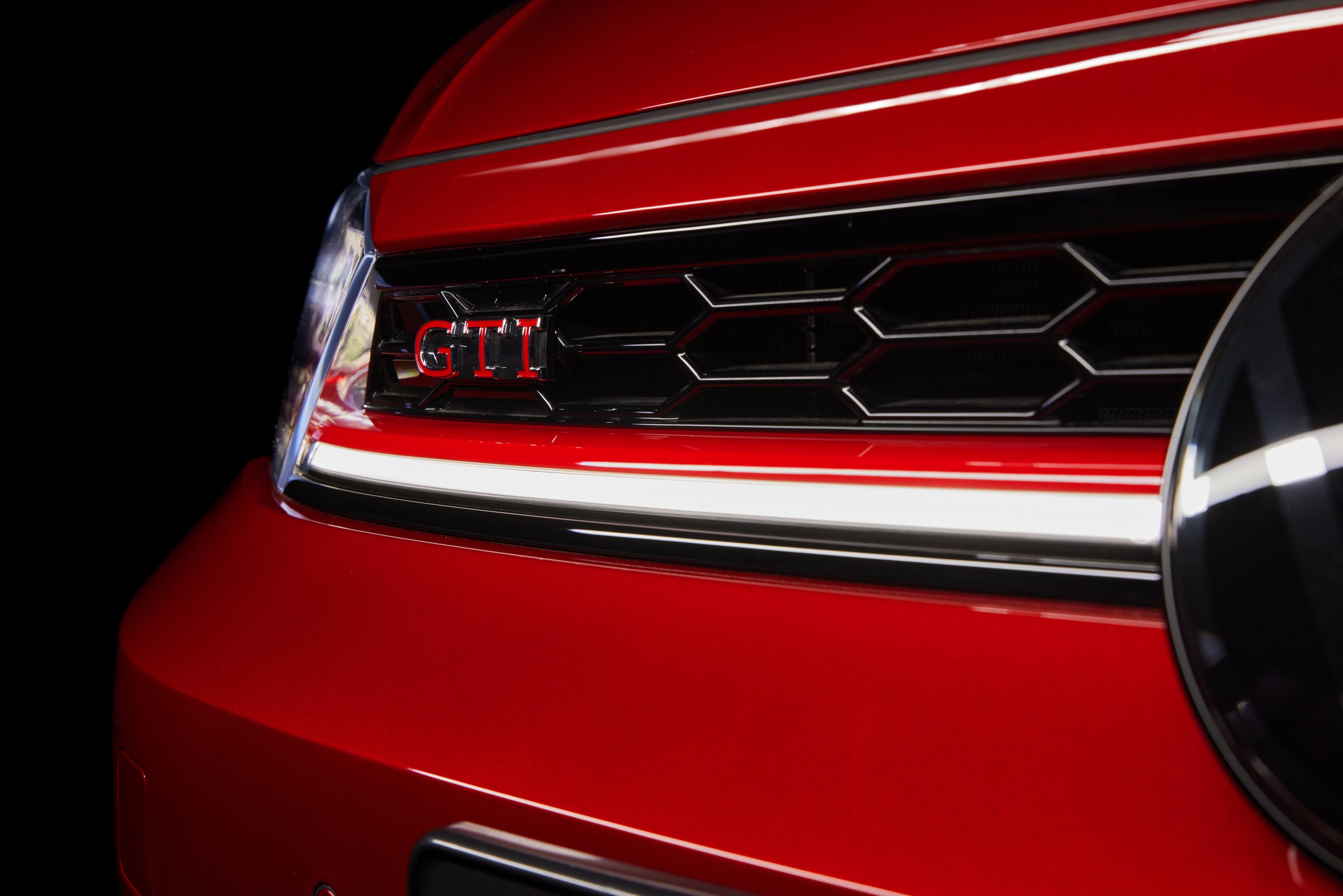
It’s not a long bow to draw to suggest that on its arrival in Australia in 2003, the Volkswagen Polo GTI invigorated a niche that the French pretty much dominated. While VW was doing interesting things with the Golf like the endearingly wacky VR5 (with the R32 waiting in the wings), not much was happening in the hot hatch world, particularly in what we now call the light car segment.
In Europe, there was all sorts of stuff going on but here it was basically the Renaultsport Clio and the Peugeot 206 GTI (you don’t see many of those anymore do you?). We missed out on the first Polo GTI due to it being left-hand drive only, so it was a long wait for the Germans to join the mostly French party.
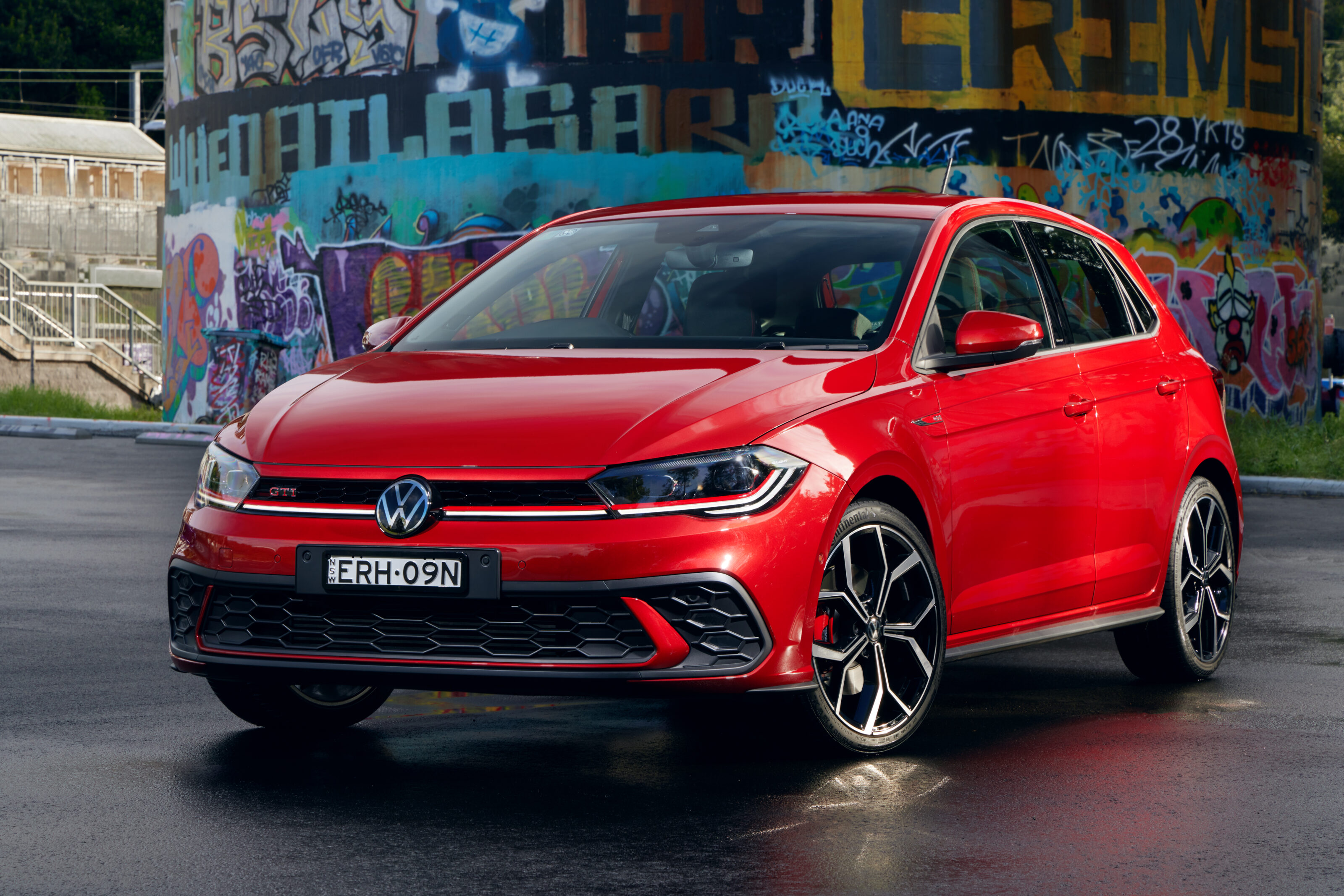
Up until recently, the Polo had been punching on with the Ford Fiesta ST and the just-released Hyundai i20 N as the French have fallen away and the light hot hatch market has once again rationalised down to just three top contenders for less than forty grand (before on-road costs). But with the Polo’s MY22 update, the latest GTI has propelled itself away from the cheaper Ford and Hyundai, with an on-the-road price of over forty large. It’s a lot of money, but the GTI’s towering reputation might be able to withstand it.
Pricing and Features
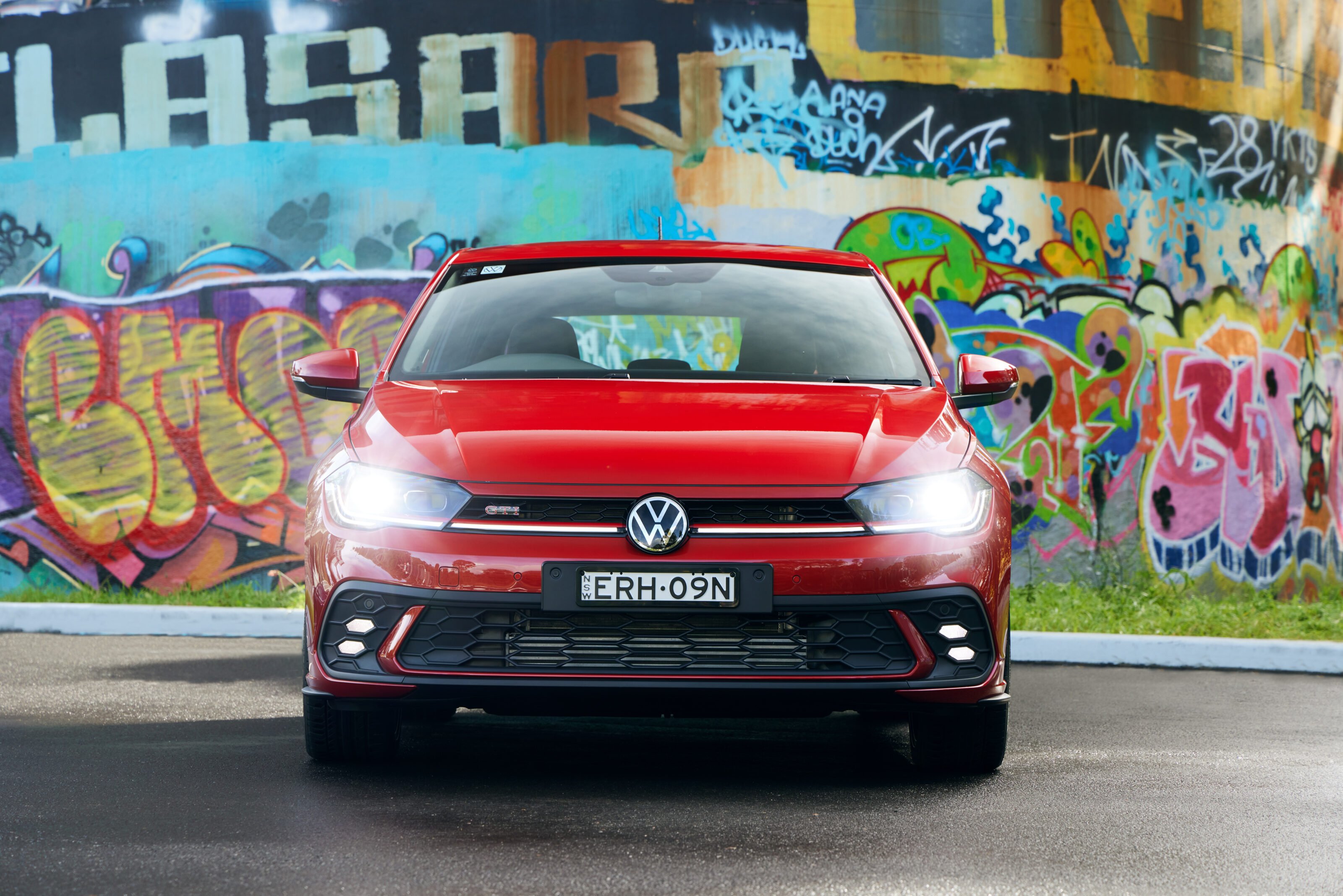
The MY22 Volkswagen Polo GTI tops the now three model range at $38,750 before on-road costs are added. Volkswagen assures us that the extra $5000-odd you’ll be paying over the MY21 is only half the retail cost of the extra features you now get as standard. The company is also pretty sure there aren’t many small cars with this level of technology for the price.
That hefty outlay buys you a five-door Polo with 18-inch alloys, a six-speaker stereo, the 10.25-inch Digital Cockpit Pro alongside the Discover 8.0-inch touchscreen, sat-nav, travel assist, auto parking, auto LED Matrix headlights, adaptive high beam, dual-zone climate control, front fog lights, ambient interior lighting, wireless Apple CarPlay and Android Auto, GTI-specific front seats and a space-saver spare.
With an on-the-road price of over forty large … It’s a lot of money, but the GTI’s towering reputation might be able to withstand it
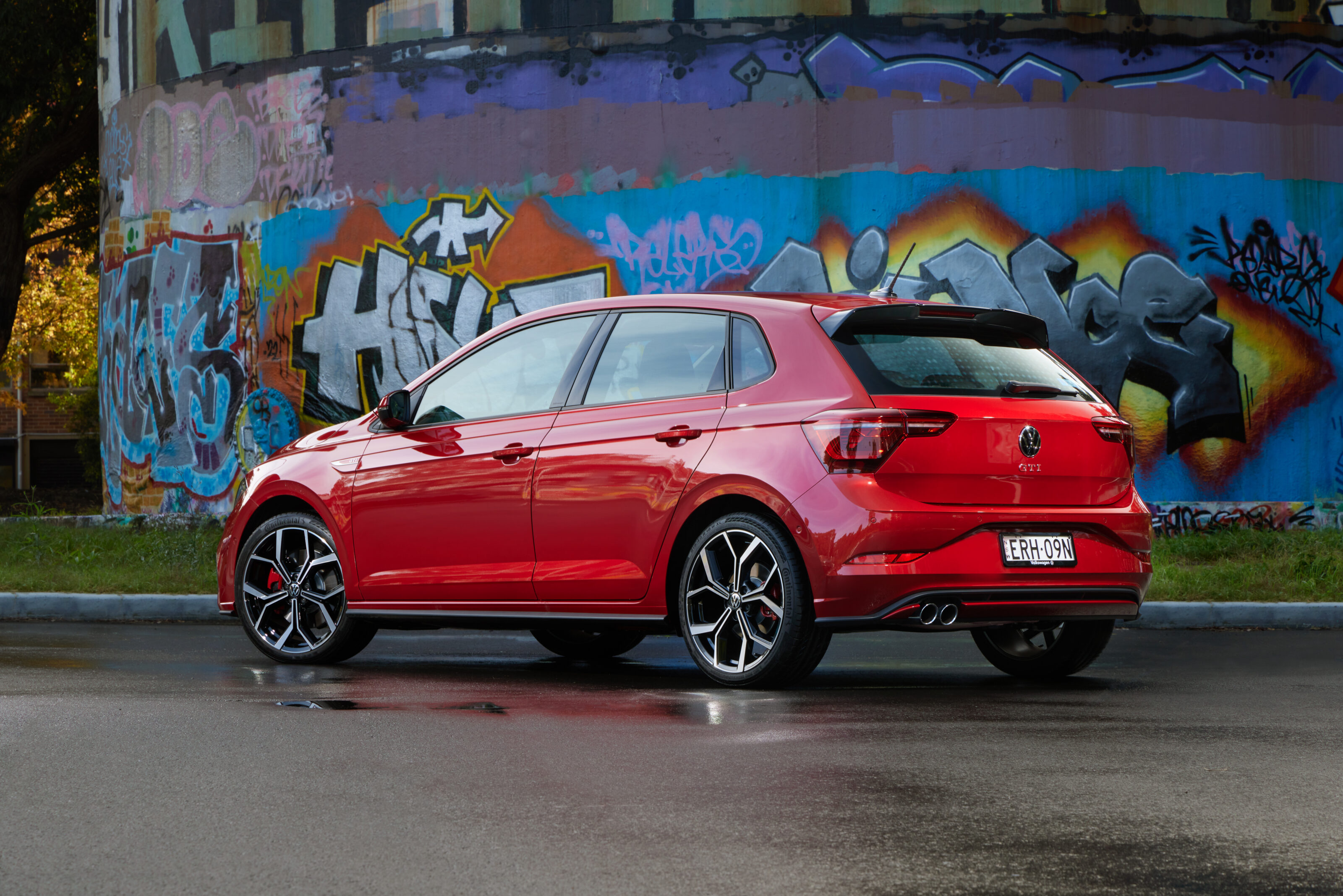
A further $1500 replaces the touchscreen with a big 9.2-inch unit and adds the Beats audio system with an upgraded amplifier pumping out 300 watts. Premium metallic paint is $300 and a panoramic sunroof another $1500.
Part of the price rise also goes to the safety package. For 2022, the Polo range has a refreshed five-star ANCAP rating (the older car’s rating was achieved in 2018), due to an additional centre airbag to prevent head clashes, taking the airbag count to seven. On top of that you have the usual stability and traction controls, forward auto emergency braking, distance warning display, fatigue detection, lane assist, lane departure warning system, manoeuvre braking, front and rear parking sensors, side assist, reverse cross-traffic alert and a reversing camera.
Comfort and Space
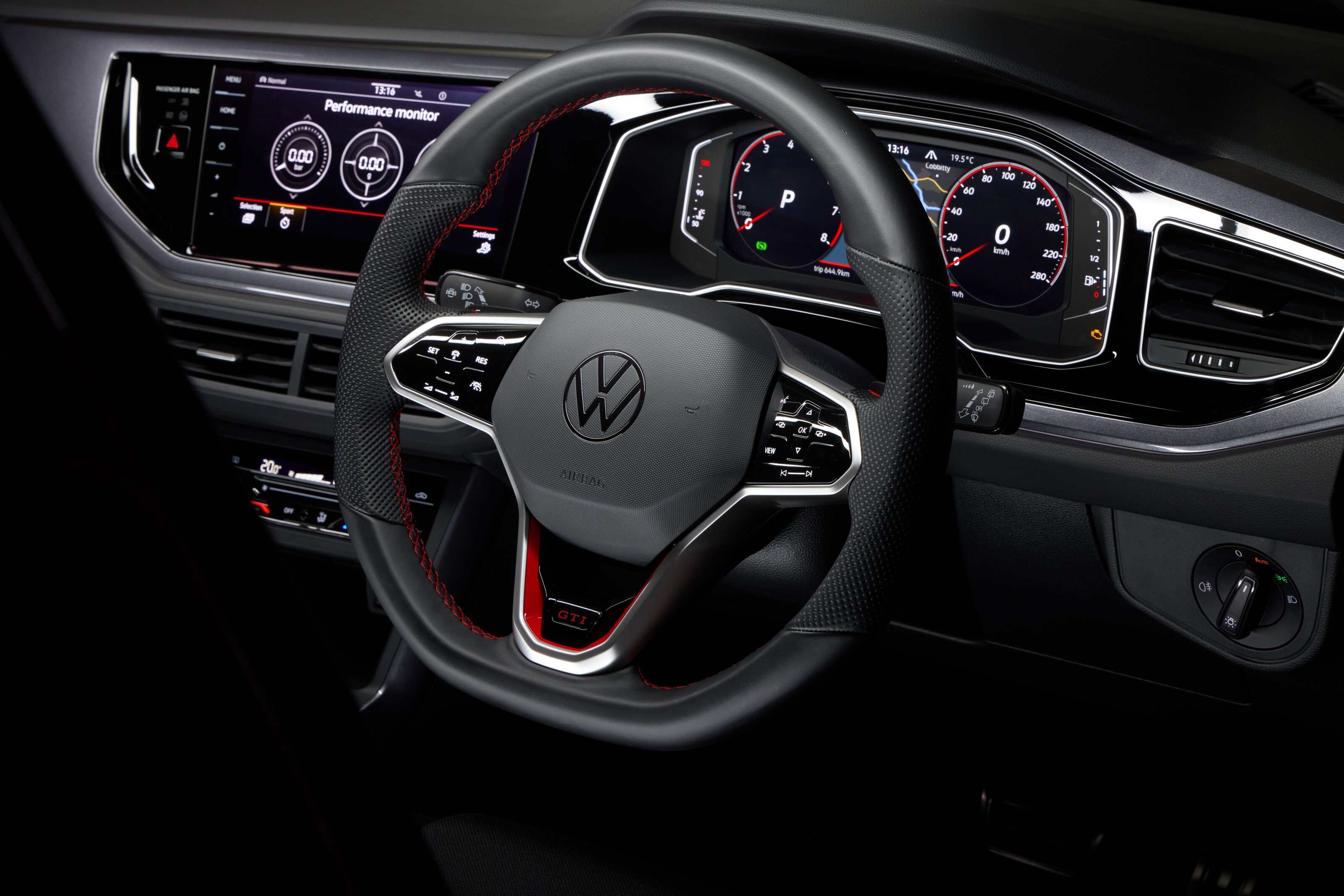
The GTI’s front seats are really comfortable and have a lot of support for cornering. You wouldn’t want to be too much a burgers-and-chips-every-day kind of person for a comfortable fit. They’re better positioned than the ridiculously high seats in the Fiesta ST, though. The Clark tartan inserts aren’t to my taste, but they’re part of the vaguely self-aware naff DNA of VW GTI products.
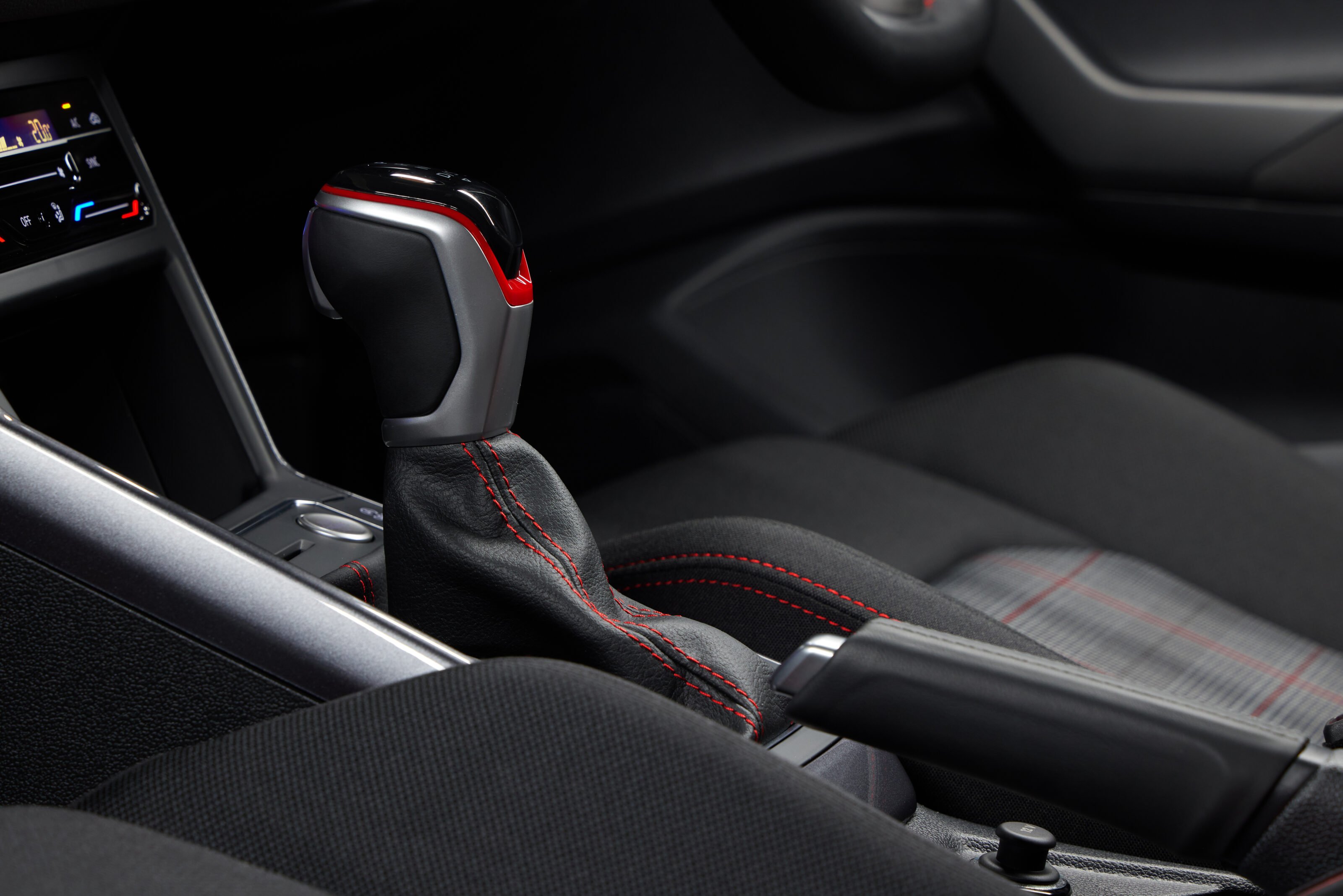
A pair of hexagonal cup holders sit low in the centre console next to the chunky handbrake (for…erm…reasons this is good) and the wireless charging mat is in a dark space under the climate control stack. The front doors have big pockets gouged out of the door card with nice big bottle holders. Joining the wireless charging mat are two USB-C ports and rather swimmingly, you can run CarPlay or Auto with either USB or wirelessly, which is a nice touch you see in other VWs.
The rear seats are pretty snug, but if you’re up to 180cm (as I am) and your legs aren’t pole-vaulter long, you can fit comfortably behind front-seat passengers of similar height. You’re not going to be swinging any sort of domestic animal back here without RSPCA involvement, no, but it’s not bad for quick jaunts. Quick jaunts might be for the best, as the lack of rear air vents, armrest and cup holders mean you’ll have to hold your drinks and sit up straight. At least the good headroom means you won’t bump your head on the roof, so that’s something. There are two USB-C ports in the back, though, so maybe you can find a USB-C powered fan.
The Clark tartan inserts aren’t to my taste, but they’re part of the vaguely self-aware naff DNA of VW GTI products
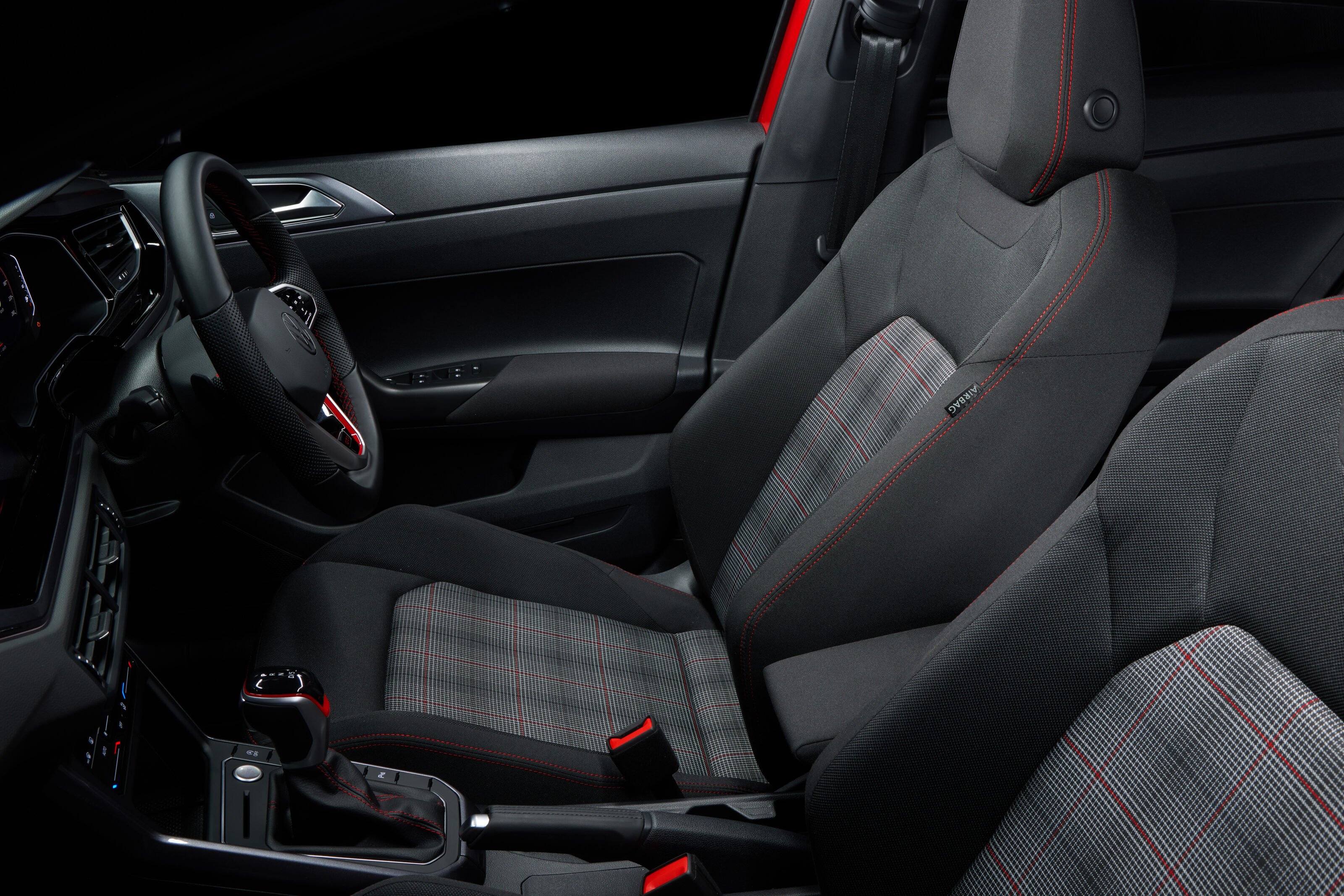
The large boot offers a pretty reasonable 305 litres (down on the 1.0-litre Polos), but it’s still a big boot for such a small car. Drop the 60:40 split-fold rear seats and you have 1125 litres to fill. The boot floor is also one of those clever two-position arrangements where you can sacrifice a flush loading lip for more depth.
There are a few less than desirable plastics in the cabin but for the most part, it’s pretty good and the cheap bits are made more obvious by the quality everywhere else.
On the Road
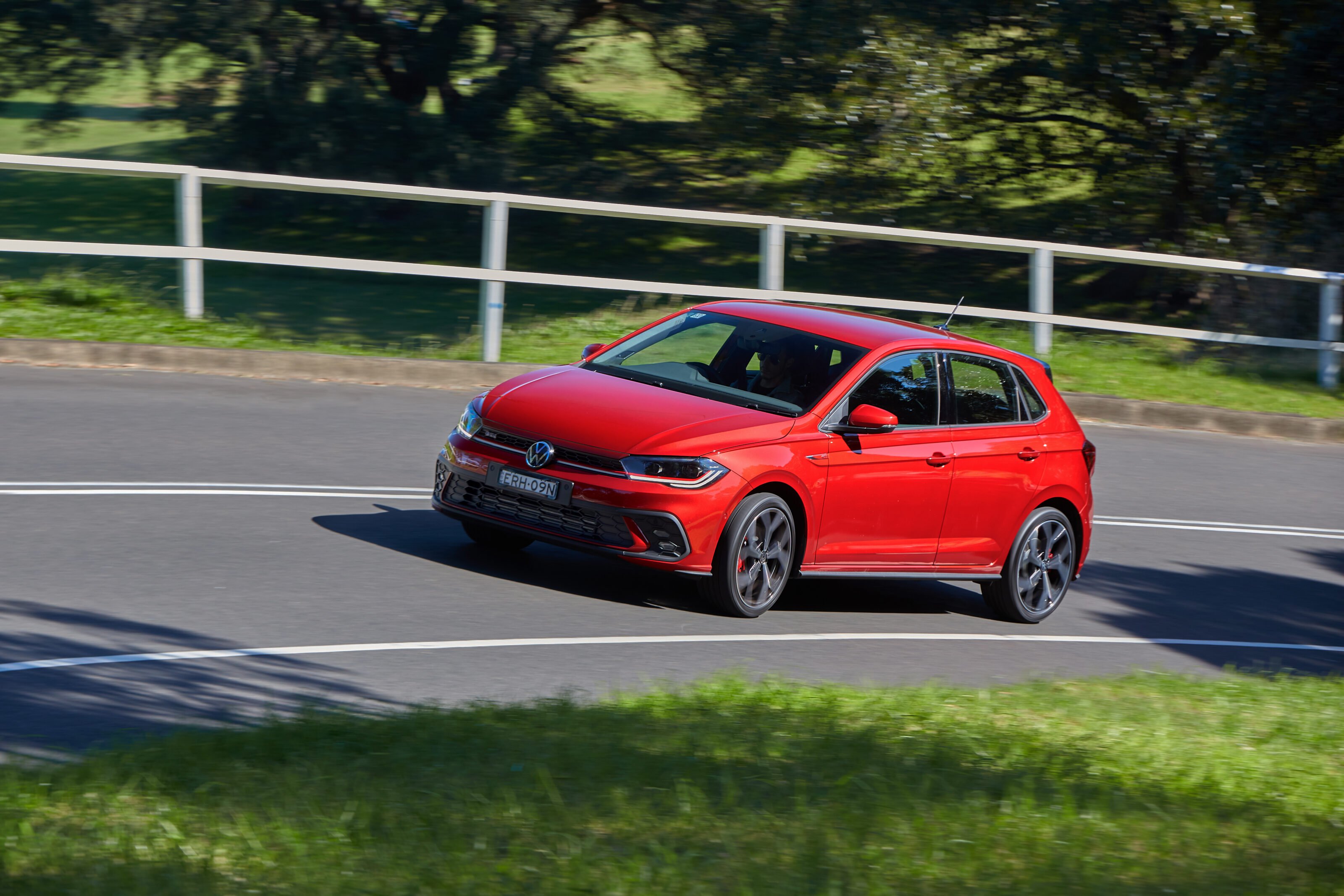
As ever, the Polo GTI comes fitted with VW’s venerable 2.0-litre turbocharged four-cylinder known as EA888 by the nerds and “easy to tune” by everyone else. Here in the Polo it serves up a segment-standard 147kW of power and 320Nm of torque, which is pretty good for a 1305kg hatchback and, frankly, all it needs.
Stepping out of the Polo Style as I did and into the GTI, I straight away noticed how much stiffer the adaptive damping is when set to Sport. The car feels a lot tauter and body roll is tightly reined in by the change. I also noticed that the 18-inch wheels weren’t going to deliver the much smoother ride of the lesser car.
As ever, the Polo GTI comes fitted with VW’s 2.0-litre turbocharged four-cylinder known as EA888 by the nerds and “easy to tune” by everyone else
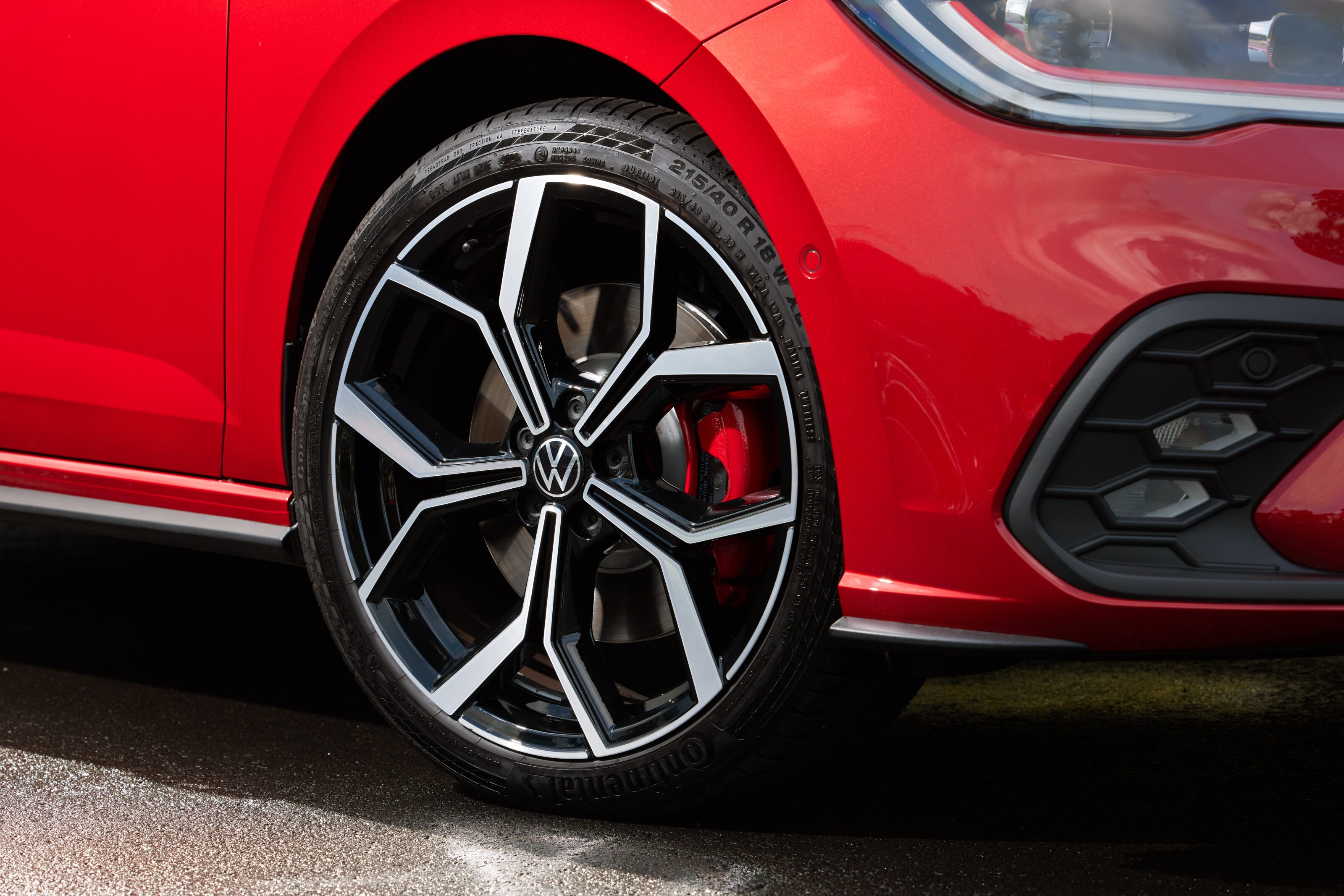
Obviously, that’s the price you pay, but it’s not a dealbreaker. Retracing my steps up the same road I had just come down in the 1.0-litre version – thankfully drier than it had been twenty minutes previously – the big jump in grip was immediately apparent. That’s partly down to the sportier tyre choice and lower profile tyres, but the GTI traversed the section that was still wet with plenty of confidence and grip.
The immediate impression is of a car with a very stable platform from which to work, whether that’s bombing down a twisty road, droning along a motorway or tedious suburban running about. While there are only two modes in the adaptive damping, Comfort mode knocks the harder edges off without losing too much if you have a sudden red mist moment, while Sport mode is confidence-inspiring.
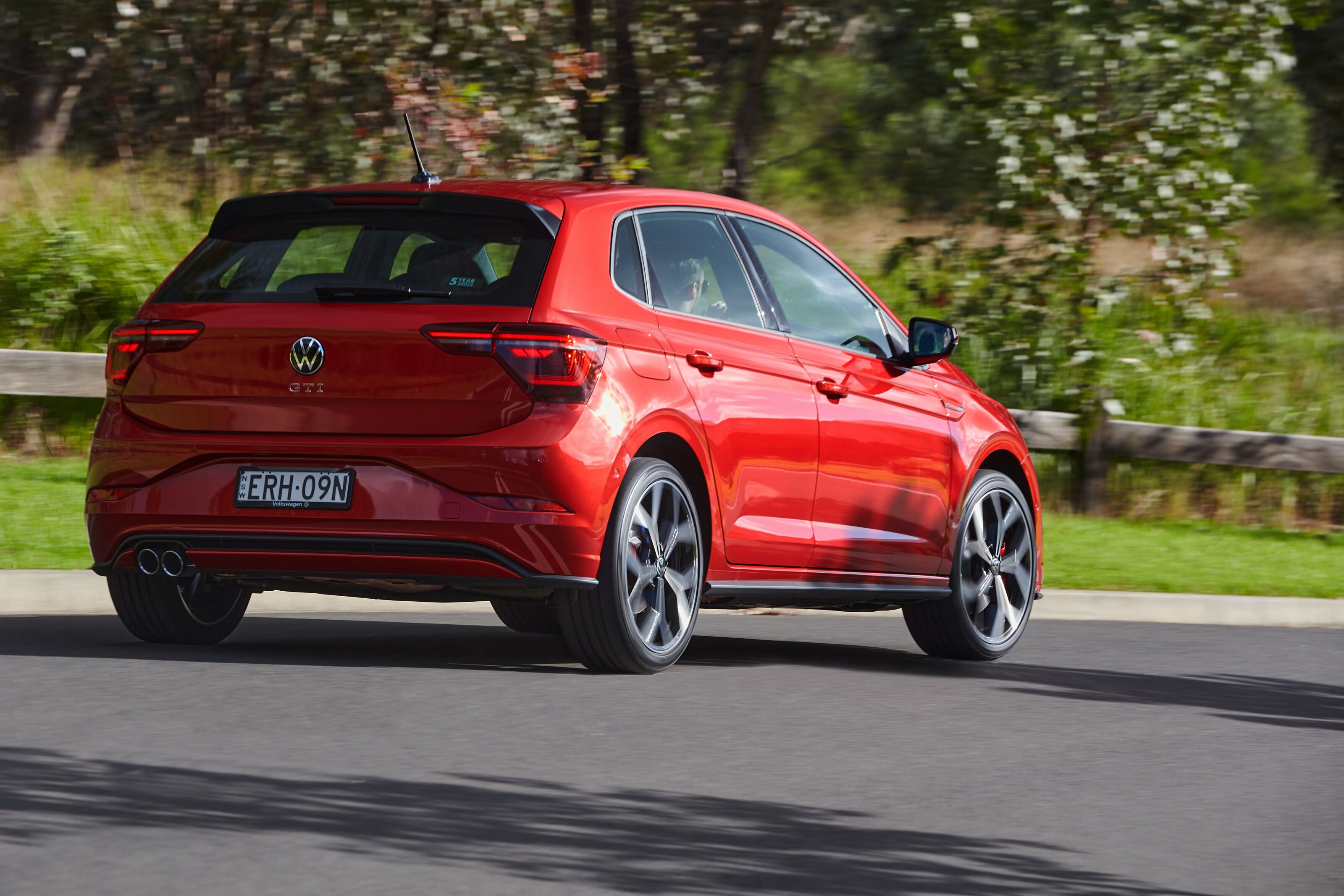
On the short, undulating Luddenham circuit, the GTI is right at home. There are a couple of tricky corners to negotiate but the Polo is very good at keeping surprises to a minimum. Going in too hot gets you gentle understeer while you sort yourself out. On the flip side, the chassis wills you on if you do as I did and keep coming in too slowly to the right-hander at the top of the hill, with the tyres talking back when you want too much.
Some cars can take time to learn on a track – like the Fiesta, which moves around a lot more – but the Polo’s much more planted feel makes it easier to pound out lap after lap. The brakes feel great on track or on the road, but will of course heat up in a track environment after a few laps.
The immediate impression is of a car with a very stable platform from which to work
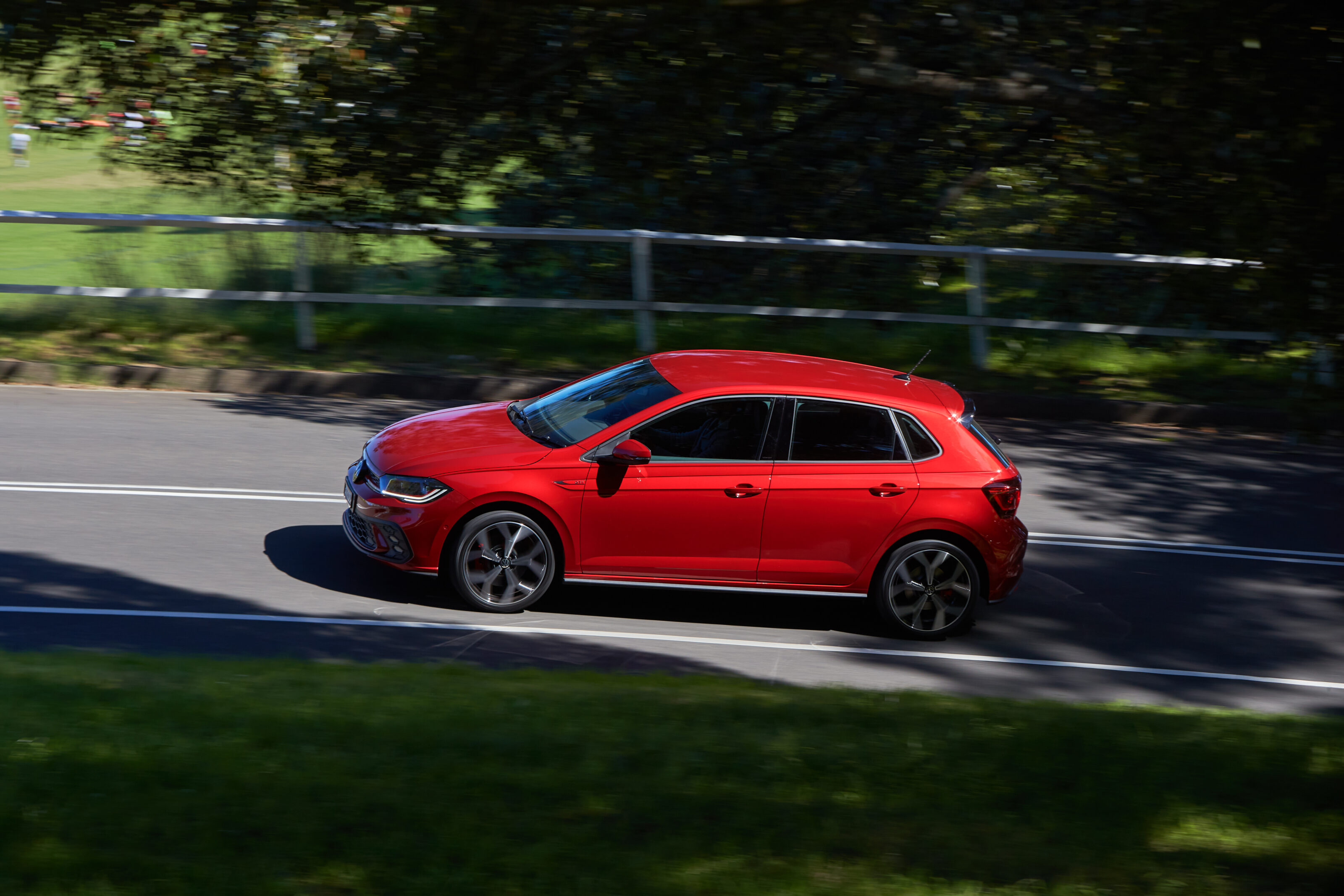
It will also axle tramp on a damp road or track with an unsympathetic right foot or too much lock, but I think a set of expensive replacement tyres, such as Michelins, could go some way to sorting that out.
The downside of that stability is that the Polo is less playful than the other two in the class. Heading back to the upside, the Polo is a better everyday car than the Fiesta, with a much better interior and technology package.
Ownership
Volkswagen offers a five-year, unlimited-kilometre warranty that matches Hyundai and Ford’s offerings in this particular corner of the battlefield.
As with the other two, there’s a fixed-price servicing program, with a pre-paid three-year package clocking in at $1400 ($466 per service) or five years for $2750 ($550 per service). As with the standard Polos, it is absolutely worth considering this as you’ll save $158 over the three year period and a not-inconsiderable $765 on the five-year plan.
The Fiesta ST is $1556 for five years and the i20 N cheaper still at $1520. It’s a big gap, some of it explained by the fact that the other two have six-speed manuals whereas the Polo is a six-speed DSG. VW does claw back some deficit from the i20 by having a Ford-matching 12 months/15,000km service interval against the i20’s 12 months/10,000km.
VERDICT
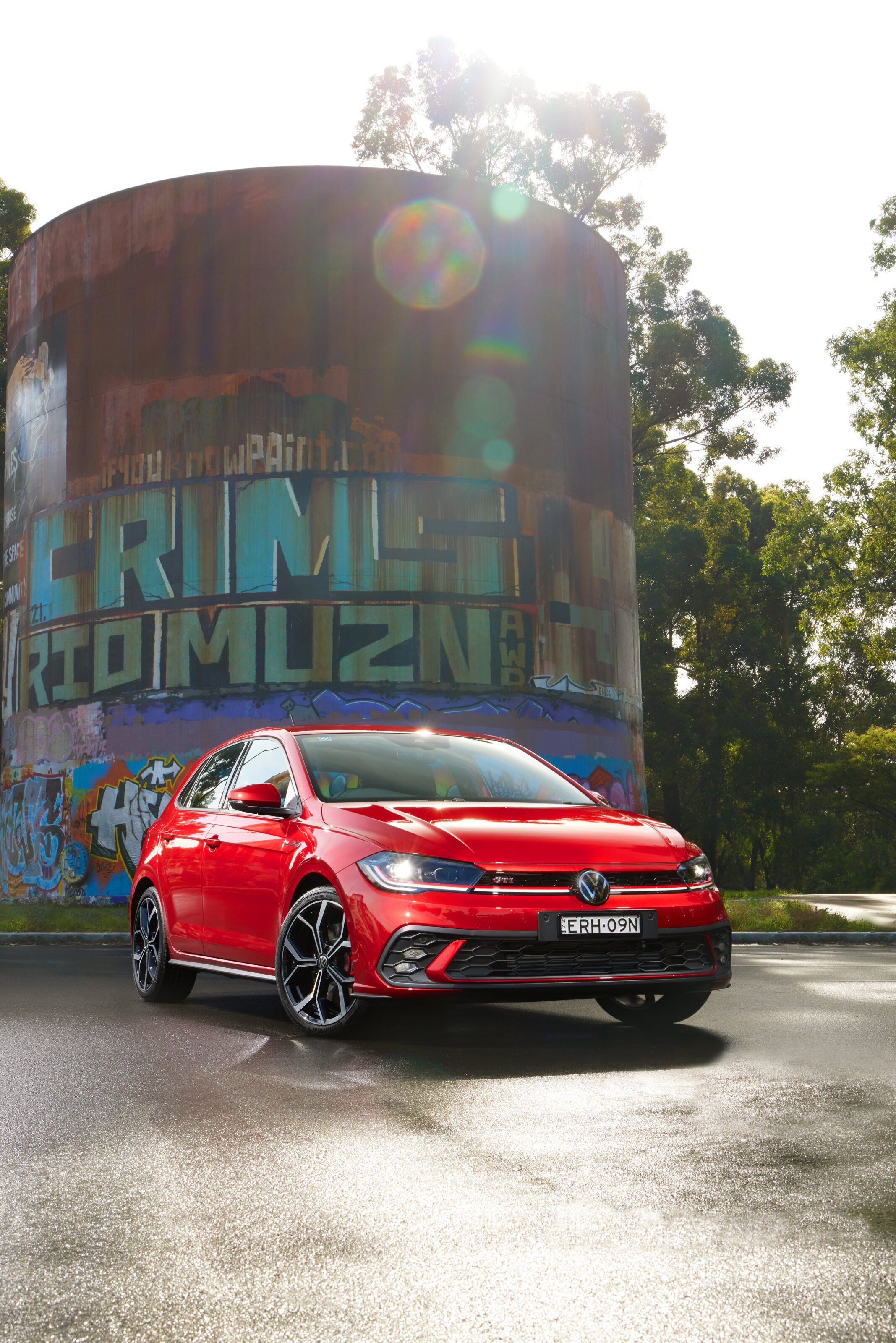
The MY22 Polo GTI is comfortable, refined and handily quick. I don’t think it’s really a weekend plaything but far closer to the hot ideal: a useful upgrade to a very usable, everyday car for someone who wants something more than transport for their daily driver.
It might cost a lot more than before, but with a comprehensive safety package, a good ride/handling balance, and a long spec list full of stuff from much larger cars, the Polo GTI at least pays you back for the over forty grand you’ll be spending to put it on the road.
As times have changed and SUVs have dominated, the narrower market for this kind of car has meant that folks who buy them aren’t just happy with a tweaked chassis and more power. They want all the other stuff, too; stuff that makes the car safer and easier to live with.
It will be interesting to see if the pricing is testing the limits too far but, in this mad market, I suspect not.
2022 Volkswagen Polo GTI Specifications
| Body: | 5-door, 5-seat light hatchback |
|---|---|
| Drive: | front-wheel |
| Engine: | 2.0-litre turbocharged four cylinder |
| Transmission: | 6-speed dual-clutch |
| Power: | 147kW |
| Torque: | 320Nm |
| Bore stroke (mm): | 82.5 x 92.8 |
| Compression ratio: | 9.6 : 1.0 |
| 0-100km/h: | 7.5 sec (estimate) |
| Fuel consumption: | 6.5L/100km (combined) |
| Weight: | 1305kg |
| Suspension: | MacPherson struts front/torsion beam rear |
| L/W/H: | 4080mm/1751mm/1450mm |
| Wheelbase: | 2564mm |
| Brakes: | Ventilated discs front / solid disc rear |
| Tyres: | 215/40 R18 Continental SportContact |
| Wheels: | 18-inch alloy (space-saver spare) |
| Price: | $38,750 + on-road costs |
The Volkswagen Polo has had a very interesting two and a half decades on sale. You can kind of plot the philosophy of VW Australia’s management, the change in competition and the change in consumer behaviour and tastes. A decade ago you could snag a stripped-out Polo for $14,990. Now you’ll pay almost twice that for a manual 74kW one, but it isn’t nearly as bare.
Times have changed. There’s almost nothing under twenty grand worth buying and there are so few light cars left that people forget they even exist. But the Polo has stayed the course, seeing off competitors from Japan, Korea, Europe and from within its own VW Group stable. Write-offs and retirements aside, there are nearly 90,000 cars bearing a Polo badge in Australia. My extended family has two of them.
VW isn’t alone in sending its light car upmarket – Toyota did it with Yaris, you can’t even buy the ageing (but still appealing) Mazda2 for under the magic twenty grand and pretty much every other rival is stacking up with gear and going for the big dollars. And people are paying. VW has chucked whatever the technology equivalent of the kitchen sink is at the Polo and is asking you to pay several thousand dollars more for it. Let’s find out if it’s worth it.
Pricing and Features
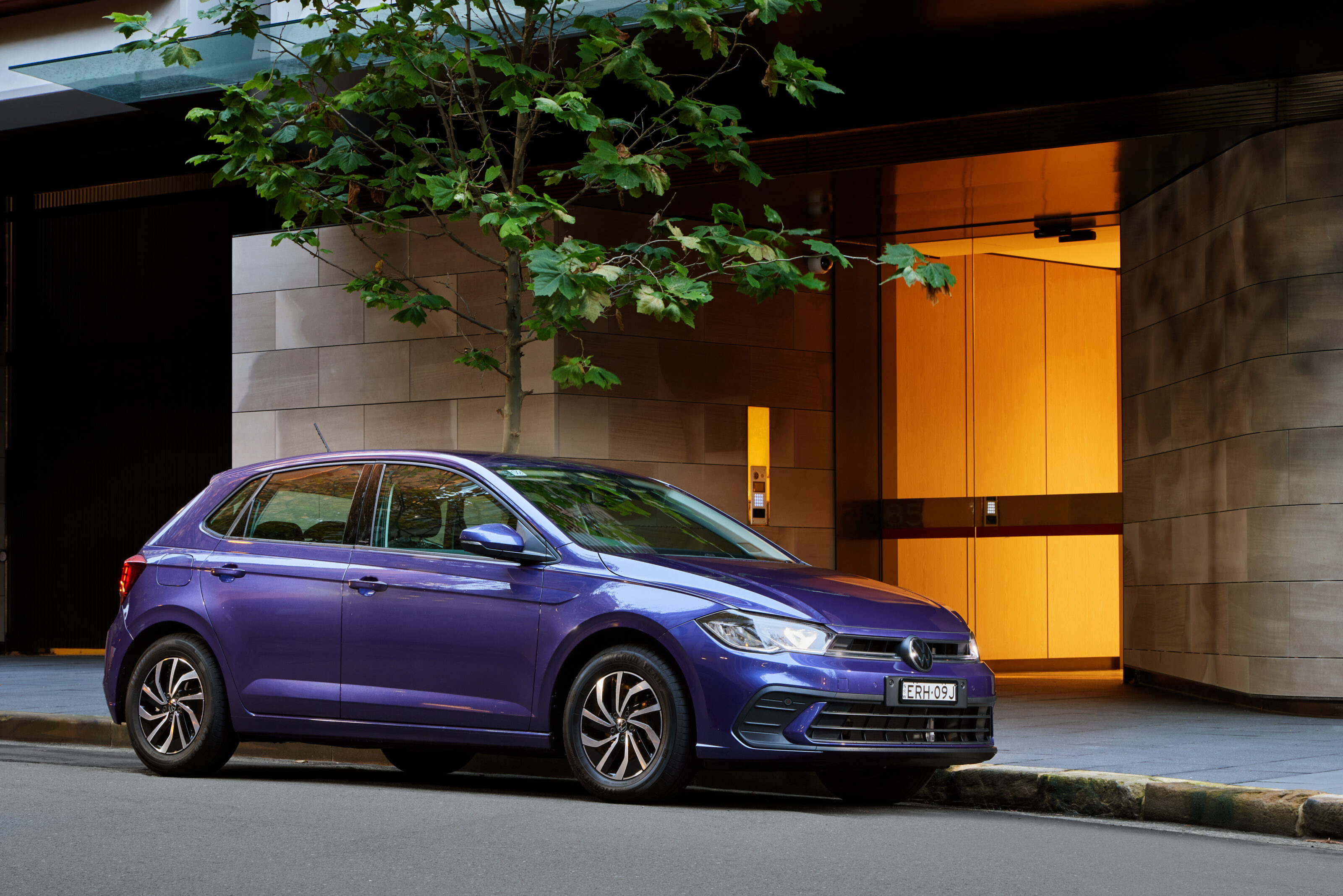
The Polo range now consists of two variants (plus the GTI, reviewed separately), now called Style and Life. This mirrors the rest of the VW range as the company looks to make things simpler for everyone, although it’s not like there were ever ten or fifteen variants available like, say, the Mazda CX-3.
The Polo Life kicks off at $25,250 for the manual (with a 75kW engine) and $28,250 for the 85kW dual-clutch version (both before on-road costs). For that you get 15-inch alloys, LED headlights and taillights, 8.0-inch digital dashboard, 8.0-inch Composition touchscreen, wireless phone charging, cloth interior, electric folding rear vision mirrors, air-conditioning, auto wipers, cruise control, leather wheel and shifter and a 15-inch steel spare wheel.
This all seems like a lot but as I say, prices of small cars have gone to relatively stratospheric levels and were already well on their way pre-pandemic
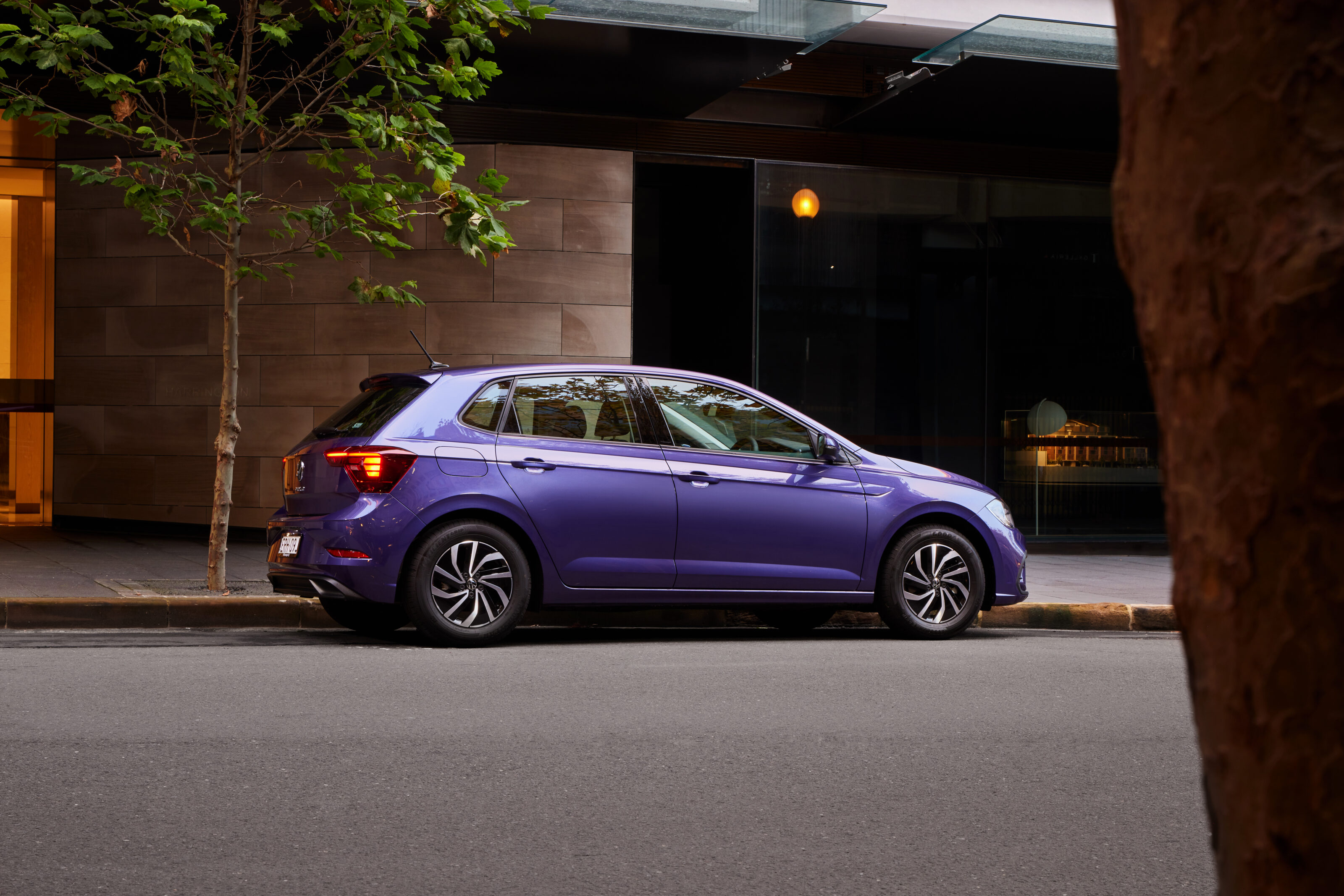
The $1700 Vision and Tech package is only available on the DSG Life and comes with an 8.0-inch touchscreen with sat-nav (VW calls this screen Discover), upgraded digital dashboard, voice control, wireless Apple CarPlay and Android Auto, adaptive cruise control and travel assist (which works with the active cruise to keep you in your lane).
Moving on to the DSG-only Style at $31,250 before on-road costs, you get 16-inch alloys, upgraded front seats, the 10.25-inch Digital Cockpit Pro, travel assist, auto parking, auto LED Matrix headlights, adaptive high beam, dual-zone climate control, front fog lights and ambient interior lighting.
You can add to the Style with the Discover 8.0-inch screen, wireless Apple CarPlay and Android Auto, six-speaker Beats audio and keyless entry and start for $1900. Volkswagen reckons – credibly, I think – that you can’t buy a similarly-equipped light car with this level of technology under $35,000, and by that they mean things like advanced safety and Matrix LEDs.
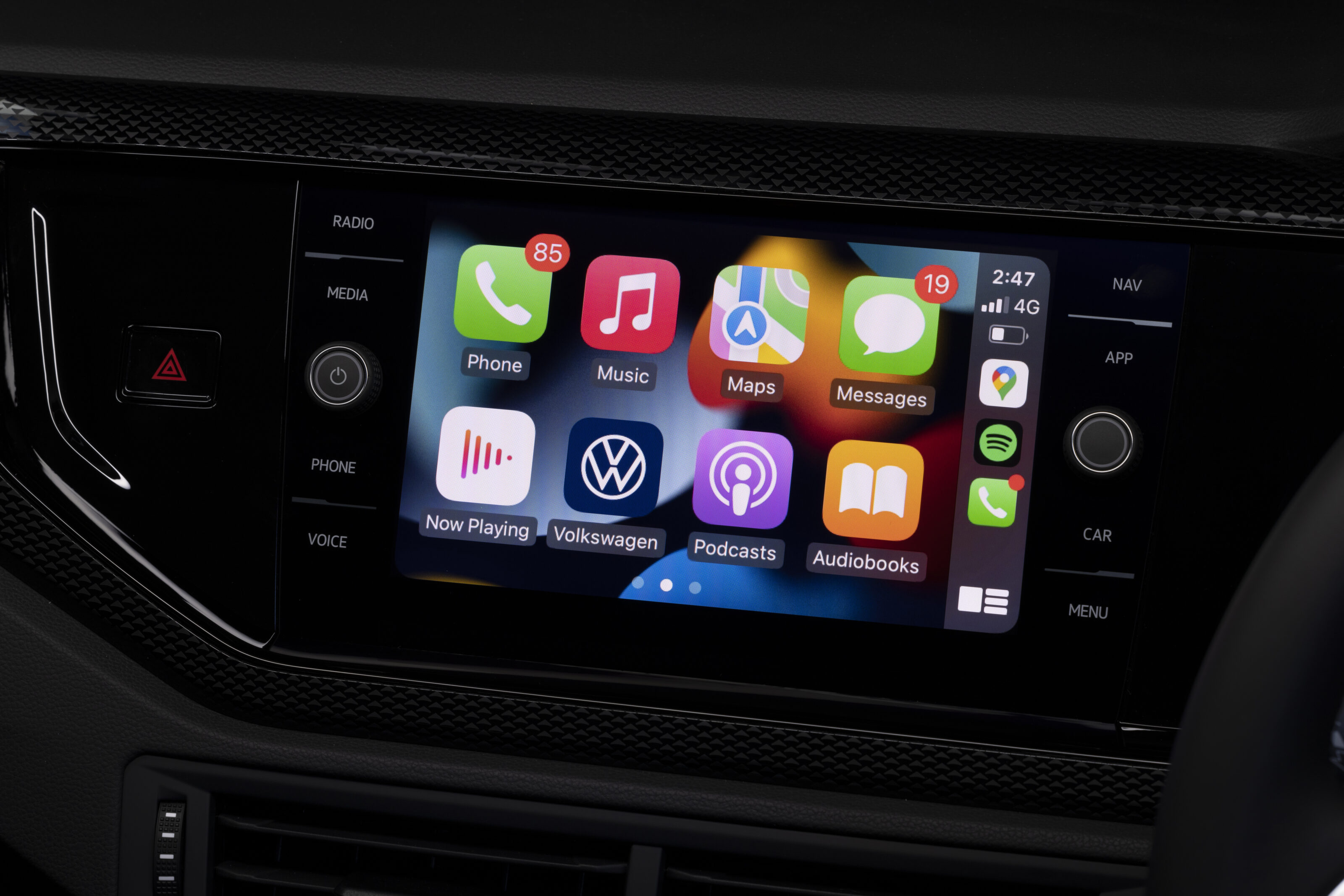
Metallic paint is $600, which is not cheap but not as expensive as some brands.
This all seems like a lot but as I say, prices of small cars have gone to relatively stratospheric levels and were already well on their way pre-pandemic. A Yaris is now roughly the same price with a 1.5-litre three-cylinder (more with a hybrid drivetrain) and doesn’t have as much gear as the equivalent Polo.
To hit the 2022 five-star ANCAP rating requirement (the older car’s rating was achieved in 2018), the Polo now has an additional centre airbag to prevent head clashes (taking the total to seven), the usual stability and traction controls, forward auto emergency braking (AEB), distance warning display, fatigue detection, lane assist, lane departure warning system, manoeuvre braking, front and rear parking sensors and a reversing camera.
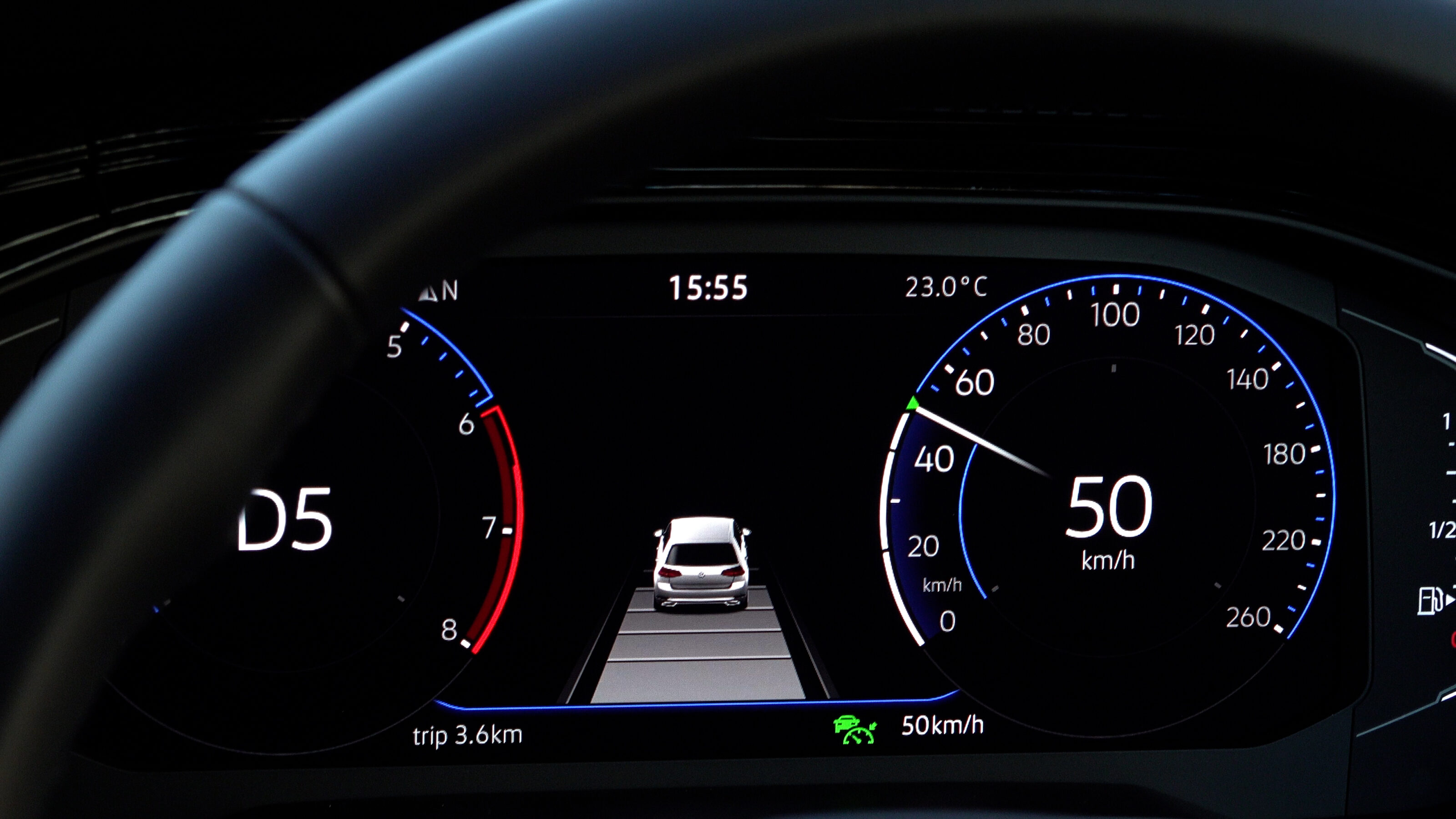
Polos with DSG have travel assist and the Style picks up side assist with reverse cross-traffic alert. While it’s nice to have the latter on the Style, I’d like to see it on every Polo because it’s an insanely useful feature that really makes a difference to pretty much every owner and I say it about any car that doesn’t have it like, say the Yaris and Picanto. The Mazda2 has it standard across the range.
The forward AEB works at up to 80km/h and now includes both pedestrian and cyclist detection.
Comfort and Space
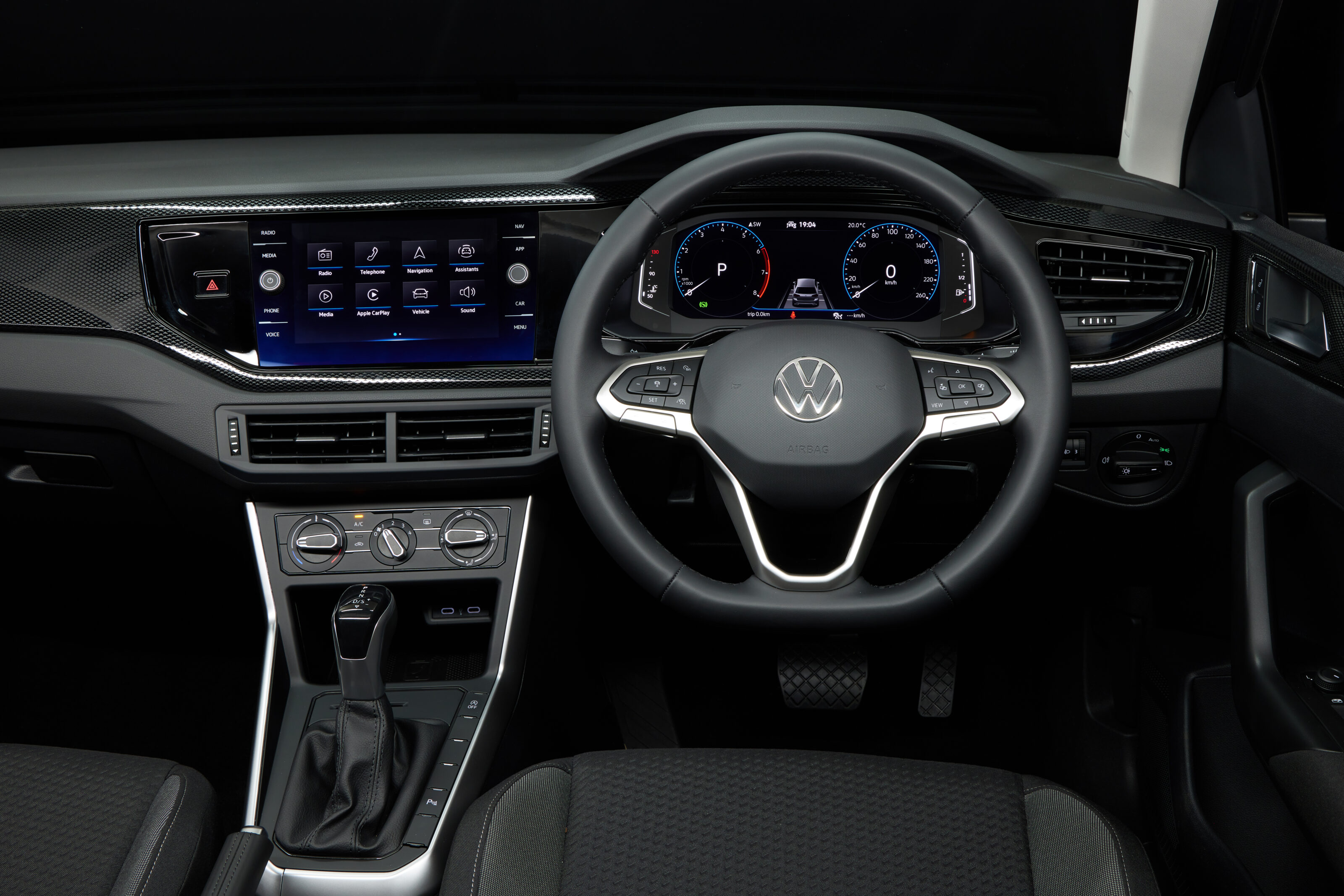
There are some minor differences between the Life and Style, which mostly boil down to slightly different fabric on the seats, slightly sportier front seats in the Style and really, not much else.
The Life and Style both share the improbably large boot which measures a whopping 351 litres, comfortably outgunning everything in its class, most smaller compact SUVs and even some hatchbacks and SUVs a size up. Drop the 60:40 split-fold rear seats and you have 1125 litres to fill. The boot floor is also one of those clever two-position arrangements where you can sacrifice a flush loading lip for more depth.

The rear seats are definitely snug but if you’re up to 180cm (like me) and don’t have absurdly long legs, you can actually fit behind front-seat passengers of similar height. I’m not going to pretend it’s limo-like, but my knees clear the seat behind my driving position and there’s plenty of headroom with or without a sunroof. Sadly, the lack of rear air vents, armrest and cup holders mean it’s a bit grim back there. Unless you’ve got devices with USB-C cables, in which case you’ll find a generous pairing of them in the rear of the console.
The front seats in the Life are quite firm but come into their own once you’ve settled into a longer trip and they look pretty good too, even if the cloth interior is fairly dull. Stepping up to the Style, you get a little more bolstering and a sportier design on the seat fabric.
Some of the plastics look cheap … it feels a lot more classy than the Yaris and is vastly better on the technology front
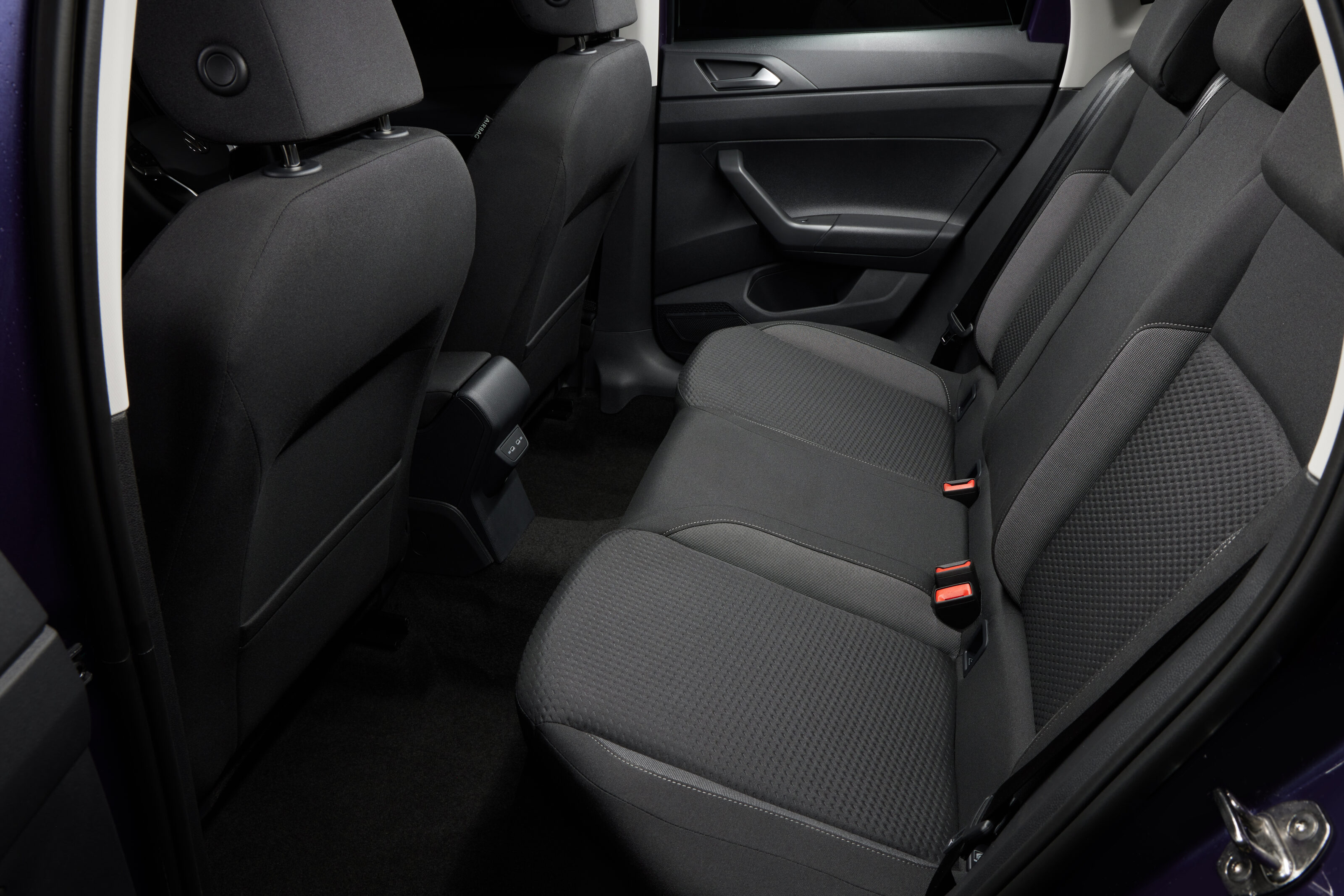
A pair of hexagonal cup holders sit low in the centre console next to the chunky handbrake (I love me a proper handbrake) and the wireless charging mat is in a cubby under the climate controls, with notches to hold your phone in place. The doors have big pockets, too, and will take a decent-sized bottle. There’s also a tray under the passenger seat and some storage in the overhead console.
Some of the plastics look a bit cheap, like the console, but the leather wheel and shifter feel nice and it’s quite airy given its size. It feels a lot more classy than the Yaris, which is full of weird design choices and the Polo is vastly better on the technology front than the Toyota’s risible media system.
On the Road
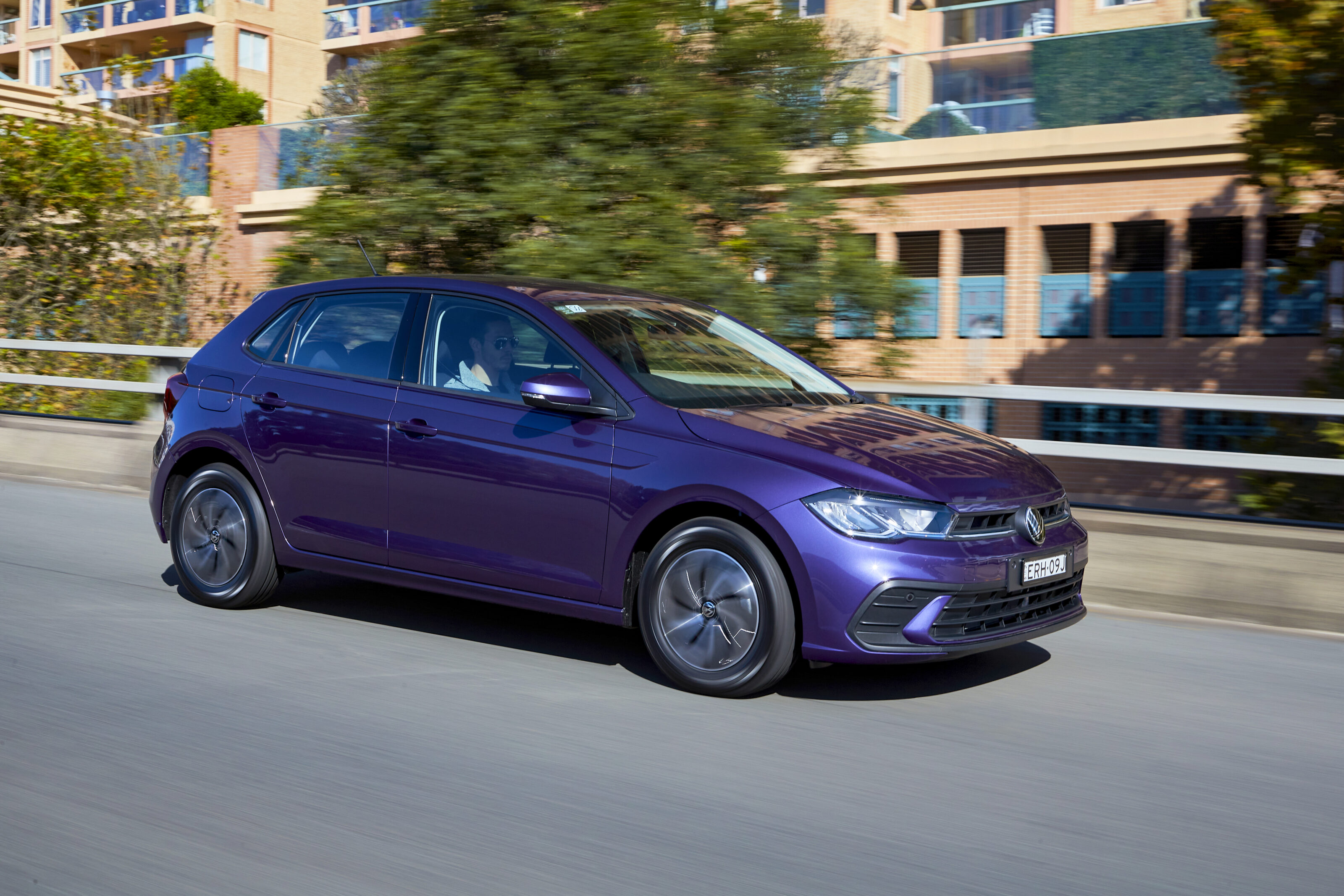
The Polo comes with VW’s 1.0-litre three-cylinder turbocharged engine, codenamed EA211. In the manual it delivers 75kW and 175Nm while the DSG gets more, 85kW and 200Nm, the torque figure out-punching pretty much anything in the segment apart from the identically-engined Audi A1, at least on paper. Power goes to the front wheels.
The whole time I drove this car, my internal monologue kept saying, “This is such a nice car to drive.” When my wife and I embarked on a foolhardy Saturday morning expedition for bread and coffee beans, her external monologue agreed wholeheartedly. “It just feels right,” she said. “I’d have one of these.” This has never been said by her about a light hatchback in the last ten years.
The whole time I drove this car, my internal monologue kept saying, “This is such a nice car to drive.”
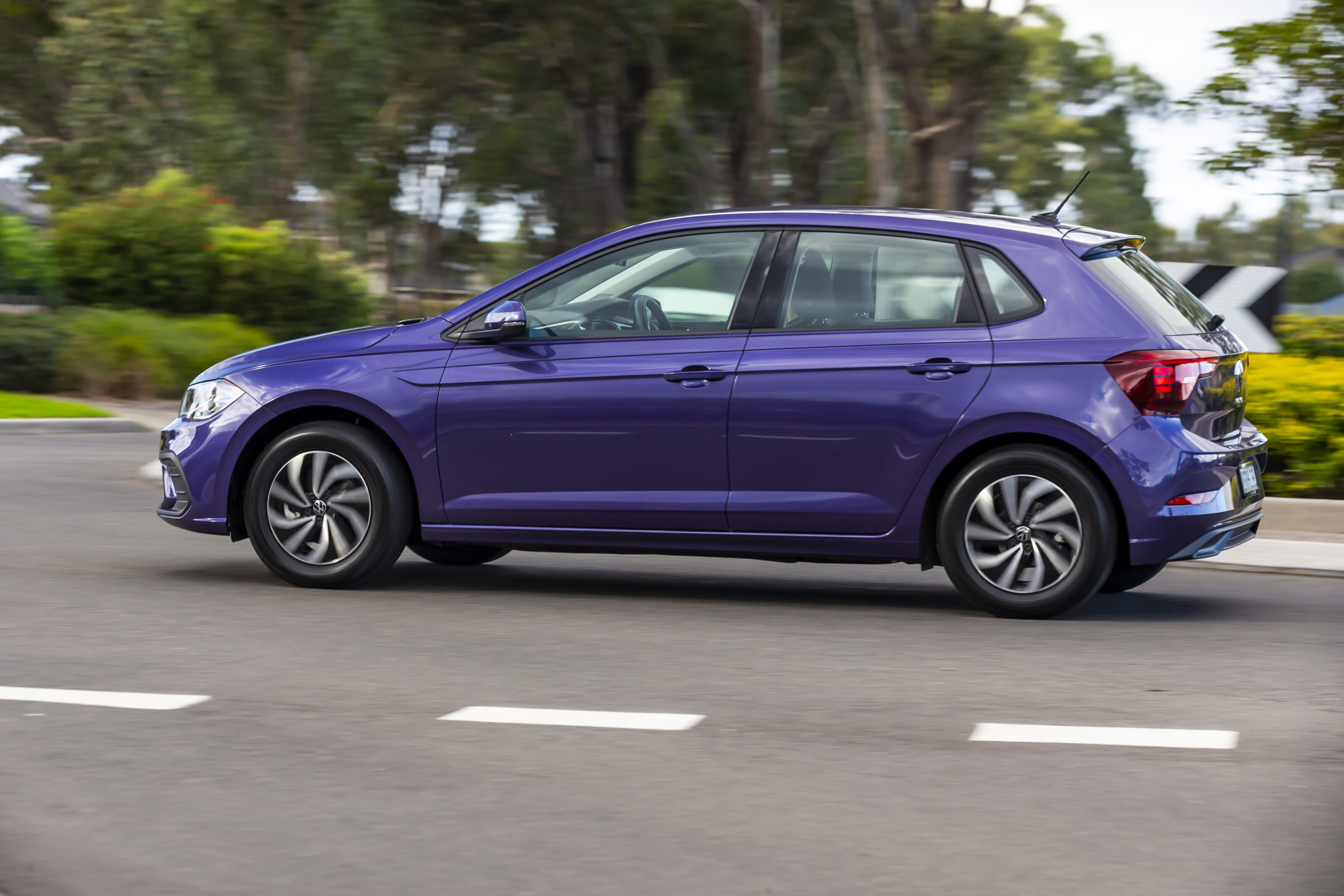
Not only did I drive it across plenty of broken and twisty tarmac, in heavy rain and brilliant sunshine, but I also spent a good deal of time on motorways of hugely varying quality. It feels like a much bigger car in these conditions, with a nicely balanced chassis that rides the bumps well but also has the tyres to deal with enthusiastic driving and anti-enthusiastic weather.
While a 1.0-litre triple doesn’t sound like much, the Polo’s reasonably low kerb weight doesn’t overwhelm the torque figure, which makes for relaxed highway running and overtaking. You don’t have to do advanced wargaming like you do in pretty much everything in its class (hot hatch versions excepted, of course) and when you’re not hauling past semi-trailers and caravans, it’s very, very quiet.
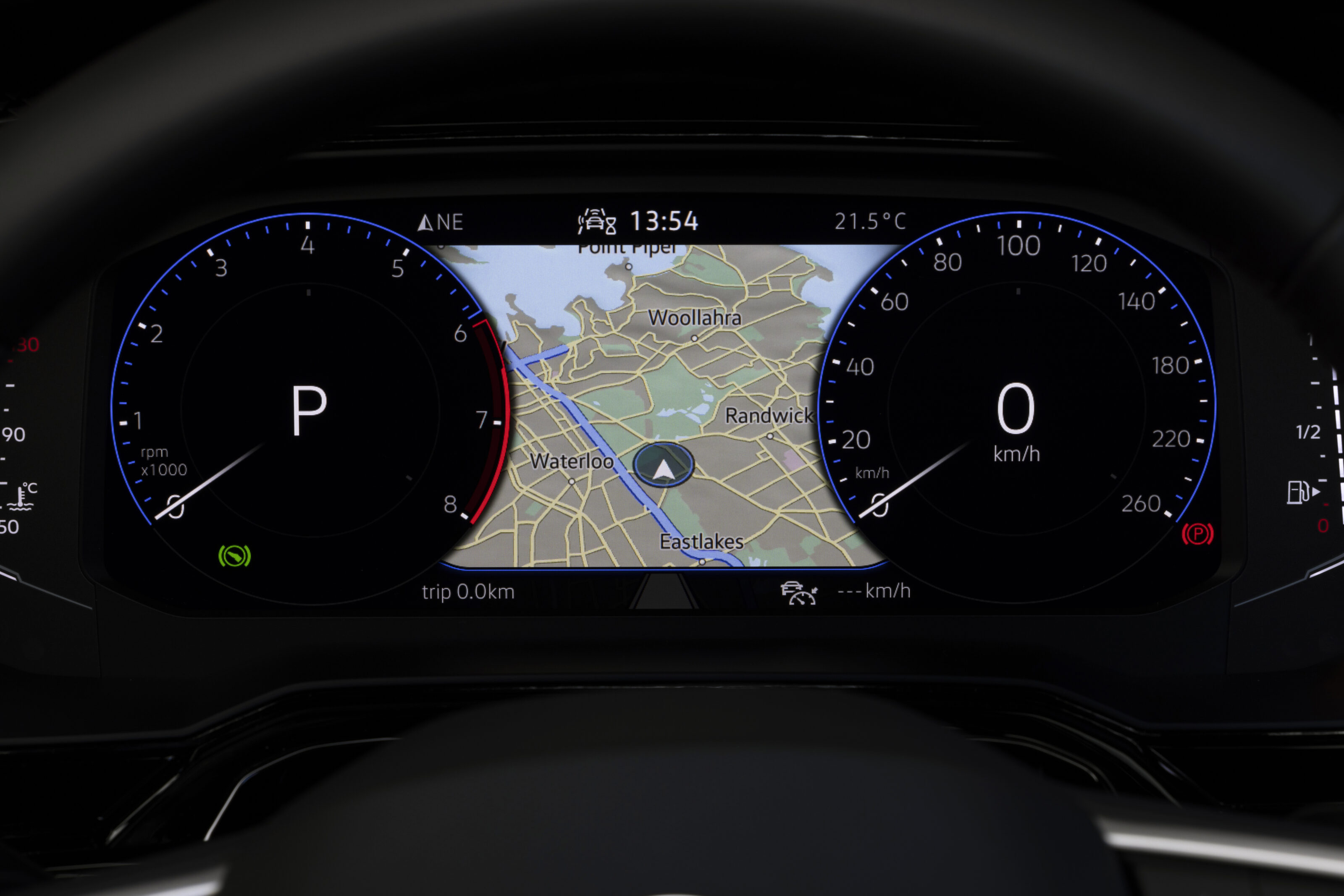
That serenity carries over into city running, with just the occasional bit of racket from the front suspension over bigger bumps. The engine is a distant three-cylinder grumble even when being revved out to its 6000rpm redline. The transmission can be a little hesitant, so you’ll find yourself flexing your ankle a little earlier than you might otherwise or pulling the shifter back to grab Sport mode. Thankfully once it works itself out, the 200Nm of torque carries you along.
The steering is city light most of the time and firms up on the highway, but feels pretty good. In the Style, you get shift paddles, which I rarely used unless I was up for some fun. When I was up for some fun, the brakes felt good in the Life and better in the Style with its bigger wheels and tyres plus rear disc brakes.
VW’s claimed combined cycle figure of 5.6L/100km looks to be achievable. My time with the car, which included the launch program and a further week behind the wheel delivered a 7.1L/100km figure, which ended up being mostly suburban running and short trips.
Ownership
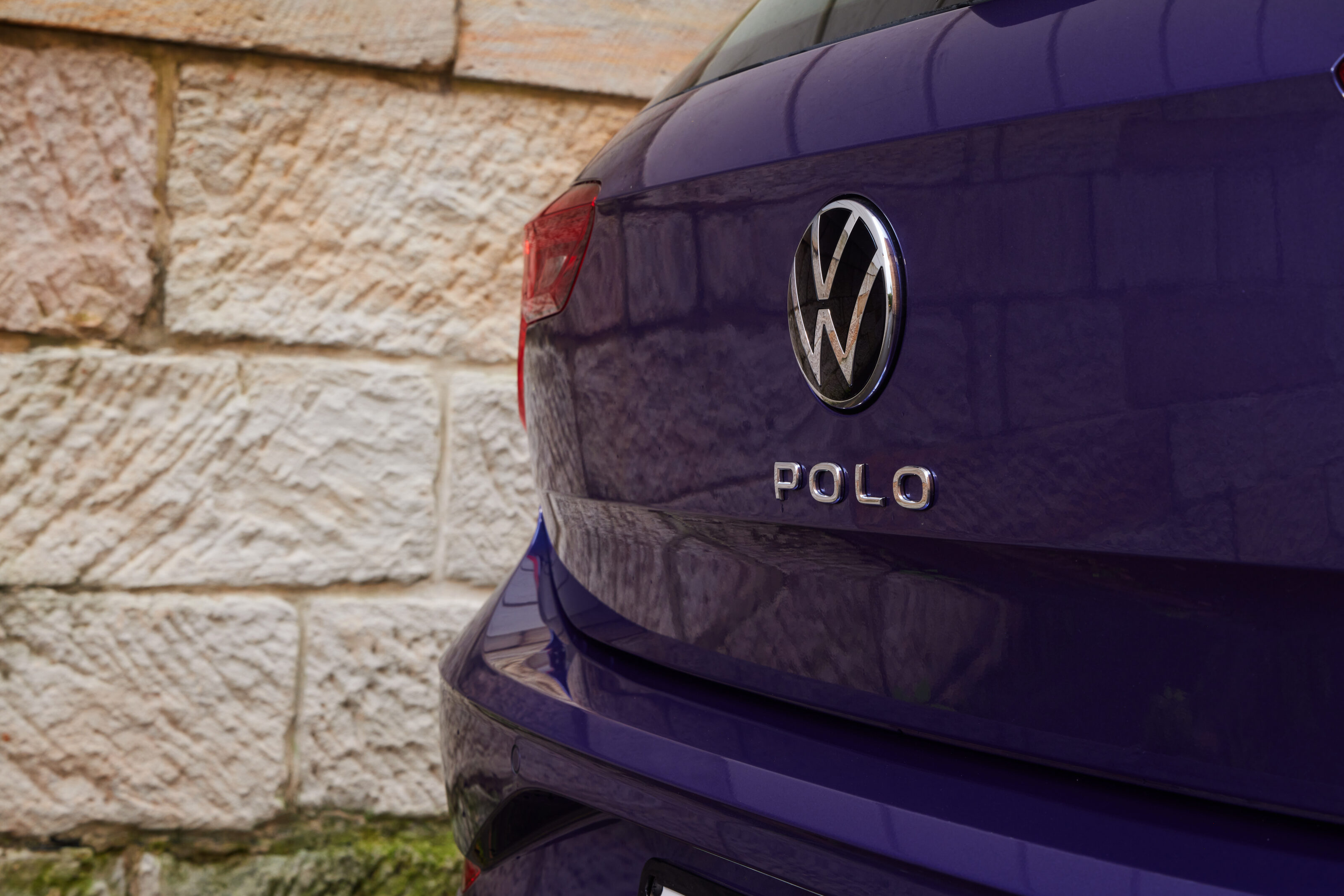
Volkswagen offers a five-year, unlimited-kilometre warranty that very nicely matches up with just about everybody except Mitsubishi (who have thankfully departed the light car market with the miserable Mirage) and Kia (who haven’t with the rather good-for-the-money Picanto).
VW also offers a capped-price servicing regime. You can pre-pay three services for $1300 for the manual and $1400 for the DSG ($433 and $466 per service respectively) or five services for $2150/$2200 ($430/$440). Not gonna sugarcoat this, it’s a lot. It’s worth doing though because you save $160 on a three-year plan and a whopping $664 on the five-year plan over pay-as-you-go.
A Yaris is $199 per service, which is by far the cheapest servicing of any of Polo’s competitors. The Picanto costs roughly the same as the Polo for its manual GT version and only a bit less for the very slow naturally-aspirated versions. A Mazda2 is about $500 less over five years than the Polo but does have shorter service intervals.
VERDICT
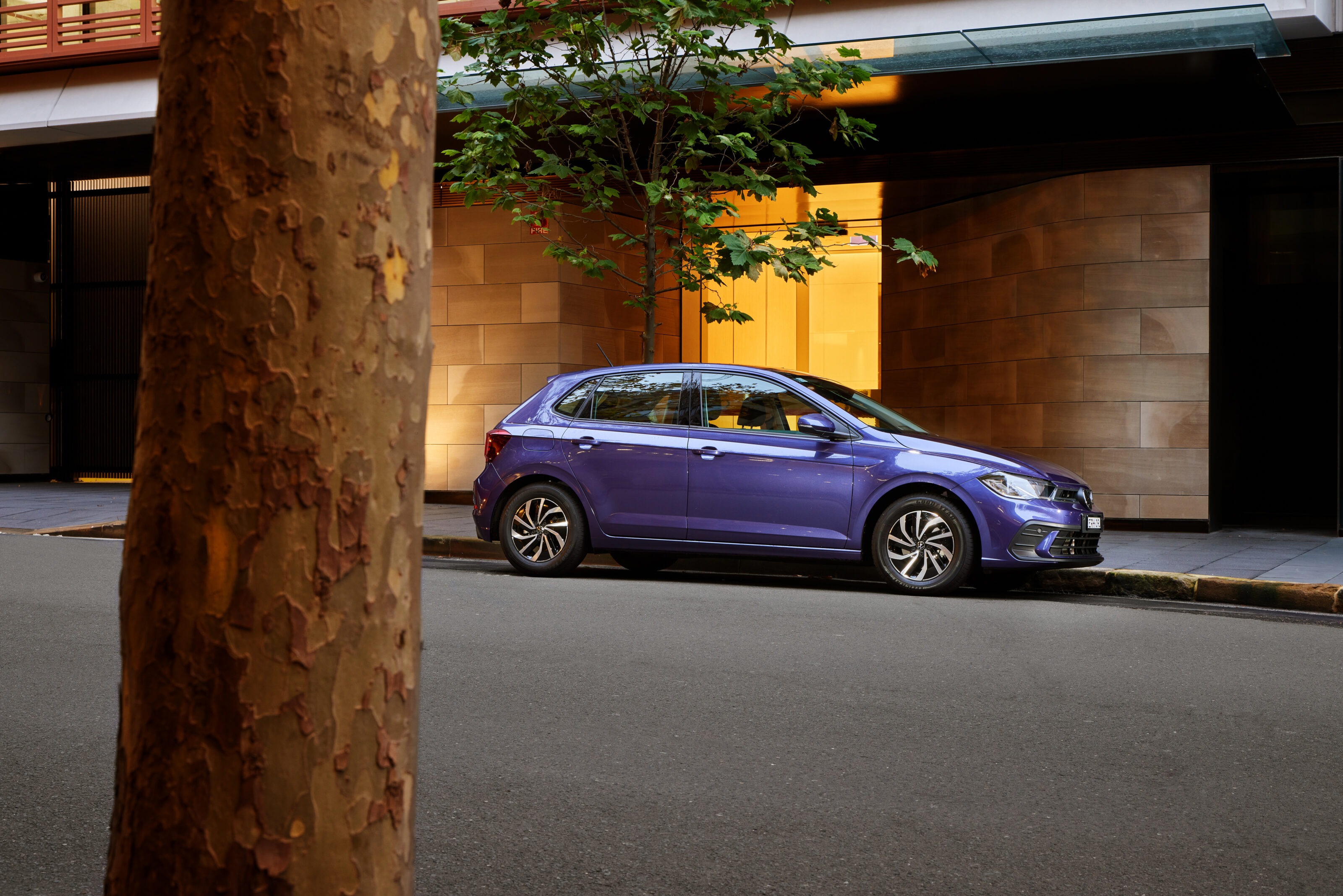
With the kitchen sink approach assessed, it’s very difficult to fault the Polo in light of the segment’s general inexorable rise upmarket. The price is what it is and while it is more than the Kia Picanto, it’s a lot more car than the Picanto. It may not have the Yaris’ hybrid option, but it has a much better interior and is more fun to drive. On top of that, there is a serious safety list none of the competition, bar the closely related Audi A1, can match.
VW told me that there is no base model and I snorted but then realised that there are very, very few basic cars left because nobody buys them. Volkswagen’s own Up – surely one of the best small cars ever made – didn’t make satisfactory enough headway here because you couldn’t get one with the lot.
The car market is giving us what we want. So while you can’t buy a bargain-basement Polo, what you do get is a well-specced, tech-stacked hatch with excellent driving dynamics. That seems like a reasonable trade-off to me even if it means having to dig a lot deeper than before.
Related video
2022 Volkswagen Polo Specifications
Australian Chevrolet importer GMSV has revealed new options available to Australian buyers of the MY23 C8 Corvette.
In a statement, company director Joanne Stogiannis said that while high demand for the C8 in right-hand-drive markets had limited GMSV’s ability to offer personalisation, the brand will offer three new wheel options – including a forged aluminium design in either a bright machined-face finish or gloss black.
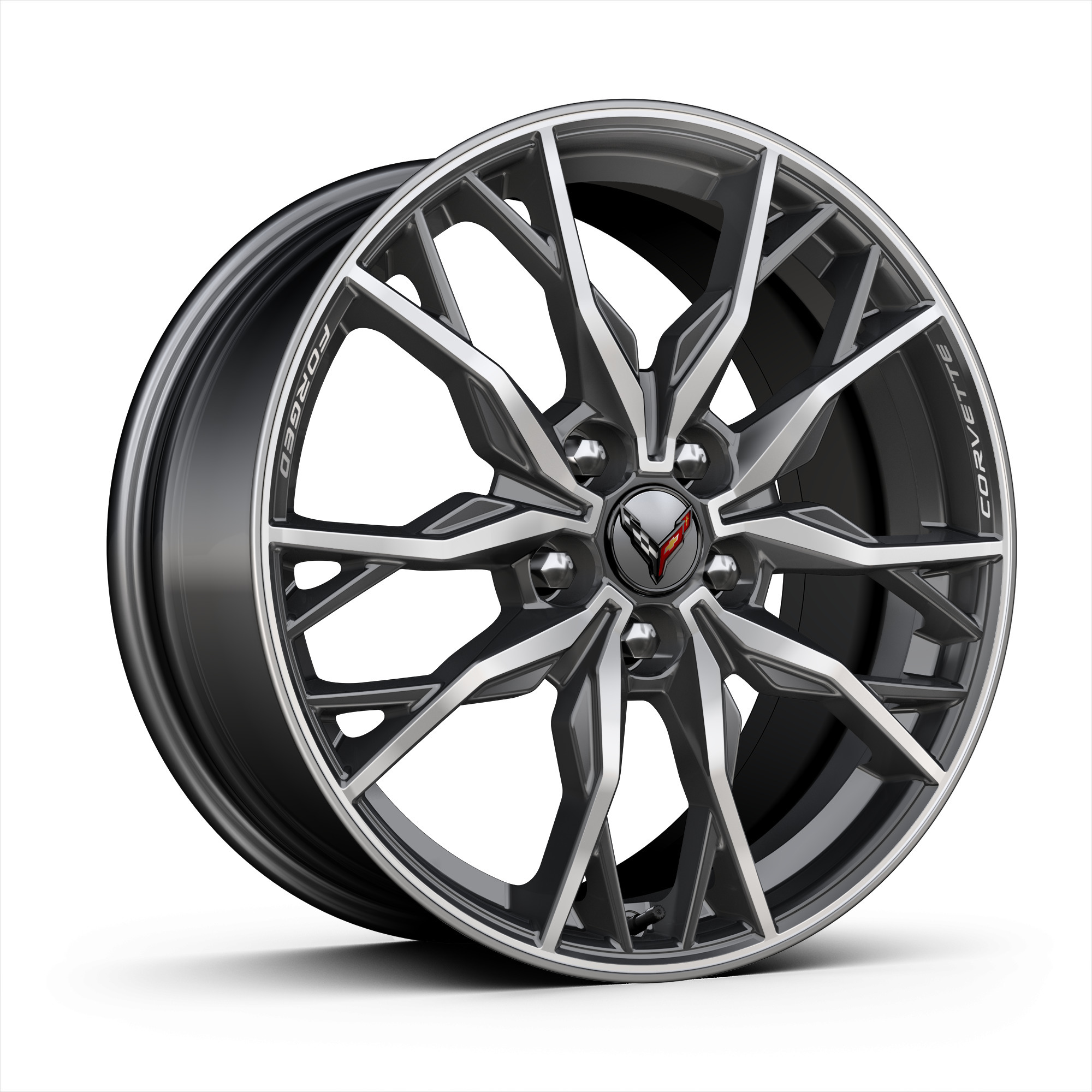
Black exhaust tips, and a new blackout interior trim, and an eye-grabbing ‘adrenaline red’ interior will also be added to the roster for the 2023 model.
The statement confirmed buyers will be given a choice of colours for paint, decals, brake calipers, exhaust tips, seatbelts, and interior trim.
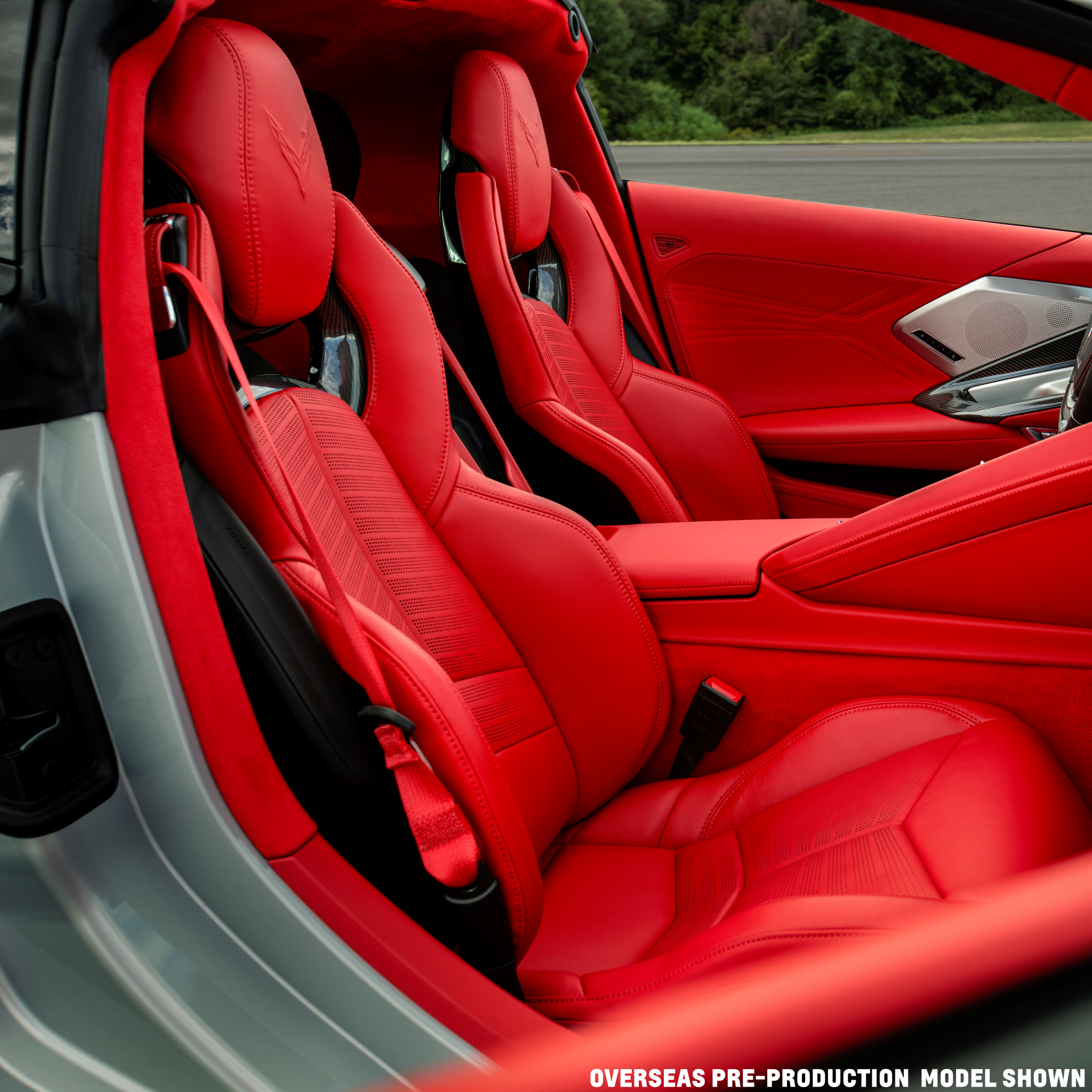
While American buyers are offered a visualiser to ‘build’ their ideal C8 on Chevrolet’s website, there’s so far no indication that GMSV will follow suit with Australian options.
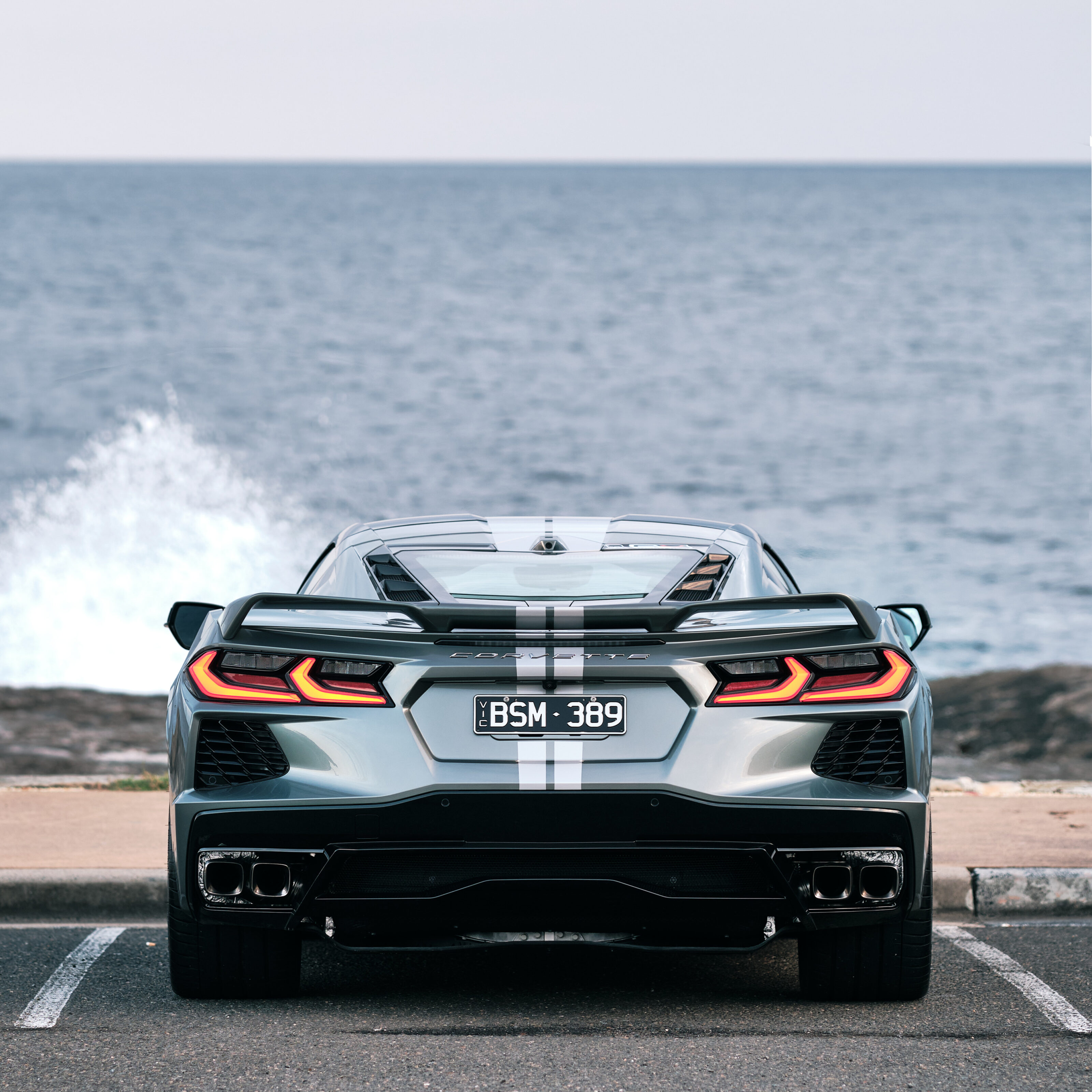
According to Stogiannis, the change will also affect the way Corvettes are delivered.
“Providing customers with an improved level of personalisation was a key focus for us with this allocation, as well as news that we are providing smaller, more frequent, dealer allocations at this time,” she said.
“This will mean there is greater visibility on production timing, along with the opportunity for customers to personalise elements of their vehicle.”
MY23 C8 Corvette Stingray orders are expected to begin shipping in the fourth quarter of this year, with the higher-output Z06 variant likely to arrive sometime in 2023.
Snapshot
- MG supply affected in June
- 7000 cars expected to land in July
- Shanghai coming out of lockdown, but ripple effects still being felt
Orders for new MG models are set to be delayed, with the carmaker confirming supply issues have forced it to pushback delivery dates.
Though the lockdown in Shanghai, where Australia-bound cars are built, is now easing and that’s likely to bolster the firm’s manufacturing efforts, problems further along the supply chain are hampering the company getting vehicles onto local driveways.
However, good news is on the horizon, with the marque confirming to Wheels it expects 7000 cars to land locally in July – almost double its normal monthly shipment.

“Due to global supply chain issues, some of our vehicle arrival dates may be delayed later than originally estimated at the time of order,” a spokesperson told Wheels.“MG Motor Australia is currently working hard with our parent company to reduce this delay to an absolute minimum.“As disruptions to global supply chains ease, we will aim to increase output at our manufacturing facilities in an ongoing effort to meet our increasing customer demand.“These global challenges make it difficult to predict exactly how long it will take for all bottlenecks to be cleared, or when new ones will appear, please be assured we are doing our utmost to ensure as little as a delay as possible.”
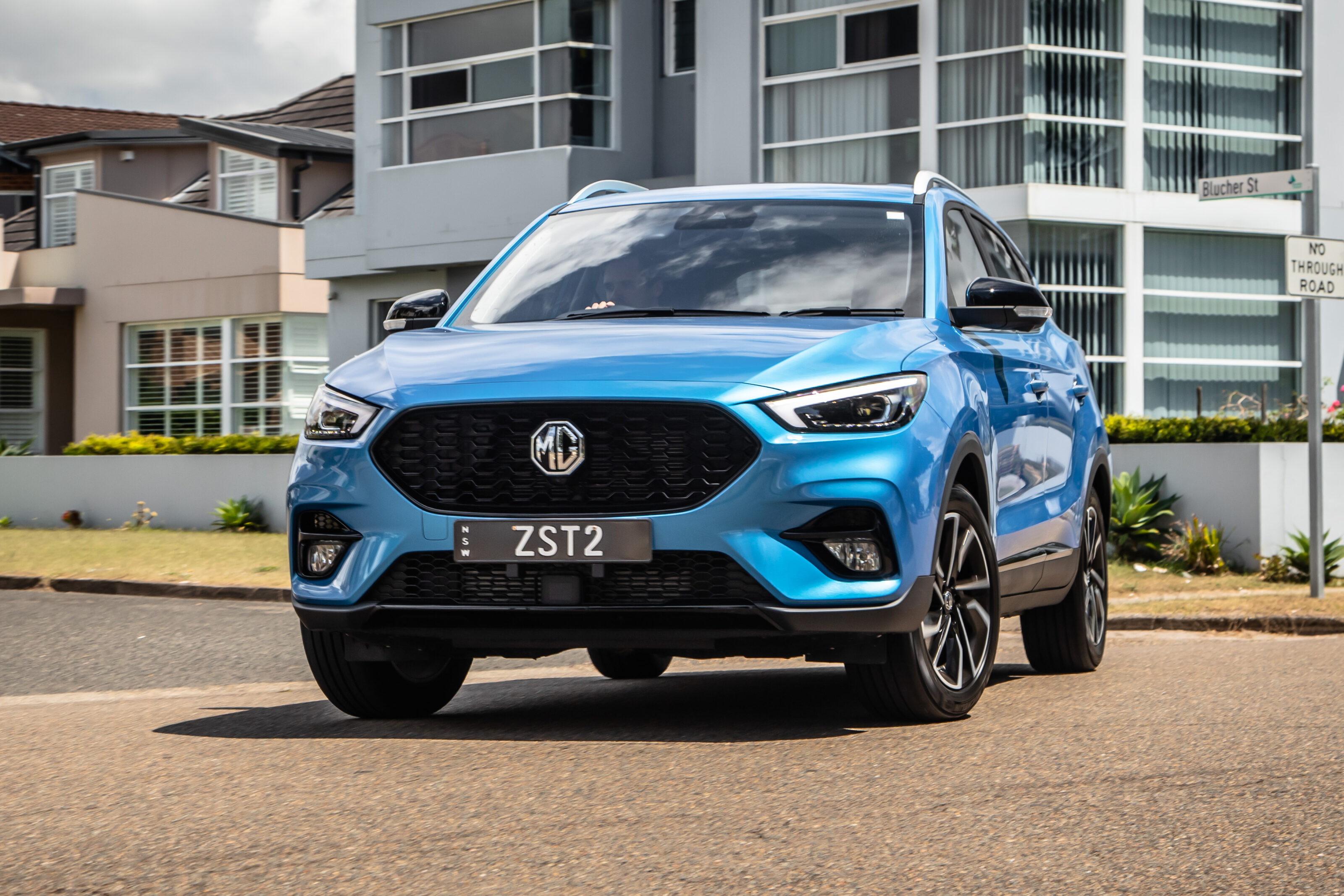
So far this year MG has experienced steady supply of its three local models – the MG3 city car, and HS and ZS SUVs.
Though in recent months it has said it’s working amongst challenging market conditions when it comes to supply, particularly on the logistics side, it has still managed to land almost 4000 cars a month in Australia for the last year.
In April the company had its best sales month ever, selling more than 4000 cars in Australia for the first time since the brand arrived here in 2016.
According to April’s new car sales figures, MG sold 4773 units that month – cementing its position as a top-10 brand.
Out of its three model-strong lineup, the ZS delivered the best result, as it has done solidly for the last six months.
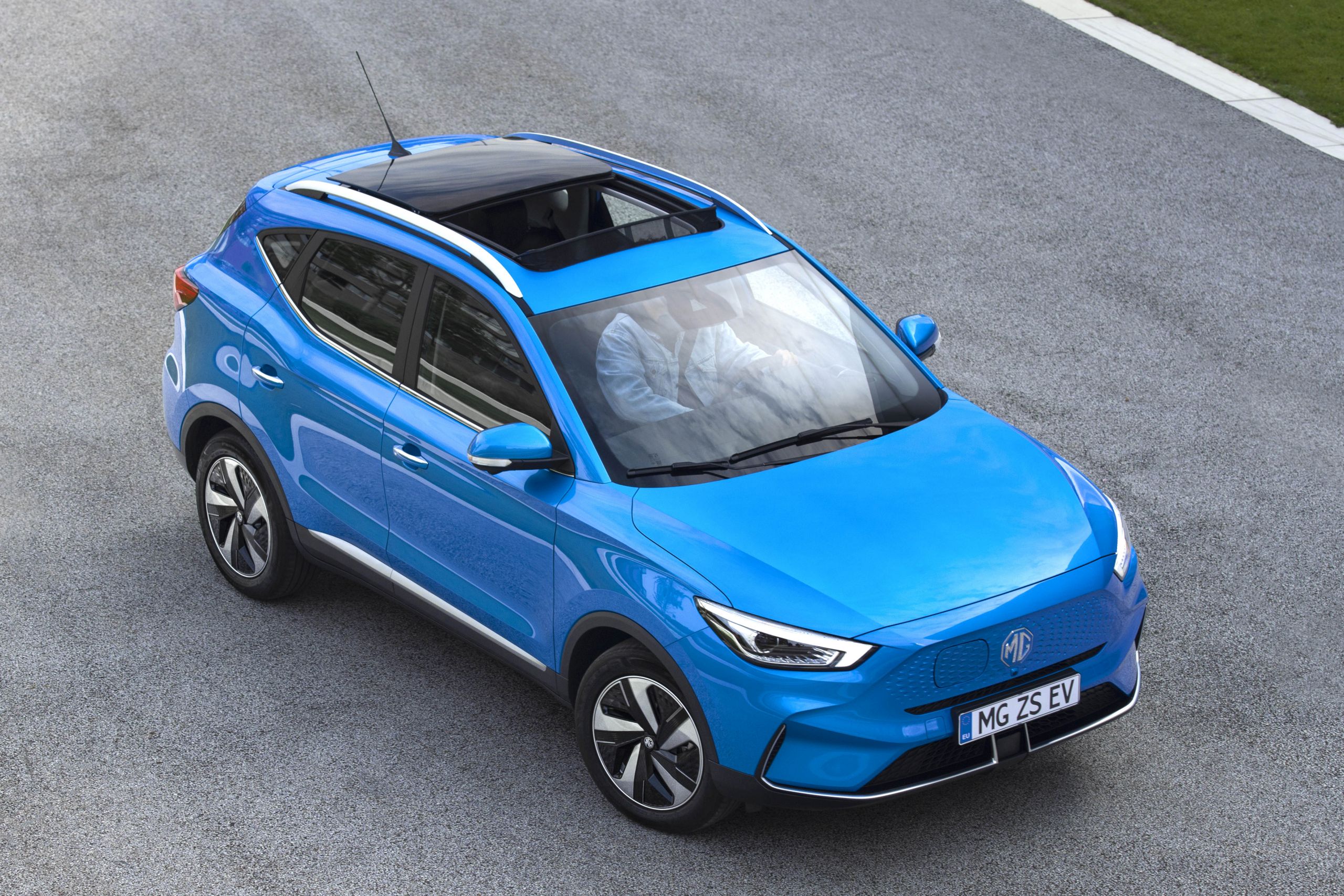
“MG Motor Australia is continuing to see strong customer demand for our range of vehicles, including the new ZS EV in pre sales,” the spokesperson added.
“We are working closely with our supply chain to resolve any bottlenecks and minimise the impact of any delays on customer orders wherever possible.”
As of June 1, MG had registered 455 pre-sales for the new MG ZS EV since it became available in March this year, though 124 examples of the old model still found homes across January and February.
Like many other carmakers, MG is not offering any EOFY deals this year due to the ongoing supply issues facing the industry.
UPDATE: Isuzu Ute Australia adds Roy Morgan award to its trophy cabinet, Subaru wins too
Just hours after revealing its win with Canstar Blue, Isuzu Ute Australia has confirmed it has also won a top award with market research group Roy Morgan, sharing top prize honours with Subaru.
To win the ‘Car Manufacturer of the Year’ award – the second consecutive year it’s won – Isuzu Ute Australia topped Roy Morgan’s Customer Satisfaction survey results with a score of 96.1 per cent for 2021.
“We are honoured to be recognised as Australia’s Car Manufacturer of the Year, by Roy Morgan,” said Isuzu Ute Australia’s Managing Director, Hiroyasu Sato. “This back-to-back award is testament to the quality and consistency of service provided at each of our 155 Dealership sites across the country.”
In addition to the Canstar Blue award described below, the win is clear vindication for the Isuzu Ute brand, given it sells only two model lines in Australia: the D-Max ute and MU-X SUV.
Subaru was also honoured in the Roy Morgan awards, winning ‘Major Car Manufacturer of the Year’.
The Roy Morgan customer satisfaction awards are drawn from results taken through 60,000 consumer surveys across Australia.
The story to here
Isuzu Ute Australia has become the first automotive brand in Australia to win Canstar Blue’s Customer Satisfaction Award for New Cars, doing so with perfect scores across all seven categories judged.
Off the back of the Japanese manufacturer’s introduction of its latest-generation D-Max ute and MU-X SUV in recent years, Isuzu’s local operation took five out of five stars in overall satisfaction thanks to top marks in every criteria.
Judged as the leader for reliability, value for money, driving experience, after sale service, point of sale service and car servicing, the next-best brand in Mercedes-Benz only managed five stars across two of the seven categories – putting Isuzu clearly above its competition.
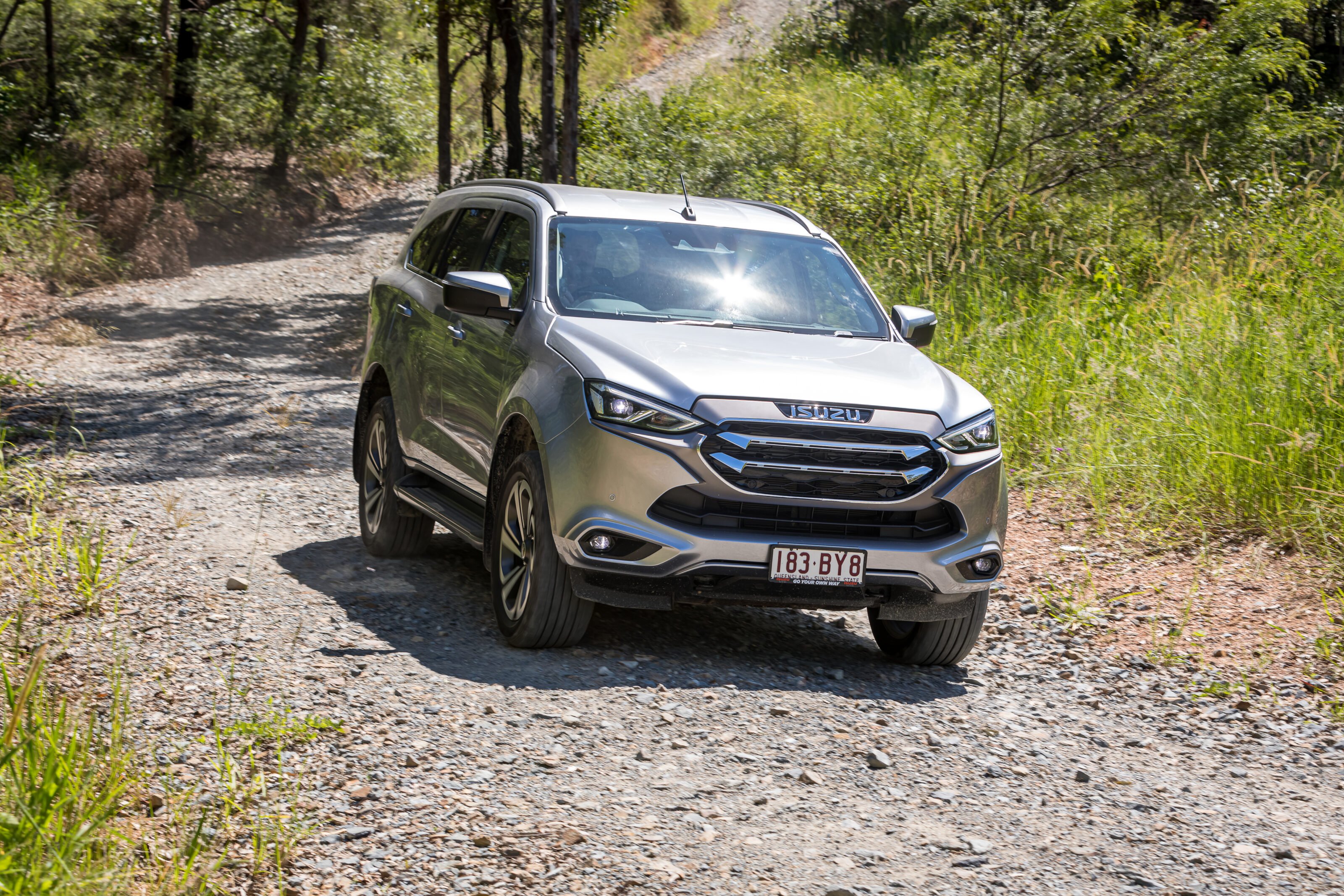
“Isuzu was the one to beat in Canstar Blue’s latest overall new car ratings, scoring five stars in all categories, giving it the inside lane on competitors in a crowded Australian market,” said Canstar’s Dean Heckscher.
“Isuzu evidently ticks the boxes for those who are after a new car.”
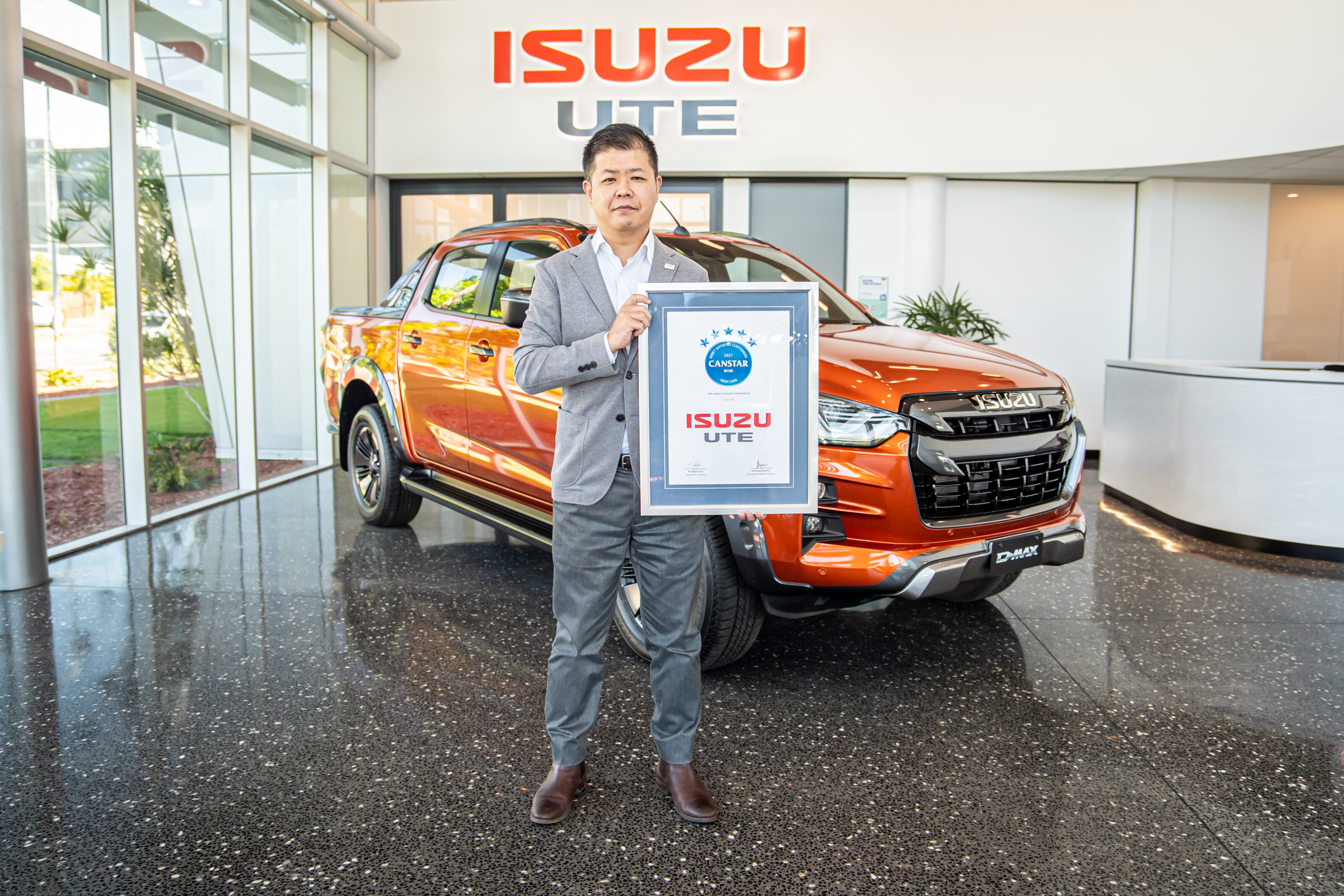
Isuzu hailed the work of its 155-strong dealership network for the result, with deputy managing director of service, parts, and aftersales, Mr. Takeshi (Ted) Yasui saying its customer-first focus was a contributing factor behind the award.
“We have always put our customers first, and to be the first brand to receive a perfect survey score is proof of that,” said Yasui.
“Over the last decade, IUA has built a reputation for customer satisfaction, reliability, and value for money, which is evident with the response from customers surveyed, and the fact that Isuzu Ute Australia has won the 2021 Canstar Blue Customer Satisfaction Award for New Cars.
“Being singled out as the only automotive brand to score five stars for reliability is a real testament to our designers and engineers who have invested over four million kilometres of durability testing in the development of the new-generation Isuzu D-Max and MU-X.”
Last year Isuzu won the 2020 Roy Morgan customer satisfaction award as the best overall brand, having won the same award in 2018.
Three motors. Almost 1000Nm. And 4.5-second 0-100km/h performance. In creating its debut sports EV, Ingolstadt has figured that a tri-motor, 370kW/973Nm, mid-four-second proposition is seductive enough to fit conventional S expectations.
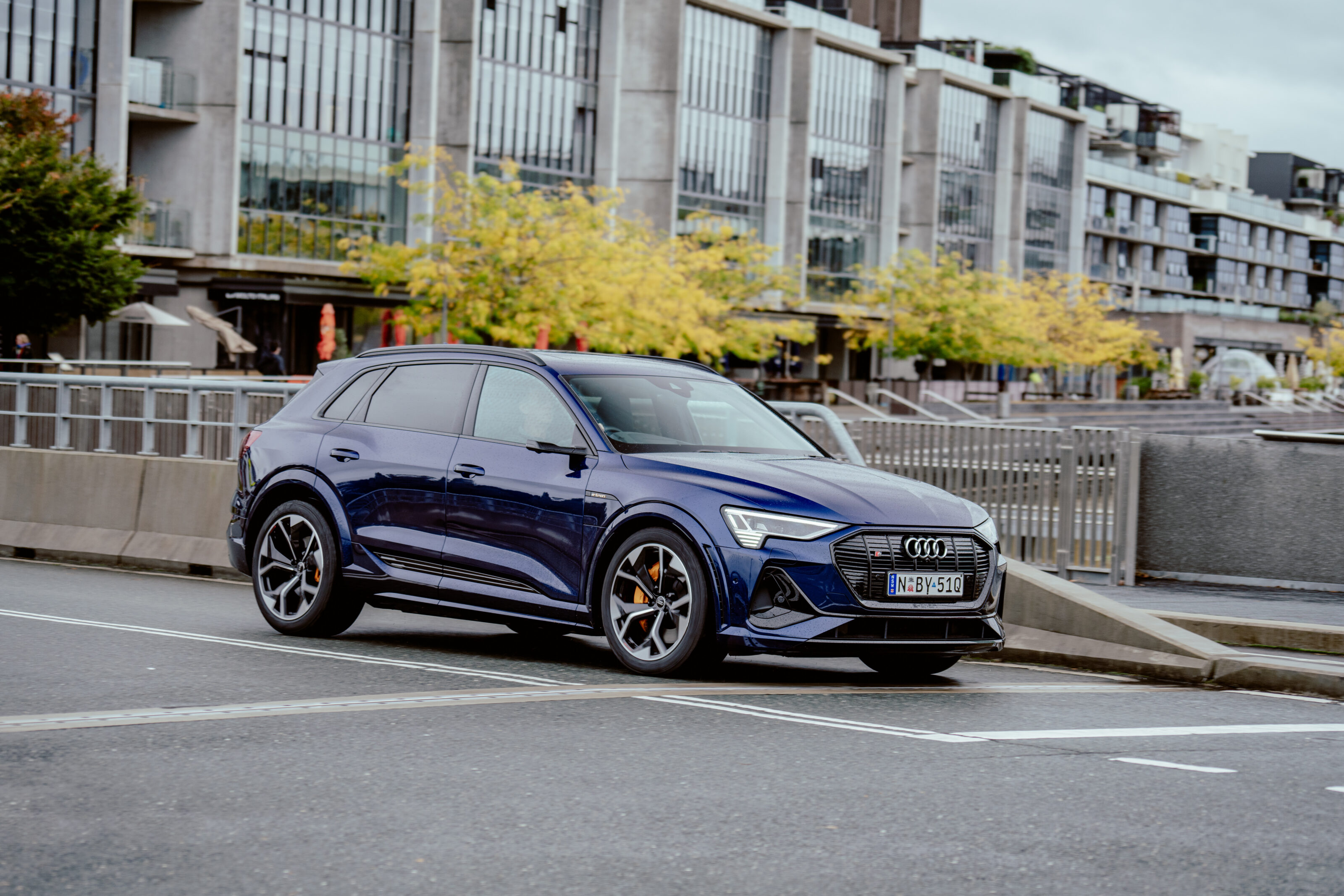
As it should. The E-Tron S electric SUV is derived from existing ICE-sourced MLB Evo architecture rather than a dedicated EV platform (a la Q4’s MEB underpinnings) and lobs at $168,400 for the wagon with a $7K premium for the coupe-like Sportback version ($175,400).
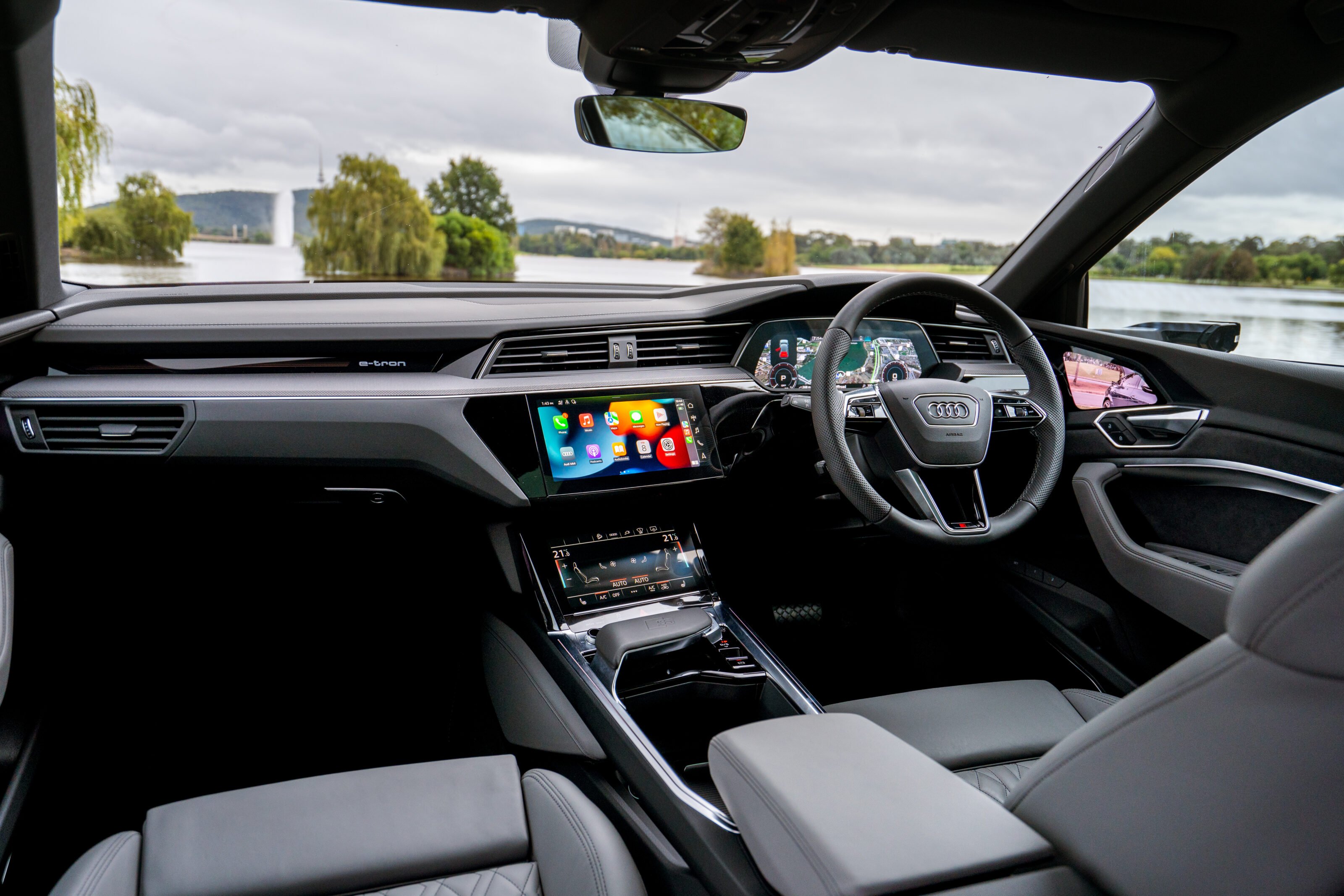
Wagon or Sportback, the E-Tron S features list is suitably plump. It’s 46mm wider at the guards than the regular E-Tron, runs 21-inch wheels, height-adaptive sport air suspension, S-specific styling, a panoramic glass roof, a gesture-control tailgate and Matrix LED headlights.
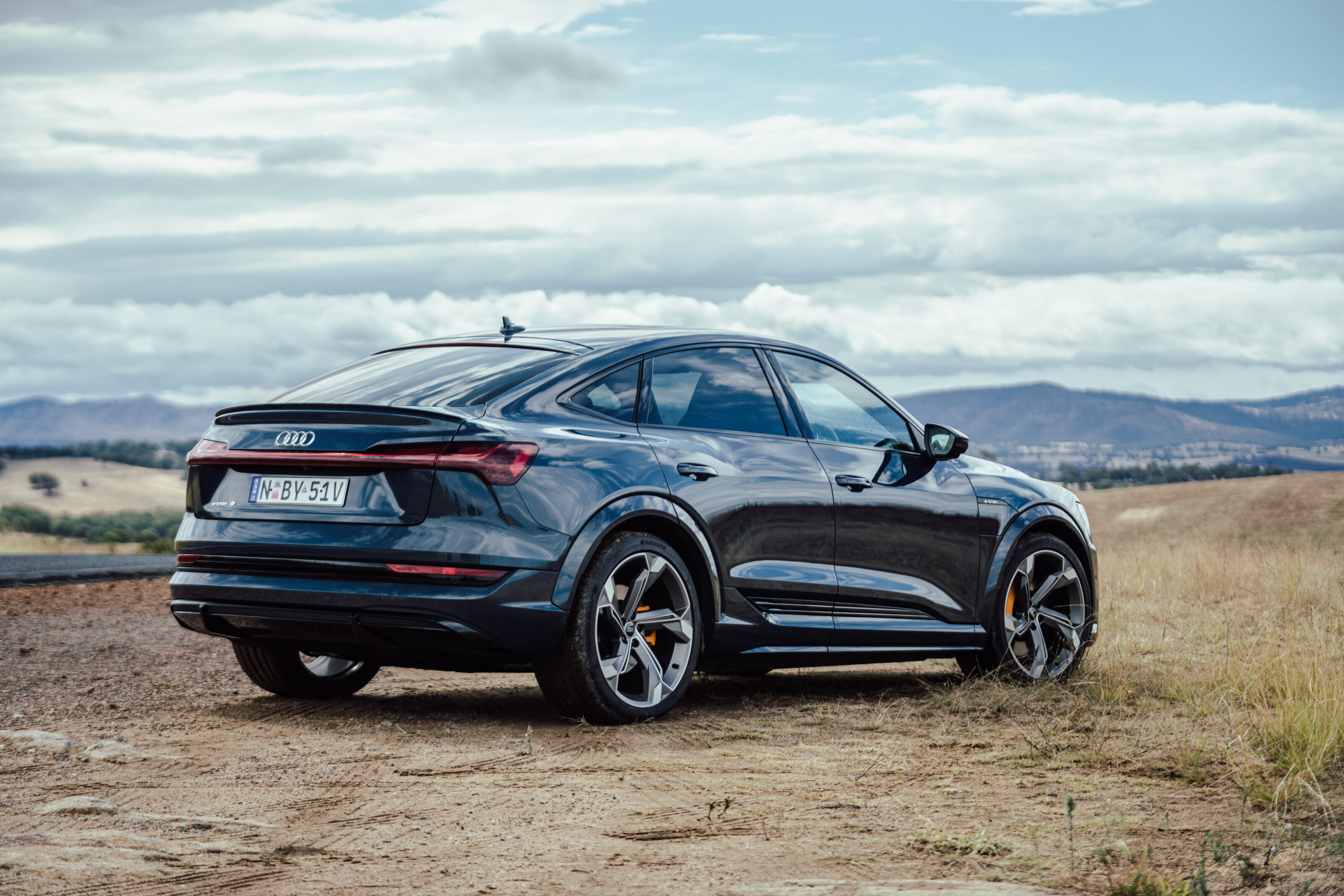
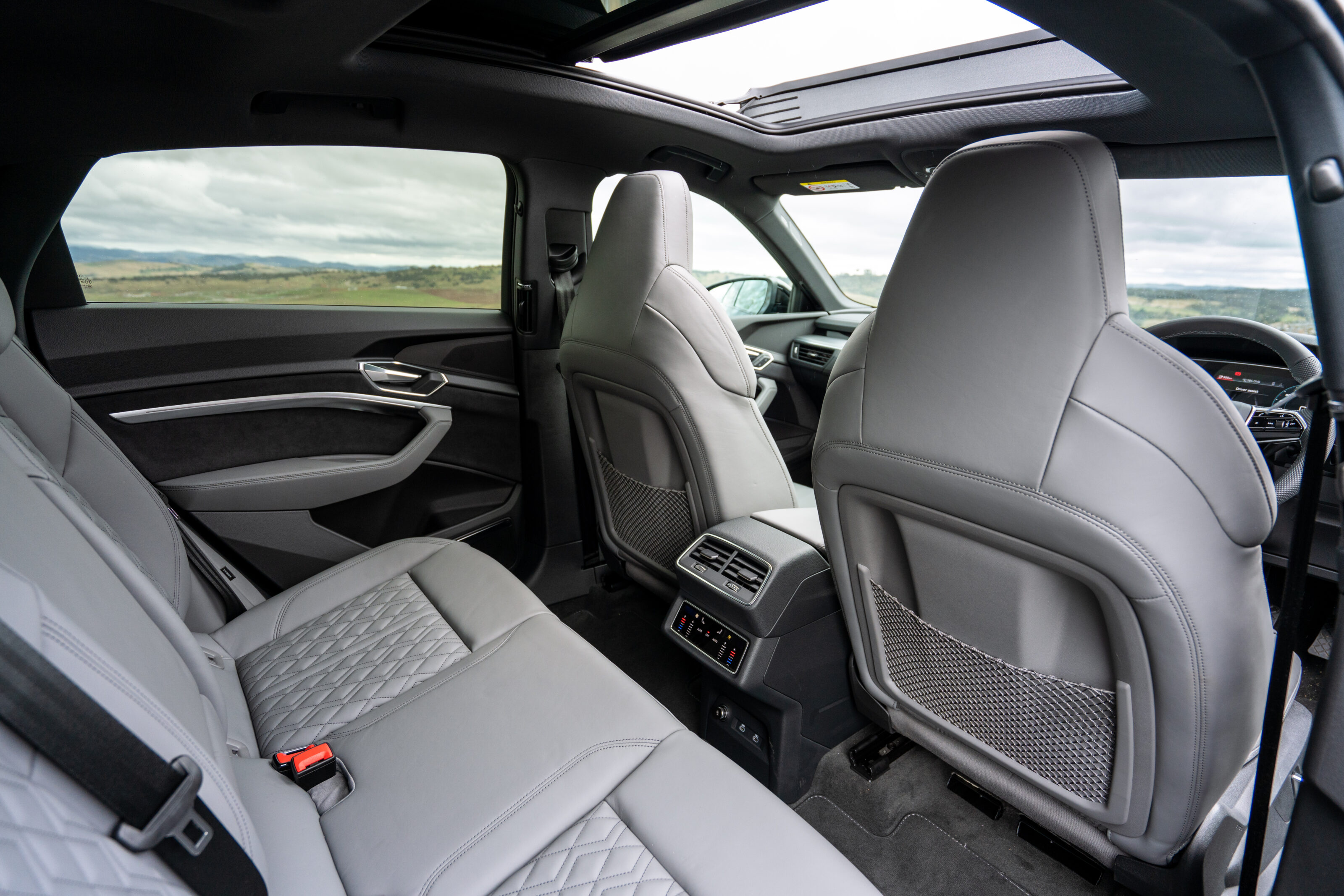
Inside, the E-Tron S fits heated Valcona leather sports seats, a heated paddleshifter wheel, 12.3-inch Virtual Cockpit instrumentation with specific content, 10.1-inch MMI navigation plus infotainment with wireless Apple CarPlay/Android Auto mirroring, and an 8.6-inch haptic control screen.
You’ll also find four-zone climate control, a 360-degree camera system, head-up display, multi-colour ambient LED lighting and 705-watt Bang & Olufsen 3D sound.
There are some sweeteners, such as six years of complimentary servicing and six years of free DC fast-charging through the Chargefox network (150kW DC fast charging takes around 45 minutes).
An 11kW AC home charging kit (8.5-hour recharge) is supplied standard, while an optional 22kW AC charging package (4.5-hour recharging) costs an extra $6900.
The E-Tron S fits two 132kW and 309Nm motors on the rear axle, one per wheel, independent of one another. Slip, lock and torque vectoring are all instant and precise, with no parasitic loss.
Then there’s a single 150kW/355Nm motor on the front axle where torque is apportioned via individual wheel braking. It operates independently from the rear axle, on demand.
It’s more sophisticated, particularly in lean torque distribution, than the more familiar motor-per-axle dual systems. And less convoluted than motor-per-wheel complexity.
But it’s not without a weight trade-off. With the regular 320kW/808Nm outputs that spike to 370kW and 973Nm in ‘boost (Sport) mode’, the hardware required, including the 95kWh lithium-ion pack and related thermal support systems, leaves E-Tron S in either body style nudging 2.7 tonnes.
Clearly, plying expected performance with acceptable range is a balancing act. Stay out of Sport/boost mode and you end up with a 5.1-second 0-100km/h proposition with a theoretical 413km (wagon) or 418km (Sportback) maximum range using NEDC. Or around 26kWh/100km consumption.
As for real-world range? Likely to be around the 350km mark, depending on conditions.
On the plus side, the big Audi’s response is immediate, progressive and impressively linear. In its tamer drive modes, you flex the right foot and it dials up pace cleanly and quietly, its seemingly effortless thrust propelling its considerable mass easily and without any noticeable fuss.
At a cruise, it does feel like an oversized Q5, with which is shares its core platform, with a tauter and more focused character than Q7’s tamer variations. It feels all the part exactly what it is: an electrified heartbeat in a familiar ICE-derived format.
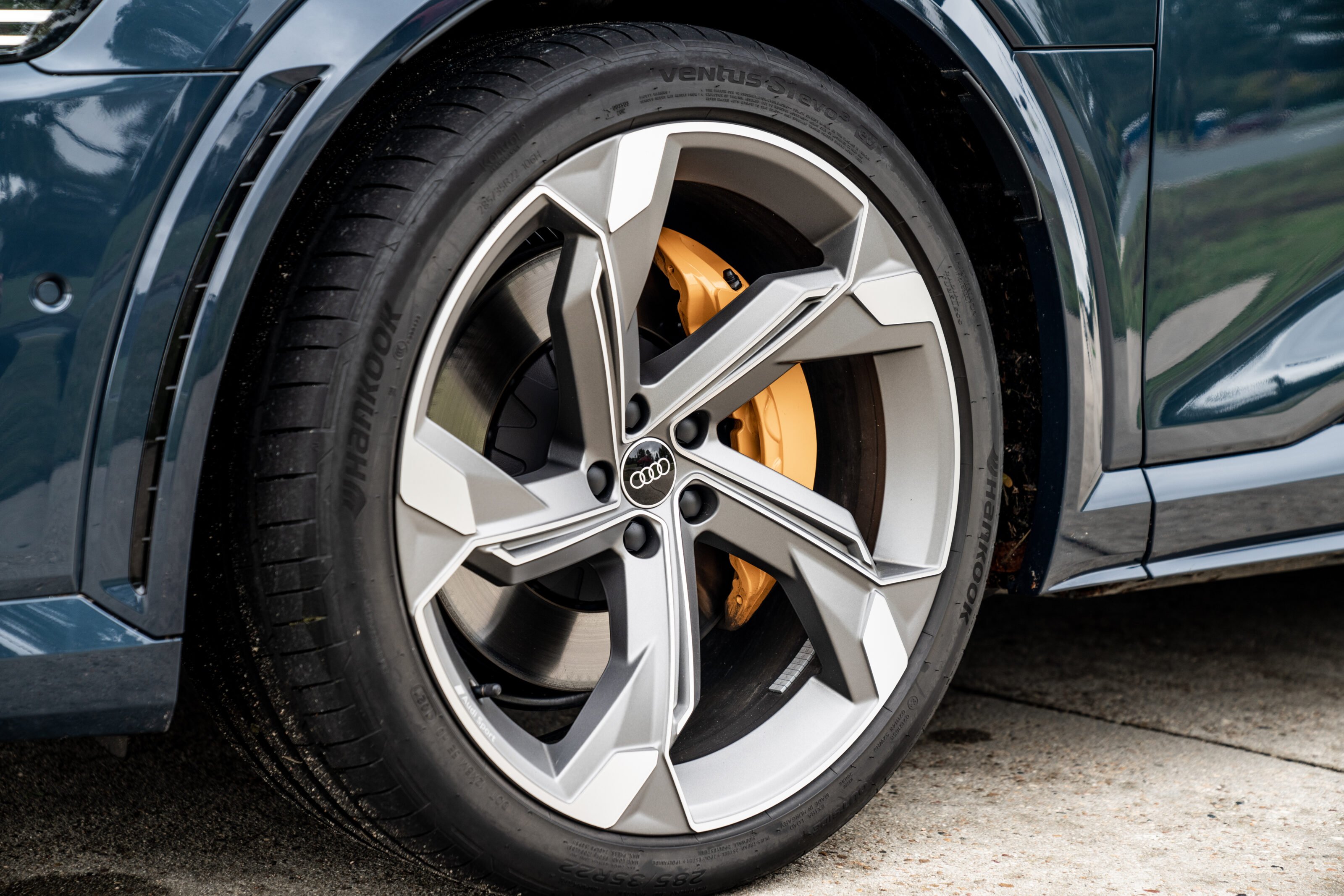
And it certainly seems specifically calibrated that way, from the resolved ride and body control balance of the rather excellent S-spec air suspension to the light effect of the three-mode-adjustable regeneration effect, which is unobtrusive and demands normal ICE-style braking technique as a plus, if offering no handy one-pedal engine braking mode as a bit of a markdown.
Attack a succession of corners and the E-Tron S does its best to shrink around you to some degree, mostly through its fluid nature, the impressive amount of grip its 285mm-wide Contis manage to muster, and the innate balance demonstrated, mostly because much of its hefty powertrain hardware is set low, across and between the axles.
In its keener modes, there’s plenty of handling focus in the air suspension, the chassis sitting impressively flat and generating plenty of front-end precision.
Steering, too, is faithful and accurate, if suffering a little from under assistance and becoming a little leaden when you lean into the nose through certain corners.
Inside, Audi hit a six with its stacked 10.1-inch and 8.6-inch central display screens that, in concert with Virtual Cockpit, manage to anchor a forward-thinking and techy vibe with quite intuitive usability.
Similarly, the rest of the stylised cabin is friendly and logical to use with the usual array of SUV storage and convenience.
Rear room is decent and adult friendly, with a fairly flat floor and little sense that the battery system under the carpet is robbing anything from the accommodation in terms of space.
Jumping between the wagon and Sportback, any compromise that the latter presents in headroom constriction is comparative nit-picking.
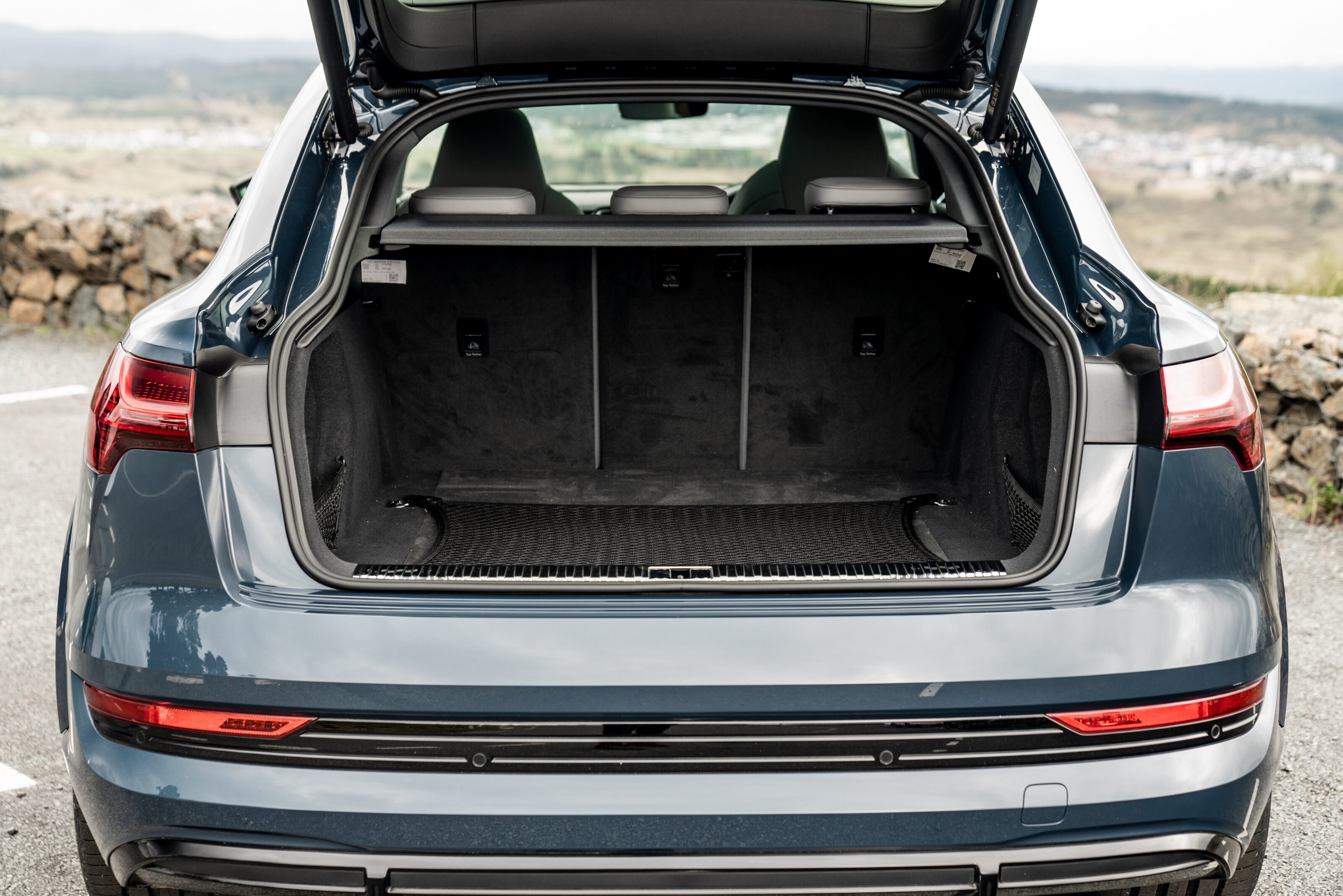
Where you do cop the hit in opting for the Sportback is bootspace: at 615 litres, it loses 45 to the wagon. That said, the coupe’s luggage space is still well-proportioned and highly usable.
Convention is a big part of the E-Tron pitch. This S version very much brings the sort of added on-road indulgence as it has long delivered in petrol and diesel Audis.
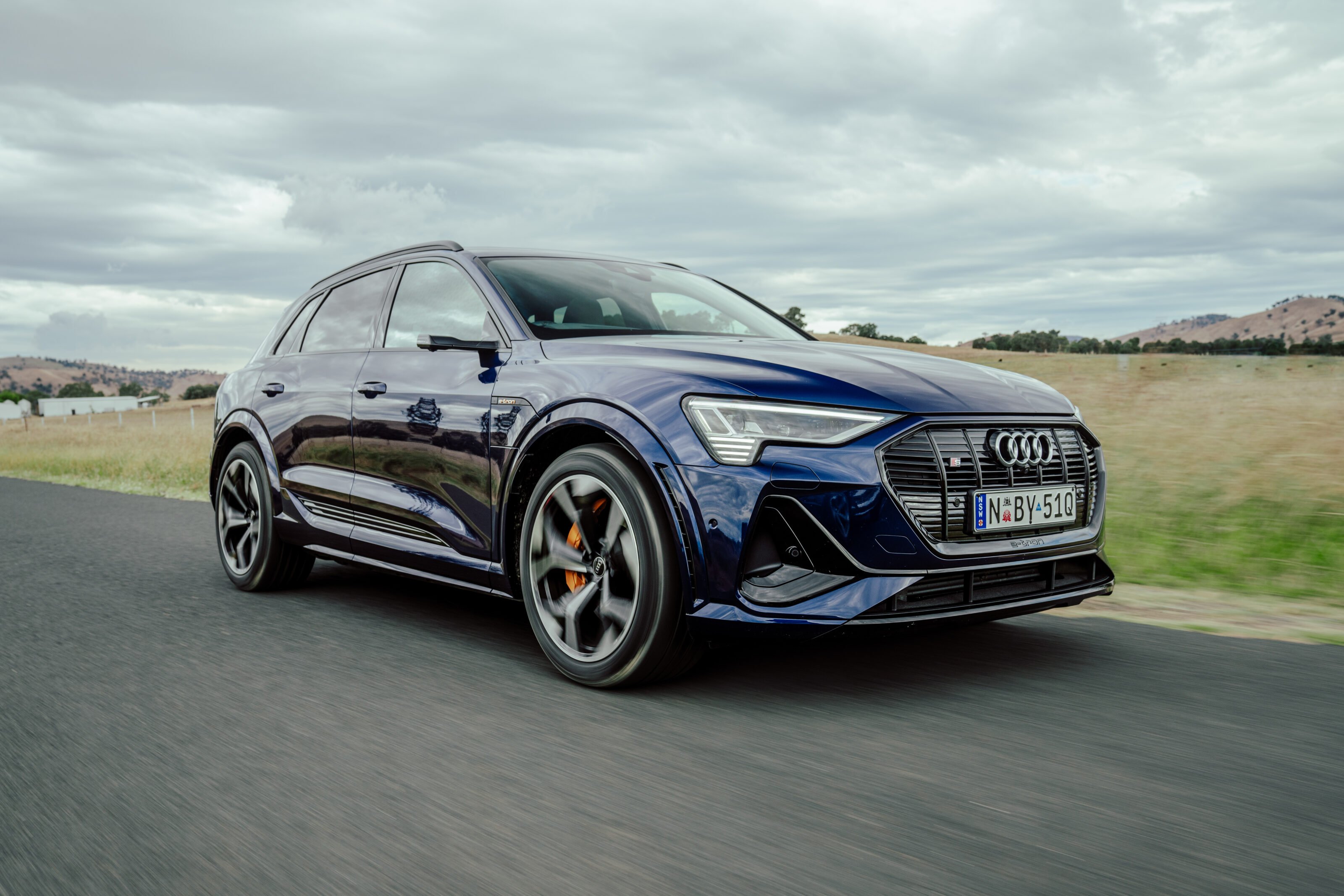
More heat, a sportier swagger, the sense you’ve stepped up to a higher tier. It’s a well-worn and much-loved formula that doesn’t deviate much in concept plied here in EV form.
Do you need three motors and nigh on 1000Nm? Of course not. In wagon form, you’re fast approaching a $20K saving stepping down to the dual-motor 55 quattro that offers a longer 450km claimed range.
But that’s not really the point. Instead, the tri-motor big-torque S option does feel as special as it perhaps needs to be. Once you get a taste for it, it might be tough to settle for a more sensible and sedate EV option.
2022 Audi e-tron S specifications
Snapshot
- Rimac secures u20ac500m/AU$743m in funding for EV production
- Projects with Porsche, Aston Martin and Koenigsegg currently ongoing
- Bugatti ownership to spawn EV hypercars after current models end production run
The Rimac Group has secured more than €500 million (AU$743m) for its next round of electric vehicle projects, with the company’s value growing to over €2 billion (AU$2.97bn).
The Croatian-based EV manufacturer was able to raise the funds thanks to SoftBank Vision Fund 2 and Goldman Sachs Asset Management, as well as Rimac’s shareholders, such as Investindustrial and Porsche.
Porsche has made it clear it wants to benefit from the EV maker’s experience, having taken a 45 per cent stake in Bugatti Rimac after relinquishing French hypercar manufacturer Bugatti to the Croatian firm last year, with the Rimac Group holding a 55 per cent stake of the venture.
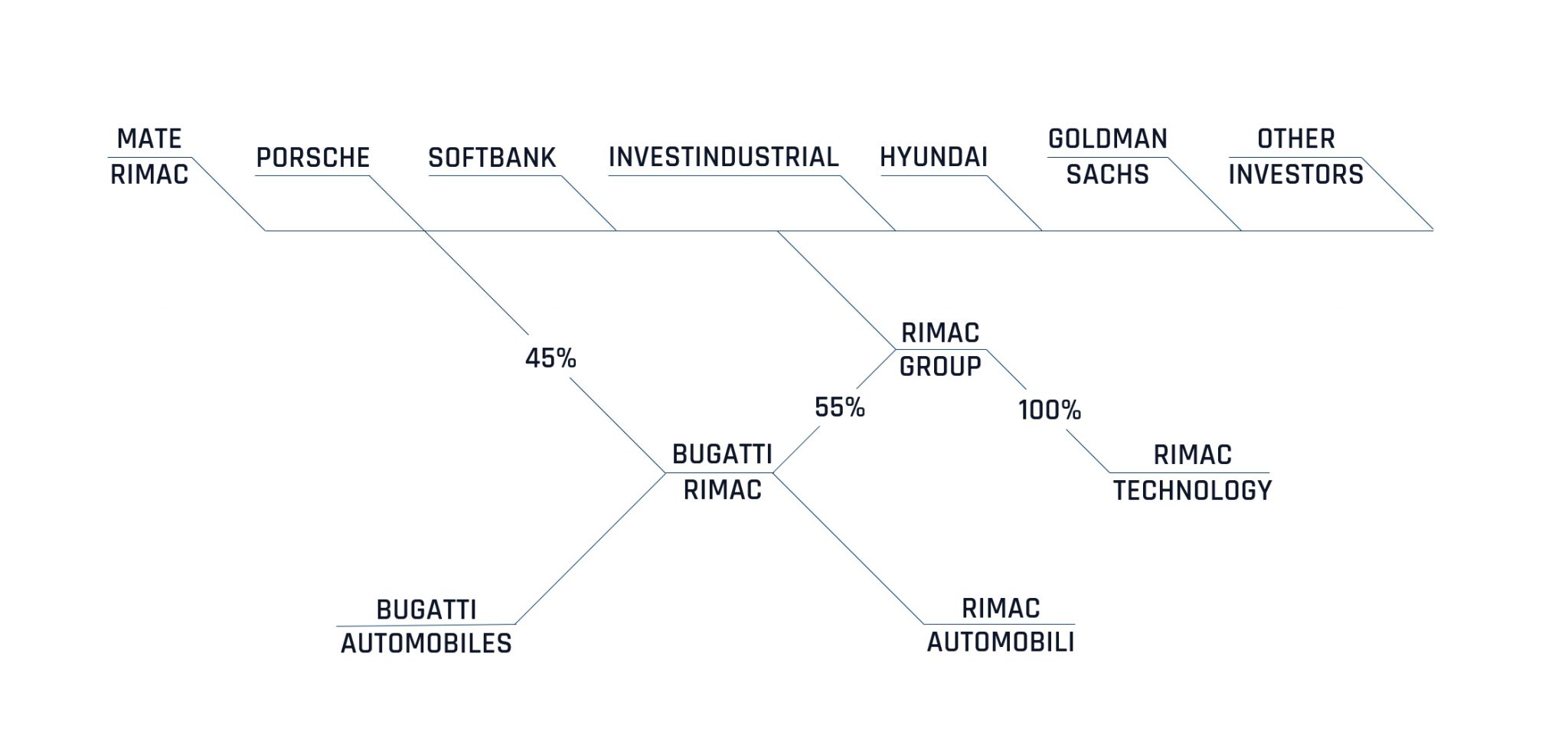
It’s understood the extra investment will result in a number of new projects with Porsche, Aston Martin and Koenigsegg, although no details have been announced as to what each will entail.
Mate Rimac, founder and the majority shareholder of the company which bears his name, acknowledged Porsche’s backing, but said it was important for his brand to do its own thing, with the additional funding being invested directly back into manufacturing.
“Rimac has ambitious growth plans in the next few years, and we are humbled by the support of significant new investors like SoftBank Vision Fund 2 and Goldman Sachs Asset Management believing in our vision,” said Mate Rimac.
“Our gratitude also goes to Porsche and InvestIndustrial, who have played an important part in our success so far and reinforced their support with new investment.
“As we look to rapidly scale the Group, establish new manufacturing processes to meet global automotive demand, recruit 700 talented team members in 2022, open new offices in several locations across Europe and expand our new production facilities at the Campus and beyond, the backing of our expert investors will be an invaluable guide through this uncharted territory.”
Earlier this year, Bugatti announced it had sold out its Chiron and Bolide hypercars, effectively ending the internal combustion engine era of the French marque as it’s now expected to gain EV technology from Rimac’s operations.
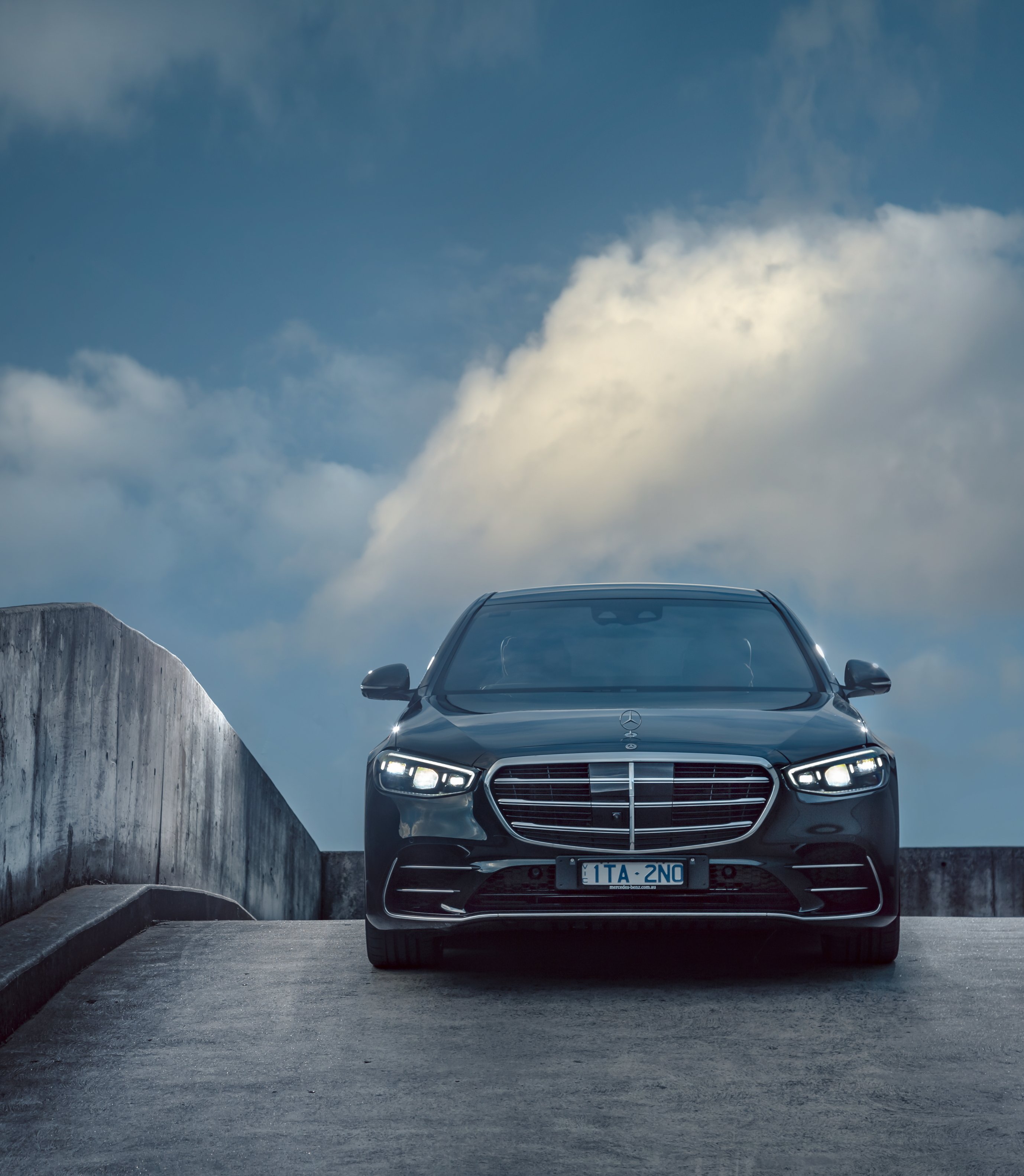
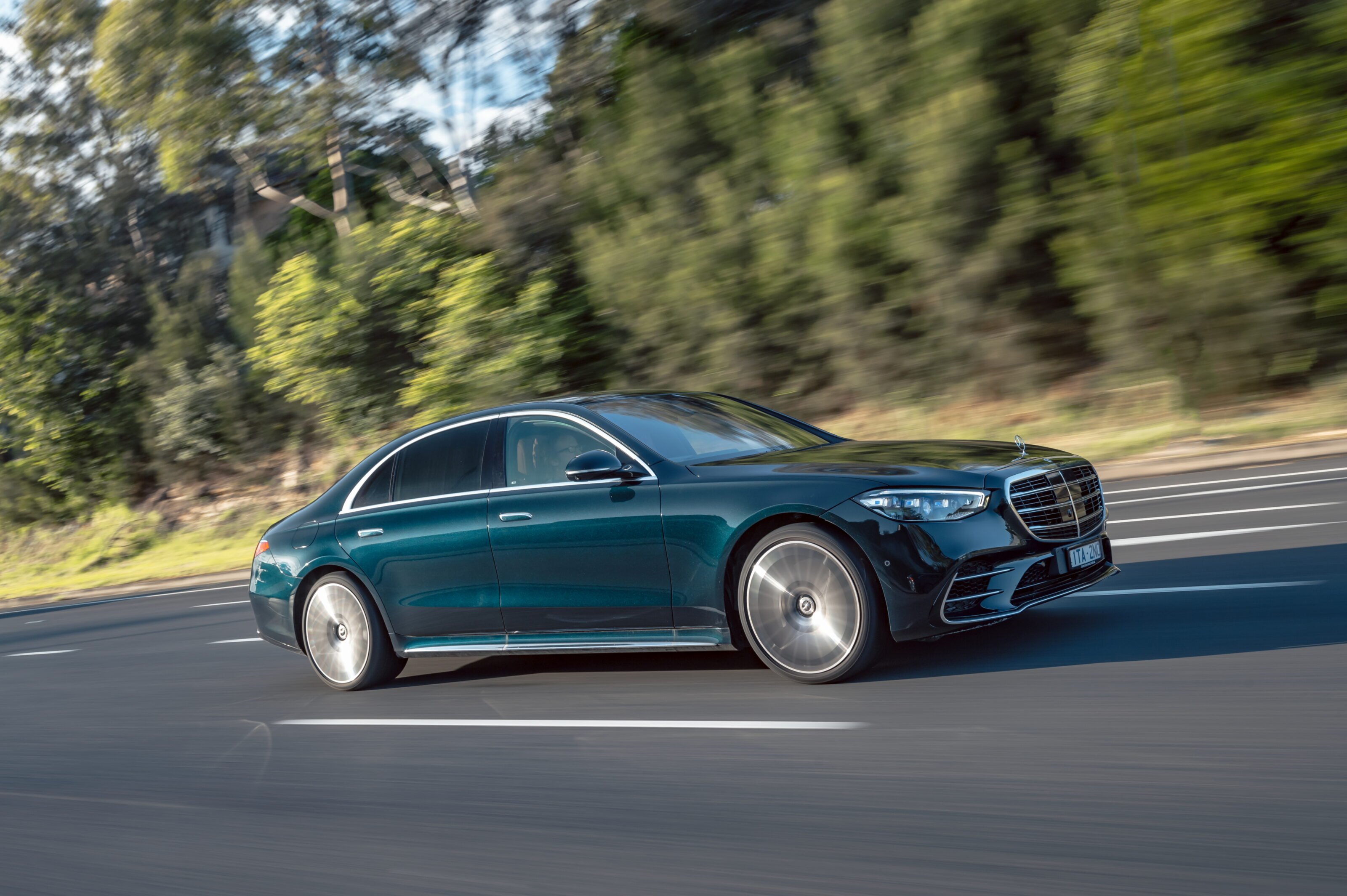
The 2022 Mercedes-Benz S 580 L adds another variant to the already hard-to-choose-between family of S-Class sedans currently available in Australia. With a 4.0-litre twin-turbo V8 under its bonnet, the S 580 L is a limo for people that prefer to be the driver, not the driven.
Australians love V8 engines, and we love driving, which runs somewhat counterintuitive to the point of a more than $300K German limo with rear seats that rival those found in an intercontinental business class flight. And yet, Mercedes-Benz has made a car that suits those needs without compromising on staunch, well established S-Class heritage.
The price of admission is steep, with the first V8 S-Class of the W223 generation priced at $329,900 before on-road costs. What you get for that coin, though, is as extensive as the S-Class is legendary.
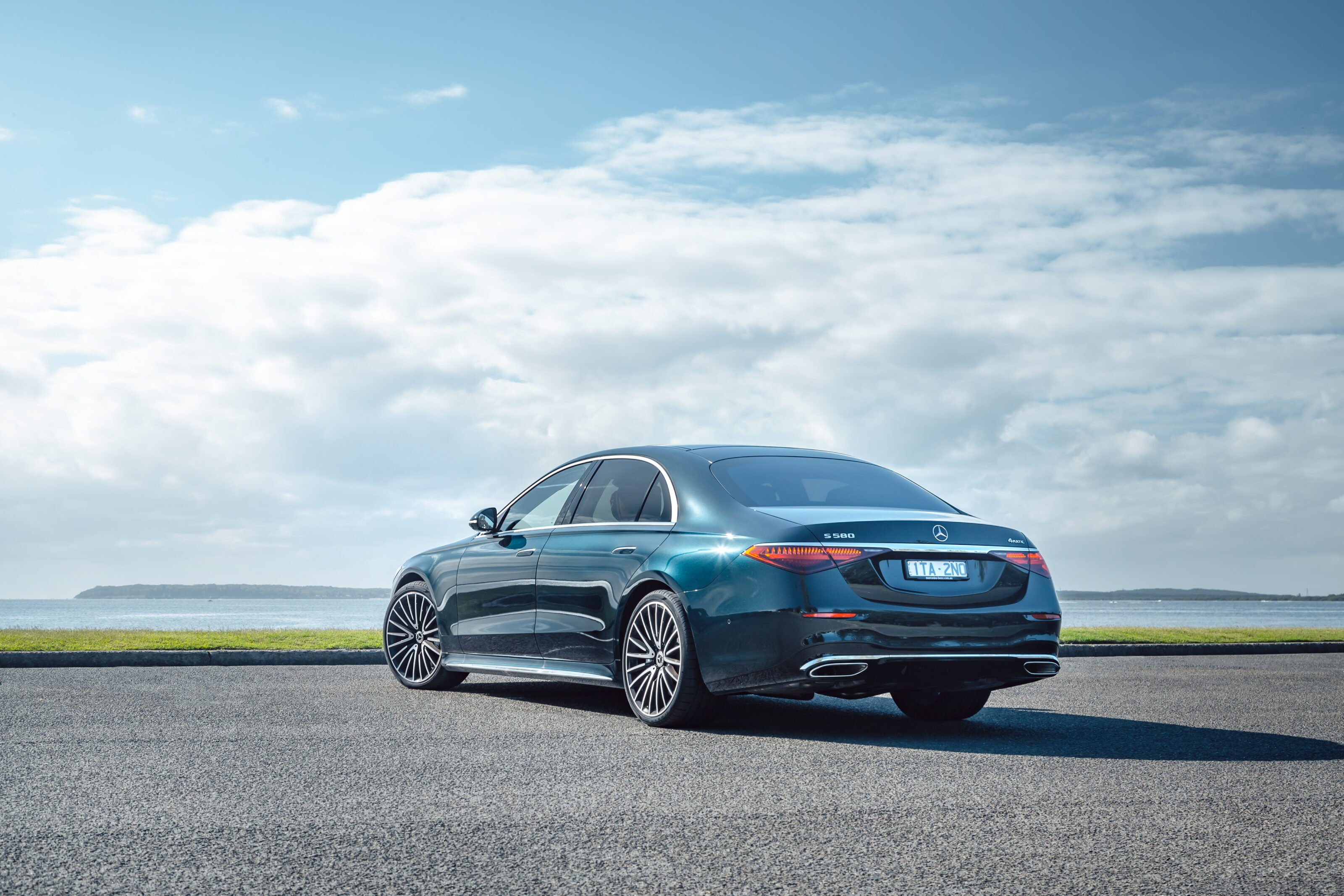
We’ll start with the engine, which is a variant of the 4.0-litre twin-turbo bent eight found in a number of Mercedes and AMG products. In the S-Class it is tuned for luxury, not performance, but that doesn’t stop it producing a muscular 370kW and 700Nm.
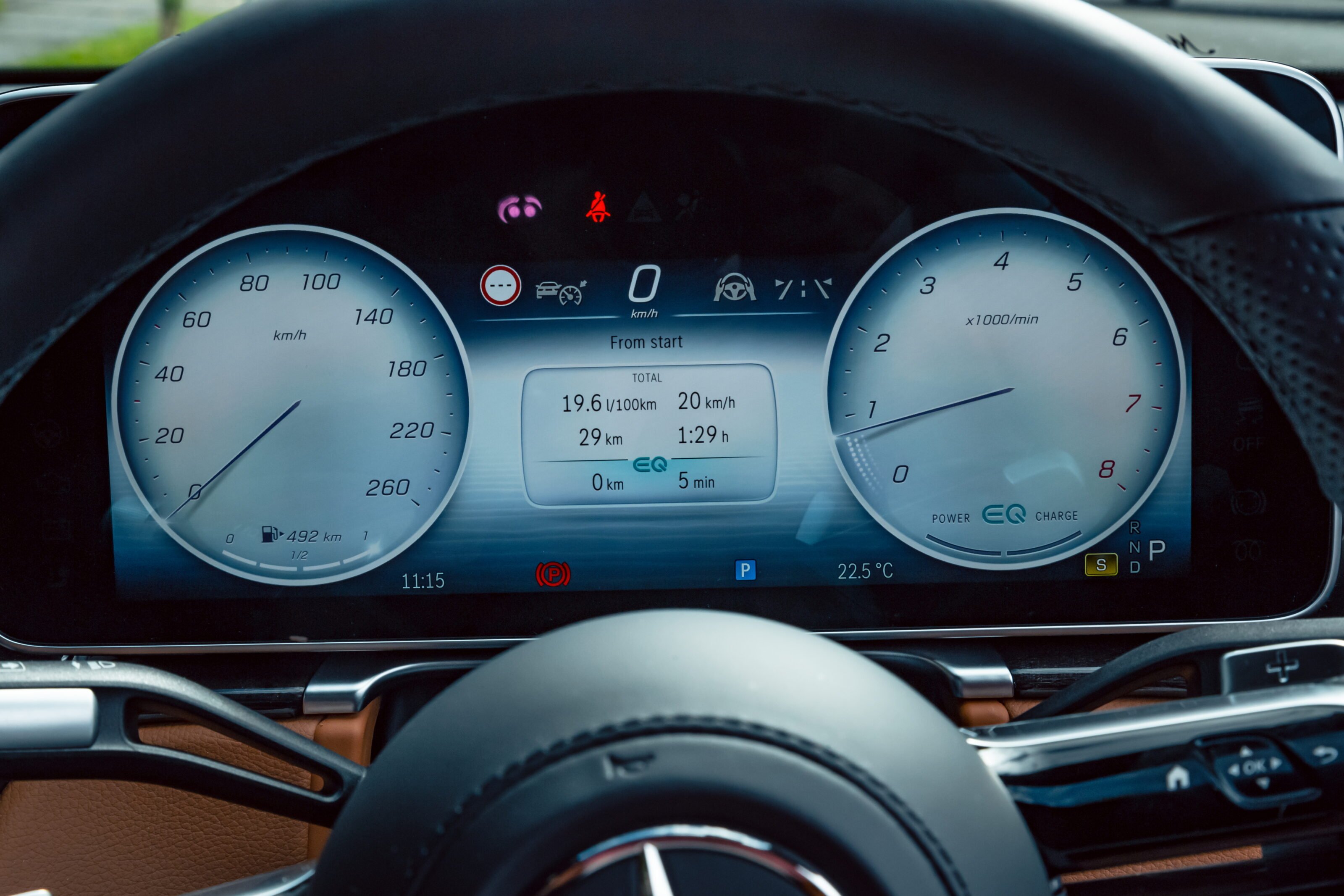
The V8 engine is also mated to Mercedes-Benz’s EQ Boost 48-volt mild-hybrid system, which is quickly becoming ubiquitous and offers genuine improvements in useability and refinement.
We’ve had positive experiences with EQ Boost in terms of improving fuel economy in long term loans, however, our exposure to the S 580 L wasn’t quite long enough to make an assessment in this use case.
EQ Boost uses an electric starter motor-generator to add 15kW and 200Nm to the engine’s outputs for short intervals, while also offering one of the smoothest and least intrusive start-stop systems currently on the market.
Power is sent to all four wheels via a nine-speed automatic transmission. Gear shifts are buttery smooth, and if it weren’t for the gear indicator displaying the change in ratio, the S 580 L’s occupants would be none the wiser to most of the changes.
The only stumble from the gearbox during our drive was a faltering when pressing the throttle for the first time after an off-throttle deceleration. Initial pick-up at slow speeds while rolling prompted a small shudder as the transmission hurriedly adjusted gears. It’s a nit-pick, but when the level of expectation sits somewhere in the stratosphere, even small missteps are worth noting.
If you don’t pay incredibly close attention, most who find themselves cosseted by the S-Class’s incredibly comfortable interior will be entirely unaware of the V8 that propels the limo forward. There’s no aggressive flare of revs on start-up, no rocking and rumble at idle – that would be far too uncouth. Instead, this powerhouse V8 is so incredibly refined as to border on unbelievable.
So innocuous is its calibration that while driving you only really detect its eight-cylinder audio signature under hard acceleration. While there is an extra push in your lower back, there isn’t a noticeable difference in terms of driving experience compared to the six-cylinder S-Class. Why pick the V8? Well, because you can.
You pick the V8 because it also makes this two-tonne limo a quick car. The official acceleration claim is mid four seconds to 100km/h from a standstill. Genuinely fast by any measure. Request a launch from the S 580 L and it remains unfazed, a wave of torque carrying you to the national speed limit in prompt, effortless fashion.
Cruising at highway speeds in the S 580 L is an act in grace and poise, the V8 seemingly only ticking over a touch above idle. Engineered for the autobahn, Australia’s network of highways are a walk in the park for the S-Class.
This is in no small part thanks to the car’s air suspension, which is plush and refined, with the kind of supple waft you mentally associate with a vehicle of this stature. The stately ride’s only significant shortcoming is over larger seams and surface changes, where the S-Class can take just a touch longer to settle than expected.
However, if you add the optional E-Active Body Control this issue is negated. Employing five multi-core processors, more than 20 additional cameras and a stereo camera, E-Active Body Control takes an unseen iron to road imperfections, flattening out everything to barely perceptible movements.
Another highly recommended optional extra for this extended S-Class is rear-wheel steering. It makes parking and manoeuvring this more than five-metre-long vehicle easier than an A-Class. Watching the system work from outside the car is initially confronting, but the way it works is fantastic.
The only body of choice for the S 580 is the long wheelbase, which adds 110mm to the MRA platform’s wheelbase for a total of 3216mm between the wheelarches.
You’d think that something this long and heavy would be a dynamic pitfall, but the S-Class once again subverts expectations. While it isn’t in the car’s remit, you can grab the S 580 L by the scruff of the neck and hustle it down an Aussie back road with surprising pace.
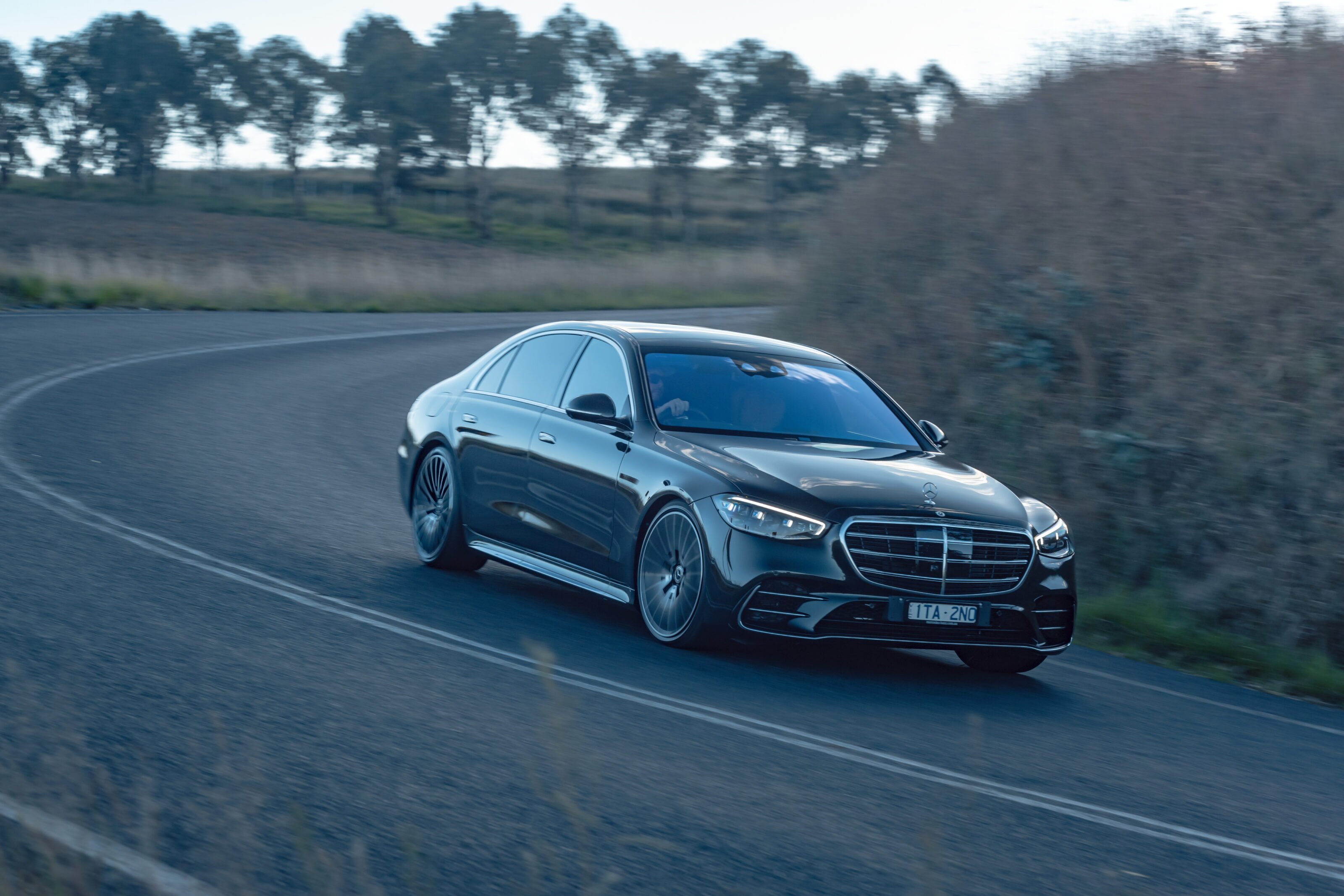
There is a good amount of bite on turn-in, and once the car is settled in the turn, a deep well of grip is to be explored. Steering feedback can be best described as abstract, particularly with the E-Active Body Control. However, the wheel is direct, has an appropriate level of weight, and is bereft of dead zones.
All of that said, let us reiterate that the S 580 L is not designed for this kind of use. But it speaks to Mercedes-Benz’s over-engineering ethos that it remains capable well outside any reasonable usage remit.
Dynamic bolsters in the seat that activate as you go through bends take some getting used to but are a pleasant part of the driving experience. It is an amicable middle ground between having a body-hugging seat with appropriate lateral support for the S 580 L’s surprising dynamic ability, and the kind of plush luxury owners demand.
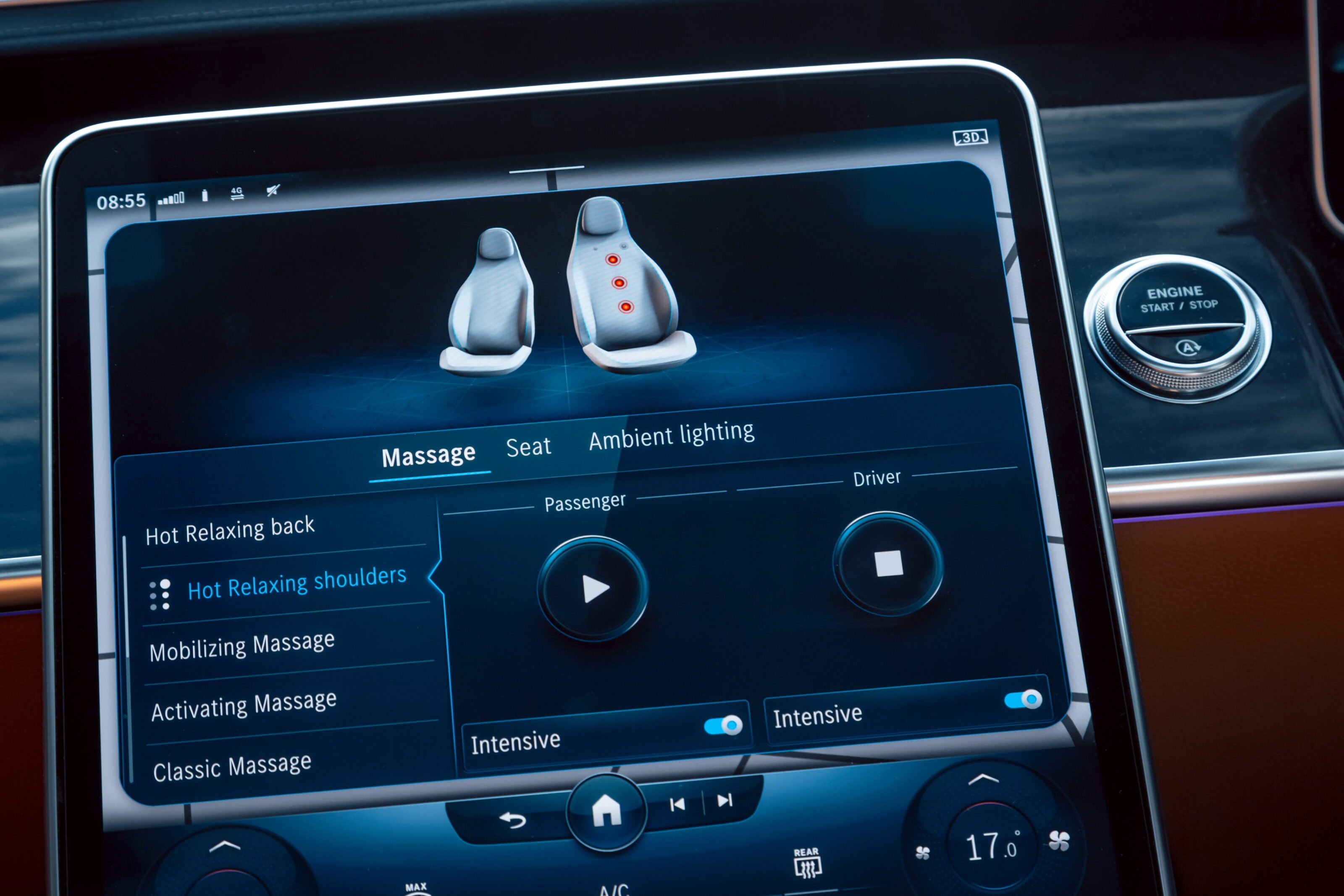
The list of tech fitted to the S 580 L as standard is extensive. The V8 S-Class features Mercedes-Benz’s latest MBUX operating software, a central 12.8-inch OLED touchscreen infotainment unit with fingerprint scanner, 3D driver’s display, power-assisted door closing, wireless phone integration and charging, and sliding panoramic sunroof.
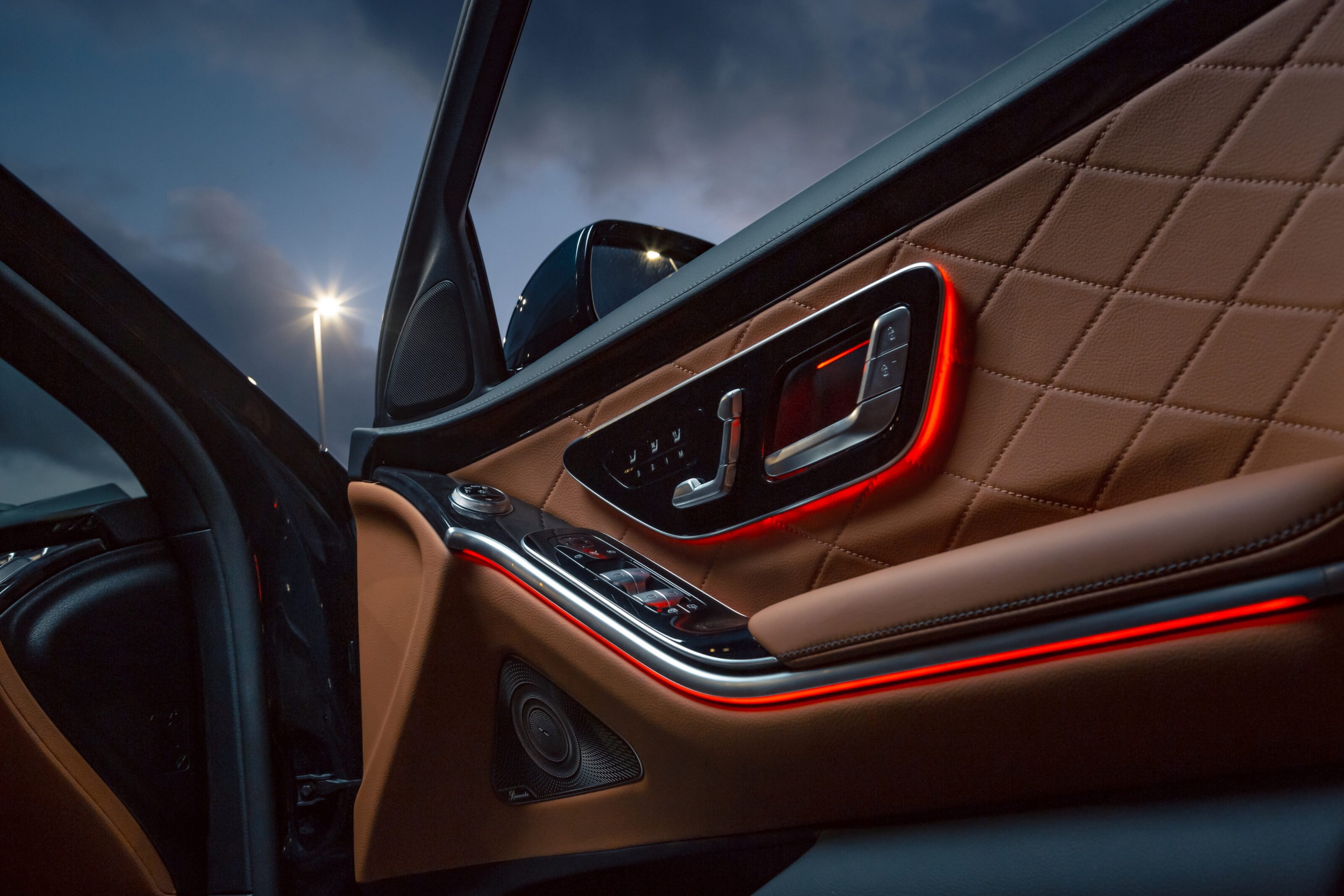
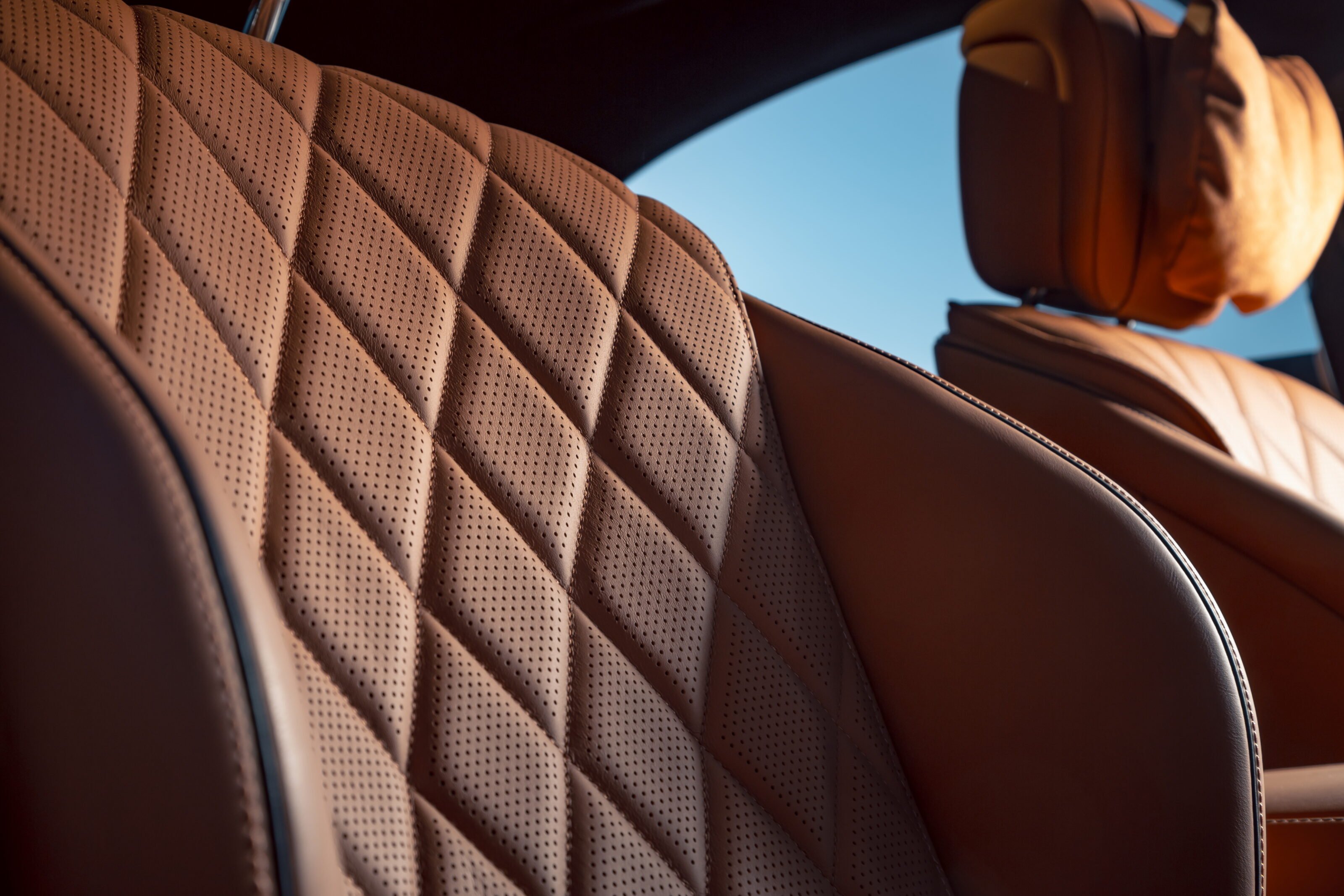
Hang on a second, we need to catch our breath. There’s also a 15-speaker, 710-watt Burmester 3D sound system that can play your music of choice at window-shaking volumes while retaining crisp clarity, wildly customisable ambient lighting, dual-zone climate control, electronically adjustable heated and cooled front seats, and Nappa leather upholstery.
That’s before we get to the head-up display, which is one of the largest sold in Australia. The amount of information it can display is staggering, with incredible clarity to boot. On a long commute you’d rarely be looking at the digital instruments, such is the ability of the head-up display.
One area where the technology overload struggles is the steering wheel, where haptic buttons are placed instead of physical units. Users will adapt to the quirks of haptic technology in time, but the design gives the wheel a flimsy plastic feel. It tarnishes the experience of this luxurious tour de force somewhat when the major touchpoint for the driver doesn’t match the rest of the car’s fit and finish.
Overall though, the S 580 L is brimming with quality. From the soft-close doors to the down feather pillows on each seat, occupants are treated to a buffet of lavish design and engineering.
You pay for the luxury of owning a Mercedes-Benz S 580 L. But what you gain in return is subtle performance, supreme luxury, and a car that lives up to the lofty expectations of its badge.
Now, will you be driving yourself today, or relaxing in the back?
