
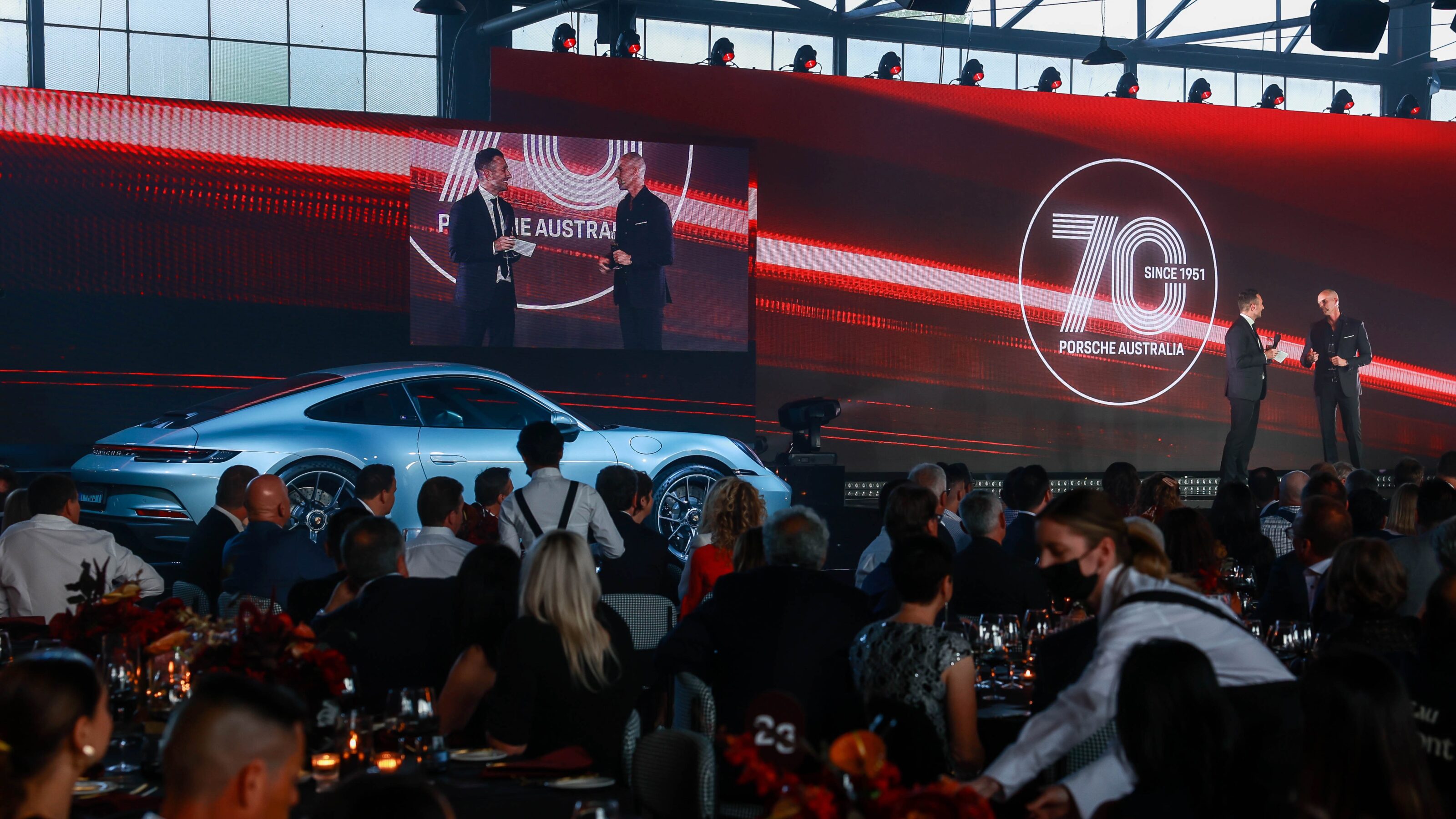
Porsche has celebrated seven decades in Australia, holding a gala event for 450 special guests in South Melbourne last week.
Porsche took the opportunity to show off the 911 GT3 70 Years Porsche Australia Edition – a limited model created to mark the occasion, announced in June.
Australian businessman Norman Hamilton brought the first two Porsche 356 sportscars to the country following a chance meeting with Ferry Porsche in 1951, after being overtaken by a 356 piloted by the company’s test driver, Richard von Frankenberg, on Austria’s Grossglockner Pass.
Hamilton was introduced to Porsche through von Frankenberg following the encounter – a relationship which resulted in Australia becoming the second market outside of Germany (after the US), and one of the longest-established regions in the world for Porsche.
The 911 GT3 70 Years Porsche Australia Edition is finished in the same fish silver grey metallic exterior as the first two Porsches to arrive into the country, as well as receiving; special wheels, badging, interior embossing, extended leather, and a number of standard features normally only available to be optioned.
Just 25 of the special-edition models will be produced, priced from $494,300 before on-road costs.
This interview was published in the September 2021 issue of Wheels.
Formula 1 is a vicious environment. Only the ruthless survive and success requires exceptional ambition. Even those perceived as “nice” are as tough as they are talented.
At any level, you don’t make it in F1 unless your ability is supported by supreme self-belief and political savvy. You need to be astute as well as skilled.
Sink or swim. Kill or be killed. Dog eat dog. Nowhere to hide. Every cliché about elite sporting achievement applies to F1.
Mainly, though, it is riven with the excesses of obscene amounts of money. F1 teams this year have had their operational spending capped at US$145 million – down from as much as US$400 million – but it is still an outrageous cost.
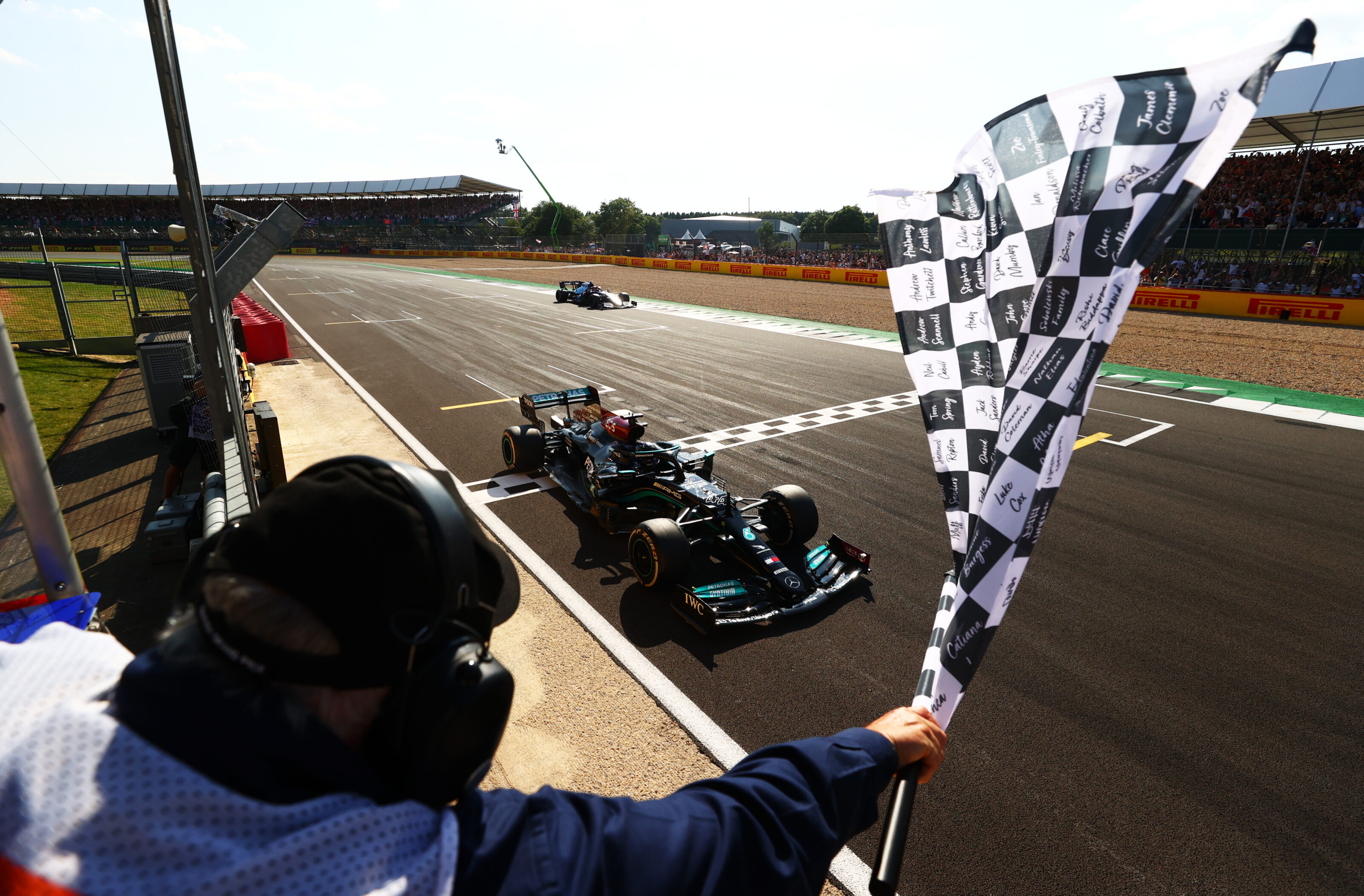
So much is at stake that as well as bringing out the best in those competing, it also brings out the worst. Agendas and egos. Power plays and politics. Money and glory. They all shape the internecine existence of F1.
It is an unforgiving existence that rewards excellence and heartlessness at the same time. So it is surprising that into this ultra-competitive cauldron enters an Aussie renowned for being universally popular.
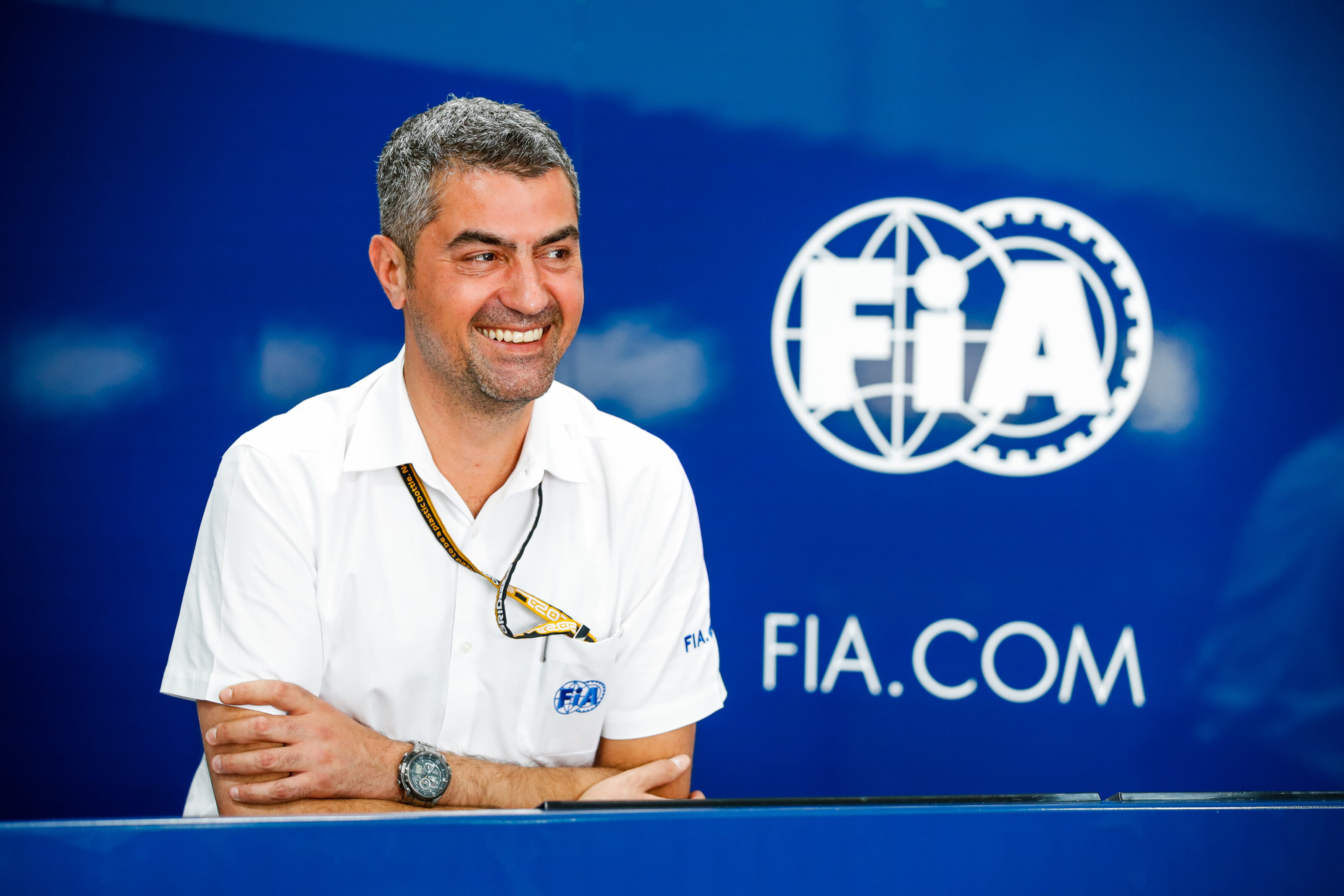
He is Michael Masi, the Sydney-born F1 race director. As well as an accomplished motorsport administrator, he is someone almost everybody likes.
Masi’s equanimity has charmed the hardest hard-arses in racing. Thrown into the deep end in tragic circumstances two-and-a-half years ago, he has won the respect of the most intense racers in one of the biggest sporting enterprises in the world.
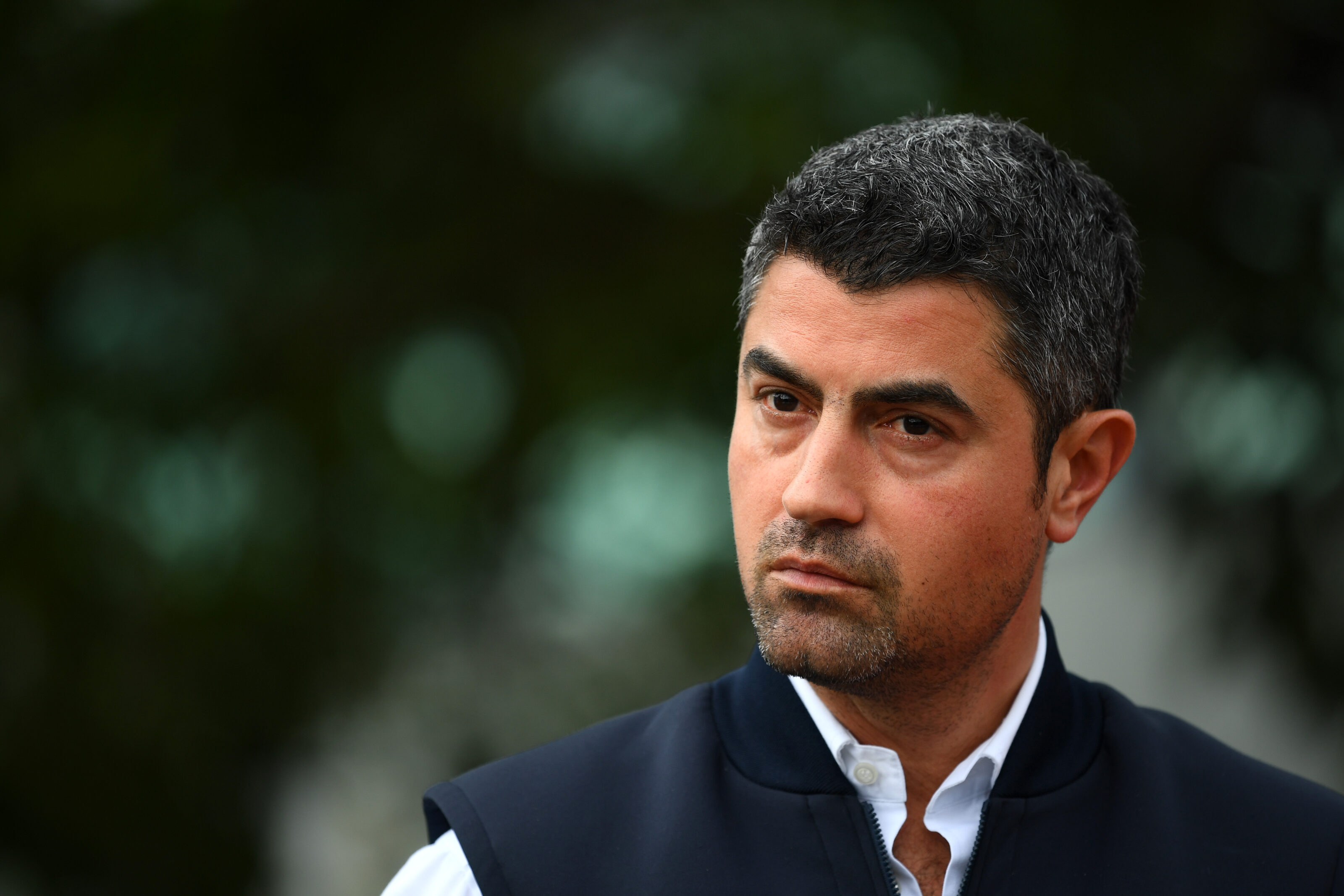
He is, effectively, the boss of F1 at every grand prix, controlling how the competition is conducted.
Masi is amiable, dashing and authoritative. He is also a stickler for The Rules. A rare combination of agency and ability leavened by personability.
F1 fans are not so impressed. They question his race rulings, arguing his application of the rules is inconsistent. Drivers and teams dispute his decisions. Such is the life of the Aussie in the hot seat.
Masi’s ascension to the top of racing officialdom is a tale of enthusiasm, dedication and personality. For a quarter of a century, he was at the forefront of Australian and international motorsport administration, rising on the tide of his competence, augmented by his personal appeal.
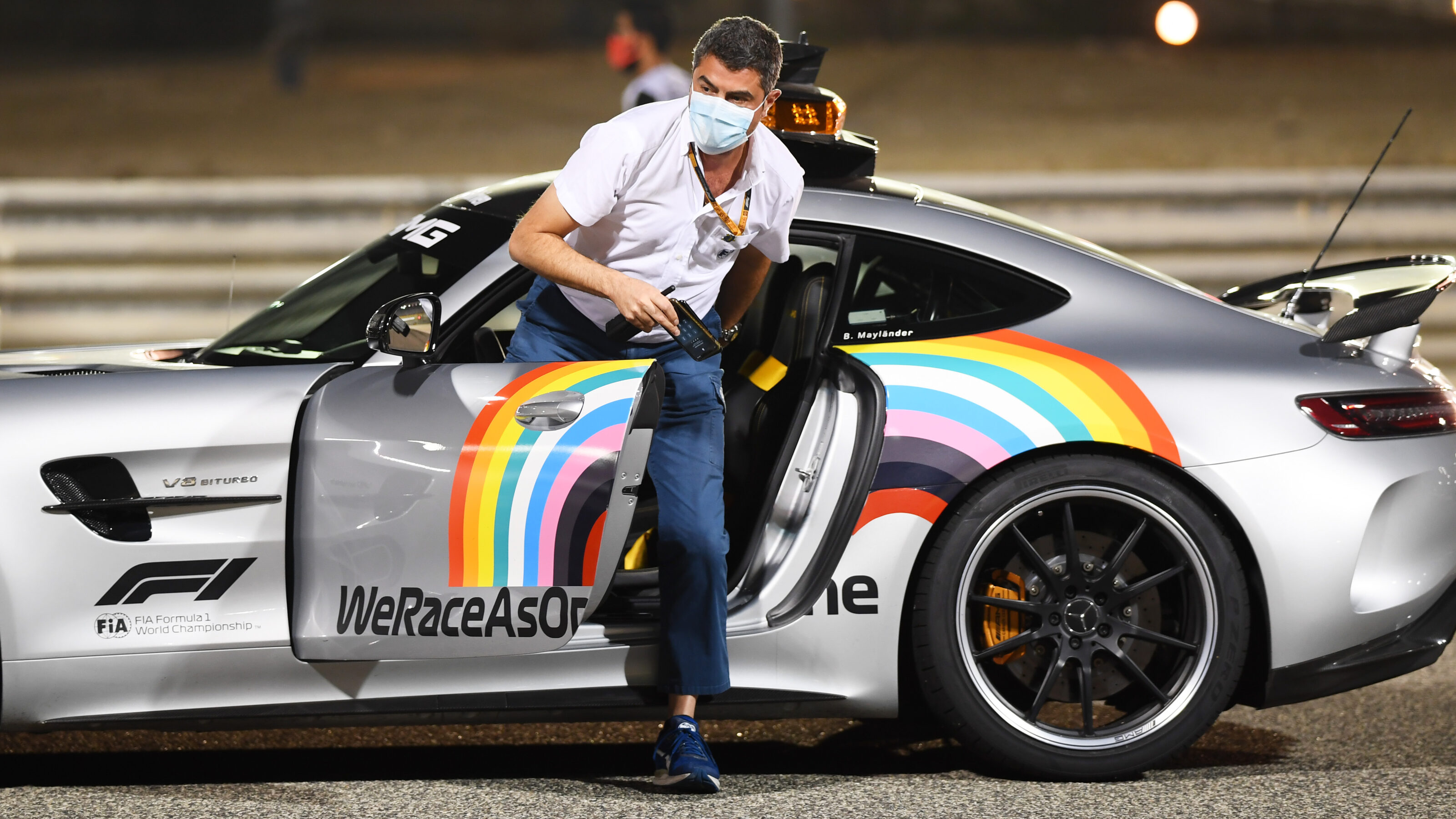
He is 42 with flecks of grey in his dark hair. His Latin good looks come from his Italian heritage. His interest in racing was fuelled by his family’s involvement when he was growing up in inner western Sydney.
Masi’s CV reads like an audition for where he is. Key positions in Super Touring and Supercars, working for V8 legend Mark Skaife, plus Motorsport Australia, running Rally Australia and working for the FIA, the world car racing governing body.
He has worked for – or with – some of the best administrators in the business. BTCC boss Alan Gow, Supercars founder Tony Cochrane and former touring car manager Kelvin O’Reilly are among his mentors.
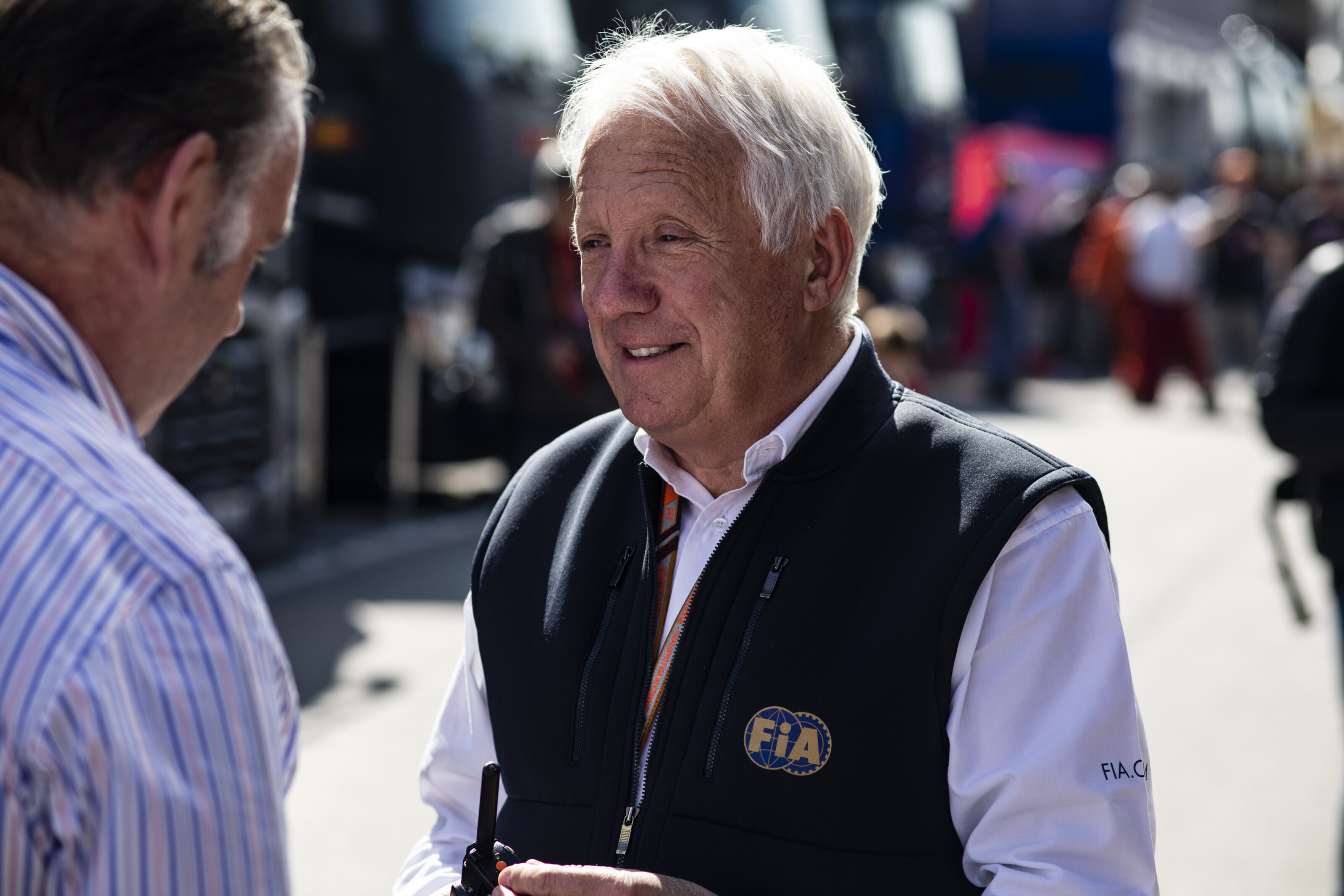
FIA luminaries also spotted his potential. In 2019, he was to be groomed as a potential successor to crusty long-time F1 race director Charlie Whiting. The wily Whiting, a classic poacher turned game keeper as a former F1 mechanic, died in his hotel room on the Thursday before the 2019 season-opening Melbourne GP.
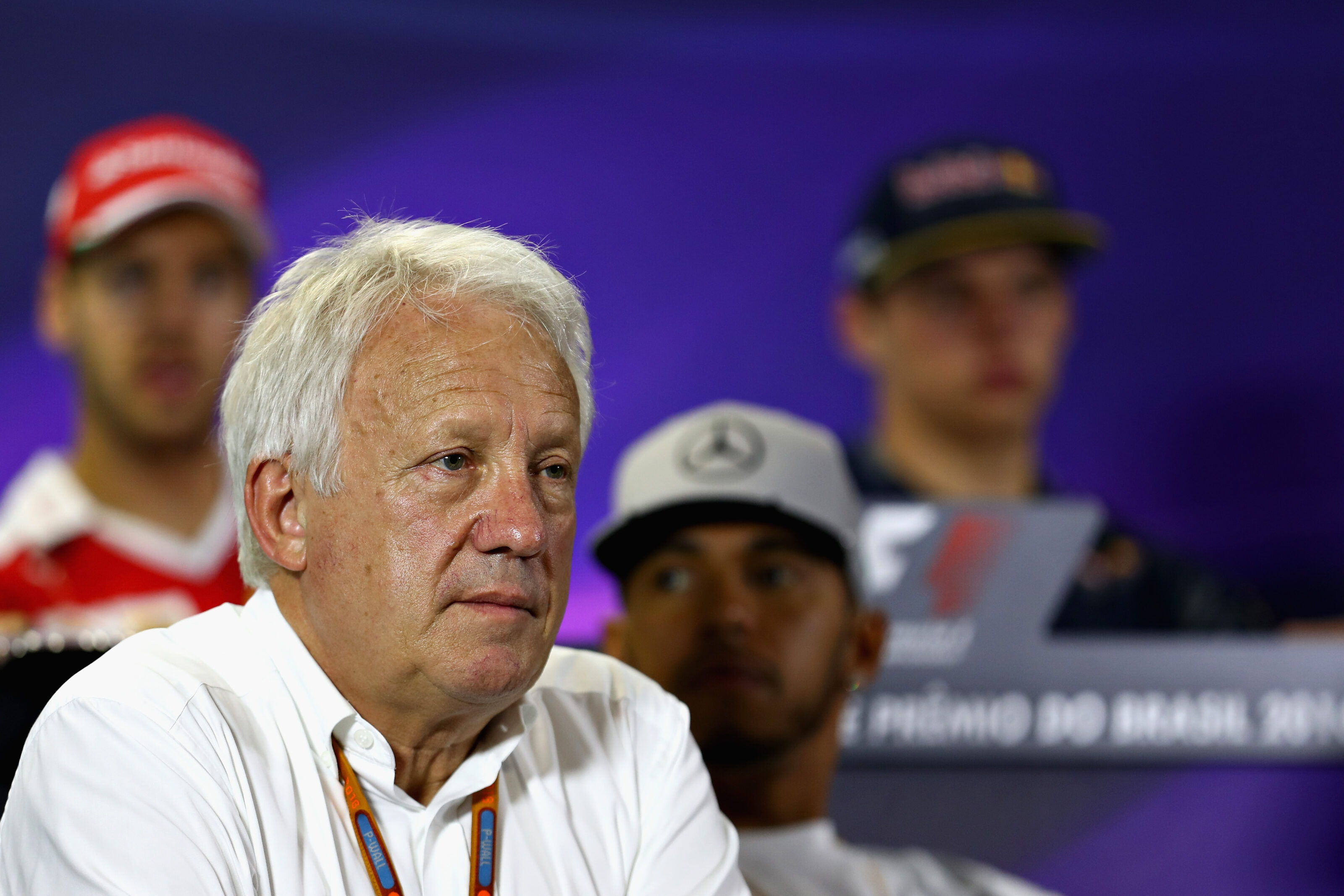
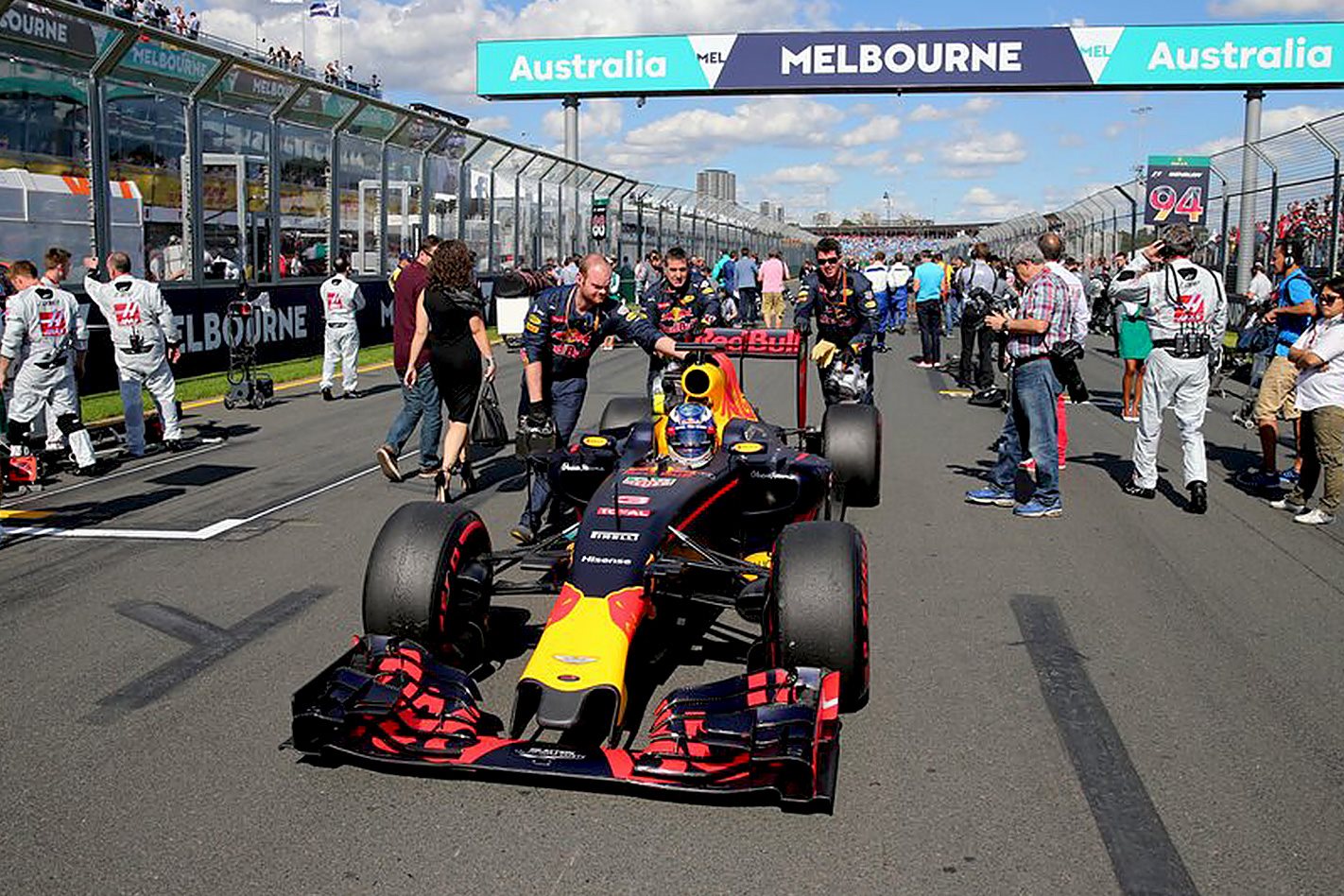
Masi’s life has never been the same since. Thrown into the job without warning, he stepped up and accepted the onerous role. He was front-and-centre when last year’s AGP was cancelled at the 11th hour at the beginning of the global coronavirus crisis.
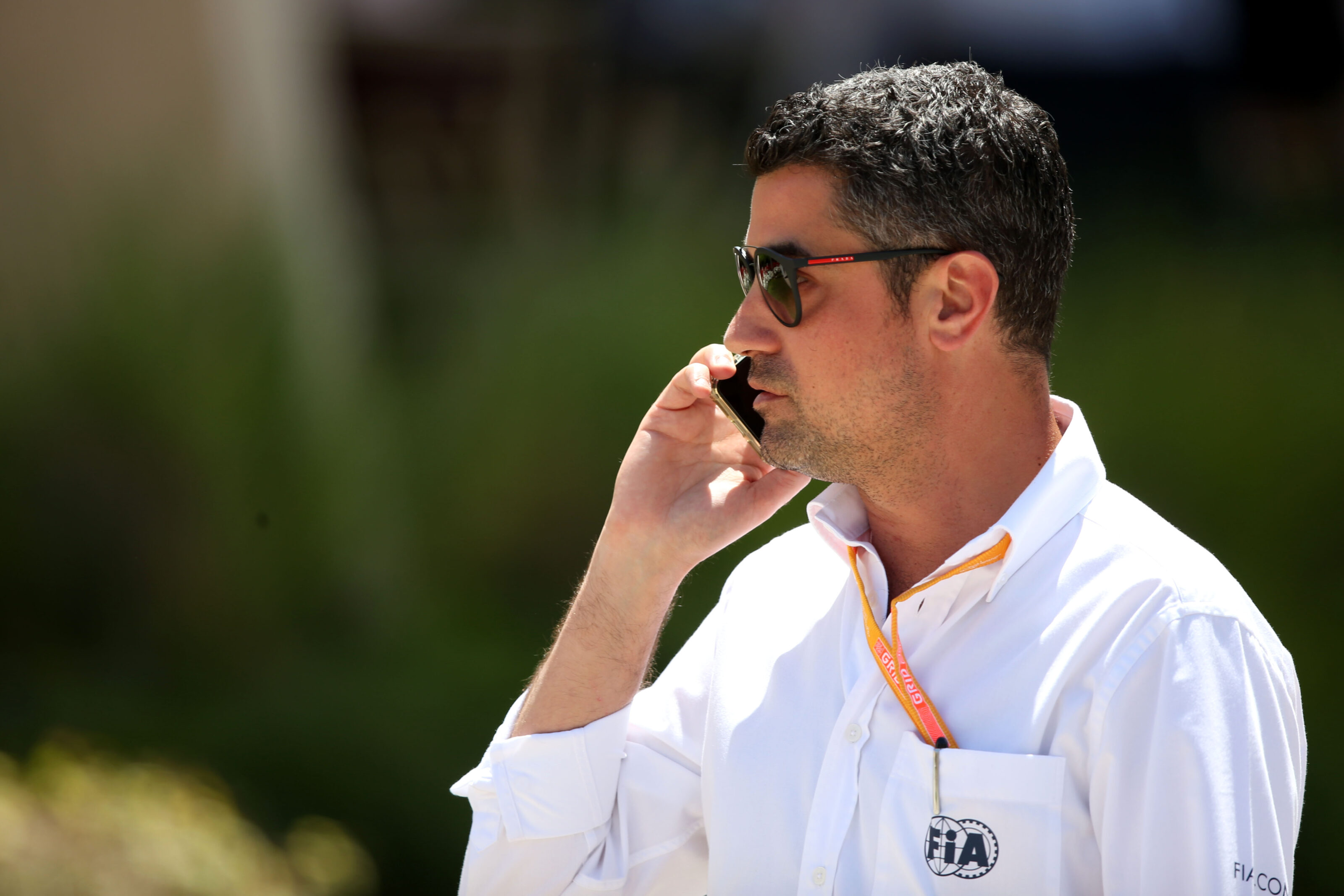
More than two years after his unfortunate ascension, he is ensconced as F1 race director. Outside struggling star Daniel Ricciardo, he the highest profile Australian in F1.
Flashback to 1992. Michael Masi is a car-crazed kid enthused about racing by his uncles. He sees his first F1 race in Adelaide.
Nearly 30 years later, he reflects on his rise from voluntary teenager to trainee with TOCA Australia in the late 1990s.
After helping a couple of Super Touring 2.0-litre teams, he joined TOCA Australia in ’99, working as a teenager for luminaries Kelvin O’Reilly, Terry Morris, Alan Gow and Peter Adderton.
“That was my first paid professional role in the sport,” Masi recalls. “I’m very thankful and appreciative to them for giving me my start.”
Encouraged by his mother Pia, Masi explored his place in motor racing.
“I enjoyed the management side of it,” he said. “I realised that was where my passion was. While at school I thought my only way into the sport was as an engineer, but I very quickly realised that wasn’t me.
“Engineering wasn’t my strength, but the management and officiating side of the sport was. It wasn’t a planned path, but it evolved over the years from working at TOCA Australia in ’99.”
Even back then, his people skills were evident. Through years in and around Supercars, he was highly regarded as a senior official, generating trust among competitors.
He was approachable and personable. Hard but fair – with a beguiling smile and easy manner. F1 has embraced his Aussie attitude, accepting him as the race weekend arbiter.
Following in the footsteps of hardened veteran Whiting, popular and revered for his unbiased adjudication, is no mean feat. F1 is insular and defensive, wary of new ideas and newcomers despite its reputation and presentation as leading-edge. High-tech, low-tolerance is F1’s default setting.
Amid the COVID-19 pandemic, Masi has straddled the conflicting requirements of caution versus action. He was a key player in the coronavirus protocols that enabled last season to happen and this year’s to continue despite the cancellations of marquee events like the Australian and Canadian Grands Prix.
As a displaced expat – he still has no permanent base in Europe – he is adrift, bouncing between hotels and events. Yet he is uncomplaining, regarding his multidiscipline role at the FIA as a privilege.
He is, however, not a fan favourite. F1 followers question his decisions on transgressions, especially track limit fouls, and their referral to the stewards.
And that is the point. Apart from in-race penalties, Masi does not adjudicate. The rotating stewards panel, headed by fellow Australian Garry Connelly, apply F1 sanctions.
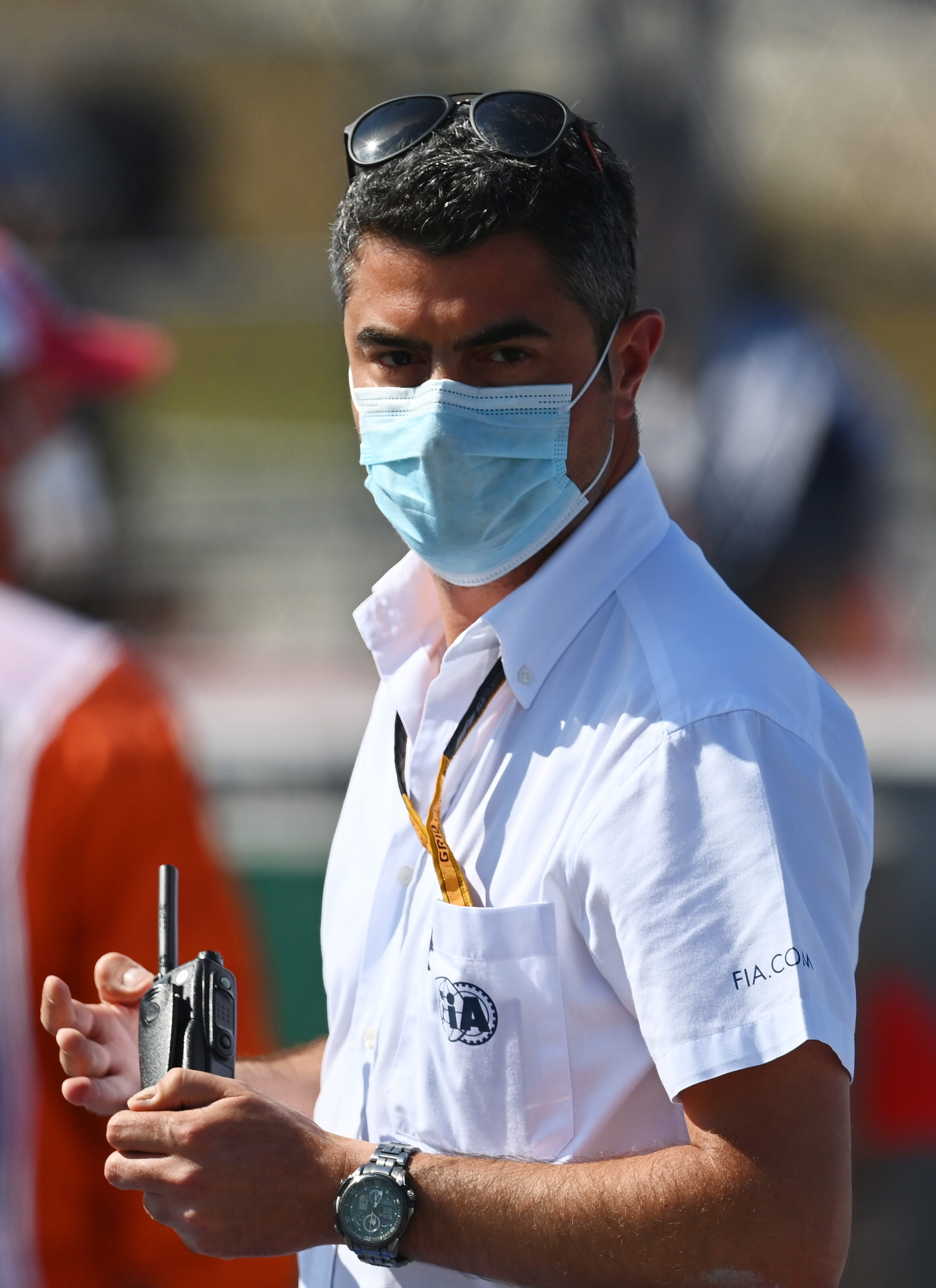
He oversees a regime more amenable to allowing combative wheel-to-wheel racing and erring on the side of ‘racing incidents’.
But incidents like Lewis Hamilton pitching Max Verstappen off on the first lap of the British GP incense fans. They question the 10 seconds in-race penalty Hamilton overcame to win, clawing back his points deficit to Verstappen.
The record-breaking Englishman and the disruptive Dutchman are involved in the closest championship battle in years. The stakes are huge, and fans called for Hamilton’s exclusion from the race, railing against the ‘soft’ penalty.
Masi accepts the criticism as part of his high-profile position. He applies the rules scrupulously and without favour, an equanimity learned in the hothouse of Australian touring car racing.
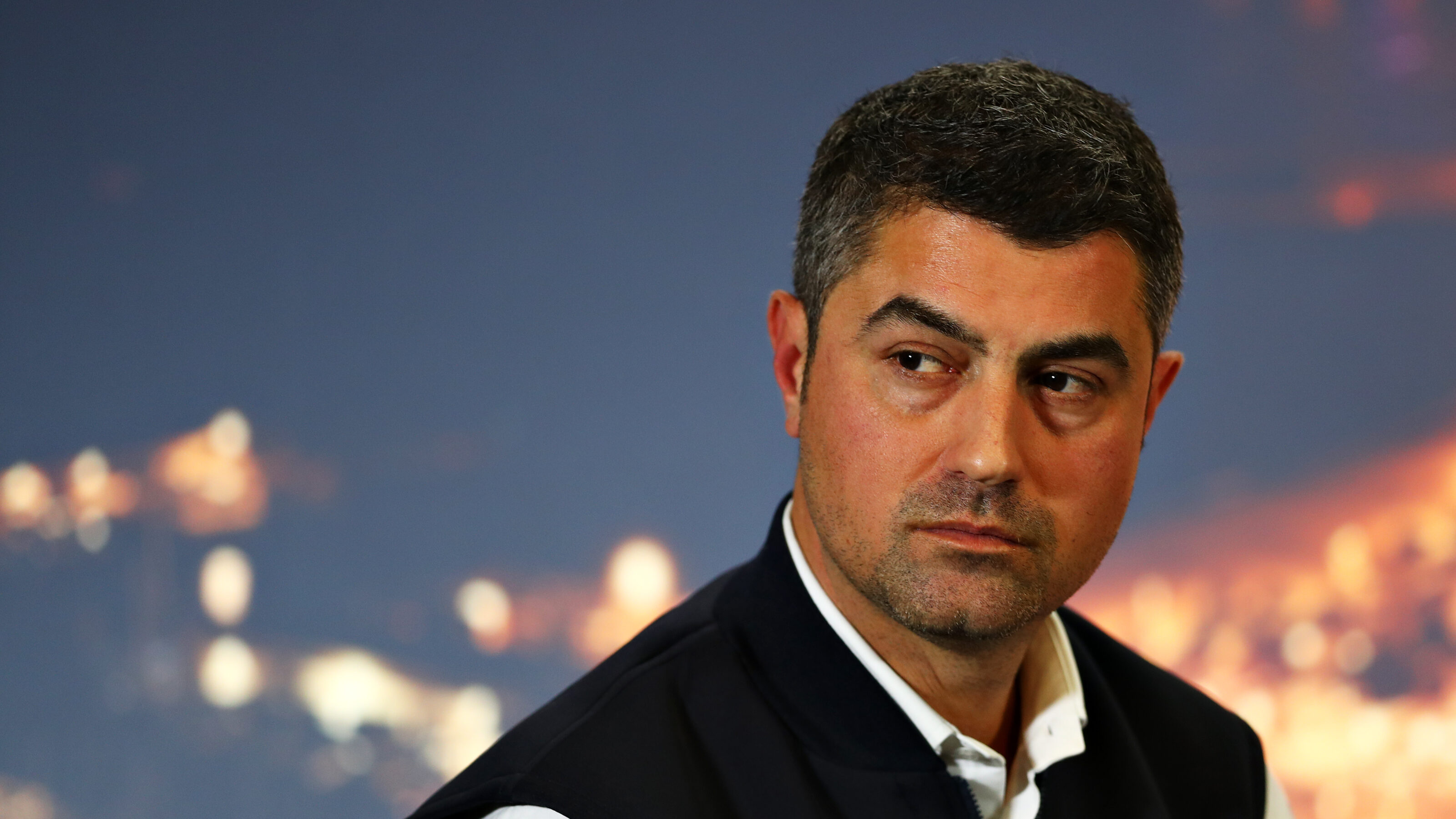
His stints in Supercars, as an administrator and then later as assistant race director, taught him not only procedure, but how to deal with powerful personalities. It was good preparation for dealing with the politics of F1.
Supercars is arguably more Machiavellian than F1, believe it or not, and dealing with tough-nut team owners like Roland Dane and controversial V8 series czar Tony Cochrane while being mentored by moderates like teams group chief Kelvin O’Reilly and category CEO Wayne Cattach exposed Masi to the gamut of conflicts.
“It was a good grounding, dealing with, let’s say, very passionate individuals who were very opinionated,” he reflects. “But what was consistent was that they all had the best interests of the sport at heart.
“Whilst they may have been pushing in certain directions for their own benefit, they were all very passionate motorsport people who wanted what they thought was best for the sport. It was a good grounding for understanding the political element of any sport.”
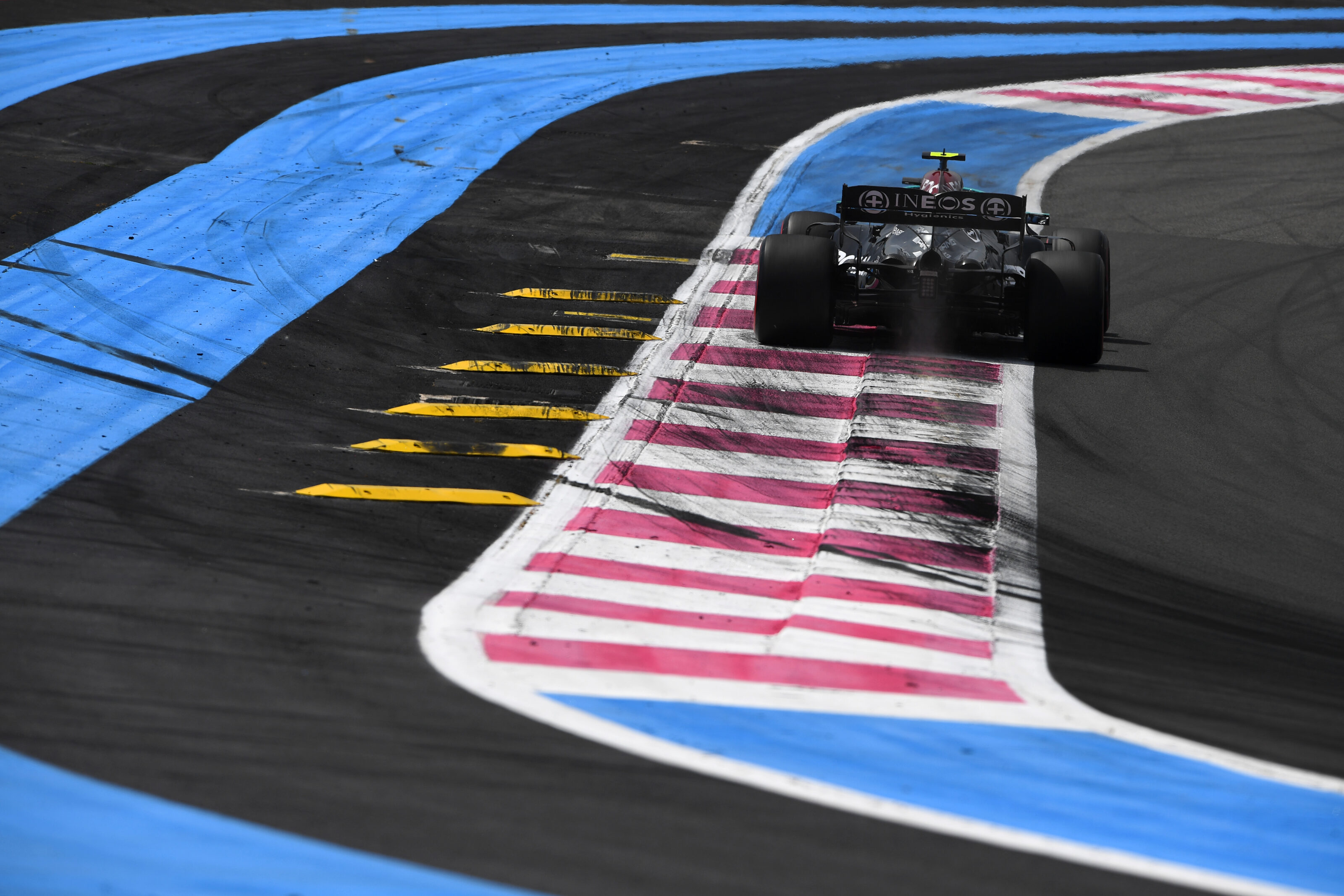
After serving his apprenticeship as assistant to Supercars’ long-time race director, former F1 driver and Ferrari sports car star Tim Schenken, as well acting as lead CAMS (now Motorsport Australia) official on the second-level Super2 series, Masi caught the eye of the FIA.
In 2018, he was made understudy to universally respected F1 race boss Charlie Whiting, working as his assistant at grands prix and taking over as race director of the official feeder F3 and F2 series.
Masi was among the candidates to replace Whiting in what was a long-term transition plan. That all changed on March 14, 2019, when Whiting was found dead in his Melbourne hotel room on the eve of the season-opening Australian GP.
Suddenly, the apprentice had to fill in for the master. Thrust into the F1 limelight by tragedy, he stepped up at Albert Park amid the grief and uncertainty. He did so well in the following months that he was anointed as permanent F1 race director mid-season by FIA president Jean Todt.
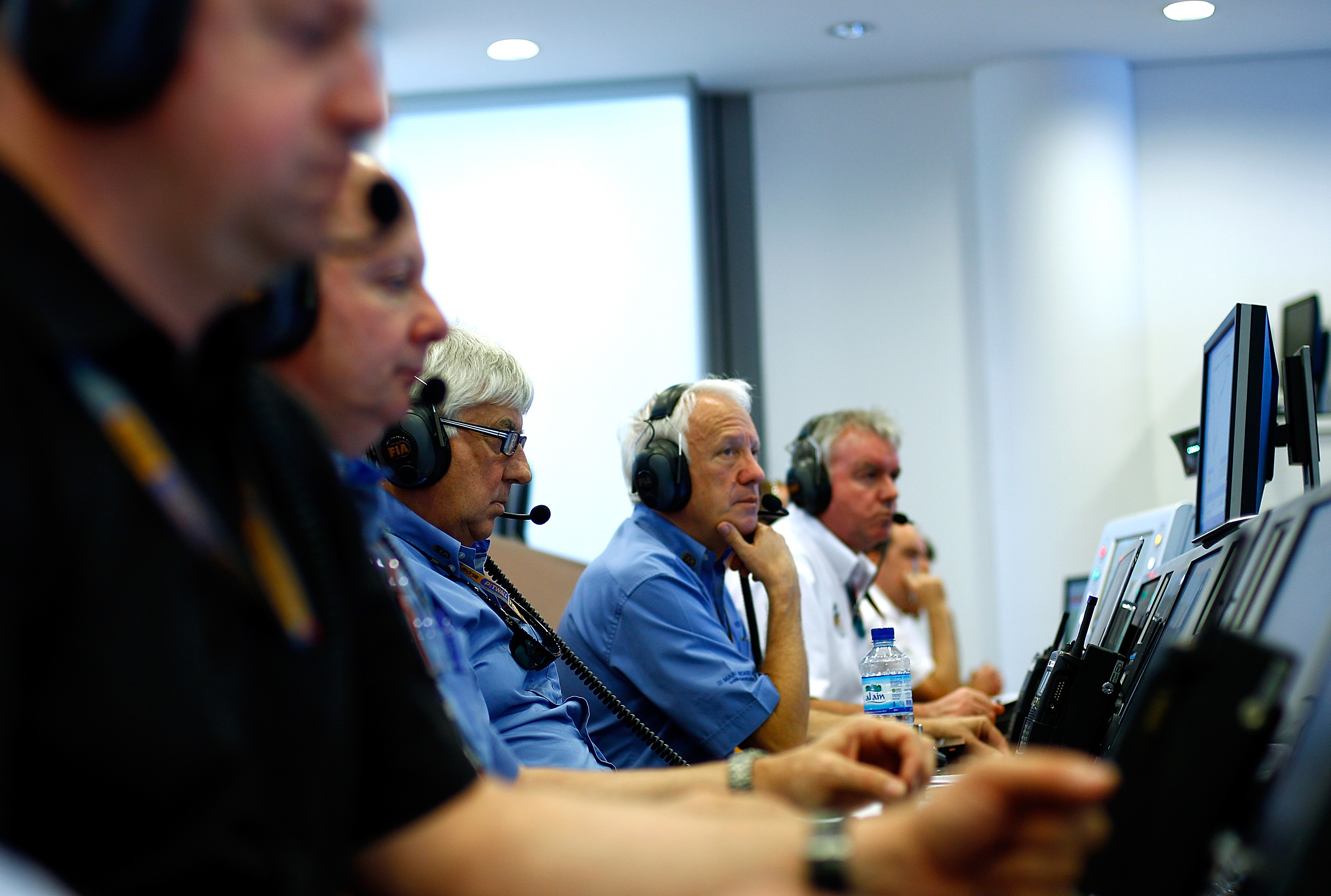
Masi learned from, but didn’t try to emulate, Whiting’s gruff attitude. He did, however, follow his even-handed ethos.
“I didn’t go in there with a dictatorial approach,” Masi remembers. “I was the new kid on the block and it was all about learning their way or operating and then trying to filter through a level of custom and practice of what had happened over the years, and then applying that in my own way.
“From that fateful Thursday morning in Melbourne, I had support at every level. It was a whirlwind year and a huge learning experience, and I was on trial from event to event. I went about it in my own way while respecting those around me and the knowledge they had, which they were willing to share with me. I was very fortunate.”
Under extreme pressure, he never wilted – nor questioned himself. He just got on and did the job.
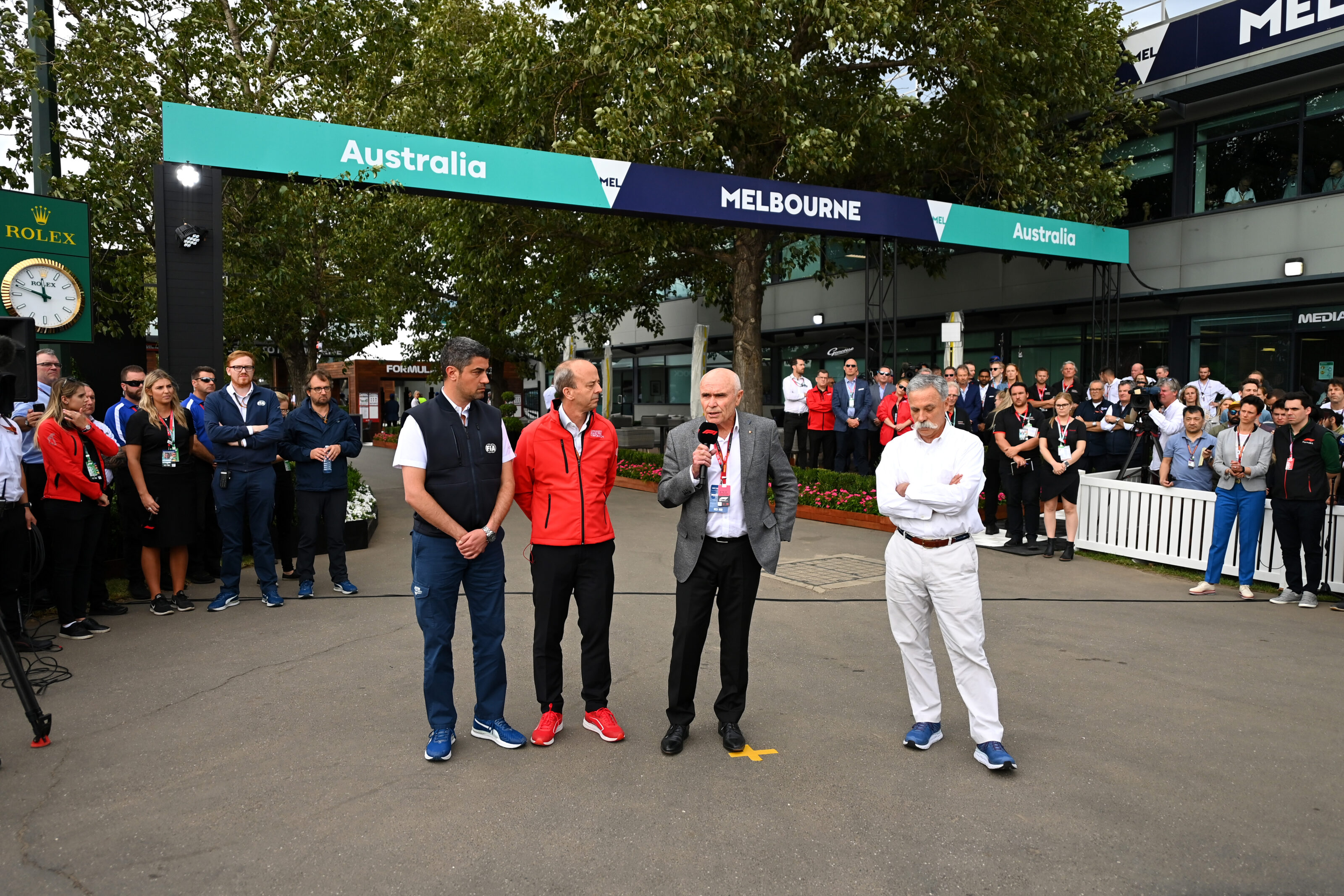
“I didn’t doubt myself as far as technical competency went,” Masi says. “I probably had second thoughts a few times on certain elements of the role that I didn’t quite appreciate and understand.
“The single most challenging thing for me was not having a sounding board. Charlie had been in the role for 20-odd years, so he knew all the ins and outs. All that corporate memory disappeared with his death.
“Not having access to that was a huge challenge and probably why I inwardly pressured myself on a few occasions. But I went into each and every event with eyes wide open and willing to learn.
“I certainly don’t second guess myself with any of the decisions. Particularly in the race-control environment, you don’t have time to sit there contemplating how your decisions could be perceived. It’s instinctive – a gut reaction from all the years in the sport.”
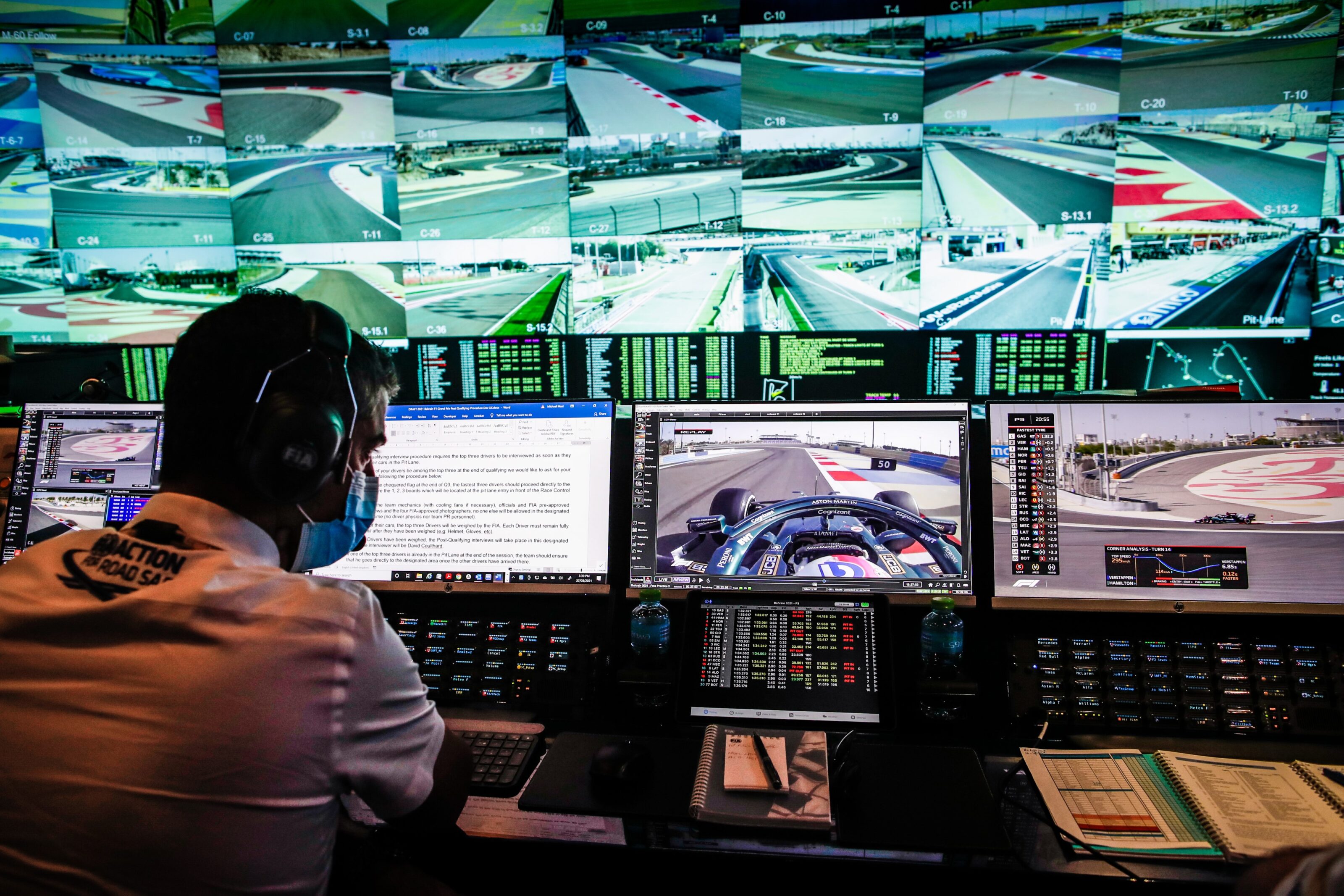
Masi’s official title is FIA F1 race director and safety delegate. Effectively, he oversees a GP weekend’s track action from race control, surrounded by myriad monitors and support staff. He has access to instant replays from multiple angles and real-time data.
He is at the peak of a team of up to 80, including contractors, responsible for the organisation and operation of an F1 event. As many as another 16 are involved when F2 and/or F3 are on the undercard (mostly at European events).
His close-knit team of FIA sporting officials is five.
“It’s a huge responsibility, but I have great support in all areas,” Masi says. “You’re only ever as good as the people you have around you. You do have to be across a lot of things, but I have an amazing team around me.”
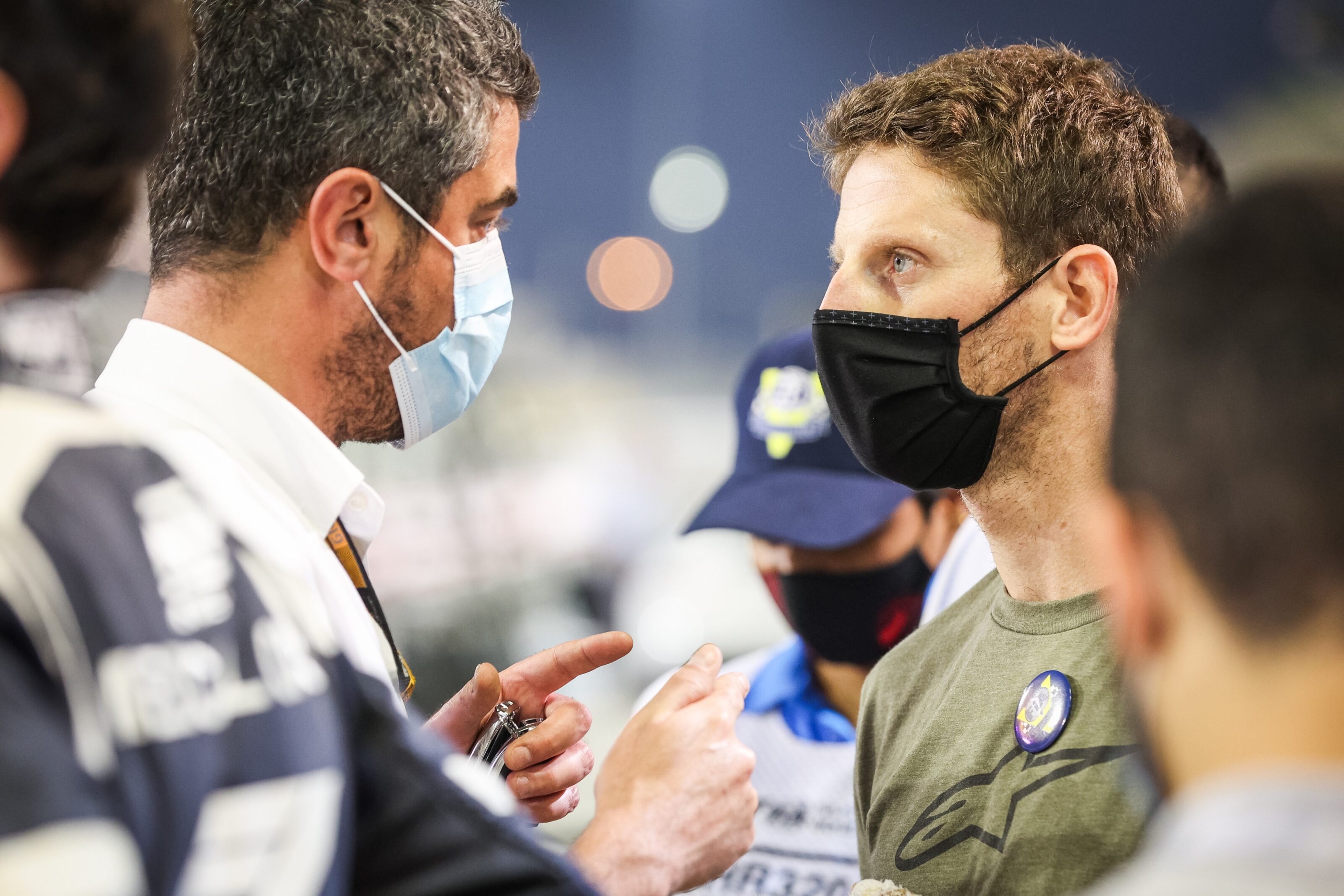
As F1 officialdom’s most prominent face – and, this year, voice, with his dialogue with team bosses often included in the telecasts – Masi’s actions and decisions are subject to intense media and fan scrutiny.
Social media abounds with comments and criticisms, which he shrugs off as just part of the job, dictated by the (incredibly extensive) rulebook.
“There is a huge amount of public scrutiny and media scrutiny, and many people having an opinion, which they’re all entitled to,” he says. “We’re very fortunate in motorsport that the fans are so engaged and passionate about what they see, and have a greater voice than ever before.
“From my end, the criticism is part of the job. I’ve very rarely seen a referee that gets a pat on the back for his or her decisions. I do the best I can and actively encourage feedback from the teams and drivers, which is a critical element of improving the system.
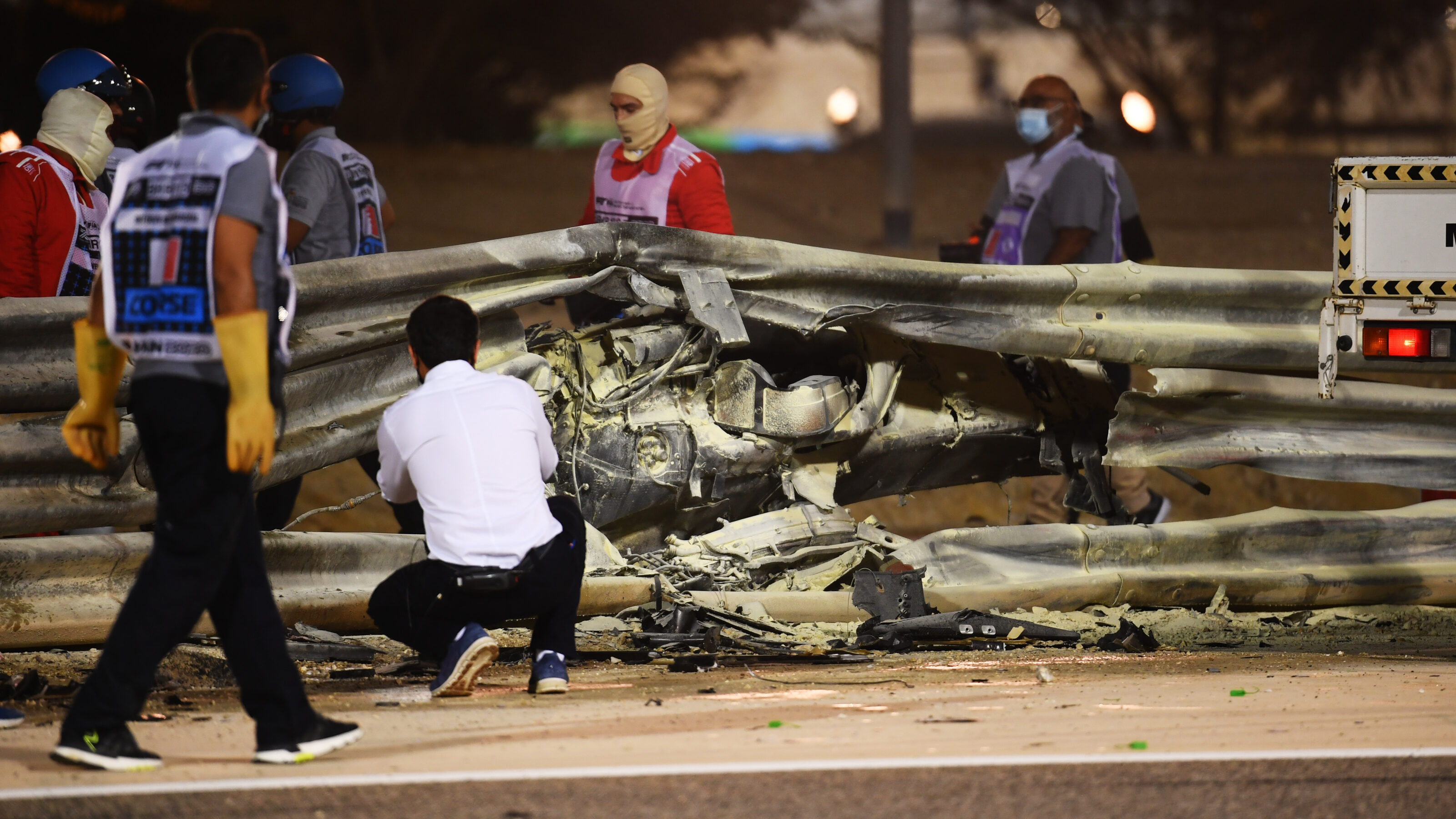
“I have a rulebook to work by and I have to adhere to those rules. Motorsport is such a complex sport that fans only see a small part of those complexities, which are covered by hundreds of pages of regulations. Maybe as a sport we have to do a better job of de-complicating it.”
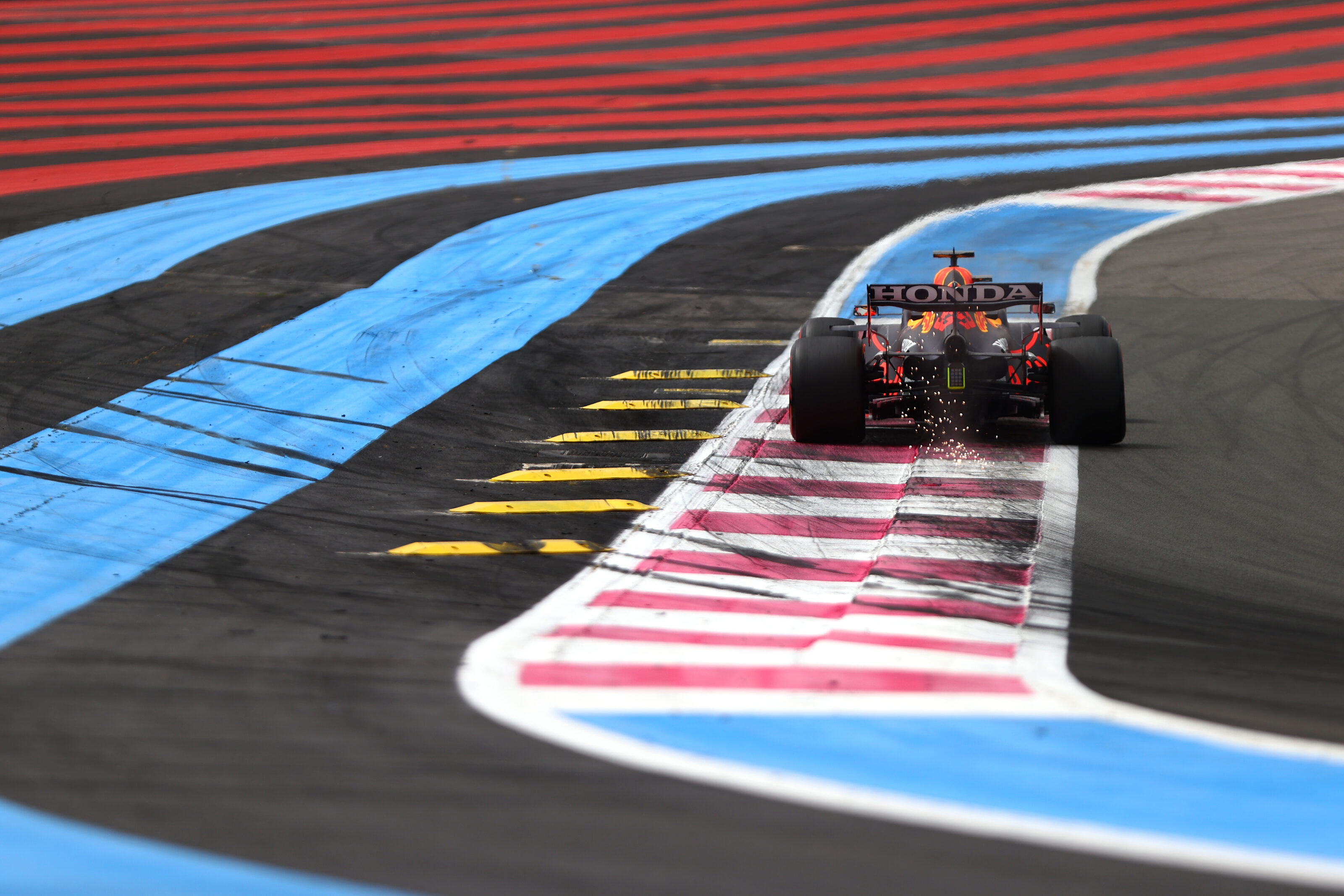
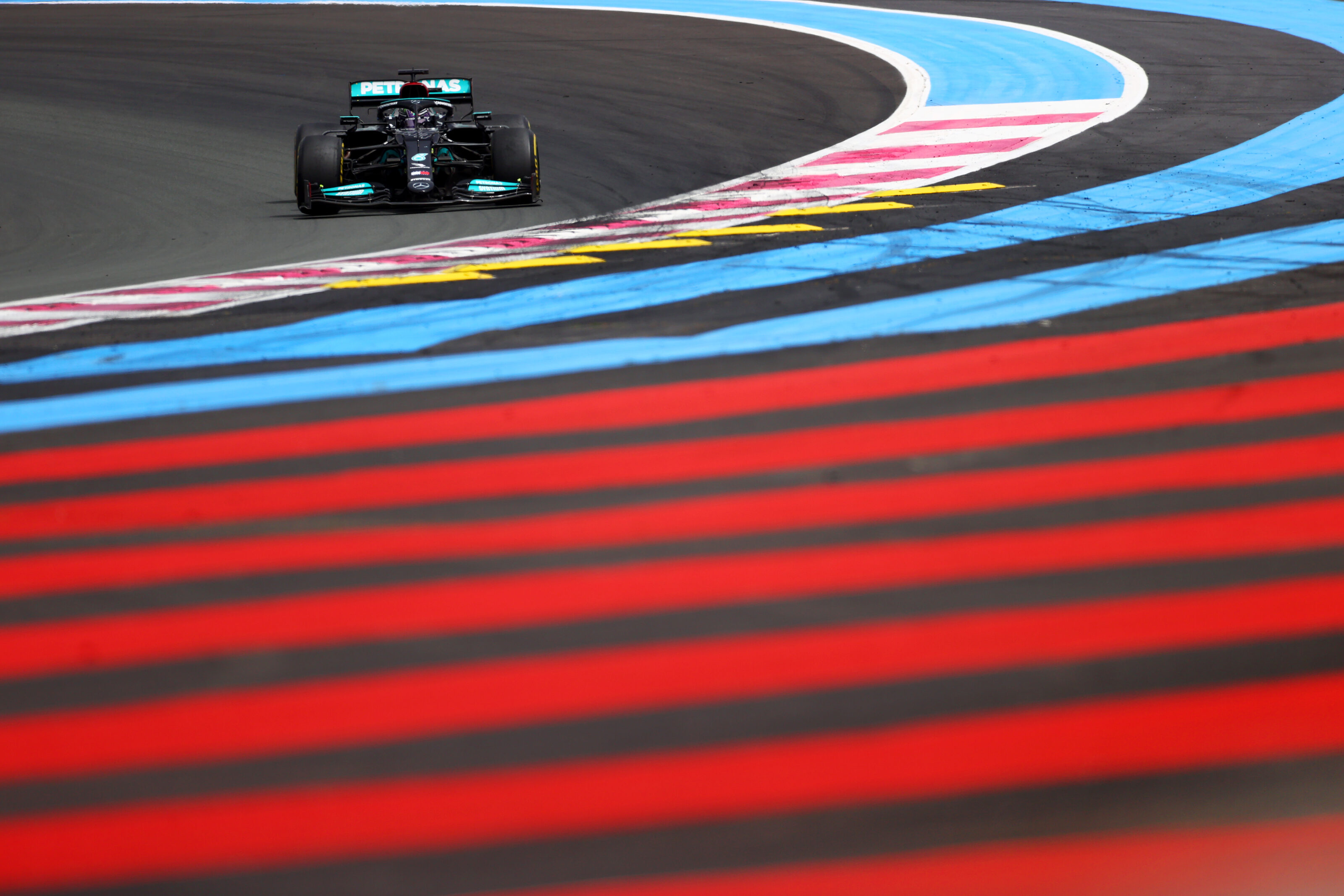
One of the most heated debates is about track limits and the seemingly random penalties handed out to drivers for cutting corners or over-use of hard run-offs.
“With track limits, we went down a road for a particular purpose,” Masi explains. “By definition, in a complete regulatory sense, the white line defines the edge of the track in motorsport globally. But it’s also about a practical application of what you can consistently police at a particular venue.
“The cars are evolving year-on-year, so what may have been track limits one year, suddenly you go there the next and it’s no longer an issue. So it’s trying to find that balance and then finding technological solutions that you can apply.
“We’ve been very clear on the way in which we police track limits. We’ve policed them absolutely consistently across the board. Yes, they change from event to event because each circuit is different and it’s about trying to identify those critical areas which the drivers and the teams do have an input into. It’s not a surprise when they arrive at a track.”
Surely, like a tennis court, the white lines are the boundary – in or out?
“Easier said than done,” Masi observes. “With the amount of video coverage available, it’s a matter of what we in race control can actually police consistently each and every time that it happens. We don’t have the ability to police every corner all the time. A tennis court is yay by yay big and easily policed within those confines. A circuit is far different. What is practical during the race has to be consistent and understood by the drivers. It’s evolved, but we’ve certainly got to and continue to work along that way.”
Masi dismisses a sophisticated electronic monitoring system which would automatically register transgressions.
“I don’t know that we need an electronic system,” he posits. “I think the big one that everyone likes is physical deterrents, be it gravel traps, grass or different kinds of kerbs depending on the corner.
“So I think having that physical solution is certainly the preference wherever possible – and it’s something we’ve been working on with all of the circuits to implement that over a phased period. But it’s not an overnight switch to make significant investments like that.”
Critics also charge that sanctions for driving infringements are inconsistent and often in conflict with previous decisions. Masi points out that penalties are decided by the stewards – albeit, almost always after he has referred incidents to them.
“As far as the consistency goes, the stewards actually apply the penalties,” he sighs. “I’m in charge of the overall adjudication, but when it comes to penalty decisions, we have a group of four stewards at each event.”
There is a roster of senior stewards, headed by Australia’s FIA delegate Garry Connelly, and ex-international drivers who are rotated onto the four-person panel at each GP.
“The question of consistency in the application of charges and penalties is an age-old debate,” Masi continues. “You need to look at each incident on its own merits, taking into account similar breaches in the past. We are in constant dialogue with the teams and drivers about how rules should be interpreted without necessarily changing the regulations.”
As friendly and consultative as he is, Masi has to stand his ground against imposing F1 figures, not the least of which are the drivers, led by global superstar Lewis Hamilton, seven-time world champion and an increasingly strident crusader.
In two-and-half years in difficult circumstances, Masi has built trust with the stars of the show, although not without disagreement. He exchanges views with them on the eve of each race weekend, often debating racing rules interpretations or clarifications.
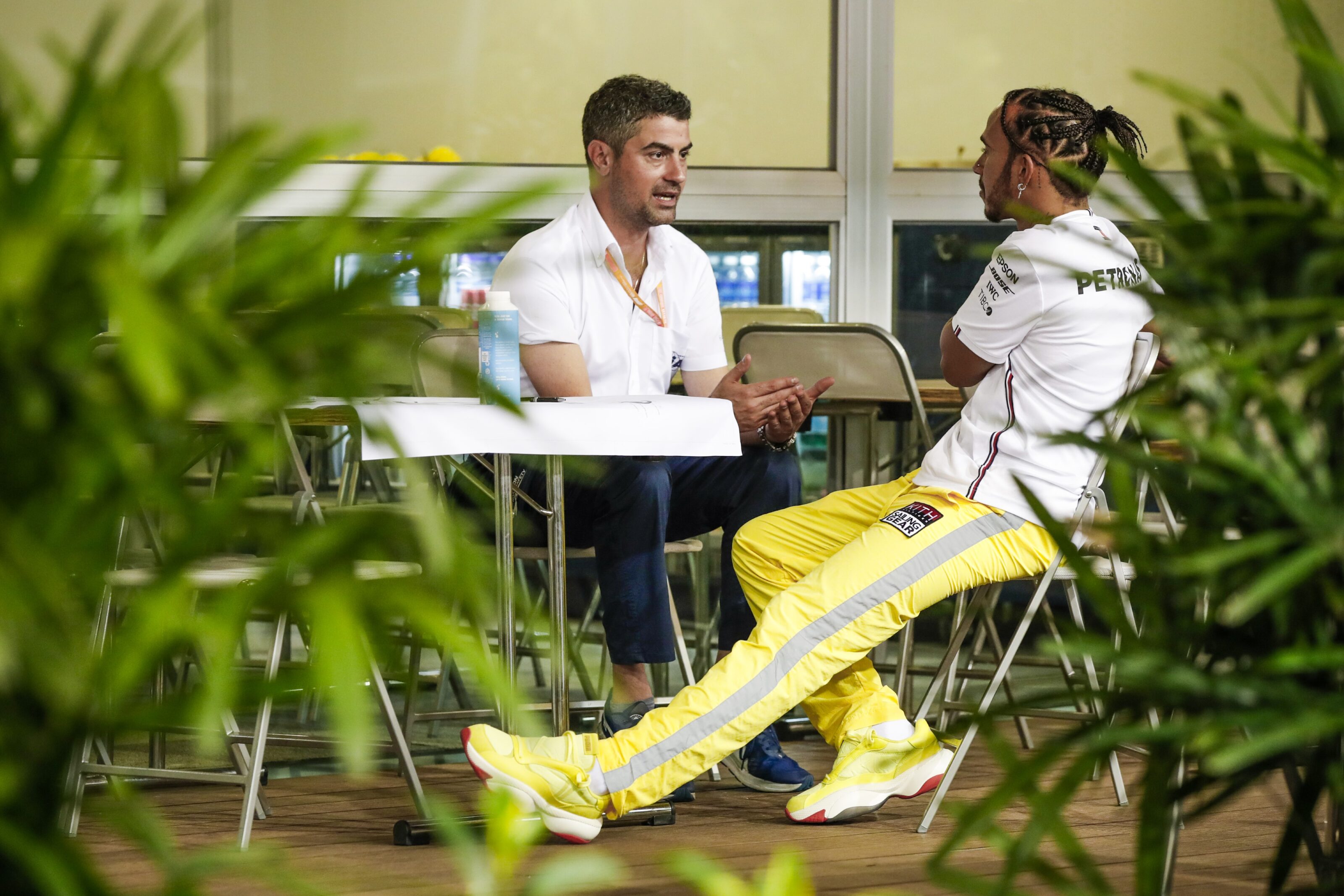
“Yes, there are robust discussions at the drivers’ meetings, but at the end of the day, someone has to make a decision and that person is me,” he declares. “A number of them have different opinions; sometimes they all have the same opinion.
“I wouldn’t call it intimidating at all. That they’ve accepted me is shown in a number of things that we’ve done over the period. It’s just been a matter of getting to know them and them getting to know me. I wouldn’t say heated, but we certainly have robust discussions at drivers’ meetings, but it’s very much a dialogue.”
In between F1 events, Masi has a multitude of tasks. He is also the FIA’s single-seater sporting director, in a charge of developing the junior open-wheeler championships – Formula 4 regional series, and the F1-supporting F3 and F2 titles.
As part of his general operational role, he is a circuit inspector, approving new international tracks or upgrades to existing courses. In addition, he chairs the rule-making FIA sporting advisory committee and sits on the world governing body’s circuits and safety commissions. He attends all F1 Commission and World Motorsport Council meetings.
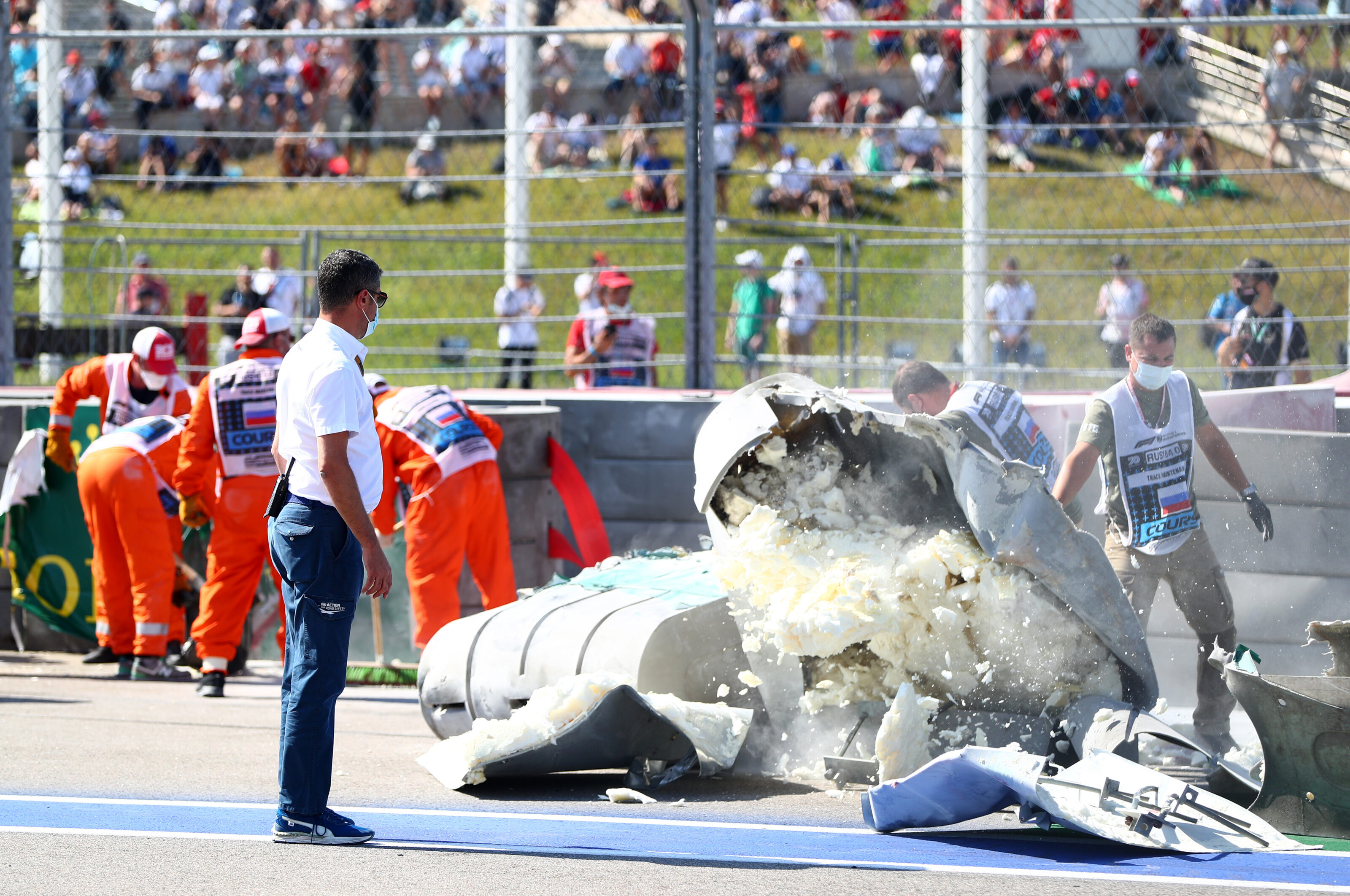
“Free time is certainly not high on the agenda at all, particularly with the COVID-19 situation throughout 2020 and again in 2021,” Masi rationalises. “Trying to deliver an F1 world championship amid this pandemic has been extremely challenging.
“To get in 17 events in six months last year was a fantastic achievement and this year, in a lot of ways, is even more difficult because of the way different countries are managing entry and exit criteria. But it’s a good challenge … and I really enjoy that.”
Michael Masi is living an extraordinary life in extraordinary circumstances. He has risen to the task with unusual equanimity, establishing himself in a rarefied role for many years to come. He is the amiable Aussie who defies the notion that you need to be aloof and stone-hearted to survive in the turbulent, cut-throat meritocracy that is F1.
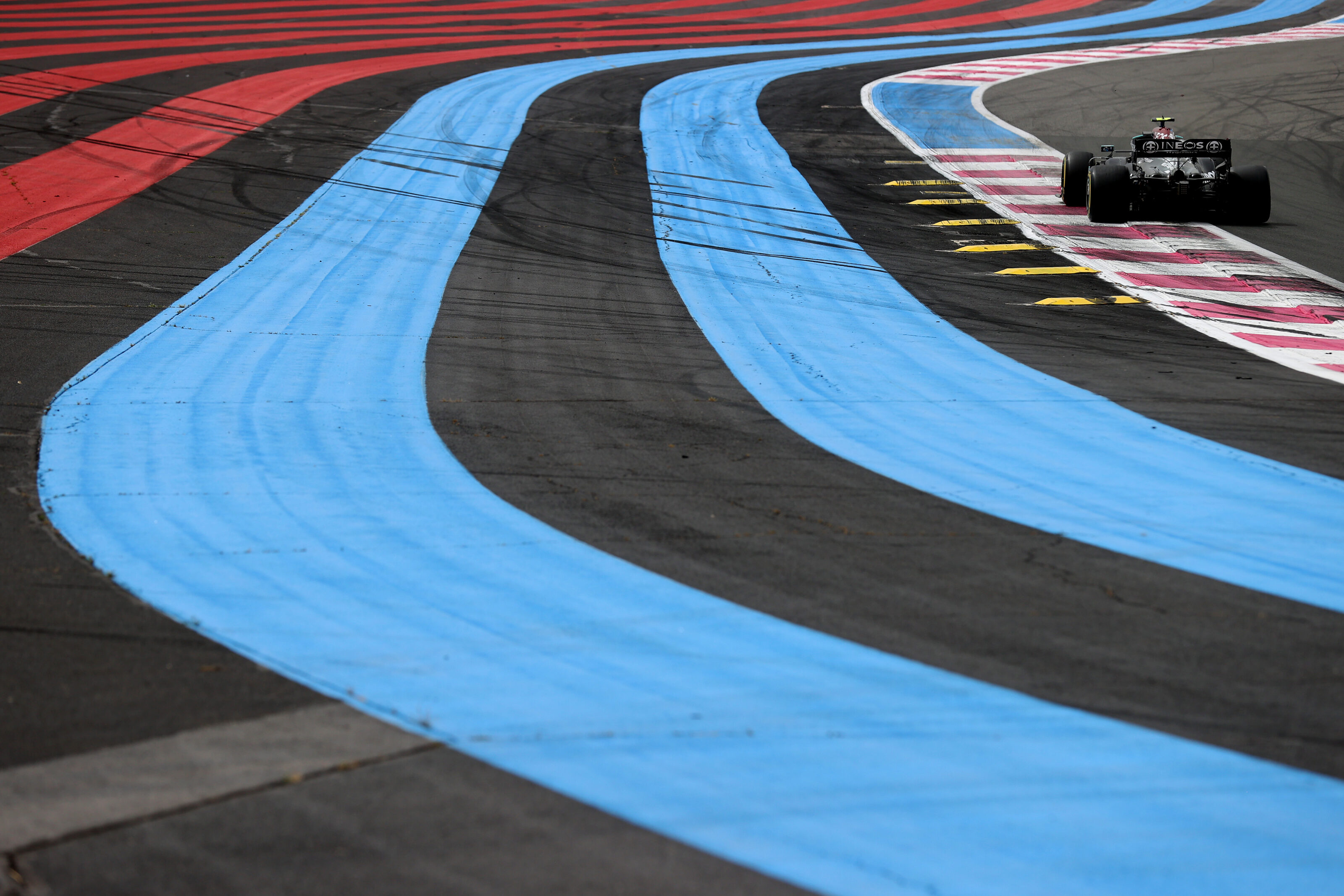
Destined for success
Those who ‘groomed’ Michael Masi aren’t at all surprised he has become F1’s respected race director.
BTCC boss Alan Gow and accomplished sports administrator Kelvin O’Reilly saw Masi’s potential in the mid- to late-1990s, when they pitched 2.0-litre Super Touring against V8 Supercars.
They lost that squabble, but then junior assistant Masi prospered from their tutelage, rising through the ranks of Australian and international motor racing.
O’Reilly, South Australian football administrator turned motor racing chief, praised his protégé’s personality and diligence.
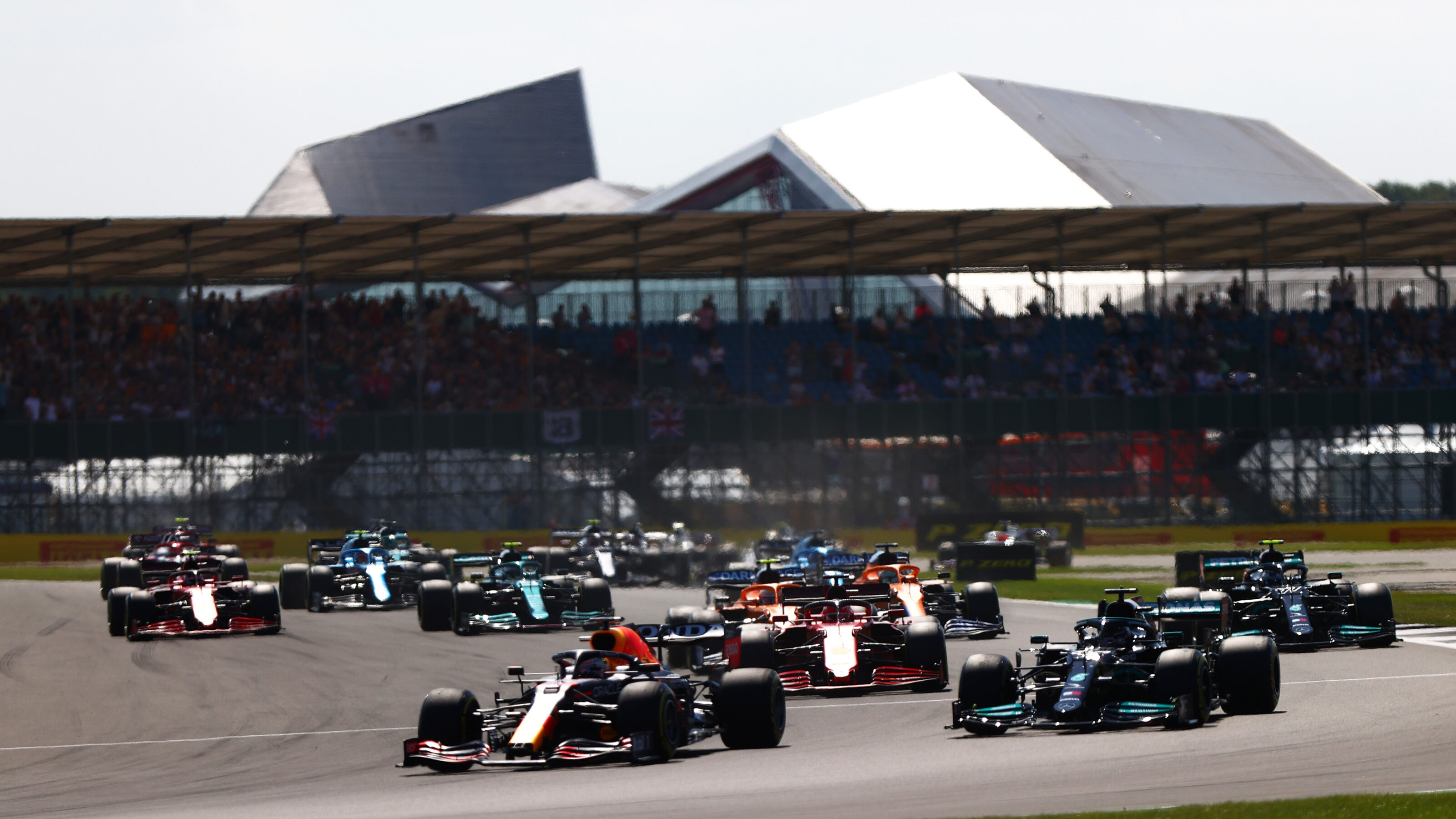
“I’ve known him since 1995 and I don’t know anyone who’s dealt with him who doesn’t rate him as a great person,” notes O’Reilly. “Michael is the epitome of the old adage – the harder you work, the luckier you get.
“He is unquestionably good. He has all the skills you’d want. By the time he finishes in F1, he’ll have even more skills and be more valuable.”
O’Reilly, who has revitalised Karting Australia in recent years, maintains Masi was destined to become F1 race director.
“We were all surprised by the circumstances, but his pathway was always going there,” O’Reilly says. “He was clearly the best candidate. He is a great young man.
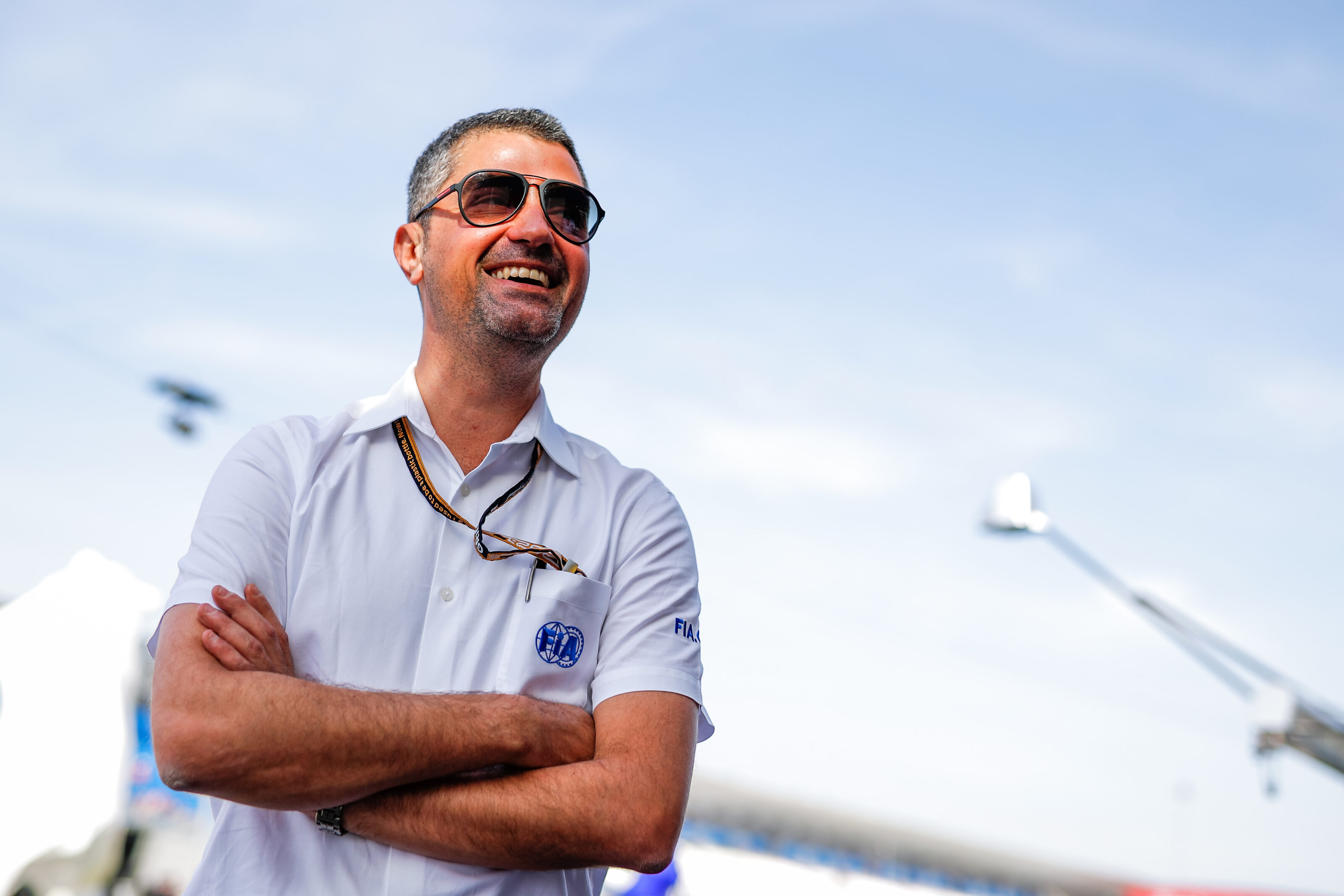
“He has an extraordinary understanding of the rule book. He’ll make good decisions; he’ll be media-friendly and he just works so damned hard.”
Expat Aussie Gow, who has kept the British Touring Car Championship successful for most of the past 30 years, also rates Masi highly.
“He’s doing very well,” says Gow, who is also president of the FIA Touring Car Commission and privy to the sport’s inner workings. “The feedback I get is very positive. He’s done it incredibly well after taking over that role in incredibly difficult circumstances.”
Gow marvels at how Masi has seamlessly taken over from an entrenched veteran who earned the F1 community’s respect over nearly 30 years.
“Talk about being thrown in at the deep end – and he’s proven a great swimmer.”
Article 48.12 of the Formula 1 sporting regulations is a tepid piece of legalese meant to help inform safety car procedures. You should not be interested in its wording or how it is interpreted by race direction, and it certainly shouldn’t be the final deciding factor of one of the greatest championship battles of all time.
Yet, in a moment of peak F1 shenanigans, that is exactly where we find ourselves. We don’t have the space or time to prosecute the minute details of what occurred, so take the time to watch the final 10 laps of the Abu Dhabi grand prix.

The 2021 Formula 1 season will go down in history as one of the absolute best of all time. The drama was off the charts from the very first round, and never relented all season long, right up until the final corner on the final lap. It must be said that Max Verstappen is a glorious and worthy champion for the sport. Your thoughts on his driving style aside, it is impossible to not recognise his supreme talent and speed. Similarly, Lewis Hamilton has continued to expand his legacy with a season that included some of the greatest racing in his already illustrious career. Either winning the championship in 2021 is a victory for the sport. Well, it would have been, if it had happened under any other circumstance.
Race direction had three perfectly viable options afforded to them in the regulations to see out the championship once Latifi’s Williams clattered the barriers prompting a final safety car period. Red flag the race and have a standing start to the end, restart the race with the lapped cars remaining between Hamilton and Verstappen, or wave those competitors through (all eight of them) and finish under yellow flag conditions. That was the framework available, and yet in a moment that will be seared into the memories of fans for years to come, a fourth middling option was heaved upon us resulting in mass confusion.

Blame cannot be laid at either team for how they acted in that final race, they fought with the kind of fury befitting people with hundreds of millions of euros invested in the outcome. The issue here sits clearly with the FIA and race direction, which saw what should have been motorsport’s shining moment of glory in the global stage reduced to a squabble over lines in a rulebook that will be decided days, weeks, or even months after the fact. That’s no way to decide a championship.
I thought the worst case scenario for the final race of the 2021 F1 season would be Hamilton and Verstappen colliding at the first turn of the race, both retiring instantly. Somehow, I was wrong. What actually occurred will do reputational damage to the sport and those who run it on a scale that is yet to be fully grasped.

Hamilton’s team protested what happened, as is their prerogative. The FIA, predictably, didn’t find itself guilty of any wrongdoing. Now, Mercedes-AMG has signalled its intent to fight the decision to the death, lodging a notice of intention to appeal the decision of the Stewards under article blah blah blah. It’s all so disappointing for F1 that its most entertaining championship battle in decades will likely be decided by stuffy men in stuffy suits in a stuffy room in Paris at the Court of Arbitration for Sport. That’s not very good motorsport, is it? The drivers deserved better, and we as fans deserved better.
The sport has robbed itself. Instead of a tense season-long battle between driving titans being rightfully celebrated around the world, the industry will descend into months of debate over interpretations of procedural instructions while pilfering through dense sporting regulations.
The icing on the discombobulated disgrace of a weekend was a tweet from the head of the FIA Jean Todt, congratulating Australian ace Oscar Piastri on his Formula 2 championship victory. Piastri has put together the most impressive and dominant junior single-seater career since Hamilton or Verstappen shot through the ranks, winning three titles on the trot from Renault Eurocup, F3 and F2. Yet the Aussie goes without a full-time seat in F1 in ’22, and Todt has the gall to say he is an illustration that the FIA’s single-seater pyramid works. Do jog on Jean, and sort your house out while you are at it.
Among Melbourne city’s towers, the new-generation Toyota Yaris lapping the block for photography is just a small blue dot. One that’s almost lost among the toxic-green bike lanes and dinging trams that rumble through the city streets.
But it’s much harder to overlook the significance of the Yaris’s rebirth in the light-car segment. New powertrains and advanced safety technology have almost priced the nameplate out of the entry-level segment it’s belonged to for so long.
Go for a base Toyota Yaris today – still offered in Ascent trim as before but no longer with a manual transmission – and it’ll cost you $23,630. That’s a generational price increase of over $7K; a staggering 35 percent.
Upgrade to SX trim for $3390, then tick the box for the hybrid-assisted 1.5-litre three-cylinder petrol powertrain, adding another $2000, and suddenly you’re looking at $29,130 before on-roads to buy our tester. Add $600 for Eclectic Blue paint, and that’s a grand short of an equivalent trim Corolla.
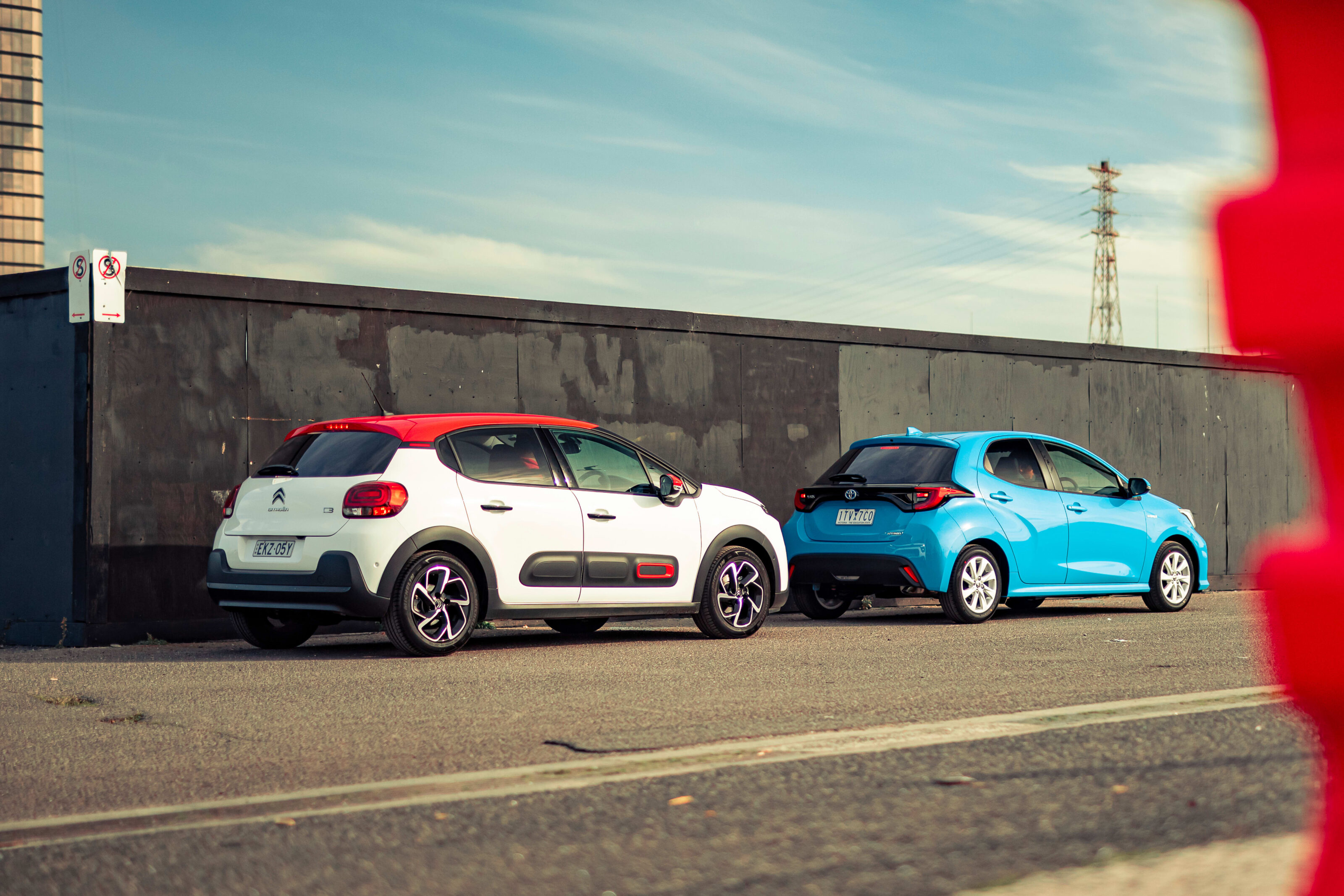
However, this swell in price is not contained solely within Toyota’s ranks. With the segment losing everyone from Honda to Holden and Hyundai in the last five years, taking a cluster of sub-$20K models with them, it’s rocketed the average vehicle price from around $23K to $31K. And the rearranged territory brings fresh conflict.
Cue the Citroen C3. Coming from a single-variant model range built in Slovakia, it hasn’t always been priced at $28,900 – despite its European pretensions and style making it easier to accept that idea. When the third-generation model debuted here in 2016, it was only $400 more expensive than the then top-of-the-range Yaris, at $22,990.
To keep in step with competition, Citroen has slowly built up the C3’s specification list over the years, increasing its price slowly alongside it.
Whether oblivious or ignorant to the paradox of an expensive ‘affordable’ small car, our pair share more than just awkward market positioning. Each five-door hatchback drives the front wheels through an automatic transmission married to a three-cylinder engine. However, their styling finds sophistication in different ways.
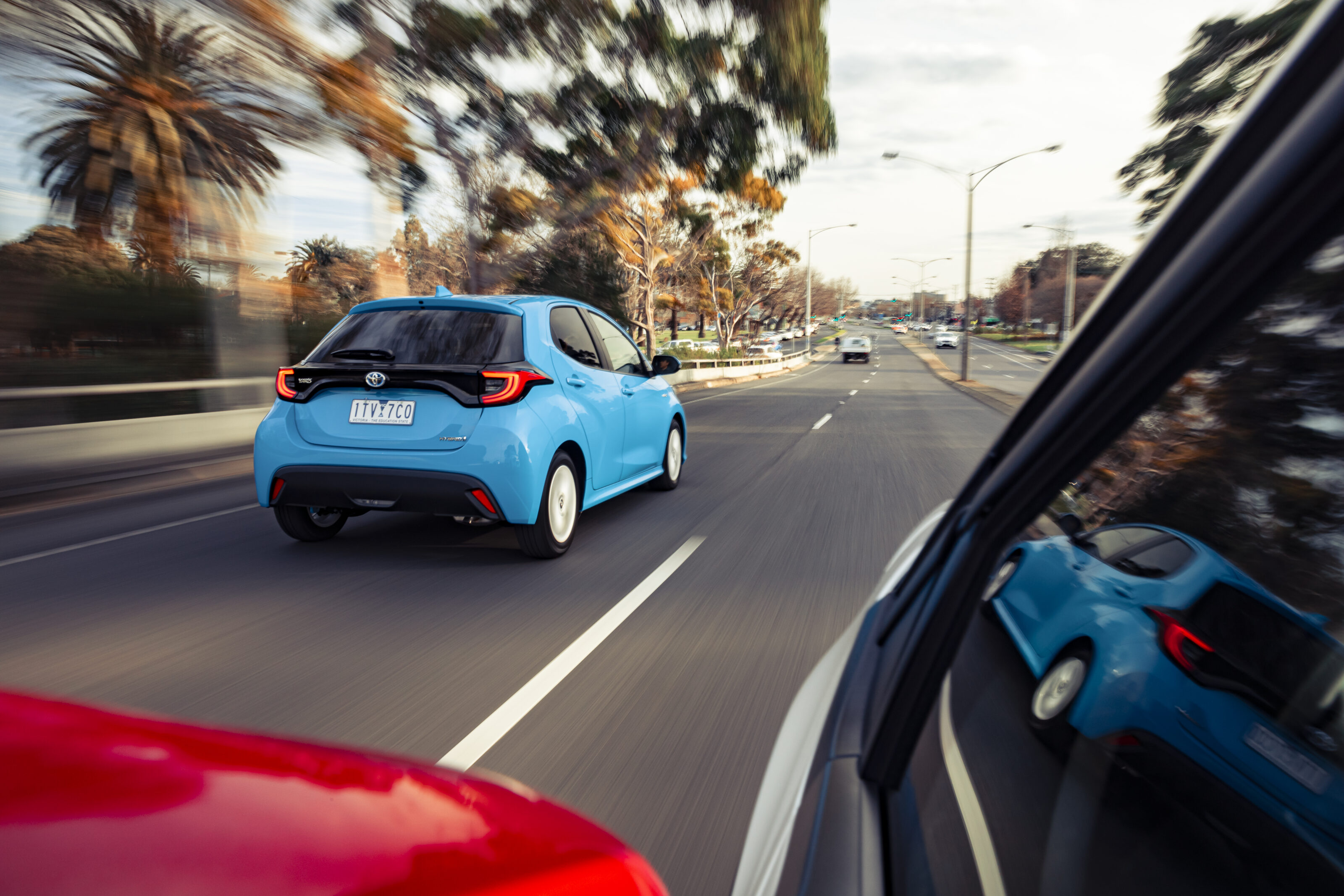
The hybrid’s economy benefits are real, too, as the Yaris drinks 3.8l/100km while on test with us. That’s 0.5L/100km more than claimed on a combined cycle, but crucially 1.2l/100km less than Citroen’s claimed figure.
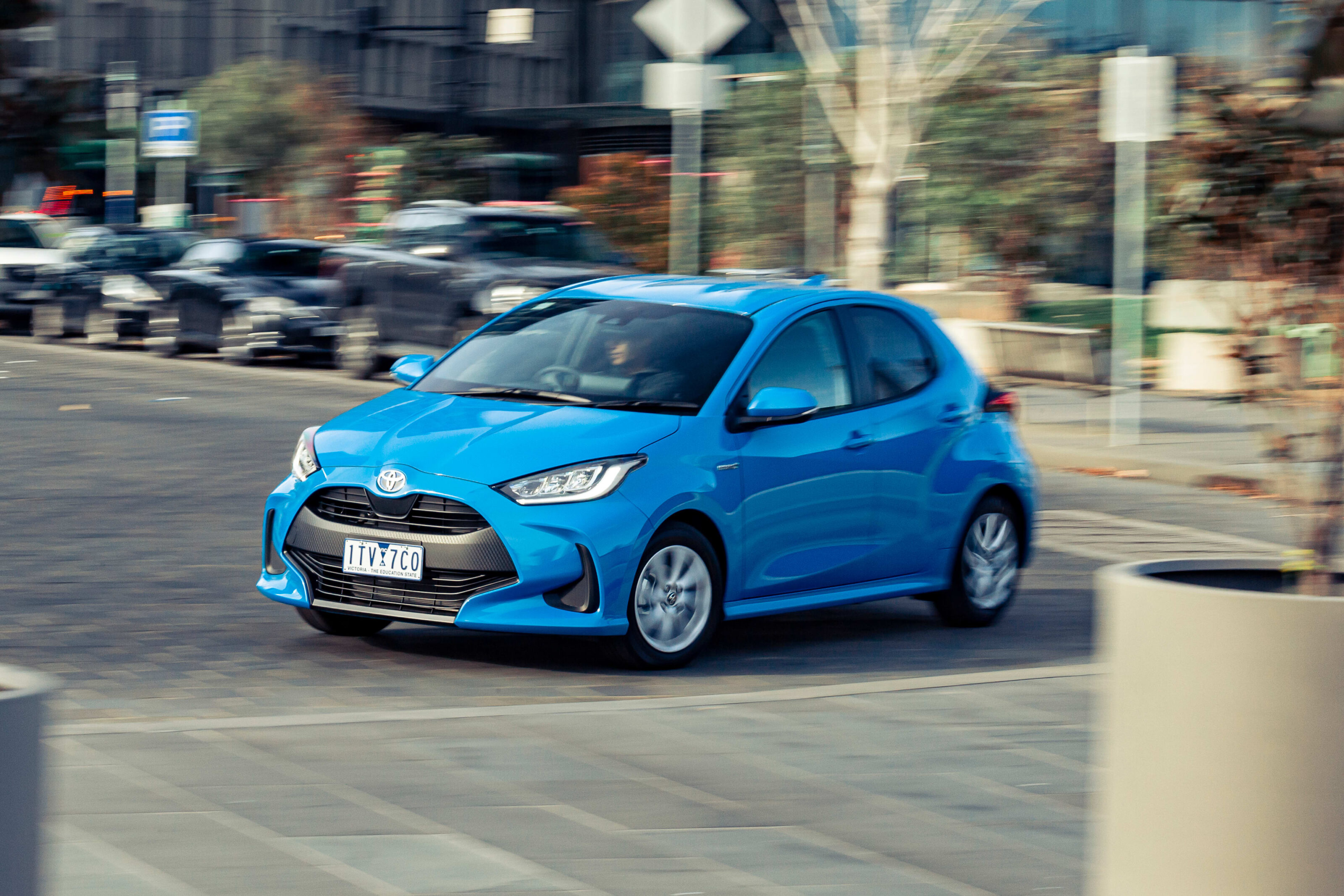
Details massaged into the Toyota’s sculpted bodywork offer new cohesiveness. Zoom in on those tail lights, for starters. The darkened element between each tail light pulls down the rear window. Its raised contour follows character lines carved into the rear doors, separating the rear guards into almost-muscular haunches.
You’d struggle to find anything so sophisticated on the last generation Yaris or packaging so clever. Built on the B version of Toyota’s TNGA platform, the new Yaris grows its wheelbase 40mm while sitting 5mm lower than before while shaving 5mm from its length. And despite pumped front guards and the gaping-wide grille, width remains unchanged at 1695mm.
To me, the Yaris apes a Mazda 2’s striking proportions. But while it looks groomed by the wind, the C3’s cutesy bubble shape looks swollen with as much volume as possible. Unsurprisingly, the C3 is slightly longer and broader than the Yaris, but rides on a shorter wheelbase and is a touch lower.
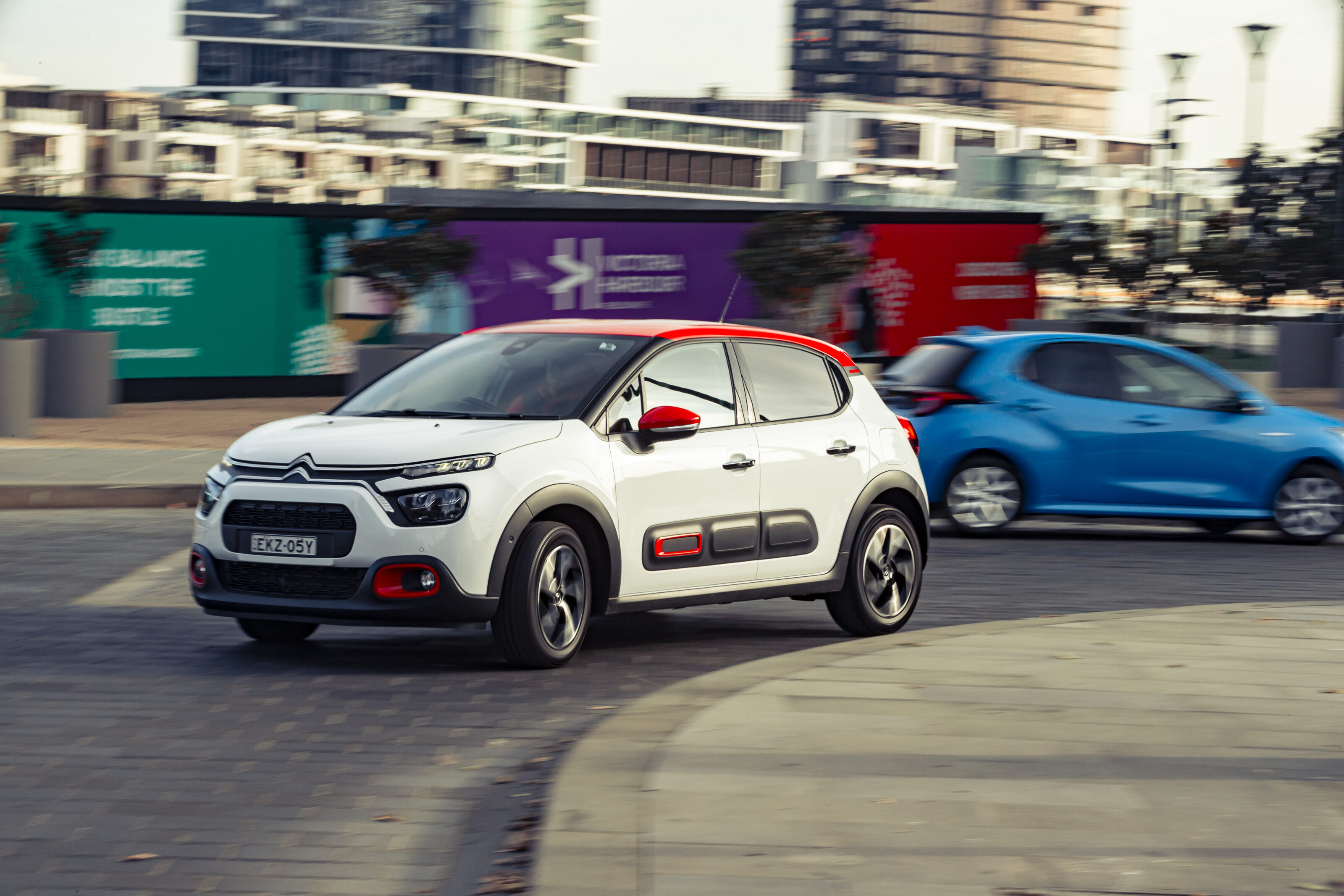
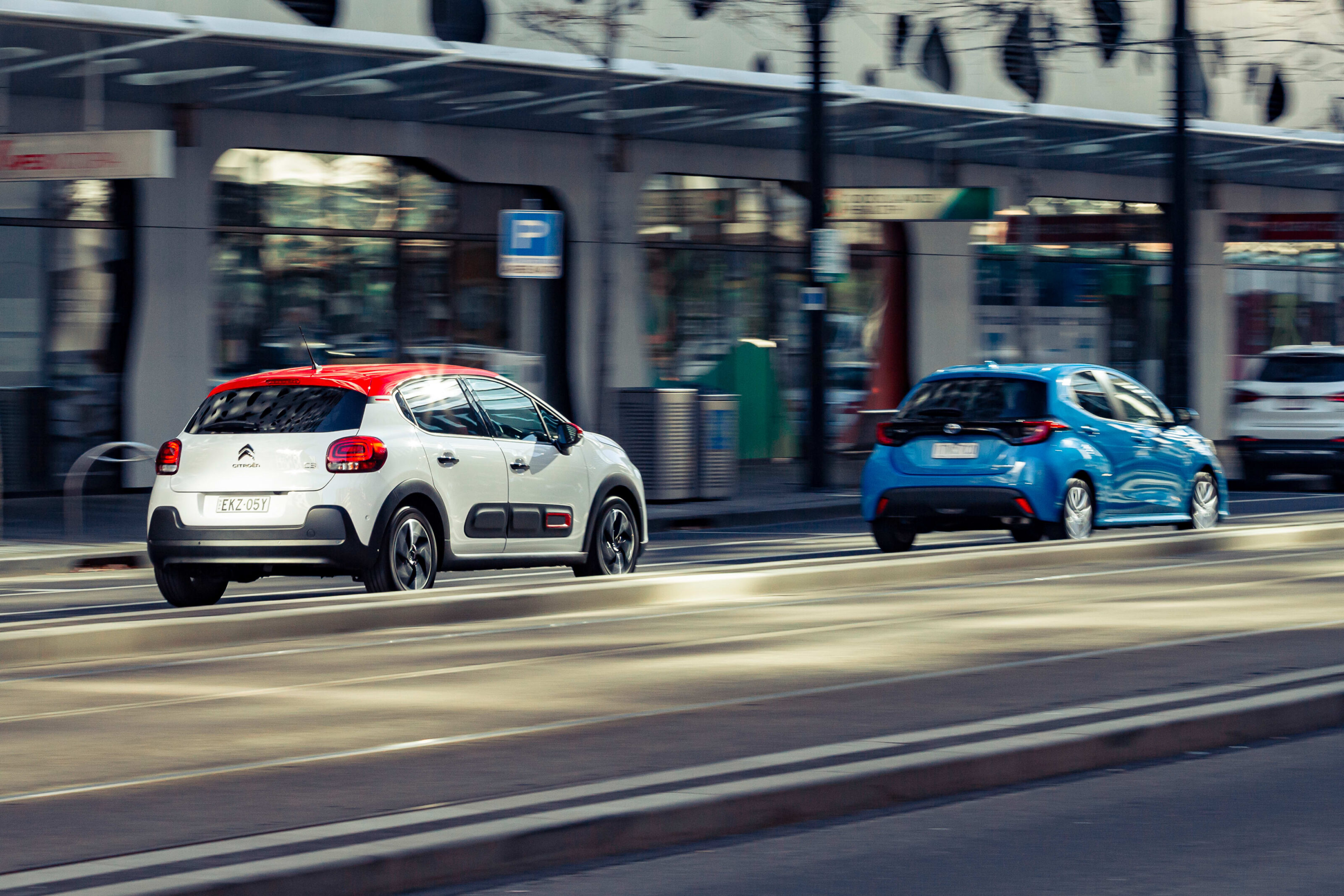
As both cars stride up and down Dockland’s main street for our snapper Alastair Brook, it’s obvious the C3 is not at risk of going unnoticed. It dials up the flair with a two-tone paint job and Airbumps on its doors, while the separated head-, fog- and daytime-running lights exaggerate its divisive styling.
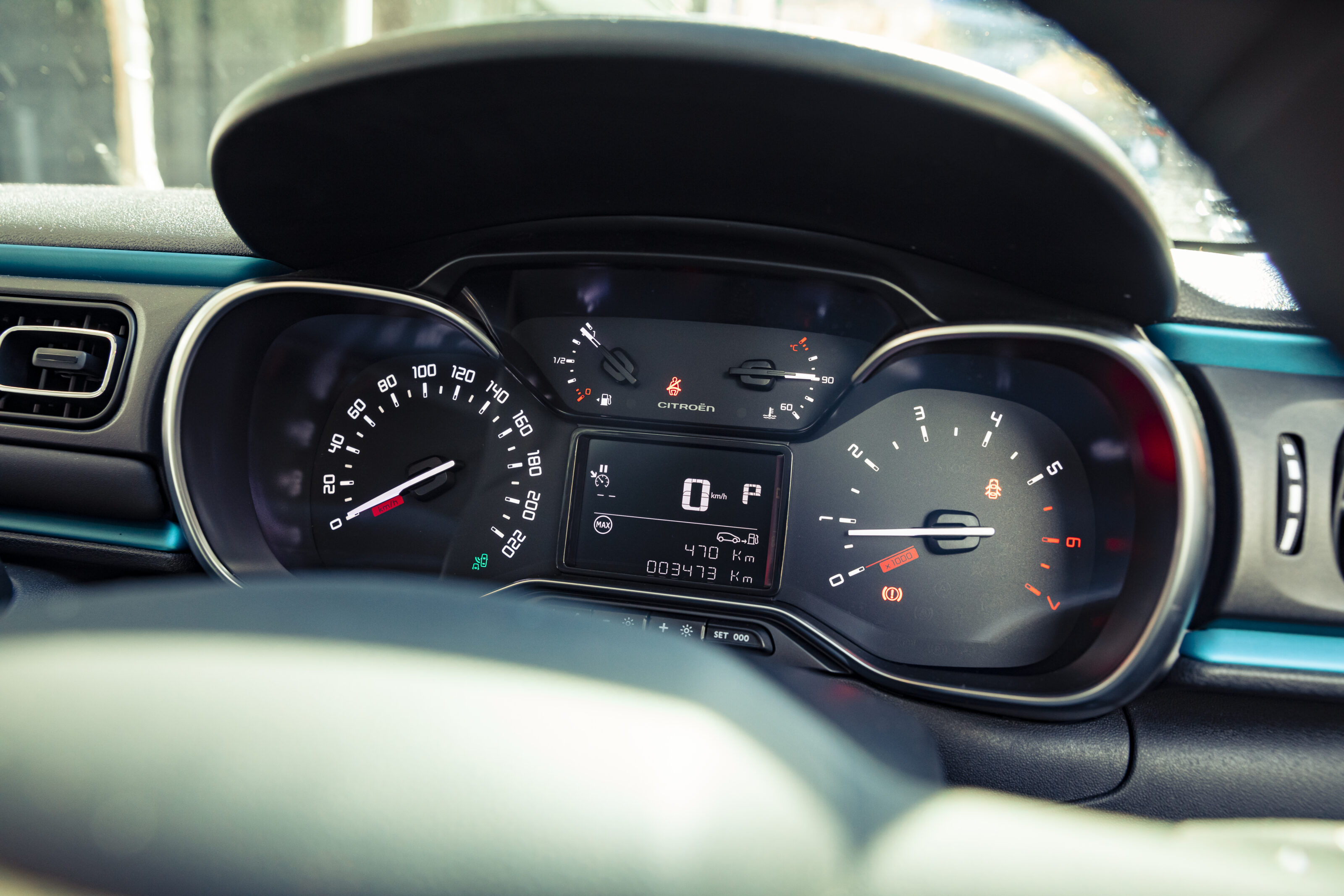
For this mid-cycle update, Citroen tweaked the C3’s wheel design, updated the Airbump and patterned the meeting point between roof and body colour. It’s also restyled the front bumper design – but only the eagle-eyed will catch the differences in chrome highlighting and light shape.
Meanwhile, Toyota’s designers should have channelled the C3’s enthusiasm into the Yaris’s interior. There’s nothing wrong with the layout or sweeping curvature in everything from the dash to the door handles, but the mix of the matte and black plastics, plus drab cloth seats with unsupportive foam do nothing for aesthetic appeal.
Things do improve when you grab the leather-stitched steering wheel. Its gauge and diameter are perfect, and the driving position is excellent. Toyota’s tilted the steering wheel forward six degrees while extending its reach and rake adjustment range by 10mm. The lower cowl permits lowering the driver’s seat, while also moving the driver’s seat back 60mm improves legroom, allowing a relaxed, outstretched posture.
Climbing aboard the C3 is like upgrading an airline class, but on an older plane. Pulling the doors shut with the stitched leather grab handles – that look stolen from designer luggage – speaks to a higher grade of luxury, underscored by new seats. A matte teal insert in the dash brightens things up with coloured door bins, as well.
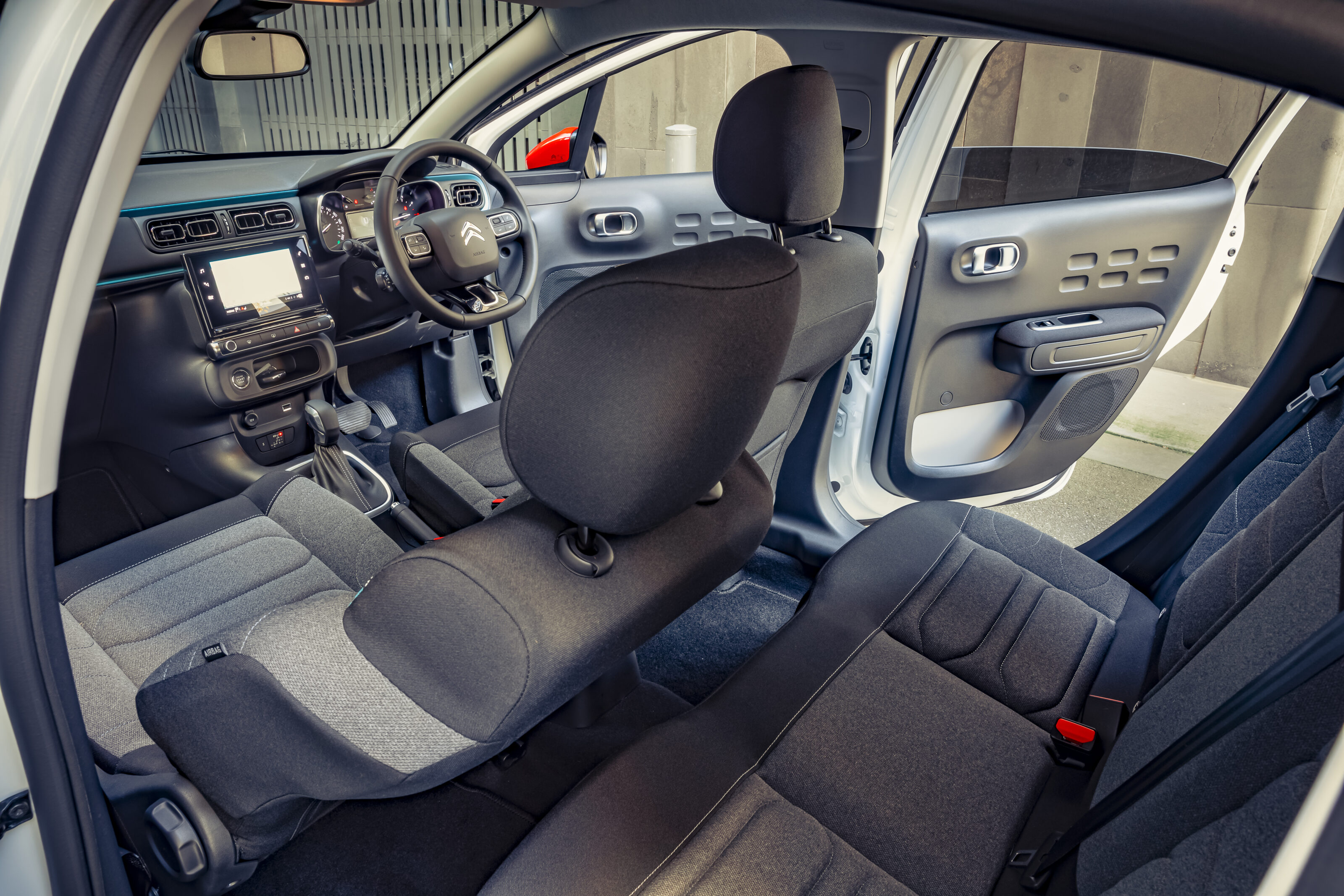
New seat cushioning – supposedly up from just 2mm to 15mm – is plush and supportive. And the front seats feel like expensive French office chairs you could sit on for hours. Elsewhere, rake and reach adjustment on the steering wheel aid a decent driving position, while leather on touchpoints like the wheel and the shift knob underscore its class.
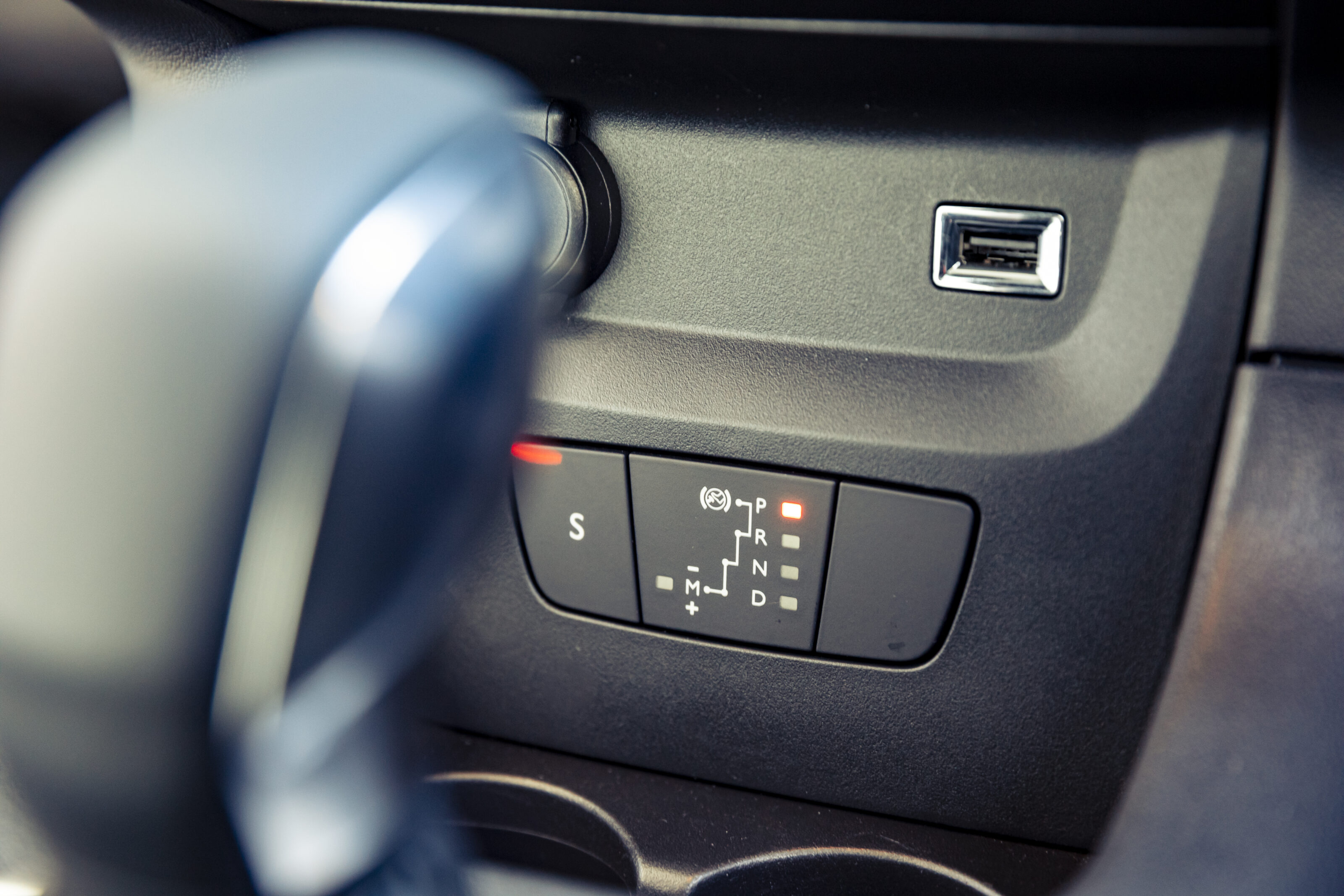
What marks down the C3 cabin is a high beltline obscuring what’s directly in front. The gear shift pattern diagram is also hidden away in the storage cave of the centre console, hiding guidance on how to navigate the clumsy shift pattern.
While the C3’s central cluster screen works fine, it has no function beyond displaying the set cruise control. Whereas black-and-white graphics really drive home the Citroen’s age.
Switch to the Yaris, and its cabin welcomes you into the future. Its left dash binnacle houses a power usage bar, rather than an rpm dial, complemented by a colour 4.2-inch instrument LCD screen displaying a diagram depicting the powertrain’s energy flow in real-time.
It underscores how frequently the powertrain juggles between battery regeneration, EV mode, and hybrid drive in the CVT’s seemingly infinite gear ratio spread to offer torque when you need it. Or EV-assisted frugality when you don’t.
With 59kW/141Nm, the Yaris’s electric motor easily matches its new 67kW/120Nm Atkinson-cycle petrol inline-triple for grunt. The electric motor fills dips in the petrol engine’s power delivery greatly and aids take-off and low-speed response.
The SX Hybrid’s multi-injected three-pot gets a bit shouty, but that’s as uncouth as the experience gets since the powertrain operates seamlessly when left to its own devices.
Despite an EV Mode button next to the handbrake, it’s available only at very low speed and for short durations, like when ambling through stuffy car parks.
The hybrid’s economy benefits are real, too, as the Yaris drinks 3.8l/100km while on test with us. That’s 0.5L/100km more than claimed on a combined cycle, but crucially 1.2l/100km less than Citroen’s claimed figure.
But in the real world? Despite the brand investing heavily in upgrading its fleet of PureTech engines to comply with Euro 6 emissions, the turbocharged 1.2-litre three-cylinder chugs down 8.8L/100km on test, making it a hefty 5l/100km thirstier than its hybrid rival.
Impressively, the new C3 engine has squeezed more grunt from less capacity, producing 81kW and 205Nm, changed from the old car’s 88kW/160Nm. Put this down to the C3’s HN04 unit gaining direct injection and friction-reducing tweaks.
On the go, the engine’s a charming unit, building revs with a throaty off-beat rumble and willingly cruising past its 5500rpm redline to upshift at 6000rpm.
Meanwhile, there’s no real hurry from the C3’s six-speed automatic. Even though it’s smooth-shifting, there’s a perceptible lag between each gear, which contributes to the sense the C3 would fall behind the Yaris in a drag race. But not by much.
Keeping the turbo triple on song around 2500rpm perks up its mid-range, which is helpful getting around town. But finessing soggy throttle tip-in and a heavy flywheel effect in traffic is taxing.
Despite their age differences, the car-gods have gifted the Yaris and C3 an evenly matched package on paper when it comes to suspension. Both use strut-front and torsion beam rear designs to locate their 16-inch wheels. There’s also a mere 5kg between their kerb weights.
It’s the Yaris that fares better through the urban jungle, where softer springs dismiss speed humps with a nice cushion. But although it moves off centre with natural agility, the low-grip Dunlops fail to convert firm damping and a low centre of gravity into cornering ability. The nicely weighted steering has no meaningful feedback, either.
Meanwhile, the C3, with a platform that goes back to 2002, bobs around on firmer springs. On wider tyres than the Yaris – its Primacy 3s measure 205mm versus 185mm but share the same 55-profile – they provide much-needed cushioning.
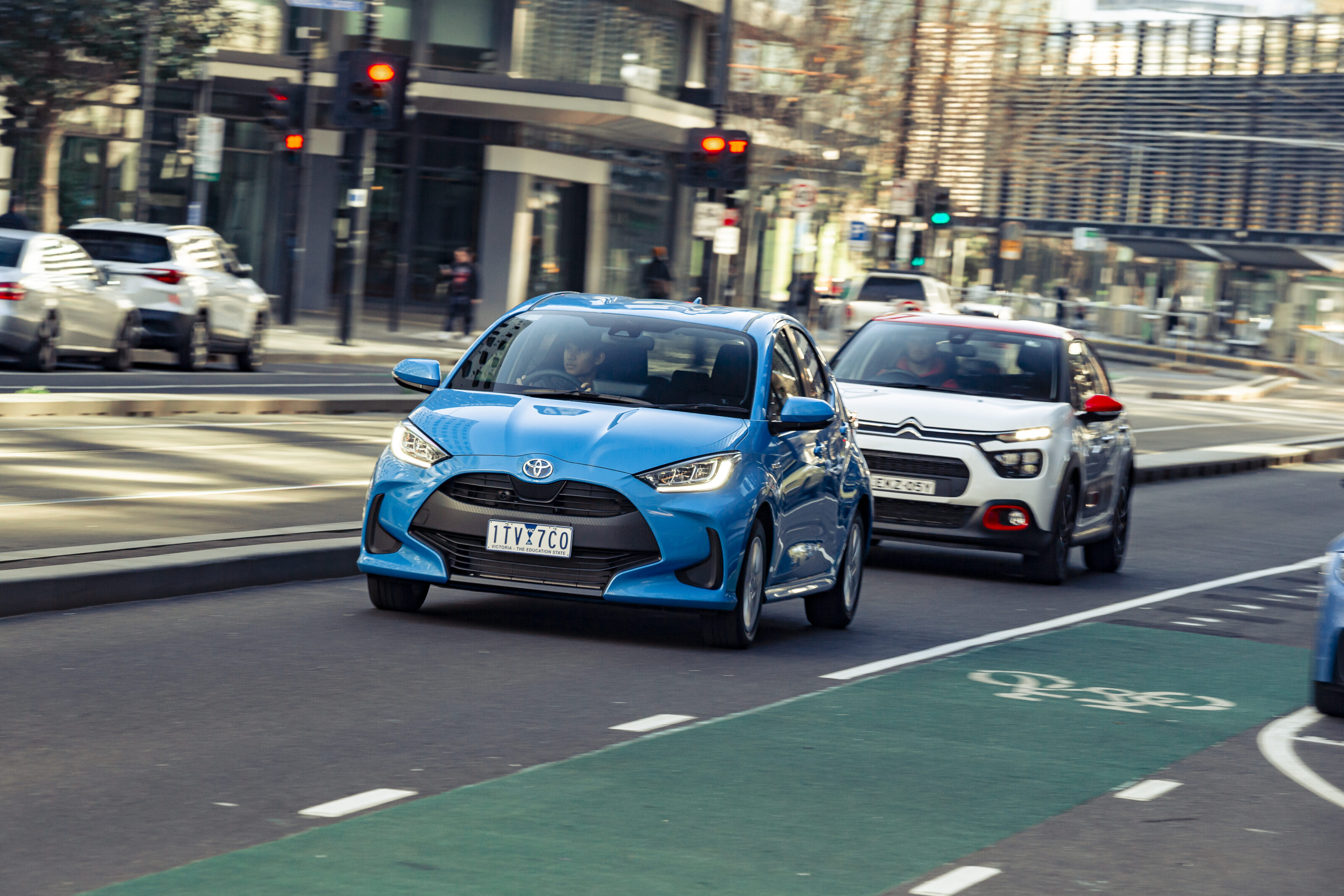
Hard cornering exposes the C3’s soft damping and higher roll centre. It often leans on the outside tyre’s sidewall, but the C3 also has the grip and steering feedback to track your intended line. And the damping comes good on the highway, revealing a cross-country pliancy lacking from the Yaris.
When it comes to braking, the C3 hauls down more convincingly with larger brake discs and better tyres.
The Yaris, meanwhile, struggles to strike the right balance between its front disc set-up, rear drums and hybrid regeneration.
But if you’re going to rack up kilometres in either car, the Yaris and its extensive safety kit frame it as the safer chaperone. It pips the C3’s equipment with active smarts like intersection collision assist and, crucially, active cruise control.
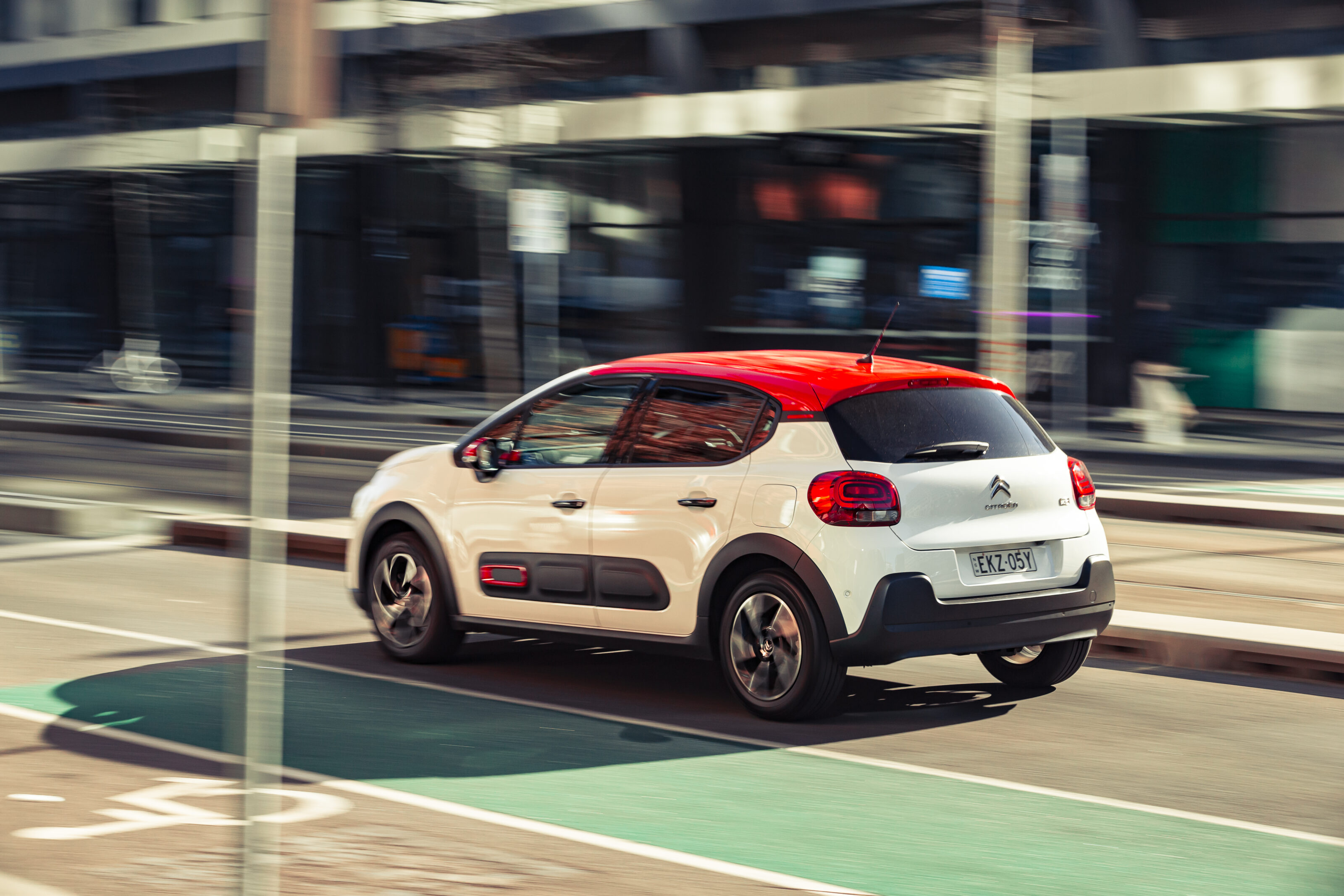
Meanwhile, the C3’s safety package only goes as far as to include lane-departure warning, distance alert, and autonomous emergency braking. New front parking sensors and tyre pressure monitoring are more convenience features.
Boil it down, though, and the comparison between these two is decided on more than box-ticking. The C3’s cabin does well to suppress tyre rumble on long journeys but is plagued by more wind noise. And although the Citroen’s cabin is easier on your eyes and arse, the Yaris delivers refinement almost everywhere else.
We’ve previously questioned if the Yaris would better off with a turbo triple, but here its hybrid powertrain convincingly trumps the C3’s unit for flexibility, response and economy. That last point is important, given the pair are also closely aligned on price.
The hybrid’s fuel economy could potentially save you hundreds of dollars over the long term. Factor in a 10-year battery warranty and two years of emergency assistance over Citroen (for seven in total), and the overall package stacks up nicely – if you let your head take the lead on a buying decision.
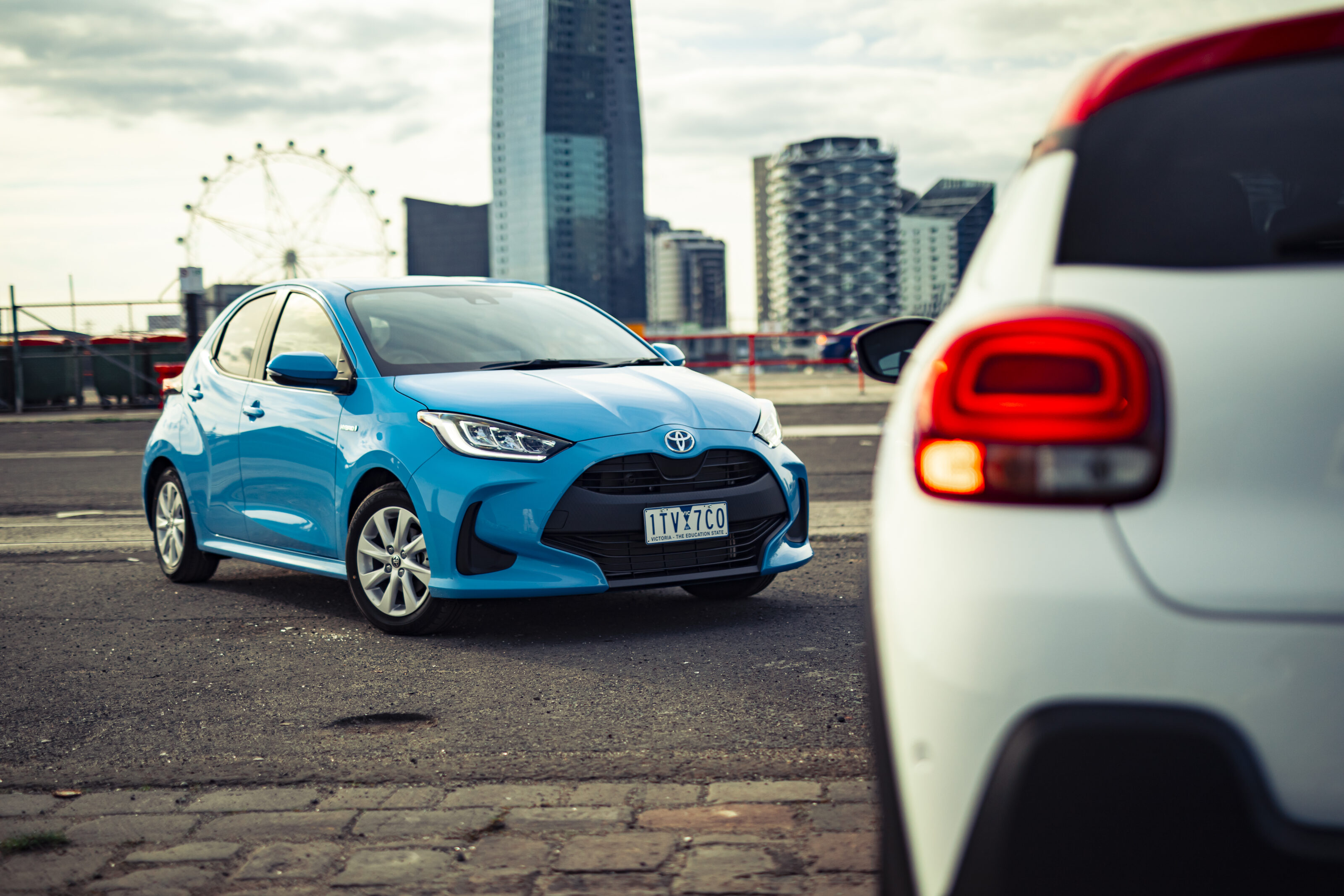
Consider your heart for a moment, and you’ll struggle to separate these two dynamically. The Citroen’s grippy handling, sturdy braking and softer highway ride cancel out the Yaris’s superior urban ride, sweeter reflexes, and crisper acceleration.
Exterior design is subjective, but the C3 has the prettier interior. On top of this, the C3’s off-beat engine note underpins a charisma missing from the Yaris.
Ultimately, the C3 is an engaging light hatch with appealing comfort and style, even if that is a little quirky. On the other hand, Toyota’s clean-sheet approach to the Yaris means it always had the natural advantage of youth and technology. This has plumped the price, yes, but the SX Hybrid goes to show you get what you pay for – much more than just a dismissible blue dot.
SCORING
Yaris: 7.5/10
C3: 7.0/10
Toyota Yaris SX hybrid and Citroen C3 Specifications
| Yoyota Yaris SX hybrid | Citroen C3 Shine | |
|---|---|---|
| $29,130/tested: $29,730* | $28,900/tested $28,900 | |
| Engine | Inline 3cyl, dohc, 12v, hybrid | Inline 3cyl, dohc, 12v, turbo |
| Layout | front engine (east-west), front-drive | front engine (east-west), front-drive |
| Capacity | 1490cc | 1199cc |
| Power | 67kW @ 5500rpm | 81kW @ 5500rpm |
| Torque | 120Nm @ 3800-4800rpm | 205Nm @ 1500rpm |
| Gearbox | CVT | 6-speed automatic |
| Chassis | ||
| Body | steel, 5 doors, 5 seats | steel, 5 doors, 5 seats |
| L/W/H/Wu2013B | 3940mm/1695mm/1505mm/2550mm | 996mm/2007mm/1490mm/2539mm |
| Track (F/R) | 1480mm/1475mm | 1489mm/1486mm |
| Weight | 1085kg | 1090kg |
| Boot | 270L | 300L |
| Fuel | petrol/36 litres | petrol/45 litres |
| Economy | 3.3L/100km (ADR combined); 3.8L/100km (tested) | 5.0L/100km (ADR combined); 8.8L/100km (tested) |
| Suspension | Front: struts, A-arms, anti-roll bar Rear: torsion-beam, coil springs | Front: struts, A-arms, anti-roll bar Rear: torsion-beam, coil springs |
| Steering | electric rack-and-pinion | electric rack-and-pinion |
| Front brakes | ventilated discs (255mm) | ventilated discs (260mm) |
| Rear brakes | drums (200mm) | solid discs (244mm) |
| Tyre | Dunlop Enasave EC300+ | Michelin Primacy 3 91V |
| Tyre size | 185/55 R16 84H | 205/55 R16 91V |
| Warranty: | 5ys/unlimited km | 5ys/unlimited km |
| Service interval | 12 months/15,000km | 12 months/15,000km |
Mazda might not have any intention of joining the flourishing ‘lifestyle ute’ segment, but our latest renderings have imagined what a small pick-up from the brand would look like.
Although us Aussies are accustomed to the mid-size BT-50 that has been a staple of Mazda’s local range for many years, American customers have missed out on a wing-badged utility since 2009, when the then-ageing Ford Ranger-based B-Series truck was phased out.
With the FWD-based light ute sector in the United States going from zero to two in less than twelve months, thanks to the introduction of the Ford Maverick and Hyundai Santa Cruz, could a small pick-up truck be just what the Japanese manufacturer needs in the important US market?
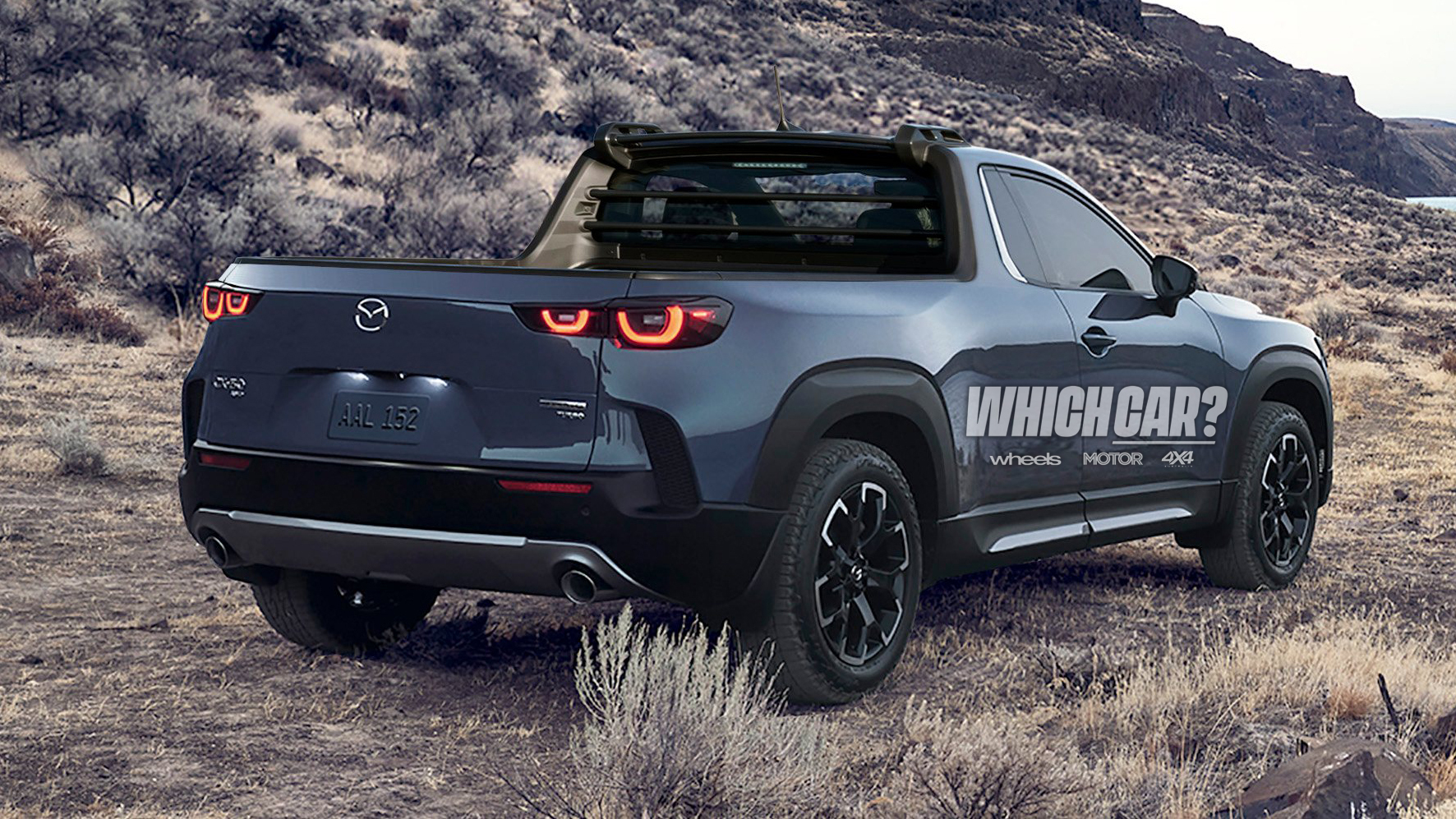
As both the Maverick and Santa Cruz are related to the Bronco Sport and Tucson mid-size SUVs, respectively, our illustrations showcase a Mazda truck based on the all-new (sadly US-only) CX-50 medium-sized crossover revealed in mid-November.
Taking most elements from the monocoque CX-50, the coupe utility – which we’ve dubbed CX-50 Touring, based on the brand’s nomenclature and nature of the vehicle – blends the core design of the all-wheel-drive SUV into a two-door unibody with a greater focus on conquering the great outdoors.
Of note, our rendering only sports a two-door frame with two seats, whereas the Maverick and Santa Cruz are more family-friendly, four-door and five seats vehicles – albeit at the expense of space in the tub, especially for the Hyundai.
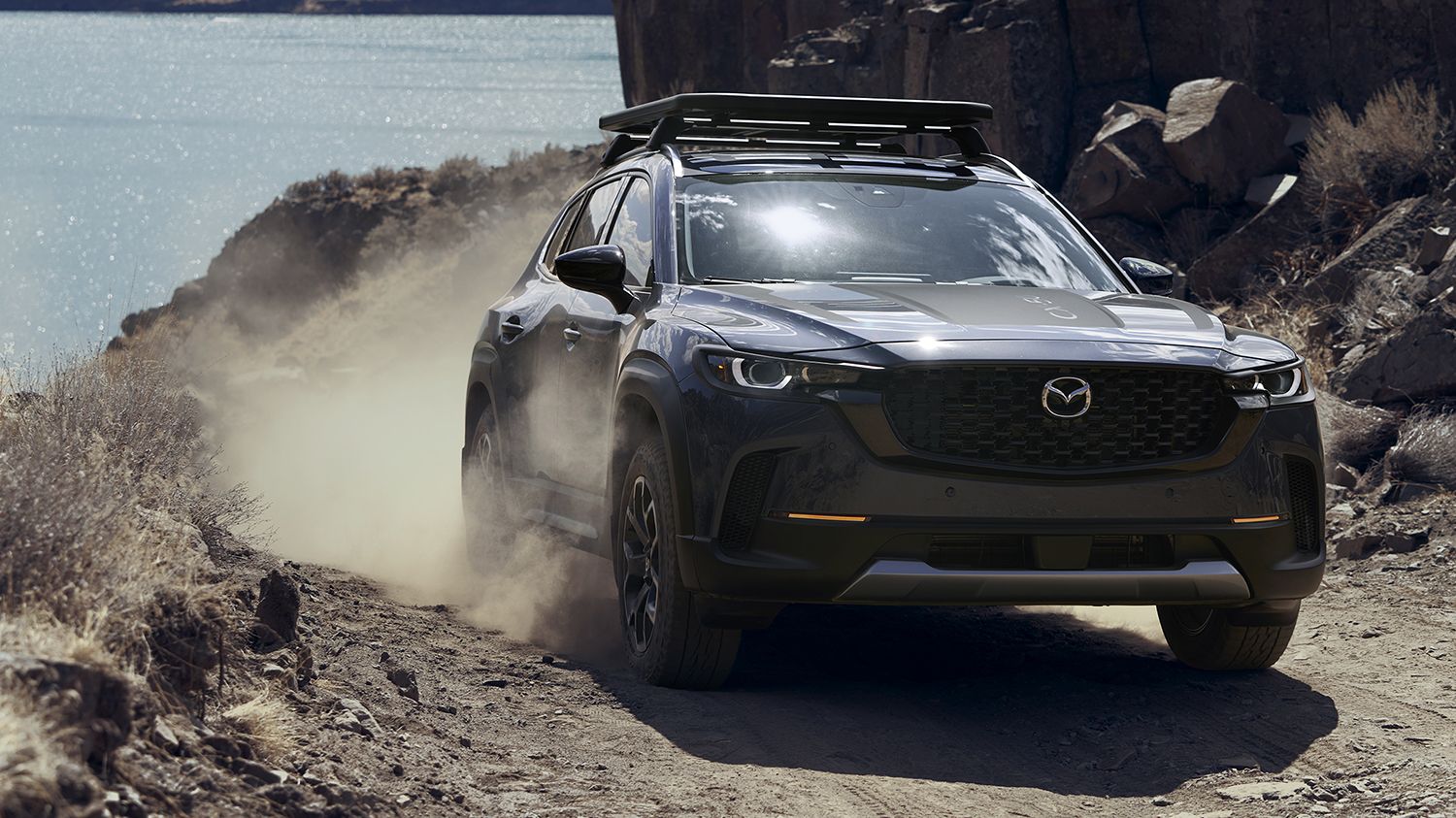
The CX-50 Touring looks identical to its donor car at the front, with wide air intakes and Mazda’s latest headlight design, while the wide haunches of the CX-50 are showcased by boxy guards and chunky plastic wheel cladding – which also carry over into the Touring ute.
Towards the rear, the addition of a fixed tub (much like a Holden Commodore Ute rather than a Ford Ranger) would allow owners to carry bulky objects, such as a bicycle and construction materials, with ease.
The tail-lights and rear bumper from the CX-50 have also transferred to the Touring, as have the 18-inch alloy wheels and bonnet stripes. Meanwhile, a set of Subaru Outback-like roof rails cater for items such as kayaks, storage units and tents.
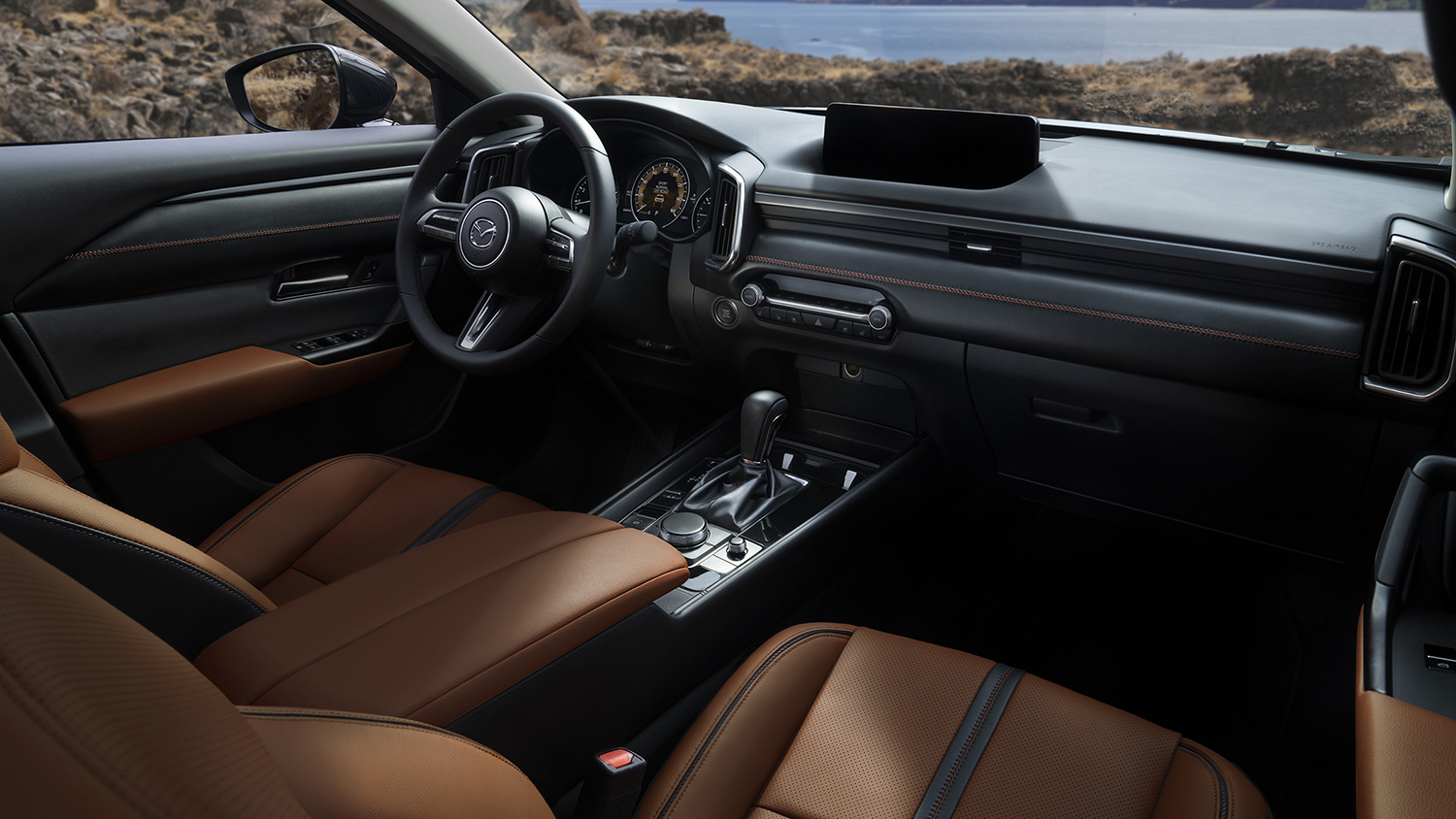
Inside, the Mazda 3-inspired cabin seen in the regular CX-50 remains in place for the ute, benefiting from a 10.25-inch widescreen display and 7-inch semi-digital instrument cluster – in addition to two front seats embossed in brown leather.
With the CX-50 set to adopt Toyota-sourced hybrid power next year, the Touring would also be electrified – along with naturally-aspirated and turbocharged 2.5-litre petrol options.
Unfortunately, with no plans to build a ute derivative of the CX-50 for the United States – let alone any Mazda pick-up truck other than the BT-50 – our imaginations remain just that for now, although perhaps these images could provide some incentive for the marque to begin development of such a car… (if only it worked that way).
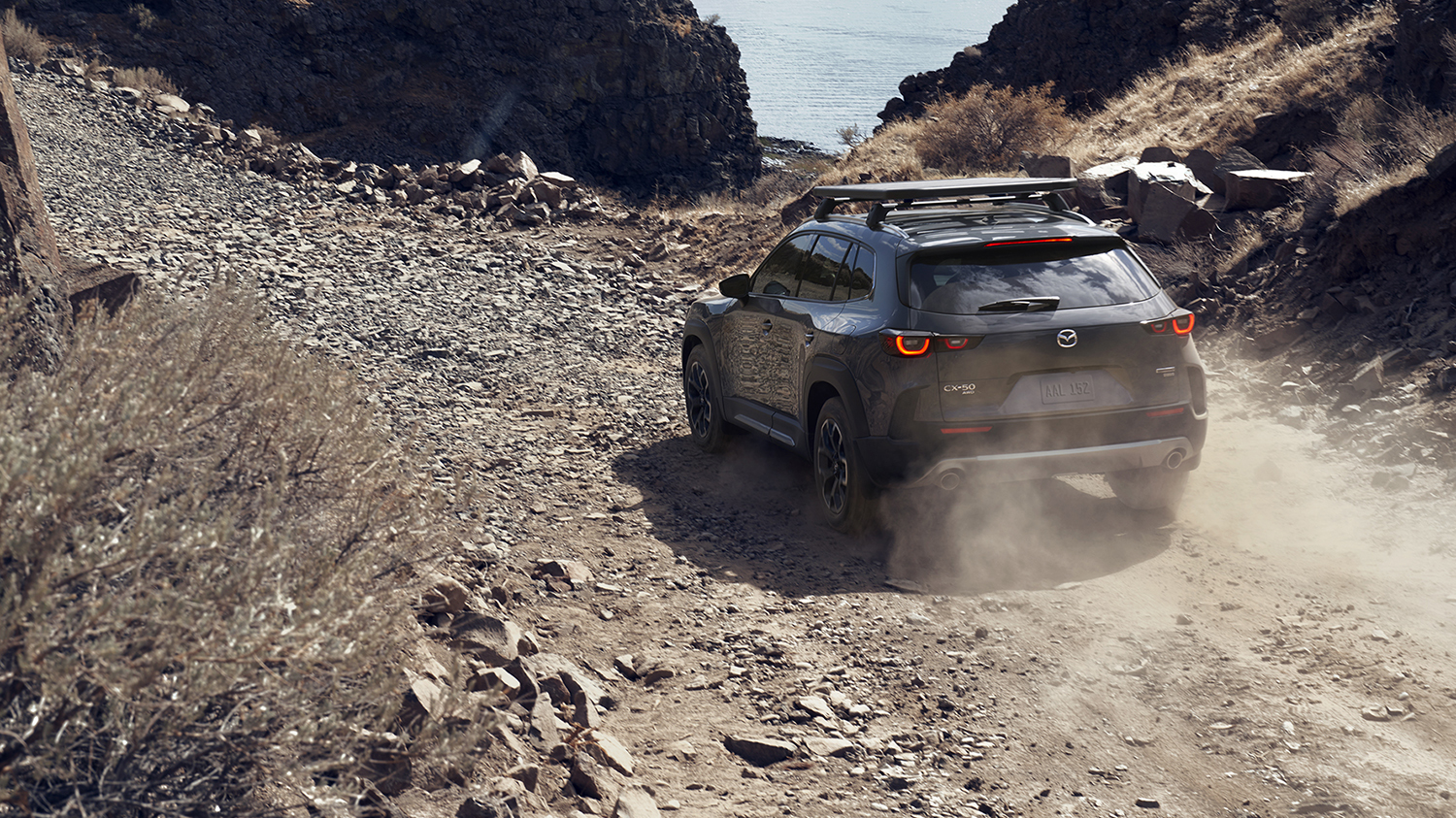
Nevertheless, the CX-50 in its regular-bodied SUV form has been designed for, and is built in, North America, meaning it will not reach Australia.
Instead, we’ll receive the larger rear- or all-wheel-drive CX-60 SUV, with three other SUVs – the CX-70, CX-80 and CX-90 – all under consideration for our market.
The local body-on-frame BT-50 line-up was also recently expanded, with the addition of a cheaper 1.9-litre diesel XS variant and a more-luxurious SP range-topper.
Key Points
- Mercedes-Benz 300 SLR driven by Sir Stirling Moss given one last run before museum return
- Car #722 won the 1955 Mille Miglia with Moss at the helm
- Film acknowledges parts of its former driver’s past
The story of the 1955 Mille Miglia is one of legend – 1000 miles completed at an average of 99 miles per hour, with the victors over half an hour clear of the next runner.
Piloting a Mercedes-Benz SLR 300, the late Sir Stirling Moss and his navigator Denis Jenkinson departed the starting line in Brescia at 7.22am in car #722, crossing the finish line 10 hours, seven minutes and 48 seconds later, beating legendary driver Juan Manuel Fangio by 32 minutes.
Moss, Jenks and the #722 Mercedes were etched into the history books for their efforts, but all ended up going their separate ways in life – with Jenks passing in 1996 and the world losing Sir Stirling on April 12, 2020, at 90 years of age.
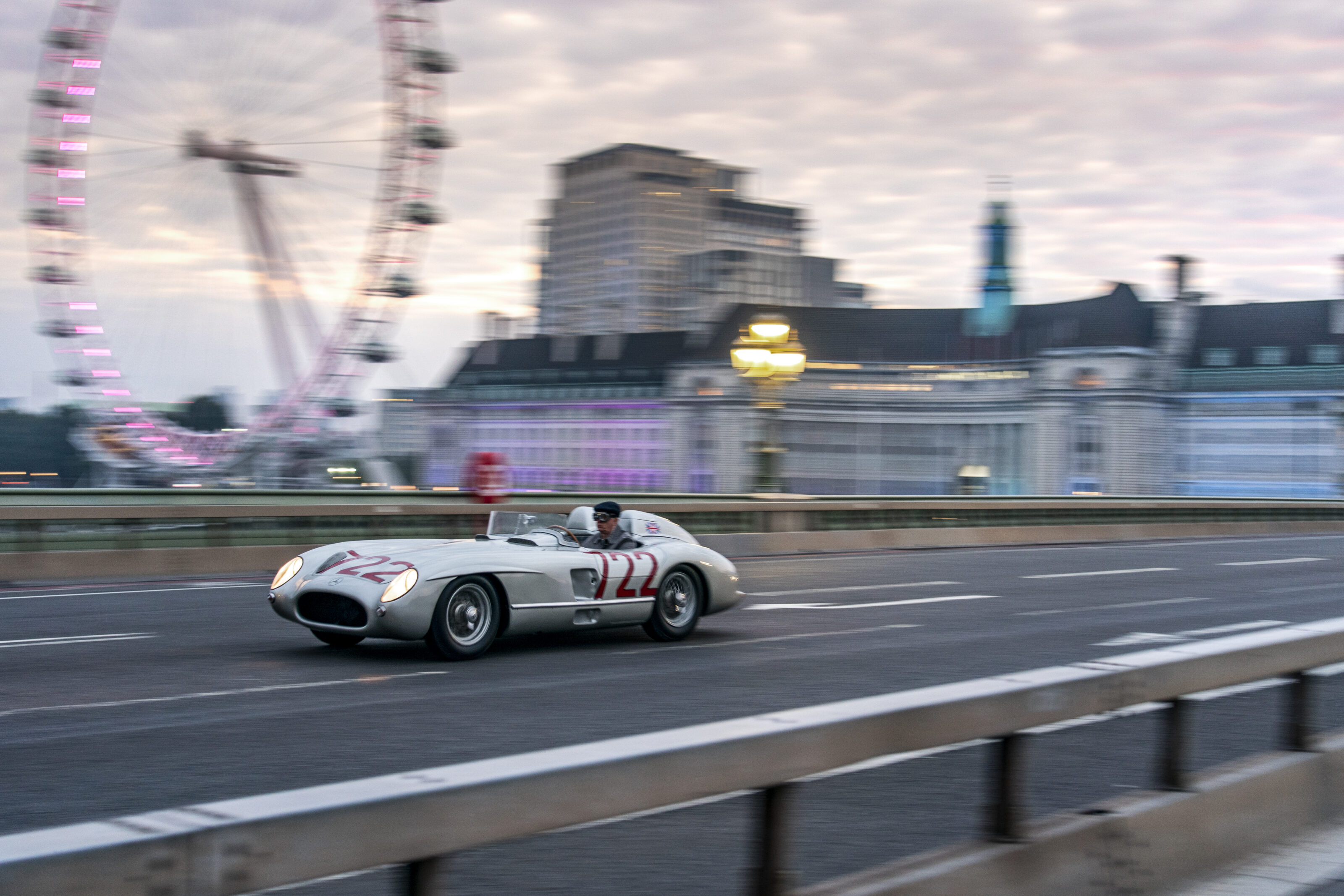
Although its pilots have departed, the car itself still survives, and to celebrate the life of its driver, Mercedes has shot a short film titled “The Last Blast” – saying goodbye to the 300 SLR before it departs London for the manufacturer’s museum in Stuttgart.
Once asked by a policeman: “Who do you think you are? Stirling Moss?”, the 16-time Grand Prix winner replied: “Yes sir, I am”. Such an encounter was not repeated for the filming of the tribute video, although Mercedes nods to the quip among other important moments in Moss’s history.
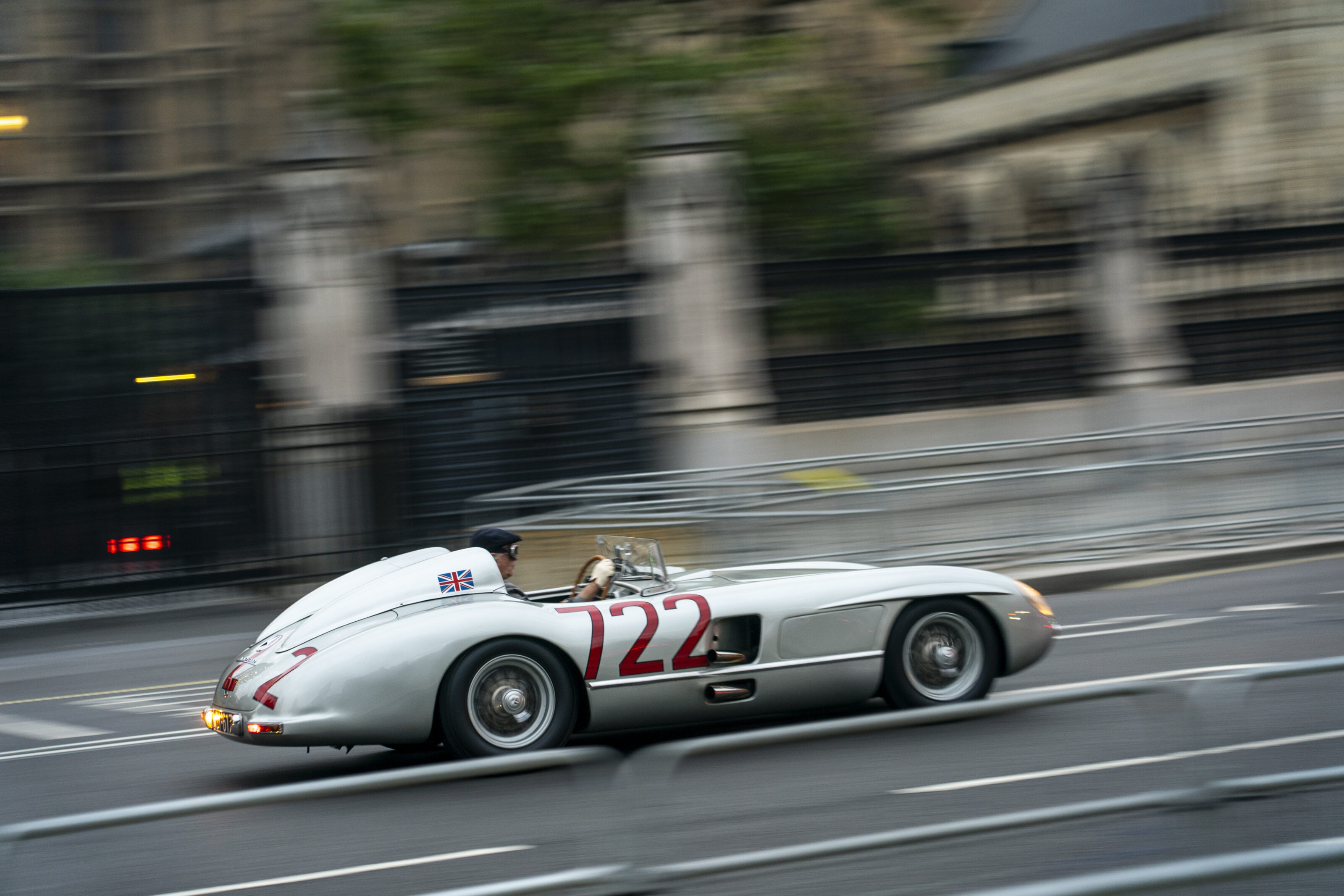
Starting at The Temple, the car is given an escort through Central London, going past iconic landmarks, overtaking Sir Stirling’s very own 300 SL “Gullwing” and finally winding up at his home in Mayfair.
Waiting for it is Elliot Moss, son of Stirling, checking his watch to reveal the time – 7.22am.
It seems there has been a review of Victoria’s speed limits recently. As a result limits have been slashed statewide, presumably in the name of road safety. As usual we can pour one out in remembrance of some of our favourite driving roads, sections that flowed enjoyably with a 100km/h limit now relegated to tedious transport at 80km/h, but it’s the highway bits I want to focus on here.
This recent speed limit review came to my attention during a trip to the Bryant Park Hillclimb circuit to shoot some videos for the MOTOR YouTube channel (go watch them, now!). It lies around 100 minutes east of Melbourne and the drive has always been an easy one, a wide, well-maintained dual carriageway with either a 100km/h or 110km/h limit, bar a couple of small stretches through towns. No longer.
Large swathes have been cut to 80km/h for no real obvious reason. I suspect it’s to do with traffic entering from side roads; no doubt there has been an accident or two and the authorities have decided to ‘fix’ the problem by cutting the speed limit.
This is despite the vast majority of side roads having well-sighted entrances and the one that doesn’t has a temporary 70km/h limit triggered by side traffic, an intelligent solution.
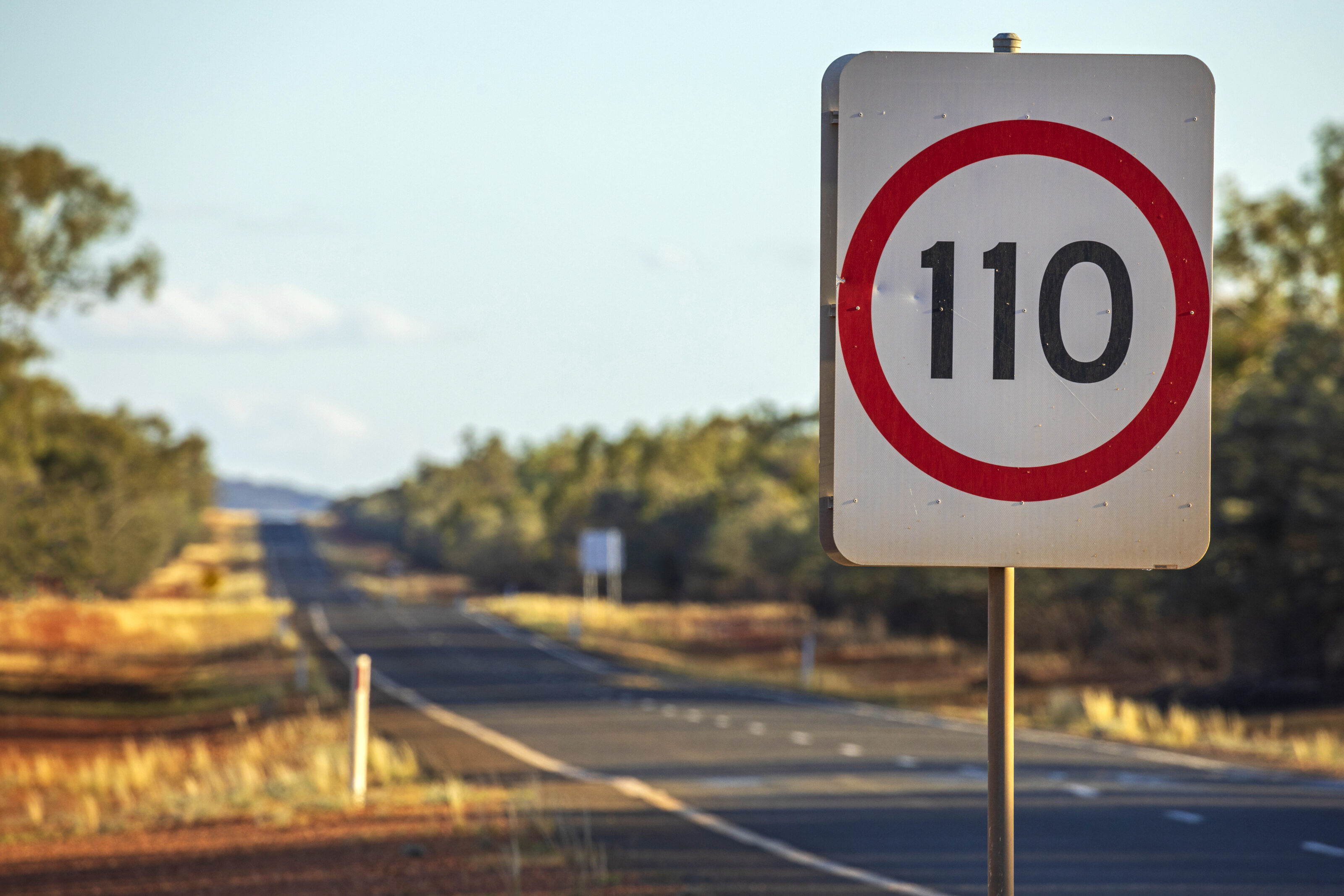
Theoretically, this should have increased travel time markedly, but in my experience (I’ve made four or five recent trips out this way) it hasn’t because the response from motorists to the lower limit has been to simply ignore it. The sign may switch to 80km/h – though the change has been recent enough that if you’re in a modern car the head-up display or sat-nav will still say 100km/h – but the vast majority are continuing to sail along at the old limit.
You can’t really blame them. Presumably most of these folks are residents who have travelled this road for years and 2020’s law-abiding citizen travelling at 99km/h is 2021’s menace to society, facing three demerits points and a $363 fine. It’s evidence of an interesting human trait, however, one that’s been vividly illustrated by the recent pandemic and the associated restrictions.
In general, people will abide by rules and regulations if they find them reasonable. Case in point, the pandemic. Wear a mask and don’t gather in groups, sure thing, but compliance soon slipped once a ban on visiting family was instated.
Similarly, 50km/h in urban environments, 40km/h in school zones, no problem at all, but when you reduce the speed limit by 20 per cent on a major highway ‘just because’ you’re going to lose the crowd. I’m not necessarily saying that’s right or wrong, it’s just facts.
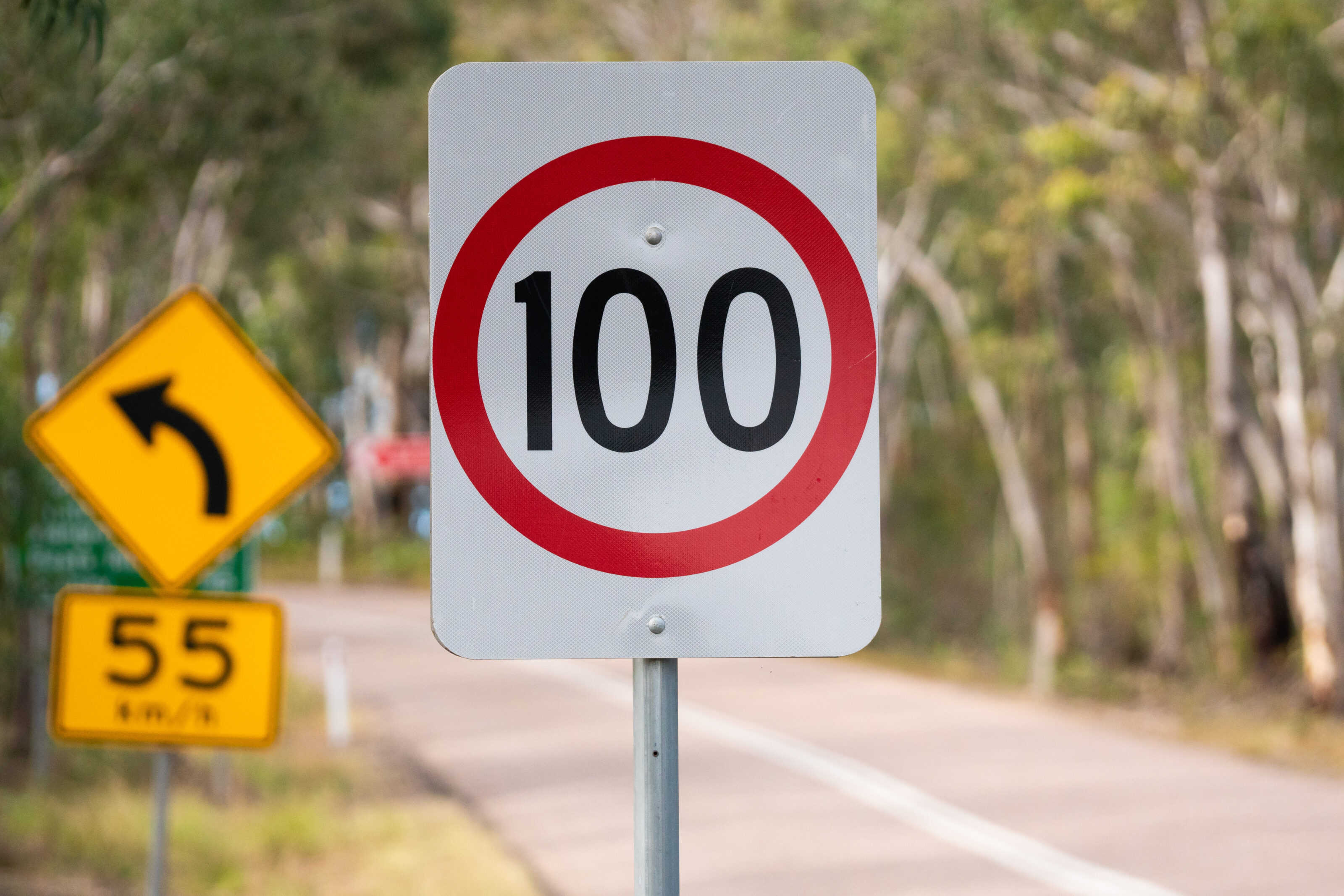
I also don’t wish in any way to trivialise the need for improved road safety, as there’s a physical, mental and economic toll of people being injured or killed on our roads, but the current approach is doing precisely nothing.
In 2011 Australia’s road toll was 1277, of which 770 were behind the wheel/handlebars (the others being passengers, pedestrians or cyclists), whereas as of September 2021 the respective numbers were 843 and 575. They’re damning figures when you consider that half the population has been heavily restricted in its movement courtesy of lockdowns.
Extrapolate that data over 12 months and you get 1124 lives lost, of which 767 will be drivers or riders. Those are lower numbers than a decade ago, which is positive, but are improvements of 9 per cent and 0.5 per cent respectively worth crowing about? At the moment authorities are merely rearranging the deck chairs on the Titanic.
You can improve the escape hatches, upgrade the life boats and strengthen the hull, but none of that is nearly as effective as ensuring the captain has the skill and experience to miss the iceberg in the first place. This isn’t the first column to say this and sadly I expect it won’t be the last, but driver education is the key if we ever want to get serious about road safety.
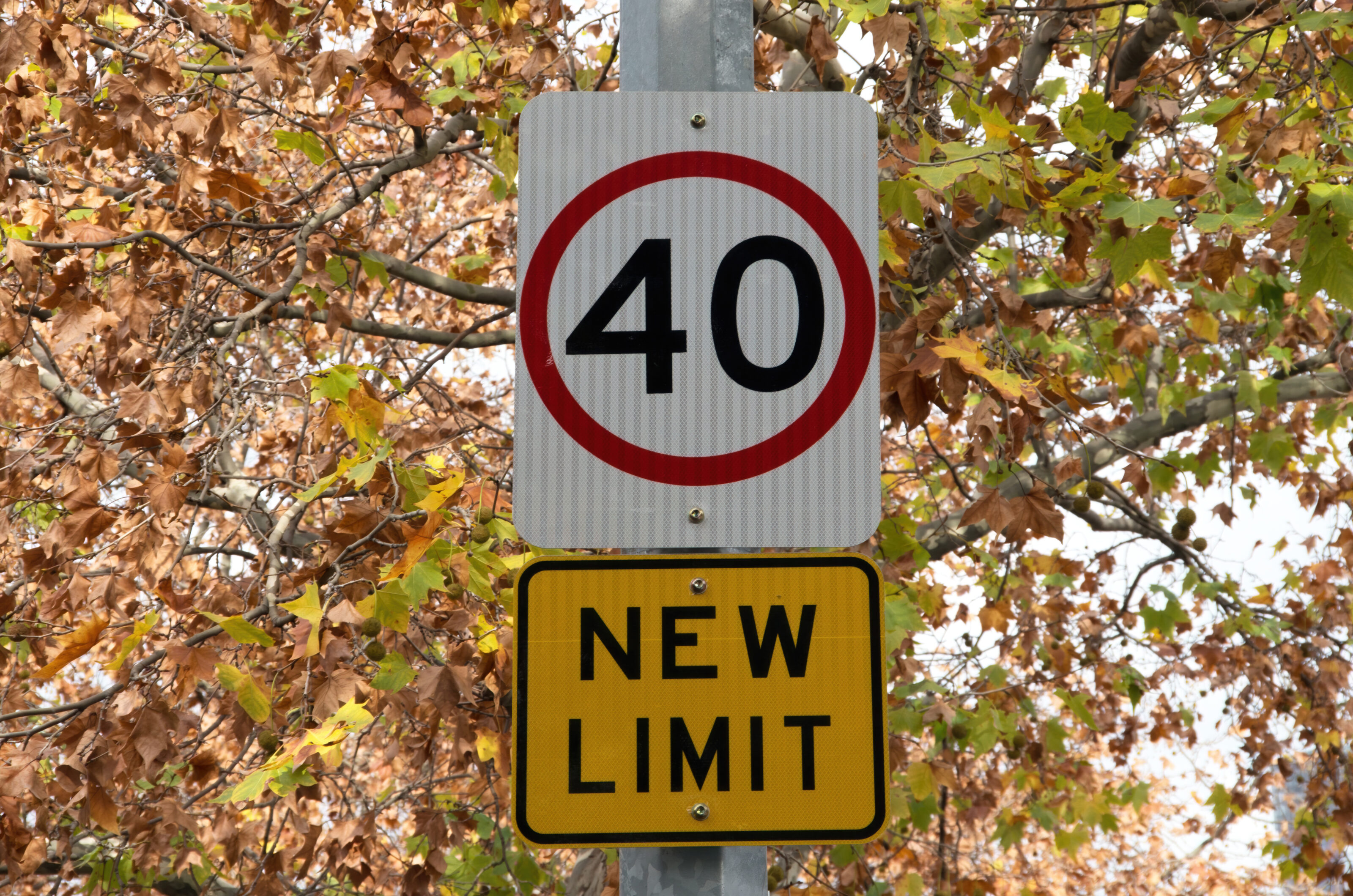
Key Points
- The next-generation Mini Hatch has been spotted testing in China
- Showcases an evolutionary revamp up front, and a sharper triangular design at the rear
- Set to be unveiled next year for model-year 2023, with internal-combustion and electric powertrains
The 2023 Mini Cooper Hatch has been spied completely undisguised in China, just weeks after the fourth-generation model was teased.
Initially posted on Chinese social media, these images provide our best look yet at the first redesign to the three-door Hatch since the current BMW-developed ‘F56’ generation debuted in 2013.
As with the current hatch, the face of the new Mini is dominated by the marque’s signature round headlights, albeit with updated LED internals.
Shown here in all-electric SE trim, this car features a new body-coloured grille with a black frame and small air gaps. Internal-combustion models are expected to pick up a larger grille to cater for needed breathing room.
The clamshell bonnet of the outgoing model has been dropped, with the headlight units no longer fully encapsulated, while the iconic flagpole mirrors seemingly carry over – despite the camouflaged unit, which was revealed in November, featuring BMW-like wing mirrors.
A wide shot of the side profile exposes the use of lift-up door handles for the first time – much like BMW’s recent products – as well as a longer sunroof and a sleeker antenna.
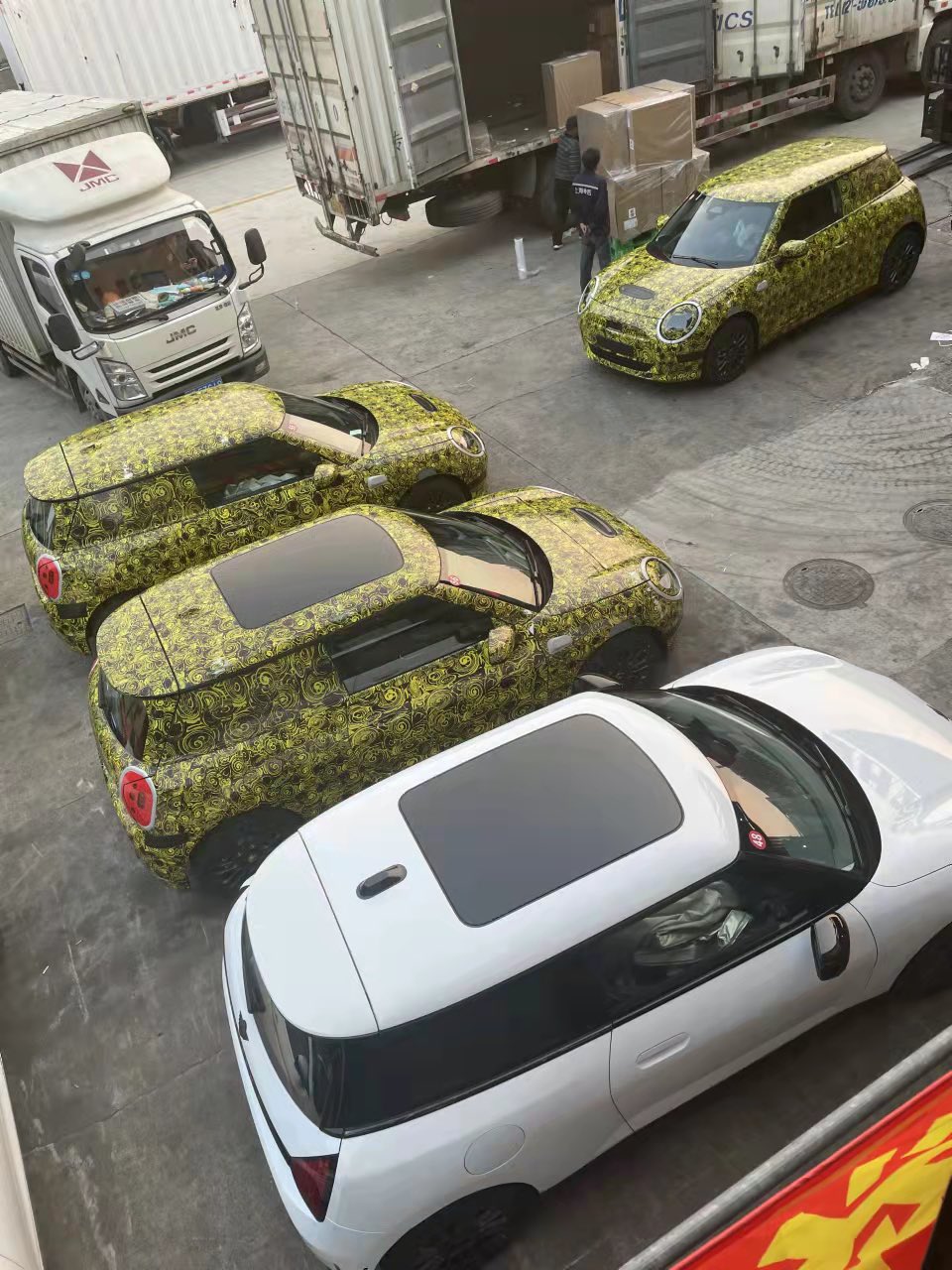
The continued use of blacked-out side pillars works to create familiarity with the previous three generations, while the new Mini seems more compact with shorter front and rear overhangs.
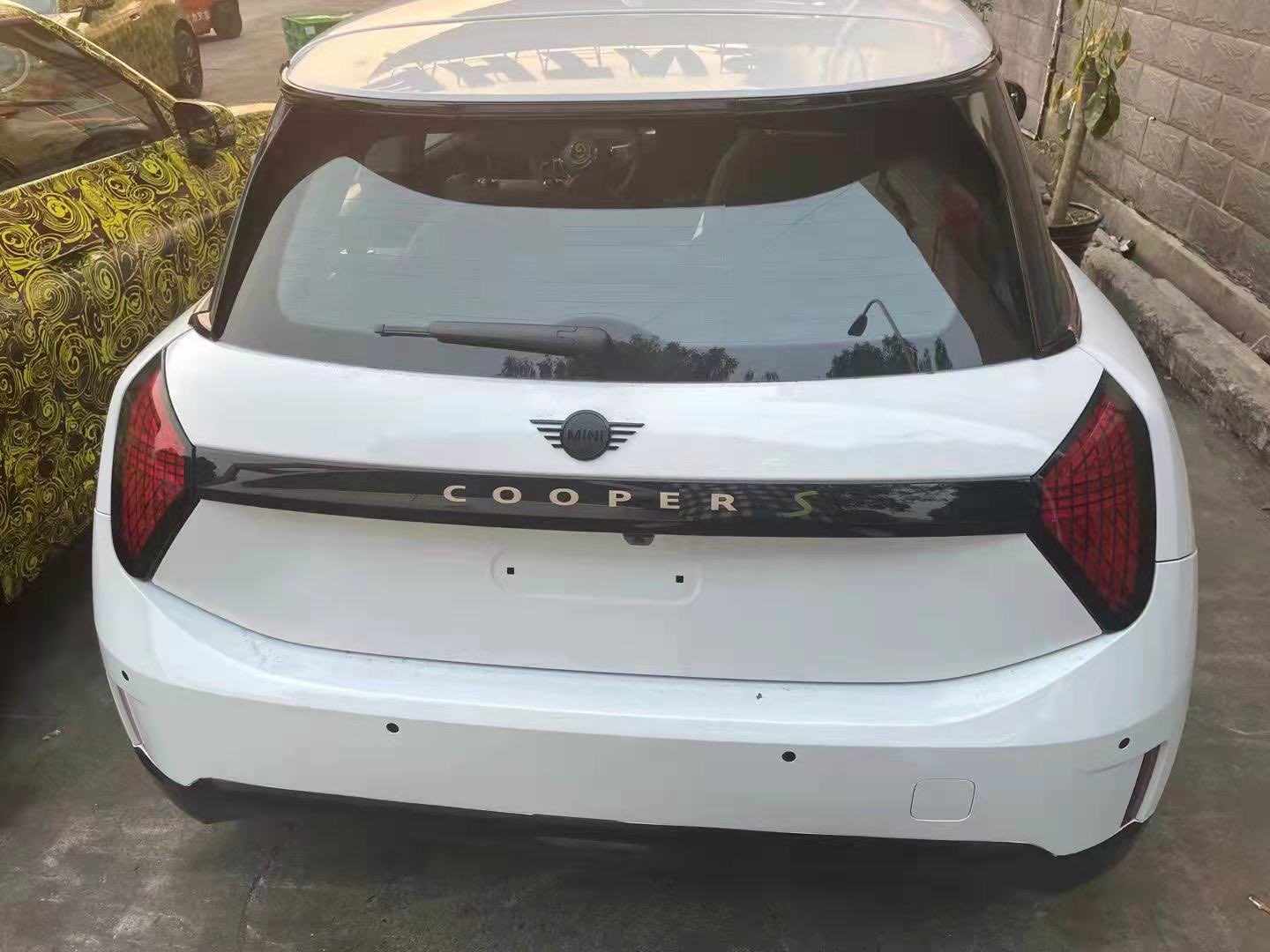
At the rear is where the most radical changes have occured, where the rounded-off rectangular tail-lights have been replaced by triangular units.
The new tail-lights continue with the existing Union Jack lighting signature, and are connected by a solid black strip running across the tailgate – which also bears the model designation.
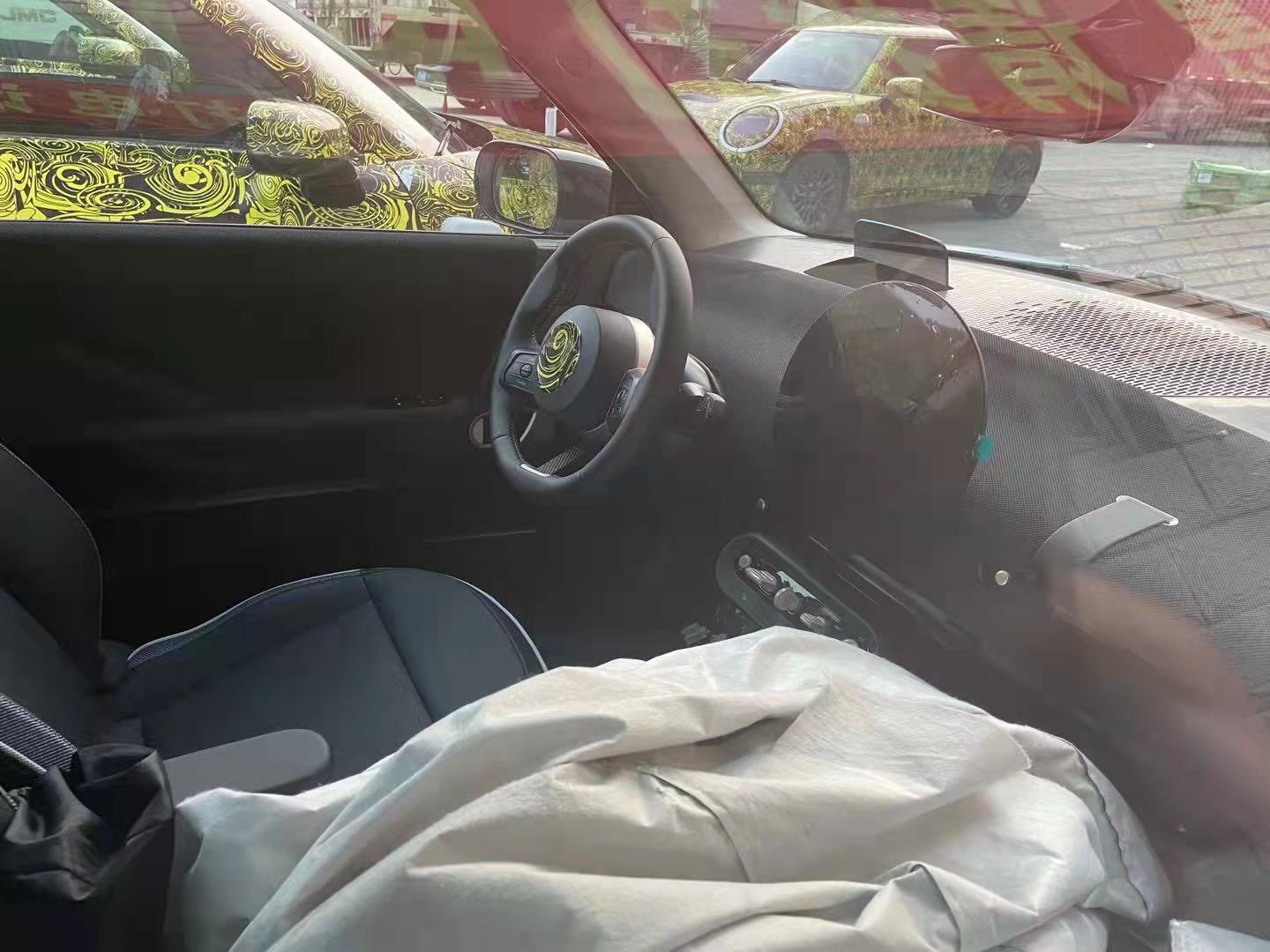
Inside, the dashboard has taken a minimalist approach, with a new flip-up head-up display that will replace the existing 5.0-inch digital instrument cluster, and a redesigned two-spoke steering wheel.
A larger floating circular display – similar to the Tesla Model 3 – takes advantage of edge-to-edge glass, with a set of physical switches below.
The new Mini Hatch is expected to debut BMW’s latest front- and all-wheel-drive FAAR platform, which is an evolution of the UKL architecture that underpins today’s model – plus the BMW X1, X2, 1 Series and 2 Series Gran Coupe.
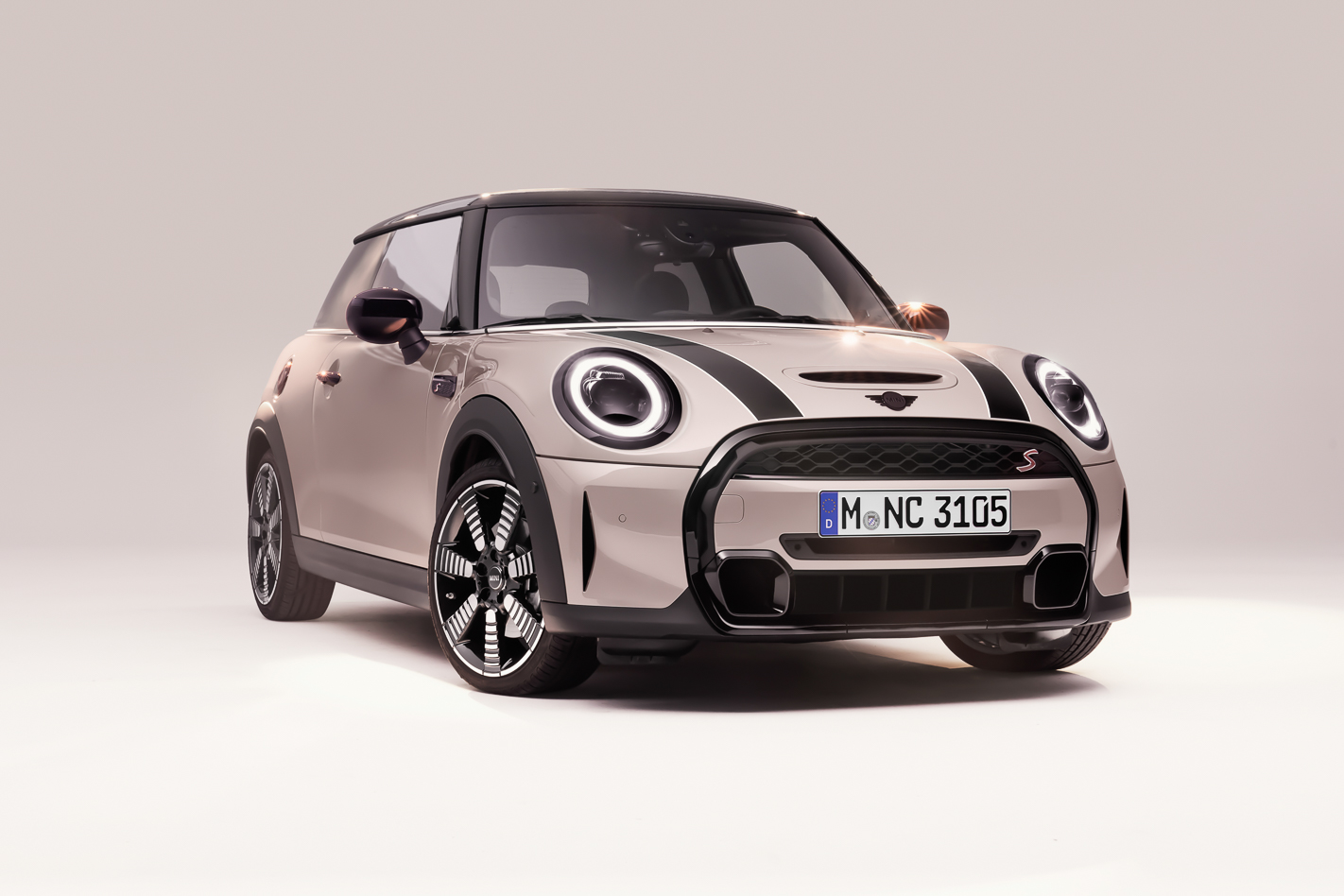
As such, in addition to the all-electric Cooper SE spied here, a selection of three- and four-cylinder petrol and diesel engines is expected to remain on offer.
Exact mechanical details for the Cooper SE are unclear, but it has been developed in partnership with Great Wall Motors and will be exported around the world from China.
The current Mini Cooper SE is driven by the same 135kW/270Nm electric motor as the BMW i3s, with a 32.6kWh battery that provides a total driving range of 233km.
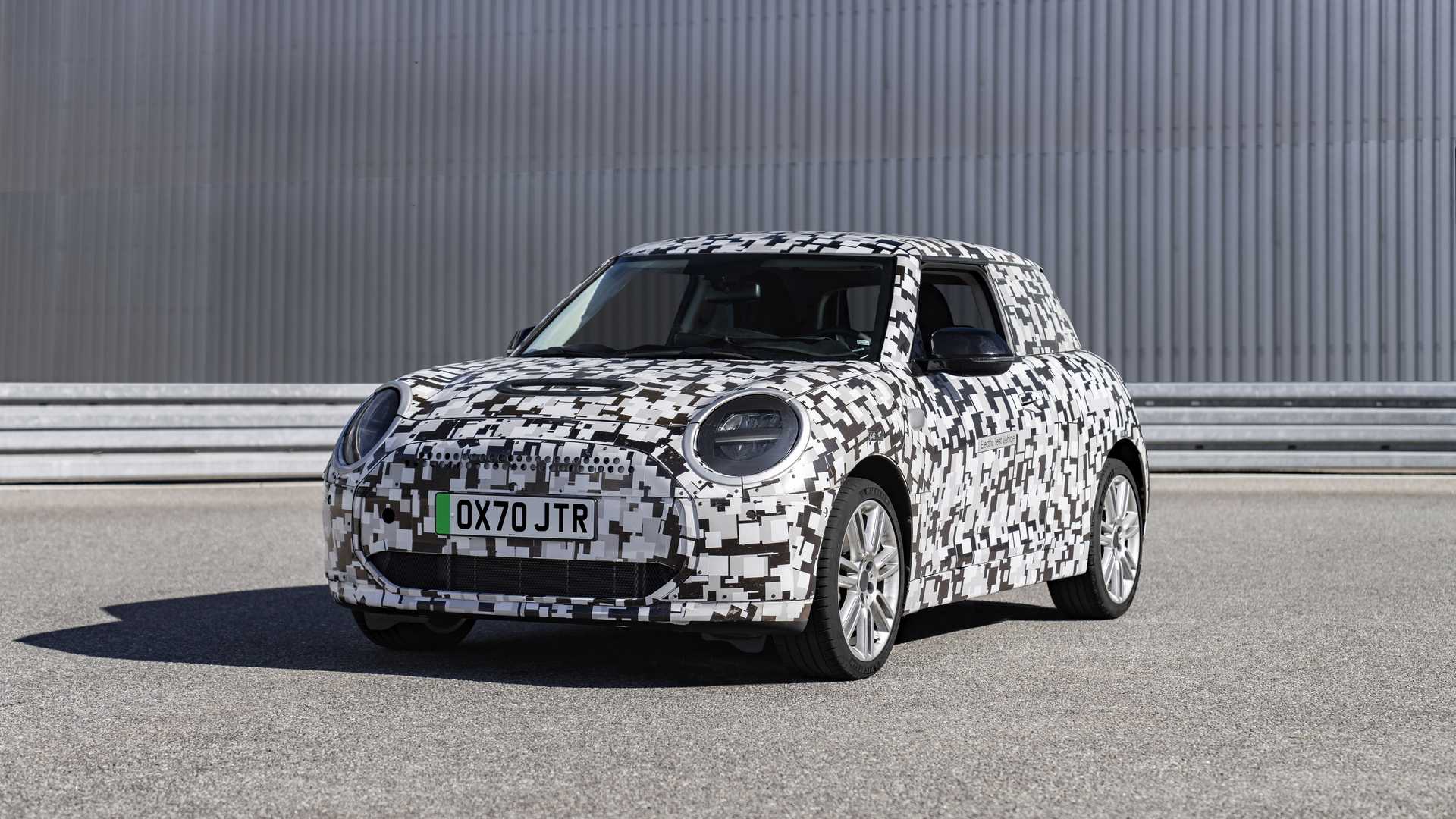
We can expect subtle improvements on these figures for the new model, with power likely to come from a revised motor shared with the BMW iX1 crossover.
Last month, Mini announced the three-door Hatch will launch for model-year 2023 as one of its last combustion-engined models, meaning an unveiling in 2022 is likely for the city car.
A five-door derivative will follow, as will a convertible version.
Nissan has been named one of the world’s most socially impactful brands for its contribution to the sporting field.
Organisation Laureus handed out the accolade to the automaker during its inaugural Laureus Sport for Good Index, in partnership with media company SportsPro.
The automotive brand joined companies such as Nike, Allianz, Microsoft, and Heineken, which were all praised for delivering positive social or ecological impacts through sport.
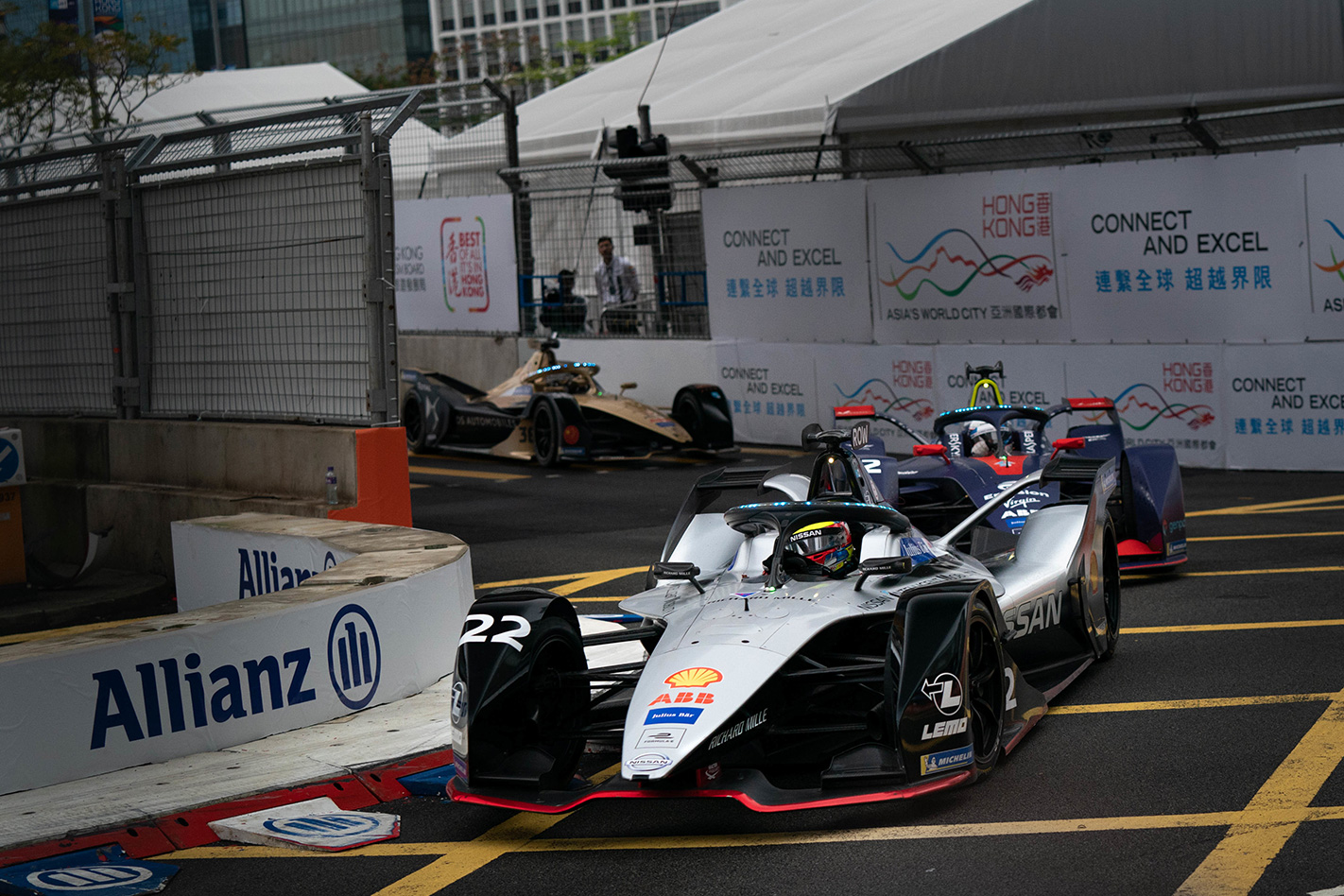
Brands within the index were assessed based on seven key fields, including; sports-related corporate social responsibility, innovation and creativity, commitment to environmental, social and corporate governance, investment in ‘sport for good’ causes, alignment with the United Nations’ sustainable development goals, and commercial viability.
In addition, Laureus and SportsPro recognised Nissan’s commitment to the Formula E racing series and work to supply second-hand electric vehicle batteries to create the largest energy storage system in Europe at the Johan Cruijff Arena in the Netherlands.
“The Sport for Good Index is a timely reminder of the transformational power of sport,” said Edwin Moses, chairman of the Laureus Sport for Good Foundation.
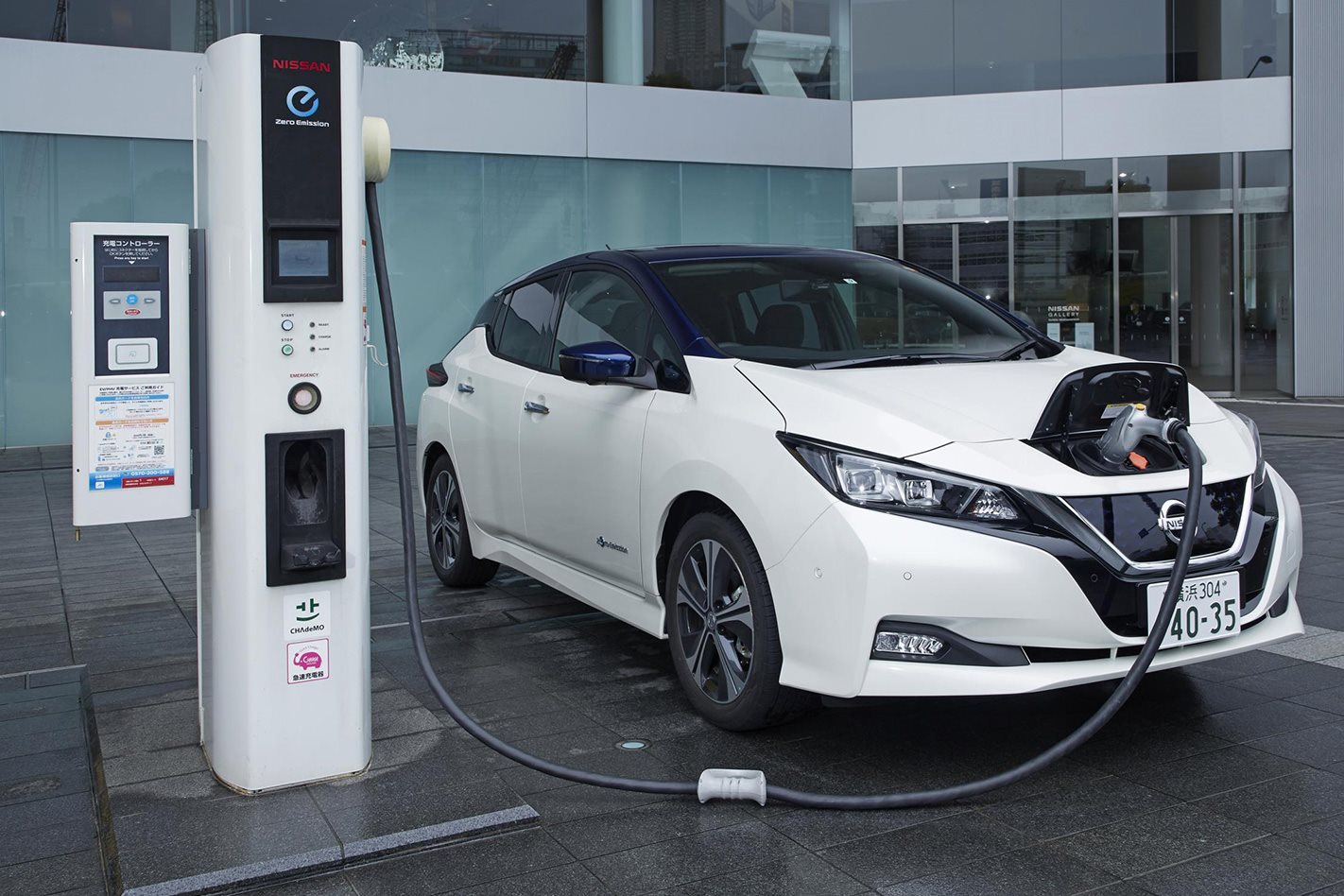
The index also highlighted Nissan’s path to an electrified future, commending the brand’s plan for 50 per cent of sales to be fully-electric by 2030 and a goal for carbon neutrality by 2050.
In November, Nissan previewed its ‘Ambition 2030’ vision, with an aim to launch 23 electrified models – 15 of which will be fully-electric – before the decade-ending deadline.
The E-Class wagon was for years the quiet achiever of the Mercedes-Benz line-up in Australia. The E-Class sedan might have been the heart of Mercedes-Benz but the E-Class wagon was its soul, a car that represented the best traditions of the three-pointed star, quietly comfortable and elegantly functional, its serenity of purpose underpinned by impeccable engineering.
It was the world’s best wagon.
It still is. You just can’t buy one in Australia anymore. Which is a shame, because the 2021 Mercedes-Benz E 300 de Estate is one of the most interesting E-Class wagons ever built. It’s a plug-in hybrid. With a diesel internal combustion engine.
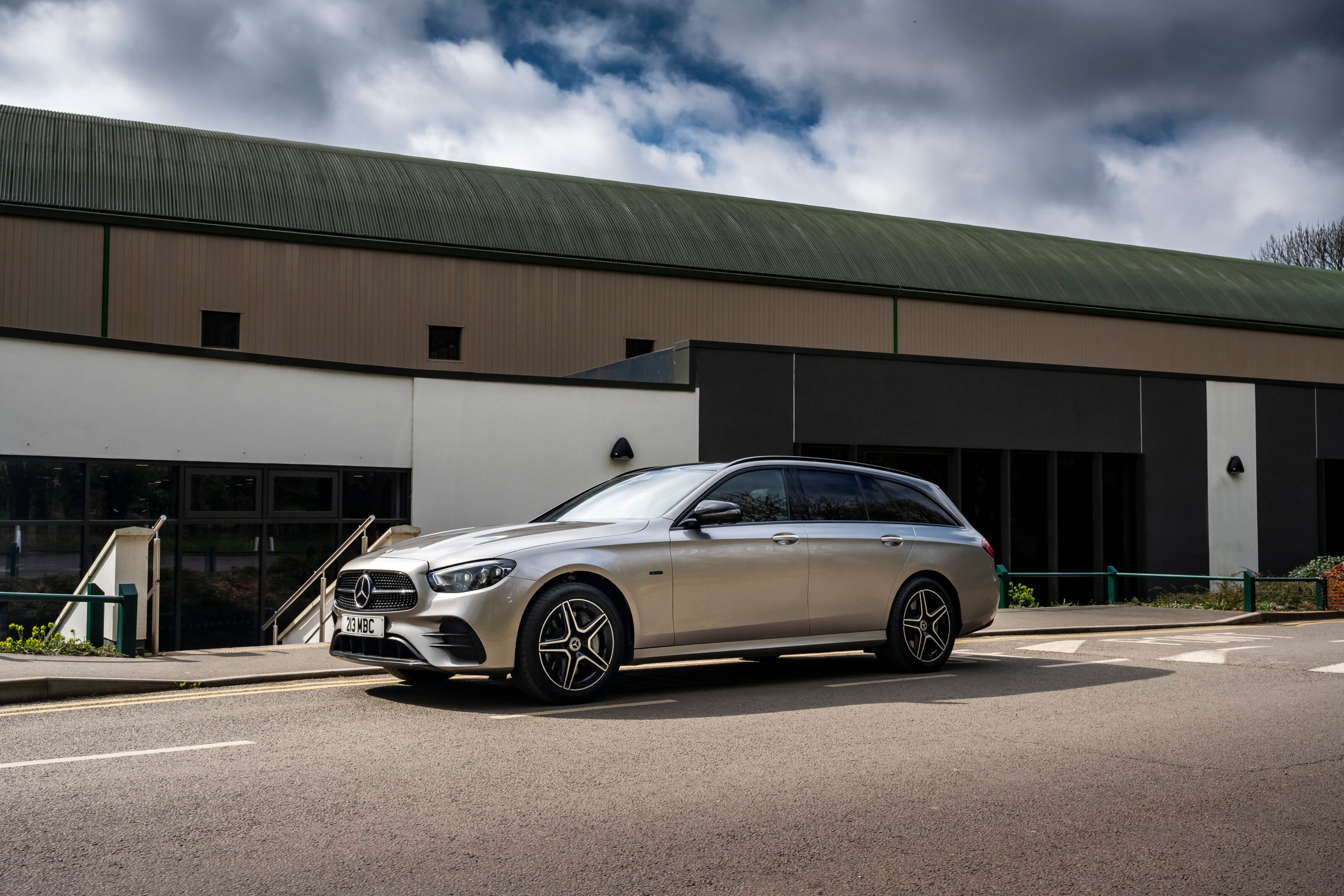
The E 300 de Estate’s powertrain consists of a 143kW/400Nm version of Mercedes-Benz’s proven 2.0-litre OM654 turbo-diesel, with a 90kW/440Nm electric motor mounted between the engine and the nine-speed automatic transmission. Total system output is 228kW and 700Nm, sufficient to punt this 2145kg wagon from 0-100km/h in 6.0 seconds and to a top speed of 235km/h.
The e-motor is powered by a 13.5kWh battery, which Mercedes says enables the E 300 de Estate to travel up to 50km on pure electric power.
I reckon this PHEV might be one of the most sensible family cars in the business. It gives you range, without the anxiety.

Now, plug-in hybrids, as I wrote in my Wheels magazine column a few months back, often get a bad rap. The problem with PHEVs, according to the naysayers, is their electric driving range is poor compared with a proper EV, and when the battery’s done, the internal combustion engine then uses more fuel than it should by lugging around the dead weight of a slumbering EV powertrain. PHEVs are the worst of both worlds, they insist.
In theory, they’re right. But after packing a Mercedes-Benz E 300 de Estate with four adults and all their luggage then travelling from London to Cornwall and back for a week-long stay, I reckon this particular PHEV might be one of the most sensible family cars in the business. It’s an impressively efficient halfway house between a conventional internal combustion engine vehicle and a battery-electric vehicle. It gives you range, without the anxiety.
As with any good tool, though, the secret is in how you use it.
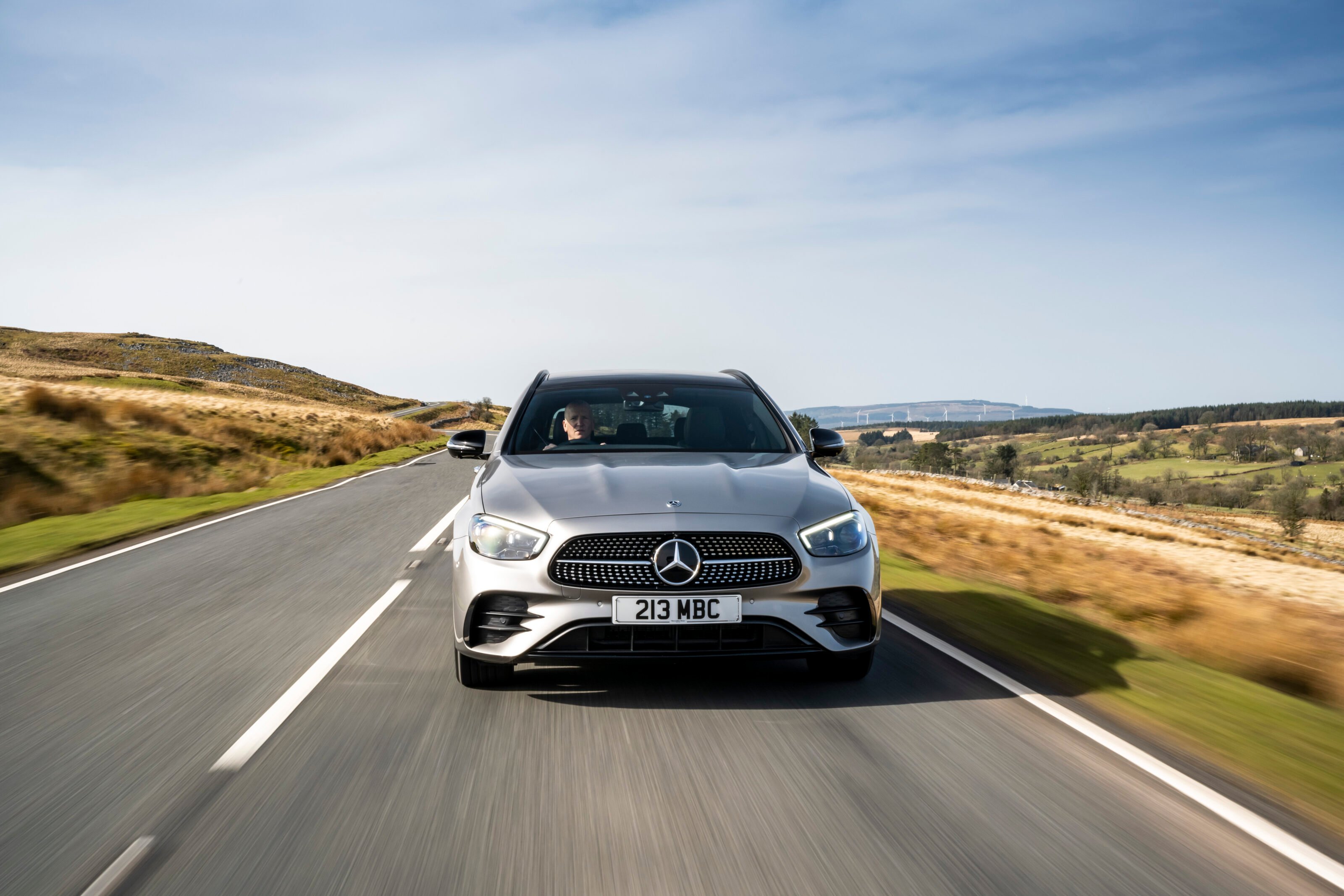
The E 300 de Estate racked up 1378km during our week away and used 61 litres of diesel fuel in the process. You read that right: A real-world fuel consumption of 4.4L/100km, achieved over a mix of 120km/h to 140km/h motorway cruising, 50km/h to 80km/h running on busy two-lane roads, and slow-speed noodling around beauty spots on the Cornish south coast.
It started the 566km run from London to Cornwall with a full tank and a 75 per cent charge in the battery that provided an indicated EV range of 27km. Left in the default Hybrid mode, the Mercedes wafted through the suburbs on pure e-power, the internal combustion engine kicking in when the battery’s charge was almost fully depleted. The little turbodiesel then did the heavy lifting for the rest of the trip.
A top-up of the 57-litre tank on arrival in Cornwall required 30.1 litres of fuel, which meant the big Benz had averaged 5.3L/100km for the trip.
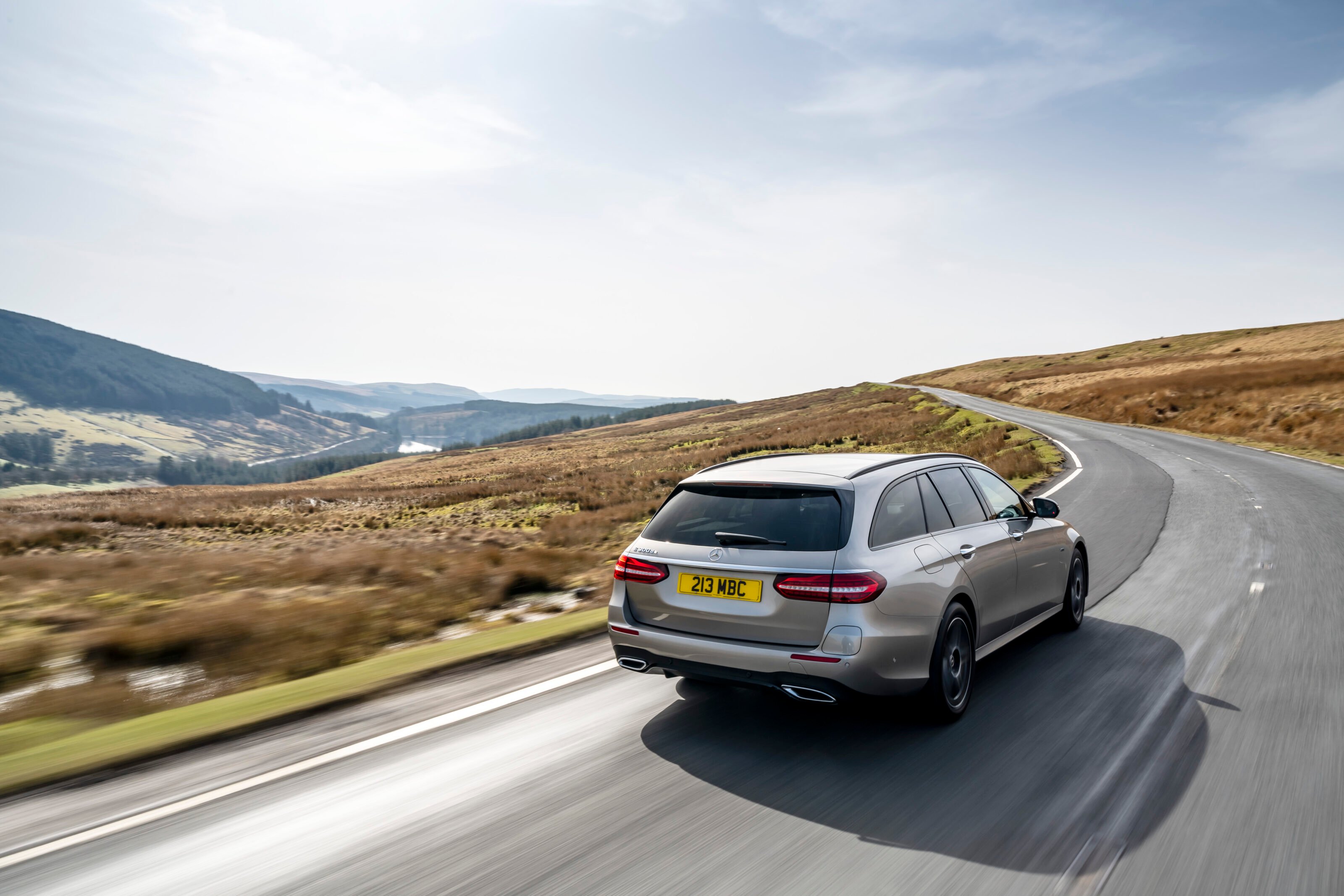
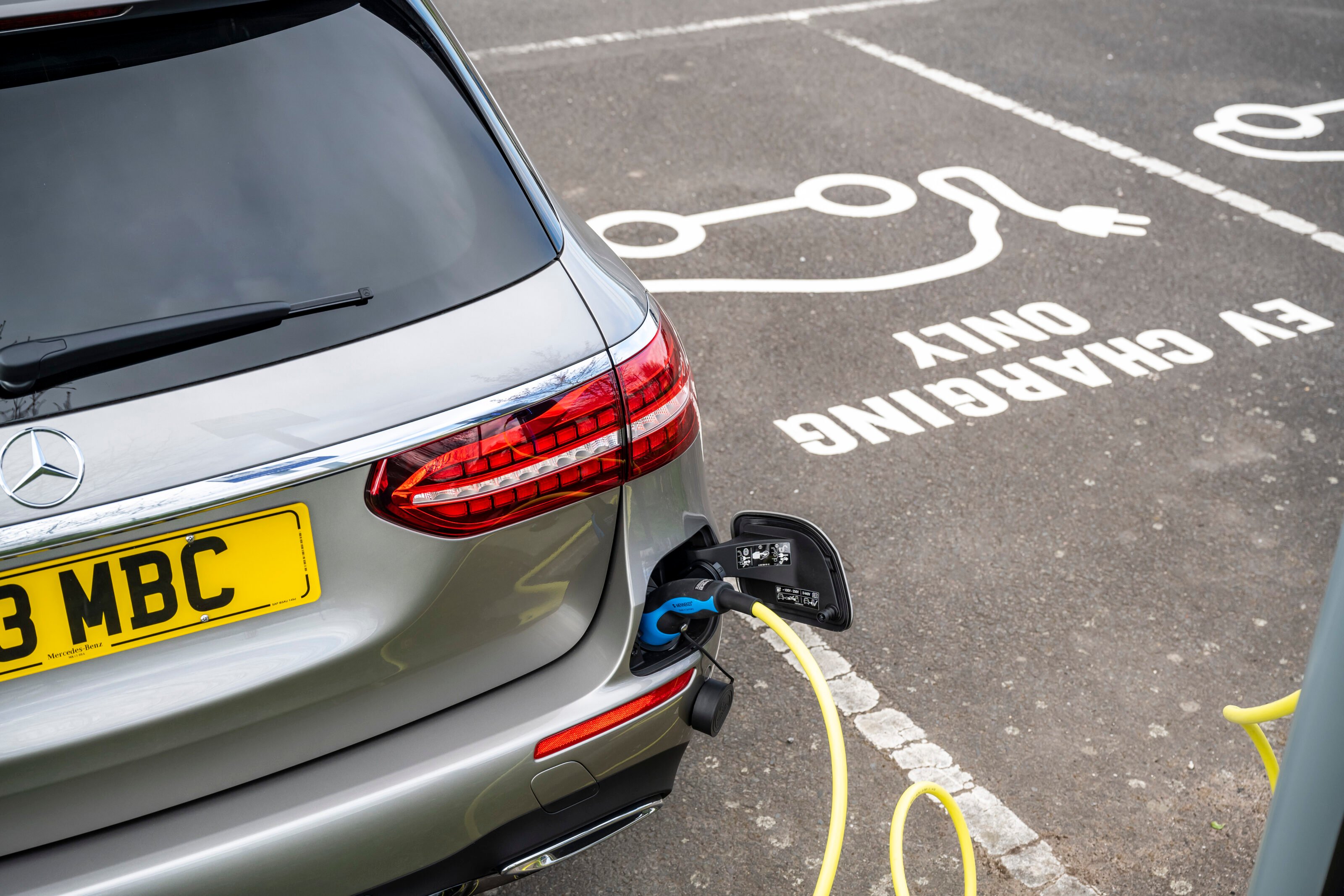
The internal combustion engine would fire up just once in the next six days of driving. We were staying at a house, which meant the Mercedes could be plugged into mains electricity any time it wasn’t being used. Getting the fully depleted battery back to 100 per cent charge took between four and five hours to give what would prove a realistic range of 42km when running purely on the e-motor, perfect for the short day trips we had planned.
In all the E 300 de Estate covered about 240km on e-power during our stay in Cornwall. Indicated electricity consumption ranged from a worst of 3.4km/kWh to a best of 5.6km/kWh.
All that running was done with the hybrid powertrain control system switched from its default Hybrid mode to E-Mode, which ensures the car is only driven by the e-motor no matter how hard you press the accelerator pedal. The system also has an E-Save mode, which keeps the internal combustion engine running to preserve the battery’s state of charge, and a Charge mode that uses the engine to recharge the battery while the car is being driven. These modes are in addition to the normal quintet of Mercedes-Benz drive modes; Eco, Comfort, Sport, Sport + and Individual.
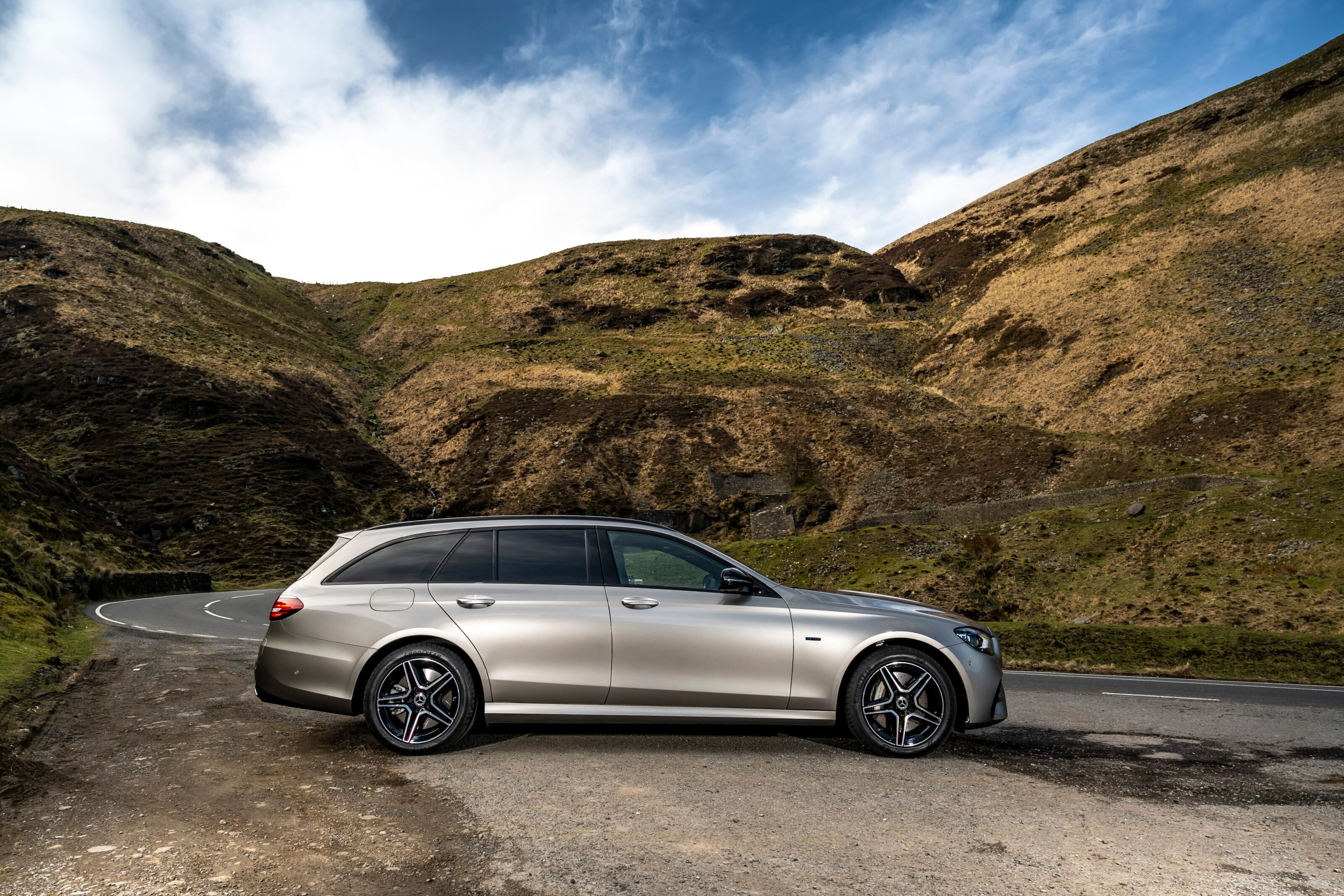
For the trip back to London, via lunch deep in the wilds of Dartmoor, the Benz started with a full battery and – as the internal combustion engine had run for only 50km since the tank had been topped up earlier in the week – a nearly full tank. Topping the car up back in the Big Smoke revealed it had consumed used just 30.9 litres of diesel over 808km for an effective average fuel consumption of 3.8L/100km.
The excellent trip computer revealed that of the 1378km the E 300 de Estate had travelled over the week, 576km – more than 40 per cent of the total distance – had been covered without the internal combustion engine in operation. And only 240km of that had been with the powertrain switched to E-Mode.
That’s because in regular Hybrid/Comfort mode, the powertrain management system would shut down the little diesel at any opportunity and allow the Mercedes to coast, or use lift-off or braking regen (the Active Brake Assist system fitted to our fully optioned test car automatically used it to slow the car when it sensed slower traffic ahead) to send charge back to the battery, which then allowed the e-motor to be used for torque fill and to power the car silently through small villages.
Of course, similar hybrid powertrain management technology is available on the five Mercedes PHEVs currently available in Australia – the A 250 e sedan and hatch, the C 300 e sedan, the E 300 e sedan, and the GLC 300 e SUV. But the E 300 de Estate’s killer app is its diesel internal combustion engine.
This Mercedes wagon plays to the strengths of both electric and diesel powertrains. Plug it in every night, and you can use E-Mode to waft smoothly and silently around the suburbs, on those runs to the supermarket, to the coffee shop and to the kids’ footy match. But when you need to head out of town and crunch the kilometres, there are few more fuel-efficient engines than a torquey little diesel running at a constant speed.
This wagon plays to the strengths of both electric and diesel powertrains. Plug it in every night, and you can use E-Mode to waft silently around the suburbs.
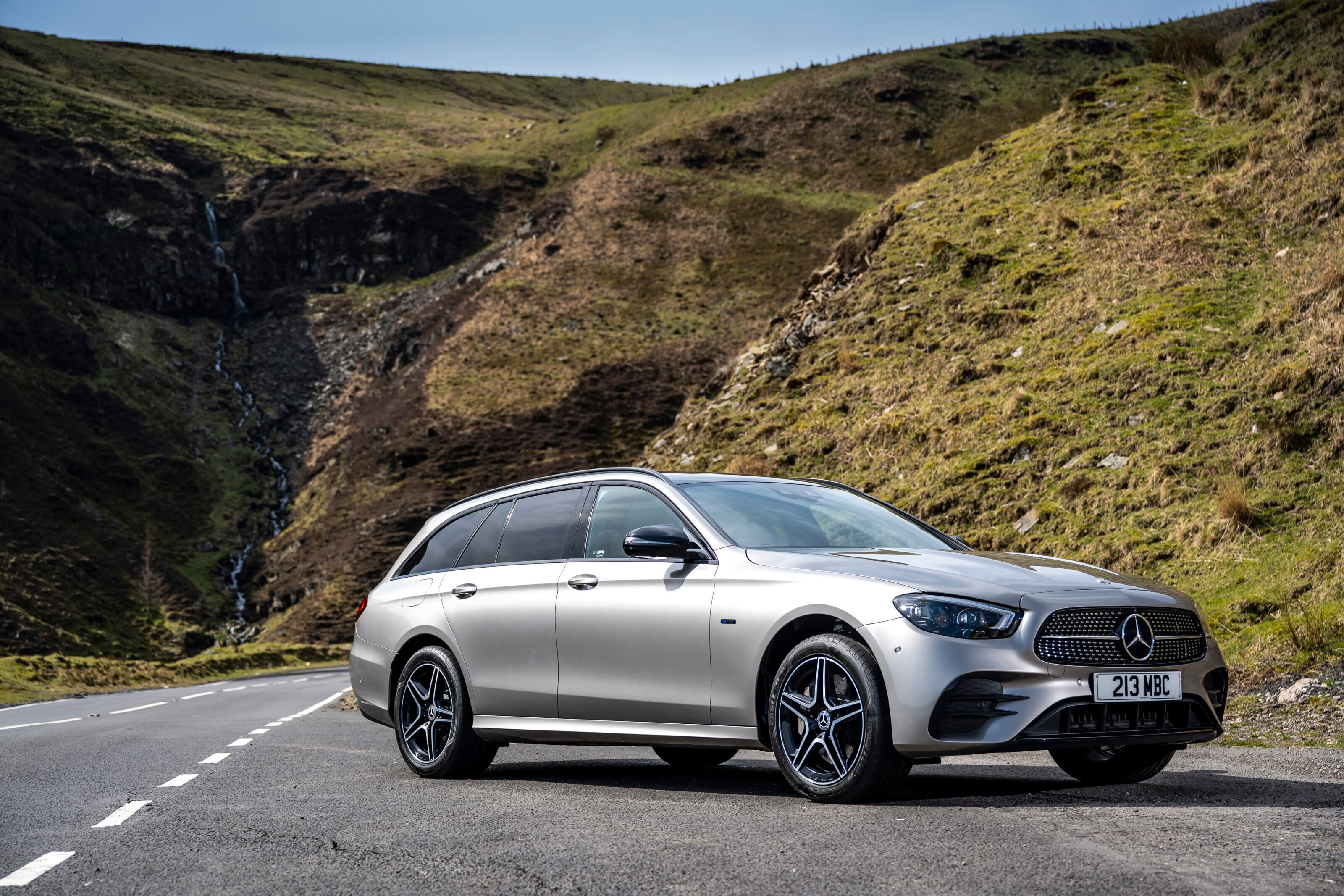
The E 300 de Wagon isn’t perfect. The 13.5kWh battery sits in a box across the rear load space, reducing capacity under the retractable cover by about 25 per cent. And more EV range would mean you could drive it almost all the time around town on clean and quiet electric power. The PHEV C-Class wagon, just launched in Europe, addresses both issues with a 24.5kWh battery that delivers a pure electric driving range of about 100km mounted out of the way under the rear load space.
The Mercedes-Benz 3 300 de Estate is one of the world’s best family cars. It’s smooth and quiet and roomy and comfortable, with better ride and handling than any comparably sized SUV. And that hybrid powertrain toolkit, used correctly, delivers truly outstanding efficiency.
