
Being a woman in a male-dominated industry – Molly Taylor is used to blazing a trail.
She was the first non-Brit to win the British Ladies Rally Championship in 2009 and the first female to win the Australian Rally Championship (ARC) in 2016.
Now she looks set to go even further to become the first Australian woman to take on the unforgiving Dakar Rally in 2022 with the Can Am Factory South Racing team.
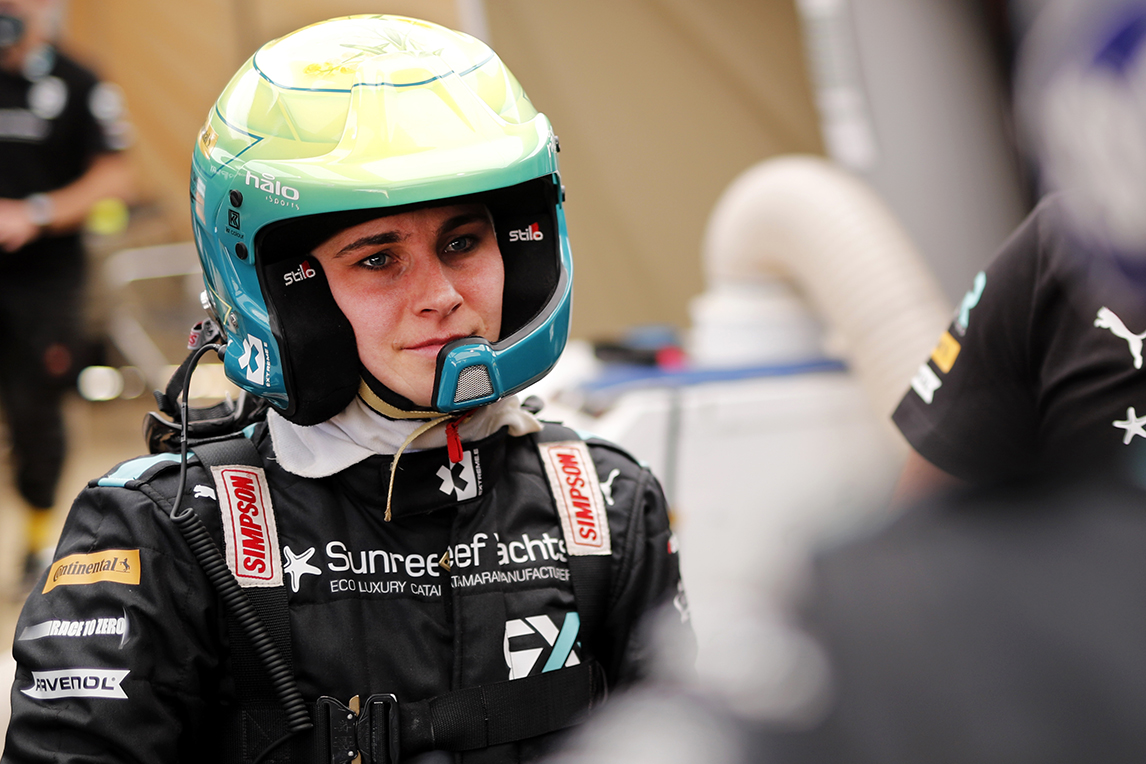
It’s hard to imagine there is anything the 33-year-old Sydney-born racer couldn’t do if she put her mind to it – that much is clear. It goes beyond talent, she has both fierce passion and unstoppable ambition, traits demonstrated when she took on SAS Australia last year.
The Dakar Rally, originally called the Paris to Dakar upon its inception in 1978, is the toughest, most gruelling form of motorsport in the world.
Starting in Ha’il, Saudi Arabia, on January 2, 2022’s rally is made up of 13 stages that take place in the Arabian Peninsula over as many days, and involves racers venturing into the ‘empty quarter’ – a desert nearly the size of France.
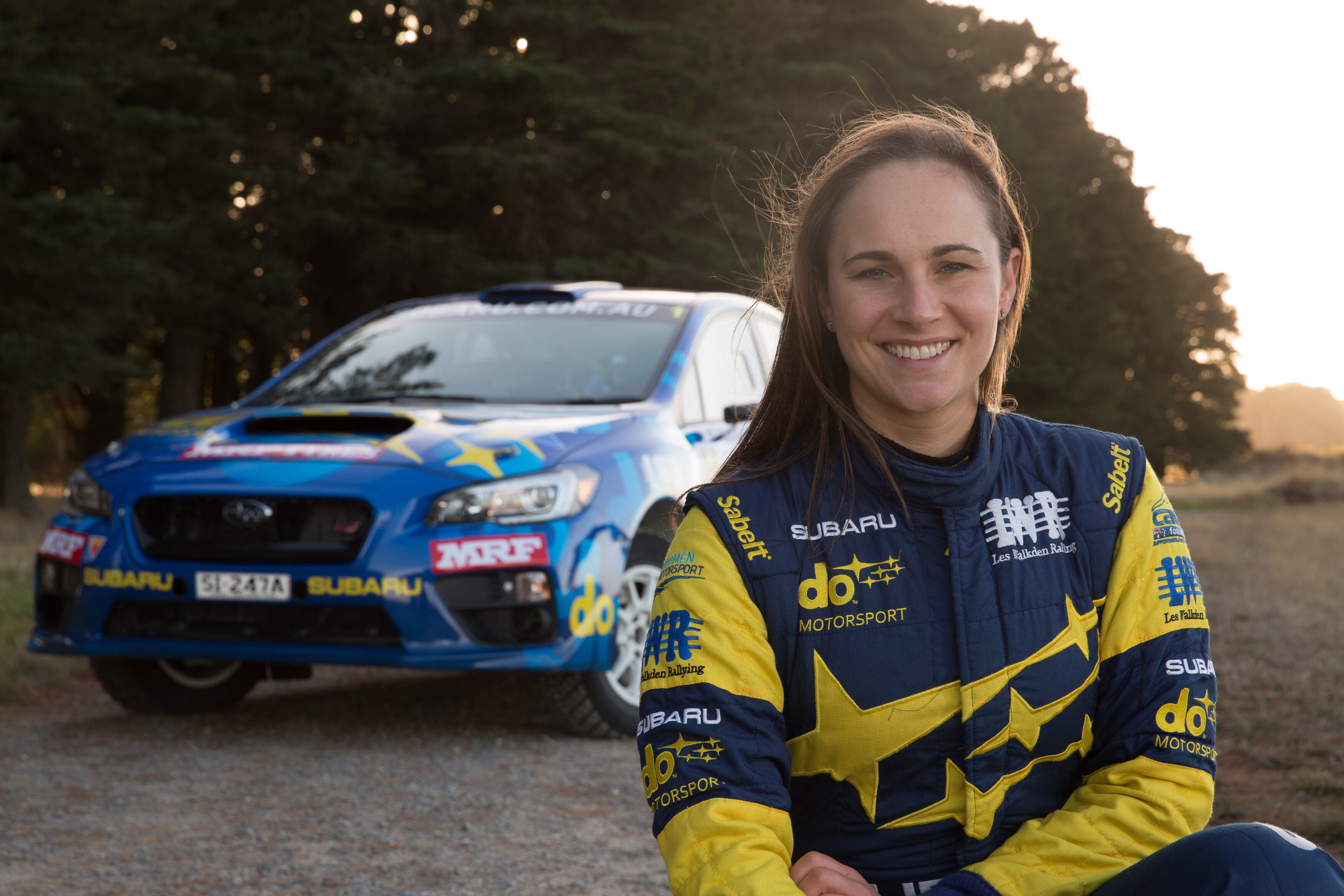
The competition is yet another exciting international opportunity for Molly – who, with only one race to go, continues to lead the championship of the inaugural 2021 Extreme E series with fellow driver Johan Kristofferson.
Molly caught up with Wheels after pledging to tackle the world-famous rally while speaking during a Supercars event at the weekend.
“Dakar for me has always been on my bucket list, but I thought of it as being sometime in the distant future – maybe before I retired,” she tells us. “Doing the Extreme E and getting a bit more into the off-roading led me down this path and gave me the opportunity to do it sooner than I had ever thought would be a possibility.
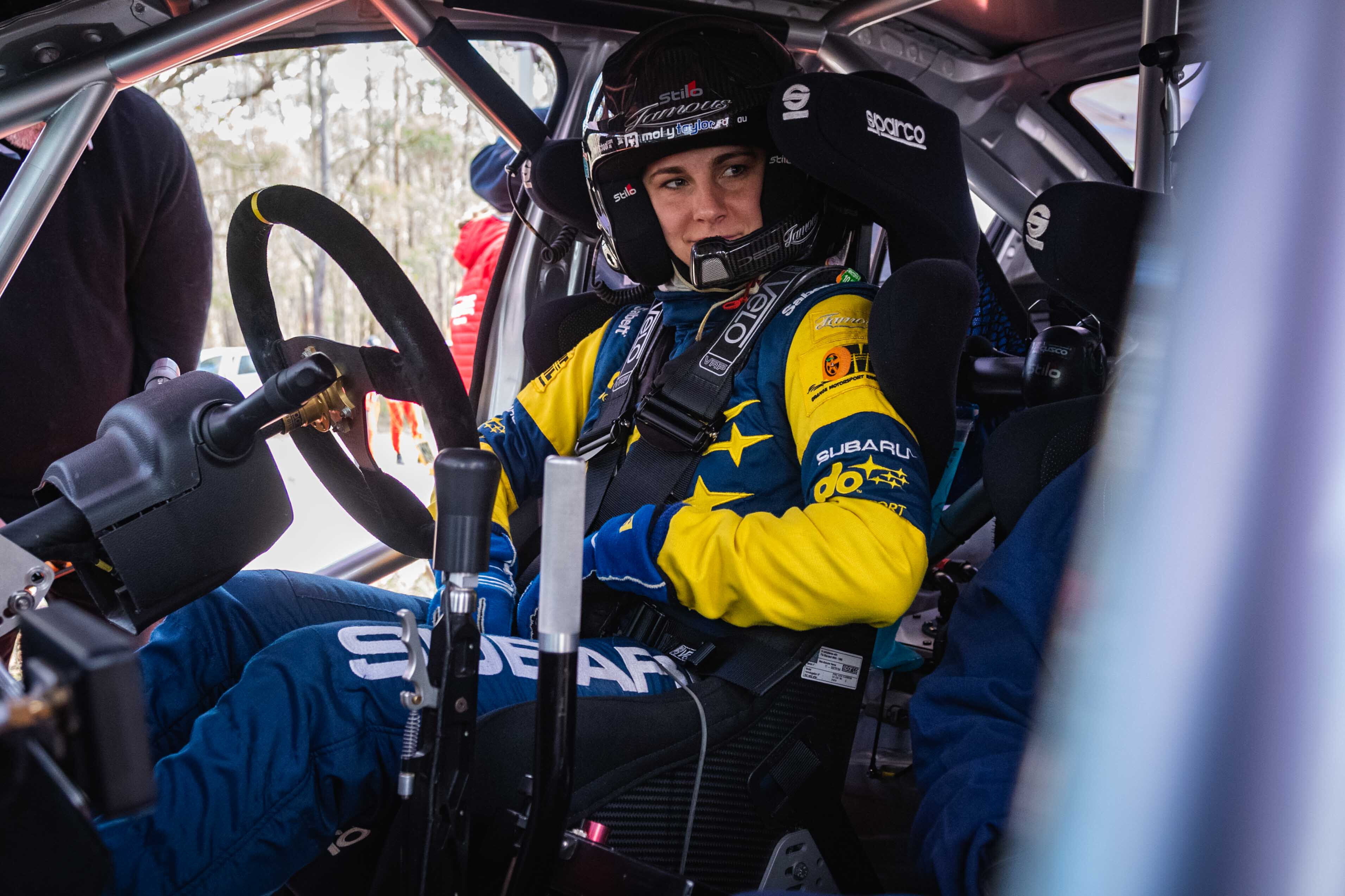
“I suppose it’s the challenge and adventure of it which appeals to me. All the different skills you need means I personally would find it demanding – can I get through the toughest race there is?”
Though competing in the Extreme E series has already taken Molly to Saudi, she still feels there is a lot to learn about how to handle the tough terrain and unique circumstances this race involves, and isn’t taking anything for granted.
“Some of the terrains will be similar to [what we did in] Extreme E, but everything about that was completely new to everyone involved – no-one knew what to expect. In Dakar I will be going into a new world trying to adapt, but it’s not new to everyone. I will have to learn very quickly.
“Extreme E was my first time in Saudi Arabia doing something like that, and it was very eye-opening. Some of the terrain was mental and the drops were just massive. Following that I did a race in Abu Dhabi, but the tracks were only 8-10kms long and in Dakar we’ll be going for thousands of kilometres.
“I want to do well, but I’m not naive that I can come in on my first go and win. I have never done anything like that before, meanwhile there are people who have been doing it a long time, and still anything can happen – there is so much more skill to it than just driving. Reading the terrain, for example, knowing how to look after the car and so on.”
Key to thriving in this most intense of rallies means preparation – and lots of it, including another opportunity to scope out the landscape coming from an upcoming race in Saudi Arabia next month.
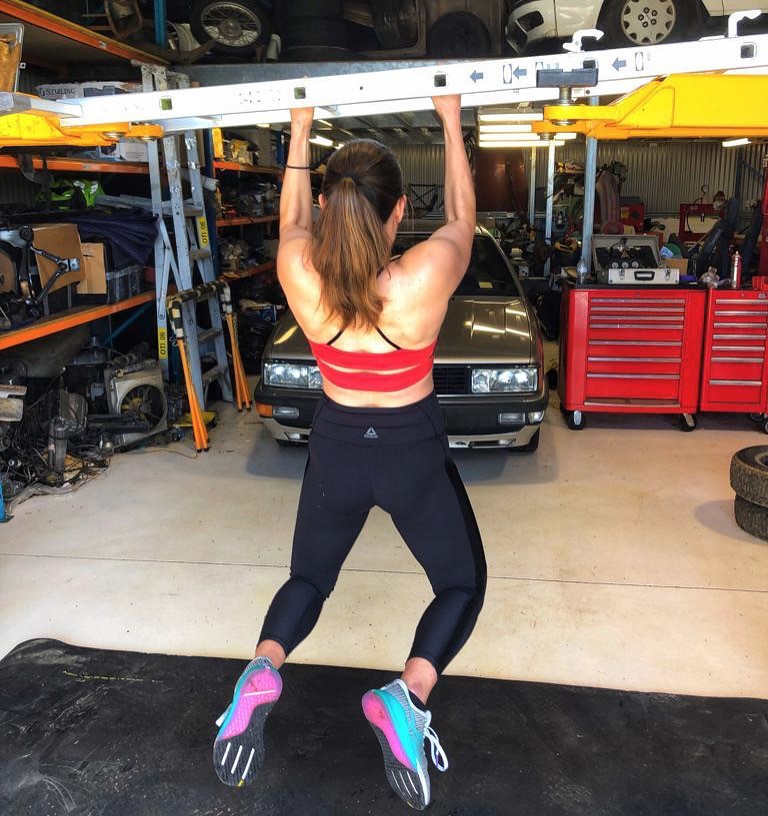
“I have a lot of preparation to do because I am so new to this discipline,” Molly says. “The navigation is different for one thing, and overall it’s just another world completely compared to rally. I’ve got a lot of work to do planning how to do it and how to do it well, even just down to something like being in the car all the time in the middle of the desert.
“The different way the navigation works is new for me – finding the fastest and smartest lines and also driving in the dunes quickly is a real skill. It’s different to any other kind of driving – rally or road.
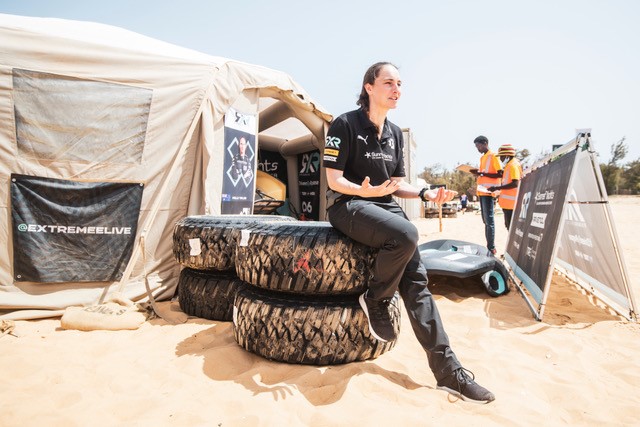
“From there it’s about managing what speed is right to still be fast, but not create any issues, and that will be really difficult without any experience. I will be training, watching footage of other people from previous events – their lines and bits and pieces like that – but of course there’s nothing as good as actually doing it yourself.”
For the ultimate challenge, Molly has once again teamed up with Dale Moscatt, an experienced co-driver who has previously competed in the European Championship, WRC and Dakar. Together they have a rich history. Molly first drove with Dale in the 2007 and 2008 ARCs, as well as in 2020.
“It was really important for me to be with someone I already knew and had a relationship with,” Molly adds. “I’ve known Dale for ages, and he has done Dakar before, so it was perfect that he could help me with learning. And there are also the other guys in the team who have done it before, and won four times, so I just need to listen and learn from them.”
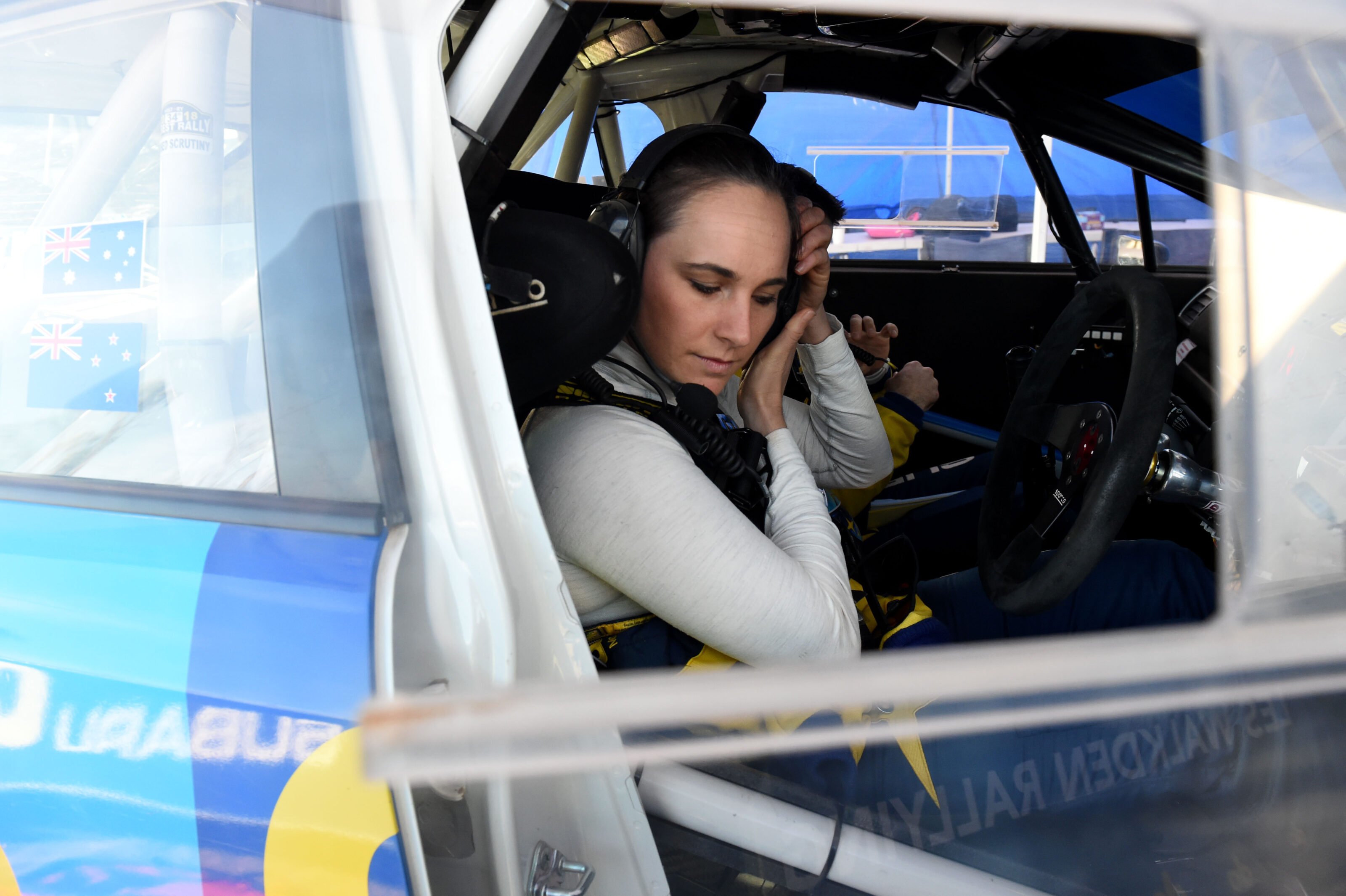
Of course there are challenges beyond the driving or harsh climate for females competing in Dakar. 2020’s event attracted widespread criticism because of the way women are treated in Saudi Arabia.
Though the ban on women driving was lifted in the nation in 2018, because women there must have a male legal guardian, they need approval for the simplest of things we in Australia take for granted – such as enrolling in school and university or applying for a passport.
However, Aussie rally champ and Subaru ambassador Molly says her experiences in motorsport have left her feeling optimistic about the future.
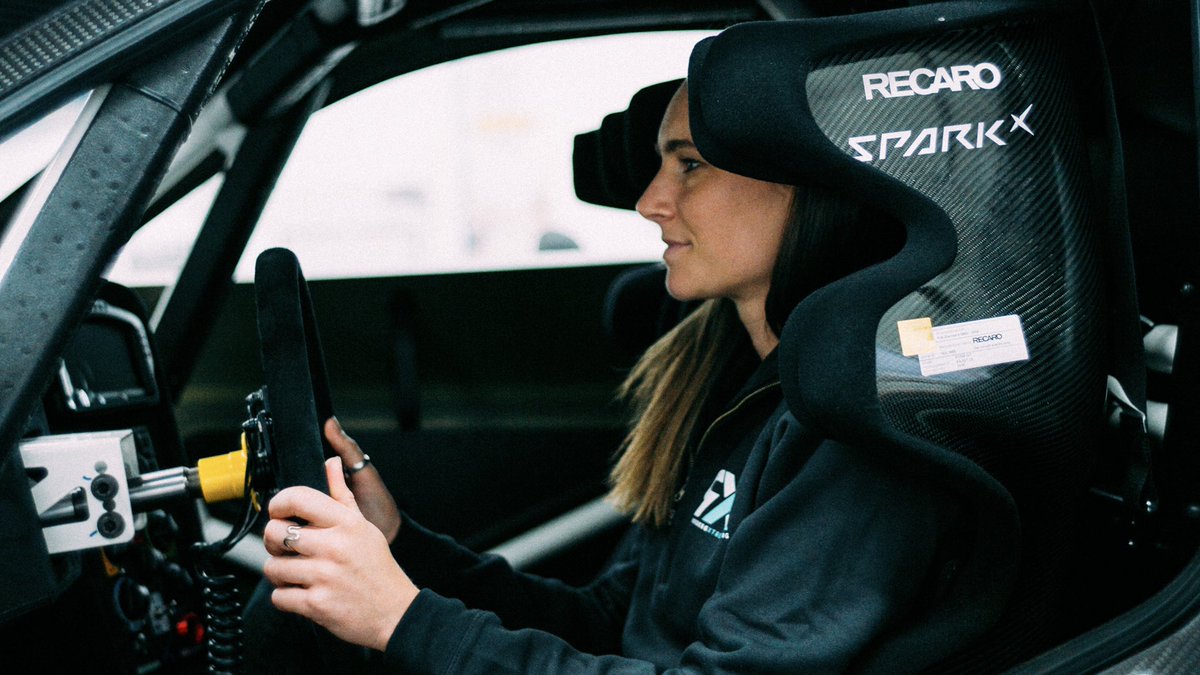
“I haven’t spent much time there [in the Middle East], but during the time I did spend, I saw a big push to get females into motorsport and personally have only felt welcomed and encouraged – no-one was telling me ‘no a female can’t do that’,” she says.
“As far as we know, this is the first time there has been a female Australian taking part in Dakar, and I think it is a good thing for the visibility of females in motorsport back in Australia – but it would still be special to me if I was the 2nd, 3rd or even 10th Australian woman to do it. If I can help promote the sport to other young girls who might see it and think they want to check it out, I’d be really happy to be a part of that.
“It is different for everyone, certainly there is more criticism of women, more people watching with certain expectations – but I also think sometimes there are more opportunities as well. For me it has always just been about enjoying what I do. As long as you are professional and doing a good job and going about it the right way that’s all you can do.
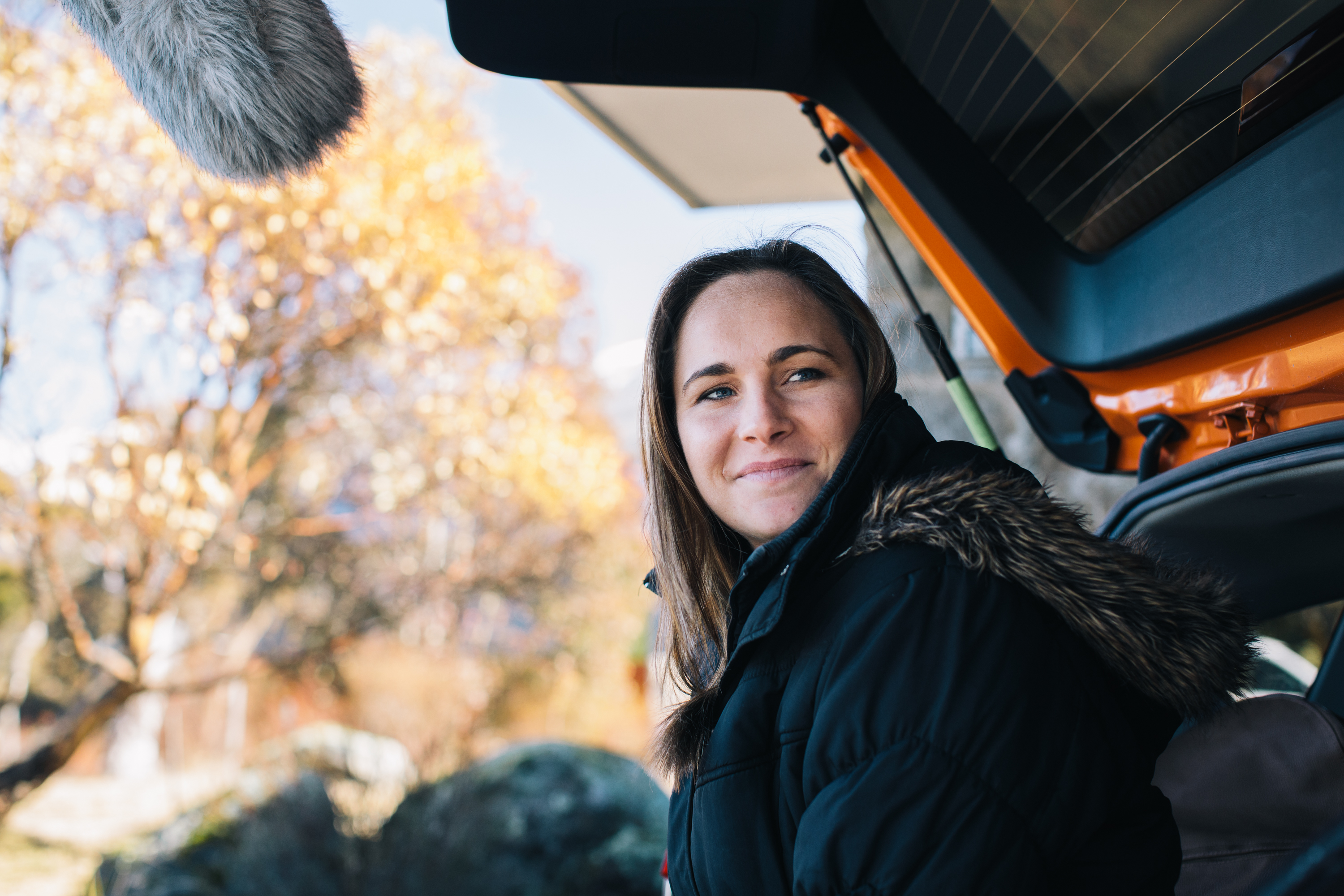
“More often the problem is from the outside than within the industry itself – people generally want to see more women involved, but you’re never going to please everyone. When I see a young girl who enjoys it and is passionate, that’s really special.
“I did a couple of school visits with Subaru and at rally events, as well as with the FIA Girls on Track program. Having an impact on other women was something I never really thought about much until I started working with Subaru – just seeing the young girls looking up to me hit home.
“I had my mum [four-time ARC champion co-driver Coral Taylor] as my inspiration growing up. I was very fortunate and unique in that sense, yet I didn’t appreciate the impact it had on me at the time. I have the perspective now and realise I can help make the sport better which is special. There’s more work to do, but it’s good to see it making a difference already.”
The Dakar Rally will air on SBS January 2-14.
Key Points
- GCK Motorsport amps up its 2022 World RX plans
- Electric Integrale Evo-e will race in the FIA Cross-Country World Championship
- Dual-motor setup will produce over 500kW and 875Nm
French outfit GCK Motorsport has unveiled its plans to compete in next year’s World Rallycross Championship with an all-electric cult hero.
As World RX moves away from high-power four-pot powertrains, GCK’s challenger will be based on the Lancia Delta Integrale – dubbed the Delta Evo-e.
Featuring dual motors, the modern take on the six-time World Rally Championship winning model will produce more than 500kW and 875Nm, competing against other entries in the flagship RX1e class.
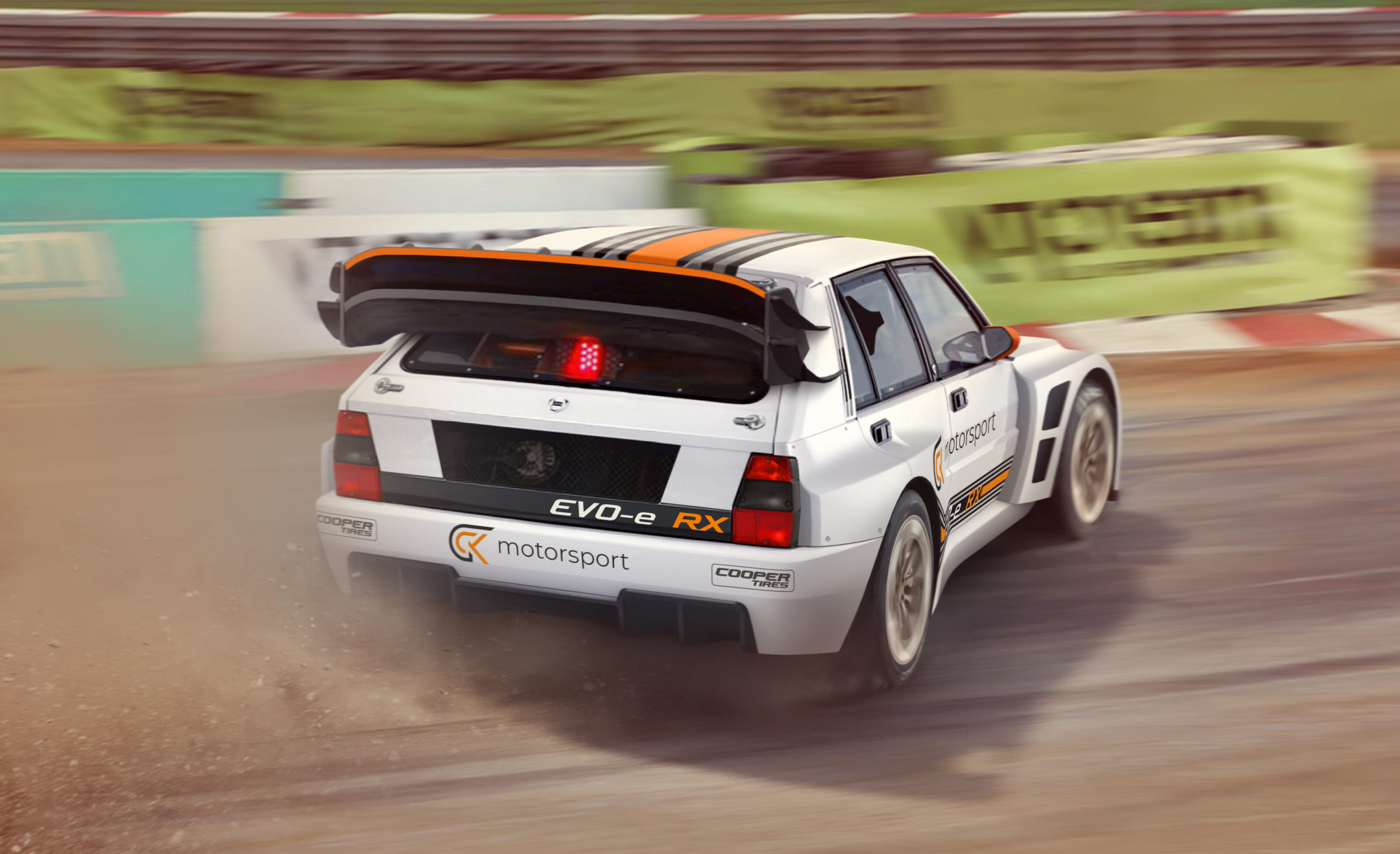
As well as competing in the top-flight class, the team’s affiliate GCK Energy is providing the electric drivetrains for the RX2e category, utilising solar energy to collect the amount required to top up the batteries on race weekends.
On top of this, the FIA Cross-Country World Championship is set to resume in 2022 after taking a backseat during the global pandemic, with GCK intending to take on the 2023 championship in a bespoke hydrogen vehicle produced in-house.
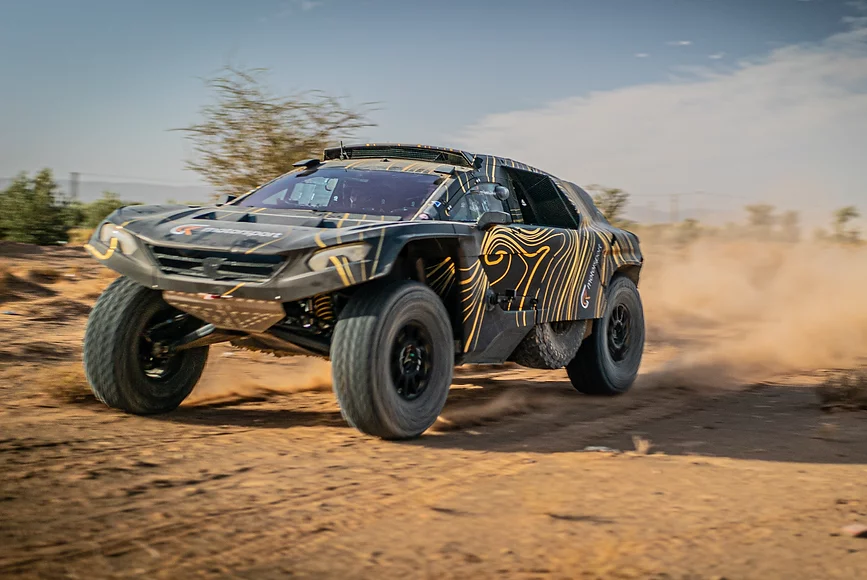
Guerlain Chicherit, head of GCK, said he was excited to be attacking so many categories with his team’s electric vehicles.
“I’m super excited for us to be returning to the FIA World Rallycross Championship under its new electric banner,” said Chicherit.
“The race format suits itself to deliver one of the most exciting racing spectacles in electric cars launched so far. It’ll be a busy year for GCK Motorsport, with our commitment to not only WRX, but also the FIA Cross-Country World Championship – which the Dakar Rally will be the pinnacle of.
“Motorsport is going through a significant change at the moment with the impact felt across industries – playing our part in developing some of this change is what has us all motivated every day.”
UPDATE, July 2022: New Ford Ranger review – it’s here at last
The new 2023 Ford Ranger is now on sale in Australia, and the local media launch has been run. The Wheels and 4×4 Australia teams have both driven the new Ranger, and you can find their stories at the links below.
Story continues…
UPDATE, April 7, 2022: Australian pricing for the new 2022 Ford Ranger has now been revealed. Get the full details at the link below.
UPDATE, February 22, 2022: New Ford Ranger Raptor revealed!
The new 2022 Ford Ranger Raptor has been unveiled at last, and we’ve got a comprehensive rundown on everything you need to know. Catch our stories and big reveal video at the links below.
Original reveal story follows
2023 Ford Ranger revealed
Snapshot
- 2022 Ford Ranger powertrains announced
- 3.0-litre turbo-diesel V6 leads four engine options globally
- Four transmission variations across the range, with full-time 4WD now available
The 2022 Ford Ranger has been unveiled ahead of its launch mid next year, with four engine options being announced.
But while Ford has released pictures and provided a general overview of the Ranger, many of the details remain a mystery.
Three diesels and one petrol option will be available when the ute goes on sale, along with three transmissions, but it’s not clear which powertrains will be offered to Australian buyers, nor has the carmaker disclosed power outputs.
We do know both the 3.2-litre and 2.2-litre diesel Duratorq engines have been discontinued.
Headlining the new engine line-up is a 3.0-litre turbo-diesel Power Stroke V6 – the very same engine offered in the US-market F-150, until it was quietly removed from the F-Series in July to help differentiate the large pick-up from its mid-sized sibling.
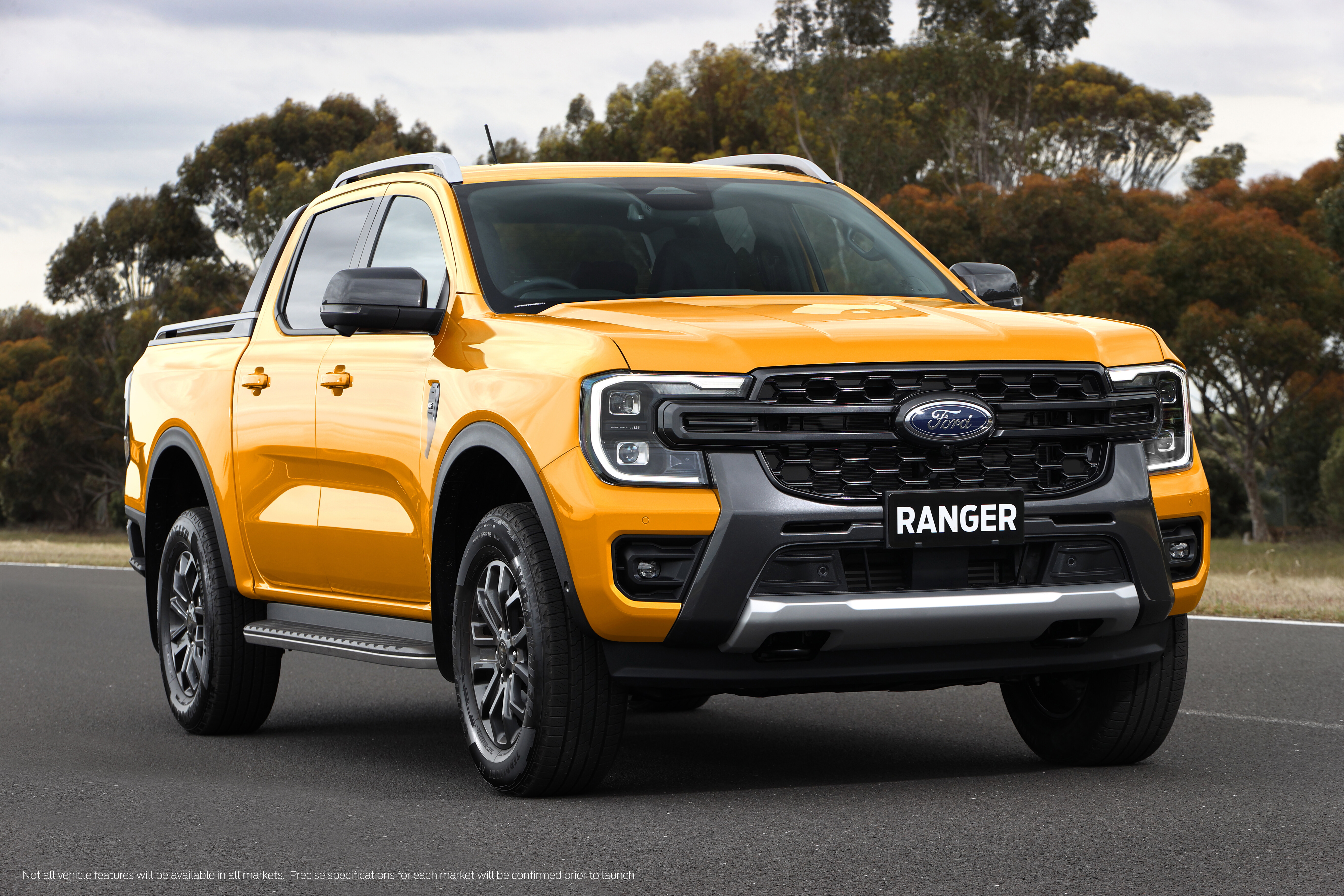
Also announced was the familiar 2.0-litre twin-turbo four-cylinder diesel engine, with entry-level Ranger models set to receive the single-turbo 2.0-litre diesel four.
Yet to be confirmed for Australia is a 2.3-litre turbo-petrol four-cylinder EcoBoost engine – exclusively available to the North American market in the outgoing Ranger.
Ford has teased the Ranger Raptor, with what sounds like a turbocharged petrol V6 – all but confirming earlier rumours the performance variant will borrow its powertrain from the US-market Ford Explorer ST. You can read more by clicking here.
3.0-litre turbo-diesel V6
The 2022 Ford Ranger will make its debut with a new 3.0-litre turbo-diesel V6 Power Stroke engine, expected to be coupled with the 10-speed 10R80 automatic transmission already used in Ford’s line-up here and in North America.
When fitted to the F-150, the V6 produced 185kW and 600Nm, and though performance figures for the engine haven’t been announced for the upcoming ute, Ranger Global Program Manager Pritika Maharaj says the new six-cylinder has undergone special development for the new model.
“While the V6 is proven in the field, we treated it just like a brand-new engine for Ranger, so we did a lot of application, calibration, and validation work to make sure it would meet the needs of Ranger customers.”
It’s not known whether this means the V6 will be massaged to offer greater levels of performance than when it was fitted to the F-150, but given the engine is down 5kW on the Volkswagen Amarok’s V6 – with the next-generation Amarok set to be based on the Ranger – it’s plausible a new tune will see some additional power extracted.
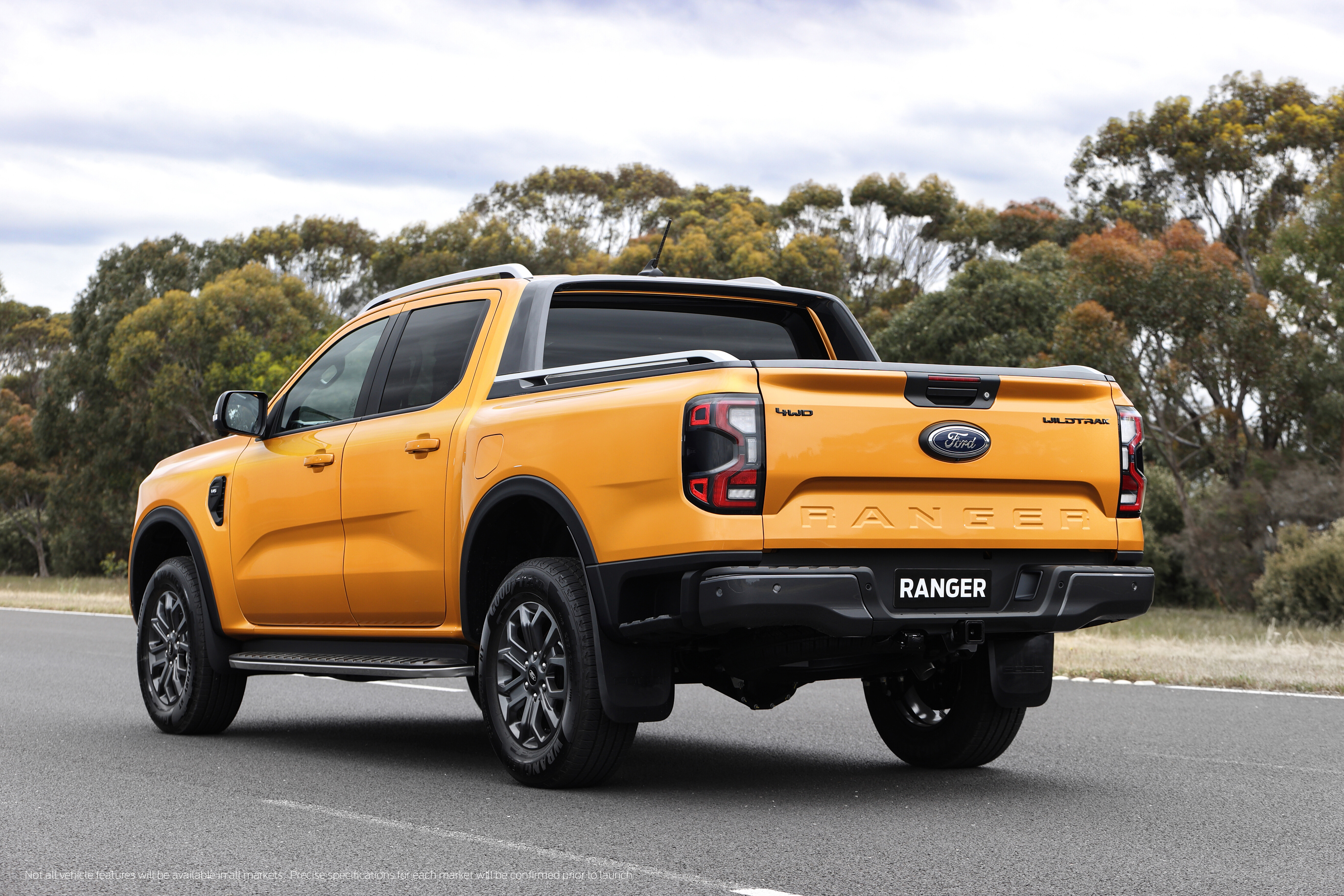
Regardless of the Power Stroke’s exact numbers, the engine is enough to get an F-150 to 100km/h from a standstill in roughly eight seconds, and should provide a noticeable improvement to the previous Ranger’s 0-100km/h sprint time.
The model’s current performance flagship, the Ranger Raptor, takes more than 10.5 seconds to reach 100km/h thanks to its 157kW and 500Nm. Even in F-150 tune, the new V6 would deliver an 18 per cent increase in power and 20 per cent increase in torque.
“When you drive a Ranger with the V6 turbo-diesel, it will feel like a much bigger truck. It sounds different from the moment you press the start. It feels refined and tough at the same time, with effortless acceleration thanks to its endless power and torque,” Maharaj said at the unveiling.
2.0-litre bi-turbo diesel
Continuing in the new model is the 2.0-litre twin-turbo diesel four-cylinder engine, currently available as an option on the outgoing Ranger.
Exactly which models the engine will be available in will be announced closer to launch in 2022, but as the V6 takes over as the flagship engine, it’s possible the bi-turbo takes the place of the discontinued 3.2-litre five-cylinder as standard-fit across mid-range and Wildtrak variants in Australia.
In its current guise, the bi-turbo produces 157kW and 500Nm, and is expected to continue to be mated to the 10-speed automatic transmission.
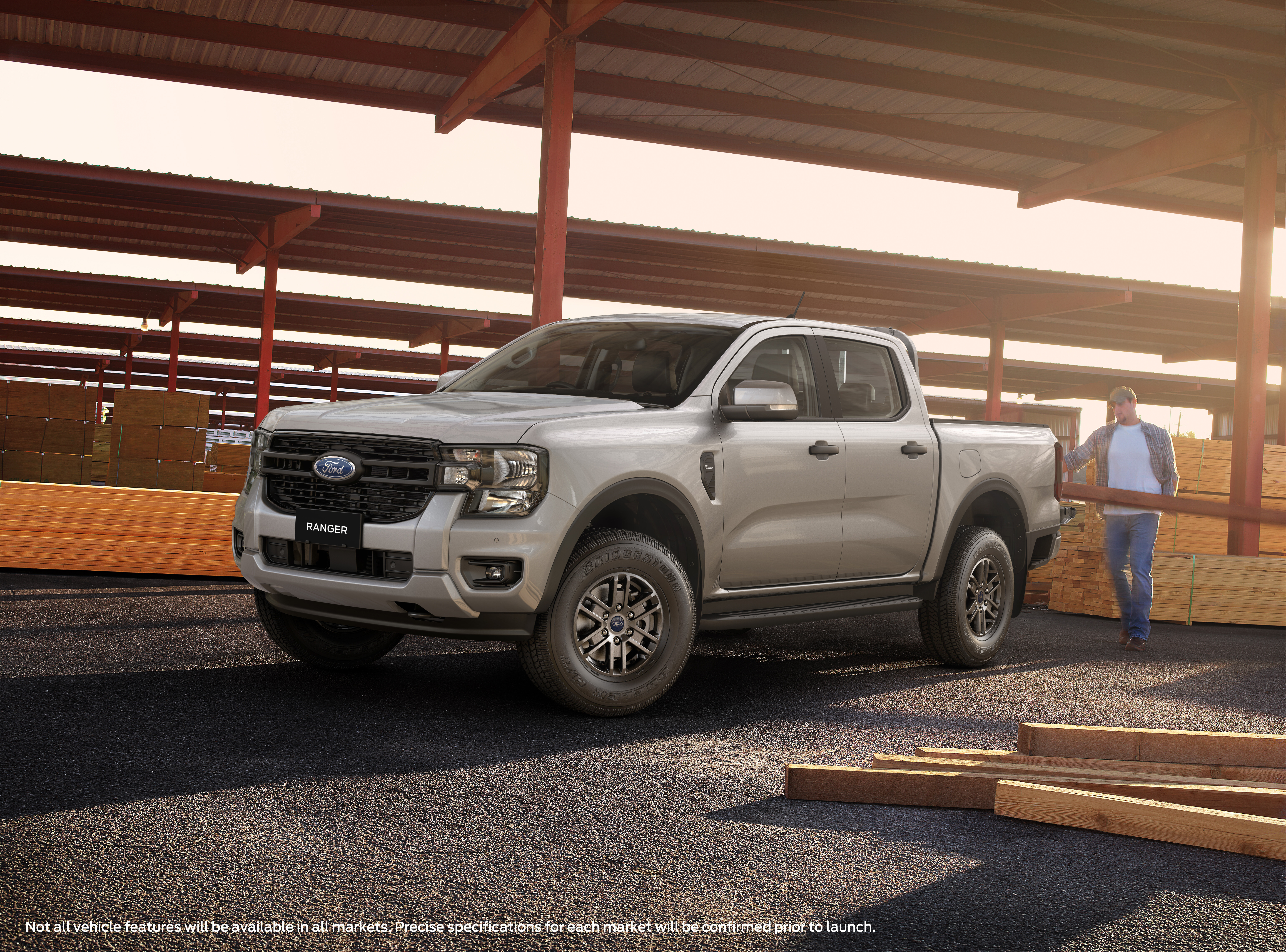
2.0-litre turbo-diesel
While unfamiliar in Australia, a 2.0-litre single-turbo diesel four-cylinder engine is expected to be offered in South Africa and selected Asian markets as it is currently, available with either a manual gearbox or the optional 10-speed automatic.
It’s not clear yet whether entry-level variants will be fitted with the single-turbo engine in Australia, as a replacement for the axed 2.2-litre Duratorq.
The 2.0-litre would be a fitting upgrade, however, with the engine producing 132kW and 420Nm in overseas markets – compared with 118kW and 385Nm of the 2.2-litre.
2.3-litre turbo-petrol
Likely to be offered as an entry-level powertrain in North America, the 2.3-litre turbo-petrol four-cylinder EcoBoost engine is available locally as the more economical option in the Mustang range.
The choice of a 2.3-litre EcoBoost and a 3.0-litre Power Stroke would position the Ranger snugly between the smaller Maverick and larger F-150, giving North American buyers a distinct hierarchy of pick-ups in the Ford range.
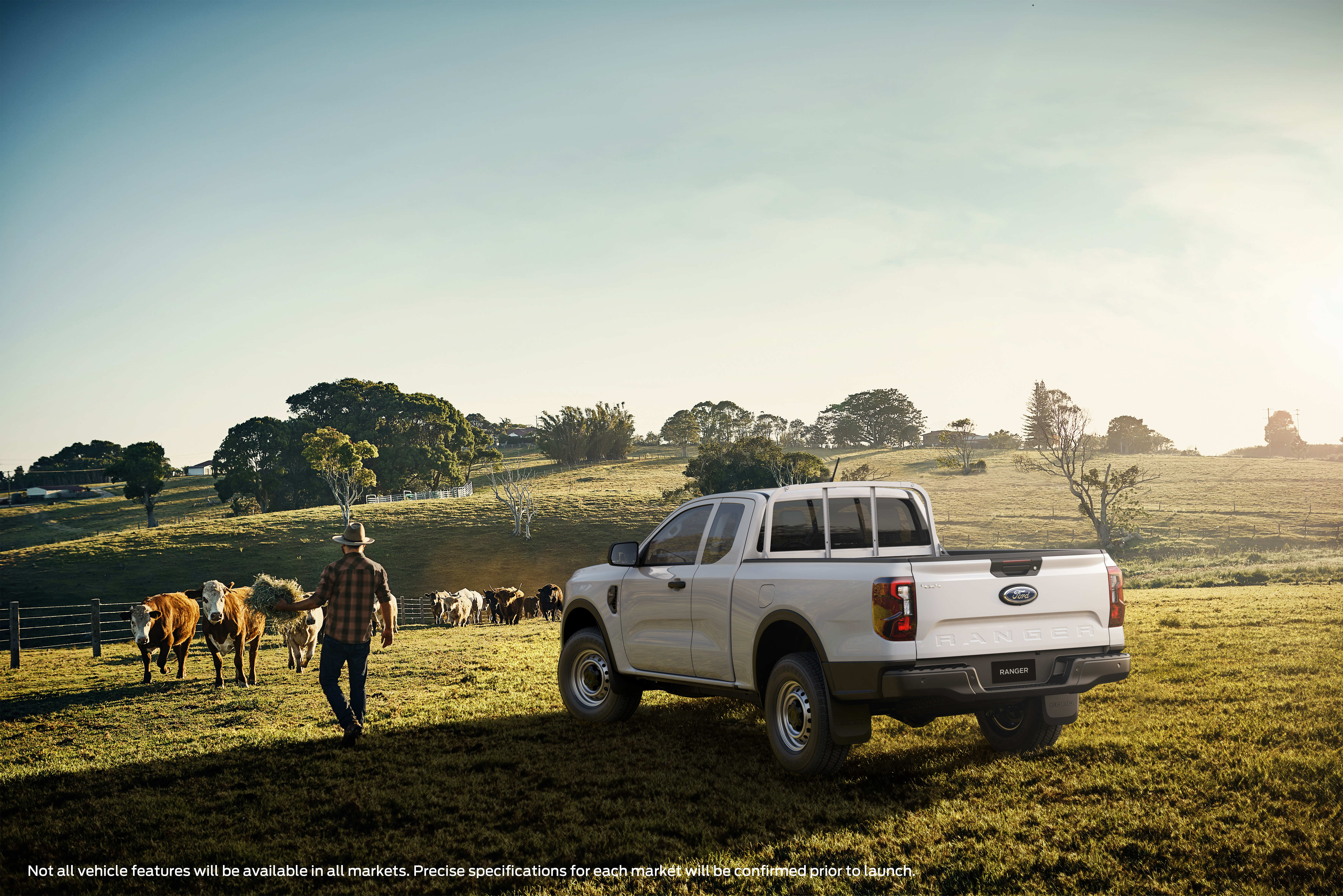
Drivetrains and transmission
For the first time, upper variants of the new Ranger will be available with full-time four-wheel drive.
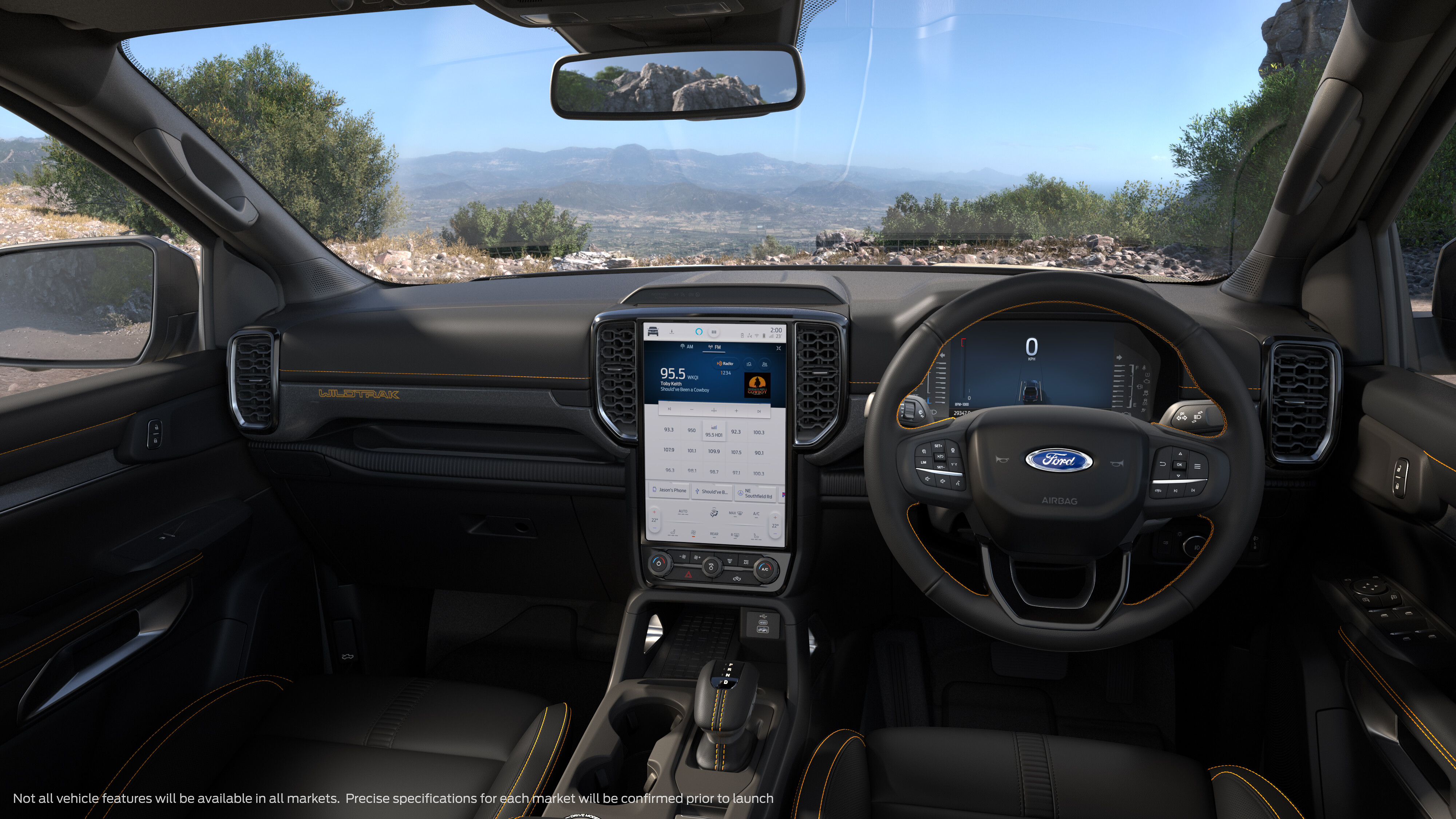
More details will be announced closer to the model’s launch, but drivers will have the ability to choose ‘4A’ on the console-mounted 4WD selector, allowing the vehicle’s computers to choose the best level of traction whether on the highway or in off-road conditions.
A more traditional part-time four-wheel-drive system will also be offered.
Three transmissions have been chosen for the 2022 Ford Ranger – a 10-speed automatic, a six-speed automatic, and a manual with either five or six forward gears.
Ford has yet to confirm which engines and variants will be matched to which transmissions, but the continuation of the 6R80 six-speed auto found in the outgoing Ranger means it may be matched with either the 2.3-litre EcoBoost, or the entry-level 2.0-litre single-turbo diesel engines.
The specially-developed MT88 is a version of the seven-speed gearbox found in the US-market Ford Bronco, but will be offered in the Ranger with either five or six speeds. It’s likely the five-speed version will be reserved for commercial-oriented Ranger models, while the six-speed will be offered on higher grades.
It’s expected the majority of Australian Ranger owners will experience the company’s 10R80 10-speed automatic transmission, as fitted to the current model.
More to come
As Ford has been light on details about the new Ranger, it could suggest the vehicle is still undergoing its final phase of development – given the worldwide issues with the semiconductor shortage, shipping delays, and the expensive lockdowns in Victoria – where many of Ford’s Australian engineers reside.
Full pricing and specification of the 2022 Ford Ranger will be announced closer to the ute’s local launch in the middle of next year.
UPDATE, November 23: 2023 Toyota RAV4 pricing announced
Australian pricing and specs for the updated 2023 Toyota RAV4 have been announced. Get all the details at the link below.
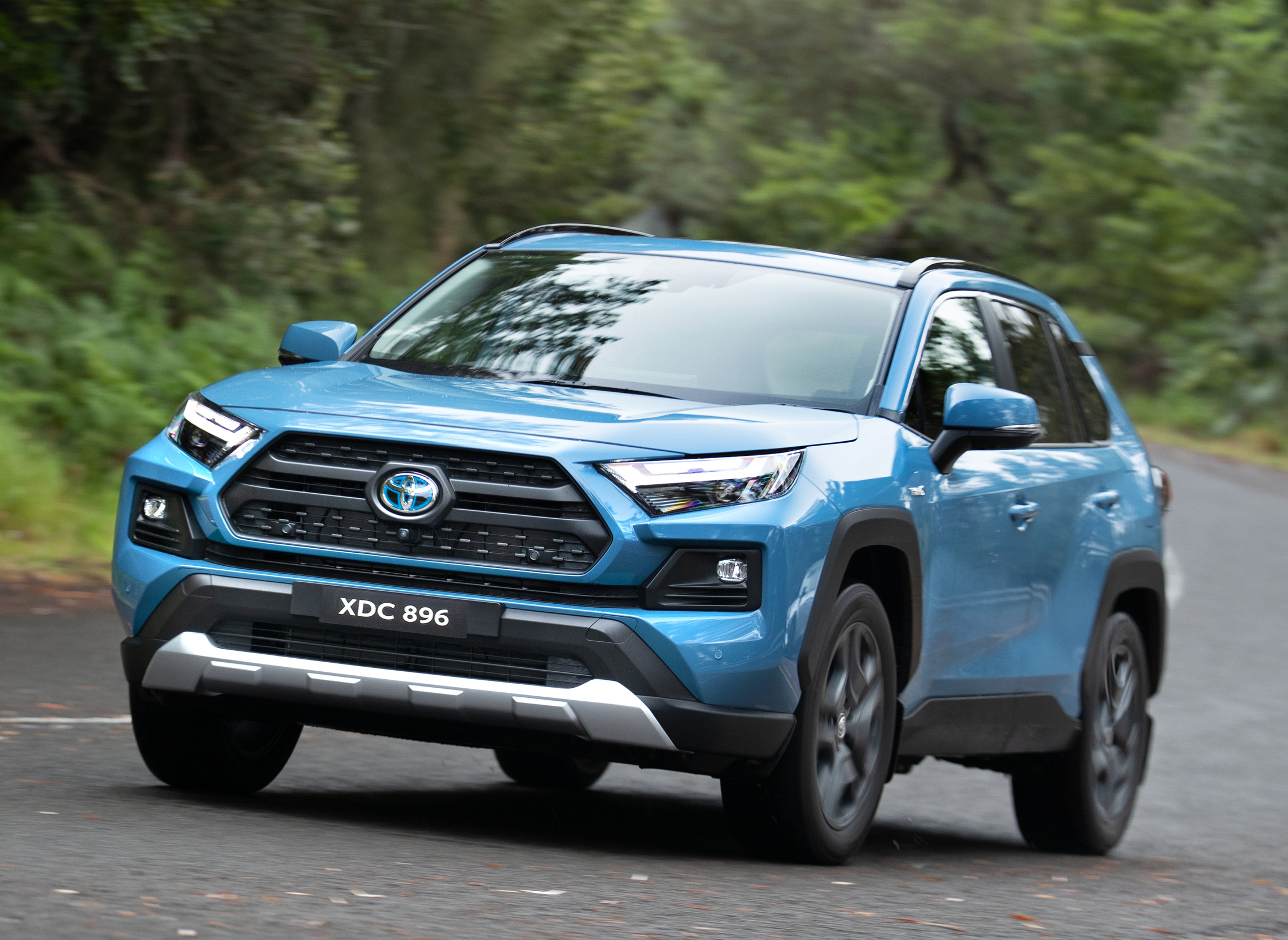
STORY CONTINUES: 2022 RAV4 pricing and specs
Key Points
- RAV4 goes through updates ahead of 2022
- New XSE variant joins the line-up as a hybrid only
- All grades now available with hybrid drivetrain
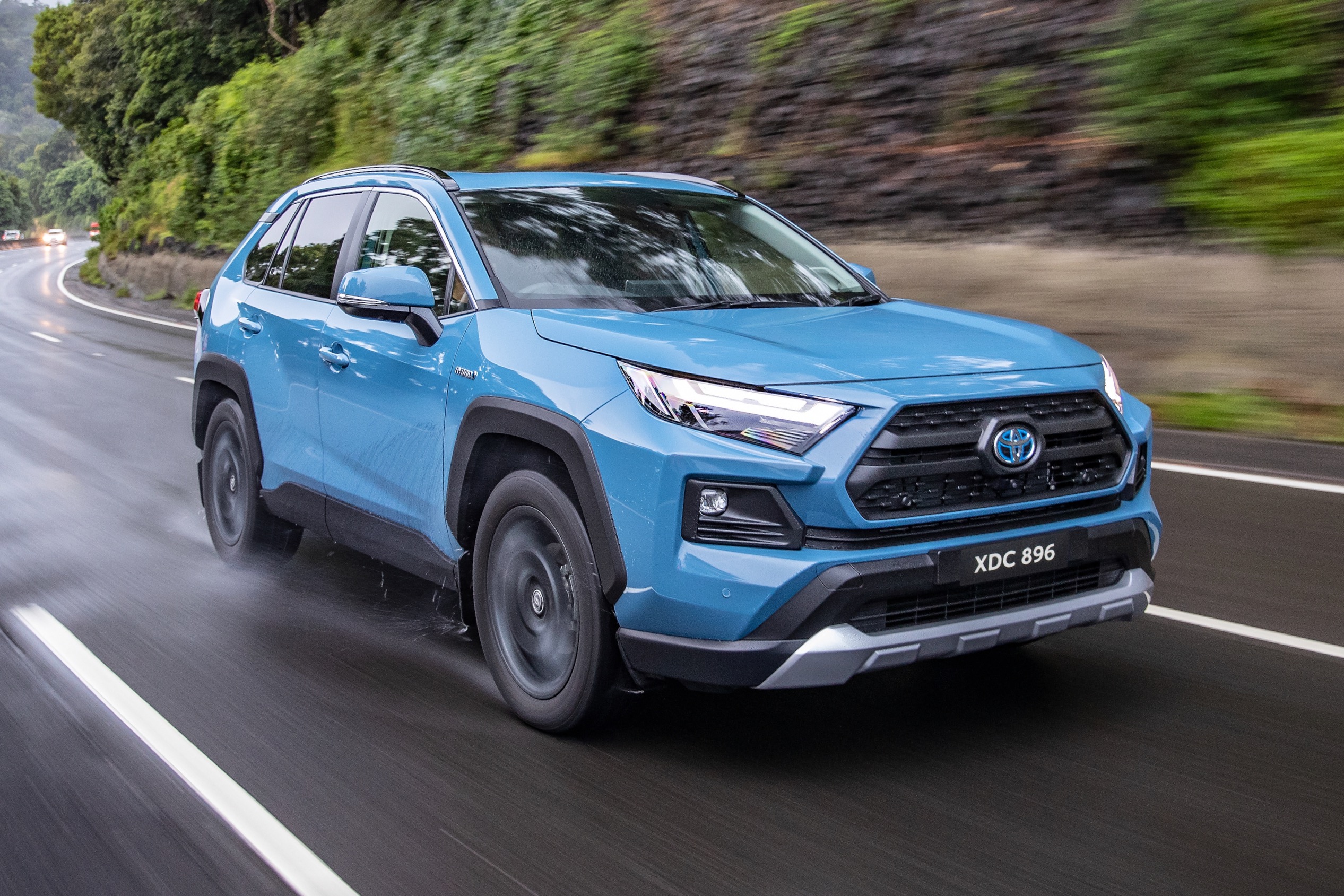
Toyota Australia has announced changes to the 2022 RAV4 line-up, gaining a new variant which will be available only as a hybrid.
The RAV4 XSE grade slots between the existing GXL and Cruiser, on sale from $42,825 before on-road costs as a front-wheel-drive – while the all-wheel-drive incurs a $3000 premium, taking it up to $45,825.
With the hybrid setup now also available in the range-topping Edge, Toyota has given all electrified RAV4s a minor facelift – with new projector LED headlamps featuring three clear segments, as well as LED fog lamps in the lower front bumper as standard.
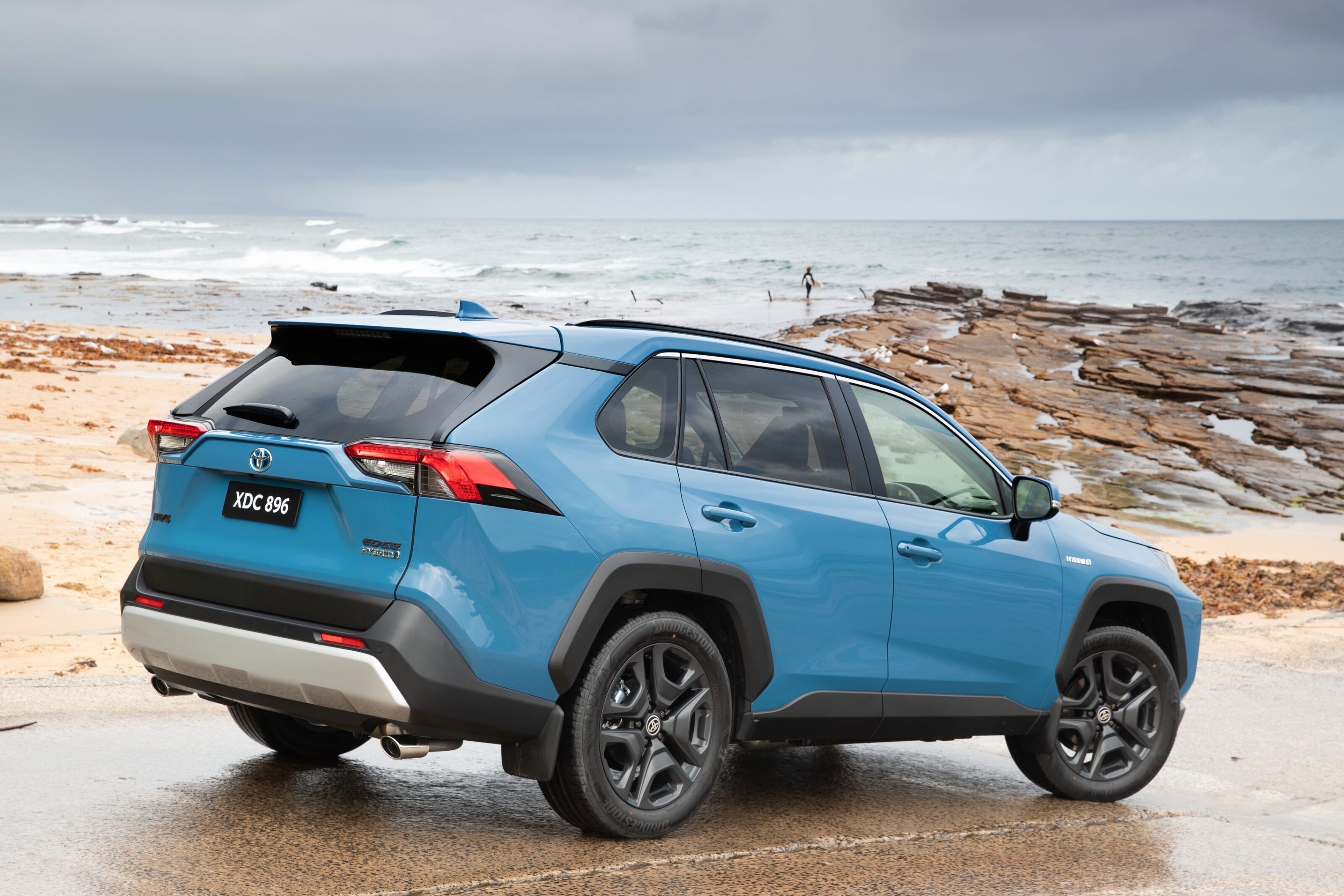
Pricing
While the entry-level RAV4 GX’s list price has decreased, all of its higher-spec siblings have undergone a slight increase, owing to upgrades across the model range.
Prices exclude on-road costs.
| RAV4 GX 2WD | $34,300 | -$395 |
| RAV4 GX 2WD Hybrid | $36,800 | -$270 |
| RAV4 GX AWD Hybrid | $39,800 | -$270 |
| RAV4 GXL 2WD | $37,825 | +$410 |
| RAV4 GXL 2WD Hybrid | $40,325 | +$410 |
| RAV4 GXL AWD Hybrid | $43,325 | +$410 |
| RAV4 XSE 2WD Hybrid | $42,825 | new |
| RAV4 XSE AWD Hybrid | $45,825 | new |
| RAV4 Cruiser 2WD | $42,500 | +$1585 |
| RAV4 Cruiser 2WD Hybrid | $45,000 | +$1585 |
| RAV4 Cruiser AWD Hybrid | $48,000 | +$1585 |
| RAV4 Edge AWD | $49,820 | +$1585 |
| RAV4 Edge AWD Hybrid | $52,320 | new |
Options
A small range of optional extras are available for RAV4 buyers, although some are only available on certain grades.
| Premium paint | $675 |
| Navigation (GX hybrid only) | $1000 |
| Navigation and full-sized spare (GX hybrid only) | $1300 |
| Panoramic roof (Edge AWD petrol only) | $1300 |
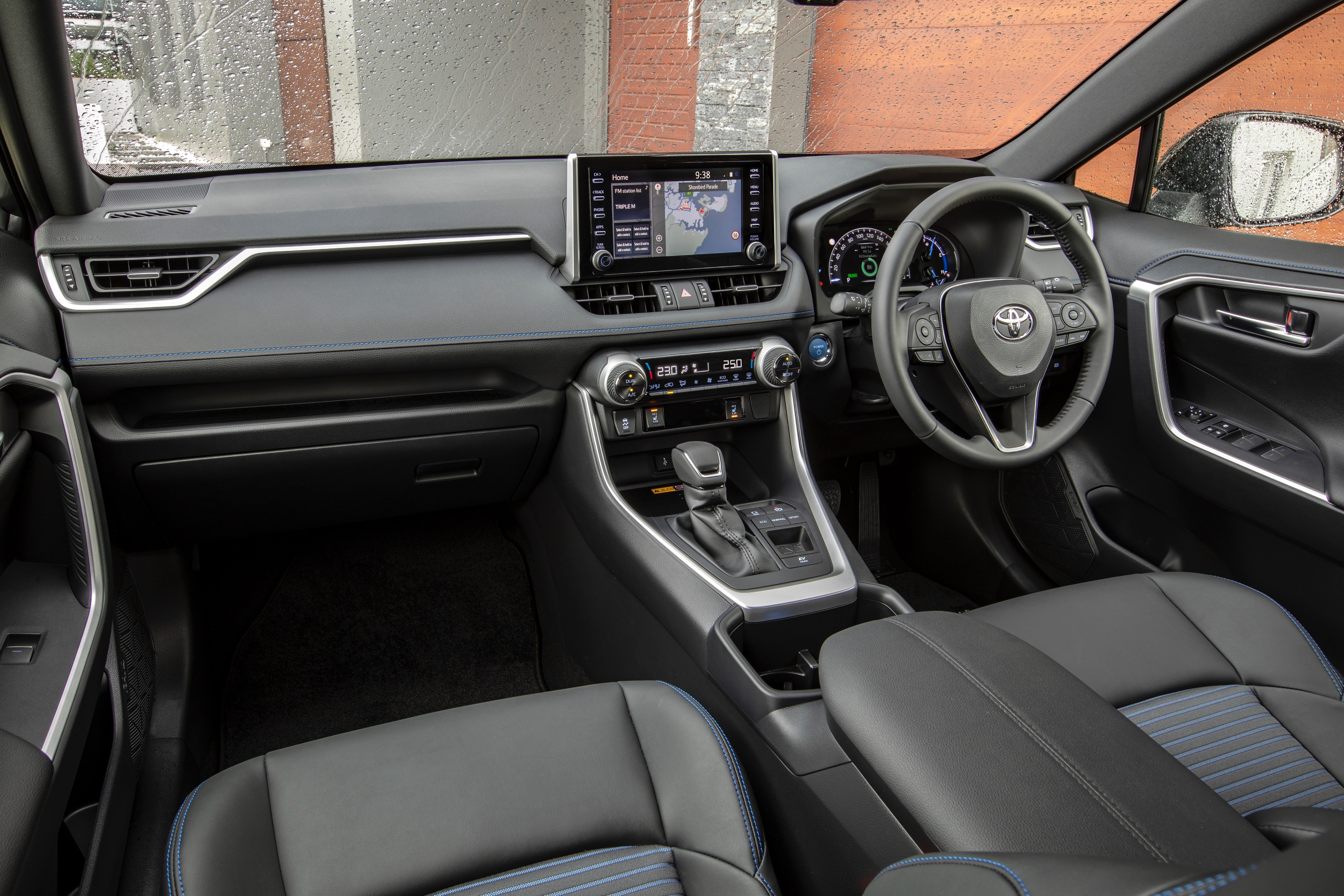
Features
GX
All RAV4 variants benefit from minor upgrades, with the entry-level GX gaining new equipment in addition to the exterior changes which includes:
| 17-inch alloy wheels finished in light grey |
| DAB+ radio |
| Rear seat belt reminder |
| LED interior lights |
| Revised front headlights |
| LED fog lights. |
GXL
Changes to the GXL are minor, with tweaks including:
| Five-V spoke 18-inch wheels in dark silver |
| Illuminated door switches. |
XSE (new)
The freshly introduced variant builds on the GXL, offering a host of small changes to differentiate it from the lower grade, including:
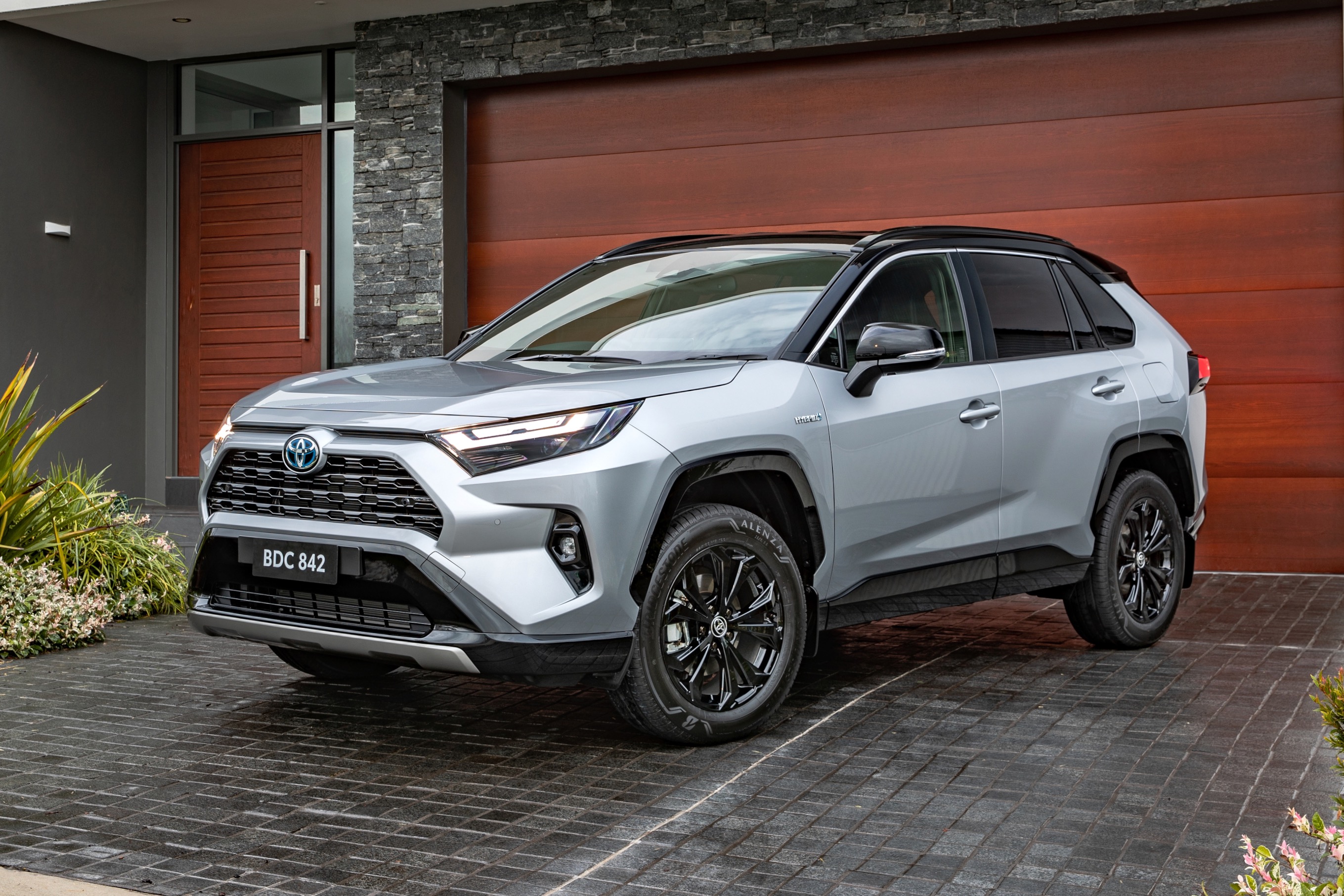
| Black accents on the front and rear bumpers, grille, fog light surrounds, fenders, mirrors and door mouldings |
| Black roof |
| Five-V spoke 18-inch wheels in gloss black |
| Softex upholstered seats |
| Two-stage heating for driver and passenger |
| 10-way power adjustment for the driver with lumbar support |
| Leather-accented door trims |
| Mood lighting |
| Power rear hatch |
| Crystal pearl, silver sky, graphite and mineral blue paint options. |
Cruiser
The penultimate step on the RAV4 ladder is taken up by the Cruiser, with the variant undergoing minor changes for 2022, including:
| Five-V spoke 18-inch wheels in dark silver |
| Digital rearview mirror |
| Three-stage front seat heating and ventilation |
| Eight-way power adjustment for the front passenger seat. |
Edge
Top-of-the-range Edge scores a safety and minor visual refresh, with features such as:
| Rear cross-traffic alert (RCTA) |
| Parking support brake (PKSB) |
| 19-inch alloy wheels finished in matte grey |
| Hybrid powertrain. |
Engine, drivetrain and fuel economy
Powertrains will remain the same as in the current RAV4 line-up, with a choice of two petrol engines available – a 2.0-litre unit making 127kW/203Nm and sending power to the front wheels through a CVT (GX, GXL, Cruiser) or a 2.5-litre 152kW/243Nm engine mated to an eight-speed automatic gearbox, only available in Edge all-wheel-drive guise.
Hybrid options remain as either a front-wheel-drive 160kW/221Nm or an all-wheel-drive 163kW configuration, with the former available in all variants bar the Edge – as the range-topper can only be purchased in all-wheel-drive spec.
Toyota has dropped the option of a manual gearbox for the GX, meaning only two-pedal RAV4s are available to order.
While fuel economy figures weren’t supplied for the updated models, not much is expected to change from the existing consumption numbers, despite all petrol grades now gaining stop-start technology. These are:
| RAV4 2WD 2.0 CVT | 6.5L/100km |
| RAV4 AWD 2.5 8AT | 7.5L/100km |
| RAV4 2WD Hybrid CVT | 4.7/100km |
| RAV4 AWD Hybrid CVT | 4.8L/100km. |
Warranty and servicing
As with all of Toyota’s range, the 2022 RAV4 is covered by a five-year/unlimited kilometre warranty, while an extra two years of engine and driveline coverage is offered if the service schedule is adhered to.
In addition to this, Toyota offers capped-price servicing for five years/75,000 kilometres (up to the first five services) for new RAV4 owners, pricing each 12 month/15,000 kilometre service at $230.
Availability
The updated 2022 Toyota RAV4 is expected to arrive in Australia during the first quarter of next year.
Plug-in hybrids are no longer a thing at MG, with the Chinese carmaker renaming its PHEV models Plus EVs ‘to simplify the naming structure across its wider model line-up’.
In line with this decision, MG has renamed its HS Plug-In Hybrid the HS Plus EV (or +EV) with immediate effect. The MG ZS EV model name remains unchanged.
According to MG Australia CEO Peter Ciao, the name change will avoid confusion in Australia about electric vehicle technology.
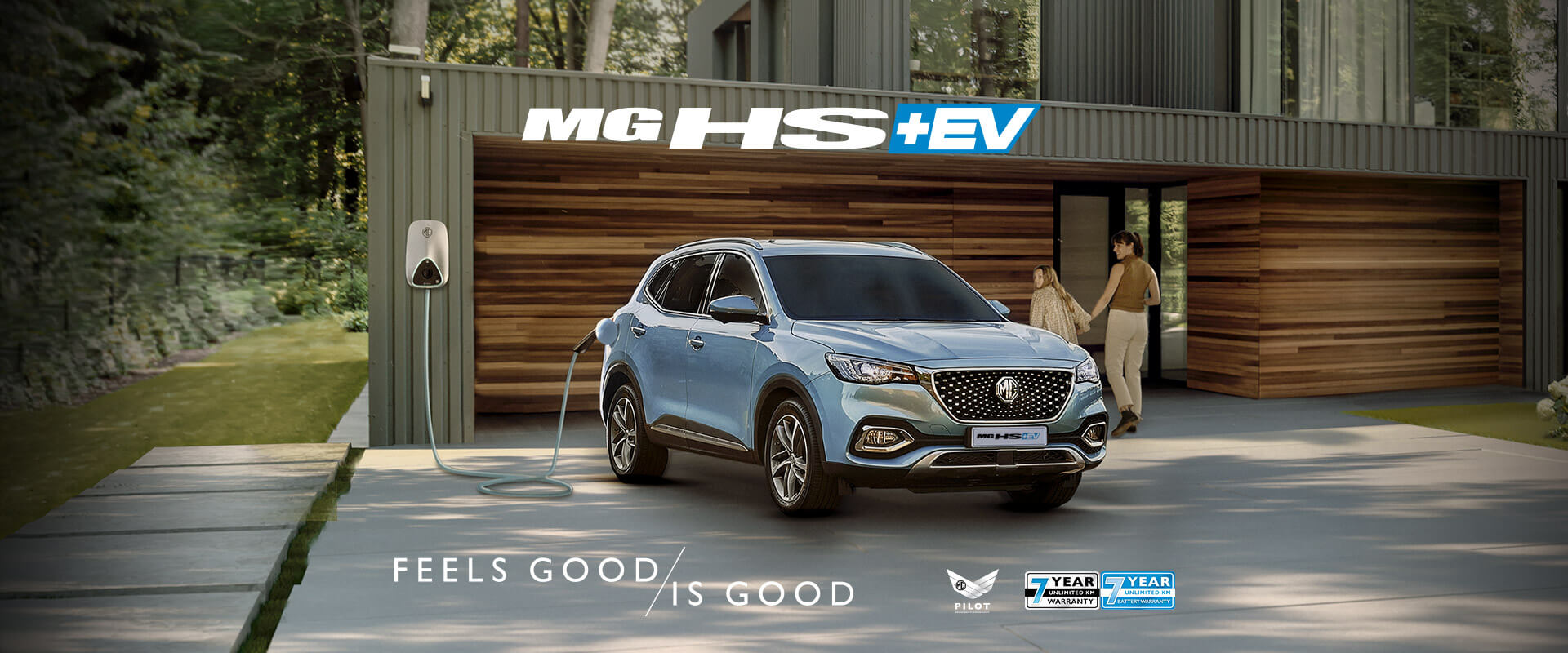
“The renaming of the HS Plug-In Hybrid to Plus EV makes it clear to the buyer that they are purchasing an electrified vehicle.
“The HS Plus EV gives you the best of both worlds, combining remarkable performance and technology with low-emission practicality, and offering MG customers more choice in their day-to-day lives.”
The rebadged HS Plus EV Essence is now available in Australia and New Zealand, with a new value-focused variant to be announced soon.
Do you think renaming PHEV models Plus EV will avoid confusion? Let us know in the comments below.
Key Points
- MG is donating 3000 chargers across the country
- The wall boxes will be based on MGu2019s own Aurora charge hub
- Venue are operators invited to pitch for the chargers
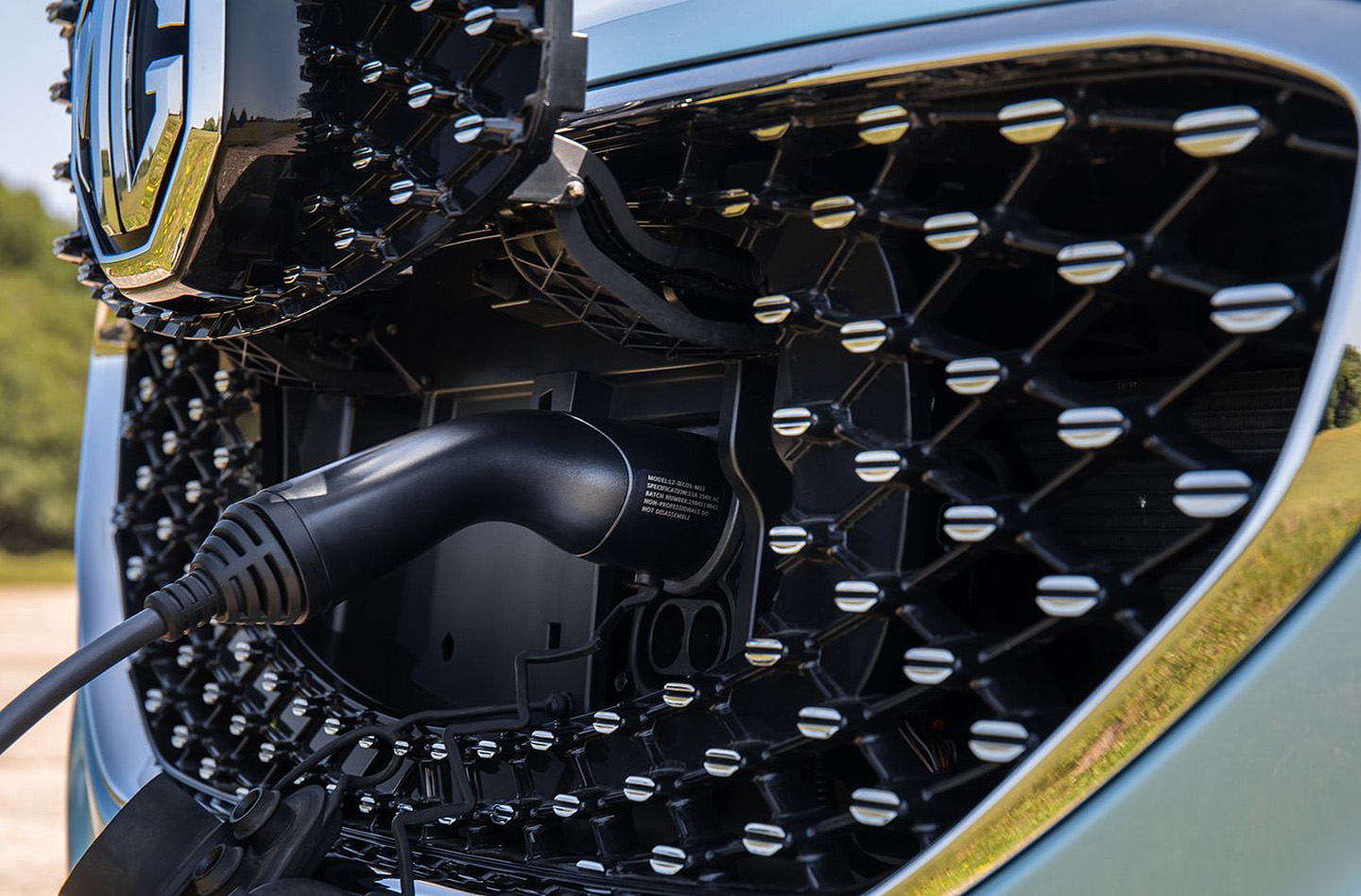
MG has announced it will donate 3000 electric vehicle (EV) charging points to as many as 1000 hotels across regional Australia.
The rollout will start with about 300 hotels, mostly in NSW, and will gradually expand across the country, with a similar scheme also set to be introduced in New Zealand down the track.
MG Australia CEO Peter Ciao, who announced the initiative at the company’s online ‘Accelerate Together’ press conference from Sydney, said the chargers will be installed at three-star hotels and motels in regional and rural Australia to encourage people to drive EVs from the cities.
He said he welcomed hotel owners across the country to reach out to MG via its mgelectric.com.au website.
The 3000 7kW AC wall boxes, based on MG’s own Aurora charge hub, are best suited to overnight charging will be accessible to all EV or plug-in hybrid models, not just MGs.
Ciao said the charger roll-out represents a multi-million-dollar investment by MG to support local businesses across Australia, including hotels and resorts.
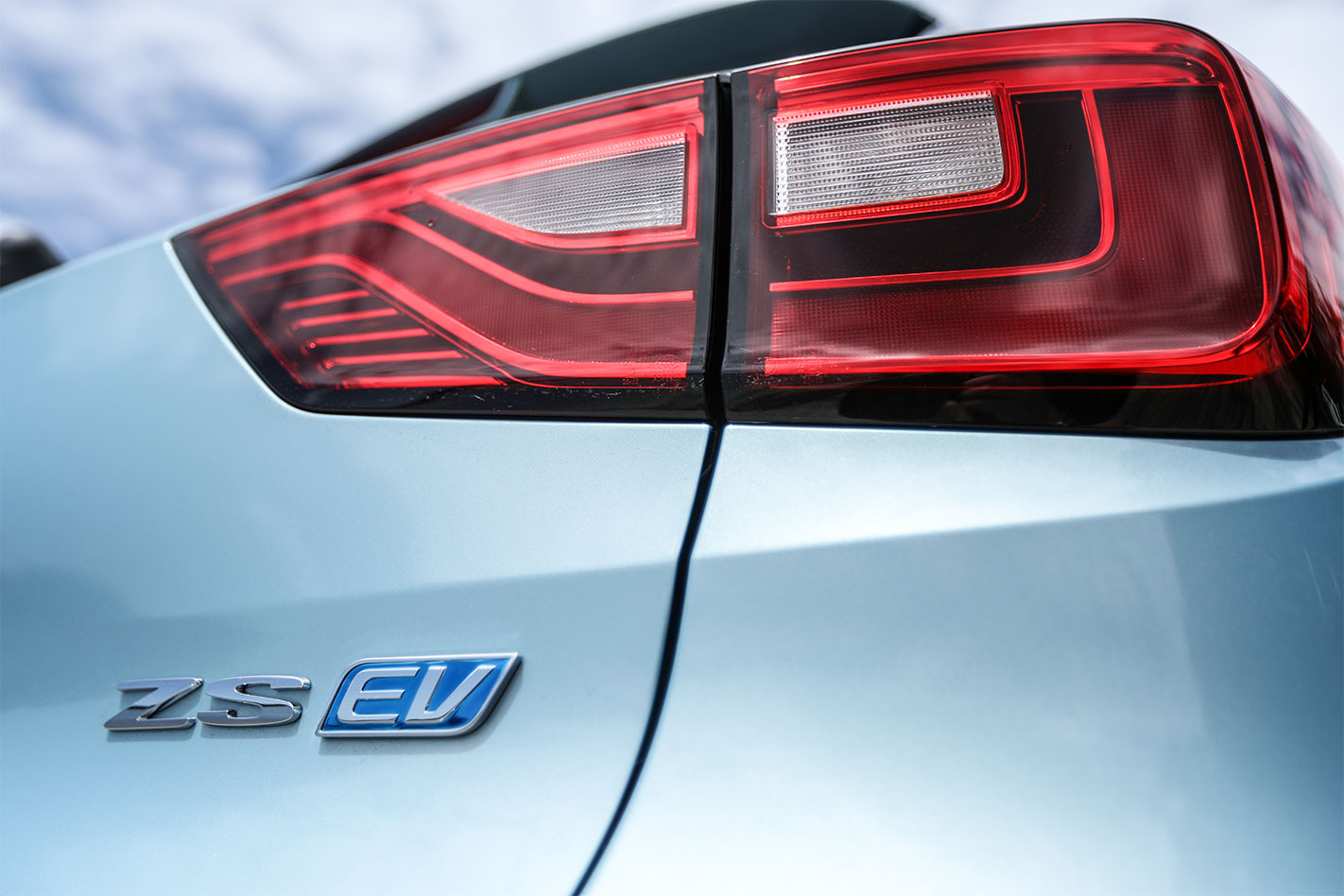
He said the initiative was the next step in MG’s effort to promote EV uptake, after introducing ZS EV to Australia as the country’s most affordable EV.
“In Australia, purchase price is the biggest barrier to adoption of electric vehicles, closely followed by concern at the lack of public charging infrastructure,” Ciao said.
“We have achieved our ambition of delivering value and driving discussion. Now, we take the next step by supplying charging hardware that can be used by many electric vehicle owners in Australia.
MG has opened applications to prospective venue operators, who can submit their expressions of interest at mgelectric.com.au, with the first 300-1000 set to be delivered within 12 months.
Snapshot
- The petrol MG5 is set to arrive in early 2023
- The MG5 EV wagon ruled out for Australia
- Facelifted MG ZST EV due within six months
MG has confirmed it will be adding MG5 sedan to its Australian line-up, however, it now isn’t expected to arrive until the beginning of 2023.
Not to be confused with the MG5 EV wagon built primarily for the UK market, the Thai-built MG5 coupe sedan is about the size of a Honda Civic, of which it bears quite a resemblance.
It’s powered by a choice of two 1.5-litre engines developed by MG’s parent company SAIC, including an 89kW naturally aspirated version and a punchier 129kW turbo.
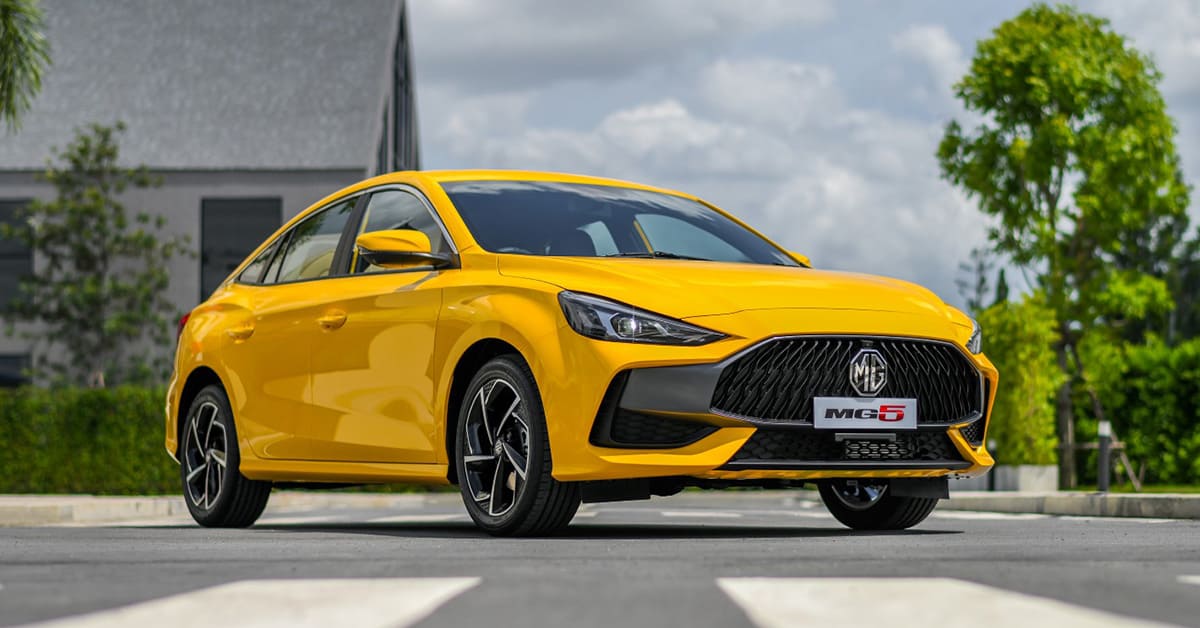
Transmissions include a 5-speed manual and seven-speed dual-clutch auto.
MG Australia is yet to confirm which powertrains will be available in Australia.
Equipment wise, expect it to be similar to the MG ZST small SUV, which features MG’s ‘Pilot’ active safety suite, a digital gauge cluster, multimedia touchscreen, leather-appointed trim.
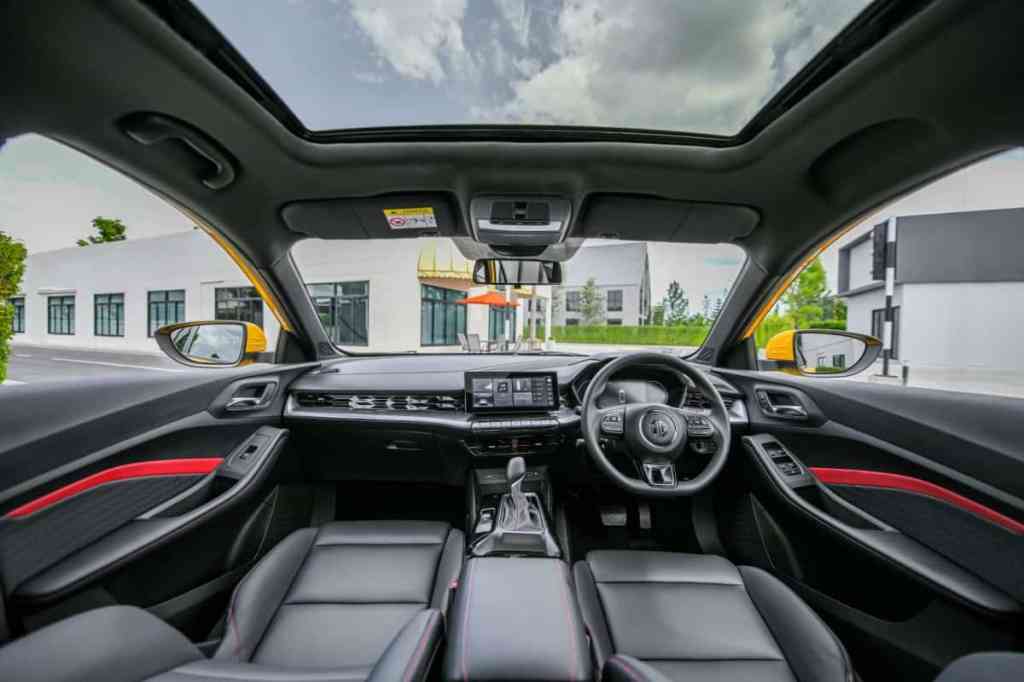
The MG5 was expected to arrive here in 2022, but while Australia-bound examples will commence production late next year, an MG spokesman told Wheels it is unlikely they will go on sale before 2023.
There is better news for anyone hanging out for the facelifted MG ZS EV, with MG Australia CEO Peter Ciao reconfirming it will arrive before May 2022.
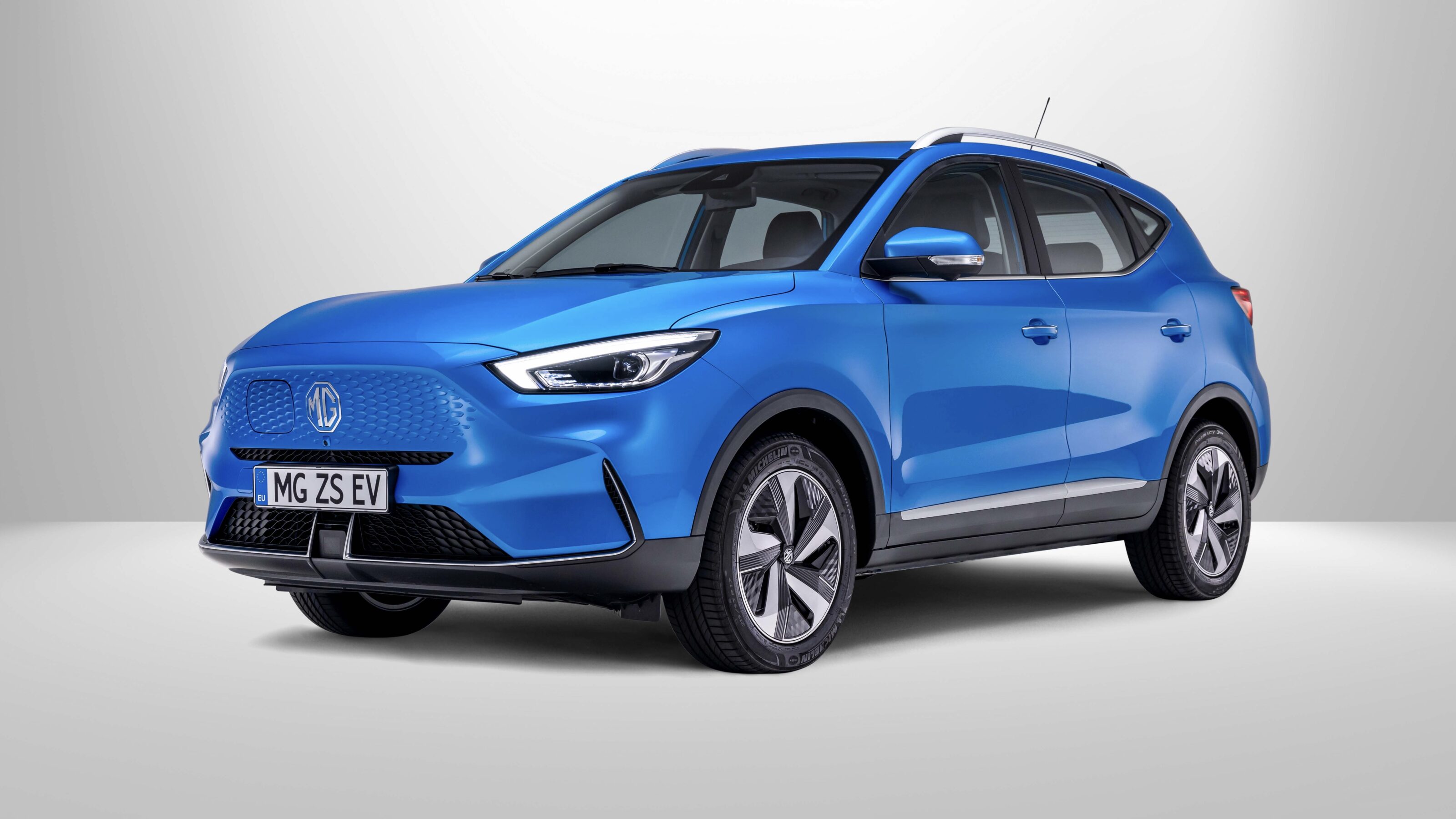
Sporting a prominent grille-less fascia with new LED headlights and daytime-running light signature, the 2022 MG ZS EV will bring an upgraded powertrain with the 44kWh battery pack replaced with a 72kWh unit – capable of a claimed 440 kilometres on the WLTP test cycle.
As for all-new EV models, Ciao revealed Australia is likely to receive the next-generation Marvel R SUV, which will be based on the R Auto ES33 Concept and due in 2023.
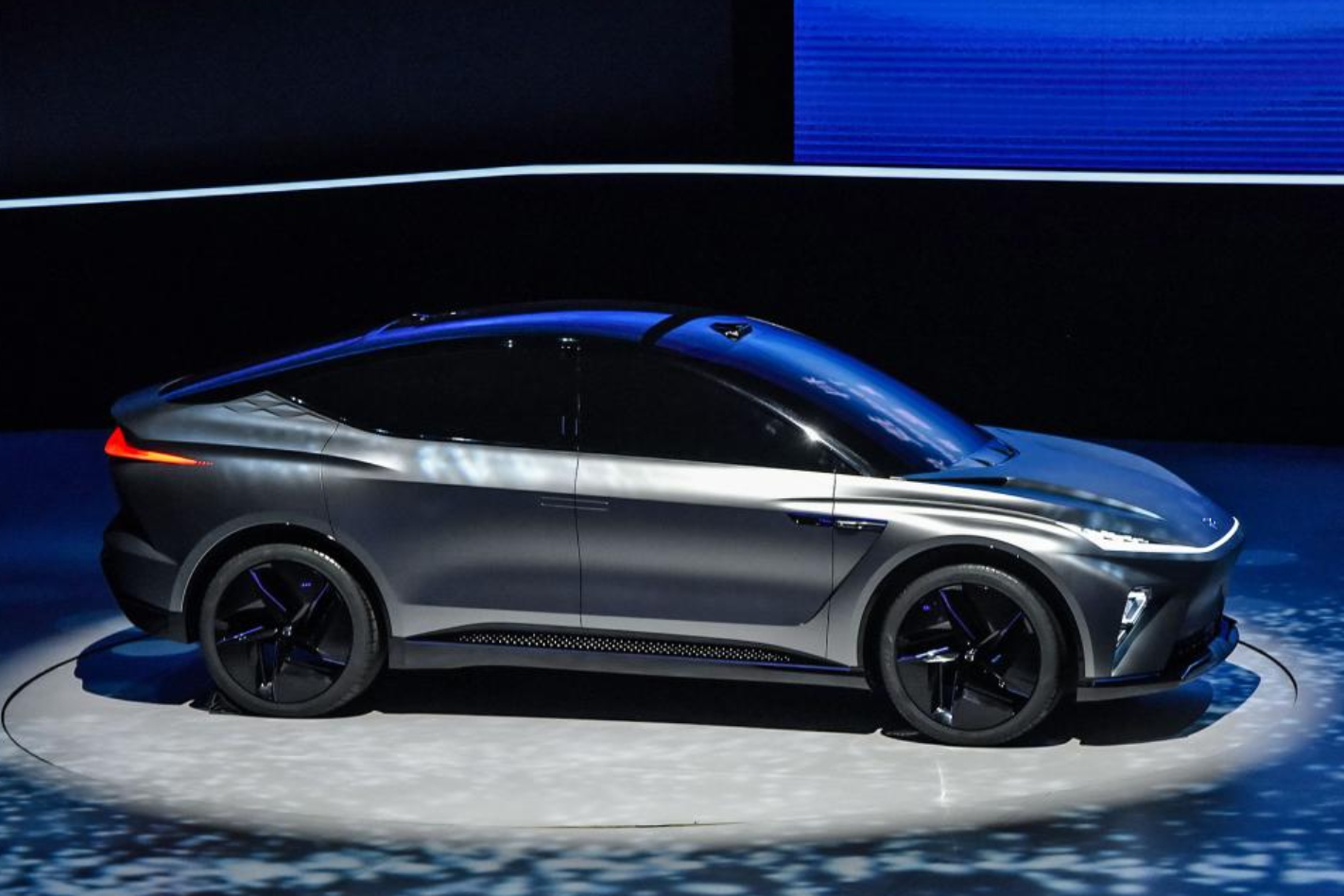
However, the handy MG5 EV wagon, which was primarily designed for the UK market, has been ruled out for Down Under.
In the 1985 French Grand Prix, with Formula 1’s turbo era nearing its peak and his 540kg Brabham–BMW BT54 making around 820kW in qualifying trim, Swiss driver Marc Surer went through the speed trap at the end of Paul Ricard’s 1.8km Mistral Straight at 338km/h, or 210mph, setting a new record for the highest speed recorded in an F1 race.
In a luxurious road car weighing four times as much I comfortably hit 349km/h, or 217mph, braking way earlier than Surer would have done on a qualifying lap, and with the car only beginning to hit its stride.
Have we now reached peak engine? The Bugatti Chiron Super Sport is, according to its maker, the fastest production road car you can buy, with the most powerful internal combustion engine.
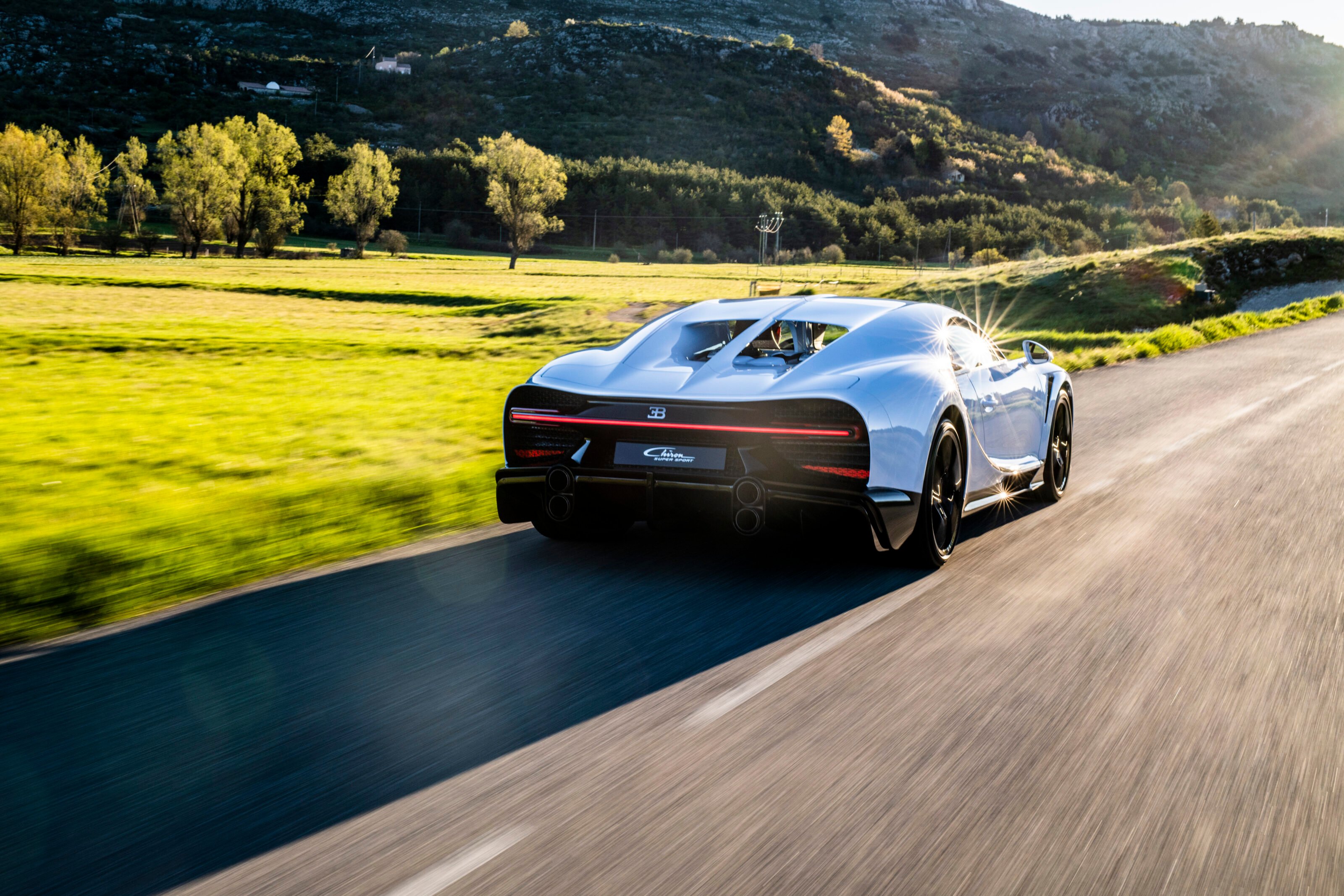
The limited edition Super Sport 300+, of which 30 will be made in the same black-and-orange livery as the record car, shares the same engine and top speed, and the 10 Centodiecis also share the engine. The only limit on Super Sport production is that fewer than 50 Chiron built slots remain.
Bugatti’s claims are not without controversy. Hennessey, SSC and Koenigsegg all claim to have cars in the works which will equal or eclipse the Super Sport’s 1177kW, but not all have yet been homologated and all require E85 fuel to do it: the Chiron makes its power on 98RON.
The claim to the speed record is based on the 304.8mph (490.5km/h) which Andy Wallace hit at VW’s Ehra-Lessien track in a prototype Super Sport in August 2019. It was verified by the German TÜV testing and certification agency but was a peak speed, recorded one-way, and the production cars are limited to 440km/h (273mph). The rivals seem set on breaking that record with two-way runs, and Bugatti says it won’t defend it.
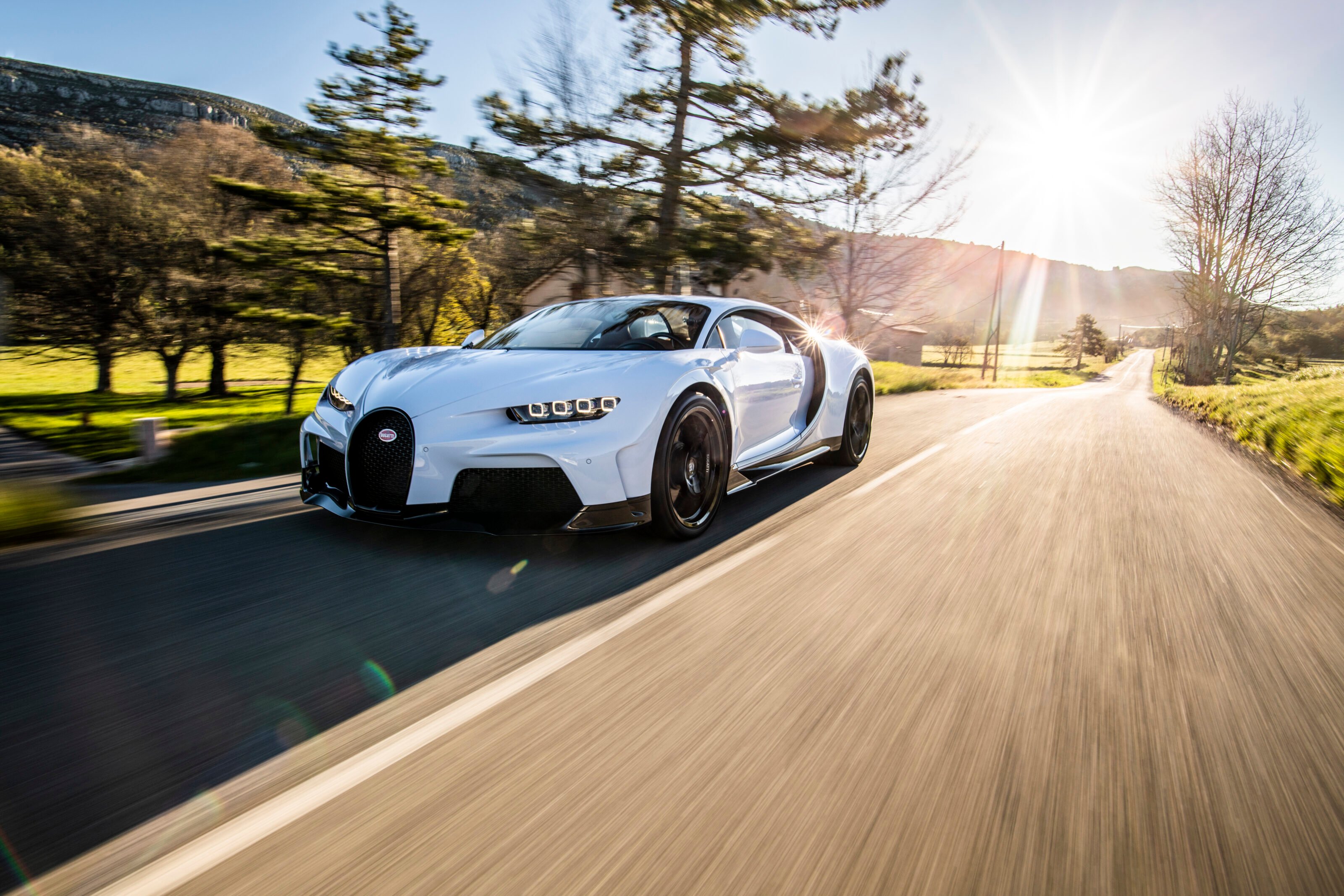
There’s plenty more arguing to be done, but as the major manufacturers wind down or cease their development of internal combustion engines, there’s a chance that this Super Sport will stand as the most powerful ever combustion-engined production car, certainly from a major manufacturer. There’s a chance it might remain the fastest-ever too.
But forget about the billionaire Top Trumps, and focus instead on the car. It is a spectacular technical achievement, but there’s also a faint sadness about it. Not because it’s a swansong for petrol engines, but instead because its team of brilliant engineers, designers and aerodynamicists have endlessly rethought and refined every radius and hole and blade to get this vast car through the air at currently unparalleled speeds and with the same safety and stability as VW demands of a Golf, yet few if any owners will ever get close to experiencing what they’ve made possible. Their achievement is amazing but almost entirely academic.
I don’t want to denigrate the efforts of the powertrain engineers, but the Super Sport’s additional 74kW was bought fairly cheap by bolting four larger turbos to its 8.0-litre W16 engine.
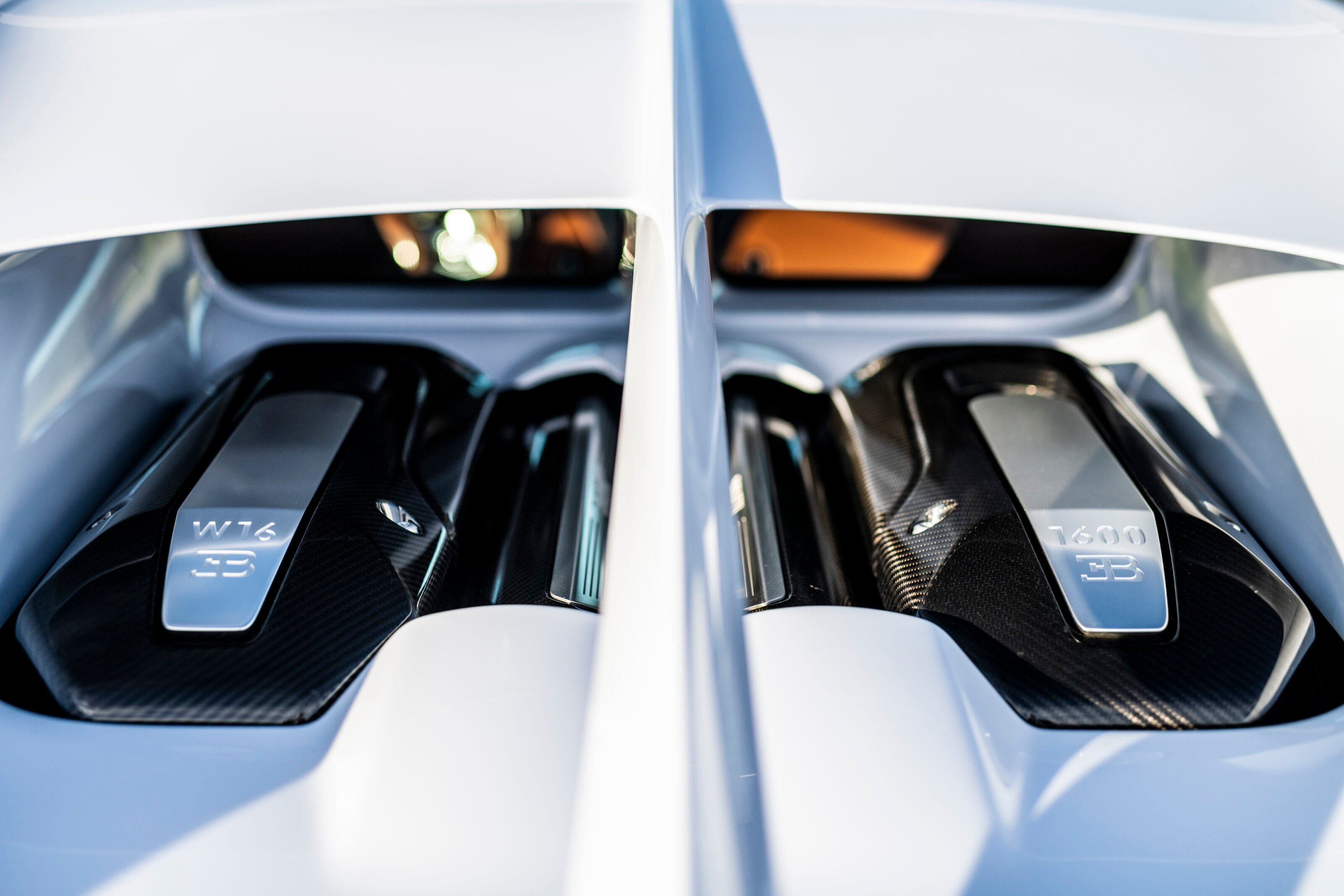
The rev limit has been raised by 300rpm to 7100, with peak torque of 1600Nm now available between 2250 and 7000rpm, rather than 6000. Top gear (seventh) is now 3.6 per cent longer. The suspension has been stiffened slightly and the adaptive damping, ESC and steering maps have all been tweaked for better high-speed stability.
Michelin has developed bespoke Pilot Sport Cup 2 tyres for the car which are rated to 500km/h (another record) and which were run on the rig created to test Space Shuttle tyres to be sure they could withstand the 5300g generated at their circumference at that speed. At V-max, the 44g tyre pressure monitor that sits in the wheel well weighs as much as two grown men. Each tyre is X-rayed for imperfections before delivery.
The aero changes are perhaps the most impressive, able to get a car shaped like a wing through the air at way beyond airliner take-off speed, while keeping the car’s own wing flat on the deck to cut drag.
The front end has been artfully sliced, drilled and radiused to make the passing air cleave to the body in a perfect laminar flow. Nine holes atop each front wing relieve pressure in the arches, but also reference the EB110 Super Sport, which had a thousand horsepower less.
At the back, the Super Sport gains a striking new long-tail configuration, with an exuberant carbon-fibre moulding adding 25cm to the length, cutting drag by keeping the air attached for longer and reducing by 44 per cent the vertical ‘tear-off’ area at the very back where the air finally departs and goes turbulent. It also enables a longer underbody diffuser – the longest on any production car, its designer Frank Heyl claims – with the exhausts now stacked vertically to give the diffuser more surface area.
There’s a subtle nod to the late Ferdinand Piech there too; the man who bought Bugatti for Volkswagen, and whose pet project the original Veyron was. His Porsche 917 used a ‘langheck’ configuration to sort out its high-speed stability, but while the short 917s look way better, I think the long-tail Chiron is the best of its breed, and I’m not ashamed to say that I photographed it like a fanboy before I drove it.
And so how does it feel to drive the world’s most powerful car? On the road, you’d need to be a neurological marvel to detect the Super Sport’s extra power over a standard car. On Bugatti’s numbers the Pur Sport is marginally quicker to 100 and 200km/h.
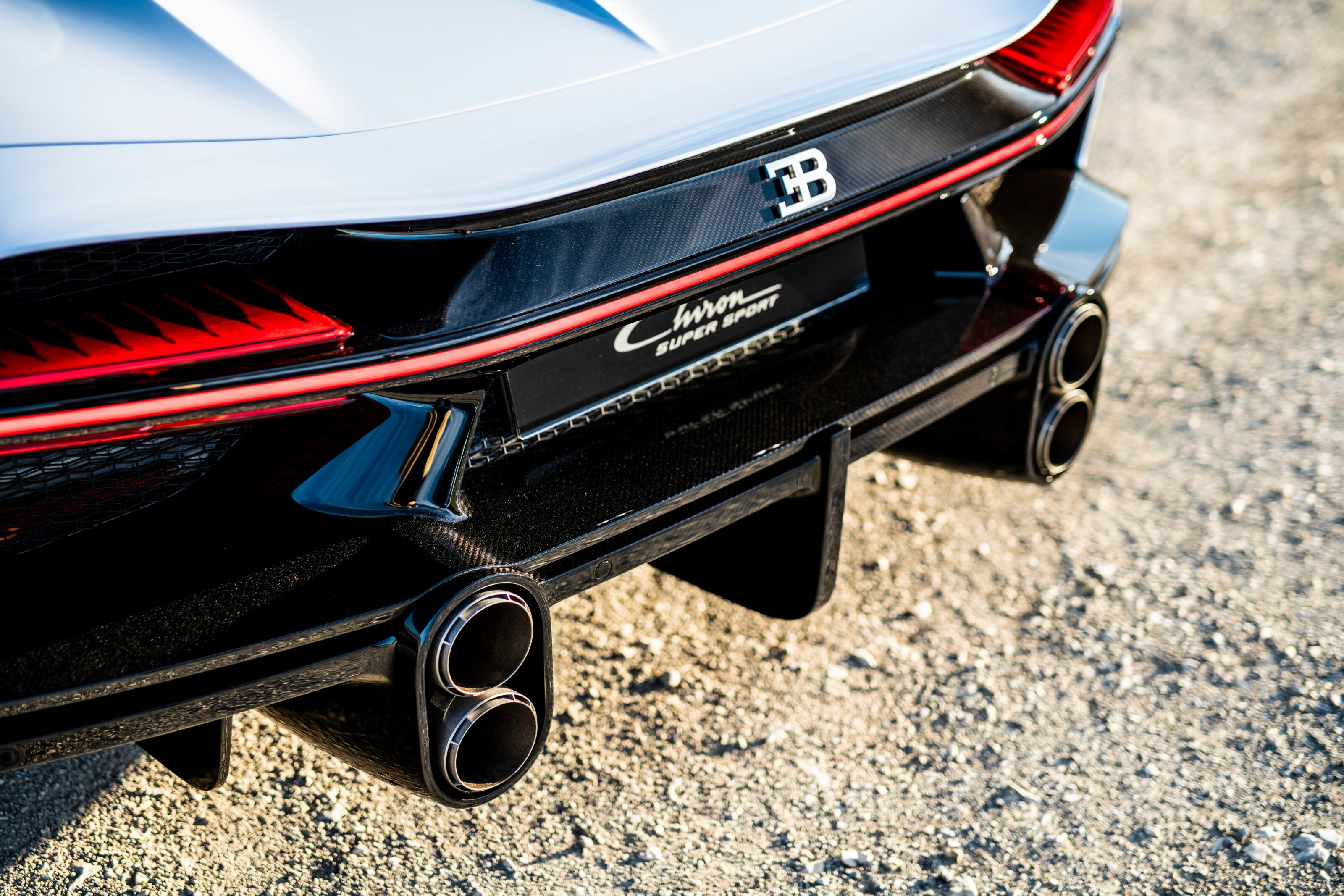
It’s only by 300km/h that the Super Sport starts to pull away, taking 12.1 seconds to the Pur Sport’s 12.4 and the standard car’s 13.1. With its standard engine but shorter gearing and significantly stiffer suspension the Pur Sport feels way more agile and urgent on the road, and makes the Super Sport feel bloated and unwieldy on a track.
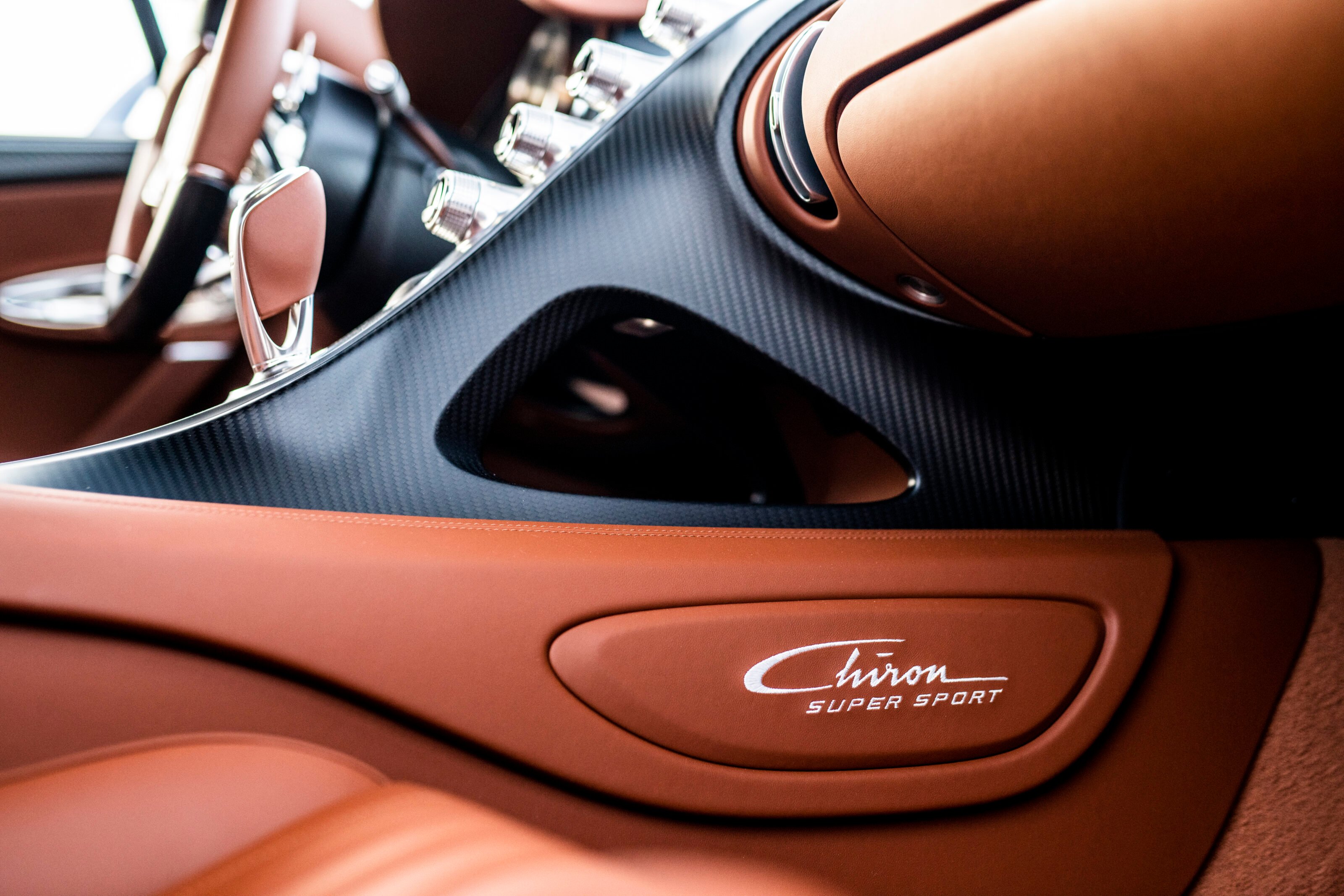
But despite its bonkers top speed, that’s not where it was meant to be driven. Bugatti intended the Super Sport as an ur-Chiron, as luxurious and long-legged as the standard car, but with near unanswerable power and speed. It nails that brief. You can cross continents comfortably in this thing, and although the Pur Sport is sharper, the Super Sport still shrinks around you and jinks into corners like a car of two-thirds its mass.
It’s not just a dragster: it’s driveable, docile when you need it to be, and fun. And there are moments, even on the hilly roads around Paul Ricard where the tell-tale indicators on the Super Sport’s central console will later confirm that you used all the power, even for a moment. A fleeting moment.
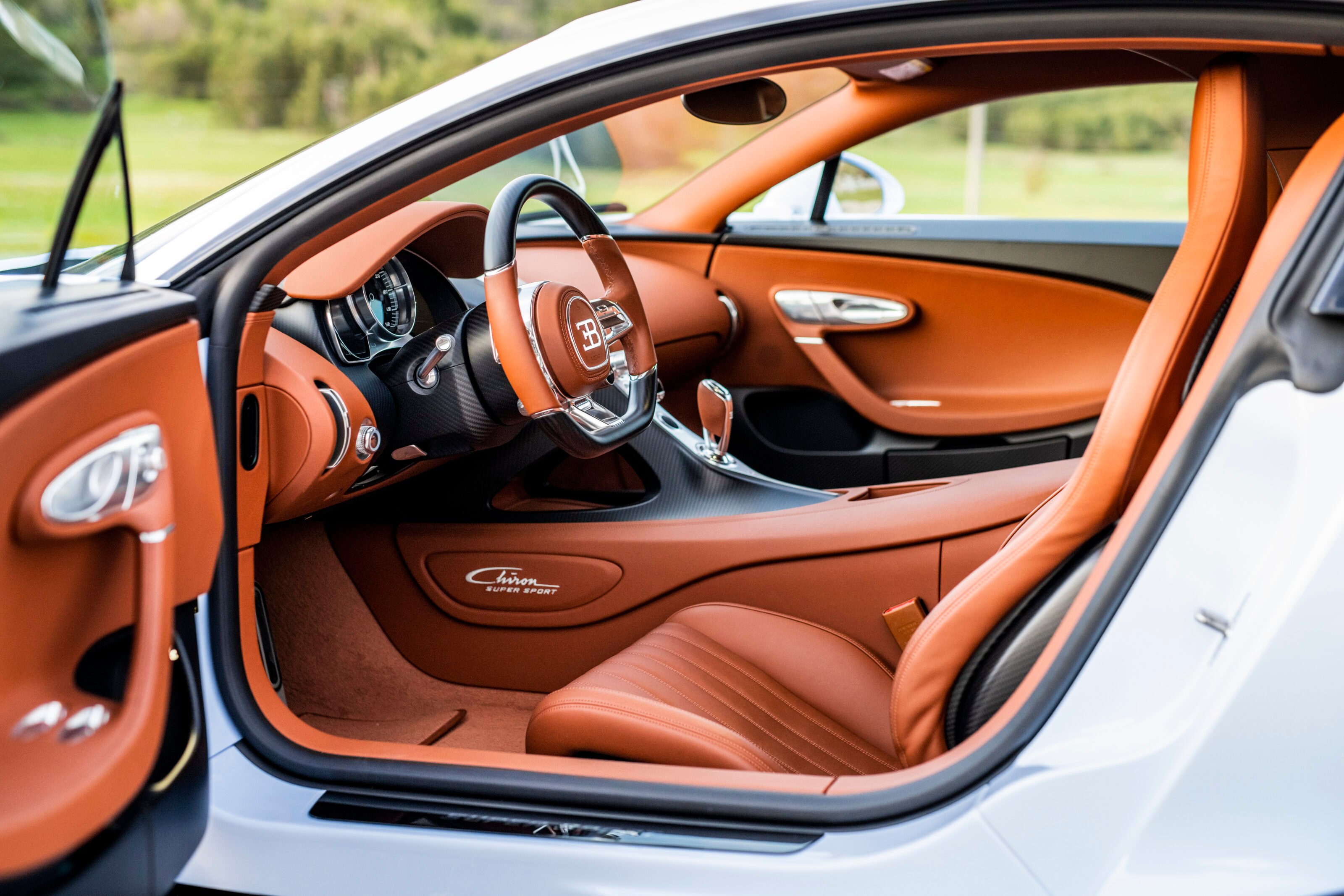
But if you actually want to feel more than fleetingly what you’re getting for your c.$7.25m, you need Ehra-Lessien. Even on the Mistral straight you only glimpse it for a few seconds. In a wholly unscientific test, I exited Turn Seven in both the Pur Sport and the Super Sport and stayed flat until roughly the same, conservative braking point.
The tell-tales told me I’d used all the power and all the revs in each car, but with a peak speed of 331km/h in the Pur Sport, to the Super Sport’s 349km/h.
So there it is: the usually academic difference that the manufacturers bicker over and billionaires pay for but few ever witness. It doesn’t feel academic when you do it: it feels very real and bloody serious.
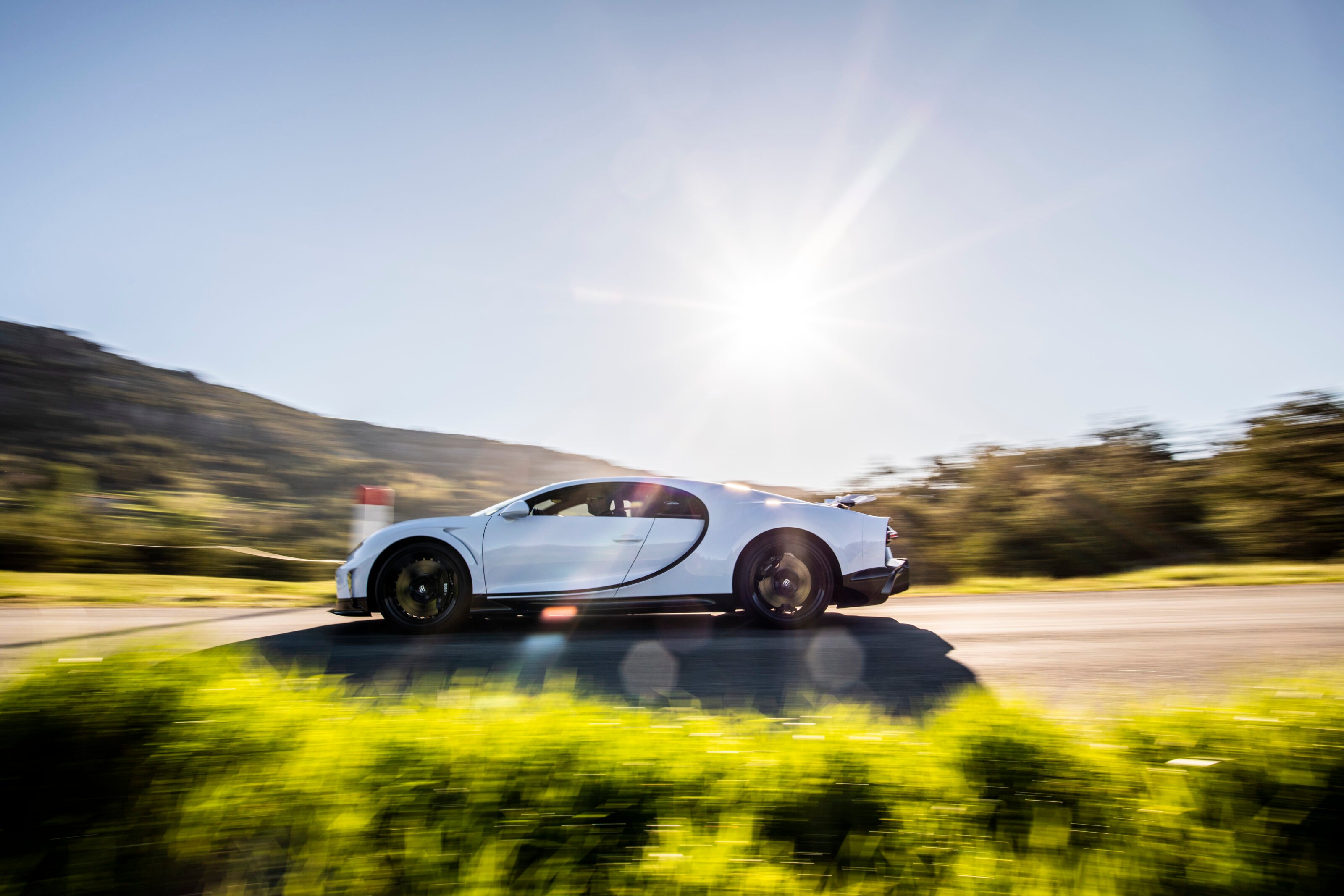
The power is overwhelming and the speed seems to swell inexorably and was nowhere near relenting, even at way beyond 300km/h. The physical sensation of being accelerated that hard for that long begins to freak out your inner Neanderthal, but rationally you know that you are nowhere near your car’s limits.
You know that it is tracking straight and true, that when you hit the brakes the wing will stand up in its air-brake position, pull the centre of pressure back and allow you to bury your foot, and that those engineers back in the pits have signed this madness off.
And oh, man, the noise. A little disappointing in normal use, the Chiron is just thunderous when you finally get to hold it wide open. If this is the swansong for the petrol engine, it’s delivered in the deepest basso profundo, and we’re going to miss it.
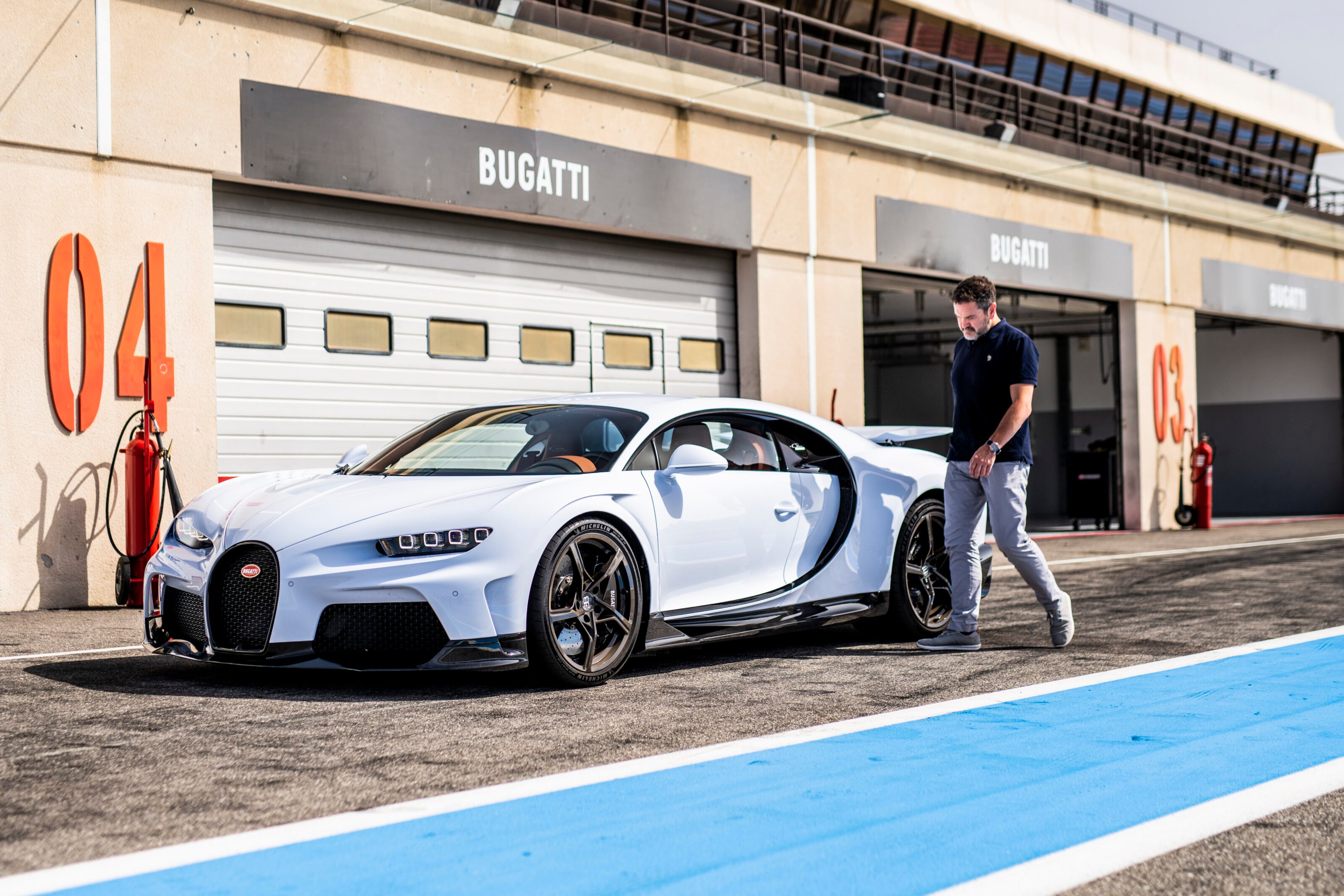
Bugatti Chiron Super Sport specifications
As compact SUVs go, the Audi Q2 is unusual. It’s unusual for two reasons. The first is that for an Audi, its styling is quite bold, with some interesting design elements that complement its upright stance. Secondly, it doesn’t live in the dull, dreary, 100kW/200Nm space that seemingly everything from Japan and Korea occupies.
In fact, when I first drove the Q2 40 TFSI, I wondered if it was the first warm compact SUV on the market. With Quattro all-wheel drive, a moderately powerful 2.0-litre turbo and a chassis that ditches all the pretence of mud-plugging potential elevated ride height suggests, it’s a strong argument.
Arriving on my drive in the wake of its more fiery twin, the SQ2, it was a good opportunity to remind myself of the most-bought Q2 model and the one that made me think Audi was serious about grabbing buyers willing to pay well over forty grand for such a thing.
Pricing and Features
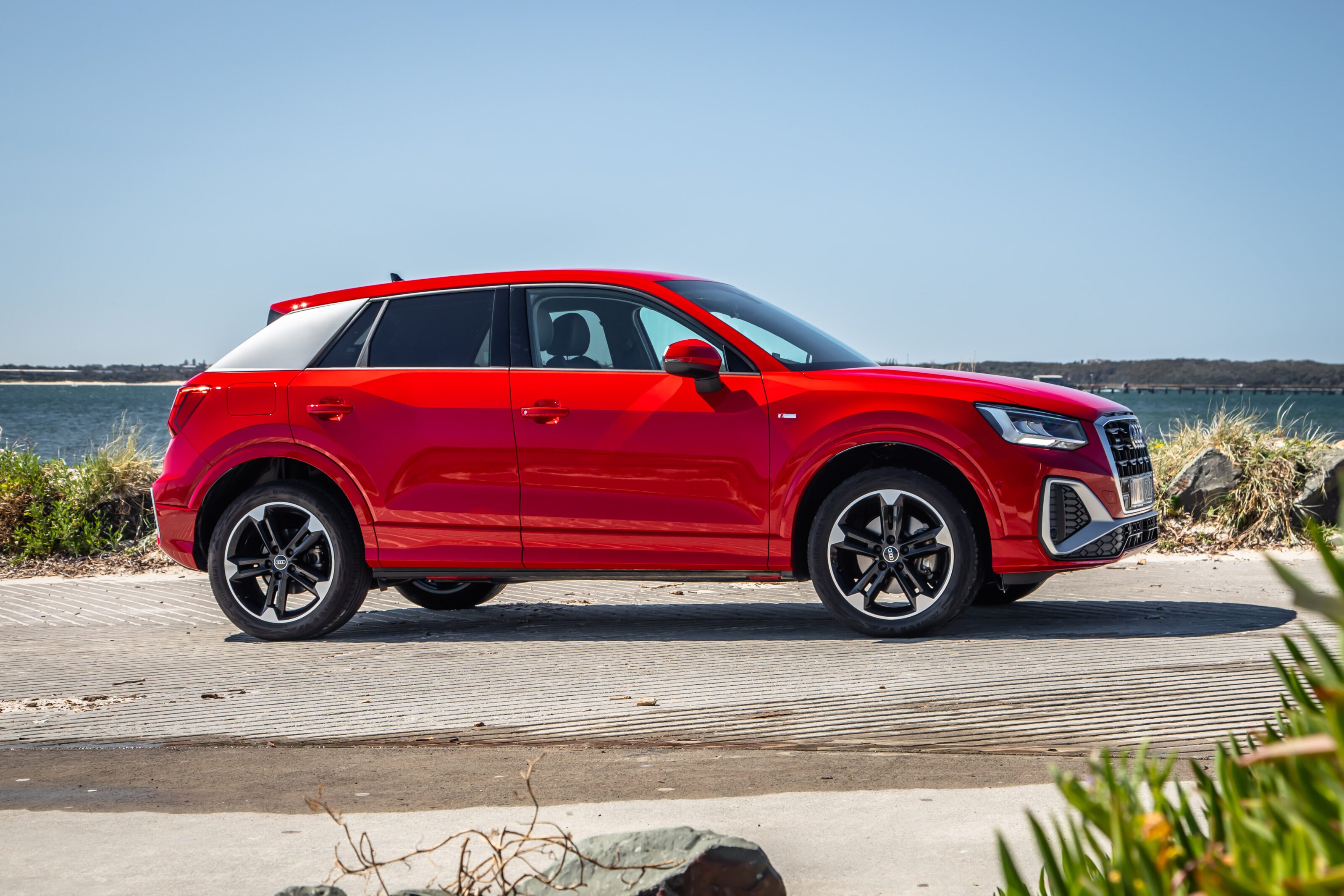
The Q2 40 TFSI is the middle child of the Q2 range if you accept the SQ2 is part of that range. The 40 starts at $49,900 before on-road costs, which for badge-conscious buyers with a bit of wriggle room, isn’t a substantially more expensive proposition than the excellent (and larger) Kia Seltos GT-Line. The Kia itself is more expensive than an un-optioned Volkswagen T-Roc 140TSI. A front-wheel drive Q2 35 TFSI lands in the middle of those two at $42,900 + ORC with its 1.5-litre turbo engine.
Onboard a 40 TFSI you’ll find 18-inch alloys, a ten-speaker stereo, S-Line styling package, keyless entry and start, power tailgate, fake leather seats (no harm in that, it’s fine), sports front seats, LED headlights, real leather wheel and shifter, wireless phone charging, dual-zone climate control, USB-powered Apple CarPlay and Android Auto, cruise control, auto wipers, sat-nav and a tyre repair kit in lieu of a spare.
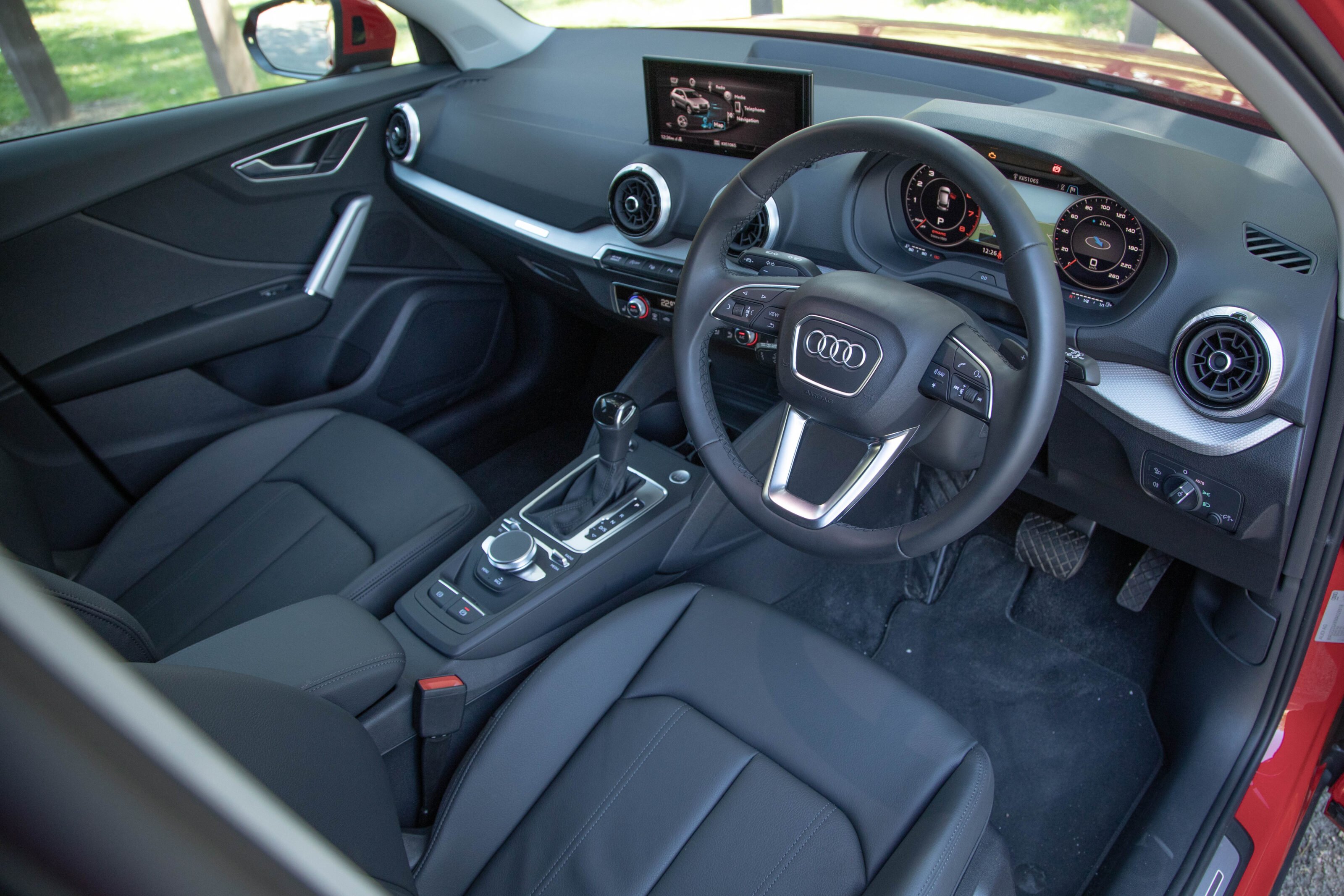
The MMI screen, controlled by a console-mounted rotary dial has gotten bigger over the years and has the aforementioned Android and Apple connectivity. Even though it’s an older version of the code, it checks out (that joke works better if the car is white with the black S-Line bits) and, as ever, works really well.
Almost all rivals have reverse cross-traffic alert and some have reverse AEB, so it’s sad these are missing from the Q2.
It’s when you arrive at the list of safety features that the age of the platform is apparent. Based heavily on the outgoing A3, the Q2 has six airbags, ABS, stability and traction controls as well as forward AEB with cyclist and pedestrian detection as well as forward collision warning. Apart from blind-spot monitoring, that’s it. Almost all of its rivals have reverse cross-traffic alert and some have reverse AEB, too, so it’s sad these are missing from the Q2. Only the SQ2 adds lane-keep assist as standard.
Two ISOFIX and three top-tether anchors look after the younger folks in your life.
The Q2 scored five ANCAP stars in 2016 but there have been significant rule changes since then.
Options on this car included a matte grey C-pillar blade ($370), $1195 for metallic paint (!) and the $2950 Premium Package that throws in adaptive cruise, lane-keep assist, fancier electric mirrors with heating and folding, privacy glass, two more speakers, heated front seats and the excellent Audi Virtual Cockpit digital dashboard. Given the latter can sometimes cost almost this much on its own, it’s not bad value as Audi options go and most of the additions are genuinely useful and in a couple of cases, improve the car’s safety.
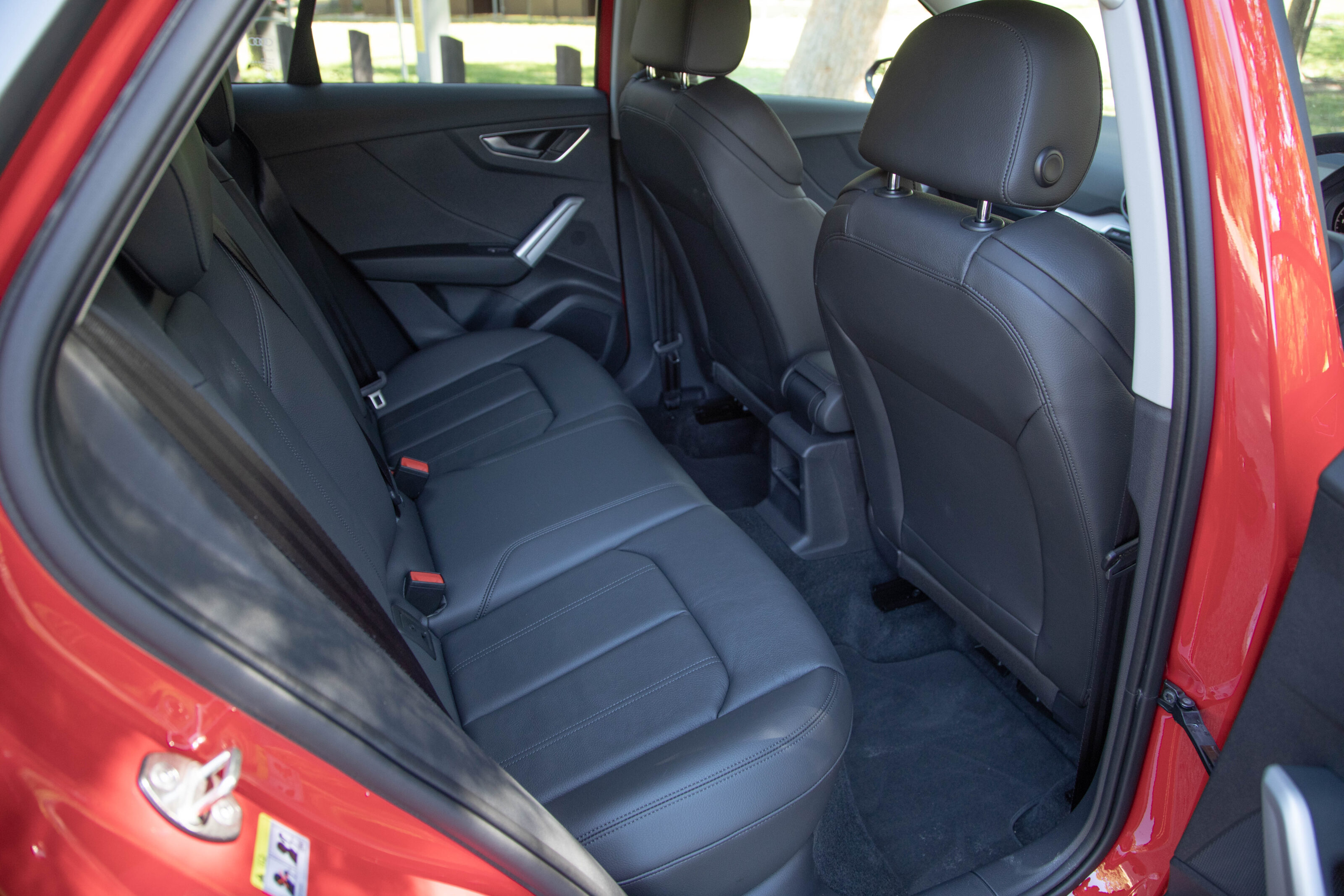
The great thing about a lifted hatchback with a higher roof is that you get a bit more space. It takes the marginal rear seat of the A3 on which it’s based and with a higher seat and more headroom, you’re less likely to brush your knees against the rear of the front seat – providing neither occupant is over about 180cm.
Rear seat passengers miss out on cup holders as there isn’t even a rear armrest, which is a bit rich on a fifty grand car. Heck, it’s a bit rich on a twenty grand car. The seat is comfortable, though and that’s a good thing.
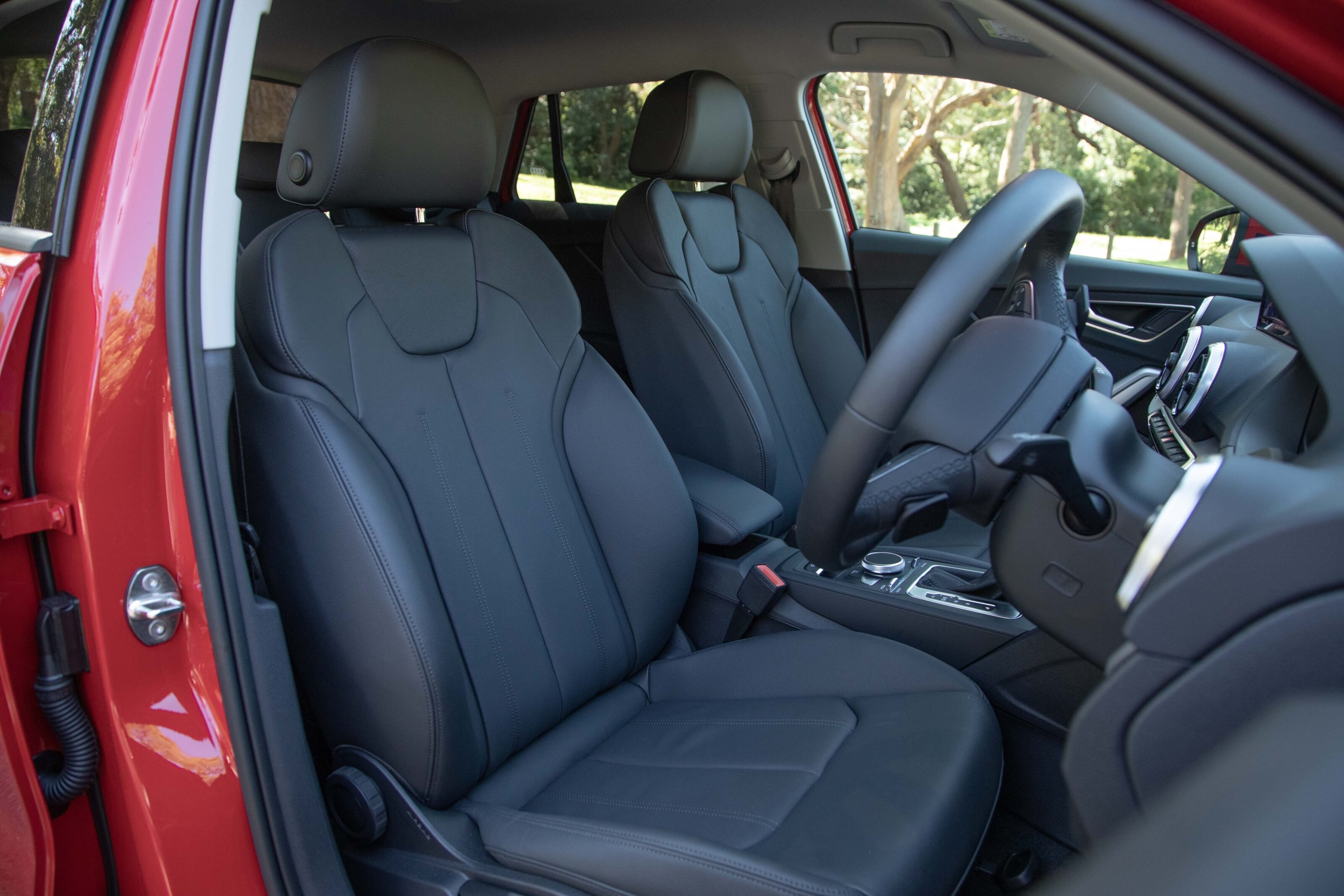
The front seats in the 40 TFSI are almost worth the price of admission alone and when seated you’ll see the instantly familiar dash setup of the A3. I still love the four circular air vents and while the 8.3-inch screen (up from 7.0-inches) is fixed in place these days, it still looks great. The feeling of modernity is no doubt helped by the optional Virtual Cockpit. Up front, you get two cup holders and door pockets into which you can squeeze a plastic bottle, but don’t get too ambitious. The view out is good, too, with lots of glass to see through and let light in.
Boot space weighs in at 355 litres, as it does for the SQ2. It’s worth nothing a hefty deficit of 50 litres compared to the 35 TFSI, which is front-wheel drive and makes do with cheaper torsion beam suspension rather than the Quattro/multi-link combo of the 40.
On the road
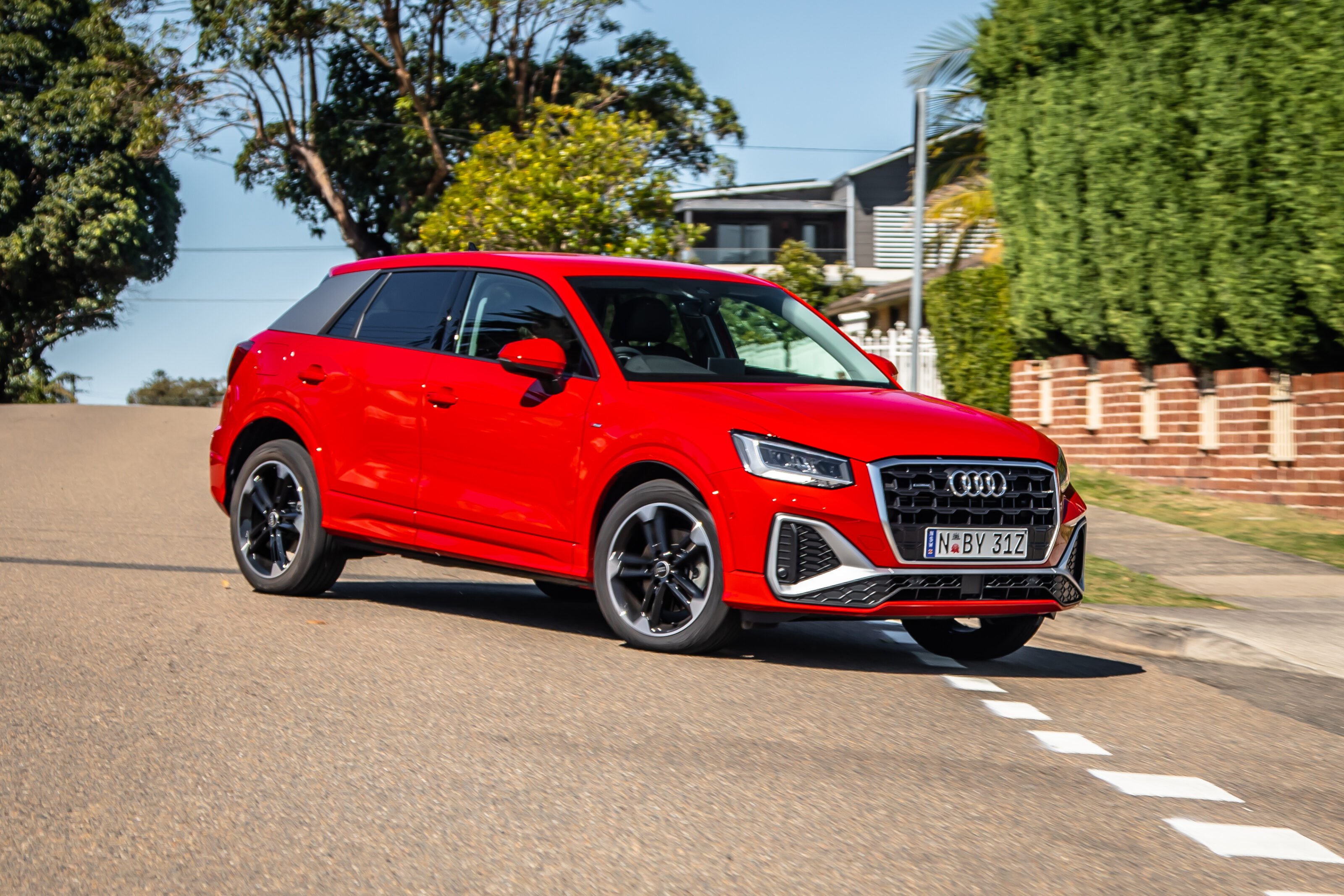
It is yet another VW Group car with a 2.0-litre turbo, seven-speed dual-clutch auto and a Haldex all-wheel drive; they are as common as muck and they’re all characterless.
One part of that sentence is wrong and it’s the last part for dramatic effect that is incorrect. You really have to be made of stone to think they’re all the same and it’s also a bit insulting for the people who make them, as they do quite a lot of work to spin up something new on a familiar platform. The Q2 is one of those efforts where apart from the obvious visual cue of the A3’s dashboard, you have to be extremely picky to declare this as merely a jacked-up A3.
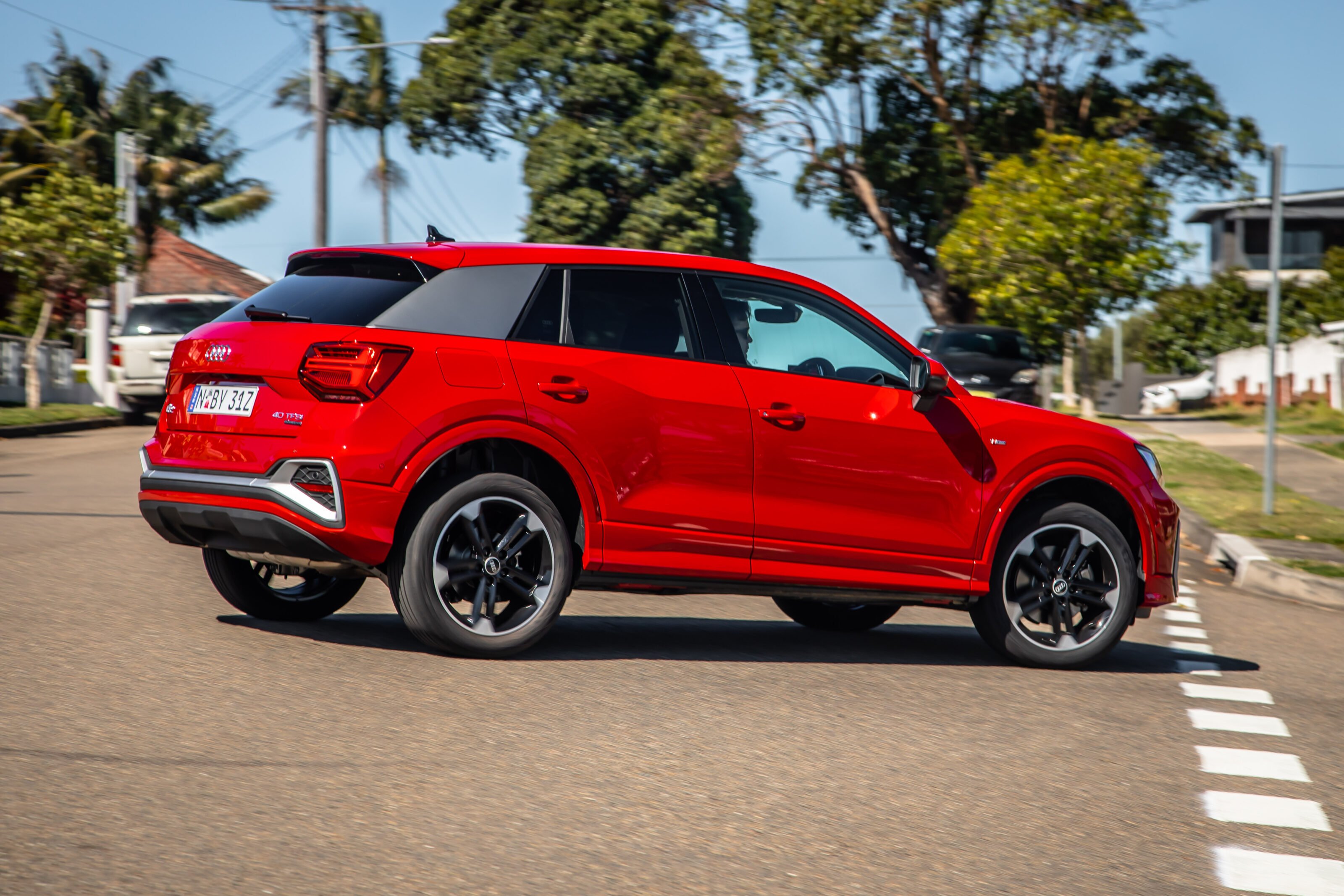
Obviously, the drivetrain feels very much the same, with a brief lag from the turbo and transmission while they organise themselves before the engine’s silky power delivery sees the tacho needle swing cheerfully towards the redline accompanied by crisp upshifts from the now very competent seven-speed dual-clutch. The gearbox is much-improved over earlier attempts and, for the most part, behaves impeccably.
The claimed fuel economy figure of 7.0L/100km on the combined cycle seems reachable, a bit of a rarity on an Audi. My time with the car was mostly suburban with a cheeky (legal) run down a nice bit of road and I got 7.6L/100km, which is not bad at all.
You can go a bit boy-racer with the 40, changing the gears yourself with the paddles, threading the little chunkster through traffic or down a fun bit of road.
While I didn’t get that much of a chance to give the Q2 a bit of a push, its firm but liveable suspension is confidence-inspiring. You can go a bit boy-racer with the 40, changing the gears yourself with the paddles if you fancy it, threading the little chunkster through traffic or down a fun bit of road. It doesn’t feel its height, which is always reassuring and while it won’t ever feel as secure as a similarly specified hatch, it’s got plenty, with the added bonus of better visibility. It’s still the warm compact SUV I originally thought it to be and, honestly, you’re going to have to think very carefully about whether you really need the significant extra grunt of the very silly but very fun SQ2 for another fifteen large. I’m quite serious about that.
I mean, if I had the extra, I’d do it, but I’d have a good think about it first.
What you’re getting with the 40, though, is a swift, competent and unique compact SUV.
Ownership
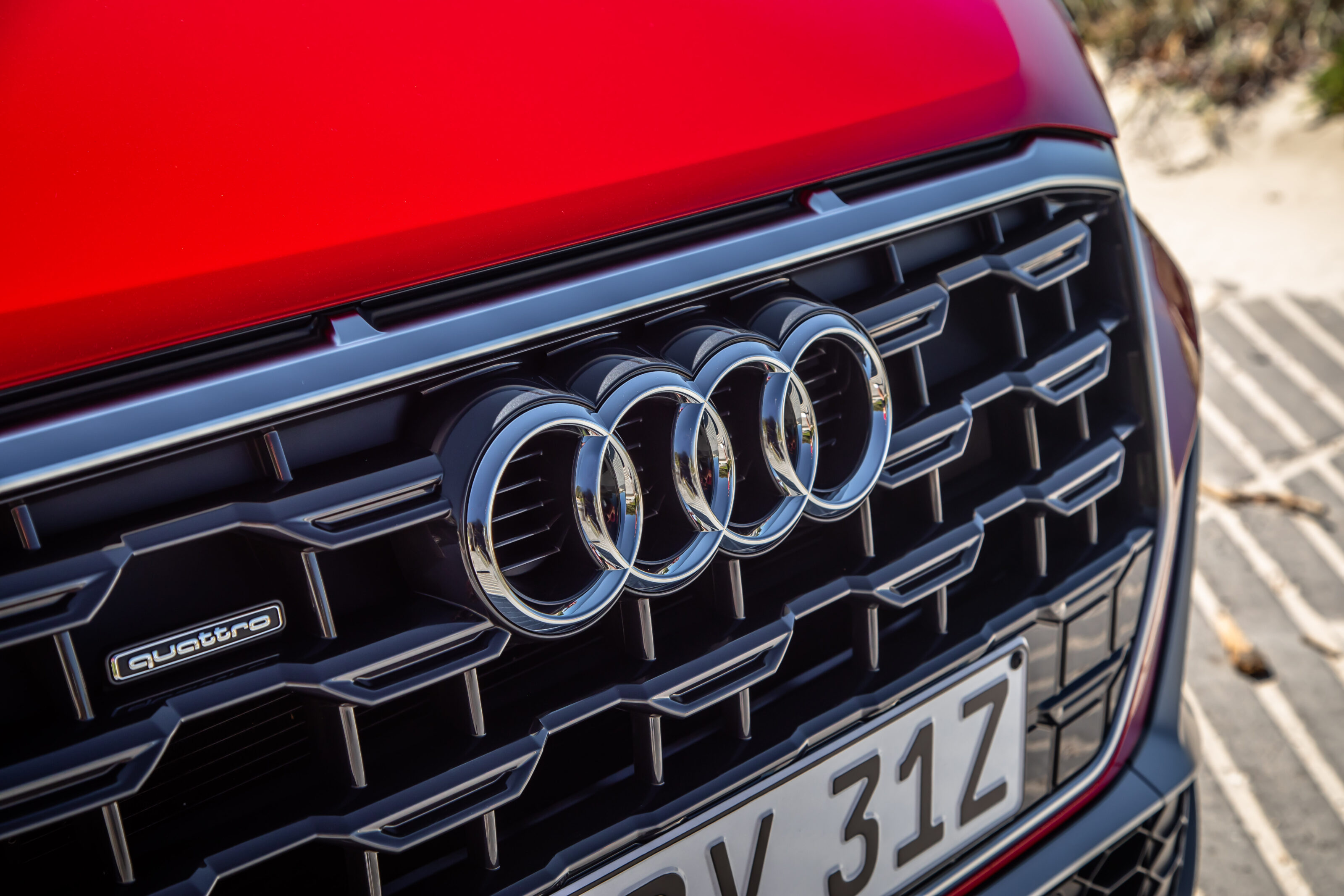
Audi’s unimpressively short three year/unlimited-kilometre warranty applies to the Q2 and really, it needs to be longer. Please, I’m begging someone, anyone, to sort this out. These cars are not cheap and there’s more to a badge than the feeling of solidity. If mechanically similar but cheaper cars from other brands in the group can deliver a five- or seven-year warranty, why can’t the epitome of the group’s mainstream brands do the same?
As if by way of compensation, the five-year/75,000km service package (paid upfront) is a fairly reasonable $2280, with visits to the dealer required every 12 months or 15,000km. That’s an average of $456 per service which isn’t cheap but is $10 per service less than a Kia Seltos.
VERDICT
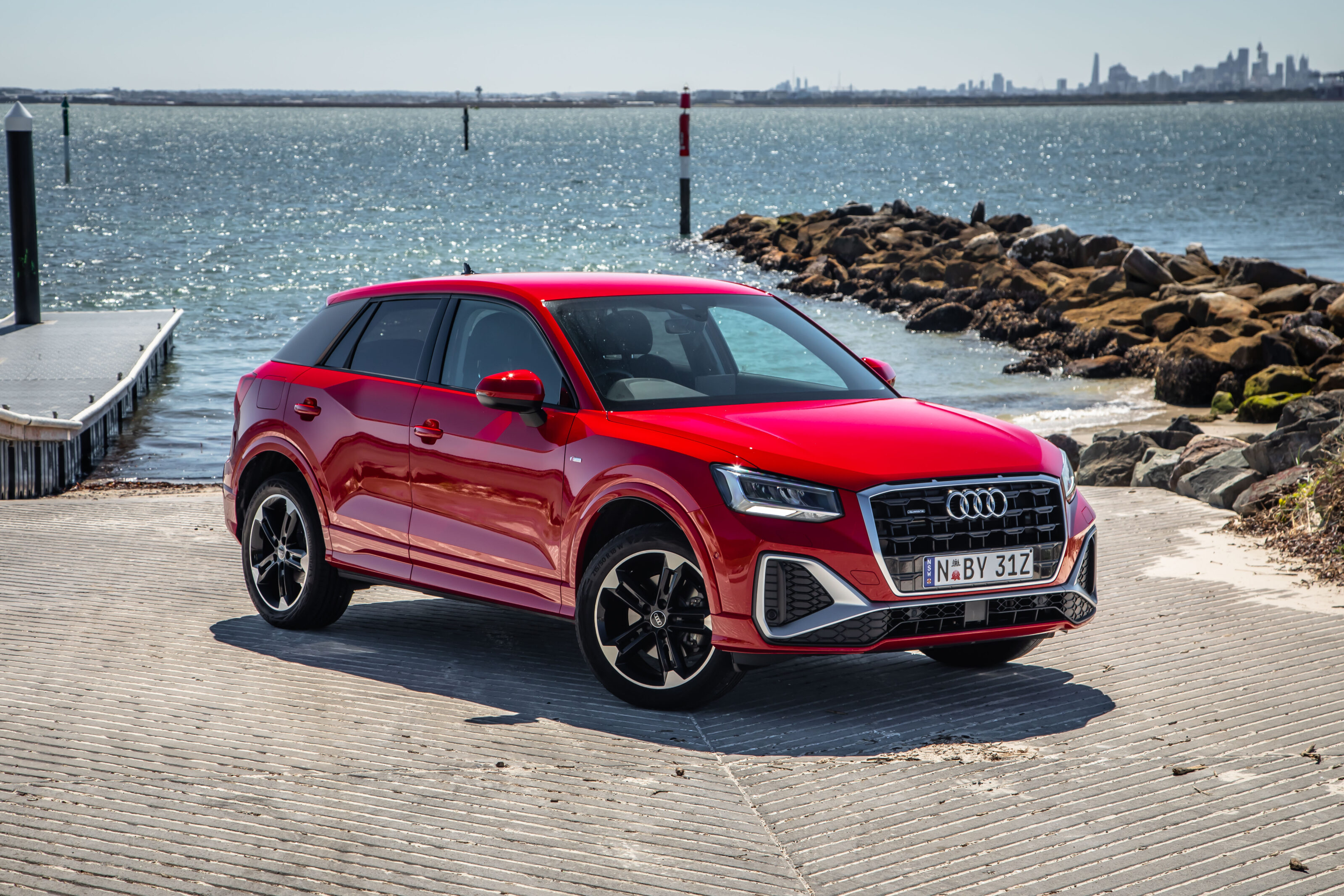
I know this kind of thing is weird to say almost five years into a car’s life, but it’s genuinely important to people buying these cars – why buy one of these if you can have the hatchback for (probably) less? Or an SUV from one of the sister brands for (definitely) less?
Because it’s different enough for you to enjoy those differences and not care about the similarities. It’s also great to look at and easier to load things and people in and out of. It’s a rare event for me to say this, but in this segment, the Audi is the pick of the lot. Or would be if it had a more comprehensive safety and aftercare package.
2021 Audi Q2 40 TFSI S-Line specifications
| Body:u00a0 | Five-door compact SUV |
| Drive: | AWD |
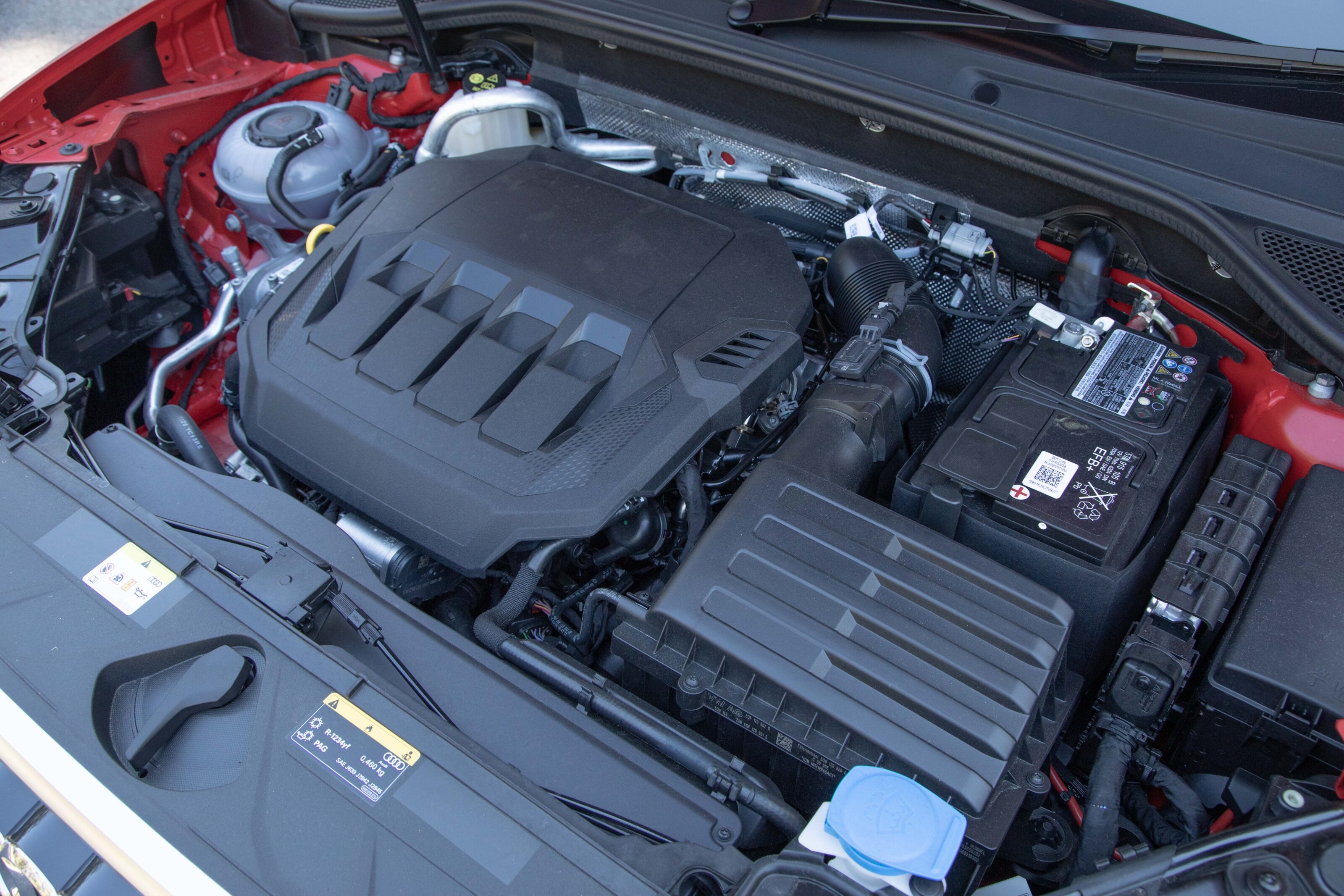
| Engine: | 2.0-litre four-cylinder turbo |
| Transmission: | Seven-speed twin-clutch automatic |
| Power: | 140kW @ 4200-6000rpm |
| Torque:u00a0 | 320Nm @ 1500-4200rpm |
| Bore stroke (mm): | 82.5 u00d7 92.8 |
| Compression ratio:u00a0 | 10.5 : 1.0u00a0 |
| 0-100km/h:u00a0 | 6.5 sec (claimed) |
| Fuel consumption:u00a0 | 7.0L/100km (combined) |
| Weight: | 1580kg |
| Suspension: | MacPherson strut front/multi-link rear |
| L/W/H:u00a0 | 4208mm/1794mm/1508mm |
| Wheelbase: | 2594mm |
| Brakes:u00a0 | 315mm ventilated disc front / 272mm solid disc rear |
| Tyres:u00a0 | 215/50 R18 |
| Wheels:u00a0 | 18-inch alloy wheels (tyre repair kit) |
| Price:u00a0 | $49,900+ ORC/DA |
Key Points
- Forty per cent said they would buy an EV in the future
- Seven per cent signalled intent to purchase an EV in 2022
- Younger Australians skew favourably with buying EVs
Hyundai has beaten Tesla in a survey of electric vehicle buying intentions, which also found price continues to be the biggest hurdle for take-up in Australia.
The survey of 1001 Australians revealed 24 per cent of respondents said they’d prefer a Hyundai EV, followed by Tesla (20 per cent) with Mazda, which has a single EV model in its range, the MX-30, coming in at a surprise third place at 12 per cent.
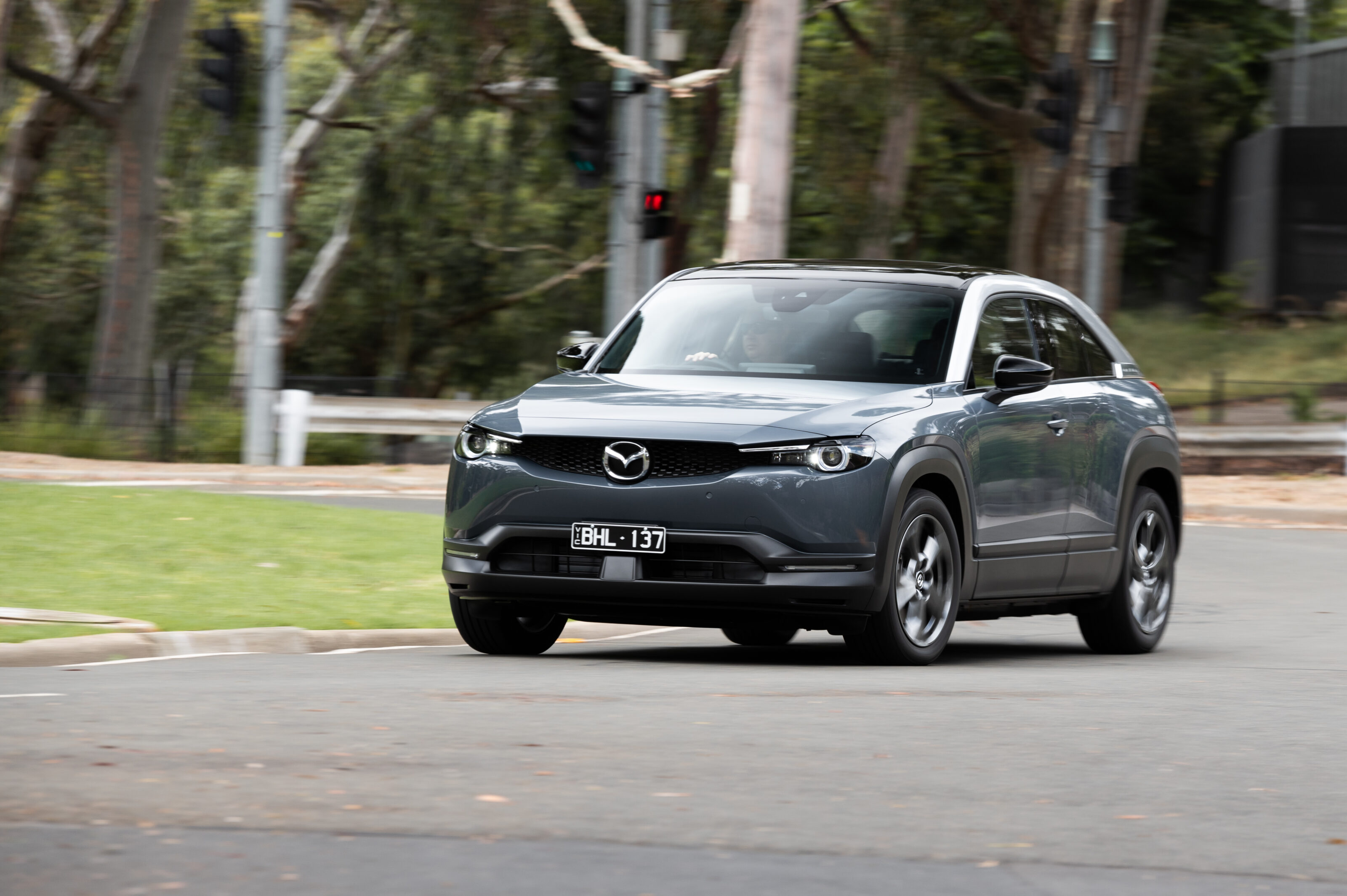
But while 73 per cent agree moving to electric vehicles (EVs) is an important step to reduce CO2 emissions, 79 per cent felt affordability needed to improve before they’d buy one.
Asked if Australia is doing enough to encourage EV uptake, 59 per cent of those surveyed said they felt strongly that Australia should go “all in” through aggressively pursuing subsidies, stronger emissions standards, and buyer incentives.
However, just 8 per cent said that the Federal Government’s $250 million Future Fuels and Vehicles Strategy, which is targeted at increasing EV home charging stations to 50,000 around the country, will “get the job done.”

Fifty-one per cent said they wanted to see more EV infrastructure such as public chargers, while 41 per cent called for improved government subsidies, and 39 per cent wanted longer driving ranges.
Buying intentions
Just 40 per cent of respondents said they may buy an EV in the future, with only seven per cent saying they intend to buy one within the next 12 months.
Thirty per cent of those surveyed said they can’t afford an EV – with that number rising among certain demographics including; women (37 per cent) and older Australians (33 per cent for 55-64s and 36 per cent for 65-plus), while almost a fifth of over-65s said they’d rather buy a petrol-driven car.
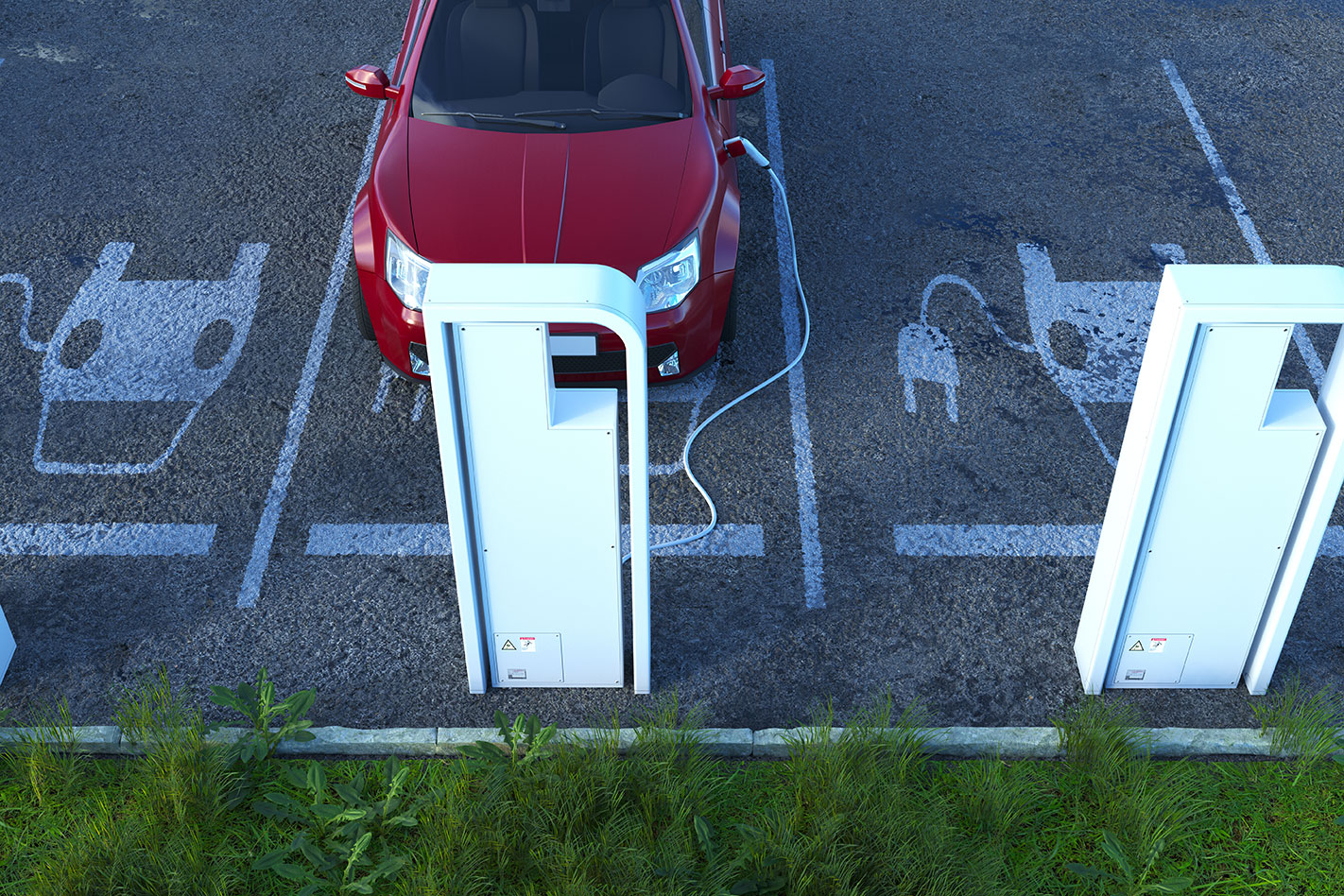
However, just over half of those involved in the survey, published by online financial broker Savvy, said they would buy an EV over an internal combustion-engined car to reduce emissions – even if they cost more than the fossil-fuelled equivalent.
That sentiment was skewed to younger age groups: 74 per cent of 18-24s – compared with 35 per cent of over 65s.
