
Snapshot
- F1 and MotoGP will not come to Australia this year
- F1 cancellation comes after race was pushed back from March to November
- AGPC has a contract to run the Grand Prix with F1 until 2025
UPDATE, JULY 6 3PM: The Australian Grand Prix Corporation has officially cancelled the 2021 Formula 1 and MotoGP Australian Grand Prix.
AGPC CEO Andrew Westacott said the news is disappointing for fans of the two motorsports but the decision is necessary to keep the public safe through the Covid-19 pandemic.
“We understand this is not the news MotoGP and Formula 1 fans wanted to hear,” said Westacott.
“I would like to extend my thanks to the Victorian Government, Formula 1 and Dorna Sports (MotoGP) for their unwavering resilience and support during this challenging period, and for their ongoing commitment to these two great events.
“There are bound to be ongoing challenges with Covid-19, but I want to reassure fans that while there is sadness and disappointment amongst our wonderful AGPC staff there is a tenacity and determination to make sure the next episodes of MotoGP at the Island and Formula 1 at the new Albert Park layout are sensational showcases of how we do things in Victoria.”

JULY 6 11.30AM: The Victorian State Government and the Australian Grand Prix Corporation (AGPC) are set to announce the cancellation of this year’s Formula 1 and MotoGP Australian Grand Prix, the second time in as many years.
Thanks again to Covid-19, both the four and two-wheel races will not take place Down Under in 2021, having both been cancelled last year due to the pandemic, reports 10 News Melbourne.
Traditionally the Formula 1 Australian Grand Prix is the host of the opening race of the season in March, though this year’s race had been pushed back to November to give more time for the State and Federal Governments to implement strategies surrounding international arrivals.
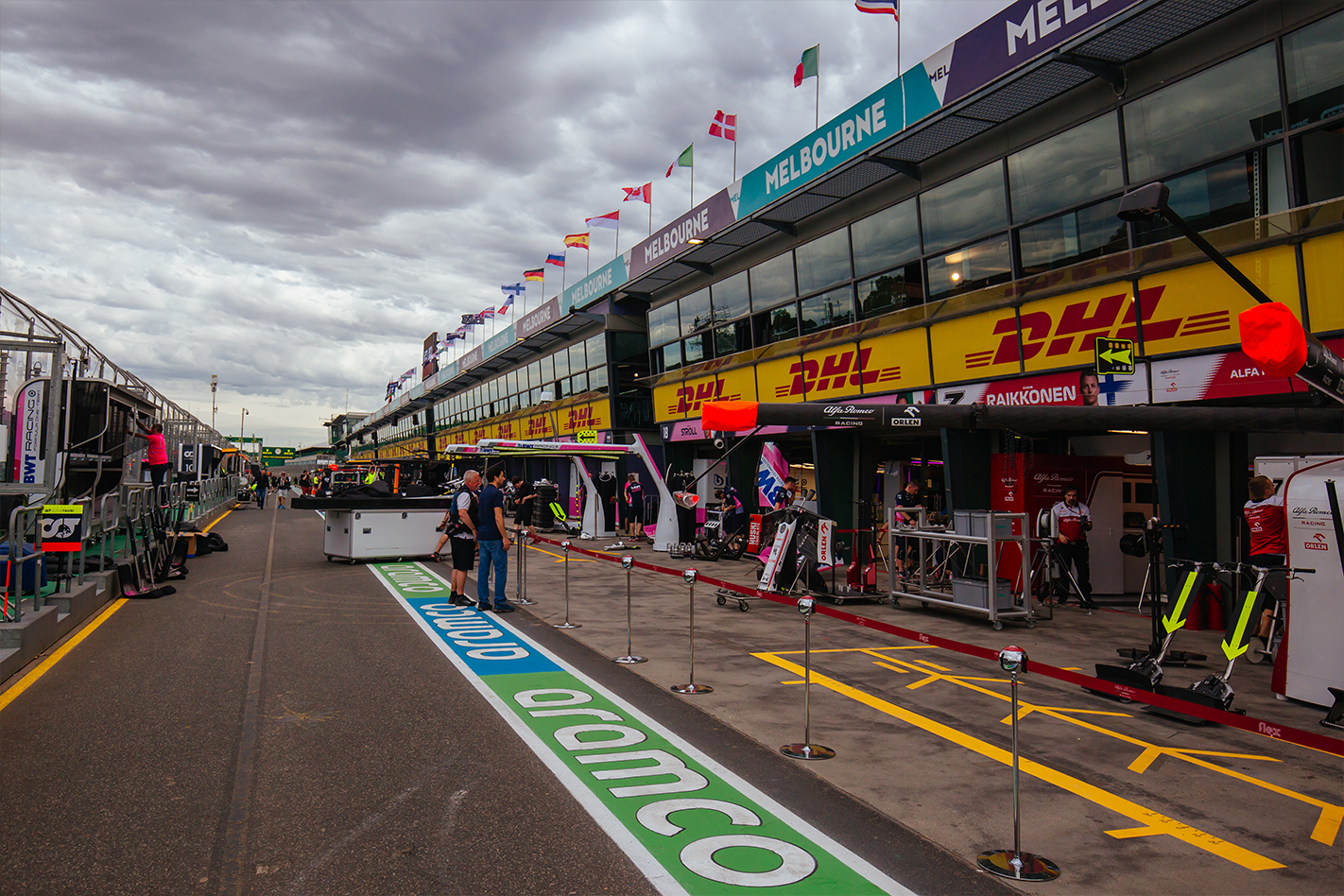
Last year’s Australian Grand Prix was cancelled just hours before the opening Free Practice session of the year was meant to begin, with Friday, March 13 becoming the day the Formula 1 season was put on hold, not getting underway until July 5 in Austria.
The Australian Grand Prix Corporation has been making improvements to the Albert Park Circuit over the past year to improve the quality of racing which was criticised in the past, tweaking turns 1, 3, 6 and 15 while also removing turns 9 and 10, leading to a better overtaking zone at the re-profiled turn 13.
Silverstone will host the next round of the season for the British Grand Prix, announcing last month it will allow full capacity for fans to attend the race as the country passes 50 per cent full vaccination against Covid-19.
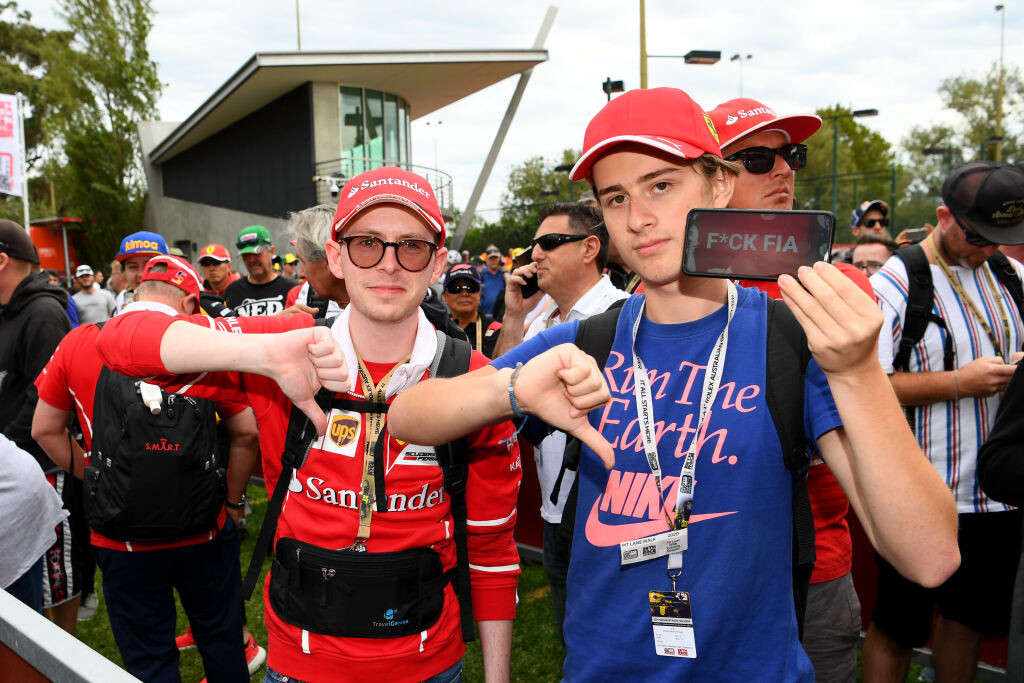
It is also the second time the MotoGP round in Australia has been cancelled, its October date being scrapped in 2020 as the season stayed in Europe and was condensed down to a 14-round championship.
This year’s race at Phillip Island was touted as being one of the biggest in the event’s history after the success of Australian Jack Miller this season, having won two races back-to-back already for the Ducati factory team.
Snapshot
- Lamborghini Aventador has been in production since 2011
- Now iconic model’s replacement will feature hybrid assistance
Lamborghini has teased a single image of what is thought to be the very last iteration of its flagship production supercar – the Aventador.
First introduced way back in 2011 at the Geneva Motorshow, the scissor-doored stunner is on its last legs, with tightening emissions regulations making the naturally aspirated V12 supercar, devoid of any hybrid electric assistance, seem somewhat outdated.
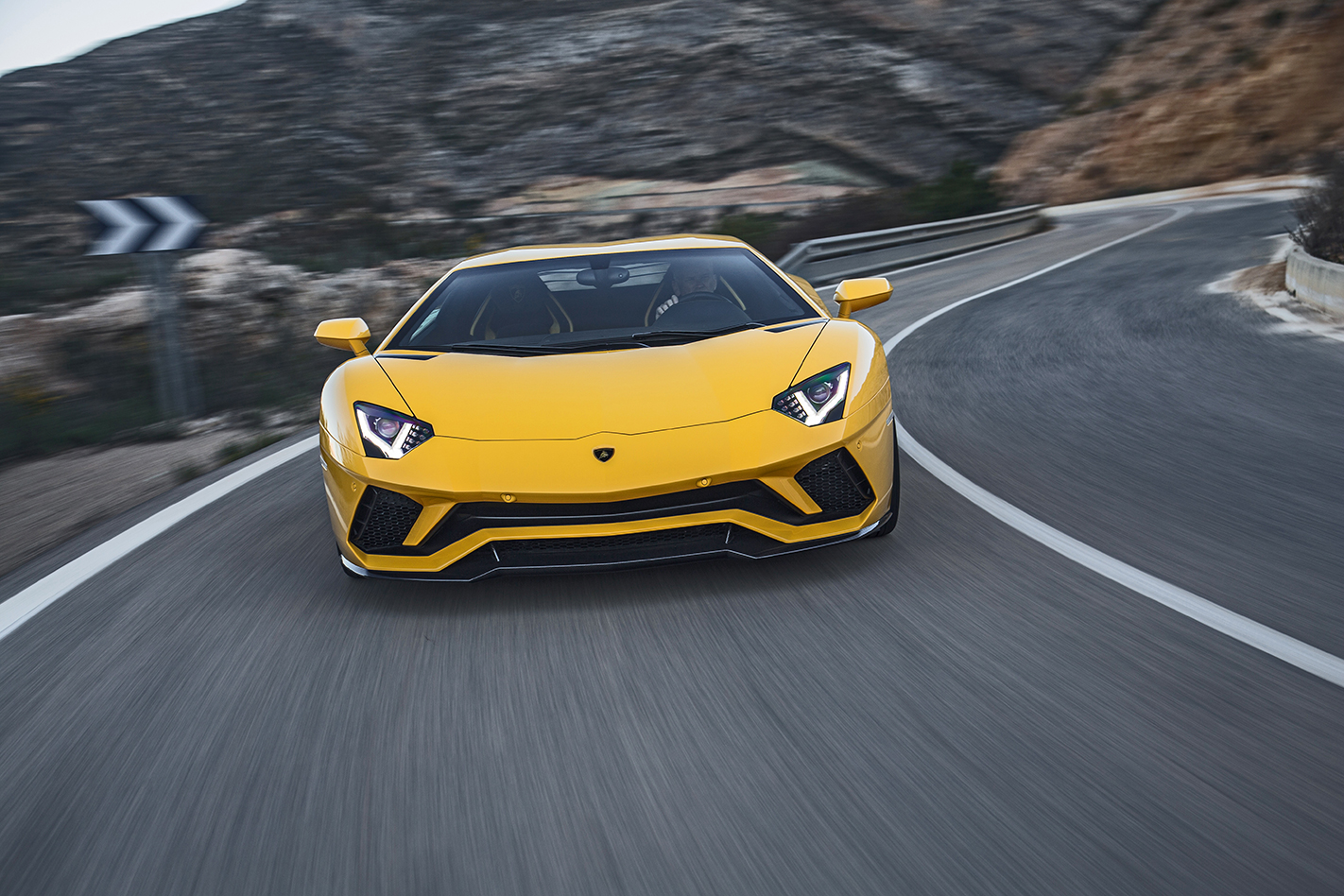
The Sant’Agata firm will unveil the Aventador’s final form on Wednesday night, teasing the reveal with a single image of two silhouetted bulls, indicating the last version of the supercar will be released in both coupe and roadster guise.
Accompanying the solitary image is a brief descriptor of what to expect, with Lamborghini saying of the reveal: “It’s not long now before you can get to experience something we consider the last of its kind.”
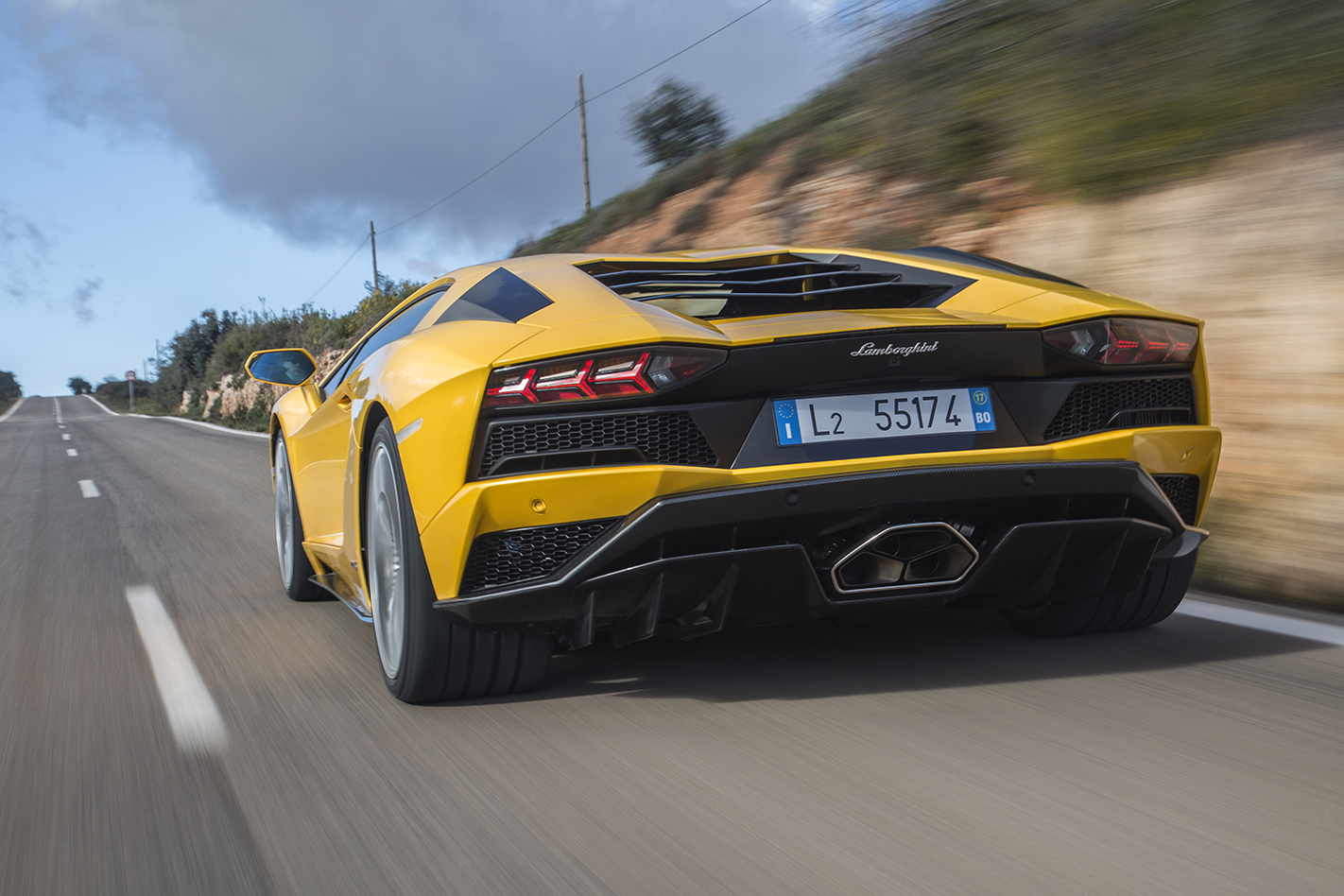
First called the LP700-4, the Aventador has known several names subsequently. In 2016, when the supercar received its mid-life update, its name changed to the LP740-4 S and S Roadster.
There have also been several special editions of the raging Italian bull, including the Pirelli Edition, SVJ, J, and Miura Homage.
It’s not yet known what its next name will be, nor how much power the Aventador’s atmospheric 6.5-litre V12 will produce, but with less than 24 hours until the big reveal, we won’t have to wait long to find out.
Snapshot
- Due to take effect from the fourth quarter of 2021
- Mate Rimac will head-up the new venture as CEO of Bugatti-Rimac
- New hypercar models will be produced in the future
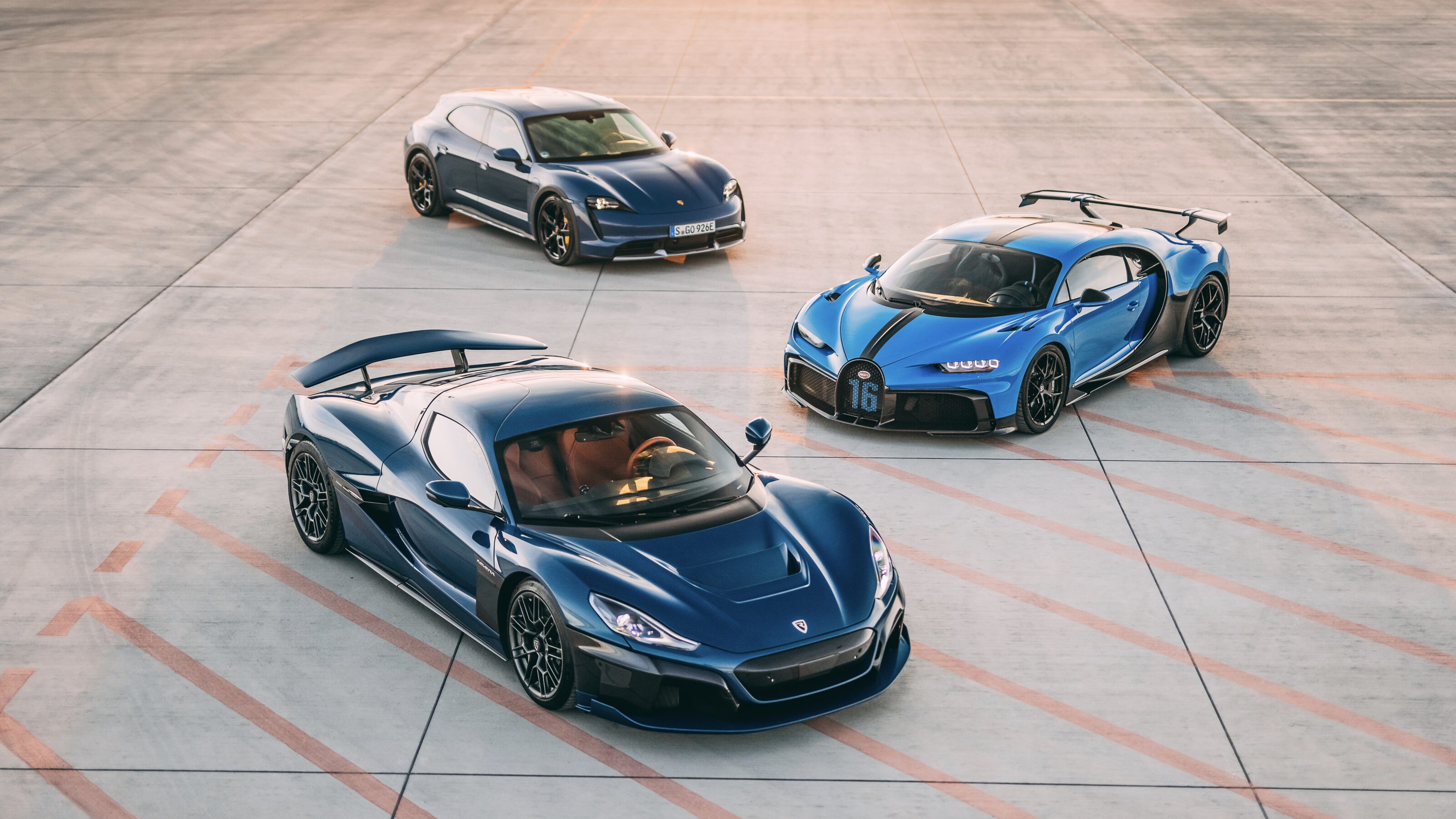
After months of speculation and rumours, Porsche, Bugatti, and Rimac have confirmed details of a groundbreaking partnership.
According to Porsche, Volkswagen, the current owner of Bugatti, will transfer its shares of the French marque into the new partnership between the Stuttgart and Zagreb firms, creating a new name – Bugatti-Rimac.
The deal will see Rimac hold a 55 per cent stake in Bugatti, while Porsche will take possession of the remaining 45 per cent.
It’s worth noting, Porsche also holds a 24 per cent stake in Rimac, with the German sportscar manufacturer first investing into the pioneering Croatian EV brand back in 2018, most recently upping its stake in the company again in March 2021.
Mate Rimac, founder of the EV maker, will assume the role of CEO of Bugatti-Rimac.
“This really is an exciting moment. Rimac Automobili has grown very quickly and the joint venture takes the company to a completely new level,” Rimac said.
“Bugatti and Rimac are a perfect match for each other and both contribute important assets. We have established ourselves as an industry pioneer for electric technology, while Bugatti has more than a century of experience in the development of top-class cars and therefore brings with it an outstanding tradition that is practically unique in the history of the automotive industry.
“Together we will pool our knowledge, our technology and our assets with the goal of creating very special projects in the future.”
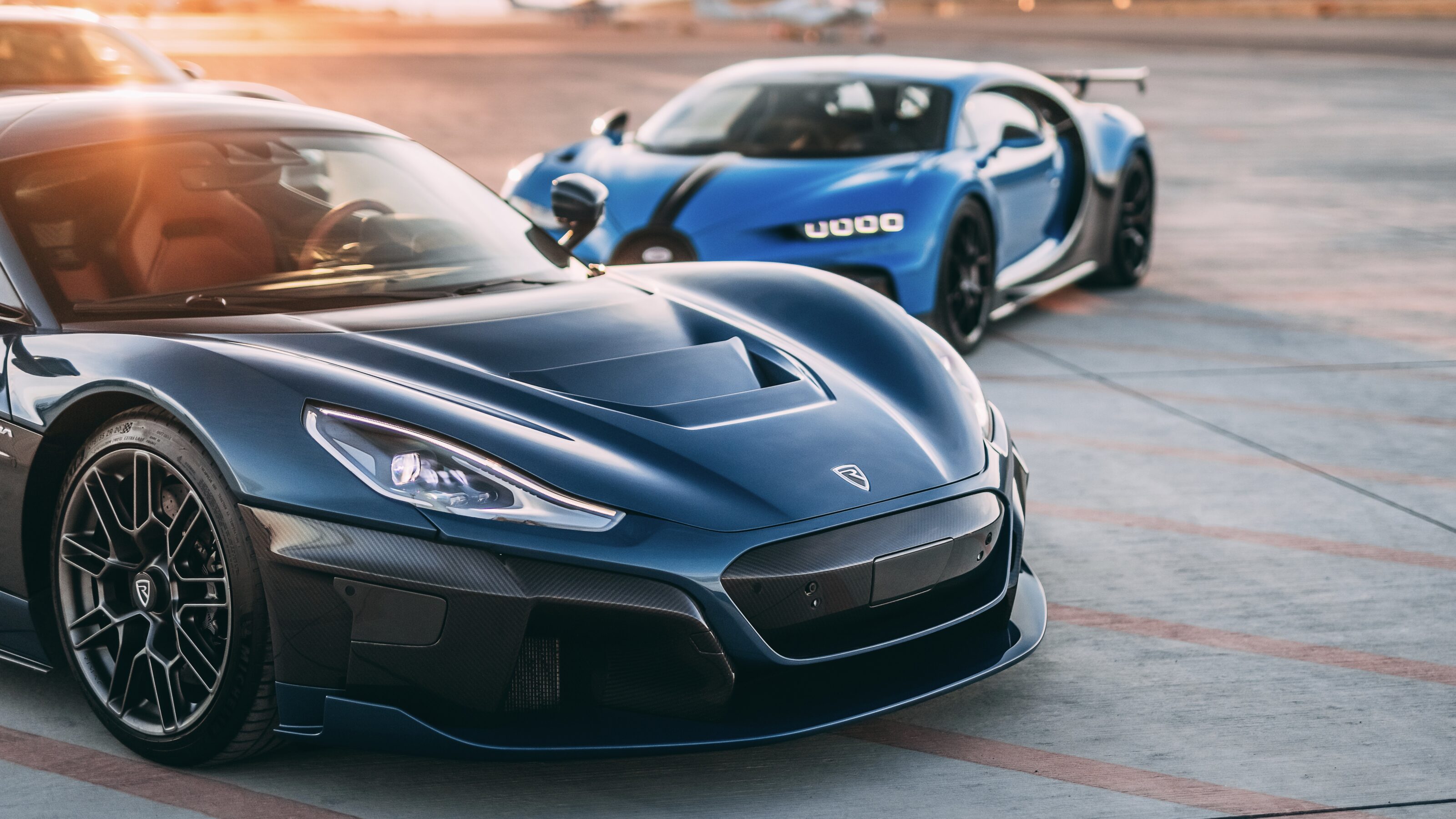
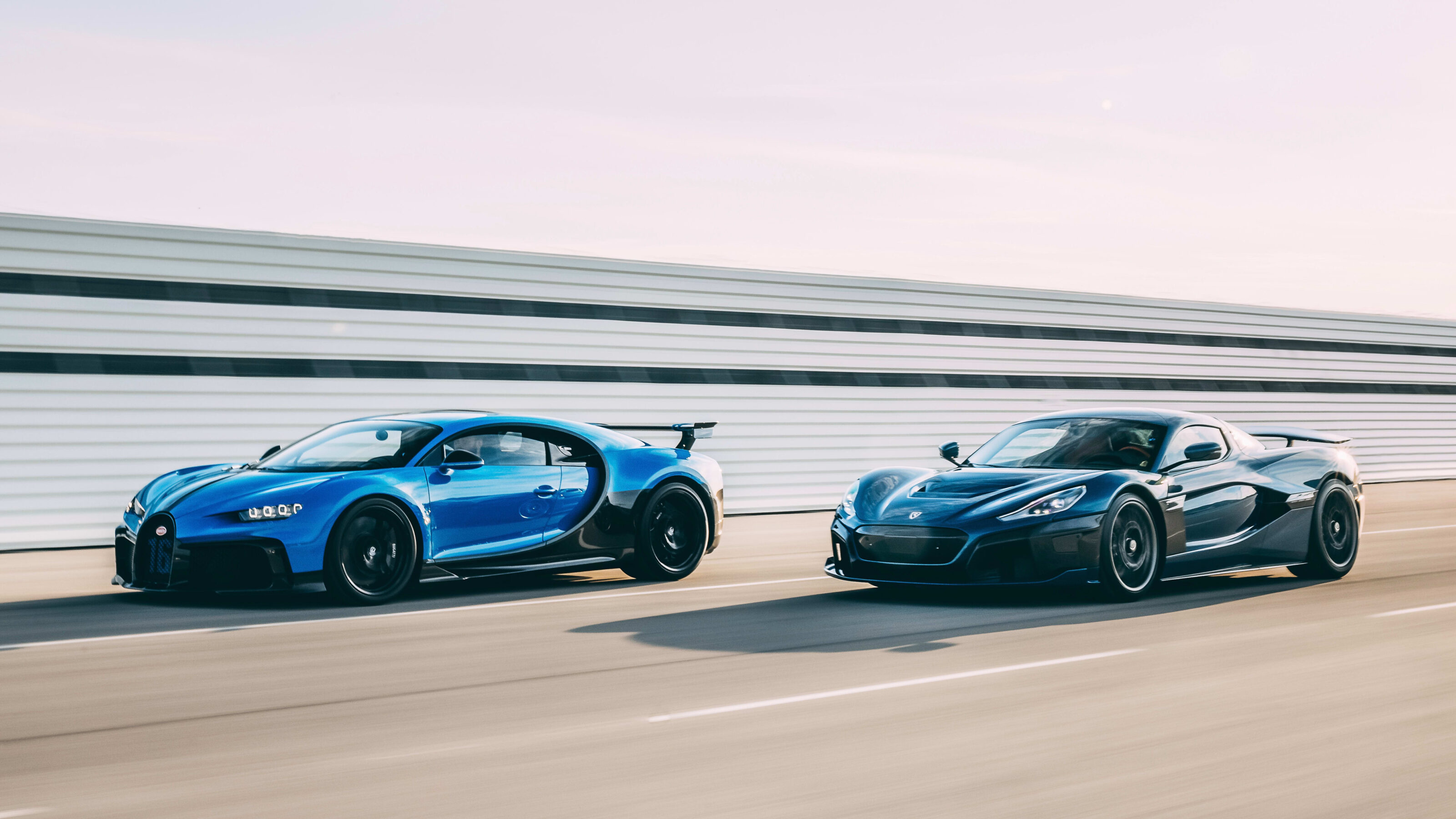
In the immediate future, the newly named venture will see Bugatti continue producing its celebrated Chiron hypercar at its Molsheim factory in France, while Rimac will keep creating its Nevera, claimed to be the quickest accelerating production car in the world.
Porsche said the new venture would also spawn new products at a later date.
Oliver Blume, chairman of the executive board at Porsche AG, will also sit on the Supervisory Board of Bugatti-Rimac.
“We are combining Bugatti’s strong expertise in the hypercar business with Rimac’s tremendous innovative strength in the highly promising field of electric mobility,” Blume said.
“Bugatti is contributing a tradition-rich brand, iconic products, a loyal customer base and a global dealer organisation to the joint venture.
“In addition to technology, Rimac is providing new development and organisational approaches.”
The new partnership is due to take effect in the fourth quarter of 2021. It will employ roughly 430 employees, of which 300 will work at company headquarters in Zagreb, Croatia, with the remaining 130 working from Bugatti’s Molsheim facility.
The Victorian State Government will be trialling a new approach to tackle congestion on the streets of Melbourne by highlighting six busy intersections – dubbing the campaign “Don’t Block the Box”.
Each of the six intersections have been chosen thanks to their tendency to be regularly blocked during peak times, mainly by cars entering but not passing through, blocking other motorists from crossing and potentially holding up trams.
To raise awareness of the issue, the Government will paint a yellow box across the intersection and mark it with an X, notifying road users to keep the area clear.
As of July 2021, the penalty for not keeping an intersection clear is a $165 fine and a loss of three demerit points, with Victorian road rule 128 stating: “A driver must not enter an intersection or crossing when the intersection or crossing is blocked or the road beyond the intersection or crossing is blocked.”
Victorian Minister for Roads and Road Safety, Ben Carroll, said the trial is a solid way to increase awareness without causing further delays to the road network.

“This trial will help motorists navigate intersections without holding up other road users – by keeping the yellow box clear everyone gets a better run,” said Minister Carroll.
“Don’t block intersections. It’s as simple as that. You’ll get to where you need to go in less time, and it will make the network safer for everyone.”
The trial is the first stage of two planned to reduce congestion, with the second stage coming into effect in September, utilising road safety cameras at the busy intersections to identify offenders and collect data on the frequency of offences being committed.
The six intersections to be used in the trial are: Swan Street/Burnley Street, Monash Freeway/Warrigal Road, High Street/Malvern Road, Williamsons Road/Foote Street, Power Street/Riversdale Road and Mickleham Road/Tullamarine Freeway Interchange.
Snapshot
- EV monthly sales reach new record
- PHEV sales on a steady rise
- Petrol vehicles still holding a majority share of the market
While today’s VFACTS report has shown a less-than-stellar month for overall vehicle sales, two powertrains are on the rise – with both electric and plug-in hybrid vehicles enjoying a boom over last year’s figures.
Off the back of a 28.3 per cent increase of total vehicle sales in 2021 so far, more EVs have been sold this month than ever before with a total of 526 sales in June, bringing the yearly total to 2217 units, though Tesla’s sales are not included.
The monthly figure represents a 198.9 per cent jump in June EV sales compared to 2020, with the year-to-date number up by 189.5 per cent compared to the 771 EVs sold to the same point last year, passing the total 2020 number of 1769 with another half of the year still to come.
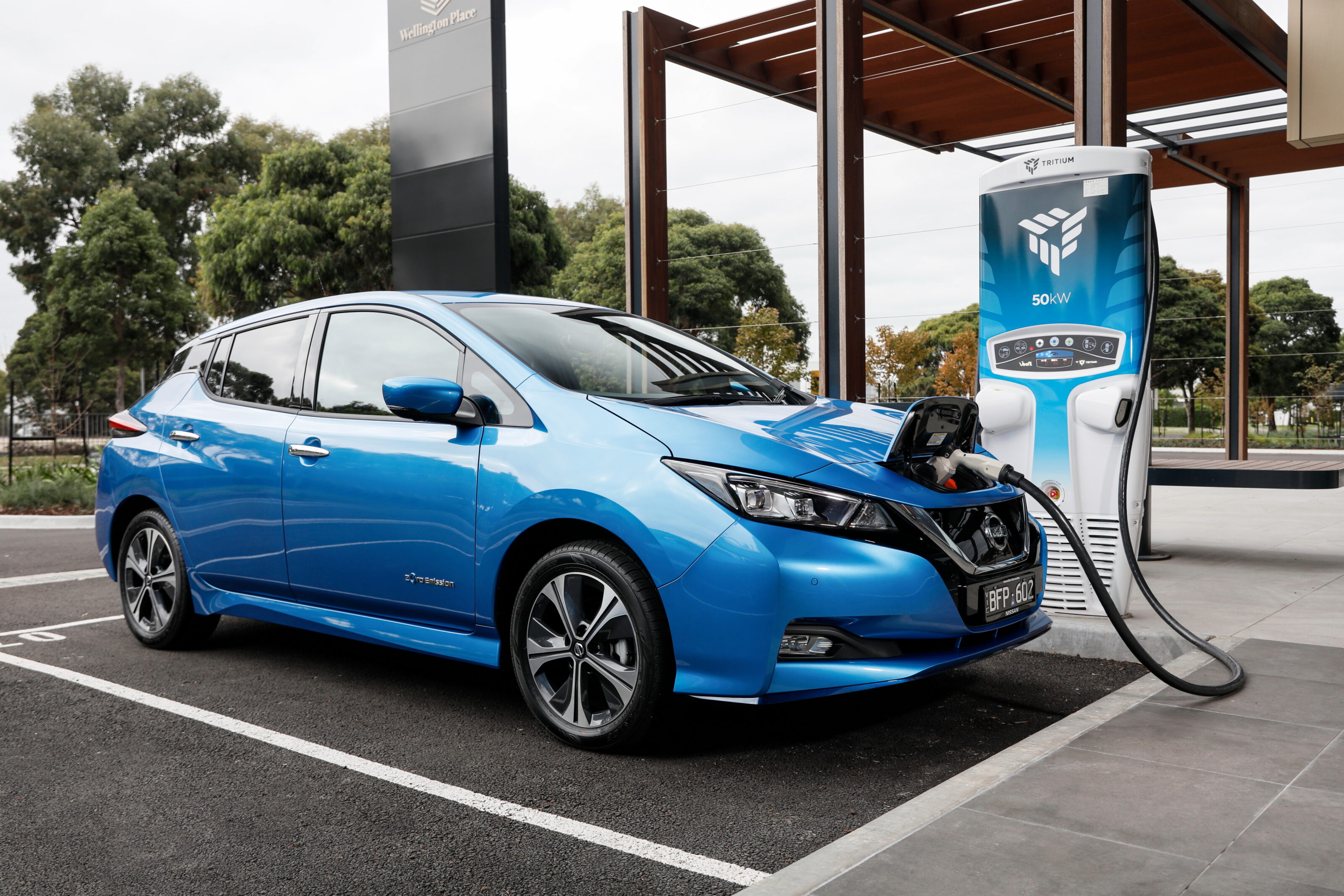
This spike coincides with various incentives being rolled out by state and territory governments to get buyers into EVs, with Victoria, Queensland, Tasmania and the Australian Capital Territory having already implemented their schemes.
New South Wales is set to begin its program in September, possibly the most generous in Australia so far with a $3000 rebate available for the first 25,000 buyers alongside a waiving of stamp duty, which can be as much as $3000 itself, both of which could lead to a larger jump in EV uptake.
While the EV market in Australia makes up just 0.4 per cent of new vehicle sales, it is slowly edging ahead over PHEV sales with a 54 per cent lead so far this year, a 777 unit difference in sales compared to just 16 vehicles at the same point 12 months ago.
PHEVs are still gaining popularity though with 1440 sales year-to-date, up 685 from June last year (a 90.7 per cent increase) while monthly sales are up by 110.
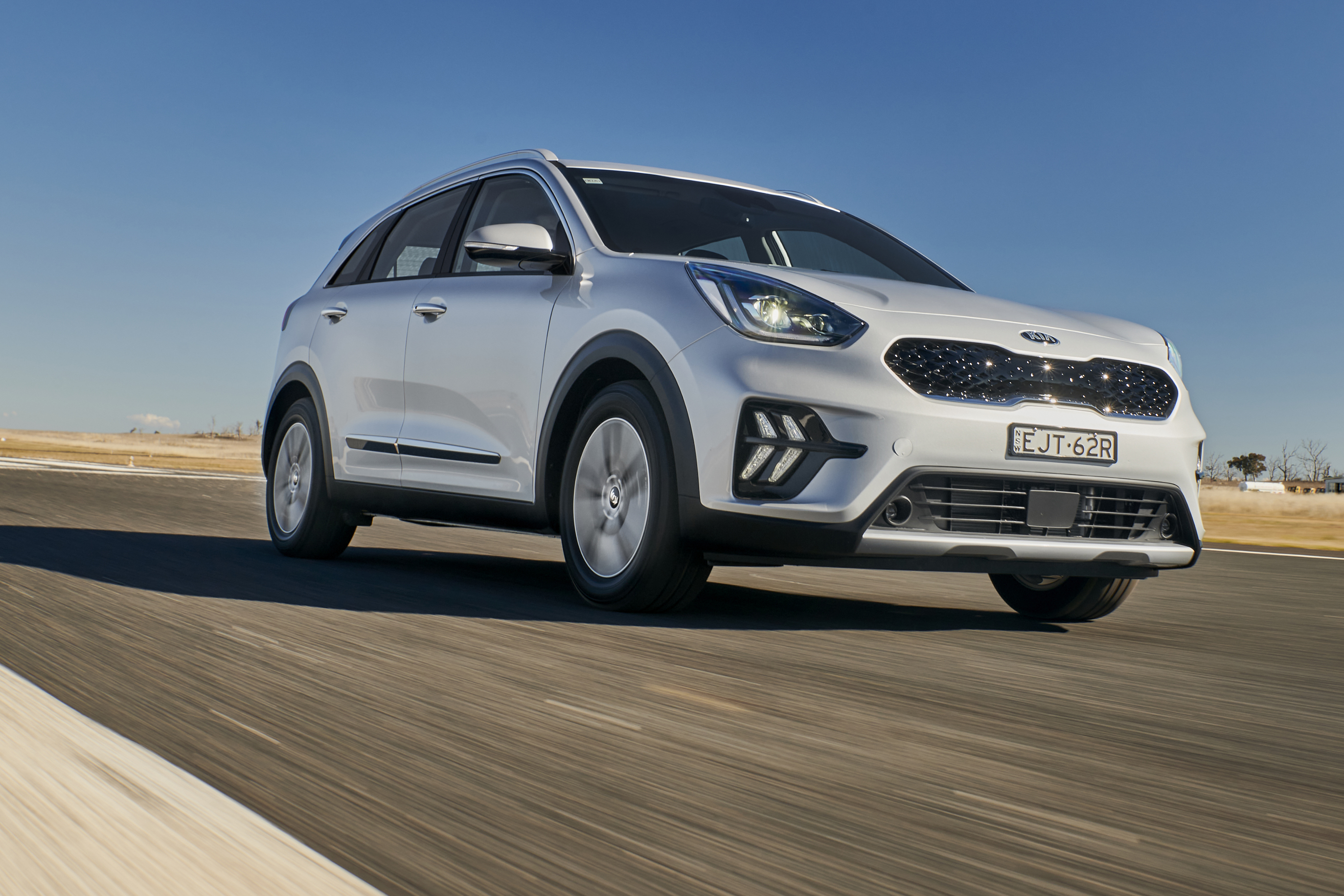
In the industry overall, petrol is still king, making up just over 56 per cent of all vehicle sales so far this year despite a 3.5 per cent drop through June and a 22.8 per cent yearly rise on 2020, the lowest of any fuel source this year.
Diesel sales remain on an upwards trajectory, going through a year-on-year jump of 32.5 per cent, now contributing to 32.9 per cent of vehicle sales in 2021 so far.
Conventional hybrids are also selling in higher numbers than last year, with the 36,658 sold in 2021 representing a 57.8 percent increase over last year’s mid-year numbers, accounting for 6.5 per cent of all vehicle sales year-to-date.
Snapshot
- New car sales slump to second-worst June in 10 years
- Ford Ranger dominates new car sales
- Commercial utes still commanding majority of consumer demand
Australia’s new-car market has experienced its first stumble of the year after registering its second-worst June result since 2011.
A total of 110,664 vehicles were sold last month, according to the latest industry figures released today. While it represents the highest monthly sales of 2021 so far, June is the first month of the year to post negligible growth – less than 0.5 per cent compared with June 2020.
June is traditionally the strongest sales month owing to end of financial year deals and business practices, but global semi-conductor shortages have been playing havoc with supply.
The latest round of state lockdowns wouldn’t have helped, even if the worst-affected state in June – New South Wales – was down less than one per cent.
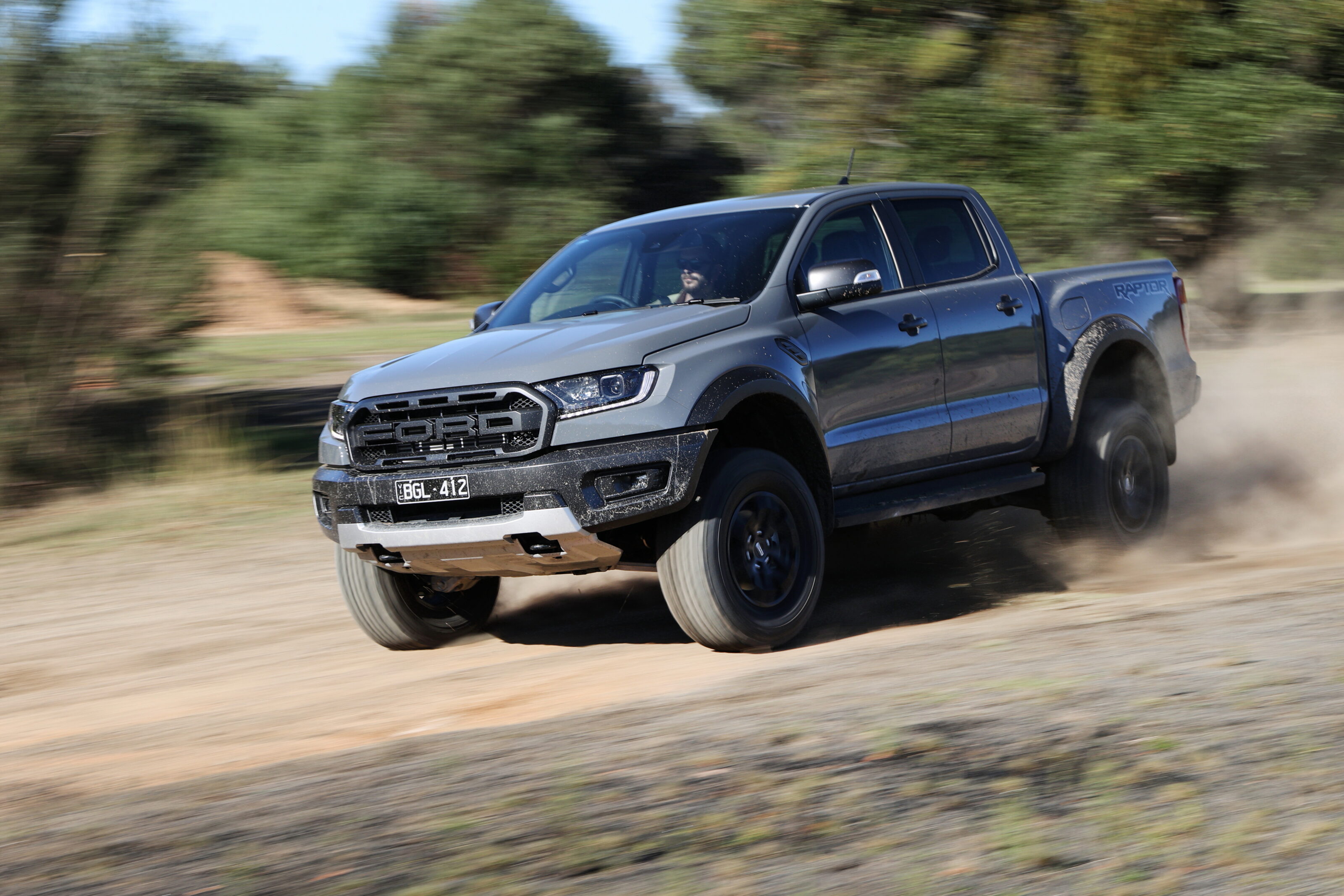
Industry body the Federal Chamber of Automotive Industries (FCAI) played down the parts shortage and Covid issues, adopting an optimistic outlook and remaining confident the market would surpass one million sales in 2021.
“In spite of some states being forced into Covid-19 lockdowns towards the end of June, the acquisition of a new vehicle remains a popular option for buyers across all market segments,” said FCAI chief executive Tony Weber.
“The delivery challenges caused by microprocessor shortages and bottlenecks in the supply chain are yet to be fully resolved, however all parties are continuing to find ways to meet the strong demand for customers across all sectors.
“Right now, we would expect customer demand across all segments to remain strong for the second half of 2021 which has the market on track to return to a result in excess of one million vehicles.”
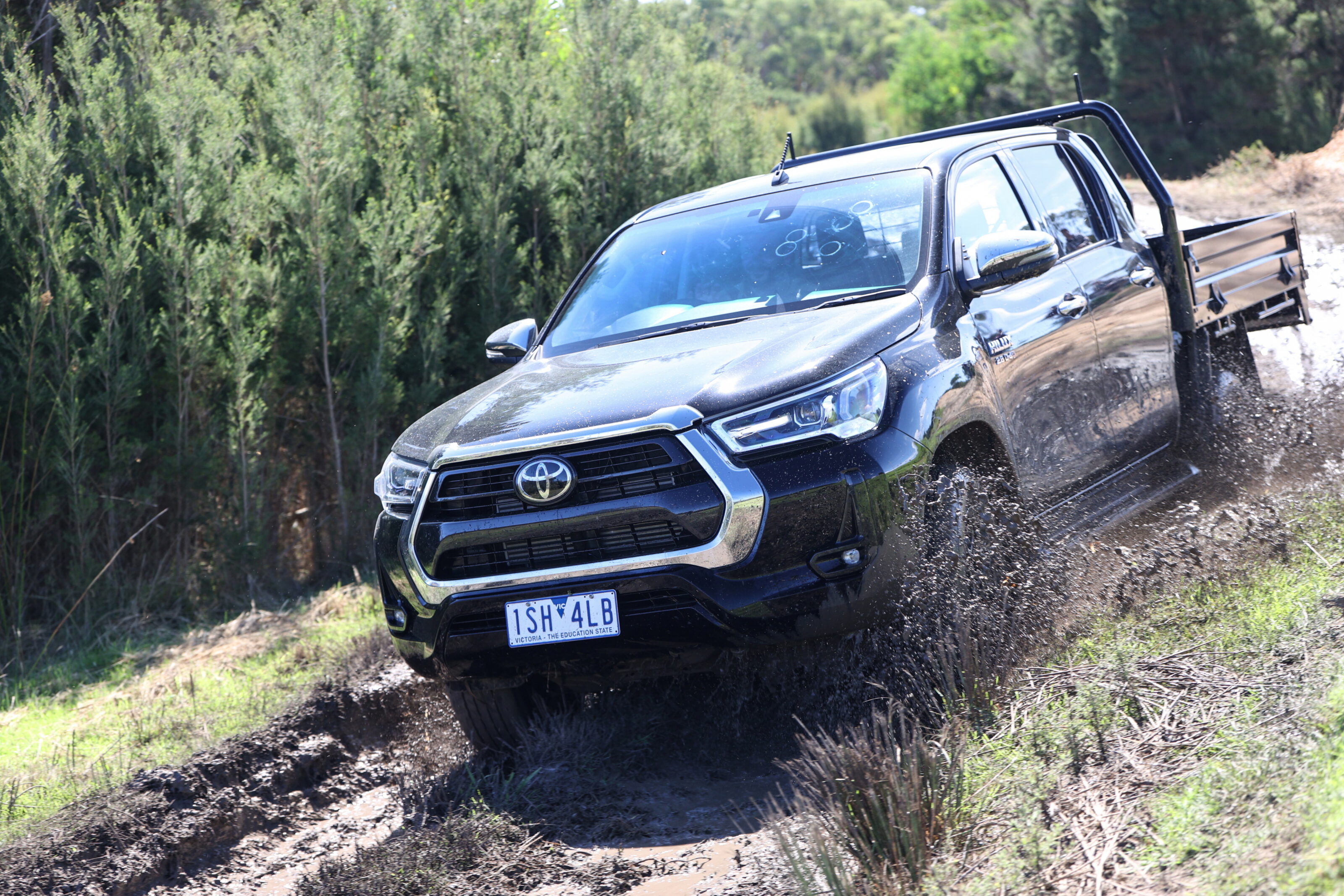
Last month’s result was just 430 vehicles above June 2020, which was affected by the developing Covid-19 crisis. Both months are well below results achieved in Junes going back to 2012 (see table further below).
June’s result has dropped the market’s year-to-date growth from its May high of 38 per cent to 28 per cent.
With 567,468 total year-to-date sales, the market is more than halfway to a million units at the halfway stage of 2021.
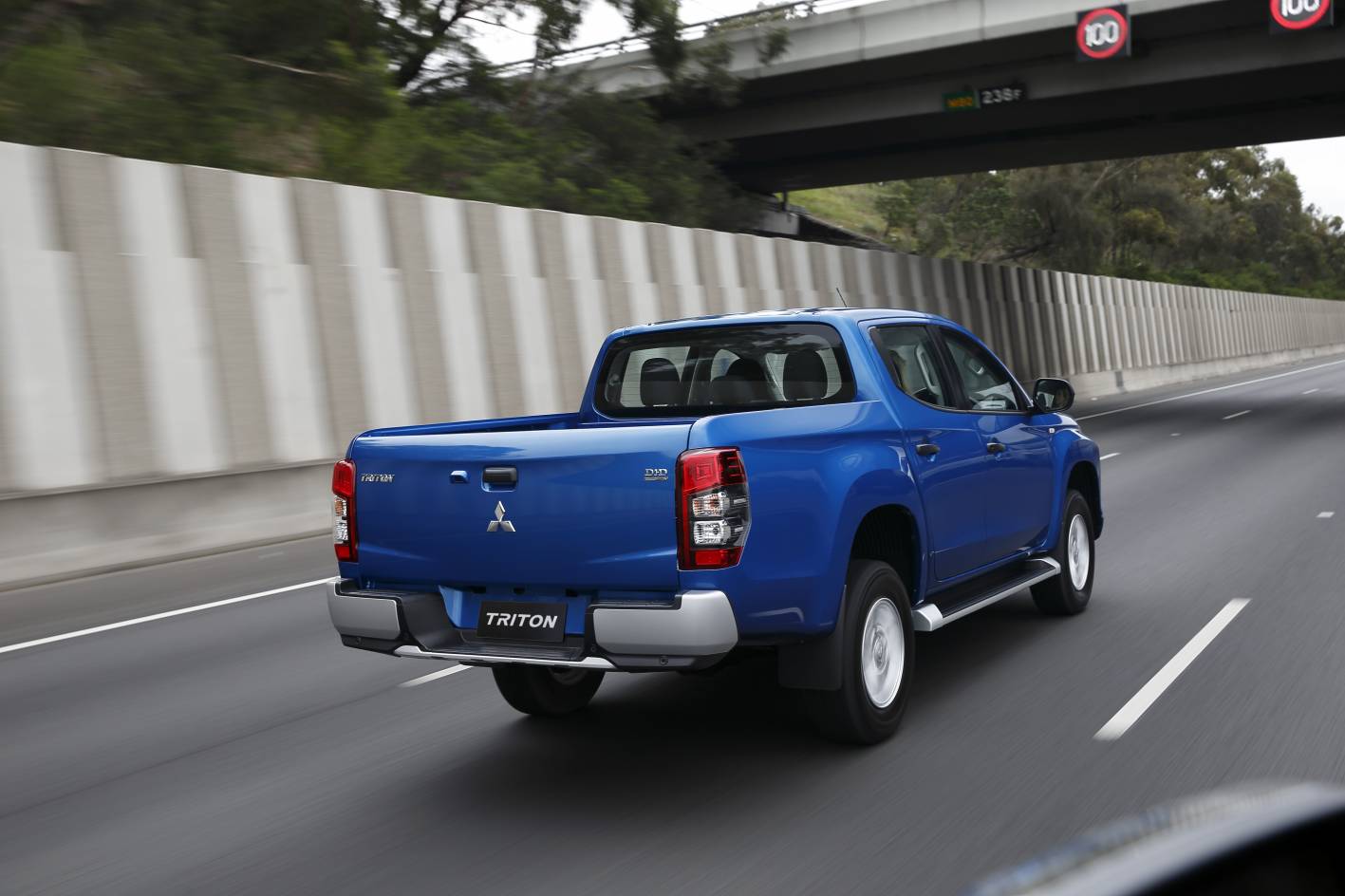
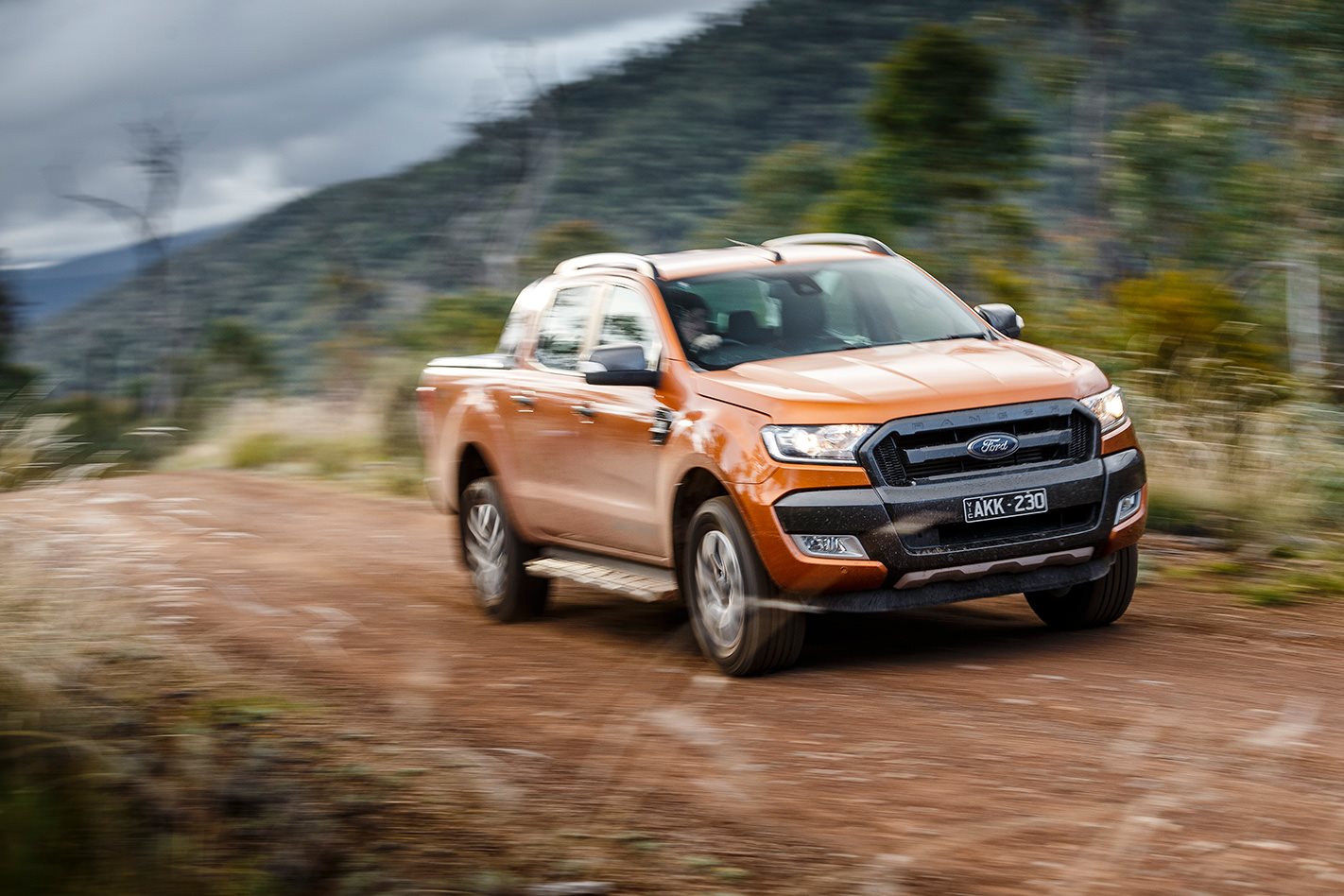
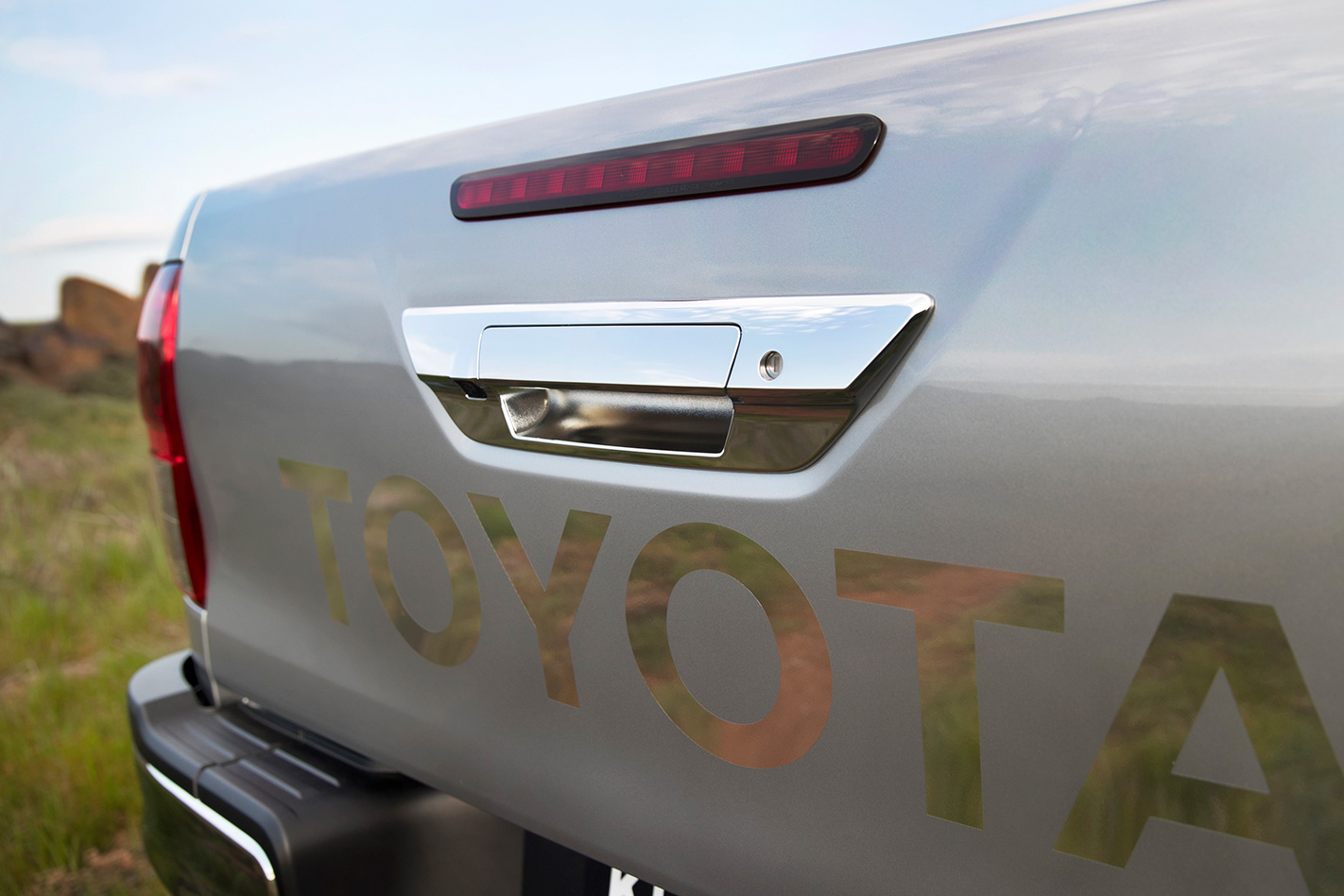
The Ford Ranger topped the sales charts for individual models, with the Toyota HiLux and Isuzu D-Max finishing second and third, respectively, to create a rare event where utes accounted for the top three model places.
Toyota was again the best-selling brand in Australia.
Read on for more details about June’s top 10 models and top 10 brands.
June new-car sales history (past 11 years)
| 2021 | 110,664 |
| 2020 | 110,234 |
| 2019 | 117,817 |
| 2018 | 130,300 |
| 2017 | 134,171 |
| 2016 | 128,569 |
| 2015 | 125,850 |
| 2014 | 118,308 |
| 2013 | 118,758 |
| 2012 | 112,566 |
| 2011 | 96,157 |
Top 10 models
The Ford Ranger ute smashed through the 6000-sales barrier for another sensational top-of-the-charts result, pushing it above the Toyota HiLux (5412 units) for a second time this year.
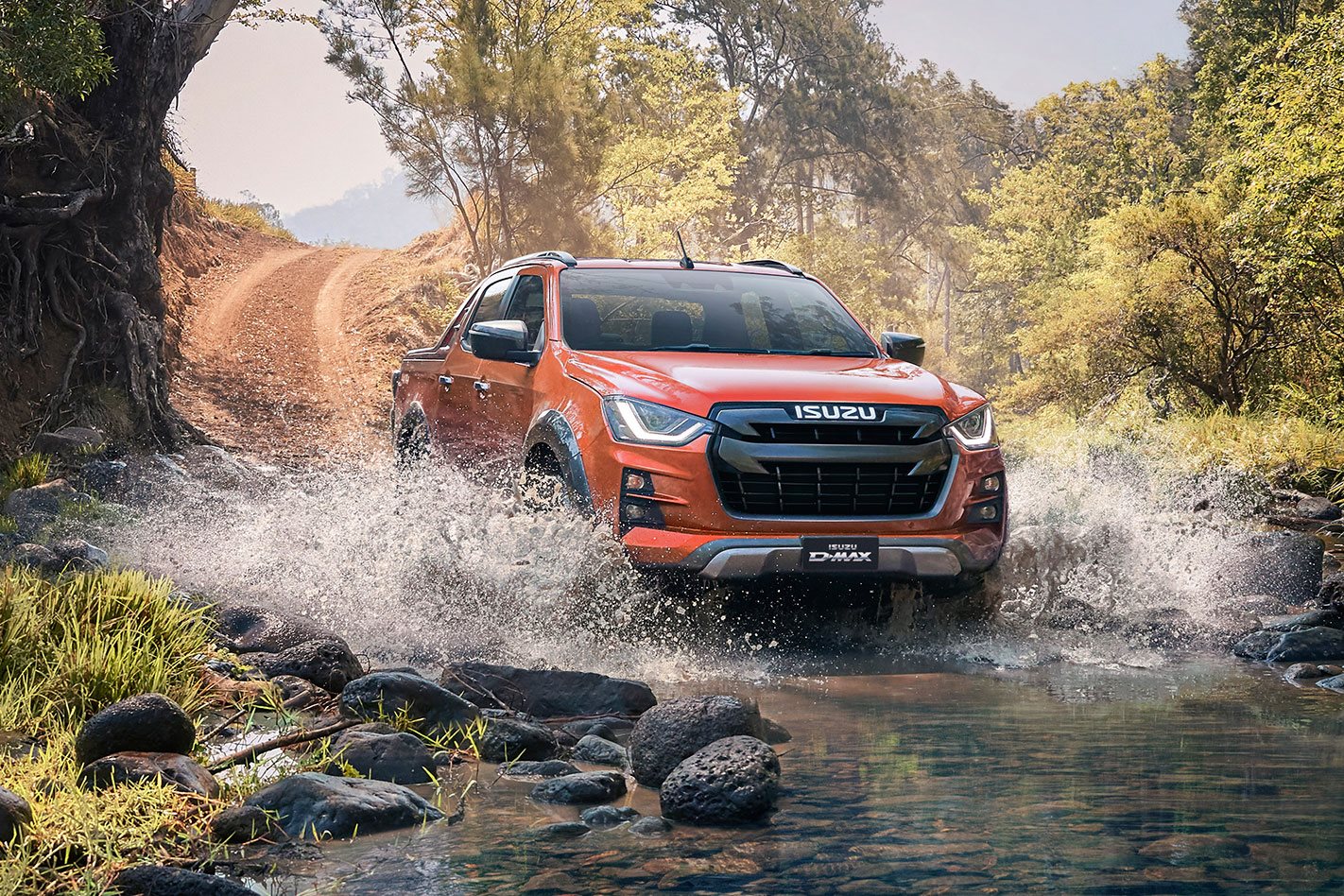
In a rare event, utes occupied the top three positions as the Isuzu D-Max continued its remarkable 2021 run by taking the final step on the sales podium with 3167 units – almost double its June 2020 tally of 1642 units.
It’s the highest ranking achieved by the D-Max, which had already impressed by finishing fourth in May.
Mitsubishi’s Triton completed the common sight of four utes in the top 10, albeit down in ninth.
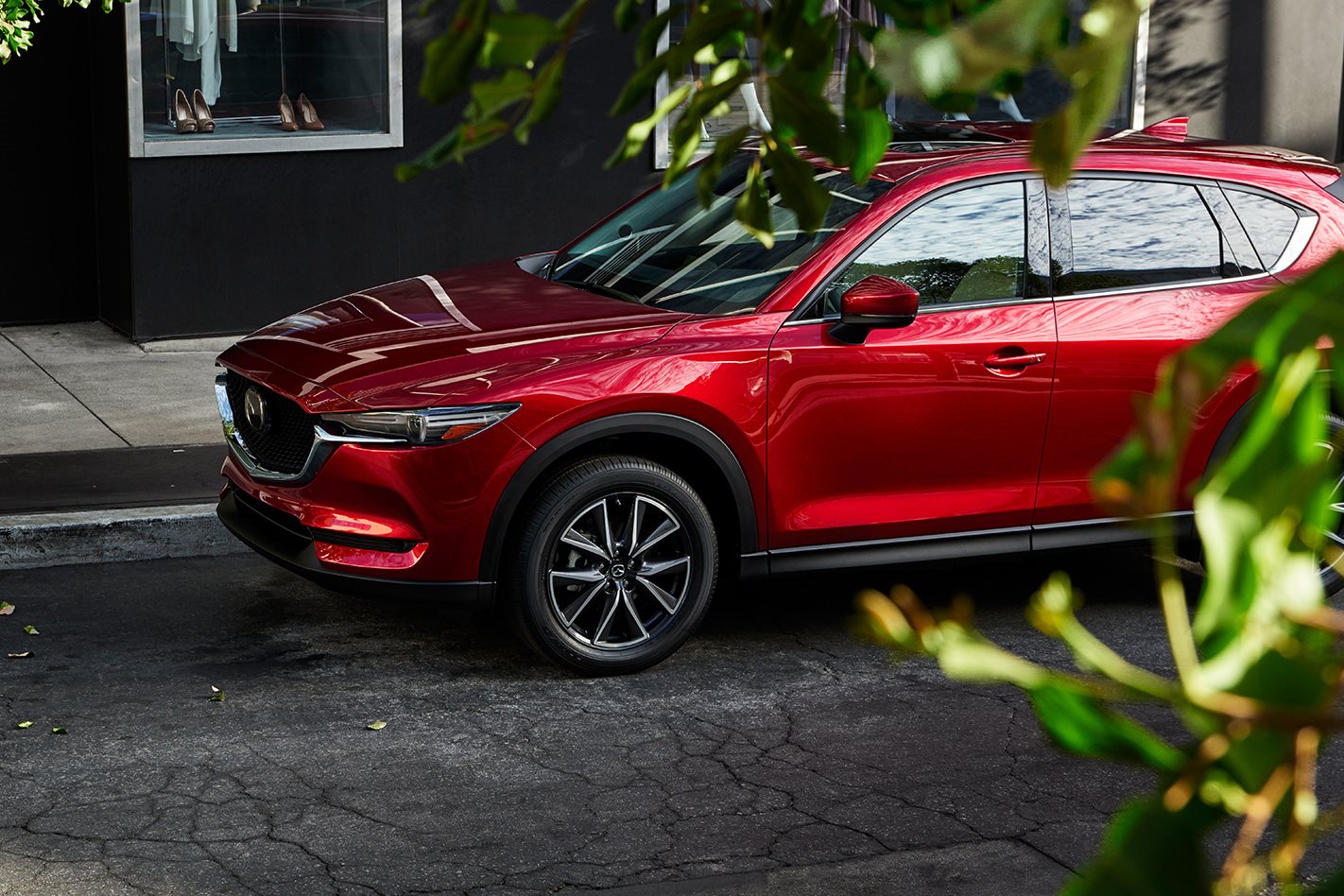
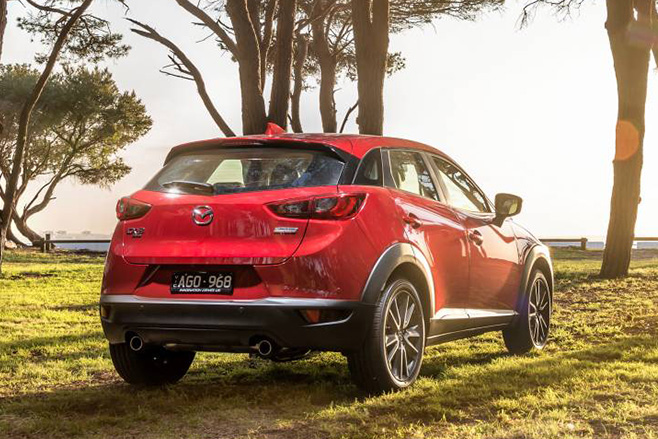
The Mazda CX-5 enjoyed its second month of 2021 with more than 3000 sales, making it the most popular SUV in June.
Toyota’s RAV4 hadn’t finished outside the top 3 in 2021 previously but was down in seventh with 2501 units, its lowest monthly figure so far this year.
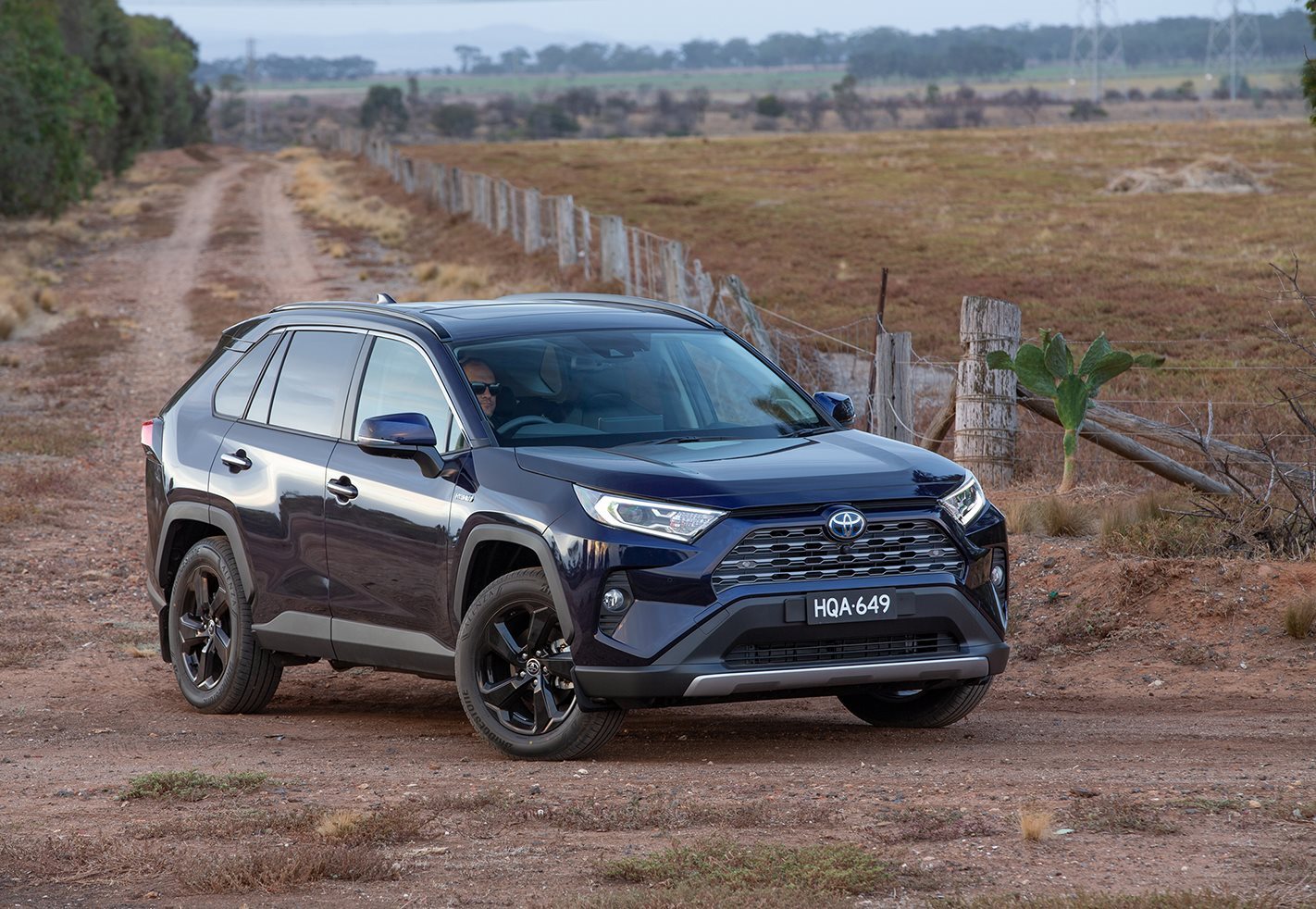
Last month it was outsold by its larger stablemate, the Prado (2610 sales). June was the Prado’s second consecutive month in the top 10, though the LandCruiser wagon’s incredible sales run – driven by demand for its last ever V8 – seems to be over.
After posting results of 2595 and 2795 in April and June, respectively, just 1162 LandCruisers were sold in the month the next-generation ‘300 Series’ model was unveiled.
The RAV4 remains the best-selling SUV in Australia based on accumulated sales.
Sales of the Kia Cerato small car were inspired by an updated model – up 35 per cent on June last year to take fifth place. It was the Cerato’s first top 10 appearance since February.
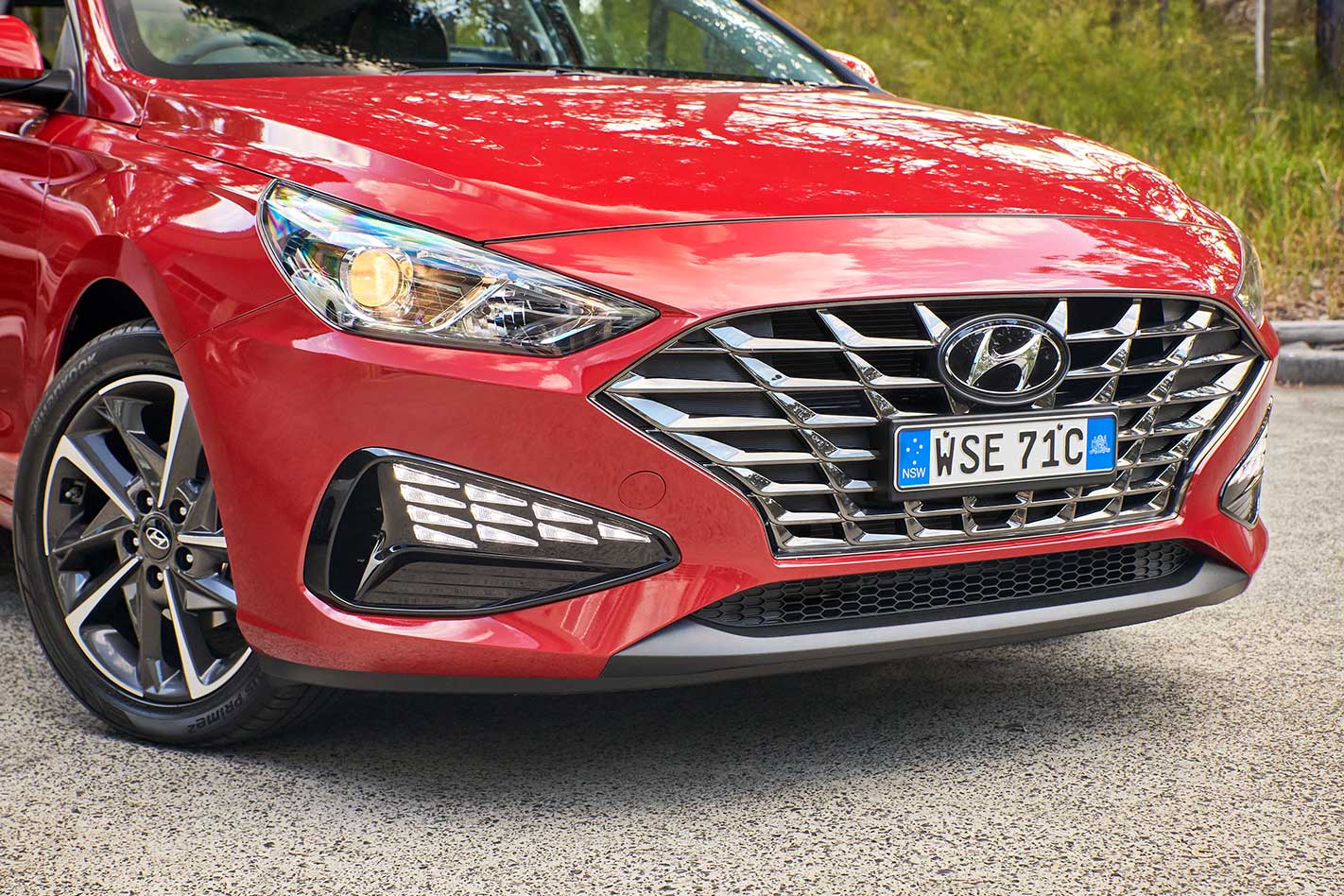
The Hyundai i30 and Toyota Corolla remain the two other small cars that refuse to be budged from the top 10 despite the country’s obsession with utes and SUVs.
Both models have featured in every monthly top 10 so far this year, though the Corolla’s near-30-per-cent drop on June 2020 almost cost it a place in June. The MG ZS wasn’t far behind – 2073 units versus the Toyota’s 2175.
Top 10 brands
Toyota’s sales were down eight per cent compared with June 2020, though the Japanese brand still thrashed Mazda in second place – despite its compatriot registering a hugely impressive 12,225 sales (up 30 per cent on this month last year).
Ford made it into a monthly top 10 for the first time in 2021 as those massive Ranger sales propelled it to nearly 8500 units – well above its previous best of 7146 (April 2021).
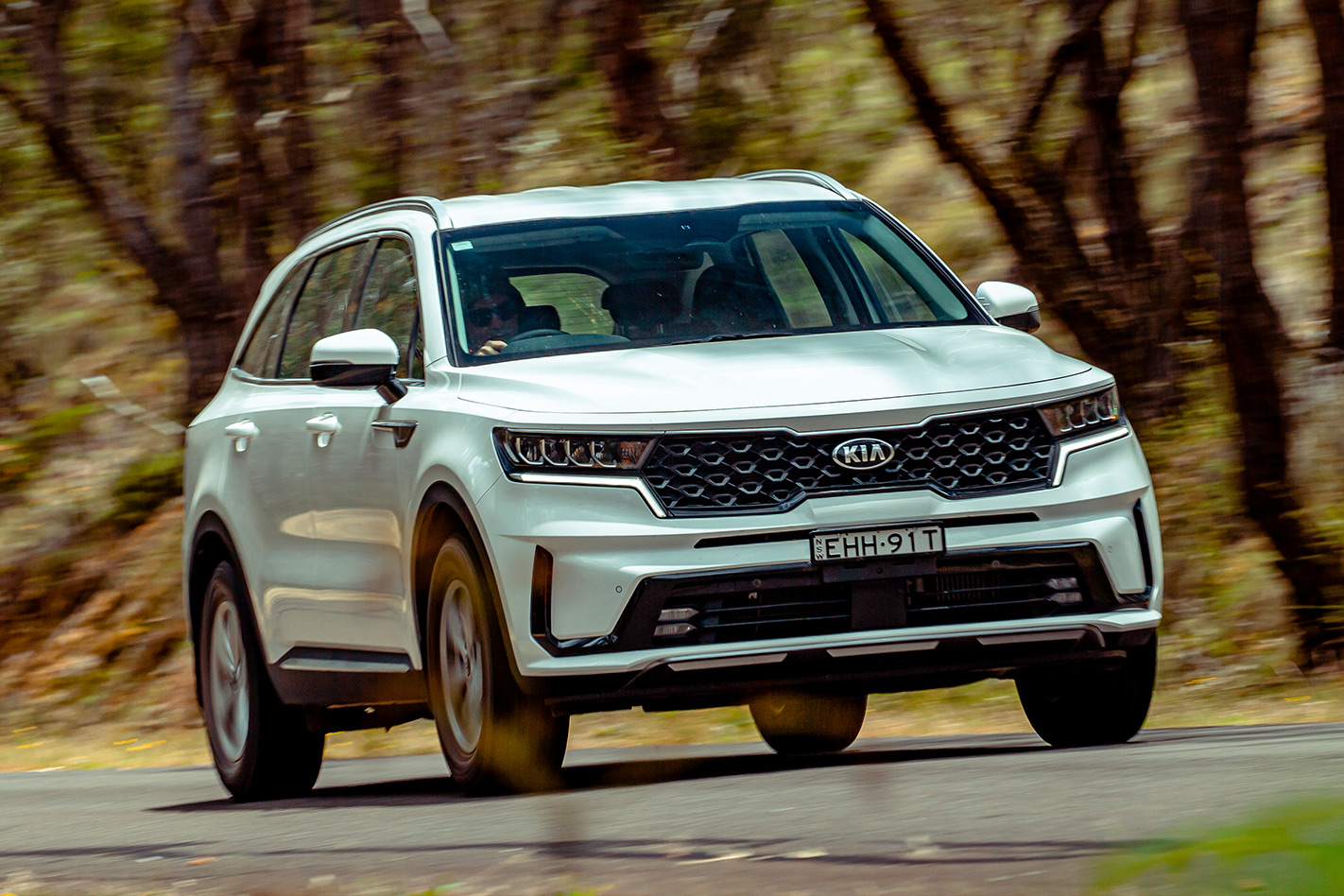
Kia lost the spot it secured in May, though a June result of 7890 sales (up 38 per cent on June 2020) was still sufficient to beat its parent company Hyundai (7357 units) for the second consecutive month.
After breaking into the top 10 for the first time in May, Isuzu Ute made it again last month courtesy of 49 per cent month-on-month growth – pipping Mercedes to 10th by less than 100 units.
Chinese brand MG returns to the top 10 after falling out of the leading places in May – even outselling Nissan (down five per cent), which until June had stubbornly occupied seventh place every month of 2021. Comparing June 2021 and 2020 reveals a 219 per cent sales increase for MG.
Mitsubishi and Volkswagen both experienced sales declines for the month – down 24 and 19 per cent, respectively. Seventh is VW’s highest monthly placing this year so far, however.
A 20 per cent month-on-month sales decrease for Subaru saw the Japanese ousted from the top 10 for only the second time in 2020. With 3021 vehicles registered last month, the Japanese brand was outsold by BMW (3078).
| Rank | Model | Sales | vs June 2020 |
|---|---|---|---|
| 1 | Toyota | 21076 | -8% |
| 2 | Mazda | 12225 | 30% |
| 3 | Ford | 8456 | 11% |
| 4 | Kia | 7890 | 38% |
| 5 | Hyundai | 7357 | -5% |
| 6 | Mitsubishi | 5641 | -24% |
| 7 | VW | 4674 | -19% |
| 8 | MG | 4303 | 219% |
| 9 | Nissan | 4036 | -5% |
| 10 | Isuzu Ute | 3964 | 49% |
In charts
June 2021 – Top 10 models and growth
June 2021: YTD sales Top 10
June 2021 – Overall segment sales
June 2021-2020 Category YTD sales
June 2021-2020 Category sales
Snapshot
- New G80 sport features exclusive front and rear bumpers, wheels and trim
- 3.5-litre twin-turbo V6 likely
- Expected arrival in September 2021
Genesis has taken the covers off its new G80 Sport ahead of the model’s September 2021 Australian arrival, bolstering the growing range of luxury sedans from the South Korean manufacturer.
Alongside the existing 2.5T, 3.5T AWD and recently announced 2.2D, the Sport will likely come in as the range-topping variant, expected to land costing more than $100,000 – as the 3.5T AWD currently retails for $99,900 excluding on-road costs.
A more aggressive front bumper design highlights the Sport’s face, featuring a larger intake, dark-gloss grille and black headlight bezels.
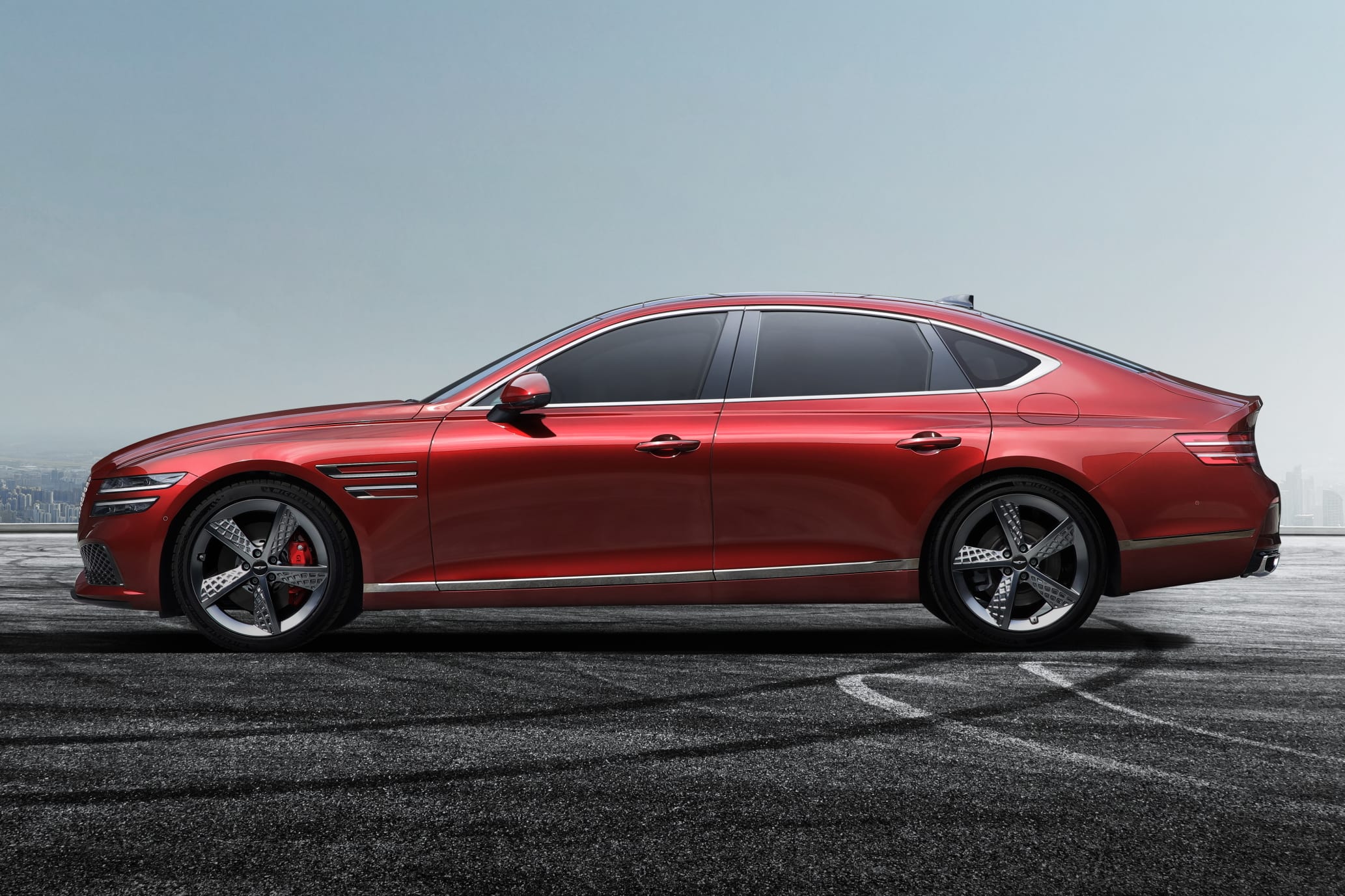
Exclusive 20-inch wheels are standard to the Sport, wrapped in Michelin Pilot Sport 4S rubber, a dark alloy finish complementing the ‘G-Matrix’ pattern with the option of either red or black brake calipers behind.
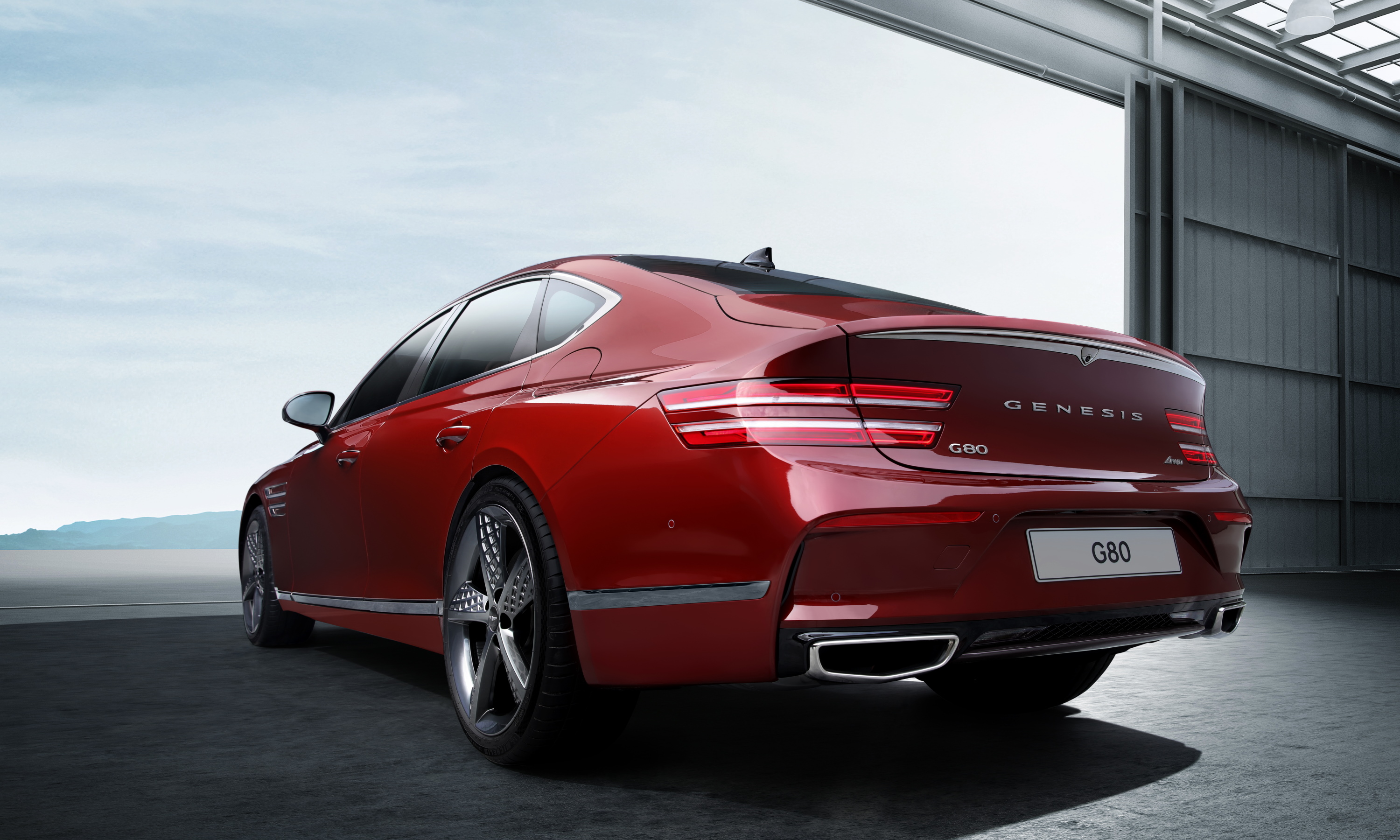
The dark gloss chrome which features in the front grille continues down the side mouldings and through to the rear bumper, its design being revised for the Sport along with new colour boot lid mouldings.
Genesis has added the striking ‘Cavendish Red’ paint finish as a Sport-only option, a colour and name it says is “inspired by a cliffside on the north coast of Prince Edward Island in Canada, while the colour was drawn from the area’s famous red cliffs.”
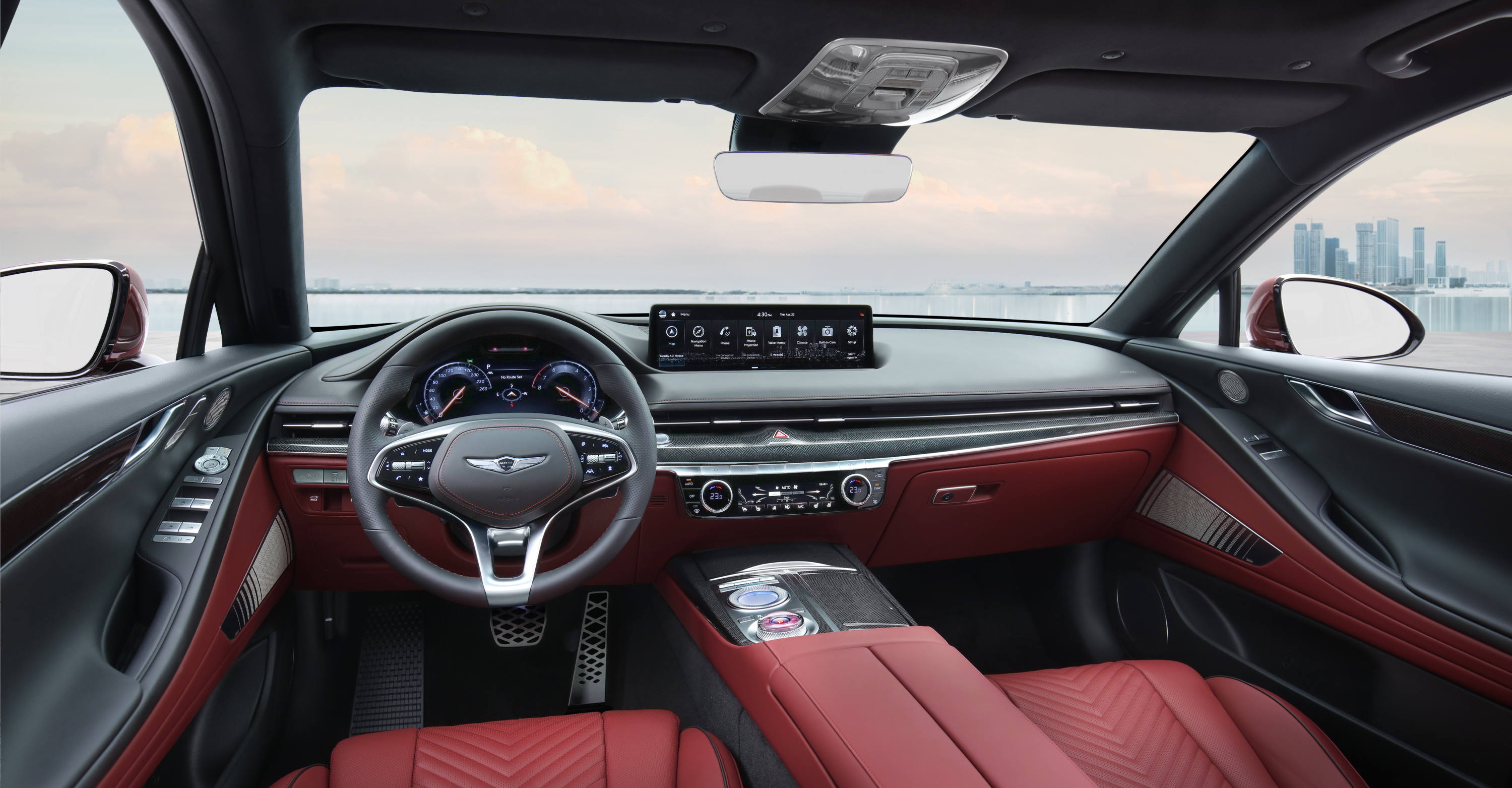
Stepping into the cabin, three exclusive colour options are available for the Sport variant, with buyers able to choose between black monotone – grey or red stitching – or go for Sevilla red all throughout the interior, as seat quilting is available in either a diamond or V pattern.
More Sport-exclusive options can be found inside, with a unique three-spoke steering wheel sitting in front of the dashboard, available with a choice of real aluminium, real carbon or a diamond-patterned hybrid weaving garnish.
Rear wheel steering will be available in the G80 Sport – the only confirmed mechanical feature as Genesis hasn’t yet said which engine will power the vehicle, though it will almost certainly be the brand’s flagship 3.5-litre, twin-turbo V6 from the AWD 3.5T, making 279kW/530Nm.
Set for a third-quarter arrival, the G80 Sport is tipped to go on sale in September 2021.
Snapshot
- New parts will be available from July
- Parts are expected to sell quickly, and will be offered on Toyota’s Gazoo Racing website
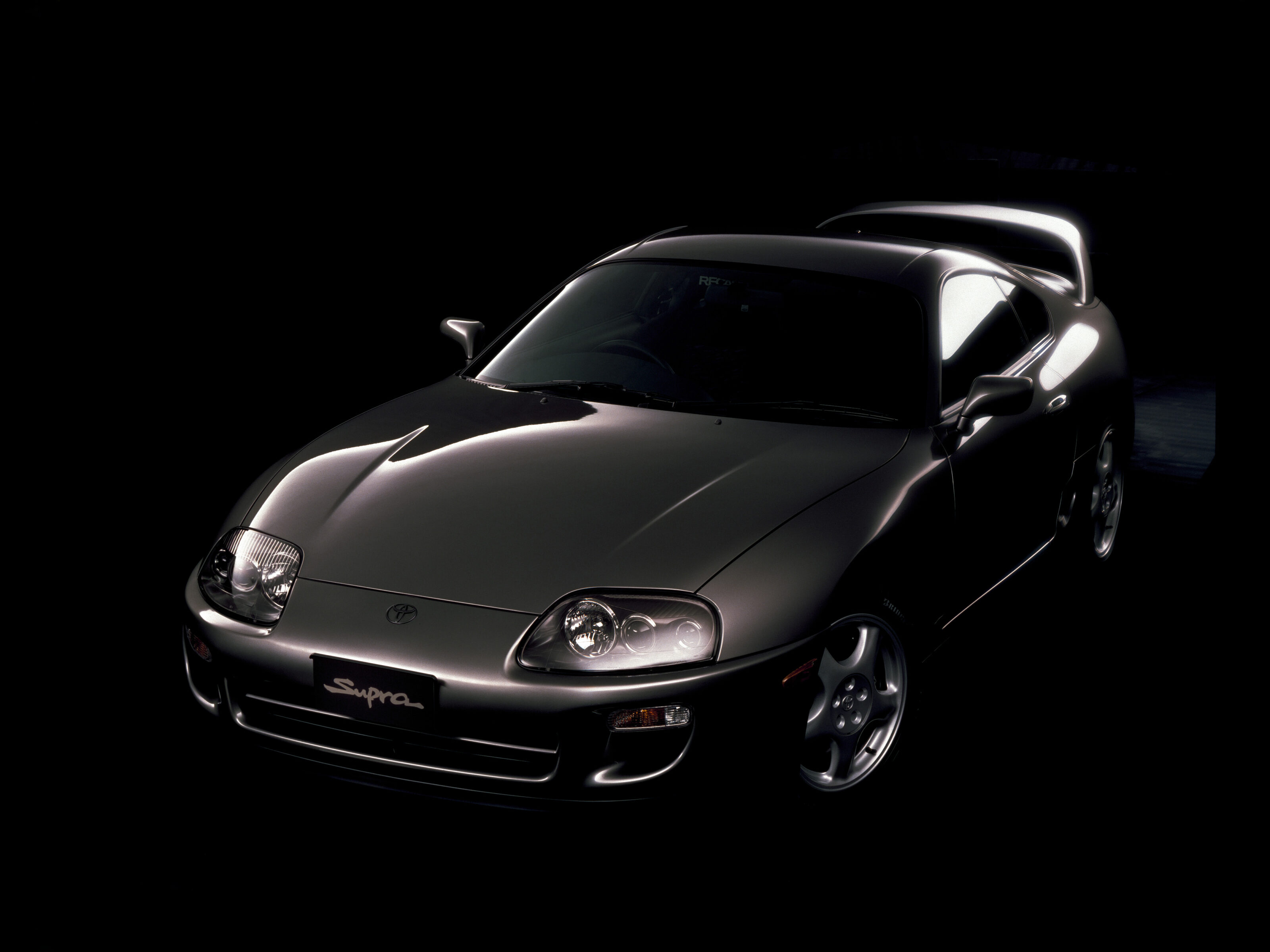
Toyota has announced it will make more OEM parts for its celebrated third and fourth generation Supra.
The Japanese marque first announced it would produce some factory parts for its sportscars back in May 2019, which were subsequently launched last year.
In the original catalogue from 2019, the A70 scored a host of remade mechanical components such as a heater hose, brake hose, clutch master cylinder, and a clutch release cylinder, as well as a control panel knob for the car’s air-conditioning unit.
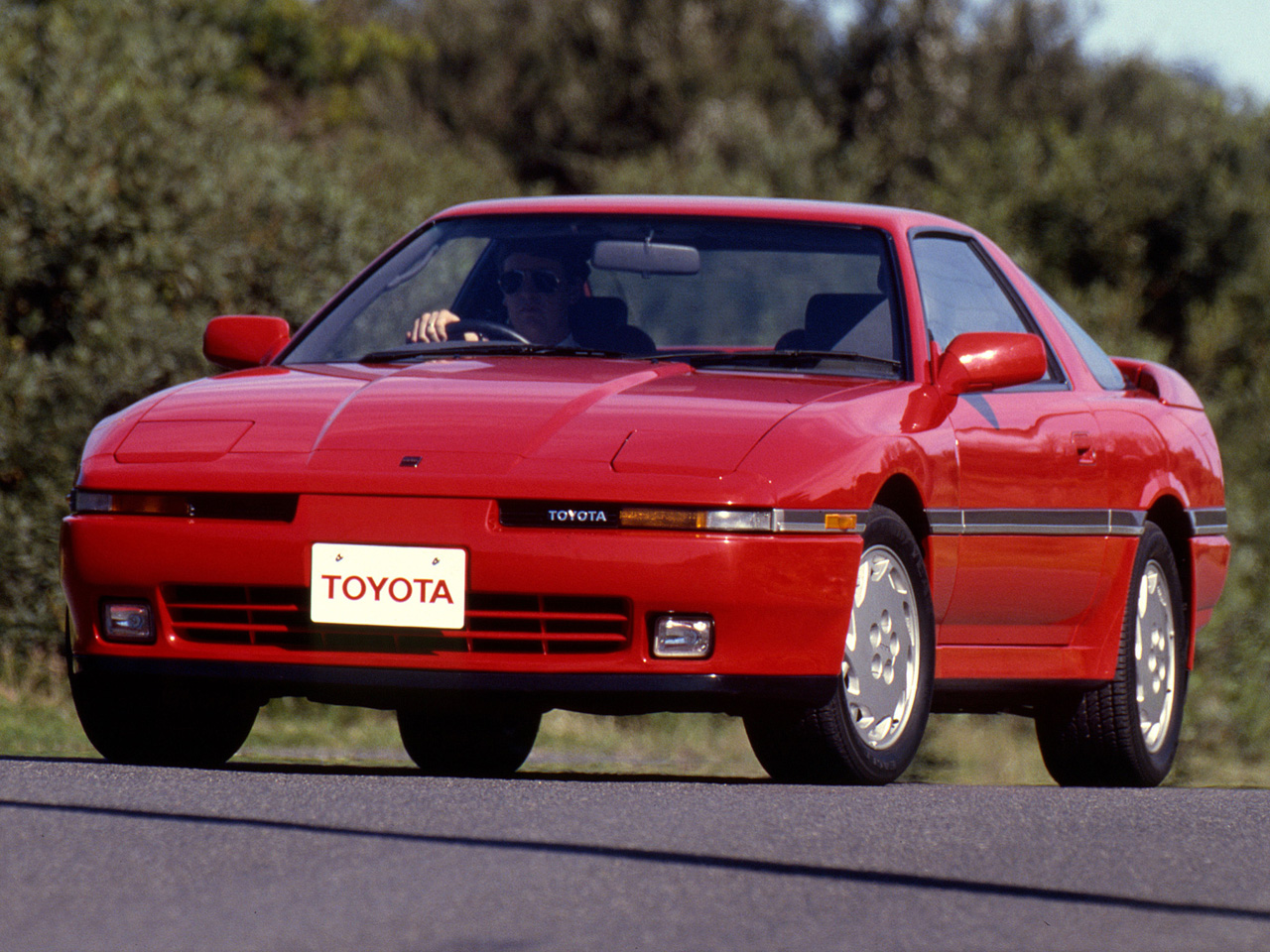
This new parts drop will include a bushing for the A70’s front suspension and cosmetic items such as a front and rear badge and side protection mouldings for the car’s lower fairings.
The celebrated fourth-generation A80 Supra will only have two new parts added to Toyota’s catalogue – an O2 sensor and a front bumper cover.
Some parts will be available from July, while others, like the aforementioned bumper cover, will come later in August 2021.
The new items will be available on Toyota’s Gazoo Racing website. However, parts are limited and expected to sell out quickly.
Toyota is by no means the only manufacturer which is starting to reproduce mechanical and cosmetic parts for its classic cars.
Nissan’s performance arm Nismo has been producing bespoke componentry for cars like its lauded R32 GTR since 2017, as part of the automaker’s Nismo Heritage Parts Program.
Porsche has also been offering remade mechanical and cosmetic parts for its classic models and newly designed OEM equipment which can be retrofitted as part of the German marque’s Porsche Classic initiative.
Snapshot
- American-made lithium will power GM’s next-generation of BEV vehicles
- News comes as GM invests US$35 billion in EV and AV technology by 2025
General Motors has announced it’s entered a partnership with Californian and Brisbane based firm, Controlled Thermal Resources (CTR), to produce American-made lithium for its next generation of electric vehicles.
CTR produces lithium in an environmentally responsible method which involves a closed-loop, direct extraction process, which recovers lithium from geothermal brine.
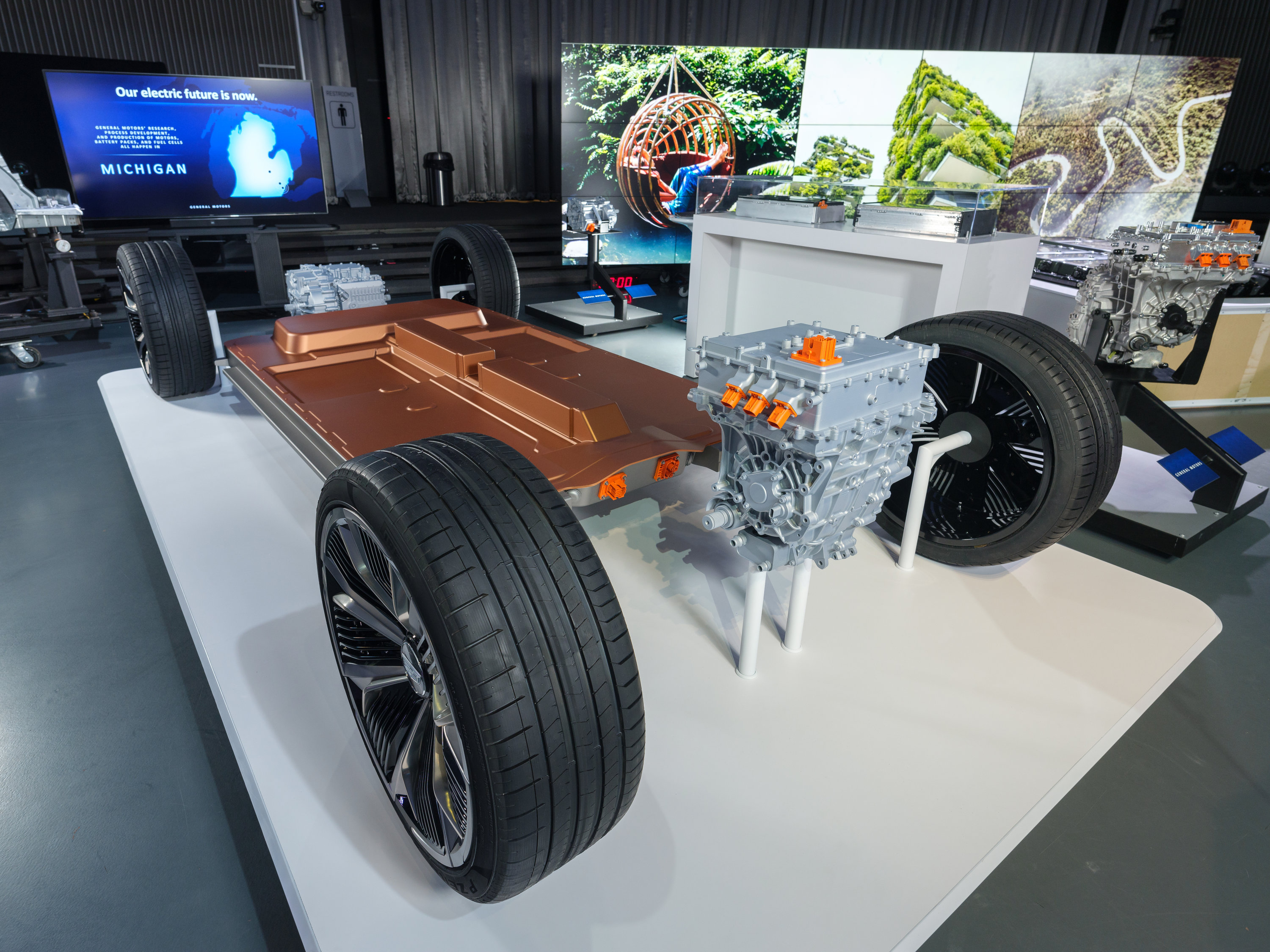
GM said it could utilise the battery-grade lithium hydroxide and carbonate produced directly from CTR’s new Hell’s Kitchen Lithium and Power development, located in the Salton Sea Geothermal Field in California.
The innovative site is expected to be yielding lithium by 2024, which would be of considerable benefit to GM, considering almost all lithium currently used in BEVs is mined and processed elsewhere around the globe, with Australia being the largest producer of lithium by far.
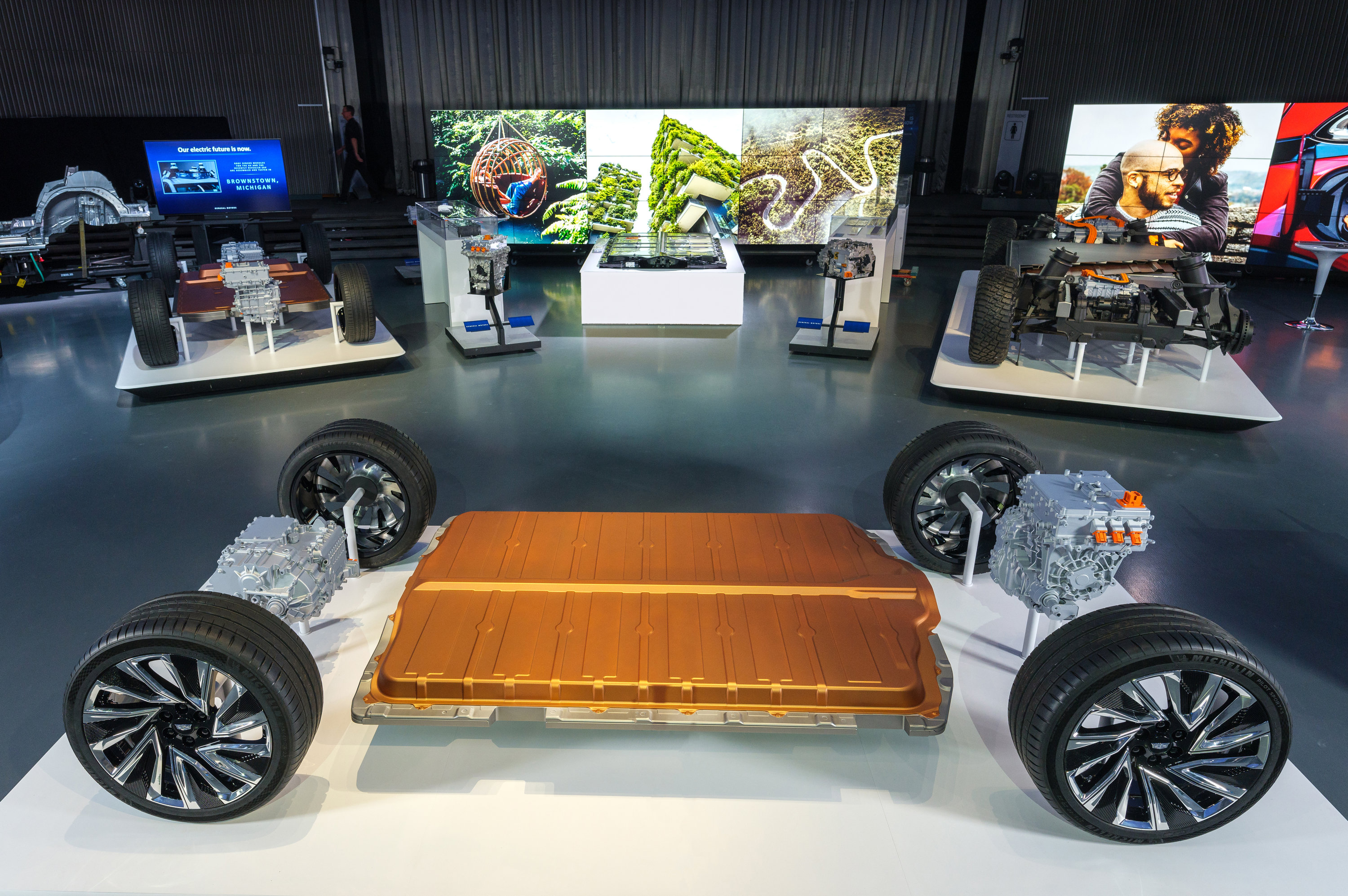
“Lithium is critical to battery production today and will only become more important as consumer adoption of EVs increases, and we accelerate towards our all-electric future,” Doug Parks, GM’s executive vice president of global product development, purchasing and supply chain, said.
“By securing and localising the lithium supply chain in the US, we’re helping ensure our ability to make powerful, affordable, high mileage EVs while also helping to mitigate environmental impact and bring more low-cost lithium to the market as a whole.
“GM looks forward to working with CTR, in addition to state and local leaders, in achieving these goals.”

The news comes as part of GM’s recent announcement it will invest US$35 billion (AU$46.5 billion) in electric and autonomous vehicle technology by 2025.
The General’s Ultium battery and platform technology have already proven to be a formidable piece of equipment in the EV landscape, powering GMC’s Hummer EV, Cadillac’s Lyric, and even Honda’s next fully electric SUV, the Prologue.
Snapshot
- 2022 G42 BMW 2 Series is set to be revealed in the coming days
- Leaked image shows performance range-topping M240i model variant
- The next 2 Series will make its dynamic launch at this week’s Goodwood Festival of Speed
The all-new 2022 BMW 2 Series has been leaked in a single image doing the rounds online.
According to BMW Blog, this latest picture of the undisguised G42 2 Series is most likely the real thing, given the compact sportscar’s actual launch is just days away, and new BMW products have a habit of being ‘leaked’ in the immediate lead-up to an official unveiling.
Finished in Thundernight metallic paint, the photo shows a tough-looking M240i variant, which confirms the look of the front fascia we’d seen previously in a series of spy shots.
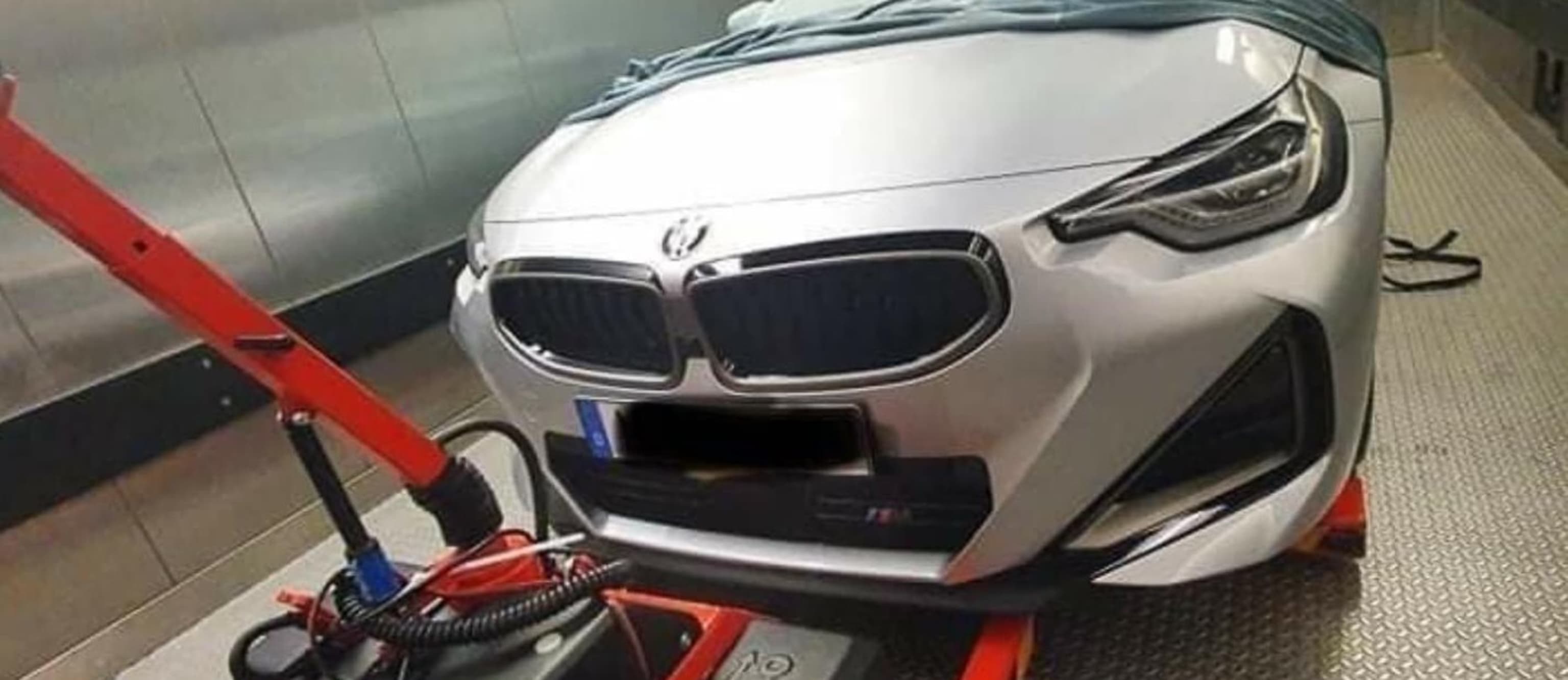
Powered by the German marque’s B58 turbocharged 3.0-litre six-cylinder, the M240i will act as the coupe’s top-shelf performance variant until the next-generation G87 M2 is launched in 2022.
The image also confirms the next 2 Series will have a much more diminutive front kidney grille than its larger 3 and 4 Series siblings, which is sure to be a relief to some enthusiasts.
Other prominent visual cues gleaned from the photo include a prominent bonnet ‘power’ bulge, large, angular air ducts, and aggressive-looking flared wheel arches.
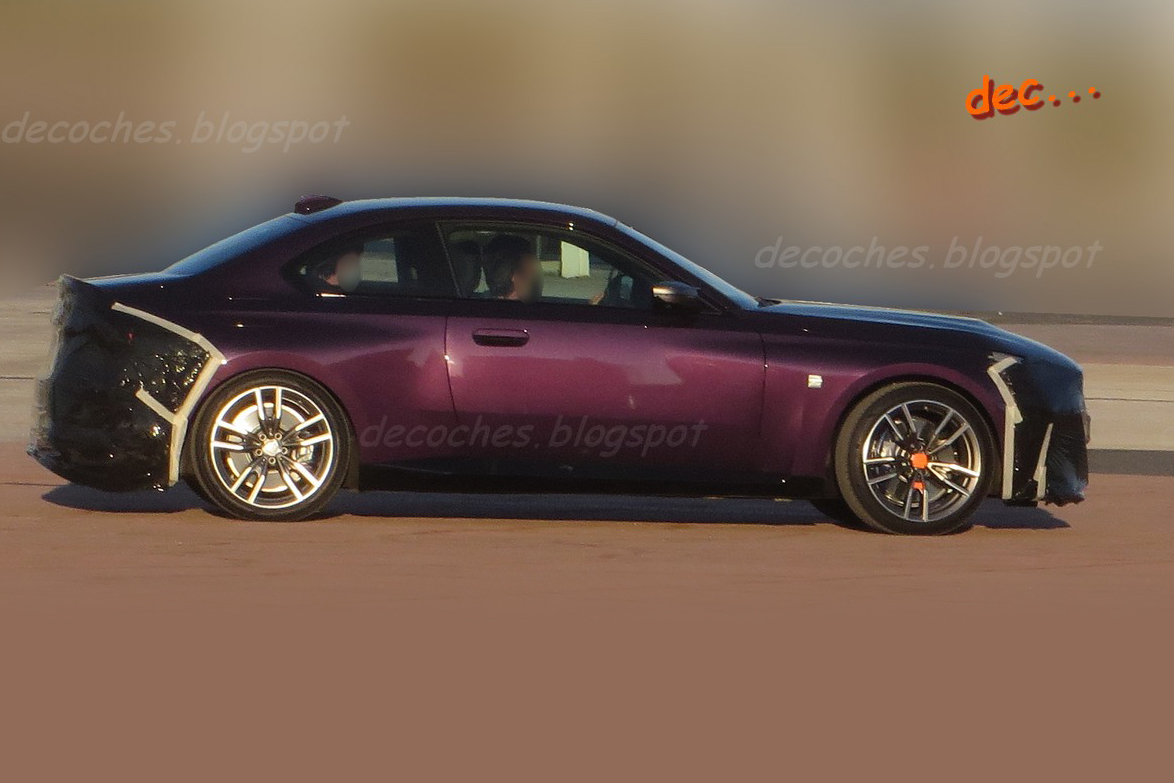
The overall visual package, from the front, makes the new M240i look far more serious than its predecessor, the F22, and it also makes us wonder – what’s the new M2 going to look like?
In addition to its imminent launch, the new G42 2 Series will also make its dynamic debut at this year’s running of the Goodwood Festival of Speed, which kicks off this Thursday, July 8, and runs through to Sunday, July 11.
Wheels has reached out to BMW Australia for more information about when we might see the all-new 2 Series Down Under, and we’ll update this story when we have more information.
