
There are many attributes you would expect a Bentley Continental GT V8 Convertible to possess, but it’s the one you might not expect that makes it such a desirable machine – more on that later.
With a basic price of $441,300 before on-road costs you’d hope the Bentley would deliver on expectations, but take that figure with a grain of salt. As with most vehicles at this price point, customers can and will wildly inflate the RRP thanks to Bentley’s extensive options list.
Our test car included the Touring Specification (adaptive cruise, emergency lane assist, intersection assist, head-up display, lane assist, night vision, traffic assist), Front Seat Comfort Specification (electric headrests with fine chrome bezel, adjustable cushions, adjustable side bolsters, ventilated massage seats) and City Specification (auto-dimming door mirrors, city assist, hands-free boot opening, pedestrian warning, reverse traffic warning, top-view camera).
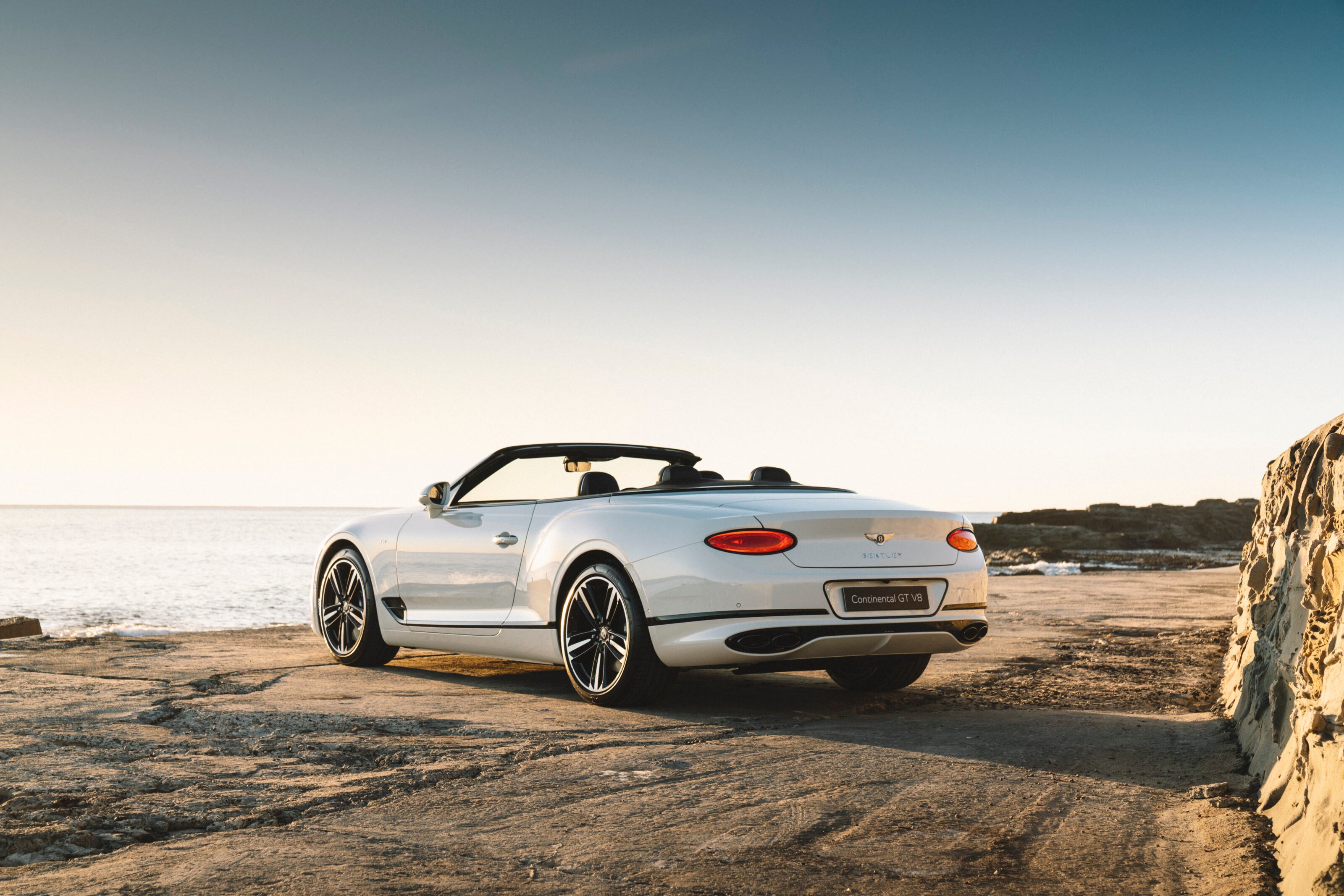
In addition, it benefits from the virtually limitless personalisation options available through Bentley’s bespoke arm Mulliner. Just as Mercedes has AMG and BMW has M to make fast cars faster, Bentley has Mulliner to make special cars, er, specialer.
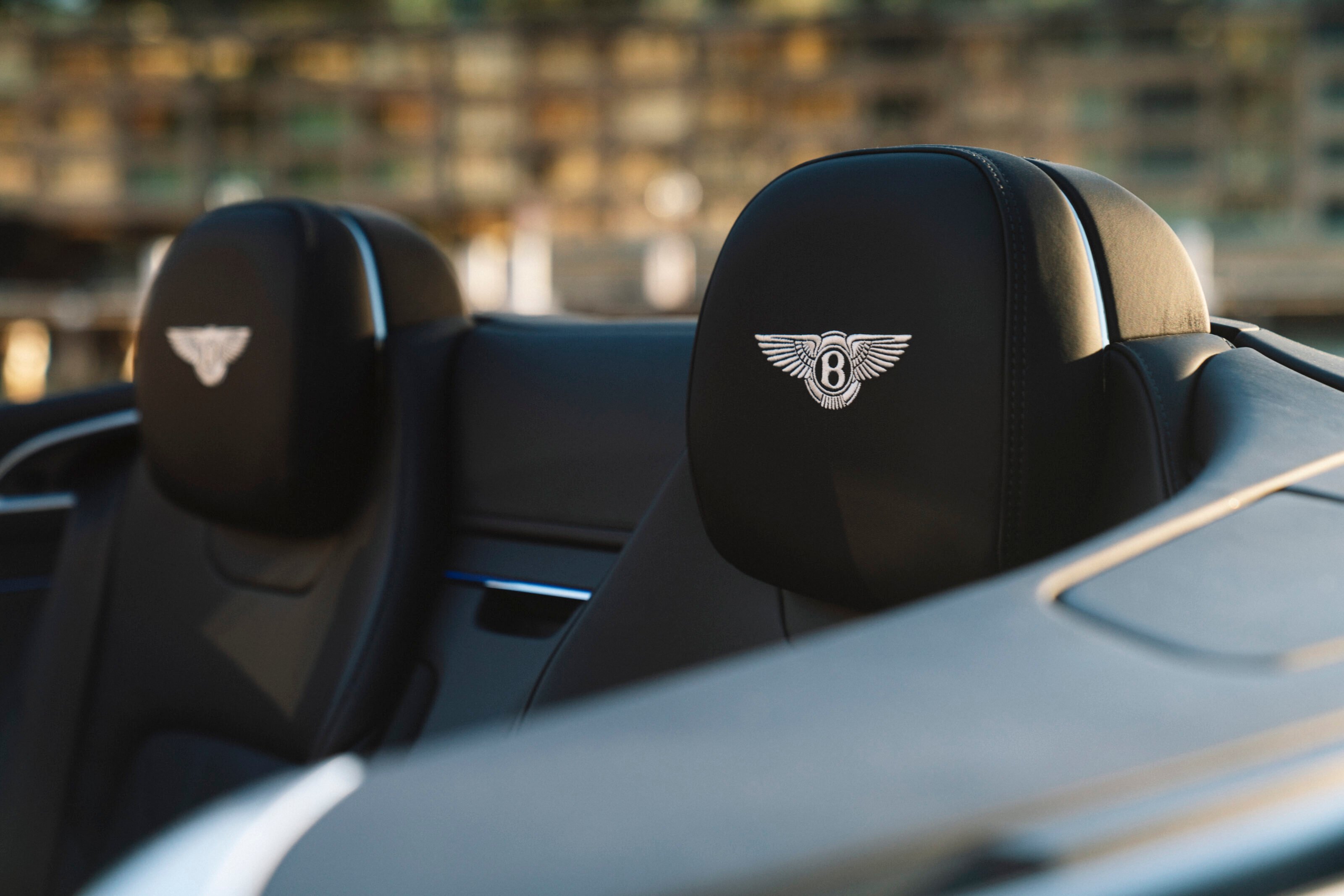
The Mulliner Driving Specification adds 22-inch alloy wheels, ‘diamond-in-diamond’ quilting on the seats, door trims and rear quarter panels, embroidered Bentley emblems, indented hide headliner, jewel fuel and oil filler caps and sports pedals, the brake featuring a massive Bentley ‘B’ logo, which also handily stands for BRAKE!
There’s more but you get the idea. Speccing your Bentley isn’t a case of choosing a colour and negotiating some floor mats, but expect to add at least $100,000 to that RRP by the time your individualised Bentley is on the road.
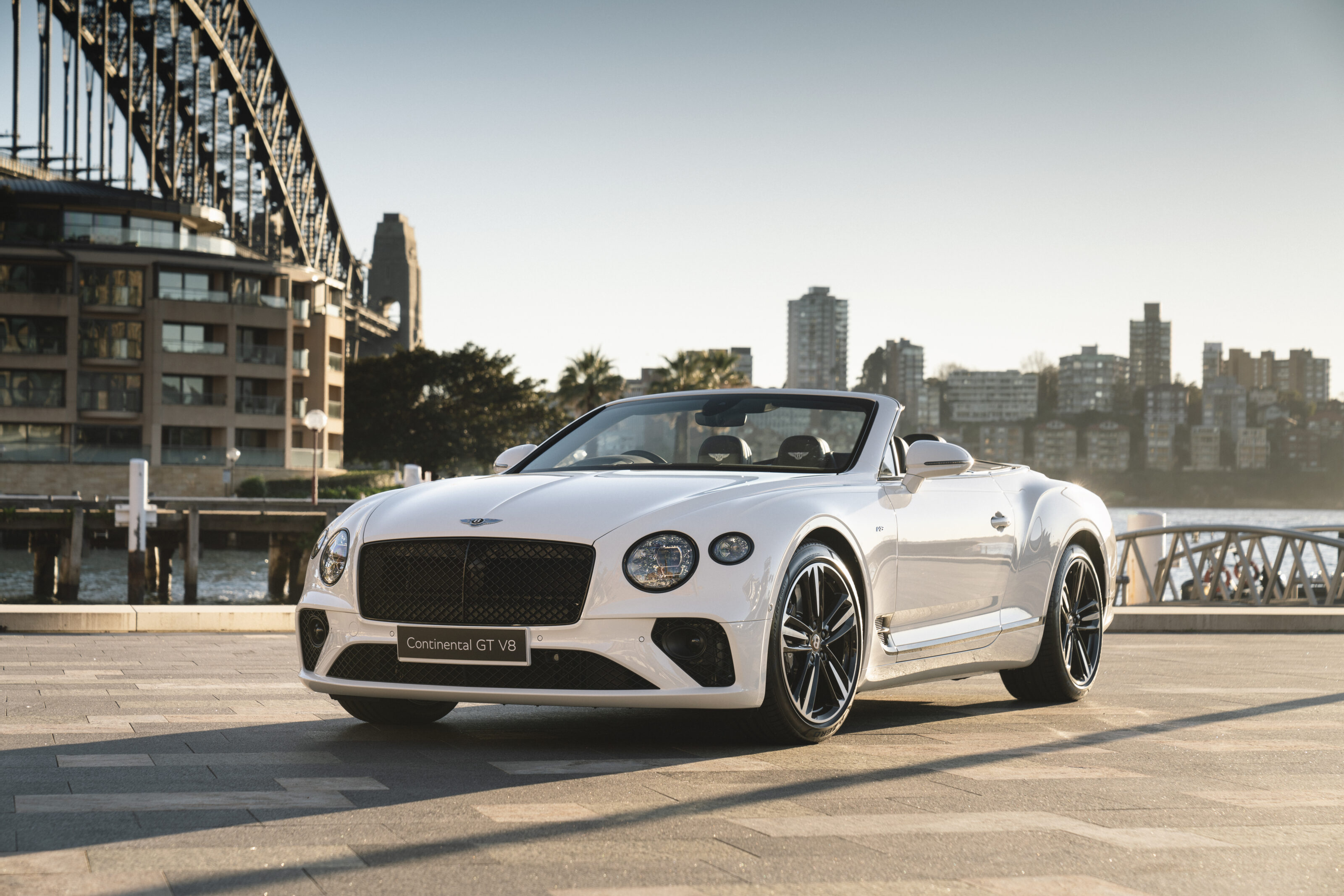
With the roof down the Continental GTC exudes luxury speedboat vibes
It looks the business, though, this new Continental. It sits upon the Volkswagen Group’s MSB platform, shared with the Porsche Panamera, and it’s allowed the front axle to be shifted 135mm towards the front of the car, which has done wonders for the big Bentley’s proportions.
Longer, wider, flatter and more imposing, with the roof down the Continental GT V8 Convertible exudes luxury speedboat vibes and thankfully, unlike some convertibles, the glamour doesn’t disappear with the roof raised.
The wheelbase extension also improves interior space, with plenty of front legroom. One of the key expectations of any Bentley is a top-class interior and the Conti’s cabin is indeed a thing of beauty.
I miss the design flair of the previous generation Continental’s interior, the arching ‘wings’ that elevated either side of the centre console. The new car’s cockpit is more homogenous, less adventurous, but the material quality sets it apart.
Everything is real and there are no shortcuts. An example: there is a small pouch on the transmission tunnel by your left leg to stash your phone. Not only is it a clever ergonomic touch but the pouch itself is lined with leather.
The leather is soft, the carpets are thick and the metal is cold to the touch. That optional diamond stitching is very swish but importantly the driving position itself is also spot on. The steering wheel in particular is superb, a wonderful thing to hold.
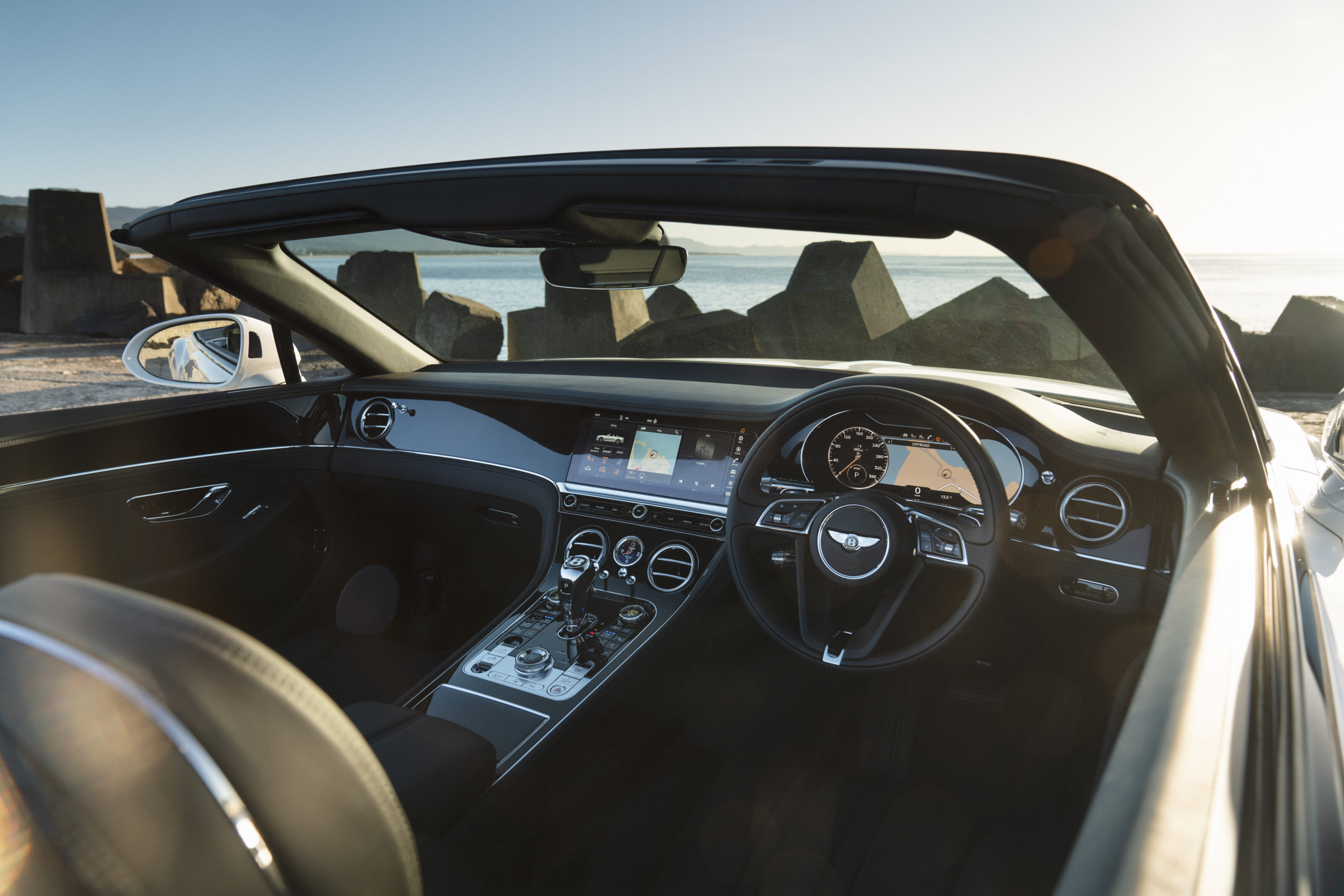
Buttons are plentiful, which would no doubt give some interior designers conniptions – “need blank surfaces! More screens!” – but the upside is easily identifiable functions (of which there are plenty) that are easy to find at a moment’s notice.
Standard kit includes full LED matrix headlights, a 12.3-inch central touchscreen with Apple CarPlay, Sirius satellite radio, 60GB hard drive, Google Earth satellite navigation and a 650W 10-speaker stereo, though optional systems are available from Bang & Olufsen (1500w, 16-speaker) or Naim (2200w, 18-speaker).
An optional bit of interior theatre is also available in the form of the rotating centre display, which allows the centre of the dash to show the infotainment touchscreen, a trio of analogue gauges or just unbroken dash, like one of James Bond’s Q gadgets.
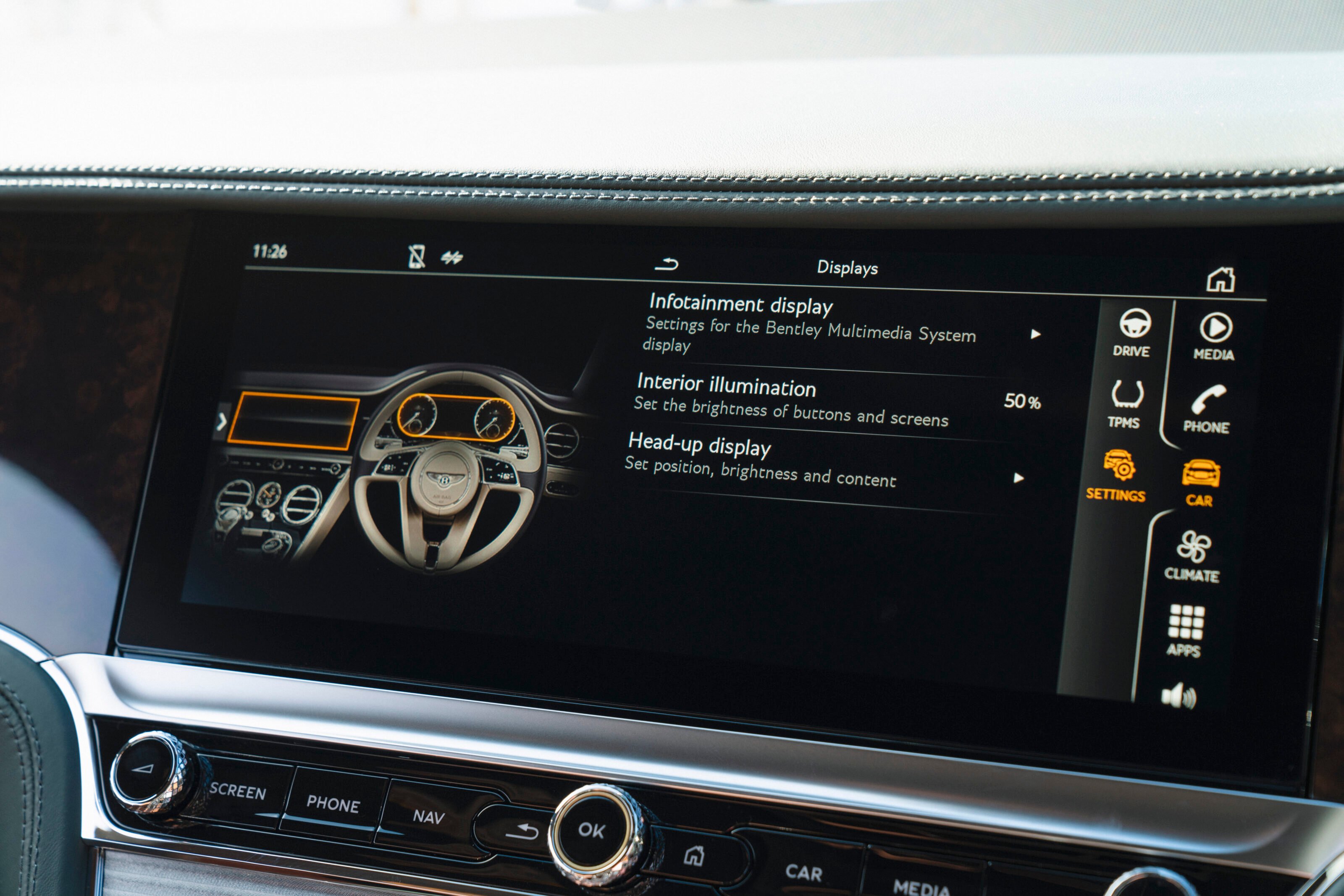
The interior is a lovely place to be and the experience is enhanced by another key Bentley expectation, that of exceptional ride and refinement. Double-glazed windows hush the outside world and the combination of three-chamber air springs and adaptive dampers provides a beautifully plush primary ride, the Continental GT Convertible wafting over larger bumps.
Spend some extra on the active anti-roll bars, which can decouple to free the wheels when in a straight line, and it’s likely to improve further, while forgoing the 22-inch wheels might improve the occasionally pattery secondary ride.
Under the bonnet is the 4.0-litre twin-turbo V8 that’s found in a variety of Volkswagen Group products in varying states of tune. In the Continental V8 it produces 404kW/770Nm, which combined with the eight-speed dual-clutch is enough for 0-100km/h in 4.1sec, 0-160km/h in 8.4sec and 318km/h flat out. On the other side of the coin, cylinder deactivation limits the combined fuel economy claim to 12.1L/100km, but expect to double that in hard use.
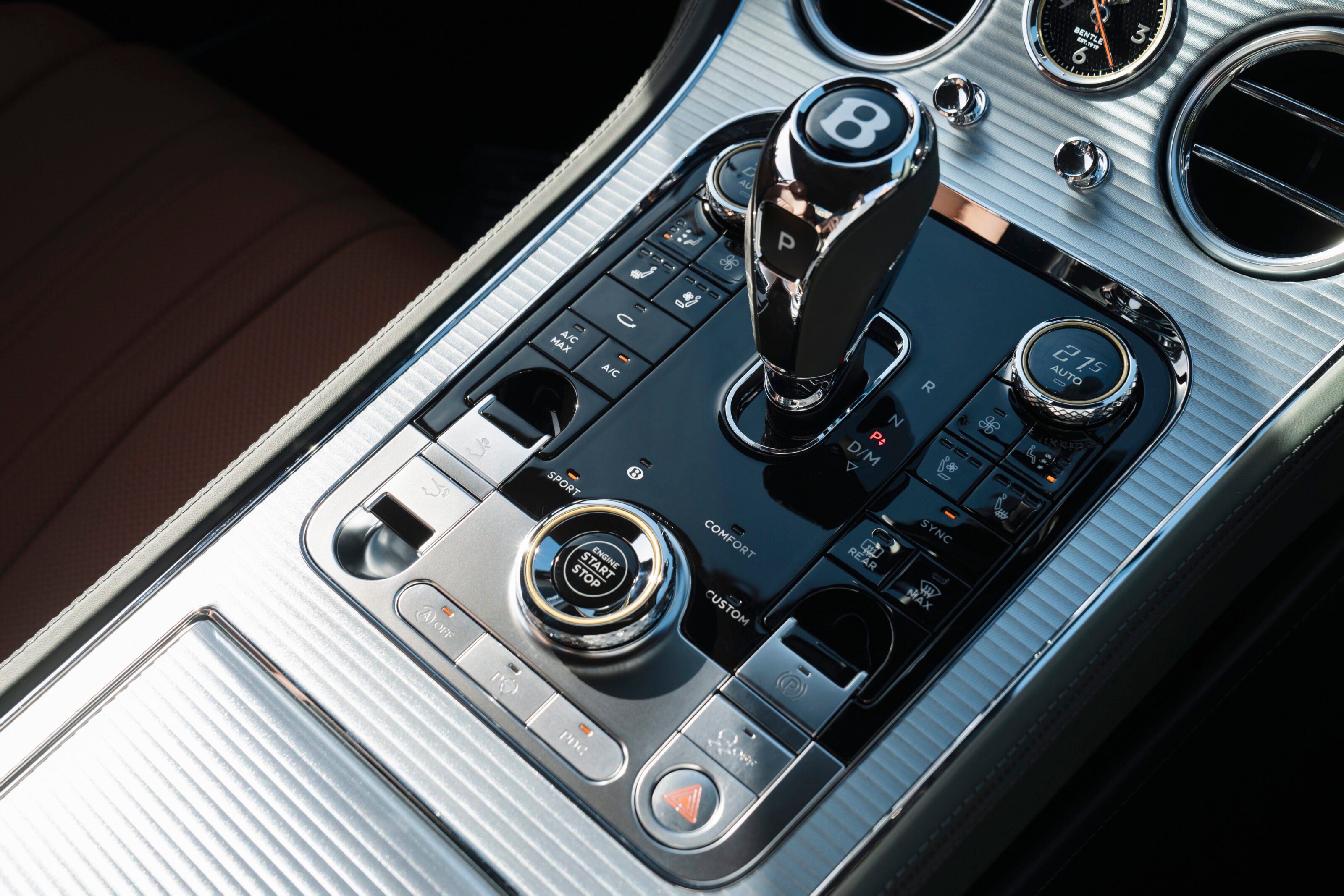
Bentley’s 6.0-litre twin-turbo W12 has its fans for its smooth operation and monstrous torque, but personally the V8 is the obvious choice. It might be 63kW/130Nm down on its bigger brother but counters by being 50kg lighter and making a deliciously rude noise.
It’s not unsuitably raucous but it suits the car’s personality so well, capable of being refined when the situation requires but delivering an old-school eight-cylinder growl under load. It feels like the engine the traditional Bentley boys would choose, raffish gentlemen that they were.
You can identify a Bentley V8 by the black lower fender vent and quad tailpipes, rather than the dual ovals of the W12. The previous-gen Continental V8 had figure-of-eight tailpipes, a nice touch that has sadly been lost.
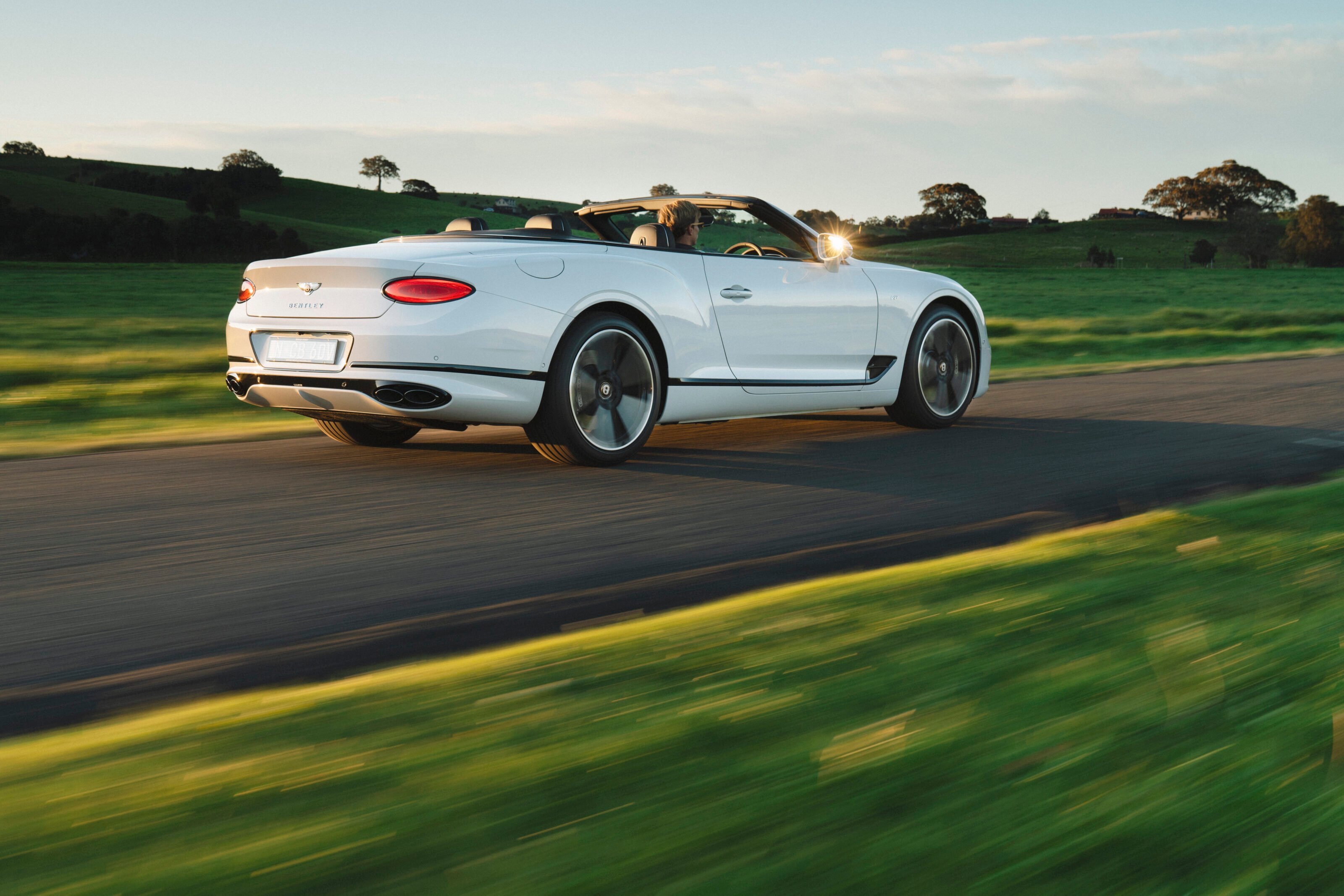
So far the Bentley Continental GT V8 Convertible has delivered exactly what you’d expect it to: lashings of luxury, plenty of power and refined road manners, but it turns out this latest version has another string to its bow.
This thing handles. Even this convertible, which is not as torsionally rigid as the coupe and 170kg heavier, bringing its kerb weight to a whopping 2260kg and distributed a nose-heavy 55:45 front-to-rear.
It’s not a promising recipe but there are a few things working in the Continental’s favour. That aforementioned 135mm front axle stretch not only provides a wider footprint but also eliminates the previous car’s Achilles’ heel, the fact that almost the entire engine hung out ahead of the front axle line.
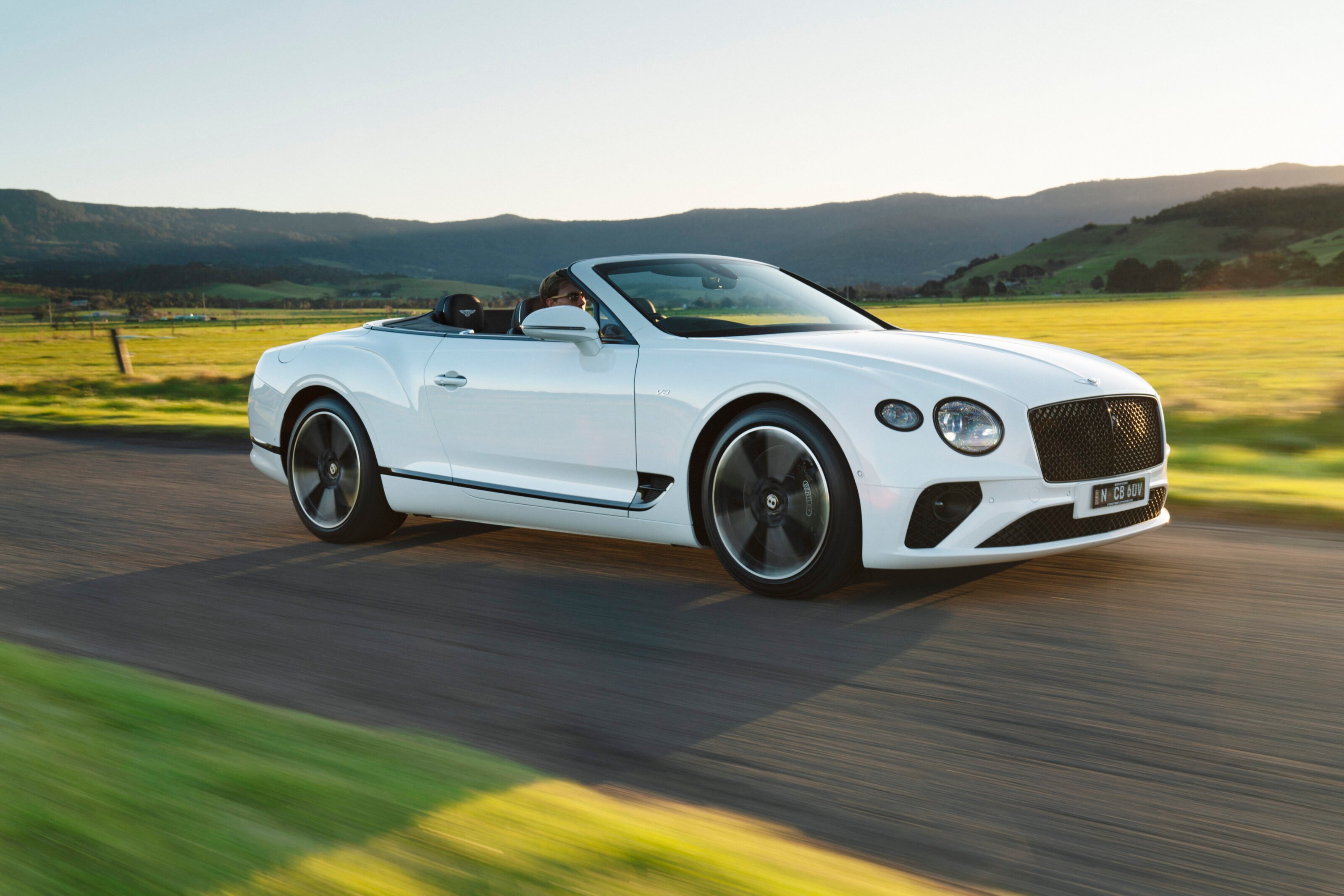
The other key addition is the improved all-wheel drive system, which is rear-biased with torque vectoring and an electronic centre differential. Only the rear wheels are driven in normal circumstances, but if slip is detected up to 38 per cent of the drive can be sent forward in Comfort or the default ‘Bentley’ modes while Sport limits this to just 17 per cent.
As a result the Continental is entertaining and adjustable in a way its nose-heavy predecessor could only dream about. It can’t defeat physics and the substantial kerb weight limits how hard you can ultimately push but this convertible Bentley remains composed at speeds that most owners will never attempt.
There’s plenty of grip, super-accurate steering, impressive body control and great throttle steerability. Not only does the front end hold its line well but adding more accelerator helps rotate the car and the Sport ESP setting is happy to allow a bit of rear-end wiggle.
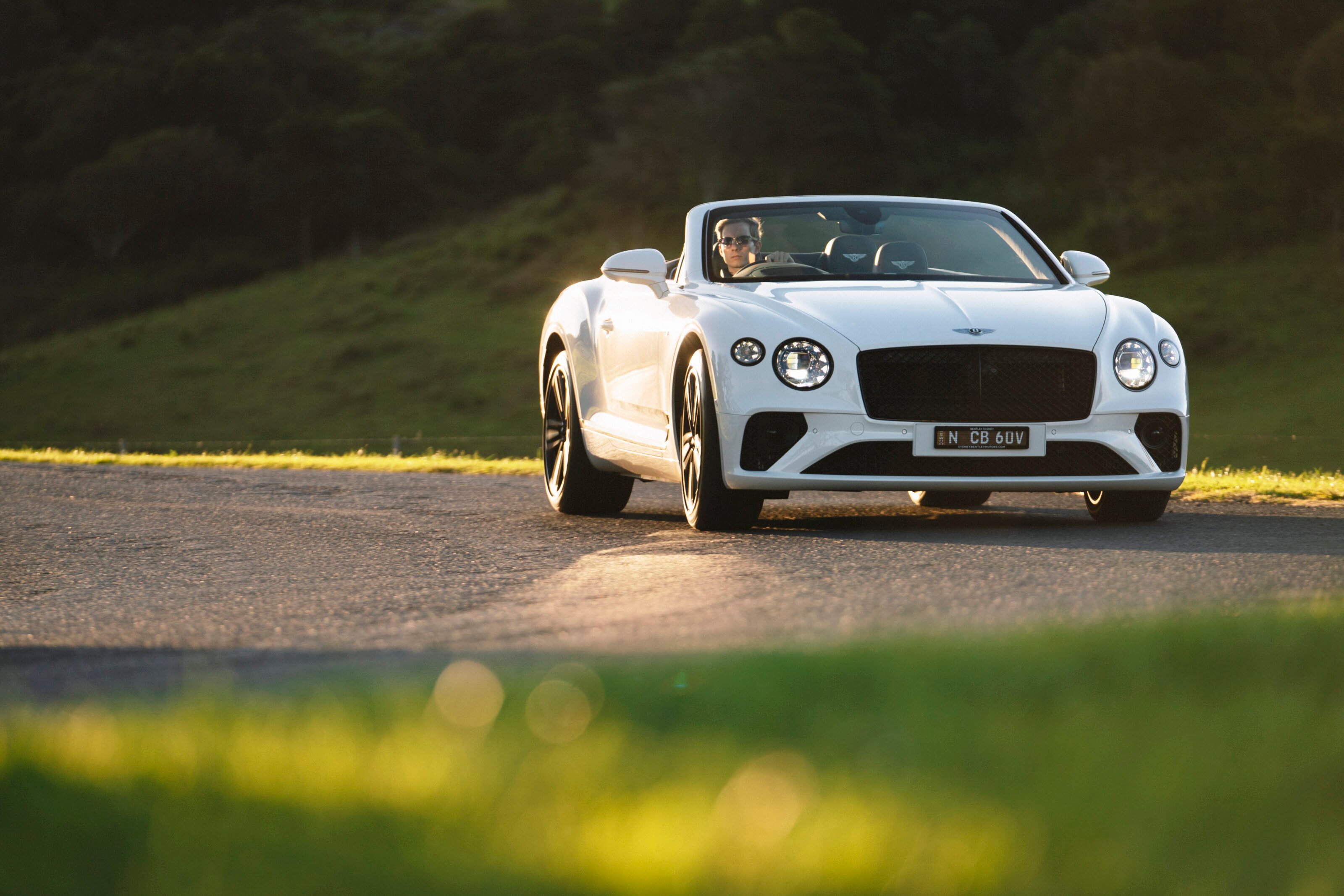
It looks great, sounds great, is entertaining to drive when you want it to be yet refined and comfortable when you need it to be.
This all adds up to an incredibly desirable automobile. Crucially, the Bentley Continental GT V8 Convertible feels special. I loved driving it and loved being in it and at this end of the market, that’s arguably the most important thing.
A booming secondhand car market and a new car industry on the precipice of arguably the largest shift since the advent of the internal-combustion motorcar, has seen an unprecedented demand for many of the more engaging, pure and less-tech filled vehicles of yesteryear.
In no particular order, here are ten underrated modern driver’s vehicles that have been flying under the radar.
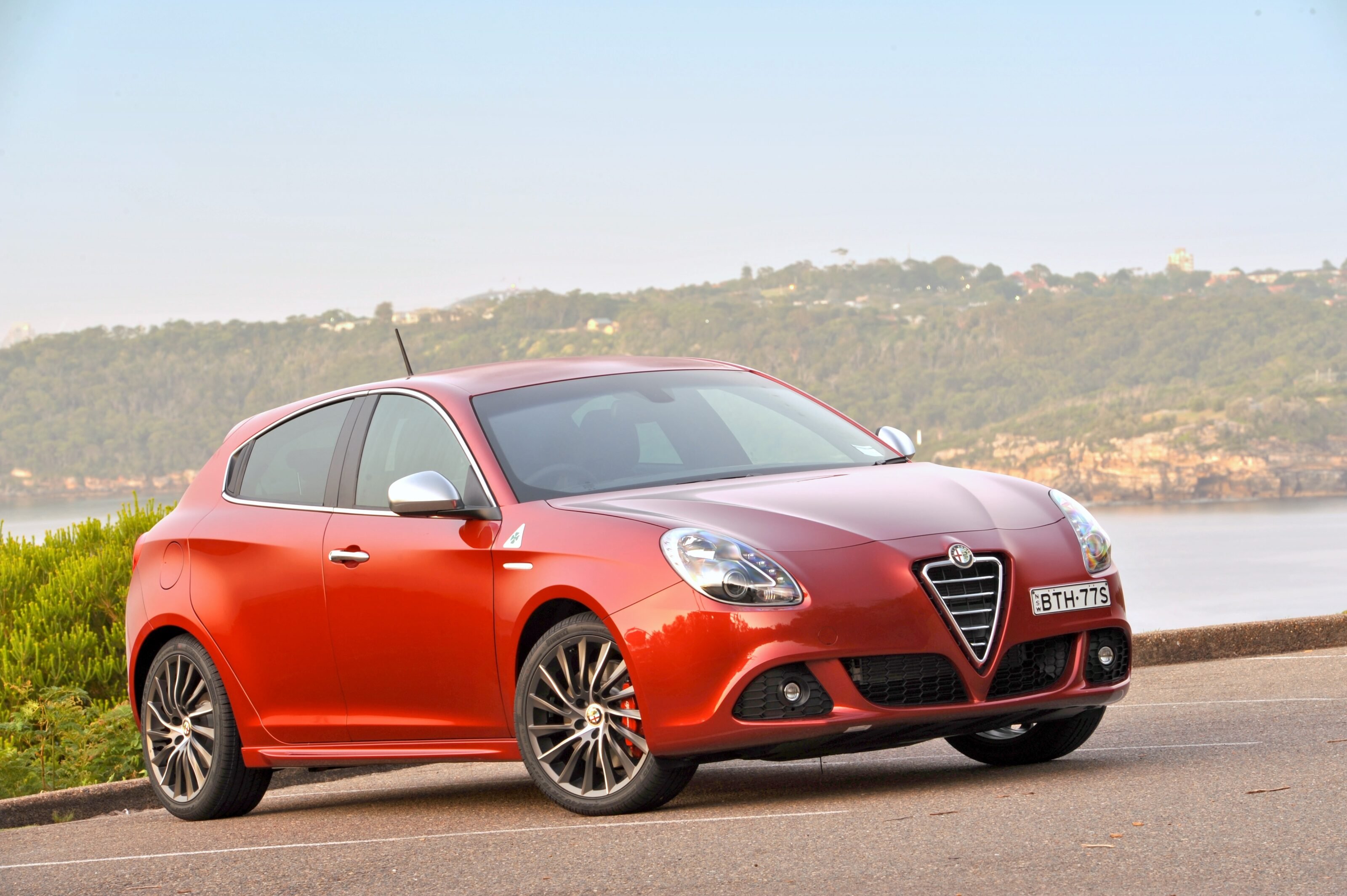
Alfa Romeo Giulietta QV
Produced: 2010-2020 Engine: 1742cc, I4, turbo Output: 177kW/340Nm
The simplistic pitch for Alfa Romeo’s Giulietta QV is its exotic 1.7-litre turbocharged four-cylinder engine, which is lifted from the Alfa 4C and put in a practical five-door hatchback. It’s a characterful unit with a riotous soundtrack, and a distinctive turbo kick as it comes on boost at 5000rpm.
The 320mm four-piston Brembos provide welcome stopping power for the deceptively rapid hot hatch. The QV may not be as complete a package as the equivalent Golf GTI, but what it may lack in overall polish, it will make up for in Italian flair.
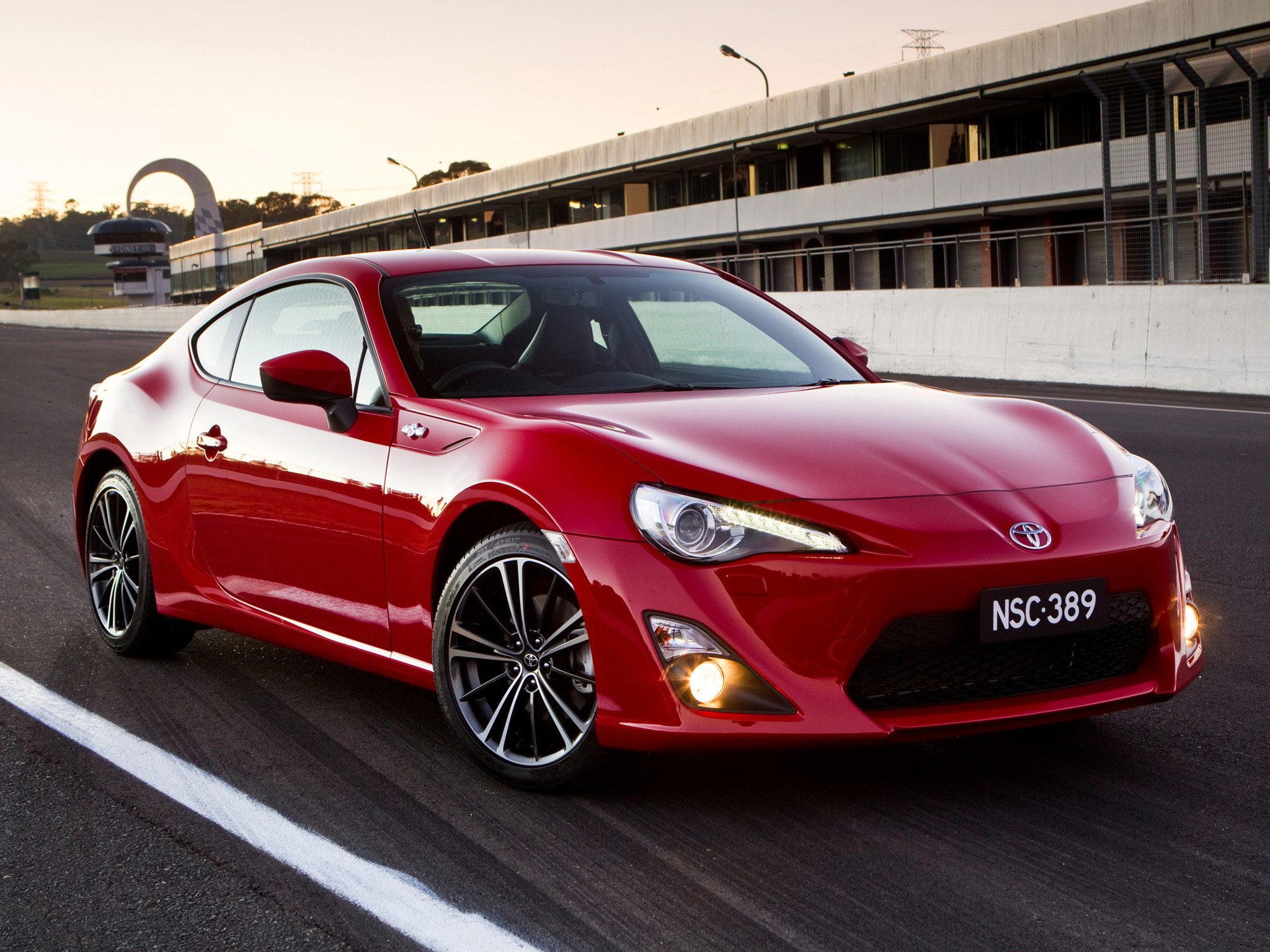
Toyota 86/Subaru BRZ
Produced: 2012-present Engine: 1998cc, boxer-4, N/A Output: 152kW/212Nm
The original Toyota 86 (and Subaru’s BRZ) may seem like an obvious choice, but the contemporary cultural zeitgeist often sees them unfairly derided as underpowered ‘hair-dresser’s cars. In actuality, the charming coupe has one of the most capable chassis’ you can purchase second hand.
If you’re after a Sunday morning corner-carver, or a weekend track-day hack, one of the Toyobaru twins would be the perfect starting platform with early examples asking $17k and up. There’s huge aftermarket support and they’re easily serviceable for the burgeoning at-home mechanic.
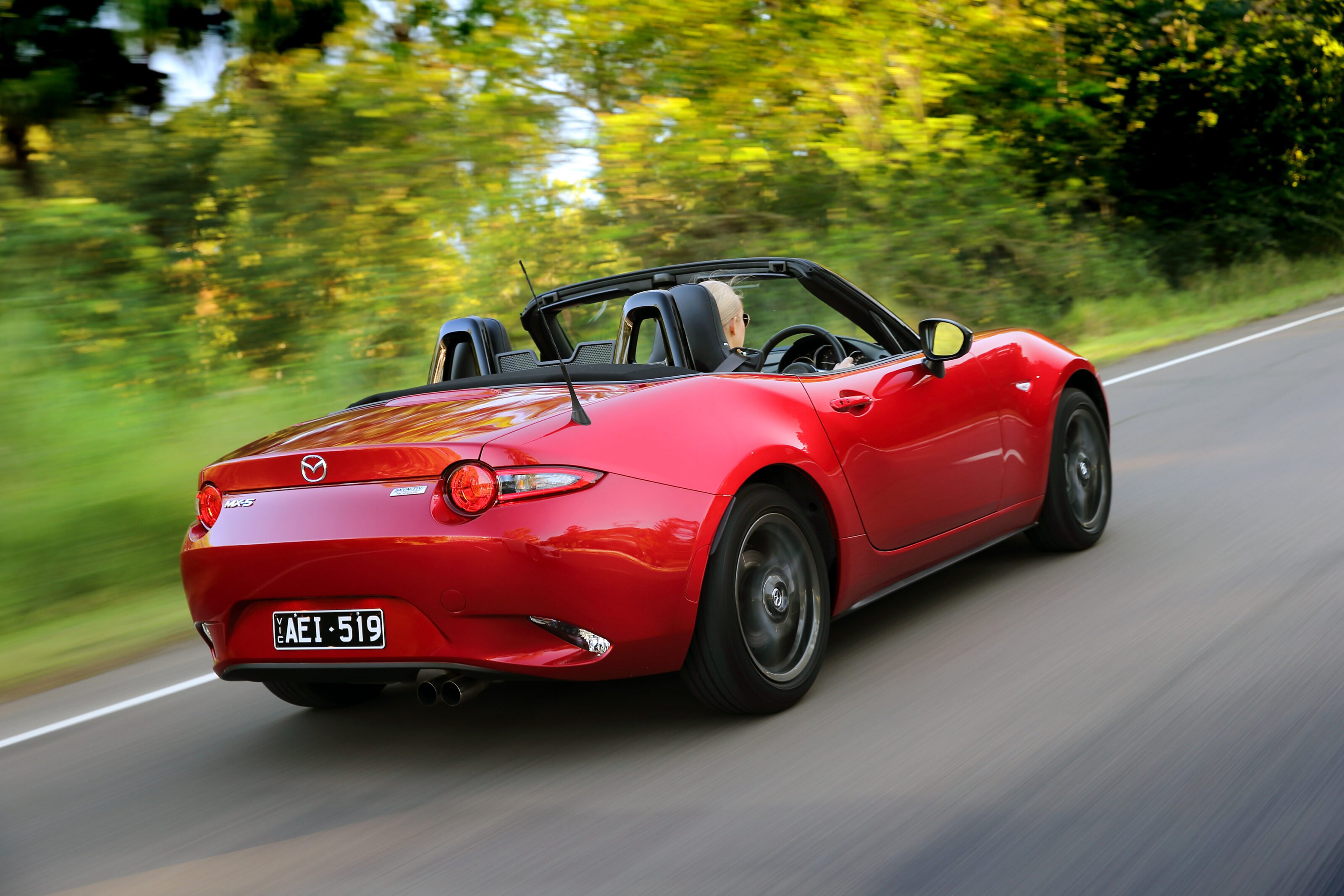
Mazda MX-5 ND
Produced: 2016-Present Engine: 1998cc, I4, N/A Output: 135kW/205Nm
The effervescent NA MX-5 remains a shining beacon for lightweight sports cars, but soaring classic values make the ND-generation offspring a more appealing prospect. And it captures much of the same magic, too: with near-identical external dimensions, weight, and more power.
The smaller-engined 1.5-litre car draws just 95kW, while the ‘big-block’ 2.0-litre yields 135kW. If you want to cover a B-road fastest, this isn’t the car for you; but the modern MX-5 makes sense as a contemporary equivalent to a glorious old British MG or Austin-Healey, just with less oil leaks and fire risks.
BMW 135i E82
Produced: 2007-2013 Engine: 2979cc, I6, TT Output: 225kW/400Nm
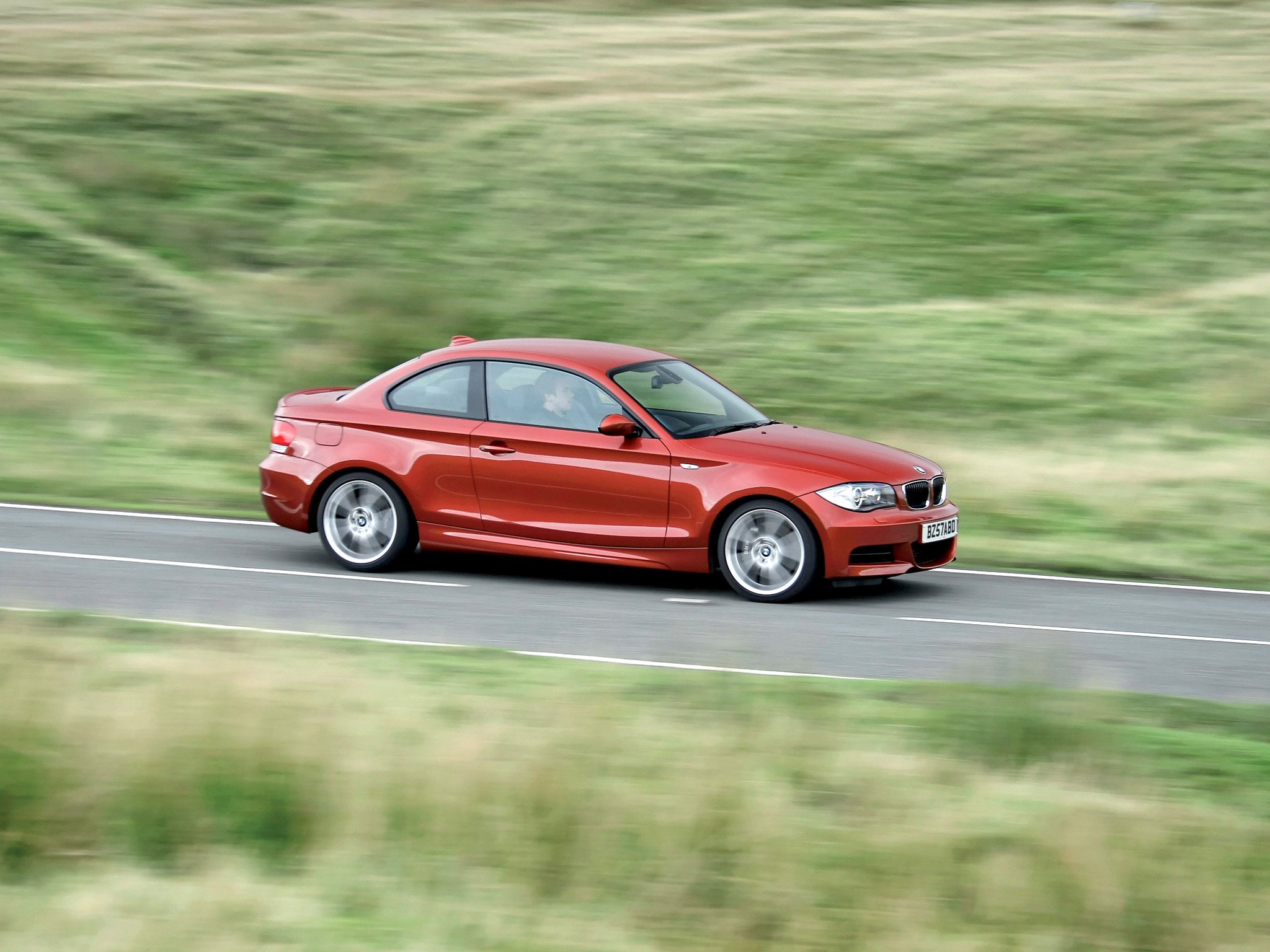
The first shortlist of this feature originally comprised of an E92 335i, but we reckon most driving enthusiasts will find the E82 1 Series to be just ‘the right size’.
It uses the same 3.0-litre twin-turbo N54, or single twin-scroll turbocharged N55 post-update, as the larger 3 Series sedan, yet differs in its ‘big engine, small car’ experience. The twin-turbo N54 is slightly more tuner-friendly, but both configurations boast huge aftermarket support if you want it.
In factory configuration, the 135i will clock 100km/h in less than five seconds and, if you can find a manual, will be a car that we only grow fonder of in the future.
Hyundai i30 SR
Produced: 2016-Present Engine: 1591cc, I4, Turbo Output: 150kW/265Nm
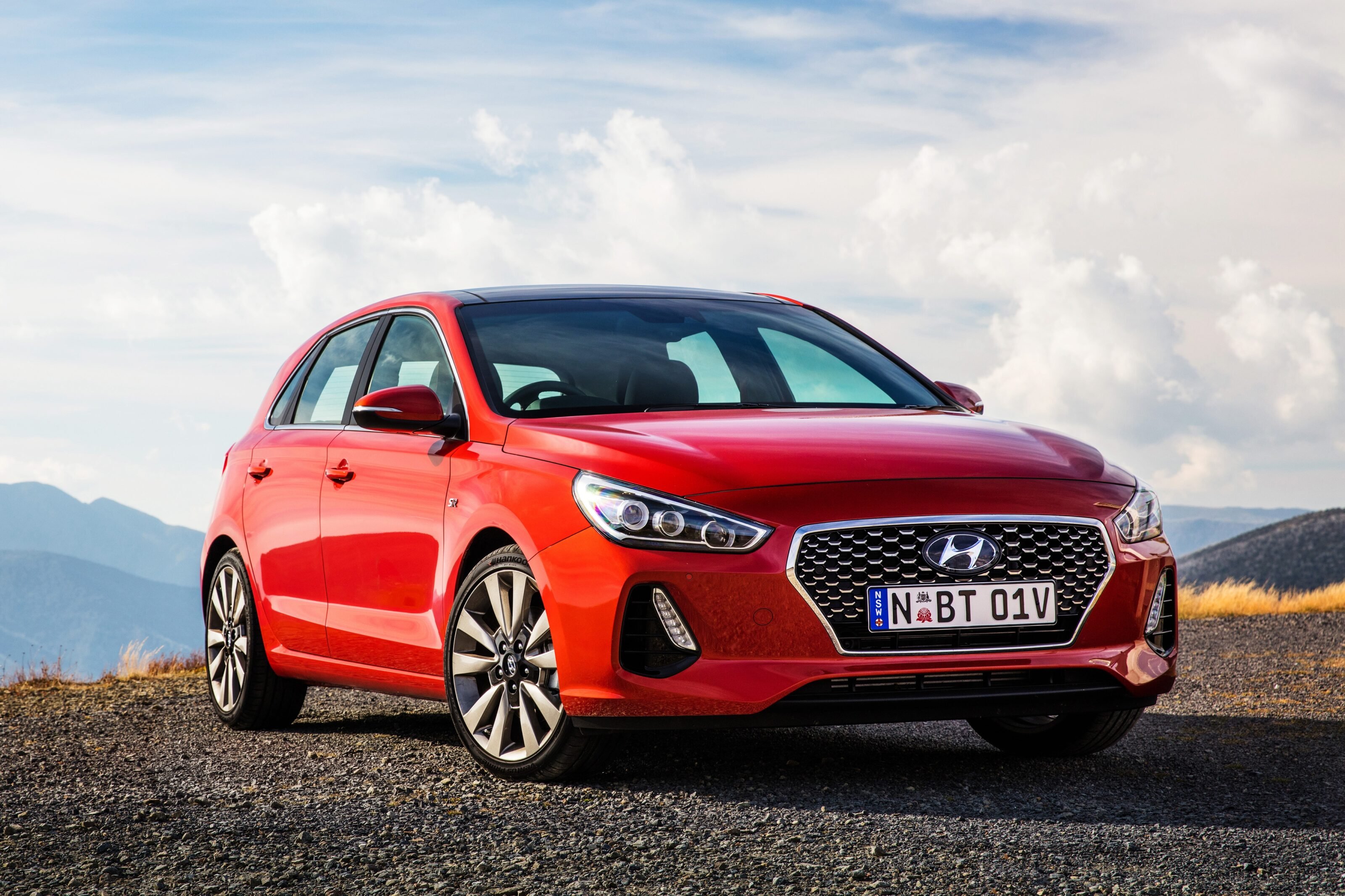
For a moment in time, Hyundai’s third-generation i30 was simply the default answer for almost any prospective hatchback purchase. The sporty 150kW SR was generously equipped and was regarded as the particular sweet-spot in the range.
Though the i30 has since been updated, it remains a tremendously astute purchase for anyone after a modern daily driver with some real driving credence to boot. Both 2017 and 2018-plated cars can be had for less than $25k on the second-hand market and will still pack a number of years in residual warranty – an added bonus.
Holden Astra VXR
Produced: 2012-2015 Engine: 1998cc, I4, turbo Output: 206kW/400Nm
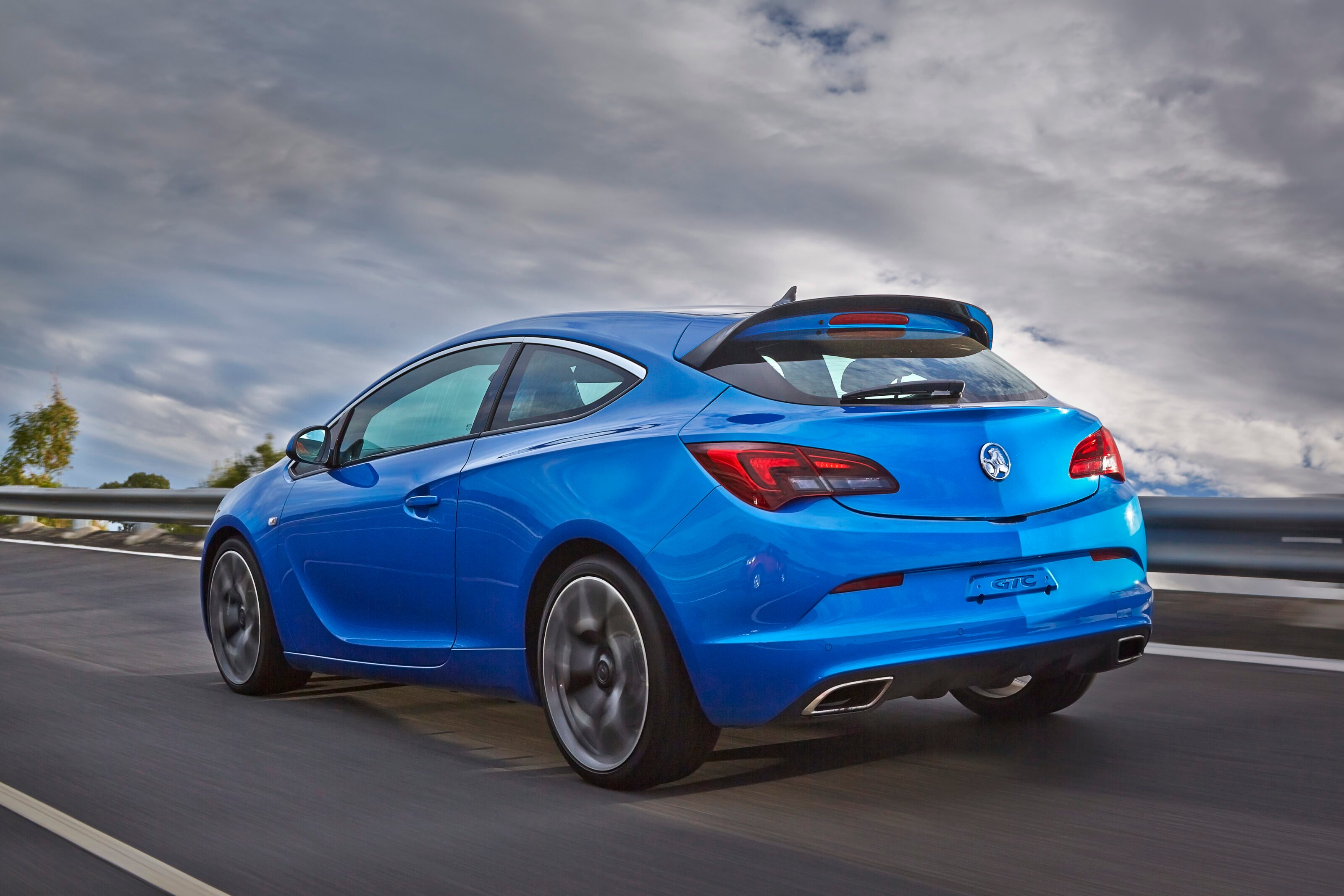
When the Astra VXR appeared in 2015, it bore an unmistakable resemblance to the Opel-badged Astra OPC. For good reason, as it was much the same package that the struggling brand offered in 2013 before it retreated from Oz.
When the Holden-badged VXR reappeared in 2015, it boasted 206kW/400Nm and was backed up by a full suite of go-fast bits including mechanical LSD, Brembos and Sachs electronically adjusted dampers. A Megane RS 265 Cup may be a sharper scalpel, but the Astra VXR offers something unique.
Ford Focus XR5 Turbo
Produced: 2006-2011 Engine: 2521cc, I5, turbo Output: 166kW/320Nm
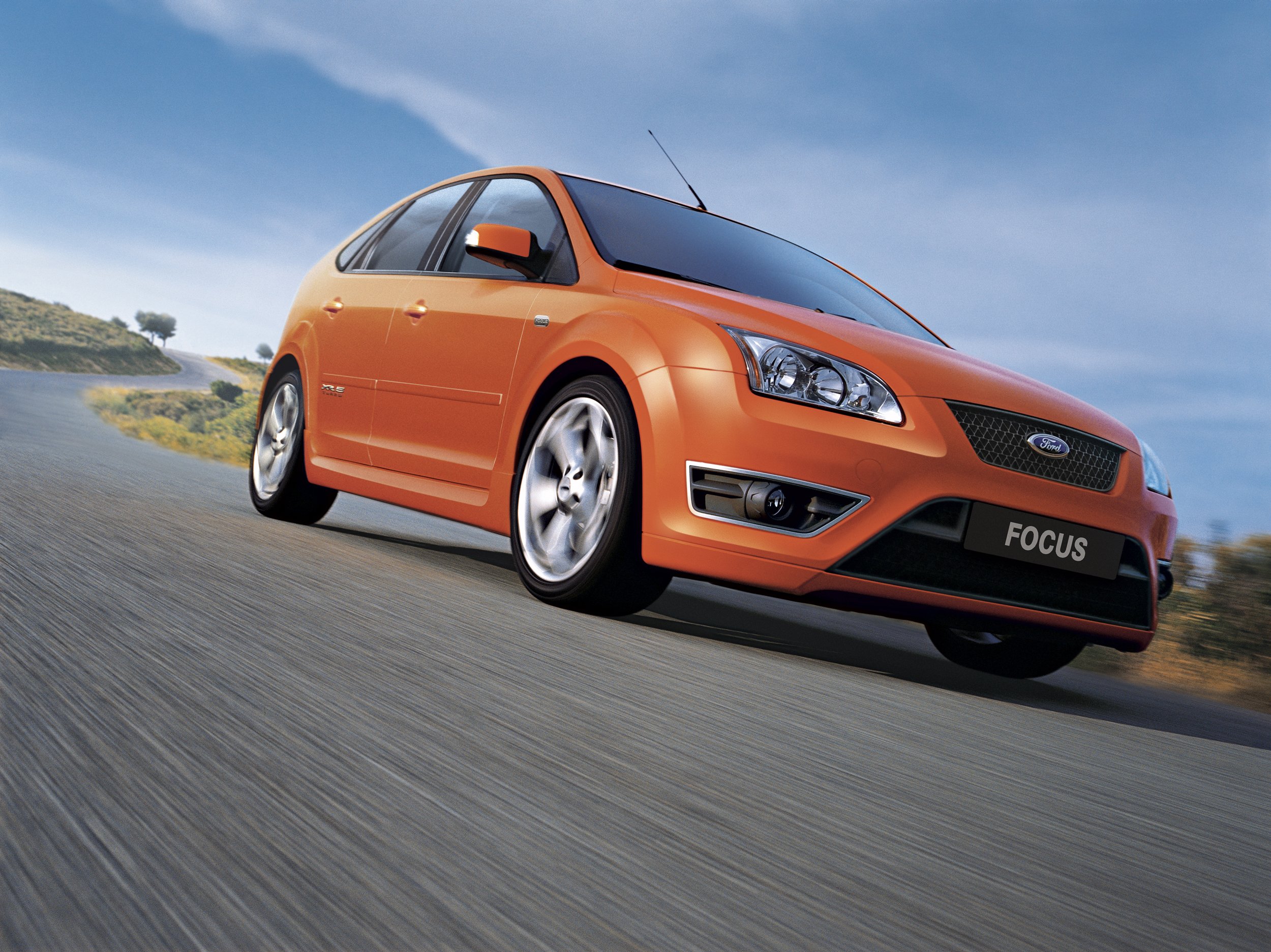
Australia’s Ford Focus XR5 Turbo was a bit of a globetrotter; developed by the UK-based RS division, built in Germany, and arriving down under with a Volvo-sourced turbocharged five-pot under the bonnet.
It may sound like a bit of a bits-er but, as a package, it was anything but. Much of the XR5 is characterised by the Swedish five-pot which gave 166kW and 320Nm. Recaro seats and body kit provide a lot of road presence for $12k plus.
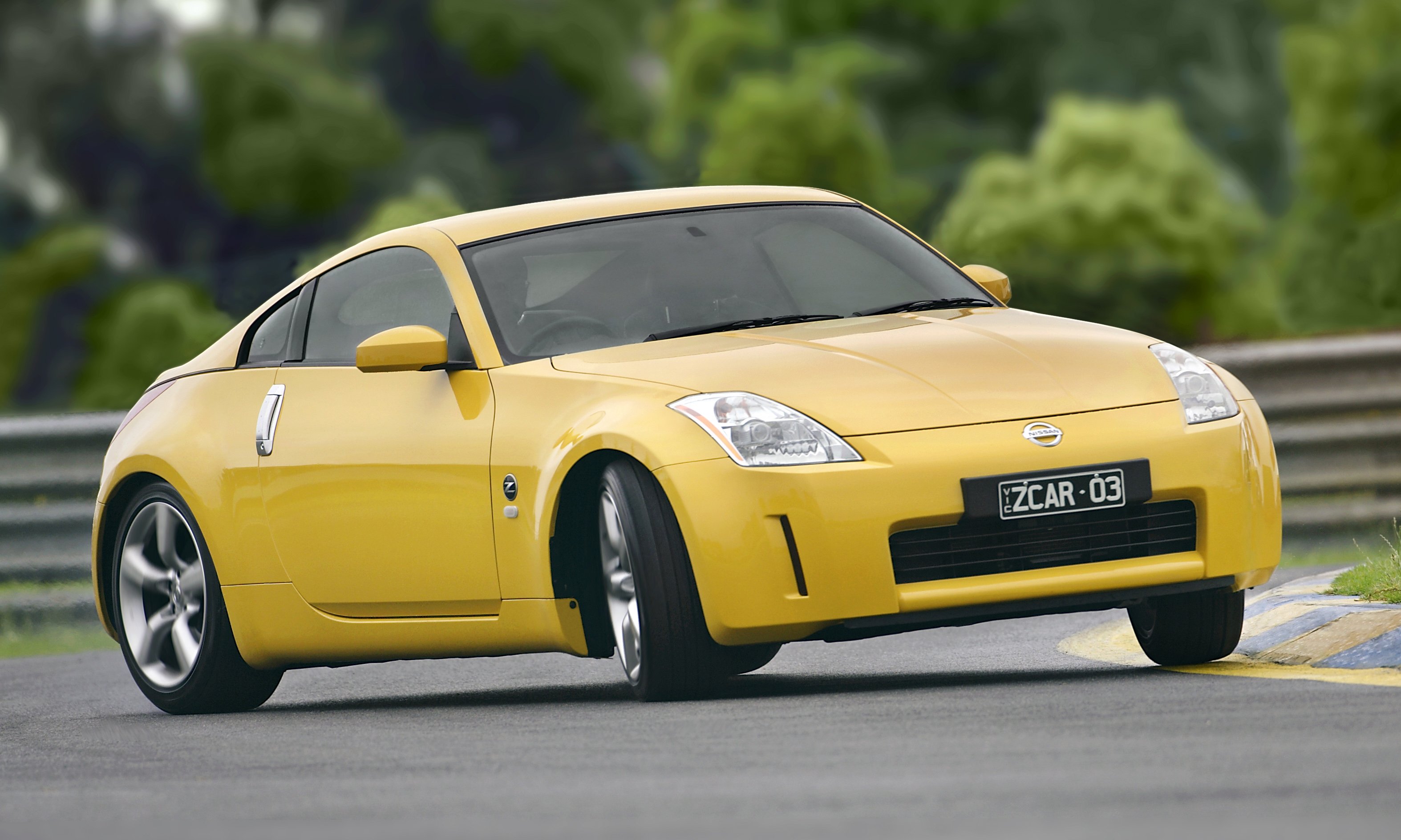
Nissan 350Z
Produced: 2003-2008 Engine: 3498cc, V6, N/A Output: 214kW/371Nm
To the new-age JDM enthusiasts who lament the loss of affordable S15 Silvias and 200SXs, worry not for the 350Z is here. Why pay what was once genuine GT-R money for an old four-pot coupe from the 90s? A Z33 350Z is half the price and affords you a more modern package, a durable VQ35 engine and a versatile chassis supported by the same expansive aftermarket network that made the old Silvia a cult classic.
If you want a modern RWD coupe platform, that’s not an 86, to start a grassroots motorsports build with, this is our recommendation.
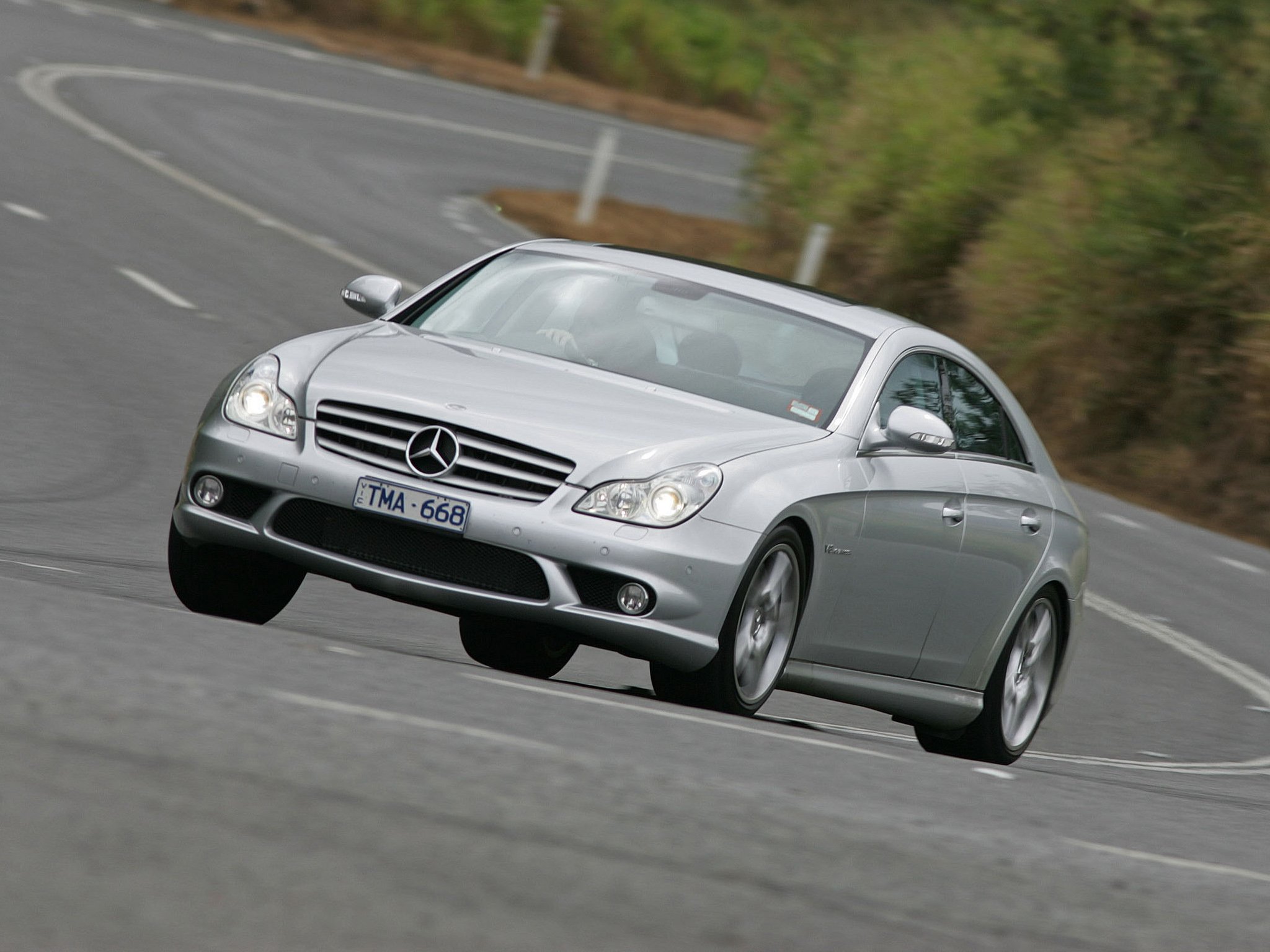
Mercedes-Benz CLS55 AMG
Produced: 2004-2010 Engine: 5439cc, V8, supercharger Output: 350kW/700Nm
A thundering supercharged V8 AMG may not seem like a bargain proposition but, despite costing almost $250K new, you can pick up a CLS55 today for $30K. That’s a tremendous amount of car for the money, almost two-tonnes in fact.
But despite its portly kerb weight, and elongated luxurious dimensions, the CLS55 was a decent athlete and could reach triple digits in 4.8 seconds. The basis of the 5.4-litre V8 was also utilised in the SLR McLaren. If you’re after a car that feels more expensive than it is, you can’t do much better than this.
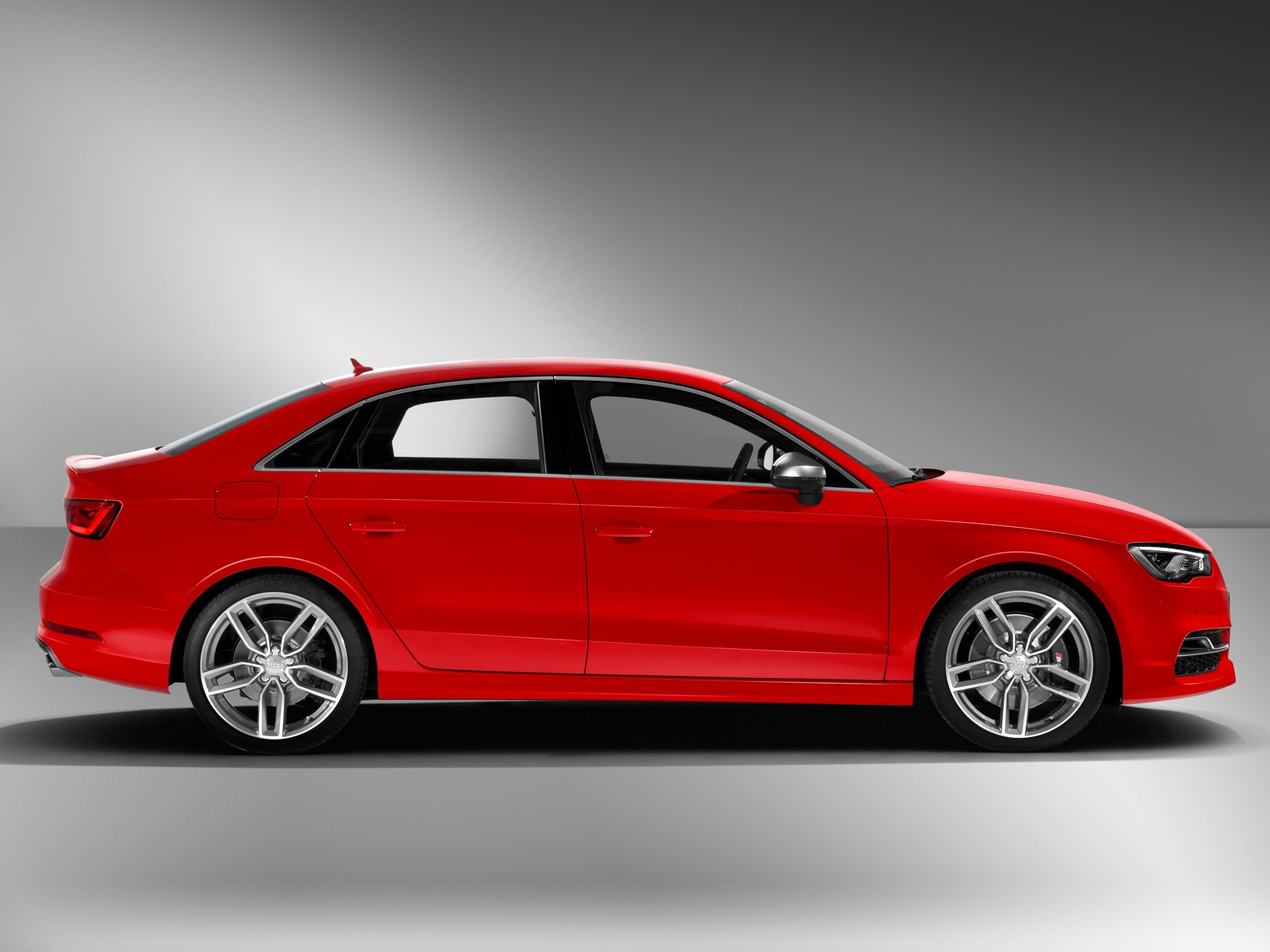
Audi S3
Produced: 2013-Present Engine: 1984cc, I4, turbo Outputs: 221kW/380Nm
The third-generation (8V) Audi S3 starkly puts the CLS55’s deprecation into perspective, also readily available on the used market for about $30K. Costing more than $65K when new, many struggled to justify the S3 over the Golf R, but perhaps it makes more sense second hand.
As a cohesive package, the S3 still works to great effect today even among younger rivals. Like its VW-badged sibling, the expansive aftermarket offers near limitless tuning potential, and would likely be one of the top picks of this list as a day-to-day, do-it-all driver.
Snapshot
- Three other paint options u2013u00a0blue, gold, and silver u2013u00a0no longer available
- News comes just weeks after Toyota confirmed the HiAce no longer sporting petrol powertrains
- More HiAce update information to follow in quarter three of 2021
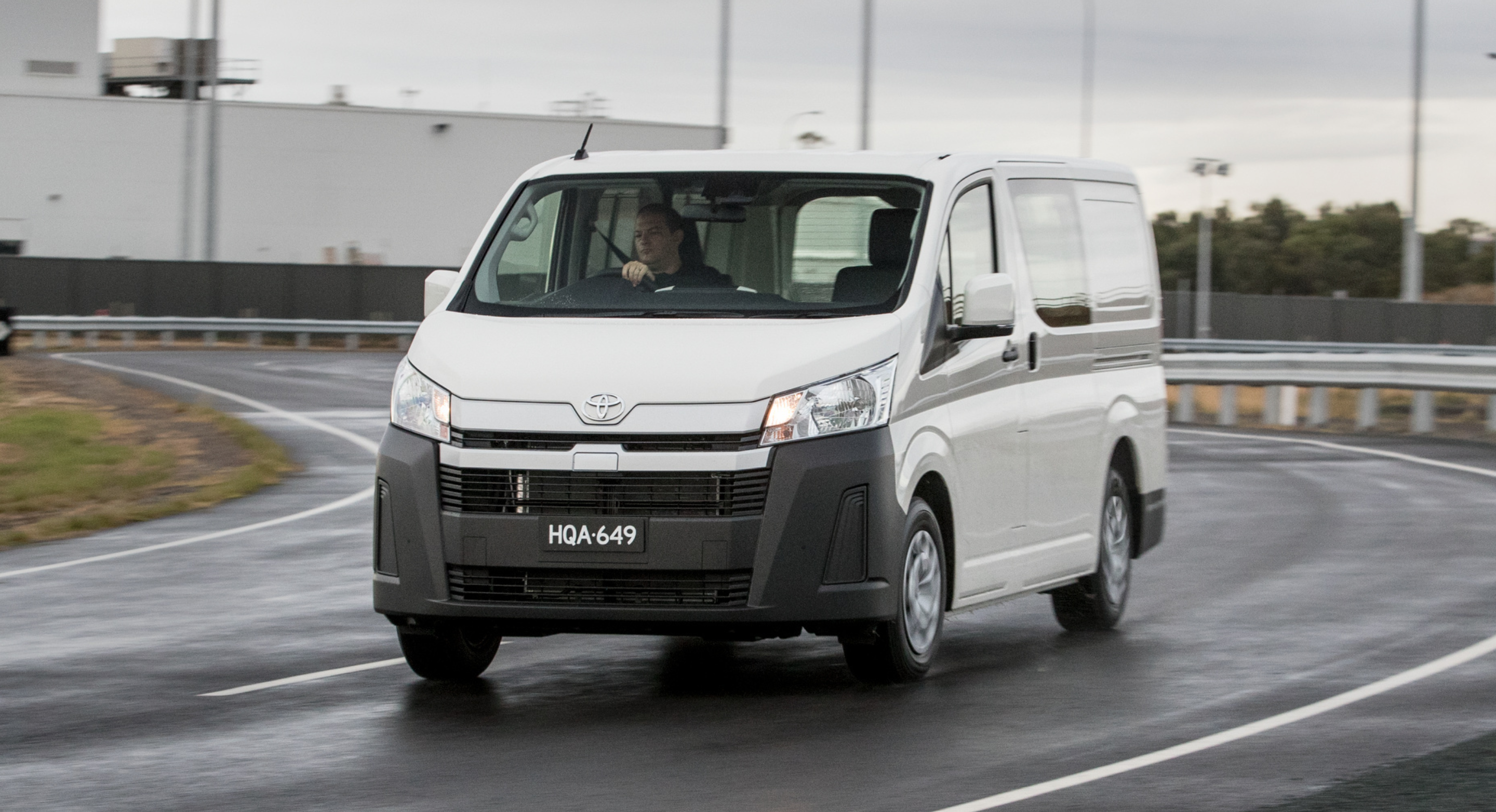
The Toyota HiAce van is now only available for sale in one colour – white.
A spokesperson for Toyota Australia told WhichCar the decision was made due to the majority of HiAce buyers opting for the baseline colour.
The three other colours previously available were blue, gold, and silver, and all three cost an additional $675 on the light commercial vehicles’ options list.
The news comes just weeks after WhichCar reported the van would no longer be offered with the naturally aspirated 7GR-FKS 3.5-litre petrol V6, despite the HiAce only being two years-old.
“The HiAce and Granvia [models] will be receiving an upgrade to specifications from July 2021 production this year onwards, which includes the deletion of petrol powertrains on HiAce, with no other changes to powertrain availability,” Toyota said.
“This is due to the low demand of less than five per cent for petrol variants. Further details on changes to the HiAce will be revealed closer to the launch date early in quarter three this year.”
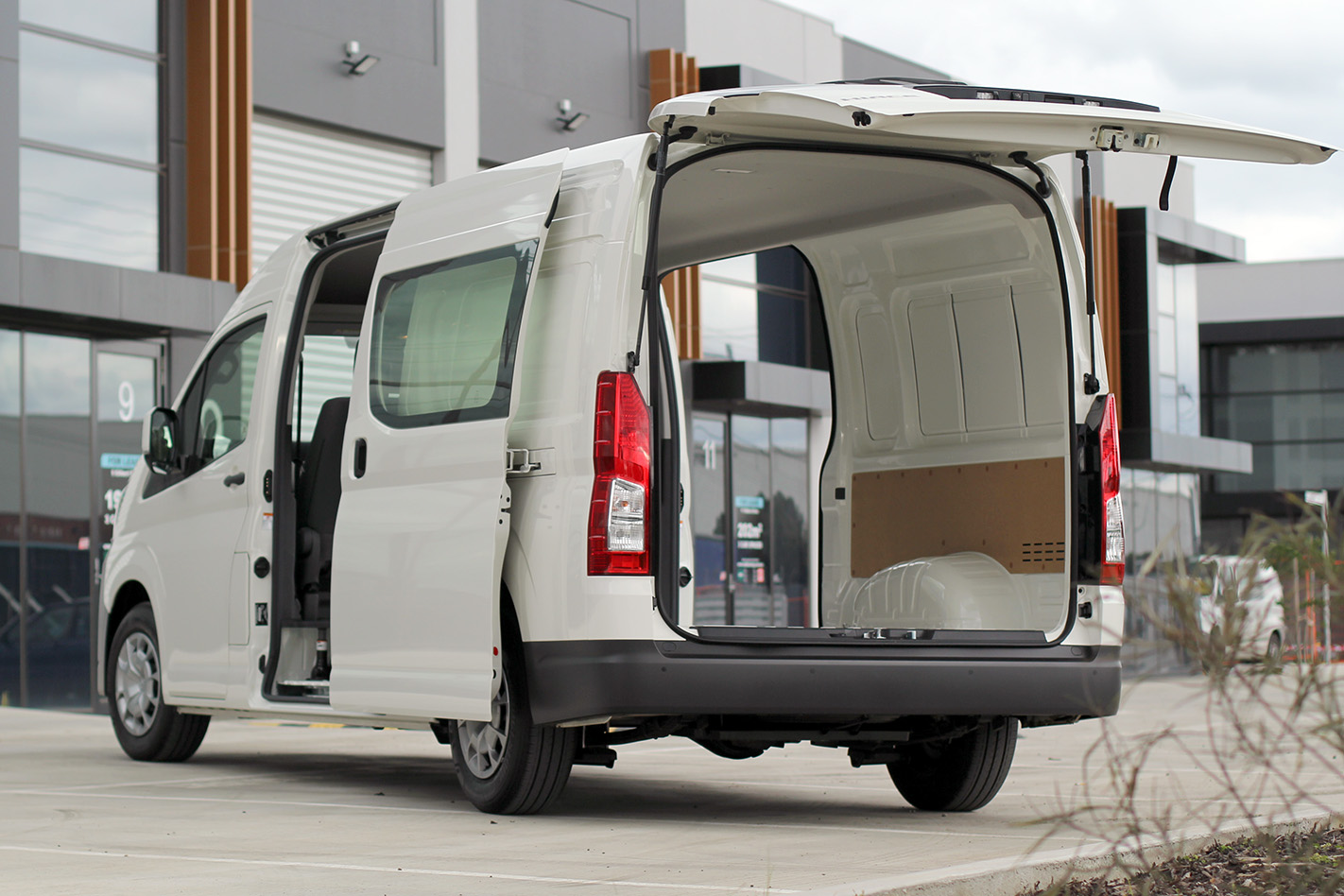
It means the only powertrain option for HiAce buyers going forwards will be the 1GD-FTV 2.8-litre turbo-diesel in-line four-cylinder motor, which produces between 120kW-130kW and 400-450Nm, depending on the variant.
However, these minor changes are unlikely to affect the peerless sales success of the HiAce in its LCV segment.
According to VFACTS figures from May 2021, Toyota’s van dominated the sales charts, accounting for a whopping 35.8 per cent market share and 929 units sold.
Snapshot
- Toyota will continue to push hybrids alongside EVs
- Hybrid sales have now passed 200,000 in Australia for Toyota
- bZ4X EV might not reach Australia until late 2022
Toyota says it will continue to sell hybrid vehicles well into the future, declaring petrol-electric drivetrains are not a transition technology to full-electric cars.
The Japanese brand has just launched a hybrid version of the Kluger large SUV for the first time in Australia, ensuring the company now offers a petrol-electric variant of every passenger car and SUV it sells locally.
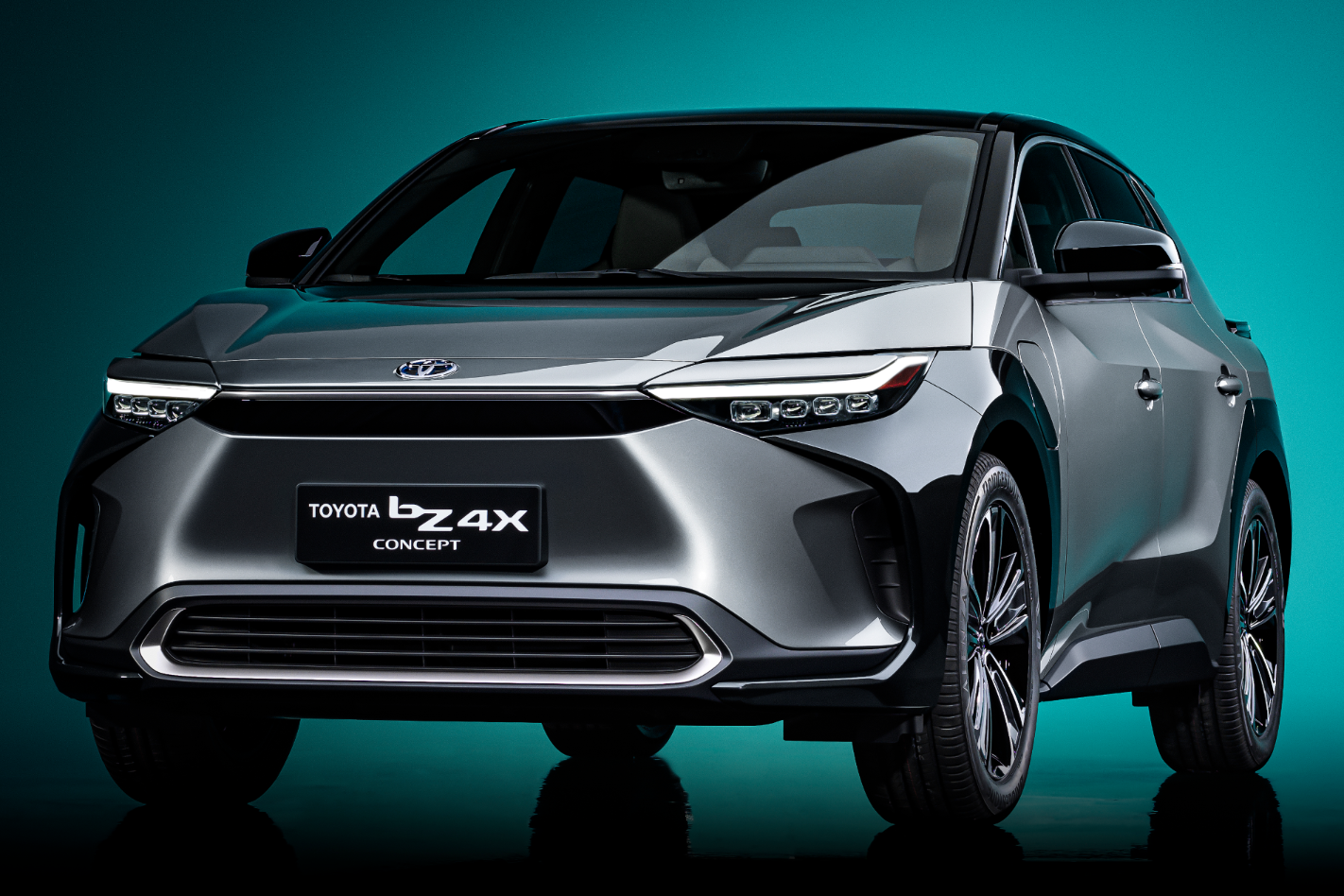
Toyota’s hybrid sales have now passed 200,000 in Australia, doubling in just two years through a significant increase in offerings, though the company’s first fully-electric vehicle, the bZ4X, is not due here until at least late 2022.
The bZ4X mid-sized SUV will be the first of a bZ-badged – for Beyond Zero – family of pure electric Toyota vehicles.
While several carmakers have set future goals to sell only battery-electric vehicles (EVs) in their showrooms, Toyota Australia says the difficulty in forecasting future demand for EVs means its non-rechargeable hybrids will continue to be an important offering.
“Hybrid is not a transition technology [to EVs],” says Toyota Australia CEO Sean Hanley. “It’s around for the long term. A lot of people are maybe interpreting hybrid for Toyota is a transition strategy. It’s actually not.
“Our commitment right now is we have an aggressive plan we’re working towards, which is having some form of electrification across our Toyota range by 2030.
“[The] electrification will form in four parts, whether it be [self charging] hybrid-electric vehicle, plug-in hybrid electric vehicle, fuel-cell-electric vehicle, and/or battery-electric vehicle.
“The important thing for us is to be out with the right powertrain at the right time for the market. So, ultimately, we’ve always believed the market would drive those outcomes in terms of mix. Our job is to have a solution to that market demand, so it’s very difficult to put it into a context around what we believe will be the [future] mix.”

Hanley says every global market has “different stages, different timings, even different regulations”.
Australia’s CO2 emissions standards are still aligned to the Euro 5 standard first implemented more than a decade ago, in 2009. In 2014, Europe switched to the more stringent Euro 6 regulations which won’t come into effect in Australia for a few more years.
Many car manufacturers, as a result, have regularly prioritised their most advanced and most efficient drivetrains for markets where there’s a greater imperative to meet stricter regulations which incur financial penalties for lack of compliance.
Toyota Australia admits it still needs to find cleaner technological solutions for the likes of its Prado and LandCruiser 4WDs, as well as its HiLux ute, but insists it is committed to lowering its CO2 footprint. It is one of more than 40 car brands to sign up to a voluntary CO2 emissions standard established in 2020.
The standard, created by industry body the Federal Chamber of Automotive Industries (FCAI), sets emissions reduction targets for 2030 with annual progress reports on individual brands. The targets are still below Euro 6 levels, however, and won’t incur any penalties if not met.
“We definitely have to reduce our CO2 footprint…and we definitely are striving to achieve the FCAI industry targets we’ve all agreed to,” said Hanley. “They are very aggressive. These are not easy targets.
“Toyota still has a considerable way to go around the commercial vehicles, and that’s why we’re working on bringing to market these different solutions in terms of reducing that CO2 footprint side.”
Month one: Kia to the city
Price as tested: $64,990 (driveaway) Fuel this month: 326km @ 9.4L/100km
Is it possible the Koreans didn’t get the memo about the death of diesel?
The least-refined member of the petroleum family continues to fall out of favour around the world, yet Hyundai has just launched its all-new 3.0-litre turbo-diesel in-line six in the Genesis GV80 SUV, while here we have a new alloy-blocked version of Kia’s 2.2-litre turbo-diesel four.
According to Kia, it’s expected to be the volume seller in this, the all-new fourth-generation Kia Sorento.
Just for the record, I didn’t choose the diesel over the alternative, which is the venerable 3.5-litre non-turbo V6. That decision was made for me, due to timing and availability.
In fact, I’ve not yet driven the V6 version, so I’m left to speculate as to what I’m missing out on. I do know that choosing the V6 saves $3000 in top-spec GT Line, but means forgoing AWD, as it’s engineered for FWD only.
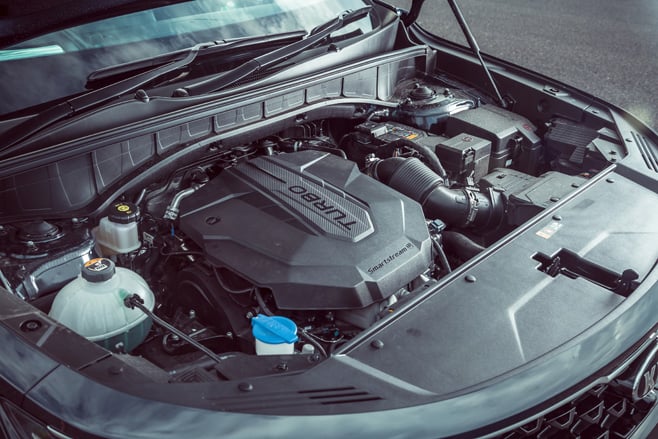
I’m predicting it would mean a smoother, quieter idle – the weakness of this diesel – but on paper, its max torque of 332Nm occurs way up at 5000rpm, which would mean working it hard to match the effortless pull of the oiler, which grunts out 440Nm at just 1750rpm, and holds onto most of that until well past 3000rpm.
As a quick aside, these two powertrains won’t be the only choices offered to Aussie Sorento customers. Two hybrids – one series, one plug-in – are set to join the line-up in the first half of 2021, meaning four powertrain choices, along with four equipment levels (though not all interlinked). I’m especially keen to try the plug-in, and will make a comparison with it and the diesel the subject of a latter instalment here.
The other thing I’ll sort through is the value-for-money equation when applied to the equipment level. This handsome metallic blue GT Line is $64,990 (driveaway) making it currently the most expensive model.
The rung below is occupied by the Sport Plus, which saves you $7500 in diesel AWD guise, but does away with the 20-inch wheels (it gets 19s), the mood cabin lighting, glass roof, Bose audio, self-parking function and blind-spot cameras, among some other bits.
We’ll circle back to that next month; as I wrote in the first drive of this car this really does feel like Kia’s coming-of-age model; one that finally banishes that attached proviso: “…for a Korean car.”
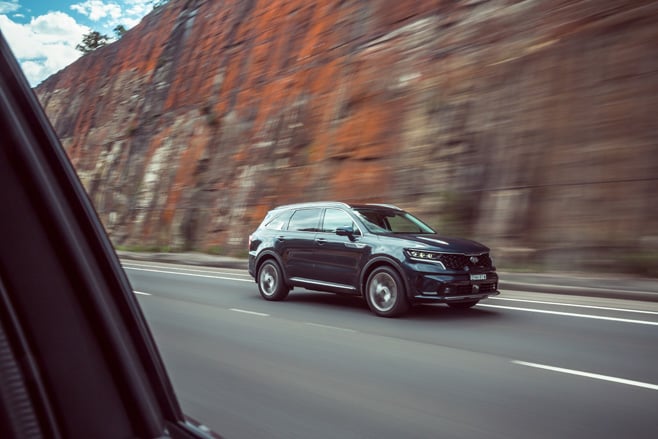
It really is an impressive family SUV, despite needing to overcome the fundamental NVH disadvantage of a diesel four, as well as an out-of-favour eight-speed dual-clutch transmission.
Personally, I have no practical need for a seven-seater, yet I still find myself walking up to the Sorento and admiring its chiselled exterior and confidant stance. I’m not alone; so far it’s attracted only positive comments from curious punters. Which continues when you swing open the door. I’d love to whack a bit of gaffer tape over the Kia badge on the wheel and ask a dozen people who have a passing interest in cars to each tell me what brand they think they’re sitting in.
Sure, when you really scratch and sniff your way around the cabin, you’ll see the materials that look like aluminium are plastic, but countering that is the level of design and consideration that’s gone into every detail, as well as the utter intuitiveness that runs through the whole car.
You hear companies like Mazda bang on about ‘human-centric design’ as if it’s a bold breakthrough (who were the cars designed for prior to this? Panda bears?) whereas Kia just gets on with the task of making every function feel intuitive, with no exploration nor explanations needed as to what does what or why.
Jeez, listen to Mister Practical Motoring here. I’ll go now and try to find something to whine about and see you back here next month.
Month two: Take it from the top
The flagship model is lovely to have, but essential?
Price as tested: $64,990 (driveaway) Fuel this month: 765km @ 8.9L/100km Total: 1091km @ 9.0L/100km
Questions I’m rarely asked include, “How do you maintain such a deep golden tan all year round?” More frequently, though, I’m quizzed about model grades and options packs.
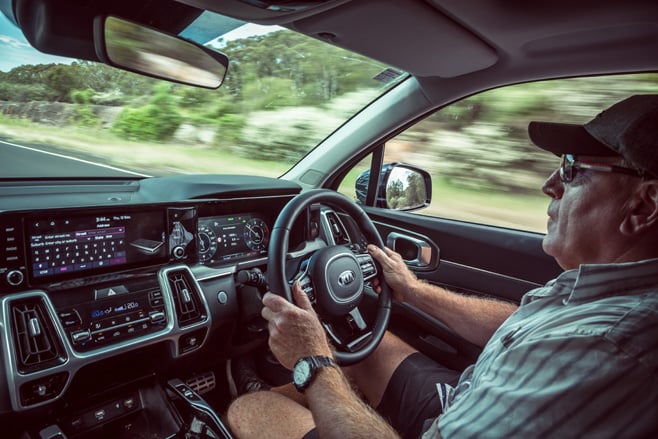
Prospective buyers often seem in a mild state of anxiety over which model in the line-up to choose, and what extra equipment they should make sure is fitted.
It’s classic FOMO syndrome, not just prompted by what they may miss throughout the ownership experience, but also the worry that their car will end up seeming under-equipped and dated come resale time.
In the case of the Sorento, the options issue is not really an issue at all, because apart from paint there aren’t any. You either settle for white at no cost or stump up $695 to choose from one of six metallic colours. Done.
But the question of which of the four spec levels to choose isn’t as straightforward. The good bit is that the diesel four and petrol V6 are both offered in all grades, but that doesn’t mean you can please all the people all the time.
I was approached the other day for a chat by a guy who told me he was expecting delivery of his diesel GT Line in a few weeks. Turns out diesel wasn’t his preference; he wanted the petrol, but not when he learned it was available as front-drive only. His family were frequent visitors to his in-laws, who lived rurally off a steep five-kay access road that was often muddy, so AWD was a must-have.
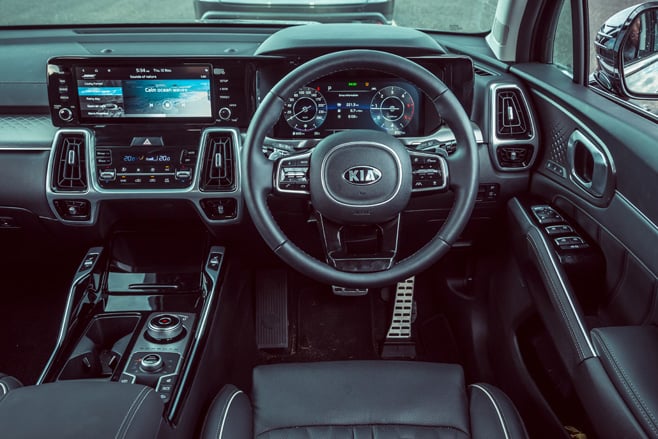
But then he hit me with the question I was hoping to avoid: “Reckon I made the right choice going for the GT?” Knowing it was a done deal, naturally I said, “Oh yeah! Absolutely!” But truthfully it’s not that clear-cut. As is often the case with top-spec models, the extra kit is nice to have but doesn’t necessarily transform the ownership experience.
Here’s my snapshot of the usefulness of the extra equipment that adds $7500 to my GT Line over the Sport+ below it. The 20-inch wheels look great but don’t help the urban ride, so they could go. The autonomous parking function is a cool trick, but I’m yet to find a jammed-in scenario in which to use it. Similar deal with the blind-spot cameras.
That leaves the vast glass roof, which I occasionally remember to use at night, the mood lighting (Yeah, baby!) and the 12-speaker Bose audio, which is a huge improvement over the standard six-speaker system fitted to the three models below.
Overall, I reckon the extra definitely justifies the cost, but if spending that additional $7500 is going to mean feeding the kids pet food for the next few years, the Sport+ in no way leaves you feeling short-changed.
Month three: Diesel… dust
Getting down and dirty to determine the merits of all-wheel drive
Price as tested: $64,990 (driveaway) Fuel this month: 105km @ 9.2L/100km Total: 2096km @ 9.1L/100km
I reckon there’s a broad rule of thumb that can be applied to the essentialness of all-wheel drive on cars and SUVs. If the platform is fundamentally rear-drive, you can almost surely do without it, if you’re happy to live on the edge.
Witness the Porsche 911 GT2 RS versus Turbo S, or Lamborghini Huracan LP-2 models.
However, if the platform is born as a front-driver, there’s every chance you do want AWD; evidenced by Golf R versus GTI, or a bunch of fast AWD Audis versus their front-drive counterparts.
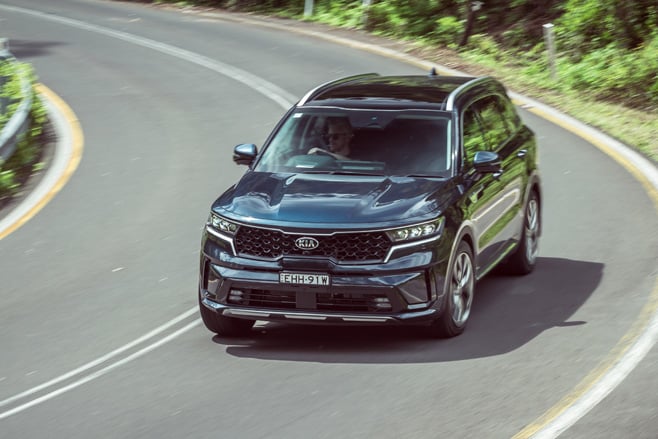
This thinking carries over to the Sorento. It’s a front-drive platform that really does benefit from AWD.
Without giving too much away about 2021’s COTY coverage, our testing gave us plenty of time to evaluate the field on closed dirt roads within the proving ground.
Now, while this is a great way to really probe a car’s traction, ESC and ABS calibration, I’m not going to pretend it isn’t a ridiculous amount of fun, either.
Sometimes the biggest challenge is keeping a steely face for the photographers when, on the inside, you’re whooping like a teenage girl at the Magic Mike stage show.
Well, at least that’s me when a car’s ‘ESC off’ button actually does what it claims. In the Sorento, as with plenty of other SUVs, ‘ESC off’ is not off at all, merely a reduction of the threshold of intervention.
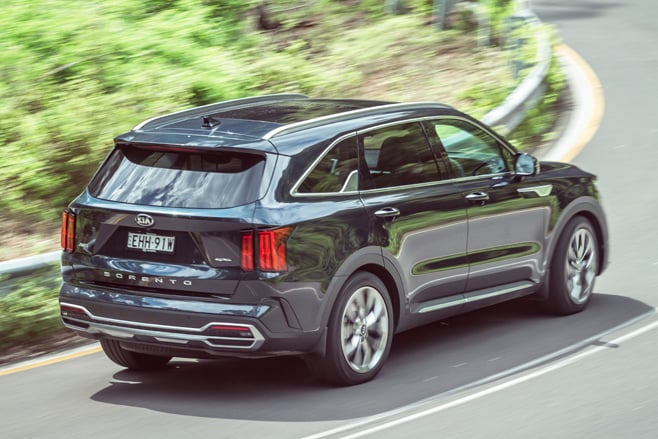
We had both the diesel AWD and V6 petrol front-driver at COTY, and in both cars the ESC calibration was about as lenient as arriving late to a booking with Madam Lash, instantly clamping down on the first hint of a slide and slow to release the brakes and restore throttle response once the loose moment had been regathered.
Switching it off helped things plenty, allowing a small amount of lift-off oversteer to tighten a line or hold a balanced throttle through faster sweepers with the car past the edge of traction.
But as for full freedom to really get the Sorento swinging and pivoting through the tighter turns, no chance.
I guess this comes down to how different car companies interpret corporate responsibility. It’s fair to argue that no-one really needs to be on the lock-stops on public dirt roads, and for most buyers in this segment, the whole analysis of loose-surface dynamics is going to be a moot point anyway.
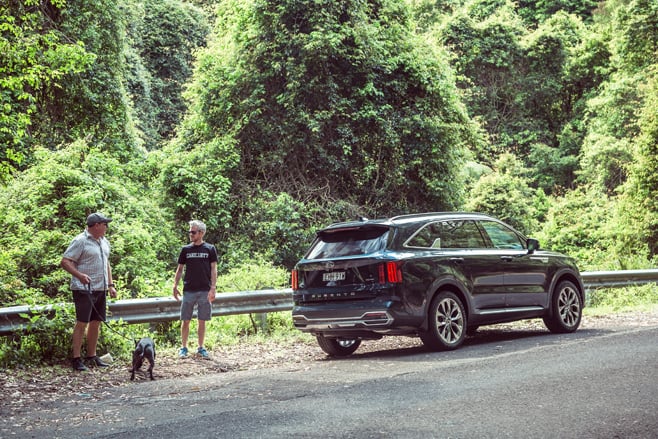
But it’s still interesting that some companies, like Mazda, tune their ESC to recognise competent drivers and not intrude when appropriate inputs for car control are being made, and provide an ‘off’ setting that really does mean off.
But back to the question of all-wheel drive; the dirt section of the proving ground was a conclusive demonstration of the effectiveness of the Sorento’s system when driven back-to-back with the petrol front-driver.
Even though the petrol V6 makes less torque than the diesel four, it still funnels sufficient twist to those front wheels to have them fairly overwhelmed with the power-down task on a loose surface. Generous helpings of throttle with steering lock applied brings quite violent axle tramp and sees the wheel writhing in your hands like a snake being wrangled by Steve Irwin’s mini-me kid.
The diesel suffers none of this, thanks to the AWD system’s ability to quickly funnel the torque rearward when needed, leaving the steering largely uncorrupted. It delivers a level of calm, power-down competence missing from the front driver.
So if you regularly drive on dirt or visit ski resorts in winter, the Sorento for you is definitely the diesel AWD. But if you’re diesel averse, don’t forget the hybrid 1.6-litre turbo-petrol four with electric assist is due in Australia in the first quarter of 2021. And, yes, it does drive all four wheels.
Farewell: Right moves, but it’s still time to go
Departing Sorento makes its case as the best car in kia’s australian line-up
Price as tested: $64,990 (driveaway) Fuel this month: 1203km @ 8.9L/100km Total: 3299km @ 9.0L/100km
We were about 20 minutes north of Newcastle, me and the Kia Sorento, cruise control holding us at an indicated 110km/h, the diesel four barely audible as it sipped at an indicated 7.2 litres per 100km. I was gathering together my final thoughts on Kia’s seven-seater, helped by a cranking Tidal playlist via Apple CarPlay, when a WhatsAp message pinged through from one of my more cerebral, deep-thinking mates. The Apple assistant helpfully asked if I’d like her to read it, which I did.
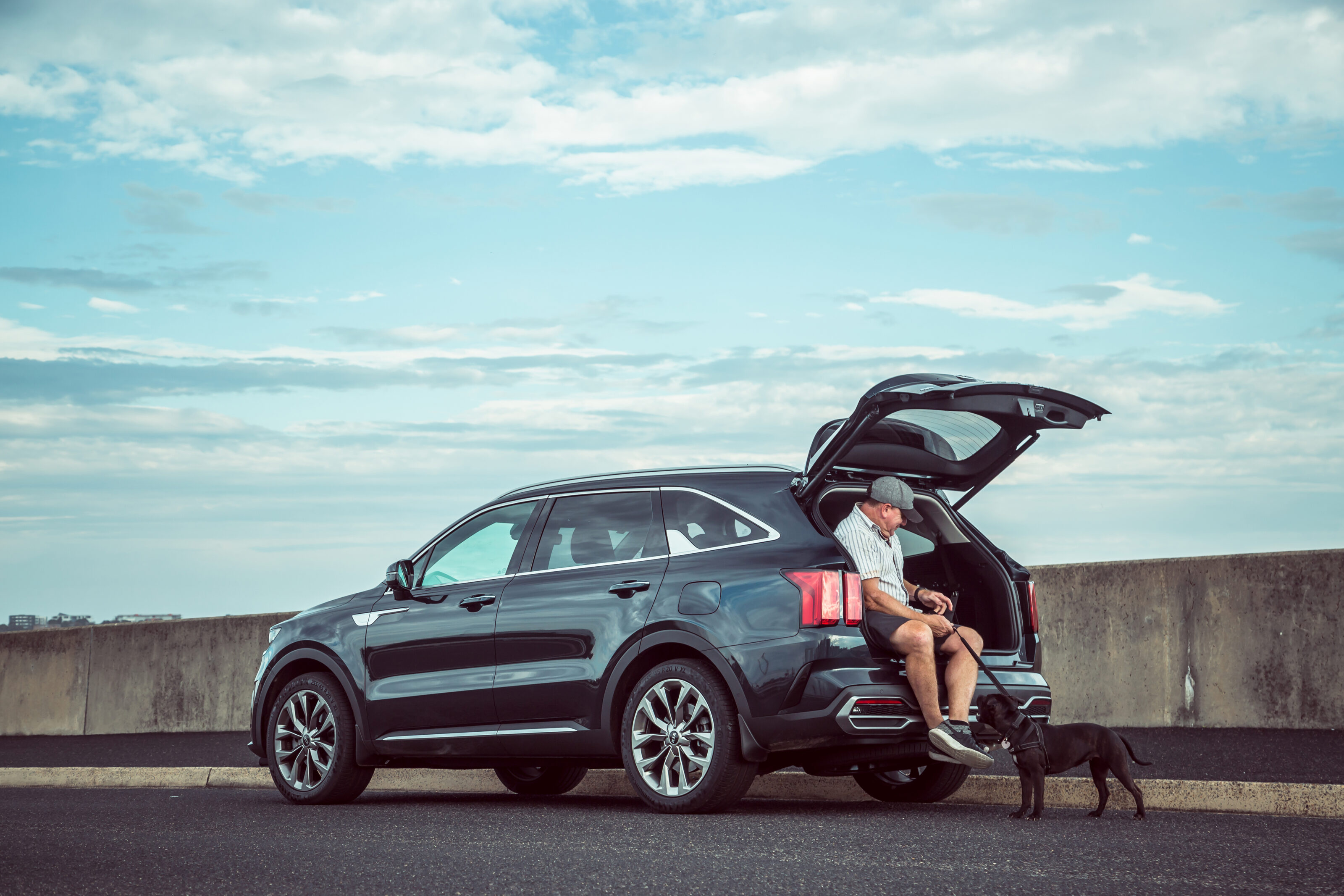
In her slightly staccato delivery, she said, “What would you prefer to fight: A giraffe-sized dog, or 100 dog-sized giraffes?”
It was a tricky one, especially as the stature of the dog-sized ‘gee-raffs’, as she pronounced them, wasn’t specified. Were we talking fox-terrier-sized? Or would I be dealing with 100 mastif-sized giraffes coming at me as one angry herd? I’d need more thinking time on this one.
One thing I didn’t need to ponder was the fact that the Sorento’s impending departure would leave a real hole. As motoring enthusiasts, I think we’re largely in agreeance that a large wagon beats a large SUV every time, however, if you occasionally need those extra two third-row seats, there simply isn’t a wagon on the Aussie market that can deliver such a layout. Further, I’ve grudgingly come around to the fact that an SUV’s extra ground clearance is useful for dealing with urban obstacles like steep driveways and parking space front kerbs.
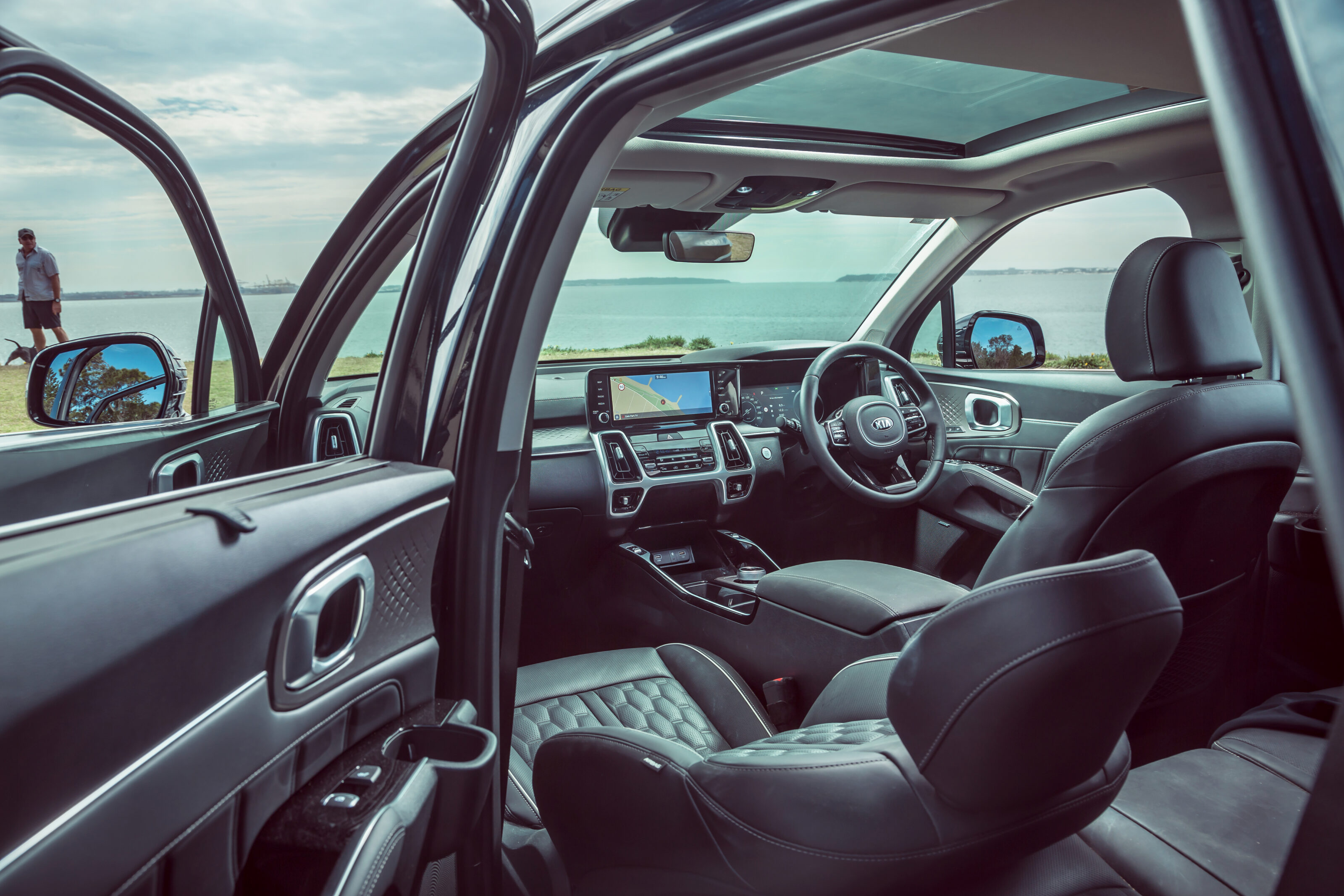
So with that established, the other irrefutable fact is that the Sorento really is a great family touring wagon. It’s brilliantly quiet, calm and long-legged on a road trip, with a range of around 850km. But more than just that is the fact it has so few flaws to annoy you. The front seats are super comfortable and supportive, and with both heating and cooling, one’s butt is always temperate. Everything from the HVAC, to the nav, to the head-up display, works exactly as it should.
The steering is nicely calibrated to provide a decent sense of connection to the road, but is also never flighty or nervous, no matter what the road condition. As for the ride, I still reckon it’s a fraction too nibbly and reactive at suburban speeds, but in touring mode, the chassis has great absorbency and real composure.
The safety stuff was less equivocal. Rear-cross traffic alert was frequently useful, but I found the lane-keep function too intrusive and inconsistent, and requires a dig into sub menus on each start-up to disable it.
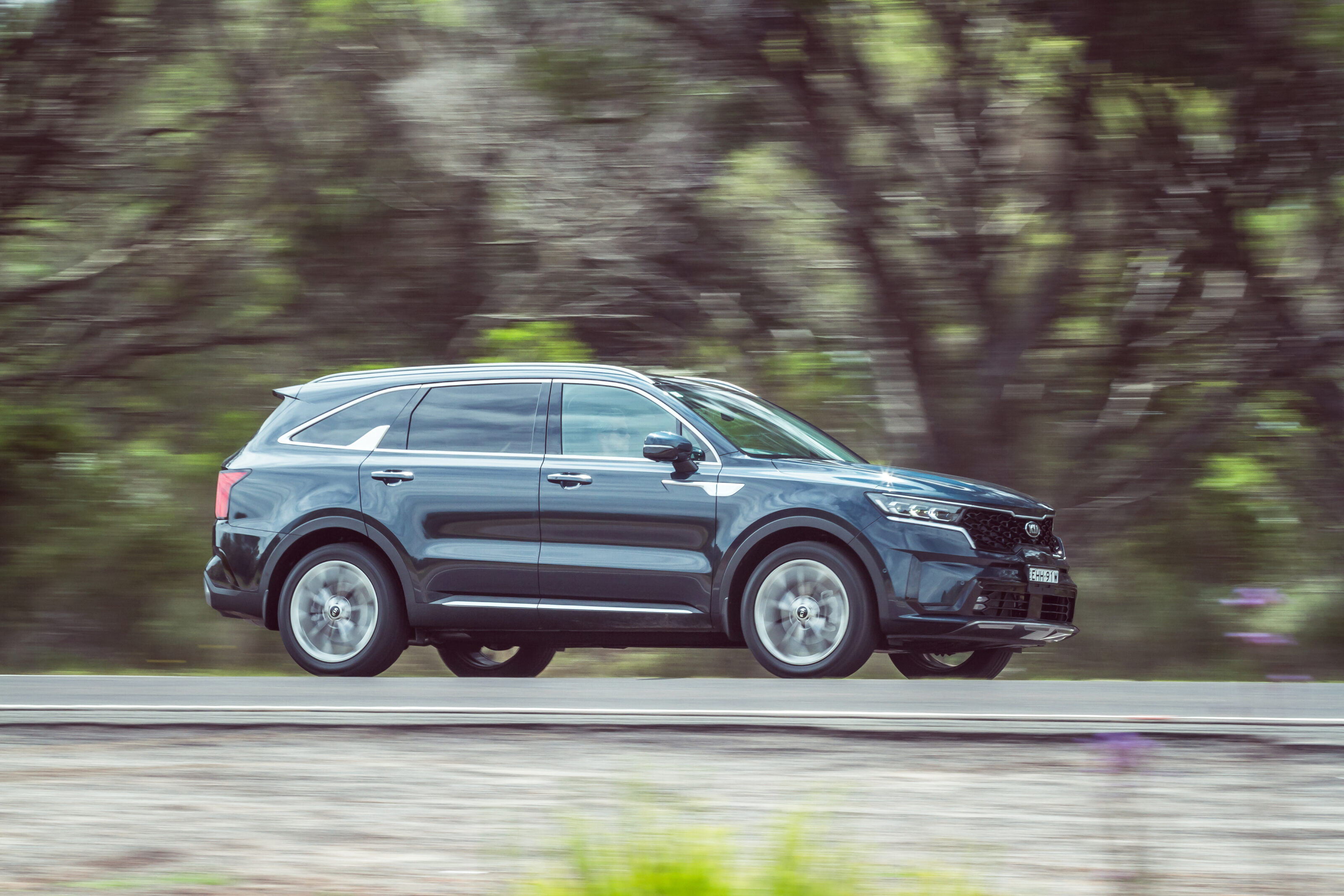
Of the extra equipment that comes with this GT-Line spec, it was the Bose audio I appreciated most. Like any good system it’s super revealing of the source material, so DAB radio sounds good but not amazing. Stream high-resolution content, though, and it comes alive, with great punch, a convincing soundstage and properly solid, tight bass.
As for the slightly vibey idle I moaned about in my first update, it’s become fractionally less noticeable as the odo has moved past 5000km, yet is still an area that deserves some developmental attention.
But the fact that I don’t have a laundry list of areas that could benefit from attention – apart from the lack of the third-row airbags and engine NVH tweaking – is testament to how well Kia has nailed the seven-seater SUV brief in the Sorento’s fourth generation, at least with the diesel AWD line-up.
Hopefully the arrival of the hybrid-petrol model will allow Kia to more completely take the fight to Mazda’s CX-9. Meanwhile, I’m preparing for hypothetical combat with 100 very small giraffes. But they’ll have to bring the battle to me, because I’m without a car right now.
Special: A different motive
We switch from diesel to petrol power in Kia’s large SUV and weigh up the cost versus benefits
Price as tested: $61,990 (driveaway) Fuel this month: 403km @ 14.4L/100km Total: 403km @ 14.4L/100km
Allow us a quick recap, for those of you playing along at home who may have lobbed back in late from a commercial break.
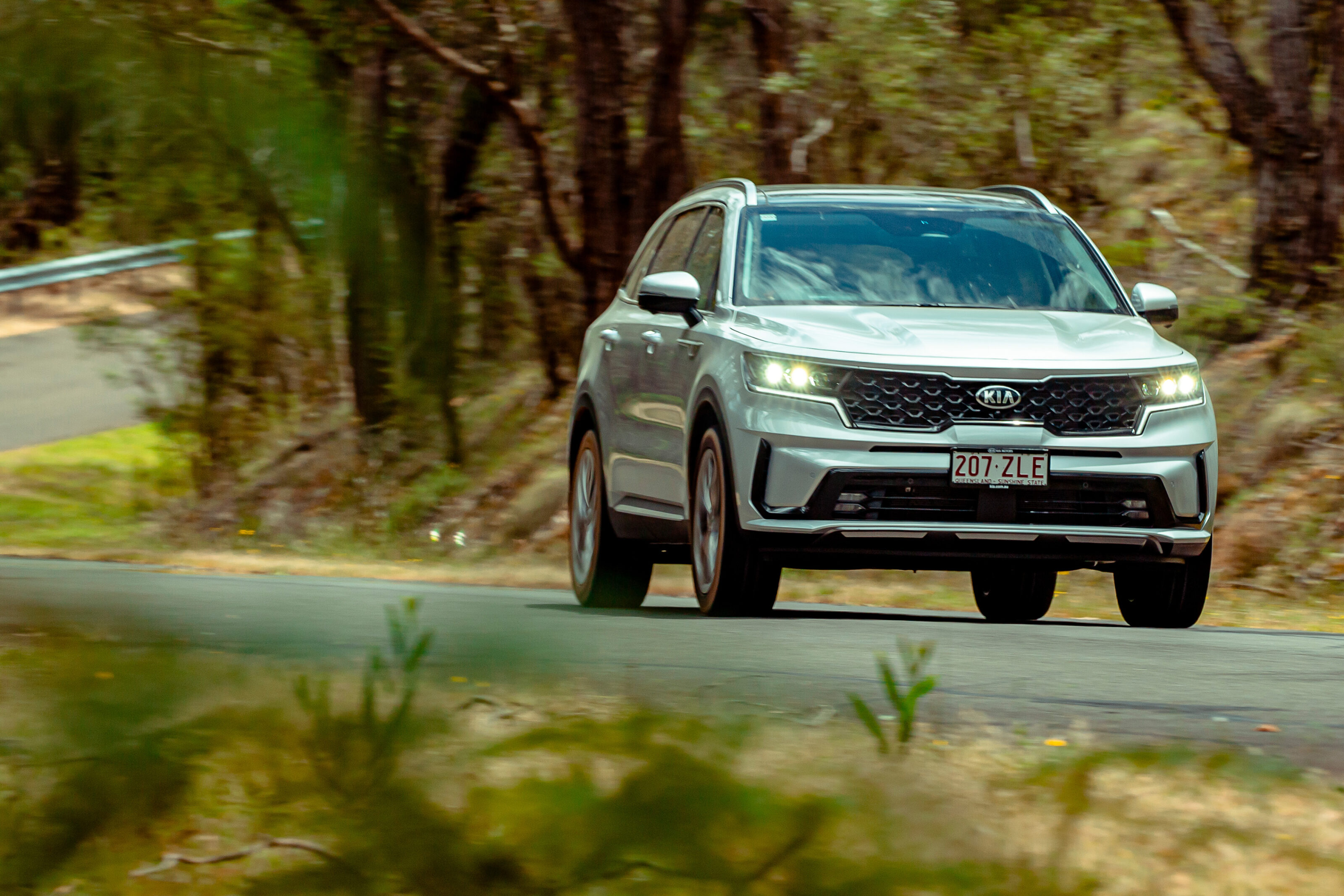
For the past four months I’ve been the custodian of a top-spec Sorento GT-Line diesel all-wheel drive, the Korean company’s flagship seven-seater SUV. Contrary to my default setting, I’ve been a largely non-grumbling one. That car ended its tenure last issue, with the only real caveats to its all-round goodness being no third-row airbags and the typical diesel NVH drawbacks. Not awful, but the vibey idle was at odds with the otherwise well-polished manners, and the level of clatter under modest acceleration, while not bad by four-pot-oiler class standards, still left room for improvement.
We knew from our most recent COTY testing of both engine variants that the V6 petrol version had no such drawbacks, thanks to the joyous combination of highly combustible unleaded fuel, a lower compression ratio and lively spark plugs. We also knew that as a front driver the V6 was less dynamically adept than its AWD diesel sibling. More prone to axle tramp and torque-steer; less composed and athletic on loose or wet surfaces.
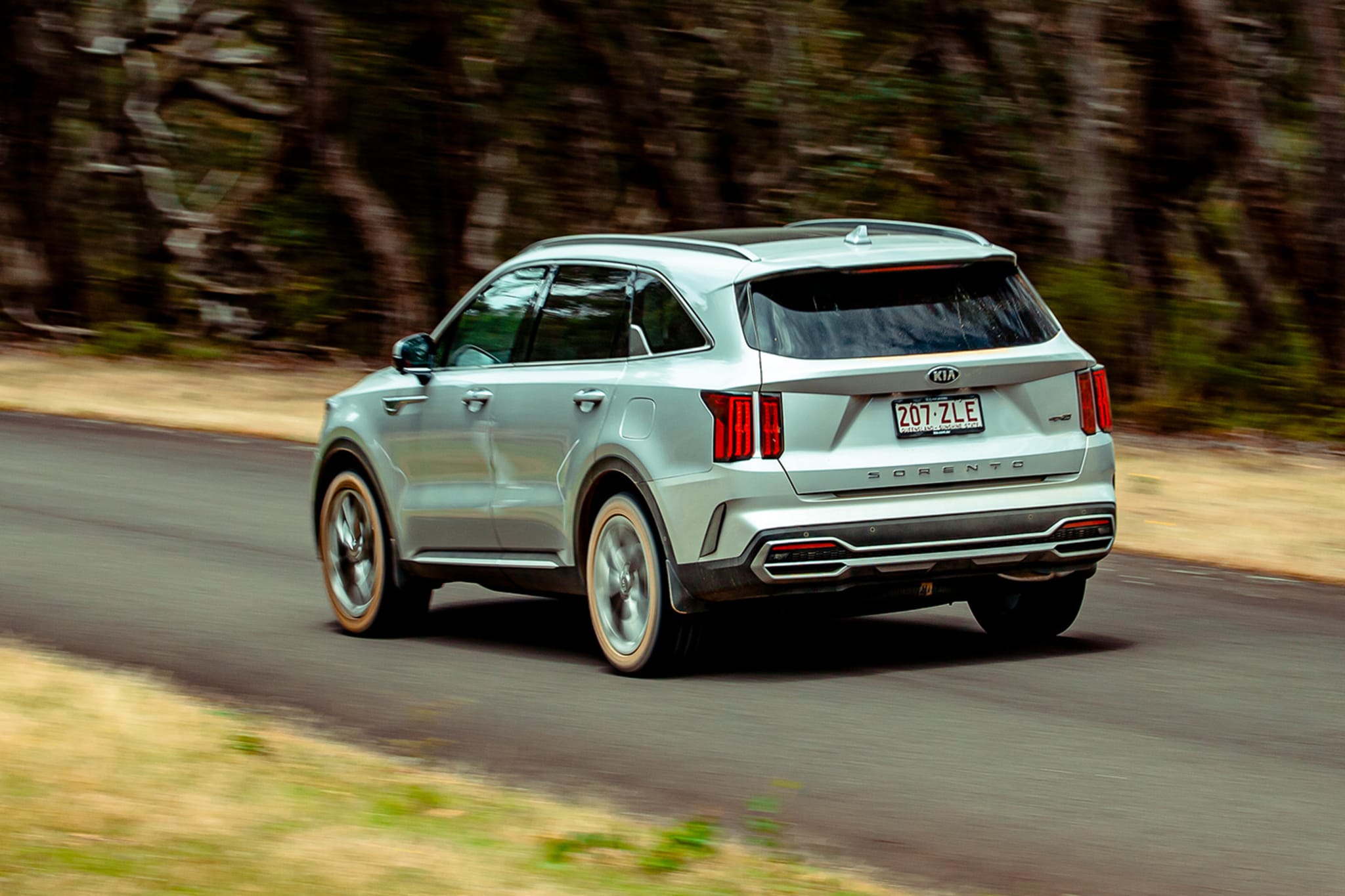
But we also understand that daily motoring life for most of you (and us) is pretty far removed from the relentless punishment of COTY testing. So when the opportunity emerged for me to spend a month with this top-spec GT-Line petrol front-driver, of course it was a fine idea. It’s a chance to see how it fares in more genteel real-world conditions (and keep me off Sydney buses where COVID probably lives) as well as allowing me to compare real-world consumption and running costs of diesel versus petrol.
But first, let’s take a hushed moment to reflect on the quietness of the petrol variant. It’s best appreciated stationary, ideally while treating the ears to some quality decibels from the excellent Bose audio system specific to GT-Line.
The car will only allow the accessories to run for a few minutes with the engine off, so an internal combustion accompaniment is unavoidable. In the diesel, during any quieter passage of music – like the Nirvana ‘soft-loud-soft’ signature that became a ’90s genre convention – the idle is ever-present; an inescapable background distraction.
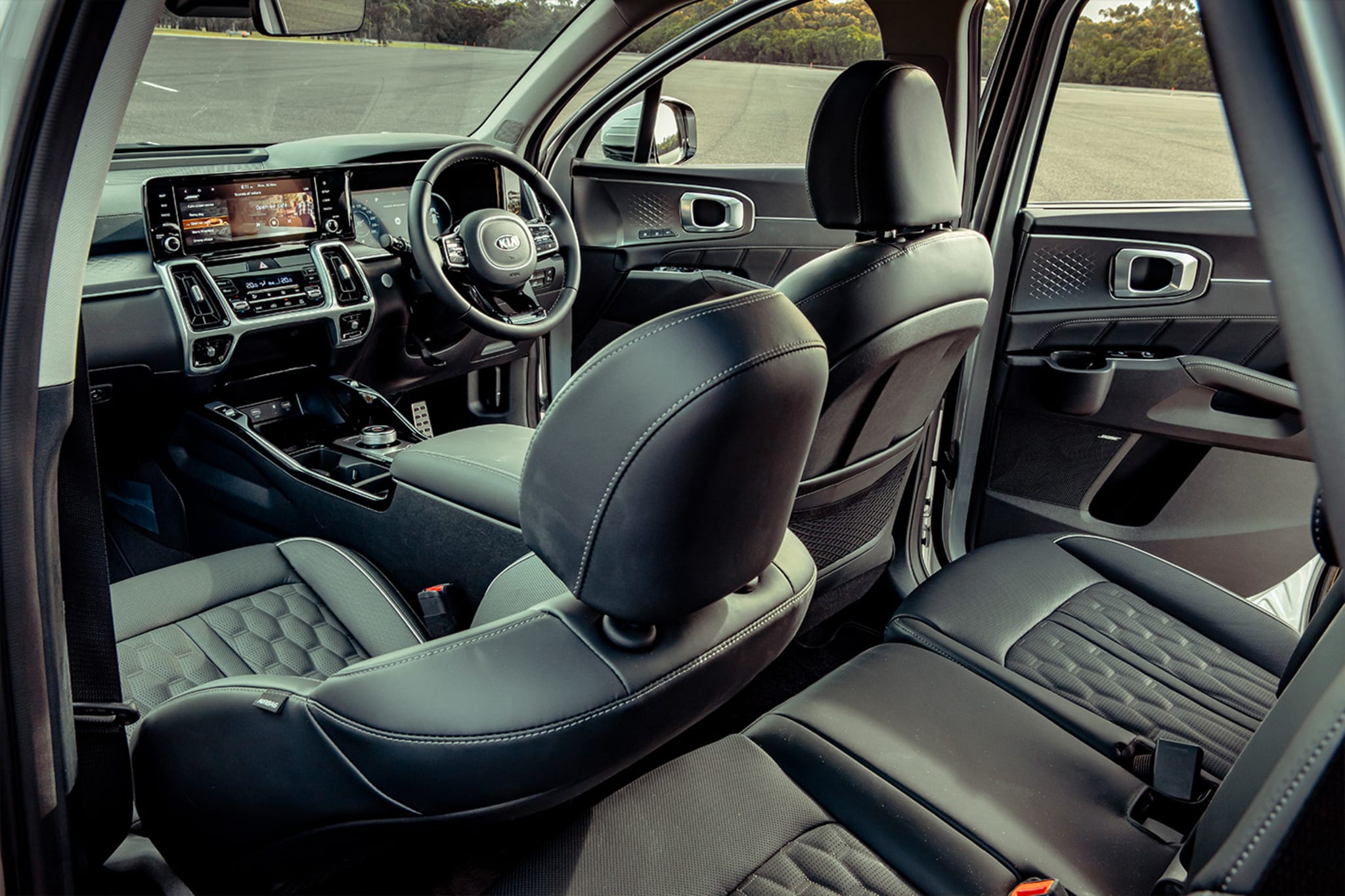
In the petrol, this is replaced by the sweet sound of silence. I may be a bit NVH OCD, I’ll own that, but by any measure the V6 is beautifully muted at idle, with the gentle whisper of the ventilation and seat-cooling fans actually more audible than the lump under the bonnet. The lack of any vibration through the steering wheel is almost a bonus.
On the road, the V6 doesn’t have the effortless low-speed shove of the diesel, but it’s sure not lethargic, and again the more refined, attenuated aural experience is a compensation plenty will find persuasive. In normal driving, on dry roads, the front-drive layout isn’t an issue, especially in isolation and when not being compared back to back with the AWD model. Different story in the wet or on dirt, but I did cover that in the February issue so no need for further elaboration.
Instead, let’s get to the battle at the bowser, ignoring ADR consumption numbers and instead dealing with typical real-world scenarios.
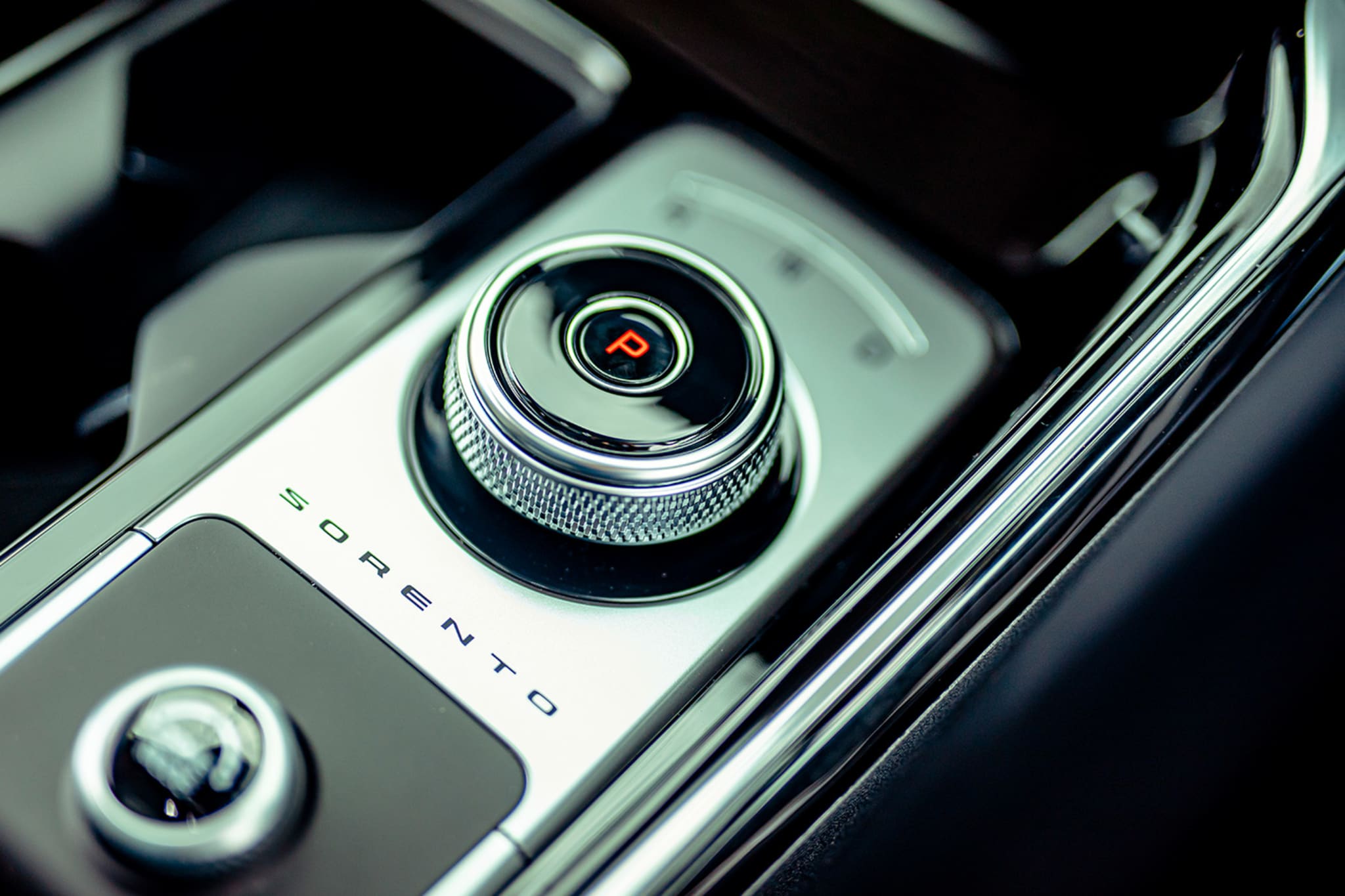
My overall consumption (mainly urban) in the diesel was around 9L/100km; in the same conditions, the petrol model seems set to settle around mid-14s. Both have tank capacities of 67 litres, so at current prices (diesel $1.27 and 95 RON unleaded $1.50), it costs around $85 to fill the diesel, translating to around $11.40 for every 100km travelled. In this petrol version, a fill is around $100, and the cost per 100km is nearly twice as much; a hefty $21.75 thanks to the double whammy of higher consumption and higher fuel price.
For the family doing, say, 350km per week, the extra cost of petrol will be around $36 over what the diesel owner is paying.
Don’t forget the diesel AWD models add $3000 to the Sorento’s purchase price (regardless of which of the four spec levels you choose), so it would take around 21 months for the fuel saving to pay for itself. But factor in slightly higher resale, longer touring range and the AWD security, no wonder the diesel is currently the bigger Sorento seller.
Snapshot
- New Ford ute costs less than AU$25,835
- Comes in three trim levels: XL, XLT, Lariat (with a First Edition also available for 12 months only)
- Boasts just over 800km driving range on a single tank of fuel
The 2022 Ford Maverick pickup truck has just been announced in the US, starting from just US$19,995.
The new dual-cab ute, the Blue Oval’s baby cousin to the hugely popular Ranger, is offered in XL, XLT and Lariat trim grades – all available as either a 2.5-litre petrol-electric hybrid or 2.0-litre petrol.
America’s first-ever standard petrol-electric hybrid pick-up, is, Ford says, the “truck for people who never knew they wanted a truck”, and comes into the market as a rival to the upcoming Hyundai Santa Cruz in the small truck segment.
The little ute boasts ample space inside and out, plenty of useful features for the DIY-oriented among us, and a claimed driving range of more than 800km on a single tank of petrol.
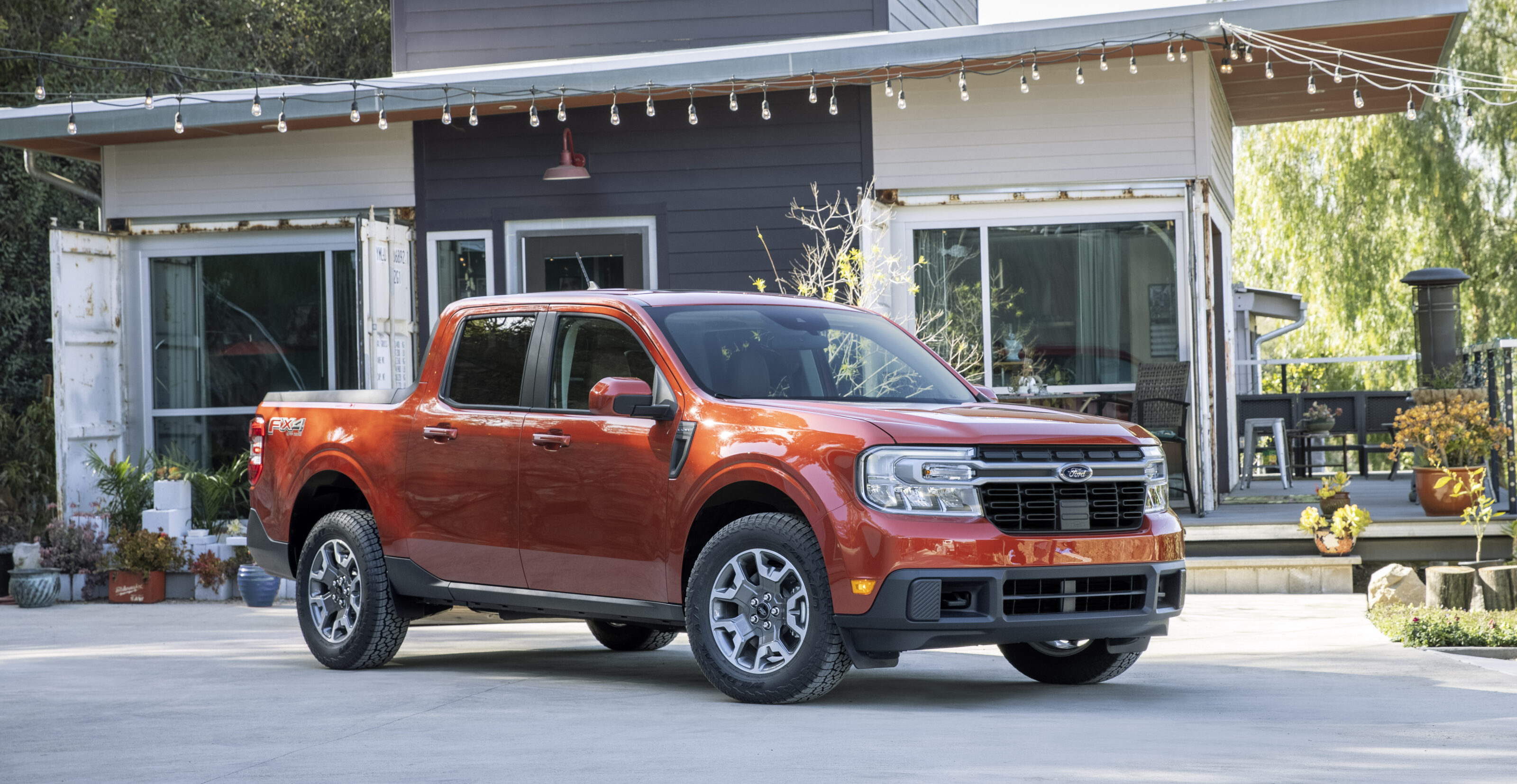
Features and design
The 2022 Ford Maverick is offered in three trim levels – XL, XLT and Lariat. An FX4 package is available for all-wheel-drive XLT and Lariat variants.
For more off-road capability, the Maverick comes as standard with rugged all-terrain tyres and suspension tuning, additional underbody protection, and off-road-focused drive modes such as Mud/Rut and Sand, as well as the addition of Hill Descent Control.
Available for the first model year only, buyers can also chose an additional Lariat First Edition.
Built on the Lariat trim level, it adds graphics on the bonnet and lower doors, a high-gloss black-painted roof, soft tonneau cover, body-colour door handles and high-gloss black skull caps. The wheels are either gloss black-painted, machined 18-inch for the hybrid or 17-inch aluminium for the petrol version, and the paint options to be had on the limited edition run are Carbonised Gray, Area 51 and Rapid Red.
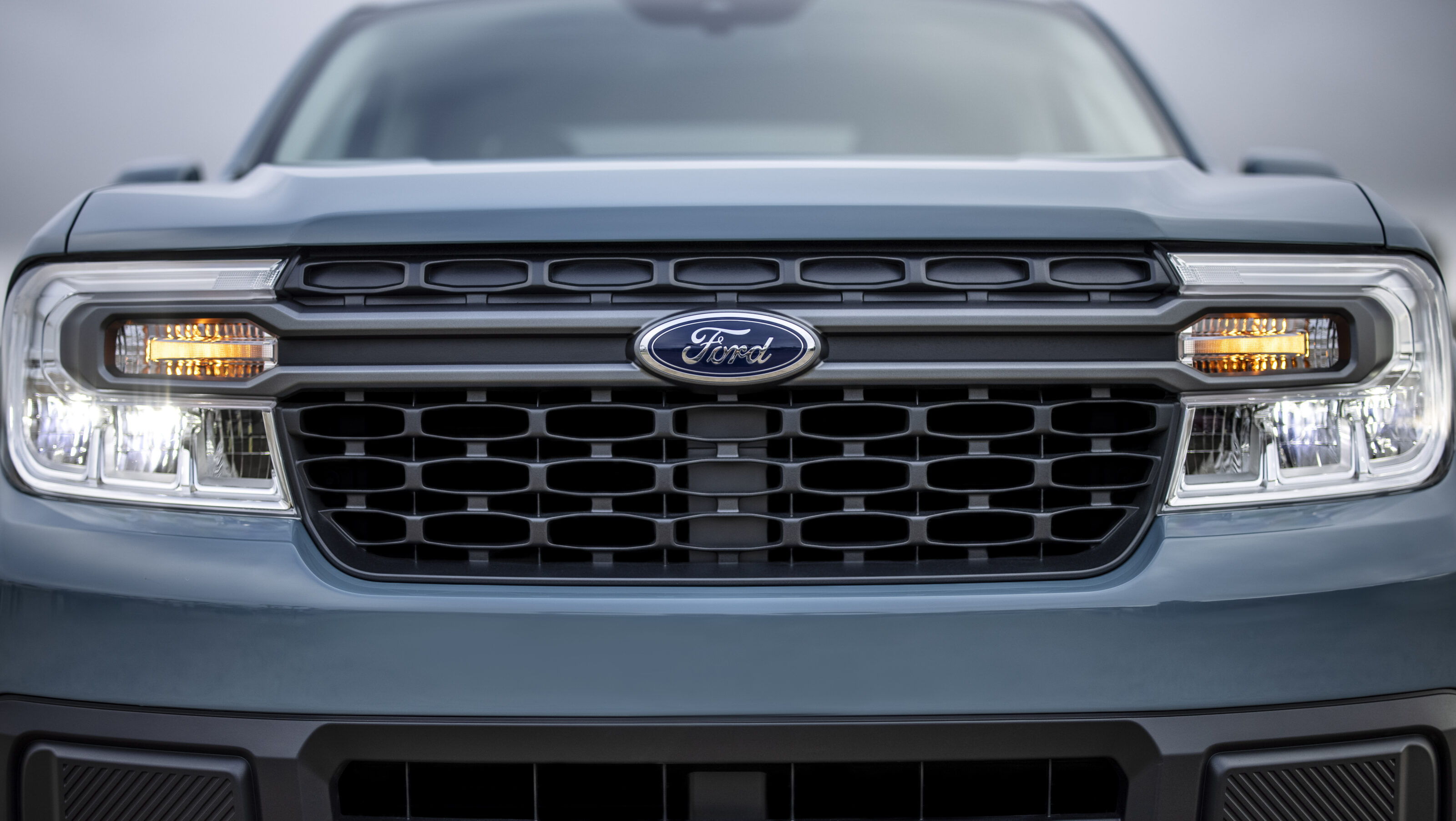
Sporting Ford’s iconic pick-up truck style, the door design pays homage to the company’s signature drop-down side windows and a front end stretching edge to edge, connecting the standard LED headlights and grille for a rugged, familiar appearance.
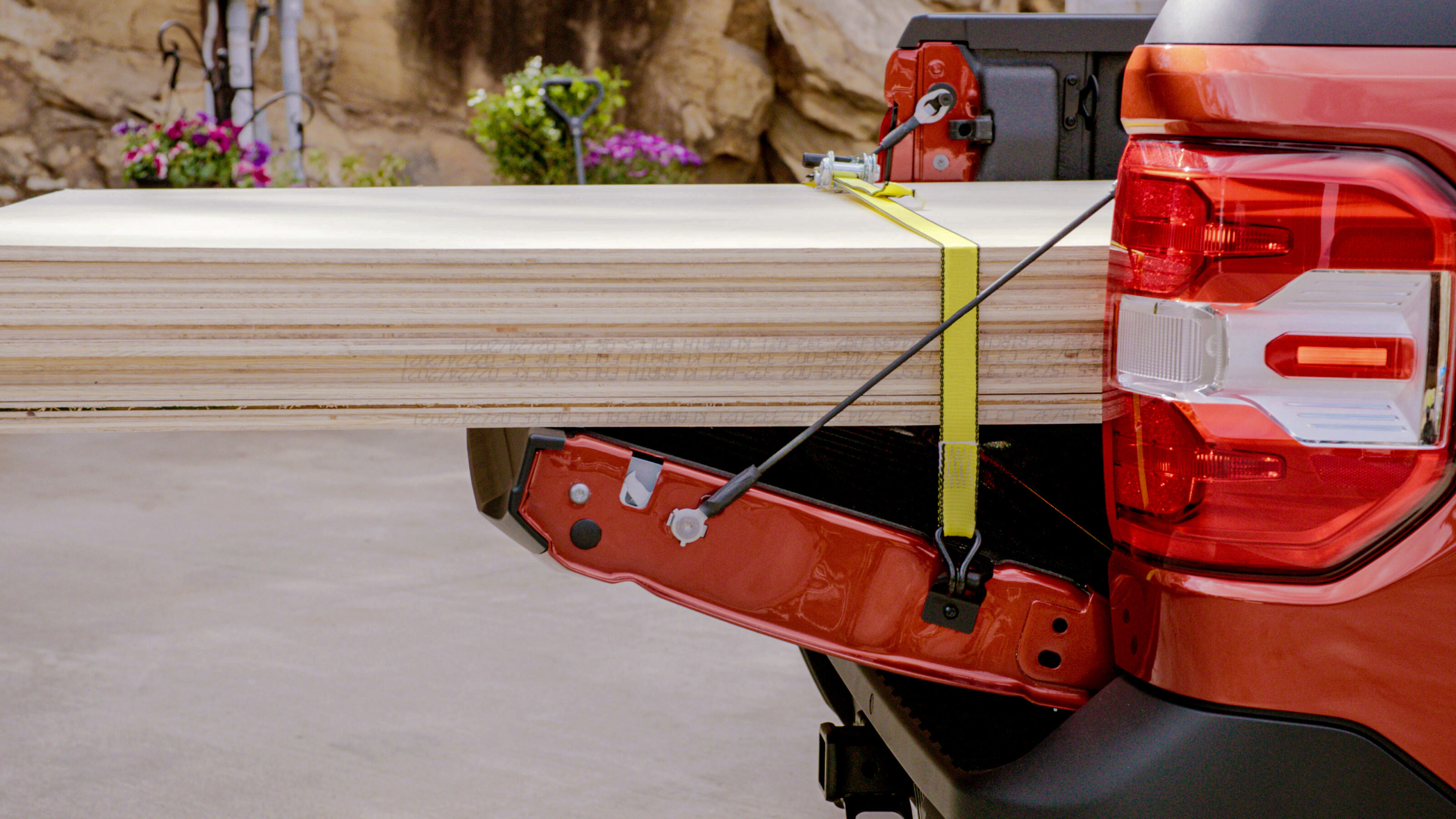
At the rear, Ford has fitted a multi-position tailgate, slots to insert pieces of 2×4 and 2×6 (inches) wood to subdivide the tub, 12 available anchor points, two 12-volt, 20-amp pre-wired sources at the back for DIY work, plus two available 110-volt 400 watt outlets (one in the cabin and one in the tub) for powering small devices.
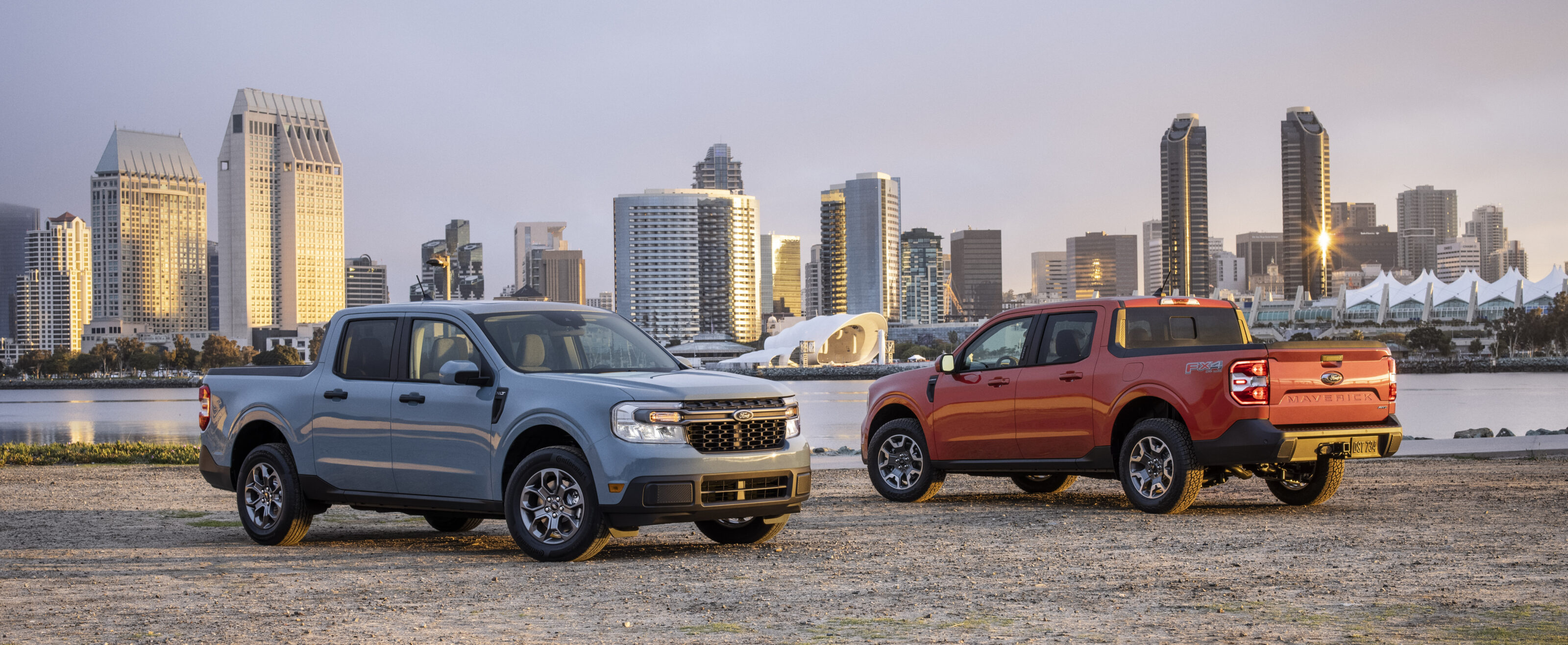
Reground carbon fibre has been used in the interior for strength and as an aesthetic statement, while the dash has a stone-like finish.
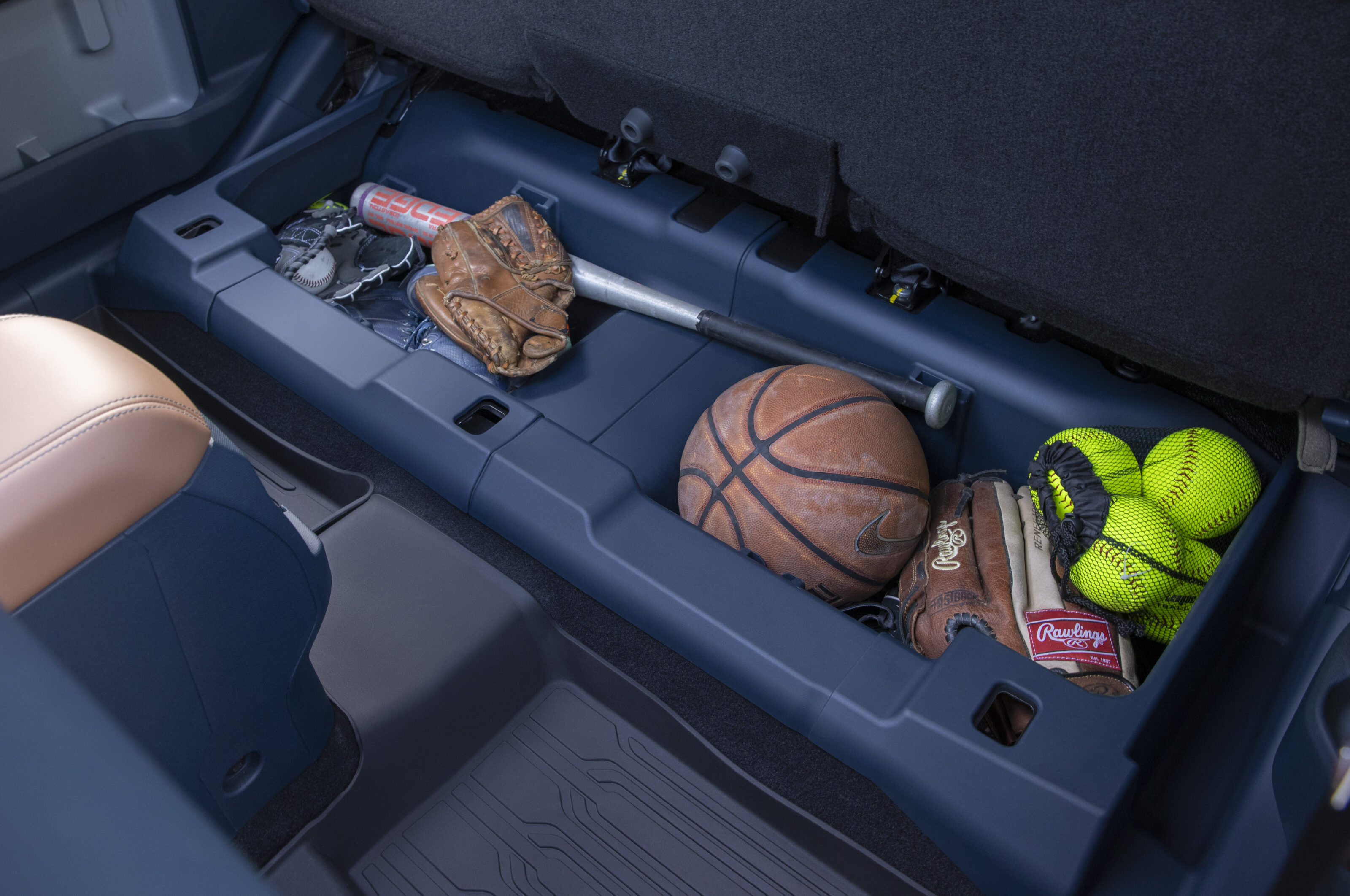
Door armrests have a split design to allow a one-litre water bottle to sit upright rather than roll around on the seats, while door pockets are spacious enough to store a tablet or notebooks. There’s also plenty of storage under the rear seats with enough space to fit a fully inflated basketball, laptop bags, roller blades, tools and other gear, according to Ford.
The dual-cab ute features an 8-inch touch screen with Apple CarPlay and Android Auto compatibility, standard FordPass Connect with embedded modem and Ford Co-Pilot360 technology.
There are five standard drive modes which include Normal, Eco, Sport, Slippery and Tow/Haul.
Engines, transmission, and fuel economy
The Maverick is available with a choice of two powertrains. The cheaper 2.5-litre Atkinson-cycle four-cylinder petrol hybrid delivers 142kW/210Nm when combined with the electric motor and is mated to a continuously variable transmission (CVT) driving the front wheels.
Those who want more capability can upgrade to a 2.0-litre EcoBoost petrol engine delivering 186kW/376Nm and mated to an 8-speed automatic transmission, available in either standard front-wheel drive or all-wheel drive.
Fuel-efficiency for the hybrid is rated at 5.8L/100km in the city, with driving range said to be just over 800km on a single tank of fuel. Numbers for the 2.0-litre petrol turbo haven’t been revealed.
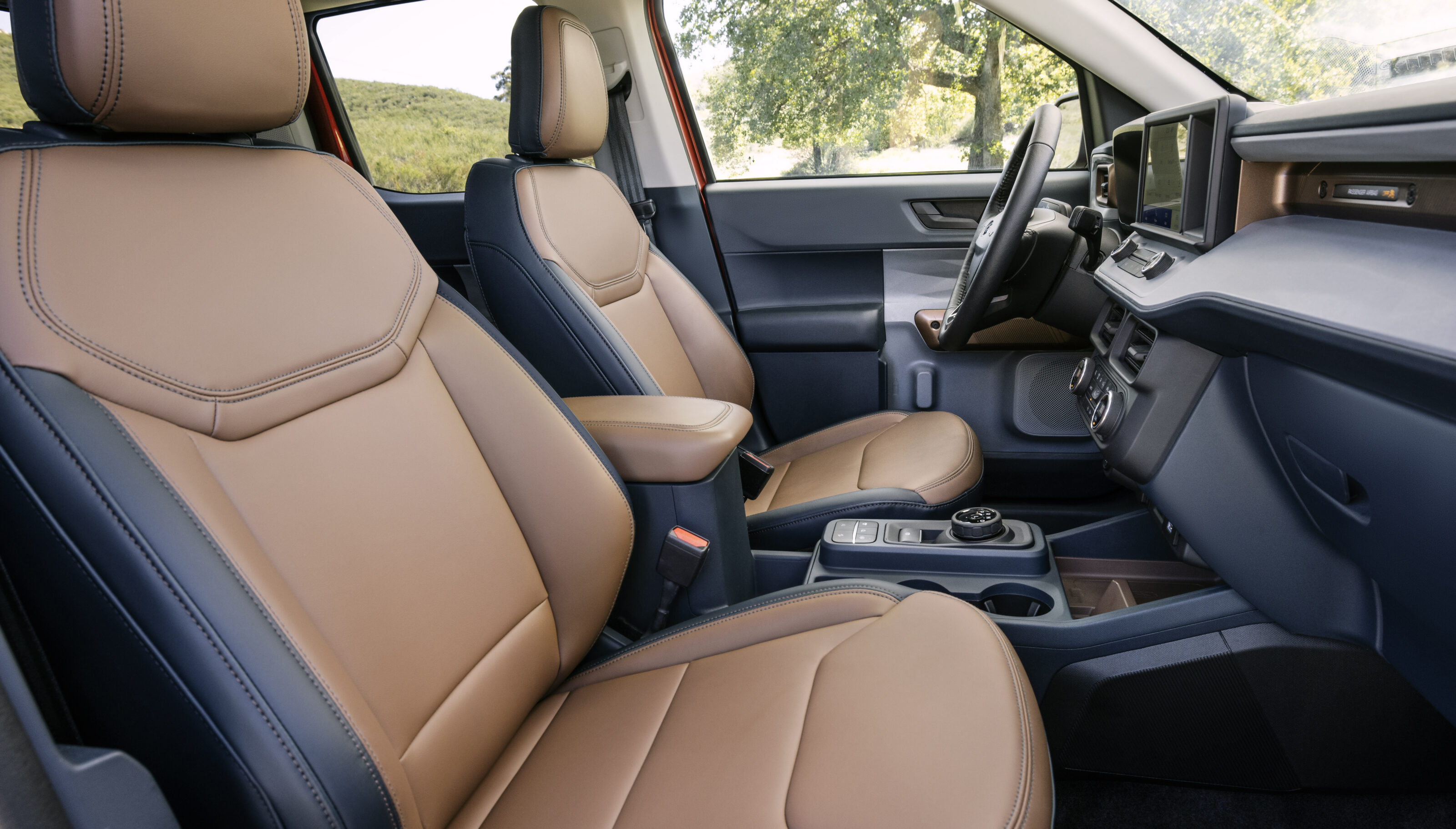
Dimensions, payload and towing capacity
The Maverick is 5072mm long and 1745mm tall, making it 282mm shorter and 61mm lower than the Ranger.
The payload capacity of the ute is 680kg. While the hybrid is said to be capable of towing 907kg, the 2.0-litre petrol, when equipped with the optional 4K Tow Package (worth US$745/AU$613) is able to tow 1814kg.
Safety
As standard, all variants of the Maverick get:
| Pre-collision assist |
| Auto start-stop |
| Automatic emergency braking |
| Automatic LED headlights |
Optional extras as part of Ford Co-Pilot360 technology include (costing US$540/AU$697):
| Adaptive cruise control with stop and go |
| Blind spot information system |
| Cross-traffic alert |
| Lane keep assist |
| Evasive Steering Assist |
Pricing and model range
The Ford Maverick comes in three trim levels; XL, XLT and Lariat with both hybrid and petrol powertrains. Pricing before options and on-road costs starts from:
| 2022 Ford Maverick XL 2.5-litre hybrid FWD | US$19,995 | AU$25,835 |
| 2022 Ford Maverick XL 2.0-litre petrol FWD/AWD | US$21,080 | AU$27,207 |
| 2022 Ford Maverick XLT 2.5-litre hybrid FWD | US$22,280 | AU$28,756 |
| 2022 Ford Maverick XLT 2.0-litre petrol FWD/AWD | US$23,365 | AU$30,156 |
| XLT Luxury Package | AU$3026 | |
| 2022 Ford Maverick Lariat 2.5-litre hybrid FWD | US$25,490 | AU$32,893 |
| 2022 Ford Maverick Lariat 2.0-litre petrol FWD/AWD | US$26,575 | AU$34,293 |
| Lariat Luxury Package | AU$4310 | |
| Lariat First Edition Package | AU$1929 |
Availability
The 2022 Ford Maverick goes on sale in the US in quarter four 2021 but it is available to order now.
No plans are being made for the Maverick to come to Australia at the moment, though Ford hasn’t ruled out a right-hand-drive being made available in future.
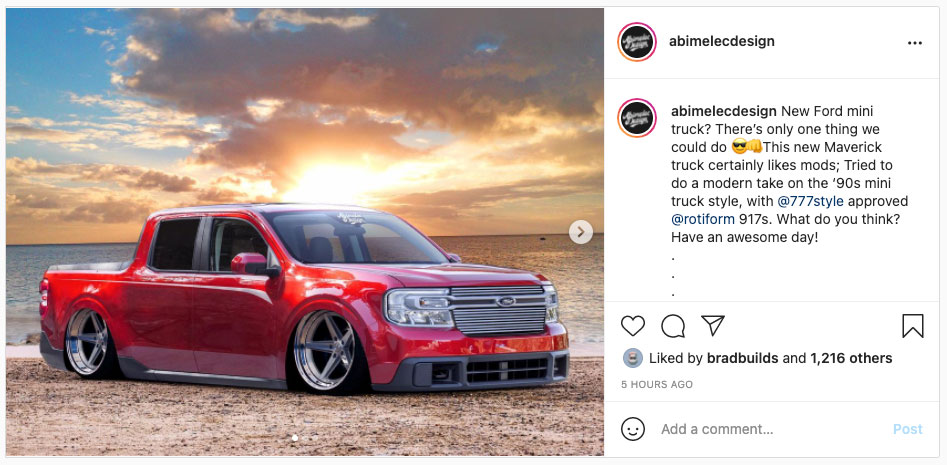
UPDATE: That didn’t take long! Online artists are already having a go at rendering the Maverick in a customised form, with the example below shown ‘dumped’ on big wheels and with a classic wire grille design. Click here to check it out on Instagram.
How does it compare?
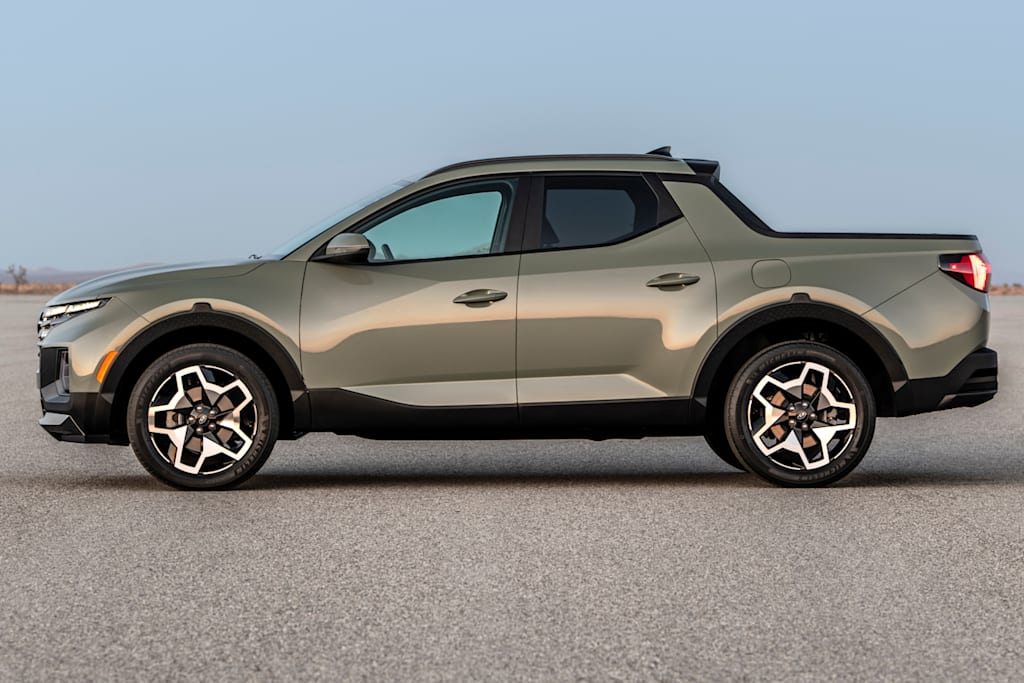
The Maverick enters the US small ute segment as a rival to the Hyundai Santa Cruz, which sadly will not be available for the Australian market, as the pick-up was never designed or homologated for right-hand drive.
The Santa Cruz also offers a choice of two engines, starting with a 2.5-litre four-cylinder petrol driving the front wheels mated to an eight-speed auto, compared to Ford’s CVT. While Ford’s output is said to be 142kW/210Nm, Hyundai has yet to reveal performance figures for this engine.
Hyundai’s up-spec engine is also a 2.5-litre four-cylinder petrol, but turbocharged to produce 205kW and connected to an eight-speed dual-clutch with paddle shifters, making it more powerful than Ford’s petrol turbo EcoBoost 186kW offering which is paired with its own eight-speed auto. Both trucks offer AWD on the higher-spec versions.
The Hyundai wins out when it comes to payload and towing though, boasting a maximum capacity of 789kg for payload and 1590kg towing for the naturally aspirated 2.5-litre, which is boosted to 2270kg with the 2.5-litre turbo.
The Santa Cruz is slightly smaller and shorter overall, with a 1.3m tub (cut back to just over 1.2m at the top end thanks to the cover) and a 2997mm wheelbase compared to Ford’s 3073mm.
Direct comparisons for fuel-efficiency are hard to make, as the Maverick doesn’t have any official ratings yet, although Ford claims the hybrid variant can achieve 5.8L/200km in the city, while the EPA states the standard 2.5-litre Santa Cruz can only achieve 11.2L/100km under the same circumstances and the turbo fairs even worse at 12.4L/100km, reports Motor1.
As yet, Hyundai hasn’t revealed pricing for the Santa Cruz but it’s safe to say it will be competitively priced.
Snapshot
- Carbon roll cage was subjected to 12 tonnes of force
- Just 40 examples of the track-only Essenza SCV12 will be built
- RRP rumoured to be u20ac3 million (around AU$5 million)
Lamborghini has announced its track-only V12 hypercar, the Essenza SCV12, is the first production car ever to use a carbon fibre roll cage homologated for the Fédération Internationale de l’Automobile (FIA) Hypercar safety standards.
Replacing a steel roll cage with one made from carbon fibre represents a significant leap in safety innovation – even the Halo device found on a Formula 1 car is created from titanium rather than carbon fibre.
To ensure the carbon cage could take the pressures of a racecar crash, the Italian marque worked directly with the FIA on the project.
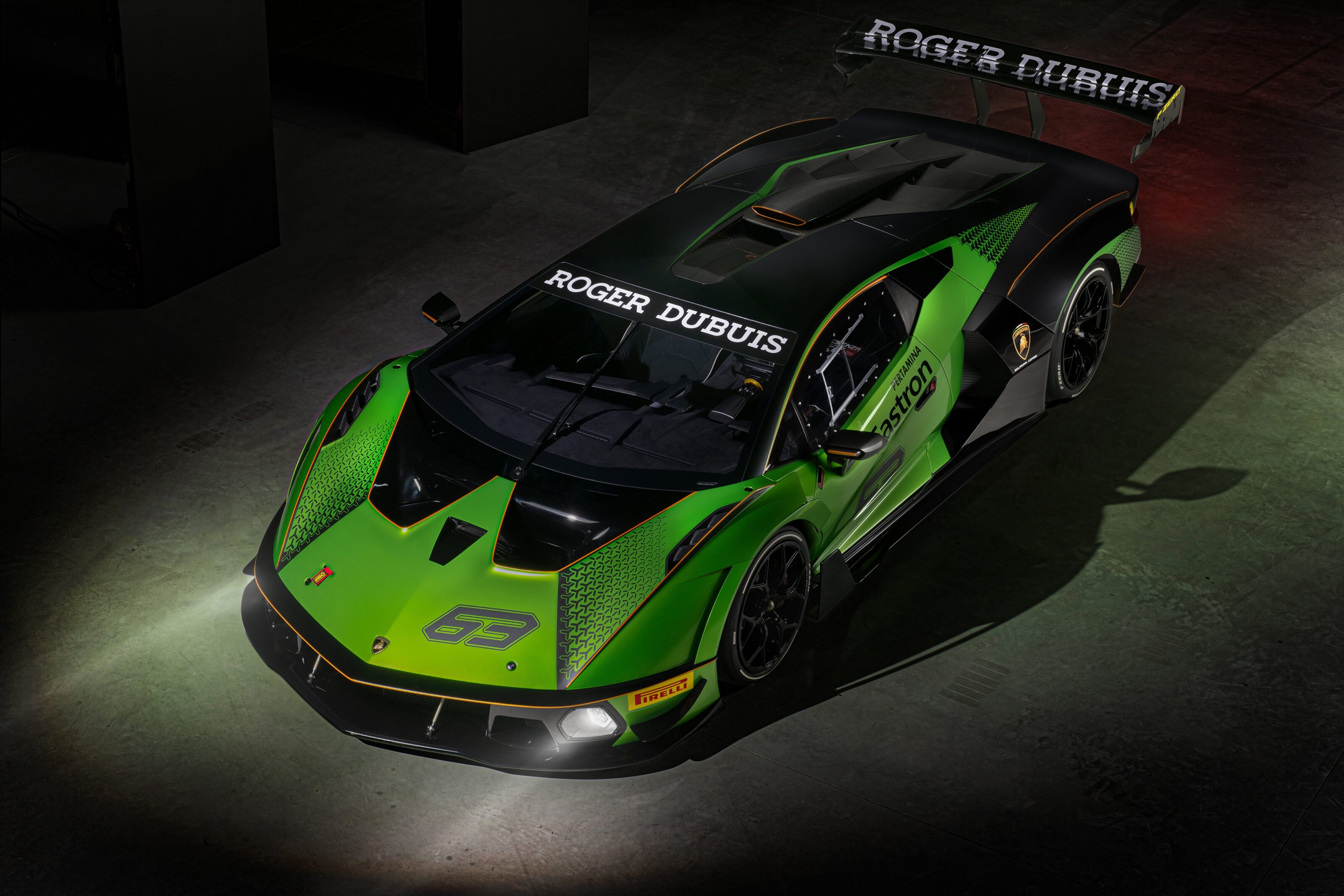
As a result, the vehicle structure had to withstand 12 tonnes of force without exhibiting any significant deformations.
All together, it was subjected to more than 20 static and dynamic tests in order to be certified by the FIA, including impact speeds of up to 14 metres/second.
Created in the Charging Bull’s CFK department in Sant’Agata Bolognese, the carbon fibre structure and roll cage are, according to Lamborghini, the result of 30 years of experience in the study and application of composite materials.
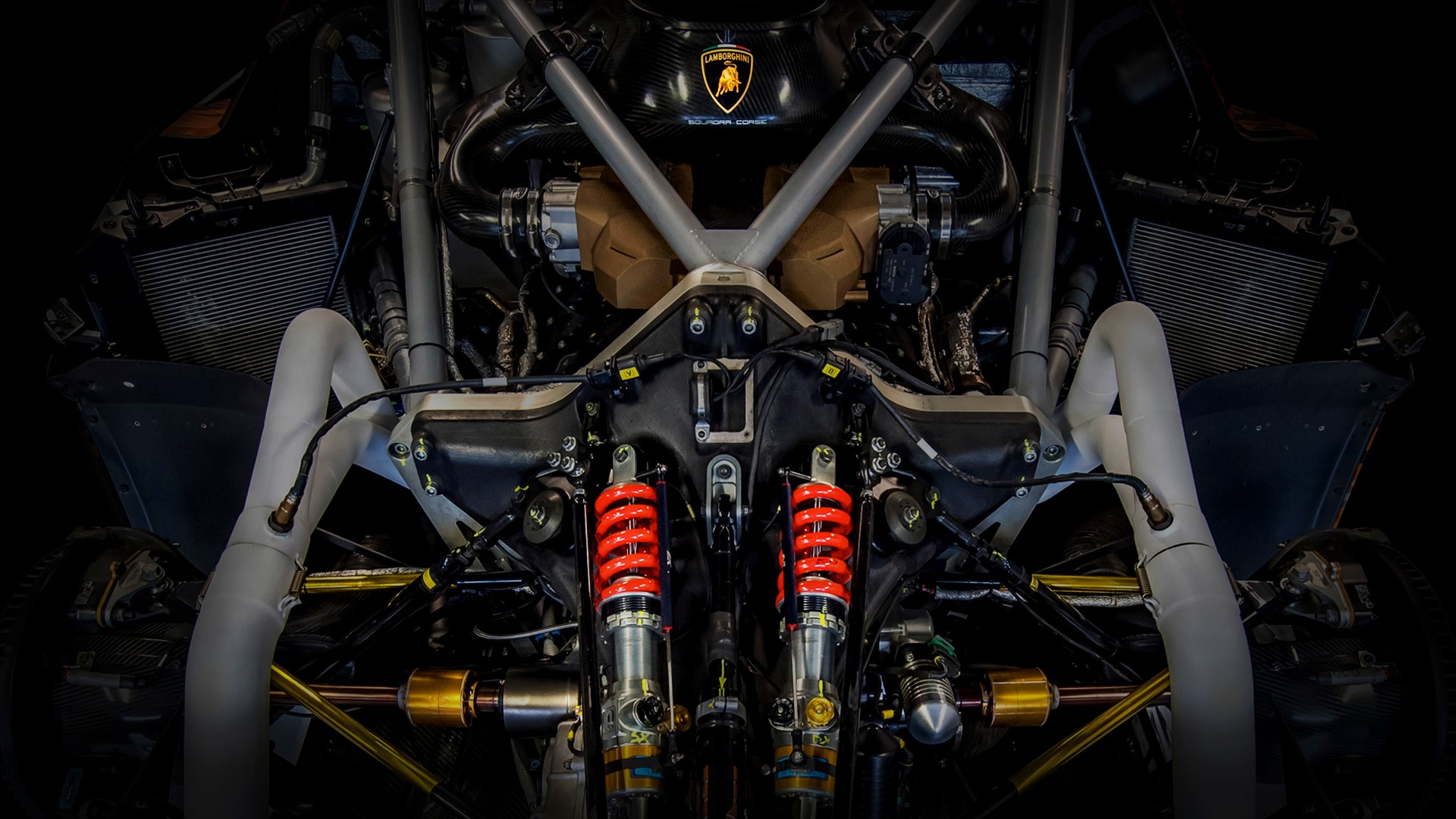
“The Essenza SCV12 was born as a ‘laboratory of ideas’. This allowed us to use technical solutions usually found in racing prototypes, such as the suspension installed directly on the load-bearing gearbox, which is an innovative solution for a GT car,” Giorgio Sanna, Lamborghini’s head of motorsport, said.
“In addition, it features the new carbon fibre monocoque chassis without a steel roll cage, resulting from technical collaboration with the FIA, thanks to which we’ve started a process which will lead to an exponential improvement in safety for GT racing drivers in the future.”

The new carbon roll cage also gave Lamborghini an unprecedented chance to decrease the overall weight of the gentleman’s racer.
The Essenza SCV12 is 136 kilograms lighter than the Lamborghini Aventador SVJ, with a kerb weight of just 1376 kilograms, which doesn’t seem like much at all, especially when there’s 620kW from a naturally aspirated 6.5-litre V12 on tap.
Interior cabin space has also been drastically improved compared to a racecar fitted with a standard welded-in steel roll cage.
“Essenza SCV12 is not only a fast car that can deliver exhilarating experiences, but it’s also equipped with an incredibly comfortable and spacious cabin. This is a unique feature appreciated by all gentlemen drivers, for whom it is intended,” Marco Mapelli, Lamborghini factory driver, said.

Just 40 examples of the 2021 Lamborghini Essenza SCV12 are being built, boasting performance figures of 0-100km/h in around three seconds and 1200 kilograms of downforce at 255km/h.
Snapshot
- Aston Martin is the latest carmaker aiming to get more women behind the wheel
- Female advisory board helped shape DBX’s development
- DBX is on sale now priced from $357,000
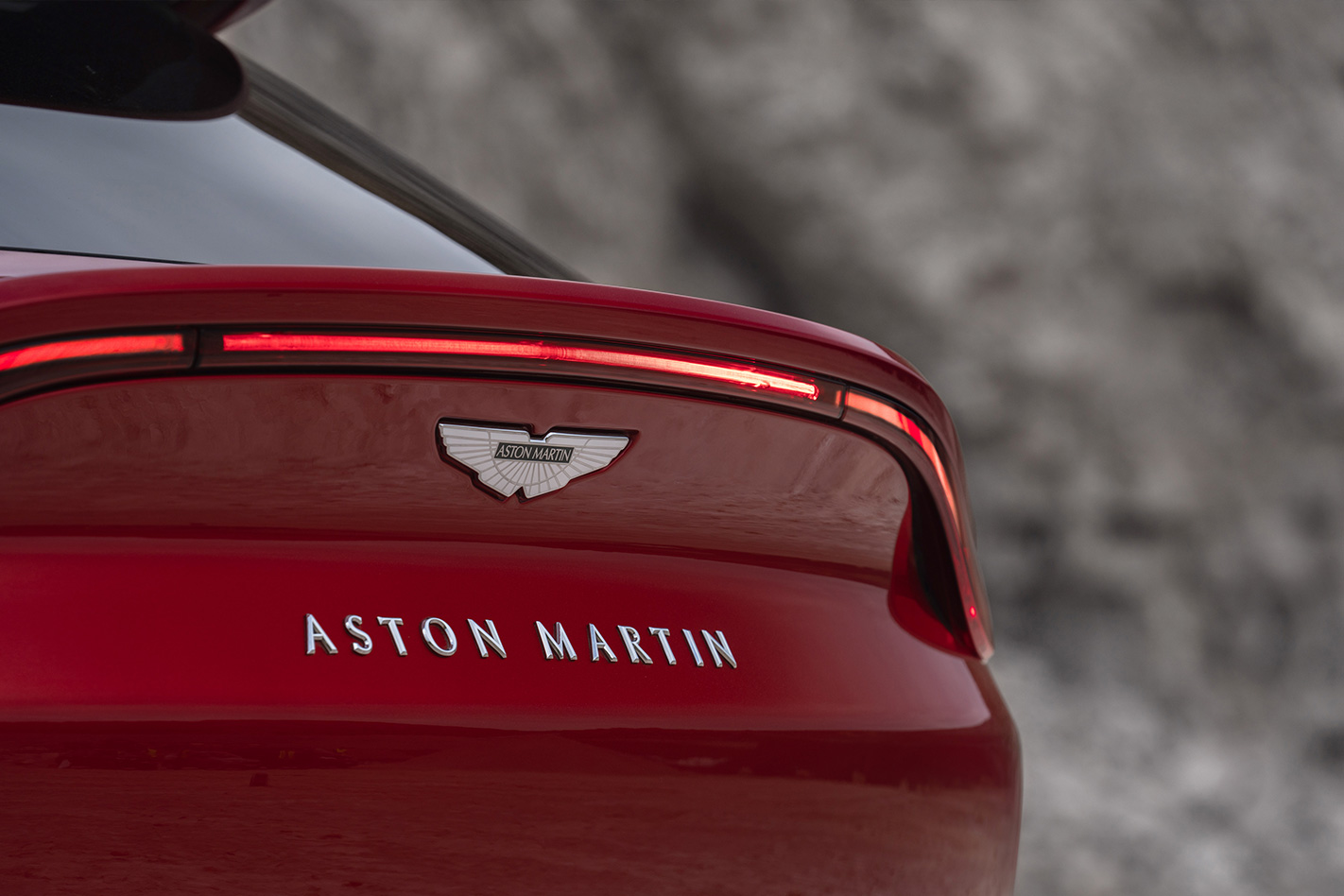
The Aston Martin brand synonymous with the deadly skills and heavily masculine charm of British secret agent James Bond wants to expand its appeal among female buyers.
Britain’s famous sportscar maker has marketed its range of GT and sportscars almost exclusively to men for its 100-year-plus history, but says its first ever SUV, the DBX, is already altering its typical customer demographic.
Aston’s chief creative officer Marek Reichman says the company specifically sought input from women during development of the DBX, which has gone on sale in Australia priced from $357,000.
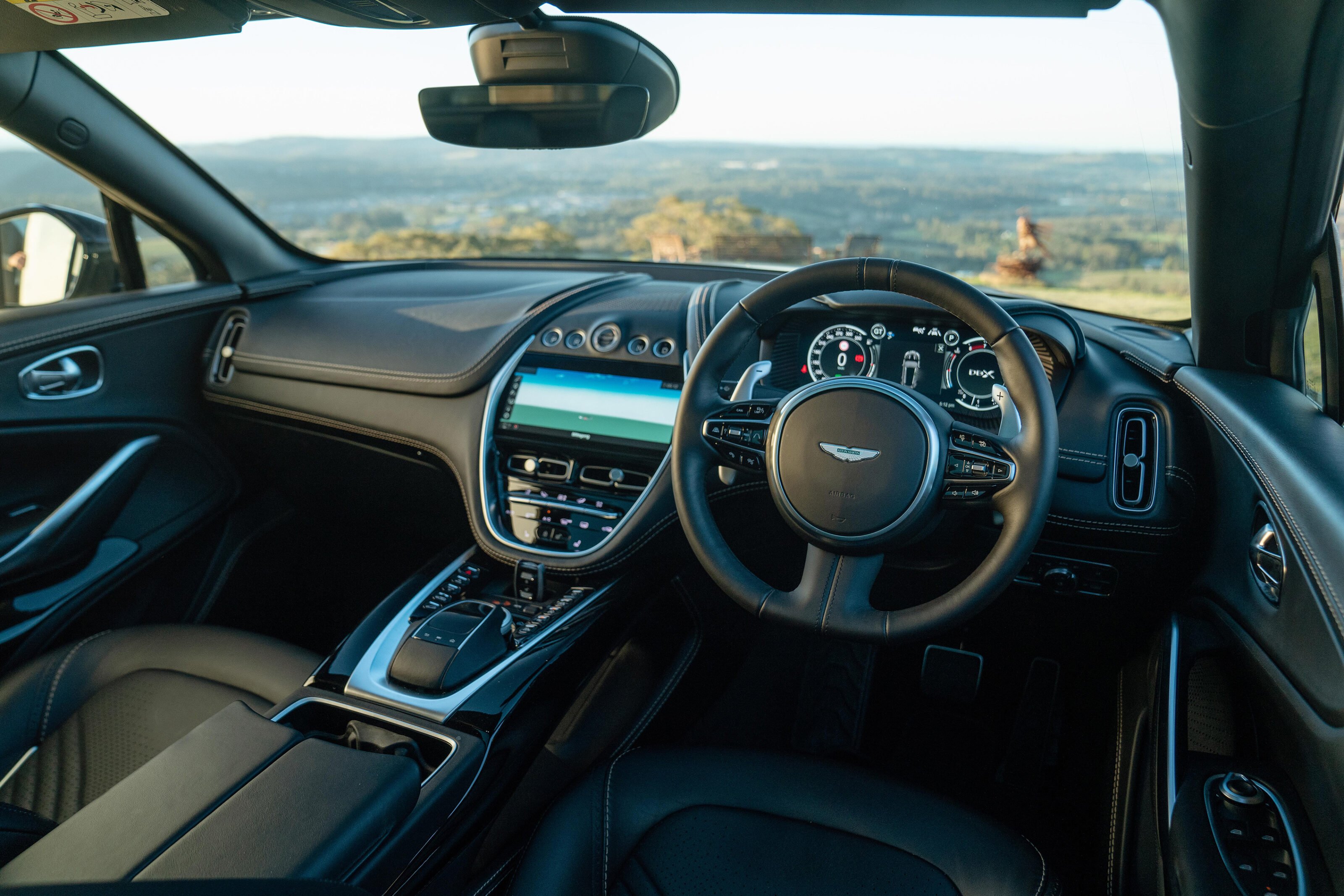
“One of the groups we had [during DBX development] was a female advisory board…getting their opinion on what the product should be,” said Reichman. “That was invaluable in terms of the make-up of DBX.
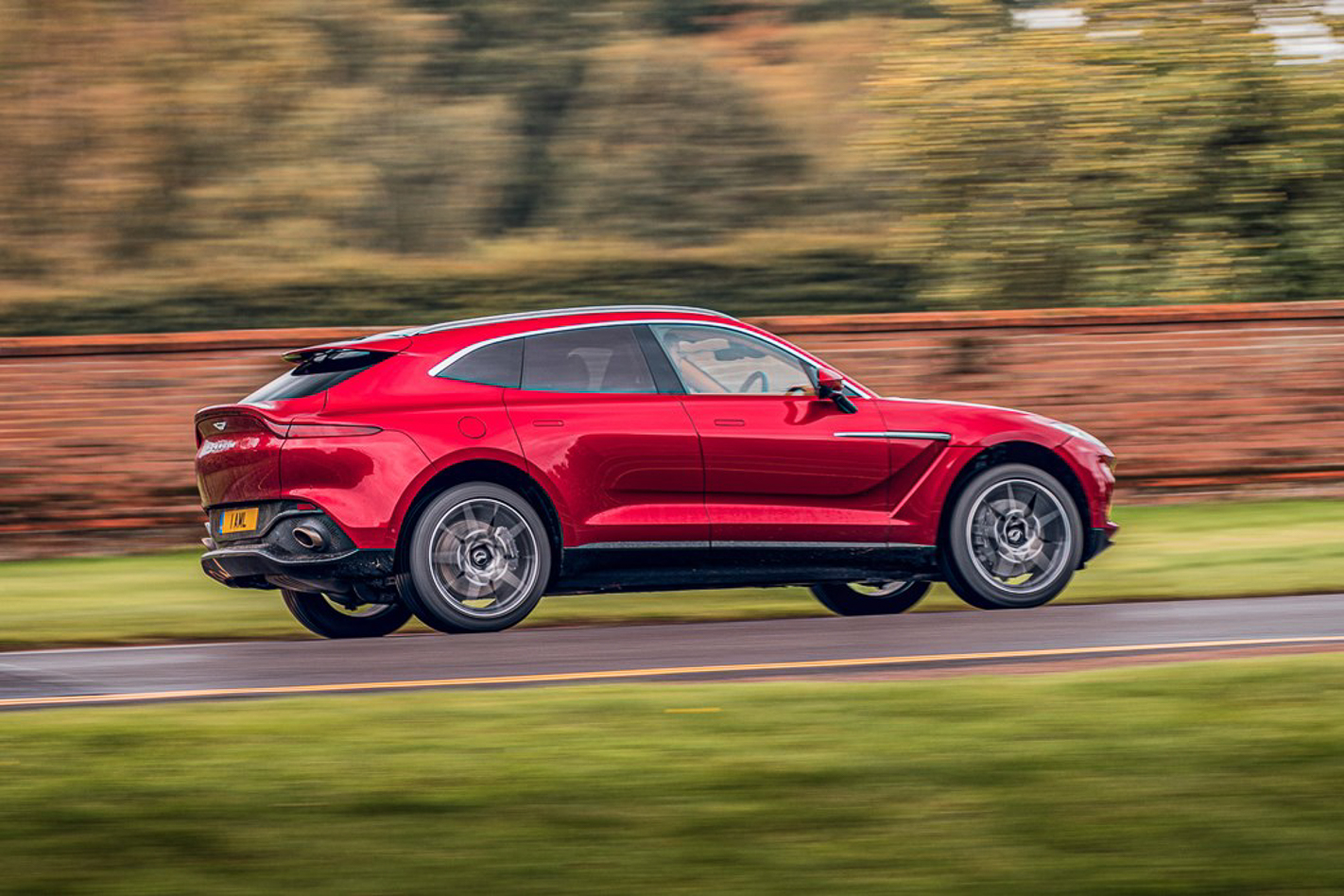
“It’s about [the DBX’s] useability, the feeling of safety, the feeling of being in control of the [vehicle]. It’s not about pinking it and shrinking it, because that’s not what the female customer wants. It’s just the ergonomics of size. How do you use the car as a female customer?
“How has that played out? Well, if you look at our global [customer] average currently it’s about 92 per cent male, eight per cent female. But if you look at DBX on a global average, it’s a swing closer, so something like 85/15. And if you look at China it’s close to 60/40 [male/female skew].
“It’s not just DBX, it’s DBS and DB11 in China as well, but yes DBX has had an impact and has shifted the needle [of the Aston customer demographic] and will continue to do that.
“It’s just understanding the consumer, because typically in the past, call it for 100 years, we have talked only to male customers. Now for the last five or six years, we now have an opinion which comes from the female client.”
Aston joins a growing list of luxury brands to declare a greater marketing focus on women. Lamborghini and Rolls-Royce both used their first SUVs, respectively the Urus and Cullinan, to openly attract more female buyers to their brands, while Ferrari has successfully increased its percentage of women owners since aiming to move beyond the “boy’s club” with the 2008 California convertible.
Mercedes-Benz introduced its ‘She’s Mercedes’ campaign in 2015 – a global initiative aimed specifically at addressing the mobility needs of female customers.
Aston is planning to expand its SUV offerings, while it will also introduce hybrid and plug-in hybrid versions of the DBX – expected in 2021 and 2023, respectively. An all-electric DBX is also understood to be in the pipeline.
Aston Martin says it is already well advanced with plans to join the growing trend for companies using sustainable materials. It acknowledges many of the new customers it is targeting will be coming from fashion brands who are already providing high-quality vegan alternatives to their famous leather products.
“[Sustainable materials are] a huge part of the industry, and particularly for this consumer because they’re coming from certain fashion brands,” said Reichman. “Hermès offers non-leather [goods], for example, Stella McCarthy is all non-leather. And some of the materials are beautiful.”
For a specific example, Reichman references a new mushroom-roots-derived, biodegradable material which mimics leather and has been used by the likes of Hermès (for its classic Victoria bag) and by Adidas (for a biomaterials spin on its iconic Stan Smith trainers).
“If you look at the Valhalla show car in 2019, it featured a woven, banana-based material from the banana plant. We’re looking at getting such materials into all our products, and certain Q customers have requested it.
“It’s a huge opportunity to develop something unique but also ensure we’re pleasing the customer. And because we have the Q division, we can get the one-offs out there but then feed them into the core products.
Aston expects a big consumer shift away from leather eventually, while believing real leather is always likely to be an option for certain traditional customers.
Front-wheel drive vs rear-wheel drive vs all-wheel drive
Automotive history is adept at repeating itself and while virtually all technological trends have resurfaced many times over the course of the last 100 years, there are significant milestones for each ground-breaking innovation.
The same is true for drivetrains and driven wheels.
Notwithstanding the odd exception, rear-wheel drive was the staple for the majority of passenger and commercial vehicles as far back as the birth of the car as we know it today.
In the late 1950s, and after a number of niche models, it was the Mini that established the now-commonplace transverse engine, front-wheel drive layout as a genuinely practical proposition.
Then, in 1980, Audi’s Quattro was the pioneer that brought four-wheel drive from the off-road arena into the world of on-road high-performance cars.
These three radically different drivetrain approaches have now proliferated into the model ranges of virtually all brands, offering a huge amount of choice for the consumer.
Here are the key differences to consider when choosing what’s right for you.
REAR-WHEEL DRIVE
Advantages
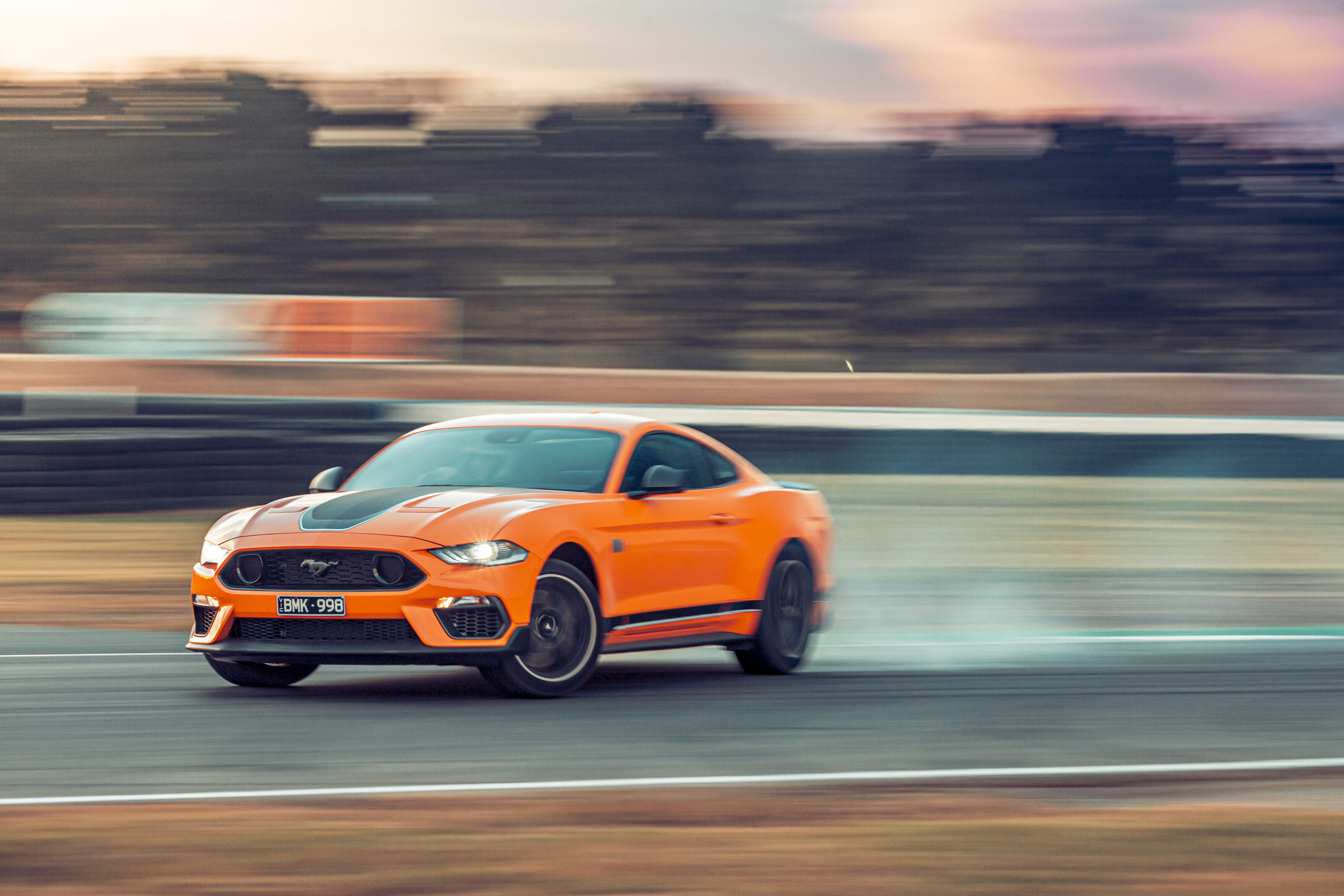
Many regard rear-wheel drive as the purist’s solution and the only layout for optimum driving enjoyment.
The theory goes that by driving the rear wheels, the front wheels are allowed to get on with steering, and a majority of the braking, for complete and balanced driving manners.
Generally speaking, driving the rear wheels also promotes a more inherent tendency for oversteer on the limit, which is considered more fun and manageable in the right hands than the understeer often associated with front-drivers.
The engine in a rear-wheel drive is typically oriented longitudinally (if located at the front), which allows the installation of a larger engine provided the engine bay is long enough to accommodate it.
Disadvantages
The natural tendency to oversteer can be unsafe for inexperienced drivers (although it is up to the driver to maintain control of any vehicle given the circumstances), but modern electronic stability systems are very effective at keeping cars on the straight and narrow.
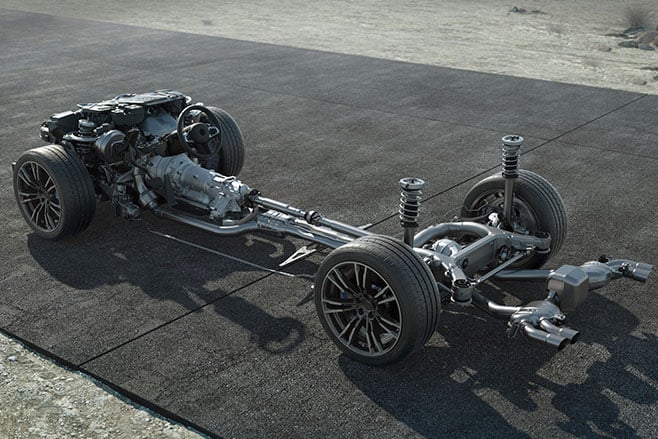
Sending power from a front-mounted engine to the rear wheels requires a propshaft and rear differential, which take up space and add more weight. Most rear-drives have a ‘transmission tunnel’ which robs some cabin room along the middle of the car.
FRONT-WHEEL DRIVE
Advantages
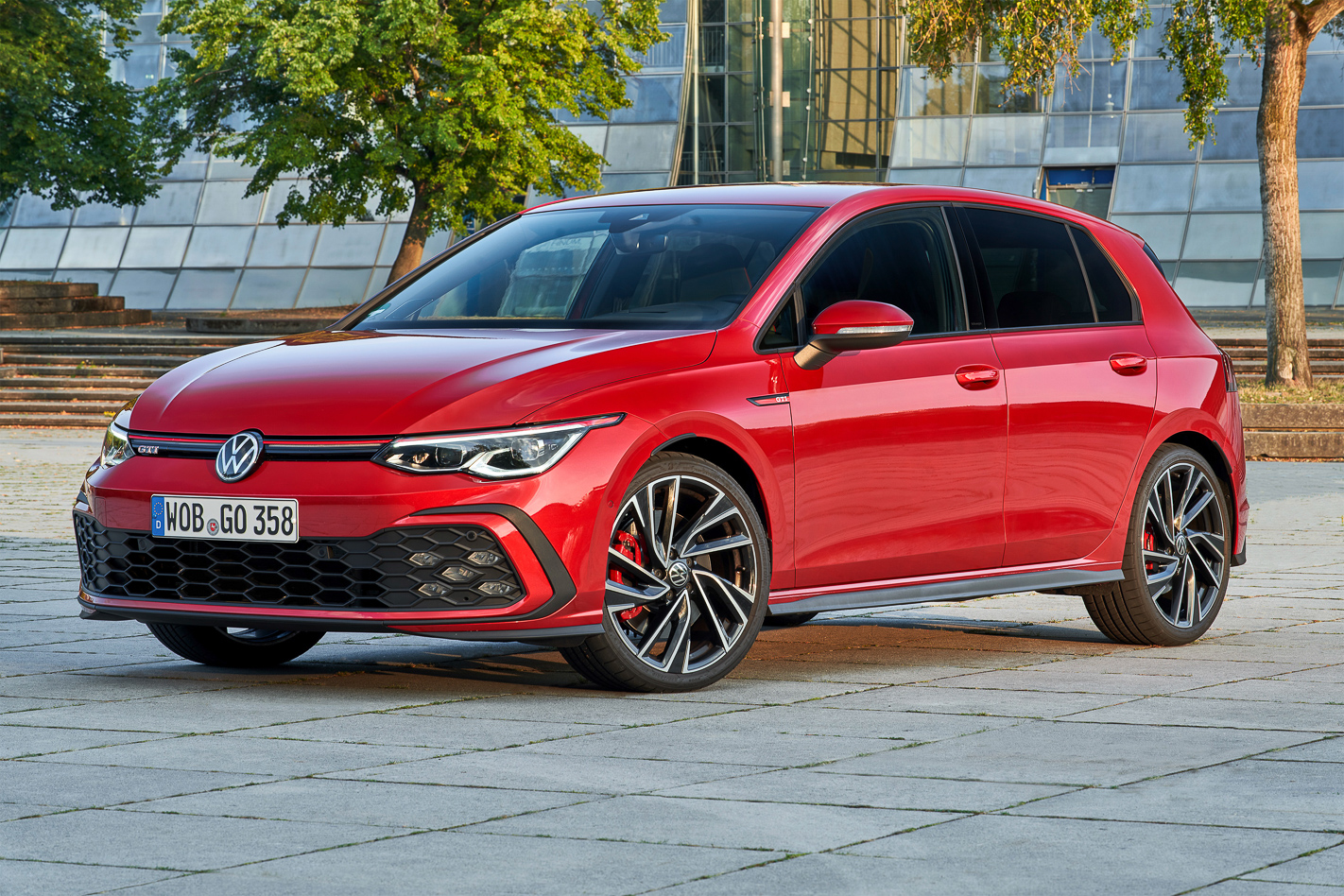
By confining the bulky engine, gearbox, driveshafts and steering to the front end of the car, the rest of the vehicle’s space is freed up for occupants and luggage.
The overall vehicle package can also be made smaller and virtually all vehicles in the compact segment use a front-engine, front-wheel drive layout.
Disadvantages
For high-performance applications, getting power down to the road through the front wheels causes more problems than a rear-driven car, and wheelspin is more likely, particularly on slippery surfaces such as mud and ice.
Another typical front-drive trait in more powerful vehicles is an effect called ‘torque steer’ which is when the car pulls to one side with heavy throttle application. Many manufacturers have attempted to counter the effect with a number of solutions, and with varying levels of success.
Front-drive cars use a device called a ‘constant velocity’ joint or CV joint which allows the drive shaft to turn with the steering wheels but the limited dexterity of the CV joint also has a limitation on maximum steering angle and turning circle.
With the entire drivetrain over the front axle, front-wheel drives have a natural tendency towards understeer, which is exacerbated with the application of too much power, just as excessive power encourages oversteer in rear-drives.
It is also harder for engineers to distribute the vehicle weight equally over the axles, which effects handling.
ALL-WHEEL DRIVE
Advantages
In a word – traction. With all four wheels sending torque to the surface, all-paw cars offer a safety and performance advantage compared with two-wheel drive cars, particularly in adverse weather conditions and on loose surfaces.
Acceleration from a standing start is generally faster in high-powered vehicles with the maximum power of the engine shared between a larger tyre contact patch.
The traction advantage also makes four-wheel drive cars more suitable for towing larger loads or on slippery surfaces where the extra ground-clearance of an SUV is not necessary.
Disadvantages
With an extra axle to drive, the additional differential and pair of half-shafts makes a four-wheel drive system heavier than two-wheel drive systems and this will have an effect on fuel consumption and possibly handling.
There are systems that disconnect one pair of wheels when they are not required which reduces rotational losses but they cannot reduce the consumption caused by carrying around extra weight.
The extra differential and drive shafts can also increase the amount of service items that require attention when in for maintenance work.
Myth…
All-wheel drive systems do not increase the ‘grip’ of a tyre. Four-wheel drives have a traction advantage over two wheel drives because all four tyres can contribute but, ultimately, the grip of a vehicle is dictated by the performance of the rubber on the road.
This particularly applies to during cornering where the speed of the car is governed, not by the driven wheels, but more by the weight-distribution of the car, centre of gravity, tyre performance and suspension system.
There are exceptions to all of the examples given, and the above is intended only as a general guide to help you start thinking about which layout best fits your requirements, but as always, the best approach is to get out there and start test driving.
Snapshot
- Over 360,000 EV chargers will be available for BMW customers in China
- German brand has plans for factories to be carbon neutral by the end of year
- Mobile app will allow owners to access wider range of chargers
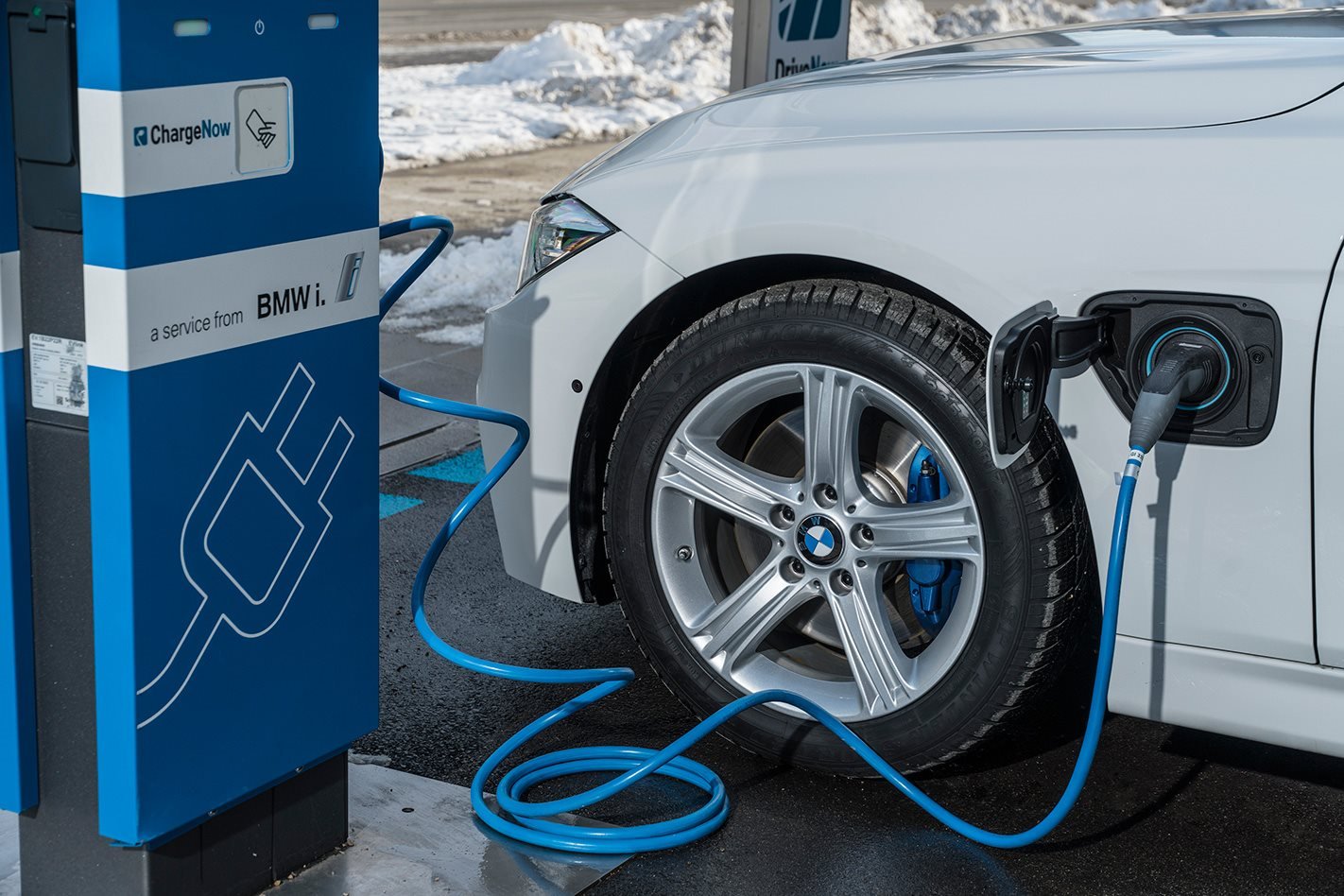
BMW has its sights set firmly on China – announcing an additional 60,000 EV chargers to its already 300,000-strong network.
The Chinese market remains a key area of focus for BMW, with the German marque expanding its vehicle range to 12 by 2023.
The increased network size will come thanks to BMW entering into partnerships with other companies in China, allowing owners to access a wider range of electric charging stations through its mobile phone app, according to BMW Blog.
BMW’s China CEO, Jochen Goller, said the company is committed to lowering its carbon footprint and aims for its Chinese plants to become carbon neutral by the end of 2021.
“As a multi-national company with a large-scale footprint in China, BMW is fully supporting the country’s transition toward a low-carbon economy by placing sustainability at the core of our own China strategy,” Mr Goller said according to BMW Blog.
BMW also wants to reduce its CO2 emissions by 80 per cent by 2030 (compared to 2019 levels), which it says will be achieved through cleaner manufacturing and producing more environmentally-friendly vehicles.
China also wants to become carbon neutral, with President Xi Jinping aiming for his country to achieve the feat by 2060 through supporting manufacturers and investing in better infrastructure for EVs.
