
BMW’s first all-electric performance car
- 400kW/795Nm dual-motor drivetrain
- 3.9sec 0-100km/h with launch control
- Arriving in Australia first quarter of 2022
Welcome to the revolution. The BMW i4 M50 is a landmark vehicle, the first all-electric performance car to wear the ‘M’ of BMW’s performance sub-brand.
BMW M boss Markus Flasch teased the existence of a new battery-powered performance model in an interview with Wheels in September 2020 and now we can dig into the details of the final product.
Australian pricing and exact specification for the i4 M50 is yet to be revealed, but it’s due to hit local shores in the first quarter of 2022 and we’d speculate the price to fit neatly between the $111,900 M340i xDrive and $144,900 M3.
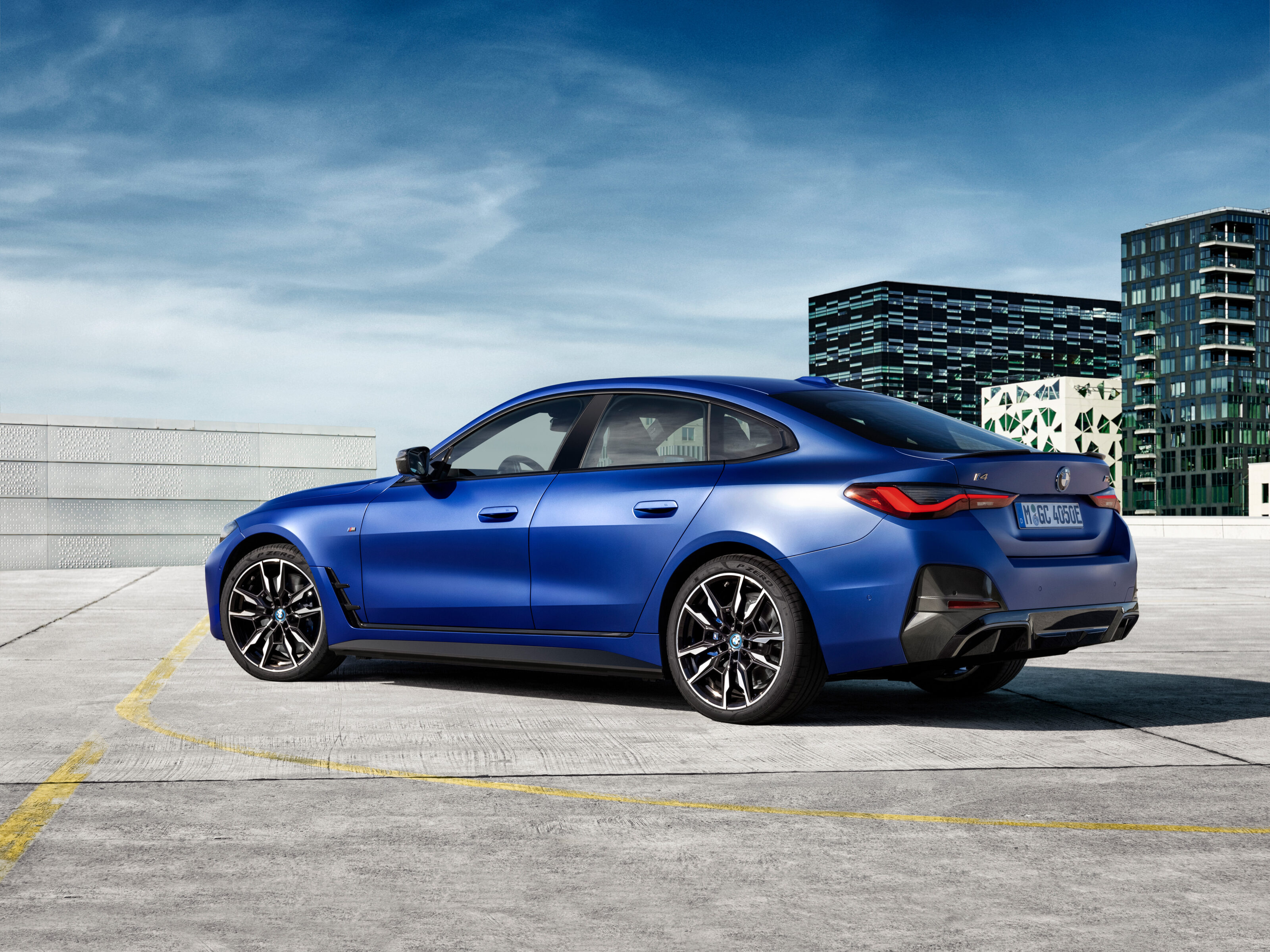
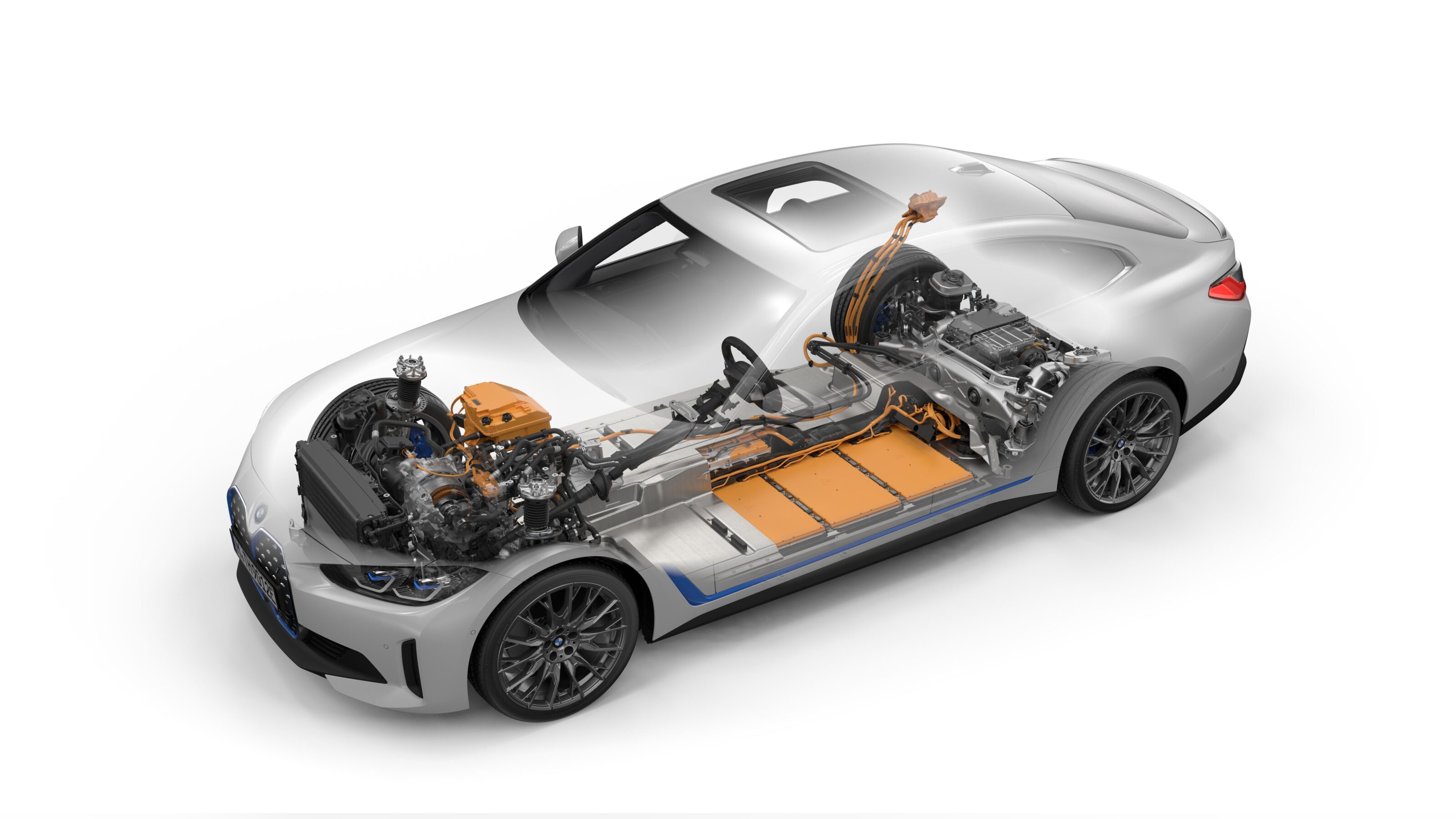
It’s likely to be closer to the latter, but then this zero emissions Gran Coupe has the performance to back up the price tag. Under the floor is an 80.7kWh (83.9kWh gross) lithium-ion battery pack feeding a pair of electric motors, the front one producing a maximum of 190kW and the rear 230kW.
In regular driving they combine for a maximum of 350kW/730Nm but on overboost function in sport mode liberates the full 400kW/795Nm for up to 10 seconds at a time. In conjunction with launch control, this catapults the i4 M50 to 100km/h in just 3.9 seconds. Top speed is electronically limited to 225km/h.
Maximum range is claimed to be 510km using the WLTP cycle, with the use of a DC fast charger topping the battery up from 10 to 80 per cent in 31 minutes, while an 11kW AC charger takes around 8.5 hours to charge from 0-100 per cent.
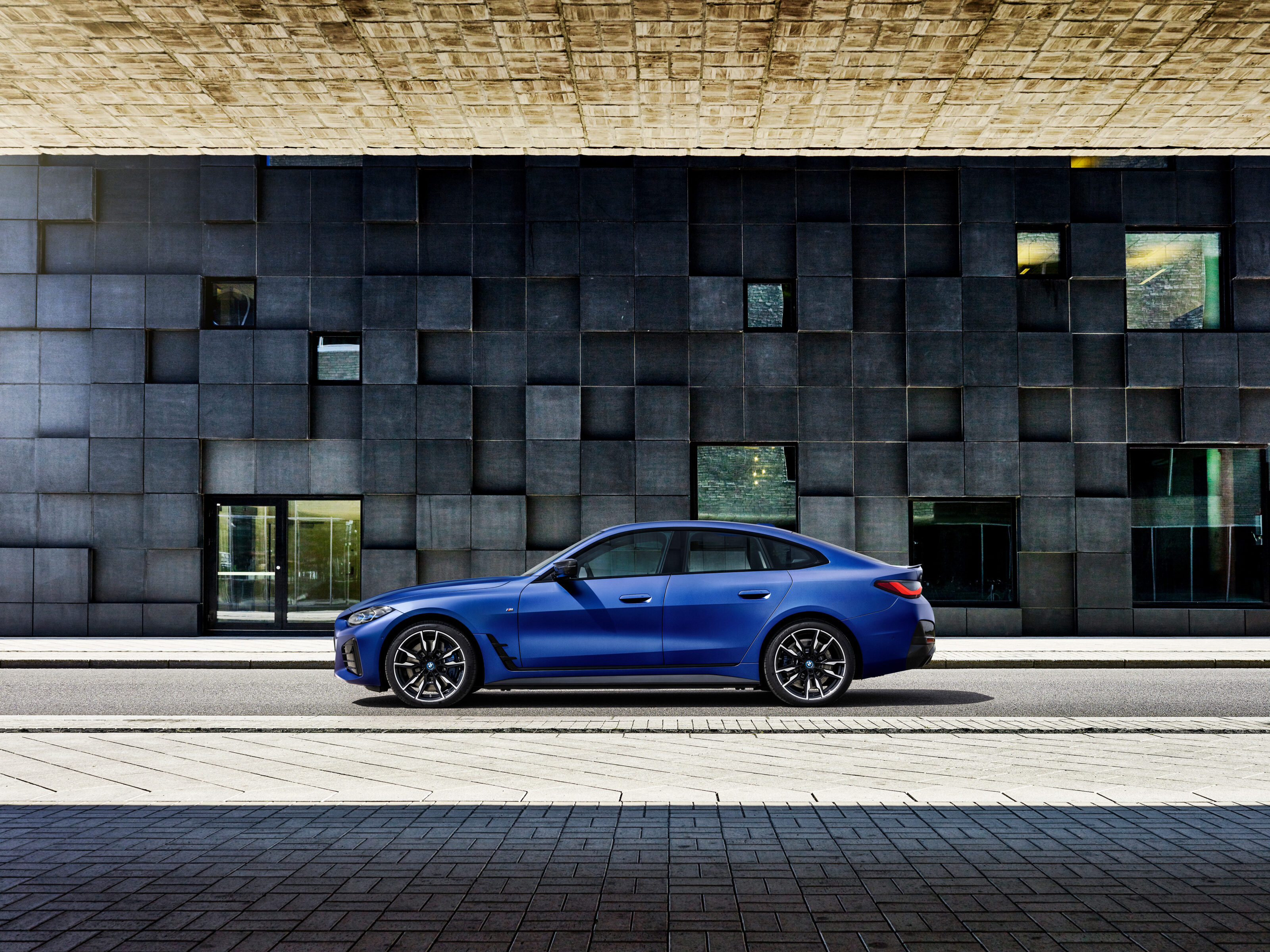
The use of two motors allows for fully variable all-wheel drive, the i4 M50 using just the rear motor in normal circumstances to maximise range and efficiency, yet being capable of engaging the front motor as required in just a fraction of a second to improve traction.
It’s the first all-wheel drive application of BMW’s fifth-generation eDrive system, which includes the battery, power electronics and motors, which BMW claims now operate at 93 per cent efficiency, compared to less than 40 per cent for the typical internal combustion engine (ICE).
By electrically exciting the motors instead of using permanent magnets, the need for rare earth materials is dramatically reduced and BMW sources all of its battery materials and then distributes them to suppliers to ensure ethical practices. The lithium required for the i4’s batteries is actually sourced from Australia, while all BMW’s battery cell makers have pledged to only use renewable energy.
The battery pack has an eight-year/160,000km warranty and BMW claims that the i4 reduces a car’s environmental impact by 47 per cent over 200,000km when compared to a comparable ICE vehicle (using EU average electricity). It also claims maintenance costs are reduced by 30 per cent.
All of which is very laudable, but what of the driving experience? As ever, weight is the electric i4 M50’s Achilles’ heel. At 2215kg it’s a hefty thing, though the weight is distributed fairly evenly at 48.1/51.9 per cent front-to-rear and the centre of gravity is 34mm lower than that of a 3 Series.
Speaking of, in size the i4 M50 is similar to an M3, being 11mm shorter in length, 51mm narrower and 15mm taller with a virtually identical wheelbase, though its quasi-hatch layout gives it an impressive 470L boot, which expands to 1290L with the rear seats dropped.
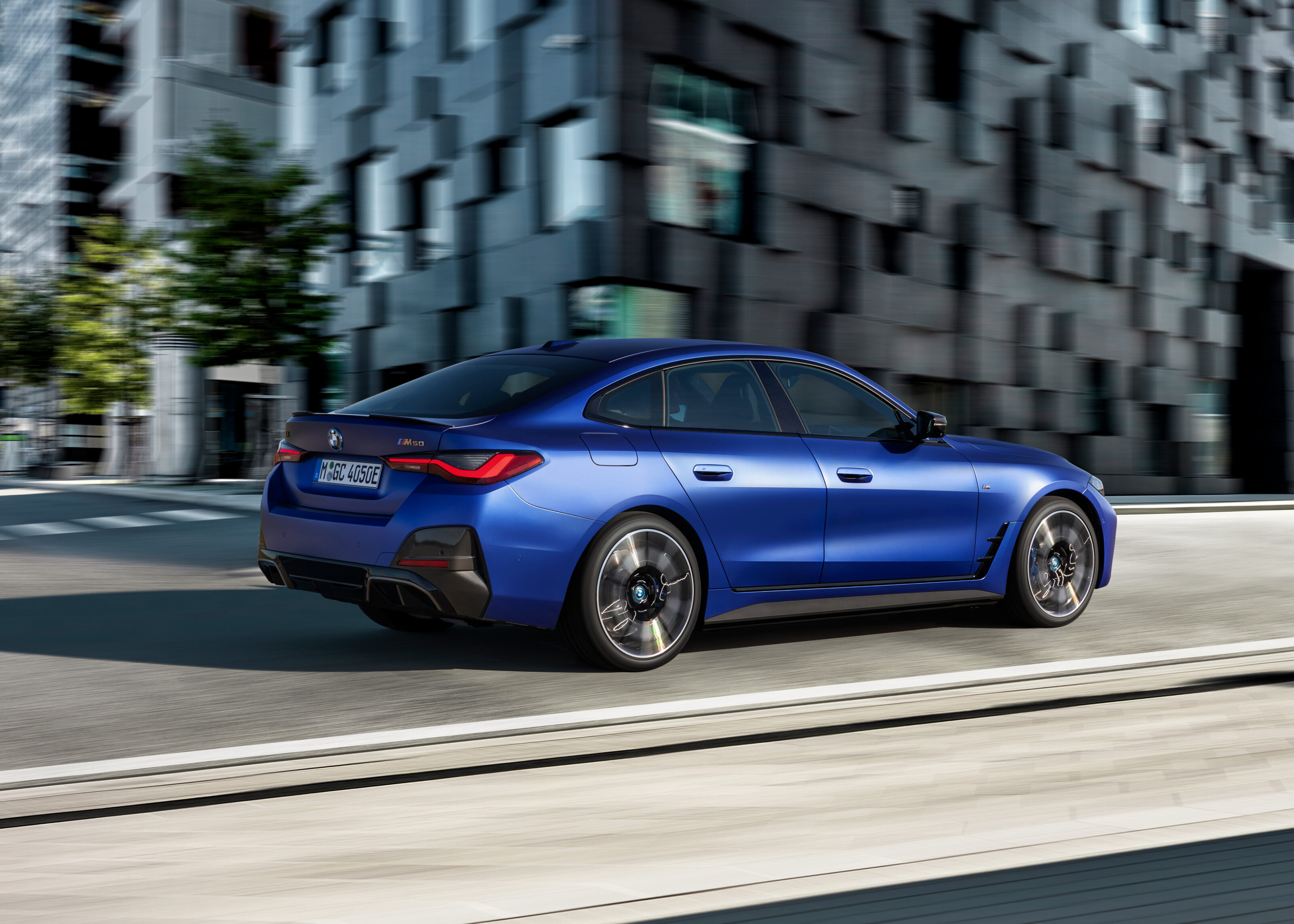
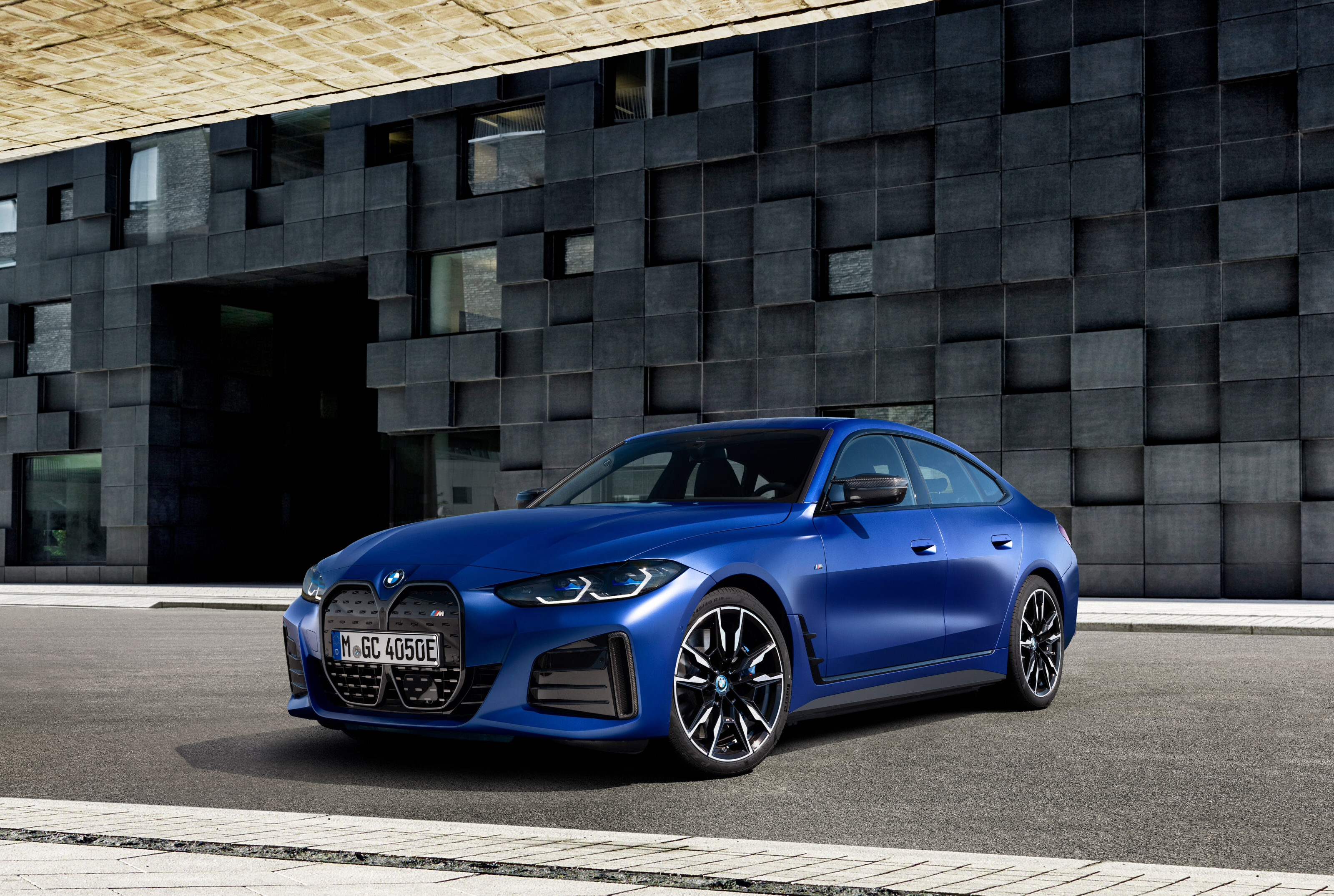
Suspending the i4 M50 is the familiar BMW combination of a double-joint strut front end and five-link rear, with adaptive dampers as standard and self-levelling air springs in the rear. Wheels are 18-inches standard, but we’d expect Australian cars to receive the optional 20s seen in this image wearing wider tyres, 255/35 front and 285/30 rear.
Larger M Sport brakes feature 374mm discs and four-piston calipers at the front, though the vast majority of the i4’s braking will be done by the regenerative capabilities of its electric motors.
Speed-sensitive steering in terms of both its ratio and power assistance is also standard, BMW claiming a quick ratio and easier effort at parking speeds yet greater stability and resistance at higher speeds.
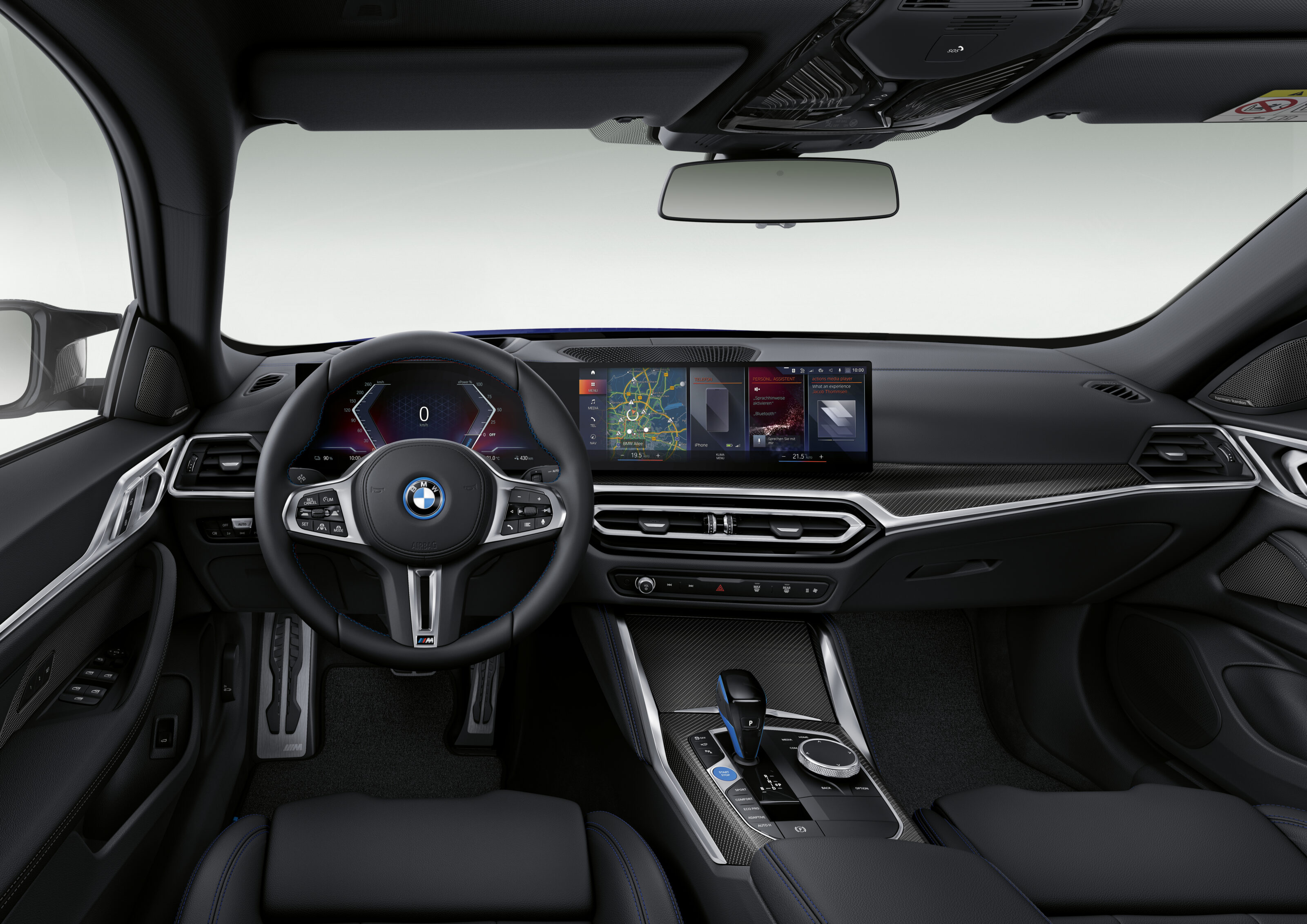
Inside, the headline news is the i4 M50’s whopping new one-piece glass screen, which combines the 12.3-inch information display and 14.9-inch display into one single unit. It runs the latest BMW Operating System 8 and includes BMW Live Cockpit Professional, which includes more technology than we can possibly cover here.
Some of the highlights include an upgraded ‘personal assistant’ which can detect which occupant is speaking and display on the portion of screen nearest to them. The assistant can now also be given an individual name, which is getting a bit close to the movie Her for our tastes.
Level two autonomous driving capabilities have been expanded, with the i4 able to recognise traffic lights of its own accord, stick to speed limits and use the adaptive cruise to slow to an appropriate speed for corners and junctions as well as the usual suite of driver aids such as lane keep assist, autonomous emergency braking (AEB) and the like.
In an effort to give the i4 some aural personality, legendary music composer Hans Zimmer helped develop a number of start-up and driving sounds that play, or drivers can opt for complete silence.
We’ll bring you further details, including pricing and exact local specifications of the i4 M50, closer to its launch in early 2022.
If you’re like us and the odds of you ever owning a McLaren Elva hinge on how lucky you are with your Lotto ticket, then this new kit from Lego may just be the perfect compromise.
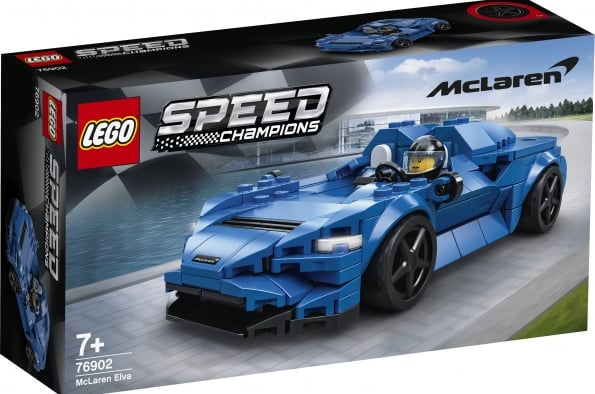
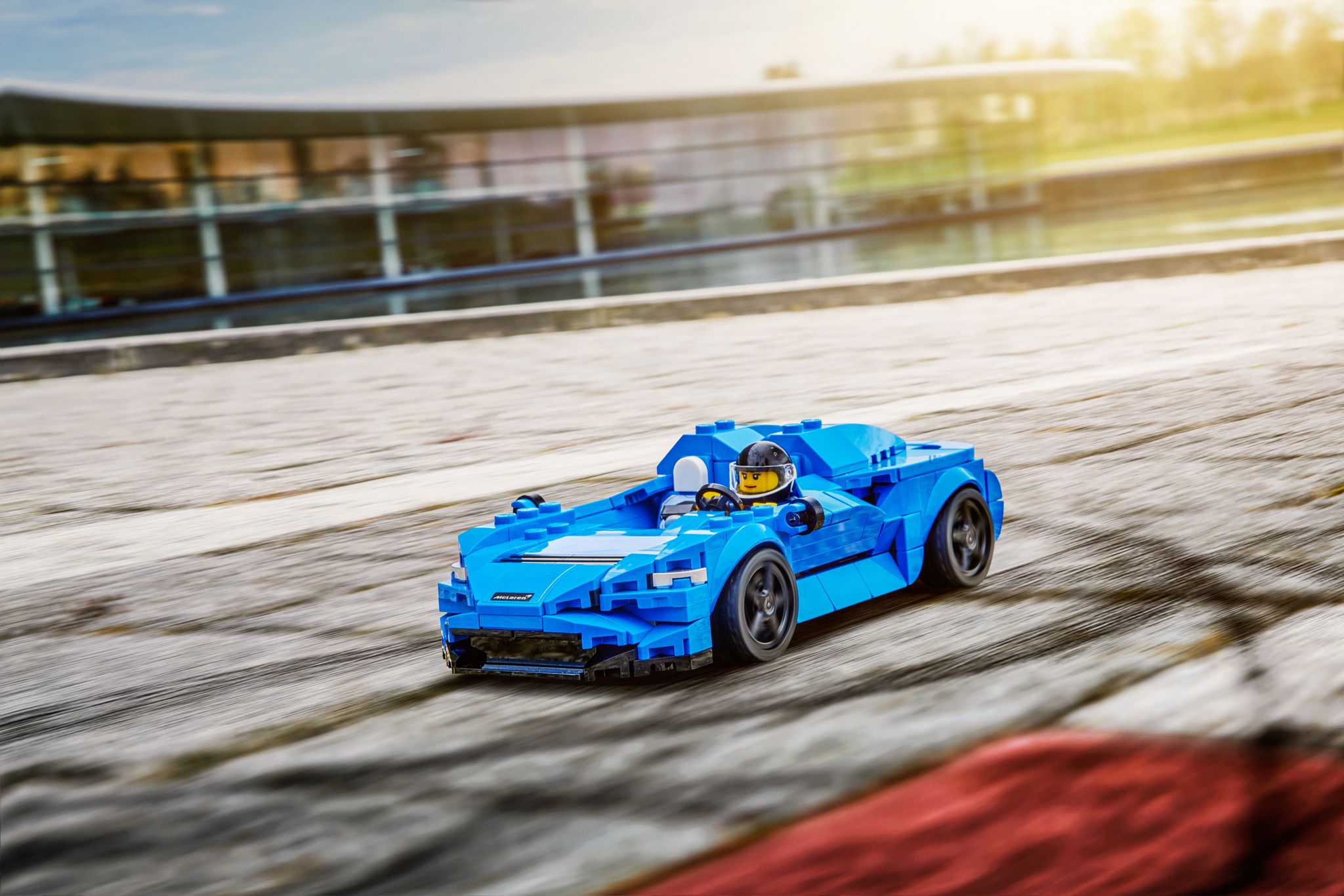
The McLaren Elva is the latest addition to the McLaren hypercar stable, and with it now being said that just 149 examples of the topless hypercar will be built, this latest addition to the Lego Speed Champions line-up may be the closest young (and old) McLaren fans ever get to seeing one.
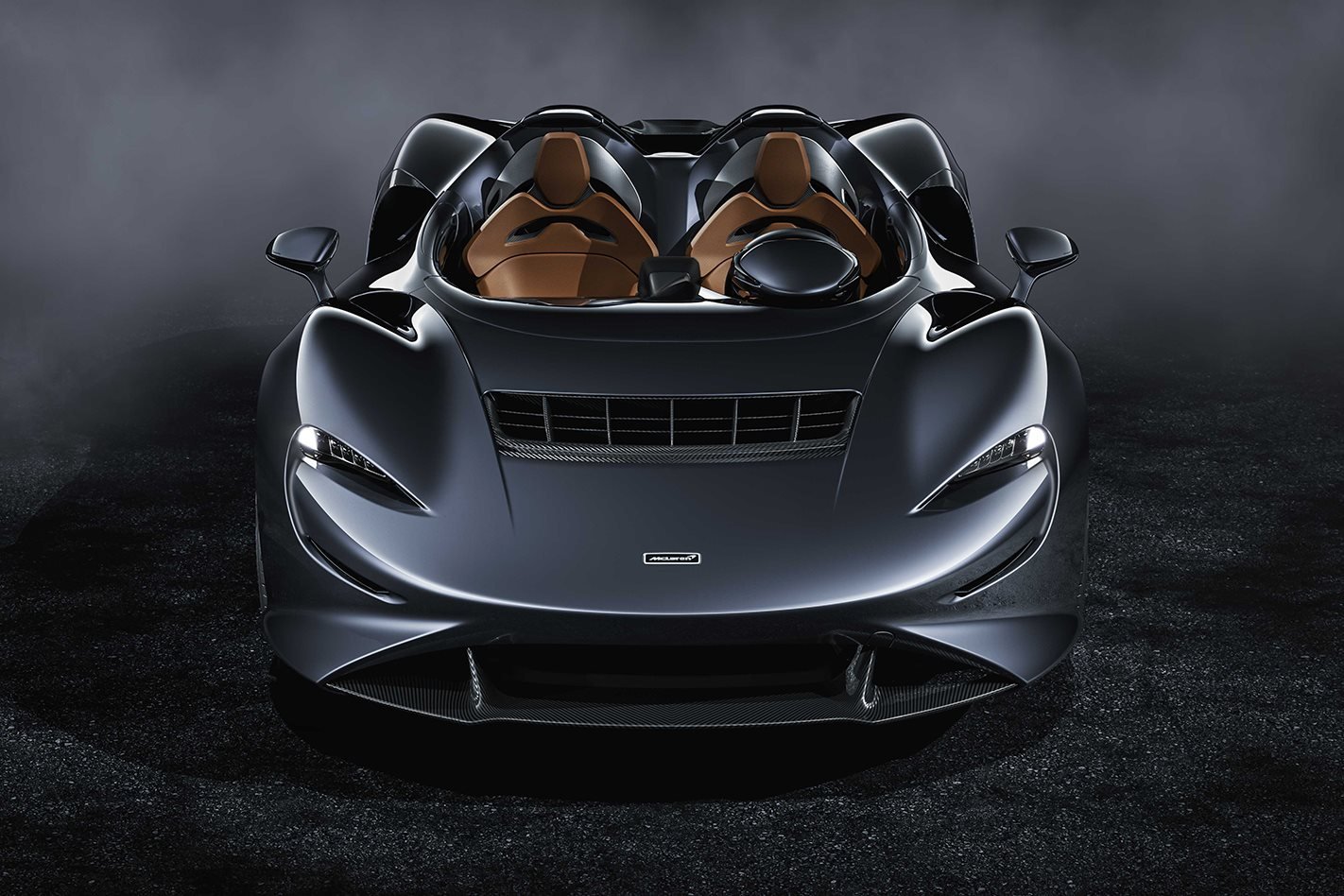
The 263-piece kit stays accurate to the real world windowless Elva – although customers of the real thing can now option a windscreen – and features a minifigure inspired by McLaren Automotive’s Principal Development Engineer for Ultimate Series, Rachel Brown.
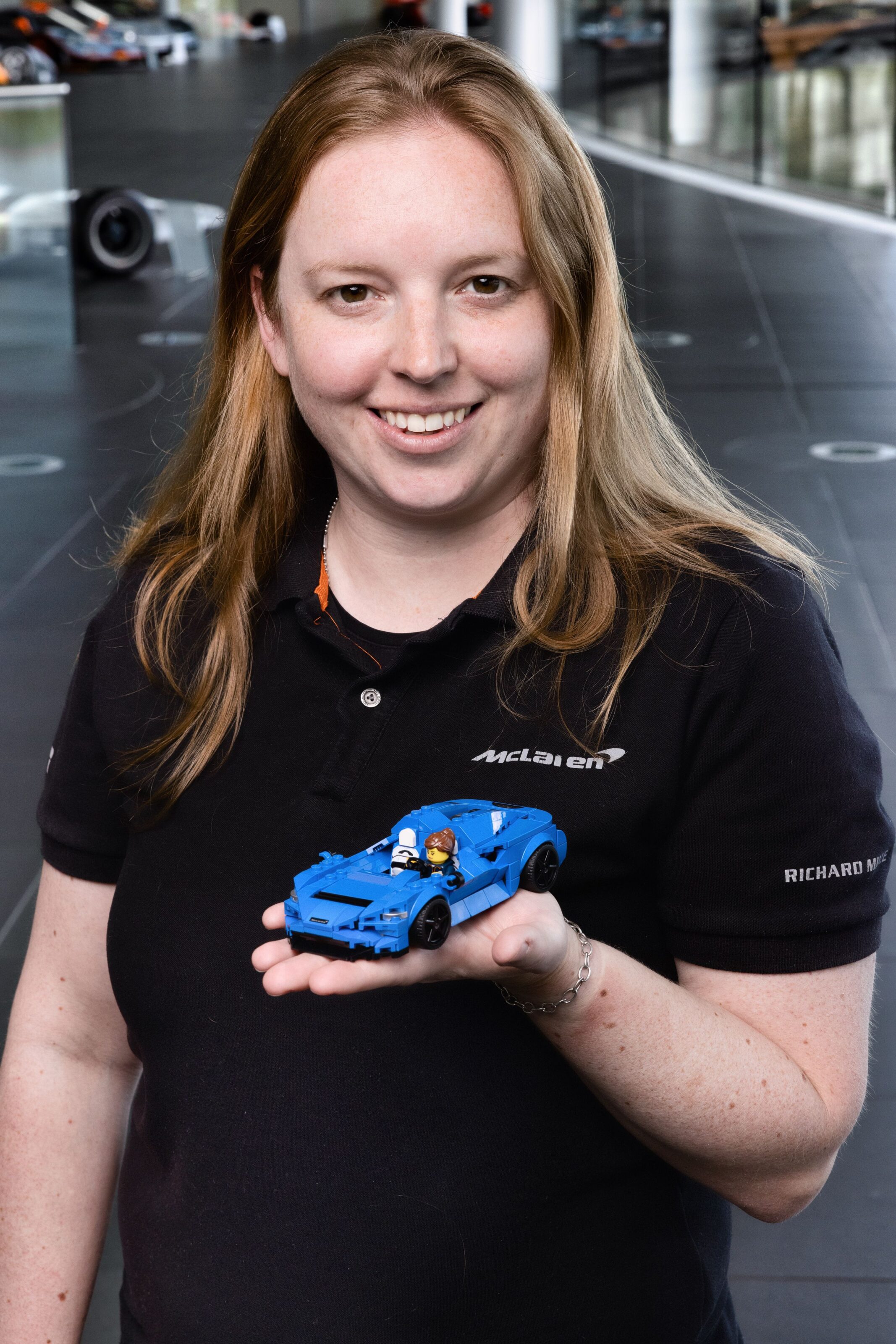
“I hope that it inspires other young people to follow their passions and pursue careers in the automotive or design and engineering industries. There are so many incredible opportunities,” said Brown.
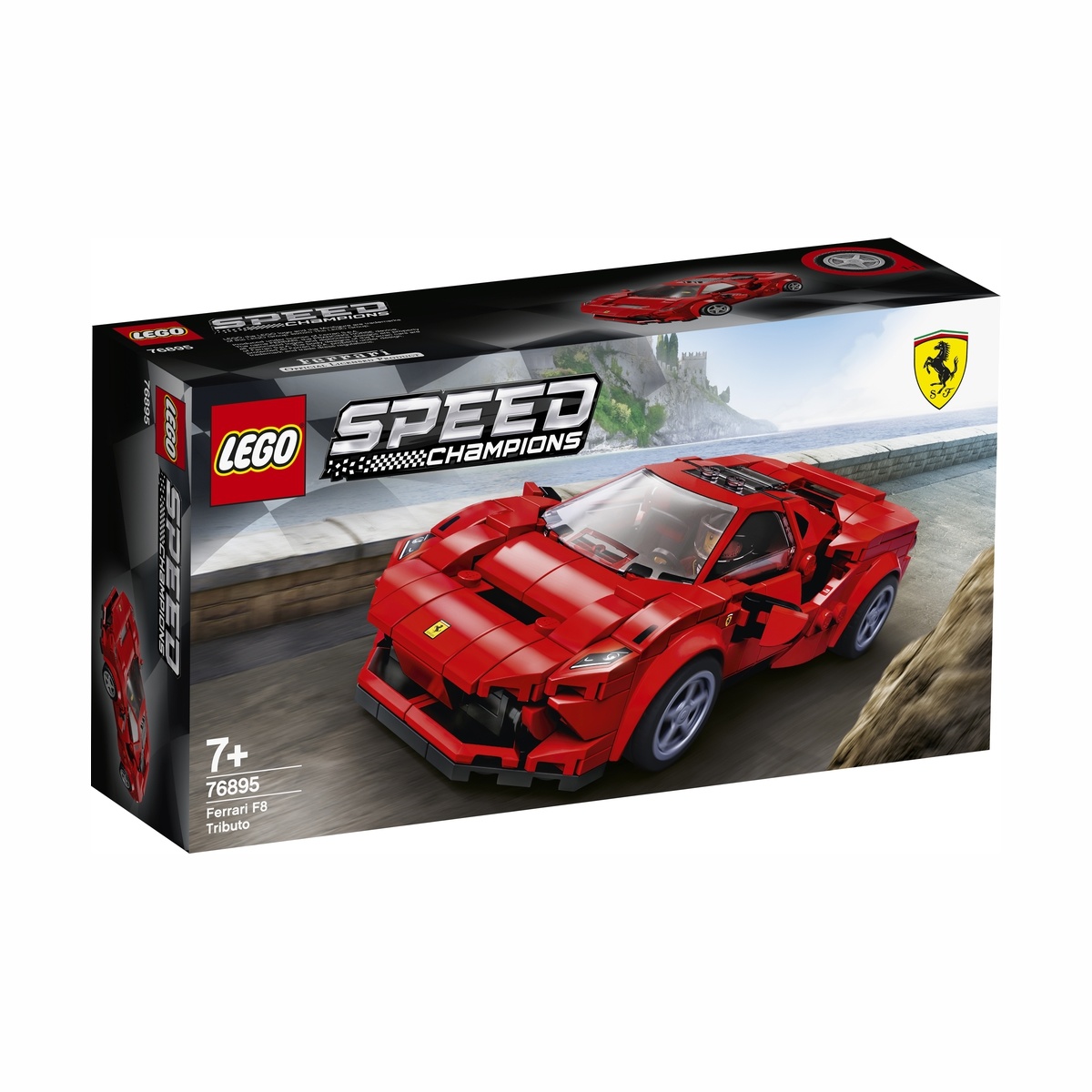
The Speed Champions series from Lego has seen a number of high-end supercars fall into the lap of car fans, including the Ferrari F8 Tributo and Nissan GT-R Nismo GT3 Speed Champions kits.
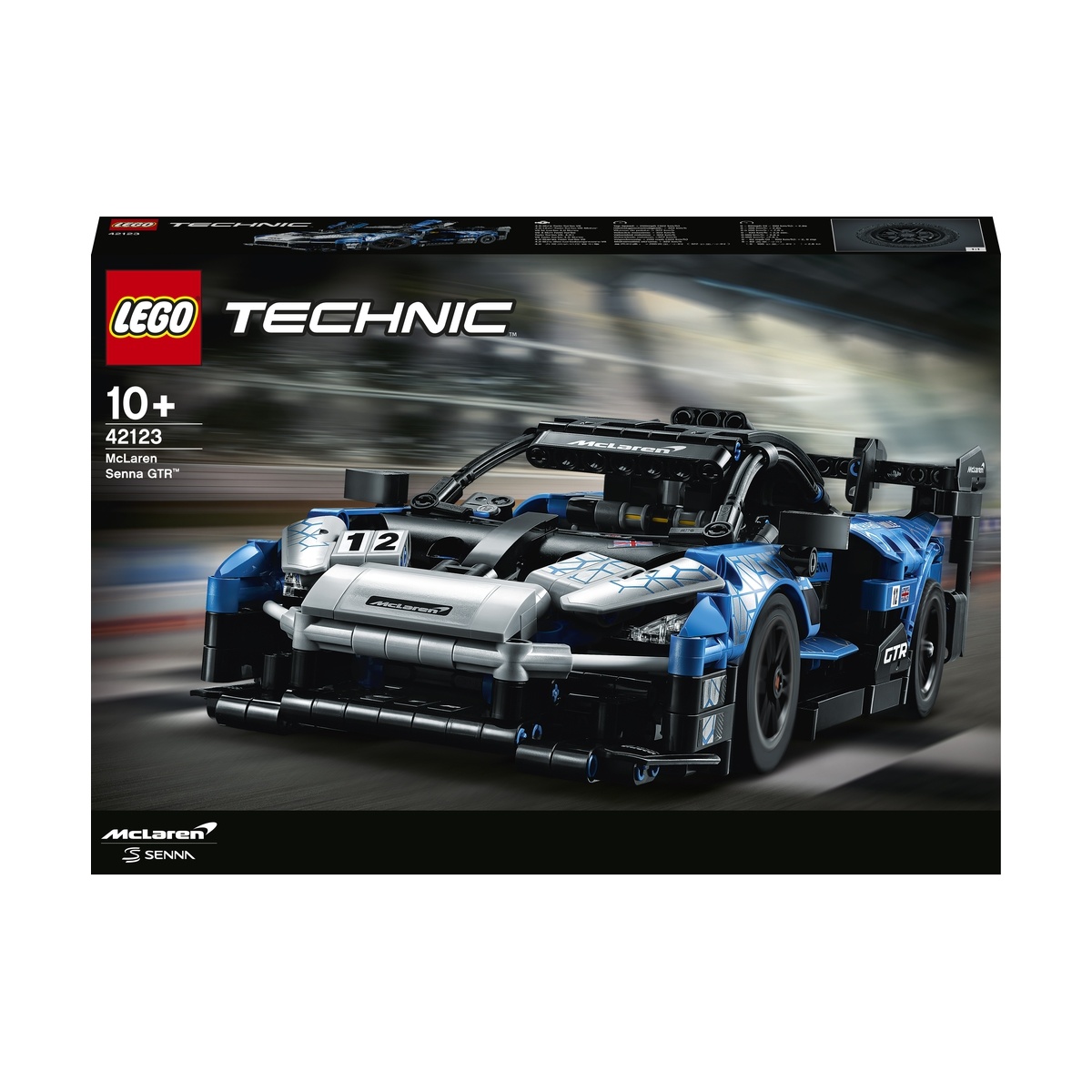
The new Elva announcement also adds to the list of McLarens diluted down into Lego kits over the years, including the Lego Technic Senna GTR which is still available.
The new Elva kit was released to the world on June 1, and we expect it to be available locally through all common toy retailers soon for around AU$25.
Snapshot
- Toyota Bahrain announces launch date of June 10 Australian time
- Popular 200 Series set to be replaced after nearly 15 years in production
- Increased payload expected from upcoming model
Set your alarms for the early hours of June 10 if you want to be one of the first to see the new 300 Series Toyota LandCruiser, the updated model is finally getting an announcement date thanks to an unlikely source.
Toyota’s Bahrain arm released a teaser on its YouTube channel and social platforms, saying the live-stream reveal will happen at 3.30am AEST June 10.
Toyota Australia told WhichCar it has nothing more to announce just now, but “we’re excited to bring you that news on June 10th and hope you can tune in to watch it live. All will be revealed then.”
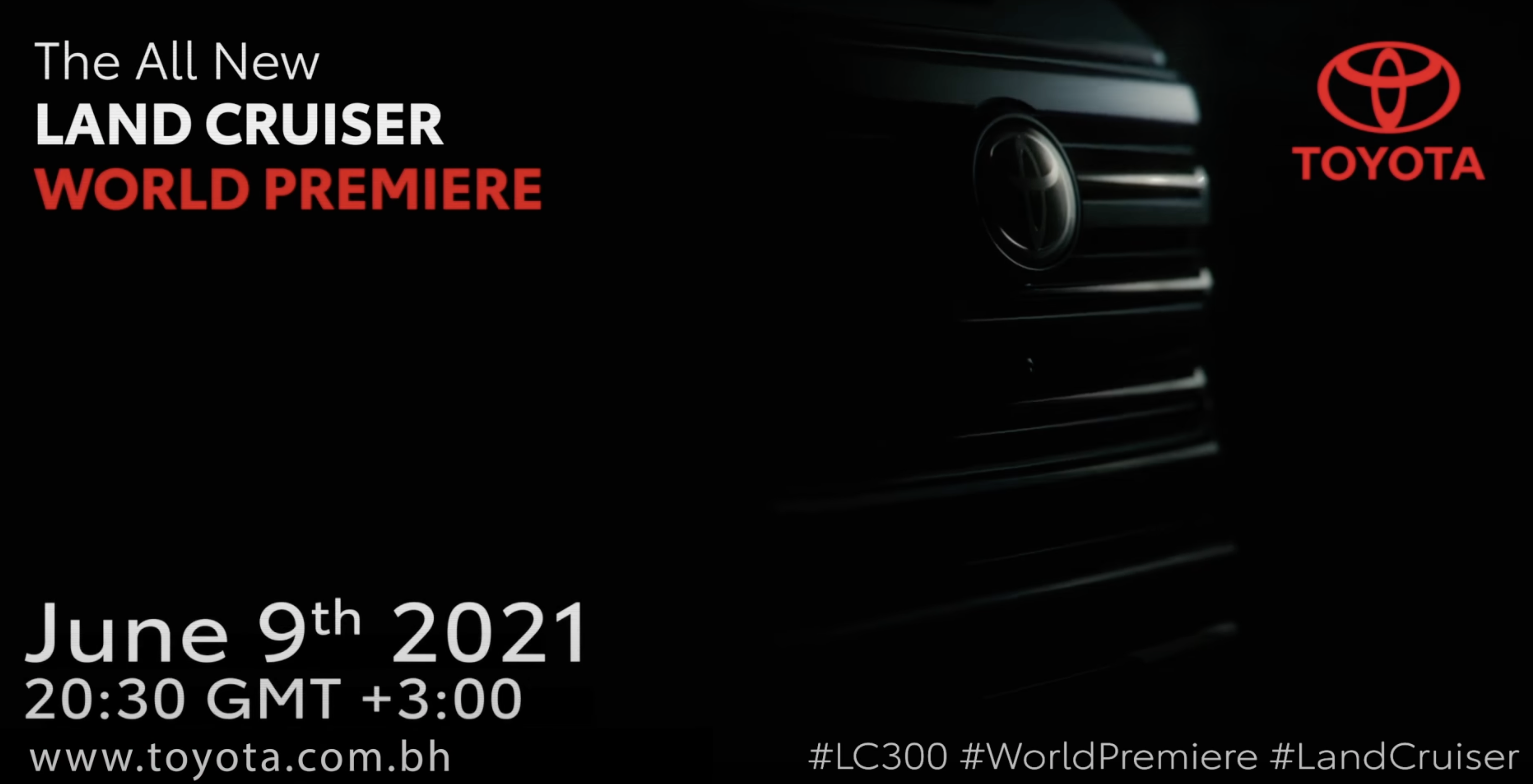
It becomes the first time any global arm of Toyota has given an official taste of the new LandCruiser’s design, though spy shots and leaked details have been rolling in at an increased pace recently.
Recent images have shown a six-stud axle on the 300 Series, hinting at a higher payload than the 200 Series’s current 600kg rating, while the North American Toyota Tundra, which shares its platform with the LandCruiser, has been spotted testing with the six-stud axle.
Although official information isn’t available, it is likely the new car will adopt a 3.3-litre V6 diesel twin-turbo engine in place of the 4.5-litre V8 twin-turbo unit found in the current range, owing to Australia being one of very few markets globally which still have the bent-eight.
WhichCar will continue to provide updates when more information is released.
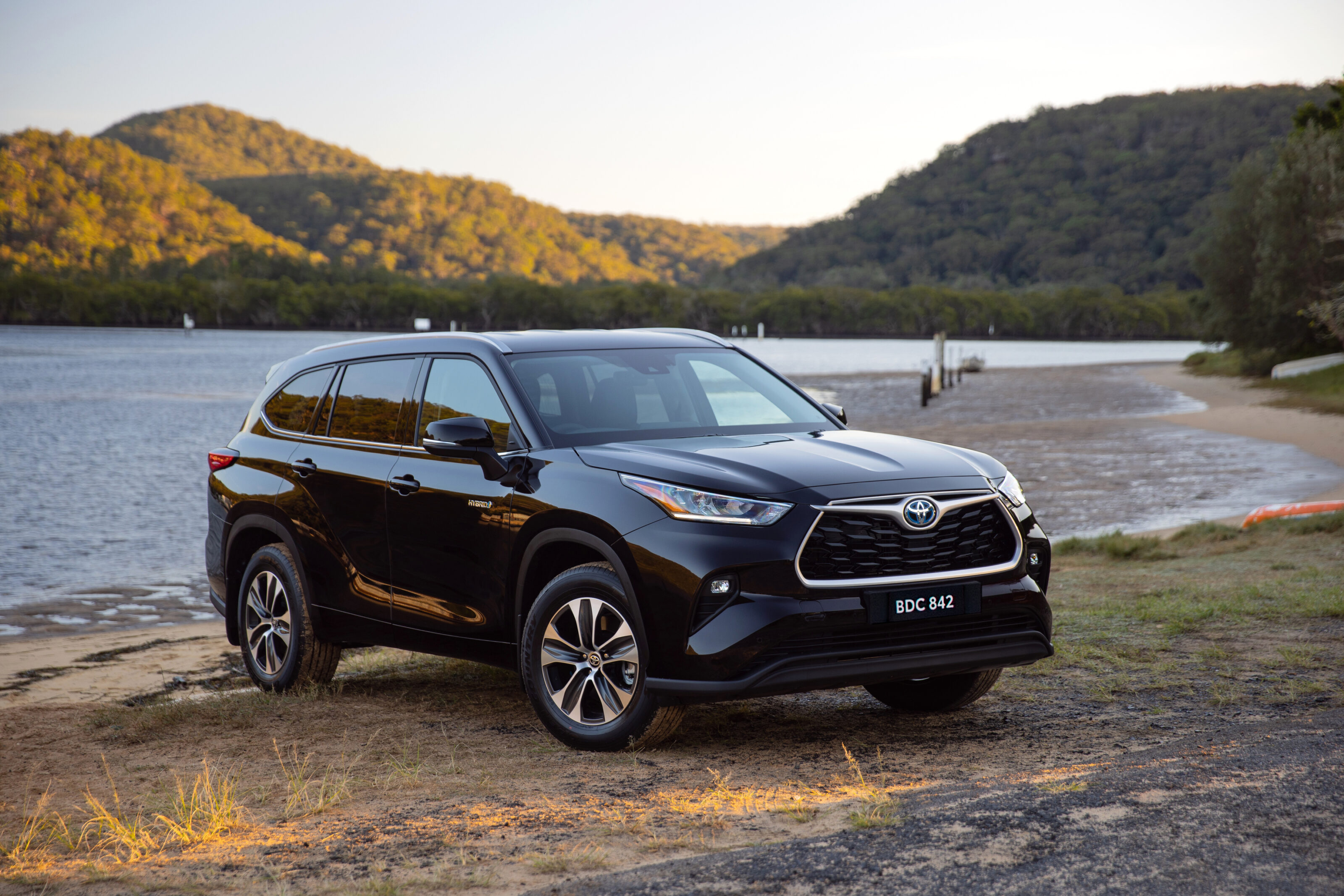
Update, June 2: Toyota Australia has officially launched the new 2021 Kluger SUV, featuring hybrid technology for the first time and increasing the Japanese manufacturer’s hybrid line-up to eight vehicles.
Today’s release includes photos of the Australian-spec Kluger for the first time, along with an updated options list for the full-sized SUV.
As well as the three trim levels available, Kluger buyers can also add on premium paint for $675 across all variants, with the Grande being the only version to have a rear entertainment system offered for $1,500 extra.
The story below has been updated to reflect further changes.
The story to here
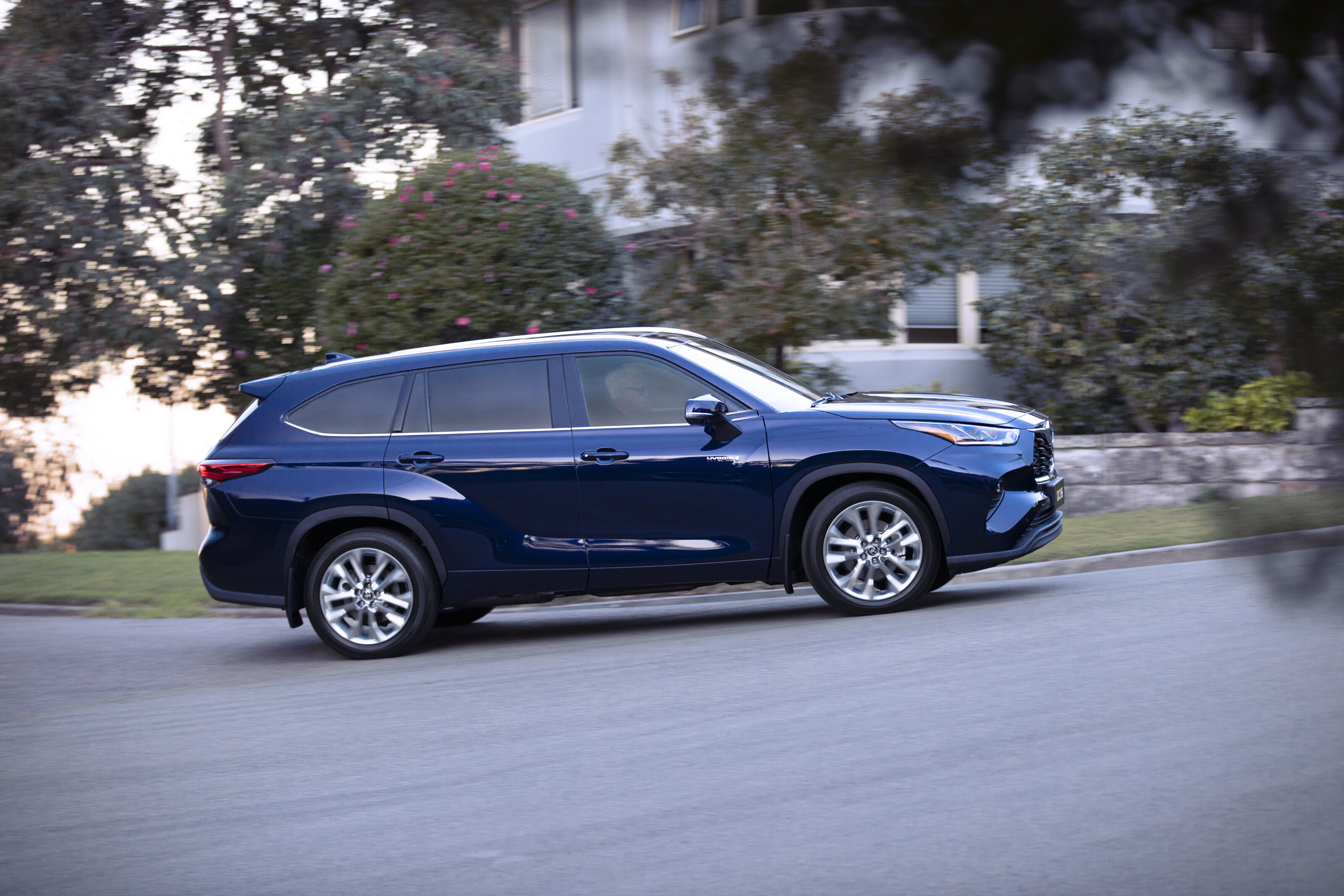
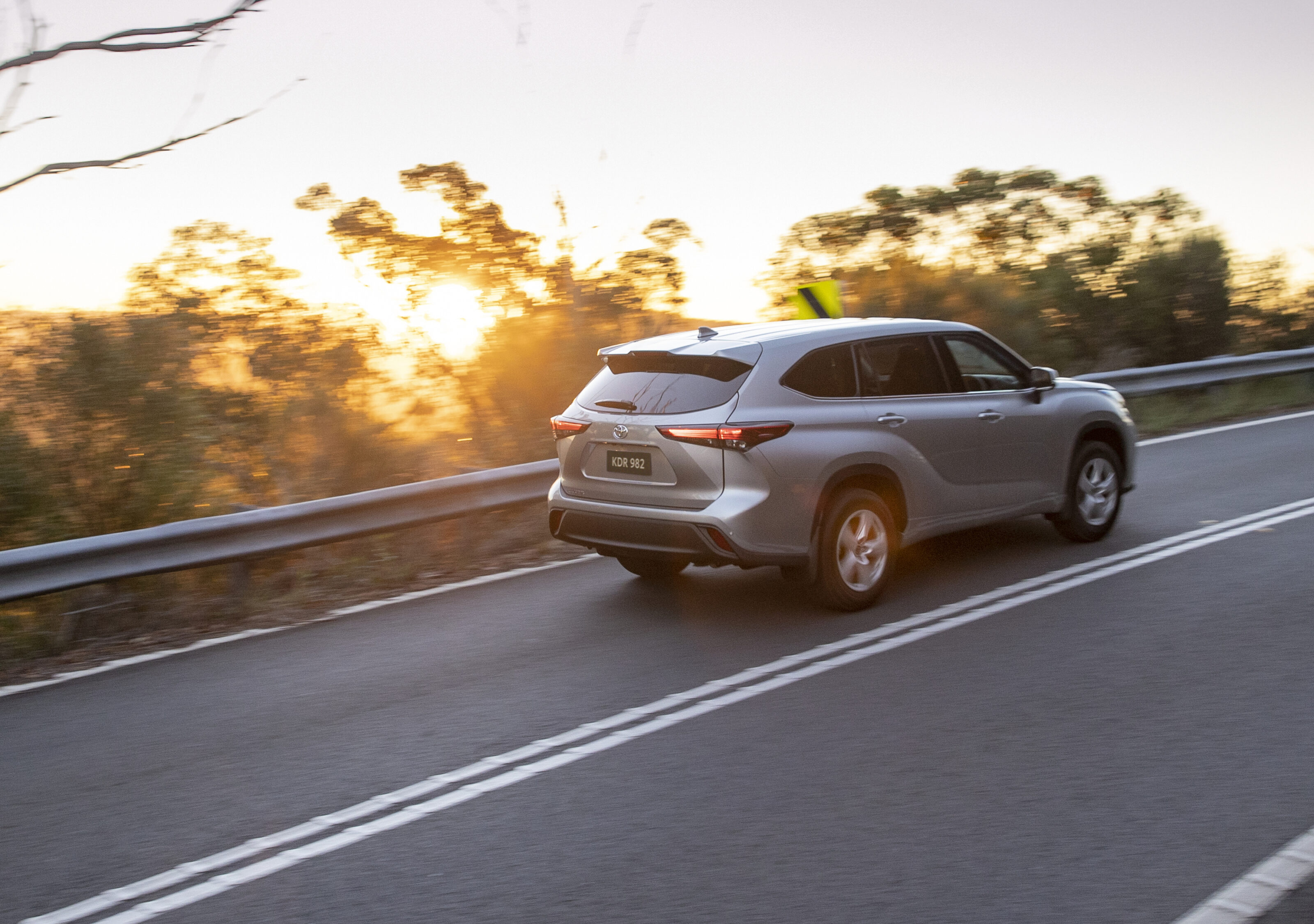
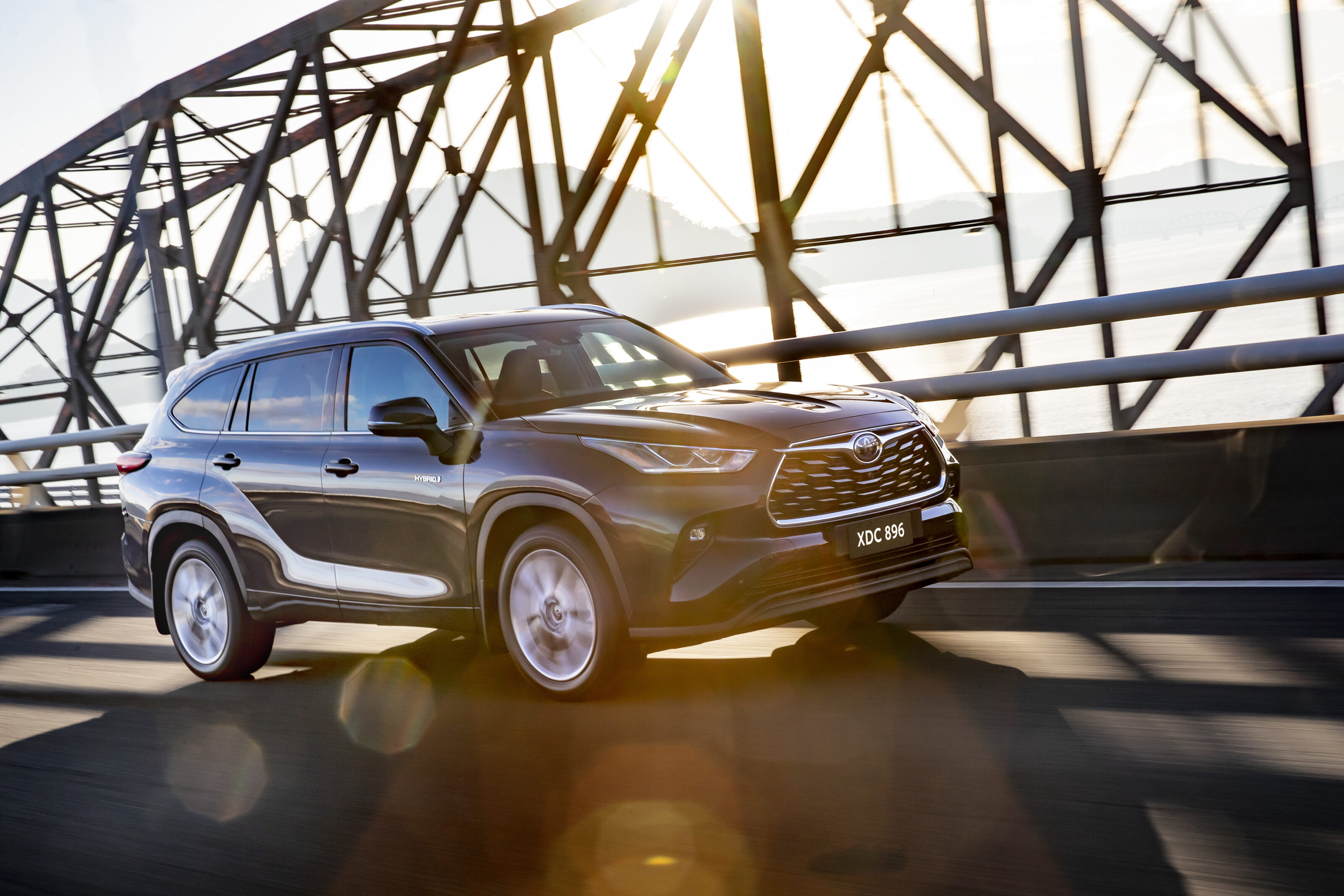
The 2021 Toyota Kluger seven-seater SUV is due in Australia soon, going on sale locally in June.
Built on Toyota’s versatile TNGA platform, the fourth generation of the popular family SUV offers a hybrid drivetrain for the first time, as well as a host of new tech and safety features.
These new highlights have brought with it a significant price hike for the entire Kluger line-up, which is now a minimum of $2800 dearer than the car it replaces, with prices starting at $47,650 before on-road costs.
There are three different trim levels across the model range – the entry-level GX, mid-range GXL and top-shelf Grande.
Powertrains and drive system
Two different powertrains are available from launch – a 3.5-litre V6 petrol engine and a 2.5-litre four-cylinder petrol engine coupled to a rear-mounted electric motor.
The V6 produces 218kW and 350Nm, and can be had in both front- and all-wheel drive versions of the new Kluger. An eight-speed automatic torque-converter transmission is standard.
Fuel economy is rated at 8.7L/100km for the FWD versions and 8.8-8.9L/100km for the AWD variants.
Acceleration figures are similar for the two drivetrains with the FWD variant having an advantage thanks to its 85kg deficit compared to the AW system, achieving 0-100km/h sprint times of 7.2 and 7.8 seconds respectively.
The AWD system found in the GX and GXL features a new Dynamic Torque Control system, which allows the rear axle to be disconnected when it’s not required, with torque split from 100:0 to 50:50 across the axles, according to the conditions.
The Grande model sees the AWD system gain torque vectoring, which adds a pair of couplings on the rear axle that enables torque to be sent independently to the rear left and right wheels as needed.
All petrol-powered AWD Klugers benefit from a multi-terrain drive select system that includes Rock and Dirt mode and Mud and Sand mode, which automatically adjusts the car’s steering, braking, throttle, and transmission to optimise traction and stability.
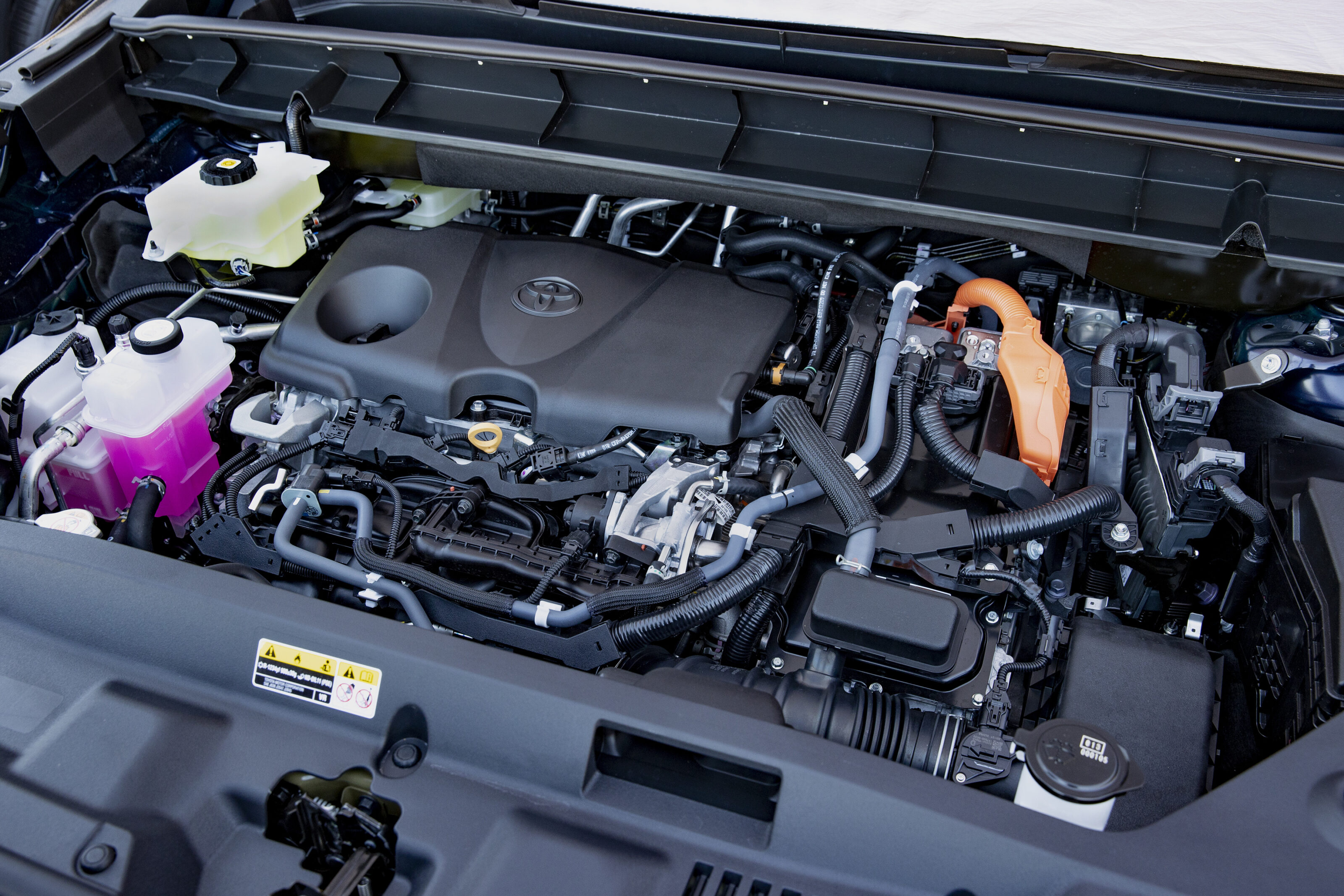
The four-cylinder hybrid powertrain is only available with an ‘e-Four’ AWD system, and has a combined power rating of 142kW and 242Nm.
The petrol and electric motors are mated to an electronic continuously variable transmission (e-CVT), with fuel economy rated at just 5.6L/100km – an impressive claim, given the SUV’s 2000kg-plus kerb weight.
Using its rear-mounted electric motor, Toyota’s e-Four AWD system can send up to 100 per cent of drive to the front wheels, or up to 80 per cent through to the rear, depending on conditions, allowing it to achieve a 0-100km/h time of 8.4 seconds.
Both transmissions also come equipped with three different driving modes – Eco, Normal and Sport.
The hybrid Kluger’s transmission is also been fitted with a trail mode switch, further enhancing traction on low-grip surfaces.
Regardless of the model or powertrain, the new SUV tops out at 180km/h and benefits from a completely new multi-link front and rear suspension setup, as well as a powerful braking package that features 340mm front and 338mm rear disc brakes to help slow down the two-tonne car.
Dimensions
All Kluger variants share the same external dimensions which make it bigger than the previous model. It’s 4966mm long (+76mm), 1930mm wide (+5mm), 1755mm high (+25mm) and a wheelbase of 2850mm.
Boot space is hampered by the third row of seats, standing at only 241 litres with them up (46 litres more than previous model) but going to 552 litres when folded down, increasing to 1150 litres when both the third and second row are collapsed.
Weight varies on combinations of trim, engine and drivetrain, with the range starting out at 1840-1910kg for the FWD V6, 1925-2000kg for the AWD V6 and all the way up to 2005-2050kg with the battery-laden AWD hybrid.
Safety
Standard safety features such as seven airbags and ISOFIX anchor points are bolstered in the new Kluger, with Toyota Safety Sense adding road sign assist, emergency steering assist and intersection turn assist.
The standard active cruise control not only controls the car’s speed all the way down to a stop but now includes a curve speed reduction function, slowing the vehicle down while in corners before getting back up to the set speed once it’s on a straighter bit of road.
Updated parking sensors on the front and rear of all Kluger variants will now be able to apply the brakes when reversing at low speeds, preventing contact with rear and side contact against objects.
These new aids work in conjunction with a host of other previously available safety systems such as pedestrian and cyclist pre-collision detection.
There’s also lane-keep assist and departure alert, auto-high beam, blind-spot monitoring, reversing camera, seven airbags and front and rear parking sensors.
Features
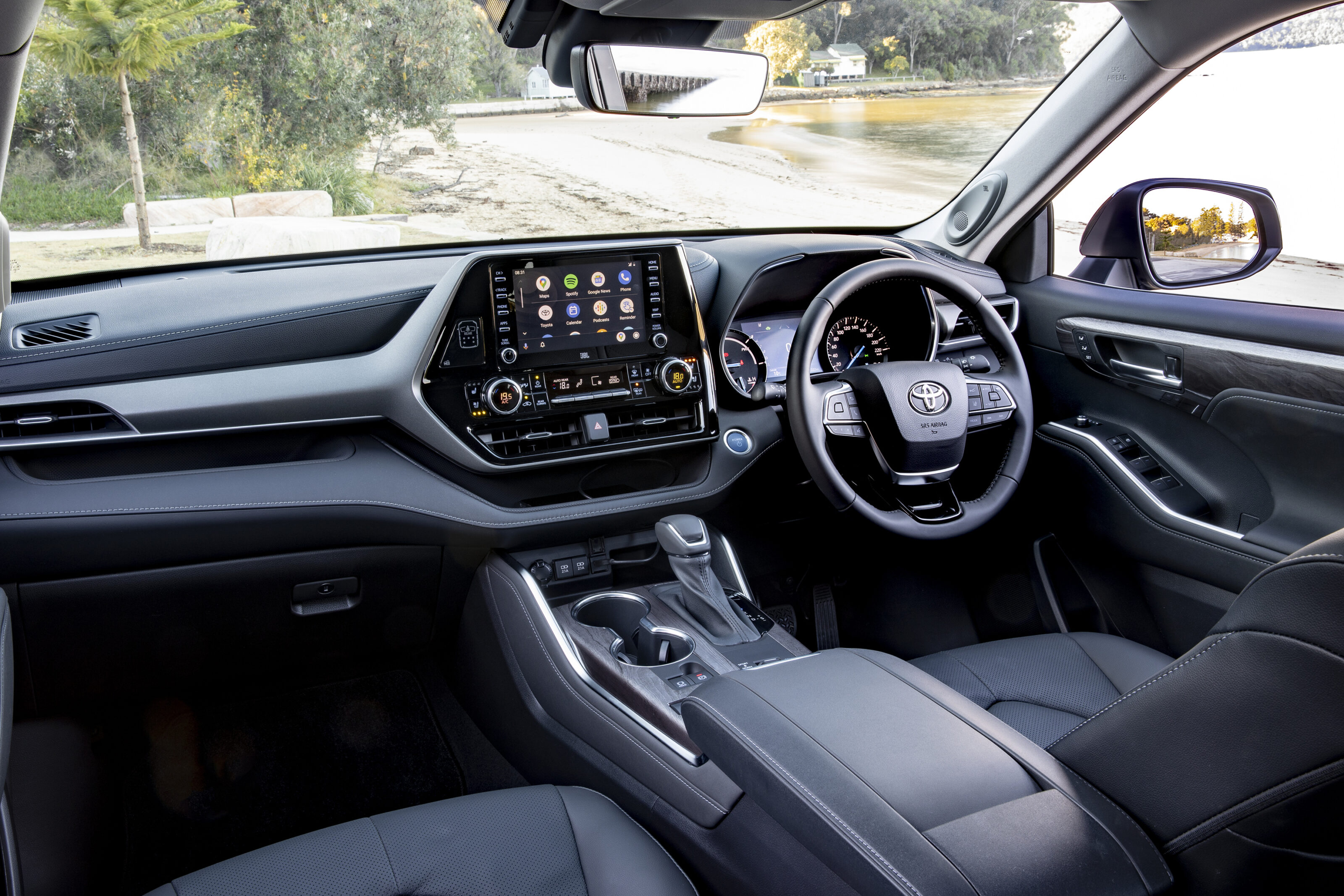
Inside, the infotainment system and its 8.0-inch touch display offers Apple CarPlay and Android Auto compatibility, AM/FM/DAB+ radio, and Bluetooth connectivity.
Other equipment that comes as standard across the Kluger range includes keyless entry and start, rain-sensing wipers, automatic lights, dual-zone climate control, and five USB ports as well as 18-inch, five-spoke wheels wrapped in 235/65R18 tyres.
The middle-range GXL model adds additional luxuries such as synthetic leather upholstery, satellite navigation, powered and heated front seats, and tri-zone climate control, scoring bespoke 18-inch wheels, coated in a metallic dark silver with a machined finish.
The range-topping Grande takes things a step further, adding heated and cooled front seats with additional leather accents, head-up display, 11-speaker JBL audio system, hands-free power tailgate, panoramic view monitor and a panoramic roof while also gaining 20-inch Chromtec alloys.
Joining the line-up of existing colours which include; Crystal Pearl, Silver Storm metallic and Eclipse Black mica, will be five new options – Graphite metallic, Atomic Rush red mica, Liquorice Brown mica, Saturn Blue metallic, and Galena Blue metallic.
Warranty and servicing
Toyota’s standard five-year/unlimited-kilometre warranty applies to all Kluger variants, with an extra two years added to the engine and driveline warranty when service schedules are followed.
Capped price servicing is available under a five-year/75,000km warranty period, each 12-month/15,000km service costing owners just $250.
2021 Toyota Kluger pricing for Australia
- GX 2WD petrol – $47,650
- GXL 2WD petrol – $56,850
- Grande 2WD petrol – $68,900
- GX AWD petrol – $51,650
- GXL AWD petrol – $60,850
- Grande AWD petrol – $72,900
- GX AWD hybrid – $54,150
- GXL AWD hybrid – $63,350
- Grande AWD hybrid – $75,400
I’VE HAD MY HEART SET ON THE NEW SUBARU BRZ FOR A LITTLE WHILE NOW, BUT MY HEAD HAS BEEN TURNED BY THE GT RS VERSION OF THE CURRENT MX-5. SHOULD I NAB ONE OF THESE NOW OR LAY DOWN A DEPOSIT FOR THE FORTHCOMING BRZ? -SHAUN B
We’re yet to get a pedal in the new 2.4-litre Subaru BRZ, so unfortunately we can’t dispense any sage advice on which is the superior driver’s car. However, we do know that the new BRZ will out-muscle Mazda’s firmer and fitter MX-5 GT RS, enjoying a 27 per cent power advantage and a 22 per cent torque bump over the roadster from Hiroshima.
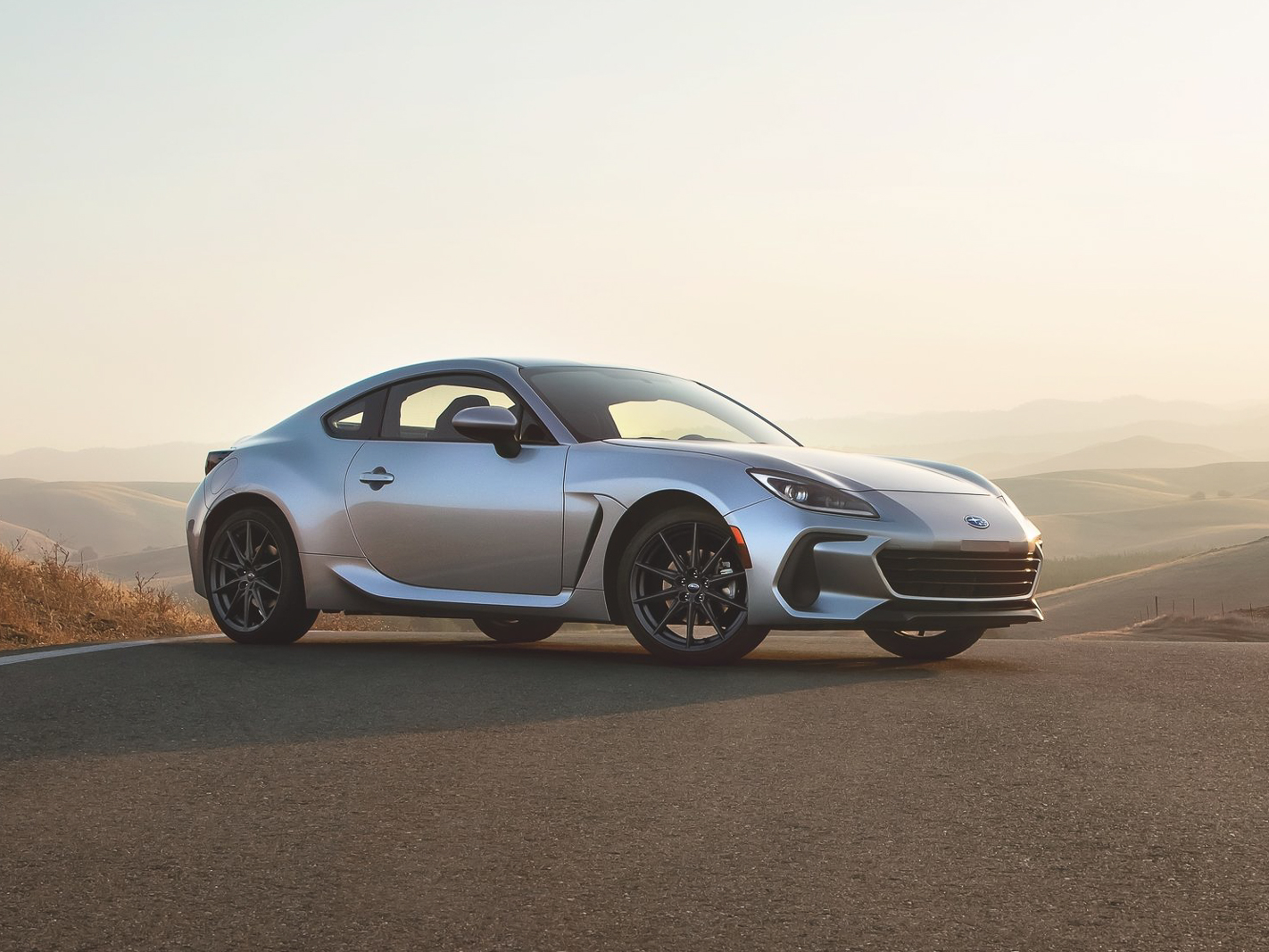
Given that the Subaru weighs 25 per cent more, there’s not going to be a huge amount between them in terms of outright pace. One thing we do know is that the MX-5 GT RS is getting expensive. With typical options and on-roads, that’s going to be a $52K+ car.
And I’m guessing that if you were looking at a BRZ, the attraction of the Mazda’s soft-top may not carry a great deal of equity for you. Of course, plan B may well be to try to negotiate a run-out deal on a 2.0-litre BRZ tS, which you could well pick up for somewhere around $40K, as only 407 examples of the BRZ were shifted last year, so it can be a sticky fixture in showrooms.
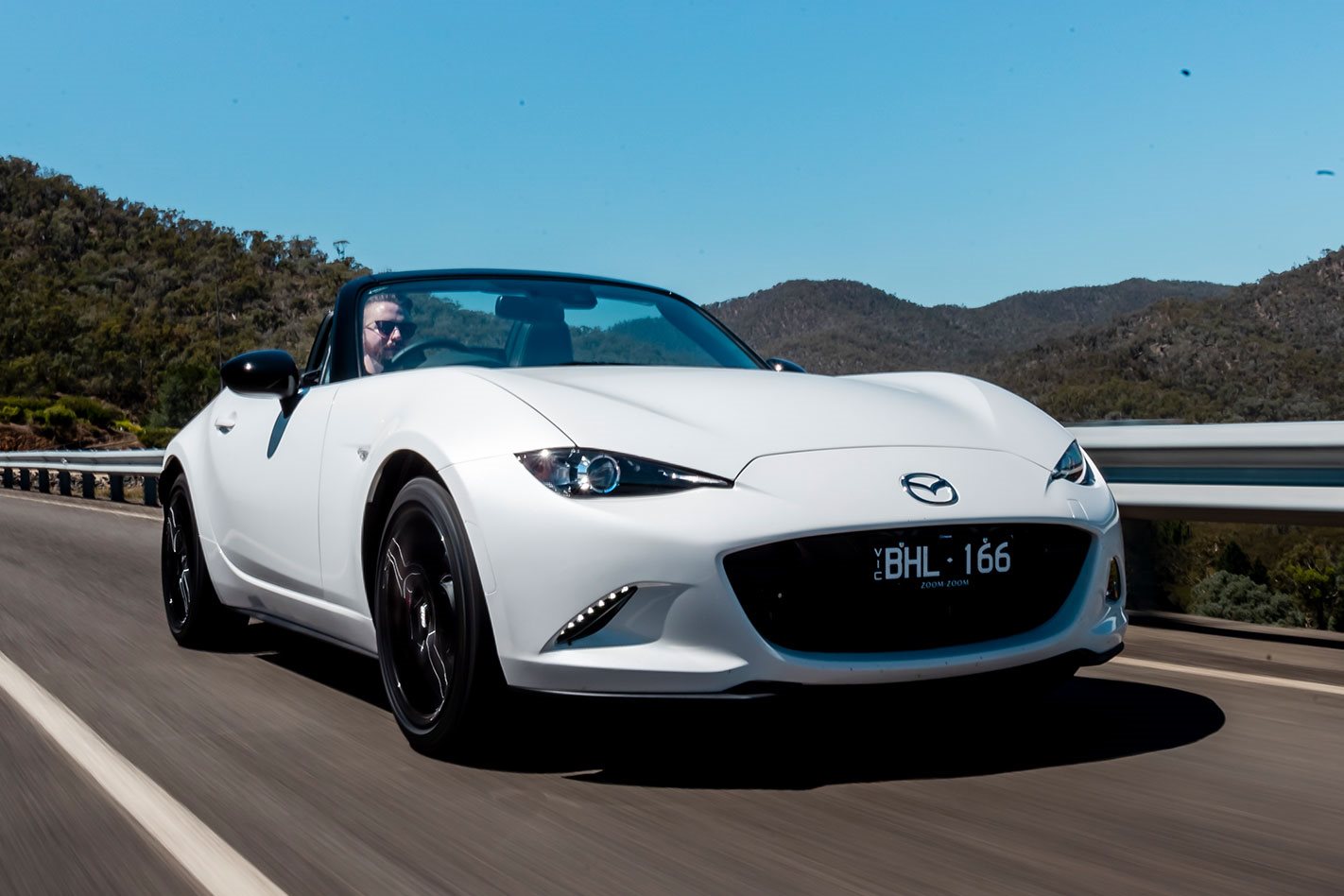
You’ll always run the risk of rampant FOMO if you ever park your posterior in the new car, though. Given the buzz around the new FA24 engine in the BRZ and how it fills the old car’s notorious midrange torque hole, we’d be tempted to get a deposit down on the Subie.
The ND MX-5 is six years old now and while it has worn those years well, there’s no doubt the new BRZ, with its big customisable instrument panel and slick touchscreen is going to feel a whole lot more modern. Chances are it’ll drive pretty well too, if Tetsuya Tada still has his say.- AE
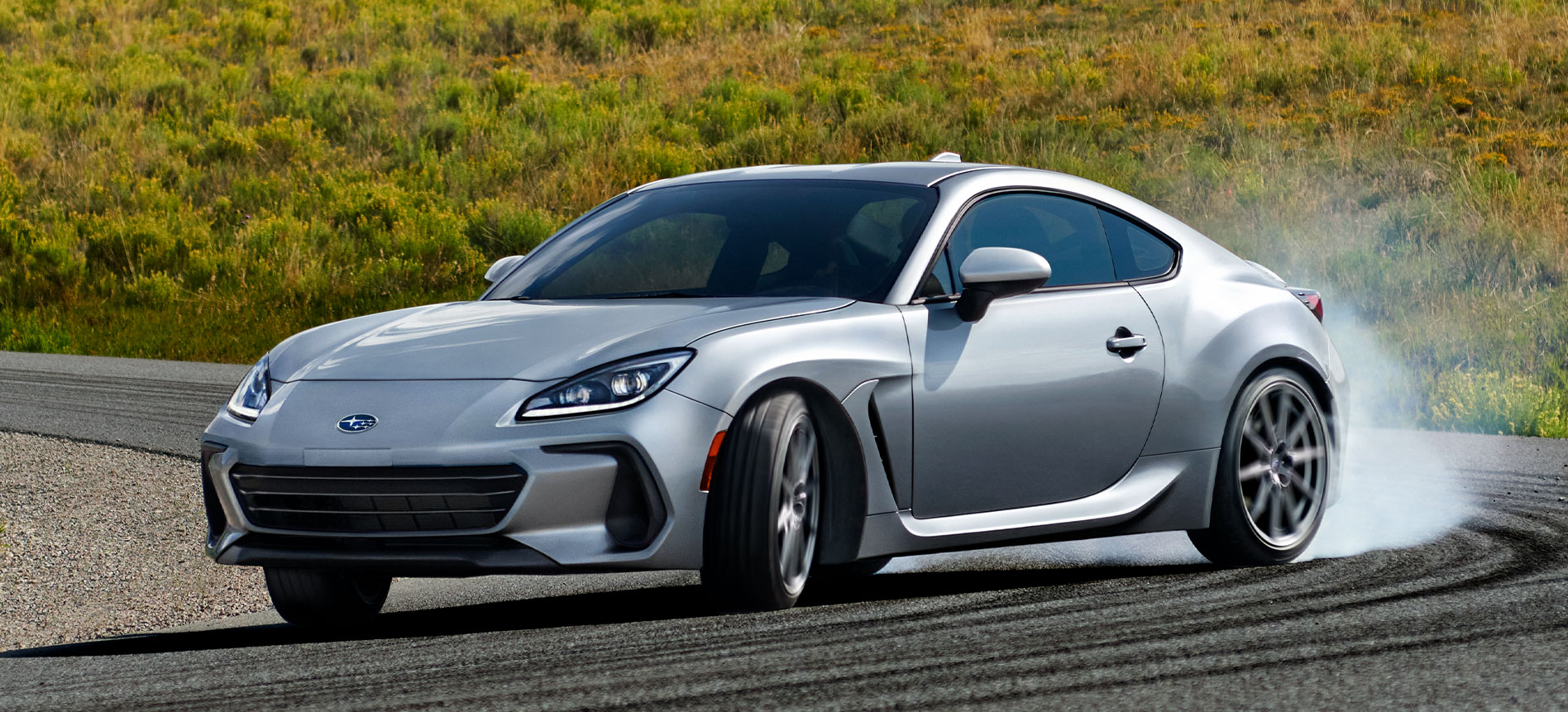
UPDATE, September 17: The 2022 Hyundai Staria is now on sale in Australia, and we’ve driven it. Find our reviews here.
UPDATE, June 1: Sources have confirmed with Wheels that the 2021 Hyundai Staria will be in Aussie showrooms by the end of August.
Sources also said the hotly anticipated people mover will adopt the same naming strategy for different variants as seen on other models like the new Tucson, with the ‘Highlander’ moniker representing the top-of-the-range Staria.
More details about the upcoming people mover have also been revealed in a filing to the Federal Government’s Road Vehicle Certification System (RVCS), which confirm the eight-seater Staria will be available with both the 2.2-litre four-cylinder turbo-diesel engine and naturally aspirated 3.5-litre petrol V6.
UPDATE, April 13: New details and images for the upcoming 2022 Hyundai Staria have been released today, ahead of an Australian debut confirmed for the second half of 2021.
Hyundai’s new Staria people-mover, a replacement for the iMax – already known in some markets as the Starex – will make its way to Australia later this year.
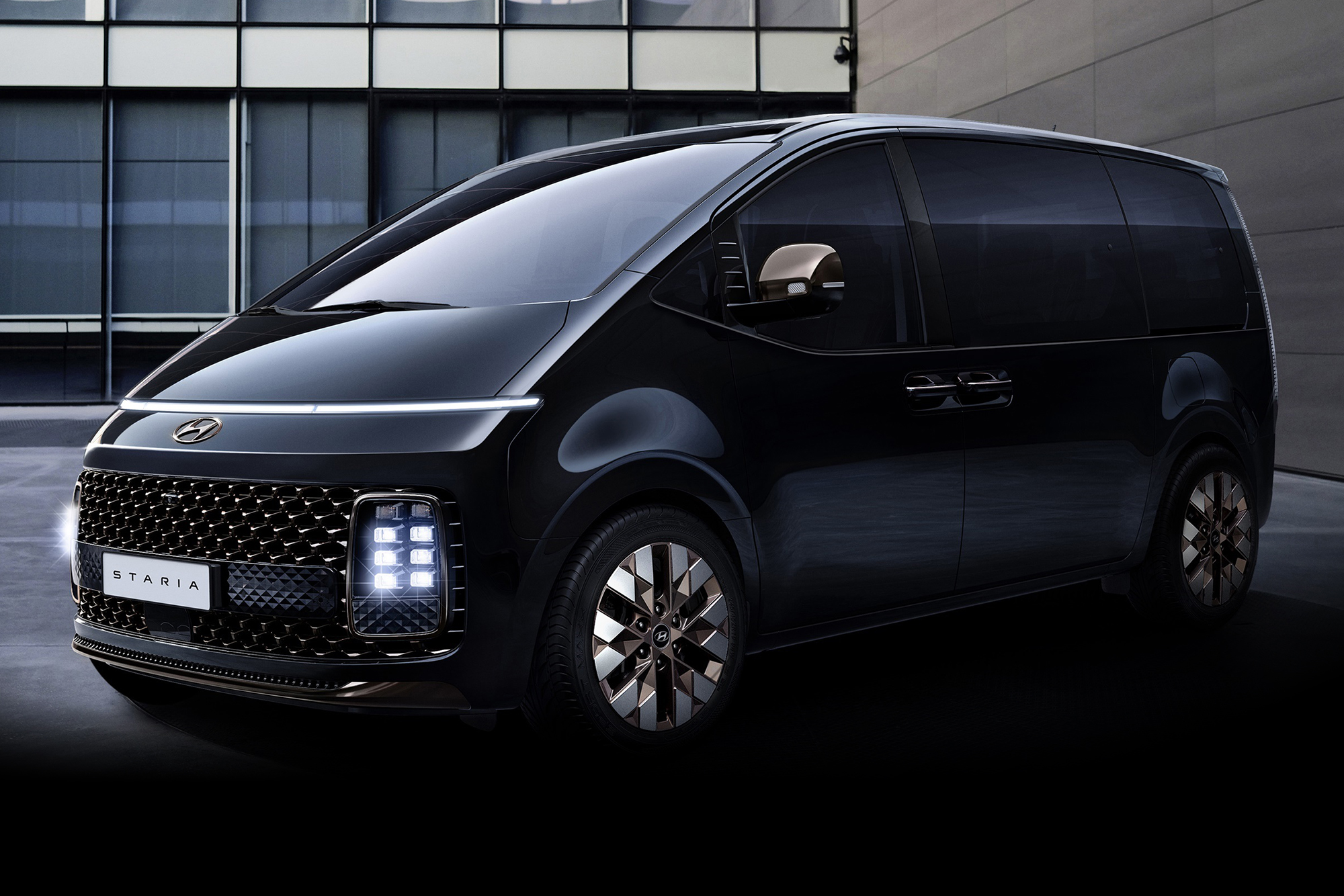
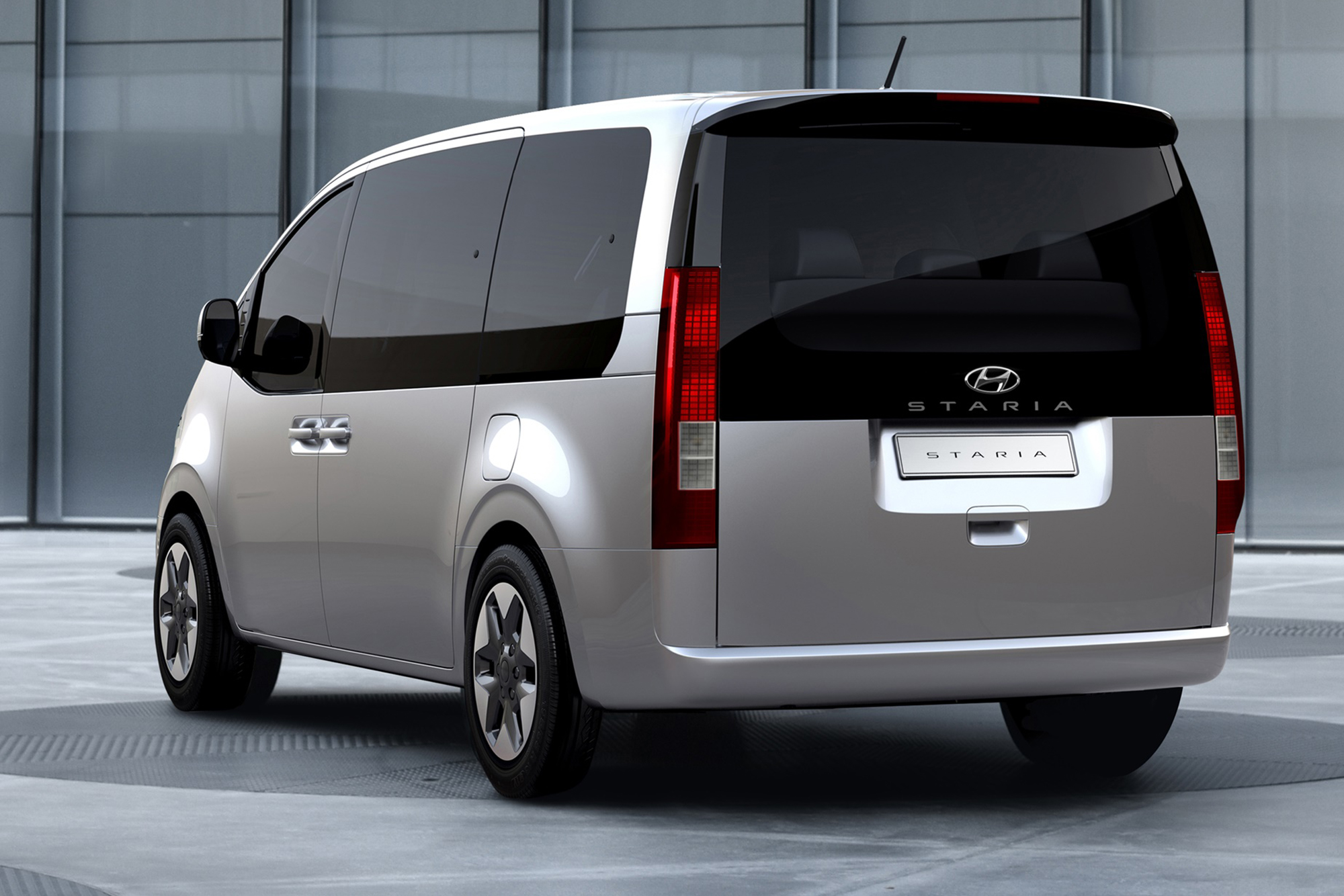
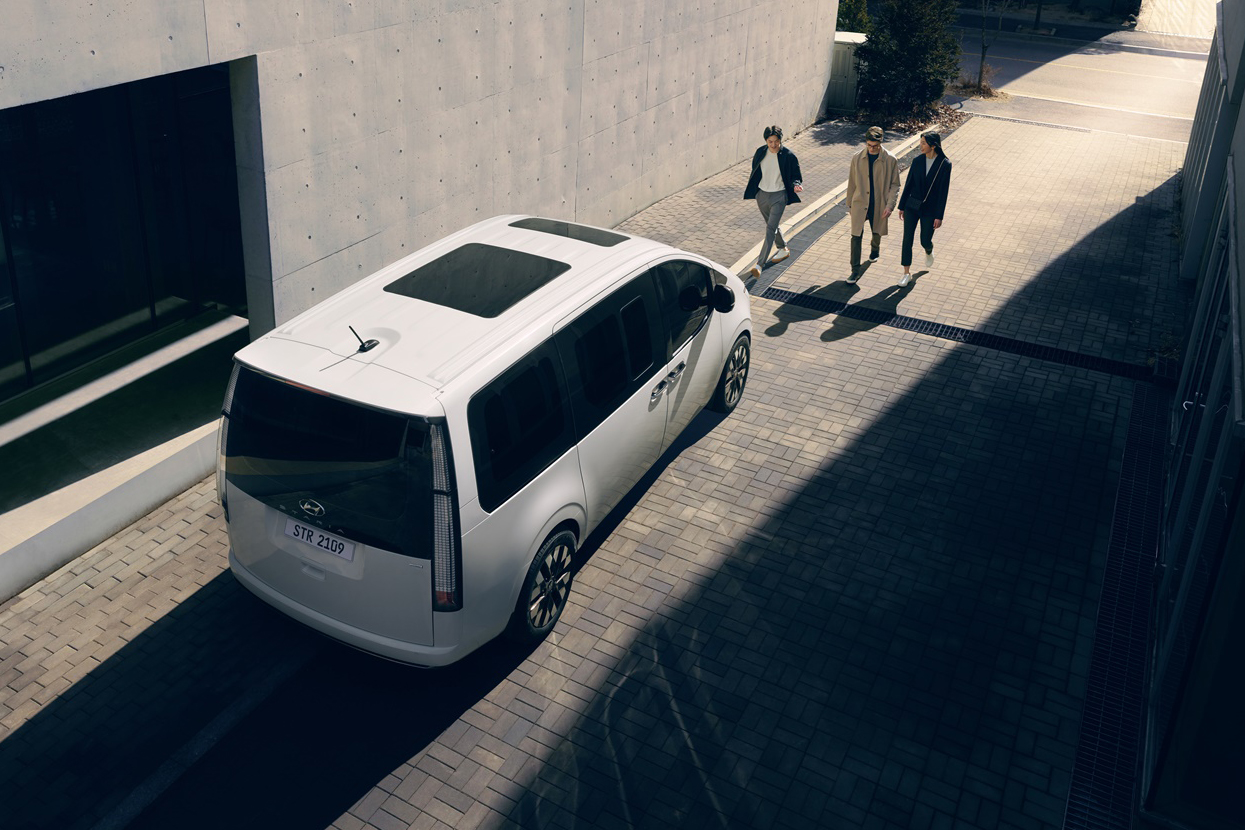
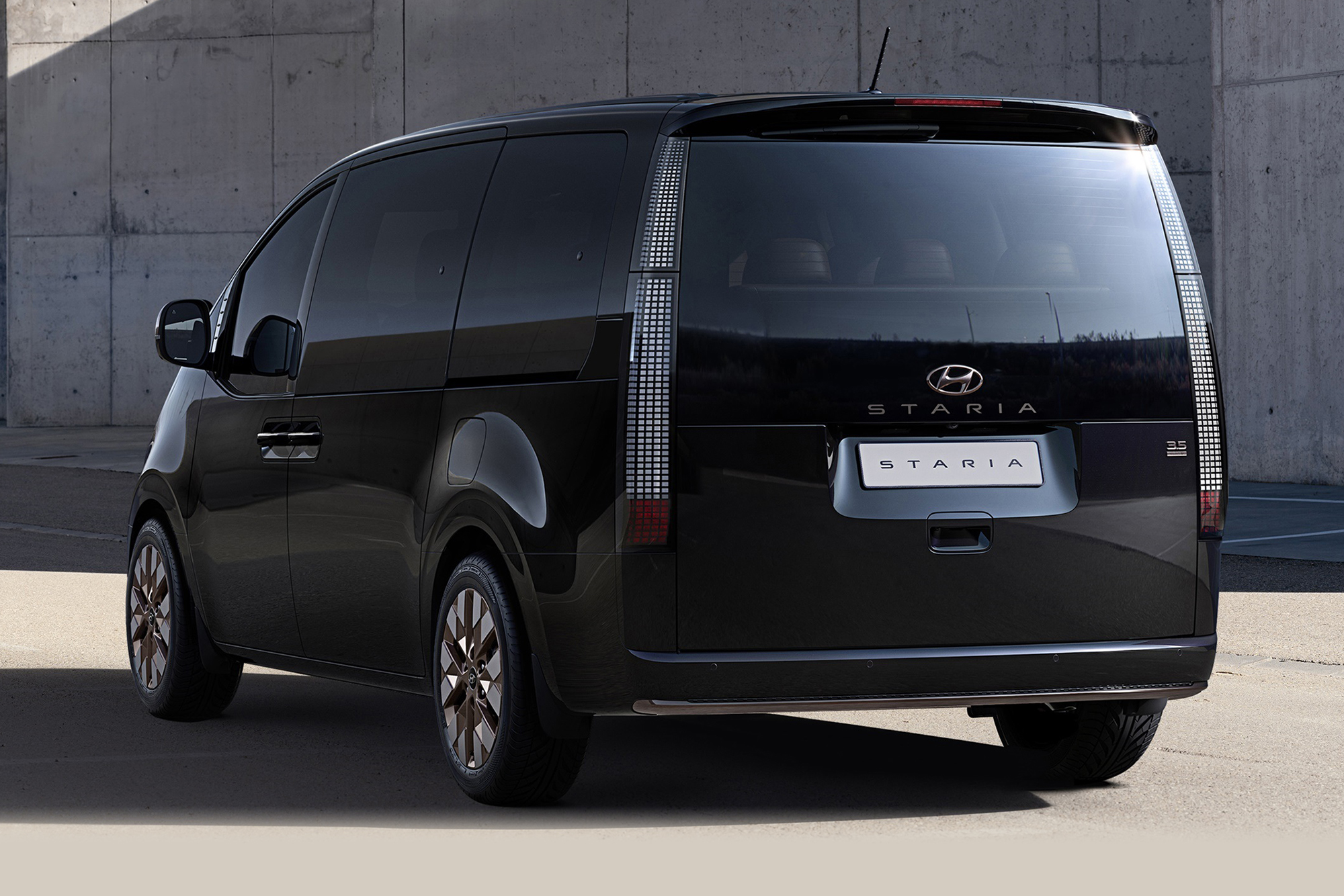
Straight out of Star Trek, the Staria’s design marries a futuristic streamlined look with the family-carrying dimensions required of these sorts of vans.
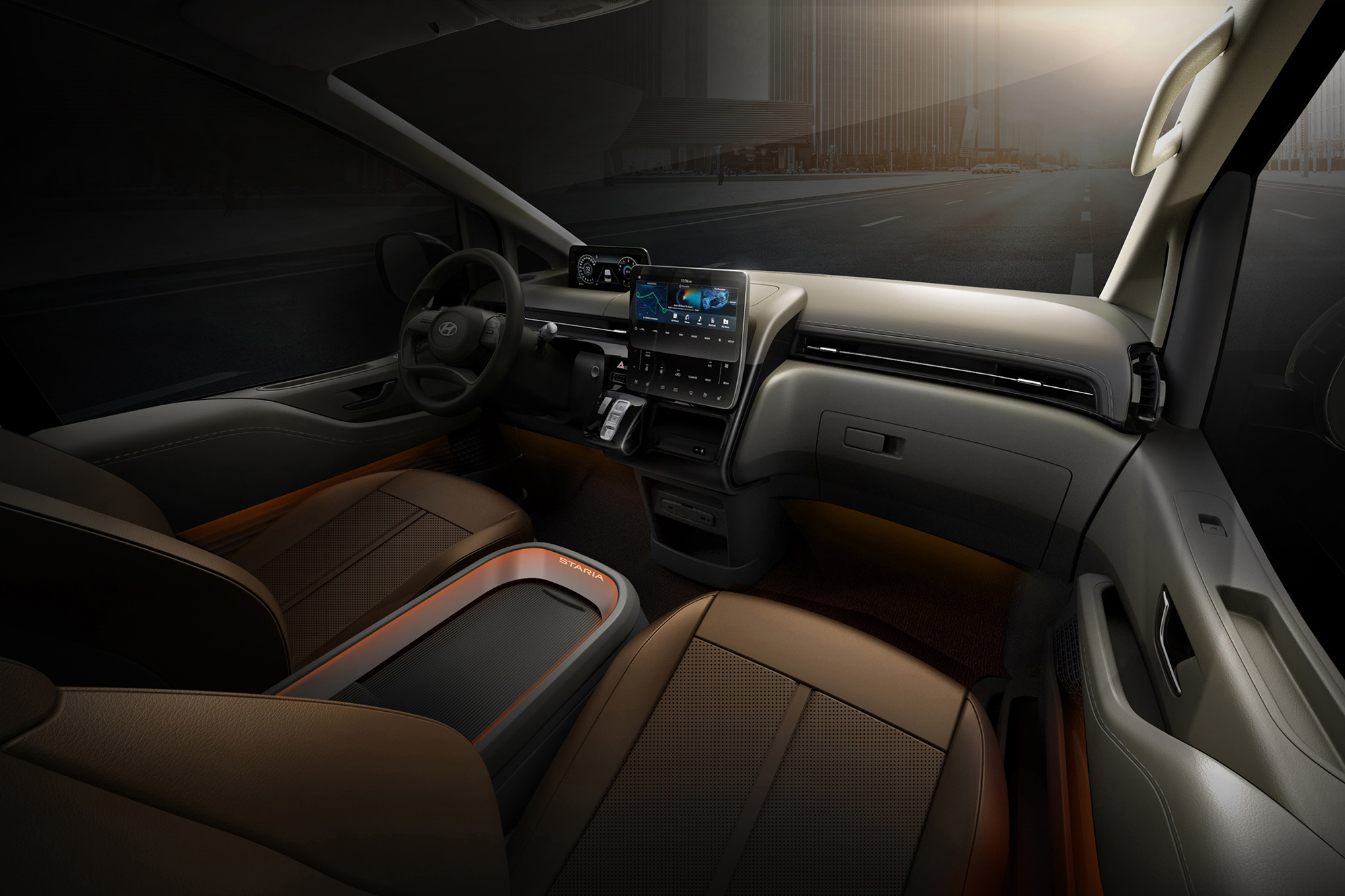
These new images give us our first expansive look at the Staria’s interior, revealing a spacious and versatile seating configuration.
Comfort
Occupants in the front row get a modern SUV-like dash design and technology suite, with a wide 10.25-inch main display dominating the centre stack.
A second broad display sits behind the steering wheel to act as an instrument cluster.
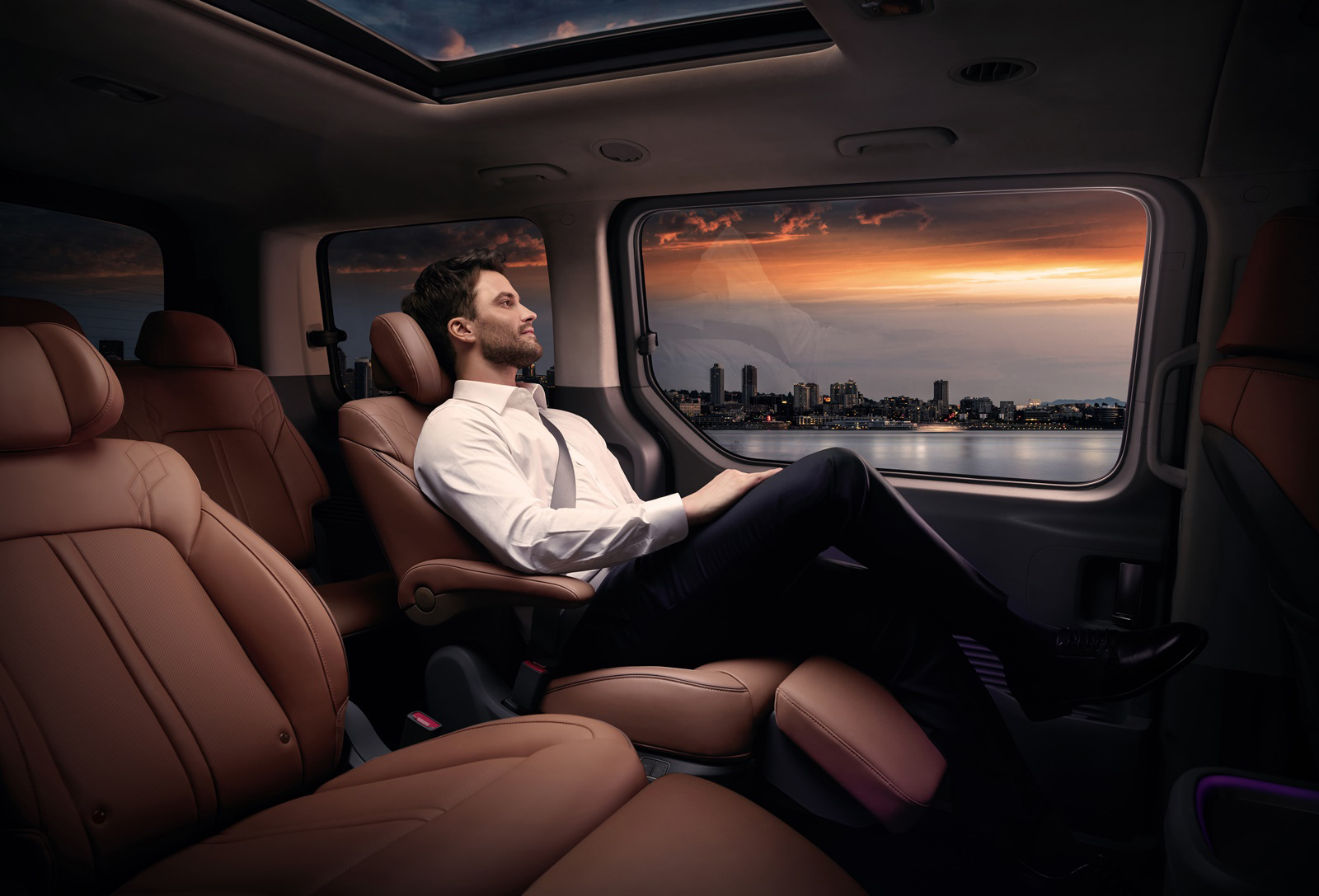
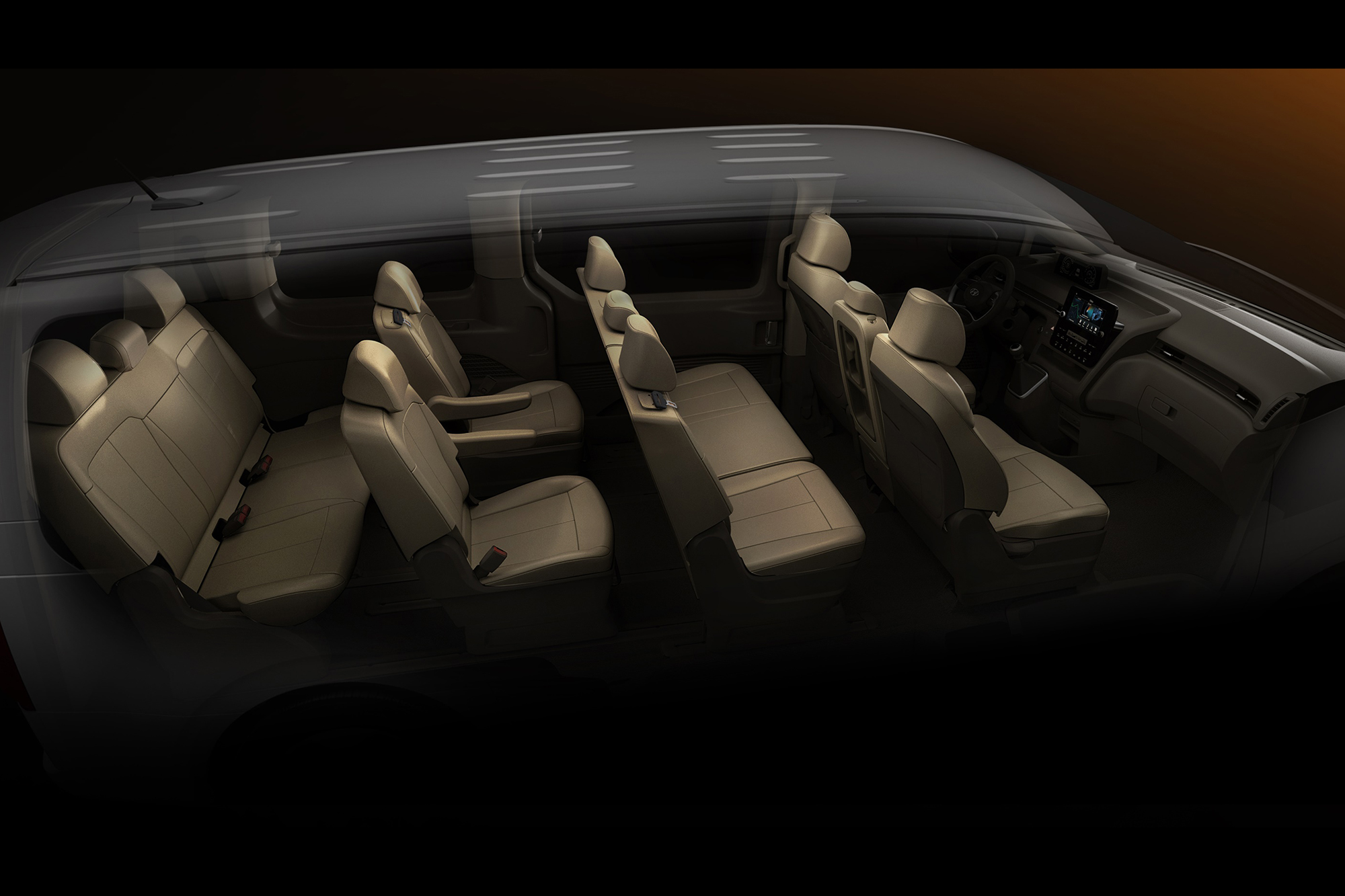
In people-mover form, the Staria will be offered in seven, nine- and 11-seat configurations, with the nine-seater equipped with 180-degree swivelling second-row seats that allow occupants to turn and interact with third-row passengers.
Hyundai has also confirmed the bus-style 11-seater will only be offered in South Korea.
Opting for fewer passenger spaces with the seven-seater means that second-row occupants can be offered a one-touch relaxation control that delivers a more reclined position and long footrests.
A two- and three-seat commercial van will also be offered – replacing the iLoad – although images of this variant are still to come.
Hyundai says it is planning for other future variants, some in cooperation with partners and third-party businesses, to introduce limousine, ambulance, and camping versions of the Staria. (A Delica-like jacked-up Staria, anyone?)
Dimensions
The Staria rides on a 3273mm wheelbase, measuring 5253mm long, 1997mm wide and 1990mm tall.
By comparison, the iMax is smaller in every dimension, with a 3200mm wheelbase, an overall length of 5150mm and a height of 1935mm.
Cargo space in the commercial variant will measure up to 5000 litres, with room for three Euro-spec pallets end-to-end.
Powertrains
Engine options for the Staria will include a couple of familiar Hyundai options, in the form of a 130kW/431Nm 2.2-litre four-cylinder diesel and a 200kW/331Nm 3.5-litre petrol V6.
The diesel will be mated to a choice of six-speed manual or eight-speed torque-converter automatic transmissions, while the petrol engine will be matched to the eight-speed shifter exclusively.
The Staria will also benefit from a multi-link suspension setup at the rear, for improved ride comfort.
Safety
Australian-delivered people-mover models will be equipped with seven airbags, and all seats in every configuration are equipped with three-point seatbelts.
Forward Collision Avoidance Assist and Blind-Sport Collision Avoidance Assist are also standard technologies for the Staria.
The infotainment system will feature a wide-angle camera system to allow the driver and front passenger to view rear passengers on the main display, as a handy way to monitor children and pets. Likewise, an intercom system allows the front passengers to speak with the rear passengers through a speaker function.
A note on images: to reveal more of the latest photos to you, we’ve replaced the shadowy teasers in the earlier story below. You can see those earlier images in our gallery above.
March 11: Hyundai has offered a first glimpse at its upcoming Australia-bound replacement for the popular iMax people mover.
Called the Staria, the new model’s name will bring an end to the one-generation iMax branding used on Australian-delivered versions of Hyundai’s current people mover, while bringing the nomenclature closer to the ‘Starex’ name used in Korea.
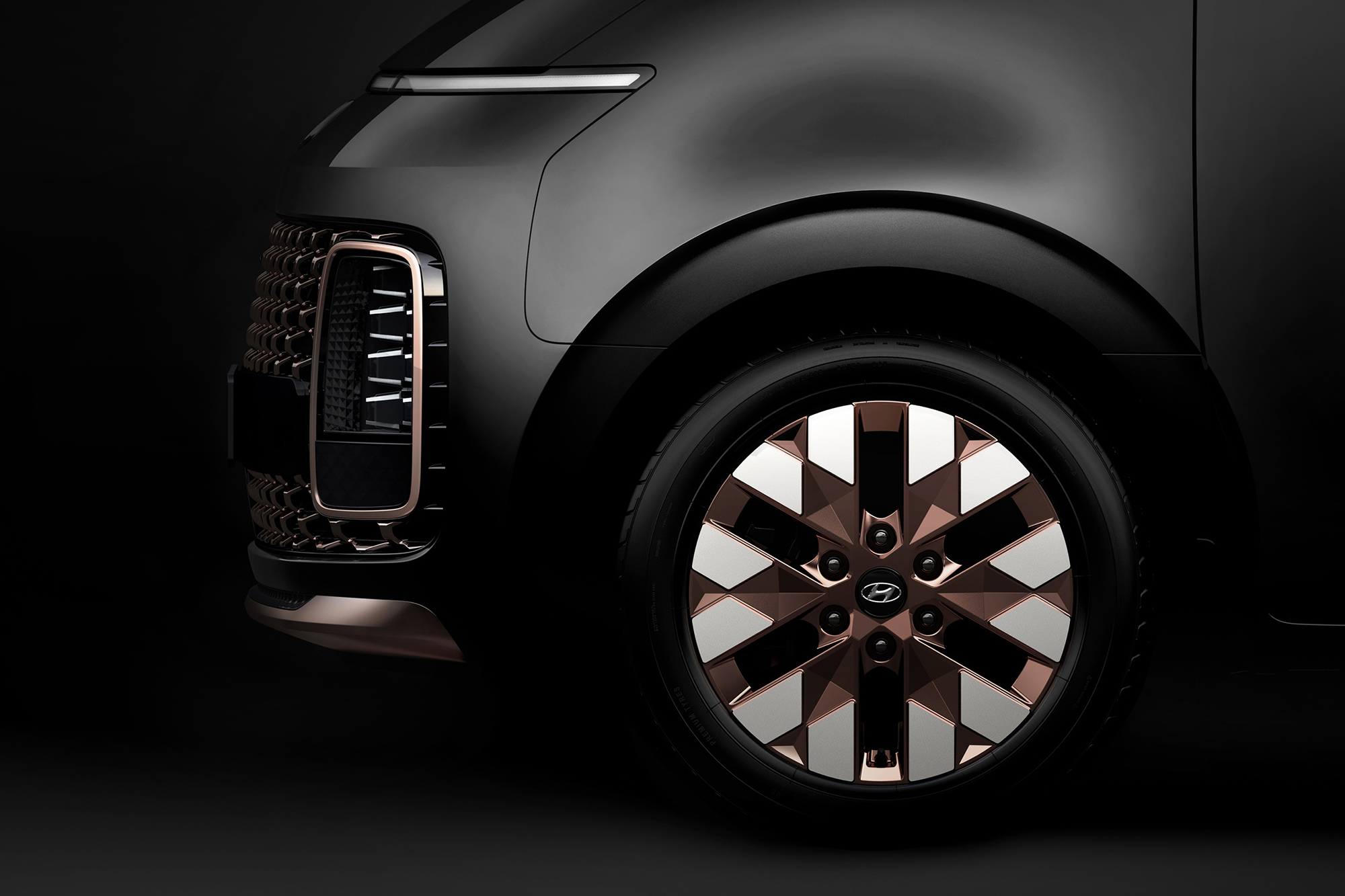
The Staria’s avant-garde aesthetics of the new van showcase a retro futuristic look, representative of another new take on the company’s multi-pronged, evolving design language – one characterised in this case by a smooth silhouette and clean lines.
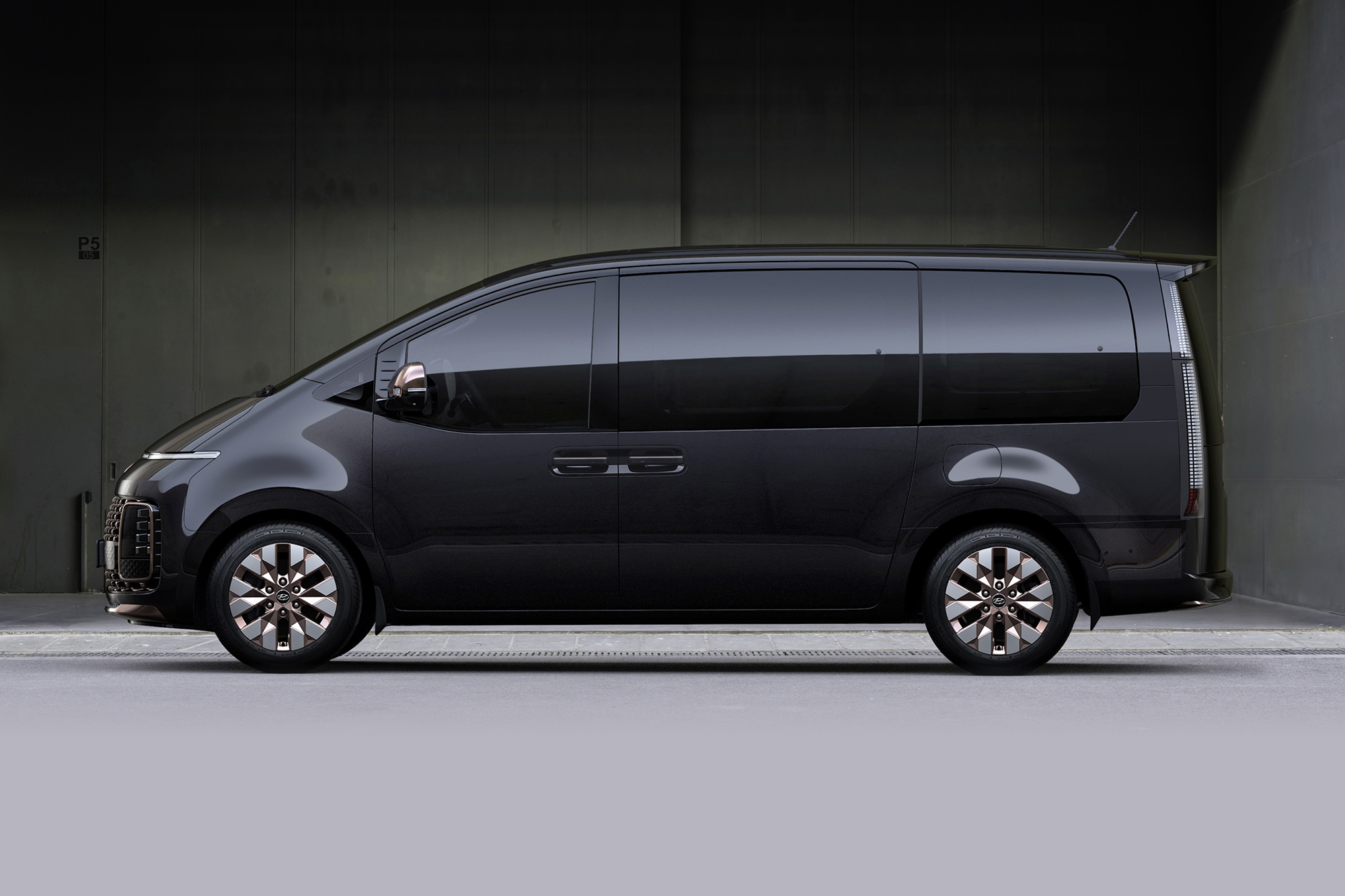
Available from launch in two guises – Staria and Staria Premium – the multipurpose vehicle’s radical look sees the car’s front fascia showing off a minimalist design.
Up front, a prominent single white LED strip runs the width of the car’s smooth bonnet and big, while block-like LED tail lights dominate an otherwise clean tailgate – as far as can be discerned from these shadowy teasers, at least.
The short overhangs at both the front and rear of the vehicle, and its overall elongated silhouette also suggest Hyundai’s design team have worked hard at maximising cabin space.
Hyundai says the people mover will come equipped with numerous driver-centric features, and will also provide “new experiences” that are aimed to improve both the driver’s and passengers’ transportation experience.
There’s no word yet from Hyundai as to whether or not the Staria will use an all-new platform, however, considering the iMax’s architecture is well over a decade old, it’s probably a safe bet to assume it will.
As to whether it will share a family-focused platform with sister brand Kia and its big new Carnival, or otherwise a more commercial-oriented architecture, we won’t know until more details are revealed in the coming weeks.
Likewise, Hyundai hasn’t confirmed the drive type, what engines will be used or indeed whether a mild-hybrid or fully electric version is on the way. However, speculation has circulated that the peoplemover will be front wheel drive, in order to accommodate for more room at the rear of the vehicle.
Hyundai says that more details about the Staria peoplemover will be announced in weeks ahead.
As for Australian timing, Hyundai says we can expect to see the Staria make its local debut in the second half of 2021.
MORE: iMax news and reviews MORE: All Hyundai stories
The iconic Jeep nameplate offers various favours to lifestyle-loving city slickers keen to brush, on occasion, with adventure. There’s a toy-like two-door ‘shorty’ Wrangler Sport S ideal for grin-inducing beach hopping, the longer four-door Wrangler Unlimited as the family-friendly multi-surface pragmatist, or perhaps the Swiss Army-flexible Gladiator variants as do-all contingencies for most situations of fancy.
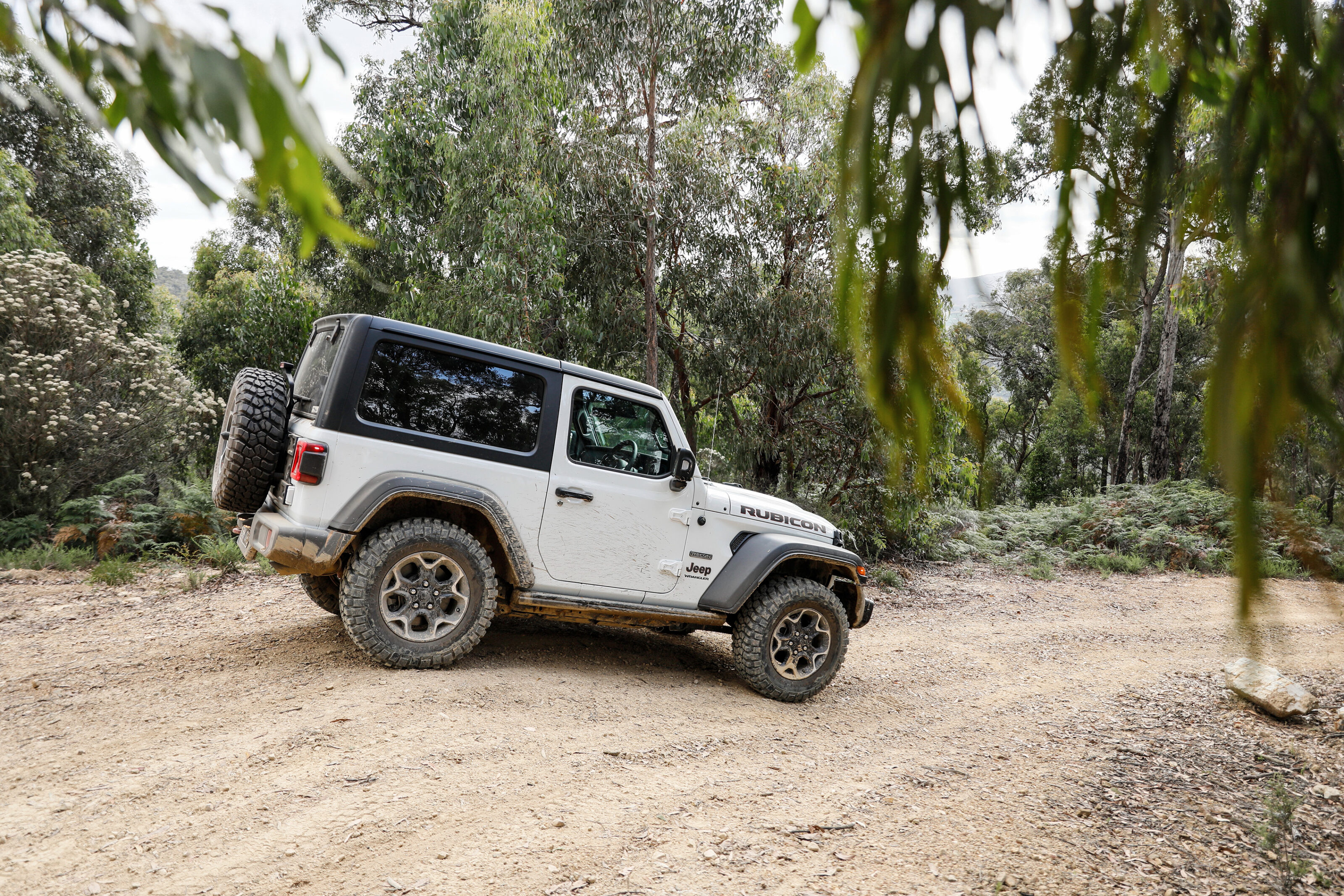
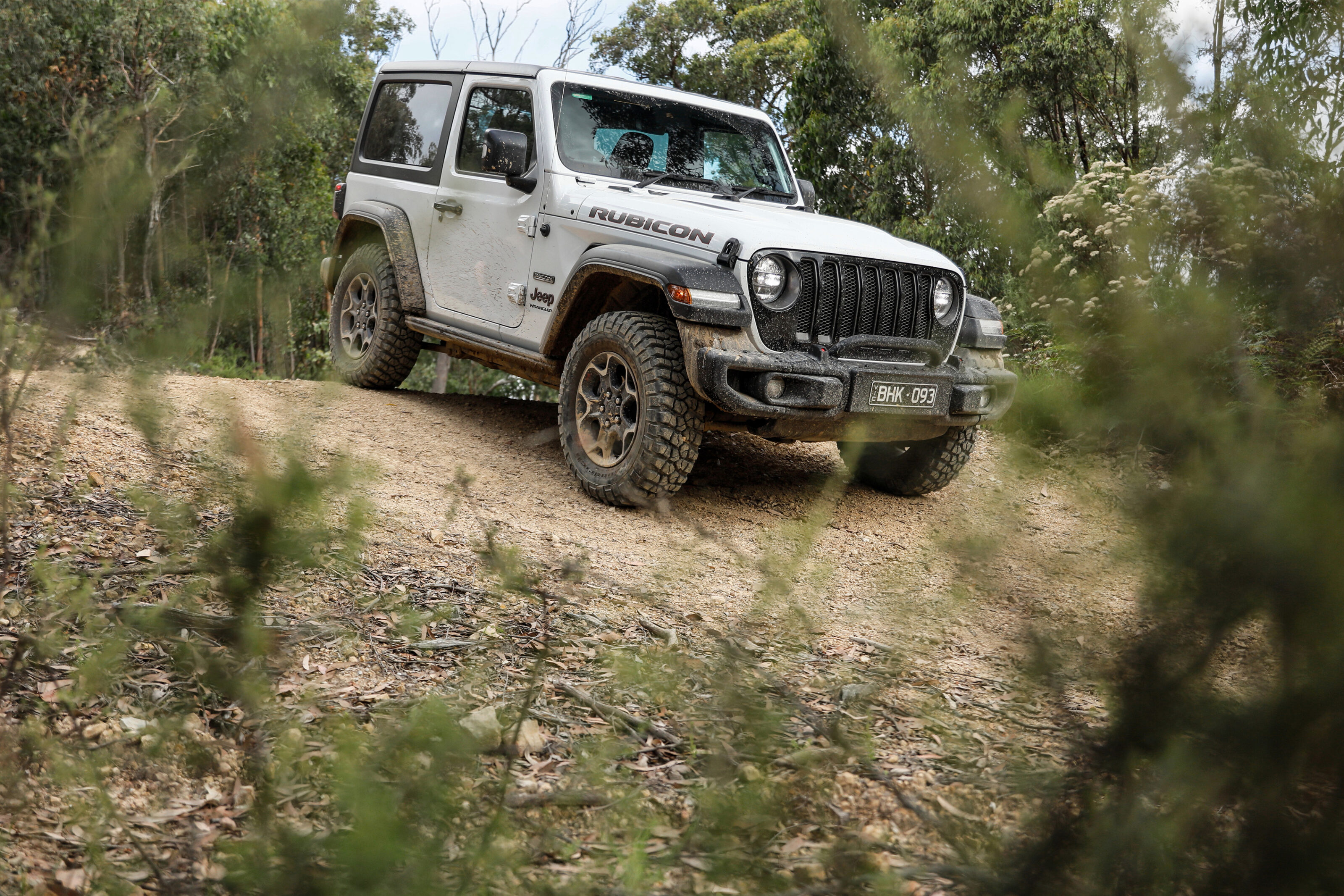
But not the Wrangler Rubicon Recon. Pint-sized for optimum maneuverability and engineered to wrestle Mother Nature head-first into her dirt, just 39 examples (outside of our tester) of the shorty Rubicon formula will be flung from local showrooms into the depths of the Aussie mulga, with sniper-like targeting at die-hard off-road enthusiasts.
Although arguably Jeep’s most specialist tool in the local line-up, the Recon isn’t necessarily incapable of fair-weather beachside café hopping or peak-hour grind, even if perhaps ideologically it shouldn’t. Keep it caged, treat it mean, let it loose into the wild on occasion is one pragmatic notion. But regardless of whether urbane folly is simply wasting all that purpose-built potential, it’s tough not to get lured into the Rubicon Recon romance as a daily driven proposition, such is the sheer charisma of the damn thing.
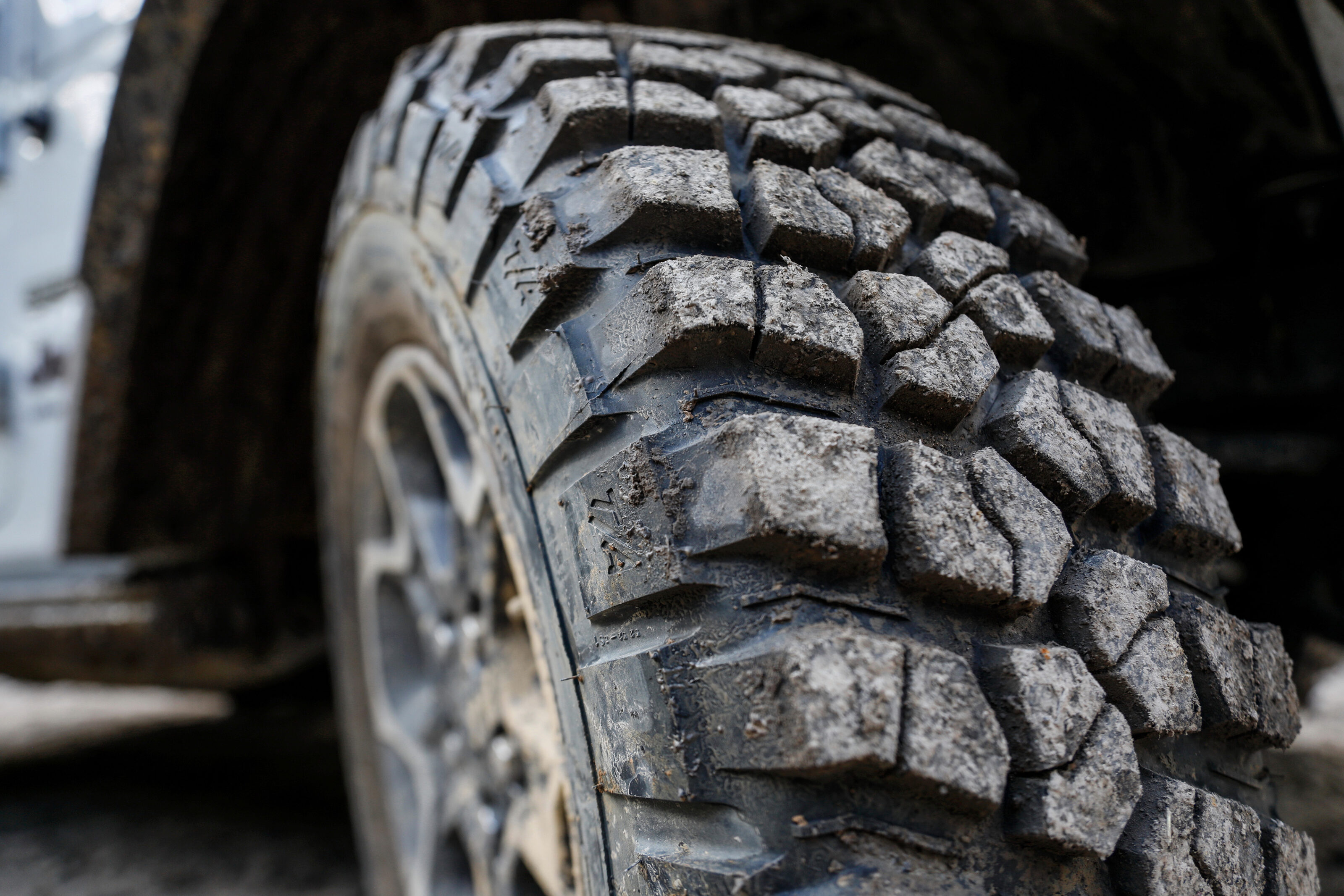
I ponder as much tooling about the burbs, grinding the tread blocks of the Recon’s BFGoodrich Mud Terrains on inner-city Tarmac, chancing across a bloke in a custom black Wrangler, double its weight in dirt-trekking modifications, waving at me with such enthusiasm I suspect my high-riding unicorn might’ve suddenly caught fire or something. I catch myself judging his lightly bush-bashed machine a moment before the dawning embarrassment that my own freshly detailed, tyre-shined steed paints me as the greatest of pretenders, bringing on a sudden and urgent compulsion to get the Wrangler thoroughly dirty. Right about here, the Recon’s seduction begins…
For its $66,950 (before on-roads), the Wrangler shorty with full Rubicon effect packs in a helluva lot of charm. It’s a cocktail of form, functionality and character overly hung on its off-roading potential, regardless of whether you choose to embrace its talent or not, in trade-off or perhaps compensation for the on-road drive or how pleasant or not it is to live with daily. Relishing the package’s purpose is key to what you’re buying into.
Pint-sized for optimum maneuverability and engineered to wrestle Mother Nature head-first into her dirt.
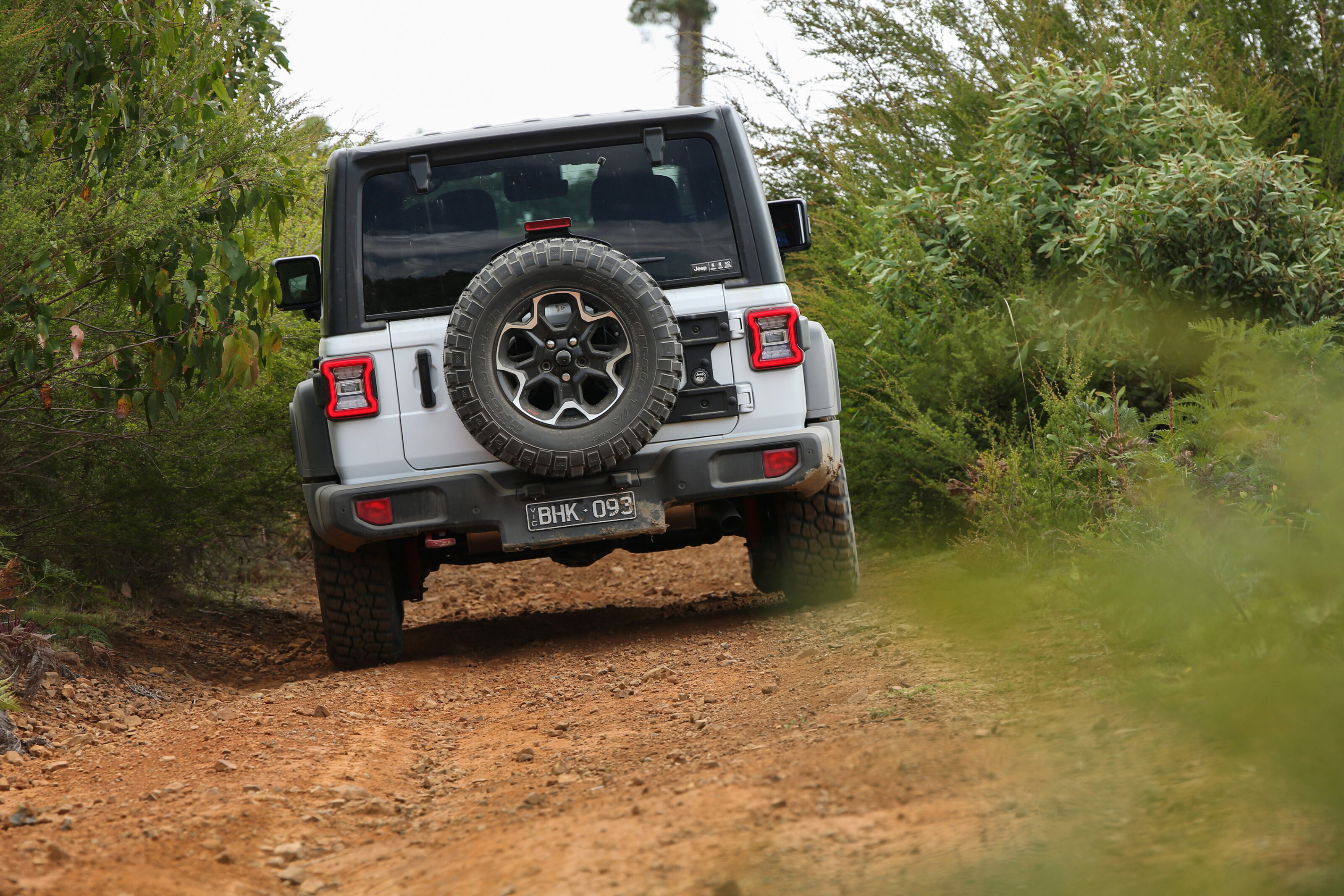
As Jeep’s most focused off-roading tier, the Rubicon application plies high-grade Rock-Trac 4×4 via Tru-Lok 4.1:1 differentials with electronic locking centres, paired with a 4:1 transfer case yielding a selectable 77:1 crawl ratio in low-range 4×4 mode.
The axles are heavier-duty Dana units – M210 up front, M220 at the rear – than those fitted further down the Wrangler range, plus the Recon fits nifty trail-ready gear such as a front swaybar with electronic disconnect functionality, rock sliders and hefty underbody bash plate protection. The meaty LT255/75 R17 mud boots, at 32 inches of rolling diameter, augment the 255mm ground clearance nicely, which is 17mm higher than the Sport S. Approach (42deg), breakover (27deg) and departure (31deg) angles are also superior to lower-grade Wrangler variants.
The JL Recon shoehorns the 3.6-litre naturally aspirated all-alloy Pentastar V6 that’s kicked around in Wranglers since the last JK generation, outputting a workmanlike 209kW at 4100rpm and 347Nm at 4100rpm. It’s essentially off the Chrysler rack gear, unfettled and largely unremarkable, backed by an eight-speed torque converter automatic used up and down the Wrangler range.
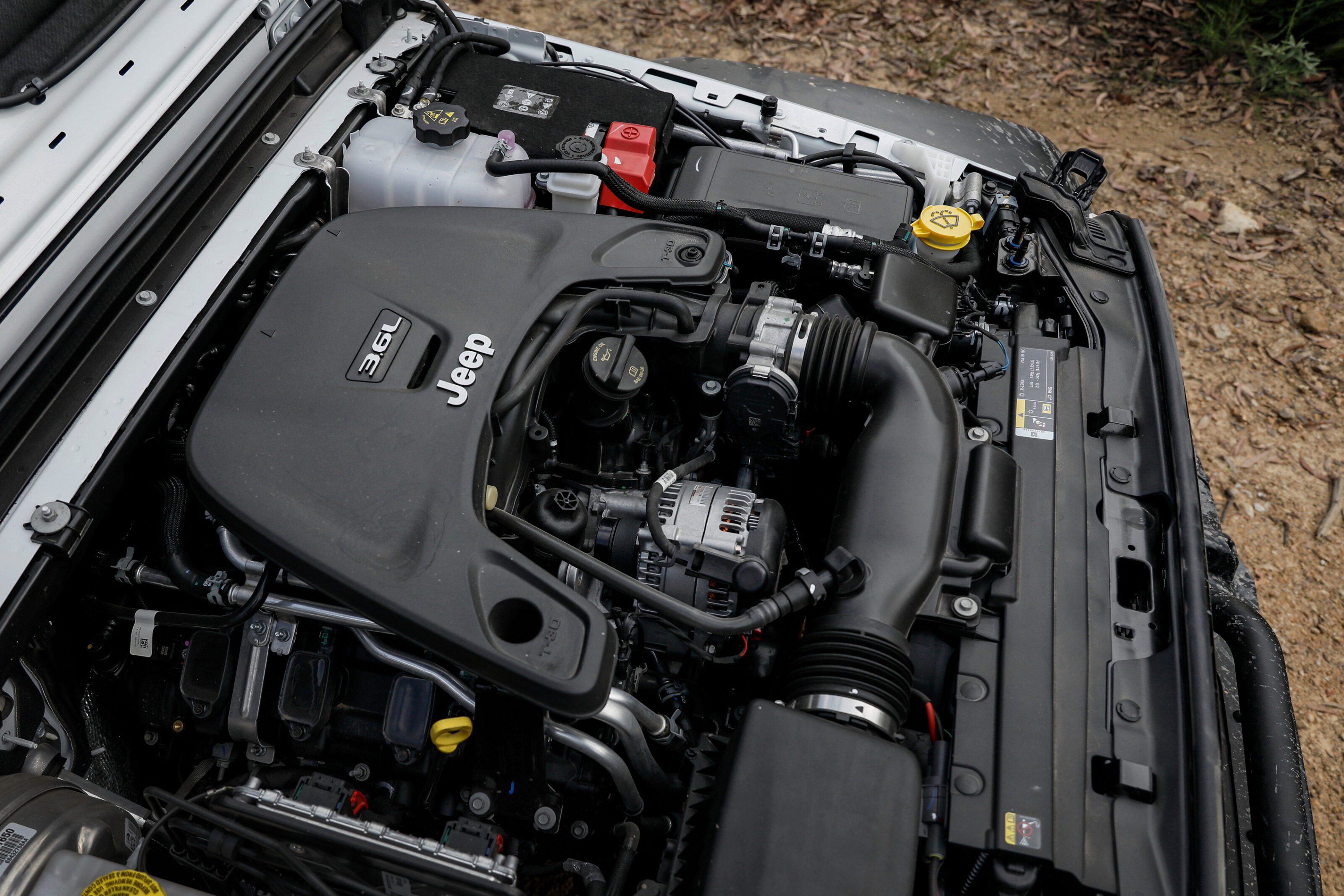
An oiler option? Not any more for Wrangler. Jeep dropped it from the Rubicon menu for 2021, so it’s one powertrain spec fits all for Recon, which can also be had in the more popular and longer four-door Unlimited guise, that version ($71,450 list) limited locally to 60 units.
Recon exclusives? Outside, you get two-tone wheels, a glossy blacked-out grille, guard badges, a specific steel front bumper and hoop and tailgate reinforcement addenda, though some of these can be added to the regular Rubicon through the Mopar parts catalogue. Inside, the Recon effect brings black leather trim, seat and steering wheel heating, double red stitching throughout, a high-grade instrument cowl trim and red seatbelts.
The six-grand walk up for a Recon over the regular four-door Unlimited Rubicon looks about on the money for its bespoke extras and limited 60-unit availability. But the shorty version ups the exclusivity stakes as for MY21, as the 40 Recons slated for Oz are the only two-door Rubicon-spec Wranglers reasonable money or otherwise can buy.
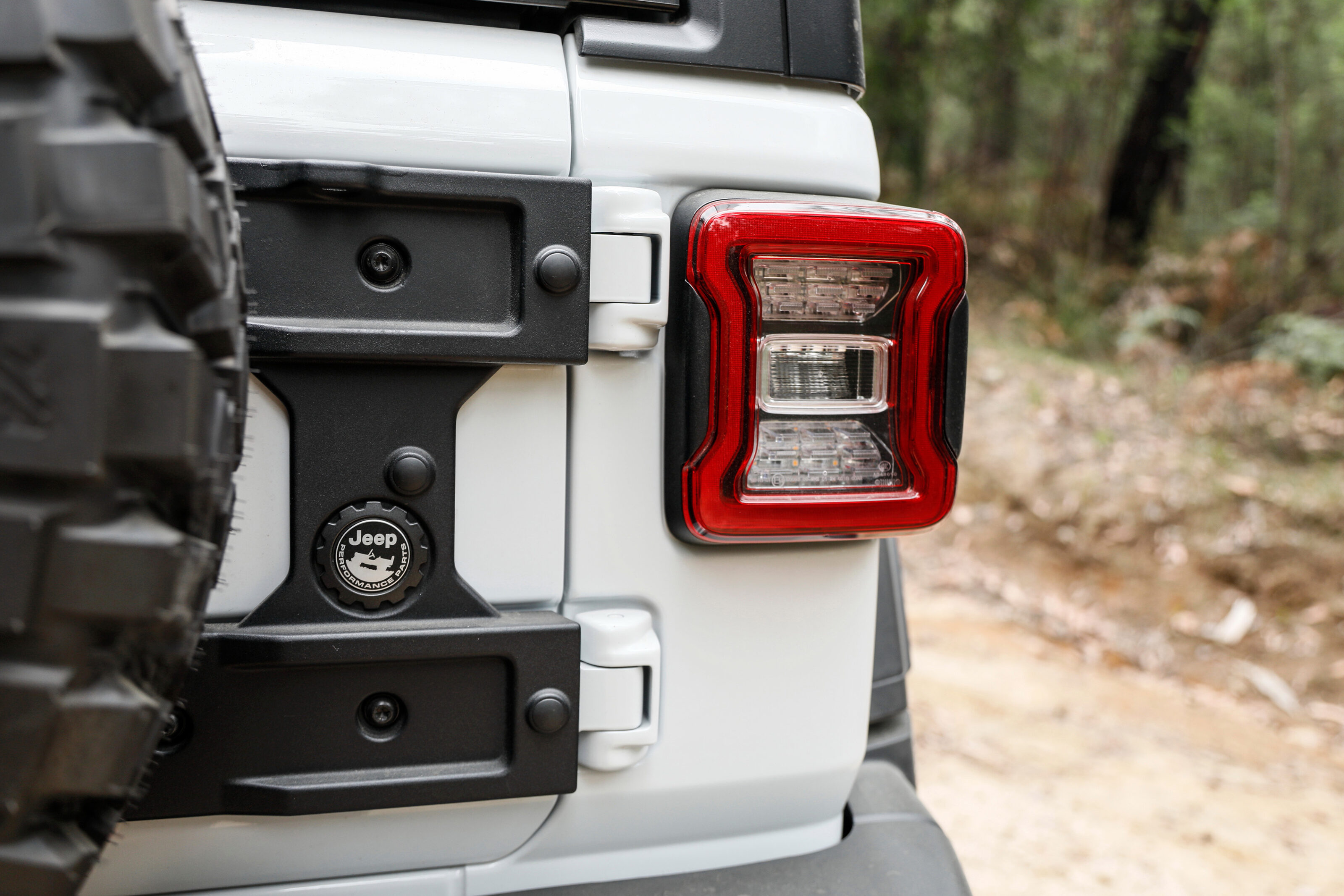
In itself, the lifted, steel and aluminium-on-frame form, topped with a removable fibreglass lid, baits the adventurous urbanite towards a bit of extracurricular motoring activity. The Toledo, USA built wagon’s industrial vibe is hewn with an innate sense of go-anywhere toughness, even despite small missteps in the odd flimsy plastic piece or sagging rear glass hatch.
The clanky door action, oversized latches, the conspicuous Torx screw heads conspire a toy truck ambience shared with the disparate likes of Suzuki Jimny or Mercedes-Benz G-Class, but it’s only really the Jeep that can be stripped to its metallic underwear with relatively little effort, the doors and entire fibreglass-based glasshouse, including windscreen, are easily removable by design as a core party trick.
The cabin is an odd blend of bombproof utilitarianism and the odd flourish of upmarket friendliness that’s strangely cohesive and compelling. The bluff dash fascia, exposed roll-cage, painted surfaces and chunky grab handles feel ready for a riot but it’s details such as the neat central window switches, pliant door top and dash trim and smattering of leather and anodised aluminium highlights that underpin a sense of richness in finish and execution.
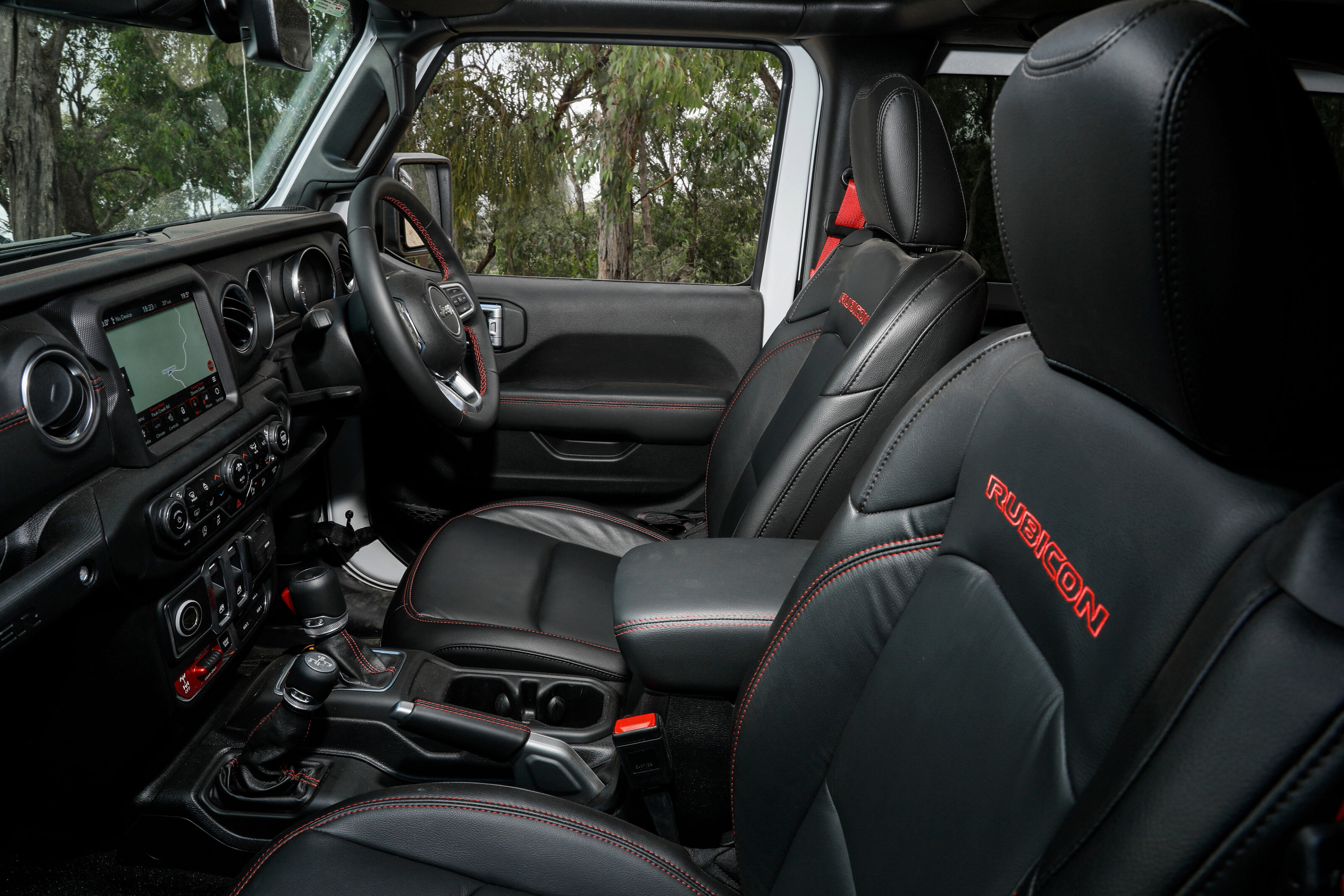
The seat, mechanical with a fabric pull for recline adjustment, are leisurely shaped and impressively comfy, the seat and wheel heating perhaps less luxurious frivolity than thermal necessity when caught in a storm if you’ve left half of the Jeep’s bodywork back at base camp. Or so one’s imagination concocts.
Despite the crafted façade, Wrangler is no ‘roughing it’ experience bar, perhaps, the tiny driver’s footwell and the awkward clamber into and out of the row two seating. There are five USB ports of mixed type, rear air vents, dual wine bottle-sized holders and a 150w three-pin power outlet in the plus-two rear seating, making for a genuine four-adult prospect.
Rear occupancy is comfy and roomy, while the removable rear split bench flips forward allowing enough room to stow my son’s mountain bike. Cleverly, the rear seatbelt guide mounts into the rollover bar. The subwoofer in the boot floor, contributing nightclub levels of low notes to audio quality, seems a bit ill-conceived for a serious mud-chucker that comes with a massive wet bag to stow body and glass panels or whatever soggy oddment you like.
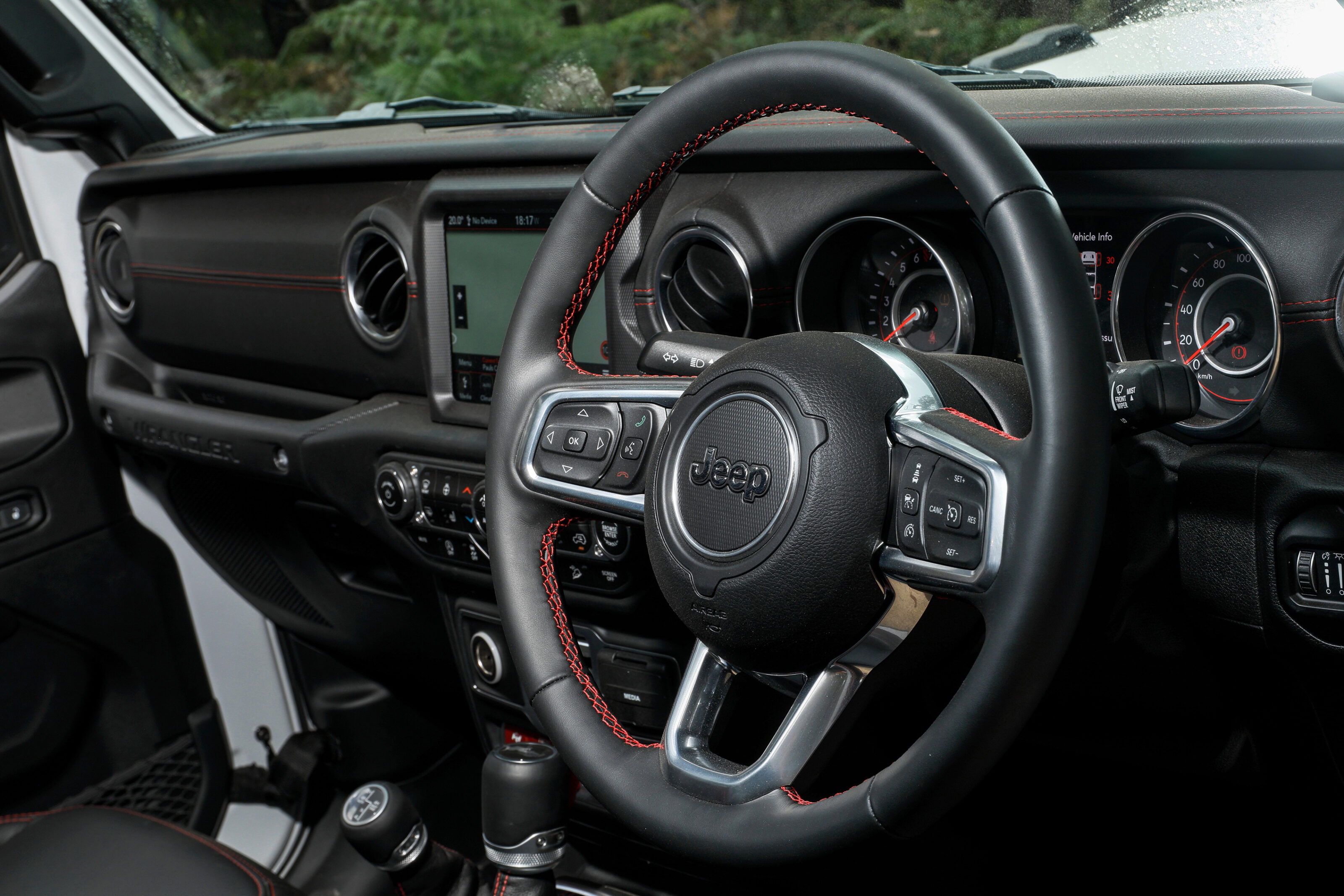
At just 4332mm of vehicle length, interior real estate is understandably at a premium. Packaging is, within its modest form, pretty decent. What’s overly abundant, though, is the cabin space’s underlying and carefully manicured celebration of off-roading vibe that’s integral to the Wrangler Rubicon seduction.
The same can said for on-road character. In short, if you’re after a pleasant SUV-like sheep in billy goat clothing, you’ve come to the wrong end of the wrong nameplate.
Its steering, as a seemingly strange an entry point for on-road assessment, almost defines the Wrangler Rubicon character. Underpinnings of a recirculating ball rack, live axles, Panhard rods and balloon mud tyres conspire to a numb off-centre vagueness demanding a good 15 degrees of tiller correction either side of dead centre to prompt any front-end response whatsoever.
In effect, you don’t so much steer the Recon as roughly guide its bluff nose in general directions, sawing away at the tiller to avoid kerbs or oncoming traffic. One driver’s titillated amusement will be another’s nail-bitten frustration, but steer alone will weed out the vaguely interested Jeep prospectors.
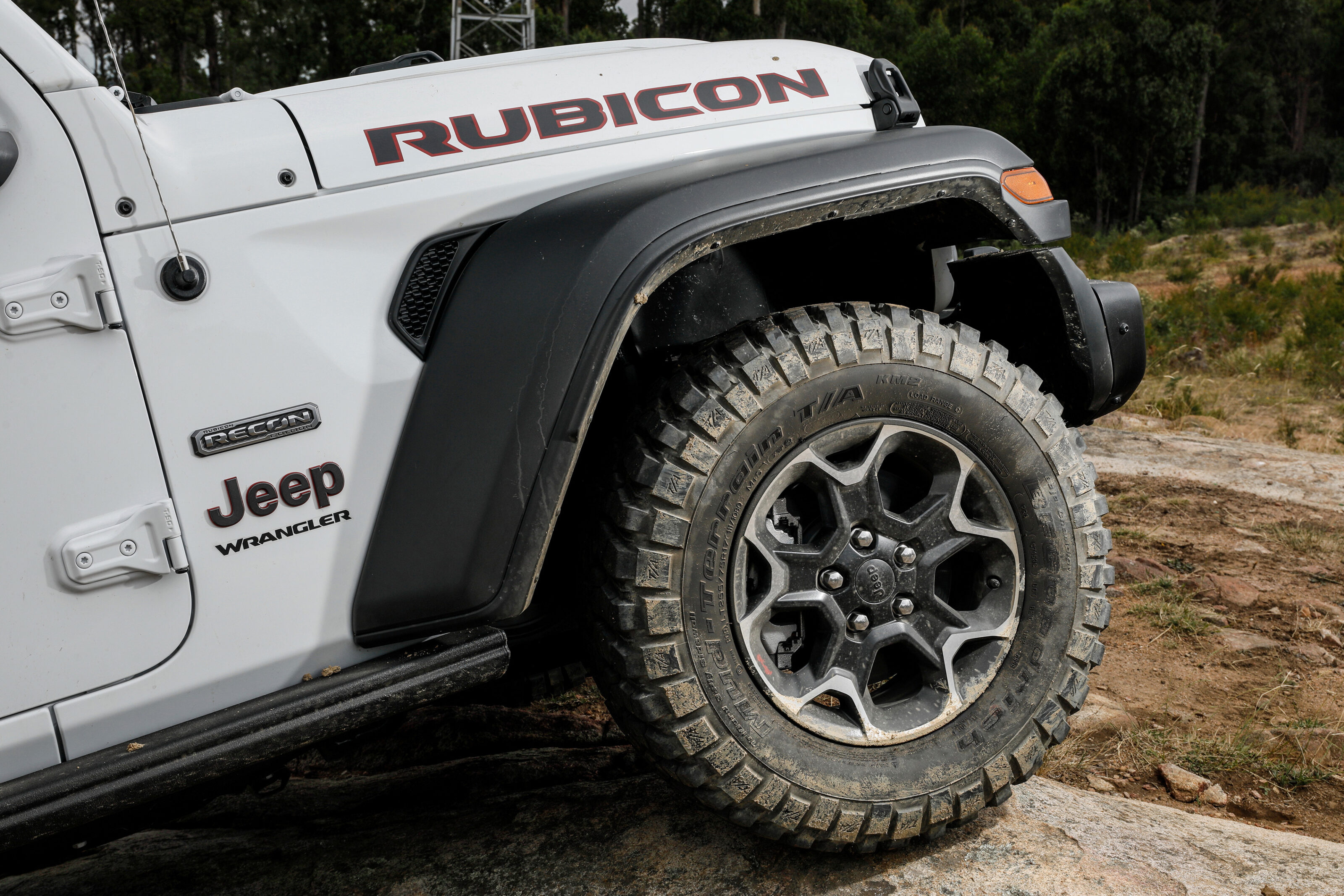
The two-door Recon bobbles about in forward motion, never really planted nor transmitting much information up through its industrial-grade hardware, so much of it in fact that the small-stature Rubicon’s weighbridge ticket nudges two tonnes. It’s an animated bugger, its scant wheelbase and high ride conspiring to an inordinate amount of pitch under braking and never really drumming up much sense of stability.
While it meanders about the lane, threatening to slap wing mirrors with neighbouring travellers, the squishy initial ride pummels road joints, Tarmac acne, roundabout lips and perhaps the odd small Japanese hatchback with nary a murmur. But it’s not all smooth sailing around town. Demand suspension stroke over larger obstacles and the ride can get terse, particularly across the rear axle. That’s realistically no foul given the Jeep’s natural off-roading purpose – in fact, it’s downright comfy for what it is and a damn sight better than most big-buck dual-cab utes.
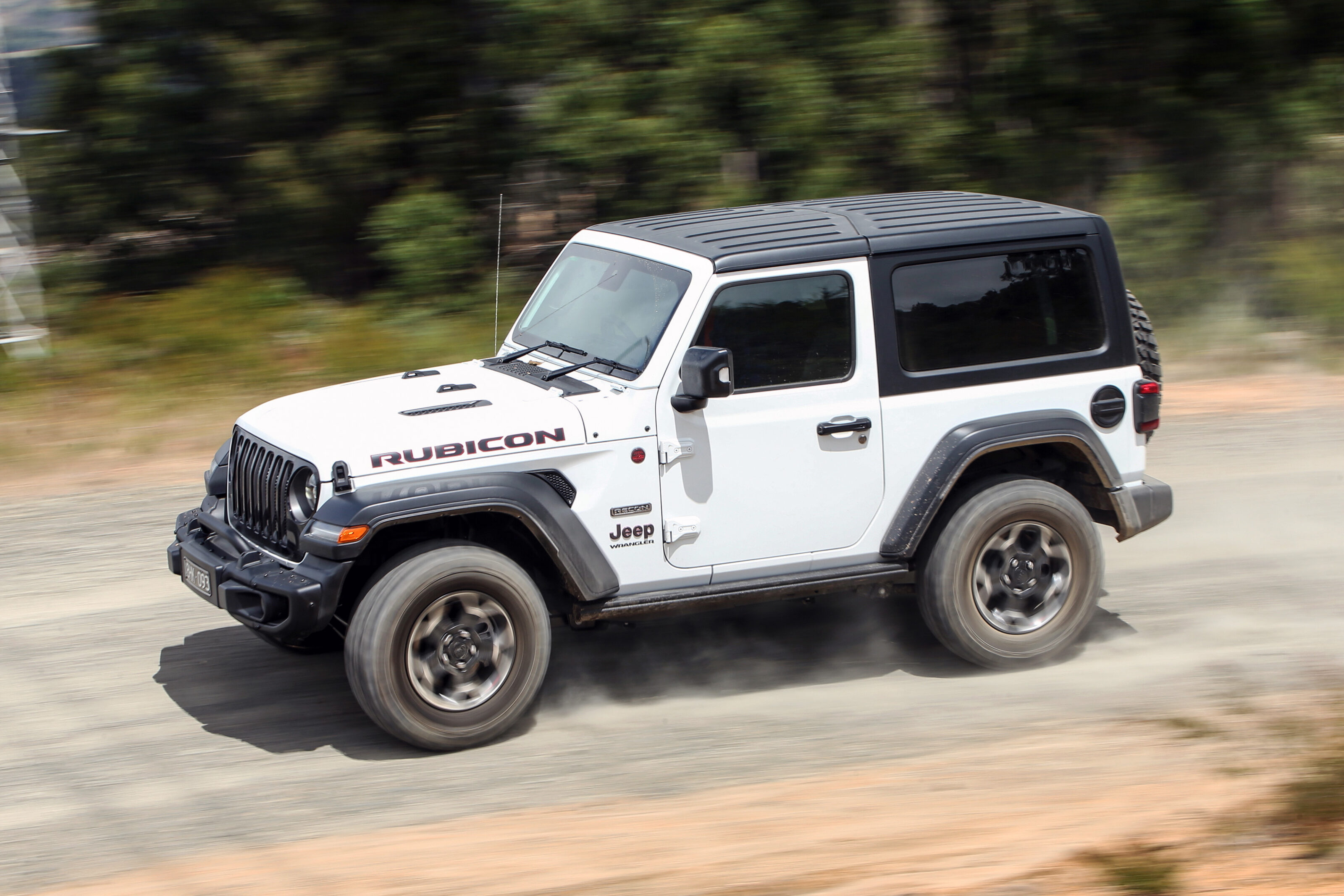
The petrol V6 and eight-speed conventional automatic combination must surely glove-fit Jeep’s MO because it’s adopted so widely by the marque and presumably fan-tested to extremes by brand die-hards. I was expecting neither agricultural infidelity nor polished Euro-like precision and, sure enough, the powertrain sits in a suitably and fittingly workmanlike middle ground.
Like most larger naturally aspirated engines, the Jeep’s lump delivers keen response and swelling torque, with ample thrust that tends to hit a wall of enthusiasm in the upper rev range as its modest 347Nm contests with a hefty kerb weight and rising aerodynamic drag approaching that of a small office block with speed.
A pleasant bent-six thrum turns to a racket when you punch it for overtaking and rolling acceleration isn’t its forte, though I imagine the 3.6 Pentastar’s relatively modest genes pay dividends in dependability anywhere you like between Uluru and Death Valley in most temperature extremes. Particularly given it runs happily on 91RON or E10. Jeep claims the shorty Wrangler as a breed will hit 100km/h from a standstill in 7.5 seconds and it just might feel as much with a stiff tailwind.
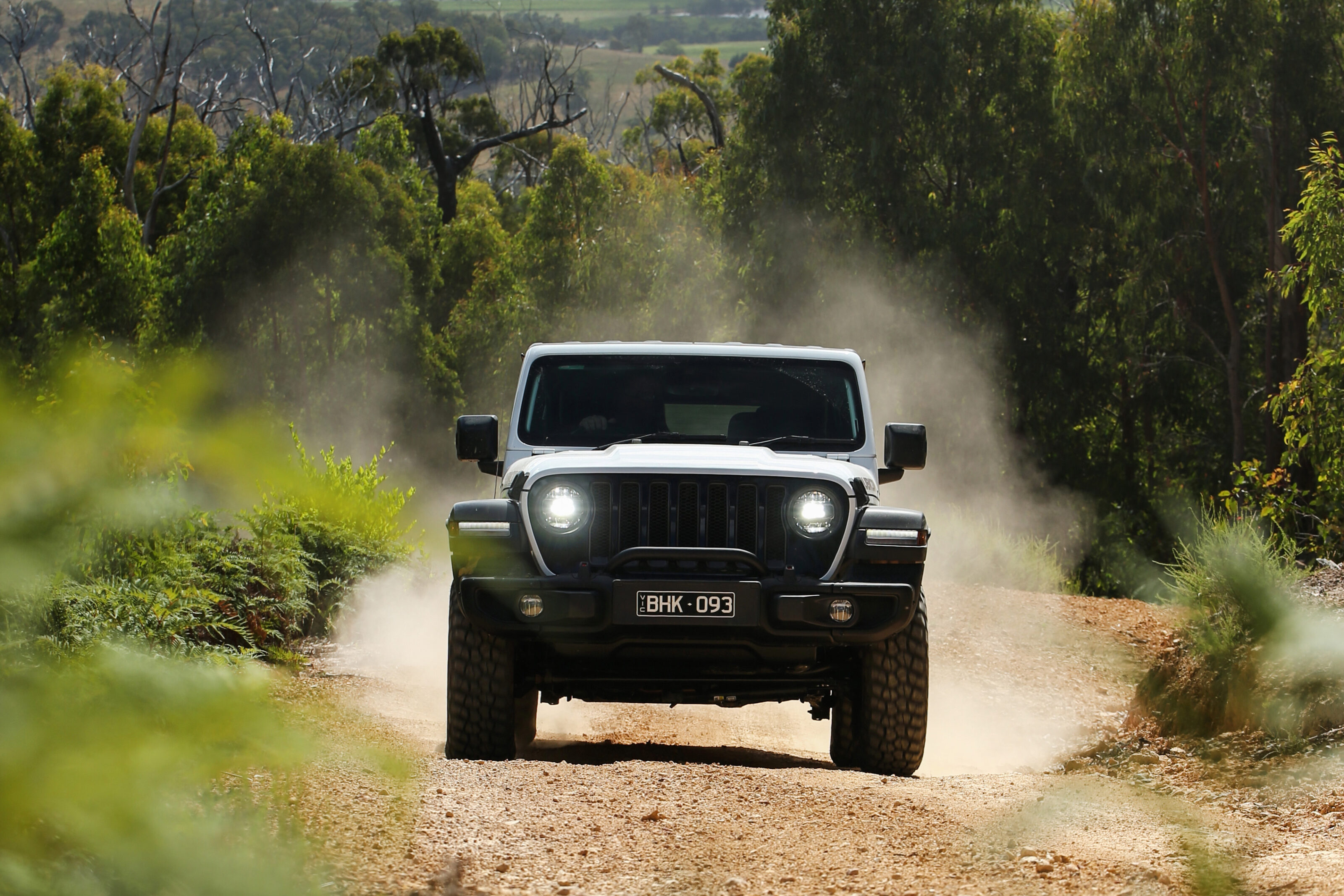
The auto is less convincing. It’s a little thumpy between the odd shift here or there, complete with a bit of slap coming on and off the throttle. Excessive abuse at the hamfisted hands of journalists? Sorry, if there’s a device you ought to expect bombproof integrity under continual long-burn excess, it’s Jeep’s Rubicon breed. And the single area where our tester, 8000km young, feels tired is its transmission.
That short 4.11 final drive, a low-speed off-roading boon, does peg the engine’s rpm above two grand on the open road, where those mud-kickers really get their roar on and ambient cabin noise becomes borderline oppressive.
Unsurprisingly, the faster you go, the dynamically looser it gets. Dial up a buck-ten on the open road and the Wrangler demands an almost exhausting amount of concentration and correction, though the upshot is it certainly maintains your attention on a long haul, in my case a day-long jaunt from Big Smoke Sydney to Victoria’s Goldfields as the Rubicon baits us towards a familiar beaten path or three.
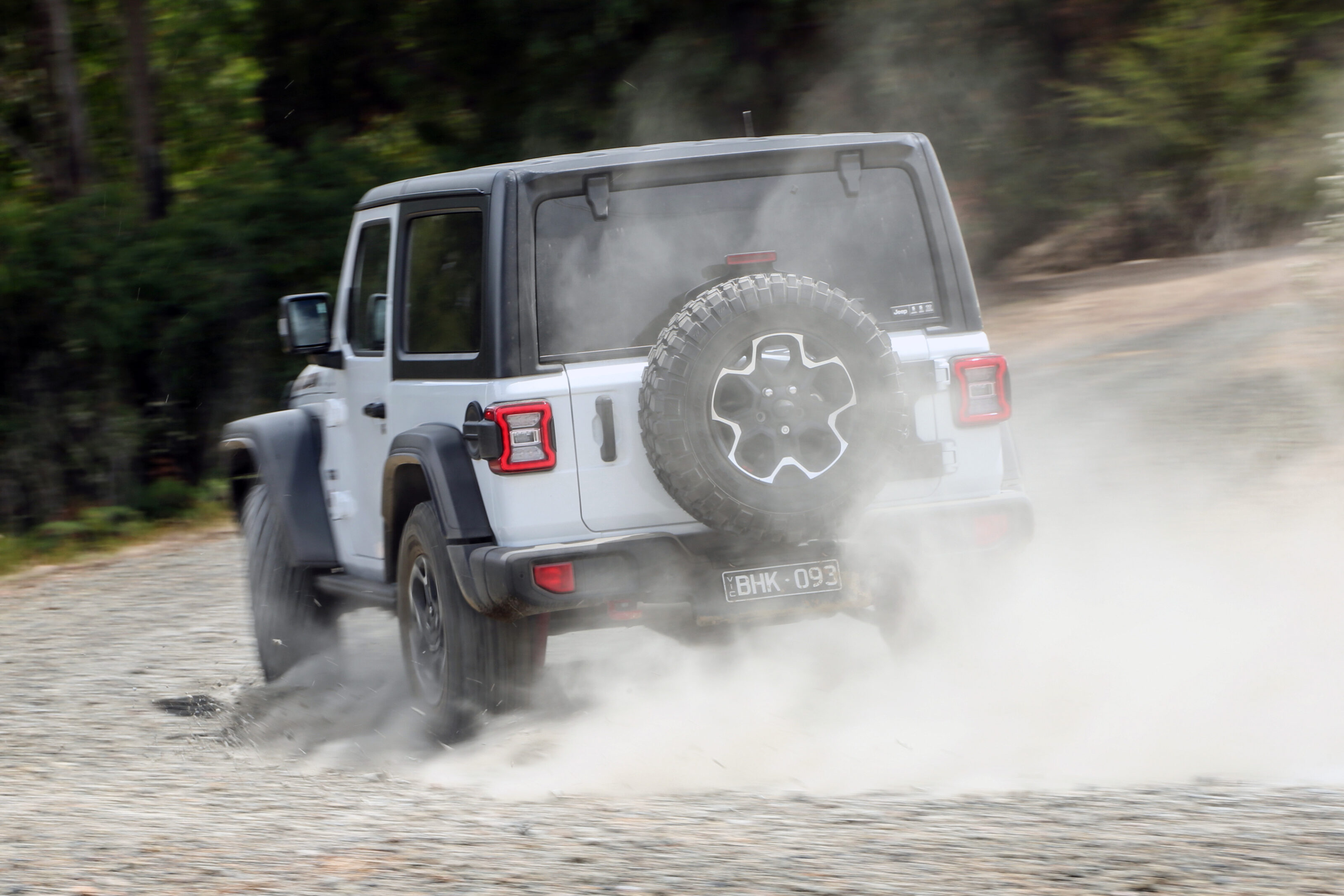
It’s thirsty. Jeep advertises 7.7L/100km for the highway cycle with a 9.6L combined average for the short-chassis format and after 16 hours and four tankfuls of open road observation I doubt the Recon will ever see single figures. On the Hume it stuck faithfully to low 10s, around town rising into the 12s. The point? Two-door Wranglers fit 66 litre tanks – the four-doors fit 81L – with a maximum range of around 500-ish highway kilometres indicated. If you’re up for a long day of back-country rock crawling, you might want to pack the jerry cans.
My favourite dirt digs are a labyrinth of hilly fire trails in a national park located near family (AKA, help), steeper sections of which have been modified by local off-roaders. No Everest by 4×4 enthusiast measures but a solid challenge for, say, the Ranger Raptor I brought here a while back. It’s the kind of place a city slicker might be enticed to explore by the Rubicon-spec Jeep they stumped up for…
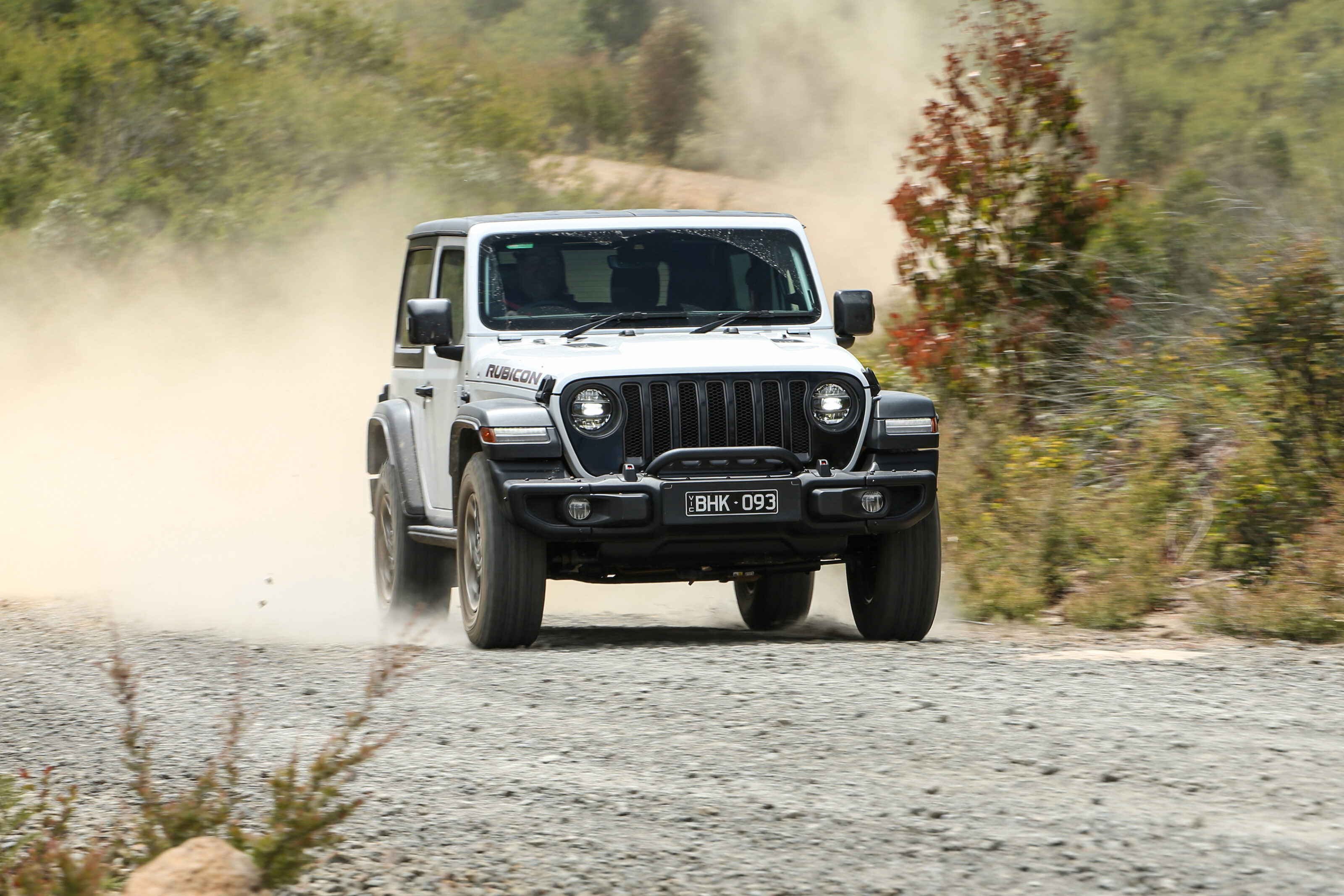
The prevailing terrain is met with a choice of 2 High, 4 High Auto, 4 High Part Time and 4 Low modes, plus the option to lock the rear or both front and rear differentials electronically (in 4 Low) and, independently, uncouple the front sway bar (in any 4×4 mode). Level: expert.
With my doubt-stricken 11-year-old son riding shotgun, I slot the chunky mode lever into 4H Auto, leave everything else alone, point the Jeep’s nose towards the steepest climb in eyeshot and have at it. The Recon romps over the rutted and craggy hill like it’s a Bunnings speed hump, at a pace swift enough to match its undertow of sheer confidence.
We dive back down, about-face and repeat the ascent, this time in low range to hopefully stimulate added drama for the young lad. It climbs slower with more engine rpm and noise, if utterly effortlessly to snub my manufactured theatrics.
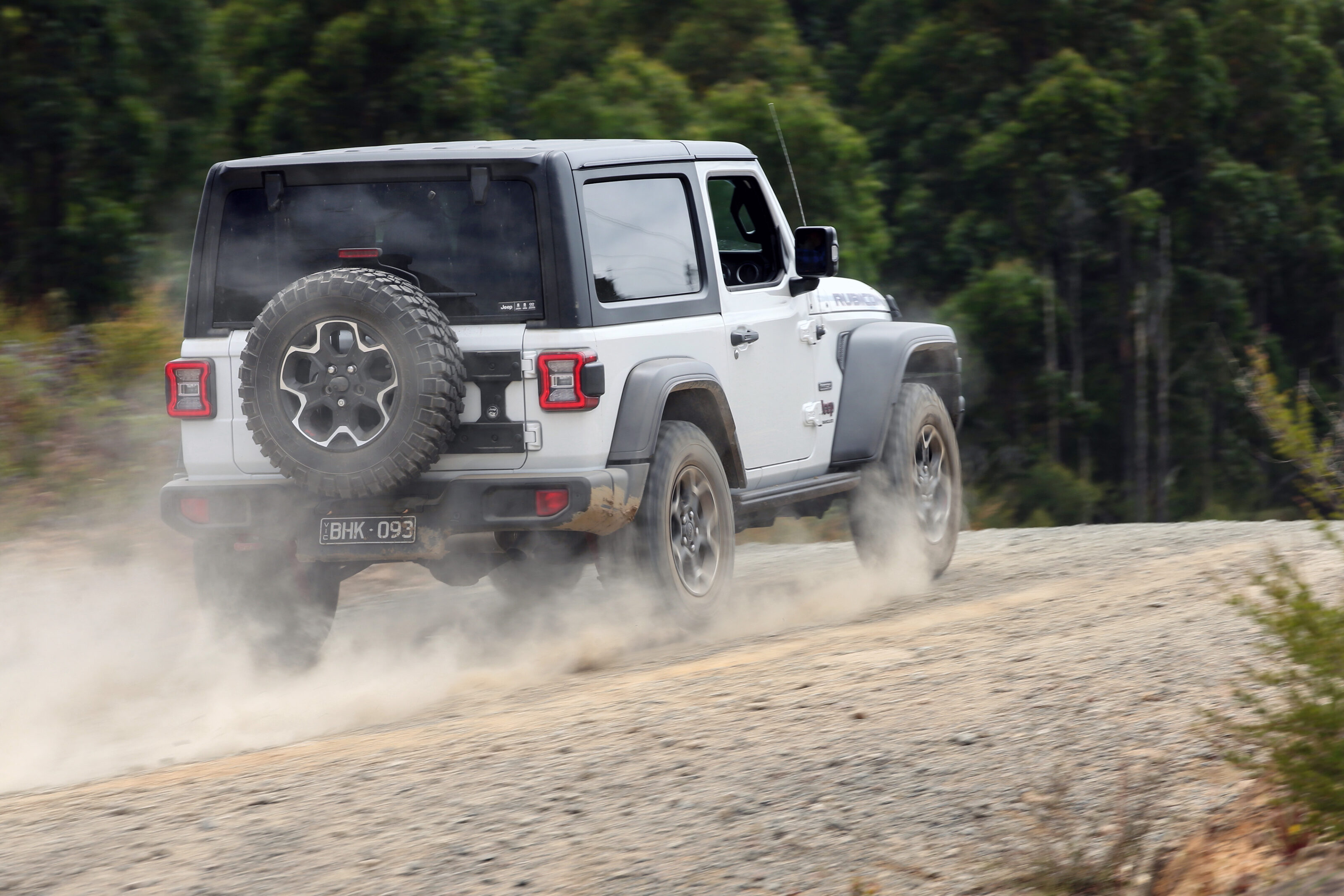
The rollercoaster, surrogate mountain biking tracks around these parts hardly flex Recon’s ultimate potential but it’s still a hoot. At a velocity that once had Raptor lifting its occupants from their seats, the Jeep just powers along, pummeling the course and its abrupt yumps and dips into submission, flattening the landscape with breathtaking poise and wondrous compliance. Wow.
Juiced up for further adventure, we find another track up into the thick bush that soon becomes a narrow walking track threading rock and tree clearances barely the width of the Jeep’s wing mirrors, with no sign of a U-turn clearing. We eventually find one, on the far side of a gully past a tight 90-degree turn and around a tree stump that would’ve surely wedged a 4.9-metre four-door Wrangler Unlimited.
The two door’s scant 10.5m turning circle is a godsend, the Jeep pivoting and dropping into the gully with a soft wobble on its suspension at the bottom, before firing up into the clearing.
Returning is tougher: gully, 40-degree climb into the tight, inclined right-hand turn between rock and stump. So off we go, low-range engaged but no other function fiddling, the Recon steadily clambering up through the needle-threading manoeuvre with consummate precision and control.
It’s then that I realise the short wheelbase Wrangler Rubicon Recon wasn’t merely the best vehicle for the situation we’d gotten ourselves into, it could well be the only vehicle to see us through. The short-form Sport S or Overland as an alternative? Different 4×4 system, different tyres, taller final drive…possibly. “Don’t tell your mum,” I plead to Junior.
Some conventional safety measure might concern some (mud) tyre-kickers. This JL Wrangler generation’s 2019 introduction was met with a lowly one-star ANCAP rating, amended to three stars later that year with the introduction of all-speed autonomous emergency braking and blind-spot monitoring across the range. Rear cross-traffic alert is also standard.
Where does safety fall short? There’s no pedestrian or cyclist detection, no lane-keeping assistance (steering is an electro-hydraulic design), and its four-airbag fit-out doesn’t include any coverage for second-row passengers. Structurally, the four-door Wrangler used for the Euro NCAP-based assessment scored a zero for pole oblique impact testing.
Jeep’s warranty is five years and extends through to 100,000 kilometres. Capped-priced servicing comes in at $399 for each of the first five visits on 12-month/12,000km intervals, with the continuation of roadside assistance thrown in if your Recon is serviced through Jeep’s dealer network.
Such a focused off-roader deserves a focused off-road assessment that stretches the breadths of its potential harder. Particularly when Jeep is offering so few examples for the die-hard enthusiast and where the larger four-door Unlimited body style has proven popular enough to put the regular two-door Rubicon into its current hiatus.
Jeep Australia should bring the shorty Rubicon back into local showrooms and not merely for some injustice or guilt in having non-enthusiast owners using Recons as city runabouts while leaving dirt-loving aficionados without. It’s because, in some perversely ironic manner, that Wrangler variant tailor-made for 4×4 die-hards has an uncanny ability to lure hot-mix dwellers into semi-serious off-roading engagement out of sheer charisma alone.
Not to detract from the rest of the Jeep breed, but the Rubicon Recon being so capable once it lures you off road – and it will – makes it the ideal tool for that job to begin with.
The Verdict
Jeep Wrangler Rubicon Recon Specifications
Body: 2-door, 4-seat sedan Drive: On-demand all-wheel drive Engine: 3604cc V6, DOHC, 24v Bore/stroke: 96.0 x 83.0mm Compression: 11.3:1 Power: 209kW @ 6400rpm Torque: 347Nm @ 4100rpm 0-100km/h: 7.5sec (claimed) Fuel consumption: 9.6L/100km (combined/claimed) Weight: 1917kg (tare) Power/Weight: 109kW/tonne Transmission: Eight-speed torque converter automatic Suspension: Solid axles, coil springs, Panhard rod, switchable anti-roll bar (f); solid axles, trailing arms, coil springs, Panhard rod, anti-roll bar (r) L/W/H: 4334/1894/1839mm Wheelbase: 2459mm Tracks: 1598/1598mm Steering: electro-hydraulic assisted recirculating ball Brakes: 330mm ventilated discs, twin-piston calipers (r); 342mm solid discs, single-piston calipers (r) Wheels: 17 x 7.5-inch (f & r) Tyres: 255/75 R17 (f & r) BFGoodrich Mud Terrain KM2 Price: $66,950
Snapshot
- Californian EV manufacturer already has significant investment from firms such as Amazon and Fidelity
- First passenger electric vehicle, the R1T pick-up truck, due for US deliveries in July
American electric vehicle manufacturer Rivian Automotive could be going public by the end of 2021.
According to Bloomberg, the Californian-based EV outfit has chosen underwriters for an Initial Public Offering (IPO) and could be seeking an eye-watering US$70billion (AU$90.5billion) valuation if/when it does go public.
The automaker has reportedly consulted with several US financial institutions in the lead-up to the IPO, including Goldman Sachs, JPMorgan Chase & Co, and Morgan Stanley.
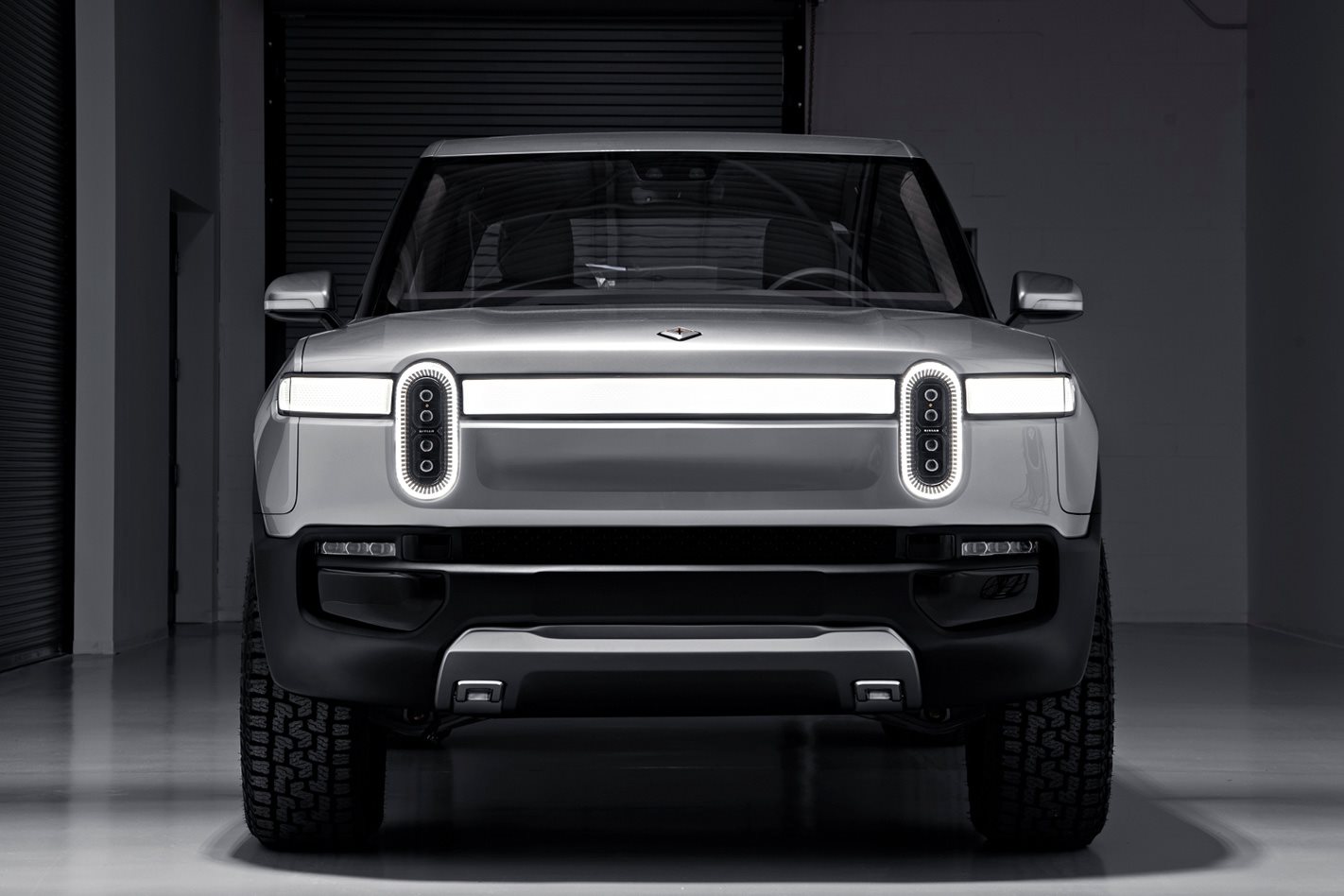
Rivian made headlines in 2019 when American multi-national tech behemoth Amazon placed an order for 100,000 examples of its electric vans, which are scheduled for delivery in 2022.
At the beginning of 2021, the EV firm announced it had secured US$2.65 billion of investment from Amazon, T. Rowe Price Group, and Fidelity Investments, and was valued at US$27.6bn (AU$35.7bn).
A decent amount of the rumoured US$70bn valuation rests on Rivian’s ability to deliver its first passenger electric vehicle, the R1T pick-up truck.
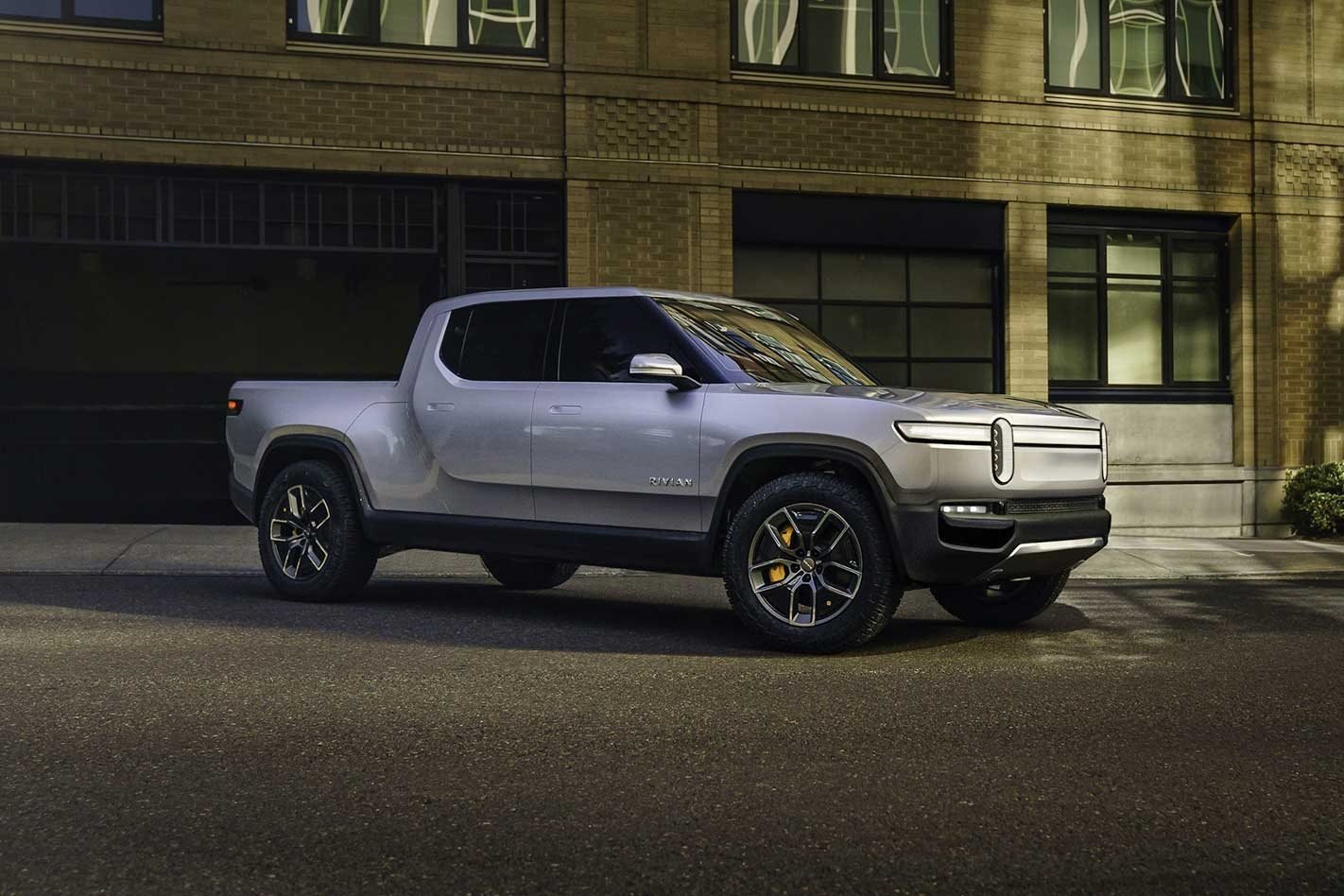
The R1T was due to begin deliveries in June, however, the automaker has since pushed back that timeframe to July without providing an explanation.
If Rivian does make a move to the stock exchange, it will join a growing list of EV automakers in the US that have gone public in an effort to raise capital, including Tesla and more recently, Lucid.
Snapshot
- Outputs 1407kW/2360Nm for a 412km/h top speed
- Just 150 made at A$3.1m each
- Faster 400m ET than a Bugatti Chiron
Stop what you’re doing; this is actually an EV hypercar worth paying attention to. Don’t believe us? How does twice the power of a modern F1 car, a top speed of 412km/h, and the ability to destroy a Bugatti Chiron over 400 metres sound?
Yeah, it got our attention too.
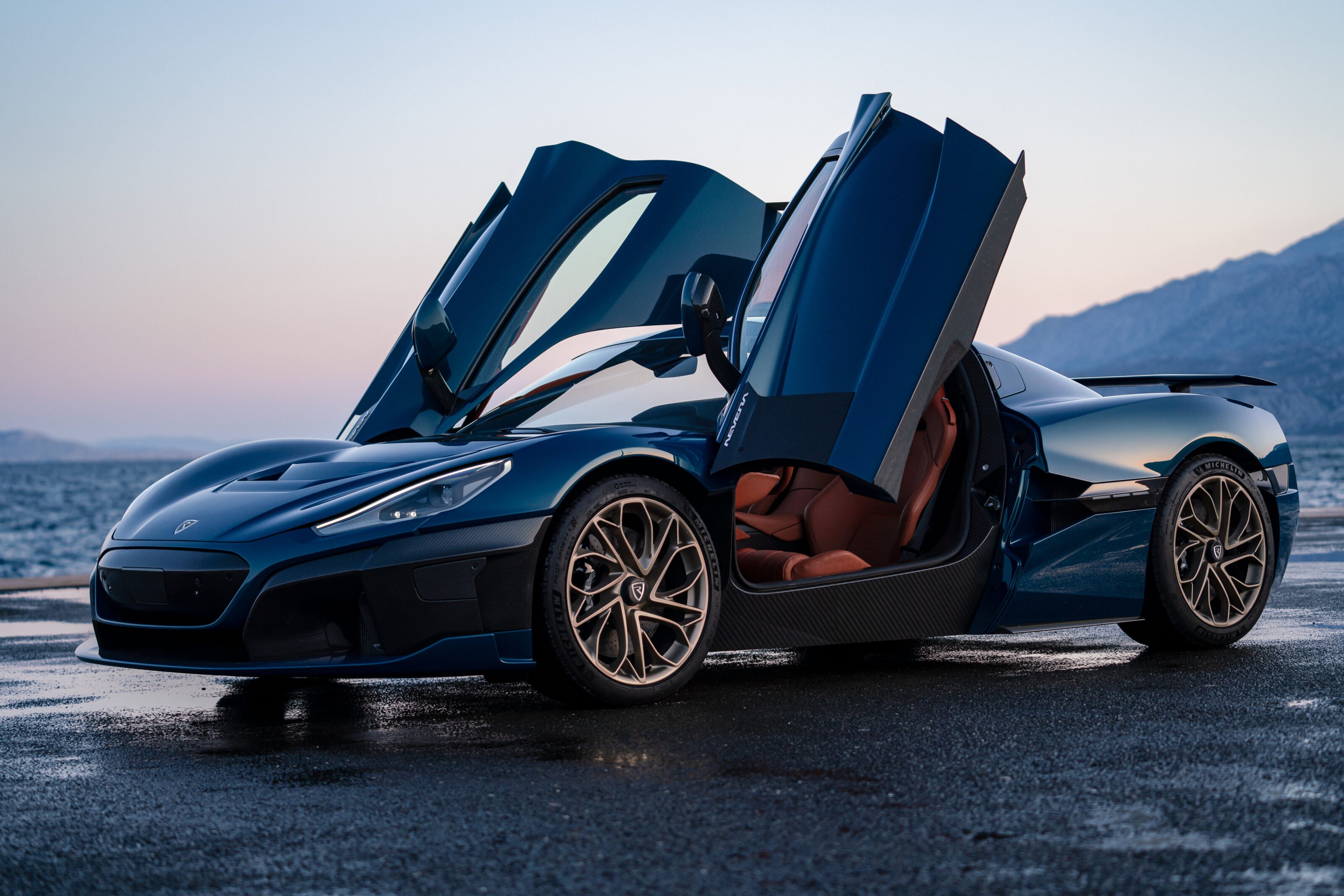
What you’re looking at is the Rimac Nevera, the latest creation to emerge from one of the world’s most exciting and fastest growing companies.
Based in Croatia and headed up by 33-year-old founder Mate Rimac (we’ve given him honorary Aussie citizenship based on his name alone), Rimac’s expertise and influence goes beyond low-volume hypercars like this one. Porsche owns 24 percent of the company, for example, and such is Rimac’s reputation in the industry that Volkswagen is effectively about to give it control of Bugatti to help create its first EV.
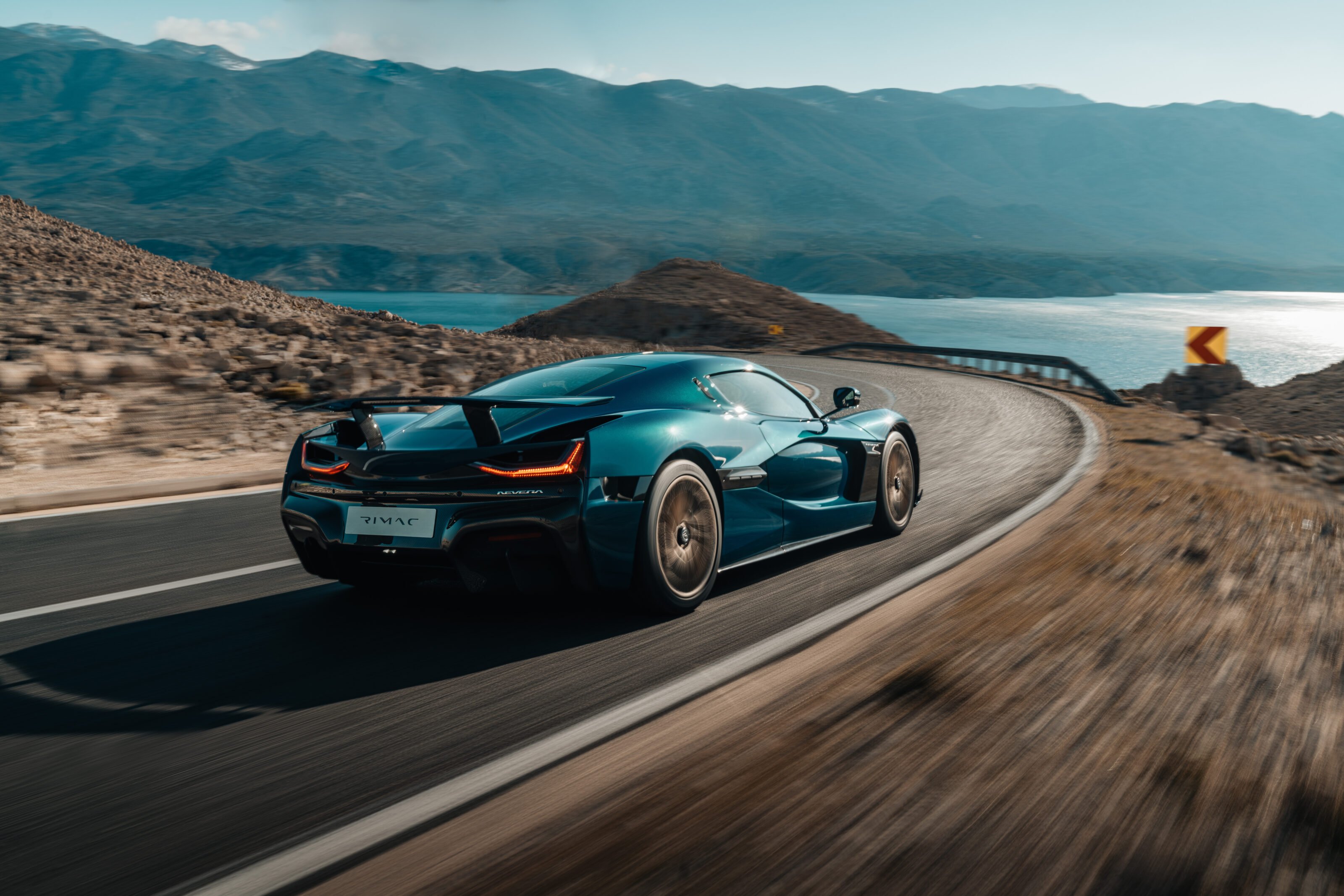
But back to the Nevera. Named after a fierce electrical storm that sometimes lashes the Croatian coastline, it’s the production-ready version of the Rimac C_Two show car first revealed in 2018. Built around a carbonfibre monocoque that Rimac claims is the largest and stiffest of any car on sale (yet it weighs just 200kg) power arrives courtesy of four electric motors – one per wheel. There are two single-speed gearboxes, one for each axle, which aids with lightning quick torque vectoring.
Outputs sit at a vaguely ridiculous 1407kW/2360Nm which partly helps to explain the Nevera’s ferocious acceleration. Engage launch control and, despite a hefty circa-2000kg kerb weight, the Nevera should hit 0-98km/h in 1.85 seconds and cover the quarter mile in 8.6sec.
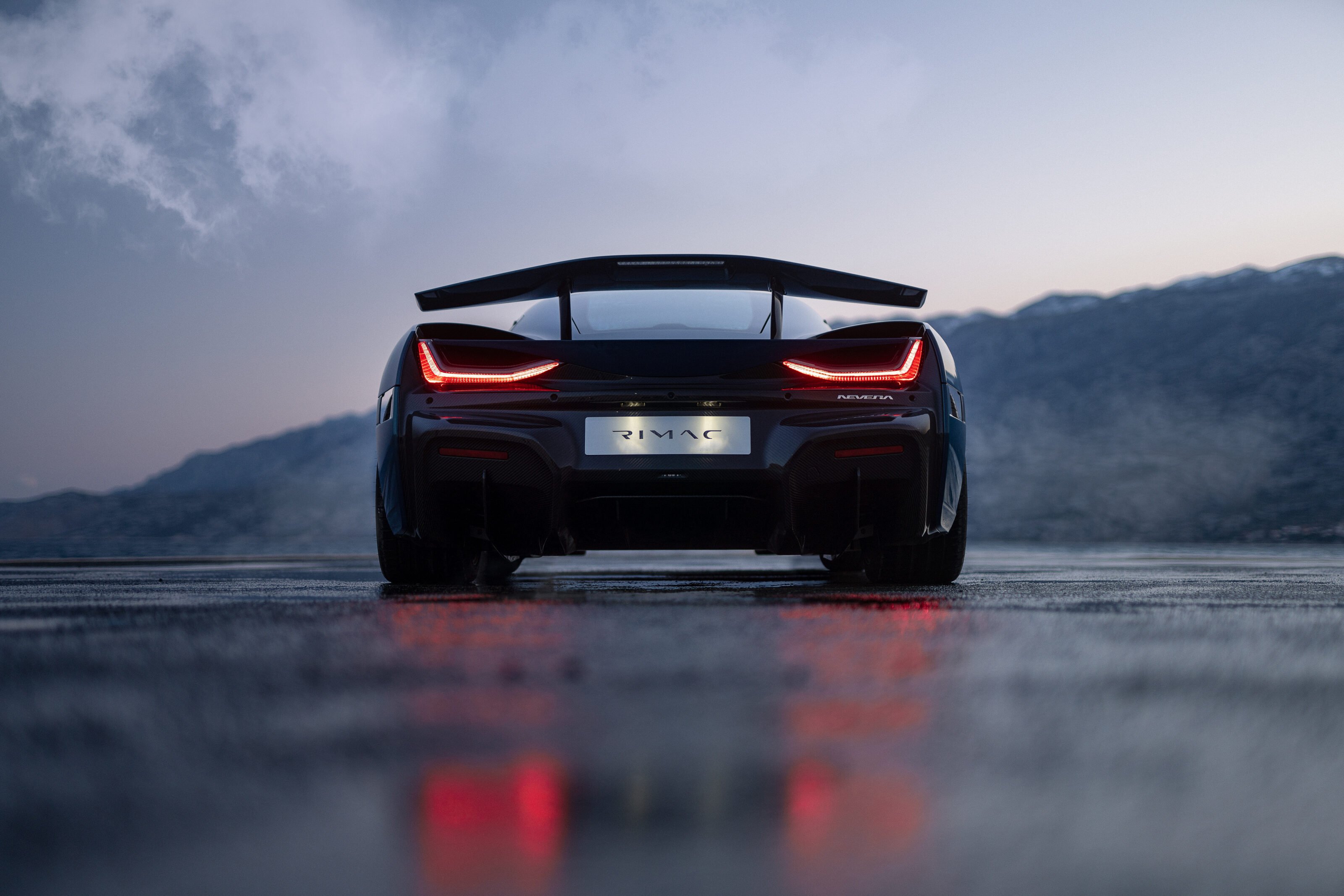
And yes, of course there’s a Drift Mode which gives the rear motors every available kW and sends zero to the fronts.
Helping tame all that performance is double-wishbone suspension all-around and 390mm Brembo carbon ceramics. The range is respectable, too. Rimac says the Nevera’s 120kWh battery (which is shaped like the letter H) has the highest capacity of any yet fitted to a production car and is capable of travelling 550km on the WLTP cycle.
Need a recharge? On a 350kW charger you can juice up from 20-80 percent in 19 minutes.
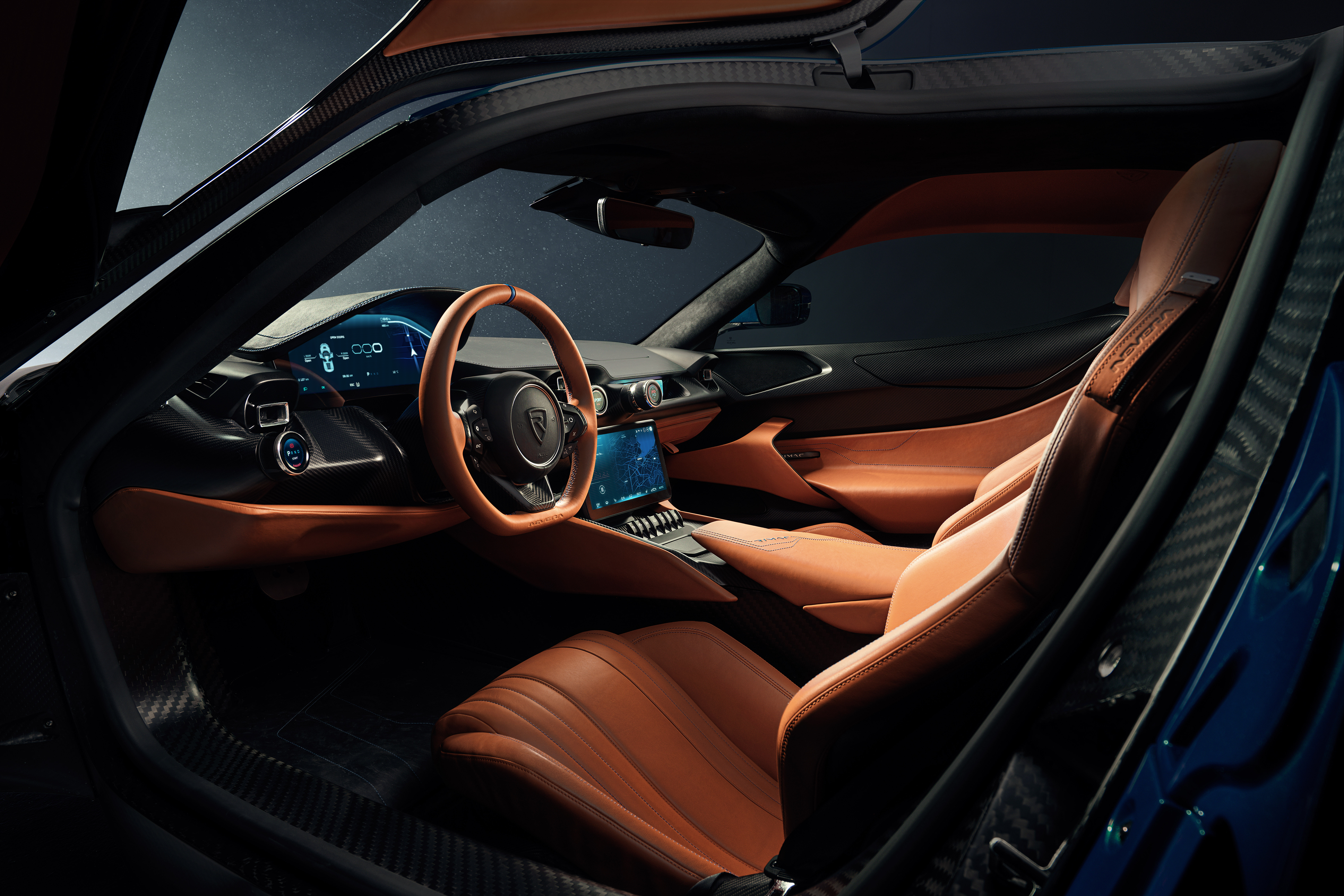
Of course, all this doesn’t come cheap. Just 150 Neveras will be made, with a production schedule of one car per week, and each will carry an eye watering price tag of AUD$3.1m. Such is the demand for Rimac’s product, however, that the first 50 are already sold.
Curious about what it’s like to drive? Wait for the July issue of Wheels to read our exclusive test.
Snapshot
- Silent Shadow name references iconic Rolls
- Body style and power unknown
- EV benefits well-suited to nameplate
Rolls-Royce has confirmed it is working on its first electric vehicle, which will be dubbed the ‘Silent Shadow’.
The title, which was patented by the luxury Marque last year, is a throwback to the long-running Silver Shadow sedan produced between 1965 and 1980.
In an interview with Bloomberg Television, Rolls-Royce CEO Torsten Müller-Ötvös was tight-lipped on when the car will be released. The premiere EV is slated to be an entirely-new vehicle, though a Phantom-based test mule is apparently being used at parent firm BMW’s Munich development facility.
Several all-electric cars are part of the current BMW line-up. The compact i3 was launched in 2013, followed by 2021’s IX SUV. The i4 Gran Coupé was unveiled earlier this year, and is due to hit Aussie shores in 2022 with pre-orders open now. It’s unclear as to how much (if any) of BMW’s EV technology will be used to power the Silent Shadow.
Right now, the entire Rolls-Royce model range is powered by a twin-turbo V12 engine in either 6.6 or 6.8-litre displacement, with a maximum output of 465kW. For reference, the new I4’s optional M Sport package will offer up to 390kW.
In 2017 Müller-Ötvös told Autocar that the company would be skipping hybrid cars in favour of fully-electric powerplants to deliver an uncompromised passenger experience. “The Rolls-Royce brand is not, in a way, a game-changer when it comes to revolutionary technology,” he said.
“Our customers are doing so for reasons of utmost luxury, so there can be no imperfections.”
In the Bloomberg interview, he also pointed out electric cars are well-suited to the Rolls-Royce brand. “We are not known for roar-y, loud engines and exhaust noises whatsoever, and that’s a big benefit.”
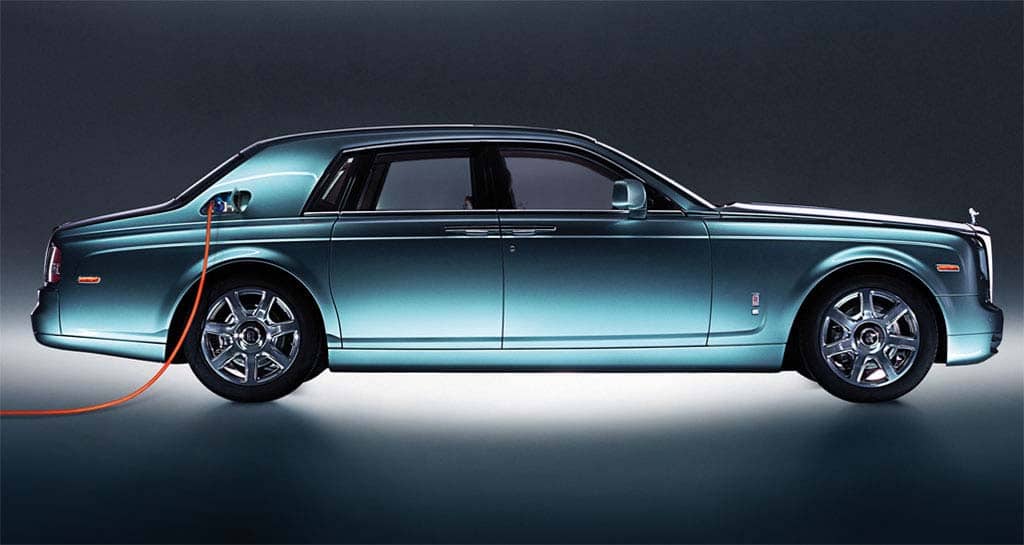
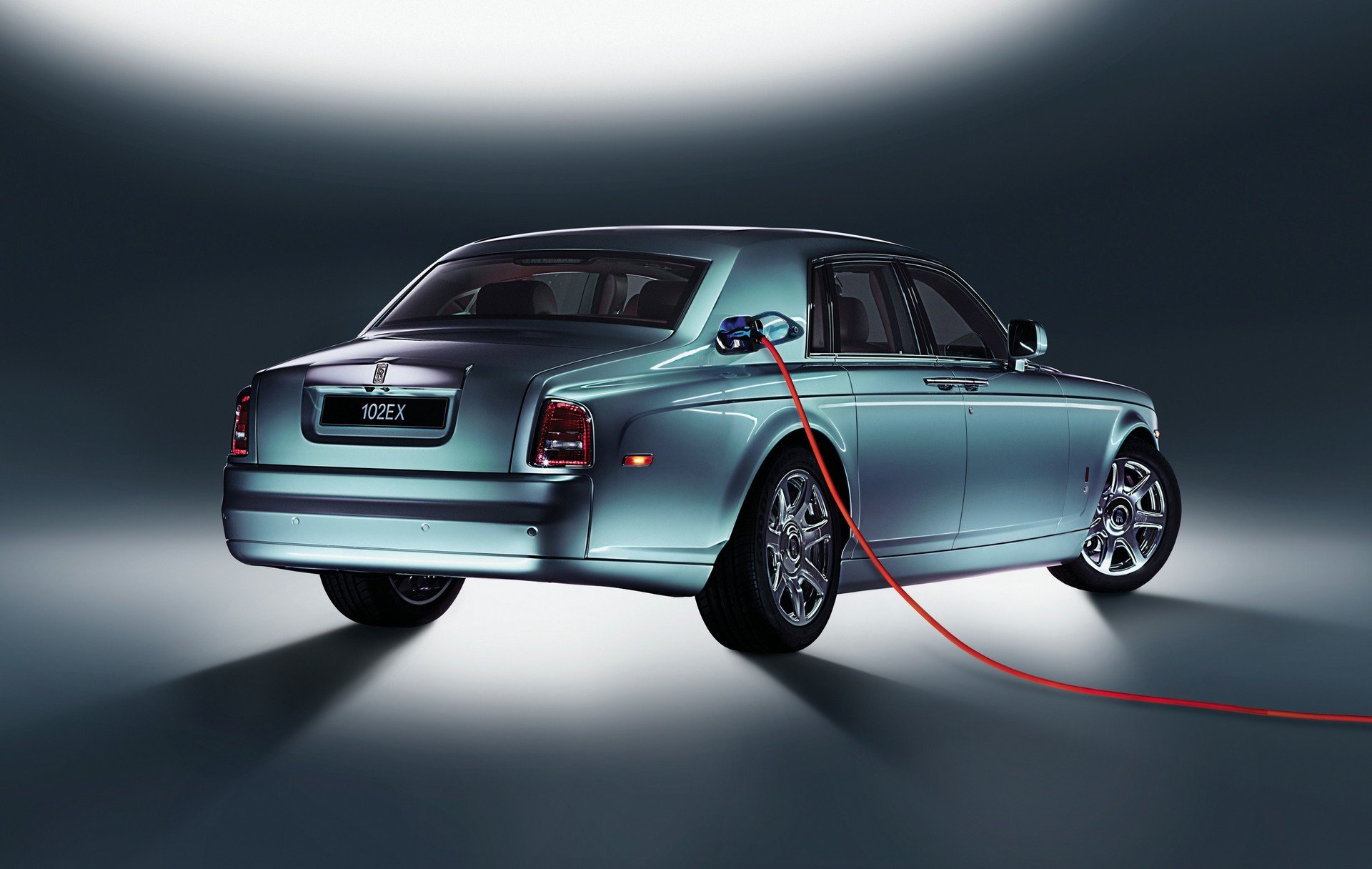
Rolls showed its first and only electric concept car, known as the 102EX, at the 2011 Geneva Motor Show. Also called the Phantom Experimental Electric, the car was powered by a pair of electric motors to make a combined output of 290kW. The 102EX featured a minimum charging time of eight hours for a total driving range of 200km.
Wheels has contacted Rolls-Royce for comment.
