
Snapshot
- More tradie-friendly version of Ford’s all-electric pick-up announced
- Pricing starts at US$39,974 (AU$51,401)
- Power and torque figures exceed petrol-powered variant
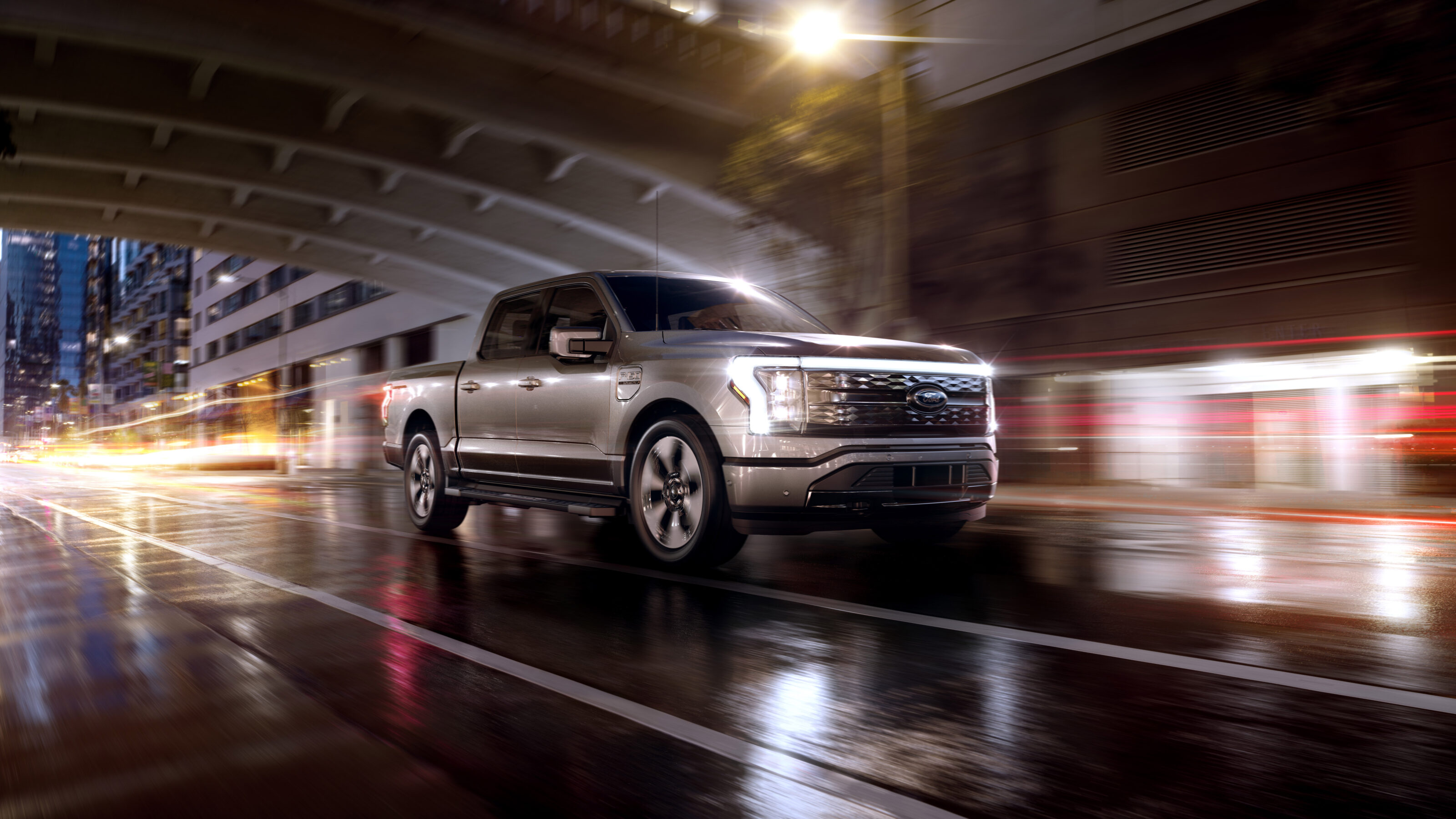
The 2022 Ford F-150 Lightning Pro – the American marque’s cheaper, more back-to-basics, variant of the regular F-150 Lightning has been revealed.
Hot off the back of the launch of its all-electric F-150 Lightning sibling last week, the Pro is Ford‘s first ever all-electric F-Series truck purpose-built for commercial customers.
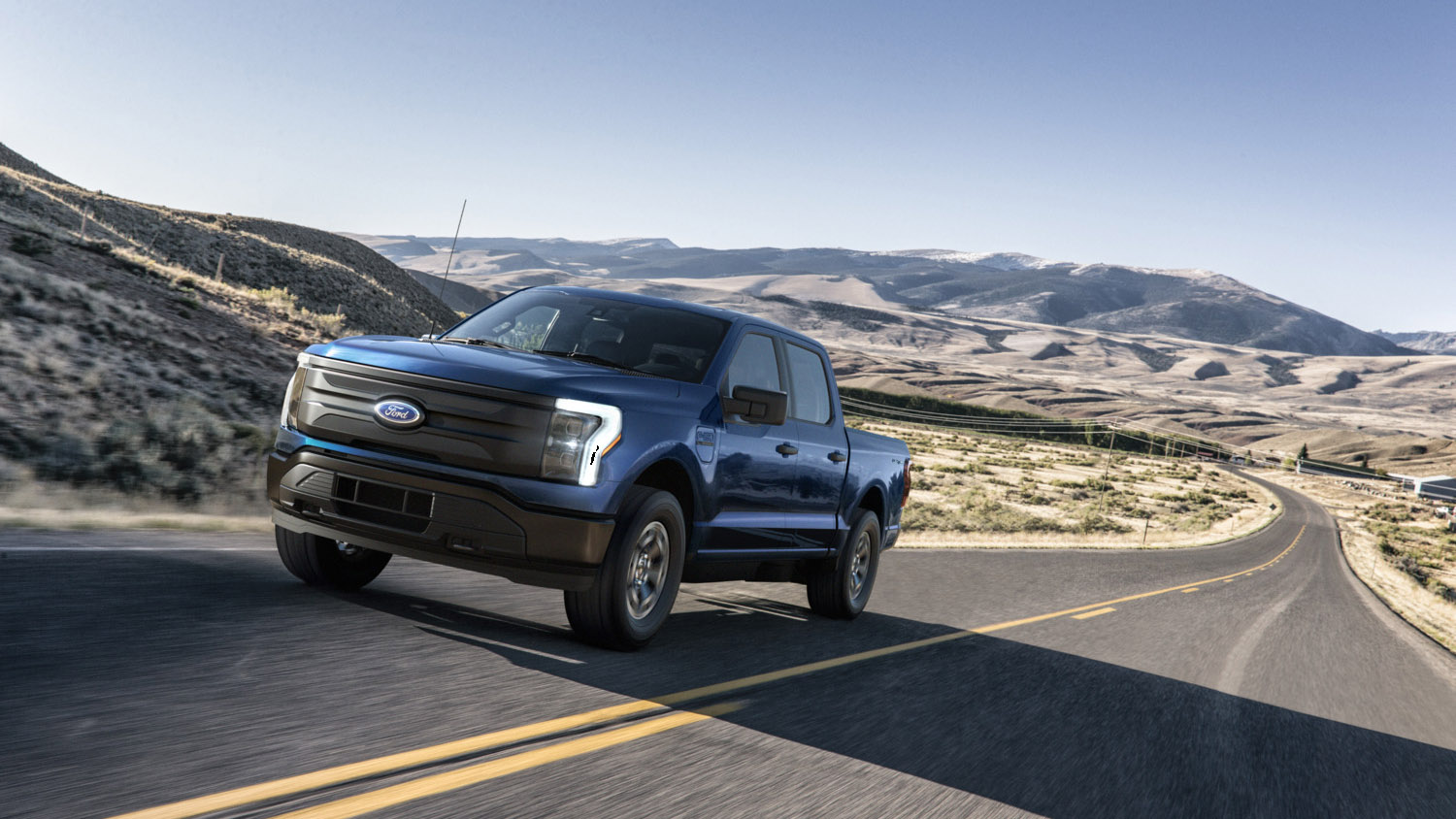
Starting from US$39,974 (AU$51,401) before on-road costs, the Lightning Pro is only US$3324 (AU$4274) more than the base petrol-powered F-150 but provides more power and torque with 318kW and 1051Nm available from the Standard Range lithium-ion battery compared to the 216kW/359Nm output of the 3.3L V6.
With an electric motor on each axle the Standard Range battery pack provides up to 370km range but buyers can purchase the optional Extended Range battery, increasing the power to 420kW while the range stretches out to a claimed 483km for the price of US$49,974 (AU$64,260) before on-road costs. The torque figure with the improved battery pack is unchanged.
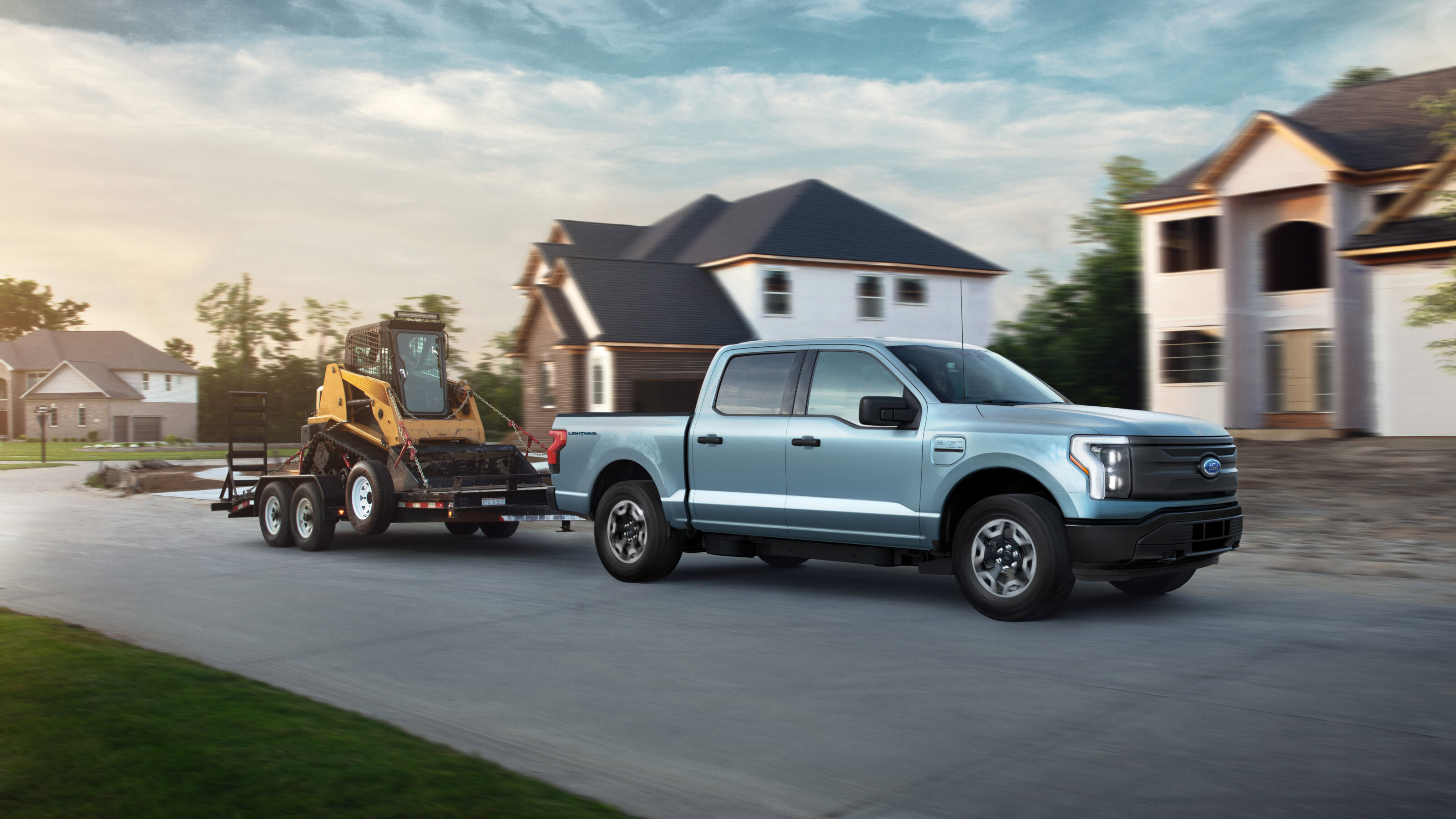
The base Lightning Pro has a targeted payload capacity of up to 907kg, with towing capacity starting at 2267kg and increasing to 3175kg with the Max Trailer Tow Package optioned. With the Extended Range battery, the towing capacity is said to jump all the way up to 4535kg with the Max Trailer Tow Package added.
Chargers start out with a 32-amp onboard charger, allowing 15 to 100 per cent charging on the standard battery in 14 hours and 19 hours for the larger pack. Optional 48 and 80-amp chargers are optional, lowering the 15 to 100 per cent charge time to eight hours on the standard battery.
Ford also offers an optional 150kW DC Fast Charger, bringing charge times from 15 to 80 per cent down to 44 minutes on the standard battery pack and 41 minutes for the Extended Range option.
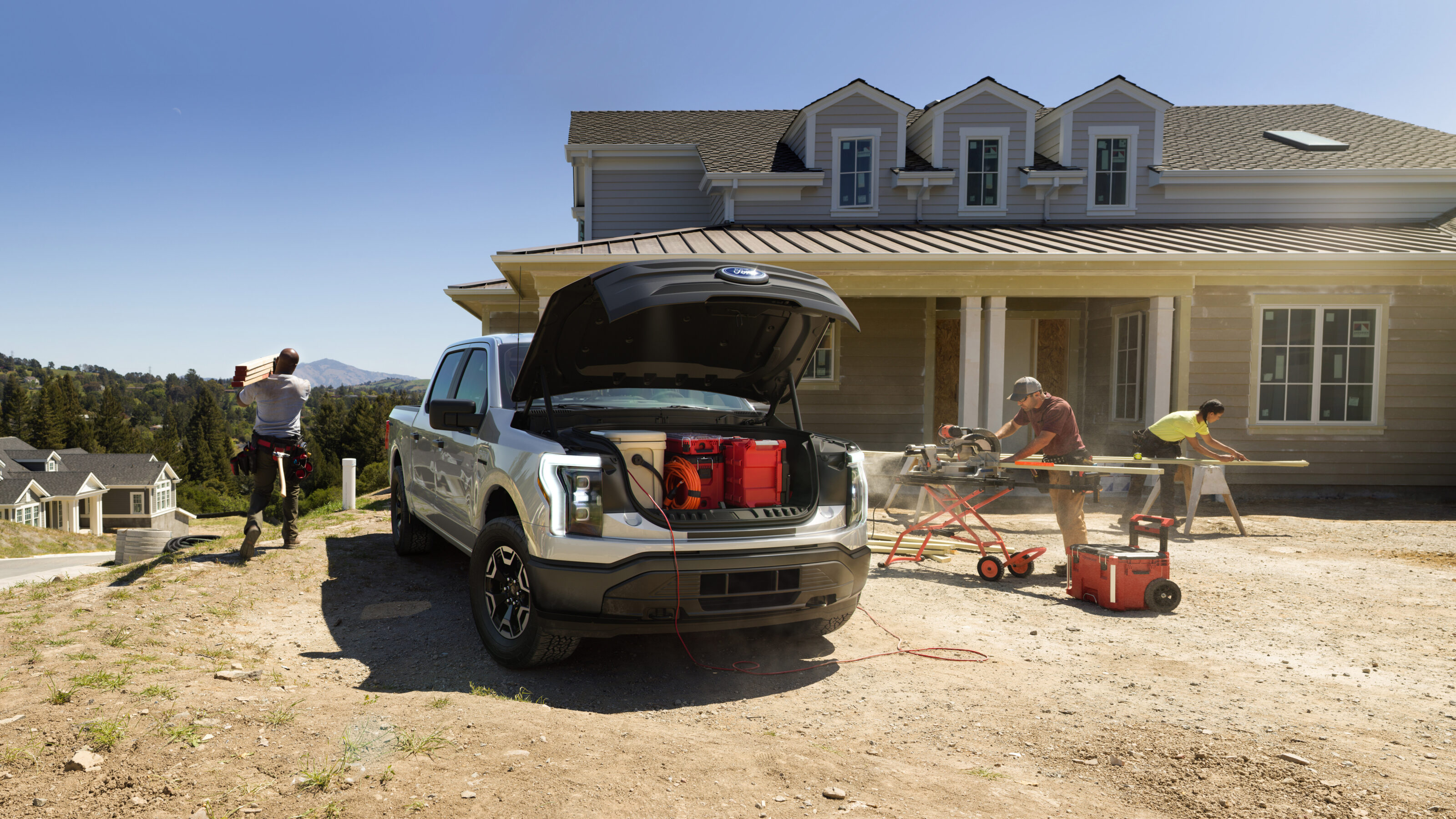
Just like its regular Lightning brother, the Lightning Pro gets the Mega Power Frunk where the engine would usually sit under the bonnet, holding four 120-volt AC electrical outlets and two USB ports inside while still having enough space for 180kg worth of cement bags.
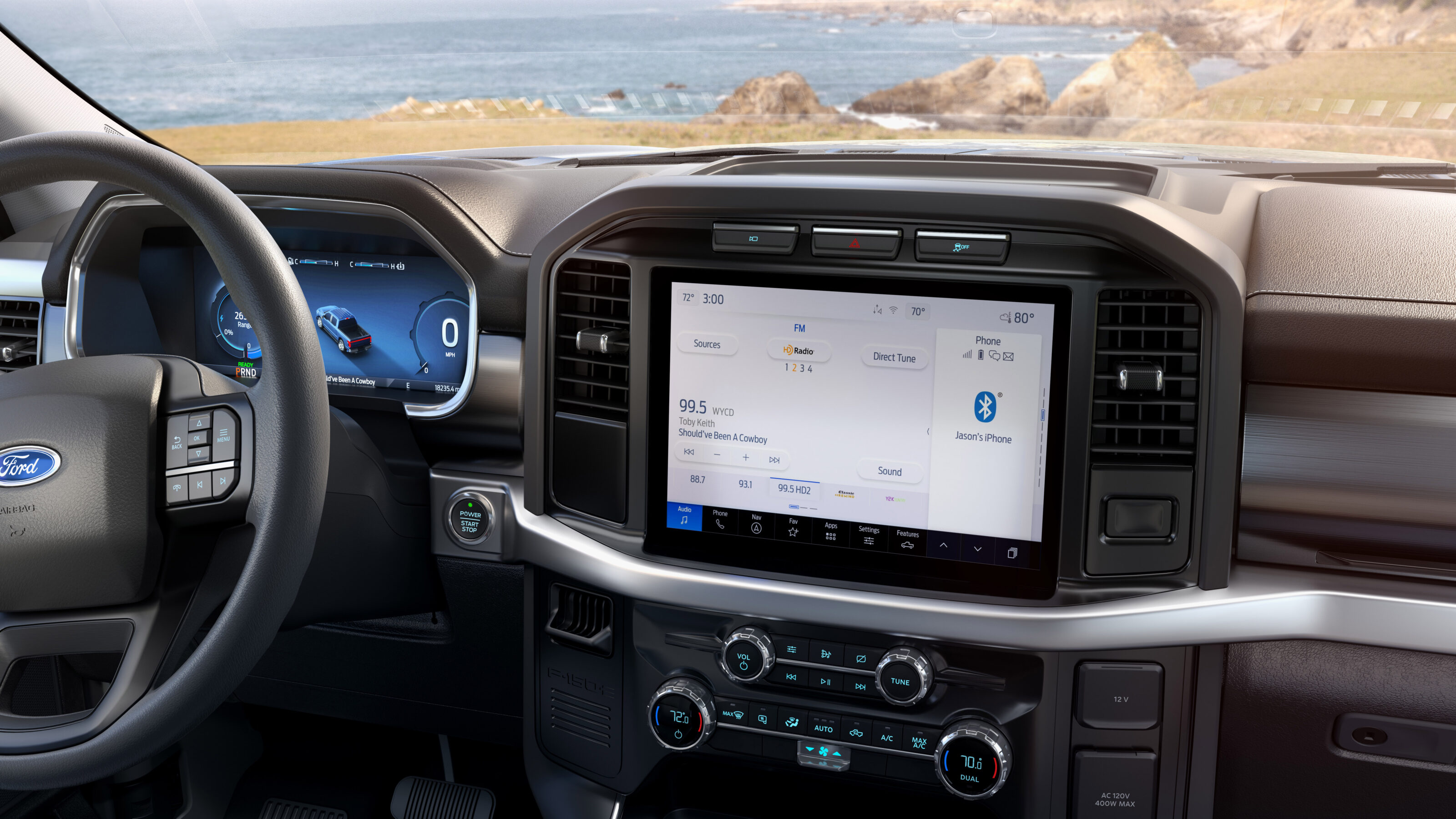
Though the Pro’s exterior is a more basic affair than the Lightning, missing out on the grille-wide light bar and having to don black bumpers, standard equipment inside still includes Ford’s 12-inch Sync 4 infotainment system and a 12-inch productivity screen.
Driver assists such as autonomous emergency braking, blind-spot monitoring, rear cross-traffic alert and lane-keep assist are standard on the Lightning Pro.
The Lightning Pro is expected to go on sale in the United States from the first half of 2022, with pre-order available now, though no official plans are being made to bring it Down Under, with Ford CEO Jim Farley recently stating the Australian infrastructure for electric cars is holding the Blue Oval back from expanding into our market.
Suzuki Australia is recalling more than 200 Jimny and Ignis models over multiple problems identified with the cars.
The Japanese marque says 16 2020 Jimny A6G415s sold between September 1, 2020, and March 1, 2021, are affected by a fault which involves the bond primer being applied to the windshield glass and the rear door window glass incorrectly.
As the bond primer may not adhere to the glass, water could leak into the cabin and cause the windscreen or rear windows to detach – increasing the risk of serious injury or death of other road users.
Suzuki is contacting affected owners by direct mail, but they should also contact their nearest Suzuki dealer to arrange for the relevant glass panels to be removed and reinstalled.
For further information, phone 1800 777 088 or to find your nearest dealer, visit: https://www.suzuki.com.au/dealer-locator
A list of VINs identified as possibly having the issue is available here and here.
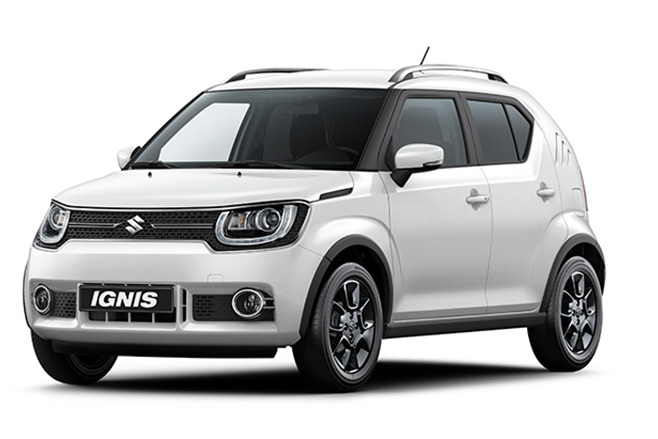
Additionally, the carmaker is recalling 227 2020 Ignis ATK 412s sold between July 1, 2020 and October 30, 2020 because the fuel tank breather pipe on the vehicles may have been wrongly moulded to the top of the tank.
If the pipe becomes detached through normal vibrations, in the presence of an ignition source, it could catch fire.
Lists of VINs for the affected cars are available here and here.
Again, Suzuki is contacting affected owners by direct mail, but they should also contact their nearest Suzuki dealer to arrange for a free inspection and repair of the vehicle.
For further information, phone 1300 495 773 or to find your local Suzuki dealer, visit: http://suzukiqld.com.au/locate/
MOTOR first Australian drive review
When you’re running late to the party, you’d best make a good entrance. The Ford Fiesta ST is very, very late.
It launched in Europe almost two years ago and was available in right-hand drive shortly after, but specification quibbles (Ford Australia wanted active safety kit that’s optional on overseas examples to be standard) meant a Q1 2019 launch became a Q4 2019 launch, which in turn became a Q1 2020 launch. Just.
The upside of Ford Australia’s obstinacy is one loaded hot hatch. In Europe, Fiesta STs are available in ST-1, ST-2 or ST-3 guise, with an optional Performance Pack on top of that, but Aussie cars get the lot – it’s like a Bunnings snag with onion, mustard and sauce.
As such, there is keyless entry and start, an 8.0-inch infotainment touchscreen with smartphone mirroring and SYNC3 connectivity, a 10-speaker Bang & Olufsen stereo, heated leather steering wheel, heated Recaro front seats, auto headlights, auto emergency braking, blind-spot monitoring, forward-collision warning, lane-keep assist and more.
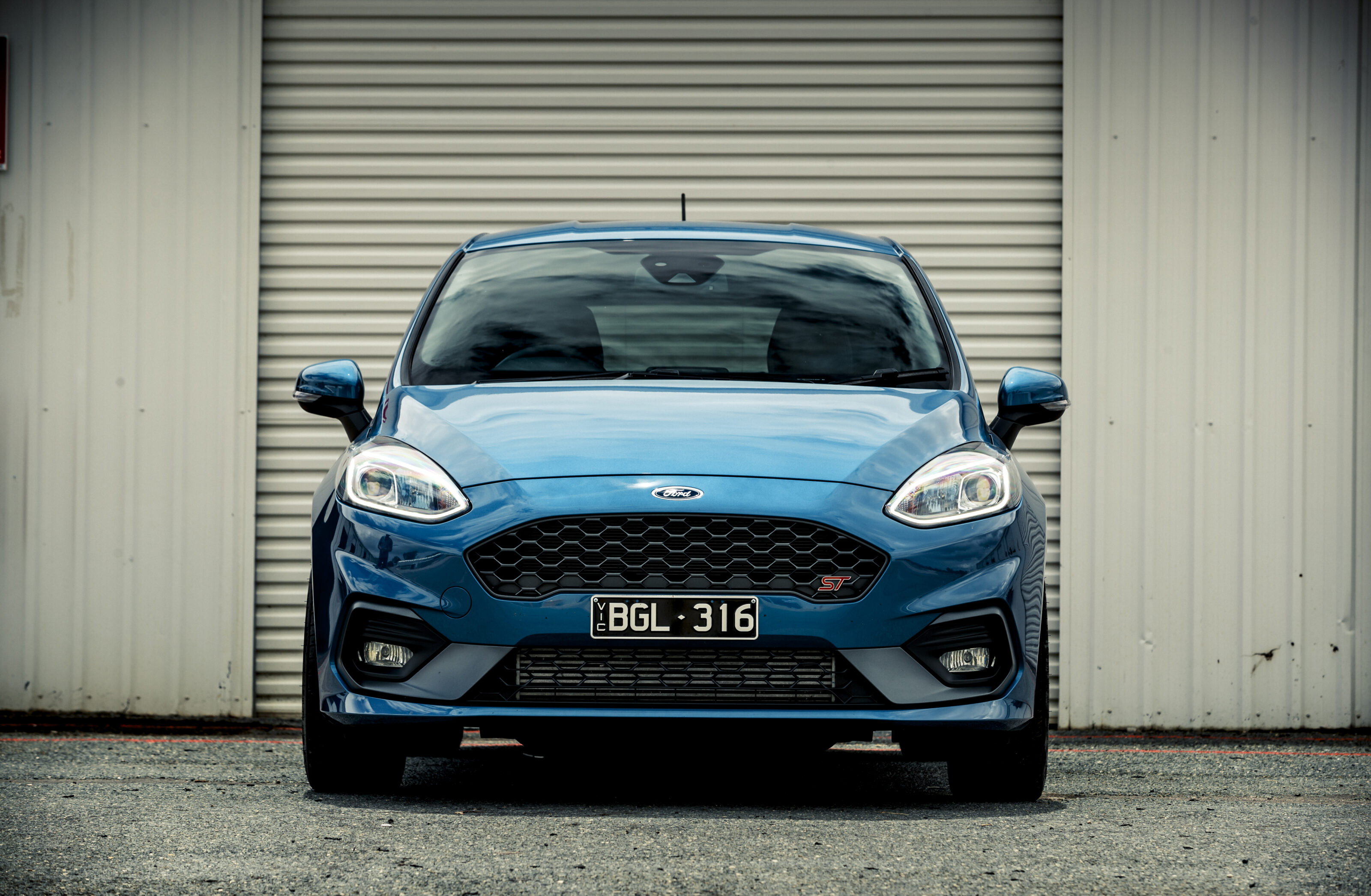
Mechanically, you score 18-inch wheels with 205/40 Michelin Pilot Sport 4 tyres, a Quaife mechanical limited-slip diff, launch control and shift lights, all of which constitutes the Performance Pack that’s an option overseas. This hefty specification takes some of the sting out of the $32,290 price tag.
That might look steep when the previous Fiesta ST kicked off at $25,990, but take into account inflation and it’s an effective price increase of around $4000. Will that matter to the market? It shouldn’t, for reasons that will become apparent.
Let’s get the sensible stuff out of the way first, particularly as that’s where the new Fiesta ST needs to take the greatest strides over its predecessor.
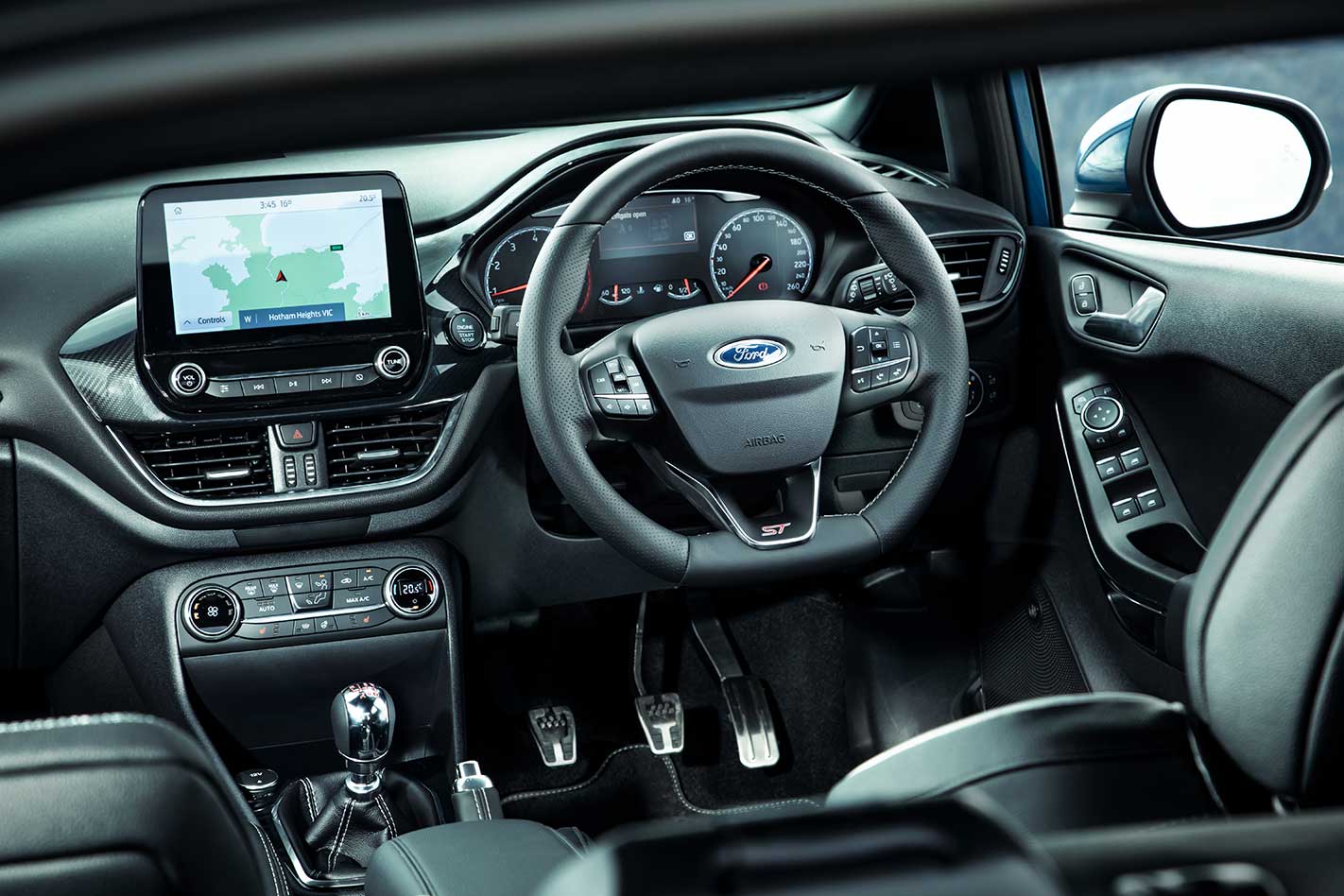
The good news is there has been a significant uplift in both quality and ergonomics; the materials are now more premium small car than budget city car, and the seating position is usefully lower. Even better, you no longer need to be a whippet-thin jockey to fit snugly in the supportive Recaros; the steering wheel is a touch fat and the gearshift requires a small stretch, but the pedals are nicely spaced for fancy footwork.
The shift to a five-door body won’t please purists but makes accessing the rear seats roughly a billion times easier. It’s a fairly basic environment, but there’s ample space for a couple of six-footers.
What’s more, those passengers won’t hate you, as the ride is hugely improved. Don’t expect a magic carpet – it’s still firm and you feel the surface of the road – but the hopping and bouncing that made the old car tiring on long journeys is gone.
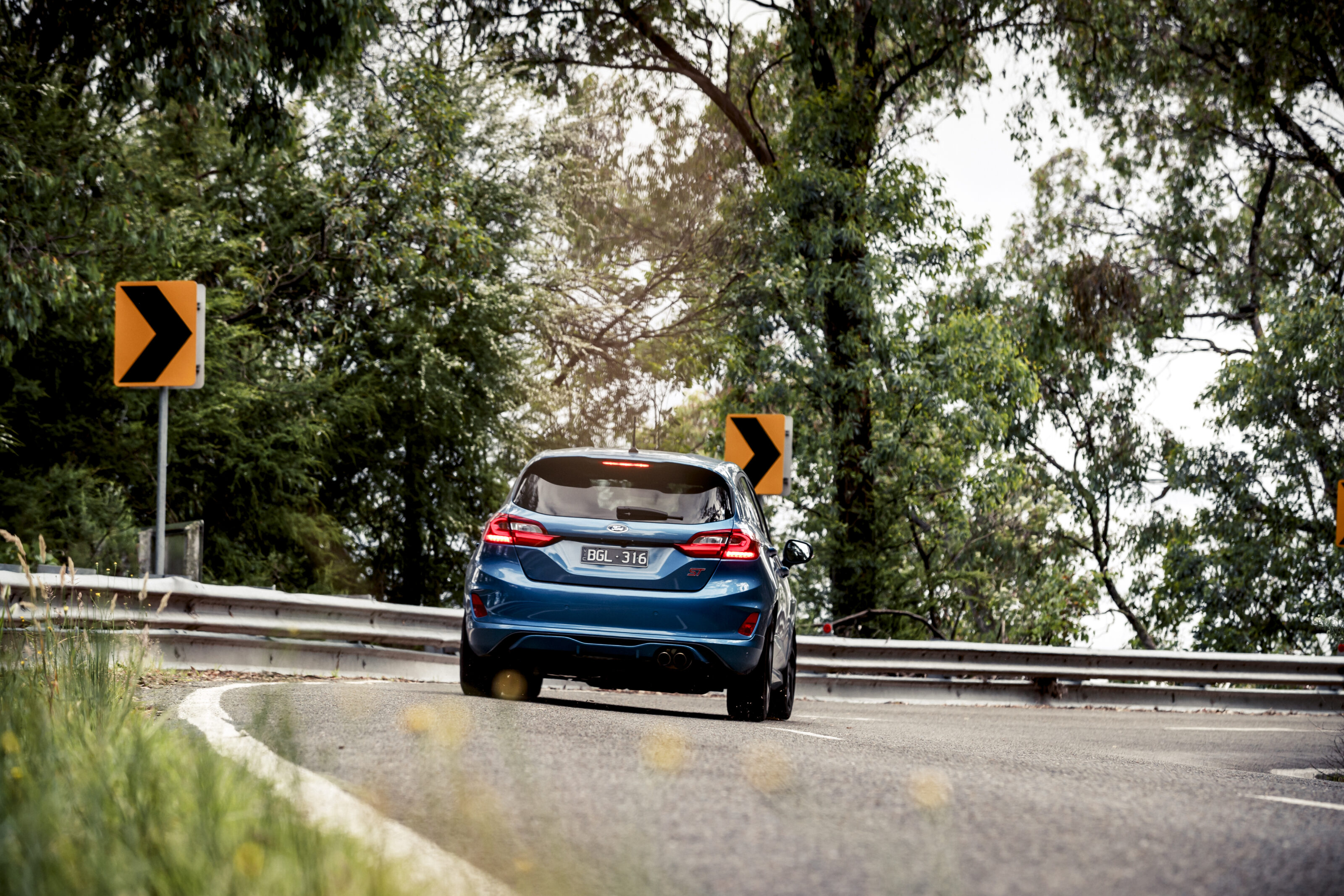
Key to this is the clever frequency-dependent damping, which goes some way to mimicking the effects of adaptive dampers with the ability “to tune out high-frequency road imperfections when there is limited demand for damping – like on the motorway, but adjust again to delivery optimised road-holding performance when driven hard”. They’re the words of Ford, but in layperson’s terms it’s less jiggly when you’re taking it easy yet still has an uncanny ability to soak up big bumps when you’re thrashing it.
And few cars want to be thrashed like a Fiesta ST. It might now be more grown-up, but it hasn’t forgotten how to boogie. This is a car you will never want to stop driving. Look up ‘perfect front-drive dynamics’ in the automotive dictionary and if there’s not a picture of Ford’s new hot hatch, there should be. The addition of the limited-slip diff is a masterstroke. Inside wheelspin is a common bugbear with front-drivers – including the old Fiesta ST – but now traction is incredibly strong, and holding steady throttle through a corner will stick the front tyres to the road.
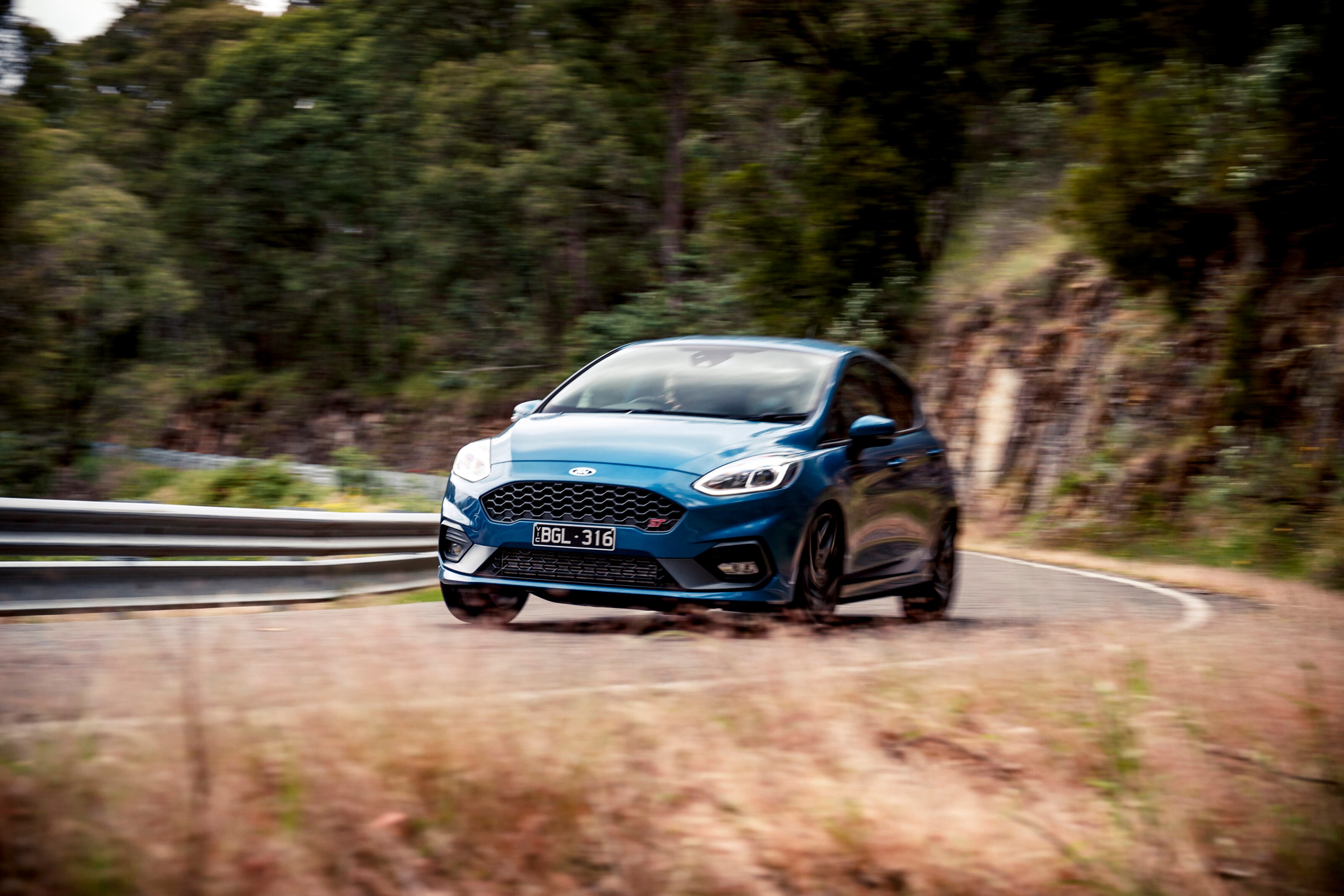
Outright grip is sufficient to generate cornering speeds that have the potential to embarrass much more expensive machinery, but pure pace isn’t what this car is about. Its brilliance is the communication it provides to the driver, the steering being a particular highlight. It’s a little weighty, but the heft feels natural and doesn’t obfuscate the messages received from the front tyres, so there’s the confidence to really attack corner entries.
While the nose is nailed, the rear-end is up to all sorts of antics; as the limit is approached there feels to be a hint of passive rear-steer, but a bit of provocation will generate a half-turn of oversteer (which the Sport ESP setting will happily allow). In tight turns the Fiesta marks its territory by cocking an inside rear wheel into the air.
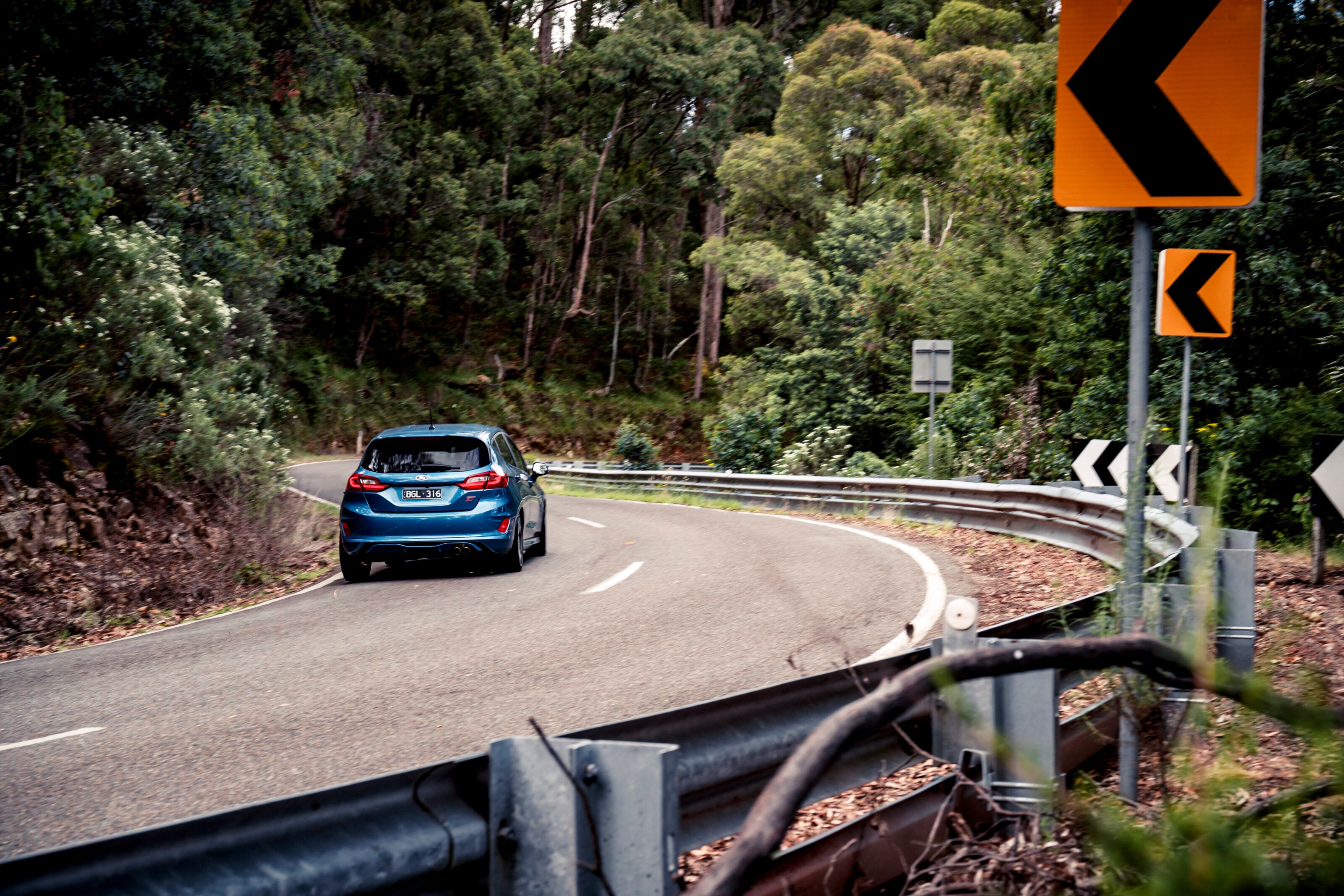
The biggest dynamic fault is occasional bump-steer when the car is heavily loaded. Road noise is also quite pronounced, and the brakes could use a little more feel. They are modest in specification – more in line with what you’d find on a base model than a performance variant – and, while they show plenty of stamina on the road, will they hold up to track abuse? We’ll find out in a future test. Nevertheless, such criticisms would be minor on an $80,000 or $150,000 car; on something costing $31,990 they seem largely irrelevant.
The Fiesta ST’s new downsized three-cylinder engine is even more remarkable. It’s an incredible bit of engineering, tiny in size – the block basically fits on an A4 piece of paper – and in capacity (1497cc), yet producing 147kW at 6000rpm and a meaty 290Nm from 1600-4000rpm. Ford claims 0-100km/h in 6.5sec, which feels achievable in ideal circumstances.
At a slippery Heathcote Dragway our best effort is 6.83sec to 100km/h and a 14.86sec quarter-mile at 155.86km/h. Any wheelspin quickly dissolves into teeth-rattling axle tramp, but a stickier surface should yield those missing tenths.
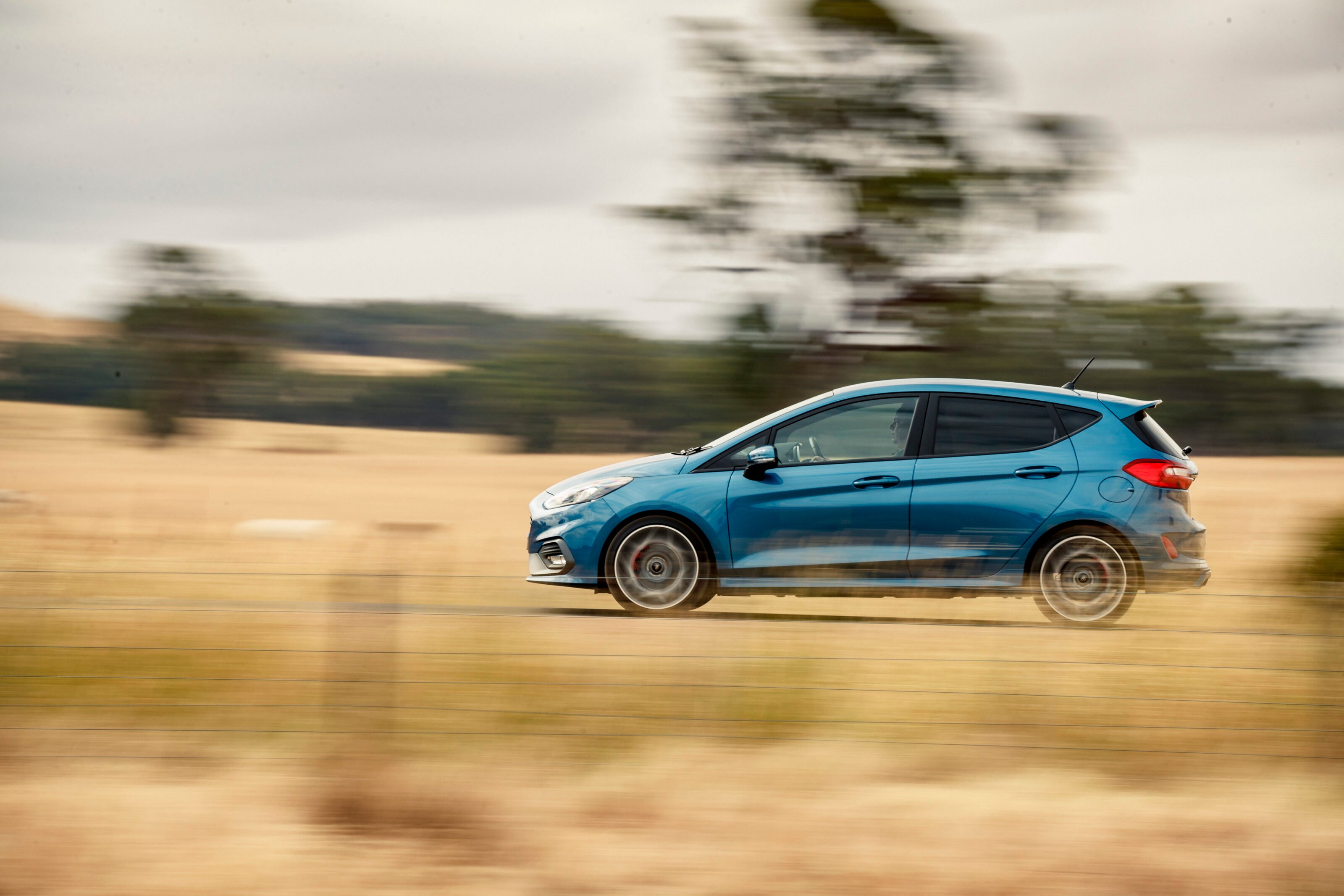
Like the similar yet even more powerful three-cylinder in the new Toyota GR Yaris, the Fiesta ST engine’s strength is not outright performance but its flexibility. Rolling acceleration is brisk, its 80-120km/h time of 4.0sec only 0.2sec slower than a Hyundai i30 N, and the short gearing and wide expanse of torque makes for effortless progress. But while you don’t need to stir the gearbox, you’re going to want to.
To be honest, the shift isn’t quite as ‘mechanical’ as the previous ST’s, but it’s still light and very accurate even when hurried across the gate. Weirdly, the shift action brings back memories of the FG X XR8’s manual, only far nicer.
Presumably extracting almost 100kW/litre out of such a small engine requires a decent injection of boost, but there is no appreciable lag or delay to throttle inputs. As the maximum torque figure suggests, floor it anywhere from 1600rpm on and you’re rewarded with smooth, purposeful acceleration right to the 6500rpm cutout. It sounds cool, too, gritty and angry with hints of turbo choof and the occasional pop from the exhaust on the over-run.
In case there’s still any confusion, let me be clear: the new Fiesta ST is absolutely brilliant. It’s a textbook example of how to successfully broaden the appeal of a car without compromising its core enthusiast values.
Essentially, Ford has nailed what Renault tried to do less successfully with the last Clio RS and current Megane RS. Every shortcoming of the previous ST, itself a fantastic machine and a modern classic, has been rectified with virtually no compromise.
The new Fiesta ST isn’t just one of the best hot hatches available, it’s one of the best performance cars full stop. It might be late to the party, but it has waltzed in dressed like Prince with a pet tiger on a leash and string of supermodels in its wake. Way to make an entrance.
2020 Ford Fiesta ST Specs BODY: 5-door, 5-seat hatch DRIVE: front-wheel ENGINE: 1497cc inline-3cyl, DOHC, 12v, turbo BORE/STROKE: 84.0 x 90.0mm COMPRESSION: 9.7:1 POWER: 147kW @ 6000rpm TORQUE: 290Nm @ 1600-4000rpm WEIGHT: 1191kg (tare) POWER-TO- WEIGHT: 123kW/tonne TRANSMISSION: 6-speed manual SUSPENSION: struts, coil springs, anti-roll bar (f); torsion beam, coil springs (r) L/W/h: 4068/1735/1469mm WHEELBASE: 2493mm TRACKS: 1506/1476mm (f/r) STEERING: electrically assisted rack-and-pinion BRAKES: 278mm ventilated discs, single-piston calipers (f); 253mm solid discs, single-piston calipers (r) WHEELS: 18.0 x 7.5-inch (f/r) TYRES: 205/40 ZR18 (f/r); Michelin Pilot Sport 4 PRICE: $31,990 ($32,640 as tested)
PROS: Beaut engine; superb dynamics; interior improvement CONS: Could have been here 18 months ago; price hike RATING: 5 out of 5 stars
The Strip
| Ford Fiesta ST | |
| 0-10km/h | 0.59sec |
| 0-20km/h | 1.09sec |
| 0-30km/h | 1.57sec |
| 0-40km/h | 2.07sec |
| 0-50km/h | 2.91sec |
| 0-60km/h | 3.43sec |
| 0-70km/h | 4.06sec |
| 0-80km/h | 4.76sec |
| 0-90km/h | 5.85sec |
| 0-100km/h | 6.83sec |
| 0-110km/h | 7.85sec |
| 0-120km/h | 9.00sec |
| 0-130km/h | 10.44sec |
| 0-140km/h | 12.09sec |
| 0-150km/h | 13.79sec |
| 0-400m | 14.86sec @ 155.86km/h |
| 80-120km/h (3rd-6th) | 4.0/5.0/6.6/8.3sec |
| 100-0km/h | 35.4m |
| Speed in gears | |
| 1st | 49km/h @ 6500rpm |
| 2nd | 90km/h @ 6500rpm |
| 3rd | 137km/h @ 6500rpm |
| 4th | 182km/h @ 6500rpm |
| 5th | 228km/h @ 6500rpm |
| 6th | 232km/h @ 5570rpm* |
*Manufacturer’s claim. Heathcote, 25˚C, dry. No rollout applied Driver: Scott Newman Official timing supplier: www.vboxaustralia.com.au
Sign-up here for your free weekly MOTOR report
Second Opinion: Wheels first Australian drive review

Wheels has been at the forefront of Australian motoring media since 1953, creating quality, credible content that consumers trust, and taking readers behind the scenes of the automotive industry.
Feisty Fiesta ST finally lands – and it’s worth the wait By: Trent Giunco
RATING: 5/5
PLUS: One of the best steers regardless of price; punchy three-pot turbo; smile factor of 11 MINUS: Lack of three-door version; some rack rattle; could use beefed-up brakes
The Wheels Verdict
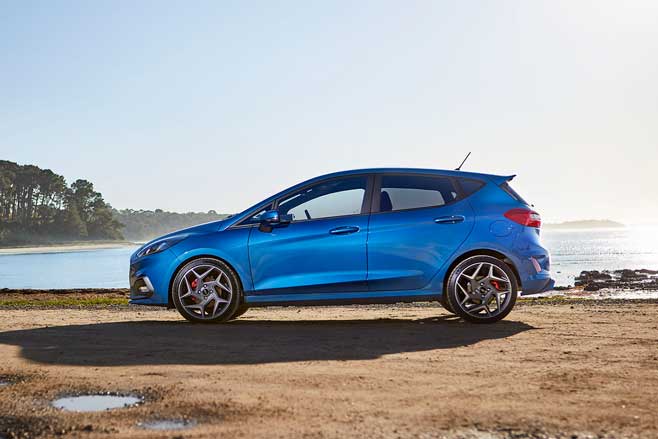
We could wax lyrical about the Fiesta ST’s myriad talents. It’s been a long time coming and it’s more than worth the wait. With a powerful and charming three-cylinder turbo, razor-sharp handling, updated cabin tech and a persona to make you chortle, the ST is one of the best performance buys – period.
What is the Ford Fiesta ST?
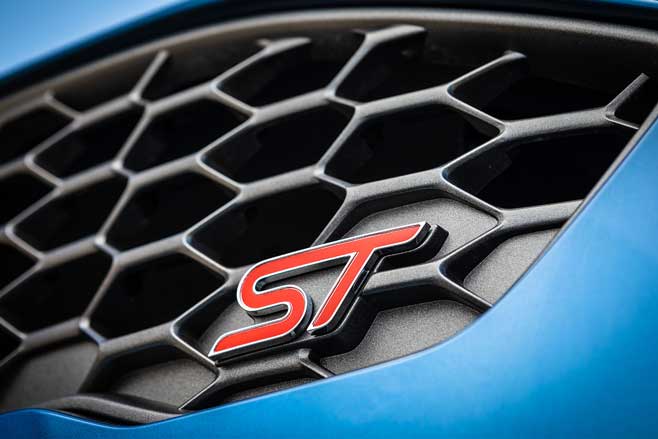
With Ford axing the ‘normal’ Thai-built Fiesta in Australia, the German-built ST is the only variant of the small hatchback reaching our shores. While it was released in Europe some time ago, Ford Australia held off for this high-spec version to arrive. Hence we get all the mechanical goodies, highlighted by the Quaife limited-slip diff and grippy Michelin rubber, as well as loads of tech. It’s five-door and six-speed manual only. There a single $32,290 model grade with the only options being metallic paint ($650), as on our test car, and a panoramic sunroof ($2500).
Why are we testing it?
We’ve driven the ST overseas and loved it. Now that it’s finally on home soil, it’s time to see if the bona fide hot hatch stacks up down under. Spoiler alert: it’s a big yes.
The Wheels Review
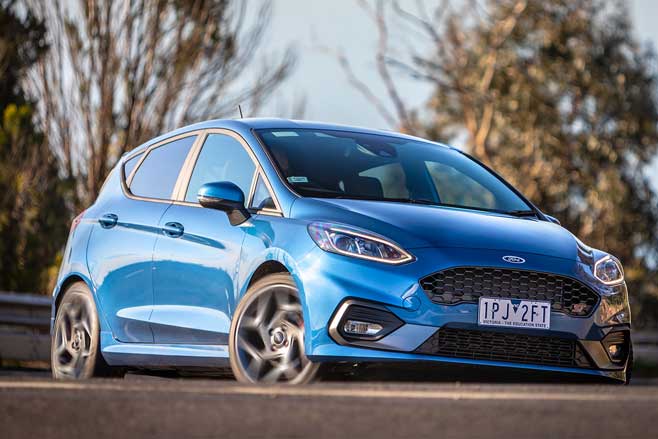
In the dormant early hours, the sounding of an alarm is piercing. Mornings are tough enough, but rising at 7am on a chilly Sunday morning seems especially cruel. Unless, of course, there is motivation to do so. Only then the will to press snooze dissipates. Inspiration comes via a key fob to the vaunted Ford Fiesta ST. All of a sudden it feels more like Christmas morning than an affront to a sleep-in.
Slinking into the heavily bolstered Recaro bucket-style seats (now wider and heated) it’s hard not to immediately pick up on the intent. The steering wheel is on the larger side, as is the thickness of the heated rim, but thankfully you now sit lower than before. Depressing the nicely weighted clutch and hitting the starter button brings the 147kW/290Nm three-cylinder turbo to life, its almost grumpy idle alluding to a serious side that’s aching to be uncovered. It sounds purposeful.
Scampering through Melbourne’s desolate city streets at this hour is liberating thanks to the stark lack of traffic and the Fiesta’s diminutive dimensions. Even the usual cycling pelotons in Lycra seeking lattes have eschewed the main thoroughfares.
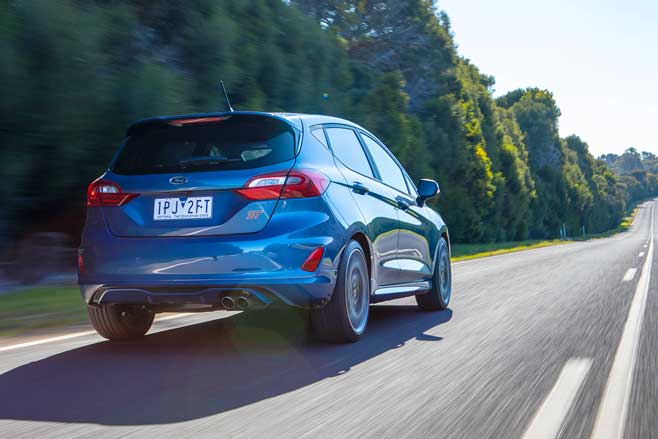
Despite covering pockmarked ground, the ST isn’t fidgeting or crashing. It’s firm, yes, but also malleable, with the new dampers manipulating their valving depending on the severity and frequency of bumps. The quick steering, peppy engine and three evenly placed pedals are perfect for slicing through city streets with a wide childish grin.
We’re heading out of town to the Yarra Valley, an area blessed with roads championed by enthusiasts. It’s the definition of front-wheel drive hot hatch territory. However, despite the CBD shenanigans, there is a simmering worry that the ST might not meet the hype. The fact Wheels attended the international launch of this car (three-door guise) in 2018 can’t be shaken.
Yet, by the time the first few corners are taken with verve, all doubts disband within an instant. The deliciously weighted steering feels naturally heavy. Brushing the first apex with conviction reveals the pointy front end. It’s one that seeming fails to descend into understeer no matter how much entry speed you throw at it.
Continuing up the neverending surface and camber changes highlights the brilliance of the Quaife limited-slip differential – an expensive boon you wouldn’t expect in a $32,290 hatchback.
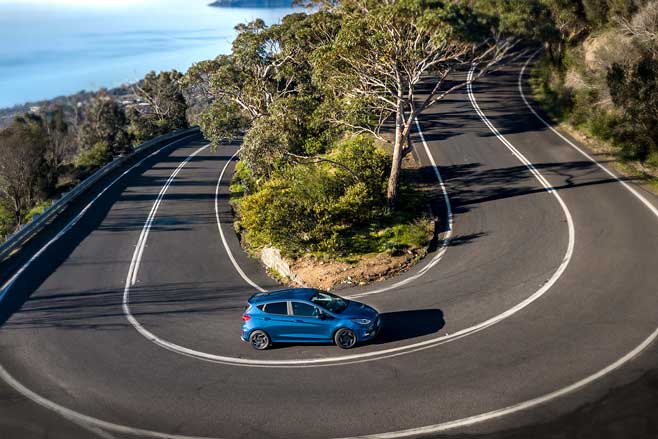
The mechanical LSD vehemently quells spinning of the inside-front wheel, while you can feel the outer 18-inch front hoop driving you out of the corner. Curved ‘Force Vectoring’ springs (positioned in opposite directions) work in conjunction with the ultra-stiff torsion beam rear axle, saving weight without compromising comfort or dynamic competence.
Being able to use all of your lane given the small footprint is freeing. There is a maturity progression in terms of dynamics, coupled with a step-up in grip to Michelin Pilot Sport 4 tyres. Don’t think playful yaw movements from the rear are a thing of the past though, it’s just now more predictable. Thankfully, the ST hasn’t totally turned its back on its nefarious ways.
Post brunch, the roads open up and the ST’s sophisticated nature comes to the fore. As does the size-doesn’t-matter 1497cc turbo triple. It’s a punchy unit with astounding torque, while the short-throw six-speed manual ’box is competent, adding to driver appeal.
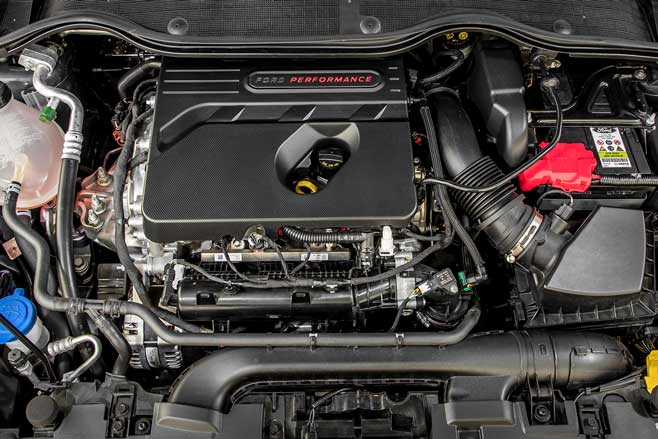
Yes, the Fiesta isn’t about outright pace, but trying to think of what you’d need to beat the Fiesta on a tight and twisty road is hard. It’s a giant-killer of the highest order. There is a sense that the ST is laughing at you and saying, “Is that all you’ve got?” It’s devilishly fast.
The only dynamic deficiencies are slight kickback through the steering wheel and a brake package that could be more robust (278mm ventilated discs, single-piston calipers at the front and 253mm solid discs, single-piston at the rear). But both are inconsequential blights on a gleaming copybook.
The tempo reduces on the return leg to Melbourne and, surprisingly, you can relax in this hot hatch. The cabin is another reason to hold judgement on the ST’s late arrival given we’re now afforded an updated top-spec version. Cruising at 100km/h there is isn’t much intrusive road noise, but tuning the world out with the high-end B&O sound system is a welcome treat.
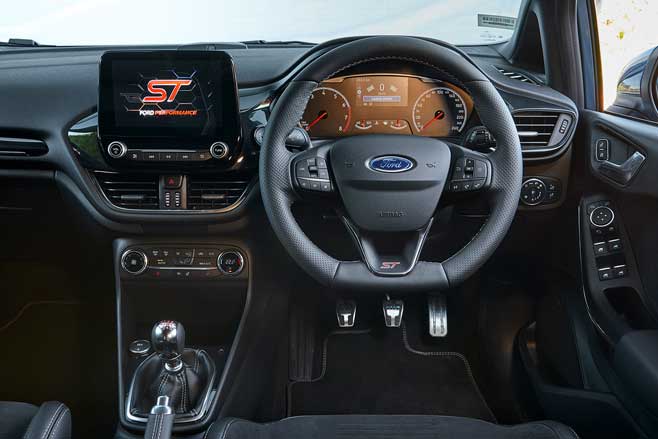
In fact, with monotonous kays to cover, exploring the cabin reveals a marked improvement in quality. The materials are pleasingly tactile, and the 8.0-inch SYNC 3 infotainment screen is light-years ahead of the antiquated Sony system. The Nokia-phone-style buttons are out, Apple CarPlay or Android Auto is in. Ergonomics are sound, vision is clear and our cars gain full AEB.
More time spent with the ST unfurls design delights, as a passenger discovers when alighting a controversial rear door (the three-door won’t be offered in Oz). It has guards that pop out when you open the door to prevent denting a car, before swiftly retracting as the door closes. Said rear-seat occupant also reports decent head- and legroom for a 4068mm-long hatchback. The 311-litre boot, with 60/40-split seats, is found to be accommodating, swallowing all the toilet paper and lockdown supplies one could scavenge.
It’s now 7pm and the sun is fading. The Fiesta’s LEDs flicker in the dim light as the garage door slams shut. Twelve hours and myriad kays later, it’s hard not to be captivated by the charmingly cheeky yet utterly competent ST. So much so that you’d be forgiven for thinking it has an RS badge firmly on its pert rear.
If you’re after a performance car that reminds you why you love driving, this is it. The Fiesta ST is certainly worth waking up for.
RIVALS: Peugeot 208 GTi; Suzuki Swift Sport; Volkswagen Polo GTI
FORD FIESTA ST SPECS Engine: 1497cc 3cyl, dohc, 12v, turbo Max power: 147kW @ 6000rpm Max torque: 290Nm @ 1600-4000rpm Transmission: 6-speed manual Weight: 1208kg 0-100km/h: 6.7sec (tested) Economy: 10.9L/100km (tested) Price: $32,290 ($32,940 as tested) On sale: Now
Snapshot
- Prices now start from $25,490 drive-away
- New Core and Vibe versions utilise MG’s 1.5-litre direct-injection four-cylinder petrol engine
- Deliveries expected to begin in June
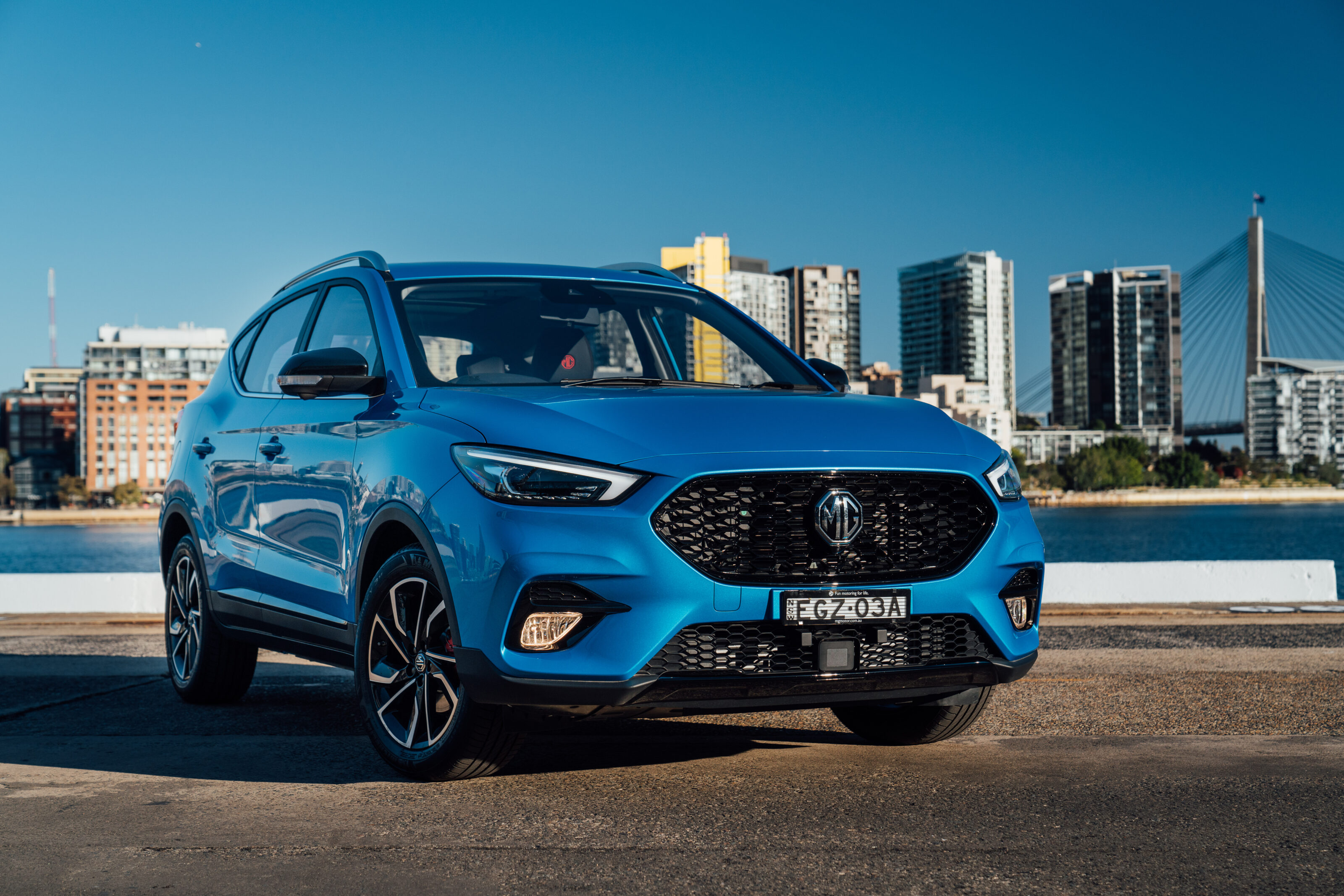
The 2021 MG ZST compact SUV has just had two new model variants added to its line-up – the ZST Core and ZST Vibe.
The new additions sit below the established ZST Excite and top-shelf Essence, with the Core serving as the range’s new entry-level vehicle and the Vibe acting as a lower-mid spec option.
The entire range comes as standard with MG’s Pilot safety suite, as well as a 10.1-inch touch screen infotainment display, and Apple CarPlay and Android Auto.
The ZS compact SUV has been in production since 2017 and is based on an MG-designed platform shared with the larger GS, which was last sold in Australia in 2019.
In September 2020, the ZST was introduced, with the ‘T’ denoting the new turbocharged 1.3-litre four-cylinder petrol engine slotted under the bonnet.
These two new variants, although retaining the T name, are not powered by a turbocharged four-pot.
Instead, they utilise MG’s established naturally-aspirated 1.5-litre direct-injection four-cylinder petrol engine.
To distinguish the two motors, badging for the Core and Vibe is different to the Excite and Essence, with the ‘T’ part of the badge coloured black for N/A variants and red for turbo examples.
Although still a relatively new entrant into the local market since Chinese auto giant SAIC took over the once-British marque, MG has been coming along leaps and bounds with Aussie buyers.
The ZS, in particular, has been nothing short of a sales success in 2021, accounting for a 12.4 per cent market share of the entire sub-$40k small SUV segment, only being out-sold by the Mitsubishi ASX.
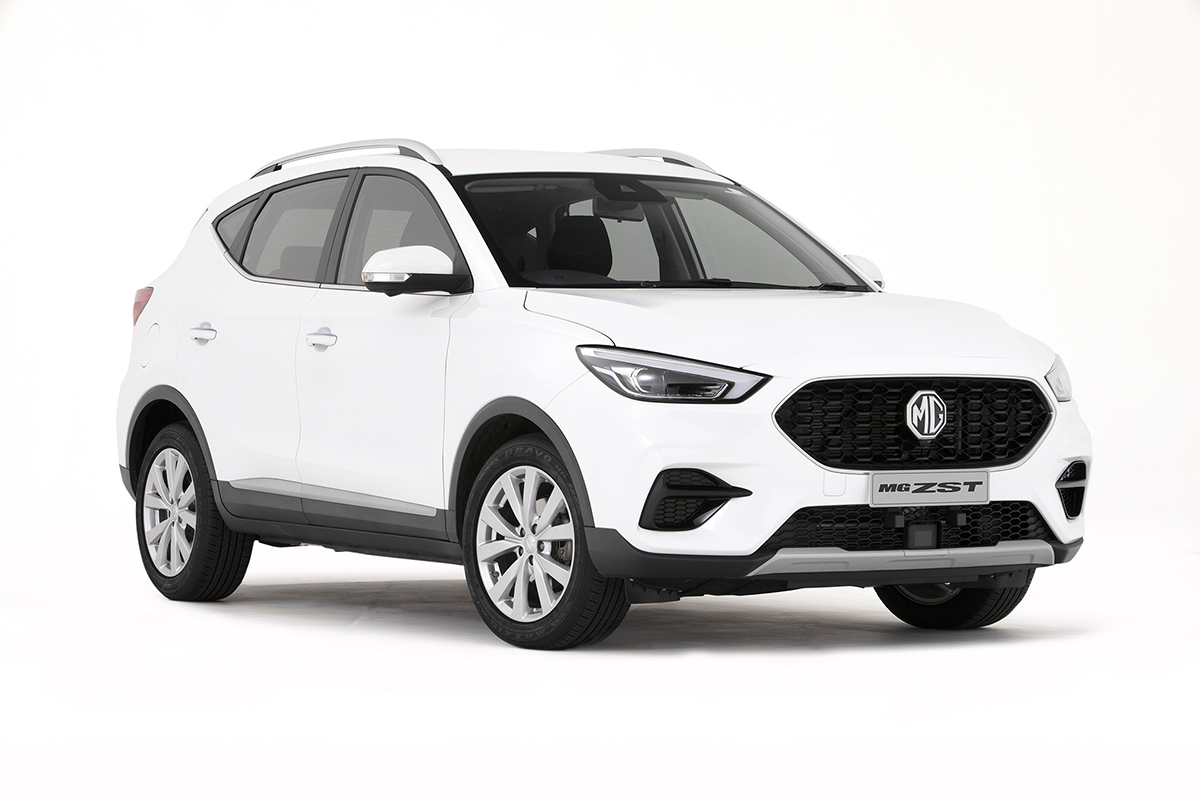
Model range and pricing
The MG ZST is now available in four different examples (national drive-away prices listed):
- The MG SZT Core – $25,490 (new)
- The MG SZT Vibe – $26,990 (new)
- The MG SZT Excite – $29,990
- The MG SZT Essence – $32,990
Engine, transmission and fuel economy
With the introduction of the Core and Vibe, the ZST is now available with two different engine and transmission options.
The cheaper Core and Vibe utilises MG’s naturally-aspirated 1.5-litre direct-injection four-cylinder petrol engine, which produces 84kW and 150Nm.
Drive is sent to the front wheels through a continuously variable transmission (CVT), and on the ADR combined cycle, the N/A motor returns a combined fuel economy rating of 6.9L/100km.
The more expensive Excite and Essence use a turbocharged 1.3-litre four-cylinder petrol engine which pumps out 115kW and 230Nm.
Drive is still sent to the front wheels, however, the turbo variants use a six-speed torque converter automatic rather than a CVT.
Fuel economy for the blown examples is slightly down on the N/A variants, with the turbo four-pot achieving an ADR combined cycle rating of 7.1L/100km.
The Excite and Essence also make do with a slightly smaller fuel tank than the Core and Vibe, 45 litres for the former and 48 litres for the latter.
Features
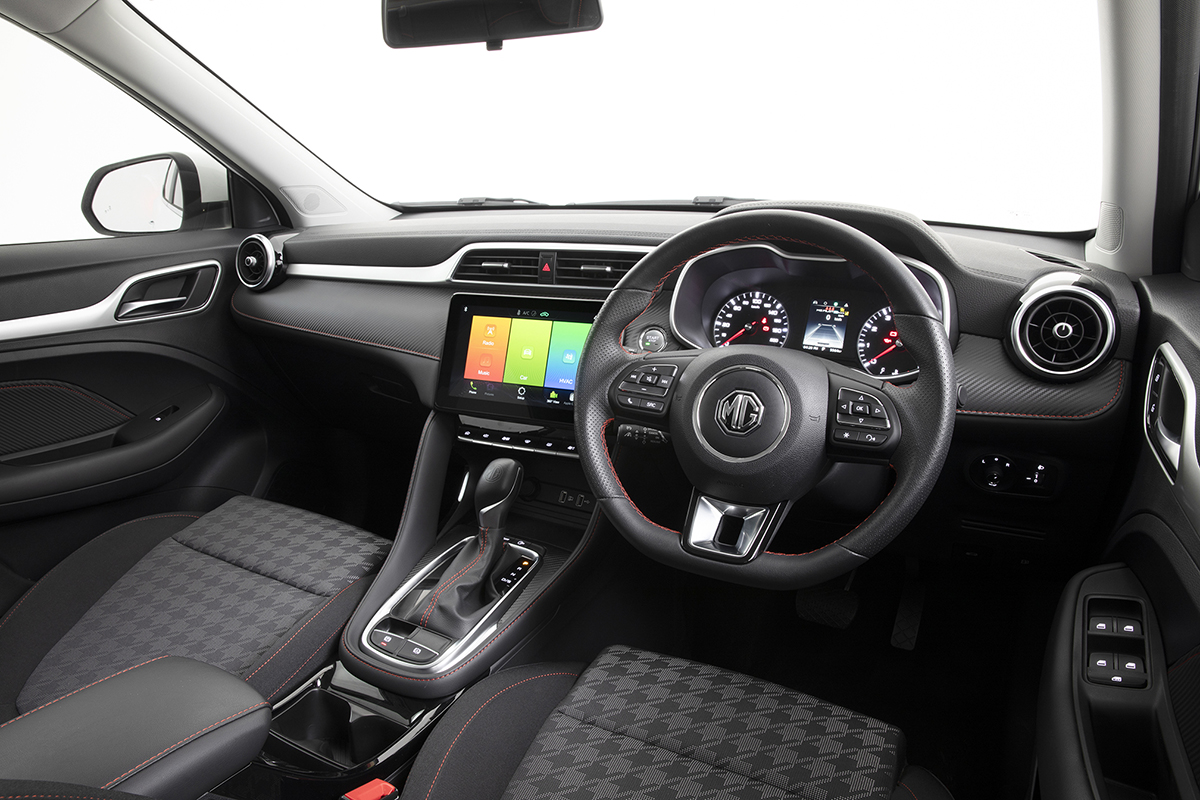
The entry-level MG Core comes equipped with a fair amount of features as standard, including:
- 17-inch alloy wheels
- MG ‘Exclusive’ high-gloss grille
- 10.1-inch touch screen infotainment display
- Apple CarPlay and Android Auto
- Full-grain leather steering wheel with contrasting stitching
- Six-way adjustable fabric driver’s seat and four-way adjustable fabric passenger’s front seat
- 360-degree camera
- Keyless entry and push-button start
- LED headlights and taillights
- Four-way adjustable seat
- Four-speaker hi-fi
- Synthetic leather interior trim with contrast stitching
- 17-inch two-tone machined alloy wheels
- Six-speaker hi-fi
- Rain-sensing wipers
- Front fog lights
- Satellite navigation
- Black high-gloss front and rear bumper inserts
- Black high-gloss side sill inserts
- Red brake calipers
- Leatherette seating
- Leatherette front centre armrest
- Panoramic ‘Stargazer’ sunroof
- Digital dash
- Embossed MG logo on front headrests
- Heater and powered front seats
- Bespoke 17-inch two-tone machined alloy wheels
Safety
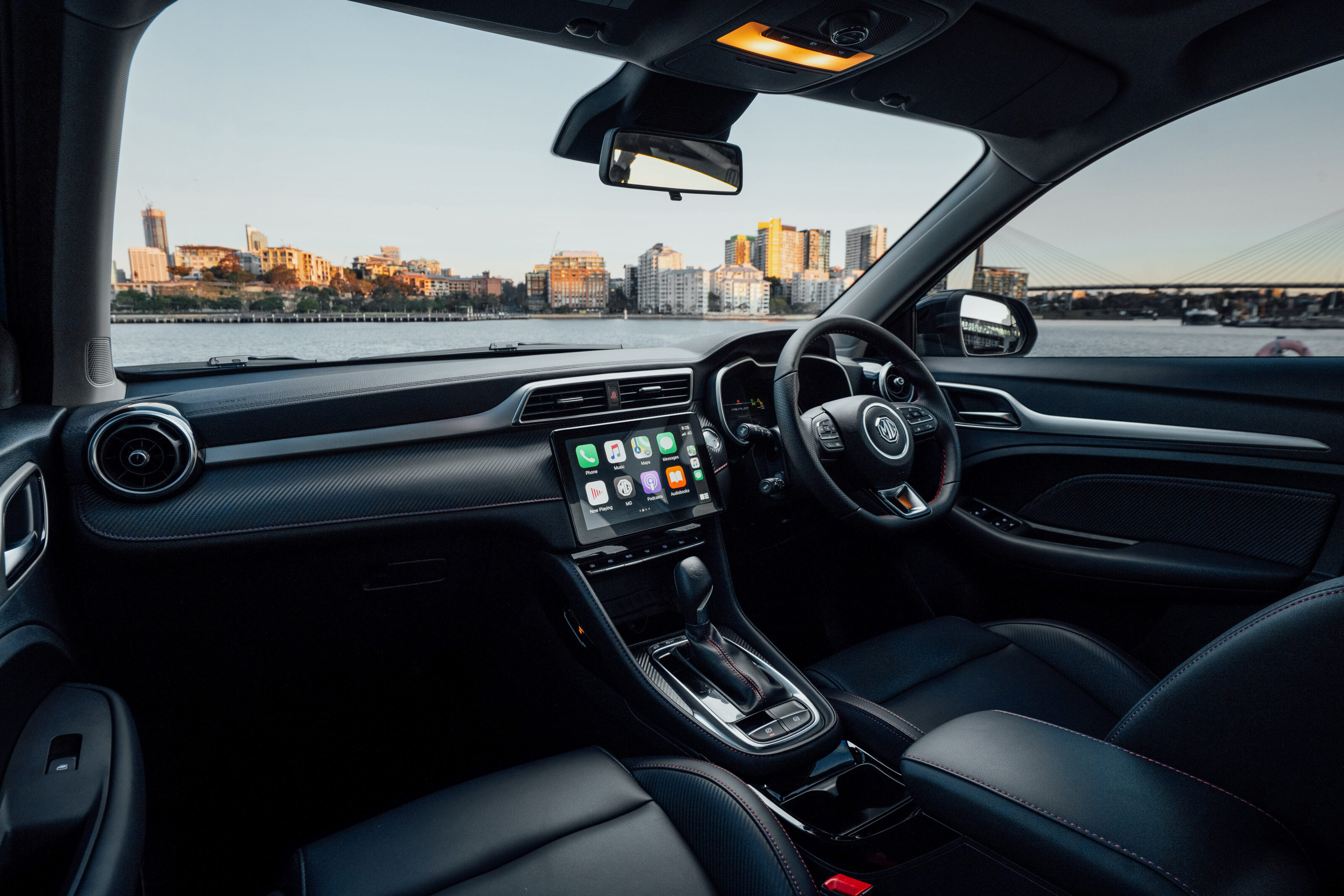
When it was first released in 2017, the MG ZS achieved a four-star ANCAP safety rating.
As previously mentioned, all examples of the ZST come equipped with MG’s Pilot safety suite, which includes:
- Adaptive cruise control
- Lane-keeping assist
- Active emergency braking
- Traffic jam assist
- Blindspot detection
- High beam assist
- Speed limit assist
Dimensions, kerb weight and towing capacity
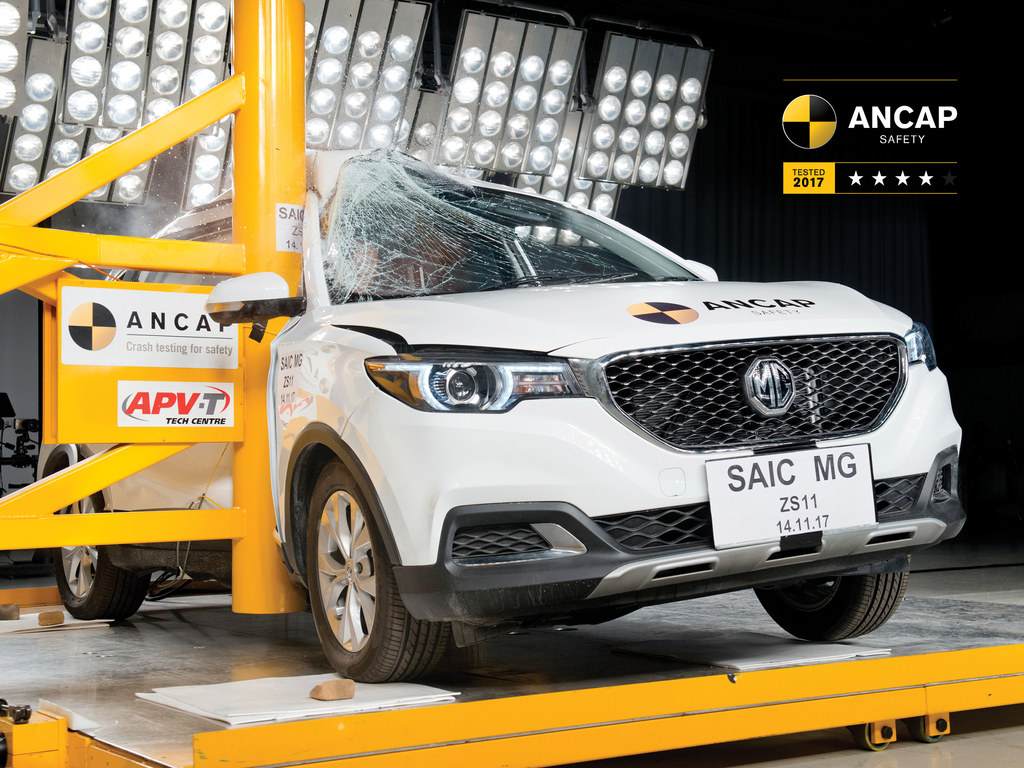
All MG ZSTs measure 4323mm long, 1809mm wide, 1653mm tall and have a wheelbase measuring 2585mm.
According to MG, all variants, regardless of powertrain, have a kerb weight of 1318 kilograms and a braked/unbraked towing capacity of 500 kilograms.
Warranty and servicing
Like all MG models, the ZSTs come with a seven-year/unlimited-kilometre warranty, seven-years anti-perforation warranty and SARA roadside assistance.
MG does not currently offer capped-price servicing.
Availability
Both the Excite and Essence are available in showrooms across Australia right now.
Orders for the new Core and Vibe variants are now being accepted, with local deliveries expected to begin in June.
Just the facts. The next generation Mercedes-AMG C63e S will do away with the V8 engine layout that has powered every C-Class flagship since the 2005 W203 C55. In its place comes a four-cylinder engine directing drive to all four wheels. The king is dead.
That’s the bad news. The good news is that the new hybrid-powered C63e S could be the world’s most capable four-door sedan. If it meets the purported 480kW figure, it’d be a massive 105kW up on the outgoing V8 model. Put another way, that’s 16 years of evolution in one fell swoop, the 2005 C55 being 105kW down on the outgoing W205 C63 S.
The M139 engine that will power the C63e S will be familiar to many, as it currently sees service in the A45 S. For the C-Class, it’s rotated to a longitudinal position and tuned to 350kW. This is assisted by a fiendishly clever F1-style lag-free turbocharger with an inbuilt 6kW e-motor similar to the one fitted to the AMG One hypercar.
A nine-speed wet-clutch MCT gearbox delivers power from the ICE engine to all four wheels, while the rear axle features an electronically locking diff and 150kW/320Nm electric motor. This can spin to 13,500rpm and utilises a two-speed transmission, the higher gear kicking in at 140km/h.
This motor is powered by high-tech 6.1kWh lithium-ion batteries that are liquid cooled and offer double the power density of conventional hybrid batteries. AMG hasn’t revealed the plug-in’s electric-only range, but Affalterbach has prioritised performance over range in this instance, with pure EV mode available right up to 130km/h.
“The hybrid-powered C 63e S could be the world’s most capable four-door sedan”
Four stages of brake recuperation are offered, with the most aggressive version offering true one-pedal driving and scavenging a massive 90kW. Six drive modes (Electric, Comfort, Sport, Sport Plus, Race and Individual) are offered, as well as torque vectoring on both axles and brake-by-wire tech. It’s likely that a rear-drive only drift mode will be packaged.
Expect a low three-second 0-100km/h sprint although it hasn’t been announced quite how much combined system output the higher-power C63e S that is destined for the Aussie market will generate. The potential is there for up to 500kW and 900Nm but AMG may state around 420KW/800Nm. While the C63e S might not be as quick off the line as some of the most potent pure EVs, its combination of range and handling is likely to provide a cross-country riposte that will be hard to answer.
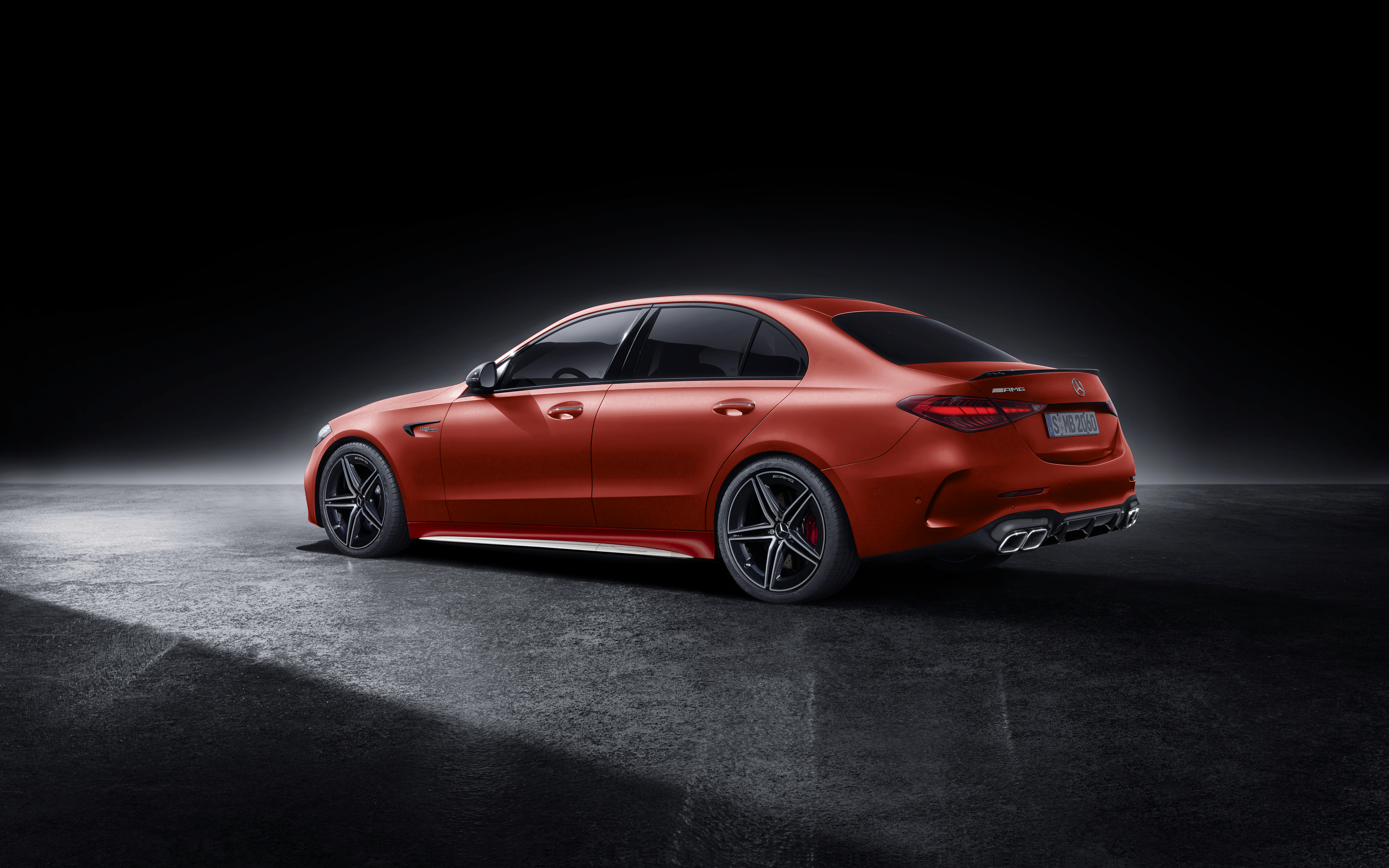
As with the rest of the W206 C-Class range, the C63e gets supersized, with overall length increasing by 65mm, wheelbase teasing out by 25mm and width increasing by 10mm, offering more space in the range below for the four-door models spun off the A-Class chassis.
The cabin gets a spruce up with a 26cm screen for the main dials and a central 24.1cm portrait touchscreen along with the new S-Class steering wheel trimmed in Dinamica microfibre. Don’t list your current C63 for sale just yet though. Australian deliveries of the C63e S won’t appear until Q1 2023, with V8 Coupe production continuing for the foreseeable future.
Whether the new four-cylinder W206 can convince a generation of buyers who have grown to love V8-powered C-Class AMGs remains to be seen, but with Audi and BMW having abandoned eight-cylinder engines in this niche, Mercedes always looked likely to follow suit. Perhaps the best way to frame the change to a downsized engine is to ask whether the A45 S would be a better car with a less powerful V8 engine shoehorned into its nose.
If you really can’t do without a bent eight, AMG offers that too, albeit at a price. All of the electric rear end of the C63e S is mated to the M177 4.0-litre twin-turbo V8 and the world’s clumsiest badge. The Mercedes-AMG GT73e 4MATIC EQ Power+ 4-Door Coupe, arrives at the start of 2022. All 600kW and 1000Nm of it.
Snapshot
- Likely to be based on Renault’s CMF-B modular chassis architecture
- EV 4 Concept rumoured for November 2021 reveal
- Production-spec model could follow
Patented images of what appears to be Renault’s much-rumoured Renault 4 EV Concept have leaked online.
The expected spiritual successor to the weapons-grade utilitarian hatchback of the 20 century, the new 4 looks to be swapping body styles for a compact SUV design powered exclusively by electricity.
The squared-off retro styling is comparable with Renault’s last EV concept, the Renault EV 5, which was unveiled at the start of 2021.
Perhaps the most notable styling attribute of the small SUV is the distinctive louvred C-Pillar, which definitely enhances its nostalgic aesthetic, as the slatted portion of the pillar was occupied by a diminutive window in the original 4.
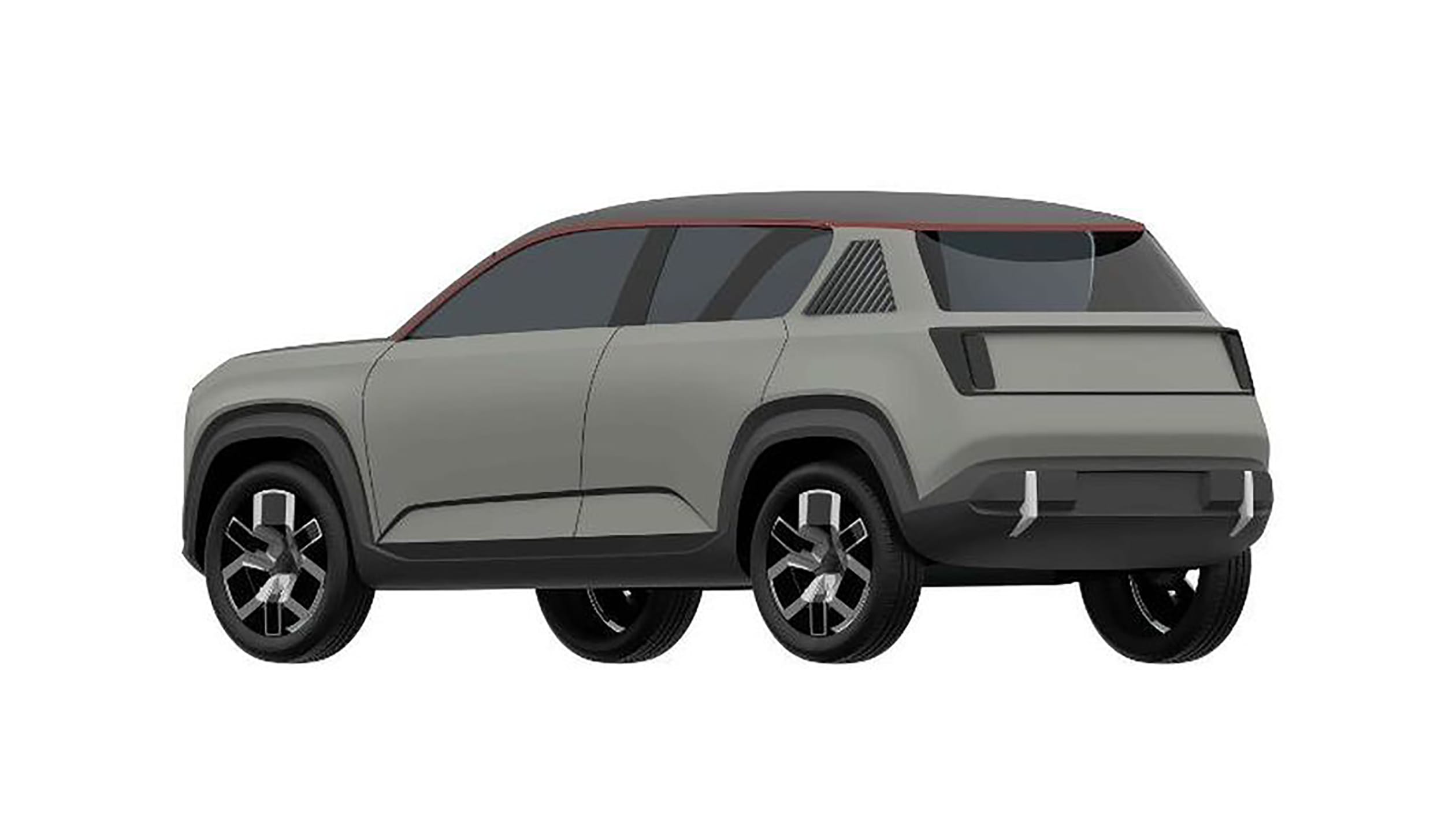
As reported by WhichCar, the 4’s evocative badge design patent was leaked back in April, all but confirming the iconic moniker would be making a return.
It’s not known when the new electric SUV will be unveiled, but it’s thought the 4 EV Concept could be revealed later this year, with Renault previously teasing a ‘surprise’ would be happening in November to celebrate the 4’s 60th birthday.
Details about the SUV’s drivetrain are yet to be revealed, but it will most likely be based on Renault’s CMF-B modular chassis architecture, which currently underpins the Renault Zoe city car.

And although it will only be unveiled in Concept guise in the immediate future, it’s certainly plausible Renault will put a production-spec 4 into production in a few years’ time, with Renault CEO Luca de Meo telling Auto Express the French automaker will look to its back catalogue of vehicles when designing future models.
“I think there have been so many products in Renault’s past that have made history. It would be a pity to not reconnect with that long tradition. We are not here only to look in the rear-view mirror. We are here to reinvent things. I think Renault 5 is a good example of this,” de Meo said.
Snapshot
- Ioniq 6 sedan and Ioniq 7 SUV to come out in 2022 and 2024 respectively
- Out-going Ioniq model will be replaced by the eGMP based Ioniq 6
- Both models will be underpinned with similar battery and motor specs
The Hyundai Ioniq 6 and 7 range has been unofficially revealed at a media briefing in the United States for the current Ioniq 5.
Hyundai says the Ioniq 6 sedan will enter the market in late 2022 and serve as a replacement for the first Ioniq which entered production in 2016, scoring a facelift in 2020, according to Carscoops.
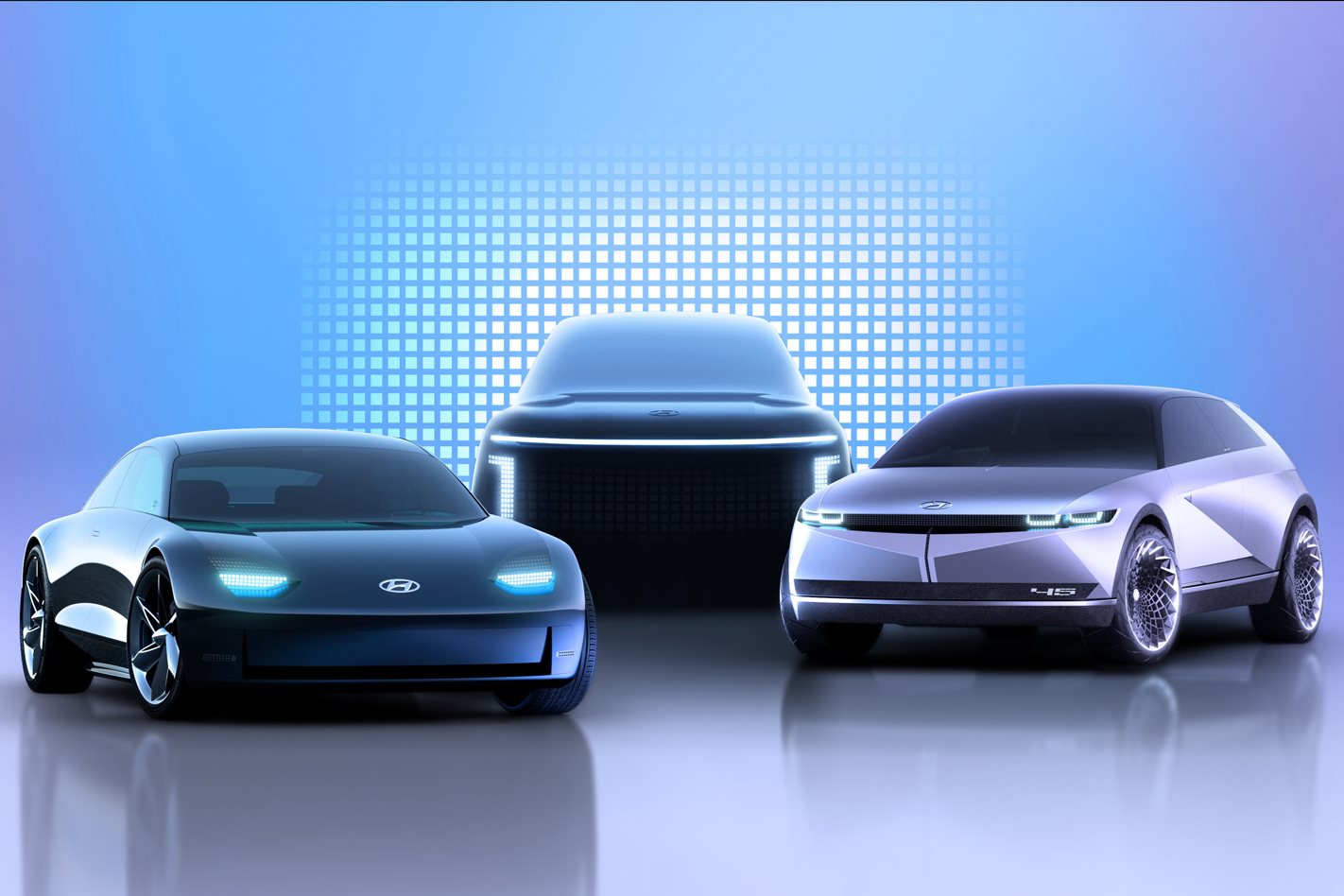
Initially revealed as the Prophecy concept in 2020, the Ioniq 6 will be similar in size to the petrol powered Sonata and based on the eGMP platform with a 73kWh lithium-ion battery pack.
Two different powertrains will be offered, a single electric motor on the rear axle producing 160kW or an all-wheel-drive, dual-motor variant which will make 230kW, both with an expected range of around 500km.
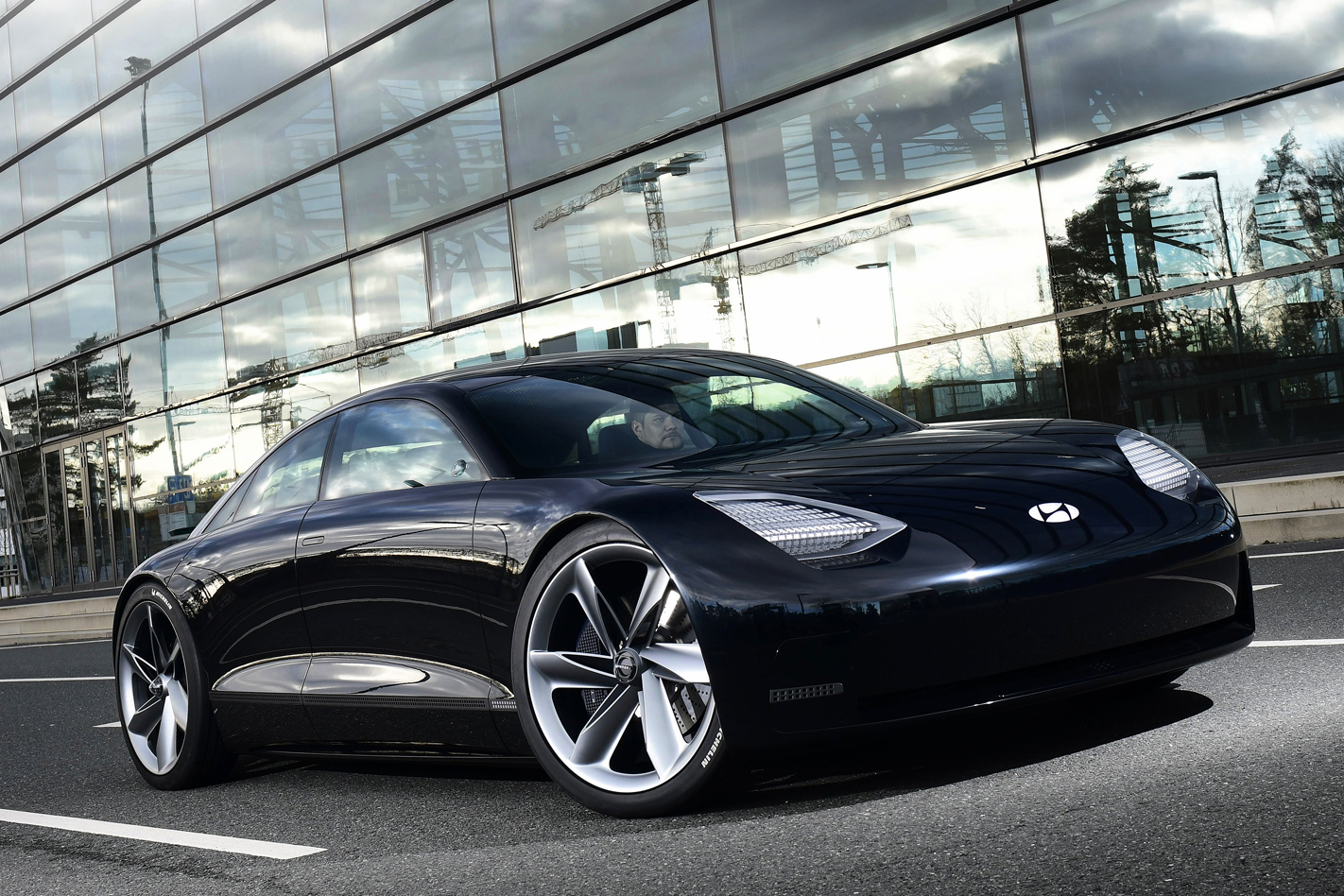
The Ioniq 7 will reach showrooms in 2024, likely coming out as a three-row SUV with either six or seven seats available and with similar power outputs to the rest of the Ioniq range.
All-wheel-drive will be optional in the Ioniq 7 but Hyundai made no mention of a single motor power source, hinting at only the dual-motor set-up being available from launch.
With a bigger 100kWh battery pack likely underpinning the Ioniq 7, the expected range should be similar to the Ioniq 6 despite the expected increase in weight due to its larger size.
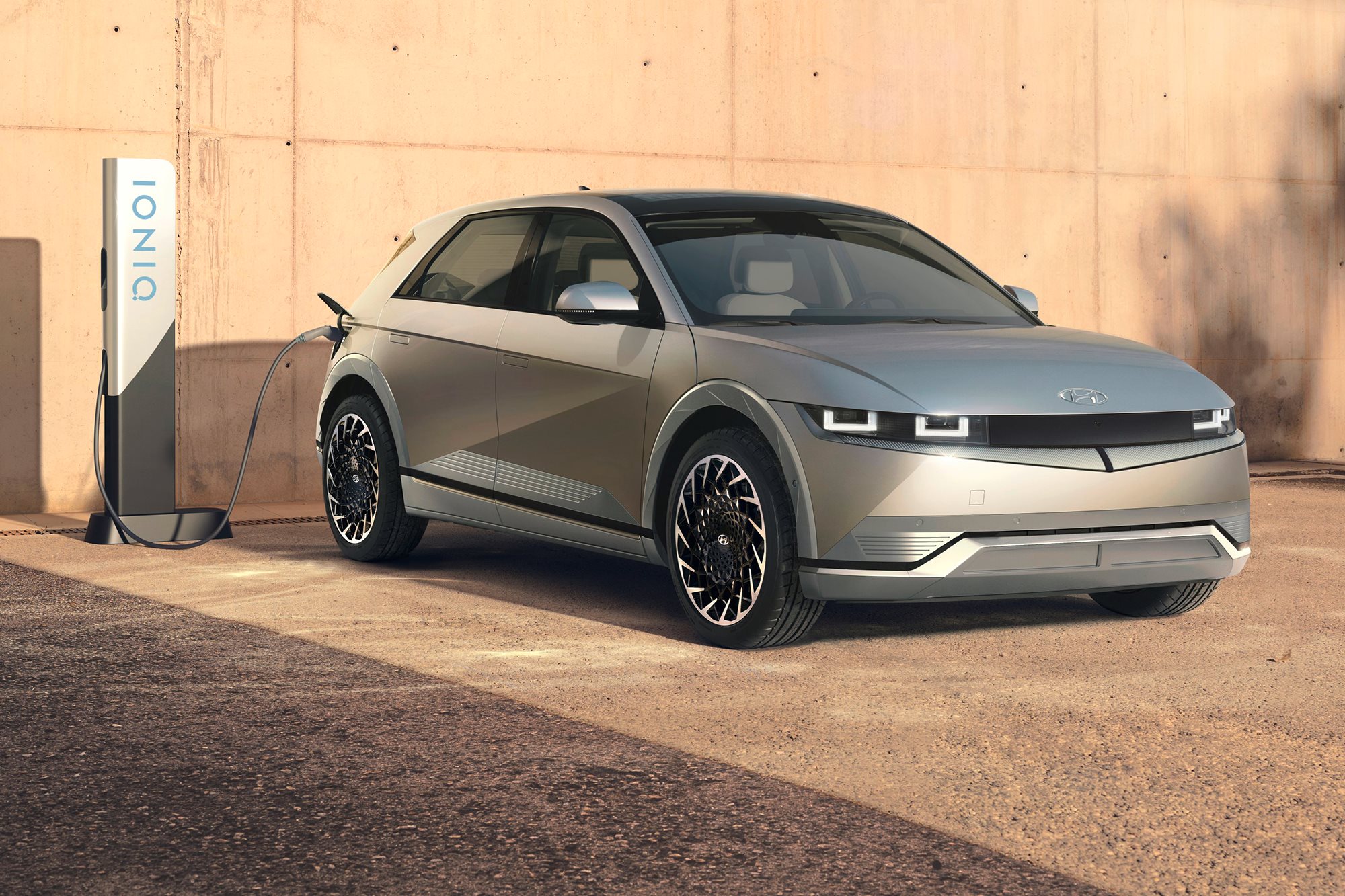
The already released Ioniq 5 model is likely to hit Australian shores in the latter half of 2021 and will be the first electric-only from Hyundai to be released Down Under.
UPDATE, May 25: The Chevrolet Corvette’s eye-popping price-tag is set to increase substantially by the time it hits Australian roads.
General Motors Specialty Vehicles announced in March that the C8 Corvette’s RRP would start at $144,990 for the 2LT Coupe, rising to $160,500 for the better equipped 3LT Coupe with convertible versions of each commanding an extra $15,000.
This week, however, dealer documentation seen by WhichCar quotes drive-away pricing for the Corvette as $187,990 for the 2LT Coupe, $203,990 for the 2LT Convertible, $204,990 for the 3LT and $220,490 for the 3LT Convertible.
That’s a whopping $43,000 in added costs for the 2LT Coupe and $44,490 for the 3LT Coupe.
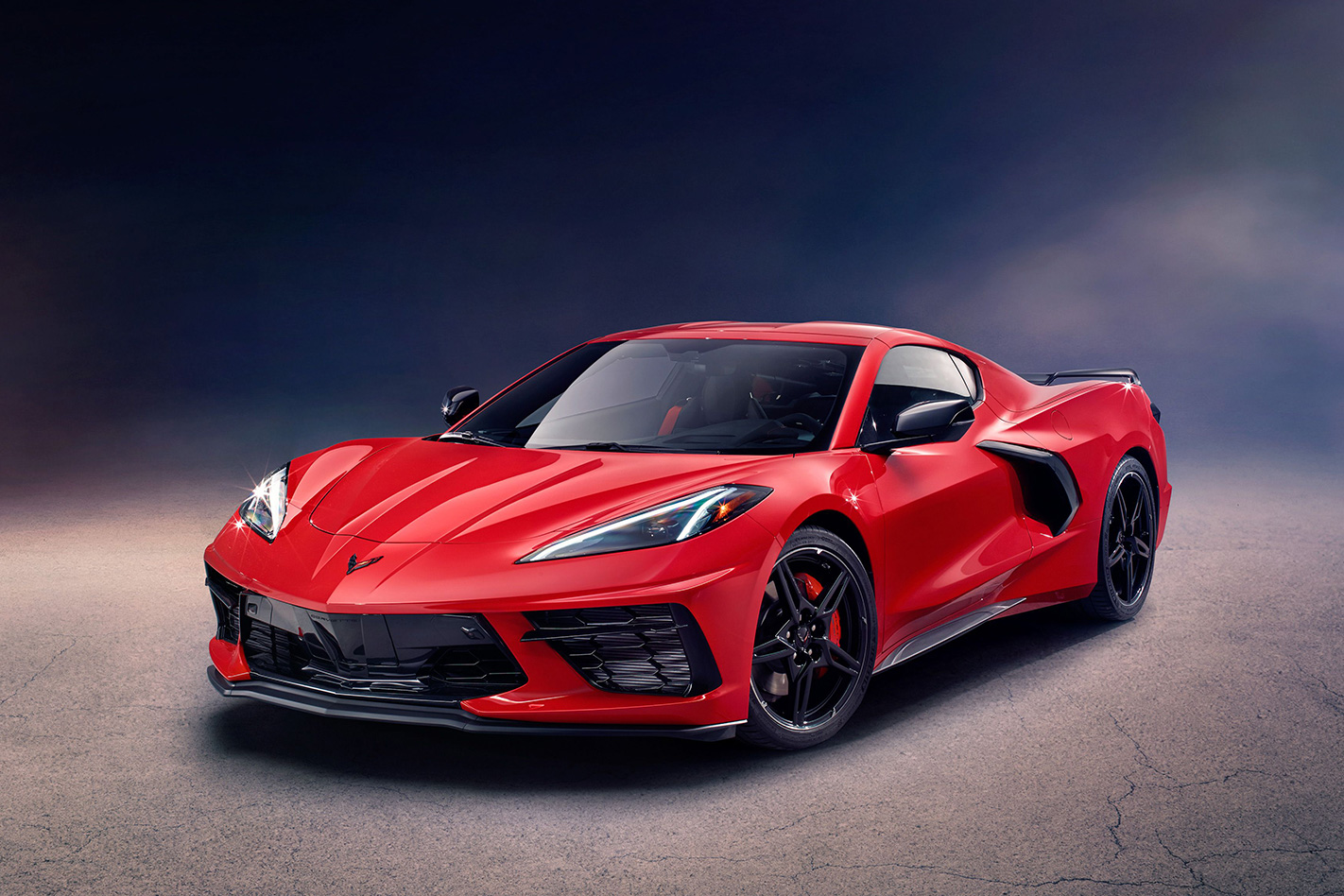
The carmaker has told WhichCar the RRP does include Luxury Car Tax and GST, but does not include on-road, statutory charges and ‘dealer delivery’ costs or factor in any optional extras.
In comparison, a Porsche 718 Cayman S listed as costing $146,980 RRP, equates to $160,261 drive-away according to Porsche Australia’s website – a difference of $13,281.
A disclaimer states that “this is base pricing standard with the Z51 performance package and front lift but does not include premium paint or other options and is subject to change to the MY23 model and beyond”.
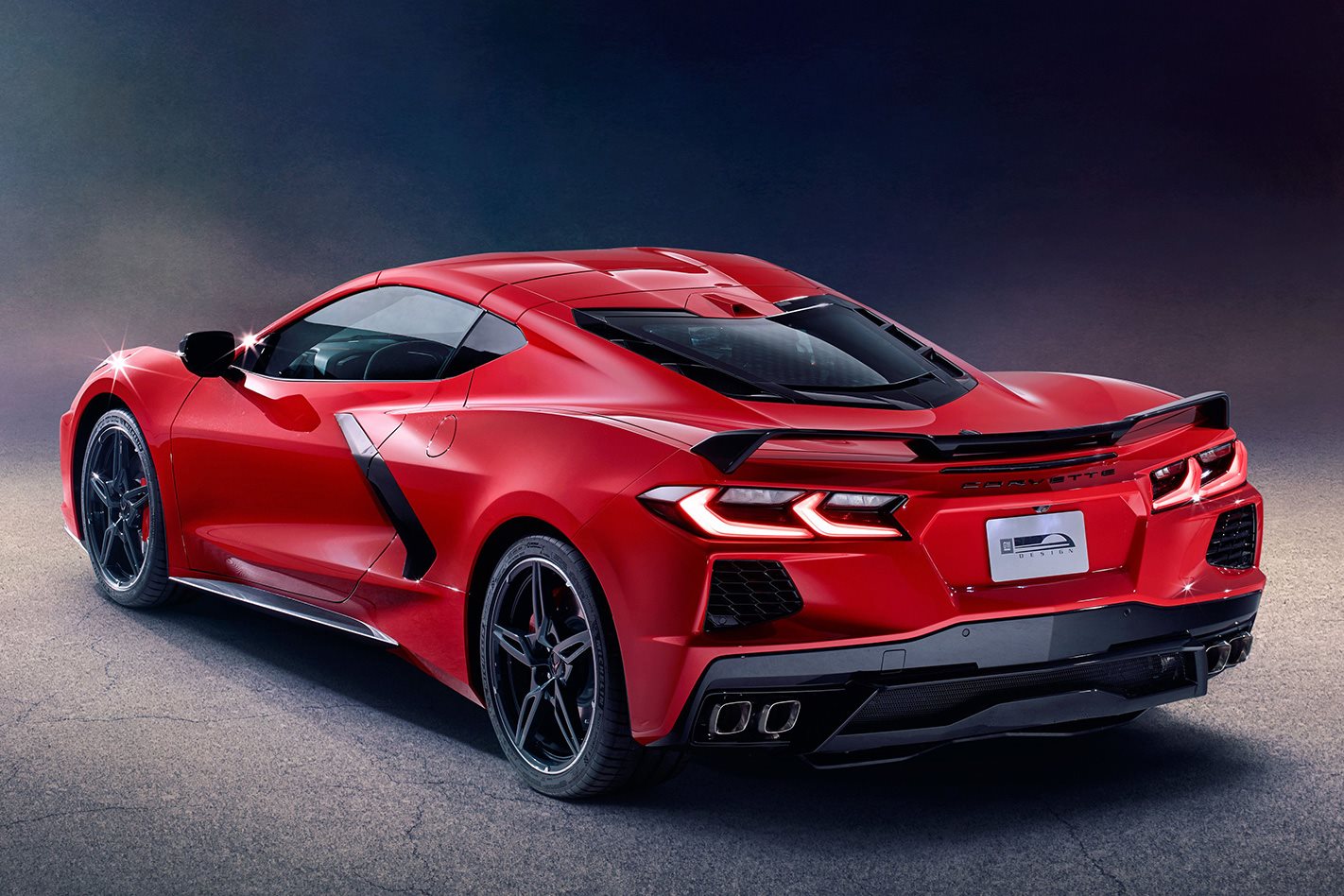
Australia’s initial batch of Corvettes is expected to come from the MY22 production run and the dealer document states that the first allocation will be extremely limited, with the vehicles arriving with predetermined options and a limited choice of colour.
The dealer letter states “with MY23 we anticipate the ordering process to be more bespoke with a whole host of options available for you to make your Corvette unique” and “GMSV Australia is still in the process of planning how many vehicles will be available…and they are hoping to meet the high demand that this vehicle is currently experiencing.”
Wednesday, May 26: A spokesman for GMSV told WhichCar: “It is up to each GMSV Dealer to determine the final driveaway price including dealer delivery fees. Our GMSV Dealers will be informed officially about their allocated share of build within the coming weeks.”
THE STORY TO HERE
MARCH 30: General Motors Specialty Vehicles (GMSV) has confirmed Australian pricing and specs for its highly-anticipated C8 Chevrolet Corvette.
The Australian-delivered C8 will represent the first factory-built right-hand drive Corvette ever made in the moniker’s 68-year history.
Expected to land in Australia by Q4 of 2021, the mid-engined supercar killer will be available in five different models (three coupes and two convertibles) from launch.
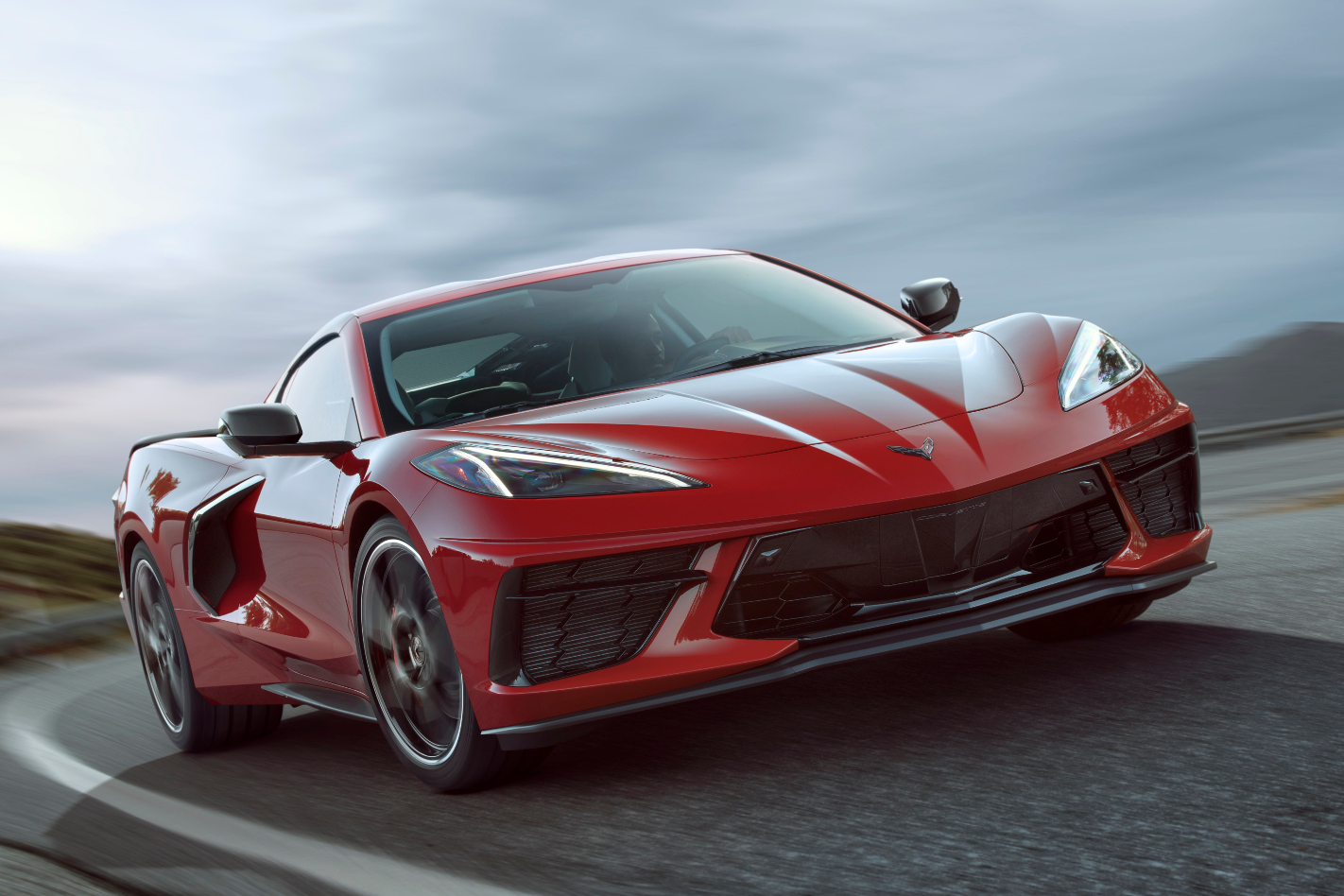
The entry-point model will be the 2LT coupe, which has been aggressively priced at $144,990 before on-road costs.
That may still seem like a lot of money when compared to the performance car’s domestic prices (which start at $59,995 USD), but at $144,990 the C8 Corvette demolishes its perceived competition on price and performance.
By comparison, Porsche’s base 992 911 Carrera with no options will set Aussie buyers back $236,000, while Audi’s R8 has an MSRP of $295,000.
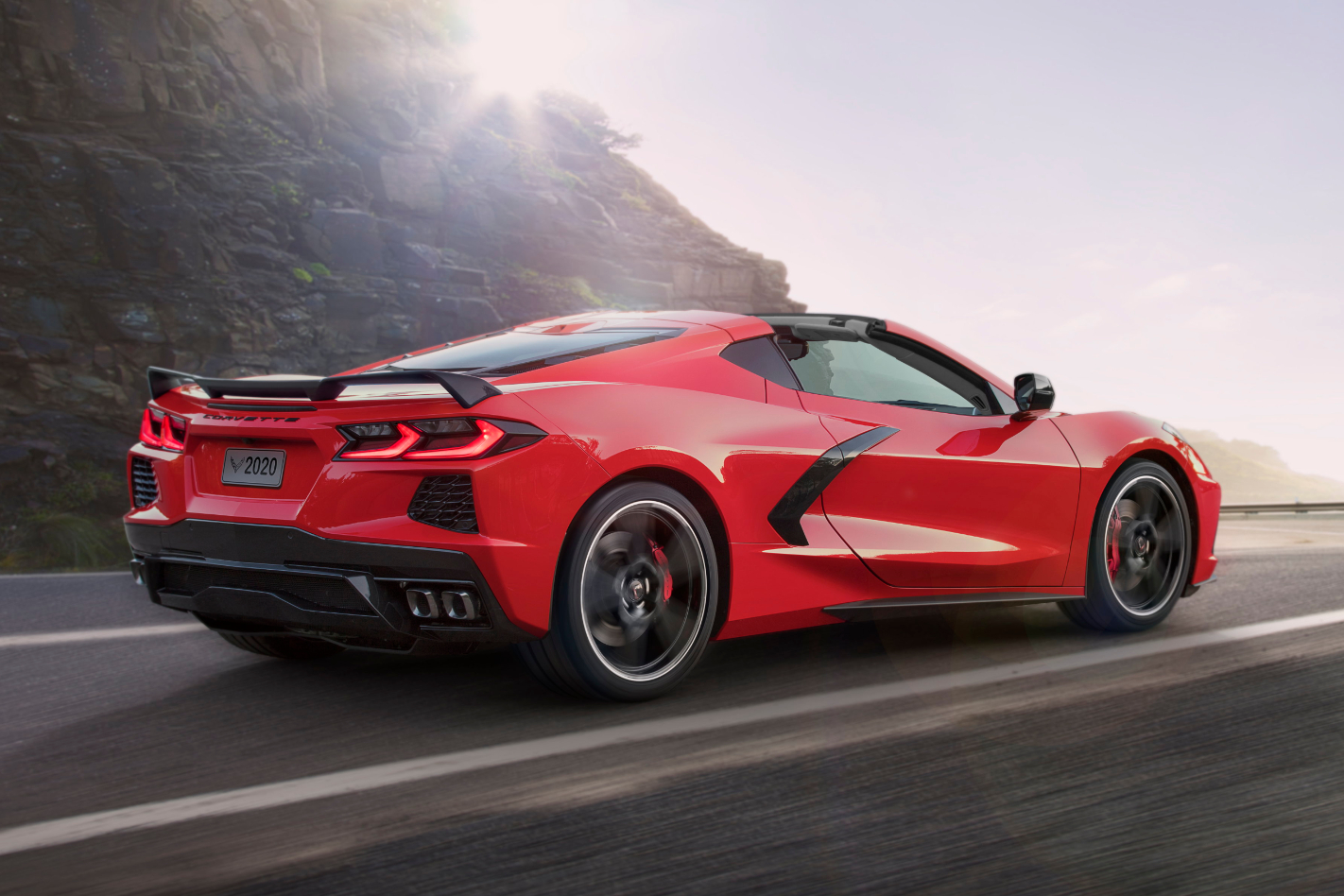
And according to GMSV, all Aussie C8 Corvettes will be well-optioned from the factory – fitted with both the Z51 Performance Package and Front Lift as standard.
The Z51 pack brings with it a host of mechanical performance features such as a dual-mode performance exhaust, performance suspension with Magnetic Selective Ride Control, bigger Brembo brakes, an electronic-limited slip differential, extra cooling and a specific rear axle ratio.
The cosmetics of the car will also benefit from the Z51 pack, which includes a performance front splitter and rear spoiler.
The addition of the Front Lift kit will also mean steep driveways and speed-bumps shouldn’t be an issue.
A 3LT coupe model will start from $160,500 and come equipped with “enhanced interior appointments”.
The two convertible models will be available in either 2LT or 3LT trim and will cost an extra $15,000 over its hardtop siblings.
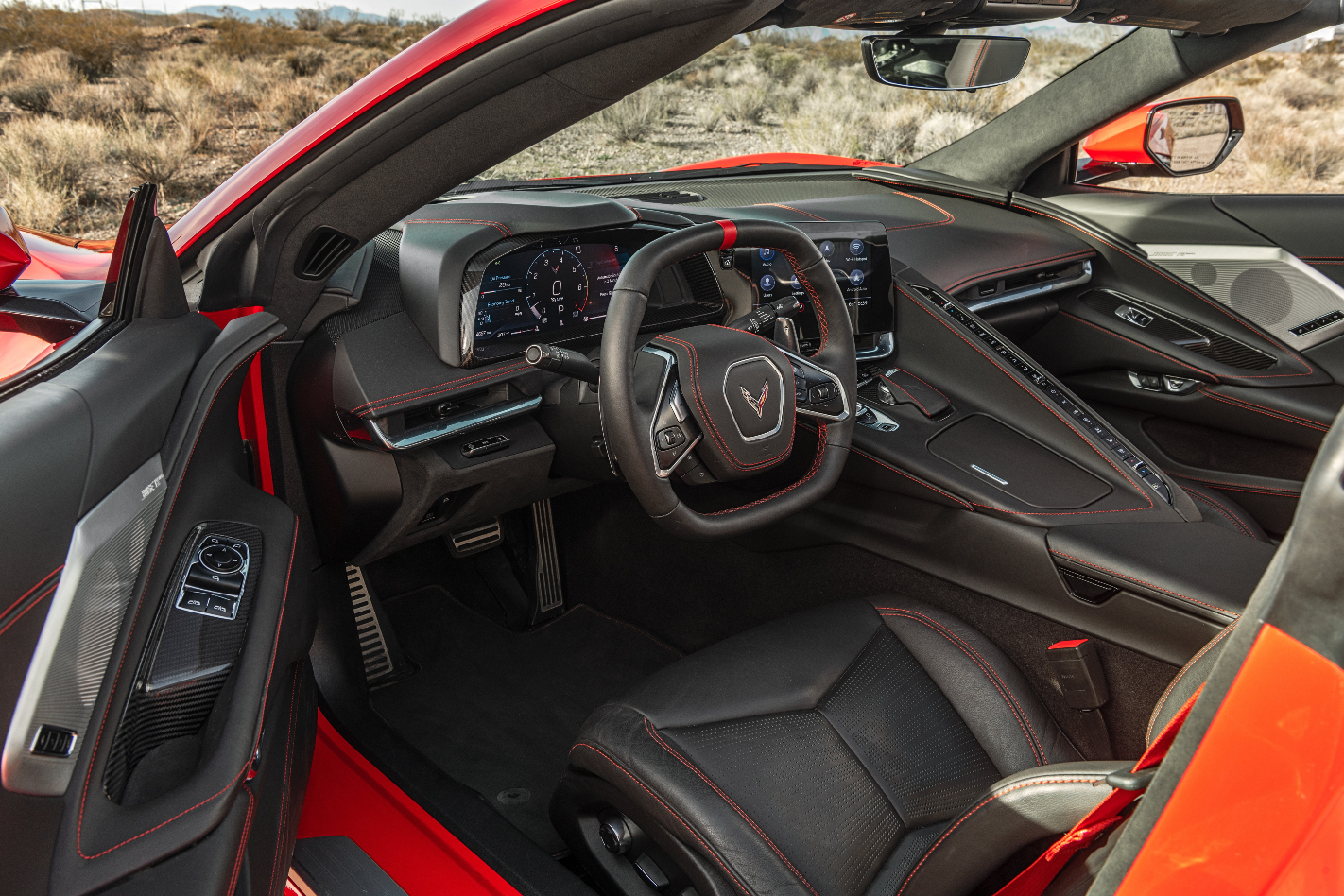
To celebrate the new ‘Vette coming to Australia, GMSV will also be releasing a special Carbon Edition coupe that will act as the flagship Australian model.
The Carbon Edition will feature “hand-picked interior trims, premium wheels and brake calliper package, an exclusive build plate and owners pack.”
Pricing for the special edition will be unveiled in Q2 of this year, as will the full specifications of the MY22 C8 Corvette.
All variants of the performance car will be fitted with GM’s LT2 6.2-litre V8 engine and mated to a Tremec-built eight-speed dual-clutch transmission.
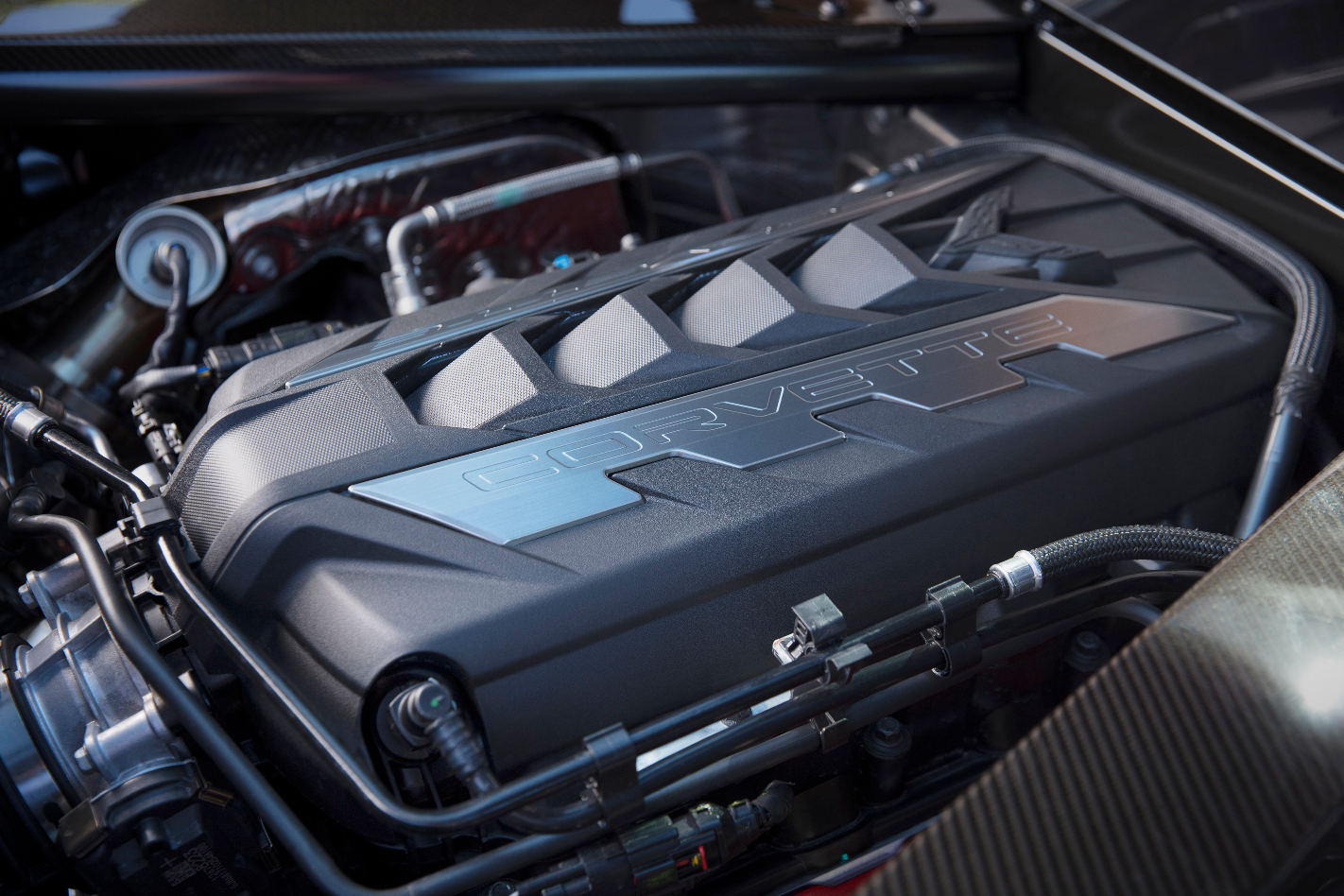
The naturally aspirated powerhouse will pump out 369kW and 637Nm, and although performance figures haven’t been tested locally, GM claims that the C8 Corvette will accelerate from 0-60mp/h (98km/h) in a 911-beating 2.8 seconds.
Other standard features across the range include a Bose Performance Series 14-speaker audio system and a colour Head-Up display.
Joanne Stogiannis, GMSV director, said the Australian response to the C8 Corvette had been profound.
“Corvette is an iconic car and there is a massive groundswell of interest and anticipation building ahead of its local launch,” Ms Stogiannis said.
“We have every expectation it will more than live up to its legendary status.”
The C8 Corvette will be sold through GMSV’s 50-plus dealers across the country, although official expressions of interest for the performance car have not opened yet.
GMSV Chevrolet C8 Corvette pricing for Australia
Snapshot
- Australia and South Africa called out for lack of EV infrastructure
- Blue Oval has invested US$22 billion (almost $AU28.4 billion) on its electric vehicle program
- Escape PHEV due in Australia soon
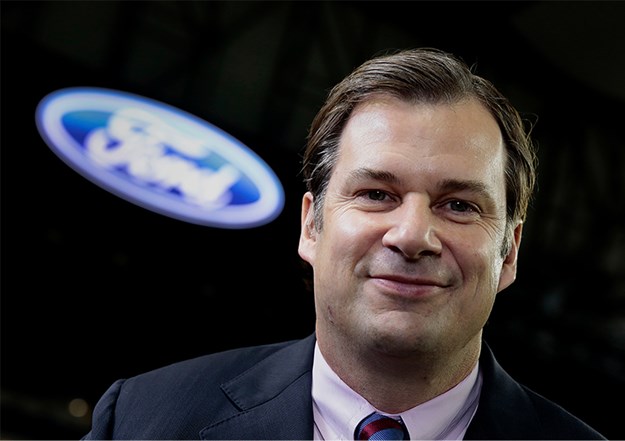
Ford Motor Company’s CEO, Jim Farley, has singled out Australia as one of the reasons why his company can’t yet explore the idea of an all-electric vehicle line-up.
Speaking with The Verge about Ford’s all-new electric F-150 Lightning, the Blue Oval boss said only a few key areas were holding up Ford’s switch to a combustion-free retail future, and Australia and South Africa’s lack of electric vehicle infrastructure was one of them.
“We have to get to solid state [batteries], and a lot of things have to happen. Infrastructure would have to improve in places like South Africa and Australia,” Farley said.
“Ford is unlike a lot of our competitors, we didn’t really shrink our global footprint. So we’re still a very large company in Australia, Thailand and South Africa. I think it will take some time for those societies to move to full electric.”
The CEO’s statements are unsurprising, given Ford will spend no less than US$22 billion (almost $AU28.4 billion) on its electric vehicle program over the next three-and-a-half years.
Earlier this month, the Dearborn outfit also announced it would be opening a dedicated battery research and development facility in its home state of Michigan in 2022.
Called Ion Park, the ‘battery centre of excellence’ will employ 150 dedicated staff to help push the automaker to the forefront of battery technology in the automotive industry.
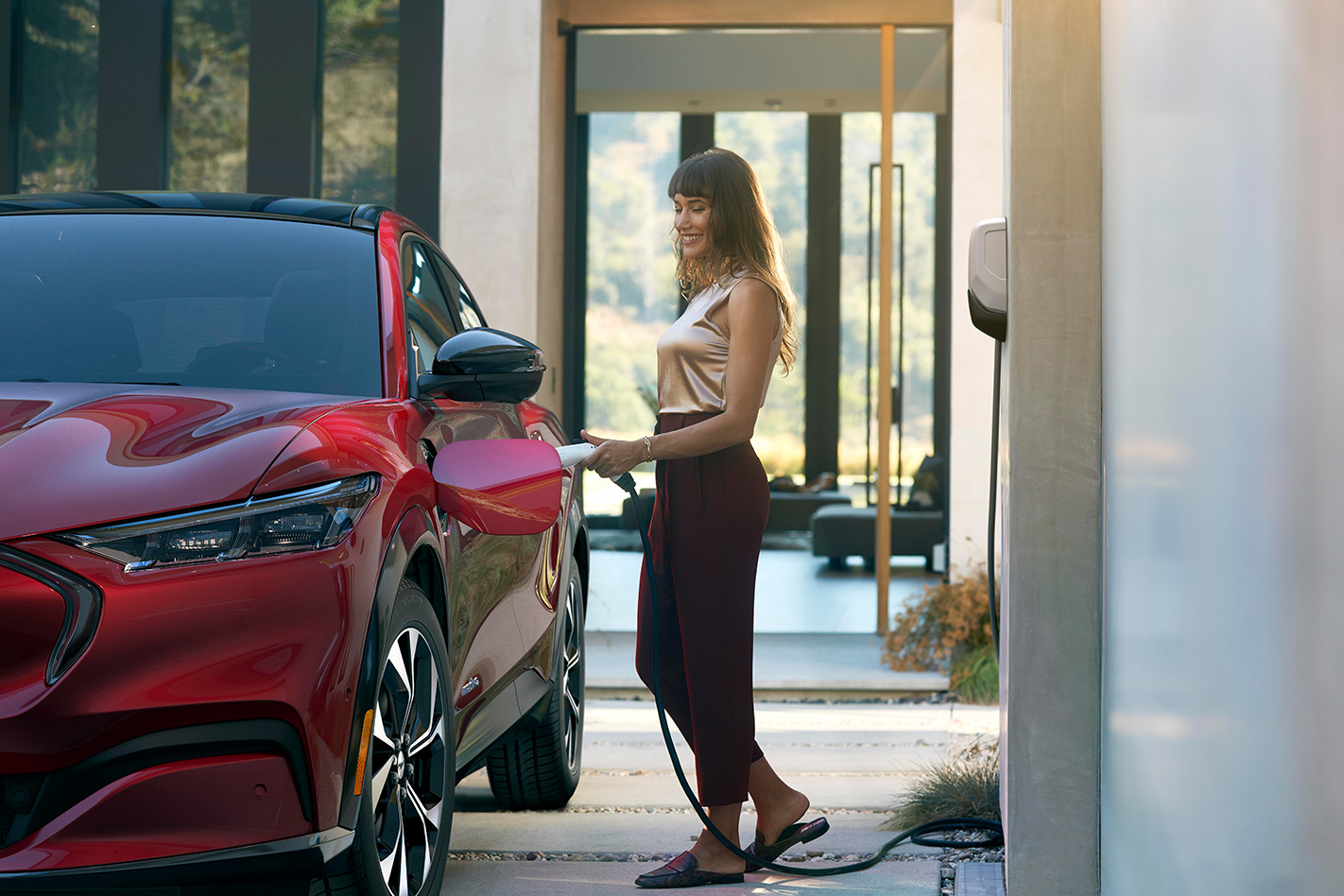
Locally, Ford is still yet to introduce a plug-in hybrid electric (PHEV) or battery electric vehicle (BEV) for the Aussie market, despite models like its electric Mustang Mach-E being homologated and sold in other right-hand drive markets like the UK.
Speaking about Ford’s future electrified offerings for local buyers, a spokesperson for Ford Australia said: “We’re pleased to see a growing appetite for EVs in Australia, and we’re taking a considered approach to electrification to make sure we get our offering right for our customers.
“Ford owners are very clear that they expect toughness, performance and capability from our vehicles, and so our focus is on offering EVs to meet those expectations.
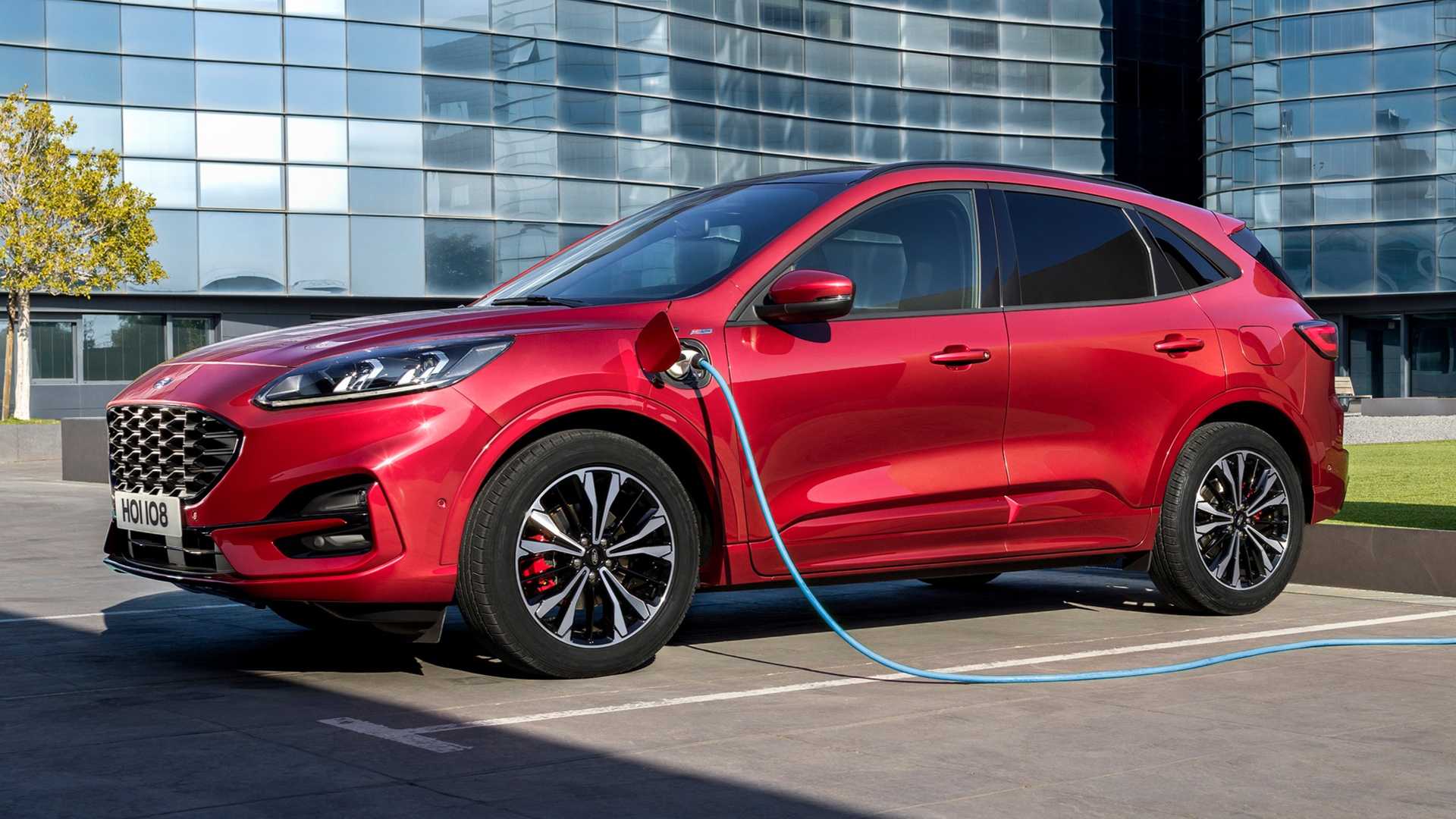
“Ford Australia’s EV line-up will grow quickly, first with our Escape PHEV SUV and soon with other BEVs and electrified models. We’ll share details about these in due course.”
The spokesperson also said Ford Australia is conscious more needs to be done if buyers are to embrace electric vehicles locally.
“As we accelerate our EV plans, we’re aware of the importance of visible investment in the infrastructure that supports EVs, like charging networks, to help build consumers’ confidence in this emerging technology,” they said.
Got a tip-off for a story? Get in touch: [email protected]
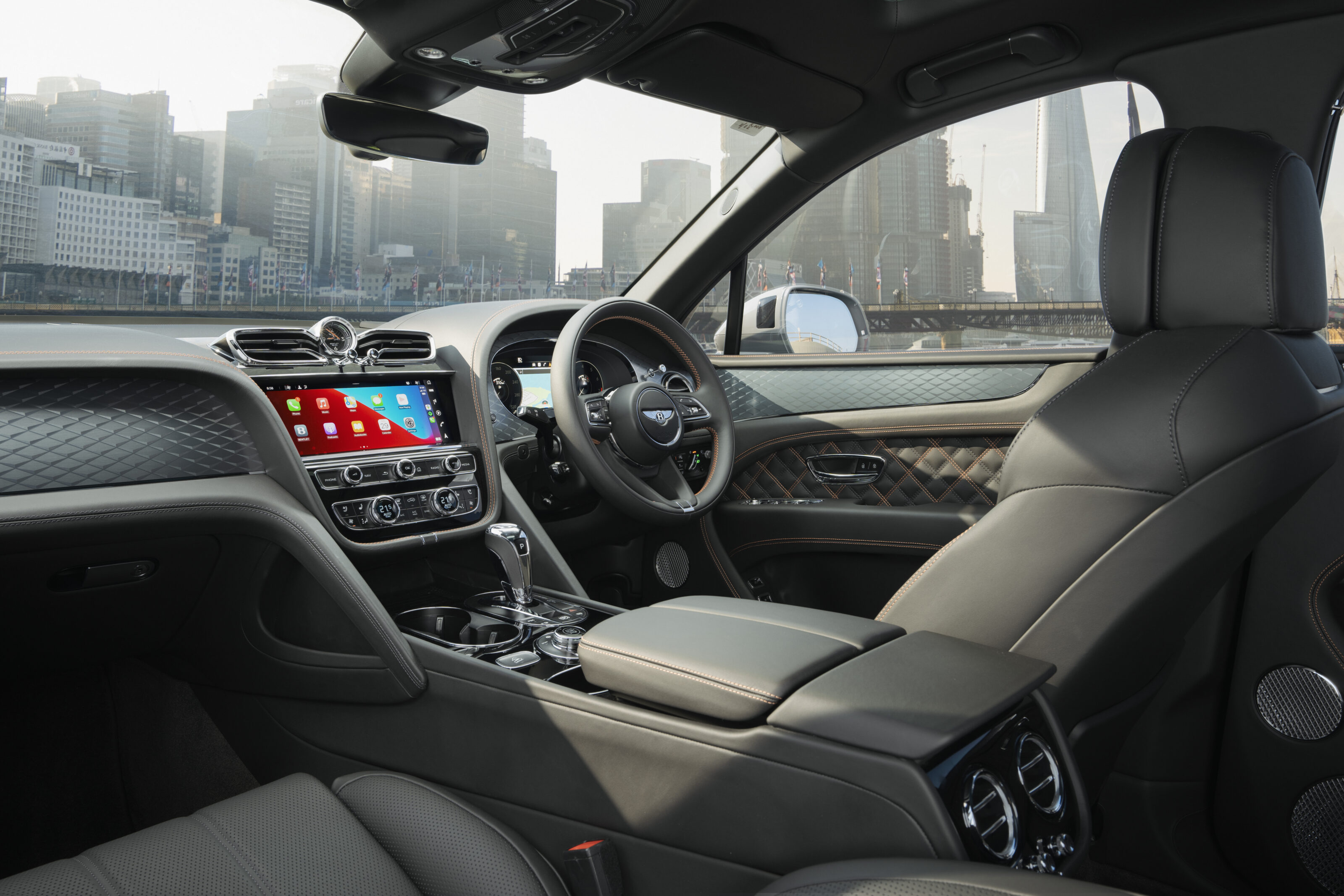
There are certain expectations that come with a particular car’s badge. Here at MOTOR, we assess every car on its merits, but there’s no escaping the fact that certain names evoke a specific reaction. A Porsche is going to be sporty, a Mustang will have more muscle than a juiced bodybuilder, and an S-Class will be at the pinnacle of technological advancement. For Bentley and its SUV offering, the Bentayga, the weight of expectation is heavy.
With more than a century’s worth of experience building some of the finest luxury and grand touring machines, the team at Crewe are renowned for their fine eye.
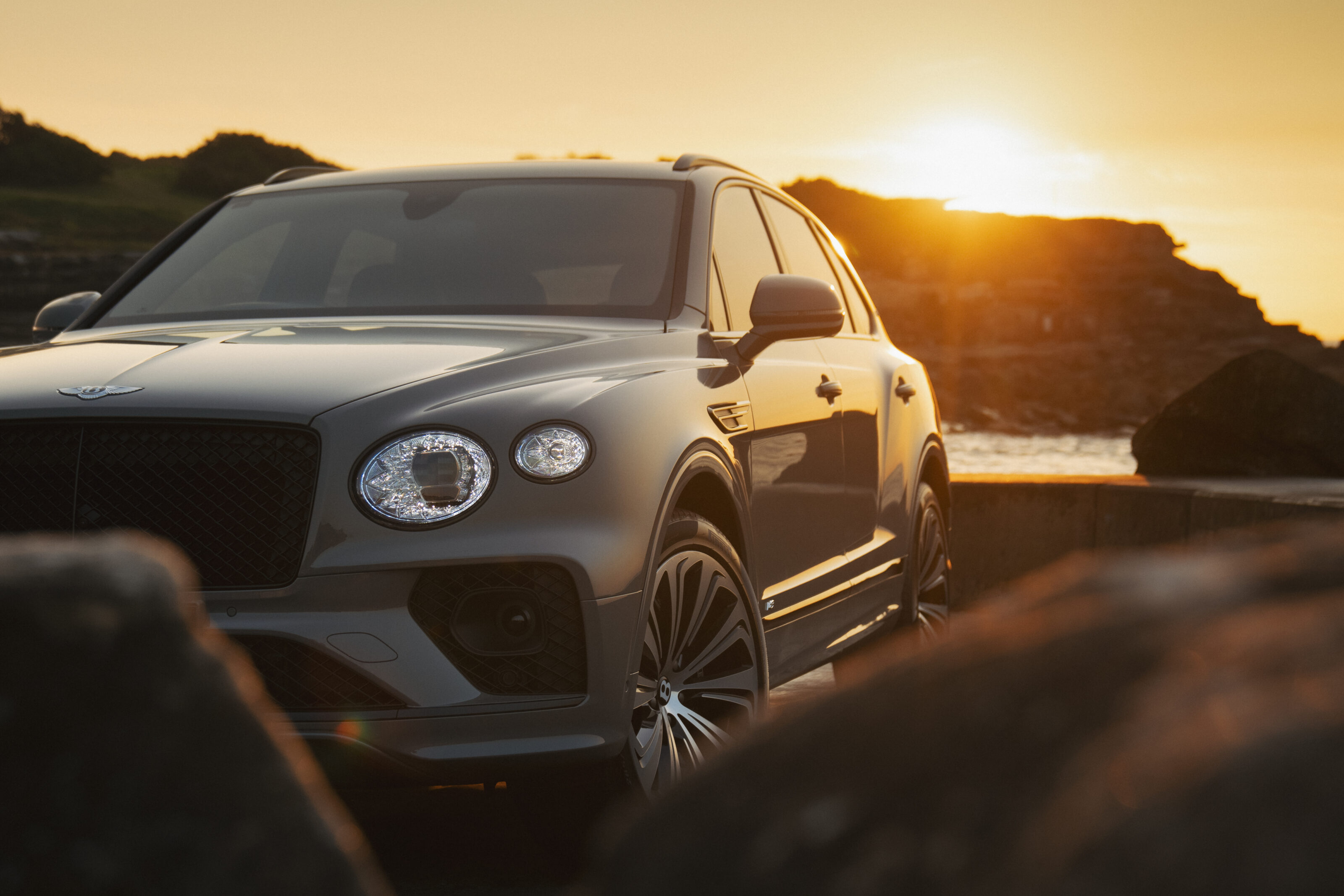
The Bentayga starts at $364,800 in Australia (before any on-road taxes or options are fitted), and customers adding the SUV to their fleet come from a tax bracket that appreciates refined taste. As a result, the list of standard-fit equipment is long and generous. Yes, you can still opt for some ridiculously priced options, but the core fit is appropriate for the price point. So is the quality of material and interior finishing.
There are hints at the Wolfsburg origins in the architecture and tech, but the fit and finish is unmistakably Bentley. New for 2021 are refined styling tweaks which help gently disguise the fact that the Bentayga has been on sale since 2016. Five years is a relatively long time in a market that is obsessed with one-upmanship, but it’s going to be hard to dim the shine of the Bentayga’s new diamond-effect head and tail lights.
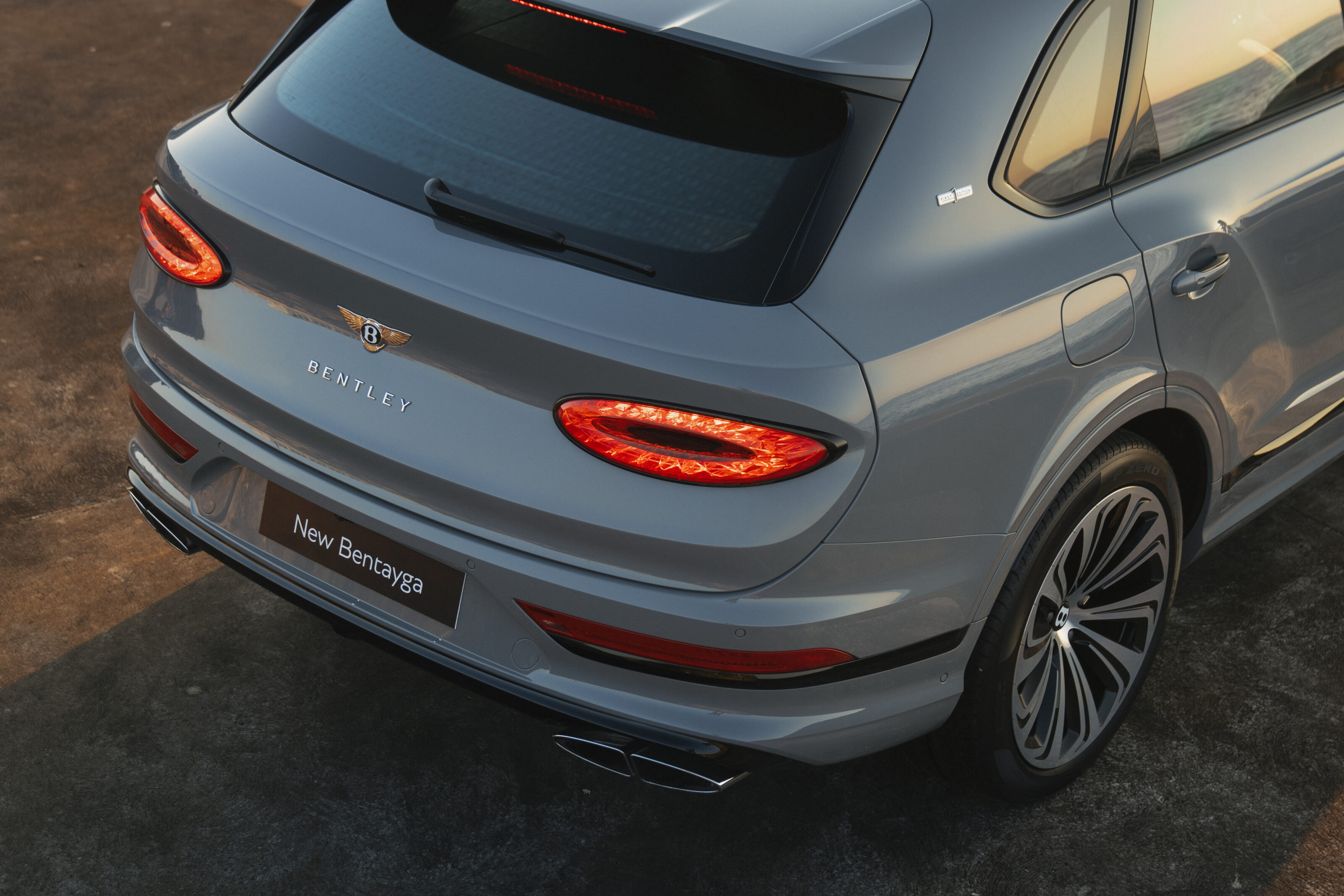
“There’s no rushed dropping of ratios or dramatic flaring of revs – just an unflustered moving of tectonic plates”
Bentley is proud of the fact that its SUV is capable of wearing many hats. They proclaim it has the performance of a supercar, while maintaining the luxurious standards of the brand’s flagship limos, with proper off-road chops thrown into the mix. This concoction of characters places the Bentayga in a challenging box from which to emerge. Thankfully, it has the right tools for the job.
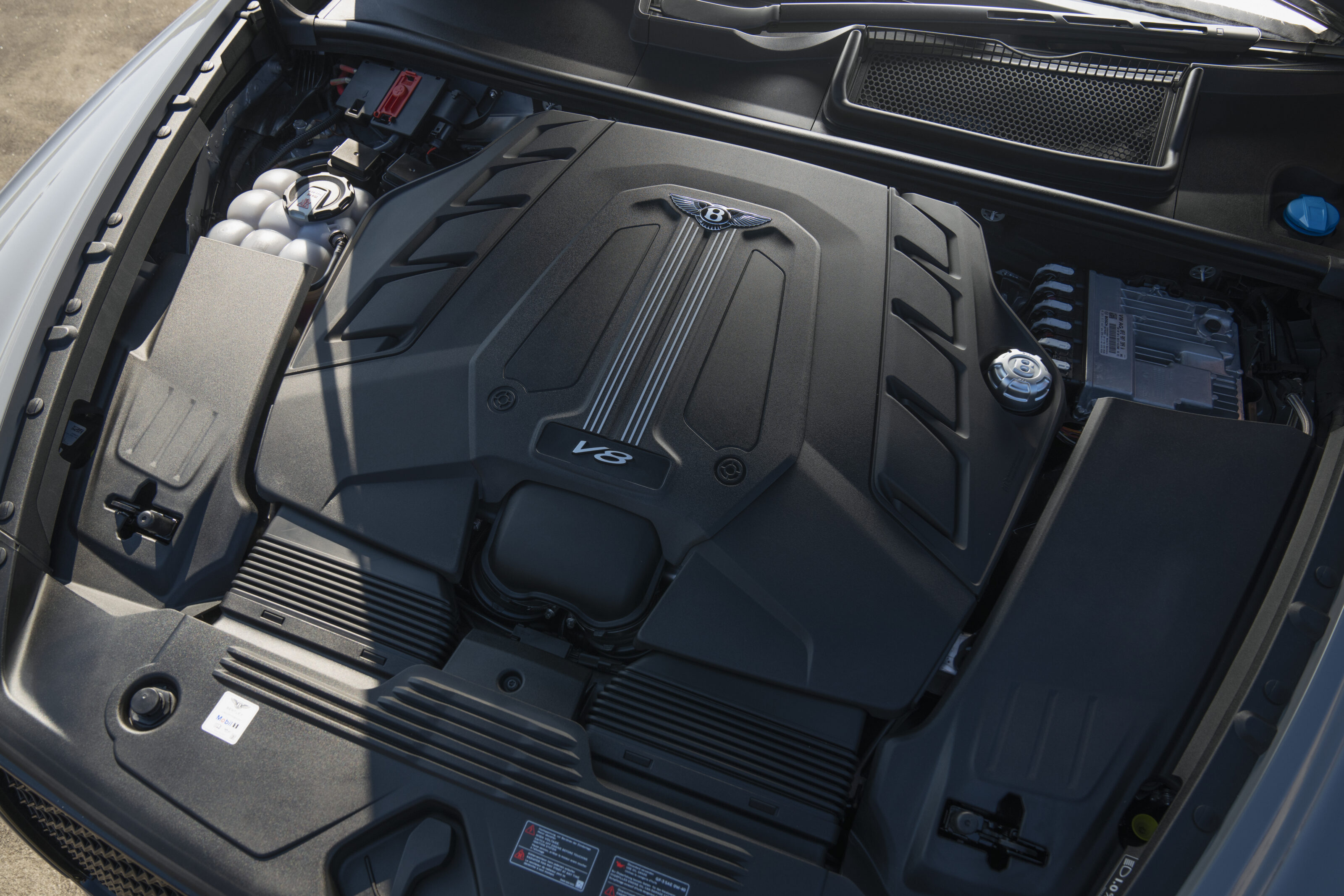
The 4.0-litre V8 under the bonnet is mated to an eight-speed automatic gearbox. The duo deliver 404kW/770Nm to a permanent all-wheel drive system with a Torsen centre and electronic rear differential. With these ingredients combined, the powertrain is buttery smooth. The V8 burbles along like an engine double its size when cruising.
Jab it in the kidneys with a forceful application of throttle, and it remains composed, using the significant torque (its peak is spread over better than 2500rpm of the rev range) to pull the horizon closer. There’s no rushed dropping of ratios or dramatic flaring of revs – just an unflustered moving of tectonic plates. In even its sportiest of settings, the Bentayga’s transmission shifts between gears almost imperceptibly, swapping ratios more slickly than the dual-clutch in a Continental GT.
The test route for our drive was a pock-marked, warped, and deteriorating piece of back-road bitumen. Challenging, yes, but something you’d expect a Bentayga to chew up and spit out. There’s a taut readiness to the ride that, on poor surfaces, manifests as a firm edge that may surprise some who mistakenly perceive Bentley as a maker of syrupy limos.
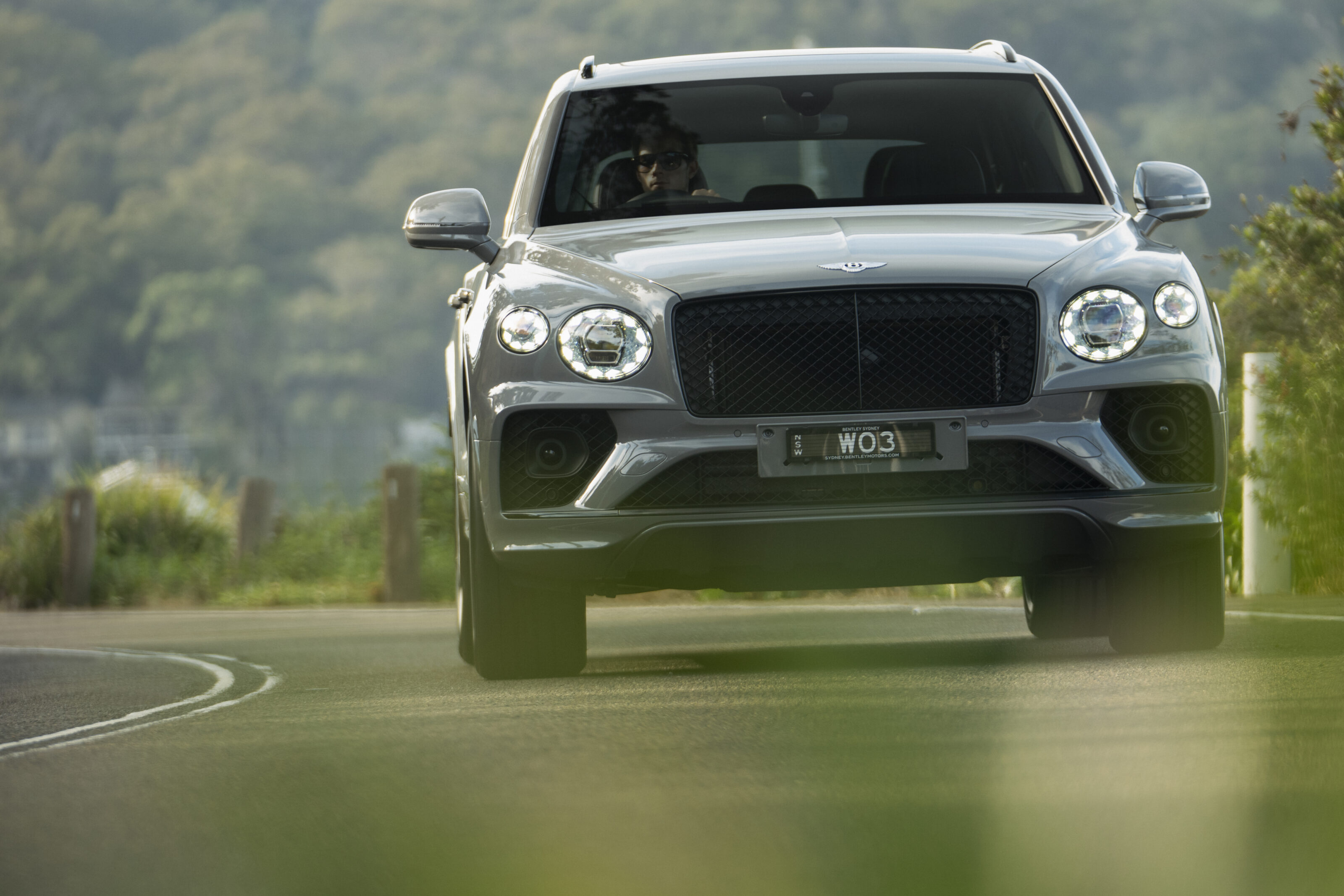
Turn the Bentayga into a set of bends and you are reminded of exactly why the waft is absent. Far from being the wallowing two-tonne-plus handful you’d expect, the Bentayga is impressively capable in dynamic situations. While not as athletic as Volkswagen Group siblings like the Lamborghini Urus, Audi RS Q8 and Porsche Cayenne Turbo, it doesn’t shy away from a challenging road.
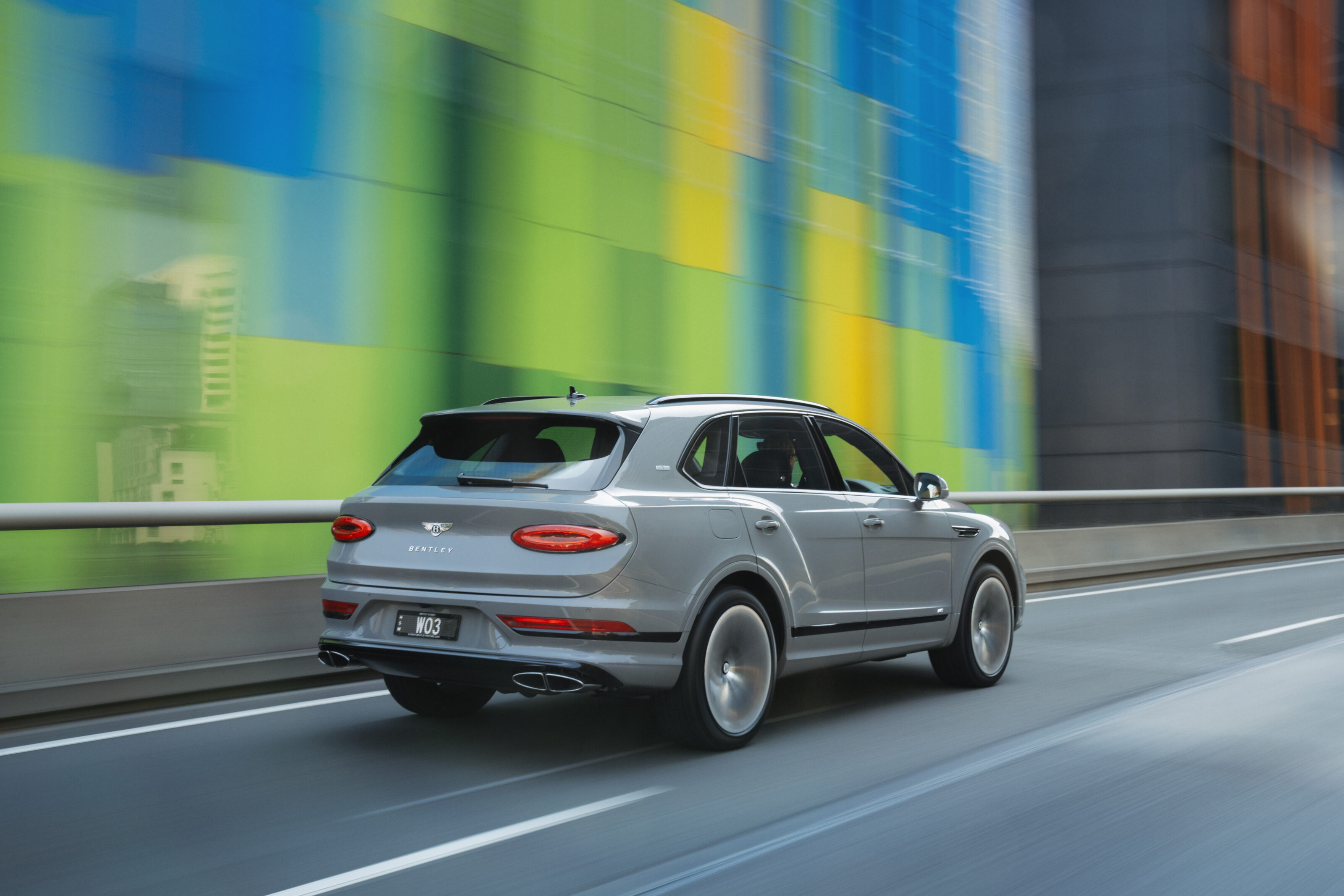
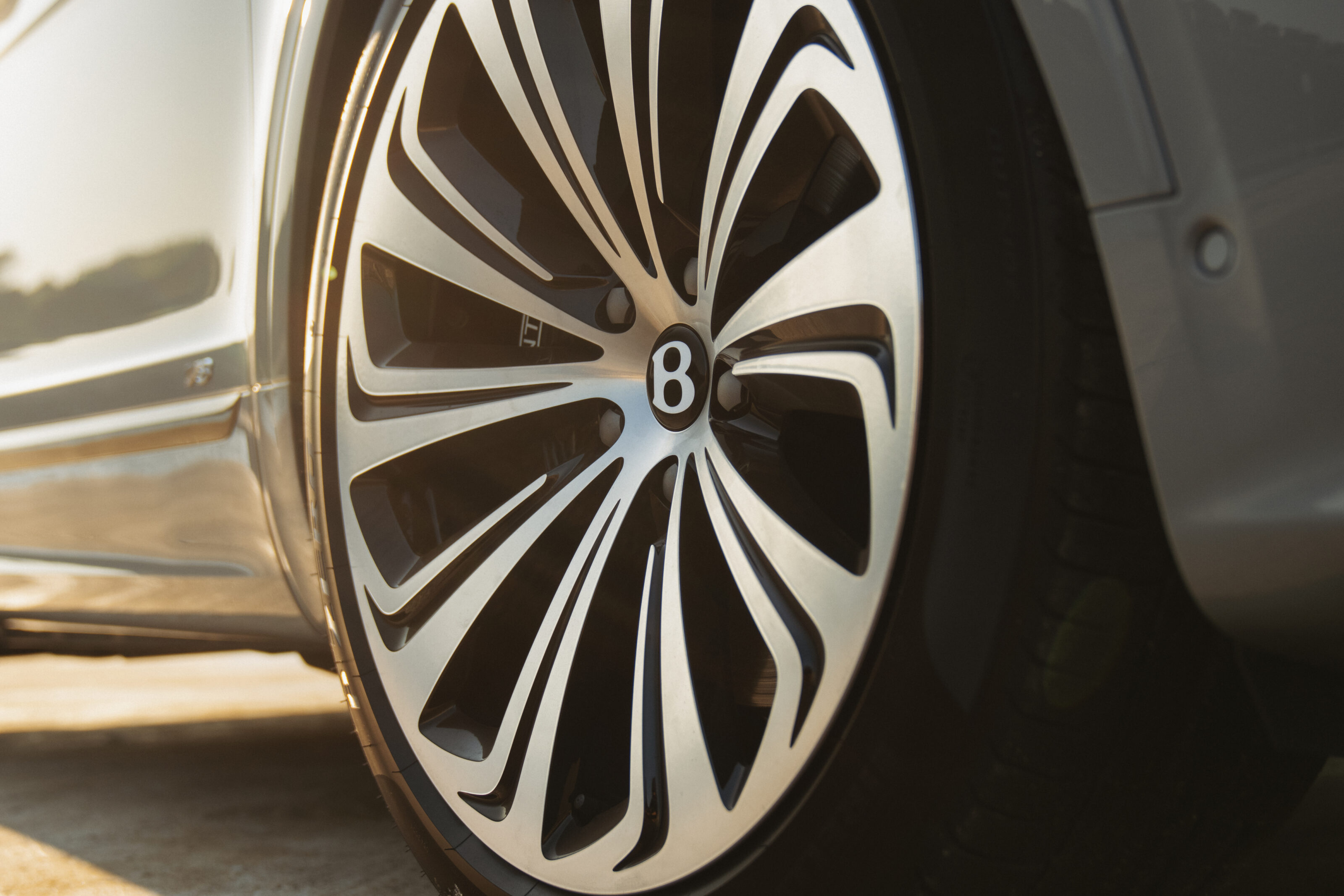
The Bentley does have more pronounced body roll when upping the ante but this actually improves subjective involvement. That roll and pitch reassures through corners, signalling the limits unambiguously. Allow it to compress and settle into a corner, and you can then ply the throttle, allowing the torque to pull you toward exit, the 285/35 ZR22 Pirelli P Zero rubber rarely troubling the traction control.
While the Bentayga only has three natural rivals (the Lamborghini Urus, Aston Martin DBX, and Rolls-Royce Cullinan), they each focus on a subtly different customer demand.
This mid-life facelift has done well to keep the big Bentley wagon looking fresh as it faces down newer competition, but it pays to remember that despite the SUV body, the Bentayga bones are that of authentic, traditional Bentley – a raffish gentleman’s express. Looking for something respectively more remote or reinvigorating? Other options are available.
