
Hyundai’s transition into more premium and performance-focused markets is a multi-faceted strategy, powered in part by the freshly forged N halo brand.
While calorie-packed models such as the i30 N deliver the main performance hammer blows, its new N Line sub-brand is also hard at work.
Positioned below the i30 N, Veloster N (in the US) and forthcoming Kona N, products under the N Line offers a taste of the more aspirational vehicles bundled into more affordable packages.
In the shadow of the growing line-up of full-fat N Models – which must adhere to a strict mantra of dynamics and high-performance – the N Line offers a more flexible interpretation of sportiness.
That’s why you can expect to see more models in the Hyundai family rolling out wearing the N Line identity even if a weapons-grade N version isn’t necessarily destined for the line-up.
Until now, Hyundai’s N Line variants have offered a level of performance that bridges the gap between the more pedestrian options and the full-blown N flagship, including the i30 N Line and Kona N Line, but its all-new 2021 Tucson applies the N Line moniker differently.
Arriving with the second-generation (or fourth if you count the two generations of ix35 before it) mid-sized SUV in April 2021 will be an option to upgrade the three core variants with an N Line package, instead of a standalone variant as it is in other model ranges.
The new Tucson line-up will consist of a 2.0-litre naturally-aspirated petrol engine with front-wheel drive, and a pair of all-wheel drive variants powered by a 1.6-litre turbo petrol or 2.0-litre turbo diesel, available in three different levels of specification.
Range pricing is yet to be confirmed, as is the cost to upgrade to the N Line package, but all versions will be available with the sportier enhancements.
However, unlike the previous N Line variants, the optioned-up Tucson will gain no performance advantage with the addition of the package.
Instead, a range of aesthetic enhancements will bring a flavour of the N pedigree in looks alone.
Does it work? Well Hyundai Australia got its hands on a pre-production version of the Tucson for us to get an early sample and find out what to expect from the new ‘N-look’ Tucson, ahead of its arrival – along with the rest of the range – in April 2021.
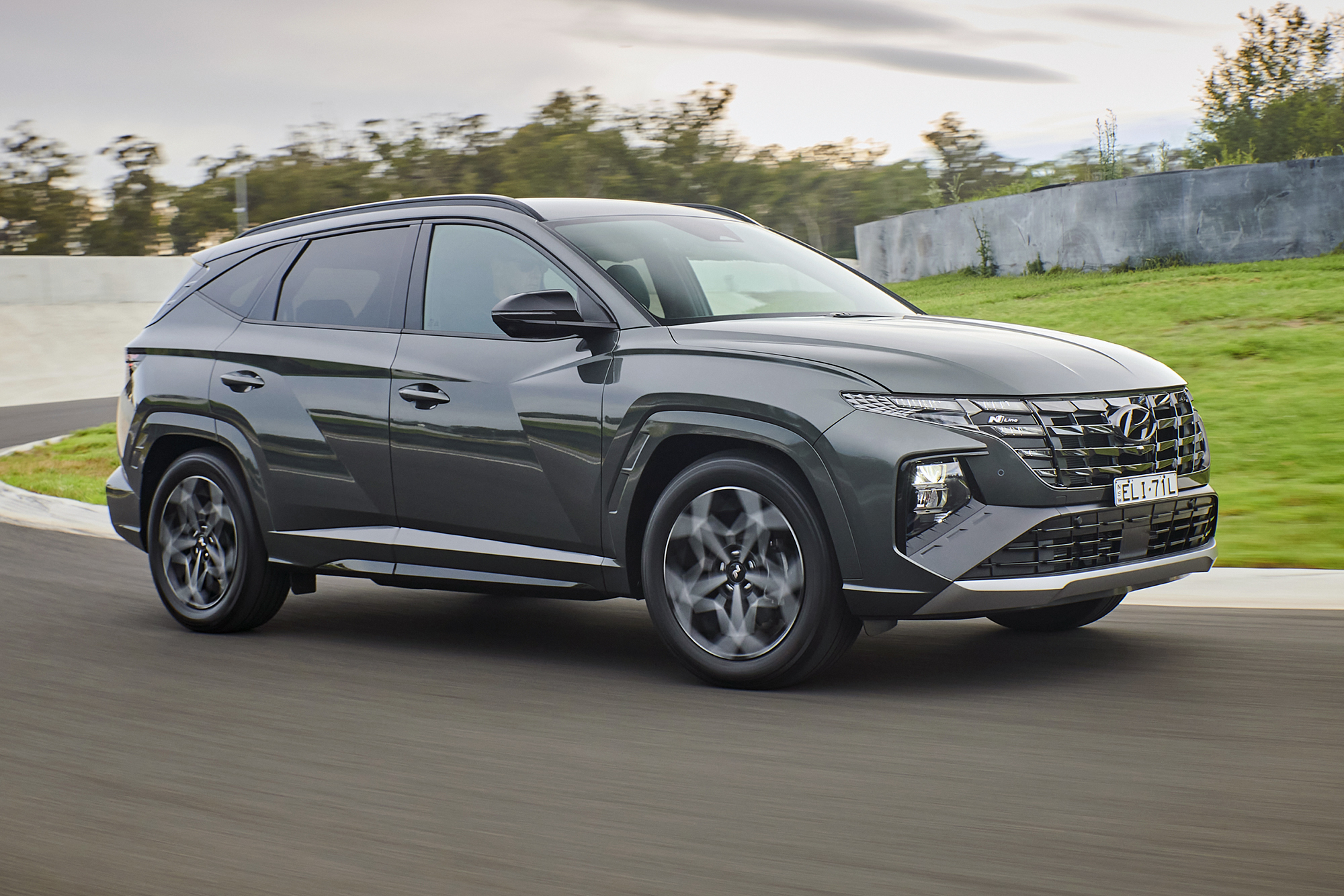
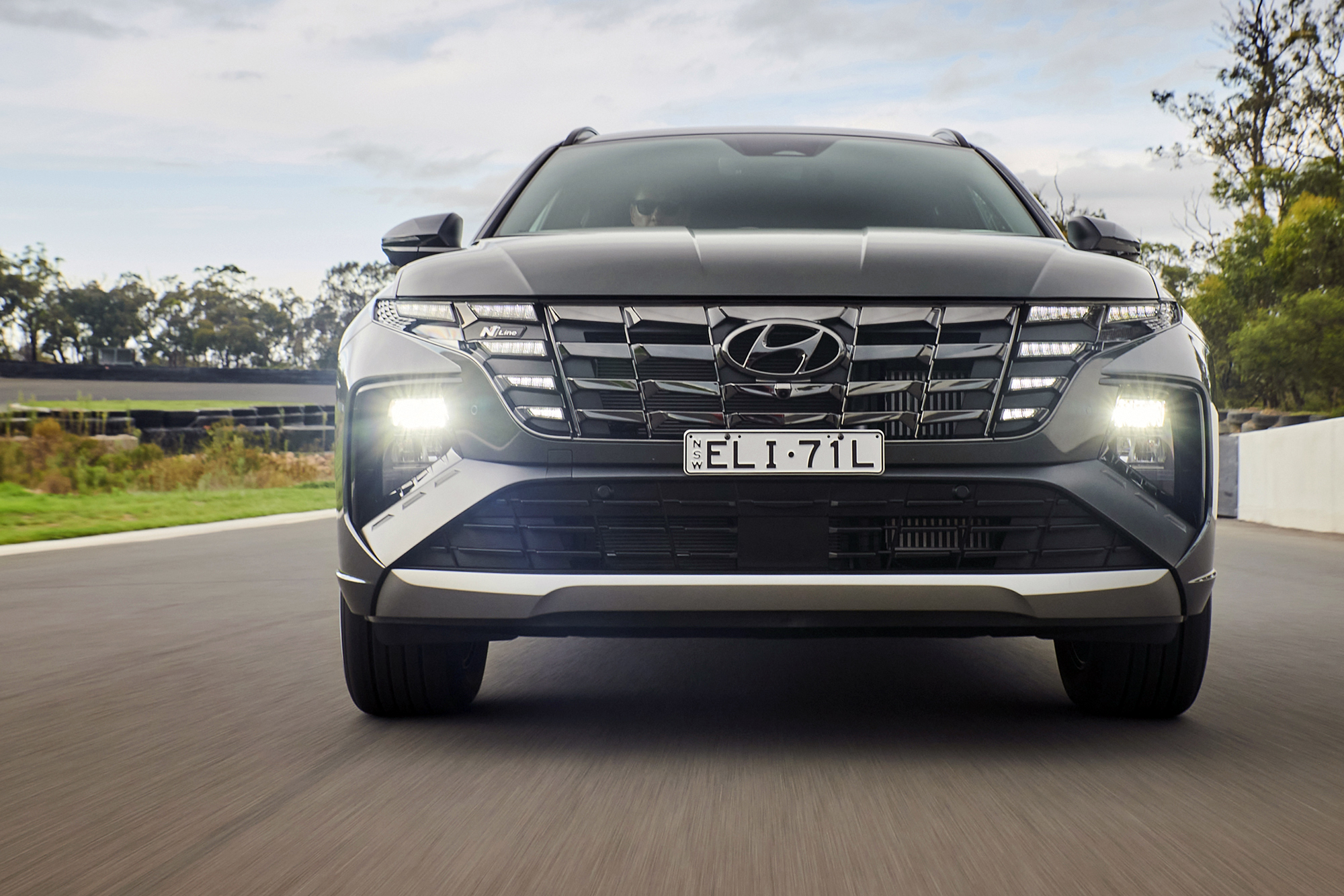
All versions of the 2021 Tucson get a sharp new exterior design including a bold new grille, eye-catching fragmented headlight and daytime running lights, and a fang-like rear light design for an equally good-looking tail.
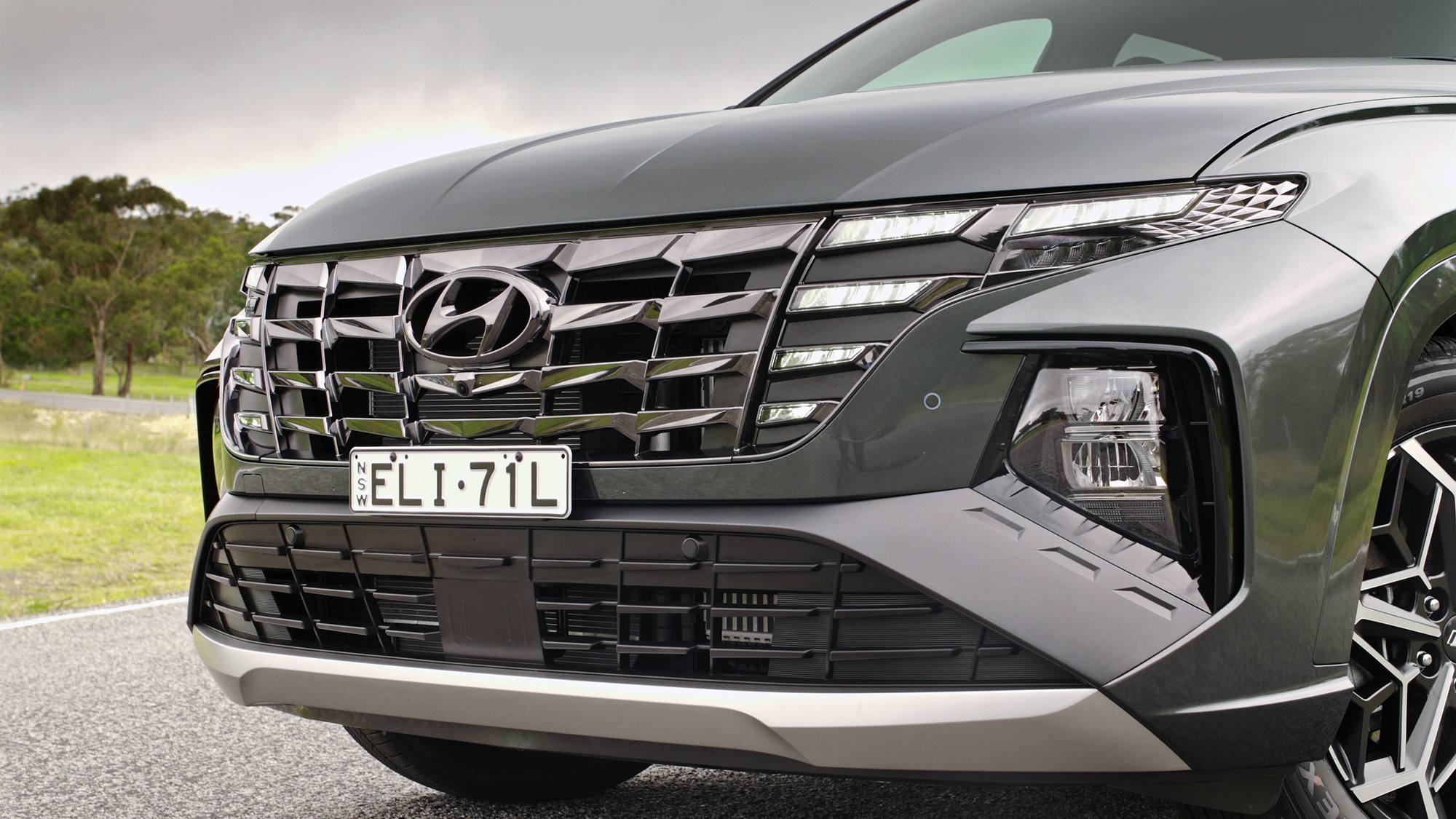
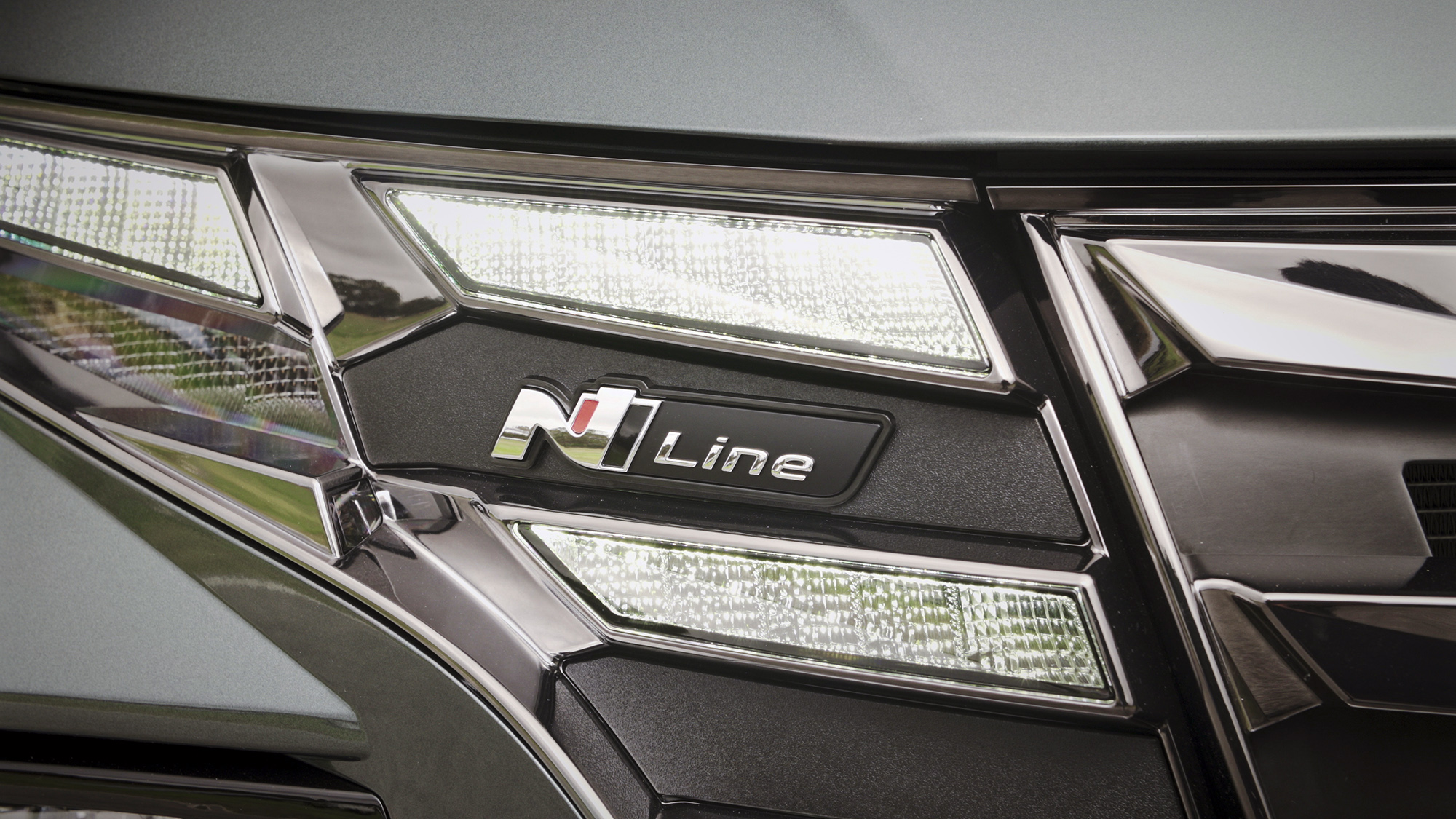
The N Line builds on those sharp touches, enhancing the overall presence. The grille gets a smart smoked chrome-effect recoat along with a more blocky mesh pattern, while the foglights are framed by a more angular trim, and a titanium-coloured front lower splitter kicks off a host of more racy looking touches.
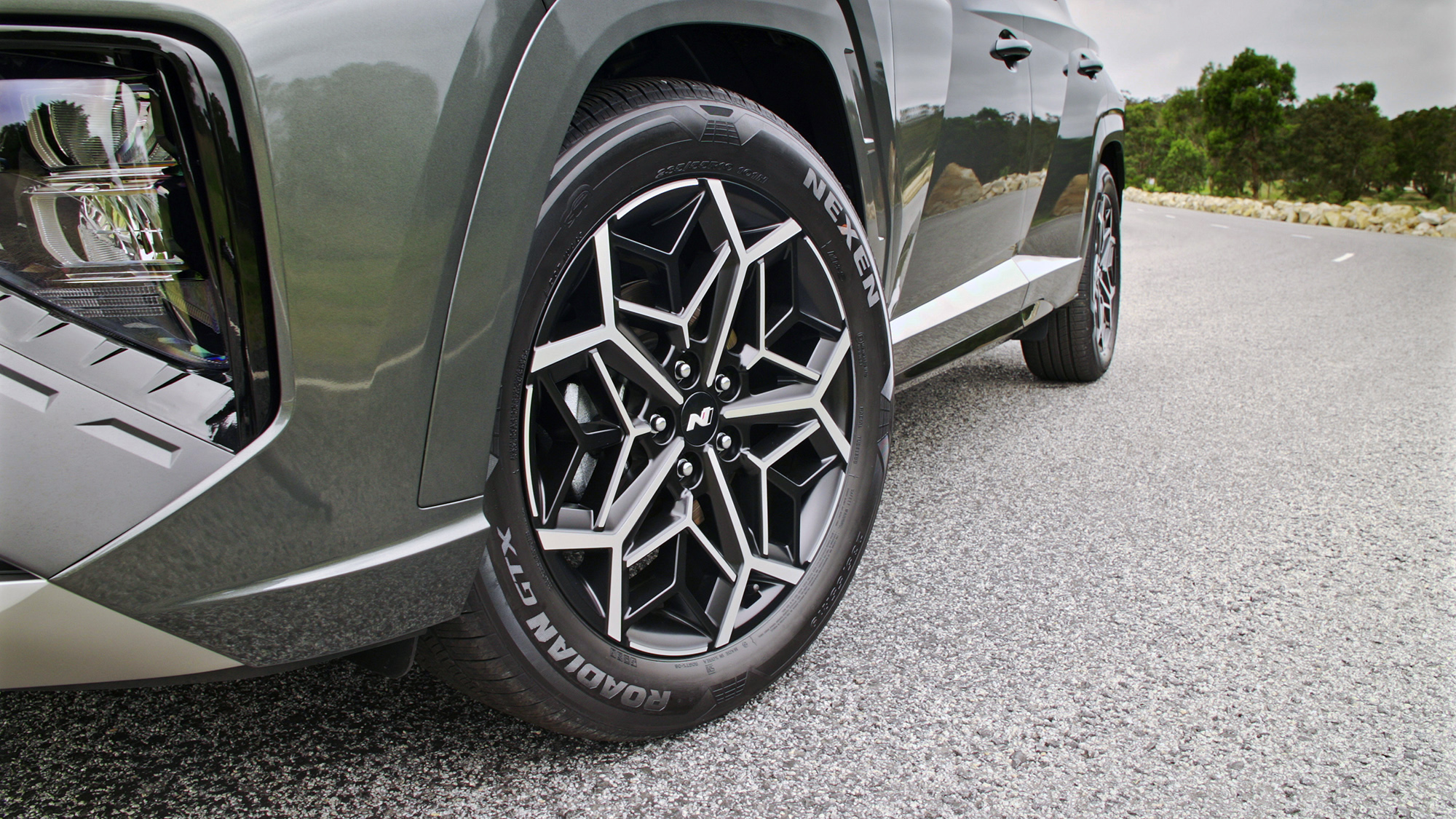
The profile is dominated by unique 19-inch alloy wheels that have a fine, complex design that appears only possible with 3D printing, and the large hoops are hemmed by a body-coloured wheel-arch trim – not plain plastic like the rest of the range – for a less rugged, more refined and sporting look.
Fatter side-skirts are also unique to the N Line and continue the angular design theme.
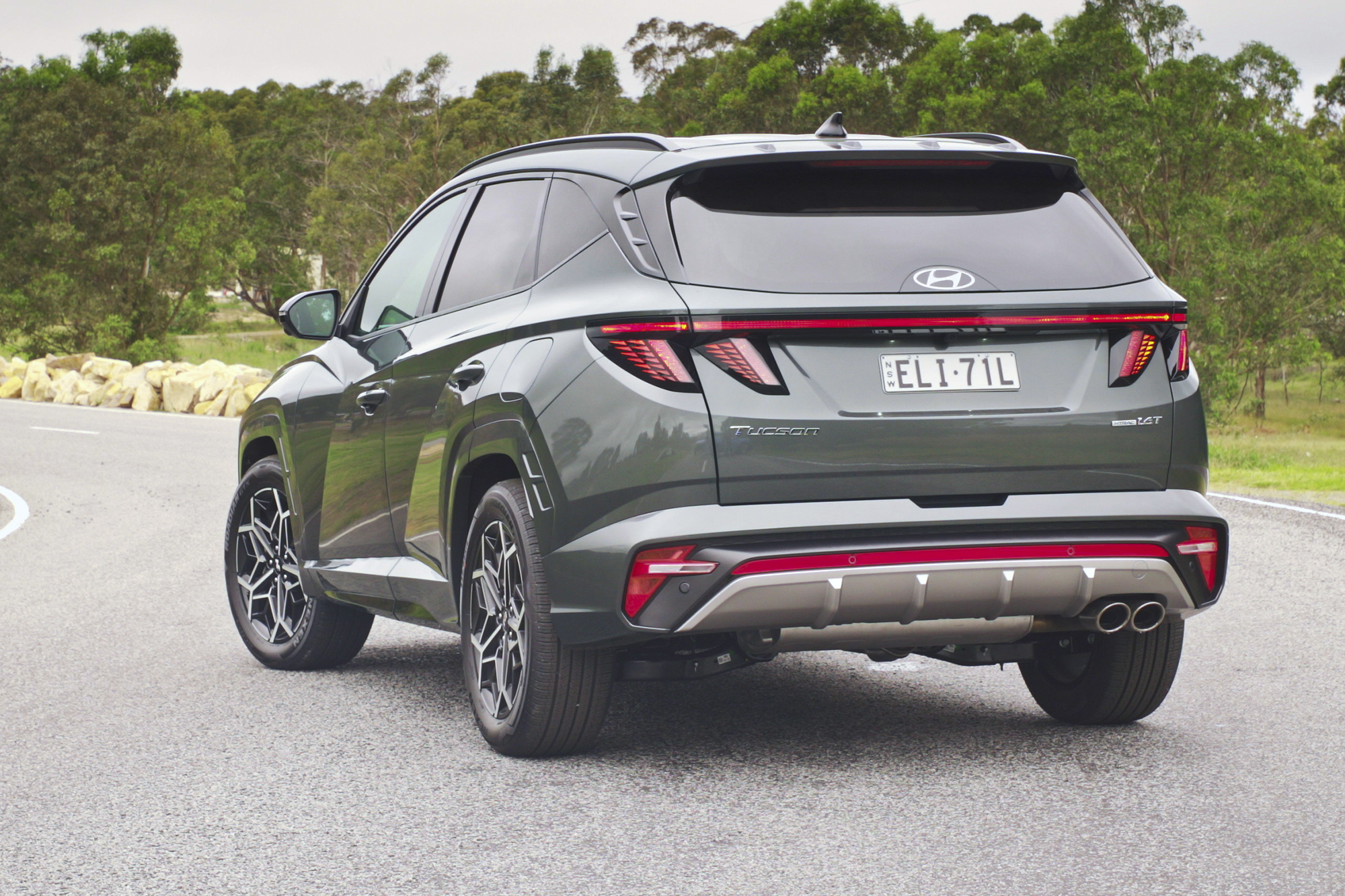
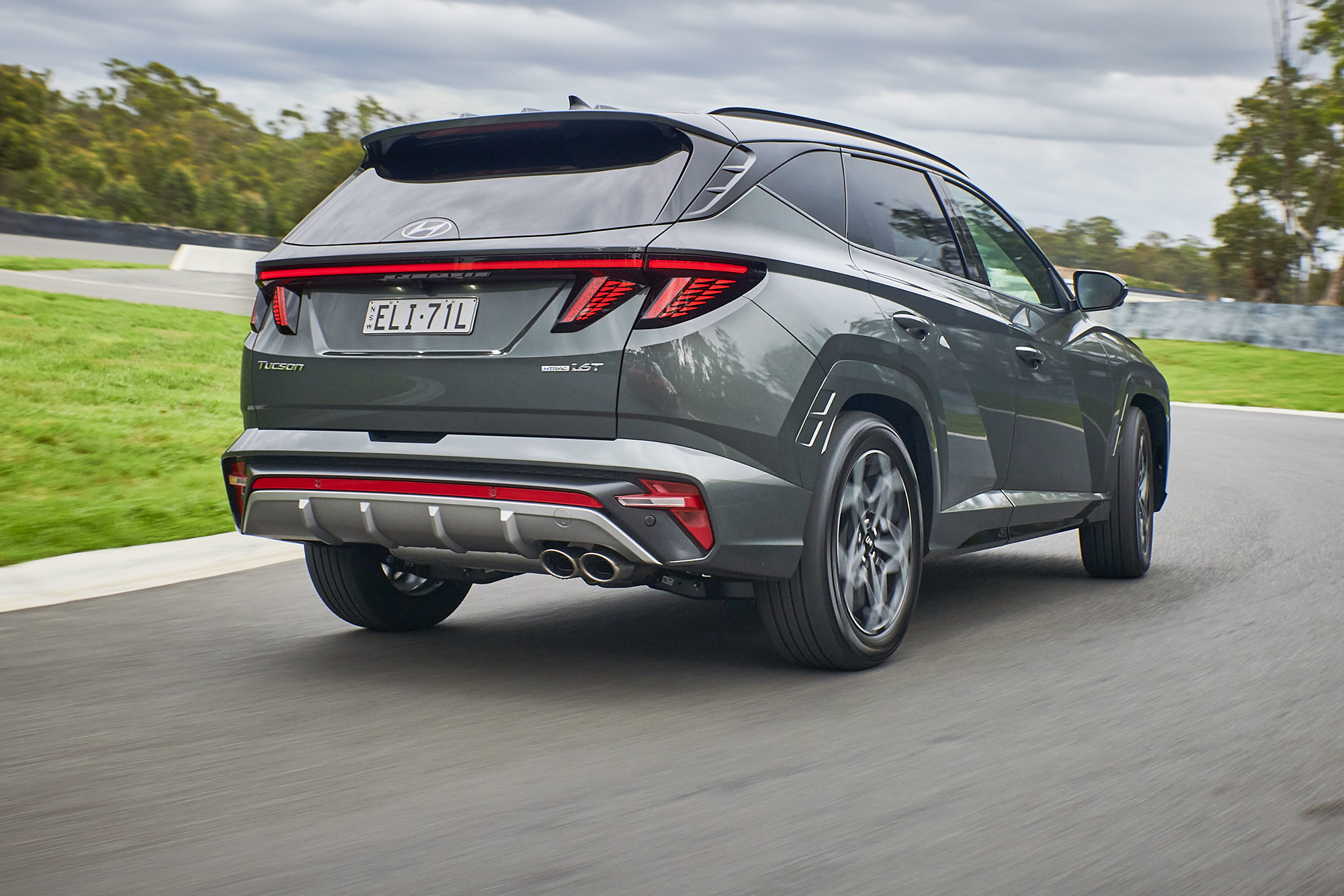
At the tail end, a deeper roof spoiler brings a more aerodynamic appearance, along with an aluminium-effect lower diffuser that houses a twin exhaust tailpipe.
The overall effect is a more aggressive-looking Tucson and a purposeful stance which we can’t wait to see alongside the rest of the range to highlight the full effect.
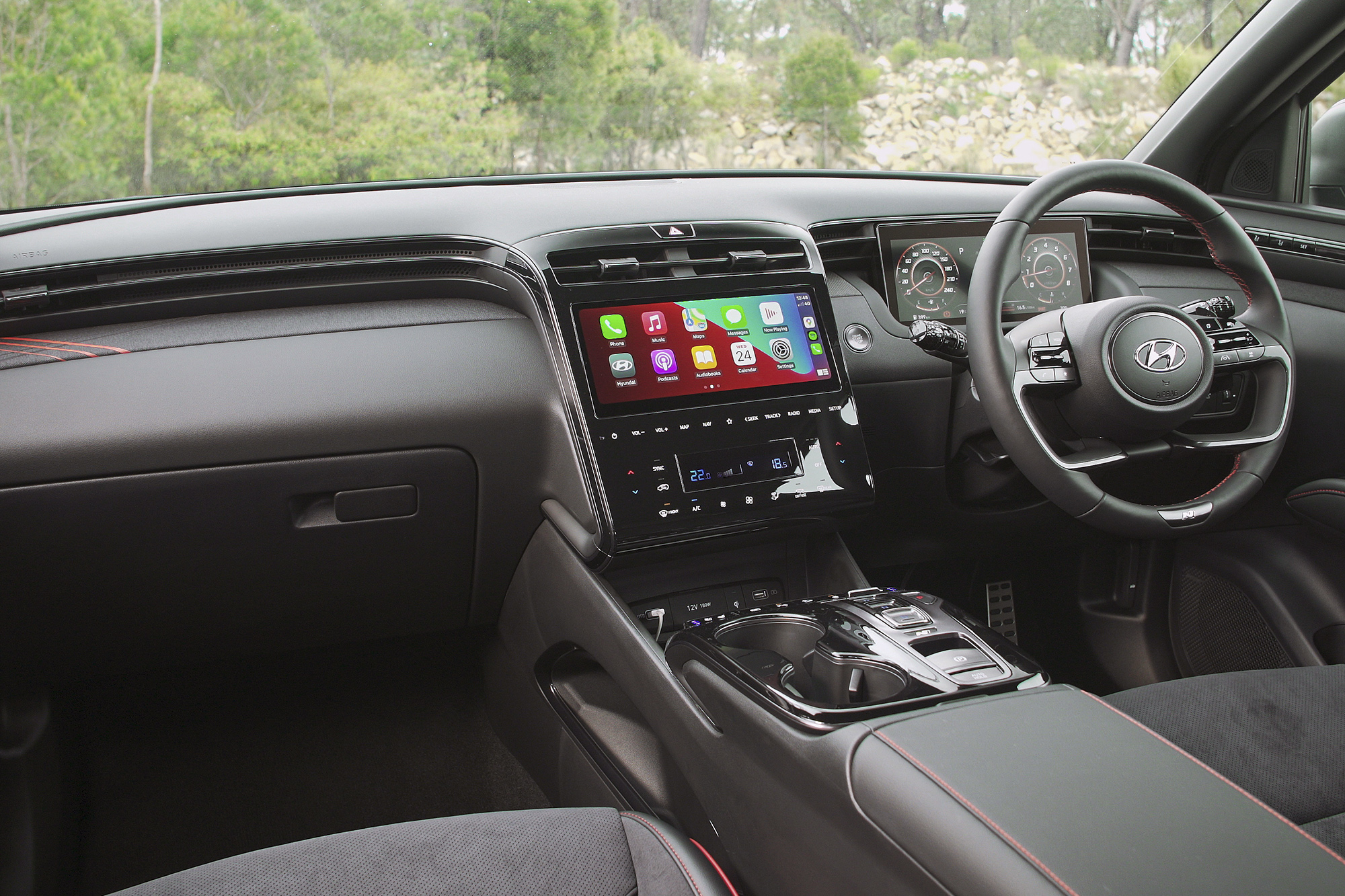
The interior N Line treatment is arguably even more effective and creates a bigger impact with less. A black roof lining instantly infuses the cabin with a cozy and classy ambience – a simple trick that many manufacturers seem to frequently forget.
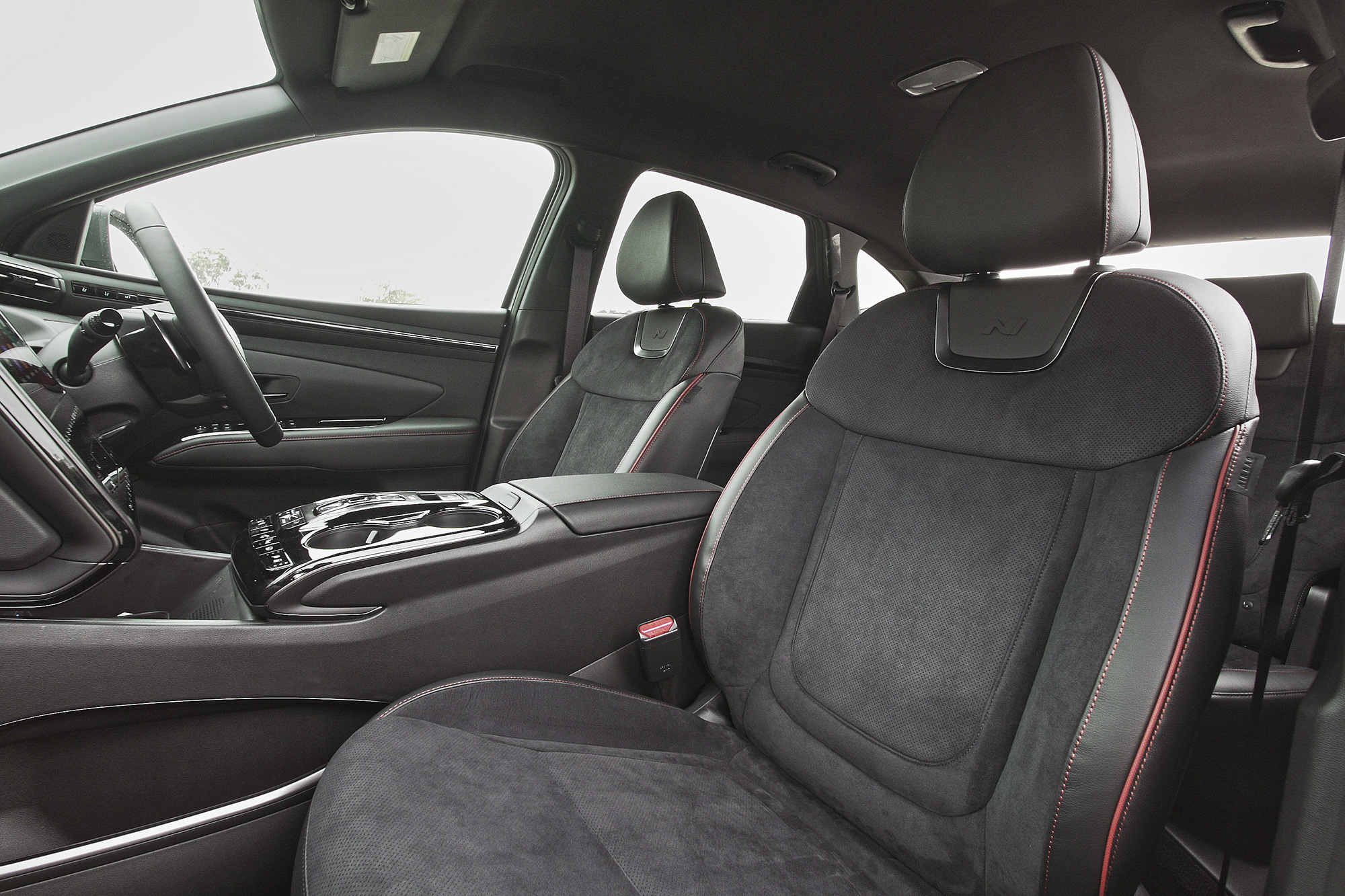
It pairs beautifully with a combination of black suede and leather upholstery, highlighted by red stitching and piping just about everywhere possible. There’s even a smart red flash on the pleasant dashboard fabric covering.
The seats manage to look and feel sporty without compromising comfort and the same goes for the leather sports steering wheel that has yet more red stitching.
The only thing that can tear your attention away from the lovely interior detailing is the array of digital displays that will accompany all top-spec Tucsons, including a 10.3-inch central touchscreen, complemented by a fully-digital driver’s instrument cluster.
Neither are overly imposing, thanks to clever positioning that tucks them into the dashboard, preserving the clean flowing interior lines without obscuring them. Functional and impressive without being ostentatious.
The N Line embellishments effectively impart a sportier persona to the Tucson and, looking at the result, it might be hard to remember that there is no added tangible performance benefit but, happily, even in standard trim, the NX4 Tucson has a very likeable manner.
But that statement comes with a massive caveat and disclaimer. Firstly, the version on offer for a first spin is a pre-production car which means it doesn’t have the chassis tune that locally sold versions will have specifically to suit Australian roads.
It also rides on a Nexen tyre that may or may not be standard fitment when it arrives and, because it wasn’t road registered, our short time with the car was on the silky smooth surface of a racetrack – which can hide all manner of chassis traits that would quickly manifest on less perfect roads.
Nonetheless, the early signs are very good. Not least because our test car was fitted with the 1.6-litre turbo four-cylinder engine option, paired with all-wheel drive and seven-speed dual-clutch automatic transmission.
This combination is the same union found under the bonnet of both the Kona N Line and i30 N Line, although not quite wicked up to the full 150kW that the latter receives.
Despite the Tucson’s bigger build, this powertrain offers decent acceleration, enhanced by fast and eager cog-swaps from the DCT auto, and there’s a pleasing urgency to the way the Tucson makes progress when given a whip.
The chassis and handling appears to have evolved in the right direction too, compared with the previous model, with an even more obedient turn in, smooth steering and reassuring road-holding.
There’s a touch more body-roll that expected, but we wouldn’t be surprised to see some of that dialed out by Hyundai’s deft local development team.
With only a few laps to enjoy the fresh Tucson dressed up in its new shorts and runners, it’s fair to say a more performance-enhanced N Line version won’t be missed by many. In the 1.6-litre version at least, dynamics are fun and involving, while the general attitude is manageable and easy to chuck about.
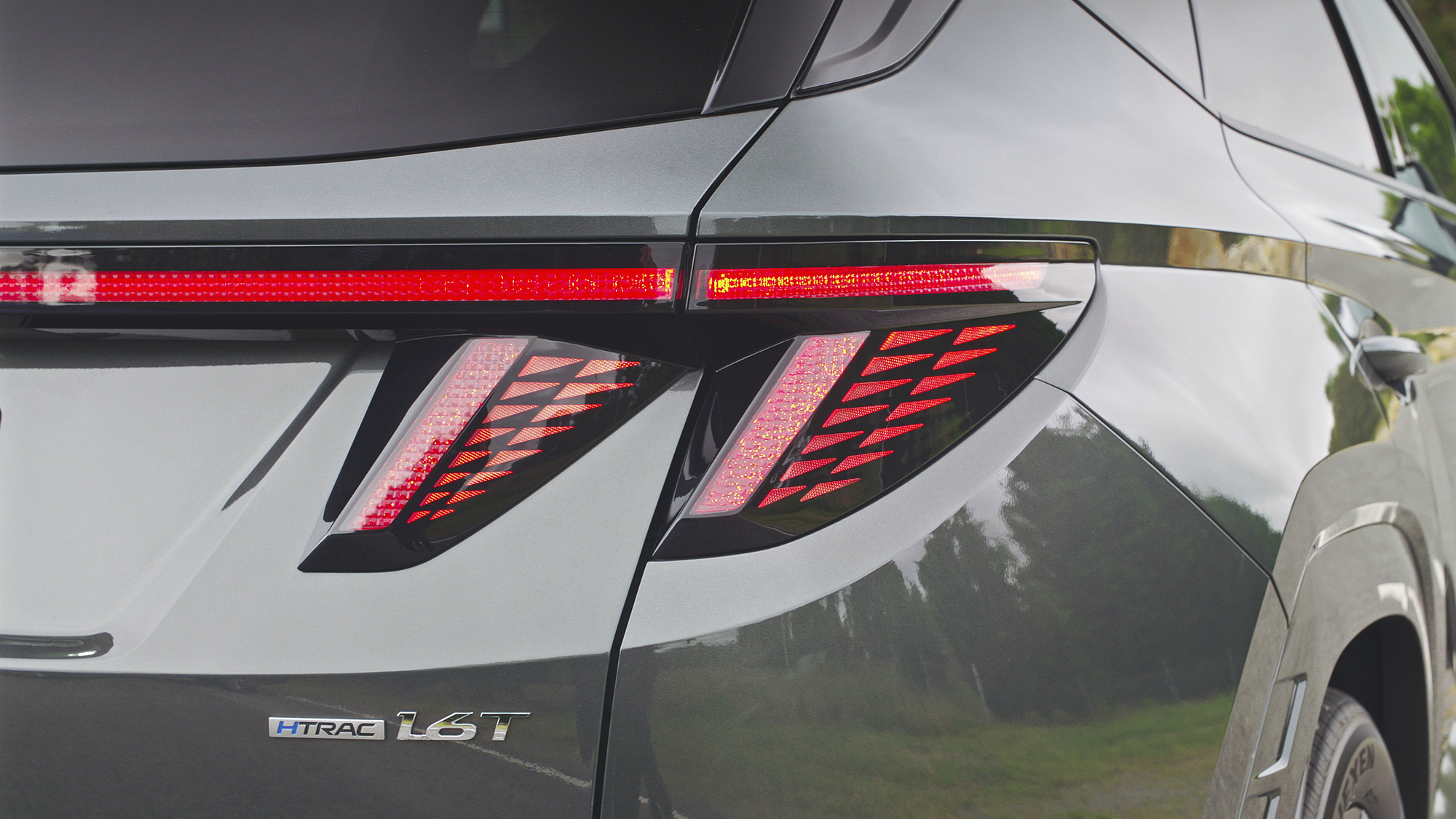
With this 150kW output, the combination of the excellent 1.6-litre engine and snappy DCT is a better pairing than optioning up to the more asthmatic 2.0-litre Tucson with the N Line package. The 1.6 T-GDi powerplant is the best-performing unit of the two, and the most logical match if you’re after the most N-ish Tucson.
Even if you do object to the omission of a properly warmed-up N Line option in the launch line-up, you may not have to remain disgruntled for long: ‘N-lite’ models like the Tucson N Line lay the foundations for more pure-bred N machinery, heralding more exciting Hyundais across the board.
And, as the i30 has demonstrated, that’s something well worth getting excited about.
A larger and more practical five-door Mini will join the recently-facelifted Mini three-door hatch later this year.
Both body-styles share design attributes including a Multitone two-colour roof, revised bumper design with body-coloured grille insert, and black headlight innards rather than silver.
LED headlights and tail lights are standard, the latter retaining their unique Union Jack design.
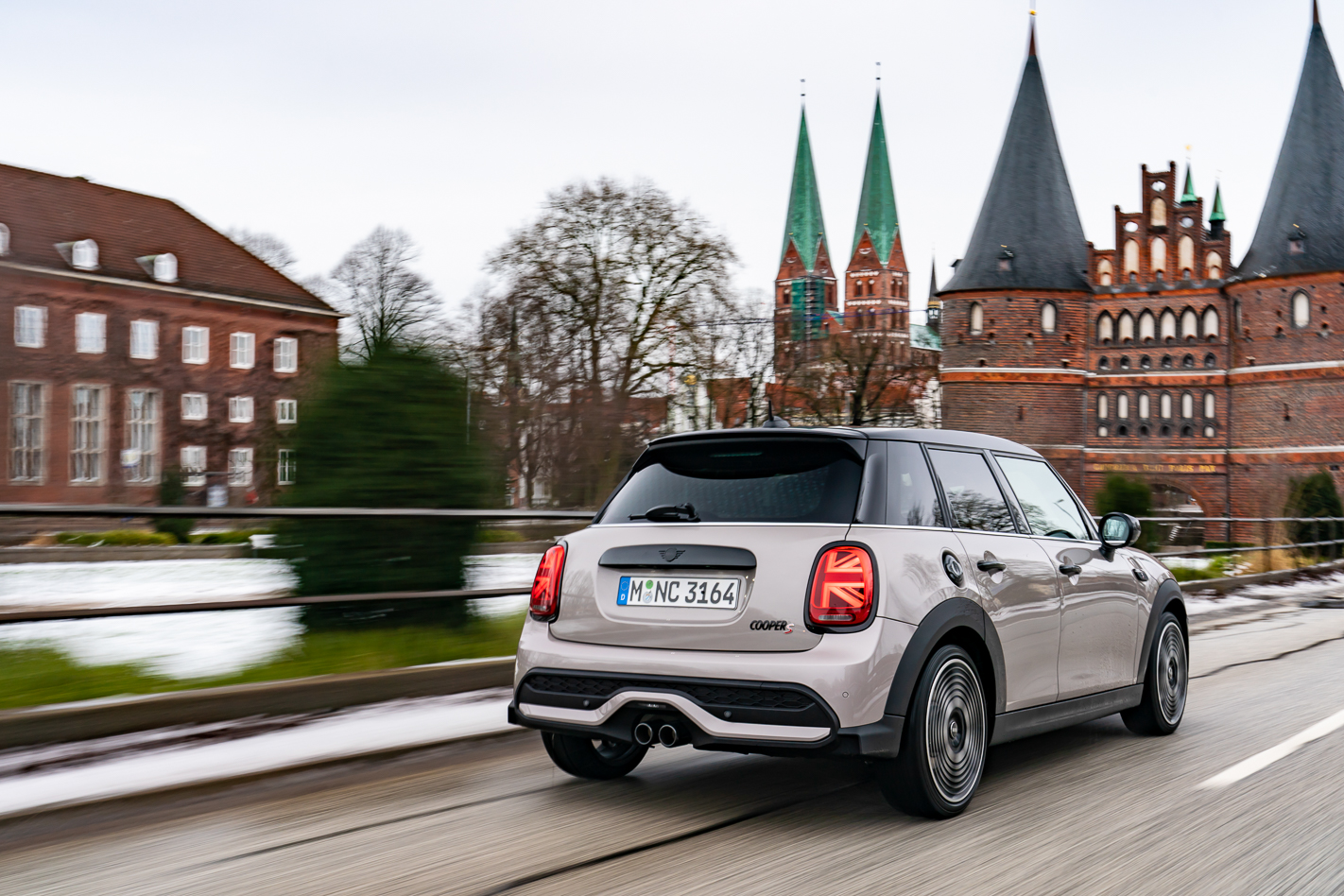
It’ll also get a swathe of new wheel and paint options.
Inside, like the three-door Mini range, the five-door Mini receives an 8.8-inch infotainment screen with a new operating system, which is flanked by glossy black switchgear. Gone is the analogue instrument pod mounted on top of the steering column, replaced by a slicker, horizontal 5.0-inch instrument cluster screen similar to that already seen in the Mini Electric and John Cooper Works GP3.
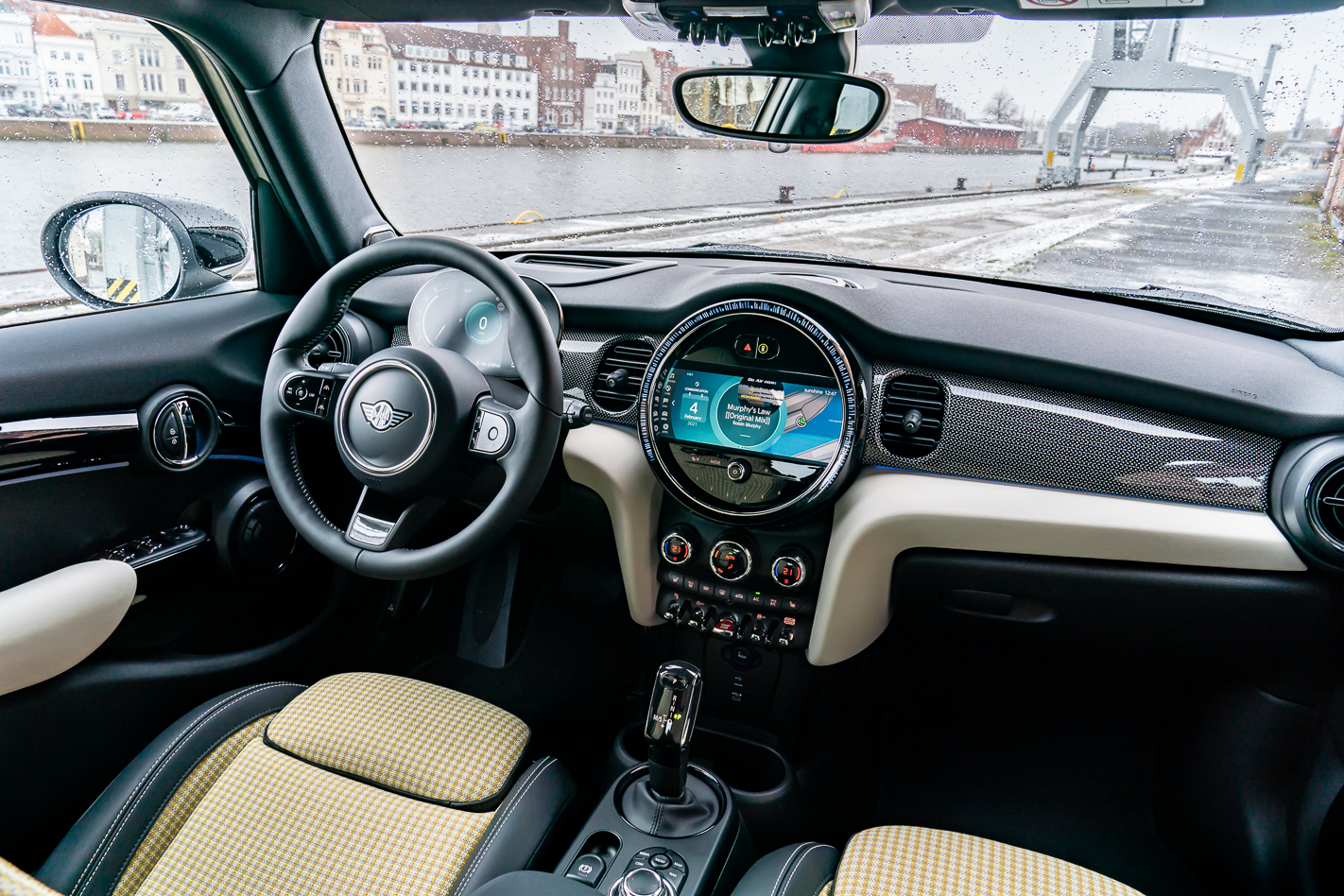
New air vents and ambient lighting round out the interior changes.
Where the five-door does differ from its three-door counterpart is with a 72 millimetre longer wheelbase and an increased overall length of 160mm. Both dimension expansions should make for a more comfortable cabin.
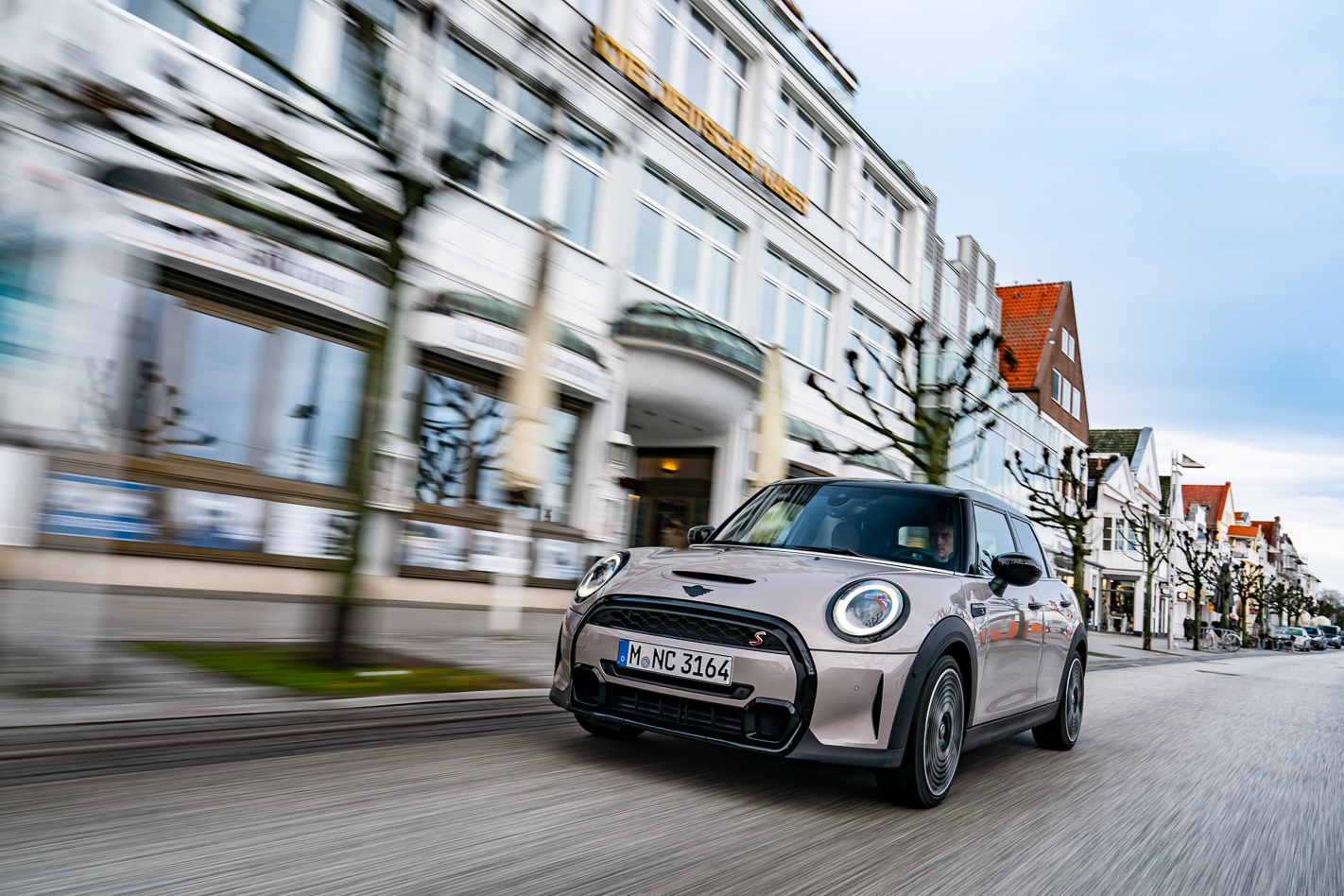
The boot volume can be increased by folding down the 60:40 split rear seats from 278 litres to up to 941 litres as required.
Mini hasn’t confirmed it yet, but the five-door range will likely use the same engines as the three-door.
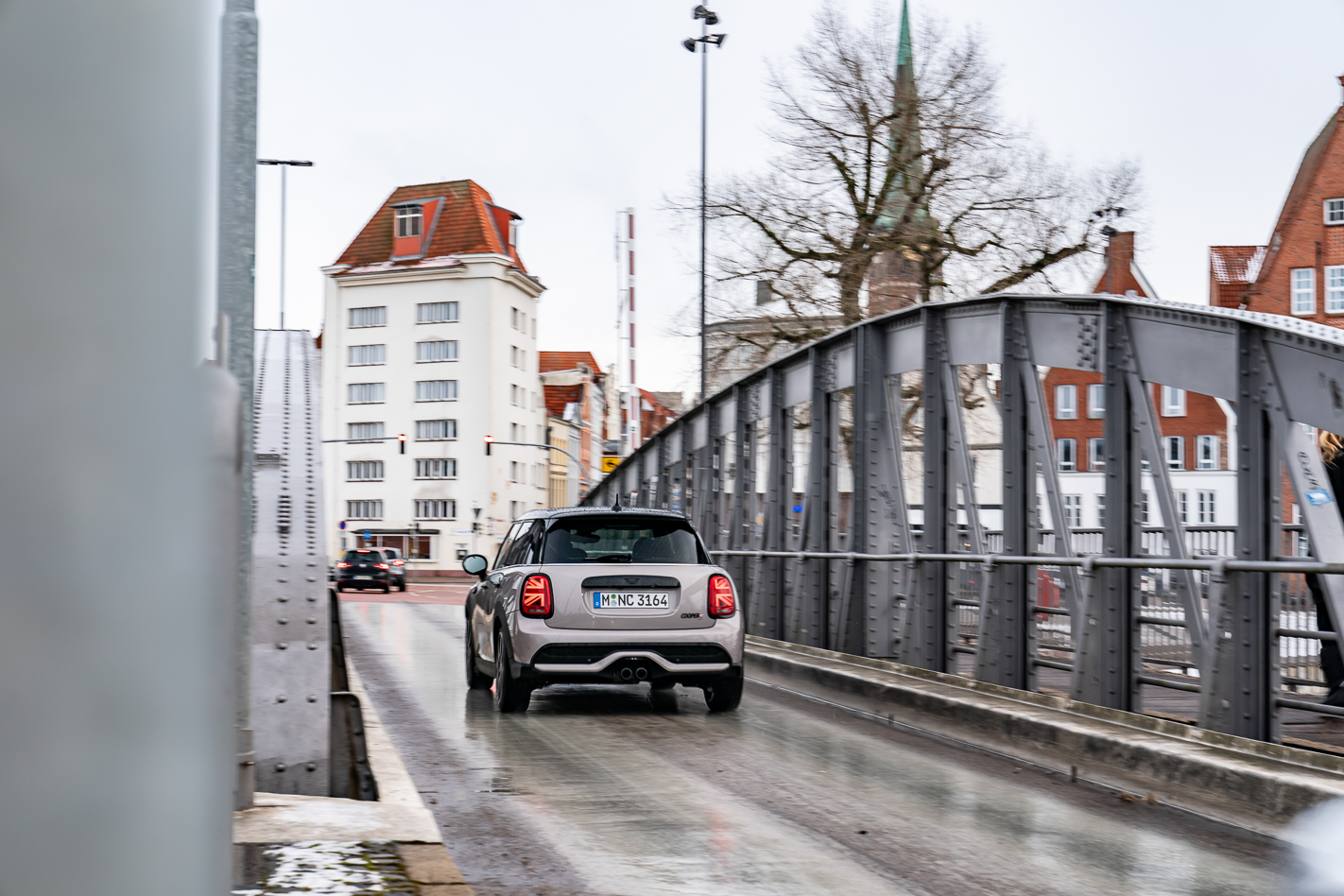
The line-up begins with the Cooper, powered by a 1.5-litre three-cylinder turbo petrol engine which sends 100kW/220Nm to the front wheels through a seven-speed dual-clutch automatic.
The Cooper S steps up to 141kW/280Nm outputs with a 2.0-litre four-cylinder turbo petrol engine attached to an eight-speed auto, which powers the front wheels.
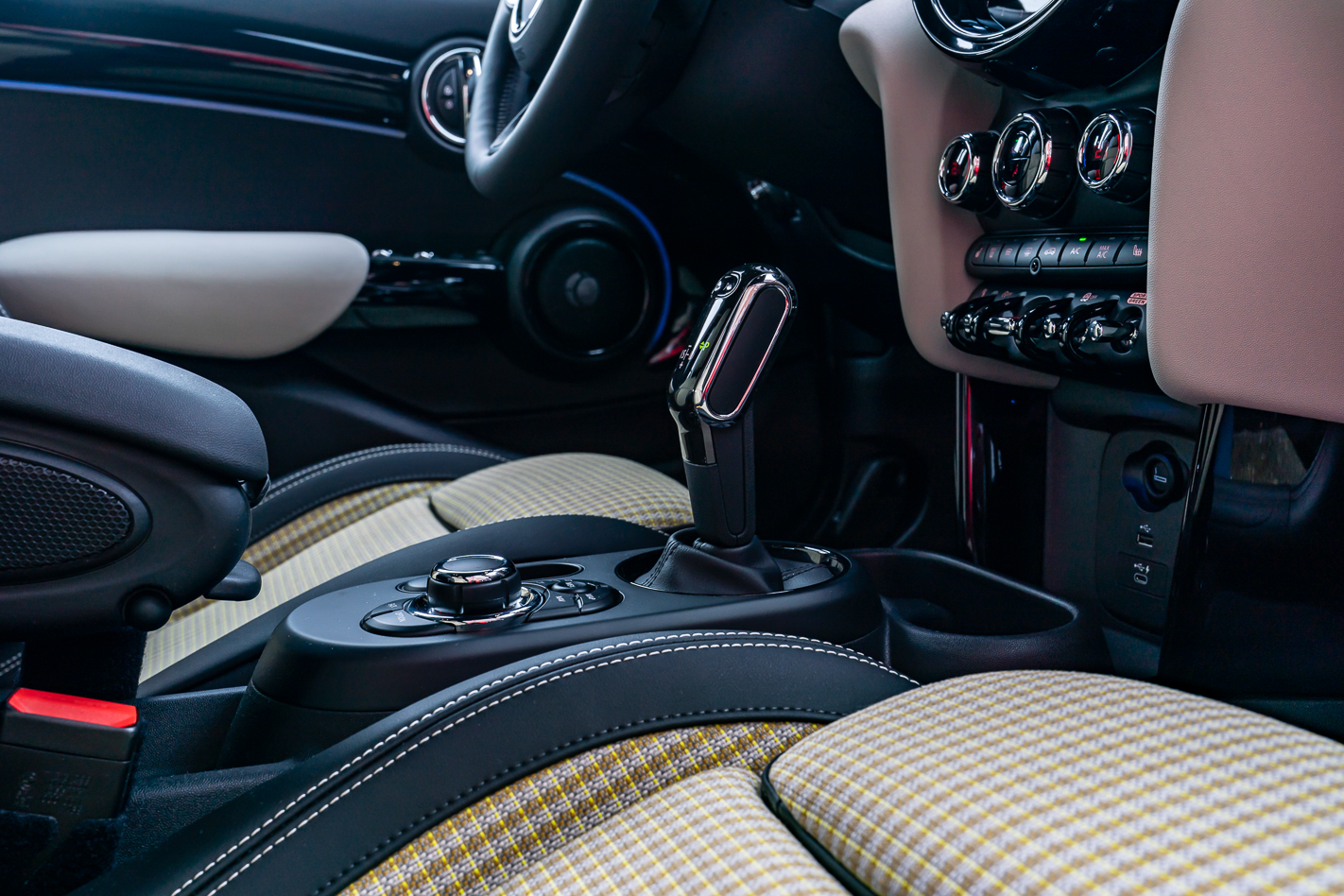
The Cooper JCW is the most powerful Mini of the standard range and features the same 2.0-litre engine, though tuned to deliver 170kW/320Nm.
A spokesperson for Mini confirmed the Mini five-door will reach Australia at the same time as the three-door and the convertible by the second half of 2021.
This third-generation facelifted Mini range is expected to soldier on until at least 2023.
UPDATE: We’ve now driven a prototype of the Ariya, see our review at the link below!
The story to here
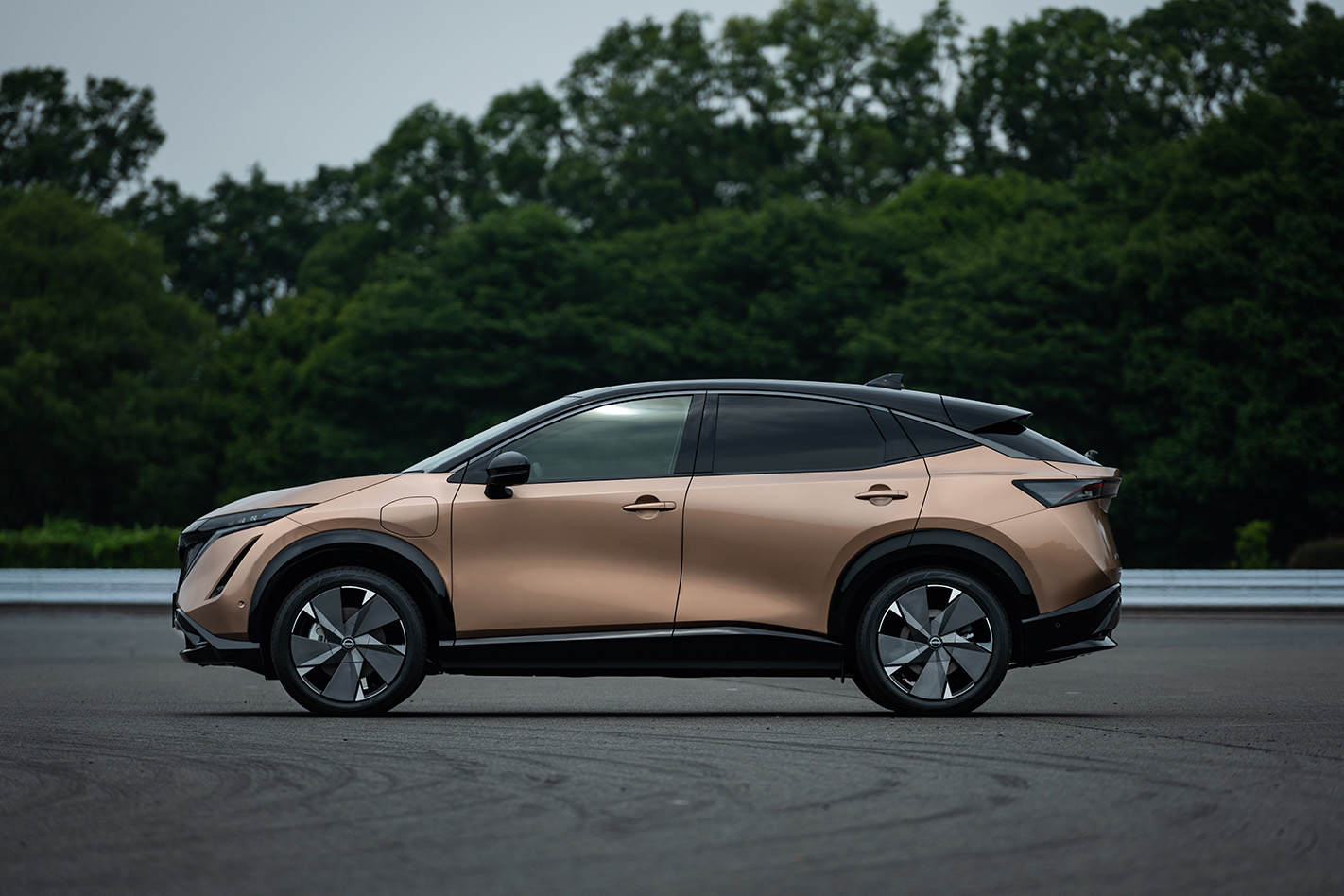
Nissan has made subtle tweaks to its upcoming electric crossover SUV, the Ariya, with the aim of making it the most aerodynamic crossover ever made by the brand.
It turns out that Nissan short-sold itself upon the Ariya’s worldwide debut, with its anticipated range revised upward over its initial 500km figure.
The Japanese carmaker said it should now travel beyond that on a single charge, but hasn’t disclosed an actual figure.
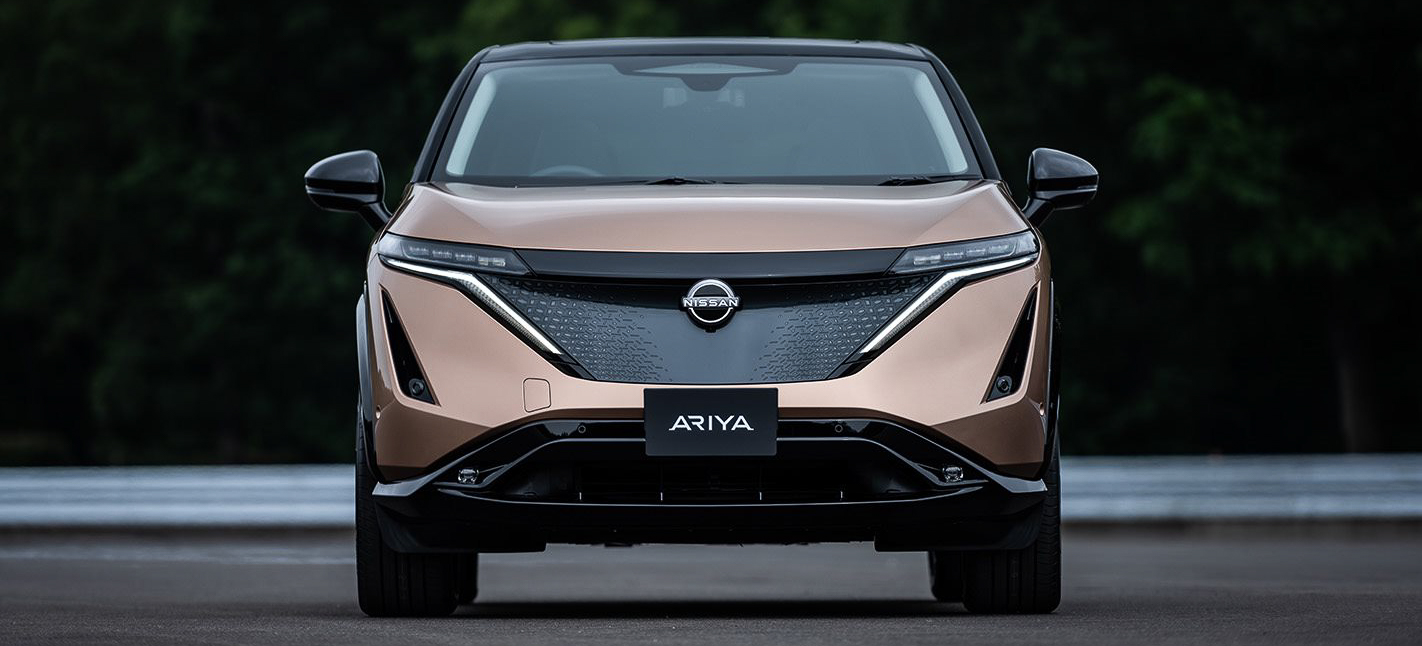
Nissan says each detail of the Ariya’s body has been painstakingly adjusted by its engineering and design teams in the United Kingdom, with the goal of a slipperier design that aids the car’s efficiency.
“With the growing shift towards electric mobility, aerodynamic testing is becoming increasingly important,” said Sarwar Ahmed, aerodynamics engineer at Nissan’s technical centre in the UK.
“The aerodynamics of electric vehicles are directly linked to how efficiently the vehicle moves – less drag and better stability allows the customer to drive longer distances before having to recharge.”
The Ariya will be offered in 63kWh two- and four-wheel-drive forms, as well as a more powerful 87kWh model (front- and four-wheel drive). Top of the range will be the Ariya e-4orce 87kWh Performance, which combines the higher power drivetrain with the usual upgrades you’d expect in a range-topping SUV.
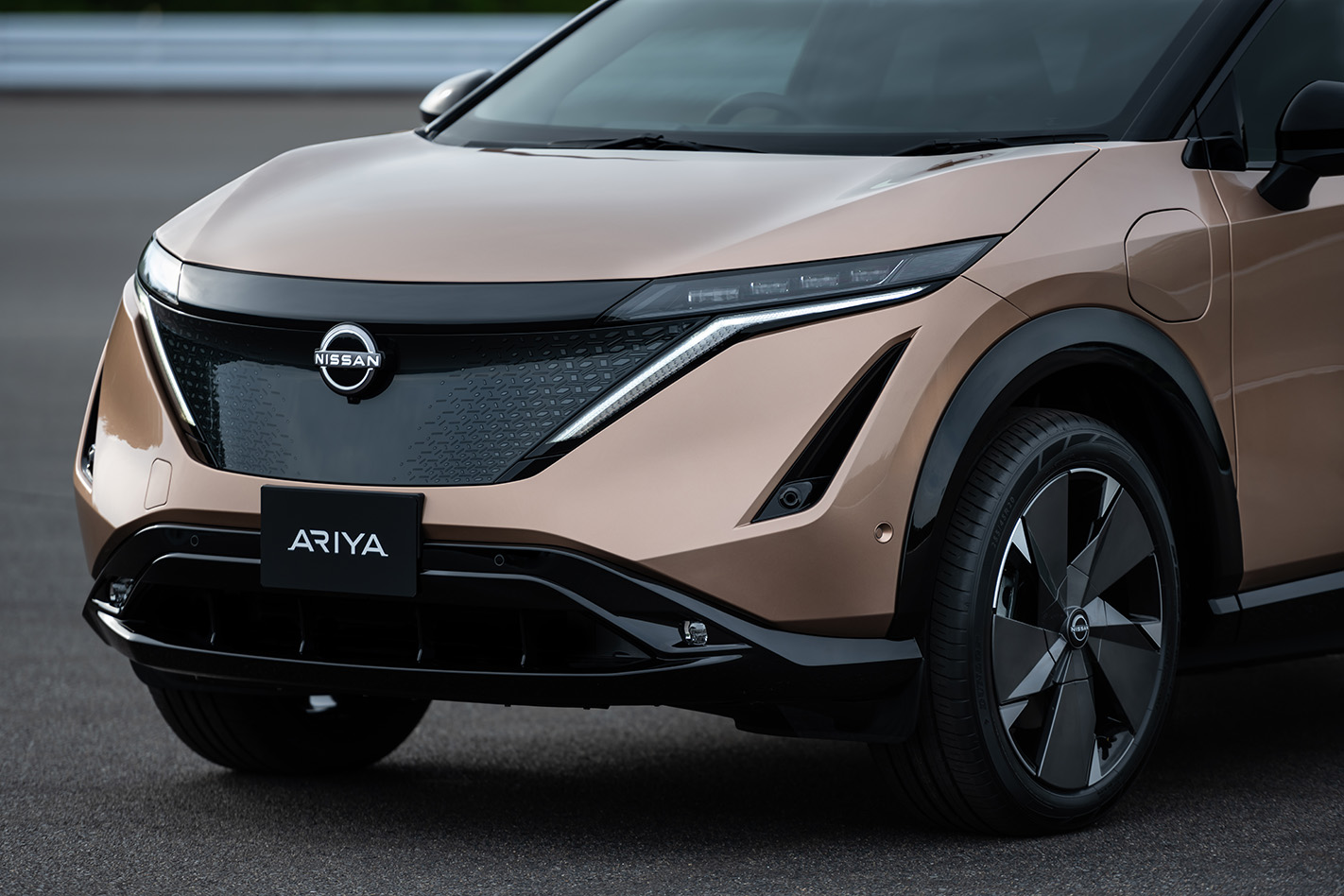
Unlike the Leaf, which has effectively stood on its own, the Ariya uses a scalable platform optimised specifically for electric cars. Without the need to house an internal combustion engine, passenger space is elongated and the cockpit floor can be flat, with the batteries packed underneath.
While the Ariya isn’t confirmed for Australia yet, it’s understood that Nissan’s local arm is keen to see it on our roads, though a launch likely wouldn’t be seen until 2022.
The Ariya production version is still currently under development, and we’ll know more about the official range figure after its homologized later in the year.
The all-new 2021 Sonata mid-sized sedan will launch in Australia later this year as a single, high-spec N Line variant priced at $50,990.
It’s hoped the striking coupe-like four-door sedan will bring new interest into the struggling passenger car segment, with premium appointments and an all-new 213kW 2.5-litre turbo engine.
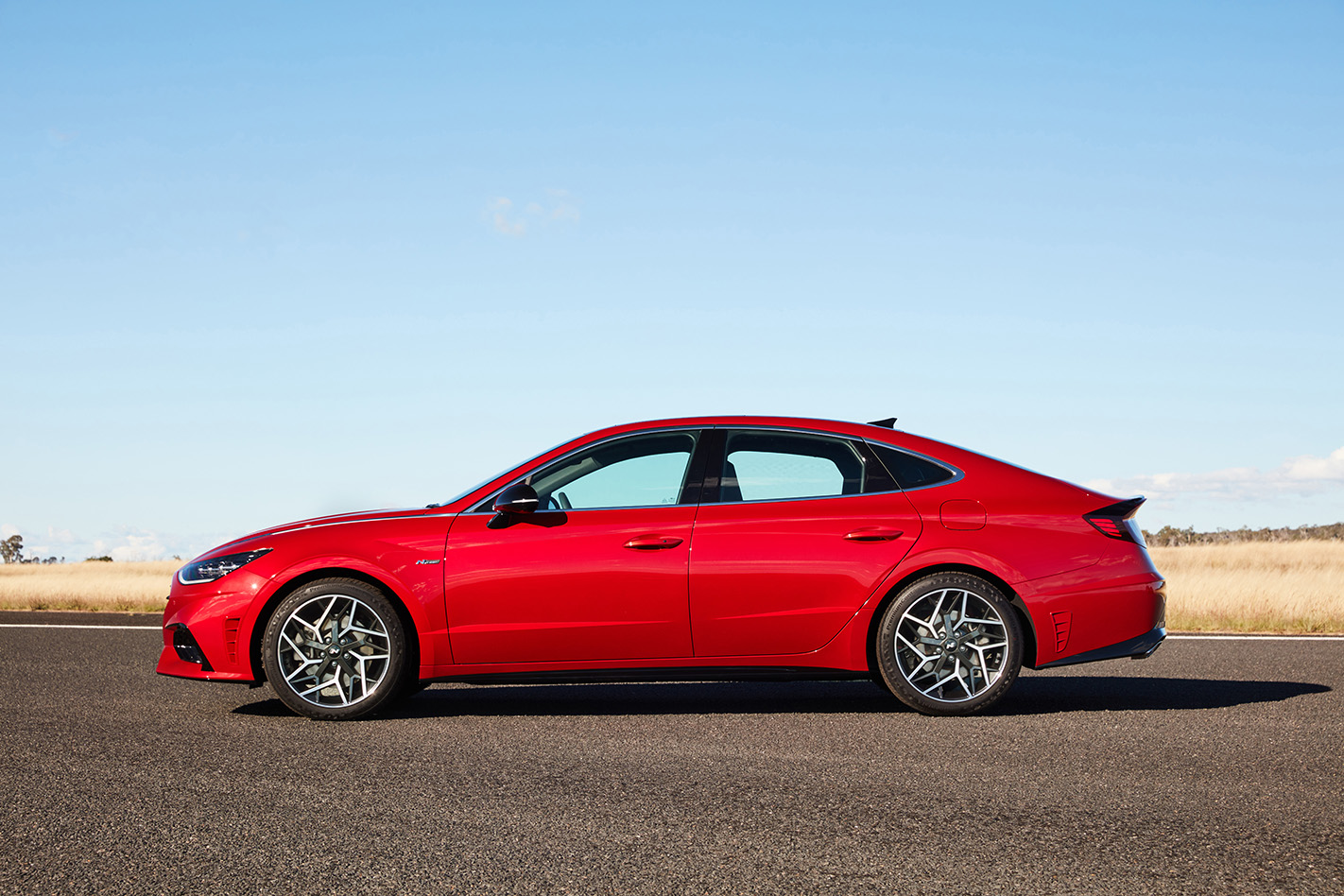
The new-generation Sonata represents a complete transformation from its conservative predecessor, particularly in sporty N Line spec which features a bold, black N Line cascading grille flanked by distinctive LED headlights and all-new daytime running light (DRL) signature. A sharp bumper design completes the sporty visage.
The striking design is enhanced by chrome trim that extends from the window line along the bonnet edge to blend into the DRLs.
At the rear, LED taillights are tied by a LED strip to create a sense of width as well as a striking night time impression, with twin tailpipes integrated into each side of a diffuser-style lower treatment.
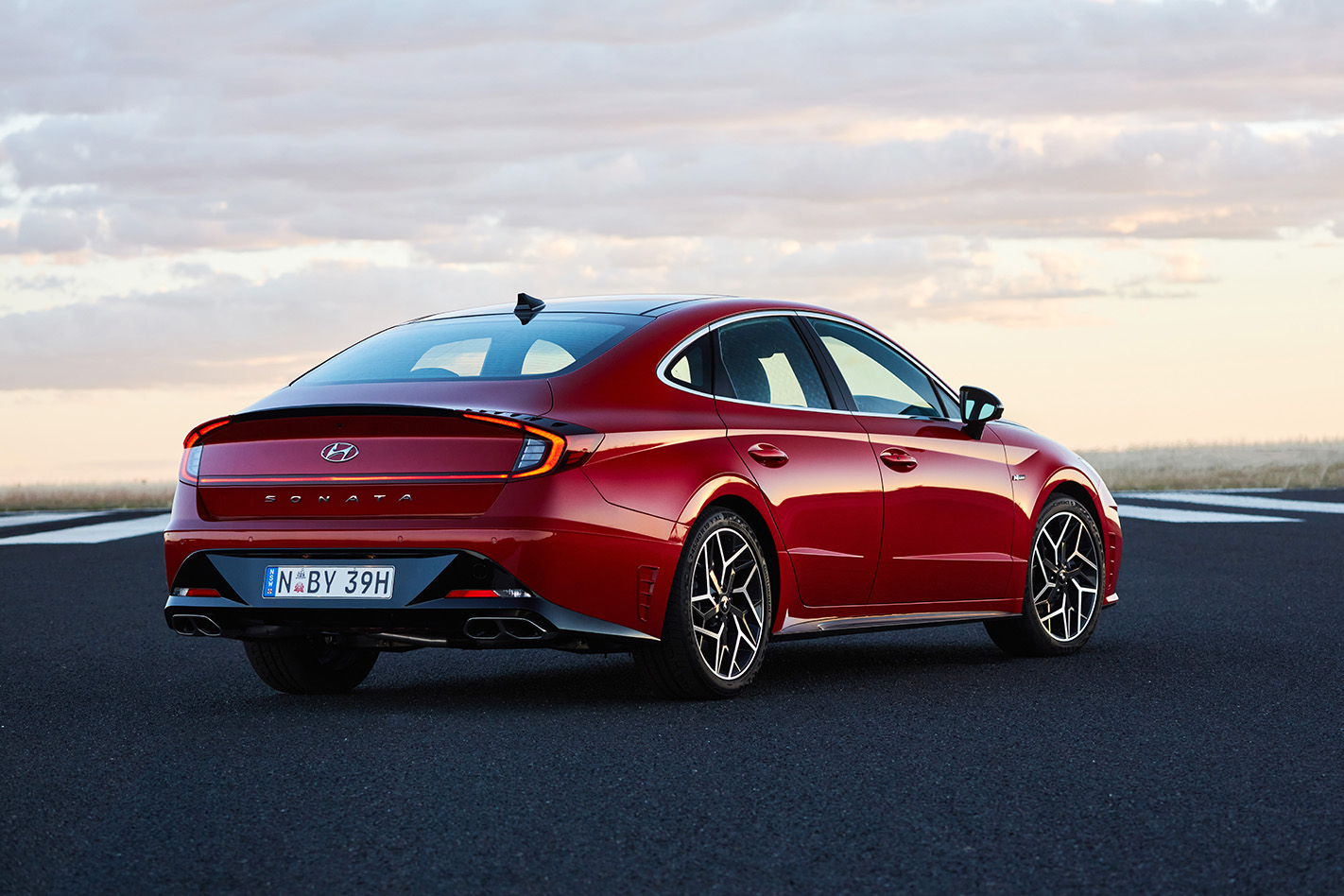
There are four paint options: White Cream mica; Hampton Grey metallic, Flame Red metallic and Midnight Black mica, with all but the white attracting a $595 premium.
Inside, you’ll find suede and Nappa leather upholstery, a crisp and clear 12.3-inch LCD digital gauge cluster and 10.25-inch touchscreen satellite navigation multimedia unit integrated into the dashboard that offers the option of a wide panoramic map or split-screen views.
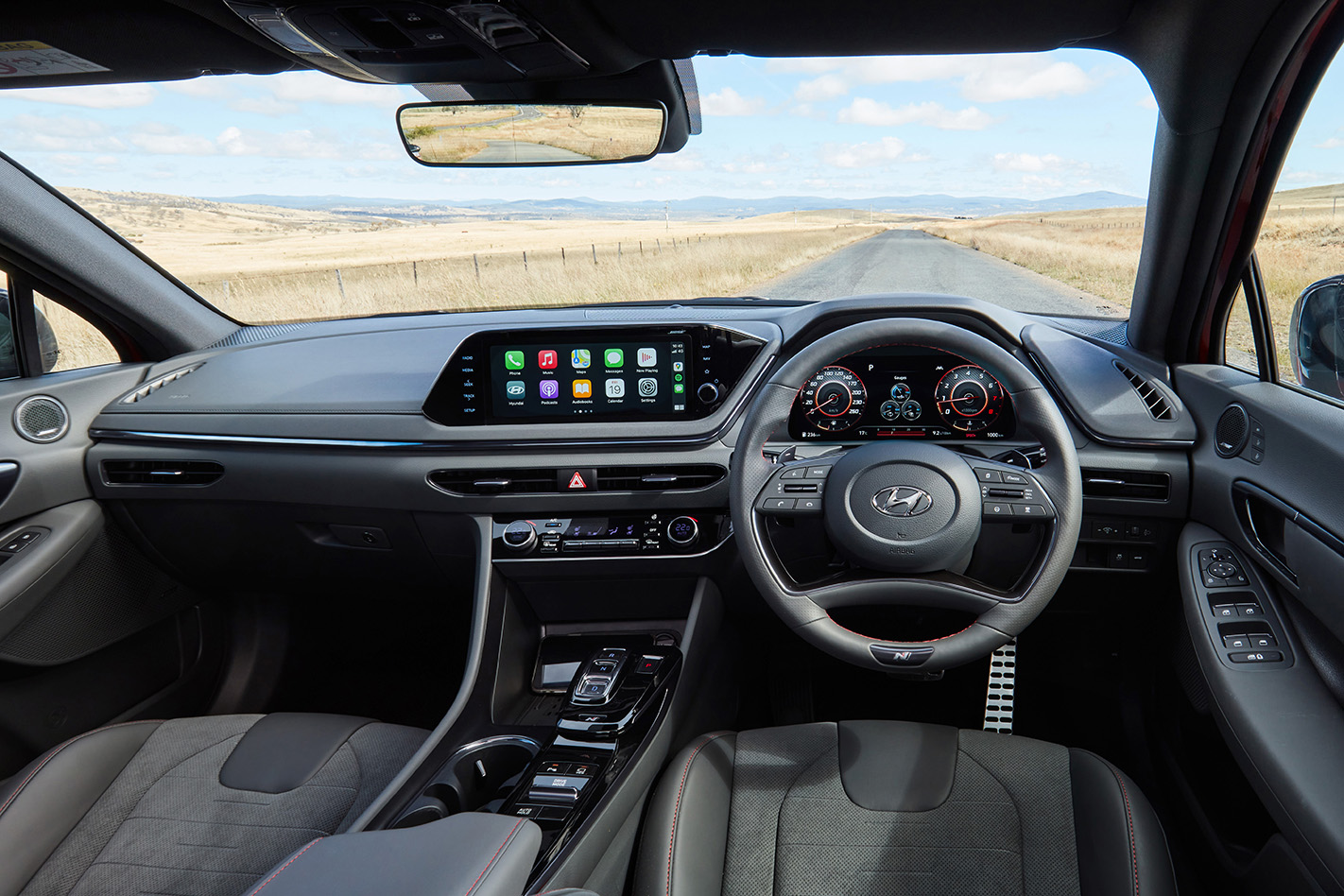
Needless to say, it features Apple CarPlay and Android Auto smartphone pairing that will allow you to listen to your favourite tunes via the 12-speaker Bose premium audio system with multi-channel surround sound.
The $50k price tag also brings a host of upmarket standard features including heated and ventilated, power-adjustable front sports seats, heated outboard rear seats, dual-zone climate control air conditioning, wireless phone charging, head-up display and a dual-pane panoramic glass sunroof.
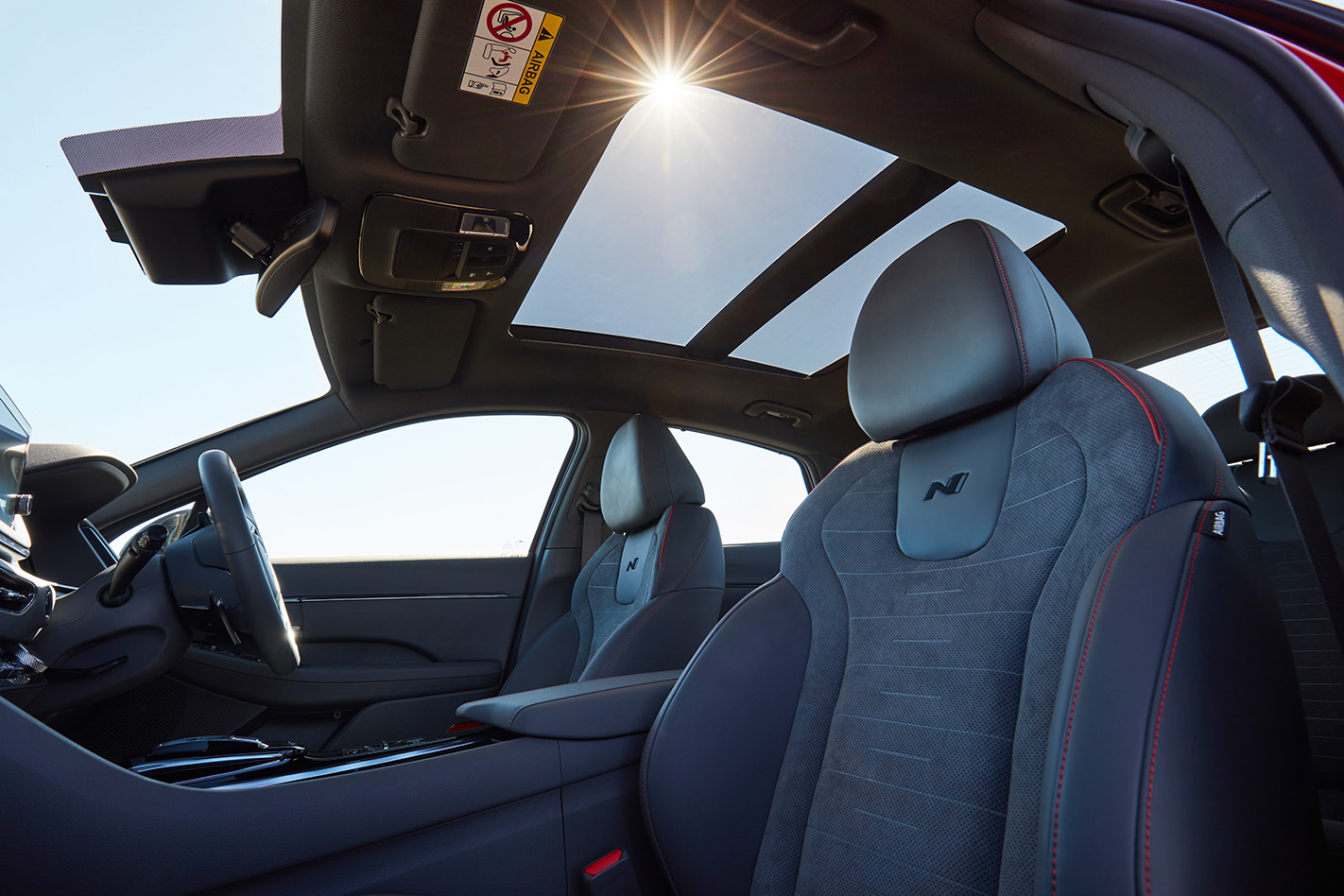
The driver’s seat features 12 adjustment settings including side bolstering and lumbar support; the passenger seat has four.
A standard suite of SmartSense active safety technologies includes forward collision-avoidance assist with junction turning assist function, driver attention warning, blind spot collision avoidance-assist, rear cross-traffic collision-avoidance assist, lane following assist and adaptive cruise control with stop & go function.
Hyundai also promises a comfortable but dynamic ride. Australian tuned suspension includes unique hardware as well as tweaked settings, as though it were specially built for local cities, highway, country and gravel roads.
The aim, says Hyundai Australia product development specialist Tim Rodgers, is for the “Sonata to be a great cruiser; an excellent tourer that could cover ground comfortably and quickly”.
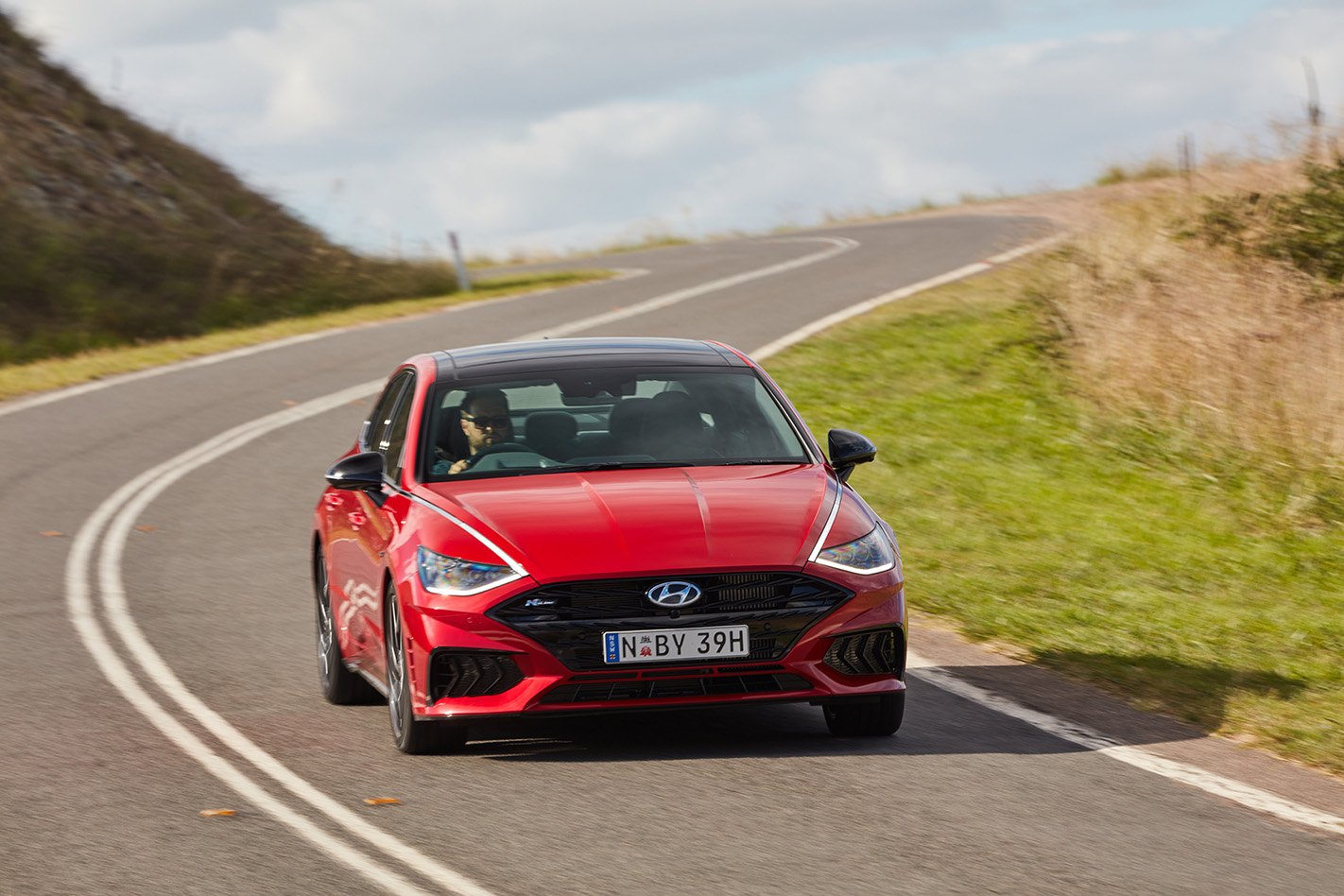
Hyundai has used fast-response monotube dampers, which Rodgers says makes it a lot more nimble than you might expect for its size.
Powertrain
The Sonata N Line debuts Hyundai’s 213kW/422Nm Smartstream 2.5-litre four-cylinder turbo GDi engine that’s paired with the Hyundai i30 N hot hatch’s eight-speed dual-clutch automatic transmission (DCT), featuring shift-by-wire push-button gear selection as well as paddle shifters.
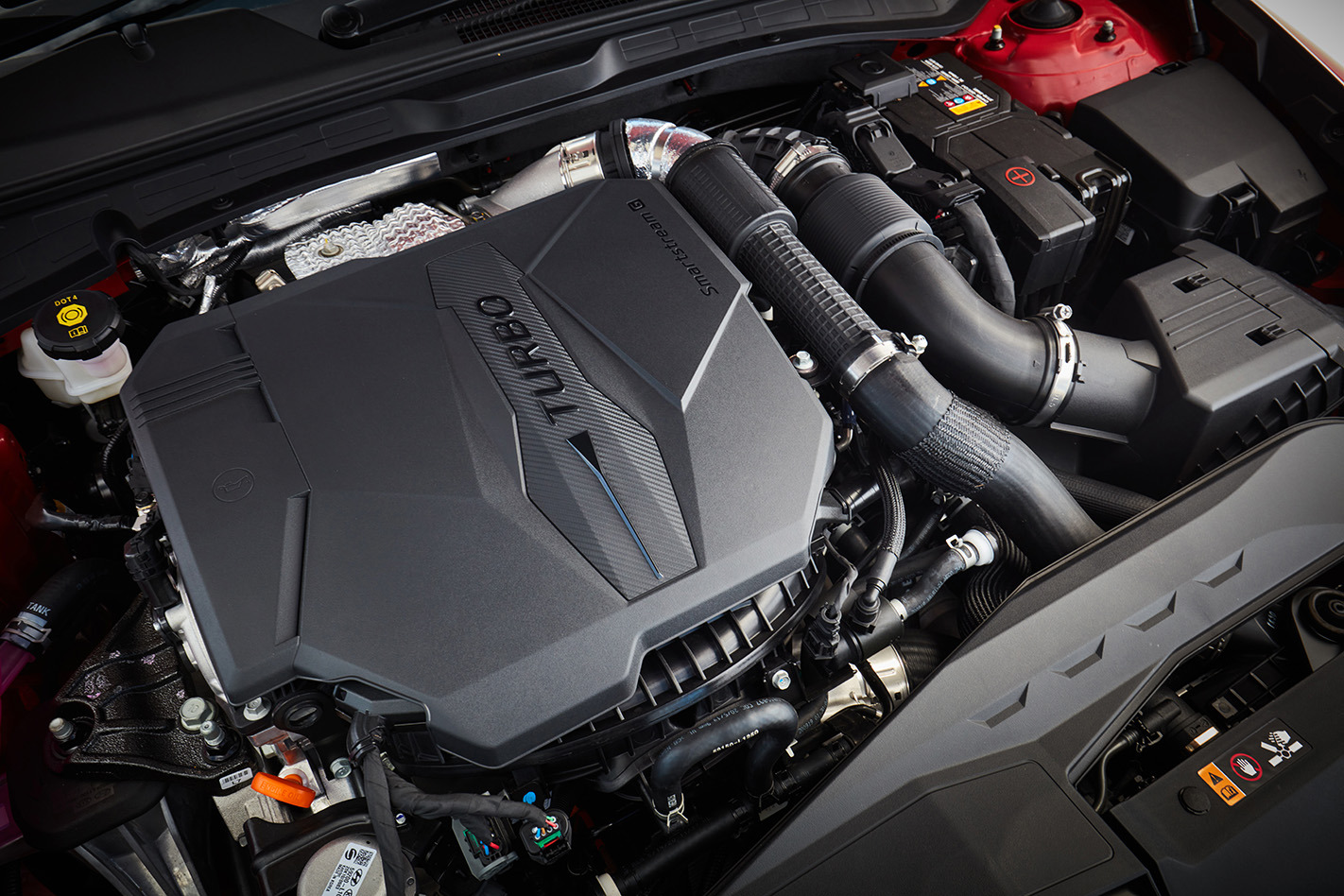
The DCT features a rev-matching function for downshifts and will select the suitable shifting pattern depending on the driving mode.
There is also a launch control function that helps to achieve its 6.2-second 0-100km/h optimal acceleration from a standstill, through modulating the control of the engine and transmission.
The Sonata’s official combined fuel consumption is 8.1L/100km and it accepts cheaper 91RON petrol.
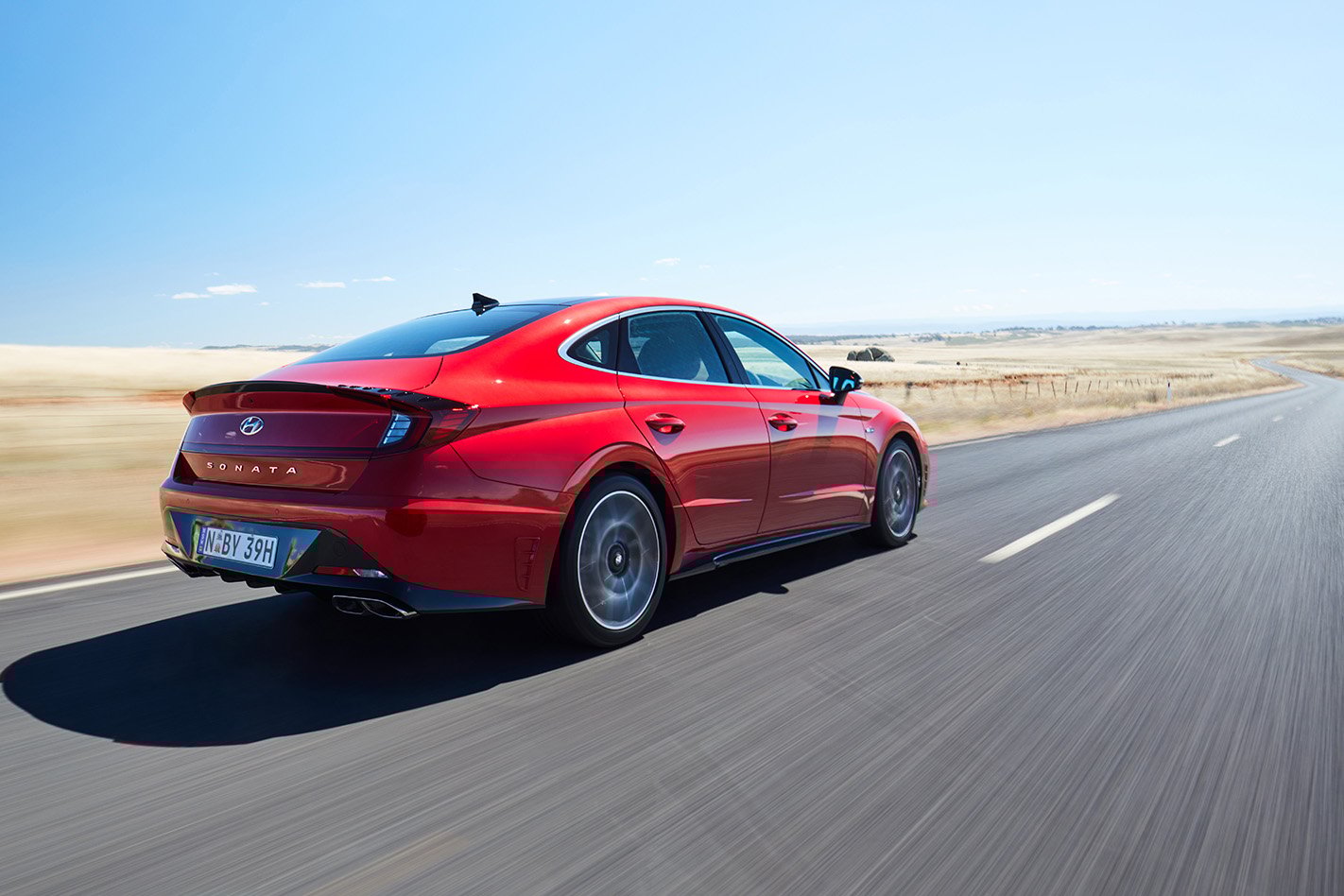
The Sonata N-Line’s $50,900 price tag exactly matches the similarly equipped and powered Mazda 6 Atenza, and on paper looks like a worthy alternative to its pricier Genesis G70 cousin.
The Hyundai Sonata N-Line is expected to arrive in Australia in the middle of 2021.
Hyundai Sonata N-Line specifications
Price $50,990 Engine 2.5L Turbo petrol direct injection Peak power: 213kW @ 5800rpm Peak torque: 422Nm @ 4000rpm Transmission: 8-speed DCT 0-100km/h: 6.2 secs Drivetrain: FWD Wheels: 245/40 R19 Length: 4900mm Width: 1860mm Wheelbase: 2840mm Weight: 1623kg Fuel consumption (combined): 8.1L/100km Braked towing capacity: 1400kg Boot space: 510L
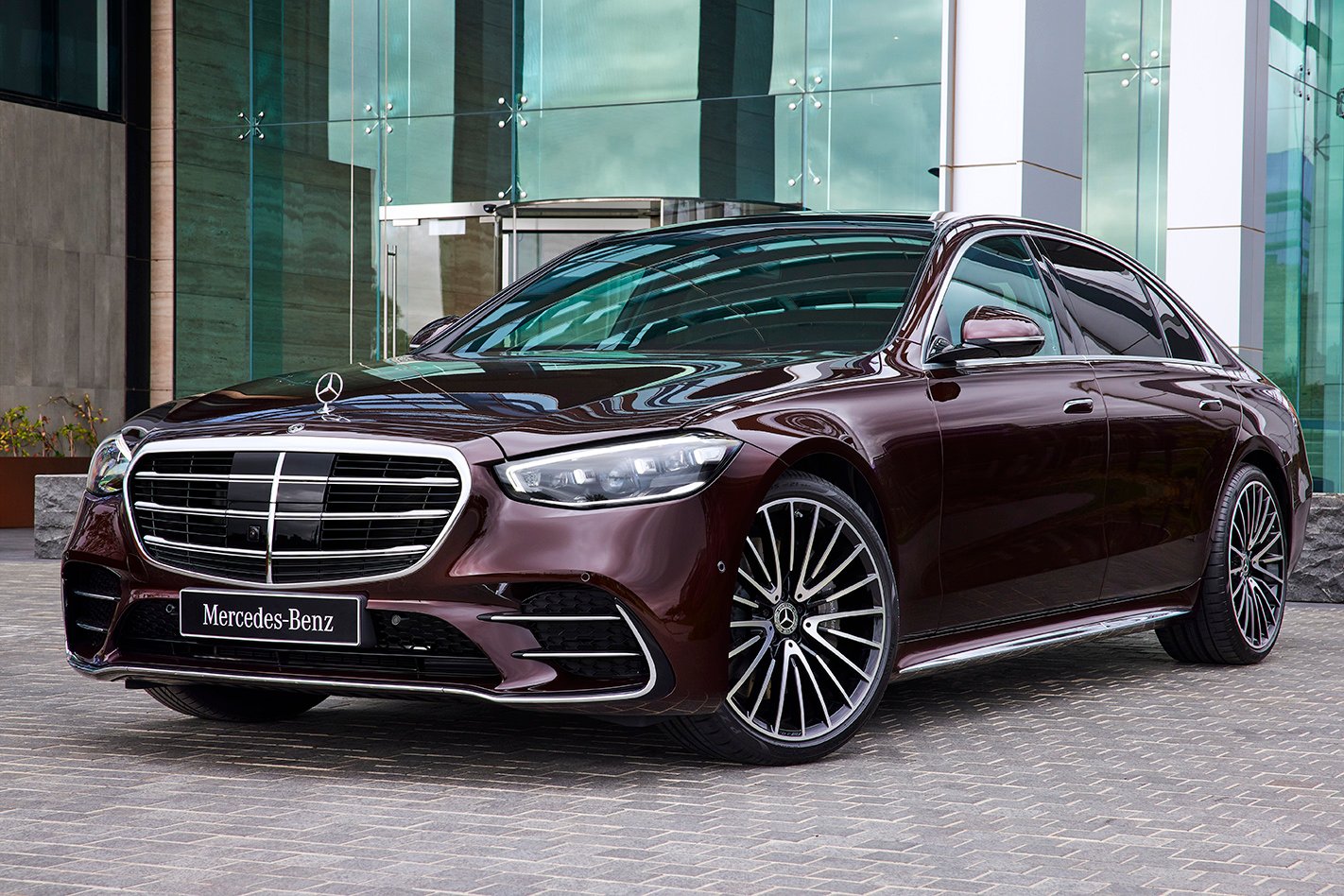
The 2021 Mercedes-Benz S-Class has arrived in Australia and will be available to order from March 2021.
The local range kicks off with two variants, the S 450 4MATIC is priced at $240,700 and the long wheelbase S450 L 4MATIC for $264,900, each powered by a 270kW/500Nm turbocharged 3.0-litre, inline six-cylinder petrol engine.
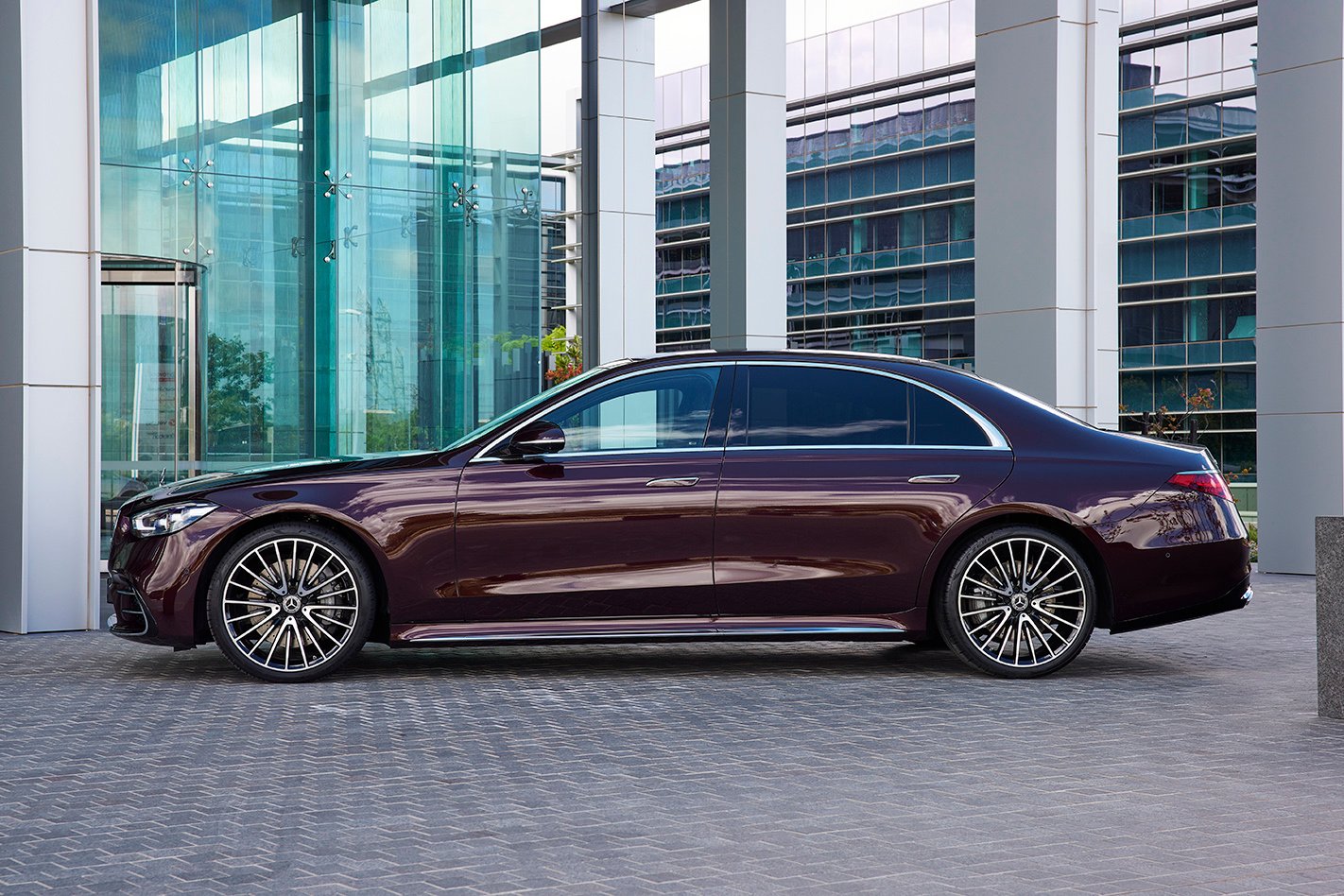
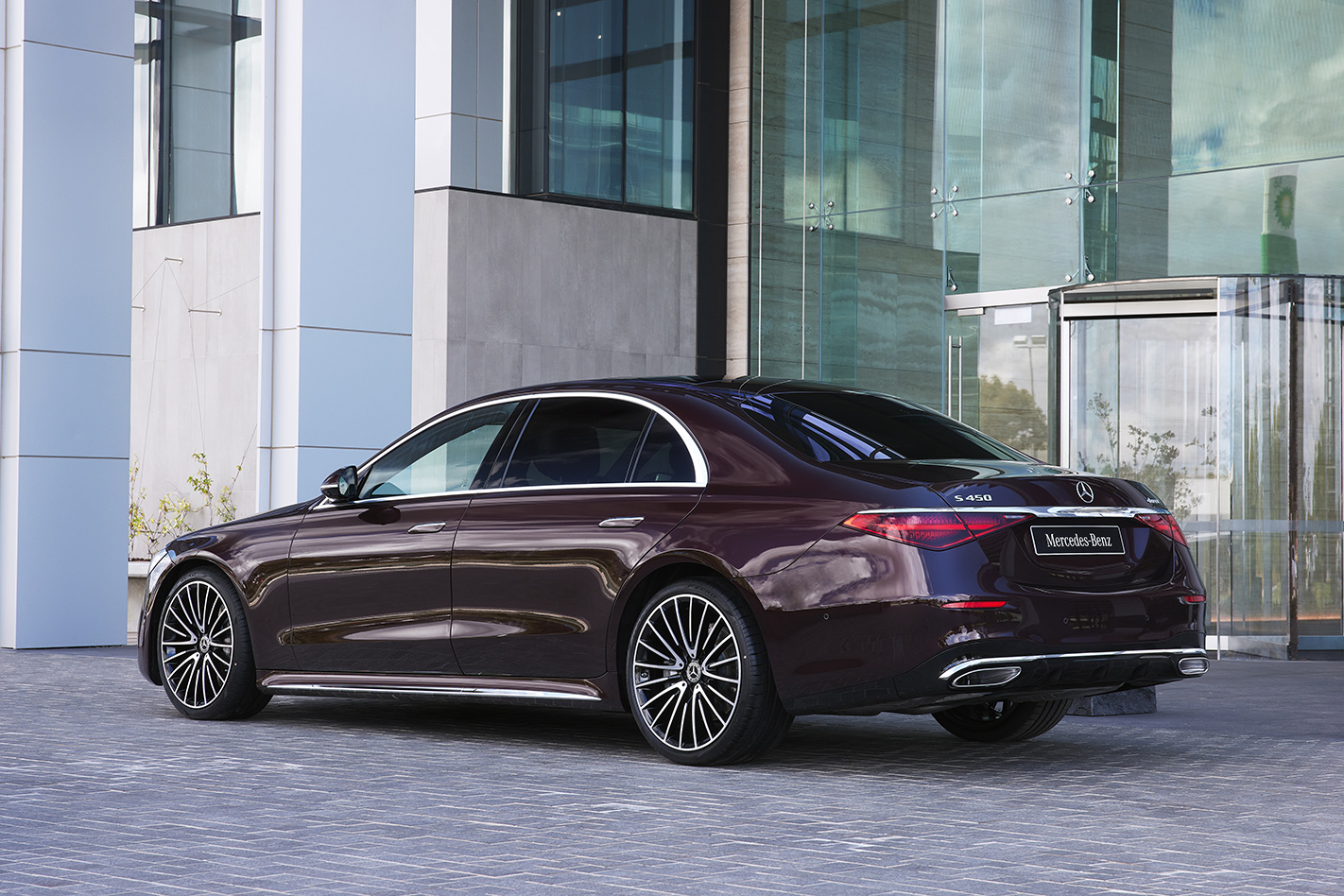
With a short front overhang, a long wheelbase and a balanced rear overhang, the S-Class has a deliberately understated design with classic saloon proportions, albeit with a wide track and flush-mount wheels that provide a muscular appearance.
All external dimensions have grown compared to the outgoing model, with the wheelbase extended by 71mm in short wheelbase (SWB) variant, and by 51mm in long wheelbase (LWB) car, where rear seat passengers are afforded an extra 110 mm of legroom.
Just like its predecessors, the seventh generation of the world’s best-selling luxury saloon is teeming with standard-setting technological and safety features and luxurious appointments.
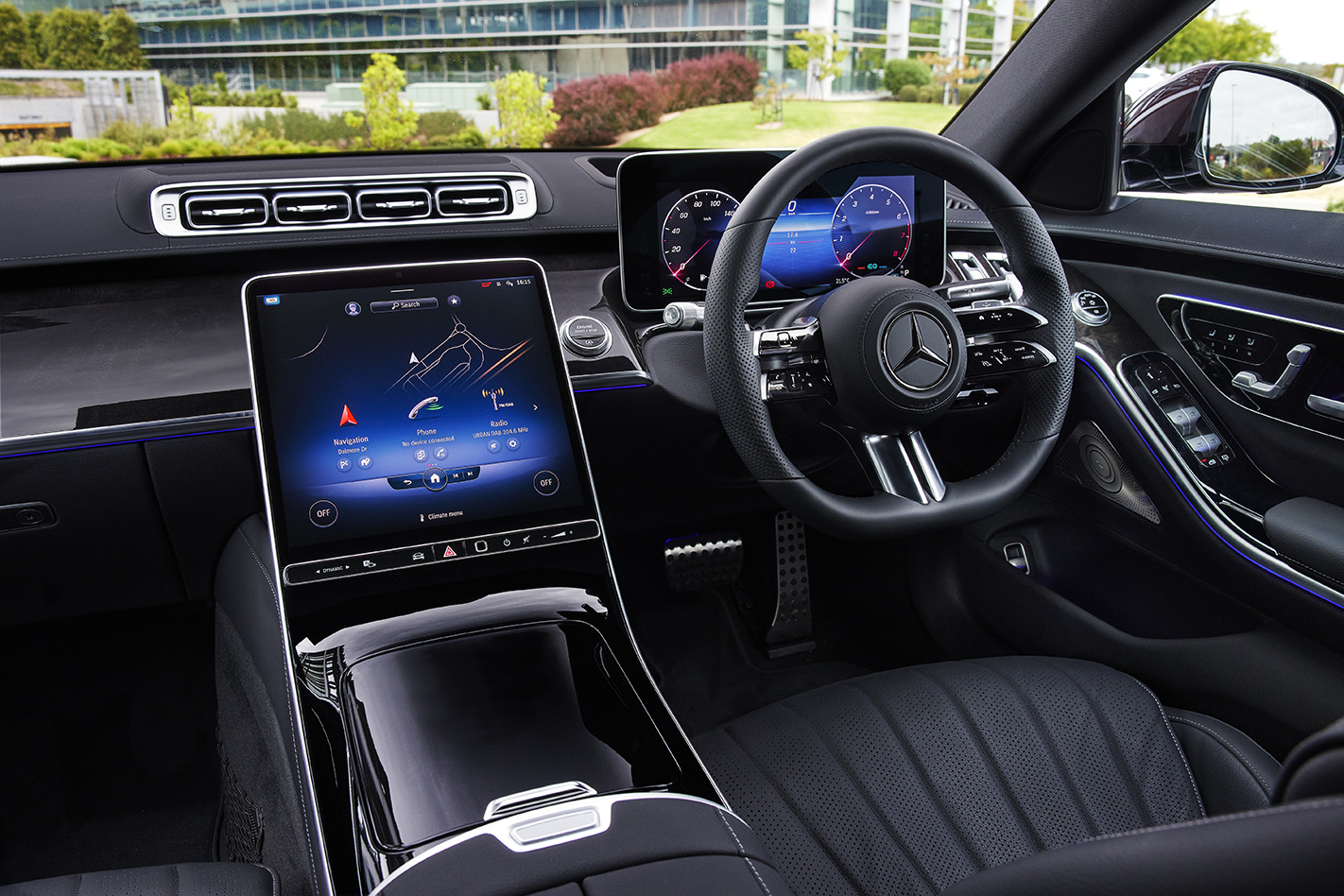
These include the second-generation MBUX (Mercedes-Benz User Experience) infotainment system that provides personalised functions for front and rear seat passengers.
The “Hey Mercedes” voice assistant is available from every seat, while certain actions – such as accepting a phone call – can be performed even without reciting the keyword.
MBUX Interior Assist takes hands-free commands even further, using cameras that recognise and anticipate the intentions of the occupants by interpreting head and hand movements to automatically operate functions, such as turning an interior light on when you start looking for something.
And if the driver looks at the side mirrors, the system will automatically ensure they are correctly aligned and reset them if needed.
Screen time
The dashboard is dominated by a 12.8-inch portrait-orientated central OLED touchscreen, which descends like a waterfall to the centre console, and is within easy reach of the driver and front passenger.
Rear seat passengers can also have their own optional 11.6-inch screens to enjoy the same infotainment and comfort features as the driver and front passenger.
An MBUX rear tablet is also optionally available and can be used outside the vehicle.
Screen content can be quickly and easily shared between the driver and passengers, and selecting or altering navigation destinations is possible from the rear seats.
There is also a 12.3-inch digital instrument cluster with new 3D mode that, with the help of eye-tracking, continuously adjusts the image to offer the sensation of depth without the need of special glasses.
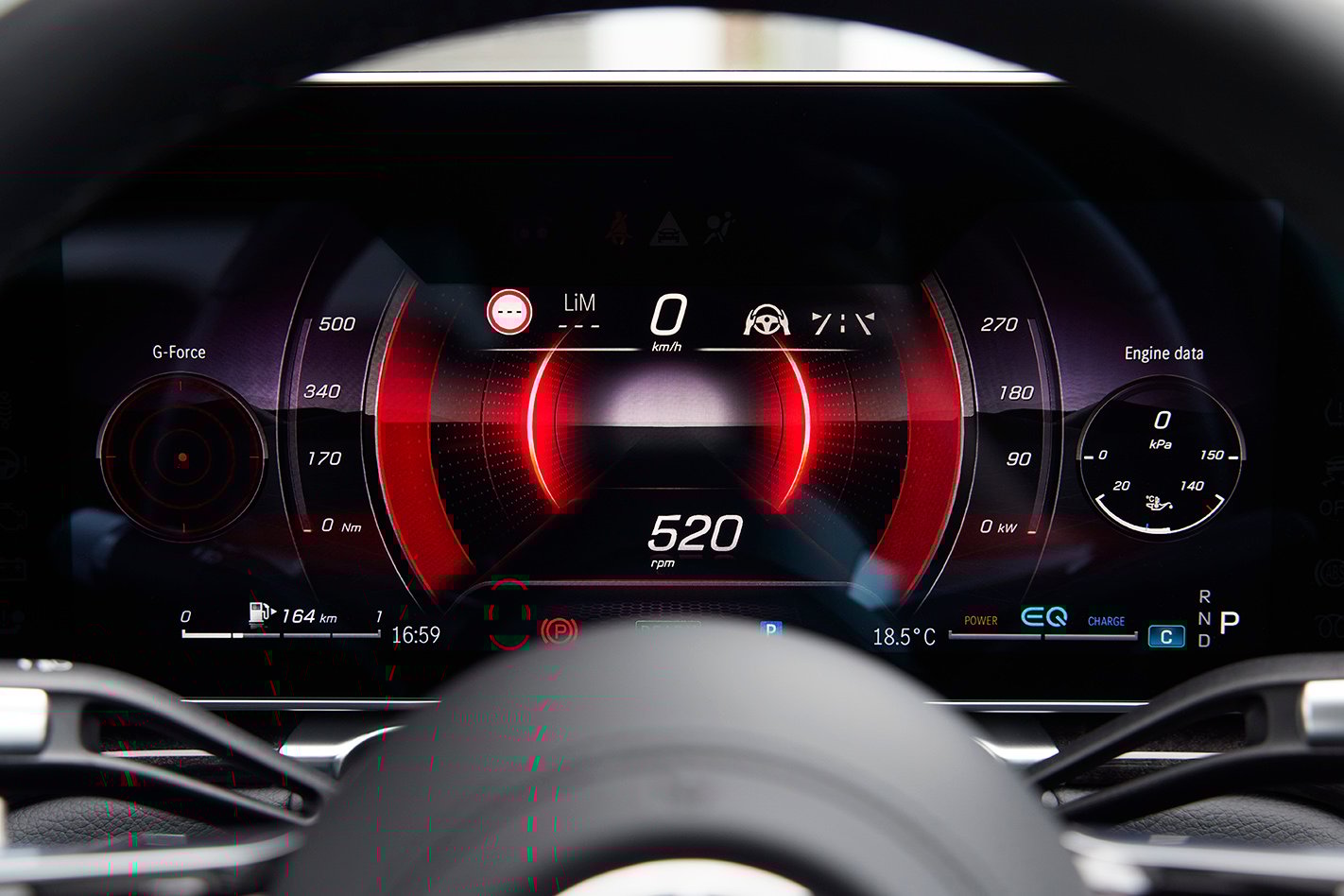
There’s no practical use for this as far as we can tell – it’s just a bit cool. If you find yourself mesmerised to the point of distraction you can switch back to 2D mode.
The appearance of the driver display can also be individualised with a choice of four display styles (Discreet, Sporty, Exclusive, Classic) and three modes (Navigation, Assistance, Service).
Seat comfort
The front seats have up to 19 motors to help you find the perfect seating positions – which isn’t difficult. You can also specify vibration motors that provide 10 different massage programs – including a hot stone massage that combines with the inflatable air chambers in the multi-contour seats to provide ultimate comfort.
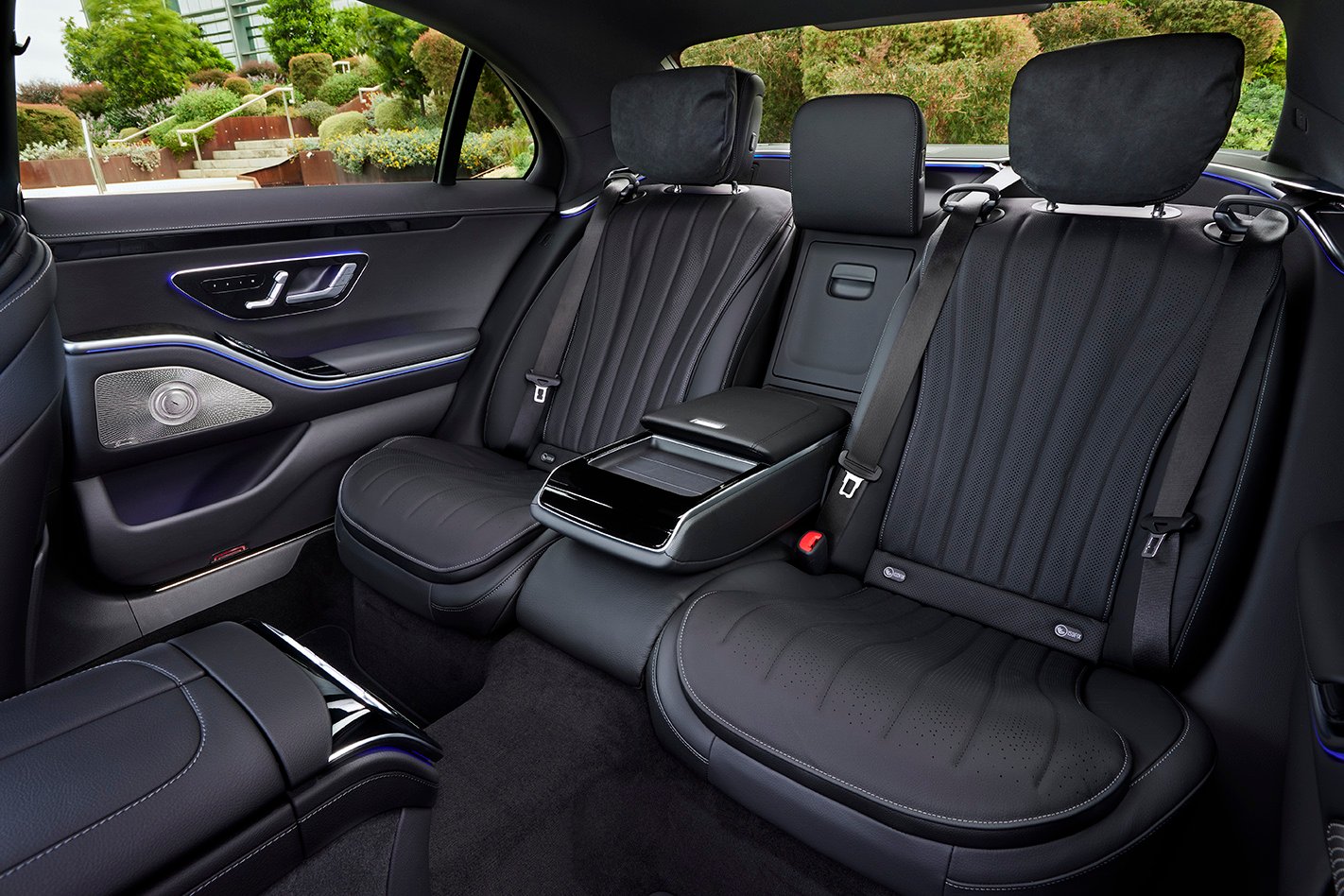
Five different rear seat configurations make it possible to configure the rear of the S-Class as a work or rest area.
Light fantastic
Active ambient lighting is available as an extra-cost option. This supplements the standard ambient lighting system by integrating the 250 LEDs into the driving assistance systems, which allows it to visually reinforce warnings. It also provides visual feedback when operating the climate control system or the ‘Hey Mercedes’ voice assistant.
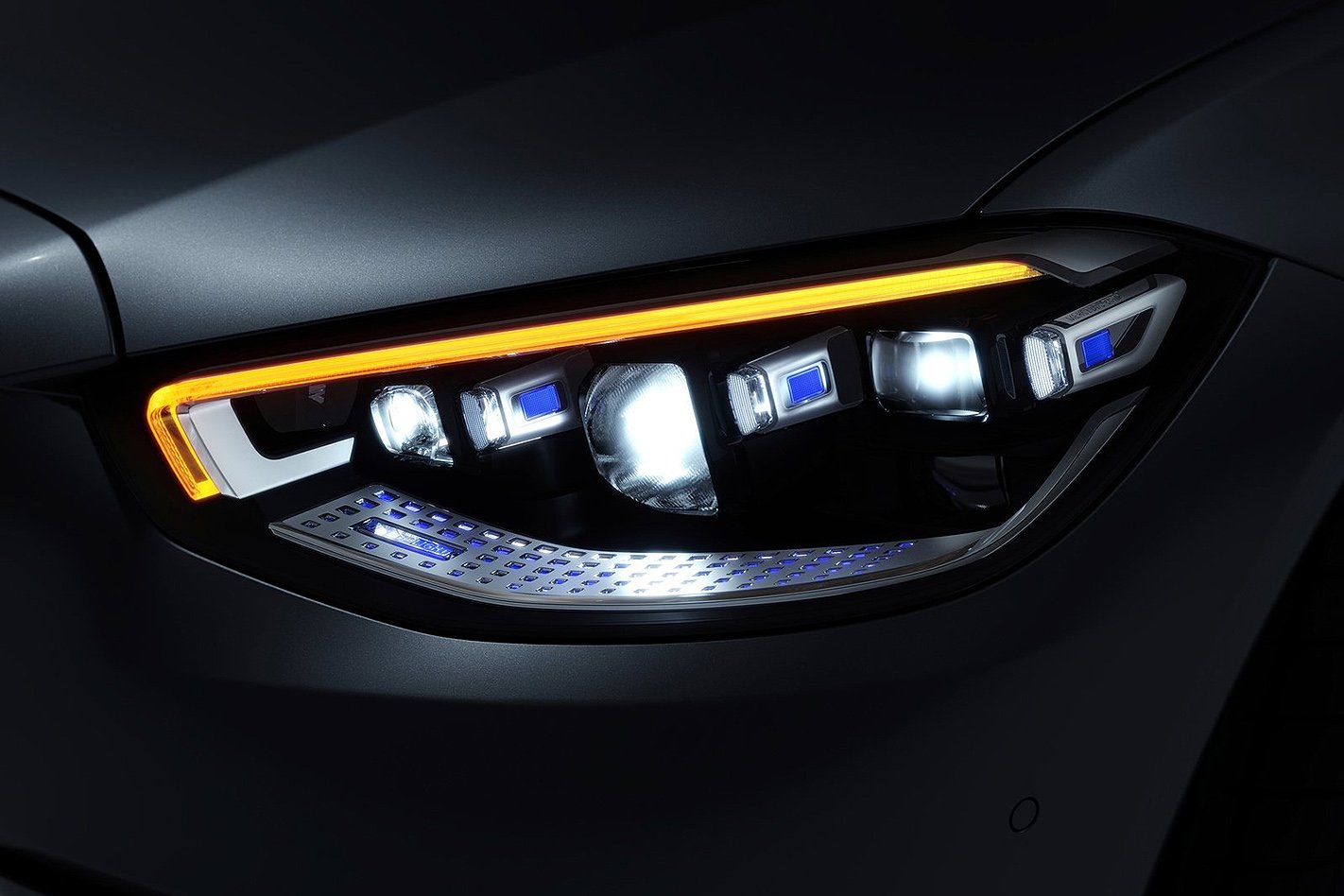
Another neat option is ‘DIGITAL LIGHT’; revolutionary headlight technology with new functions. Each headlamp has a light module with three extremely powerful LEDs. That light is refracted and directed by 1.3 million micro-mirrors creating a sharp 2.6 million-pixel high beam outlay that can project 150 metres further than the standard Multibeam LED.
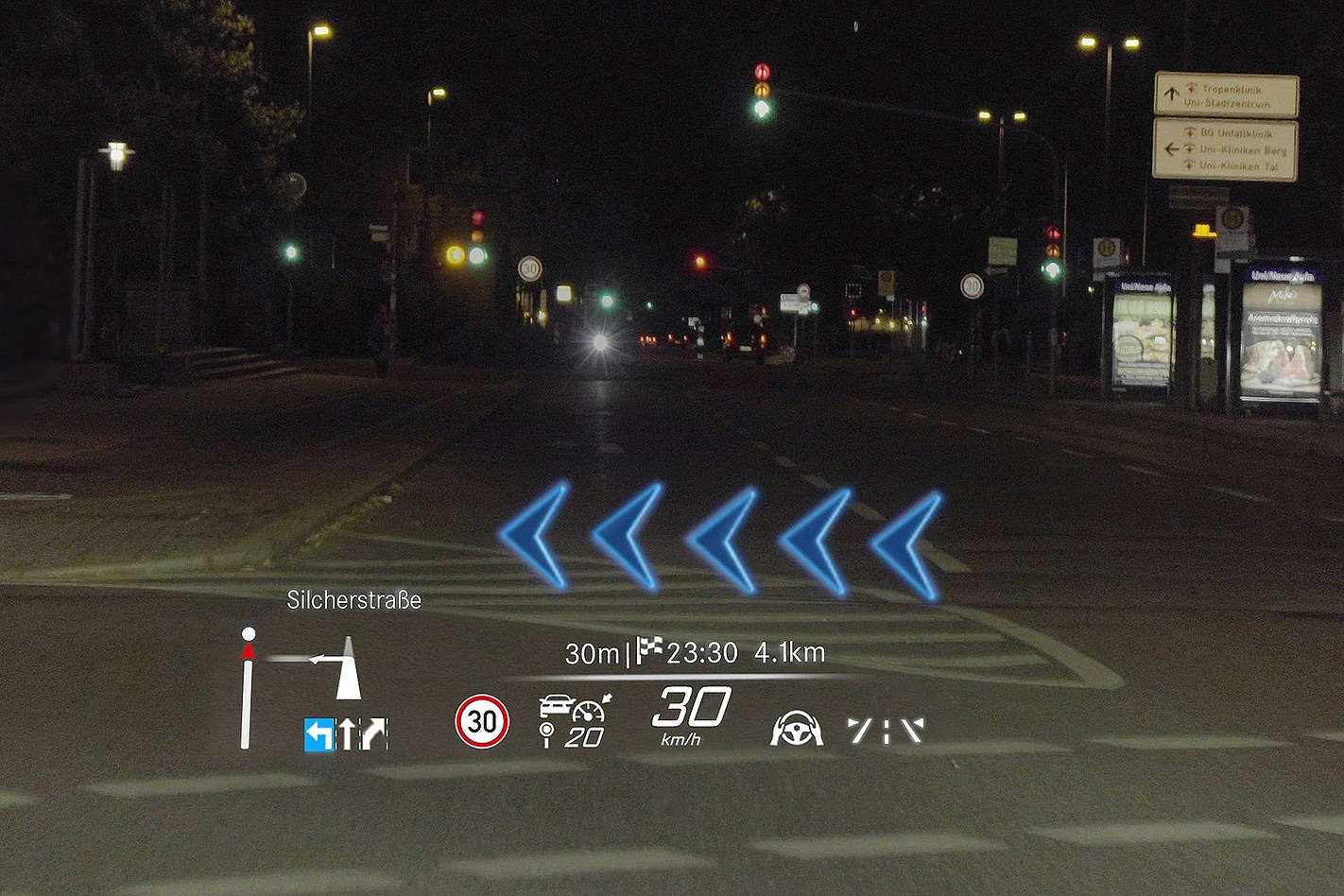
The S-Class is also available with an augmented reality head-up display that projects an image virtually on the road ahead at a distance of 10 metres. For example, when navigating, animated turn-off arrows are virtually projected onto the road lane ahead. Incredibly, the image is formed by a high resolution matrix of 1.3 million individual mirrors and use technology found in state-of-the-art cinema projectors.
Safety
The S-Class nameplate has always been synonymous with safety and this model’s no different. It features Benz’s fifth-generation Driving Assistance Package that includes a display that shows what the S-Class systems are sensing and tracking at any given time.
It also debuts rear frontal airbags for the second row, standard on the LWB variant. These airbags can reduce the likelihood of head and neck injuries for seat-belt-wearing occupants in the outboard rear seats.
The Mercedes-Benz S-Class is built around a new aluminium body shell with aluminium content exceeding 50 per cent. This results in a high level of crash safety as well as being 60 kilograms lighter than the previous model.
Other firsts
An option drivers will appreciate is the rear-axle steering system that makes the 5.4-metre LWB limo about as manoeuvrable as a compact hatchback. The rear wheels turn at an angle up to 10 degrees, which reduces the turning circle to less than 10.9 metres.
Another Mercedes first is flush-mounted pop-out door handles that extend when the driver approaches, or the outer surface of the door handle is touched. The door handles are retracted when not in use to enhance aerodynamics.
Powertrains
The 270kW/500Nm 3.0-litre inline six-cylinder turbocharged petrol engine that powers the initial Australian S-Class range is mated to a nine-speed ‘9G-TRONIC’ automatic transmission with ‘4MATIC’ all-wheel-drive.
The powertrain also features 48V mild hybrid technology with an integrated starter generator. The 48-volt on-board electrical system can add an extra 16kW and 250Nm boost for short periods to create smoother and more responsive acceleration.
It can propel either the short or long wheelbase version from 0-100km in just 5.1 seconds, with combined fuel economy rated at 8.2L/100 km and 8.4L/100km for the S450 and S450 L respectively.
The V8 S580 will join the range later in 2021.
S450 4MATIC standard features
- 12.3-inch 3D digital instrument cluster
- 12.8-inch OLED high-resolution central touchscreen
- MBUX infotainment system
- Apple CarPlay/Android Auto
- Satellite Navigation including live traffic, parked vehicle locator and predictive navigation
- Head-up display with MBUX augmented reality for navigation
- MBUX Interior Assistant
- Multi-function steering wheel in Nappa leather
- Mercedes-Me Connect app
- Sliding glass panoramic sunroof with tilt function and two-piece electric roller sun blind
- Heat and noise-insulating acoustic glass for front side windows, dark privacy glass for rear windows
- Heated and power-folding exterior mirrors
- 15-speaker Burmester 3D surround sound with 710w amplifier
- Driving Assistance Package including smart adaptive cruise control with navigation-based speed adaption and stop and go, evasive steering assist, and active lane-change assist
- Ambient and puddle lighting
- Two-zone climate control air-conditioning
- Heated and ventilated front seats
- Smart keyless entry and remote boot lid
- Fingerprint scanner
- Traffic Sign Assist
- Parking Package with Active Parking Assist and 360° camera
- Power closing doors
- ‘MULTIBEAM’ LED headlights with adaptive high beam assist
- ‘AIRMATIC’ adaptive suspension
Additional features, S450 L 4MATIC
- Extended wheelbase (+110 mm)
- Electrically adjustable rear seats including memory function
- Three-zone climate control
- Forward-facing rear airbags
Both vehicles will be available to order from March 2021.
2021 Mercedes-Benz S-Class Australian pricing
- S 450 4MATIC – $240,700
- S 450 L 4MATIC – $264,900
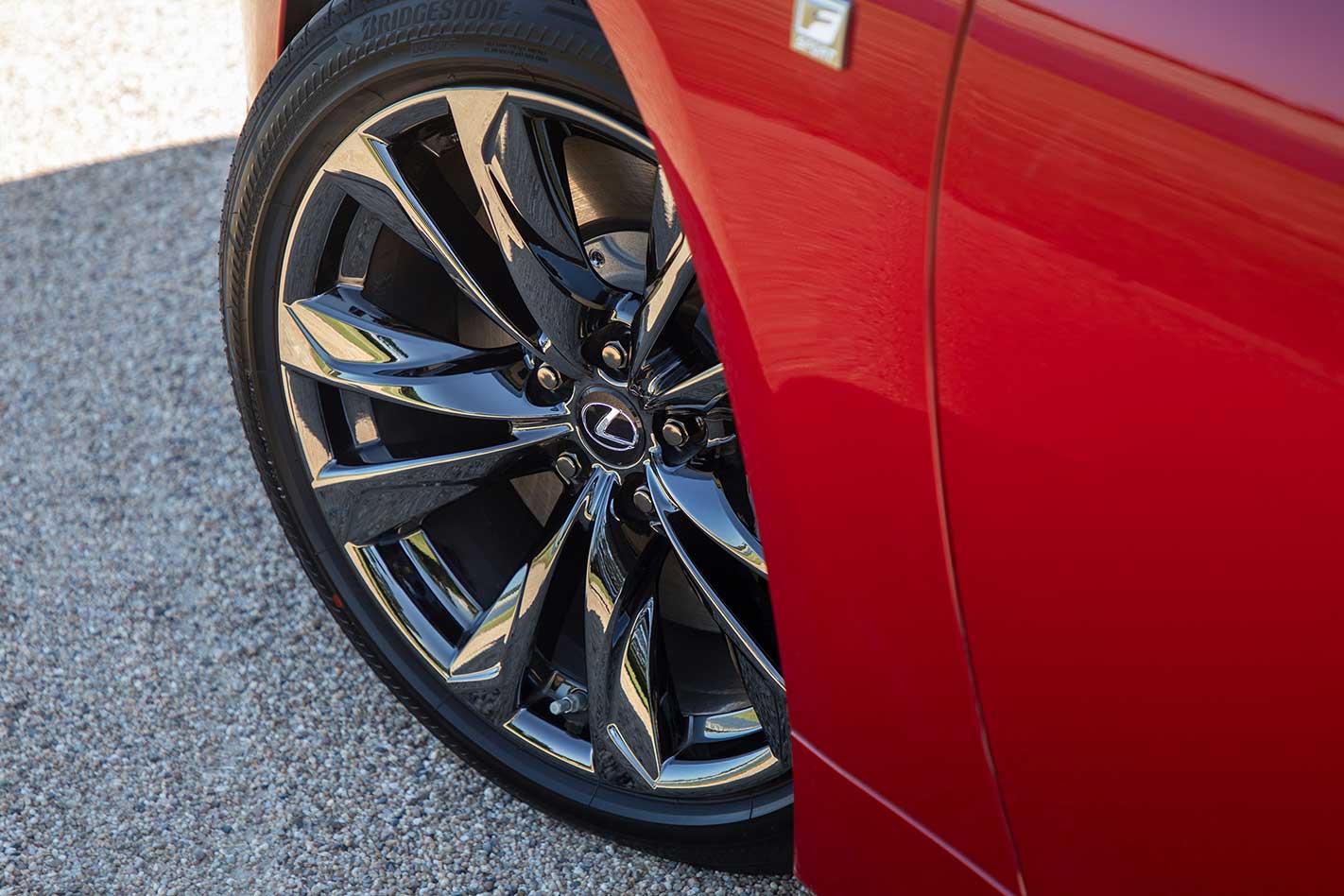
7/10
Pros: Road presence; specification level; powerful twin-turbo engine; handlingCons: ride could still be better; strange mix of talents; twin-turbo thirst; weightSpecifications
Body: 4-door, 5-seat sedan Drive: rear-wheel Engine: 3445cc V6, DOHC, 24v, twin-turbo Bore/stroke: 85.5 x 100mm Compression: 10.5:1 Power: 310kW @ 6000rpm Torque: 600Nm @ 1600-4800rpm 0-100km/h: 5.0sec (claimed) Fuel consumption: 10L/100km (combined/claimed) Weight: 2230kg Power/weight: 139kW/tonne Transmission: 10-speed automatic Suspension: multi-links, air springs, adaptive dampers, active anti-roll bars (f/r) L/W/H: 5235/1900/1450mm Wheelbase: 3125mm Tracks: 1631/1615mm Steering: electrically assisted rack-and-pinion Brakes: 400mm ventilated discs, 6-piston calipers (r); 359mm ventilated discs, 4-piston calipers (r) Wheels: 20 x (f); 20 x (r) Tyres: 245/45 R20 (f); 275/40 R20 (r) Bridgestone Turanza Price: $195,953
The Mercedes-AMG A45 S was already fast, with a 310kW 2.0-litre turbocharged four cylinder engine sending power to both front and rear axles.
However, Mercedes now offers a set of track-focused Pirelli Trofeo R tyres as an option for the ultimate hot hatch, elevating it to new heights.
To find out exactly how fast the Merc is with its sticky rubber, we took it to Winton Raceway as part of our annual Performance Car of the Year test, letting it loose on the MOTOR Shootout.
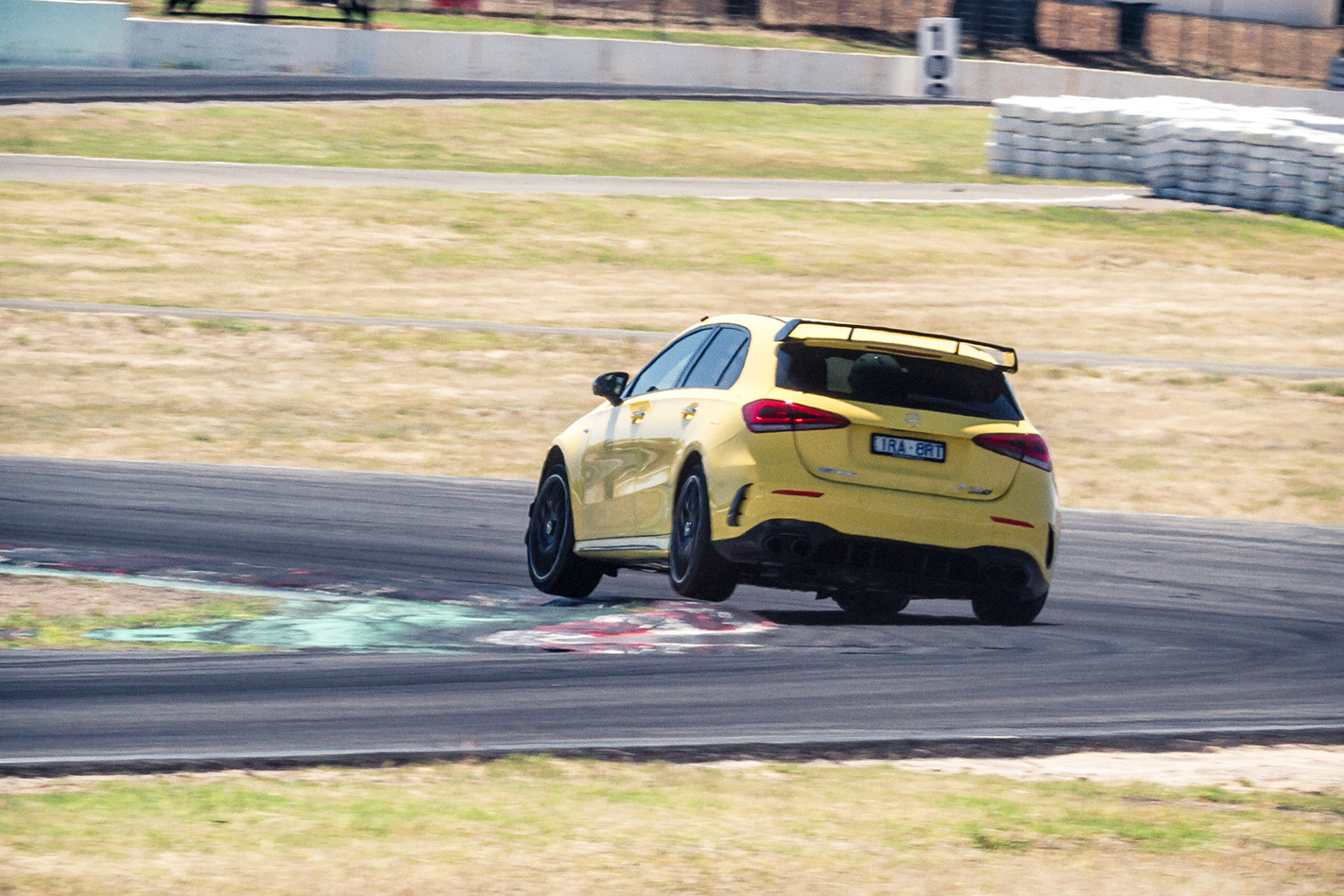
Driven by Karl Reindler, the A45 was well-suited to the technical 3.0 km circuit, impressing the professional driver with its power and agility.
“We’ve got a lot of fun cars here today, this one included,” Karl said enthusiastically following his laps in the A45.
“[This has] the factory accessory Pirelli Trofeo R tyres which is a serious bit of tyre.
“It’s really exciting to have a tyre like that on a car like this, and it did transform it as well. It was already a great package before, I’ve driven these cars before, but it’s the first time on that Pirelli.
“It took probably a lap and a half for it to come up, but it didn’t feel like it faded like other tyres have today.
“The car itself, its mind blowing what these guys have done with the electronics, the tricky differentials.
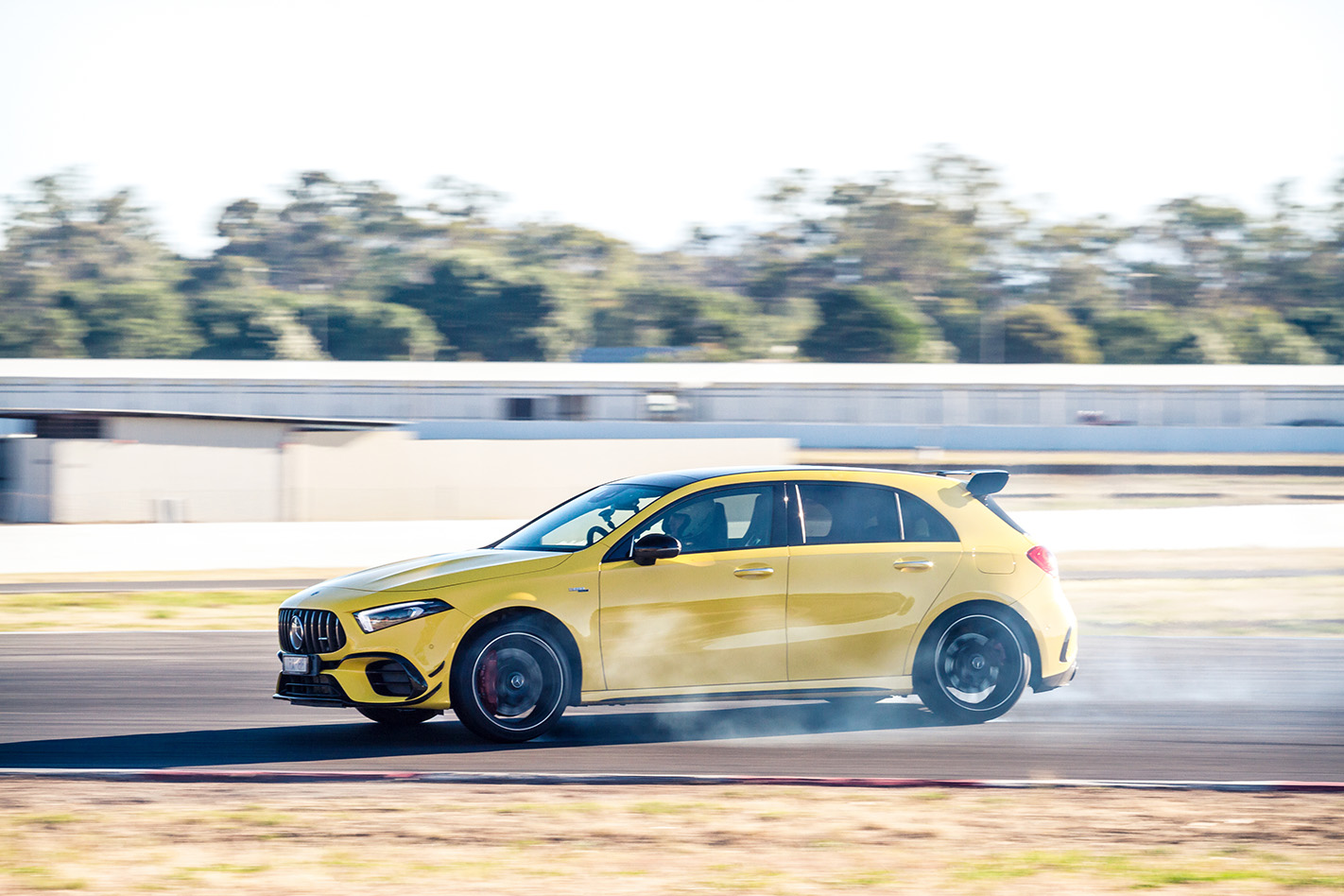
“Off the corner you get on the throttle and it actually, it turns harder almost – it’s hard to describe – but it actually feels like it turns harder on throttle.
“I love the eight-speed gearbox in this thing, it’s so crisp, it’s so sharp. You never feel like you’re in the wrong gear at the wrong time. You can always plonk another one up, or plonk another one down and it does it instantaneously without upsetting the car.
“That thing was a hoot!”
Karl’s fastest lap around Winton’s full 3.0km layout was a stout 1:34.9.
The A45’s big secret is the way it carries speed through the corners. On Winton’s front straight the A45’s speedo topped out at 191.63km/h. We’ll let you in on a secret; of the ten cars taking part in PCOTY, only two cars were slower down the front straight – the Ford Fiesta ST and Toyota Yaris GR. However, there were plenty of cars that couldn’t match the little AMG’s overall lap time.
To see where the A45 stacks up, make sure to check the MOTOR Shootout leaderboard. We post a new video every week, so make sure to check back regularly!
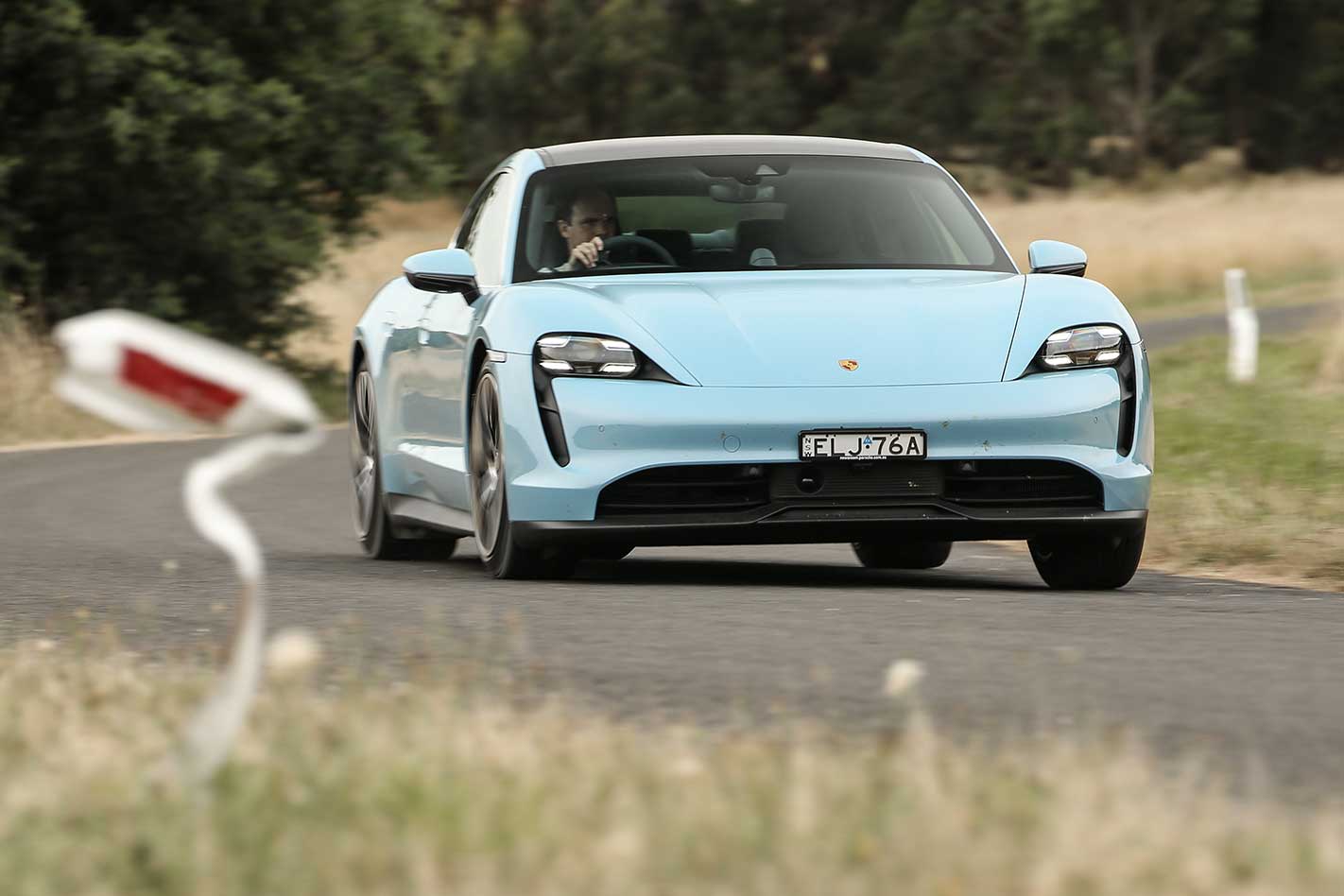
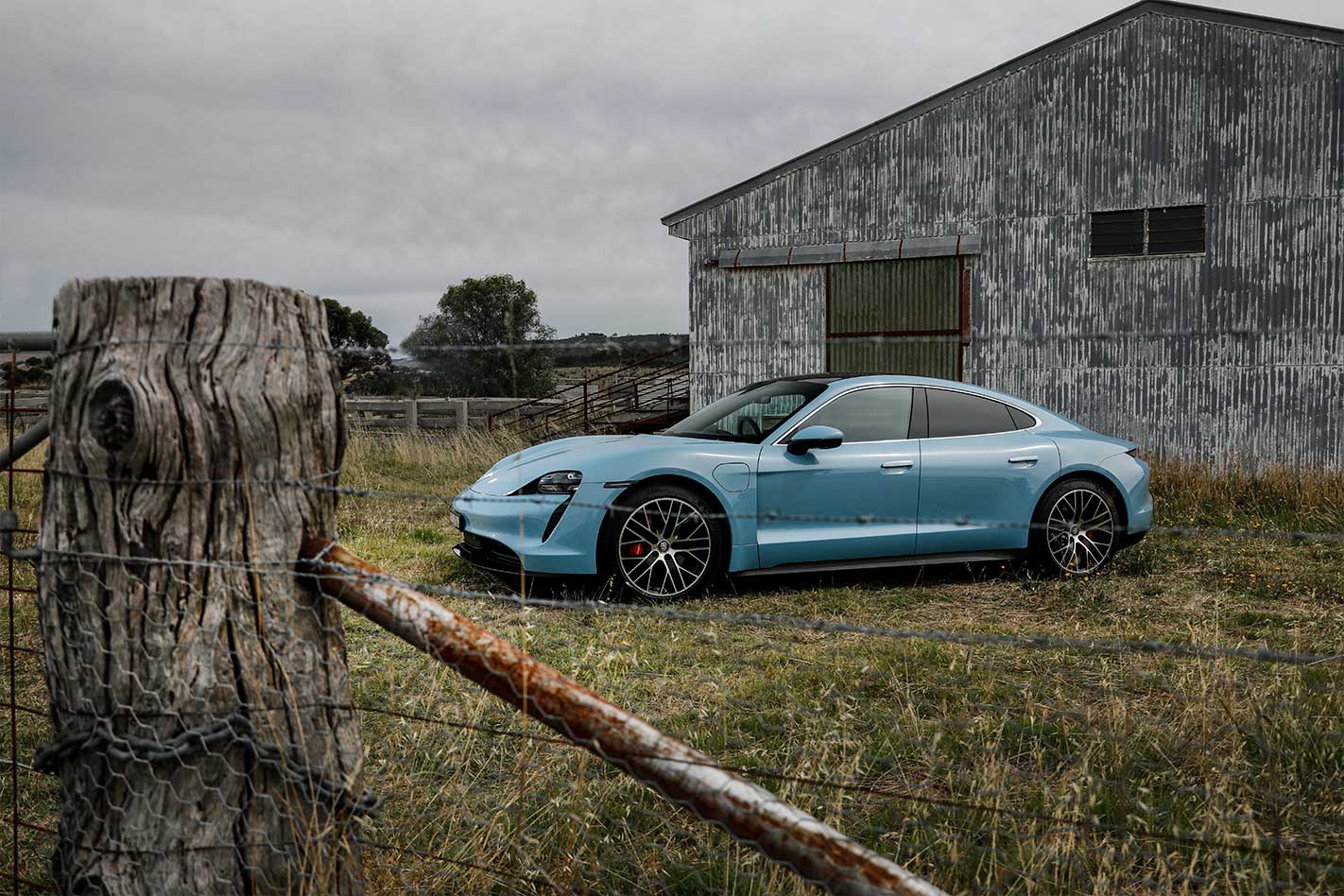
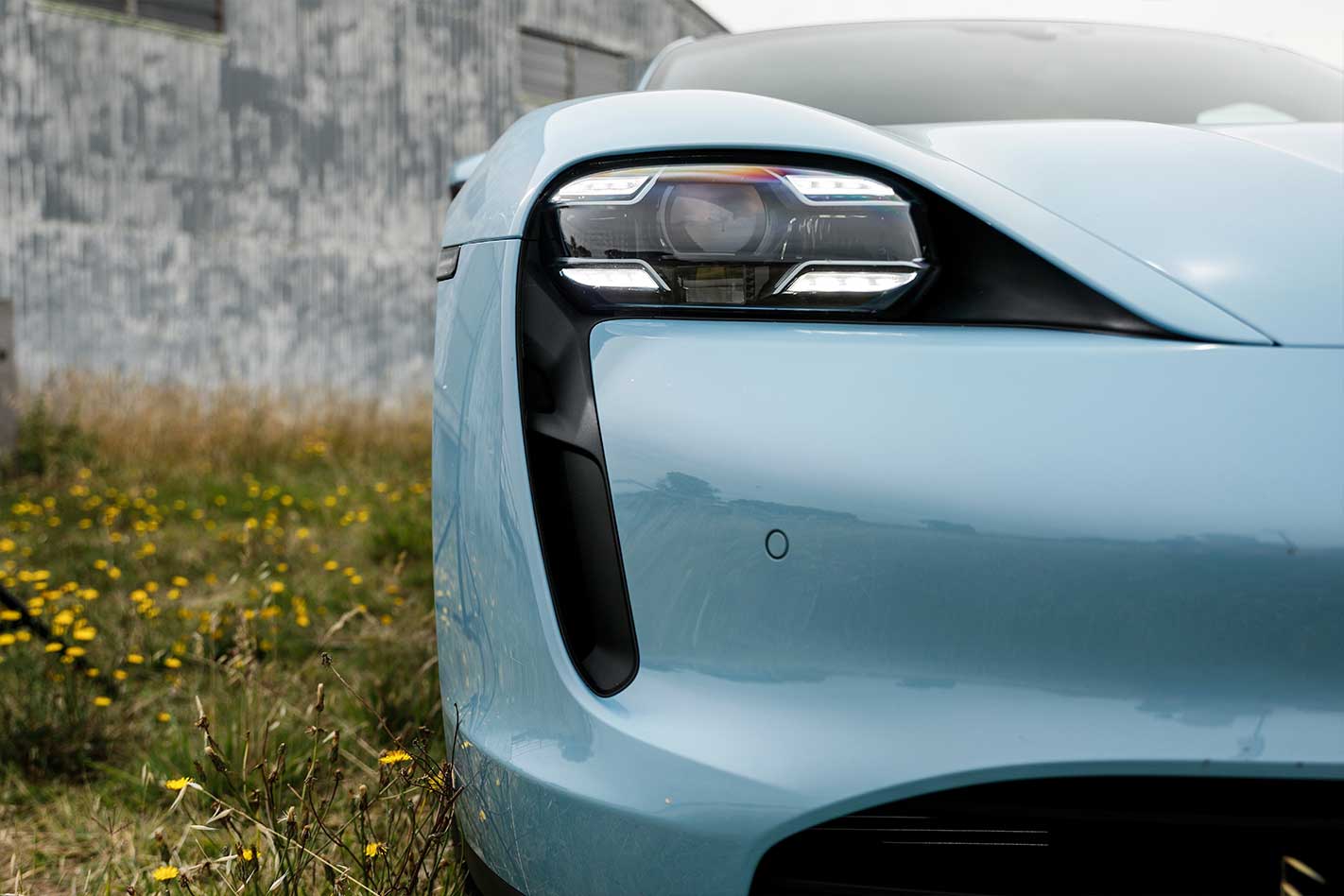
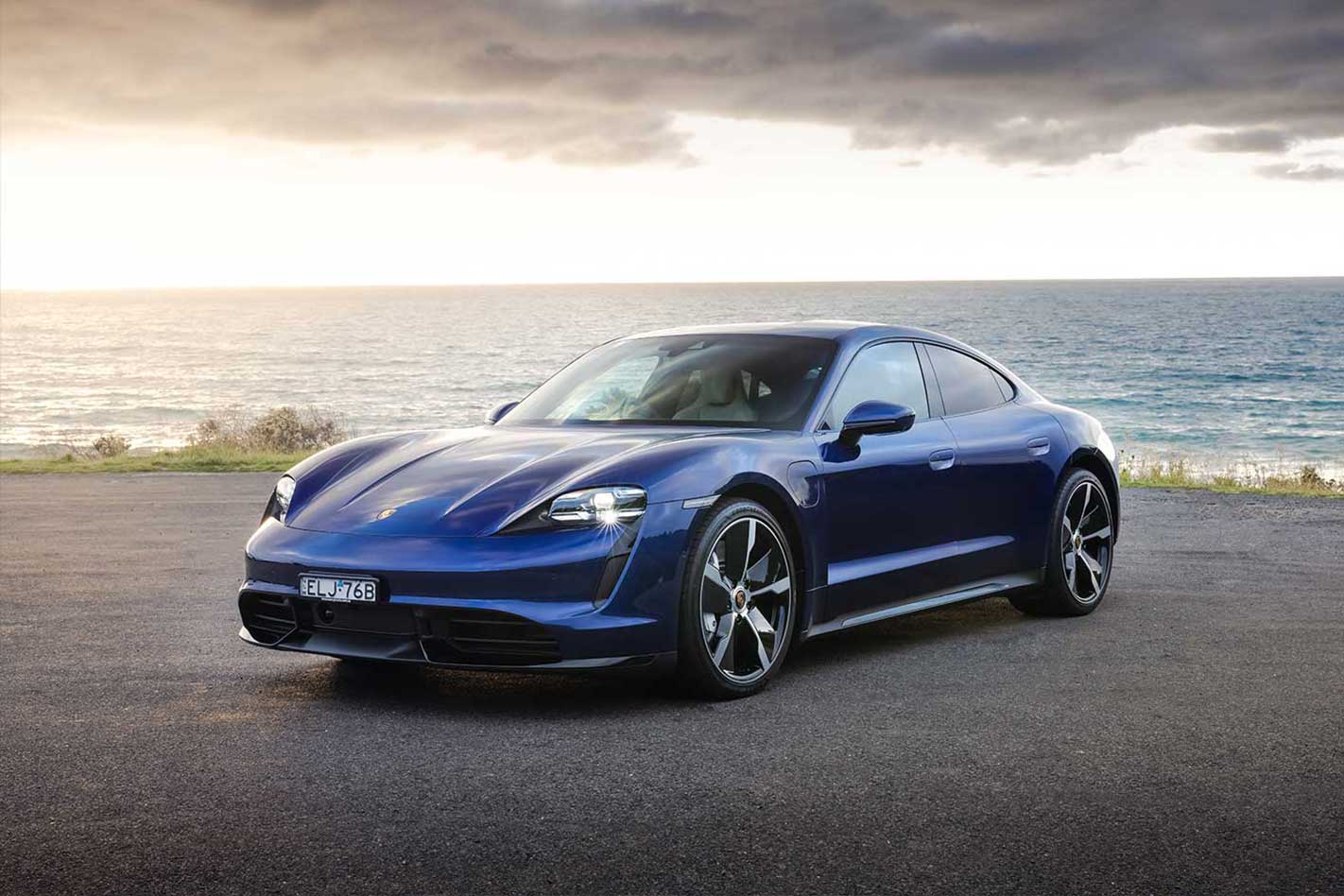
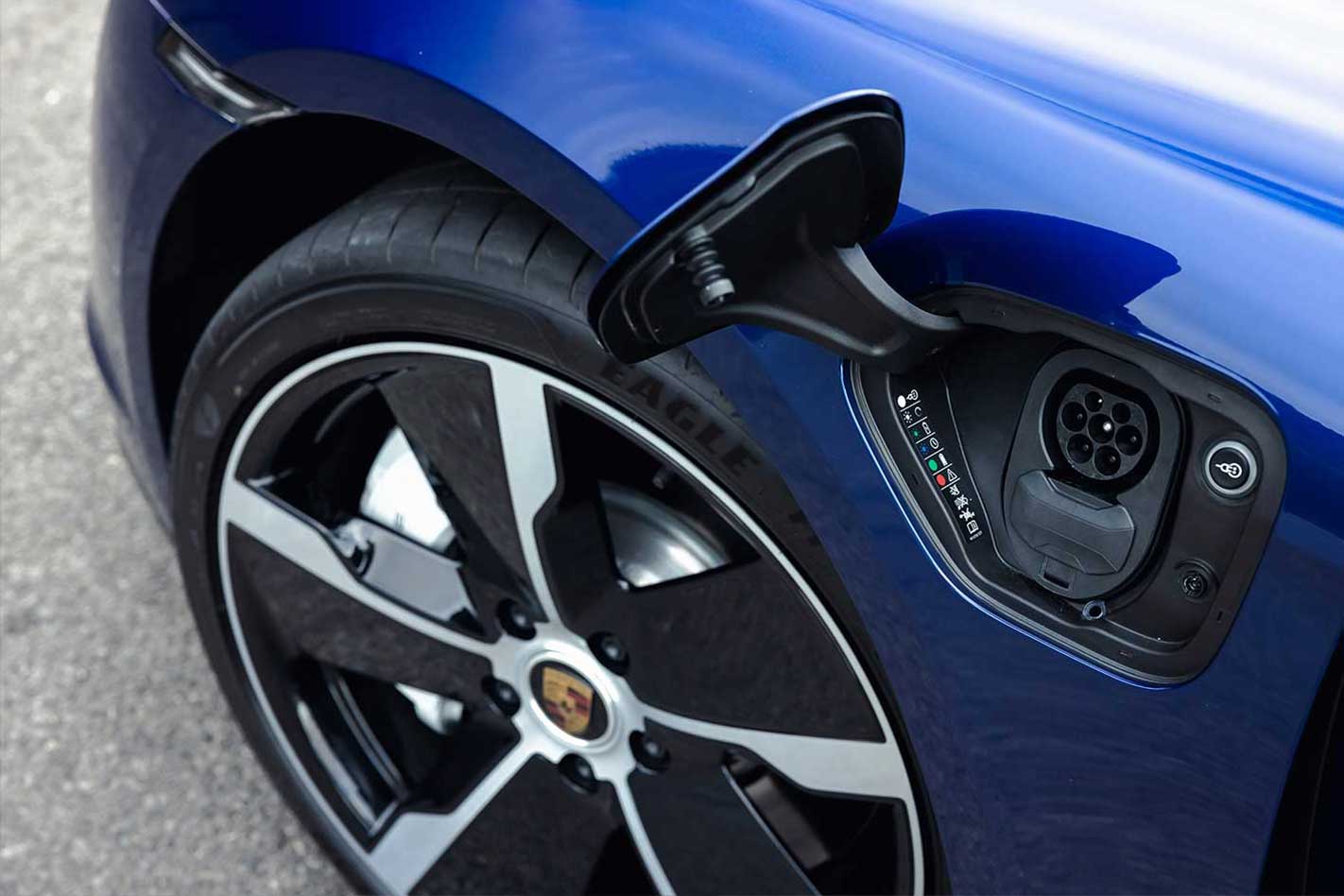
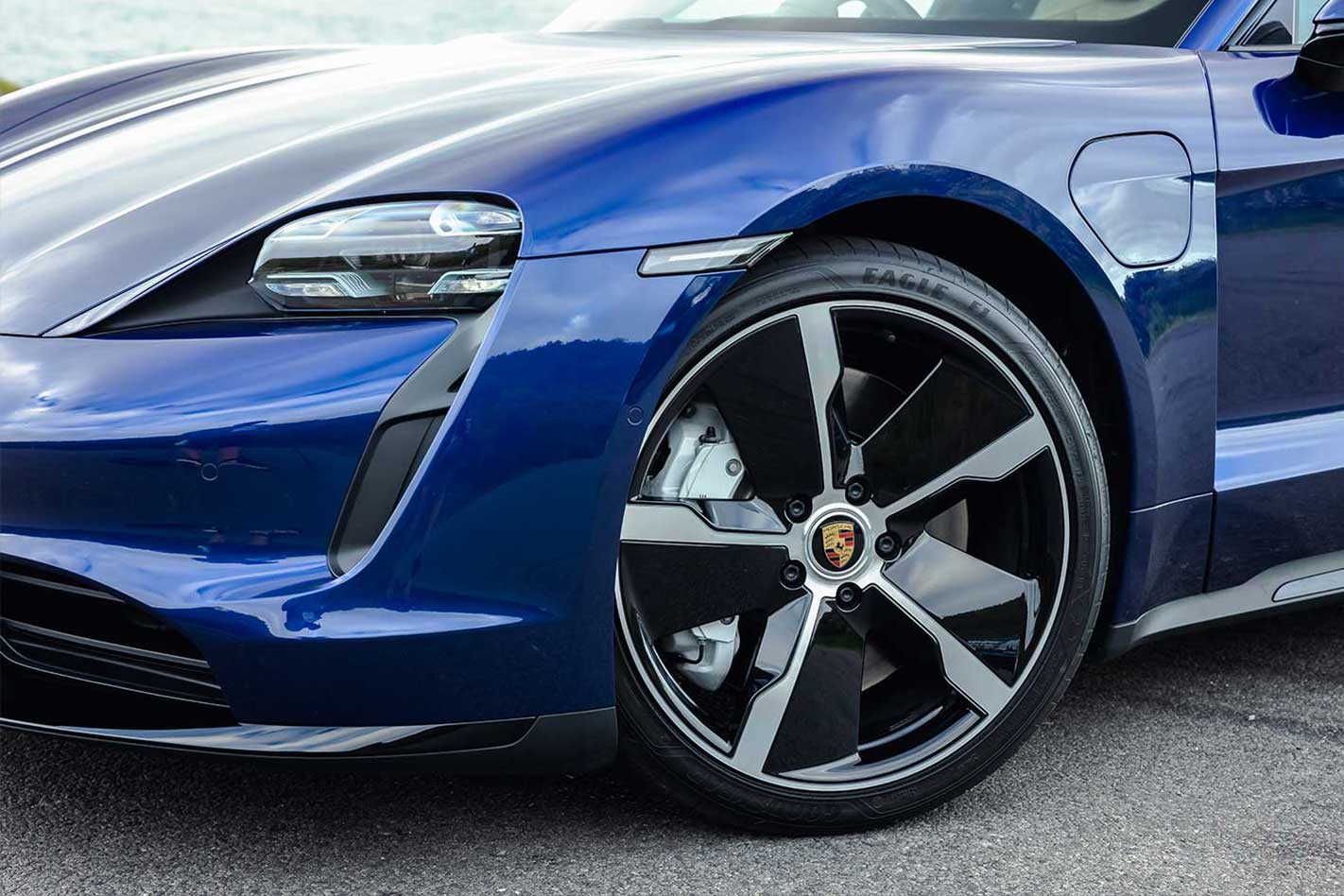
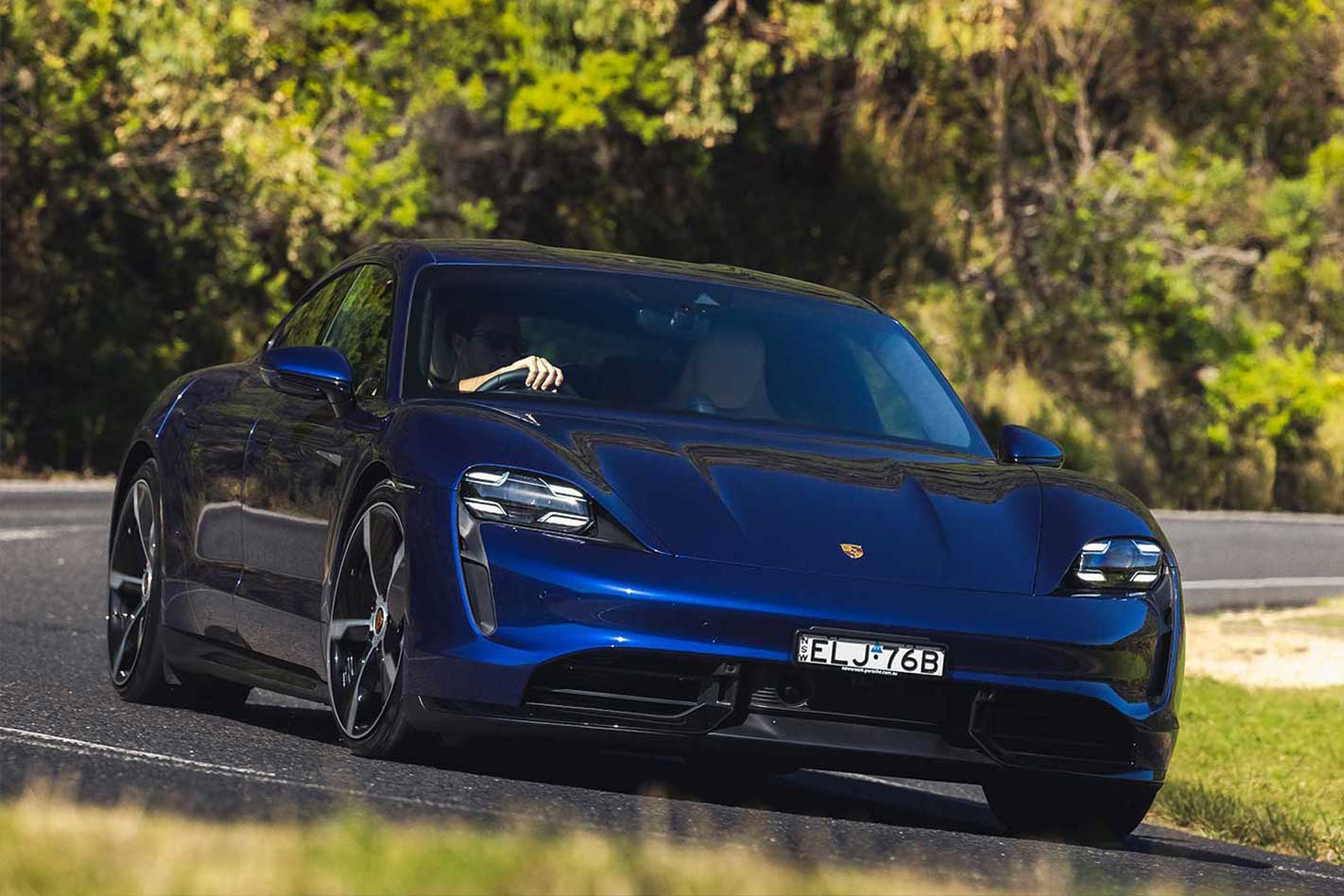
If you were taking bets on which manufacturer would not just dip a toe but dive headfirst into the world of electric vehicles then you would have got long odds with Porsche, but here we are with the first Australian drive of the Porsche Taycan 4S.It provides the first real competition to Tesla in the zero-emissions luxury performance market, claiming to offer rocketship acceleration, equally brisk charging times, a long battery range and a clear environmental conscience.
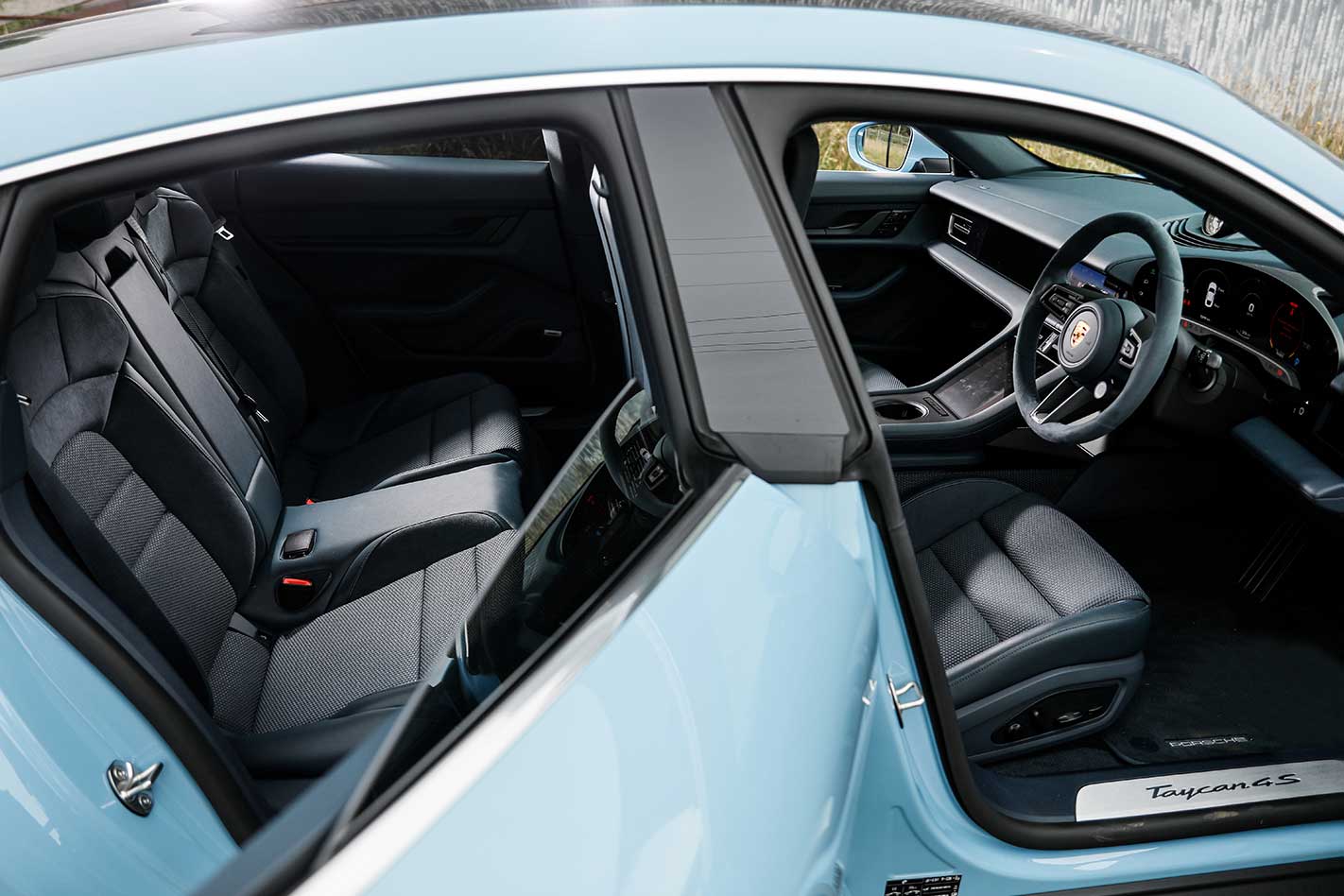
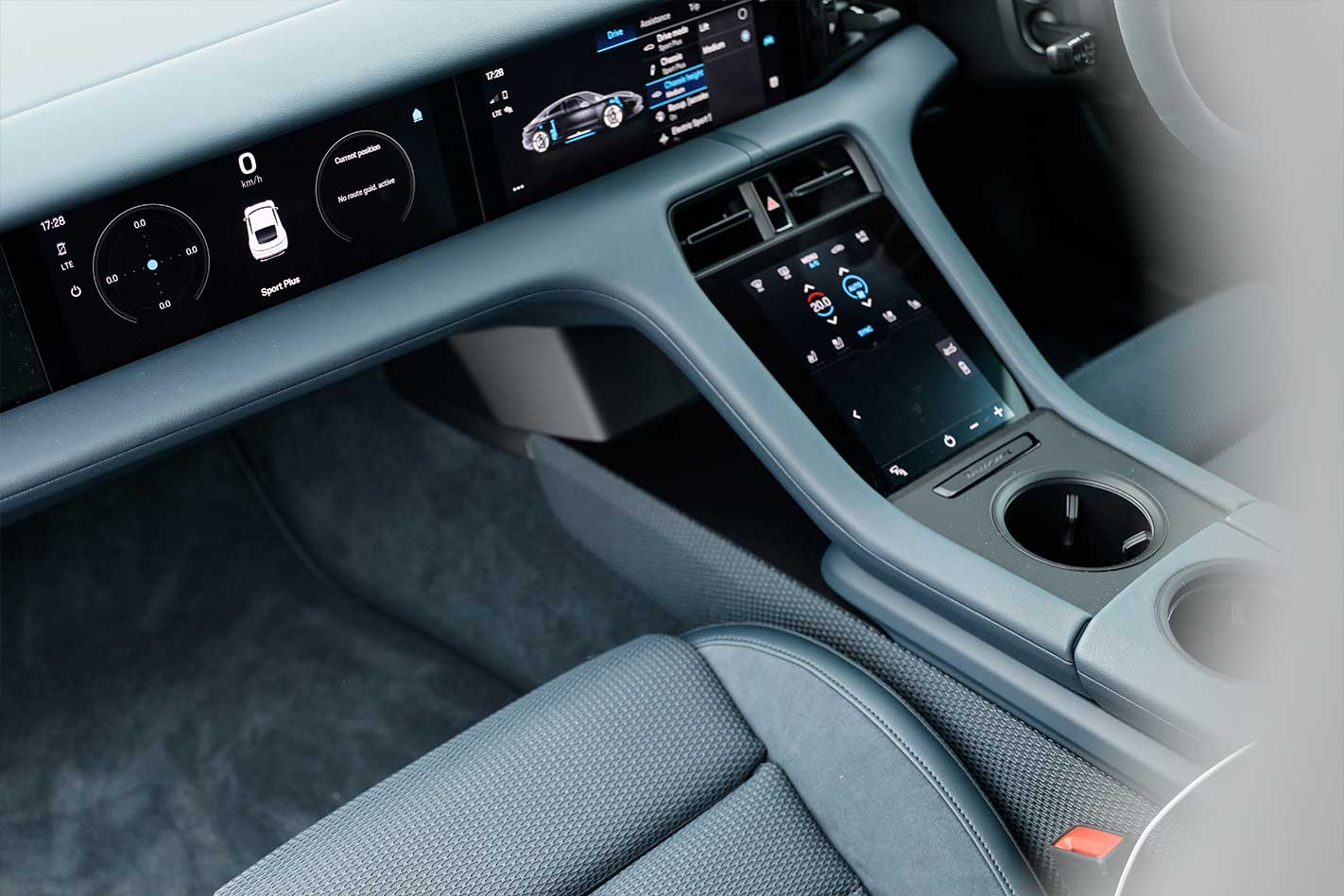
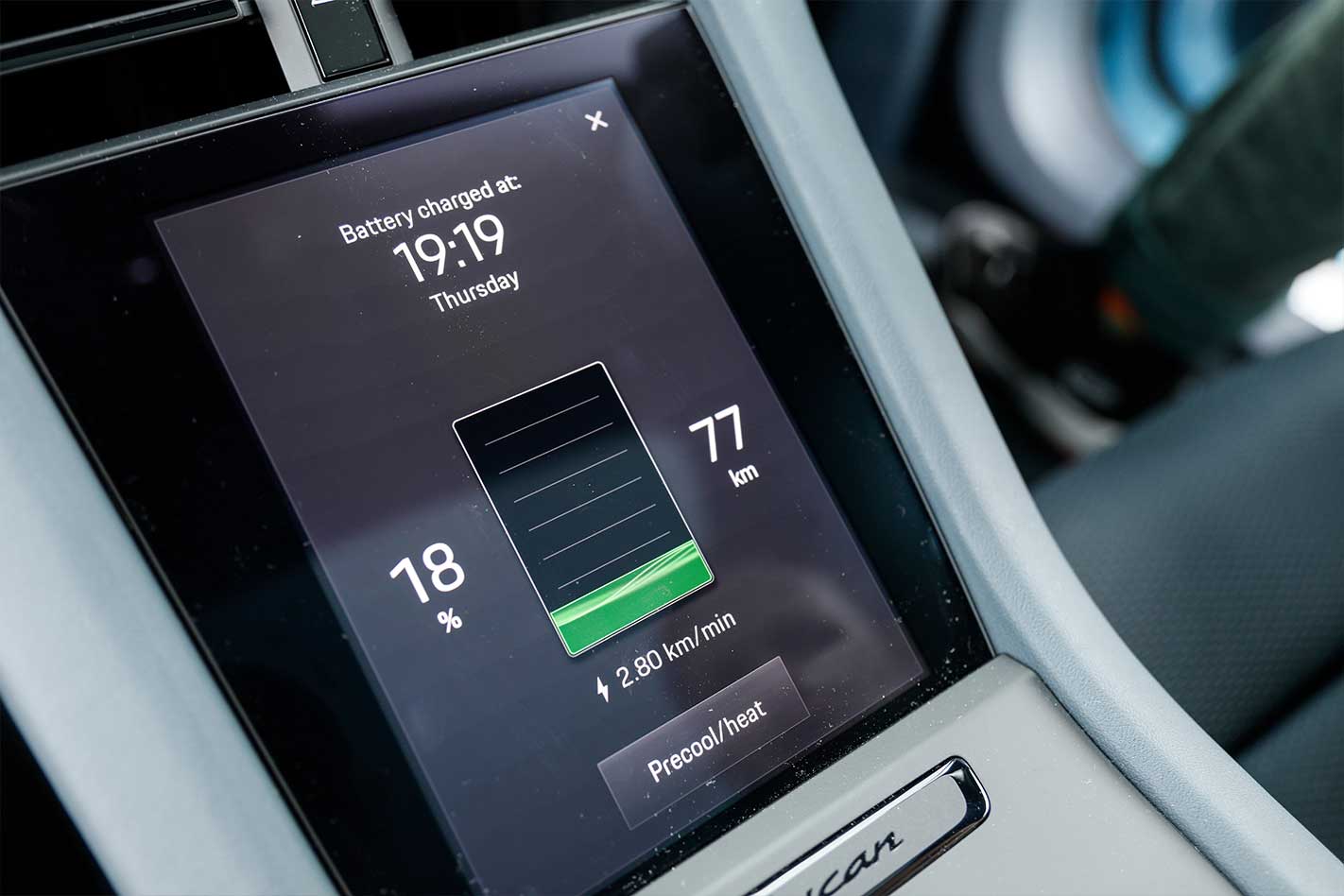
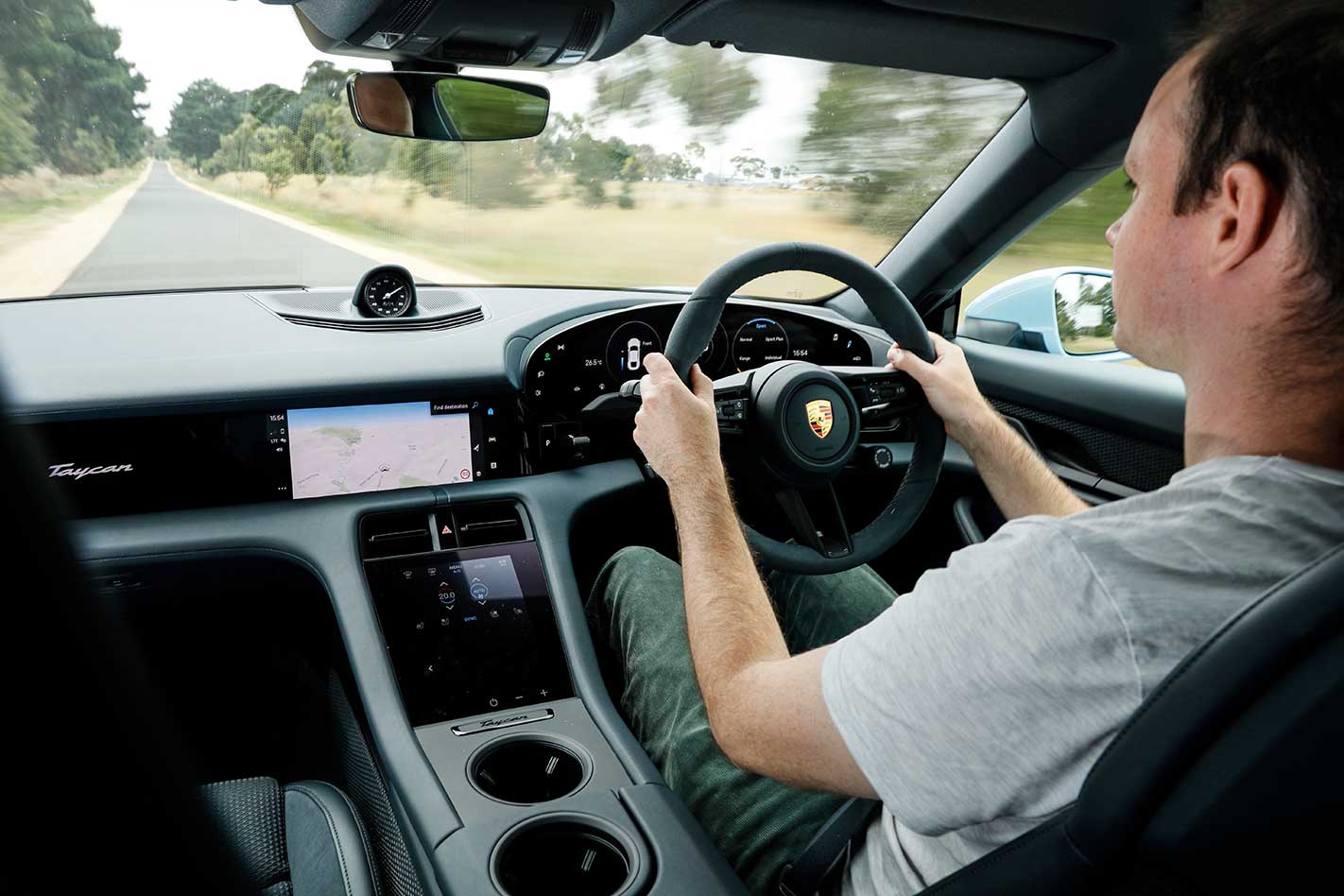
In the centre is a 10.9-inch infotainment touchscreen featuring Apple CarPlay, ‘Hey Porsche’ voice control, internet access, digital radio, a 14-speaker, 710-watt Bose stereo and Porsche Connect, with the ability to sync your calendar, search for restaurants and control certain functions such as air-conditioning via a smartphone app.Below this is a haptic touchscreen containing the HVAC controls, charging information and a touchpad that allows the selection of functions on the main touchscreen or navigation inputs via handwriting. This feels like a screen too far; the climate controls are fine but the touchpad is imprecise and unnecessary when the main screen is within easy reach.
As standard, the Taycan 4S uses a 79.2kWh battery (71.0kWh net) but ticking PBP increases this to 93.4kWh (83.7kWh net) and lifts outputs from 320kW/640Nm to 390kW/650Nm, with 420kW available for launch control standing starts.Porsche claims this drops the 0-200km/h sprint from 13.3 to 12.9sec, though 0-100km/h remains 4.0sec dead. Claimed electrical consumption actually rises from 26.2kWh/100km to 27.0kWh/100km but thanks to the larger battery, claimed range increases from 365km to 414km.
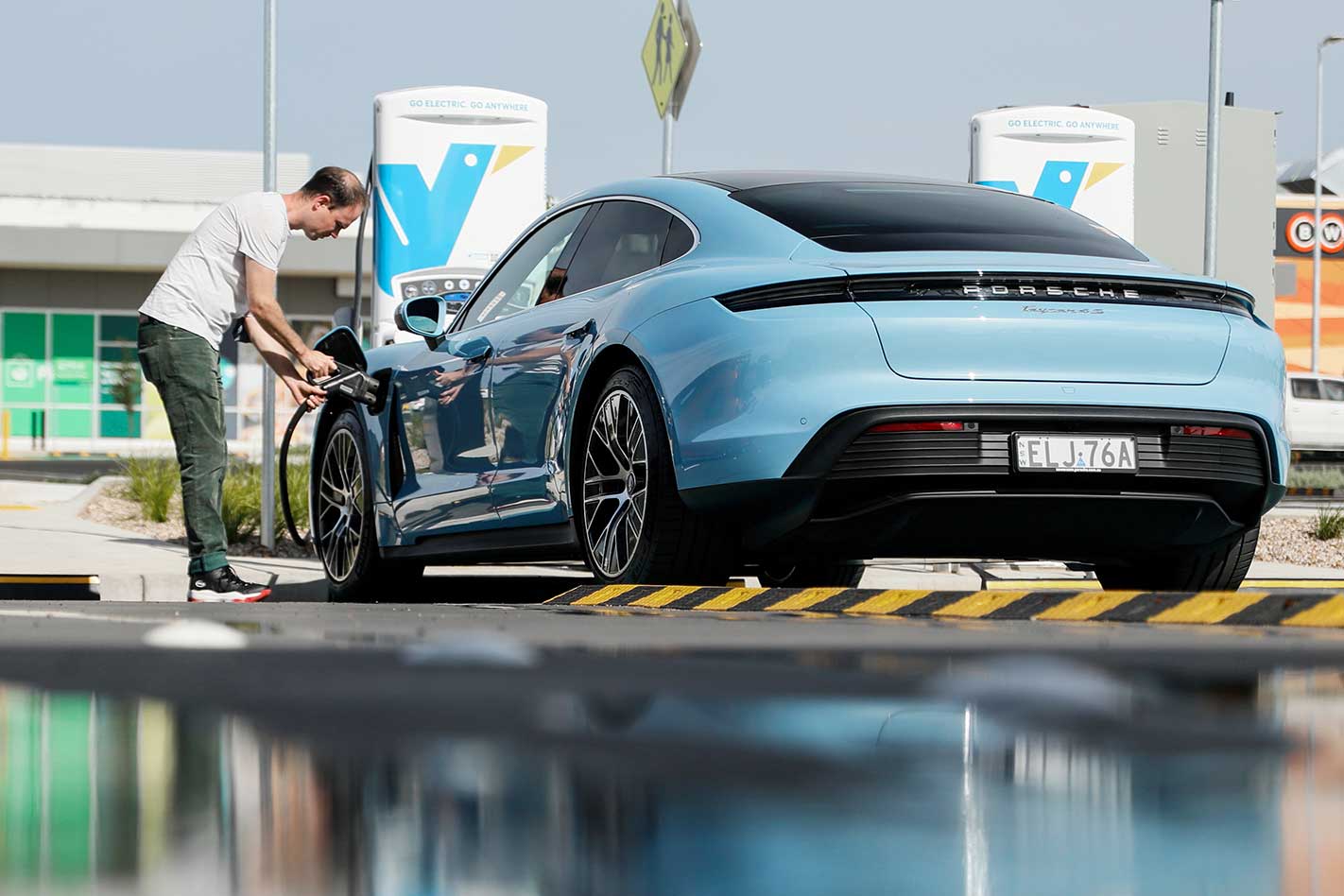
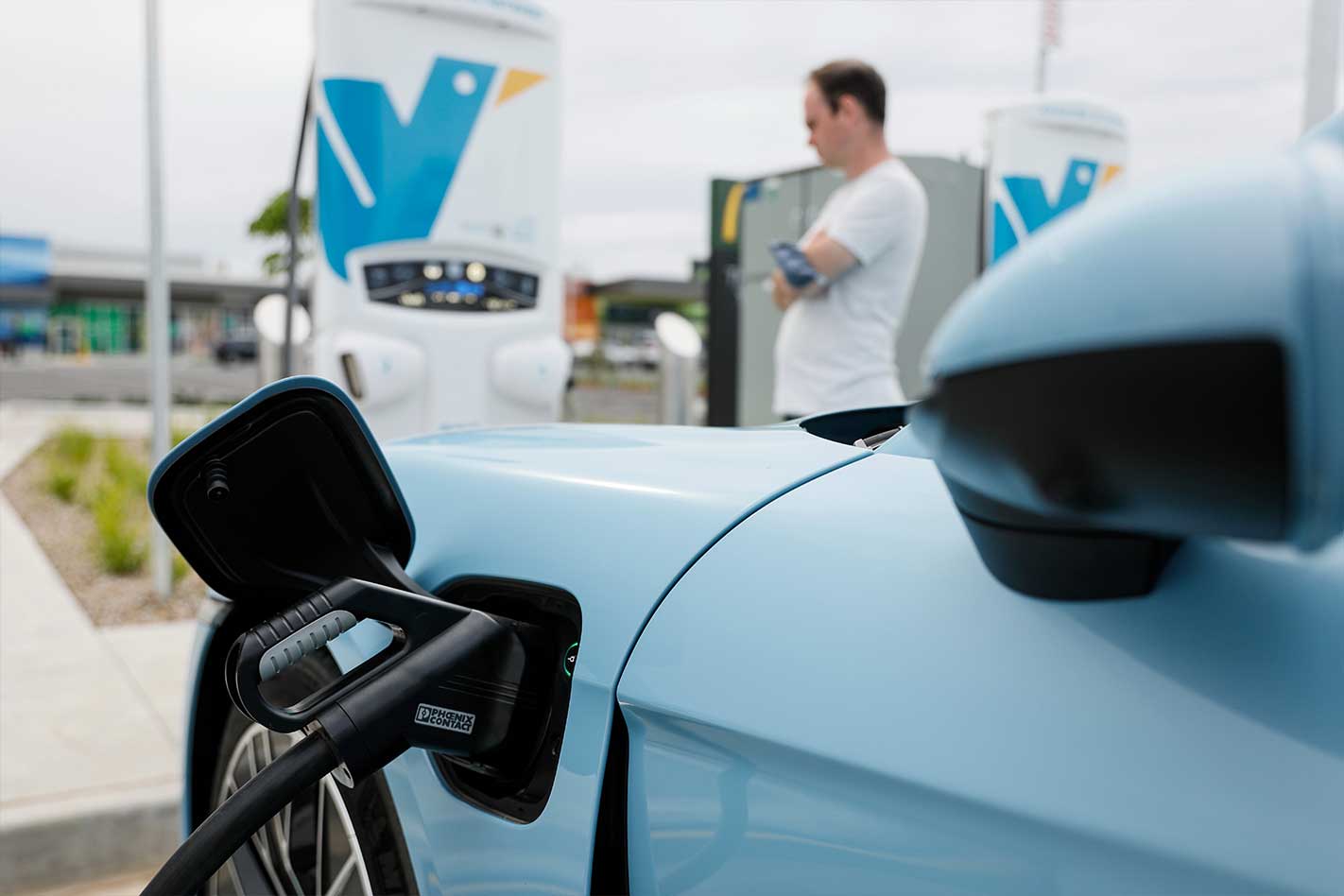
Porsche is working with JetCharge to ensure owners have the appropriate infrastructure at home, the idea being that regardless of the state of charge when you get home of an evening, your Taycan is fully juiced and ready to go the next morning.
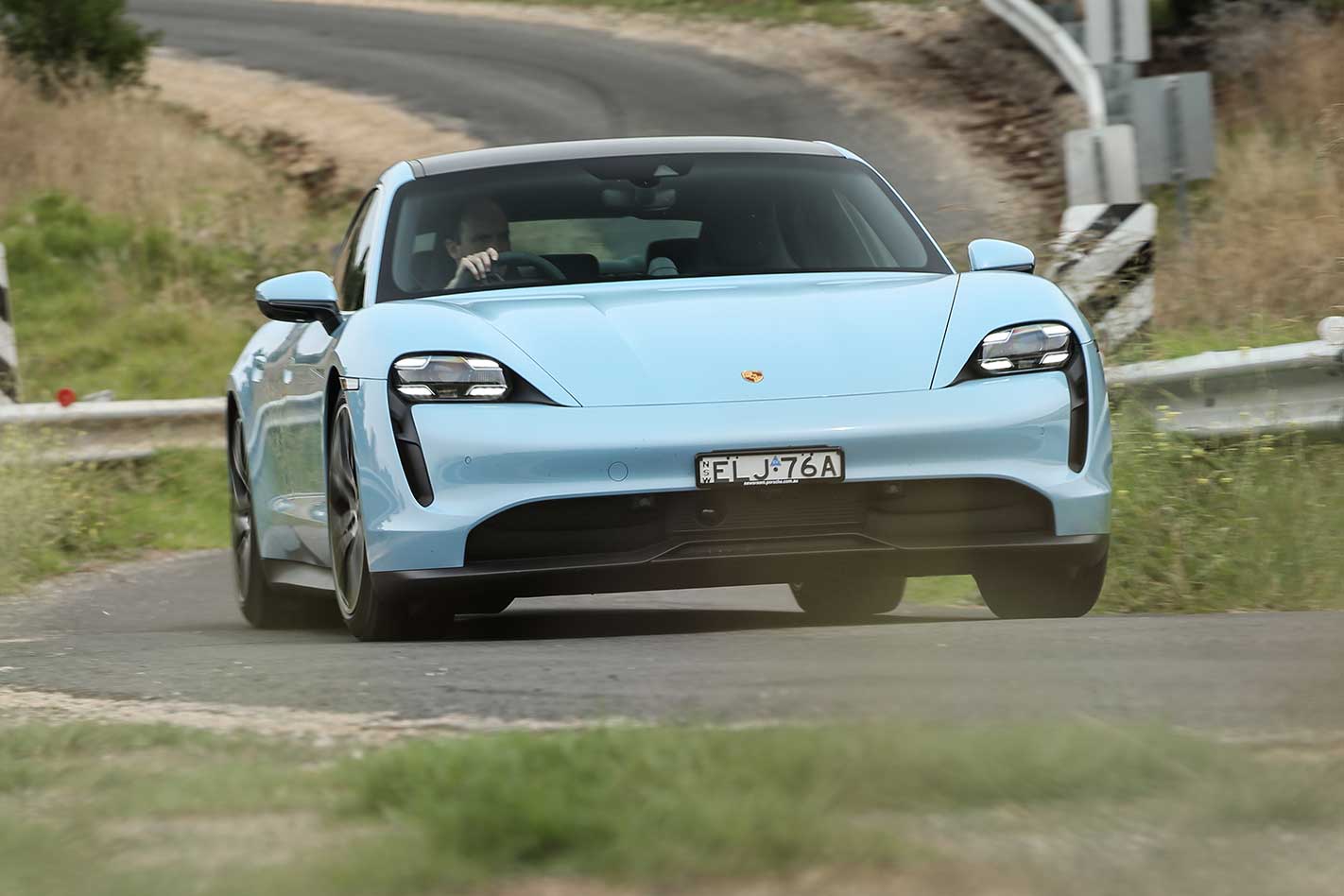
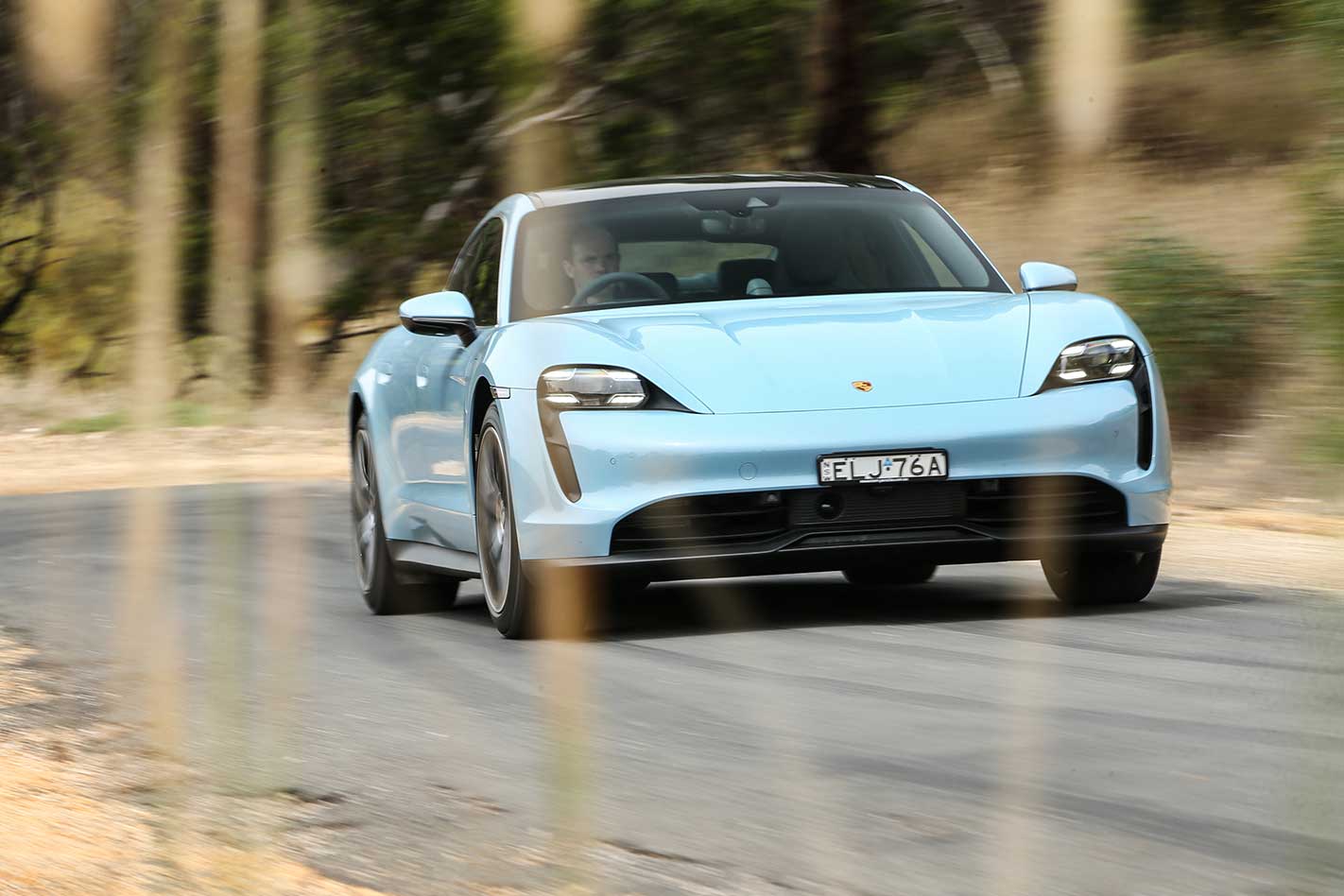
Approach a corner and because there is no noise or gear to select, you rely totally on your eyesight to gauge how fast to enter it. This presents difficulties as your perception of speed alters depending on how quickly and for how long you’ve been driving.As familiarity grows you adjust and begin to corner faster; there is impressive grip, though the sportier ’S’ variant of Michelin’s Pilot Sport 4 tyre would generate more, the Taycan never feels flustered and even this ‘non-Turbo’ variant is very quick.
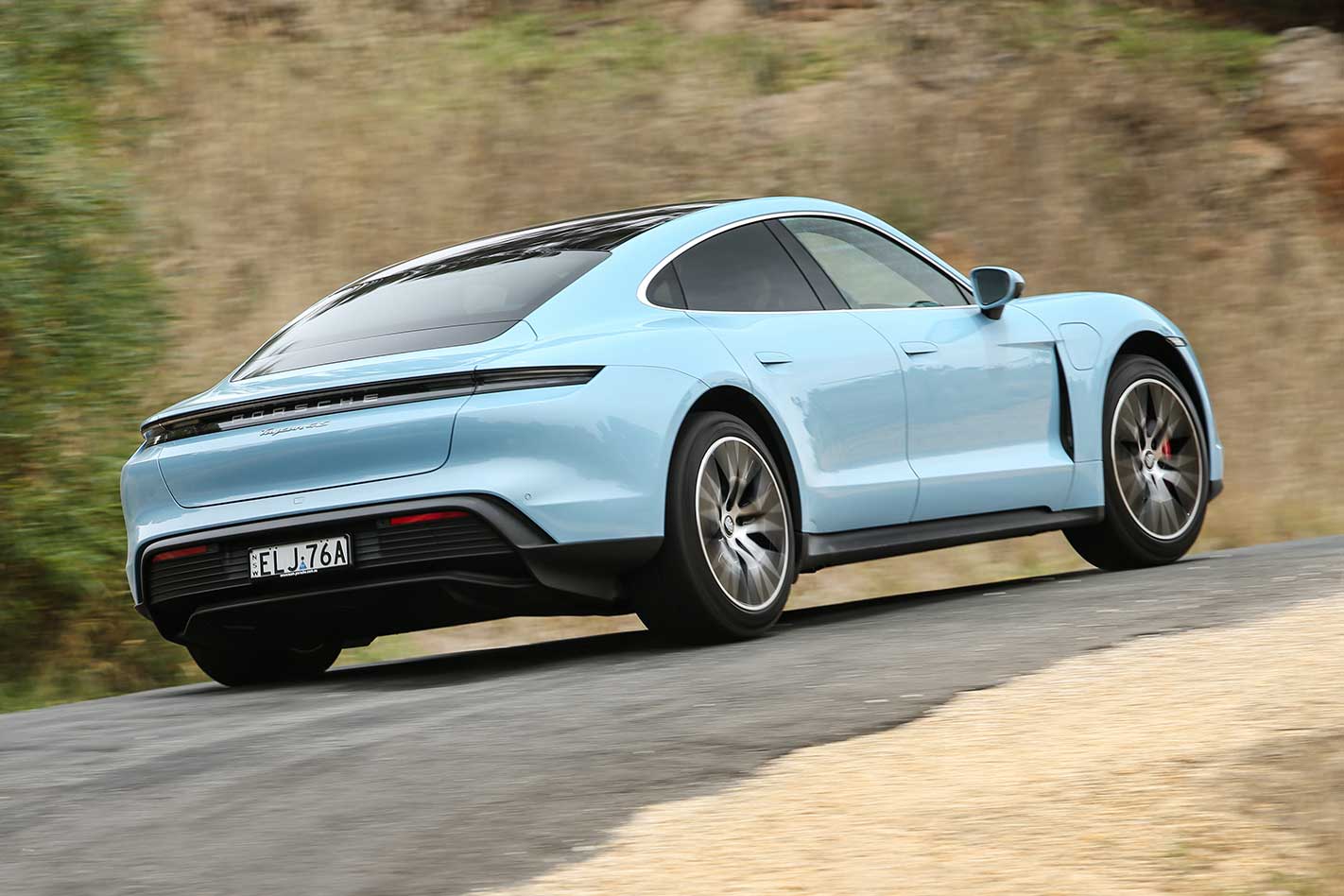
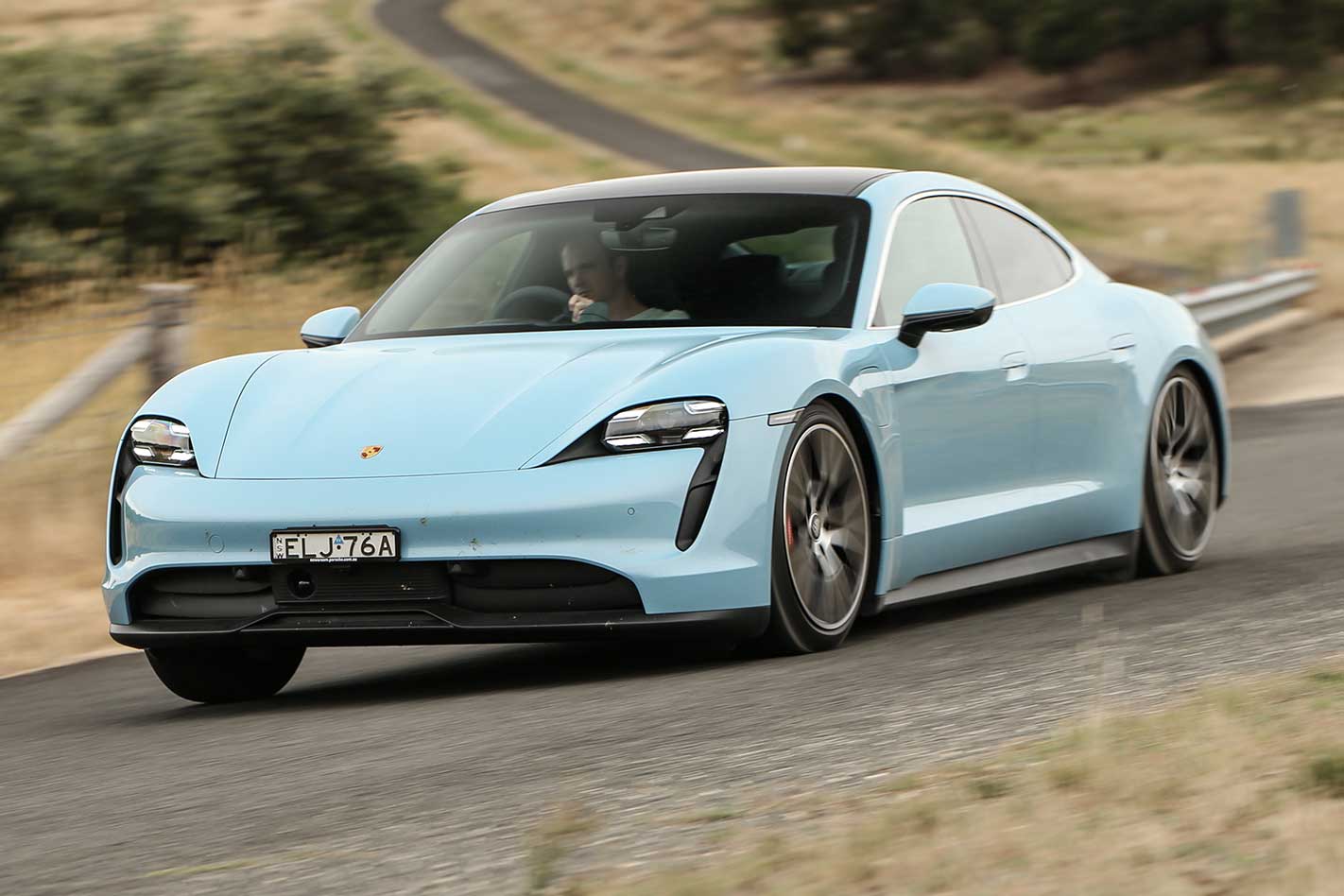
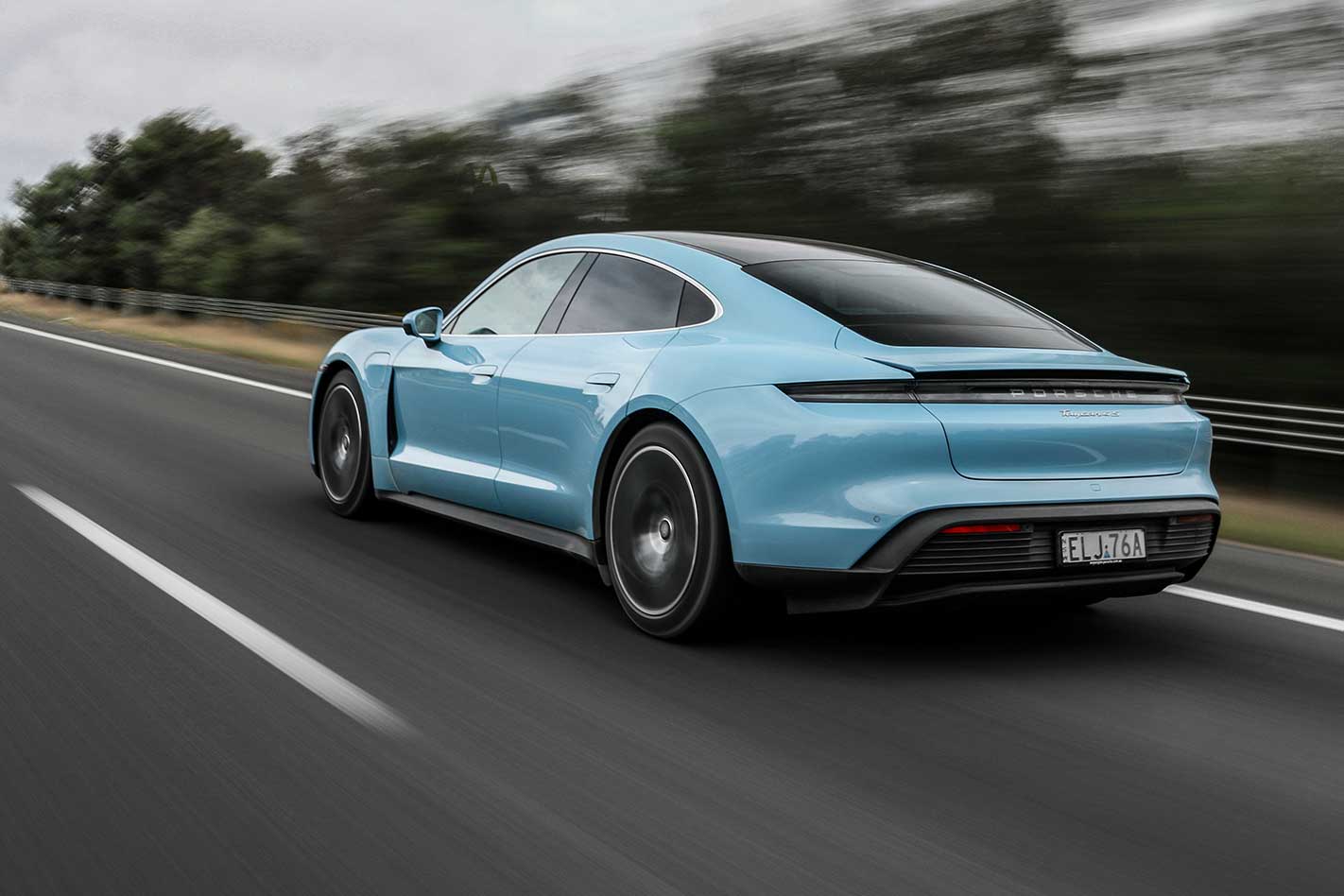
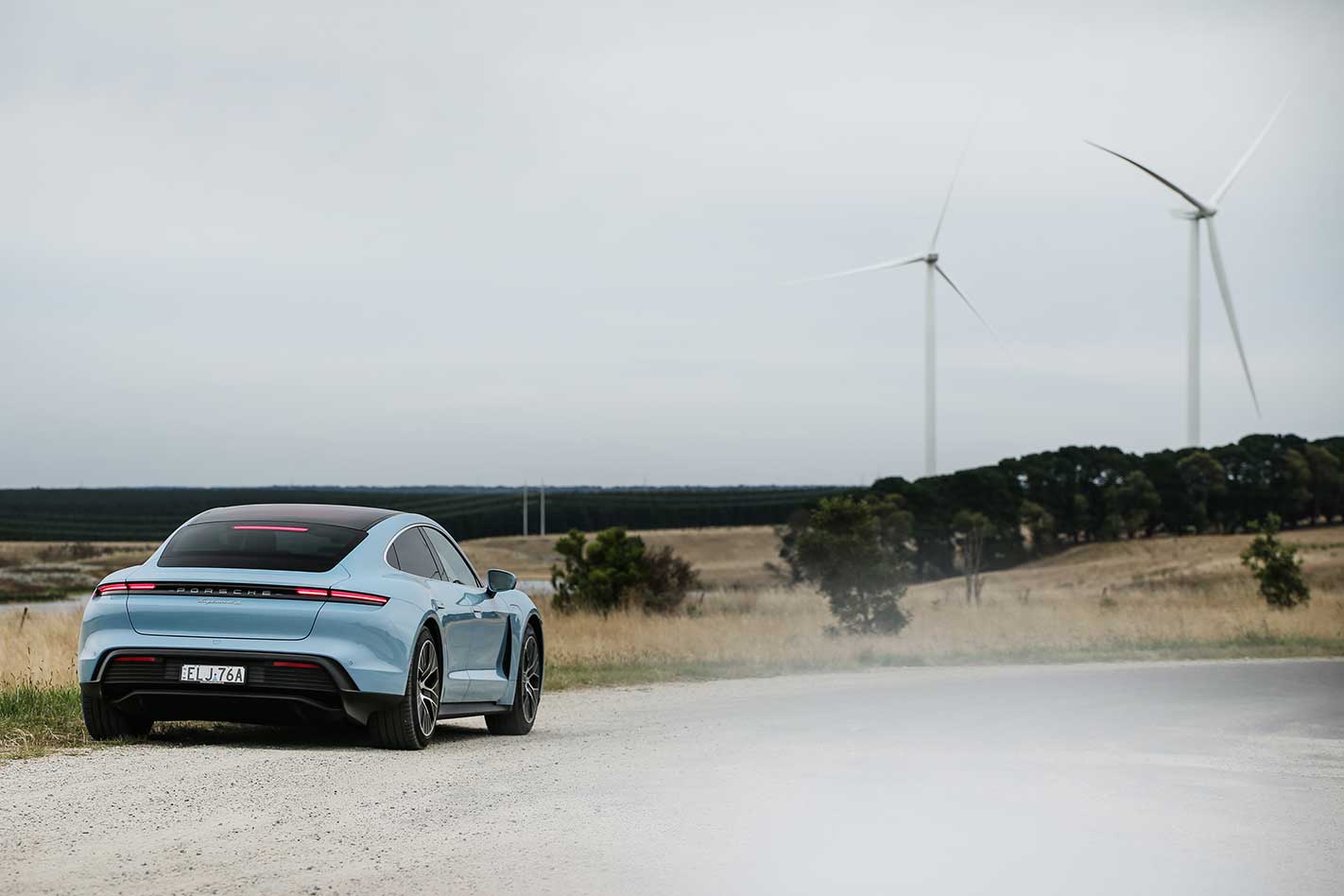
It looks great inside and out, has truly potent performance and is beautiful to drive, making it a fantastic everyday proposition. Porsche has taken a headfirst dive into the pool of electric vehicles and arisen to the applause of the judges.
At a shade under $130K the Tesla has a handy price advantage but like the Porsche, options can increase that dramatically. At 500kW and 0-100km/h in 3.2sec (claimed) it’s also much quicker than the Taycan 4S, though there is unlikely to be much between them in the real world.
However, waiting in the wings is the updated Model S ‘Plaid’, offering Tesla’s latest tech, 760kW, 0-100km/h in a claimed 2.1sec and 600km+ of theoretical range. According to the Tesla website, Australian pricing starts at $174,990 plus on-roads or $189,990 for the even quicker Plaid+.9/10Pros: Refinement; ride; styling; performance; charge speedCons: Screen overload; option requirements; not hugely involvingPorsche Taycan 4S Specifications
Body: 4-door, 5-seat sedan Drive: all-wheel Battery: 93.4kWh (83.7kWh net) Motor: Permanent magnet synchronous (f/r) Power: 390kW (420kW overboost) Torque: 650Nm Power/weight: 176kW/tonne Transmission: single-speed (f); 2-speed (r) Weight: 2220kg Suspension: double wishbone, air springs, adaptive dampers, anti-roll bar (f); multi links, air springs, adaptive dampers, anti-roll bar (r) L/W/H: 4963/1966/1379mm Wheelbase: 2900mm Tracks: 1702/1667mm Steering: electrically assisted rack-and-pinion Brakes: 360mm ventilated discs, 6-piston calipers (f); 358mm ventilated discs, 4-piston calipers (r) Wheels: 20 x 9.0-inch (f); 20 x 11.0-inch (r) Tyres: 245/45 ZR20 (f); 285/40 ZR20 (r) Michelin Pilot Sport 4 Price: $190,400 ($230,530 as-tested: performance battery plus $11,590; leather-free interior $7540; LED matrix headlights $4610; panoramic glass roof $3370; Sport Chrono $2340; passenger display $2150; 20-inch Taycan Turbo rims $1150; Traffic Jam Assist $1200; Porsche electric sport sound $1020; 4+1 seats $1000; ambient lighting $890; Vehicle key in car colour $780; Porsche courtesy lights $600; power steering plus $600; windscreen with grey top tint $240)
Ford has given its Australian design studio a $12 million makeover with the intent of employing up to 200 Melbourne-based designers who will work on Ford vehicles destined for Australian and global markets.
Ford released photos of the expanded facility today, and intends to invest yet another $2.3 million into new studio technology before 2021 is over.
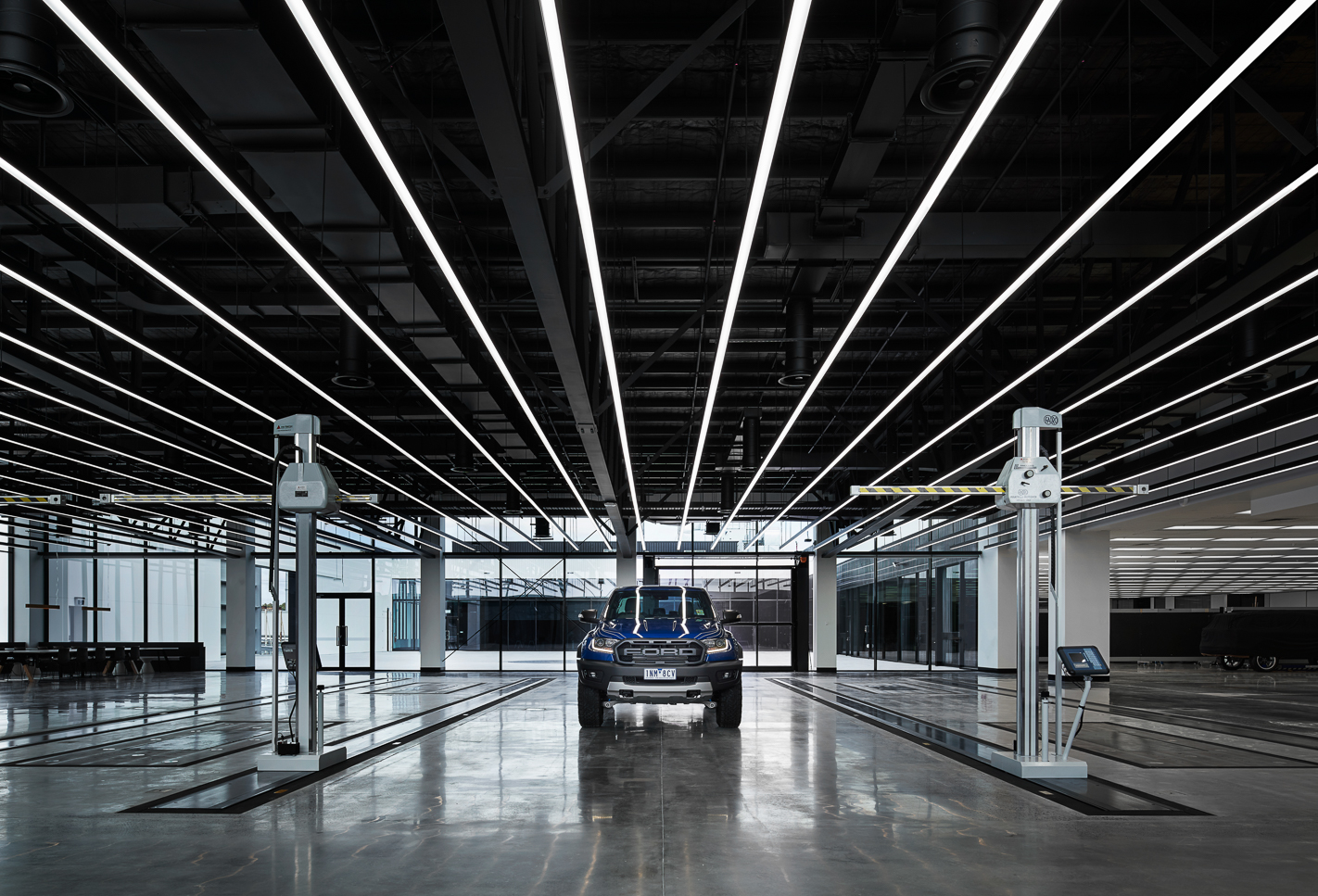
The redesign continues Ford’s ongoing investment into Australia, where more than 2500 of the company’s engineers, designers, technical and automotive specialists are based. ‘
Ford remains as Australia’s largest automotive employer.
The Broadmeadows facility will continue as the lead design studio for the Ranger pick-up and Everest SUV, but will also contribute to designs of global market cars.
Australian architecture firm Genton was contracted to complete the works, which doubled the footprint of the studio to offer a brighter, well-lit facility. Genton’s approach was said to mimic the ‘museum design philosophy’ which is intended to create sections that complement each other, rather than compete for outright space.
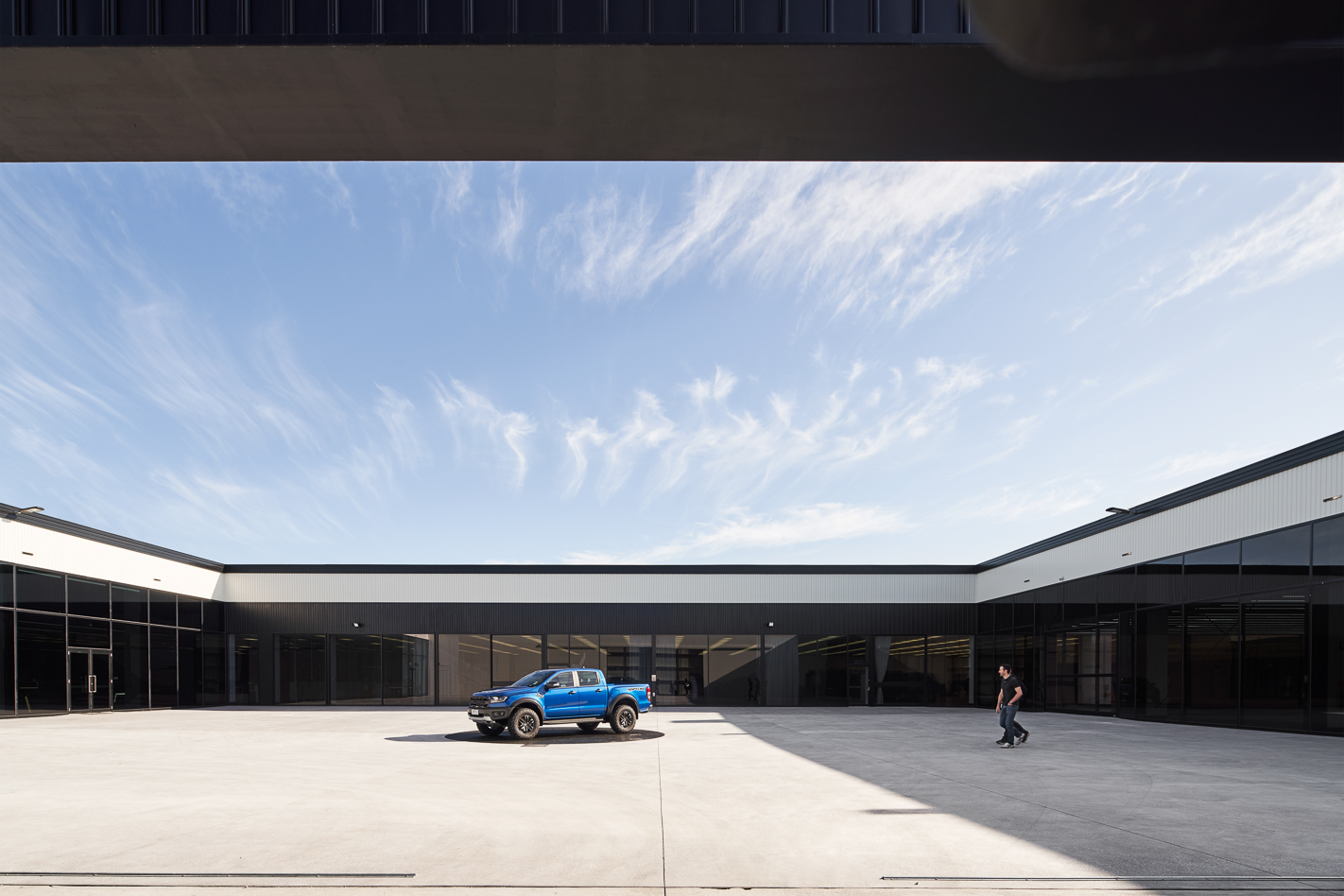
Ford’s Melbourne-based design director Max Wolff said the building’s improvements were aimed at keeping the facility contemporary and cutting-edge, with the technologies required to design the vehicles of tomorrow.
“[The building] has been structured around supporting our design process and team, enabling them to work in a modern, creative environment,” Wolff said.
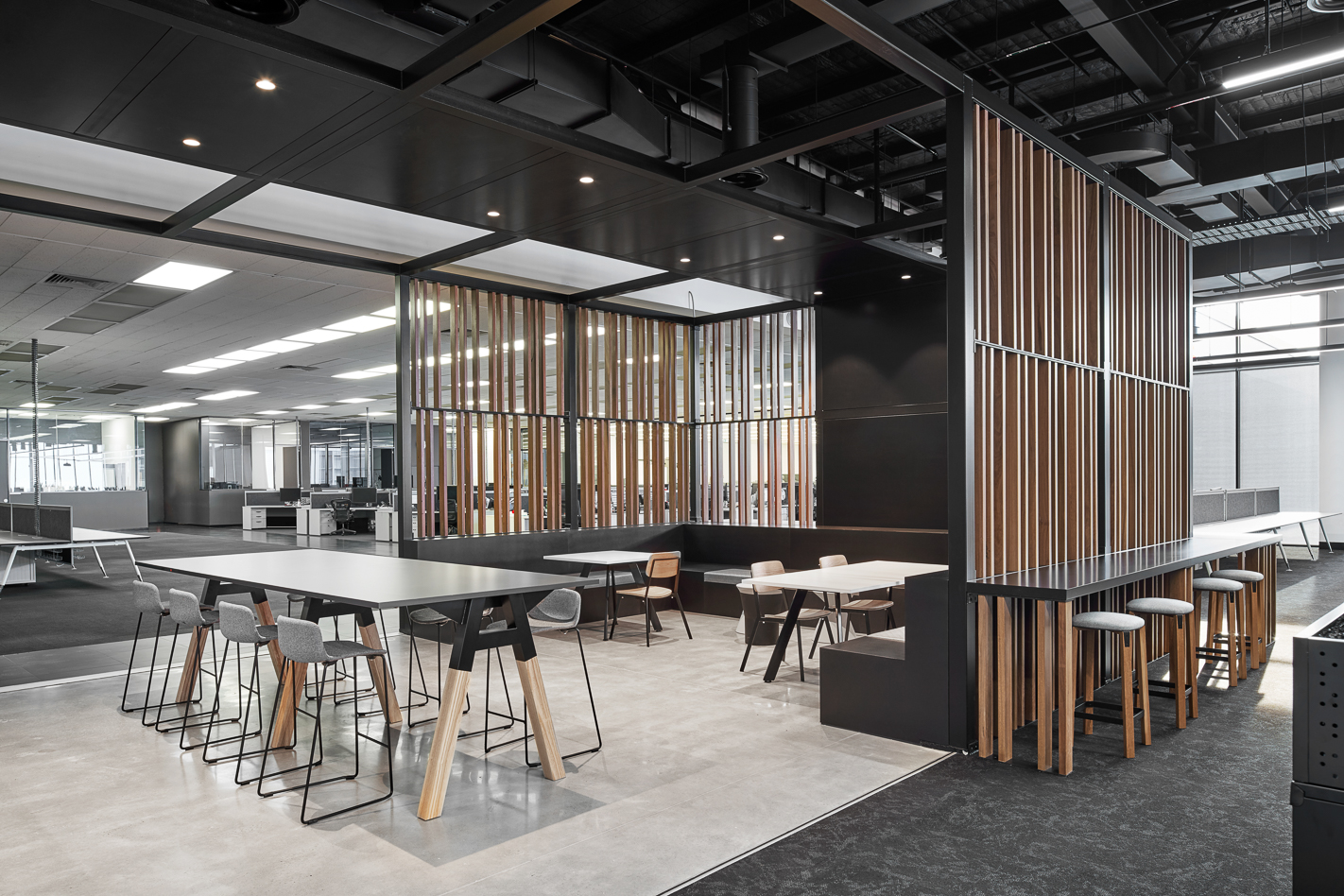
It adds 100 new workstations, an extended clay workshop with full-size model capabilities.
It also has a private naturally-lit indoor courtyard where top-secret designs can be studied in the light of day.
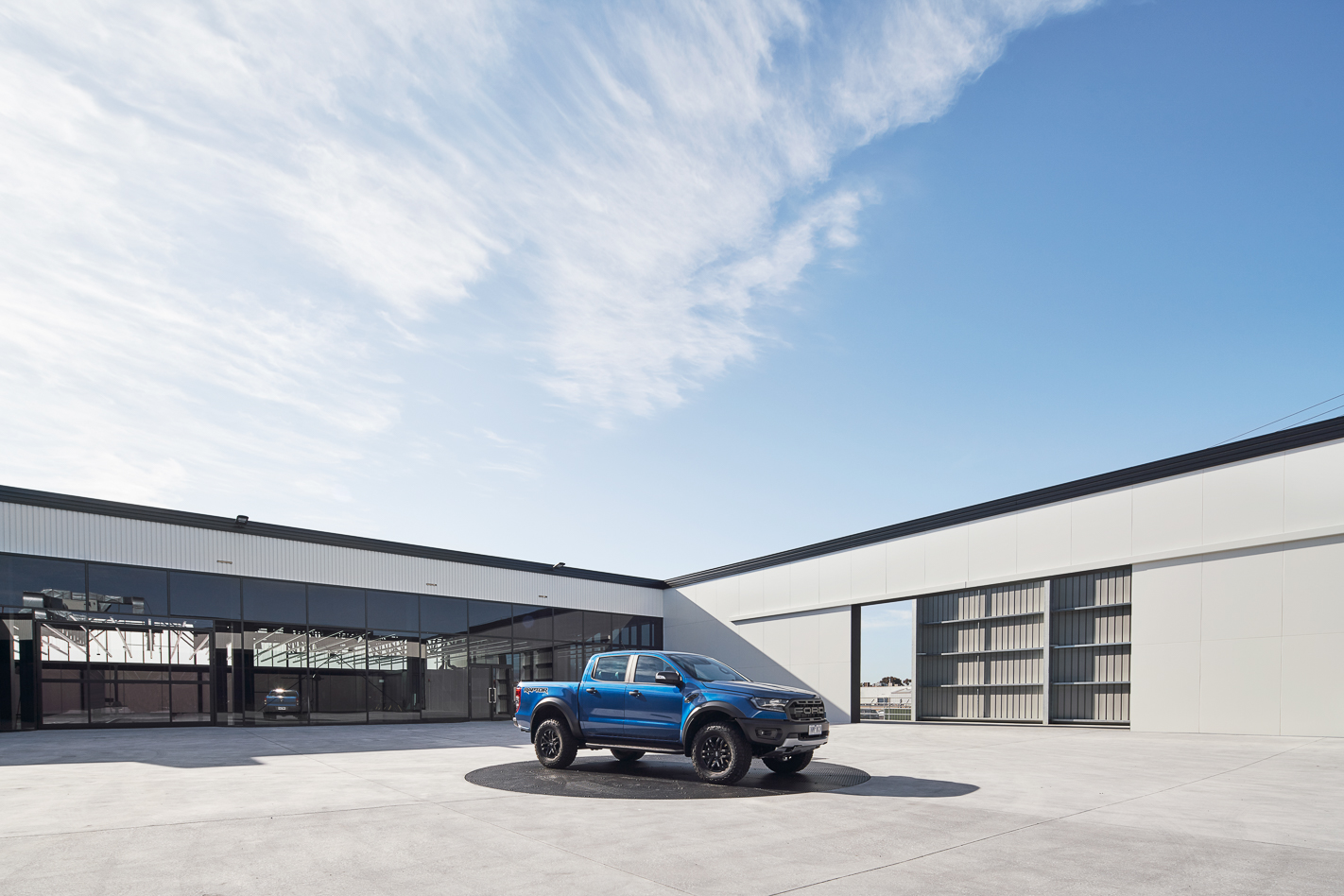
The last time the Ford Design Studio in Melbourne was restyled was the 1970s, so renovations were well overdue.
In the past, it was responsible for the designs of the XA Falcon, XA Falcon, FG Falcon and the Territory SUV.
Ford invested $500 million into research and development in Australia last year and says it’s on track to spend a similar amount in 2021.
