
In the good old days, pigeonholing a Subaru owner was pretty easy… gumboots, a warm vest, and a rural address were de rigeur for drivers of Adventure Wagons and Brumbys.
It’s still not hard to trace a line back to those humble beginnings with the current line-up, but Subaru’s product has evolved and matured over its 50-year stint in Australia without losing its sense of identity.
The current Subaru range in Australia comprises Crosstrek, Forester and Outback SUVs, the WRX sports sedan and wagon, the BRZ sports coupe and the brand’s first EV; the Solterra.
The Solterra shares its underpinnings with the incoming Toyota BZ4X. Subaru sold 386 Solterras in 2024, following its March debut.
What’s coming?
For now, Subaru’s future holds a new-generation Forester, and a new Toyota-derived ‘Strong Hybrid’ system.
Continue reading to learn more!
JUMP AHEAD
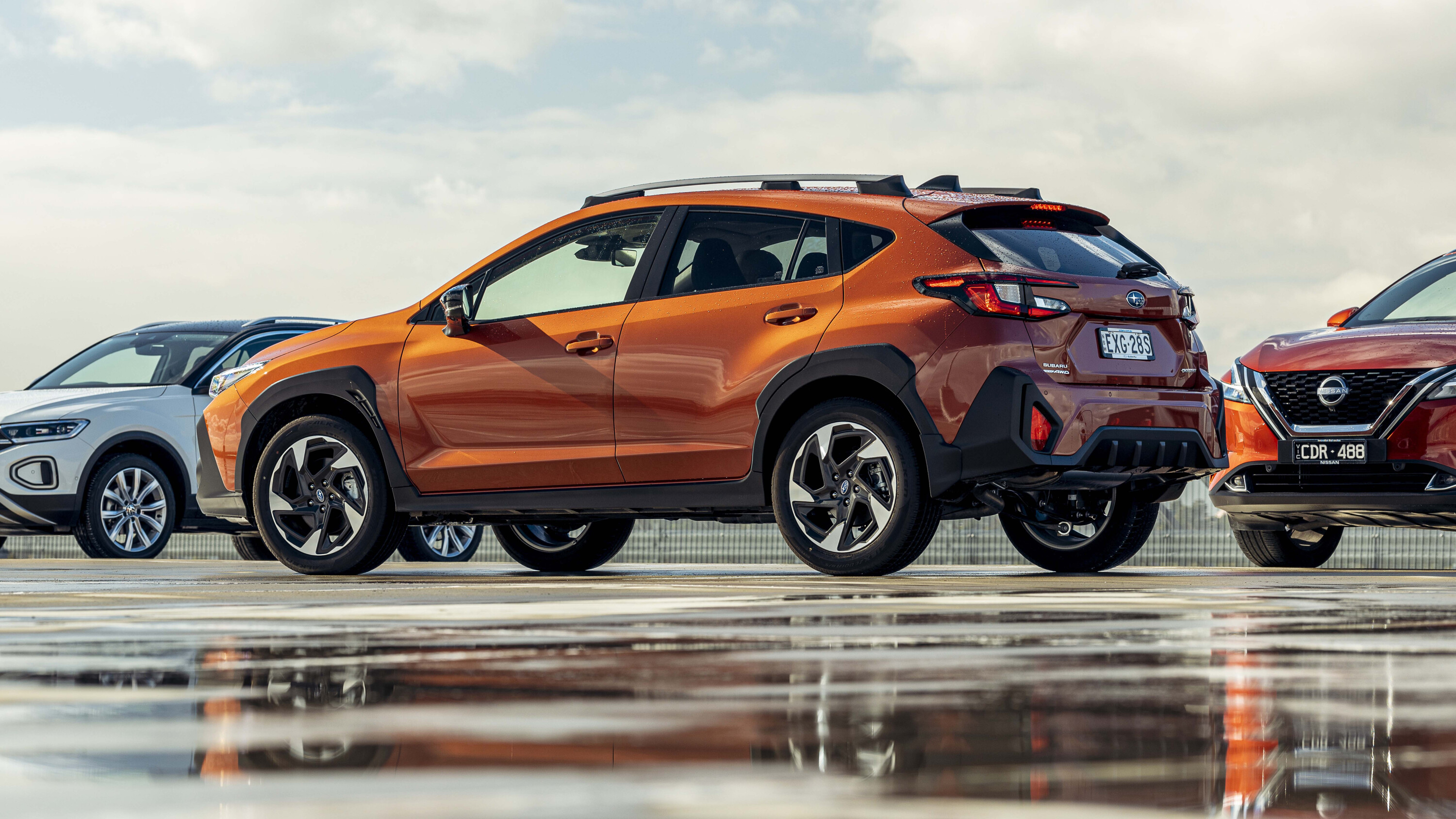
Crosstrek
Subaru launched the new Crosstrek nee XV in 2023, with not a great deal going on in terms of new spec or powertrains.
At launch, the Crosstrek carried an entry price of $34,990 through to $45,090 before on-road costs, with 2.0-litre petrol and hybrid powertrains.
In late 2024, Subaru detailed its new ‘Strong Hybrid’ S:HEV hybrid system, which will debut in the next-generation Forester in 2025, and a Crosstrek variant in Japan.
The S:HEV system uses Toyota-derived series-parallel hybrid technology, featuring a 2.5-litre Boxer engine producing 116kW, paired with an 88kW electric motor and a 1kWh/260V battery — an upgrade from the 0.6kWh/188V setup in current Subaru hybrids. The system claims a 50% increase in range and a 20% improvement in fuel economy, aided by a larger 64L fuel tank.
Compared to Subaru’s current hybrids, the S:HEV significantly enhances performance, with the electric motor far exceeding the 12kW and 66Nm output of the existing Forester Hybrid.
Australian details are still to come, but our Crosstrek will likely gain the new tech in late 2025 or early 2026 with a midlife facelift.
Forester & Forester Hybrid
Subaru unveiled the new Forester Hybrid at the Chicago Auto Show, following the overseas launch of the regular new Forester in early 2024.
The reveal of the Hybrid also brought the long-awaited confirmation of a launch date for the new-gen Forester range: July 2025.
The “strong hybrid” combines a 2.5-litre Boxer engine with a Toyota-sourced electric motor and a 0.7kWh battery, delivering 145kW. Power is sent to all four wheels via an e-CVT, and unlike some hybrids, the Forester retains a mechanical all-wheel-drive connection.
Fuel efficiency is rated at 6.7L/100km in the US, but potentially closer to 5.5L/100km in Australia based on comparative ratings.
Alongside the hybrid, Subaru also revealed the Forester Wilderness, an off-road focused variant with increased ground clearance, off-road bumpers, all-terrain tyres, and other enhancements.
While not yet confirmed for Australia, Subaru has expressed interest in bringing Wilderness models to the local market.
Outback
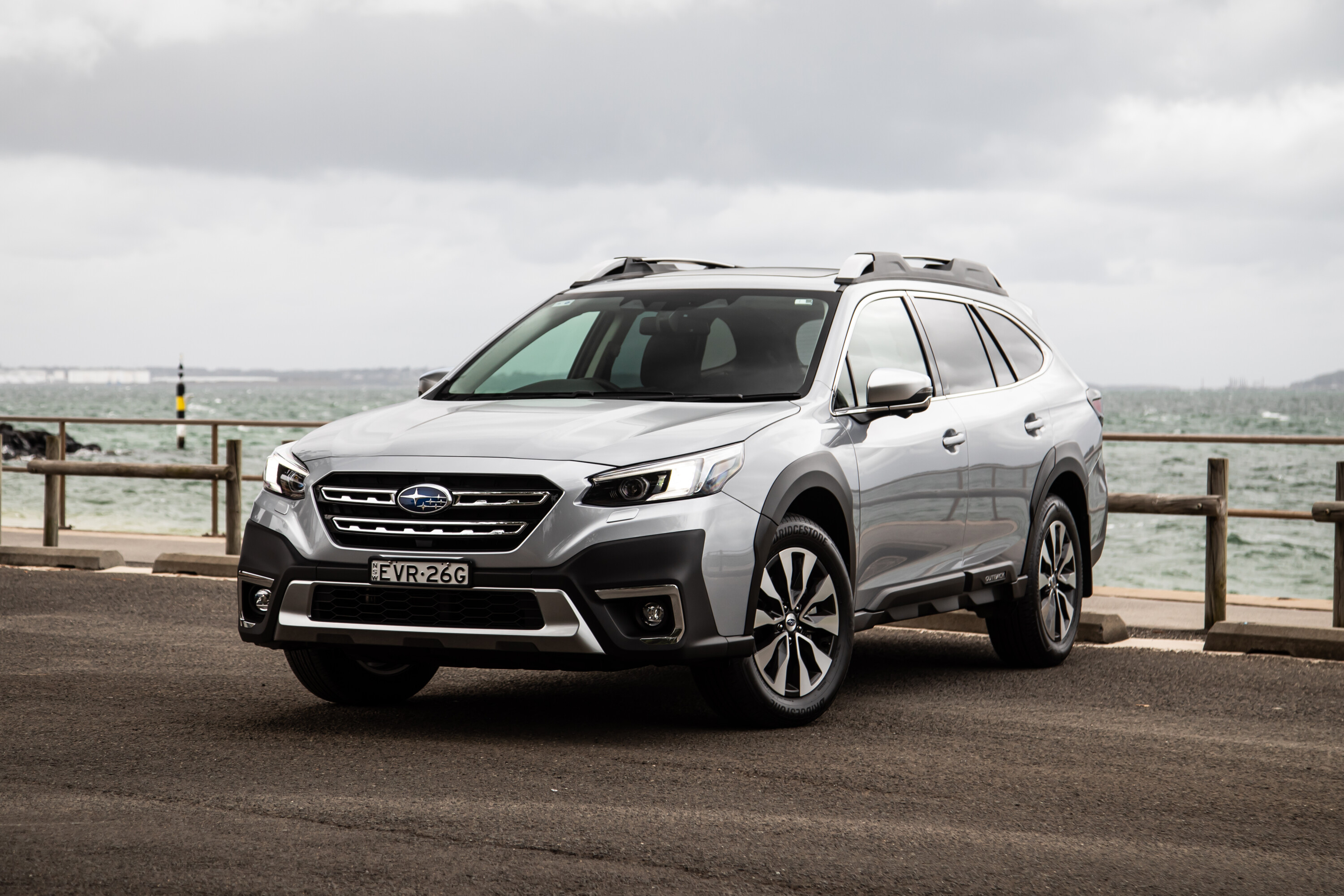
The most recent Outback launched in late 2022 with new turbo power, and comes in two trim grades: Outback AWD Sport XT and Outback AWD Touring XT.
In XT form, the Outback is blessed with a 2.4-litre turbo four-cylinder petrol engine producing 183kW between 5200-6000rpm and 350Nm between 2000Nm-4800rpm. It already makes up half of all Outback sales, according to Subaru.
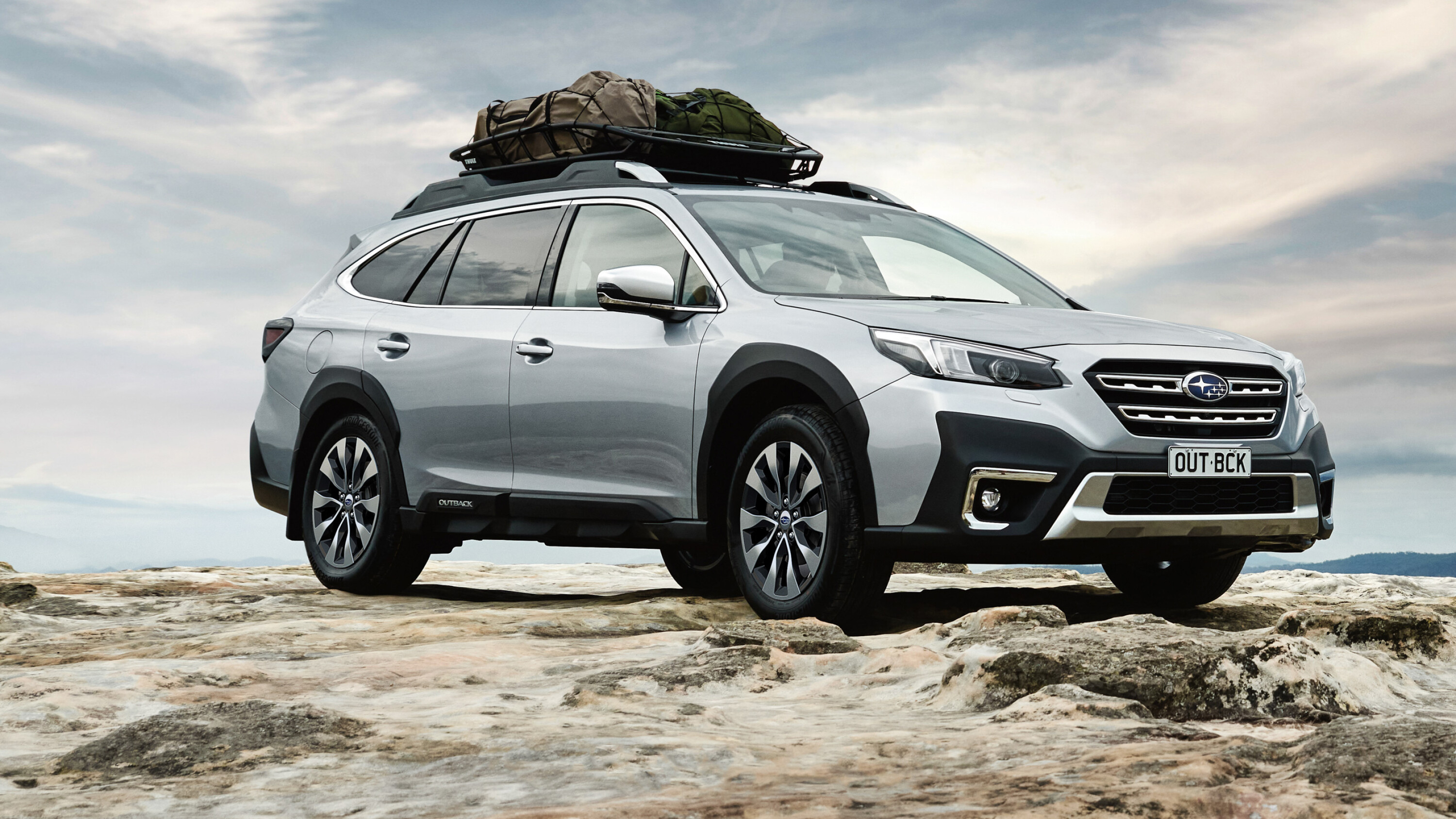
A new Wilderness trim (above) was expected to reach Australia in 2024, but has now been delayed to sometime in 2025.
The US-spec Outback Wilderness is lifted by 28mm thanks to different, taller springs and heavy-duty dampers. It also boasts an improved 20-degree approach angle and 241mm ground clearance, matte black body cladding and underbody protection.
An ‘e-Outback’ trademark has also appeared in government filings, which could suggest an all-electric or perhaps plug-in hybrid version of the high-riding wagon is on the way.
JUMP AROUND
Impreza
The new-generation Impreza reached Australia in early 2024, with styling again shared with the high-riding Crosstrek.
It offers carryover underpinnings and a familiar engine, while the sedan has been deleted globally, leaving a hatch-only line-up.
The new model launched with a starting price of $31,490 before on-road costs, with pricing up across the board by between $4200 to $5200.
Addressing the price increase, Subaru has described the entry-level Impreza 2.0L as “one of the highest specced entry models in the segment,” with a significant increase in standard equipment – including a full suite of active safety tech for the first time.
WRX
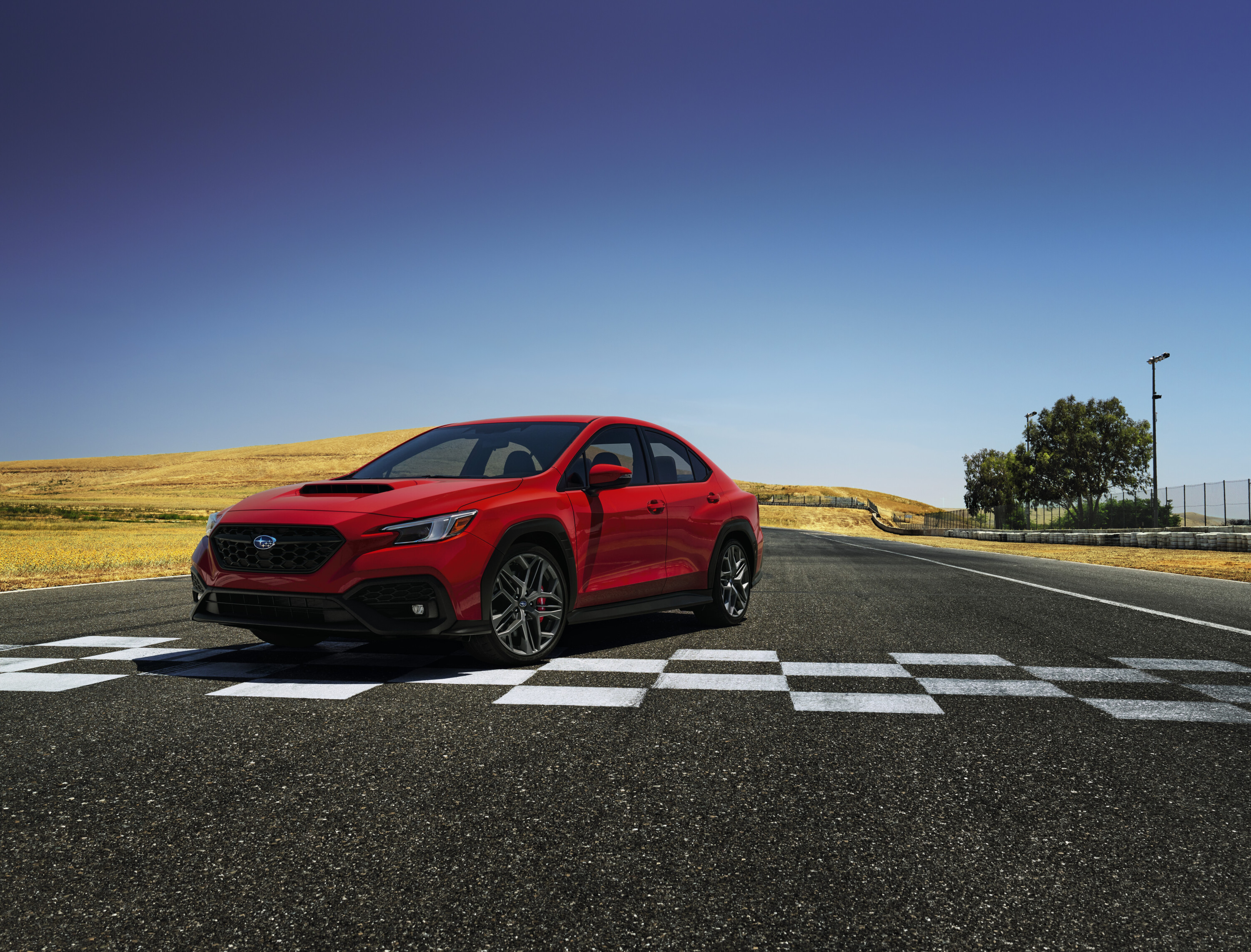
The new-generation Subaru WRX launched in May 2022 in Australia, with prices starting from $44,990 before on-road costs.
Subaru offers the new WRX in both sedan and wagon bodies, with both versions available in three variants – a base model, an RS grade for the sedan and GT grade for the Sportswagon, and a flagship auto-only tS grade.
An update to the manual variants will provide them with Subaru’s EyeSight active safety suite, but no timeframe has been confirmed by Subaru Australia.
Despite a handful of limited-run specials debuting overseas, there seems to be little appetite from the local arm to push the barrow out too far with the current WRX. We did, however, get a limited-run Club Spec in April 2024.
In late 2023, Subaru revealed the Layback, debuting as an Outback-like jacked-up version of the WRX wagon (still known overseas as the Levorg).
The Layback won’t be coming to Australia, but its new-look face is likely a preview of a future update to the Impreza hatch and WRX wagon.
BRZ
The only non-AWD in the Subaru family, the second-generation BRZ launched in late 2021.
It sports an uprated 2.4-litre direct- and port-injection naturally-aspirated four-cylinder boxer engine, developing around 173kW of power and 250Nm of torque – a bump of 18kW and 32Nm over the first-gen car’s 2.0-litre engine.
The BRZ was given a minor update in late 2024. Read about it here.
Electric vehicles
Solterra
It’s Subaru’s first EV and its most expensive model, but can the Solterra trouble big-name rivals that include the Tesla Model Y?
The Solterra launched in Australia with a dual-motor all-wheel drive configuration that produces 160kW and 337Nm priced from $77,990 before on-road costs.
A 64kWh usable (71.4kWh gross) lithium-ion battery yields up to 466 kilometres of claimed WLTP driving range on a full charge. Recharging speeds are capped at 6.6kW AC and 150kW DC.
It shares the same Toyota-developed platform with the Toyota BZ4x and Lexus RZ.
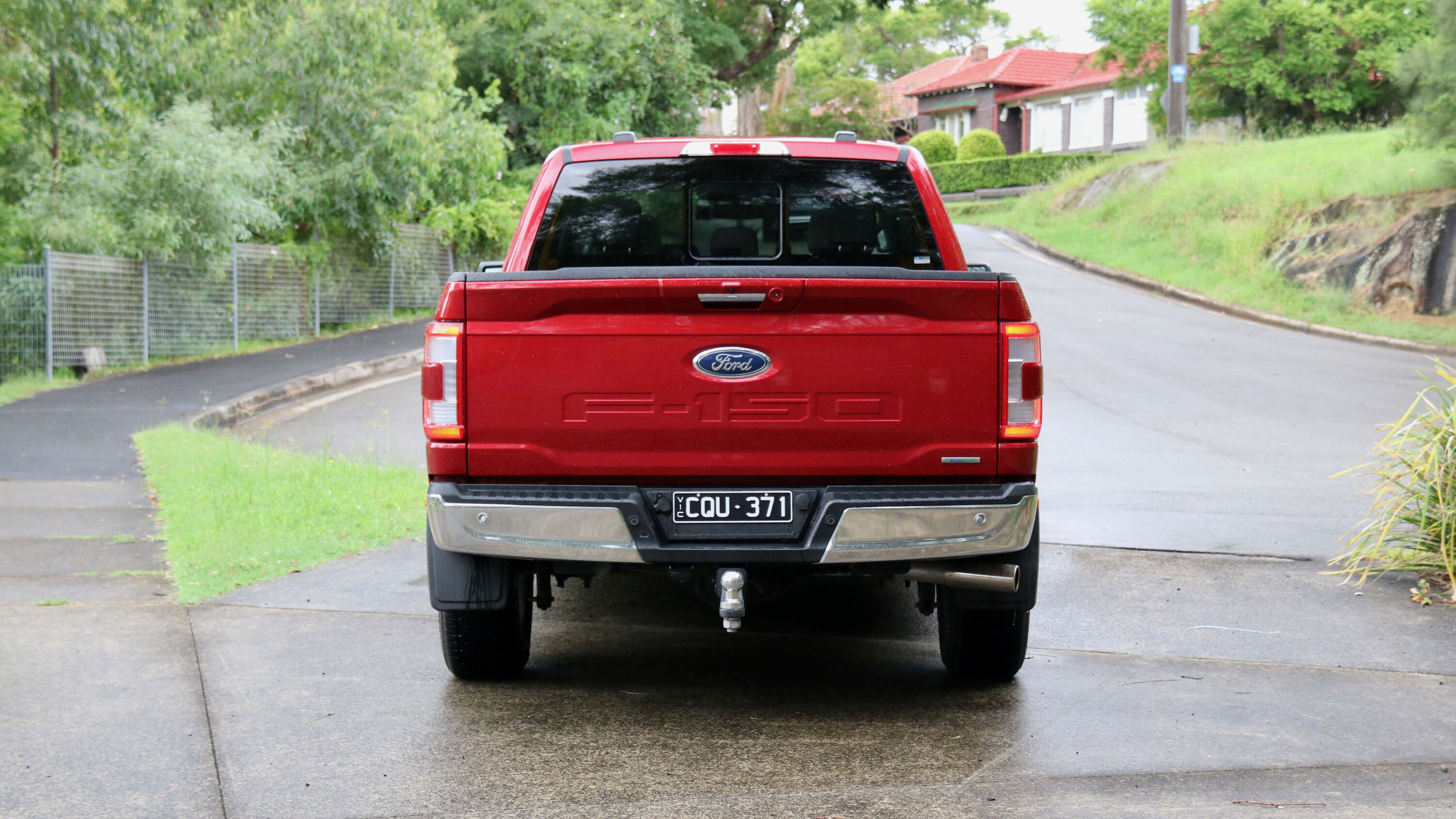
With 460,915 sold in the US in 2024 alone, the Ford F-150 is an automotive sales force. Even though it was outsold by the Toyota RAV4 for the first time ever in 2024, the F-150 was the USA’s best-selling automobile for 42 years and over 41 million of them have been produced since its release in 1948.
There were attempts to sell big trucks in Australia in the 1990s, but they’ve not really taken off since Australian re-manufacturing started in 2015. Ram and Chevrolet are doing well in large pick-up sales locally, so naturally, Ford wants a piece of the pie. Given its name and reputation, it has every chance of doing well.
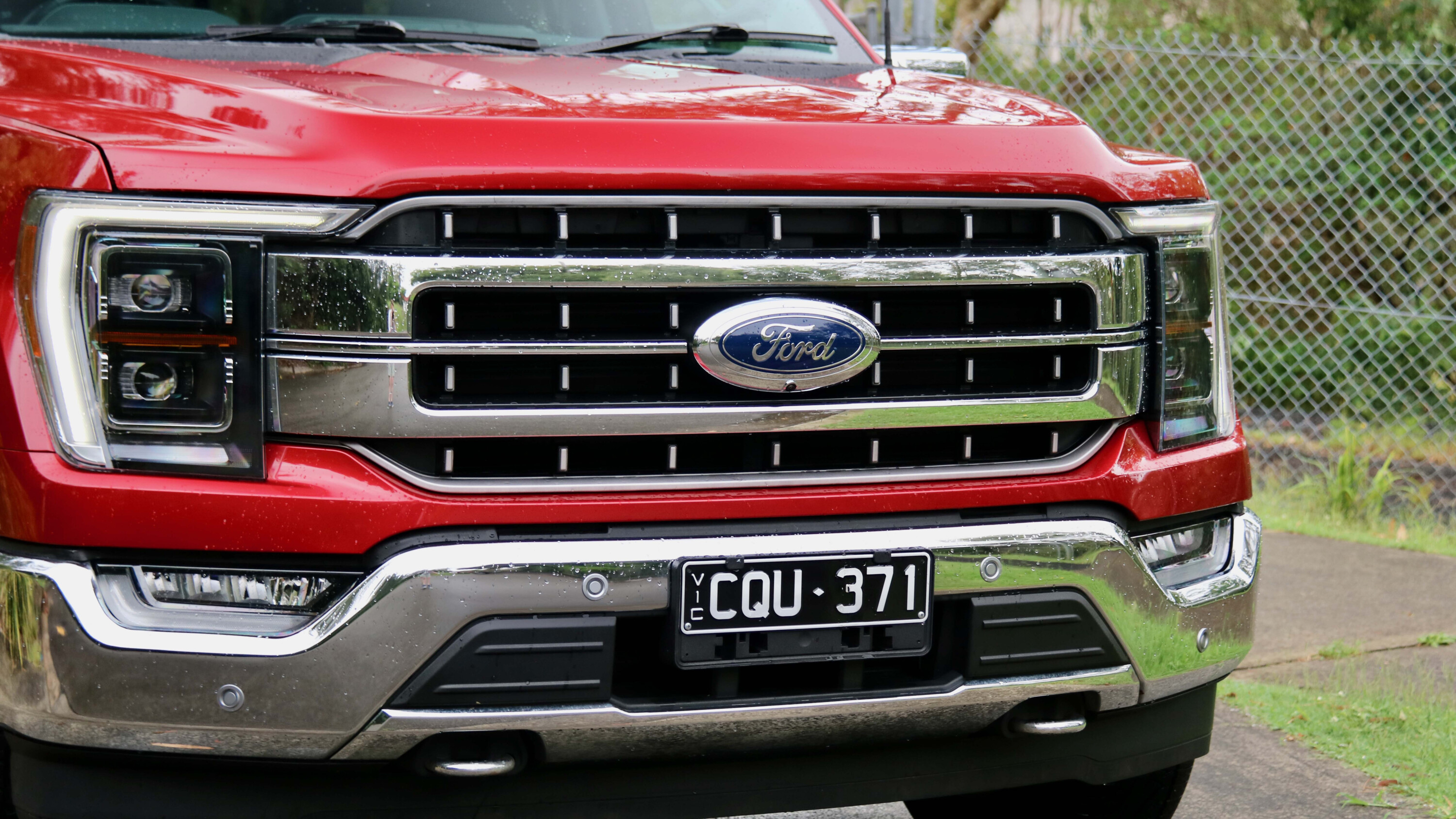
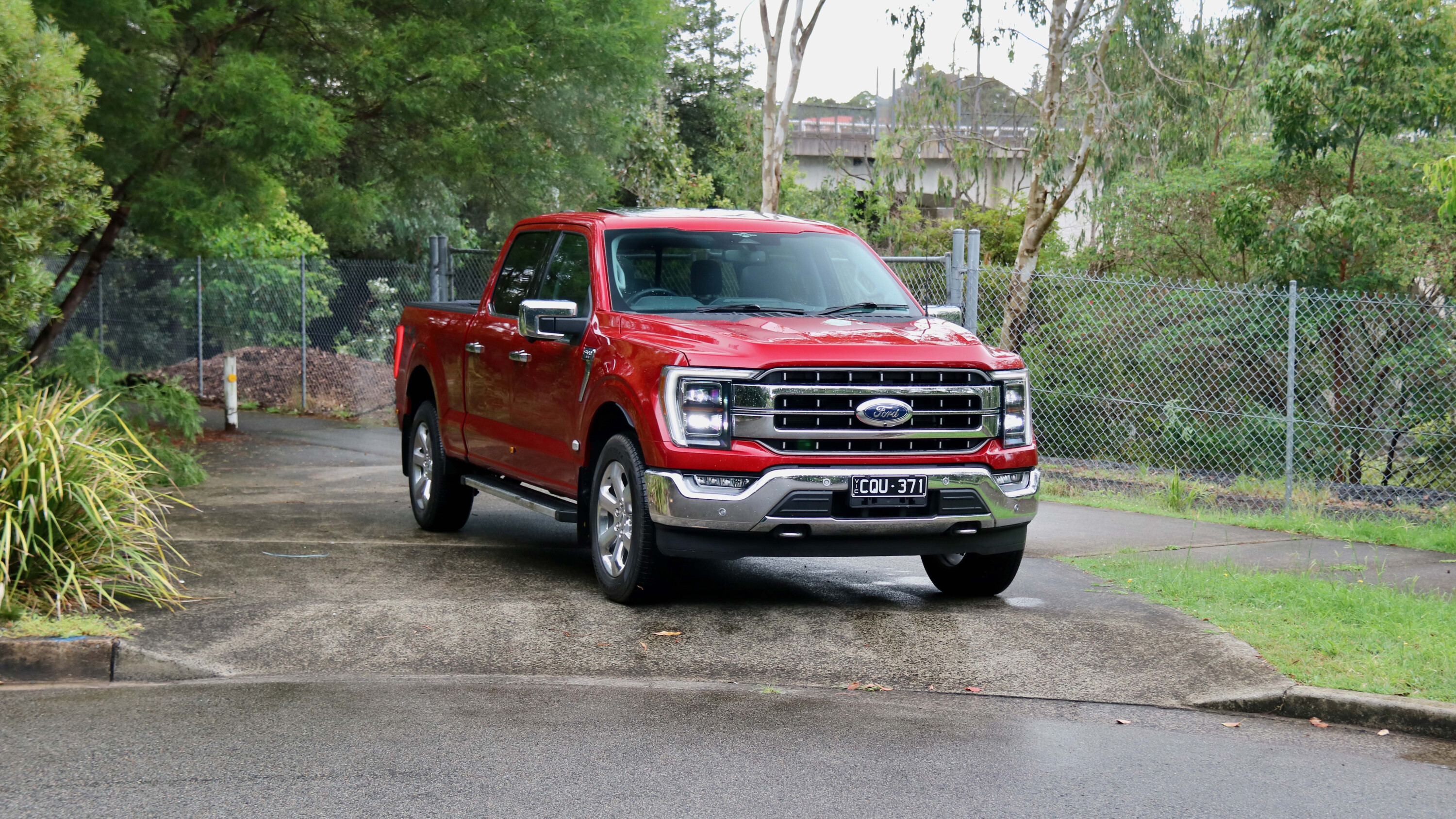
Launching here in two grades – XLT and Lariat – the F-150 is built in the USA and then remanufactured locally to right-hand drive by RMA Automotive. Just one engine option is available in Australia, giving the F-150 healthy towing ability. But if you’re after a large ute, is the F-150 the one to choose? Here’s the WhichCar guide.
JUMP AHEAD
- How much does the Ford F-150 cost?
- What features are standard in the Ford F-150?
- How comfortable and practical is the Ford F-150?
- How big is the Ford F-150?
- How much can the Ford F-150 tow?
- Will I enjoy driving the Ford F-150?
- How much does the Ford F-150 cost to run?
- What warranty covers the Ford F-150?
- Which Ford F-150 should I buy?
- F-150 colour range
- Which trucks rival the Ford F-150?
How much does the Ford F-150 cost?
| 2025 Ford F-150 pricing | |
|---|---|
| XLT short wheelbase | $106,950 (plus on-road costs) |
| XLT long wheelbase | $107,945 (+ORC) |
| Lariat short wheelbase | $139,905 (+ORC) |
| Lariat long wheelbase | $104,945 (+ORC) |
What features are standard in the Ford F-150?
The entry-level F150 XLT includes these features:
| 2025 Ford F-150 XLT standard features | |
|---|---|
| 20-inch alloy wheels | Satellite navigation with one year of live traffic included |
| Dusk- and rain-activated automatic halogen headlights | Seven-speaker sound system |
| Two-bar grille with chrome front and rear bumpers | AM/FM/DAB+ digital radio |
| Black running boards | 8.0-inch digital instrument cluster |
| Rear privacy glass | 1x12V socket, 2x USB-A and USB-C ports |
| Spray-in bed liner | Dual-zone automatic climate control with rear air vents |
| u2018Boxlinku2019 cargo management cleats | Power-adjustable pedals |
| Underbody skid plates | Fold out office |
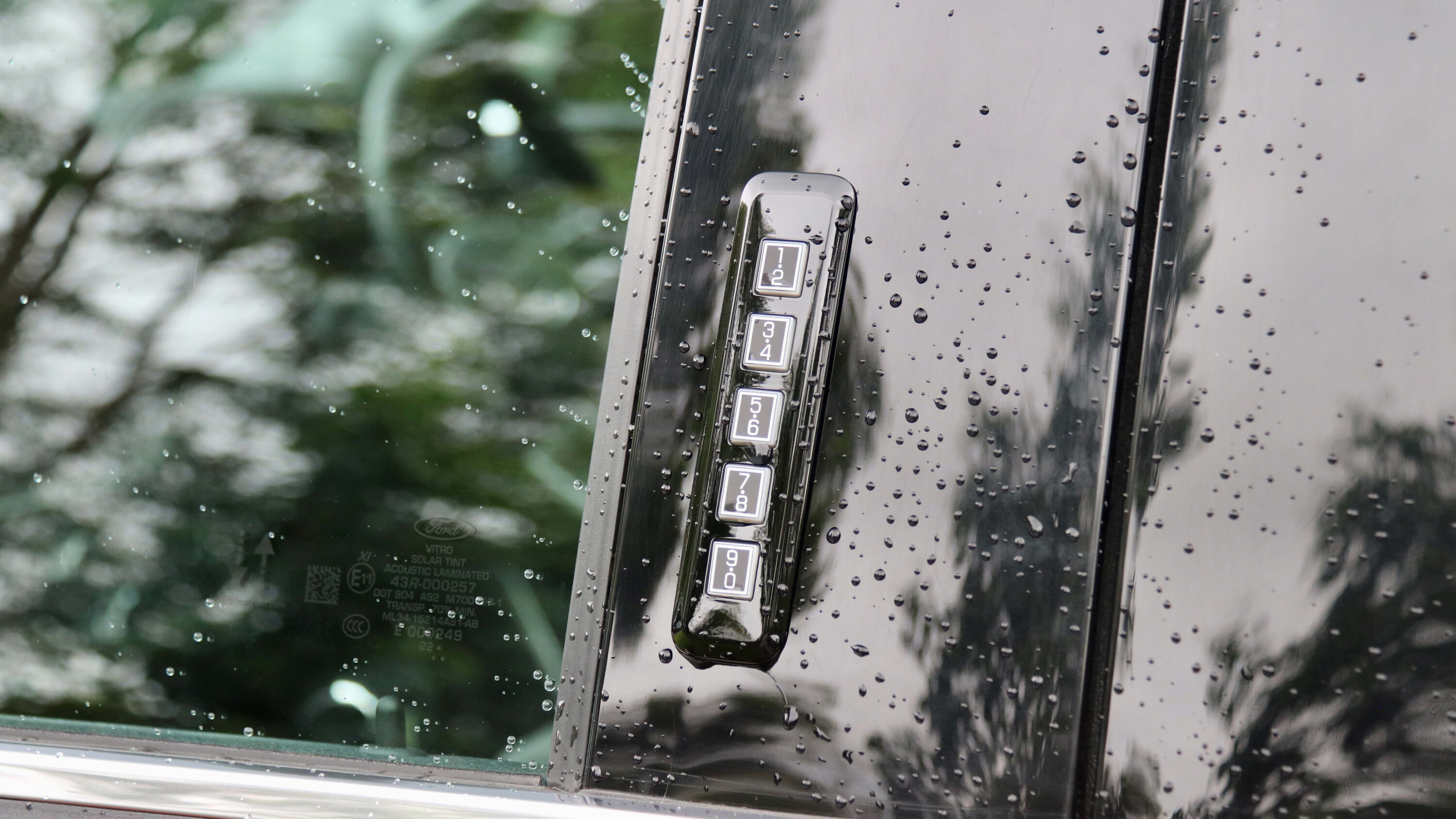
| Keyless entry with push button start | Cruise control |
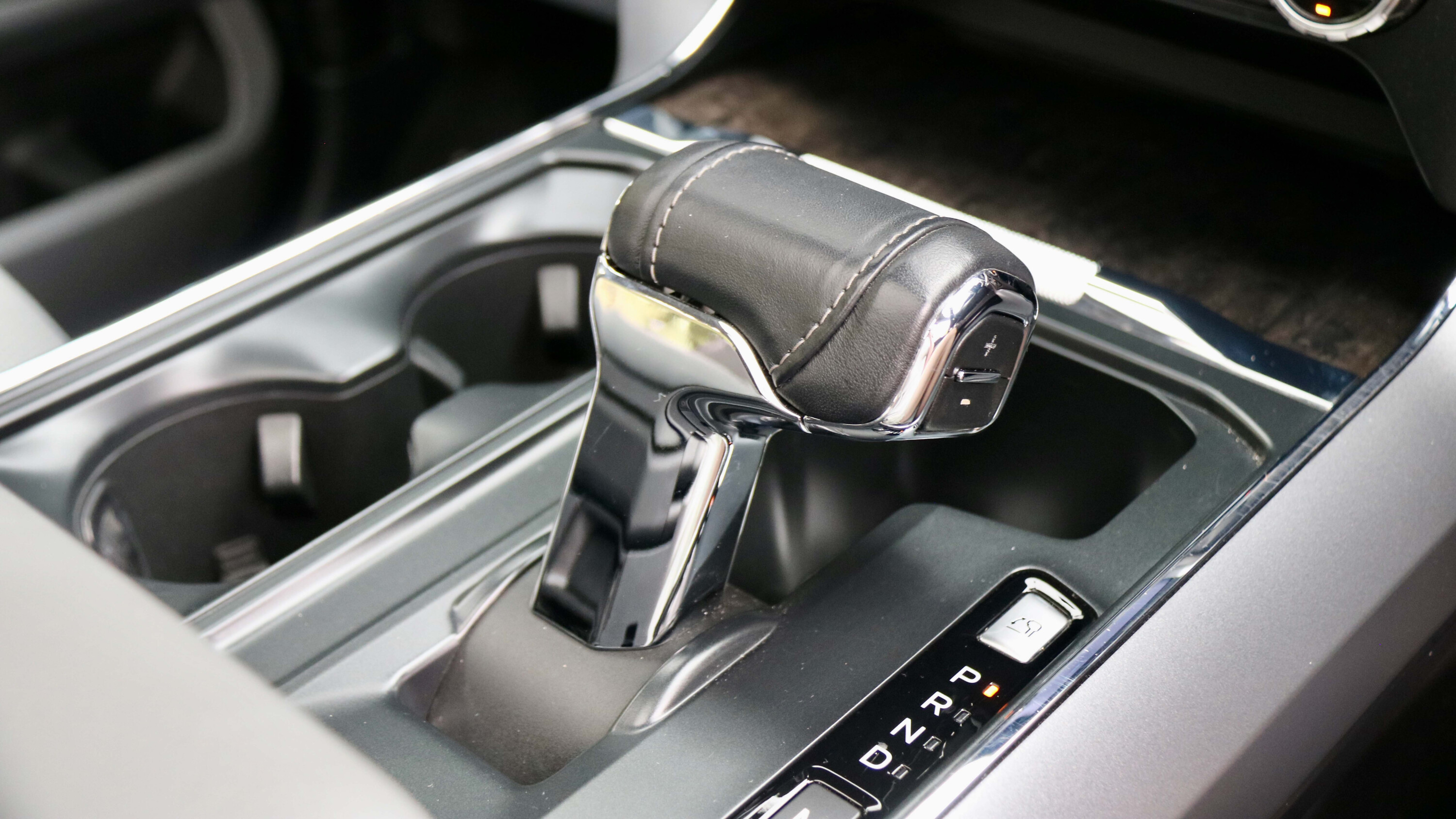
| Column transmission selector | Trailer reversing assistance |
| Cloth upholstery | Normal, eco, sport, tow/haul, slippery, deep snow/sand and mud ruts driving modes |
| 12-way electric driveru2019s seat with a 10-way electric front passenger seat | Tow bar with integrated brake controller, tow hitch and 70mm tow ball |
| Power-adjustable pedals | Electronic rear locking differential |
| 8.0-inch touchscreen with Fordu2019s u2018SYNC4u2019 infotainment software | |
| F-150 XLT safety features | |
|---|---|
| Six airbags | Driver attention monitoring |
| Auto emergency braking (AEB) with vehicle, cyclist, pedestrian monitoring | Rear parking sensors |
| Blind-spot monitoring with rear cross-traffic alert and trailer coverage | Reversing camera |
| Rear automatic braking | Tyre pressure monitoring |
| Lane keeping assistance | |
The F-150 is yet to be tested by ANCAP and therefore, is unrated for safety locally. However, it received a five-star rating from the National Highway Traffic Safety Administration (NHTSA) in the US, achieved through different testing to ANCAP.
| F-150 Lariat adds | |
|---|---|
| Mesh front grille and extra exterior chrome | Heated and cooled front seats |
| Rain-sensing automatic wipers | Heated outboard rear seats |
| Auto-folding mirrors | 12-way electrically adjustable front seats with driveru2019s memory |
| Remote start | Power-adjustable steering column with memory |
| Twin-panel sunroof | Console-mounted shifter |
| Sliding rear window | Larger 12-inch touchscreen |
| Leather steering wheel | 12-inch digital driveru2019s display |
| All-LED exterior lighting, including front fog lights | Wireless phone charger |
| Power tailgate | 18-speaker B&O sound system |
| Power-sliding middle rear window | 1x extra USB-A and 1x extra USB-C port in the front centre console |
| Leather upholstery | Ambient lighting |
| Lariat extra safety features | |
|---|---|
| Front parking sensors | Lane trace assist |
| 360-degree parking camera | Speed sign recognition |
| Adaptive cruise control with stop and go functionality | Autonomous emergency braking with evasive steering and intersection assist |
How comfortable and practical is the Ford F-150?
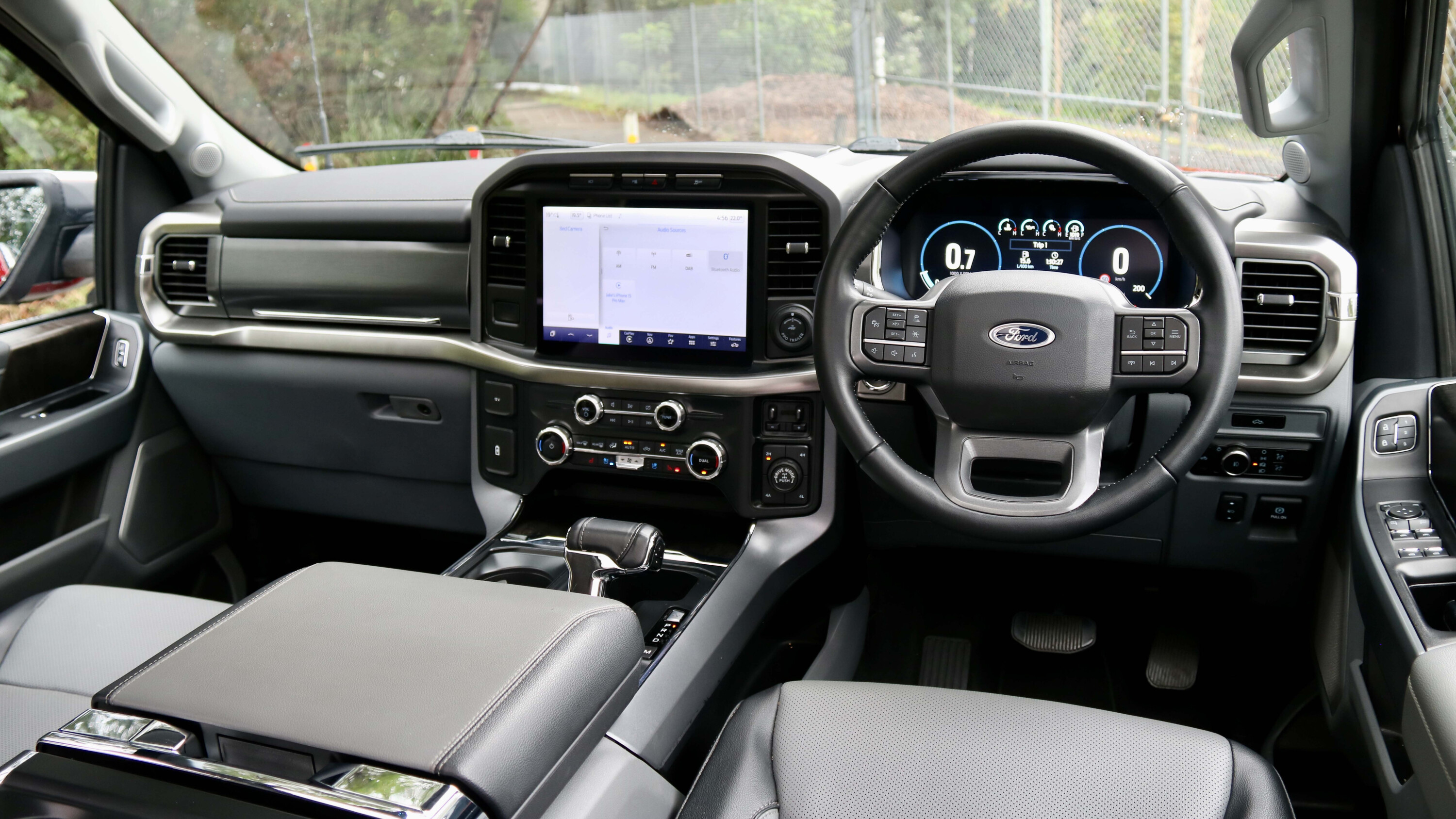
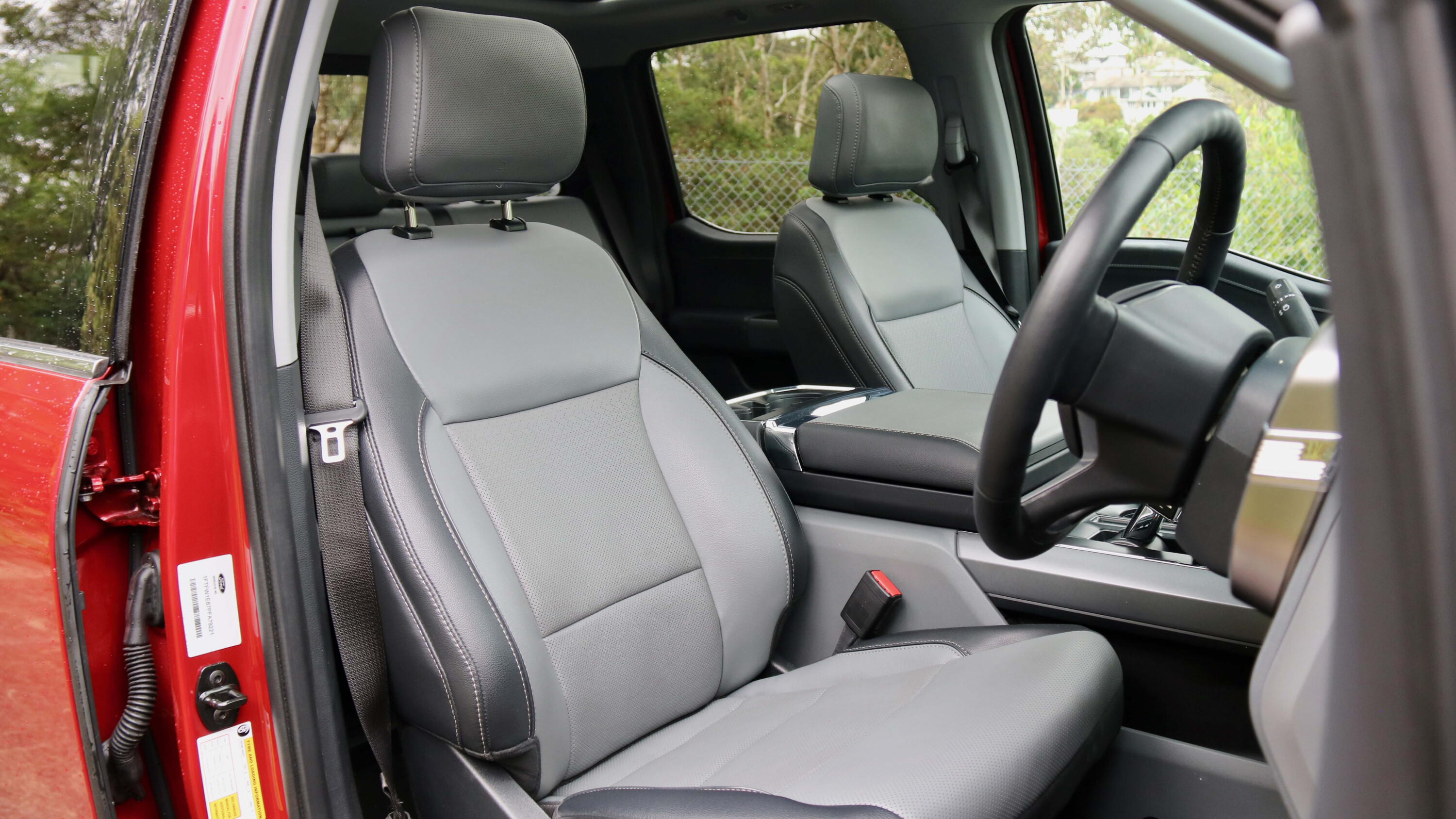
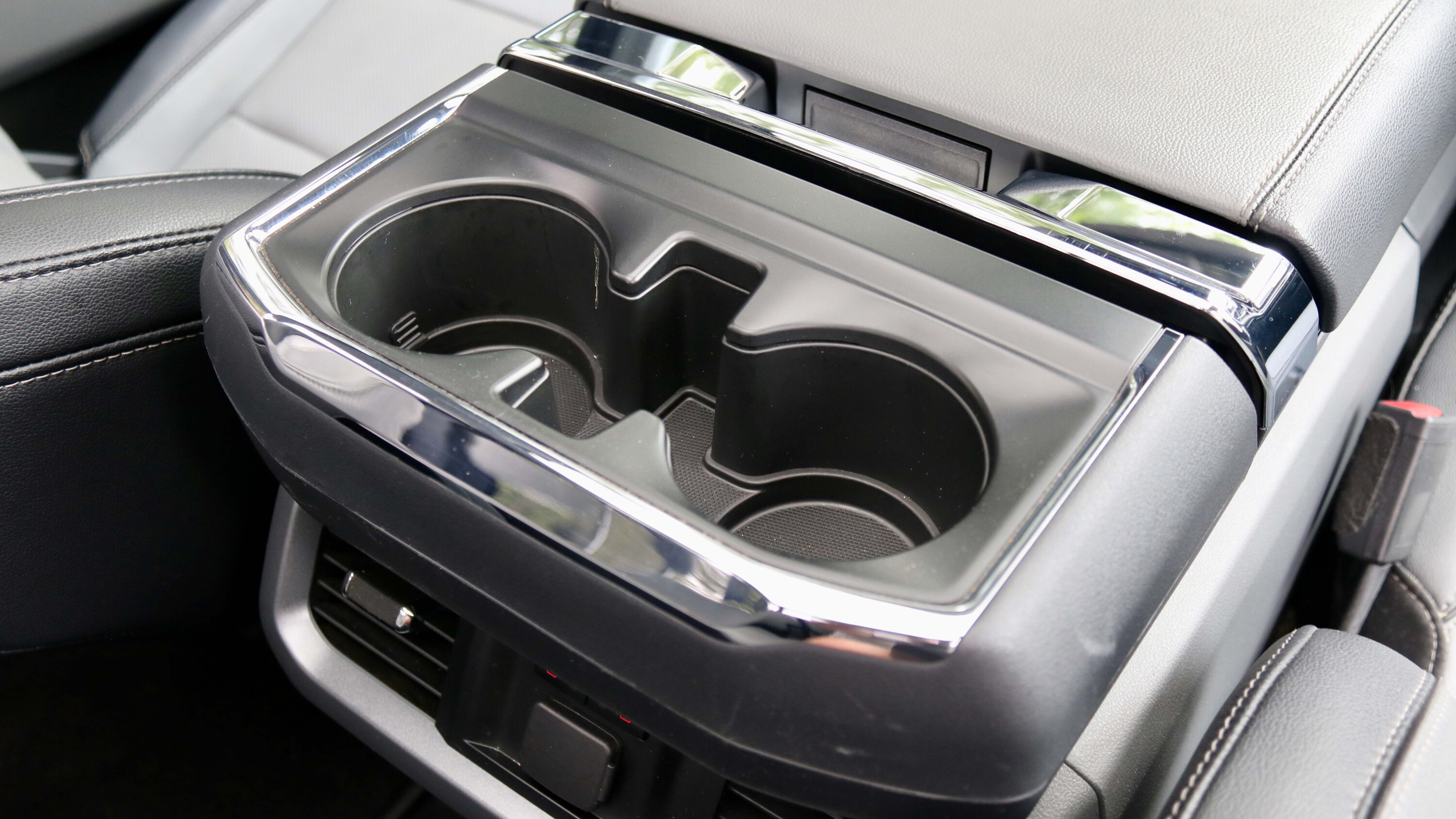
On both fronts, the F-150 excels. Not only is it very comfortable, but it’s quite practical as well with storage space everywhere: large door bins, a huge central box, dual glove boxes, a big tray in the centre console (with a wireless charger in the Lariat) and a cool reverse armrest to form a tray large enough to use a laptop.
However, if you’re expecting interior quality typical of a $140,000 car, you’ll be disappointed in the F-150. The Lariat uses lots of soft touch materials around its cabin, though some of the materials used like the leather trim on the seats feels a bit cheap.
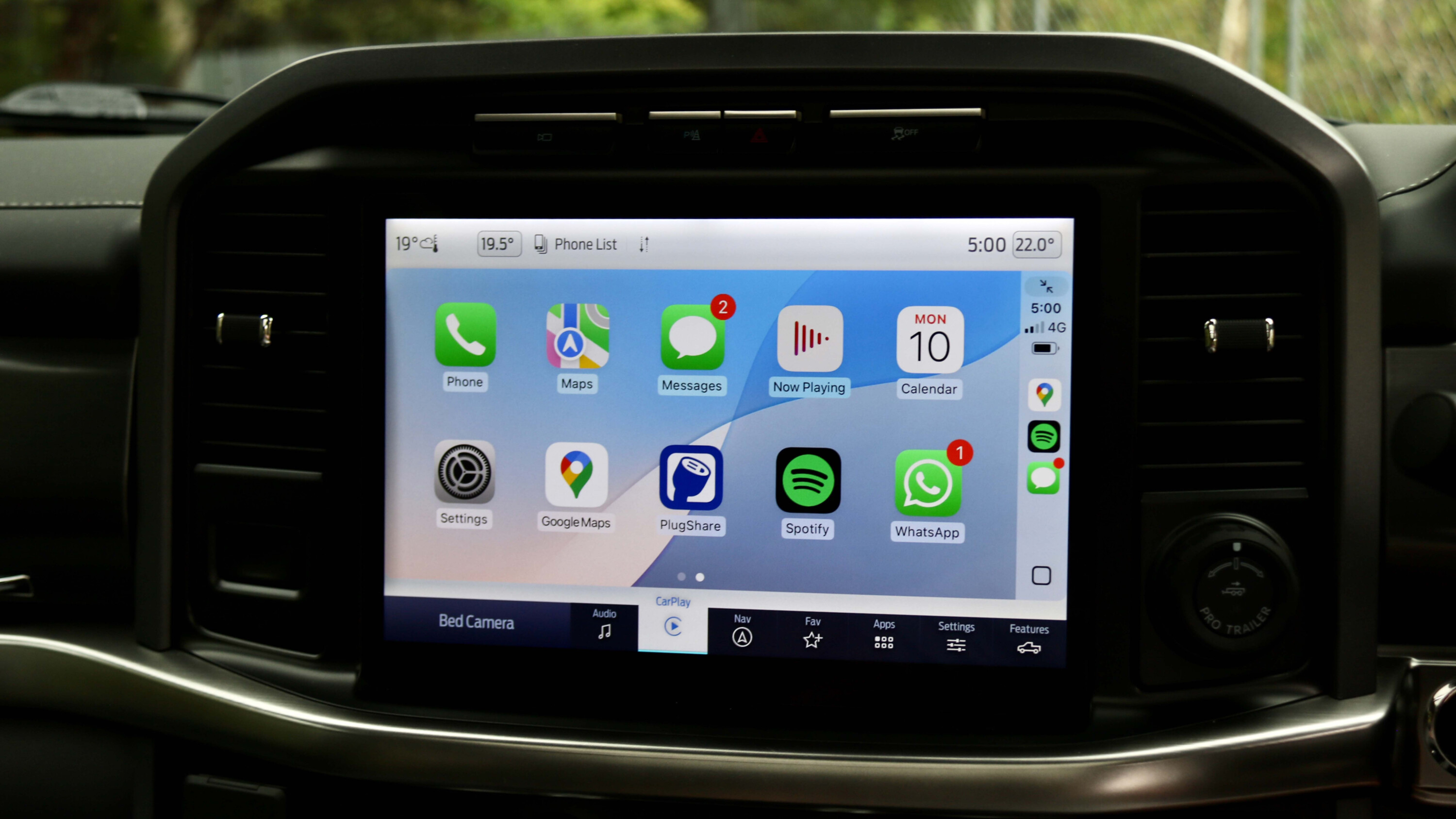
The F-150 XLT uses a small 8.0-inch touchscreen and the Lariat a larger 12.3-inch unit, both running Ford’s excellent ‘Sync 4’ infotainment system. Both are well featured with wireless smartphone mirroring, satellite navigation and digital radio, and are also easy to use.
The 18-speaker B&O sound system in the Lariat is a highlight too – it’s quite punchy and sounds great.
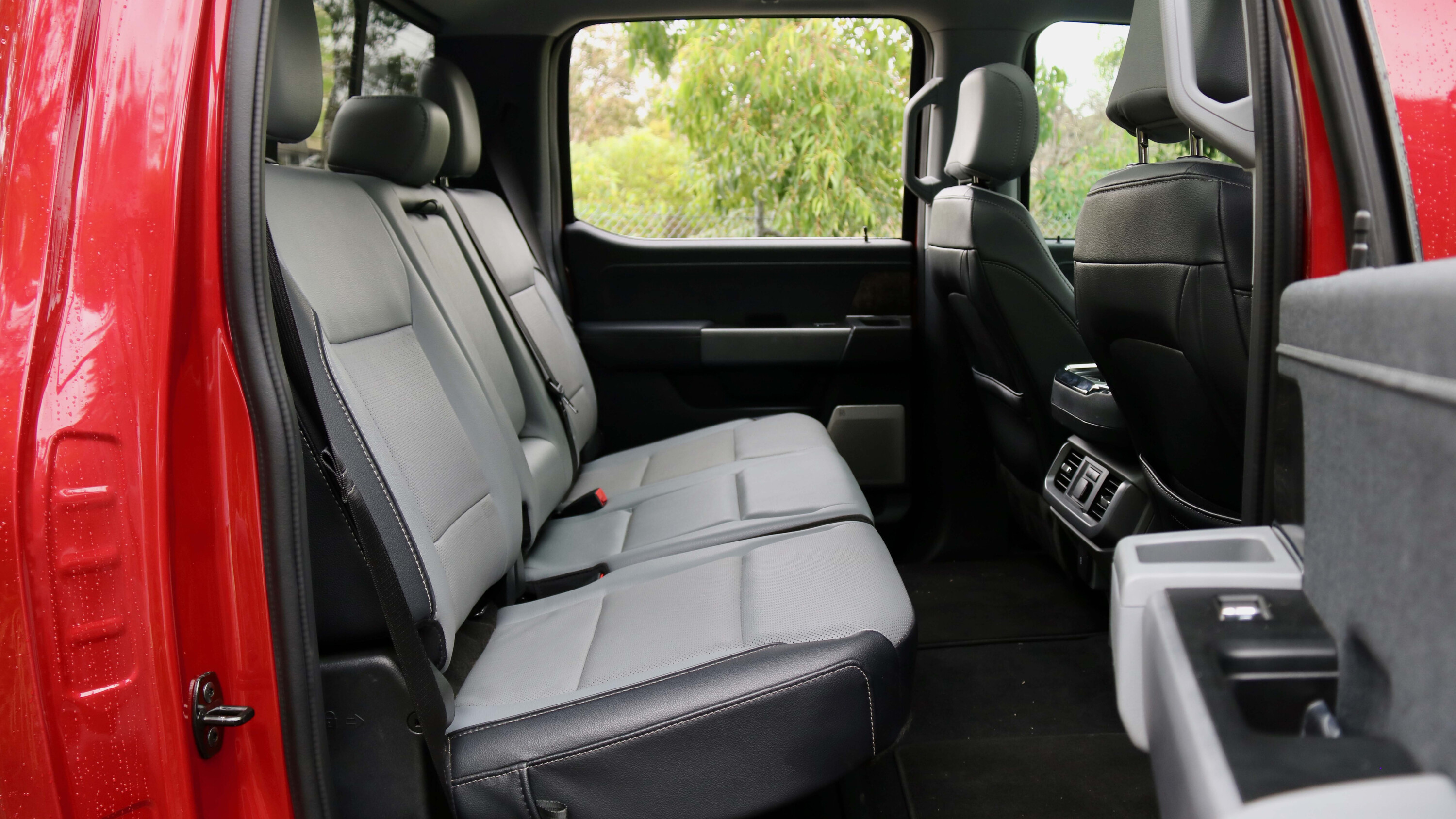
The rear seat of the F-150 is palatial – it’s much larger than a Ranger and can easily fit three child seats or three large adults. Head-, knee- and legroom is excellent, and the seats themselves are a bit flat but still comfortable.
The seats also fold up or down, with secret storage underneath the seat base that’s lockable on the Lariat. The features on offer are reasonable too, with air vents, charging ports and massive door bins, plus the Lariat adds heated outboard seats as well.
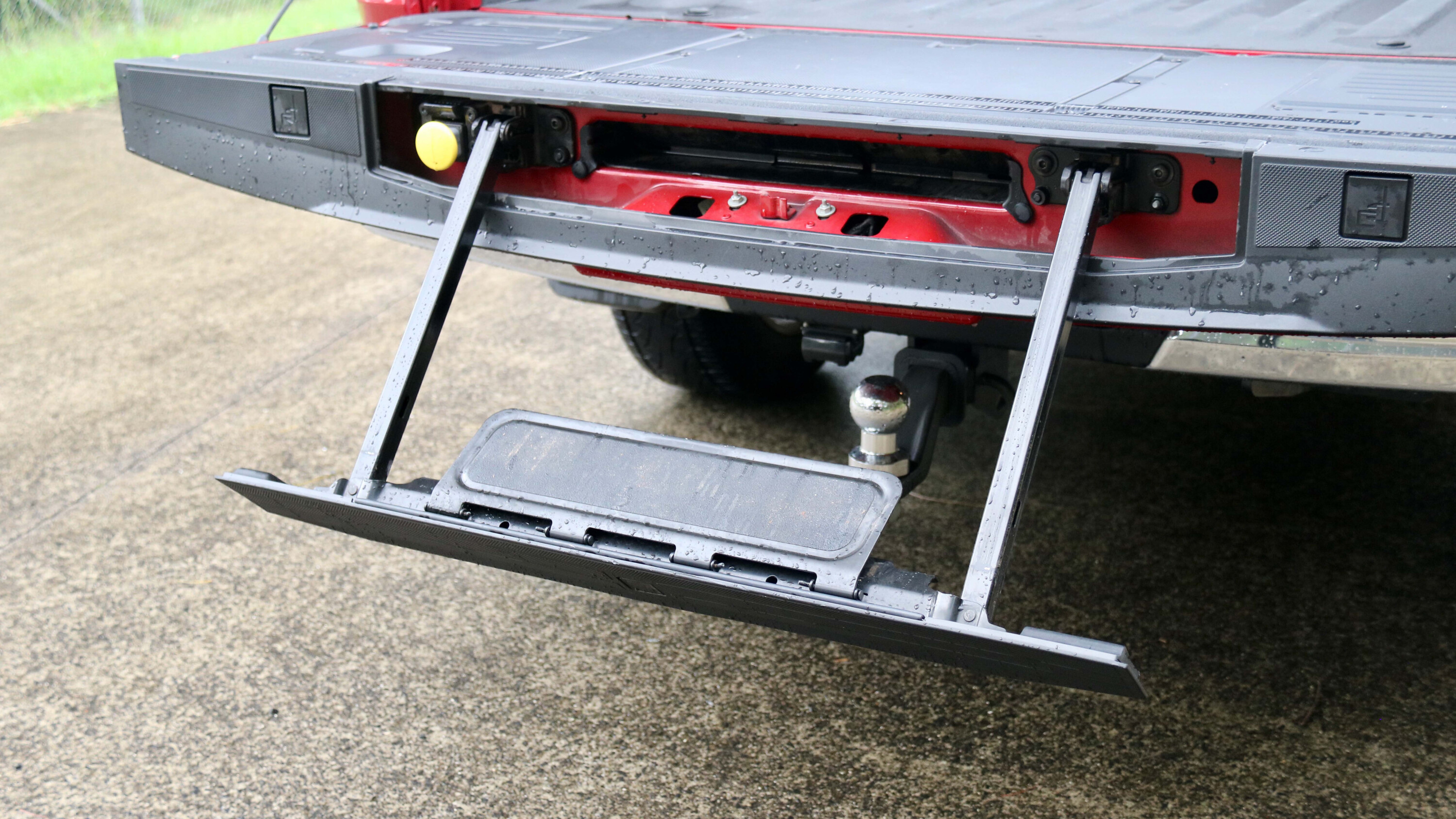
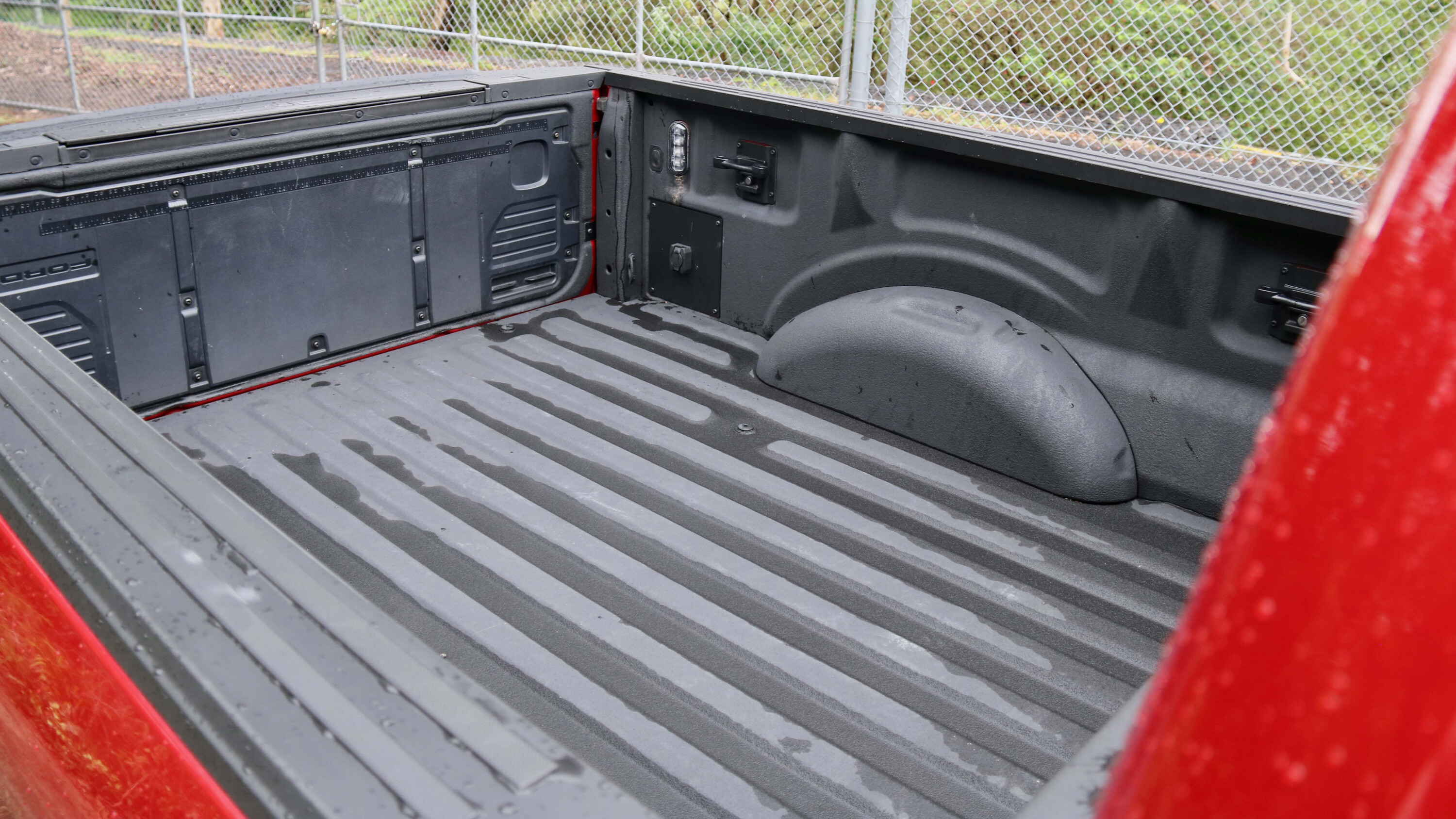
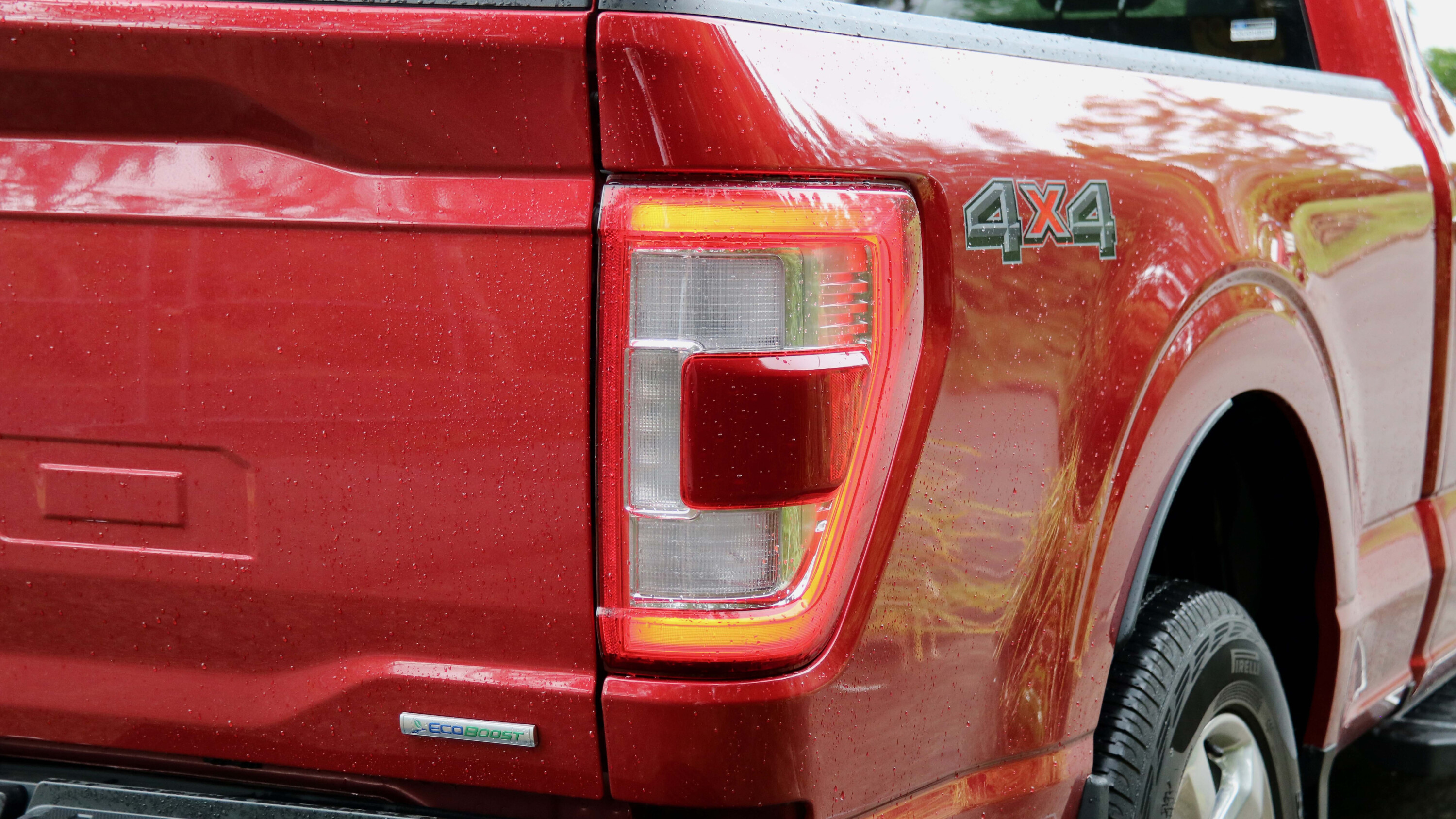
The tray – as we’ve come to expect from Fords, thanks to the Ranger – is quite practical with rulers on the tailgate, Ford’s ‘Boxlink’ system with locking cleats, a built-in step in the tailgate and in the Lariat, a power tailgate. There are certainly more clever features here than in rivals.
How big is the Ford F-150?
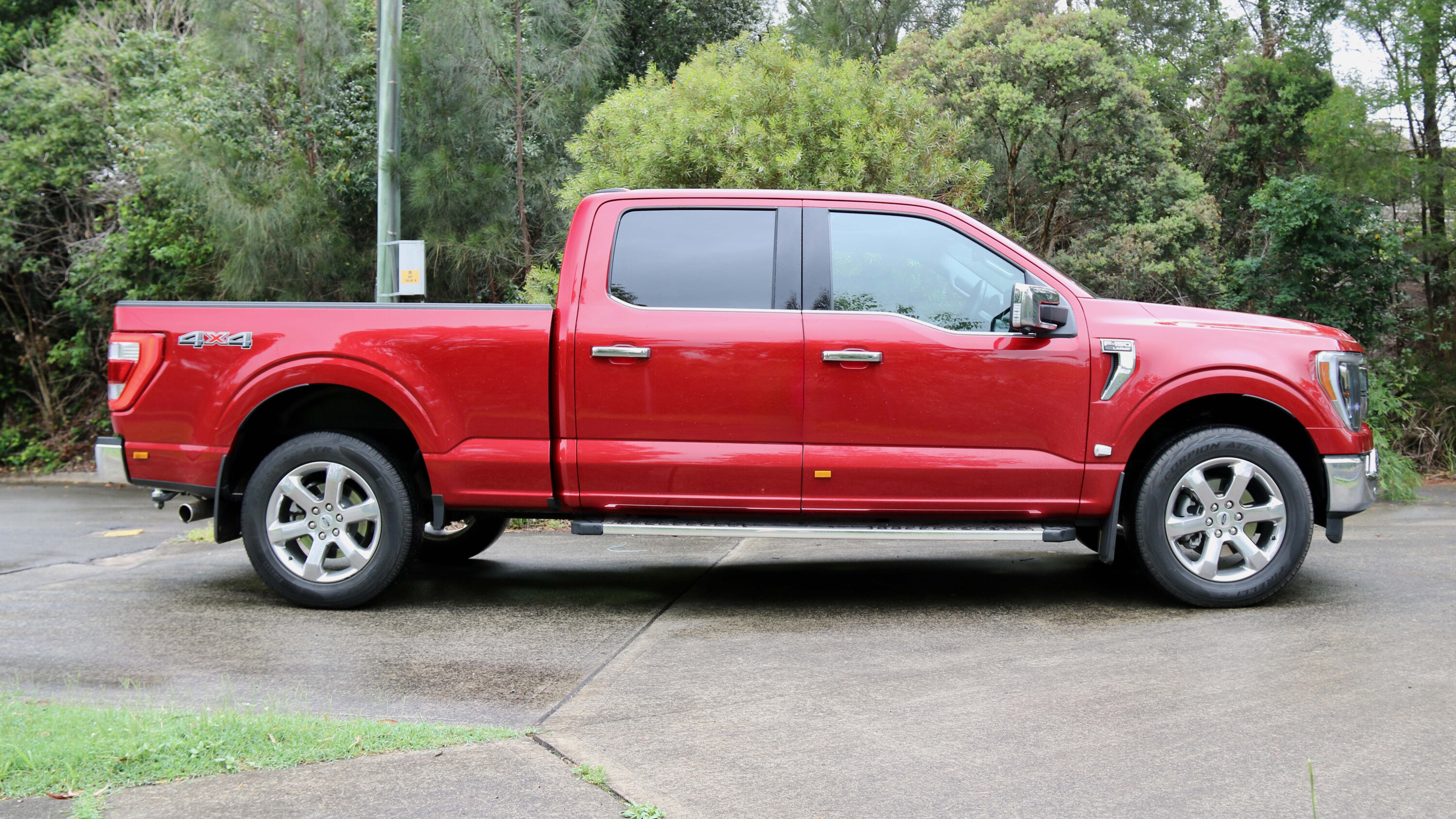
The F-150 SWB measures 5,884mm long, 2,030mm wide, 1,955mm tall and rides on a 3,694mm long wheelbase with the LWB adding an extra 300mm to 6,184mm in total. For reference, a Ranger is up to 5,403mm long, 2,028mm wide and 1,928mm tall.
The F-150 SWB’s tray measures 1,705mm long, 1,656mm wide (or 1,531mm at the opening), 1,285mm wide between the wheel arches and 543mm high from the load floor to the top of the box – the LWB’s tray is an extra 300mm long at 2,005mm in total length.
How much can the Ford F-150 tow?
Regardless of model chosen, the F-150 is capable of towing a 4,500kg braked trailer, which is at least 1,000kg more than smaller utes like the Ranger, and its tow ball mass can be up to 450kg.
The F-150’s GVM ranges from 3,320kg in the SWB to 3,265kg in the LWB, while its GCM ranges from 7,270kg in the SWB to 7,315kg in the LWB.
Payload ranges from 685kg in the Lariat SWB to 794kg in the XLT LWB.
Will I enjoy driving the Ford F-150?
A great example of the relaxed American mode of transport, the F-150 is very comfortable. Its ride is softer than the firm Silverado, but still displays reasonable body control. The F-150 is very refined at speed – road noise levels are low, engine noise is low and it’s comfortable and relaxing to drive.
Handing is not something you’d expect to be a strength of the F-150, but it might surprise you as it can be reasonably fun to punt around. The steering is a touch slow but reasonably accurate and direct, which is helpful given how large, in particular, is the LWB F-150.
There’s no escaping the F-150’s size around town where its large mirrors help visibility, but it’s still quite long.
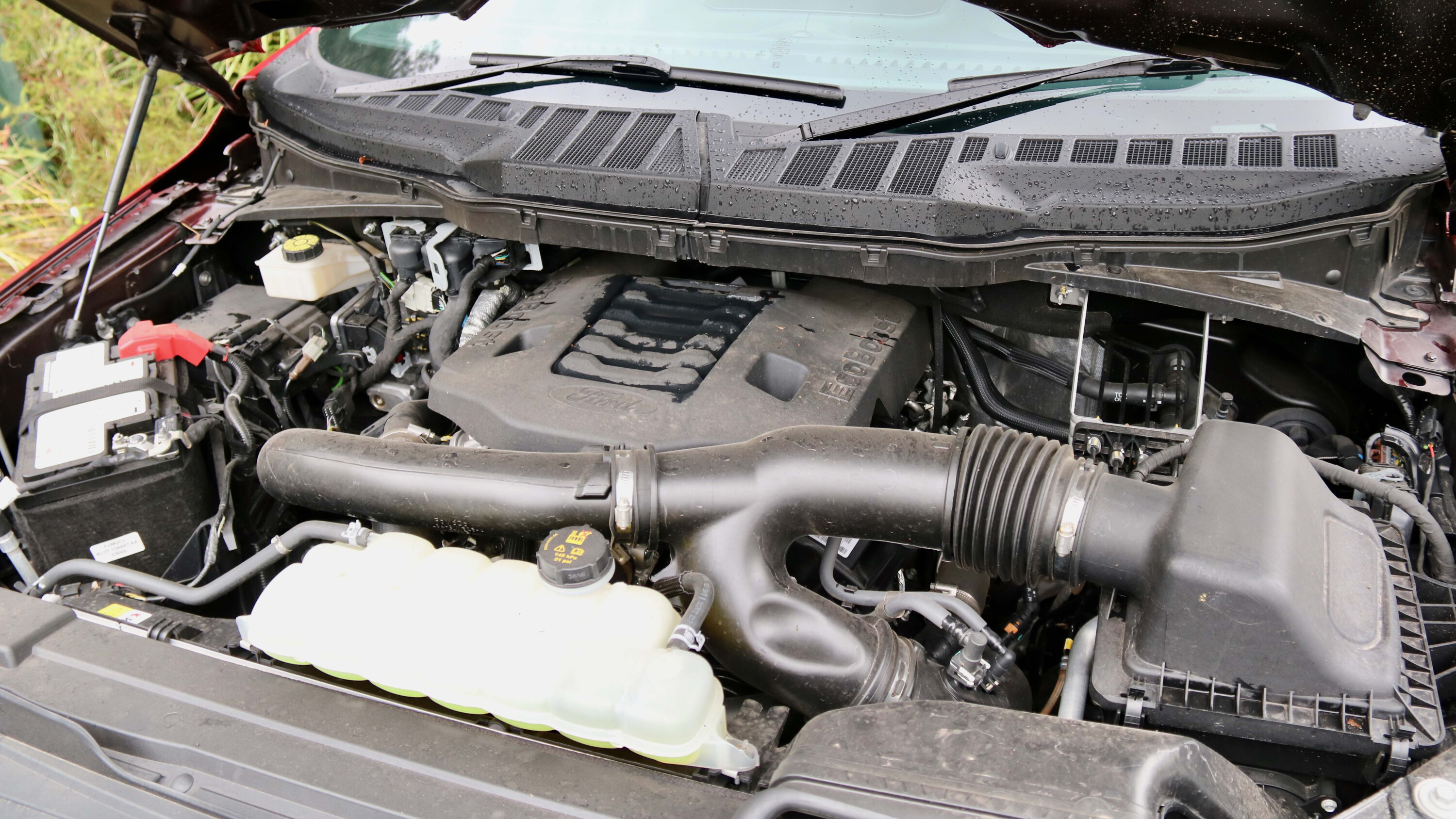
The drivetrain is arguably the most impressive part of the F-150 experience. A de-tuned version of the engine used by the Ford GT supercar, the 3.5-litre twin-turbo petrol V6 still makes strong outputs: 298kW of power at 6,000rpm and 678Nm of torque at 3,100pm.
That engine is mated to a 10-speed torque converter automatic transmission, sending power to either just the rear or all four wheels.
While the power figure is competitive with V8-powered rivals, the F-150’s torque figure easily eclipses them by at least 50Nm and helps cement the F-150’s strong towing ability. The F-150’s grand touring ability is excellent; a 12-hour stint would fly by in it and thanks to its huge fuel tank, you’d not need to stop for fuel for over 1,000km at a highway cruise.
How much does the Ford F-150 cost to run?
The F-150 range is rated at 12.5L/100km for combined fuel consumption, with CO2 emissions of 290g/km. The F-150 features a huge 136-litre fuel tank and can use 91RON regular unleaded fuel.
Real life fuel consumption will obviously depend on use, but we bettered Ford’s claim in a mix of driving with a result of 10.7L/100km, which is not bad for such a large vehicle.
What warranty covers the Ford F-150?
Like the greater Ford Australia range, the 2024 Ford F-150 is covered by a five-year/unlimited warranty with up to seven years of roadside assistance if serviced by a Ford dealership. That’s matched by Toyota and eclipses both Chevrolet and Ram’s local warranties.
The first five years/75,000km of servicing costs a reasonable $2,081 ($416 annually).
Which Ford F-150 should I buy?
This is difficult because of a few factors: there are only two models on offer in Australia and the equipment levels – and price – between the two is huge. Those expecting features like adaptive cruise control and LED headlights have no choice but to spend the extra almost-$33,000 and go for the Lariat.
In our opinion, the XLT is somewhat sparsely equipped for a $100,000+ product. But spending the ewarrantyxtra to choose the Lariat doesn’t make the F-150 more capable as it’s just a trim level.
In saying that, we would spend the extra money and go for the Lariat because it’s very well equipped and while it’s almost $10,000 more than the Silverado LTZ Premium, it adds enough extra equipment and is more refined enough to justify the extra cost.
F-150 colour range
| 2025 Ford F-150 colours | |
|---|---|
| Oxford White | $0 |
| Iconic Silver | $700 |
| Carbonised Grey | $700 |
| Animatter Blue | $700 |
| Agate Black | $700 |
| Rapid Red (Lariat only) | $700 |
Which trucks rival the Ford F-150?
u2b06ufe0f Back to topVolvo has revealed international details about its EX30 Cross Country – a lifted offroad version of the EX30 small electric SUV – which is due on sale locally in the third quarter of 2025.
Based on the dual motor all-wheel drive variant of the EX30 range, the Cross Country adds a number of offroad features to Volvo’s baby SUV, such as 18mm-lifted suspension and optional all-terrain tyres, as well as styling changes like skid plates, wheel arch extensions and dark finishes for a beefier look.
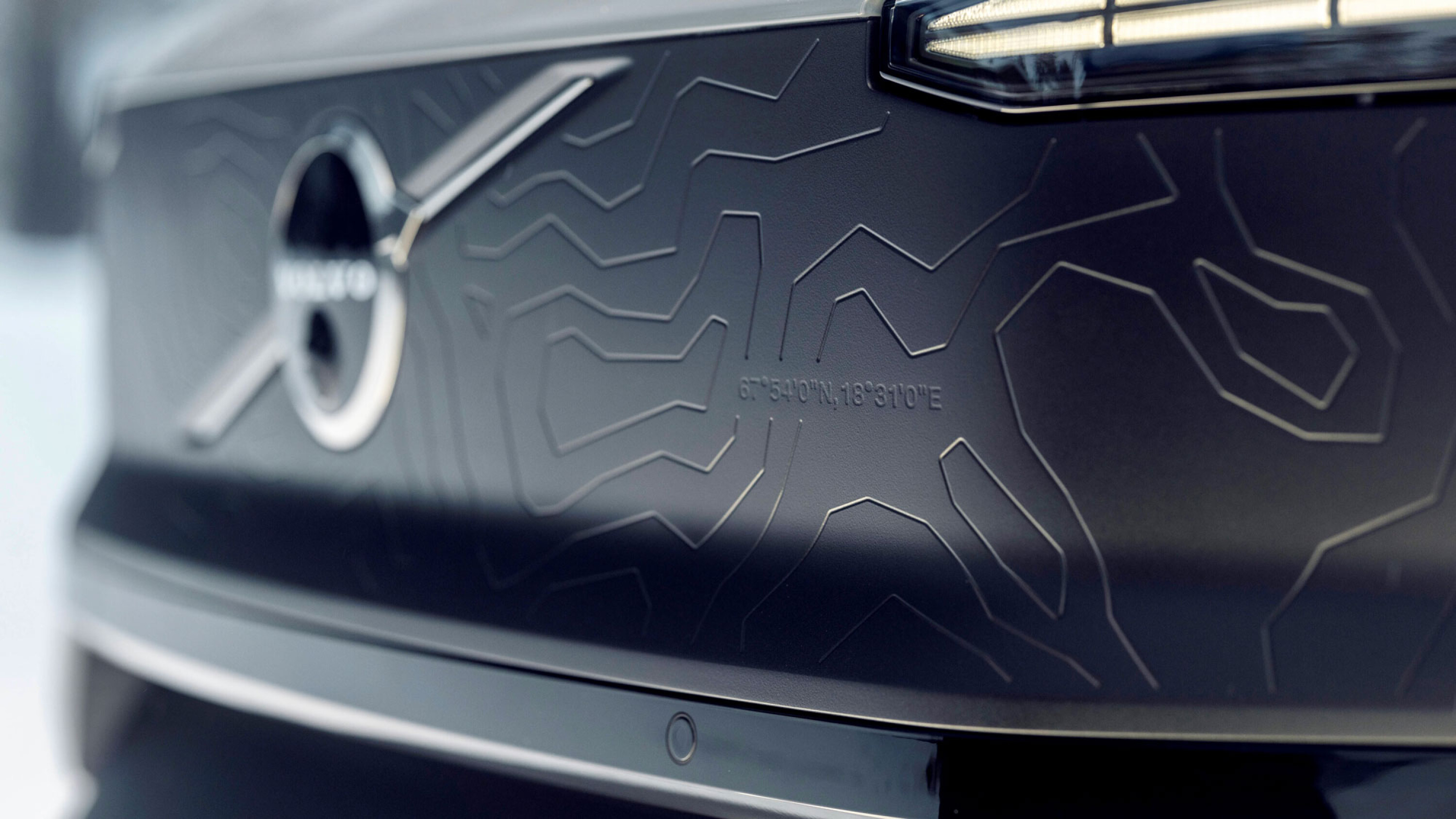
According to Volvo, the dark panel on the front features artwork showing the topography of the Kebnekaise mountain range in Sweden.
Volvo has also retuned the EX30’s steering, springs and dampers for a softer and more offroad friendly feel, while new side mirrors have also been fitted to account for the extra height.
Those wanting even more of an offroad feel for their EX30 Cross Country can choose the ‘Cross Country Experience’, with exclusive offers for owners including an accessory package with a load carrier, roof basket and mud flaps.
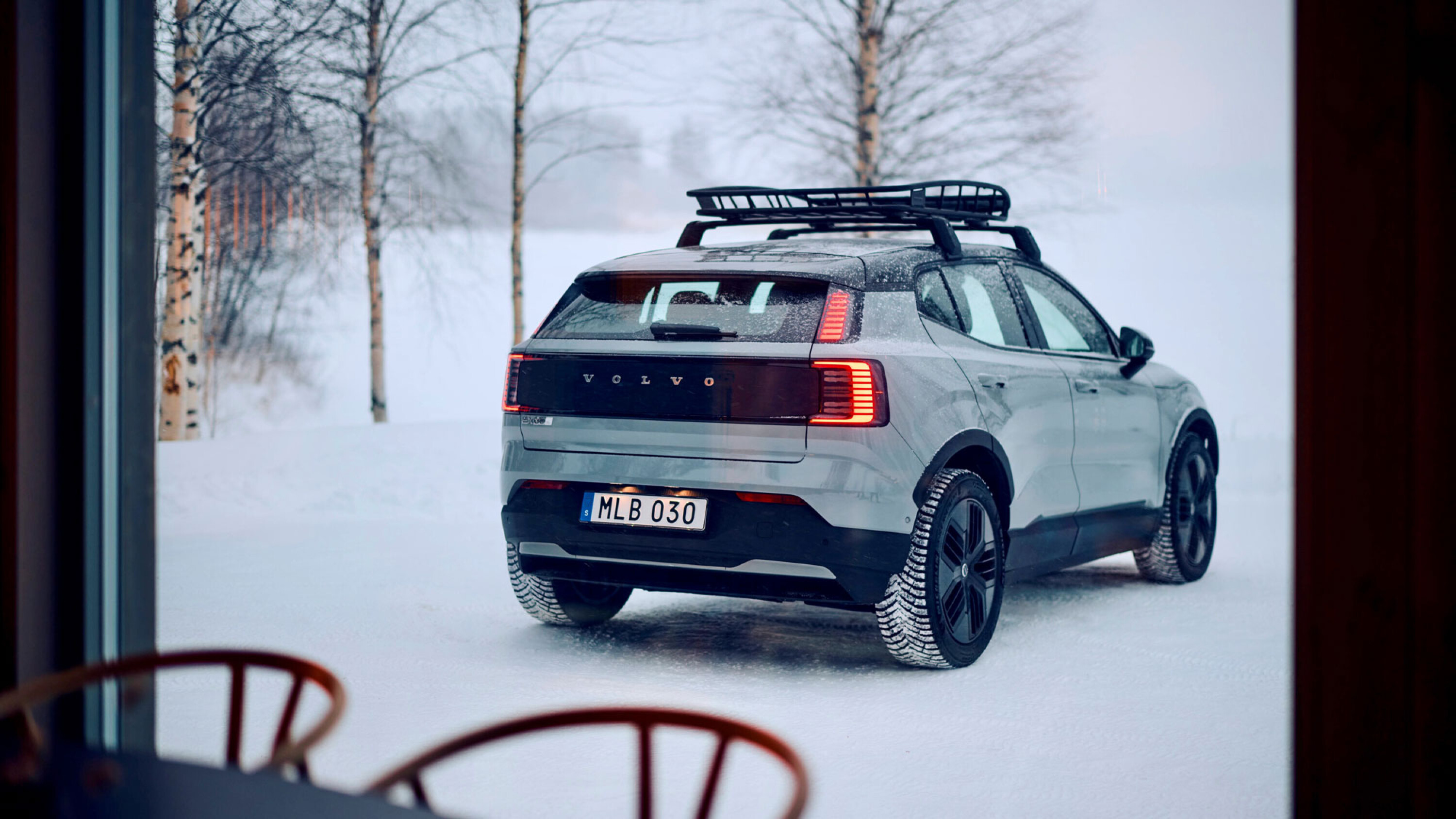
Under the body of the EX30 Cross Country is the same 64kWh (useable) battery as the regular EX30, with the claimed 427km range less than the regular EX30’s 460km, though the brand asserts a similar 10 to 80 per cent charge time of 26 minutes.
The dual motor drivetrain’s outputs are identical to the EX30 too: 315kW of power and 543Nm of torque, allowing for a claimed 3.7-second 0-100km/h sprint time – 0.1 seconds less than the normal EX30.
No interior changes have been reported, with the EX30 Cross Country using the regular EX30’s 12.3-inch portrait touchscreen with inbuilt Google and Harman Kardon sound bar under the windscreen, instead of speakers in the doors.
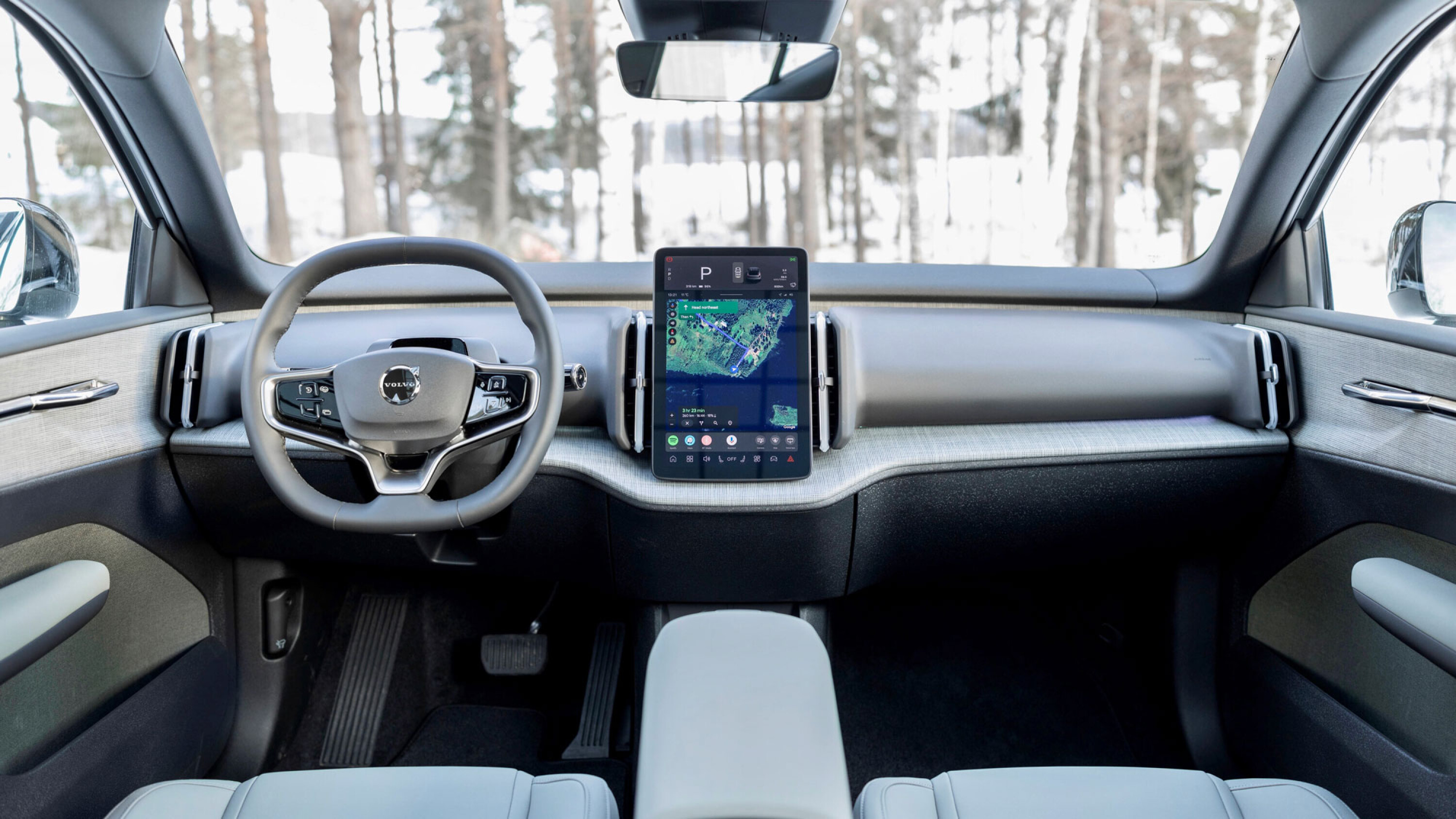
It’s the first time that the Cross Country badge has been applied to an SUV since the nameplate was launched in 1997 – all previous Cross Country models like the V60 and V90 were either based on wagons or sedans.
The EX30 Cross Country is due on sale locally in the third quarter of 2025, with local pricing and specifications yet to be announced.
Range Rover has revealed an exclusive new special edition dubbed the SV Bespoke Collins Edition, named in honour of one of Australia’s most expensive boulevards, Collins Street in Melbourne.
According to Range Rover, each element of the Collins Edition – which will number just five vehicles – speaks to exclusive luxury and is the first time the brand has launched an Australia-specific model.
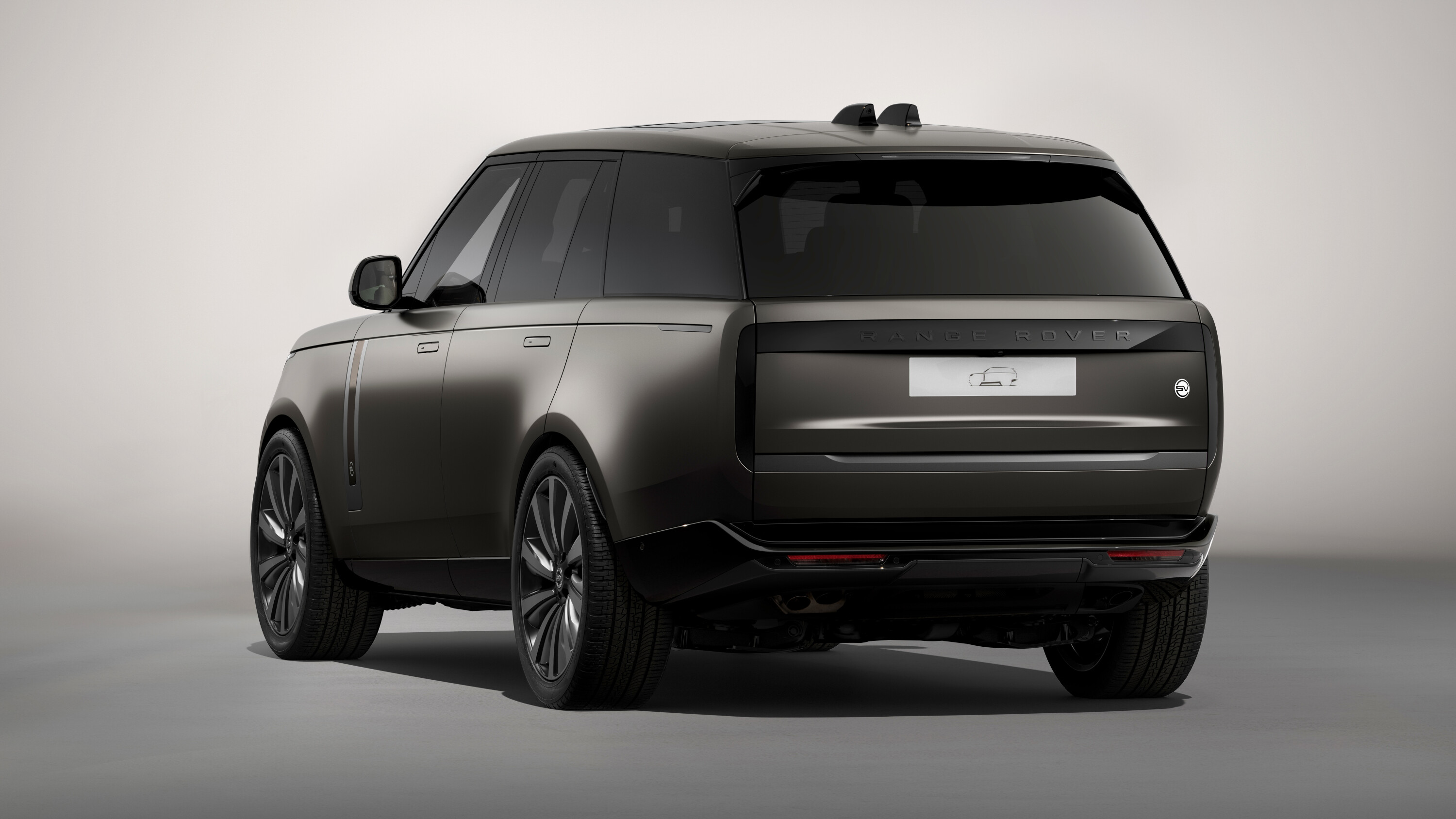
On the outside, Satin Grey paintwork complements Satin Grey 23-inch wheels with black inserts, while the Range Rover script features a unique black chrome finish. Mirrors and brake callipers are also forged in black.
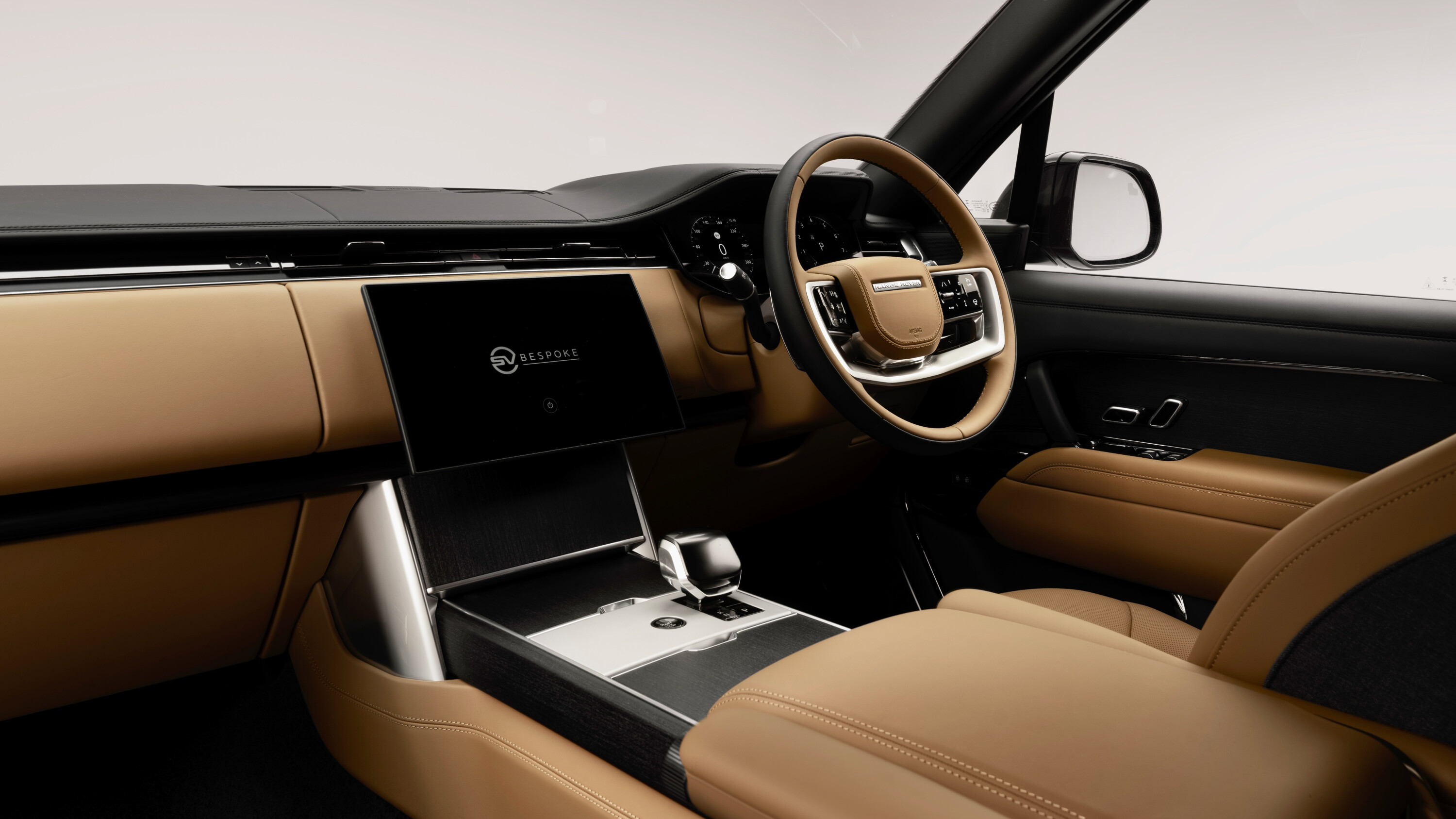
Inside, the Collins Edition adds black ceramic controls alongside a tan and black leather and cloth trim, with scatter cushions, tread plates and seat embroidery also featuring a Collins Edition script.
Under the bonnet of the SV Bespoke Collins Edition is a 425kW/750Nm 4.4-litre twin-turbocharged petrol V8 engine. This engine is available in other Range Rover SV models, but it’s the only drivetrain available in the Collins Edition.
Combined with a mild-hybrid system, the Range Rover sprints to 100km/h in just 4.5 seconds and on to a top speed of 261km/h. It can also tow a 3,500kg braked trailer (if you really want to bring down the overall tone).
Priced from $507,057 plus on-road costs, the Range Rover SV Bespoke Collins Edition is not cheap, but with just five being marked for production, it’s nothing if not exclusive.
The Range Rover SV Bespoke Collins Edition is available to order now and will launch into local Range Rover dealerships soon.
Damn algorithms. You watch one compilation video of men behaving badly in golf carts and suddenly there’s a rash of them in your feed. And just quietly, some of the carting accidents look kinda serious.
It made us wonder just how safe a golf cart is to drive? Considering that in 2023, over 12 million professional rounds of golf were played in Australia (according to GolfWA), perhaps it’s an issue that should be thought about more.
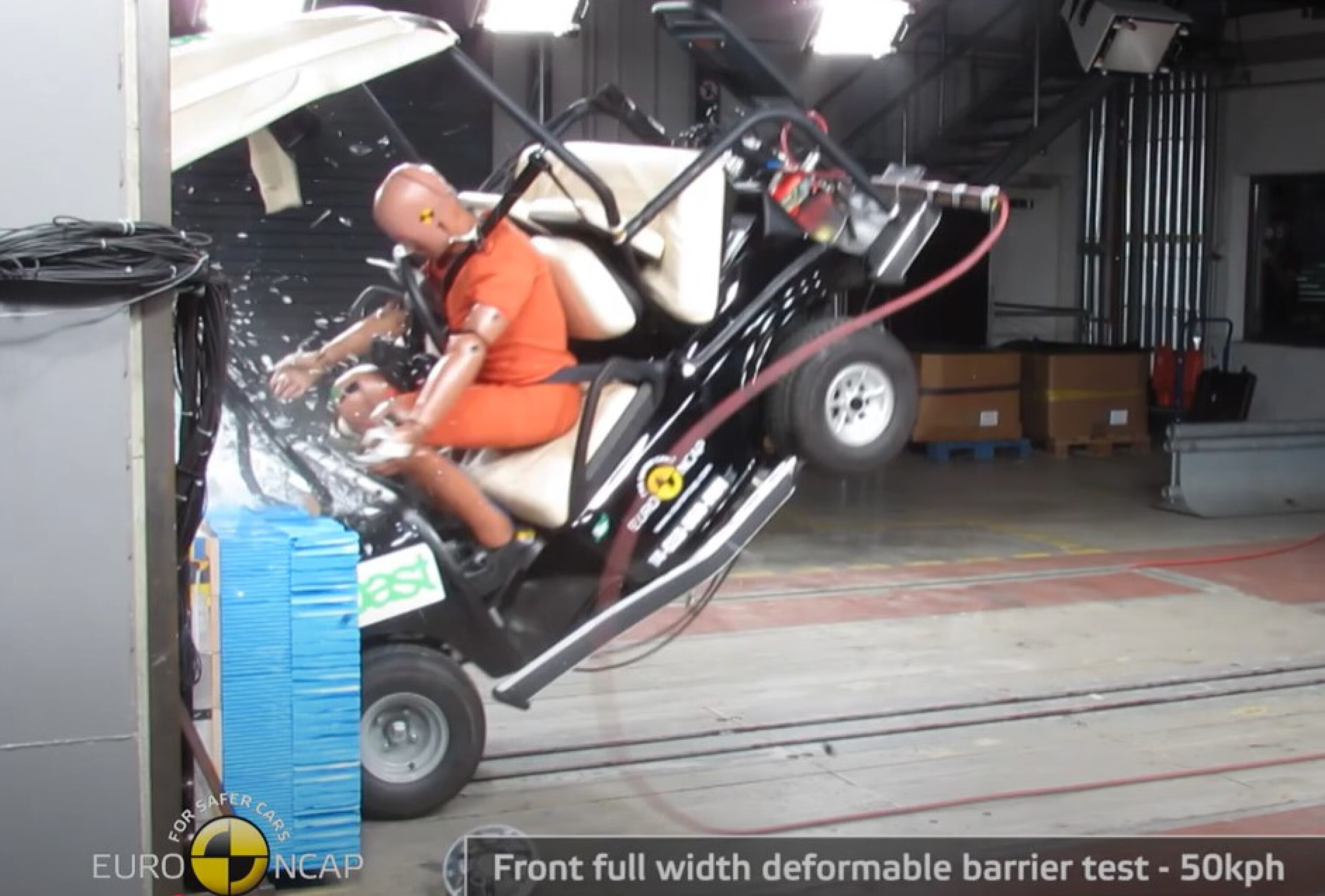
Despite many similarities with cars, golf carts are not subject to any form of crash testing by any safety body globally but as the below video shows, improvement is needed.
The crash test of the Club Cart Villager was performed by Euro NCAP in 2014 at a speed of 51km/h and the results weren’t pretty, with severe damage to the crash test dummies.
The Villager appears to not have any form of crumple zone to absorb the crash energy and the dummy’s upper body mangled around the steering wheel and its lower body crushed between the seat and the dashboard.
The Villager has seat belts, but they don’t do much, and the side impact was also pretty bad. According to Euro NCAP, the Villager performed “very poorly and showed serious risks of life-threatening injuries” in a crash. Something to consider next time your mate decides to drive down a hill on a par 5 at top speed…
| Golf cart safety tips: |
|---|
| Drive responsibly |
| Observe speed limits |
| Stay focused |
| Avoid sharp turns |
| Keep arms and legs inside |
| Donu2019t squeeze in extra passengers |
| Donu2019t drink and drive |
| Avoid driving in bad weather |
Have you ever driven a golf cart and wondered how safe it was? Let us know in the comments below.
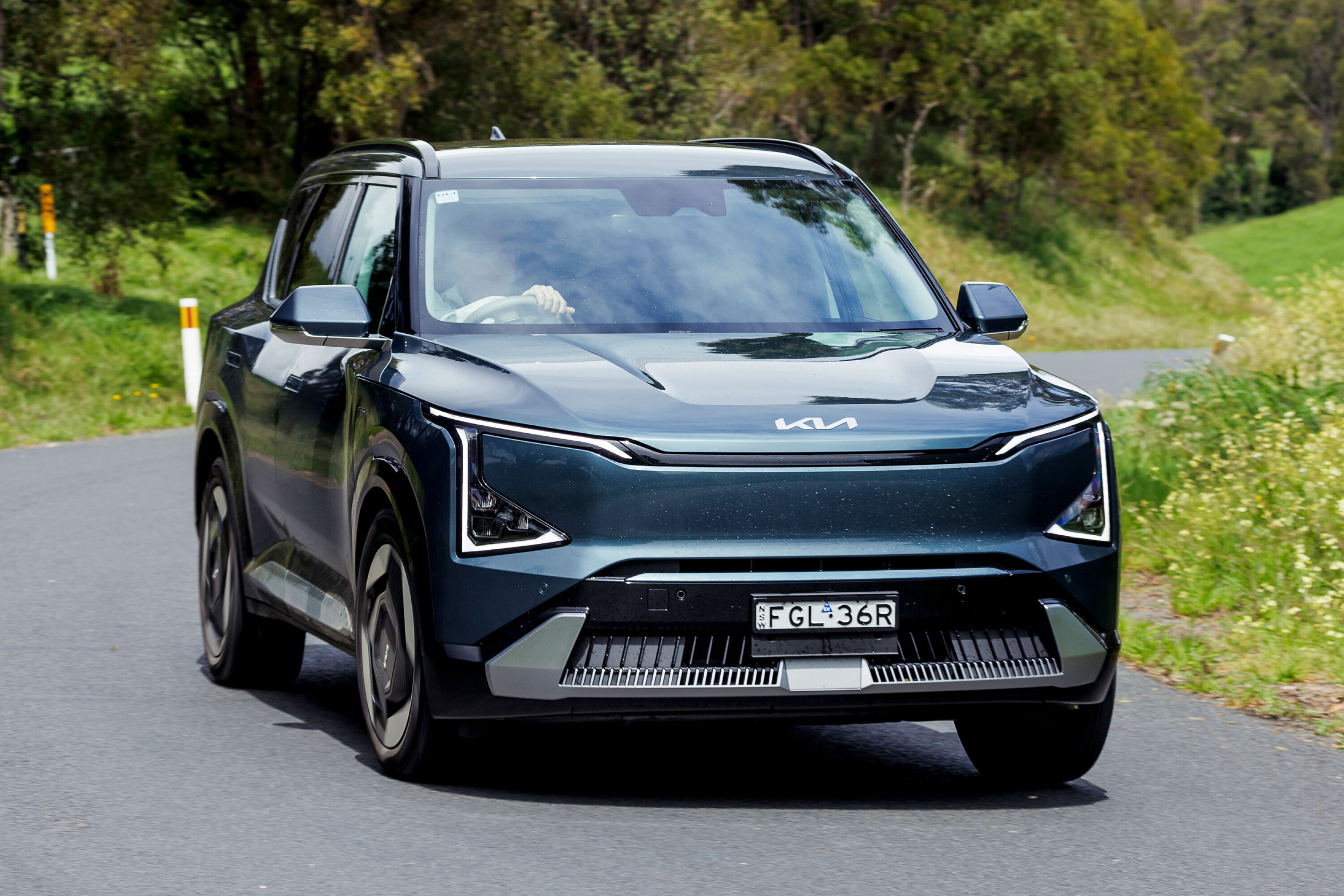
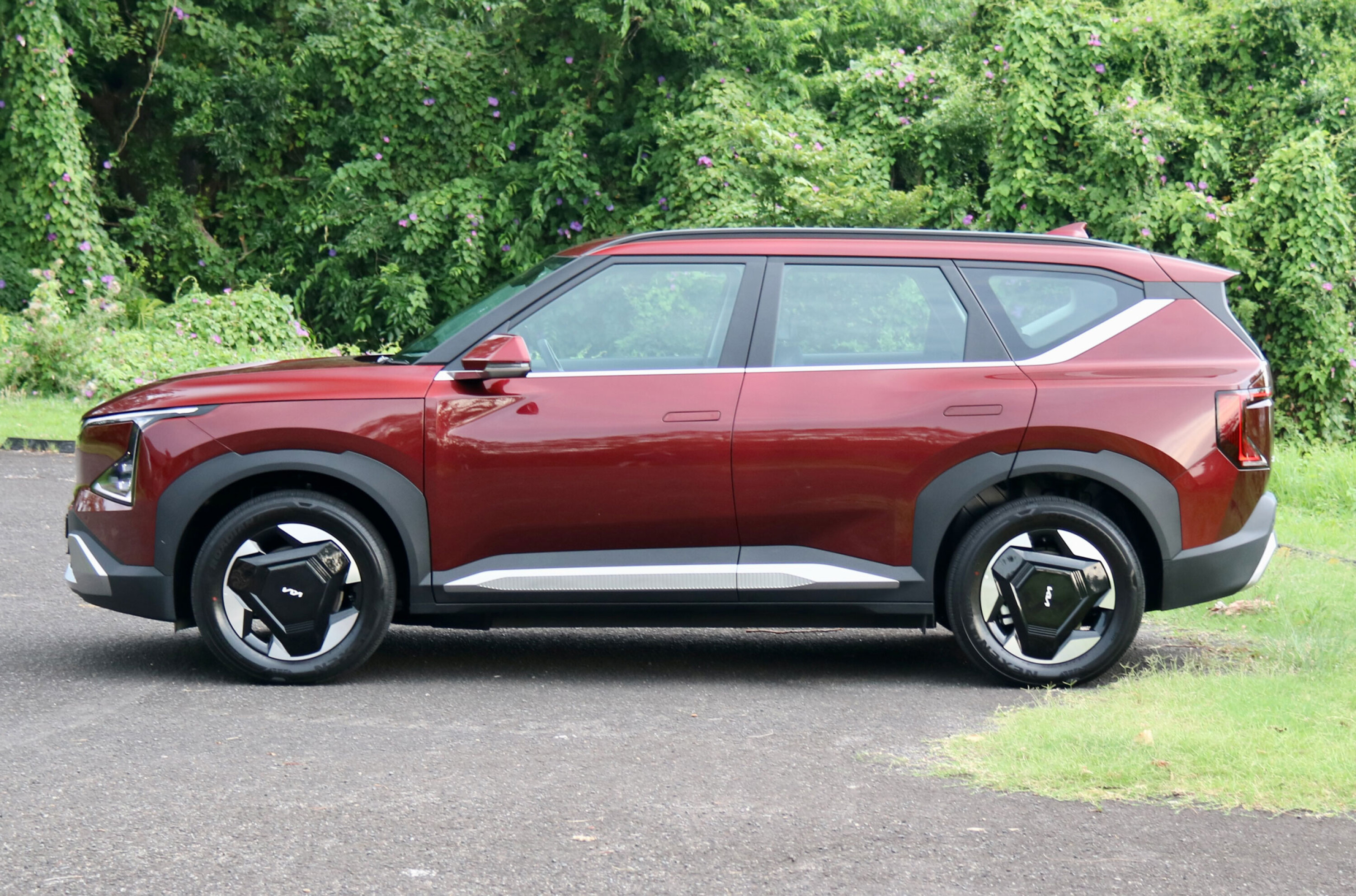
Say hello to the Kia EV5, the Korean car-maker’s newest electric vehicle after the EV9, e-Niro and EV6.
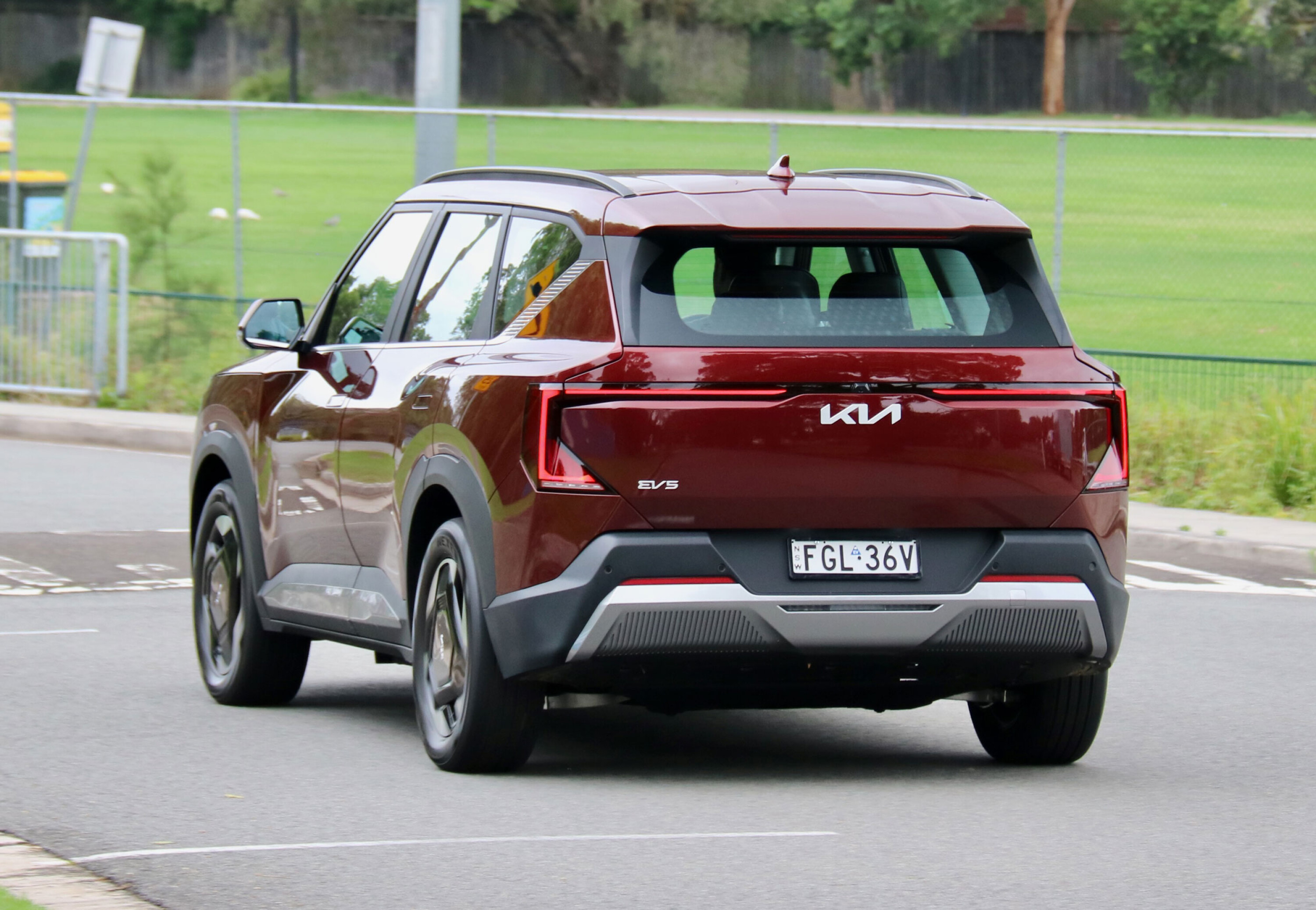
The EV5 launched with sharp pricing, a good size and, importantly, to some buyers, a normal appearance. It’s these qualities that make it Kia’s most important EV yet and thanks to its Chinese production source, it has the most potential to sell well with healthy stock available.
But should you buy one – is the EV5 a true rival to cars like the Tesla Model Y? Read on to find out.
Pricing and features:
For now, there are four variants in the Australian EV5 range: the base Air in either standard or long range battery sizes, while the mid-spec Earth and top-spec GT-Line feature both the long range battery and all-wheel drive as standard. All variants are priced well in Australia from just $56,770 drive away for the entry-level Air Standard Range.
2025 Kia EV5 pricing (drive away):
- Air 2WD Standard Range: $56,770
- Air 2WD Long Range: $63,990
- Earth AWD Long Range: $67,990
- GT-Line AWD Long Range: $75,990
EV5 Air standard equipment:
- 18-inch alloy wheels with a tyre repair kit
- Dusk-sensing automatic LED exterior lighting
- Rain-sensing automatic wipers
- Keyless entry and start with remote start
- Heated and auto-folding mirrors
- Black cloth and synthetic leather upholstery
- 12-way electric driver’s seat with three-cell massaging functionality
- Heated front seats
- Synthetic leather steering wheel
- Dual-zone climate control with rear air vents
- 12.3-inch digital driver’s display
- 5.0-inch digital climate control panel
- 12.3-inch touchscreen with Kia Connect live services
- AM/FM/DAB+ digital radio
- Satellite navigation with live traffic
- Wired and wireless Apple CarPlay and Android Auto smartphone mirroring
- Six-speaker sound system
- 4x USB-C charging ports
- Eco, snow, normal and sport driving modes
- Adjustable regenerative braking
- Rear seat sliding storage tray
- Seven airbags (including a front centre unit)
- Auto emergency braking (AEB) with pedestrian, cyclist and intersection assistance
- Adaptive cruise control with stop and go functionality
- Lane keeping assistance with lane departure warning
- Adaptive lane guidance
- Auto high beam
- Blind-spot monitoring with rear cross-traffic alert (with braking)
- Driver attention monitoring with lead vehicle departure alert
- Rear occupant alert
- Safe exit warning
- Intelligent speed assist
- Front and rear parking sensors
- Reversing camera
- Tyre pressure monitoring
- Alarm
EV5 Earth adds to Air:
- 19-inch alloy wheels
- Full synthetic leather upholstery (black or beige)
- Electric tailgate
- Exterior vehicle-to-load port
- Dual-motor all-wheel drive drivetrain
- Rear privacy glass
EV5 GT-Line adds to Earth:
- 20-inch alloy wheels
- Sportier GT-Line exterior styling
- Heated three-spoke steering wheel
- Alloy sports pedals
- Panoramic sunroof
- Augmented-reality head-up display
- Remote smart parking
- Blind-spot cameras
- 360-degree camera
- Low-speed rear auto braking
- Eight-speaker Harman Kardon sound system
- Fingerprint authenticator
- ‘Relaxation’ driver’s seat with six-cell massaging
- Heated outer rear seats and ventilated front seats
- Pop-up rear luggage board
- Rear seat table
- 64-colour LED cabin ambient lighting
- Wireless phone charger
- Scrolling LED indicators
Performance and efficiency:
Sitting on a new ‘N3 eK’ platform that differs from the ‘E-GMP’ platform used in the larger EV6, the EV5 is fitted with batteries that use lithium ion phosphate (LFP) technology, which give less cell degradation if regularly charged to 100% compared to the more common nickel-manganese cobalt (NMC) batteries.
Two battery sizes are available: either a smaller 64.2kWh unit in the Air Standard Range, or a larger 88.1kWh unit in all other variants. How much claimed range is on offer depends on which model is selected: the Air Standard Range offers up 400km, the mid-spec Earth with 500km, the top-spec GT-Line with 470km and finally, the Air Long Range at 555km (all on the WLTP cycle).
The two Air models use a 160kW/310Nm motor on the front axle, while the Earth and GT-Line add a rear axle motor for 230kW/480Nm. Each model quotes different 0-100km/h times: the Air Standard Range at 8.5 seconds, the Air Long Range at 8.9 seconds, the Earth at 6.1 seconds and the GT-Line slightly more at 6.3 seconds. Regardless of the model chosen, there’s more than enough pep for most buyers.
Kia claims that the Air Standard Range will use 18.2kWh/100km, with the Air Long Range slightly more efficient at 18.0kWh/100km. The Earth uses 20.1kWh/100km and the GT-Line 21kWh/100km. In our testing of the entry-level Air, we bettered Kia’s claim at 17.4kWh/100km. That’s not quite as efficient as the larger EV6 in our testing, but still not a bad result.
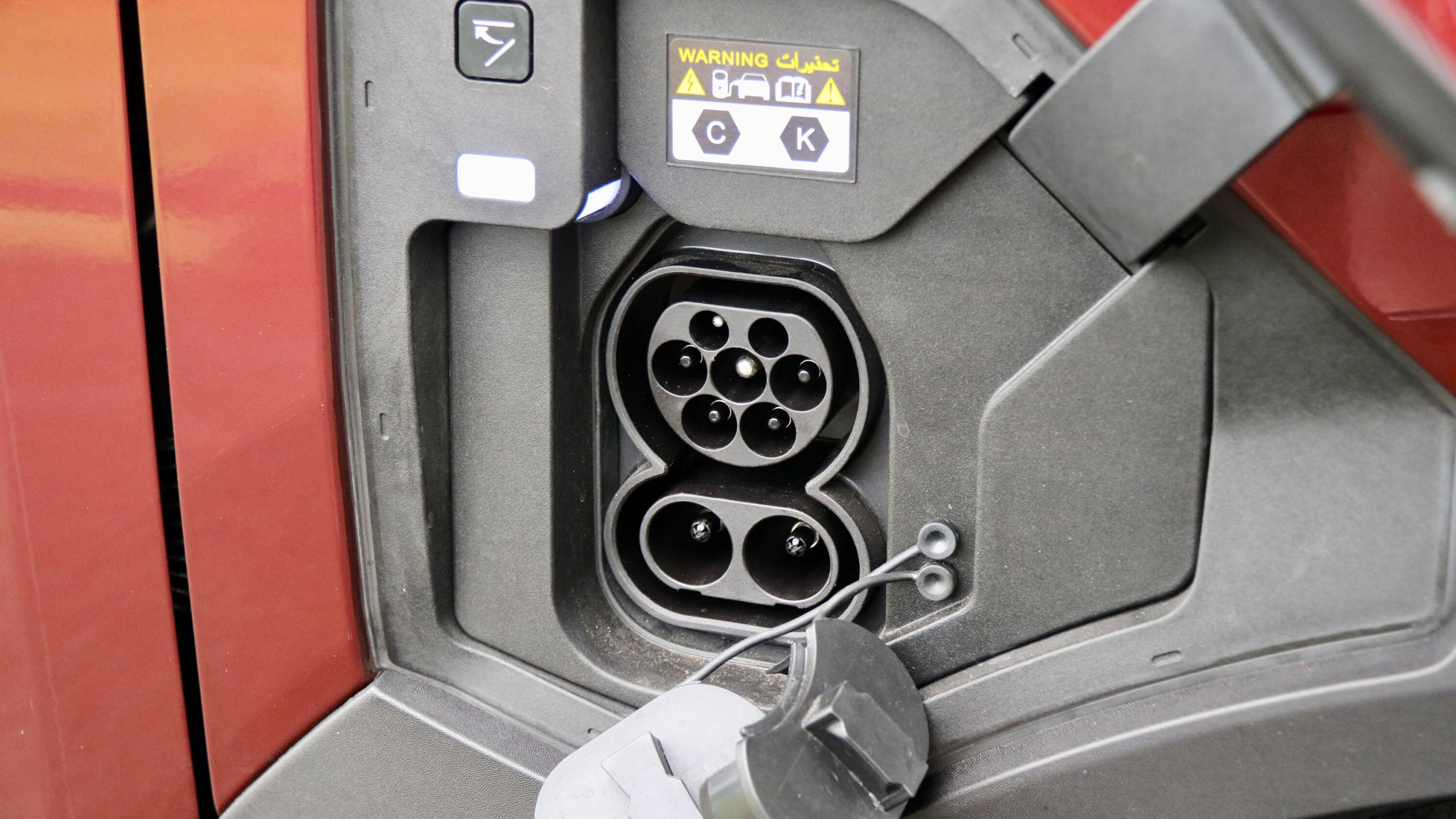
Where the EV5 could improve a bit is with its peak DC charging speeds: the smaller batter can charge at a maximum of only 102kW and the larger at 140kW, which is less than the EV6 or Tesla Model Y, adding to fast charging times. Charging the EV5 Air from 10-80% takes around 36 minutes and using a more common 50kW charger increases that to 57 minutes.
The larger battery will do the same 10-80% charge in 37 minutes or around 72 minutes at a 50kW charger. As for AC charging, the larger battery can take 11kW for a full charge in just over eight hours, and the smaller one 7kW for an equivalent charge in just under 10 hours.
Interior comfort, practicality and boot space:
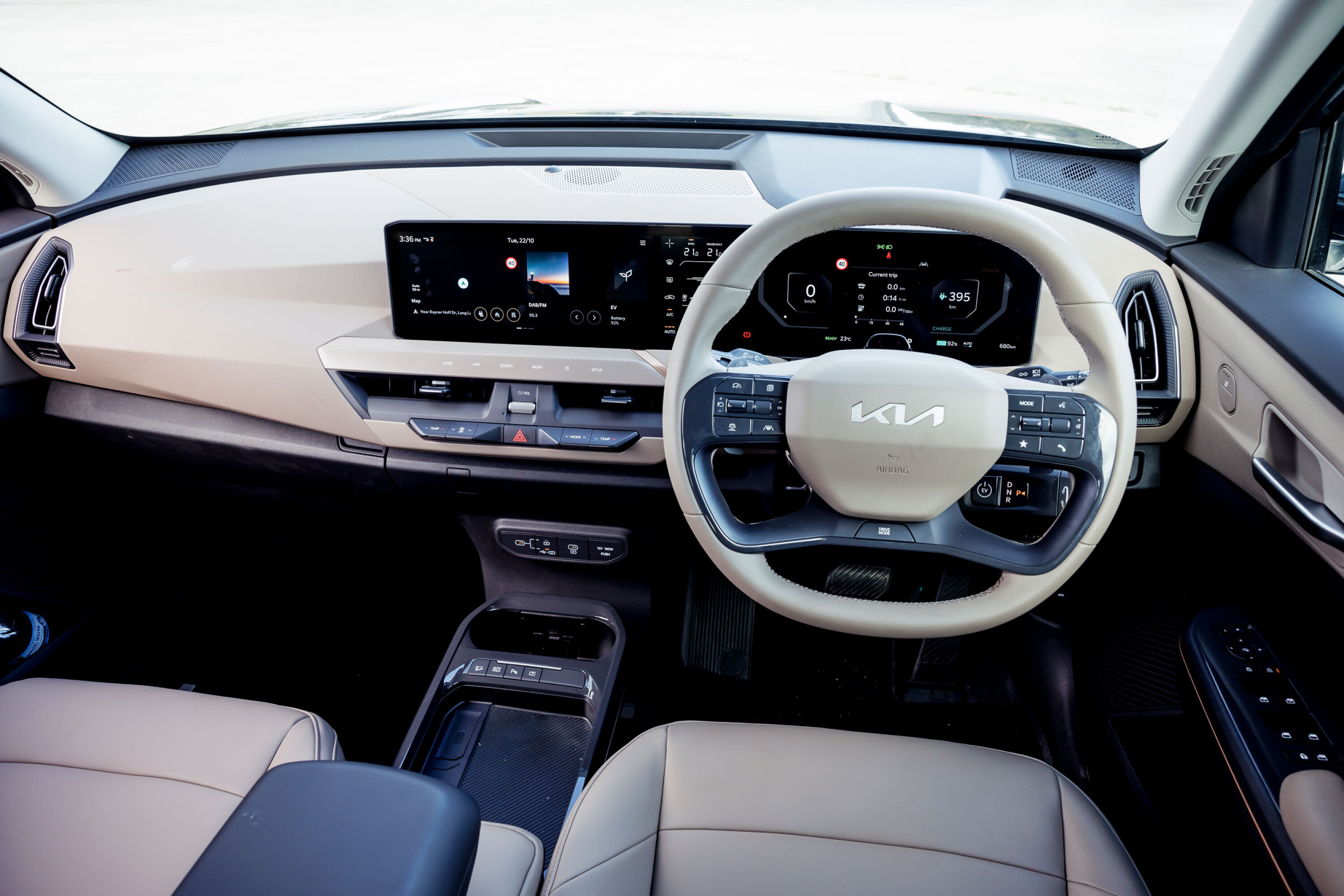
Like the larger EV9, the Kia EV5 features a futuristic interior and if you’ve spent time in the EV9, the EV5 will be familiar as the dashboard layout is almost identical. The front cabin is interestingly designed with plenty of edgy creases in the design, pleasingly soft materials used on the dashboard and door trims and the usual good quality Kia switchgear.
Importantly for those who think that most EV’s cabin designs are too futuristic, the EV5’s cabin presents as completely normal thanks to its layout. Unlike a lot of competitor EVs that mostly use the central touchscreen, the EV5 has a pleasing amount of hard shortcut buttons to control important functions like the climate control and infotainment system.
The infotainment system uses a 12.3-inch touchscreen with aforementioned shortcut buttons below – and with temperature and fan speed adjustment toggles further beneath – but it also features a 5.0-inch touch panel to control the climate control. It’s an interesting approach, but the steering wheel annoyingly obscures the panel for the driver.
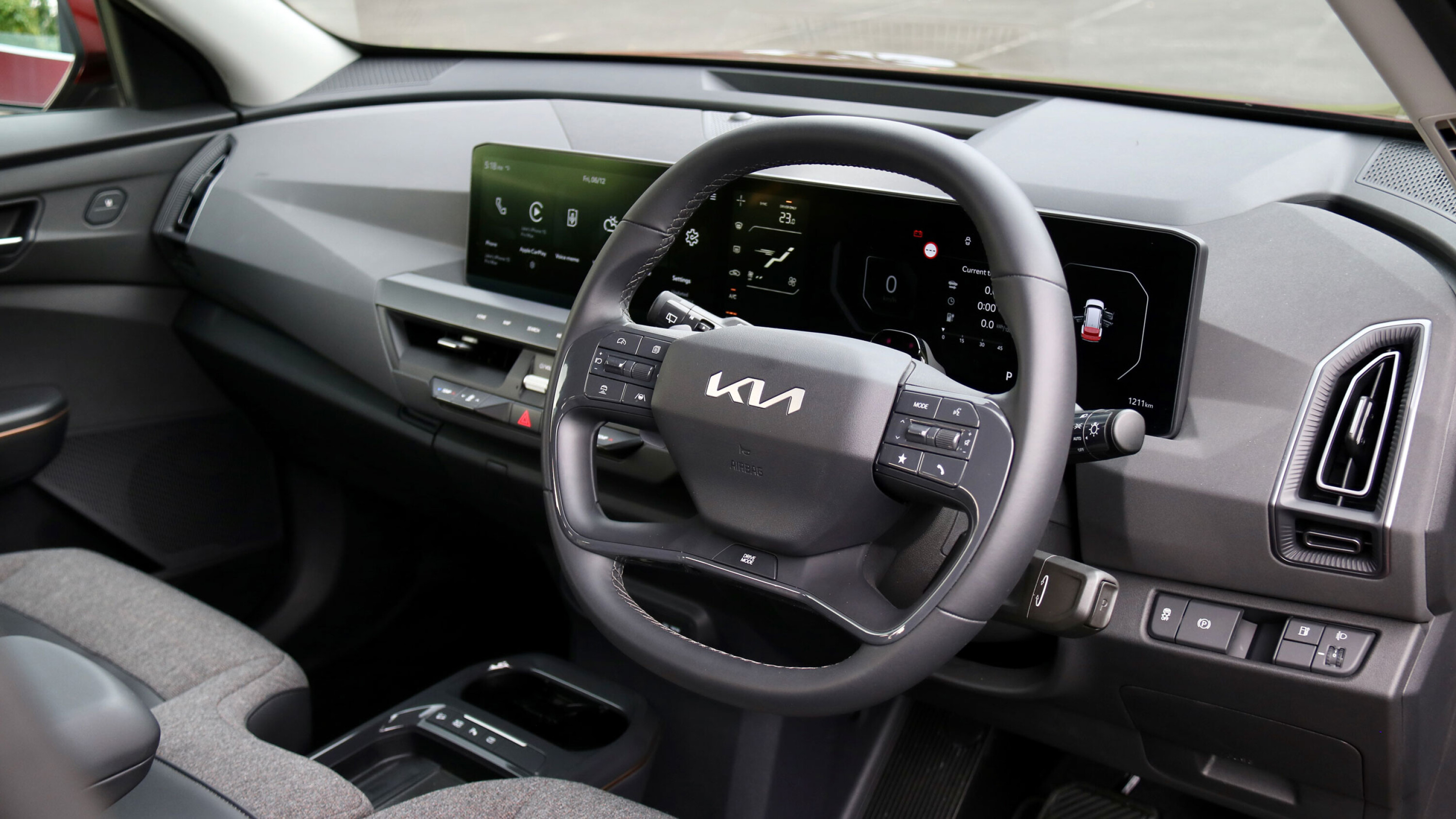
The touchscreen itself uses the brand’s latest infotainment software and while it could be brighter, it’s an otherwise great system. It’s easy to use, well featured and quick as well. The wireless Apple CarPlay worked faultlessly for our time with it and it also features satellite navigation and DAB+ digital radio. It also has access to Kia’s live services, including traffic for in the navigation and over-the-air updates are also available.
The 12.3-inch digital driver’s display is also easy to understand, though we wish it had more customisation like a map and different layouts. Still, unlike a Tesla, at least it has one.
Front seat comfort is pretty good thanks to ample electric adjustment for the driver, and even three-cell massaging functionality. The front passenger doesn’t receive the same features, however, with just manual four ways of adjustment.
Storage in the front is impressive with large cupholders, a big tray between the seats, big door pockets, a massive section underneath the floating centre console and even a bag hook next to the glovebox. Underneath the padded centre armrest is not a storage box, instead, almost a third front seat with a slim pocket for storing a tablet or phone. It looks cool as the seat fabric continues from the front passenger seat, but more storage could’ve been added.
Measuring 4,615mm long, 1,875mm wide, 1,715mm tall and riding on a 2,750mm long wheelbase, the EV5 is 45mm shorter, 10mm wider, 35mm taller and using a 5mm shorter wheelbase than the Sportage. It’s shorter than the 4,750mm-long Tesla Model Y but the EV5 is still a good size but rear seat space is not quite as plentiful as the Sportage that it’ll inevitably be compared to in showrooms.
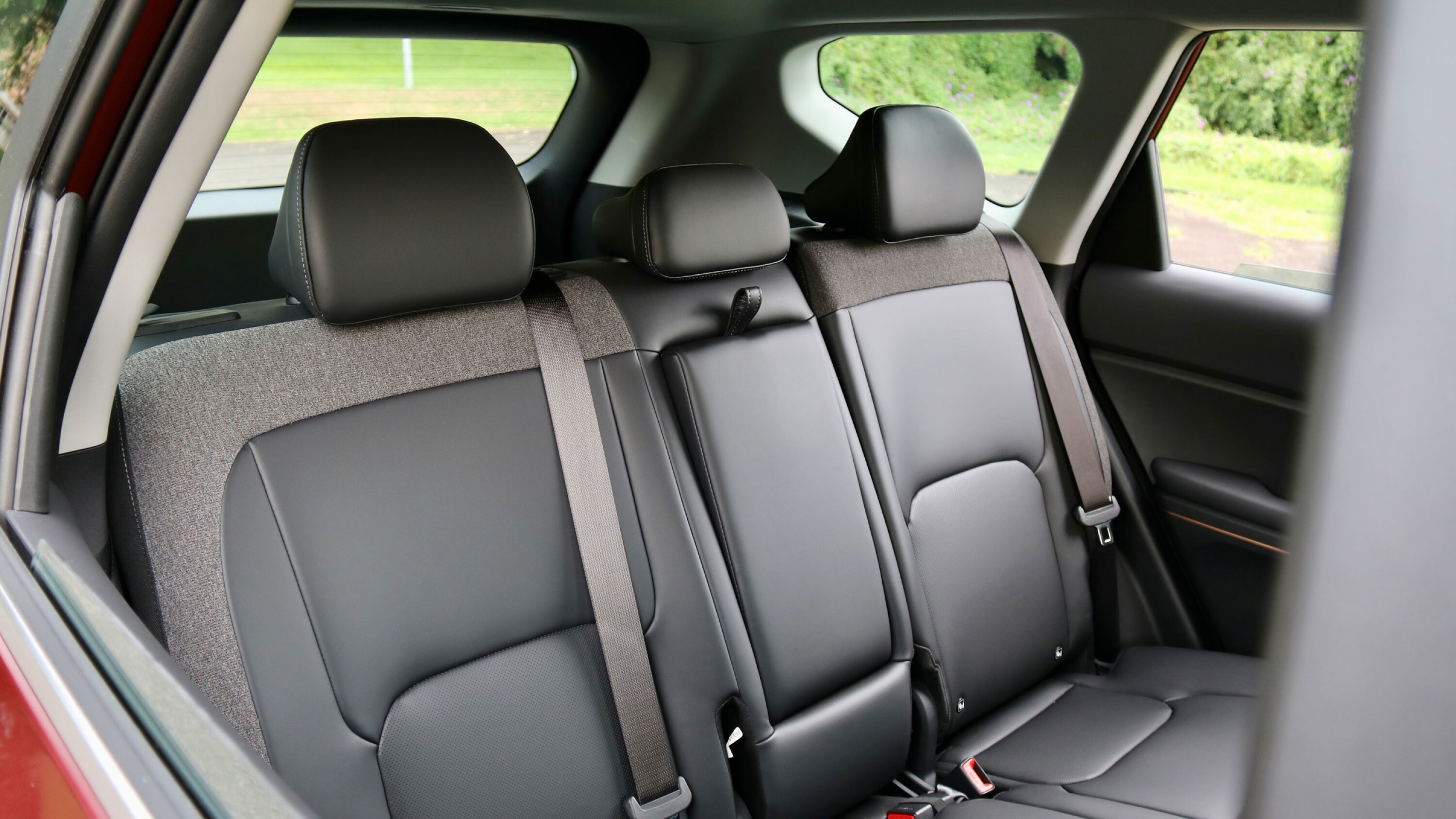
Still, the rear cabin features door pockets, a central armrest with cupholders, air vents on the pillars, two USB-C ports in the back of the front seats, a massive sliding tub that’s climate controlled in the GT-Line and map pockets on the back of the seats. The rear seats also recline and there are three top tether points and two ISOFIX points for child seats.
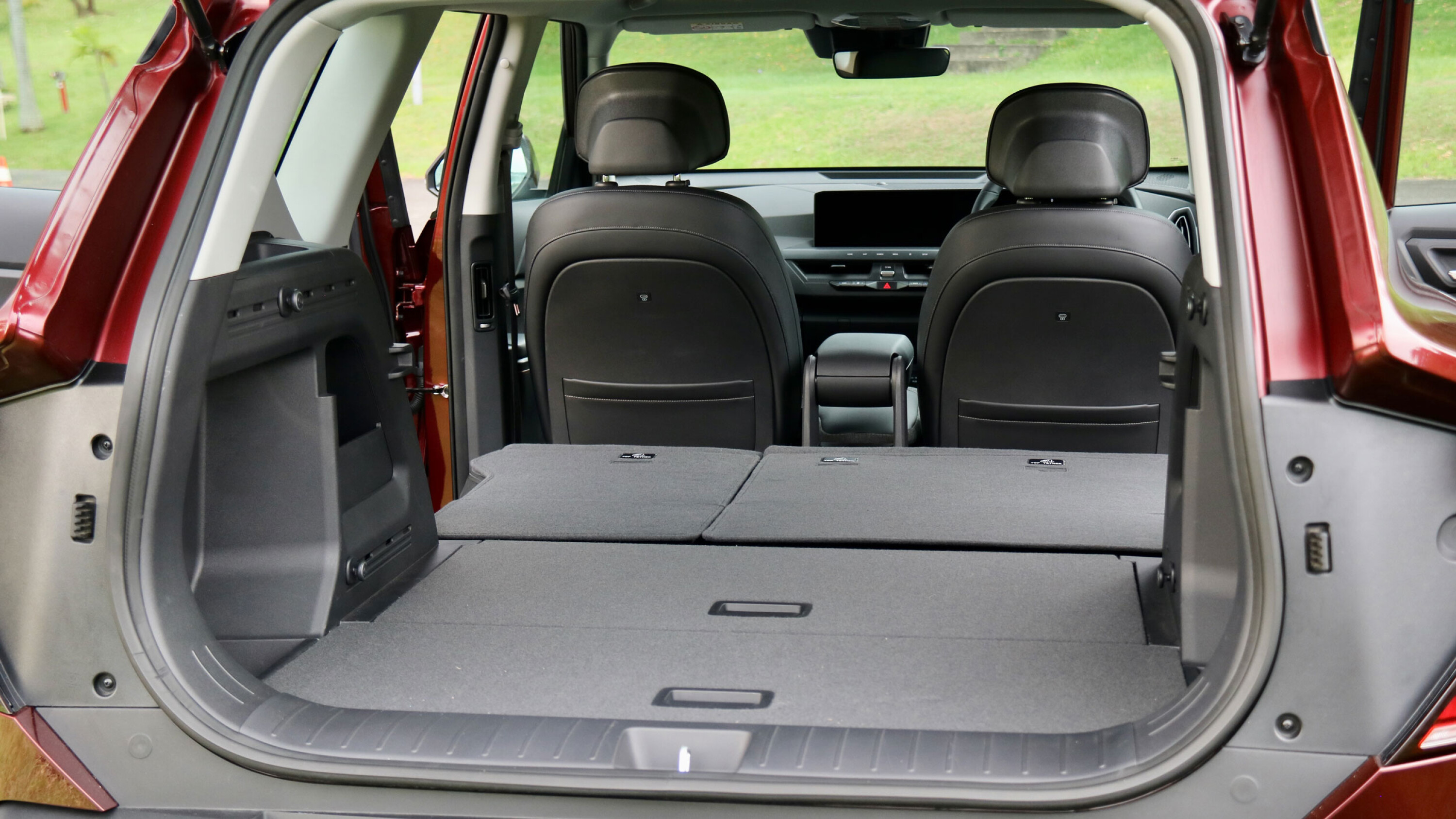
The boot of the EV5 measures 513-litres with the seats up, and 1,714L with the rear seats folded. While those aren’t class-leading numbers, the EV5’s clever features impress with a large under-floor section, ample storage on each side, grooves to store the boot floor higher and even removable hooks that can be positioned at various points throughout the boot. The seats fold completely flat, and there’s also a 67L front boot as well.
On the road:
If you’re looking for an EV with headline performance figures, look elsewhere as the EV5 is not it. Instead, its performance is a lot like petrol competitors and it feels normal from behind the wheel, like you could be driving a Sportage. Even in the 160kW Air Standard Range, performance is ample and it certainly feels quicker than a lot of petrol rivals.
Up the ante to the dual-motor cars and its performance becomes hot hatch-like and it can be pretty fun to drive. Despite its minimum 1,910kg tare mass, the EV5 feels lighter on its feel than you’d expect.
Locally tuned for our roads, the EV5’s ride and handling balance is mostly pretty good. The ride is generally pretty compliant and body control is also pretty good. The steering is nicely weighted, and the brakes feel pretty natural as well. There are three levels of regenerative braking, plus a one-pedal mode as well, for maximum energy recuperation.
The EV5’s safety systems are also mostly well tuned, though the hyperactive speed limit reminder can be annoying – thankfully, a software update is coming to fix it to allow drivers to hold the volume button to mute it for that drive. Still, Kia’s active safety systems are far more intelligent than, for example, the Deepal S07 and its infuriating lane keeping assistance and speed limit warnings that drive you mad.
Service and warranty:
Like other new Kia models, the EV5 is covered by a seven-year/unlimited km warranty with up to eight years of roadside assistance if serviced through a Kia dealership. The battery is covered by a seven-year/150,000km warranty.
The EV5 shares its annual/15,000km service intervals with many other Kia models. Buyers can choose a pre-paid service plan: three-, five- and seven-year plans cost $980, $1,535 and $2,431 respectively.
Verdict: should I buy a 2025 Kia EV5?
Overall, the Kia EV5 is an impressive product that deserves to be on your mid-size SUV shopping list. Starting from comfortably underneath $60,000 drive away, its value equation is strong and not only will be cross-shopped against EV rivals, but petrol and hybrid competitors too. It also offers competitive efficiency and range, its interior is good quality and practical and it’s loaded with standard equipment across the range.
It’s not perfect with no spare wheel, somewhat slow DC fast charging and that the climate control panel is obscured by the steering wheel. But these are small issues for most, and the EV5’s well-roundedness impresses. Importantly for some buyers coming from other mid-size SUVs, the EV5 feels futuristic enough without going to a minimalist screen-fest interior like a lot of EVs feature. It’ll feel completely normal to most, and that’s yet another reason it should sell well.
EV5 colour range:
- Clear White
- Snow White Pearl (+$520 or +$695 with a black roof on GT-Line)
- Frost Blue (+$520 or +$695 with a black roof on GT-Line)
- Iceberg Green (+$520 or +$695 with a black roof on GT-Line)
- Magma Red (+$520)
- Tide Blue (+$520)
- Shale Grey (+$520 or +$695 with a black roof on GT-Line)
- Starry Night Black (+$520)
EV5 rivals:
The other day the worst possible thing happened – I reversed into the wall at the back of my garage in my beloved 1986 Toyota AE86 Sprinter.
A silly thing to do, yes. Flustered and in a bit of a rush, I edged backwards with my eyes glued to the rear vision mirror, glancing to the left and right side mirrors to avoid, ironically, disaster. A very tight space, but I was reasonably confident in my sense of where the back of the car ended, and the wall started. I was wrong.
Fortunately, it was just a mere light, low-speed kiss, the plasterboard of the wall coming off very second-best to the plastic bumper of the 39-year-old Toyota (which, miraculously, had no damage at all, not even the slightest mark). But it was still enough to cause much stern self-consternation.
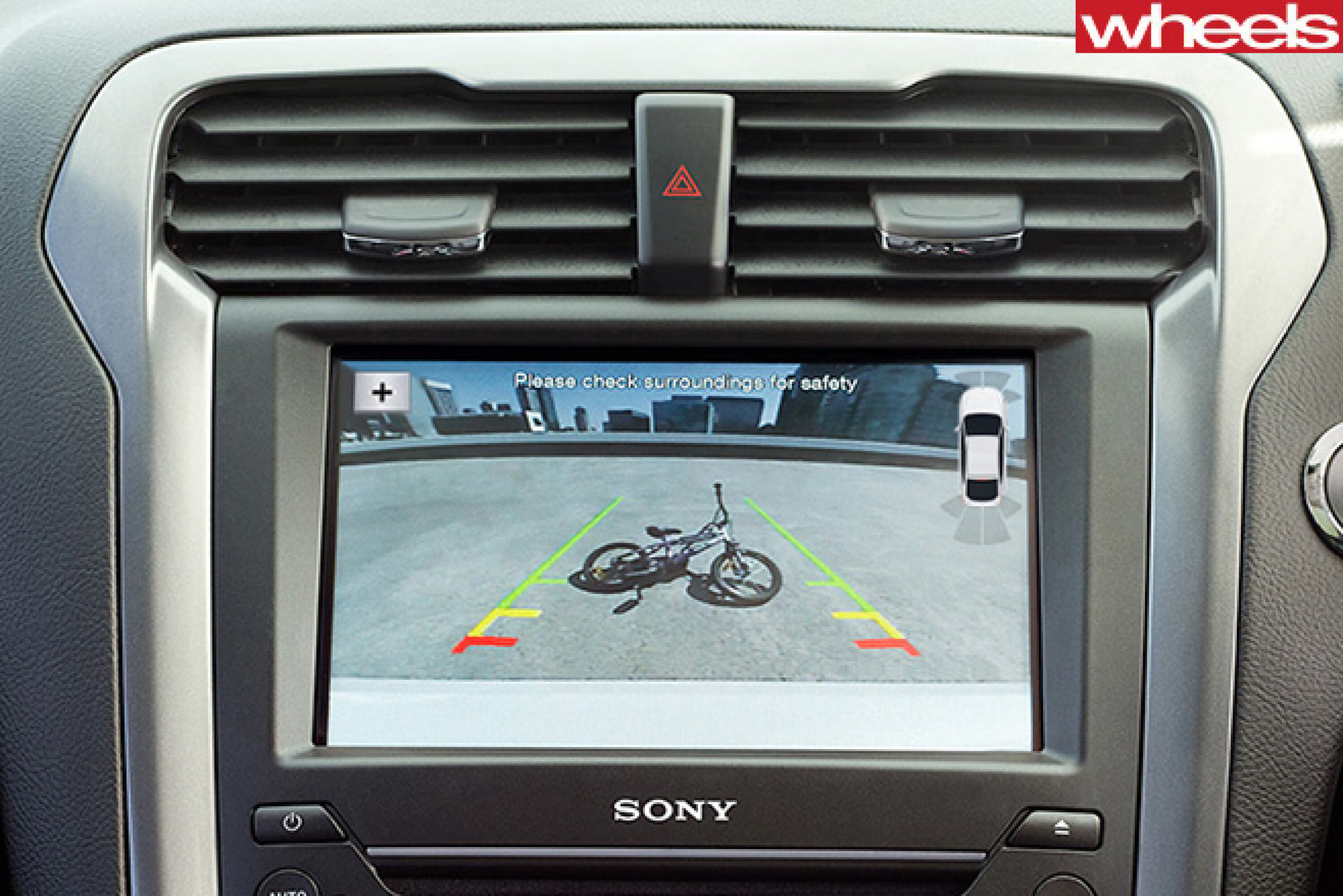
Sheepishly, it’s occurred to me that I’ve become very used to the reversing cameras, sensors and even the cosseting knowledge of reverse autonomous emergency braking of the latest modern cars. A little too used to them.
I think I’m far from alone. And is there a risk of becoming too dependent on modern driver aids, to the point you’re not just a chance at reversing an old car into a garage wall – but of making a bigger mistake out on the public road?
For a while now, modern cars have given their drivers a heightened sense of invincibility. They’re quiet, well-insulated from the outside world – five-star-safety cocoons of airbags and passive safety equipment. But semi-autonomous driver aids have taken this to another level.
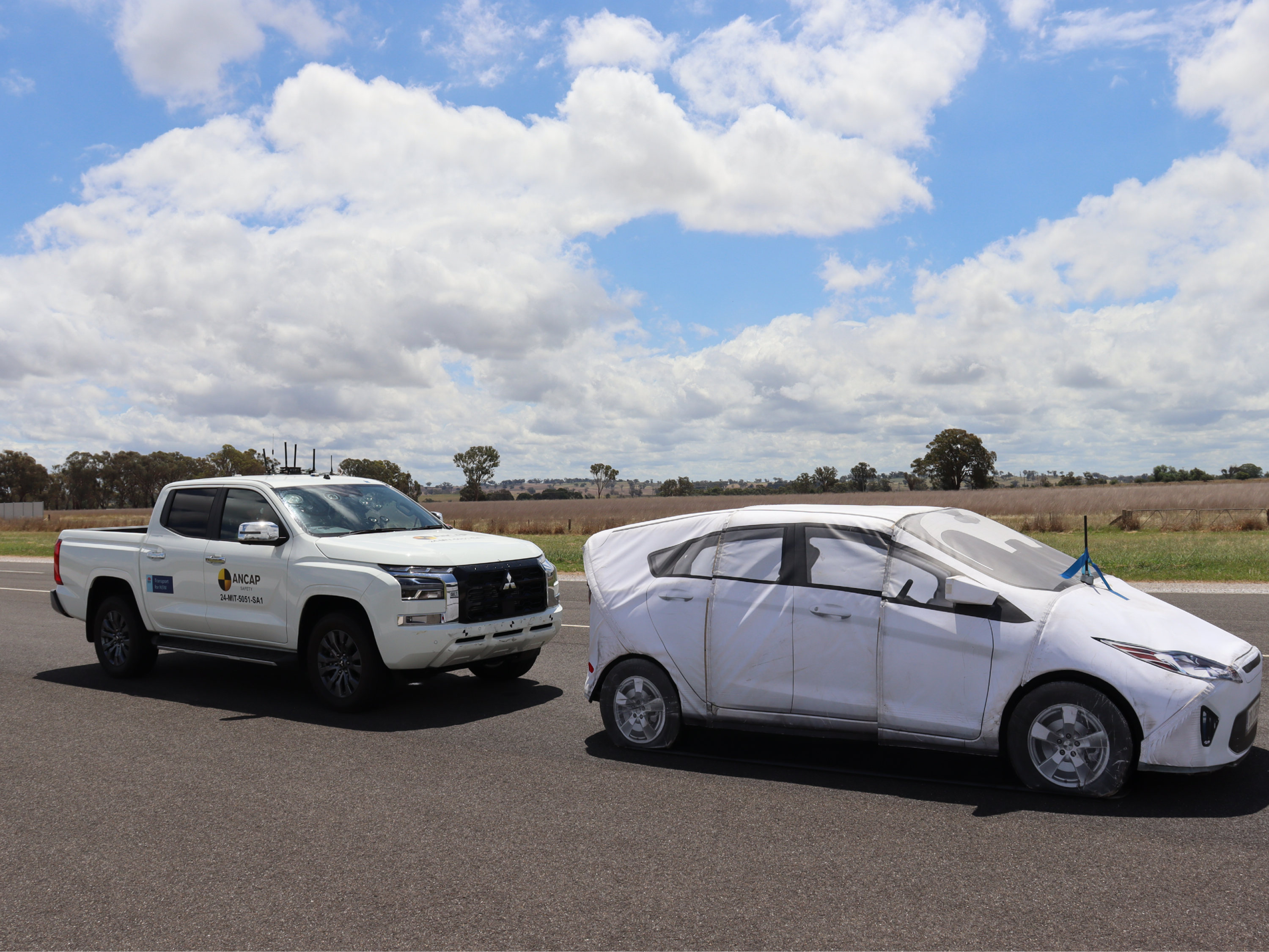
The best new cars wrap you in several layers of computer-controlled physical assistance, from emergency autonomous braking (AEB, in forward and reverse, and even at junctions) to active lane-keeping, blind-spot monitoring (some systems with steering intervention) and radar cruise control that can brake the car to a stop.
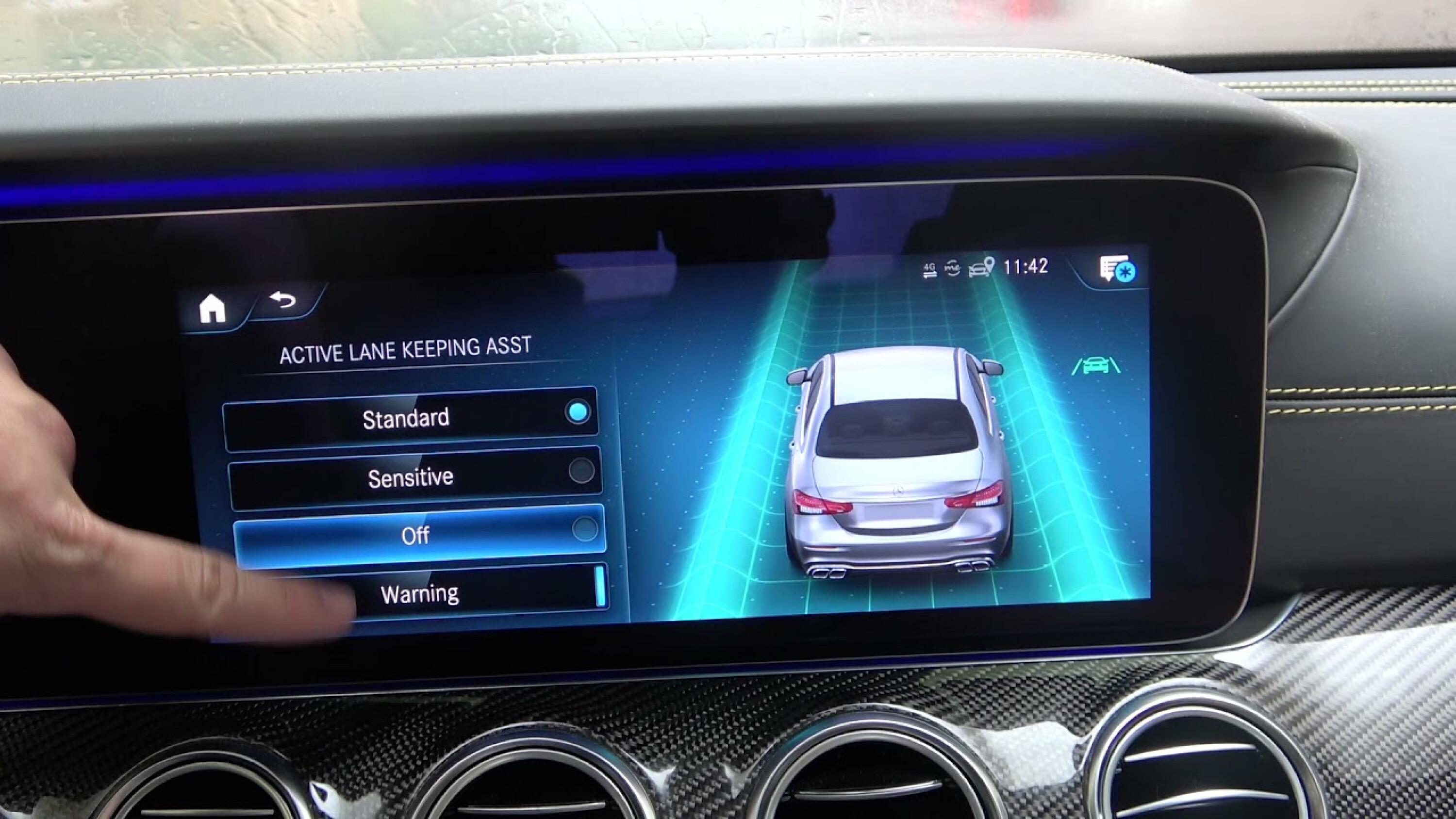
The efficacy of these systems, particularly active lane-keeping, varies hugely between manufacturers, and many are so bad you have no choice but to turn them off. In some respects, these might be the safest systems of all.
But some of them are so good that after a while you’re a bit too tempted to leave them on – especially if turning them off requires digging through several menus every time you start the car. The best active lane-keeping systems you can feel subtly driving the car for you, beneath your grip on the steering wheel. That’s as your mind enjoys the newfound extra capacity to wonder what to make for dinner.
Should the worst happen, and very suddenly, the driver, over-dependent on a feature like this, almost needs waking up from the semi-lucid state their modern car has lulled them into. It’s no wonder we now need driver attention monitors to make sure our eyes are still open and pointing in the right direction.
I’ve got no issue with technology that prevents or mitigates a crash – such as ESC or AEB. These have saved countless lives. But on our roads, there was already a crisis of inattention. At what point do we hit the brakes on computer-assisted semi-autonomous features that only reduce driver buy-in further?
The robots might be chauffeuring us around at some point in the future, but not yet. Drivers still need to drive, and pay attention to the road around them, lest they are given a rude shock at how reliant on these technologies they’ve become.
Not all of them will find out by reversing an old Toyota into a tight garage.
Subaru has revealed the new Forester at the Chicago Auto Show in the US overnight, powered by a new-generation hybrid system confirmed for the Australian lineup when it launches locally in July.
Building on the sixth-generation Forester that debuted in March 2024, the new ‘strong hybrid’ system combines a 2.5-litre ‘Boxer’ engine with a Toyota-sourced electric motor and 0.7kWh battery for a 145kW system output.
The system puts its power to all four wheels via an e-CVT transmission and unlike the RAV4’s electric rear motor, the Forester’s all-wheel drive system is mechanically linked.
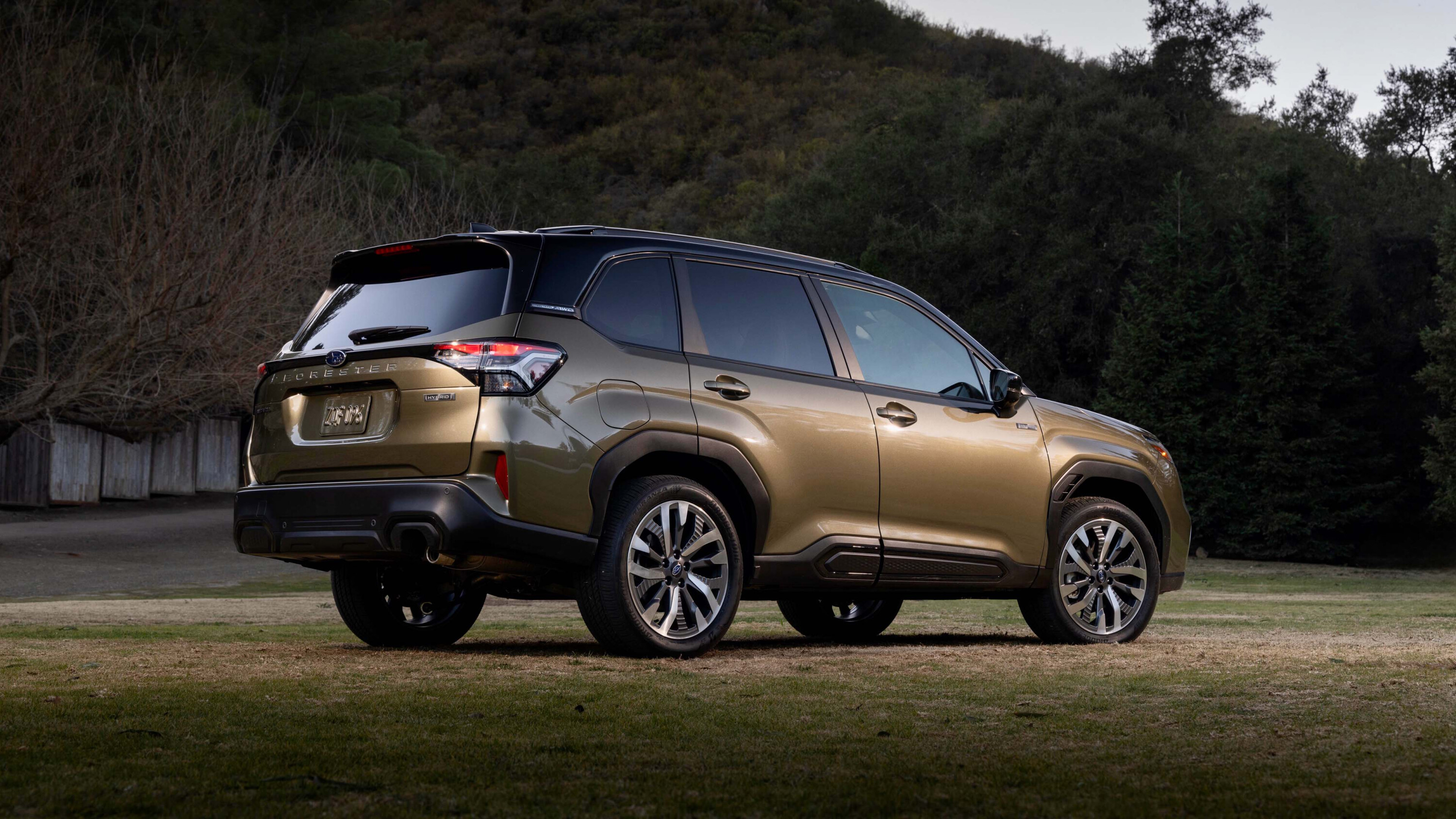
The hybrid Forester is rated at 35 miles per gallon for fuel efficiency in the USA or 6.7L/100km. That sounds mediocre for a hybrid, but the RAV4 hybrid AWD is rated at 6.0L/100km there compared with 4.8L/100km here, potentially giving the Forester a 5.5L/100km rating locally.
The hybrid Forester keeps the standard car’s X-Mode off-road traction system, hill descent control and active torque vectoring, while it also has a 220mm ground clearance.
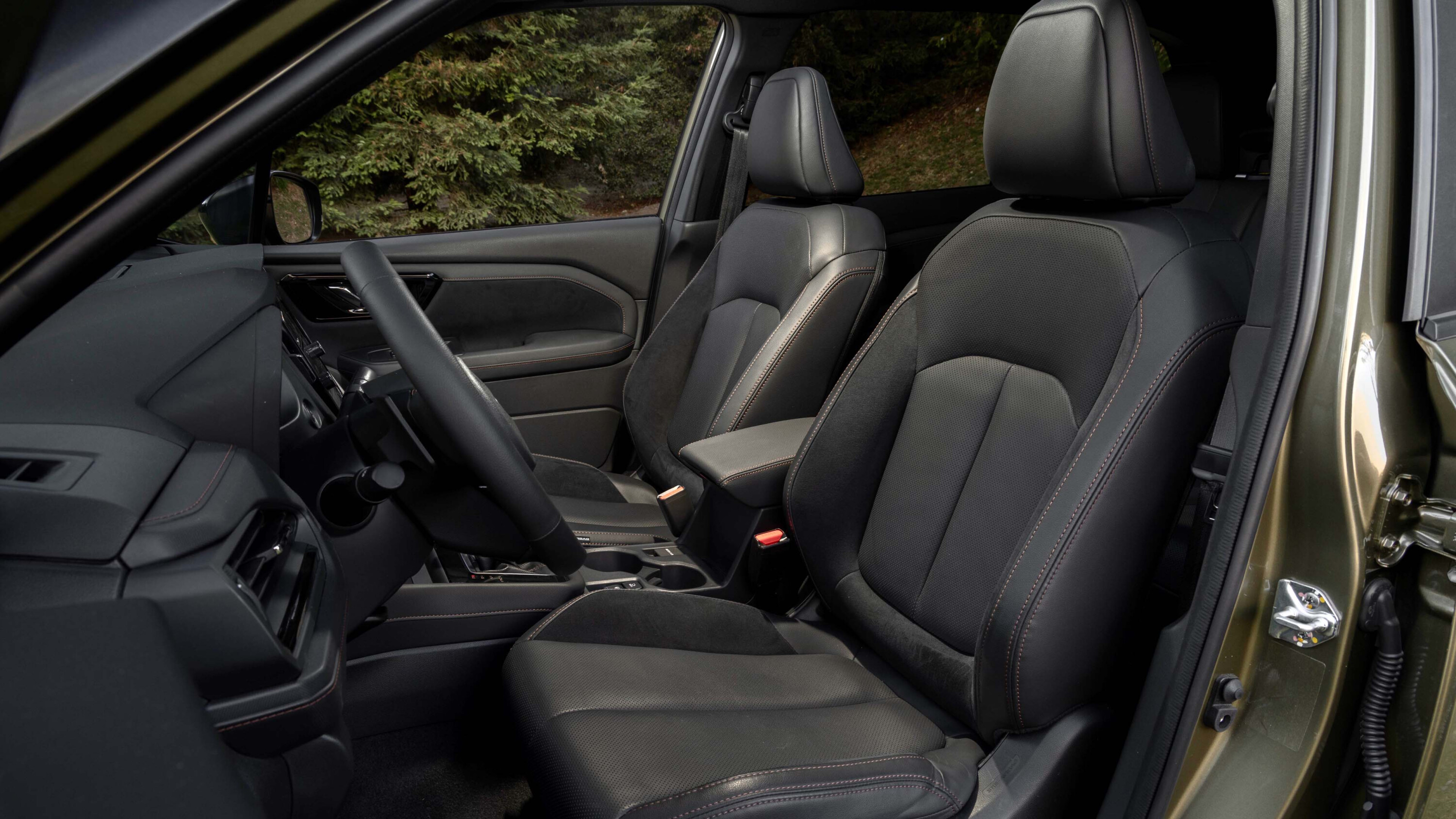
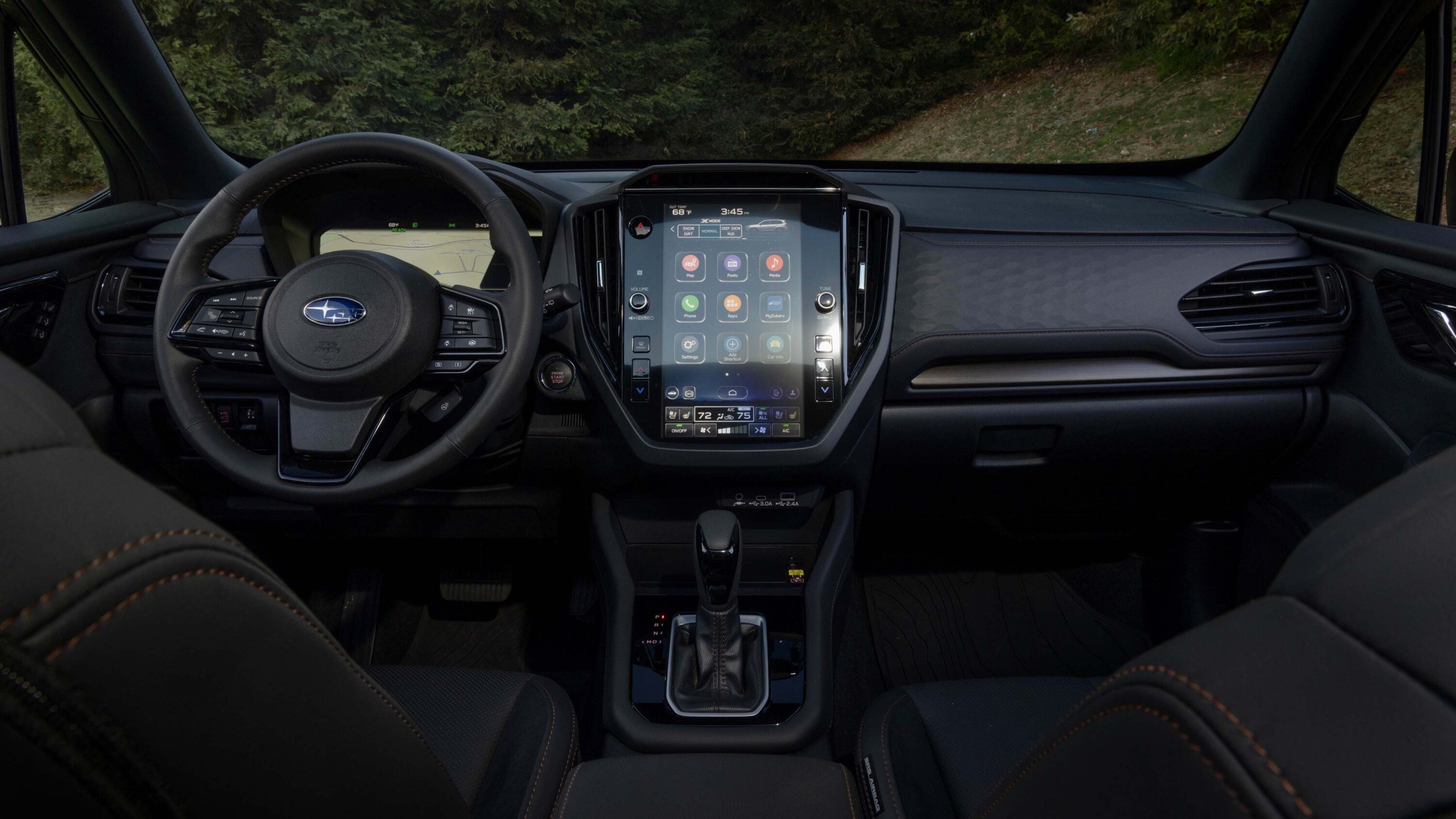
Inside the Forester hybrid is the same 11.6-inch touchscreen with wireless smartphone mirroring as the petrol models revealed last year, while a new 12.3-inch digital driver’s display will be available on some hybrid variants.
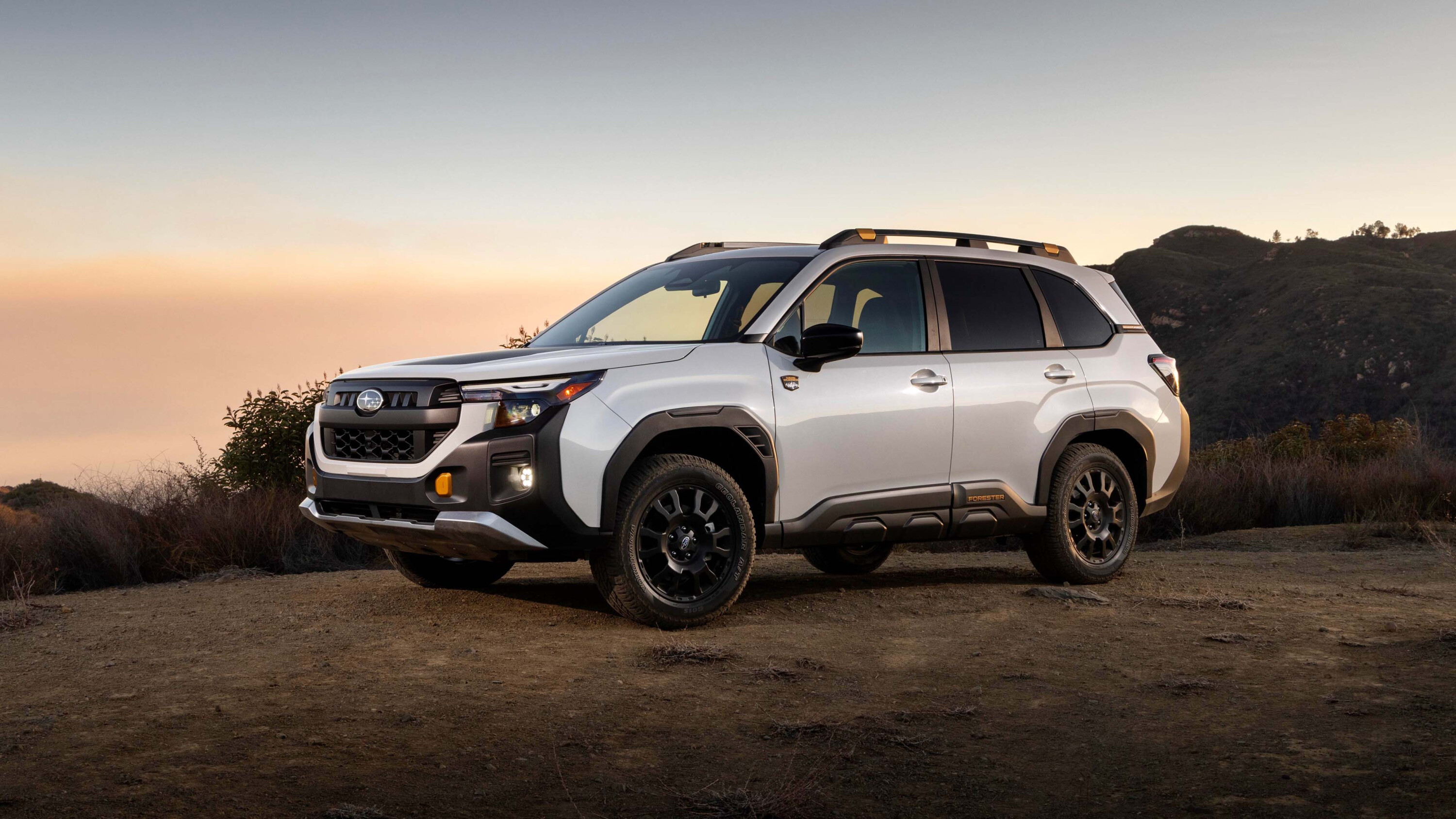
Subaru also revealed the new Wilderness alongside the hybrid, which is an off-road model in the Forester range, as well as both the Crosstrek and Outback in North America as well. It was part of the last Forester lineup in America from 2021.
The new Wilderness adds several off-road upgrades to the already competent off-road Forester, including 15mm more ground clearance, off-road bumpers, all-terrain tyres, underbody protection and tweaks to the transmission for greater off-road ability.
Subaru Australia is yet to confirm the Forester Wilderness for local sales, telling local media in a statement: “We remain very interested in Wilderness editions for our market and are working closely with Subaru Corporation on future opportunities for Australia.”
Would you like to see the new Subaru Forester Wilderness sold in Australia? Let us know in the comments below.
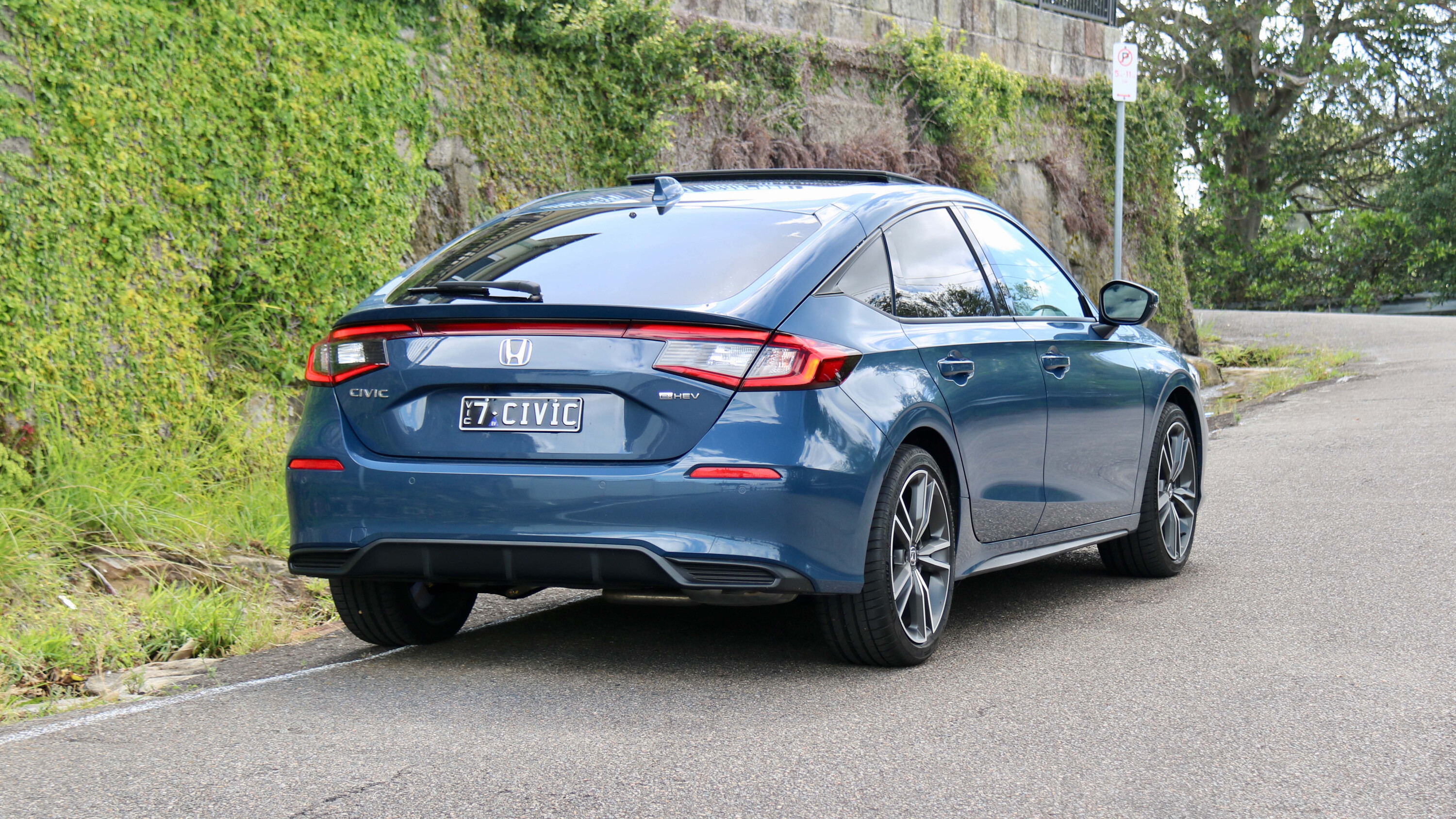
Recently launched with a minor mid-life update and part of a now hybrid-only lineup, the 11th generation Honda Civic takes all of Honda’s small car smarts and adds a dose of premium quality, fun driving dynamics, an efficient hybrid system and the usual practicality that we’ve come to expect from the brand.
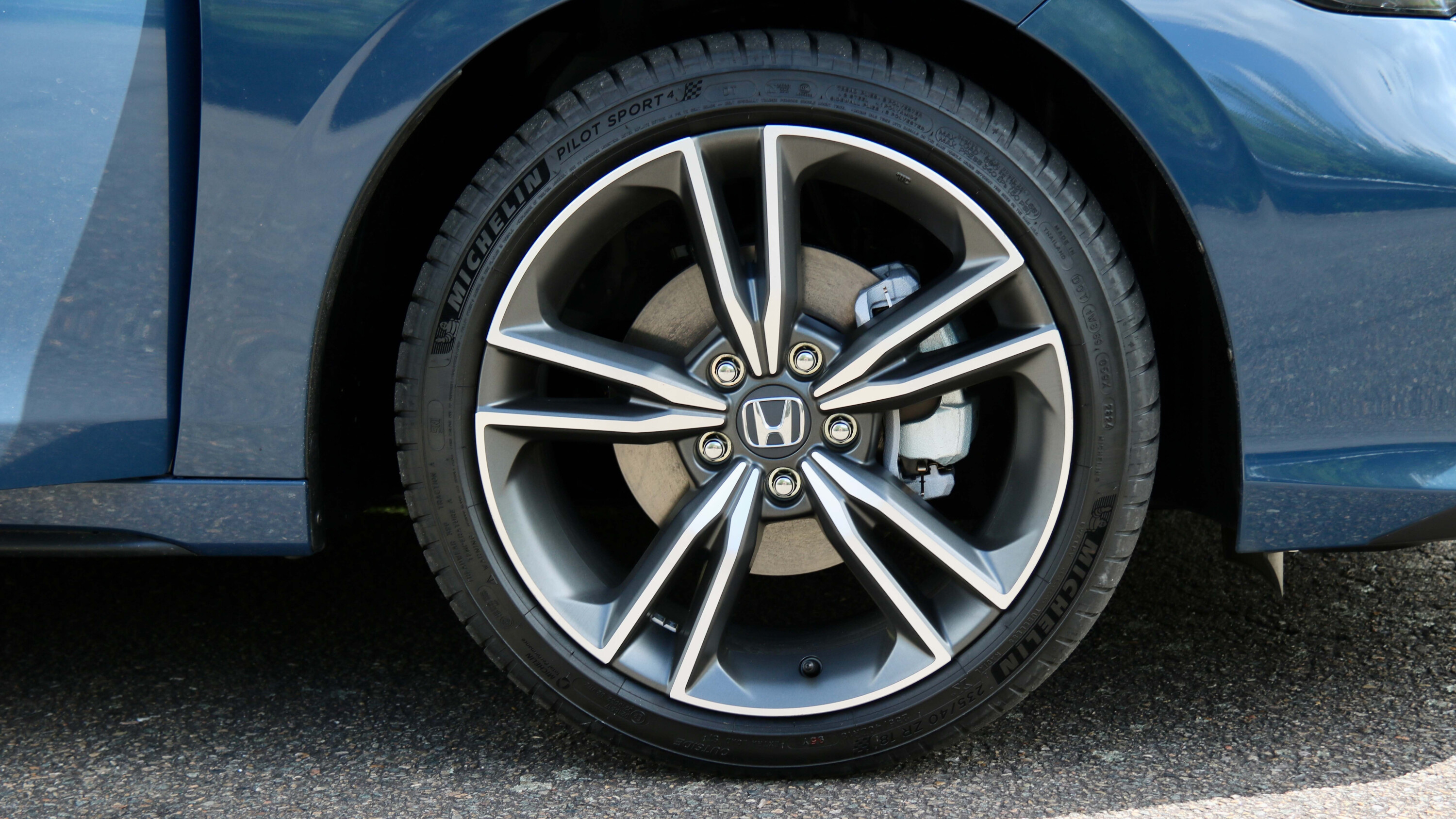
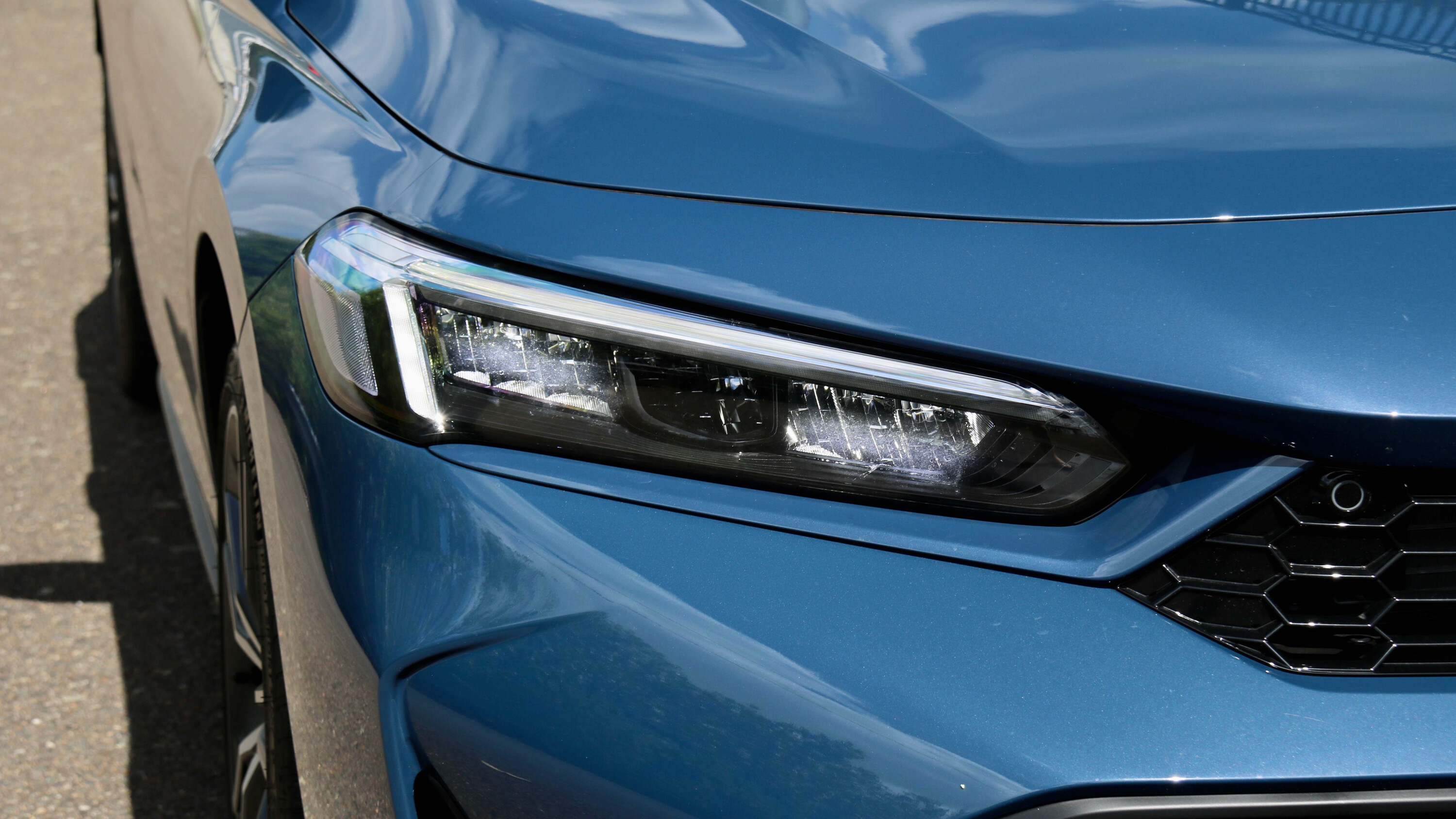
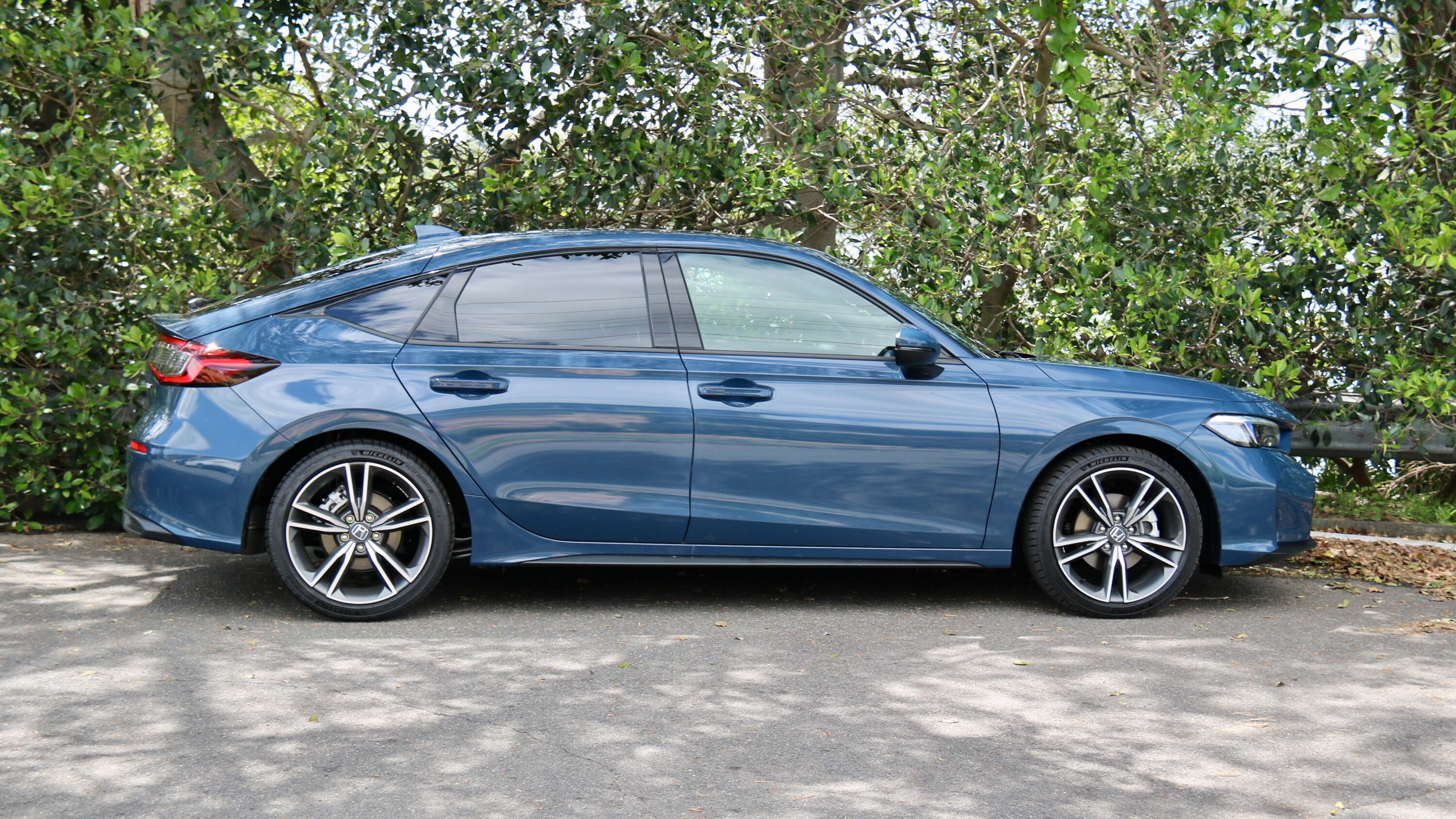
The previous 1.5-litre turbocharged petrol engine is no longer available and in response to demand for hybrid powertrains, a new entry-level hybrid model has been added. The exterior has also been treated to light styling changes, plus a new alloy wheel design and revised colours.
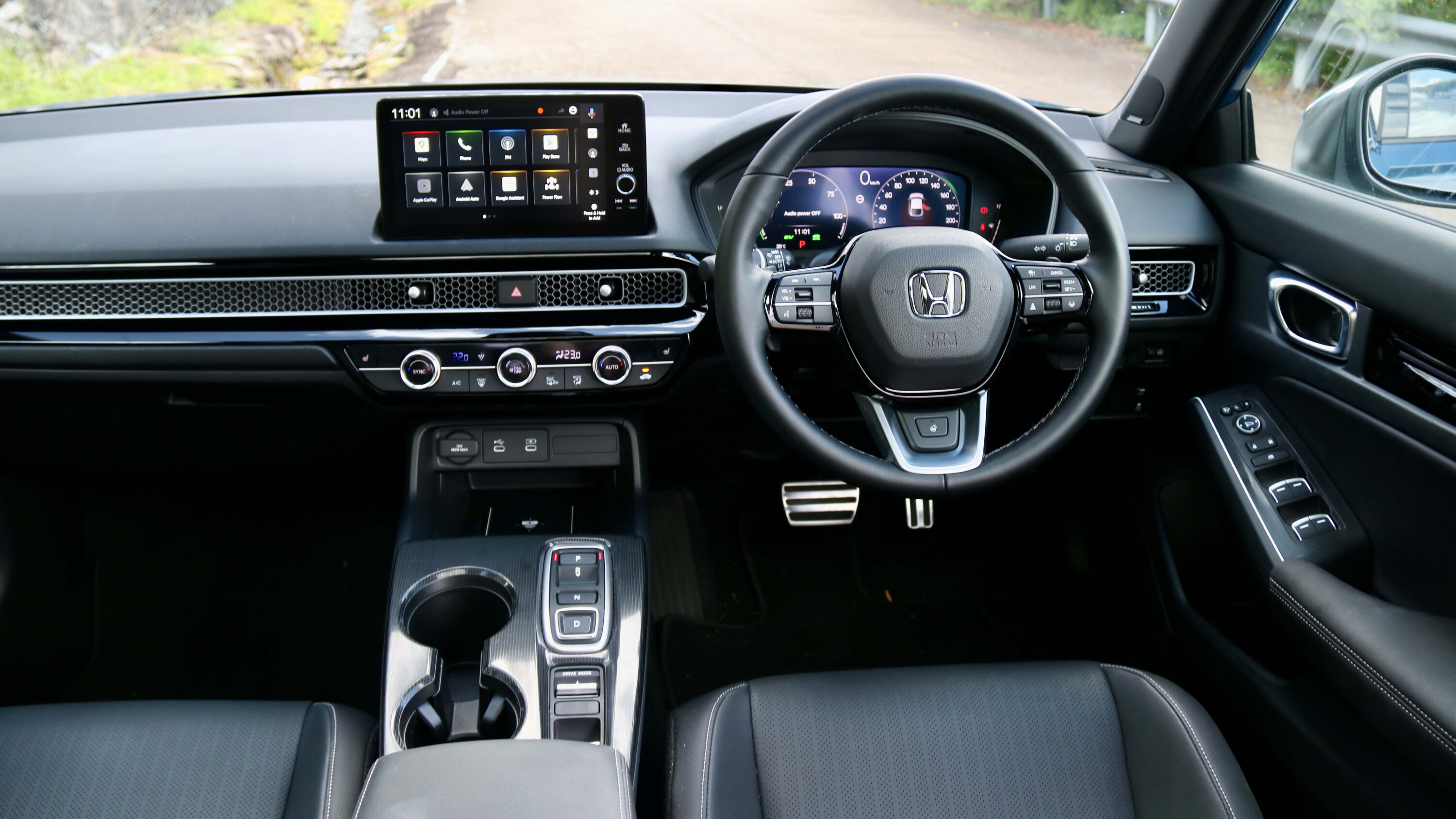
Inside, Honda has added new Google-based infotainment software, plus new equipment for the entry-level car.
The changes mean that the Civic range is now more expensive than ever before. With a starting price of $49,900 drive away, the updated range starts $2,700 higher and the top-spec LX is now $900 more. It’s not a cheap car but is it a smart buy?
JUMP AHEAD
- Pricing and features
- Performance and economy
- Interior comfort, practical and boot space
- On the road
- Service and warranty
- Verdict: Should I buy a 2025 Honda Civic?
- Civic rivals
Pricing and features
There are two variants in the Civic range in Australia: the entry-level e:HEV L and the top-spec e:HEV LX. Overseas, petrol engines and even a sedan bodystyle are available, but not locally.
| 2025 Honda Civic pricing (drive away): | |
|---|---|
| e:HEV L | $49,900 |
| e:HEV LX | $55,900 |
| Honda Civic e:HEV L standard equipment | |
|---|---|
| 18-inch alloy wheels with a tyre repair kit | Heated leather-wrapped steering wheel with paddle shifters |
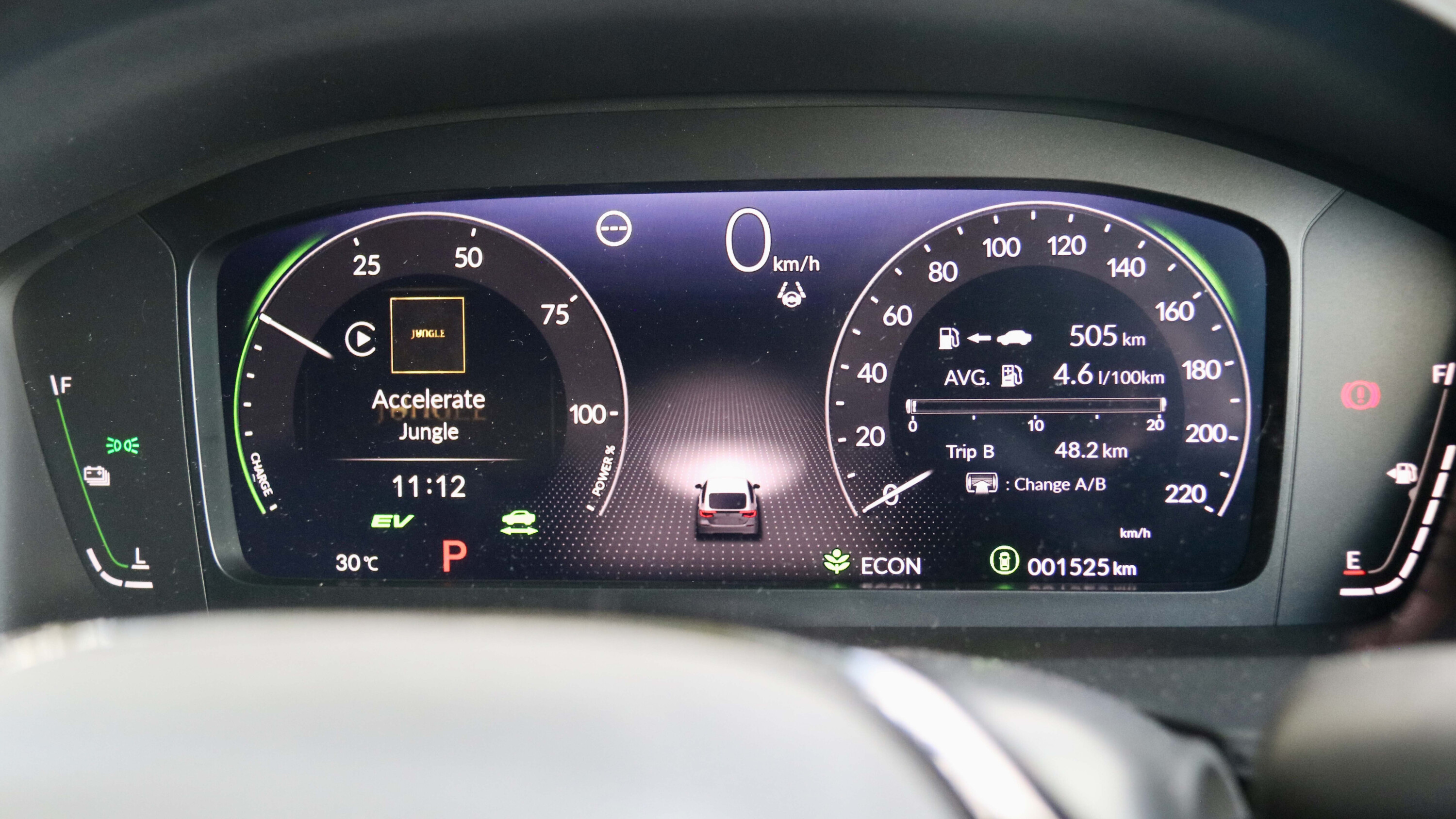
| Dusk- and rain-activated automatic LED headlights | 10.2-inch digital driveru2019s display |
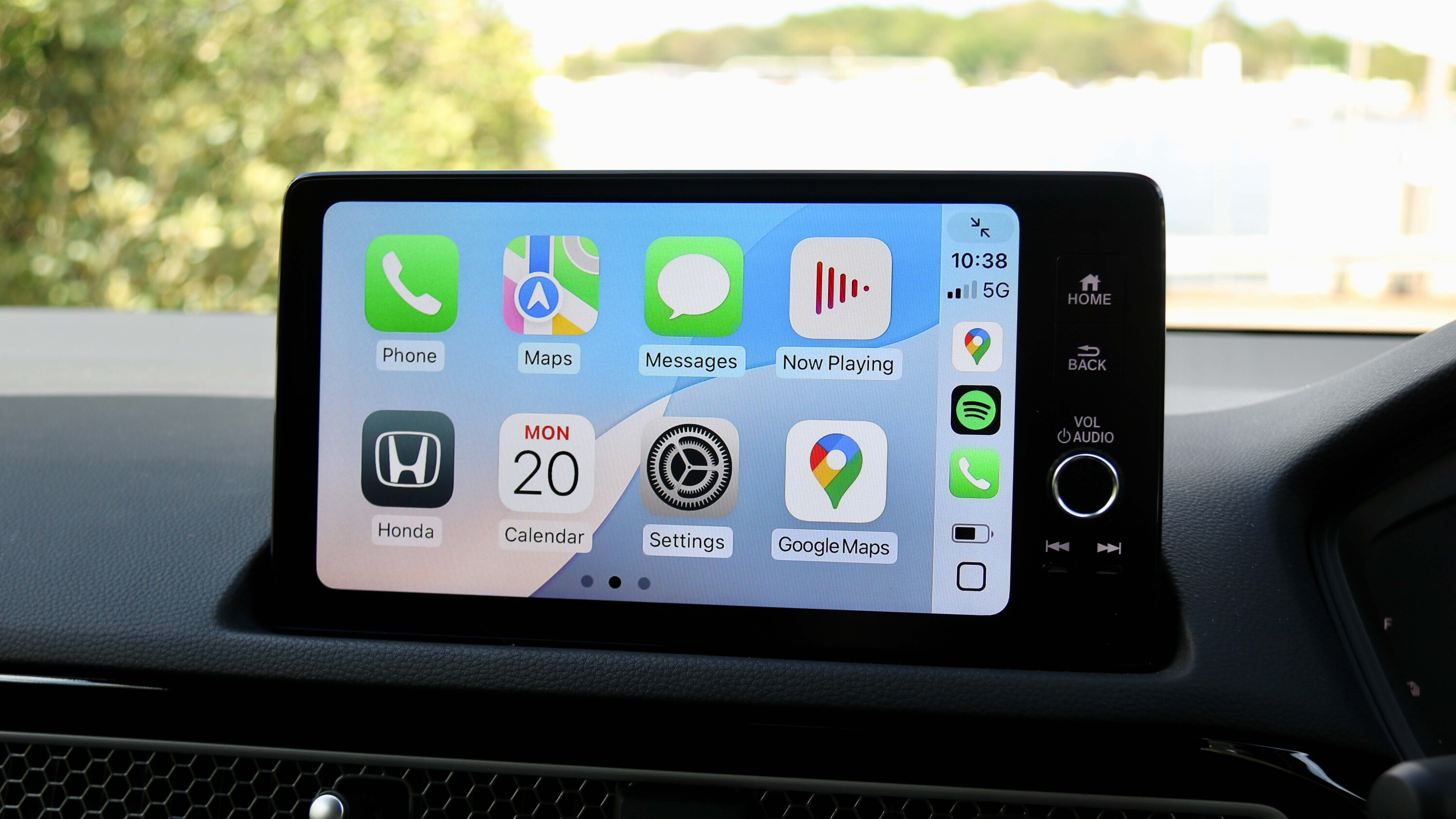
| Rain-sensing automatic wipers | 9.0-inch touchscreen with inbuilt Google and Google Play Store access |
| Keyless entry and push button start with a smart key card | u2018Honda Connectu2019 live services (three-year subscription) |
| Heated and auto-folding mirrors | Wireless and wired Apple CarPlay and wired Android Auto smartphone mirroring |
| Rear privacy glass | Google Maps navigation with live traffic |
| Dual-zone climate control with rear air vents | AM/FM/DAB+ digital radio |
| Auto up/down windows | 4x USB-C ports |
| Leather and cloth upholstery | 12-speaker Bose sound system |
| Six-way manual driveru2019s seat with electric lumbar adjustment | Normal, eco, sport and individual driving modes |
| Heated front seats | Adjustable regenerative braking |
| Civic standard safety equipment | |
|---|---|
| 11 airbags (including front centre, dual knee and rear side units) | Intelligent speed limit assistance |
| Auto emergency braking (AEB) with pedestrian and cyclist detection | Lane departure warning with lane keeping assistance |
| Adaptive cruise control with traffic jam assist | Blind-spot monitoring with rear cross-traffic alert |
| Adaptive lane guidance | Front and rear parking sensors |
| Auto high beam | Reversing camera |
| Traffic sign recognition | |
| Civic e:HEV LX model adds | |
|---|---|
| Full leather upholstery | 12-way driver/8-way front passenger electric front seat adjustment |
| Panoramic sunroof | Sunglasses holder |
| Wireless phone charger | Second rear seat map pocket |
| Auto-dimming rear mirror | |
| The Civic colour range (all no cost extra) |
|---|
| Seabed Blue |
| Platinum White |
| Premium Crystal Red |
| Sonic Grey (e:HEV LX only) |
Performance and economy
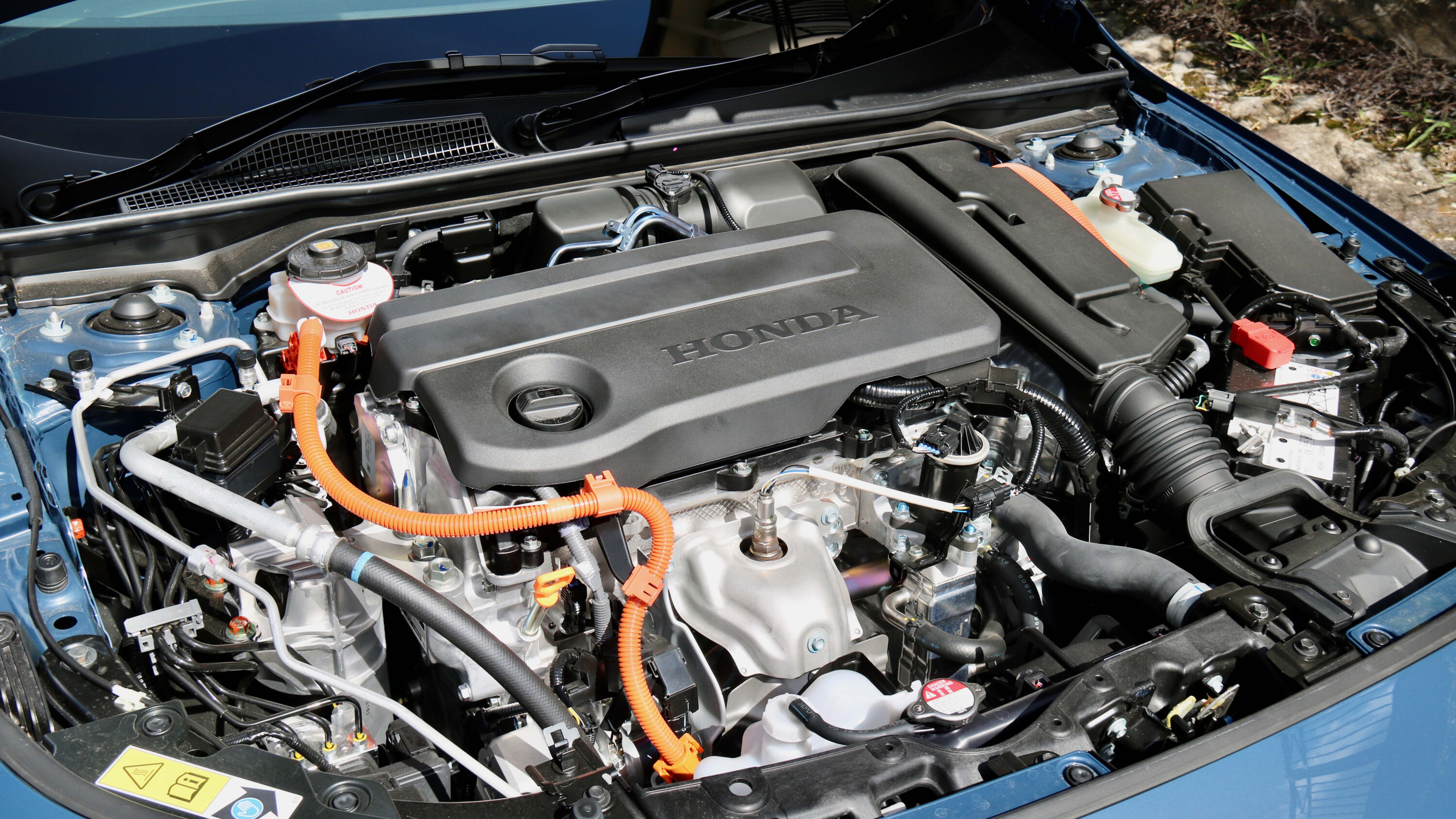
The Honda Civic is powered by a 2.0-litre four-cylinder petrol engine paired with a hybrid system and an e-CVT gearbox. Its combined outputs are 135kW of power (between 5,000rpm and 6,000rpm) and 315Nm of torque (from 0 to 2,000rpm).
The claimed combined fuel consumption for the Civic hybrid is 4.2L/100km with CO2 emissions rated at 96g/km. It can run on 91RON regular unleaded fuel and features a 40-litre fuel tank for a theoretical range of around 950km. That compares well to rivals with the less powerful Corolla hybrid officially using only 0.2L/100km less, and petrol rivals above the 5L/100km mark.
In our testing, we achieved 4.9L/100km with mixed driving, which is a bit higher than Honda’s claim but still impressive. At that consumption, it’s capable of a range of more than 800km.
Interior comfort, practical and boot space
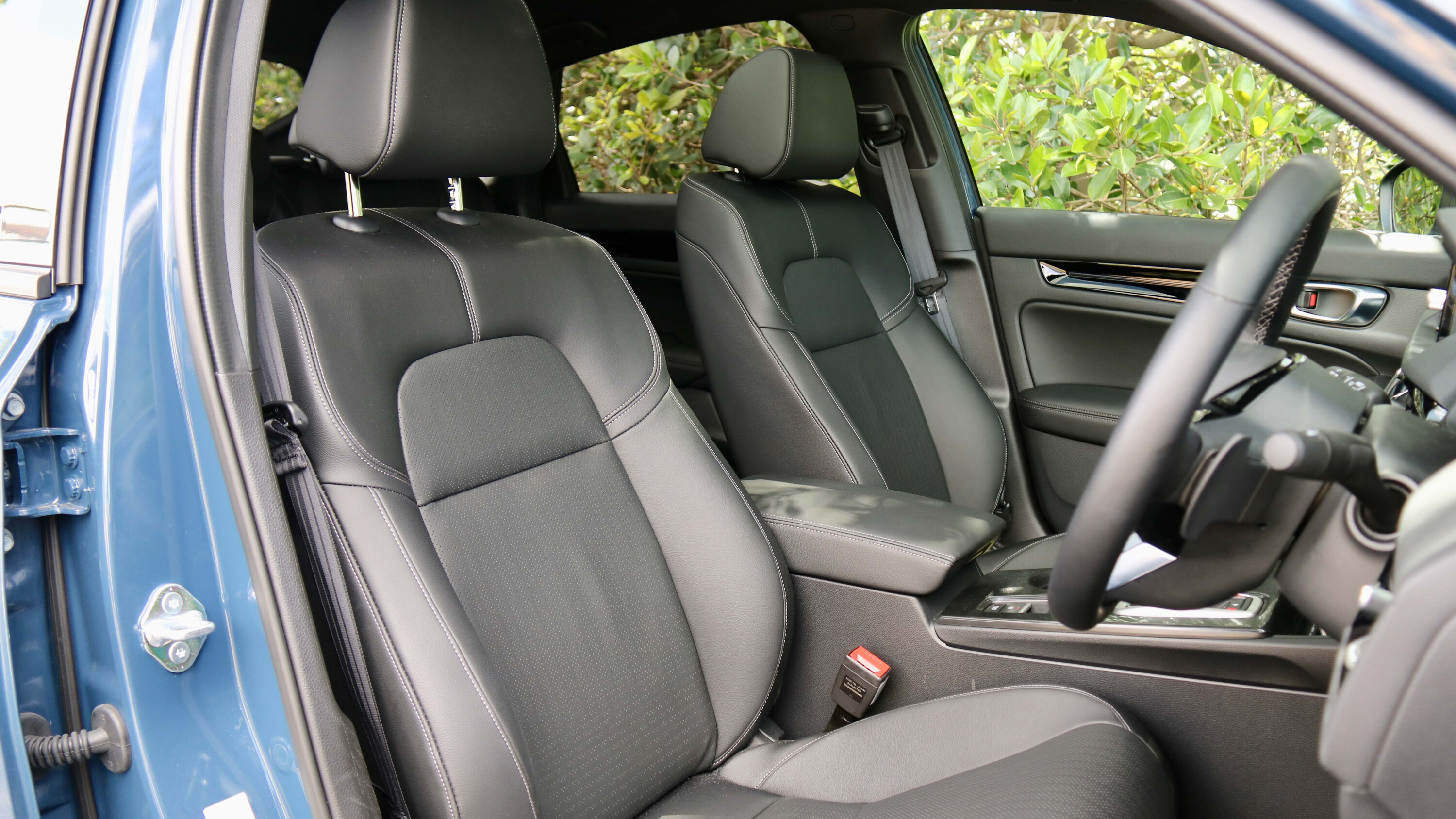
The Civic’s interior remains relatively unchanged in this update but that’s not a bad thing given its quality. There are ample soft touch materials atop the dashboard and doors, while the switchgear has a great tactility to it. Inside a Mazda3 is more luxurious, however, and it starts at a lot less money than the Civic.
To extend the comparison, the Civic’s cabin is more practical than the Mazda3, and storage highlights include large door bins, a big central box underneath the armrest, large cupholders in the centre console and a large tray underneath with a wireless phone charger.
Seat comfort is also excellent, and the driver’s seat has ample electric adjustment – though no memory functionality.
The Civic features a 9.0-inch touchscreen which now uses Google-based software. It’s quicker to use than before and its menus are still super easy to understand. Because of the Google integration, it now features Google Maps for its navigation and access to the Google Play store to download apps. It’s also useful if you already use Google features as you can sign into the car.
Ahead of the driver sits a 10.2-inch digital driver’s display that’s good quality and easy to use, though it’s unable to display a map like in a Volkswagen Group product. Usefully, however, when the cruise control is activated, it displays the car from the rear with the lanes and other cars around it like a Tesla.
The 12-speaker Bose sound system is solid, with effective bass and good clarity, though the Bose unit in the Mazda3 sounds better.
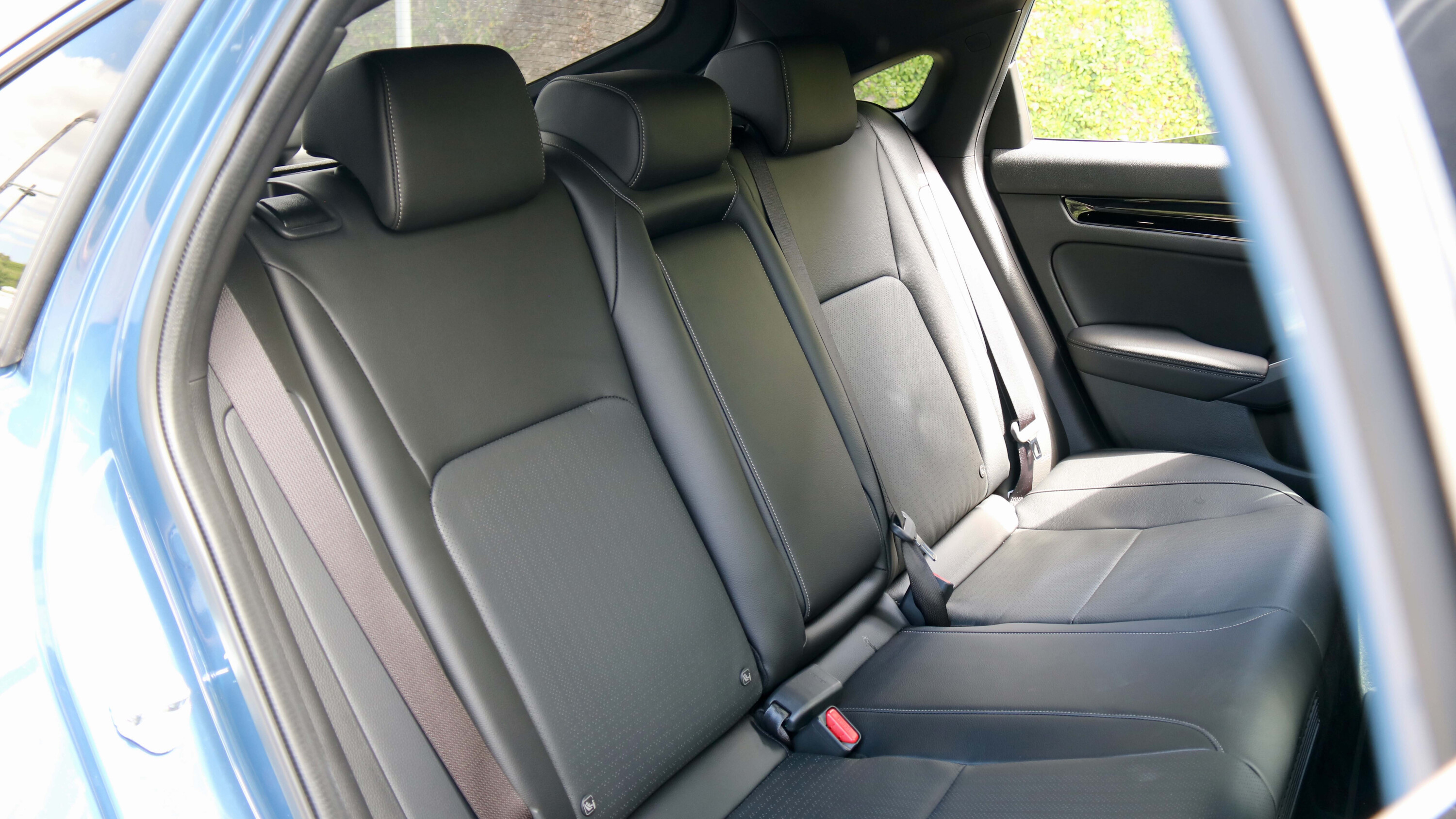
The rear seat of the Civic is spacious for the segment with ample legroom and pretty good headroom for six-footers, though a Skoda Scala is still roomier. Unlike the smaller HR-V, it features five seatbelts and three adults will be fine for short trips. It’s a well-featured space, with map pockets, door pockets, a central armrest with cup holders, air vents and two USB-C charging ports.
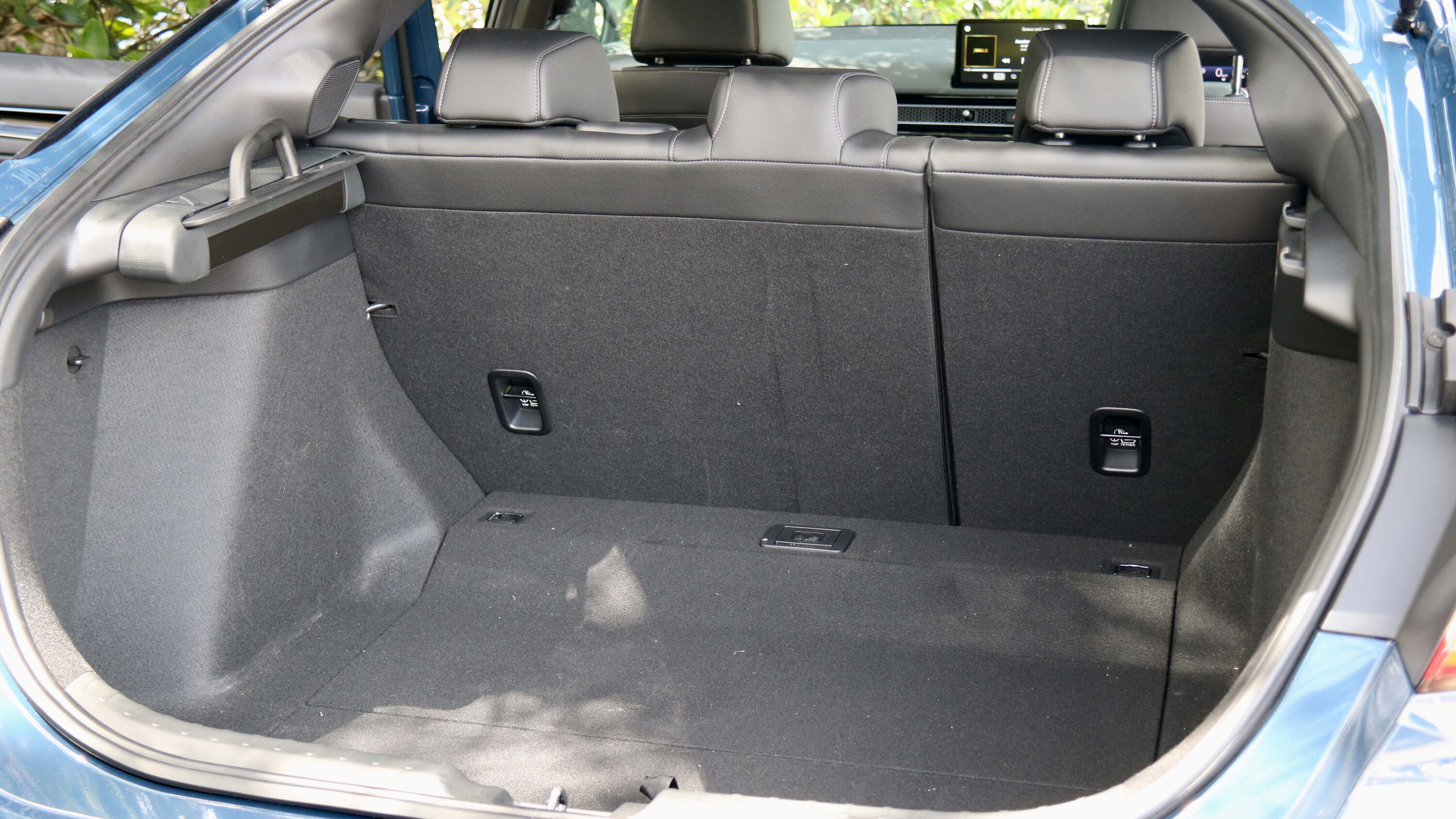
At 409-litres, the boot of the Civic is one of the largest in the segment, and much bigger than the 295L boot in the Mazda3, though still smaller than the 467L boot in the Scala.
There’s no spare wheel but some under-floor storage in its place. There are a few hooks and the boot cover can be retracted without having to be taken out of the boot. The rear seats fold easily to create a large space – no figure is given for when they are folded – but the floor isn’t flat when done so.
On the road
As we found when we reviewed the pre-facelifted model, the Civic’s chassis is well balanced with good front-end grip, a generally great ride quality and – much to the delight of enthusiasts – Michelin Pilot Sport 4 tyres.
While its chassis is not quite as sharp as a Corolla, the ride is more resolved and road noise levels are also much quieter. In an age where performance cars are under attack, it’s nice to know that regular grocery getters provide a smile from behind the wheel.
The hybrid system is impressive as well, effectively saving charge from regenerative braking and being charged by the 2.0-litre petrol engine, using it to allow the car to run on EV-only power in most stop-start situations.
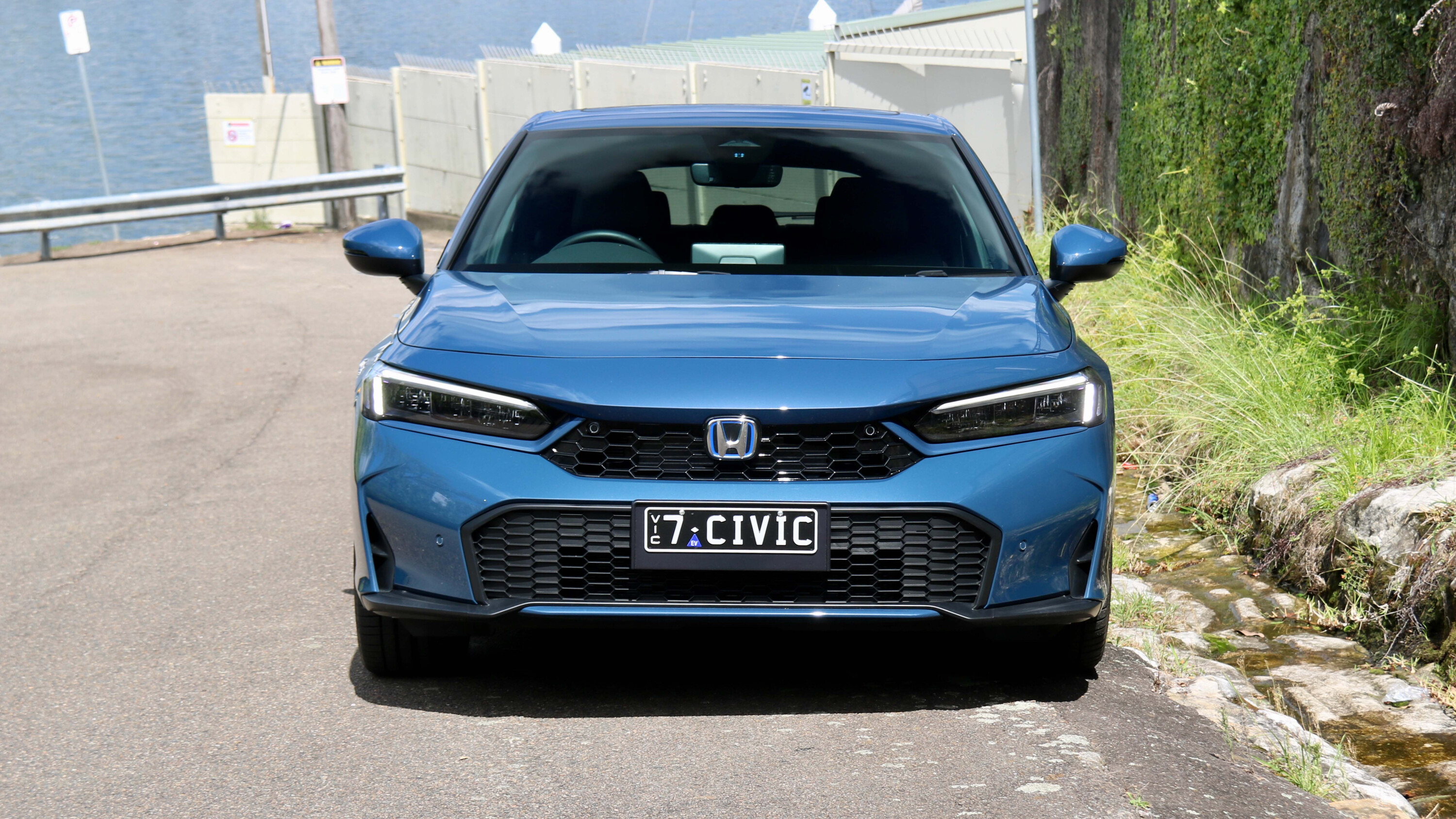
When the petrol engine fires up, it’s more refined than a Toyota hybrid and that’s mostly because the gearbox features stepping like a proper gearbox, instead of the rubbery dynamic of the Toyota’s CVT.
There are paddle shifters to control the regenerative braking – which oddly revert to their lowest setting once you’re off the brakes – and eco, normal, sport, as well as new individual driving modes to further tune the driving experience.
Unlike the Corolla, however, there’s no dedicated EV driving mode, but we’re not sure that many drivers will mind considering how efficient the Civic is.
Service and warranty
The Civic is covered by a five-year/unlimited km warranty with five years of roadside assistance, and an eight-year/160,000km warranty for the battery. That warranty term matches most rivals, though Skoda includes two extra years for seven in total.
Service intervals are annual or 10,000km (whichever comes first), and each of the first five services costs $199 each for a total of $995 over 50,000km of driving. Three years of Honda Connect is included with the Civic’s price, after which point owners must pay a fee.
Verdict: Should I buy a 2025 Honda Civic?
There’s no question that the updated Civic is one of the best products in the small car segment. It just doesn’t do much wrong: it’s practical, efficient, fun to drive, well equipped, cheap to service and covered by a pretty good warranty too. It’s not perfect – there’s no spare tyre, for example – but it’s just a really well engineered product, or exactly what we’d expect from Honda.
The biggest issue with the Civic is its price. There’s no doubting that it’s a great product, but many buyers will overlook it simply because of its position in the market.
Sub-$50,000 where the base model sits is where the top-spec LX should be priced, and oddly enough, the larger ZR-V hybrid SUV that’s based on the Civic costs $1,000 less. Regardless of the pricing though, the Civic is a great all-rounder and if you’re able to justify the price, it’s worth strong consideration.
Civic rivals:
u2b06ufe0f Back to topVolkswagen Australia has revealed both its Polo small hatch and T-Roc small SUV will receive new safety features for the 2025 model year.
Now with adaptive cruise control and adaptive lane guidance standard on the Polo range, and blind-spot monitoring with rear cross-traffic alert added to the T-Roc, the MY25 Volkswagen range is safer than ever – though prices have gone up to account for the new standard kit.
Priced from $30,790 plus on-road costs – an increase of $1,300 – the entry-level Polo Life is now equipped with adaptive cruise control and adaptive lane guidance under the brand’s ‘Travel Assist’ branding, which allows for semi-autonomous highway driving.
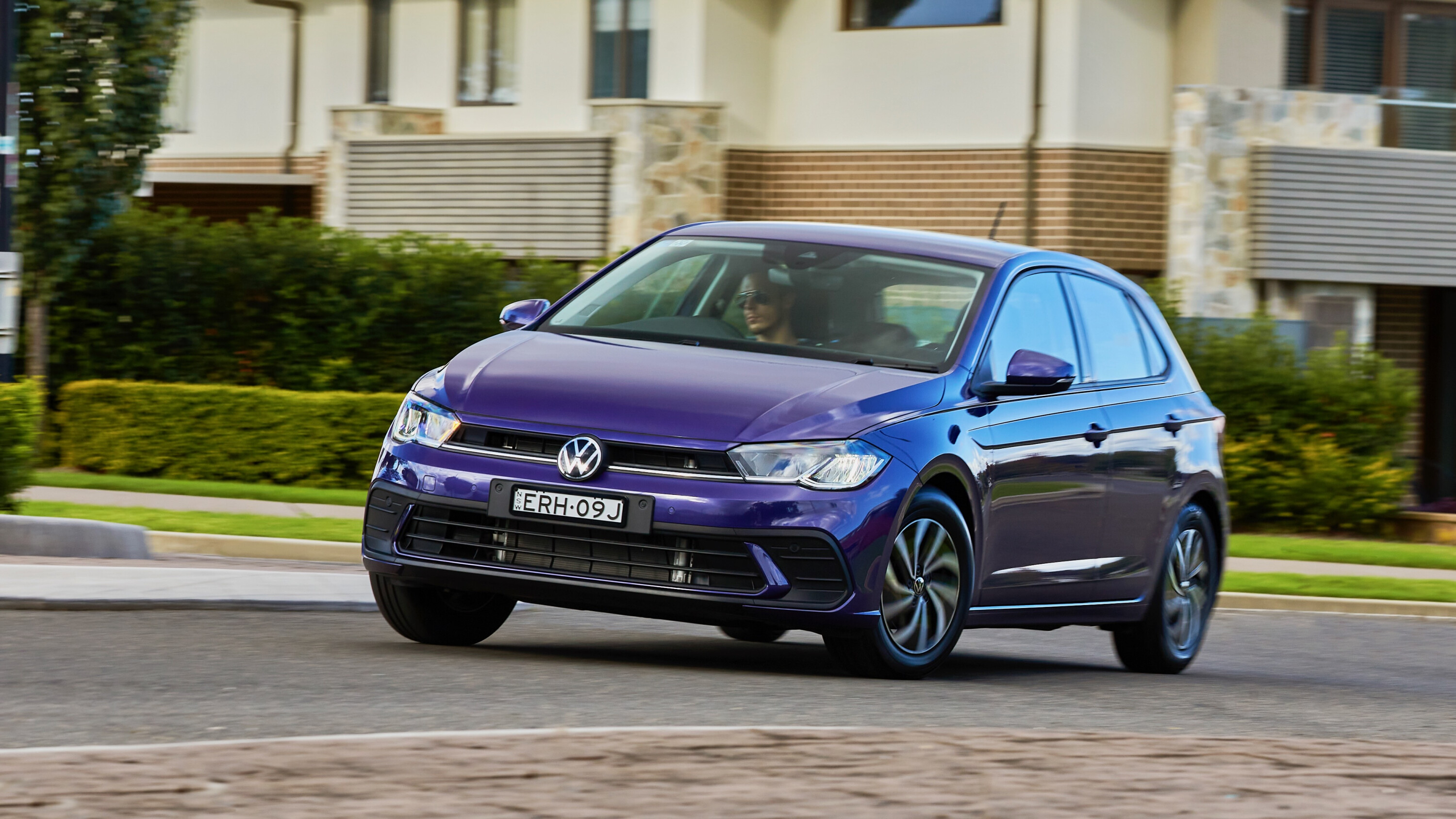
The mid-spec Polo Style has also gained standard keyless entry with push button start, satellite navigation, wireless Apple CarPlay and Android Auto, and a wireless phone charger is also now part of the spec sheet.
Its $34,790 +ORC price is a $2,250 increase on 2024 models, while the previous Vision and Tech Package on the Life, and Sound and Tech Pack on the Style, are now unavailable.
The entry-level T-Roc CityLife has also gained new safety equipment, with blind-spot monitoring with rear cross-traffic alert (with braking) and a proactive occupant protection system now standard kit for a $2,000 price increase to $38,990 plus on-road costs.
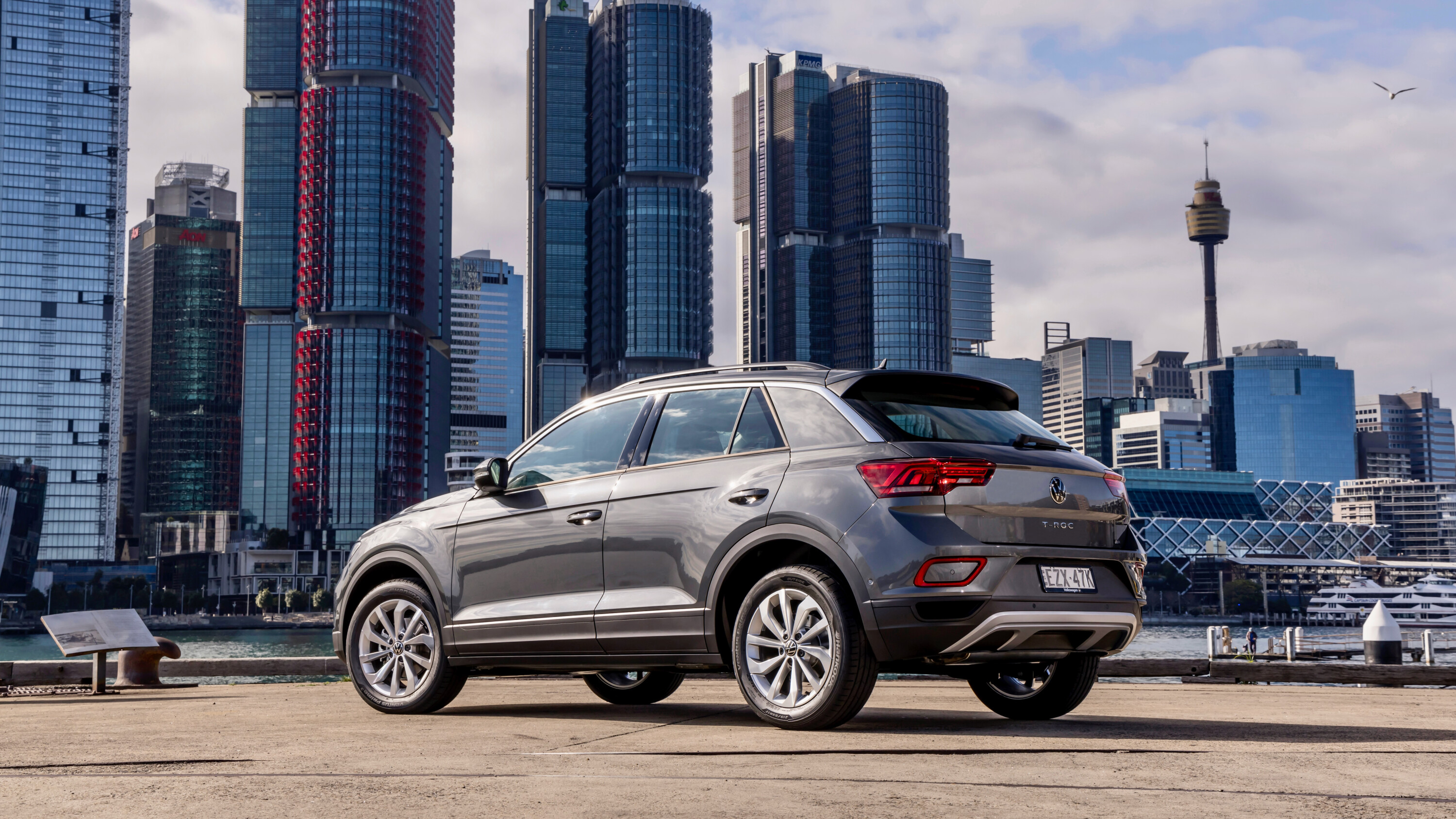
The T-Roc R-Line has gained a new leather steering wheel with physical buttons replacing the previous touch pads.
All T-Roc variants have also gained five years of free access to Volkswagen’s new ‘GoConnect’ smartphone app with remote access to vehicle information, location, recent trip data, warning light notifications and direct dealer communication. GoConnect debuted on the ID. Buzz electric people mover recently and is the first type of live services offered by Volkswagen in Australia.
Before the MY25 cars arrive, Volkswagen is offering special drive away pricing on MY24 cars with the T-Roc CityLife available for $37,990, the Style for $42,990, the R-Line for $51,990 and the R for $65,990 (all drive away).
| MY25 Volkswagen Polo pricing (plus on-road costs): | |
|---|---|
| Life | $30,790 |
| Style | $34,790 |
| GTI | $41,790 |
| MY25 Volkswagen T-Roc pricing (plus on-road costs): | |
|---|---|
| CityLife | $38,990 |
| Style | $41,990 |
| R-Line | $49,990 |
| R | $64,990 |
The MY25 Volkswagen Polo and T-Roc will enter local VW showrooms later this quarter.
